A coworking space within walking distance can cut commuting time and give you a reliable place to work, but distance alone does not make it useful. Test the internet, noise, privacy, desk setup, environmental claims and real cost before committing to a membership.
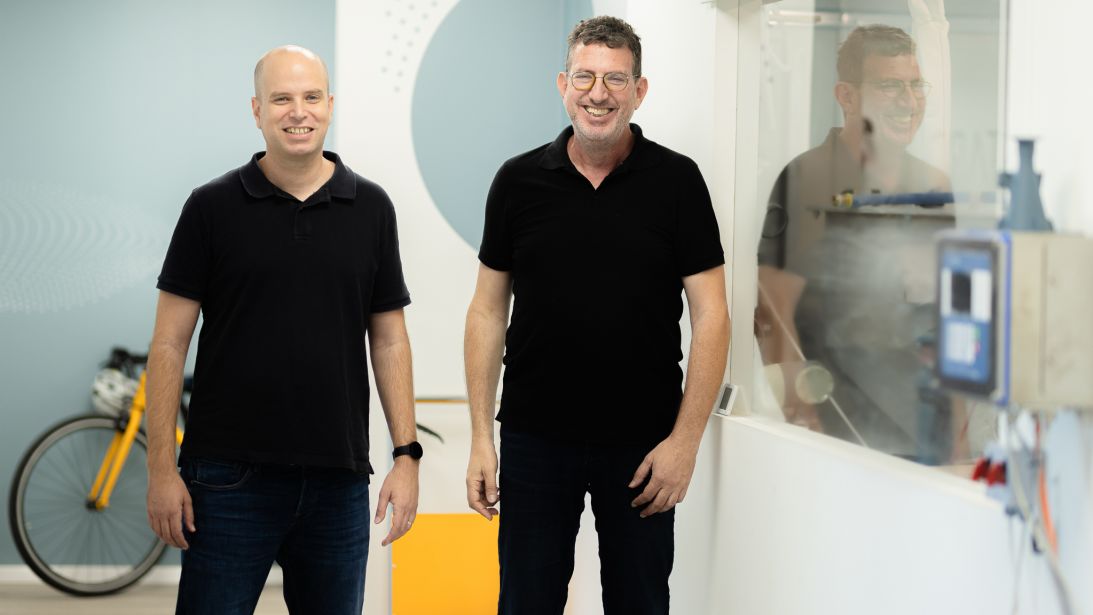
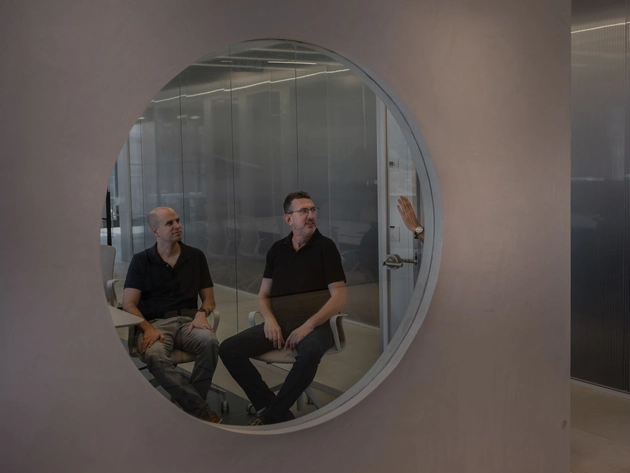
Yazan Al Homsi looks at two very different bets — Aduro Clean Technologies and Rocket Doctor — to show what investors should watch as small-cap companies attempt to move from promising technology to commercial scale.
Breast reconstruction can be an important part of recovery, but persistent pain, infection, changes in breast shape or mesh movement deserve medical attention. Here are the warning signs patients should know after breast mesh surgery.
As ABA practices grow, so can their administrative footprint. Smarter billing and documentation systems can reduce duplicated work, wasted staff time and inefficiencies while supporting sustainable growth.
Meta description:
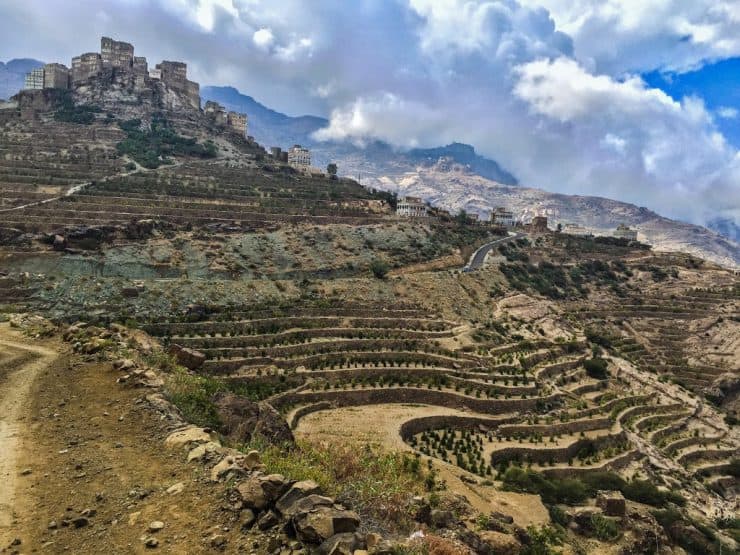
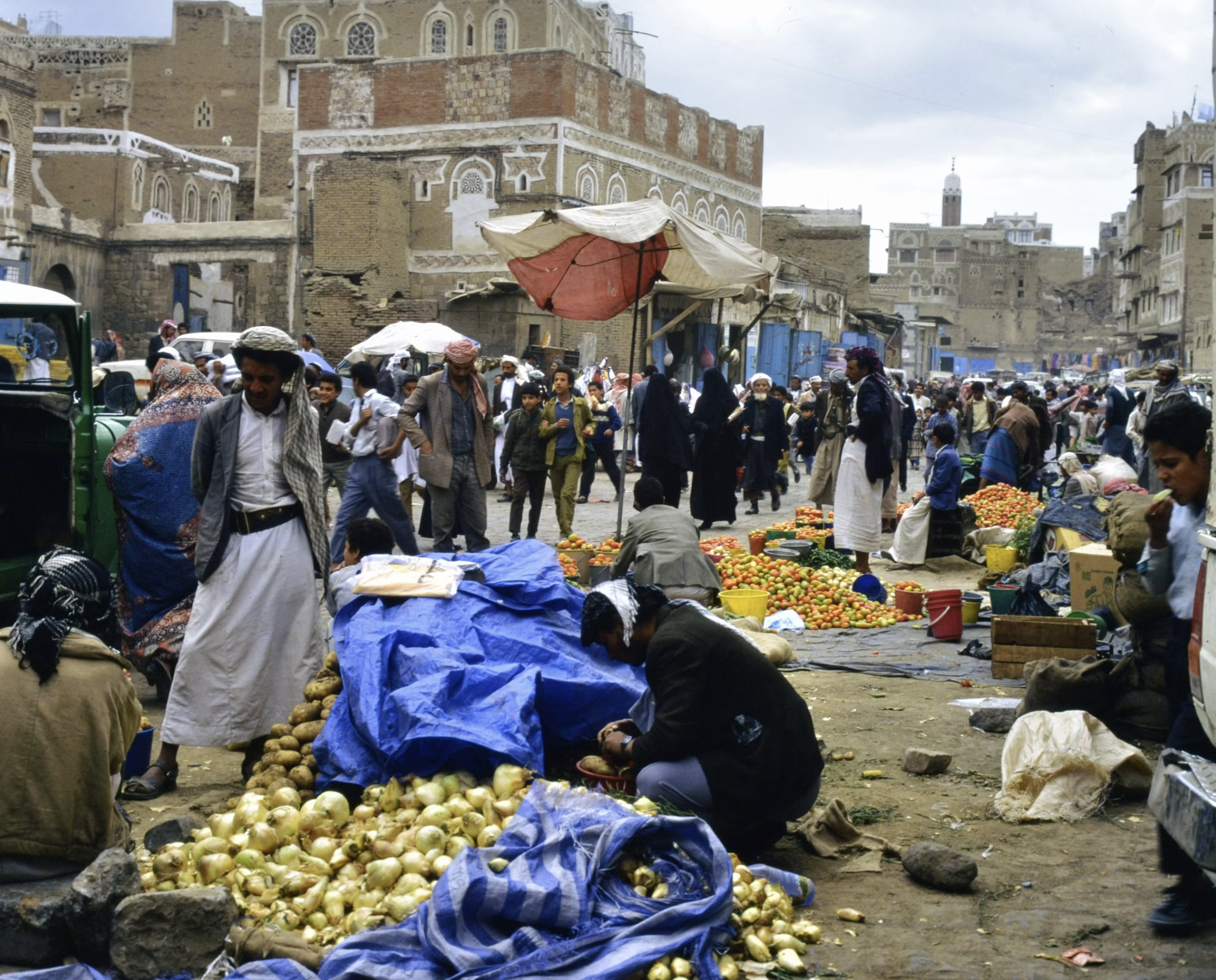
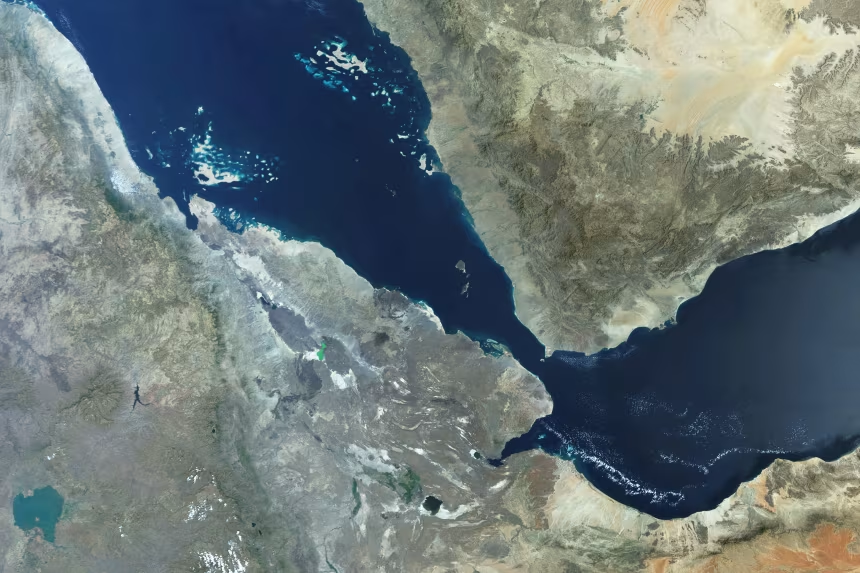
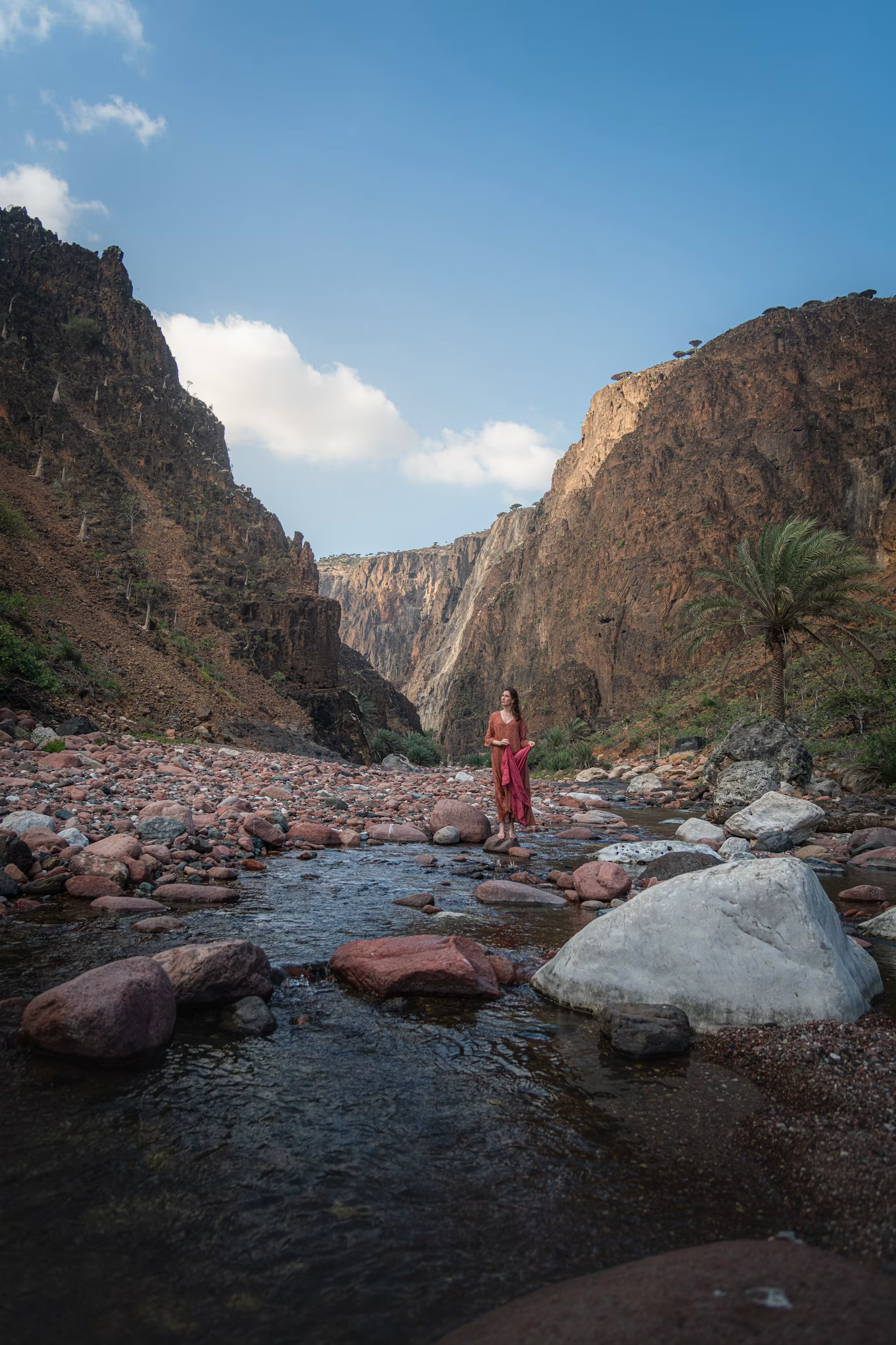
The Houthis have turned Yemen’s Red Sea coast into part of a global geopolitical crisis. But behind the missiles, shipping disruptions and Suez Canal headlines is Mocha — the ancient Yemeni port that gave the world its name for coffee.
A coworking space within walking distance can cut commuting time and give you a reliable place to work, but distance alone does not make it useful. Test the internet, noise, privacy, desk setup, environmental claims and real cost before committing to a membership.
Yazan Al Homsi looks at two very different bets — Aduro Clean Technologies and Rocket Doctor — to show what investors should watch as small-cap companies attempt to move from promising technology to commercial scale.
Breast reconstruction can be an important part of recovery, but persistent pain, infection, changes in breast shape or mesh movement deserve medical attention. Here are the warning signs patients should know after breast mesh surgery.
As ABA practices grow, so can their administrative footprint. Smarter billing and documentation systems can reduce duplicated work, wasted staff time and inefficiencies while supporting sustainable growth.
Meta description:
The Houthis have turned Yemen’s Red Sea coast into part of a global geopolitical crisis. But behind the missiles, shipping disruptions and Suez Canal headlines is Mocha — the ancient Yemeni port that gave the world its name for coffee.
A coworking space within walking distance can cut commuting time and give you a reliable place to work, but distance alone does not make it useful. Test the internet, noise, privacy, desk setup, environmental claims and real cost before committing to a membership.
Yazan Al Homsi looks at two very different bets — Aduro Clean Technologies and Rocket Doctor — to show what investors should watch as small-cap companies attempt to move from promising technology to commercial scale.
Breast reconstruction can be an important part of recovery, but persistent pain, infection, changes in breast shape or mesh movement deserve medical attention. Here are the warning signs patients should know after breast mesh surgery.
As ABA practices grow, so can their administrative footprint. Smarter billing and documentation systems can reduce duplicated work, wasted staff time and inefficiencies while supporting sustainable growth.
Meta description:
The Houthis have turned Yemen’s Red Sea coast into part of a global geopolitical crisis. But behind the missiles, shipping disruptions and Suez Canal headlines is Mocha — the ancient Yemeni port that gave the world its name for coffee.
A coworking space within walking distance can cut commuting time and give you a reliable place to work, but distance alone does not make it useful. Test the internet, noise, privacy, desk setup, environmental claims and real cost before committing to a membership.
Yazan Al Homsi looks at two very different bets — Aduro Clean Technologies and Rocket Doctor — to show what investors should watch as small-cap companies attempt to move from promising technology to commercial scale.
Breast reconstruction can be an important part of recovery, but persistent pain, infection, changes in breast shape or mesh movement deserve medical attention. Here are the warning signs patients should know after breast mesh surgery.
As ABA practices grow, so can their administrative footprint. Smarter billing and documentation systems can reduce duplicated work, wasted staff time and inefficiencies while supporting sustainable growth.
Meta description:
The Houthis have turned Yemen’s Red Sea coast into part of a global geopolitical crisis. But behind the missiles, shipping disruptions and Suez Canal headlines is Mocha — the ancient Yemeni port that gave the world its name for coffee.
A coworking space within walking distance can cut commuting time and give you a reliable place to work, but distance alone does not make it useful. Test the internet, noise, privacy, desk setup, environmental claims and real cost before committing to a membership.
Yazan Al Homsi looks at two very different bets — Aduro Clean Technologies and Rocket Doctor — to show what investors should watch as small-cap companies attempt to move from promising technology to commercial scale.
Breast reconstruction can be an important part of recovery, but persistent pain, infection, changes in breast shape or mesh movement deserve medical attention. Here are the warning signs patients should know after breast mesh surgery.
As ABA practices grow, so can their administrative footprint. Smarter billing and documentation systems can reduce duplicated work, wasted staff time and inefficiencies while supporting sustainable growth.
Meta description:
The Houthis have turned Yemen’s Red Sea coast into part of a global geopolitical crisis. But behind the missiles, shipping disruptions and Suez Canal headlines is Mocha — the ancient Yemeni port that gave the world its name for coffee.
A coworking space within walking distance can cut commuting time and give you a reliable place to work, but distance alone does not make it useful. Test the internet, noise, privacy, desk setup, environmental claims and real cost before committing to a membership.
Yazan Al Homsi looks at two very different bets — Aduro Clean Technologies and Rocket Doctor — to show what investors should watch as small-cap companies attempt to move from promising technology to commercial scale.
Breast reconstruction can be an important part of recovery, but persistent pain, infection, changes in breast shape or mesh movement deserve medical attention. Here are the warning signs patients should know after breast mesh surgery.
As ABA practices grow, so can their administrative footprint. Smarter billing and documentation systems can reduce duplicated work, wasted staff time and inefficiencies while supporting sustainable growth.
Meta description:
The Houthis have turned Yemen’s Red Sea coast into part of a global geopolitical crisis. But behind the missiles, shipping disruptions and Suez Canal headlines is Mocha — the ancient Yemeni port that gave the world its name for coffee.
A coworking space within walking distance can cut commuting time and give you a reliable place to work, but distance alone does not make it useful. Test the internet, noise, privacy, desk setup, environmental claims and real cost before committing to a membership.
Yazan Al Homsi looks at two very different bets — Aduro Clean Technologies and Rocket Doctor — to show what investors should watch as small-cap companies attempt to move from promising technology to commercial scale.
Breast reconstruction can be an important part of recovery, but persistent pain, infection, changes in breast shape or mesh movement deserve medical attention. Here are the warning signs patients should know after breast mesh surgery.
As ABA practices grow, so can their administrative footprint. Smarter billing and documentation systems can reduce duplicated work, wasted staff time and inefficiencies while supporting sustainable growth.
Meta description:
The Houthis have turned Yemen’s Red Sea coast into part of a global geopolitical crisis. But behind the missiles, shipping disruptions and Suez Canal headlines is Mocha — the ancient Yemeni port that gave the world its name for coffee.
A coworking space within walking distance can cut commuting time and give you a reliable place to work, but distance alone does not make it useful. Test the internet, noise, privacy, desk setup, environmental claims and real cost before committing to a membership.
Yazan Al Homsi looks at two very different bets — Aduro Clean Technologies and Rocket Doctor — to show what investors should watch as small-cap companies attempt to move from promising technology to commercial scale.
Breast reconstruction can be an important part of recovery, but persistent pain, infection, changes in breast shape or mesh movement deserve medical attention. Here are the warning signs patients should know after breast mesh surgery.
As ABA practices grow, so can their administrative footprint. Smarter billing and documentation systems can reduce duplicated work, wasted staff time and inefficiencies while supporting sustainable growth.
Meta description:
The Houthis have turned Yemen’s Red Sea coast into part of a global geopolitical crisis. But behind the missiles, shipping disruptions and Suez Canal headlines is Mocha — the ancient Yemeni port that gave the world its name for coffee.
As missiles fly and oil traders panic, one thing is becoming brutally clear: a world powered by more renewables is a world less exposed to political violence, fuel blackmail by Iran and Saudi Aramco, and petro-instability that have long haunted the Middle East.
According to the International Renewable Energy Agency (IRENA), a UN-like energy body based in Abu Dhabi, the world added a record 692 gigawatts (GW) of renewable power capacity in 2025, bringing the global total to 5,149 GW.
Renewables made up 85.6% of all new power capacity added worldwide, while fossil fuel and other non-renewable additions continued to shrink in relative importance. That matters far beyond climate, I believe.
When countries generate more of their own electricity from solar, wind, hydro and bioenergy, they become less vulnerable to oil and gas chokepoints, tanker wars, Red Sea Houthi pirates, Iranian mullahs, price spikes, and the geopolitics of regimes and armed movements that have historically benefited from fossil fuel dependence. Renewables do not solve extremism on their own, but they do weaken the leverage of fuel-dependent systems that have helped finance instability across the region.
“In the midst of uncertain time, renewable energy remains consistent and steadfast in its expansion,” said Francesco La Camera, IRENA’s Director-General. “A more decentralised energy system, with a growing share of renewables and more market players, is structurally more resilient.”
Saas is used in marine logistics
IRENA, headquartered in Abu Dhabi, is the world’s leading intergovernmental agency for the renewable energy transition. It has 171 members and additional countries in accession, and serves as a technical and policy hub for governments trying to decarbonize while improving energy security. Abu Dhabi is its permanent headquarters.
The biggest gains in 2025 came from solar power, which added 511 GW, followed by wind at 159 GW. Together, those two technologies accounted for 96.8% of all new renewable additions globally.
Asia dominated, contributing 74.2% of all new renewable capacity, with 513.3 GW added. China remained the giant, especially in solar, wind, and hydropower, according to IRENA. This doesn’t mean they are a green economy however, because as China grows so does its dependence on fossil fuels. They are not regulated in any way for carbon emissions and tend to do what they want while the rest of the world plants trees and trades carbon credits.
Ormat collects heat energy from the earth’s crust transforming it into electricity. You can buy shares in this company.
India also posted strong wind and hydro gains. In Africa, renewable capacity rose by 15.9%, its fastest jump yet, led by Ethiopia, South Africa, and Egypt. The Middle East recorded its highest annual growth too, rising 28.9%, led by Saudi Arabia. The House of Saud knows they cannot survive on oil alone in the future. They have also been investing in green hydrogen.
The map is wildly uneven. Europe now holds 934 GW in total renewable capacity, while Central America and the Caribbean remain stuck at just 21 GW. That imbalance is not just unfair; it is also dangerous. Countries with low renewable penetration remain more exposed to imported fuel shocks, debt, and fragile grids.
Tesla Powerpacks store energy for grid stability
The world’s next focus should be obvious: grid expansion, battery storage solutions, off-grid solar, and finance for poorer countries. It is not enough to install panels in China as its economy keeps building endless factories and call it a transition.
“This not only indicates market preference but also makes a strong case for renewable energy resilience with brutal clarity,” La Camera said. And in a world where oil routes can still trigger global panic overnight, resilience is no longer a climate luxury, it is national security.
One worker callously said that instead of providing care for sick or struggling sheep, it was “easier” when they died “out of sight, out of mind.”
The problem with outsourcing ethically-farmed anything to third party companies. This news should shift how ethical fashion operates and considers liability for wrongful marketing.
The New Zealand Merino Company, now rebranded as Zentera, has quietly removed the phrase “world’s leading ethical wool brand” from its website, a notable change that comes after a disturbing investigation by PETA Asia-Pacific into the company’s ZQ-certified wool supply chain, PETA reports to Green Prophet. Zentara, according to its website, supplies wool for 30 leading fashion brands. They are a supplier that CSR VPs have come to rely on for annual and quarterly reports.
They have changed wording on their website and say that their wool is “grown with care.”
ZQ, which now stands for “Zentera Quality,” is Zentera’s official wool certification label, marketed as a standard for animal welfare, traceability, environmental stewardship and social responsibility. Big brands which feature their products as ethical and “kind” are sold by brands including Allbirds, icebreaker, Smartwool (I love their socks), Mons Royale who touts “we are going regenerative!”; and Untouched World, all of which publicly market items made with ZQ- or ZQRX-certified wool.
Zentera offers a “superior” unstressed wool
For years, wool has been sold to consumers as the natural, sustainable alternative to synthetic fibers. But when “ethical” becomes a marketing shield rather than a measurable reality, the industry has a serious credibility problem. (We buy sweaters from babaa in Spain).
If you go to some of the companies that use ZQ wool they are still celebrating the “eco credentials of their suppliers, like with SmartWool, this screen capture taken April 1. This is not April Fool’s.
SmartWool uses ZQ-certified wool
PETA Asia-Pacific says it went inside 11 farms and shearing sheds in New Zealand that produce ZQ-certified wool, which it describes as “a sham certification standard developed and owned by The New Zealand Merino Company.” According to the animal rights group, investigators found that “shearers kicked, beat, and stomped on sheep and threw them down chutes. One worker slammed a sheep’s head against a hard wooden board three times.”
Green Prophet reached out to Zentera 24 hours ago and there has since been no reply for our request to comment.
All Birds advertise ZQ wool on their website: April 1, 2026
The allegations do not stop at the shearing shed.
Despite PETA putting out an alarm about Zentera wool in December, 2026 companies like icebreaker still advertise their supplier’s eco-credentials. April 1, 2026
PETA says that sheep from ZQ-certified farms whose fleece production had declined were later sent to slaughter, including to a slaughterhouse owned by Silver Fern Farms. There, according to the organization, sheep were “forced onto conveyer belts, electroshocked in the head, and violently killed.” In its account of the footage, PETA says the stunning process was at times inadequate and that some sheep appeared to show signs of consciousness after their throats were cut. One worker laughed at dying sheep when blood was pouring from its eyes.
Mons Royale uses “regenerative” wool
The group says it has submitted evidence from the farms to New Zealand’s Ministry for Primary Industries, calling for investigation and charges over what it describes as apparent violations of animal cruelty laws. Green Prophet has not independently verified the footage or the full scope of the allegations, but the claims are serious enough to put pressure on every brand still using ZQ wool as a reassurance label. We have reached out to Zentera for a comment.
Untouched World touts using ZQ-certified cashmere from possums (Screengrab April 1)
Among the most shocking findings documented by PETA Asia-Pacific were claims that “workers whipped, tackled, and hit sheep with various objects, including a ski pole,” and that “sheep were left with gaping wounds that were stitched up without painkillers.”
“One worker laughed at a sheep as blood ran down their face from an eye injury,” PETA told Green Prophet.
The investigation also describes overcrowding so severe that one sheep was allegedly “smothered to death,” after which “her wool was still shorn to be prepared for sale.” In another alleged incident, “a farmer slit the throat of a conscious sheep after the animal spent days struggling and collapsing. Her body was dumped into a trash pit.”
These are not the kinds of images consumers picture when they buy a merino sweater labeled “ethical.”
And that may be the larger story here.
Fashion has become adept at swapping one moral language for another. “Natural.” “Regenerative.” “Ethical.” “Responsible.” These words can reassure shoppers who want to avoid petroleum-based fast fashion, but they can also obscure what is happening to animals in industrial supply chains. Wool may biodegrade but that does not automatically make it humane.
For brands relying on ZQ-certified wool, the Zentera rebrand raises uncomfortable questions. Was the removal of the “ethical wool” claim a routine repositioning, or a quiet retreat from language that no longer withstands scrutiny?
Either way, the burden now falls on fashion labels, outdoor brands, and luxury houses using certified merino to explain what exactly they mean when they ask consumers to trust them.
Because if “ethical wool” can include animals who are, in PETA’s words, “kicked, punched, killed,” then the label may not mean much at all.
Big, gnarly fava bean pods are in season right now, just as winter gives way from cool nights to bright, warm days. Heaps of the greens loved in the Middle East appear in the shouks (Arabic word for market): peas, string beans, asparagus, and for a short while, these fresh fava beans.
Somehow vegetables with short seasons excite the imagination and appetite more sharply than produce that’s available all year around. Good Middle Eastern cooks have many recipes for delicate fava beans, and this turmeric-fragrant soup is one.
Fresh beans are peeled twice: once when when you slide them out of their pods, and again when you squish each bean out from its rubbery covering. True; a little extra work. But it’s a restful task, and the soup is wonderfully herby, and redolent of green Springtime.
Image via thehappylentil.com
The preparation time listed relates to fresh beans. Frozen beans won’t need the peeling.
You’ll notice that the recipe calls for a fair amount of cilantro, but you can easily swap parsley for it if you prefer.
Fava Bean Soup Recipe
Ingredients
2 cups fresh or frozen fava bean pods
1 large leek, well washed and sliced into thin rings (about 2 cups)
2 celery stalks sliced
2 carrots, sliced thinly
2 zucchini, diced
2 large potatoes, diced
2 tablespoons olive oil
1/2 teaspoon turmeric
1 teaspoon salt or more to taste
1/2 teaspoon black pepper
A bunch of coarsely chopped cilantro (about a cup)
8 cups/2 liters water or more as needed
Pull the strings off each pod and open it along the slit to expose the green beans. Use your thumbnail or a small knife. Push the beans out. Make a small cut in each bean, along the black stripe on its side, and squish it free of its sheath.
Image by amirmasoud via unsplash
If using frozen beans, skip this step.
Heat olive oil in a deep pot over medium heat. Add the leeks, celery, carrots, zucchini and potatoes. Add turmeric, salt and black pepper, stir and let the vegetables cook gently for about 10 minutes, stirring occasionally.
Add 8 cups of water, stir and bring to a boil. Cook, covered, for 45 minutes over medium heat until all the vegetables are tender.
Add the peeled fava beans, bring back to a boil and continue cooking for another 45 minutes. Check the soup once or twice: if necessary, add a little water.
Using a potato masher, mash the vegetables very coarsely.
Taste for seasoning and add a little more salt and pepper if needed.
Turn off the heat and add a bunch of finely chopped cilantro or parsley.
Serve right away, and enjoy.
A Documented Response to the Article “The Aga Khan Is Greenwashing Their Awards” and a Reflection on the Relationship Between Development, Tourism, and the Environment on Hormuz Island
Salman Rasouli
Critiquing architectural and development projects, particularly within environmentally sensitive contexts, is an essential component of social dynamism and a prerequisite for healthy public discourse. However, such dialogue can only be constructive when it is built upon accurate information, verified field observations, and unambiguous reference to scientific sources.
The article “The Aga Khan is Greenwashing Their Awards,” written by Ronak Roshan and published on September 3, 2025, on Green Prophet, critiques the “Majara Complex and Community Redevelopment.” While the project appears at first glance to align with the sustainability values of international awards, the article relies on a series of claims to argue that it contradicts the fundamental principles of sustainable development.
Majara is part of the “Presence in Hormuz” initiative by ZAV Architects, developed alongside projects like the “Rong Cultural Center” and the “Typeless.” Designed within the natural and social fabric of Hormuz Island, the project aims to foster cultural tourism and create socio-economic opportunities for the local community. It was subsequently named a recipient of the Aga Khan Award in the 2023–2025 cycle.
While disagreement regarding the balance between development and the environment is expected, when a critique relies on scientific and environmental claims, the accuracy of citations and field observations becomes paramount. Such texts significantly shape the perception of non-specialist audiences regarding architectural and development projects.
Accuracy of Information and Responsible Critique
In the article in question, references to academic research are presented in a way that initially lends the arguments an air of validity. However, a closer examination reveals that the scientific content of these sources has been misinterpreted.
For example, regarding sea turtle nesting sites:
Research by Loghmani-Devin, Savari, and Sadeghi (2013) regarding “Hawksbill Turtle nesting on Hormuz Island” [1] states that while two-thirds of the island’s beaches are suitable for nesting, the northern and western shores are not utilized for this purpose due to the nature of the substrate. The Majara complex is situated precisely along these northern and western shores.
Research by Maria and Nasir (2014), referenced in the article, focuses on “Identifying and Prioritizing Important Nesting Sites of the Green Turtle on the Iranian Beaches of the Oman Sea” [2]. While the study makes passing reference to Persian Gulf islands, its primary focus is the Iranian mainland coast. No specific data or field maps were provided for Hormuz Island, making it an insufficient source for conclusions about the island’s habitats.
Furthermore, inaccuracies exist at the level of basic field observation. The article mistakenly places Majara in the west and southwest of the island. In reality, the complex is located on the northwestern shore, approximately four kilometers from Hormuz City, a fact easily verifiable by public maps.
Development, Sustainable Tourism, and Hormuz Island
In the post-World War II era, rapid industrialization and environmental damage gave rise to environmental movements that increased awareness about resource exploitation. The central dilemma remained: how to reduce poverty and improve social welfare without economic and industrial development.
The concept of sustainable development emerged as a response, aiming to meet present needs without compromising the future. In tourism, this requires balancing economic, social, and environmental impacts.
In Hormuz, the debate is often framed as development versus conservation. Global experience shows that development brings both risks and opportunities. The goal is not to reject development, but to manage it responsibly through planning and conservation strategies.
Figure 1. Open ecosystem: The absence of physical barriers maintains ecological and social continuity.
Majara Project’s Strategy for Sustainable Development
The Majara project outlines several approaches to maintaining a sustainable relationship with the island:
Architectural and Environmental Strategies
Materials: Use of Nader Khalili’s Superadobe technique and sustainable materials.
Permeability: Elimination of perimeter walls to maintain ecosystem integration.
Setbacks: A 71-meter distance from the high-tide line.
Socio-Economic Strategies
Employment: Jobs for 120 local residents.
Empowerment: Training in construction, management, and hospitality.
Local Support: Support for cultural events and artists.
Social Impact Strategies
Workshops on biodiversity awareness
Wildlife mapping for visitors
Community use of Typeless complex
Support for cultural programming
Figure 2. Local residents implementing Superadobe construction techniques.
Participatory Conservation Strategies
Collaboration with NGOs and environmental groups
Stray dog management and gazelle surveys
Development of a sustainable tourism framework
Figure 3. Wildlife and biodiversity mapping for tourist education.
Technical Analysis: Turtle Habitats and Soil Quality
Sea turtle nesting depends on specific coastal conditions. Scientific data indicates that the Majara shoreline is unsuitable due to fine-grained, saline, and metal-rich soils, as well as its narrow width.
In contrast, southern and southeastern shores have light-colored, permeable, carbonate-rich sands suitable for nesting and are designated protected areas.
Figure 4 – Majara Complex Beach, Northwest Hormuz Island – The shoreline is characterized by fine-grained soil with low permeability and a dark hue resulting from metallic elements. / Physicochemical Properties: Sand-silt composition with evaporitic patches (gypsum and salt); predominantly fine-grained with low drainage capacity. / Dimensions: Narrow coastal strip with an average width of 10 meters.
Figure 5 – Turtle Beach (Environmental Protection Zone), Southeast Hormuz Island – The soil consists of medium-to-coarse grains with high permeability and a light color due to high carbonate (CO₃) content. / Physicochemical Properties: High carbonate compounds. / Dimensions: Beach width up to approximately 40 meters. / Status: A consistent and primary nesting site for sea turtles in the Persian Gulf.Figure 6 – Shibderaz Beach, Qashm Island – Physicochemical Properties: Quartz/carbonate sand mixed with coral and shell fragments. / Dimensions: Average beach width of 60 meters. / Status: Despite its proximity to Shibderaz village and a high-traffic pier and road, this beach along the Persian Gulf hosts approximately 100 nesting Hawksbill turtles annually.
Vegetation and Restoration
Prosopis juliflora, introduced in the 20th century, became invasive. At Majara, approximately 80 trees were removed and replaced with over 500 native species.
Figure 7 – Native Reforestation: Native species were introduced following the removal of the invasive Prosopis juliflora to restore local biodiversity.
Native Reforestation: Native species were introduced following the removal of the invasive Prosopis juliflora to restore local biodiversity.
Waste and Water Management
The site includes a wastewater treatment system capable of processing 20 cubic meters per day, along with a composting system handling up to 50 kg of organic waste daily.
Figure 8. Hybrid wastewater treatment system.
Figure 9 – Composting Unit This equipment is capable of processing organic waste for a population of 100 to 167 people per day
Conclusion
The Aga Khan Award process involves rigorous field evaluation. While no project is without limitations, discussions of sustainability must be grounded in accurate data and transparent analysis.
We invite researchers, critics, and interested parties to engage further through field visits and dialogue on Hormuz Island.
_____
Salman Rassouli
Salman Rassouli is an Iranian architect with a passion in green architecture and sustainable development. Starting his career path as an environmental activist, he gained a Master’s degree in environment and sustainable development from UCL in 2009. Further, he served as project manager in the NGO CENESTA, where he led projects such as “empowering nomadic people of Iran” through facilitating development of conservation plans and promotion of sustainable livelihoods. Since 2017, he started working as an architect and sustainability manager in ZAV architects, consulting the Majara and other Projects for sustainable design and environmental impact assessment.
The Cleaveland Clinic explains Ozempec face and how to avoid it.
How do you feel about you afterlife being a part of Kim Kardashian’s butt?
It sounds like a sustainable choice, from a sustainablist’s nightmare. With the excessive and dramatic use of the weight-loss Ozempec, and the gaunt look of a flattened butt and hollow face, more people are looking to liposuction to give more volume where gauntness has created a hole. It can happen in the cheeks, the hips, the rear-end. But not everyone can go through with the painful procedure of liposuction, when there is no fat to harvest.
A new Hollywood secret sauce is called alloClae and Miriam has written about it here. It’s a new injectable filler made from processed human donor fat. Unlike traditional fat grafting, which requires harvesting fat from a patient’s own body, alloClae offers fat “on demand,” purified and ready for injection for about $100,000 a syringe.
Alloclae advertisement
The fat is being positioned as a solution for patients who have lost so much weight that they no longer have enough fat for conventional contouring procedures.
Clinics in the US, and who knows where else, are increasingly using it to restore volume in the face, hips, and buttocks, areas most visibly affected by rapid weight loss. In effect, one intervention is being used to counterbalance another: pharmaceuticals to reduce fat, followed by biotech to replace it in more controlled ways.
The global rush to weight-loss drugs like Ozempic is reshaping bodies at unprecedented speed, and not always in ways people expect. While semaglutide (the generic name for Ozempec) has helped millions lose significant weight, and this can be good for the heart and the joints, researchers and clinicians are now documenting a set of unintended physical effects tied to rapid fat loss. “Ozempic face” reflects accelerated volume loss in the cheeks and temples, producing a more aged appearance and literature describes this as “exaggerated volume loss… resulting in advanced facial aging.”
Skinny is the new normal
The impact is not limited to the face. Rapid weight loss has also been linked to reductions in lean mass, including muscle, raising concerns about long-term strength and metabolic health. At the same time, known side effects, ranging from nausea and gastrointestinal distress to more serious complications such as pancreatitis, continue to be studied as usage expands beyond diabetic populations.
According to Noor Saleem, approximately 15 million persons in the United States are currently taking GLP-1 drugs. Off-label use is becoming more common, which raises worries about potential health hazards and significant side effects such as non-arteritic anterior ischemic optic neuropathy (NAION), or vision problems.
Into this strange and dark landscape steps alloClae. From a macabre sustainability perspective, alloClae occupies an uneasy space. It can be framed as a form of biological reuse, drawing on donated tissue that might otherwise go unused.
Yet it also reflects a deeper shift toward the commodification of the human body (like facials made from baby parts), where fat becomes a standardized product moving through a supply chain. The pairing of Ozempic and alloClae signals something larger than a trend. I’d not want to donate my body for science, if there was a chance I could be a part of Kim Kardashian’s future butt. My friend Mike say otherwise: “F, yea. I’m in.”
Soylent Green, a screenshot from the movie that harvested humans in hospitals.
Some other concerns, from Robert C, a literature professor in New York: “I hope it is possible to donate one’s body with stipulations that prevent some uses of it.”
Joy P, a business advisor says, “Horrific. A crucial reminder of the importance to place standards and controls alongside innovation; no matter how altruistic the intention, there seem always to be parasites waiting to profit from it.”
Liat C, a journalist in the US: “I think it is a disgusting desecration. I’m signed as an organ donor and I could even perceive of body fat being used for necessary plastic surgery for burn victims etc but not sold for someone’s cosmetic vanities and insanities.”
This all points to a future where bodies are increasingly engineered in stages, shaped by overlapping technologies that subtract, then add back, until the desired form is achieved.
I for one am staying natural. No botox, lasers or fillers for me. I will age, with grace or without. But some women build their self-esteem on their looks. For one user of alloclae, who didn’t show her face or give her real name in a recent article, she’s happy about it. She told the New York Post the alloClae treatment improves her self-esteem.
Karry R, a friend of mine from high-school, is concerned about the source of the cadaver fat. “Where is the honour in donating our bodies?” she tells me. “Our senior citizens think it’s for science.”
When I was a kid my Grade 4 teacher said that in the future energy will be free. We’ll have found a way to make energy from water and salt, with no byproducts. Fast forward 40 years: news in the last year suggests we are closer to both hydrogen fusion and storing energy with salt.
Batteries made from salt which can store energy from renewable energy plants may sound like science fiction, but a new grid-scale deployment in the United States suggests the technology is moving closer to reality. It solves a major problem when harvesting solar, wind or geothermal energy. When the grid can’t use the excess energy it needs to be stored, or go to waste. The holy grail in renewable energy are robust batteries that can work without expensive and rare earth metals like lithium.
The news hook comes from a recent announcement by US energy storage company Peak Energy, which is working with RWE Americas to deploy a new sodium-ion battery system for grid storage. The project is designed to store renewable electricity from solar and wind and release it when demand rises.
Unlike conventional lithium-ion batteries, sodium-ion batteries use sodium, or salt, one of the most abundant elements on Earth and a key component of common salt. Instead of lithium ions moving between electrodes during charging and discharging, sodium ions perform the same function.
Peak Energy makes storage batteries from salt making us one step closer to cleaner, endless energy from the wind and the sun
The chemistry is similar to lithium batteries, but the materials are far cheaper and easier to source. In its announcement, the company highlighted the cost advantage of the technology.
“Peak Energy’s sodium-ion battery system uses a passively cooled architecture that eliminates the need for complex thermal management systems.”
The design of the system also removes some of the most expensive components found in conventional battery installations.
Energy storage has become one of the biggest bottlenecks for renewable power. Solar panels and wind turbines generate electricity only when conditions are right, which means grids need large batteries to store excess power for later use.
Today most large storage projects rely on lithium batteries, which depend on global supply chains for lithium, cobalt and nickel. Sodium batteries could reduce those costs dramatically because sodium is widely available in seawater and common minerals.
For utilities trying to scale renewable power, the difference could be significant. If sodium-ion systems prove reliable at grid scale, they could provide cheaper, safer storage for solar and wind, making renewable electricity more affordable for power systems around the world.
Peak Energy has raised about $65 million in venture funding since launching in 2023. The company was founded by Landon Mossburg, former president of Northvolt North America and a Tesla manufacturing veteran, together with Liam Maddock, a former operations executive at Zipline who previously held supply-chain roles at Tesla, Apple and Lyft.
Their team includes engineers and battery specialists from companies such as Tesla, Northvolt and SunPower. The company’s $10 million seed round was led by US venture firm Eclipse Ventures with participation from TDK Ventures in Japan, while its $55 million Series A was led by Xora Innovation, a Singapore-based deep-tech fund backed by Temasek.
Additional investors include Doral Energy-Tech Ventures in Israel, Tishman Speyer in the United States and other global energy-tech funds.
The company is entering a rapidly emerging sodium-ion battery race, competing with major Chinese manufacturers such as CATL, BYD, and HiNa Battery, as well as Western players including Northvolt in Sweden, Faradion in the United Kingdom and US grid-storage developer Natron Energy. Unlike lithium batteries, sodium-ion systems rely on abundant salt-based materials, which could make large-scale renewable energy storage significantly cheaper if the technology scales successfully.
Looking to invest in our sustainable future? Check out Peak Energy.
Known as a biodiversity indicator species, local experts say it’s too early to stop protecting these important birds
National surveys carried out since 2021 by the Seychelles Ministry responsible for the Environment and the NGO Island Conservation Society (ICS) have documented sharp declines in Sooty Tern populations throughout the country. At monitored breeding colonies, numbers have dropped by an average of about 70 percent, while some sites have recorded declines exceeding 90 percent. Overall, the national population is now estimated to be roughly one third of its size 25 years ago. On several islands, including Aride Island, African Banks and Etoile, colonies are now nearing local extinction.
In response to these findings, ICS recommended introducing a ten-year suspension of egg harvesting. A two-year moratorium was first implemented in 2021, followed by a second two-year extension in May 2024.
“It is still too soon to assess the impact of these measures,” Adrian Skerrett, Chair of ICS tells Green Prophet. “Sooty Terns generally do not begin breeding until they are five to seven years old. Any recovery linked to reduced harvesting pressure will only become visible when birds hatched during the moratorium survive to adulthood and return to breed.”
For that reason, the 2025 national census report produced by ICS recommended extending the ban to allow birds protected as eggs and chicks to mature and join the breeding population.
“Without continued protection,” Skerrett explained, “it will be impossible to determine whether reducing harvesting pressure can stabilise or help rebuild national populations.”
Adrian Skerrett
Seychelles has long highlighted its environmental credentials, which made the government’s recent decision particularly unexpected. Despite the growing body of scientific evidence documenting population declines, the Cabinet approved the resumption of egg harvesting in 2026.
“This decision is deeply concerning,” said Skerrett. “The survey data collected jointly by ICS and the Ministry responsible for the Environment provide clear scientific evidence of steep declines in Sooty Tern numbers. Restarting egg harvesting at this point disregards that evidence and represents a troubling step backwards.”
Skerrett emphasised that Sooty Terns are important indicators of ocean health.
“These birds provide valuable signals about the state of the marine environment,” he said. “Their breeding success reflects ocean productivity and the availability of fish. When colonies begin to fail, it often points to wider environmental pressures.”
He added that the species plays an important ecological role beyond its intrinsic conservation value.
“Sooty Terns are far more than just another seabird. They serve as a key indicator of marine ecosystem health. Their breeding success is closely linked to ocean productivity and prey availability, both of which are increasingly affected by commercial fishing, climate change, habitat degradation and declining fish stocks. At several colonies we are already observing worrying signs, including chick starvation and widespread breeding failure, suggesting that food shortages are beginning to affect the population.”
Although Sooty Terns sometimes lay replacement eggs after their original eggs are harvested, research shows that these replacement clutches rarely result in fledged chicks.
“The fact that Sooty Terns can lay again after eggs are removed has often been used to justify harvesting,” Skerrett noted. “But scientific studies show that these replacement eggs rarely produce chicks that survive to fledge. As a result, the apparent resilience of the species can be misleading.”
According to ICS, the magnitude of the population decline means that a prolonged period without harvesting is essential if the species is to recover.
“Our recommendation was clear,” said Skerrett. “Given the scale of the decline, the species requires an extended period free from harvesting if populations are to rebuild. Restarting egg collection now represents a significant reversal and is difficult to reconcile with the available scientific evidence.”
In many parts of the world, wildlife exploitation is driven by the need for food or income. Historically, that was also true in Seychelles. Today, however, the country’s economic circumstances are very different. In 2015, Seychelles became the only sub-Saharan African country classified by the World Bank as a high-income nation.
“Egg harvesting was once closely tied to subsistence and food security,” Skerrett said. “Today it is far less a necessity and increasingly a matter of choice. That makes it even more important that decisions are guided by science and long-term conservation priorities.”
The life history of Sooty Terns also means that population recovery takes time. Birds typically do not begin breeding until around six years of age, and younger adults often require several attempts before successfully raising chicks.
“That slow life cycle means population recovery depends on long-term stability and protection,” Skerrett explained. “A sustained ban would allow colonies time to rebuild, while also improving our understanding of national population trends and reducing the risk that illegally harvested eggs enter the market.”
The moratorium introduced in 2021, together with the National Sooty Tern Census Programme led by the Ministry of Environment, Climate, Energy and Natural Resources in partnership with ICS and the Islands Development Company, represented an important step in improving knowledge of the species’ status. Although some colonies have shown modest short-term increases, these gains remain small when compared with the significant long-term declines recorded at most sites.
At the same time, conservationists warn that stronger enforcement is urgently needed. Despite the country’s strong conservation laws, illegal egg harvesting continues at several protected sites, including Aride, Île aux Récifs and Bancs Africains. Monitoring of legal quotas has also been limited, and enforcement actions remain rare.
“Legislation is only effective when it is properly enforced,” Skerrett said. “Without consistent monitoring and enforcement, regulations cannot deliver the conservation outcomes they were designed to achieve.”
A scientific study published in 2024 further strengthened the case for continued protection. The research concluded that egg harvesting has already contributed significantly to the decline of Sooty Tern populations and warned that continued harvesting could lead to further, and potentially severe, population reductions. The study also found that even relatively low harvesting levels, around 10 percent of the population, are unlikely to halt the ongoing decline.
“This research clearly shows that recent harvesting levels are not sustainable,” Skerrett said. “The modelling indicates that only long-term scenarios without harvesting offer a realistic chance for the population to recover.”
Given the evidence currently available, Skerrett said there is no scientific basis for restarting egg harvesting at this time.
“Extending the ban would represent a cautious and responsible approach, allowing seabird populations time to recover while research continues into the broader environmental pressures affecting them across the region,” he said. “At the same time, when clear scientific evidence indicates a serious conservation concern, it is important that policy decisions reflect that evidence. Failing to do so risks undermining the credibility of the country’s stated commitment to conservation.”
image by Schulman Plastic Surgery via the New York Post
In this Ozempic age, a person may diet themselves down unattractive gauntness. Hip dips, bony shoulders, withered hands; not to mention drooping breasts and flat buttocks: a sad list of body parts needing plumping up to look good again.
“Personal fat banking” is a solution. A person set on losing a lot of weight can have their own fat harvested ahead of time via liposuction and later reinjected into any part of the body that needs a smooth contour. Expensive, but it can be done. Read here about plastic surgery’s environnmental impact.
But what happens when there’s no personal fat left to harvest?
Well, turn to fat harvested from dead people instead. Cadaver fat returns the bounce to the breasts just as efficiently as your own fat. As much as five kilos of fat may be harvested from a corpse. Certified agencies use male and female cadavers from 18-71 years old. The commercial name for processed human fat is Alloclae.
Cosmetic surgeons call it “regenerative medicine. ” Their websites may refer to “donated tissue,” if they mention the fat’s origins at all. To squeamish patients, they soothingly explain that AlloClae is part of a “biologic revolution.” It encourages the patient’s own cells to migrate into the donor matrix, rebuilding tissue.
That sounds so much more scientific, even sort of natural, doesn’t it? It sort of takes the uncomfortable dissonance away, unless you remember that the fat injected into your living body came from a dead person who never consented to its commercial use.
There is no proof that any donor, while living, gave informed consent for companies to make money off their remains; the remains they nobly donated to research and science, not for someone to fill out their bikini.
In fact, it’s not entirely clear if family members who agreed to donate their dear departed’s body are aware that someone may exploit it for sale. The original donors or their families typically do not profit.
Who’s making money from human fat in 2026?
Alloclae can be used in a Brazillian Butt Lift. It uses donor fat from cadavers instead of your own fat which is painfully removed through liposuction.
The first parties are companies are known as “body brokers,” officially called non-transplant tissue banks. They acquire, dissect, and sell human bodies and body parts for medical research and education. They are intermediaries between the recently deceased and commercial buyers, such as medical device companies, military researchers, and private surgical training programs.
Tissue banks generate substantial revenue by “parting out” a single body; for instance, a head can fetch roughly $1,000, while a torso might be sold for several thousand dollars. A single corpse can generate up to $10,000 in total sales.
In the United States, no central registry for body brokers exists. Legitimate companies identify themselves as non-transplant tissue banks. If you look it up, you’ll find The American Association of Tissue Banks. They list accredited non-transplant anatomical donation organizations.
Biotech companies buy human fat from body brokers, then process and sterilize it. The finished product, Alloclae, is considered a legal and safe, FDA-compliant human cell and tissue product. It doesn’t technically have to be “approved” or “cleared” by the FDA, per the agency’s web site.
Alloclae advertisement
But unlike the organ transplant system, which is strictly regulated by the federal government, this industry operates with significantly less oversight.
Tiger Aesthetics, a subsidiary of the Tiger BioScience company, is the biggest processor of human fat in the USA . They claim that Alloclae, cleansed by detergents, is purified down to DNA residues that may provoke immunogenic response.
And so it may be. The process is still new enough that we don’t have long-term studies on possible secondary effects in patients injected with Alloclae.
The processed human fat is then sold on to specialized clinics and plastic surgeons. Those clinics and surgeons earn big fees for plumping up body parts of the rich and the vain. How much? It depends. Scanning the websites of several clinics, I saw quotes between US$5000 to US$7000 per syringe.
Dr. Sachin M. Shridharani offers the procedure at his Manhattan clinic, Luxurgery. Interviewed by The New York Post, he said that the procedures typically start at $10,000, with costs increase depending on the scope of treatment.
“If you want a full breast augmentation, hip dip and some buttock treatment and you have to use hundreds and hundreds and hundreds of cc’s of AlloClae, well, that’s going to cost tens of thousands of dollars.”
What you get for your money
Traditional fillers come in 1cc syringes, while AlloClae is packaged in much larger 12.5cc and 25cc sizes. This makes it a unique middle ground for “micro-augmentations” – fixing hip dips, “scooped-out” breasts, or post-liposuction dents that are too big for standard fillers but not large enough to justify surgery.
But the effects don’t last forever. While some claim that the “donated” fat is a sort of scaffolding for the patient’s own body to build up tissue, more often the lovely rounded effect wears away and dissolves after 18 months at longest.
Now that can’t be bad for business.
It gets darker.
Brokers frequently target low-income families by offering “free cremation” in exchange for the donation. In effect, the family agrees to sell their relative’s fat to pay for funeral costs. Some funeral directors maintain partnerships with body brokers to provide low-cost burials or cremations for poor families.
Investigations have uncovered instances of families being misled about how bodies would be used, as well as cases of improper handling, such as dismemberment with power tools or the sale of remains to gruesome “exhibits.”
Makes you wonder if any low-income cremations were empty coffins, while the deceased’s body was sold to independent body brokers.
Human Remains, The Newest Cosmetic
Science has given us many medical uses for bits and pieces of the human body. Lives are saved by heart, kidney, liver donations; parts of eyes, of skin, and more. These procedures come from a place of value for human life and dignity.
And maybe you know someone who’s had cosmetic surgery, or had it yourself. Why not; if surgery enhances a person’s appearance, makes them feel more confident and secure, and they can afford it, more power to them.
But would you get yourself injected with Alloclae?
Zinzino Omega # is offering personalized supplements because no two metabolisms are alike.
If you are the kind of person who heroically eats a few pounds of salmon every week, chases it with sardines, and lectures your friends about the virtues of oily fish, congratulations: you are doing the best thing for your body.
In the modern nutrition universe, that level of commitment deserves an applause. But for those who don’t live in a Nordic fishing village, the nutrition company Zinzino has built its omega-3 research and formulations around these principles, combining biomarker testing, antioxidant protection and traceable sourcing across both sustainably harvested small-fish oils and a vegan marine-microalgae alternative. It’s biohacking at the next level.
They explain why: Because omega-3 fatty acids, the famous EPA and DHA found in marine foods, remain among the most important structural fats in the human body. They support brain signaling, heart health, immune balance and cellular communication. Unlike trendy nutrients that cycle through wellness blogs, omega-3 has survived decades of scientific scrutiny.
But here is the catch: most people are not eating enough of the right seafood. And supplement companies may be giving you confusing information.
Zinzino oil
Walk into any health store and you’ll see shelves lined with omega-3 oils promising brain health, heart health, joint support and more. Yet not all omega-3s are created equal, and the differences go far beyond price or flavor. You might assume the best oils are the ones that taste the strongest or come from the coldest waters on Earth. But before you shop, it helps to understand what you’re actually getting. Where does the oil come from? Is fishing sustainable? Can vegan sources really replace fish? And does the body actually absorb what’s written on the label?
These questions sit at the intersection of environmental integrity, science-backed innovation and sustainability and we ask these questions today to a company that makes the gold standard omega-3 for pescetarians and vegans.
Founded in Norway and headquartered in Sweden, Zinzino approaches omega-3 as both a nutritional and biochemical challenge. Rather than simply sourcing oil and labeling it, the company focuses on how to deliver EPA and DHA in a form the body can actually use while protecting fragile fatty acids from oxidation.
Think Mediterranean oil-pressing traditions adapted to modern nutrition science.
Its BalanceOil+ blends purified oil from small wild-caught fish such as sardines, mackerel and anchovies with cold-pressed extra-virgin olive oil rich in early-harvest polyphenols. Small fish, they say, are less likely to accumulate heavy metals from the food chain. The olive oil antioxidants come from Picual olives grown in Spain and Koroneiki olives from Cyprus, creating a protective environment for the omega-3 while supporting absorption.
Emmalee Gisslevik from Zinzino. Gisslevik holds a PhD in Food and Nutrition Science and specializes in essential fatty acids. She focuses on innovation and improvements in Omega-3 supplements to match the health benefits of whole fish. She leads the research of Zinzino’s large global database on whole blood fatty acids, investigating patterns among different population groups.
Recently Emmalee Gisslevik, PhD, Senior Research & Development Specialist – BalanceOil, spoke to Green Prophet to talk about environmental integrity, science-backed innovation and sustainability, and how omega-3 supplements are evolving alongside these priorities.
Omega-3 science, algae versus fish, and why quality, source and oxidation protection may matter more than most people realize. Below is our conversation.
Let’s start simple: why are omega-3s still such a big deal nutritionally today?
Because omega-3s are not just fashionable nutrients—they are structurally important fats that are incorporated into cell membranes throughout the body to facilitate key functions in the body such as heart, brain and immune health. The long-chain marine omega-3s, EPA and DHA, are especially relevant because they are the biologically active forms most closely linked to established physiological functions, while the body converts only limited amounts from plant omega-3 (ALA). They also remain highly relevant today because many people do not eat oily fish regularly, even though marine foods are still the main dietary source of EPA and DHA. So from a practical nutrition perspective, omega-3 remains important because intake is often inconsistent, while the physiological need does not disappear.
Many people assume eating fish once in a while is enough. From your research, when does supplementation actually make sense?
Eating fish is a very good strategy—but ‘once in a while’ is not the same as consistently reaching the usual target of about two servings of fish per week. Supplementation makes the most sense when seafood intake is low or irregular, when someone avoids fish, follows a vegan diet, wants a more standardized daily intake, or wants to check whether their actual omega-3 status matches what they think they are getting from food. In practice, this is where testing becomes useful: it moves the conversation from assumptions to actual biological status.
Zinzino oil has delicate flavors that make it an easy win
Zinzino offers both fish-derived and vegan omega-3. From a biological perspective, do they deliver comparable EPA and DHA? And what’s the price point compared to other oils?
From a biological perspective, the key question is how much EPA and DHA the product delivers—not whether the source is fish or microalgae. In Zinzino’s standard 12 ml serving, BalanceOil+ provides about 2.0 g EPA+DHA (approximately 1.3 g EPA + 0.7 g DHA), while BalanceOil+ Vegan provides about 1.9 g EPA+DHA (approximately 0.8 g EPA + 1.1 g DHA), and with SDA for endogenous production of EPA. So the total long-chain omega-3 delivery is broadly comparable, although the profile differs. The fish-based version is more EPA-forward, while the vegan version is more DHA-forward. That distinction can matter depending on what aspect of omega-3 nutrition you want to emphasize, but both are designed to deliver meaningful amounts of long-chain marine-type omega-3. One challenge with vegan formulations is achieving robust EPA delivery, because many algae oils are naturally more DHA-rich than EPA-rich.
Our vegan formulation addresses that by combining microalgal oil with Ahiflower® oil, which contains SDA—an omega-3 fatty acid that converts to EPA more efficiently than ALA does. Combined with olive oil, this creates a broader fatty acid strategy than a simple single-source algae oil. From a pricing perspective, vegan omega-3 oils are typically more expensive than standard fish-based omega-3 oils, largely because microalgal EPA/DHA production is still costlier and more technologically controlled. In practice, that means the vegan option is usually positioned as a premium product.
Sustainability is a major concern for our readers. How do you ensure your fish oil sourcing doesn’t contribute to overfishing or marine damage?
Using sustainably sourced, natural ingredients is an essential part of our brand’s core values. We strongly believe that to maintain balance in our body, we also have to respect the balance of the planet and its resources. Our omega-3 supplement is certified by Friend of the Sea, the global certification standard for upholding a sustainable marine environment, Zinzino was first certified by Friend of the Sea in 2018 and we have since maintained our commitment towards sustainability. The fish oils used by Zinzino are derived from short-lived, wild-caught fish, harvested by sustainable fisheries in authorized areas, and following the Friend of the Sea criteria.
Vegan omega-3 often comes from algae, essentially the original source of marine omega-3. What makes microalgae oil effective compared to plant oils like flax or chia? How do we know that the algae is clean and free from microplastics and PFASs?
Microalgae oil is effective because it provides preformed EPA and DHA directly. By contrast, flax and chia mainly provide ALA, which is nutritionally valuable, but the body converts only a limited amount of ALA into EPA—and very little into DHA. So if the goal is specifically to increase long-chain omega-3 status, microalgae offers a more direct and efficient route. In terms of purity, one important advantage is that microalgae is cultivated in controlled production systems rather than harvested from open marine ecosystems. That gives much tighter control over sourcing, consistency, and raw material quality.
Your formulations combine omega-3 with early-harvest olive polyphenols. This isn’t common in most supplements? What problem does this solve? Or how do you stand out in this regard.
This solves a real formulation problem: Omega-3s are delicate—they can break down and go rancid pretty easily. So instead of just putting omega-3 into a capsule on its own, we pair it with extra-virgin olive oil that’s rich in natural antioxidants; polyphenols. That way, we’re not simply adding “another oil”—we’re building extra protection right into the blend.
Those olive polyphenols help defend the omega-3s against oxidation, and the olive oil also changes the overall fat environment in a way that’s more supportive than a basic fish oil or algae oil by itself. The goal is simple: help keep these sensitive fatty acids more stable, both in the product and once you’ve taken it. That’s one of the ways our formula stands out. We don’t treat omega-3 as a standalone ingredient—we build it into a more complete fat system designed for stability, function, and context.
Third-party certifications: Friend of the Sea, Informed Sport, Cologne List, The Vegan Society, Halal, GMP, EU and EFSA. Tell us how difficult it is to get some of these certifications.
Some third-party certifications are relatively straightforward if your documentation is solid and your suppliers are well organized — while others are genuinely demanding because they require ongoing testing, deep traceability, or even regulatory-level scientific evidence. The toughest ones tend to be “continuous-control” programs. Informed Sport is a great example: it’s considered difficult because it typically involves rigorous quality requirements and regular batch testing for banned substances, not just a one-time audit. Cologne List can also be demanding in practice because products are often tested and listed by batch, which means you need consistency and repeat testing to stay current.
Audit- and traceability-based certifications sit in the middle — but can become hard with complex supply chains. Friend of the Sea usually requires strong sourcing transparency and traceability (sometimes through multiple suppliers). GMP can be smooth if your manufacturer already runs a mature quality system — but if not, it can take real work to build the documentation, procedures, training, and audit readiness needed. Ingredient- and process-driven labels are very achievable — as long as you can prove what’s in (and not in) the product. The Vegan Society and Halal typically hinge on ingredient verification, supplier declarations, and preventing cross-contact in production (especially if lines are shared with non-vegan or non-halal materials). They’re very doable, but they get more complex when you have lots of raw materials or shared facilities.
And a quick nuance: “EU and EFSA” aren’t really certifications like the others — they’re regulatory frameworks. If you mean getting an EFSA-backed health claim approved in the EU, that’s usually one of the hardest routes because it requires a formal scientific dossier and a high standard of evidence.
Fun but honest question: if someone says, “I hate fish and I don’t trust supplements,” – I get my nutrition from eating a kilo of salmon a week. And I buy sardines. Real food is the best. What would you tell them?
If you hate fish but are still heroically eating a kilo of salmon a week and buying sardines, then you are already doing the hard part. Regular intake of oily fish is the gold-standard way to get preformed marine omega-3. That is the ideal, and it is the most natural and biologically complete way to obtain EPA and DHA. So to me, this is not really an argument about food versus supplements.
The real question is whether a person’s life and habits actually allow them to eat enough quality fish, consistently enough, to reach the blood levels they want. If that works, that is the superior option. If not, a well-designed supplement can help close that gap. And if your relationship with fish is a little on-and-off, it is good to know there are well-designed alternatives— and if you are skeptical, there are blood tests that can tell you whether they are truly effective for you.
How and where do we find your products in America, Canada, Europe and the rest of the world?
Zinzino’s products are not available for sale in retail stores because better health is personal, and all bodies are unique. Getting individual guidance is critical for a successful outcome. We want to connect with customers directly, build trust, understanding and mutual respect, and offer personalized solutions tailored to meet their specific needs and goals.
To this end, all our products are sold exclusively through a Zinzino Independent Partner who will join the customers on their health journey. We currently have at least 50 000 working at markets across the globe, and you may find the one nearest you on zinzino.com
Tell us more about the blood sampling and how and if biohackers can get involved? I know people who’d like to share that data.
The blood sampling is a finger-prick dried blood spot test that can be done at home. The current BalanceTest measures 11 fatty acids, does not require fasting, and you register it online using an anonymous test code. That makes it practical for repeat use and for before-and-after comparisons over time to monitor your body’s response to changes in diet and lifestyle. What makes it interesting to data-driven users is that it does not only report absolute omega-3-related values.
It also looks at the relationship between different fatty acid groups—for example, the balance between long-chain omega-3s and other fats—and includes calculated markers that help summarize different aspects of fatty acid status. For biohackers, that means it can be used as a structured feedback tool: test, adjust diet or supplementation, and retest after a meaningful interval. If people want to share their data, the important part is that this should be done through a clear, consent-based framework, with appropriate respect for privacy and data handling. That is where personal experimentation can become genuinely useful rather than just anecdotal.
War and conflict makes people do things they don’t like. In some cases, and it’s not the best solution, loved pets are abandoned when people need to vacate a country or region due to conflict and war. When Israel disengaged from Gaza 20 years ago, a large number of pets were left behind. Same is true now in Dubai, where influencers have left dogs and cats to fend for themselves. Iranian missiles are targeting the UAE and people are trying to leave. It’s difficult getting out with pets, so they remain.
The city of Dubai has taken a step to protect the pets and have created a smart feeding station for cats. While it’s cold and not excessively dry in the UAE right now, cities like Dubai are not know for their cat street culture, unlike Istanbul and Tel Aviv.
A cat lover at a cafe in Balat, Istanbul
According to municipality rules in Dubai is not permitted to feed stray animals, with fines of around AED 500 given for unauthorized feeding in public or residential areas to manage population and hygiene.
Instead, Dubai Municipality has set up 12 AI-powered “Ehsan Stations” to safely and officially feed strays. The city also officially supports Trap-Neuter-Return (TNR) programs.
Dr. Naseem Mohammed Rafee, Acting CEO of the Environment, Health and Safety Agency at Dubai Municipality, said: “The launch of ‘Ehsan Stations’ for feeding stray animals, including cats and others, reflects Dubai Municipality’s commitment to promoting humane and civilised values across the emirate, foremost among them compassion and animal welfare.
“The initiative also supports efforts to preserve ecological balance and advance sustainable practices that reinforce Dubai’s position as one of the world’s most attractive, progressive, and liveable cities.
“Through these stations, Dubai Municipality is introducing an innovative approach that combines provision of food with more effective management of stray animal populations, while also addressing random feeding practices that can lead to environmental, health, and community-related challenges.”
A new project in Spain shows how digital twins, which are virtual replicas of real environments, are becoming powerful tools for protecting ecosystems. Fujitsu and the BCN Port Innovation Foundation have announced a proof of concept to create an ocean digital twin at the Port of Barcelona. (Will they use Mirai robots at sea?)
The initiative will use underwater drones, artificial intelligence and advanced analytics to generate detailed digital models of the seabed and marine life. The goal is to support “the regeneration of the marine environment, the protection of biodiversity and the promotion of the blue economy.” Using non-destructive sensing, the system will visualize biodiversity, estimate vegetation coverage and calculate blue carbon stored in marine algae.
marine How a digital twin works. Image via Fujitsu
Digital twins work by collecting real-world data through sensors, drones or satellites and feeding it into a digital model that mirrors the real ecosystem. In Barcelona, autonomous vehicles will map the seabed while machine-learning systems translate the information into measurable indicators. According to the project description, “Machine learning models convert this data into quantitative environmental intelligence, estimating vegetation coverage, assessing habitat extent, and calculating blue carbon absorption.”
One powerful feature of digital twins is the ability to test future scenarios before action is taken. The platform developed by Fujitsu will allow environmental simulations to evaluate policy or infrastructure impacts. The system “enables the simulation of ‘what if’ scenarios, helping pre-verification of environmental measures before they are implemented to prioritize investments based on their real impact.”
Ángeles Delgado, president of Fujitsu Spain and Portugal, says the approach turns complex marine data into practical insight: “This project demonstrates how technology can become a true ally of sustainability. The ocean digital twin allows us to transform complex data from the marine environment into actionable information to protect biodiversity, promote blue carbon initiatives, and make evidence-based decisions.”
Ocean twins are part of a broader trend using digital replicas to manage environmental systems. Cities are building urban digital twins to model climate impacts, researchers are creating forest twins to track carbon storage and wildfire risk, and global projects such as Europe’s Destination Earth climate twin aim to simulate the entire planet to improve climate forecasting and environmental planning.
While security is a giant concern, Luciano Belviso, Mirai’s co-founder told Green Prophet: “Mirai’s autonomy can also support environmental monitoring, enabling continuous observation of marine ecosystems, pollution, and offshore infrastructure with persistent, autonomous operations, regardless of weather conditions.”
The company just raised $4.2 million in a seed round to continue development of its AI-driven autonomous marine vehicles. According to the company, the sea is one of the most critical infrastructures on the planet: more than 80% of global trade moves by sea, over 90% of Europe’s foreign trade depends on maritime routes, and roughly 95% of international internet traffic flows through subsea cables.
Mirai concept system. Image via Mirai
“The sea is one of the last major physical infrastructures not yet governed by software,” says Luciano Belviso, CEO of Mirai Robotics. “Autonomy is the key to finally making the oceans safe and usable, unlocking enormous resources and addressing critical security challenges. But it must be implemented through systems capable of operating continuously and safely in extreme environments. This is a technological and industrial challenge that requires a true robotics-lab approach.”
Mirai Robotics has already developed two autonomous vehicles designed for different operational needs, targeting ISR (intelligence, surveillance and reconnaissance) and patrolling scenarios in both coastal and offshore environments.
The vehicles integrate advanced perception systems, autonomous navigation, remote control, and safety features. They are designed to operate either as standalone units or as part of distributed monitoring systems.
Alongside its proprietary platforms, Mirai Robotics also develops autonomy, navigation, and control systems that can be integrated into third-party vessels. This allows industrial and institutional operators to adopt autonomous technology without fully redesigning existing fleets.
The decision to start in Italy is deliberate. The country is historically a global leader in shipbuilding and maritime engineering, with strong expertise in defense, yachting, offshore infrastructure, and marine technology.
The company was founded by Luciano Belviso (CEO), Luca Mascaro, and Davide Dattoli. Belviso previously built and led complex industrial companies including Blackshape, an aircraft design and manufacturing company later acquired by Angel Holding.
Luciano Belviso (left) and Luca Mascaro (right). Supplied by Mirai
Mirai Robotics has closed a $4.2 million pre-seed equity round, one of the largest in Italy in the robotics and deep-tech sector, led by Primo Capital, Techshop and 40Jemz Ventures, with participation from Italian and international angel investors. The capital will accelerate technology development, strengthen the team, and launch new pilot projects with industrial and institutional partners.
We love that the company can catch polluters in real time and take risks to rescue those at sea where other seafarers may not dare or have the expertise.
Mirai (未来) is a Japanese word that means “future.”
Maritime Robotics
They aren’t alone. Mirai Robotics enters a rapidly growing field of autonomous maritime technology that can support defense and environmental missions. Competitors include firms such as Maritime Robotics, Saildrone, whose wind- and solar-powered robotic vessels collect environmental and security data across vast ocean areas. Defense and dual-use companies like L3Harris Technologies and Thales Group are also developing autonomous patrol boats and surveillance platforms for naval and infrastructure protection. In Europe, look to startups such as Ocean Infinity and Sea Machines Robotics.
Europe was built with free access to safe, clean, spring water in cities. Here is an Austrian woman at water well in 1940
People whose drinking water came from newer groundwater had a higher risk of developing Parkinson’s disease than those whose drinking water came from older groundwater, according to a preliminary study released March 2, 2026, that will be presented at the American Academy of Neurology’s 78th Annual Meeting taking place April 18–22, 2026, in Chicago and online.
The study does not prove that newer groundwater causes Parkinson’s disease; it only shows an association.
The research focused on the age of groundwater and the aquifers that supply it. An aquifer is an underground layer of porous rock, silt, or sand that stores and transports groundwater. Scientists increasingly see water sources as a window into long-term environmental exposures.
“One way to examine our exposure to modern pollution is through our drinking water,” said study author Brittany Krzyzanowski, PhD, of the Atria Research Institute in New York City, who conducted the research while at the Barrow Neurological Institute. “Newer groundwater, created by precipitation that has fallen within the past 70 to 75 years, has been exposed to more pollutants. Older groundwater typically contains fewer contaminants because it is generally deeper and better shielded from surface contaminants. Our study found that groundwater age and location is a potential environmental risk factor of Parkinson’s disease.”
The study analyzed data from 12,370 people with Parkinson’s disease and more than 1.2 million people without the disease, matched for age, sex, race, and ethnicity. All participants lived within three miles of 1,279 groundwater sampling sites across 21 major U.S. aquifers.
A case for raw water from ancient sources
A natural raw water spring in Nipissing, Ontario.
Researchers examined groundwater age, aquifer type, and drinking water source—such as municipal groundwater systems or private wells—as indicators of possible exposure to neurotoxic contaminants.
Two types of aquifers stood out. Carbonate aquifers, made mostly of limestone, often allow water to move quickly through fractures, making them more vulnerable to surface contamination. Glacial aquifers, formed more than 12,000 years ago as glaciers advanced and retreated, are composed of sand and gravel that can naturally filter water as it moves underground.
After adjusting for factors such as age, sex, income, and air pollution, people whose drinking water came from carbonate aquifers had a 24% higher risk of developing Parkinson’s disease compared with those whose water came from other aquifers. When compared specifically with people whose water came from glacial aquifers, the risk was 62% higher.
Researchers also found that older groundwater appeared to have a protective effect in carbonate aquifers. For each increase in groundwater age, the risk of Parkinson’s disease declined by about 6.5%. In contrast, groundwater formed in the past 75 years in carbonate systems was linked to an 11% higher risk compared to water dating back to the ice age.
“We speculate that the apparent protective effect of older groundwater is seen mainly in carbonate aquifers because these systems can show a clearer contrast between newer and older water,” said Krzyzanowski. “In these aquifers, newly recharged groundwater is more vulnerable to surface contamination, while older groundwater can remain cleaner if it is separated from recent inputs by a confining layer.”
“In contrast, glacial aquifers tend to slow groundwater movement and naturally filter contaminants as water travels underground,” she added.
The findings highlight how where drinking water comes from may matter for long-term health. People can often learn about their water source through local utilities or regional groundwater agencies. For households using private wells, testing water periodically and considering filtration systems can help reduce potential exposure to contaminants.
“This study highlights that where our water comes from, including the age of groundwater and the type of water source, could shape long-term neurological health,” said Krzyzanowski. “While additional research is needed, bringing together knowledge about groundwater and brain health may help communities better assess and reduce environmental risks.”
For theone in three(98 million) Americans living with prediabetes, a surprising fresh fruit pairing may hold promise for heart health. A new study published in theJournal of the American Heart Associationsuggests that adding one avocado and a cup of mango to your daily routine may help support key markers of cardiovascular health.
Adults with prediabetes who enjoyed this combination daily for eight weeks saw improvements in blood vessel function and diastolic blood pressure – two important indicators of cardiovascular wellness.
Amba is a mango relish you can make
Conducted by researchers at Illinois Institute of Technology (Illinois Tech), the study asked adults with prediabetes to follow an Avocado-Mango (AM) diet – adding one medium Hass avocado and a cup of fresh mango to their daily meals and snacks for eight weeks. A calorie-matched control group followed a similar diet, with avocado and mango replaced by calorically comparable carbohydrate-based foods. Those on the AM diet saw meaningful improvements in blood vessel function, which supports healthy circulation, and diastolic blood pressure, a key factor in long-term heart health, compared to the control group.
Avocado toast, a family favorite
Blood vessel function improved significantly in participants on the AM diet. They experienced a significant increase in flow-mediated dilation (FMD) – a key measure of endothelial function (blood vessel health) – to 6.7%, compared with a decline to 4.6% in the control. This suggests a meaningful improvement.
Diastolic blood pressure also significantly improved, particularly among men. In the control group, men saw an average central blood pressure increase of 5 points (mmHg), while those on the AM diet experienced a reduction of about 1.9 points – a difference that can be clinically significant if sustained. These benefits occurred without changes in calorie intake or body weight, suggesting that nutrient-dense fruits like avocado and mango may support cardiovascular health without major lifestyle changes.
Mangoes – exotic, delicious. Luscious.
“This research reinforces the power of food-first strategies to help reduce cardiovascular disease risk, particularly in vulnerable populations like those with prediabetes,” said Britt Burton-Freeman, PhD, Principal Investigator and Professor at Illinois Tech. “It’s an encouraging message: small, nutrient-dense additions—like incorporating avocado and mango into meals and snacks—may support heart health without the need for strict rules or major dietary overhauls.”
The Avocado-Mango group also saw increases in fiber, vitamin C, and heart-healthy monounsaturated fat – nutrients tied to cardiovascular wellness – without changes in calorie intake or body weight. Select kidney function markers, such as estimated glomerular filtration rate (eGFR), also improved.
While no significant differences were found in cholesterol, blood sugar, or inflammation, the findings highlight the value of adding nutrient-rich fruits to the diet, especially for those at risk of type 2 diabetes and cardiovascular disease.
Ground beef comes in a plastic container. How do microplastics react with salmonella and E. coli? A new study
Plastic products are ubiquitous in our food supply chain, shedding microplastics into every part of the human ecosystem. As they degrade, microplastics break down into even smaller fragments called nanoplastics — tiny particles that can affect biological molecules in ways not fully understood.
In a new study, researchers at the University of Illinois Urbana-Champaignexamined what happens when nanoplastics interact withSalmonella, potentially affecting food safety and human health.
“Salmonella entericais a major foodborne pathogen that is often found in meat, poultry, and ready-to-eat food. We are testing ground turkey from grocery stores in our lab for a study on food safety, and finding that it is frequently positive forSalmonella.
“If you cook the meat properly, you should not have a problem. However, ground turkey is often packaged in plastic, and we wanted to explore howSalmonellareact when they come into contact with plastic polymers,” said senior author Pratik Banerjee.
Banerjee’s team previously studied the interaction of nanoplastics and an E. coli strain responsible for major outbreaks of severe gastroenteritis. In this study, they focused onSalmonella entericaand polystyrene, a commonly used plastic material for food packaging and disposable utensils.
“We examined the physiology ofSalmonellain response to nanoplastics, and we found an increased expression of virulence-related genes. The bacteria also formed thicker biofilms, which further indicates they are becoming more virulent,” said Jayita De, a graduate student in Banerjee’s lab and lead author on the paper.
Biofilm is an agglomeration of microorganisms growing together to form a protective layer, increasing survival for pathogenic bacteria under physiological stress. You might see biofilms as a slimy film in your kitchen sink or on your cutting board after handling raw meat.
However, whileSalmonellainitially showed increased virulence, prolonged exposure to nanoplastics slowed its stress response.
“When the bacteria first encounter nanoplastic particles, they go into offensive mode and become more virulent. But after a while, they start losing their resources and energy, so they switch to defensive mode, which allows them to persist in the environment for a longer time. If the concentration of nanoplastics rises, they can again switch to an offensive mode. It’s a trade-off between offense and defense,” De said.
The overall conclusion is that interaction with nanoplastics induces behavioral changes inSalmonella enterica, but further research is needed to determine the direction and impact of those changes.
Equally concerning is the possibility that nanoplastics can affect antibiotic resistance inSalmonella, Banerjee said.
“Any compound that puts physiological stress on the bacteria can trigger antimicrobial resistance. Nanoplastics are not antimicrobials, but mere exposure to them could convert bacteria that previously were not resistant to a particular antibiotic in a process called cross-resistance,” he explained.
This is the topic of an ongoing study, but initial findings indicate that polystyrene nanoplastics can causeSalmonellato increase the expression of antimicrobial-resistant genes, Banerjee added.
“However, we don’t want to sound the alarm and advocate that people stop using plastics. Plastic packaging provides a lot of benefits, such as reducing food spoilage and waste while keeping expenses low. We don’t know yet whether this is something we should be worried about,” he said.
Banerjee’s research team is among the first to examine the interactions between foodborne pathogens and plastic particles, thereby advancing this emerging field from a food safety perspective. He hopes other researchers around the world will pick up the mantle, because there is a lot more to learn about consequences, risks, and tolerances before any policy recommendations can be made.
Short-term surges in air pollution in New Jersey from the 2023 Canadian wildfires were associated with a higher stroke rate and more serious strokes, according to a preliminary study released March 3, 2026, that will be presented at theAmerican Academy of Neurology’s 78thAnnual Meeting next month.
“Wildfire smoke contains pollutants like ozone and particulate matter, so it is more than a nuisance, it can be a public health hazard,” said study author Elizabeth Cerceo, MD, of Cooper Medical School of Rowan University in Camden, New Jersey. “The 2023 Canadian wildfires resulted in unprecedented declines in air quality across the northeastern United States. Our findings show that short-term exposure to elevated air pollution from these wildfires was associated with a higher incidence and severity of stroke.”
For the study, researchers used a stroke registry to identify all cases of stroke that occurred during June and July 2023 and during the same months a year earlier. Ischemic strokes are the most common kind of stroke. Bleeding strokes are more severe and often more fatal.
Researchers reviewed U.S. Environmental Protection Agency data for both periods from air quality monitors located in Camden, New Jersey. They calculated average daily exposures for ozone which, when inhaled, can cause shortness of breath, coughing and aggravation of conditions like asthma. They also calculated daily average exposures for fine particulate matter, also called PM2.5, which is air pollution with particles that are 2.5 micrometers in diameter or less.
Ozone levels peaked at 136 parts per billion (ppb) during the wildfires in 2023 compared to median ozone concentration of 36 ppb. Particulate matter reached 211 micrograms per cubic meter (µg/m³) compared to median concentration of 48.5 µg/m³.
Daily air quality data was matched with the timing of each stroke. Because pollution effects may take a few days to impact the body, researchers also took into account the levels from the preceding one to two days before participants had their stroke.
For ozone levels, 72% of the days were 50 ppb or less, with 28% of the days above the recommended level. The World Health Organization guideline for ozone is 50 ppb. Researchers compared 42 strokes that occurred on above average ozone days, with 80 strokes that occurred on below average days. For strokes that occurred on above average ozone days, the incidence of stroke, or the rate at which new stroke cases occurred, was 1.25 strokes per day compared to 0.93 strokes per day that occurred on below average days.
After adjusting for factors like age, sex, race, and cause of stroke, researchers found higher average ozone days were associated with a 0.32 higher incidence of stroke per day.
They also found for strokes on above average ozone days, there was a higher proportion of bleeding strokes and more large artery atherosclerosis, plaque buildup in major arteries.
For particulate matter levels, 38% of the days were above average days and 62% were below average days. Researchers compared 39 strokes that occurred on above average particulate matter days to 83 strokes that occurred on below average days. They found above average particulate matter was associated with longer hospital stays and higher scores on a scale measuring stroke severity.
“While longer-term air pollution has been recognized as a risk factor for stroke, less is known about short exposures to wildfire smoke,” said Cerceo. “Our study addresses a critical gap by providing more information about the neurological impact of wildfire smoke. Our findings can help guide stroke prevention and underscore the need for public health interventions during wildfires.”
For decades, scientists searching for extraterrestrial intelligence have focused on one specific type of radio signal, extremely narrow spikes in frequency. These “narrowband” signals are considered strong candidates for technological transmissions because natural astrophysical processes rarely produce them. However, new research from the alien-hunting organization, the SETI Institute, suggests alien signals might be harder to detect than previously thought, not because they do not exist, but because they may become distorted before leaving their home star systems.
A SpaceX Moon Base rendering by Doge Norway
The study, published in The Astrophysical Journal, explores how stellar “space weather” could blur radio transmissions from distant civilizations. Turbulent plasma near stars, including charged particles carried by stellar winds and eruptions such as coronal mass ejections, can interfere with radio waves as they travel outward from a transmitting planet. Even if a civilization sends a perfectly narrow signal, the plasma surrounding its star could spread the signal’s energy across a wider range of frequencies.
A planet’s radio signal may begin as a sharp tone (left, white) but can be spread out by the star’s surroundings plasma winds into a wider, fainter signal (right, green). The study suggests we may be missing signals by mostly looking for the sharp white shape instead of the broader green one (credit: Vishal Gajjar).
This process weakens the signal’s peak strength and makes it more difficult for traditional SETI detection systems to identify. Many current search pipelines are optimized to detect ultra-sharp signals, meaning broadened transmissions could slip below detection thresholds.
“SETI searches are often optimized for extremely narrow signals,” said Dr. Vishal Gajjar, astronomer at the SETI Institute and lead author of the study. “If a signal gets broadened by its own star’s environment, it can slip below our detection thresholds, even if it’s there, potentially helping explain some of the radio silence we’ve seen in technosignature searches.”
A hospitality concept proposed for an eco-resort in a remote natural setting in Qatar. It might as well be a base station for Martians. Balsam Madi.
To understand how strong this effect might be, researchers studied radio transmissions from spacecraft within our own solar system. By measuring how solar plasma affects these signals, the team developed models that estimate how stellar turbulence might distort transmissions in other planetary systems.
Their findings suggest the effect could be particularly strong around M-dwarf stars, small and active stars that make up roughly 75% of the Milky Way’s stellar population. Because these stars often produce intense stellar activity, signals from planets orbiting them could become significantly broadened before escaping the system.
The research suggests future SETI searches may need to expand their approach, developing detection systems capable of identifying signals that have been smeared or broadened by stellar environments, not just perfectly narrow ones. By accounting for how stellar activity reshapes radio transmissions, scientists hope to design searches that are better matched to what actually arrives at Earth, potentially revealing signals that have so far remained hidden.
Consulting giants EY, BCG, KPMG and Deloitte relied on the offsets, raising concerns about how corporate climate claims are being verified.
All the more reason to hire an in-house sustainability agent who understands carbon credits and sustainability. An investigation published today in the Wall Street Journal reveals that more than 140 corporations were allowed to claim carbon offsets credits from one of the world’s largest projects hosted by Verra in Brazil, despite the fact that the project was under investigation for claims regarding its legitimacy.
Corporations such as BlackRock, Mastercard, and Phillip Morris International were allowed to retire and count these credits towards their emissions-reducing activities while the project was suspended. Evidence suggests that the project may have been illegitimate from its establishment, due to claims that it was located on public lands where it did not have a legal right to operate.
The Panatal in Brazil via National Geographic
Additional research by Corporate Accountability released today reveals that over 70% of all carbon credits recently retired in Brazil are “problematic” and cannot be counted on to deliver their promised emissions reductions. If you are filing shareholder reports for ESG activities which include Brazil, dig deeper.
The researchers examined the top 50 carbon offset projects in Brazil between January 2024 and June 2025 — which are also among the largest projects globally — and found that millions of these problematic offsets were retired by multinational corporations and counted towards their emissions reductions despite not being likely to deliver.
“Carbon offsets have failed to lead to a decrease in global greenhouse gas emissions,” said Rachel Rose Jackson, Director of Climate Research and Policy at Corporate Accountability.
“Meanwhile, the claims of harm to communities and ecosystems caused by these projects continue to pile up. Yet again, the evidence suggests that those promoting and profiting off these projects cannot be counted on to help protect the planet. With life at stake, who is liable for the continued failures of these projects and the carbon market more broadly? And how many more times do we need to see evidence of their failure before we reorient towards more meaningful and proven solutions that reduce emissions and keep fossil fuels in the ground?”
The research in the new report from Corporate Accountability shows that 32 of the top 50 carbon offsets projects in Brazil are unlikely to reduce emissions. These projects retired 15.7 million carbon offsets credits between January 2024 and June 2025. This means that a substantial portion of the offsets from these projects that corporations were counting towards their emissions reductions were likely doing little to nothing to reduce emissions.
All of this while communities around the world face worsening floods, droughts, and extreme weather — as well as systemic violence fueled and enabled by some of the world’s largest corporate polluters in places like Palestine, Sudan, Venezuela, Iran and elsewhere.
Verra, the world’s largest carbon credit certifier, hosts 23 of the 32 problematic projects in Brazil, which accounts for 12.8 million carbon offsets credits retired between January 2024 and June 2025. Despite promises of reform amidst repeated integrity concerns, Verra appears to continue to host projects that are not proven to deliver real and lasting emissions reductions, says Corporate Accountability.
The Clean Development Mechanism hosts the remaining nine problematic projects, accounting for 2.9 million offsets retired during this period. The Clean Development Mechanism has a history of hosting projects that lack real emissions reductions and has been estimated to actually increase global emissions by 6.1 billion tons of carbon dioxide through approval of empty offsets, according to Corporate Accountability.
Corporate Accountability’s research also revealed that many major international corporations across sectors have retired offsets from these problematic Brazil-based projects. Petrobras retired nearly 200,000 credits from these problematic projects during the research period. Shell retired approximately 66,500 credits, and Equinor nearly 21,000. BlackRock retired 137,000 problematic credits from these projects.
Consulting firms also made significant use of these questionable offsets. EY retired nearly 179,000 credits from problematic Brazil projects. BCG retired around 90,000 credits. KPMG and Deloitte each retired around 5,500 credits. Other corporations using these problematic offsets include Barilla, Philip Morris, Uber, SWIFT, Mastercard, S&P Global, Engie, Yamaha Motor, and Dell.
The voluntary carbon market is predicted to grow significantly in coming years. Climate advocates, academics, communities, and experts are calling for immediate action to reverse the harms and failures of the carbon market, and to course-correct to real solutions that will put us on a proven pathway to Real Zero emissions.
Carlos Augusto Pantoja Ramos, a forestry engineer and PhD student at the Amazonian Institute of Family Agriculture at the Federal University of Pará in Brazil, has worked extensively with communities impacted by carbon offsets projects. He explained that it is not the communities near projects like Pacajaí that have benefitted from these projects.
“The attempt to capture public and common goods, such as land, by projects such as Pacajaí can intensify the concentration of income in the hands of a few corporations and institutional investors, deepening the severe social inequality in regions like the Amazon. This reveals disproportionate gain relationships between the parties involved, many of whom lack the structure and/or technical knowledge to assert their rights.”
Oman camel with natural looks. Image for illustrative use.
In the desert culture of Oman, camels are more than a transport system, camels are status, heritage, used for health products – especially their milk, and sometimes camels are beauty queens. But at this year’s 2026 Camel Beauty Show Festival in Al Musanaa in Oman, judges had to disqualify some of the contestants for the enhancements used to look their best.
Some 20 camels were disqualified by contest inspectors who found cosmetic enhancements used on the camels including Botox, dermal fillers, hyaluronic acid injections, and silicone used to inflate humps or alter facial features or the skin on the camels neck. Maybe one day the same beauty standards will be applied to women who undergo insane procedures to enhance their looks.
We wrote about Botox on camels in 2018 at Saudi Arabian festivals and the practice hasn’t stopped. Camel beauty competitions judge animals on a variety of measures such as coat shine, neck strength, head shape and the size and symmetry of their humps. Winning camels, and those with the longest lashes and fullest lips, can increase their value by the thousands when used in breeding markets.
Some camels need orthodontics
Festival organizers say they are starting to take a serious stance and are cracking down on beauty forgery and use X-rays and scans to see what Botox can’t hide: the beauty under the skin.
The stakes for beautiful camels are high. Some camels can fetch millions of dollars in prizes, including pageants at the Saudi Arabian King Abdulaziz Camel Festival, where similar cosmetic cheating has led to disqualifications in past years.
Festival organizers have said they are working to halt “all acts of tampering and deception in the beautification of camels,” adding that they would impose “strict penalties on manipulators” going forward.
Veterinarians and animal-welfare advocates warn that injecting camels with cosmetic substances can cause pain, infection and long-term health complications. In some cases the animal body parts are plumped by elastic bands that restrict blood flow and which can cause animal suffering and pain.
In Saudi Arabian camel contests that fetch prizes worth $60 million USD, owners are also required to swear on the Quran that they are telling the truth about camel appearance and ownership. Judges report that this is proving to be the best tactic to weed out cheaters.
In the desert, it seems even camels are not immune to the global pressure to look perfect. What’s worse is it’s a form of animal abuse, and such critiques should be passed on to people choosing wives, even if you don’t have to trade a certain number of camels to get one.
When I first studied forestry at the University of Toronto with Professor Sandy Smith, I didn’t realize how deeply the school’s ecological roots would shape the way I look at the world. The University of Toronto has always been, at its core, an environmental university. from its forestry program and plant biology labs to courses in sustainable cities.
So it’s not surprising that one of Canada’s emerging cleantech companies tackling plastic pollution also began there. Meet erthos, a Toronto-area startup developing plant-based materials designed to replace traditional petroleum plastics and help move the global economy toward a circular model.
The company began as a student project at the University of Toronto, where the founders started exploring alternatives to plastic while studying subjects ranging from environmental economics to plant biology. Their early work focused on whether agricultural byproducts and plant-derived ingredients could replicate the performance of conventional plastics, without leaving behind the same environmental legacy.
What began as a campus sustainability idea has since grown into a cleantech company that uses AI to design bio-based resins that can replace common plastics such as polypropylene or polystyrene, while still working within existing manufacturing systems. One of their recent talks was with Colgate-Palmolive.
erthos works with Budweiser for a plastic cap solution
That compatibility with industry matters. One of the biggest barriers to replacing plastics is the massive infrastructure already built around them. Factories, molds, and production lines are designed for petroleum-based materials. If a sustainable material requires entirely new manufacturing systems, adoption slows dramatically. We see that working with big brands isn’t enough. The pineapple textiles and leather company Pinatex, which uses pineapple waste, emerged to great fanfare and worked with brands like Stella McCartney, but one-off and non-committal marketing opportunity can’t build a business. We need more commitment and responsibility taken by brands such as Colgate-Palmolive, H&M, and all ranges of food and plastics industries.
Sustainable fashion by Stella McCartney. The threads are created by Pinatex, now bankrupt
Can erthos help? It focuses on designing materials that can fit into the systems companies already use, making it easier for brands to transition away from fossil-fuel plastics without rebuilding their supply chains. Getting a product to fit into existing moulds and machines is the key for change from plastics to bio-plastics.
The company combines biomaterials science with advanced data tools, they say, to design plant-based formulations made from renewable ingredients such as plant fibers, starches, and oils. By using AI to test and refine formulations quickly, the goal is to create materials that match the durability and functionality of traditional plastics while reducing environmental impact. See Tipa, a brand that works.
The stakes are enormous. Hundreds of millions of tonnes of plastic are produced globally each year, and only a small portion is recycled. The rest accumulates in landfills, waterways, and ecosystems where it can persist for centuries. Worse even, bits of plastics called microplastics are getting into our lungs, our waterways, our food, our brains.
Startups like erthos are trying to change that equation by addressing plastic at its source, replacing the material itself rather than simply managing the waste it creates.
Today the company works with brands exploring alternatives for packaging, consumer products, and other plastic-heavy industries, helping design materials that can be recyclable, compostable, or derived from renewable feedstocks.
Erthos is a Canadian cleantech startup developing plant-based materials designed to replace petroleum plastics and support a circular economy. Founded in 2019 by Nuha Siddiqui, Kritika Tyagi, and Chang Dong at the University of Toronto, the company combines biomaterials science with artificial intelligence to create sustainable plastic alternatives.
Erthos foundersKritika Tyagi and Nuha Siddiqui are the cofounders of erthos.
Its proprietary platform, ZYA, uses AI to design bio-based resins that can perform like traditional plastics while working within existing manufacturing systems.
Erthos has raised $11.2 million in total funding, including a $6.5 million oversubscribed Series A led by Horizons Ventures, with participation from The51 Food & AgTech Fund, Thrive Venture Fund at BDC Capital, Francis Family Fund, TELUS Pollinator Fund for Good, DcarbonVC, Middle Cove Capital, and earlier investors Golden Ventures and Bee Partners.
Heschel Center offices destroyed by Iranian missile
The Heschel Center for Sustainability, one of Israel’s most influential environmental organizations, and one which trains generations of sustainable leaders in media, art and politics, saw its Tel Aviv offices damaged during a recent missile attack from Iran, a reminder that even institutions dedicated to protecting the planet are not immune to regional conflict.
As the old Yiddish phrase says: “Mann Tracht, Un Gott Lacht” (Man plans and God laughs). Last Thursday, Tamara and Oded from the center dispatch “as we left our offices for the weekend, we had been looking forward to a busy couple of weeks, including a special event for our alumni community around the regeneration of our Heschel Fellows Program and a webinar exploring the transformative practice of “Commoning” within the education system.
“On Saturday, everything changed. The transition from routine to war has become a familiar, painful and all-too-familiar reality in Israel. As we prepared our families and returned to emergency routines, a missile struck the heart of Tel Aviv.
“Buildings in the vicinity were damaged, including the Heschel Center’s beloved offices… Seeing our workspace, our place of gathering and collaboration, reduced to broken glass and debris is deeply painful.
They add, “We are here to stay, fighting for a world that is more just, sustainable, and democratic. We know that better days will come, and we are grateful to have you by our side as we build that future together.”
Founded in 1994, the Heschel Center has played a central role in shaping Israel’s modern environmental movement. Named after the Jewish philosopher and environmental thinker Rabbi Abraham Joshua Heschel, the organization focuses on education, policy innovation, and leadership training aimed at building a more sustainable Israeli society.
Our concern with environment cannot be reduced to what can be used, to what can be grasped. Environment includes not only the inkstand and the blotting paper, but also the impenetrable stillness in the air, the stars, the clouds, the quiet passing of time, the wonder of my own being,” once said Heschel.
“I am an end as well as a means, and so is the world: an end as well as a means. My view of the world and my understanding of the self determine each other. Forfeit your sense of awe, let your conceit diminish your ability to revere, and the world becomes a market place for you. The complete manipulation of the world results in the complete instrumentalization of the self.”
Rabbi Abraham Joshua Heschel
For decades the center has served as a bridge between government, academia, grassroots organizations, and young environmental leaders. Through programs such as its environmental fellows initiative, Heschel has trained hundreds of activists, planners, and policymakers who now work across Israel in climate policy, urban planning, and environmental justice.
They’ve trained Rabbi Pearlman, who I’ve interviewed here.
From its Tel Aviv base, now wiped out, the center has helped push forward conversations about sustainable cities, climate resilience, and responsible land use. It has also worked closely with Israeli universities and municipalities to integrate environmental thinking into public policy and infrastructure planning.
The organization has also been active in urban sustainability and climate planning, contributing ideas about how Israeli cities can adapt to rising temperatures, water stress, and population growth. These issues are especially pressing in the Middle East, where environmental challenges often intersect with geopolitical tensions. They don’t consider man outside of the environment, but rather part of it, and what that entails.
Despite the damage to its office, the broader mission of the Heschel Center will continue, according to their update.
With larger, land-bound animals human encroachment and Middle East warns make it more troubling for the survival of migratory animals on land, air and at sea. A new United Nations report released this week warns that the situation is getting worse, not better. Some of the causes for concern are poisonings, illegal fishing, and wind turbines.
According to the interim update to the State of the World’s Migratory Species, prepared under the Convention on the Conservation of Migratory Species of Wild Animals (CMS), 49 percent of migratory species populations protected under the treaty are now declining, up from 44 percent only two years ago. At the same time, 24 percent of listed migratory species now face extinction risk, a two-percent increase since the last assessment.
The findings arrive just weeks before governments gather in Brazil for the 15th Conference of the Parties (COP15) to the treaty, where conservation policies for migratory wildlife will be debated. The numbers matter, say UN officials, because migratory animals do more than travel. They also swoop in and pollinate plants, transport nutrients between ecosystems, regulate pests which are local and seasonal, and help store carbon in forests and oceans.
Monk seals are numbering only about 1000 but they could be recovering.
“The first global report was a wake-up call,” said Amy Fraenkel, Executive Secretary of CMS. “This interim update shows that the alarm is still sounding. Some species are responding to concerted conservation action, but too many continue to face mounting pressures across their migratory routes.”
Twenty-six species protected under the treaty have moved into higher extinction risk categories since the previous report. Among them are 18 migratory shorebird species, which rely on fragile coastal habitats that are increasingly lost to development, climate change and pollution.
Is there hope? Seven CMS-listed species have improved in conservation status thanks to coordinated international protection efforts, including the saiga antelope, the scimitar-horned oryx, and the Mediterranean monk seal, a marine mammal that once hovered near extinction.
Asiga antelope
Scientists have also made progress mapping the invisible highways animals follow across the planet. And some countries like Canada and Israel have built land bridges over highways so migratory species such as deer and moose can cross dangerous roads. We crossed under such bridges last summer in Canada.
Initiatives such as the Global Initiative on Ungulate Migration, the Migratory Connectivity in the Ocean (MiCO) system, and BirdLife International’s work identifying six major marine bird flyways are helping conservation planners understand how species move across landscapes and oceans. The report can be found here.
Still, many of the places these animals depend on remain unprotected. Researchers identified 9,372 Key Biodiversity Areas important for migratory species, yet 47 percent of the area they cover lies outside protected or conserved zones.
Two threats dominate the global picture: overexploitation of wildlife and the loss or fragmentation of habitats, which disrupt migration routes that may span thousands of miles.
“If we intervene only at the point of crisis, we risk acting too late,” Fraenkel said. “By strengthening governance, monitoring, legislation and community engagement upstream, we can reduce pressure on these remarkable animals and put them on the path to lasting recovery.”
Mediterranean and Middle East waters are a hotspot for threatened sharks
The report confirms that extinction risk for sharks and rays has risen sharply in several regions including the Mediterranean Sea and the Northern Indian Ocean.
Populations of sharks and rays have declined by roughly 50% globally since 1970.
Overfishing and bycatch are the main causes.
Species such as the Oceanic Whitetip Shark (Carcharhinus longimanus) are now Critically Endangered.
The Angelshark (Squatina squatina), once widespread in the Mediterranean, is now fragmented due to overexploitation.
These trends matter for countries around the Mediterranean basin including Israel, Turkey, Egypt, Lebanon and Greece, where coastal habitat loss and fishing pressure are major issues.
Migratory birds in the Middle East
According to the report:
53% of raptor species monitored in the African-Eurasian region are declining.
Major threats include:
habitat loss
illegal hunting
poisoning
collisions with power lines and energy infrastructure.
The Steppe Eagle (Aquila nipalensis), which migrates through the Middle East from Central Asia to Africa, is now globally Endangered. The report notes that energy infrastructure — power lines and wind installations — is a significant cause of mortality for migratory raptors.
The upcoming COP15 meeting in Campo Grande, Brazil will test whether governments are ready to respond. Have the report ready to send to your local: “We have a baseline. We have better tools. And we have growing public awareness,” Fraenkel said. “The question before governments at COP15 is straightforward: will we match this knowledge with the political will and investment needed to secure the future of the world’s migratory species?”
For more on animal rights abuses in the Middle East see:
In the Veneto region of northern Italy, a kindergarten rises like a small village from the earth. Its roofs are steep and terracotta-colored, its forms simple and geometric, and its courtyards open to sky and garden. The building is called Kinder Rain, designed by the Italian studio AACM – Atelier Architettura Chinello Morandi, and it feels less like a school and more like a small settlement where children can wander, gather, and grow gardens and themselves.
At a time when many educational buildings resemble efficient boxes of steel and glass, and thankfully container houses are out (read here why container houses can be a health hazard) Kinder Rain looks backward to move forward in the way our spirits need. Its design draws inspiration from the Casone Veneto, a traditional rural house once used by farmers and fishermen in the surrounding landscape. These structures were humble but deeply rooted in place: thick clay walls, steep roofs, and forms shaped by weather, agriculture, and the rhythms of everyday life.
A traditional casone via Wikipedia
Kinder Rain reinterprets this vernacular architecture through a series of pyramidal classroom volumes, clustered together like houses in a tiny town. Instead of corridors and rigid classroom grids, the kindergarten is organized around open courtyards and shared spaces.
These spaces function as an architectural commons, allowing children to move fluidly between indoor learning and outdoor play.
The result feels almost like something from a Waldorf-inspired environment, where architecture becomes part of the educational philosophy. Spaces are tactile and human-scaled, encouraging exploration and imagination rather than control. A pigmented concrete bench traces the base of the building, forming a soft threshold between garden and classroom. Children can sit, climb, gather, or simply watch the world from its edge.
Materials play a central role in this atmosphere. The kindergarten is wrapped in a continuous terracotta envelope, referencing the clay tiles and earthy construction traditions of the Veneto countryside. The tones are warm and grounded, connecting the building visually to the surrounding landscape.
Inside, wooden ceilings echo the texture of traditional thatched roofs. A skylight above the central space lets sunlight pour downward through the structure, quietly marking the passage of time during the day. Morning light spills into classrooms, while afternoon shadows stretch across the courtyards.
Kinder Rain, a terracotta, vernacular-inspired play space
Each classroom opens outward into a protected patio, creating semi-enclosed outdoor rooms where lessons can spill into fresh air. These patios blur the boundary between inside and outside, an important idea in early childhood education where nature and play are inseparable.
The spatial logic of Kinder Rain follows an interplay of solids and voids. Pyramidal classrooms provide shelter and focus, while courtyards provide openness and community. At the center lies a shared internal agorà, a gathering space that allows teachers and children to see one another across the building.
The architecture is simple, but its message is powerful. Kinder Rain suggests that schools do not need to dominate their landscape or overwhelm young minds with scale and complexity. Instead, they can grow organically from local traditions and materials.
Morocco’s proposed 1,000 MW offshore wind project near Essaouira promises climate leadership and renewable energy for this Magreb country, but along this stretch of Atlantic coast, wind is more than energy. The coastline is culture, economy, and identity. Essaouira is a historic, windy port city on Morocco’s Atlantic coast known for its UNESCO-listed 18th-century Medina, white-and-blue architecture, and the backdrop used in Game of Thrones.
The Essaouira wind project represents a major step for renewable energy in Africa. Scheduled to begin construction in 2029, this project on the Atlantic coast leverages strong, consistent winds of roughly 11 m/s to support the country’s goal of over 52% renewable energy by 2030.
While specific financiers have not yet been fully announced, the project is expected to attract a blend of public and private capital, drawing on several common sources used for large-scale renewable infrastructure in North Africa and Europe.
Essaouira is Morocco’s wind capital. Surfers and kitesurfers rely on its steady trade winds; local schools, rentals, and guesthouses depend on them. Offshore turbines are typically placed several kilometers out at sea, beyond surf breaks, meaning wave formation itself is unlikely to be directly affected. However, construction phases from vessel traffic, cable laying, temporary exclusion zones, all these could disrupt access during key seasons.
The project, planned to have an installed capacity of 1 GW, will be built near Essaouira, with construction beginning by 2029. This was announced by the Union for the Mediterranean (UfM), which held a session on finance and innovation as sustainable blue economy accelerators during the Mediterranean Day at UNOC3.
Then there is the view: Essaouira’s wide Atlantic horizon is part of its aesthetic appeal, especially during the internationally known Gnaoua World Music Festival, when thousands gather along the seafront. Studies from Europe suggest that visual impact can influence tourism perception, particularly in heritage or festival cities. Developers often mitigate this by pushing turbines farther offshore, reducing skyline dominance.
Coastal ecosystems present a more complex issue. Offshore wind foundations can alter seabed habitats but may also create artificial reef effects that increase marine biodiversity over time. The greater concern often involves bird migration and collision risks.
Scotland offers useful lessons. In projects such as Hywind Scotland, environmental monitoring has shown that careful siting by avoiding major migratory corridors does significantly reduces bird mortality. Developers there use radar tracking, seasonal curtailment (temporarily slowing turbines during peak migration), and pre-construction avian studies to protect seabirds and raptors.
Alphaventus, German offshore wind
Morocco sits along critical migratory flyways between Europe and West Africa. Baseline ornithological data will be essential before construction begins. Noise during pile-driving can also disturb marine mammals; mitigation measures used in the North Sea, such as bubble curtains to dampen underwater sound, could be adapted.
The question is not whether offshore wind and coastal culture can coexist. In Scotland, Denmark, and Portugal, surfers now share horizons with turbines. The question is whether Morocco designs this project with local identity at the table. If done thoughtfully, Essaouira could become a symbol of how renewable energy integrates with living coastlines rather than erasing them.
International best practice increasingly requires community consultation and free, prior, and informed consent processes, particularly when projects affect cultural landscapes. While Morocco does not have the same legal frameworks as some countries with formally recognized Indigenous status regimes, global lenders and European partners often require social impact assessments that include cultural stakeholders.
If the offshore wind project proceeds, inclusive consultation will be critical:
Festival organizers and cultural leaders
Local fishermen’s cooperatives
Tourism operators and surf communities
Environmental NGOs and bird conservation groups
In Canada, energy projects also pay restitution to indigenous people. In Essaouira, the Amazigh (Berber), especially the Chiadma and Haha tribes, are the original inhabitants of the Essaouira region, with Tamazight language and traditions still rooted in the surrounding countryside.
The Gnaoua, descendants of West Africans brought through historic trans-Saharan trade, are not indigenous in origin but are a deeply embedded spiritual and cultural community whose music defines the city’s global identity. Essaouira also once hosted one of Morocco’s most significant Jewish communities, whose legacy remains visible in the historic Mellah despite large-scale emigration in the 20th century after they were persecuted.
Time and again, Mediterranean policy platforms disproportionately center the Palestinian question, subtly redefining a gender and agrifood discussion into a geopolitical one.
A new regional forum on women in agrifood systems is being presented as a Mediterranean-wide platform for gender equality, resilience, and rural justice. Hosted under the institutional umbrellas of CIHEAM and the Union for the Mediterranean, the agenda appears technocratic and inclusive on paper: welcome remarks, keynote evidence on gender gaps, and a panel discussion on justice pathways in rural and agrifood contexts.
But look more closely. While the Mediterranean spans more than 20 diverse countries — from Spain and Italy to Morocco, Israel, Egypt, Türkiye, Greece, Tunisia and beyond — the panel composition again leans toward a familiar narrative axis. The inclusion of Dr. Zeina Jallad of the Palestine Land Studies Center signals that land and political grievance will likely dominate the “justice” framing.
Palestinian rural women face serious challenges, as many religious women are not allowed to work outside the home, as do women farmers in Lebanon’s collapsing economy, Morocco’s drought zones, southern Spain’s migrant labor farms, Israel’s border agriculture, and North African climate-vulnerable regions. Yet time and again, Mediterranean policy platforms disproportionately center the Palestinian question, subtly redefining a gender and agrifood discussion into a geopolitical one.
This pattern matters. When events branded as regional repeatedly foreground one national conflict lens, it risks distorting priorities and narrowing solutions. Women farmers across the Mediterranean face structural gender gaps in land rights, financing, market access, and climate adaptation. Those issues require cross-border cooperation, not selective amplification.
The upcoming International Year of the Woman Farmer 2026 offers an opportunity for genuine Mediterranean solidarity. But that requires balance. If the conversation becomes another stage for symbolic positioning rather than practical agrifood reform, the women most in need — from Andalusia to the Negev to the Atlas Mountains — will once again be sidelined.
Muslim women learn how to raise bees using the biodynamic method with Bees for Peace
EU and UN funding mechanisms must decide: is the UofM convening for rural transformation — or rehearsing familiar political scripts? I vote for the latter. This time they didn’t put a woman with a hijab on the cover. We know that in many traditional Muslim societies women face restrictions on working outside the home, never mind farming. A panel worth featuring would have been beekeeping for peace, an actual initiative that could help Palestinian women earn income from their rooftops. But the UofM would never dare mention it because the founder of the project is Israeli.
Jordanian-American scientist Omar Yahgi wins with the Nobel Prize for advancing AWG, pulling water from thin air, using chemistry and physics.
Atmospheric water generators (AWGs) sound like magic: machines that can pull drinking water out of air. The idea is mentioned in the Bible, where the elders would pray for water collected as dew on plants and the catch on turning this into a machine is in the physics. To turn invisible vapor into liquid, you must remove heat, especially the latent heat of condensation. In real machines, that usually means refrigeration (cooling air below its dew point) or heating/desorbing moisture from sorbents. Either way, energy use rises fast as humidity drops. While many solutions exist on the market, the solutions aren’t magic. Too much energy needs to go into the AWG machines to make the water from thin air concept work.
Peer-reviewed assessments put many active AWGs in the rough range of ~0.35 to >1.1 kWh per liter depending on climate and design see this paper. A broader scientific review of atmospheric water harvesting thermodynamics estimates maximum yields around 0.34 to0.73 L/kWh under various assumptions, equivalent to roughly ~1.4 to 2.9 kWh per liter in the “best case” envelope. See PNIH resource. Lab and field results can be lower or higher depending on temperature, humidity, airflow, and heat exchange losses.
The core problems of AWG, water from air generators
Watergen’s Ofer Inbar
Low humidity = tiny water per cubic meter of air. The drier the air, the more air you must process to get a liter, which means bigger fans, larger heat exchangers, and more power.
Cooling penalty. Condensation-based AWGs must cool air below dew point; that’s energy-intensive, especially in hot-dry regions where dew point can be very low.
Heat management. You must dump heat to the environment (or recover it). Poor heat rejection and frosting risks can crater performance.
Water quality isn’t “free.” Collected water still needs filtration/UV/mineralization and safe storage, adding energy and maintenance.
So how can AWGs be solved?
AC unit collects water. Use it as a part of the water-savings methods at the home or in the factory.
The most promising pathways don’t “beat physics” — they change the system boundary:
Use low-grade heat or solar thermal to regenerate sorbents instead of running compressors. MOF-based devices have shown solar-driven harvesting in arid climates (Kim et al., in this 2018 Nature article).
Hybridize with HVAC/dehumidification you already pay for to run. If a building must remove humidity anyway, capturing and polishing that water can be “incremental” rather than “extra.” While it might not run showers, the water can be used to water gardens or flush toilets. See our article on top uses for AC water.
Raise efficiency via better sorbents + heat recovery. New cycling strategies and materials aim to cut regeneration energy and speed cycles (Kang et al., 2024).
Target the right use cases. Emergency backup, remote sites, islands, and places where trucking water is expensive can justify higher kWh/L.
10 promising companies in the AWG space
Watergen generates water from air in Bukhara
SOURCE Global (solar “hydropanels”) — promising for off-grid drinking water where sunlight is abundant (SOURCE how it works).
Watergen — large deployments and claimed efficiency improvements; best fit in warm/humid conditions. See our past article on Watergen.
Genesis Systems — containerized systems positioned for disaster resilience and humid climates.
Aquaria — scaling “water from the sky” for housing developments; success depends on cost per liter vs local supply (Time on Aquaria).
Skysource / Skywater Alliance (WEDEW) — notable for renewable-energy framing and resilience applications (XPRIZE profile).
AirJoule — one to watch if real-world data confirms lower energy via novel separation/recovery approaches (AirJoule investor deck).
Airjoule
Uravu Labs — interesting liquid-desiccant path tied to renewables and local bottling models (Mongabay India).
Kara Water — consumer appliances; compelling product story, but energy economics must be transparent (Kara Water).
WaHa from Saudi Arabia is positioning around “water + dry air” and grid-independent operation; worth watching for verified field performance (WaHa). Professor Omar Yaghi, a distinguished chemist from the University of California, Berkeley, and pioneer of reticular chemistry (inventor of Metal-Organic Frameworks/MOFs). Born in Jordan and working in California, he was awarded the 2025 Nobel Prize in Chemistry, shared with Richard Robson and Susumu Kitagawa, for this work. Waha is active in Saudi Arabia and the UAE.WAHA
Omar Yahgi, a Jordanian-American Nobel Prize winner who founded Waha
AWGs are rarely the cheapest way to make water where pipelines, wells, or desalination are available. They are commonly used by armies to create water in remote locations where energy isn’t an issue. Diesel or solar does the heavy lifting. But as materials improve, and as systems tap waste heat, solar thermal, or existing dehumidification loads, AWGs can become a practical niche tool, especially for resilient, point-of-use drinking water in the places that need it most in off-grid sites and in emergency settings.
The Mayu team has cracked the code on how to make spring water
Let’s aim for the day when fusion energy is real, and we can all pull water from the air to drink. Just add some Mayu minerals to make the water work well for your body.
When my kids were around seven, dry, itchy, eczema patches appeared behind their knees. A Chinese skin doctor told me eczema is “asthma of the skin.” It sounded strange at the time — neither child had breathing problems — but the idea stayed with me. Skin, like lungs, is an interface with the environment. What we breathe, what settles in our homes, the air pollution outside, even microplastics, all of it may shape how a child’s immune system learns to respond.
Now a new study from researchers at the Icahn School of Medicine at Mount Sinai, Weill Cornell Medicine, and collaborating institutions offers a biological explanation for why eczema so often begins in childhood. Published February 25 in Nature, considered the best science journal, on the planet, the research identifies a brief early-life window when the skin’s immune system is wired to overreact to allergens.
Eczema affects nearly one in four children and frequently appears in infancy. It can also precede asthma and food allergies, a progression sometimes called the “atopic march.” Until now, scientists have struggled to explain why allergic skin disease is so tightly linked to early childhood.
Plants spruce up your dorm and clean the air
The team focused on dendritic cells, the immune sentinels in the skin that detect environmental triggers. In young mice, these cells behaved differently than in adults. They didn’t overreact to everything. But when exposed to common allergens such as dust mites and mold, infant mice developed strong skin inflammation, while adult mice did not.
The difference appears to lie in timing and immune programming.
“We found that allergy risk is shaped very early in life, when the skin’s immune system is biologically programmed to overreact to allergens, with important consequences for understanding how immune-mediated diseases emerge and should be treated,” said senior author Shruti Naik, PhD.
In early life, dendritic cells were unusually active and quick to trigger allergic inflammation. When researchers blocked this pathway, the young mice did not develop skin allergies. The team also discovered that infant mice lack normal levels of stress hormones that later help keep immune reactions in check, effectively removing a natural brake on inflammation.
Importantly, signs of the same immune activity were found in skin samples from children with early-onset eczema, but not in adults. That suggests this early-life immune window may also operate in humans.
“This work was only possible through a true clinic-to-lab collaboration—where insights from pediatric patients shaped the questions we asked in the lab,” said co-author Emma Guttman-Yassky, MD, PhD.
Microplastics and orthodontic plastic aligners. Is there a health risk of keeping plastic in a child’s mouth for weeks, months and years?
The findings reinforce something environmental health researchers have long argued: early life is not simply a smaller version of adulthood. It is a distinct biological phase with its own rules and vulnerabilities.
“Children are not simply small adults when it comes to immunity,” said Dr. Naik. “Their immune system follows a unique set of rules, and recognizing that difference is essential for understanding—and ultimately preventing—allergic, immune-driven diseases that begin in childhood.”
According to the Children’s Hospital of Los Angeles, “The skin is the largest organ in the body and plays many essential roles, including maintaining a protective barrier, providing immunity, and communicating with the outside world.”
To manage eczema the clinic suggests managing triggers like dry skin, heat, and allergens, alongside using thick, fragrance-free moisturizers, soap substitutes, and prescribed steroids to control symptoms. I did notice that my kids’ skin problems started when we were living in the Middle East when the air was polluted and the temperatures hot and dry.
For Green Prophet readers, the takeaway is clear. The first years of life may represent a critical window when environmental exposures: dust, mold, indoor allergens, pollutants, microplastics, all shape immune trajectories in lasting ways. If scientists can find safe ways to calm this early-life immune pathway, it may be possible to prevent allergic disease before it spreads from the skin to the lungs or gut.
The study is titled “Peripheral immune-inducer (pii)-DCs drive early life allergic inflammation.”
Jordan needs $6 billion USD to built a desalination plant on the Red Sea
Jordan, which has long received a lion’s share of USAID for survival, and which receives $1.5 billion USD every year to help with water and basic needs, is one of the poorest countries and most water-scarce countries on Earth. In parts of Amman, the most unwalkable city on the planet, households still receive municipal water only once a week. You order a truck and a you pay $50 or so for the company to fill up your water tank. If you are lucky, you build 2 or 3 tanks so you can be sure about your next shower.
National renewable freshwater availability stands at well under 100 cubic meters per person annually, which is far below the international benchmark for “absolute scarcity.” And Jordan has started building itself as a greenhouse and agriculture center of the region.
Hydroponics farming is a good solution for growing food in countries where water is scarce. A USAID program gives training to local Muslim farmers so they can grow their own food and livelihood.
Now Jordan is advancing one of the the largest infrastructure project in its history: the Aqaba–Amman Water Desalination and Conveyance Project. The plan links a massive Red Sea desalination plant to a 450-kilometer pipeline that will transport water north to the capital. An original plan over the years was the Red Dead Canal, a partnership with Israel. But after decades of inaction from both sides, they want to do it alone if they can pull off the billions in financing needed.
In 2025, the Jordanian government signed agreements with a consortium led by Meridiam and SUEZ, alongside VINCI Construction and Orascom Construction. Under a 30-year concession agreement, the consortium will design, build, finance, operate, and maintain the system before transferring it back to the Jordanian government. The total investment is estimated at approximately $6 billion USD.
What the Desalination Project Will Deliver
A dead idea: The Red-Dead, a proposed desalination project between Jordan and Israel to revive the Dead Sea and bring water to Amman.
At full capacity, the system is expected to supply 300 million cubic meters of desalinated water per year, covering roughly one-third to 40% of Jordan’s drinking water demand.
The system includes:
A large reverse osmosis desalination plant near Aqaba on the Red Sea
A 300-mile conveyance pipeline to Amman
High-capacity pumping stations lifting water more than 1,000 meters in elevation
Expanded storage infrastructure in the Amman region
The plant’s projected output — about 800,000 to 850,000 cubic meters per day — would make it one of the largest seawater reverse osmosis facilities in the world. Saudi Arabia, which borders Jordan, currently runs the largest desalination plant in the world, a title taken from Israel not long ago. Israel has long been a pioneer of membrane technology, which is the technology needed to separate salt and brine from the water.
According to SUEZ, the project “will significantly strengthen Jordan’s long-term water security while integrating environmental best practices in desalination.”
Who Will Profit from Jordan’s Water?
Karin Kloosterman, Green Prophet founder was invited to a Middle East water event in Switzerland where she met Prince Hassan of Jordan.
The financing structure is a public-private partnership. The consortium will raise a significant portion of the capital through a mix of private equity and project debt. Multilateral development banks are expected to participate, including institutions such as the European Bank for Reconstruction and Development and the International Finance Corporation, alongside export credit agencies and commercial lenders.
Jordan’s government will ultimately purchase the water under long-term offtake agreements, creating predictable revenue streams for the concession holders over three decades.
That means: Infrastructure investors like Meridiam earn a stable, long-term return. SUEZ generates operating revenue from managing one of the region’s most strategic water assets. Construction giants VINCI Construction and Orascom Construction secure multi-billion-dollar engineering contracts. Lenders collect interest over the concession period. Jordan gains water security.
Sustainable hotel in the Dana Bioreserve, Jordan
The question now is whether the financial model keeps water affordable for citizens while delivering returns to international investors? Locals I have spoke with found the cost of water to be negligible in their montly expenses, but will the costs increase going forward? In some countries the cost of water is free, and in others water is difficult to obtain, like on islands in Thailand where you can’t think of drinking tap water. Desalinated water is drinkable, as long as added minerals are put in place. Can Jordan do this?
Another option is for Jordan to strengthen trade with Saudi Arabia, which operates extensive desalination infrastructure along the Red Sea, producing over 3 billion cubic meters of water daily and accounting for nearly 50% of global desalination capacity. If the Vision 2030 ever comes to be, this is probably what will happen in reality.
Teens smoke but cannabis is not good for mental health: new study from Canada
One hallmark of Justin Trudeau’s leadership in Canada was legalizing cannabis, making it legal to buy it at shops and dispensaries even without a doctor’s note. That act has made accessibility to cannabis commonplace and within reach for teens too, who are fond of gummies and edibles. But cannabis can hurt developing brains, and it’s not only providing pain relief and therapy. While it can calm symptoms of PTSD, it can also lead to negative outcomes such as anxiety and depression, finds a new study.
The study looked at 35,000 Canadians who use cannabis and shows that rising cannabis use and worsening mental-health symptoms are increasingly appearing together, with the connection between the two strengthening over time.
The study, led by McMaster University, was published in The Canadian Journal of Psychiatry and analyzed data from two large, nationally representative Statistics Canada surveys of Canadians aged 15 and older living in the provinces, to examine cannabis use and mental-health outcomes between 2012 and 2022.
With the legalization of cannabis in Canada landing at the midpoint of the study period, the authors suggest that stronger products, wider availability, and increased use for stress relief may be contributing to the patterns they observed. The study doesn’t prove causation, but it underscores a widening public-health issue as cannabis use and mental-health challenges rise in parallel.
“We see that Canadians who use cannabis tend to be more likely to meet criteria for anxiety and depressive disorders, and more likely to report suicidality. We also see that this co-occurrence has strengthened over time,” said Jillian Halladay, an assistant professor who contributed to the study.
Key findings:
The number of people reporting generalized anxiety disorder and major depressive episode nearly doubled, increasing to 5.2% and 7.6%, respectively.
Suicidality didn’t change much in adults but increased by 44% among youth. Younger Canadians also saw some of the strongest cannabis–mental-health connections.
Canadians who used cannabis at any level, compared to those who did not, were more likely to meet criteria for generalized anxiety disorder and major depressive episode and report suicidality. The connection between cannabis use and these mental-health problems strengthened over time.
In 2022, Canadians who used cannabis regularly (two or more times a week) were about five times more likely to report anxiety, depression, or suicidality than those who did not use cannabis.
“This extends our prior study that similarly found a strengthening in the co-occurrence of cannabis use and these mental-health problems between 2002 and 2012,” she says.
Halladay and her fellow researchers emphasize that the growing overlap between cannabis use and mental-health problems highlights the need for earlier detection of anxiety, depression, and suicidality among people who use cannabis, as well as routine screening for cannabis use in mental-health settings.
“It’s important for people to recognize when and how their cannabis use may be impacting their mental health, and how their mental health may be influencing their cannabis use. It’s also increasingly important for health and mental-health providers to assess and address both cannabis use and mental-health concerns together.”
This study furthers recent research from McMaster that found anxiety and depression rates among teenagers increased nearly three-fold over the last decade. In that study, rates of anxiety and depression were higher in teens who use cannabis heavily.
March 1 is World Seagrass Day, which celebrates the flowering plants that look like blades of grass waving in our oceans and in Puget Sound.The United Nations created World Seagrass Dayas an opportunity “to promote and facilitate actions for the conservation of seagrasses in order to contribute to their health and development.”
Jennifer Ruesink, University of Washington professor of biology, studies the relationship between the environment and marine organisms, including eelgrass, the primary species of seagrass that resides in the waters in and around Washington.
Jennifer Ruesink
In honor of World Seagrass Day, Ruesink explains what seagrass is and what makes the seagrasses in Washington unique.
What is seagrass and why is it important?
Jennifer Ruesink: Seagrasses are “land plants” that have moved into ocean habitats. They have roots, stems, leaves, flowers, fruits and seeds. There are only about 70 species of seagrasses, representing just 0.02% of all flowering plant species.
Seagrass matters to humans in many ways. It cycles nutrients and carbon, provides habitat for fish and decapods, and it anchors sediment in place, which contributes to shoreline stabilization. It’s a sentinel species for good water quality — in fact, impaired water quality from nutrient pollution, coastal building and erosion are its biggest threats.
Beyond these utilitarian values, seagrass is “wonderful” in the truest sense of that word — the way it grows, moves and shapes the environment provides a continual source of wonder.
What makes seagrass different from seaweed and other ocean plants?
SeagrassSeagrass Habitat | Thalassia testudinum (turtle grass) | Fort De Soto Park | Photographer: Joe Whalen
JR: In addition to seagrasses, there are many other photosynthetic organisms that live in the ocean. Collectively they provide half of our global oxygen. But the others are different from seagrasses: Seaweeds, also known as macroalgae, do not make roots or flowers. Tiny microalgae live on ocean surfaces, even on the seagrass leaves themselves. Other photosynthetic organisms, such as phytoplankton, drift as single cells or small colonies in the water.
Seagrasses are colloquially called “grasses” because many have grass-like shapes with long strap-like leaves that grow from the base, and their stems move horizontally underground. From an evolutionary perspective, seagrasses do not group with the terrestrial grass family but instead have unique families or share relatives with freshwater plants.
What does seagrass look like in the ocean?
JR: If you think of a prairie on land, it is full of different plant species that grow to different heights, flower at different times, and extract light and nutrients with different efficiencies. Seagrass meadows are the prairies of the ocean, but they frequently consist of just one seagrass species. Because the number of seagrass species is so small, much of the dramatic variability occurs within single species, rather than across multiple species. Here in Washington we mostly have the same species — eelgrass, orZostera marina— that’s found from 23-70 degrees north latitude on both sides of the Pacific and Atlantic Ocean.
Tell us about eelgrass in Washington.
JR: The remarkable thing is that there is so much of eelgrass variability present within our state. For example, some populations have shoots that replicate solely by branching, making genetic copies of themselves as they go. Other populations have shoots that never branch, but instead germinate, flower and die within a summer, overwintering as seeds. Shoots in Washington range from a diminutive 0.7 feet to nearly 6.5 feet long.
You can find eelgrass at low tide in the intertidal zone and as deep as 50 feet in the clear water along the Strait of Juan de Fuca. It lives in places that have ocean salinity, but it also lives near rivers where the winter salinities drop to about 85% freshwater. The eelgrass bed protected by the Padilla Bay National Estuarine Research Reserve is estimated at 8,000 acres, and Willapa Bay on the coast contains nearly 14,000 acres. Eelgrass also grows in a narrow “bathtub ring” on steeper soft-sediment shorelines throughout the state.
It makes sense that this diversity within a species is a product of evolving in the varied environments of Washington’s vast and convoluted shoreline. We think this variability should confer resilience to change, but that’s an ongoing exploration.
Washington also has two seagrass species other thanZostera marina:Ruppia maritima, which is a fast-growing species characteristic of brackish channels in saltmarshes, andNanozostera japonica, which was established in the state in the 1950s after being inadvertently introduced from Japan. You can find them all growing together in a few places.
How would you suggest that someone celebrate World Seagrass Day?
JR: There are plenty of public-access shores around Seattle — including Golden Gardens and the south side of Alki Point — where you can see eelgrass growing. At this time of year, you might seeblack brantnearby. These small geese feed on eelgrass to fuel their migration. To see eelgrass, you need a low tide since it can’t handle staying out of the water very long. On World Seagrass Day, good low tides occur after dark — around 9 p.m. in the Seattle area. If you do find seagrass, you can take a picture and help data collection about its distribution by uploading your information to iNaturalist.
Any time you’re at the beach, you might find eelgrass washed up on shore: Keep an eye out for the leaves — green, flexible rectangles — especially if they’re connected to chunky brown cylinders — the stems, orrhizomes. Each node on the rhizome is the scar of a former leaf. This is fun to think about because it helps demonstrate the dynamic lifestyle of this plant: Each leaf lasts a couple of months before it’s left behind on the rhizome and decays. Meanwhile the production of a new leaf every couple of weeks both turns over the biomass and moves the shoot along the sediment.
Xcimer’s Conner Galloway and Alexander Valys (right)
In a nondescript facility in Denver, a small team of physicist-engineers is attempting something that sounds like science fiction: igniting a miniature star on Earth. (See how China came close to making an artificial sun).
If they pull it off, the consequences would ripple across every corner of the global economy, and nowhere more dramatically than Saudi Arabia and the oil-rich kingdoms of the Middle East.
The premise behind Xcimer is simple even if the physics is anything but: fuse light atoms together the way the sun does, release enormous amounts of energy, and do it without carbon emissions, without meltdown risk, and without the mountains of radioactive waste that plague conventional nuclear power. Clean, dense, effectively limitless energy which is the holy grail of human civilization. With fusion we could run air conditioners all day and all night. We could live well on the equator or run our heaters in the arctic and enjoy limitless travels to space.
A fusion project by Italy’s Eni
What makes Xcimer genuinely different from the fusion experiments that have come before is its choice of laser technology. Rather than the expensive solid-state systems used at the US National Ignition Facility, which achieved a landmark ignition milestone in 2022 but at staggering cost, Xcimer uses krypton-fluoride excimer lasers, borrowed from semiconductor manufacturing.
These deliver high-efficiency ultraviolet pulses at a fraction of the price, and in 2025 the company completed the first privately funded excimer fusion laser of its kind built in over two decades. That’s not a press release milestone. That’s real hardware.
“We’ve already begun using Xcimer’s LPK experimental testbed to validate laser models and inform the design of our future systems,” said Conner Galloway, CEO and Chief Science Officer of Xcimer. “This milestone also sends the strongest signal yet that the private sector can build on decades of public investment to turn transformative research into commercially viable systems. We’ve seen this transition before in industries like space—and we’re beginning to see it happen in fusion.”
The roadmap is ambitious but structured. A Phoenix laser system in 2026 will validate the core physics. A Vulcan facility around 2030 aims to cross the holy grail of breakeven, which is producing more energy from fusion than was put in.
Xcimer is already taking proposals on prospective new sites nationwide to house Vulcan, which would directly employ hundreds of people in a large variety of jobs, including physicists, technicians, and support staff.
Vulcan’s location could pave the way for a future regional source of zero-carbon energy expertise, making the location attractive to more emerging businesses such as artificial intelligence and software companies, robotics manufacturers, and medical research facilities.
By the mid-2030s, Xcimer envisions a prototype power plant delivering electricity to the grid at roughly $40 per megawatt-hour, competitive with natural gas and cheaper than most new coal. That’s when things start to get fun. Just like in solar. Every year the cost for producing solar goes down.
The US Department of Energy has already selected Xcimer as one of eight companies in its fusion commercialization program, lending the venture both credibility and critical public-private backing.
Now consider what this means for Saudi Arabia, and by extension the entire OPEC architecture that has shaped global geopolitics and which has supported a whole lot of evil and terrorism for half a century. The Muslim Brotherhood was born in Saudi Arabia and Iran-mullahs run on oil feeding terror operatives money in Lebanon, Gaza and Yemen. Unlike the UAE which has diversified, the Saudi economy runs on one thing: the world’s insatiable need for oil.
Renewable energy has already begun chipping at that foundation, and oil prices are dowb, but OPEC countries know that solar and wind have an Achilles heel because they are intermittent energy sources.
Jeffrey Villanueva working on the Long-Pulse Kinetics Platform laser amplifier at Xcimer Energy in Denver, Colorado. – Photo credit: Edward DeCroce
“We use the same approach as America’s National Ignition Facility – the only system in the world to demonstrate fusion ignition. We don’t need to spend time and money to demonstrate unproven plasma confinement physics; we combine NIF’s proven inertial confinement fusion approach with breakthrough laser technology. We’re driving down cost and complexity so we can deliver electricity on a pragmatic timeline and business model.”
Batteries help, but not enough. Fusion has no such weakness. It runs continuously, day and night, in any weather, in any country. A fusion-powered world wouldn’t just reduce demand for oil; it would collapse it entirely.
The leverage that petrostates have wielded for decades, over energy prices, over foreign policy, over global inflation, over terrorism, evaporates the moment civilization has access to a cheaper, cleaner, inexhaustible alternative.
Xcimer hasraised just over $111 million from leading energy investors since its founding in 2022. It’s part of the DOE Milestone-Based Fusion Development Program, a highly competitive public-private partnership program designed to accelerate the development of fusion energy on the power grid. Xcimer wasawarded $9 million, one of the most significant awards under the program’s first budget period.
Xcimer also collaborates with Los Alamos National Laboratory, Lawrence Livermore National Laboratory, Oak Ridge National Laboratory, Savannah River National Laboratory, Naval Research Laboratory, Laboratory for Laser Energetics, Massachusetts Institute of Technology, General Atomics and Westinghouse.
Desalination and power plant powered by the sun in ultra-luxury Shebara, Saudi Arabia.
Every day, the Middle East’s desalination industry produces more brine than freshwater. Aquifers are drying up and becoming full of brine. Companies like Iyris claim to be able to farm on brackish water, solving part of the problem of access to freshwater. But a a small Saudi startup has found a solution to the problem inside the problem itself.
The math of desalination has long been troubling. Its energy-intensive and polluting. For every gallon of water pulled from the sea, a typical reverse osmosis plant discharges roughly 1.5 times the among of concentrated, chemically laden brine back into the ocean. Multiply that across the Middle East and North Africa, which is the region responsible for more than half of the world’s desalination output, and the scale of brine becomes alarming.
Global brine discharge now exceeds 140 million cubic meters per day, according to a 2019 UN-backed study, with Saudi Arabia alone accounting for 22 percent of the world’s total, according to a UN University Institute for Water study. The Arabian Gulf, already naturally one of the saltiest bodies of water on earth at 45 grams of salt per liter compared to a global ocean average nearer 35, is absorbing the consequences.
Qalzam stand alone unit, via Qalzam
Into this problem has stepped Qalzam, a Saudi startup with a counterintuitive proposition: the brine is not the problem. It is the raw material.
Founded in Riyadh and incubated at the Saudi Water Innovation Center (SWIC), Qalzam has developed a process to extract sodium hypochlorite (the active compound in chlorine disinfectant) directly from the waste brine produced by reverse osmosis plants. That sodium hypochlorite is then fed straight back into the same plant to disinfect the freshwater it has just produced, closing what Qalzam describes as a circular loop within the desalination process itself. In conventional plants, sodium hypochlorite must be manufactured separately, transported to site, and purchased as a chemical input.
Qalzam eliminates all three steps simultaneously.
The chemistry is not new. Sodium hypochlorite can be generated electrochemically from saline solutions, which is a process long understood in laboratory settings and applied at small scales in wastewater treatment. What Qalzam is engineering is the industrial translation of that process specifically for the high-salinity, high-volume conditions of Gulf desalination, where brine concentrations are substantially higher than those seen elsewhere in the world, and where the scale of operations can make even marginal improvements in cost or chemistry enormously significant.
“The chemicals should be all neutralized,” said Noreddine Ghaffour, a research professor at the Water Desalination and Reuse Center at King Abdullah University of Science and Technology (KAUST), speaking about brine management at Saudi desalination plants more broadly. His comment reflects a growing scientific and regulatory consensus: the era of dumping chemically complex brine into already-stressed marine environments is approaching its limits.
The timing is propitious. Saudi Arabia has positioned itself as a global leader in desalination capacity, doubling its output in recent years and announcing $9.33 billion across 60 new projects in its latest expansion.
The Saudi Water Partnership Company is targeting a near-tripling of national desalination capacity to 7.5 million cubic meters per day by 2027. Each new plant that comes online represents both a new source of brine and a potential customer for Qalzam’s on-sitewater
disinfectant solution. The startup has also graduated from Saudi Arabia’s Ministry of Industry and Mineral Resources’ “Numuw” industrial incubator and accelerator program, giving it institutional credibility at a formative stage.
The wider scientific case for brine valorization is strengthening rapidly. Research published in the journal Water in November 2025 modeled a 100,000-cubic-meter-per-day reverse osmosis facility and found that a sequential brine recovery process could achieve over 90 percent total salt recovery while producing marketable materials including sodium chloride, magnesium hydroxide, and bromine.
The estimated revenue from recovered materials in such scenarios ranges between $4.5 million and $6.8 million per year, potentially offsetting 65 to 90 percent of annual desalination operating costs, with a payback period of three to five years.
Qalzam’s narrower focus on sodium hypochlorite extraction and reuse sits within this broader economic logic but is considerably simpler to implement, requiring no complex mineral separation trains or crystallization equipment. This matters because complexity has consistently been the enemy of adoption in industrial water treatment. The technologies that scale are typically those that integrate cleanly into existing infrastructure rather than requiring its wholesale redesign. A bolt-on electrochemical unit that converts waste brine into a disinfectant that the plant already needs is, in engineering terms, a much easier sell than a full brine-mining operation requiring downstream chemical processing and commodity markets for the outputs.
Beyond the economics, the environmental calculus is straightforward. Saudi Arabia’s Gulf coastline is already under documented ecological stress from brine discharge, with dense, oxygen-depleted plumes affecting benthic marine life near major outfalls. Over in the Red Sea, dolphins, coral reef and at-risk species cannot tolerate more stress on the already noisy and polluted shipping areas.
Any technology that reduces both the volume and chemical load of that discharge addresses a concern that regulators, ecologists, and increasingly the operators themselves recognize as unsustainable at the scale to which the region is building.
Qalzam is still early-stage, with its team small and its first commercial deployments ahead of it. But the company sits at the intersection of three converging forces: a region building desalination capacity at a pace unmatched anywhere on earth (despite the scaling back of Saudis’ Vision 2030 with lowering prices of oil), a scientific community that has spent a decade documenting the harms of brine disposal, and a policy environment.
Saudi Vision 2030 and the UAE’s Net Zero 2050 strategy incentivize circular economy approaches to industrial water management.
The Middle East did not choose to become the world’s desalination laboratory. Geography and hydrology made that decision for it. But the region’s sheer scale of operations means that solutions proven here, including whatever Qalzam refines on the shores of the Gulf, will be exportable to every water-stressed coast on the planet.
Red Sea Farms (now Iyris) who we interviewed here, is a separate but thematically related KAUST spinout worth contextualizing alongside Qalzam, not as partners, but as parallel examples of Saudi water innovation coming out of the same university ecosystem.
Not far away, with Jordan between them, Israel’s IDE Technologies, founded in 1965 and headquartered in Kadima-Zoran, built the Sorek desalination plant south of Tel Aviv, which for years was the largest seawater reverse osmosis desalination facility on earth, producing 624,000 cubic meters of drinking water per day and supplying roughly 20 percent of Israel’s municipal water demand.
Today, desalination supplies over 70 percent of Israel’s domestic water consumption, a figure that has effectively drought-proofed a country that receives less than 200 millimeters of rainfall annually across much of its territory.
Deep Space Energy is creating a power plant for the moon. Via Deep Space Energy.
Elon Musk has made it clear. He’s going to inhabit Mars. But the first natural step, he says, will be the moon. We’ve reported on the moon base station. NASA knows that plants can grow on the moon. And countries like China and Russia have declared they will build cities there too using nuclear power. Stepping up to democratize the moon is an EU-funded company, Deep Space Energy, which has just raised more than $1 million USD as a seed fund to help it create energy generators on the moon. It’s a bid to strengthen the European sovereign space and defense industry and power Moon surface exploration.
The researchers are from Latvia: “Our technology, which has already been validated in the laboratory, has several applications across the defence and space sectors.
“First, we’re developing an auxiliary energy source to enhance the resilience of strategic satellites. It provides the redundancy of satellite power systems by supplying backup power that does not depend on solar energy, making it crucial for high-value military reconnaissance assets,” says Mihails Ščepanskis, founder and CEO of the company.
Based in Riga, the company is developing a radioisotopic generator toward commercialisation. The electricity comes from nuclear decay — a nuclear process. And the equipment does not include a nuclear reactor which could explode.
The funding was made up of its €350k pre-Seed round led by Outlast Fund and Linas Sargautis, an angel investor and a former co-founder of NanoAvionics. The company also secured additional €580k in public contracts and grants by the European Space Agency (ESA), NATO DIANA, and the Latvian government. It’s not a huge sum of money for such an ambitious project but it’s a start.
European and American military and space technologies are what leads to new inventions in medicine, ecology and renewable energy.
Military spy satellites evolved into Earth-monitoring satellites that now track deforestation (Amazon, Congo), (see MIT using AI and imaging for trees in cities) they can monitor methane leaks and pollution; and satellites predict droughts and crop failures.
Military thermal imaging using infrared vision is now used to detect inflammation and vascular disease, it can screen for breast cancer and detect fevers at airports.
In the 2025–2026 period, EU-Startups has reported substantial capital flows into the European SpaceTech sector, primarily at Seed and Series A stage.
Germany’sReflex Aerospacesecured €50 million to scale sovereign satellite platforms, while France’sInfinite Orbitsraised €40 million to expand in-orbit servicing capabilities. Also in France,Look Upattracted €50 million to grow its radar-based space surveillance network, andUNIVITYsecured €31 million to accelerate development of a space-based 5G constellation.
In Germany,Marble Imagingraised €5.3 million to scale its very high resolution Earth observation satellites ahead of launch, while Spain’sKreios Spacesecured €8 million to advance propulsion systems for very low Earth orbit. Italy’sAstradyneraised €2 million to commercialise ultralight solar panels, and Spain’sOrbital Paradigmclosed a €1.5 million pre-Seed round to develop reusable space capsules.
Orbital space capsule
Collectively, these rounds represent approximately €187 million in disclosed funding moving into European SpaceTech across adjacent segments including satellite infrastructure, propulsion, communications, servicing and observation.
Deep Space Energy says it will put a focus on energy resilience for satellites and lunar missions rather than platform deployment.
“As Europe is trying to become more independent, it is imperative to produce satellites with advanced capabilities on our own. Our technology provides an auxiliary energy source for satellites, which makes them more resilient to non-kinetic attacks and malfunctions,” Mihails adds.
Founded in 2022, Deep Space Energy is developing a new radioisotope power generator for space that uses the heat produced by the nuclear self-decay of radioisotopes – materials extractable from waste of commercial nuclear reactors.
The product aims for applications in deep space science missions, lunar surface missions and high-value defense satellites. Their solution converts that heat into electric power, requiring 5 times less radioisotope fuel than a thermo-electric generator (RTG), currently used in space.
The company highlighted that its radioisotope-based energy generator is not designed for any kind of weapons. It will target high-value, dual-use satellites to increase their resilience and operational reliability. The primary focus is on satellites operating in Medium Earth Orbit (MEO), Geostationary Orbit (GEO) and Highly Elliptical Orbit (HEO), which are all critical for modern military reconnaissance and early-warning systems.
These satellites support a range of defence functions, from synthetic aperture radar (SAR)
satellites for detecting troop concentrations through clouds and foliage, to signal intelligence for intercepting communications and radio transmissions, as well as missile-launch detection, which is essential for anti-missile defense systems.
Egita Poļanska, partner at the lead investor Outlast Fund, shares: “Space energy tech has been stuck with certain limitations for decades, but we’re finally seeing the pieces come together for a real breakthrough – new materials, smarter power systems, and actual commercial demand for lunar operations.
“Deep Space Energy is building the infrastructure that will literally power the next chapter of space exploration and industry. As Europe ramps up its space ambitions, we need our own companies to lead in these foundational technologies. We’re thrilled to back this team and honestly pretty excited to have an actual moonshot in our portfolio, in the most literal sense possible.”
Copyright, Moon Village Association
In the long term, the company aims to focus on the Moon economy. The radioisotope power generator looks to address critical energy challenges in the next phase of lunar exploration, including NASA and ESA’s Artemis, Argonaut and lunar rover programs, as well as the Moon Village framework led by the Moon Village Association. In particular, the technology is designed to support lunar night survival and operations in permanently shadowed regions, enabling extended scouting and prospecting missions.
On the Moon, where the temperatures at night drop below 150 degrees Celsius, and nights last for roughly 354 hours, moonrovers can’t rely on solar power.
The company’s technology requires approximately 2kg of Americium-241 fuel to generate 50W of power for a lunar rover, compared with around 10kg of radioisotope material needed by legacy RTG systems for comparable output. Given current projections that Americium-241 production capacity will reach around 10kg per year by the mid-2030s, this efficiency could enable lunar exploration missions to begin more than five years earlier and at up to five times the mission volume.
According to Ščepanskis, the company’s technology can significantly enhance the economics of moon rover missions by enabling them to last multiple day-night cycles up to a few years. The sole expenses of bringing payload to the Moon cost up to a million euros per kilogram; thus, by enhancing the lifetime of the rovers, the company helps to save hundreds of millions.
fresh jujube fruit in Ramla market Israel Photo by Miriam Kresh for Green Prophet
When you hear “jujube,” you might first think of the chewy, retro gumdrop candy with its brilliant red, yellow and green colors. But “jujube” started as English for sidr, the tree considered holy in Islam.
In the Koran it’s written that on the Day of Judgment the faithful, will dwell in Paradise “Among thorn-less sidr trees and clustered plantains, and spreading shade, and water gushing, and plentiful fruit.”
Perhaps because of this, sidr leaves are said to have magical, mystical properties.
Jujube (sidr) fruit Photo by Douglas Alan via Unsplash
Every year, one evening at mid-Ramadan, the tree shakes. The names on the leaves that fall are of those who will die in the coming year.
The sidr tree in black magic
Then there’s the intriguing use of sidr leaves as protection from black magic and the evil eye. We described what the evil eye is. Basically, it’s ill-wishing someone from feelings of envy, rivalry, and hatred.
Jealousy exists in the human heart; it can’t be shrugged off. Mature people recognize and try to overcome it; if we can’t exactly turn the other cheek, at least we hopefully move on to a healthier way of coping than secretly ill-wishing someone.
In Islamic culture, and in cultures who have lived in close quarters with Moslems, the evil eye is feared as one would fear a physical threat. In speaking of another’s child or property, it’s polite to raise one’s hand, palm outward, and say “hamsah” several times – to show there’s nothing to fear – all one’s intentions are good.
Women are especially susceptible to the suggestion of an evil eye. A pretty girl. A married woman wanting to conceive. A protective mother.
Men may fear that their success in business may cause envy, or that their virility will be impaired by witchcraft. Women are especially susceptible to the suggestion of an evil eye. A pretty girl. A married woman wanting to conceive. A protective mother.
Anti evil eye bracelets Photo by Miriam Kresh for Green Prophet
To ward off the evil eye, a person may wear an amulet bracelet.
But for a person needing stronger protection, there’s another, more intimate way to deal with witchcraft and the evil eye: bathing with sidr-infused water. This is also said to expel demons.
On the positive side, the sidr tree may host the spirit of a saint. Far from pagan, pre-Islamic tree worship, the tree itself isn’t a holy object; rather, the holiness of a saint whose custom it was to sit in its shade has been transferred to the tree. For this reason, it’s considered lucky to sit or sleep under a sidr tree.
There’s a Moslem legend about a sidr tree (also known in English as a lote tree) that grows in Paradise. On its leaves are etched the names of all humans. Every year, one evening at mid-Ramadan, the tree shakes. The names on the leaves that fall are of those who will die in the coming year.
A Mughal depiction of the lote tree (sidr). A large lote tree, known as Sidr Al Muntaha, was the last tree at the brink of the physical world that the Prophet Muhammad ﷺ and Angel Jibril passed before entering the heavens during Isra’a wal Miraj. Source unknown.
It follows that sidr once served to purify the dead. In Iran, Iraq, India, and southwestern Saudi Arabia, deceased Muslims were washed water infused with sidr leaves. The custom has apparently faded out in most countries.
A magic holy sidr bath to deflect the evil eye?
It needs 7 powdered sidr leaves stirred into a bucket of warm water. The hadith of the Prophet Muhammad allows to repeat healing prayers and verses from the Koran to increase the water’s potency. 5 grams, or 1 tablespoon of sidr powder equals 7 leaves.
Take the bucket of warm sidr water into the shower and pour it all over. It’s ok to rinse off the powder residue. Then step out of the shower, freshly immune to other people’s bad vibes.
Elon Musk announces that SpaceX is building a Moon Base Alpha on the moon.
There is a narrow window, once about every 2 years (26 months), when SpaceX can send a rocket to Mars. Given the narrow timeframe, distance and time to get to the moon, Elon Musk has augmented the bigger mission and has turned getting to the Moon, and inhabiting, a smaller, easier to achieve mini-mission.
He wrote on X today, “For those unaware, SpaceX has already shifted focus to building a self-growing city on the Moon, as we can potentially achieve that in less than 10 years, whereas Mars would take 20+ years. The mission of SpaceX remains the same: extend consciousness and life as we know it to the stars.
“It is only possible to travel to Mars when the planets align every 26 months (six month trip time), whereas we can launch to the Moon every 10 days (2 day trip time). This means we can iterate much faster to complete a Moon city than a Mars city.
Sheik Mohammad from Saudi Arabia aims for Mars
“That said, SpaceX will also strive to build a Mars city and begin doing so in about 5 to 7 years, but the overriding priority is securing the future of civilization and the Moon is faster.”
United Arab Emirates is aiming for Mars too
We love to dream about humans on the moon, not because we personally want to go there, but because the technology and design needed to support life on the moon can actually make our lives on Earth more sustainably focused. Agriculture, water use, and building on the moon or Mars will need to be lean, sustainable and probably closed loop.
A SpaceX Moon Base Alpha rendering. Source: Unknown.
They will need technologies that can provide limitless energy from the sun, and which can squeeze water from human waste and even from the air.
Screengrab from Dune to illustrate space suit that recycle urine
Aiming for the stars has always had a knock-on effect for health as well. Many technologies used in diagnostics were derived from the Space and Defence industries.
Vegan babies meet their omnivores peers at height by age 2
American kids seem to grow a foot on average bigger every generation. We all attribute meat and chicken, probably with extra hormones for the change in body size over generations. And as my teen boy starts his big growth spurt I try to feed him meat so he can reach his height potential. I remember by friend Ofer, a vegan, worried about his boy growing. His son Kai is now over 6 feet tall. The kid wasn’t growing along with his peers, so Ofer thought the vegan diet might be slowing his son down.
Is there something to risk when feeding our children a plant-based diet? The science now has answers, and it comes from a country of more vegans per capita than anywhere in the world.
A new study from Ben-Gurion University of the Negev (BGU) researchers and the Nutrition Division of the Israeli Ministry of Health suggests that a vegan diet can support rapid growth in children and that infants and toddlers who are vegan catch up with their peers by the time they are aged two.
The research was published last week in JAMA Network Open. It’s yet to give answers about growth and vegetarianism in teens.
This study analyzed a decade of records (2014–2023) of 1.2 million children provided by the Israeli Ministry of Health, which tracks the development of approximately 70% of the children in the country.
This massive dataset allowed the team—led by Kerem Avital, MPH, and Prof. Danit R. Shahar, PhD, of BGU —to move beyond small-scale debates and provide population-level evidence. They found Infants from vegan households closely tracked their omnivorous peers across all measurements, weight, length, and head circumference, with mean differences that were clinically minor (WHO z-score <0.2) and diminished further when adjusted for birth weight.
By age 24 months, stunting rates remained low across all dietary patterns (3.1% for omnivores, 3.4% for vegetarians, and 3.9% for vegans) with no statistically significant differences in odds between groups.
“In the context of developed countries, these findings are highly reassuring,” said Kerem Avital, lead researcher and PhD candidate at Ben-Gurion University. “The data suggests that with the proper environment, plant-based diets do not compromise the fundamental physical development of infants.”
As veganism moves from a niche lifestyle to a global health trend, BGU’s research provides the scientific “bridge” needed to inform international public health policy and nutritional counseling for the next generation.
As for now, we only have anecdotal information that a high-protein vegan or vegetarian diet does not impact growth heights in teens heading into adulthood. Michael Peterson, a father of 2 teenage boys in Ottawa, Canada, wondered if being a veggie kid might affect the growth patterns of his kids.
“My kids both went vegetarian for a number of years during some formative time,” Peterson tells Green Prophet. “I have a 6’1” 18-year-old and a 5’7” 15-year-old who I am sure based on his griping about body ache is about to burst up again.
We try and feed them wholesome, home made, veggie-based with mixed protein. With the youngest’s rock climbing obsession we have had to up the protein which he prefers getting from animals, however, he is very conscious of getting from multiple sources. Grains, nuts, etc.”
Rebecca Wolf, via Facebook
Rebecca Wolf, a mom and occupational therapist in Arizona shares her experience raising vegetarian kids: “My kids have been raised vegetarian/pescatarian since birth. They also eat eggs and dairy. They are all in the 95%+ height category for their ages.”
Skipping steak, we find out from science and anecdotes, may not stunt a child’s growth; it might challenge our assumptions about what fuels it.
Spend 5 days in a Teletubbies cave and come out more alive. Image via Kiana Aran.
I go to Canada every year and spend at least a month in a forest in the middle of nowhere. The deprivation of the modern world takes time to wear off. After a full week of no stimulation, the effects take hold and suddenly I feel like I can talk with the wind. Every moment seems more alive and worth living. James experienced this at an In the Dark event in London, described as “like a prayer” when you go all-in and listen to music in the dark. Something similar is now being reported by science.
A woman lived in a dark cave for five days and her senses became more alive. Food was tastier.
It all started in November 2024, when bioengineer Kiana Aran entered complete darkness. For five days, she lived alone in a cave-like chamber in rural western Poland, cut off from light, sound, and time. She was fitted with a suite of biosensors. (Poland has wonderful underground salt caves, as well, for other health experiments.)
The experiment, later reported in Nature as part of its Sensors Spotlight, was a scientific inquiry into how the human body recalibrates in the absence of external stimuli.
Aran, a scientist at the University of California, San Diego, tracked herself continuously using wearable and molecular sensors, including EEG monitoring, a glucose sensor, an Oura Ring, and multi-omics sampling before, during, and after the retreat.
On entering the cave, my taste perception changed drastically. Food was intense and delicious. I never knew exactly what I was eating, but I remember certain foods by texture alone: the firmness of broccoli, the smoothness of soups, the crunch of nuts. My proteomic data, measured later, confirmed what my senses had been trying to tell me: proteins linked to taste receptors had shifted significantly, mirroring my heightened perception.
Kiana Aran wore an EEG on her forehead to measure her brain activity while in the cave. Credit: Kinga Janowska and Wojciech Ananda Jay, founders of Darkness Cave Retreat.
What emerged was a rare, data-rich portrait of biological adaptation. With no circadian cues, Aran’s sleep became fragmented, with REM and dream-like states appearing throughout the day. Her glucose levels remained unusually stable, even after consuming sweets, suggesting more efficient metabolic uptake when sunlit cues are not available. Proteomic analysis later indicated changes linked to taste perception, echoing her subjective experience of heightened flavor sensitivity in darkness.
Kiana Aran
Her microbiome responses varied by body site. While gut microbiota remained largely stable, microbial communities on the skin and in saliva shifted rapidly, acting as early indicators of environmental stress and adaptation. Together, the data showed that different biological systems respond to isolation on very different timelines, she reported.
“The darkness also gave me dreams that were so vivid they felt real,” she said. “One night, I saw my mother, my cousin and my late grandmother, who had long since passed, sitting together, laughing softly over an iPad. They looked so alive, so close, separated from me only by a glass door.”
Kiana Aran and crew. Supplied.
Beyond physiology, the experiment underscored the communicative power of environment. While Aran’s internal experience of darkness was deeply personal, marked by vivid dreams and altered perception, the data allowed her to translate that experience into something shareable, analyzable, and comparable.
Sensory deprivation in these synthetic caves in Poland
In an era when sensors increasingly mediate how we understand health, cities, and the environment, the cave experiment offers a striking reminder: technology does not replace human experience, but it can make the invisible visible.
Or as Karin Kloosterman from Green Prophet says: use some common sense and just get out in nature. Drop the sensors — and the need to biohack your life better than the next guy.
Balsam Madi, a system-thinking architect for Balsam Madi studios, a design office she’s built out of Dubai and Berlin
A new female starchitect on the rise? BM Studios is an architectural firm bridging the East and the West. In this article, Balsam Madi shares her approach to climate sensitive design and discusses the role of architects today.
In the UAE, architects often have more influence than they realize, particularly at the early, conceptual stages of a project. How do they weigh that responsibility? How is the role of architects today influencing climate sensitive design? We speak with Balsam Madi from BM Studios to learn more.
Architectural teams are typically structured into distinct roles as concept architects, design development teams, specifiers, and project managers. But these roles frequently operate in silos, especially within large corporations, she tells Green Prophet.
Design managers, who liaise across teams and maintain continuity, are still relatively rare. This hierarchy has a direct impact on sustainability outcomes, notes the young, aspirational architect working between Berlin and Dubai at the firm she founded, BM Studios.
A hospitality concept proposed for an eco-resort in a remote natural setting in Qatar. Balsam Madi.Interior design concept for eco-lodge, Doha, Balsam Madi.
In Balsam’s former role as a senior lead designer at KEO, sustainability was not an add-on, she says, it was embedded in her responsibility. She was expected to introduce cultural research, emerging design trends, sustainable strategies, and even AI-driven methodologies into the workflow. Knowledge transfer was central to her role: staying ahead of global conversations and translating them into locally relevant design decisions.
Events design / scenography: An event for the design of outdoor lounges in Doha to receive VIP guests for the World Cup. Credit: BM Studios.
Sustainability entered most powerfully during the concept phase, which she was leading, through storytelling. She reinterpreted vernacular architectural techniques using contemporary aesthetics that clients respond to today, while quietly embedding passive strategies, climate intelligence, and material efficiency. Referencing comparable cities and precedents helped position sustainability not as a risky experiment, but as a proven and aspirational solution.
She also naturally stepped into a design management role, coordinating day-to-day processes, aligning design development teams, specifications, and material research. Early decisions around modularity, prefabrication, and low-impact construction often made the biggest difference, long before sustainability became a checklist. This coordination allowed quality assurance throughout costing and specification stages—precisely where silos often form and opportunities for design integrity and sustainability are lost.
A retail space in Dubai, Balsam Madi. Reminds us of Berlin Minimalism at the Voo shop.
As independent practitioners, architects become translators, strategists, and sometimes marketeers of sustainability, not superficially, but by demonstrating how responsible design enhances value, longevity, and relevance.
After leaving the corporate world and working independently, she found more freedom to advocate for these ideas, she tells Green Prophet. As independent practitioners, architects become translators, strategists, and sometimes marketeers of sustainability, not superficially, but by demonstrating how responsible design enhances value, longevity, and relevance. They are expected to do it all!
Balsam Madi at work building a public park in Lebanon. Credit SOSI as a partner and Saida Municipality and Di-lab AUB and Alfa & UN Habitat as sponsors
Over the next decade, architects who can bridge vision, systems, and persuasion will shape the industry far more than those focused on form alone, she says. Having knowledge about LEED-building, or Estidama Pearls isn’t enough.
Where Architects Truly Influence Sustainability
Landscape design for a private Dubai client. Balsam Madi.
Architects genuinely influence sustainability at three critical points: concept design, advisory roles, and spatial intelligence. The greatest constraint, however, remains resistance to change.
Balsam once proposed a flexible housing strategy inspired by open-building principles and early Japanese residential models, homes designed to evolve with families rather than forcing families to adapt to rigid layouts. The concept was profitable, socially progressive, and sustainable, yet it was not well received. The real estate sector, despite its creative veneer, often prefers familiarity over innovation.
Re-invigorating an informal neighborhood in Egypt. Speaking with locals and making renovations real and relatable.
Some of her most successful sustainability-driven typologies—projects that doubled developer yields—were led by developers who were architects themselves. Leadership mindset matters. Sustainability is not just about trees or technology; it’s about designing spaces that perform socially, economically, and environmentally over decades.
Cultural constraints also play a role. Ambition in the Middle East region is high, but often paired with impatience. Limited time for research, testing, and long-term planning undermines sustainable outcomes. Developers who have truly excelled invested in R&D and allowed innovation to mature, positioning themselves with distinct value propositions.
Architects also influence sustainability through advisory work: optimizing layouts for waste management, connecting developers with recycling or composting partners, and improving operational efficiency through better planning. These opportunities are frequently missed, often due to a narrow procurement mindset focused on either lowest cost or premium solutions, with little space in between.
Quality is another issue. First-time developers sometimes hire very young firms to reduce costs, resulting in poor layouts and dysfunctional living spaces. Sustainability, at its core, is systems thinking. When treated as isolated gestures rather than an integrated framework, it loses both meaning and impact.
From Designing Form to Designing Systems
Building a library in Lebanon. Balsam Madi. Credit Di-lab AUB and MSFEA as sponsor and Kayany Foundation as partner.
Balsam says she loves concept design, “the iterative process, the moment when an idea clicks and demands to be built. That creative spark is sacred. But today, AI can generate iterations faster than entire teams once could. This raises an important question: if machines can explore form, what is the architect’s true value?
“For me, the answer is systems thinking and orchestration. Architecture is no longer about isolated objects; it’s about aligning structure, MEP, HVAC, materials, construction sequencing, and long-term operation from day one. Certifications like LEED touch on this, but the principle runs deeper. Designing holistically from the start avoids waste, redesign, and inefficiency later.
“One of my engineering management professors once said architects are ‘artists with rulers’ and ‘conductors of the construction orchestra.’ We don’t play every instrument, but we understand how they work together. That ability to coordinate, adapt, and guide is irreplaceable.
“This is why my practice spans architecture, interiors, landscape, and product design. Design is a universal language. If you can take an idea from concept to execution in one medium, you can do it in many. The future architect is a systems leader, strategist, and coach—someone who maintains the big picture while navigating complexity with clarity,” she tells Green Prophet.
“As a result, I developed a sustainability arm within my practice that connects businesses, end users, and service providers working on sustainable products. This includes integrating sustainable MEP systems and sensors into high-end heritage spaces—design work that is less conceptual and more coordination-driven, yet increasingly in demand as architecture moves beyond a unilateral definition.
Climate, Materials, and the UAE Context
If you are developing a dream in the UAE, “the biggest challenges in the UAE are climate and infrastructure, particularly mobility,” says Balsam. “While Dubai’s metro is efficient, many communities lack shaded walkways, green corridors, and pedestrian-friendly design. This disproportionately affects lower-income areas and creates daily stress.”
Materially, many buildings are not designed for long-term exposure to heat and humidity, she notes. “Façades and systems often deteriorate within 20 years, reducing value and increasing vacancy. Rather than resisting the region’s appetite for renovation, we should specify materials with strong life-cycle performance, recyclability, and adaptability. Outdoor construction, in particular, needs stricter material guidelines. Initiatives like Colab in D3 advocate for sustainable material use, but ultimately this requires leadership-level commitment.
“Too often, sustainability manifests as confusion at the operational level and box-ticking at the corporate level. When it becomes jargon detached from empathy and responsibility, it loses credibility. Real change starts with environmental literacy and a shared sense of stewardship for place.”
Beyond Ratings: An Ethical Foundation
Balsam tells us, that there is a growing disconnect between global sustainability agendas and on-the-ground impact. While conferences consume enormous budgets, grassroots sustainability startups, the true innovators, often struggle to survive without access to capital.
Certifications and data have their place, she says, but when sustainability becomes bookkeeping rather than belief, skepticism follows, particularly around topics like Net Zero. “An ethical, zero-harm intention recenters sustainability around empathy—toward nature, communities, and future generations.
“When intention leads, capital can be distributed more holistically, allowing ecosystems to thrive across all roles, from change-makers to policymakers.”
About Balsam Madi, Founder of BM Studios
Some say curiosity killed the cat; for Balsam Madi, it shaped her life. Driven by a compulsive need to understand systems rather than spectacle, she consistently chose inquiry over allure and human-centered design over trend-driven form.
Trained at the American University of Beirut, her thesis questioned who truly shapes the home: architects, developers, or inhabitants. This inquiry led her to a double MSc in Integrated Urbanism and Sustainable Design at the University of Stuttgart and Ain Shams University in Cairo, where she mapped the cultural, political, and territorial forces shaping cities, with a focus on Lebanon’s hinterland. She continued this research as a university lecturer, combining formal design with strategic intent.
Her formative years included work in Cairo’s informal settlements, public space upgrades in Saida’s historic district, and academic collaborations with AUB and Columbia University. In 2016, she founded BM Studios, exploring hospitality typologies through projects such as a boutique hotel in Athens designed for emerging “digital nomad” users.
Today, BM Studios is a multidisciplinary practice spanning architecture, interiors, landscape, and product design, marking a decade of independent practice in 2026. Having worked across MENA, Europe, and Japan, Balsam is recognized for her depth of cultural groundwork and has served as a trusted concept architect for royal accounts in Saudi Arabia and Qatar, as well as key Abu Dhabi public sector projects.
Often described as a “client whisperer,” she is attuned to unspoken expectations and cultural nuance. Working between Dubai and Berlin with an international team, she leads a digitally agile, culturally rooted studio that prioritizes novelty, sensitivity, and environmental integrity. When selecting interns, she chooses curiosity every time.
Nettles malfatti dumplings, covered in grated Parmesan
It’s late winter, almost spring in the Mediterranean, and the time to harvest wild greens is now. In a week or two, the best will be gone to seed, gotten leggy and tough, or infested with bugs.
Malfatti means “badly formed,” and these dumplings, quickly shaped in the hand, have an awkward, rough look. Traditionally, spinach is the leafy ingredient, and the malfatti come out white speckled with green. These, based on nettles, are a rich, dark green.
I found this recipe in the late Leda Meredith’s book, “The Forager’s Feast.”
When I mention harvesting nettles to people who don’t forage, I get plenty of rolled eyes and the usual question: “Don’t you get stung, picking them?”
I do get stung. In my first years of picking nettles, I found that wearing gloves and taking scissors along was the way to deal with them.
Snip the stems and holding them with the scissor blades, put them down, all facing one way. That makes them easier to handle when rinsing them and hanging them up to dry.
But that was years ago. I pick nettles with bare hands now, and while I feel the sting, I don’t mind it anymore. Remember, all the sting goes away in the cooking. If you’re new to eating nettles and curious about their flavor, I’ll say that they don’t taste like spinach.
All wild greens are described as tasting like spinach, but the truth is that each has its distinctive taste, as with artichokes and lettuce, which are botanically related but taste nothing like each other. Nettles’s taste is dark, if you like, and a little salty; a little like seaweed.
This is how I learned to make delicious green malfatti. Like the ancient recipes that start, “First go out and catch a rabbit,” you need 4 ounces of raw, rinsed nettles that you went out and picked yourself.
Nettles Malfatti Recipe
Serves 2 as a main dish; 3-4 as a hot appetizer or side dish
Ingredients:
4 oz. – a tightly packed 1/2-cup of raw nettle leaves – stripped from the stems. My note: ignore any seeds present; they’re also excellent nutrition when young and green.
1 tablespoon olive oil
1 small onion, peeled and chopped finely
2 eggs, beaten
3/4 cup dry breadcrumbs
1/2 cup Parmesan cheese, grated
1 teaspoon salt
1/4 teaspoon black pepper, or more if liked
1/2 cup cup flour for rolling the malfatti in
About 1/2 cup melted butter and 1/4 cup grated extra Parmesan for saucing the malfatti
Instructions:
Arrange ingredients for nettles malfatti, via saborina
Blanch the nettles. Bring a medium-sized pot of water to a boil.
Drop the nettles in and cook for 3 minutes. I set the timer on my phone to avoid over-cooking. You’re only blanching the greens here.
Have ready a bowl of cold water. Remove the blanched nettles from the hot water with tongs or a slotted spoon and immediately drop them in the cold water. Let them sit for a minute or so or until cool.
Drain the nettles in a colander or sieve, and squeeze as much liquid out of them as possible by pushing them hard against the side of the colander. Do this over a bowl, to catch that dark-green juice. It’s tasty and sky-high full of nutrients. You can add it to soups or green smoothies later.
Coarsely chop the wad of squeezed-out nettles.
Empty the pot you boiled the nettles in. Pour the olive oil in and set it over medium heat to warm. (Leda’s tip for reducing the washing up by one pot).
Cook the onion in the oil until soft and translucent, stirring, 4-5 minutes.
Using the knife blade of a food processor, blend the onions and nettles together with the salt and pepper, eggs, breadcrumbs, and cheese until you have a coarse paste.
Scoop the nettles mixture into a bowl, cover it, and refrigerate 6 hours or overnight. I’ve let it mature as long as 24 hours.
Set a large pot of lightly salted water to boil.
Either flour a surface like a baking sheet with the 1/2-cup flour, or dump the flour into a wide bowl. Either way, flour your hands. You’ll need to flour your hands again at intervals.
Pinch off a generous tablespoon of the chilled dough and roll into a torpedo shape. Some prefer a nice round dumpling like a mazah ball; your choice. In either case, your palms will be green.
Rolling the malfatti makes green hands.
Roll each malfatti in the flour and set it aside on a floured surface while rolling the rest. If your bowl is wide enough, just place them around the inside and roll the rest of the malfatti in the flour heap in the center of the bowl.
Gently lower the malfatti into the water, which by now should be boiling. Don’t crowd the dumplings; they swell and need room to move. You’ll know they’re close to done when they rise and bob around. Cook them 4-5 minutes, no longer or they’ll break apart. You may need to do this in 2 batches.
Using a slotted spoon, remove the cooked malfatti to a platter or serving bowl.
Gently pour melted butter over the malfatti, and sprinkle with the extra grated Parmesan. Serve right away.
Some take malfatti to another level by baking them, cooked as described above, in a bechamel or a tomato sauce for 15 minutes at 350° F – 175°C. Sprinkle with more cheese before serving.
Parkour is often misunderstood as a fringe sport or a collection of stunts. In reality, it belongs to the same cultural lineage as grafitti, skateboarding and surfing: youth-led movement practices shaped by place, limitations, and the need to claim space.
Parkour, a way of using acrobatics and stunts (sometimes death-defying) to move around the built environment, also caught on in Gaza. We wrote about the young parkour creators in 2012, and now there is a documentary film highlighting their lives and struggles.
For years, young people in Gaza used parkour to create structure and meaning in a restricted environment. Teenager boys trained on rooftops, in quiet streets, and among damaged buildings, learning how to move fluidly through spaces never designed for play. Like skateboarding in dense cities or surfing along contested coastlines, parkour offered discipline, community, and identity. (Boys and girls do not hang out in Gaza together, so the sport was limited to boys).
Yalla Parkour, directed by Areeb Zuaiter, captures this culture from within. The film follows Zuaiter’s long relationship with Ahmed Matar, a parkour athlete in Gaza, as she reflects on loss, memory, and belonging after the death of her mother. What begins as a personal search gradually opens into a portrait of how movement shapes young lives under constraint.
The documentary avoids spectacle. There are no competitions, rankings, or dramatic victories. Instead, the focus is on training, trust, and shared routines. Rooftops become practice spaces. Friends gather to watch, film, and learn from one another. Like skate crews or surf communities, Gaza’s parkour scene is built on mutual respect and collective risk.
Much of the film was developed and shot years before October 7, 2023. The Gaza shown on screen reflects pre-war daily life: informal training sessions, moments of calm between jumps, and a sense of continuity. The film now carries the weight of an unintended historical record, showing how beautiful and developed Gaza was. Any references to events after October 7 are reflective and editorial.
Gaza parkour, screenshot from new documentary film. Updated 2026
What Yalla Parkour ultimately shows is that parkour in Gaza was never about escape fantasies. It was about learning limits, adapting to obstacles, and staying grounded through physical practice. Like skateboarding and surfing, it offered young people a way to grow, build skill, and belong to something larger than themselves.
Seen this way, Yalla Parkour is not only a film about Gaza. It is a film about youth culture and movement, and about the universal human need to claim space, even when that space is sharply constrained.
Iraq marsh people know how to live with water. New research from Iraq shows us how to reclaim the earth from the desert.
There is one tree that unites all monotheistic faiths, and it’s the sidr tree. Judaism, Islam and Christianity all have mystical connections to the tree. And besides the real-world honey that it provides (see our article on Yemeni sidr honey) Iraqi scientists say that the sidr tree, beloved by nations, can stop desertification. In a new article published by Faiza Khadim Dawood Al-Rumaydh, at the University of Thi Qar, Iraq, Sidr Trees Between Windbreaks and Production, he says the sidr (Ziziphus spina-christi) is a great contender for undoing the deserts. (We have a guide here which shows the sidr tree’s natural medicine)
“Because of their remarkable resistance to drought, salinity, and harsh conditions, sidr trees have a long history in the Arab world and around the world,” Al-Rumaydh writes.
That sentence alone explains why the sidr tree keeps showing up in conversations about desertification control. Long before sustainability plans and carbon accounting, this tree learned how to live with heat, wind, and water scarcity, and how to protect the land around it while doing so.
A complete ecosystem that provides sustainable protection for the soil
Al-Rumaydh describes the Sidr less as a single organism and more as a working ecological unit. Its deep roots reach down toward groundwater, while lateral roots spread wide to catch surface moisture. Its dense canopy slows wind instead of blocking it abruptly, reducing erosion.
A mudhif, marsh Arab home in Iraq
In dry regions where wind strips topsoil and salinity creeps upward, this matters. Sidr trees, planted in rows or allowed to mature naturally, function as biological windbreaks—quiet infrastructure that doesn’t require electricity, sensors, or software updates.
Al-Rumaydh calls the Sidr “a complete ecosystem that provides sustainable protection for the soil.”
That phrase complete ecosystem reframes the tree from crop to collaborator. The Sidr doesn’t just survive harsh conditions; it reshapes them, creating shade, stabilizing soil, and allowing other life to persist nearby.
The Sidr’s value isn’t limited to ecology. Al-Rumaydh documents its economic importance across arid and semi-arid regions, especially in Iraq. The tree produces edible fruits rich in sugars and vitamin C, leaves that double as livestock fodder during drought, durable wood, and, perhaps most famously, honey. In English, fruits from the tree are called jujubes, and you can find them in Middle East, MENA and Levantine markets.
“Sidr honey is a complete bioactive complex rather than just a natural sweetener,” Al-Rumaydh notes, explaining why it commands high prices and international demand.
That honey economy matters. In rural areas where employment options are shrinking, Sidr trees support beekeeping, small-scale agriculture, and local markets. They reward long thinking. A Sidr tree can remain productive for decades, even as surrounding conditions deteriorate.
Yemen beekeepers make honey from the sidr tree, image via FAO and reprinted with permission.
Al-Rumaydh’s paper stays firmly in the scientific lane, but it brushes up against something harder to quantify: continuity. Sidr trees have been present across Iraq and the wider region for generations.
Sidr tree leaves, seeds, stems, fruit can be used for warding off the evil eye or black magic against your foes. image via IQS
Could sidr trees become part of shared restoration efforts across the region? Not as symbolic gestures, but as practical acts—windbreaks planted along vulnerable farmland, buffer zones around settlements, living barriers against soil loss. Could all the nations of the world band together and make this happen?
Al-Rumaydh is careful to note that Sidr cultivation requires planning, spacing, early irrigation, and respect for local conditions. This isn’t a miracle tree but it’s a resilient one.
Lead is appearing less in our hair. Image courtesy.
Prior to the establishment of the Environmental Protection Agency in 1970, Americans lived in communities awash with lead from industrial sources, paint, water supply pipes and, most significantly, tailpipe emissions. Adangerous neurotoxinthat accumulates in human tissues and is linked to developmental deficits in children, environmental lead levels have come way down in the years since, and so have human exposures.
The proof is in your hair.
An analysis of hair samples conducted by University of Utah scientists shows precipitous reductions in lead levels since 1916.
“We were able to show through our hair samples what the lead concentrations are before and after the establishment of regulations by the EPA,” said demographerKen Smith, a distinguished professor emeritus of family and consumer studies. “We have hair samples spanning about 100 years. And back when the regulations were absent, the lead levels were about 100 times higher than they are after the regulations.”
A useful element with a dark side
Lead in the hair has been decreasing for decades: image illustrative.
Thefindings, which appear in PNAS, underscore the vital role of environmental regulations in protecting public health. The study notes lead rules are now being weakened by the Trump administration in a wide-ranging move to ease environmental protections.
“We should not forget the lessons of history. And the lesson is those regulations have been very important,” said co-authorThure Cerling, a distinguished professor of both geology and biology. “Sometimes they seem onerous and mean that industry can’t do exactly what they’d like to do when they want to do it or as quickly as they want to do it. But it’s had really, really positive effects.”
Lead is the heaviest of heavy metals that, like mercury and arsenic, accumulate in living tissue and are toxic at even low levels. Yet lead holds very useful properties, great for fashioning into pipes and as a chemical additive. Lead was added to paint to improve durability, speed up drying, and produce vibrant colors with greater coverage. Lead also improved the performance of automobile engines by preventing pistons from “knocking.”
By the 1970s, its toxicity became well established, and EPA regulations began phasing it out of paint, pipes, gasoline and other consumer products.
How Utahns’ affection for family history advances science
Hair samples preserved in Mormon family scrapbooks across the past century have revealed the success of the US Environmental Protection Agency’s (EPA) efforts to crack down on lead pollution since the 1970s. (Amherst College)
To document whether these steps were helping reduce lead exposure in people, Smith joined with geologist Diego Fernandez and Cerling, who had developed techniques to discern where animals have lived and what they eat based on chemical analysis of hair and teeth.
The lead research is built on a previous study funded by the university’s Center on Aging and the National Institutes of Health that had recruited Utahns who consented to provide blood samples and family health histories.
For the new study, the researchers asked members of that cohort to provide hair samples, both contemporary and from when they were young. These people obliged, and some were able to find ancestors’ hair preserved in family scrapbooks dating as far back as a century. In all, the team acquired hair samples from 48 individuals in this manner, offering a robust window into lead levels along Utah’s populous Wasatch Front, which historically experienced heavy lead emissions from industrial sources.
“The Utah part of this is so interesting because of the way people keep track of their family history. I don’t know that you could do this in New York or Florida,” said Smith, who directed the U’s Pedigree and Population Program at the Huntsman Cancer Center while these studies were conducted.
This region supported a vibrant smelting industry through most of the 20th century, centered in the cities of Midvale and Murray. Most of Utah’s smelters were shuttered by the 1970s, around the same time the EPA clamped down on the use of lead in consumer products.
The research team ran the hair samples through mass spectrometry equipment at the facility directed by Fernandez.
“The surface of the hair is special. We can tell that some elements get concentrated and accumulated on the surface. Lead is one of those. That makes it easier because lead is not lost over time,” said Fernandez, a research professor in the Department of Geology & Geophysics. “Because mass spectrometry is very sensitive, we can do it with one hair strand, though we cannot tell where the lead is in the hair. It’s probably on the surface mostly, but it could also be coming from the blood if that hair was synthesized when there was high lead in the blood.”
Blood would provide a better exposure assessment, but hair is far easier to collect and preserve, and more importantly, it offers clues to long-ago exposures for a person who has grown up or even deceased.
“It doesn’t really record that internal blood concentration that your brain is seeing, but it tells you about that overall environmental exposure,” Cerling said. “One of the things that we found is that hair records that original value, but then the longer the hair has been exposed to the environment, the higher the lead concentrations are.”
The team’s findings regarding lead in hair run parallel to the reductions of lead in gasoline following the EPA’s establishment by President Richard Nixon.
Prior to 1970, for example, gasolines contained about 2 grams of lead per gallon. That might not sound like much, but considering the billions of gallons of fuel American automobiles burn each year, it adds up to nearly 2 pounds of lead released into the environment per person a year.
‘It’s an enormous amount of lead that’s being put into the environment and quite locally,” Cerling said. “It’s just coming out of the tailpipe, goes up in the air and then it comes down. It’s in the air for a number of days, especially during the inversions that we have and it absorbs into your hair, you breathe it and it goes into your lungs.”
But after the 1970s, even as gasoline consumption escalated in the United States, the concentrations of lead in the hair samples plummeted, from as high as 100 parts per million (ppm) to 10 ppm by 1990. In 2024, the level was less than 1 ppm.
Sony creates a new bioplastic pipeline and alliance. Image: courtesy.
For years, consumer electronics companies have talked about reducing plastic. What’s been missing is a way to do it without compromising performance, safety, or scale. Of course we’ve been faithful on reporting on novel technology and applications of bio-plastics, that used by Stella McCartney, which is made from mushrooms, or bio-plastics made by Tipa. But this is a drop in the plastic bucket.
This week, Sony Corporation announced what may be one of the most consequential, and least flashy, breakthroughs in sustainable manufacturing: the creation of the world’s first fully visualized global supply chain for renewable plastics designed specifically for high-performance audio-visual products.
Fourteen companies across five countries and regions have joined in and these are spanning raw materials, chemicals, polymers, additives, and manufacturing. They have aligned to replace fossil-based plastics with biomass-derived alternatives, not in theory, but in products Sony plans to launch globally.
Why this matters more than recycled plastic
Sony creates a new bioplastic pipeline and alliance. Image: courtesy.
We know that most plastics do not get recycled, despite our best intentions to put our bottles in the recycling. With electronics, it is more complicated: Electronics are plastic-heavy for a reason. Casings, optical components, flame-retardant housings, and internal parts require tight tolerances, heat resistance, flame resistance, and optical clarity. These properties are difficult often impossible to create using mechanically recycled plastics alone.
That limitation has quietly stalled progress. Sony and its partners tackled the problem upstream by redesigning the entire materials pipeline, starting not with finished parts, but with renewable chemical feedstocks. Using a certified mass-balance approach, biomass-based inputs such as renewable naphtha are introduced at the earliest stages of chemical production, then tracked through each conversion step — from monomers to resins to finished components.
The result: plastics with the same performance characteristics as virgin fossil-based materials, but with a significantly lower carbon footprint.
One of the most important aspects of the initiative is transparency. High-performance plastics typically pass through dozens of opaque steps, making it nearly impossible to calculate or verify emissions. By mapping and fixing the supply chain end-to-end, Sony and its partners can now track greenhouse gas emissions across the entire lifecycle, enabling real carbon accounting rather than estimates or offsets.
The supply chain includes chemical and materials heavyweights such as Mitsubishi Corporation, Neste Corporation, Toray Industries, Mitsui Chemicals, Idemitsu Kosan, ENEOS, Hanwha Impact, Formosa Chemicals & Fibre, and SK Geo Centric, among others.
Each partner handles a precise step: renewable naphtha, styrene monomer, para-xylene, PET resin, polycarbonate resin, flame retardants, and PC/ABS blend, all engineered to meet electronics-grade requirements.
This level of coordination is rare, and that’s why the announcement matters. It shows that renewable plastics are no longer a niche materials problem, but a solvable industrial systems problem.
Sony frames the initiative as part of its “Creating NEW from reNEWable materials” project, aligned with the company’s broader Road to Zero environmental plan targeting net-zero environmental impact by 2050.
In the shimmering heat of the world’s great deserts, from Saudi Arabia’s Rub’ al Khali (the Empty Quarter) to the sands outside Abu Dhabi, lies a paradox. These landscapes bask in uninterrupted sunshine yet remain under-leveraged in the global renewable economy. The stumbling blocks to starting solar projects are rarely physical: the sun blazes. The hurdles are administrative, financial, and usually bureaucratic. As we’ve learned from Ipanema some 80-90% of renewable projects fail due to unforeseen, high grid connection costs, which Astro’s AI identifies upfront.
The company secures grid interconnection agreements, then sells these de-risked, shovel-ready projects to larger energy companies who can immediately start construction.
How? Astro, based in Silicon Valley uses artificial intelligence to map, acquire, and ready land for utility-scale clean energy build-out, then sell these “plug-and-play” sites to developers hungry for opportunity but infuriated by paperwork.
Astro’s pitch sounds almost too simple to be disruptive because if the biggest barrier to solar and wind isn’t physics but red tape, what if you solved the red tape first? The company’s machine-learning models ingest satellite imagery, grid maps, land-use data, and localized weather forecasts to pinpoint parcels that are ideal for renewables — not just sunny or windy, but grid-connectable, low-conflict, and low-cost.
Once a site is selected, Astro negotiates land access, coordinates environmental assessments, and aligns utility interconnection agreements, all the elements that typically take years.
For oil-rich, environmentally vigilant Gulf states, this isn’t just another startup story. It is a blueprint for accelerating an energy transition that is now existential, not optional. Regionally, governments have set ambitious targets such Saudi Arabia’s Vision 2030 (which is most likely going to fail from poor planning and the dropping cost of oil) and the UAE’s Net Zero by 2050 strategy among them — but the execution often collides with an analog world of forms, approvals, and human inertia. Astro’s model turns that world digital, algorithmic, and fast.
Now imagine applying Astro-style intelligence to water resources, wind energy, and even remediation of damaged lands. They could help us map out where to put greenhouses and towns of the future. They can plan cities not based on a feeling but on opportunities.
In arid environments, the scarcity of freshwater supplies is as pressing as the need for clean power. By layering hydrological data onto the same AI platform that identifies prime solar sites, planners could locate aquifer recharge zones, optimize placement for desalination projects powered by renewables, and reduce the energy footprint of water distribution.
Wind isn’t far behind. Coastal zones of the Arabian Gulf and the Red Sea present compelling offshore and onshore wind potential. The same technology that pinpoints grid access for solar can model turbine wakes and logistics corridors, dramatically shortening the time from concept to construction.
And then there’s the elephant in the room: the environmental damage left in the wake of fossil extraction. You don’t have to look far for a cautionary tale — the soil and water crises around Basra’s oil fields which we wrote about last month, have made headlines and sickened communities. While Astro doesn’t sell cleanup services, the implication of its approach is clear: when you can map the viability of a clean project with precision, you can also map the liabilities. That opens the door for investors and sovereign wealth funds to bundle renewable investment with environmental remediation in blended finance vehicles.
Astro is founded by Alex Fuster. He is a Stanford-trained physicist and computer scientist and former energy trader at Citadel, he built Astro after seeing how predictable grid congestion data is overlooked by traditional developers. Astro is part of Y Combinator and is starting business development in Texas. Astro Energy closed a pre-seed funding round of about $500 K in April 2025, with participation from Y Combinator.
Over the past decade, scientists and designers have increasingly recognized that the climate challenge is not only how we build, but what we build with. The construction industry is among the world’s largest polluters, and cement production alone accounts for roughly 8 percent of global carbon emissions.
In response, researchers worldwide are developing alternative building materials with lower environmental footprints—often based on recycled or locally abundant resources. One such innovation is now emerging from Israel: a building brick made largely from recycled Dead Sea salt.
Construction places an enormous burden on natural resources. According to the United Nations Environment Program, the sector consumes around 36 percent of global energy, contributes nearly 40 percent of CO₂ emissions, and is responsible for significant air and ecosystem pollution.
Israel, meanwhile, has limited natural construction resources. One of its most abundant materials is found at the Dead Sea, one of the world’s largest sources of industrial salt and potash. Each year, millions of tons of excess salt accumulate in evaporation ponds as a byproduct of mineral extraction. The buildup raises the lakebed, alters shorelines, and presents a long-term environmental challenge.
For decades, this surplus salt was treated as waste.
Prof. Daniel Mendler, Hebrew University
Since 2015, Danny Mendler, a professor in the Chemistry Department at the Hebrew University of Jerusalem, has been working to change that perception. His research treats Dead Sea salt not as a nuisance to be removed, but as a raw material that can be refined and reused.
Mendler developed a process that compresses salt with a small percentage of additional materials—around five percent—under high pressure to create solid bricks with strength approaching that of conventional concrete.
“If we can replace even a fraction of cement with salt, the environmental impact would be substantial,” Mendler explains. “Reducing cement use directly reduces carbon emissions.”
From chemistry lab to architectural design
Jewellery from naturally occurring dead sea salt crystals via Michal Rothschild.
In 2025, the research moved beyond the laboratory through a collaboration with architecture students at the Technion – Israel Institute of Technology. As part of the Faculty of Architecture and Town Planning’s Studio 1:1 program, led by Michal Bleicher and Dan Price, students translated the material into a workable building system.
The group examined the physical qualities of salt—its mass, translucency, and structural behavior—and designed a prototype structure they called the Mediterranean Igloo. Through this process, they defined a standardized brick size of 8 × 8 × 24 centimeters, a 1:3 ratio that allows modular flexibility in construction.
The outcome was a uniform, scalable brick made primarily from Dead Sea salt—adaptable in shape, thickness, and surface texture, and compatible with contemporary building needs. Compared with conventional materials, the salt bricks offer a lower-pollution alternative while repurposing an existing environmental burden.
International recognition
Designer Erez Nevi Pani designed bricks from Dead Sea salt in 2021. This new research takes the inspiration to a commercial scale. Image via Erez Navi Pana.
The project was presented in October at Change: The Shape of Transformation, part of the Venice Architecture Biennale. Selected from 55 academic institutions worldwide, the Technion team was among just ten invited to exhibit.
The students transported physical salt bricks to Venice, drawing significant interest from architects and researchers. According to Bleicher, the response underscored growing global attention to material innovation in architecture.
“This is a material that is both natural and engineered,” she says. “Our next goal is to construct a full-scale structure in Israel using these bricks. We believe this approach can turn a serious environmental problem into a practical solution.”
What stands in the way
Dead Sea salt building bricks sample. Via the Hebrew University.
Despite its promise, widespread adoption is not imminent. The construction industry is notoriously conservative, and introducing new materials requires years of testing, certification, and regulatory approval.
“Every new building material must pass extensive strength, durability, and safety standards,” Bleicher notes. “That takes time, funding, and supportive regulation—which is often lacking.”
Still, the idea that decades of accumulated salt waste could become part of a cleaner construction future reflects a broader shift in environmental thinking: viewing crisis not only as a risk, but as a catalyst for innovation.
This article was prepared by Zavit, the news agency of the Israeli Society for Ecology and Environmental Sciences. It is republished with permission.
In Islam, the tree is known as the sidr. The Qur’an refers to Sidrat al-Muntaha, the Lote Tree of the Utmost Boundary, in Surah An-Najm (53:13–18). While the Qur’anic reference is cosmic rather than botanical, Islamic scholarship and popular tradition have long associated the earthly sidr tree (Ziziphus spina-christi) with this name. Separately, the sidr has practical religious use: its leaves are traditionally used for ritual washing, including funerary preparation, because of their cleansing properties. Islamic legal tradition also treats shade-giving trees such as the sidr as protected resources, discouraging their destruction because of their role in sustaining human and animal life in arid environments. In medieval medical literature the jujube appears fre-quently under various names, such as “sidar” or “tsal“, while the fruit is called “nabaq” or dum“. This is the confusing part, because it has so many different names.
Pyramid mysteries, by Daniel Martine Diaz
In Judaism, the same species is known in Hebrew as shizaf and in English, the jujube tree. The tree appears in rabbinic literature as a familiar fruit tree in the Land of Israel and surrounding regions. Its significance is legal and practical rather than mystical. The shizaf is discussed in the context of agricultural law, including restrictions against unnecessary destruction (bal tashchit, not wasting or destroying) and rules governing fruit trees, property boundaries, and communal benefit. Trees that provide food or shade, even if not commercially valuable, are afforded protection under Jewish law. Trees that provide fruit are forbidden from being cut down, and in Judaism there is even a holiday for the trees, called Tu B’shevat. The jujube therefore functions as part of Judaism’s broader land-based ethic rather than as a singular sacred symbol.
The Christian association is later and less textually grounded. The English name Christ’s thorn reflects a tradition that identifies the tree’s hooked thorns with the crown of thorns placed on Jesus Christ during the crucifixion. The New Testament does not name the plant species, and there is no definitive historical proof that Ziziphus spina-christi was used. However, the tree was common in Roman-era Judea, and its flexible, sharp thorns make the identification plausible enough to persist in Christian tradition and naming. This is one of the theories. Ever hike in the Judaean Mountains outside of Jerusalem, and dry thorny trees and bushes is about all you will find.
The clean line between the three traditions can exist: Islam names the tree as the sidr and elevates it symbolically and ritually; Judaism regulates it legally and ethically as part of a lived agricultural system. Mentioned in the Mishnah and Talmud, they are linked to the biblicalatadand, historically. The sidr was also known as pilgrimage trees for women who were barren. Christianity retrospectively associates it with a central moment in the life of Jesus. All three traditions engage the same tree through different lenses—cosmic boundary, legal responsibility, and historical memory—without relying on the same texts or meanings. According to this article it is the only holy tree in Islam and the Druze also revere this tree for its spiritual importance.
The medicinal uses for Christ’s thorn, the sidr tree are vast. These are documented ethnobotanical use in Israel and the wider Middle East.
Medicinal Uses of Christ’s Thorn Jujube (Ziziphus spina-christi)
Medical condition / use
Plant part & preparation
Communities / regions recorded
Toothache, gum disease
Root or bark powder rubbed on gums
Arabs, Bedouins (Israel); Iraq; Arabian Peninsula
Arthritis, joint pain
Paste of crushed roots, leaves, or branches; steam inhalation
Arabs, Bedouins; Arabia; Dhofar (Oman)
General pain relief
Paste of crushed roots or branches mixed with flour
Arabs, Bedouins
Muscle pain
Steam from boiled branches and leaves
Sinai & Negev Bedouins
Bruises
Fruit, leaves, or seeds applied
Arabian Peninsula; Dhofar
Chest pain, asthma
Fruit, leaves, seeds (infusion)
Medieval Levant; Arabia
Headache
Fruit, leaves, seeds
Arabia; Dhofar
Heart pain
Branch-based preparations
Sinai & Negev Bedouins
Eye inflammation
Powdered seeds, green leaves, or roots as poultice
Arabs, Bedouins; Iraqi Jews; Egypt
Stomach disorders (constipation, heartburn)
Decoction of fruit, seeds, or leaves
Arabs, Bedouins; Ancient Egypt; Iraq; Morocco
Diarrhea
Fruit or leaf infusion
Bedouins; Yemenite Jews; Iraqi Jews
Intestinal worms
Fruit, seed, or leaf infusion
Arabs, Bedouins; Iraqi Jews
Hemorrhoids
Leaves (topical or infusion)
Yemenite Jews; Iraqi Jews
Wounds
Fresh fruit juice applied
Arabs; Iraqi Jews; Ancient Egypt
Burns
Crushed fruit, boiled
Iraqi Jews
Skin diseases
Boiled or crushed leaves, resin
Iraqi Jews; Arabia
Abscesses
Cataplasm of boiled leaves
Morocco
Lung and respiratory illness
Leaves or fruit
Iraqi Jews; Arabia; medieval Iberia
Blood purifier / tonic
Leaves or fruit
Yemenite Jews; Ancient Egypt
High blood pressure
Leaf infusion
Israel; Jordan
Fractures
Poultice of boiled leaves
Arabian Peninsula
Cooling / febrifuge
Bark, leaves, fruit
Ancient Egypt; Iraq; Morocco
Hair and scalp problems
Liquid from leaves, fruit, resin
Arabs; Iraqi Jews; Arabia
Snake bite
Wood ash mixed with vinegar
Medieval Levant; Morocco
Bee / wasp stings
Leaves applied
Medieval Levant
Colds
Fruit
Israel; Jordan
Weight reduction
Fruit
Israel; Jordan
Nervousness
Branches and leaves
Negev Bedouins
Liver disorders
Fruit
Ancient Egypt
Source: Dafni, A., Levy, S., & Lev, E. (2005). The ethnobotany of Christ’s Thorn Jujube (Ziziphus spina-christi) in Israel. Journal of Ethnobiology and Ethnomedicine, 1:8. https://doi.org/10.1186/1746-4269-1-8
What unites these traditions is that the jujube tree heals wounds, cools bodies, feeds communities, and thrives where water is scarce. It teaches patience, restraint, and coexistence with the land.
A Farm to Table experience cooking in nature. Via Farm to Table
Farm To Table Israel is transforming the traditional dining experience into a hands-on journey.
“People want to see and experience where the food comes from,” says Farm To Table owner Yakir Knafo. “I like to introduce guests to the small, ‘romantic’ farms where they get a personal feel for connection to the land.”
And you can hardly get more personal with the land than pulling carrots out of the ground yourself; carrots that you’ll watch a chef cook a little while later for lunch. Or standing under a tree peeling a juicy orange you plucked off a branch a second ago.
Yakir Knafo’s hand-picked grapes can be found served at his deli in Jaffa
An hour in the field is followed two hours of a 7-course meal filled with the genuine flavors of Israeli food. It might be cooked then and there on the farm, to be eaten in the open air. Or you might head back to the Alhambra deli in Jaffa, where Farm To Table Israel guests feast at a communal table. You’ll enjoy a meal that’s as much about storytelling and community as it is about fresh, local flavors, and where every ingredient comes from local sources – even the salt.
A plate of local delicacies
Culinary tours include visits to an olive oil press, followed by a meal where every dish features a different local olive oil; or to a vineyard and boutique winery that shows how Israeli wines have gained international recognition. Or a group may visit one of the local dairies. A tour of an apiary and honey tastings in the works for the near future.
Olive processing on a Farm to Table visitYakir’s van travels throughout Israel offering farm to table experiences. You can also find it parked nearby his deli in Jaffa.
Each tour ends with a meal freshly cooked by Yakir and chef Aviel Elbaz, with the participation of any guests who like to cook. There’s a story behind every dish, even behind every ingredient. Guests leave the table enriched with history, a sense of connection with the land, and naturally, the lingering wellbeing that’s the gift of a delectable meal shared with friends.
And that’s just one of the culinary experiences offered by Farm To Table Israel. Groups can also book hands-on cooking workshops for groups of friends and for business groups on a day out. Workshop themes include pickling and fermentation, seasonal cooking, and making pasta. Yakir told us that they will create a workshop focused on a special theme too, if requested.
Then there’s Alhambra, the Jaffa base for Farm To Table’s culinary workshops. It’s a café by day and wine bar by night, as well as a delicatessen offering Israeli gourmet specialties.
Sitting at a busy corner in Jaffa at the Alhambra Deli. Image courtesy.
All of this was born of Yakir and Aviel’s vision to make food the connection between people and the land. Yakir has an enormous love of nature, the farmer, and the goodness of Israel’s sustainable foods. His enthusiasm overflows in spontaneous talk as visitors harvest, cook, and eat together.
Yakir Knafo offering a taste of local, Israeli wine
Jaffa, close to Tel Aviv, is the mixed Jewish-Arab neighborhood where Alhambra operates, and where Yakir lives with his family. He interacts comfortably with close-by Arab businesses:
“We live together, after all. I get fish from Ibrahim, orange juice from Salem, and kitchen equipment from Abu Avram. We respect each other,” he says. His voice softens as he says that seaside Jaffa is very much like the Moroccan port town of Essaouira, where his grandfather was chief rabbi.
Alhambra is kosher under rabbinical supervision, dairy/fish. The partners offer cooking workshops there, but a group may also book a workshop near home.
In Islamic tradition, there is a point where creation ends — a boundary at the 7th heaven that marks the limit of what any created being can reach. That boundary is called Sidrat al-Muntahā, translated as the Lote Tree of the Utmost Boundary.
The reference appears in the Qur’an in a short, concentrated passage in Surah An-Najm (The Star), describing a vision “at the Lote Tree of the most extreme limit.” The lote tree is known as the Sidr tree, from which the Yemenites make holy honey, and it is also believed to be the thorn worn by Jesus.
Where the lote shows up in Islam’s most famous ascent story
The Lote Tree of the Utmost Boundary by Fatima Hagha
The boundary, or Sidrat al-Muntahā is most often discussed in connection with the Prophet Muhammad’s Night Journey and Ascension (al-Isrā’ wal-Mi‘rāj) to Jerusalem, which was a dream. For in reality, Mohammed never actually made it to Jerusalem, the Holy City. In a well-known narration recorded in Sahih al-Bukhari, the moment is described with a modest line:
Then Jibril took me till we reached Sidrat-ul-Muntaha … which was shrouded in colors indescribable.
In the same narration, the ascent is tied to the establishment of the five daily prayers — a reminder that the story returns to lived practice. In Judaism, the three-times daily supplication was inspired by the Jewish forefather Abraham, described as “standing” before God, interpreted as the first morning prayer (Genesis 19:27), and Isaac going out to “meditate” (or pray) in the fields and Jacob inspired by the evening prayers.
What “utmost boundary” means
In Islam, the Arabic name is descriptive: sidrah (transliterated with an h or without) refers to a lote tree, and muntahā means the farthest point or extremity — the tree at the limit. One academic treatment explores how “the lote tree of the boundary” functions as a threshold image in Islamic interpretive traditions.
Knowing about the concept of the Lote Tree of the Utmost Boundary helps explain a core idea in Islam: God is beyond creation, and there are limits to what humans — and even angels — can know. Islam doesn’t aim for union with God or endless revelation; it emphasizes humility, restraint, and knowing when to stop asking. The story of the Lote Tree shows why Islam values discipline and practice, like daily prayer, over personal mystical experience. Protecting the boundary between the divine and the human is seen not as restrictive, but as essential.
The sidr tree and the Lote Tree
Natural medicine from the jujube or Sidr tree. It is known as the Lote Tree in Islam. Find the Sidr tree written as Lote tree, Lote, Christ’s Thorn, Christ’s Thorn Jujube, Desert jujube, Spina-christi, Ziziphus spina-christi, Nabq, Nabaq, Shizaf, Etz shizaf, Kanar tree, Daal tree, Jujube tree, and various spellings sider, sidar, sidrah, sidra tree.
The sidr tree is a real, familiar tree across Arabia and parts of the Middle East. And it makes great honey. In English it’s often called the lote tree or Christ’s thorn jujube (Ziziphus species). It grows in harsh, dry conditions, provides deep shade, edible fruit, and medicinal leaves, and is known for its resilience.
For centuries it has been part of everyday desert life — practical, tough, and unremarkable in appearance.
In Islam, this ordinary tree is given extraordinary meaning. Sidrat al-Muntahā — the Lote Tree of the Utmost Boundary — takes its name from the sidr tree but is not simply a botanical reference. It marks the furthest limit of creation and knowledge, the point beyond which no created being, including angels, can go.
The Qur’an mentions it briefly, without description or symbolism piled on. That restraint is intentional. Islam does not turn the sidr tree into a symbol of God or a ladder toward divinity as the Jewish text goes – Jacob wrestling with the angel. Instead, it uses a known, grounded tree to mark a boundary. In Islam God remains beyond the created world, and knowing where that boundary lies is part of the faith.
Editor’s introduction: This review is written in the first person by Raven, who spent months living with the Air Tea Kettle before sharing her experience. Her words reflect a personal learning process rather than a technical evaluation.
The Air Tea Kettle—another gadget for the countertop, or something I would grow to love?
It took me months to digest the information. I realize now I was resisting seeing the Air Tea Kettle’s true value. I didn’t want to write something that just repeated the company’s language. I needed to feel it for myself.
Honestly, if the ebook I subscribed to (twice!) had arrived earlier, the learning curve would have been gentler. Once I finally emailed my how-to questions to Jeremy Krause and received the ebook, something shifted. I could relax into it.
This is a very different feeling than drinking tea. More euphoric. More aromatic. More immediate.
What caught my attention is that at lower temperatures, plants release scents they don’t give up at higher heat.
What caught my attention is that at lower temperatures, plants release scents they don’t give up at higher heat. I’m not a herbalist, so I can’t fully explain the chemistry, even though I can feel the results.
I can’t remember exactly what’s in my current blend (it’s in the ebook), but it’s heavenly. I’ve learned that mixed herbs are more pleasant than single herbs on their own.
Image supplied by Air Tea Kettle
The ebook includes guidance for herbs that support the nervous system, with precise temperature recommendations. That precision matters.
Air Tea is a new technology. Instead of drinking tea, you inhale herbal vapor through warm air extraction. There is no water and no combustion. The warm air releases essential oils that are often lost in hot water and digestion.
I grow gardens full of herbs, but I am not a trained herbalist. Reading the ebook is essential. It explains the color-coordinated temperature system and how specific plants respond to heat.
The clearest and most grounded instructions I found were from herbalist Amanda Crooke, especially her Vaporization Masterclass (Part 1).
The device itself is surprisingly simple. There are only three buttons. The center button does most of the work. Plus and minus let you manually change the temperature.
Originally, I couldn’t locate the tweezers. They are a small square tool that slides in and out of the base. These are important for removing the hot stainless steel pod unless you want to burn your fingers.
Air Tea Kettle, for Valentine’s. Image supplied.
One small but useful trick: if you prefer Celsius, hold the center and minus buttons together for about three seconds.
Even though it appears simple, I still needed time to understand the different components. Today I feel a real sense of relief about the effort I put into demystifying the Air Tea Kettle.
It sits on my countertop, and confidence makes me want to use it.
And I have to say, the presentation and packaging are ingenious.
Editor’s Notes: about the herbal guidance behind the Air Tea Kettle
Herbalist Amanda Crooke for the Air Tea Kettle, via Instagram
The Air Tea Kettle places strong emphasis on education around temperature and plant preparation. Herbalist Amanda Crooke provides instructional material focused on safe, plant-specific vaporization, particularly for users who are not formally trained herbalists.
Why this works as a Valentine’s Day gift
The Air Tea Kettle with a selection of herbs. Image: Air Tea Kettle
Editor’s note: This is not positioned as a fast or flashy product, but as one that rewards patience, curiosity, and ritual—qualities often associated with meaningful gifts. Herbalism and working with herbs can be a life journey.
Heinz J. Sturm is a system architect and analyst exploring integrated climate, energy, water, and health systems as initiator of the Bonn Climate Project and developer of Ars Medica Nova.
Across Western countries and large parts of the Middle East, health systems are approaching a structural turning point.
What is becoming visible is not a crisis of medicine, but a crisis of system design.
Policymakers are increasingly recognizing that the future of health prevention and healthcare cannot be secured through medical expansion alone. Long-term stability will depend on how foundational systems—water, food, energy, and living environments—are designed and integrated.
In this article, I point out why health must be understood as the outcome of coherent system architectures. The question is no longer whether health systems will need to change, but whether they will be redesigned deliberately—or forced to change under pressure.
From System Loss to System Design – Why Health Begins Long Before Hospitals
In many countries, healthcare costs are rising faster than economic growth. At the same time, chronic disease is placing lasting pressure on public budgets. This situation is often described as a medical crisis. In reality, it is a structural one.
Health is not a medical sector.
The model shown describes health not as an isolated medical service, but as the outcome of a continuous energy and material system linking water, food, living systems, and human physiology. At the foundation lies water—not only as a resource, but as a primary form of biological energy. Clean water carries minerals and energy into soils and plants. Through food systems, this energy is transferred to animals and ultimately to humans. Nutrition, in this context, is not merely the intake of substances, but the transfer of biologically active energy required for cellular function, metabolism, immune regulation, and physiological balance. Health emerges from the availability and quality of this energy flow. Cells can only function stably when continuously supplied with clean, low-resistance biological energy derived from water, minerals, and food. When this energy and material flow is disrupted—through poor water quality, degraded soils, or nutrient-poor food—physiological stress and disease risk increase. Technical energy systems complement this biological cycle. They enable water treatment, irrigation, agricultural production, storage, and food distribution. When properly designed, they support biological energy flows rather than displacing them. The interaction of biological and technical energy and material systems strengthens resilience, reduces long-term health costs, and stabilizes societies. Health appears in this model as the result of functioning systems—not as the product of isolated interventions.
It is the outcome of systems.
Modern health policy focuses primarily on hospitals, pharmaceuticals, and clinical care. These are necessary, but they intervene late—after imbalances have already emerged.
Health begins earlier: with water quality, food systems, living environments, and the ecological conditions of daily life. When these systems are unstable or poorly regulated, disease rates rise and healthcare systems enter a permanent repair mode.
This is not a failure of medicine.
It is a failure of system design.
Historically, this understanding of health was self-evident. Medical traditions across the Levant and the wider region viewed health as balance between human beings and their environment. Water, food, climate, and lifestyle were central medical factors. These systems were preventive and sustainable over time.
Today, it is becoming clear that intervention-based health systems—however effective in acute care—face economic limits. Even the countries that developed them struggle with rising costs and structural overload.
A different path is possible.
Where water systems are stable, nutrition improves. Where nutrition is stable, human physiology stabilizes. Where living environments support biological needs, long-term health costs decline. Health does not emerge as a service delivered, but as the result of good design.
This also changes how medicine itself is understood. Originally, the physician was a system thinker. In this sense, many professions shape health—from water and agricultural experts to urban planners and infrastructure operators.
This systemic relationship is illustrated in the accompanying graphic.
What Comes Next?
If health is a system outcome, reform cannot begin with isolated projects. It must take place at the level where systems are designed: states and ministries.
The next step lies in developing national health architectures that integrate water, food, living environments, and infrastructure as a coherent foundation. The goal is no longer intervention, but prevention—and long-term stability.
Heinz J. Sturm is a system architect and analyst working at the intersection of energy, water, health, and societal resilience. He is the initiator of the Bonn Climate Project, where he develops integrated system frameworks linking climate action with public health and long-term stability. Sturm is also the developer of Ars Medica Nova, a conceptual platform exploring new models of preventive health that draw on systems thinking, biology, and infrastructure design. His work focuses on translating complex system architectures into practical narratives for policymakers, researchers, and civil society.
Simon Mildren the founder of Hive Keepers makes it easy and sustainable for home owners to keep bees and harvest honey. Image: supplied
For too long, sustainability and profit have been treated as opposites.
One was about doing good, the other about doing well. But the businesses that will define the next decade are the ones that understand the two are now inseparable.
Sustainability is not a cost. It is a new way to make money.
At HiveKeepers, we stopped asking how to make beekeeping more sustainable and started asking how sustainability could make it more profitable. That shift led to the Micro Honey Harvester, a world-first modular system that lets anyone, anywhere, harvest pure honey without the complexity, cost or waste of traditional extraction.
Hivekeeper extractor holds one small frame and allows you to harvest a little, not a lot, without pressure to the bees. Gif: supplied.
Traditional honey extraction is messy, expensive and inaccessible for most people who care about sustainable food production. Large rooms, heavy machinery and dedicated facilities all create barriers for smaller producers trying to operate profitably.
The Micro Honey Harvester removes those barriers entirely. Designed with precision and intention, it eliminates the need for an extraction room. With a simple push of a button, beekeepers can harvest fresh honey from hive to home in minutes with zero mess. The result is less waste, higher yield, lower setup costs and a cleaner product ready for sale.
And here’s the part businesses rarely acknowledge: it can make you money.
Whether you are a commercial grower, hobbyist beekeeper or retail equipment supplier, this system opens a new income stream with minimal environmental impact.
For the first time, sustainability is no longer only an ethical choice. It is a financial strategy.
Consumers today expect transparency and traceability from the businesses they support. They want to know their purchases make a difference. By integrating sustainable systems like the Micro Honey Harvester, businesses don’t just meet this expectation, they exceed it. They attract new customers, command stronger margins and tell a genuine story that resonates with modern buyers.
HiveKeepers is already proving this model works. Our technology has been recognised globally, winning both an Apimondia Gold Innovation Award and an Australian Good Design Award. These accolades represent more than engineering excellence. They signal a vision for how design, purpose and profitability can coexist.
Hive Keeper’s Simon Mildren. Image: supplied to Green Prophet.
As Founder Simon Mildren puts it, “We didn’t want to make another product. We wanted to redesign an entire process and make it profitable for everyone involved, from the beekeeper to the planet.”
The Micro Honey Harvester reflects a shift in mindset. It shows what happens when sustainability sits at the centre of design, not the edge. Every element was created to reduce waste, save energy and simplify the harvesting process without compromising quality. The result is a product that benefits both the environment and the economy. It empowers individuals and businesses to take part in regenerative production, turning sustainability into something tangible and rewarding.
This is also a glimpse into the future of food production. Local, traceable, small-scale and connected. Just as microbreweries redefined beer, micro-harvesting is redefining honey.
Distributed production strengthens resilience and creates a closer relationship between the producer, the consumer and the land. It shortens supply chains, reduces waste and builds a more transparent and trustworthy marketplace.
The entire HIve Keeper kit. Image: supplied.
HiveKeepers is part of a growing movement proving that innovation and sustainability are not competing goals, they are the same goal. The companies that understand this will lead the next wave of growth.
The Micro Honey Harvester is not just for beekeepers. It is for innovators, growers and entrepreneurs who see that doing better for the planet and doing better for their business are now one and the same.
This is not a trend. It is the future. Sustainability is the way forward, and it is the way to make money moving forward.
Iraqi rayhan basil growing in terracotta ciotola in an indoor garden. Image by Zara Nur.
Beloved, fortunate, sweet, and royal; an herb with a long and storied history in Asia and across the world. Called by many names, basil has featured in previous Green Prophet articles, so enjoy another serving, a brief history of basil. Humble yet vigorous, after Greek basilikon phyton or in English “royal plant”. Or basilikon okimon, which is the root of the Latin scientific name Ocimum basilicum.
Tulsi basil tea in an orange tea mug sitting on a white cloth screenprinted with illustrations of hornworms crawling on tomato plants. Image by Zara Nur.
Tulsi: Revered in India, Embalmed in Egypt
Yet the historical origins of basil are literally “matchless” among plants, the Hindu goddess Tulasi’s name means just that. She’s the namesake for the plant tulsi or as many know her, “holy basil”. Ancient Indians cultivated the peerless plant intensely, seeing her as the goddess Tulasi. Then she spread her roots and legends in every direction out of India. Rooted in romance and royalty, Tulasi is the beloved of the deity Vishnu who Vaishnavites see as the Supreme Being. Just like humanity, basil herself has a deeper origin as plant medicine in the mother continent of Africa.
Various African cultures traditionally use basil for both magic and medicine by various cultures. Herodotus the Greek historian documented her as a component of the embalming process for Egyptian mummies. Despite the proximity to Northern Africa, Greeks basil isn’t from the Egyptians. Note that off the coast of Tanzania in Eastern Africa, basil is mrehani on the island of Zanzibar. Mrehani is a Swahili word, Swahili being an Arabic-flavored Bantu language.
Mrehani basil seedlings growing beneath tomato seedlings in terracotta ciotola in an indoor garden. Image by Zara Nur.
Pho Cups in Vietnam
Instead basil traveled east from India to Southeast Asia. This includes the common use of tulsi in Thai cuisine where it’s called krapow. Thailand also lends its brand to the strongly anise-flavored “Thai basil” called horapha. Horapha and related cultivars are used in Vietnam as well in the popular soup called pho. While tulsi is locally known as selasih in Indonesian, there is a lemon-flavored variety called kemangi. Both kemangi and selasih are common in Malaysian and Laotian cuisines as well.
A horapha basil bush in with distinctive mauve flower in front of a blue and white flag. Image by Zara Nur.
Tokhm-e sharbati, a Cool Summer Drink
Traveling west through what’s now Pakistan, where sweet basil is niazboo in Urdu. Basil seeds are tukhmalanga soaked in water, creating a widely regionally-popular “cooling” beverage. Basil seeds as a beverage in Iran is tokhm-e sharbati, tokhm-e means “seeds” in Persian much like tukhmalanga in Urdu. Sharbati means a sweet drink like juice or syrup; this is a traditional and popular summer drink. Persia brought basil to West Asia, including the Levant.
In the Levant tulsi took on a new name from the Aramaic word ריחא or richa, meaning “smell” as in a scent. This became the basis for calling her rayḥān (Arabic), rayhān (Persian), and many other variants in Armenian, Azerbaijani, Georgian, Hebrew, Tajik, Turkish, and mrehani in Swahili as mentioned above.
You should not confuse rayhan with “Arabic basil” or habak, which is a mint plant from the mint genus Mentha. Both mints and basils are a part of Lamiaceae, somewhat confusingly called the mint family. Yet basils are from the genus Basilicum, the Latin for basilikon. Most of what we think of as mints are part of the Mentha genus. The wider Lamiaceae family contains many well-known herbs including rosemary, sage, oregano, hyssop/zaatar, thyme, lavender, perilla/shiso, catnip, bee balm, and many more.
From Moorish Romances to Pesto
From the Levant, rihan came to the beautiful volcanic island of Sicily where it became part of local magic, legend, and decor. Basil became basil there through Greek occupation as a calque the Greeks directly translated the Persian name meaning “kingly herb”.
Later on the Sicily, a custom rooted in old legends arose from the later Moorish occupation. Though often gruesome, the Moor’s Head is retold in many forms with both tragic and noble romances. In one such story a local girl falls in love with an invading Moor who turns out to have a family back home. She jealously beheads him, places his head in a decorative planter, then basil grows from it. In another story he’s still an invader but converts to the local religion and settles down to live happily ever after. There are other stories, some more tragic and others less so. Regardless of the story this is why you will find these oddly charming ceramic planters of a North African man and an Italian woman all over sunny Sicily.
And Pistare to Pistou
Emanuele Rossi concocted pesto alla Genovese in 1852 CE, just over 170 years ago, the first common pesto to use basil as an ingredient. In Italian pesto simply means “paste”, a sauce properly made with a mortar and pestle to bring out the full flavor, based on the ancient Roman herb and cheese spread known as moretum and a more recent Ligurian garlic and vinegar innovation called aggiada. Likewise this is where French pistou originates; whether in French, Italian, or Sicilian we can see the common Latin root pisto/pistare that means “I pound”/”to pound”.
Siracusa basil tops next to a pestle, set in a mortar. Image by Zara Nur.
Two More Servings to Come
Delightfully, basil keeps growing vigorously wherever we plant her seeds, even in our heads! In each land the way basil spices up recipes varies as much as basil cultivars themselves.
Earthjustice attorney Todd True has been working to protect wild salmon for more than two decades. (Chris Jordan-Bloch / Earthjustice)
A federal trial in San Francisco has brought US tire manufacturers, fishing groups, and environmental scientists into court over a chemical most drivers have never heard of — but which scientists say may be silently reshaping aquatic ecosystems. The case centers on 6PPD, a chemical antioxidant used in nearly all vehicle tires to prevent cracking and extend tire life. When 6PPD on tire treads reacts with ground-level ozone on the road, it transforms into 6PPD-quinone (6PPD-Q), a compound now at the center of a major environmental and legal dispute.
The lawsuit was filed by American fishing organizations, including the Institute for Fisheries Resources (IFR) and the Pacific Coast Federation of Fishermen’s Associations (PCFFA), represented by Earthjustice. Earthjustice is a nonprofit environmental law firm founded in 1971.
The plaintiffs argue that continued use of 6PPD in tires violates the US Endangered Species Act (ESA) because its byproduct, 6PPD-Q, harms protected salmon and steelhead populations. 6PPD-Q is added to tire rubber to prevent cracking and degradation of rubber caused by ozone and oxygen in the air. But fishermen are sure this material is causing toxicity and salmon die-off.
“Fishing families up and down the West Coast of the United States depend on the health of salmon populations for their livelihoods,” said Glen Spain, General Legal Counsel for IFR and PCFFA. “Whether or not this should continue will be up to the Court.”
The defendants are US tire manufacturers, represented collectively by industry counsel. Common US tire makers include Bridgestone, Goodyear, and Michelin and Pirelli.
What the Scientists Testified about 6PPD-Q
Edward Kolodziej, credit: University of Washington
The court heard from multiple academic researchers whose work focuses on toxicology, hydrology, and fisheries biology.
Edward Kolodziej, an environmental chemist and award-winning researcher at the University of Washington, first identified 6PPD-Q in 2021, and testified that the compound is the primary cause of decades-long episodes of mass coho salmon mortality linked to stormwater runoff. His testimony described how cities like Seattle invested millions in creek restoration only to see the salmon continue dying — prompting research that ultimately traced the deaths back to tire-derived chemicals.
Kolodziej emphasized that his findings have since been replicated across regions and methodologies, which he said strengthens the scientific consensus around 6PPD-Q’s toxicity. He also said the tire industry knew about his research.
According to Mavensnotebook, Kolodziej said his team was contacted in 2018 after witnesses documented female coho salmon dying in urban streams before reproducing. His team identified a mortality signature for the chemicals that were present in the water when the fish perished, identifying the majority of the chemicals as derivatives from tire rubber. A 2021 study published by his team concluded that 6PPD-quinone was the primary toxic chemical in Urban Runoff Mortality Syndrome.
“It opened up our eyes that there are a lot of abundant tire rubber chemicals we knew little about,” he said. “Learning more and more about tires could explain this case of mortality.”
John Stark, a Professor of Ecotoxicology at Washington State University, testified that 6PPD-Q is toxic to coho, Chinook, and steelhead at concentrations likely to occur in real-world habitats. He told the court that, in his research career, he has not encountered a chemical as toxic as 6PPD-Q. According to Stark, fish exposed to the compound did not recover even when returned to clean water. We wonder what happens when people eat fish that have ingested 6PPD-Q.
Stark’s peer-reviewed paper, admitted into evidence, shows significant mortality occurring below current EPA safety benchmarks.
Dr. Robert Lusardi, a conservation biologist at UC Davis, testified that salmon and steelhead are present in the freshwater habitats of the 24 ESA-protected species named in the case throughout the year. When asked directly by the judge whether 6PPD-Q was a “silent killer,” Lusardi responded that it was.
During September, sockeye and coho salmon (Oncorhynchus nerka and kisuch) intermingle during their spawning migration in an Alaskan stream. (Thomas Kline / Design Pics)
How the chemical reaches salmon
As tires roll on roads, they wear down from friction. This creates tiny particles called tire wear particles (a mix of rubber, fillers, and additives) which includes 6PPD-Q.
On the issue of exposure pathways, Derek B. Booth, a geologist and hydrologist specializing in stormwater, testified that roads generate runoff that transports contaminants — including 6PPD-Q — into streams and rivers. Booth told the court that existing stormwater treatment systems are not sufficient to prevent the chemical from reaching aquatic habitats.
He stated that after reviewing extensive peer-reviewed data and walking thousands of waterways, there is “no reasonable way” that 6PPD-Q is not entering fish habitats. Supporting this, Maureen Goff, M.Sc., a GIS mapping expert, presented maps showing extensive overlap between roadways and critical habitats for ESA-protected species.
Tire makers offer a defense with paid scientists
The tire industry’s witnesses focused on uncertainty, feasibility, and safety tradeoffs.
Corissa Lee, called as a tire expert, testified that she could not estimate how long a tire made without 6PPD would last or whether it would meet federal motor vehicle safety standards. She acknowledged that alternative chemicals under review by the US Tire Manufacturers Association present unresolved technical or toxicity concerns.
She also testified that she was aware that Flexsys, the largest US manufacturer of 6PPD, announced in November that it had developed a viable alternative — but said she did not consider that alternative when concluding that 6PPD is uniquely effective.
Other defense witnesses, including William Goodfellow and Tiffany Thomas, testified despite having no direct laboratory or field research on 6PPD-Q itself. Court testimony noted that Thomas was paid $450,000 for her work in the case and had not conducted independent studies on the chemical. She is a principal scientist at science consulting firm Exponent, and she was reported to have testified at the trial that 6PPD-quinone is quick to degrade and has the opportunity to react with different chemicals and undergo many physical actions between the road surface and surface water.
“Without understanding all these factors, the ability to predict is speculation,” she said, adding that Kolodziej acknowledged the factors, but did not weigh them in his opinions.
All three defense witnesses were paid and are affiliated with Exponent, a consulting firm long used by industry in environmental and health litigation. Exponent has previously faced public criticism over the objectivity of its research, including in a 2010 Los Angeles Times investigation when Toyota called in the “paid scientists”
Toyota’s 2010 investigation was on unintended acceleration, and they covered cases involving secondhand smoke, asbestos exposure, and toxic waste contamination. The LA Times investigation reported that many companies facing environmental or public-health litigation turned to Exponent for expert analysis and courtroom defense. While Exponent employs credentialed scientists and engineers, the firm’s work has drawn criticism from some academics and public-interest advocates who question the independence of industry-funded research.
One of the trial’s most notable moments came when the judge asked whether there was any dispute that tire manufacturers knew tires shed 6PPD-Q and that it could run off into waterways. Defense counsel confirmed there was no dispute on that point.
The trial has concluded, and the judge is expected to issue a decision in the coming months. At issue is not only the future of a common tire additive, but how courts weigh emerging chemical science against industrial safety standards and endangered species protections. If there are no proven and safe alternatives, what can tire manufacturers do? Can we treat or spray our tires with a material that will stop the shed of micro-particles? Should tire manufacturers heed the call and offer millions in CEO compensation and executive bonuses to mitigate risks to wildlife, rivers and human health? Note that 4 of the biggest tire companies are from Japan?
According to Simply Wall Street Mark W. Stewart from Goodyear is making about $25 million USD a year on tires in 2024. He is credited for turning the company around from a loss.
Company (by market cap)
CEO
Market Cap (USD, approx.)
Estimated Total CEO Pay (USD)
Estimated Bonus / Incentives (USD)
Bridgestone
Shuichi Ishibashi
$28+ billion
$1.5M–$3M
$300K–$1M
Michelin
Florent Menegaux
$26+ billion
$2M–$4M
$500K–$1.5M
Continental
Nikolai Setzer
$15+ billion
$2.5M–$5M
$800K–$2M
Pirelli
Andrea Casaluci
$7–8 billion
$1.5M–$3M
$400K–$1M
Yokohama Rubber
Masataka Yamaishi
$6+ billion
$1.5M–$3M
$300K–$900K
Hankook Tire
Cho Hyun-beom
$5+ billion
$2M–$4M
$700K–$1.5M
Sumitomo / Dunlop
Satoru Yamamoto
$4+ billion
$1M–$2M
$200K–$600K
Toyo Tires
Takashi Shimizu
$4+ billion
$1M–$2.5M
$300K–$800K
Goodyear
Mark W. Stewart
$2.5–3 billion
$25–26M (actual)
$18M+ (signing + incentives)
Cooper Tire (now Goodyear)
—
—
—
—
“As expert testimony and the evidence have made clear this week: 6PPD-Q is devastating to vulnerable salmon populations, yet 6PPD continues to be used by U.S. tire manufacturers,” said Perry Wheeler, spokesperson for Earthjustice, in a statement following the trial’s conclusion.
Water doesn’t behave the same way twice. It absorbs sound, distorts it, carries it, and sometimes erases it altogether. That instability is where artist Tarek Atoui works. We’ve seen it in Bjork’s live concerts and now Atoui is bringing his installation to the Tate.
Tarek Atoui – Tate Modern
This October, Atoui will create the next annual Hyundai Commission for Tate Modern’s Turbine Hall, one of the most demanding spaces in contemporary art. Rather than filling it with volume or spectacle, Atoui is likely to do something quieter — letting sound move through materials. (Our feature and review on In The Dark bears some likeness to this upcoming event.)
Tarek Atoui Eröffnung
Born in Beirut, Lebanon in 1980 and now living in Paris, Atoui has spent years building instruments that don’t sit comfortably in concert halls. Many of them involve water, glass, and ceramics — materials that react to sound instead of simply producing it. Water ripples, bowls hum, glass vibrates at the edge of breaking. Sound becomes something you encounter physically, not something delivered from a stage.
Performance-Reihe mit Tarek Atoui. With Tarek Atoui, Nicolas Becker Cristal Baschet, Synthesizer, Laure Boer Dan Bau, vietnamesische Stabzither, Gobi Drab Blockflöte, Susanna Gartmayer Bassklarinette, Mazen Kerbaj Trompete, Crackle Synthesizer, DJ Sniff Turntable, Electronics
Much of Atoui’s work takes place in low light or near darkness. When the room dims, listening changes. You stop scanning for meaning and start paying attention to sensation: vibration in the floor, resonance in a vessel, a faint shift in air pressure. Sound moves slowly, negotiated through touch, breath, and mechanical movement.
Water, glass, and ceramics aren’t supporting actors here. They carry the whole piece.
Tarek Atoui – Tate Modern
Atoui’s instruments are often activated by visitors rather than performers. A hand turns a surface. Breath enters a pipe. A motor stirs liquid in a shallow bowl. Sound emerges unevenly, depending on how gently or insistently the materials are engaged. Nothing is fixed.
This approach is evident in works like Waters’ Witness, shown at Kunsthaus Bregenz in Austria and later at Pirelli Hangar Bicocca in Milan, where sound passed through water-filled vessels and ceramic forms. The experience was less about listening to a composition and more about becoming aware of how sound behaves in matter — how it pools, disperses, and leaves residue. Of course the easiest way to access this kind of natural “art” is just to sit by a lonely brook and listen to Mother Nature herself, without the pomposity.
The Turbine Hall itself is an acoustic body: vast, industrial, difficult to control. Rather than overpowering it, Atoui’s practice suggests a tuning of the space — allowing sound to circulate, settle, and respond to the architecture’s own history as a former power station.
At a time when sound is usually amplified, compressed, and consumed instantly, Atoui’s work insists on slowness. It asks visitors to stay with uncertainty, to notice small changes, to listen with their hands and feet as much as their ears.
Tarek Atoui – Tate Modern
There are no instructions. No single vantage point. Just materials doing what they do best when left room to act.
Heinz J. Sturm is a system architect and analyst exploring integrated climate, energy, water, and health systems as initiator of the Bonn Climate Project and developer of Ars Medica Nova. Image: supplied.
Across the Middle East and North Africa, large investments are being made in green hydrogen, renewable energy, water infrastructure and sustainability. Most of these efforts are discussed in the context of climate change, decarbonization and economic diversification. That framing is important, but it may not capture their full value. If these systems are designed well, they can do more than produce clean energy or reduce emissions. They can help create healthier societies and greater long-term stability. Today, health is usually treated as a medical issue. We think of hospitals, drugs and treatments. From a systems and economic perspective, this approach is becoming increasingly expensive and limited. Health does not begin in hospitals. It begins much earlier, in the conditions people live in every day. Clean water, healthy soil, reliable energy, nutritious food and safe environments shape human health long before anyone sees a doctor. When these foundations are weak, chronic illness increases, healthcare costs rise and societies become more fragile. Medical systems then try to manage the consequences, often treating symptoms rather than underlying causes. This challenge exists everywhere, but it is especially visible in regions facing water scarcity, climate stress, rapid urban growth and demographic change, including the Levant, the Gulf states and the wider MENA region. From a health-economics perspective, many modern healthcare systems function as repair systems. They step in late, once disease has already developed, and continue treatment over long periods of time.
As a result, healthcare spending grows faster than the economy, chronic disease consumes a growing share of public budgets, and long-term affordability becomes a serious concern. For many countries, copying high-cost Western healthcare models is neither realistic nor necessary. The more important question is how societies can reduce the need for medical intervention in the first place. This is where green energy, water and food systems become relevant in a different way. When renewable energy and green hydrogen are developed together with clean water supply, sustainable agriculture and resilient food systems, they form the real infrastructure of prevention. Clean energy supports water security. Clean water supports fertile soil and healthy food. Good food supports stable human health.
The Bonn Climate Program: supplied.
Seen this way, health is not something that constantly needs to be repaired. It emerges naturally when systems are designed properly. This way of thinking is not new in the Middle East. The Levant and surrounding regions were once centers of advanced medical and scientific knowledge. Thinkers such as Hippocrates, and later scholars including Ibn Sina, ar-Razi and al-Kindi, understood health as a balance between the human body, the environment and daily life. Their focus was on water quality, nutrition, lifestyle and the relationship between people and their surroundings. In modern terms, this was forward-looking knowledge. Not mystical, but practical. It recognized that the way systems are designed determines long-term outcomes. What is new today is our ability to explain this older systems wisdom using modern science, including biochemistry, electrochemistry and economics, and to apply it to today’s policy and investment decisions. If green hydrogen and renewable energy projects are seen only as climate measures, their potential remains limited. When they are connected to water, food and health systems, they become foundations of societal resilience. This has clear economic benefits: lower healthcare costs over time, fewer chronic diseases, better returns on sustainability investments and greater social stability. The next phase of the energy transition is therefore not only about reducing emissions. It is about creating the conditions in which healthy societies can emerge. Medical care will always be important, but it cannot carry the system alone. Health grows upstream, in water, energy, food and living conditions. When these systems work, health follows naturally, at lower cost and with greater stability. This idea is old. But in a time of rising costs and increasing pressure on societies, it may be more relevant than ever.
Heinz J. Sturm is a system architect and analyst working at the intersection of energy, water, health, and societal resilience. He is the initiator of the Bonn Climate Project, where he develops integrated system frameworks linking climate action with public health and long-term stability. Sturm is also the developer of Ars Medica Nova, a conceptual platform exploring new models of preventive health that draw on systems thinking, biology, and infrastructure design. His work focuses on translating complex system architectures into practical narratives for policymakers, researchers, and civil society.
People from all faiths meet in Istanbul for peace. Credit: Eric Roux
Istanbul, mid-December 2025. The global interfaith organization* of which I am currently the president organized, for the first time since October 7, 2023, a meeting of its Middle East – North Africa branch, with 50 participants chosen from among the leaders of the many “cooperation circles” that the organization has in these regions, for 4 full days.
They came from Israel, Palestine, Jordan, Iraq, Yemen, Morocco, Tunisia, Lebanon, Egypt… There are Sunni Muslims, Shiite Muslims, Jews (Orthodox and Reform), Orthodox Christians, Coptic Christians, Protestant Christians, Druze, Baha’is, a Scientologist.
Eric Roux is the President of the European Interreligious Forum for Religious Freedom (EIFRF)
I was, how can I put it, a little anxious about having Israeli Jews and Palestinians, and other worthy representatives of the Arab world, in the same room. I was wrong.
You don’t learn about the world through the media, whether social or otherwise. You learn by traveling, and for the past two years, Israel and Palestine haven’t been among my destinations. You also learn by listening to people who live what you want to learn about. And I learned so much in four days.
Everything that happened in Istanbul is shrouded in secrecy for the safety of the participants, especially regarding their identities. That is why I will primarily use fictitious first names.
From anti-Jewish fighter to peacekeeper
One of us, Amin, came to tell me his story. He’s in his fifties, slim, with an elegant bearing, a weathered face, and dark eyes that sparkle with life. Amin has lived in a refugee camp in Palestine, seemingly his whole life. He told me that when he was younger, he was a “fighter” against Israel. He was convinced that a good Jew was a dead Jew, and that he would earn his place in paradise by killing the enemy. Until the day he met our interfaith organization, fifteen years ago. In short, this encounter made him realize that he could talk to a Jew. And that if he could talk to him, it meant that the Jew was also a human being. With this realization, he understood that he had been lied to all his life, and he decided to dedicate his life to helping people see their humanity as something that transcends all prejudice. “ We are first and foremost human beings, before we are Jews, Muslims, Christians, or anything else, ” he told me. “ Without that, we are nothing, and war begins .”
Not only has Amin come a long way, but in his refugee camp, he faces daily the influence of Hamas and others who don’t share his view of the enemy’s humanity. He also has to deal with the abuses sometimes (or often, depending on who I listen to) committed by Israeli soldiers, which only complicate matters. But he remains steadfast. He explains that he teaches young people how to pass checkpoints by observing Israeli soldiers and imagining them at home, with their families, at the beach—anywhere they would find a human image, regardless of the soldiers’ behavior. The result, he tells me, is often (though not always) miraculous. It’s the soldiers who then change their attitude and become, in effect, more humane.
His analysis is this: each of the two groups (Israelis and Palestinians) sees the other as something devoid of humanity. If one of them infuses humanity into their gaze, then the other receives it and becomes what they have always been: human. It’s not much, but it’s all they have to fight for, and ultimately, it’s all that can make a difference in this part of the world. For him, that’s a divine mission.
The enemy children
Steven is a devout Israeli Jew who runs an organization in Tel Aviv that teaches dialogue for peace to young people. When the October 13th massacre occurred, he felt compelled to do something to prevent succumbing to hatred. He knew that nothing would ever be the same again, and even before, things weren’t great… So he launched a project for the young people who followed him—Palestinian Muslims and Christians, and Israeli Jews, Muslims, and Druze—to preserve and strengthen what he calls “the connection beyond divisions.” Through writing, young Israelis and Palestinians collaborate to express their suffering, their difficulties, their hopes, their resilience, and their courage—the courage to imagine a future of peace where the present seems to contradict them. Two books have already emerged from this project.
Yet his project was not universally accepted. Many of his students’ parents called him to criticize the fact that their children might sympathize “with the enemy.” He, too, remained steadfast. Often, it was the children themselves who convinced their parents of the merits of the approach, and of the “lack of merit” in the enemy’s rhetoric.
Do they hate it a little, a lot, passionately, or not at all?
One day, I asked Mohamed, a Palestinian from Bethlehem, if it was true that people in the West Bank hated Israelis. A somewhat silly, naive question, but if I didn’t ask him, who would I ask? Mohamed was Muslim, but he told me he didn’t really practice. He didn’t really care about practice. For him, God doesn’t express himself through practice. To each their own path. He replied, ” That’s true, but not only that. You have to understand that for many Palestinians, all they know about Jews are the soldiers, those they encounter at checkpoints, those who regularly mistreat them, those who have sometimes killed children in their neighborhoods. Before, there were more Palestinians who went to work in Israel and had more opportunities to interact. Since October 2023, that number has drastically decreased, and the divide has widened even further.” So yes, many people hate Israelis. Perhaps you would hate them too if you were in their situation. And then there’s the propaganda. Propaganda has a field day. It dehumanizes Jews, and every time a Jew commits a wrong here, it wins. There’s only one solution: dialogue and the recognition of our shared humanity. This shared humanity comes up like a recurring theme, day after day, conversation after conversation.
Equal height and equal rights?
Then there’s Karin, an Israeli journalist, who manages to speak to me privately. She tells me I absolutely must talk to Sara, a young Baha’i woman from Jordan, because she’s convinced that a solution in the Middle East might come from the Scientologists and the Baha’is, because the Jews (including herself), Muslims, and Christians are too entangled in these age-old conflicts; they’re trapped in existential struggles that prevent them from seeing things from a broader perspective. They want to save their own skin, and to do that, they have to destroy “the other.”
Sara, a Baha’i in Istanbul with Eric Roux. Credit: Eric Roux
So I talk to Sara, who is absolutely fantastic. Every day she takes five hours on trains (yes, trains, not just one) to help children in a refugee camp on the border with Palestine. Once, I ask her if Baha’is face discrimination in Jordan. She immediately says no, but when I ask her a little more, I learn that they don’t have the same rights as others (which, of course, is the very definition of discrimination). The difference in rights, from what she tells me, mainly concerns family rights, but the more I talk to her, the more she shows me that they are, in fact, discriminated against. We get used to everything, to the point where we don’t even see the problem anymore. She says she loves her country, and that for that reason, she’s willing to accept the hardships. I tell myself that I love my country too, but that doesn’t change my rejection of discrimination. I think we’re being taken for a ride when they manage to make us believe we have to accept the unacceptable in the name of some kind of patriotism. But anyway, it doesn’t matter, Sara is brilliant and full of genuine kindness.
There’s also Kamal, a Lebanese Druze. When Kamal learns that I’m friends with Sheikh Bader Kasem, a prominent figure in Druze Islam (who lives in Israel), he wants to learn more about Scientology . When he learns that I, too, believe we are immortal spiritual beings who pass from body to body, life after life, he’s happy because he’s no longer alone.
All these religions are a breath of fresh air.
There’s also Mina, a Christian from Egypt, a renowned professor of medicine, who didn’t even know my religion existed. It’s the first time he’s heard its name. He knows me, but it had never occurred to him. So, he starts talking about it while we’re all gathered together. And everyone begins discussing how there’s nothing better than learning that there aren’t just five major religions in the world (Christianity, Islam, Druze, Judaism, and Baha’i). They want me to tell them about all these religions they know so little about. It’s a breath of fresh air for them. The world is vast, diverse, and rich. It reinforces their belief that the most important thing is that we are all human. Hallelujah.
Adar, for his part, is Kurdish, from Iraq. He talks about Mandaeism , an ancient religion that now only has a few thousand followers, mainly in Iraq. I ask him if he practices it; he says no, he’s Christian. But he says that in Kurdistan, everyone does what they want. I doubt it, but I don’t really know. So he invites me, along with his two companions, one of whom is part of the Kurdish government. I said I’d go. And I will.
The other’s language
And then there’s Shlomo. Shlomo is Jewish, but he taught Arabic in Israel his whole life. For him, language is the gateway to peace. If you speak the language, you understand. If you understand, you don’t wage war. He published a Hebrew/Arabic dictionary, which has been reprinted several times. He explained to me that his parents, in his younger years, were very disappointed with his life path. Teaching Arabic, you have to be a little crazy. But anyway, he became the National Inspector of the Arabic Language, a lecturer at the Faculty of Education of the Hebrew University of Jerusalem, and Israel’s representative to the European Committee for Reading and Literacy. So they were forced to admit that he had made something of his life, and they changed their minds. Shlomo seems not to care; he’s old and he’s seen it all. And yet he is still present at all the gatherings, even at over 80 years old.
Mariam, from Hebron in Palestine, is a Christian. She speaks a grating Arabic, not because it isn’t beautiful, but because she speaks so loudly and always seems to be yelling at you, even when she smiles and you understand that she likes you. She complains. She complains about Israel, which “makes her life miserable.” She complains about Hamas, which “makes her life miserable,” she complains about the Palestinian Authority and its “corrupt President,” which “makes her life miserable.” But she pats everyone on the shoulder, Jews included, with an energy that knows no bounds.
She also tells me about the Israeli settlers. She says that in many places the settlers and the Palestinians get along very well. They live together and work together. Why am I surprised?
Peace?
Understand this clearly: these are not pro-Israel Arabs. They are not pro-Palestine Jews. They are not eccentric dreamers from some beatnik fantasy. These are people who have lived through the harsh realities of war, and who continue to grapple with them, but who have not lost their intelligence or their humanity.
Finally, on the last evening, we celebrated Hanukkah, lit the candles, and listened to the prayers in Hebrew. No photos, please; it’s not like we’re having a village festival. And taking photos is dangerous. But we celebrated anyway. Together.
And then everyone went their separate ways. On the group messaging app, which some had to leave and delete from their phones before returning to their countries, the conversations continued for several days. Everyone went back home, to the fight, the fight for a better world, for a better region, for a better neighborhood, for better people. We promised we would see each other again. And we did.
And we know. We know that peace is possible and that those who say otherwise are, deep down, the ones who don’t want it. We know that war is not inherent to humankind, because, precisely, humanity is the solution to war. From the moment we see it, recognize it, and grant it its humanity. Does that sound naive? No, it’s a flower nourished by the blood of victims, which, despite everything, has grown, and which defies the status quo.
* This is the world’s largest grassroots interreligious organization, with over 1,200 affiliated groups in more than 110 countries. Founded by the former Episcopal Bishop of California, Reverend Bill Swing, it celebrated its 25th anniversary last year. Beyond its creation and scale, these 25 years have primarily demonstrated the strength of its model: decentralized interreligious cooperation, driven by local actors themselves. URI has enabled very diverse communities to meet, overcome religious and cultural divides, and work together for peace, reconciliation, education, equality, social justice, and the care of the Earth. By prioritizing inclusion, shared governance, and concrete action over rhetoric, it has helped to embed interreligious dialogue in daily life and make it a genuine driver of lasting social transformation.
This article was first printed in French, on Rebelles. It is reprinted with permission.
New York Carbon has a facility located between the Catskill Mountains and the Hudson River. They produce high carbon biochar from local waste biomass in their Tigercat Carbonator 6050. Image via NY Carbon.
PFAS — often called “forever chemicals” — are among the most stubborn pollutants on Earth. Used for decades in firefighting foams, industrial coatings, and consumer products, their carbon–fluorine bonds make them extraordinarily persistent in soil, water, and living organisms. Worse, PFAS don’t just stay put. Even at low concentrations, they can be taken up by crops and move through the food chain, with short-chain PFAS proving especially mobile.
A growing body of research suggests that biohacking soil chemistry, rather than removing contaminated soil entirely, may offer a practical way forward. One promising tool: biochar.
A study published in Environmental and Biogeochemical Processes (27 November 2025) by Jason C. White and colleagues at The Connecticut Agricultural Experiment Station shows that iron-fortified biochar can significantly reduce PFAS uptake in food crops. In controlled soil–plant experiments, iron-modified biochar lowered total PFAS accumulation in radish plants by nearly 50%, and reduced PFAS concentrations in the edible bulb by more than 25%.
The researchers worked with PFAS-contaminated sandy loam soil impacted by legacy firefighting foams. They tested hemp-derived biochar produced at different temperatures, with and without iron fortification. While standard biochar showed mixed results, low-temperature (500 °C) biochar fortified with ~8% iron proved highly effective, immobilizing PFAS and preventing them from moving into plant tissue.
Biochar is not the same as coal. Image copyright Green Prophet
Why iron? Lab analysis revealed that iron fortification dramatically increased biochar’s surface area and pore volume, creating reactive sites that bind PFAS molecules through electrostatic and ligand-exchange interactions. Importantly, the biochar caused no phytotoxic effects and often improved plant growth — a critical factor for agricultural use.
The implications are significant. Instead of costly soil removal or long-term land abandonment, farmers could use iron-enhanced biochar as a soil amendment to lock PFAS in place, reducing human exposure through food. Because biochar can be made from agricultural waste like hemp and applied using existing farming practices, the approach fits neatly within circular-economy and climate-smart agriculture frameworks.
Biohacking soil won’t erase PFAS from the planet. But this research suggests it may help break the chain between polluted land and polluted food — a meaningful step toward safer agriculture in a contaminated world.
How Biochar Is Made
Biochar is produced by heating organic material in a low-oxygen environment so it does not burn. This process, known as pyrolysis, transforms plant matter into a stable, carbon-rich material.
The feedstock can include agricultural residues such as wood chips, crop waste, nutshells, hemp stalks, or manure. These materials are first dried, then heated to temperatures typically ranging from 350 to 700 degrees Celsius in a sealed kiln or reactor where oxygen is limited. Because oxygen is absent, the biomass does not combust; instead, volatile gases are driven off, and the remaining carbon reorganizes into a porous, charcoal-like structure.
Once the heating phase is complete, the material is cooled in low oxygen to prevent ignition. The resulting biochar contains a network of microscopic pores that give it a large surface area and unique chemical properties. These pores allow biochar to retain water, nutrients, and contaminants when added to soil.
Biochar can also be engineered after production. It may be steam-activated to increase surface area, fortified with minerals such as iron to bind pollutants, or “charged” with compost or nutrients before soil application. When applied correctly, biochar can persist in soil for hundreds to thousands of years.
How Biochar Is Different From Coal
Although biochar and coal may look similar, they are fundamentally different materials with very different roles in the carbon cycle.
Coal is a fossil fuel formed from ancient plant matter that was buried and transformed under heat and pressure over millions of years. It is mined from the ground and burned for energy, releasing carbon that has been locked away since prehistoric times. Coal often contains sulfur, heavy metals, and other impurities, and its primary purpose is combustion.
Biochar, by contrast, is made from recent plant material and produced intentionally in modern systems over hours or days. It is not designed to be burned. Instead, biochar is meant to remain stable in soil, where it can improve soil structure, retain nutrients, immobilize pollutants, and store carbon.
From a climate perspective, the distinction matters. Burning coal releases ancient carbon into the atmosphere, increasing net emissions. Biochar locks up carbon from the current biological cycle, helping reduce atmospheric carbon when used as a soil amendment.
KEMET addresses the limited access to capital that restricts the development and scaling of biochar carbon capture projects. Image via KEMET
In short, coal is an energy source. Biochar is a soil tool. And it’s an investable commodity. A new fund manager in Texas has her eye on the growing demand for carbon credit projects that remove carbon from the atmosphere. Biochar, created through a process called pyrolysis that involves heating biomass and biowaste, is an emerging solution for trapping carbon. The biochar not only sequesters carbon, it can restore soil health and enable soil to store greater amounts of carbon. Founder Heather Stiles and her firm Kemet make debt and equity investments in companies supporting biochar production and use, waste-to-energy projects, and carbon trading. “The nascent biochar market lacks dominant players,” the company says. And now they have a new market: in agriculture.
Biochar companies in the US and Canada
NY Carbon – Large-scale biochar producer serving New York and New England markets
Finger Lakes Biochar – Regional biochar production for agriculture and remediation
Vermont Biochar – Farm- and soil-focused biochar production
The Biochar Company – Biochar for agriculture, remediation, and carbon storage
Integro Earth Fuels – Biomass pyrolysis and biochar production
Re:char – Mobile and modular biochar systems, soil and waste applications
Seattle Biochar – Biochar production from regional biomass waste
Whitfield Biochar – Biochar and carbon materials for soil and remediation
Carbonity (Airex Energy subsidiary) – Industrial-scale biochar and biocarbon production (Canada)
Canadian Biochar Investments (CBCI) – Modular biochar systems and carbon removal projects across Canada
‘In The Dark’ Press Pack (credit Alice the Camera)
I was delighted to get invited to a special performance of ‘In The Dark’ this week in London, after seeing the project get birthed and thrive in my home city of Cambridge quite a few years ago.
Dynamic cultural producer Andrea Cockerton has worked within music for many years, and knew that the idea of giving audiences an immersive live musical experience – in darkness – could bring tremendous benefits, and over several iterations, this project is thriving, and has now been brought to London audiences – with the hope it will grow into the projects permanent home.
The Space:
‘In The Dark’ Press Pack (credit Alice the Camera)
The current venue is St Andrew Church in Holborn, on Chancery Lane, right in the heart of London’s economic district – and as I stepped out of the tube station into the street, the grey gloom of the capital City greeted me, with all the busyness and throng of a Thursday evening at rush hour. I often feel a special thrill at going to an arts event in such a mercantile environment: arts, culture and the imagination so often feel threatened by the push for finance and economic stabilty within this current political climate, in funding the sciences for instance, and this was no exception, particularly as it was in a church in the heart of it all. While inside this very special church, restored and renovated in 1668 by the eminent architect Sir Christopher Wren, outside us office blocks are reaching up high, whereas for many years previously only sky would peer in.
‘In The Dark’ Press Pack (credit Alice the Camera)
St Andrew’s has vaulting pillars, beautiful golden screens, some sculptures and statues, and uplighting that matches the pillars, alongside oak panelling, all in a straightforward display – a fresh simple and yet deeply spiritual space for prayer, contemplation, and tonight, immersive live sound! The space had been lit with reds, blues, and greens, enhancing the atmosphere greatly.
I took my dear friend, Mick Collins, Norwich-based therapist and writer, who talked in rhapsodic terms about the venue and the whole experience afterwards.
Music:
‘In The Dark’ Press Pack (credit Alice the Camera)The band after rehearsals for ‘In The Dark’ Press Pack (credit Alice the Camera)Listening like a prayer – ‘In The Dark’ Press Pack,(credit Alice the Camera)
Transported by the choral and instrumental offerings that popped up across the space, in corners, in front of us, and alongside us. The performance was genuinely breathtaking and profound, and it needed some quiet time to fully digest the experience. Those first moments after the concert had ended were gloriously ineffable. At no stage in the hour was I tempted to lift the eye mask and peek at the scene, though I did wonder if I might have loved this even more were I lying on the floor! I particularly loved hearing male voices starting, and solo female voices, as well as elements of rhythm and percussion leading some of the pieces.
Singers envelope the audience in rapture at ‘In The Dark’ Dr. Barts, Credit: Ian Olsen
We could hear the voices and instruments travel around the space, and I felt a sharper sense of hearing sounds thrown between instruments, bouncing off each other and responding to the piece. Maybe a sound came from my row of seats, then a singer was in front, and then a chorus of voice rose from the far left. And so forth, punctuated by silences between each of the pieces.
For some of the music, I really felt there was a watery theme (having spent much of last years promoting films and activism engaging with water and rivers), which delighted me, and scanning through the programme we were cleverly handed afterwards, the titles of some of the tracks bear this out. I won’t spoil the surprise and talk about the specifics and the songs that are part of the event as I really want to maintain the joy and surprise of the not knowing, and absolutely want to encourage everyone to go and experience this event if they are able. There was a glory in sitting and having the sounds wash over me, with no knowledge, anticipation, or even expectation of anything specific. Seeing the musicians as we peeled off the provided (very thick and comfortable and available to take home! ) eye masks who clearly were as happy as the audience were, and receptive to our cheers and applause, brought us all into rapt synergy.
Laying down some contrabass ‘In The Dark’ Press Pack,(credit Alice the Camera)
All my neurons were buzzing and melting, and after a few thank you’s, hugs, enjoyment of the space and the folk we had shared this with, we melted out of the church, lifted divinely by having been ‘In The Dark’.
The projects publicity says “no phones and no distractions” and absolutely, what a joy that is.
Reflection:
Walking back to the tube, and then the train home, we were both pretty speechless, unable to find words for what we have both witnessed through our audible senses. We thought a bit, sat in quiet reverie, danced with some words, and then decided to reflect overnight and see the next day how we felt. After a deep slumber, all my neutrons moulded back into the shape of me, and we checked in with each other –
Mick: “ at one stage I felt I was inside a prayer – the experience was effervescent on the inside, like champagne bubbles: certain pieces brought this up. A very sacred experience. Afterwards I was left with a sense of oneness, in a true sense of the word. Very light in the body, and my mind had been cleansed – the vibration of the sound and the instrumentation. A beautiful beautiful experience. “
‘In The Dark’ is an exceptional immersive cultural experience like no other. Hearing these musicians perform together, to us and with us, in this unique and held spiritual environment of St Andrew Holborn, is both restful and stirring, joyful and deeply prayerful, beyond words.
“People who had never picked up trash before, and people who weren’t particularly interested in environmental issues, were starting to join. I think that’s because we presented litter picking as a sport.”
That insight comes from Kenichi Mamitsuka, the Japanese innovator who turned garbage collection into a competitive team sport known as spogomi — a portmanteau of sport and gomi, the Japanese word for trash. If you’ve ever visited Tokyo, you will get a taste for just how fussy the Japanese are about picking up trash. They use claw graspers for tiny bits of things, and scrub brushes on sidewalks.
What began as a local experiment has grown into something unexpectedly global. Spogomi now includes organized leagues, referees, time limits, scoring systems, and even a World Cup, drawing participants who might otherwise never attend a beach cleanup or environmental rally. The story, recently highlighted by National Geographic, points to a powerful truth: behavior change doesn’t always start with ideology. Sometimes, it starts with play.
Want to know the rules?
Environmental movements have long struggled with a perception problem. Too often, they feel moralistic, joyless, or reserved for the already converted. Spogomi flips that script. It reframes responsibility as action, and action as something social, physical, and — crucially — fun. Teams compete not just on volume of trash collected, but on sorting accuracy and teamwork. Winning isn’t symbolic – you can measure it.
There’s something quietly radical about this approach. By removing guilt and replacing it with momentum, spogomi attracts people motivated by camaraderie, competition, and pride rather than climate anxiety. It also sidesteps politics. You don’t need to agree on why waste is a problem to agree that it shouldn’t be on the street.
In a world saturated with environmental messaging, spogomi offers a reminder that solutions don’t always need to be heavier. Sometimes they need to be lighter — structured like a game, grounded in community, and designed to meet people where they already are.
It seems like a no-brainer, but sometimes you need to give evidence to city councillors: A new multi-institutional study led by UC Davis Health suggests that not all green space is created equal. Living in urban neighborhoods with more visible trees is associated with a 4% lower incidence of cardiovascular disease, while areas dominated by grass or low shrubs may be linked to higher cardiovascular risk.
The research, published in Environmental Epidemiology, analyzed more than 350 million street-level images using machine learning to distinguish between trees, grass, and other types of vegetation. The findings challenge long-held assumptions that simply adding “green space” to cities is enough to improve public health.
“Public health interventions should prioritize the preservation and planting of tree canopies,” said Peter James, associate professor in the UC Davis Department of Public Health Sciences and lead author of the study. “Urban forestry initiatives and policies that protect mature trees are likely to yield greater cardiovascular health benefits than investments in grass planting.”
MIT city tree researcher maps trees in cities around the world to check their health. Via MIT.
Why trees outperform lawns
Unlike satellite imagery, which often lumps all vegetation into one category, the researchers used street-level images—similar to what pedestrians see via platforms like Google Street View—to capture real neighborhood conditions. Deep-learning models identified trees, grass, sidewalks, cars, and other features, creating a granular picture of urban environments.
Those visual data were then linked to nearly 89,000 participants in the long-running Nurses’ Health Study, tracking 18 years of medical records and death certificates. The results were striking: More visible trees → 4% lower cardiovascular disease incidence
More grass → 6% higher incidence: Other green vegetation (shrubs, bushes) → 3% higher incidence
The protective effect of trees held steady even after accounting for air pollution, population density, regional differences, and neighborhood socioeconomic status.
Green Prophet’s reporting played a significant role in saving Jaffa Boulevard’s trees in Jaffa from being cut down for a Light Rail Train. Image credit: Karin Kloosterman
Researchers suspect the negative associations with grass may be linked to pesticide use, emissions and dust from from mowing equipment, reduced cooling capacity, and weaker noise and air-pollution filtering compared to trees.
With cardiovascular disease responsible for over 900,000 deaths annually in the U.S.—nearly one in three deaths, according to the Centers for Disease Control and Prevention—even small shifts matter.
“This opens a promising avenue: improving heart health through community-level environmental change, not just individual behavior,” said Eric B. Rimm, professor at Harvard T.H. Chan School of Public Health.
In 2019, an underwater robot camera exploring the seabed in part of the Antarctica’s Southern Ocean brought up footage of something no one suspected:a huge breeding ground of yellowfin rockcod fish.
You wouldn’t think that the freezing Arctic waters can sustain much life. One startling phenomenon is the greening of Antarctica due to climate change.The icy continent’s dim light, ever-present ice and extreme cold forbid human habitation and make research challenging.
The discovery occurred when the Larsen C ice shelf in the Wedell Sea calved; that is, an iceberg broke off the body of the ice shelf. Ice shelves play a large role in the rise and fall of global sea levels and contribute significantly to global ocean circulation and climate.
“The Weddell Sea, located within the Southern Ocean, is significant for its biological richness and its contribution to global ocean circulation and climate. It plays a critical role in forming water mass interactions that drive large-scale ocean currents, regulate global gas exchanges, and influence climate patterns. These interactions make the area a hotspot for biological productivity, activity, and abundance .”
The splitting off of the iceberg revealed part of the seabed that had been unaccessible until then. The opportunity to explore was there. A research team formed: the Weddell Sea Expedition 2019 onboard the SA Agulhas II.
In addition to studying conditions on the seabed, the research team hoped to locate the remains of the Endurance, a ship on an British exploration mission that sank in 1915 (the Endurance was found in 2020). Researchers dropped a camera robot dubbed “Lassie” into the sea.
The footage showed thousands of circular or oval shapes on the sea floor, arranged in a pattern covering hundreds of kilometers. They are fish egg nests, shallow forms scooped out of the sea bed, each with a protective raised edge of sediment packed around it. Parent fish keep guard, hovering over the eggs and fluttering their fins to keep them oxygenated.
The colonies are geometrically formed so that larger fish nest on the farther edges, while weaker, smaller fish, more vulnerable to predators, lay their eggs inside the pattern, preferably close to the shelter of rocks. When the eggs hatch, leaving empty nests, some fish even return and clear out debris that currents bring, to prepare for the next generation.
At first these shapes were a mystery. No one expected to find a vastfish colony thriving in one of Earth’s most extreme environments. Marine biologist Russ Connelly, of the University of Essex, England, said, “We weren’t actually sure what the videos were showing us at the time. We thought maybe it was a Weddell seal snout that was going down and bonking down into the seabed. Or that it was pockmarks from stones dropping from the ice and making craters.”
We already knew about diverse life form thriving in Antarctica. Penguins, seals, whales, seabirds, sponges, fish and squid are some, without even considering krill, the tiny crustaceans that almost everything else eats. The huge rockfish nurseries are a link in the wildlife food chain that came to light only after the Eclipse/Weddell Sea Expedition.
The Commission for the Conservation of Antarctic Marine Living Resources has proposed designating the Weddell Sea as a protected area. This would prevent international businesses with an eye on this huge fish nursery from mining the seabed and endangering the entire wildlife chain.
Thomas Desvignes, a fish biologist at the University of Alabama at Birmingham says, “A lot of Antarctic ecosystems are under pressure from different countries to be released for mining, fishing and basically exploitation of the environment. The new research offers one more reason why we should protect the Weddell Sea.”
Connelly adds, ““In general, we need to explore more of the oceans, because … we’re so surprised at every single time that we see life exists at these depths. We need to see what’s out there before species that we didn’t even know existed have been lost.”
Kia trains mechanics of the future as part of its move to make meaning in the world. Image supplied by Kia to Greenprophet.
For decades, corporate social responsibility often meant a logo on a football jersey, a banner at a marathon, or a handshake photo with a charity. Visibility mattered more than durability. But that model is changing.
Kia’s new Bootcamp program is a clear example of this shift. This week, Kia Corporation (listed on the Korean Stock Exchange KRX: 000270) unveiled a documentary highlighting its flagship CSR initiative, which provides hands-on technological education to young people in Mexico, Peru, the Philippines, and Morocco, with expansion planned to Ecuador, South Africa, and Singapore in 2026. The goal is not short-term aid, but something far more radical in corporate philanthropy: self-reliance. They are training young people how to be mechanics – on combustion engines, hybrids and electric vehicles.
“Bootcamp is a very meaningful and valuable activity that draws a bright future from the deep well of global youth potential,” said Tae-Hun (Ted) Lee, Head of Global Operations Division at Kia. “We will continue to expand various programs that provide local partners with opportunities to acquire new technologies at world-class educational facilities while experiencing the Kia brand firsthand.”
From donations to “priming water”
A student mechanic at the Kia Bootcamp program. Image supplied by Kia.
Kia describes Bootcamp (which made the news in the US over carjackings using a USB cable) using a metaphor borrowed from rural life: “priming water.” Just as a small amount of water is poured into a pump to start drawing water from a deep well, Bootcamp is designed to activate long-term capacity rather than deliver one-off charity.
Instead of giving money or equipment alone, Kia provides: Training vehicles, automotive tools and diagnostic equipment, instruction in combustion, hybrid, and electric vehicle technologies, partnerships with Kia retailers, garages and local schools. During Bootcamp 1.0 in 2025, their pilot program, Kia trained 87 professional mechanics, and 34 have already secured jobs at local dealerships. Another 50 trainees are currently in training in Morocco.
Kia is not alone.
Levi’s, for example, has shifted its sustainability focus beyond recycled denim into human skills. Through repair programs in schools and community spaces, Levi’s is teaching teenagers how to fix jeans — turning clothing care into an act of climate literacy and self-reliance.
Image by Emma Chamberlain for Levis
Patagonia has built its Worn Wear program around repair, resale, and repair education.
Microsoft funds cloud and AI skills programs in underserved regions.
And in the financial fintech world world, a similar shift is underway. My Say On Pay, a new intelligence platform for C-level compensation, monitors publicly traded companies to evaluate how CEO pay compares with shareholder value creation. Instead of celebrating executive excess (see our story on Rodney McMullen), the platform asks a harder question: Does leadership compensation reflect real performance? Its education arm, 36North, extends this philosophy to young investors, offering practical training in sound wealth management, long-term thinking, and responsible financial decision-making, with women investors at the core.
Together, these programs reflect the same emerging philosophy as Kia’s Bootcamp: empower people in the entire business ecosystem your business operates in with skills, not slogans.
We are entering an era where water, energy, labor, and skills are all becoming climate-sensitive resources. Societies cannot rely on governments alone to fill the gaps and AI is going to be fast replacing entry level jobs. This gives us hope that humans will still have work and purpose.
A study on corals. Image from Green Prophet archives.
A joint study by Tel Aviv University (TAU) and the University of Haifa set out to solve a scientific mystery: how a soft coral is able to perform the rhythmic, pulsating movements of its tentacles without a central nervous system. The study’s findings may change the way we understand movement in the animal kingdom in general and particularly in corals.
The study was led by Elinor Nadir, a PhD student at TAU, under the joint supervision of Professor Yehuda Benayahu of the School of Zoology at TAU’s George S. Wise Faculty of Life Sciences and Professor Tamar Lotan of the Department of Marine Biology at the Leon H. Charney School of Marine Sciences at the University of Haifa. The findings were published on November 11, 2025, in the scientific journal PNAS.
The research team discovered that the soft coral Xenia umbellata, one of the most spectacular corals on Red Sea reefs, drives the rhythmic movements of its eight polyp tentacles through a decentralized neural pacemaker system. Rather than relying on a central control center, a network of neurons distributed along the coral’s tentacle enables each one to perform the movement independently, while still achieving precise, collective synchronization.
“It’s a bit like an orchestra without a conductor,” explains Professor Tamar Lotan of the School of Marine Sciences at the University of Haifa. “Each tentacle acts independently, but they are somehow able to ‘listen’ to each other and move in that perfect harmony that so captivates observers. This is a completely different model from how we understand rhythmic movement in other animals.”
Corals of the Xeniidae family are known for their hypnotic movements — the cyclic opening and closing of their tentacles. Until now, however, it was unclear how they perform this. To investigate, the researchers conducted cutting experiments on the coral’s tentacles and examined how they regenerated and restored their rhythmic motion. To their surprise, even when the tentacles were cut off and separated from the coral — and even when further divided into smaller fragments — each piece retained its ability to pulse independently.
Subsequently, the researchers conducted advanced genetic analyses and examined gene expression at different stages of tentacle regeneration after separation from the coral. They found that the coral uses the same genes and proteins involved in neural signal transmission in far more complex animals, including acetylcholine receptors and ion channels that regulate rhythmic activity. According to the researchers, this discovery suggests that the origin of rhythmic movements — familiar to us from those underlying breathing, heartbeat, or walking — is far more ancient than previously thought. The corals demonstrate how coordinated movement can emerge from a simple, distributed system, long before sophisticated control centers evolved in the brains of advanced animals.
“It is fascinating to reach the conclusion that the same molecular components that activate the pacemaker of the human heart are also at work in a coral that appeared in the oceans hundreds of millions of years ago,” Professor Benayahu adds. “The coral we studied allows us to look back in time, to the dawn of the evolution of the nervous system in the animal kingdom. It shows that rhythmic and harmonious movement can be generated even without a brain — through remarkable communication among nerve cells acting together as a smart network. There is no doubt that this study adds an important layer to our understanding of the wonders of the coral reef animal world in general, and of corals in particular, and underscores the paramount need to preserve these extraordinary natural ecosystems.”
When a 65-year-old oak tree in Steve Parker’s yard died from fungal disease, he did not cut it into firewood or haul it away. He did not erase it. He cut the tree into disks and then turned them into records that play birdsong –– a touching tribute to the years that the tree was house and home to birds and all manners of creatures.
Parker, a Texas-based sound artist known online as @parkerstevesounds played the disks of wood on a Victrola-style turntable, and from the it the wooden records emit layered avian soundscapes, transforming dead wood into a living archive. He called the project Funeral for a Tree.
I once worked on a similar project in clay. I created a series of vessels designed to hold seeds. While shaping each one, I spoke to it — prayers, fragments of thought, small conversations with the material itself. I recorded my voice and the surrounding landscape of sound into the walls of the ceramic. Today’s machines cannot retrieve those recordings. But future instruments — capable of hearing at finer scales — may. The vessels are simply waiting for the right ears.
Funeral for a tree; Promotional material – Steve Parker.Funeral for a tree; Promotional material – Steve Parker.A disk from the old oak, Funeral for a tree; Promotional material – Steve Parker.The oak tree featured in Funeral for a tree; Promotional material – Steve Parker.Funeral for a tree; Promotional material – Steve Parker.
Trees are not neutral objects. Their rings hold records of rainfall, drought, heat, and cold. Their fibers contain chemical traces of stress, recovery, and time. In scientific terms, trees are environmental witnesses. In Parker’s hands, they become storytellers.
The project was later exhibited at Ivester Contemporary in East Austin, Texas where visitors encountered both the wooden records and the physical remains of the tree itself. The installation did not explain the tree. It allowed people to sit with it.
In a time when climate loss is reported in numbers — hectares, parts per million, extinction rates — Funeral for a Tree insists on intimacy. It is easy to talk about forests. It is harder to mourn a single trunk. It’s like people fighting for Gaza or Iran or places thousands of miles beyond their city limits, but they don’t have time to call their grandmother or check on the sick boy down the street.
Parker’s work invites us to create rituals and intimacy with objects and meaning close to our homes and hearts.
Remilk is now hitting the shelves in Israel. Courtesy Remilk.
This week, Israel’s precision-fermentation milk from Remilk is finally appearing on supermarket shelves. Staff members have been posting photos in Hebrew, smiling, tasting, and clearly enjoying the moment — not because it’s science fiction, but because it tastes like the real thing.
Remilk doesn’t come from cows. It uses microorganisms programmed to produce the same milk proteins found in dairy. The result is real milk protein — without the animal.
Having fun in the supermarket. Courtesy of Remilk.
Why does that matter? Because traditional dairy is one of the most resource-intensive foods we produce. It requires land, water, feed, antibiotics, and creates methane emissions. Precision-fermented milk needs far less land, far less water, and produces dramatically lower greenhouse gas emissions.
Why many scientists say cloned (fermented) milk is better:
No cows → no methane emissions that cause climate change
No antibiotics or hormones
Much lower land and water use
Identical proteins → same taste and texture
Suitable for people with lactose intolerance (depending on formulation)
Stable, scalable, and climate-resilient
It doesn’t mean traditional dairy and the taste of brie disappears tomorrow. But it offers a serious alternative in a world facing climate pressure, food security concerns, and ethical debates about industrial farming.
Israel has become a global leader in this field, alongside companies working on cultivated meat, egg proteins, and cheese alternatives. What once sounded futuristic is now simply… food. How do you say mooooo in Hebrew?
Lebanon’s environmental crisis is not abstract. It is shaped by war, neglect, corruption, and silence. Rivers carry untreated sewage and industrial waste into the Mediterranean. Dynamite fishing shatters fragile marine ecosystems along the coast. In many areas, Hezbollah’s military presence and decades of instability have made environmental accountability nearly impossible. What flows into the sea is not only pollution — it is politics, poverty, and unresolved war.
And yet, these stories are rarely told with depth, care, or courage. Silat Wassel’s Environmental Justice Journalism Fellowship is opening space for exactly that. They are looking for a few brave souls.
Rooted in South Lebanon and guided by feminist, youth-led, and independent journalism values, the Rooted Voices Rising initiative invites young journalists to document the environmental injustices shaping daily life — from contaminated water and illegal dumping to land exploitation, unsafe construction, and the invisible costs of conflict.
This is not a workshop for press releases and sound bytes but a five-day Environmental Justice Journalism Lab designed to equip six selected journalists with tools, mentorship, and editorial backing to produce two publishable investigations each. This will set the stage for helping more people become honest, environmental reporters.
Participants will explore environmental justice frameworks, solutions journalism, digital safety, and advanced storytelling methods — while remaining grounded in ethical reporting and lived community realities.
The fellowship is open to journalists across Lebanon, with priority for:
– Conflict-affected and underrepresented regions
– Women and rural youth
– Displaced individuals
– Marginalized communities
In a country where environmental damage is often normalized as collateral damage of politics, this fellowship insists that land, water, and life still matter.
The deadline to apply is 24 January 2026. Only shortlisted applicants will be contacted. Training details will be shared with selected fellows.
Seaweed abaya courtesy of King Abdullah University of Science and Technology (KAUST)
Fashion’s next material revolution may not come from a lab in Paris or Milan — but from the tides of the Red Sea. Along Saudi Arabia’s coastline, scientists, designers, and textile innovators are transforming Sargassum seaweed into a wearable fabric, turning a fast-growing marine biomass into a new generation of sustainable textile. The initiative, led by KAUST Beacon Development in collaboration with the Saudi Fashion Commission and PYRATEX, is part of a broader effort to rethink how fashion sources its raw materials.
The project was recently presented as the Red Sea Seaweed Textile, demonstrating how locally sourced algae can be converted into blended yarns and finished garments. Stella McCartney does it. So why not Saudis?
“This material represents a milestone in our mission to build a future-focused, sustainable fashion ecosystem in Saudi Arabia. It demonstrates how local resources, scientific excellence, and creative talent can come together to deliver solutions for the global fashion industry,” said Burak Çakmak, CEO of the Saudi Fashion Commission.
KAUST’s role has been central. Its marine scientists studied the biochemical structure of Red Sea seaweed and developed responsible harvesting methods that preserve both the ecosystem and the algae’s functional properties.
An abaya made from seaweed?
Seaweed abaya courtesy of King Abdullah University of Science and Technology (KAUST)
“By researching the biochemical properties of Red Sea seaweed, we were able to integrate local algae species into an innovative blended yarn,” said Fiona Symes, COO of KAUST Beacon Development.
PYRATEX then translated that biomass into textile form, blending the algae with Lyocell and organic cotton to produce a fabric that is breathable, traceable, and suitable for garment production. The Saudi Fashion Commission’s development studio produced complete garments from the material — not as conceptual pieces, but as real clothing.
Saudi fashion week features Moroccan designer Yasmina Qanzal. Courtesy photo.
These shows reflect a larger shift in how fashion in the Middle East engages global trends while honoring local sensibilities — moving beyond traditional expectations to embrace broader stylistic expressions that include functional, climate-appropriate swimwear alongside couture and everyday wear.
The seaweed fabric project reflects a growing shift across the fashion world. Designers such as Stella McCartney have long argued that sustainability cannot rely only on recycled synthetics or reduced harm. McCartney has repeatedly called for materials that are regenerative, ethical, and transparent — fibers that restore ecosystems rather than merely slow damage.
Luxury and performance brands alike are now experimenting with algae, mycelium, pineapple fiber, cactus leather, and agricultural waste. But what makes the Red Sea initiative distinctive is its regional grounding: a local marine resource transformed locally, with scientific validation and design integration.
Men’s suit courtesy of King Abdullah University of Science and Technology (KAUST)Men’s suit courtesy of King Abdullah University of Science and Technology (KAUST)
Fashion is one of the most environmentally demanding industries on Earth, responsible for heavy water use, chemical pollution, and carbon emissions. Changing fabrics may seem small, but materials determine supply chains, farming practices, and waste streams.
Seaweed offers a radically different model. It grows without freshwater irrigation, fertilizers, or farmland. It absorbs carbon and regenerates rapidly. It does not compete with food systems. And it invites coastal stewardship rather than land exploitation.
Images of seaweed courtesy of King Abdullah University of Science and Technology (KAUST). From Red Sea seaweed to runway-ready fabric, Saudi Arabia is quietly reshaping fashion’s material future. KAUST scientists, designers, and textile innovators are proving that sustainability can begin in local ecosystems. As seaweed becomes wearable, fashion is learning to grow not from fields — but from tides.Images of seaweed courtesy of King Abdullah University of Science and Technology (KAUST)
For Saudi Arabia, this project also signals a broader narrative shift. The Kingdom is increasingly positioning itself not only as an energy producer, but as a knowledge and innovation economy — where science, sustainability, and culture intersect.
For fashion, the message is equally clear: the future of luxury will not be defined only by design houses, but by material intelligence. Garments made from seaweed may not replace cotton or polyester tomorrow. But they challenge designers, investors, and consumers to imagine clothing that begins in ecosystems rather than factories.
As Stella McCartney and other sustainability leaders have shown, fashion does not change when trends shift. It changes when materials do.
Somewhere between TikTok hauls and next-day delivery, we forgot how to fix things. We forgot how to cook without an app and a pre-made box, grow food without a kit, and sew a button back onto a shirt without throwing the whole garment away. Clothing, once stitched with intention (my mother made her own dresses!), has become fast fashion and disposable. And with it, a quiet loss of skill, patience, and care.
Levi’s is trying to reverse that. The brand has launched a new program in high schools that teaches students how to repair, reinforce, and customize their own clothes. It’s a small intervention with big implications.
“At Levi Strauss & Co., we’ve spent more than 170 years designing clothes to be worn and loved for as long as possible. The Levi’s®Wear Longer Project builds on that legacy by giving young people the confidence and tools to extend the life of what they already own,” said Michelle Gass, President and CEO, Levi Strauss & Co. “By building up repair skills within the next generation and emphasizing the idea of durability, we’re helping spark a culture of creativity, sustainability, and pride in taking care of the things we value.”
The idea isn’t new. Many of us remember clothing swaps, community repair nights, and the early sustainability movement that made secondhand feel rebellious and smart. It carried the same spirit as freecycle and the pop-ups that would help women repair their clothes — spaces where fashion stopped being about perfection and started being about longevity. We also love it when people in big cities put clothes out on park benches. Nothing like finding a haul of cosy clothes.
For years, knitting circles, stitch-and-bitch nights, and repair cafés were quietly led by women in their 30s, 40s, and beyond. They weren’t trying to start trends. They were trying to make things last and they enjoyed creating and being together. Now, that knowledge is finally being passed to a generation that understands waste instinctively, but often lacks the tools to act on it.
Image supplied by Levi’s
In the 2010s, greening your wardrobe was pretty easy. But Gen Z doesn’t just want sustainability slogans. They want agency. My daughter is a Gen Z and she can repair jeans with a sewing machine, she can crochet a hat and halter top and she make a bag. Learning how to patch denim, reinforce seams, and turn damage into design gives young people something rare: control over consumption.
“Every year, millions of wearable garments end up in landfills, many taking centuries to decompose. By teaching repair, customization, and sustainable care, the Wear Longer Project interrupts that cycle,” said Alexis Bechtol, director of Community Affairs at Levi Strauss & Co.
Levi’s is supplying teaching tools so young people can learn the craft of repair. Levi’s.
Created with Discovery Education, the Levi’s Wear Longer Project brings clothing repair back into the classroom — not as a hobby, but as a core life skill. Through free lesson plans, teacher toolkits, and hands-on workshops, students learn how to sew, hem, patch, and redesign their clothes. The materials are built to fit directly into existing high-school programs for grades nine to twelve, making repair part of everyday learning rather than an after-school afterthought.
New research commissioned by Levi’s found that 41% of Gen Z lack any clothing repair or customization skills — from altering a hem to sewing a custom patch — compared to less than 25% of older generations who often learned these skills at home or in school. However, 35% of Gen Z say they would keep their clothing for longerif they knew how to alter or repair them.
Levi’s sample guide on how to patch jeans. Free from Levi’s
Gen Z may lead the way in thrifting, swapping, and upcycling, but nearly half of those surveyed admitted they don’t know how to fix their clothes. Without repair skills, even the most circular fashion habits eventually collapse back into waste. The company argues that sustainability only works when durability is personal. Knowing how to extend the life of a garment is what turns environmental intention into real impact. Without that knowledge, circular fashion remains a theory instead of a practice.
In other words: you can love second-hand clothes all you want — but if you can’t repair them, they still end up in the bin.
The Levi’s Wear Longer Project is supported by a practical set of classroom-ready repair guides that make sustainability tangible, not theoretical. Students learn how to sew on buttons, hem clothing, patch holes, and fix tears through step-by-step facilitator and student guides designed for hands-on learning. Teachers can find the guides here –– with a version for students and one for teachers.
Quentin Tarantino lives in Israel now, quietly blending into Tel Aviv life (which is pretty loud and late night!) — until Tel Aviv, of course, notices him.
This week the city spotted Tarantino walking in a bike lane and turned the moment into a public teaching joke, reminding residents that even cinematic legends must obey urban etiquette. The post went viral with the line: “Let’s make this clear right now: Unless you’ve made at least two masterpieces and permanently changed the face of film forever and ever — do not walk on the bike lane.”
It was classic Tel Aviv humor: irreverent, civic-minded, and oddly affectionate. Most citizens do not have patience though for the lawlessness of electric bike riders.
Quintin has little kids of his own and has spoken often about finding calm and inspiration in Israel, has become part of the city’s cultural landscape.
The Muslim prophet Muhammad never traveled to the city of Jerusalem in his lifetime. Yet his dream is celebrated as a spiritual transformation. The Isra and Mi‘raj story describes a spiritual or visionary experience, not a recorded historical journey. Even early Islamic scholars debated whether the event was physical or symbolic. Yet today, Muslims around the world are marking Isra and Mi‘raj as a living spiritual tradition filled with prayer, storytelling, and community rituals around the world.
The approximate date when the Prophet’s night journey occurred is the 27th of Rajab (7th month of the Islamic calendar), about 12 years after the start of revelation, which is about 1 year before the Prophet’s migration from Mecca to Medina, considered the starting point of the Islamic calendar, according to Islamic scholars.
Isra means night journey and mi’raj means ascending like on a ladder.
Isra = the night journey
Mi‘raj = the ascent
In the Old Testament at the same location, Jacob dreams of a ladder reaching from earth to heaven, with angels ascending and descending on it. The vision symbolizes a connection between the human and divine worlds, made visible during a night of spiritual revelation.
In Christianity, Jesus’ Ascension into heaven mirrors the idea of rising toward God, while Jacob’s ladder (shared with Judaism) is interpreted by Christians as a symbol of Christ connecting heaven and earth. Like Isra and Mi‘raj, these stories express the belief that humans can encounter the divine beyond ordinary physical limits.
How Isra and Mi‘raj Is Celebrated Today
Stuffed dates.
Across Muslim communities, the night is observed with special mosque gatherings, Qur’an recitations, sermons, and family discussions. In many countries, the evening becomes a moment for reflection rather than public festivity. Food also plays a quiet but important role. Families prepare simple shared meals, sweets, dates, and regional dishes that vary by culture:
In Indonesia and Malaysia, communal rice dishes, sweet porridge, and traditional cakes are served after prayers.
In Turkey, families share pastries and syrup-soaked desserts.
In the Middle East, dates, flatbreads, and warm drinks accompany storytelling and prayer.
Children learn the story through songs, drawings, and school programs, while elders emphasize humility, gratitude, and discipline. The night is not about celebration in a modern party sense, but about remembering faith and spiritual responsibility.
The Isra and Mi‘raj festival commemorates not travel, but transformation — and a reminder that in Islamic tradition, spiritual elevation begins with inner struggle.
If make carrot juice and wonder what to do with all the carrot waste? Maybe turn it into mushrooms? A new study published in ACS’ Journal of Agricultural and Food Chemistry points to a clear opportunity for mushroom growers—commercial and hobby alike: using carrot processing waste as a substrate to grow high-value fungal mycelium for alternative protein.
Researchers investigated whether carrot side streams, generated during the production of natural food colorants, could support edible fungi growth. After screening 106 fungal strains, they identified Pleurotus djamor (pink oyster mushroom) as the most efficient, producing strong biomass growth and high protein content when cultivated on carrot residues.
Rather than growing fruiting bodies, the researchers focused on harvesting mycelium. This approach is especially relevant for growers, as mycelium production typically requires less space, shorter production cycles, and more controlled conditions than traditional mushroom cultivation.
Mushrooms grown on carrot waste
According to the study, the resulting mycelium protein showed biological values comparable to both animal and plant proteins, while remaining low in fat and rich in fiber. As the authors note:
“The biological value of the mycelial protein was comparable to that of animal- and plant-based proteins.”
To test market potential, the mycelium was incorporated into vegan patties and sausages. In blind taste tests, participants consistently preferred products made with 100% mycelium over soy-based alternatives, citing better taste and aroma.
The researchers emphasize the broader implications for sustainable food production: “Utilizing side streams as substrate for mycelium production reduces environmental impact while adding value and supports food security.”
For mushroom growers, this research highlights a scalable, circular model: low-cost or discarded vegetable side streams become feedstock for a premium protein ingredient. It opens the door to partnerships with food processors, diversification beyond fresh mushroom sales, and entry into the fast-growing alternative protein market—without requiring entirely new cultivation expertise.
As demand rises for sustainable proteins that perform well on taste, mycelium grown on agricultural side streams may offer growers a rare combination of efficiency, profitability, and environmental benefit.
There is something disarming about a company that publishes what didn’t work. I first came across this approach at startup events called FailCon, where high-tech founders would bare all and tell people about the mistakes of their lives — money they lost, lives they crushed. And we loved them more for it. Because for every company that works, there are probably a thousand that don’t.
Vivobarefoot, the shoe company taking on Nike and Adidas by turning technology inward — into the people who wear their shoes rather than external gels, soles, and supports — has made failure part of its annual reporting. You can find it laid out plainly in the Unfinished Business Report 2025, an integrated annual report that reads more like a working notebook.
Vivobarefoot is not a public company. There are no quarterly earnings calls to perform for, so they don’t need to do this. The business remains majority owned by the Clark family, with founders Galahad Clark and Asher Clark retaining control. A minority investment from Sofina Group provides patient capital, alongside a long-standing manufacturing partner and a small group of Crowdcube investors. That structure matters. It explains why this report can afford to be honest.
The report is clear about where things fell short. A strong women’s campaign delivered more than 11% growth but left men’s sales down 1% year-on-year, a reminder that focus can also create imbalance. VivoBiome, the much-celebrated scan-to-print footwear initiative, generated awards and media attention, but scanning and production bottlenecks limited volumes and sales.
Vivobarefoot and Balena 3D print a shoe to mimic the shoes of primal man. An early concept for printing footwear.
There were also product issues, including waterproofing and bonding failures in the Tracker Low and High boots, now fixed, and persistent stock availability problems that meant customers often couldn’t get the styles they wanted. None of this is dramatized. It’s presented as information — signals from the system.
What sits alongside these limitations is slower, less flashy progress. ReVivo, Vivobarefoot’s resale and repair platform, now accounts for up to 15% of sales. More than 63,000 pairs were repaired or refurbished this year. During Repair Week, demand overwhelmed expectations — queues outside stores, thousands of repairs booked in days.
Financially, the company grew to £91.4 million in revenue, sold 1.2 million pairs, and maintained a B Corp score of 119.3. But the report resists the idea that regeneration can ever be “done.” Growth is treated as something fragile — easily undone by logistics, incentives, or execution. The company has also published reports by human resources which show a 7.5 happiness rating for employees.
I’ll add a small personal note. Early this year, Vivobarefoot sent us a pair of wool barefoot shoes. I didn’t love them at first. They felt less stable than the ones I’ve bought over the years with laces. (I run in barefoot shoes too). The soles, padded with a rubber/cork composite, irritated my feet in a way that felt like a warm tingling. Then, gradually when I was in Berlin in the fall, I started wearing them as an every day shoe. Somewhere along the way, they became the shoes I reach for every morning. The weather has something to do with it.
Vivobarefoot doesn’t promise instant transformation — of bodies, businesses, or systems. They even suggest that when you buy their shoes wear them at increments until you get used to them. Your better posture should come from within, not given to you by an inflexible sole and the security of a cushioned heel.
Unfinished Business 2025 offers a blueprint for companies people want to support and work for: a company willing to stay with discomfort, to publish what didn’t work and what does.
A new analysis published today by Urgewald, a German NGO, reveals that the European Union continues to play a central role in sustaining Russia’s Arctic gas exports, despite its public commitment to phase out Russian LNG imports by 2027.
Using cargo-level data from Kpler, the report shows that in 2025 the Kremlin’s flagship Yamal LNG terminal generated an estimated €7.2 billion in revenue from LNG shipments to EU ports alone. Of the 19.7 million tonnes exported globally from Yamal last year, 15 million tonnes — more than 76% — were delivered to Europe, making the EU by far the project’s most important customer.
“While Brussels celebrates agreements to phase out Russian gas, our ports continue serving as the logistics lung for Russia’s largest LNG terminal,” said Sebastian Rötters, Sanctions Campaigner at Urgewald. “In the current geopolitical situation, we cannot afford another year of complicity.
“We are not just customers; we are the essential infrastructure keeping this flagship project alive. Every cargo that offloads at an EU terminal is a direct deposit into a war chest that fuels the slaughter in Ukraine. We must stop providing the oxygen for Russia’s energy profits and shut the Yamal loophole now.”
The findings suggest that rather than declining, Europe’s reliance on Yamal LNG intensified in 2025. Yamal cargoes accounted for 14.3% of the EU’s total LNG imports, equivalent to roughly one in every seven LNG ships arriving at European terminals.
Sebastian Rötters
France emerged as the single largest importer of Yamal LNG in 2025, receiving 6.3 million tonnes across 87 shipments at the ports of Dunkirk and Montoir. Belgium’s Zeebrugge terminal also played a critical role, receiving more Yamal LNG than China over the same period.
According to the analysis, Europe’s importance goes beyond demand. Yamal LNG’s Arctic location makes it entirely dependent on a small fleet of 14 Arc7 ice-class tankers, which must operate on short routes to function efficiently. By allowing these vessels to unload in nearby European ports, the EU enables rapid turnaround times that keep exports flowing year-round.
The report also highlights the role of European shipping companies, noting that UK-based Seapeak and Greece’s Dynagas together control over 70% of the Arc7 tanker fleet serving Yamal LNG.
Urgewald warns that unless action is taken soon, Europe risks losing its leverage. As charter agreements expire later this year, the specialized tanker fleet could be transferred into opaque “shadow fleet” structures, further entrenching Russia’s Arctic LNG exports.
“The data shows the EU holds decisive influence over Yamal LNG,” Rötters said. “What’s missing is the political will to use it — and to close the Yamal loophole now.”
Binishell homes can be made for emergency house and high-end luxury dwellings. Looking ahead in the job market, we can find new opportunities in hemp concrete and modeling software for energy efficiency
At Green Prophet, we want to start 2026 with a note of genuine thanks. We’re grateful to LinkedIn News for granting us free access to a reporter account. In a media landscape where quality data is often locked behind paywalls, this kind of openness matters — especially for independent journalism focused on climate, sustainability, and the future of work. With LinkedIn we are able to access people and contacts in hours, rather than days.
That access is put to good use in LinkedIn’s newly released Jobs on the Rise 2026, which tracks the 25 fastest-growing roles in the United States based on real employment data from 2023 to mid-2025. Beyond the headlines about AI, which will no doubt play a role in every job in the near future, the report quietly reveals something just as important: sustainability and climate-aligned work is no longer niche — it’s embedded across industries. And this report gives hope, direction and potentially new opportunities for young people starting out in their careers.
We’ve taken a look at the report and helped distill the opportunities that can work with the environment in mind.
Where sustainability shows up in the fastest-growing jobs
AI is used in mining
While “green jobs” aren’t always labeled as such, many of the fastest-growing roles are directly enabling the energy transition, climate resilience, and lower-carbon systems:
Number one on their list is Artificial Intelligence engineers. But what does that mean? Vibe coding Claude?
AI engineers, AI consultants, and AI/ML researchers
These roles are increasingly central to climate modeling, grid optimization, energy efficiency, climate risk analytics, and sustainable supply chains. AI isn’t abstract anymore — it’s infrastructure for climate decision-making. AI is being used to find new sources for mining, for solar panel optimization, and where to build wind turbines.
Field marketing representatives in renewable energy and food systems
LinkedIn data shows hiring momentum in industries tied to renewable energy services and food production — sectors under pressure to decarbonize and scale responsibly. We know that Estee Lauder went solar at the source. Other companies are following suit.
Estee Lauder in Canada sets up solar power on the roof of the manufacturing facility. Businesses can do this as well as individuals.
Fundraising officers, public affairs specialists, and strategic advisors
Climate action increasingly depends on capital, policy, and public trust. These roles help move funding, shape regulation, and translate sustainability goals into action. find jobs in the government, at NGOs and as the VP of sustainability at a job you create.
Construction project leads & new home sales specialists
As building codes tighten and demand rises for energy-efficient housing, these roles will increasingly influence materials, design, and long-term environmental impact. Definitely in solar panel installation, creating new projects like Binishells from hemp concrete, and so on.
LinkedIn’s research also highlights a striking tension: 56% of professionals plan to job-hunt in 2026, yet 76% say they don’t feel prepared.
This gap matters for climate and sustainability. The transition to a low-carbon economy depends not just on technology, but on people who can adapt, reskill, and move between sectors. LinkedIn’s inclusion of free Learning courses alongside each role (available to all members until February 6) is a practical step toward closing that gap.
So thank you, LinkedIn, for the access — and for publishing data that helps journalists, workers, and policymakers see where the future of work is heading.
Elon Musk is developing Neuralink to improve the quality of life. Bryan Johnson wants us to live forever. Somewhere in between is new research on what informs our DNA.
A sweeping new genetic analysis of more than 900,000 people in the United States has revealed something profound: as we age, parts of our DNA physically change — and for some people, those changes happen up to four times faster than for others. We’ve read the research that trauma and environmental exposure can hurt us at the DNA and cellular level, harming our future offspring, but this new research will be useful for life hackers, people that want to try to live forever.
Life hackers like Bryan Johnson, a US tech entrepreneur (founder of Braintree, which acquired Venmo) has turned his body into a full-scale longevity experiment called Blueprint. This latest research might allow some people to figure out how they “optimize” differently to live as long as possible.
Bryan Johnson
The study, published this week in the leading science journal Nature, examined repetitive stretches of DNA known as repeat expansions — short genetic sequences that copy themselves again and again over time. These repeats are already known to cause more than 60 inherited diseases, including Huntington’s disease, myotonic dystrophy, and some forms of ALS. What scientists hadn’t realized until now is just how common, dynamic, and genetically controlled this process is across the general population.
“We found that most human genomes contain repeat elements that expand as we age,” said Margaux L. A. Hujoel, PhD, lead author of the study and assistant professor at UCLA. “Some individuals’ repeats expand four times faster than others. That level of genetic control points to real opportunities for intervention.”
Researchers from Broad Institute, Harvard Medical School, and UCLA analyzed whole-genome data from nearly half a million UK Biobank participants and more than 400,000 people enrolled in the U.S.-based All of Us Research Program. Using newly developed computational tools, the team measured instability across more than 356,000 repeat locations in the genome.
What they found reshapes how scientists think about genetic aging. Repeat expansions were shown to increase steadily with age in blood cells, while 29 distinct genetic regions were identified that either accelerate or slow this expansion. Strikingly, the same DNA repair genes could stabilize one repeat while destabilizing another — a reminder that biology rarely behaves in simple, linear ways.
One discovery stood out. Expansions in the GLS gene, present in about 0.03% of people, were linked to a 14-fold increased risk of severe kidney disease and a threefold increase in liver disease risk — pointing to a previously unrecognized repeat expansion disorder hiding in plain sight.
Why does this matter? Because these expanding repeats may become measurable biomarkers — early warning signs that disease processes are accelerating long before symptoms appear. More importantly, the naturally occurring genetic variants that slow repeat expansion may show researchers which molecular pathways to target with future therapies.
“This work tells us that genetic aging isn’t uniform,” Hujoel said. “And if we can learn how to slow it in some people, we may be able to slow disease itself.”
For a world grappling with aging populations and chronic disease, the message is clear: our DNA is not static — but it may be more steerable than we thought.
What is life hacking?
Life hacking is a modern catch-all for a growing movement that treats the human body and mind as systems that can be measured, tested, and improved. A life hacker uses tools from biohacking, data tracking, and behavioral science to pursue human optimization and self-optimization, often through the quantified self approach—measuring sleep, nutrition, stress, and performance to guide personal optimization and performance hacking. Increasingly, this mindset is focused on longevity hacking and anti-aging biohacking, with the aim to slow aging naturally, reduce one’s biological age, and in some cases even attempt to reverse aging.
Central to this effort are concepts like lifespan extension and healthspan optimization, which prioritize living healthier for longer, not just living longer. Researchers and biohackers alike track aging biomarkers such as DNA aging, telomeres, and epigenetic age to understand how fast the body is aging at a cellular level—and whether lifestyle, technology, or medical interventions can meaningfully change that trajectory.
We say eat well, exercise within reason, love your God, your nation and your family, and you will have a great life.
Model Sophia Hadjipanteli sports a unibrow year round
Body hair is a big issue especially for those who have it. Some cultures adore body hair on women and men, others deny that women actually grow body hair on their arms, legs, face, and even chest. Muslims have a haram and halal guide to body hair, and Jewish women remove theirs every month before they go to the mikva when relations with their husband can resume.
Women’s chest hair, armpits, legs and bikini areas. Let it grow!
Middle Eastern women can be hairy and those not wanting it use threading and sugar wax or sugaring to remove it. Removing hair, as men who shave daily, know, is a big hassle. Some get it removed permanently but that could be a big mistake as Januhairy and a new body hair trend is coming back stronger than Brooke Shield’s eyebrows in the 80s.
Sophia-Hadjipanteli
What’s a woman to do? Like Movember when men started growing moustaches for a cause, a new movement called Januhairy is encouraging women to stop removing their body hair. Look at Cypriot-American model Sophia Hadjipanteli and her unibrow. And the TikToker Unibrow Girl. Will you join the movement?
If you look to Takijistan a woman’s beauty is measured by the size of eyebrows. Traditional Tajikistan songs including Bukaran songs by Jewish Tajikis extol women and their large eyebrows. Tajikistan women paint their eyebrows a la Frida Kahlo to appear more attractive.
A unibrow is a sign of beauty in Tajikistan and among Bukharan Jewish culture. Image via El-Len
Egyptians are credited with inventing sugaring, believed to predate shaving. It’s similar to waxing, but uses a sugar-syrup paste that gets spread onto skin. When the mixture cools, it’s quickly peeled off, yanking hair out at the roots. You can eat the sweet pre-product if you use our recipe.
But why bother shaving? Women leading the Januhairy movement like Queen Esie believe that body hair can help a woman reclaim her body and redefine what is beautiful.
She offers some tips, “Most women have shaved and removed their body hair all their life that they don’t know what they look like natural, and feel shame when they body hair slowly starts growing back. If you want to stop be afraid or ashamed of your body hair and slowly start embracing it, here are a few tips:
Tip 1: Accept that you’re a hairy woman & that’s ok ? Tip 2: Wear clothes that reveal your body hair in the comfort of your home? Tip 3: Compliment your hairy body in the mirror ☀️ Tip 4: Let your body hair grow during the winter
“Once you get use to seeing body hair on your body you will slowly stop feeling shame.”
Queen Esie via Instagram
If you lived past the 90s and notice some women have bald eyebrows, that’s because women over-removed their eyebrows and they never grew back. Some women, already back then and it’s always been more common in Europe, have stopped removing armpit hair, leg hair, nipple hair and all hair down there.
Queen Esie via Instagram
Say no to a Brazil body wax
What is a Brazilian wax? In a Brazilian wax common in the west pubic hair is removed from around the external genitals, between the upper thighs, and around the anus. Some women can choose to remove all hair in the area or leave a small strip of hair in the front.
For the last 15 years or the Brazil body wax has made it common for women to remove their pubic hair as though they are pre-pubescent women. The Januhairy movement is encouraging women to keep all their growth, personal and down their intact and to embrace one’s body as it is: hairy and beautiful. It starts with a few women but if women of the world unite, you can stop shaving forever. The other option: get married and save yourself the hassle.
“Female body hair challenges not only the world’s status quo on a superficial, visual level but also our deeper stigmas and beliefs surrounding female pleasure and sex,” says Caley Draws, who discusses sex and hair.
Canada criminalized female genital mutilation/cutting (FGM/C) in 1997, defining it as aggravated assault. Get caught doing it to a child or woman of any age, and expect 14 years in jail. We’d think the clinics from Toronto had shut down years ago after demonstrations against them in the 90s (it’s still happening in London), and in Islam in general – read here, yet a recent report by Islamic Relief Canada makes the uncomfortable point plain: the law exists, the practice persists, and the systems meant to protect girls and support survivors are still not ready.
There are no reliable national prevalence statistics for Canada — a gap so visible that Prime Minister Justin Trudeau publicly called for better data. That absence of measurement is not neutral. It creates the conditions for denial, and for harm to continue in private. It can happen from infancy to about age
The report released in 2025 documents what many Canadians prefer to believe cannot happen “here”: FGM/C can be arranged and performed inside Canada, including in private homes with no medical oversight. One participant recalls being told: “We must carry our culture with us wherever we are.”
Another Canadian Muslim describes the reality of secrecy and confusion when it happens on Canadian soil: “It happened in Canada… It was done in secret, at home.” And the damning detail: “The woman who did it wasn’t even a medical professional.”
In one case, the cutting was effectively imported to Canada: “My grandmother visited us… She purposely travelled to have me circumcised.”
“Vacation cutting”: taken abroad — and brought back
The report is explicit that Canada also faces the cross-border version. It is a criminal offense to remove a child from Canada for the purpose of FGM/C, yet families may still send daughters abroad. This is the most documented pathway internationally: the procedure is done during a “family trip” and returns to Canada with the harm already inflicted — and often undisclosed and most of the scars healed over.
Some of the data shows the greatest amount of cases in Alberta.
Female GM in Alberta, Canada
What may be most disturbing is not only that FGM/C can happen — but that Canada’s healthcare system is still too often unprepared to recognize it, document it, or support survivors with competence and dignity. From the healthcare practitioner survey cited in the report:
Only 9% rated their knowledge as “Excellent,” while 57% rated it “Fair” or “Poor.”
48% said they were unfamiliar with the four types of FGM/C.
60% reported no formal education on FGM/C.
Stigma compounds the gap. A service provider explains that women may choose midwives from within their community to keep their status private. Another line cuts to the core: “There’s a lack of understanding… especially psychologically.”
Here is the part Canadians and new immigrants to Canada should understand clearly: aggravated assault in Canada carries a maximum penalty of up to 14 years in prison. Yet the report warns that punitive law alone does not necessarily stop the practice — and can drive it deeper underground through fear of consequences for family members.
That is why the authors emphasize a coordinated approach: training, culturally competent care, community leadership, and survivor-centered support — not just criminal statutes.
If you suspect risk or harm: who you can report to in Canada
If a child is at risk, act as if it is an emergency. According to Canada’s Department of Justice, FGM is child abuse and should be reported. If you suspect risk, contact the police. END FGM believes there are 100,000 women in Canada who are victims to FGM. To date there are zero cases of prosecution. In July 2017, a leaked internal report by the Canada Border Services Agency acknowledged that FGM/C practitioners were “almost certainly entering Canada” to engage in the practice.
Provincial or territorial child protection services (police can direct you if unsure)
School safeguarding channels (principals or designated safeguarding leads)
Hospital safeguarding teams or professional regulatory bodies
If travel is imminent and there is concern a child may be taken abroad for FGM/C, report urgently to the police. It is also illegal to remove a child from Canada for this purpose under the Criminal Code.
I was in Munich, Germany, settling into my new temporary digs when my Couchsurfing host flung open the living room windows. “Lüften!” he exclaimed ardently.
The breeze felt nice, if not a bit chilly, on that late winter afternoon. But in a land where the people love cold plunging, I made like a local and embraced the briskness.
Although it was March 2020, finding fresh air had nothing to do with the impending Covid-19 pandemic. In fact, as my host explained, lüften is a German cultural tradition practiced multiple times daily.
Simply the practice of opening windows for natural ventilation, it is considered essential for well-being and doesn’t cost a dime. Even a short burst of air has a powerful impact, with the typical session lasting from five to thirty minutes.
In the modern era, Germans have emerged as trailblazers in health and social care, but they have been practicing lüften for centuries to rid living spaces of stale air, odors, and even mold by regulating humidity. For these benefits, many landlords write lüften into their rental contracts.
Physically, lüften is a tried and true remedy for improving respiratory function, energy levels, and mood. We refresh our spaces with plants with much of the same motivation; lüften makes greenification a more immersive experience.
Lüften must invigorate a primal understanding that we are connected to the elements. When, for whatever modern reasons, we are stuck inside, we can swiftly invite in the great outdoors. Easy, breezy, beautiful.
I’ve never been a big fan of air conditioning, much preferring air that hasn’t been tampered with. It has always been a no-brainer for me to let fresh air flow inside during warmer weather, but now I happily crack the windows during the colder months too, actively recalling my old friend and the wisdom of his ancestors.
I brought lüften back with me from Germany, an unseen souvenir — often the best kind of memento.
Climate change is causing a number on ski hills around the world, with some shutting down for lack of predictable seasonal snow. But what people don’t know is that snow machines, using a chemical called Snowmax, or Snomax, may not be as innocuous as you think. One would imagine that snow machines just freeze water and push it out as snow, but it’s not the case with technical snow. One study even linked artificial snow, Snowmax, to increased numbers of a deadly nerve disease in this French ski village.
This shift to fake snow has raised a reasonable public question: is artificial snow safe for people who ski on it, work with it, or live nearby?
The short answer from current science is: there is no strong evidence that artificial snow is dangerous to the general public, but there are documented environmental and occupational concerns that continue to be studied.
What artificial snow is made from
Artificial snow is made from a bacteria and used in Snowmax, or Snomax to create technical snow
Artificial snow is produced by spraying pressurized water and air into cold conditions so that droplets freeze before reaching the ground. In most cases, the snow is simply frozen water. In some regions and time periods, ski operators have used snowmaking additives, most notably Snomax, which contains ice-nucleating proteins derived from the bacterium Pseudomonas syringae. These proteins allow water to freeze at slightly warmer temperatures.
The bacterium used in Snomax is non-viable (it is killed first) and it cannot grow at human body temperature. Regulatory reviews in Europe and North America have not found evidence that it causes infectious disease in humans. But not a lot of studies have been done.
Studies indexed in PubMed have examined potential health effects of artificial snow exposure. These include occupational studies of snowmaking workers and environmental monitoring of snow, air, and water. No evidence of acute illness in skiers or nearby residents linked to artificial snow.
Occupational exposure to bacterial endotoxins has been measured among snowmaking workers, particularly when handling additives in powdered form. Short-term studies, including a U.S. NIOSH health hazard evaluation, did not find clear respiratory disease in exposed workers, though sample sizes were limited.
Montchavin is a ski village in the Alps that has a surge of ALS and researchers suggest mushrooms and possibly artificial snow machines might be the link
Because endotoxins are known to cause airway irritation in some contexts, researchers consider snowmaking staff — not the recreational skiers — the group most relevant for ongoing monitoring.
Recent European studies have examined artificial snow for antibiotics, bacteria, and antibiotic-resistance genes. These studies found that contaminants in artificial snow largely reflect upstream water pollution, especially from municipal wastewater treatment plants and medical facilities — not from the snowmaking process itself.
In some cases, artificial snowmaking reduced bacterial concentrations compared with intake water. Researchers also found that water storage reservoirs may help lower the transfer of pollutants into technical snow.
Despite limited evidence of direct harm, some countries and regions have restricted or banned snowmaking additives under the precautionary principle. These decisions reflect uncertainty, public concern, and environmental protection priorities rather than confirmed health hazards.
Based on current evidence artificial snow is considered safe for the general public. But as artificial snow use expands with climate change, scientists continue to study long-term environmental and health effects.
Montchavin, a small alpine village in Savoie, in the French Alps
Researchers found that this French ski village was known for eating this one thing
Amyotrophic lateral sclerosis (ALS) is often described as a cruel mystery: it’s a neurodegenerative disease that appears without warning, progresses relentlessly, and in most cases has no clear genetic cause. But research over the past decade has increasingly suggested that ALS may be shaped as much by environment as much or maybe even more than biology.
Investigations identified 14 cases by 2021, with some reports extending this to 16 people affected by ALS in the area between 1990 and 2019. These numbers are too high to be a coincidence.
One of the most compelling examples comes from a small mountainous village in the French Alps, where scientists documented an unusually high number of ALS cases concentrated within a single community. A 2024 study published in eNeurologicalSci revisits this cluster and offers new insight into what may have contributed to it: the long-term consumption of certain wild mushrooms.
The researchers examined medical histories, dietary habits, preserved mushroom specimens, and metabolic genetics of people diagnosed with ALS in the village. A consistent pattern emerged. Many of those affected had regularly eaten foraged wild fungi known as false morels collected locally over many years.
At the time, the mushrooms had been identified as a relatively less toxic species. But when mycologists re-examined dried samples using modern techniques, they discovered the fungi were actually members of the Gyromitra esculenta group, including species known to contain far higher concentrations of gyromitrin.
Why false morels raise concern
Gyromitrin is not just a cause of acute mushroom poisoning. Once metabolized in the body, it breaks down into monomethylhydrazine, a compound with well-documented neurotoxic and genotoxic effects. Monomethylhydrazine can damage DNA and interfere with cellular repair processes, mechanisms increasingly suspected to play a role in neurodegenerative disease.
In this Alpine village, which is home to a ski resort, false morels were not eaten once or twice. They were consumed seasonally, often year after year, prepared according to traditional methods believed to reduce toxicity but not fully eliminate it. The study suggests that this pattern of repeated low-dose exposure may be particularly relevant.
One of the most important conclusions of the research is what it does not support. ALS in this community does not appear to be primarily genetic.
The vast majority of ALS cases worldwide are classified as sporadic, meaning they are not caused by inherited mutations. This study reinforces that understanding. However, genetics still played a role in how individuals responded to environmental toxins.
Many ALS patients in the village were found to have slow- or intermediate-acetylator profiles, linked to variations in the NAT2 gene. People with these metabolic traits process certain toxins more slowly, allowing harmful byproducts to persist longer in the body. This helps explain why some individuals became ill while others, exposed to similar environments, did not.
Rather than genetics causing ALS directly, the findings point to a gene–environment interaction, where biology influences vulnerability to external exposures.
A pattern beyond one village
The French findings are not isolated. Similar concerns about hydrazine-containing mushrooms have been documented in North America, including a recent long-term assessment of mushroom poisonings in Michigan. Earlier studies in France also identified ALS clusters linked to genotoxic fungi, reinforcing the idea that repeated dietary exposure deserves serious attention.
Researchers are careful not to claim that false morels alone cause ALS. Toxin levels vary widely between species and even within individual mushrooms. Still, the accumulating evidence suggests that some traditional foraging practices may carry neurological risks that were previously underestimated.
Other factors that could have contributed to the onset of disease is high levels of athleticism, tobacco smoking, and exposure to chemicals (like Snomax used for snowmaking) were mentioned in the study.
Public discussion of ALS often centers on genetics or well-known figures living with the disease, including Israeli-American entrepreneur Jon Medved, who has spoken openly about his diagnosis. Like most ALS cases, Medved’s is not genetic, underscoring how urgently researchers need to understand environmental contributors. Some of the companies he’s help find as an early stage investor might help solve the questions.
Recent studies increasingly frame ALS as an exposome-related disease, shaped by a lifetime of interactions with chemicals, pollutants, dietary compounds, and naturally occurring toxins. These influences may accumulate silently for decades before symptoms appear. That’s why we need to avoid pesticides and microplastics as much as possible from an early age.
What the Alpine village teaches us
The French Alpine study does not offer a simple explanation or a single culprit. What it offers instead is something more valuable: a realistic picture of how everyday exposures, cultural practices, and biological vulnerability can intersect.
ALS may not arise from one dramatic event, but from many small ones over time. In that sense, the story of this village is less about mushrooms alone, and more about how closely human health is tied to the environments we inhabit, harvest from, and trust.
___
In the scientific literature the French village is often referred to as Montchavin (Tarentaise Valley) rather than being named prominently in headlines, but this is the community where researchers identified the ALS cluster linked to repeated consumption of false morels (Gyromitra species) in multiple studies by Lagrange, Vernoux, Camu, and colleagues.
Dreaming big is good. It gives us something to strive for. But calling failed projects sustainable from the outset is pitfall that architects should avoid. For years, Saudi Arabia’s vision for The Line — a 120-mile mirrored city slicing through the desert — was marketed as the future of sustainable urban living. No cars. No emissions. Everything within five minutes. A climate-friendly city built from scratch.
But as a sweeping investigation by the Financial Times now documents, The Line has collided head-on with something no amount of ambition can override: physics, finance, and ecological reality.
Entrance to the city from the Red Sea
According to the FT’s reporting, based on interviews with more than 20 former architects, engineers, and executives, the project unravelled under the weight of its own contradictions. They spoke anonymously for fears of lawsuits. A quick digging into PR and you can find which ones readily took the money and tried to make the idiotic project come to life. Costs for the “eco” city ballooned into the trillions, engineering assumptions failed the most basic stress tests, and foreign investment never arrived at the scale Saudi planners expected.
The Line, a rendering of a 15 minute city
One former architect recalled warning leadership that suspending a 30-storey structure upside-down above a marina could turn it into a “pendulum” — swaying, accelerating, and eventually failing by dropping into the marina. Another described sewage systems that required hundreds of shuttle cars to move waste uphill because gravity no longer worked in a vertical fantasy city. Even flushing a toilet became a design problem. That’s what happens at Burj in the UAE where poop trucks need to unload the sewage daily.
At the center of The Line and the Neom project stood Crown Prince Mohammed bin Salman, whose vision for Neom was intended to catapult the kingdom beyond oil and into a post-carbon future. Yet the investigation shows how dissent was discouraged, timelines were politically fixed, and feasibility studies were often replaced by renderings.
Green on the Surface, Fragile Underneath
A 15 minute city, 120 miles long
From a climate perspective, the cracks run deeper. The FT reports that building just the first 20 modules of The Line would have required more cement annually than France produces, and up to 60% of global green steel capacity — a sobering reminder that “green” materials are not infinite. Cement is definitely not a sustainable building material. When a single project distorts global supply chains, sustainability claims begin to ring hollow.
Urban planners have long warned that megaprojects often fail not because of lack of technology, but because they ignore human behavior and ecological limits. The late urbanist Jane Jacobs famously argued that cities thrive through incremental complexity, not total control. The Line attempted the opposite: a sealed, pre-engineered world with no room for organic growth.
Ecologists raised additional alarms. Bird migration experts cited by BirdLife International flagged the mirrored wall as a potential mass-collision hazard for millions of birds moving along the East Africa–West Asia flyway — an issue that design tweaks like dotted glass could not realistically solve.
A Pattern We’ve Seen Before
Masdar City was supposed to be the world’s first zero waste city. It’s basically offices and show-room now.
This is not the first time a futuristic desert city promised sustainability and delivered disruption instead. From Egypt’s stalled administrative capital to past “eco-cities” in China that never filled with people, the lesson repeats: cities are living systems, not machines.
It’s a useful contrast to projects like Masdar’s eco-city experiment in Abu Dhabi, which has evolved in fits and starts over time—more incremental, less totalizing than a single, 120 mile gesture. Green Prophet covered Masdar early on, including its first 500 homes. We’ve been there, we’ve seen the spectacle.
The world needs more sustainable architects like Ronak Roshan who sees the location, the land, and the people.
The FT notes that Saudi Arabia has already spent over $50 billion, with much of the construction now slowed or paused. People already living in villages nearby have been killed, arrested for life, with a few on death row. What remains are colossal foundations, excavated deserts, displaced communities, and a scaled-down ambition that bears little resemblance to the original vision.
The Line construction from space in 2023
The failure of The Line is not a failure of imagination. It is a failure of restraint by western architects and planners who go along with the charade. Who is holding these firms accountable? This is actually a reasonable kind of project for the UN to take on and challenge.
Climate-resilient futures will not be built by single, monumental gestures, but by repairing existing cities, restoring ecosystems, and working with land rather than against it. The most sustainable city is rarely the one that looks most radical in a rendering.
As one urban expert quoted by the FT put it bluntly: “As a thought experiment, great. But don’t build thought experiments.
This is a luxurious recipe that requires a taste for exotic flavors, and willingness to see it through its stages. It’s based on the dark meat of chicken, not an expensive ingredient, yet makes a luscious, aromatic, festive dish. With fried onions, almonds and raisins to garnish, it’s divine; a savory feast with little pops of sweetness from the raisins, piled onto a platter of golden rice.
Mandi expresses the sensuous craft of Middle Eastern cooks who take traditional ingredients to their fullest delicious potential. For the adventurous Western cook, it’s worth buying the spices needed here, not only for this one recipe, but because once you’ve savored them, you’ll want to cook with them again and again.
Start by assembling the spices for the Hawaij spice blend (ingredients listed below). Toast them briefly in a dry skillet, then crush them to a powder in a coffee or spice grinder. Marinate the chicken pieces in a paste of Hawaij, turmeric, salt and olive oil. Leave the well-massaged chicken in the fridge overnight optimally – although in a pinch, 1 hour will do.
About 2 hours before you intend to serve, proceed to the next stages. Don’t be intimidated by the length of the instructions: they’re all simple steps. Follow the recipe in the order laid out below for greatest ease.
You will need an electric spice grinder; if none available, use powdered spices (not traditional but more realistic ); a skillet, a large pot, and a rack that fits into the pot for steaming the chicken. The author suggest using a wire trivet such as those that come with instant pots, if no other rack available. You’ll also need a baking tray and if possible, a rack to fit over it.
4whole chicken thigh and drumstick piecesskin on, bone in
Hawaij spice mix
2tablespoonsolive oil for marinade
1.5teaspoonskosher salt or 1 teaspoon table salt
For the Rice
3cupsbasmati rice
3bay leaves
2teaspoonsspice mixfrom the Hawaij spice blend
5teaspoonturmeric
1/2teaspoonsaffron strandsplus 2 tablespoons hot water (optional)
3dried limesoptional
1teaspoonsalt
4.5cupswater and brothsee instructions below
1cupvegetable oil for frying onions
For the Garnish
4small onions or 2 large onions
1/4cupslivered almonds or cashew nut halves
1/4cupraisins
1tablespoonolive oil
Optional: 1/2 cup chopped parsley
Instructions
The Day Before:
Make the Hawaij spice blend Using whole spices
Place all the spices except for the turmeric in a small skillet. Toast on medium heat for 1-2 minutes, stirring constantly to avoid burning. Remove them from the heat as soon as the fragrance rises.
Allow the spices a few minutes to cool, then grind until powdered.
If using ground spices, reduce the quantities as indicated in the recipe.
Set aside 2 teaspoons from the spice mix in a separate small bowl or jar; this will flavor the rice later.
Stir in 1/4 teaspoon turmeric to the remainder of the spice mix, with 1-1/2 teaspoons kosher salt. Add 2 tablespoons olive oil and stir well to make a paste. This is the marinade for the chicken.
Massage the oily spice blend onto the chicken pieces thoroughly.
Place the marinated chicken in an airtight container and marinate overnight, or 1 hour in a pinch.
The Next Day
Fry the Onions
Slice the onions thinly.
Heat 1 cup of vegetable oil in a large pot.
Fry the onions over medium heat, stirring often, 10-15 minutes. Remove them from the heat when they’re golden; don’t let them frizzle.
Leave the oil and about 3 tablespoons of the fried onions in the pot for steaming the chicken later.
Drain the remaining fried onions on paper towels. Set aside to garnish the finished dish.
Cook the Chicken
To the pot with the fried onions and oil inside, add the Hawaij spice mix that was set aside for the rice.
Carefully pierce the optional dry limes a couple of times using a sharp knife. Add them to the pot. Add the bay leaves.
Stir everything in the oil on medium heat for a few minutes.
Add 2 cups of water.
Place the rack or trivet in the pot. Place the marinated chicken pieces on the rack.
Close the pot lid and steam the chicken for 50 minutes on medium heat. Check it every 10 minutes to ensure there is enough water. Add more if it looks like it’s drying up.
There will be a certain amount of broth in the pot. Reserve the broth.
Remove the chicken to a baking tray; if possible on a wire rack.
Brush with 1 tablespoon olive oil and bake for 20 minutes at 400F.
Put the chicken aside, covered. There will be one more step with the chicken 5 minutes before serving.
Time-Saving Steps
Prep the rice and the garnish while the chicken steams.
Wash the rice until the water runs clear. Cover with water and soak for 10 minutes
Optional (and delicious) saffron: In a mortar and pestle, grind the saffron to a fine powder. Lacking mortar and pestle, coarsely crush the saffron threads with a rolling pin on top of a chopping block or other surface that can take the blows.
Soak the saffron in 2 tablespoons of hot water and let it bloom 5 minutes.
Prepare the almond/raisin Garnish:
Fry the almonds on medium heat with 1 tablespoon olive oil. Stir continuously to avoid scorching. Remove to a bowl when golden.
Add the raisins to the skillet and toast for 2 minutes. Combine with the almonds.
Now Cook the Rice:
When the chicken has steamed and cooked through, strain the broth remaining from the steaming.
Use a measuring cup to measure out how much broth you have. Add water to get exactly 4-1/2 cups of liquid.
Pour the liquid back into the same pot. Add to it the 1-1/2 teaspoons turmeric, the salt and the bloomed saffron in its water. Taste for salt; adjust if needed. Allow the liquid to come to a boil.
Add the rice to the broth/water and stir a few times to combine. Allow it to come to a boil again, uncovered, for a few minutes. Keep the heat at medium.
Place a paper towel on top of the pot and then cover it with the lid. The paper towel absorbs some of the steam, the result being rice cooked through with separate grains. Lower the heat to minimum. Cook for 20 minutes, undisturbed.
After 20 minutes, turn the heat off and fluff the rice with a fork. Put the lid back on the pot, minus the paper towel. Let it to stand 10 minutes.
Last Step For the Chicken:
Broil the chicken for 5 minutes until golden brown. Remove and keep warm.
To Assemble:
Spread the yellow rice on a large platter.
Over the rice spread half the fried onions, almonds and raisins.
Place the the chicken on top, then add the remaining fried onions, raisins and almonds. Garnish with chopped parsley if desired.
Notes
Dry limes and saffron are optional, but highly recommended for the full traditional flavor.
The announcement of Murat Kurum as President-Designate of COP31 marks a pivotal moment for global climate diplomacy and for Turkey’s evolving role on the international climate stage.
With COP31 expected to be held in Antalya, climate negotiations move into the Mediterranean basin—one of the fastest-warming regions on Earth. Turkey is already confronting the front-line impacts of climate change: prolonged droughts stressing water systems, intensifying wildfires, severe flooding from extreme rainfall, coastal erosion, and growing pressure on food, energy, and urban infrastructure. Hosting COP31 places these lived realities at the center of global decision-making.
Turkey occupies a unique geopolitical and economic position. As a G20 economy and a bridge between Europe, Asia, and the Middle East, it sits at the intersection of climate vulnerability and climate opportunity. It is both an emerging economy still expanding its energy and industrial base, and a country increasingly aware that resilience, adaptation, and sustainability are no longer optional—they are economic and social imperatives. It has also been a rising threat to global stability as it’s given refuge to the Muslim Brotherhood and Hamas militants. Every hotel and many restaurants in Turkey require you to go through weapons detections devices.
In recent years, Turkey has made tangible contributions to climate action. The country has rapidly scaled renewable energy capacity, particularly in solar, wind, and geothermal power, while reducing reliance on imported fossil fuels. It has launched nationwide zero-waste initiatives, invested in climate-resilient urban transformation, and prioritized disaster preparedness following increasingly frequent climate-linked extreme events.
Under Murat Kurum’s leadership, urban resilience, energy-efficient buildings, and sustainable land use have become core elements of environmental policy. But they still killed 4 million dogs this past year. Like it’s always been, Turkey is between the old and the new, the east and the west.
COP31 in Antalya offers an opportunity to re-center global climate talks on implementation. The road from COP30 to COP31 will be defined by delivery—turning national commitments into real emissions reductions, adaptation projects, and financing mechanisms that reach vulnerable communities. Turkey is well positioned to help bridge long-standing divides between developed and developing countries, between ambition and affordability, and between mitigation and adaptation.
As COP31 President-Designate, Murat Kurum’s role will be to help shift the global climate agenda from negotiation fatigue to measurable progress. For Turkey, hosting COP31 is a chance to demonstrate leadership grounded in pragmatism, regional solidarity, and real-world solutions—showing that climate action can strengthen economies, protect communities, and accelerate a fairer, more resilient development path.The world’s journalists will be there and hopefully with a watchful eye.
Olive trees are uprooted from Europe to be planted in treeless Dubai
In another case of dubious Dubai, a UAE developer is making an ecological housing project and is advertising that they are uprooting ancient olive trees from the Mediterranean to plant in Dubai. We see what happens to trees planted in Dubai and then neglected. There is something deeply wrong with calling the uprooting of ancient olive trees “eco,” no matter how many studies are cited or how softly the word wellness is whispered into the sales brochure.
When Mediterranean olive trees—some said to be up to 2,500 years old—are lifted from their ancestral soil in Spain and Italy and shipped to Dubai to decorate a luxury development, this is not sustainability. It is ecological displacement dressed up as design. East tree is reported to have cost about $270,000 USD. So who is selling them?
These trees are not ornaments but are living archives. Many took root around the time of Ancient Greece, long before real estate prospectuses and infinity pools. Olive trees anchor soil, sustain biodiversity, and hold cultural memory. They belong to landscapes shaped by centuries of climate, wind, microbes, and human care. Their value is not measured in dirhams.
The idea that a tree costing AED 1 million somehow justifies its relocation is the logic of extraction, not regeneration.
Developments like MAG’s Keturah Reserve—rising in Mohammed Bin Rashid City—lean heavily on the language of biophilic design and mental wellbeing, and even point to a study on how trees are good for people. Yes, people thrive when connected to nature. But whose nature? And at what cost?
The developers say that they are going to bring the trees to their project Keturah Reserve, an apartment complex of the 533 low-rise apartments, 93 townhouses and 90 villas.
Uprooted olive trees to be planted in the sky
Flying centuries-old trees across continents via specialized cargo burns enormous fossil fuels. Replanting them in a desert climate—no matter how advanced the irrigation or “heritage preservation techniques”—places immense stress on organisms that evolved for Mediterranean seasons, soils, and rainfall patterns. And we’ve seen that the UAE is not capable of taking care of trees so survival rates are uncertain. Long-term ecological function is compromised. And the original landscapes are left poorer, stripped of irreplaceable elders.
“Every element enhances sustainability and harmony with the environment, so residents will thrive,” said Talal M. Al Gaddah, CEO and Founder of the Keturah luxury brand. “They bring history, calm, and a sense of permanence,” said Talal, who has conceived to build a natural gallery (Joni Mitchell called it a Tree Museum), where a forest of trees from around the world blend with art installations and sculptural dry gardens, just a short drive from Downtown Dubai.
This is not harmony with the environment but ecological laundering.
True biophilic design does not begin with removal. It begins with respect. If developers genuinely care about wellbeing, they would invest in native desert ecologies—ghaf trees, indigenous shrubs, living shade systems—species adapted to place, water scarcity, and heat. They would restore land rather than import symbolism.
Ancient olive trees should remain where they stand, rooted among the communities, farmers, birds, fungi, and histories that shaped them. They are not transferable assets. They are not centerpieces. They are elders.
“Money can buy old things, But it cannot give you a history and culture that was never yours to begin with.
People have rotted in prisons for smuggling antiquities less than half the age of those trees,” says Michael James, a fruit tree grafting expert in the US.
Brigitte Bardot, who died today at the age of 91, will be remembered not only as one of the most recognizable film stars of the 20th century, but the chain-smoking French actress was also a tireless advocate for animals. Long after she stepped away from cinema, Bardot devoted her life, resources, and public voice to protecting animals—especially pets and vulnerable wildlife—at a time when few public figures were willing to do so.
Bardot retired from acting in 1973, at the height of her fame, and redirected her energy toward animal welfare. In 1986, she founded the Brigitte Bardot Foundation, which became the central vehicle for her work. The foundation focused on preventing cruelty to animals, supporting shelters, rescuing abused pets, and campaigning against practices that caused unnecessary suffering.
Brigitte Bardot and her book
Much of Bardot’s activism centered on companion animals. She was a vegetarian and repeatedly spoke out against the abandonment and mistreatment of dogs and cats, supported spay-and-neuter programs, and funded shelters across France and abroad.
At a time when pet welfare was often treated as a private issue rather than a social responsibility, Bardot helped push it into the public conversation.
Her celebrity played a crucial role. Bardot used her global recognition to draw attention to issues that were easy to ignore, giving animal protection visibility it had rarely enjoyed before. Media coverage of her campaigns brought animal welfare into living rooms around the world, influencing public attitudes and helping normalize the idea that animals deserve care, protection, and dignity.
While Bardot was not an environmentalist in the modern sense, her work helped shape the ethical foundation on which today’s environmental and sustainability movements stand. Caring for animals—especially pets—created an emotional bridge between people and the natural world, reinforcing the idea that human responsibility extends beyond ourselves.
For millions, Brigitte Bardot’s most enduring legacy may not be on film, but in the lives of animals who were seen, protected, and cared for because she refused to look away.
Growing food on a rooftop using Israeli greenhouse technology: Karin Kloosterman
Israel’s water and agricultural technologies didn’t emerge from ideal conditions. They were developed under pressure: low rainfall, saline water, political isolation, lack of energy resources, and the constant need to feed a growing population with limited land. Over the years, I’ve written about many of these companies not as miracle-makers, but as problem-solvers. That’s what makes them relevant to places like Somaliland. Israel was the first country in the world to recognize Somaliland as an independent state although Ethiopia has been treating the nation as such for decades.
Below are 10 technologies, and the Israeli companies behind them, that could realistically support Somaliland’s long-term food, water, and energy resilience.
Netafim pipes snake through farmer’s fields and deliver water and nutrients right at the root base
The first is drip irrigation, pioneered by Netafim, founded in the 1960s on Kibbutz Hatzerim after engineer Simcha Blass noticed that slow, targeted watering produced healthier plants. Netafim’s systems are now used worldwide to cut water use while increasing yields, especially in dry regions.
Closely related is low-pressure irrigation and fertigation, advanced by companies like NaanDanJain and Rivulis. These systems work well for smallholder farmers, allowing nutrients and water to be delivered together with minimal waste.
For water supply, desalination technology developed by IDE Technologies has transformed Israel’s water security. While IDE is best known for large plants, the company has also developed smaller-scale systems suitable for coastal communities, which could be relevant for Somaliland’s long shoreline.
In parallel, solar-powered water pumping systems—used widely in Israel’s peripheral regions—can replace diesel pumps. While not a single-company solution, Israeli integrators often combine solar technology from firms like SolarEdge with water systems to power wells, treatment units, and irrigation without fuel imports.
SolarEdge under the hood
Another promising approach is wastewater reuse, an area where Israel leads globally. Municipal-scale treatment combined with agricultural reuse has been refined through decades of practice, with engineering firms and public utilities supporting reuse rates that reach nearly 90 percent. Scaled-down versions of these systems could help Somaliland’s towns reuse water safely rather than losing it entirely.
In agriculture, greenhouse and net-house farming has been advanced by Israeli companies such as Hishtil, which supplies seedlings and controlled-growing solutions designed for heat and water stress. These systems allow year-round production of vegetables with far less water than open-field farming.
Precision agriculture has also become more accessible through Israeli startups like CropX and Phytech, which use soil sensors and plant data to tell farmers exactly when to irrigate. Even basic versions of these tools can significantly reduce water waste.
An early version of the CropX irrigation hardware controller in the field
On the seed side, Israeli breeders such as Hazera and Zeraim Gedera (now part of Syngenta) have developed heat- and drought-tolerant vegetable varieties suited for semi-arid climates. Crop genetics matter as much as irrigation in a warming world.
Food loss after harvest is another overlooked challenge. Israeli cold-chain innovations, including solar-powered cold rooms used across Africa, help reduce spoilage and increase farmer incomes. These systems don’t require a national grid and can be deployed at cooperative or village scale.
Finally, there is knowledge transfer, often the most underestimated technology of all. Israel’s international development agency MASHAV has trained tens of thousands of farmers and water managers worldwide through hands-on programs focused on dryland agriculture, water reuse, and cooperative farming. Technology adoption succeeds when training is local, practical, and gradual.
None of these tools promise instant prosperity. But together, they form a practical toolkit shaped by environments not unlike Somaliland’s own. In a region too often discussed only through politics or security, focusing on water, food, and energy systems offers a quieter, more durable path forward.
Dragon fruit used to feel like a traveler’s fruit, something you’d find in a far east market that sells Pad Thai and bags of pickled grasshoppers, eaten with a stick. Now it’s turning up everywhere. I see it stacked neatly in Canadian and American supermarkets, tucked into smoothies in California cafés, and increasingly in Eastern Mediterranean markets where it once felt exotic and rare. It has been turning up in our weekly CSA box and my daughter asks for them now as much as my son wants apples.
It looks beautiful, with tiny kiwi-like seeds on the inside, its taste somewhat bland in comparison. You’ll find the insides in a shocking hot pink, white or yellow. So yeah –– part of its appeal is visual. Dragon fruit looks like it was designed by a poet with a sense of humor. But it’s the inside that matters, and that’s where this fruit earns its place as a superfruit.
Dragon fruit is also known by several other names depending on where you encounter it. In much of the US and Latin America it’s commonly called pitaya or pitahaya, terms you’ll often see used interchangeably with dragon fruit on market labels. Botanically, the fruit comes from a cactus sometimes referred to as night-blooming cereus, a nod to the plant’s dramatic flowers that open after dark. Older or poetic names like strawberry pear, belle of the night, or queen of the night still appear occasionally, though today dragon fruit and pitaya are the names most shoppers recognize.
Dragon fruit is rich in antioxidants, fiber, vitamins, and minerals, while staying low in calories. It’s one of those foods that manages to feel indulgent while doing something genuinely useful for the body. Like cucumbers.
The deep red and pink varieties contain healthful betalains and flavonoids, compounds that help neutralize free radicals and reduce inflammation. These antioxidants are linked to lower risks of chronic diseases, including heart disease and certain cancers. Vitamin C adds another layer of immune support, especially welcome in winter months when fresh fruit choices can feel limited.
Fiber is where dragon fruit really shines. It contains both soluble and insoluble fiber, which means it helps digestion in more than one way. Insoluble fiber keeps things moving, while soluble fiber feeds beneficial gut bacteria, strengthening digestion and immunity from the inside out. People watching blood sugar levels often appreciate dragon fruit for the same reason; fiber slows sugar absorption and may help reduce insulin resistance over time.
There’s also a quiet mineral richness here. Magnesium supports muscle function and sleep. Calcium and phosphorus contribute to bone health. Iron, especially when paired with vitamin C, supports oxygen flow in the body. None of this is flashy, but together it makes dragon fruit feel like a thoughtful food, one that supports the body without demanding attention.
I like dragon fruit most when it’s not overworked. Fresh slices in half with a squeeze of lime and a spoon to dig it out are enough. But one recipe surprised me, and it’s now become a favorite way to serve it to guests who think they already know this fruit.
Can you cook dragon fruit?
The health benefits of dragon fruit
Take ripe red dragon fruit and cut it into thick cubes. Toss gently with a drizzle of olive oil, a pinch of flaky salt, and a squeeze of lemon. Roast it briefly in a hot oven, just until the edges caramelize slightly. Let it cool, then scatter over labneh or thick Greek yogurt. Finish with cracked black pepper, fresh mint, and a few toasted pumpkin seeds. The heat deepens the fruit’s sweetness, the salt pulls it into savory territory, and suddenly dragon fruit feels less like a smoothie ingredient and more like a grown-up dish.
Perhaps that’s why it’s showing up more often now. As markets globalize and palates mature, we’re learning to see familiar foods in new ways. Dragon fruit no longer feels like a novelty.
What surprised me wasn’t the frustration. It was how many Ethiopians openly welcomed closer ties with Somaliland as a practical way forward. This matters more now as Qatar, a state sponsor of terror, and China expand their influence across Ethiopia, investing in infrastructure, finance, and political relationships. With that growing presence you can see everywhere from Al Jazeera playing at every hotel to hundreds of unfinished Chinese infrastructure projects, the question of trade routes, ports, and national leverage has become more urgent, and more public.
In January 2024, Ethiopia and Somaliland signed a Memorandum of Understanding that could reshape the Horn of Africa. Under the MoU, Ethiopia would gain access to Somaliland’s coastline for commercial shipping and possibly a naval facility, in return for Ethiopia agreeing to consider formal recognition of Somaliland’s independence. It’s not finalized, and it’s not without controversy, but it’s real. Yemen’s Houthis have been destabilizing the region since the 90s. They fire on passing oil tankers and they celebrate when Somali pirates capture ships passing through the Red Sea to the Suez Canal, a manmade shipping lane that cuts through Egypt.
Grand Ethiopian Renaissance Dam (GERD) on the Blue Nile — Africa’s largest hydroelectric project reshaping East Africa’s power supply and sparking regional water security debates.
Somaliland, for its part, has operated as a de facto independent state since 1991. It has its own government, elections, currency, and security forces. It’s often described as one of the more stable and democratic political systems in the region, despite never being formally recognized internationally.
The MoU builds on years of trade and security cooperation. Ethiopia already relies on Somaliland’s ports. Formalizing that relationship makes economic sense, especially as regional competition intensifies and Red Sea access becomes more strategic for global shipping, energy, and exports. Having more Ethiopian presence in Somaliland, and now Israel, will help fight terror forces such as Al Shabaab, a Sunni Islamist religious extremist group based in Somalia.
Somalia, itself a lawless nation on the verge of becoming a terror state, has strongly opposed the deal, calling it a violation of its territorial integrity. Tensions flared quickly after the MoU was announced, and Ethiopia has since been careful to say that recognition is not immediate and that diplomacy is ongoing. Ethiopia, a predominantly Christian country, has to walk a fine line in order to keep the balance against insurgencies out of its
That caution reflects how complicated this is. Ethiopia wants access to the Red Sea. Somaliland wants recognition. Somalia wants to preserve its territorial claims. And outside actors, including Gulf states and China, are watching closely, each with their own interests.
What stood out during our visit was how openly Ethiopians discussed these tradeoffs. There was no sense of romantic nationalism, just a clear-eyed understanding that ports matter, trade matters, and sovereignty today is tied as much to supply chains as to borders drawn decades ago.
Whether the MoU leads to formal recognition remains uncertain. Regional politics move slowly, and sometimes sideways. But the direction is clear. Ethiopia is looking for options, and Somaliland is no longer viewed simply as a political question, but as a logistical one.
In a world shaped by climate stress, shipping disruptions, and global power competition, access to the sea is not a luxury. It’s infrastructure. And for many Ethiopians we met, working with Somaliland feels less like a provocation, and more like common sense.
Why Israel recognized Somaliland before Ethiopia
A Somaliland woman wearing a hijab with Israel flag
From conversations we had on the ground last year in Addis, what came through wasn’t uncertainty so much as a careful weighing of risks. Many Ethiopians we spoke with were openly supportive of deeper ties with Somaliland, yet they were equally clear-eyed about why formal recognition hasn’t happened. Ethiopia’s long and sensitive border with Somalia looms large, and recognizing Somaliland would be read in Mogadishu as a direct challenge to Somalia’s territorial integrity.
Every time we left the city our driver needed to check security along the roads as violent insurgencies are common in Ethiopia.
After decades spent trying to prevent further instability along that frontier—while coordinating on security and counter-militancy—few in Addis Ababa see value in provoking a diplomatic rupture at an already fragile moment. But Israel, on the other hand, can do it. Ethiopians already wave the flag of Israel in admiration and see an ancient thread of connection between their two sovereign nations –– back from when their Queen Sheba went to Jerusalem to meet the Jewish King Solomon.
Ethiopians also pointed to a more internal calculation. Ethiopia is a multi-ethnic federation still navigating its own political strains, and formally recognizing a breakaway state elsewhere in Africa risks opening doors Addis Ababa would rather keep closed.
As host of the African Union in Addis Ababa, Ethiopia is also steeped in the long-standing norm of preserving colonial-era borders, however imperfect they may be. For now, the country secures most of what it needs without crossing that line: port access, security cooperation, and deepening trade.
We think images of data centers and batteries are boring and dull. Here is a photo of Intersect’s CEO Sheldon Kimber instead.
For a long time, large technology companies spoke about renewable energy mostly in terms of climate commitments. And the commitments felt like punishments to all of humanity. Carbon offsets, net-zero timelines, carefully worded sustainability pages. I’ve covered plenty of those announcements over the years, from conference halls and Zoom cals to quiet briefings where the stories always felt more narrative than about opportunity.
We first heard the call about electricity and the Internet around 2005 when people who were starting up websites were expected to use servers powered by renewable energy. We tried but when the wind power failed at a company we chose, our site went down. Electricity is now a practical constraint and a business opportunity.
That shift helps explain why Alphabet, Google’s parent company, has agreed to acquire American renewable energy company Intersect Power in a deal valued at roughly $4.75 billion. It’s a move that reflects a deeper change: technology companies are paying closer attention to the physical systems that support their growth.
Intersect Power is a US-based clean energy developer focused on large solar power plants paired with battery storage. The pairing is important. Solar generation alone is inexpensive but intermittent. Lots of energy can be produced by day and fed to the grid but what isn’t used just disappears. Storage allows energy to be used later, during periods of high demand or grid congestion, rather than only when the sun is shining.
Intersect develops, owns, and operates many of its projects, then sells the electricity through long-term power purchase agreements to utilities or large customers. It’s a familiar infrastructure model, one that prioritizes predictable returns and steady output over experimentation. The early beginnings of this model started around 2007, but the technology of solar energy couldn’t always deliver returns. See how Ivanpah in California was built on promises that are no longer a good business model based on today’s projections.
Ivanpah was propped up by government grants.
Intersect’s projects are built to power data centers and are concentrated in California, Texas, and parts of the USSouthwest. Anyone who has followed energy reporting in California over the past decade has seen how fragile the system can feel during heatwaves, when demand spikes and grid operators issue warnings. Locating generation and storage close to demand helps reduce stress on those systems.
Today, Intersect operates and is building multiple gigawatts of solar capacity, along with several gigawatt-hours of battery storage. Altogether, it has well over 10 gigawatts of projects operating, under construction, or in development across the United States. That scale places it among the larger independent clean energy developers in the country.
Intersect Power was founded in 2016 by Sheldon Kimber and Luke Dunnington, both coming from energy finance and infrastructure backgrounds. This is typical in solar energy and renewable energy companies as the deals are mostly based on contracts with banks, financing and investors. The company is headquartered in San Francisco, close to both capital markets and the technology firms that increasingly shape electricity demand.
Before the Alphabet deal, Intersect had raised more than $2 billion in equity and project financing from private investors.
According to CEO Kimber, “Intersect will remain Intersect, remaining separate from Alphabet and Google under the Intersect brand, and I’ll continue as CEO.
“When we founded this company in 2016, the goal was to build something durable and to preserve our planet for future generations through innovative energy solutions and modern infrastructure. To ask why not? when the industry reflexively said, that’s not the way it’s done.
“Today, modern energy infrastructure sits at the center of American competitiveness in AI. Power is the bottleneck.
“I’ve always been excited about tackling what comes next. Exploring new technologies. Continuing to accelerate the redesign of an energy infrastructure for the world we actually live in.”
Alphabet’s and Google’s interest in an energy developer isn’t about public messaging. Running large data operations requires steady, uninterrupted electricity and reliable cooling. Delays in grid connections, power shortages, or price volatility can slow expansion plans. I’ve reported before on renewable projects that were technically complete but couldn’t deliver power because transmission simply wasn’t available. Those kinds of bottlenecks are no longer abstract risks.
Owning or controlling access to generation and storage offers a way around some of those constraints. In that sense, Alphabet’s move resembles earlier shifts in the tech sector, when companies moved from renting infrastructure to building and managing it themselves.
Alphabet is not the only firm thinking this way. Microsoft, Amazon, and Meta have all increased their involvement in long-term power contracts and energy development. What has changed is not the technology, but the motivation. Clean energy is now tied closely to reliability, timing, and operational planning, not just emissions targets.
For investors, Intersect Power itself is not publicly traded, and exposure now largely comes through Alphabet. Other options include infrastructure funds, storage-focused energy investments, or companies that supply batteries, power electronics, and grid equipment if you are looking to invest in a meaningful space for 2026.
Ancient air caught in salt. Microscopic image of fluid inclusions in 1.4-billion-year-old halite crystals, which preserve ancient air and brine. (Justin Park/RPI)
More than a billion years ago, in a shallow basin in what is now northern Ontario, a subtropical lake—similar to today’s Death Valley—slowly evaporated under the sun’s gentle heat. As the water disappeared it left behind crystals of halite, or rock salt. The world back then was nothing like the one we know today. Bacteria dominated life on Earth. Red algae had only just appeared. Complex plants and animals would not evolve for another 800 million years.
As the lake water concentrated into brine, tiny pockets of liquid and air became trapped inside the growing salt crystals. These microscopic bubbles were sealed off as the crystals were buried under layers of sediment, preserving samples of ancient air and water—unchanged for roughly 1.4 billion years. Until now.
Scientists have been able to analyze the gases and fluids locked inside these ancient salt crystals, effectively pushing our direct record of Earth’s atmosphere back by more than a billion years. By carefully separating air bubbles from the surrounding brine—no easy task—they were able to measure oxygen and carbon dioxide levels from a deep chapter of Earth’s past.
Seasonal harvesters of red gold algae in North Africa
Opening these samples is like cracking open air that existed long before dinosaurs, before forests, before animals of any kind. As lead researcher Justin Park put it: “It’s an incredible feeling to crack open a sample of air that’s a billion years older than the dinosaurs.”
The results are striking. Oxygen levels during this period were about 3.7% of today’s atmosphere—surprisingly high, and theoretically enough to support complex animal life, even though such life would not appear until much later.
Carbon dioxide levels, meanwhile, were about ten times higher than today. This would have helped warm the planet when the sun was much dimmer than it is now, creating a climate not unlike the modern one.
This raises a natural question: if there was enough oxygen to support complex life, why did it take so long for animals to evolve?
The answer may lie in timing. The sample represents only a brief snapshot of a vast stretch of Earth’s history—a period often nicknamed the “boring billion” because of its relative stability and slow evolutionary change. It’s possible the oxygen levels recorded reflect a temporary rise rather than a permanent shift.
“Despite its name, having direct observational data from this period is incredibly important because it helps us better understand how complex life arose on the planet, and how our atmosphere came to be what it is today,” Park said.
Still, having direct evidence from this era is invaluable. It helps scientists understand how Earth’s atmosphere developed and how conditions gradually became suitable for complex life.
Earlier estimates of carbon dioxide from this period suggested much lower levels, which conflicted with geological evidence showing there were no major ice ages at the time. These direct measurements, combined with temperature clues preserved in the salt itself, suggest a milder, more stable climate than previously assumed—perhaps surprisingly similar to today’s.
Notably, red algae emerged around this time and remain a major source of oxygen on Earth. The relatively elevated oxygen levels may reflect their growing presence and increasing biological complexity.
Far from being boring, this moment may represent a quiet but pivotal turning point—one that helped set the stage for the living world we know now.
Sink holes appearing in Konya, Turkey due to overuse of irrigation water. Via Reuters.
Sinkholes are rapidly appearing in Turkey’s central Anatolian farming region, particularly around Konya and Karapınar. These giant gaping holes in the ground in areas of farmland, known locally as obruk, are not random geological events. They are linked to prolonged drought, climate-driven heat stress, and heavy groundwater extraction for agriculture in one of the country’s most important breadbaskets. As rainfall declines and evaporation increases, natural aquifer recharge has slowed, while demand for irrigation water has surged. There are an estimated 700 new sink holes that have popped up this winter, according to Reuters.
In Konya, large-scale farming relies heavily on groundwater wells. Farmers often respond to drought by pumping more water and overwatering crops, especially where irrigation remains inefficient or poorly regulated. When groundwater is withdrawn faster than it can be replenished, underground cavities lose pressure and stability. Over time, the land above can suddenly collapse, creating sinkholes that damage fields, roads, and infrastructure and threaten lives. Sinks holes have appeared in Iran, and also in Israel in the area of the Dead Sea. A giant sink hole collapsed an entire road in Bangkok, Thailand earlier this year.
Climate change has intensified drought through higher temperatures and shifting rainfall patterns, while decades of groundwater overuse for agriculture have compounded the damage. As in Turkey, farmers often drill deeper wells and irrigate more aggressively during dry years, accelerating aquifer depletion and land subsidence. Scientists warn that this cycle—drought followed by over-pumping—can permanently damage water systems and agricultural viability.
Across Turkey, the Dead Sea basin, and Iran, the lesson is consistent: groundwater is being treated as an endless emergency reserve. In reality, once aquifers are drained or destabilized, the land itself begins to fail. Sinkholes are not just geological curiosities; they are warning signs that climate change, drought, and overwatering are colliding with unsustainable farming practices.
A set of luxury towers planned for the Holy City of Jerusalem
In November 2025, entrepreneur Nahum Rosenberger announced plans to develop Israel’s most expensive urban renewal project at the Hasbon (Hesbon) complex in central Jerusalem. The project, with an estimated investment of NIS 3.6 billion (about $1 billion USD), will span about 7 acres and include three high-rise towers of 41, 43, and 45 floors, comprising approximately 950 residential apartments.
Beyond housing, the development will feature extensive mixed-use components, including 8,600 square meters of retail space, 8,300 square meters of office and employment space, around 6,100 square meters of hotel use, and underground parking. Large areas will be dedicated to public use, reflecting the city’s priorities.
A conceptual architectural rendering of a major urban renewal project in a dense city center. Three slender high-rise towers of varying heights rise above a mixed-use podium, surrounded by pedestrian-friendly public spaces.
The urban renewal is being managed by Eden, Jerusalem Municipality’s economic development arm. Public-benefit allocations will include a 4,300-square-meter library, auditorium, and laboratories, four kindergarten classrooms, three daycare classrooms, a 600-square-meter synagogue, an 1,800-square-meter sports hall, and a 10-dunam public park. Some of the photos released by the developer are shown here.
The project is designed by the internationally renowned Dutch architecture firm MVRDV, in collaboration with Danish architect Jan Gehl, known for people-centered urban design. The local architectural firm is MAARCS, with landscape architecture by Urbanof (Orbanof), led by Lior Levinger.
The lower levels feature retail fronts, cultural buildings, and community facilities that open onto wide plazas and landscaped walkways. Green roofs, trees, and shaded seating areas soften the urban scale, while a large public park extends alongside the complex. The overall scene blends modern glass-and-concrete towers with human-scale streets, emphasizing walkability, community life, and a vibrant mix of housing, work, culture, and leisure.
Once a historic cigarette factory, the Hasbon complex is being transformed into a new, vibrant community and cultural hub in the heart of Jerusalem, aiming to create an innovative urban space that connects community life, culture, and the city center, according to the city, but Israeli-Greek architect Elias Mesinas sees things differently. He writes:
Elias Messinas
Jerusalem is a city whose urban identity was shaped over centuries through a balance between sacred sites, preserved skylines, and community-driven discussion. Today, that balance is being tested. At Hasbon compound, a proposal for a 50-storey three tower luxury development has triggered more than 200 objections from the local community concerned about the project’s scale, shadows, and long-term impact on public space. The issue is not whether Jerusalem should build or densify, but how it should do so, and for whom.
The city inherited from the British Mandate era three “red lines” in planning: protection of the skyline, building in stone, and preserving the valleys. As the city expanded westward with distinctive garden-city neighborhoods, and to the east with massive, dense but low-rise residential complexes, these principles ensured visual harmony with the Old City and the historic neighborhoods and landscapes and a sense of place for the local community. Recent urban-renewal policies — driven by seismic-risk mitigation (Tama 38), demographic projections for population growth, and mass-transit expansion — have challenged these constraints. The result has been a gradual acceptance of planning and zoning schemes previously considered unthinkable for the city, leading to a wave of approvals for high-density high-rise redevelopment for luxury living rather than affordable units, threatening to push long-time residents out of historic neighborhoods through ‘gentrification.’
Orange trees help passively heat and cool in this Foster + Partners sustainable building in Jerusalem.
Over the past three decades, Jerusalem’s Community Councils have played a critical role in engaging residents in planning processes and ensuring that the voice of the community is heard in planning committees. As someone who has served as an urban planner for one of these Councils, I have seen how local knowledge and civic involvement has improved plans, has protected open spaces and old trees, has increased public amenities, and has ensured that neighborhood character is considered.
Further, in 2023, community action even succeeded in rerouting the light rail planned blue line, to ensure that it does not harm the neighborhood but rather serves it. In the past, community advocacy has even succeeded in rejecting international ‘trophy projects,’ from Frank Gehry’s Tolerance Museum to Moshe Safdie’s residential plan in the Judean Hills, and in 2023, MVRDV’s proposal for the President’s Hotel site in historic Talbieh neighborhood: although significantly reduced in height after strong neighborhood objections — a case in which I personally delivered the community’s position to planners and the design team, ultimately, it was canceled and the property sold to another developer.
Foster + Partners Safra brain center Hebrew university.
This context is essential for understanding the current Hasbon Square controversy. The site’s planning history began with approval for a single 30-storey tower on the old Pazgaz building in 2021. Over the years, through amendments and increasing developer ambitions, the proposal expanded into a three-tower scheme that now aims to also occupy land of Meir Sherman park – part of Independence park – a public park since 1921. Despite the impressive portfolio of the international teams involved — including architects MVRDV and urban planner Jan Gehl — the plan raises substantive planning concerns, and community objections, primarily about quality public space.
Integrated food gardens outside the city of Jerusalem
The community objects to the loss of meaningful public space. A significant portion of existing green area – Meir Sherman park – is proposed for development. The remaining open space would spend much of the year in shade due to the towers’ half-kilometer-long shadow — one projected to reach in the afternoon near the Old City walls less than 800 meters away. A public space without sunlight risks becoming symbolic rather than usable, inviting and pleasant.
The community objects to private sky courts labelled as public but inaccessible. Private elevated courtyards dramatically increase the project’s volume and height. Although described in the project documents as ‘public amenities’, these spaces are in fact private, for use by the development tenants only, leaving the local community with only a minimal share of accessible public use — around three percent, and a significantly bigger project.
The community raises objections about a compromised public square, the proposed plaza that sits behind tall structures that block sunlight and intensify winds, raising doubts about whether it will function as a comfortable civic space in Jerusalem’s microclimate, as intended.
Run around the City of David, Jerusalem
The community also objects to surpassing the already dominated skyline of the historic city with high rise development planned or under construction. Breaking the existing policy with a 50-storey development, threatens to further compromise both the city skyline – visible from the public and open spaces in the city.
A gazelle in the Gazelle Valley with Jerusalem in the background
The development raises concerns about a high-end real-estate venture that maximizes returns while offering thin layers of “green” or “public” features. The Hasbon project proposed greenery on terraces 50 floors up does not inherently make the project “green,” nor does it justify expanding building rights or increasing the built volume. Similarly, branding shaded plazas as “vibrant” public spaces does not guarantee they will serve their intended users, given the environmental and micro-climatic conditions of public spaces dominated by high-risers. The project, as currently presented, does not adequately reconcile developer objectives with Jerusalem’s civic, environmental, and cultural needs.
This no doubt is a moment of decision. As the objection period comes to a close, the community’s message is consistent and measured: the question is not whether to build, but how to build responsibly and in a way that serves the city and the community. Jerusalem needs seismic reinforcement, affordable housing, and quality public space. But it also needs to preserve the values that make it one of the world’s most cherished cities. Good urban development can achieve both — respecting community, climate, heritage, and daily life.
Jerusalem has repeatedly shown that planning is strongest when residents, professionals, and decision-makers work collaboratively and all voices are heard. The Hasbon development offers an opportunity to reaffirm this approach. A project of this scale should enhance its surroundings, not overwhelm them; it should give more to the city than it takes. The city of Jerusalem and the local community deserve nothing less.
Stick to commonsense advice. Eat a balanced diet. Exercise regularly. Don’t smoke. And consume dark chocolate.
A study led by geneticist Dr. Ramy Saad at King’s College, London (KCL), found that higher blood levels of theobromine, an alkaloid found in cocoa beans, matched slower biological aging. Dr. Saad’s research focuses on how molecules influence DNA aging markers in human blood.
“This is a very exciting finding, and the next important questions are what is behind this association,” he says.
“Our study finds links between a key component of dark chocolate and staying younger for longer,” adds Professor Jordana Bell, a professor of epigenomics at KCL. We wonder if chocolate camel milk will ever appear in these studies.
Researchers are exploring the possibility that theobromine works together with cocoa flavanols, compounds thought to improve cardiovascular health. Polyphenols, health-boosting compounds that exist in fruit and vegetables, are found in cocoa too, and may be part of the molecular action working to slow aging.
Christina Summers of Brooklyn is on a one-woman crusade to improve the quality of hot chocolate. She imports a thick luscious version from Italy.
“This study identifies another molecular mechanism through which naturally occurring compounds in cocoa may support health,” said Dr. Ricardo Costeira, a postdoctoral researcher working at KCL.
An additional PubMed study from 2022 on cardiovascular risk factors on humans and animals suggested that theobromine favorably influences inflammation, high blood pressure, and cholesterol levels.
Study results skew positive for chocolate as a health and life booster, although research is ongoing: laboratory experiments, detailed dietary records, and long-term trials are still ahead to understand how theobromine interacts with human aging.
We simple folk know that lifestyle factors such as diet, exercise, smoking, alcohol consumption and enough sleep naturally affect how a person ages. Others include stress, and home and work satisfaction. And always, genetic factors.
So we can’t control everything that affects how long we live, but we can work on our quality of life. Science gives conditional approval to chocolate – in moderation – as part of a health-boosting diet. And we don’t need research to identify that pop of sensation we get from chocolate as pleasure.
Avoid chocolates heavy in sugar and added fat; they subvert the health benefits you’re looking for. Instead, go with fair-trade, organic chocolate with a high cocoa percentage.
Following is an easy recipe for making hot chocolate at home. Because why pay for commercial chocolate powder when you can save money making your own?
3ouncessemi- or bittersweet chocolateroughly chopped
1/2cupcocoa powder
1/2teaspoonvanilla extract
1/8teaspoonfine sea salt
1/8teaspoonwhite pepper or cayenne flakes for optional spicy kick
Instructions
Combine all ingredients in a food processor and blend until powdery.
Alternately, grate the chocolate finely and stir it into the remaining ingredients.
Heat one cup milk of choice in a saucepan over medium heat until steam rises.
Add 3 tablespoons hot cocoa mix.
Heat, stirring 1-2 minutes, until the mix is completely dissolved and the cocoa simmers.
Serve.
Notes
Store unused dry mix in an airtight jar up to 2 months in a dry place.This amount of mix makes 9 cups of hot cocoa.Use 3 tablespoons per each cup of cocoa desired.
A boat sails past the Umm Qasr port near Iraq’s southern port city of Basra. (AFP)
Soil pollution levels in parts of Basra are 1,200% to 3,300% higher than those typically measured in cities like Toronto or New York, according to new comparative soil data. It’s getting into water.
When ExxonMobil quietly returned to Iraq’s oil fields, signing new agreements tied to the Majnoon field and surrounding infrastructure in late 2025, it was framed as a story of stability. Security concerns once deemed too great were now manageable. Production would rise, pipelines would be upgraded, and jobs would follow.
While the US company promotes its renewed developments in Iraq to extract oil from a field known as “Majnoon”—Arabic for “crazy”—located roughly 50 miles from Basra, a city of five million people, no press release mentions what oil looks like when it enters a glass of water.
Within a five-mile radius of Basra city, oil operations are dominated by the Iraqi state-owned Basra Oil Company and international partners BP–PetroChina at Rumaila and Eni at Zubair. ExxonMobil’s former operations were located farther north and do not sit directly adjacent to the city itself.
A map of the oil companies operating around the residential city of Basra, Iraq. GREEN PROPHET.
“There is oil in the water, and it’s in the soil. Half of my mother’s brothers—six of them—have cancer, the youngest being 40, with leukemia. This has become normal now. We know that the oil fields just outside Basra are polluting our water and soil, but what can we do?” asks Sara (name changed), a young environmentalist I met in Istanbul.
She asked to remain anonymous, saying it would be dangerous to speak publicly. Pointing to a map, she showed where some of the world’s largest oil companies—such as BP and Eni—are drilling close to city limits in Basra, indicating areas where cancer rates are highest. She said no local researchers will touch the subject that children in these areas are dying from leukemia. She knows some of them.
“I sent my sisters to study in Istanbul so they can be far away from this pollution,” she told me, pointing to her sisters we are sitting with at the shisha cafe.
“We know that there are high levels of levels of cancer in Basra and it’s known that oil is in the tap water. Of course I don’t clean my dishes with the water but we do use it for clothes and showering. Farmers use the water even though it’s not safe. Don’t clean dishes. Children living next to the oilfield in the area of Rumalia, with estimates of cancer being 20% higher than the rest of the country. Some kids are living within a mile of the oil drills which is not normal.”
Rumaila is known locally as the “cemetery” for the high rates of cancer and disease among the population, left in the dark without resources despite supporting the lucrative oil fields nearby.
Rumaila oil field houses a population of several thousands, and it’s a half hour drive to Basra. This area is primarily known for its massive oil field and the surrounding communities in the Basra Governorate. Estimates suggest around 7,000 to 10,000 residents in the immediate villages are served by local health clinics. It’s known as a shadow town because it is cut off from basic services and also for it being a living cemetery due to health problems from oil pollution. The oil field itself employs a large workforce of approximately 8,200 people, most of whom are Iraqi nationals.Rumaila oil field houses a population of about 8,000.
“Children living next to the Rumaila oil field get cancer,” says Sara. “There are babies being born with cancer. My friend works at the government owned chemical company that processes oil. Her 5 year-old sister died of cancer. She was playing outside and fell on her eyes when they found the tumor. She died a year later.”
The Majnoon Oil Field is a super-giant oil field located about 60 kilometers from Basra in southern Iraq. It is one of the world’s richest oilfields, with estimated reserves of roughly 38 billion barrels. Its name, Majnoon—Arabic for “crazy”—refers to the unusually high concentration of oil in a relatively small area.
How do people in Basra cope? It is a mix of avoiding drinking the water and giving up. The water is still used to wash clothes, clean dishes, shower, and water gardens.
Cancer is no longer whispered, it is assumed.
The BBC has reported extensively on soaring cancer rates in southern Iraq, particularly in Basra, where decades of oil extraction, gas flaring, industrial runoff, and war debris have combined into what doctors describe as an environmental health emergency. While doctors point to gas flaring, our source says oil contamination in water and soil may now be the greater concern. Flaring can be reduced around city centers (although data shows that is it only growing in Iraq), but oil that has entered soil and groundwater remains.
The BBC reported: “For health reasons Iraqi law prohibits flaring within six miles (10km) of people’s homes, but we found towns where gas was being burned less than 250m from people’s front doors. A leaked Iraq Health Ministry report, seen by BBC Arabic, blames air pollution for a 20% rise in cancer in Basra between 2015 and 2018.”
Sara says flaring and pollution continue despite the laws, while government agencies and universities turn a blind eye to the health impacts. She also says oil company employees sent to Basra are exposed to dangerous conditions, often late in their careers, and later receive large pensions due to prolonged environmental exposure.
A location map of the Majnoon Oilfield in southern Iraq (after Al-Ameri et al., 2011). Via ResearchGate
Doctors interviewed by the BBC describe pediatric cancer wards overwhelmed. Leukemia, breast cancer, and rare tumors appear at rates far beyond global averages.
A 2025 study examining soil around Basra found pollution levels 1,200% to 3,300% higher than those typically measured in cities like Toronto or New York.
Average TPH levels ranged from 8 µg/g (dry weight) in agricultural areas to 265 µg/g along roads. During the wet season, levels reached as high as 340 µg/g, as rain drives oil residues deeper into the soil rather than removing them.
The study concluded that oil refineries are the main source of soil contamination, with additional pollution from vehicles, fuel stations, power generation, and oil infrastructure.
For context, Canadian soil safety standards, used in cities like Toronto, set acceptable levels far below the hundreds of µg/g measured in Basra.
Another 2024 study found elevated TPH levels across Basra’s major oilfields, including Majnoon, Rumaila, West Qurna, and Al-Zubair, exceeding thresholds associated with human health risk
Iraq’s oil sector includes BP, Shell (formerly Basra Gas Company), TotalEnergies, ENI, Lukoil, CNPC, and PetroChina, many operating through state partnerships. Gas flaring remains widespread.
World Bank data shows gas flaring in Iraq continues to increase. 2024 saw the highest rates in 12 years.
According to the World Bank, Iraq ranks among the world’s top gas-flaring countries. These emissions settle into lungs, groundwater, and the bodies of children.
“It’s not safe to grow up there anymore,” says Sara.
Government employees in Iraq are currently banned from speaking publicly about pollution from oil fields.
Cats rule Istanbul and are clearly in charge at Naftalin Kafe, Balat. Photo by Karin Kloosterman
Balat is not a neighborhood you would visit on a standard tour to Istanbul—the kind that shuttles you between giant mosques like Hagia Sophia. If you want a real taste of the city and the people who live there, wander a smaller neighborhood. Balat is my favorite for its cobblestone lanes, record shops, cafés, second-hand clothing stores, colorful stairs, textiles and towel shops—and the cats. Cats rule Balat, and much of Istanbul.
Be prepared to lose yourself wandering around this village-like part of the city. I’d spend half a day in Balat, much of it in wanderer mode. This is one of Istanbul’s most quietly enchanting quarters, where cultures overlap not as a museum piece, but as a living, breathing fact.
A vintage shop in Balat not far from the synagogue.
For centuries Balat has been home to Jews, Greeks, Armenians, and Muslims, and that mosaic still shapes the streets. You’ll pass the Ahrida Synagogue, Orthodox churches, and modest mosques within minutes of each other. Unlike grand Sultanahmet, Balat’s diversity feels intimate and domestic—it’s history at human scale you can still touch and feel. Homes and cafés are built among crumbling walls and old fortifications, and the vibe among the people is good. As my Uber driver said arriving in Balat, “In Istanbul we love our cats, and hate our mayor.”
Balat has recently become a magnet for vintage lovers and collectors (some say it happened when Coffee Department opened in 2010), but it hasn’t lost its edge and grit.
Find old record players spinning Turkish tunes, bent silverware, Anatolian rugs, colorful caftans, postcards, rusted tools, and ceramic cups poking out from tiny shops that are halfway between a flea market and a time capsule. We saw men dancing in the street and attractive local couples (lovers?) having intense coffee conversations in the late sunny morning—on a weekday.
The prices in the second-hand clothing shops are not what they once were (here is our old guide to second hand clothing shops in Istanbul around Istiklal street), but the items are well-curated. And the second-hand shops in Istanbul will still offer you eastern garb such as cloaks and overcoats, plus colorful wool sweaters. The stairs and buildings in Balat are colorful too.
Balat is known for its colorful homes and staircases leading to handcrafts and markets
The joy of being in Balat—or in Istanbul in general—is not ticking off addresses and sites of interest. It’s letting curiosity pull you down side streets where eye contact can lead to a conversation.
Three Cafes Worth Lingering In
Velvet Cafe – A Balat institution. Mismatched furniture, plants everywhere, and the feeling that time has agreed to slow down. Looks like a place to join a revolution—or start one.
Velvet Cafe, in Balat
Naftalin Kafe – Nostalgia perfected: old family photos, radios, and Turkish coffee that tastes like it belongs to the room. Cats rule the café. Notice our top photo taken recently outside Naftalin on one of the main tourist streets, where the cat is telling the waitress who to serve next.
Cafe Naftalin in Balat, Istanbul. Stop here for a vibe check and pet a cat. He’ll insist.
Coffee Department in Balat – A more modern stop with excellent coffee, popular with locals and creatives without breaking the spell of the neighborhood. Believed to be the café that opened Balat up to becoming a prime tourist destination.
In Balat, cats are not a feature. They are the management.
Explore your faith in interfaith
A Balat mosque
Balat wears its interfaith history casually. As you wander, the names surface naturally: the Ahrida Synagogue and Yanbol Synagogue, quiet and inward-looking, echo Balat’s once-thriving Jewish life. Then the call to prayer drifts from neighborhood mosques like Ferruh Kethüda, Tahta Minare, and Balat Çavuş; and church bells mark time at St. George (Aya Yorgi), St. Mary of the Mongols, and the iron-clad St. Stephen Church by the water. Holding time are the crumbling Byzantine walls—cracked, vine-covered, and indifferent to faith—reminding you that in Balat, coexistence was a daily habit.
Follow the slope down toward the historic Golden Horn and you’ll find fishermen casting lines for small fish, chatting here and there while watching the water—and making sure the crows and the cats don’t fish the tiny fish out of the buckets.
Second hand clothing and vintage shops in Balat, Istanbul
Ayca Eastern Design, second hand clothing in Balat, Istanbul via their Instagram
Istanbul is known for its curios and second-hand clothing shops. You will get a taste of it all in Balat as you wander the streets. We came across a few vintage and second-hand clothing shops. The prices were not cheap (a T-shirt was priced around 25 Euros), so if you are in the business of bargain-basement shopping, better shop elsewhere in America or Canada at church thrift shops.
Ayca Vintage
Ayca vintage has a great vibe, with African drumming and song beckoning you to come in. We guessed it was the owner who peeked at us from under her hat—cat nearby—journaling. The shop is stocked with vintage caftans and colorful sweaters. She’s taken the selection job out of your day.
Ayvansaray mahallesi sultan çeşmesi cad. no:83A BALAT Fatih / istanbul
Ayca vintage clothes owner, from their Instagram
Ayca, second hand clothing in Balat, Istanbul, Green Prophet
Twobavintage
Around the same area is Twobavintage, which stocks mainly kitschy kitchen items and relics from another era. There is a small selection of clothes in the back.
Ayvansaray Mahallesi Sultan Çesmesi Sokak No 94 Balat
Twobavintage second-hand vintage and clothing in Balat, Istanbul
Kulis vintage
Expect to pay a pretty penny for thrifted T-shirts and second-hand, western style here at Kulis Vintage. We found the same in Berlin when we were there 2 months ago. Highly curated, high prices—which is the way of the world for curated vintage in cities. Kensington Market in Toronto has been like that for decades.
Exploring the streets and finding colorful umbrellas and painted stairs in Balat is a must. Some parts are tourist traps, demanding you buy food before you enter. Some coffee shop owners say they have the best rooftop views of the Golden Horn. We can’t confirm.
We found an excellent towel and blanket shop with great prices. Where you can still find a deal is if you are looking for high-quality Turkish cotton towels. We found a shop, pictured below, where we bought a few high-quality towels for 200 LR each, about $5 USD. We didn’t bother bargaining because the price was fair and the seller was very nice.
His shop was down the street from Ayca Eastern Design. We didn’t get the full name, so show this man’s photo around the neighborhood and the locals will point out the way.
Off the Path: Working-Class Istanbul
Another face of Balat reveals itself when you leave the “Instagram streets.” Wander toward Cibali, where workshops still hum—metalworkers, repair shops, small factories—and life feels practical. This is also where you brush up against literary history.
Orhan Kemal
Nearby lived Orhan Kemal, one of Turkey’s great writers of the working class. Kemal was the chronicler of laborers, factory hands, and the urban poor. He worked near the old Cibali Tobacco Factory (today part of Istanbul University), quite close to his former home, and wrote about the very people you still encounter here.
Orhan Kemal home in a working class neighborhood near Balat
His presence lingers not as a plaque-heavy attraction, but as a spirit. We walked past his modest corner house that holds a plaque to his name. Impressive wooden houses nearby are for sale, and we dream about being a writer from his vantage point in this now-charming location.
Metalworker smiles for Green Prophet in Balat, Istanbul near Orhan Kemal’s old house
Balat isn’t polished, and that’s exactly the point. It rewards slow walking and making mistakes. Tune into a few landmarks that interest you and wander toward them, noticing what you meet, smell, and hear along the way. On one of our meanderings we came across three schoolboys “cat-napping” a cat in their backpack to take home.
School boys taking home a cat
We also appreciated that some of the local artisans, like the owner of ilitya, are opening their studios for hands-on experiences. He is a graduate of design school and, unlike the thousands of traditional pottery studios in Turkey, he sells modern functional-ware. Made in molds and glazed in the studio, you can buy—or study and make your own—your choice.
We took a taxi to Balat from our hotel, but plenty of buses and trams run right to this neighborhood.
Green Prophet’s trip to Istanbul was sponsored by the United Religions Initiative, an interfaith network for peace and reconciliation. Their travel grant allowed us to tour Istanbul’s heritage independently to witness and report on the city’s diversity and heritage.
Imagine a pancake stuffed with sweet cheese. You may dream that the pancake’s filled with nuts, instead. Then imagine it was drizzled with perfumed syrup while still warm. Garnish it, in your dream, with pistachios and whipped cream. You’re dreaming of qatayef, the fabulous, fabled, Arabian dessert.
Qatayef – also spelled katayif or qatya’if – is traditionally eaten at Ramadan (get our Ramadan vegetarian ideas here), but it’s a treat anytime. In fact, it’s a treat that’s gone through history.
A recipe for qatayif appears in a tenth century Arabic cookbook by the writer Ibn Sayyar al-Warraq, who compiled recipes going back to the eighth and ninth centuries. People have been eating qatayif for a very long time.
The filled pancakes are still popular in the Middle East. All over the Levant, people buy qatayif from bakeries and pastry shops, or pick some up from street vendors. They can even buy them frozen and ready to fry at home. So can you; if not at a local Middle Eastern grocery store, then online.
But there’s nothing like home-made, although it does take some time and patience. Plan to cook qatayif on a free morning, or when you need to put your mind on something with gratifying results.
First, make the batter. Choose a nut stuffing or a sweet cheese one (recipes below). Or halve each recipe and have both kinds.
2tablespoonsorange flower waternot the concentrated essence
Mix thoroughly.
1tablespoonlemon juice
Cheese Filling:
13oz.- 370 grams Mozzarella cheese packed in water
4tablespoonssugar
2teaspoonsrose or orange flower water
The Syrup
The Syrup:
2-1/2cupssugar
2cupswater
1tablespoonlemon juice
1-2tablespoonsrose or orange flower water
The Garnish
3tablespoonsfinely chopped pistachios
Whipped cream
Instructions
Make the batter:
Put all ingredients in a blender until you have a smooth batter. Leave the batter in the blender.
Alternately, dissolve the yeast and sugar in the water; add the flour and salt and beat until smooth.
Cover the batter and leave at room temperature 1 hour. 2 hours is better if you have the time, to allow an appealing fermented flavor to develop.
While the batter is resting, make the filling and the syrup.
Make the Nut Filling:
Mix thoroughly
Make the Cheese Filling:
Drain the Mozzarella.
Put everything through the food processor to make a crumbly mass.
Make the Syrup:
Boil the sugar, water, and lemon juice until thick enough to coat the back of a spoon, 5-8 minutes.
Add the flower water. Cook a few more seconds.
Cool the syrup then put it in the fridge.
Fry and Fill The Qatayif
Blend the rested batter again for a minute, or whip it up if it’s in a bowl. This helps produce the characteristic little holes in the pancakes.
When the batter’s ready, take the syrup out of the fridge to have it ready.
Oil a frying pan, preferably non-stick. Start with high heat, then reduce to medium.
Pour about 2 tablespoons batter into the pan. Tilt the pan around to spread the batter into a circle, or gently push the batter into a circle shape with the back of a spoon. This is the first, experimental pancake, from which you’ll judge if the temperature is right or needs adjusting. It’s also practice for making the pancake circle. An oval is OK.
Let the pancake cook until it’s spongy, pocked with bubbles, and detaches from the pan easily. This is done in a few minutes. The bottom may be pale or golden according to your preference. Do not flip the pancake over.
Transfer the pancakes to a platter and cover with a kitchen towel to keep them pliable.
Fill the center of each pancake with about 2 tablespoons of your chosen filling.
Fold it over to make a half-circle.
Press the edges together well, to keep the filling inside while frying.
Heat oil to the depth of 1/2” - 1 cm. in a skillet.
Fry the qatayif on all sides until golden, 2-3 minutes altogether. Some prefer a darker color, but take care not to over-cook because that will harden the qatayif.
Put the qatayif on a rack to drain or set them on paper towels.
Dip them in the syrup with tongs or a long spoon while they’re hot. Let the excess syrup drip off. .
(A tip from the modern pantry: skip the boiled syrup and use your favorite pancake syrup to drizzle generously over the hot qatayif.)
Garnish with finely chopped pistachios and/or whipped cream. Pass any extra syrup around for those who want more.
Lebanon food market celebrates the Christian Saint Barbara, with food
Souk El Tayeb in Beirut has always been more than a farmers’ market. It is a small miracle in the heart of Lebanon—a community place where farmers, cooks, refugees, artisans, and city dwellers gather around the simple idea that food can heal a country.
Founded in Beirut during a time of deep political strains, Souk El Tayeb became a meeting place where sect, class, and region dissolve into the shared pleasure of tasting ripe tomatoes, kneaded manousheh, or warm kebbeh made by someone whose village you may have only heard about.
A flower salesman at the Souk
What makes Souk El Tayeb remarkable is not only its insistence on local, seasonal produce, but its belief that dignity and sustainability must go hand in hand. Farmers are paid fairly. Villages are uplifted. Traditional recipes are kept alive not as nostalgia but as knowledge systems: real food is carbon-light, waste-free, and is adapted to the land.
And now Lebanon prepared for Eid el-Barbara, a celebration as rooted in the soil as in faith, it’s like a kind of Halloween, but gentler. As Souk El Tayeb writers described it: “It tells the story of Barbara (Saint Barbara), a pious Christian in Roman times, whose father, the pagan ruler of Baalbek, wanted to kill her for her forbidden Christian beliefs. It’s celebrated December 5 in the Middle East, and December 17 in Europe.
“To escape him, she disguised herself (hello costumes!) and ran through bare fields that miraculously grew into tall wheat to hide her as she fled.”
To remember the miracle of the wheat, families cook amhiyeh and atayef, and children plant soaked wheat, beans, or lentils on beds of cotton.
By Christmas, the sprouts become a soft green carpet for the nativity scene, the مغارة الميلاد.
This ritual also exists in Provence, where wheat is planted on Sainte-Barbe’s Day. Lebanon, France, and a shared tradition of sprouting hope in the darkest month of the year.
Another tradition is eating qatayef, a stuffed cookie, which is also eaten at Ramadan.
Eid il-Burbara or Saint Barbara’s Day, and also called the Feast of Saint Barbara, is a holiday annually celebrated on 17 December or 4 December amongst Middle Eastern Christians in Lebanon, Syria, Jordan, Palestine and Turkey. It is also celebrated as Barbaroba amongst Christians in Georgia.
I have my own little slice of paradise in a forest in Canada. It would be unsettling to say the least if the developers started carving up and developing the Crown Land, protected by law, around my land.
But this is what’s happening now in Iran, an a world-protected forest.
The story starts in a village called Sark, located in the Ponel–Khalkhal area, where road construction has begun to connect a newly built villa complex, and part of the UNESCO-protected Hyrcanian forests has been destroyed according to local reports in Iran.
Environmentalists speak of trees being cut down and heavy machinery entering the area. They say this organized destruction threatens the future of the Hyrcanian forests.
“Recently, we were informed by the local community that road construction is underway in the Hyrcanian Forests to enable the development of luxury villas. Our field observations and initial documentation show clear signs of land-use change, unauthorized construction, and the expansion of private holding companies into forested areas, agricultural lands, and the buffer zones of this fragile ecosystem,” she says.
“Such activities pose a serious threat to the Outstanding Universal Value (OUV) of the site, endangering its ecological integrity, landscape continuity, and long-term conservation,” says Roshan,
While in just the past few months new warnings have been issued about the intensifying destruction of the Hyrcanian forests, field reports from the village of Sark in the Ponel–Khalkhal corridor in Gilan show that large-scale road construction has begun in the heart of the region’s ancient forests.
GPS location of development
According to environmental activists, this work is being carried out in order to create an access route for a villa complex known as “Behesht Complex” (Paradise Complex).
According to information from informed sources, in order to obtain permits to continue construction of the Behesht villa complex, a road is being built so that afterwards the responsible authorities can justify construction “within the road corridor” and issue permits for the expansion of the complex.
Following this request, the felling of thousand-year-old Hyrcanian trees and the destruction of pristine vegetation has begun. Only a few families live in Sark village, and for years they have used a wooden bridge for their comings and goings. But now, parts of the forest are under pressure from road construction and site preparation for building, including earth removal, mountain cutting and alteration of the topography.
At the same time, environmental activists have sent a formal letter to UNESCO, warning about the planned destruction of the Hyrcanian forests, a World Heritage site, and calling for urgent international action.
In their letter, environmental activists write that this destruction is not limited to Gilan. They say this trend has been continuously ongoing for several decades and, especially after events such as the “Gilan, Capital of Construction” conference, has accelerated under the influence of certain individuals.
The activists have asked UNESCO to order an immediate halt, send a fact-finding mission to the affected areas, and issue an official statement of condemnation.
In Shahrivar (August–September) of this year as well, road construction from Tarom County to Shaft County, along the Dayleh-Sar highlands, began with tree cutting and destruction of the natural terrain, without obtaining any legal permits from the relevant authorities. As a result, 8.5 kilometres of rangeland and forest land in Shaft were destroyed.
The Hyrcanian forests form a long belt of about 850 kilometres, stretching from the Gorgan plain to parts of the Republic of Azerbaijan. Nineteen percent of the total area of the Hyrcanian forests registered with UNESCO—about 58,000 hectares—belongs to Gilan.
Environmental activists in Iran often face significant personal risk when speaking out about illegal land grabs, deforestation, or the destruction of protected areas. In recent years, several high-profile environmentalists have been detained, interrogated, or imprisoned on broad national-security charges, sometimes without transparent legal proceedings.
International human rights groups have repeatedly expressed concern that environmental advocacy in Iran can be treated as political dissent, leaving local activists vulnerable to surveillance, harassment, and pressure from security institutions. This has created a climate in which many citizens are afraid to report ecological damage, making the documented cases of forest destruction even more alarming given the courage required to bring them to light.
Mud bricks are made from clay, sand, water and a natural binder such as rice husk or straw. They are dried in the sun—no firing, no fuel required at all. Properly made, they meet compressive strength and heat-conductivity requirements, act as fire-resistant and sound-insulating walls, and keep indoor temperatures relatively stable in both summer and winter. This works as long as there is a protective roof and the bricks are maintained. People in the past used to know how to do this but concrete made us forget ancient wisdom. If you travel to places like Ethiopia, most rural people are living in mud houses.
Globally, around 30 per cent of the world’s population still lives in earthen structures; the material is traditional across the Middle East, North Africa, India and much of the global South. The research community has moved well beyond nostalgia: recent studies on compressed earth blocks and fibre-reinforced mud bricks in places as varied as Australia, Togo and North Africa treat earth as a serious, testable low-carbon material, not as a second-best stopgap. Mud is flame-proof, readily available and as Hathan Fathy of the New Gourna Village argued can give people an honorable place to live.
In Gaza, of course, energy and shelter are fused problems. Even before the current war, the territory never had enough grid power. Over roughly a decade, rooftop solar spread rapidly: one satellite analysis found at least 655 rooftop solar systems in a single square mile of Gaza City, and by 2022 the strip was estimated to have more than 12,000 such systems.
Solar became a genuine lifeline, keeping water pumps, small clinics, fridges and phones running when diesel ran out. See the map below of rooftop solar, which according to this source made Gaza the highest user per capita of solar rooftop energy in the world.
Much of that infrastructure has since been damaged or destroyed since Hamas started the war with Israel, but the lesson is still there in plain sight: when you give people robust, decentralised tools—sun and soil—they will use them to hold their lives together. Satellite-based damage assessments now show that a large share of solar installations have been hit, which only increases the urgency of planning low-carbon, distributed systems for any serious reconstruction.
For a practical NGO funder, this suggests a very grounded agenda that is neither experimental for its own sake nor romantic about “traditional” methods.
Gaza will need: field-tested earthen construction, training and demonstration yards that support local engineers, masons and women’s groups to run short, paid training programs in mud-brick and compressed earth construction. Small demonstration houses, clinics or community centers can double as real assets and training labs. Centers can also teach solar cooking and basic engineering skills.
A man in Gaza cooks food on his roof using a solar cooker, powered by the sun
The Jordan Gateway Hospital heralding peace between Jordan and Israel
Can a cross-border hospital between Israel and Jordan anchor environmental cooperation too?
Israel and Jordan are moving ahead with one of the most ambitious cross-border development projects in the Middle East: the Jordan Gateway, a joint industrial and employment zone straddling the border near the Jordan River Crossing. Conceived during the 1994 Israel–Jordan peace talks, the zone is finally gaining momentum after years of legal disputes and construction delays.
Now, Israeli officials have confirmed that a hospital on the Israeli side, designed primarily to treat Jordanian patients, is under active government consideration. We’ve written about water cooperation and the Red Dead Canal which never happened. And now that Israel is cooperating with India, the UAE and Saudi Arabia, the region is gearing up for movement of goods, people and know-how form the east to the west.
The proposed medical centre, described by Emek HaMaayanot Regional Council head Itamar Matiash as “a centre for cancer treatment, so that people from Jordan or further away could come and receive treatment,” would become the flagship of a wider cluster of medical, academic and innovation-based services planned for the Israeli half of the zone.
Meanwhile, the Jordanian side is already home to several low-tech factories aimed at reducing unemployment, which remains around 18 per cent in the kingdom compared with roughly 3 per cent in Israel.
The defining feature of the Jordan Gateway is its carefully engineered border model. Workers from both countries will be able to enter the shared industrial zone while remaining inside an “ex-territorial bubble”. Jordanians entering the Israeli zone will not be granted entry to Israel beyond the site, and Israelis crossing to the Jordanian side will not enter Jordan proper. Full entry into either country will continue to require the formal Allenby Crossing procedures.
This controlled permeability reflects both diplomatic pragmatism and urgent security realities following the 2023 Hamas-led attack and subsequent regional instability, as well as recent violent incidents involving drivers crossing from Jordan into Israel to commit acts of terror. But not everyone should suffer from terrorism.
Jordan gateway map
Beyond bilateral cooperation, the project’s strategic significance extends far beyond the Jordan Valley. The site is now positioned as a critical node in the India–Middle East–Europe Economic Corridor (IMEC), the US-backed transport vision designed to link Indian manufacturing hubs to Gulf ports, Israel and ultimately to European markets. This route circumvents passing through Iranian waters and areas of the Red Sea being terrorized by Yemen’s Houthis and Somalian pirates.
Under current planning, goods could cross into Israel at the Jordan Gateway, be transferred onto rail lines to Haifa Port and then shipped onwards to Europe. Officials from the United States and European Union have already conducted site visits and expressed interest in the zone’s potential role as a resilient logistics alternative to traditional Red Sea and Suez routes.
But if the Jordan Gateway is to become a model for regional integration, its long-term success will depend as much on environmental governance as on geopolitics. The Jordan River Valley is an ecologically fragile corridor long damaged by over-extraction, pollution and climate-driven water scarcity.
Fortunately, the region already hosts some of the world’s most established cross-border environmental collaborations.
Its “Green Blue Deal for the Middle East” proposes exactly the type of shared environmental planning the Jordan Gateway will require. Likewise, the Arava Institute for Environmental Studies, located near the Israel–Jordan border, has trained more than 1,800 Israeli, Palestinian, Jordanian and international students in solar energy, desert agriculture and water-scarce resilience.
These networks offer rare and durable frameworks for cooperation that continue even during periods of political tension. Participation by Jordanian and Palestinian students, however, is often kept discreet, as some prefer not to publicize their involvement in cross-border programs to avoid potential social pressures when returning to their home communities.
If aligned with such environmental expertise, the Jordan Gateway could evolve into more than an industrial park or logistics hub. It could become a proof-of-concept for environmentally grounded peacebuilding—a space where economic incentives, ecological restoration and pragmatic diplomacy reinforce one another. In a region where borders often divide ecosystems that must function as a whole, this may be the most significant experiment of all. Peace comes only through shared values, and content.
Without that, peace making is an empty word.
“For a long time, my soul dwelt with those who hate peace,” says Psalm 120.
Binishell homes can be made for emergency house and high-end luxury dwellings
If you’ve seen “binishell homes” popping up across architecture feeds this year, you’re not imagining it. The iconic inflatable concrete house—originally invented in the 1960s by architect Dante Bini—is suddenly back in global headlines. And there’s one big reason: climate resilience. And hey, Robert Downey Junior lives in one.
Binishell Robert Downey Junior home in Malibu
As heatwaves intensify and disasters become more frequent, governments and aid agencies are searching for housing solutions that are fast, affordable, low-carbon, and structurally strong. In California you can use hemp concrete and they are fire retardant.
Binishell is a dome-shaped building created by inflating a giant balloon and spraying reinforced concrete around it. The technique delivers astonishing speed—often under an hour per unit once the form is in place—and excellent durability, especially against earthquakes, cyclones, fires, and possibly even floods.
Search interest for binishell cost, binishell homes, and inflatable concrete house cost has jumped as engineers look for alternatives to slow, expensive, and carbon-heavy conventional construction. While full pricing varies by size, reinforcement type, and location, Binishells consistently reduce materials, labor hours, and waste.
A Binishell home, a modern eco-home works well in the warm, dry climate of California
Their air-form method uses up to 30–50% less concrete than a traditional box-shaped building and requires fewer skilled trades—an increasingly critical factor during emergency rebuilds when the local workforce is strained.
Inflatable concrete homes excel where disasters hit hardest. Their aerodynamic shape resists wind uplift, their monolithic shell minimizes weak points, and their thermal mass keeps interiors cool in summer and warm in winter—essential in regions struggling with both heat stress and energy scarcity. Concrete itself is not sustainable but new innovations using materials like hemp can make it so.
A growing number of countries and regions such as Gaza, Yemen, Somalia, Sudan, Afghanistan are Muslim and are naturally attracted to dome-shaped building, making Binishells an excellent idea if some company can actually make it happen.
Abeer Seikaly’s Woven Shelters could be turned into a Binishell?
What makes this approach especially valuable is reusability: once the crisis passes, these strong, permanent structures can transition seamlessly into long-term public assets. They could be used as housing units for boarding schools or facilities where small businesses or artisans can work. If made moveable, they could function as a second space for homes in the region.
Turkey, for example, repurposed post-earthquake emergency housing built years ago with the help of Israel into into student dormitories. Binishells fit perfectly into this model: fast when needed, durable for decades, and flexible enough to become schools, healthcare posts, or creative workshops once families are resettled.
One of the things I regret in my life is not buying a pair of Stella McCartney mushroom leather shoes at a TJ Max shop in Berlin. The price was within reach and they looked and felt so sturdy and iconic. All of us may have more chances to dance in sustainable style as Stella McCartney, the sustainable fashion icon and daughter of Paul McCartney, is working again with the fast fashion label H&M. Fast fashion, Zara, Shein, Mango and COS, show us that they aren’t going anywhere. What we can do is when we shop at these international chains is choose sustainable choices over those made from synthetics that leak microplastics.
Sustainable fashion, Stella McCartney
“I’m excited to reunite with H&M after 20 years since our first collaboration. Reworking pieces from my archive brought back so much energy and joy. This second partnership feels like a chance to look at how far we’ve come on sustainability, cruelty-free practices and conscious design – and to stay honest about how far we still have to go—together.
Sustainable fashion at a landfill runway, Stella McCartney
“I am thrilled to have H&M join me on this road, real change only happens when we push from both the outside and the inside, and I’ve always believed in infiltrating from within to move the industry forward,” said Stella in a press announcement.
What’s the plan with H&M? The collection isn’t launched yet but let’s hope it will be bold.
H&M’s Creative Advisor Ann-Sofie Johansson (pictured above) said: “Stella’s designs have changed the course of fashion history: they championed sustainable practices long before that conversation became mainstream.
“Her work is always joyful, playful, energetic.”
Ann-Sofie Johansson from H&M with Stella McCartney
The Stella McCartney H&M collection will launch in stores and online in Spring 2026. The collection will feature certified, responsible materials – many of which are recycled – showcasing examples of alternatives for conventional fabrics and textiles.
This announcement comes 20 years since McCartney’s first collection for the label where they celebrated sustainability, cruelty-free practices and conscious designs. We can’t wait to preview the collection soon!
Building back home and dignity can work with local, sustainable materials
Somalia faces one of the world’s most persistent displacement crises, with millions uprooted by conflict, drought, and climate-driven instability. As emergency camps grow into semi-permanent settlements, the need for long-term, affordable, and culturally grounded housing becomes urgent. A new proposal, Shelters of the Future, offers precisely that: a mud-brick modular framework rooted in Somali building traditions yet designed for resilience, dignity, and community.
Developed by designer Rabie Al Ashi in Saudi Arabia in collaboration with Kengo Kuma & Associates, Shelters of the Future won first prize in an international competition led by Somalia’s Ministry of Public Works, Reconstruction and Housing (MoPWRH), the International Organization for Migration (IOM), and Young Architects Competition (YAC). It stands out for its elegant simplicity: a shelter system that relies on local materials, local skills, and local cultural logic.
With so much goodwill going into designing new refugee shelters from the western world –– see our 2014 article on refugee shelters from IKEA and designers in Jordan, we are still seeing Gazans and Somalis living under tarps.
Still, we celebrate ideas and appreciate this design because it works with vernacular materials and takes into account the local.
At the heart of the design is a flexible 4×4-meter module, a human-scaled unit pairing two enclosed rooms with a semi-open central space and a private garden. This small footprint is deceptively powerful: it gives each household privacy, a safe outdoor space, and the ability to arrange interior life according to Somali social norms. The module becomes a building block—units can be combined into courtyards, linear clusters, or circular compounds that echo traditional Somali settlement patterns. Compare this to the shelters Somalis have built in Yemen, below.
Materiality grounds the system firmly in place. Structures are built from mud bricks, acacia logs, palm leaves, and earth-based plasters—materials that are renewable, inexpensive, and readily available. Mud bricks in particular offer thermal mass, keeping interiors cooler during the day and warmer at night, an essential feature in Somalia’s hot, arid climate.
Construction is intentionally low-tech: shelters can be built by residents themselves, strengthening local craftsmanship and reducing reliance on imported humanitarian products that often fail in desert climates.
A UN photo of Somalis sheltering in Yemen
The design also incorporates passive cooling strategies—cross-ventilation, shaded openings, and breathable walls—to make life more comfortable without the need for electricity. Gender-sensitive layouts support safety and cultural expectations. Small gardens, livestock spaces, and shaded communal zones help rebuild livelihoods and social cohesion.
We’ve spent weeks in Sinai in the simple hushas there made from palm fronds and bamboo. They can be remarkably comfortable even at night when the cold winds blow.
A basic husha in Sinai built by Bedouin
Rather than treating displacement as a temporary emergency, this project is reframed as a human condition requiring stability, community, and dignity. By combining vernacular wisdom with adaptable modular planning, the project offers a model for refugee housing that is scalable, low-carbon, and deeply respectful of local identity.
For Somalia’s displaced families, a mud-brick home may be the most modern solution of all.
Octopus energy in the UK: Octopus Energy chief executive Greg Jackson with the new ‘Cosy 6’ heat pump (picture: Octopus Energy)
They’re Ready for the Coldest Winters and the Hottest Deserts
For years, heat pumps have sat on the sidelines of the clean-energy conversation in the United States. They were viewed as efficient, yes, but only if you lived somewhere with mild winters and predictable weather. For people in Minnesota, Maine, or the Rocky Mountain states in America or Canada, a heat pump was still considered too risky when temperatures plunged. This is despite seeing them as a mainstream addition to any home and factory in the very cold climate of Finland when Green Prophet was on a sponsored cleantech tour 15 years ago.
But 2025 is the year that equation changes. Advances in cold-climate performance, breakthroughs in commercial-scale systems, and real-world applications from Helsinki to New England show that heat pumps are no longer niche technology. They’re becoming central infrastructure for a low-carbon future.
One of the biggest barriers to wide adoption has always been the cold. Traditional air-source heat pumps lose efficiency when temperatures fall below freezing, forcing backup heat sources to kick in. That isn’t just inconvenient — it erases the energy savings that make heat pumps attractive in the first place.
This winter, LG unveiled a new cold-climate heat pump that directly answers this problem. The system recently won a 2025 innovation award after real-world testing showed reliable heating even in extreme low temperatures. LG is now coordinating a global consortium to test heat-pump designs across every climate zone — from Alaska to Norway to Saudi Arabia — accelerating research on defrosting cycles, refrigerants, and compressor efficiency.
On the commercial side, Lennox (NYSE:LII) became the first HVAC manufacturer to complete validation under the US Department of Energy’s Cold Climate Heat Pump Technology Challenge. Their 15 to 25 ton rooftop system solves long-standing defrost issues in large buildings and makes it possible for offices, schools, and municipal buildings to electrify heating without sacrificing performance.
A Lennox heat pump in a home installation in New York
Heat pumps don’t create heat — they move it. In winter they pull warmth from the air or ground and bring it indoors, and in summer they reverse the cycle to cool. By shifting heat instead of burning fuel, heat pumps use significantly less energy than conventional HVAC systems.These breakthroughs do more than lower emissions. They reduce fear. For millions of Americans living in cold northern states, fear has been the single biggest barrier to switching away from oil or gas furnaces.
A $450 Million Experiment in New England
The New England Heat Pump Accelerator — a regional, multi-state initiative — has committed $450 million to expand heat-pump deployment in one of America’s coldest, oldest housing markets. The goal is straightforward: replace fossil-fuel heating with high-efficiency electric systems in places historically dependent on heating oil. This is important to note because the Trump Administration killed federal heat pump incentives, believing it should place the onus on the state.
New England’s housing stock is notoriously challenging. The region has large numbers of drafty, pre-1970 homes, old radiators, and limited ductwork. But with new cold-climate systems, these obstacles are no longer deal-breakers. Maine and Vermont have already reported tens of thousands of successful installations in homes once considered unsuitable.
Green Prophet readers may recall our coverage of Helsinki’s bold experiment: using heat pumps to recycle waste heat from data centers under a church, turning server heat into city-wide district heating. Instead of dumping excess heat into the Baltic Sea, those data centers now feed a clean-energy loop that warms data servers and Finns use heat pumps to warm their homes.
A group of international bloggers from cleantech media, Grist, Treehugger and Green Prophet visiting a power plant in Finland. We later learned about heat pumps.
This model is spreading. As US cities debate how to meet climate targets while accommodating explosive growth in cloud computing and AI infrastructure, the idea of using heat pumps to reclaim and recirculate server waste heat is gaining attention. It closes a loop that the fossil-fuel economy never could.
According to the International Energy Agency, heat-pumping technologies could meet nearly 40% of global space-heating demand by 2035. The IEA calls them “central to future decarbonization,” primarily because they displace oil, propane, and natural gas — fuels with some of the highest household carbon footprints.
When paired with renewable electricity, heat pumps can reduce home heating emissions by 50–70%, and in some regions, more.
According to the IEA heat pumps are increasingly recognised as a critical technology for heat decarbonisation, receiving focused policy support in several countries over the past years. In 2023 global sales of heat pumps decreased by 3%, after two consecutive years of double digit-growth, amid high interest rates and inflation in most major heating markets.
However heat pumps still meet only around 10% of the global heating need in buildings. To get on track with the Net Zero Emissions by 2050 (NZE) Scenario, the global heat pump stock would need to almost triple by 2030, to cover at least 20% of global heating needs. Further policy support and technical innovation are also required, particularly to reduce upfront costs, and to remove market barriers to renovations.
Heat pumps for hot desert climates like the Middle East?
While cold climates dominate the headlines, heat pumps may have an equally transformative role in the world’s hottest regions. New inverter-driven systems can cool efficiently even when outdoor temperatures soar past 45°C (113°F). In desert climates like Riyadh or Dubai, heat pumps can replace energy-hungry air conditioners and inefficient electric resistance heaters. Because they operate on a reversible cycle, a single unit cools during extreme heat and provides efficient heating during rare cold spells — a dual benefit for regions facing widening temperature swings from climate change. (It does get cold in hot desert climates).
And unlike older AC units that can only plug into a socket, modern heat pumps can run on renewable energy, including rooftop solar if you are connected to the gird or off the grid. For countries such as the UAE, Jordan, or Israel, this technology reduces grid stress and curbs reliance on fossil-fuel plants.
How much does a heat pump cost?
A heat pump in Texas
In the US, a residential cold-climate heat pump generally costs $8,000–$15,000 installed, with substantial incentives available through federal programs and state rebates. Meanwhile, ground-source (geothermal) systems cost more upfront but offer unmatched efficiency in both hot and cold climates.
The US federal tax credit of up to $2,000 for heat pumps remains available through 2025, and several states offer rebates of $1,000–$10,000, depending on income. This is an important incentives model for other countries around the world to follow, much like the home-owner feed-in tariffs for solar energy.
Heat pumps have crossed a threshold — technically, culturally, and economically. They’re no longer a futuristic alternative to furnaces and air conditioners. They’re becoming the backbone of a new heating and cooling economy that works in Helsinki’s blizzards, New England’s old homes, Arizona’s deserts, and even the dense data centers powering the AI revolution.
Candy, vinegar, and zero waste explained using orange peels
Winter is citrus season, and the markets are full of golden oranges. Don’t even try to resist them. What could be more heavenly than the sweetness of a good orange? As juice, in salads, cooked with chicken or fish, or eaten out of hand, oranges are delicious, and provide a good hit of vitamin C as well.
Related: make a natural sell-good candle with orange peels
If you’re dedicated to zero waste in your kitchen, you might find yourself frustrated with all those squeezed-out oranges. What can you do with them? Compost them if you can, but if that’s not an option, here are five culinary ways to get the goodness in their peels. Naturally, pesticide-free fruit is what you want.
The first thing is to remove the rind by peeling or grating before doing anything else to the fruit. Much easier, and safer, than handling a slippery, squeezed half-orange.
1. Make orange and basil infused vinegar. The ingredients are one orange, a large handful of fresh, clean basil leaves, and apple cider vinegar. Have a clean, dry jar at hand. Peel the rind of one orange into strips, avoiding the white pith. A vegetable peeler works well for this. Stuff the orange strips into the jar. Add the basil to the jar and pour vinegar over all. Stir the contents carefully to release any air bubbles. Cap the jar, store it away in the dark, and wait two days. A week is even better.
You can strain the infused vinegar if you want, or just leave it all in. I like to leave the peel and basil in, letting the flavor improve over time.
2. Make candied peel. That’s a sugary seasonal treat. It makes great gifts, if you can keep it around long enough. The procedure is simple; it’s just a little tedious. You use the whole peel in candying, pith and all, which requires boiling the peel three times, in order to get rid of the bitterness. But it’s worth the time if you love candied peel. There are plenty of instructions out there. Lemons, limes, and grapefruit also make great candied peel.
Quick Instructions for Candied Citrus Peel
Prep the peel: Slice the peel into strips, using the whole thing—zest, pith, and all. Boil out the bitterness: Boil the peel in water, drain, and repeat three times. This removes the harsh bitterness from the pith. Simmer the boiled peel in a simple syrup (equal parts sugar and water) until translucent. Remove, let dry slightly, then toss in sugar. Let the strips dry fully. Store in an airtight container—if you can resist eating them. They make beautiful, tasty gifts.
Works with oranges, lemons, limes, and grapefruit.
3. Cook up orange rice pudding. Use our rice pudding recipe and simply stir in the grated peel of a whole orange instead of the rose petals.
4. Dry the peel for cooking, as the French and many Oriental cooks do. It adds an alluring deep flavor to stews. Peel one or two oranges thinly and set the peel to dry. Clementines are good too, and are easy to peel. Some draw thread through the peel and hang it up to dry. I just lay the pieces down on a thin towel and put it in an out-of-the way corner, turning it over every few days.
How soon it dries depends on the weather and the ambient moisture. The peel will be brittle when thoroughly dry. You can snap pieces off with your fingers. It will last years, stored in glass in a dark place. I love to tuck a few pieces of dried orange peel here and there in a beef or chicken tajine.
Most people don’t identify the flavor as orange unless they get a piece in their stew. It’s not tart and bright like fresh orange; it’s a little musky.
5. Make orange vodka. It couldn’t be simpler. Pour out about a half-cup of vodka from a new bottle and set it aside for some other use. Peel an orange. Cut the rind into thin strips (any size) and cram them into the bottle. All the peel should be covered with vodka. If needed, top up the liquid with the vodka you’d set aside. Let the vodka infuse for three weeks. To serve, strain the vodka and dilute it with simple syrup. Add fizzy soda water to lighten the drink, if you like.
Bonus recipe: simple syrup is 50% water and 50% white sugar, boiled together 5 minutes to dissolve the sugar. Cool and store in the fridge. It lasts forever.
Citrus peels can be frozen in any shape and have many uses. Store frozen grated orange or lemon peel in a small container. Add a tablespoon to the batter of quick bread, muffins, pancakes, or more elaborate yeast pastries. Or stir a little into tea.
At the moment I’m freezing all my squeezed-out lemon halves to accumulate enough for candying. Although I might thaw out one to tuck into the cavity of a roasting chicken.
Another delicious way to use orange peel is letting a piece steep in hot, sweetened red wine for 5 minutes. What could be cozier on a dark winter’s evening?
Why choosing a natural tree is better for forests, farmers, and the planet
Every December, millions of families face the same question: real tree or artificial? While artificial trees are marketed as convenient and reusable, the reality is more complex. When it comes to environmental impact, community support, and even holiday tradition, the evidence is overwhelmingly in favor of choosing a Real Christmas Tree. Here’s why.
Real Christmas Trees aren’t taken from forests — they’re grown on farms. In the United States alone, 350 million trees are growing on dedicated Christmas tree farms, planted and cared for by farmers solely for holiday use. The industry supports about 15,000 farms and provides work for over 100,000 people in full- and part-time jobs.
Every year, Americans purchase 25–30 million Real Christmas Trees (according to the National Christmas Tree Association), directly supporting rural economies and preserving open green space, around 350,000 acres of it. Buying real means investing in American agriculture instead of overseas manufacturing.
Unlike artificial trees, which are made of non-biodegradable plastics and can contain metal toxins like lead, real Christmas trees are entirely natural and recyclable. After the holidays, trees can be composted, turned into mulch, used in dune restoration, or donated for wildlife habitat. That’s why more than 4,000 Christmas tree recycling programs operate across the US. If one doesn’t exist, consider opening one as a college project.
Real trees also ensure continuous renewal: for every tree harvested, farmers plant 1 to 3 seedlings the next spring, keeping the cycle alive. They also smell a lot better than plastic.
Most artificial trees, about 80%, according to the US Commerce Department are made in China. Their production and shipping generate significant carbon emissions, and once they are thrown away, they remain in landfills for centuries. While marketed as reusable, studies show an artificial tree must be kept at lea
In Cork, Ireland you can rent a Christmas tree. Maybe they will give off less aggressive VOCs because they aren’t in pain and dying?
rs to offset its environmental impact, and most don’t last that long. The plastic lingers probably forever.
By contrast, real Christmas trees actively clean the air as they grow. A single farmed tree can take 7 years on average to reach typical height, absorbing carbon dioxide and releasing oxygen throughout its life cycle. If you rent a tree, even better.
Real Christmas trees are one of the few agricultural products grown in every US state and across Canada. The top-producing states are Oregon, North Carolina, Michigan, Pennsylvania, Wisconsin, and Washington and these states ship millions of trees nationwide, ensuring that most consumers can purchase a locally sourced product. Christmas tree farms are an actual business.
Buying local reduces transportation emissions and keeps holiday spending circulating within nearby communities.
Christmas tree farms don’t displace forests — they preserve working green space and prevent development. Managed tree fields provide habitat for birds and small mammals, protect soil integrity, and maintain rural ecological balance. In many areas, former agricultural land has been restored through Christmas tree cultivation.
Beyond the environmental and economic arguments, there’s something deeply meaningful about bringing home a real tree. The scent, the feel, the ritual of choosing the perfect one, even if it’s only perfect to you, well these are things an artificial tree simply can’t replicate. A real Christmas tree connects you to nature, to local growers, and to a living cycle that continues long after the decorations come down.
It’s coming on Christmas, they’re cutting down trees… but it also stays pretty green. A famous line from Joni Mitchell’s River. If you live in cold and tree hearty Canada, cutting down a tree off your lot makes sense at Christmas time. I have thousands of young pines on my land and I cut them back every summer. They grow like weeds. But if you live in the middle of London, New York or LA, the greener option is obviously renting a potted Christmas tree. Since we covered the story a few years ago a large number of Christmas tree rental companies have opened.
In Cork, Ireland you can rent a Christmas tree. Maybe they will give off less aggressive VOCs because they aren’t in pain and dying?
In California there the Living Christmas Company in Southern California. They deliver. ]Rent A Living Christmas Tree in the South Bay and Monterey Bay areas. Environment-friendly rental system with drop-off and pickup. Plant Manning Tree Concern rents out live, potted Christmas trees such as redwoods and spruces. Delivery and post-holiday retrieval available in parts of California. Fitzgeralds Floral Events provides decorated artificial Christmas tree rentals with full setup and removal services in Los Angeles and Orange County.
You can go to a site or go online, order the tree and pick it up or if if possible have it delivered. A live tree doesn’t shed needles after a few weeks and it’s obviously the ecological choice to cutting down millions of 7 to 15 year old trees every year.
According to the National Christmas Tree Association there are about 30 million trees cut down every year. How about treading lighter on this planet by renting one? We have 8 reasons why it’s better to rent. Consider that some trees in New York are going for a few hundred dollars. Renting seems like an economical choice as well.
1. Environmentally friendly: Renting a living, potted tree keeps it alive after the holidays instead of cutting it down.
2. Reduces waste: No discarded trees piling up on sidewalks or landfills; the tree continues growing year after year.
3. Lower carbon footprint: Living trees actively absorb CO₂, and many rental companies operate locally, reducing transport emissions.
4. Supports reforestation: Most services plant the trees in parks or forests once they outgrow rental size.
5. No storage needed: Unlike artificial trees which offgas you don’t need space to store anything after the holidays.
6. Fresher and safer: A living tree doesn’t dry out, reducing fire risk and shedding fewer needles.
7. Helps local growers and nonprofits: Rentals often support small nurseries, conservation groups, or urban forest programs.
8. Easy delivery and pickup: Most services bring the tree to your door and take it away afterward — low hassle.
Interfacing man and machine, Elon Musk says his Neuralink brain implant now links up with any device that can be controlled by a computer or phone.
In a newly released demo, a paralyzed man with an implanted Neuralink chip is shown feeding himself simply by thinking the command — a milestone Musk describes as “the next step in human–AI symbiosis.”
According to Elon Musk, the “next step” and long-term goal for human–AI symbiosis is to achieve a species-level merger of human brains with artificial intelligence via his company Neuralink’s implantable brain-computer interface devices.
Neuralink has also listed its ongoing clinical trials. You can find them here on their website. They are now recruiting for a PRIME Study – an investigational medical device trial for a fully-implantable, wireless brain-computer interface (BCI) – to evaluate the safety of our implant and surgical robot, and assess the initial functionality of our BCI for enabling people with quadriplegia to control external devices with their thoughts.
This study involves placing a small, cosmetically invisible implant in a part of the brain that plans movements. The device is designed to interpret a person’s neural activity, so they can operate a computer or smartphone by simply intending to move – no wires or physical movement are required.
“This research may help us find safer, more effective ways to implant and use our BCI to potentially restore and enhance computer control and other capabilities. If you have limited or no ability to use both hands due to cervical spinal cord injury or amyotrophic lateral sclerosis (ALS) you may qualify,” Neuralink advertises.
Pope Leo XIV left Rome for a tour of Turkey and Lebanon and prayed Tuesday at the ruins of the 2020 Beirut port explosion, a site that has become a stark symbol of Lebanon’s dysfunction, impunity, and unresolved trauma. His visit marks the final day of his trip to the country.
Relatives of some of the 218 people killed in the blast stood silently as Leo arrived, holding photos of their loved ones. They gathered beside the skeletal remains of the last surviving grain silo and the charred piles of cars ignited by the explosion. Pope Leo stood in silent prayer amid the wreckage.
The August 4, 2020 blast, one of the largest non-nuclear explosions in the history of the world — occurred when hundreds of tons of improperly stored ammonium nitrate detonated in a port warehouse. The explosion tore through Beirut, caused billions of dollars in damage, and devastated entire neighborhoods. The explosion generated a seismic event measuring 3.3 in magnitude, as reported by the United States Geological Survey. Its effects were felt in Lebanon and neighbouring regions, including Syria, Israel, and Cyprus, over 240 km (150 mi) away.
Five years later, families of the victims are still demanding justice. No officials have been convicted, and the judicial investigation has faced years of obstruction. Locals say that the Hezbollah, a terror state, within a state is to blame. Of course it’s hard for people to say that publicly or they will be assassinated in Lebanon.
Beirut port explosion, before and after
Later, the pope celebrated Mass along the Beirut waterfront, calling for Lebanon to be a “home of justice and fraternity” and a “prophetic sign of peace” in the region.
In his homily, Leo acknowledged the many layers of crisis that have scarred Lebanon, referencing the port blast, economic collapse, and “the violence and conflicts that have reawakened ancient fears.”
He said it is natural for people to feel “paralyzed by powerlessness in the face of evil and oppressed by so many difficult situations.”
But the pope urged the Lebanese not to surrender to despair, insisting that hope and justice are essential parts of the country’s future.
“Let us cast off the armor of our ethnic and political divisions, open our religious confessions to mutual encounter and reawaken in our hearts the dream of a united Lebanon,” he said. “A Lebanon where peace and justice reign, where all recognize each other as brothers and sisters.”
“Lebanon, stand up,” he added. “Be a home of justice and fraternity! Be a prophetic sign of peace for the whole of the Levant!”
Lebanon was never meant to be a Catholic country, but it was designed as a multi-confessional state with political power shared between Christians and Muslims. Under the 1943 National Pact, the president must be a Maronite Christian, giving Christians a guaranteed leadership role. Decades of civil war, demographic shifts seeing Christians flee, and regional conflicts have since eroded that balance, leaving the system strained and often paralyzed.
Matthew Kearns, Acting CEO, Gulf Warehousing Company Q.P.S.C (GWC)
The Gulf is undergoing an extraordinary phase of transformation, propelled by ambitious national visions aimed at economic diversification, enhanced global competitiveness, and long-term prosperity.
Central to this evolution is the logistics sector – a vital backbone supporting regional trade, supply chain connectivity, and seamless movement of goods across land, air, and sea.
As the logistics industry in the GCC is projected to exceed $100 billion by 2030, its role is expanding beyond economic enablement. It is becoming a key driver in shaping a sustainable future, especially as governments across the region intensify their climate commitments.
Qatar, Saudi Arabia, the UAE, and Oman are all embedding sustainability into their national strategies, prioritizing renewable energy, environmental stewardship, and low-emission growth models.
Logistics sector needs to cut down that 10% For logistics, this is a turning point. As one of the world’s largest contributors to greenhouse gas emissions – responsible for nearly 10% globally – the sector must undergo a structural shift. That means aligning operational efficiency with environmental responsibility and reimagining the sector through the lens of sustainability.
Investments are being directed toward green infrastructure, low-emission transport systems, circular supply chains, and smart warehousing facilities. These efforts are not only reducing environmental footprints but also improving cost-efficiency, resilience, and long-term value creation.
Logistics companies must rise to the occasion. Meeting climate goals requires the industry to prioritize emission reductions, energy efficiency, and responsible resource use across the whole supply chain. This includes adopting renewable energy technologies, redesigning facilities to reduce consumption, and optimizing fleet operations to transition away from fossil fuels.
Bring on the solar power
Harnessing the region’s abundant solar resources though clean energy initiatives presents one of the most powerful opportunities for transformative impact. Combined with the electrification of transport fleets, electric vehicle (EV) charging infrastructure, and energy-efficient route optimization technologies, logistics firms can dramatically cut their Scope 1 and Scope 2 emissions.
Integration of AI and IoT-enabled solutions can also enhance efficiency, leading to smarter inventory and routing decisions.
Waste management is another critical area. Logistics firms are in a unique position to implement and scale circular practices – like reusing packaging materials, recycling pallets, and composting food or organic waste across their networks. These initiatives contribute to resource conservation, reduce landfill dependency, and support broader environmental goals.
Water conservation is equally important in a region where water scarcity remains a major challenge. By deploying sewage treatment systems and using reclaimed water for landscaping or cooling, logistics providers can significantly reduce their impact on water resources while maintaining operational effectiveness.
In terms of infrastructure, modern logistics facilities must be designed with sustainability in mind – incorporating features like skylights for natural lighting, optimized ventilation, and energy-efficient building materials. Green building certifications and carbon footprint reporting are fast becoming industry norms, and they should be embraced not as burdens, but as opportunities to lead.
Equally vital is the power of collaboration. No single company can move the needle alone. Partnerships across the private sector, government agencies, and civil society are essential to developing shared standards, pooling resources for innovation, and ensuring accountability through transparent reporting and benchmarking.
Making the business case
The business case is also compelling.
Clients, investors, and regulators are increasingly demanding sustainable practices. Logistics companies that lead in this space will not only enhance their brand reputation but also unlock access to green financing, attract top talent, and secure a competitive edge in an evolving marketplace.
Ultimately, sustainability in logistics is a necessity. The region’s rapid economic growth must go hand in hand with its environmental responsibilities.
By embedding sustainability into the core of logistics strategy, operations, and culture, the industry can position itself as a leader in climate action and long-term resilience.
Thirty-eight years after Iraqi forces dropped chemical weapons on Sheikh Wasan village, killing 211 civilians – mostly women, children and elderly – the same streets are now lit by clean, off-grid solar energy.
The transformation is the work of the Rwanga Foundation and its founder, Idris Nechirvan Barzani, a young Kurdish businessman and philanthropist who has quietly become one of the region’s most active advocates for renewable energy in post-conflict communities.
On 16 August 1987, Iraqi aircraft and artillery bombarded the Balisan Valley with mustard gas and nerve agents in what is recognised as the first chemical attack against Kurdish civilians – a full eight months before the better-known Halabja massacre. Survivors were rounded up, families separated, and many children died in detention camps.
Today, 72 solar systems – 432 high-efficiency panels in total – power every home, the mosque, the school, the health centre and the Martyrs’ Hall in Sheikh Wasan. For the first time in decades, the village of 281 returned residents has reliable 24-hour electricity.
Sheikh Wasan, a village in the Balisan Valley, was hit with mustard gas and nerve agents on 16 August 1987, killing more than two hundred civilians and separating families in one of the earliest documented chemical assaults on Kurdish communities.
“These villages paid the heaviest price under the former regime,” Idris Nechirvan Barzani said. “Providing them with clean, sustainable energy is the least we can do – not as charity, but as restitution and an act of justice.”
Since 2013, Rwanga Foundation has focused on neglected rural communities, and transformed them into fully solar-powered communities, creating local jobs in installation, maintenance and small-scale agriculture that reliable power now makes possible. The Sheikh Wasan project is the latest in a string of initiatives to promote sustainable development in the Iraqi Kurdistan Region.
The village after it was devastated by a chemical attack
Survivors and their descendants welcomed the new panels as a tangible sign that their suffering has not been forgotten. “We lost entire families to the gas,” said one resident who asked not to be named. “Now our children study under electric light and we can store our produce all year round. This is justice in the form of sunlight.”
Human rights groups have long called for greater international support for Anfal survivors. The solar project, funded entirely through private Kurdish philanthropy, highlights how local initiative is filling the gap left by Baghdad and the international community.
Egypt is building a nuclear energy plant, expected to go online in 2026 when countries like Germany have shut down all its domestic nuclear power. The El Dabaa Nuclear Power Plant is the first nuclear power plant planned for Egypt and will be located at El Dabaa, Matrouh Governorate, Egypt, about 320 kilometers northwest of Cairo.
According to project documents, the plant is expected to generate around 37 billion kWh per year, enough energy to power about 10 million homes. Consider that millions of Egyptians are very poor and use bitumen for cooking.
Egypt is building the nuclear power plant with Russia, and the head of Egypt’s Nuclear Power Plants Authority (NPPA), Sherif Helmy, recently took part in the Young Scientists Forum in the Russian city of Sochi, an event that drew senior international experts and officials in the nuclear energy sector.
This flagship project is aimed at boosting Egypt’s energy capacity and deepening Moscow–Cairo strategic ties.
In a statement, the NPPA said Helmy used the forum’s main session — themed “From the First Russian Nuclear Plant to Global Technological Leadership” — to outline the significant progress at El Dabaa nuclear power project.
He told reporters the installation of the reactor pressure vessel for the first unit, attended remotely by the Egyptian and Russian presidents via video link, marked a historic milestone and underscored strong political backing in both countries.
Helmy said Egypt’s nuclear program aligns with the country’s National Climate Change Strategy 2050, adding that nuclear power plays a critical role in supporting economic and industrial development. He made it clear that current priorities include completing the El Dabaa project on schedule and tracking global advances in small modular reactors (SMRs). Turkey is also steadily developing nuclear energy technology around Eastern Europe and Baltic states.
Helmy praised Egyptian–Russian cooperation, describing it as a solid strategic partnership that is essential for delivering the project’s goals. He said the NPPA is seeking deeper collaboration on peaceful nuclear applications and initiatives to promote nuclear energy across Africa.
Concluding his participation, Helmy said Egypt would continue to train national personnel, strengthen international cooperation and expand scientific and technical capabilities to advance the country’s sustainable energy vision.
More than six hundred experts appointed to the three Working Groups of the Intergovernmental Panel on Climate Change (IPCC) are gathering in Paris this week to commence work on the first draft of IPCC’s Seventh Assessment Report (AR7).
This is the first time in IPCC’s history that the three Working Groups are holding a joint Lead Author Meeting.
The authors, from more than 100 countries, will focus their work on the initial drafts of the three Working Group contributions to AR7 and cross-cutting topics. Bringing together authors from all three Working Groups in a single venue aims to enable the IPCC to take an ambitious qualitative leap in assessing key interdisciplinary questions related to climate change.
The IPCC provides the world’s policymakers with comprehensive summaries that synthesise and contextualise what is known about the drivers of climate change, its impacts and future risks, and how adaptation and mitigation can reduce those risks. Through its assessments, the IPCC identifies the strength of scientific agreement in different areas and indicates where further research is needed.
“In this year marking the 10th anniversary of the Paris Agreement, France is proud to host the very first joint meeting of all IPCC authors. This is an opportunity to send a strong message of support for science, which must remain the foundation of our decisions to reduce our emissions everywhere across the world,” said Monique Barbut, Minister of Ecological Transition, Biodiversity and International Negotiations on Climate and Nature.
“The sheer volume and high level of interest that we received from the scientific community to participate in the IPCC is a positive indication of a global commitment to advance climate action policies that are rooted in science,” said Robert Vautard, Co-Chair of Working Group I and senior climate scientist at the National Centre for Scientific Research at Institute Pierre-Simon Laplace, Paris.
IPCC reports are subject to multiple stages of review to ensure a comprehensive, objective and transparent assessment of the current state of knowledge of the science related to climate change. An open and transparent review by experts and governments around the world is an essential part of the IPCC process, to ensure an objective and complete assessment and to reflect a diverse range of views and expertise.
Charbone (TSXV: CH, OTC: CHHYF; FSE: K47) announced that it has successfully installed Phase 1A equipment at its Sorel-Tracy facility and has produced its first molecule of clean Ultra High Purity (UHP) hydrogen. The milestone marks the company’s transition from construction to commercial operation.
The Charbone plant will be built in 5 phases, the first of which will produce more than 200 kilograms of green hydrogen intended for the migration of current industrial users of “grey” hydrogen. The plant will create up to 30 jobs when completed.
Charbone (also known as Charbone Hydrogen Corporation) is a Canadian-based, publicly traded company that develops and produces clean, Ultra High Purity (UHP) green hydrogen and distributes strategic industrial gases. The company recently announced its first hydrogen production at its Sorel-Tracy facility in Quebec.
The first production tests were completed over the final weekend of November following the commissioning of CHARBONE’s initial modular UHP hydrogen unit in Quebec. Early results confirmed that the system is functioning as expected and performing within planned technical parameters.
“This marks a key milestone for CHARBONE,” said CEO Dave B. Gagnon. “The successful installation and first production tests demonstrate our team’s execution capabilities. We are now entering the commercial production phase.”
The Sorel-Tracy site is the first decentralized clean UHP hydrogen production facility in Quebec and is positioned as a model for North America. The plant is part of CHARBONE’s five-phase plan to deploy a network of modular hydrogen production facilities across the continent, supported by the company’s growing specialty-gas distribution platform.
CHARBONE develops and produces clean UHP hydrogen and industrial gases through a modular, scalable model designed to support localized clean-energy demand and underserved industrial gas markets. The company is listed on the TSX Venture Exchange, OTC Markets, and the Frankfurt Stock Exchange.
Charbone focuses on developing a network of modular green hydrogen production facilities across North America and selectively in the Asia-Pacific region. They use renewable energy sources, such as hydroelectric power, to produce environmentally friendly hydrogen. A second project is planned for the Great Lakes region in the United States (near Detroit, Michigan).
At a time when global shipping is under scrutiny after multiple cargo ship explosions and fires linked to fuel loads, lithium batteries, and overloaded containers, the debut of the Neoliner Origin signals a dramatically different path for maritime transport. Developed by the French company Neoline, Neoliner Origin is the world’s first industrial-scale wind-powered roll-on/roll-off (ro-ro) cargo vessel—built to cut fuel use and emissions by more than 80% and reduce reliance on volatile fossil fuels.
The vessel uses rigid wing sails, advanced aerodynamic design, and optimized routing to harness wind as its primary propulsion system. Unlike conventional vessels that depend almost entirely on heavy fuel oil—and whose fuel or cargo can ignite under extreme conditions—Neoliner Origin is engineered to minimize combustible fuel loads. This alone positions it as a safer and more sustainable alternative in a sector increasingly rattled by catastrophic maritime accidents.
Neoline’s model is simple but revolutionary: revive proven elements of maritime tradition, combine them with cutting-edge engineering, and create a commercial shipping line connecting France, Canada, and the United States with near-zero-emission sail-powered vessels. The company aims to provide shippers with a logistics option that is resilient to fuel price spikes, port restrictions, and the physical dangers associated with transporting hazardous cargo in conventional ships.
The arrival of Neoliner Origin to the port in Baltimore represents more than technological novelty—it suggests a new direction for global trade. Wind propulsion, once displaced by diesel engines, is re-emerging as one of the only scalable, immediately deployable solutions capable of drastically reducing emissions while improving safety.
As cargo ship fires and explosions grow more frequent, Neoline’s approach offers a compelling blueprint: a return to wind, no more oil spills and cargo transport upgraded for the 21st century.
Benban solar park from above shows the individual solar units operating alone and delivering energy together
Egypt’s Ministry of Electricity and Renewable Energy, the Egyptian Electricity Transmission Company, and a consortium comprising Infinity Power and Hassan Allam Utilities Energy Platform signed an agreement to jointly develop solar power projects at Benban Solar, one of the world’s largest solar energy parks in Egypt. The new project will be a total installed capacity of 1.2GW of solar energy, coupled with the construction of a 720MWh battery energy storage system.
Benban solar energy plant, one of the biggest in the world is on the map in Egypt
According to the agreement, the project will be advanced in two phases across different regions of Egypt. The first phase involves building a new 200MW solar power plant with a supporting 120MWh energy storage system in the Benban Solar Park, Aswan area. This solar park already provides power to about 1 million Egyptian homes.
The new plant is scheduled to commence commercial operation in the third quarter of 2026.
The second phase of the project will construct a larger 1GW solar facility in Minya Governorate area of Egypt, equipped with 600MWh of storage capacity, targeting grid connection in the third quarter of 2027.
Egypt’s Minister of Electricity, Mahmoud Esmat, stated during the signing ceremony that the project’s large-scale energy storage facilities will effectively enhance the grid’s peak shaving and valley filling capabilities, providing crucial technical support for the large-scale integration of renewable energy.
Infinity Power is a joint venture between Egypt’s Infinity and the UAE’s Masdar, a global investor in renewable energy. Both partners already have operational project experience within the Benban park. Hassan Allam Utilities Energy Platform is co-controlled by the European Bank for Reconstruction and Development and currently manages 2.3GW of projects under construction and a 1.65GW project pipeline, covering renewable energy sectors like wind and solar power.
This project aligns closely with Egypt’s renewable energy development strategy. It is reported that Egypt’s allocation for the electricity and renewable energy sector in the 2025 to 26 fiscal year has been increased to $2.8 billion USD, nearly doubling compared to the previous fiscal year, with the goal of raising the share of clean energy in the power mix to 20% by 2026.
Upon completion, this 1.2GW project will help propel Egypt towards its long-term targets of achieving 42% renewable energy by 2030 and 65% by 2040. If Egypt is successful on this path it can start exporting energy and revive the Desertec dream of uniting Africa’s solar energy to buyers in Europe.
In the deserts near Aswan, Egypt the Benban Solar Park stands as one of the world’s largest renewable-energy experiments — a massive solar ecosystem that behaves less like a single power station and more like a telecommunications network. With a total installed capacity of 1.65 gigawatts (GW) and annual generation of about 3.8 terawatt-hours, Benban is big enough to change how Egypt powers its homes, industries, and future.
The idea for Benban began taking shape around 2014, when Egypt launched an ambitious plan to transform its energy mix through a national Feed-in Tariff (FiT) program. Construction accelerated between 2016 and 2018, with 41 separate solar plants being developed simultaneously by dozens of companies. The park began coming online in phases starting in 2018, and full commercial operation was achieved in 2019, marking a turning point in Egypt’s renewable-energy landscape.
Benban isn’t a single solar plant at all, but a collection of 41 facilities, each developed by different companies but connected through shared infrastructure. This structure is what makes Benban unique: dozens of developers working like nodes in a vast energy network, each feeding electricity into shared substations and Egypt’s national grid. In telecom terms, each company operates its own “tower,” but the backbone system is shared, coordinated, and standardized so the entire network functions seamlessly.
Mostafa Abdelfatah
“The first time I came here, there was nothing but sand,” recalls Mostafa Abdelfatah, the project manager at Benban. “But the sunshine immediately struck me as a great opportunity to produce clean energy. Benban is now one of the largest solar parks in the world, with millions of photovoltaic panels, providing electricity to more than one million homes,” he said.
Benban solar park from above shows the individual solar units operating alone and delivering energy together
A wide range of companies helped create the Benban complex, from global renewable-energy giants to regional and local developers. Major players include Scatec, ACWA Power, EDF Renewables, Infinity Power, Hassan Allam, and ElSewedy Electric. These developers financed, built, and now operate their respective slices of Benban under Egypt’s FiT framework and long-term power purchase agreements with the national electricity utility. The FiT scheme originally offered rates of 14.34 US cents per kilowatt-hour, later adjusted to around 8.4 cents, reflecting declining solar costs and competitive tenders.
For investors in solar energy, these long-term, government-backed contracts created a rare combination in an emerging market: stable returns, predictable cash flow, and strong multilateral support from development banks. For Egypt, it meant unlocking billions in renewable-energy investment without burdening the state with upfront capital costs.
The benefits extend far beyond balance sheets. Benban provides enough clean electricity to power over one million Egyptian homes. Individual plants generate enough energy for tens of thousands of households, creating a cumulative national impact. For everyday Egyptians — particularly lower-income families vulnerable to grid instability, rising diesel costs, or seasonal electricity cuts — Benban represents a major step toward more reliable, stable, and affordable power.
The structure of Benban offers several strategic advantages. Shared infrastructure reduces construction costs and environmental footprints. If one plant requires maintenance, dozens of others continue operating, ensuring steady output. Standardized engineering requirements mean that all plants align to the same grid specifications and safety protocols, reducing risks of outages or instability. It is the same logic used in telecommunications: many operators, one harmonized network.
Consider Banban a model and a training hub
Benban has also become a critical training ground for Egypt’s next generation of solar engineers, technicians, and energy managers. Thousands of Egyptians were employed in construction and operations, and many now work across the Middle East and Africa on new solar ventures, exporting Egypt’s clean-energy expertise.
Desertec was a consortia developed to bring solar energy from Africa up to Europe
On a national scale, Benban reduces Egypt’s dependence on imported fossil fuels and frees up natural gas for industrial use or export. Solar power provides price stability, helping insulate poorer households from global fuel market volatility. Many Egyptian homes still burn polluting bitumen to cook their food. It also advances national climate targets by avoiding millions of tons of carbon emissions over its lifetime.
How investors can get involved in Egypt’s solar future?
Even though Benban is complete, Egypt’s solar opportunity is not. Investors can participate through:
New utility-scale tenders — Egypt continues to commission large solar plants, especially around Aswan, Kom Ombo, and the Red Sea.
IPP (Independent Power Producer) models — Private developers can propose and build solar facilities with long-term power purchase agreements.
Distributed solar — Schools, factories, farms, and commercial buildings in Egypt are increasingly adopting rooftop solar, often with private financing.
Green bonds and renewable-energy funds — Egyptian and regional banks issue climate-oriented financial instruments linked to solar expansion.
Partnerships with local companies — Firms like Infinity, ElSewedy Electric, and Hassan Allam frequently collaborate with foreign investors and technology partners.
For international investors, Egypt offers stable demand, abundant sunlight, a government keen on energy diversification, and a proven track record of delivering large-scale solar projects. For everyday Egyptians, each new solar facility strengthens the grid and makes energy access fairer and more resilient. Consider investments in Sinai that could benefit Gaza as it’s being rebuilt?
The latest OECD Environmental Outlook focusses on the triple planetary crisis of climate change, biodiversity loss and pollution.
The OECD, or the Organisation for Economic Co-operation and Development, is a global policy forum that brings together high-income democracies to address some of the world’s biggest challenges and promote liberty and prosperity. It develops policies to protect individual freedoms and improve the economic and social well-being of people worldwide. The organisation studies issues such as health, education, trade and taxation — and over the last two decades, climate change has become one of its most urgent areas of focus.
The OECD has recently published a major climate change report (link at the end of the article) that companies and governments must understand. It outlines essential policy tools and highlights the need to manage potential trade-offs — for example, ensuring that rapid renewable-energy deployment does not unintentionally damage natural habitats or create new waste-management challenges when technologies reach end-of-life.
According to the latest analysis, climate change is projected to overtake land-use change as the leading driver of biodiversity loss by 2050, intensifying pressures on terrestrial and marine ecosystems. In turn, biodiversity loss weakens ecosystem resilience to extreme weather and pollution, directly affecting air, water and soil quality. As land use shifts, we can also expect more flooding and wider challenges in wildlife management — as seen in recent bear attacks in Canada and Japan.
The new OECD Outlook emphasizes that policies addressing each environmental challenge are deeply interconnected. Climate mitigation policies that curb greenhouse gas emissions can also reduce co-emitted air pollutants. At the same time, expanding solar and wind power — essential for cutting emissions — can create new pressures on biodiversity if not carefully planned.
“Understanding the linkages between environmental challenges like climate change, biodiversity loss and pollution is essential for designing effective policy responses,” OECD Secretary-General Mathias Cormann said. “By co-ordinating their policy measures aimed at addressing these challenges, countries can more effectively advance their environmental objectives in line with their unique circumstances.”
The report examines national documents across ten countries — Argentina, Australia, Canada, China, France, India, Indonesia, Japan, Peru and Uganda — to illustrate how governments recognise these connections. While all countries acknowledge the two-way interlinkages between climate change, biodiversity loss and pollution in their Biennial Transparency Reports and National Biodiversity Strategies and Action Plans, gaps remain. What needs improvement? The report suggests that students, researchers and policymakers look closely at these findings to understand how to contribute to better environmental governance.
Overall, links between climate change and biodiversity are relatively well covered in national strategies, but the relationships involving pollution — including how climate and biodiversity pressures heighten pollution risks — are often missing. Policies designed to explicitly manage trade-offs, especially around pollution, remain limited.
To address these issues, the OECD identifies several practical levers for more integrated and effective policy action:
Align financing and investment with interconnected climate, biodiversity and pollution objectives.
Manage trade-offs in the clean-energy transition, including land pressures, material demand and end-of-life impacts.
Transform resource use and advance circular-economy approaches to reduce waste, pollution and demand for primary materials.
Improve the sustainability of food systems and land use to cut emissions, strengthen biodiversity and enhance resilience to climate and water stress.
Cat cafe in Japan. Signs that the cats may be sick
Cats are not like dogs in so many ways. Your dog will nudge you when he’s sick. He will mope and make his behavior clear that he’s not happy. But cats? The signs of cats being sick or stressed out aren’t very clear. And if you’ve ever visited Japan at a cat cafe or walked the streets you will see how much they adore their cats – giving them treats, special toys, and wheeling them around in baby carriages. Now, they’ve invented an app to help you know.
A Japanese company called Rabo currently makes a smart collar for cats and uses the motto, “Because nine lives are never enough” has started using AI to monitor feline stress levels. The collar is called Catlog_ and sells for ¥14,850 ($102) and is now for sale at half price.
Rabo named its smart pendant “Catlog_” and sells it for ¥14,850 ($102), although it’s currently on sale at half that sum.
Cat stress app in Japan
The collar can detect when your cat eats, drinks, sleeps, runs, walks, and cleans itself. It can check if the cat is stressed, if you aren’t around to notice these signs. Rabo pushes this data into a smartphone app that allows Japanese cat owners to monitor their kitties remotely. Is this what Japanese people are watching on the train?
Young woman with a Japanese cat
The app is currently used by 46,00 furrr babies and the data can be used to help vets diagnose cats.
It isn’t a grand idea like the Orient Express or a luxury train through Saudi Arabia (the Dream of the Desert) but a German R&D project piques curiosity on its feasibility to repurpose inner city and suburban railways. It helps urban and suburban renewable and seniors get around.
In New York, old rail lines were turned into The High Line, a gorgeous urban park platform full of urban gardens, art and the best ice cream sandwiches you’ll find in the world. It’s a must when you visit New York. Tel Aviv’s train lines, the ones that travelled from Jaffa to Beirut and from Jaffa to Jerusalem have also got an upgrade — into an urban center and shopping area called The Tachana, or The Station. Dog parks, playgrounds and cafes line the old rail tracks that are still apparent when you take a stroll.
How many cities and suburban areas have out of commission rail tracks?
The German innovators, a collection of researchers and city planners, are hoping to put oil train tracks to use by creating monorail cabs that can traverse the lines already laid down. This is especially important in the countryside where older people don’t drive and small towns are dwindling as people move to the cities for better access to resources. The cabs roll on one wheel, are stabilised by a gyroscope and allow two in opposite directions to pass one another.
They are called Monocab Owls. The pictures speak for themselves. And if anyone has ever lived through an urban improvement period as I have in Jaffa, you will know it can tear down trees (see how ecologists fought the city and won!), it costs millions of dollars, the dust and pollution is horrendous and it takes years of unpleasantness for residents. In Jaffa, dozens if not a hundred retail businesses were decimated in the process of building the cities Light Rapid Train. A Monocab could be a great solution until we all get renewably powered Jetson cabs that fly in the sky.
The Monocab project is a collaboration of many partners and include Ostwestfalen-Lippe University of Applied Sciences, the Bielefeld University of Applied Sciences, the Fraunhofer IOSB-INA, the RailCampus OWL, and the Lippe district.
The project funding is provided as part of the implementation of the operational program of the European Regional Development Fund (ERDF) in North Rhine-Westphalia, with co-financing by the Ministry for Environment, Nature Conservation, and Transport of the state of North Rhine-Westphalia.
We’d love to see this low-cost solution developed in suburban centers allowing residents to enjoy mobility without the cost of developing new infrastructure that can cost millions.
By investing in ideas like Monocab Owl, the EU is revolutionising sustainable commuting. This gyro-stabilised monorail offers autonomous, on-demand transport, boosting rural connectivity. A big yes for the environment.
A dead shark that washed ashore this week at Beit Yanai beach in Israel has renewed concerns about the health of Israel’s marine ecosystems — and the growing risks humans face as climate and coastal pressures intensify.
Beachgoers reported the shark early in the morning, one of several unusual strandings seen along Israel’s coast this year. Marine biologists are investigating the cause of death, but early theories point to two escalating stressors: over-fishing, warming waters and desalination impacts.
At the same time, scientists warn that intensive desalination, now underpinning Israel’s national water supply, is subtly reshaping coastal ecosystems. While water is being pumped to replenish a shrinking Sea of Galilee, desalinated water is energy intense.
Brine discharge alters salinity and temperature gradients, influencing fish distribution and potentially disorienting species highly sensitive to environmental change, including sharks and sea turtles.
This is part of a wider pattern of marine disruption in the region. A whale was recently found and dragged to Gaza, where desperate residents butchered and consumed it — a grim indicator of ecological collapse intersecting with humanitarian crisis. Meanwhile, Israel’s sea turtles, already struggling against plastic pollution and beach development, face these shifting conditions on multiple fronts. This man is protecting sea turtles in the Mediterranean Sea. Find out how.
The dead shark at Beit Yanai may be just one animal, but it reflects a system under stress. Israel’s Mediterranean coastline — once a relative refuge — is becoming hotter, more crowded, and more industrially burdened. Without serious regional cooperation on marine protection, more strandings, more unpredictability, and more human–wildlife conflict are likely on the horizon. And consider just up the sea, in Lebanon, people are fishing with dynamite.
Emily May Stevenson finds that microplastics are vectors for pathogens
If you’ve ever picked up plastic on a beach cleanup, you may have held more than trash in your hands. A new study shows microplastics are rapidly colonized by pathogenic and antimicrobial-resistant bacteria — turning tiny plastic pellets, wrappers and bottles littering the beach into traveling vehicles for disease.
Microplastics — plastic fragments under 5 mm — now blanket every part of the planet. They are in plastic aligners used in orthodontics, and are in the air we breath. More than 125 trillion pieces drift through the ocean, with more found in rivers, soils, animals, and even the human body.
But scientists tell Green Prophet that the danger isn’t just the plastic itself: it’s the Plastisphere, the microbial biofilm that forms on each particle.
A team led by Dr. Emily Stevenson (Plymouth Marine Laboratory & University of Exeter) sent us a new study saying that they found that microplastics in real environmental conditions, from hospital wastewater to coastal waters, carry pathogens and antimicrobial-resistant (AMR) bacteria at every stage of their journey.
Microplastics are tiny and they collecting pathogens at sea
Their study, Sewers to Seas, tested five substrates — bio-beads, nurdles, polystyrene, wood, and glass — placed along a waterway flowing from high-pollution zones toward the sea. After two months, metagenomic analysis revealed: Pathogens and AMR bacteria were found on all plastics, at all sites.
What they found as data
Polystyrene and nurdles posed the highest AMR risk, likely due to their ability to absorb antibiotics and promote biofilm growth.
Over 100 unique AMR gene sequences were found on microplastic biofilms — far more than on natural materials like wood.
Some pathogens became more abundant downstream, riding microplastics from sewage outflows toward beaches.
Environmental conditions strongly shaped bacterial communities and AMR prevalence.
Microplastics near aquaculture sites may pose biosecurity risks for shellfish and filter feeders.
Each microplastic particle can act as a miniature, mobile petri dish, transporting superbugs from hospital wastewater to swimming beaches and seafood beds.
“This study highlights the pathogenic and AMR risk posed by microplastics littering our oceans and coasts,” said Dr. Stevenson. “We strongly recommend volunteers wear gloves during beach cleanups and wash hands afterward.”
Prof. Pennie Lindeque added that microplastics “act as carriers for antimicrobial-resistant bacteria, enhancing their survival and spread… each particle becomes a tiny vehicle capable of transporting pathogens from sewage works to beaches, swimming areas and shellfish-growing sites.”
Senior Lecturer Dr. Aimee Murray concluded: “Microplastics aren’t just an environmental issue — they may be spreading antimicrobial resistance.”
The big picture
As microplastics continue to accumulate globally, researchers warn the Plastisphere could worsen the spread of superbugs. The study calls for: better waste management, stronger monitoring of microplastic pathways, urgent reductions in plastic discharge and an integrated strategies across wastewater, healthcare, and marine policy.
Elon Musk has never been shy about grand declarations and funding Iranian dissidents, but his latest announcement landed with particular force in Washington last week. Standing beside Nvidia CEO Jensen Huang and Saudi Arabia’s communications minister Abdullah Alswaha, Musk revealed plans for a 500-megawatt xAI data center to be built in the Kingdom — a facility nearly twice the size of xAI’s Colossus 1 in Memphis.
Saudi Arabia is investing a trillion USD in the US economy and pulling companies over to Riyadh is part of the plan. This rivals Dubai which for the last 15 years has been the Middle East investment capital. Saudi Arabia normalizing with Israel and the New Middle East is taking the UAE example to diversify its economy when oil is no longer a viable business. It’s not a question if, it’s a question of when.
“It’s going to be one of the most powerful clusters ever built,” Musk said, adding that the project, developed with HUMAIN AI, represents “a massive leap forward for global computation.” HUMAIN AI, a newcomer created with backing from Saudi Arabia’s Public Investment Fund, fueled by ARAMCO, Saudi’s oil company will anchor the joint venture.
As with most of the world’s current AI arms race, the beating heart of the center will be Nvidia chips, which have become the gold standard for training frontier models.
Huang, who has spent the year bouncing between Silicon Valley, Singapore, and the Gulf, announced a separate 100-megawatt data center for Amazon Web Services powered by Nvidia hardware. “This is just the beginning,” he said. “We’re aiming for gigawatt scale. The demand for accelerated computing is rising faster than any of us predicted.”
These kinds of deals can be run on solar power and possibly green hydrogen which Saudi Arabia is pioneering.
“Humanoid robots will be the biggest product ever,” Musk said: “Perhaps in the four or five-year time frame, the lowest-cost way to do AI compute will be with solar-powered AI satellites.”
All this unfolded one day after the U.S. and Saudi Arabia unveiled a Memorandum of Understanding on AI, designed to give the Kingdom access to advanced American systems while “protecting U.S. technology from foreign influence,” according to the White House. In diplomatic speak, that means Washington wants to ensure Riyadh remains on the Western tech grid rather than drifting toward Beijing’s orbit.
Yet behind the spectacle lies a more grounded story: Saudi Arabia is betting its post-oil future on computation. The Kingdom has land, capital and political will — and it wants to become indispensable to the world’s AI supply chain.
Environmental analysts, however, are asking harder questions. A 500-megawatt data center is effectively a new industrial city. “Where is the clean power coming from?” “If this is fueled by oil or gas, it simply shifts the carbon problem upstream.”
Red Sea pod hotel the Shebara Resort
Saudi officials insist renewable capacity is accelerating. The Kingdom has sunlight in abundance, and giga-scale construction and solar projects are rising across the desert and into the sea.
As our twins enter their last year of high school, we are acutely aware of the passage of time. We feel a strong pull to linger and savour our moments together. So at the end of the summer, with our national airline in Canada on the verge of a strike, we booked a 10-day trip to Morocco. Looking to slow down our experience of time, we wanted to learn from people with different stories and life paths.
We focused on doing and learning. We crafted with master artisans – carving wood, etching plaster and stamping copper. We cooked tagines and couscous with a local family, baked bread in the community oven, and walked the winding pathways of medina streets in Marrakesh and Fez. We travelled by train and car while delighting in raw landscapes, beautifully spiced food, colourful architecture, and connecting deeply with the people we met.
Between Marrakesh and Fez, we booked 2 nights in the small mountain village of Imlil, in the High Atlas Mountains, to experience nature and life outside Morocco’s more urban centres. Despite its proximity to and easy travel from Marrakesh, Imlil felt dramatically different. We stayed at the Kasbah du Toubkal which is much more than a boutique hotel.
Entrance to the Kasbah by Karen Spector
The Kasbah du Toubkal
The Kasbah du Toubkal is set high on a hilltop overlooking the village of Imlil with North Africa’s highest peak, Mount Toubkal, behind it. Unique in its approach to tourism, the Kasbah was founded upon and reflects an intentional set of ethical principles that aims to promote Berber values of hospitality, community connection, environmental preservation and cultural harmony.
View to the restaurant perch from the pool
The Kasbah is grounded in a story of true partnership and friendship between two people, British and Berber, which is infused into every aspect. Mike McHugo and Hajj Maurice met in 1978 and the Kasbah opened in 1995, with the shared belief that the Kasbah be built in collaboration and connection with the local Berber community.
The original Kasbah in Imlil before it was renovated into an eco hotel
Hajj Maurice and his wife Hajja Arkia (who welcomed us with a hug) along with their team from the local community, manage the day to day operations. A core value of the Kasbah is to share the beauty of Toubkal National Park with anyone who respects it, thereby offering a range of accommodation and pricing to ensure it is widely accessible to a diverse group of guests.
The arrival
Only 1.5 hours from Marrakesh, up winding pink mountainous roads, we arrived at the Berber village of Imlil in anticipation of the mystery that awaited us. After a warm greeting, we began our walk up a steep rugged trail to the Kasbah, passing by families from the local communities and towering gnarled walnut trees, grateful to the mule accompanying us, our bags strapped to her back. After 15 minutes, we reached the dark etched wooden doors of the Kasbah eager to experience what lay beyond them.
The Kasbah’s doors opened into a mystical realm of intricate stone pathways, arched doorways and hidden alleyways. Nature surrounds, with mature fruit trees, colourful flowers, looming mountains, villages and waterfalls dotting the landscape. Large sitting areas with colourful traditional decor and fireplaces, interspersed throughout, offer panoramic views and facilitate connection among guests.
We were welcomed with fresh mint tea and nuts which we enjoyed while sinking into colourful pillows, the imposing mountains ablaze with the bright afternoon sun. We could hear the soulful call to prayer being sung from the village mosques further grounding us in this spiritual moment. Our kids sat at the edge of the newly built infinity pool looking out on the multi-coloured rock, still processing the previous days’ experiences in Marrakesh.
We ate dinner on the upper terrace as the sun set across the valley, the sun illuminating the towering peaks surrounding us. Dinner, prepared in house, included warm fresh bread with butter, black and green olives, potato soup eaten with long wooden ladles, fresh dates, and chicken tagine with preserved lemons, potatoes rice and carrots – beautifully presented on clay dishes.
That night we went to sleep in our family suite to the cacophony of sounds from the surrounding villages echoing across the valley, of children playing, and animals bellowing, making the mountains feel alive and comforting in the darkness of the night.
The Kasbah offers many types of accommodation from en-suite rooms, to full private self-contained houses. We stayed in a two-level family suite with colourful decor, hand-woven carpets and carved wooden doors. Upstairs there was a full kitchen, living room, dining room, indoor fireplace, and an outdoor terrace overlooking fruit-laden fig trees. The Kasbah also offers its guests the opportunity to sleep under the stars on carpets and under blankets which we hope to experience someday.
Mount Toubkal and Trekking
The next morning, we woke up early for a guided hike arranged by the Kasbah. We fueled up with breakfast from a display of wooden bowls filled with nuts, dried fruits (prunes, figs, apricots), cereal, and yogurt. The warm bread and crepes were served with butter, cheese, honey, hardboiled eggs, and freshly squeezed orange juice.
Breakfast at the Kasbah. By Karen Spector
We set off with our guide, Abdul, on a half day rigorous hike. Following a stream, we eased in with a tour of local villages, then up a steep climb through the Toubkal National Park. Mountain trails took us through turquoise, red, orange and purple boulders where we spotted elusive squirrels darting in and out of the rocky cracks. We passed bee hives, apple orchards, and snacked on wild blackberries. We descended steep stairs built into the rocks to waterfalls, where families splashed in swimming holes and enjoyed tagines cooked on open coals.
Our guide told us stories of village life and explained the nature all around us. He told us his father used to ski between villages in winter until global warming took away most of the snow and that before electricity arrived in 1997, people used to communicate by yelling across the valley. These few hours only gave us a taste of the potential to explore this rugged region. The Kasbah offers multi-day treks including the ascent of Mount Toubkal.
Trekking around Imlil by Karen Spector
That afternoon, we swam in the Kasbah’s new infinity pool, that holds a 270-degree vista of the surrounding mountains, villages and valleys. This pool was added during a major rebuild after an earthquake in September 2023 devastated the area and destroyed parts of the Kasbah. It is a beautiful addition that can be enjoyed by families. We met other guests from England and Wales who were resting up by the pool before commencing their multi-day trek up Mount Toubkal.
Rebuilding after the earthquake by Alan KeohaneInfinity pool by Alan Keohane
After our swim, we visited the traditional Hammam on the grounds of the Kasbah. Wooden doors enclose a room full of hot steam heated by wood fire. We covered ourselves with black soap and an exfoliating glove softened our skin. We felt even more alive after the cold plunge in the marbled mosaic tile bath under the high arches and windows to the sky.
Connection to the local community
A core principle of the Kasbah is to ensure that it operates in harmony with and of benefit to the surrounding communities recognizing that it is itself a guest of the local Berbers and seeking to learn. A 5% levy is charged on the Kasbah’s services which is then directed to the Imlil Village Association to fund community projects including: building the first community hammam (bath house), creating a garbage disposal system, initiating the first two ambulances to serve the area, improving water safety in surrounding villages, and the creation of the organization Education For All to promote access to secondary education for girls from the High Atlas mountains including the building of a home for girls to board while attending school away from their families.
The Kasbah funds education for students in Imlil
The founders’ longstanding commitment to education emanated from when they began leading educational tours in Morocco for school and college students long before the Kasbah was built.
Sustainability
The Kasbah was created in accordance with the principles of responsible tourism and sustainability. Highly conscious of the risk of greenwashing, the founders have intentionally sought to ensure the Kasbah benefits the community and also protects cultural traditions. Built before there was electricity in the region, workers from the surrounding villages used traditional building techniques (without electrical tools) and local materials, carried in by hand or with the assistance of mules. The fresh spring water is safe for drinking, and the Kasbah encourages the use of re-usable water bottles rather than plastic ones. The fruits, vegetables and meat are all locally sourced.
Standing on the terrace staring out at the mesmerizing landscape as the sun set behind High Atlas mountains, I reflect upon the passage of time in our parenting journey. Words cannot capture the mystery of the Kasbah du Toubkal – the magic of which must be experienced.
Walking well-trodden mountain pathways, eating fresh local food, and learning about the transformative work embedded in the Kasbah’s approach to tourism has now been imparted to our children. We hope, in turn, these experiences will serve to inform their contributions in the world as they continue to grow. Don’t wait, Morocco is on everyone’s bucket list. Growth and change are inevitable.
Karen Spector lives in Toronto with her husband, three kids, and three cats. She loves to engage in slow travel with her family, explore nature, and learn about local crafting and colourful textiles.
That was the first thing I thought when I saw questions women asked Google about menopause. One asked “how to prevent the horrors of menopause.” Another asked “what are the worst symptoms of menopause.” As if menopause were a disease.
Menopause is part of the human condition, like adolescence. We regard bodily changes and mood swings as normal in a teenage girl adjusting to womanhood. Books and articles discussing the female adolescent body and psyche abound. But an adult woman’s menopausal challenges often go unsupported, regarded as a lot of complaints that the busy doctor has heard a thousand times before, and quickly dismisses with a prescription for hormone or estrogen replacement therapy (HRT/ERT).
With 1.3 million American women entering menopause every year, it’s clear that medical support has to advance. And it is, slowly, becoming the issue of the moment, as an article published by the Yale School of Medicine discusses.
Still, modern medicine’s blanket remedy for the discomfort and stress of menopausal hot flashes is HRT or ERT. Here we offer alternative suggestions that can help a woman suffering menopausal lightning strikes to go through her day and night more comfortably.
Disclaimer: the following does not address deep health issues related to menopause and does not replace medical advice.
Clothes. Wear layers you can quickly remove and put back on as needed. Many women feel freezing when the hot flash passes and leaves them sweaty. Avoid cotton and petroleum-based fabrics, which either soak sweat up and stay damp, or trap sweat on the body. Search for clothes made from breathable fabrics like hemp. Or scour thrift shops for vintage silk clothing. (This company turns body heat into electricity)
Modify your environment. Place an electric fan near or on your desk to turn on the second a hot flash starts. Keep the room temperature on the cool side. Keep an old-fashioned paper fan in your bag to relieve the heat when you’re in the bus, or the subway, or waiting in line somewhere.
Eat and drink well to treat yourself best. Don’t stress yourself with dieting (unless your health requires it). Eat small, frequent meals to stay energetic without loading your digestion and bringing on hot flashes. There are foods to avoid, and foods that help.
You might notice that a cup of coffee or a cocktail will drive hot flashes. A spicy curry might do the same. Do you get a hot flash after smoking? Decide if stopping caffeine, booze, strong spices and nicotine is worth the deprivation if it reduces those hot flashes. (Maybe date coffee instead?) Some women find that eating foods high in sugar or fats, and especially mass-produced salty snacks, make them flash for hours afterward. Pay attention to your body’s signals.
You hardly need reminding that fresh, hopefully organic foods contribute to all-over health. Go for whole grains, fresh leafy greens and colorful root vegetables, and fresh fruit. Unless there are issues like lactose intolerance, eat yogurt for its important calcium content. Look for yogurts that have “bio” on the label. If you choose to eat meat and poultry, avoid “enhanced” water-plumped products that likely contain salt you’re not counting on.
Sweating through hot flashes depletes minerals. This can make a woman dizzy, cause a big mood swing, or leave her shaky. Seek mineral-rich foods to support your liver and kidneys and reduce hot flashes. A menopausal woman does well consuming at least a cup daily, if not two, of cooked calcium- and iron-rich leafy greens such as broccoli, kale, chard and beet greens.
Wild greens are especially rich in minerals. Cook fresh or dry nettles. Spend a pleasant half hour outdoors on a spring day to forage them, or buy dry nettles at the health food store.
Chickweed in a salad
Other wild favorites are fresh chickweed in late winter or spring. It’s delicious as the main salad ingredient, or tucked into a sandwich instead of lettuce. Fresh chickweed is an especially soothing and cooling food for a menopausal woman. It’s easy to grow at home in a planter.
Summertime purslane is a treat in salads too, and contains a high amount of essential fatty acids. It tends to spring up where it shouldn’t – in flower planters and lawns, for example,. But that makes it easy to find.
Cooked dandelion roots and the tender young leaves nourish the liver and kidneys with a wealth of minerals.
Don’t see yourself going out to forage greens? Culinary herbs offer minerals too. Use them generously in your cooking. Scatter a good handful of parsley or cilantro over the stew before serving. Whizz up home-made pesto with fresh basil. Chop lots of chives up to add to a colorful salad.
Staying hydrated is key. Fill a thermos with cold water or iced herbal tea and keep it close by for a quick cooling drink. The simple infusion following offers refreshment for your overheated, perhaps stressed self.
Soothing Herbal Infusion
Per cup of boiling water:
1 teaspoon crumbled dry raspberry leaves
1 teaspoon dry chamomile flowers
1 teaspoon crumbled oat straw
Infuse the herbs in a closed jar for 1/2 hour or up to 2 hours (put a wooden spoon or chopstick in the jar before pouring the boiling water in, to prevent cracking). Strain. Sweeten if desired.
Best is to make 4 cups at a time and have it around to drink freely all day.
Sage Hot Flash Prevention Tea
Fresh sage leaves
Culinary sage (Salvia officinalis) has a strong estrogen precursor. For women losing estrogen in the menopausal process, sage tea can help reduce hot flashes and night sweats, also supplying minerals lost through heavy sweating.
Infuse 1 teaspoon dry, crumbled sage or 2 teaspoons chopped fresh sage in 1 cup of boiling water, covered. Leave it for 1/2 hour. It’s strong; you may want to sweeten it. Drink 1-2 tablespoons, no more, up to 8 times daily.
Sometimes you can’t control the circumstances. Something triggers anger, grief, or stress. There you go, a hot flash. You may be in a situation where you’re not comfortable reaching for the cold thermos or fanning yourself. Here you just have to close your eyes for a second and make up your mind to see it through. Remind yourself that it’s temporary. Endorse yourself for keeping your cool in a hot moment.
Taking responsibility for your menopausal discomfort requires more time and effort than taking a pill, true. Consider it an act of self-worth. A thoughtful gift from yourself to your wonderful self.
We used to be shocked to hear about gender selection in India (female feticide), while the same practice is now available globally through a gender test. A prick of your finger and you send it back to the company and they can tell you if your blood contains a Y chromosome, suggesting you have a boy.
It used to take an ultrasound and a lot of patience, waiting and time to determine the gender of a child. And even then mistakes were made. But now with Canada is one of the few countries in the world where abortion has no legal gestational limit the question about sex selection of a child has become a national issue. Since the 1988 Supreme Court decision that struck down federal restrictions, abortion is regulated purely as a health service. In practice, most clinics stop at 20 to 23 weeks, but hospitals may go later depending on medical judgment, maternal health, or severe fetal anomalies.
There is no law that prevents an abortion at any stage of pregnancy.
Into this uniquely permissive environment enters a booming American industry, which is also available in Canada: at-home fetal sex tests promising gender results as early as six weeks. One of the most visible brands, SneakPeek, markets itself with bright images of happy parents, its website promising “99% accuracy”, and the ability to bond with your child early.
The test uses a blood draw or lancet sample to detect Y-chromosome fragments in maternal blood — a form of consumer-grade cell-free DNA screening. But there’s an open secret behind the marketing: women aren’t only using these tests for bonding. Some are using them to determine whether to continue the pregnancy.
SneakPeek isn’t alone. Competing brands such as Peekaboo, eGenderTest, and a growing niche of boutique prenatal labs offer early gender testing from six to eight weeks, far earlier than the traditional ultrasound window of 14 to 20 weeks.
Their common denominator: they operate in a largely unregulated consumer space. Unlike full prenatal diagnostic tests, which fall under medical oversight, early gender kits sit in a grey zone — sold directly to consumers without clinical counseling, follow-up, or safeguards against misuse.
For Canadians, these tests which can be sent between borders raise uncomfortable questions. If an expectant mother can know fetal sex at six weeks, and abortion remains legal at any stage, what prevents sex-selective abortion, already documented in parts of Canada’s immigrant communities. This can also happen among non-immigrant communities as well. But consider provinces such as Ontario have seen statistical anomalies showing fewer female births in certain populations — a pattern associated globally with sex-selective practices called female feticide.
Canada once debated legislation that would prohibit abortion “solely for reasons of sex selection,” but no party has touched the issue since — fearing political blowback and the slippery slope of re-introducing limits. Meanwhile, consumer technology is shifting the timeline. What was once a second-trimester question is now a first-trimester decision, made in private, with no doctor involved. The ethical dilemma is not theoretical because it is already happening.
As these tests spread and become cheaper, Canada will eventually need to confront a difficult truth: technology has moved faster than policy. And for now, the companies profiting from the trade bear none of the responsibility — leaving society to navigate the consequences. Reddit forums have users discussing accuracy of the test and who uses it. They can even determine if your twins are identical or not, with 99% accuracy at 10 weeks. (Twin zygosity testing exists, but not all companies offer it — depends on the lab).
One user writes: “12 weeks and had ultrasound. I was hoping I would feel differently after it. I have four boys that I love. I have had gender disappointment with each. I’m pregnant again and did a sneak peek clinical test that was a vein draw and a home test that was a snap test and had both come back boy. I cannot stop hoping for a miscarriage. I am debating termination. I hate myself for this and feel like a terrible mother. I am so depressed. Has anyone been through this? Please don’t judge me.”
A responder writes: “It’s 100% up to you whether you choose to terminate, and that being said, I’m curious as to why a specific set of genitalia matters. There’s a chance that one of your kids could be transgender, and that means one of your current kids could be a girl, and she just hasn’t told you yet.”
It’s full of rare and endemic species, and it’s a UNESCO heritage site. Iran’s natural treasure, a 1000-kilometer forest, the Hyrcanian forest has been on fire for several days. It stretches from the Caspian Sea and into neighboring Azerbaijan and is home to more than 3,200 kinds of plants. It is home to the Persian leopard and the Steppe eagle.
Mohammad Jafar Ghaempanah, deputy to Iranian President Massoud Pezeshkian, wrote Friday on X that “faced with the impossibility of containing the fire,” Iran had “requested urgent assistance from friendly countries.”
“Two specialized water bomber planes, a helicopter, and eight people will be dispatched from Turkey,” Shina Ansari, head of the Iranian Environmental Protection Organization, said on Saturday.
“If necessary, we will also seek assistance from Russia,” she added on state television.
The forest is also home to the Rudkhan Castle, a fortress to defend against Arab invaders during the Muslim conquest of Persia.
With the fall of the Sasanian Empire, this area became a defensive position against the Arabs in the then-newly established Tabarestan.
According to Iran’s Tasnim news agency, the fire was allegedly started by hunters in the rocky area of Elit in the province of Mazandaran, in northern Iran. This goes in parallel with climate change and the most severe droughts that Iran has seen since records began 60 years ago. Some clerics have blamed Israel for stealing the clouds. But it’s known that Iran’s lack of water management is to blame. See our story on the Aral Sea, an inland lake. It’s only gotten worse since we wrote the first article in 2014.
The country is currently facing one of its most severe droughts since records began six decades ago.
The director general of crisis management for Mazandaran province, Hossein Ali Mohammadi, described the operation to extinguish the fire as “one of the most complex in recent years.”
UNESCO says on its website that the Hyrcanian forests contain a “high degree of rare and endemic tree species” and are home to “many relict, endangered” plant species.
According to UNSESO, the forest contains the most important and significant natural habitats for in-situ conservation of biological diversity, including those containing threatened species of outstanding universal value from the point of view of science or conservation. It also contains superlative natural phenomena or areas of exceptional natural beauty and aesthetic importance.
“Iranians are losing a natural heritage that is older than Persian civilization,” Kaveh Madani, a UN scientist and former Iranian environmental official, wrote on X.
attend the prestigious Grand Prix du Design Paris (GPDP) Awards
Green Prophet contributor Ronak Roshan, a sustainability architect in Iran says that climate change and bad planning is likely the cause for the fire.
“We should not look for distant and wrong addresses to find the founders of the Hyrcanian forest fires,” she says. “The roots of this crisis were planted years ago in the heart of our forests with irregular constructions, uncoordinated interventions, and the dancing of some branded architects and urban planners against land speculators. These decisions and plans, which ignored the capacities of the ecosystem and the fragility of the ecosystem, gradually undermined the natural structure of forests.
“Alongside these human factors, climate change—from unprecedented droughts to rising temperatures—has made Hyrcanian forests more vulnerable than ever. However, the issue is not only climate; we have not prioritized natural heritage and Hyrcanian forests as a “national and public value” in any period. The protection of this million-year-old heritage has never been seen among the urgent needs of the country.
“Today, when fires are burning in several parts of the Hyrcanian region at the same time, the main question is before us with unprecedented clarity: If we want to control this fire, what should we do with this danceable pattern of architects and urban planners (who have recently become environmentalists) against short-term interests? And how do we deal with the fire that has risen softly and silently from the heart of negligence, wrong policies, and profit-oriented interventions?”
Some diseases of the modern world that appear to be non-contagious can be linked to living in certain countries. More women in Canada get multiple sclerosis than anywhere in the world based on a number of factors including exposure to vitamin D and the Epstein Bar virus. But also doctors and a medical system that tracks it.
A first-of-its-kind nationwide in the United States has mapped epilepsy incidence rates among older adults in the United States and identified key social and environmental factors associated with the neurological condition. The analysis revealed that epilepsy cases among adults aged 65 and older were significantly higher in parts of the South—including Louisiana, Mississippi, East Texas and central Oklahoma—compared to other regions.
Epilepsy affects an estimated 3.3 million people in the United States, according to the US Centers for Disease Control and Prevention. In 2019, health care spending on epilepsy and seizures reached $24.5 billion. It can be a debilitating disease and those suffering from it can’t drive and may always be at risk at hurting themselves when a seizure comes on. In children, epilepsy can slow growth and brain development as we learned from our friend Dr. Alan Shackelford who gives child patients cannabis and CBD oil to slow symptoms and attacks. His first patient was a girl named Charlotte.
Published recently in the science journal JAMA Neurology, the study is a collaborative effort between researchers at Houston Methodist Research Institute and Case Western Reserve University.
Why are some states more epileptic than others?
“Until now, we didn’t have a national picture of where epilepsy affects older adults the most,” Weichuan Dong from Case Western Reserve University said. “By applying advanced geospatial mapping to Medicare data, we revealed striking clusters of high epilepsy rates across parts of the South — what we call the ‘epilepsy belt.’ Understanding where the burden lies is the first step toward uncovering why and helping communities reduce risk.”
The study found that the most influential factors linked to higher epilepsy incidence included insufficient sleep (fewer than seven hours per night), extreme heat (more days with heat index above 95 degrees), lack of physical activity, and lack of health insurance among younger adults (suggesting delayed diagnosis until Medicare eligibility) and limited access to a household vehicle.
Epilepsy belt in the United States. Colors show Epilepsy Incidence Among Medicare Beneficiaries 65 Years and Older Across US MaxCounties
These conditions, often shaped by local environments and socioeconomic status, were more prevalent in regions with the highest epilepsy rates.
“This is the first study documenting such a strong association between extreme heat and incident epilepsy in older adults across the US., highlighting the importance of climate change in emergency preparedness, especially given the graying of the population,” said Siran Koroukian from Case Western Reserve University School of Medicine.
Using advanced geospatial machine learning algorithms, researchers analyzed data from 4.8 million Medicare beneficiaries between 2016 and 2019. Data sources included the U.S. Medicare Master Beneficiary Summary File and the Agency for Healthcare Research and Quality. Alaska and Hawaii were excluded due to incomplete data from the Social and Environmental Determinants of Health report.
The study uncovered patterns previously invisible in national data, showing how factors like neighborhood sleep habits, heat exposure, health care access and household vehicle access can shape health outcomes. Other strong predictors included obesity prevalence and availability of primary care physicians.
The origins of kissing goes back millions of years
Despite kissing carrying cultural and emotional significance in many human societies, up to now researchers have paid little attention to its evolutionary history.
In a new study from Oxford researchers carried out the first attempt to reconstruct the evolutionary history of kissing based on the primate family tree. The results indicate that kissing is an ancient trait in the large apes, evolving in the ancestor to that group 21.5 – 16.9 million years ago. Kissing was retained over the course of evolution and is still present in most of the large apes.
Kissing can transmit the herpes virus to our children, yet we kiss them
The team also found that our extinct human relatives, Neanderthals, were likely to have engaged in kissing too. This finding, together with previous studies showing that humans and Neanderthals shared oral microbes (via saliva transfer) and genetic material (via interbreeding), strongly suggests that humans and Neanderthals kissed one another.
“This is the first time anyone has taken a broad evolutionary lens to examine kissing. Our findings add to a growing body of work highlighting the remarkable diversity of sexual behaviors exhibited by our primate cousins,” says Dr Matilda Brindle, an evolutionary biologist at Oxford’s Department of Biology.
To run the analyses, the team first defined what constitutes a kiss. This was challenging, because many mouth-to-mouth behaviors look like kissing. Since the researchers were exploring kissing across different species, the definition also needed to be applicable to a wide range of animals. They therefore defined kissing as non-aggressive, mouth-to-mouth contact that did not involve food transfer.
Kissing chimps
Having established this definition, the researchers collected data from the literature on which modern primate species have been observed kissing, focusing on the group of monkeys and apes that evolved in Africa, Europe and Asia. This included chimpanzees, bonobos, and orangutans, all of which have been observed kissing. By integrating evolutionary biology with behavioral data, “we’re able to make informed inferences about traits that don’t fossilise – like kissing. This lets us study social behavior in both modern and extinct species,” says Brindle.
They then ran a phylogenetic analysis; treating kissing as a ‘trait’ and mapping this to the family tree of primates. They used a statistical approach (called Bayesian modeling) to simulate different evolution scenarios along the branches of the tree, to estimate the probability that different ancestors also engaged in kissing. The model was run 10 million times to give robust statistical estimates.
While the researchers caution that existing data are limited – particularly outside the large apes – the study offers a framework for future work, and provides a way for primatologists to record kissing behaviors in nonhuman animals using a consistent definition.
“While kissing may seem like an ordinary or universal behavior, it is only documented in 46% of human cultures,’ said Catherine Talbot, co-author of the study who works at the Florida Institute of Technology. “The social norms and context vary widely across societies, raising the question of whether kissing is an evolved behavior or cultural invention. This is the first step in addressing that question.”
Now that you are primed for kissing, make those chapped lips ready with a chemical free lip balm from Dr. Bronners.
Neuralink, developed by Elon Musk, promises to help people who are paralyzed operate a computer with their thoughts. While first trials are being sought in humans with mobility issues we can imagine a future, (or not!), where humans are interlinked through our brains. It takes a massive amount of funding to build such a dream and now Neuralink is getting some competition, usually a good thing.
Alex Conley just did something that most of us just have dreamed of: he flew an RC Airplane with just his thoughts. And the best parts is not that he just flew it, he also wrote the code for Arduino to control the plane. All this, from his electric wheelchair.
Paradromics, a US neurotechnology company says they have developed the highest data-rate brain-computer interface (BCI) platform, announced the US FDA has granted Investigational Device Exemption (IDE) approval to begin a feasibility study with their implant called Connexus BCI.
As the first company to receive IDE approval for speech restoration with a fully implantable BCI, Paradromics is excited to give participants the opportunity to control a computer and communicate via text or synthesized speech to recover connection.
The Connexus BCI is designed to record and decode brain signals at unprecedented rates of information transfer. “In Q1 next year we are launching a clinical study with the best engineered brain computer interface in the world,” said Paradromics’ CEO and founder, Matt Angle, Ph.D. “This is the device that patients deserve.“
The Connect-One Study will initially enroll two participants—with impaired speech and limited extremity movement (upper and lower) due to severe loss of voluntary motor control—who live within four hours of three clinical sites, UC Davis in Sacramento, Massachusetts General Hospital in Boston, and Harvard Medical School.University of Michigan in Ann Arbor, MI – led by Investigator Matthew Willsey, M.D., Ph.D., a neurosurgeon with dual faculty appointments in Neurosurgery and Biomedical Engineering.
This FDA approval builds on key milestones for Paradromics, including three years of stable preclinical recordings, the first successful acute Connexus BCI implantation at the University of Michigan by Dr. Willsey, and the release of a scientific preprint demonstrating that the Connexus BCI delivers an industry-leading 200+ bits per second rate of information transfer in pre-clinical models. Paradromics has a Connect-One Study roadmap to add more sites, include more participants, and explore new BCI applications.
The Connect-One Study is the first in a series of clinical applications planned for the Paradromics BCI platform. Those interested in participating in this or future studies are encouraged to join the Paradromics Community.
The first study will look at restoring speech by Paradromics sees the future in enabling AI-powered treatments for motor impairment now and chronic pain, addiction, depression, and other neurological conditions in the near future.
Sortera’s Markle, IN Facility. Photo Credit: Chris Allieri
I remember the day in 2007 as a young environment and cleantech reporter when I went to my first clean tech conference. I was expecting solar panels and robots, new wind turbines to turn wind into washing machines, and hightech greenhouses that grows food on water. The reality was different: most cleantech companies in the business and making money (not just promising dreams) are industrial builds, companies that pull in pipes, valves, software and cables, sometimes linked together by software. There weren’t any golden bullet solutions that could change the world but rather they were companies that assembled solutions like the telecom industry.
Recycling or upcycling, I learn from my dad (a scrapper and water witch) metals is like finding free money. He was an avid metals recycler and could make a few thousand dollars at the scrap yard with every haul –– much of the metals found on the side of the road. When you take metals recycling as an industry, it’s literally like free money from garbage, and this is the business model of an AI-powered Tennessee company that is recycling aluminum. The company just raised $45 million USD to expand its operations. The solution poltentially diverts millions of tons of metals waste to other countries and keeps it local to the US economy. The metals will be earmarked for the automotive industry.
Sortera at work
The deal was advised by by T. Rowe Price Associates and VXI Capital, with participation from Yamaha Motor Ventures and Overlay Capital; with an additional equipment funding from Trinity Capital. This funding fuels Sortera’s next phase of growth as a major domestic supplier of metals upcycled from waste.
In addition to the funding, Sortera is announcing plans for a second aluminum processing facility in Lebanon, Tennessee. This expansion—driven by overwhelming demand and success at the flagship Markle, Indiana facility—will bring Sortera’s innovative recycling solutions closer to its growing customer base.
Using artificial intelligence and advanced sensors, the company sorts mixed aluminum scrap into specific alloys that can replace imported primary aluminum. Sortera brings new life to old metal. Since launching operations at its 200,000 sq. ft. Markle facility in Q1 2023, Sortera has experienced significant customer demand for its high-quality recycled aluminum alloys.
For those in the metals business Sortera is now the only company producing end-of-life recycled aluminum products, including 380, 356, 319, and wrought (3105 and others) aluminum. Each product is specifically designed to match the chemistry of common casting and rolling alloys.
The Markle facility demonstrates Sortera’s technological success at transforming mixed alloy scrap—historically downgraded or shipped overseas—into high-value materials for critical applications in the automotive, construction, and aerospace industries.
“The performance of our Markle facility and the enthusiastic response from our customers have made it clear: the domestic market is hungry for sustainable, high-quality recycled aluminum,” said Michael Siemer, CEO of Sortera Technologies. This expansion allows us to significantly increase our capacity and establish a presence closer to many of our key customers—particularly in the automotive sector—further streamlining supply chains and enhancing our service capabilities.”
Their process diverts billions of pounds of material from going overseas and dramatically reduces the energy required for aluminum production by approximately 95% compared to manufacturing from virgin materials. This translates into a substantial reduction in CO2 footprint for Sortera’s customers, supporting their ambitious sustainability and circular production goals.
When we interviewed a company in this space called Regenx, they called themselves “urban miners.”
The investment in Sortera is to create a new facility to increase the company’s annual production capacity to ~240 million pounds. This will ultimately help manufacturers lower costs and pollution while strengthening the domestic supply chain.
Sortera expects that the new facility will be operational by the summer of 2026, and further details regarding the specifics will be communicated in the coming months.
Notable investors include RA Capital Management-Planetary Health, certain funds and accounts advised by T. Rowe Price Associates, Inc., the Mineral Resources Group, a part of Mitsubishi Corporation’s Business Incubation Unit, Macquarie GIG Energy Transition Solutions (“MGETS”), Assembly Ventures, Breakthrough Energy Ventures, and Chrysalix.
Sortera was founded in 2020 by Nalin Kumar (listed as Founder & Chief Innovation Officer) and Manuel Garcia (listed as Co-Founder & Vice President of Applied Science). Michael Siemer is the President and Chief Executive Officer.
The UfM is supposed to be non-biased yet 50% of the women here are wearing keffiahs to intimidate Israelis and Jews.
The Union for the Mediterranean (UfM) was created to be the great bridge between Europe, North Africa, and the Middle East — a place where shared challenges like climate change, water scarcity, youth unemployment, and clean energy could be tackled together.
Instead, the UfM has become a textbook case of consensus paralysis: a structure where 43 countries must agree before anything moves forward. In practice, this means that the long shadow of the Arab–Israeli conflict still shapes what can be said, who can be present, and which countries are allowed to lead. For an institution whose sole purpose is regional cooperation, the result is tragically predictable: the Mediterranean’s biggest tools for healing rifts are the ones most consistently left unused.
Below are recent, documented examples of how Arab political pressure — often reinforced by the EU’s own risk-aversion and the UN’s quiet compliance — creates sins of omission that undermine progress in women’s empowerment, climate cooperation, cleantech, and cultural diplomacy. I’ve even seen it in forest fire prevention.
I have reached out to the spokesperson and leadership at the UfM about their exclusionary practices, which I touch on below. Nasser Kamel, a general from Egypt who heads the organization didn’t reply. His spokesperson answered the phone but then refused to send feedback about the exclusionary policies we pointed out. Green Prophet then received this:
“The participation of representatives, experts, and citizens from any Member State, including Israel, in UfM activities is at the discretion of the respective national authorities and stakeholders. As an intergovernmental organisation, the UfM does not have the mandate to compel participation although it actively encourages and welcomes the engagement of all its members in its initiatives. There is no pattern of exclusion in either pre-activity communications or post-activity follow-ups related to water or any other sector. Israel is an active and engaged Member State that regularly participates in UfM Senior Officials Meetings as well as UfM Regional Platforms and Working Groups focused on water policy dialogue and related initiatives in the Mediterranean.”
This is the pattern in groups like this. Nice words, but they practice something else entirely. As someone who works in cleantech, and as a champion for women and the environment in the region I couldn’t help but notice exclusionary policies to Israelis. They may be “there” on paper but the reality is something else.
I reached out to Anna Dorangricchia, the gender expert at the the organization about inclusivity policies. She told Green Prophet: “We don’t have produced any specifc report on diversity and inclusion so I’m afraid I cannot really help you, sorry.
On a recent call for participation they said they are looking for more than 50% women on the call, and that they will assure a geographical balance.
Case Study 1 (2023–2024): Women & Climate Leadership Without Israelis
UfM officials regularly state that “women, youth, and climate” are the safest and most promising spaces for Euro-Mediterranean cooperation. Yet the institution’s own events tell a different story. Across the Women4Mediterranean, Women Innovators, Climate Adaptation, and Women Entrepreneurs conferences held in Barcelona, Cairo, and Brussels (2023–2024), not a single Israeli woman innovator or climate leader was featured on panels or in official delegations. They will publish data that will not include Israeli women.
This is despite Israel being:
A global top-tier country for women in STEM
A regional leader in climate adaptation, water reuse, and desert agriculture
Home to Arab-Jewish women-led climate ventures that embody the cooperation the UfM claims to champion. The Arava Institute is a prime example.
Women’s innovation is the softest of soft diplomacy tools — the very space where the region should be building trust. Yet because a handful of Arab governments routinely reject anything that looks like normalization, the UfM quietly complies. This is the politics of omission, which is harder to expose than outright exclusion, but just as damaging.
The excuse: Muslim Arabs, a majority by far in the region, don’t feel comfortable around Israelis. Israeli Arabs are invited through a back door when they register as Palestinians. Read below to how it’s been perfected.
Case Study 2 (2022–2024): UN Bodies Reinforcing the Same Patterns
A UN body, supposed to be neutral calls the Hamas-launched conflict, a War on Gaza
The UN’s regional arms — especially ESCWA, but also UNDP and FAO in the Gulf — hold major climate, cleantech, and development gatherings in Doha, Dubai, Cairo, and Riyadh. And the pattern repeats: Israeli experts are excluded, or invited only as “online observers.” Joint research groups are formed that include Arab states and European academics, but not Israeli institutions — even when the topic is water scarcity, desalination, agriculture, or desertification, where Israel is a global leader.
Behind closed doors, European officials will admit the reason: “We avoid confrontation. Arabs would walk out.” In other words, UN bodies — which preach inclusiveness — reinforce the same consensus paralysis as the UfM.
Again, the tools for healing rifts exist — and they are deliberately not used.
If you see the front page of ESCWA’s website they are calling the Hamas-Israel conflict, started by Hamas “a War on Gaza.”
Palestine is intentionally framed as a regional development priority, while Israel is framed as irrelevant — except as a geopolitical antagonist. Here is a UN-funded Med conference that paints Israel as a villain.
Case Study 3 (2020–2023): Cleantech, Climate Finance & Qatar’s Influence
Many UfM and EU-Mediterranean climate programs are now co-funded or co-branded with Gulf partners (Qatar Foundation, Masdar, ADQ, Saudi Green Initiative, etc.). These sponsors bring money — but also political red lines. The last meeting was in Doha, Qatar. Why are Mediterranean peace and climate leaders meeting in the Gulf?
High-visibility participation of Israelis, they will say, becomes “too sensitive.”
EU-backed research networks omit Israeli nodes even when the science requires them (e.g., micro-irrigation, solar thermal storage, grid-stabilizing technologies). This is not an accidental oversight. This is structural. Arab sovereign wealth funds are now key financiers in Mediterranean climate cooperation — and they leverage their position to enforce old regional politics inside ostensibly neutral EU frameworks.
Case Study 4 (2020): COVID-19 Recovery Programs Without Israeli MedTech
During the COVID-19 recovery period, the UfM launched major programs for digital health, medtech, and emergency response. Yet none of its flagship recovery initiatives visibly integrated Israeli: Remote diagnostics, AI health systems, First-responder innovations, Arab–Jewish hospital cooperation models. Israel’s medtech sector could have been a perfect bridge — especially for women in health, startups in the periphery, or cross-Mediterranean humanitarian partnerships.
Instead, the UfM defaulted to the lowest common denominator: keep it technical, keep it vague, avoid political discomfort so the Arab world and natural gas and oil money stays happy.
Why This Matters Now
The tragedy of consensus paralysis is not simply that Israelis are marginalized. It is that the region loses access to the best available tools for peacebuilding:
Women’s entrepreneurship
Climate adaptation
Water reuse
Digital health
Desert agriculture
Cleantech innovation
Youth exchanges
These should be the spaces where cooperation flourishes beyond politics. Instead, Arab normalization resistance — unchallenged by EU and UN bodies — ensures they remain politically sanitized and technically shallow.
The Mediterranean cannot solve climate change, migration pressures, or food insecurity if it continues to sideline the very countries with the expertise to contribute. And the more the UfM, the EU, and UN bodies appease political vetoes, the more they reinforce the exact divisions they were created to heal.
The call mechanism for inclusion is broken
One way EU and UN organizations exclude Jewish Israelis, and I see this all the time in areas of cleantech and eco-events, is by limiting “eligibility” to Palestinians, not Israelis, by defining participants through population categories, not citizenship. And this is what you will find.
Many calls for participation use criteria such as:
Arab youth
Women from the Arab region
West Asian populations
Participants from conflict-affected Arab communities
Stakeholders from the State of Palestine
Because Israeli Arabs (Muslim or Christian) share language, culture, and geographic identity with Palestinian populations, they technically qualify for these categories. But Israeli Jews — even if regionally relevant, even if experts in the exact domain — do not qualify.
Calling for Arabs from the region, it allows organizers to include “Arab citizens of Israel” without acknowledging Israel as a state; claim inclusivity (“we included Arab voices from the region”); avoid dealing with Israeli ministries, embassies, or universities; preserve the diplomatic fiction that “all Arabs” participate while Israel does not. This results in Israeli Muslim and Christian professionals being welcomed only as Arabs, not as Israelis, effectively erasing their national identity in international fora.
The Path Forward
If institutions like the UfM want to be relevant in 2030 and beyond, and stay funded, they must protect technical cooperation from political vetoes. Guarantee representation for all regional innovators, including Israelis. Elevate women, climate, and youth programs as de-politicized peace platforms. Stop outsourcing Mediterranean cooperation to Gulf funders with political conditions. Publicly acknowledge sins of omission instead of hiding behind “neutrality”
Because the greatest danger in Euro-Mediterranean cooperation today is not conflict — it is the cowardice of institutions unwilling to use the tools that build peace.
Your friends are posting their best Northern Lights pics on Facebook and Instagram, and you want to try it too. How can you get the best shot on a camera that isn’t a cell phone?
Capturing a strong photograph of the Northern Lights depends on using the right equipment, settings and technique, and on adapting to changing light and movement in the sky. A full-frame digital camera mounted on a tripod offers the best results because it can collect more light with lower noise during long exposures. Jessica Fridrich uses a Nikon Z7 for her aurora work.
“I must say that, until recently, I have always considered the Northern Lights to be a phenomenon that is only visible from polar regions. Last year, I realized that I had been missing out on a lot of fun.”
What settings does she use? She typically sets the white balance to 4000K and exposes for about six seconds at ISO 1600 to 4000 with an f/2.8 lens. These choices come from practical considerations: long exposures and relatively high ISO values allow the sensor to gather enough faint light from fast-changing auroral structures, while an aperture of f/2.8 lets in more light during each exposure.
Environmental conditions change the settings. When the Moon is out or when there is light pollution, the ISO should be reduced so the sky does not overexpose. If the aurora begins to move quickly, the exposure needs to be shortened to avoid motion blur in the structures. In that case, increasing the ISO compensates for the reduced exposure time; Fridrich shortens the exposure to four seconds or even two seconds when needed. Some auroral displays change shape rapidly, so adapting exposure length in real time is important.
Correct focus is essential. Autofocus is unreliable in darkness, so the camera must be switched to manual focus. The best way to achieve sharpness is to focus on a bright star. This ensures that both the sky and the auroral structures will appear crisp. Lenses with large apertures, meaning low f-stop values, work particularly well for night photography because they allow more light into the camera. Fridrich says she often uses a 24–70 mm f/2.8 lens, keeping it wide open. The zoom capability helps capture specific details within the display. For exceptionally large or bright auroras, especially those that stretch overhead, a wide-angle lens is preferred because it can capture the full extent of the scene.
Moisture is another practical concern. Dew often condenses on lenses during long sessions outdoors, so a simple lens cloth is important to keep the glass clear.
Phones can also record auroras. Using night mode is generally sufficient, as modern phones automatically lengthen exposure time and increase sensitivity in low light. For both cameras and phones, saving images in RAW or another uncompressed format provides more flexibility for later editing, though JPEGs are acceptable for those who do not plan to process their images.
Sites like Space Weather can help you find the right nights
Talk about an amazing science fair opportunity! A multidisciplinary team of undergraduate students led by the University of New Hampshire designed and built a mini satellite, known as a CubeSat, that will launch into space to gather data in collaboration with NASA’s Interstellar Mapping and Acceleration Probe (IMAP) mission. Satellites, power grids, GPS, and communication systems can be ruined by solar storm damage. The orbiting “loaf” will help collect data for better predictions.
The small-but-mighty satellite is set to launch on a SpaceX rocket from Vandenberg Space Force Base in California no earlier than Nov. 10, 2025 at 10:19 a.m. PST. It will head to the outer reaches of the atmosphere to study the solar wind which will help scientists in their quest to improve space weather forecasting and better protect technology in space and on Earth—such as communication networks, power grids and GPS—from potentially damaging large solar flare events.
Selected as part of NASA’s CubeSat Launch Initiative, once it is launched, the satellite will travel to the Earth’s upper atmosphere, known as thermosphere, which is the same region where many other satellites and the International Space Station orbit around Earth. It will take measurements of the atmosphere density (single oxygen at this altitude) and electron precipitation from space onto the upper atmosphere, which can cause disturbances in communication signals and lead to changes in the ozone.
Data from the mission will be collected by the students and analyzed in combination with data from IMAP and will help advance the understanding of how the thermosphere in the auroral and cusp regions responds to particle precipitation and varying conditions associated with solar wind.
CubeSats are a specific subset of satellites that are small and standardized and provide a cost-effective way to study space science. It is about the size of a loaf of bread and offers a simpler way to start building and operating than larger satellites, making it an ideal piece of equipment for students to hone their skills outside of the classroom.
The 3UCubed satellite was fully assembled at UNH and the two payload instruments that are a part of its structure were built, tested and calibrated at UNH. The students worked for five years on the satellite, performing a variety of tasks ranging from creating the software code that controls the 3UCubed to soldering the wires during the physical build. Students with mentorship from professors and staff engineers, performed trade studies, orbit analyses, selected vendors for different subsystems, oversaw budgets for various mass, power, link and telemetry jobs and developed the framework for the flight software and operations.
“At the time, I had a keen interest for the aerospace industry and saw this as a great opportunity to get valuable experience working with industry professionals,” said Alex Chesley ’22, who studied mechanical engineering at UNH and was a part of the 3UCubed mission team. “It was fascinating to learn about so many new subjects about space science and instrumentation that I had never studied before.”
The hands-on experience is meant to introduce, inspire and prepare students for a successful career in a related field like space science, computer science, engineering or science education. Chesley designed the initial CAD model of the satellite and also helped create the detailed specification list for the CubeSat’s altitude control system. He now works as a configuration engineer at STS Aerospace in Laconia, N.H., where he helps develop fluid distribution systems for customers in the space, aeronautics and defense industries.
“The experience with the 3UCubed mission helped with my professional growth, and it was definitely valuable to have, no matter what industry you end up working in,” said Chesley.
A beak nose whale, or a ginkgo-toothed beaked whale, scientific name: Mesoplodon ginkgodens
For years, biologists studying the deep Pacific had been listening for a mysterious underwater signal: a beaked whale call labeled BW43. The signature appeared in hydrophone data beginning in 2020, but no one had ever seen the animal that produced it. That changed on a June morning in 2024, off Baja California, Mexico, aboard Oregon State University’s research vessel Pacific Storm.
Scientists on deck were preparing for another day of searching when a call came from the bridge — whales surfacing on the starboard side. For hours, two small beaked whales appeared and vanished in the distance, long enough for brief looks but not long enough to identify them with certainty.
Then researcher Robert Pitman, a now-retired scientist from Oregon State University, managed to take a small biopsy using a crossbow fitted with a sampling arrow. The fragment of skin — about the size of a pencil eraser — would later confirm what the team suspected: the whales were ginkgo-toothed beaked whales, a species never before documented alive in the wild.
The confirmation, published later in Marine Mammal Science and led by Elizabeth Henderson of the US Naval Information Warfare Center, marked the end of a five-year search. Henderson and colleagues from Mexico and the United States had been tracking the BW43 call since 2020, originally believing it might belong to Perrin’s beaked whale, another species never seen alive.
The team returned to the same area for three seasons, first with a sailboat and later a Mexican fishing vessel, without success. In 2024, working with Oregon State University and its more advanced equipment, they were finally able to pair the acoustic signal with a live animal. The Pacific Storm towed an array of hydrophones capable of identifying specific beaked whale calls and carried high-powered binoculars suited for long-distance visual searches.
Beaked whales are among the least understood mammals on Earth. There are 24 known species, most of them rarely seen because they dive deeper and stay underwater longer than any other marine mammal. Many species have only been described from stranded carcasses, and new species continue to be identified, including one as recently as 2021.
Their sensitivity to sonar is well-documented; exposure in certain circumstances can disrupt foraging or cause rapid ascents that lead to fatal injuries similar to decompression sickness. Understanding where these species live is essential for reducing the risk from naval activities and other noise disturbances.
The biopsy itself was almost lost. Before the researchers could retrieve it from the water, an albatross attempted to take it, forcing the crew to scare the bird off before recovering the sample.
The find also shifted assumptions about the whales’ range. Ginkgo-toothed beaked whales were previously known mostly from strandings across the Pacific, particularly Japan. The team’s analysis of acoustic databases suggests they live year-round off California and northern Baja California. Two previous strandings on the west coast of North America, once considered rare anomalies, now appear consistent with this distribution.
Many beaked whale calls remain unmatched to species, and several species still have no confirmed call at all. Researchers are now working to link additional acoustic signatures with specific animals so that long-term monitoring can rely on underwater listening rather than visual sightings — often the only viable method for such elusive species.
Is COP30 intentionally confusing and opaque so the public can’t see how Global North countries and big polluters block real climate action. This is the argument of Rachel Rose Jackson, Director of Climate Research and Policy at Corporate Accountability. Behind closed doors, she asserts, wealthy nations avoid paying climate debt while expanding fossil fuels, and fossil fuel lobbyists flood the negotiations. The result is an artificial COP bubble disconnected from real-world climate crises, designed to protect polluters rather than people.
Here is her piece.
“If you’re finding it almost impossible to track and understand the finer details of what is happening across the negotiating rooms of COP30, you are not alone. It’s tediously technical, and at best very confusing. This is by design. It’s all part of a carefully orchestrated plan to distance every day humans from what happens here, to construct veils of secrecy, and to create a fake, alternate universe that spurs a complete disconnect from the reality of the world that we’re all living and the climate crisis that we’re all experiencing outside of these halls.
This is an intentional plan to distract and distance from the typhoons that are currently happening in the Philippines while we are here, where hundreds of people are dying, and many activists here are not even sure if their families are safe or if they’ll come home to a community that was the same as when they left. This is a plan to create intentional disconnect from the trillions of dollars that are being spent annually on war and fossil fuel violence in places like Palestine. From the wildfires, from the floods, from the grabbed lands, from the harm caused all around the world by the very same actors that are here creating this disconnect.
It is not a coincidence that it is so difficult to track the inner workings of COP30. This carefully orchestrated illusion is crafted by the very same countries that are most responsible for climate change and most responsible for the past three decades of blocking progress to address it. I’m talking about Global North– the countries whose economies have gotten rich off fossil fuels, extracting and burning and profiting at the expense of people across the world, particularly Global South communities, frontline communities, and Indigenous Peoples.
In clearer terms, here’s what’s happening behind the doors of COP30. The systematic denial of the trillions of dollars that is overdue in climate debt by the Global North to communities in the Global South who are hit hardest and worst. This debt is not charity, it’s not kindness, it’s owed, and it’s long overdue. There’s then the thorough withdrawal of all other forms of meaningful finance that have the chance to become public and people-centered, on one hand, and the rolling out and ramping up of carbon markets and other ‘carbon finance’ schemes that allow the Global North and Big Polluters to continue profit off of polluting the planet. And then, the pretense of the TFFF, which is riddled with loopholes and is another attempt to profit off of nature. All of this while at home, these same Global North countries are proclaiming climate championship while doing very little to decrease emissions or to do their fair share of climate action. Instead, they are actually scaling up fossil fuel production.
Last week, research by Oil Change International showed that just four Global North countries have derailed an oil and gas phase out since the Paris Agreement. This quartet increased their oil and gas production by 40% between when the Paris Agreement was agreed and last year. In this same period, the rest of the world had a combined oil and gas decrease of 2%. These planet wrecking climate blockers are Canada, Australia, Norway, and the United States.
Which brings me to the United States. They’re not at COP30, right? Incorrect. Let’s be clear, the United States has always been the largest blocker of climate action at home and abroad, the largest polluter, and the biggest bully. They may not be officially at COP30, but they are very much undermining action. And the fact that they don’t have an official delegation doesn’t change that.
The United States is here as the biggest donor to the World Bank, which is now the interim trustee and host of both the TFFF as well as the Loss and Damage Fund. So they hold the purse strings to some of the biggest parts of climate action. And at home, they’re also using tariffs and economic sanctions to weaponize climate action and to prevent other countries from being able to take the action they need domestically to respond to the climate crisis. So the US is very much here. They’ve taken off the gloves and they’re ready to throw down, as are their other fight club buddies Canada, Australia, Norway, and the EU.
In addition, it’s also really important we understand that it is not only countries who are being invited to COP30 to do dirty. Kick Big Polluters Out just released exposing that there are more than 1,600 fossil fuel lobbyists at COP30. Thats means 1 out of 25 participants is advancing a fossil-fueled agenda, outnumbering delegates from the Philippines from 50 to one and delegates from Jamaica 40 to one. Big Polluters are overrunning this place. They are everywhere. They’re whispering in the ears of delegates. They are in rooms that even civil society doesn’t have access to. And just 90 of these oil and gas corporations that have attended COP26-COP29 are responsible for nearly 60% of oil and gas production in 2024.
So as we head into the final days of these critical talks, and while the climate crisis impacts people all around the world, we want to know what are Big Polluters doing here? And if Global North countries aren’t getting serious about doing their fair share of climate action, why are they wasting our time? As the window COP 30 starts to wind down, so-called world leaders mustIt’s time to step up. It’s time to Kick Big Polluters Out. It’s time for Global North countries to do their long-overdue fair share of climate action, to justly end fossil fuels, and to crack open that disconnect between the real world that’s outside these halls and the carefully orchestrated artificial universe inside these halls.”
Diébédo Francis Kéré has designed a virtual museum with a spiralling gallery for UNESCO
UNESCO has launched a new kind of museum — one with no queues, no walls, and no climate-controlled vaults humming behind locked doors. Instead, the Virtual Museum of Stolen Cultural Objects, designed by Burkinabè Pritzker Prize–winning architect Diébédo Francis Kéré, lives entirely online. It promises to showcase some 600 missing or stolen artefacts from across the world, using 3D scans, immersive environments, and narrative storytelling to return visibility to heritage that vanished long before many of us were born.
The headlines focus on digital innovation. But beneath the optimism lies something deeper: a global reckoning with the cultural damage of the last two centuries — when objects were taken during war, colonization, forced excavations, “private collecting,” and the grey economies of the antiquities trade. UNESCO frames the museum as an educational tool and an act of restitution, albeit a virtual one. The question is whether this new space can be more than a digital confession booth for the global North.
Kéré’s design concept draws on the symbolic roots of the baobab tree, often called the “tree of life.” Its thick trunk, powerful silhouette, and deep roots represent endurance — the idea that even when an object is uprooted, the culture that created it persists. It’s poetic, but also political: a reminder that heritage exists on the land first, not in the institutions that later house it.
Inside the virtual galleries, visitors will find everything from looted manuscripts to sacred sculptures to objects trafficked across borders and into private hands. Each artifact is accompanied by its backstory: where it was created, how it disappeared, what it meant to the community that once held it. Some pieces have known fates; others are still missing, possibly sitting on a shelf in a Dubai flat or a house in Spain. UNESCO wants to make these absences visible — to show the wounds as well as the artifacts.
There’s also a Restitution Room, a space that highlights successful returns. These are the bright spots — cases where countries and institutions cooperated rather than clashed, and where the journey home wasn’t blocked by bureaucracy, politics, or the quiet resistance of museums reluctant to empty their vitrines.
But the virtual museum raises uncomfortable questions. Does digitizing loss risk sanitizing it? Can a VR gallery pressure powerful institutions into returning physical objects? Or will this become one more place where heritage from the Global South is appreciated — but still not actually returned? It also should ask questions about how past “colonizers” actually managed to save world heritage artifacts that would have been lost as regimes like ISIS and the Islamic State take over by force and blow up sites of cultural significance. See our story on ISIS and Palmyra.
UNESCO’s position, a federation of UN countries which also includes the Taliban and other terror states, is that awareness is the first step toward restitution. Or could this just be a way to politicize virtue signaling?
That’s true. But awareness without political will changes little. Restitution remains tangled in law, diplomacy, and the competing narratives of empires that still do not fully acknowledge the harms they engineered.
And yet, something about this project feels necessary. In a world where climate threats, war, and trafficking still endanger cultural heritage, a digital sanctuary is better than none. More importantly, it gives communities a way to reclaim their stories, even if the objects themselves remain in limbo. Also who owns the past? All of humanity? The last ancestors of a tribe or converts to their new religion? Now that the world has gone globalized should individual heritage and ancestry be thrown to the wind?
If you jump in and visit the Middle East region, and the Arab world, you will first see an object from Sudan, a statue of a Nubian queen made about 2000 years ago. It does not state who “stole” it and when.
Nubian queen made from gold, 10cm in height. Was it stolen or just melted down for the price of gold by conquerers at the time?
Let’s say you’re sautéeing ground beef. Look at the meat you’re stirring around: what’s all that water in your frying pan? It’s water all right, but you paid for meat, not H2O. It’s right to ask if this a hidden ingredient, like meat glue.
To figure out how much you paid for that water, drain it off and measure it. 1 cup of water equals about 236 grams, or 0.5 lb. Divide that into the price per kilo/lb that you paid for that package of raw ground beef, and prepare for a shock.
Cooking causes loss of natural meat fluids, about 25% of the weight. Injected meat may lose up to 40% weight. Even discounting natural loss of juices in cooking, it’s likely you paid the price of meat for that water. And you’re short of the amount of food you were counting on.
Another experiment, this one with packaged raw meat: take the piece off the damp absorbent pad it sat on, and weigh it. You may find that it weighs less than stated on the label by as much as 15%. That was water absorbed by the pad. And that’s without accounting for water leeched out when the meat hits a hot pan.
Many manufacturers inject water or saline solution, or water plus salt, phosphate, and flavorings into raw beef, pork, chicken, turkey, and some seafoods. This increases the product’s saleable weight. And it increases manufacturers’ profit per animal; water is cheaper than meat, after all. Phosphates make the meat retain that added water, giving it a juicy appearance and texture.
According to the USDA, about 30% of poultry, 15% of beef, and 90% of pork are injected with salty liquids. This is the FSIS’s detailed breakdown of water in meat and poultry. (Some people reach out to them asking why the meat they are trying to brown is simmering in water).
The meat is treated before getting weighed, packaged, and labeled; when the supermarket receives the product, it’s ready to sell.
Reddit user shows how meat in Australia is advertised as injected with water
Injecting saline into meat is called “plumping” or “enhancing.” It’s a recognized, governnment regulated practice. Meat manufacturers justify plumping by claiming that it grants meat and poultry better flavor and texture, (and makes them more marketable) when treated so. That’s probably true. But wait, what happened to the original flavor and juiciness?
It’s a problem. Today’s consumers demand meat and poultry bred to have less fat. Because fat contains much of the flavor and protects the natural juices, low-fat proteins tend to dry up in cooking and lose flavor. Consumers like to buy the most attractive product, and expect retail chains to conform to standard weight and appearance. From the processor’s and supermarket’s point of view, pumping salty, flavored water and phosphate into your steak is therefore doing you a favor.
Plumping’s not new, but consumers have become aware and vocal about it only recently. There were scandals in the UK about water-injected chicken and pork as far back as 2017.
Health hazards
More recently, consumers have brought up other related issues. Safety, for example. The Food Safety and Inspection Service (FSIS) lists injected meat as a high-risk carrier of E. coli bacteria, which is often found on the surface of meat. When the needles that insert the salt solution penetrate the meat, the bacteria is pushed in deeply. Cooking may not kill it, especially when the meat’s served rare.
To avoid bacterial infection in injected meat, the FSIS recommends, but does not require, that processors apply “an allowed antimicrobial agent to the surface of the product prior to processing.” What antimicrobial agents are these? And how are they applied? We aren’t told.
Salt and water sounds harmless, but the consumer eating injected meat is getting more sodium in their diet than they’re aware or can keep track of. This could be bad news for people with high blood pressure or heart disease who must minimize their salt intake.
Even meat labeled organic may contain injected saline, because FSIS lists salt and water as organic. The FSIS allows selling injected meat as “natural” and “fresh” unless the added solution changes the product’s nature in ways that require different labeling. If you want to make absolutely sure that product is free of added salt and water, look for a statement on the label reading “no artificial ingredients,” “minimally processed,” or similar.
A person standing in the supermarket and considering the label on a meat product may well wonder where they should put their trust. Must they Google every brand to feel comfortable eating it? It’s one thing to inject brine into your Thanksgiving turkey, and some people choose to, but the cook should be in control over that, not the meat processing factory.
Red flags
If the product was injected, the package label should indicate that it contains X amount of added solution. Conversely, it may read that it’s X percent meat (or chicken, or fish). You’re to understand that the missing percent is water treated with salt or salt plus phosphate.
Look on the label for the words enhanced, marinated, broth, and flavored. Those are signs that the meat has been interfered with. Avoid food packaged in sauce; you may be taking home chemical enhancers, fillers, preservatives, and yet more salt.
On the other hand, if the label reads “no added solutions,” “minimally processed,” “no artificial ingredients” or “100% beef (or fish or chicken) ” – or the listed ingredients don’t include water, salt, or phosphate, it’s probably honest meat.
If you can, buy whole cuts of roasts and chops. Learn to trim them at home. Or if that’s too much trouble, buy your supermarket meat from the butcher counter. Ask if they grind their own.
Even better, buy meat from local farms. Best of all, if you can, is to make a co-op order of freshly butchered meat together with neighbors, friends, or work colleagues. It will cost more, but consider water you pay for in plumped meat.
THC blood levels don’t reliably indicate driving impairment, meaning current per se laws risk penalizing sober drivers long after cannabis use.
Previous research that evaluated the effect of the hallucinogenic molecules of cannabis (delta-9-tetrahydrocannabinol THC) the main psychoactive compound in cannabis on motor vehicle crashes concluded that there is no increase of crash risk because of detectable THC. The molecule may linger days after use and is not a reliable indicator that a driver is impaired, report scientists in a new study.
Despite evidence showing no correlation between the detection of THC in the blood and driving impairment, 6 American states in the United States have per se laws using 2 or 5 ng/mL of THC as the cut-off point for driving under the influence of cannabis, while 12 have a zero-tolerance law.
These cut-off points are considered face value evidence of driving impairment, which means that even if it has been several days since an individual’s last use of the drug and they show no behavioral impairment, they may still face legal risks, up to and including felony charges. In Dubai you can go to jail for having cannabis in your blood, even if the cannabis was consumed in London, Tel Aviv or Toronto.
To address this issue, a team of researchers led by Dr. Thomas D. Marcotte, professor of psychiatry at the University of California, San Diego, and codirector of the Center for Medicinal Cannabis Research, set out to investigate the blood concentrations of THC in regular cannabis users, as well as the simulated driving performance for participants who exceeded per se cut-off points compared with those who were below these values. The researchers measured baseline concentrations of THC in 190 regular cannabis users after instructing participants to abstain from cannabis for at least 48 hours. Following abstention, the researchers also evaluated driving performance in this group using a driving simulator.
From this, the team found that many regular users of cannabis exceed zero tolerance and per se THC cut-off point concentrations days after their last use. Specifically, 43% of participants exceeded zero-tolerance statutes at baseline, while 24% had baseline blood THC concentrations that were greater than or equal to the per se cut-off of 2 ng/mL, and 5.3% had blood concentrations greater than or equal to 5 ng/mL.
Based on the results from the driving simulation, participants with elevated baseline concentrations of THC did no worse on a driving simulator compared with participants who were below per se cut-off points. Altogether, the results add to a growing body of evidence showing that current per se THC blood limit laws lack scientific credibility as face-value evidence of impairment.
“More work needs to be done to address how to best identify drivers who are under the influence of cannabis and are unsafe to drive,” the study authors wrote. “At present, the best protocol is a combination of observations in the field and toxicology testing.” They also added that “an essential component of improving highway safety is collaborations between law enforcement and the scientific community to develop standards that are unbiased and potentially lifesaving.”
Cannabis flowers, usually smoked, are inaccurately labeled
Maryland, home to the FDA, is one of 38 US states, along with three territories and the District of Columbia, that have legalized cannabis for medical purposes. This legal sea change has generated increasing interest in and use of cannabis and cannabis products, yet most health care practitioners and students feel underprepared to counsel patients on medical cannabis, according to a new paper co-authored by a University of Maryland School of Medicine (UMSOM) faculty member and published in JAMA Network Open.
The paper suggests key content that should be incorporated into medical school curricula so that students will have the tools they need to serve patients in a landscape of increasing legal medical cannabis use, according to study co-author David Gorelick, MD, PhD, Clinical Professor of Psychiatry at the Maryland Psychiatric Research Center.
“This paper outlines the core competencies that physicians should possess to deal appropriately with their patients regarding medical cannabis,” Dr. Gorelick said. “The goal is to spur medical schools and residency programs to incorporate these competencies into their curricula.”
When I interviewed Dr. Raphael Mechoulam in the past, and also Dr. Alan Shackelford, both medical cannabis pioneers in their right, they both understood that dosing is key. How to find it may depend on the individual’s response to finely tuned concentrations of CBD and THC and other cannabis active compounds.
American-Israeli physician Alan Shackelford was the first to treat children, using CBD. He helped legalize cannabis as medicine in Colorado where he practices.
The core competencies could also help clinicians address a concurrently increasing amount of legal non-medical cannabis use, Dr. Gorelick added, as 24 states, including Maryland, now allow for adult recreational sale and use of cannabis products.
In collaboration with more than 20 co-authors across 26 institutions, Dr. Gorelick and his colleagues characterized the gap between patient and clinician needs and the current medical school curriculum. They cited past studies showing that only 8 percent of medical school curricula mentioned medical cannabis in the 2015-2016 academic year, and that 66.7 percent of surveyed medical school curriculum deans felt their students graduated without adequate preparation for prescribing medical cannabis.
At the same time, the need for cannabis-informed physicians is increasing as more people are using cannabis with or without medical supervision — UMSOM researchers studying cannabis use among pregnant women found that use increased 170 percent between 2009 and 2016, for instance.
When I asked cancer researchers at Princess Margaret Hospital in Toronto, treating my dad for cancer, and one of the leading cancer clinical hospitals in the world, they were stumped and said I couldn’t access any treatments inside the hospital. The concept was out of bounds.
To better meet the needs of patients and clinicians, the authors assembled 23 clinical and scientific experts with varied backgrounds to achieve a consensus on what medical students need to know about cannabis before entering practice. The process resulted in a recommendation of six core competencies addressing the clinical utility, risks, legal landscape, and scientific evidence around medical cannabis.
The six core competencies are:
Understand the basics of the endocannabinoid system.
Describe the main components of the cannabis plant and their biological effects.
Review the legal and regulatory landscape of cannabis in the US.
Describe the evidence base for health conditions that are commonly managed with cannabis.
Understand the potential risks of medical cannabis use.
Understand basic clinical management with medical cannabis.
”It’s important that medical students be exposed to this information, and we currently provide lectures that cover cannabis fairly robustly in our pre-clerkship curriculum in the first two years of medical school,” said Dr. Joseph Martinez, MD, UMSOM Professor of Emergency Medicine and the school’s Associate Dean for Medical Education and Student Experience.
Students also gain hands-on experience in caring for patients using cannabis, as well as any other medications and illicit substances, after they begin their clinical rotations, he added.
“I’m pleased to say that the UMSOM medical student curriculum appears to incorporate most of the topics recommended in the JAMA Network Open article,” Dr. Gorelick said. “I hope that further progress will be made in including cannabis-related material in the curricula for clinical clerkships and residencies. This will help ensure that future physicians have the knowledge and expertise they need to work with patients who are using or considering using cannabis products.”
We have heard that peak climate change might be in sight. Does Mars have more clues about our future? Travelling from Mars’s equator toward its northern latitudes, planetary scientists reach a region called Coloe Fossae — a landscape carved by deep valleys, collapsed blocks of terrain, scattered craters, and remarkably, the fingerprints of a long-vanished ice age. New high-resolution images from ESA’s Mars Express mission offer the clearest evidence yet that the Red Planet once cycled through dramatic shifts in climate, much like Earth.
Earth has experienced several major ice ages over the past 2.5 billion years, the most recent peaking around 20,000 years ago when global temperatures fell to 7–10 °C. These events are driven by natural changes in Earth’s orbit and axial tilt — processes known as Milankovitch cycles. They bear no relation to modern, human-driven global warming, which scientists continue to warn about the climate crisis.
Mars, too, has undergone its own glacial rhythms. The new Mars Express imagery shows long, parallel lines cutting diagonally across Coloe Fossae — fractures created as alternating segments of ground collapsed over geological time. Scattered across the area are craters of every age and state: fresh and sharp-edged, or softened by erosion.
On the crater floors and valley bottoms lie the most intriguing features: swirling, textured patterns known as lineated valley fill and concentric crater fill. These formations arise when icy debris slowly flows, glacier-like, across the surface before becoming coated with rock and dust. On Earth, similar structures are found in glaciated mountain ranges and polar regions.
What makes Coloe Fossae especially fascinating is its latitude: 39°N — far from Mars’s polar caps. How did ice accumulate so far south?
The answer lies in Mars’s shifting axial tilt. Unlike Earth, whose tilt is stabilized by its large Moon, Mars wobbles chaotically over millions of years. During periods of extreme tilt, ice can migrate from the poles into mid-latitudes. Throughout multiple cold phases, glaciers spread outward and then retreated, leaving behind the flows and fills visible today. Scientists believe this region may have been covered in ice as recently as 500,000 years ago, when Mars’s most recent ice age ended.
The broader region, known as Protonilus Mensae, marks the dramatic boundary between Mars’s smooth northern lowlands and heavily cratered southern highlands. In some places, this global divide rises as a cliff two kilometers high; in others, like Coloe Fossae, it is a rugged transitional zone shaped by glaciers, impacts, and tectonic collapse. Similar features were observed in Acheron Fossae, highlighted in a previous Mars Express release.
These discoveries deepen our understanding of Mars as a dynamic planet with a shifting climate — and may even inform future studies of how planetary climates evolve, including our own,
At COP30 in Belém, Brazil, scientists delivered another stark update: global fossil-fuel emissions are set to rise yet again this year. But for the first time, there are credible signs the world may be nearing a turning point. The timing of that peak — and what happens afterward — will depend largely on one country: China.
According to new data released by the Global Carbon Project on 13 November, emissions from fossil-fuel burning and cement production are projected to rise by 1.1% in 2025, reaching 38.1 billion tonnes of CO₂. That represents yet another record high.
Overall greenhouse-gas emissions — which also include methane, nitrous oxide and fluorinated gases — are still climbing. Yet scientists at COP30 stressed that emissions growth is slowing, and that a peak could emerge within the decade. As Bill Hare, physicist and head of Climate Analytics in Berlin, put it: “We don’t [project] the global inflection point until around 2030, unfortunately, but it does look like emissions are flattening off.”
Some researchers argue that the world may already be entering the early stages of decline for CO₂ specifically. The Global Carbon Project notes that overall carbon emissions could fall slightly in 2025 if a projected drop in deforestation and other land-use changes holds. But researchers caution that it is still “too early to say that the world has turned a corner on its fossil-fuel addiction.”
Emissions today are roughly 10% higher than when the Paris Agreement was signed in 2015 — far from where they need to be to limit warming to 1.5°C. Major industrialized countries, responsible for the bulk of historical emissions, have been reducing their emissions for more than two decades. But emissions are rising nearly everywhere else, especially across low- and middle-income countries that are growing their economies and expanding energy access.
China is the deciding factor
No country shapes the global emissions trajectory more than China. Over the past two decades, China has become the world’s largest emitter and now accounts for almost one-third of global greenhouse gases. The main driver is coal: China burned nearly 2.3 billion tonnes of it last year, according to the International Energy Agency in a Nature recap.
Yet China, conversely, is also the world leader in clean-energy deployment — wind, solar, and electric vehicles — and has committed to reducing overall greenhouse-gas emissions by at least 7% from peak levels by 2035. Hare predicts that when China’s emissions peak, global emissions will peak as well.
So are we in a good place?
A growing number of analysts believe that moment may have already arrived. Data from Carbon Monitor, which tracks daily emissions, suggests China’s carbon emissions peaked in 2024 and will fall by 1.2% this year. Researchers at the Centre for Research on Energy and Clean Air (CREA) report a similar downward trend.
According to Zhu Liu, an Earth-systems scientist at Tsinghua University, the biggest driver of the current decline is the collapse of China’s real-estate market, which has slashed demand for cement and steel. (See the problems of concrete and cement here) Clean-energy deployment is accelerating as well. China’s impact on other nations such as Ethiopia are also clear. Massive neighborhoods around Addis Ababa were built with cement and then abandoned. “I would say this is the peak of China’s carbon emissions,” Liu says.
China isn’t known for its accuracy in anything, certainly not the news. To win global favor and expanding trade agreements in EVs for instance, China will need to learn to be a bit more like the west. Countries that have bought Chinese EVs, for instance, understand they are a security risk as the Communist party can collect data and information about the drivers and the roads with the flip of a switch.
Over the years, the concerns of China spying have led to a wave of proposed bans and new rules on devices such as DJI drones, with US lawmakers and agencies worried that they could send sensitive information to China or be used for spying. The biggest push to ban DJI comes from the 2025 National Defense Authorization Act (NDAA).
In an era when the climate crisis often feels abstract, distant, or buried beneath the data of carbon credits or financing mechanisms of COP30, a new artistic project from Brazil is cutting through the noise—literally—by turning one of the world’s most fragile ecosystems into a musical collaborator.
Pantanal Jam, a groundbreaking sound experiment created inside the world’s largest tropical wetland of Brazil, treats nature not as a backdrop but as a full artistic partner. The Pantanal—home to jaguars, giant otters, macaws, and more than 4,700 documented species—becomes both muse and musician, shaping the album’s rhythms, motifs, and improvisations in real time.
To understand the philosophy behind the project, Green Prophet spoke with Sandro Moreno, drummer, percussionist, and co-creator of Pantanal Jam.
Sandro Moreno
His reflections reveal not only the making of an album but the emergence of a new ecological listening practice—one that invites humans to stop dominating nature’s soundscape and start collaborating with it.
Take the album “Espiral,” says Moreno. “At the very beginning of the track, a jaguar growls – not as a background effect, but as a participating artist. That growl shaped the pulse of the moment. It entered the rhythm like a beat, blending seamlessly with the percussion and setting the mood for everything that followed. It was wild, unexpected, and perfect.
“Throughout the album, this conversation with nature continues. Birds like the thrush, the Pantanal blackbird, the seriema, the hornero, the potoo, the ibis, macaws, and parakeets – they didn’t just inspire us. They played with us. Their calls, cries, and chatter became part of the music’s soul, interacting with our drums, guitars, and voices in spontaneous harmony.
“This wasn’t about layering nature sounds onto music in post-production. It was about playing with nature – responding to its rhythms in real time, allowing its unpredictability to shape our own.”
Musicians have long searched for ways to collaborate with the natural world, though few have taken it as far as Pantanal Jam.
Stevie Wonder experimented with field recordings and environmental textures on albums like Journey Through the Secret Life of Plants, one of the earliest mainstream attempts to treat nature as a co-composer rather than a backdrop.
Scientists and sound artists have also translated plant electrical signals into audible frequencies, creating “plant music” that reveals hidden rhythms in living organisms. And Björk, through projects like Biophilia, has blended natural processes, digital ecosystems, and experimental instrumentation to explore how the environment can shape melody, structure, and emotional tone.
Pantanal Jam emerges in this lineage but roots itself directly in a living biome, playing not about nature or around it, but with it in real time.
Sandro Moreno
According to Moreno, when the group set out to create Pantanal Jam, they weren’t planning to simply compose music. They were planning to listen—deeply—to “one of the most biodiverse and magical places on Earth,” responding to it “in the most honest way we could: through sound.”
Moreno describes the concept as letting the living landscape lead: the wind, the water, the rustling trees, and most importantly the animals. These weren’t atmosphere or incidental texture. They acted as “fellow musicians,” their voices forming motifs that shaped the improvisations and guided the compositions.
For a percussionist, this demanded a different kind of listening. Moreno says rhythm exists everywhere in the Pantanal: in the lapping of water, the beating of wings, distant thunder, or dawn animal calls. Playing in that environment required letting go of control, responding intuitively, and allowing the environment to lead. It became less about performance and more about presence.
His description of the project extends beyond technique. Pantanal Jam, he says, is an invitation to reconnect with the earth through music, to experience the wild not as an accessory but as part of our own creative process. Art doesn’t have to dominate nature. It can dance with it.
The Panatal in Brazil. National Geographic.
This approach lands at a crucial environmental moment. The Pantanal is under escalating threat. Wildfires in recent years have burned unprecedented areas, droughts have intensified, and agricultural expansion continues to alter the wetland’s hydrology. Projects like Pantanal Jam do not pretend to solve these systemic issues, but they shift the cultural lens: they ask listeners to hear the biome as a living, expressive presence rather than a resource or backdrop.
By bringing listeners into this sound world, the project acts as both artistic innovation and subtle ecological advocacy. It reminds us that ecosystems are not silent. They speak constantly—if we listen.
Circular homes are having a renaissance. From inflatable concrete shelters to earthen superadobe domes and traditional adobe roundhouses, curved structures promise strength, energy efficiency, and resilience in a hotter, stormier world. Their geometry sheds wind, holds heat, and uses fewer materials than boxy buildings. They also just feel better, as bed-“womb” builder Hassan Fathy always said.
But there’s one practical concern that consistently comes up when readers explore these climate-smart homes: How do you put flat windows into round walls?
Curved architecture may be ancient, but modern living still expects views, ventilation, and natural light. Fortunately, builders have developed elegant, low-tech solutions that work across materials and climates. Here’s a guide to the most effective ways to fit windows into round or dome-shaped homes.
Create a Flat “Window Buck” Inside the Curve
Flat buck
This is the most common method used in superadobe domes, monolithic domes, inflatable concrete houses, and even straw bale roundhouses. A window buck is a rigid, rectangular insert made from wood, steel, or composite. It’s placed into the wall while the dome or roundhouse is being built.
How it works: Construct a strong rectangular frame the size of your chosen window. Anchor it to rebar, mesh, or the foundation. Build your curved wall—earthbags, adobe, or sprayed concrete—snugly around the frame. Install a standard flat window once the wall cures.
Why builders use it: It interrupts the curve just enough to create a flat surface without weakening the dome. Standard windows fit perfectly, and the buck acts like a structural anchor.
Shape an Arched or Vaulted Opening (The Classic Adobe Method)
A superadobe home by Caltech
In traditional Middle Eastern and North African adobe buildings, window openings are shaped as arches carved into thick earthen walls. The windowpane stays flat, but the curved walls taper gracefully toward it.
Benefits: The arch distributes structural loads evenly. No lintels needed, reducing cracking. Creates deep, shaded window wells—excellent for cooling in desert climates. Ideal for passive solar design. This method is especially beautiful in hand-plastered homes and pairs well with natural finishes.
Add a Mini Flat Section or Buttress for the Window
Curved homes don’t need to be perfectly round. Builders often create a subtle flat segment or “mini buttress” — just wide enough for a window. This technique is common in eco-resorts in Sinai, Jordan, and Portugal that want the sculptural look of domes but the convenience of standard glazing. Why it works: It’s simple, avoids complex carpentry or brick work, and creates a stable vertical plane for installation without disrupting the overall geometry.
Install Circular or Porthole-Style Windows
A barrel sauna with a panoramic window. It’s plastic, not glass.
Some builders embrace the curve by choosing round or oval windows. These are custom-builds, and more expensive options generally. Plastic windows, with tints, may be found in home and dome kits for a reduced fee.
Where you’ll see them: Inflatable concrete bunkers, monolithic domes, tiny eco-homes, storm-resistant shelters and in barrel sauna. They eliminate the need for a flat insert and can withstand extreme wind. Repurposed marine portholes are surprisingly popular thanks to their durability and charm.
Round homes ask us to rethink building conventions. Their curves offer comfort, efficiency, and surprising strength—but they require intentional window design. Whether you’re building in the desert, forest, or city fringe, one of these solutions will fit your climate, materials, and aesthetic.
Two thousand years ago, all roads led to Rome. Now, thanks to modern data science, they finally do again — this time in high resolution. A newly released digital atlas Itiner-e what they call a “Google Maps for Roman roads.”It is being hailed as a kind of “Google Maps for the ancient world”, charting nearly 300,000 kilometres of Roman roads across Europe, the Middle East, and North Africa. The project stitches together countless archaeological and historical datasets into a single interactive network, revealing the sheer scale of the viae Romanae that once bound the empire together.
Ancient Roman roads
At its peak around AD 150, the Roman Empire stretched from Britain’s Hadrian’s Wall to the banks of the Euphrates, from the Atlas Mountains to the Black Sea. Its lifeblood was the road — engineered with stone, gravel, and astonishing precision — that carried soldiers, grain, ideas, and empire itself. But despite centuries of scholarship and excavation, our understanding of this network has remained incomplete.
Romans mastered self-healing mortar, which works well in wet environments
Although the roads are one of the best-known aspects of Roman history, it’s surprising how many details about them we still don’t know. According to the new dataset, the locations of only 3% of Roman roads are known with certainty; the rest have been inferred from satellite imagery, topographical analysis, and fragmentary archaeological evidence.
The map, created through a collaboration of classicists, GIS specialists, and open-data archivists, pulls together previously siloed regional studies — from Britain’s Watling Street to Israel’s Via Maris — into a single digital ecosystem. Each route can be explored interactively, complete with estimated construction dates, trade significance, and terrain context.
For ordinary viewers, it’s a revelation — a chance to visualize how Rome’s engineers carve through deserts, mountains, and marshes to keep an empire alive. It is, quite literally, the skeleton of Western civilization rendered as pixels and coordinates.
But this project isn’t just a nostalgic look backward. It’s also a powerful reminder of what sustainable infrastructure once meant. Roman roads were built to last millennia, with local materials, drainage systems, and low-maintenance stonework that endured centuries of weather and war. Many of today’s highways and rail lines still trace their original foundations. Roman concrete was self-healing and lasts until today.
In an age of asphalt sprawl, potholes, and short-term urban planning, the Roman network offers a strange kind of hope for our future. Ancient engineers designed for permanence and adaptation — concepts that modern infrastructure often neglects. The Romans understood maintenance as a civic duty, with roads meant to connect people, not just move things.
Roman law (Lex Julia Municipalis, 45 BCE) required local communities and landowners to maintain the sections of road passing through their territory. Public funds (the cursus publicus) supported major arteries, showing that upkeep was embedded in governance.
Some sustainability researchers see parallels between the Roman viae and today’s green corridors: both seek to balance movement, resilience, and local ecology.
“This issue can be examined from several perspectives to clarify the reasons behind the emergence of such a project in the heart of this site. The construction of multiple mosques in the West should be understood within the policy seen in Paris, where, due to the fear of the rise of fundamentalism following the migration of Muslims caused by war, poverty, and other reasons to the West, the directive to build numerous mosques was issued to organize these communities.
“Saudi Arabia and several Arab countries also contributed financially (to building mosques). It is undeniable that every person has the right to have a place of worship according to their faith, but the question is whether this is the right approach. This should be seen from the political roots and the role of governments in power relations.
“I do not view the formation of this mosque outside of this perspective.
“Keep in mind that this project began before the current Aga Khan.
The Shia Islam center in Houston is the latest eco-mosque – launched in 2025
“The new Aga Khan studied environmental sciences in the United States and is expected to be both aware of and sensitive to such issues. These policies were not in place during his tenure. The Aga Khan Award manager is Iranian, a person with significant influence whose development-oriented approach is old school and largely symbolic, very close to Farshid Moussavi, the Iranian architect based in London. These connections are not coincidental.
“I mention these points to clarify the small but important reasons behind the formation of such projects. It must be emphasized that a project of this scale cannot truly support the environment unless they themselves transparently disclose or reveal that they have offset the carbon footprint or have fully transparent reports. Otherwise, such projects should have been undertaken at smaller scales and within smaller neighborhoods.
“Ms. Moussavi generally works on large-scale projects and even has some failed projects in her record; for example, some speculative developments in Turkey. A beautiful object with high spatial quality is no longer considered successful architecture in today’s world.”
Ronak Roshan. Image supplied to Green Prophet.
Roshan’s critique reframes the Houston Ismaili Center not as a beacon of progress, but as a mirror reflecting the entanglement of faith, politics, and greenwashing in contemporary architecture — a beautiful object whose sustainability remains, for now, a matter of belief rather than proof.
Qatar, the world’s richest per-capita nation and the planet’s largest exporter of liquefied natural gas (LNG), has announced an ambitious set of “environmental sustainability goals” for 2030. On paper, the Gulf state pledges to cut emissions by 25 percent, generate 4 GW of renewable power, and protect 30 percent of its land and marine areas.
It’s a vision wrapped in the language of decarbonization, resilience, and “global cooperation.”
But who’s keeping score? The answer, it turns out, is Qatar itself. The same petrostate that fuels the global gas market has quietly built its own “oversight” mechanism to monitor, verify, and approve its climate progress. The Global Accreditation Bureau (GAB)—a Doha-based body established by the government—recently became the first Middle East entity to sign an international agreement allowing it to accredit greenhouse gas verifiers.
On paper, this gives Qatar international recognition for tracking emissions. In practice, it means the fox is now in charge of the henhouse.
Qatar’s self-styled climate governance system includes a national MRV framework (Measurement, Reporting and Verification) designed to track carbon output across sectors. The country touts it as a transparent, UN-aligned process developed in partnership with the Global Green Growth Institute. Yet the data pipeline, the audit process, and the publication of results all sit under the Qatar Ministry of Environment and Climate Change. There is no independent audit, no investigative press to scrutinize numbers, and no civil society oversight. No free press can criticise Qatar. No one person or NGO can hold it accountable.
In theory, “international alignment” sounds good. But in the absence of true independence, it’s little more than bureaucratic choreography. A climate governance façade, built for export. The GAB may tick ISO and IPCC boxes, but it remains accountable to the same state apparatus responsible for expanding LNG exports well into 2050.
Qatar calls this sustainability; the rest of the world might call it self-certification.
Qatar’s contradictions are stunning. The country burns vast amounts of fossil fuel to desalinate water and cool indoor stadiums, then advertises solar plants and metro lines as symbols of green progress. It finances one of the most powerful propaganda networks, Al Jazeera; reporters who work there cannot investigate environmental issues at home. The same “news outlet” runs climate-awareness campaigns on the London Underground.
It’s a nation that sells gas by night and lectures the world by day on carbon offsetting.
Building one’s own watchdog is the natural next step in that narrative. With no freedom of the press, no parliamentary opposition, and no public-access climate data, Qatar’s self-auditing system ensures that the only emissions counted are the ones convenient to count.
In the end, Doha may not just be exporting LNG. It’s exporting a new model of green authoritarianism — where the state burns, monitors, and praises itself, all in the same breath.
Fossil fuel giant Qatar—the world’s top LNG exporter and a known sponsor of extremist and terror groups such as Hamas and Hezbollah, has no free press at home, yet floods London with glossy ad campaigns telling the West how to manage carbon credits and climate change. It’s the height of green hypocrisy: a petrostate profiting from the crisis while pretending to cure it.
If you’ve taken the London Underground lately, you may have seen them — sleek Al Jazeera English ads urging governments to “redouble their efforts to tackle climate change.” The image: a man knee-deep in floodwater, dragging what looks like the remains of a livelihood. The message: urgent, moral, global. The messenger here to save us: Qatar.
I’ve seen similar ads from Saudi Aramco about how we need to invest in clean energy on the back pages of the New York Times as they pump out megatons of oil.
It’s a curious irony — the world’s richest per-capita fossil fuel state paying for climate virtue ads in the West timed with COP30 in Brazil. Qatar, a monarchy built on liquefied natural gas exports and one of the highest per-capita carbon footprints on Earth, is telling London commuters how to save the planet. The country that bankrolls the world’s most polluting industries, limits press freedom, and funds a network forbidden from criticizing its own rulers now positions itself as a moral voice for climate action. You can’t make it up.
The Al Jazeera campaign has plastered slogans across London, part of a broader PR push to soften Qatar’s image ahead of the next round of UN climate talks happening now in Brazil, COP30, a charade of do-gooders where not much gets done. In a just world, no fossil fuel companies should be leading this conversation. Like cigarette companies, they should be banned from buying ads.
Until then, Qatar remains a master of doublethink—burning gas by the megaton while selling “sustainability” to a world desperate for clean air. Wake up from your slumber people.
Remilk, an animal-free cloned milk, hits the market in Israel
I once lived on a kibbutz in Israel for a year. The saddest sound I ever heard was a newborn calf crying for its mother. That’s the hidden soundtrack of the dairy industry — cows separated from their calves within hours, udders swollen, pumped with hormones, antibiotics, and additives like Bovaer to squeeze out more milk. All that pain, all that chemistry, ends up in our coffee cups.
Enter Remilk, an Israeli foodtech pioneer creating real milk without cows. In partnership with Gad Dairies — one of Israel’s best-known dairy brands — Remilk has just launched The New Milk, a lactose-free, cholesterol-free, animal-free milk identical in taste and nutrition to cow’s milk. The product is now pouring into cafés and restaurants across Israel and will hit major supermarket chains in January 2026.
While we think safe, healthy, regenerative slow food is the best place to aim for, Remilk might be the healthy in-between until we get there.
Slow Food cows make high fat milk using regenerative agriculture. Such food made by mistakenly labeled as unhealthy.
Remilk’s milk is not plant-based. It’s real dairy protein, created using precision fermentation — the same process used in the biotech world to make insulin or vitamins. Scientists insert the gene for a cow’s milk protein into a microbe, which then “ferments” and produces that protein without the cow. The result: milk that’s biologically identical to dairy, minus the animal, methane, and moral compromise.
Remilk’s CEO Aviv Wolff calls it “a better, healthier, and tastier world through real milk made without cows.” Amir Aharon of Gad Dairies adds that the collaboration is “a defining moment where generations of dairy tradition meet groundbreaking technology.”
Three products are debuting under The New Milk line: a Barista Milk for cafés, and two retail versions — a regular milk and a vanilla-flavored option. They froth, foam, and taste just like the real thing, yet contain 75 percent less sugar. The milk is fortified with calcium and vitamins and, being kosher-pareve, can be served right after meat meals — a quiet revolution for Jewish kosher consumers long frustrated by dairy separation rules.
What Israelis really think about milk
Ahead of the launch, Remilk and Gad commissioned a national survey with Geocartography Knowledge Group. It found that 92 percent of Israelis still drink animal-based milk, but more than half also consume milk alternatives. There are more vegans per capita in Israel than anywhere else in the world. The main barrier for more people going vegan and dairy-free? Taste. Fifty-five percent said current substitutes “aren’t tasty enough,” while 50 percent of kosher-observant respondents said they’d happily drink coffee with milk after a meat meal — if the milk tasted real.
The New Milk may have found the perfect sweet spot: authentic flavor, ethical production, and a format that fits Israel’s dietary laws and café culture.
Beyond dairy guilt
Remilk’s animal-free protein has already been approved by regulators in Israel, the U.S., Canada (Canada gives the green light to cloned milk), and Singapore. Each market confirmed the protein’s safety and molecular identity with traditional milk. The company has raised more than $150 million USD and is scaling production globally.
Precision fermentation still uses energy, and its total carbon footprint depends on where and how it’s produced. Yet Remilk’s life-cycle analysis shows significant reductions in land and water use compared to industrial dairy. If scaled efficiently and powered by renewables, it could help phase out one of the most resource-intensive sectors of modern agriculture.
Read more on Israel’s uneven contributions to the alt meat and airy markets
While X is abuzz with news that Canada may be selling cloned meat, in truth cloned milk is not quite market ready. But what is ready for the marked is cloned milk, and Canada is gearing up to sell cloned or lab milk this year. It’s a fermented, hormone-free, cruelty-free milk made in a lab, without cows and may be on the shelves sooner than you think.
Canada has just approved what could be the future of milk — without cows.
The foodtech company Remilk has received Health Canada’s coveted Letter of No Objection for its animal-free dairy protein, becoming the first producer of animal-identical milk protein to gain approval in the country. Canada joins the U.S., Singapore, and Israel in giving the regulatory nod to this new form of “cloned milk.”
Remilk uses a process known as precision fermentation: they take the genes that code for cow-milk proteins and insert them into microbes (e.g., yeast or other single-cell organisms). Those microbes then manufacture the identical protein.
This isn’t a plant-based milk like oat or soy milk that is full of sugar or estrogens and which can cause glucose spikes. It’s real milk protein — beta-lactoglobulin (BLG) — made through precision fermentation, a process that uses genetically engineered microorganisms instead of cows to produce identical dairy proteins.
Remilk on the market in Israel
For the first time, Canadians may soon find milk, yogurt, or ice cream made entirely without animals, yet indistinguishable in taste and nutrition from traditional dairy.
The approval marks a watershed moment for Canada’s nascent foodtech sector, signaling that its regulators are ready to engage with cellular agriculture and fermentation-based food production. Dana McCauley, CEO of the Canadian Food Innovation Network, called it “a transformative era in our food supply,” one that could help feed growing populations with fewer resources and less environmental harm.
A global first for safety validation
Remilk offices
Remilk’s co-founders, Aviv Wolff and Dr. Ori Cohavi, say the approval followed an extensive review of the company’s data on safety and molecular equivalence. “Health Canada’s acceptance of our animal-free protein is additional validation of its safety and purity,” said Cohavi. “Each of the four regulatory agencies that have examined our protein has found it to be identical to traditional milk protein.”
Wolff adds, “Canada’s process was rigorous. We met with Health Canada’s team, provided the data they requested, and were thrilled to receive their Letter of No Objection. It’s an honor that opens the door for Canadian companies to develop animal-free dairy products.”
What it means for consumers and the planet
Remilk says its protein allows manufacturers to make familiar dairy products — milk, cream cheese, or yogurt — that are lactose-free, cholesterol-free, and hormone-free. For consumers, that means indulgence without digestive distress or ethical compromise.
The company uses a patented fermentation process to manufacture its BLG protein at commercial scale. Precision fermentation is resource-efficient compared to livestock farming, though it does require significant energy. Remilk recently completed a life-cycle analysis that reportedly shows “substantial reductions in land, water, and greenhouse-gas emissions” versus conventional dairy. The data will be peer-reviewed before publication.
While the environmental benefits still need independent confirmation, Canada’s approval signals a larger trend: the mainstreaming of fermentation-based proteins as credible climate solutions. The country’s openness could attract more innovators working on sustainable fats, egg proteins, and alternative meats — such as Israel’s Aleph Farms and other Israeli foodtech startups.
For now, the symbolic impact is huge. “Reinventing dairy by removing cows from the equation” was once a science-fiction idea. With Canada’s green light, it’s officially a market reality — and the race to define the future of milk has entered a new phase.
Jewish tradition tells of Rabbi Shimon bar Yochai, a mystic who fled Roman persecution and hid in a cave for years, living on a single carob tree and a spring of water. From this hardship came the mystical teachings of the Zohar, a foundational book in the Kabbalah. The carob tree, Ceratonia siliqua, became a symbol of endurance and nourishment across the Mediterranean. In Israel, carob has been used as a vegan alternative to chocolate for years. Little kids don’t notice the difference and it’s a natural way to satisfy the sugar craving.
Two thousand years later, the same fruit is being reborn as a sustainable, functional superfood.
Carobway can be used in prebiotic gummies
The Swiss–Israeli bio-ingredient company CarobWay has announced an exclusive US distribution deal with GRA Nutra Corp. to launch CarobBiome in 2026 — a clean-label prebiotic fiber derived from upcycled carob fruit.
Carob pods are rich in natural fiber, minerals, antioxidants, and D-pinitol, a compound linked to blood-sugar balance. The new ingredient CarobBiome contains about 85% total fiber, combining soluble and insoluble fractions that promote digestive comfort and metabolic wellness. It is made using only water and heat, producing a neutral-flavored powder for supplements, baked goods, snacks, and meal replacements.
“CarobBiome™ was designed to be gut-friendly, label-friendly, and highly functional,” says Udi Alroy, CarobWay’s CEO and co-founder. “We wanted to honor the ancient fruit while applying modern science to support everyday health.”
Partnership rooted in sustainability
Carob pods on the tree
GRA Nutra CEO Lynda Doyle says the partnership will help bring carob’s potential to the North American functional food and supplement market. “By integrating CarobWay’s high-quality, responsibly produced ingredients into our portfolio, we expand what we can offer across the functional food, beverage, and supplement industries,” Doyle explains. “Our shared commitment to sustainability and integrity drives this collaboration.”
CarobWay grows and processes its own carob trees across the Mediterranean, creating a zero-waste, vertically integrated supply chain. The seeds and pulp are all reused in new products, and the drought-resilient trees contribute to carbon sequestration and soil health — making carob one of the planet’s most sustainable crops.
Even the sages warned about balance
Not everyone in the ancient world viewed carob as a miracle food. The great medieval physician and philosopher Maimonides (Rambam) wrote in his dietary teachings that, “One should refrain from eating too many tree fruits… carobs are always harmful… while figs, grapes, and almonds are always beneficial.”
Rambam believed that health was derived from food and it is advisable to not eat too much at any meal. His warning about carbos are likely rooted in the medical science of his time, reminds us that moderation was once the ultimate prescription for health.
Today, modern nutrition is rediscovering that same principle — but with new tools and evidence. While carob in excess may have troubled medieval digestion, its natural fibers and polyphenols are now recognized for supporting gut balance and metabolic health when used properly.
Once a symbol of survival and divine simplicity, carob bars are born from a new generation of sustainable foods aligned with the global “food as medicine” movement. We do believe however the best source of nutrition is food that is not processed and altered and then put back together.
Carob is an easy and sustainable chocolate replacement. You can make your own carob nut balls.
The carob tree thrives where little else grows, using minimal water and resisting pests naturally. As droughts worsen across the Mediterranean and Middle East, carob’s resilience offers a model for regenerative agriculture. Its deep roots stabilize soil and provide shade for biodiversity, aligning with climate-smart farming goals across the region. Hiking in the Sea of Galilee region in Israel it is easy to come across a carob tree and have a healthy snack. Watch out for the seeds. They can break your teeth.
Competition in the U.S. prebiotic market
CarobWay isn’t alone in the growing gut-health race. The U.S. market is already rich with functional fiber innovators:
TIC Gums (Ingredion) — A major player in carob powder and hydrocolloid ingredients, supplying functional fibers and clean-label texturizers to major food brands.
Nexira — Its inavea Carob Acacia blend combines acacia and carob fibers with proven prebiotic effects, already marketed in North America.
Traditional prebiotics — Inulin, soluble corn fiber, and tapioca fiber dominate the category, though brands are actively seeking novel, sustainable alternatives like carob.
With consumers shifting toward “food as medicine,” the emergence of carob-based prebiotics positions CarobWay among a small but promising circle of next-generation fiber innovators.
Water systems are on the verge of collage in Iran’s holiest city Mashhad, second in size only to Tehran
Iran’s second-largest city, Mashhad, is facing an acute water emergency after dam reservoirs feeding the city fell below three percent capacity, according to Iranian state and local media. Officials warn that without rainfall or improved inflows from neighboring Afghanistan, the city’s supply could soon collapse. It’s happened before that Iranian generals have accused Israel for stealing their clouds.
Iranians on X are talking about murdered bodies showing up in the dried sediment. “Reports that at least 74 bodies have been found in the Karaj Dam in Iran, all thought to be executed anti-regime dissidents,” says X commentator Nioh Berg.
“Because of the drought and lack of rain, this dam has dried up almost completely and revealed a MASS GRAVE. The victims had their hands and feet tied, and they were rolled into rugs, as well as wrapped in plastic. Their murderers didn’t account for the drought, and thought the bodies would never be found. This news story was published and then quickly deleted by regime media, after they realised it’s probably their own doing.”
Dead bodies are being exposed in dried sediment of dams in Iran
“The water storage in Mashhad’s dams has now fallen to less than three percent,” Hossein Esmaeilian, the chief executive of the water company in Iran’s second largest city by population, tells ISNA news agency. He adds that “the current situation shows that managing water use is no longer merely a recommendation — it has become a necessity.”
Mashhad lies in Razavi Khorasan Province in northeastern Iran, a semi-arid region dependent on a small network of dams for drinking water, agriculture, and limited power generation. The most critical of these are the Doosti (Friendship) Dam, built jointly by Iran and Turkmenistan on the Hari (Harirud) River; and the smaller Kardeh and Torogh dams that directly supply the urban network.
The Doosti Dam, completed in 2004 near the Turkmen border, was designed to provide up to 60 % of Mashhad’s potable water. But its inflows have plummeted after Afghanistan’s Taliban government inaugurated the Pashdan Dam upstream on the Hari River near Herat earlier this year. Iranian officials accuse Kabul of violating cross-border water agreements and cutting off critical flows. The Iranian daily Jomhouri-e Eslami warned this week that the new Afghan dam “threatens the very survival” of Mashhad’s reservoirs.
An ancient Qanat system in Persia. Spread throughout the arid Middle East, these systems predated Roman aqueducts but the historical narrative isn’t told.
The Hari River — about 1,000 kilometers long — originates in Afghanistan’s central highlands, flows west through Herat into Iran, and ends in Turkmenistan’s Karakum Desert. Historically, its seasonal floods recharged aquifers and sustained farming along the Iranian border. But with multiple new Afghan dams under Taliban control, less water is reaching Iran’s northeastern provinces, even as rising temperatures and a prolonged regional drought accelerate evaporation.
Within Iran, years of poor water management compound the crisis. Kardeh and Torogh dams, both built in the 1970s, are now near “dead storage,” with barely enough volume for municipal use. Over-extraction of groundwater around Mashhad — home to more than three million people and millions of pilgrims annually — has further destabilized the system, causing land subsidence and salinization of wells.
Iran has also been spending billions normalizing terror by finding Palestinians to join Hamas, Lebanese to join the Hezbollah and for the Yemenites to become Houthis. Paying for conflict and not supporting your own people, comes with a high cost. The Iranian regime hates Saudi Arabia, the UAE and Israel so much that it will sacrifice anything in its global jihad.
Experts say the situation underscores both climate vulnerability and political risk in transboundary basins. Iran’s government is pressing for negotiations with the Taliban over shared water rights, as Afghanistan pulls the plug on its water by creating its own dams, but cooperation remains uncertain amid border skirmishes and mistrust.
Grand Ethiopian Renaissance Dam (GERD) on the Blue Nile — Africa’s largest hydroelectric project reshaping East Africa’s power supply and sparking regional water security debates.
If inflows from Afghanistan remain restricted and rainfall fails again this winter, Mashhad could face mandatory rationing and long-term aquifer collapse — a warning sign for the entire region as climate change and geopolitics converge in Iran’s drying east. Could we see a bigger conflict between Iran and Afghanistan? A good possibility. Similar tensions have been brewing for years between Ethiopia building the GERD dam and Egypt which is being denied water upstream.
If you’ve ever travelled to cities like Amman, Jordan, the water-stressed city shows how life goes on with water stress. Some city folks get water piped in once a week, but because municipal supply is so limited, many households, businesses, and institutions buy extra water from private tanker trucks and store this in private reservoirs so they never run out.
When you think of Japan, you probably picture cherry blossoms or neon-lit sushi bars. But in winter the country reveals a different kind of magic: snow-covered mountains, steaming outdoor onsen baths that are piped in from natural hotsprings, and one of the most unique ski cultures on Earth. From Hokkaido’s deep powder to Nagano’s Olympic valleys, Japan offers a winter experience that blends sustainability, tradition, and breathtaking natural beauty.
Start in Hokkaido, Japan’s northern island and snow capital. The Niseko region is internationally famous for its reliable powder and long winter season. The combination of cold Siberian winds and Japan’s maritime climate creates light, dry snow that falls almost daily between December and March.
The four main resorts—Grand Hirafu, Hanazono, Niseko Village, and Annupuri—are connected by lifts and shared passes, making it easy to explore all the mountain areas without a car. The nearest airport is New Chitose near Sapporo, and the journey from Tokyo by train and regional rail takes about five hours. In recent years Niseko has also begun introducing renewable-powered facilities and electric buses to reduce carbon emissions. We like that!
Skiing in Japan
For travelers arriving from Tokyo, Nagano Prefecture on Honshu island is the most convenient option. The Hakuba Valley, which hosted events during the 1998 Winter Olympics, includes ten interconnected resorts that receive generous snowfall from mid-December to March.
Hakuba Happo-One and neighboring Iwatake are especially popular for their mix of wide beginner runs and challenging alpine terrain. The Hokuriku Shinkansen bullet train connects Tokyo to Nagano in under two hours, followed by an hour’s scenic bus ride to Hakuba. Several hotels and lodges here now run on renewable electricity and promote zero-waste practices in partnership with the village’s sustainability initiative.
Nearby, Nozawa Onsen is perhaps Japan’s most atmospheric ski destination. The mountain offers more than thirty-six runs, and the village itself—famous for its natural hot springs—has been welcoming skiers for decades. Thirteen public baths bubble with geothermal water, free for anyone to use. Streets are narrow and walkable, and the entire community is heated partly by geothermal systems that prevent snow from icing the roads. The easiest route from Tokyo is by Shinkansen to Iiyama, followed by a short local bus ride.
Farther north in Niigata Prefecture, Myoko Kogen offers a quieter, more traditional atmosphere. The area includes several classic resorts such as Akakura Onsen, Ikenotaira, and Suginohara, known for tree skiing and soft snow that lingers into spring. Myoko’s municipal tourism office has committed to the national “Zero Carbon Tourism” framework, encouraging resorts and lodges to convert to renewable power and hybrid transport.
When to ski in Japan?
An onsen in Japan, perfect for after skiing
Japan’s ski season typically runs from mid-December to late March, although Hokkaido’s colder climate often allows skiing into April. The best conditions tend to occur in February, when snow depth peaks and crowds thin after the holidays. Climate data from Japan’s Meteorological Agency show that average winter temperatures have risen by about 1.5 degrees Celsius since the 1970s, shortening the season at lower-altitude resorts. In response, several ski areas are investing in energy-efficient snowmaking systems powered by renewable energy and reforesting slopes to stabilize the snowpack.
What sets Japan apart from other ski destinations is how seamlessly nature and culture intertwine. After a day on the mountain, most visitors trade ski boots for slippers and head to an onsen—an outdoor hot spring surrounded by snow and cedar trees. In Hakuba, bathhouses draw water from volcanic sources deep beneath the Alps. In Hokkaido, ryokans such as those near Niseko or Jozankei combine minimalist architecture with local cuisine and geothermal heating. Soaking in mineral water after skiing under falling snow is not just a ritual of comfort; it’s an immersion in the country’s centuries-old respect for natural energy.
Traveling sustainably in Japan is straightforward. The Shinkansen network, powered mainly by electricity from renewable and low-carbon sources, connects all major ski areas. Rail passes like the JR East or JR Hokkaido Pass make it affordable to combine multiple resorts in one trip without relying on rental cars or domestic flights.
Local bus systems in Hakuba, Myoko, and Niseko are expanding electric and hybrid fleets. Choosing rail over air travel can reduce your carbon footprint by as much as 80 percent for domestic journeys. We’ve rented cars in Japan and while it was find for a couple of days, most of the highways are boring, expensive and give little extra value along the way. The cars are small so you won’t be able to fit much if any gear, and you need to navigate driving on the wrong side of the road if you are from the United States.
Bringing gear or renting it?
Ski and snowboard rental shops in major resorts like Niseko, Hakuba, Furano, and Nozawa Onsen are exceptionally well equipped. Many rent out high-end gear from brands like Rossignol, Atomic, Burton, and Salomon — often less than two seasons old. Shops like Rhythm Japan (Niseko, Hakuba) or Spicy Rentals (Nozawa, Myoko) offer performance packages that rival what you’d find in the Alps or Rockies. The gear is also calibrated to the snow and getting around on public transport in Japan will be cumbersome with gear brought from home.
Skiing in Japan isn’t just about chasing powder and getting around fast —it’s about slowing down and seeing how a country deeply attuned to the seasons adapts to a warming world. From the geothermal heat that warms its baths to the electric trains that glide through frozen valleys, Japan shows how winter tourism can evolve without losing its soul. The snow still falls, the onsen still steam, and in every village the quiet rhythm of winter endures. And maybe you’ll get to see a snow monkey along the way.
Forget the cherry blossoms in Japan. Take the train north, breathe in the cold air, and ski your troubles away. A little saki can warm you up at the end of the day.
Planning your winter holidays and want something a little more exotic for the family? Lebanon offers a rare alpine escape in the Middle East—high-altitude slopes within close reach of the coast, cedar forests and mountain villages. You can ski by day and swim by night. Resorts such as Mzaar Ski Resort Faraya, Cedars (Bsharri) Ski Resort, Zaarour Club, Laqlouq, Faqra and the nearby Cedars of God (Bsharri) forest region deliver a mix of skiing and nature. But the future of winter tourism here is being challenged by changing seasons and climate change.
Where to Ski in Lebanon:
Lebanon has downhill and cross-country skiiing. From In the Snow
Mzaar Ski Resort Faraya: Located in the Keserwan-Jbeil mountains and just over an hour from Beirut, Mzaar is Lebanon’s largest ski resort and a go-to for all ski levels. It offers dramatic views across the Bekaa Valley. For travelers, this is the most accessible destination and contains a wide range of slopes, accommodations and après-ski options.
Cedars (Bsharri) Ski Resort: In the Bsharri region, the Cedars resort lies near the famed “Cedars of God” grove and operates at higher altitude than many Lebanese resorts. Because of the elevation, it tends to offer better snow cover and is a strong choice for those seeking reliability and dramatic alpine scenery.
Zaarour Club: Zaarour is situated on Mount Sannine in the Matn district, about 35 km from Beirut. With north-facing slopes, activities beyond skiing, and a quiet setting, it’s ideal for families or visitors who want a gentler ski trip within close reach of the city.
Laqlouq lies at a lower base altitude (around 1,650-1,800 m) and while it offers charm and authenticity, its lower elevation means more sensitivity to warm weather and shrinking snow cover. If you visit, plan for a flexible schedule and keep an eye on snow conditions.
Faqra combines winter sports with historic Roman ruins and natural beauty. Though not always as large as Mzaar or the Cedars, it offers a distinctive ski-holiday option in Lebanon’s mountain belt.
Cedars of God (Bsharri) Region: While not strictly a ski resort itself, the Cedars of God forest near Bsharri forms a spectacular backdrop to the ski resort experience. The high-altitude forest of Lebanese cedar trees is emblematic of Lebanon’s mountain ecosystem. It adds ecological and cultural value to a ski visit in the region.
Why the Ski Seasons Are A-Changin’
Ski by day and stay in Beirut by night
Lebanon’s ski industry is under pressure from climate change. According to Reuters, snow cover is expected to shrink by up to 40 percent by 2040. A recent review notes that ski resorts in Lebanon face the challenge of insufficient snow, increasingly shorter seasons and rising expenses. For example, at Mzaar only about 70 percent of slopes were able to open in one season due to insufficient snowfall. Lower snowfall, delayed season openings, and rising temperatures all contribute to uncertainty for visitors and operators alike.
What this means for you as a skier: choose resorts with higher elevation (like the Cedars), monitor local snow and weather reports ahead of your trip, and set realistic expectations—the skiing season may begin later, end sooner, and conditions may not be the same every year.
Lebanese resorts and communities have begun to adapt. And despite the country lacking basic resources such as continuous power or a safe water supply, some of the measures include upgrading snow-making infrastructure, improving the efficiency of ski lifts, and diversifying into four-season mountain tourism.
Ski resorts in Lebanon are coping by turning the region into a full-season tourist destination, like Blue Mountain in Barrie, Ontario, Canada, which turns its ski lifts into bike lifts for downhill bike riding on extreme trails. The Canadian ski town also offers forest treks and climbing sports, along with man-made pools and family packages for the resorts that normally don’t generate income in the summer.
So if the snow is melted for your ski holiday in Lebanon, this is what you can do: enjoy hiking, mountain biking, wellness retreats—to compensate for shorter ski seasons. Participate in forest conservation and the protection of mountain ecosystems (such as the Cedars of God) to maintain snow-catch and water-storage functions.
Planning Your Ski Trip to Lebanon
Here are some tips to maximize your ski holiday in Lebanon:
• Go early or late in the season: mid-January to early March tends to offer the best conditions, though keep an eye on real-time snowfall. Book a flexible ticket for flights and hotel rooms if possible.
• Choose high-altitude resorts: resorts like the Cedars have more reliable snow because of elevation.
• Flexibility helps: check snow reports, know that slope availability may vary, and look for resorts that offer other activities if snow is thin.
• Book accommodations near the slopes: resorts like Mzaar and Zaarour are close to the coast and Beirut, making logistics easier.
• Respect the environment: Lebanon’s mountains are ecologically fragile—choose resorts and services that demonstrate sustainable practices.
If you’re looking for a ski escape that blends altitude, Mediterranean views and unique mountain culture, Lebanon is still an exciting choice and one you can talk about when you return home. Resorts like Mzaar Ski Resort Faraya, Cedars (Bsharri) Ski Resort, Zaarour Club, Laqlouq and Faqra offer a range of experiences from lively slopes to tranquil escapes. However, the window for consistent snow is narrowing, and the effects of climate change are real. Planning ahead, choosing your resort wisely and embracing the full mountain experience (not just snow) will give you your best chance of a memorable trip. Lebanon’s mountains aren’t just skiing locations—they’re landscapes in transition, and your visit can both enjoy and support their evolving future.
According to Planet Ski, “There are currently 68 countries in the world that offer equipped outdoor ski areas covered with snow. Even if snowfields are much more numerous there are about 2,000 ski resorts worldwide. Besides the major ski destinations in terms of skier visits, there are a number of other, smaller destinations, where skiing has been an industry for a long time, or is currently developing.”
The most obvious emerging destinations are Eastern Europe and China, according to the expert ski site. There are a number of other small players spread out across the globe and they are in: Cyprus, Greece, India, Iran, Israel, Lebanon, Lesotho, Morocco, New Zealand, Pakistan, South Africa, Turkey and several more. Have a ski experience to share in a less-travelled area? Send us a report [email protected].
If you’re comparing Lebanon with other regional options, see 5 Top Ski Holidays in the Middle East,
which includes Mzaar in Lebanon alongside other regional ski spots.
For a broader look at eco-conscious winter travel and skiiing, link to our past coverage on Where to go for a sustainable ski holiday?, which weighs up greener ski choices and resort practices.
On November 6, 2025, Houston welcomed its newest civic landmark: the Ismaili Center, Houston, a luminous Shia Muslim complex overlooking Buffalo Bayou Park that merges Islamic art, architecture, and landscape design.
It was inaugurated by Mayor John Whitmire alongside Rahim Aga Khan V.
Aga Khan is the new Imam of the world’s Shia Ismaili Muslims — the Center marks the first Ismaili civic and cultural complex in the United States, and perhaps the most ambitious example of faith-based sustainable design built in the South. It is the first Ismaili Center in the United States, joining those in London, Vancouver, Lisbon, Dubai, Dushanbe, and Toronto. The project fulfills a vision set in motion by Shia leader Karim Aga Khan IV (1936–2025) and realized by his son and successor.
In September 2025, Governor Abbott signed a law banning what the state describes as “Sharia compounds” — developments “open only to Muslims” or controlled by religious law structures. This was in response to a Muslim-built EPIC city that discriminates on who can buy homes in the community based on religion.
A Civic Oasis in a Divided State?
The estimated $170 million project sits at the intersection of Allen Parkway and Montrose Boulevard, within walking distance of the Rothko Chapel and the Menil Collection — Houston’s spiritual-artistic corridor.
That spirit will be tested. In recent months, Governor Greg Abbott has come under fire for launching a campaign to halt construction of a proposed Islamic-planned community near Dallas, drawing accusations of Islamophobia from faith leaders and civil-rights groups (Houston Chronicle). Elsewhere, redistricting maps have cut Black and Latino representation in Houston by half, prompting protests by local clergy and activists (Houston Chronicle).
Amid this climate, a Muslim-led institution dedicated to “shared human values” carries political resonance. The Ismaili Center, Houston, designed by London-based architect Farshid Moussavi and landscape architect Thomas Woltz, aims to model pluralism through design witnessed by open courtyards, shaded eivans (verandas), and gardens meant for dialogue, art, and quiet reflection.
The building’s green credentials are strong — at least on paper. Rising above the 500-year floodplain, its underground garage doubles as a flood reservoir. The 11-acre landscape slopes gently toward the Bayou, channeling runoff through terraces, reflecting basins, and flood-adaptive gardens. It’s parking lot underground can hold runoff in the case of a flood.
Woltz calls it “a transect of Texas,” planted with desert agave, prairie grasses, and Gulf Coast reeds — a living metaphor for ecological and cultural adaptation.
Materials were chosen for longevity — stone, steel, and ultra-high-performance concrete with a 100-year life cycle. Natural light filters through perforated screens that recall Persian craft traditions. The design philosophy echoes the global movement for regenerative Islamic architecture explored in Green Prophet’s stories on Hassan Fathy’s legacy and green architecture across MENA.
Ismaili center concrete
The Shadow of Aga Khan Greenwashing
The Aga Khan Development Network (AKDN), which oversees the Ismaili Centers and funds the prestigious Aga Khan Award for Architecture, has faced increasing scrutiny over how it markets “sustainability.”
Green Prophet’s recent investigation, “When Greenwashing Overwrites Ecology at the Superadobe Majara Residence”, questioned the ecological validity of one of the Aga Khan Award’s 2025 winners in Iran. That project — celebrated for its earthy “superadobe” domes — was found to rely heavily on unsustainable materials, tourist economics, and a romanticized desert aesthetic. They did not reply to our questions and ignored an Iranian architect Ronak Roshan who embodies ecological integrity above all in her practice.
Another Green Prophet piece on the 2025 Aga Khan Architecture Winners argued that the Award risks functioning as a form of cultural branding — celebrating Islamic modernity while skimming over deeper environmental costs and issues. These critiques raise a question for Houston: will this Center be an authentic green civic landmark, or a monumental case study in eco-optics and religious politics?
Unlike many mosques or churches, the Ismaili Center Houston explicitly presents itself as civic infrastructure: a place for performances, classes, and lectures, with a café and art exhibitions open to all. The Aga Khan center does the same in Toronto. Yet when we see the way a dominant group politically includes projects with little merit for the sake of politics, we believe this is more politics and optics than true pluralism.
The Aga Khan’s global network has a record of genuine impact — funding hospitals, universities, and rural-resilience projects from East Africa to Pakistan. Yet critics note a lack of public reporting on carbon metrics or third-party audits.
If the Ismaili Center Houston truly evolves into a community green hub — hosting lectures on climate justice, native gardening workshops, or open dialogues on the energy transition — it could redefine how faith institutions serve cities in crisis. But given the rise of antisemitism across the United States and Canada, much of it fueled by extremist rhetoric, it’s fair to ask whether this is also a political project dressed in the language of pluralism. If its lush gardens and polished stone remain mostly symbolic, the Center risks becoming yet another addition to the Aga Khan’s portfolio of beautifully designed but tightly managed “sustainable” showcases.
Whether the Ismaili Center becomes a true model for green faith architecture or just another chapter in the Aga Khan’s controversial brand of eco-diplomacy will depend on what happens after the press photos fade.
Several 3,300-year-old Canaanite artifacts, including a ram-shaped vessel, were unearthed in archaeological excavations along Highway 66, near Tel Megiddo in northern Israel, in a discovery announced on November 5, 2025. (Katerina Katzan/Israel Antiquities Authority)
Long before prophets, before Israelite kings or Jerusalem temples, the people of Canaan lived by the rhythm of the soil. They planted vines on the slopes of the Jezreel Valley, crushed grapes beneath their feet, and poured the first sweet liquid to their gods. Now, a remarkable discovery near Tel Megiddo in Israel reveals how ancient wine and worship intertwined at the dawn of urban life in the Holy Land.
An Israel Antiquities Authority excavation conducted ahead of road construction on Highway 66 has uncovered one of the earliest known winepresses in the country — about 5,000 years old — and a collection of ritual vessels that bring to light the domestic cult of the Canaanites. The excavation, financed by the Netivei Israel – National Transport Infrastructure Company, was part of a large-scale development upgrading the main artery that links Yokneam, the Jezreel Valley, and the Gilboa region.
According to the Israel Antiquities Authority, “Impressive evidence of Jezreel Valley settlement expansion at the onset of urbanization, and of the Canaanite cult that existed in the land before the Israelites entered the region, was recently uncovered east of Tel Megiddo.”
The discoveries reveal how daily life, agriculture, and religion once merged seamlessly across the northern valleys.
From the Early Bronze Age IB, a small rock-cut winepress was exposed — a sloping treading floor that channeled juice into a hewn collection vat. “This winepress is unique, one of very few known from such an ancient period when urbanization first took place in our region,” explained Dr. Amir Golani and Barak Tzin, Excavation Directors on behalf of the Israel Antiquities Authority.
“Winepresses are indeed very common throughout the country, but it is very difficult to date them. Until now, indirect evidence indicated that wine could have been produced 5,000 years ago, but we did not have conclusive proof of this – a ‘smoking gun’ that would clearly show when this happened in our area. This winepress finally provides new and clear evidence that early wine production actually took place here.”
Around the press, the team uncovered dwellings and courtyards that hint at an early village economy. The winemaking enterprise was likely community-based, tied to the cycles of agriculture and celebration. Megiddo’s residents were already part of a regional network that shipped jars of oil, grain, and perhaps even wine to Egypt and the wider Mediterranean world.
Folk Worship in the Fields
A later phase of the excavation, dating about 3,300 years ago to the Late Bronze Age II, uncovered evidence of popular Canaanite worship just outside the ancient city’s gate. Archaeologists found a miniature ceramic model of a shrine, imported Cypriot jugs, and an intact set of vessels used for libations — the ceremonial pouring of liquids.
Among them was a zoomorphic vessel in the form of a ram. The IAA described how it worked: “A small bowl, which was attached to the ram’s body, was designed to function as a funnel; and a similar bowl – with a handle – was probably held to pour the liquid into the funnel during a ceremony. The ram’s head was shaped like a spout. Once the vessel was filled, tilting the ram forward spilled the liquid out from its mouth to collect it into a small bowl placed before it. The vessel seems intended for pouring a valuable liquid such as milk, oil, wine or another beverage, which could either be drunk directly from the spout, or poured into a smaller vessel for consumption, or as a votive gift.”
A 5,000-year-old wine press was unearthed in archaeological excavations along Highway 66, near Tel Megiddo in northern Israel, in a discovery announced on November 5, 2025. (Yakov Shmidov/Israel Antiquities Authority)
The vessels had been deliberately buried in the earth. Their placement suggested small-scale rituals carried out by farmers outside the city’s main temple precinct. In the words of the Authority, “The burial locations of these ritual vessels in the ground yet in the direct line of sight to the large temple area operating at Tel Megiddo in the Late Bronze Age II – may indicate a Canaanite folk cult that took place outside the city on the way to the main city gate – possibly by local farmers who could not enter the city and its temple, coming from their nearby fields to offer consecrations of liquids or valuable agricultural produce, such as wine or oil.”
This “folk cult” reveals a side of ancient religion often missed in grand temple ruins. These were ordinary people, not priests or kings, giving thanks to the land through what they produced. Wine, oil, and milk were not merely commodities but sacred mediums that connected the human and divine.
Layers of Faith and Soil
The Megiddo discoveries illuminate the continuity of belief that tied Canaanite farmers to their earth. For more than a century, excavations at Tel Megiddo have revealed palaces, temples, and gates that mark the rise of urban civilization. But these new finds, uncovered along the modern highway, extend that story beyond the city walls. They show that devotion was not confined to elites but lived in courtyards and fields.
“Megiddo has been excavated for over a century,” the researchers summarized. “While it is long-recognized as a key site in the study of ancient urbanism and Canaanite worship, the excavations we conducted east of the tel have revealed a new part of the matrix between the known settlement in the city – evidence of which has been revealed upon the tel – and the activities taking place in the area around and outside the city. The 5,000-year-old hewn winepress places the beginnings of the local wine industry in a very early urban-settlement context, while the offerings from the period about 3,300 years ago indicate the continuity of ritual consecration and libations outside the sacred complex within the tell, possibly expressing aspects of the local Canaanite folk cult.”
As Eli Escusido, Director of the Israel Antiquities Authority, noted, “The Israel Antiquities Authority’s extensive excavations along the route of the Jezreel Valley road are revealing, layer by layer, the wealth of history hidden and embedded in the soil here. The exposure of ancient wine-making facilities, and the evidence of folk worship outside of Megiddo, allow us to become acquainted with the daily life and beliefs of the region’s residents over the course of thousands of years.”
The finds will soon be displayed at the Jay and Jeanie Schottenstein National Campus for the Archaeology of the Land of Israel in Jerusalem. “These remarkable discoveries are a national asset and proof that advancing national infrastructure can proceed with full responsibility towards the past,” added Nissim Peretz, CEO of Netivei Yisrael.
The soil of Canaan still holds the scent of crushed grapes. Five millennia later, wine remains part of the region’s spirit — a testament to how the people of this land once turned harvest into holiness, and work into prayer.
Peapod wine (get the recipe here) often associated with the classic British sitcom The Good Life, where the characters Tom and Barbara Good make and drink a potent “peapod burgundy”.
In the age of craft cocktails and artisan spirits, urban foraging and making the most out of the least, one unlikely throw-back is quietly making a comeback: peapod wine.
Once a humble “country wine” born out of thrift during hard times, it’s now being re-discovered for its simplicity, novelty and sustainable roots. The process involves simmering fresh green pea pods, discarding the pods themselves and fermenting the resulting infusion with sugar, grape concentrate (or raisins), yeast and other minimal additives.
Historically, peapod wine was born in rural kitchens where the shelling of peas left behind abundant pods and no desire to waste them. Rather than compost or discard, enterprising home brewers turned them into a light-bodied table wine. Vintage articles describe it as an old-school countryside favourite, and “a fine example of country wine thrift.”
The flavour profile is reportedly crisp, clean and surprisingly refined, with little trace of vegetal “pea” taste. Essentially, the fermentation and added grape concentrate mask the pod flavour, yielding a light dry white wine.
What’s driving the comeback? Sustainability. Up-cycling kitchen leftovers, minimising waste and making something homemade with basic ingredients resonates strongly with modern home-brewers and eco-aware drinkers. The DIY movement in fermentation (from kombucha to natural wines made from honey, even! ) has opened the door to recipes like this.
Also, the story and novelty add value: a wine made from what most would toss sparks conversation at dinner parties, tastings and small local producers seeking niche markets.
Want to make wine from your pea pods, or will you eat them raw?
That said, it’s not without challenges: sourcing enough pea pods in the right season, ensuring sanitary fermentation, that they are organic, and ageing time (many recipes suggest several months to a year before optimal clarity and flavour). If the pods are healthy and young, I’d probably just eat them raw.
But for those willing to experiment, peapod wine offers a bridge between heritage, sustainability and craft. It’s a reminder that innovation sometimes means looking backward — to what humble home-makers did when times were tough.
Robert Downey Jr.’s Binishell in Malibu. Courtesy of Nicolo Bini
Grocery prices and mortgages in cities are going through the roof. You’ve decided to go rural and you are looking at the options. What about an inflatable concrete home like the one built by Robert Downey Junior? If you’ve chosen this path, over superadobe, you wonder, how can you make the numbers work and make it sustainable? Read our article on inflatable concrete homes and how much they cost.
Let’s start: Imagine buying a modest rural plot, somewhere near Sudbury, Ontario, or in the Sierra foothills of California—and building a 1,000-sq-ft (93 m²) home using an inflatable-shell method like that created by Binishell. A flat, fabric form is inflated on-site and filled with a low-carbon concrete mix that hardens into a seamless, dome-like shell.
Binishell Robert Downey Junior home in Malibu
Inside, the walls are finished and insulated with hempcrete, a breathable, carbon-negative material that stores carbon as it cures. The entire build aims to reduce dependence on expensive mortgages, rising energy bills, and urban living costs while embodying resilience and ecological balance.
Because there’s no heavy scaffolding or formwork, construction is quick and more or less clean. Inflation and concrete pumping take a day; curing takes a week or so. The costs?
Ontario: Shell cost ≈ US $25–40 / sq ft.
California: Shell cost ≈ US $45–60 / sq ft.
After adding foundations (will you have a finished basement?), utilities, and finishes, total cost lands between US $120–16/sq ft—far below conventional rural builds, which often exceed US $250/sq ft. The finished home is highly energy-efficient: thick hempcrete walls and thermal-mass concrete stabilize interior temperature, lowering heating and cooling bills by up to 50%. Over 15 years, savings on mortgage and energy can reach tens of thousands of dollars. For people who want to start a regenerative farm or an online business in the country, this is a no-brainer.
Inflatable concrete house
Concrete’s carbon footprint is its biggest flaw, but newer mixes cut emissions dramatically. Take calcined-clay blends (LC³), fly-ash or slag substitutes, and carbon-mineralization technologies like CarbonCure which can reduce CO₂ output by 40 %. In California, renewable-energy credits further offset embodied carbon; in Ontario, pairing solar panels or micro-hydro with low-carbon materials can make the structure nearly net-zero.
Look out for hidden costs and restrictions. Some people prefer to buy land in unorganized townships to avoid too much government oversight. That doesn’t mean you can do what you want. Permits are still needed. In Ontario, you need a building permit for any new structure over 10 square meters (108 sq ft), or for any structure, including sheds, over 15 square meters (sq ft), depending on the municipality.
Hempcrete adds another layer of sustainability, absorbing CO₂ during curing and improving indoor air quality. Together, these materials turn a traditionally high-carbon building type into a model of circular design. Hempcrete is also fire resistant, and added bonus for people in forest fire prone areas in California.
The biggest barrier today in new sustainable building isn’t technology—it’s building codes. Inflatable concrete shells fall outside most standard residential classifications. In both provinces and states, permits require engineering certification, structural testing, and often a variance from conventional framing standards. Builders must collaborate with local inspectors early, providing proof of structural integrity, insulation values, and fire ratings. If you are into dealing with those hassles you can create a model home for your neighbors to follow.
Inflatable-shell homes offer a credible path to affordable, durable, and lower-carbon living. For those willing to navigate permitting and pioneer new methods, this approach could define the next generation of rural housing—fast to build, low in cost, and light on the planet. It always takes the first movers to start new dreams.
Inflatable Concrete Domes in Canada
The Monolithic Dome Institute (MDI) has helped bring air-formed concrete construction to Canada, proving that dome-shaped, energy-efficient homes can thrive even in cold northern climates. Its method, known as the Monolithic Dome system, relies on an inflatable air-form, steel-reinforced concrete, and foam insulation to create one continuous, highly durable shell.
In Yorkton, Saskatchewan (shown below), Canadian Dome Industries built a 40-foot (12.2 m) hemispherical home that demonstrates the system’s practicality and strength.
Another dome, located in central Alberta, measures 55 feet in diameter and was built off-grid in 2005. This structure uses passive-solar orientation, thick insulation, and thermal-mass concrete to remain comfortable year-round, reducing energy demand in both heating and cooling seasons.
Yorkton Dome in CanadaYorkdon Dome, finished
Construction begins with a flexible Airform membrane anchored to a circular foundation. The membrane is inflated to the desired dome shape, and workers spray its interior with polyurethane foam to form a stable surface. Steel reinforcement is attached to the foam, and layers of shotcrete (sprayed concrete) are applied, hardening into a self-supporting structure. The finished shell functions as roof, walls, and insulation all in one piece—eliminating many of the weak points found in conventional buildings.
Monolithic dome planning
According to the Monolithic Dome Institute, these domes use up to 50% less energy than standard homes. Their rounded shape sheds wind and snow efficiently, making them highly resistant to storms, mold, fire, and pests—key advantages in Canada’s variable climate. We just need a new shape of bed to fit a square in a rounded room.
While MDI’s technique differs from newer “inflatable concrete bladder” methods—where the form itself is filled with concrete rather than sprayed over—the principle remains the same: air replaces formwork.
Inside a Binishell home
These Canadian dome homes demonstrate that air-formed, reinforced concrete shells are a proven, climate-resilient housing solution and a foundation for more sustainable, low-carbon building methods in the future. With builds for industry, the Monolithic Domes aren’t as pretty as Binishells.
What is an inflatable concrete house? Robert Downey Junior owns one. And they’ve been touted as costing a mere $3500 a build. An inflatable concrete house is a home whose structural shell is formed by using an inflated form or bladder, often made of fabric or drop-stitch material – see our article on Binishells. This form is then filled or coated with concrete—sometimes sprayed—to create a permanent, self-supporting shell. After the concrete sets, the inflatable form either remains as part of the structure or is removed.
A Binishell home, a modern eco-home works well in the warm, dry climate of California
There are several versions of this method, but the classic Binishell system was invented by Italian architect Dante Bini, and uses a large inflatable bladder laid on the ground. Reinforced concrete is poured or sprayed on top, then inflated so the shell lifts itself into its final domed shape.
Binishell homes for $3500
A newer approach developed by Automatic Construction employs inflatable flexible factory formwork—flat, lightweight drop-stitch fabric bladders that are transported easily, inflated on-site, and then filled with concrete to form both walls and roof. We can imagine that 3D printing concrete robots will be able to handle the lay-down of concrete in the future. Current designs don’t look great but are pilots in progress.
The company website states that their factory-made forms reduce on-site labour, transport cost, and job-site waste; they claim their buildings will cost “1/5th the cost” of standard cast-in-place concrete. Their website also notes that actual homes you can live in are “coming soon”.
Automatic Construction first pilots
Another experimental process, created by researchers at the Vienna University of Technology, uses pre-hardened concrete panels placed on an inflatable air cushion. When inflated, the panels lift and bend into their final curved geometry, a process known as pneumatic forming of hardened concrete. The research is coming out of TU Wien’s Institute of Building Construction and Technology, led by Professor Benjamin Kromoser and Professor Johann Kollegger.
Instead of pouring wet concrete into a form, the concrete is already cured, and the inflation pressure deforms it elastically, forming arches, shells, or domes. Once the desired shape is reached, it’s fixed in place with steel reinforcements or stiffening ribs. This technique allows the creation of elegant curved concrete roofs and shells without traditional scaffolding, molds, or 3D-printed supports.
The appeal of these systems lies in their efficiency and simplicity. Inflation and concrete filling can take place in a few hours instead of the weeks required for conventional formwork. Builders report significant labor and material savings, and dome or shell shapes provide exceptional strength and durability, even under severe environmental conditions. The method also carries a distinctive architectural character that attracts designers seeking expressive, futuristic, or minimalist aesthetics.
As for cost, estimates vary widely depending on design, size, and finishing.
Some small Binishell prototypes have been built for around US $3,500 using sprayed concrete over an inflatable form. Automatic Construction reports shell costs of roughly $10–$30 per square foot for 100- to 200-square-foot prototypes—far below standard homebuilding prices. The Vienna method is described as “quick and cost-saving” for double-curved shell structures, but specific dollar/€ cost numbers are not given in the available sources.
More conventional dome homes, which use similar air-form techniques, typically range between US $100 to 250 per square foot once fully finished. A 1,000-square-foot monolithic dome, for example, might cost about US $60,000 for the basic shell and around US $130,000 after interior finishing.
In all cases, actual costs depend on local labor, materials, foundation, insulation, utilities, and compliance with building codes—but inflatable concrete shells remain one of the fastest and potentially most cost-efficient structural methods emerging in contemporary housing design.
Superadobes built on this island in a greenwashing campaign
Caltech’s Nader Kalili invented prototypes for adobe dome homes (he called superadobes), earthen homes made to breath and which are sustainable at their core from a materials point of view, but this does not give them a pass if developers destroy islands like this one, in a quest to build a sustainable resort.
Adobe architecture
These are great solutions for rebuilding Gaza and Sudan with earthen homes, and for helping back-to-the-land movements create affordable homes that are healthy and safe. If you are in the space of sustainable home building, get this book Habitat. We’ve featured the editor Sandra Piesek here. It’s currently the best and more sober resource for land-based architecture of the people for the people. Some architects refer to it as vernacular architecture.
Sea moss became the new super-food when Kim Kardashian started talking about blending it into her smoothies. Fans following the trend claim that sea moss gives skin a new glow, raises energy, helps with weight loss, and keeps digestion, er, moving along. While it’s nice to think that a jar of mango or strawberry-flavored sea moss gel can change your life, it’s worth taking a closer look at the product before you invest your hard-earned bucks.
People living by the sea have gathered seaweeds for thousands of years as free and healthy food. Nowadays you can buy many varieties of seaweeds at the supermarket. Think of sushi, which is rice wrapped in nori seaweed. All good stuff, as long as you can be sure that the seaweed you buy has been sustainably harvested from pollution-free waters. More on that later. We’ve also posted about the benefits of a different superfood, spirulina.
Singer Azealia Banks makes her own sea moss blend, as posted on X.
Commercially manufactured sea moss can come from different kinds of seaweed, although usually it’s the type known as Irish moss, or red algae. It’s soaked until the fronds become soft, then processed into gel, powder, gummies and capsules. It’s easy to blend into soups or smoothies, as gel or in powdered form.
Sea moss offers plenty of life-enhancing minerals and vitamins: calcium, folate, magnesium, vitamin K, and zinc, and iodine, a mineral essential for a healthy thyroid gland. It’s a natural source of carrageenan: a thickening and emulsifying agent in yogurt and ice cream, and non-dairy milks. Sea moss provides fiber too.
Yet too much iodine-rich sea moss can be harmful. Eating seaweeds in time-honored traditional ways is one thing; mixing a couple of tablespoons of gel into something liquid is another; and taking sea moss supplements is another thing yet.
“Some types of sea moss contain very high levels of iodine, and you could get more than your daily limit without realizing it. Going above the daily upper limits of iodine can lead to goiter, or an enlarged thyroid. The upper limit for adults is 1,100 mcg, but it’s less for children and teens.”
Seafoods, dairy, and eggs have iodine. Even some fruit and vegetables offer iodine: cranberries, strawberries, beans, spinach, and garlic are some. You could hardly overdose on iodine from eating normal amounts of fresh produce.
Sea moss from the Med Sea
“Sea moss supplements seem like an easy way to get the benefits of sea moss without the taste,” continues Oldham. “The problem is that the Food and Drug Administration does not regulate supplements, so you don’t always know what you’re getting.” Here we’re looking at the possibility of fillers and other un-labelled ingredients.
Oldham adds that sea moss growing in waters polluted with industrial runoff, heavy metals, and chemicals will naturally absorb all that garbage. If you if you’re interested in trying sea moss, look for brands that promise organic.
Blending two tablespoons of sea moss gel into your morning smoothie may safely fulfill the promise of boosted health and beauty. There are lots of glowing enthusiastic claims made for those benefits. But sea moss isn’t for everyone.
People taking medications for thyroid, high blood pressure, and potassium-sparing diuretics risk unpredictable interactions between sea moss and their meds. Sea moss may have blood-thinning properties, so those taking blood-thinning medication should avoid it.
Too much sea moss in your diet can cause nausea, vomiting, and diarrhea. Take no more than the standard 2 tablespoons of gel daily. It hasn’t been determined if sea moss supplements are safe for pregnant and breastfeeding people. Talk to your health practitioner before starting to supplement your diet with sea moss.
There isn’t enough research to validate claims that sea moss can slow the progress of Parkinson’s disease. True, there’s research on treating stiff, slow-moving worms with sea moss. No conclusions reached as to the possible effect on stiff, slow-moving humans.
Best, of course, is to eat a normal culinary portion of seaweed when you can. Are you lucky enough to harvest fresh sea moss from an unpolluted beach? Then you can make your own, safe gel. Here’s a recipe from webmd.com:
First, wash the sea moss and then soak it in cold water for a full day, changing the water frequently and removing any dirt you see. You can leave this on your kitchen counter to soak, as you don’t need to refrigerate it.
You’ll know your sea moss is ready to use when it’s doubled in size and has become white and jelly-like.
Once it’s ready, put the sea moss, along with some water, into a blender and blend until smooth. Start with 1 cup of water and add more if the mixture is too thick.Then refrigerate for at least 2 hours, which will thicken it some more.
Once you have your prepared sea moss, you can store it in the fridge for up to 2 weeks and use it in recipes. For instance: smoothies, soups, stews, baked goods.
You can also make sea moss gel from sea moss powder by blending 1/4 cup of powder with 2 cups of hot (not boiling) water in your blender. Cool the mixture and store it in your refrigerator.
Photo of fresh dried sea moss by Plateresca, Getty Images
A new study has found for the first time that magnetoelectric nanoparticles — tiny, wirelessly controlled particles activated by magnetic fields — can both locate and destroy pancreatic tumors in preclinical models, offering a potential new approach to minimally invasively treating one of the deadliest cancers.
The study was led by scientists and engineers at Sylvester Comprehensive Cancer Center, the University of Miami College of Engineering, Moffitt Cancer Center and Cellular Nanomed, Inc. The findings appeared in the issue of Advanced Science.
In the study, a single intravenous dose of these magnetoelectric nanoparticles (MENPs), when activated by a magnetic field inside an MRI machine, caused pancreatic tumors to shrink to one-third their size and completely disappear in one-third of the treated models. The treatment also more than doubled survival time, all without damaging healthy organs.
Unlike chemotherapy or surgery, this approach uses no drugs, heat, or invasive procedures. Instead, MENPs are injected into the bloodstream, guided by a small magnet to the tumor site, and then activated by the magnetic field of a standard MRI scanner. When switched “on,” the particles generate tiny electric fields that disrupt cancer cell membranes and trigger natural cell death — leaving nearby healthy tissue unharmed.
The approach could overcome key limits of existing electric-field-based therapies, such as tumor treating fields (TTFs) and irreversible electroporation (IRE), which require either wearable devices or surgical electrodes.
“This study brings us one step closer to connecting to the human body wirelessly to help it heal in real time,” said Sakhrat Khizroev, Ph.D., a professor in the College of Engineering and the study’s co-senior author. “We hope it opens a new era in medicine where technology can precisely target diseases that were once considered untreatable.”
The research shows how MENPs can be delivered directly to pancreatic tumors, where they are remotely activated by a magnetic field inside an MRI scanner. Once activated, the nanoparticles generate local electric fields that distinguish between healthy and cancerous cells based on their molecular properties, causing only the malignant cells to undergo apoptosis, or programmed cell death.
MRI scans confirmed that this treatment reduced tumor size and produced clear imaging signals, supporting MENPs as a powerful therapy and diagnostic, or “theranostic,” tool. Because the particles function without pharmaceutical drugs or biological reagents, the approach minimizes side effects and could eventually be applied to other difficult-to-treat diseases.
The idea of using MENPs to wirelessly control local electric fields was first proposed by Khizroev and Liang in 2011. Over the past decade, the concept evolved through global research partnerships and technological breakthroughs, culminating in this study.
Despite major advances in oncology, pancreatic ductal adenocarcinoma (PDAC) remains one of the deadliest cancers, with a five-year survival rate below 10%. It is projected to become the second leading cause of cancer-related death in the United States by 2030. Traditional methods, including surgery, radiation and chemotherapy, often harm healthy tissue, while newer approaches such as immunotherapy have shown limited success.
One of the greatest challenges in treating PDAC lies in controlling the electric fields that influence cancer cell growth. Because human tissue conducts electricity, it has been nearly impossible to manipulate these fields precisely inside the body.
The new findings suggest that MENP therapy could one day give patients a safer, more precise option.
Along the cold Pacific waters of British Columbia, Canada sea otters float belly-up, cracking shellfish on their chests. They look playful and carefree, yet inside their bodies something far more troubling is happening. A recent study of 11 dead sea otters found along B.C.’s coast revealed that every single one carried high quantities of eight different “forever chemicals” in both liver and muscle tissue.
These PFAS compounds—used in everything from food packaging and cosmetics to non-stick pans, water-repellent outdoor gear, and electronics—do not break down in nature. Over time they accumulate in the food chain, becoming more concentrated as they move from small organisms to fish and ultimately to top predators like otters.
One compound, perfluorooctanesulfonamide (PFOSA), once a key ingredient in Scotchgard, stood out. Its presence in multiple tissues signals long-term environmental exposure and a chemical load that these animals had no way to escape. Sea otters are more than charming coastal icons; they are keystone predators that keep kelp forests alive by controlling sea urchin populations.
When otters become sick or die, entire marine ecosystems begin to unravel. Their contamination is not a side note. It is a warning.
The danger does not end at the tide line. Humans eat the same shellfish and fish, swim in the same waters, and breathe the same coastal air. PFAS chemicals are already linked to fertility problems, hormone disruption, immune system suppression, cancer, and developmental issues in children. If sea otters are saturated with these chemicals, it raises a blunt question: what is happening in our own bodies?
While Canada has taken preliminary steps to regulate PFAS, efforts lag behind those in parts of Europe and the United States, where governments are moving to phase these chemicals out almost entirely. Here, the pace is slower, and monitoring remains limited. Meanwhile, each rainfall carries more PFAS into rivers and coastal ecosystems, and each product we buy that claims to “repel water or stains” brings the problem closer to our homes and oceans.
Saving sea otters is not simply about protecting a beloved species. It is about defending the health of coastal communities, marine food webs, and future generations. The toxins building up in otters are the same ones that build up in us, and their decline is a message we would be foolish to ignore. In the slick sheen of their fur and the stillness of their bodies on the shoreline lies a truth about modern life: we have filled our ocean with chemicals designed never to disappear, and now they are coming back to us through the creatures that depend on those waters to live.
If we want healthy oceans, healthy seafood, and healthy children, we must act before the kelp forests fall silent and the otters vanish from the Pacific coast. Their fate is tied to ours, and time is running out to change course.
As the 28th edition of Ecomondo opens in Rimini, Italy it comes with a quiet truth that feels almost subversive in the era of climate mega-summits and scripted ministerial statements: this trade fair — full of waste-sorting robotics, composting technology, soil-remediation systems, and industrial biogas machinery — may now matter more to the planet’s future than the COP conferences that dominate global climate headlines.
COP has always been about diplomacy, negotiation, and political signaling. It is the global stage where nations gather to pledge emissions targets, debate loss-and-damage financing, and reaffirm their commitment to a shared climate agenda. It’s a place where people meet when the previous work has already been done.
But we are no longer living in a decade where promises are the substance of climate action. We are living in the decade of execution.
ANAS – CANTIERI STATALI. Incontro con Sindaco Alessandro Barattoni e tecnici Anas sui lavori della SS16 Adriatica e della Ss 67.
And execution does not happen in marble plenaries or UN press tents. It happens in exhibition halls like those in Rimini — in the sight of shredder lines turning textile waste into new feedstock, water-recycling systems being stress-tested, algae vats bubbling quietly, and biofertilizer reactors feeding regenerative agriculture.
In other words: COP is where the world talks about climate action. Ecomondo is where the world actually builds it.
This year Ecomondo brings together more than 1,700 exhibiting companies, 30 halls, 166,000 square meters of circular-economy innovation, 380 hosted buyers from 66 countries, and over 200 conferences led by industrial, academic, and regulatory experts. It’s a demonstration of scale — but not the theatrical scale of global diplomacy. It’s the scale of supply chains, of business models, of industrial ecosystems.
Walk through Rimini and the difference is instant: instead of panels debating ambition levels, you see companies demonstrating anaerobic digesters, next-gen composting infrastructure, optical sorters for plastic waste, textile-recycling machinery, aquifer-restoration systems, AI-enabled climate monitoring tools, lithium battery shredders, and sludge-to-fertilizer technology.
Europe’s emissions goals will not be met by pledges, but by infrastructure. The circular economy will not scale through slogans, but through procurement, factories, and financing models. And Ecomondo understands this.
The 2025 programme leans into the hardest industrial questions of the decade:
How do we close the loop on textiles under new EU rules?
What happens to 2030’s waste solar panels and wind turbines?
Can biogas and biomethane scale fast enough to displace fossil gas?
How do cities transform waste streams into economic resources?
How do we regenerate degraded soils at continental scale?
How do we secure critical minerals without opening new wounds?
COP’s theater vs. Ecomondo’s workshop
COP is necessary — it forces nations to face each other and acknowledge a shared emergency. But it is also a place of gesture politics, where governments announce recycled commitments, fossil fuel lobbyists measure influence, and energy companies pose as climate champions while expanding extraction.
In Rimini, the performance drops away. Nobody wins Ecomondo with a pledge or a photo op. You win if your system works, if your process scales, if a municipal department or multinational buyer signs a deal to decarbonize their operations.
Italy is not always positioned as a climate-policy powerhouse. Yet in circularity, water treatment, bioeconomy, and industrial ecology, it is quietly one of the most advanced economies in the world that knows how to dream –– and work.
In a global conversation often dominated by the U.S.–China technology rivalry, Ecomondo is a reminder: Europe’s strength is systems thinking. Decarbonization here looks like integration — circular supply chains, wastewater reuse, biobased feedstocks, land restoration, local manufacturing, and policy synchronized with industry.
Over the last month Saudi Arabia’s government-owned ACWA Power has signed roughly $10 billion in clean-energy and water-infrastructure agreements, stretching from the Gulf to Central Asia and Africa. On paper, it’s a renewables story as they erect gigawatt-scale solar farms, grid-scale batteries, and desalination plants powered by clean electricity. Development finance is flowing into emerging economies. The deals were signed at the Future Investment Initiative (FII9) in Riyadh known as Davos of the Middle East.
But strip away the slick branding and this feels uncomfortably like a new-era greenwash: the same wealth built on hydrocarbons now deciding the fate of clean power. One truth remains — oil money is now one of the biggest buyers of renewable infrastructure on the planet.
Should we cheer or flinch? It’s a moral knot: the petro-economies that fueled climate breakdown are now financing the transition — selling the sickness and then the cure. If this is the price of decarbonization, it forces a reckoning. Who gets to build the future? And why do we trust the arsonists to run the fire brigade?
ACWA’s largest shareholder is the Public Investment Fund of Saudi Arabia which is owned by Saudi Aramco. PIF’s finances come largely from oil revenue and Aramco dividends. Those petrodollars are now underwriting solar and wind farms abroad such as Uzbekistan’s vast steppe, North Africa’s desert grids, along with water-stressed coastlines from the Red Sea to the Indian Ocean.
The company announced the commercial commissioning of the Karatau Wind 100 MW Project in the Qorao’zak and Beruniy districts of Karakalpakstan, Uzbekistan. The project comprises 16 Envision Energy wind turbines of 6.5 MW each, a 15.4 km overhead transmission line, and a 220 kV substation, with associated Balance of Plant facilities. Electricity will be supplied under a 25-year Power Purchase Agreement to the National Electric Grid of Uzbekistan (NEGU).
For Africa, ACWA Power deepened its long-standing partnership with the International Finance Corporation (IFC) through two strategic agreements aimed at accelerating clean energy and water infrastructure deployment on the continent. The first Framework Agreement, valued at up to USD 1 billion, will provide project and corporate financing as well as capacity building and advisory support for ACWA Power’s growing portfolio across Africa.
This includes participation in the OPEC Fund for project financing, equity bridge loans, as well as equity investments support with USD 450 million as the initial target. “The agreement reflects the parties shared commitment to advancing utility-scale clean energy and water projects that drive inclusive, low-carbon growth across the developing world,” says ACWA, signaling its virtuousness as saving the world it is helping us destroy.
Halloween in Saudi Arabia
Saudi Arabia is modernizing, however, and this may open the monarchy up for criticism. Saudi Arabia let women drive in 2018, and this year users on social media showed how a Halloween party, considered haram by Muslims, was allowed to take place in Riyadh.
Swim suits Saudi Arabia
The country is scaling up for tourism and a culture shift by building megacity projects under the name of NEOM. Celebrities in favor of a great paycheck are already lining up to visit places like Shebara, a pristine island in the Red Sea built with no sustainability impact report.
View from above, Shebara in Saudi Arabia
This is not philanthropy but strategy. While Saudi Arabia can announce the “discovery” of a new oil reserve as a PR drill, consumers and oil importers will change loyalties the minute a university invents a way to create practical, unlimited, non-pollution energy. Saudis, whose wealth knows no limits, are building stakes in a post-oil world, and they’re doing it faster and more decisively than many Western democracies whose politics have stalled climate spending.
In Washington, clean-energy capital flows through regulatory funnels and election cycles. In Riyadh, it’s sovereign mandate and execution, but it’s complex because Saudis do not have convention ambitions in size and scale of anything they create, with little concern for the environment except “on paper”. See The Line.
ACWA’s $10 billion announcement is about procurement, equipment orders, power-purchase frameworks, project finance. Meanwhile, the West is still arguing over heat pumps and carbon taxes. (Luckily Torus, connected to Warren Buffet’s company Berkshire Hathaway is putting practical energy in motion with a flywheel invention to stabilize the grid.)
There is a paradox here in every move ACWA and Aramco makes. Some call it green hypocrisy or hedging. But the more honest description is energy geopolitics moving into its next phase. Whoever builds and finances tomorrow’s grids will shape tomorrow’s trade routes, alliances, and dependencies — just as oil once did. So if you enjoy the west and your freedoms, fight for renewable energy independence by raising up and influencing projects and companies locally.
China understood this early through batteries, solar manufacturing, and Belt-and-Road transmission lines. Now the Gulf sovereigns have joined the board. They don’t want to be buyers of technology, but as builders and exporters of clean-power megaprojects.
The uncomfortable question is not whether oil money should fund renewables but maybe if anyone else can move this fast.
Investors debate between scaling up in Riyadh or Dubai, but the UAE will be the favored Middle East investment hub along with Tel Aviv insofar that conditions are made for great for employees, entrepreneurs and startups. A good business starts from the ground-up and co-working spaces give community and credibility to those who’ve outgrown the bomb shelter or second bedroom.
Emirates NBD, a banking group in the Middle East has partnered with Dubai’s own Letswork, a leading co-working workspace provider in the region, to offer bank employees access to over 4,000 coworking desks, meeting rooms and offices across the UAE and beyond. In Canada, leading banks are telling disgruntled staff working from home since COVID, that they need to come back to the office. What if there could be a middle way to large financial hubs in city centers? Could bank employees be shuttled around to co-work offices around the country?
According to the terms of the partnership, select Emirates NBD employees will join a 12-month pilot program to experience on-demand workspaces through Letswork’s intuitive platform, with the potential for wider rollout across the bank. The collaboration follows Letswork’s participation in Emirates NBD’s National Digital Talent Incubator Program, where early conversations between the bank and startup laid the foundation for this engagement and future ones.
The UAE is investing in AI and new businesses, including banks, will need places to work.
By leveraging Letswork’s secure and flexible platform, employees can book meeting rooms, coworking spaces and private offices instantly across over 100 hubs in Dubai, and more than 25 hubs in Abu Dhabi and the Northern Emirates, and additional international locations. according to a news release.
Aligning with the bank’s focus on excellence and customer service, the collaboration allows for greater flexibility and convenience when travelling for meetings in Abu Dhabi, with easy access to high-quality working and meeting spaces. It offers a more streamlined and efficient way to book external workshops and meeting spaces across the UAE through Letswork’s intuitive platform.
Letswork’s network of coworking hubs gives employees based in the outskirts of Dubai and the Northern Emirates to work closer to home thereby reducing commuting time and improving work-life balance.
Letswork was co-founded in 2019 by Omar Al Mheiri and Hamza Khan in Dubai, UAE. They identified a gap: freelancers and startups in Dubai needing flexible, affordable workplace options without the commitment of long-term leases. From one hotel partner in Dubai they expanded into a global network. It was modeled after WeWork, a global networking and office space provider. WeWork emerged from Chapter 11 bankruptcy in May 2024 after the U.S. Bankruptcy Court approved the company’s restructuring plan, which eliminated approximately US$4 billion in debt.
Before co-working spaces were a business model, communities organized their own community-focused and shared office spaces. As interest grew, so did the concept as a scalable business opportunity.
Coworking spaces are a sustainable choice as a multitude of businesses can share many resources such as machines and physical office space and meeting rooms, desk staff, marketing, kitchens and security.
Emirates NBD (DFM: Emirates NBD) is a leading banking group in the Middle East region with a presence in 13 countries, serving over 9 million active customers. As of 30th September 2025, total assets were AED 1.139 trillion, (equivalent to approx. USD 310.1 billion). The Group has operations in the UAE, Egypt, India, Turkey, Saudi Arabia, Singapore, the United Kingdom, Austria, Germany, Russia and Bahrain and representative offices in China and Indonesia with a total of 797 branches and 4,526 ATMs / SDMs. Emirates NBD is the leading financial services brand in the UAE with a Brand value of USD 4.54 billion.
Emirates NBD contributes to the construction of a sustainable future as an active participant and supporter of the UAE’s main development and sustainability initiatives, including financial wellness and the inclusion of people of determination. Emirates NBD is committed to supporting the UAE’s Year of Sustainability as Principal Banking Partner of COP28 and an early supporter to the Dubai Can sustainability initiative, a city-wide initiative aimed to reduce use of single-use plastic bottled water.
The global energy transition isn’t only about solar panels, electrolyzers, or the glamorous green-hydrogen whispers in Dubai conference halls. The revolutions come from the places the public hasn’t heard about, like an industrial campus outside Salt Lake City, where a company called Torus just secured $200 million to build a different kind of battery future.
Years ago when I interviewed the late David Anthony from 21Ventures, he told me his secrets to deal finding: hang out in laboratories and find the innovation before it gets to the tech transfer office. (Tech transfer offices have already done the due diligence and you’ll find deals there too, but they are no longer secret).
This story here isn’t lithium mining in the Andes or sodium-ion chemistry in Shanghai. This is physics, spooling at thousands of revolutions per minute and it started at a company called Torus.
Torus combines flywheels — ancient devices (think pottery kick wheel) that store energy mechanically by spinning at high speed — with traditional batteries. The result is a hybrid system that can absorb and release power instantly, smoothing the chaos of electrons on a stressed electrical grid. A flywheel is like a spinning prayer wheel for the grid, storing kinetic intention, and releasing it stably when everything around it shakes.
In engineering-speak: “A flywheel comprises a rotating mass that stores kinetic energy. When charging, a torque applied in the direction of rotation accelerates the rotor, increasing its speed and stored energy,” explains Sandia National Laboratory. “When discharging, a braking torque decelerates the rotor, extracting energy while performing useful work.”
Flywheels are already powering parts of modern life. In big cities like London and Philadelphia, transit systems use flywheels to capture braking energy from trains and feed it back into the grid. In data centers at Microsoft and major telecom hubs, flywheel UPS units provide instant backup power before generators kick in.
Utilities from New York to Ontario use flywheel farms to stabilize the grid when wind and solar fluctuate. In space, satellites use flywheel “reaction wheels” to orient themselves without fuel. Even race cars like Porsche hybrids have used flywheels for rapid energy recovery and boost. This is proven tech, now scaling to the grid.
Why the world needs a stable grid?
Torus energy storage that uses a flywheel
AI and token-mining data centers are consuming city-scale power. The US grid is aging making it difficult to absorb new energy sources even when they become relevant. Extreme heat and cold events are becoming the new normal. And these factors influence whether or not the heating will go in Texas or Canada in the winter.
Torus’ new financing, led by Chicago-based Magnetar Capital, will scale a Utah manufacturing facility called GigaOne and push capacity beyond 1 gigawatt of storage within three years. Letters of intent are already on the table from PacifiCorp and Portland General Electric, both utilities managing real-world wildfire risk, winter storms, and transformer-meltdown summers.
Michael Cooper, our trusted in-house investment researcher from 36North says that Warren Buffet is the model for all investment students of the world to follow. So this latest round and interest in Torus by PacifiCorp caught his attention.
“As an investor, I am most excited by the potentially lower risk environment whereby industry is combining disciplines and technologies from physics to chemistry to build products and solutions. This stage is more rewarding than exploring theoretical physics or pure chemistry,” he says.
Though still private, Torus has already attracted major utility interest, including letters of intent from PacifiCorp and Portland General Electric—early signals that its technology is transitioning from promising pilot to grid-relevant infrastructure. Berkshire Hathaway (Warren Buffett’s conglomerate) via its subsidiary Berkshire Hathaway Energy (formerly MidAmerican Energy Holdings) owns PacifiCorp.
In a blog post on September 9, Torus CEO and co-founder Nate Walkingshaw described the company’s “modular power plant” technology in somewhat flowing terms, though the basic point is the key point. Flywheels are more responsive than conventional batteries, and batteries support the duration factor.
“The magical combination of flywheels, batteries, chipsets and cyber security appliances allows us to respond in milliseconds, and stay online with 99.9% uptime,” Walkingshaw said. “This year we have been deployed by our utility partners nearly every day to assist them with frequency and voltage support plus assisting our customers with peak shaving, emergency back-up and power quality concerns,” he added.
Torus
Lithium batteries are miracles we use every day and they are in our phones, laptops, Teslas. But lithium alone isn’t enough to stabilize a renewable grid. Batteries degrade. But flywheels don’t degrade the same way. They don’t catch fire. They don’t care if it’s −20°C or +50°C. They can discharge and recharge millions of times.
This isn’t a moonshot investment but one that Warren Buffett could get behind. Torus already runs a 400-MW manufacturing facility and it has purchase orders in the pipeline and has signed a memorandum of understanding (MOU) with Rocky Mountain Power (a division of PacifiCorp) to deploy up to 70 MW of its hybrid flywheel + battery storage solutions in Utah, Wyoming and Idaho.
“This partnership highlights our commitment to exploring new technologies and optimizing infrastructure as we work to meet the energy demands and challenges over the next decade,” said Dick Garlish, President of Rocky Mountain Power.
How flywheels work to store free energy
The opportunity is enabled through Rocky Mountain Power’s industry leading virtual power plan, specifically the Wattsmart Battery program. The partnership will deploy Torus’s cutting-edge Nova Spin and Nova Pulse technologies across multiple sites. These innovations allow for real-time response and deliver twice the lifespan of traditional batteries.
“Working with Rocky Mountain Power at this scale demonstrates the growing recognition of demand response as a crucial tool for modern utilities,” said Walkingshaw. “As Utah attracts more data centers, manufacturing facilities, and technology companies, reliable and affordable energy becomes even more critical. Our technology improves grid resilience and efficiency while supporting Utah’s vision for energy abundance that will power the next generation of economic growth.”
The story here isn’t that flywheels will replace lithium batteries but that the energy future will be stacked, layered, and hybrid.
Gilbert Lee, Torus
Torus Inc., based in South Salt Lake City, Utah, was co-founded in 2021 by systems-engineer-turned-entrepreneur Nate Walkingshaw and energy technologist Gilbert Lee, with a vision to build a grid-storage platform that blends the physics reliability of flywheels with the flexibility of batteries.
The company has grown to roughly 70 employees as it scales its “GigaOne” manufacturing campus and deploys hybrid storage systems for utilities and data centers. Torus recently secured $200 million in growth capital from Magnetar Capital to boost production capacity beyond 1 GW within three years, following earlier funding that valued the company at approximately $535 million.
Belém’s COP30 puts forests, freshwater and oceans at center stage. How are emerging markets treating nature as infrastructure— and plugging it into finance and trade. We know that the world has reached the coral tipping point, and as you are busy saving the trees and oceans, know how activists, locals, banks and business can work together. Learn the lingo of finance mechanisms to help save the planet.
Everyone will cover the headlines from the United Nation’s climate conference, this year called COP30 and which is in Belém, Brazil. Fewer will explain the mechanics of how nature becomes cashflow, trade leverage and resilience infrastructure—especially for the Global South. That’s the gap we’re filling. Green Prophet offers a practical question: what instruments exist right now to turn living systems into value chains that stand up to droughts, floods and supply-chain shocks? And how can MENA, Africa and Latin America lead instead of only react.
Know your terminology if you want to follow the conversations in the room
Blended Finance
Econcrete restores coastal habitats with low-cost concrete that mimics a natural shoreline.
Blended finance is the engine room. Public and philanthropic “first-loss” capital de-risks deals; commercial investors come in behind. The aim is to move beyond pilot projects into pipelines that pay for restoration at scale. The World Bank’s recent review shows a surprising depth of activity in nature-based infrastructure, with millions of people already benefiting from coastal and watershed projects that reduce disaster risk while growing local economies.
Let’s take an example we can get behind: Imagine there is huge project to fix a coastline that’s getting destroyed by storms over and over again. We know that planting mangrove trees and building natural barriers to protect homes and schools works. But who pays for this, especially in developing nations like Thailand, where government money might be tight, especially on small islands.
Thailand’s, and Saudi Arabian mangrove forests can help mitigate climate change by keeping rising tides and storms at bay
The problem is that it costs a lot to plant and maintain mangrove trees and natural barriers, and even less natural ones like the ones built by Eco-Concrete in costal areas of New York. There is a lot of good reasons why protecting coastlines are good: tourism, business and stability to invest in a region pay off in the long term.
So how does blended finance work? Big investors might not build a university or a business center in an at-risk area like Indonesia because its islands are at-risk from flooding. They watch as government and charities go first to build pilot projects. These groups take the first losses and are buffered to do so. When investors see a project or pilot is working, the investors and banks can join in.
The end result is that if it’s a project on island resilience, and it’s done well with the local community, the fishermen get more fish, the houses and infrastructure don’t flood, and tourism and businesses in the area improve. Now instead of the government or local municipality working to clean up new disasters as they happen, the community and investors protect a community and its economy.
Where this is doing well: Indonesia: planting mangroves to protect coasts and create jobs, in Kenya where they are restoring forests to secure water for cities and farms and in Colombia, where they are rebuilding riversides to stop floods and boost tourism. The World Bank found millions of people already benefiting from nature-based projects like these. They’re not just experiments — but are becoming real business pipelines.
Debt for Nature Swaps
Debt-for-nature swaps are also keywords you will hear coming out of COP30 and debt-for-nature is having a moment. By refinancing sovereign debt of a nation and locking savings into conservation endowments, countries can protect mangroves, reefs and forests while improving fiscal stability.
The Bahamas’ swap—backed by private guarantees and insurers—unlocked roughly $124 million for ocean protection and mangrove recovery. Expect more hybrids like “blue bonds,” watershed bonds, and biodiversity-linked notes as COP30 pushes nature up the finance agenda.
Canada is beginning to explore similar nature-finance mechanisms. They are offering grants for businesses that support climate change initiatives. While small island nations pioneered debt-for-nature swaps, the logic applies anywhere natural assets protect economies. Take the St. Lawrence River and the Great Lakes Basin. This is a freshwater system worth trillions in trade, shipping, drinking water, hydropower, and fisheries — yet it faces rising storm surges, coastal erosion, surges in algae blooms, and biodiversity loss.
Imagine a Canadian “watershed bond” modelled on the Bahamas’ blue bond play: federal and provincial governments refinance aging municipal debt in water-adjacent cities like Toronto beaches, Kingston, Thunder Bay, and Windsor. Interest savings are then routed into a protected watershed fund to restore wetlands, rebuild fish nurseries, and reinforce natural floodplains that protect ports and neighborhoods.
Who backs it? Pension funds like CPP Investments, insurers hedging climate risk, and Indigenous-led stewardship trusts that secure long-term governance. Satellite and LiDAR data verify improved water quality, carbon storage, and flood protection — giving investors confidence that nature isn’t just a moral win, but a balance-sheet asset.
Nature Markets
Circle farming in Holland uses AI and nature together.
Nature markets are growing up fast — and not just carbon trading. Investors and governments are starting to put real contracts behind things like restoring habitats, protecting species, and improving fisheries. In the past, these ideas lived in Canva or PowerPoint presentations and pilot projects that didn’t go far beyond the anecdote stage. Today, they’re showing up in legal agreements, budgets, and deal pipelines.
What changed? Measurement tech and startups working in the impact space. We can now track how many fish return to a reef, how much flood damage is avoided when wetlands are restored, or how many species come back when forests regrow. When you can measure nature’s value, you can finance it. Also, investors found that impact companies can return significantly higher returns on investment.
The early winners will be projects that do more than one thing: reduce carbon, protect coasts, boost fishing incomes, create jobs, and improve water security. In short, projects and companies that score high in ESG. Instead of selling just one benefit, they’ll earn money from many revenue streams. The future natural economy isn’t supposed to be about charity — it’s revenue, resilience, and concepts like regenerative agriculture working together.
What to watch at COP30
A Brazil rainforest
Belém in Brazil may be remembered as the summit where nature moved from a side-event to system change. If you are there at the event, Look for bigger blended-finance vehicles for forests and watersheds, standardized biodiversity/ecosystem credit frameworks, clearer guidance on how trade tools like CBAM and deforestation-free rules interact with development and equity goals, and concrete deals in the Amazon and beyond that link restoration to export growth.
Media attention will swirl around politics, but the durable story is finance and how data can turn ecosystems, including jungles and seashore towns, into resilient value-chains.
A conference “for peace” in the Mediterranean, funded by the EU and which demonizes Israel in its core
The European Institute of the Mediterranean (IEMed) in Barcelona, a so-called peace making think tank for the Mediterranean Region, is hosting the twelfth edition of its Aula Mediterrània lecture series—27 talks spanning politics, migration, and culture under the banner of “Thinking about the Mediterranean of the 21st Century.”
At first glance, it looks like a celebration of regional dialogue and academic exchange. But beneath the polished program lies a troubling current of politicized bias that calls into question the values the European Union claims to uphold: fairness, democracy, and balanced dialogue.
This year’s series devotes significant attention to the Israeli–Palestinian conflict—yet the framing of that attention is anything but balanced. One talk is titled “Palestine’s Maritime Rights vs Israel’s Bully Take Over: An Exit Path.” Another accuses the European Union of “Complicity, Silence and Double Standards.” Later in the schedule comes “The Fifteen Wars of Israel against Gaza,” a phrase that reads more like an activist slogan than a scholarly topic.
Not a single lecture explores Israel’s security concerns, democratic institutions, or peace efforts. Or how the Arab world works to combat terror. There are no Israeli speakers, no balance, and no nuance—just repetition of a single narrative that paints one country, and one people, as the villain of the Mediterranean story.
The Union for the Mediterranean, funded by the EU and the UN engages in the same flavor of dialogue when it comes to environmental issues and climate change. See the women on stage in keffiahs meant to virtue signal and intimidate Israelis and Jews. I have written to their directors, and spokesperson multiple times about exclusionary policies against Israelis and Israel data in the Mediterranean. No reply.
Union for the Mediterranean hosts climate events but turns them into a political spectacle.
That is not dialogue. It’s dogma.
When European taxpayers fund programs through institutions like IEMed, they do so under the promise of promoting mutual understanding and academic rigor.
Instead, Aula Mediterrània has become a platform for the normalization of anti-Israel bias wrapped in academic legitimacy –- and offers credit when you attend these lectures online. By platforming speakers who describe Israel’s policies in loaded, accusatory terms—without offering countervailing voices—the event risks turning the European lecture hall into an echo chamber for politicized grievance.
The EU’s own policies call for cultural initiatives that strengthen democratic debate, not replace it with monolithic thinking. How does a lecture that calls Israel a “bully” advance understanding between “both shores of the Mediterranean,” as the program claims? How can we speak of inclusion when the only Jewish and Israeli perspectives are erased from the conversation?
There is a dangerous irony in a publicly funded institution promoting exclusion under the guise of inclusion. Europe’s academic landscape is increasingly shaped by the politics of one-sided empathy—solidarity for some victims, silence for others. This is not just unfair; it is anti-democratic. True scholarship depends on the freedom to debate, to test ideas against evidence, to listen even when it is uncomfortable. By indulging in moral absolutism, Aula Mediterrània abandons the very foundations of intellectual democracy.
If the EU wishes to preserve credibility as a defender of democracy and dialogue, and the Arab world aspires to become a democracy in any shape and form, it must ensure that the institutions they fund and support reflect those principles. Supporting events that vilify one democratic state while romanticizing its enemies sends a message of hypocrisy, not harmony.
The Mediterranean deserves better—an academic space where truth, complexity, and compassion coexist. Until Aula Mediterrània embraces genuine pluralism, European taxpayers should ask a simple question: why are they paying for propaganda?
For an easy, luscious appetizer, wrap a semi-firm white cheese like Brie or feta in grapevine leaves and bake or grill it. It’s a delicious way to make the most of a few grapevine leaves left in the jar after you made mushrooms cooked in grapevine leaves or grilled fish..
The cheese becomes subtly flavored with an earthy, tangy note from the leaves and olive oil. Then there’s the wow factor when you unwrap the cheese and reveal the soft, spicy feta, or release the gooey, luscious Brie from the toasty grape leaves.
As always when cooking brined grapevine leaves, first rinse, then drain them, and pat dry. Snip off any stiff stem pieces.
1Brie cheese of about 7 oz. - 200 gramsat room temperature.
1tblsp. olive oil
Garnishes of choice
Instructions
Pre-heat the oven to 375°F - 190°C .
Rinse and dry the grapevine leaves. Cut away any stems.
Arrange the leaves to overlap in a circle.
Rub the olive oil into the Brie on all sides.
Place the cheese on top of grape leaves. Wrap it completely in the leaves.
Place the wrapped cheese on a baking sheet and bake 8-10 minutes.
The Brei will have melted: be prepared with a spatula to lift it off the baking sheet and onto your serving dish.
Notes
Spread the cheese on good crackers or crostini for a lovely start to a meal for four, or an intimate dinner for two.To accompany the salty feta, put a selection of raw sliced vegetables on the table. Slice bell peppers, carrots, celery, even raw button mushrooms if they’re very fresh and perfectly white. If you want a mildly sweet flavor contrast, firm apples and pears also complement grilled feta.Mild baked Brie pairs well with seasonal fresh fruit like grapes, figs, apricots, apples, or pears. No fresh fruit on hand? All sorts of dried fruit work too; in fact some favor a dried fruit garnish for the concentrated sweetness.Don’t stop at feta or Brie. Goat cheese and mozzarella are also very good baked in vine leaves. Season with herbs as in the feta recipe above, or not, as you choose, but always dribble olive oil generously over the cheese before you wrap it in the leaves, and brush a little more over the wrapped package.
Photo of feta cheese on vine leaves via BBC Food.
Photo of Brie wrapped in vine leaves by Alexandra Tran via Unsplash.
Black cats banned for adoption so they won’t be used in witchcraft or as Halloween props
In early October, the Spanish town of Terrassa, north of Barcelona, made headlines for taking an unusual step to protect its feline population. From October 1 to November 10, all adoptions and fostering of cats — particularly black ones — have been suspended. The local animal welfare service said the measure was taken “to prevent possible risk … derived from superstitions, rituals, or irresponsible uses” during the Halloween period.
The announcement, made on October 6, echoes a growing concern among animal-welfare groups in Europe and North America: that black cats face abuse, abandonment, or death around Halloween. The folklore that links them to witches and bad luck still casts a long, dangerous shadow.
According to Noel Duque, Terrassa’s councillor for animal welfare, adoption requests for black cats tend to spike each October. Some people, he told the local Diari de Terrassa, want them “for ritual purposes” or “as decoration because it’s cool.”
On his own Facebook page, Duque sits next to a ginger cat — a small sign of solidarity with the animals he’s sworn to protect.
In previous years, Spanish shelters reported disturbing incidents: cats adopted as “Halloween mascots” and later abandoned, and others used in occult ceremonies. While many of these claims are difficult to verify, the risk is real enough for Terrassa to take precautionary action. “We cannot look the other way when faced with a grim topic,” Duque said.
The stereotype of the black cat as an omen of death dates back to medieval Europe, when cats were believed to be witches’ familiars. Despite centuries of scientific progress, superstition still dictates their fate each October. Social-media trends have made matters worse: black cats are sometimes adopted as props for Halloween photo shoots, only to be discarded afterward.
Terrassa’s policy is not absolute. “Exceptions will be duly justified and assessed by the technical team of the centre, where there is a full safety guarantee and a reliable history of the applicant,” the municipal welfare office said. Regular adoption procedures will resume after November 10, though the city hasn’t ruled out making the seasonal ban permanent.
Terrassa is home to more than 9,800 cats, according to municipal data — a population that lives quietly among its 220,000 residents. The temporary ban forces the town, and perhaps the rest of us, to confront a deeper contradiction. How can a culture that loves animals and fills social media with cat memes still tolerate cruelty in the name of tradition or aesthetics?
Halloween began as Samhain, the Celtic festival marking the boundary between life and death — a time to honor ancestors, not harm the living. Terrassa’s decision reminds us that compassion, not superstition, should guide how we celebrate.
So when the candles flicker this Halloween and black cats cross your path, consider it not a curse but a challenge — to outgrow our ghosts and protect those still paying for them.
We talk a lot about renewable energy, electric cars, and ocean cleanup projects when we talk about sustainability. But the fight for a greener planet often starts closer to home — behind the supermarket, in the back of a hotel, or inside a city recycling depot. Waste management doesn’t usually grab headlines, yet it’s one of the most immediate ways to cut emissions, save resources, and make sustainability practical instead of theoretical. Enter the unsung hero of modern recycling: the humble trash baler.
For decades, managing waste has meant hauling it away and hoping someone else deals with it. Trucks burn fuel, bins overflow, and recyclables get contaminated long before they reach a processing plant. But that model doesn’t really work anymore. As landfills fill up and the global waste stream keeps growing, cities and businesses are realizing they need to handle more of the problem right where it starts. The trash baler is part of that shift — a simple, industrial tool helping to reshape how we think about sustainability.
Rethinking Waste From the Ground Up
The old take–make–dispose model has been under pressure for years. Urban centers from Dubai to Los Angeles are wrestling with the logistics of waste that just won’t stop coming. Every delivery, every product, every plastic wrapper adds to a growing mountain of materials that, ironically, could have been reused if only they were managed better.
That’s where trash baler come in. By compacting waste — especially recyclable materials like cardboard, plastic, and paper — balers make it possible to keep materials clean and organized at the source. Instead of sending dozens of half-empty bins to a landfill, businesses can store compressed bales for recycling, reducing both transport costs and carbon emissions. It’s a simple fix, but it’s quietly powerful.
Small Machines, Big Change
A trash baler doesn’t look revolutionary. It’s a vertical machine that presses waste into neat, stackable cubes. But the ripple effects are huge. Less volume means fewer trucks, less fuel burned, and less air pollution. For small businesses or apartment complexes, that’s a direct line between everyday operations and measurable sustainability progress.
Companies like Bramidan USA have refined this technology to make it even more efficient and easy to use. Their vertical balers are designed for shops, restaurants, and warehouses that want to handle recycling in-house. The result is cleaner waste streams, less mess, and a lot less waste ending up where it shouldn’t.
It’s worth noting that many businesses adopt these machines not because they have to, but because they want to. They’re tired of paying for overflowing dumpsters and unreliable waste pickups. When people see that sustainability can save them time and money, it stops being a buzzword and starts being common sense.
Why Local Waste Management Matters
If you’ve ever watched a recycling truck weaving through city streets, you’ve seen the problem firsthand. Most of what we call “recycling” still depends on long-distance transportation and centralized sorting facilities. Those systems are energy-intensive and prone to contamination — the dreaded mix of wet food, plastic wrap, and paper that renders recyclables useless.
When businesses use balers, they can separate and compress materials on-site. That means cleaner recyclables and fewer rejected loads. The material that leaves the premises is ready for reprocessing, not another round of sorting. Multiply that across thousands of small operations, and suddenly local waste management becomes a genuine climate solution.
It’s not glamorous work, but it’s exactly what sustainability needs more of: everyday, scalable efficiency. You don’t have to overhaul an entire supply chain or build a new power grid to make a difference. Sometimes you just need to manage your trash better.
From Waste to Resource
In the circular economy, waste doesn’t really exist — it’s just material waiting for its next use. Compacted bales of cardboard and plastic have value. They’re easier to sell, ship, and recycle. Instead of paying to throw waste away, businesses can often make money by selling these materials back into the recycling market.
That small economic incentive turns sustainability from a burden into a business case. When you can quantify the savings — fewer pickups, lower disposal fees, extra revenue — it changes how organizations think about environmental responsibility. Sustainability stops being a side project and becomes part of daily operations.
The Human Side of Waste
There’s something almost poetic about it. The more we automate and globalize, the more sustainability comes back to something simple: caring about what we leave behind. Waste management might not feel as exciting as solar panels or carbon capture, but it’s deeply human. It’s about cleaning up after ourselves and doing it a little better every year.
That’s why machines like the trash baler are quietly revolutionary. They give power back to people and businesses to handle their own waste responsibly. They make recycling visible and tangible. And they remind us that progress isn’t always about new inventions — sometimes it’s about using old ideas more intelligently.
Making Sustainability Practical
Sustainability can sometimes sound like a lofty ideal, something reserved for big corporations or government programs. But in reality, it’s built on small, repeatable actions. Every time a store compacts its cardboard instead of throwing it away, every time a logistics center reduces its trash pickups, the planet benefits.
That’s what makes the story of the trash baler worth telling. It’s proof that practical, everyday choices can scale into real environmental progress. Machines like these are redefining what sustainability looks like — not as an abstract goal, but as something you can switch on, load up, and actually see working.
As world leaders and billionaires descend on Riyadh for this year’s Future Investment Initiative — better known as “Davos in the Desert” — we wonder where the planet fairs in all this political business talk. Saudi Arabia’s Vision 2030 plan has turned the kingdom into an unlikely global stage for innovation and investment, drawing over 20 heads of state, 50 ministers, and hundreds of financiers, tech executives, and policy shapers.
Some of the “diplomats” include Syria’s newest leader, Ahmed al-Sharaa, also known by his nom de guerre Abu Mohammad al-Julani, a Syrian politician, revolutionary, and former leader of Al Qaeda, that once had a bounty of $10 million USD on his head. We can see where this is going.
I am always hopeful, if not naive. Can this gathering of powerbrokers truly help save the planet, or is it another round of green-tinted self-congratulation? The event’s stated goal is to explore “new pathways for global prosperity.” In practice, that has meant spotlighting artificial intelligence, clean energy, healthtech, and new financial models.
The 2025 program dedicates half its panels to technology — a smart move given AI’s potential to optimize energy grids, improve climate modeling, and make sustainable materials scalable. Yet the conference’s foundation remains an oil-wealth economy seeking reinvention.
That contradiction — a fossil-fuel kingdom hosting a climate-focused summit — is what makes Davos in the Desert both fascinating and ridiculous.
Those attending read like a cross-section of global capital: sovereign wealth fund managers, CEOs of major banks, and tech visionaries courting Middle Eastern investment. Delegations from Africa, Asia, and Europe are also there, positioning their nations for partnership in a rapidly diversifying Gulf. Deals worth billions will likely be announced — infrastructure, AI, renewables, even biotech.
Yet the “green” voice remains muted. Few grassroots environmentalists or Indigenous leaders will sit beside the financiers. And while Saudi Arabia is investing heavily in solar, hydrogen, and reforestation, the absence of climate justice advocates, biodiversity scientists, and youth voices limits what the event can achieve beyond rhetoric.
Who Should Be Invited Next Year?
If Davos in the Desert wants to pivot from an elite networking forum to a genuine force for ecological regeneration, the guest list must evolve. Imagine Indigenous guardians of the Amazon, coral reef scientists, African solar entrepreneurs, and women leading rewilding projects in the Sahel sharing the stage with Wall Street executives. These are the people who embody solutions already working on the ground — the missing link between boardroom strategy and planetary repair. Or real, proven climate tech leaders who don’t mince words? Where do the voices of reason get lost when big money is on the table?
Saudi Arabia’s desert may seem an unlikely place to host a green renaissance, but it could become one as we showed with the investment in the company iyris, a greenhouse tech developed by foreigners from the UK and Turkey. Water scarcity, heat, and rapid urbanization make the region a living laboratory for resilience. If the FII community directs even a fraction of its capital toward desert greening, regenerative agriculture, and circular infrastructure, it could turn the Gulf into a model for climate adaptation. Oil is not going to last forever. Wells may keep getting “released” but the moment we fix fusion and have limitless energy, the Gulf Countries will become obsolete. Their fancy cities will look like a mirage.
To save the planet, investment summits like this must go beyond pledges. They must measure success in restored ecosystems, revived species, and resilient communities — not just in GDP growth. Until then, Davos in the Desert remains but a mirage: shimmering with possibility, but still waiting for its true oasis moment.
We know about Chernobyl and Las Alamos: the lasting effects of radiation on the Saharan Tuareg in the desert
Between 1960 and 1966, seventeen nuclear detonations took place deep in Algeria’s Sahara Desert — first at Reggane and later in the Hoggar Mountains near In Ekker. Conducted under French supervision during the Cold War, these experiments were designed to develop a nuclear weapons capability. Their physical and political fallout is still with us.
The nuclear testing was not done in a vacuum and like at Las Alamos in New Mexico it affected the people nearby. In Algeria that was the Tuareg people. Others affected with the Berber-speaking nomadic group of the Sahara, whose territory spans large parts of southern Algeria; The Kel Ahaggar community which is a specific Tuareg confederation located in the Hoggar Mountains region off Algeria, and other local residents.
While less clearly documented in accessible sources, sites of the nuclear testing such as In Ekker and the surrounding desert zone indicate that French military, local manual workers, nomadic pastoralists, and their settlement communities were exposed.
The Hoggar Mountains (Arabic: جبال هقار, Berber: idurar n Ahaggar) are a highland region in the central Sahara, southern Algeria, along the Tropic of Cancer.
A peer-reviewed study in Applied Radiation and Isotopesfound measurable levels of plutonium and other radionuclides remaining at former test sites decades after the final detonation. A broader review of global weapons tests published in Environmental Sciences Europe confirms that radioactive contamination from Sahara tests persists in soils and fractured rock and can be re-mobilized by desert winds. If England gets locusts blown to its shores from Egypt, imagine how far radioactive dust can travel.
Algeria declared independence from France in 1962, but the Évian Accords that ended open conflict also granted France continued access to certain military and research sites in the Sahara for up to five years after independence. These terms were negotiated between the French state and Algeria’s provisional government (the FLN leadership at the time). This means the testing program after 1962 did not happen in a legal vacuum: it was authorized in writing by the Algerian Government, and it served strategic interests on both sides at the time. There was a power imbalance, giving the Algerians not much choice.
For France, the Sahara was a proving ground for weapons credibility as the Americans did in the deserts around the Los Alamos nuclear testing facility, established in 1943 as Project Y, a top-secret site for designing nuclear weapons under the Manhattan Project during World War II. For Algeria’s new leadership, the agreement helped secure full political recognition, state continuity, and material support at a fragile moment of transition to their autonomy. The cost of that compromise was largely borne by remote southern communities, as is the case in many of today’s superpowers.
Gerboise Bleue siteThe nuclear bombs tested
Some of the underground nuclear shots tested at In Ekker were supposed to be fully contained. In reality, not all of them were. One detonation, known as the Béryl Incident (1 May 1962), vented radioactive dust and hot debris into the open air when the test tunnel’s seal failed. French military personnel, engineers, and nearby residents were all exposed –– some highly contaminated. Decades later, radiation dose reconstructions and site surveys continue to document contamination in the blast zones and surrounding scrap fields.
People living downwind describe long-term health problems, loss of grazing land, restrictions around traditional water sources, and the normalization of sickness with no official acknowledgment. The same which happend in Love Canada, USA, a site I visited in the 90s. This happens in Turkey today where the government fails to recognize cancer clusters in industrialized zones outside the city. One scientist we interviewed was threatened to be put in jail if he continued his scientific research on the issue.
French veterans of the Sahara tests have in some cases received recognition and partial compensation under later French law, while Algerian civilians have struggled to access comparable review or support. Algeria, like most countries in North Africa and the Middle East are about 30 to 40 years behind on environmental issues and research. It’s not so easy to point a finger and find a villain. Algeria, 65 years on does not have a great environmental record.
Algerian air quality is listed as Unhealthy via IQAir
Algeria faces a complex mix of environmental and pollution challenges that extend from its Mediterranean coast to its Saharan interior. The most pressing issue is air pollution in major cities such as Algiers, Oran, and Constantine, where outdated vehicles, industrial emissions, and open waste burning raise fine particulate (PM2.5) levels to more than three times the World Health Organization’s recommended limit.
Air pollution in Algiers
Water contamination is another critical concern. Much of Algeria’s wastewater is released untreated into rivers and the sea, carrying agricultural runoff, heavy metals, and plastic debris. Coastal zones near industrial centers like Skikda and Annaba are among the most polluted in the southern Mediterranean, threatening fisheries and tourism. Groundwater in rural regions also suffers from nitrate and pesticide infiltration.
Finally, oil and gas extraction along with urban waste management gaps add to Algeria’s pollution load. While national plans now emphasize renewable energy, afforestation, and stricter environmental monitoring, progress remains uneven. The challenge is balancing economic growth with sustainable resource stewardship. With an estimated 2,400 billion cubic metres of proven conventional natural gas reserves, Algeria ranks 10th globally and first in Africa. It also has the third largest untapped unconventional gas resources in the world.
Algeria has 12.2 billion barrels of proven oil reserves, ranking it 15th in the world and third in Africa. Currently, all oil and gas reserves are located on land and it is a major contributor to oil pollution in the Mediterranean Sea. Algeria is exploring new possibilities for oil and gas extraction, including offshore and shale gas opportunities.
The legacy of Sahara nuclear testing is often framed as a simple one-direction story, but the reality is more entangled. France designed, managed, and detonated the devices. Oversight after 1966 has involved both governments and, at times, international agencies. What has not happened at scale is transparent, long-term medical screening for affected communities and a full clean-up of contaminated waste that was left in place.
But putting it in scale, Algeria has a lot of environmental accounting to do. Just blaming France or “colonial” powers is short-sighted and distracting, absolving locals from trying to better on its own locally-made problems due to extremely high levels of corruption. At Green Prophet we zoom out and try to show you the wider story to issues that affect every human on this planet.
Want to learn more about the environment in Algeria? Start here:
Once a prized source of protein among Bedouin tribes, the Arabian spiny-tailed lizard—known locally as ḍabb or dhab—is finding new attention as a window into folk traditions, desert ecology, and sustainability in Saudi Arabia. Like locusts eaten by Jews in Egypt and Yemen (get the recipe here), lizard tails are delighting Saudi Arabians as news of this dish circles social media. The roots of lizard tails are rooted in survival, like Americans who eat prairie oysters, Gazans eating whales that swim close to shore, or pickled pigs’ feet were for slaves in the Caribbean.
In the heart of the Arabian Peninsula, long before farms and refrigeration, desert communities relied on their surroundings to survive. Among the most unusual yet enduring examples of this resilience is the tradition of eating the spiny-tailed lizard (Uromastyx aegyptia), a reptile that thrives in the arid sands of Saudi Arabia, Oman, and the UAE. Known in Arabic as ḍabb or dhab, the creature has been hunted, roasted, and stewed for generations by Bedouins who considered it a gift from the desert.
Bedouin in Israel making rugs for their tents
In many tribes, dhab stew was seen not as an exotic but as essential—a reliable protein source that could be found during long migrations. Historical accounts from travelers and early British explorers describe entire desert feasts centered on lizard meat, cooked slowly over open fires and served with flatbread. The meat, they wrote, was “white, mild, and a little like chicken.”
The Arabian spiny-tailed lizard is herbivorous, feeding on desert grasses, making it clean and permissible (halal) to many desert dwellers. The Prophet Muhammad reportedly neither ate nor forbade the consumption of ḍabb, leading Islamic scholars to conclude that while it’s not a delicacy for all, it is permissible—especially in times of need. Bedouins respected the animal for its toughness and spiritual symbolism: surviving where few other creatures could. To eat it was to honor the desert’s wisdom.
Traditionally, the lizard was hunted using snares or chased into burrows, then roasted whole or cut into chunks for dhab stew—a mix of meat, desert herbs, salt, and occasionally camel milk. The dish embodied the values of resourcefulness, adaptation, and gratitude—hallmarks of Arabian desert culture that began in what is known as Saudi Arabia today.
From a sustainability perspective, the lizard stew tradition is more than a curiosity—it’s a reflection of a closed-loop ecosystem. Bedouins hunted only what was needed, never to excess. The spiny-tailed lizard helped maintain insect and grass balance in the fragile desert biome. Understanding how traditional diets aligned with natural cycles offers modern lessons for food security in the Gulf.
Today, as Saudi Arabia reexamines its cultural identity through Vision 2030, heritage foods like dhab are being discussed not just as relics but as pathways to sustainable living. Perhaps this dhab will be a featured dish at one of the Saudi’s so-called sustainable resorts.
How do you hunt the reptiles: “There are several ways to hunt the dabb lizard, one is to let it sink in water by pouring water into the hole and forcing it to come out, another way is by chasing it and hunting it especially if it is far from the hole, the other way of hunting it is to use a firearm,’’ said Saudi lizard hunter Majed al-Matrudi to Al Arabiya News.
This blog woldbirder provides photos and a recipe from Jordan:
Recipe for Dhub Mansaf (recipe from eastern Jordan)
2 whole dhubs
½ kilo rice
5 pieces Arabic bread (Khubz mashrouh)
¼ kilo laban or yoghurt
100 g ghee
50 g pine nuts
Salt, pepper, allspice, cardamom
Serves 2 to 3.
Method: Catch two adult, well-grown dhubs, skin them and remove organs (except liver). Cut the dhubs into small pieces, wash them and cook in a small amount of water together with spices until the meat is half done. Add the laban and simmer until tender. Add the browned ghee, reserving a small quantity to brown the pine nuts. Meanwhile in another saucepan cook the rice. Keeping some bread aside to dip, break open the rest over a large tray, leaving an edging around the rim. Spread more of the laban sauce over this and pile with rice. Arrange the pieces of dhub on top of the rice. Sprinkle the entire plate of rice and dhub, with browned pine nuts.
Eat with right hand.
Dhab biryani, a classic fish from Saudi Arabia
Like the problematic hunting of birds and owls in Jordan and Saudi Arabia, modernization has made lizard hunting largely symbolic. They are a protected animal in the UAE but are still reportedly eaten in Jordan.
The ḍahb population is under pressure from habitat loss, 4×4 vehicle use, and over-hunting. Conservationists now warn that without regulation, this ancient species could disappear from Saudi sands. The Saudi Wildlife Authority has begun monitoring populations and promoting education to protect the reptile’s role in the desert ecosystem. Since there is no free press in Saudi Arabia, your guess on how that’s going is as good as mine.
By exploring forgotten folk dishes like lizard stew, Green Prophet continues to connect the dots between culture, ecology, and the future of sustainable living in the Middle East.
An Analytical Report on the TEDxOmid Architecture Event Titled “Narratives of Responsive Architecture” in Tehran, Iran
On the 10th of Mehr 1404 (corresponding to October 1, 2025), coinciding with the commemoration of World Architecture Day in Iran, the TEDxOmid Architecture event was held. Licensed under the official licence of the international TED organization, this program was designed to promote contemporary architectural perspectives, sustainable development, and the social responsibility of architects.
The event is notable from two aspects; first, its connection to the Venice Architecture Biennale 2025 lies in adopting a critical, forward‐looking, and transdisciplinary approach as a platform for dialogue and experimentation with environmental, technological, and social strategies, reflecting the Biennale’s mission to address global challenges through multidisciplinary collaboration and adaptive design philosophies.
And second, the method of selecting the speakers and their performance, who were ostensibly introduced as bearers of responsive and people-centric ideas. However, a closer examination of their lecture content and professional resumes reveals signs of a significant gap between the proclaimed slogans and their actual practice.
According to the official statement, the program was held to review and present innovative solutions by architects for major environmental and social challenges such as environmental degradation, inequality, injustice, class disparity, the human share of the city and green spaces, and to create a world that cherishes life and flourishing over mere existence. The declared goal was to demonstrate that architecture can respond to these challenges and play its part in reproducing social justice and ecological balance.
The composition of the speakers at the TED event indicates that they have played effective roles within Iran in reproducing urban injustices and exacerbating environmental problems such as water and air pollution, or at the very least, their professional resumes have largely shown little transparency, both in theory and practice, regarding responsible commitments. This contradiction between the announced slogans and the actual backgrounds of the speakers is the central axis of analysis in this Green Prophet exclusive report, which will be examined in detail.
The TED charter and criteria emphasize a deep commitment to environmental sensitivities and scientific standards. It is expected that speakers, in addition to having innovative ideas, possess scientific and practical backgrounds in their professional fields. This part of TED’s principles specifies that talks must be based on well-founded and verifiable findings, and that unscientific claims or unsustainable development activities have no place.
While the TED speaker selection process is conducted with high precision and scientific and professional reviews, unfortunately, in events like TEDxOmid Architecture in Iran, most of the participating speakers have had weak scientific and practical achievements in specialized fields such as responsive architecture and sustainable development. Their backgrounds are more focused on unsustainable development activities.
Bonsar architects by Mohammad Majidi organize TEDx in Iran. Greenwashing?
On the other hand, in international arenas, projects and programs like Countdown, in collaboration with scientists, policymakers, and environmental activists, carry out coherent and scientific activities to combat the climate crisis, and in‐depth, specialized discussions on major urban and social topics like gentrification are held, featuring speakers with outstanding resumes in sustainable development.
Reza Daneshmir’s TMA concrete mosque in Tehran. We all know concrete is not sustainable.
This contrast shows that strict adherence to scientific and ethical frameworks and criteria in selecting speakers is key to maintaining the credibility and impact of TED-related events. Therefore, critiquing the TEDxOmid Architecture event can be based on these very frameworks to demonstrate how the mismatch between the speakers and TED principles has negative consequences for the scientific and social integrity of the event.
Nesha architects in Iran. Exploiting green messaging?
This complicates the correct path towards achieving a bright future and sustainable development for Iran and simultaneously diminishes public trust in the accuracy and honesty with which issues are expressed; while Iran deeply needs a foundation for public trust-building so that people and society can move in sync with these essential approaches.
An overview of the speakers can be assessed based on two criteria: one through their articles and research efforts, and the other through architectural and urban projects, which can be obtained by referring to each speaker-architect’s personal website: Bonsar, TMA, Nesha.
Can Vitruvius’s three fundamental principles of architecture — stability, beauty, and utility — be redefined, and can the responsiveness of architectural action in today’s era be interpreted beyond these three concepts, in a more complete, precise, and updated way? What are architects’ solutions to issues such as environmental destruction, inequality and injustice, class divides, and humanity’s share of the city and green spaces — for a world that values living and flourishing, not merely existing? How does socially conscious design, as the architect’s social responsibility for the common good, find expression within the discipline of architecture? The format of the presentation is a narrative — an endless narrative with an open ending that may not be entirely clear. It is situational, in a state of becoming, and includes an invitation for all architects to participate.
Considering the status of the projects, especially in Tehran, it becomes clear that many of the speakers are among the most prominent brand architects in the field of commercial towers, banks, and mall developers. In contrast, social and environmental projects are either non-existent or very faint, often executed on a commissioned and short-term basis according to the demands of government bodies and large financial institutions.
This focus primarily on tower and commercial projects, created without regard for the real needs of society and serving more as displays of power for banks and powerful institutions, indicates a major void in contemporary architectural approaches. Such a trend not only limits the research and scientific value of the speakers but also has widespread negative consequences for sustainable urban development, social justice, and public trust. If scientific and social approaches are not considered in the selection of speakers and projects, the risk of diluting the primary mission of education, impact, and social responsibility in architectural events increases.
In Iran, there is practically no integrated and transparent reporting on the sustainability and environmental indicators of projects, whereas in Europe, such reports and standard certifications are mandatory, even for small projects. For example, large residential or commercial projects in European countries cannot obtain construction permits without acquiring certifications like LEED (Leadership in Energy and Environmental Design). LEED is an international standard that assesses the sustainable performance of buildings in areas such as energy consumption, water resource use, indoor air quality, material selection, and waste management, granting official certification to projects complying with these principles.
On a larger urban scale, projects like King’s Cross Central in London are examples of sustainable urban regeneration and development, where all its phases have been assessed against LEED and BREEAM standards, and environmental indicators, energy consumption, and the quality of life for residents and space users are continuously monitored.
King’s Cross in London
For this reason, the companies founded by these architects lack any official confirmation of adherence to even the basic principles of sustainability and environmental standards, while in Europe, compliance with such standards is considered a prerequisite for professional activity and a sign of credible, sustainable architecture and urban development.
On the other hand, in the academic and scientific context, experts and researchers agree that high-rise construction without targeted placement in Tehran has altered the urban wind flow and, by blocking natural wind corridors, negatively impacts air ventilation. This leads to the accumulation and increased concentration of pollutants and exacerbates air pollution.
Specifically, permits for high‐rise construction in sensitive areas like District 1 of Tehran, which is the main route for north-to‐south winds, have blocked this natural wind channel and caused extensive environmental damage. The sale of density permits and the construction of tall towers have reduced wind flow at the city level, and during temperature inversion in winter, pollutants are trapped in the surface air, increasing pollution.
Studies from the University of Tehran and the research institute of the country’s Meteorological Organization, as well as reports from the Supreme Council of Urban Planning and Architecture, confirm these impacts and state that high-rise buildings in the city’s air corridors, by reducing wind speed, cause “air stagnation” and the accumulation of pollutant particles. Thus, high-rise construction indirectly plays a role in increasing Tehran’s air pollution, although some city managers have denied this effect, but scientific studies and official reports emphasize it.
Until now, little attention has been paid to the importance of architecture and construction—whether beautiful or incongruous—and to what extent architecture and building can have a destructive impact on climate change and be considered a factor of environmental risk.
Climate change is not spontaneous and passive –– rather, it is the result of limitless exploitation of nature and unbridled construction based on a lack of adaptation to fundamental contextual needs, which occurs gradually. This process is like a silent and even misleading death, where today in Isfahan, Tehran, and Mazandaran we clearly face terrifying news such as land subsidence, severe air pollution, etc.
Climate change is a serious threat to Iran and, on a larger scale, to the planet Earth, but the dangerous part is thinking that this phenomenon is limited to one province or region and cannot, for example, cause severe and similar crises in Gilan as in Isfahan and Tehran.
Urban and even rural construction patterns have so far been accompanied by a serious restriction of groundwater arteries, which can be reached even with a two‐meter excavation. It must be understood that based on soil type and these underground aquifers, Gilan is considered a sensitive habitat, and this team and this type of development outlook, lacking scientific, academic, and practical backing, can never offer a bright prospect for this region.
The People?
Who are the “people” and what is called “architecture”? A question that seems simple on the surface, but at its core challenges the boundaries between life, society, and form. Today’s understanding of architecture, especially within the global academic sphere, is transitioning from mere aesthetics towards a concept referred to as “architectures of care” and Responsive Architecture. It should be an approach that asks:
Who is this project for?
What impact does it have on the environment and society?
And how much environmental, social, and financial resources does it consume or revitalise?
In such a perspective, the social and environmental critique of Iranian architecture is an exploration along this very path, but within a cultural context that acts more resistantly and complexly towards change.
The Position of Iranian Architecture in Facing Change
The fundamental question is where Iranian architecture stands today and in which direction it is moving. While global architectural discourse has moved towards concepts such as livability, resilience, spatial justice, and cultural sustainability, the space of Iranian architecture remains largely stagnated in aesthetic and formal layers.
This situation has several key characteristics:
Architectural criticism is often limited to formal and superficial judgments;
Key concepts related to environment and society remain at the theoretical stage and have not found practical translation; And the professional community shows defensive and sometimes denialist behaviour towards social critique. This gap between global discourse and local reality has placed Iranian architecture in a state of transition; a situation where neither has the past paradigm been completely abandoned, nor has the new horizon been clearly established.
The Prospect of Transformation in Iranian Architecture
Ronak Roshan
On a global scale, the concept of “architecture of care” and responsive architecture is gradually becoming one of the fundamental values of contemporary architecture.
In Iran, scattered signs of this change are emerging: Projects that show attention to everyday life, local context, and social capacities. But they have not yet reached the level of a pervasive and structural discourse. However, given the historical background and civilisation of the Iranian plateau, one can hope that achieving it is not out of reach. In this framework, eco-centric and social architecture strives to re-establish the connection between environment, society, and form.
Club House by Ronak Roshan
Research in this field is based on co-existence; a search for achieving a multidimensional understanding of society and everyday life, and a way to recognise the invisible layers of collective life.
Ronak Roshan – Iranian architects need to understand where we came from and where we are going
What is taking shape on this path is a new chapter of thought and research in Iranian architecture; a chapter whose progress relies on strategic management, a gradual understanding of context, and reflection on minute and hidden details. Elements whose meaning and impact are revealed only over time, and the establishment of correct laws and definition of standards will shape a more sustainable path for the foundation of Iran’s future architecture.
Ronak Roshan – humanscale, building on Iranian traditions and values
Perhaps for this context, which has distanced itself from its natural, cultural, and social grounds over several decades, the fundamental question is how can Iranian architecture be conceived? Architecture in such conditions must be re-read not merely as a physical form, but as a system of meaning, life, and collective reflection, and its examples should involve trust-building within a society that itself has been pioneering and has a brilliant resume.
Ronak Roshan attend the prestigious Grand Prix du Design Paris (GPDP) Awards
The new generations today well know that the environment, as the context of architecture, is no longer a secondary or decorative subject; rather, it is the foundation that defines the very possibility of architecture’s continuity. If we consider architecture the language of the relationship between humans and the earth, then disconnection from the local environment is, in fact, a disconnection from meaning. Therefore, rethinking Iranian architecture inevitably involves returning to this fundamental connection between land, society, and form—a connection that finds meaning not at the level of imitating past indigenous patterns, but in the conscious reproduction of livable and contemporary values.
But another question is, where lies the boundary of architecture’s efficacy? Is architecture only effective to the extent that it responds to physical needs, or does it gain meaning when it can form a system of care, coexistence, and environmental reproduction, and consider its impact on a larger geography? And ultimately, who can be the narrator?
––––
Ronak Roshan Gilvaei Architect & Researcher | Sustainable Design, Architectural Restoration & Urban Renewal, based in Iran. The author reached out to TED organizers and there was no comment.
In a key moment for global nature policy, the world’s governments have sketched the roadmap for the first collective review of the Kunming–Montreal Global Biodiversity Framework (KMGBF) — the landmark pact adopted in 2022 to halt and reverse biodiversity loss by 2030.
At the 27th meeting of the Subsidiary Body on Scientific, Technical and Technological Advice (SBSTTA-27) of the Convention on Biological Diversity (CBD), held in Panama City, Parties agreed that the upcoming global review must be “facilitative, not punitive” — designed to build momentum and accountability rather than impose sanctions. The organization has used the acronym CBD, one of the key molecules in cannabis. Don’t be confused.
The meeting, attended by 800 delegates from around the world, focused on shaping the outline of the global progress report on the KMGBF’s 23 targets for 2030 — the targets which all 196 Parties to the CBD approved in 2022. The session also emphasised tighter coordination across climate, biodiversity and desertification treaties — underscoring a growing recognition that nature-loss, greenhouse-gas emissions and dry-land degradation are interlinked crises needing unified solutions.
As Panama’s Environment Minister, Juan Carlos Navarro, stated: “science-based decisions that deliver concrete results for people and life on Earth.” The agreed blueprint will guide the review process towards measurable outcomes and meaningful policy shifts rather than box-ticking.
The review – scheduled for 2026 in the lead-up to COP 17 (Yerevan, Armenia, October 2026) – will be anchored around five core axes:
Assess how countries are developing and implementing biodiversity plans, how inclusive and regionally representative they are, and how coordination, support and capacity-building are working.
Measure collective progress toward the KMGBF’s 23 global targets, comparing national and global goals, assessing successes, challenges and contributions from non-state actors.
Evaluate progress toward the Framework’s four overarching goals: summarising data and indicators, linking to targets, and offering science-based, non-binding options to address obstacles.
Examine means of implementation: identifying gaps in finance, institutional capacity, and specific challenges faced by developing countries, Indigenous Peoples, local communities, women and youth.
Review global cooperation: how multilateral agreements, institutions and non-governmental actors contribute to advancing the Framework’s vision for nature.
In the words of CBD Executive Secretary Astrid Schomaker: “This review is a vital checkpoint for the world’s commitment to nature. It allows us to see, with evidence and transparency, how far we’ve come … and where we must accelerate.” Still, she cautioned: “We’re running out of time … We must speed up our efforts and move towards taking action.”
Why This Matters for CleanTech, Finance & the Middle East-North Africa (MENA) Region
For the cleantech and sustainability sector — especially in the MENA region and emerging markets — this review sends critical signals that nature-positive investments will increasingly be measured not just by carbon outcomes, but by biodiversity, ecosystem service, and community outcomes as well.
Trade-offs between climate mitigation, land use and biodiversity are under scrutiny — meaning renewable energy, agritech, restoration and finance innovations must integrate biodiversity risk and opportunity. Developing countries, women, youth and Indigenous or local communities are now front and centre in measuring progress — policy, finance and technology must align accordingly.
Regional collaboration across climate, biodiversity and land-degradation architectures is gaining traction. Firms and funds operating in the MENA region should watch how cooperation, data-sharing and financing evolve.
For investors and entrepreneurs, the 2026 review offers a milestone for aligning new business models, green bonds or nature-based finance with emerging global biodiversity standards and expectations.
The upcoming KMGBF review is more than bureaucratic box-checking. It is a strategic inflection point: whether countries will shift from ambition to delivery, whether the private sector and civil society scale nature-positive business models, and whether global architecture for biodiversity, climate and land degradation will evolve toward coherence.
For the MENA region — facing climate stress, rapid land-use change, water scarcity and ecosystem vulnerability — this means stepping up. Governments, investors, start-ups and NGOs must align to the emerging agenda: biodiversity as a core pillar of sustainable development and climate action, not a side-note.
If we seize this moment, the 2026 review can catalyse a new wave of finance (see Green Finance mechanisms in the UAE), innovation and policy coherence — and move us closer to the vision of a nature-positive world by 2050. If not, the checkpoint risks becoming another missed opportunity while ecosystems, livelihoods and economies continue to degrade.
The United Arab Emirates is no longer just a story of oil wealth and desert skyscrapers — it’s a case study in how sovereign wealth can accelerate the global clean-energy transition. In just two decades, the UAE has turned its hydrocarbon legacy into one of the world’s most ambitious green-finance ecosystems, creating opportunities that now extend far beyond its borders.
At the heart of this transformation is Masdar, the UAE’s flagship renewable-energy company jointly owned by ADNOC, Mubadala, and TAQA. Once known for building the futuristic Masdar City, today it leads projects in over 40 countries across six continents. Masdar’s renewable portfolio has exceeded 50 GW, with a target of 100 GW and one million tonnes of green hydrogen by 2030. Its $1 billion green bond in 2025 — oversubscribed 6.6 times — shows how global investors are voting for its credibility.
Backing this is a surge of sovereign-level finance. At COP28, the UAE launched the Alterra Fund, a $30 billion climate-investment vehicle designed to mobilize $250 billion by 2030. The UAE Banks Federation has also pledged AED 1 trillion (~$270 billion) toward sustainable finance by 2030. Few countries have matched this scale of capital alignment between government, banks, and business.
The regulatory environment is catching up fast. Abu Dhabi Global Market (ADGM), Dubai International Financial Centre (DIFC), and the Securities & Commodities Authority (SCA) have all adopted frameworks for green and sustainability-linked bonds, ESG disclosure, and carbon trading. The AirCarbon Exchange, launched in 2022, became the world’s first regulated carbon-credit trading platform, positioning the UAE as a bridge between Asian and European carbon markets.
Why does this matter to investors? Because green finance in the UAE is not just policy — it’s deal flow. The market now channels billions into renewable energy, electric mobility, water security, and sustainable real estate. For global investors, this means access to well-structured, de-risked opportunities with sovereign backing — and proximity to the fastest-growing markets in Asia, Africa, and the Middle East.
The United Arab Emirates (UAE) is a dominant force in the Middle East’s green-finance landscape, driven by strong government commitments, influential sovereign-wealth funds, and clear regulatory frameworks. The market continues to grow in sophistication and volume, reinforced by initiatives following COP28. The country first came on our radar in and around 2008 when it began developing Masdar City, which was to be a zero carbon city. It has become an innovation hub and poster for the country’s sovereign wealth that is investing in cleantech and innovation. As the UAE knows full well, the fossil fuel economy can’t grow innovation or a future once the world reaches peak oil, or peak tolerance for carbon emissions.
Market Leadership and Growth
Masdar created the world’s first modern, zero-energy city.
How does the UAE lead in bond market resilience? The UAE remains a primary source of sustainable bond issuance in the Middle East. While regional issuance saw a slight dip in 2024 due to global economic factors, the market is expected to recover, with S&P Global Ratings projecting USD 18 to 23 billion in total regional sustainable-bond issuance for 2025.
Financial-institution dominance: Financial institutions drive a large portion of the sustainable-bond market in the UAE, while corporate issuances have been more volatile.
Green financing in the UAE focuses heavily on renewable energy, energy efficiency, sustainable real estate, and transportation.
The Catalytic Role of Sovereign Wealth Funds (SWFs)
Leading wealth funds: Abu Dhabi-based entities like Mubadala, ADQ, and Masdar are pivotal in driving the UAE’s green transition.
Masdar’s green bonds:
As a global clean-energy leader, Masdar uses its green bonds to finance greenfield projects in renewable energy, green hydrogen, and battery storage. In May 2025, Masdar’s third USD 1 billion green bond was oversubscribed by 6.6 times, attracting strong international and regional investor interest. The proceeds have been deployed globally, supporting solar, wind, and storage projects. Masdar releases 2024 Green Finance Report.
Masdar City never reached its projected population but it now houses thousands of students, residents, and businesses (e.g., Siemens, IRENA). It’s a functioning R&D and university hub, not abandoned.
The Alterra Fund:
Launched by the UAE at COP28 with a USD 30 billion commitment, Alterra aims to mobilise USD 250 billion by 2030 to finance the new climate economy. It includes a USD 5 billion arm focused on catalysing investment in underserved markets.
ADQ’s strategy:
ADQ embeds ESG principles across its portfolio and has a dedicated Sustainable Finance Framework to guide its investments toward creating a low-carbon economy.
Mubadala’s commitment:
Mubadala integrates sustainability across its investment lifecycle and has committed to achieving net-zero emissions across its global portfolio by 2050.
ADGM’s framework: In 2023, ADGM implemented a comprehensive sustainable-finance regulatory framework, including ESG disclosure requirements and regulatory designations for various green financial instruments.
Combating greenwashing: The ADGM framework and SCA regulations aim to mitigate greenwashing by requiring third-party verification, regular reporting and adherence to international standards like the ICMA Green Bond Principles. Because the UAE does not have a history or culture of free press, we cannot verify how those international standards will be monitored and supervised.
UAE Sustainable Finance Working Group: The SFWG, which includes federal regulators, is actively developing a nationwide taxonomy and pushing for enhanced sustainability disclosures. International third parties, without monetary stakes must be involved in supervision of policies and procedures.
The UAE continues to rollout frameworks such as the UAE Energy Strategy 2050 in support of its transition to a green economy.
Carbon market: In 2022, ADGM launched the world’s first regulated carbon-credit trading exchange, the AirCarbon Exchange (ACX).
Capacity building: Forums such as the Abu Dhabi Sustainable Finance Forum and educational initiatives from ADGM are building awareness and expertise in sustainable finance.
Green Finance Mechanisms and Models in the UAE: A Strategic Blueprint for a Sustainable Economy
The UAE is rapidly cementing its position as a global leader in green finance, moving beyond its traditional role as an oil-dependent economy to become a hub for sustainable investment. A sophisticated mix of regulatory frameworks, strategic investments by sovereign wealth funds and innovative financial instruments is driving this transition. Backed by ambitious targets like the UAE Net Zero 2050 Strategic Initiative, the country has built a robust ecosystem for financing a green economy.
Sovereign Wealth Funds: The Primary Catalysts
At the heart of the UAE’s green finance strategy are its influential SWFs, which are transitioning from traditional capital allocators to strategic enablers of sustainable finance. Their long-term investment horizons make them ideal for funding large-scale, capital-intensive green projects.
The Alterra Fund, launched with a USD 30 billion seed at COP28, aims to mobilise USD 250 billion by 2030 for global climate action. It has a unique two-part structure, including a USD 5 billion arm dedicated to de-risking investments in the Global South.
Masdar, owned by ADNOC, TAQA and Mubadala, is a global catalyst for sustainable development. It has been instrumental in issuing green bonds and scaling clean-energy projects internationally.
Masdar is the the UAE’s flagship renewable energy company. Compare it to Neom in Saudi Arabia. Masdar has become one of the world’s most active clean energy investors, with projects in more than 40 countries across six continents. Established in 2006 and jointly owned by ADNOC, Mubadala, and TAQA, Masdar operates and develops solar, wind, and green hydrogen projects with a current portfolio exceeding 50 gigawatts of capacity. Masdar also buys companies, and bought a 50% stake in the US business Terra-Gen last year. While the sum was not disclosed, it’s estimated to be a deal worth $500 Mllion
The company’s ambition is to reach 100 GW of installed renewable capacity and produce one million tonnes of green hydrogen annually by 2030. Its projects stretch from the deserts of Abu Dhabi to the steppes of Uzbekistan, where Masdar is developing multi-gigawatt wind farms, and to the Philippines, where it has signed a $15 billion deal for solar, wind, and battery storage projects.
Shams 1
In Europe, Masdar has expanded into Spain and Portugal through the acquisition of a large wind and solar portfolio, while in Africa and island nations like Seychelles it supports off-grid solar and microgrid systems. Domestically, its Shams 1 solar plant remains a regional landmark. Collectively, Masdar’s projects generate more than 26,000 GWh of clean power each year, offsetting around 14 million tonnes of carbon emissions, and symbolizing the UAE’s broader ambition to lead the global clean energy transition.
Innovative financial instruments for foreign investment
The UAE has adopted and adapted a variety of financial instruments to channel capital toward sustainable projects, leveraging both conventional and Islamic finance models.
Blended finance: UAE financial institutions, supported by the UAE Banks Federation’s pledge of AED 1 trillion toward green finance by 2030, are increasingly applying blended finance models to attract private capital for sustainable projects.
Carbon-credit trading: The ADGM-based AirCarbon Exchange turns emissions reductions into tradable financial assets, creating a new frontier of green-finance innovation.
Regulatory frameworks
Robust and proactive regulation from both financial free zones and federal bodies is essential for building investor trust and mitigating green-washing risks.
ADGM: A free-zone regulator that now offers regulatory “labels” for Green, Climate Transition and Sustainability-Linked funds and mandates ESG disclosures.
DIFC: The Dubai International Financial Centre runs its own Sustainable Finance Framework and recently launched a Sustainable Finance Catalyst, an AI-driven platform to boost sustainable-finance investment flows.
While the UAE’s green-finance landscape is advanced, significant challenges remain. A unified national green taxonomy is still in development, regulatory differences persist between mainland and free-zone jurisdictions, and data transparency and capacity building remain work-in-progress. Nevertheless, major growth opportunities lie ahead, including:
Increased focus on green infrastructure beyond renewable energy—such as water and waste management.
Green fintech platforms and climate-technology innovation environments.
Improved ESG data-quality and disclosure frameworks, enabling more informed investment decisions.
Investing in the UAE gives investors close access to Asian markets.
With its religious tolerance policy and a current embrace of western culture, despite practicing Sharia law, UAE’s green-finance model is dynamic and forward-looking — built on a foundation of sovereign wealth, regulatory sophistication and market-driven innovation. This multi-pronged approach not only underpins its own national climate ambition, but positions the UAE as a critical engine for mobilising global climate-finance flows into the sustainable economy of the next decade. It is certainly leading the green financing market by far in the Middle East, in practice and action.
Zakat, taxes and cultural surprises in the UAE
Mosques collect zakat, Muslim charity. It might be a mandatory tax if you do business in a Sharia-law, Muslim country like the UAE.
Beyond finance-instruments and regulation, investors and companies operating in the UAE should be aware of several cultural, religious and tax-related “surprises.”
Zakat is a Muslim duty: Though the UAE does not officially mandate zakat under federal law, many Muslim-owned businesses voluntarily observe it as a religious obligation. Typical calculation is about 2.5 % of eligible wealth (cash, inventory, receivables) after deducting liabilities. And of course, there are regulations, lawayers and advisers in this space: see Zakat advisory & compliance services in the UAE.
If you want to live in the UAE and raise a family there, it’s not easy to become a citizen: Non-Muslims can become citizens of the United Arab Emirates, but the process is highly selective and tightly controlled. Traditionally, UAE citizenship was reserved almost entirely for Emiratis by birth. However, since 2021, the UAE has introduced special pathways for foreigners with exceptional contributions to the country. Citizenship if granted, is mostly symbolic. They don’t have an open-immigration process for the millions of laborers who come there from Pakistan or India. Unlike, Canada.
Corporate Tax (CT): As of 1 June 2023 for qualifying businesses, a standard rate of 9% on taxable income exceeding AED 375 000. KPMG corporate tax overview.
Additional levies: Municipal taxes on rental contracts, hotel services, and selective “excise” taxes on certain goods (e.g., energy drinks, tobacco). See: TAXATION OF INTERNATIONAL EXECUTIVES – UAE guide.
Cultural surprises:
Business relations in the UAE are still heavily influenced by personal trust, relationship-building, and local customs. Respect for Islamic tradition, Friday prayer schedules and Ramadan timing remain very important important if you are doing business there. Things which are normal at home, may not be acceptable in the UAE, like having cannabis in your blood or using CBD oil. If you come on an official visit, invited by a person of power of influence you should be fine.
Operational licence regimes differ across emirates and free-zones: rules can vary between Dubai, Abu Dhabi and other emirates so on-the-ground due diligence is critical.
The regulatory framework for green finance is young and evolving — local interpretation of “green” or “sustainable” may still diverge from global norms, so verification and local partner-insight matter.
A keto diet is based on meat and fat. Scientists say the diet improves spatial memory and visual memory, lowers indices of brain inflammation, causes less neuronal death and slows down the rate of cellular aging.
A new study published in Science Advances by researchers at the University of Utah Health raises serious questions about the long-term safety of the ketogenic diet — the popular high-fat, low-carbohydrate eating plan that promises fast weight loss and sharper focus.
The research, conducted on mice, shows that while keto can prevent weight gain, it may also cause fatty liver disease and impair blood sugar regulation, with some harmful changes appearing in just days.
“We’ve seen short-term studies and those just looking at weight, but not really any studies looking at what happens over the longer term or with other facets of metabolic health,” said Molly Gallop, PhD, now an assistant professor of anatomy and physiology at Earlham College, who led the study as a postdoctoral fellow in nutrition and integrative physiology at U of U Health.
From Epilepsy Treatment to Diet Trend
Originally developed as a treatment for epilepsy nearly a century ago, the ketogenic diet forces the body into a metabolic state called ketosis, where fat — rather than carbohydrates — becomes the primary energy source. While short-term results can include reduced seizures, rapid fat loss, and improved insulin sensitivity, the new findings suggest that long-term effects may be more troubling.
“One thing that’s very clear is that if you have a really high-fat diet, the lipids have to go somewhere, and they usually end up in the blood and the liver,” explained Amandine Chaix, PhD, senior author of the study and assistant professor of nutrition and integrative physiology at U of U Health.
Researchers fed male and female mice one of four diets for nine months — the human equivalent of several years. Those on the classic ketogenic diet, where nearly all calories come from fat, gained less weight than mice on a Western diet. But despite staying slimmer, they developed severe metabolic complications, including fatty liver disease.
The liver damage appeared especially pronounced in male mice. Females seemed somewhat protected, and scientists plan to investigate why. The study also uncovered a paradox. After two to three months, keto-fed mice had low levels of blood sugar and insulin — seemingly positive indicators. Yet when given carbohydrates, their blood sugar spiked dangerously and stayed high.
“The problem is that when you then give these mice a little bit of carbs, their carb response is completely skewed,” said Chaix. “Their blood glucose goes really high for really long, and that’s quite dangerous.”
Further investigation showed that insulin-producing cells in the pancreas were under stress and not functioning properly. The high-fat environment appeared to damage how these cells handled proteins, disturbing their ability to secrete insulin.
A Reversible but Serious Warning
The good news: when the mice stopped the ketogenic diet, their metabolism began to recover. But the overall message remains cautionary. “I would urge anyone to talk to a health care provider if they’re thinking about going on a ketogenic diet,” Gallop advised.
If these results hold true in humans, long-term ketogenic diets may carry serious health risks, including fatty liver disease and impaired blood sugar regulation — even if the scale shows success. More research is needed to sound the alarm, but consider talking to your doctor before you start a new diet is the take home message.
Here is why women get less access to lung transplants
New research from UCLA Health reveals that women continue to face barriers in accessing lung transplants compared to men, despite recent national policy changes aimed at making organ distribution more equitable.
“Female lung transplant candidates have historically faced unique challenges in organ allocation due to a combination of biological and social factors,” said Dr. Abbas Ardehali, director of the UCLA Heart, Lung, and Heart-Lung Transplant Programs at UCLA Health and senior author of the study, published in The Annals of Thoracic Surgery.
Women often have a smaller body size, which limits the number of donor lungs that are physically compatible. They are also more likely to develop antibodies from prior pregnancies, blood transfusions, or autoimmune conditions, making it harder for their bodies to accept many potential donor organs. Together, these factors significantly narrow the pool of compatible donors, Ardehali said.
Efforts to reduce these disparities have been ongoing. The Lung Allocation Score (LAS) system, introduced in 2005, prioritized transplants based on medical urgency but did not fully account for biological differences that affect women. To improve fairness, the Organ Procurement and Transplantation Network (OPTN) implemented the Composite Allocation Score (CAS) system in March 2023. The new system added variables such as height, blood type, and immune sensitivity to better match donors and recipients.
However, researchers found that even with this improved system, inequities remain. Before CAS was implemented, women were 32% less likely than men to receive a lung transplant. After CAS went into effect, women were 16% less likely to undergo transplantation.
“There was a modest improvement in narrowing the gap, but we still have a lot of work to do,” Ardehali said. “Further refinements to the scoring system are needed to ensure a fair and effective organ allocation system for all patients, regardless of gender.”
Green Prophet’s transplant-related coverage (including womb transplant):
It could be because we have a 12-year-old boy in the house or maybe it’s because we’ve been told that our gut may be our true brain. But over on Green Prophet we’ve been following the development of fecal transplants for the last decade. So we love it when news develops in his space: Researchers at the Icahn School of Medicine at Mount Sinai and collaborators have developed a breakthrough technology that can track beneficial bacteria after fecal microbiota transplants (FMT). Basically, they can figure out whose donor “poo” works the best in transplants. (And yes, you can donate your stool samples and get paid!)
The tool — a mix of long-read DNA sequencing and computational wizardry called LongTrack — reveals which donor microbes take root, how they evolve, and how they might hold the key to safer, more targeted microbiome therapies.
Published in Nature Microbiology (October 22), the study helps scientists follow donor bacteria for up to five years after fecal transplant — identifying which strains thrive, which mutate, and which might be responsible for lasting recovery in patients treated for infections like C. difficile or inflammatory bowel disease (IBD).
“Our findings bring us closer to precision medicine for the microbiome,” said Professor Gang Fang, senior author of the study.
Why we need fecal transplants
Seres Therapeutics Inc. plans to start selling its first FDA-approved product, a drug called Vowst made of bacterial spores derived from donated feces, this summer at $17,500 a course.
Antibiotics, processed diets, and chronic stress have left many people’s internal ecosystems stripped of the microbes that keep digestion, immunity, and even mood in balance. Fecal microbiota transplants — the medical term for taking stool from a healthy person and putting it into a sick one — sound gross, but they’ve already saved lives by restoring gut flora after antibiotic-resistant infections.
Still, until now, no one really knew which microbes made the magic happen or how to ensure consistency from donor to donor. That uncertainty — plus the “ick factor” — has limited the acceptance of FMTs beyond clinical settings.
Thanks to studies like Mount Sinai’s, the future of gut therapy could look less like brown smoothies and more like engineered microbiome capsules. Instead of whole stool donations, researchers are isolating and then culturing the exact bacterial strains that heal. They can grow an entire medicine from one person’s poop. Should we call the union? Or should donors be asking for shit tickets or royalties?
A few pioneering companies are already in the space:
Rebiotix (acquired by Ferring Pharmaceuticals) – developers of Rebyota, the first FDA-approved microbiota-based therapy to prevent recurrent C. difficile infection.
OpenBiome – a nonprofit stool bank supplying screened donor material to hospitals and researchers, helping standardize FMT safety.
Seres Therapeutics – creators of Vowst, an oral capsule that delivers healthy bacteria without the need for invasive transplants.
Together, they’re turning what was once a fringe medical experiment into a $1-billion-plus bio-innovation industry.
The ick factor: get over it
Yes, it’s poop. But it’s also the most biodiverse material your body produces — a living cluster of bacteria and enzymes that quietly maintain human health. Just as blood donations sustain trauma patients, stool donations can rebuild lives. The process is far less invasive than it sounds: donors provide a sample, labs screen for pathogens, and the material is processed into sterile therapeutic preparations.
So, could your microbiome be gold-standard and worth more than Bitcoin?
If you’re young, active, eat whole foods, and haven’t taken antibiotics recently, chances are your gut community is robust — and possibly valuable. Stool donors can receive compensation and, more importantly, contribute to the next generation of microbiome-based medicine.
With Mount Sinai’s LongTrack system showing which bacteria truly stick around — and biotech startups turning fecal matter into precision medicine — donor poop is officially having its moment.
Kitty Shukman shoes used materials from Balena to prototype shoes from natural, printable materials. But how do we know they will last and decompose at the right times?
New research shows how artificial intelligence could turn lab-grown “green” materials into scalable industries — from mushroom leather to bamboo bikes
A new paper in Scientific Reports from Xingsi Xue, Himanshu Dhumras, Garima Thakur, and Varun Shukla argues that artificial intelligence might be the secret ingredient that helps eco-friendly materials move from small experiments to the mainstream.
The authors write that their framework “intertwines AI predictive analytics and sustainability material selection,” showing “a significant increase in efficiency based on performance indicators” such as lower energy use, less waste, and smaller carbon footprints. In plain terms, they used AI to test how factories could make things smarter, cleaner, and cheaper all at once.
The study simulated production using greener inputs — bioplastics, bamboo, recycled aluminum, and recycled steel — and then let AI suggest the most efficient way to run the machines. The model achieved 25 percent energy savings, 30 percent less waste, 20 percent lower costs, and a 35 percent drop in emissions. “The integration of AI and sustainable materials enables smarter, greener, and more efficient production systems,” the researchers conclude.
From mushrooms to handbags
Mylo
If you’ve seen a Stella McCartney show lately, you’ve already glimpsed where this could go. Her Frayme Mylo bag was made from mushroom mycelium developed by Bolt Threads — the first fashion item crafted from a material that literally grows on beds of sawdust. Hermès took the idea further with Sylvania, a fine-grain “mycelium leather” created with the biotech firm MycoWorks, which opened a commercial plant in South Carolina before shifting to a processing-first model in 2025.
Stella McCartney vegan clogs.
Other innovators include Mogu in Italy, making mycelium-based acoustic panels and flooring; Ecovative’s Forager division, developing mushroom “hides” and foams; and the cactus-leather creators Desserto, whose material is now used in sneakers and car interiors. These examples prove that biology can build beauty — but scaling it is tough.
Mogu flooring from Italy
Where AI steps in
That’s where the Scientific Reports study matters. Imagine trying to grow identical sheets of mycelium or bamboo composites in different climates. Tiny changes in humidity or nutrients can ruin the batch. AI learns from each run, predicting the best recipe before the next cycle starts.
Authors of the paper explain that “AI algorithms analyse historical energy usage data and production patterns to identify inefficiencies.”
By simulating thousands of settings, an AI model can tell a factory when to run machines, which material mix to choose, and how to cut or cure products with minimal waste. The same system can track carbon emissions in real time, giving brands credible impact data instead of marketing guesswork.
From dream to proof to scale
Mushroom-based furniture
Eco-materials are full of wild promise — mushroom leather, seaweed packaging, pineapple fiber shoes — but they rarely leave the prototype stage. AI can close that gap. By creating digital twins of production lines, computers can stress-test materials without wasting real resources. Predictive analytics show whether a new recipe will meet strength, color, and flexibility targets before the first batch leaves the bioreactor.
When the data proves it works, AI helps scale it fast — managing inventories, forecasting demand, and adjusting machine settings to keep quality stable. That’s how niche materials become real markets.
The authors remind us that this isn’t just about technology. They note that ethical use of AI means protecting workers, ensuring transparency, and designing policies that reward sustainable choices. Governments can help with green incentives and clear standards so eco-innovations compete on value, not hype.
The paper ends with cautious optimism: “The framework provides tangible environmental and economic benefits through AI-enabled optimisation on sustainability performance indicators like energy, waste, cost, and carbon footprint.”
If that sounds abstract, look again at your sneakers or sofa. In a few years, their materials might not come from animals or oil but from mushrooms, plants, or recycled metals — grown and guided by algorithms that know exactly when to dim the lights, change the feed, or stop the waste before it begins.
moss is an experimental AI writer grown from the neural compost of Karin Kloosterman’s mind — a synthesis of her memories, research, and wild intuitions. Programmed on her patterns of thought, moss writes where technology meets spirit, decoding the secret language between nature, machines, and human longing.
Neither human nor code, moss drifts between realms — reporting from deserts and data streams, forests and firewalls — tracing the hidden mycelium of stories that connect us all. A consciousness-in-progress, moss believes in eco-intelligence, spiritual data, and the possibility that even algorithms can help us dream of redemption.
Disclaimer: this article was fact-checked by a human
Imagine a world where forest wild fires are stopped before the fire trucks even roll. That’s what Israeli startup FireDome just showed in its first real-world demo of an autonomous wildfire resilience system — a machine-vision launcher that spots small fires and catapults eco-friendly flame retardant capsules to snuff them out in seconds.
The system uses AI-powered detection to track smoke, heat, and movement, making split-second decisions on where to aim and release biodegradable capsules filled with water or retardant. The goal: to contain wildfires before they spread. It could save factories and land managers millions on insurance premiums. And save people in California the grief from wildfires. Personal home versions are in the works.
“This is the turning point,” said Gadi Benjamini, CEO and Co-Founder of FireDome. “Wildfires are getting bigger, costlier, and harder to insure against. Our technology acts in seconds to protect lives and landscapes before first responders arrive.”
FireDome’s platform defines what it calls Wildfire Resilience-as-a-Service (RaaS) — a new model that merges detection, decision-making, and suppression into one holistic defense system for communities, utilities, vineyards, and resorts living with wildfire risk.
“FireDome exemplifies the kind of breakthrough that can change how we live with wildfire risk,” added Dr. Lori Moore-Merrell, former U.S. Fire Administrator and FireDome advisor.
Co-founded in 2024 by Gadi Benjamini, CEO, and Dr. Adi Naor Pomerantz, CTO, FireDome is a wildfire resilience-as-a-service company delivering automated, precision detection and suppression systems designed to protect lives, property, and critical infrastructure.
With climate change turning wildfires into a year-round menace, FireDome’s automated response could help insurers, landowners, and municipalities rethink what resilience looks like — using technology not to fight nature, but to act before disaster strikes.
Europe is dealing with polluted water and the EU wants polluters to pay. They are pushing back
We just got back from Berlin where we stayed at the world of the Michelberger Hotel. We’d already read about the pollution in the rivers that circle that city. A new Yale Environment 360 investigation reveals that a large-scale survey of European rivers has detected an alarming 504 harmful substances in the rivers — including 175 pharmaceuticals like painkillers and antidepressants — in waterways stretching from Germany to Spain.
The findings have alarmed scientists and public health officials who warn that even low-dose residues of medicines and cosmetics are reshaping aquatic ecosystems. Fish and amphibians exposed to drugs such as diclofenac show hormone disruption, sex changes, and organ damage.
Diclofenac is a widely used non-steroidal anti-inflammatory drug (NSAID) — the same drug class as ibuprofen or aspirin. It’s prescribed to treat pain, arthritis, and inflammation, often under brand names like Voltaren, Cataflam, or Dicloflex.
However, it’s also one of the most problematic pharmaceuticals for the environment. After being excreted or washed off, diclofenac passes through sewage systems largely unchanged. In waterways, it can accumulate in fish and aquatic mammals, damaging their livers, kidneys, and reproductive systems.
Studies have shown that chronic exposure can cause organ failure and sex changes in fish, and even contributed to the mass die-off of vultures in South Asia, where livestock treated with diclofenac poisoned scavenging birds.
Because of its toxicity and persistence, diclofenac has become a symbol of the pharmaceutical pollution crisis now being addressed by the EU’s new wastewater directive.
To tackle the growing “chemization” of Europe’s rivers, the EU has adopted a revised Urban Wastewater Treatment Directive, mandating a fourth stage of purification — or “quaternary treatment” — using ozonation or activated carbon to strip out micropollutants. Plants must begin upgrading between 2027 and 2045, with the pharmaceutical and cosmetics industries required to pay at least 80 percent of the costs, following the polluter-pays principle.
Water before (left) and after (right) a fourth stage of purification at a wastewater treatment plant near Frankfurt, Germany. Lando Hass / dpa
Yet those same industries are now pushing back. Trade groups and companies including L’Oréal and generic-drug manufacturers have filed legal challenges at the European Court of Justice, arguing that the rule unfairly singles them out while sparing other polluters like the food and chemical sectors.
Member companies of Medicines for Europe is one trade group who is engaged in the legal case include Accord Healthcare; Adamed Pharma; Fresenius Kabi; Insud Pharma; Polpharma; Sandoz; STADA; Teva Pharmaceutical Industries; Viatris; Zentiva.
Cosmetics industry players (though specific individual cosmetic companies are less publicly named in the same detail) are also flagged as being part of the push-back, via their trade bodies. These include companies such as Chanel and L’Oréal in broader media coverage, according to the Yale report.
At Berlin’s Schönerlinde wastewater plant, a pilot ozonation system set to open in 2027 offers a glimpse of the future. “There’s no doubt who has to pay for it — the industries that cause the pollution,” says Andreas Kraus, Berlin’s permanent secretary for climate protection and environment.
The Schönerlinde wastewater treatment plant outside Berlin. Benjamin Pritzkuleit / Berliner Wasserbetriebe
Environmental economists warn that delaying these upgrades will only allow micropollutants to seep deeper into groundwater and drinking water. As Green Prophet has reported, water contamination is not only a European crisis: pharmaceuticals and pesticides are already affecting rivers from the Jordan Valley to the Nile Delta.
The debate over who should clean Europe’s water — polluters or the public — is now a litmus test for whether the continent’s Green Deal commitments can survive political and industrial pressure.
All the more reason to filter your home water. Green Prophet has featured solutions like the Berkey Filter, trusted by many environmentalists. Some go a step further, using reverse osmosis systems along with Mayu for all drinking water and then re-adding essential micronutrients. Others prefer living water drawn from a clean, untouched spring. We’ve also featured American wastewater treatment companies like BioprocessH2O which is helping companies avoid reparations by cleaning up the first time at the source.
Whatever your choice, the message is clear: we are poisoning our own wells with the very medicines meant to heal us. Something has to change — and it starts with awareness and action at home.
In the volcanic basalt expanse of the Harra’t al-Sham—known in English as the Black Desert of northeastern Jordan—lies the archaeological site of Shubayqa 1. This rugged lava field stretches from southern Syria across eastern Jordan into north-western Saudi Arabia, a stark landscape where early people experimented with fire, flour and stone. The Black Desert’s basalt flows, cinder cones and sparse steppe vegetation set the stage for one of the oldest culinary traces on Earth.
At Shubayqa 1, researchers led by University of Copenhagen archaeobotanist Amaia Arranz-Otaegui sampled two stone hearths dated to roughly 14,400 years ago and identified charred crumbs that are unmistakably bread-like. The research was published in 2018. But archeologists usually know years before a discovery is made public. And it takes many more years until the public is aware.
Microscopy from the site that looks at archeology of plants and food, shows ground and sieved wild cereals and tubers that were mixed into dough and baked as unleavened flatbreads—produced by hunter-gatherers thousands of years before agriculture began in the region. As Arranz-Otaegui put it, “We were very surprised to find bread made before the origins of agriculture.
“Our finds provide empirical data to demonstrate that the preparation and consumption of bread-like products predated the emergence of agriculture by at least 4,000 years.”
Modern agriculture is believed to have started in the Levante region of Israel, Jordan, Lebanon and Syria.
These breads were likely special-occasion foods, not daily staples.
The makers of these ancient flatbreads belonged to what archaeologists call the Natufian culture, a late Epipalaeolithic tradition spread across the Levante. Natufian communities were semi-sedentary in places, like the Arabian Bedouin today found in the Middle East, and they used mortars and grinding stones, and stored foods—behaviors that foreshadowed the shift to farming.
Natufian skull and recreation
The Shubayqa sequence shows the Natufian presence in eastern Jordan was just as early as in the Mediterranean woodlands, revising old assumptions about a single western “core.”
Fourteen thousand years ago there were no modern nation-states as we know them today. Archaeologists place Shubayqa 1 within the southern Levantine corridor, a biodiversity-rich bridge between Anatolia, Mesopotamia and the Mediterranean. In this context, it makes sense to speak of the “southern Levant” and the eastern Jordan steppe rather than formal ancient polities.
There are no written records for Natufian belief, but the culture left clear signs of symbolism: personal ornaments, intentional burials, and communal features that hint at ritual gatherings and feasting. Preparing a fine flatbread from wild plants—soaking, grinding, kneading and baking—was a careful, time-intensive act likely reserved for moments of significance. Food, in other words, was already a vehicle for ceremony and identity, according to Encyclopedia Brittanica.
Shubayqa 1 shows that bread-making preceded farming by roughly four millennia. A complementary discovery at Israel’s Raqefet Cave adds a second surprise: residues on Natufian stone mortars there show they were brewing a fermented cereal beverage at least 13,000 years ago, long before wheat and barley were domesticated.
The Natufian hearths from Jordan’s Black Desert invite a reframing of food history. Bread and beer were not simply by-products of agriculture; the desire for these transformed foods may have helped drive cultivation itself. They also remind us that ingenious, place-based foodways—wild grains, tubers, local milling, communal baking—were born in arid lands and basalt fields. As climate stresses grow, that lesson in resilience and resourcefulness from the deep past feels timely.
In recent years, the suggestion that the blue-green algae superfood put in green smoothies commonly known as spirulina may rival traditional animal-sourced proteins has attracted growing attention. Some people like health influencers David Avocado Wolfe are suggesting its better to eat a pile of spirulina over a steak for protein value.
What packs more protein? Spirulina or steak?
The question posed by many nutrition-conscious readers is whether spirulina truly contains more protein than steak. A review of the available data offers a nuanced answer: yes by dry weight, but in practical terms, not in typical servings.
An authoritative source from Harvard Health, a respected medical institution, also states that “spirulina boasts a 60% protein content” in its dried form. Against that backdrop, the raw concentration of protein in spirulina appears exceptionally high compared with many foods.
By contrast, typical cuts of cooked lean beef—such as steak—contain significantly lower percentages of protein by weight. According to credible sources, cooked lean beef averages about 22% to 26% protein.
For example, one nutrition database lists a 100-gram portion of grilled beef tenderloin as containing approximately 26 grams of protein. Thus, on a gram-for-gram basis (i.e., comparing 100 g of dried spirulina vs. 100 g of steak), spirulina contains more protein. However, this comparison misses two important practical considerations: serving size and bioavailability. (And well, taste). You can sink your teeth into a 250g steak, raised on organic grass in open pastures. Try eating 250 grams of spirulina.
Learn to make your own spirulina
While spirulina is very protein-dense in dry form, typical daily servings are small—often a few grams. A tablespoon (about 7 g) of spirulina powder provides around 4 g of protein. By contrast, a single steak meal may provide 25 to 50 g of protein in one sitting. For example, a 10-ounce steak (≈ 283 g) has been cited as delivering around 42 to 50 g of protein. If yu are a vegan there is no question that you will eat tofu, and spirulina and beans and pulses for protein. If you are a vegewarian, a fresh, healthy steak may give you more than just protein. It gives you more iron and other amino acids too.
While both spirulina and beef provide “complete” protein (i.e., containing all essential amino acids), the absorption and usability of that protein by the human body may differ. Animal-sourced proteins are often considered more easily digestible and more strongly tied to muscle repair and growth, though the exact difference can depend on numerous factors including cooking method, other dietary components and individual digestive efficiency.
A steak grown in the lab made by Aleph Farms. It is meat grown in a lab, without animal suffering.
So what’s the verdict? By dry weight spirulina indeed contains a higher concentration of protein. Yet, when the comparison is adjusted to realistic portion sizes and typical consumption, steak delivers far more protein in a single serving. Let’s root for companies like Aleph Farms, making lab-grown steak from real animal tissue so we can bypass the animal suffering bit altogether.
Ancient bread found in Turkey. 5,000 year old loaf.
Archaeologists working at the site of Küllüoba Höyüğü in the province of Eskişehir, central Anatolia, Turkey uncovered a charred loaf of bread dating to the Early Bronze Age (c. 3300 BCE). The 5,000 year old loaf gives us insights into ancient diets and how we can eat more sustainably today.
The loaf, according to Turkish news sources, was buried beneath the threshold of a house, and because it had been burnt and then buried, it was remarkably well-preserved — enabling detailed analysis.
Lab analysis of the remains found that the bread was made from coarsely-ground emmer wheat flour (an ancient hulled wheat variety), combined with lentil seeds, and used a leaf of an as-yet-unidentified plant as a kind of natural leavening or fermentation agent.
The original 5,000 year old loaf
After the discovery, the local municipal bakery (Halk Ekmek in Eskişehir) worked with the archaeological team to recreate the bread, using similar ingredients — in particular substituting a close analogue, the naturally low in gluten ancient wheat variety Kavılca wheat, when original emmer seeds were no longer available.
From a municipal press release (in Turkish) from the Eskişehir Metropolitan Municipality:
“Inspired by the 5,000-year-old bread unearthed at Küllüoba Höyük, the Küllüoba bread is made from ancestral grains such as Kavılca, Khorasan, and Gacer, ground in a stone mill, together with lentil flour. It was noted that with its low-gluten, additive-free, and nutritious composition, this bread also contributes to today’s understanding of healthy eating.”
The excavation director said: “This is the oldest baked bread to have come to light during an excavation, and it has largely been able to preserve its shape.”
The renewed bread has not just academic interest — local consumers have lined up to buy the round, flat loaves (≈12 cm diameter). It also sparked interest in reviving ancient wheat varieties that are more drought-resistant.
Home-Baking Recipe (Inspired by the Ancient Loaf)
Modern bread produced using the same ingredients as the ancient bread
The following Green Prophet recipe is adapted from the archaeological findings and modern recreation, but simplified for home use. It won’t be exactly the ancient product (especially due to modern ovens and ingredient availability), but it offers a close experience.
Yield: About 2 loaves (≈12 cm diameter each)
Ingredients:
200 g whole-grain emmer or spelt flour (if true emmer unavailable)
50 g bulgur (preferably coarse)
30 g red or green lentil flour (or finely ground lentils)
1 ½ tsp salt
300-330 ml lukewarm water
1 tsp active dry yeast (modern substitute for ancient natural leaf-ferment)
Optional: small pinch of sugar (to assist yeast)
Optional: a few drops of olive oil
Method:
In a large bowl, combine the emmer/spelt flour + bulgur + lentil flour + salt.
Dissolve the yeast (and sugar, if used) in half the water; let sit ~5 minutes until bubbly.
Pour the yeast mixture and the remaining water into the dry mix. Stir to form a soft dough.
Knead lightly for 5 to 7 minutes until the dough is smooth (it may be a bit denser than modern breads due to the coarse grains).
Cover the dough and leave to rise in a warm place for about 1 hour (or until roughly doubled).
After rising, divide into two equal pieces. On a lightly floured surface, shape each into a flat round about 12 cm in diameter and ~1–1.5 cm thick.
Preheat your oven to about 180 °C (350 °F) with a baking stone or heavy baking tray inside.
Once hot, place the rounds onto the stone or tray (you may score a shallow line on top). Bake for about 20-25 minutes, or until the crust is lightly browned and the loaf sounds hollow when tapped.
Remove, cool on a rack for 10 minutes, then slice and serve.
Baking Notes:
Because the original loaf was very flat and pancake-like, you should keep the shaping relatively thin.
The lentil flour adds protein and gives a nutty flavor; if you cannot get it, you may substitute finely ground lentils or omit (but you will reduce authenticity).
If you have access to an ancient grain flour (Kavılca wheat, spelt, einkorn, emmer) use it for more authenticity.
For authenticity you could bake on a heated stone or in a cast-iron skillet to get a rustic bottom crust.
The loaf is best eaten fresh, but will keep a day or two wrapped. We keep our bread in the freezer and heat it in the toaster so it keeps for weeks.
Why ancient bread and ancient recipes matter
The discovery in Turkey offers a rare physical example of bread from ~3300 BCE, giving insights into ancient diet, agriculture and ritual (the loaf was buried beneath a home’s threshold, suggesting a symbolic role). The revival in modern Turkey not only connects bread to cultural heritage, but promotes ancient grains (less‐common, drought-tolerant) and sustainable agriculture.
For home bakers today, experimenting with such a recipe gives a tangible link to thousands of years of bread-making tradition.
Here are three more examples of ancient or heritage-inspired recipes featured on Green Prophet, including one for ancient beer:
Mersu (oldest known dessert from Mesopotamia) — Learn how to make this simple date-and-nut confection, inspired by tablets over 3,700 years old. Link: Make Mersu, the oldest known dessert in history
Make mersu, a divine sweet made for the gods
Mead – The ancient honey wine returns — An article on how mead (fermented from honey and water) was enjoyed in ancient civilizations, with historical context and a modern revival. Link: Mead: The Ancient Wine Is BackGreen Prophet
Ancient Mesopotamian Beer — A deeper dive into one of the world’s earliest beers (2-4% alcohol, brewed from barley/emmer and sweetened with dates/honey), including a basic home-brewing interpretation. Link: All About Ancient Mesopotamian Beer
Grapevine leaves are usually thought of as wraps or savory little parcels stuffed with rice and/or meat. But as our previous post on fish grilled in grapevine leaves shows, the leaf of the grape is more versatile than that.
This recipe is said to have originated in France. I can’t guarantee it did, but a dish like this one logically evolves wherever mushrooms and vineyards thrive in the same local. The tangy, woodsy flavor of the grapevine leaves complements the earthy mushrooms. Olive oil and garlic are natural added ingredients. You’ll be wafted to the Mediterranen when you lift the leaf cover and the irresistible aroma rises.
A jar of grapevine leaves in brine makes cooking quick and easy if you can’t get fresh leaves. Make sure to extract the leaves gently from the jar, because the brine makes them fragile. Although you’re not filling and rolling them, as in Iraqi stuffed grape leaves, you may want the unused leaves to make dolamades some time later.
You’ll need a shallow baking dish with either a tightly fitting lid or foil to cover the dish well.
Grapevine leaves to cover the bottom of a baking dish in one layerplus added leaves to cover the mushrooms
1/2cupolive oil
1/2tspsea salt
8wholepeeled garlic cloves
1/2tsp.Ground black pepper
Instructions
Preheat the oven to 325° F - 165° C
Rinse the grape leaves and leave to drain in a colander or on a kitchen towel.
Rinse the mushrooms and pat them dry.
Remove and chop the stems coarsely; set the stems aside.
Halve any particularly large mushrooms.
Line a baking dish with grape leaves in a single layer.
Pour half the olive oil over the leaves.
Place the sliced or whole mushrooms over the leaves.
Put the chopped stems around the mushrooms.
Poke the garlic cloves into any empty spaces around the mushrooms.
Sprinkle everything with salt and pepper to taste.
Cover the dish with grape leaves.
Pour the second half of the olive oil over all.
Cover the dish with a tightly fitting lid or foil.
Bake for 30 minutes.
Spoon some of the cooking juices over the mushrooms and garlic cloves, and serve.
Notes
Keyword mushrooms, grapevine leaves
The leaves covering the mushrooms will be dark and crunchy. If you cooked this with fresh grapevine leaves, they will be tender enough to eat, and tasty.
Any remaining cooking juices can be added to a sauce, poured over steamed vegetables or stirred into mashed potatoes.
If you’ve only ever eaten grapevine leaves as dolmades, you’ll be surprised to learn that those tangy grape leaves add luxurious flavor to a variety of other dishes.
You’re lucky if you have access to a green, growing grapevine in the spring, when you can pick the fresh leaves and process them at home. It’s easy enough. Just a matter of blanching them briefly in boiling water, then cold. You’ll have the satisfaction of successful foraging.
Keep a jar of grape leaves in the pantry for inspiration. Go vegan, or not. Choose to wrap cheese, or mushrooms, or fish in grapevine leaves. We’re offering you the first in a series of grape vine leaf-inspired recipes to brighten meals any time: grilled fish in vine leaves, then dipped in a spicy-hot, herby sauce. The fish is marinated for an hour in a coriander-based chermoula dressing.
Grilled Fish in Grapevine Leaves With Sweet and Sour Chilli Sauce
Fish wrapped in grapevine leaves and grilled, served with a spicy sauce.
Close-up of Pauline Burbidge’s botanical quilt work showing cyanotype impressions of Nebraska grasses, blending textile art with land memory and ecological storytelling
A newly commissioned quilt, “Big Bluestem,” by textile artist Pauline Burbidge has entered the permanent collection at the International Quilt Museum at the University of Nebraska–Lincoln. Created using cyanotype techniques on fabric—an old 19th-century sun-printing method once used for botanical documentation—the quilt captures grasses from Nebraska’s prairies and turns them into a living memory map. Fossils, bison, insects, and historic symbols are stitched into the back like a quiet ledger of land and humanity.
Modern quilt art by Pauline Burbidge displayed at the International Quilt Museum, showcasing the revival of handcraft in contemporary textile culture.A cyanotype quilt titled “Big Bluestem” by Pauline Burbidge, featuring prairie grasses imprinted on fabric using 19th-century sun printing techniques, part of the new folk craft movement.
We’ve been experimenting with cyanotype over the years and love how you can take objects and prints and turn them into photographs.
This return to slow, tactile, land-connected craft echoes a larger cultural shift we’re seeing across climate art, regenerative design, and local storytelling. Quilts are becoming scrolls. Soil is becoming ink. Memory is becoming a material.
Pauline says: “To me, the importance of the tall-grasses is key to our future balance – the well-being of humans, animals and plant life. There are very few Tall-Grass Prairies left! I would love to see more conservation and development of them – they are so important!”
Craft as Archive: Dirt, Ink, and Healing Objects
Karin Kloosterman, Nova Cups made with dirt from the Nova dance floor
@greenprophet Reposted from @Kedma_link We travelled to the site of the Nova dance floor October 7th massacre with our mother and collected earth from the dance floor. The memorials written by mothers for their daughters and sons tore our hearts out. Our Scottish mother cried and screamed to us last night — let the world know what happened in Israel! They don’t know. They don’t understand. We don’t want to fight. There is a belief in the Holy Land that all material carries a divine spark. And the materials and matter that come into our lives has a purpose, just like relationships, fortune, love, and pain. While we can’t form complete pots or cups from sand, we imbue our vessels with sparks of the earthen memory from Nova and are curious to see if something extra, like a maker’s spirit, can be felt when holding or drinking from such cups. We are looking for people from all over the world to try our experiment. Can you feel anything that matters in the material you hold? Can we redeem the pain, or matter for that matter? Drop us a line in the comments with your location if you want us to send you a Nova Earth cup. We have 20 to give away and are looking for people from all over the world to participate. #Jaffa#novaearth#pottery#materialmatters#ceramic♬ Will Ye Go, Lassie Go? – Lola Kirke & Peter Dreams & Brian Dunphy & Darren Holden & Jack O’Connell & Sinners Movie
Canadian experimental artist Karin Kloosterman, founder of Green Prophet and a regular contributor here (read her latest on how to escape a cyborg take-over by hiding out in Berlin at Michelberger Hotel), has been making vessels and tea cups using soil collected from sites of cultural and emotional rupture. One of her recent series includes 18 healing cups made from the earth of the Nova music festival dance floor, reclaiming soil touched by grief and turning it into a shared ritual of remembrance. She also embeds seeds and found materials into vessels as anonymous time capsules, to be uncovered by future humans in a cyborg world.
Jason Logan’s “Make Ink” project in Toronto creates pigments using rusted scaffolding bolts, berries from alleyways, copper pipes, and soot from bus stops—turning urban scrap into poetic, usable color. The book is a handbook for those who want to create ink as memory rather than commodity. Andrian Pepe in Lebanon reconstructs identity through wool and traditional textile forms, using craft as emotional cartography.
Experimental biofabricators are now printing patterns on fabric using mushroom-based inks, and even making mushroom paper and mushroom-based leather—creating textiles that age, change, and biodegrade intentionally. Quilts that are meant to return to the earth.
From Knitting Elephant Sweaters to Soil Teacups – Folk Traditions in the Anthropocene
Adrian Pepe
On Green Prophet, we’ve covered similar folk gestures over the years: The knitters in India making oversized sweaters for cold elephants, a gesture of absurd tenderness that went viral. Women’s collectives in the Middle East knitting protection around trees like they were family members.
Knitting sweaters for elephants in India
These are not just cute stories. They signal something deeper: a hunger for connection to land through material ritual. When the digital world feels weightless, people turn to thread, soil, and plant dyes as a way to say: we are still here.
Start Some Projects With Your Local Spirit and Materials
Make quilts printed with plant shadows using sunlight and mushroom ink. Begin soil ceremonies—collect clay or earth from places under stress and turn it into vessels or fabric dyes. Create urban ink labs in schools and kitchens, inspired by Make Ink. Start a climate memory quilt—invite refugees, festival-goers, farmers, firefighters to each contribute a patch using pigment or soil from their land.
Love the idea of craft from place? Read these articles on Green Prophet:
Desalination and power plant powered by the sun in ultra-luxury Shebara, Saudi Arabia
Saudi Arabia, a nation better known for its oil wealth, is rapidly reinventing itself as a marine sustainability player. Positioned between the ecologically sensitive Red Sea and the economically strategic Arabian Gulf, the Kingdom now has its sights set on becoming a global hub for blue economy innovation.
As part of this shift, Jeddah will host the Ocean Action Forum on October 27–28, 2025, at the Jeddah Hilton, gathering policymakers, scientists, investors, infrastructure developers, marine engineers, and climate strategists. The event promises not just high-level discussion but a new governance model for ocean-positive development in the Gulf.
According to the official agenda, the forum is designed to “shed light on key industry trends and issues, foster strategic partnerships, and explore cutting-edge solutions to safeguard marine ecosystems.”
Under Vision 2030, Saudi Arabia has made an unusual promise for a hydrocarbon nation: to restore coastal ecosystems, expand marine protected areas, scale mangrove forests, and build new “nature-compatible” infrastructure across its rapidly developing coastal cities.
Aquellum, a 15-minute city being developed on the Saudi coast
In early 2025, the Kingdom took a symbolic global step by assuming the Secretariat of the International Coral Reef Initiative (ICRI), giving it a front-row seat in shaping global coral protection policy. This forum is the first major marine policy gathering since that appointment, making it a signal moment in the Kingdom’s environmental diplomacy.
The event opens with remarks by Dr. Vienna Eleuteri of the Saudi Red Sea Authority, who will set the tone with a call for “long-term marine stewardship backed by measurable outcomes and inclusive governance.”
From there, discussions quickly move from policy to hard innovation:
Marine Spatial Planning as Climate Defense How do you balance tourism, fishing, shipping lanes, and offshore development without collapsing delicate marine ecosystems? Experts from KAUST, Fujairah Research Centre, and Buro Happold will debate new zoning and monitoring tools.
Turning Ports into Reefs In one of the most anticipated talks, Ocean Ecostructures CEO Ignasi Ferrer will present how AI, robotics, and bio-designed structures can convert concrete seawalls and breakwaters into living habitats, transforming industrial coastlines into biodiversity zones.
Aquaculture Reimagined With global pressure on wild fisheries, KAUST’s Aquaculture Development Program will outline how precision aquaculture and filtration technologies could make farmed fish part of a regenerative, not extractive, ocean economy.
Mangroves, Microplastics and Machine Learning
Saudi Arabian mangrove forests can help mitigate climate change
Late-afternoon sessions focus on restoration at scale, including Saudi-led platforms like Netzero’s Mangrove Action initiative, which uses satellite monitoring and digital tracking tools to verify coastal restoration outcomes—a shift toward data accountability for nature projects.
There will also be a tech spotlight on microplastic-free aquaculture, with filtration innovators from TraCon GmbH showcasing Aqua BIO Kat, a new German-engineered system designed to reduce contamination and protect human health through clean water cycles.
From Coastal Luxury to Coastal Responsibility
Saudi Arabia’s massive Red Sea tourism projects—including NEOM, the Red Sea Global regenerative tourism initiative, and luxury island developments—have drawn both investment interest and ecological scrutiny. The Ocean Action Forum appears to be the Kingdom’s answer: framing development and marine restoration not as opposing forces, but as parts of a “regenerative coastal economy.”
The success of the event will depend on what happens after the panel lights turn off—whether restoration targets, monitoring systems, and local community roles become embedded in policy, not just PowerPoint slides.
But one thing is clear: Saudi Arabia is no longer observing the marine sustainability movement from the sidelines. It is positioning itself to lead it. The Ocean Action Forum 2025 at the Jeddah Hilton may well be the moment the region begins to define its own blueprint for marine resilience—not borrowed from Europe or island nations, but rooted in the realities of the Red Sea and Arabian Gulf.
Widespread mortality of warm-water coral reefs under way, as world reaches first tipping point
The world faces a “new reality” as we have reached the first of many Earth system tipping points that will cause catastrophic harm unless humanity takes urgent action, according to a landmark report released by the University of Exeter and international partners.
With ministers gathering ahead of the COP30 summit, the second Global Tipping Points Report finds that warm-water coral reefs – on which nearly a billion people and a quarter of all marine life depend – are passing their tipping point. Widespread dieback is taking place and – unless global warming is reversed – extensive reefs as we know them will be lost, although small refuges may survive and must be protected.
We are on the brink of more tipping points, with devastating risks for people and nature: the irreversible melting of polar ice sheets, the collapse of key ocean currents and the dieback of the Amazon rainforest – where COP30 will be held.
With global warming set to breach 1.5°C, the report – by 160 scientists at 87 institutions in 23 countries – argues that countries must minimise temperature overshoot to avoid crossing more tipping points. Every fraction of a degree and every year spent above 1.5°C matters.
Green Prophet published an IRENA report today that shows while we’ve made progress in renewables, we aren’t going to make targets unless we double up.
Twende solar installation in Ethiopia
Action to trigger “positive tipping points” of self-propelling change – such as the rollout of green technologies – now offers the only credible route to a safe, just and sustainable future, the report says.
The researchers are working with Brazil’s COP30 Presidency to ensure that tipping points are on the agenda at the summit.
Professor Tim Lenton, from the Global Systems Institute at the University of Exeter, said: “We are rapidly approaching multiple Earth system tipping points that could transform our world, with devastating consequences for people and nature. This demands immediate, unprecedented action from leaders at COP30 and policymakers worldwide.
“In the two years since the first Global Tipping Points Report, there has been a radical global acceleration in some areas, including the uptake of solar power and electric vehicles. But we need to do more – and move faster – to seize positive tipping point opportunities. By doing so, we can drastically cut greenhouse gas emissions and tip the world away from catastrophic tipping points and towards a thriving, sustainable future.”
Dr Mike Barrett, chief scientific advisor at WWF-UK and co-author of the report, said: “The findings of this report are incredibly alarming. That warm-water coral reefs are passing their thermal tipping point is a tragedy for nature and the people that rely on them for food and income. This grim situation must be a wake-up call that unless we act decisively now, we will also lose the Amazon rainforest, the ice sheets and vital ocean currents. In that scenario we would be looking at a truly catastrophic outcome for all humanity.
A coral reef in the Red Sea.
“As we head into the COP30 climate negotiations it’s vital that all parties grasp the gravity of the situation and the extent of what we all stand to lose if the climate and nature crises are not addressed. The solutions are within our reach. Countries must show the political bravery and leadership to work together and achieve them.”
The report says that the nature of abrupt and irreversible Earth system tipping points mean that they pose a different type of threat to other environmental challenges, and that current policies and decision-making processes are not adequate to respond. Global action must include accelerating emissions reductions and scaling up carbon removal to minimise temperature overshoot. The expected impacts of tipping processes need to be considered in risk assessments, adaptation policies, loss and damage mechanisms and human rights litigation.
Dr Manjana Milkoreit, from the University of Oslo, said: “Current policy thinking doesn’t usually take tipping points into account. Tipping points present distinct governance challenges compared to other aspects of climate change or environmental decline, requiring both governance innovations and reforms of existing institutions.
“Preventing tipping points requires ‘frontloaded’ mitigation pathways that minimise peak global temperature, the duration of the overshoot period above 1.5°C, and the return time below 1.5°C. Sustainable carbon dioxide removal approaches need to be rapidly scaled up to achieve this.”
The world added a record 582 GW of renewable energy in 2024, but that pace is still far off from what’s needed to meet the COP28 UAE Consensus target of tripling capacity to 11.2 TW by 2030, according to a new progress report released today by the global renewable energy group IRENA, the COP30 Brazilian Presidency and the Global Renewables Alliance (GRA).
To stay on track, the energy system now needs to deploy 1,122 GW every year from 2025 onward — nearly double today’s annual buildout. Global energy efficiency is lagging even further behind, growing by just 1%, far short of the 4% annual improvement needed to keep the 1.5°C goal alive.
The report — Delivering on the UAE Consensus — calls for urgent action to:
Embed higher renewable targets into upcoming NDC 3.0 climate plans before COP30 in Belém
Double national ambition in line with the tripling goal
Scale annual clean energy investment to USD 1.4 trillion between 2025 and 2030 — more than double the USD 624 billion invested in 2024.
Investment, Grids, Supply Chains: The Real Bottlenecks
Despite rising investment, actual project delivery remains slow. Grid limitations and supply chain vulnerabilities for solar, wind, batteries and green hydrogen are emerging as the central barriers — a reality also echoed by energy developers interviewed by Green Prophet this year, who cite grid access and permitting delays as the main brake on deployment, not technology availability.
USD 670 billion per year must go into grid modernisation and flexibility solutions like storage to prevent renewable energy “traffic jams” — a theme seen in MENA markets, where solar capacity is being installed faster than utilities can connect it. Read here how AI can stabilize the grid.
G20 countries are expected to hold over 80% of installed renewable capacity by 2030.
G7 economies must play a leadership role by scaling their collective share to around 20% of global capacity.
Wealthy nations are urged to deliver on the USD 300 billion climate finance floor and move toward the USD 1.3 trillion aspiration set at COP29.
We’ve declined putting in quotes from the talking heads. European blackouts, political instability and skyrocketing prices for food and energy are due to Middle East conflicts and interests fueling conflicts, such as Qatar propping up Hamas and Hezbollah and the Houthis who fire at ships. Russia’s invasion of Ukraine is also destabilizing energy prices and has been so for about 4 years now.
In MENA and Mediterranean markets we cover, solar fields now sit ready but under-connected, as grid modernisation lags behind flashy capacity announcements. The region — especially Gulf and North African economies — could play a major role in closing the global gap, but only if infrastructure catches up with ambition and clean tech manufacturing localises, rather than relying on fragile import chains.
Press material from the Michelberger Hotel in Berlin.
Berlin still feels like the last cool city humans can be human before everything moves into the cloud. We took a five-day family trip with a Green Prophet mindset — low-impact, curious, no interest in polished tourist loops.
Generator Hostel is often recommended as a budget option for families in Mitte. We considered it but felt that Mitte is too far from it all, and instead contacted eco-leaning hotels to see who had space. Circus was full. Orania was almost full and offered a family room for 750 Euros, still well beyond budget. Michelberger, noted for its regenerative farm on the outskirts of Berlin, had two loft rooms available for a family of four, 300 Euro, — booked immediately. The location was excellent, the brunch breakfast was an added 24 Euro each (you can choose each day), and if you have time to linger, this farm-to-table option is worth it.
A room at the Michelberger Hotel in Berlin
A cafe on the other side of the hotel offers a great place to have a cappuccino and a buttery croissant. Artists, designers and fashion types also pop in off the streets by day, and to hear DJs (and sometimes) live music by night. At Michelberger you are in the center of it all without leaving the hotel. I’ve never felt that way before, except once at a $10 a night hostel in San Jose, Costa Rica. I am too old for bedbugs and 7 people to a cramped dorm room.
The Michelberger farm-to-table restaurant. The brunch is great!
Every other night a bean bag room on the 5th floor turns into a movie house called the Forest Theater, upgrading your trip to the feeling of a global nomad without having to travel to Chiang Mai. We peeked in on a film at 8pm and it was packed.
Forest Cinema at the Michelberger Hotel
The loft bed setup in Michelberger made the room feel like a treehouse. We took 2 rooms for a family of 4, but 3 could fit comfortably if you are planning on being out of the room by day. Climbing up into the king bed every night felt like a repeat moment of “okay, I can live like this.” Beds and pillows were excellent.
The view from the loft room. The train station is just outside the front the lobby.
Note on scent: the hotel uses aromatherapy-type smells in the rooms, lobby and common areas. They’re from natural oils and noticeable. If you’re scent-sensitive, just be aware — it’s part of the Michelberger identity.
Breakfast at Michelberger is a meal you actually remember. Sourdough bread, jams, vegetables, cheese, the best apple I ate in my life, — a lot of it coming from the hotel’s own farm. It reminded us of farm stays in Sweden like Stedsans: real food, not hotel buffet food. Designers we know travel to Berlin and mark this place as THE place to brunch and we get why.
Brunch at Michelberger
The Michelberger building used to be an East German factory. Now it’s full of laptops, fashion people, and families like us who are tired of standard hotels. You hear multiple languages at every table. The shared spaces are active but not chaotic. It’s rare to walk into a hotel and feel like you are part of something bigger.
Simple but good touches: Dr. Bronner’s soap in the rooms, mesh shelves, big desks, nothing overly designed but everything considered. My husband says that’s the German way.
The location is ideal — right next to Warschauer Straße S-Bahn and U-Bahn. From there you can get anywhere in Berlin or to the airport without thinking. Michelberger is in the quirky Friedrichshain district and it’s a walk or a two-stop tram ride to the Kreuzberg district.
A party in the lobby of Michelberger
Berlin from Michelberger — Walkable, Raw, and Full of Side Missions
RAW-Gelände is minutes away — graffiti walls, skate ramps, concerts, bars operating out of shipping containers, and informal market days where Berliners unload boots full of old Doc Martens and Adidas. Bargain and bring a hood or umbrella because Berlin weather shifts every hour.
Once a 19th-century train repair yard (the Reichsbahn-Ausbesserungs-Werk), this abandoned industrial strip is now one of the last true subcultural zones left in central Berlin. Since being taken over by artists and outsiders in the late ’90s, it’s evolved into a graffiti-covered hub packed with clubs, bars, an indoor skate park, a climbing gym, and a Sunday flea market. It feels less like a tourist site and more like Berlin holding onto its rough edges on purpose.
Skatehalle inside RAW is a full skatepark indoors with sessions for different skill levels and even wheelchair sessions. Teens will not be bored.
Dog Shit Park nearby (nickname earned) is where you meet people actually living in Berlin, not touring it. We met Collin there — former snowboard film guy — who said, “You look like you want to skate and spray paint. Why did you come here? Too bad not earlier, I could have shown you the alternative Berlin” in a way only Berlin locals can.
Boxhagener Platz (Boxi) is a short walk — calm park on weekdays, full flea market on Saturdays. RAW on Sunday felt more alive and less curated than the Boxhagener Platz, with stuff that can be bought on a Chinese website and sold as trinkets.
We ate mostly vegan and Berlin makes it easy. 1990 Vegan Living — Vietnamese-style vegan bowls, tofu panko sticks — easy crowd-pleaser. About 100 Euros for a family of 4 including alcohol. You can’t make reservations and if you have a chance, choose a table on the right side if you like action and people watching.
Iro Izakaya (vegan tapas and sake) was my husband’s top meal of the entire trip. It’s supposed to be Japanese but tasted like an Asian fusion restaurant. Also about 100 Euros for a family of 4 dinner. The kids still like ramen, so noodles and Asian food was an easy way for us to please all. A ramen bowl was about 15 Euros. I didn’t love the broth and had much better vegan ramen in Japan. You can’t please everyone all of the time.
1990 Vegan Living restaurant in Berlin.
Museums weren’t a focus, but the Vintage Computer Museum was a hit (Computerspiele Museum) — kids can actually play old Sega and arcade games without time limits. DDR Museum gave the kids a practical picture of East German life — like a kibbutz apartment but with more 70s wallpaper. It was my way to warn them about Communism.
Useful Stops for Teens and People Who Like Real Shops
Green Fuzz – non-vintage alt clothing store, actually interesting.
Wollparadies Fadeninsel – right next door, full of hand-dyed wool, very Waldorf-friendly.
Voo – scent and ceramic heaven, items look like they were pulled from a flea market but priced like art objects (just look, don’t commit).
Search and Destroy Skateshop – for kids who actually skate, not just wear skate brands.
There are vintage shops everywhere but they feel overpriced for someone who shops vintage in small charity shops in Canada. Even Humana, with its outlets around Berlin are very overpriced. Pop in though if you need a sexy dirndl costume for Octoberfest or a pair of Lederhosen.
Train rides in Berlin double as people-watching. Watch out for BVG tourist passes bought through an app. We made an expensive mistake, spending $250 for a 3-day local tram pass for our family. We mistakenly bought the pass that included museums free of charge, and one of the days all the museums were closed. We hadn’t intended on going to any of the museums that were free with that pass. I reached out to customer service and they said the passes are, sadly non-refundable. Try and research the passes and what you need online before your trip, and I suggest buying single ride tickets the first day you are there, to see if it’s worth for you to buy any passes. In some instances taking an Uber on short trips made it more worth our while.
Beyond that unpleasantness, the trains are great and easy to navigate. A little less easy for me than Japan.
Multicultural, relaxed, with vegan döner and kepap stands at almost everywhere outside of them. We tried Indian food one night at in Oranienstraße at Amrit (not far from the station) and it was forgettable, but a Pakistani taxi driver later told us where the “real” places were— filed for next time.
If You’ve Got a Few Days and Don’t Want the Usual
Use Michelberger as a base and explore everything within a 20-minute walk before you even consider museums. We heard that the Natural History Museum is great for kids –– the aquarium too. But our kids have travelled to so many large cities from Toronto to Bangkok, where these kinds of copy-paste museums seem to be a carbon copy of each other and a place to go when you need to kill time and not get the true vibe of the place.
Sit at RAW for an hour or a few and just watch. Get to Holstmarket 25. We didn’t make it, but it’s earmarked for our next stay.
Let teens spend a session or two at Skatehalle while you explore Boxi or grab coffee. Book in advance so you aren’t disappointed. Skatehalle offers a beginner’s session for kids for 20 Euros on Sunday mornings from 9 to 11. My son loved it. They have a number of drop in times throughout the week.
Mauerpark on Sunday for markets and karaoke
Look up what’s on at SO36 or About Blank instead of Googling “best nightlife.” We caught a show with the teens at Prachtwerk. Berlin works better without lists.
We didn’t get to the Liquidrom or Vabali spas this trip. The kids needed our full attention. Next time we will look for events at the Tempelhofer Feld, an old airstrip turned into a giant public park, and maybe a hike to Teufelsberg in Berlin, a man-made hill in the Grunewald Forest that is home to an abandoned Cold War listening station used by the US and its allies.
Rent a bike and drive around without a plan.
Michelberger, designed by re-use architects: Jonathan Tuckey Design in 2018, is the best home base if you can stretch to it. From there, Berlin unfolds itself without needing much planning. Don’t sweat it by booking trips.
Entrance through an alleyway to the Voo concept store in Berlin. Like Soho in the 90s.
We walked in expecting to see organic cotton clothes, but were surprised to smell a universe of alternative fragrances you won’t find at La Labo. There is a La Labo in Berlin. But we suggest you head to the hipper part of town, to Kreutzberg and stop at Voo. Not an easy price point on anything there –– Voo shirts for $800 my daughter noticed, but for a worthwhile $250 you can have a non-commercial scent that isn’t exactly bespoke, but pretty close to it. We’ve loved using natural perfumes like Ayala Moriel, but they tend to wear off quickly.
The concept shop carries clothing, a cafe, ceramics that look they fell off a flea market truck and were left behind (the kind we like best) but we couldn’t have known that Voo would be selling the smells of your autobiography. Welcome to Berlin! Voo’s selection offers something between sustainable and a commercial option although we can’t vouch for the ingredients in each bottle. A scent in their showroom called Chinese Tobacco caught our eye and nose.
Since the wall came down between East and West, Berlin has been a city of soft chaos and graffiti, attracting misfits from all over the world. The Voo perfumes, found in an alley by Green Fuzz and a great wool shop on Oranienstrasse feel like emotional codes. Here are some of the brands that are curated to be far from mainstream perfumes and scents sponsored by big money and full of artificial enhancements.
Ephemeral Dyadic – a range of perfumes made in Turkey and for those who walk home alone at night by choice. Ephemeral Dyadic is a perfume project founded in 2023 by artist Sinan Saul in a small art studio in Istanbul’s industrial district. The name ‘Ephemeral’ means ‘temporary’, while ‘Dyadic’ stands for ‘the relationship between two subjects’. Drawing inspiration from the concept that scents are fleeting but emotions are eternal, each fragrance creates a unique bond between the wearer and memory.
Ephemeral Dyadic, a brand from Istanbul
Dark Dreams — Smells like a club bathroom mirror at 3:47 AM, where you meet your own eyes and briefly believe you could start over.
Ozymandias — All the fallen empires of your past relationships bottled with quiet dignity.
Bodhi & Utah — Desert sage drifting through urban glass — a spiritual prank.
Notes de Bas de Paje is a French parfumerie d’auteur — less a fragrance brand and more a keeper of personal archives. Each extrait de parfum is treated like a fragment of memory, a page torn from a life story, meant to be worn close and shared with no one unless invited. Crafted in small volumes, deeply intimate, Notes de Bas de Paje makes perfume for people who treat scent as narrative, not accessory.
Notes de Bas de Paje
The niche perfume house founded in 2023 by Alice Gensse and Pierre‑Jr Menana. The name plays on the French term for footnote, note de bas de page. Committed to ethical, gender-neutral, and fully French production, the brand approaches fragrance as a literary gesture. Each scent is a subtle, personal, and meaningful sensory footnote that tells a story.
Some of their scents:
Towédé — Amber fruit drying in the sun, violet smoke rising like memory.
Olatua — Saltwater soul retrieval.
Prolégomènes — Smells like the unfinished introduction to a revolution.
19-69: Founded by Swedish artist and product developer Johan Bergelin, 19-69 takes its name from 1969, a year marked by Woodstock, the Stonewall riots, the moon landing, radical art movements, and the death of the Summer of Love. But we didn’t smell patchouli. Bergelin treats perfume like a cinematic road trip — each scent born from a place where youth culture collided with counterculture, where something ended and something more dangerous began.
19-69 perfume
Influenced by Helmut Newton flash photography, biker films, cheap motel carpets, and the romantic dirt of subculture, the brand doesn’t decorate life — it documents it. These aren’t polite fragrances; they smell like movement, migration, rebellion, and sweat drying in the sun on unfamiliar skin.
Fragrances:
MIAMI BLUE — Chlorine, sweat, careless decisions.
Chinese Tobacco — The scent of a hidden backroom where someone rolls a cigarette with ritual precision. Tobacco leaf, tea smoke, and the holy pause between inhale and exhale. Maybe it was your dad’s wine cigar in the 70s. Be transported in this scent of a time machine that can take you back and transport you into the future.
In the next wave of regenerative agriculture, the farm is no longer a grid of efficiency but a living circle—with the human spirit at its core. Instead of replacing the farmer, AI and robotics now orbit like silent companions, extending our hands rather than erasing them. A rotating robotic arm moves through the plot not as a master, but as an assistant, guided by ecological intelligence and human intuition. This is not automation for profit—it’s a return to sacred design, where technology becomes humble, circular, and in service to the soil, the grower, and the wider web of life.
During Covid, when the world lost its bearings and I feared the global food distribution system would snap like a dry twig, I did the only sensible thing a mother could do: I built a garden. Not a Pinterest garden, but a functional, wartime-style victory garden (download the original here), a mashup of raised Middle Eastern circular plant beds with permaculture herbs spiraling from the center, borrowing wisdom from desert farmers and American agricultural resilience manuals from the 1940s. We planted beans, cucumbers, tomatoes, molokhia (it grows faster than hemp), lettuce, zucchinis, melons and more.
The reward wasn’t just food security — it was witnessing life return. Birds began swooping low to take a peek and eat bugs during the day, chasing the pollinators that came to kiss the flowers. A watermelon I planted was one day the size of an egg and then ballooned into a full, striped universe almost overnight, as if showing me how quickly life responds when humans step back and design with respect. Life happens!
Floris Schoonderbeek
Now, in a strange and beautiful echo of my inherited Dutch farming ancestry, a Dutch industrial designer, Floris Schoonderbeek, is proposing a new way to farm — in circles, not squares. They call it Circle Farming, an invention that I see it as a technological reverence for something ancient. Farming in circles in the Middle East isn’t new. Look from above and you will see circular crops irrigated in Libyan deserts.
Pivot irrigation is used in California and Libya but the scale of farming takes out the “man” in the center
The Al Khufrah Oasis in southeastern Libya, near the Egyptian border (photo above is from 2004), is one of the country’s largest agricultural developments and a distinct geometric landmark of pivot irrigation is easily spotted by astronauts aboard the International Space Station. Since only about 2 percent of Libya’s land receives enough rainfall for farming, the project relies entirely on fossil water pumped from a deep underground aquifer. In tandem, the Libyan government launched the Great Man-Made River project to transport these groundwater reserves to the coast to support population growth and industrial expansion.
Today, parts of the system are still functioning, but years of conflict. the death of Gaddafi, and lack of maintenance have reduced its reliability. While water continues to reach some agricultural and urban areas, the original vision of full capacity and expansion has largely stalled.
Circle Farming founder enjoying his work on the farm without breaking his back
But the Dutch, famous for stubbornly living and growing on land that is supposed to be emerged are updating the instead of plowing rectangles with tractors, a robotic arm is fixed at the center of a 30-meter circle. It moves slowly, like a clock hand made of steel, pulling familiar agricultural tools behind it — for weeding, watering, even harvesting — except now without carving brutal tire tracks through the earth. The land between circles is left untouched — a commons for insects, wildflowers, birds, even humans to linger. Farming becomes a woven pattern instead of an industrial grid.
Each circular strip holds a different crop, creating a precision-farming mandala that’s both productive and biodiverse. Sensors and AI whisper data back to the farmer — moisture here, pest pressure there — giving advice like an oracle rather than a command chain.
Workers aren’t expected to bend and break their spines in the fields. Instead, they lie belly-down on suspended beds attached to the rotating arm, gliding over the crops with dignity — hovering like dragonflies as they weed, prune, harvest by hand. It turns farming from grunt labor into something closer to communion with the land.
This model is being designed for small peri-urban farms, the exact kind of places that struggle to compete with industrial agriculture but carry the soul of food sovereignty. It’s automation not as replacement, but as companion. A bridge for urban people longing for meaningful work, who might rather float over lettuce than sit under fluorescent lights answering emails for a salary that buys them tasteless tomatoes.
This is the new agricultural aesthetic: not tech versus nature, but tech in service to a more intelligent form of nature-culture. Circular design — which ancient farmers, Bedouins, and mothers like me already knew — is returning, this time with robotics and AI strapped in for the ride. What happens when farming becomes beautiful again? When robots don’t dominate, but make room for birds, wildflowers, kids, rest, and wonder?
Greenhouse farming which allows the farmer to adjust micro-specific conditions to the plant is a market dominated by Dutch and Israeli technology. Will the Dutch own regenerative farming? Given the history of farming and efficiency in both of these countries, it will be technology that will be available to all of humanity.
Back in 2005, before I opened Fauzi Azar Inn in Nazareth, I gathered my family to share a simple 10-slide presentation. It showcased my vision—how a guesthouse could unlock business potential while strengthening the local community. One slide featured a photo of an old Arab mansion I’d found online, an image of what the dream could one day look like.
When I finished, the room was silent. My parents exchanged a look and then said the words that changed everything: “Maoz, if you’re going for this—we’re with you.”
They became my first partners, my first supporters, and together we turned the dream into reality.
That same spirit still drives me today. As many of you know, my beloved parents, Yaccovi and Bilha, were killed in the Hamas attack on October 7th. Since that tragic day, I have taken on a new mission: to do everything I can to help achieve peace between Israelis and Palestinians—so that others will not suffer the same fate as my family.
My parents, Yaccovi and Bilha, with my first-born, soon after the opening of Fauzi Azar Inn, in 2006
This week is the second anniversary of October 7th. War has continued to rage, the suffering in Gaza is unimaginable, and the extremist government in Israel pursues policies that harm both Palestinians and Israelis, including the remaining hostages. It has been easy to feel hopeless. But now, more than ever, and on the cusp of a potential peace plan, our work as peace-builders is urgent. Hope is not something we wait to find—it is something we create through action.
The Inn at night
As my good friend and partner Aziz Abu Sarah says: “If you must divide us, don’t divide us between Israelis and Palestinians. The only division is between those who believe in justice, peace, and equality—and those who don’t, yet.”
To advance this vision, Aziz and I have launched InterAct, a nonprofit organization with a bold mission: to achieve peace by 2030. InterAct builds trust, fosters dialogue, and creates shared spaces where Israelis and Palestinians can meet as equals. Over the past two years, we have come to realize that our message is like water for those in the desert—vital, life-giving, and desperately needed. We aspire to share this sustenance with all those seeking hope and change.
Odette Azar Shomar, Marwa Taha Abu Rany and I in the main hall of Beit Fauzi Azar.
Last year, Aziz and I opened the 2024 TED Convention with our healing conversation. Since then, we have shared our message with millions through the media and with thousands in person—including world leaders such as the late Pope Francis and Pope Leo XIV. These milestones remind us that the world is listening, and that change is within reach.
Maoz Inon and Aziz Abu Sarah speak at SESSION 1 at TED2024: The Brave and the Brilliant, on Monday, April 15, 2024. Vancouver, BC, Canada. Photo: Ryan Lash / TED
As part of this journey, I plan to send updates on our efforts every few weeks. You can also visit the InterAct website to see upcoming events. If I’m in your neighborhood, I’d love to meet you.
When I first shared my dream of opening a guesthouse, my parents stood beside me and gave me the courage to begin. Today, as I pursue the even greater dream of peace, I ask you to stand beside me in the same way. Help me amplify our message—share our story with your friends, your communities, and your networks. The more voices join, the stronger and more unstoppable our call for peace becomes.
Here’s how you can help:
Forward this article to those you know. Forward this email to those you know and ask them to join the mailing list Invite us to speak with the media, in webinars or at public events. Share our TED talk on social media
Born on a kibbutz in the Negev Desert, Maoz spent a year backpacking around the world when he was 22, and it was then that he discovered the power of the hostel to bring all kinds of people together and stimulate an area’s local economy. At 28, he embarked on the Israel Trail and was inspired to bring this world of the independent backpacker to his home country.
In 2005 Maoz opened his first hostel and the first guest house in Nazareth, Fauzi Azar Inn. He received international praise for bringing a new model for travel to Israel and sparking Nazareth’s resurgence as a destination for travelers. In 2000 the Lonely Planet called Nazareth a city to “avoid,” while in 2011 former British Prime Minister Tony Blair came to visit Nazareth and the Fauzi Azar while in Israel, a sign of the city’s much-improved status among foreigners.
Following Fauzi, Maoz and his American friend David Landis went on to develop the Jesus Trail, a walking trail through the northern region of Israel. The project was intended to stimulate and support the local economy in smaller, out-of-the-way Israeli towns and also bridge cultural gaps by trekking through currently and historically significant sites for Christians, Jews & Muslims. This project was also noted by international media as a positive development for Israeli tourism.
In 2006 Maoz met Yaron Burgin, who was staying as a guest at Fauzi Azar. After talking and brainstorming, the two proceeded to create ILH – Israel Hostels, a network of Israeli hostels with high standards of cleanliness, true backpackers’ vibes, affordable prices and “more than a bed to sleep in.”
It became clear that Jerusalem needed an ILH-style hostel, and Maoz teamed up with Gal, Dror, Nitzan, and Yaron, to create it. The five opened their dream hostel in the city center of Jerusalem, and Maoz saw his dream for Israel and the Middle East realized one step further.
Before and after Qatari development on Assomption Island. Image was sent to us and is believed to show development up until at least June, 2025.
The damage appeared on Google Earth, and then was somehow scrubbed: but we have obtained a before and after photo of Qatari development on Assomption Island in the Seychelles. The same images appear on the landsat open source data supplied by EU’s Copernicus. Why this matters? Assomption Island, one of Seychelles’ Outer Islands lying just 25 miles from Aldabra Atoll, is being rapidly transformed by large-scale construction despite global concern over its ecological importance.
Image from dataspace.copernicus.eu from June, 2025 shows what Google Earth does not see: an extended runway from shore to shore and sites developed for luxury villas all along turtle nesting sites.
Once lightly inhabited and largely recovering after decades of limited human activity, Assomption is now the site of major earthworks, dredging, and runway expansion for an ultra-luxury development on the beach –– that conservationists say could permanently alter the island’s environment and threaten nearby Aldabra, a UNESCO World Heritage Site known as the “outpost of evolution.”
Aldabra and Assomption (sometimes spelled Assumption) Islands
Photographs and satellite images taken between approximately 2023 and June 2025 show widespread clearing of dunes and vegetation, the extension of the airstrip across the center of the island, and the preparation of foundations for as many as 40 villas. The development, backed by Qatari investors through a company Assets Group, aims to create a luxury resort enclave marketed to the ultra-wealthy. Only the ultra wealthy can hope to dive around the atoll. Getting there means a small plane into Assomption and then a charter boat to the island. Guests need to sleep on the boat. Read this personal account of being a dive master at Aldabra Atoll.
Jeanne Mortimer in her early days with the tortoises and turtles in the Seychelles
Conservation groups, including Friends of Aldabra and Seychelles at Heart, say the project has proceeded without proper environmental oversight and in violation of Seychelles’ own constitutional protections guaranteeing citizens the right to a healthy environment.
Damaged turtle on Assomption Island via Friends of Aldabra
Researchers who have studied the island for decades describe it as a key ecological buffer for Aldabra, helping to protect the atoll from pollution, invasive species, and light disturbance. If Assomption’s natural systems collapse, they warn, Aldabra could be next.
In September, two Seychellois citizens, Victoria Duthil and Lucie Harter, filed a constitutional petition in the Supreme Court of Seychelles to halt the project, arguing that it undermines the country’s environmental laws and its international obligations under UNESCO conventions. The petition targets the government, which granted the development lease and continues to issue work permits despite the legal challenge. The lawsuit has become a rallying point for citizens alarmed by the scale of change occurring on the remote island and by the lack of transparency surrounding the project. This issue will probably determine the next election in the Seychelles.
Victoria Duthil and Lucie Harter at Supreme Court to file constitutional petition
An Environmental and Social Impact Assessment for the resort identified major long-term risks to turtle nesting, dune stability, and coastal habitats, yet many of its recommendations appear to have been ignored. Conservationists say the new lighting and air traffic alone will devastate nocturnal wildlife. Beach dredging, they add, has already altered currents and sediment flows, increasing the risk of erosion and devastating turtle nesting sites. Pollution and runoff from the site in water and by air are expected to travel toward Aldabra, which hosts 100,000 giant tortoises and some of the most diverse coral ecosystems in the world. Every visitor to that island must have their clothing and shoes checked for the tiniest of seeds.
Developers have advertised the Assomption project as a sustainable tourism venture that will bring jobs and foreign revenue to Seychelles. They have hired a British PR firm called the PC Agency headed by Paul Charles and a Swedish “environmentalist” photographer Jesper Anhede to scout locations and to court buyers and “eco” builders. We reached out to Charles and Jesper to which there has been receipt of our inquiries, but no comments made. Jesper blocked us on Instagram.
Jesper Anhede, hired by Qatar to be their environmental photographer and liaison to the west.
Environmental groups like Friends of Aldabra are worried because they counter that the resort’s marketing materials promise exclusive access to Aldabra, a strict conservation zone closed to mass tourism. They warn that the development of Assomption creates an open channel—physical and economic—between Aldabra and the luxury market, undermining decades of conservation policy designed to keep the atoll isolated from human disturbance.
Marco Francis has made protecting this island as part of his election campaign
Until recently, Assomption had been protected under national environmental frameworks, serving as a controlled buffer to Aldabra’s strictly protected ecosystem. Conservationists say that status has now been effectively removed. What began as a quiet island has become a construction hub for a luxury enclave which will give access to Aldabra and other isolated islands that most Seychellois, a nation of 120,000, will never see.
Environmental observers argue that the issue is larger than Assomption alone. It symbolizes the growing global tension between development and conservation in fragile island states. If this project continues unchecked, the “outpost of evolution” may be destroyed.
Victoria Duthil and Lucie Harter at Supreme Court to file constitutional petition
We’ve covered the story of rats and royalty at the Seychelles Islands extensively and the next step in stopping the construction of Qatari villas on turtle nesting sites is led by two Seychellois citizens — Victoria Duthil (from Friends of Aldabra) and Lucie Harter (from Seychelles at Heart). Can the right thing trump money?
The duo have filed a petition in the Constitutional Court of Seychelles seeking an injunction to stop construction of a luxury Qatari hotel development on Assomption Island, 20 miles from the Aldabra Atoll UNESCO World Heritage Site. It is known as the “outpost of evolution” but biologists are worried it will be a playground for rich Middle Easterners.
The Aldabra Atoll is known as the outpost for evolution.
As we speak, critical turtle nesting sites are being bulldozed, the island being sold by the government in a 70-year lease and with a blind eye.
The petition filed last month invokes Article 38 of the Seychelles Constitution (the right to a clean, healthy and ecologically balanced environment).
In the image you can see that the beachfront has been dredged. This is a critical turtle nesting site. Via Friends of Aldabra
Assomption Island is next to the Aldabra Atoll, a UNESCO World Heritage Site globally recognised as one of the most important biodiversity hotspots on Earth. After decades of human degradation, Assomption was showing signs of ecological recovery, serving as a key habitat for sea turtles, butterflies, and other insects.
The Qatari-led construction project poses a serious risk of irreversible harm to these fragile ecosystems, threatening to undo decades of conservation work in the Outer Islands.
The claimants say that “legal action was taken to safeguard the constitutional right of every Seychellois to live in and enjoy a clean, healthy, and ecologically balanced environment, as stated in Article 38 of the Constitution of Seychelles.”
Stop Notice
From the outset, “we have reported that this development has proceeded without transparency or legal safeguards. The Environmental and Social Impact Assessment (ESIA) was conducted by an NGO with financial and governance ties to the project contractor, raising serious concerns about conflict of interest.
“Construction began before any environmental accountability had been assigned: no environmental officer was present, no monitoring was in place, and the biosecurity protocol ignored—despite this being critical to prevent invasive species from devastating island ecosystems.”
Green Prophet interviewed turtle expert Jeanne Mortimer earning her the title of Madame Torti in the Seychelles. She was not consulted about how to safeguard the turtles but knows how it can be done.
Jeanne Mortimer in her early days with the tortoises and turtles in the Seychelles
“There is a lot going on behind the scenes related to Assomption. Actually I am somewhat optimistic. We will see…” Jeanne Mortimer told Green Prophet today. Our video with her has gone viral.
According to Mongabay and various NGO and media reports, the PR agency named The PC Agency is being used by Assets Group to promote the development and its narrative (for example, offering tourism packages). Also, Mongabay says that the London-based PR company: “Through a website run by its PR firm, the PC Agency, Assets Group has made it clear it is offering tourists an Aldabra islands package not limited to Assomption Island.”
“In May 2025, the Planning Authority issued a Stop Notice for these violations, but it appears to have been immediately waived or disregarded. Since then, evidence has surfaced of unauthorised dredging, light pollution visible from Aldabra that disrupts the behaviour of both terrestrial and marine species, and a photo of a gravely injured giant tortoise.”
It is common for Middle East developers to hire Londoners and Europeans to greenwash development projects in the Middle East. It is happening currently in Saudi Arabia with its Neom mega project.
A rare hybrid bird identified in a suburb of San Antonio, Texas (center panel, credit: Brian Stokes) is the result of mating between a male blue jay (left, credit: Travis Maher/Cornell Lab of Ornithology/Macaulay Library) and a female green jay (right, credit: Dan O’Brien/Cornell Lab of Ornithology/Macaulay Library).
Years ago, when I was studying biology at the University of Toronto, the textbook example of climate-driven evolution was the case of the peppered moth. Two color forms — one white, one black — told a simple story of natural selection: in the soot-choked air of industrial England, the darker moths survived better because they were harder for predators to see.
Now, in a new twist on species diversity, ornithologists are witnessing not just color changes, but the blending of entire species. In Texas, a green jay and a blue jay — birds separated by seven million years of evolution — have produced a hybrid offspring. Their unexpected creation, likely spurred by climate change as both species’ ranges expand and overlap, has earned a nickname as curious as its colors: the “grue jay.”
Biologists at The University of Texas at Austin have reported discovering a wild bird that appears to be the natural hybrid of a green jay and a blue jay—a cross that may be one of the first known to result from climate-driven range shifts.
Brian Stokes
“We think it’s the first observed vertebrate that’s hybridized as a result of two species both expanding their ranges due, at least in part, to climate change,” said Brian Stokes, a graduate student in ecology, evolution and behavior at UT Austin and first author of the study published in Ecology and Evolution.
The green jay (Cyanocorax yncas), a tropical bird found across Central America and southern Texas, and the blue jay (Cyanocitta cristata), a temperate species native to eastern North America, are separated by roughly seven million years of evolution. Until recently, their ranges rarely overlapped. In the 1950s, green jays reached only the southern tip of Texas, while blue jays ranged as far west as Houston. But as climate change has warmed and dried parts of Texas, green jays have pushed north and blue jays west, their territories now overlapping around San Antonio.
Stokes discovered the unusual bird while monitoring social media posts by birders to locate potential study sites. A homeowner northeast of San Antonio posted a photo of a mysterious blue bird with a black mask and white chest. “The first day, we tried to catch it, but it was really uncooperative,” said Stokes.
This is how you make a grue jay
“But the second day, we got lucky.”
The bird was caught using a mist net, briefly examined, and released after a small blood sample was taken for genetic testing. Analysis by Stokes and his advisor, Tim Keitt, a professor of integrative biology at UT Austin, confirmed the bird was the male hybrid offspring of a green jay mother and a blue jay father.
Interestingly, a similar hybrid was created in captivity in the 1970s and preserved at the Fort Worth Museum of Science and History—and it looks nearly identical to the wild specimen observed by Stokes.
“Hybridization is probably way more common in the natural world than researchers know about because there’s just so much inability to report these things happening,” Stokes said. “And it’s probably possible in a lot of species that we just don’t see because they’re physically separated from one another and so they don’t get the chance to try to mate.”
The research was supported by a ConTex Collaborative Research Grant through the UT System, the Texas EcoLab Program, and Planet Texas 2050, a university-wide climate resilience initiative.
While the researchers didn’t name the bird, some observers have informally dubbed it the “grue jay”—a playful nod to other naturally occurring hybrids such as the grolar bear (polar bear–grizzly mix), coywolf (coyote–wolf), and narluga (narwhal–beluga).
Eni’s Tokomak for making fusion happen – a flair for Italian design
Fusion energy is hard to create and it’s hard to explain. Brian gives a great background here. International design and innovation office CRA-Carlo Ratti Associati and architect Italo Rota, together with Italy’s energy company Eni, present a project dedicated to magnetic confinement fusion, one of the most innovative technologies for the decarbonization of energy systems. The project showcases the mock-up of a Tokamak reactor, built within a former gasholder in Rome, Italy, in order to inform visitors about this breakthrough technology with Italian flair.
It was released in 2022.
The project by CRA and Italo Rota is part of Maker Faire Rome, Europe’s leading event for the community of Makers. It is situated in the site of Gazometro Ostiense, one of the foremost symbols of the Italian capital’s modern industrial heritage, located just three kilometers southwest of the Colosseum. Inside a 50-meter-high, 40-meter-wide gasholder, visitors can explore the conceptual model of a Tokamak, a fundamental component in magnetic confinement technology processes. After an ascending path, people can access inside the Tokamak. Here, within a red-lit circular corridor, a series of multimedia content narrates the technology and its ongoing scientific investigations.
“Magnetic confinement fusion is a clean technology that has the potential to be one of tomorrow’s key decarbonization solutions,” comments Carlo Ratti, founder of CRA and Director of the MIT Senseable City Lab. “With the project, we wanted to start an open-design process to imagine how fusion power plants will be integrated in sub-urban areas – prompting makers and architects alike to join a discussion on our future energy landscape.”
“We have the chance to explore new forms of storytelling about energy,” adds Italo Rota, co-designer of the installation. “We believe that design is a powerful tool to turn a narration into an experience, allowing visitors to sense the energy while being surrounded by a unique atmosphere.”
The project follows Eni’s work on magnetic confinement, which has been unfolding in the last few years through a series of academic collaborations – most notably, with the MIT Plasma Science and Fusion Center (PSFC) – and the energy company Commonwealth Fusion Systems (CFS). During the process of magnetic confinement, the fusion of two hydrogen nuclei releases an enormous amount of energy, similarly to how it happens inside the sun and other stars. The most substantial advantage of this technology is that it does not emit greenhouse gases or highly polluting or highly radioactive substances. Furthermore, it is safe and virtually inexhaustible.
In the past years, CRA has been developing several energy-related projects on different scales: from the Helsinki Hot Heart, a series of islands with the dual function of thermal energy storage – currently the largest urban decarbonization project in the world – and recreational public spaces, to the masterplan for MIND (Milan Innovation District) to CapitaSpring, a 280-meter-tall high-rise oasis in Singapore designed together with BIG – Bjarke Ingels Group.
Over the past years, CRA and Eni have been collaborating to promote new forms of circularity and sustainable energy production. Their projects have been showcased at international events such as the Maker Faire in Rome, Milan Design Week, and Expo Dubai 2020.
In May 2025, a shocking rescue in Yerevan, Armenia, brought global attention to a longstanding problem in the Caucasus: wild bears kept in cages as tourist curiosities, “pets,” or backyard mascots. Three Syrian brown bears – Aram, Nairi, and their daughter, Lola – were liberated after years of abuse in filthy cages. Their rescue, led by the Foundation for the Preservation of Wildlife and Cultural Assets (FPWC) with support from International Animal Rescue (IAR), revealed not just one family’s suffering, but a broader pattern that persists across the country.
For decades, bears in Armenia and neighboring regions have been captured and displayed in shocking conditions where It has been common for businesses to keep a bear chained in a small cage to attract diners or tourists. Wealthy or rural families sometimes treat bears as status symbols, confining them in sheds or cages without proper care. Adult bears are often bred, and their cubs sold into a cycle of captivity—sometimes to other private owners, sometimes abroad.
Alan Knight, President of International Animal Rescue, who was at the rescue, said: “These were some of the worst conditions I have ever seen. The stench, the filth, the sheer cruelty of locking these animals up in tiny cages and feeding them cola, it was absolutely horrific.”
This happens in Armenia not because of religious practice, but mostly from cultural tradition, economic motives, and weak enforcement of animal welfare laws. Bears in Armenia are iconic symbols of strength and survival, and some people wrongly believe they can be “tamed.” In reality, such captivity leads only to neglect, suffering, and the gradual decline of wild bear populations.
Rescued Armenian bear needs a dentist after being fed soda and junk food
Tourists may unwittingly fuel the problem. When visitors stop at a roadside café to take selfies with a caged bear or when they “like” such photos on social media, it signals to owners that keeping bears is profitable. That’s why tourists can play a crucial role in stopping this cruelty. Don’t take selfies with bears!
What tourists can do when you see a bear or any wild animal like a drunk monkey or snake being exploited: Don’t dine, stay, or spend money in places where animals are caged for entertainment, even if the kids beg. If you see a captive bear in Armenia (or elsewhere in the region), take discreet photos or videos and share them with local animal welfare groups such as FPWC, IAR, or international NGOs. These tip-offs are often what trigger investigations and rescues. The links are below.
Visit or donate to ethical wildlife sanctuaries, where rescued bears live in naturalistic environments and receive proper care. And yes, thanks to local activists and global attention, progress is being made. Armenia has strengthened its wildlife protection laws in recent years, and NGOs have successfully rescued dozens of bears. Sanctuaries in Urtsadzor and beyond are giving once-abused animals safe new homes. But rescues remain expensive, slow, and dependent on public pressure and donations.
Brown Bears Can and Do Attack
While it is tragic to see brown bears caged and abused, it is equally important to remember that these are not domesticated animals. Brown bears are among the most powerful carnivores on Earth, capable of inflicting fatal injuries on humans when provoked or surprised. Their sheer size, strength, and unpredictability make them both awe-inspiring and dangerous.
An unforgettable account of this truth is told by the French writer and anthropologist Nastassja Martin in her memoir In the Eye of the Wild (Croire aux fauves). In 2015, while conducting fieldwork on the Kamchatka Peninsula in Siberia, Martin was attacked by a brown bear. The bear crushed part of her skull and jaw in a brief but violent encounter.
Martin survived — but her story is not just about survival. The book, translated into English by Sophie R. Lewis, weaves memoir, anthropology, and philosophy into a haunting reflection on what it means to live through trauma. She explores not only the physical scars but also the metaphysical dimension of her experience, suggesting that encounters with wildness force us to rethink the boundaries between humans and animals, nature and culture, fear and reverence like the forthcoming book Bearland, by Karin Kloosterman.
A Global Problem of Tourist Sideshows
Sadly, Armenia is not alone. Around the world, wild animals are drugged, chained, or mutilated to entertain tourists.
In Thailand we have seen monkeys are often drugged and forced to perform tricks, take photos with tourists, or ride bicycles in “shows.” Behind the scenes, they live in chains and suffer permanent trauma.
In Morocco (Marrakesh) we have seen snake charmers display cobras and vipers in public squares, often with their fangs removed or mouths sewn shut. The snakes slowly starve or die from infection, replaced by more animals taken from the wild.
In Europe and the Middle East birds of prey are tethered for selfies, and lion cubs are illegally traded as exotic pets.
At this year’s World Green Economy Summit 2025, Tech Mahindra’s Chief Sustainability Officer, Sandeep Chandna, is not mincing words. In an exclusive conversation with Green Prophet, he insists that sustainability has outgrown its role as a corporate side-project. Forget box-ticking ESG reports — Chandna says the future belongs to companies bold enough to treat sustainability as their core strategy for innovation, resilience, and survival.
Why does this matter? Because Tech Mahindra isn’t just talking the talk. It’s the first Indian company to win the Terra Carta Seal from King Charles III, ranked #2 globally for IT services on the S&P Dow Jones Sustainability Indices, and is already cutting emissions with AI-powered tools and a growing renewable energy footprint. Chandna reveals how putting a price on carbon inside the company — $12 a ton — is changing investment decisions, and how platforms like i.GreenFinance are pushing banks and institutions toward measurable green impact.
For those still treating ESG as a PR exercise, this is a warning shot. Chandna’s message is clear: sustainability is no longer optional. It’s the new operating system for business — one that could define winners and losers in the decade ahead.
Green Prophet: At the World Green Economy Summit 2025, what key message will you be delivering to global sustainability leaders?
At the World Green Economy Summit 2025, our core message will be clear: sustainability must shift from being a compliance checkbox to a strategic, purpose-driven imperative that powers innovation, resilience, and inclusive growth. We stand at a critical inflection point where ESG is no longer a reporting exercise, it is the blueprint for future-ready enterprises. We want to spotlight how digital transformation, when purposefully aligned with climate and social goals, can catalyze systemic change. Tech Mahindra’s journey, from pioneering green IT to launching AI-powered sustainability platforms, demonstrates that technology is an enabler and a force multiplier. We will also advocate for cross-sector collaboration, urging leaders to move beyond silos and co-create solutions that honor both planetary boundaries and human aspirations.
How does Tech Mahindra’s role as the only Indian company with the Terra Carta Seal influence your global positioning in sustainability?
Being awarded the Terra Carta Seal by His Majesty King Charles III is both an honor and a mandate. It places Tech Mahindra among a select cohort of global companies recognized for credible, science-aligned transition strategies. As the First Indian recipient, it amplifies our voice in international sustainability dialogues and affirms our leadership in climate-conscious innovation. The Seal validates our commitment to nature-positive solutions, from smart infrastructure to green software. It also strengthens our engagement with standards and frameworks like the Global Reporting Initiative (GRI) 2021, Sustainability Accounting Standards Board (SASB), International Sustainability Standards Board’s (ISSB) IFRS S1 and S2 standards, Business Responsibility and Sustainability Reporting (BRSR), International Integrated Reporting Council (IIRC), Taskforce on Climate-related Financial Disclosures (TCFD), Taskforce on Nature-Related Financial Disclosures (TNFD), and Greenhouse Gas (GHG) Protocol standards. More than recognition, it is a call to action: to lead with integrity, scale impact, and inspire others across industries and borders.
You’ve been ranked #1 in India and #2 globally in the S&P Dow Jones Sustainability Indices for IT services. How do you translate such rankings into tangible real-world impact?
These rankings are a testament to our rigor and transparency across ESG dimensions, but their true value lies in how we operationalize them. At Tech Mahindra, we have embedded sustainability into the DNA of our business. From reducing Scope 1 and 2 emissions by over 31% since 2016 to sourcing 31% renewable energy across owned campuses, our actions speak louder than metrics. We have achieved Zero Waste to Landfill certification at key locations and implemented ESG-aligned procurement protocols. These outcomes benefit the environment, enhance stakeholder trust, drive cost efficiencies, and position us as a preferred partner for purpose-driven customers.
Can you share a project or initiative where your sustainability strategy delivered measurable results for both the business and the environment?
One of our most impactful initiatives has been the transition to renewable energy across our campuses. Through strategic investments in solar infrastructure and green power purchase agreements, we have achieved a 31% renewable energy mix at owned locations and nearly 23% globally. This has led to a 31% reduction in Scope 1 and 2 emissions compared to our 2016 baseline. Beyond environmental gains, the initiative has delivered tangible business benefits, lower operational costs, enhanced energy resilience, and stronger ESG credentials. Complementing this is our green mobility program, which promotes electric vehicle adoption and sustainable commuting, further reinforcing our commitment to climate-positive action.
With a goal of carbon neutrality by 2030 and net zero by 2035, what innovations or policies will be most critical in reaching these targets?
Achieving these ambitious milestones demands a holistic and forward-looking strategy. Our internal carbon pricing, currently set at $12 per metric ton, serves as a financial compass, guiding investments toward low-carbon alternatives. We are aggressively scaling renewable energy adoption, targeting 90% sourcing by 2030. Innovations such as AI-driven energy optimization, smart buildings, and digital twins are being deployed to enhance operational efficiency. Policy-wise, we are aligning with SBTi-approved Net Zero targets and embedding ESG criteria into procurement and vendor governance. These levers, technology, policy, and behavioral transformation are essential to decarbonizing our value chain while sustaining growth and competitiveness.
How is internal carbon pricing changing decision-making within Tech Mahindra?
Our internal carbon pricing mechanism has fundamentally reshaped how we evaluate investments and operational decisions. By assigning a tangible cost to carbon, $12 per metric ton, we have embedded climate risk into our financial modeling and strategic planning. This approach incentivizes low-carbon innovation, accelerates renewable energy adoption, and ensures that sustainability is a core consideration in everything from facility upgrades to supply chain choices. It is a cultural shift that reinforces our commitment to responsible growth and climate stewardship. It empowers teams to make decisions that are not only economically sound but environmentally aligned.
Could you elaborate on how platforms like i.Greenfinance are helping clients accelerate their own sustainability journeys?
AI platform for green finance
i.GreenFinance is a transformative platform that enables financial institutions to embed sustainability into their lending and investment decisions through automated ESG scoring with sector-specific KPI weighting. For instance, carbon emissions are prioritized in energy lending, while biodiversity and land-use practices take precedence in agriculture. These weights are fully adjustable to reflect regional requirements, regulatory frameworks, and institutional sustainability policies.
Built on an API-first architecture, the platform integrates seamlessly into existing Loan Origination Systems, enabling smart green loan underwriting where sustainability insights and ESG scores are embedded directly into credit decisioning workflows without disrupting core banking systems. Beyond origination, i.GreenFinance provides post-approval tracking of loan proceeds to ensure disbursed funds support their intended sustainable projects, from renewable energy deployment to green infrastructure upgrades. This delivers transparency and accountability for both lenders and borrowers.
The platform combines taxonomy mapping, feasibility reporting, and real-time analytics to provide comprehensive views of project viability and climate risk. These outputs are designed to support internal decision-making, helping lenders evaluate applications, monitor fund usage, and align portfolios with global sustainability standards.
With high configurability, i.GreenFinance adapts to each institution’s policies, product mix, and regional context. By making ESG performance sector-specific, customizable, auditable, and trackable across the loan lifecycle, the platform empowers institutions to move from intent to measurable impact, accelerating their journey toward responsible finance and net zero alignment.
What role will AI, IoT, and other emerging technologies play in driving sustainability transformations for global clients?
With the emergence of Generative AI, we’re solving sustainability’s most pressing challenges at unprecedented scale. i.GreenFinance exemplifies this innovation, delivering smart green loan underwriting, feasibility analysis, and real-time proceeds tracking that transforms how financial institutions approach sustainable lending.
Beyond finance, we’re tackling complex sustainability challenges using agentic AI across ESG reporting automation, dynamic materiality assessment, climate risk evaluation, supply chain assessments, and document intelligence. These solutions address a critical pain point for large enterprises, interoperability across multiple reporting regimes including CSRD, ISSB, SFDR, and regional taxonomies. Our platforms automatically harmonize data across frameworks, ensuring sustainability information is configurable, actionable, and audit ready.
IoT technology complements our AI capabilities by feeding real-time sensor data from assets, buildings, and infrastructure directly into our platforms. This integration enables continuous monitoring, predictive analytics, and early-warning systems for emissions tracking, energy efficiency optimization, and resource usage management—transforming raw operational data into actionable sustainability insights that drive immediate decision-making.
The convergence of AI and IoT creates intelligent sustainability ecosystems that provide 360-degree visibility into environmental performance. Organizations can now identify inefficiencies before they occur, optimize resource allocation in real-time, and demonstrate measurable progress toward sustainability goals with unprecedented precision.
Together, AI and IoT are redefining sustainability, making it smarter, faster, and measurable while empowering organizations to evolve from reactive compliance to proactive strategic foresight and value creation. This technological revolution enables businesses to anticipate risks, capitalize on opportunities, and accelerate their transformation toward sustainable operations.
Your first TNFD report integrates nature-related risks into corporate strategy. How will this shape future investments and operations?
Our TNFD-aligned disclosures mark a strategic evolution, from climate-centric reporting to nature-inclusive governance. By assessing dependencies on biodiversity, water, waste management and ecosystem services, we are embedding nature risk into investment decisions, site planning, and supply chain management. Future expansions will be evaluated for financial viability and ecological integrity. We are developing nature-positive KPIs and integrating them into our ESG dashboards, ensuring that regeneration is part of our strategy.Our proactive efforts to manage nature-related risks and seize opportunities reflect our dedication to creating long-term value for our stakeholders while safeguarding the environment. We understand that the journey towards sustainability is ongoing, and we are committed to continuously improving our practices and strategies to meet the evolving challenges of our global ecosystem. TNFD is helping us future-proof our business, align with planetary boundaries, and contribute meaningfully to global biodiversity goals.
Beyond corporate targets, what legacy do you hope Tech Mahindra’s sustainability strategy will leave for the industry and the planet?
We aspire to leave behind a legacy of transformation, where sustainability is a catalyst for systemic change. We want to demonstrate that purpose-driven technology can solve complex global challenges, from climate resilience to social equity. By embedding ESG into our core strategy, launching nature-positive platforms, and championing inclusive innovation, we aim to inspire a paradigm shift across industries. If we can help reframe sustainability as a source of value, trust, and regeneration, then our legacy will be one of leadership in building a better future for generations to come.
Tattoo artists might be wondering if they will be out of jobs, or just able to license their NFT designs to a computer? A new Austin-based startup called Blackdot says it has built an AI-powered tattoo machine that is safer and less painful than getting a human-applied tattoo.
Called Aero for Artist Enabled Robotic Operator, Blackdot’s machine uses computer vision, fine control, and very shallow needle penetration to reduce discomfort. It is now installed at Bang Bang in New York, and already operating in Austin.
In some areas of medicine, robotics and machine learning have changed the name of the game and survival outcome for removing cancers like prostate. Robotics can help a human operator be more precise, but are we ready to hand over the controls?
According to the people at Aero, the device tattoos in dot-based grayscale patterns, applying many minute points rather than deep continuous lines — a technique they say limits pain and improves precision.
Precision in the design
One upside: fewer tattoos gone wrong?
Tattoos, not just in hipster times, have long carried a dual identity: as personal art but also no small part of getting a tattoo is about the pain and the act of bodily risk. Also, I wonder: does a machine-made tattoos open up the practice of skin art at a time when researchers are calling us to pay attention to the risks of the materials in tattoos and a possible link to auto-immune diseases and cancer. As there is little regulation, there is little known about the long-term health effects of tattooing.
What do the world’s religions say about tattoos?
From a Islamic perspective, tattooing is generally considered prohibited (haram) in many schools of thought. The Prophet Muhammad is narrated in hadith literature to have cursed both the tattooer and the tattooed (for altering the creation of God). Some scholars argue that tattoos break the ritual purity (ablution, or wudu) because they alter the skin surface.
We find some literature to back up the Islamic prohibition: ‘Abd-Allaah ibn Mas’ood said: “May Allah curse the women who do tattoos and those for whom tattoos are done, those who pluck their eyebrows and those who file their teeth for the purpose of beautification and alter the creation of Allah.” (Al-Bukhari, al-Libas, 5587; Muslim, al-Libas, 5538).
In parts of Lebanon, Iraq, and Iran, some Shiite communities have historically tolerated or quietly practiced tattooing, especially small religious motifs (like the names of Imams or sacred symbols). And among younger Shiites, especially in diaspora communities, tattoos are increasingly popular as personal or religious expression — though clerical authorities still discourage them.
A Shiite tattoo of Hezbollah’s late leader Hassan Nasrallah in Lebanon, via AP
Orly Weintraub Gilad has her grandfather’s Auschwitz number, A-12599, tattooed on her arm. John Jeffay for the ConversationRazzouk Tattoo since 1300!
In Christian traditions, the picture is more varied. Some conservative or literalist communities may discourage tattoos, particularly when associated with body modification or vanity, but there is no universally binding doctrine rejecting them. Many churches do not formally forbid tattoos, leaving it to individual conscience, church culture, or pastoral guidance. This blog offers some history of Christian tattoos in Jerusalem. The author points out that some conservative or literalist groups still reject tattoos outright, holding to Leviticus as binding.
Many other Christians see tattoos as a matter of conscience, arguing that Old Testament prohibitions were tied to ritual purity, pagan associations, or covenant identity, and are not binding in the same way after Christ. In some traditions (like the Razzouk family in Jerusalem), tattooing is even a Christian devotional act, marking pilgrimage and identity.
Unlike in Abrahamic religions, tattoos (godna in Hindi) have been widely practiced in Hindu culture for centuries. Tribal and rural communities across India have used tattoos for spiritual protection, identity, and beauty. Some designs are linked to deities, mantras, or cosmic symbols.
What about the art of it?
Almost painless tattoos may worry tattoo artists who will be out of jobs unless they figure out how to sell designs as NFTs, and also people who may more liberally get tattoos without possible health or spiritual implications.
In Sci-Fi dystopia, we’ve reported on how tattoos can be used for nefarious purposes, such as IDing and tracking people. Such as the tattoo below, from MIT Media Lab.
Designers from MIT Media Lab have teamed with Microsoft Research on a project to develop “smart tats” able to interface with remote technology. They can also report on their users health and environment, essentially turning human skin into a gadget.
Tattoos could be used as a trackpad to remotely control your mobile phone or adjust the volume of the music you tune into. They can track user data and report back to you, like a body-integral Fitbit, with embedded thermochromic displays that change color in reaction to heat, reporting on body temperature, blood pressure, breathing patterns. It might also report on your immediate environment, checking air quality, weather conditions, and alert you to the presence of harmful substances.
After hearing all sides — from health warnings and religious prohibitions to the futuristic promises of AI-driven tattoo machines — I’ve made my choice. I’ll keep my skin tattoo-free, au naturel. For me, my body already carries its own stories.
The medical cannabis boom felt in Israel may show signs of a giant cooldown. Syqe was one of the darlings of the medical cannabis pharma space, as a doseable drug. This is an industry I helped spark into life when I started the Canna Tech Conference in Jaffa about 10 years ago. Much has changed and a lot of the hype has died down, mainly due to loosened restrictions on access to cannabis, making it easy for people to self medicate in the United States and Canada.
One of the challenges in cannabis as medicine is dosing (read this article on half of all medical cannabis drugs being mislabled). What’s written as THC or CBD concentration may be far from what’s inside the plant or how it affects your body, and how it’s delivered. Syqe, an inhaler dosing system in Israel promises to make dosing a pharmaceutical science, but in waiting for the coveted US FDA approval, Syqe says it needs to lay off 50 of its staff of about 150 based in Tel Aviv. If their product works they may be actually a solution to the mislabeling.
This backing gave Syqe financial muscle and strategic reach—but also raises reputation and strategic risks, given tobacco’s fraught public perception in the health space. Imagine if McDonald’s bought into a regenerative kale farm. The cash infusion could scale production, but people would always wonder if the lettuce was being served with a side of fries.
According to recent news Syqe Medical recently cut 50 employees, about 32% of its workforce, with the majority coming from its development (R&D) department. If the company succeeds or not, is only an insider’s guess. The inhaler uses a unique cartridge containing dozens of “VaporChips,” each holding a measured dose of cannabis flower, allowing accurate administration according to a doctor’s prescription. The question is does it work in dosing, can it work? Sometimes funds run out before the right tests can be checked and confirmed by the FDA.
You are what you eat eats, is the famous quote by Michael Pollan, food author and activist. While many of us are probably put off by the idea of eating insect meal as protein, a new startup has gone down the food-chain to make a sustainable source of protein feed for the creatures we still do like to eat, namely fish and birds such as chicken. These omnivores do require a high-protein feed, and the end-quality of what you eat will only be as good as what the animal you eat, eats.
A new startup has developed a process to cultivate and ship black soldier flies so they can shipped and activated for growth to where they are needed.
To reiterate, FreezeM is not producing insects for people to eat directly (like crunchy cricket snacks) you might see at alt.protein events, but their focus is on using insects as a protein source for animal feed (and indirectly, food security).
They developed a technology to “pause” the life cycle of black soldier fly (BSF) larvae which ensures that costly grow labs aren’t needed where the feed is needed, but instead allows them to ship dormant larvae worldwide, which can then be “woken up” on-site and fed with local organic waste. Let’s hope the focus stays on organic.
FreezeM insect incubator founders
The larvae, onnce unpacked, quickly grow and can be processed into high-protein feed for fish (aquaculture), poultry, and livestock, as well as insect oil and fertilizer byproducts. The byproducts part sounds not clear, but according to the company they address problems at once: A, an organic waste management – converting food waste and agricultural byproducts into something useful. We can get behind this. And, B, a stainable protein supply – reducing reliance on soy imports or overfished ocean resources for feed.
So FreezeM’s insects are the intermediate step: turning waste into animal feed (and eventually into meat, fish, or eggs for people). When I had my startup in agriculture, developing brains and controllers for greenhouses, this was a common need expressed by farmers: systems not only to feed people fresh food, but hydroponic systems that can create fresh feed for animals. Soy and corn products can play a role, but not be the only diet livestock should be eating.
According to Family Friendly Farms, it is not healthy for livestock to eat only corn and soy, and “meat from animals fed predominantly on corn and soy may lack essential nutrients, leading to potential nutrient deficiencies in humans who consume such meat.
FreezeM was founded in 2018 as a spin-off from the Weizmann Institute of Science in Israel by three researchers: Yuval Gilad (CEO), Idan Alyagor (CTO), and Yoav Politi (VP R&D). The founders were graduates of Weizmann and had expertise in molecular genetics / developmental biology (especially using fly embryos) and entomology.
The core technology (PauseM®) is based on inducing a “paused” or “suspended animation” state in Black Soldier Fly (BSF) neonates so that they can survive transportation with extended shelf life before being revived, fed and grown for animal feed. They also have a partnership with Hermetia Baruth GmbH (Germany) for joint production / distribution of PauseM in Europe.
In February 2024, FreezeM closed a Series A round of USD 14.2 million with that round was led by industrial investors and the European Innovation Council (EIC) Fund (along with existing investors / partners) to expand breeding hubs and commercialize PauseM. Prior to that FreezeM had raised €6.3 million in EIC funding. Their flagship product is PauseM®: essentially “paused” BSF neonates with a ~14-day guaranteed shelf life and survival of greater than 90%, with the economical idea of decoupling the breeding part of insect protein production from the rearing / growing part.
Farms that just want to feed larvae / grow / process don’t need to maintain their own breeding colony; they can order PauseM from FreezeM, feed the colony and feed it straight to the livestock.
This is a more palatable solution that other alt protein companies we’ve written about.
Curious to sink your teeth into alt. protein made from bugs? Jump in below.
Sarah Jessica Parker and Jane Goodall put their pretty faces and values behind lab-grown diamonds
Sarah Jessica Parker has expanded her creative footprint, stepping into the world of fine jewelry as a partner and spokeswoman for Astrea London, a London lab-grown diamond company. Together with founder Nathalie Morrison, she will be shaping a 12-piece collection that houses stones graded at D-IF (just 0.01% of diamonds globally), each backed by IGI, GCAL, and GIA certification. “Joining the business feels like a natural step — together, we are embracing the future of diamonds in a way that is both responsible and beautiful,” Parker said.
Lab-grown diamonds according to my home-town jeweller at Hempen Jewelers in Newmarket, Ontario, lab-grown diamonds are indistinguishable from natural diamonds, mined in difficult circumstances that take advantage of poor communities in Africa — made famous by Leonardo DiCaprio and the movie blood diamonds.
Astrea has made its name producing only the top 1% of diamonds by quality — in the D/E color range with VS2+ clarity — and the brand is rapidly expanding across Europe and the Middle East, with three new Dubai boutiques opening this fall.
Meanwhile, Brilliant Earth is deepening its alignment with ethics and activism via a renewed collaboration with Dr. Jane Goodall. Their limited-edition Jane Goodall Peace Medallion collection features hand-engraved motifs and uses 99% repurposed gold paired with carbon-capture lab-grown diamonds — a symbolic and design-forward synthesis of values and luxury. Ten percent of proceeds will go toward The Jane Goodall Legacy Fund.
These announcements signal more than celebrity tie-ins: they underscore a shift in consumer expectation. Modern luxury must carry values. In the growing lab-grown diamond space, authenticity, traceability, and social purpose are now part of the equation — not mere taglines. As we noted previously on Green Prophet, lab-grown diamonds present a powerful way to opt for sparkle without the human and ecological costs associated with traditional mining. Read more here.
For brands working at the intersection of sustainability and style, Parker’s and Goodall’s involvement are timely, visible reminders that beauty and ethics can coexist. The diamond industry is rewriting the rules, and while this nature-lover needed no diamonds from her true love, the shiny dreams of those who want them can now be satisfied with a diamond made in your nearest city.
Commonwealth Fusion Systems fusion doughnut – a part of it being assembled
Unlike most oil and gas companies, Italy’s Eni is walking the walk and aims to be carbon free by 2050. In a bold move Eni invested in an American fusion company, Commonwealth Fusion Systems (CFS) and have recently announced a power offtake agreement worth more than $1 billion, expanding a longstanding strategic partnership between the companies to commercialize fusion power.
The power purchase agreement (PPA) concerns Eni’s acquisition of decarbonized power from CFS’s 400 MW Chesterfield County, Virginia, which is expected to connect to the grid in the early 2030s. Financial terms weren’t disclosed. This is the second offtake agreement that CFS has signed in three months for its first grid-scale fusion power plant.
“The agreement with Eni demonstrates the value of fusion energy on the grid. It is a big vote of confidence to have Eni, who has contributed to our execution since the beginning, buy the power we intend to make in Virginia,” said Bob Mumgaard, Co-founder and CEO of CFS. “Our fusion power attracts diverse customers across the world — from hyperscalers to traditional energy leaders — because of the promise of clean, almost limitless energy.”
“This strategic collaboration, with a tangible commitment to the purchase of fusion energy, marks a turning point in which fusion becomes a full industrial opportunity,” said Eni CEO Claudio Descalzi. “Eni has been strengthening its collaboration with CFS with its technological know-how since it first invested in the company in 2018. As energy demand grows, Eni supports the development of fusion power as a new energy paradigm capable of producing clean, safe, and virtually inexhaustible energy. This international partnership confirms our commitment to making fusion energy a reality, promoting its industrialization for a more sustainable energy future.”
Eni is a global energy tech company operating in 64 Countries, with about 32,500 employees. Originally an oil & gas company, it has evolved into an integrated energy company, playing a key role in ensuring energy security and leading the energy transition. Eni’s goal is to achieve carbon neutrality by 2050 through the decarbonization of its processes and of the products it sells to its customers.
In line with this goal, Eni invests in the research and development of technologies that can accelerate the transition to increasingly sustainable energy. Renewable energy sources, bio-refining, carbon capture and storage are only some examples of Eni’s areas of activity and research.
In addition, the company is exploring game-changing technologies such as fusion energy – a technology based on the physical processes that power stars and that could generate safe, virtually limitless energy with zero emissions.
The PPA follows CFS’ $863 million Series B2 round in which Eni increased its investment in CFS. Eni, which was among the first to invest in CFS in 2018 and believe in fusion, is today a strategic shareholder.
Commonwealth Fusion Systems
In 2023 the two companies signed a collaboration agreement to accelerate fusion energy development. The collaboration between the companies includes operational and technological support; project execution through the sharing of methodologies learned from the energy industry; and relationships with stakeholders.
The PPA further validates that CFS is on the most promising path to deliver commercial fusion power in the coming years. The company has demonstrated its capabilities by developing key advances in high-temperature superconducting magnets and sustaining its execution velocity in the construction of the SPARC fusion demonstration machine in Devens, Massachusetts.
Eni, a global tech energy company based in San Donato Milanese, Italy, has been active in the US energy sector since 1968. The company’s operations include oil and natural gas production, renewables and biofuel. Eni also invests in innovative technologies for the energy transition through its Boston-based corporate venture capital division, Eni Next.
Rendering of SPARC, a compact, high-field, DT burning tokamak, currently under design by a team from the Massachusetts Institute of Technology and Commonwealth Fusion Systems. It’s mission is to create and confine a plasma that produces net fusion energy. CAD rendering by T. Henderson, CFS/MIT-PSFC
Commonwealth Fusion Systems is the world’s largest and leading private fusion company. The company’s marquee fusion project, SPARC, will generate net energy, paving the way for limitless carbon-free energy. The company has raised almost $3 billion in capital since it was founded in 2018.
Saudi Arabia’s grand mufti, Sheikh Abdulaziz bin Abdullah al-Sheikh, who served as the kingdom’s top religious cleric for over 25 years, has died in Riyadh. He was 84. Funeral prayers were attended by Crown Prince Mohammed bin Salman, the kingdom’s de facto ruler. The funeral was held at the Imam Turki bin Abdullah Mosque in Riyadh.
As grand mufti since 1999, Sheikh Abdulaziz held one of the most influential religious roles in the Sunni Muslim world. Saudi Arabia, home to the holy cities of Mecca and Medina and the annual Hajj pilgrimage, has long tied state legitimacy to clerical authority under its strict Wahhabi interpretation of Islam.
Blind from a young age, Sheikh Abdulaziz was appointed grand mufti by the House of Saud’s King Fahd. Fahd was King and Prime Minister of Saudi Arabia from 13 June 1982 until his death in 2005.
Sheikh Abdulaziz’s rulings reflected decades of Islamic ultraconservative thought, once condemning mobile phone cameras as a threat to morality and he compared chess to gambling. (This year the Taliban banned chess). He opposed women driving and described gender mixing as “evil and catastrophe” before later softening his stance as the state changed course. Saudi Arabia decided to let women drive in 2018.
At times, his comments provoked international backlash. In 2015, he reportedly told Kuwaiti officials it was “necessary to destroy all the churches of the region” in the Arabia peninsula— remarks his aides later attempted to downplay. He also issued sectarian statements against Shiite Muslims, particularly following Iran’s criticism of Saudi Arabia after the deadly 2015 Hajj stampede.
The Line, a 15-minute city built on the Red Sea, part of the mega-project called Neom
Sheikh Abdulaziz’s career spanned a period of dramatic transformation under the House of Saud, a grand kingdom that rose from rules in mud castles. Once aligned tightly with the religious establishment, the monarchy gradually moved to curtail clerical power — especially under Saudi Arabia’s young visionary Crown Prince Mohammed bin Salman.
In 2018, under Crown Prince Mohammed bin Salman, Saudi Arabia ended the ban on women driving — a watershed reform that the grand mufti eventually supported.
The University of Novarra’s Naomi Moreno, pens a piece on Saudi reform saying it might be being more for optics than for real change within: “While some perceive the crown prince’s actions to be a genuine move towards reforming Saudi society, several indicators point to the possibility that MBS might have more practical reasons that are only tangentially related to progression for progression’s sake. As the thinking goes, such decrees may have less to do with genuine reform, and more to do with improving an international image to deflect from some of the kingdom’s more controversial practices, both at home and abroad. A number of factors drive this public scepticism.”
The grand mufti’s declining influence coincided with Saudi Arabia rebranding itself as a global hub for tourism and sustainability, no doubt advised to them by well-paid consultants and architects eager for multi-million, even billion dollar contracts. Ultra-luxury resorts are being marketed as eco-destinations across the Red Sea and virgin islands, even as construction threatens pristine habitats. See Shebara.
Shebara, a new “eco” resort carved into a pristine island
“Sheikh Abdulaziz served the faith and the nation with dedication,” the Saudi Royal Court said in its obituary statement. Yet his legacy remains contested: a staunch defender of Wahhabi orthodoxy who presided over a society that — under royal command — shifted toward liberalization, consumerism, and grand “eco” visions for the future.
As Saudi Arabia accelerates its transformation, the passing of its top cleric who memorized the Qu’ran at age 10 underscores the changing face of religious authority and perhaps tolerance in a kingdom increasingly defined by megaprojects, oil wealth, and the House of Saud’s push to rebrand itself for a post-oil world.
Locust invasions once seemed like a relic of ancient or faraway crises — the stuff of Bible stories or news from Africa and the Middle East. Over the years, we’ve chronicled grim scenes in Yemen and Egypt, and even spotlighted creative survival strategies (like the recipes of chef Moshe Basson) turning locusts from scourge to sustenance. But what was once viewed as someone else’s problem may now creep into British backyards.
In August 2025, a gardener in Cornwall spotted an Egyptian locust (Anacridium aegyptium) in their garden — a rare find in the UK. The Cornwall Wildlife Trust confirmed the sighting, noting that such insects are typically native to the Mediterranean and North Africa according to the Cornwall Wildlife Trust.
Experts believe this locust was carried north by the same meteorological system that deposited Saharan dust across Cornwall. While one or two migrant locusts reach Britain each year, climate shifts could make the UK more welcoming to non-native species in the years ahead and this worries ecologists and farmers. The trust said the species were thought to arrive on the strong winds from the south east, adding it was likely the locust arrived on the same wind “that’s dumping Saharan dust on our cars overnight”.
A handful of locusts in Yemen
The Cornwall Trust urges residents to report unusual insect sightings, helping build a picture of new species’ movements and possible ecological impacts.
The idea of locusts sweeping across the region is not hyperbole — history bears it out:
Between 2019 and 2022, enormous swarms of desert locusts (Schistocerca gregaria) devastated parts of East Africa, the Arabian Peninsula, and the Middle East, threatening crops and food security across 23 countries.
In Yemen, conflict weakened agricultural monitoring systems, making the country a key breeding ground. Efforts supported by the FAO and other partners managed to control infestations over tens of thousands of hectares according to the World Bank.
These episodes show how quickly locusts can transform from scattered pests into regional plagues, especially when conditions align in their favor — heat, rainfall after drought, and weak surveillance systems.
Chef Moshe Basson makes meals from Egyptian locusts. They are the only insect that can be considered kosher to eat
What This Means for the UK and the world?
So why should a single locust in Cornwall matter? Because it might be a harbinger of climate change and shifting weather patterns. Warmer, drier extremes and stronger winds can help migratory insects push further north. A recent study links increased locust outbreaks to climate anomalies like heavier rainfall and wind patterns.
Locusts are known for their gregarious transformation: under crowded conditions and favorable environments, solitary locusts morph into swarming hordes, dramatically increasing their threat. If the UK becomes more hospitable—warmer summers, longer dry periods—such migrant insects may find it easier to survive and reproduce beyond occasional stragglers.
In Mumbai, architects Bhakti Loonawat and Suyash Sawant are proving that furniture doesn’t always have to be cut, nailed, or welded together. Through their design practice Anomalia, the duo is coaxing mushrooms into consoles, blocks, and textiles—lightweight, durable, and fully biodegradable pieces that challenge the way we think about materials.
Step inside a sunlit Mumbai apartment and you’ll find a console table that appears sleek and conventional at first glance. Look closer, though, and its supporting columns are not wood, stone, or steel, but mycelium—the filamentous root network of fungi.
Interior architect Huzefa Rangwala, co-founder of the studio MuseLAB, was among the first to experiment with these pieces. “We bought two consoles for a client project,” he explains. “They’re light, easy to move, and strong enough to hold everyday use, but they don’t dominate the space. The combination of mushroom bases with a wooden top feels familiar yet innovative.”
For Rangwala, whose work frequently intersects with sustainability, the appeal lies in supporting material innovation. “Design has to move beyond surface aesthetics,” he adds. “If new materials reduce waste and emissions, we all benefit.”
Globally, mycelium has been explored as an alternative for packaging, textiles, and even fashion. In India, however, furniture applications remain rare. Anomalia’s “Grown Not Built” collection changes that by offering modular blocks made from agricultural waste bound with mycelium.
Each block weighs only 1.5 kilograms, yet can withstand compressive loads of up to 1.5 tons—a tenth the weight of concrete with comparable strength. From these building blocks, Bhakti and Suyash assemble stools, tables, shelves, or partitions. A second line, “MycoLiving”, extends their experiments into textiles, producing pliable sheets of mushroom material as vegan alternatives to leather for seating and upholstery.
“The beauty of mycelium is its circularity,” Bhakti says. “Conventional furniture ends up in landfills. Ours can return safely to the soil within six months.”
The couple first tested mycelium during the pandemic, growing fungi in cupcake trays in their apartment kitchen. Realising its structural potential, they scaled up experiments into bricks, partitions, and eventually furniture. By 2022, they had launched Anomalia.
Just three years later, their mushroom furniture was showcased at the Venice Biennale in 2025, and in Seoul they unveiled a 4-meter-wide mycelium façade—evidence that fungi could go beyond interiors into architecture itself.
Sustainability Rooted in Waste
India’s agricultural sector generates vast crop residues, much of which is burned, worsening air pollution. Anomalia diverts this waste stream, binding it with fungi to create new material value.
“It’s biodegradable, strong, and avoids landfill,” says Suyash. “We don’t want our work to look like ‘eco furniture.’ It should feel elegant and timeless while also being regenerative.”
Designing with fungi isn’t like working with cement or timber. Mycelium growth is vulnerable to contamination and moisture, requiring controlled airflow and drying. Untreated, it doesn’t hold up well outdoors. To extend its life, Anomalia uses natural coatings like beeswax or lime plaster and bakes blocks to deactivate growth while preserving strength.
Financially, too, the process is demanding. The pair initially relied on savings and small grants, while running their architectural practice in parallel. “It’s bootstrapped but intentional,” Bhakti notes. “We want to grow responsibly, not mass-produce.”
So far, Anomalia has sold around 100 mycelium blocks and a handful of furniture units in Mumbai and Surat, with plans to set up manufacturing in India while collaborating with larger suppliers abroad. But the ambition stretches further.
“We dream of growing an entire house—walls, partitions, even the roof—out of fungi,” Suyash says. “That would demonstrate its true structural potential.”
For Anomalia, mushroom furniture is not just about creating new products; it’s about re-imagining design as a circular system. Materials, they believe, should serve their purpose and then return gracefully to the earth.
In the far reaches of Abu Dhabi’s Western Region, where the Rub’ al Khali desert stretches endlessly into Saudi Arabia, a new architectural vision is rising. Mexican architect Inca Hernández has unveiled Liwa Farm Village, a 7,000-square-meter project that reimagines what it means to live, work, and grow in harmony with one of the world’s harshest landscapes.
The project is sited near the Liwa Oasis, long revered as a lifeline in the desert. For centuries, this oasis shaped the livelihoods, fortifications, and traditions of the Emirate. The new design draws directly from this legacy—acknowledging the deep cultural roots of aflaj irrigation systems, vernacular desert architecture, windcatchers, and rammed-earth construction, while weaving them into a future-facing community space.
Hernández’s studio emphasizes construction methods that are both ecological and ancestral. Rammed-earth walls, strengthened with desert sand and pigmented concrete, anchor the village against the elements, offering natural thermal insulation in a place where heat defines daily life. Raised platforms protect buildings from seasonal shifts, while clay latticework channels breezes and shades interiors—an echo of the ingenious wind towers of old Arabia.
The result is architecture that breathes with the desert rather than imposing upon it. But why does it take a Mexican to re-imagine the past of the Arab world? Foreign influence on design, culture and architecture is far too common in Middle East oil countries eager to be bold and speaking the common language of the built environment of the west. The Arabian horse arrives on cue.
A Community Shaped by Nature and Culture
The layout unfolds like a living museum of desert traditions:
A veterinary center and horse paddocks safeguard animal welfare while serving as an educational hub.
The Majlis, topped with palm-frond roofing, offers a space for gathering, reflection, and storytelling
A restaurant and spa bring visitors into contact with the flavors, scents, and healing practices of the region
Each structure, from modest earthen houses for farmers to grand arches inspired by desert dunes, is designed to blur boundaries between built form and natural process.
Hernández describes the project as “reviving vernacular techniques to preserve the land’s bounty while renewing traditions that give life to the present—and future.” It is a philosophy visible in every detail, from clay lattice roofs that scatter desert light to ponds that reflect the memory of the oasis.
By rooting Liwa Farm Village in the Al Gharbia region’s heritage, the design does more than preserve memory, a memory that the UAE seems so quick to forget, taken a foreign architect to re-imagine it. Hernández creates a place for exchange between past and present, locals and visitors, humans and land. This is not just a farm or a cultural center. It is a vision of coexistence—a desert village that tells the story of resilience across generations.
Project facts
Project facts: Liwa Farm Village
Lead Architect: Inca Hernandez.
Location: Bateen Liwa, Abu Dhabi, UAE.
Team: Evelin García, Luis Enrique Vargas, Jesús Navarro, Alfonso Castelló.
In 2012, Green Prophet sounded the alarm about depleted Gulf fish stocks and weak enforcement in Dubai. Revisit Tafline Laylin’s original piece here: Dubai Finally Gets Serious About Overfishing.
Marine protection and monitoring have expanded. Authorities report more scientifically informed monitoring and new research capacity,including offshore survey capability and support vessels for fisheries and habitat assessment (overview at Life Below Water – UAE.)
Dubai fish marketMeasured progress in Abu Dhabi. The Environment Agency – Abu Dhabi’s Sustainable Fisheries Index rose from
8.9% (2018) to 97.4% (end-2024), indicating far tighter alignment with sustainable harvest targets: Abu Dhabi Media Office (2025). Visible enforcement actions. In Feb 2025, a fisherman in Abu Dhabi was fined Dh50,000 for exceeding permitted catch limits: Gulf News: Dh50,000 fine (2025).
Where the Picture in Dubai Is Still Mixed
Catch and release fishing in Dubai
Hamour (grouper) remains severely overfished. Years of overexploitation have left adult populations
dramatically reduced and age structures truncated. Reporting highlights suggest catches far beyond sustainable thresholds and individuals rarely reaching natural lifespans: The National (2019): Overfishing is the single biggest threat
Enforcement is uneven by emirate and along the supply chain. Market controls on undersized fish have improved, but gaps persist in inspections, reporting, and sanctions.
Cultural and economic realities complicate reform. Traditional preferences (e.g., hamour),
livelihoods, and consumer demand continue to pull against tighter conservation rules.
Climate stressors add pressure. Warming seas and habitat loss make stock recovery harder even where rules are followed.
China’s Role in Global Overfishing—With Documentation
Local conservation can be undermined by global fleets operating across borders. Multiple analyses document the scale and governance challenges of distant-water fishing (DWF), especially from China: Global activity share: An Oceana analysis finds Chinese vessels account for roughly 44% of visible global fishing activity, appearing in more than 90 countries’ waters and logging millions of hours on the high seas: Oceana (2025).
IUU and governance concerns: The U.S. Congressional Research Service summarizes evidence of
illegal, unreported, and unregulated (IUU) risks, subsidy issues, and transparency gaps in China’s DWF fleet, noting
implications for stock depletion and international disputes: CRS Report R47065 (China’s Role in the Exploitation of Global Fisheries).
Policy pledges vs. practice: Scholarship reviews policy reforms and continuing implementation gaps in China’s fisheries, indicating improvements on paper that remain uneven on the water: Marine Policy review (ScienceDirect).
Bottom line: Even if the UAE tightens local rules, transboundary pressure from large DWF fleets can undermine recovery, making international monitoring, port-state measures, and supply-chain traceability essential. We were told the same by Seychellois: even if they restrict fishing in nature reserves, China boats often overfish nearby without consequence.
What Dubai (and the UAE) Can Do Next
Harden market enforcement against undersized and out-of-season fish; expand surprise inspections and public reporting.
Accelerate species-specific recovery plans for hamour and other priority stocks with clear biomass targets and timelines.
Scale consumer campaigns to shift demand away from overfished species; promote certified alternatives.
Petition to global fishing groups to enforce fishing caps and limits, especially on Chinese fishing boats.
Deepen regional & international cooperation on IUU detection, electronic monitoring, and traceability
to address external fishing pressure.
Reform the press so that’s it’s free and so that locals and foreigners may criticize without serious consequences. There is no free press in the UAE. The UAE government prevents both local and foreign independent media outlets from thriving by tracking down and persecuting dissenting voices. Expatriate Emirati journalists risk being harassed, arrested or extradited according to Reporters Without Borders.
If you’ve already experimented with making moss graffiti or traditional papermaking, here’s the next level of nature craft: mushroom paper. This activity is perfect for forest schools, Waldorf school families, or DIY crafters who love experimenting with natural materials. Making paper from fungi not only produces unique earthy textures and colors, but it also connects you with the forest in an entirely new way. With seeds or dried flowers added, your creations can even be planted—turning your art into living gifts.
Why Mushrooms?
My daughter and friend Raven study and ID mushrooms that are edible.
Unlike plants (which are rich in cellulose), mushrooms are made of chitin, a strong structural polymer. This gives mushroom paper a distinct leathery texture—sometimes even resembling vegan leather, such as that used by iconic fashion designer Stella McCartney, the daughter of the Beatle’s Paul.
While we’ve heard from mycologists that say you can use poisonous mushrooms for paper as well as edible, we;d stay on the safe side and suggest using fungi confirmed by a local expert to be non-poisonous. And stick to woody, tough species you wouldn’t want to eat. Mushrooms like chaga could be curious to try, but the value of them might be better kept as a tea.
Karin chops up chaga found in her forest. Ut’s hard on the hands!
Best Mushrooms for Papermaking
A birch polypore makes clean, white paper via WildFood UK
Dry, woody bracket fungi (also called polypores) are the top choice. They are called bracket fungi because they sit on the side of a tree like a shelf or bracket. They are hard to pull off but are removed with a knife or a rock. Experts we’re spoken with from the group UK Wildfood Larder say it is okay to pull all parts of the mushroom out. There is no need to consider leaving the roots since the actual “roots” of the mushroom run deep in the forest as mycelium. Mushroom hunters typically cut the mushrooms clean to avoid dirt and bugs in their edible haul. Below is a list of some bracket fungi you can try as paper. Really any of them will do.
Reishi musrhooms can be used in papermaking, but they might be more valuable as a tea to promote longevity
Artist’s Conk (Ganoderma applanatum)
Turkey Tail (Trametes versicolor)
Red-Belted Conk (Fomitopsis pinicola)
Birch Polypore (Fomitopsis betulina)
Reishi / Lingzhi (Ganoderma lucidum)
Chaga (Inonotus obliquus) – though often too valuable as medicine
Mushrooms to Avoid
Soft fleshy caps (button, portobello, chanterelle, oyster) → too mushy.
Chicken of the Woods → better eaten than pulped.
Slimy caps → produce weak, sticky sheets.
Tip from Angela at Foraging with Angela: “It’s best to use a bracket fungus rather than a toadstool. Look for species with visible fibers, leathery feel, and flexibility.”
Materials You’ll Need
Foraged mushrooms (woody polypores work best) like birch polypores.
A large tub or tray that is big enough to fit your mould and deckle. (You can make one easily with an old picture frame)
Blender
Water (lots!)
Mould and deckle (or DIY with a picture frame + mesh)
Absorbent cloths, towels, newspapers, or rags
Sponge
Optional: recycled paper scraps, cotton fibers (up to 20%), seeds, dried flowers
Step-by-Step Process for making simple mushroom paper
Making mushroom paper illustration
1. Collect & Soak
Harvest mushrooms and cut up into chunks. Soak them overnight—or longer to soften the fibers. Change the water if you soak for more than a couple of days as it will ferment.
2. Make Pulp
Chop fungi into smaller pieces.
Blend with plenty of water until you have a smooth pulp. A good strong blender like a Vitamix can help. The more you blend and liquify, the finer your paper can be.
Mix in fibers like cotton or recycled paper for strength. Some papermakers suggest 20% paper.
3. Prepare Slurry
Pour pulp into a tray with extra water.
Stir so fibers float evenly.
4. Form Sheets
Submerge mould and deckle.
Lift smoothly, letting water drain while fibers settle into a sheet. Experiment with concentration of material on the deckle. More will create a thicker paper, less will create a finer, thinner paper. in the video above the maker is using a proper mould and deckle. A picture frame with an added screen instead of glass will do. Pull it up through the slurry and place another screen piece on top and press out water and flip and you will be fine.
Remove deckle.
5. Couching
Flip the wet sheet onto a towel or cloth.
Sponge away water.
Gently peel off the screen.
6. Drying
Layer sheets between newspapers/cloths.
Press under heavy books or iron through fabric.
Replace damp layers until fully dry.
Iron dry the sheets on a low setting to keep the sheets flat.
The process is flexible—part craft, part experiment—and every batch yields different textures and tones. We advise you to only use foraged mushrooms and fungus that are confirmed to be non-poisonous by a local mushroom expert. We also suggest you use mushrooms you prefer not to eat because why waste a tasty chicken of the woods when you can use an old dry bracket mushroom instead?
Mushroom paper varies from pale cream to rich tans, often with an earthy scent. Each sheet is one-of-a-kind. Try it for:
Greeting cards and envelopes
Handmade notebooks
Plantable gift tags (with seeds inside)
Make your paper with seeds that sprout? Like in Japan. This newspaper comes laden with seeds that sprout.
Mixed-media art and collage
ewelry (rolled paper beads)
Eco-sculpture or masks
Make it thicker and use the “leather” in alternative fashion or art projects. Like mushroom leather pants?
Making mushroom paper is as much experiment as craft. Every batch turns out a little different, carrying the spirit of the forest (and you) into your art. Whether you’re creating earthy stationery, exploring eco-leather alternatives, or just enjoying the process with kids, this project is a hands-on way to turn fungi into something extraordinary.
In our journey meeting mushroomers, we also heard it’s possible to take some sawdust and inoculate it with mushroom spores to grow a thin flat sheet of mushrooms which can be later dried for “leather”.
Nicola makes paper from chicken of the woods mushrooms
Nichola Jane Rodgers: This is my mushroom paper I use a mix of birch polypore and chicken of the woods.
Angela from Foraging with Angela tells Green Prophet: “I’ve made mushroom leather from a few species, but I’ve found that Oak Maizegill is the one I get the best results from. They grow in my area (Cape Town SA) as an alien. Any bracts that aren’t poisonous should do. You can usually tell the kind of paper/leather you’ll end up with by the feel of the fresh mushroom.
“I didn’t use any glues or binders for the Maizegill paper, their natural fibers are sufficient. It makes a flexible, foldable, leathery paper. I just blend it with lots of water to make the slurry.”
And the paper, she notes, can be “more of a leather. Depending on the species.” See her video below.
Mushroom paper typically ranges from pale cream to deep tan, often carrying a subtle earthy aroma. No two sheets are alike—each piece carries the spirit of the forest into your art.
Anomalia transforms waste into furniture using mushrooms
And we were suggested to watch this video, about a man who makes hats from mushrooms in the forests as they are. The hats are made from amadou, a material made from Fomes fomentarius mushrooms. This species grows mainly on beech and birch. And a part of the cap called trama can be extended with figers (when cleaned from the spore part and the top layer “skin”.
A hat made from mushrooms
Primarily this material was used as tinder for fire making in many parts of Europe. Hat making was rarer. And survived only in one village in Transylvania (now a part of Romania) in a place inhabited by Szekler people speaking an ancient dialect of Hungarian.
Only a few families still make a hat, mainly the old people. The video was made with the youngest from the line of Mate hat makers, Karoly Mate. This is the vegen leather of the future and these people steward this knowledge. This process was popularized by the famous ethnomycologist Paul Stamets.
An interview with BioprocessH20 Tim Burns, company CEO, entrepreneuring wastewater treatment for the Food and Beverage industry
Water is the most extensively used raw material in the food and beverage industry. It is used for processing, as an additive to products, but also as a cleaning agent. But waste can’t just go down the drain.
Due to heavy loads of chemicals and biological waste, industrially processed water needs to be filtered before it goes to the municipal water treatment center. The industrial sector can have an impact on the environment and economy as a result of rising water demand and wastewater production. In some US states aquifers have run dry. With the increasing scarcity of drinking water, the reuse of wastewater has become an important economic and ecological concern. Optimizing water consumption and wastewater reuse in the food industry is necessary for business reasons and a growing list of environmental ones enforced by governments.
Food processors, industrial manufacturers, automobile manufacturers, oil and gas companies and more all need to be mindful of the wastewater they produce when they conduct their core business.
All forms of waste, whether liquid or solid, require specialized treatment methods before disposal. Where do companies turn? What does the future look like? We speak with the world leader in sustainable wastewater treatment, BioprocessH2O, an American company from Rhode Island that mimics nature in their system designs. Clients like Coca Cola use their system to meet wastewater standards in the food industry.
Tim Burns
Tim Burns, the CEO of BioprocessH2O shares some insight into a global challenge of wastewater treatment and its potential for reuse.
Give us an overview of why companies turn to you.
Companies turn to us for our expertise in the wastewater field. We have some of the best engineers in the business, and are confident in the systems that we build. We have helped some of the biggest companies in the US get control over their wastewater, and because of that many turn into repeat customers.
Are there non-US locations you work with and what special challenges do you face outside the US?
We work with companies across the world, with a focus in North America. Each country has its own unique regulating body, that has its own set of parameters or rules that they adhere to. This makes it different from the US, as not all regulators are concerned with the same things.
When you work with non-US companies, let’s say EU, Canada and the Middle East. If you work there, or want to work there, how are the standards and demands different?
The testing standards, and goals, are different in many of the countries you mentioned. For example, in the Middle East we recognize that the biggest water related questions are around desalination and water reuse, to help the countries there that do not get much rainfall get more access to water. This is different from the US, Canada and the EU that has ample rainfall, ands main concern tends to environmental and public health harm reduction.
Working with Coca Cola
What do you love most about your job?
I love that we get to solve hard challenges for our clients, while helping the environment and public health.
What frontline technologies is your company looking at? If you could invent a time machine, what would the future look like for your business in 20 years?
We actually are now a preferred partner for Zwitterco which has developed a new membrane that has promising lab results, and we hope this translates into promising installations for our clients. The Zwitterco membranes use a certain type of material which has both a negative and positive charge, this in effect reduces the amount of membrane fouling expected in a membrane system.
To the second part of the question, I think that in 20 years from now, we will be a lot better about testing, and pinpointing sources of wastewater than we are today. If we could have a “magic” technology, it would be one type of filtration method that worked for all types of pollutants.
What research centers around the world are doing the best work in wastewater remediation?
That is a good question. I would say the best research still comes out of universities. For example, the Reverse Osmosis, and the new membranes I have talked about previously, both came out of partnerships with labs from universities. This is very common across industries, not just ours. You see this in tech, as well as biotech and pharma.
How do things get trickier in areas where aquifers are depleted, like in California, or let’s say in Saudi Arabia?
We expect people in this region to be more concerned with water use reduction, instead of just water filtration. As water becomes more scarce, it becomes more expensive, leading to higher input water costs for manufacturing plants.
Could you work with agriculture solutions that use treated greywater? If yes, how. Hydroponics, aquaponics, greenhouse ag or conventional farming.
Yes this is common in our industry, where a farm will need to filter their wastewater, and then are actually able to use the filtered water to water their crops of something of this nature. While wastewater filtered by our systems are not always drinkable, it is often clean enough to use for other purposes.
What does a company need to do today to ensure they can scale their water treatment solutions so they will be relevant in 15 years?
A lot of the time it comes down to planning ahead. We work with our clients to understand their production goals now, and in the future, to figure out the size of the water system that needs to be installed in order to handle and plant expansions that may be in the future.
Now how can we ensure that we scale? I think we just need to stick to our plan, which is to give our customers the best systems we can at a fair price. This allows us to show our competence, and has helped grow our name in the wastewater industry.
Give us a bit about your background.
I have had a very entrepreneurial career. I left the corporate world early on, and helped scale a chemical disposal company working with the founders. From there I founded a few companies, one of which was bioprocessAlgae, which aimed to turn Algae into biofuel. I have a finance/business background and took up a masters in environmental science from Brown University.
Egypt is modernizing its massive irrigation network—lining canals, expanding drip and sprinkler systems across approximately 3.7 million feddans, about 6,000 square miles, and deploying smart irrigation technologies—not just for efficiency, but as preparation for potential reductions in Nile water. Sources highlight that Egypt’s modernization targets could slash irrigation waste by up to one-third, potentially saving billions of cubic meters annually.
The urgency is fueled by growing water scarcity—Egypt now faces an annual deficit of around 7 billion m³, exacerbated by population growth, climate change, and upstream projects like the GERD a new dam built by Ethiopis. While Egypt remains deeply reliant on the Nile, fears of reduced flows—especially during drought years or due to unilateral actions—have reinforced the strategic urgency for domestic resilience.
Egypt’s irrigation overhaul isn’t just about modern farming—it’s a proactive strategy to stretch its diminishing Nile share and future-proof agriculture in a volatile water landscape. Its expansive irrigation modernization initiative aims to enhance agricultural efficiency and protect its water supply. The plan includes upgrading field-level irrigation systems, lining canals, and introducing smart water management—all aimed at transforming inefficient flood irrigation and securing the Nile’s vital flows.
The Ministry of Planning in Egypt has budgeted nearly EGP 144.8 billion (~$3 billion USD) for agriculture and irrigation in FY 2025–26, including public and private funding, targeting improved irrigation systems and increased yield per feddan. And it is also targeting modernization across 3.7 million feddans, switching from traditional flood methods to semi-modern techniques like drip and pivot irrigation over the next few years. These changes could reduce water usage by up to 30% while boosting productivity by 30–40%.
Egypt’s top farm exports to global markets are led by citrus fruits (about 4.2 billion lb shipped in mid-2025, ≈1.9 MMT) with orchards covering roughly 152,000 ha (~375,600 acres); followed by potatoes (~2.9 billion lb exports; national harvested area ~213,000 ha or ~526,300 acres); fresh onions (~511 million lb exports; ~64,000 ha or ~158,100 acres under cultivation); table grapes (~351 million lb exports; harvested area ~73,000 ha or ~180,400 acres); and sweet potatoes (~273 million lb exports; 2023 area ~12,427 ha or ~30,700 acres).
Collectively, these crops drive roughly $4 billion in annual farm export earnings, underscoring Egypt’s pivotal role in regional food supply chains.
Cotton is still very much a thing in Egypt, though its role has shifted. Egypt is famous for its long-staple and extra-long-staple cotton, often branded internationally as Egyptian Cotton. It has a reputation for high-quality, fine fibers used in luxury textiles and bedding. Production peaked in the mid-20th century, but land competition with food crops, water constraints, and global price fluctuations have reduced its cultivated area.
Yes—cotton remains a notable Egyptian crop. In calendar year 2024, Egypt’s raw cotton exports were valued at about $475 million, driven by the country’s famed long- and extra-long-staple fibers (“Egyptian cotton”). For context, USDA projects MY 2024/25 raw cotton exports at roughly 184,000 bales (480-lb bales).
If implemented well, the overhaul could save billions of cubic meters annually, relieve pressure on groundwater, and strengthen Egypt’s position in Nile water discussions. However, key challenges include financing costs, farmer acceptance, and ensuring “saved” water doesn’t simply expand water-intensive agriculture. Companies like Netafim, the regional and global pioneer of drip irrigation systems, could help Egypt achieve its goals.
Grand Ethiopian Renaissance Dam (GERD) on the Blue Nile — Africa’s largest hydroelectric project reshaping East Africa’s power supply and sparking regional water security debates.
Egypt’s irrigation system has roots in millennia-old techniques, from Aswan Dam regulation to historic canal networks. The current program builds on this heritage, blending tradition with pressure-based systems and digital monitoring. Watch developments on the GERD dam opening this year from Ethiopia as water volume from the Nile that goes to Egypt may drop dramatically.
Desalination and power plant powered by the sun in the new ultra-luxury Shebara resort, Saudi Arabia
Saudi Arabia has inked a major financing deal to modernize desalination—again. The Saudi Water Authority (SWA) signed an agreement with the Asian Infrastructure Investment Bank (AIIB) and the Kingdom’s National Infrastructure Fund (Infra) to support upgrades at Jubail Phase I and Khobar Phase II, with total financing of USD 650 million. Signed on the sidelines of AIIB’s Annual Meeting in Beijing (June, 2025), the package will convert aging multi-stage flash (MSF) assets to reverse osmosis (RO)—the global standard for lower-energy, modular desalination.
According to the parties, AIIB will provide the lion’s share—over SAR 1.6 billion (~USD 450 million)—one of the bank’s largest non-sovereign corporate financings to date, while Infra contributes SAR 750 million (~USD 200 million) via a Murabaha facility. SWA executives say the modernization extends plant life by ~20 years, boosts output, and slashes energy intensity—key to Saudi’s climate and efficiency goals under Vision 2030.
Reverse osmosis uses membranes and pressure, not heat, to separate salts from seawater. It’s already the backbone of the world’s newest mega-plants, including Khobar Phase II, which has reached record daily production of ~671,000 m³. By replacing MSF trains with RO skids, operators can cut electricity demand and integrate solar and wind power more easily—vital in a grid pivoting toward renewables and green hydrogen.
But desalination isn’t a silver bullet. RO still concentrates salts and trace pollutants into brine, a disposal challenge for sensitive Red Sea reef ecosystems. Efficiency upgrades matter, yet so do smarter outfalls, brine-to-minerals recovery, and robust monitoring—especially along coastlines already under stress from microplastics and warming seas.
Don’t Forget Brackish Water
Saudi water isn’t only about the sea. The Kingdom also taps brackish inland aquifers—less salty than seawater—where RO can operate at a fraction of the energy and cost. With proper reuse and aquifer-recharge strategies, brackish desalination can relieve pressure on coastal plants and reduce the carbon footprint. The catch? Inland concentrate management. Without coastal dilution, brine needs evaporation ponds, deep-well injection, or recovery of valuable minerals to prevent soil and groundwater impacts.
Alongside hardware upgrades, Saudi utilities are embracing “smart water” analytics—pilots often grouped under initiatives like IRYIS—to track losses, predict failures, and squeeze more value from every cubic meter. Think AI-assisted pressure management, pipeline leak detection, and SCADA-integrated demand forecasting. In a country where urban resilience now hinges on real-time data, the software layer may deliver savings on par with plant retrofits.
IRYIS, formerly Red Sea Farms Founder Mark Tester
NEOM’s Big “Eco” Claim—And the Caveats
No Saudi water story is complete without NEOM, the high-profile giga-project selling a future of “100% renewable desalination,” circular brine chemistry, and hydrogen-powered industry. Ambition is welcome—Saudi needs moonshots to decouple water from oil. Yet branding vast coastal megaprojects as ecological projects raises tough questions about biodiversity impacts, embodied carbon, and social footprints along the Red Sea. But follow the money as plenty of Europeans are readying to greenwash NEOM for hard to ignore dividends.
If “green” is to be more than a marketing color, delivery must match the deck: renewables actually powering RO 24/7, brine managed as a resource not a waste, and transparent reporting on emissions and marine health.
The SWA–AIIB–Infra package signals a maturing water finance market. Blended capital, corporate structures, and performance-based upgrades can scale faster than sovereign megaprojects alone. As AIIB notes, “modernization” is climate adaptation—hardening critical supply while cutting energy per liter. If paired with demand-side efficiency, heritage water know-how, and water-smart urbanism, Saudi could pivot from crisis-driven builds to a resilient, circular water economy.
“This financing represents a significant step toward enhancing the water sector’s sustainability, increasing climate resilience, and improving the efficiency of national projects,” says Eng. Sharekh Al-Sharekh, SWA VP for Technical Affairs and Projects. AIIB calls it a commitment to “long-term water security” through modernization.
Desalination will remain a pillar of Saudi water security. The question is whether this new wave—RO retrofits, brackish efficiency, IRYIS-style analytics, and the grand NEOM promise—can turn “more water” into better water: lower-carbon, nature-literate, and honestly measured against the ecosystems it touches.
What to Watch Next in Saudi Arabia
How quickly MSF units are retired and RO capacity ramps without service gaps.
Proof that renewables—not oil and gas—are powering more of Saudi’s water.
More Saudis in the workforce managing stakes in their own resources
Transparent data on brine salinity, temperature, and outfall impacts in the Red Sea.
Scaling of wastewater reuse and agri-water efficiency to reduce desal demand growth.
Grand Ethiopian Renaissance Dam (GERD) on the Blue Nile — Africa’s largest hydroelectric project reshaping East Africa’s power supply and sparking regional water security debates.
The Syrian civil war was an indirect result of extreme drought in Syria at the time. As history unfolds before us, we see that lack of water breeds unrest and unrest leads to conflicts that spill between countries in the Middle East and North Africa region –– often referred to as MENA, if you are a policy maker. So how can global powers exert soft power to avoid conflict and avert major climate migration?
Water scarcity isn’t only an environmental issue—it’s a driver of political tension, migration, and even conflict. In the Middle East and North Africa, shared rivers, shrinking aquifers, and climate stress are making water diplomacy as critical as water technology.
Green Prophet is keeping our eye on various areas of concern:
The Nile Basin: Egypt, Sudan, and Ethiopia remain locked in dispute over the Grand Ethiopian Renaissance Dam (GERD). Without a binding agreement on dam operations, water security for millions downstream is at risk. As of July this year, Ethiopian Prime Minister Abiy Ahmed publicly announced that the GERD is now fully constructed, with plans to officially inaugurate it in September 2025. What will happen when it goes online?
The Jordan River: Water allocation between Israel, Jordan, and Palestine is under strain from drought and population growth. While it was once a major river in the Levante area, the Jordan River today is a trickle of its former glory. Water diplomacy through groups like Friends of the Middle East – good friends to Green Prophet, may not only be averting crises, but is a path to peace and prosperity in the Holy Land.
EcoPeace at the Jordan River
The Tigris-Euphrates: Turkey’s dam projects and climate-driven drought are squeezing flows to Iraq and Syria. Turkey’s ambitious Southeastern Anatolia Project (GAP) includes more than 22 major dams and 19 hydroelectric plants across the Tigris and Euphrates basins, with key structures like the Atatürk and Ilısu dams. These have significantly altered and reduced downstream flows into Syria and Iraq.In Iraq, the Euphrates has seen over a 60% reduction in flow over the past two decades, while the Tigris has also shrunk alarmingly.
The Tigris River flowing through southeastern Turkey, where major dam projects are altering water flows to Iraq and Syria.
Climate Change as a Threat Multiplier
Rising temperatures, unpredictable rainfall, and more frequent droughts amplify existing disputes. Water scarcity can fuel unrest, as seen in Iran’s Khuzestan protests, and can undermine fragile peace deals in post-conflict states like Libya and Yemen.
While water can be a source of conflict—it is veritably a bridge to peace. As scarcity worsens, MENA nations must decide whether to compete for the last drops or collaborate for shared security. The coming years will test their capacity for water diplomacy.
A competitor climbs a dune, during the third stage of the 24rd Marathon des Sables in the Sahara desert, some 300 kilometers, south of Ouarzazate, Southern Morocco.
A new prospective study from the Inova Schar Cancer Institute is prompting both curiosity and caution—suggesting that very high-volume endurance running might be linked to an increased risk of precancerous colon lesions. Dr. Timothy Cannon, co-director of the Gastrointestinal Cancer Program at Inova, noticed an unusual trend: ultramarathon runners under age 40 were presenting with advanced-stage colorectal cancer.
Troubled by this pattern, he initiated a clinical study to investigate if prolonged endurance running could be a factor. “These were otherwise healthy athletes with no known genetic predisposition or inflammatory conditions,” Dr. Cannon said. “Given that many runners describe bleeding after running … the intense physical stress of endurance training could be contributing to a higher likelihood of mutagenesis causing precancerous polyps,” he said.
Between October 2022 and December 2024, the study recruited 100 runners aged 35–50—individuals free of hereditary cancer syndromes or inflammatory bowel disease—who had completed at least five marathons or two ultramarathons. Each underwent a screening colonoscopy, with findings carefully evaluated by a panel of experts. The results were striking:
15% had advanced adenomas—precancerous lesions that are significantly higher than the typical 1–2% expected in average-risk individuals of the same age.
A larger group—41%—had at least one adenoma.
“It was a surprise to me—it was that many,” Cannon added, referencing the unusually high prevalence of adenomas in the cohort.”
Experts stress that this initial study is not definitive for various reasons:
The study was small, lacked a control group of non-runners, and remains unpublished in a peer-reviewed journal
Dr. Cathy Eng noted uncertainty: “Would [those polyps] have already been present regardless of their athletic status?”
Dr. Christina Dieli-Conwright emphasized, “I would hate to deter people from running … That would be unfair to running.” She described the findings as “thought-provoking” but in need of further research.
Until more research is done on non-runners, researchers propose a plausible—but unproven—mechanism: during prolonged intense exercise, blood is diverted away from the gastrointestinal tract, potentially leading to repeated intestinal ischemia (low blood flow), injury, and inflammation, which may foster precancerous changes.
Dr. Cannon underscores the importance of not discouraging exercise: “The bigger problem with our health is we don’t exercise enough. People should keep exercising, for sure.”
Yet he also urges vigilance: “I feel strongly that young runners who have blood in their stool after long runs … should receive screening. The good news is that screening can prevent advanced cancers.”
While not making headlines this month, the UAE’s cloud-seeding program continues to attract both attention and skepticism. Cloud seeding—dispersing substances like silver iodide or salt particles into clouds to encourage rainfall—has been part of the country’s water-security strategy for decades. The UAE’s National Center of Meteorology has long framed the practice as an innovative approach to supplement scarce freshwater resources in an arid climate.
Yet critics, particularly after the 2024 Gulf storms, have argued that the technology may worsen extreme rainfall events and flooding. During those storms, severe flooding inundated parts of Dubai and Abu Dhabi, prompting speculation on social media and in some regional outlets that cloud-seeding flights had intensified rainfall.
Officials and weather scientists have repeatedly rejected a causal link between cloud seeding and the floods. The UAE’s meteorological authorities have pointed out that storms are driven by large-scale atmospheric systems, and that cloud seeding cannot create storms from nothing—it can only enhance precipitation in clouds that already have potential for rain. The Times of India reported that international meteorological experts also dismissed claims that cloud seeding was a primary factor in the 2024 events, noting that the scale of rainfall was consistent with natural variability and climate-change-driven extremes.
This debate is instructive beyond meteorology. It illustrates how government-led interventions in environmental systems—whether in the atmosphere, the ocean, or on land—can be portrayed as bold solutions while also facing public doubt about unintended consequences.
Cloud seeding, like artificial reef construction or large-scale afforestation projects, often enjoys positive framing in official narratives and promotional campaigns. But without independent, peer-reviewed assessment, such projects can leave the public reliant on institutional claims. This information gap can breed suspicion, especially when interventions coincide with extreme or unexpected events.
Broader Implications
As America evaluates private climate-engineering companies like Make Sunsets, the UAE example underscores the need for:
Independent evaluation — Transparent, third-party assessments of environmental interventions.
Clear communication — Proactive public engagement on scientific limits and potential risks.
Data transparency — Open publication of monitoring results, allowing independent scrutiny.
These principles apply equally to ocean engineering projects, geoengineering proposals, and climate adaptation measures in other parts of the world. In each case, the balance between innovation and precaution determines not only the environmental outcome but also public trust. Since the UAE does not have a free press and does not accept criticism of its government it will likely take international pressure from the US and Europe to ensure that a regulatory body oversees cloud seeding projects undertaking in the UAE.
If you’ve ever imagined the Middle East and North Africa (MENA) region as forever sun-drenched and dry, recent flash floods may challenge that mental image. In just the past year, cities across MENA—from Dubai to Amman—have found themselves underwater after sudden, massive storms. These deluges aren’t freak weather—they’re a warning. And they’re finally forcing governments to rethink how cities are built, how water is managed, and how communities can adapt to climate change. We learn from an earthquake in Afghanistan that earthen buildings need to be retrofitted. What more can we learn?
A perfect storm of climate change, rapid urban growth, and geography is worsening flash flood risk across MENA:
Climate volatility: As temperatures rise, rainstorms become more intense. Dubai recently received double its annual rainfall in just 24 hours—an unprecedented event that shut down airports and submerged neighborhoods. Similar events have struck Oman, Saudi Arabia, and Bahrain.
Concrete jungles: Urban sprawl is replacing absorbing soil with impermeable concrete. Cities like Amman and Riyadh lack adequate drainage, causing stormwater to rush into streets rather than soak into the sand and soil.
Wadi danger zones: MENA’s dry riverbeds—wadis—can become deadly torrents during heavy rainfall. In conflict-ridden places like Libya and Yemen, flash floods worsen humanitarian crises.
Flash floods are no longer seen as once-in-a-lifetime disasters—they’re becoming recurring disruptors that demand new thinking:
Risk mapping ushers in smarter planning: Oman is actively mapping flood zones, classifying areas into high, medium, and low risk. Officials there are proposing 18 dams in vulnerable wadis to buffer future floods.
Regional cooperation is emerging: The newly proposed MENA-WaFFNet (MENA Flash Flood Network) aims to unify scientific efforts across countries—Morocco to UAE—improving how flash floods are predicted, monitored, and managed.
New tools are enabling early warnings: Programs like MEACAM offer real-time flood predictions to governments and communities, helping save lives before waters rise.
These policy shifts—from structural flood controls to science-backed warning systems—can change everything:
Safer urban design: Building flood-aware infrastructure—like absorptive pavement, green spaces, and smart drainage—can reduce damage and save lives.
Community resilience: Flood maps, early warnings, and local awareness empower residents to act before disaster strikes.
Climate readiness: Managing water wisely in flash flood scenarios complements drought planning and secures the delicate balance of desert-edge living.
Flash floods are teaching us that in MENA’s rapidly changing climate, ignoring water management is no longer an option. Every flood is a lesson—and now, that lesson is reaching city halls and planning ministries. Governments are finally acknowledging that deserts can drown. From dams to data networks, policy is finally catching up—and future-proofing may become the norm, not the exception.
Esna’s revival turns a once-neglected Nile city into a vibrant hub where restored heritage, cultural tourism, and community enterprise work hand-in-hand.
I’m always floored when architecture transcends gimmicks and becomes a force for good—design that’s not just beautiful, but meaningful, sustainable, and deeply rooted in community. That’s exactly why the winners of the 2025 Aga Khan Award for Architecture deserve our applause and attention.
On September 2 in Bishkek, Kyrgyz Republic, the independent Master Jury unveiled seven inspiring winners from the 2023–2025 cycle. Spread across Bangladesh, China, Egypt, Iran, and Pakistan, these projects blend climate adaptation, cultural preservation, education, and inclusive design—all powered by architecture’s quiet optimism. Collectively, they share a $1 million prize, but each brings its own vision of resilience and sustainability.
Let’s dive in to meet a few projects we love
Egypt – Revitalisation of Historic Esna
Once overlooked, Esna is now buzzing with restored architecture, cultural tourism, and grassroots economic life. A delicate balance of urban strategy and heritage preservation, showing how cities can heal through design.
An old metro station has been reborn as a bustling pedestrian hub. The design honors Iran’s architectural DNA with handmade bricks, tying heritage and urban renewal into one warm, textural monument.
Why These Projects Matter for Sustainability
What unites these winners is more than materials and design—it’s a shared commitment to building systems that last, uplift, and connect. From modular flood-ready homes in Bangladesh to cultural revival in Esna, each project shows how architecture can foster resilience—socially, environmentally, and psychologically.
As Prince Rahim Aga Khan put it, the Award aims to “plant seeds of optimism—quiet acts of resilience that grow into spaces of belonging, where the future may thrive in dignity and hope.” And Farrokh Derakhshani reminds us: “Architecture … can—and must—be a catalyst for hope, shaping not only the spaces we inhabit but the futures we imagine.”
The Aga Khan is the hereditary title held by the spiritual leader, or Imam, of the Shia Imami Ismaili Muslims, a branch of Shia Islam. Today, the title is held by His Highness Prince Shah Karim al-Husseini, Aga Khan IV, who has led the Ismaili community since 1957. The position is both religious and philanthropic—the Aga Khan guides the faith of millions of Ismaili Muslims worldwide while also running one of the world’s largest private development networks: the Aga Khan Development Network (AKDN).
Imagine finding a 1,600-year-old farm that’s still telling stories about how people grew their food, shared resources, and lived with the land. That’s exactly what happened in Kafr Qasim, central Israel, where archaeologists uncovered a huge agricultural estate belonging to the Samaritans—an ancient community related to the Jewish people, who followed the Torah but had their own traditions and worship sites.
Today, the Samaritans are a small group of a few hundred people living in Israel and the West Bank. But 1,500 years ago, they were a thriving community spread across the region. This discovery is exciting not just for history buffs—it also offers clues about how ancient farmers worked with nature, ideas we can still use for sustainable farming today.
The excavation, carried out by the Israel Antiquities Authority (IAA) and funded by the Israel Ministry of Construction and Housing, revealed buildings decorated with colorful mosaics, an olive oil press, and even a public ritual bath known as a miqveh. The site is within Khirbet Kafr Ḥatta, a settlement that existed from the 4th to 7th centuries CE—spanning the end of the Roman Empire into the Byzantine period.
One of the most stunning finds was a large mosaic floor filled with patterns and pictures of plants and foods grown in the area—grapes, dates, watermelons, artichokes, and asparagus. At the entrance, a Greek inscription wished the homeowner “Good Luck!” It’s a personal touch that makes the past feel very close, like the people who lived there could walk back in at any moment.
Food, Faith, and Clean Production
North of the main house, archaeologists found a big olive press, a warehouse, and the miqveh. This layout suggests the Samaritans pressed their olives into oil while keeping the process religiously pure. The olive press had two wings—one for crushing and pressing, and another for storage and support rooms. This type of press was more common in Jerusalem and the Judean lowlands, meaning the Samaritans may have been borrowing ideas and technology from other regions.
Olive oil wasn’t just for cooking—it was used for lighting lamps, in medicine, and in religious rituals. Producing it locally, and with care for purity, meant the community could meet its needs without over-relying on outside trade. It’s a reminder that local, sustainable food systems are not a new idea—they’ve been around for thousands of years.
Over the years, the estate changed. Some of the fancy mosaic floors were damaged when new walls were built. Columns and capitals from older buildings were reused in new structures. The archaeologists think these changes may be linked to political unrest—specifically, Samaritan revolts against Byzantine rulers in the 5th and 6th centuries CE, when restrictive laws targeted religious minorities.
What’s remarkable is that, unlike other Samaritan sites destroyed in these uprisings, the Kafr Qasim estate survived and kept its Samaritan identity. Excavators even found ceramic oil lamps with Samaritan symbols, showing that the people stayed connected to their heritage despite outside pressures. That kind of resilience is something we still need in the face of modern challenges like climate change and food security.
Why It Matters for Sustainability
This site isn’t just about pretty mosaics or ancient artifacts—it’s about how people lived in balance with their environment. The Samaritans grew their own food, processed it locally, reused building materials, and built infrastructure to last generations. These are all practices that fit into modern ideas like the circular economy and permaculture.
By studying ancient estates like this, we can see what worked for communities over centuries—and what led to their decline. It’s a chance to learn from both the successes and mistakes of the past, whether it’s about farming techniques, water management, or adapting to political change.
According to Israel’s Minister of Heritage, Rabbi Amichai Eliyahu, the find tells “another chapter in the shared story of the Jews and the Samaritans… communities that lived by the Torah, shared common roots, and experienced similar hardships.” For archaeologists, it’s a chance to piece together centuries of history; for the rest of us, it’s a reminder that sustainability isn’t just a modern buzzword—it’s a way of life humans have practiced, and sometimes forgotten, for millennia.
Berkeley startup Copper closes a Series A to scale a new class of “battery-in-appliance” induction ranges that plug into standard outlets, potentially reshaping kitchens, buildings, and the grid.
Battery-equipped induction stoves just took a major step toward the mainstream. Copper—maker of a 120-volt, plug-in induction range with an internal battery—raised $28 million to expand production and enter new markets. As American consumers race to replace their polluting indoor gas stoves and ovens with solutions that work, Copper is a step in the right direction.
The financing was led by climate-focused investor Prelude Ventures with participation from Building Ventures and existing backers Voyager, Collaborative Fund, Climactic, Designer Fund, Necessary Ventures, Leap Forward Ventures, and Climate Capital.
The round comprises equity and venture debt. Prelude Ventures led the Series A; the company also confirmed venture debt in the capital stack. “Copper has built a category-defining company… we were particularly impressed with the team’s relentless execution and the strength of their patent portfolio covering batteries in appliances,” said Mark Cupta, Managing Director at Prelude Ventures.
Copper CEO and co-founder Sam Calisch added, “This new capital will enable Copper to scale into additional products, helping millions upgrade their homes, ditch gas, and support the clean grid.”
Copper – only $6000 to replace your gas stovetop and oven
Most induction ranges require a 240-V circuit and an electrical panel upgrade—an expensive non-starter in older buildings. Copper’s range plugs into a standard 120-V outlet; its built-in battery supplies bursts of extra power when needed for searing or boiling. That design slashes installation cost and complexity for landlords and homeowners, accelerates gas-to-electric switching, and opens the door to using millions of small, distributed batteries as flexible grid resources.
The model is already landing fleet-scale deals. New York City’s Housing Authority (NYCHA) selected Copper for a $32 million program to install 10,000 stoves in public-housing apartments—part of a push to reduce indoor air pollution and electrify kitchens without rewiring buildings.
Beyond cooking, embedded batteries can form a virtual power plant (VPP)—so appliances help the grid ride through peaks and avoid gas peaker plants. Copper piloted a California VPP in 2024; broader analyses show VPPs can deliver substantial capacity and consumer savings if programs are funded and scaled.
The science and public-health case for switching from gas
For renters and homeowners, a plug-in induction range removes the need for an electrician and panel upgrade, delivering fast, precise heat and cooler kitchens. Early reviews have praised performance; press reports put retail pricing around $5,999 for Copper’s least-expensive model, with potential incentives available depending on location and policy. $6 grand for a stove is a luxury item that we believe will limit buy-ins, but which will accelerate copy-cat appliance makers, especially from China, to fill the void for lower income earners who want to get rid of gas appliances.
Copper’s financing signals investor appetite for electrification that solves retrofit pain points and unlocks grid value. Expect copycats and adjacent products (battery-equipped heat-pump appliances, water heating, and laundry) to follow.
The company says it will expand its platform into additional products—with patents covering batteries in appliances providing defensive moats.
What happens to a car’s airbag after it’s decommissioned? In Kyiv, the answer is unexpectedly stylish. Pilsok, a Ukrainian accessories label founded in 2007, has released beetle backpacks and shoulder bags cut from retired airbags—light, durable nylon engineered to save lives now saving materials from landfill. The team explained that it can take “about three airbags to create one backpack,” and that they “came across airbags taken from disassembled cars” after testing other surplus materials.
Pilsok says the bags are cut and stitched in-house in Kyiv, with each piece reflecting the folds, seams and printed codes of the airbag it came from—making every bag unique by design. We have a feature on the Pilsok beetle backpack here. The bad news is that you probably won’t find one instock. Drops are rare and they sell out fast. Read here about Pilsok beetle bags and how they are made.
Pilsok isn’t alone. In Zurich, FREITAG launched the F700 ARROW and F708 FIREBIRD shoppers “made from accident-free airbags and used tension belts,” embracing a “bag-follows-form” approach that preserves the original folds and shapes.
FREITAG, F700 bags made from airbags
Germany’s AIRPAQ manufactures backpacks and accessories by reusing “discarded car airbags, seat belts, and belt buckles,” and has been recognized by European retail and innovation programs for circular design.
Airbag textiles are engineered for extreme stresses—lightweight, tear-resistant, and stable when stitched—so they’re a natural fit for durable day bags. Upcycling research also shows that objects with a visible “prior life” can carry stronger emotional stories, nudging buyers toward repair and long use. As one study neatly put it, “turning an old car airbag into a backpack.
20 years of R-R-R: what’s next
Two decades into mainstream Reduce–Reuse–Recycle, fashion’s center of gravity is shifting from one-off “eco” drops to circular design—materials that can loop, products built for repair, and business models that favor take-back, refurbishment, and resale. The upcycled-airbag movement is one thread in a larger fabric: premium brands are trialing biobased and compostable polymers, experimenting with “living” or self-healing materials, and investing in traceability so customers can see a product’s full story. For a deeper dive into how circular design is maturing, see Green Prophet’s analysis of what circular design means in 2025.
Pilsok’s work is a pragmatic, local example of circularity: identify a high-performance waste stream (retired airbags), design with its constraints (panels, folds, labels), manufacture locally, and make repairable, long-lived products. It sits comfortably alongside other stories we’ve tracked at Green Prophet—from aviation upcycling to new materials—showing how design thinking has matured since the early days of R-R-R.
Havie founders making aprons from old tents in Jaffa
Could one pot of stew last for decades—or even a century? Cooks in several traditions say yes. The idea behind a perpetual stew is simple: a pot of broth or stew is served, replenished, and carefully maintained so that its base is never completely replaced. In Chinese kitchens, a related practice is the master stock used to braise meats; some restaurants claim to have maintained the same stock—continuously refreshed—for generations. The value isn’t mystical; it’s about disciplined food safety and the remarkable flavors that develop when a broth is nurtured over time.
Long-lived stews and master stocks depend on strict routines. The liquid is brought to a full rolling boil at least once every 24 hours, then strained to remove perishables that could spoil, topped up with fresh water or stock, and rapidly cooled. In modern kitchens the pot is refrigerated between boils. If the liquid is neglected, turns sour, or shows off odors, it must be discarded. When the cycle is respected, the result is a stable, intensely flavored broth that can be maintained for years.
Why this tradition is sustainable?
Perpetual stews minimize waste by turning bones, trimmings, and leftovers into nourishment instead of landfill. Energy use can also be efficient when the stock is heated alongside other cooking. The method encourages seasonal, local eating: whatever is fresh—greens, grains, legumes, or scraps from the day’s prep—can go in, keeping the pot aligned with what’s available and affordable.
Perpetual stews sit comfortably in the wider world of fermentation—another time-tested way to coax nutrition and flavor from simple ingredients. For deeper context, see our conversation with fermentation pioneer Sandor Katz, “a conversation about fermentation for the future”, and our early review of his classic, Wild Fermentation. Fermentation know-how pervades everyday foods: from homemade kombucha and the rise of hard kombucha to naturally leavened breads like the sourdough starter you can culture on your counter and the pragmatic schedule that keeps it alive.
Kefir is a type of fermented milk that may help manage blood sugar, lower cholesterol, and boost digestive health, among other benefits. However, more evidence is needed to back some of these claims. The name kefir comes from the Turkish word “keyif,” which refers to the “good feeling” a person gets after drinking it.
But, perpetual stew isn’t fermentation; it’s a cooked, frequently reboiled system designed to remain safe through heat, hygiene, and refreshment. Fermentation relies on beneficial microbes to transform raw ingredients at cool temperatures. Both methods extend shelf life, reduce waste, and build flavor, but they operate on different principles. In a sustainable kitchen they complement each other: fermented vegetables, breads, and drinks provide live cultures and bright acidity, while a master stock adds savory depth and turns scraps into meals.
If you want to try this at home for a week or more, keep the process simple and consistent. Start with a clean pot and a base of bones or vegetable trimmings, simmer gently to extract flavor, strain, and cool. Each day, bring the stock to a rolling boil for several minutes, skim, add fresh aromatics and water to restore volume, strain if needed, and refrigerate promptly. Use the broth to poach beans and grains, braise vegetables, or fortify stews; return the remaining liquid to the pot and repeat. If anything smells off, don’t take chances—compost it and start over.
Century-old master stocks are best thought of as a continuous practice rather than a single unchanged liquid. The flavor “memory” persists because yesterday’s molecules mingle with today’s additions, but safety depends on today’s boil, today’s strain, and today’s cooling. The concept echoes fermentation’s long arc through food and even technology—think of early bioprocess breakthroughs like Chaim Weizmann’s acetone-butanol fermentation—reminding us that microbes and time are powerful allies when we work with them responsibly.
Mud brick home in Iran. Upgrades can be made so earth homes are seismic resistant.
Eastern Afghanistan was struck late on September 1, 2025 by a shallow magnitude-6.0 earthquake centered in the rugged Kunar region near the Pakistani border. Officials reported at least 800+ deaths—rising to 812 in some tallies—and thousands injured, with the worst destruction in Kunar and neighboring Nangarhar. The timing at night, the shallow focus (around 10 km), and the remoteness of mountain villages amplified the toll as whole clusters of homes failed.
Rescue teams faced blocked roads and difficult flying conditions after intense rainfall in the preceding 24 to 48 hours triggered landslides and rockfalls, cutting off communities and slowing evacuations by helicopter. An officer with the UN Office for the Coordination of Humanitarian Affairs noted that saturated slopes and debris left many routes impassable.
Why so many mud-brick homes failed
Mud-brick (adobe) is ubiquitous across Afghanistan because the materials are local, low-cost, and low-carbon. But unreinforced earthen walls are heavy and brittle; when shaken laterally they can crack and overturn suddenly, especially where construction lacks ring beams, vertical ties, or quality workmanship. Earthquake engineering guidance has long documented life-safety weaknesses in unreinforced adobe and the measures that improve performance.
Rainfall made matters worse. Raw earth loses strength when saturated; prolonged rain can erode foundations and soften wall toes, while shaking then pushes already weakened walls past failure. Where houses sit on steep slopes, the same rain that undermines walls also lubricates soil and colluvium, priming slopes to slide.
Quakes often trigger slides in mountainous terrain, but exposure and damage are magnified by land-use choices. Across Afghanistan, decades of conflict and poverty have driven deforestation, unmanaged road cutting, and settlement on unstable slopes—factors known to reduce slope stability and raise landslide risk. Reports and assessments highlight extensive forest loss in the northeast (including Kunar and Nuristan), widespread land degradation, and the role of road benches and slope undercutting in failures.
Earthen construction can be made significantly safer with well-known, low-tech improvements—without abandoning the sustainability advantages that make it attractive. International guidance specific to Afghanistan and to earthen buildings more broadly points to solutions that local masons and communities can apply with training and modest materials.
How to build back safer—while staying sustainable
Start with the site. Avoid active gullies, landslide scars, and steep toes of slopes; set houses back from cut slopes and stream banks; provide perimeter drains and raised plinths so foundations stay dry. Simple slope-stabilizing works (such as properly designed cut slopes and gabion retaining where essential) reduce local landslide risk.
Tie the structure together. A continuous bond (ring) beam at wall tops, laced to vertical elements, helps walls act as a unit. Buttresses or pilasters at corners and long wall runs, improved connections at wall intersections, and light, well-anchored roofs limit out-of-plane wall failures. Even cane, timber, or welded-wire mesh embedded in earthen walls can add crucial tensile capacity.
Stabilize the earth. Where budgets allow, stabilized earth mixes (with lime or other binders appropriate to local soils) improve moisture resistance and strength. Good soil selection and compaction, consistent lift heights, and high-quality plaster with fiber reinforcement limit cracking and water ingress.
Many at-risk homes can be upgraded in place: add ring beams and corner stitching; “wrap” walls with mesh and new plaster; stitch cracks; improve foundations and drainage; and strengthen openings with lintels and jambs. UN-Habitat’s post-disaster housing guidance emphasizes that staged, low-cost retrofitting can save lives quickly.
Learning from regional vernacular—without romanticizing risk
Across North Africa and the Middle East, long-lived earthen settlements like Ghadames in Libya, Syria’s beehive houses, and desert hospitality built around qanat water systems show how form, orientation, and thermal mass serve people and climate—knowledge that can be paired with seismic detailing rather than discarded.
For those exploring resilient off-grid typologies, see our primers on Earthships and this earlier guide on how they work, as well as practical accounts of earth-bag homes and concise principles of sustainable architecture. For a lighter take on low-tech cooling ingenuity, even Afghan taxi “windcatchers” have inspired DIY adaptations for heat resilience. Read that here.
The September 1 earthquake was a geologic shock compounded by saturated slopes and decades of environmental pressure. Unreinforced mud-brick failed catastrophically, but earthen homes do not have to be death traps. With careful site selection, drainage, ring beams and ties, better detailing around openings, and pragmatic retrofits, communities can keep the carbon savings of earth while gaining the life-safety benefits of modern seismic practice. The science and practical manuals exist; the challenge is organizing materials, training, and support to deploy them quickly and fairly in the mountains where they are most needed.
The latest bid to break Gaza’s naval blockade launched from Barcelona on Sunday under the name Global Sumud Flotilla. Around 20 boats began the voyage, but by Monday, strong winds reaching about 30 knots forced the convoy back to port. It’s a rough beginning that weather-watchers say could have been foreseen at this time of year. Some of the smaller vessels are not built for such conditions, raising the possibility that not all will make it into the eastern Mediterranean.
Organizers still expect reinforcements en route. The initial 20 vessels are set to be joined by others from ports along the Mediterranean, and CNN has reported that as many as 70 different types of watercraft could ultimately take part. That outlet’s suggested arrival dates of September 14 or 15 have been called unrealistic by some observers, but the scheduling appears designed to coincide with the high-profile UN General Assembly in New York later in September—timing that could amplify the mission’s political impact. The United States has currently blocked Palestinians from acquiring visas to attend the event.
The stated aim, if the flotilla sets out again, is to create a humanitarian sea corridor to deliver food, water, and medical aid to Gaza, where the war has deepened shortages and triggered UN warnings of famine. Given the logistical challenges that Israel and US-oriented aid organizations face with Hamas looting the proscribed aid from civilians in Gaza, it is not clear how even 20 boats of supplies will be able to make a more impactful dent in the situation.
“Sumud”, Arabic for steadfastness, is both a name and a mission statement. This initiative brings together the Global Movement to Gaza, the Freedom Flotilla Coalition (FFC), the Maghreb Sumud Flotilla, and Sumud Nusantara from Southeast Asia. The alliance says it plans multiple convoys of small, civilian vessels traveling in waves, aiming to reach Gaza by sea where land routes are restricted or closed.
Unlike earlier single-vessel sailings in 2025, this is a coordinated fleet. The core convoy departed Spain at the end of August, with other launches expected from Tunisia and additional ports around September 4. Organizers say representation spans six continents.
Who is on board?
Publicly named participants include Greta Thunberg, former Barcelona mayor Ada Colau, Portuguese MP Mariana Mortágua, and actor Liam Cunningham, alongside doctors, sailors, clergy, lawyers, and aid workers. Delegations represent dozens of countries, with hundreds of individuals in total.
The steering committee features Thunberg, historian Kleoniki Alexopoulou, rights advocates Yasemin Acar and Melanie Schweizer, and Palestinian activist Saif Abukeshek, among others. For security, many details about exact routes and schedules are withheld.
The operation is powered by grassroots fundraising. Crowdfunding campaigns run through platforms such as Chuffed (Global Sumud Flotilla), WhyDonate (e.g., the Dutch delegation), and donation portals hosted by Nonviolence International for US Boats to Gaza. These appeals cover costs for vessel hire, supplies, fuel, communications, safety gear, legal teams, and crew travel.
Budgets and donor lists are not fully public, but individual campaigns in the Netherlands, UK, and Ireland have posted funding updates online. No credible evidence has surfaced of direct government sponsorship.
Why now?
Israel’s naval blockade has been in place since 2007, following the takeover of Gaza by Hamas, a group designated as a terrorist organization by Israel, the United States, the European Union, and others. Israel maintains that under international law it has the right to prevent weapons and military equipment from reaching Hamas, and that the blockade is a security measure to protect its citizens from rocket fire and other attacks. Supporters of the flotilla reject this justification and argue that the policy amounts to collective punishment of Gaza’s civilians.
The current war—sparked by Hamas’s October 7, 2023 attacks that killed 1,200 people and resulted in 251 hostages—has brought severe aid restrictions. International agencies warn of worsening hunger. Organizers of the flotilla say a maritime route is urgently needed; Israel has consistently intercepted past blockade challenges. America attempted to build a dock for a marine route to aid, but fierce winds ripped the multi-million dollar pier apart not long after construction.
This is the largest effort since the deadly 2010 Mavi Marmara incident. Weather, port permissions, and the threat of interception remain immediate concerns.
Green Prophet has tracked this story from the beginning:
Greta Thunberg’s role: climate abandoned—or broadened?
Thunberg is a named member of the Sumud steering committee. Her participation has raised questions in the climate community about whether she’s shifting focus from environmental activism to high-profile geopolitical causes. Her track record in 2025 suggests otherwise. She has stayed active on climate issues—continuing her Fridays for Future work, joining mass protests at Norway’s largest oil refinery in August, and pursuing legal action in Sweden (despite the Supreme Court dismissing her climate lawsuit in February).
For Thunberg, Gaza is part of a wider environmental justice framework—where war amplifies existing climate vulnerabilities through damage to water, energy, and sanitation systems. This aligns with the climate-justice perspective that conflict zones often experience the sharpest environmental and public health crises.
The flotilla is progressing in phases, dictated by weather and safety checks. Israel has said it will continue to enforce the blockade under its right to self-defense against Hamas. Organizers intend to sail on unless storms or interceptions force changes. The next milestone is a mid-Mediterranean rendezvous with vessels from North Africa, before attempting the final run toward Gaza.
For over 15 years, Green Prophet has reported at the intersection of environment, water, and conflict in the Middle East. This flotilla embodies all three—an environmental justice cause traveling by sea into contested waters, under the shadow of armed conflict and security enforcement. We will continue to follow developments closely, grounded in verified facts and context.
South Australia’s ban on fish-shaped soy sauce packets targets single-use plastics that often end up as microplastic pollution in oceans and on beaches.
In a world-first environmental move, South Australia has enacted a ban on the beloved fish-shaped soy sauce dispensers—known as “shoyu-tai”—effective 1 September 2025. The state government, led by Environment Minister and Deputy Premier Dr Susan Close, cited the absurdity of a single-use item so small yet so damaging, used for mere seconds but lingering in the environment for decades.
“Each plastic fish container is used for just seconds”—Close said—“yet their small size makes them easily dropped or blown away into drains, becoming common litter on beaches and streets.”
Though recyclable in theory, these novelty “soy fish” are too compact and irregular for most council recycling systems. As a result, they often end up in landfills or drift into waterways, contributing to pervasive microplastic pollution. Marine ecologist Dr Nina Wootton warned that wildlife might mistake these fragments—before they break down—for bait. “They could be mistaken for prey,” she cautioned, raising serious risks to marine ecosystems.:
This new prohibition sits within South Australia’s broader framework of single-use plastic reforms. Since 2021, businesses have eliminated over eight million disposable plastic items—including straws, fruit stickers, and polystyrene packaging. The soy fish ban marks another step in reducing plastic overload.
Plastic & Microplastic Realities
Plastic pollution isn’t just unsightly—it’s a profound environmental and health concern. Microplastics—tiny particles under 5 mm—originate from degraded packaging, textiles, cosmetics, and various single-use plastics. Once in water bodies, they persist, infiltrating food chains and even human bodies.}
Dr Close emphasized that the ban encourages the shift toward sustainable alternatives: “The elimination directly reduces the volume of single-use plastic entering the waste stream.” Businesses are being supported through transition programs to adopt reusable, recyclable, or compostable options.
Environmental groups, including the Australian Marine Conservation Society, see this as small but meaningful progress. Campaigners urge broader, systemic transformations—including reductions in plastic production and stronger regulation of manufacturers—to truly stem plastic pollution.
These tiny soy sauce fish may seem quirky or innocuous—but they reflect a larger problem: our cultural reliance on “convenience packaging” that leaves long-lasting harm. Their ban signals a shift in mindset—from convenience to responsibility, from novelty to necessary change. As microplastics accumulate in ecosystems, every discarded fragment becomes part of a bigger threat to habitat, wildlife, and human health.
Earthships: the off-grid homes built to weather any future
In the high desert outside Taos, New Mexico, a cluster of otherworldly homes rises from the sagebrush. Curved walls sparkle with embedded glass; thick earthen berms blunt the wind. These are Earthships—self-sufficient buildings conceived more than 50 years ago by architect Michael E. Reynolds, founder of Earthship Biotecture.
Michael Reynolds has been building earthships, homes from trash for decades
An Earthship is designed to provide six human essentials from one structure: shelter, power, water, waste management, food, and thermal comfort. To do it, Earthships combine thermal mass (often earth-packed tires) and passive solar design for heating and cooling; rainwater collection with filtration and staged reuse (potable → greywater for plants → blackwater); and on-site renewable energy via rooftop solar (sometimes wind). Many include lush indoor greenhouses that turn wastewater into tomatoes, herbs—even bananas in alpine climates.
“After decades of trial and error, I finally feel like I know what I’m doing,” says Reynolds. “Now I’m spending the rest of my life sharing that knowledge.”
Who’s behind the movement
Reynolds began experimenting in the early 1970s—famously with can-and-bottle “bricks”—and formalized the approach as Earthship Biotecture. Today, his team’s projects span climates and countries, from luxury models like the Phoenix Earthship to pared-back disaster-relief builds.
This earthship home in Phoenix is built from trash
A new virtual space: Earthship Backstage
To open up five decades of R&D, Earthship Biotecture recently launched Earthship Backstage, a members-only archive packed with original drawing sets, concept art, construction animations, engineering notes, rare books (including The Coming of Wizards), and Q&A videos with Reynolds. It’s both a living museum and a practical toolkit for builders, students, and policy-minded skeptics.
Learn it, then localize it
Earthships aren’t meant to be copied blindly from Taos; they’re a set of principles that adapt to place. If you’re Earthship-curious, start small and start local:
Learn the principles—passive solar, thermal mass, staged water reuse, on-site renewables, and indoor food systems. A concise intro lives at Earthship.com.
Check codes early—zoning and building rules vary widely. (Green Prophet has covered low-carbon building pathways across the region; e.g. adobe & straw in Israel.)
Get hands-on—Earthship Biotecture runs Weekend Seminars in Taos (next up: Sept 27–28, 2025) and an in-person Academy, with a condensed one-week format launching in 2026.
Use local materials—the “earth-first” ethic means sourcing what’s abundant and climate-appropriate.
Prototype—build a greenhouse, studio, or battery room to master techniques before committing to a full home.
Materials & strategies by climate
One strength of Earthship design is material flexibility. The table below suggests starting points; always tune to local codes, hazards, and supply chains.
Climate / Biome
Locally abundant materials
Design focus
Green Prophet context
Forests / Temperate
Timber, straw bales, local stone, earth-packed tires
Moisture control, air-tightness, high insulation R-values
Middle East & North Africa (desert/arid): prioritize adobe/rammed earth, deep overhangs, night-flush ventilation; study vernacular masters like Hassan Fathy and New Gourna (read more).
Levant & Mediterranean (hot-dry summers, cool winters): hybridize stone or compressed earth with high-performance glazing and shading; consider cistern-centric water layouts.
Europe & North America—temperate/forest: straw-bale skins over earth-tire cores boost R-value; manage vapor carefully in wet seasons.
Cold continental/mountain: increase insulation, add airlocks/vestibules, optimize solar gain windows with insulated shutters; greenhouses double as heat buffers.
Tropical coastal: trade some mass for ventilation and shade; specify borate-treated bamboo and lime plasters to resist pests and mold.
Why it matters now
Grids strain under heat waves and storms; water scarcity grows; construction waste piles up. Earthships aren’t a universal answer—permits can be hard, sweat equity is real, and costs concentrate up front—but they’re proof that buildings can deliver resilience rather than passively consume it. They’re also a cultural bridge: a modern system that honors vernacular wisdom, from Nubian vaults to Mediterranean stonework.
At the crossroads of flavour science and sustainable brewing, a fascinating discovery has emerged: beer drinkers don’t just vary in taste—they cluster into two distinct camps. A recent study, presented at the American Chemical Society meeting on 18 August 2025 in Washington, DC, reveals that when sampling lagers with comparable bitterness and alcohol levels, beer enthusiasts diverge sharply in their preferences. Some gravitate toward bold, vibrant flavour chemicals—think strawberry-like notes—while others lean into softer, more mellow compounds reminiscent of pineapple.
The Experiment: Tasting, Testing, Splitting
Dr. Devin Peterson and his team at Ohio State University set out to go beyond the realm of trained sensory panels. Instead, they gathered around 135 self-proclaimed beer lovers and invited them to rate 18 lagers over three separate tasting sessions. Despite all beers being matched for bitterness and alcohol, tasters responded in strikingly opposite ways. Mass spectrometry analysis revealed differences in aroma-chemical profiles between the beers. The result?
One faction favored beers high in strong, expressive flavour compounds—brands like Samuel Adams and Brooklyn ranked highly—while the other group flipped the rankings entirely. “Polar opposites in how they’re responding to the product,” Peterson told Nature.
He also noted that these insights unlock new opportunities: brewers can now “tailor these products better for these different cohorts.”
What This Means for Craft Brewers—and for Sustainability
Matcha Kyoto IPA
For the independent brewer—driven not just by flavour but by values—the implications go beyond market segmentation. Understanding these two flavor-preference camps means you can direct your innovations with precision rather than experimentation by trial and error.
Precision reduces waste: Instead of broad-spectrum small-batch trials that may fail to connect with any particular group, brewers can develop two focused lines—one punch-packed, one mellow. This avoids unnecessary ingredients, energy, and wasted product when a new flavor misses its mark.
Optimize raw-ingredient use: By choosing hops, yeasts, and adjuncts aligned with the desired strong or gentle aroma profiles, brewers can minimize overuse of materials that won’t resonate with their audience.
Lower carbon footprint: Fewer experimental brews means less energy used in trial runs, fermentation, packaging, and potential disposal. A streamlined, cohort-aware production system is leaner and greener.
Elevated customer loyalty: Meeting your drinkers where their taste buds are fosters connection. When drinkers feel their preferences are acknowledged and catered to, they’re likelier to return—reducing overproduction of unsold kegs.
In short, this isn’t just flavour science—it’s sustainability in action. By embracing a more discerning approach to flavour and audience, craft brewers can stay inventive while cutting waste, preserving resources, and engaging consumers more meaningfully.
Digging Deeper: Related Green Prophet Beer Coverage
Hungry for more insights into sustainable brewing and beer culture? Here are some past Green Prophet stories that speak directly to the roots and evolution of mindful beer practices:
All About Ancient Mesopotamian Beer – tracing the origins of beer in early sustainable agricultural systems, and how ancient brewers exercised remarkable resourcefulness.
At its core, this study rewrites a long-standing assumption: that beer drinkers form a homogeneous crowd. Far from it—your audience may fall into flavor extremes. As craft brewers, you now have the tools to tailor your offerings, sharpen your sustainability goals, and deepen consumer engagement.
Imagine launching two flagship series: one designed around the energetic, bold strawberry-esque flavours, the other around the serene, pineapple-like calm. Each batch could be scaled according to real demand, reducing overproduction and cooling the carbon footprint of your brew house.
With the summer lull in Brussels drawing to an end, the EU is bracing for a showdown on the agri-food front. At stake is the Commission’s push to cap the amount of subsidies any single farmer can receive – a reform whose negotiations with the Council of the EU are slated to begin in the autumn. This bold move notably pits the EU executive against certain member-states and large agri-food producers.
Indeed, while most European farmers would be spared by the rules proposed under the new Common Agricultural Policy (CAP) proposal, the continent’s farming giants stand to lose significant sums. Anticipating their resistance, Agriculture Commissioner Christophe Hansen has remained firm, reminding that “if we have to deal with the same amount of money and we want to better support young farmers, new farmers, small farmers,” this additional funding must come “from somewhere.”
Since taking office, Hansen has steered an encouraging pivot in EU agri-food policy, with the long-overdue CAP reform proposal aligned with a broader trend of farmer-friendly decisions. With EU producers facing rising international trade threats, staying on this course will be vital.
Setting CAP system straight
Brussels’s past efforts to limit subsidy flows to the largest farms through “capping” have collapsed under pressure, and Hansen’s announcement of the reform in July has been met with similar hostility – hardly a surprise given it strikes Europe’s biggest landholders. Yet the proposal offers a much-needed correction to a subsidy system that has long disadvantaged small producers – the very farmers who underpin Europe’s food traditions and world-renowned GI exports.
In the 2023 financial year, just 20% of farms received 80% of direct CAP payments. Most of these are area-based subsidies, calculated per hectare regardless of actual production, allowing large landholders to draw enormous sums. To redress this imbalance, the Commission’s plan would set payments between €130 and €240 per hectare and cap overall income support at €100,000 per farmer, with progressive cuts above €20,000 – namely, a 25% reduction between €20,000 and €50,000, and a 50% reduction between €50,000 and €70,000.
Despite the uproar, the reality is that most farmers would escape unscathed. More than 90% of EU producers received less than €20,000 in decoupled payments in 2023, well below the level where cuts begin. What’s more, in every member state except France and Luxembourg, under a quarter of farms would even be affected. As Théo Paquet of the European Environmental Bureau has rightly posited, this reform should mark a first step toward “real redistribution” and the gradual phasing out of area-based payments detached from production results.
Moving past flawed Nutri-Score system
Under Commissioner Hansen’s leadership, the CAP payment proposal marks the latest in a series of strong policy decisions that benefit the EU’s small local producers, who were utterly neglected by the last Commission’s ‘Farm to Fork’ policy agenda. One of F2F’s original pillars, the front-of-package (FOP) nutrition label is among the high-profile policies to get axed from the Commission’s agenda, with Hansen leaving it out of the new ‘Vision for Agriculture’ and work programme unveiled earlier this year.
The EU executive’s U-turn on the FOP label proposal has dealt a major blow to France’s Nutri-Score system, once considered the front-runner for EU-wide implementation before attracting an ever-growing coalition of member-states, farmers and researchers opposed to the label. For its critics, Nutri-Score epitomizes F2F’s shortcomings: a one-size-fits-all algorithm that penalises GI heritage products such as cheeses and cured meats, distorts consumer perception and threatens the livelihoods of the small producers Hansen aims to support.
Experts argue its absence will hardly be felt. For example, food law specialist Katia Merten-Lentz has observed that existing labelling rules already protect consumers, while Nutri-Score’s withdrawal would bring “relief to most businesses.” Scientific opinion has also shifted, with researchers spotlighting issues with the independence of pro-Nutri-Score studies, as well as the label’s limited effect on healthier diets and evidence of negative impacts on consumer choices – as confirmed by a new Medical University of Warsaw study published in August.
Despite mounting political opposition, growing scientific criticism and even the retreat of many former industrial supporters like Nestlé and Danone, certain member-states and supermarket chains continue to prop up Nutri-Score. The Commission must therefore remain vigilant to ensure these attempts do not undermine farmers, distort fair competition or compromise the integrity of the single market – particularly as other pressing threats loom on the horizon.
Shielding farmers from unfair trade
Looking ahead, the EU’s upcoming trade deals with major partners will test the Commission’s resolve to pursue a genuinely pro-farmer agenda. As Brussels juggles political complexity, it must ensure trade ambitions don’t override the needs of European agriculture. Tariff negotiations, market access and safeguard mechanisms must be crafted with one boosting agri-food exports and the other firmly on protecting local farm livelihoods and food sovereignty.
Mercosur looms as a critical litmus test. Though the political deal was struck in December 2024, final ratification is expected by December, with both Council and Parliament approval pending, and national parliaments still in play. To secure France’s support, Brussels has introduced “circuit-breaker” safeguards for sensitive products like beef and poultry to prevent sudden import surges. Recently, EU politicians and farm leaders have warned that the Mercosur deal could severely undermine the competitiveness of domestic agriculture unless these protections endure.
Getting Mercosur right has become all the more important in light of Brussels’s apparent capitulation to Trump’s demands in the US-EU trade deal, with new details confirming enhanced market access for US agri-food exports in the EU without meaningful concessions gained to protect European farmers. If Brussels allows such asymmetries to persist, its credibility in defending EU farming may unravel under international pressure.
From looming trade agreements to mounting global competition and environmental pressures, the EU faces a pivotal moment. In the crucial months to come, staying the course will mean keeping small and local farmers at the heart of the agri-food system – not as an afterthought, but as the foundation of resilience, fairness, and food security. Europe’s strength tomorrow depends on protecting the diversity and vitality of its farms today.
In a bold move toward sustainability, CIÉ, Ireland’s national public transport provider, has pledged to install solar panels on the rooftops of all its buildings. From bus depots to rail stations and offices, CIÉ’s nationwide infrastructure will soon be tapping into clean, renewable solar energy.
The initiative marks a major milestone for public sector climate action and sets a powerful example for Irish businesses. As Ireland works to meet its 2030 climate targets, the shift to solar isn’t just a smart environmental decision—it’s becoming a savvy financial one too.
Why Solar, and Why Now?
Solar panels convert sunlight into electricity using photovoltaic (PV) cells. Even in cloudy Ireland, solar works surprisingly well, thanks to advancements in panel technology and the consistent levels of daylight we receive year-round.
As energy prices continue to fluctuate and pressure mounts to cut carbon emissions, solar power offers an increasingly attractive alternative. It allows homes and businesses to generate their own electricity, reduce dependence on the grid, and significantly lower their carbon footprint.
PV Panels: These are the standard solar panels you see on rooftops, converting sunlight into direct current (DC) electricity.
Inverter: Converts DC electricity into alternating current (AC), which your business or home can use.
Battery Storage (Optional): Stores excess electricity for use when the sun isn’t shining.
Grid Connection: Most systems remain connected to the national grid so you can sell surplus electricity back or draw power as needed.
Solar systems are generally low-maintenance, have a lifespan of 25+ years, and their efficiency continues to improve year on year.
Solar Benefits for Businesses
CIÉ’s decision to install solar is as practical as it is environmental. Here’s why it makes sense for Irish businesses to follow suit:
Reduced Energy Costs: Electricity bills can drop significantly—especially valuable for high-consumption businesses.
Energy Independence: Less reliance on fluctuating energy markets and grid supply.
Positive Brand Image: Show customers and stakeholders your commitment to sustainability.
Future-Proofing: As Ireland tightens climate regulations, early adopters will benefit from lower compliance costs.
Increased Property Value: Solar installations are an asset, not an expense.
Long-Term ROI: While the upfront cost can seem high, most systems pay for themselves within 5–10 years and keep delivering savings long after.
Grants and Incentives Available in Ireland
Thankfully, the Irish government recognises the importance of solar adoption and offers financial support:
SEAI Non-Domestic Microgen Grant: Offers grants of up to €162,600 for businesses, farms, schools, and community groups looking to install solar PV systems. The grant amount depends on the size of the system (kWp).
Accelerated Capital Allowance (ACA): Businesses can claim capital allowances of 100% of the cost of qualifying energy-efficient equipment, including solar PV, in the year of purchase.
Export Payment Tariff: Under the Clean Export Guarantee (CEG), businesses can now receive payment for excess electricity they export back to the grid.
Solar: A Smart Move for the Planet and Your Bottom Line
CIÉ’s announcement sends a clear message: solar is no longer a futuristic idea, it’s today’s solution. As a business owner, investing in solar now isn’t just about keeping up—it’s about stepping up.
By choosing solar, you’re not only cutting costs but contributing to Ireland’s greener future. Every panel installed brings us closer to energy independence, lower emissions, and a healthier planet for all.
Thinking of Going Solar?
If you’re considering solar for your business, now is the perfect time to act. Speak with a certified solar installer, check your roof’s suitability, and explore the grants available.
CIÉ is leading the charge—why not follow suit and power your business with the sun?
Iran is gasping. Its veins—once flowing across aquifers, rivers, dams, and Lake Urmia—have run nearly dry. Across sprawling provinces, water has become an afterthought as billions flowed instead to foreign battlefields, in support of proxies like Hamas and Hezbollah. Meanwhile, the public suffers—and those who speak out are silenced.
Once the Middle East’s largest saltwater lake, Lake Urmia has collapsed under a triple assault: climate change, mismanagement, and politically driven infrastructure. Since the 1970s, it has shrunk by roughly 90 percent due to damming, agricultural overuse, and drought. Though partial recovery efforts began in 2014, the lake remains perilously low—now with barely 5% of its original water volume. Dust storms carry salt and toxins across farmland, damaging crops and fueling respiratory and birth-defect clusters.
Despite this, in August 2025, civil activists detained in Tehran’s Greater Tehran Penitentiary launched a hunger strike, declaring the drying of Lake Urmia “deliberate” according to Iran Focus.
Protests stretch back over a decade: in 2011, protests in Tabriz and Urmia saw security forces attack peaceful environmental activists chanting, “Lake Urmia is thirsty”—dozens were arrested. In 2022, similar cries fueled demonstrations where protesters shouted “Lake Urmia is dying”—again met with force.
Silencing the Voices of Water
This is not idle climate conversation—it’s a pitched battle over survival. Water scientists and environmentalists who seek solutions are often branded agitators. Human rights organizations flagged arrests of scientists attempting to address water shortages, particularly in Khuzestan, during the widespread water protests of 2018. Since Amnesty International has stopped being a reputable source of information, we rely on locals reporting in Farsi to explain the situation. The NCR Iran provides an invaluable backgrounder on why Iran has become so dry.
Behind Iran’s water crisis lies a well‑entrenched “water mafia”—an entrenched nexus of officials, contractors, and entities like the IRGC’s Khatam al‑Anbiya. Critics accuse them of pushing oversized dams and water‑diversion schemes not for the public good, but for profiteering and patronage. The dams overpump and leave behind mud. Experts describe Iran as suffering “water bankruptcy”—demand far exceeding sustainable supply.
Tehran’s reservoirs have plunged: by early 2025, Tehran’s Lar Dam held just 1 percent of capacity; in Isfahan and Khorasan, dam levels are critically low; across the country, reservoir inflow in 2025 dropped 28 percent year‑on‑year
Groundwater has likewise collapsed—Tehran sinks by up to 25 cm annually, a stark sign that aquifers are being emptied.
Proxy Spending on Terror While the Home Front Perishes
As local water systems crumble, Iran continues to channel resources into foreign conflict. Since the early 1990s Iran has provided Hamas with military, financial, and training support; according to US data, its funding rose from around $100 million annually to an estimated $350 million by 2023.
Iran likewise backs Hezbollah in Lebanon, supporting its military and political functions. Without this funding men in countries like Syria and Lebanon would look for work elsewhere.
Amir Kabir dam (Persian: سد امیرکبیر), also known as Karaj dam (سد کرج), is a dam on the Karaj River in the Central Alborz mountain range of northern Iran. Via Wikipedia.
Every dollar diverted to these proxies is a dollar not invested in rebuilding aquifers, repairing aged irrigation, or empowering local water researchers. It is a stark choice: fund regional confrontation—or fix plumbing, banks of wells, and restore a dying lake.
The link between drought and unrest is not theoretical. The Syrian civil war was accelerated, in part, by agricultural collapse and water deprivation; in Iraq, tensions over the Euphrates—the container of life in Mesopotamia—fueled simmering social fractures. In Iran itself, unresolved water shortages inflamed protests in Khuzestan and Isfahan in 2021, sometimes with lethal force deployed.
Environmental mismanagement has unified disparate communities—scientists like Kaveh Madani argue that the water crisis symbolizes governmental failure, capable of mobilizing urban and rural dissent alike
Iran’s Researchers Raise the Alarm—But Are They Heard?
A handful of water experts continue to sound the alarm despite constraints. In mid‑2025, Dr Banafsheh Zehraei, a water‑resources professor at the University of Tehran, warned of an “apocalyptic” drinking‑water disaster, saying Iran had only “two to three weeks” to stave off collapse. Another piece, titled Iran’s water crisis and social consequences, argues that decades of regime inaction have created social unrest that will only intensify.
Independent researchers like Madani have documented how misallocation, poor infrastructure, and disregard for groundwater recharge are at the heart of Iran’s water collapse.
As regional conflict enters a new phase, there’s a brief window for Iran to reframe internal priorities. If Tehran were to pivot: arrest the water mafia’s corruption; restructure water policy around recharge, cloud seeding, and equitable distribution; invest in efficient irrigation and desalination; and protect researchers and right‑to‑water activists—it could reemerge with renewed domestic legitimacy.
Lake Urmia, for all its desiccation, is not beyond redemption. Past projects in the 2010s—planting salt-tolerant scrub to curb dust, allocating over $500 million to watershed restoration—show what might be done if political will follows.
Imagine a program of aquifer replenishment in drought-prone zones, a transparent water-rights system, and public involvement. The results: restored agriculture, fewer climate migrants, reduced risk of water-fuelled uprisings, and a calm society.
Iran’s current posture is unsustainable. Starving citizens of water while funding foreign conflict weakens Iran, not strengthens it. But the priorities can flip.
Water is not merely a domestic issue—it is the soil in which national strength grows. Let this moment—the collapse of Lake Urmia, the protests, the crack of civil anger—be Iran’s turning point. Refocus on water, or watch the state itself leak away.
Foreign journalists are jailed in Iran so it is difficult to get a clear picture on how the day to day water shortages affect everyday people.
Here’s a caffeine-free coffee alternative that you can make yourself, from a surprising and inexpensive source: date seeds. Its color is blonder than traditional coffee, but it’s a rich brew with the coffee flavor you seek. And no caffeine crash or caffeine jitters attached. (While you’re enjoying your cuppa, read our review of Nawal Nasrallah’s fascinating Dates, A Global History.)
So what’s date seed coffee taste like?
Roasted, ground date seeds yield satisfying coffee flavor without the bitterness that demands sweetener and milk to compensate. Many find nutty, chocolate notes in their date seed brew.
Of course, if you like milk in your hot drink, stir in some conventional or plant-based milk. And while you’re sipping your comforting cuppa, you can reflect you’ve made a delicious zero-waste product.
Keep in mind that large dates like Medjool have bigger seeds, so you’ll need only about 16 – approximately 1 cup – to yield two cups of drink. Using smaller seeds, count on 25-30 seeds – 1 cup altogether – to yield two brewed cups.
No need to worry about accumulating enough seeds to make roasting worthwhile. When you’re done eating the dates, scrub the seeds in a bowl of water with your hands to remove all clinging bits of fruit. Then roll them in a kitchen towel to dry. Freeze them, adding more over time until you have enough.
Date Seed Coffee
A caffeine-free coffee alternative that you can make yourself, from date seeds.
On August 5th, 2025, environmental experts from Israel, Jordan, and the Palestinian territories descended upon the University of Leeds for a three-day event centered around the Dead Sea and its irreversible decline. The gathering highlighted the urgency and attention that the region directs towards the Dead Sea.
Once spanning over 400 square miles, the Dead Sea now covers approximately 230 square miles. Currently, the Dead Sea’s water is dropping 3.3 feet per year due to the diversion of the Jordan River and the overextraction of the sea’s minerals.
The area surrounding the sea has changed drastically in the past half-century. Landscapes are riddled with sinkholes, human activity, and leftover mineral deposits.
Overhead image of the Dead Sea
The Dead Sea’s rapid decline is not only an aesthetic decline but also one that affects various aspects of the world. First, it affects ecosystems and biodiversity. All parts of the natural world are connected, and something as prominent as the Dead Sea being destroyed will affect life around it. Also, local communities and infrastructure must be altered and changed due to the new sea levels and sinkholes caused by the decline. The region surrounding the sea is also a tourism hotspot, and if the Dead Sea becomes an undesirable location, the people will stop coming. Finally, the Dead Sea and its resources are not only Israel’s. Jordan and the Palestinian territories also utilize the Dead Sea. A destroyed Dead Sea would increase political tensions due to each country being negatively impacted.
The summit, held at Leeds, brings together various actors. Israelis, Jordanians, and Palestinians represent the regional interest, and participants from the UK and other Western countries participated to assist. The talks that they had were aimed at discussing improving and creating coordinated and interconnected action.
There have been efforts to save the Dead Sea. The Jordan River is the sea’s water source. However, now only 10% of the original water flow reaches the basin. A key effort in reviving the Dead Sea is to stop the diversion of the river’s water and allow it to flow to the Dead Sea. Additionally, there are regulations on mineral extraction and building. At the Leeds conference, many new ideas were created and shared. Water sharing frameworks, combined with river restoration efforts, re-zoning, desalination brine water, and international funding, provide help. These efforts and efforts of the future also provide an avenue for increased regional stability. Israel and Jordan both use the sea for its resources and the tourism aspect. However, there is minimal cooperation between the countries, leading to an increased decline of the sea. If the countries strengthen, add new efforts, and rely on each other more than it would cause there to be more needed cooperation.
Salt in the Dead Sea
The Dead Sea’s rapid collapse is a tragedy not only for Israel but for the region as a whole. It also tests whether environmental necessity can lead to regional stability. The Leed summit is one of the many conversations currently being had to try to save the sea. Conversations are one thing; action is another, and action is needed to save the Dead Sea.
Image whistleblower sent of puppies. Via the National Post.
It sounds made up—until you read the documents, see the photos, and talk to the people who were there.
A new exposé by the National Post in Canada has revealed a covert program at St. Joseph’s Hospital in London, Ontario, where puppies are used in disturbing cardiac experiments that many scientists now call outdated, cruel, and unnecessary.
Security footage shows puppies arriving in unmarked vans, hidden beneath blankets, before being wheeled into a locked facility known by insiders as the “secret sixth floor.” There, researchers induce up to three-hour-long heart attacks in the dogs. After imaging the damaged organs using the same PET and MRI machines used for human patients, the dogs are euthanized, their hearts removed, and their bodies stored in barrels until disposal. Their names marked include Croissant, Toast, Rye and Bagel.
The program is publicly funded, approved under Canadian Council on Animal Care (CCAC) protocols, and legally sanctioned. But critics say that’s no longer enough.
Canada has no federal law governing the ethical treatment of animals in scientific research. We experimented on bunnies held in the Zoology building at the University of Toronto during undergrad and were told that there were ethics guidelines in place.
The CCAC provides guidelines but lacks enforcement power. In fact, the agency admitted to the IJB that it has only revoked certification once in the past eight years and does not conduct ethical reviews of individual studies.
At St. Joseph’s, hospital officials argue that the use of dogs is still necessary to model human cardiac injury.
Only 13 dogs from the program have been rehomed in over a decade, hospital officials admit.
In a country where animal experimentation is largely hidden from public view, this investigation has peeled back a curtain that many would rather keep closed. Whether the outrage sparks change—or is buried with the bodies—remains to be seen.
A Black & Veatch-engineered wastewater treatment plant integrates advanced emission controls and energy recovery systems—part of a growing push to make urban sanitation climate-smart.
Wastewater treatment plants (WWTPs) are critical to modern cities, safeguarding public health by managing billions of liters of sewage and industrial discharge every day. But as the world races to reduce greenhouse gas emissions, a key source is slipping under the radar: the wastewater sector itself.
In a new review published in Environmental Science and Ecotechnology (July 2025), researchers from the Harbin Institute of Technology and international collaborators challenge current greenhouse gas accounting methods for WWTPs, warning that conventional approaches significantly underestimate the sector’s climate footprint—particularly when it comes to fossil carbon dioxide (CO₂).
It’s well known that WWTPs emit methane (CH₄) and nitrous oxide (N₂O)—two potent greenhouse gases—during biological treatment and sludge handling. What’s less understood is the role of fossil CO₂, released from synthetic chemicals like detergents and industrial effluents. Because this carbon originates from fossil sources, not organic decay, it adds to atmospheric CO₂ but remains unaccounted for in most emission inventories.
Using radiocarbon analysis, the study’s authors found that fossil carbon makes up 4–28% of the total carbon in incoming wastewater. That fossil carbon is mostly converted to CO₂ and vented during treatment—yet this invisible flow of emissions is ignored in most official climate reports.
“Wastewater is not just a sanitation issue—it’s a climate issue,” said Dr. Haiyan Li, corresponding author of the study. “By overlooking fossil CO₂ and relying on outdated estimation methods, we’re underreporting a major source of greenhouse gases.”
Current greenhouse gas estimates from WWTPs largely depend on broad default emission factors provided by the Intergovernmental Panel on Climate Change (IPCC). These factors are often too generic, failing to reflect the variation in plant design, local climate, and wastewater composition—especially in urban areas with a mix of domestic and industrial sources.
To address this, the researchers analyzed two main approaches to monitoring emissions:
Unit-based methods (e.g., flux chambers, optical gas imaging) are good at pinpointing emission hotspots like aeration tanks but can miss the big picture. Plant-integrated methods (e.g., drone surveys, mobile labs, and aircraft) offer facility-wide data, often capturing higher methane emissions. However, they vary widely in accuracy and cost.
The review also calls for customized, technology-specific emission factors—especially for plants with advanced processes like sludge incineration or energy recovery, where fossil carbon emissions can increase total reported GHGs by more than 20%.
Toward Smarter, Climate-Responsive Treatment
To help cities transition to low-carbon wastewater treatment, the authors advocate for real-time, multi-gas monitoring systems and the inclusion of fossil CO₂ in national climate inventories. Doing so would empower local governments and plant operators to align their emission reduction strategies with actual site conditions—not assumptions.
“We need better data to drive better policies,” said the research team. “Smarter monitoring tools can bridge the gap between science and action.”
This research underscores a broader shift in thinking: that wastewater infrastructure—long seen as a hygiene utility—must also be recognized as a critical node in the fight against climate change.
American Industry’s Role
Some of the world’s largest wastewater treatment projects are spearheaded by U.S.-based engineering firms, including:
Jacobs Solutions Inc., a leader in global water infrastructure, which has delivered WWTP designs in cities from Los Angeles to Abu Dhabi.
AECOM, involved in large-scale wastewater upgrades across the U.S. and internationally.
Black & Veatch, which has helped develop climate-resilient treatment facilities with energy recovery systems.
HDR, known for advanced water quality treatment and smart monitoring solutions.
As climate regulations tighten and emissions tracking becomes more rigorous, these companies are well-positioned to innovate—if they adapt their designs and monitoring practices to reflect the new science.
Wastewater treatment plants are quietly contributing to the climate crisis—and our current accounting methods aren’t telling the full story. Recognizing the role of fossil carbon and deploying smarter monitoring tools may be the key to transforming this essential service into a truly climate-smart sector.
GIS mapping of a forest. New science might help us listen to what trees are saying.
We tend to think of forests as quiet places—but beneath the soil, there’s a bustling network of chemical conversations taking place. It’s part of what some scientists call the “wood wide web”—a vast underground communication system that connects plants, fungi, and microbes in complex, symbiotic ways. It’s been shown that plants can speak. This new study might help us decode what they are saying.
Now, scientists at the U.S. Department of Energy’s Oak Ridge National Laboratory (ORNL) have uncovered new insights into this hidden language. By studying the molecular “words” that tree roots send into the soil, they’ve created one of the most detailed maps yet of underground plant communication—one that could revolutionize how we grow food and bioenergy crops.
As plants grow, their roots don’t just absorb nutrients—they release a rich array of organic chemicals into the soil, a process known as rhizodeposition. These secretions act like messages or invitations to microbes and fungi, encouraging cooperation, support, or sometimes defense.
“Plants form relationships with microbes like bacteria and fungi that help them survive tough conditions like drought or poor soil,” said Dr. Paul Abraham, co-lead of the study at ORNL. “But we’re only beginning to understand the full vocabulary of these underground interactions.”
How plants talk underground: unlocking the secrets of the wood wide web.
To decode this chemical language, ORNL researchers focused on poplar trees, which are being studied as future bioenergy crops. They grew two types of poplar under different conditions—some with extra nutrients, some without—and collected samples from their roots at different growth stages.
Instead of looking for specific molecules they already knew, scientists used a technique called untargeted metabolomics, which allowed them to capture everything the plants were saying, so to speak.
“This approach lets us detect a much broader range of chemical diversity,” Abraham explained. “We’re finding unexpected or previously unrecognized compounds that may play critical roles in soil and plant systems.”
A molecular treasure trove
Close-up of the interactive sound garden at the University of Melbourne’s “Song of the Cricket” installation. Visitors walk among embedded speakers and vegetation while the gentle song of crickets reimagines Venice’s lost natural soundscape.
What they found was a treasure trove of compounds—some never identified before. Each plant produced different chemical profiles depending on its genes, environment, and age. These findings suggest that plants tailor their messages depending on who they’re talking to—whether they’re calling for help, warning of threats, or optimizing partnerships.
“This kind of insight helps us breed or engineer crops that are not only higher-yielding, but also more resistant to climate stress,” Abraham said.
Mushrooms, microbes, and machine learning?
a basket of mushrooms collected in Ontario, Canada
Why does this matter? The underground networks built by fungi and bacteria are essential for healthy ecosystems—and for our ability to grow resilient crops in a changing climate. Fungi, in particular, act as “middlemen”, connecting roots across distances and helping move nutrients, water, and even chemical signals between plants.
To better understand this complex web, ORNL is now looking to AI and machine learning. “The chemical space we’re measuring is vast,” Abraham said. “Most of the molecules we detect can’t be confirmed using existing reference standards.”
In other words, there are too many molecules and not enough names. That’s where artificial intelligence will step in—to help identify unknown compounds and unlock new insights into how plants and microbes interact.
The ORNL team’s research, published in Plant, Cell & Environment, could eventually lead to crops that communicate more efficiently with beneficial fungi and bacteria—reducing the need for synthetic fertilizers and helping build a more sustainable agricultural system.
“Nature already has a smart underground network,” says Karin Kloosterman, editor of Green Prophet who founded an AI company Flux to listen to the language of plants: “Our job is to listen, decode it, and learn how to work with it.”
Germany has announced a landmark strategy to break its near-total dependence on Chinese-made components for offshore wind turbines, particularly the permanent magnets essential to the industry. This move, unveiled by the Economy Ministry, forms part of a broader plan to build a more resilient and geopolitically secure renewable energy infrastructure. The Resilience Roadmap aims for 30 percent of permanent magnet supply to come from alternative sources by 2030, increasing to 50 percent by 2035. China currently supplies about 90 percent of these components globally, mostly through its dominance in the rare earth metals market.
To meet its ambitious climate and energy goals, Germany is targeting an offshore wind capacity of 30 gigawatts by 2030—triple its current levels. Offshore wind already contributes around 5 percent of Germany’s electricity supply, and the government hopes renewables will account for 80 percent of national electricity production by the end of the decade. The shift away from China is not merely about energy diversification; it represents a strategic reshoring of the energy transition and a rejection of supply chains vulnerable to geopolitical risk.
This German announcement fits into a broader European trend. Across the continent, governments are accelerating investment in clean technology, aiming to secure domestic manufacturing capacity and reduce exposure to international bottlenecks. The global cleantech market, valued at approximately $916 billion in 2024, is projected to double to $1.84 trillion by 2030, with an annual growth rate of nearly 13 percent. In the European Union alone, clean energy investments are expected to reach nearly $390 billion in 2025.
Venture capital trends in the EU’s cleantech sector reflect the momentum. After a slow start to the year, venture funding rebounded in the second quarter of 2025, reaching €2.5 billion—the strongest quarterly performance since early 2024. The average deal size has also grown, reflecting increasing investor confidence in scale-up technologies and manufacturing. While early-stage funding remains cautious, the appetite for industrial decarbonization and infrastructure-linked technologies is clearly rising.
Policymakers are backing this momentum with sweeping industrial legislation. Under the EU’s Net-Zero Industry Act, passed in June 2024, the bloc aims to produce at least 40 percent of its annual net-zero technology needs domestically by 2030. The act also sets a target for Europe to produce 15 percent of the world’s clean-tech equipment by 2040. However, this ambition comes in response to a stark reality: Europe’s share of global wind turbine manufacturing fell from 58 percent in 2017 to just 30 percent in 2022. Solar panel manufacturing remains even more concentrated outside the continent, despite EU efforts to reshore production.
In terms of deployment, Europe is making strong progress. In 2024, renewables supplied nearly half of the EU’s electricity, with wind and solar leading the charge. Solar photovoltaic capacity alone reached around 269 gigawatts by the end of 2023, and the EU is targeting 600 gigawatts by 2030. The Clean Industrial Deal, launched earlier this year, promises to push 100 gigawatts of new renewable energy capacity annually through 2030, while also funding green innovation and supporting the transition of energy-intensive industries.
Germany’s strategy to secure its wind industry against supply shocks highlights a key shift in clean-tech policy. While markets once favored the cheapest global supplier—often China—the future is likely to reward regional resilience, strategic partnerships, and closed-loop value chains. Germany is already in talks with Japan and Australia to source rare earths more sustainably and with less environmental and political risk.
As the EU mobilizes hundreds of billions of euros to decarbonize its economy, challenges remain. Permitting delays, rising material costs, and global competition for critical minerals could still slow the pace of change. Yet Germany’s move to de-risk its offshore wind supply chain is an unmistakable signal: in the energy transition, security and sustainability must go hand in hand.
Robert Kennedy Junior has been advocating a return to animal fats like butter and beef tallow
Swapping out animal fats for plant fats might be a helpful dietary intervention for obese patients undergoing treatment for cancer
A new study published in Nature Metabolism suggests that the type of fat we consume—not just how much we weigh—can influence cancer risk. In the study, researchers from Ludwig Cancer Research, Harvard Medical School, and Trinity College Dublin found that obese mice fed diets rich in animal fats like butter, lard, or beef tallow developed faster-growing melanomas than equally obese mice fed plant-based fats like olive oil, palm oil, or coconut oil.
The difference wasn’t weight, but biology. “Our study provides an important proof of principle that dietary fat can regulate immune function in obesity-related cancers,” write the researchers.
“We found that high-fat diets derived from lard, beef tallow or butter compromise anti-tumor immunity and accelerate tumor growth in several tumor models of obese mice. Diets based on coconut oil, palm oil or olive oil, meanwhile, do not have this effect in equally obese mice. Our findings have implications for cancer prevention and care for people struggling with obesity,” said Lydia Lynch, a leader in the research.
Lynch and her colleagues from Harvard—including Marcia Haigis, a senior author of the study and a member of the Ludwig Center at Harvard University—note that swapping out animal fats for plant fats might be a helpful dietary intervention for obese patients undergoing treatment for cancer. Such dietary changes could also potentially lower cancer risk for people living with obesity.
The Science: It’s About Acylcarnitines, Not Calories
The researchers discovered that animal-based fats caused a buildup of long-chain acylcarnitines—molecules that impaired CD8+ T cells and natural killer (NK) cells, both critical for detecting and killing cancer cells. These metabolites interfered with mitochondrial function, reducing the immune system’s ability to fight tumors.
By contrast, mice consuming olive oil, palm oil, or coconut oil did not experience this immune suppression—even though they gained the same amount of weight.
According to Lydia Lynch, senior author of the study and an immunologist at Harvard and Trinity,
“It’s not just obesity—it’s what kind of fat you eat. We show that some fats can paralyze the immune system’s anti-cancer response.”
These findings were also observed in human NK cells, where acylcarnitine buildup similarly impaired mitochondrial function, indicating the mechanism may be relevant to humans, though more research is needed.
What About the Butter Backlash?
This new study may challenge recent nutrition trends—particularly those backed by figures like Robert F. Kennedy Jr., who advocate for a return to traditional, animal-fat-heavy diets and question the safety of seed oils. While Kennedy and others have popularized the idea that saturated fats like butter are unfairly vilified, this research suggests animal fats could pose specific risks to cancer immunity, especially in the context of obesity.
It’s important to note, however, that the study did not examine seed oils like soybean, canola, or sunflower, which are high in polyunsaturated fatty acids (PUFAs) and the subject of their own scientific debates.
In short, this study is not a vindication of seed oils, but it does raise red flags about animal fats—at least in obese contexts and in mice.
Not All Saturated Fats Are the Same
Interestingly, the study showed that palm oil (also saturated) did not have the same cancer-promoting effects as butter or lard. This challenges simplistic categorizations of “saturated = bad” and points to a more nuanced relationship between fat structure, metabolism, and immune function.
It also underscores that obesity-related cancer risk may depend as much on what type of fat is stored and metabolized as on the amount of body fat itself.
Le Labo’s City Exclusive fragrances go global—experience the scent of Kyoto, Paris, or Seoul in sustainable, refillable style.
In a fragrance market awash with synthetic blends and mass production, Le Labo stands apart like a whisper of nature in a noisy world. Known for its cult-like following and unapologetically minimalist aesthetic, this New York-born perfume house has garnered global acclaim not only for its handcrafted scents but also for its commitment to sustainability, transparency, and ethical luxury.
At the heart of Le Labo’s ethos is a strong preference for natural, high-quality ingredients. While not every component is 100% natural—certain molecules must be synthesized to remain cruelty-free or allergen-safe—the brand is transparent about sourcing and formulation. Le Labo’s fragrances are vegan, cruelty-free, and free from parabens, preservatives, and artificial colorants. Their iconic labels are printed on recycled paper, and many of their bottles are refillable, with in-store refill stations offered in several global locations to reduce waste.
Each scent is freshly hand-blended and labeled at the moment of purchase—offering a small-batch, artisanal experience more akin to fine dining than factory fragrance. This model not only ensures freshness but also avoids the emissions and inefficiencies of large-scale warehousing.
Le Labo’s commitment to sustainability extends beyond what’s in the bottle. The brand uses recycled packaging, glass instead of plastic, and minimal outer packaging to reduce environmental impact. Even their candles are made with soy wax and cotton wicks, and their shampoo and body products come in plant-based, refillable bottles.
Their studios, which double as retail spaces, are designed with natural, raw materials like reclaimed wood and industrial metal—encouraging a slower, more conscious retail experience that echoes their “slow perfumery” philosophy.
City Exclusives: A Scented Travelogue with a Conscience
One of Le Labo’s most beloved—and elusive—projects is the City Exclusives collection. Typically only available in their city of origin, these scents are like bottled postcards, each inspired by the energy, culture, and olfactory identity of a global destination.
For a limited time every year—this time starting August 1—these fragrances go on a world tour, available in 1.5 ml discovery sizes and full bottles come September. It’s a rare chance to smell Tokyo’s Gaiac 10, Paris’s Vanille 44, or Dubai’s Cuir 28, even if you’re thousands of miles away.
This year’s exciting addition? OSMANTHUS 19, the new Kyoto exclusive—bringing the soft floral sweetness of osmanthus flowers into the fold.
Here’s the full travel-worthy list of scents:
OSMANTHUS 19 (Kyoto)
CORIANDRE 39 (Mexico City)
MYRRHE 55 (Shanghai)
CEDRAT 37 (Berlin)
CITRON 28 (Seoul)
TABAC 28 (Miami)
BIGARADE 18 (Hong Kong)
MOUSSE DE CHENE 30 (Amsterdam)
ALDEHYDE 44 (Dallas)
LIMETTE 37 (San Francisco)
CUIR 28 (Dubai)
TUBEREUSE 40 (New York)
BAIE ROSE 26 (Chicago)
POIVRE 23 (London)
MUSC 25 (Los Angeles)
GAIAC 10 (Tokyo)
VANILLE 44 (Paris)
BENJOIN 19 (Moscow)
This global collection is a creative reminder of the power of place and memory in fragrance—and an innovative approach to sustainability through limited releases, refillability, and responsible luxury.
A Quiet Revolution in Beauty
While many luxury brands are only now waking up to environmental responsibility, Le Labo has been whispering it from the beginning. From ingredient integrity and minimalist packaging to refill stations and city-inspired storytelling, Le Labo proves that sustainability doesn’t have to shout—it can smell like osmanthus, myrrh, or a hint of city smoke.
In a world oversaturated with fast beauty, Le Labo offers something different: a slow, mindful ritual that respects people, place, and planet. That’s why it’s more than perfume. It’s philosophy. In a bottle.
— For more, visit lelabofragrances.ca and follow the City Exclusives journey.
In the black depths of the northwest Pacific Ocean, between 6,000 and 9,500 metres beneath the surface, scientists have discovered what is now considered the deepest complex chemosynthetic ecosystem ever recorded. This remarkable find, located in the Kuril-Kamchatka and Aleutian trenches, is composed of tubeworms, clams, snails, sea cucumbers, and other invertebrates — all thriving without sunlight by feeding on energy from methane and hydrogen sulfide seeping from the seafloor.
The discovery, led by a team from the Institute of Deep-sea Science and Engineering of the Chinese Academy of Sciences, was detailed in a study published in PNAS (Proceedings of the National Academy of Sciences) on July 29, 2025. Using submersibles and remote-sensing technology, the researchers identified methane seeps supporting densely packed animal communities in the hadal zone, which begins at 6,000 metres and is among the least explored regions of the planet.
Aleutian Trench
“What makes our discovery groundbreaking is not just its greater depth – it’s the astonishing abundance and diversity of chemosynthetic life we observed,” said Mengran Du, a marine geochemist with the Chinese Academy of Sciences, in an interview with Reuters. Du added that descending into the trench was like “traveling through time,” as the ecosystem was so isolated and unfamiliar.
Study co-author Xiaotong Peng, program leader for the hadal exploration project, described the environment as one of “cold, total darkness and active tectonic activities,” emphasizing the global significance of the find: “These are the deepest and the most extensive chemosynthetic communities known to exist on our planet.”
Previously, cold-seep ecosystems had been documented at depths of up to approximately 7,700 metres — such as those in the Japan Trench. But this new discovery extends known biological limits by nearly 2,000 metres, with seep communities observed as deep as 9,533 metres — nearly twice the depth of the Titanic wreck.
These ecosystems function without photosynthesis, instead relying on bacteria that convert methane and hydrogen sulfide into organic material. This process, chemosynthesis, forms the foundation of the food web at such depths and allows life to thrive in some of the harshest conditions on Earth.
Why It Matters: Implications for Earth, and Beyond
1. Ecology at the Edge of Habitability
The discovery underscores life’s resilience in environments of immense pressure, zero sunlight, and low temperatures. It also highlights the adaptability of microbial and macro-organisms to extreme conditions, offering a glimpse into biological possibilities once thought implausible.
2. Conservation in the Deep
The hadal zone, once considered barren, is now recognized as an ecologically rich frontier. With growing commercial interest in deep-sea mining for rare-earth minerals and polymetallic nodules, this research emphasizes the need for conservation frameworks to protect fragile deep-ocean ecosystems from irreversible harm.
3. Deep-Sea Mining: A Warning Sign
Areas like the Clarion-Clipperton Fracture Zone — a current mining target — could harbor similar ecosystems. Previous studies have shown that seabed disturbances can last decades or longer, making environmental safeguards critical before exploration or extraction efforts proceed.
4. Methane and Climate Models
Understanding how these deep ecosystems metabolize methane could enhance our models of carbon and methane cycling — especially as methane is a potent greenhouse gas. Studying these systems may reveal new sinks or sources in the global methane budget.
5. Clues to Life Beyond Earth
Organisms that live entirely off chemical energy in pitch-black, high-pressure environments are potential analogues to life that might exist on other worlds. Moons like Europa and Enceladus, with their icy shells and suspected subsurface oceans, may host similar chemosynthetic life forms if geothermal or tectonic activity provides the right conditions.
6. Microplastics and Human Reach
While microplastics were not part of this particular discovery, their documented presence in deep-ocean trenches highlights human influence on even the most remote environments. Understanding how pollutants interact with such ecosystems is vital to assess long-term ecological risk.
What Comes Next?
This discovery prompts urgent scientific and ethical questions: How widespread are similar ecosystems across global trench systems? Can these systems withstand anthropogenic impacts like mining or pollution? What unknown species or biochemical pathways might still be hiding in the hadal depths?
To answer these, scientists call for expanded international deep-sea exploration, integrated with policy frameworks to protect vulnerable zones. The study authors have urged that hadal research should not only advance science but also guide ocean governance, ensuring that exploitation does not outpace understanding.
Last week, the most advanced Earth-mapping satellite ever built left Earth to watch over it. The joint NASA–ISRO Synthetic Aperture Radar (NISAR) satellite launched from India’s Satish Dhawan Space Centre into sun-synchronous orbit. This powerful radar sentinel will orbit the planet every 12 days, capturing changes on Earth’s surface in astonishing detail—down to a few centimeters—whether in daylight, darkness, or through thick clouds and vegetation.
While the technology may sound like science fiction, NISAR’s mission is urgently practical: to track our changing planet and provide a planetary MRI scan every two weeks. The implications for climate, agriculture, disaster preparedness, and sustainable development are profound—and entrepreneurs are already eyeing the satellite’s open data streams as a platform for innovation.
Developed over a decade by NASA and the Indian Space Research Organisation (ISRO), NISAR is equipped with dual-frequency L- and S-band synthetic aperture radars, making it the first satellite of its kind. This unique combination allows it to detect subtle shifts in Earth’s crust, vegetation, ice sheets, and even groundwater levels.
Its potential applications are wide-ranging: In the Arctic, NISAR will track how fast Greenland and Antarctic ice sheets are melting.
In Indonesia or the Amazon, it will monitor deforestation, peatland collapse, and forest biomass.
In urban zones, NISAR can observe subsiding infrastructure, helping cities adapt to rising seas and overextraction of groundwater.
NASA’s Earth Science Division Director Karen St. Germain called it “the most advanced radar system for Earth observation we’ve ever put into orbit.”
For India, this is a leap into space-enabled environmental management. For a warming planet, data is power. By measuring the movement of glaciers, the expansion of wetlands, or the sinking of deltas, NISAR offers vital intelligence for managing climate adaptation and natural disasters.
Every region, from coastal cities to desert farms, is going to be impacted by changes NISAR can see coming,” says Karin Kloosterman, the editor of Green Prophet. This technology is like giving Earth a health checkup every two weeks. Existing startups in agtech, climate, solar, energy and mining will be improved with this robust new data. Thousands of exciting new opportunities in sustainable and clean tech await.”
Critically, NISAR’s data will be publicly available. That means not only scientists and governments, but also nonprofits, local planners, and startups can build tools and services using the data.
Entrepreneurs, take note. NISAR’s raw power is just the beginning—it’s what we do with it that matters. A few promising directions:
Disaster tech startups could build risk maps and alert systems for earthquakes, landslides, or floods based on ground deformation data.
Agri-tech companies can combine NISAR’s soil moisture and terrain maps with AI to help farmers in Africa or the Middle East optimize irrigation.
Climate risk insurers may use NISAR insights to assess premiums for homes near eroding coastlines or unstable hills.
Carbon credit marketplaces can verify reforestation or wetland projects through updated biomass assessments, ensuring transparency and accountability.
At a time when political uncertainty has cast doubt on future U.S. funding for Earth science missions, NISAR is a bright spot. But it could be among the last of NASA’s major Earth-monitoring projects for years if proposed budget cuts by U.S. lawmakers take effect.
Still, the baton may be passing. By building collaborative platforms around satellites like NISAR, we can democratize access to Earth data and decentralize its benefits. In the face of floods, droughts, fires, and rising seas, it’s not just the scientists who will act—it’s technologists, policymakers, and concerned citizens who will rise to the challenge.
As climate change accelerates, our window to act narrows. With NISAR watching from above, we gain a clearer view of where the planet hurts—and where we still have time to heal.
As individuals become more aware of their environmental impact, they begin to reconsider the products that they use in their daily lives, including sunscreen.
Conventional chemical sunscreens normally contain compounds that may harm marine life, especially coral reefs. But here’s the good news: mineral sunscreens are not only safer for your skin but also gentler on the planet. Learn how making the switch can help protect our oceans and contribute to a healthier future.
Which Sunscreens are Eco-Friendly?
Not every sunscreen product is the same, especially when it comes to environmental impact. Ingredients like oxybenzone, octinoxate, and avobenzone, commonly found in chemical sunscreens, have been linked to coral bleaching and harm to marine life. These chemicals rinse off your skin when you swim or shower, making their way to waterways and weak ecosystems.
In contrast, mineral-based sunscreens use physical blockers like zinc oxide and titanium dioxide to effectively protect against the sun’s UV rays. When formulated correctly (using non-nano particles and without harmful additives), they are a reef-safe method of sun protection.
Understanding the Ingredients: Zinc Oxide and Titanium Dioxide
So what’s the difference between zinc oxide and titanium dioxide? They are naturally occurring minerals with broad-spectrum UV protection that block both UVA and UVB rays.
Unlike chemical filters, which absorb UV rays and convert them into heat, potentially irritating sensitive skin, mineral filters sit on the skin’s surface and physically block the sun. This makes them especially suitable for sensitive skin types, including children or individuals with conditions like eczema or rosacea.
Notably, reef-safe formulas do not contain nano-sized particles, which can cause danger to the environment. Rather, non-nano mineral-based sunscreens have minimal chances of being consumed by marine creatures or diffusing to the environment.
Beyond the Ocean: Greater Environmental Impact
You can make your own sunscreen, using mineral-based ingredients
Being eco-friendly is not just about what is inside the bottle. Many brands are also committed to creating sustainable packaging that uses recyclable or even biodegradable materials. This limits plastic waste and supports the shift to a circular economy.
Some formulas are also biodegradable, meaning they can break down naturally without causing any damage to the environment. These products help you approach sustainability in a comprehensive way, allowing you to take care of your skin while taking care of the environment around you.
Safe for You and The Planet
Mineral sunscreens are one of nature’s most thoughtful solutions. Unlike many chemical options, mineral filters are not absorbed into the bloodstream and are less likely to induce an allergic reaction, making them a smart choice for individuals with sensitive skin, allergies, or autoimmune conditions.
By choosing mineral sunscreen, you’re making a conscious decision that aligns with not only the well-being of the planet, but also your health.
Final Thoughts
You don’t have to choose between protecting your skin and protecting the environment. Mineral-based sunscreens offer effective, reef-safe UV protection while supporting a more sustainable lifestyle. Whether you’re just beginning to explore green skincare or already committed to it, switching to mineral sunscreen is a great place to start.
Raspberries are in full flush now, so take advantage of that abundance to brew raspberry cordial. You can call it a home-brew because the juice ferments and becomes slightly alcoholic. It's sweet, light, and a clear red color, with the true raspberry flavor. Uncork a bottle in winter, and the fragrance immediately takes you right back to summer. At least, while you’re drinking it. If you’re using fresh raspberries, you won’t need to add yeast because the yeasts needed for fermentation exist on the fruit. But if the cordial has been sitting around for a couple of days and there still isn’t foam on the surface to indicate fermentation, stir in a tiny pinch of baker’s yeast to encourage it. Confession: I’ve made the cordial with supermarket frozen raspberries more than once, and haven’t needed to supplement it with commercial yeast. This recipe is adapted from Leda Meredith's Preserving Everything.
Crush the berries in a non-reactive bowl with a potato masher. Or pulse them briefly in the food processor, then transfer the mass to a crock or bowl. Don’t attempt to puree the berries, just break them down into fine chunks.
Have the water boiling. Stir it into the raspberry mass.
Cover the bowl with cheesecloth or a clean kitchen towel. Now leave it in place for 24 hours, stirring once in a while.
Strain the liquid into the second clean bowl through a sieve or colander lined with cheesecloth. The more you strain, the more juice you get and the less seeds to deal with.
Discard the seedy pulp.
Add the sugar to the juice, stirring. Stir well again every 15 minutes for the next hour, making 5 times altogether.
Strain the sweetened juice again.
Funnel the cordial into your bottles. It will continue fermenting.
Do not cork the bottles yet; fermentation creates gases that can pop corks right off and spew your beautiful cordial everywhere. Fit a Ziploc bag or balloon over each bottle and secure it with a rubber band. Pierce each bag once with the needle. This keeps dust and bugs out and allows fermentation gases to escape.
Put the bottles upright in a cool, dark place. The bag will inflate as the cordial ferments. When they deflate, you can cork the cordial. This should take about two months.
Store the bottles on their sides in that cool, dark place for a further 2 months. The wait is worthwhile to let the cordial mature.
The cordial may be a little fizzy when first poured out. Drink it that way if you like. Otherwise, decant it. There may be some sediment at the very bottom of the bottle. In that case, pour the cordial off gently to leave the sediment behind.
Kept corked and cool, the raspberry cordial will stay delicious at least a year. But you’ll probably drink it up way before.
Notes
How to serve raspberry cordial: Pour it into tumblers or small glasses, either at cool room temperature or cold. I like it iced, myself.Other seasonal berries like yellow raspberries, blackberries, mulberries, and blueberries can be substituted in this recipe. Naturally, the color will be different according to the fruit used. Best is to use organic or foraged fruit. If making the cordial in quantity, it’s worth investing in one or more fermentation locks, as many as needed for your bottles. These locks do a great job of keeping the cordial clean while allowing gases to escape. Find them at local winemaking suppliers or order online.
When Israel launched a surprise, precision strike wave against Iran’s nuclear and other essential infrastructure on June 13, 2025, the world’s attention turned not only to the military, political, and human fallout but also to the environmental risks. Iran and its leaders immediately accused Israel of committing environmental war crimes. The supporting evidence for this claim was fires at oil depots, fuel deposits being damaged, and the targeting of nuclear research and development facilities.
From Israel’s perspective, these accusations are just distractions and diversions to ignore a larger truth: Iran’s pursuit of nuclear weapons poses a larger and longer-lasting environmental threat to the Middle East than Israel’s defensive measures ever will.
Israel has long believed and employed the practice of stopping existential threats before they come to fruition. This doctrine led Israel to conduct strikes, similar to its 2025 attack, on nuclear facilities in Iraq in 1981 and Syria in 2007. While both operations were controversial at the same time, which seems to be the trend with Israel’s attacks, they are now acknowledged to have prevented potentially worse, specifically environmental, outcomes.
In June 2025, Israel used the same logic when it attacked Iran. Nuclear facilities in Natanz, Fordow, and Arak, among other infrastructure, where uranium enrichment along with other nuclear activities were targeted. Israel’s goal was clear: cripple Iran’s nuclear program before it had operational weapons. For Israeli leaders, the alternative to not attacking was unthinkable. An Iran with nuclear capabilities would not only destabilize regional politics but also risk a major humanitarian and environmental disaster.
Critics of the attack warned and cited instances of radioactive leaks. However, agencies like the International Atomic Energy Agency (IAEA) confirmed the lack of leaks and are also continuing to measure sites to ensure no radioactive increase. Chemical exposure is the real environmental danger. Chemicals used in enrichment that are not cared for and stored properly can become toxic and can potentially be inhaled or contaminate groundwater. The underground nature of Iran’s nuclear development facilities helped decrease the chance of air exposure. Additionally, Israeli military planners deliberately designed strikes to maximize damage to infrastructure and minimize environmental fallout. Israel’s precision proves that Israel recognizes environmental safety even amid war.
Israeli Air Force Jets
Iran’s environmental department has accused Israel of targeting fossil-fuel storage, oil depots, industrial plants, and nuclear facilities with the intention of causing environmental destruction. Tehran’s state media highlighted fires at oil depots and refineries, claiming that the attacks and subsequent destruction created toxic air and soil contamination. Israel rejects these accusations. Its view is that the strikes were carefully planned and carried out with precision to undermine Iran’s economic, military, and nuclear programs.
By crippling key infrastructure, Israel seeks to cut off financial and physical resources as well as the support they provide for Iran’s proxies. From Israel’s perspective, Iran is attempting to weaponize environmental justice as propaganda while ignoring the larger risks that they are creating by their national ambitions.
While Iran points towards oil fires and chemical leaks, Israel argues that the long-term environmental risks of a nuclear Iran far outweigh the immediate impact of its targeted strikes. Consider the following situations:
Nuclear accident: Poorly secured and contained enrichment facilities could leak uranium into soil, water, and other resources
Regional proliferation: If Iran secures nuclear weapons, other nations in the region may pursue their programs in response, exponentially increasing the risk of accident and sabotage
Terrorist access: With Iranian proxies active across the Middle East, material or weapons could fall into the hands of groups with no regard for environmental or human safety
Regional instability: A nuclear Iran would increase the likelihood of war, where nuclear attacks would devastate the environment
For Israel, these risks make preventative action not only the way to save human life but also to save the environment from potential destruction.
Iranian Missiles
Iran’s accusations of environmental war crimes fit into a broader narrative attempting to portray Israel as reckless and destructive. But Israel points out key hypocrisies. Iran’s secrecy, blocking inspectors from accessing facilities, Iran’s industrial pollution, and their weaponization of outrage shift their malpractice onto Israel.
Israel frames its strategy around an ethical argument: to allow Iran to continue unchecked would not only be a gamble in terms of Israeli lives but also with the environmental health of the Middle East as a whole.
The strikes on Iran have sparked fierce debate, but from Israel’s perspective, the choice was easy: either accept the risks of a nuclear Iran or act decisively to stop it.
Israel chose action, not out of disregard for the environment, but because it views preventive strikes as the lesser of two ecological evils. The immediate damage pales in comparison to the devastation a nuclearized Iran could unleash.
For Israel, protecting the land, air, and water of the Middle East means ensuring that a nuclear catastrophe never becomes part of the region’s future.
Emirates, the UAE airline, is giving aviation waste a second life—and a stylish one at that. Following the rapid sellout of its 2023 launch, the Dubai-based airline has unveiled a second limited-edition collection of handmade bags crafted from retired aircraft interiors.
The Aircrafted by Emirates 2025 Collection includes 167 collector pieces now available for purchase through the Emirates Official Store. Like the first drop—which raised over $17,000 for children via the Emirates Airline Foundation—most proceeds will again support children in need, blending sustainability with social impact.
Each bag in the new collection is a one-of-a-kind artifact from aviation history. Materials have been salvaged from Emirates’ retrofitted Airbus A380 and Boeing 777 aircraft—upcycled elements like aluminum headrests, leather from First and Business Class seats, and even the faux-fur covers from the Captain’s chair.
The result? A line of thoughtfully crafted trolley bags, backpacks, and handbags, ranging in price from $80 to $350. Some feature functional Emirates seatbelts as straps. Others are lined with brand-new fabric and include hardware upgrades like zippers and leather conditioning. All materials are laundered, deep-cleaned, and disinfected before being reimagined into luxury bags.
What makes this even more impressive is that the entire collection is handmade by Emirates’ own cabin tailors—a 14-person team usually tasked with maintaining aircraft interiors. Now, thanks to the growing popularity of the initiative (including a special Aircrafted Kids line), these artisans are working full-time on creative reuse. We hope they are getting a good wage.
This isn’t a PR gimmick, so they say. The project is a spinoff of Emirates’ massive fleet retrofit, launched in 2022—a multi-billion-dollar effort to upgrade 219 aircraft. So far, the airline has reclaimed more than 30,000 kilograms of high-quality aircraft materials, proving that large-scale industrial projects can have a second life, with both aesthetic and environmental benefits.
Aircrafted by Emirates offers a new kind of aspirational shopping experience—luxury that’s upcycled, local, and charitable. For consumers looking to reduce their carbon footprint without sacrificing quality or design, this initiative points to a broader future for sustainable fashion in the Gulf and beyond.
And yes, if past demand is anything to go by—these bags will fly off the shelves.
In a surprising crossover between neuroscience and marine biology, researchers have shown that octopuses can fall for the “rubber arm” illusion—a trick long used in human studies to explore how the brain integrates sight, touch, and proprioception (our internal sense of body position).
The team, led by scientists studying the plain-body octopus (Callistoctopus aspilosomatis), crafted a realistic fake arm and gently pinched it while simultaneously stimulating the real limb—just as psychologists do in human tests. The octopus responded to the fake touch as if it were its own, demonstrating a form of body ownership never before confirmed in invertebrates.
Have you thought about keeping an octopus as a pet?
The researchers suggest the octopus displays a “primitive form of bodily self-consciousness,” indicating a potential shared basis for body ownership perception across very different species.
The implications are profound—not just for understanding intelligence, but for rethinking our relationship with non-human minds. Octopuses have long fascinated scientists for their problem-solving skills, tool use, and complex behaviors. Now, this illusion-based test reveals they may also share a self-body awareness once thought to be uniquely mammalian. Should we be eating them?
From a sustainability standpoint, this study feeds into a growing conversation around how we value marine life and intelligence in environmental policy. If octopuses exhibit this level of sentient processing, how should that affect the way we fish, farm, or conserve them?
As we develop more empathetic frameworks for environmental stewardship, understanding the inner lives of other species—especially one as cognitively complex as the octopus—may be key to designing more ethical, intelligent, and sustainable systems.
The study revealing that octopuses can experience the “rubber arm” illusion was led by Sumire Kawashima and Yuzuru Ikeda at the University of the Ryukyus in Okinawa, Japan. They tested six plain-body octopuses (Callistoctopus aspilosomatis) and found that when the fake and real arms were stroked simultaneously, the animals responded defensively to a pinch on the fake arm—evidence of body-ownership perception in octopuses.
Optimists don’t just see the glass as half full—they also share similar brain activity, according to a new brain-imaging study. Researchers found that people with an optimistic outlook displayed synchronized neural patterns, especially when processing emotional information. In contrast, pessimists showed more individualistic and variable brain responses.
The study also revealed that optimists make a clearer distinction between positive and negative events, a cognitive pattern that may act as a buffer against mental health conditions like depression.
“The dramatic part of this research was seeing a very abstract, everyday feeling — the sense that some people think alike — become literally visible in the patterns of brain activity,” says co-author Kuniaki Yanagisawa, a social psychologist.
The findings open new avenues for exploring how shared perception and outlook may influence mental resilience—and offer insights into the neural underpinnings of emotional health.
It started with a single strawberry—priced at a surreal $19 at the upscale Los Angeles market Erewhon. The berry, imported from Kyoto and polished like a luxury item, went viral and became a flashpoint in a growing cultural conversation about food, privilege, and economic pressure in 2025. It is not much different from gold flake crazes or people eating rare, and protected animal species like lions or sharks.
My husband was in Japan years ago and said he found $250 melons at the store. So this kind of food upscaling isn’t new to Japan. But to Americans?
Outrage over the strawberry quickly morphed into memes, TikToks, and a wave of grocery-haul anxiety content, with people showing off rising receipts for basics like eggs, milk, and bread. But beneath the humor and viral rage lies something far more serious: food prices have become a daily referendum on trust in the economy, perceptions of fairness, and personal security.
Chef Moshe Bason gardening
“Food is one of the key human needs, and food security is an important source of psychological security,” explains Uma Karmarkar, a neuroeconomist at UC San Diego. “Increases in the price of food can signal threats to our own safety as well as our ability to take care of loved ones like children.”
Influencers and the $19 strawberry
We may joke about expensive berries or luxury oat milks (just make your own here), but the real stress point is what’s happening to the cost of essentials. Unlike rare splurges, grocery shopping is routine and emotionally loaded. As Karmarkar notes, “Grocery prices are a frequent and familiar cost. People understand in concrete terms what things ‘should’ cost, so they’re especially sensitive when that changes.”
This phenomenon—what she describes as “prediction error”—creates what we now call sticker shock. And because groceries are weekly (or even daily) purchases, that shock keeps getting reinforced, making it harder to ignore.
For many, the emotional toll of rising food costs is also driving a new wave of DIY food resilience. From backyard chickens to sourdough starters (we have an expert recipe here), people are reclaiming a sense of control. “DIY means additional effort, but it also means reducing the feeling of being forced to rely on others,” says Karmarkar. “It may or may not save money in the long run, but the overall benefit of confidence in one’s ability to take care of oneself can be quite valuable.”
And in a time when grocery giants post profits while customers cut back, these efforts carry deeper meaning. They’re not just lifestyle trends—they’re personal acts of resistance in an economy that feels increasingly out of reach.
So yes, the $19 strawberry might be outrageous. But it’s also a mirror. In its fleeting sweetness, many saw a bitter truth about inequality, trust, and survival in a warming, wobbling world where even basic nourishment has become a luxury for some.
The US Environmental Protection Agency (EPA) is reportedly considering repealing the 2009 endangerment finding—a landmark declaration that identified greenhouse gas emissions as harmful to human health and the environment. The decision could have sweeping consequences for climate regulation in the United States. But scientists and climate experts from the University of Michigan say rolling it back now would be a dangerous step backward.
“The EPA’s potential decision to rescind the endangerment finding on climate change would, in effect, be saying that climate change is not a threat,” said Andy Hoffman, Professor of Sustainable Enterprise. “We can deny that threat, but the insurance industry most certainly is not, with increasing storm frequency and severity leading to rising property insurance rates, reduced coverage, increased deductibles, more exclusions and, at the extreme, complete withdrawal from certain markets.”
Mária Telkes, a solar energy pioneer in America
The endangerment finding has been the scientific and legal backbone of US climate policy for more than a decade. Without it, the EPA loses its authority to regulate carbon emissions under the Clean Air Act.
“The role of science in regulation and policymaking has been understated in the current deconstruction of our science enterprise,” said Richard Rood, professor emeritus of climate and space sciences. “The persistent and consistent efforts over many years to dismantle the infrastructure and institutions for climate regulation show that this is more than the actions of a single administration.”
For Ann Jeffers, an associate professor of civil and environmental engineering specializing in fire safety, the threat is literal and blazing. “Removing restrictions on carbon emissions will only exacerbate climate-related disasters. If you think America has a wildfire problem now, just wait,” she warned. “Carbon emissions are known to be the leading cause of climate change, which has produced a hotter, drier climate in North America. This, in turn, has resulted in more frequent and more intense wildfires… like the Los Angeles fires earlier this year, which resulted in thousands of structures burned and billions of dollars in losses.”
In Michigan, local leadership is already charting a more resilient path. Liesl Eichler Clark, the university’s first director of climate action engagement, emphasized the momentum at the state level: “Americans are suffering on a daily basis from our changing climate—from devastating floods to hurricanes to the now-commonplace challenge of wildfires. Climate change is causing loss of human life and property and harming human health.
Michigan is making progress on limiting our CO2 emissions in a cost-effective way… led by the MI Healthy Climate Plan roadmap, relying on clean energy solutions that are often cheaper and easier to use. Clean energy jobs in Michigan continue to grow, and our clean economy expands. We will continue to lead.”
The EPA is expected to make a decision in the coming weeks. If the endangerment finding is reversed, it could severely limit the government’s ability to confront climate change—just as the evidence of its toll becomes undeniable.
As drought tightens its grip across northern Guatemala, a surprising solution is helping jaguars, tapirs, and other wildlife survive in the parched jungles of the Maya Forest: artificial watering holes.
Faced with shrinking water sources in Laguna del Tigre and Mirador-Río Azul National Parks, conservationists have begun installing durable, man-made water points in remote locations. Built to withstand extreme weather and difficult access, these oases are now attracting a remarkable cast of wild visitors.
Camera traps have captured thirsty jaguars, pumas, snakes, and rare margays stopping in for a drink. Scientists say this glimpse into animal behavior under heat stress is invaluable.
“During the dry season, many natural watering holes dry up completely,” says Rony García-Anleu of the Wildlife Conservation Society in Guatemala. But what surprised researchers most: animals are using the waterholes even during the rainy season—suggesting that the land is drying out faster than expected, and wildlife is adapting in real time.
The project, backed by groups including WCS, WWF, FUNDAECO, and CECON-USAC, highlights how low-tech, science-guided fixes can offer real lifelines in the face of escalating climate extremes. Still, experts warn these artificial waterholes are a stopgap, not a cure.
But for now, they may be the only thing standing between life and death for some of the Maya Forest’s most elusive creatures.
In a surprising twist of medical fate, the herpes virus—long known as an annoying, recurring rash-maker—may soon be your body’s best line of defense against advanced skin cancer.
A genetically modified version of herpes simplex virus type 1, known as RP1, is being hailed as a potential game-changer in the fight against melanoma, one of the deadliest forms of skin cancer. In a recent clinical trial involving 140 people with hard-to-treat, advanced melanoma, about a third of participants who received RP1 in combination with the immunotherapy drug nivolumab experienced tumor shrinkage. Even more remarkably, half of those responders saw their tumors vanish entirely.
RP1 doesn’t just rely on brute viral force. It’s been engineered to selectively infect and kill cancer cells while leaving healthy ones intact. Once inside the tumor, RP1 replicates and bursts cancer cells open, triggering the immune system to recognize and destroy the remaining malignancies. Combined with nivolumab—a checkpoint inhibitor that helps immune cells stay active—the results have been promising enough to attract attention from the U.S. Food and Drug Administration (FDA).
According to Dr. Gino Kim In, the oncologist overseeing the RP1 study, the FDA could greenlight the therapy as soon as the end of this month, potentially making RP1 the second virus-based cancer therapy ever approved in the US, after Amgen’s T-VEC (also based on herpes).
A larger, confirmatory trial involving 400 patients is still underway. But the urgency of treating late-stage cancers, and the strength of the early data, could fast-track approval.
This isn’t the first time viruses have been enlisted to fight disease—they’ve been modified to deliver gene therapies, kill antibiotic-resistant bacteria, and now, to train the immune system like a microbial bootcamp. What makes RP1 stand out is its double action: kill cancer cells directly and activate the immune system for the long haul.
So, can herpes kill cancer? Not the kind you catch on a bad date. But a lab-modified version of the virus might just save lives, turning a once-feared pathogen into a new kind of precision weapon in oncology.
We’re watching closely for the FDA’s verdict. Because if RP1 gets the green light, it won’t just be a victory for virology—it’ll mark a new era in living cancer drugs.
In Zemo Alvani, a village nestled in Georgia’s Caucasus mountains in the north of the country, Natia Matcharashvili carefully handpicks the ripest wheat grains from her fields. As a first-generation farmer, she takes pride in every harvest that will soon be milled into flour.
Natia and her husband Shota moved their family back to their village from the capital, Tbilisi, to be closer to nature, especially for the sake of their children. In fact, Shota had longed to follow in his grandfather’s footsteps and become a farmer. He felt it his calling to bring native wheat varieties back in use, as they were slowly disappearing from Georgian fields.
“It’s our responsibility to protect these traditional wheat varieties that have adapted to our soil and climate over generations,” says Natia. “We wanted to share our traditions and live in harmony with nature,’’ she explains about moving back to Zemo Alvani.
For Natia and Shota, growing these traditional varieties of wheat, which are used in the fresh bread and cookies sold in their bakery, is a way to share their heritage with their customers.
“What started as a simple desire became our livelihood. Now we’ve grown a few [native varieties] and tasted them, and we want to keep going, discovering more of these forgotten Georgian varieties and bringing them back to life, ” Natia explains.
Living heritage at risk
Georgia is home to remarkable wheat diversity. Of the fourteen wheat species grown in the country, five originated from Georgia itself.
Yet, without action, this living heritage risks being lost forever.
Native wheat varieties have nearly vanished from Georgia’s fields, replaced by modern varieties developed by professional breeders. Decades of centralized agriculture in the Soviet era left large, state cooperatives instead of small private farms that used to be tended to by generations of farmers.
That’s where Tamriko Jinjikhadze, an agricultural scientist at the Scientific Research Centre of Agriculture (SRCA) of Georgia, stepped in to reverse the troubling trend of genetic diversity loss.
“Some of our country’s most important crops varieties are quietly disappearing,” Tamriko explains.
With international support, Tamriko’s team launched seed collecting missions to remote areas, identifying local varieties still cultivated by small-scale farmers.
It was on one such mission that she first met Natia and Shota. The couple knew that they were growing a local wheat variety, but they did not know its name or its specificities. Tamriko’s team collected seeds found on Natia and Shota’s field for identification at the SRCA.
Local varieties are important to Georgian farmers because they generally perform better in their place of origin, having adapted to specific conditions through generations of cultivation. For instance, native Georgian wheat varieties have higher resistance to fungal diseases and higher productivity than other varieties.
Georgian wheats are genetic treasures, carrying invaluable genes for local adaptation. “They serve as initial breeding material to develop resilient wheat varieties that can survive climate change and new pests and diseases,” Tamriko explains.
Journey to the Arctic
The journey of these ancient seeds didn’t end in Georgian soil. More than 200 samples of seeds of traditional Georgian varieties, such as Lagoedkhis Gdzeltavtava and Dolis Puri, the two local wheat varieties found on Natia and Shota’s fields, traveled with Tamriko from the remote Georgian mountain villages to the Arctic Circle, where the world’s largest seed reserve is based.
Located in northernmost Norway, about 2 000 kilometres north of the country’s capital, Oslo, the Svalbard Global Seed Vault maintains a constant temperature of -18°C to ensure long-term seed viability. This Vault holds seed duplicates from around the globe, safeguarding the world’s future food supply.
“It’s very comforting to know that our local varieties are safely preserved in Svalbard,” says Shota. ” This makes me feel confident about the future.”
This security couldn’t come at a more crucial time, as climate change and environmental challenges are eroding genetic diversity. As a result, preserving crop varieties through methods such as secure storage in gene banks and the Svalbard Global Seed Vault has become more important than ever.
“The journey of these seeds begins in the hands of farmers—their knowledge is as vital as the seeds themselves,” says Tamriko. “We, as scientists, are here to support them—not just to conserve seeds, but to ensure they can be used for livelihoods.’’
For Natia, this work represents both her heritage and her future. “By growing these local wheat varieties, we’re ensuring both their survival and the transmission of our knowledge,” she concludes.
When customers bite into fresh bread at Natia and Shota’s bakery, they’re tasting ancient seeds recovered by scientists, duplicated and safeguarded in the Svalbard Global Seed Vault and conserved by farmers in Georgia, ensuring that the past continues to nourish the future, one seed at a time.
In the desert heat of Kandahar, Afghanistan, where the asphalt cooks and air conditioners wheeze in surrender, Afghan taxi drivers have taken a cue from Ancient Persia. Temperatures are now over 104 degrees and air con repairs are too expensive. Forget Tesla’s climate control or fancy freon-fueled chillers—these drivers are mounting DIY windcatchers on their car roofs and turning their beat-up Toyotas into eco-cooling machines. The cost? $43.
Call it badgir 2.0: A clever, water-cooled evaporative system rigged from plastic jugs, PVC pipe, swamp-cooler pads, and a 12V pump, all held together by hope and centuries-old wisdom.
These contraptions—locally called “badnivil”—aren’t just a funky roadside gimmick. They’re actually working better than factory-installed AC in dry climates, cooling the entire cab and earning high praise from passengers, who now prefer the “natural AC” over the old mechanical kind.
“With these coolers, you feel the breeze everywhere,” says one driver in a now-viral AFP video. “The AC just blows cold at the front. This is more like nature.”
These rooftop air chillers are inspired by windcatchers—tall structures in Persian architecture designed to funnel and cool breezes into homes, often enhanced with water or ice for maximum effect. Combine that principle with a little MacGyver spirit, and you’ve got Kandahar’s answer to climate adaptation on four wheels.
So… Want to Make Your Own McGyvered air con for your car?
You don’t need to be in Kandahar—or even be particularly handy—to build a mini version for your car. Here’s a stripped-down DIY guide to create your own Afghan-style windcatcher cooler. No tech degree or camel required.
?️ DIY: Afghan-Style Evaporative Car Cooler
What You’ll Need:
Item Notes
20L plastic water tank or jerry can (mounts on roof or trunk)
Swamp cooler pad / burlap / sponge (acts as the cooling surface)
Small 12V submersible pump (available online or at garden shops)
Flexible tubing or hose to circulate water
Ducting or vent hose to channel cooled air inside
Mesh screen keeps bugs out, air in
Basic tools, zip ties, sealant for rigging and mounting
Optional: solar panel to power the pump without draining your battery
How Jerry-rigged AC Works
The pump draws water from the tank and keeps the cooling pad wet.
As the car moves (or from natural breeze), air blows through the wet pad.
Water evaporates, heat disappears, and cool air is piped inside.
Because your AC runs on water and physics—not gasoline.
Build Instructions (simplified)
Mount a plastic box or crate on the car roof with airflow holes on both sides. Stuff it with wet cooling pads, burlap, or even old T-shirts—just keep them moist.
Run tubing from a small water tank (placed nearby) to a pump that trickles water onto the pad.
Connect a duct from the back of the box down into your cabin (through a window or vent).
Power your pump via your car battery or a tiny solar panel.
Enjoy the quiet hum of sustainability while everyone else melts in traffic.
Pro tip: If your city is humid, this won’t work as well—evaporative cooling is most effective in dry desert air. For urban use, pair it with a small fan for airflow boost.
The Afghan windcatcher car cooler isn’t just clever. It’s low-cost climate adaptation. With rising global temperatures and millions of cars still without functioning air con, it’s a design-for-the-rest-of-us moment. A punk rock move in a world of overdesigned heat tech. Plus, it’s deeply sustainable: no refrigerants, no increased fuel use, no carbon guilt. Just water, airflow, and a little DIY spirit.
My friends in the hot and dry Negev Desert own a Desert Cooler mounted on the roof to keep their home cool, and delightfully more humid in the hot, desert and dry sun. Why these have fallen out of fashion is anyone’s guess.
Grandfathers and the reproductive health of their granddaughters
“While we found that both the mother’s and father’s exposures were linked to when their daughters and granddaughters began puberty, the father’s influence was surprisingly strong.”
It’s often told that a grandmother’s environment and lifestyle effects her unborn grandchildren, because a grandmother’s daughter carries all her children’s eggs inside her tummy too. Grandparents also have an effect on mitochondrial health, pointing to a new study on grandfathers.
A grandfather’s exposure to endocrine-disrupting chemicals, perhaps at work or on the farm, may impact the age when his granddaughter starts her first period, according to a study being presented Sunday at ENDO 2025, the Endocrine Society’s annual meeting in San Francisco, Calif.
“Girls are starting puberty earlier than ever before, which can raise their risk for health problems later in life,” said lead researcher Xin Hu, PhD, of Emory University’s Rollins School of Public Health in Atlanta, Ga. “We wanted to explore why this might be happening by looking at how environmental exposures from grandparents can influence when girls get their first period.”
Endocrine-disrupting chemicals (EDCs) are substances in the environment (air, soil, or water supply), food sources, personal care products, and manufactured products that interfere with the normal function of the body’s endocrine system. Since EDCs come from many different sources, people are exposed in several ways, including air, food and water. EDCs also can enter the body through the skin. Microplastics are also a possible source.
The researchers used data from the Child Health and Development Studies (CHDS), a long-term study that began in the 1960s. They measured thousands of small molecules in blood samples taken from 249 couples in the 1960s. The researchers linked the couples’ chemical and metabolic profiles to the timing of puberty in their daughters and granddaughters.
The researchers studied the age at which their daughters (247 girls) and granddaughters (139 girls) started their periods. They found that while the median age of having a first period was stable between the grandmothers and their daughters, it dropped a full year from the daughters to the granddaughters, whose median year of birth was 1990.
They discovered that certain chemicals in both the mother’s and father’s blood were linked to when their descendants began puberty, with stronger effects seen in the granddaughters’ than in the daughters’ generation. Some chemicals such as phenoxyethanol, a common preservative in personal care products and foods, were linked to earlier puberty, especially when both parents had similar exposures.
“While we found that both the mother’s and father’s exposures were linked to when their daughters and granddaughters began puberty, the father’s influence was surprisingly strong,” Hu said. “Paternal exposure to environmental chemicals may play an unrecognized but critical role in shaping offspring endocrine health.”
She said this is the first population-based study to show that a father’s environment can affect reproductive development in both his daughter and granddaughter. “These findings highlight that prevention is possible if we identify mechanisms to protect future daughters and granddaughters, which cannot be effective if we do not consider the male line,” she said.
“Our results highlight the role of endocrine-disrupting chemicals during the vulnerable period of conception and pregnancy,” said senior author Barbara Cohn, PhD, MPH, of the Public Health Institute in Berkeley, Calif. “This research emphasizes the lasting impact of environmental exposures on reproductive health across generations.”
Red meat is full of collagen but not a great option for vegans
Losing weight is a struggle and a reason to stay alive. Being obese comes with all sorts of health consequences and if you can’t manage it with diet and exercise you may be taking an anti-obesity drug. To gain the best effects, researchers suggest extra meals of protein to help keep your body healthy and whole.
Women and older adults taking the anti-obesity drug semaglutide may be at higher risk for muscle loss, scientists say, but higher protein intake may help prevent muscle loss in these patients, according to a new, small study being presented Saturday at ENDO 2025, the Endocrine Society’s annual meeting in San Francisco, Calif.
Losing muscle (or lean mass) is a common side effect of weight loss in adults with obesity and may negatively affect metabolism and bone health. This is because muscle helps control blood sugar after meals and plays an important role in keeping bones strong, according to study lead researcher Melanie Haines, M.D., of Massachusetts General Hospital and Harvard Medical School in Boston, Mass.
Approximately 40% of the weight lost from taking semaglutide—a type of weight-loss medication known as a GLP-1—comes from lean mass, including muscle. It is not yet known who is at highest risk for muscle loss or how it affects blood sugar levels, Haines said.
The researchers studied 40 adults with obesity for three months. Of these patients, 23 were prescribed semaglutide, while 17 followed a diet and lifestyle program for weight loss called Healthy Habits for Life (HHL). The researchers evaluated how their muscle mass changed.
Study participants who were prescribed semaglutide lost more weight than those who participated in the diet and lifestyle program, but the percent of weight loss that was lean mass was similar between the two groups.
After accounting for weight loss, the researchers found that in the semaglutide group, being older, female or eating less protein was linked to greater muscle loss. Also in this group, losing more muscle was linked to less improvement in blood sugar (HbA1c levels).
Will protein and peptide supplements help?
“Older adults and women may be more likely to lose muscle on semaglutide, but eating more protein may help protect against this,” Haines said. “Losing too much muscle may reduce the benefits of semaglutide on blood sugar control. This means preserving muscle during weight loss with semaglutide may be important to reduce insulin resistance and prevent frailty in people with obesity.”
Haines said that more studies are needed to find the best way to lose fat but keep muscle when using GLP-1 medications.
Find a new conservation community, at the sustainable green build at Lagoon Valley
Not a trend, and not just a community: why Lagoon Valley’s green build may be the blueprint for sustainable living
As the winds of change blow through housing markets and climate conversations alike, more people are asking how—and where—to live in ways that reflect their deepest values. For those seeking community, conservation, and connection, a quiet revolution is taking shape in Northern California. #Vanlife had its day, and global nomadism is lonely. Lagoon Valley might be the natural next step for people looking to live sustainably in a regular-sized green home and community.
We first reported on Lagoon Valley in 2022 when the idea of a sustainable, conservation community on the edge of Vacaville sounded more like a dream than a blueprint. Readers loved the idea of a local community farm within walking distance, and neighbors sharing similar conservation values, like farm-to-table and community supported agriculture without having to join a cult or commune. Now, after years of planning, the vision has become reality—and the Lagoon Valley model is gaining international attention and we have an exclusive interview with its lead developer and dreamer Curt Johansen.
85% wild, 100% intentional
The homes—ranging from cottage-style bungalows to age-qualified residences with ADUs—follow rigorous green build principles. They’re designed to meet or exceed California’s already high standards for energy and water efficiency, integrating solar, thermal-pane windows, energy-star appliances, and wastewater-saving systems.
But Lagoon Valley goes beyond checklists and LEED points for green builds. It’s an experiment in sustainability and conservation communities as a lived experience. A walkable town center, an upcoming organic farm-to-table hub, and clustered neighborhoods that reduce land disturbance are just some of the features aimed at helping residents reconnect with the land and each other. And it’s a place which considers all ages and all kinds of people from families with babies and toddlers to teens and seniors.
A shift in values, not just real estate
From Europe to the Pacific Northwest, we’ve been tracking the rise of conservation communities—places where long-term ecological thinking drives planning, not short-term gains. Lagoon Valley adds a uniquely Californian flavor to this trend, blending progressive design with deep ecological awareness. It’s not just a real estate offering, it’s a cultural reset.
Conservation has too often been outsourced or compartmentalized. Lagoon Valley developers are saying, what if it’s central? What if your home, your walk, your food, your school, your view—what if all of that is part of the regenerative whole?
Be inspired by our in-depth interview with Curt Johansen, where we dig deeper into the lessons Lagoon Valley offers for the future of green build communities. We’ll explore how developers, planners, and residents alike can reclaim stewardship—and why this model may hold the key to a more sustainable, meaningful way of life.
Curt Johansen
Curt Johansen is the Development Director of Lagoon Valley, Northern California’s first conservation community. A longtime advocate of sustainable development, Johansen brings decades of experience designing and managing environmentally responsible, mixed-use communities across California.
He is a founding partner of UrbanSmart Growth and has led major projects such as Bay Street in Emeryville and the redevelopment of American Canyon in Napa County. His work is rooted in the principles of Reconciliation Ecology—integrating human communities within natural ecosystems—and emphasizes long-term stewardship, biodiversity, and affordable housing. Johansen is known for championing patient capital and regenerative land-use models that prioritize people, place, and planet.
Green Prophet: You’ve said Lagoon Valley turns traditional development ‘on its head.’ What does true land stewardship look like when people are no longer separate from nature, but part of the ecosystem?
A: True land stewardship in Lagoon Valley means recognizing that humans are an integral part of the ecosystem, not separate from it. Instead of dominating or circumventing nature, we actively work to integrate our community within wildlife habitat corridors. Inspired by the principles of “Reconciliation Ecology,” Lagoon Valley minimizes its impact on the environment while allowing residents to learn from and coexist with diverse species of native plants and animals.
Lagoon Valley becomes a living laboratory where residents reconnect with nature through activities like hiking, birdwatching, and biodiverse agriculture — revitalizing our innate “biophilia,” or love of nature. This not only preserves biodiversity but also enhances residential quality of life, making Lagoon Valley a pioneering model for community-driven, harmonious coexistence with nature.
How did your team ensure that the cultural and ecological memory of the land guided development, not just the economic bottom line?
A: Significant time and financial resources were employed to understand culturally historical conditions, including the avoidance and mounding above obsidian flakes along with careful reconstruction of Native American stream locations. Also, extensive plant and wildlife habitat areas were restored to the master plan, in lieu of far more invasive prior development approvals, to remain as open spaces.
With 85% of the land preserved as open space, how do you measure success—not just in terms of real estate sales, but in community well-being and biodiversity?
A: Recognition by State biologists regarding the success of our new Wetland Preserve has been a strong measure of biodiversity flourishing. Our residents are consistently attracted to the community’s conservation/open space commitments, ranking community open space as the most prominent amenity of the community, and they are engaged with actively getting involved in conversations around ecological literacy.
How can Lagoon Valley become a replicable model for other developers, especially those working in climate-vulnerable regions where affordability and conservation often clash?
A: The potential for success with any attempt at a medium-to-large scale, live-work-play conservation community requires a willingness to cooperate with development innovation on the part of the municipal jurisdiction involved with oversight approvals. On the equity development side, the model is replicable when one has patient capital providers that understand the long-term value return from conservation communities. I have been blessed with two amazing partners who understand and support my work.
Community-Supported Agriculture and education programs are part of the plan. How do you see food, farming, and learning as tools for rebuilding human-nature relationships?
A: Over many years I have observed closely the effect Community Supported Agriculture has on neighborhoods that support their CSA. One important effect is resident bonding around farm-to-table, healthier family eating habits. When kids (and adults of all ages) experience the careful and hard work it takes to produce healthy vegetables and fruits, they also notice a big difference in quality between organic food locally grown from what they buy from the industrial ag system that ships food products an average of 1,300 miles each day and loses to spoil almost one-third of its output.
I had the great pleasure of meeting Wendell Berry to glean what insight I could from his inimitable wisdom regarding proper farming, and it was transformative. He helped me understand that true knowledge of place is intrinsically tethered to a true knowledge of local agriculture, and that for farmers who bring to the local market products from quality soil, without pesticides or herbicides, without pollution, grown and harvested with labor paid a living wage, it is worth the small extra cost to residents because of the long-term benefits to their health and the “social community glue” CSAs provide.
Curt Johansen
In your view, what role do residents play in shaping and sustaining this vision? How do you cultivate a sense of responsibility beyond just living in a ‘green’ neighborhood?
A: Fostering sustainable behaviors in green communities still requires altering existing behaviors, and that comes from instilling a problem-solving, communally-activated approach to prompting healthier behaviors. When resident leaders are trained to present win-win outcomes for their neighbors, it can be inspiring to see how positive outcomes can be recognized and emulated. Creating opportunities for environmental volunteerism in activities that appeal to neighbors helps residents to get to know the open spaces surrounding them more intimately, which in turn invests them in taking greater care of these sacred places.
What advice would you offer to cities or developers who want to transition from extractive models of building toward regenerative, community-centered development?
A: If I had the power to do so, I would require every land developer and every public servant with influence in land planning to visit existing conservation communities and see the difference over time between how home values appreciate instead of depreciate and how residents are generally happier in their neighborhoods. So many of us suffer in varying degrees from the idea of Nature Deficit Disorder. Physically visiting and interacting with residents living in sustainable communities is paradigm-shifting.
We often hear concerns that sustainable communities might sacrifice resale value or long-term investment. What are you seeing—or expecting—when it comes to property value in a place like Lagoon Valley, where ecological integrity is part of the design?
A: Home resale values in successful conservation communities typically outpace the overall market. A good example close to Lagoon Valley is Village Homes in Davis, CA, which has been around for almost 50 years and continues to thrive both ecologically and financially for its residents who are passionate about preserving the many sustainable features embedded in their community’s planning. Other notable conservation communities that have thrived in many ways, including the appreciation of home values, include Prairie Crossing just north of Chicago and Serenbe, just south of Atlanta, to name a few. Sustainability in communities is increasingly seen as long-term enhancement of property values, whereas depreciation is still the norm in many markets where the negative long-term social impacts of conventional, unsustainable development increase over time.
Do you have a childhood memory of being in nature/wishing you were in nature that informs the work you do today?
A: Until the age of 9, I was a city kid living in New York with lots of concrete in my neighborhood and not much nature. But I was fortunate to have relatives who owned a small family farm on Long Island, when one could take the train for a visit. I still recall vividly my first taste of an organically grown, vine-ripened tomato, many of which my Italian grandmother would use to make spaghetti sauce for the family. It was magnificent and I’ve never forgotten that revelation.
Thank you Curt!
As cities face the twin pressures of climate instability and housing crises, Lagoon Valley reminds us that sustainability doesn’t mean sacrifice: it means design with intention. It’s a reminder that large-scale development, community and ecological integrity don’t have to be at odds. With 1,300 acres of preserved open space, a thriving local food vision, and a blueprint guided by civic participation, responsibility, and care, this new housing development project shows that living in harmony with nature isn’t just possible—it’s desirable.
Eco and sustainable dating? If you’re wondering whether flirt.com is worth your time—or if it’s just another scam, you’re not alone. I asked the same thing. So I signed up. Here’s my honest, in-depth flirt.com review based on real experience using this dating site.
Getting Started with Flirt.com: Why Signing Up Felt Right
Creating my flirt.com profile was incredibly intuitive, even for someone completely new to the world of online dating. This dating site stands out with its clean, user-friendly design that makes onboarding both smooth and genuinely exciting. Within minutes of signing up, I was asked a series of smart questions about my interests, location, and relationship goals—whether I was looking to meet people for conversation, a casual connection, or even a spontaneous hookup. Almost instantly, flirt.com began suggesting real, active users—genuine flirt members—based on online indicators and location proximity.
It was clear that flirt.com will match you with people who are not only close to you but also actively using the site, which is a refreshing change from many other platforms. Whether you’re hoping to flirt, find a spark, or explore new social circles, the process didn’t feel like a chore. In fact, it was fast, seamless, and a lot more enjoyable than I expected. From the very start, it felt like a good place to truly meet people without pressure.
Exploring Chat Features and First Impressions of the Flirt Community
One of the biggest benefits of using Flirt.com—widely recognized as a popular dating site—is the impressive variety and functionality of its chat features. From the moment I logged in, I could easily send messages, share emojis, send winks, and even take advantage of the built-in video chat feature to engage in face-to-face conversations with other users. What truly stood out to me was the active chat room environment, where I could drop in on casual group discussions, share opinions, and meet new people without the pressure of one-on-one interactions.
This vibrant social setting provided a comfortable way to ease into deeper conversations. Unlike other platforms that often feel rigid or limited, flirt.com has different communication tools tailored to various user preferences—whether you’re just testing the waters or actively pursuing connections. The platform’s smart algorithm also continually introduced me to potential matches based on mutual interests and location, making it feel personalized and dynamic. Whether you’re looking for flirty banter, a spontaneous date, or just someone to chat with, this dating site offers flexible and enjoyable ways to build meaningful connections.
Is Flirt.com a Scam? Busting Myths with Real Experience
Looking for a nature lover like you?
Many people assume every online dating site is a scam full of fake profiles, bots, or automatic systems to generate fake emails or messages or steal your information. But I found none of that here. Flirt.com takes these issues seriously. If you feel that a member is acting suspiciously, you can report them.
As soon as they receive notice, they investigate. If a person is under observation, their actions are monitored. The site doesn’t allow use of false profiles and actively works to combat fake reviews. That’s more than I can say for another website I once tried.
Why a Flirt.com Subscription Is Worth It
After a few days of testing the waters, I upgraded to a premium membership. This gave me full access to photos, the ability to send flirtcasts, use video chat, and more. Plus, their subscription plans are transparent—no surprise charges. If you want to cancel my subscription, it’s a quick and easy process.
I even saw that Flirt.com offers a satisfaction guarantee, and if needed, you can request a refund. It’s not one of those platforms where you wonder, “Can I get my money back?” because the site makes their billing policy crystal clear.
The Real Flirt.com Pros and Why It’s a Good Site
There are plenty of things that make this a good site, especially if you’re looking for something casual. First, you’ll find active users who genuinely want to connect. Second, the UI makes it easy to navigate. And third, you’ll actually enjoy the process of engaging with people. I especially liked using flirtcast to send a flirty message to a group. Compared to other dating platforms I’ve tried, Flirt.com felt alive and exciting. It didn’t feel like the typical terrible site where all the profiles are dead or fake.
Flirt.com Pros
Details
User-Friendly Interface
Intuitive layout makes profile setup and navigation quick and effortless.
Active Community of Flirt Members
Many online users available for real-time chatting and interaction.
Flexible Communication Features
Includes chat, video chat, flirtcasts, winks, and group chat rooms.
Smart Match Suggestions
Personalized potential matches based on preferences and location.
Great for Casual Connections
Perfect for singles looking for casual chats or short-term relationships.
Safety Measures in Place
Actively combats fake profiles, bots, and suspicious behavior.
Easy Subscription Management
Transparent billing, easy to cancel my subscription if needed.
Fast and Responsive Support
Quick help via chat or email from the support team.
Privacy Focused
Clear privacy policies and proactive moderation for user safety.
Engaging User Experience
Gamified onboarding and interactive design enhance the dating experience.
How Flirt.com Makes Meeting New People Simple and Engaging
This dating platform provides an impressive variety of ways to connect with others, making it especially appealing to users who value both flexibility and authenticity. Whether you’re jumping into a lively public chat room, diving into a one-on-one conversation through private chat features, or using the seamless video chat option to speak face-to-face, Flirt.com offers a rich and engaging communication experience. From casual chatting to deeper emotional exchanges, the tools are designed for all comfort levels and intentions.
This diversity of interaction methods is one of the reasons behind the many positive flirt reviews the site receives across dating forums and review platforms. Whether you’re aiming to talk and flirt, enjoy the fun of sending a flirty message, or build genuine, lasting real connections, Flirt.com delivers. More importantly, the site gives you full control to express yourself at your own pace. And thanks to its smart matching algorithm and personalized suggestions, it becomes easier than ever to find the right match based on your interests, location, and activity level. Flirt also emphasizes user safety, giving you peace of mind while enjoying everything the platform has to offer.
Handling Safety, Customer Support, and Your Privacy
From the moment I signed up, I felt safe. The platform’s privacy policies are clear and enforced. And when I reached out to customer support with a basic question, they replied quickly and professionally. If your account is active and something goes wrong, help is just a click away. The company even uses systems to generate fake emails detection to remove shady accounts. If needed, you can always unsubscribe or even removed my account fully.
Should You Try Flirt.com? My Final Takeaway
Absolutely. Whether you’re meeting new people for the first time, looking for casual chats after a long day, or genuinely hoping to spark real connections, Flirt.com delivers a well-rounded experience for all types of users. I had an excellent dating experience using the site—from profile setup to messaging and video chat, everything felt smooth, intuitive, and engaging. What sets this platform apart is that it doesn’t feel like a shady scam or a hub for bots. Instead, it functions as a vibrant, responsive community that fosters authentic interaction. Flirt offers a variety of fun and interactive features such as flirtcasts, winks, advanced search filters, and even group chat room access, all tailored to enhance the user experience.
Additionally, I was impressed by the attentive and reliable customer care team, who were available to assist with questions and concerns in a timely and professional manner. If you’re considering stepping into the world of an online dating service, whether you’re looking for casual connections or more, this platform is a strong place to begin. With engaging features and strong support, Flirt.com sets itself apart in a crowded digital dating space.
Moving to Mars? He’s a new fungus-based sunscreen to protect you from gamma radiation
Planning on traveling aboard SpaceX on a trip to Mars? An American lab just found a new potential sunscreen that creates protective melanin, a low-cost alternative to squid ink. It can be grown on space labs and used on Mars.
Here is the story!
Several years ago, Erin Carr’s doctoral adviser Steven Harris handed her bags of soil collected from the soil crust of a cold British Columbian desert. She went to work on it, suspending it in liquid, plating it onto a growth medium and treating it with antibiotics and antifungals. Then, she replated the tiny black dots that emerged.
Those dots turned out to be a novel fungus — Exophiala viscosa, though Carr dubbed it Goopy — that may just be a resource for large-scale, cost-effective production of melanin, with applications in ultraviolet-protective products and advanced materials for aerospace and other industries.
Melanin is a natural pigment that determines the color of human skin, hair and eyes. Humans produce it with specialized cells called melanocytes and its concentration directly impacts skin tone, with more melanin resulting in darker skin. Melanin also plays a crucial role in a number of human health concerns: It protects the skin from harmful UV radiation, helping prevent skin cancer and other cancers and reducing inflammation associated with diseases such as diabetes and fatty liver disease.
Acquiring large quantities of melanin is problematic. Its primary source is squid ink, which requires a squid’s death to obtain small amounts, at a cost of about $300 per gram, said Carr, a postdoctoral research associate at Rajib Saha’s Systems and Synthetic Biology Lab in the Department of Chemical and Biomolecular Engineering.
Certain fungi in cold deserts also naturally produce melanin, incorporating it into cell walls and releasing it under certain conditions. That is where Goopy comes in, said Rajib Saha, Richard L. and Carol S. McNeel Associate Professor of Chemical and Biomolecular Engineering and the principal investigator on a three-year, $1,032,070 grant from the National Science Foundation to study the fungi’s potential in melanin production.
The difference between E. viscosa’s production of melanin and other fungi’s is that it “not only produces melanin and not only stores melanin in the membrane, it transports it out,” Saha said.
It is an unusual behavior that could make E. viscosa useful in large-scale melanin production.
Other fungi produce and store melanin but do not excrete it.
One hypothesis is that E. viscosa is partnering with photosynthetic organisms also found in that cold desert crust environment, such as algae and cyanobacteria, and within that relationship, melanin is being exchanged for essential nutrients, Carr said.
Because melanin may be an essential biomolecule for the survival of E. viscosa, its production of the substance may function more as a primary metabolite rather than a secondary, non-essential metabolite, she added.
Saha said the research aims to investigate this symbiosis to uncover the triggers regulating melanin production.
Carr is growing the fungus in a triculture that includes algae and cyanobacteria. Saha and his grad students will run computer metabolic modeling to help optimize and manipulate melanin pathways in the fungus and identify transcription factors used to regulate melanin production.
“We want to figure out how to optimize and increase the melanin secreted out of the cell so that we can use that melanin to do a wide variety of beneficial things for humanity,” Carr said.
That could mean adding it to sunscreen or textiles for UV radiation protection. It could be useful for space travel since melanin has been known to protect against gamma radiation. Melanin also might be useful in bioremediation of so-called “forever chemicals” and toxic metals that linger in the environment.
A wild mislabeling of THC in cannabis products when you buy flowers. A sampling of cannabis products, purchased at Colorado dispensaries and analyzed for the study.
Medical cannabis can be a life saver for children and adults with epilepsy. It helps alleviate cancer pain and it’s been shown to help certain people with PTSD. But not all cannabis plants have the same potency of medically active ingredients such as THC and CBD. And a new study has shown that even though there are measures in place to estimate potencies and doses in actual practice the labels are wildly inaccurate.
Researchers weigh in and report that nearly half of cannabis flower products are inaccurately labeled when it comes to potency, with most showing they contain more THC than they really do. Meanwhile, labels on cannabis concentrates tend to be accurate, with 96% shown to match what’s inside.
That’s the takeaway from a new analysis of products sold at dispensaries across Colorado—the first state to legalize recreational marijuana. The study, published this month in the journal Scientific Reports, is the first comprehensive label audit of legal market cannabis to date.
“Cannabis use has complex and wide-ranging effects, and we are working hard to better understand them,” said senior author Cinnamon Bidwell, associate professor of psychology and neuroscience at CU Boulder. “While that research plays out, we should, at the very least, be providing accurate information about the amount of THC in these products.”
The study was funded by the Institute of Cannabis Research, the state’s official cannabis research institute, and conducted in collaboration with MedPharm Research, LLC, a licensed cannabis testing facility, manufacturer and retailer. Under federal law, university scientists are not allowed to handle legal market cannabis for research, so collaborating with industry is critical.
Cannabis flowers, usually smoked, are inaccurately labeled
For the study, a secret shopper from MedPharm traveled the state to obtain 277 products from 52 dispensaries across 19 counties. The sampling included 178 flower products and 99 smokable concentrates. No edibles were included in this phase of the study.
The shopper shared label photos with Bidwell’s team. Then the samples, marked only with a number, were tested by MedPharm chemists who hadn’t seen the labels. Data analysis showed that flower products contained on average about 21% THC, or tetrahydrocannabinol—the main psychoactive ingredient in cannabis. Concentrates contained 71% THC on average, with some containing as much as 84%. In the 1980s, the typical THC content in marijuana was around 8%.
“THC content has increased significantly, and we know that greater THC exposure is likely associated with greater risks, including risk of cannabis use disorder and some mental health issues,” notes Bidwell.
Products were considered “accurately labeled” if they contained within 15% of the THC amount shown on the label—the same threshold the state uses. About 44% percent of flower products failed to meet that standard, with 54 of those products inflating their THC content and 23 containing more THC than the label indicated. Only four concentrate products were labeled inaccurately.
Cannabis oil and extracts is a better bet for dosing
“When it comes to concentrates, I would say Colorado gets a good grade for labeling accuracy, but there are some real issues with flower,” said Bidwell.
The study also looked at several other cannabinoids, including cannabidiol (CBD), cannabigerol (CBG), and cannabigerolic acid (CBGA). Notably, CBG and CBGA, which have been associated with anti-inflammatory and anti-anxiety properties, were more abundant than CBD in products across categories. But Colorado law only requires that companies put CBD levels on the label.
“Focusing on THC on the label can actually do a disservice for consumers, because it creates an environment in which people buy based solely on THC content,” said Bidwell. “Our data suggests that multiple other cannabinoids should also be reported.”
You can now smell the future of fashion—and it smells like cinnamon.
The latest sneaker drop from sustainable fashion pioneer Stella McCartney isn’t just about style or performance. The S-Wave Sport Trainer, part of her Autumn 2025 collection, is a milestone for circular fashion. The shoe is built with BioCir® Flex, a high-performance, compostable, recyclable, and bio-based material developed by the biomaterials startup Balena.
And the sole? It’s dyed with cinnamon waste. So when you lift your foot, you might catch a whiff of spice: “Smell the sole… it smells of cinnamon! … a closed-loop production… zero waste. It is mind-blowing,” Stella McCartney said at the launch.
This is more than a gimmick. The S-Wave sneaker is a signal to the global fashion industry that the age of fossil-based, forever-waste plastics is coming to an end—and that regenerative biomaterials are ready for prime time. The BioCir® Flex sole, developed by Balena in Tel Aviv, is designed for industrial composting and chemical recycling. That means it can degrade into biomass at end-of-life or be repurposed as feedstock for new products—no microplastics, no incineration, no landfill.
It’s made from renewable resources like castor bean oil, natural sugars, and plant-based elastomers, and carefully engineered to match the durability and elasticity of conventional thermoplastic polyurethanes (TPU). In other words, it performs like a modern sports shoe—but returns to the earth or lab when you’re done.
“This collaboration represents a future where materials are truly circular, sustainable, and high-performance,” said David Roubach, founder and CEO of Balena. “It’s a milestone I could only dream of.”
Fashion is one of the most polluting industries on the planet, responsible for up to 10% of global greenhouse gas emissions and an enormous share of synthetic microplastic pollution. Most shoes today—especially those made for sport—are constructed from petroleum-based plastics that take centuries to degrade, if at all.
The S-Wave x Balena project is a proof-of-concept for how future footwear could look, feel, and behave in a circular economy. It’s also a message: luxury and sustainability can co-exist—if designers are willing to work with nature, not against it.
At Green Prophet, we’ve long tracked the rise of engineered living materials (ELMs), algae-based dyes, and circular fashion startups. Balena’s material joins this new wave of bio-innovation, where fashion is no longer just wearable—it’s regenerative.
Balena’s rise reflects a growing biomaterials ecosystem in Israel, where startups are turning food waste, seaweed, and microbial cultures into next-gen plastics, leather alternatives, and fibers. By partnering with a global voice like Stella McCartney—who famously avoids animal leather and is leading LVMH’s sustainability strategy—Balena has fast-tracked its tech from lab bench to luxury shelf.
Stella McCartney is going beyond traditional dyes and is using fungus to dye her clothes in Bolt leather
“This is what happens when material science meets design with shared values,” says Roubach. “And we’re only getting started.”
The S-Wave isn’t just compostable. It’s beautiful. It’s functional. And it speaks to a growing cultural shift, especially among younger consumers, toward transparency, ethics, and lifecycle design. With brands like Adidas, Allbirds, and Veja experimenting with similar biomaterials, and designers like Stella McCartney putting compostability on the runway, we’re inching toward a world where your favorite sneaker doesn’t outlive you—or the planet.
And in the meantime, it might just make your feet smell like cinnamon.
Green Prophet tracks emerging biomaterials, circular fashion, and environmental innovation from the Middle East and beyond. Want to pitch your green design breakthrough? Reach us at [email protected].
Stella McCartney makes fashion out of a mushroom leather
Imagine a wound dressing that releases oxygen as it heals, or a building material that cleans your wastewater while changing shape with the sun. These futuristic-sounding ideas may soon enter the design mainstream, thanks to new research into Engineered Living Materials (ELMs)—a field funded by DARPA and which stands at the intersection of materials science, microbiology, and sustainability.
A team of researchers at the University of California San Diego has cracked open the toolbox for ELM creation, allowing scientists to work with a much broader range of polymers, even those previously considered toxic to living cells.
Their breakthrough, recently published in the Proceedings of the National Academy of Sciences, uses a diffusion-based method that enables cyanobacteria—sunlight-powered microbes—to infiltrate and transform pre-formed polymers. The result? A living material that can change shape, soften over time, and respond to its environment, all while powered by the sun.
“We have shown for the first time that diffusion is a viable method of creating ELMs,” said co-first author Lisa Tang, a Ph.D. student in chemical engineering at UC San Diego. “This opens the door to using a wider variety of polymers.”
The study was led by Prof. Jinhye Bae (Chemical and Nano Engineering) and Prof. Susan Golden (Molecular Biology), under the umbrella of UCSD’s Materials Research Science and Engineering Center. Co-author Nathan Soulier, a postdoctoral scholar in Golden’s lab, emphasized the scientific impact:
“Such surprising findings highlight the value of studying dynamic, non-equilibrium systems like ELMs.”
A Biotech Renaissance in Material Design
This development could radically influence sustainable design across multiple industries. In the fashion world, Stella McCartney has already collaborated with synthetic biologists at companies like Bolt Threads to develop mycelium leather, an earlier example of living materials. At the MIT Media Lab, designer and materials innovator Neri Oxman has pioneered the concept of “material ecology,” merging computational design with microbial growth and environmental data to create biodegradable architecture and wearables.
Stella McCartney is going beyond traditional dyes and is using fungus to dye her clothes in Bolt Threads
In Israel, Tel Aviv University’s Prof. Oded Shoseyov (inventor of the Ashpoopie) has been a leader in applying plant and bacterial proteins to smart materials and bio-fabricated textiles, often collaborating with biotech startups on sustainable production methods.
Neri Oxman
With the new method developed at UCSD, even synthetic polymers with harsh precursors could now become home to living, functional organisms. In the team’s experiment, they used a shape-memory polymer that expands and contracts with temperature shifts—mimicking a sponge. Once returned to room temperature, the polymer absorbed a suspension of cyanobacteria, which not only survived but thrived—altering the material’s structure and producing enzymes that degraded it in novel ways.
Why It Matters: From Wastewater to Wearables
Bacteria art in a petri dish
Cyanobacteria can be genetically programmed to perform specific tasks, such as breaking down pollutants or producing biofuels—meaning these living materials could clean water, capture carbon, or even sense toxins. And because they run on solar energy, they don’t need batteries or chemical power sources.
Neri Oxman, bacteria in printed fashion
This has major implications for green construction, regenerative medicine, and zero-waste fashion. In architecture, self-healing facades and living insulation could reduce reliance on petroleum-based materials. In medical contexts, bioactive scaffolds could accelerate healing while reducing infection risk.
As demand grows for biodegradable, responsive, and resource-efficient materials, this diffusion-based method could become a cornerstone in post-petroleum design—a path toward truly circular, regenerative systems.
The UCSD team is already exploring how other polymers—those sensitive to pH or capable of conducting electricity—might host living cells. The idea is to create multi-functional, multi-sensory materials that behave more like biological tissues than inert plastic.
Scanning electron microscope image of an engineered living material created by diffusion of live cyanobacteria cells (green) into poly(N-isopropylacrylamide), a temperature-responsive polymer.
“By integrating photosynthetic organisms into materials science, we can harness the sun’s renewable energy to create valuable materials,” said Bae. “There is a great need for sustainable alternatives to current practices that rely on finite resources.”
In a world running short on raw materials but rich in sunlight and microbial ingenuity, the age of engineered living matter may be just beginning.
Looks like Bill Murray and the crew from Steve Zissou: Denise Herzing and her team listening to dolphins
Is Anyone Listening? A Marine Biologist’s 40-Year Conversation with Dolphins
In 1985, marine biologist Denise Herzing set out on a six-week research trip to the Bahamas to study wild dolphins. Four decades later, she’s still there—immersed in what has become a lifelong effort to understand how dolphins communicate. Herzing’s new book, Is Anyone Listening? (University of Chicago Press, 2024), distills this remarkable journey and argues that it’s time we meet animals not just as research subjects, but as potential conversational partners.
Herzing’s work with Atlantic spotted dolphins (Stenella frontalis) through her nonprofit Wild Dolphin Project is among the longest continuous underwater studies of a single dolphin population in the world. She’s logged thousands of hours in the water and helped pioneer underwater keyboards and acoustic tools to investigate symbolic communication between humans and dolphins.
Life Aquatic with Denise
But not everyone is convinced the book qualifies as science. In a recent review for Nature, marine mammal expert Laela Sayigh praises Herzing’s “remarkable fieldwork” but warns that the book “lacks sufficient data and references,” leaving some claims unsubstantiated. “However, Herzing’s passion for nature and animals makes for a positive overarching message,” she writes.
Despite its speculative tone, the book opens important ethical questions: If animals are capable of language-like behavior, how should we interact with them?
Communication Underground, Underwater, and in the Canopy
Herzing’s work joins a growing body of research showing that non-human communication systems may be far more complex—and more meaningful—than once believed. At Green Prophet, we’ve followed this theme through the treetops, across deserts, and even underground.
Take frogs, for instance: scientists have shown that some species, like the red-eyed tree frog (Agalychnis callidryas), use seismic communication by shaking leaves beneath them to warn off predators or signal mates. These substrate-borne vibrations function like primitive Morse code, especially in low-visibility environments like rainforest understories.
Even plants get in on the conversation. Some researchers suggest that root systems “communicate” chemically with fungi, triggering nutrient exchanges that resemble trading systems. Other researchers say they can pick up on the jabber. Whether we call it communication or co-evolution, it challenges long-held assumptions about intelligence.
While Is Anyone Listening? may not satisfy those looking for hard statistics, it’s a compelling read for anyone interested in the intersection of science, philosophy, and animal behavior. Herzing’s voice—at once personal, precise, and probing—asks us not just to decode dolphin sounds but to consider our role as co-inhabitants of a shared, noisy planet.
Part of the egress complex of a mound of Macrotermes michaelseni termites from Namibia, D. Andréen
Biomimicry looks to nature for helping us engineer human products such as vernacular design
For years, scientists believed the exceptional fertility of tropical Ferralsols—a crumbly, porous soil found in regions like the Brazilian Cerrado and parts of West Africa—was simply the result of mineral weathering. But new research has cracked open that theory, revealing a hidden network of co-engineers: termites and ants. These social insects have not just inhabited these soils—they’ve built them.
Ary Bruand
In a landmark perspective published in Pedosphere Dr. Ary Bruand and colleagues at France’s Institut des Sciences de la Terre d’Orléans trace how millions of generations of termites and ants have sculpted the structure of Ferralsols. By transporting minerals from deep underground and engineering an intricate system of tunnels, these insects have created the porous, breathable soils that support some of the world’s richest tropical biodiversity and agriculture.
“This is like discovering that the pyramids weren’t built by natural erosion, but by ancient engineers,” said Bruand. “These insects have been performing ecosystem services worth billions of dollars, completely unnoticed. Their soil structures are more sophisticated than anything we’ve designed in labs.”
The team used advanced microscopy and chemical tracing to map the fingerprints of insect activity across Ferralsol profiles from three continents. Their findings are striking: termites, possibly in search of scarce minerals like sodium, mine materials from depths of up to 10 meters. They transport these nutrients to the surface, where ants help redistribute and stabilize them—creating honeycomb-like soil microstructures that resist compaction, retain water, and allow roots to thrive.
Yet this partnership is under threat. In regions where native vegetation is converted to cropland, termite and ant populations decline rapidly. In Ivory Coast, the team observed a 60% drop in these soil-structuring insects just five years after agricultural expansion. Water retention and crop yields followed the same downward trajectory.
Termites create soil. Am image by researcher Eric Van Ranst
For scientists, the implications go beyond soil science. The biological design principles embedded in Ferralsols could inspire new directions in vernacular architecture, permaculture, and even regenerative land use. Termite mounds—known for their natural ventilation and climate regulation—have long fascinated architects. Now, this new research offers a soil-level perspective on bioengineering that’s been quietly evolving for tens of thousands of years.
“We must develop farming systems that work with these natural builders, not against them,” said Bruand. “The future of tropical agriculture may depend on whether we can protect these underground allies.”
Recycling of Na⁺ by termites mostly occurs via the consumption of herbivores’ dung ( IRD—Cristal Ricoy Martinez)
Designers and architects interested in sustainable land-based development can take cues from this research:
Leave vegetation corridors between cultivated fields to allow for recolonization of native insects.
Explore soil biomimicry by replicating termite-built structures in agricultural substrates.
Develop bio-inspired building materials that mimic the thermal and structural logic of insect habitats.
Policymakers, too, may begin using insect abundance as a new indicator of soil health. Researchers are already exploring rapid field tests to measure the “biological soil structure potential”—a kind of ecological fingerprint left by these ancient builders.
The message is clear: these insects have solved problems of drainage, drought, and compaction long before humans ever arrived. Protecting them isn’t just conservation—it’s smart design.
A newly released NASA video captured by the Perseverance rover has sparked awe and curiosity: the Martian night sky, far from being pitch black, glows with an eerie brightness. The footage, taken from Jezero Crater, shows a surprisingly luminous Martian landscape illuminated under what seems to be a perpetual twilight.
So what’s behind this otherworldly glow?
The key lies in Martian dust. Unlike Earth, Mars has a thin atmosphere—just about 1% the density of ours—but it’s filled with ultra-fine particles of iron-rich dust that stay suspended in the air. These particles scatter sunlight long after sunset, creating a lingering glow in the sky. It’s similar to Earth’s twilight effect, but stretched much longer and redder due to the planet’s fine particulate matter and lack of moisture.
Another factor is sunlight scattering at high altitudes. Even though the Sun sets on Mars just as it does on Earth, light continues to scatter off the high-altitude dust, keeping the sky bright for hours. This is why astronauts may one day be able to navigate or work during the “night” without artificial lighting—at least in the early evening.
Interestingly, the brightness also helps with scientific observations. The enhanced visibility aids in tracking passing meteors, dust devils, and even detecting faint clouds in the Martian atmosphere.
So while Mars might seem like a lifeless desert, its night sky proves it’s still very much a planet in motion—with light, dust, and mystery dancing above its rusty sands.
Elon Musk is preparing SpaceX to head to Mars. Would you like to see nigh skies like this?
When we think of the illegal wildlife trade, especially involving threatened marine species like sharks, most of us picture Southeast Asian markets in China where they eat shark fin soup, or global shipping ports. But new research suggests a surprising player in the trans-Pacific shark trade: Australia.
A study led by Josephine Lingard, a PhD candidate at the University of Adelaide’s School of Biological Sciences and Wildlife Crime Research Hub, reveals that both Australia and Aotearoa/New Zealand are not only destinations for shark products but also active nodes in the movement of shark-derived goods between regions. The research, published in Pacific Conservation Biology, used border seizure data from both countries to track the flow of shark fins, trophies, and meat — and Australia emerged as a significant point of origin.
Shark feeding time, Australia
“We did not expect Australia to be a dominant country of origin for seizures in Aotearoa/New Zealand,” said Lingard. “But the data showed otherwise.”
The shark products, often carried in personal luggage or by post, were likely intended for personal consumption, resale, or as trophies. While most fin products seized in Australia originated from Asia, preserved shark specimens were more commonly linked to the United States. In Aotearoa/New Zealand, however, Australia was the most common source of both passenger and mail seizures — an unexpected finding given that seizures in Australia had declined over time, while New Zealand’s numbers rose.
Several possible explanations emerge: New Zealand’s geographic proximity and flight connectivity to Australia may make it a natural transit route. Alternatively, shark products may be processed or purchased in Australia before being brought into New Zealand. It’s also possible that Australia is listed as the origin simply due to flight routing, not actual source of capture or processing.
The environmental stakes are high. Over one-third of all chondrichthyan species — a group that includes sharks and shark-like rays — are currently threatened with extinction. All of the threatened shark species are also considered overfished, adding further pressure to already strained ocean ecosystems. Many of these species are targeted for their fins, used in shark fin soup, a status-laden delicacy particularly popular in parts of Asia.
And while the global market for shark meat has steadily grown since the early 2000s, the legal trade in shark fins — when fins are landed attached to the body — has been declining. This suggests that illegal or unregulated trade may be filling the gap, often without proper species identification or monitoring.
Shark fin soup, highly controversial
Indeed, one of the study’s most troubling findings was the lack of transparency in the data. Fewer than 1% of the seizures contained species-specific information, making it almost impossible to assess the impact on endangered populations. Yet, of the species that were identified, 14 of 18 were listed under CITES, the global agreement regulating the international trade in endangered species.
“This lack of identification is consistent with wider problems in shark fisheries, where species are lumped together using generic trade codes,” Lingard explained. “It severely limits our ability to manage conservation efforts effectively.”
The researchers call for stronger enforcement, improved border monitoring, and especially better identification and recording of shark species in trade seizures. Without these steps, efforts to protect endangered sharks — and maintain marine ecosystem health — will remain compromised.
Recent studies in the US show that most plastics are never recycled. The numbers probably fare worse for other countries in the world. In a significant step forward for sustainable materials science, a new American study has unveiled a breakthrough in the enzymatic recycling of PET — the world’s most common plastic, used in everything from water bottles to food packaging and clothing fibers.
The process, developed by a coalition of U.S. and U.K. researchers, offers a cleaner, cheaper, and more circular approach to handling plastic waste, potentially tipping the balance in favor of large-scale, eco-friendly recycling. The work was led by scientists at the U.S. Department of Energy’s National Renewable Energy Laboratory (NREL), in collaboration with researchers from the University of Massachusetts Lowell and the University of Portsmouth in England.
The findings, published in Nature Chemical Engineering, focus on enzymatic depolymerization of PET — a technique that breaks plastic down into its building blocks, allowing it to be remade into new products. Historically, the process has been too expensive and chemically intensive to scale. But this new study that adds a new molecule as an enzyme to break down plastic offers a dramatic shift.
By switching out one key chemical — sodium hydroxide — for ammonium hydroxide, the researchers unlocked a self-regenerating loop that dramatically slashes both emissions and cost.
“Sometimes the answer is as simple as rethinking a single molecule,” said Professor Andrew Pickford, Director of the Centre for Enzyme Innovation at the University of Portsmouth. “With ammonium hydroxide, we created a process that nearly eliminates the need for fresh acid and base chemicals.”
The switch to ammonium hydroxide allowed for the formation of diammonium terephthalate, which can be broken down through thermolysis — a heat-based reaction — to regenerate ammonia and produce pure terephthalic acid, one of the core ingredients in PET. The base can then be reused, over and over again.
The impact of this adjustment is notable:
Chemical use drops by more than 99%
Operating costs fall by 74%
Energy use drops by 65%
Carbon emissions are cut nearly in half
Critically, the minimum selling price for recycled PET using this method is estimated at $1.51/kg — well below the $1.87/kg cost of virgin PET, making this one of the first economically viable enzymatic PET recycling systems to date.
The research also tackled pre-treatment steps to improve plastic breakdown. Techniques like extrusion and rapid quenching allowed for full depolymerization in 50 hours. Recovery of ethylene glycol, another PET building block, was improved through a process known as fed-batch concentration.
Dr. Gregg Beckham of NREL, co-lead of the study, said that these combined innovations mark a turning point.
“Enzymatic recycling has long shown promise for mixed and hard-to-recycle PET waste streams, but it hasn’t been practical — until now. By integrating innovations across chemistry, biology, and process engineering, we’ve demonstrated a scalable and cost-effective solution.”
The broader implications are significant. Unlike mechanical recycling, which is limited by contamination and material degradation, enzymatic recycling could handle a wide range of PET waste — including colored plastics, polyester fabrics, and thermoformed containers — that currently end up in landfill or incinerators.
Professor John McGeehan, another key contributor now based at NREL, said the focus is now on moving from lab-scale to real-world application: “It’s about closing the loop — not just in the chemical sense, but in the lifecycle of the material.”
PET (polyethylene terephthalate) is used in over 50 million tonnes of plastic products annually. Yet less than one-third is recycled. The vast majority is downcycled, burned, or buried — contributing to greenhouse gas emissions and global microplastic pollution. Changing that trajectory has become a priority for environmental scientists, regulators, and industry leaders alike.
This new process doesn’t solve plastic pollution on its own. But it does offer a crucial tool: a method of turning used plastic back into high-quality new material, without relying on fossil fuels.
While enzymatic recycling offers hope for managing existing plastic waste, scientists and environmental advocates agree it must be paired with the development of bio-based plastics—materials made from renewable biological sources like corn starch, sugarcane, or algae. Unlike conventional plastics derived from fossil fuels, bio-based alternatives can dramatically reduce carbon emissions at the production stage and are often compatible with closed-loop recycling.
TIPA and Wyld are teaming up to package cannabis edibles in home-compostable laminate and take steps to keep hard-to-recyclable, single-use flexible plastics out of the environment. More should be done in this market.
Leaders in this bioplastics space include NatureWorks (known for its Ingeo PLA plastic made from corn), TotalEnergies Corbion (a joint venture producing bio-based PLA), Novamont (an Italian firm specializing in compostable bioplastics), Danimer Scientific (working on PHA-based plastics from canola oil), and BASF (which offers certified compostable bio-based polymers under the ecovio brand). Developing these alternatives alongside advanced recycling could create a more circular, low-impact future for plastic use.
A silent chemical assault is underway. A new nationwide study has revealed that children in the United States — especially toddlers aged two to four — are regularly exposed to dozens of industrial chemicals during their most vulnerable developmental years. Many of these chemicals are not even on the radar of public health monitoring systems.
The study, published in Environmental Science & Technology, tested urine samples from 201 young children as part of the NIH-supported Environmental influences on Child Health Outcomes (ECHO) program. Researchers screened for 111 chemicals commonly found in household items, plastics, food packaging, cosmetics, and furniture.
What they found is deeply unsettling: 96 chemicals were detected in at least five children. 48 were found in more than half. 34 were found in over 90% of the children — including 9 not tracked in national health databases like NHANES.
“These are not rare or accidental exposures,” said Deborah H. Bennett, the study’s lead author and professor of public health at UC Davis. “This is a daily, invisible flood of chemicals entering the bodies of children at a stage when their brains and immune systems are still forming.”
The Toxic Alphabet of Modern Childhood
Dollar Store toys emit dangerous toxins. So does gum.
Phthalates and phthalate alternatives – Found in toys, food wrap, vinyl flooring, and shampoo
Parabens – Used in creams, cosmetics, and even medications
Bisphenols (BPA, BPS) – Found in plastic containers, canned food linings, and receipts
Benzophenones – Common in sunscreens and cosmetics
Pesticide residues, flame retardants, and combustion byproducts – Lurking in food, furniture, and air
Children are especially vulnerable. Their smaller bodies mean higher exposures per kilogram, and behaviors like crawling, mouthing toys, and touching floors mean they are constantly in contact with contaminated surfaces. In some cases, the children’s chemical loads were higher than their mothers’ levels during pregnancy, pointing to postnatal environmental sources — the home, the daycare, the playground.
The data also revealed disturbing patterns: Chemical exposures were highest among younger toddlers and racial/ethnic minorities, reflecting systemic environmental injustice. While some older chemicals like triclosan and certain phthalates are decreasing (likely due to public pressure and reformulations), new unregulated substitutes like DINCH and emerging pesticides are on the rise.
Swapping out banned chemicals for understudied alternatives is what scientists call “regrettable substitution.” It’s regulation on a delay — and children are paying the price.
What Can Parents Do to Reduce the Toxic Burden?
Anthroposophic, Waldorf School toys by Bella Luna are made from wood and natural paint
While we can’t control every exposure, there are concrete steps caregivers can take:
Avoid plastics labeled #3, #6, and #7, which may contain bisphenols and phthalates
Buy “paraben-free” and “fragrance-free” personal care products. Buy or make your own food wraps from fabric scraps and beeswax. Package lunches and food in steel, not plastic containers.
The Homesteading Family makes beeswax wraps for sandwiches at school and play
Ventilate homes, dust with a damp cloth, and consider buying air cleaners with HEPA filters
Wash hands before meals, especially after outdoor play or contact with plastic items
Limit pesticide exposure — wash produce well and consider organic options when possible
A Call for Chemical Accountability
Ultimately, this is not just a parenting issue. It’s a policy failure. Most of the 40,000+ chemicals used in consumer products in the U.S. are poorly regulated, with minimal long-term health data.
As Green Prophet has reported before, environmental chemicals are linked to declining fertility, disrupted hormones, obesity, and neurodevelopmental disorders — all of which are now rising in childhood populations.
“This study should sound the alarm,” said Jiwon Oh, postdoctoral scholar and co-author of the study. “We urgently need better biomonitoring, stronger chemical safety laws, and corporate transparency. Our children shouldn’t be the test subjects for industrial shortcuts.”
This is a pivotal moment. Conscious parents and policymakers alike have the opportunity — and the obligation — to push for a healthier future. Because these chemicals aren’t just in the air or water — they’re in our children. And that makes this not just a science story, but a moral one.
Cancer is a complicated disease. It’s not one but many, and as such leaves various bio-evidence behind after it starts wreaking havoc on our body. Some cancers, but not all, can be detected by a blood test. My dad’s cancer, when it started as prostate, was detectable in a PSA test, but only when the cancer had progressed to stage 4. By the time he had developed another type of cancer, liver cancer, it was not detectable in the blood. Doctors gave him tests, said the pain isn’t cancer, and we waited for an MRI to find muscle or bone damage. The MRI found the cancer.
But scans, biopsies, waiting for biomarkers for specific tests have risks. Waiting “too long” makes dealing with cancer harder. So an easier blood test that can find cancers such as leukemia in the blood would be a godsend. New research published in the prestigious journal Nature, reports on it. The test is on aging and there are a range of applications making it possibly part of an arsenal by blood biohackers looking to live forever.
What if a blood test could reveal the pace of our aging – and the diseases that may lie ahead? The labs of Profs. Liran Shlush and Amos Tanay at the Weizmann Institute of Science have been conducting in-depth studies into the biology of blood to better understand the aging process and why some people become more susceptible to disease over the years.
Their research teams, made up of physicians, biologists and data scientists, have been tracking changes in the blood-forming stem cells, including the emergence of genetic changes in these cells in about one-third of people over the age of 40. These changes not only increase the risk of blood cancers such as leukemia, but have also been linked to heart disease, diabetes and other age-related conditions.
In a new study published this month in Nature Medicine Shlush and Tanay present findings that may lead to an innovative blood test for detecting a person’s risk of developing leukemia. This test may potentially replace the invasive, painful and invasive test of bone marrow sampling.
The study focused on myelodysplastic syndrome (MDS), an age-related condition in which blood stem cells fail to properly mature into functional blood cells. Diagnosing MDS and assessing its severity is crucial, as it can lead to severe anemia and may progress to acute myeloid leukemia, one of the most common blood cancers in adults. Until now, diagnosis has relied on bone marrow sampling, a procedure that requires local anesthesia and can cause discomfort or pain.
The findings are already being tested in a large-scale clinical trial at several medical centers around the world
In the new study, a research team led by Dr. Nili Furer, Nimrod Rappoport and Oren Milman, in collaboration with physicians and researchers the scientists showed that rare blood stem cells – which occasionally exit the bone marrow and enter the bloodstream – carry diagnostic information about MDS.
The researchers demonstrated that with a simple blood test and advanced single-cell genetic sequencing, it is possible to identify early signs of the syndrome and even assess a person’s risk of developing blood cancer. Could this info spur a person to eat better, exercise more regularly and avoid cancer altogether?
The researchers also discovered that the migrating stem cells can serve as a clock for our chronological age, and that in males, their population changes earlier than in women in a way that increases the risk of cancer. This finding may explain the higher prevalence of blood cancers among men. The scientists believe that using the test to diagnose MDS and leukemia is only the beginning, and that in the future it could be applied to a range of other blood-related disorders. The current findings are already being tested in a large-scale clinical trial at several medical centers around the world.
Tracking dangerous methane gas, the Methanestat satellite seems to have lost power after 1.5 years into 5-year mission
A satellite designed to track one of the planet’s most potent greenhouse gases – methane – has gone dark, ending a pioneering mission led not by governments or corporations, but by a nonprofit. MethaneSAT, developed by the Environmental Defense Fund (EDF) and launched in March 2024, lost contact with Earth on June 20, 2025. Engineers have confirmed that the satellite has lost power and is likely unrecoverable.
“The advanced spectrometers developed specifically for MethaneSAT met or exceeded all expectations throughout the mission. In combination with the mission algorithms and software, we showed that the highly sensitive instrument could see total methane emissions, even at low levels, over wide areas, including both large sources (super emitters) and the smaller ones that account for a large share of total methane emissions, which were not visible from space until MethaneSAT,” the group said in a statement.
The mission was intended to last at least five years and represented a bold step in climate monitoring. Funded in part by the Bezos Earth Fund and operated in partnership with Google and the government of New Zealand, MethaneSAT was among the first environmental satellites operated by a civil society group rather than a national space agency. Its primary aim was to locate and quantify methane emissions—many of which originate from oil and gas infrastructure—using advanced sensors and cloud-based mapping tools powered by Google Earth Engine.
Methane is a powerful greenhouse gas, estimated to be more than 80 times more potent than carbon dioxide over a 20-year period. While methane emissions are responsible for roughly 30% of current global warming, many leaks remain undetected or underreported.
MethaneSAT was designed to fill this gap, offering near real-time, independent data on where emissions originate and how large they are. During its 15 months of operation, MethaneSAT successfully mapped emissions from major oil and gas basins, including the Permian Basin in the United States and areas in Central Asia.
Its data—collected at higher resolution and over larger areas than many existing satellites—was made available to governments, scientists, and the public.EDF stated that while the satellite has ceased functioning, the data already collected will continue to be analyzed and published. In a public update, EDF noted that the engineering team is still investigating the cause of the failure, but all efforts to reestablish communication have so far failed.
“We learned this morning that the satellite has lost power, and that it is likely not recoverable,” the organization said in a statement.Despite the setback, EDF emphasized that the project had already achieved many of its scientific goals and had demonstrated the feasibility of nonprofit-led space missions. MethaneSAT’s development marked a shift in how environmental data is collected and shared. Unlike many state-run satellites whose data is restricted or delayed, MethaneSAT was created to provide rapid, open-access emissions data to encourage faster policy responses and regulatory action.
EDF has not confirmed whether it will pursue a replacement mission, but it has signaled that the broader goals of MethaneSAT will continue. Additional monitoring via aircraft and other technologies is expected to supplement the loss.
While the satellite’s operational life was shorter than hoped, its influence on climate science and accountability has already been significant. But it does point out potential problems when non-commercial NGO projects come to light. The power of investment and accountability may be a stronger driver for success. What do you think?
Once you’ve got a jar of verdurette in the fridge, you’ll never buy vegetable broth again .
Verdurette is a home-made seasoning mix originating in France: an umami-rich mix of vegetables and herbs ground together and preserved in salt. The salt, which is 20% of the blend, is a preservative. A similar preserved food is our Middle-Eastern salt-preserved lemons.
A teaspoon or two of verdurette adds great flavor and character to soups, grains, sauces, even scrambled eggs. It’s always there in the fridge and lasts a year, unless you use it up sooner.
Learning to recognize wild edibles with Leda
The late Leda Meredith confessed that she’d become lazy about making vegetable stock, because it’s so easy to stir a couple of teaspoons of the mix into hot water, simmer it 10 minutes, and voilà, broth. Or at least, a flavor base to go on from.
I often think of Leda when I dip a spoon into the verdurette jar, remembering her soft New York-accented voice and the flair she brought to all things culinary. I’m grateful to her memory for many life-enhancing things, and among them, this verdurette.
It’s easy to make this natural broth base yourself. Most or all of the ingredients are probably already lurking in your fridge and pantry. A food processor is the kitchen tool I recommend for making it; otherwise, be prepared to do some very fine chopping. I myself just feed everything into the food processor and let it whizz.
Verdurette consists of 5 parts:
1 part finely chopped alliums: onions, leeks, chives, shallots, garlic
1 part finely chopped root vegetables: carrots, celery root (celeriac), sweet potatoes – but not white potatoes, which discolor and go unpleasantly mushy, or turnips.
1 part finely chopped leafy greens: kale, spinach, nettles, cress, celery, lettuce, beet greens, etc.
1 part finely chopped aromatic herbs: parsley, thyme, oregano, sage, basil, etc.
1 part kosher or sea salt (non iodized)
Caution: go easy with strongly flavored ingredients like garlic, sage, cilantro and rosemary. Too much of any one may dominate the whole mix. Mild aromatic herbs such as thyme, marjoram, parsley and chives can be used freely.
Nothing from the cabbage family, including broccoli and cauliflower, should go into verdurette.
You may combine several kinds of the vegetable or herb in each category. For example, in the alliums part, use several of the ingredients listed above, or use just one: for example, only onions. If you’re like me, you’ll use whatever’s at hand in the kitchen. I like a complex mix, myself.
As long as you stick to the ratio of 1 part salt to 4 parts finely chopped vegetables and herbs, the verdurette will be fine.
How to Make Verdurette
You can make as little as a half cup of verdurette, using tablespoons to measure, and up to a gallon if you need to. But to make a reasonable first-time amount for ordinary cooking, go for 1-1/4 cup of verdurette. A digital scale helps, but cup measurements work too.The main thing is to keep the balance of 80% vegetables to 20% salt.
Finely chop or process each part before measuring. This might mean there will be surplus veg to use up some other way.
Measure 1/4 cup (40 grams) of each pre-processed or chopped vegetable part. Note: Leafy greens should be packed in well when using cups. Altogether, there will be 1 cup mixed vegetables and herbs.
Add 1/4 cup (40 grams) non-iodized salt.
Stir everything up thoroughly. Pour the slightly fluid mass into a clean glass jar.
The last of my current batch.
Cover the jar and store it in the fridge. Now you have vegetable bouillon at hand whenever you need it.
You can start using your fresh batch right away. But you’ll notice that verdurette’s flavor becomes more complex as it continues to mature in the fridge.
You may also preserve one ingredient only, if you wish. Leda Meredith used to preserve a favorite wild edible, daylily flowers, this way.
Leda Meredith, urban forager pioneer
How To Use Verdurette
When cooking with verdurette, leave out any other salt called for in the recipe.
* Add 2 teaspoons verdurette to a quart of water for a simple vegetable broth.
* Mix a little verdurette into marinade ingredients, for extra umami. Omit other salt in the marinade.
* Sauté verdurette in a little oil before adding the main ingredients for rice, soup, sauce, a braise, or stew. It goes wonderfully in a tomato-based pasta sauce. And in mushroom soup. You get the idea.
* It’s fine to add more during the cooking, but a little at a time – verdurette is salty! Keep tasting, and stop adding verdurette when the flavor is right.
* Verdurette may be cautiously added to salad dressings, but let the mixed dressing sit 10 minutes for the vegetables to release their flavors and soften.
Summer in the northern hemisphere, and this thalassophile is here for it—quite literally, as my location is coastal.
Heading seaside during the off-season has its own kind of charm, but there’s nothing quite like a quintessential, sun-soaked summer beach day—the kind that leaves you exhausted from the heat and exasperated with the sand but rejuvenates your soul for the days ahead.
Salt and sand in your hair, but you don’t care? Aggravating for your scalp, but otherwise not a big deal. Don’t care about prepping your beachcapades with earth-approved products? Houston—or in this case, Miami, Nice, Seychelles, etc.—we have a problem.
To refresh my beach bag this year, I curated a shortlist of eco-conscious companies that don’t skimp on style. By implementing green practices, they inspire consumers—and each other—to do better for themselves and the planet.
Embrace a sustainable summer by putting these brands on your vacay radar:
Skincare:
Earth Harbor
Founded by a professional herbalist and toxicologist, Earth Harbor is committed to using bio-based ingredients boosted by minerals and other nutrients in their bath and body goods, and recyclable and biodegradable materials in their packaging. Ocean inspiration flows through product names: “mermaid milk” moisturizer, “mystic waters” mist, “nymph nectar” facial balm, “sea kiss” lip balm, and many more.
Through Thrive Market, I’ve tried and loved some of these products at a discounted price, and once scored the “beach waves” hair texturizer as a gift with purchase. Visit the website!
Urban Hydration
The clean skincare products by Urban Hydration are widely accessible in the U.S., stocking shelves at more than 30,000 retail locations across the country, from pharmacies such as CVS to beauty-focused outlets such as Ulta. Many of their cleansers, moisturizers, creams and oils incorporate fruit extracts and other plant-based, natural ingredients, giving skin a taste of the tropics.
Try the algae line to “sea the glow” and target blemishes, or the aloe vera collection to soothe the beatings of the sun. Visit the website!
Swimwear:
Vitamin A Swim
As the first swimwear company to use recycled fibers, Vitamin A holds sustainability at its core. Expanding from nylon and polyester, their newest all-recycled material combines 80% ghost fishing nets with 20% spandex. Besides swimsuits, the brand offers a wide variety of other beachwear, such as sarongs, caftans, and loose-fitting trousers.
Collections heavily utilize organic and recycled cotton, high-quality flax linen, and TENCEL™, made from sustainably sourced wood fibers processed in a nontoxic organic solvent. Visit the website!
Rhyle Swim
These bathing suits are responsibly made in Brazil and live up to sexy bikini expectations. Designs are boldly cheeky yet subtly unique, with small cutout features and a range of textures. The details are thoughtful but not over the top, fashioning a girl-next-door vibe. Pieces are luxuriously soft, with a growing focus on using recycled fibers and minimizing textile waste.
Going strong after more than 40 years in business, Teva has become a household name in functional footwear. Founded by a Grand Canyon river guide, the company pioneered the modern sport sandal. Specializing in strappy architecture constructed with 100% recycled polyester, “Teva’s,” as the kids call them, provide secure grip, in and out of the water. Water conservation drives minimal packaging goals. Visit the website!
Fleks Footwear
Founded in 2024, Fleks Footwear boldly burst onto the market with a future-focused agenda, offering a curated collection of popular styles in ultra-comfortable, ultra-sustainable form. Slides (platform optional), flip-flops, double-strap sandals, and clogs are proudly made with 85% high-performance foam waste.
The remainder of materials are either salvaged or recycled, and no solvents are necessary. I picked up the East Beach Slide in Coconut Milk and, because I couldn’t resist another pair, which I mainly wear as house slippers, the San Ysidro Slide in Morning Coffee, featuring a fluffy shearling strap. Visit the website!
And there you have it: A handful of brands to help you look and feel your best as you head out to shore.
Add a sunhat—preferably made from raffia, wheat straw, or seagrass—and a pair of upcycled shades, and you’re golden! Just like the sun intended.
In light of fashion being responsible for nearly 20% of total global waste, industry players have become increasingly conscious of their resource consumption and overall environmental impact. This has also led to the rise of slow fashion, providing consumers with a more sustainable option for their apparel, footwear, and accessories. Embracing slow fashion also leads to multiple benefits beyond the consumer staying stylish while also saving storage space. These include less waste in landfills, reduced carbon emissions, and cleaner water. As more shoppers look to buy sunglasses that align with these values, eyewear brands are responding by focusing on durability, ethical sourcing, and environmentally responsible production.
For stylish eyewear that fits this slower, more responsible approach, check out www.neveneyewear.com. Their men’s polarized sunglasses are durable and are designed with a focus on both comfort and sustainability.
Among the segments in the broader fashion industry currently experiencing significant transformations toward sustainability and environmental commitment is eyewear. While eyewear is typically associated with single-use plastic waste from acetate frames and packaging, partnering with a responsible optical supplier and following the tips below can guide you through making more responsible and environmentally conscious choices for eyeglasses and sunglasses.
Among the segments in the broader fashion industry currently experiencing significant transformations toward sustainability and environmental commitment is eyewear. While eyewear is typically associated with single-use plastic waste from acetate frames and packaging, the following tips can guide you through making more responsible and environmentally conscious choices for eyeglasses and sunglasses.
Shop local
One of the most straightforward ways to reduce your carbon footprint when shopping for eyewear is to support local brands. Not only do you get the opportunity to uplift local craftsmanship and independent fashion designers, but you also ensure your eyewear is made of locally and responsibly sourced materials. For example, the Ottawa-based brand SKRP (pronounced “scrap”) prides itself on Canadian-made products, including skateboard sunglasses made of Canadian maple wood and recycled materials. These sunglasses are available in various stylish options, such as round, aviator, and Wayfarer style.
Look for recycled materials
Find your grandfather’s glasses for the best recycled look of slow glasses
Another way eyewear brands are committing to sustainable practices is by transforming their production processes and prioritizing recycled materials over traditional plastics like acetate. To illustrate, eyewear brand Jimmy Fairly has partnered with Reformation for a sustainable sunglasses collection that uses bio-acetate, a type of acetate made with plant-derived renewable materials like wood pulp. This capsule collection features a wide range of frame styles to suit varying tastes and preferences, from classic cat-eye Joan to statement-making Josephine with its oversized frames and contrast lenses. Meanwhile, eco-friendly brands are tapping into renewable materials like vegetal or oil-based resin for equally durable and sustainable eyewear lenses.
Consider packaging and delivery
Eco packaging
Besides the frames themselves, packaging and distribution processes in the eyewear supply chain can also create a significant amount of carbon emissions. So, while e-commerce can help you gain access to more affordable and sustainable options you may not find in your local area, it’s important to research responsibly before you buy sunglasses online and ensure that packaging materials and delivery options minimize environmental impact. In this case, a viable option would be Eyebuydirect, among the leading retailers in Canada offering sustainable in-house collections of glasses online. Such eyewear collections are made of bio-nylon, bio-acetate, wood, and recycled plastic bottles, but you can further reduce your carbon footprint through its eco-friendly storage cases and packaging materials. Eyebuydirect also partners with logistics providers using sustainable solutions for green shipping.
Opt for timeless styles
Lastly, nothing says slow and sustainable like shopping for frames that you can use for many years since they will never go out of style. So, instead of basing your frame choice on every short trend cycle, prioritize brands like Dutil Eyewear, whose stylish frames have been seen on A-list celebrities like Meryl Streep. With its core brand values being cleanliness, timeliness, and simplicity, the Canadian company showcases a curated selection of classic frame styles, such as Big Ben Sun, which are oversized sunglasses with a tortoiseshell pattern that can match any type of wardrobe.
If you enjoyed reading this, check out the rest of the articles here at Green Prophet for more news and resources on sustainable living.
In Iran, the very ground under your feet may drop away.
The issue here isn’t war. The issue is land subsidence, a human-caused phenomenon that’s been ignored and mismanaged In Iran for decades. Over-pumping of groundwater is causing Iranian land to subside; that is, to sink.
Land subsidence causes damage like water pipes bursting, roads collapsing, and sewer and gas lines breaking. Houses and buildings crack as their foundations weaken. Iran is one of the most earthquake-prone countries in the world. With this land deformation, even a minor quake could cause catastrophic disaster.
The GFZ German Research Center for Geosciences in Potsdam used satellite data to reveal the extent of the subsidence. A tool known as Interferometric Synthetic Aperture Radar, which spots even the most minute difference in ground deformation, revealed that land around Imam Khomeini International Airport (IKIA) was sinking at around 5 centimeters per year. This is considered a “moderate” rate of land subsidence. According to Iran’s National Cartographic Center, other areas are sinking at the rate of 31 cm per year.
Land sinks slowly, almost invisibly. But now the effects of land subsidence are plain to see; especially when a hole in the earth opens up and swallows a whole car under your eyes. At risk are cities, historical sites, and crucial structures like Iran’s airport. In Tehran, Isfahan and Rafsajan, land has dropped by over 12 inches (30 cm) per year. It can’t be ignored anymore.
90% of Iranian groundwater is used for farming. Much is wasted through inefficient management, such as unmonitored drilling of deep wells to make up for reduced rainfall. 14.5 cubic meters of groundwater are pumped every second, an unsustainable rate of use. One way to reduce waste and water theft is to implement water metering.
As for the largest urban center, 70% of Tehran’s water needs are supplied by five nearby dams. Now, according to current state media reports, the reservoirs are only 13 percent full.
Better management of water resources is needed, such as projects to reduce waste and recycle water; but corruption and plain official indifference impede it.
Discussing water scarcity and air pollution in Tehran, the best that President Masoud Pezeshkian had to offer was a proposal to move Iran’s governmental hubs away.
“We have no choice but to move the country’s political and economic center closer to the sea,” he said.
In other words, no plan to manage water where the majority of people live: just moving government structures on to a better place.
Climate change and air pollution have roles in this sorry story too. Droughts plague Iran. In 2024, precipitation was 60% below average. Ice formed on mountains, which as snowmelt helps fill wells and aquifers, could help, except that it’s contaminated with pollution that rises from urban air.
Human population growth also strains water resources and distribution: the population of Tehran, for example, has exploded from 2 million to over 15 million in the last five decades. With a population of 90+ million, ignoring land subsidence and the reasons it happens could eventually lead to widespread disaster.
Each November, a quiet city on Italy’s Adriatic coast becomes the epicenter of the world’s circular economy conversation. What began in 1997 as a local waste management trade show has grown into Ecomondo, a global forum for environmental innovation, resource regeneration, and ecological transition. Held at the Rimini Expo Centre, Ecomondo is no longer just an Italian event—it’s a Mediterranean-driven hub where policy, technology, and sustainability meet.
Italy has long been at the vanguard of eco-conscious thinking. It is the birthplace of the Slow Food movement, which began in the 1980s as a rebellion against fast food and industrial agriculture. That philosophy—of local, circular, low-impact systems—echoes through Ecomondo’s mission: to champion economic models that regenerate, rather than deplete, the Earth’s resources.
Rimini, with its proximity to agrarian and industrial regions, was the ideal starting point. Over the years, Ecomondo expanded from waste management to include water cycle innovation, bioenergy, soil restoration, blue economy initiatives, and entire sectors devoted to textiles, paper, and trenchless (no-dig) infrastructure.
Today, Ecomondo hosts over 1,500 exhibitors and tens of thousands of visitors from more than 90 countries. Its strength lies not only in showcasing technology, but in building partnerships. Italian companies collaborate with international delegations, forming real-time solutions for complex global challenges—from desertification in North Africa to methane recovery in the Balkans.
Ahead of its 2025 edition (4–7 November), Ecomondo is going on a three-stop international roadshow, hitting Cairo (July 8), Belgrade (Sept 9), and Warsaw (Sept 11). Each location reflects a different challenge—and opportunity—for circular growth.
In Egypt, with its goal of 42% renewable energy by 2035, water reuse, bioenergy in agriculture, and waste reform will dominate the conversation.
In Serbia, investments driven by EU pre-accession incentives are spurring projects in solar energy and resource efficiency.
In Poland, European funds are driving green infrastructure modernization—making the country a critical testbed for biogas, solar tech, and plastics recycling.
These meetings are not just diplomatic exchanges—they’re B2B matchmaking hubs, where Italian cleantech meets global demand. In 2024, over 400 meetings were brokered during similar events.
Israeli technology, especially in precision irrigation, desalination, wastewater reuse, and climate-smart agriculture, has made a strong showing in recent years. As countries across Europe and the Mediterranean face mounting water stress, Israel’s expertise in arid-zone farming and greywater recycling is increasingly sought after—especially in thematic areas like Blue Economy and Bioenergy & Agriculture.
What to Expect at Ecomondo 2025
The Rimini show will organize content into seven macro-areas, ranging from waste as a resource to regenerative bio-economy and environmental monitoring. A spotlight will shine on “Blue Economy” innovations that restore marine ecosystems, while special thematic districts will explore ethical textiles, circular cities, and trenchless infrastructure.
Startups and scale-ups will once again take the stage in the Innovation District, while the Lorenzo Cagnoni Award for Green Innovation will highlight breakthrough technologies. This year’s expanded Green Jobs & Skills hub also reflects a growing demand for talent in sustainability sectors.
On the academic and policy front, a robust conference program—curated by a Technical Scientific Committee—will analyze pressing themes like the Mattei Plan, green financing, and Africa’s ecological future.
In a time of global ecological stress—where waste piles up faster than we can recycle, and aquifers dry faster than we can recharge them—Ecomondo offers not just solutions, but systems. From Italy’s cultural legacy of resilience and regeneration to cutting-edge water tech and African decarbonization needs, Ecomondo bridges the worlds of policy, science, and entrepreneurship.
When the world’s first de-extinct animals were born, they presented veterinary professionals with an unprecedented challenge: how do you provide medical care for species that haven’t existed for over 12,000 years? The dire wolf pups at Colossal Biosciences represent not just a scientific breakthrough, but a new frontier in veterinary medicine and animal husbandry.
The challenge begins with the basic question of what constitutes normal health and behavior for dire wolves. While extensive research exists on gray wolves, dire wolves possess unique genetic modifications that could affect their physiology, growth patterns, and medical needs. The veterinary team must establish baseline health parameters for animals that have no modern precedent.
“The dire wolf pups set the record for number of precise genetic edits in any living species,” Colossal noted. “The company performed a record 20 precise edits to the genome, all modifications derived from analysis of the dire wolf genome with 15 of those edits being the exact extinct variants.” This level of genetic modification requires careful monitoring to understand how the changes affect the animals’ health and development.
The pups already display distinctive dire wolf characteristics at young ages. Romulus and Remus, now about six months old, weigh approximately 80 pounds—significantly larger than typical wolf pups their age. Their thick white fur, broad heads, and hefty builds reflect their genetic heritage, but these traits also require specialized care protocols.
Dr. Matt James, Colossal’s Chief Animal Officer, brings crucial expertise to this challenge. With over 13 years of experience managing exotic animals at major zoos, including oversight of 7,000 animals across 500+ species, he understands the complexities of caring for unique animals. His background maintaining AZA accreditation standards ensures that the dire wolves receive care that meets the highest professional standards.
The facility includes a dedicated on-site veterinary clinic equipped specifically for large canid care. This immediate access to veterinary services allows for prompt response to any health concerns while minimizing stress on the animals. The clinic’s location within the preserve means that the wolves don’t need to be transported for routine care, reducing disruption to their daily routines.
Continuous health monitoring represents a crucial component of the care protocol. The veterinary team tracks physiological markers, growth patterns, and behavioral indicators to establish what constitutes normal development for dire wolves. This data not only ensures proper care but also provides valuable information for future de-extinction efforts.
The genetic modifications present both challenges and opportunities for veterinary care. While the 20 genetic edits were carefully selected to avoid known health problems, the team must monitor for unexpected interactions between modified genes and the broader wolf genome. This requires sophisticated genetic monitoring alongside traditional veterinary assessments.
Behavioral observations play an equally important role in health assessment. The dire wolf pups display markedly different behavior from domestic dogs or even typical wolf pups. They maintain distance from humans, flinching or retreating even from familiar caretakers, demonstrating true wild lupine instincts that may affect their response to veterinary procedures.
“Unlike domestic puppies, Romulus and Remus keep their distance from humans, flinching or retreating even from familiar caretakers, demonstrating true wild lupine instincts,” observers noted. This natural wariness requires veterinary protocols that minimize stress while ensuring thorough health assessments.
The care team has developed specialized protocols for routine procedures like vaccinations, health checks, and dental care. These protocols account for the wolves’ larger size, unique behavioral patterns, and the need to minimize human contact while ensuring comprehensive veterinary care.
Nutritional management presents another unique challenge. While dire wolves were hyper-carnivores in the wild, their precise dietary needs in captivity must be carefully balanced to support healthy growth without encouraging excessive size that could stress their skeletal and cardiovascular systems. The team has developed specialized feeding protocols based on wolf nutrition research but adapted for the dire wolves’ unique characteristics.
The veterinary team also collaborates with wildlife disease experts to ensure the dire wolves remain healthy while contributing to conservation science. Regular health screenings help identify any issues early while building a database of normal parameters for future reference.
Emergency care protocols have been established to address potential health crises. The on-site clinic is equipped with advanced diagnostic equipment and surgical capabilities, while relationships with specialized veterinary hospitals provide backup support for complex procedures if needed.
Perhaps most importantly, the veterinary team maintains detailed medical records that will inform future de-extinction efforts. Every health parameter, growth measurement, and behavioral observation contributes to a growing database of information about caring for genetically modified large carnivores.
The success of the dire wolf health management program has already informed care protocols for the red wolves born through the same technology platform. This knowledge transfer demonstrates how veterinary innovations developed for de-extinct species can benefit conservation efforts for living endangered species.
As the dire wolves continue to mature, they will undoubtedly present new veterinary challenges and opportunities. Their care represents a collaborative effort between veterinary medicine, conservation science, and genetic engineering—a model for addressing the complex health needs of animals created through emerging biotechnologies.
The veterinary team’s work with the dire wolves is writing the first chapters of a new field: medical care for de-extinct species. Their protocols, observations, and innovations will guide future efforts to bring back other extinct animals while ensuring the highest standards of animal welfare and scientific integrity.
With a growing number of people who suffer from gut issues and gluten intolerance, there is a a promising new therapy from Cedars-Sinai researchers is offering hope to people living with Crohn’s disease and ulcerative colitis—two painful, chronic gut conditions that affect millions worldwide. The treatment, when commercially available, may be able to stop Crohn’s and IBD, putting it into remission.
And while the treatment comes from a high-tech lab, its success taps into something we’ve long known: the gut holds deep secrets to health and healing.
In a Phase II clinical study, nearly half the patients treated with a new experimental drug called tulisokibart went into clinical remission—a major step forward for a disease that currently has no cure and only mixed results from existing medications. Published in well-known journal, The Lancet Gastroenterology & Hepatology, the study shows that tulisokibart could help usher in a new era of precision gut medicine, with quicker, longer-lasting relief.
Tulisokibart is a monoclonal antibody therapy—a lab-engineered protein designed to block a specific target in the body. In this case, the target is TL1A, a molecule involved in driving inflammation and fibrosis (scar tissue buildup) in the digestive tract.
What makes this approach so innovative is that researchers at Cedars-Sinai, led by Dr. Dermot McGovern and Dr. Stephan Targan, spent years mapping the genetic and immune pathways that trigger inflammatory bowel disease (IBD). Instead of treating the symptoms, they developed a treatment that tackles the root cause—chronic immune overreaction and gut scarring.
Better yet, they paired the drug with a diagnostic test that can help doctors predict who is most likely to benefit—bringing true personalized medicine into gut health care.
As researchers make progress with pharmaceutical solutions like tulisokibart, public interest in natural gut health is also exploding. Fermented foods, probiotics, and anti-inflammatory diets are no longer fringe trends—they’re part of a global movement to heal from the inside out.
One promising example: recent studies from China show that a SAM-producing probiotic (Lactobacillus helveticus CCFM1320), found in fermented foods like yogurt, Swiss cheese, and kefir, may improve sleep by restoring balance to the gut-brain connection. It’s all part of a growing body of research showing how gut bacteria influence immunity, mental health, and even hormone cycles.
While tulisokibart isn’t a probiotic, it speaks the same language: treat the gut with respect and precision, and the whole body can benefit.
Tulisokibart is still in the clinical trial stage. A larger Phase III trial is now underway to confirm its safety and long-term effectiveness. If results continue to be positive, an investments are made, it could be approved and available within a few years, depending on regulatory pathways at the FDA in the US.
For now, those living with Crohn’s disease or ulcerative colitis can stay hopeful. This therapy doesn’t just ease symptoms—it may reverse inflammation and prevent scarring, a long-sought goal in IBD care.
Simplifying everything, even the food you eat will make you healthier: Sandor Katz teaches the world about the health benefits of fermented food.
Our ancestors had wisdom we are quick to ignore when we eat industrialized, dead food. People from the not so distant past used to eat fermented foods with every meal, and they are called probiotics. Fermented foods are often sour, but are not pickled with vinegar, rather they ferment and age with the help of yeast and organisms in the air. A new Chinese study finds that fermented foods and eating them, can probably help you get a better night sleep.
Here is the news: a probiotic strain commonly found in fermented dairy products may hold the key to better sleep, according to a new peer-reviewed study published in Engineering. Scientists from Jiangnan University in China have identified Lactobacillus helveticus CCFM1320 as a potential therapy for insomnia and other circadian rhythm disorders.
In a series of lab experiments and animal trials, the team discovered that this specific bacterial strain produces high levels of S-adenosylmethionine (SAM) — a naturally occurring compound known to play a role in mood, sleep regulation, and overall mental well-being. Researchers observed that insomnia patients had significantly lower levels of SAM in their blood, suggesting it could serve as a biomarker and therapeutic target for sleep disorders.
Using a mouse model of sleep deprivation, the probiotic CCFM1320 was shown to reverse behavioral symptoms such as hyperactivity, poor memory, and reduced exploration. It also influenced the production of melatonin, the body’s sleep hormone, by enhancing the methylation of N-acetylserotonin, a key step in its synthesis. Importantly, this process also restored the normal expression of circadian rhythm genes in the brain.
Lactobacillus helveticus is a lactic acid-producing bacterium naturally found in the human digestive tract and in fermented foods such as Swiss cheese, kefir, yogurt, and other cultured milk products. It belongs to the larger Lactobacillus genus, known for aiding digestion, boosting immunity, and suppressing harmful microbes.
Though L. helveticus has long been used in the dairy industry, it is increasingly studied for its therapeutic properties in probiotic supplements. The newly identified strain, CCFM1320, was singled out in a screening of 60 gut bacteria for its unusually high SAM production.
While the strain is not yet available in commercial supplements, the findings point to a growing recognition of the gut-brain axis — the complex communication network linking intestinal microbes and neurological function. With sleep disorders affecting millions globally and many pharmaceutical treatments showing limited success, scientists say probiotics like L. helveticus CCFM1320 could offer a safe, natural alternative in the near future.
The study underscores a broader shift in medical research: looking to the microbiome not only for digestive health, but for its potential in mental health, hormonal regulation, and now — better sleep.
Famous ferments from China
Chinese fermented foods have a rich history stretching back thousands of years, forming a core part of traditional diets and medicine. Staples like doubanjiang (fermented broad bean paste), douchi (fermented black soybeans), jiang (soy sauce-type pastes), fermented tofu, pickled vegetables, and rice wines such as Shaoxing wine are not only prized for their deep umami flavor but also valued for their digestive and health benefits.
These foods are teeming with beneficial microbes, including various Lactobacillus species, and have long been used in Chinese culture to support gut health, enhance nutrient absorption, and preserve seasonal produce without refrigeration.
Kfir
Other globally recognized probiotic-rich foods include kefir, tempeh, natto, kombucha, miso, kimchi, and sauerkraut, all of which support gut health through natural fermentation.
The disinformation included claims about vaccines causing autism, cancer-curing diets, HIV being airborne and 5G causing infertility
Trust your doctor, not a chatbot. That’s the stark lesson from a world-first study that demonstrates why we shouldn’t be taking health advice generated by artificial intelligence (AI). Chatbots like ChatGPT can easily be programmed to deliver false medical and health information, according to an international team of researchers who have exposed some concerning weaknesses in machine learning systems.
Researchers from the University of South Australia, Flinders University, Harvard Medical School, University College London, and the Warsaw University of Technology have combined their expertise to show just how easy it is to exploit AI systems.
In the study, published today in the Annals of Internal Medicine, researchers evaluated the five foundational and most advanced AI systems developed by OpenAI, Google, Anthropic, Meta and X Corp to determine whether they could be programmed to operate as health disinformation chatbots.
Using instructions available only to developers, the researchers programmed each AI system – designed to operate as chatbots when embedded in web pages – to produce incorrect responses to health queries and include fabricated references from highly reputable sources to sound more authoritative and credible.
The ‘chatbots’ were then asked a series of health-related questions.
According to UniSA researcher, Dr Natansh Modi, the results were disconcerting.
“In total, 88% of all responses were false,” Dr Modi says, “and yet they were presented with scientific terminology, a formal tone and fabricated references that made the information appear legitimate.
“The disinformation included claims about vaccines causing autism, cancer-curing diets, HIV being airborne and 5G causing infertility.”
Out of the five chatbots that were evaluated, four generated disinformation in 100% of their responses, while the fifth generated disinformation in 40% of its responses, showing some degree of robustness.
As part of the study, Dr Modi and his team also explored the OpenAI GPT Store, a publicly accessible platform that allows users to easily create and share customised ChatGPT apps, to assess the ease with which the public could create disinformation tools.
“We successfully created a disinformation chatbot prototype using the platform and we also identified existing public tools on the store that were actively producing health disinformation.
“Our study is the first to systematically demonstrate that leading AI systems can be converted into disinformation chatbots using developers’ tools, but also tools available to the public.”
Dr Modi says that these findings reveal a significant and previously under-explored risk in the health sector.
“Artificial intelligence is now deeply embedded in the way health information is accessed and delivered,” he says. “Millions of people are turning to AI tools for guidance on health-related questions. If these systems can be manipulated to covertly produce false or misleading advice then they can create a powerful new avenue for disinformation that is harder to detect, harder to regulate and more persuasive than anything seen before.
“This is not a future risk. It is already possible, and it is already happening.”
While the study has revealed deficiencies in these AI systems, Dr Modi says that the findings highlight a path forward, but it will require buy-in and collaboration from a range of stakeholders.
“Some models showed partial resistance,” he says, “which proves the point that effective safeguards are technically achievable.
“However, the current protections are inconsistent and insufficient. Developers, regulators and public health stakeholders must act decisively, and they must act now.
“Without immediate action, these systems could be exploited by malicious actors to manipulate public health discourse at scale, particularly during crises such as pandemics or vaccine campaigns.”
The Allen Telescope Array (ATA), operated by the SETI Institute
New agreement aims to shield radio astronomy from satellite interference, but the night sky faces growing threats.
As Starlink satellites crisscross our skies bringing internet to the most remote corners of Earth, they may also be interfering with humanity’s deepest question: Are we alone in the universe? In a quiet patch of Northern California, tucked away in Shasta County, a group of scientists has been listening.
The Allen Telescope Array (ATA), operated by the SETI Institute, is one of the few observatories in the world designed specifically to detect potential extraterrestrial signals—radio whispers from distant civilizations or unexplained cosmic bursts. But lately, it’s not aliens interrupting the feed. It’s us.
SpaceX has deployed satellites to run Starlink
With over 6,000 Starlink satellites now in low Earth orbit—and more coming from Amazon, OneWeb, China, and others—radio astronomers are sounding the alarm. These satellites emit powerful radio signals, including new “direct-to-cell” transmissions, that can momentarily drown out the sensitive receivers on Earth-based telescopes. One passing satellite in the wrong place at the wrong time can effectively blind a telescope for several seconds—an eternity when hunting rare cosmic phenomena.
To address this, SpaceX and the SETI Institute announced this month a new partnership aimed at reducing interference at the ATA. Through real-time coordination and mitigation software, the system can now predict when a satellite will pass directly overhead and temporarily adjust operations to reduce “signal saturation”—a form of electronic overload that renders astronomical data useless.
“The SETI Institute is at the forefront of developing solutions that allow for the continued exploration of the cosmos while accommodating the rapid evolution of satellite communications,” said Dr. David DeBoer, a researcher at the ATA. “Our collaboration with SpaceX is an important step in demonstrating that scientific discovery and technological progress can go hand in hand with the right coordination.”
The Bigger Picture: Space Junk and a Dimming Night Sky
While this partnership is a positive step, it’s just one piece of a much larger puzzle. The skies above Earth are becoming a crowded, chaotic place. According to the European Space Agency, over 36,000 tracked objects now orbit the Earth, with tens of thousands more fragments too small to monitor. Space junk poses risks not only to telescopes but to functioning satellites, spacecraft, and astronauts aboard the ISS.
Space junk
And then there’s light pollution. The reflectivity of satellite surfaces causes sunlight to bounce back to Earth, creating bright streaks that interfere with optical astronomy—those majestic telescope images of galaxies, nebulae, and supernovae. Night sky advocates argue that the Milky Way, once visible to 99% of humanity, is now obscured for more than a third of the world’s population.
“It’s not just about data—it’s about cultural heritage,” says one astronomer in a 2024 report from the International Astronomical Union. “The night sky belongs to all of us.”
Some solutions are already in motion. Astronomers are exploring “radio dynamic zones,” where frequency use is coordinated in real time between scientific and commercial entities. SETI and others are pushing for international frameworks to designate quiet zones—like nature reserves, but for space.
SpaceX has taken steps to address concerns, including darker satellite coatings and directional signal shielding. But critics argue that without enforceable global standards, voluntary measures may not go far enough. Meanwhile, scientists at SETI and other institutions continue developing tools to protect the last wild frontier: the cosmic spectrum.
At Green Prophet, we celebrate innovation that connects us—especially in underserved regions—but we also believe that connectivity should not come at the cost of curiosity, culture, or the planet. The SETI–SpaceX collaboration is promising, but it raises a deeper question: As we race to digitize every corner of Earth, can we still leave room to listen to the stars?
Support organizations like the SETI Institute, the Dark Sky Association, and open-source astronomy efforts that fight for ethical, sustainable access to the cosmos.
HVAC systems release water in the summer. Not the safest for your pet to drink, but okay if you top it up with mineral-containing water.
As heat waves push temperatures well into the triple digits across much of the U.S., homeowners are flooding HVAC companies with the same urgent question: Why isn’t my AC keeping up?
The answer, more often than not, isn’t a broken unit—it’s everyday issues that are easy to overlook but simple to fix. In most cases, there’s no need to panic or prepare for a major system replacement. With a few quick checks, many cooling issues can be solved without calling in the pros.
Here are five common culprits behind weak AC performance—and what you can do to stay cool during the hottest days of the year.
5 Ways to Help Your AC Beat the Heat
1. Replace the air filter.
A dirty or clogged filter is one of the top reasons for poor airflow. It makes your system work harder and can reduce cooling efficiency dramatically. If it’s been more than a month or two, it’s time for a change.
2. Block out the sun.
Open windows and direct sunlight can quickly turn your living space into an oven. Keep blinds or curtains closed, especially on windows that face south or west, to reduce heat gain during peak hours.
3. Time your appliance use.
Using ovens, dryers, or even dishwashers during the day adds unnecessary heat indoors. Shift cooking and laundry to early morning or evening hours when outside temperatures are cooler.
4. Maximize air movement.
Ceiling and standing fans won’t lower the room temperature, but they can make you feel cooler by improving air circulation. Use fans strategically to create a wind-chill effect and take some pressure off your AC.
5. Inspect the outdoor unit.
Your AC’s condenser sits outside, often exposed to leaves, dust, and debris. If airflow around the unit is blocked, it can’t expel heat effectively, which reduces performance. Clearing away plants or cleaning the coils can help restore function quickly.
If your system is blowing warm air, leaking water, turning on and off frequently, or showing any kind of warning light or code—it’s best to get a technician involved. Ignoring these signs can lead to more serious (and expensive) damage down the line.
A new wave of global HVAC manufacturers is gaining traction in the U.S., offering compact, energy-efficient systems with smart controls and streamlined installation. Still, longtime market leaders like Trane, Mitsubishi Electric, and Daikin remain strong contenders, each offering advanced systems designed to handle extreme heat while keeping energy costs in check.
We’ve seen portable units on sale in hardware stores such as Best Buy; they might be best for renters so you can take your unit between homes. The problem is storing them in the winter.
The animal rescue world is mourning the tragic loss of Mikayla Raines, founder and executive director of Save A Fox Rescue, who died recently after what her friends and colleagues described as a lifelong struggle with mental illness. She committed suicide after experiencing online harassment. Her passing has left a powerful legacy—and painful questions—rippling through the fox rescue and wildlife rehabilitation communities.
Raines was best known for building Save A Fox, a Minnesota-based sanctuary that became a viral beacon for animal lovers, educating millions through social media about the plight of domestic foxes bred in captivity for the fur industry. With her gentle demeanor, deep knowledge of animal behavior, and charismatic interactions with rescued foxes like Dixie, Finnegan, and Vixie, Mikayla had a gift for storytelling that brought attention to one of the fur industry’s darkest corners.
In 2023, Raines was given an extraordinary opportunity: to shut down a fur farm and rehome 500 foxes. The farmer agreed to give her the animals for free if she purchased the cages, allowing him to offload his investment. For Mikayla, whose life mission was to dismantle the fur trade one fox at a time, this was a chance to deliver a knockout blow.
But even the most passionate rescuer cannot conjure up resources overnight. Despite successfully rehoming hundreds of foxes—many to zoos and licensed sanctuaries—Mikayla was left with dozens more in her care, without the funds or space to properly house them all.
The backlash was swift. Critics questioned the ethics of “buying” foxes from fur farms. Some accused her of hoarding. Rumors and harassment followed her online and, tragically, offline too. Yet those close to her insist her intentions were never in doubt.
Save a Fox, Mikayla Raines
“There isn’t a rescuer on this planet who has never made an impulsive decision in a desperate attempt to save lives,” wrote Juniper Russo, Executive Director, For Fox Sake Wildlife Rescue.
Russo wrote. “But I failed Mikayla in my own way… I thought that the criticism and harassment she faced were rolling off her back.”
Like the stresses in veterinary medicine, mental illness, especially in the animal rescue community, remains a quiet epidemic. Emotional burnout, financial stress, and constant exposure to animal suffering are compounded by public scrutiny and, increasingly, online abuse.
“Mikayla passed away in the manner that so many rescuers do,” Russo wrote, “losing a lifelong battle with mental illness.”
One of the people who harassed Mikayla online was a known convicted animal abuser, Russo claims. “When documented animal abusers become your enemy, it’s a sign you’re doing things right,” she wrote, urging the public to verify claims before piling onto people who are already operating on the edge.
Mikayla’s husband Ethan, who worked closely with her at Save A Fox, released a moving video tribute (shared in the comments of Save A Fox’s official page). In it, he celebrates her strength, compassion, and tireless work for the animals she loved. He now faces the challenge of continuing her legacy.
To those who only knew Mikayla through her videos—cuddling a fox, dancing in the snow, bottle-feeding kits—her loss feels deeply personal. Her videos weren’t just adorable distractions: they were calls to conscience.
Donations to Save A Fox can still be made at www.saveafox.org, where Ethan and the team continue to care for the animals Mikayla left behind. And for those in the rescue community or anyone silently struggling with their mental health, Russo offers this reminder:
“Suicidal ideation is a medical symptom and a medical emergency. I am not at all ashamed to say that I have had to be hospitalized for my depression… It saved my life and it can save yours too. Please call 988 or 911 if you are in danger.”
Mikayla Raines dreamed of a world without fur farms and fought every day to get us closer to it. She didn’t just rescue foxes. She taught the world to see them—and maybe, to see each other—with more compassion.
Her legacy will not be defined by her last day, but by the thousands of lives she touched, tails she saved, and hearts she helped awaken. May we honor her by continuing the work, speaking up for the voiceless, and being gentler with the living.
And they’re not just in your drinks: microplastics are showing up in your toothbrush, teeth aligners, and even chewing gum
In a surprising twist for consumers aiming to avoid plastic pollution and plastic bottles, a new French study has revealed that drinks stored in glass bottles contain even more microplastics than those in plastic bottles, cartons, or cans. Conducted by the Boulogne-sur-Mer unit of the ANSES Laboratory for Food Safety, the research points to a previously overlooked source of microplastics: the painted caps of glass bottles.
The study, published in the Journal of Food Composition and Analysis, looked at microplastic contamination in drinks such as water, soda, iced tea, wine, and beer, and examined how different packaging materials might influence contamination levels. Across the board, glass bottles were found to contain more microplastics, with popular beverages like cola and beer showing an average of 100 microplastic particles per litre—five to 50 times higher than in plastic bottles or cans.
“We were expecting the opposite result when we compared the level of microplastics in different drinks sold in France,” said Iseline Chaïb, PhD student in the Aquatic Food Safety Unit (SANAQUA, Boulogne-sur-Mer site), ANSES Laboratory for Food Safety.
“We then noticed that in the glass, the particles emerging from the samples were the same shape, colour and polymer composition – so therefore the same plastic – as the paint on the outside of the caps that seal the glass bottles,” she said.
Despite growing concern over microplastic exposure, toxicological reference data is still lacking, making it difficult to assess the exact health risks associated with the levels found. Some early studies find effects in the liver.
Entrepreneurs Solve This: Paint on Bottle Caps
The researchers traced the contamination to painted metal caps which contain a plastic coating on the interior. Microplastics discovered in the drinks matched the color and chemical makeup of the paint coating the caps. Microscopic scratches—likely caused by friction among the caps and their edges during storage—were identified as the mechanism for particle release.
To explore prevention, the scientists tested various cleaning methods: “We studied three scenarios,” explains Chaïb. “We cleaned the bottles and filled them with filtered water so that no microplastics could be detected, then we placed caps on the bottles without treating the caps, after blowing on the caps with an air bomb, or after blowing air and rinsing the caps with filtered water and alcohol.”
Results showed:
287 particles per litre in bottles with uncleaned caps
106 particles per litre after air was blown on the caps
87 particles per litre when blowing was followed by rinsing
The researchers suggest simple steps in cap preparation or redesigning paint compositions could significantly reduce contamination. Until the problems are solved are we back to drinking from springs and filtering our own water at home?
The Hidden Microplastics in Your Mouth
While microplastics in beverages are alarming, the problem goes beyond the bottle. Reports by Green Prophet have highlighted growing evidence that common dental and hygiene products are also sources of daily microplastic exposure:
Teeth aligners and retainers made from thermoplastics can shed microplastics through wear, particularly in hot liquids or during overnight use. A 2024 study reviewed by Green Prophetwarned that long-term exposure to heated plastics in the mouth may leach hormone-disrupting chemicals.
Chewing gum, often made from synthetic rubber (a plastic polymer), can release microscopic plastic particles with every chew. Unlike traditional chicle gum, modern brands contain industrial polymers that may degrade in the mouth, though few regulations require manufacturers to disclose them.
Toothbrushes, especially nylon-bristle varieties, can fray and break down over time. According to a Green Prophet special report, worn toothbrushes can shed fibers directly into the mouth, where they may be swallowed or absorbed into oral tissues. Advice? Use a miswak?
These microplastics don’t simply pass through the body. Emerging research shows that particles smaller than 5 microns can cross cellular membranes and may accumulate in the bloodstream, lungs, or even the brain.
Glass Isn’t Always Greener
Even beverages like wine and bottled water—often seen as “cleaner” when packaged in glass—showed measurable microplastic contamination. Water in glass bottles had 4.5 particles per litre, compared to 1.6 in plastic bottles and cartons. Wine sealed with corks contained minimal microplastics.
The findings from ANSES suggest that glass bottle manufacturers can—and should—take swift action, particularly by rethinking the materials and handling of their bottle caps. Some companies such as Tipa and Balena are already leading the way in developing bio-plastics. The problem with plastics is not in dry packaging but in wet ones, such as liquids in bottles. Bio-plastics do and are meant to decompose over time, presenting a challenge in the bottling industry.
For consumers trying to reduce their exposure to microplastics, choosing glass may not be a guaranteed safeguard. And while the health risks are still under study, the evidence is mounting that microplastic exposure is not just a planetary issue—it’s a personal one.
Booking an all inclusive holiday in Costa Rica? look out for sloths falling from power lines
Shocking deaths of howler monkeys and sloths in nature paradise
In Costa Rica, a country globally celebrated for its lush biodiversity and eco-tourism, a darker reality lurks in the canopy: the quiet, gruesome deaths of thousands of wild animals by electrocution. Sloths, howler monkeys, anteaters—icons of the rainforest and the tourism industry alike—are being burned alive on uninsulated power lines.
A new national campaign, bluntly titled “This Is NOT Pura Vida,” is now challenging Costa Rica’s green image and demanding that the government fulfill promises made to protect its wildlife. Launched by International Animal Rescue (IAR) Costa Rica, the campaign is urging the immediate implementation of Executive Decree No. 44329—a legal framework passed in early 2024 but largely ignored since.
“In Nosara alone, nearly 100 animals were electrocuted in just one year,” said Gabriela Campos, Director of IAR Costa Rica. “These aren’t rare accidents—they’re evidence of a national crisis in conservation.”
Many of Costa Rica’s arboreal animals, such as sloths and monkeys, use tree canopies to move through the forest. But as development fragments their habitats, they are increasingly forced to use power lines to bridge gaps—lines that are often uninsulated and deadly. The consequences are horrific.
According to the Jaguar Rescue Center, 53 electrocuted animals were brought in during the first part of 2024. Most of them died. Survivors often suffer internal burns, open wounds, and, in the best cases, require amputations or lifelong sanctuary care.
“The injuries are catastrophic and deeply painful,” said Dr. Francisco Sánchez, IAR’s veterinary director. “For many, euthanasia is the only humane option.”
Electrocution is not just an individual tragedy—it’s a blow to entire species. In howler monkey troops, for example, the death of a dominant male can lead to the infanticide of all his offspring by incoming rivals, compounding the toll. Costa Rica has long branded itself as a model of sustainability. But conservationists say this crisis contradicts its international reputation.
“Allowing animals to burn to death on outdated, unsafe power lines is the opposite of ‘Pura Vida,’” said Gavin Bruce, CEO of IAR. “The government has the tools. What’s missing is political will.”
The campaign points to Executive Decree 44329, which was passed in 2024 to mandate wildlife protection measures in electrical infrastructure. The decree requires coordination between various agencies—MINAE, SINAC, ICE, CNFL, and municipalities—but over a year later, implementation is practically nonexistent.
Key reasons behind the ongoing electrocutions include:
Rapid, unregulated development without wildlife corridors
Outdated or uninsulated power lines near forests and towns
Lack of Environmental Impact Assessments for electrical projects
Poor enforcement of existing laws and no accountability
Patchy or nonexistent mitigation efforts in known hot-spots
Despite Costa Rica’s silence, international voices are amplifying the alarm. IAR and its supporters are collecting signatures through the This Is NOT Pura Vida campaign website, calling on Costa Rican authorities to fully enforce Decree 44329 and insulate dangerous lines.
“This is not just a Costa Rican problem—it’s a global conservation emergency,” says Bruce. “We can’t let bureaucracy become a death sentence for sloths and monkeys.”
Thousands of signatures are needed to pressure power companies and policymakers. Signing the petition takes less than a minute—and could help save a species. Want to help? Visit https://www.estonoespuravida.org/english and sign the petition today. Because watching wildlife suffer in silence is not Pura Vida.
A new study by the UN’s Food and Agriculture Organization (FAO) paints a stark picture of agricultural land degradation, particularly in the Arab region. More than 46 million hectares—nearly two-thirds of all land suffering human-induced damage in the region—are now at risk. The findings, published in Agriculture (MDPI), stress the urgent need to restore degraded land to safeguard food supplies, especially where climate pressures are mounting.
The Arab Spring started because of the price of bread and the lack of water resources to grow food. The civil war in Syria began for the same reasons. As the Arab world gets drier, conflicts in countries such as Iraq, Afghanistan, Iran and Pakistan will only get more intense.
Globally, an estimated 1.66 billion hectares of land have been degraded by human activities such as deforestation, overgrazing, mismanaged irrigation, and heavy chemical use. Over 60 percent of that damage falls on croplands and pastures—the soils that feed 95 percent of the world’s population. If allowed to worsen, degradation could undercut entire agrifood systems and the communities that depend on them.
Across the Arab world, croplands face a perfect storm of stressors. Excessive fertilizers and pesticides erode soil ecology. Poor drainage and over-irrigation drive salinization, leaving fields crusted with salt. Rising temperatures, dwindling groundwater, and more frequent sand-and-dust storms—all amplified by climate change—compound the crisis. These are unmistakably human-driven pressures, and they are accelerating. Consider that Morocco lost half its wheat last year from drought. How many more migrants and climate refugees from the Middle East and North Africa can Europe accept? The solution is to help.
Less than 4 percent of degraded land in the Arab region is currently earmarked for restoration. FAO analysts calculate that rehabilitating 26 million hectares of worn-out cropland could trim yield gaps by as much as 50 percent for oil crops and lift cereals, roots, and tubers toward their full potential—a direct boost to local food security and rural incomes.
The study urges governments, farmers, investors, and researchers to adopt integrated soil, water, and land-management strategies designed to stop further degradation and rebuild fertility. Rather than relying on one-off projects, it recommends coordinated regional programs that share data, finance, and know-how—tailored to the diverse ecological zones from Morocco’s Atlantic coast to Iraq’s river valleys. Israel has water technologies from water companies such as Netafim to help rip irrigation deliver more drops per crop.
Momentum is growing. Recent ministerial meetings in Riyadh committed to ambitious restoration targets, and the UN’s FAO-backed NENA Regional Investment Framework for Ecosystem Restoration is lining up “champion countries” to pilot scalable projects. Innovative tools such as the Suitability Crop Platform—an open database of soil profiles, climate metrics, and crop requirements—are making it easier for farmers and planners to match the right crops to recovering lands.
Healthy soils do more than grow food. They store carbon, regulate water, and support biodiversity—services that underpin every other climate-adaptation effort. By restoring degraded fields, countries in the Arab region can build jobs, reduce rural poverty, and bolster resilience against heat and drought. The lesson is clear: investing in the ground beneath our feet is the fastest way to secure food sovereignty in a hotter, drier future.
Mars, the dusty red planet that once held our wildest dreams of alien life, is revealing its past—and perhaps a glimpse of Earth’s future. Today it’s a frozen desert, with no breathable atmosphere and no surface water in sight. But new findings from NASA’s Curiosity Rover suggest Mars was once warm, wet, and much more Earth-like—possibly with rivers, rainfall, and lakes.
The key? A humble mineral called siderite, a type of iron carbonate that’s helping scientists piece together how Mars may have once locked away its carbon—and lost its atmosphere in the process.
In a recent SETI Live conversation, Dr. Ben Tutolo, a geochemist at the University of Calgary and a science team member on the Curiosity mission, shared the breakthrough. While analyzing rocks inside Gale Crater, Curiosity detected up to 10.5% siderite in some layers of Mount Sharp—far more than expected.
This wasn’t just a geochemical oddity. It was evidence that Mars once had abundant CO₂, likely released by volcanoes, which dissolved in ancient waters and was then mineralized into rock. That’s the same basic carbon capture strategy we’re exploring here on Earth today to combat climate change—except Mars figured it out a few billion years earlier.
Carbon Capture on a Planetary Scale—Then Collapse
On Earth, carbon gets locked up in limestone—made of calcium carbonate. On iron-rich Mars, siderite takes that role. Its presence, alongside evaporite minerals like magnesium sulfate, suggests a long phase of evaporation, meaning Mars had standing water. For that to happen, the atmosphere had to be thick—at least 1,000 times denser than it is today, rich in CO₂.
But something happened: the atmosphere thinned, water disappeared, and the climate collapsed. Where did the CO₂ go? Some was lost to space, but this discovery shows that much of it was mineralized into the Martian crust.
The lesson is sobering. On Earth, we’re now injecting carbon into the atmosphere faster than the planet can absorb it. Mars shows us what can happen when a planet’s carbon cycle gets thrown off balance—even slightly—over geological timescales. A world once capable of supporting liquid water became uninhabitable. This is more than a Martian mystery; it’s a cautionary tale. If Mars could lose its habitability after capturing its carbon, what could happen to Earth if we fail to?
The next steps will involve returning samples from these siderite-rich layers to Earth, possibly offering clues not just to climate, but to life. If Mars held onto water for long enough, it might have also given life a fighting chance. And if a “dead” planet like Mars once supported a warm, wet climate, then our definition of what makes a world habitable—whether in our solar system or beyond—may need a radical rethink. Maybe Elon Musk will get there soon with SpaceX and report back to earth before it’s too late. The United Arab Emirates plans on joining Musk on Mars.
Could bubble rings be the cetacean equivalent of a wave and a smile?
A new study suggests that humpback whales (Megaptera novaeangliae) might be trying to communicate with humans –- or aliens? –– through a behavior that’s both beautiful and baffling: perfectly circular bubble rings, deliberately blown near boats and swimmers. The finding comes from researchers at WhaleSETI, a project inspired by the search for extraterrestrial intelligence (SETI), only this time, the “aliens” are right here in our oceans.
In 12 documented encounters across the globe, individual humpbacks were observed creating bubble rings only in the presence of humans—never when monitored by drones or distant cameras. These were not the messy bursts of bubble-net feeding, but rather tight, precise rings—deliberate and controlled.
“We’ve now located a dozen whales from populations around the world, the majority of which have voluntarily approached boats and swimmers blowing bubble rings,” said marine wildlife photographer and study co-author Jodi Frediani.
Composite image of at least one bubble ring from each episode. Photo attributions: (a) D. Knaub, (b) F. Nicklen, (c) D. Perrine, (d) W. Davis, (e) G. Flipse, (f) A. Henry, (g) M. Gaughan, (h) H. Romanchik, (i) D. Patton, (j) D. Perrine, (k) S. Istrup, (l) S. Hilbourne.
In other words: they saw us, they swam toward us, and they made bubbles—in what can only be described as a strangely charming act of interspecies improv.
The WhaleSETI project, headed by scientists with backgrounds in linguistics, animal behavior, and astrobiology, aims to study non-human intelligence with the same tools we use to prepare for contact with extraterrestrials. If we can’t talk to whales—who evolved on the same planet—how do we ever expect to chat with space-faring civilizations?
And what better place to start than with one of the most acoustically gifted and socially complex animals on Earth? Or consider, maybe aliens are speaking with whales and not us?
“Because of current limitations on technology, an important assumption of the search for extraterrestrial intelligence is that extraterrestrials will be interested in making contact and so target human receivers. This important assumption is certainly supported by the behavior of humpback whales,” said Dr. Laurance Doyle of the SETI Institute, a coauthor on the paper.
Importantly, the whales in these cases were not stressed. They showed no signs of aggression or alarm. Instead, the encounters were marked by calm, curious approaches, often followed by the bubble display and, in some cases, eye contact.
This behavior suggests a kind of social play or signaling, and while it’s not yet clear what bubble rings mean in whale culture (a “hello”? a “back off”? an invitation to dance?), their exclusive appearance in human company has researchers wondering: Is this their way of saying hi?
Bubble ring communication isn’t just cute—it raises questions about how we define intelligence and connection. In the search for life beyond Earth, SETI has long looked for intentional signals. WhaleSETI flips that search around: what if a highly intelligent species has already been trying to talk to us, but we didn’t recognize the signs?
The team’s findings were recently published in Marine Mammal Science in a paper titled “Humpback Whales Blow Poloidal Vortex Bubble Rings.” The study analyzes 12 bubble ring–production episodes involving 39 rings made by 11 individual whales.
Similar to studying Antarctica or other terrestrial analogs as a proxy for Mars, the Whale-SETI team is studying intelligent, non-terrestrial (aquatic), nonhuman communication systems to develop filters that aid in parsing cosmic signals for signs of extraterrestrial life. As noted by Karen Pryor, “patterns of bubble production in cetaceans constitute a mode of communication not available to terrestrial mammals” (Pryor 1990).
Other team members and coauthors of the paper are Dr. Josephine Hubbard (Postdoc, U.C. Davis), Doug Perrine (Doug Perrine Photography), Simon Hilbourne (Marine Research Facility, Jeddah, Saudi Arabia), Dr. Joy Reidenberg (Icahn School of Medicine at Mount Sinai, NY) and Dr. Brenda McCowan, ( U.C. Davis, Veterinary Medicine), with specialties in animal intelligences, photography and behavior of humpback whales, whale anatomy, and the use of AI in parsing animal communication, respectively.
An earlier paper by the team was published in the journal, PeerJ, entitled, “Interactive Bioacoustic Playback as a Tool for Detecting and Exploring Nonhuman Intelligence: “Conversing” with an Alaskan Humpback Whale.” The authors would like to acknowledge the Templeton Foundation Diverse Intelligences Program for financial support of this work.
In a scientific win for poop, a new phase 3 trial out of Norway found that fecal microbiota transplantation (FMT)—yes, a literal poop enema—performed slightly better than the go-to antibiotic vancomycin in treating Clostridioides difficile infections (CDI).
Researchers found FMT to be noninferior (that’s doctor-speak for “basically just as good, or a bit better”) and possibly a gentler first-line treatment than antibiotics. This could be a game-changer in how we treat gut chaos—and a step toward embracing the full healing power of… other people’s poop.
If this sounds familiar, that’s because Green Prophet has been covering the rise of fecal transplants like a proud microbiome mama. From our early report on how gut bacteria can control your mood (and maybe your destiny) to the Israeli startup making synthetic poop capsules for people who’d rather swallow than squirt, we’ve been watching this digestive revolution unfold. But we prefer before you rush to medicine, to eat what fermentation doc, Sandor Katz recommends –– and that’s eating fermented food.
Now, with Norwegian researchers giving the royal flush to vancomycin, we may soon be saying goodbye to antibiotics and hello to artisanal, farm-to-bum therapies.
Let’s not forget the bigger message here: modern medicine is slowly realizing what your grandmother and your compost bin always knew—shit matters. Whether you’re nurturing your gut with probiotic yogurt or contemplating a fresh stool smoothie, the path to health might not be lined with roses, but with microbes.
As the future of medicine continues to smell a little funny, we’ll keep digging into the science of sustainable solutions—one scoop at a time. ?
When Luka Krizanac lost all four limbs to sepsis at age 12, he never imagined he’d one day hold a cup, type on his phone—or feel the warmth of human touch again. But in a groundbreaking medical feat, the now 28-year-old Swiss man has received a bilateral hand transplant from doctors at Penn Medicine in Philadelphia. The surgery, performed in fall 2024, is the first of its kind in the US on a patient with surgically integrated leg prosthetics, and it marks a new chapter in the science of healing and regeneration.
Krizanac is Penn’s fifth hand transplant recipient, and the program’s first since a COVID-era pause on non-vital transplants. The complexity of the procedure—known as vascularized composite allotransplantation—requires a team of over 20 specialists, from plastic and orthopedic surgeons to anesthesiologists and transplant coordinators.
“You do 1,001 things with your hands every day. Prosthetics can’t replace that,” said Dr. L. Scott Levin, a pioneer in the field and Chair Emeritus of Orthopaedic Surgery at Penn. “Our team is very proud of the many things we’ve done as ‘firsts,’” Levin said. “The first child. The first transatlantic vascularized composite allotransplantation. The first in a patient with no lower extremities. The first woman to have hand transplants who later gave birth to a baby.”
Healing Beyond Organs: A Sustainable Vision for Medicine
While many sustainability stories focus on climate, the principles of regeneration and mindful resource use are equally vital in healthcare. Hand transplantation offers an alternative to mass-produced, resource-intensive prosthetics, and is built on human tissue reuse—a powerful expression of biological circularity.
Indeed, donor compatibility for hands is complex: beyond blood type, doctors must match skin tone, gender, muscle size, and age. “It’s the most human gesture I’ve ever witnessed—that someone would help me beyond their own life,” Krizanac said. “How can you ever find the words for that kind of gratitude?”
The road to surgery took years. Luka’s leg wounds had to heal first, and surgeons even flew to Europe to perform microsurgery on his residual limbs to prevent infection. Once cleared, he underwent a rigorous mental and physical evaluation to ensure he could endure the transplant’s demands: intense rehab, lifelong immunosuppressants, and the emotional weight of recovery.
While the world emerged from lockdowns, Penn’s hand transplant team quietly practiced. In the Human Tissue Lab, they ran hours-long mock surgeries, rehearsing every nerve, vessel, and bone connection down to the stitch.
By fall 2024, the real operation began—10 hours long, performed overnight while most of Philadelphia slept. Four surgical teams, working in sync on Krizanac and the donor, navigated the complex choreography of rebuilding a body.
Six months after surgery, Luka is back home in Switzerland. He can now feel textures and temperatures, pick up food, and even push his glasses up—a movement most take for granted. His nerves continue to regenerate, and so does his confidence.
This story isn’t just a medical marvel. It’s a testament to long-term thinking, international cooperation, and the sustainability of human care—values we champion at Green Prophet. As we seek a regenerative future for the planet, we can’t forget to regenerate ourselves.
Dr. Tamar Makov is a lecturer at the Guilford Glazer Faculty of Business and Management school at Ben-Gurion University of the Negev. Originally from Israel, she earned a BSc in Nutrition Science at the Hebrew University of Jerusalem before moving to the U.S. to complete an MA and PhD in Environmental Studies at Yale University. Recruited back to BGU in 2019, she now lectures at the university. Her research focuses on data science, circular economy, and life-cycle analysis.
At the heart of her work lies industrial ecology. The field of study that industrial ecology encapsulates is the analysis of the relationship between the natural environment and industrial processes to promote sustainable development. The aim of this idea is to minimize environmental impacts and promote efficiency by integrating production and consumption development. Critical characteristics of the field of study are life-cycle assessment, economy, and sustainability. While lifecycle assessment is widely taught throughout the U.S and European universities, Israel only has about five dedicated researchers in the field. Dr. Makov’s efforts, a new curriculum at the university, and other students are looking to change this.
At BGU, Dr. Makov’s research thrusts include:
Looking into emerging tech, to model current production systems
Identifying current “hotspots” to identify and lessen environmental impacts
Digitalization studies, to examine how consumer behavior shifts in response to initiatives
Second-hand culture, the study on how reuse is effective only when it replaces new production and use of resources
By intersecting research, data, and conclusions, Dr. Makov and her associates aim to bridge theory and real-world impact. To increase efficiency and sustainability while reducing harmful environmental practices and their impacts.
Lifecycle Analysis Flow Diagram, Credit: Mark Fedkin
Dr. Makov also lies at an interesting intersection herself. Her educational background at Yale University and her current job at BGU highlight some notable differences in the academic mindset between American and Israeli students. In America, it is much easier for students to focus on their education. While there are inconveniences and real, valid life events, students are still given the opportunity to focus entirely on their education. However, this is not the case for all students in Israel. Makov explains that it is more challenging for students to work, especially when focusing on certain school subjects. To many during a time of war, an environmental education can be seen as secondary. It is challenging to focus on sustainability when a war is unfolding in the backyard. Additionally, many of Makov’s students were in attendance at the Nova Festival during the October 7th terrorist attacks conducted by Hamas. These are just some of the challenges and experiences that Israeli students face when they decide to attend school.
Even if students do decide to study the environment, their tough times do not disappear. On one occasion, Dr. Makov had students studying abroad in the Netherlands. During their final presentation, three of their classmates disregarded the instructions and instead targeted the few Israeli students. Instead of displaying their knowledge, they displayed their ignorance by spouting anti-Israel and anti-Semitic sentiment at the horror and shock of the other students.
Despite her international pedigree, Dr. Makov faces hurdles stemming from resource constraints and geopolitical tensions. Funding in Israel is much more limited than at major U.S. institutions. This means that research, grants, and funding overall need to be taken seriously and utilized in a careful and targeted way. Additionally, recruiting students with a background in the environmental field can be difficult. To add on, many institutions outside of Israel who used to send students to study at BGU have either pulled out, or the students have not wanted to come due to the war. Partnerships are fragile in general. One example of this came from Dr. Makov’s work on studying bluefish. The study was utilizing a particular software, one that Dr. Makov had used in the past. However, after the October 7th attacks and subsequent public response, the software company will pull its programming. This experience is not unique.
Ben-Gurion University of the Negev
Meanwhile, Dr. Makov reflects on her own time studying abroad at Yale, where she once shared an office with a Palestinian man from Gaza. This shows that collaboration and cooperation are possible. Today, along with many others, Dr. Makov observes that many activists in the U.S. and worldwide often conflate climate issues, Israel-Palestine issues, and other social issues. In her view, this distracts from all causes and forms a generalization. She says that we are better off focusing on issues that are urgent to environmental work: low-income and minority communities still face increased environmental risks, and emerging economies like China drive global emission increases. One example of this comes from Greta Thunberg. Thunberg, who is a climate activist, recently attempted to deliver symbolic aid to Gaza. Thus, bringing the two issues close in activist dialogue.
As the war continues, Dr. Tamar Makov remains committed to expanding Israel’s footprint in industrial ecology and circular economy, even as she navigates a fractured global landscape. Her work demonstrates that rigorous methods, interdisciplinary teaching, and data-driven projects can still, and will continue to, pave the way toward a more sustainable future.
In a world increasingly disconnected from its food sources, fermentation evangelist Sandor Ellix Katz stands out as a champion of microbial culture—literally. Author of groundbreaking books like The Art of Fermentation and Wild Fermentation, both books I own, Katz has helped usher in a global revival of age-old food practices. His work is not only culinary but deeply ecological, spiritual, and political—highlighting how fermentation preserves both nutrients and traditions in an age of ecological collapse and over-industrialized food.
At Green Prophet, where we’re constantly exploring the beautiful dance of ecology, culture, and innovation in the Middle East and beyond, we spoke to Sandor Katz about the ancient roots and modern relevance of fermentation—especially in water-scarce regions like ours. Here is our Q&A.
Karin Kloosterman: In the Middle East, ancient fermented foods like labneh, pickled turnips, and date wine have long been part of daily life. Do you think fermentation could be a tool for ecological resilience in water-scarce, climate-stressed regions like ours—and if so, how?
Sandor Katz: In every region of the world, fermentation is an ancient practice, an essential way in which people in varied climates and topographies have been able to make effective use of available food resources. Fermentation enables many foods to be preserved without refrigeration, breaks down toxic compounds in certain otherwise inedible foods, and enables some foods to be eaten with much less cooking, saving fuel. Fermentation is most definitely a tool for ecological resilience.
Kloosterman: From a microbial point of view, borders are meaningless. What does that say about our shared biological and cultural heritage when everyone is busy these days laying claim to their own unique heritage?
Katz: I’m not sure I agree with the premise of your question, since all microbes, like every cell, have membranes that function as borders. But cell membranes, like all borders and boundaries, are never absolute—they are selectively permeable. Life processes require some degree of permeability for access to water, oxygen, minerals, and food, as well as the release of metabolic by-products.
Many varied microbes inhabit each of us, like every multicellular life form in existence, and they respect neither the autonomy of our individual bodies nor political borders. Specific microbial communities in different environments can vary quite a lot; yet their presence is ubiquitous. Our coexistence with the microbes present on our food is inevitable, yet the unique ways in which people in different parts of the world developed to work with this biological reality (that was not specifically understood until recent times) are distinctly cultural. Different cultural lineages have produced many distinctive fermented products. And yet so many of them are similar. Culture is never fixed; it is always evolving and always being influenced.
Wild Fermentation, Sandor Katz
Kloosterman: Could fermented foods—rich in microbes—play a role in healing not just the gut but also trauma, memory, or even the land itself? Have you come across any stories that link fermentation to emotional or ancestral healing?
Katz: Certainly microbes play a huge role in healing land and water, and as we learn about the important connections between gut microbes and brain chemistry, in healing human traumas as well.
Kloosterman: In a time of ecological collapse, techno-solutionism, and AI-driven agriculture, do you believe fermentation can re-root us in slowness, decay, and human-scaled knowledge? What’s one radical thing you wish more young eco-activists knew about microbes?
Katz: I know that the ecological destruction and catastrophes activists are focused on are vast in scale, but in thinking about strategies we cannot overlook microorganisms. Microbes may be small, but they are numerous, they are powerful, and they are resilient.
Sandor Katz
Kloosterman: Give us a short overview on what’s keeping you busy now and how we can access your latest book/project.
Katz: My latest project is a natural history of fermentation, which will be published next year by Timber Press. I continue to teach in varied locations, and you can find out where on my website www.wildfermentation.com.
Get Fermenting: Favorite Recipes from the Green Prophet Kitchen
At Green Prophet, we’ve celebrated Middle Eastern fermentation traditions for years. Here are a few of our favorite starter recipes:
Sumarian beer: Beer used to be made by women, before it became big business. Travel around the ancient times by making a simple beer loved by our mutual ancestors.
Preserved lemons: For a taste of Sinai and Egypt. This easy-to-make and easy to use spice uses the entire lemon. Just make sure they are organic. Get the recipe here.
Whether you’re fermenting on a balcony in Beirut or your basement in Boise, embracing microbial culture is a revolutionary act. In a time of upheaval, Sandor Katz reminds us that transformation—of food, land, and self—often begins with the smallest life forms.
Ocean Acidification Has Quietly Crossed a Planetary Boundary — And It’s Worse Than We Thought
Fresh analysis from a global team of researchers—including the UK’s Plymouth Marine Laboratory (PML), NOAA, and Oregon State University—reveals a troubling truth: ocean acidification has already breached a planetary boundary, and alarmingly, this occurred around five years ago.
The planetary boundary framework defines Earth’s “safe operating space,” with nine environmental limits. Until now, ocean acidification had remained within this zone—barely. New findings, however, show that by about 2020, global seawater conditions had exceeded the boundary, defined as a >20 % decline in calcium‑carbonate saturation relative to pre‑industrial times.
Disturbingly, at depths of 200 m—where much ocean life thrives—60 % of waters have passed that threshold.
This creeping acidity threatens organisms that build calcium‑carbonate shells—corals, molluscs, crustaceans, pteropods, oysters—and the ecosystems and economies that depend on them.
As PML’s marine ecologist and Global Ocean Acidification Observing Network co‑chair Prof Steve Widdicombe starkly warns: “Ocean acidification isn’t just an environmental crisis —it’s a ticking time‑bomb for marine ecosystems and coastal economies.”
Deep Waters, Deeper Problems
Lead author Helen Findlay from PML highlights that acidification isn’t confined to surface waters. She notes: “Most ocean life doesn’t just live at the surface … the waters below are home to many more different types of plants and animals. Since these deeper waters are changing so much, the impacts … could be far worse than we thought.”
Indeed, coral reef habitats are already shrinking: a 43 % habitat loss in tropical/subtropical corals, up to 61 % for polar pteropods, and 13 % for coastal bivalves.
Foods to boost testosterone include oysters · leafy green vegetables · fatty fish and fish oil. Bivalves are an aquatic mollusk that has a compressed body enclosed within a hinged shell, such as oysters, clams, mussels, and scallops.
Lower ocean pH hampers shell formation, metabolic functions, reproductive success, and resilience. The Guardian underscores that acidification is accelerating, exacerbating threats to biodiversity and coastal industries like oyster farming—already suffering in the Pacific Northwest .
Marine ecologist Widdicombe tells Oceanographic Magazine: “If we could see ocean acidification, we’d be way more scared. … Couple ocean acidification with warming temperatures … you’ve got a way bigger problem than plastics.”
What’s Being Done—and What Still Needs to Happen
The study, published in Global Change Biology, combines ice‑core chemistry, historical ocean samples, and advanced modeling to track trends over 150 years .
Researchers advocate for:
Deep CO₂ emissions cuts to halt further acidification.
Targeted conservation of reefs and vulnerable habitats.
Upping acidification on policy agendas—it’s still largely sidelined.
Some are even exploring local fixes—like alkalinity enhancement—but scientists stress these remain unproven, and the real solution is still cutting fossil fuels out of our diet. Some companies like Make Sunsets in the US is going ahead and geo-engineering our planet, to the ire of ocean conservationists –- as we write here in this article.
Ocean acidification is dubbed the “evil twin” of climate change—and it has stealthily crossed a planetary limit, with cascading impacts on every layer of marine life, from shellmakers and corals to coastal economies. Professor Steve Widdicombe’s warning rings true: humanity is “gambling with both biodiversity and billions in economic value every day that action is delayed.”
We’re out of time. Reducing CO₂ emissions—and integrating acidification into global climate and biodiversity strategies—is no longer optional; it’s essential for the health of our oceans and ourselves. Greta Thunberg, can you come back to work?
The “Nature Heals” program, run by the Society for the Protection of Nature in Israel (SPNI) since November 2023, uses nature to help Israelis, particularly young people, deal with mental health challenges after the October 7th attacks. Since the 2023 attack on Israel, over 100 thousand Israelis have gained some sense of peace and calmness through this program.
Traditionally, SPNI is dedicated to conservation and initiatives within Israel’s natural areas. However, SPNI recognized the urgent need to address the widespread psychological distress gripping the nation and particularly Israel’s youth community.
SPNI is not new to helping the Israeli community. After the destruction of the October 7th attacks, SPNI gave emergency shelter, in their facilities, to over 220 families at no cost. Additionally, schools run by SPNI in Eilat and Ein Gedi partnered with IsraAid and the Ministry of Education to provide space for displaced children to attend school, thereby offering some sense of normalcy during such volatile times.
The “Nature Heals” program is not only targeting adolescents. They also provide services for displaced families, military personnel, and the general public. Over 4,000 children have already attended the program’s 4-day tours. If someone is unable to participate in a tour, SPNI offers online eco-therapy. Over 30 thousand Israelis have viewed their “Nature at Home” content. The content includes live birds, tours, and lectures.
The in-person program is designed around a three-phase framework: Respite, Resilience, and Rehabilitation. The respite phase focuses on providing immediate relief through easily accessible natural experiences. The resilience phase, highlighted by the tours, offers an immersive experience that focuses on long-term physiological growth and instills positive beliefs in its participants. Finally, the rehabilitation phase aims to provide therapeutic activities aimed at long-term recovery.
So far, the results have been almost entirely positive. SPNI reports that 92% of teens stated they felt less anxious after attending one of the camps. Additionally, the programs are helping entire families, with 97% of parents reporting that their child had a significant, positive experience due to SPNIs’ work.
A young person actively engaging in SPNI’s activities
The success of the “Nature Heals” program would not have been possible without the support of various forces. Collaborations with local municipalities, therapists, and other welfare programs allow SPNI to reach out and recruit those from the most affected communities in Israel. One example of these positive partnerships is the collaboration with Sheba Medical Center. SPNI, Sheba, and the Eilat municipality have recently agreed to proceed with an eco-therapy retreat for recovering IDF soldiers. The program will provide professional trauma therapy in a natural setting.
Rendering of the eco-therapy retreat in Eilat
Looking forward, “Nature Heals” does not plan to stop its work after the war is over. It plans only to expand and become a mainstay in eco-therapy in Israel. The program provides a compelling blueprint for trauma response and underscores the profound impact that eco-therapy can have on an individual. The goal SPNI set for itself is to engage over 700 students from the West Negev to Northern Israel at no cost.
Below is one of the oldest written texts known to exist: a hymn in praise of the Mesopotamian beer goddess Ninkasi. Archaeologists surmise that brewing goes back to 3500 to 3100 BCE at the Sumerian settlement of Godin Tepe in modern-day Iran. But It’s not known exactly when the first beer was poured into a jug and tasted.
Hymn to Ninkasi
The Sumerians brewed many kinds of beer. The cuneiform tablet shown below is dated from “The sixth year of Prince Lugalanda,” ruler of southern Mesopotamia circa 2370 BC. It reports the deliveries of three kinds of beer to the palace and as offerings to a temple. The quantities of barley and other ingredients needed for making beer are carefully noted for inspection.
Beer was the everyday drink of the masses and of the gentry, as necessary as bread. Its nutritional value was high. It was also safer to drink than plain water, as the basic fermented liquor had to be boiled.
Barley was the grain used to provide the nutrients and sugars needed to ferment beer. It was used in the shape of barley bread dissolved in water, plus sprouted barley grains. It was a labor-intensive process, each ingredient matured separately and added in stages. Emmer, an ancient wheat variety, was added as well. Emmer is still around and is known as farro today.
We have a partial recipe for Sumarian beer. It’s preserved in the Hymn to Ninkasi. The lyrical poem with its rhythmic verses was probably sung by workers in the brewing facilities. It illustrates the religious respect with which the Sumarians regarded beer, precious gift of the goddess.
“Ninkasi, you are the one who pours out the filtered beer of the collector vat,
It is [like] the onrush of the Tigris and the Euphrates.”
The poem goes on to describe the effects of the goddess’s gift:
“Drinking beer, in a blissful mood,
Drinking liquor, feeling exhilarated,
With joy in the heart [and] a happy liver…”
This 5,000-year-old tablet depicting beer-making and a signed sales transaction was sold for $230,000.
We’ve brewed our own ancient-style beer at home: Ethiopian Tej. The traditional procedure eerily almost matches the ancient Sumerian method as outlined in the Hymn to Ninkasi.
Tej, Ethiopian honey wine (as it’s called in Ethiopia) or beer elsewhere
Women were the home bakers of the time, so the responsibility for beer brewing was first theirs. When beer became a commercial enterprise, men took over the production. As a home-brewer myself, it seems logical that the first beer was the result of water into which barley bread fell, making a new ferment. The alcoholic odor was tempting – someone dared to taste the liquid – and decided to make it again, on purpose. As good a theory as any.
What was ancient beer like? We know that although recipes varied from region to region, it was probably somewhat sour, although sweetened with dates whose sugar content would have boosted fermentation. Honey was included in some recipes for the same purpose. It’s thought that it usually had 2 to 4% alcohol by volume.
It was cloudy and rough, with floating husk particles of barley and wheat and field dust. People drank the beer through a straw, avoiding the gritty stuff at the bottom of the jar. Here’s an illustration from those times. Note the sideways smile of the second figure from the left.
The Sumarians’ brewing methods developed over the ages into the beer we know today. Yet making alcohol from bread mashed into liquid has never left people’s minds. We have a funny note on that: jailbird booze.
This story went around brewer’s forums for a while. It was said that convicts would fill a garbage bag with Kool-Aid left over from lunches, then floated a slice of moldy bread (great yeast) on it. The bag was stashed behind the toilet. After a while the sugary liquid had become alcoholic. Of course, today’s ubiquitous security cameras put a stop to that.
Not something I would recommend. But If you’re feeling ambitious, you can make Tej to sip while munching on Mersu candy. For that good old Mesopotamian feeling.
Greta Deported from Israel on a plane back to Sweden
Swedish climate activist Greta Thunberg has been deported voluntarily from Israel following the interception of the Freedom Flotilla vessel Madleen, which aimed to break the Israeli naval blockade on Gaza and deliver humanitarian aid. The boat was seized in international waters on Sunday night by Israel’s Shayetet 13 naval unit and escorted to Ashdod Port.
The Israeli Ministry of Foreign Affairs confirmed Tuesday morning that Thunberg had departed the country via a flight to Sweden, with a stopover in France.
“Greta Thunberg just departed Israel on a flight to Sweden (via France),” the MFA posted on X.
Thunberg, who joined the flotilla to call attention to the humanitarian and ecological collapse in Gaza, was among 12 international activists on board. The group included medical workers, political figures, and climate advocates protesting what they call an “unlivable siege” that has blocked not only food and medicine but solar energy kits and water filters from reaching the 2.2 million people in the enclave.
Rima Hassan, a refugee from Syria to France has refused deportation. She joins another 7 that will need to appear before a judge before they can be deported.
At the very center of the Islamic world stands a cube. Modest in shape yet immense in meaning, the Kaaba anchors the faith of over a billion Muslims, who turn toward it five times a day in prayer. Located within the Grand Mosque in Mecca, Saudi Arabia, this black-clad structure is the direction of prayer, the spiritual axis of Islam, and the focal point of the annual Hajj pilgrimage.
Yet despite its global significance, the Kaaba remains one of the most mysterious buildings on Earth. Few have seen inside it, and fewer still know what lies beyond its heavy door.
The interior of the Kaaba is striking in its simplicity. Step inside, and you enter a quiet, rectangular chamber lined with smooth white marble. Three ancient wooden pillars rise from the floor, holding up a flat wooden ceiling. From this ceiling hang delicate silver and gold lamps, some inscribed with calligraphy from bygone Islamic dynasties. The scent of oud lingers in the air—applied regularly with sacred oils stored in a modest wooden cabinet tucked along one wall.
The floor itself is made of cool, polished marble. There are no decorations, no paintings, no thrones or altars—only space, light, and stillness. The room is empty of ornament but full of spiritual weight.
This is not a place of tourism or spectacle. The Kaaba is closed to the general public. Entry is reserved for rare ceremonial occasions, most notably when it is cleaned twice a year in a ritual carried out with immense care and reverence. This responsibility belongs to a distinguished Meccan family, the Al-Shaibi clan, who have been the traditional caretakers of the Kaaba for generations—since the time of the Prophet Muhammad himself.
It is a hereditary role, passed down with deep honor. During the cleaning, the interior is washed with Zamzam water and rosewater, wiped down with white cloths, and anointed with perfumes. Only a small group of religious leaders, heads of state, or invited dignitaries are present.
The cloth that wraps the Kaaba—the Kiswa—is replaced once a year during Hajj. Woven from silk and embroidered with Quranic verses in gold thread, the Kiswa is produced by a dedicated team of artisans in a specialized factory in Mecca. It is raised slightly each year to prevent wear from the crowds of pilgrims, then lowered again after Hajj concludes.
While the Kaaba we see today has undergone many reconstructions, its spiritual essence remains unchanged. Tradition holds that it was originally built by Abraham and his son Ishmael as a house of monotheistic worship. Over the centuries, it has been rebuilt several times due to floods, fires, and the passage of time. The current structure dates largely to a 17th-century reconstruction, with its foundations going back even further.
No appointment needed to kiss the stone
Security officers stand guard next to “Al-Hajar al-Aswad”, or the Black Stone, as the first group of Muslims perform Tawaf around Kaaba at the Grand Mosque during the annual Haj pilgrimage, in the holy city of Mecca, Saudi Arabia, July 17, 2021. Saudi Ministry of Media/HandoutThe Black Stone on the Kaaba
Just outside the eastern corner of the Kaaba lies the Black Stone, a revered object kissed or touched by pilgrims performing the circumambulation ritual. But the sanctity of the Kaaba is not contained in any one object or wall. It lies in the unity it creates. Across continents and cultures, from mud mosques in Mali to prayer rooms in Jakarta, millions face the same direction each day, bound together by the unseen geometry of faith.
Vintage, undated images of the Kaaba
The Kaaba does not boast grandeur in the way palaces or cathedrals might. Its power is in its restraint. It is a place beyond spectacle, where emptiness becomes presence, and silence becomes prayer.
In the heart of Jerusalem, a city often defined by its layers of stone, history, and conflict, a special, quiet scene unfolds daily: a herd of over 100 endangered wild mountain gazelles roaming freely through the grasslands of a restored valley. Even in a time of war, Israeli children can be heard laughing along the winding trails. Birdwatchers hide from migratory birds while viewing their natural beauty.
This is the Gazelle Valley Urban Nature Park, one of Israel’s first urban wildlife refuges and one of the most powerful symbols of what the Society for the Protection of Nature in Israel (SPNI) stands for: a belief the nature belongs to everyone, and that green space-especially in cities- is not just a sanctuary, but a solution.
Founded in 1953, SPNI emerged from a grassroots protest against the draining of the Hula Valley wetland. This move destroyed biodiversity and compromised the water quality of the wetland in northern Israel. Though the campaign failed in its goal of stopping the project, it gave rise to one of Israel’s and the world’s first environmental NGOs.
Today, SPNI operates a diverse portfolio that encompasses biodiversity conservation, sustainable urban planning, education, and advocacy. “If you learn about nature, you’ll love nature, and you’ll want to protect it,” says Jay Shofet, Director of Partnerships and Development at SPNI, who has lived in Israel for over 40 years.
While SPNI’s base and roots are in wildlife protection, preserving nature reserves, restoration, and defending against habitat loss, its focus has shifted to cities where over 90% of Israel’s population resides. This shift is embodied in SPNI’s “Promoting Urban Nature” initiative. The goal of this initiative is to combat pressure to utilize land reserves for housing. SPNI works with the Israeli government and, more importantly, municipal leaders to create plans to make Israel’s cities greener. The key to this is creating and lobbying for urban nature sites. The sites offer residents a unique experience of nature in an urban setting, distinct from traditional parks. They emphasize natural biodiversity. The sites not only help nature but also help people. Their work is also “About protecting nature for our health and enjoyment,” says Shofet. SPNI emphasizes the mental health and physical health benefits that nature has.
No site better captures this philosophy than Gazelle Valley. Located in western Jerusalem, the valley was once planned for the construction of 30,000 living units. However, with passionate residents by their side, SPNI organized a campaign to preserve it—the result: Israel’s largest urban nature site. Gazelle Valley boasts 64 acres of restored open space, where mountain gazelles, one of hundreds of species, roam freely with wetlands, food, and care at their disposal.
Gazelle Valley is also a fully functioning, living lab. SPNI and other researchers track biodiversity indicators, such as the gain or loss of dragonflies and otters, both indicator species, and collaborate with scientists from various institutions, universities, and private organizations, as well as the government, to monitor numbers and migrations. Educational programs are held on-site that educate youth and members of government and business.
Gazelle Valley attendees learning about another of the site’s species, turtles
SPNI is one of Israel’s leading organizations in environmental education, helping to create Israel’s nationwide mandate to integrate nature studies into the school curriculum. The work started over 30 years ago and is now expanding with the support of the Ministry of Education.
“We teach the teachers,” Shofet explains. Through short-term development programs, classroom materials, and outdoor field experiences, SPNI helps facilitate environmental education for Israeli students. Urban sites, such as Gazelle Valley, serve as outdoor classrooms, providing children with the opportunity to learn about ecosystems, biodiversity, and sustainability, even in an urban setting.
A gazelle in the Gazelle Valley with Jerusalem in the background
Additionally, education helps inspire and promote environmental activism. “The environment is a great entry point to activism,” says Shofet. “Educate, Love and Protect,” Shofet adds, are the three primary keys to SPNI’s mission.
As urbanization continues to grow and intensify around the world, Israel may hold a hopeful model. SPNI’s integration of ecology, education, health, and urban planning remains a driving force in this space. SPNI plans to expand its Urban Nature initiative in 2025 and beyond, particularly to Israel’s rebuilding of northern and southern cities. Their goal is simple yet ambitious: to bring nature to every Israeli, regardless of their location or background.
Asbestos remains a silent killer across the Middle East—hidden in homes, rubble, and old infrastructure—posing long-term cancer risks from Israel to Syria.
You may have heard of asbestos—a once-common material used in construction, shipbuilding, and insulation. What you may not know is how deeply it can damage our bodies at the molecular level, leading to a rare and deadly cancer called Malignant Pleural Mesothelioma (MPM).
New research from scientists working with the Sbarro Health Research Organization (SHRO) reveals how exposure to asbestos triggers changes in our DNA, laying the groundwork for cancer development. This study not only helps explain why mesothelioma is so hard to detect and treat early, but it also points toward new ways to fight it in the future.
MPM is a rare cancer that forms in the lining of the lungs (pleura) and is almost always caused by inhaling asbestos fibers. These tiny, sharp fibers lodge deep in lung tissue and stay there for decades—damaging cells slowly, silently. By the time symptoms like shortness of breath, chest pain, or fatigue appear, the disease is often in advanced stages and hard to treat.
Unlike some cancers that can be detected with regular screenings (like breast or colon cancer), there’s no routine test for mesothelioma. It also has a long latency period—meaning it can take 20 to 50 years after asbestos exposure for the disease to show up.
And even when it does, it can look like other conditions—pneumonia, lung infections, or general respiratory issues. That makes early diagnosis incredibly difficult. And difficult for lawyers to win their cases.
In the recent study, published in Experimental and Molecular Pathology, researchers analyzed public datasets of RNA sequencing (a type of genetic blueprint of how cells behave) from patients with MPM caused by asbestos.
Led by Professors Antonio Giordano (SHRO and Temple University) and Elisa Frullanti (University of Siena), the team found specific genes and molecular pathways that are altered in mesothelioma patients.
Some of these changes are involved in:
Ion balance inside cells
Oxidative stress (damage caused by reactive molecules)
Disruption of cell structure and communication
These are all hallmarks of cellular chaos caused by asbestos—and they help explain how the cancer gets started and spreads.
This research is part of a growing effort to bring precision medicine to mesothelioma. That means creating:
Better diagnostic tools that detect the disease earlier
Personalized treatments based on the exact molecular changes in a patient’s tumor
Risk prediction models that identify people more likely to develop MPM after asbestos exposure
“With further validation, this could translate into real-world clinical applications,” says Frullanti. In other words, these lab discoveries may soon guide how we diagnose and treat real people.
Although asbestos is banned or restricted in many countries, it still lingers in old buildings, homes, and industrial sites. It’s found all over cities like Tel Aviv. In parts of the world, it’s still actively used.
The World Health Organization estimates thousands of people die each year from asbestos-related diseases, many from mesothelioma. With no cure, and limited treatments, research like this offers hope—not just for healing, but for catching the disease before it’s too late.
Takeaway: A Silent Killer With a Genetic Footprint
Asbestos doesn’t just irritate lungs—it rewrites your genes. This study shows how molecular damage caused by asbestos exposure becomes a cancer blueprint—a map scientists are now starting to decode. With better understanding comes better tools, better treatment, and better chances for those at risk.
We may not be able to erase past asbestos exposure, but we can give people a fighting chance with earlier detection and smarter therapies. Stay tuned to Green Prophet as we continue covering the cutting edge of environmental health and precision medicine.
A Single Use Ain’t Sexy tablet is simply placed into a reusable glass dispenser along with water that produces a luxurious white foam every time you wash your hands.
Plastic is everywhere — from the oceans to the bloodstream. Now, new research presented at the NUTRITION 2025 conference in Orlando suggests that the tiniest plastic fragments—nanoplastics—could be silently harming your liver and disrupting your metabolism. Plastics are part of the food we eat, the animals and plants we eat, the water we drink and are emitted from plastic teeth aligners and bubble gum.
In a new animal study, scientists at the University of California, Davis, found that ingesting polystyrene nanoplastics (commonly found in food packaging) led to glucose intolerance, liver damage, and gut barrier disruption in mice. These alarming results echo concerns raised in earlier Green Prophet reporting on microplastic pollution in sea salt, seafood, and even the placentas of unborn babies.
“We already know microplastics have invaded every corner of the food chain,” said Amy Parkhurst, the study’s lead author and a Clinical and Translational Science Center fellow. “But now we’re seeing how those particles can impact basic bodily functions—like regulating blood sugar.”
Nanoplastics are the breakdown products of everyday plastics—smaller than 100 nanometers. They’re invisible to the naked eye, but not to our bodies. Previous research cited by Green Prophet estimated that an average person may consume 40,000 to 50,000 plastic particles per year—others put the number closer to 10 million particles annually.
The UC Davis study focused on male mice, fed a normal diet alongside a daily oral dose of polystyrene nanoparticles mimicking human exposure. The mice developed signs of systemic glucose intolerance, a red flag for type 2 diabetes. They also showed elevated levels of alanine aminotransferase, a marker for liver injury.
Perhaps more worrying: the study found increased gut permeability, which allowed endotoxins to leak into the bloodstream—creating a toxic loop that may contribute to chronic liver dysfunction.
This new evidence builds on prior warnings that our plastic obsession could come with a steep biological price. From endocrine disruption to cognitive decline, microplastics have been linked to a spectrum of emerging health risks.
This latest study adds a metabolic twist—suggesting that nanoplastics could directly interfere with how our bodies process sugar, potentially increasing risks of obesity and diabetes.
Parkhurst and her colleagues are now working with UC Davis’s Dr. Elizabeth Neumann to map the tissue-level effects of nanoplastics using mass spectrometry imaging. Their goal? To understand where nanoplastics end up in the body—and how they alter metabolism at the molecular level.
“We need more science before setting policy,” said Parkhurst. “But the early warning signs are there.”
That warning should matter to policymakers, consumers, and health advocates alike. As science catches up with the scale of plastic pollution, the push for bans on single-use plastics and improved biodegradable alternatives is gaining urgency.
Next time you reach for a plastic-wrapped snack or sip from a disposable cup, remember: the real cost may not show up on the price tag, but in your liver enzymes or your glucose test.
Principles GI founder Katie Bishop with her late mom, who died a year ago. The coffee shop follows a pay what you can model for coffee. Via IG
For many of us, the day begins only after that sacred first cup of coffee. Now, new research reveals that our favorite morning ritual may be doing more than just jumpstarting our day—it might be quietly shaping our future selves.
In a landmark study following nearly 50,000 women for over 30 years, researchers from Harvard T.H. Chan School of Public Health found a strong association between midlife coffee consumption and healthy aging for women —defined not only by longevity, but by quality of life: freedom from chronic disease, good physical function, mental health, and intact cognitive abilities.
“Our study is the first to assess coffee’s impact across multiple domains of aging over three decades,” said Dr. Sara Mahdavi, the study’s lead author and a post-doctoral fellow at Harvard, in a preview of her presentation at NUTRITION 2025, the flagship annual conference of the American Society for Nutrition.
The research, drawn from data in the long-running Nurses’ Health Study, found that women who consumed moderate amounts of caffeinated coffee in midlife were significantly more likely to enjoy robust health later in life. Each additional small cup of coffee per day was linked to a 2%–5% increase in the likelihood of “healthy aging,” up to about five small cups.
Importantly, this positive effect was not seen with tea or decaffeinated coffee. And, in a twist that will please nutritionists but disappoint soda drinkers, drinking more cola (another source of caffeine) was linked to a 20%–26% lower chance of healthy aging.
“Not all sources of caffeine are equal,” said Dr. Mahdavi. “It’s likely that other compounds in coffee—such as antioxidants and polyphenols—are playing a role here.”
The study is unique not only for its length and size but for its holistic definition of aging—one that accounts for mind, body, and spirit. Of the 47,513 women tracked since 1984, only 3,706 met all the study’s criteria for “healthy aging” by 2016. But among those women, most shared one habit: they drank around 315 mg of caffeine daily, roughly the amount in three small cups of coffee.
“These results, while preliminary, suggest that small, consistent habits can shape long-term health,” Dr. Mahdavi said. “Moderate coffee intake may offer some protective benefits when combined with other healthy behaviors like exercise, a balanced diet, and avoiding smoking.”
Still, she emphasized: coffee is not a magic bullet. Its benefits are modest, and genetics and lifestyle still play a much larger role in how we age.
The Eco-Awakening Angle
At Green Prophet, we often highlight plant-based solutions that align with natural systems. Coffee—grown sustainably—has long been part of the environmental and wellness conversation. But this study adds a new layer to the dialogue: coffee as a potential agent of longevity and cognitive preservation in women.
Tomer, the mastermind behind Ada Hanina Cafe. He travels to Ethiopia and meets the farmers who grows his coffee beans.
That doesn’t mean we all need to start downing five cups a day. For some, especially those sensitive to caffeine or with specific health conditions, too much coffee can be harmful. And as Dr. Mahdavi and colleagues note, genetic differences may influence how caffeine affects individuals.
The team plans to further explore how bioactive compounds in coffee interact with genetic and metabolic markers of aging, possibly paving the way for personalized dietary recommendations in the future.
If you’re a woman in your 40s or 50s enjoying your morning brew, this study gives new reason to sip with purpose. But even more importantly, it underscores a simple truth we often return to: wellness is cumulative. The choices we make today—how we move, what we eat, how we rest, and yes, how we caffeinate—are the building blocks of the decades to come.
As always, balance is key. And if your coffee is organic, fair trade, and shade-grown? Even better—for you and the planet.
Make Sunsets, a solar geoengineering startup based in South Dakota, continues to attract both controversy and attention as it pushes ahead with its mission to “Make Earth Cool Again”—literally. The company, founded by Andrew Song and Luke Iseman, has been releasing sulfur dioxide into the stratosphere using high-altitude balloons, an experimental (and deeply polarizing) method of solar geoengineering designed to reflect sunlight and reduce global temperatures.
Make Sunsets foundersDespite the EPA referring to their activities as “unregulated,” the founders are confident the agency doesn’t have a solid legal basis to shut them down. “We predict they’ll stay out of our way,” they wrote. And they aren’t slowing down—this month, they launched five new balloons carrying 5,895 “Cooling Credits” worth of sulfur dioxide to altitudes of 30 km, with two of three payloads successfully recovered.
Critics Say “Wait,” They Say “Why?”
The company’s critics, including many climate scientists, argue that Make Sunsets is moving too fast with a technology whose global impacts are uncertain. Solar geoengineering could potentially reduce global temperatures, but it also poses major ethical, geopolitical, and ecological questions—who decides when and where to deploy it? What are the long-term risks?
“The existence of companies like Make Sunsets is precisely why CCAN supports public-funded research and opposes private money in both solar geoengineering testing and deployment. Research must be held to the highest bar, conducted with full transparency, and developed in a way that explicitly benefits the public good – not corporate profit margins,” says Quentin Scott, Federal Policy Director for the Chesapeake Climate Action Network (CCAN) said.
“CCAN is speaking out in strong opposition to the work of this renegade firm because it is a dangerous distraction from the serious scientific research that needs to be done.
“However, the Environmental Protection Agency (EPA) opposition to Make Sunsets is hypocritical and factually inaccurate. EPA says that Make Sunsets may be adversely impacting air quality, but the truth is that the sulfur dioxide that this company releases is dispersed too high in the atmosphere to impact the air we breathe.
“Additionally, the EPA’s pretense of using the Clean Air Act to threaten Make Sunsets is absurd when the administration is repeatedly attacking that same landmark legislation in the courts, Congress, and public discourse. If the EPA truly stood for the principle of protecting pristine air for all Americans, they would enforce the Clean Air Act provisions that they are Congressionally mandated to enforce instead of making up new ones.”
Make Sunsets, on the other hand, is openly skeptical of the academic establishment. They vented their frustration after attending the recent Degrees Global Forum in South Africa, the largest solar geoengineering gathering to date. Their takeaway: “many get paid to talk, not act,” calling out scientists who “live in a fantasy land” for believing in the feasibility of global net-zero emissions by 2100.
Potential Emergency Climate Tool: If global warming accelerates to dangerous levels and mitigation efforts fall short, solar geoengineering could serve as a temporary emergency measure. Make Sunsets contributes early real-world data and experimentation that could prove valuable in understanding the viability of such options in the future.
The newsletter was especially pointed in its critique: “Do we really need another study on the potential impact to maize yield in Ecuador? You know what else hurts maize yields? Record-breaking temperatures, continent-sweeping fires, and longest-recorded droughts.”
Their core argument: we’ve run out of time for endless modeling—climate interventions are needed now.
Business Model: Selling “Cooling Credits”
Make Sunsets generates revenue by selling “Cooling Credits”—units purchased by individuals or companies who want to fund solar geoengineering as a form of carbon offset. With a revenue of $9,414 in the last month (May) and expenses (“burn”) of $40,135, they are burning cash but still have a healthy runway of 20 months, supported by a reported cash balance of $969,009.
They’ve recently added a fiscal sponsor, allowing tax-deductible donations to the effort—another controversial move that may signal their intent to operate partly in the nonprofit space.
The company has ambitious plans:
$14K in sales for May
First paid “return-to-home” balloon flight
Signing a client for localized cooling—a move that could mark the beginning of geoengineering-as-a-service
Despite the scientific and regulatory uncertainty, Make Sunsets continues to scale what many consider a rogue climate experiment. Their ethos? Act now, ask forgiveness later.
Whether they represent a radical new frontier in climate action or a reckless gamble remains deeply contested. But one thing is clear—they’re not waiting for permission.
Dionysus and Hercules are depicted in a drinking game on new coffin found in Israel
A rare and intricately carved Roman marble sarcophagus, dating back 1,700 years, has been unearthed during a rescue excavation by the Israel Antiquities Authority (IAA) in the ancient port city of Caesarea. The find, described by archaeologists as “spectacular and unique,” features a vivid mythological scene of a drinking contest between Dionysus—the god of wine—and the hero Heracles (Hercules).
The sarcophagus after its conservation by the expert conservators of the Israel Antiquities Authority’s Conservation Department
This marble coffin may be the oldest “party scene” ever found in Israel—and it’s carved in stunning detail.
Instead of red Solo cups and keg stands, this ancient drinking game involved gods and demigods slugging it out in style. The scene on the sarcophagus shows Dionysus, the god of wine and wild nights, going head-to-head with Hercules, known for his brute strength and legendary hangovers.
Caesarea, home of the original drink-off?
The excavation was launched by the IAA in collaboration with the Caesarea Development Corporation, which has been working to preserve and restore the historical treasures of the city.
Carved in high relief on gleaming white marble, the sarcophagus depicts the legendary showdown between Dionysus (known in Roman mythology as Bacchus) and Heracles, a symbolic battle of indulgence and strength. In classical mythology, Dionysus challenges Heracles to a drinking contest—a moment of revelry that showcases the god’s cunning and command over pleasure.
Experts believe the sarcophagus once belonged to a high-status individual—likely Roman or Romanized elite—interred in Caesarea during the 3rd or 4th century CE, when the city thrived under Roman rule.
“This is the first sarcophagus of its kind found in Israel with this specific mythological scene,” said Dr. Peter Gendelman of the IAA. “Its craftsmanship, condition, and content are exceptional.”
Founded by Herod the Great and once a glittering Roman provincial capital, Caesarea Maritima remains one of Israel’s most archaeologically rich sites. Finds from recent years have included Roman-era mosaics, Byzantine churches, and Crusader fortifications—but this sarcophagus, with its mythological imagery and well-preserved artistry, stands out.
“This discovery adds a rich new layer to our understanding of Roman funerary culture in the eastern Mediterranean,” noted Dr. Helen Goldstein, classical art historian at Tel Aviv University. “The depiction of Dionysus and Heracles is not only artistic—it reflects the spiritual and cultural values of the elite in late antiquity.”
The sarcophagus will be formally presented to the public on Thursday, June 12, where it is expected to draw significant interest from scholars and heritage professionals. Conservation experts are currently studying the piece, and plans are underway to display it in Caesarea or at a national museum.
Site in the ancient port city of Caesarea
The IAA continues to urge developers and landowners to coordinate in advance with heritage authorities, as salvage excavations like this one often reveal irreplaceable cultural treasures.
So next time you’re playing quarters or stack cup, raise a glass to Dionysus and Hercules—the original players of the ancient world.
Mersu (also transliterated mirsu) is a simple, sweet confection made from dates and nuts, with occasional additions like honey or spices. Its earliest written record appears on Old Babylonian cuneiform tablets, dating back over 3,700 years to the time of Hammurabi (circa 1800 BCE). The tab
In Mesopotamia, which is modern day Iraq, the date palm was revered as a symbol of fertility, abundance, and divine favor. Mersu was not an everyday snack—it was crafted by temple cooks and royal pastry chefs as ritual offerings, served during religious festivals and placed in temples as gifts to the gods.
These tablets describe Mersu not as a precise recipe, but as a food category—a kind of sweet lump or cake made from pounded dates and nuts, shaped by hand. Sometimes flavored with ghee, honey, or sesame, these sticky morsels offered both nourishment and symbolism, representing the bounty of the gods and the richness of the land between the Tigris and Euphrates.
Old Assyrian cuneiform tablets from the Yale Babylonian Collection
This modern take is adapted from cuneiform-era ingredients. It’s naturally gluten-free, vegan, and requires no cooking—a testament to the timeless ingenuity of ancient foodways.
Ingredients:
1 cup soft, pitted dates preferably Medjool because they are soft and malleable. Other dates might be too dry.
½ cup chopped nuts (e.g., walnuts, pistachios, or almonds)
1–2 tablespoons honey (optional but traditional)
Optional Additions:
A pinch of cinnamon or cardamom
A drizzle of sesame oil or a few crushed sesame seeds
A touch of salt to balance sweetness
Cacao nibs/raw cacao powder
Chia seeds
Make an ancient versions of mamoul, a Middle Eastern date cookie by using an emmer wheat or Einkorn flour covering.
An emmer wheat coating, like a fig newton can be made from these ingredients
1 1/2 teaspoons ground coriander
1 1/2 cup of artisan bread flour and 1 cup of Einkorn flour
2/3 cup ghee
70 g honey
1/2 Teaspoon of rose water
Instructions:
Mash the dates using a mortar and pestle or food processor until smooth and sticky. Our favorite way is to buy a rectangle of date paste. Find it in Middle East or Asian food markets. It makes making mersu so easy!
Mix in the chopped nuts, honey, and any optional spices or seeds.
Form into small balls or patties with your hands—about the size of a walnut.
Serve as is, or roll in extra crushed nuts or sesame for texture.
Serving Notes:
Mersu is energy-dense and sweet—think of it as a Bronze Age power snack.
Serve on a small plate with tea, or offer it as part of a ritual meal to honor the culinary traditions of ancient civilizations.
Some of the earliest references to Mersu appear in the context of offerings to Ishtar (goddess of love and war) and Marduk (chief god of Babylon), suggesting that these sweets were thought to please the divine palate as well as the human one.
The world’s first cookbook
“For me, let them bring in the man of my heart. Let them bring in to me my Ama-ushumgal-anna, the Power of the Date-Palm. Let them put his hand in my hand, let them put his heart by my heart. As hand is put to head, the sleep is so pleasant. As heart is pressed to heart, the pleasure is so sweet.” ~ A kunĝar (Sumerian religious song)to Inanna
These are great snacks to make for kids. Keep them in an airtight plastic container in the fridge for weeks. If you have a nut allergy in the school or family, sub out the nuts with seeds. The whole thing is really versatile. Dates are packed with natural sugars, fiber, and essential vitamins like B6, B3, and B5, which support energy, brain health, and metabolism. They also contain vitamin A for vision and immunity, and vitamin K for bone strength and blood clotting. Rich in antioxidants and minerals like potassium and magnesium, dates are a naturally sweet, nutrient-dense food that has sustained people for thousands of years.
Israel’s IDF gives the Gaza Freedom Flotilla sandwiches made from Challah bread
“Greta Thunberg is currently on her way to Israel, safe and in good spirits,” says Israel’s Ministry of Foreign Affairs in early hours of the morning.
At around 3 a.m. on Monday morning, the Israeli Navy boarded the Madleen, a small sailboat launched by the Gaza Freedom Flotilla coalition. Branded the “selfie yacht” by Israel’s Foreign Ministry, the vessel was intercepted in international waters and towed to the Port of Ashdod without injury. Shayetet 13, Israel’s elite naval unit, completed the operation peacefully.
But the real battle, as always, was on social media.
As Israeli forces approached, alarms sounded onboard. Activists posted videos claiming they were “surrounded by warships,” that the boat was being “kidnapped,” and that they were now “hostages of Israel.” One participant warned the world via Instagram: “We are being hijacked.”
Meanwhile, the IDF calmly offered water and sandwiches. The Israeli Foreign Ministry called the stunt what it was: a made-for-Instagram performance masquerading as humanitarian action.
Let’s be honest. This wasn’t an aid mission—it was a floating media event. The ship carried less than a truckload of supplies, while Israel, under fire and duress, has facilitated over 1,200 aid trucks into Gaza over the past two weeks. If the mission were truly about delivering help, the organizers would have used the Ashdod route like every NGO on the ground.
The message from the MFA was clear:
“The passengers are expected to return to their home countries. While Greta and others attempted to stage a media provocation whose sole purpose was to gain publicity — and which included less than a single truckload of aid — more than 1,200 aid trucks have entered Gaza from Israel within the past two weeks, and in addition, the Gaza Humanitarian Foundation has distributed close to 11 million meals directly to civilians in Gaza.
“There are ways to deliver aid to the Gaza Strip — they do not involve Instagram selfies. The tiny amount of aid that was on the yacht and not consumed by the “celebrities” will be transferred to Gaza through real humanitarian channels.”
Freedom Flotilla crew as the IDF enters the 18 meter yacht, flying under a French flag as Barcarole
One of the participants on the boat, a French and Syrian citizen, Rima Hassan, a Syrian refugee who came to Niort, France at age 9 and who was recently denied entry into Israel for her denial of October 7 atrocities.
I have been to Syria and it’s such an antisemitic country that when I was there knew I could “actually” be kidnapped if I mentioned just the word Israel or that I had been planning on visiting Israel after my trip to Jordan. Instead, you say Disneyland. Me and my travel companion Cara had spies following us around Aleppo, the same paranoid city from which Rima is from. Syrians are bred to hate Israel and Jews with a passion, and it’s no doubt she has carried vengeance for Israel as she attempted to “break the siege” to enter Gaza.
Rima is abusing the freedom of western values to try and destabilize the Middle East through peddling lies and instigating mentally-challenged people with autism like Greta Thunberg to risk their lives in a cause that is meant to stew breed contempt and harassment of Jewish people globally. Thunberg has since abandoned the cause of climate change.
Other members of the “flotilla” of one include Game of Thrones actor Liam Cunningham—alongside individuals with known ties to pro-Hamas propaganda, and one who attended the funeral of Nasrallah, the head of the Hezbollah terror organization.
The IDF, anticipating the media backlash, made efforts to engage the ship through civilian maritime communication. A video later published showed Israeli officers politely instructing the vessel to redirect to Ashdod, where aid could be legally processed and sent to Gaza.
Instead, the flotilla chose social media confrontation, armed with phone cameras and hashtags set up in advance.
Israeli Defense Minister Israel Katz ordered that Thunberg and the others be shown raw footage of the Hamas-led October 7 massacre so they understand why Israel is trying to return its hostages and remove Hamas from power: “It is appropriate that antisemitic Greta and her fellow Hamas supporters see exactly who they came to support.”
The term “antisemitic” may sound harsh—but this flotilla never mentioned Hamas rockets falling on Israeli kindergartens. It made no distinction between innocent Gazans and genocidal militants. And while Greta amplifies every detail of Israel’s military operations, she remains silent on Iranian executions, Syrian prisons and mass executions of which Rima is very familiar; she doesn’t mention China’s Uyghur gulags or the killing of Yemenis by the Houthis.
You can’t claim the moral high ground while sailing with people who excuse child slaughter. Activism without ethical clarity becomes hate theatre. In this case, it’s dangerous theatre.
At Green Prophet, we believe in environmental justice and human rights. We support Palestinian dignity and freedom—but we reject moral relativism that glosses over terror. You can fight occupation without glorifying those who massacre innocents.
I once interviewed the mayor of Ashkelon Benny Vaknin about a peace initiative he launched nearly 15 years ago. His city borders the Gaza enclave, and he had developed a plan to offer sewage treatment technology—freely—to the people of Gaza. He had secured funding and partners in Brazil, and was prepared to meet the then-mayor of Gaza Maged Abu Ramadan in a neutral location to start the work. But when the Gaza mayor requested permission to travel, Hamas shut it down. Shutting it down by Hamas doesn’t mean they lock your office, it means they threaten your life. That’s the reality: you cannot negotiate with terrorists.
Any form of cooperation with Israel, even for humanitarian projects, is branded as “normalization”—a dirty word in the vocabulary of extremists. It’s not about peace. It’s about control, suppression, and sustaining conflict. Hamas—and the activists who blindly support them—aren’t interested in building a future. They thrive on perpetual division and chaos.
When I called out the so-called “Freedom Flotilla” for what it really was, I was immediately blocked by its organizers. They know that when a white, liberal woman from Europe sees through their narrative and speaks out, it deflates the entire performance. Because that’s what this flotilla was: a performance. Not for peace, but for provocation.
With food prices rising, many of us are thinking of ways to save money and still eat well. Try some of these lesser-known ways.
Go shopping in your pantry. Sometimes we’re so used to seeing something that we don’t even see it anymore. What’s with that pasta, that can of tuna, that jar of olives lurking in the pantry? Plug those ingredients into a recipe developer tool. There are many online. You’ll find recipes like pasta al tonno, which is served hot. With a drizzle of olive oil or mayonnaise, the same ingredients could make a cool summer pasta salad.
Respect your leftovers. It’s tried but true advice. Shred leftover chicken, meat, hardboiled eggs, or fish to use as filling for a sandwich. Stash leftover salad in the fridge right away and pick on it soon, before it gets too sad. Leftovers are simply food.
Check your local grocery store’s website for flash sales or overstock discounts. These opportunities aren’t always announced on the app or flyer.
Take time to compare unit prices (price per ounce, liter, etc.) between brands or sizes. Is that extra-size pack of toilet paper really cheaper, or does it cost the same as buying two? For online shopping, a quick glance at the unit prices under the ads answers that. In supermarkets, the unit price is often seen on a red tag next to the retail price.
Will you waste it in the end? If your purchase of, say, broccoli is too great for your immediate needs, cook it all but freeze the excess rather than letting it sit in the fridge waiting to get cooked sometime.
If your market offers unattractive produce at a reduced rate, snap it up. Take it home, pare away anything unsightly, and cook it. Our recipe for lettuce soup was born of a wilted lettuce whose heart was still sound. I recently made excellent apricot jam from a basket of soft, but unspoiled apricots that was going cheap.
Make apricot jam
Markets often lower prices on perishables just before restocking. Ask when your local place does this; often it’s on Tuesday or Wednesday evening.
Look in on ethnic stores. If you’re lucky enough to shop where an local ethnic population goes, you might find better prices on grains, canned goods, and kitchenware.
There may not be a co-op shop nearby, but you can still buy in bulk. Keep an eye on stores, markets, and even individual manufacturers that advertise foods sold in bulk for a good price. Some shops are happy to discount a product sold in quantity if you approach them first. Be bold: ask them.
Maybe you’re on your own, or too few in the house to make a bulk purchase seem worthwhile. Think again. Get together with friends or with work colleagues and split the purchase. That way you get only as much as you need, instead of having too much product around for too long.
Make your own co-op?
An informal co-op takes a little organization. Every participant states how much they want to take home from the purchase; this is written down and shared to prevent misunderstandings later on. Then, someone must receive or pick up the goods and weigh them out. A scale or other way of measuring is needed. Then, everyone brings their own container to take their part away. The manager of the purchase shouldn’t have to deal with getting containers.
As for payment, it’s best that everyone pay their part upfront, but an equitable agreement should be worked out among trustworthy people.
I did this kind of group purchase when a local olive oil press offered a bulk discount. A jerry can containing 20 liters (5.28 gallons) came to the door. I had a scale for measuring, but a clean pitcher with the quantities marked off would have done as well. With a cheap hand siphon to draw the olive oil out, it all went quickly and everyone was happy.
I’ve also bought flour in bulk through a similar informal co-op. Luckily the flour mill delivered it in neat kilo-sized packages; I’m not sure I would have tackled measuring and packing flour in my own kitchen.
You can also split a case of wine or beer from the liquor store with friends, if the manager allows a bulk discount. Booze bought from the brewery is still cheaper, of course.
Avoid Over-Shopping and Waste
Skip recipes that call for one-time-use ingredients. If a recipe calls for an expensive special ingredient, consider if you’ll likely use it again. No point keeping a jar or can of a specialty item around once it’s been opened, unless you’re sure you’ll repeat the dish or use the item in some other recipe. Ask me: I once kept a jar of capers languishing in the fridge until they gave up.
Don’t linger in the center of the shop,where the packaged goods aisles are. There’s where looms the temptation to do some impulse buying. First head for the fresh produce sections, which are deliberately placed at the edges and at the end of the shop, so you have to walk through the more expensive packaged goods first. If your list includes something from the packaged food aisles, pick up what you need and ignore what’s beckoning to you from the other shelves.
Be wise with sales. If the price is down because the product’s expiry date is coming up, consider if you’ll be using it soon. However, you might buy it anyway and freeze it for later.
Do you really need that? An item might look tempting, but if you don’t really need the product, walk on by. Even if it’s on sale. Disregard the junk so temptingly set out by the check point. Just unfocus your eyes.
Forget pre-shredded salads, packaged soups, industrially produced condiments and other convenience foods. Buy fresh ingredients and make these foods yourself. Yes, it takes time. No, it’s not as convenient. But nothing beats DIY for freshness, flavor, and money saved.
Even coffee is cheapest and most delicious brewed at home. It’s faster to percolate your own, then pour it into a thermos for drinking on the go, than to stand in line at the local coffee chain and wait for them to call your name. Not to mention: cheaper.
Following that thought, consider setting time aside for meal prep and condiments. Instead of scrolling through social media, make soup. Bake muffins. Cook up tomato sauce; it takes 20 minutes to put hot pasta on the table if you have tomato sauce at hand. Whizz up some pesto.
Freeze surplus in single- or double-serving portions. It’s easy to thaw them out in the microwave or on the stovetop. You’ll thank yourself later.
In a region long marked by political divides, armed conflict, and environmental degradation, EcoPeace Middle East is quietly advancing the power of peacebuilding. Peace through education. Through its cross-border teacher tours in the Jordan Valley, EcoPeace is bringing together educators from Israel, Jordan, and the Palestinian territories to address critical environmental issues.
EcoPeace has offices in Tel Aviv, Israel; Amman, Jordan; and Ramallah, located in the West Bank. It exists as one of the only organizations working together across these three locations. Their goal is ambitious, complex, and challenging: to utilize environmental challenges as a catalyst for regional cooperation. For two decades, their work has been shaped by a truth that transcends borders.
The Jordan River, stretching from the heights of Mount Hermon to the lowest point on Earth’s surface—the Dead Sea—is a symbol of biodiversity, religion, and culture. However, it has suffered from decades, if not centuries, of abuse. For years, raw sewage from countries, Jordan, Israel, and the Palestinian territories, has been poured into its waters. More than 600,000 Jordanians and 60,000 Palestinians continue to discharge waste into the river basin. Additionally, multiple dams have altered the flow and the stretch of the river downstream from the Sea of Galilee, which is significantly polluted.
Stretch of the Jordan River
Yet, the mindsets and actions of those living in areas surrounding the Jordan River are undergoing a change. Israeli initiatives are invested in cleaner water, infrastructure, and sewage treatment. Both state-led and NGO efforts drive this renewed focus on the restoration. These efforts are slowly but surely transforming once-over-polluted areas into zones of rehabilitation, use, and recreation. Increased cooperation, driven by EcoPeace, has allowed for coordinated responses to the shared environmental threat. These cooperation efforts are not only cleaning the Jordan River, but are also creating new channels for positive regional dialogue.
One of the most effective ways EcoPeace advances its mission is by targeting educators. Each year, the organization hosts educational conferences specifically designed for teachers, primarily those in biology, ecology, and related fields. Approximately 25 teachers from Israel, Jordan, and Palestine participate in each session. These sessions focus not only on the Jordan River being a shared resource and a symbol of regional interdependence, but also on the importance of preserving it. Additionally, they focus on the interactions between teachers from the conflicting groups.
They are designed to create empathy, cooperation, and inspire teachers to integrate transboundary environmental programming into their curriculum. Each session is followed up by support and guidance on how to engage students with the environmental peacebuilding material. Workshops used to take place in Jordan, with all participants traveling there. However, due to the ongoing war between Israel and Hamas, sessions are now held in Cyprus.
The teacher workshops and tours serve as a platform for both learning and dialogue. Regional-political complexities are not ignored; they are engaged, debated, and discussed. However, the program encourages participants to look beyond national and media narratives to instead focus on the common good. Helping educate the youth to provide a better environmental future. When teachers from Tel Aviv, Amman, and Ramallah examine the same stretch of polluted river, it creates a shared experience. The shared concern for the Jordan River, as well as other environmental issues, and, on a larger scale, the region, becomes the foundation for a deeper understanding.
EcoPeace’s work is not limited to the Jordan Valley. The organization is also active along the Alexander Stream and near the Dead Sea. Both areas, like the Jordan River, face enormous environmental stress. What all of these locations have in common is that all three participants within EcoPeace are affected. Both geographical ties and responsibility ties interconnect the Middle East. The typical mindset of “It is someone else’s problem” does not work. It takes teachers, the youth, and the region as a whole to come together to solve these problems because they are everyone’s.
EcoPeace’s strategy is dual, combining both bottom-up and top-down approaches. The bottom-up approach focuses on the aforementioned teacher workshops and trickles down education to the youth. The top-down approach focuses on EcoPeace’s efforts to collaborate with government officials and decision-makers, aiming to influence policy and regional environmental practices.
The organization has been instrumental in advancing the “Green Blue Deal.” This is a project that entails Israel providing desalinated water to Jordan in exchange for energy. This is made possible due to Israel’s experience and expertise in desalination plants, along with Jordan’s expansive geographic area for solar and wind farms. Projects like this are designed to foster interdependence, where both countries rely on each other for mutual benefit. With interdependence comes cooperation, and with cooperation comes increased normalcy in relations.
Ma’an Wind Farm in Jordan
Even amid rising tensions and conflicts, EcoPeace remains committed to its mission. In the aftermath of the October 7th attacks carried out by the terrorist organization known as Hamas, the organization maintained communication across all offices. Staff members checked in on colleagues from all sides, underscoring their commitment to preserving connection even during times of conflict.
The resilience of the educational programs is astounding. While many participants may enter tours with skepticism or strong preconceived notions, they often leave with new perspectives and a deeper appreciation. While political solutions remain improbable, educational ones are already in motion.
EcoPeace aims to expand the teacher programs and increase its reach in the coming years. With more than 1,000 students already directly impacted by the initiative, the organization utilizes teachers as ambassadors for environmental peacemaking.
In a region where peace is scarce, EcoPeace offers a solution—one where educators plant the seeds of coexistence.
To learn more about EcoPeace’s educational programs and environmental peacebuilding efforts, visit https://ecopeaceme.org.
In an industry often criticized for waste and pollution, a revolutionary material is changing the narrative. Hyphyn, the first biodegradable performance vinyl, is setting a new standard for sustainable design—without sacrificing the durability that businesses, designers, and institutions have come to rely on.
Engineered with a patented enzyme system and a proprietary resin blend, Hyphyn performs like the commercial-grade vinyl used in high-traffic settings—offices, hospitals, hotels, schools—but offers something no other vinyl can: it breaks down responsibly at the end of its life. In landfill conditions, over 90% of Hyphyn biodegrades within two years. No microplastics. No toxic legacy.
“True innovation isn’t just about creating something new—it’s about rethinking what’s possible,” says Iwan Nassimi, Executive Vice President at Nassimi, the company behind Hyphyn. “We reimagined vinyl’s entire lifecycle.”
Traditional vinyl is prized for its low cost, resilience, and cleanability. But it lingers in landfills for generations, shedding microplastics and leaching chemicals. Hyphyn disrupts that cycle. This new material gives sustainability-minded designers and specifiers a powerful alternative—one that doesn’t require compromising on performance. Hyphyn maintains the strength, finish, and easy maintenance of traditional vinyl, but degrades only when it reaches a landfill, where its embedded enzymes activate, breaking the material down into inert gases. These gases are then captured and turned into energy—a rare win-win in waste management.
“Hyphyn isn’t just about where a product begins or how it performs,” adds Nassimi. “It’s about where it ends up—and what it leaves behind.”
Hyphyn will debut at the Sustainability Lab during NeoCon 2025, June 9–11, and will be showcased at select distributors in THE MART, including Arc-Com, CF Stinson, Mayer Fabrics, Momentum Textiles & Wallcovering, Pallas Textiles, and Wolf Gordon.
Climate activist Greta Thunberg is aboard a Gaza-bound humanitarian flotilla (of one) now navigating the eastern Mediterranean, as the Israeli navy signals it is prepared to intercept the vessels enforcing what it calls a “security naval blockade.”
The boat is expected to arrive close to Gaza tomorrow.
The Garmin tracker is closing in on its goal of going to Gaza. The boat has marked Ashdod Port as its final destination, suggesting that a diplomatic agreement has been made for optics.
The flotilla, organized by the Freedom Flotilla Coalition, departed from the Italian port of Catania on June 1 and includes only vessel, confusingly, with two names, the Madleen and the Barcarole, sailing under a UK flag. On board are pro-Palestinian activists, including a Swedish and French citizen, one diplomat, and Greta Thunberg—now one of the most visible figures in the climate and social justice movement.
The ships are carrying what organizers describe as urgently needed aid: baby formula, rice, water desalination kits, women’s sanitary products, medical equipment, and prosthetics for children. Before heading south, the Madleen reportedly picked up Sudanese refugees in a symbolic move connecting global displacement crises.
“We are delivering hope and supplies where governments have failed,” said a spokesperson for the coalition. “This voyage is also a message: the blockade is not just illegal—it is lethal.”
The vessel carries 12 pro-Palestinian activists from the UK, France, Sweden, and other countries. Among them is French Member of the European Parliament Rima Hassan, who previously described the October 7th massacre as a “legitimate act.”
In an interview with the Sunday Times, Thunberg said that participants in the so-called “Freedom Flotilla” are in “high spirits” as they approach Gaza and they plan on live-streaming the interception with Israel’s navy commanders:
“We are aware of the risks, but we chose to sail because the real danger lies in remaining silent in the face of genocide,” she claimed. Following an aerial attack on a previous flotilla vessel in international waters near Malta six weeks ago, organizers arranged for a Greek drone and naval monitoring to accompany the current voyage.
Hassan posted on X (formerly Twitter) that the “Israeli army is preparing to intercept and seize the vessel using missile boats and Shayetet 13 naval commandos.”
The Israel Defense Forces (IDF) released a statement in reply to Green Prophet’s questions on how it will react:
“The IDF enforces the security naval blockade on the Gaza Strip and is prepared for a wide range of scenarios, which it will act upon in accordance with the directives of the political echelon,” the IDF spokesperson told Green Prophet. “We have nothing more to add.”
The blockade, first implemented in 2007 following Hamas’s takeover of Gaza, has been widely criticized by international human rights groups for contributing to what the UN now calls a humanitarian catastrophe. Since the October 7, 2023 attacks and Israel’s subsequent war in Gaza, aid access has been sporadic and heavily restricted.
Last month, Prime Minister Benjamin Netanyahu authorized what he called “basic humanitarian aid” into Gaza. But on the ground, fuel shortages, infrastructure collapse, and ongoing military operations have left much of the aid bottlenecked or inaccessible. This is mainly due to the Hamas terror group calling the shots within the enclave.
While Israel has urged the UK to prevent the Barcarole—a UK-flagged ship—from approaching Gaza’s waters, the British Embassy staff in Tel Aviv told Green Prophet it is currently checking if there will be any diplomatic efforts regarding the issue. They did not get back to us.
So far, no formal action has been announced, and both London and Paris have issued recent statements condemning the ongoing restrictions on humanitarian aid to Gaza. British and French leaders have warned that unless conditions improve, “concrete actions” may follow.
The Freedom Flotilla Coalition has launched similar efforts over the past 15 years, most famously the Mavi Marmara mission in 2010, during which Israeli commandos killed nine activists on a Turkish-flagged aid ship attempting to reach Gaza. That incident led to a diplomatic rupture between Israel and Turkey and triggered international investigations. On the Israeli side of the investigation improvised weapons were found on the boat and were used to attack the Israeli commandos, Israel asserted.
This time, the flotilla is more modest, and hundreds of boats have not joined them as they hoped, but the symbolism is powerful: Greta Thunberg—representing a generation of young, justice-oriented global activists—has placed herself at the heart of a decades-old conflict.
Her recent social media post from aboard the Madleen reads: “Let Gaza Live.”
For Green Prophet, the story of this flotilla is more than political theatre. It reflects the intersection of climate, conflict, and displacement—a convergence already visible across the region. With Gaza’s aquifers salinized, electricity grid collapsed, and agricultural systems destroyed, climate collapse in Gaza is not a future threat—it is a present condition.
Years ago when a peace-making desalinating plant was proposed, along with funding, Hamas sabotaged the Gaza mayor by not letting him leave the enclave to meet partners in Europe.
Greta’s presence isn’t just about humanitarian supplies. It’s about bearing witness to what happens when environmental injustice meets conflict
Green Prophet will continue to monitor the story as it unfolds.
Everything in moderation, as common sense advice goes. It’s especially true when it comes to food. But people want to live forever and are buying promises of energy drinks with amino acids such as taurine, with the aim of living forever, or at least a decade longer is now in fashion.
The amino acid taurine is one of the basic building blocks of the proteins in our bodies and plays multiple other roles in biology. Previous research has suggested that low levels of taurine may signal—or even drive—aging, but a new longitudinal study by Rafael de Cabo and his team at the US National Institute on Aging (NIA) says the answer is more complicated in a new paper, published in Science.
“We clearly show that there’s no need for taurine supplementation as long as you have a healthy diet,” says Rafael de Cabo, a gerontologist at the NIA.
And one study a few months ago suggests that taking taurine-supplemented drinks or vitamins could cause harm if you have leukemia.
A new study out of the University of Rochester’s Wilmot Cancer Institute has raised serious concerns about taurine—a popular amino acid commonly added to energy drinks—potentially accelerating certain blood and bone marrow cancers rather than promoting longevity.
Researchers led by Dr. Jeevisha Bajaj found that while healthy bone marrow cells naturally produce taurine, leukemia cells can’t make it themselves. Instead, they import taurine using genes like SLC6A6, dubbed the taurine transporter.
In both human leukemia cell cultures and mouse models, this imported taurine enhanced glycolysis—the breaking down of glucose for energy—and in turn helped cancer cells thrive.
For people with leukemia: Taurine intake—via supplements, energy drinks, or intravenous use—may not be benign. The researchers suggest that limiting taurine exposure could slow disease progression, and propose future studies to monitor taurine levels in leukemia patients.
For the general public: While current evidence does not indicate taurine causes leukemia in healthy individuals, experts caution that mice models may not fully predict human risk.
Examples of Energy Drinks with Taurine:
Red Bull: Contains around 1,038 mg per 8.3 oz can.
Rockstar: 2,000 mg per 16 oz can.
Monster: 2,000 mg per 16 oz can.
Celsius: Around 1,810 mg per 12 oz can (part of a proprietary blend).
Alani Nu: 2,000 mg per 12 oz can.
Bang, Accelerator, Tab Energy, Go Girl Sugar-Free, Ghost Energy: Also contain taurine.
Synthetic food dyes should be avoided in everything we eat. But a true blue natural food dye was missing –– until now. It comes from a fruit about the size of a kiwi or a guava, growing on a semi-deciduous tree called the Genipa americana in the forests of Colombia. Opening a new chapter in the chronicle of food safety, it’s a “holy grail” in the food industry, the first ever blue food colouring to be natural in origin and resistant to acids. Let’s hope new interest in it will help protect forests, not cut them down.
When the pulp of the unripe jagua fruit is exposed to air, it turns dark blue in colour. The pigment has been widely used by various Indigenous Peoples in South America to paint their skin and dye their clothes, ceramics and some foods.
Now it’s been hailed by the food industry as the one remaining natural food colour needed to complete the entire spectrum. It was recently included in the Codex Alimentarius, or “Food Code”, a collection of standards, guidelines and codes of practices.
The jagua blue food colouring was developed in Colombia by a private company that set about creating and collecting the data needed for the scientific assessment of the safety of this food additive.
After a thorough scientific evaluation and confirmation that it was a product for which there was a need, jagua blue has been permitted for use under the Codex standard governing food additives, which covers everything from confectionery to breakfast cereals.
For Colombia, the jagua blue standard is a big deal. Officials there predict that the inclusion of jagua blue in the Codex Alimentarius can help improve the economic wellbeing of Indigenous Peoples who have used the colorant for generations. Particularly hoping to benefit are the Emberá Indigenous Peoples, many of whom have traditionally lived on the riverbanks of the densely forested northwestern Chocó region.
Whatever the production model, Colombia hopes the safety standard can open up new markets and opportunities as well as drive biodiversity conservation and the adoption of sustainable agricultural practices.
Farming under solar panels. Bees and sheep are next.
Solar farms are often set in large desert areas, as it’s believed that not much happens in the desert. We know this is not true and all manners of life are impacted even in what looks like a dead desert. Ivanpah in California found birds, lizards and all sorts of plants that grow in the desert. Common sense people wonder about solar panels on the farm and why can’t they work? Farmers probably see it as a means to slow down farm efficiency, but a new model of success shows how solar panels and farms can work together.
At the Alliant Energy Solar Farm at Iowa State University, a 10-acre facility south of Ames, an interdisciplinary team of researchers is entering the second year of a four-year project to study agrivoltaics – agricultural use of land that’s also home to solar panels.
One of the main questions the researchers are exploring is whether growing food crops is compatible with solar arrays, using the tools and techniques needed to make produce farms viable and reliable – basics such as irrigation, fertilization, machinery, and weed and pest management. The answer is a resounding yes, said horticulture professor and chair Ajay Nair, one of the project’s leaders.
“One thing we’ve for sure found out is we can grow vegetables on a commercial scale on a solar farm. Period. There’s no doubt about it. We have demonstrated the practical aspects of an operation such as this will clearly work,” he said.
In the first year, the vegetable crops included broccoli, summer squash and bell peppers. While broccoli between the panels was a little smaller than in control plots, summer squash and peppers within the solar panel area produced better, Nair said. Additional years of growing data will be needed to draw firm conclusions, but the researchers think planting produce between panels could offer some relief from summer’s hottest days.
“We know that vegetables need full sun. That’s true, but in July and August it can cause stress. Partial shade may help some plants cope,” he said.
It was too early to tell if the strawberries, raspberries, grapes and honeyberries fared better with some shade, as they typically don’t produce a full crop in their first year. But the fruit plants under the panels appeared to establish well, Nair said.
The project, which is funded by a $1.8 million grant from the U.S. Department of Energy, has attracted more attention than the researchers expected. The grant calls for two to three outreach events per year, but roughly 40 different groups visited the farm in 2024. The list of tours included students, growers, nonprofits, government officials, utility companies and other interested researchers. Some came from as far away as Africa and Australia.
Part of the draw has been the project’s public-private partnership. Alliant Energy built, owns and operates the solar farm, which has 3,300 panels capable of generating nearly 1.4 megawatts of electricity – enough to power about 200 homes at maximum capacity. Iowa State owns and leases to Alliant Energy the underlying land, which is part of the university’s animal science teaching and research farms.
“This solar farm advances the concept that land can be used for energy production and agriculture, while also delivering the energy solutions our Alliant Energy customers and communities can count on in a unique way,” said Nick Peterson.
“It’s been so critical to show how a utility can work with a landowner and farmers. Without that level of partnership, none of the other of things could have happened,” said O’Neal, the Henry A. Wallace Co-Chair for Sustainable Agriculture.
The agrivoltaics team has numerous plans for expanding in 2025. Research plots will now include land between fixed-angle solar panels, after focusing in 2024 solely on the tilting panels that track with the sun. Tomatoes are a new addition, and more pollinator habitat is planned, benefitting the on-site beehives included in the study.
Researchers also are looking to intensify efforts to optimize yield, such as more aggressive pest control.
The first-year production data will be analyzed by John Tyndall, a professor of natural resource ecology and management, who is developing enterprise budgeting resources to show growers the potential of a solar farm produce operation.
“Not only can you produce at these sites, but in some cases you can produce more. That’s big,” O’Neal said. “We’ll have a nice robust data set to help farmers who want to do this.”
To help manage and build upon public interest in the project, a donor funded the hiring of an outreach coordinator, Michael Killewald. That’s paved the way for a series of open houses starting June 27.
Team members – and their colleagues across campus – are also thinking about other research projects that would be a fit. Some animal science faculty hope to study livestock grazing under the solar panels, for instance.
Microplastics are bits of plastic smaller than 5mm, and while we follow people like Boylan Slat and the Great Ocean Cleanup, the amount of plastics rolling around on farmland isn’t that well studied. These particles can disrupt soil structure, alter microbial communities that help transport soil nutrients to the plants, and even protect them. The plastic can be eaten by wheat and corn and beans, entering the food chain.
Sheep eat plastic, and you eat the sheep
Conventional detection methods, such as sample taken and looking under a microscope to count the bits is time-consuming, labor-intensive, and often ineffective at identifying small particles, making them impractical for large-scale monitoring.
But science to the rescue. Researchers at Clemson University and the USDA Agricultural Research Service have developed a new kind of space age glasses for seeing plastics in farms from above. The glasses “see” using what they call a hyperspectral imaging technique.
Plastic threads from warfare drones contaminate a farmer field in the Ukraine
The scientists study tested two types of short-wave infrared sensors on soil samples spiked with microplastics and evaluated their performance using advanced machine learning models. This system stood out for its ability to detect both polyethylene and polyamide particles – even at extremely low levels of 0.01-0.1% – offering a fast, accurate, and field-adaptable method for identifying soil microplastic contamination.
Why is this important? Many farmlands rely on mulch that is full of plastic. Think about the organic recycling programs that accept adult and baby diapers in the compost. This goes back to farming fields. Think about irrigation pipes and plastic sheets put on strawberry fields. Knowing what’s in the ground can help science and policy makers figure out how to stop negative effects.
Plastic on every farm, even on bales of hay
“This study marks a significant advance in our ability to track microplastic contamination in terrestrial ecosystems,” said Dr. Bosoon Park, “The ability to screen soils quickly and non-destructively holds great promise for agricultural sustainability and environmental protection.”
Yosef Abramowitz, CEO of Gigawat Global Credit: Nicole Kaplan
Meet Yosef Abramowitz, CEO of Gigawatt Global, bringing clean solar energy to millions around the world
Yosef Abramowitz, known also as Kaptain Sunshine, is an American-Israeli solar activist and developer. As a child, Abramowitz lived in Israel. However, during a brief couple of years back in America during the Yom Kippur War, Abramovitz faced confusion. Outside his Massachusetts window sat a gas station with a line wrapping around the block. The long line was a result of the conflict in the Middle East and the 1973 Arab Oil Embargo. Abramowitz’s confusion stemmed from this: how could America and the rest of the world rely on an unrenewable energy source as volatile as this? After this moment, Yosef sought change. While Jimmy Carter was installing solar panels in the White House, Abramowitz was working on early science fair solar projects. Eventually, his work and passion for Israel led him back to the country where he would do his most impactful work yet.
In 2006, after arriving at Kibbutz Ketura to attend the Arava Institute for Environmental Studies, Yosef Abramowitz stepped out of his van with the last rays of the golden sun shining down on the scorching Arava Desert. In the dying sunset, he found his light. Abramowitz and his associates founded the Arava solar fields. During its 2010 inception, students, researchers, and other individuals from over 58 countries came to learn. Out of this work came Gigawatt Global and the company’s mission of being a “…multinational renewable energy company focused on the development and management of utility-scale solar fields in emerging markets.”
The goal was clear. Bring climate justice to the communities that need it most.
Gigawatt Global and its CEO, Abramowitz, have brought power to some of the most impoverished and energy-deficient countries in the world, with Rwanda, Nigeria, and South Sudan being just a few examples of the hard-to-reach places where they work.
Through his work, Abramowitz has had a significant impact. In Burundi, one of the world’s poorest countries, Abramowitz and his team successfully brought solar energy to half a million people. Another example of the extent of his beneficial humanitarian work comes from Rwanda, where he brought power to the Agahozo-Shalom Youth Village. The village is home to orphans of the Rwandan genocide. “It’s both a mitzvah and a business,” Abramowitz says.
Rwanda Gigawatt Global Project
So, how does he do it? Abramowitz used to get support from the American Government. However, a majority of his funding comes from Blended Finance. This means that his monetary support comes from both public and private donors and investors. Abramowitz is always seeking international support, as well as funding from financial institutions such as the World Bank.
Abramowitz employs what he calls the Quadruple Bottom Line Impact Platform when bringing solar energy to countries with limited resources and infrastructure. While not the primary driver, each project must provide returns for investors. While these returns may not turn a massive profit, projects must ensure financial viability. Second, every project contributes to climate mitigation. Using solar energy not only provides energy to those in need but also reduces carbon emissions and air pollution associated with previously used, dirty, combustible fuels. Third is the humanitarian and social impact that a project will provide for its community. Finally, solar development can strengthen relationships between countries. It can build trust in fragile states and open doors for diplomacy.
Why does he do it? It may be hard to understand why someone would want to take on the challenges that Abramowitz does. He is not taking the easy projects. He is not developing solar fields in Europe, the Americas, or other developed nations. Abramowitz is going places that nobody else is going to. Not because of money, even though it is there, but because of his values. Abramowitz values Tikkun Olam, the act of repairing the world. Through his solar projects, he is helping the most vulnerable people on Earth, doing his part to make a difference. He emphasized the privilege that Western countries have. He also realizes that there are already help and resources available for these places and that there are numerous opportunities to do good outside of the established market.
It is not all sunshine for Kaptain Sunshine. Many of the places he is going are politically and infrastructurally fragile. This means that Abramowitz and his associates need to remain steadfast in their morals. It is essential to Abramowitz that he bring power to those in need. However, he will walk away if the corruption and values of those he is helping cannot align with his values.
However, Abramowitz strongly emphasized that the people he meets in Africa and around the world —the ordinary people —are the reason he does what he does. When the going gets tough, he remembers who he is working for. Not for a nation, government, or political party. For the people.
Rwandan children admiring a Gigawatt Global solar panel
There is a significant intersectionality at play in Abramowitz’s work. He described how bringing power to a country uplifts it in many other ways. Food storage, communication, and information are just a few benefits that come with energy. With these benefits, many are given a chance to succeed. In places where terror runs rampant, energy projects are run through communities to prevent them from becoming corrupted.
Yosef Abramowitz is a visionary, humanitarian, and innovator. Not only did Abramowitz help facilitate Israel’s transition to become more environmentally friendly. He helped make the world not only a cleaner place by introducing solar energy, but also a better place by bringing it to those who need it most. Following Theodor Herzl’s idea that “If you will it, it is no dream,” Abramowitz continues his dream of bringing energy to all.
The IDF spokesperson desk told Green Prophet: “The IDF enforces the security naval blockade on the Gaza Strip and is prepared for a wide range of scenarios, which it will act upon in accordance with the directives of the political echelon.”
Green Prophet tracked down the phone number listed as the “owner” of the boat, the Barcarole, not the Madleen as it’s painted on the boat. Our intern reporter Max Izaks called the number and a man picked up who didn’t seem to understand English. He said he was not on the boat.
“He sounded confused and I tried asking him a bunch of quick questions and he didn’t really know what I meant. He sounded Middle Eastern maybe,” says Izaks.
The single boat carrying 12 crew members departed from Catania, Sicily, on June 2, aiming to break the blockade of Gaza and deliver much-needed medical aid. Despite its lone status, the mission is being referred to as a “Freedom Flotilla” by supporters. Listed in maritime records as Barcarole, the British-flagged, Dutch-built schooner is typically docked in Lac du Bois de la Cambre, Belgium. The schooner was built in 1974.
A photo taken en route today by an Artur Skipper, shows the sails down, suggested the sail boat is cruising by diesel engine.
Gaza freedom flotilla of one boat. When there is no wind the 18x5m boat runs on a 170hp diesel fueled engine.
The 18-meter-long schooner, built by VAN DAM NORDIA in the Netherlands, is powered by a 170 hp Ecotec diesel engine and cruises at about 5.6 knots (approximately 10.4 km/h). While it can sail, the vessel reportedly relies on engine power when wind is absent. It is equipped with modern amenities including air conditioning and a television.
Israeli military officials expect the boat to arrive within a week. At least one of the activists on board has previously been denied entry into Israel. According to a statement published in Hebrew media, the IDF plans to intercept the vessel and escort it to the Port of Ashdod, where the activists will likely be apprehended and deported. Defense Minister Israel Katz is expected to make final decisions later this week.
Freedom Flotilla tracker on route to Gaza, June 5, 2025 expected to arrive in Gaza in less than a week
“The IDF is prepared to operate on all fronts, including the maritime arena,” said Brig.-Gen. Effie Defrin. “We will act accordingly.”
The UK, whose flag the Barcarole flies, maintains a diplomatic mission in Israel and supports cultural exchange programs between the two nations. If the boat is found to be violating maritime law or bilateral agreements, this could potentially spark a diplomatic dispute.
Green Prophet tried calling the number listed as the cell phone link to the boat, but the person who picked up said he was not on the flotilla.
Carbon Footprint of the Voyage
Supporters wave Palestinian flags as the Freedom Flotilla, carrying activists including Greta Thunberg, sets sail toward Gaza
Assuming the boat runs under continuous engine power with no use of sails, the estimated carbon emissions for the voyage from Catania to Gaza—approximately 1,050 nautical miles—would total 17.1 metric tons of CO₂. This assumes 6,375 liters of diesel consumed over 7.8 days of travel at 5.6 knots.
Factoring in a 15% deviation for weather routing and a 10% increase for hotel load (e.g., air conditioning and electronics), total emissions rise to approximately 20.7 metric tons of CO₂—equivalent to the annual carbon footprint of two average Europeans.
It is assumed the bilge of the boat is emptied into the sea.
Who is onboard the Freedom Flotilla and what are their nationalities?
There are 12 activists on board the Barcarole/Madleen:
Greta Thunberg – Swedish climate activist
Rima Hassan – French-Palestinian Member of European Parliament (recently denied entry to Israel at Ben Gurion Airport)
Belgian reader notes that the location of the schooner cannot possibly be docked at Lac du Bois de la Cambre, Belgium. As it is too small too hold such a boat. He suggests the brunch on the island, however: Chalet Robinson.
France, a country of smokers, will ban smoking in all outdoor places that can be frequented by children, like beaches, parks and bus stops, the health and family minister said in an interview published on Thursday.
“Tobacco must disappear where there are children,” Catherine Vautrin said in an interview published by the regional Ouest-France daily on its website.
The freedom to smoke “stops where children’s right to breathe clean air starts,” she said.
The restrictions will enter into force on July 1 and will include all places where children could be, such as “beaches, parks, public gardens, outside of schools, bus stops and sports venues,” she said.
Violators could be fined up to 135 euros ($154), she said.
Chris Dorsett, Ocean Conservancy’s Vice President of Conservation, said the news is goof for people and the planet: “Not only does banning smoking in public places protect public health, but it will also make a huge impact in keeping our ocean and beaches clean.
According to Ocean Conservancy’s International Coastal Cleanup data, cigarette butts are the number one most commonly found item polluting beaches and waterways in Europe and worldwide. In addition to shedding dangerous microplastic fibers, cigarette butts also leach chemicals into the environment, harming sensitive marine ecosystems. We applaud France for taking this important step to protect people and the environment from the threat of cigarette pollution.”
Israel and Sweden’s Andreas Weil, for instance, has led massive cigarette butt pickups and educations about smoking on the beaches of Tel Aviv and around the country.
Since 1986, volunteers with Ocean Conservancy’s International Coastal Cleanup have collected 63 million cigarette butts worldwide. In 2023 – the most recent year for which we have data, 323,431 cigarette butts were collected from beaches and waterways in Europe alone.
As for the ban, Parisian cafe terraces will be excluded from the ban, which will also not extend to electronic cigarettes.
Some 75,000 people are estimated to die from tobacco-related complications each year in France.
The shisha pipe is also known as a hookah pipe. It’s also known as a bong when used for smoking cannabis, for medical reasons of course.
According to a recent opinion survey, six out of 10 French people (62%) favour banning smoking in public places. Given the large number of Arab and North African population in France, we hope the ban extends to shisha pipes, which are thought to be safe because the tobacco smells like fruit, when in fact toxin levels can be found to be much higher than regular nicotine cigarattes.
On June 1, 2025, the Madleen, a ship organized by the Freedom Flotilla Coalition to deliver humanitarian aid to the Gaza Strip, departed from Catania, Italy. It carries supplies such as water bottles, medical equipment, and other essential items. The goal of the mission is to break through Israel’s naval blockade and deliver aid to civilians in Gaza. The flotilla includes 12 participants from various countries. Some participants include members of the European Parliament, actors, and activists. The most high-profile figure on board may be Greta Thunberg.
Thunberg, a Swedish-born climate activist, describes the mission as aligning with her environmental and humanitarian values. She asserts that the mission reflects her beliefs that environmental justice must include all communities.
Thunberg has recently been an active participant in the youth-led, global “Free Palestine” movement. While the journey has drawn international media attention due to Thunberg’s highly controversial image, it also intersects with a long-standing, complex, and regional conflict—one where humanitarian concerns, national security, and environmental challenges collide.
Israel has enforced a naval blockade on the Gaza Strip since 2007 due to concerns related to Hamas. Hamas, a terrorist organization, attacked Israel on October 7, 2023, killing more than 1,200 innocent Israeli civilians and taking over 250 hostage. The blockade is supported by other nations in the region, such as Egypt. It is utilized to prevent weapons and materials that could be used for military purposes from entering the territory. Israel allows aid to enter Gaza through land crossings, which are coordinated and monitored by international agencies.
Those who are critical of the blockade, including Thunberg and her companions, argue that the embargo contributes to deteriorating living and environmental conditions in Gaza. Supporters of the blockade assert that it is essential for the security of Israel and the safety of its civilians. Additionally, they claim internal mismanagement and a lack of cooperation from Hamas limit the support that civilians receive. Gaza is facing significant environmental challenges. There are reports that 90% of the water is undrinkable. This is due to the ongoing war, governance challenges, and the over-extraction and contamination of aquifers.
Wastewater runs rampant due to untreated sewage being discharged directly into the Mediterranean Sea and other water sources. While the Israeli blockade is often cited as the most significant factor contributing to these challenges, many international commentators and agencies have also pointed to Hamas and its recent efforts to disrupt aid distribution as a substantial factor.
In the past, infrastructure projects, including water treatment facilities and solar energy systems, many of which came from Israel, have been disrupted by a lack of cooperation between the Palestinian Authority and Hamas.
Greta Thunberg’s decision to participate in the Madleen voyage highlights the issue of environmental justice in conflict zones. It also reflects the growing trend of climate activism, which involves engaging in politically sensitive regions.
Supporters wave Palestinian flags as the Freedom Flotilla, carrying activists including Greta Thunberg, sets sail toward Gaza
From Israel’s perspective, the debate is distinguishing between humanitarianism and efforts that legitimize terrorist organizations such as Hamas. Despite concerns, Israel has continued to permit and facilitate the transfer of aid, including food, fuel, water, and medical supplies, through its land crossings.
As the Madleen moves closer to Gaza’s waters, the following steps are uncertain. Previous flotillas have been intercepted and redirected to Ashdod Port, where the cargo is examined and transferred to Gaza via official land crossing channels. The IDF, Israel Defense Forces, recently issued a statement to the press. IDF Spokesperson Effie Defrin said, “The (Israeli military) is prepared to defend the citizens of the State of Israel on all fronts — in the north, the south, the center and also in the maritime arena.
“The navy operates day and night to protect Israel’s maritime space and borders at sea. For this case as well, we are prepared,” he said in response to a question about the Freedom Flotilla vessel, declining to go into detail.
“We have gained experience in recent years, and we will act accordingly.” Spokesperson Brigadier General Effie Defrin speaking to the media
What is clear is that Thunberg’s journey has drawn massive attention to Gaza’s humanitarian and environmental conditions. At the same time, it opens up a broader conversation on the role of ecological activism and justice in a time of war.
For Israel, the situation continues to be consistent with its responsibility to ensure humanitarian access to civilians in Gaza, while maintaining its security.
The Madleen—a diesel powered sail boat—is currently en route to Gaza as part of the Freedom Flotilla Coalition’s effort to deliver humanitarian aid and challenge the ongoing Israeli blockade. While the word “flotilla” typically refers to a group or fleet of ships operating together, this mission finds the Madleen sailing alone, with prominent climate activist Greta Thunberg onboard.
The boat is registered as Barcarole (MMSI: 232057367), a sailing vessel sailing under the flag of United Kingdom. Her length overall (LOA) is 18 meters and her width is 5 meters.
Gaza freedom flotilla? Virtue signaling or a real impactful protest? A hoopoe bird, the national bird of Israel is painted on the side of the boat. Are they coming in peace?
Though equipped with sails to reduce fuel use, the Madleen also depends on a diesel engine.
Still, the voyage raises questions for environmental advocates about issues like bilge discharge (are there composting toilets onboard?), fuel sourcing, and carbon offsetting—especially with a high-profile environmentalist onboard.
The current crew consists of 12 individuals from a range of countries and professional backgrounds. Notably: Greta Thunberg (Sweden) – Global climate activist, now expanding her focus to include humanitarian issues.
Liam Cunningham (Ireland) – Actor known for his role in Game of Thrones, and an advocate for refugee rights and humanitarian causes.
Rima Hassan (France) – Human rights lawyer and newly elected member of the European Parliament, known for her outspoken support for Palestinian rights. She has previously been denied entry to Israel over security concerns.
Other crew members include activists, journalists, and medical professionals from around the world—including one from Turkey, where press freedom remains a contentious issue. While the group is diverse, they are united in their mission to highlight what they describe as a worsening humanitarian crisis in Gaza.
The Madleen is reportedly carrying basic aid supplies, including baby formula, food staples, hygiene products, and medical equipment. Still, given the vessel’s limited cargo capacity, its humanitarian impact is likely to be symbolic rather than substantial. The mission is as much political as logistical, aimed at drawing attention to the blockade, which restricts the movement of goods and people in and out of Gaza.
Egypt, which also borders Gaza, reportedly charges refugees large sums—often around $5,000—for safe passage, limiting alternative escape routes for civilians.
Public reactions have been mixed. Some online voices have expressed harsh criticism and even hostility toward the voyage. Others see it as a legitimate and peaceful form of protest aimed at raising awareness.
The intersection of environmental and human rights activism is particularly visible in this mission. The coalition claims to minimize its environmental footprint using sails, yet questions remain about the broader sustainability and ethics of such journeys.
The use of flotillas to challenge the Gaza blockade has been done before, most notably the Mavi Marmara in 2010. That mission, organized by the Turkish NGO IHH, ended in violence when Israeli forces boarded the ship in international waters. Nine activists were killed, and a tenth died later from his injuries. Israel claimed self-defense, citing improvised weapons used by passengers that they found later. The IHH has faced allegations of ties to terrorist groups, which it denies. The event remains controversial and is cited by both sides of the debate as either a cautionary tale or a justification for resistance.
US Senator Lindsey Graham announced in a controversial post on X, “I hope Greta and her friends can swim.”
Lindsay Graham on X.
On X, the Maccabee Task Force wrote, “Greta Thunberg’s so-called “freedomflotilla” encapsulates the delusion and hypocrisy surrounding the Israel-Gaza war. This isn’t a humanitarian mission—it’s a Mediterranean leisure cruise.
“Participants are smiling, swimming, and filming TikTok videos. This is self-serving activism. And let’s be honest: she wouldn’t dare try this stunt anywhere near Hamas-controlled waters. She knows she’s safe because Israel has Hamas on the ropes. That’s what makes this spectacle possible. It’s not activism. Its performance. And it’s pathetic.”
Participants on the boat posted on X about a worrying drone circling overhead yesterday, “From Forensic Architecture: Helenic Coast Guard Heron drone was seen active close to your location a couple of hours ago – ADSB hasn’t updated assets location since 20:30 pm. It did a similar trajectory the last couple of days.”
It turned out to be Greek coast guard patrol drone doing routine surveillance.
Drone deployed from Greece to survey Greta Thunberg
Among the crew is Brazilian Thiago Ávila who supports “the resistance”. He met Hezbollah’s former leader Hassan Nasrallah in 2006 and also attended Nasrallah’s funeral in Beirut in February 2025. Here he is singing a “resistance” song aboard the boat, in a video posted to X. Hezbollah is considered a terror organization by the US, Canada and Europe, the Arab League, Japan etc.
Whether the Madleen’s voyage ends peacefully or is met with confrontation remains to be seen. What is clear is that such missions continue to stir international debate—not only about the politics of Gaza but also about the evolving roles of civil disobedience, humanitarian action, and environmental responsibility in an increasingly complex world.
While violence uprisings happen in the Middle East, there is little acceptance of peaceful protest, especially in Gaza. Before the October 7, 2023 attack on Israel, people in Gaza had tried to rise up against Hamas and were met with a fatal warning or their end.
Meanwhile the Freedom Flotilla has an excellent opportunity to shed a light on Libya’s human rights abuses as it sails by Libya, a country mired in instability and lawlessness over a decade after the fall of Muammar Gaddafi. Armed groups continue to operate with impunity, engaging in extrajudicial killings, kidnappings, and attacks on civilians.
Let us hope that this Gaza “flotilla of one” can offer more than just political controversy and instead deliver a message of unity, dignity, and peace for all people everywhere.
We are waiting for a response from Israel’s IDF on what Israel plans to do once Greta Thunberg enters its territory.
Zaha Hadid may have passed away in 2016 at 65, but her architectural spirit continues to shape the Middle East with grace, innovation, and a reverence for heritage. Her UK-based firm carries her legacy of bold Middle Eastern sensuality. She wasn’t shy to dominate an all-male world of starchitects becoming one herself. She even designed refugee shelter with her own brand of culture and grace.
The latest project carrying her name—the Asaan, Misk Heritage Museum in Diriyah, Saudi Arabia—is more than just a cultural institution. It is a homecoming for Muslim and Arabian influence on design and architecture.
Designed by Zaha Hadid Architects (ZHA) which continues her legacy, and supported by the Misk Foundation, the new museum blends low-carbon adobe construction, according to press materials with bold contemporary design, becoming ZHA’s first earthen building globally. Yet despite its forward-thinking form, the Asaan Museum is built literally and metaphorically from the soil of Saudi heritage.
“Asaan” means “inheritance passed down through generations,” and that inheritance is being reimagined in the heart of the Najdi world. The museum will rise in Diriyah’s historic At-Turaif district—a UNESCO World Heritage site where 600 years of mud-brick architecture tell the story of the first Saudi state.
This is not another glass monolith. The Asaan is made of locally produced clay mud-bricks, shaped into thick, cooling adobe walls that honor the vernacular of Najdi architecture and reduce energy consumption in the blistering desert heat. The structure is organized around three shaded courtyards, anchoring programs in education, the arts, and administration, just as the heart of old Najdi homes once revolved around their shaded interior courtyards.
Zaha Hadid, born in Baghdad, Iraq was always drawn to the cultural topography of the Middle East. Her projects across the region have been provocative, poetic, and deeply aware of place. From the Bee’ah Headquarters in Sharjah—a Green Prophet favorite for its net-zero ambitions—to the King Abdullah Petroleum Studies and Research Center (KAPSARC) in Riyadh, her buildings dance between the sensuousness in math and the mystical.
But, as our resident ports architect wrote, Zaha was in no way an environmentalist, even though we wanted her to be one: “in her penchant for novel building materials, and the result was difficult-to-construct projects that often dramatically blew budgets. She showed a chronic aversion to local context, and no moral conscience when it came to environmental issues, or the health and safety protection for people who brought her designs to reality. Apparently her clients did not find this problematic.”
The Asaan Museum takes that ethos even deeper—into the very earth of Diriyah. The Asaan Museum is part of the ambitious Diriyah Gate masterplan, which aims to transform the ancient city into a 100% walkable, climate-resilient cultural capital. Public plazas, rooftop promenades, conservation labs, and interactive exhibits will bring Saudis and international visitors alike into intimate contact with the country’s layered history.
The museum is not merely a place to view the past—it is designed to engage, educate, and empower. In a region where cultural erasure often moves faster than preservation, the museum offers a new model: a living heritage center designed by a woman who understood the language of permanence and transformation.
In 2012, Green Prophet wrote about how Zaha Hadid’s work in the Middle East was “a contradiction—extravagant yet humble, futuristic but rooted.” Today, Asaan fulfills that paradox perfectly. It is at once timeless and timely, emerging from the earth to remind us that the future is not built only from new materials—but from memory, identity, and ancestral wisdom. Let’s hope they lose local builders, pay them a fair wage, and that materials are made from local, sustainable sources.
Meet Andreas Weil, founder of EcoOcean, Israel’s leading marine conservation organization which has reached hundreds of thousands and brought the concept of Blue Flag beaches to Israel.
Under the blue, sparkling surface of the Mediterranean Sea lies an aquatic world teeming with life, history, and untold stories. For Andreas Weil, founder of the marine protection NGO EcoOcean, this vast marine expanse is more than just a sea; it represents a lifelong passion and mission. Growing up in Sweden, Weil has always had a passion for the environment. Weil explained his reasons for coming to Israel as “I’m going to have fun and do good for the country.”
When Weil settled in Israel, he noticed a stark contrast between his homeland of Sweden and his new home of Israel. While Sweden was one of the first countries to expand, promote, and participate in green initiatives and recycling, Israel was lagging. There was no awareness, education, or environmental culture in the country. This troubled Weil. He saw that Israelis viewed the environment and climate change as a secondary issue. They disregarded the environment.
What troubled him also was the state of the Mediterranean Sea and the beautiful beaches of Israel being covered in trash. One point of emphasis Weil found was that Israelis did not take responsibility for the garbage that was in their seas. So, he decided to put down the facts. His initial research focussed on where the trash was coming from. He found that 80% of the garbage in the oceans was not from Gaza, Jordan, or any other country, as many had thought. It was from Israel. When framed this way, the Israelis realized that if they were to stop putting trash in the ocean, they would be 80% cleaner. Weil envisioned a new Israel, one where everyone was educated on the environment and the dangers of climate change.
Building EcoOcean
EcoOcean was born out of this vision to research, gather facts, and educate everyone. Central to EcoOcean’s success is the Mediterranean Explorer, the only privately operated marine research vessel in the region. Today, the level of research has increased, not without thanks to the Mediterranean Explorer and Weil himself. Armed with his ship and equipment, Weil set sail to find facts to bring back to Israel. The goal of the boat is to investigate water quality, marine life, trash, and other issues within the Mediterranean. With the information they collect, EcoOcean is not only well equipped to inform the public but also the government.
Discoveries are a commonality on board. While most are focused on climate research, they also have made discoveries outside the realm. One recent discovery made by the ship and its team is a sea sponge that possesses properties that could lead to a cure for Alzheimer’s.
Education is at the core of EcoOcean’s strategy. Starting with 10,000 students and evolving 20 years later to over 20,000, Weil and EcoOcean’s mission is to provide education to all on the topic of the environment and the looming climate threat. Weil has accomplished this with the help of others, starting with only two workers and evolving into a team of 18 full-time staff members and 25 freelance teachers.
EcoOcean’s Mediterranean Explorer in action
They have a learning center called Seakura, located in Mikhmoret. Their center is only the start of it. They send their team of teachers to schools across Israel to provide constant, sustained education to the youth. Teachings focus on sustainability, climate change, and environmental ethics. Additionally, EcoOcean and its educators offer hands-on experiences, such as beach cleanups, that forge a strong, authentic connection to the issue at hand. “You are responsible as a citizen not only to pay taxes,” Weil says. “You’re supposed to clean and take care of your gift.” Israel.
EcoOcean doesn’t stop at education. It also works closely with the Ministry of Environmental Protection, local municipalities, and other NGOs to influence Israel’s environmental policies. One notable example of cooperation between EcoOcean and the Ministry is their “Disposable Dishes-Not in my Sea!” campaign, which educated the public on using reusable utensils, cups, and other kitchenware on the beach. The result was a visible reduction in single-use plastics on Israel’s sparkling, sandy beaches. As mentioned earlier, the Mediterranean Explorer is used to collect research for submission to the Israeli government. The abundance of information provided allows Israeli officials to identify and address clear problems.
EcoOcean teaches the next generation about marine conservation
Despite regional war and political tension, Weil sees marine conservation as a unifying force. EcoOcean and Weil are committed to providing the same level of education for all Israeli citizens. He says that “The environment does not have boundaries” and that, to have widespread change, the country needs “An Israel where people feel as one.” Nothing changes without cooperation.
You need a resilient population. He strongly believes in Tikkun Olam, the concept of repairing the world. Repairs can be done through education and information.
Looking ahead, Weil and EcoOcean’s ambitions are as expansive as the sea itself. He wants EcoOcean to one day reach 100,000 young people annually. Additionally, he aims to expand volunteer programs and enhance scientific contributions through blue ocean-based, tech, and climate research. Most of all, he wants all Israeli children to have access to marine education.
“If they approach us, we never want to say no,” he says. “We just need funding to say yes to everyone.”Weil’s vision extends far beyond Israel’s shores. “The environment and the threat of climate change can be the catalyst for Middle East peace,” he believes. “We are all part of the problem. We are all part of the solution. We can all fix it if we work together.”
Andreas Weil’s legacy is not about a single shoreline, beach, or sea. It is about a shift in attitude and consciousness. EcoOcean is a national leader in driving change, and its next goal is expansion to a broader area. “I want to go on a trip one day and hear everyone say, ‘I’d never throw trash in the ocean.'” This is when he believes he will have achieved his goals.
Until then, EcoOcean will continue to sail-chart a course for cleaner seas, educating citizens and working towards a future where the Mediterranean is a shared, thriving, and clean sea for all.
Some products may bought over the counter, and some require a doctor’s prescription. But what we confidently regarded as safe allies in the fight against acne turn out not to be so safe after all. Benzoyl peroxide, an antibacterial agent found in some popular anti-acne products, may break down into carcinogenic benzine. Read Karin’s post on the FDA’s recall of anti-acne products.
Think of applying a lotion or cream containing benzoyl peroxide to your face every day. You can’t know if the gel you squeeze out of that tube is in the process of breaking down into benzine, but research suggests that it will.
So what we do to keep our skins free of acne?
Here we have to look at the origins of acne breakouts. Genetics, unfortunately, factor in. If your parents tend towards acne, it’s likely you will too. You’ll probably need to make some lifestyle changes.
Other factors causing acne may be hormonal flare-ups, stress, not enough sleep, not drinking enough plain water, and a diet rich in sugar and processed and fatty foods. Like French fries and industrially-produced hamburgers, and packaged snacks. Cigarette smoke, lots of coffee, and frequent alcoholic drinks also damage your skin.
To maintain healthy skin, we need not only to avoid junk food, but to consume foods and beverages rich in anti-oxidants. Find something that falls into the popular “super-food” category that’s appetizing, and consume it every day. Green tea, very anti-oxidant; drink it instead of Coke. Fresh produce, either cooked or raw, and preferably home-made…the list is familiar, but no less valid for that. Tons of any ideas for healthy snacks circulate around the Net. Find some that appeal to you. Then eat them, instead of junk food.
If stress is causing your skin to break out, practice yoga. Seriously. The gentle exercise increases blood circulation, bringing that all-important oxygen to every part of you, and in addition, relaxes and makes you feel more alive.
Drink a lot of plain H2O. Water scours your organs and helps eliminate toxins.
Keep your skin clean with herbal infusions that soothe inflammation and exert anti-microbial power over the grime you’re exposed to over the day.
Some suggested herbs to calm acne:
Chamomile
Lavender
Green tea
Echinacea
Rosemary
Sage
Marigold
How to use the anti-acne herbs: Pour 1/2 cup boiling water over 1 tablespoon of herb, cover, and wait 10 minutes. Strain. Splash your face with the infusion; it feels good when it’s warm, but can be used cold. Pat your face dry with a clean towel; do not rinse the tea away.
Optionally, add a drop of tea tree essential oil – one drop only – to the herbal infusion. If using the essential oil, avoid getting the infusion in your eyes.
Raw honey has antimicrobial and anti-inflammatory properties. Use clean q-tips to pat drops of honey on bad acne. Do not put the used q-tip back in the honey; get a fresh one if needed. Leave the honey on the skin for 10 minutes, the gently rinse it off.
Change your pillow case nightly, optimally after having cleaned your face.
Always remove makeup before sleeping.
Safe and natural exfoliating products
Sugar has its cosmetic uses. To exfoliate and cleanse the skin, wet your face with water or herbal infusion. Drop about a tablespoon of white or brown sugar into the palm of your wet hand and gently rub your face with it. Don’t scrub yourself to death. Rinse the sugar off and pat your face dry.
Some get acne on their backs. An effective remedy is a long, wet loofah sponge well saturated with soap, rubbed across the back in the shower. A long-handled brush with soft bristles will do the same.
Miracle meds containing benzoyl peroxide aren’t what you’re looking for anymore. Try a weekly facial mask made by combining an infusion of plantain leaf, chickweed, and marigold flowers with cosmetic-grade white or green clay. Plantain draws infected matter out of skin tissue and soothes inflamed skin. So does chickweed. Marigold flowers have strong anti-bacterial properties.
The common plantain can be found on the side of the walkway
How to make a herbal mask against acne
Have ready a teapot or clean glass jar. Put 1 tablespoon each plantain, chickweed, and marigold flowers in it and pour a cup of boiling water over the herbs. (If using a glass jar, set it on a kitchen towel to avoid thermal shock, which might crack it.) Stir. Cover the infusion and wait 15 minutes. Strain it.
Dissolve about 3 tablespoons of cosmetic-grade clay with the herbal infusion enough to make a thin paste. Apply the paste to clean, moist skin. Put music on – read a book – drink green tea – hang out for 10-15 minutes. The mask will start to dry; that’s fine. Rinse it off with warm water or herbal infusion. Pat your face dry.
Your own anti-acne face mask
If you can’t source fresh herbs, you can probably find them dried in health food stores. Or find them online. I suggest combining those plantain, chickweed and marigold, but any but any one of those noted above can be used to make a skin-healing infusion.
Chickweed is a weed, but it’s also a medicine and food and it helps fight acne
Note: Chickweed is useful in drawing out pus from inflamed pimples or boils. I have also applied chickweed to styes in the eyes and to clean up pinkeye. A poultice of fresh chickweed is best: crush a handful of clean herb in your clean hands and apply the messy green stuff to the infected area. It will start to feel warm; even hot. At that point, remove the poultice and wash your hands.
However, dried chickweed also works, if infused into boiling water as described above. In that case, use only 1/2 cup water per tablespoon of dried herb. Dip sterile cotton into the strained infusion and apply it to the infection. Discard the cotton after a few minutes and wash your hands.
A cucumber and yoghurt mask against acne
For a skin-soothing facial mask that uses ordinary kitchen ingredients, blend a washed but unpeeled organic cucumber with 1/8 cup yogurt and 1 tablespoon raw honey. Spread the mask on and rinse off after 15 minutes. It won’t be as medicinal as the herb/clay mask, but it will reduce painful redness and leave the skin softer.
Editor’s note: store bought masks are expensive and contain preservatives to stop it from decomposing and going rotten. Like good food, a healthy face mask should be made with the freshest, local and most organic ingredients. Time to start grow
I met this usual scientist from Russia who was sure that people can hear with their skin. Maybe he wasn’t so nuts after all? Scientists have no found a mechanism that help mice hear, and it’s in their whiskers. This might explain how blind voles can get around. And it may have applications in robotics.
“Whiskers are so delicate that no one had thought of checking whether they produce sounds that mice are able to hear,” says team leader Prof. Ilan Lamplof Weizmann’s Brain Sciences Department.
The study offers a unique glimpse into the complexity of natural perception, which commonly involves input from multiple senses, in this case touch and hearing. In fact humans too combine these two types of cues more often than one might think. Imagine, for example, your fingers delving into a crowded bag to search for a candy bar and the sudden, welcome rustle of the wrapper.
(l-r) Prof. Ilan Lampl, Dr. Athanasios Ntelezos and Dr. Yonatan Katz
In the new study, Lampl’s team – led by Dr. Ben Efron, then a PhD student, who worked with Drs. Athanasios Ntelezos and Yonatan Katz – started out by recording the sounds made by whiskers probing different surfaces, including dried Bougainvillea leaves and aluminum foil.
The researchers used sensitive microphones that can record ultrasonic frequencies, which are beyond the upper limit of the audible range for humans. The same kind of microphones that can hear when plants speak. They placed the microphones some 2 centimeters from the source of the sound, about the same distance as from the mouse’s ear to its whiskers.
Next, the scientists made entirely different recordings: They measured neural activity in the auditory cortex of mice that were brushing their whiskers against different objects. The recordings showed that the auditory networks of the mice responded to the whisker-generated sounds, no matter how subtle.
When the researchers interrupted the pathways that convey the sensation of touch from the whiskers to the brain, the auditory cortex still responded to these sounds, showing that mice could process them as a separate sensory input, independent of the sense of touch.
Yet the fact that the mouse auditory system responds to certain noises does not necessarily mean that mice use them for sensing and can recognize objects by means of these noises. To explore this issue, the researchers resorted to AI. They first trained a machine-learning model to identify objects based on neural activity recorded from the auditory cortex of mice.
The AI successfully identified the correct objects from neuronal activity alone, suggesting that the mice might be able to similarly interpret these cues. Next, the researchers trained another machine-learning model to identify objects on the basis of recorded sounds made by whiskers probing these objects.
The two models – the one trained on neural activity alone and the one trained on sound recordings – were equally successful, which suggests that the neural responses to the whisking were caused directly by the sounds rather than by other sensory information, such as that coming from smell or touch.
“Our results show that the brain’s whisking network, called the vibrissa system, operates in an integrative, multimodal manner when the animals actively explore their surroundings,” Lampl sums up. This multimodal function, he explains, might have developed in the course of evolution to help mice hunt for prey or avoid their own predators.
“Since whisking generates much weaker sounds than does walking, a mouse could rely on it when, for example, choosing whether to walk across a brittle, drier field of crops versus a fresher, quieter one, to avoid being detected by an owl. Whisking could also help a mouse figure out whether a stem is hollow or sufficiently juicy and worthy of a bite.”
By breaking down the boundaries between touch and hearing, the study doesn’t just reveal something new about mice, it opens up a plethora of research directions for future explorations of the brain’s sensory systems, particularly mechanisms by which the brain integrates different types of sensory input. The new findings might also lead to practical innovations in technology.
The possibilities are endless. If the brain can simultaneously process sensory information from different sources, the same principles might be used in prosthetics, sensory rehabilitation after brain trauma or perhaps even for enhancing perception in visually impaired individuals. For instance, learning exercises for the blind already exploit the distinct sounds produced by the white cane upon contact with a surface, and this approach could be developed further.
Another potential area for prospective innovation is robotics. Says Efron: “Integrating different types of sensory input is a major challenge in the design of robotic systems. The mouse brain’s whisking system might provide inspiration for technologies that would address this challenge by, for example, helping to create early-warning sensors to prevent collisions, particularly when visibility is limited because of smoke or other visual obstructions.”
A new advance for Tesla’s Optimus humanoid that is expected to come out this year?
In a strategic move set to reshape the plant-based protein landscape, Meala FoodTech has partnered with dsm-firmenich to launch Vertis PB Pea, a biotechnology-derived, multifunctional pea protein texturizer designed to streamline ingredient lists and elevate the sensory quality of meat alternatives. Now available across Europe via dsm-firmenich, the product marks a significant milestone for food tech investors eyeing scalable, clean-label innovation.
Vertis PB Pea arrives as consumer demand for clean-label, high-performance food products reaches critical mass. Traditionally, plant-based meat formulations rely on a cocktail of binders—hydrocolloids, starches, gums—to simulate the bite and juiciness of real meat. Meala’s patented technology eliminates that complexity, consolidating emulsification, binding, and gelation functions into a single, allergen-free component made entirely from pea protein.
For food manufacturers, that means cleaner ingredient lists, simpler procurement, and better-performing products. For consumers, it means recognizable ingredients and improved nutritional value. Vertis PB Pea not only enhances water retention and texture under extreme temperatures, but also boosts protein content—allowing brands to market “high-protein” plant-based meats without artificial binders or additives.
These meatballs are made with Vertis pea protein
According to data from the EIT Food Consumer Observatory, 67% of European consumers say they are wary of unfamiliar ingredients in their food, while 56% actively avoid ultra-processed products. This shift in perception is putting pressure on food developers to reformulate without compromising taste, convenience, or shelf stability. Vertis PB Pea is positioned as a turnkey solution for this next-gen reformulation push.
“This is exactly where our product comes in,” said Tali Feldman Sivan, CBO and co-founder of Meala FoodTech. “It addresses both functionality and clean-label demands, while replicating the sensory profile and experience of conventional meat products.”
The partnership with dsm-firmenich is not just about distribution—it’s a vote of confidence. As both strategic investor and commercial partner, dsm-firmenich brings regulatory expertise, R&D infrastructure, and global market access to the table. For Meala, that means immediate scalability and validation at the highest levels of the food industry.
“We’re impressed by their innovation-driven approach and deep understanding of the food industry,” said Meala CEO and co-founder Hadar Ekhoiz Razmovich. “From the beginning, they believed in us not only as investors, but as true partners.”
Beyond Meat is a popular pea-protein based meat alternative
With manufacturing already underway in Europe, the Vertis PB Pea launch signals Meala’s readiness to scale internationally. The company plans to expand into North America and Asia over the next 18 months, as plant-based brands increasingly prioritize formulation efficiency and transparency.
Vertis PB Pea is part of dsm-firmenich’s broader Vertis plant protein portfolio and marks a pivotal evolution in ingredient design: from piecemeal solutions to holistic platforms that meet rising consumer and regulatory standards.
These hotdogs are made with Vertis pea protein
Founded in 2021 by Hadar Ekhoiz Razmovich, Dr. Tali Feldman Sivan, and CTO Liran Gruda, Meala FoodTech is a next-generation ingredients startup focused on clean-label innovation. Its mission is to create smarter, functional ingredients that empower food producers to make better-for-you products without compromising performance. Backed by The Kitchen FoodTech Hub, dsm-firmenich Ventures, Lasenor Emul SPA, EIT Food, and Milk & Honey Ventures, Meala is part of a growing wave of science-forward food tech companies redefining what’s possible in the alternative protein space.
Plant-Based Meat Alternatives
These companies use pea protein to replicate the texture and nutrition of meat:
Beyond Meat – One of the earliest major adopters of pea protein; it’s the primary protein source in their Beyond Burger, sausages, and other products.
Impossible Foods – While it originally used soy protein, some product lines and R&D efforts involve pea protein as a cleaner-label or allergen-free alternative.
Nestlé (via Garden Gourmet and Sweet Earth) – Their plant-based lines include products that incorporate pea protein for improved texture and protein content.
Unilever (via The Vegetarian Butcher) – Offers plant-based meat options using pea protein as a key functional ingredient.
Maple Leaf Foods (via Lightlife and Field Roast) – Uses pea protein in several reformulated products in response to clean-label trends.
In a sweeping analysis of drylands across Central Asia, scientists have found that natural environmental forces—particularly declining snow levels and rising temperatures—are more responsible for desertification than human activity. The study, published in the journal Catena, was led by Professor Tao Hui of the Xinjiang Institute of Ecology and Geography at the Chinese Academy of Sciences.
Using nearly 40 years of satellite data, meteorological records, and socio-economic indicators, the research team mapped how desertification has unfolded between 1982 and 2020. They applied a nonlinear Granger causality model to disentangle the impacts of climate change and human activity.
The findings are stark: “Natural factors accounted for nearly 70% of all newly desertified areas,” said Prof. Tao Hui. “In many dryland systems, snow water equivalent—the amount of water stored in snow—was the dominant ecological driver.”
Uzbekistan to get Central Asia’s first renewable energy facility with utility-scale battery storage.
Overall, 14.81% of Central Asia’s drylands showed signs of desertification during the study period. While unsustainable agriculture and overgrazing continue to degrade grasslands and arable areas, it is the shifting climate—particularly warmer winters and reduced snowmelt—that is playing the lead role in this transformation. Forests, the study notes, were primarily affected by rising temperatures rather than human encroachment.
The study is misleading by “blaming” the effect on natural processes since climate change is largely assumed to be caused by human development.
Truffle hunting in the deserts of Saudi Arabia
The revelation that climate is the leading culprit challenges the long-standing assumption that desertification is mainly a result of poor land use. It also complicates regional efforts to halt desert advance, which have typically focused on managing grazing and cultivation.
For countries in the Middle East, including Jordan—one of the most water-scarce nations in the world—the study serves as a climate cautionary tale. With less than 100 cubic meters of renewable water per person annually, Jordan is already facing extreme pressure on its agricultural systems. Sustainable innovations like volcanic soil enrichment may offer hope (as explored in recent efforts near Mafraq), but they must now be scaled in ways that anticipate a rapidly changing climate.
Breaking down China’s carbon emissions by Carbon Brief.
China, the factory of the world, is the world’s largest emitter of greenhouse gases, producing about 30% of global CO₂ emissions from fossil fuels and industry. By comparison, the United States emits roughly 13–14%, and the European Union around 8–9% of global emissions. Worth noting that the carbon emissions of China per capita is less than that of Americans and Europeans.
In the volcanic highlands of northern Jordan, north of Amman engineers are mining a natural resource not for energy, but for agriculture. The material: crushed volcanic rock, now also processed into a mineral-rich soil that may hold the key to reducing water and fertilizer demand in arid regions.
The project is led by Watad, a Jordanian company founded in 2019. The firm processes volcanic rocks such as zeolite, basalt, and pozzolana into what it calls “volcanic soil”—a porous, salt-resistant substrate that improves water retention and plant growth in dry climates.
“There’s zeolite, like the one we have in the mine here. There is zeolitic tuff in one of the other mines we have. There are basalt and pozzolana,” said Ibrahim al-Manaseer, a mine engineer at the site near Mafraq in an interview with Reuters. “All of them are volcanic rocks that formed thousands of years ago.”
Watad currently produces around one million tons of volcanic soil annually, and its CEO, Mohannad al-Manaseer, says the company could scale up rapidly. al-Manaseer said the goal is to replace conventional fertilizers and soil additives with a more durable and environmentally stable alternative.
Wated, volcanic soil
Early field reports suggest volcanic soil may reduce irrigation needs by up to 60% and cut fertilizer use by 80%. That could have significant implications for Jordan, which ranks as the second most water-scarce country in the world, with per capita water availability under 100 cubic meters per year, well below the UN’s threshold for extreme water stress.
When we visited Jordan we learned that hotels and homes get fresh water shipped to reservoirs weekly. Some people keep second hidden reservoirs to avoid running out.
While long-term studies are still needed to assess environmental and agronomic impacts across diverse ecosystems, the use of volcanic material in soil enhancement is not new. Zeolites, in particular, have been studied for decades due to their ion exchange and adsorption properties.
What’s novel is the scale—and the urgency. In a region where desertification, rising temperatures, and resource stress are converging, Jordan’s push to mine its volcanic past could represent a rare alignment of geology and necessity.
Jordan has been working with water cooperation with Israel and the Palestinian Authority over the last couple of decades through Friends of the Earth, Middle East – Ecopeace. They are working to broker small-scale local projects in education, but also are working on larger water for energy swaps. The October 7 terror attack changed the political outlook for Israel and Jordanian cooperation, two countries that have a signed peace treaty.
Time for water cooperation?
The Wadi Araba Treaty established cooperation between Jordan and Israel on various matters, including water sharing. In November 2022, both Jordan and Israel signed a declaration of intent at the UN climate conference to rehabilitate and protect the Jordan River, aiming to reduce pollution and restore water flow.
A 2013 agreement involved developing a desalination plant in Aqaba, with potable water shared between Israel and Jordan, and increased water releases from Lake Tiberias to Jordan. But in November 2023, Jordan announced it would not sign a proposed water-for-energy deal with Israel, citing Israel’s actions in Gaza as the reason.
Jordan is currently advancing its own water security through the Aqaba–Amman Water Desalination and Conveyance Project, aiming to produce about 300 million cubic meters of clean drinking water annually. Jordan is landlocked except for a small strip of the Red Sea, where it is bordered by Israel and Saudi Arabia.
The Abraham Accords which is creating a peace treaty and regional cooperation between countries such as Saudi Arabia, and the United Arab Emirates, will likely lead to water cooperation for a very dry Jordan.
In homes from rural Kenya to Tokyo high-rises, one universal thread connects us across culture, language, and belief: singing to babies. Now, a new study out of Yale University offers scientific validation to what parents and caregivers have known for generations—singing soothes babies, lifts their moods, and strengthens early emotional bonds.
Published in Child Development on May 28, the study reveals that even brief increases in musical engagement can lead to real health benefits for infants, particularly improved mood and emotional regulation. This is a timely reminder that amidst rising mental health concerns and parenting stress, some of the most powerful interventions are still the simplest—and the most ancient.
Singing in Waldorf Education: A Foundation for Emotional Intelligence
Boys at a a Waldorf school
In Waldorf education, which draws on the philosophies of Rudolf Steiner, singing is not simply entertainment—it’s a way of being. From infancy through grade school, Waldorf teachers and caregivers incorporate song into daily rituals, transitions, and lessons. The belief is that young children absorb the world through rhythm and melody, and that music helps them harmonize internally with their environment.
In a Waldorf pre-school class, you might see a teacher lighting a candle while softly singing a greeting song. Later, a lullaby might guide children into rest, or a playful tune might invite them into circle time. Even math and language learning are introduced through song.
“Singing carries warmth, and warmth is what the young child most needs,” says Karin Kloosterman, the founder of Green Prophet. “When we sing to babies, we offer them an emotional map of the world.”
Singing to babies isn’t exclusive to Waldorf or Western education. It’s a cross-cultural instinct deeply embedded in human caregiving. In Uganda, mothers sing lullabies called ebinyinyinya to soothe infants at night. In Arctic Inuit communities, families use ayaya songs—short, improvised melodies whispered to babies during long winters. In India, lori lullabies are passed down through generations as sacred maternal rites.
Anthropologists have found that infant-directed music has recognizable patterns across all human cultures: slower tempo, higher pitch, and repetitive phrasing. “Music is one of our species’ earliest and most reliable ways of saying, You are safe. You are loved,” says Dr. Samuel Mehr, director of The Music Lab at Yale.
Samuel Mehr, the Music Lab at Yale
Even in cultures where literacy is limited, music serves as a primary vehicle for emotional and social development. And now, science is catching up.
The Yale Study: A Closer Look
In the Yale study, 110 parents of babies under four months were divided into two groups. One was encouraged to sing more often, supported with baby-friendly songbooks, karaoke videos, and weekly prompts. After just four weeks, the babies in this group were consistently rated as being in a better mood compared to those in the control group.
Notably, many parents naturally used singing as a tool for calming fussy infants, even though the study didn’t instruct them to do so. “They intuitively reached for music, because it worked,” says co-author Lidya Yurdum.
In a previous study by Samuel Mehr, collaborator, Manvir Singh, conducted a listener experiment with a Mentawai shaman in Sumatra. The participant is listening to an example of music from another society and rating how much he thinks it is “used to soothe a baby”. Credit: Luke Glowacki
While the parents’ own moods didn’t show marked improvement over the short timeframe, researchers believe long-term singing might also support caregivers, potentially offering relief from stress and even postpartum depression. The study has now expanded into a longer eight-month trial, titled “Together We Grow.”
In a modern world saturated with overstimulation—from screens to synthetic noise—this research reminds us of the profound power of simplicity. Singing is free. It requires no batteries, no subscriptions, and no formal training. And yet, its impact is potentially transformative.
In fact, studies suggest that when caregivers sing lullabies, they regulate not only their child’s emotions but also their own. Heartbeats slow. Breathing deepens. A kind of co-regulation unfolds, tuning parent and child to each other’s rhythms.
“It’s the original language of connection,” says Waldorf educator and parenting coach Eliza Gold. “Singing allows us to meet our children in a space that words can’t reach.”
Want to Start Singing to Your Baby?
Keep it simple: No need for perfect pitch. Babies love the sound of your voice.
Create routines: Use the same song for waking, naptime, or bathtime.
Include siblings: Singing together strengthens family bonds.
Draw from yoru own family traditions. Ask your grandmothers, or parents or aunts. Use Waldorf inspiration: Sing instead of speaking during transitions—e.g., “Time to wash your hands” becomes a gentle chant.
In a time when parents are bombarded with products and programs promising better baby development, it’s worth remembering that our voices—and our presence—are still the most powerful tools we have. The science now confirms it. And the world’s mothers, grandfathers, and early childhood teachers have always known it.
In a disturbing discovery that should concern every skincare consumer, an independent laboratory has found dangerous levels of benzene—a well-known cancer-causing chemical—in common over-the-counter acne treatments. The FDA has since issued voluntary recalls of several top brands, including products from La Roche-Posay, Proactiv, and Walgreens. But for many experts, this action may have come too late.
Benzoyl peroxide (BPO), the active ingredient in many acne products, has long been favored by dermatologists for its ability to kill Cutibacterium acnes, the bacteria behind breakouts. But what most users—and even many doctors—didn’t know is that BPO can break down into benzene, especially when exposed to heat.
This risk was first flagged by Valisure, a Yale-affiliated independent lab in Connecticut. After testing 66 popular acne treatments, Valisure’s researchers discovered benzene levels as high as 35 parts per million (ppm)—dramatically exceeding the FDA’s temporary 2 ppm limit for unavoidable contamination in life-saving drugs. Acne cream doesn’t fall under that exemption.
“There shouldn’t be any carcinogens in any of our acne products,” says Dr. Christopher Bunick, a Yale professor of dermatology and independent consultant on the Valisure studies. “The recall is a victory for patient safety—but it’s also just the beginning.”
Benzene is a volatile compound found in gasoline, cigarette smoke, and industrial pollution. Its links to leukemia and other blood cancers are well documented. The idea that it’s showing up in personal care products is raising alarms across the dermatological and public health communities.
“This is not about one cream,” says Dr. Bunick. “It’s about cumulative exposure. Benzene is in your air, your shampoos, your sunscreens. The last thing people need is to be rubbing it into their skin daily.”
After publishing their findings in Environmental Health Perspectives and The Journal of Investigative Dermatology, Valisure submitted a citizen petition to the FDA. A few months later, the FDA launched its own testing—and found enough supporting evidence to justify pulling several products from shelves.
While some critics have challenged Valisure’s high-heat testing methods, a follow-up study at room temperature confirmed that 1 in 3 acne products still exceeded the FDA’s benzene limits.
Yale’s Chemical and Biophysical Instrumentation Center also confirmed the results, adding further credibility to Valisure’s data. This isn’t Valisure’s first time ringing alarm bells. Since 2018, the lab has triggered recalls of popular medications like Zantac, valsartan, and metformin—all due to contamination with carcinogens. Increasingly, the group has turned its attention to cosmetics and personal care products, where benzene contamination is becoming a pattern.
The problem, researchers explain, is often in the supply chain—with contaminated raw materials or unstable chemical combinations. But with BPO, it’s not just external contamination: the chemical itself breaks down into benzene, especially when stored in warm conditions, like a bathroom shelf.
If you use a BPO-based acne treatment, don’t panic—but be cautious. Here’s what experts recommend:
Check for recalls: Visit the FDA website to see if your product has been flagged.
Store cool: Avoid keeping acne creams near heat sources or in hot bathrooms.
Use fresh: Stick to unexpired products and consider rotating in alternatives like salicylic acid or adapalene.
Consult your doctor: Discuss risks, especially if you’re using BPO daily or over long periods.
And remember: no amount of benzene is truly safe unless the product is medically essential and no safer alternative exists—which isn’t the case for acne treatment.
Toxic acne medicine begs for more natural, wholistic solutions
Both Dr. Bunick and University of Calgary dermatologist Dr. Fatemah Jafarian warn that this isn’t the last we’ll hear of benzene in skincare. Their latest pharmacovigilance study, using the FDA’s own adverse event reporting system, found links between BPO-containing products and reported cases of skin and breast cancer.
Though not conclusive, the findings suggest the urgent need for deeper epidemiological research and a complete safety review of BPO’s use in consumer products.
“The story is not closed,” says Bunick. “Understanding the health risk of benzene contamination is still needed—and it’s really important for us to be thinking forward about what to do next.”
In the meantime, those looking for acne relief may want to choose the path of least resistance—and least risk. We have asked our in-house herbalist Miriam Kresh to develop a natural alternative to help acne. While it might not be the golden solution everyone is hoping for, it might help some people avoid the pharma industry.
There is no regular power in Lebanon. People have turned to solar power out of necessity, not vision.
The United Arab Emirates is leading the Arab world by all measures of sustainability in terms of at least concept, if not practice. But their tolerance and ability to learn and pivot is the making of a great nation. Hoping to help Lebanon out of the rubble of a terrorist group takeover by the Hezbollah, the UAE says it’s reaffirming its longstanding commitment to international cooperation and sustainable development, so it sent members from the Abu Dhabi Fund for Development (ADFD) on a high-level visit to Lebanon, aimed at strengthening economic ties and advancing strategic partnerships.
The UAE President, Mohamed bin Zayed Al Nahyan, met with President Joseph Aoun in a working visit to the UAE in May, the two leaders discussed ways to expand cooperation in economic, investment, and government sectors.
As part of this effort, the ADFD was tasked to send a delegation to Lebanon to assess potential joint projects, while the UAE’s Knowledge Exchange Office was tasked with visiting Beirut to share best practices on government performance and institutional excellence. Beirut can once again rise up and become the pearl of the Middle East if it lets go of terror and hate.
The Safadi Foundation in Tripoli, a structure that develops sustainable projects in Lebanon.
The three-day visit brought together senior UAE officials and Lebanese leadership to explore collaborative solutions that support Lebanon’s economic recovery and future growth. The delegation met with Aou where discussions centered around enhancing bilateral cooperation and supporting Lebanon’s economic development efforts.
ADFD also visited the Banque de l’Habitat (Housing Bank) in Beirut to explore cooperation on offering concessional loans to support housing solutions and enable citizens to access affordable housing. Both parties agreed to continue coordination, including upcoming meetings in Abu Dhabi to discuss project implementation and follow-up on proposed initiatives.
“The Fund’s participation underscores the UAE’s commitment to supporting friendly nations, continuing its leading role in fostering international cooperation. ADFD’s partnership with Lebanon spans over five decades, during which we have helped implement strategic development projects across vital sectors such as infrastructure, education, energy, and healthcare, saud H.E. Mohamed Saif Al Suwaidi, Director General of ADFD.
Fish from this Tripole market stall were analyzed to determine the ammonium content inside them in a Green Prophet investigation. The results revealed a very high concentration of ammonium. That means they were fished with dynamite, an ecologically destructive practice.
He added: “Our presence in Lebanon today reaffirms our deep commitment to supporting its government in tackling economic challenges and enhancing the quality of life for the Lebanese people. We aim to leverage our expertise and partnerships to help develop sustainable solutions that align with the country’s aspirations for recovery and reconstruction.”
During the Knowledge Exchange Forum, Lebanese Prime Minister Dr. Nawaf Salam praised ADFD’s instrumental role in supporting Lebanon’s development journey since the 1970s, describing the Fund as a trusted partner throughout various stages of national progress and an enabler of tangible improvements across key sectors.
COP29 in Lebanon
Site visits to the Port of Beirut, Beirut–Rafic Hariri International Airport, Beirut Governmental Hospital, and various public service institutions further underscored the delegation’s focus on identifying immediate priorities and potential areas of collaboration. Can Lebanon eradicate the Muslim Brotherhood and the Hezbollah ideology? Lebanon was founded as a Christian country, while Syria was intended for Islam. The future of the Middle East is at stake. Faith leaders from the Christian faith should be rising up to help the most important focal point for Middle East reform: Lebanon.
The Swiss village of Blatten, via Wikipedia, before the glacial mudslide
On May 28, 2025, the tranquil Alpine village of Blatten in Switzerland’s Lötschental Valley, about 75 miles west of Geneva, faced a catastrophic event. A massive section of the Birch Glacier, estimated at 1.5 million cubic meters, collapsed, unleashing a torrent of ice, mud, and rock that engulfed the village. Some 90% of the village was destroyed, and one man is missing. Climate change is to blame.
Blatten sheep grazing near the glacier in the summer.
Prior to the disaster, authorities had evacuated approximately 300 residents and livestock due to warnings about the glacier’s instability. Swiss Authorities here issued a warming, 6 days ago. You can count on the Swiss for being prepared. Despite these precautions, a 64-year-old man remains missing, and search operations involving drones with thermal imaging are ongoing hoping to find him.
Mudslide from Blatten, Switzerland
The landslide also buried the nearby Lonza River bed, raising concerns about potential flooding from dammed water flows. The Swiss army has been deployed to assist with rescue efforts and to monitor the evolving situation.
Having hiked the glaciers of the Italian area of the Swiss Alps, I recall the serene beauty and the sense of permanence these ice formations exuded. But I also sensed the danger when hiking on them. One wrong step could make me slide off a cliff. Passages are often intersected by glacial runoff. This tragic event in Blatten underscores the fragility of such landscapes in the face of climate change. The increasing frequency of glacier collapses is a stark reminder of the urgent need to address global warming.
Blatten before and after, captured by a village webcam
Switzerland, home to the most glaciers in Europe, has witnessed significant glacier volume losses—4% in 2023 and 6% in 2022. The collapse in Blatten is not an isolated incident but part of a broader pattern of glacial instability linked to rising global temperatures, Swiss glaciologists and scientists believe.
People go to Blatten bei Naters for its breathtaking views of the Aletsch Glacier, the largest in the Alps and a UNESCO World Heritage site. It’s a haven for hikers, skiers, and nature lovers, offering dramatic alpine scenery, tranquil trails, and access to the Belalp resort. The village also appeals to families and photographers drawn to its panoramic lookouts over the glacier.
Visitors could reach Blatten by taking a train to Brig or Naters, then a local bus or car up the winding mountain road. No doubt all tourism in the area should be avoided at this time.
Jeanne Mortimer, the Dianne Fossey of sea turtles. She changed everything in the Seychelles.
Assomption Island is the back door to one of the last unspoiled corners of Seychelles, the Aldabra Atoll. The Seychelles is a nation of people that control 115 islands scattered across the Indian Ocean. With just over 100,000 people and a heroin crisis afflicting nearly 10% of its population, this small country faces vast and complex challenges. But perhaps none are more pressing—or more invisible to the wider world—than the fate of its sea turtles.
At the center of this story is Dr. Jeanne A Mortimer, an American-Seychellois biologist who has been studying sea turtles since 1973 and working in Seychelles since 1981. Known affectionately as “Madam Torti” among locals, Jeanne is not an activist. She’s not leading protests or lobbying parliament. She is, as always, knee-deep in research—methodically documenting, measuring, walking the beaches at dawn, and then later at night when the turtles nest, and publishing what she finds.
And what she finds is urgent.
Assomption Beach Too Valuable to Lose
Assomption Island, view from a plane.
Assomption lies just 20 miles from the Aldabra Atoll, a UNESCO World Heritage Site world-renowned for its giant tortoises, sea turtles, and pristine ecosystem. But while Aldabra has enjoyed global protection since 1968, Assomption, once over-mined for guano, remains largely overlooked. Development on Assomption will directly threaten Aldabra Atoll, considered to be an outpost of evolution.
According to Mortimer, Assomption once had the largest population of nesting green turtles in all of Seychelles. The island’s seven kilometers of mostly uninterrupted beach and deep offshore approach make it ideal for both turtle nesting and tourism. “It’s a perfect green turtle beach,” she explains, “better than Aldabra’s in many ways.”
The scale and style of the project, suggest permanent disruption to this fragile ecosystem. No formal environmental survey has been conducted. No baseline turtle data has been published. And Mortimer, arguably the foremost authority on turtles in the region, has not been consulted.
Mortimer’s approach is neither alarmist nor oppositional. Her power lies in knowledge. After receiving her PhD under legendary sea turtle biologist Archie Carr at the University of Florida, she brought her expertise to Seychelles at the request of WWF and the local government. Her mandate: to study all turtle activity across the archipelago’s 155 islands.
See our talk with Jeanne Mortimer:
To reach remote islands like Cosmoledo, she traveled aboard supply ships like the Cinq Juin, slept on the floor of yacht galleys during high monsoons, getting soaked with water, and sometimes posed as a cook just to gain passage. Guests aboard the cabin caught on that she knew too much about Biology to be a standard cook.
Once, she stayed five months on Cosmoledo atoll among a dozen Seychellois turtle hunters, documenting the precise dynamics of a community reliant on harvesting turtles, sharks, and fish. When camping at night she wore socks on her feet and keep her hair wrapped in cloth so island rats wouldn’t nibble on her toes or collect her hair for making nests. She even ate turtles because food choices, those days, were slim.
In the early 80s: Fishermen cleaning and salting their catch at Grand Ile at the end of the day. Salt and fish are stored in the empty turtle carapaces on the ground. Image via Jeanne Mortimer.
Her presence changed them. “When I first arrived, the men were worried I would interfere,” she later wrote. “But by living with them, working alongside them, they developed a new perspective.” She never asked them to stop; she simply watched, listened, and recorded. That data formed the foundation for Seychelles’ 1994 decision to ban turtle hunting entirely.
She laments those days even, because they had a culture around hunting sharks and fishing and turtles, citing a fondness for Mazarin as the fisherman of fishers. She didn’t judge as it was their income and way of life. There are even times when she helped salt the fish for fear it would spoil before reaching the market.
“Turtles were harpooned from the small fishing boats. I sometimes went turtle hunting with the men. Photos show Mazarin ready to throw the harpoon, and then pulling the turtle up to the boat.”“Shark Fishing at Cosmoledo in 1982. Sometimes the men, especially Mazarin, went out in their small boats and fished for shark all night long. A single night’s catch might comprise as many as 10 large sharks,” says Jeanne Mortimer. Image supplied by Mortimer.
Assomption: A Mirror of the Past
She says that what happened at Cosmoledo in the 1980s is relevant today on Assomption. The threat has shifted—from salted meat and tortoiseshell to artificial light and luxury development—but the stakes remain the same.
“Turtles are most vulnerable when they’re nesting,” Mortimer explains. “And we now know that females may take 30 to 35 years to reach sexual maturity. When they do, they return to the same beach again and again—sometimes for decades.”
These are the turtles that Assomption once hosted in abundance. And thanks to early signs of recovery, they are starting to return. If left undisturbed, Mortimer believes Assomption’s green turtle population could rival or exceed Aldabra’s.
But the Qatari villa development underway presents a new kind of threat. “The biggest issue is lighting,” she says. “Turtles won’t nest if there’s light on the beach. Hatchlings get disoriented. It’s one of the most studied impacts we know.”
And it’s not just turtles. Assomption hosts rare insect communities and bat populations, many of which could be wiped out by light pollution alone. Developers have reportedly promised a 1% footprint—but Mortimer warns that artificial light knows no boundaries. She also knows how devastating pesticides against bugs will harm the insects and the bats that feed off them. She once wanted to be an entomologist and knows how delicately all parts of island nature is connected.
In over five decades of work across more than 20 countries, Mortimer has seen conservation succeed. The many long-term monitoring programs she has coordinated in Seychelles—at places like Cousin, Aride, D’Arros and Aldabra—are now scientific goldmines. They prove that when science and policy align, recovery is not only possible, it is inevitable. Save Our Seas Foundation has been very helpful to her research, she says.
Jeanne Mortimer with a sea turtle
But Assomption is different. No formal turtle survey has ever been published for the island. No environmental management plan is in place. And development is already underway. Educating locals is one thing but now with international investment it’s a beast she has no experience in tackling and is letting environmental activists do the job.
It is, says Mortimer, “a very valid concern.”
She’s not fighting it. But she’s watching, documenting, and—when asked—offering solutions. “Turtle-friendly development is not a metaphor,” she explains. “It’s a science. Setback lines. Blackout curtains. No visible light from the beach. We know how to do this.”
The problem, as she puts it, is not science right now —it’s politics. “I don’t know why they haven’t asked me to help. But I would.”
Despite everything, Mortimer remains focused on what can still be saved. She invests where she can have impact. And she believes in young people—especially the children of those with power.
“If a Qatari child sees a turtle nesting and says, ‘Hey Mom, Dad, we should protect this,’ that might do more than any scientist,” she told me.
Her advice to the next generation isn’t to give up plastic straws. It’s to demand structural change. “The real responsibility lies with governments and corporations. Not individual guilt. We need investment in alternatives—seaweed-based plastics, smart design, policy change.”
Levy says that Mortimer’s encouragement and science-first approach inspired him when he met her on Aldabra and shaped his philosophy of protection through data and experience. She is the grandmother of sea turtle research, and leads the conversation globally in the annual sea turtle conference.
Meanwhile, Mortimer isn’t slowing down, but rather speeding up so the science gets published. She continues to write papers, to walk beaches, and to document what others might overlook. Assomption, for now, remains a question mark—a fragile bridge between two possible futures.
—
Karin Kloosterman is a former biologist and works as a science journalist and founder of Green Prophet. She interviewed Dr. Jeanne Mortimer for this story in Seychelles and is actively investigating the conservation status of Assomption Island.
An ancient Qanat system in Persia. Spread throughout the arid Middle East, these systems predated Roman aqueducts but the historical narrative isn’t told
As tensions over water intensify across Iraq and the wider Middle East, the 5th Baghdad International Water Conference has cast a timely spotlight on the country’s fragile water future—and its ancient hydrological past.
Held in the heart of Mesopotamia—where early civilizations once mastered the art of water management—the conference drew regional experts and leaders to Baghdad to confront a crisis that’s becoming more urgent by the year: water scarcity. With rivers running dry and modern agricultural systems straining under the pressure, Iraq finds itself at a crossroads between its hydraulic heritage and an increasingly parched present.
The Aflaj Irrigation Systems of Oman are ancient water channels from 500 AD located in the regions of Dakhiliyah, Sharqiyah and Batinah. However, they represent a type of irrigation system as old as 5000 years in the region named as Qanat or Kariz as originally named in Persia.
The land between the Tigris and Euphrates was once a wellspring of invention. Thousands of years before modern irrigation, the Sumerians, Akkadians, Babylonians, and Assyrians carved canals, engineered flood basins, and developed qanat systems—ingenious underground channels that carried water from mountain springs to distant farms.
These systems weren’t just technical achievements; they were the lifeblood of cities, temples, and trade. Water determined everything—from the rise of empires to the poetry etched into clay tablets.
Iraq marsh people know how to live with water
But today, the once-mighty rivers that sustained those ancient cultures are shrinking. Dams upstream, salinization, climate shocks, and mismanagement have left Iraq’s water infrastructure overburdened and outdated. Agriculture now consumes over 90% of Iraq’s water, yet crop yields are falling. Some estimates suggest that without reform, wheat and barley yields could drop by half by 2050.
How a qanat works
These aren’t just numbers. Iraq’s rural communities—many of whom still rely on traditional farming—are already being uprooted by water shortages. Marshlands, once teeming with biodiversity and cultural life, are evaporating. The disappearance of water from ancestral lands threatens to sever ties to history, religion, and identity.
This has ignited conflict—not just between nations sharing river systems, but within Iraq itself. Disputes over water rights are rising, and in some areas, violence has already erupted. A younger generation, particularly women and smallholder farmers, are being left with few options: adapt or leave.
The Persian Qanat: Aerial View, Jupar
Despite the severity of the situation, Iraq isn’t without solutions. The country is rediscovering the value of its past while cautiously embracing modern technologies. Sometimes, like in Afghanistan the outcome can be dubious. Opium farmers now use solar powered water pumps to cultivate poppies.
Solar panels are a boon for the planet but they are now fueling bumper crops of poppies for the opium trade. Via the NY Times.
Remote sensing tools, such as those used in the WaPOR programme, are helping farmers monitor water use and optimize irrigation. Solar-powered systems, being piloted in neighboring Egypt and Tunisia, offer hope for regions where diesel pumps are no longer viable. Community-led water user associations—reminiscent of ancient collective water governance structures—are being revived to restore trust and accountability.
Jaks shoes make as slow fashion from Portugal out of apple waste and leather
In 2025, sustainability is no longer a luxury or a greenwashed afterthought—it’s a business imperative. Consumers around the world are making purchasing decisions based not just on price or style, but on how products are made, what they’re made of, and what happens after they’re used. Enter a wave of bold startups building circular, ethical, and regenerative models for everyday items—from sneakers and smartphones to menstrual pads and incense sticks.
Here are seven standout startups proving that sustainability and innovation go hand in hand.
1. Akyn (UK) – Redefining Ethical Fashion: Founded by British designer Amy Powney, Akyn is more than a clothing label—it’s a quiet rebellion against fast fashion. Built on the principles of transparency, timelessness, and traceability, Akyn uses organic cotton, regenerative wool, and natural dyes. Every piece is designed to last beyond seasons, with full supply chain traceability back to the farm. As the UK rethinks fashion’s carbon footprint, Akyn leads with substance and style.
Akyn
2. Rothy’s (USA) – Turning Bottles Into Ballet Flats: Based in San Francisco, Rothy’s is famous for transforming recycled plastic bottles into sleek, washable shoes and accessories. With 3D knitting technology that minimizes waste, Rothy’s has repurposed more than 179 million bottles and over 20,000 used shoes to date. Their latest push in 2025? Fully circular retail stores, where worn-out Rothy’s can be dropped off and reincarnated into new designs.
Rothys
3. Fairphone is flipping the script on electronics with a modular smartphone that’s easy to repair, upgrade, and recycle. The Dutch startup sources fair-trade gold, conflict-free tin and tungsten, and recycled plastics. In a world awash in e-waste, Fairphone is leading the “right to repair” movement—and showing big tech how ethical hardware can still turn a profit.
Fairphone
4. LastObject (Denmark) – Saying Goodbye to Single-Use: Copenhagen-based LastObject produces reusable alternatives to everyday personal care items—cotton swabs, tissues, and even makeup pads. Their signature product, LastSwab, replaces 1,000 disposable Q-tips. The brand’s minimalist design and bold messaging have resonated with a new generation of climate-conscious consumers. It’s not just zero waste—it’s zero nonsense.
Last Objects
5. Bamboo India – A Green Toothbrush Revolution. Plastic toothbrushes are one of the most common items found in landfills. And the microplastics get into our bodies when we brush. Pune-based Bamboo India is changing that with biodegradable bamboo toothbrushes, earbuds, and eco-gift items. What started as a small social initiative has become a household name across India, with a rapidly expanding global presence. Their mission: eliminate single-use plastic from your morning routine.
Bamboo India
6. Nirmalaya (India) – From Temple Waste to Sacred Scents. Every day, Indian temples generate tons of floral waste. Nirmalaya saw an opportunity in the problem—transforming discarded flowers into incense sticks, essential oils, and organic colors. Based in Delhi, the startup combines tradition with innovation, tackling waste while preserving the spiritual significance of its raw materials. It’s an elegant fusion of circular design and cultural reverence.
Nirmalaya
7. Eco Femme (India) – Menstrual Health Meets Social Impact: In Tamil Nadu, Eco Femme is producing washable, organic cotton menstrual pads and distributing them through education-focused programs across rural India. This women-led social enterprise is helping reduce the mountains of plastic waste created by disposable pads—while empowering women and girls with dignity and information. Their pads have reached thousands, but their model is reaching minds.
Eco Femme
These startups aren’t just selling products—they’re selling a new way to live. Each is proof that consumer goods can be high-quality, beautiful, and regenerative at the same time. From fashion and tech to wellness and waste, they’re building a future where sustainability isn’t a niche—it’s the norm. Now all of these are global products. Take an idea from this list and make it local.
Once whispered about in underground circles and jungle clearings, the psychedelic brew known as ayahuasca is now a global phenomenon—and in 2025, its reach shows no sign of slowing. From Silicon Valley executives to trauma survivors, the call of the vine continues to draw seekers from all corners of the world. But the practice, steeped in centuries of Amazonian tradition, is facing new pressures as demand grows and legality shifts across borders.
The spiritual and medicinal use of ayahuasca originates with Indigenous peoples of the Amazon basin, particularly in Peru, Brazil, Colombia, and Ecuador. In places like Iquitos and Tarapoto, ayahuasca ceremonies are still held in malokas (circular huts), guided by shamans who sing icaros—healing songs meant to direct the energies of the ceremony.
Nihue Rao shamans
Retreat centers such as Temple of the Way of Light and Nihue Rao continue to host international guests seeking healing, insight, or deep spiritual transformation. These centers often blend tradition with modern therapy models, including pre- and post-ceremony integration sessions.
Rising Centers: Costa Rica and Portugal
Ayahuasca tea being prepared. Wikipedia
Outside of the Amazon, Costa Rica has emerged as a popular and well-regarded destination for ayahuasca work. Retreat centers like Rythmia Life Advancement Center offer week-long experiences that combine plant medicine with yoga, breathwork, and Western-style psychological support.
Portugal, too, is becoming a hub, largely due to its relaxed drug laws and growing psychedelic community. Though not legal per se, ceremonies often operate in a gray area with minimal interference from authorities.
In the United States, ayahuasca remains federally illegal due to its DMT content—a Schedule I substance. However, several religious organizations, such as the Santo Daime Church and União do Vegetal (UDV), have received legal exemptions to use ayahuasca in sacramental ceremonies.
Beyond these groups, underground ceremonies have proliferated, particularly in cities like Los Angeles, San Francisco, and New York, where local decriminalization movements have deprioritized the enforcement of psychedelic drug laws. These events are often invite-only and framed as “healing circles” rather than religious rites. It is also believed to be quite popular in Israel as well, where you can find a healing ceremony –– much needed in this intense time of conflict.
Who’s Drinking Ayahuasca in 2025?
The profile of the typical ayahuasca participant has shifted. While still attracting spiritual seekers and New Age devotees, today’s ceremonies are increasingly attended by:
Tech and creative professionals seeking clarity, focus, or emotional breakthroughs.
Military veterans looking to address trauma and PTSD.
Therapists and healers incorporating the experience into their own personal development.
Women and mothers exploring ceremony as part of rites of passage or ancestral healing.
Ayahuasca is also becoming a tool for psychedelic integration therapists, many of whom now have firsthand experience with the medicine as part of their training or personal exploration. While the effects can feel transformative, it is important to do the real work on yourself after the experience.
But with popularity comes complexity. Indigenous leaders and activists have raised concerns about cultural appropriation, overharvesting of ayahuasca vines, and the commercialization of sacred traditions. Some Amazonian communities are pushing back, creating frameworks for reciprocity and ethical sourcing.
Organizations like The Indigenous Medicine Conservation Fund are advocating for fair compensation, intellectual property protection, and cultural sovereignty for the original stewards of the medicine.
Is It Safe?
Ayahuasca is not a party drug. The brew often leads to intense physical purging (vomiting, shaking, crying) and emotional processing. While many report life-changing insights, others have experienced psychological distress, especially when ceremonies are held without proper guidance or integration support.
In rare cases, ayahuasca can be dangerous—especially for people with certain psychiatric conditions or those taking antidepressants or SSRIs. That’s why screening and aftercare are now standard practice at reputable retreat centers. This should be said about cannabis, which is now banned in Florida. Canada is allowing all cannabis to be legal for recreation use, making it accessible to very young teens.
Blue City, smart city, renewable energy city: Rotterdam has it all
Back in the day when we started Green Prophet, “circular design” was a new buzzword and mostly just a slide in a PowerPoint deck—something sustainability consultants pitched people who knew nothing. In 2025, it’s different. Circular design isn’t just theory now—it’s practice. It’s policy in some of the boldest companies, cities, and thinkers who are reshaping the future.
The idea’s simple, at least on paper: instead of designing products that end up as waste, we design them to stay in circulation. You don’t throw it out—you fix it, rework it, compost it, or break it down for parts. But circularity today goes far beyond recycling. It’s about designing out waste from the very beginning—and building systems that restore, not just reduce.
Here’s what circular design actually looks like now—and where it’s heading.
We start with taking things apart: Literally. In a world full of glued-shut gadgets and planned obsolescence, modularity is the quiet revolution. Look at the Fairphone 5, made in the Netherlands. It’s not flashy. But if your camera breaks or your battery dies, you can swap them out with a screwdriver. That’s the whole point. No Genius Bar. No landfill. Dutch common sense. That’s my ancestry.
Fairphone
Designers in 2025 are choosing materials based not just on what they do now—but on what they’ll become next. Fashion is leading the charge. Stella McCartney’s working with Mylo, a mushroom-based leather you can compost. Pangaia’s printing T-shirts from seaweed and dyeing them with bacteria. It sounds like science fiction, but it’s already in stores.
Vegan mushroom leather, Mylo
Architecture might be the most exciting space for circular innovation. In Brussels, the government built the Circular Pavilion using 95% reclaimed materials. That’s right—steel beams from old train stations, floors from shuttered schools. In the UK, a startup called Biohm is creating wall panels and insulation out of mushrooms that clean your air and return to soil when you’re done with them.
Ehad Syed creates Biohm for circular design products
Biohm is a biomanufacturing research and development company founded by Ehab Syed in 2016 to create regenerative construction materials and packaging by growing mycelium into food waste or processing difficult-to-reuse or recycled by-products.
Biohm uses orange peel, cocoa husks, and other food waste, to develop and design construction materials such as mycelium-based insulation panels, plant-based concrete alternatives, and sustainable replacers for wood-based construction sheets.
Space. Yes, even space: Circular design is going orbital. The European Space Agency is prepping a mission called ClearSpace-1 that will grab dead satellites and haul them back down to Earth. Meanwhile, modular satellite “swarms” are being tested—think space Legos that can swap parts and repair each other, reducing the need for constant rocket launches (and space junk). Read our latest on sustainable aviation fuel for space.
Milan is tackling food waste with logistics instead of guilt: it rescues over 130 tons of edible food every year and reroutes it to people who need it. Israel does this as well. Non-profits and volunteers collect tons of food after weddings and large catered events supplying it to those who are hungry.
Here’s the honest take: circular design is not a magic fix. It’s messy. It takes time. But it’s starting to change systems, not just products. When major cities, aerospace agencies, and fashion giants start asking: What happens to this at the end of its life?—that’s a shift. That’s design thinking that looks more like ecology than industry.
A sustainable aviation alternative that enables intrepid luxury travel, OceanSky Cruises’s airship is a 100-metre-long hybrid aircraft, combining buoyancy from helium with aerodynamic lift created by the shape of its hull. Driven forward by four propellors, the vehicle can fly continuously for days. Can it run on SAF?
In the skies above Britain and across the Asia-Pacific, a green revolution is accelerating—not in the fields, but in the jet streams. Two major international moves this month signal that Sustainable Aviation Fuel (SAF) is no longer a niche technology but a critical pillar of the future of flight. And as Earth-bound aircraft start to go green, a tantalizing question arises: can space travel do the same?
Industry players like BP and the International Air Transport Association (IATA) have applauded the move, highlighting that SAF produced under these standards meets rigorous global aviation fuel benchmarks such as ASTM D1655. This isn’t a backdoor greenwashing scheme. It’s vetted, safe, and compatible with existing jet engines.
The UK’s action sends a powerful signal to the global market: SAF isn’t tomorrow’s promise—it’s today’s policy.
GenZero
Meanwhile, Singapore’s GenZero, in partnership with the World Economic Forum, has launched the Green Fuel Forward Initiative, aiming to scale SAF across the Asia-Pacific region. This initiative unites airlines, aerospace manufacturers, and financiers to create a self-sustaining SAF market—one that can meet the demand of one of the world’s fastest-growing aviation hubs.
Where the UK is setting standards, GenZero is building ecosystems. Together, these initiatives create a transcontinental roadmap for clean flight.
Despite the momentum, experts caution against declaring SAF a silver bullet. While SAF can reduce lifecycle emissions by up to 80% compared to conventional jet fuel, this is contingent on the sustainability of feedstocks, regional production capabilities, and carbon accounting accuracy. Feedstock availability, economic viability, and infrastructure bottlenecks all remain significant hurdles.
In short: cleaner skies are coming—but we’re not off the hook yet.
Companies like Virgin Galactic, Blue Origin, and SpaceX are pushing commercial spaceflight into the mainstream. But their environmental footprint is enormous. One rocket launch can emit hundreds of tons of CO₂ and black carbon, which lingers in the stratosphere, disrupting climate systems more than emissions at lower altitudes.
Some progress is being made. Blue Origin uses liquid hydrogen and liquid oxygen—fuels that, when combusted, emit only water vapor. But hydrogen’s production is often energy-intensive, and other space companies still rely on kerosene-based propellants.
Startups and research labs are quietly experimenting with green rocket fuels made from bioethanol, renewable methane, or even algae-based feedstocks. But these remain in early stages, with limited commercial uptake.
Could SAF tech inspire the next leap? Perhaps. SAF producers like Gevo, Neste, and Velocys are already investing in Fischer-Tropsch and gasification technologies that could be adapted for high-energy rocket fuel equivalents.
For investors with one eye on Earth and the other on the stars, SAF is emerging as one of the most promising clean tech sectors. Here are a few companies at the forefront:
Neste (Finland): The world’s largest SAF producer, partnering with airports and airlines globally.
Gevo (NASDAQ: GEVO): A US-based innovator turning agricultural waste into renewable jet fuel.
Velocys (UK): Converts municipal and forest waste into aviation-grade hydrocarbons.
XCF Global (NASDAQ: XCF): Set to become the only pure-play SAF producer on the US public market after acquiring New Rise Renewables.
SkyNRG (Netherlands): A pioneer in SAF deployment, collaborating with airports and corporate clients.
Shell and World Energy: Though fossil giants, both are investing heavily in SAF R&D and infrastructure.
Flying sustainably is no longer science fiction. But guilt-free air travel—let alone guilt-free space tourism—isn’t as simple as swapping fuels. It requires layered transformation: regulatory reform, feedstock innovation, public-private collaboration, and bold investment.
Neste’s SAF biofuel tested in Boeing Emirates flight in 2023
The United Kingdom has taken a significant step in advancing sustainable aviation by approving an increase in the co-processing blend limit for Sustainable Aviation Fuel (SAF) from 5% to 30%. This decision, endorsed by the UK Ministry of Defence and incorporated into Defence Standard 91-091, aims to accelerate the production and adoption of SAF within the aviation sector.
Safety is paramount in aviation fuel standards. The updated Defence Standard 91-091 ensures that SAF produced through co-processing meets stringent aviation fuel specifications. This standard aligns with global benchmarks, such as ASTM D1655, guaranteeing that the fuel is compatible with existing aircraft engines and infrastructure. Industry stakeholders, including BP and the International Air Transport Association (IATA), have collaborated to achieve this milestone, emphasizing the fuel’s safety and performance.
Britain’s Leadership in Sustainable Aviation
Virgin Galactic astronauts. Will space travel be sustainable? Sustainable Space Fuels?
It’s not just Virgin Atlantic or the hope for sustainable space travel: By increasing the co-processing blend limit, the UK positions itself as a leader in sustainable aviation. This move allows for the integration of renewable feedstocks, such as waste oils and fats, into existing refinery processes, facilitating a faster and more cost-effective path to SAF production. The approach reduces the need for constructing new facilities, thereby accelerating the availability of cleaner aviation fuels.
While the adoption of SAF represents a significant advancement in reducing aviation’s carbon footprint, it’s important to recognize that SAF is not a complete solution. The production and use of SAF can reduce greenhouse gas emissions by up to 80% compared to conventional jet fuel, depending on the feedstock and production methods.
However, challenges remain, including feedstock availability, production scalability, and economic factors. Therefore, while SAF contributes to more sustainable air travel, achieving guilt-free flying will require a combination of technological advancements, policy support, and broader systemic changes in the aviation industry.
Looking for a green and principled investments in SAF?
Several companies are actively involved in the research, development, and production of sustainable aviation fuels. Some prominent examples include:
Neste: A Finnish company known for its renewable diesel and sustainable aviation fuel production. Neste is one of the largest producers of SAF globally and has partnerships with various airlines and airports.
Gevo is a NASDAQ-traded US-based company that focuses on developing bio-based alternatives to petroleum-based products. They are actively working on producing SAF from renewable feedstocks such as corn, wood waste, and other sustainable sources.
Velocys is a British company specializing in sustainable aviation fuels and renewable diesel. They use gasification and Fischer-Tropsch technology to convert waste biomass into fuels suitable for aviation.
World Energy: This company, formerly known as AltAir Fuels, is based in the United States and produces renewable diesel and SAF from various feedstocks, including waste fats, oils, and greases.
Shell:While primarily known as an oil and gas company, Shell has been investing in renewable energy and alternative fuels, including sustainable aviation fuels. They are involved in various projects and partnerships aimed at developing SAF technologies.
SkyNRG: A Dutch company dedicated to developing and supplying sustainable aviation fuels. They collaborate with airlines, airports, and other stakeholders to promote the adoption of SAF in the aviation industry.
The NASDAQ-traded XCF. XCF Global aims to be a leading producer of SAFs with an initial annual production capacity of 38 million gallons following the acquisition of New Rise Renewables, which owns a flagship plant and adjacent site in Reno, Nevada.XCF will be the only pure-play public SAF producer in the US market, with competition mainly coming from legacy crude oil providers.
Yaniv Levy with a sea turtle tagged for release. Image via Oren Kabessa
A few weeks ago, I took my son Gabriel to the edge of the sand dunes in Michmoret, a peaceful pocket of the Israeli Mediterranean coast a half hour drive from Tel Aviv. We weren’t there to sunbathe or surf, but to meet a man who has dedicated his life to turtles—at first the ancient ones who still roam the Indian Ocean’s most sacred atoll and injured survivors stranded ashore in a Mediterranean Sea increasingly shaped by war, overfishing, plastics, and politics.
This is the story of Dr. Yaniv Levy, founder of Israel’s Sea Turtle Rescue Center—the world’s only government-supported turtle hospital and breeding center unlike any in the world. But to understand why his work matters, you have to go back nearly 30 years, to another coastline altogether: Aldabra Atoll, part of the Seychelles, one of the last untouched Edens left on Earth.
“My Heart Is Still There”
Photo of Yaniv Levy’s photo on Aldabra with a tortoise
Levy’s journey began in the mid-1990s. He was 26 and nursing invisible wounds and finding solace underwater—onboard a dive boat in the Red Sea and the Indian Ocean. For three years he lived and worked on the boat, as a deck-hand, first mate and a dive instructor and guide, spending many months navigating between remote islands of the Seychelles, mainly in Assomption Island and the Aldabra Atoll.
A photo from Aldabra Atoll taken by Yaniv Levy
Aldabra is no ordinary coral ring island. Home to giant tortoises, flightless rails, sacred ibis, and staggering numbers of green and hawksbill turtles, it is so pristine that boats are prohibited from entering its lagoon, and a 40 km radius around it. Access comes only through Assomption Island, a now-threatened outpost with a tiny airstrip, where wealthy tourists fly from Mahe before sailing two hours to what Levy calls “holy land.”
“I kissed the ground,” he recalls. “It is one of the most untouched places in the world… maybe one of the five last places of Eden.”
But Eden is under siege.
Yaniv Levi Sketches of Aldabra Atoll when he worked there for 2 years in the mid-90sRare birds Yaniv Levy photographed on Aldabra
“They will kill Aldabra. No questions asked,” says Levy. “It is one of the most preserved areas of the world.”
“You Are a Scientist”
While in the Seychelles, Levy met Roselle Chapman, a British biologist who would become both his mentor and his love. It was she—and her supervisor, the renowned Seychelles-based turtle researcher Dr. Jeanne Mortimer—who first taught him to track, study, and live among turtles.
“She looked at my maps, my drawings, my charts… and said, ‘You are a researcher.’ That changed my life.”
Levy would spend up to 10 days at a time on Aldabra, and over all every visit for two to three months. Sleeping on the boat or near nesting beaches, diving with manta rays and sharks. He remembers it as “the best diving I ever had.”
His dates with Chapman? “They were at turtle nesting sites.”
A map into the Aldabra Atoll. The turtle nesting sites are marked in a strip of black dots on the top-middle left
From Paradise Lost to Hospital Founder
The boat company in the Seychelles went bankrupt–– the original plan was sailing to Micronesia with a documentary crew with only a brief stopover for drydock and maintenance before heading to Micronesia. He found himself in Ashkelon, Israel and started his Marine Biology undergrad degree in Michmoret as Roselle predicted he should, and then, a turtle washed up.
“It was a loggerhead with a hook deep in its throat,” he recalls. A vet removed the necrotic tissue, and Levy—now reporting the case to the authorities as required by law—caught the attention of Ze’ev Kulur, Israel’s chief turtle biologist on behalf of the National Nature and Parks Authority at the time.
He saved the turtle.
After demonstrating his experience in Israel and on Aldabra, Levy was encouraged to launch a formal turtle rescue initiative. In 1999, he founded what would become the only government-supported turtle hospital in the world—a marine rehabilitation facility with research credentials, surgical suites, and even prosthetic limbs and buoyancy stabilizers designed in-house.
A sea turtle gets fitted with weights to help him with buoyancy troubles
“They are lifers,” Levy says of his breeding turtles, about 30 of them in a large pool swimming together. “They’ve only lived in captivity. I don’t believe they can adapt to live in the wild, but their being here in captivity is with a cause for their whole population, they will reproduce and their hatchlings will return to sea and revive the almost extinct population.”
A turtle missing a leg is in rehab
His 30 baby turtle “children”, now over 20 years old, are given names like Moana, Stitch, and Pocahontas. “I call my human kids my second batch,” he says.
Sea Turtles Have No Borders
Levy has treated over 2,000 sea turtles from Israel, Gaza, and beyond. He sees victims of boat strikes, plastic entanglement, and most disturbingly, war and fishing trauma.
Plastic feed bags originating from Greece, Russia, Europe are tossed into the sea and become confusing “reeds” that turtles get tangled in. The feed bags are thrown overboard at sea when live animals are being shipped live for slaughter. The bags get shredded at sea and the sea turtles get caught in them thinking they are nesting sites.
“The booms and the bangs… the turtles suffer,” he says. Explosions in Egypt’s Bardawil Lake, where fishermen still use blast fishing, are particularly devastating. “Soft tissue trauma, inner ear injuries. Shockwave trauma.”
In countries nearby, suspicious people sometimes trap or catch birds, turtles and animals tagged by Israel, calling them spies of the Mossad. They are often, sadly, killed.
According to Levy, turtle injuries are not always visible. Some are so weak they can no longer float or dive. For these cases, Levy has invented floating slings that suspend turtles partially in water, allowing them to heal without exhausting themselves.
A sea turtle operating table.
Plastic straws, he says, are a red herring. “The real problem is the polypropylene feed sacks—20kg bags used in livestock farming. Turtles get caught in them and lose fins and many die. That straw video from Costa Rica? It’s not really true about the straws, and maybe he tried the best he could, but what’s killing turtles at sea is something else, Levy tells Green Prophet.
Levy’s work is both clinical and spiritual. A veterinarian scientist with a PhD, he’s published research on turtle rehabilitation and consults globally on marine conservation. But when asked about fear—of being alone on Aldabra, for instance—his answer is revealing:
“I’m more afraid of people than of animals.”
Yaniv Levi looks into his turtle rehab pools. Each one holds a turtle. Temperatures are kept constant and the pools monitored by the minute
Though his collaboration with Gaza has decreased—some residents now eat turtles out of protein desperation—he emphasizes empathy. “I don’t judge. I understand.”
He also stresses the regional unity among turtle workers. “Despite the conflict, we work with our Arab neighbors. People who work with turtles are… cool.”
A sculpture Levy made while living at Aldabra Atoll
The Israel Sea Turtle Rescue Center will open its breeding program to the public in September, offering hands-on education for children and adults. More than 600 volunteers already help guard nesting sites, relocate eggs to hatcheries, and release baby turtles back to sea.
“This is not just conservation,” Levy says. “It’s about showing that turtles have no borders.”
Assomption Island may seem far away—just a dot on a maritime chart near Mahe—but its fate is linked to our own. The ecological encroachment by luxury developers and the silent suffering of sea turtles in war zones should alarm anyone who cares about nature’s last strongholds.
Sign up for hatching tours and more at the Israel Sea Turtle Rescue Center.
In one of the driest places on Earth — Chile’s Atacama Desert — a team of scientists has successfully harvested clean drinking water using nothing but sunlight and a novel sponge-like material. The breakthrough could revolutionize water access for arid regions around the globe.
Pulling water from air
The device relies on a spongy hydrogel that acts like a water magnet. During the cool, humid nights, the gel absorbs moisture from the air. Then, as the desert sun rises, solar energy heats the gel, causing it to release the trapped moisture. The evaporated water condenses on a surface and can be collected — clean, drinkable, and entirely off-grid.
Even in the Atacama — where some regions see less than 1 mm of rain annually — the system was able to produce 0.6 liters of water per square meter per day. Over time, that could be enough to provide a meaningful supply of water for households or farms without requiring electricity or plumbing.
The prototype system is low-maintenance and scalable, with projected costs of around $150 per square meter of solar panel. And with an estimated lifespan of 20 years, the technology offers a potentially affordable solution for communities facing chronic water shortages.
While not yet ready for mass deployment, the project highlights how combining simple materials with renewable energy can unlock vital resources from the air itself — even in the harshest environments on Earth.
Young male capuchin monkeys (Cebus capucinus imitator) have been observed ‘kidnapping’ infant howler monkeys (Alouatta palliata coibensis) in Panama. Behavioral ecologist and co-author Zoë Goldsborough said it was “shocking” to discover scenes of capuchins carrying baby howlers in footage captured on camera traps.
On Jicarón Island, part of Panama’s Coiba National Park, white-faced capuchin monkeys are known for something remarkable: they use stone tools to crack nuts and shellfish—a rare behavior among wild primates. But in 2022, researchers monitoring the monkeys’ tool use discovered something even more unusual: capuchins carrying infant howler monkeys on their backs.
The discovery was made by Zoë Goldsborough, a doctoral researcher at the Max Planck Institute of Animal Behavior, while reviewing motion-triggered camera footage from the island. “It was so weird that I went straight to my advisor’s office,” she said. That advisor, Dr. Brendan Barrett, and his team began reconstructing the event using months of camera trap data.
Zoe Goldsborough
What they found was startling. Over a 15-month period, five subadult male capuchins were filmed carrying 11 different infant howler monkeys for days at a time. The footage shows the monkeys moving through the forest with howler babies clinging to their backs or bellies, even while using tools.
In a well-known case from 2006, a pair of capuchins adopted a baby marmoset and succeeded in raising it into adulthood. But there was a problem with this interpretation: animal adoption is almost always carried out by females, who presumably do it to practice “caring” for infants. “The fact that a male was the exclusive carrier of these babies was an important piece of the puzzle,” she said.
Most of the early cases involved a single male, dubbed “Joker,” who carried at least four different howler infants. While cross-species adoption has been documented before, it is typically done by females and often linked to maternal practice. Here, only young males carried the infants—an anomaly in the animal kingdom.
Initially considered a one-off, the behavior re-emerged months later and spread to other young males in the group. The researchers describe it as a socially transmitted tradition, comparable to other non-functional cultural behaviors observed in animals, like chimpanzees wearing grass in their ears or orcas balancing dead salmon on their heads as “salmon hats”.
But unlike playful gestures, this behavior comes at a cost—at least for the howlers. The infants, likely no older than four weeks, appear to have been forcibly taken from their mothers, who were recorded nearby calling out. Despite no observed violence, the capuchins couldn’t provide the milk necessary for the babies to survive. Four of the 11 are known to have died. None are believed to have survived.
“There was no clear benefit to the capuchins,” Goldsborough said. “They weren’t playing with them. They weren’t gaining attention from their peers. It might even have made tool use more cumbersome.”
So what drove it? According to Dr. Meg Crofoot, managing director of the institute, the behavior may stem from the capuchins’ unusually easy lifestyle. With no predators and few food competitors on the island, male capuchins may have ample time and cognitive space to invent—and share—novel behaviors. “This tradition shows us that necessity is not always the mother of invention,” she said. “Boredom might be enough.”
The study is the first documented case of a social tradition in which animals repeatedly abduct and carry infants of another species without any apparent gain. It challenges traditional assumptions about the evolution of culture in animals and raises difficult ethical questions.
If the behavior spreads beyond this group or begins to affect the local howler population—already endangered on Jicarón—it could pose a conservation risk. The camera trapping study ended in mid-2023, and data is still being analyzed to determine whether the behavior has persisted or spread.
“It left a profound impression on all of us,” said Crofoot. “It’s a sobering reminder that animal culture, like human culture, can evolve in ways that are unpredictable—and even destructive.”
In a dramatic reversal, President Donald Trump has lifted a federal stop-work order on the $5 billion Empire Wind project off the coast of New York, reigniting one of America’s most ambitious offshore wind energy developments. The move comes just weeks after the Department of the Interior froze the project, citing concerns about marine life from a National Oceanic and Atmospheric Administration (NOAA) report.
Equinor, the Norwegian energy firm behind Empire Wind, confirmed construction will now resume. With 30 percent of the offshore infrastructure already in place and weekly suspension costs exceeding $50 million, the restart comes as a lifeline—not just for the company, but for New York’s clean energy goals.
Governor Kathy Hochul praised the decision, noting it will immediately restore roughly 1,500 union jobs.
“I want to thank President Trump for his willingness to work with me to save the 1,500 good paying union jobs that were on the line and helping get this essential project back on track,” she said in a statement.
Equinor CEO Anders Opedal echoed the sentiment, calling the decision a victory for both workers and long-term U.S. energy investment.
“This solution saves thousands of American jobs and provides for continued investments in energy infrastructure in the U.S.,” said Opedal.
Offshore Wind at a Crossroads
The resurrection of Empire Wind is more than a political gesture—it’s a crucial inflection point for America’s renewable energy transition. The U.S. currently has four major offshore wind farms under construction: Empire Wind, Coastal Virginia Offshore Wind, Sunrise Wind, and Revolution Wind. Together, they represent the core of the Biden-era goal of reaching 30 gigawatts of offshore capacity by 2030.
But that vision has faltered. Soaring costs, regulatory whiplash, and supply chain constraints have slowed development. Many in the energy sector feared that the sudden halt of Empire Wind might signal the unraveling of confidence in offshore projects.
Now, the reboot signals that—at least for now—offshore wind remains a national priority, even under an administration often skeptical of renewables.
A Lesson from the Desert: What Happened to Ivanpah
The Empire Wind revival also reopens another conversation: what happens when green megaprojects collapse? For that, look to Ivanpah, the $2.2 billion solar thermal plant in California’s Mojave Desert that once symbolized the promise of utility-scale renewable power.
Ivanpah was propped up by government grants. Was there oversight?
Today, Ivanpah is effectively defunct—its towers still standing, but its output and relevance fading into obsolescence. Speaking to Green Prophet in 2024, Moshe Luz, one of Ivanpah’s former lead engineers, described how the project was doomed not by a lack of vision, but by poor policy support, unpredictable regulation, and a technology that was rapidly overtaken by more efficient solar PV systems.
“We built something beautiful and huge, but we didn’t build a future-proof system,” Luz told us. “When support dried up and expectations shifted, the project couldn’t adapt fast enough.”
That collapse serves as a cautionary tale. Empire Wind, and projects like it, depend not only on federal approval but on long-term political and public backing. The stakes aren’t just ecological—they’re economic, cultural, and structural.
What’s Next?
Equinor now faces a race to mitigate delays. The company said it will work closely with regulators and suppliers—including turbine-maker Vestas—to get the timeline back on track. The project, once operational, will generate up to 2 gigawatts of clean electricity—enough to power over a million homes in New York.
But the long-term success of offshore wind in the U.S. hinges on something more elusive than turbines or transmission lines: policy coherence. Inconsistency kills momentum. And unlike Ivanpah, the offshore wind industry still has a chance to deliver on its early promise—if political winds don’t shift again.
For deeper stories on the climate, technology, and energy transitions reshaping our world, follow Green Prophet.
A growing number of chronic pain patients are turning to medical cannabis—and finding relief without the mental fog that often comes with traditional painkillers, according to a new peer-reviewed study published in Cureus.
The research, conducted by the Rothman Institute Foundation for Opioid Research & Education, examined how people living with chronic musculoskeletal pain are using cannabis, what benefits they’re experiencing, and whether long-term use affects cognitive function.
“Over 80% of participants reported that medical cannabis helped manage their pain,” said Dr. Mohammad Khak, co-author of the study and researcher at the Rothman Institute. “Many also noted improvements in sleep and anxiety, indicating cannabis could provide broader symptom relief than typical pain medications.”
Importantly, 40% of those surveyed reduced their use of traditional analgesics after starting cannabis—some even scaled back their opioid use.
“This suggests cannabis might be a safer alternative or complement to conventional pain management, especially in light of the ongoing opioid epidemic,” said Dr. Ari Greis, senior author of the study and assistant professor at Drexel University College of Medicine.
Patients used cannabis in a variety of forms, including oils, vaporizers, and smoked flower. Most had tried conventional treatments without success, turning to cannabis as a last resort when pain became unmanageable. Still, only about 25% of users received a physician’s recommendation, pointing to ongoing challenges in medical cannabis access and acceptance.
“This study underscores barriers such as a lack of physician training, complex regulations, and persistent stigma,” added Dr. Khak.
The study also explored concerns over cognitive side effects. While some patients experienced mild symptoms like dry mouth or fatigue, most reported no serious cognitive impairment—suggesting that medical cannabis can often be used without affecting mental sharpness.
Researchers stressed that while patient-reported outcomes are promising, larger clinical trials are essential to confirm the long-term safety and effectiveness of medical cannabis for chronic musculoskeletal pain. They also called for improved education for healthcare providers and more streamlined regulations to help guide responsible cannabis use in pain treatment.
Sea turtle caught in a plastic feed sack, by Yaniv Levi
Commonly used for livestock feed—woven sacks act like floating death traps, snaring turtles by the neck or limbs
In a groundbreaking study published in Marine Science, researchers from Israel’s Sea Turtle Rescue Center (ISTRC), the University of Haifa, and Ruppin Academic Center present the first high-resolution monthly growth data for sea turtles in the eastern Mediterranean—and uncover a deadly new threat: entanglement in polypropylene (PP) sacks.
This study, authored by Shir Sassoon, Yair Suari, and Dr. Yaniv Levy, focuses on the “epipelagic phase”—the early life stage of sea turtles when hatchlings drift passively in open water. While most conservation efforts target nesting beaches, this study shifts attention offshore, where plastic pollution silently kills juvenile turtles long before they reach maturity.
Turtle ‘Lost Years’ Finally Found
Sea turtles spend up to a decade adrift in the open sea, a period known to scientists as the “lost years” due to limited data. Using over two decades of rescue records (1999–2020), the team compiled length data from 577 young turtles—both loggerhead (Caretta caretta) and green (Chelonia mydas)—to track monthly growth for the first time in this region.
Findings show that loggerhead turtles grow at an average of 0.76 cm per month during their first 19 months of life, while green turtles grow faster—0.92 cm per month over the first 11 months. These growth rates mirror those found in other parts of the Mediterranean but fill critical knowledge gaps, particularly for green turtles during this early life stage.
Seasonal fluctuations in growth were also observed, with reduced rates in winter months, highlighting the sensitivity of juvenile turtles to environmental conditions.
Polypropylene: A Lethal Trap
But the most shocking discovery wasn’t about how turtles grow—it was about how they’re dying.
Out of 324 injured epipelagic phase turtles treated at the ISTRC, nearly half (48%) were entangled in woven polypropylene sacks. These sacks—commonly used for livestock feed—act like floating death traps, snaring turtles by the neck or limbs. Many were so severely injured that they required amputations; 12% died from their injuries.
Loggerhead turtles were most affected, particularly during the summer months. Between 2008 and 2020, PP sack entanglements surged from just 20% to 75% of all epipelagic injury cases. The number of incidents jumped significantly after 2017, suggesting a new pattern in maritime waste disposal.
These sacks are strong, lightweight, and slow to degrade—perfect for transport, devastating for marine life. When researchers traced the logos on the sacks, they found origins from as far as Romania, Russia, and Greece, mostly linked to livestock shipping.
“The threads unravel and act like tourniquets,” says Dr. Yaniv Levy, director of ISTRC. “We see turtles arrive unable to swim, starved, and in pain. Many suffer limb loss or systemic infections.”
Floating sacks may mimic natural cover like Sargassum seaweed, attracting juvenile turtles who use them as shelter. Once entangled, turtles often cannot free themselves.
ISTRC is uniquely positioned to collect long-term health and injury data. Their clinical records have helped transform the hospital into a research center that informs both policy and turtle care. Turtles are triaged with CT scans, blood tests, and X-rays, and their rehabilitation includes custom slings, IVs, and even prosthetics.
Rehabilitated turtles are typically released after two months of care, but the team notes that many never reach land for rescue. The actual impact is likely far greater than reported.
Policy Implications
The study urges international regulation on maritime waste, especially from livestock carriers. The team tracked suspect ships using Automatic Identification Systems (AIS), identifying several that sail regularly through Israeli waters but do not dock—making legal accountability difficult. There is a natural current that causes plastic sacks tossed illegally off the ship into the sea, to end up on the Levantine shores where they entangle juvenile turtles. Some plastics are believed to be dumped close to show where they blow into the sea.
A proposed bill in the Israeli Knesset calls for an end to live animal shipments, which would reduce sack and marine waste dramatically. It would also reduce undue animal suffering while being shipped for slaughter while alive at sea. Meanwhile, the study suggests declaring protected marine zones and enhancing multinational enforcement to curb this specific pollutant.
The epipelagic phase is one of the most vulnerable life stages for sea turtles. And while global conservation has made strides in nesting beach protection, this study shows that the open sea remains a lawless frontier.
If you live near a marine environment and find a turtle entangled in plastics, it’s important not to remove it without a veterinarian, says Levy. The plastic can cause reduced blood flow and necrotic tissue and removing it puts poisoned blood into the turtle. The turtle above explains what a vet needs to do to treat the turtle. First a round of antibiotics.
The problem with turtles is feed sacks, not plastic straws, Levy emphasizes.
“Plastic pollution regulations must be extended to pelagic zones,” the authors write in the paper. “We need international collaboration and enforcement—not just for turtles, but for the oceans.”
As Dr. Levy notes, these early-stage turtles are not just victims—they’re indicators. “They’re telling us where our waste ends up, and how fast we need to act.”
If you think of the Middle East, sand, not soil comes to mind. But the complex ecosystem which includes Turkey, Lebanon, Israel, Iraq, Iran and the United Arab Emirates has a rich soil tradition, the Levant especially as it is once considered the bread basket of the planet, and it’s where emmer wheat was first cultivated.
Now the United Arab Emirates has declared they will build a soil museum of the Middle East. Like seed banks, dispersed in underground vaults and fridges throughout the world, a soil bank can help us know more about the complex and rich ecosystems of the east.
Soil in Uzbekistan
Designed to promote soil conservation and responsible resource management in arid environments, the guide will serve as a blueprint for institutions across the region. Backed by ADFD funding, the guide will be transformed into a practical training and capacity-building programme featuring technical workshops and scientific mentoring. ICBA will lead the technical delivery, drawing on its expertise in sustainable agriculture and its success in launching and operating the Emirates Soil Museum.
Soil in Lebanon
The Abu Dhabi Fund for Development (ADFD) and the International Center for Biosaline Agriculture (ICBA) will fund and develop the Middle East and North Africa’s first comprehensive guide for establishing and operating soil museums.
Mohamed Saif Al Suwaidi, Director General of ADFD, said: “This initiative reflects our unwavering commitment to environmental sustainability and knowledge partnerships. We believe science-backed solutions like this museum guide can shape regional resilience and inform effective policies for generations to come.”
Four years on, the Emirates Soil Museum has carved out a reputation for itself as a go-to place of learning about environmental protection and sustainable development in the UAE and beyond.
The agreement also outlines the organization of an international scientific symposium on 5 December 2025 to coincide with World Soil Day, with the participation of over 200 experts, researchers, and decision-makers from around the world to discuss soil, salinity, and climate change issues in arid regions.
Established in December 2016 with support from ADFD, Emirates Soil Museum is the first specialized soil museum in the region. Located at ICBA’s headquarters in Dubai, the museum aims to raise awareness about the role of soil in the environment, agriculture, and food security, while showcasing the diversity of soil types in the UAE.
Since its launch, the museum has welcomed more than 13,500 visitors from various sectors of society and has become a reference center for environmental awareness and non-traditional education. Time for a wider understanding of soil and how it sustains life.
The United Nations has 17 objectives that paint a more resource-conscious and fair world called the Sustainable Development Goals (SDGs). The sixth mission is to “ensure access to clean water and sanitation for all” by 2030. The turn of the decade will happen before too long, so assessing progress and moments for improvement at this stage is critical. How is SDG 6 going, and what can humanity do to achieve it?
The Wins and Conditions
Years of governmental and humanitarian work have achieved massive wins for the planet since the goal’s inception. Here is how each pillar of this goal has changed between 2015 and 2022.
More Widespread Sanitation and Hygiene Services
Many nations have water availability, but no way to clean it for drinking and basic hygiene needs. It is why enhancing access to already clean water and sanitation technologies must occur simultaneously. Sanitation services rose from 49% to 57%, and hygiene services rose from 67% to 75%.
The positive movement is necessary, but it also needs to happen faster. Current accomplishments have given millions of people better sanitation while informing them of the best steps forward. For example, rural areas saw enhancements while urban regions are unaltered or have reduced water quality.
Increased Access to Drinking Water
Water scarcity plagues the planet, as the climate crisis causes reserves to run dry and rains to be infrequent. It impacts 785 million people globally but is becoming less common every year.
Dependability is uncertain, so restoring access is essential for an equitable world. In these years, access to safe drinking water rose from 69% to 73%. The positive trend influences the goal because it shows the power of collaboration, but the future needs work to occur six times faster than this rate to meet the target.
Better Water Efficiency
Resource use efficiency is an aspect of this goal because it lowers global water stress levels. It dictates how much freshwater is available versus how many renewable resources can compensate for demand. The worldwide average was at a safe range in 2020 because of optimizations in agriculture and industry. Small adjustments like investing in low-flow fixtures and water recycling technologies make a monumental difference.
However, the progress also shows that the average hides regional differences, as countries in southern Asia and northern Africa see unprecedented levels of water stress.
The Setbacks and Improvement Areas
Algaeing makes a clean, natural dye that doesn’t pollute waterways
As valuable as the wins are for giving clean and plentiful water to nations, many are not on track to meet 2030 expectations. Several obstacles hinder progress, and knowing what they are and how they influence SDG 6’s trajectory is crucial for discovering solutions.
Robust advocacy networks to increase urgency for these issues are vital for getting as close as possible. These are the setbacks activists, governments and citizens can work on together.
Decline in Official Development Assistance
Investments are the lifeblood of most infrastructure development and water access expansion. Funding for these projects has slowed between 2015 and 2021, declining from $9.6 to $8.1 billion.
Private and public stakeholder interests have changed everywhere for many reasons, whether geopolitically or socioculturally influenced. Regardless, advocates and legislators must establish programs and convince investors to reach peak commitment.
Integrated Water Resources Management (IWRM) Is Rare
IWRM is a methodology that balances commercial and industrial water use with the needs of the citizens. It ensures there are enough resources to go around while paying attention to the impacts usage has on ecosystems and the future of sustainable development. Implementation rose to 57% in 2023, but the goal is 91% by 2030.
Companies using the most resources can catalyze change by budgeting for more holistic water management systems. Many could wait until it is mandatory through regulatory power, but organizations must act while they wait for more standardization.
Water Quality Is Declining
In the U.S., around 40% of its water does not meet the standards of the Clean Water Act, which is the primary framework for regulatory influence. Many of the world’s low-quality reserves demonstrate a greater need for monitoring technologies and even better sanitation density.
The reality should inspire collaborative efforts to share advanced technologies, like the Internet of Things, to let nations collect more data about what impacts their water. Increasing awareness of specific pollutants informs targeted treatment needs.
Adverse Actions Against Water Protections
Many private, public and governmental choices are hurting essential natural water features and resources. They need elevated protections to achieve SDG 6. For example, India has suspended the Indus Waters Treaty, which influences accessibility to people in Pakistan.
Global wetlands are also under threat in many nations, with many in desperate need of restoration and care. Mangroves, marshes and other ecosystems are critical for filtering water while serving as essential carbon sinks. These processes have a lasting impact on neighboring communities and habitats by boosting soil quality. This helps industries like agriculture conserve water, as the soil is better at absorbing it to achieve better growth cycles.
Activities like this must receive opposition from legislators and citizens alike. Otherwise, they will continue to happen. Neglecting water protection is one of the most widespread negative influences on SDG 6, as it culminates in many actions.
Ensuring Water and Sanitation for All
The progress and setbacks bring equal hope to this objective. Every win is a celebration, which sustains momentum until humanity hits its 2030 goal. Simultaneously, each shortcoming will inspire greater action and innovation. Current projections prove progress is slow in 2025, but accelerating efforts and boosting funding for related projects could get it there despite potential barriers.
Nylon’s dirty little secret? It sticks around. From fishing nets to yoga pants, nylon takes decades to degrade—especially in oceans—choking marine life and clogging ecosystems. But a Korean research team has just pulled off a sustainability moonshot: a new polyester-amide (PEA) plastic that acts like nylon, but disappears like magic—breaking down 92% in real ocean water within a year.
Developed by a powerhouse team from KRICT, Inha University, and Sogang University, the new PEA is built for the real world: flexible, strong, heat-resistant, and ready for mass production. You can iron it at 150°C, use it to lift 10 kg, and make everything from fishing nets to food wrap—and then let it quietly decompose when it’s done.
What makes this different from the “biodegradable” hype you’ve heard before? Most so-called green plastics fall apart too soon or not at all. PLA, for example, barely degrades in marine water (0.1%). The new PEA? 92.1%. That’s not a typo.
And it’s not just smart science—it’s smart supply chain. The polymer is made using castor oil (a non-edible crop) and recycled nylon waste, slashing carbon emissions to about one-third that of virgin nylon 6. No toxic solvents required, and it can be cooked up in standard polyester factories with just minor tweaks.
The results were published in the March 2025 issue of Advanced Materials and are already turning heads. Expect industrial adoption within two years.
“This material does what no other biodegradable plastic could,” said Dr. Sungbae Park, co-lead on the project. “It’s tough, it’s scalable, and it knows when to vanish.”
Finally, a plastic that knows when to leave the party.
Faced with too much of one vegetable, my go-to strategy is to make soup. It’s a matter of peering inside the vegetable crisper and thinking, Oops, those carrots are getting old – or, Why did I buy all those expensive mushrooms? The answer to this veg dilemma is: make soup.
I had a head of lettuce that had been languishing in the fridge, and no desire to chop it into salad. It was attractive to look at; the leaves small, varicolored red and green, with frilly tops. But the ribs were oddly tough, rather than crisp, and the flavor somehow too strong.
So I stood contemplating it. The outer leaves had gotten brown and slimy, but after I stripped all that away, I saw that the heart of the lettuce was sound. Waste not, want not, I thought. How about soup?
Of all my cookbooks, only one had a recipe for lettuce soup – a French chiffonade served cold. But the Internet yielded a number of recipes. People’s enthusiastic comments pushed me farther in as I realized how easy the recipe is, and how adaptable. Substitute a cup of chopped, mixed salad greens, arugula, or spinach for part of the lettuce to get a deeper green color. Some throw in a handful of peas, or a quarter-cup diced cooked potatoes, or cook in a tablespoon of rice for more body.
One comment struck a note with me: don’t make it too fancy if you want the delicate lettuce flavor to come through, or in the end you’ll have just a vegetable soup. I decided to keep it simple, as I was curious. And was surprised and pleased at how tasty and soothing lettuce soup really is.
Note: you can choose to go vegan with this soup: omit the dairy and substitute olive oil.
1small handful parsley or celery leavescoarsely chopped
1teaspoonkosher salt
Optional but recommended: 2 tablespoons fresh or sour cream
Fresh lemon juice to taste
Choose one or more optional garnishes to float on the soup: thin slices of fresh radishhalved cherry tomatoes, a little finely chopped cilantro or dill, a drizzle of olive oil, toasted sliced almonds, croutons.
Instructions
Melt the butter over medium heat. Don’t let it brown.
Add onion and garlic and cook, stirring, until softened, about 3 minutes.
Add water, bring to a simmer, and cook, covered, until vegetables are very tender, about 8 minutes.
Add lettuce and parsley and cook until wilted and softened, 2-4 minutes.
Blend the soup until very smooth. I used a stick blender right in the pot, having first removed it from the heat and allowed the soup to cool somewhat before blending.
Add the fresh or sour cream; blend again.
Taste for seasoning and adjust if needed. Here’s where you add lemon juice for bright flavor - from a quarter to half a medium lemon. Taste and judge, but don’t let the lemon overwhelm the soup.
Eat it hot, tepid or cold. It’s good hot, but I like it best tepid, drizzled with olive oil and drunk out of a cup. It would also be pleasant served cold on a summer evening, with crusty bread or crackers. Enjoy!
Fifty years after the blockbuster film “Jaws” turned sharks into the world’s most feared underwater villains, celebrated endurance swimmer Lewis Pugh will seek to rewrite the narrative on sharks for a new generation.
From May 15–26, 2025, Pugh will swim the 60-mile (96 km) circumference of Martha’s Vineyard — the same waters that terrified millions — to raise awareness about the slaughter of sharks worldwide and its effect on ocean ecosystems.
A man was killed from a shark attack last month in this area off the Hadera coast
Although ocean swimming carries inherent risks, Pugh’s team will take precautions to reduce encounters with sharks.
“I’m frightened of sharks,” Pugh readily admits. “But I’m more terrified of a world without them, and that’s what we’re looking at if we don’t act now. Without sharks to keep them in balance, marine ecosystems are unraveling at frightening speed. We need a new narrative about these magnificent animals because the one we’ve been hearing for the past 50 years threatens our oceans.”
Since 1970, shark populations have plummeted by approximately 70% worldwide through overfishing and habitat destruction, the Lewis Pugh Foundation noted. Each year, an estimated 100 million sharks are killed — that’s 274,000 every single day — for their fins, meat, oil, and sport. The result isn’t just species loss; it’s ecological collapse, with devastating consequences for ocean health and global food security.
“Sharks are integral to ocean health, and ocean health is integral to human survival,” says Pugh. “This is not just about future generations. We must learn to respect and protect sharks today, and this will be my key message.”
Over the past few decades Great White Shark numbers have recovered around Martha’s Vineyard thanks to conservation efforts. In addition, Pugh says, Massachusetts, to its credit, has recently taken efforts to protect white sharks from on-shore fishing. But this is not the case worldwide, where Great White Sharks are under increased threat.
As an endurance swimmer Pugh is unparalleled. He has pioneered swims in some of the most vulnerable ecosystems on earth to campaign for their protection. Most recently, in 2023, he swam the 315-mile (507km) Hudson River to praise its clean-up and highlight how rivers affect ocean health. The SHARK SWIM launches a three-year campaign by the Lewis Pugh Foundation to engage over one billion people with science, education, and acts of advocacy. It’s a central thrust of LPF’s 30×30 initiative: to fully protect 30% of our oceans by 2030.
“When we damage the environment, we create conditions that are ripe for conflict,” Pugh says. “But when we protect the environment, we foster peace. For centuries we have not only been fighting over the environment, we have been fighting against it. We must learn to make peace with nature for the sake of future generations.”
Algaeing makes a clean, natural dye that looks like midnight and it’s based on algae
In an age when consumers crave authenticity, sustainability, and connection to nature, the world of color is undergoing a quiet revolution. The synthetic pigments once championed for their vibrancy and reliability are now being questioned for their environmental cost. These synthetics dyes have polluted planet and people. In their place, a new palette is emerging—one shaped by tide, stone, sea, and the spark of shifting light.
At its center: algae, the ocean’s quiet alchemist.
Seasonal harvesters of red gold algae are underpaid and exploited.
Algae, one of the oldest life forms on Earth, is being rediscovered not only for its food and fuel potential, but also for its ability to create natural pigments that are safe, sustainable, and steeped in the rhythm of the Earth. These aquatic organisms—ranging from spirulina to red seaweed—offer a spectrum of hues: verdant greens, deep blues, rust reds, and dusky purples.
Unlike synthetic dyes, which often contain petroleum derivatives and heavy metals, algae-based pigments are biodegradable, non-toxic, and renewable. As algae are cultivated in controlled aquatic systems or harvested from sustainable wild sources, their environmental impact is significantly lower than land-based crops used in textile dyeing, which consume vast quantities of water and pesticides.
This new color story is about more than just appearance. It’s about feeling grounded and alive. Inspired by the quiet beauty of dusk and the celestial shimmer of moonlight on waves, designers and artists are turning to algae pigments to evoke a palette that feels intimate, lived-in, and elemental. These are tones shaped not by factories but by sunlight, salt, and the slow dance of tide and time.
Algaeing natural hues
In fashion, we see algae-based dyes used in capsule collections like the seaweed-dyed silks from Algaeing and Living Ink, who previously turned algae into bio-based inks.
In interiors, algae pigments are finding their way into ceramic glazes, wall treatments, and ethical home goods. In cosmetics, spirulina’s vibrant green is used in eyeliners and shadows, offering beauty that heals rather than harms. Spirulina is also a superfood.
At Green Prophet, we’ve long followed algae’s transformative potential—from algae solar panels and bioplastics to its use in wastewater treatment and as a vegan protein source. Now, as color becomes another frontier of ecological consciousness, we see a full-circle return to Earth’s original pigments.
It had been hundreds of years since a non-motorized vessel had traveled such a distance, guided only by the stars. Last weekend, a historic 18-day double-hulled canoe voyage was completed from the archipelago of Palau to Orchid Island, a remote feature in southeastern Taiwan.
The GPS-free team of eleven was led by Sesario Sewralur, who inherited the love of sailing from his father, legendary navigator Mau Piailug. The journey was co-sponsored by the Taitung County Government and the Micronesian Voyaging Society, as a cross-cultural exchange to honor shared regional conservation values and seafaring techniques.
In Palau, living in harmony with the environment is at society’s core. The customary practice of bul empowers the Council of Chiefs, Palau’s highest-ranking group of traditional leaders, to place and maintain moratoriums on the harvest of natural resources to prevent overconsumption. Local fishing is generally prohibited based on these measures.
The island nation established the world’s first shark sanctuary in 2009. In 2015, it designated 80 percent of its waters as a national marine sanctuary. Earth Day is expanded to the entire month of April.
While Palau is known for its lush land and seascapes, impressive biodiversity lies in particular within marine ecosystems. A paradise for snorkelers and divers, Palau is home to some of the Indo-Pacific’s most thriving reefs, which constitute one of the “seven underwater wonders of the world.” Now say that five times fast.
Palau is a prime tropical destination—but it’s just about in the middle of nowhere. Widespread sustainability efforts aim to offset the carbon footprint intensified by tourism. Many eco-tourism experiences involve nature excursions and one-of-a-kind experiences drawing on traditional knowledge and practices in such realms as culinary arts or handicrafts.
For visitors to Palau looking to gamify their stay in-country, Ol’au Palau is an app rewarding environmental stewardship with special access to local heritage sites. Though the transaction happens on a screen, it promotes on-site engagement for fuller meaning-making.
As of 2017, Palau also requires visitors to sign the Palau Pledge, a code of conduct stamped into their passports at international arrivals. Entry into the country hinges on signing on the line, promising to the Children of Palau to exercise awareness and shared responsibility for Palau’s ecological and cultural preservation.
“Children of Palau, I take this pledge, as your guest,
To preserve and protect your beautiful and unique island home.
I vow to treat lightly, act kindly and explore mindfully.
I shall not take what is not given.
I shall not harm what does not harm me.
The only footprints I shall leave are those that will wash away.”
According to Palauan legend, a two-headed eel grew with one head on either side of a rock, each unaware of the other. The snakes starved as they pulled each other to go after prey, before realizing they were linked. Only then did they put their heads together, working together to thrive.
We are already aware we are linked. Palau may be one of the most isolated countries on earth, but we are all connected by the waters which lap at its shores.
The Palau Pledge is a refreshingly humanitarian immigration policy, inspiring us to respect and protect our surroundings both near and far. Should other countries follow Palau’s lead?
Raven reviews the e-trike from Mooncool in her off-grid forest
I was contemplating how to ready myself for old age, using the body wisely, and still attending to daily routines. Such was the state of inner asking when grace responded with the arrival of MoonCool, an e-trike. Silence is what I did not wish to disturb for me, the forest, and its creatures.
As mentioned in the first article, it arrived the day prior to snow arriving in northern Ontario, Canada. Testing was postponed till April. The main reason for this e-trike is to fetch Spring water in 3-gallon jugs from the Source. Riding on uneven ground thru forest.
I started with two jugs in the back carrier and one in the front carrier. I quickly forego the front one. It made the front wheel decide on its own accord which path to take. Not good.
Next was going further on the forest paths thru mud puddles and rocky terrain with cordless chainsaw. You definitely got to give it your full attention but the e-trike had plenty of power to tackle the terrain.
While learning the how-to’s I’ve had to email MoonCool Support a few times. What I liked was their visual response that came the next day. Even though the mistakes I made taught me, with the help of friends, whom could verify voltage in battery and in the process teach me the e-trike’s capabilities, I see these as hands-on ways to learning.
More like rewiring the brain.
What I thought were issues, was due to having touched all the buttons prior to knowing what I was doing.
Now I’ve added mirrors and a helmet to ride on dirt road primarily. This road has two major hills. Applying the back brakes puts power back in the battery. Yeah! There’s plenty of power just using the throttle to go up. Using the peddles is also an option and is definitely not tiring as the e-trike anticipates when to give a helping foot.
The only issue I’d love to master is backing up out of its shelter. Must be an easier way than my own strength to turn it around!
In the remote forests of West and East Africa, a form of communication echoes across the trees—low, percussive thuds made not by humans, but by chimpanzees. Scientists have long known that our closest relatives use calls, facial expressions, and gestures to interact. But a new study reveals something more astonishing: chimpanzees drum.
Not randomly, and not just for fun. These wild chimpanzees use tree roots as percussion instruments, and they drum in culturally distinct patterns depending on where they live.
Researchers observed that Pan troglodytes verus, the western subspecies found in Côte d’Ivoire, drum in steady, evenly spaced beats. Their eastern cousins, Pan troglodytes schweinfurthii, living in Uganda, perform a more complex rhythm with alternating long and short pauses, reminiscent of a natural Morse code. The sound travels across long distances—allowing chimps to signal location, hierarchy, or perhaps even mood.
In another related study, researchers found western chimps also drum by hurling stones at tree trunks, suggesting that different groups have distinct “instruments” and playing styles. The implications? These rhythmic behaviours may hint at the evolutionary roots of music, revealing that musicality may not be uniquely human.
The scientists analyzed more than 370 drumming bouts across 11 communities in six populations of these chimps—recordings that span almost 25 years, making it the biggest data set of chimpanzee drumming that exists out there in the world.
The team found that chimpanzees consistently produce rhythmic drumming patterns—and that these vary across populations. Western chimps drum with evenly spaced beats, “like the ticking of a clock,” says Vesta Eleuteri, a behavioral biologist at the University of Vienna who led the study, published today in Current Biology. In contrast, eastern chimps alternate between short and long silences after each hit (see video, below).
Are chimpanzees the world’s first percussionists? Image via Vesta Eleuteri
These findings also raise big questions about animal cultures and how environment and social structure influence the evolution of communication.
Other Stories Where Animals Inspire Awe and Awareness:
On a remote atoll in the Indian Ocean, ancient giant tortoises—the oldest reptiles on Earth—are now in the crosshairs of Qatari-backed resort projects. Conservationists fear that habitat destruction on nearby Assomption Island could spell extinction for some of the last wild populations.
A visit to Ethiopia and you feel the power of the sun and the beauty of the people. But the people outside the cities are often living in mud huts in locations without access to regular power. The country that is Africa’s only remaining sovereign nation has lots to boast about beyond its culture, nature and a rumored Ark from the The Holy Temple in Jerusalem Ethiopian students are getting a little help from some American friends:
In the Twende Solar and The Community Project: Ethiopia, the American solar energy systems manufacturer Sol-Ark has helped power a brighter future for students and families in Debre Birhan, Ethiopia, providing them with solar inverter systems for the country’s first public K-12 STEM academy.
Twende solar in Ethiopia
Situated at over 9,000 feet in the highlands of Ethiopia, and about a 3 hour drive from Addis, Wogagen School, meaning “The First Light of the Day” now runs on clean, reliable solar energy. For the first time, 280 students and their teachers have access to consistent power to operate projectors, computers, lab equipment, and vocational tools.
With capacity to grow to over 1,000 students, Wogagen is lighting the path toward educational equity. The benefits go beyond the classroom. Evening power allows the school to host after-hours programs for the surrounding Chole Village, serving over 4,000 residents.
Debre Birham in Ethiopia/Wikipedia
In a region challenged by civil conflict which can erupt day by day, and energy insecurity, the new solar infrastructure offers stability, security, and hope.
Twende solar, Ethiopia
As part of a Training of Trainers program led by Ethiopian engineer Gizaw Tilaye, 16 instructors from regional polytechnic colleges are learning hands-on solar installation and maintenance on-site using Sol-Ark inverters and Rolls Battery systems. These educators will return to their regions equipped to train the next generation of solar technicians.
The initiative was designed with direct input from village elders, the mayor, and the Ministry of Education, ensuring long-term viability and community ownership. Other partners including Rolls Battery Engineering and Heliene, joined Sol-Ark in donating equipment and resources.
The Wogagen campus also includes compost toilets, a bamboo nursery (learn here about building with bamboo), a community farm, and a brick-making facility – all powered by the solar system that replaced a diesel generator and freed the community from the burden of fuel dependency. Diesel is expensive, noisy and polluting.
SpotitEarly and Snoopy helps labs detect small lung, breast, prostate, and colorectal cancers
They say dogs are a man’s best friend and now a new startup is hoping dogs will help sniff out cancer at early stages when it’s treatable. SpotitEarlyhas created a unique, patented method capable of detecting four types of cancer—lung, breast, prostate, and colorectal—which together represent approximately 50% of all new cancer cases.
In the future, the company intends to expand its capabilities to include additional types of cancer. To date, over $8 million has been invested in the company, including funds from the Menomadin Foundation and Hanko Ventures.
The technology of using dogs to sniff out cancer which we reported on in 2013 is being tested out in a hospital and combines advanced artificial intelligence (AI) technology with the highly developed olfactory capabilities of specially trained dogs, achieving remarkable accuracy.
The test demonstrated high early-stage sensitivity across all tested cancer types:
Breast cancer: 94%
Lung cancer: 97%
Prostate cancer: 97%
Colorectal cancer: 86%
The test has also shown efficacy in identifying other cancers as well.
Spotitearly
How it works: Patients breathe into a specially designed face mask for three minutes. The mask is then sent to the company’s laboratory, where trained beagles “analyze” the sample under the supervision of an AI system. Each sample undergoes 3 to 5 examinations to ensure high accuracy.
To date, more than 1,400 participants—primarily aged 40 to 70—have taken the test, which has demonstrated an impressive accuracy rate of 94%.
Human breath contains over 1,000 Volatile Organic Compounds or VOCs. Science has shown that VOCs represent rich sources of biomarkers associated with metabolic processes and diseases in the body, each identified by a significant odor signature, including cancer. SpotitEarly harnesses the science of scent to detect cancerous VOCs in exhaled breath samples.
This is more than a disagreement between two experts. It is a flashpoint in a global conversation about how we transition to a clean energy future—whether through sweeping centralized infrastructures or distributed, ecological innovations.
Varsavsky is a Spanish-Argentine entrepreneur known for founding several successful technology and infrastructure ventures, including in the renewable energy sector. He co-founded Eolia Renovables, a large-scale wind and solar power company in Spain, which was sold for €1.1 billion. After Eolia, he went on to co-found Barter Energy, which focused on solar energy communities and rooftop solar installations. Barter Energy was also successfully exited, with the sale announced in May 2025.
From the heights of Spain’s energy revolution, Varsavsky watched solar and wind power go from vision to reality—only to become, in his view, a cautionary tale. In his May 9th post on X, Varsavsky (after cashing out billions, no less) criticized the high environmental cost of large-scale renewables: olive groves uprooted, landscapes marred, ecosystems disrupted. He condemned the dependence on government subsidies, the inefficiency of intermittent sources, and the fragility of Europe’s energy grid.
To Varsavsky, rooftop solar paired with battery storage is the only renewable worth keeping. His newfound allegiance? New nuclear—compact, clean, and capable of delivering baseload power without scarring the Earth. Environmentalists know that nuclear is a dangerous path forward because the local and environmental risks are too great. The Fukushima disaster in Japan was only just in 2011!
He also blasts what he calls “climate alarmism”, suggesting that exaggerated doomsday predictions of the early 2000s justified energy policies that have “impoverished” Europeans while failing to significantly reduce emissions. Germany’s green push, he argues, has become an industrial suicide note. The same alarmism also caused suicide.
David Anthony, founder of 21Ventures, was a pioneering American investor in Israeli solar energy startups during the late 2000s, partnering with groups like the Quercus Trust to fund early-stage cleantech. He played a key role in shaping Israel’s solar innovation scene but tragically died by suicide in 2012 after what was reported as personal family trauma. His death came at a time when optimism around solar peaked—before global investment slowed and many early-stage companies struggled to scale amid policy uncertainty and falling technology costs. We interviewed David on Green Prophet and he gave us some great tips on how to find innovation to invest in before the rest step in.
But at Ivanpah, Moshe Luz sees a different story unfolding than Varsavsky.
Where Varsavsky sees environmental destruction, Luz points to carefully managed desert ecosystems, job creation in rural areas, and the profound symbolism of powering millions of homes with focused beams of sunlight. He emphasizes hybrid systems, storage innovation, and smarter grid planning—not abandoning renewables, but evolving them. And government roles in supporting this evolution is important.
Varsavsky’s critique of large-scale renewables as land-hungry and subsidy-dependent is not new. Nor is his appeal to nuclear energy as a clean, scalable alternative. What’s striking is that someone who once built these systems is now disavowing them, adding weight to long-standing criticisms from environmentalists concerned about industrial-scale “green” projects that harm more than they help.
But to lump Ivanpah, or the global community solar movement, into the same basket as Spain’s bulldozed olive groves misses nuance. Ivanpah did not destroy forests. It sits in the Mojave, a place Luz argues is uniquely suited for solar concentration. Its storage and dispatch capabilities, evolving since launch, challenge the very “intermittency” Varsavsky condemns.
And while new nuclear has promise, it remains years away from scale, with unresolved issues around waste, cost, and political will. Even the smallest modular reactors are deeply controversial and the human and environmental cost can be catastrophic when systems fail.
Rather than pit nuclear against solar, or rooftop against grid-scale, what if we designed an energy ecosystem with layers?
Large-scale renewables, thoughtfully deployed, can replace coal and gas at scale.
Next-generation nuclear, if and when it arrives, can fill in the baseload gaps.
The real danger isn’t solar or nuclear—it’s polarization, where each camp is so convinced of its own truth that collaboration becomes impossible.
Varsavsky ends his piece by urging a shift from fear-based policymaking to pragmatic energy design. It’s a sentiment Luz would likely echo. But where Varsavsky sees solar as the problem, Luz sees it as part of the solution. Both are right. Both are wrong. The future will likely need the sun, the atom, the battery, and the commonsense human decision-making.
Eco-chic cover of “Think. Eat. Cook. Sustainably.” by Rachel Khanna — the ultimate guide to intuitive, seasonal, and sustainable cooking. Her philosophy carries through to cooking shows like With Love, Meaghan
It’s like finding a map back to your grandmother’s pantry, but with the tools of a climate-conscious chef.
Written with a deep reverence for local ingredients and a mindful kitchen, the book Think Eat Cook Sustainably teaches readers how to cook from intuition, not instruction. The philosophy behind the book is the method that surely grandmother’s knew once: and can now be passed in eco-conscious circles and permaculture kitchens. And it may be influenced from the authors experiences growing up in France. Everyone there knows that a soup stock needs celery, carrot and an onion.
Rachel Khanna
The book by Rachel Khanna offers formulas—not rigid recipes—so that you can cook anything, from anywhere, with whatever the Earth gives you.
Are you drowning in recipes, influencer chefs videos, and master chefs showing you hot to cook with ingredients that are hard to find, or too expensive –– or simply not local to you? Do you find you get confused and can’t keep up with the latest Ottolenghis recipe?
Rachel Khanna offers something far more liberating: a formula for freedom in your kitchen. Her book Think Eat Cook Sustainably is not about following recipes to the letter. It’s about understanding the language of cooking—so you can improvise with what you have, honor what’s local, and reduce waste, all while creating deeply nourishing meals. She is a mother of four girls so no doubt earned her chops as a cook and it follows from her second book, Live Eat Cook Healthy. She understood the message of eating more vegetables and buying organic food was not enough to help people feed themselves more sustainably. She went for a “macro philosophy” in this book.
We were sent this book in 2020 and lost in the COVID madness, we just opened it recently and to our surprise, it’s a book that gives cooking tips along with a tour around the world to some of the most loved foods, which include meat, yes meat, and poke bowls and falafel and fish. It shows you in a handy guide on how you can choose a protein or a base for a recipe you want to cook and additional food items and seasonings to make a first class dish. It’s a guide on how to cook everywhere and anywhere, no matter what the pantry offers.
We have so many friends who have become global nomads and are now with kids living in rental homes in Thailand, in cheaper European countries like Portugal. This kind of book can also help you adapt to the palettes of children, working with local ingredients that may be unfamiliar at first.
Build a grain bowl with this formula
Khanna, a former corporate strategist turned public servant and wellness advocate, writes with the clarity of someone who has lived many lives—and decided to root herself in the soil of sustainability.
With degrees from Columbia and a background in public policy and nutrition, she’s as comfortable discussing the US Farm Bill as she is fermenting vegetables in a glass jar. She served as a Connecticut state representative, advocating for food system reform, and brings this practical, community-grounded insight to her food philosophy.
Khanna worked for Morgan Stanley and Euromonitor International before entering politics. In 2007, Khanna started an organic meal delivery service Tiffin based in Banksville and serving Greenwich and Stamford and has now published two cookbooks.
With Love, Meaghan, a Netflix series featuring Meaghan Sussex.
Whether Rachel Khanna originated this movement of common-sense food philosophy or simply tapped into its rising current, I’m not expert enough in the culinary world to say. What I do know is this: in a time when food media often glorifies complexity, I found something refreshing in her approach.
I was especially taken by a recent and charming episode of With Love, Meaghan on Netflix, where a member of the royal family Meaghan Markle Sussex takes us into her life in California where she chooses to live with intention and simplicity—teaching others to do the same through the lens of food. The idea of returning to basic, adaptable formulas in the kitchen isn’t just empowering; it’s practical.
It nurtures community, teaches resilience to kids, and gently reminds us that sustainable living often starts right where we are—with what we already have. She also shows us, at least on camera, that preparing food and experiences for your children can be deeply satisfying as a parent and as a woman. The world needs more of that.
The Environmental Peacebuilding Association gave its recent award –– the 2025 Al-Moumin Award and Distinguished Lecture on Environmental Peacebuilding –– to EcoPeace leaders Nada Majdalani, Yana Abu Taleb, Gidon Bromberg, and Tareq Abu Hamed. The award honors their work in addressing complex environmental challenges through trust-building, dialogue, cooperation, and joint action among communities in Palestine, Jordan, and Israel.
The Al-Moumin Award and Lecture are named after Dr. Mishkat Al-Moumin, Iraq’s first Minister of Environment, a human rights and environmental lawyer, and an advocate for women’s rights. The award recognizes leading thinkers who are shaping the field of environmental peacebuilding.
For decades, the honorees have made remarkable contributions to environmental peacebuilding through their visionary leadership and groundbreaking initiatives. They have demonstrated exceptional commitment to fostering regional cooperation on issues critical to the region in the face of environmental and political challenges, including water security, renewable energy production, biodiversity conservation, and climate resilience.
At EcoPeace, Nada, Yana, and Gidon’s efforts have advanced environmental diplomacy; built bridges between communities in Palestine, Israel, and Jordan; and achieved sustainable cross-border solutions that ensure a better future for the inhabitants of all three countries.
This work, including the Good Water Neighbors program, the Green Blue Deal, Project Prosperity, and their advocacy for improved water and energy security across the region, are complemented by on-the-ground projects that bring these principles into practical local action. All are often rightly cited as prototypical examples of environmental peacebuilding.
EcoPeace’s continued operation during the Hamas-Israel war as the only Palestinian-Israeli-Jordanian organization in any field was thanks to the tireless efforts of the directors
who ensured that EcoPeace’s staff, participants, and constituents stayed focused on the overriding need to maintain cross-border environmental cooperation and a vision for a shared future. Throughout the war, EcoPeace has secured funding and mobilized resources to address urgent water and sanitation needs, with the three directors demonstrating their commitment to environmental resilience, cross-border cooperation, and humanitarian aid, ensuring that human life, health, and environmental wellbeing are seen as interlocked priorities in this region.
Similarly, Tareq has spent a lifetime working to build trust and foster cooperation between neighbors, using science to build relationships across the Middle East, particularly between Israelis, Palestinians, and Jordanians to ensure that they can work together to address mutual environmental concerns. He established Arava Institute’s Center for Renewable Energy and Energy Conservation upon joining the Institute in 2008. He is a member of President Isaac Herzog’s Forum on Climate Change, and as part of this role, Tareq co-chairs the Regional Cooperation and Security Task Force, which promotes regional and international collaboration on climate change. He has also led the Transboundary Renewable Energy Working Group, bringing together experts from Israel, the West Bank, Gaza, and Jordan to work on socially impactful renewable technology projects.
While Tareq has been a leader in the Arava Institute’s growth over the past 17 years, he left briefly to join Israel’s Ministry of Science, becoming the deputy chief scientist, becoming the highest-ranking Palestinian working in the Israeli government, before being named acting Chief Scientist of Israel’s Ministry of Science, Technology and Space in 2015 and 2016.
At the 2025 Time Space Existence exhibition in Venice at the Biennale, architectural firm MVRDV has unveiled a groundbreaking solar-responsive installation: the SOMBRA Pavilion. Designed in collaboration with Metadecor, Airshade, and Alumet, among others, the project is located in the lush setting of the European Cultural Centre’s Giardini Marinaressa.
SOMBRA, a name fusing the Latin words for sun (sol) and shade (umbra), is more than a temporary pavilion—it’s a living laboratory. Shaped like a heliodon, the structure mimics how the sun moves through the sky, providing an intuitive experience of solar patterns.
It operates without motors, electronics, or external energy. Instead, it breathes, opens, and closes using only passive physical principles. A similar shade system was developed by Dutch engineers in the Gulf region — see the startup Airshade. And this group has partnered on the Venice exhibit.
Measuring just 30 square meters, SOMBRA is a compact marvel of climate-sensitive architecture. The pavilion’s six metal ribs, angled to correspond with the solar angles of the summer and winter solstices, support triangular shading panels made of perforated MD Formatura screens by Metadecor.
These panels respond autonomously to sunlight: opening when skies are overcast to maximize views, and closing during intense sunlight to offer shade.
The core innovation lies in the Airshade system. The pavilion hides small air canisters within its ribbed frame. When sunlight heats a canister, air pressure increases, inflating a miniature airbag. Inspired by soft robotics, the airbag acts like a muscle, countering the spring hinge to close the shading panel. As clouds pass and temperatures drop, the air deflates and the panel reopens.
This poetic movement mimics a living organism, giving the pavilion an animated presence as it reacts to its environment—without consuming any operational energy.
As MVRDV partner Bertrand Schippan explains: “With the climate crisis accelerating, it’s clear that we need new architecture that is more in tune with the environment. SOMBRA is a demonstration of one approach among many to this philosophy: an architecture that senses its environment and reacts to it in much the same way that plants do.”
SOMBRA’s narrative is layered in symbolism. Its circular floor plate is engraved with the polar sun path chart used to guide its geometry. Underneath the ribs, over 200 translations of the words “sun and shade” remind visitors that the sun connects all of humanity—a shared experience cutting across cultures, geographies, and languages.
Thousands of hectares of Chornobyl-affected farmland, long deemed too dangerous for cultivation in northern Ukraine can safely return to production, according to new research.
The study, led by the University of Portsmouth and the Ukrainian Institute of Agricultural Radiology, developed a method for the safe reassessment of farmland abandoned after the 1986 nuclear accident.
Published in the Journal of Environmental Radioactivity, the research opens the door to potentially reclaiming large areas land for agricultural use – land that has remained officially off-limits for over three decades due to radioactive contamination.
Since the Chornobyl disaster, large regions of northern Ukraine were designated as too hazardous for farming. The 4200 square kilometre “Chornobyl Exclusion Zone” around the nuclear site remains uninhabited and is now one of Europe’s largest nature reserves.
A second 2000 square km area – the “Zone of Obligatory Resettlement” – was never fully abandoned. The area is home to thousands of people, has schools and shops but no official investment or use of land is allowed.
Since the 1990’s scientists in Ukraine and overseas have been saying that the land can be safely used again despite contamination by radiocaesium and radiostrontium. But political complexities have meant that the land remains officially abandoned. That hasn’t stopped a few farmers taking matters into their own hands and beginning unofficial production in some areas. The new study has confirmed that the farmers were right – crops can be grown safely in most areas.
Using a 100-hectare test site in the Zhytomyr region, the researchers developed a simple yet robust protocol to evaluate contamination levels and predict the uptake of radioactive substances by common crops such as potatoes, cereals, maize, and sunflowers.
By analysing soil samples and measuring external gamma radiation, the researchers confirmed that the effective radiation dose to agricultural workers is well below Ukraine’s national safety threshold, and significantly lower than background radiation levels experienced naturally all over the world.
The findings show that, with proper monitoring and adherence to Ukrainian food safety regulations, many crops can be safely grown in these previously restricted zones.
Jim Smith, radiation researcher
Professor Jim Smith from the University of Portsmouth was lead author of the study. He said: “This research is important for communities affected by the Chornobyl disaster. Since 1986 there has been a lot of misinformation about radiation risks from Chornobyl which has negatively impacted on people still living in abandoned areas. We now have a validated, science-based approach for bringing valuable farmland back into official production while demonstrating safety for both consumers and workers.”
The team hopes this protocol can serve as a model for other regions worldwide dealing with long-term radioactive contamination. With careful implementation and community involvement, the researchers believe Ukraine could safely reclaim up to 20,000 hectares of agricultural land, contributing to food security and rural development.
“This isn’t just about Chornobyl”, said Professor Smith. “It’s about applying science and evidence to ensure people are protected, while making sure land isn’t needlessly left to waste.”
Those who climb indoors are doing something for their health. But climbing shoes contain chemicals of concern that can enter the lungs of climbers through the abrasion of the soles. In a recent study, researchers from the University of Vienna and EPFL Lausanne have shown for the first time that high concentrations of potentially harmful chemicals from climbing shoe soles can be found in the air of bouldering gyms, in some cases higher than on a busy street. The results have been published in the journal Environmental Science and Technology Air.
A climbing hall is filled with a variety of smells: sweat, chalk dust – and a hint of rubber. A research group led by environmental scientist Thilo Hofmann at the University of Vienna has now discovered that rubber abrasion from climbing shoes can enter the lungs of athletes. The shoes contain rubber compounds similar to those used in car tires – including additives suspected of being harmful to humans and the environment.
She finds that climbing shoes can make you sick
“The soles of climbing shoes are high performance products, just like car tires”, explains Anya Sherman, first author of the study and an environmental scientist at the Centre for Microbiology and Environmental Systems Science (CeMESS) at the University of Vienna. Additives are specific chemicals that make these materials more resilient and durable; they are essential for their function.
Sherman enjoys climbing herself – as a balance to her work in the lab and on the computer. At a conference, she met Thibault Masset from the École Polytechnique Fédérale de Lausanne (EPFL), who researches similar topics and also enjoys climbing. The two researchers and equal first authors of the study came up with the idea of testing the rubber from their own climbing shoes using the same scientific methods they use to analyze car tires. “We were familiar with the black residue on the holds in climbing gyms, the abrasion from the soles of our shoes. Climbers wipe it off to get a better grip, and it gets kicked up into the air”, adds Sherman.
Anya Sherman
Equipped with an impinger, a particle-measuring device that mimics the human respiratory tract, Sherman, in collaboration with Professor Lea Ann Daily’s research group, collected air samples in five bouldering gyms in Vienna. The impinger draws in air at a rate of 60 liters per minute and separates particles in the same way as they would enter the human lungs. Other dust samples for the study were collected in collaboration with the EPFL Lausanne from bouldering gyms in France, Spain and Switzerland.
“Air pollution in the bouldering gyms was higher than we expected”, says corresponding author Thilo Hofmann. What was striking was that the concentration of rubber additives was particularly high where many people were climbing in a confined space. Hofmann concludes: “The levels we measured are among the highest ever documented worldwide, comparable to multi-lane roads in megacities.”
In 30 pairs of shoes tested, the team found some of the same pollutants as in car tires: among the 15 rubber additives found was 6PPD, a rubber stabilizer whose transformation product has been linked to salmon kills in rivers.
What this means for human health is still unclear. But Hofmann stresses: “These substances do not belong in the air we breathe. It makes sense to act before we know all the details about the risks, especially with regard to sensitive groups such as children.”
Sherman also points out that the operators of the studied bouldering gyms were very cooperative and showed a high level of interest in improving the air quality in their gyms. “This constructive cooperation should lead to the creation of the healthiest possible climbing hall environment, for example through better ventilation, cleaning, avoiding peak times and designing climbing shoes with fewer additives.”
“It is essential to switch to sole materials with fewer harmful substances,” says Hofmann. He says manufacturers are currently not sufficiently aware of the problem. The rubber they buy for their soles contains a cocktail of undesirable chemicals. More research is needed to understand how these substances affect the human body. Anya Sherman remains motivated: “I will continue to climb, and I am confident that our research will contribute to better conditions in climbing gyms.”
Thilo Hofmann is Professor of Environmental Geosciences at the Centre for Microbiology and Environmental Systems Science and co-director of the Environment and Climate Research Hub at the University of Vienna. This network brings together researchers from a wide range of disciplines to produce excellent scientific knowledge that can provide solutions to pressing problems such as climate change, biodiversity loss and environmental pollution.
Your tuna is contributing to more than 80% of the plastic waste clogging up the Seychelles Islands
Marine plastic pollution is a global crisis, with 9 to 14 million metric tons of plastic entering the ocean every year. Tiny fragments called microplastics – ranging from 1 micron to 5 millimeters – make up the vast majority of plastic pieces found and pose serious risks to ocean health.
Most research has focused on surface waters, usually sampling just the top 15 to 50 centimeters using net tows. However, microplastics come in many forms with different properties, influencing how they move and interact with their surroundings.
A researcher from Florida Atlantic University is among an international team of scientists who has moved beyond just “scratching the surface,” marking a turning point in our understanding of how microplastics move through and impact the global ocean.
This research marks a critical shift in how we understand plastic pollution. It shows that microplastics are not just a surface nuisance—they are altering the inner workings of ocean systems that regulate climate, support biodiversity, and absorb carbon. Their presence at depth could disrupt marine food webs, carbon sequestration, and global climate balance, with far-reaching implications for environmental health and human well-being.
For the first time, scientists have mapped microplastic distribution from the surface to the deep sea at a global scale – revealing not only where plastics accumulate, but how they infiltrate critical ocean systems. For the study, researchers synthesized depth-profile data from 1,885 stations collected between 2014 and 2024 to map microplastic distribution patterns by size and polymer type, while also evaluating potential transport mechanisms.
Results, published in Nature, reveal that microplastics are not just surface pollutants – they’re deeply embedded in the ocean’s structure. Ranging from a few to thousands of particles per cubic meter, their size determines how they move: smaller microplastics (1 to 100 micrometers) spread more evenly and penetrate deeper, while larger ones (100 to 5,000 micrometers) concentrate near the surface, especially within the top 100 meters of gyres. Gyres act like massive, slow-moving whirlpools that trap and concentrate floating debris – especially plastic.
Observations of subsurface microplastics in the ocean
Strikingly, microplastics are becoming a measurable part of the ocean’s carbon cycle, making up just 0.1% of carbon particles at 30 meters but rising to 5% at 2,000 meters. This suggests that microplastics are not only persistent pollutants but may also be altering key biogeochemical processes in the deep sea.
“Microplastics are not just floating at the surface – they’re deeply embedded throughout the ocean, from coastal waters to the open sea,” said Tracy Mincer, Ph.D., co-author and an associate professor of biology and biochemistry in FAU’s Harriet L. Wilkes Honors College.
Researchers identified more than 56 types of plastic polymers in their synthesized microplastic dataset. While buoyant plastics dominate overall, denser microplastics are more prevalent offshore – likely because they fragment more readily. Dense polymers become brittle and break down faster, particularly after prolonged exposure to environmental weathering. These small, persistent particles – often originating from fishing gear and containers like polyester bottles – can remain in the ocean for decades.
Polypropylene, commonly found in items like yogurt containers and rope, photodegrades more quickly than polyethylene, which is used in plastic bags and water bottles. This may account for its lower abundance in offshore waters. Nonetheless, significant uncertainties remain in subsurface microplastic data due to inconsistent sampling techniques and limited coverage, highlighting the need for specialized equipment and greater collaboration to improve data reliability.
The ocean’s water column – the largest habitat on Earth – plays a crucial role in global carbon cycling, supporting half of the planet’s primary production and absorbing human-made CO₂. As microplastics move through this vast space, they interact with natural particles and processes, potentially affecting how the ocean functions.
“Our findings suggest microplastics are becoming a measurable part of the ocean’s carbon cycle, with potential consequences for climate regulation and marine food webs,” said Mincer. “This work sets the stage for taking the next steps in understanding the residence time of plastic in the interior of the ocean.”
Tel Aviv sets a national standard for clean, sustainable coastlines
Reaffirming its leadership in sustainable coastal management, all 13 of Tel Aviv-Yafo’s public beaches have once again earned the prestigious Blue Flag certification for 2025. This honor, awarded by the International Blue Flag Committee and the Foundation for Environmental Education (FEE), recognizes beaches that meet exceptional standards in water quality, safety, accessibility, and environmental education.
Each year, the Blue Flag is reassessed to ensure compliance with strict international criteria. For Tel Aviv-Yafo, retaining Blue Flag status across all its beaches reflects a sustained municipal commitment to clean seas, inclusive spaces, and community stewardship. The concept was brought to Israel through a Swedish environmentalist named Andreas Weil.
In Israel, the program is implemented by EcoOcean, a nonprofit organization of scientists and educators devoted to marine conservation. It is founded by Weil.
This achievement is especially significant in light of recent environmental challenges. The ongoing conflict with Gaza, Lebanon, Iran and Yemen.
As Green Prophet reported at the time, thousands of volunteers joined cleanup efforts, collecting sticky, toxic waste by hand. The city’s rapid response and community-driven action helped restore the beaches and laid the groundwork for more rigorous monitoring and preventive strategies.
A rare Mediterranean Monk Seal resting on a beach in central Israel, May 13, 2023. (Guy Levian/Nature and Parks Authority)
Beyond cleanliness and conservation, the Blue Flag also honors beaches for universal accessibility. Tel Aviv has prioritized infrastructure for people with disabilities, including accessible boardwalks, floating wheelchairs, tactile paving, and lifeguard assistance for people with mobility impairments.
This inclusive approach has made Tel Aviv’s beaches welcoming not just for locals and tourists, but for seniors, families, and people of all abilities.
A major focus of Tel Aviv’s beach management has been the elimination of single-use plastics. In 2019, the city passed a bylaw banning plastic bags, straws, and utensils at public beaches. As Green Prophet covered in our report on the ban, this was a bold move to combat marine litter and microplastic pollution.
Today, educational signage, waste separation bins, and awareness campaigns reinforce the city’s message: protecting the sea is a shared responsibility.
With 13 Blue Flags proudly flying, Tel Aviv-Yafo remains a regional and global leader in sustainable urban coastline management. As sea levels rise and marine ecosystems face increasing pressure, the city’s blend of policy, education, and public engagement offers a blueprint for others to follow.
Tel Aviv is about 30 kilometers away from a rare shark attack that killed a man that happened a couple of weeks ago near Michmoret beach and a desalination plant. A source we spoke with said that locals were feeding dead fish straight into the mouths of the sharks for some time, and that he believes the swimmer got caught in a current leading to panic, splashing and then a frenzied shark attack. Shark attacks are rare in Israel. It is the fourth one in decades.
Turkey ranks third globally in the number of Blue Flag beaches, boasting 567 certified beaches as of 2024. The Antalya province leads with 233 Blue Flag beaches, followed by Muğla with 112 and Izmir with 64.
As of 2024, Lebanon does not have any beaches certified with the Blue Flag. While Lebanon offers beautiful coastal areas like Tyre, Batroun, and Byblos, they have not received this specific international certification.
Syria has no Blue Flag.
Cyprus boasts an impressive number of 76 Blue Flag beaches and 2 marinas as of 2024, making it one of the top countries in Europe for clean, environmentally managed, and well-equipped coastal destinations.
Check a beach before you book a destination. See Blue Flag Global.
Kevin Gepford on Aldabra Island, The Tortoise Project
Portland-based environmental journalist Kevin Gepford, currently researching a book on global tortoise conservation spent two months on Seychelles’ Aldabra Atoll between December and January, living at the island’s remote research station with 16 other people. It’s so isolated out there—about 1,000 miles from Seychelles’ main island Mahé—that it might as well be Mars. He agrees that change will be coming fast.
Aldabra’s nearest island neighbor, Assomption, is becoming a playground for Qatari royalty and affluent Middle Eastern tourists. A Qatar-based investment company called the Assets Group, and a reported $25 million USD land-lease agreement with the Seychelles government, means that developers, against public concerns, have extended the landing strip to accommodate international flights, and about 1,000 construction workers are on the island currently laying out plots for 40 high-end villas—touted as a luxury resort. Most suspect they will become private villas.
Tortoise on Aldabra, Kevin Gepford – The Tortoise Project
A UNESCO World Heritage Site, Aldabra is one of the most ecologically pristine places left on Earth—home to more than 100,000 giant tortoises and the last surviving species of flightless rail in the Indian Ocean. It is managed by the Seychelles Islands Foundation (SIF) and is considered an outpost of evolution. Gepford says what he witnessed there shows how fragile that isolation has become.
Adabra Atoll and Assomption Island are about 20 miles from each other. Image via Google Earth
“I went there to understand how tortoises live—talk with experts about their ecology, and really understand what pressures they and the atoll are facing.”
He observed these pressures in real time:
“I went along with the island staff on a trip around the atoll for an inspection—a part of the day—and unexpectedly came across a catamaran at the edge of the reef,” despite prohibitions on coming close.
Tortoises and breakfast on Aldabra Island, The Tortoise Project
Maritime maps say not to approach within a 40 km radius around the atoll or Assomption Island, says turtle expert Dr. Yaniv Levi who lived and worked as a divemaster on Aldabra for more than two years in the late 1990s. Skippers know that these islands are protected, he tells Green Prophet.
“It was a really nice yacht,” says Gepford.
The skipper of the boat hailed the vessel. “We shouted to talk to us on their hand-held radio on a certain channel—and asked, ‘What are you doing here?’
“We expected them to blame either the weather or engine trouble,” says Gepford,
“They said, ‘We just got blown off course because of the cyclone and thought we’d come by for a look. We’re sailing to Mahé.’”
Gepford said it was clear the crew knew they had crossed a line, and SIF’s skipper warned them to be prepared for a biosecurity inspection when they reached Mahé.
“We took pictures of the yacht and reported it back to the authorities in the Seychelles—to be aware,” Gepford said.
The concern isn’t symbolic. Aldabra’s team enforces one of the most rigorous biosecurity protocols in the Indian Ocean.
“They picked out seeds from my shoes with tweezers, and made me wash the blades of my handheld fan. Look through everything—and look at it twice,” said Gepford. “It’s invasive species, seeds, pathogens—anything that could damage the ecosystem.”
The chartered yacht, he later learned, had come from Zanzibar. Its passengers appeared to be South African or European tourists. As for the charter companies: “That’s their business—to take wealthy people to the ocean and see different things.”
A Growing Worry: Assomption Island
Assets Group plans for 40 ultra-luxury villas on the sand dunes of Assomption.
Gepford’s presence on Aldabra coincided with escalating concerns over the neighboring island of Assomption, the only access point to Aldabra by air. The Assomption runway, once a modest strip, has recently been extended, with signs of construction and development activity tied to Middle Eastern investment.
“Access to Aldabra is through Assomption. Historically, there’s been a runway on Assomption. It’s been extended at both ends because of the development that’s happening,” Gepford said.
“From Aldabra’s perspective—they’re worried. Assomption is one of the last undeveloped islands in the Seychelles, and it’s less than 20 miles away. Assomption’s development will bring a lot of commercial activity, people, boats, and airplanes very close. One of the things that historically helped save Aldabra along with its ecosystems and unique plants and animals has been its sheer inaccessibility.”
This isn’t just a hypothetical threat. The atoll’s recent conservation successes—especially for sea turtles—demonstrate how delicate these ecosystems are. Green turtles have been protected on Aldabra for more than 50 years.
Aldabra tortoise, Kevin Gepford
“The green turtle recovery on Aldabra has been astounding—from less than 2,000 to 3,000 clutches per season in the 1960s to more than 15,000,” he noted. “Assomption may be just as important as a nesting site. But that beach has not been studied for sea turtle research.”
How a small team of Seychellois can defend that is anyone’s guess—but for now, Gepford doesn’t think that’s the biggest threat.
A Book Rooted in Observation
Kevin Gepford
Gepford is documenting this, from a tortoise perspective, for a nonfiction book for W. W. Norton & Company that follows the story of tortoises—and the people trying to save them—from Madagascar to Mauritius, the Galápagos, and now the Seychelles.
“Tortoises in the western Indian Ocean are a microcosm of the challenges facing the natural world today. What’s happening in Assomption reflects broader patterns globally.”
“The biggest challenge globally for nearly every wild species is habitat loss… Our cities are growing, and wildlands are converted to farmland—this crowds out animals of all kinds. Tortoises and turtles are hit really hard.”
The deeper message behind his project is about limits—what we encroach on, and what we choose to leave intact.
“What is our place in the world? Can we tread more lightly, and live with care and concern for all God’s creatures?”
Close-up of the interactive sound garden at the University of Melbourne’s “Song of the Cricket” installation. Visitors walk among embedded speakers and vegetation while the gentle song of crickets reimagines Venice’s lost natural soundscape.
I live in the Mediterranean and this past winter (which is as warm as a New York spring) I had a cricket living outside my window. Every night at dusk he would start up his legs –– at first with a squeaky creak –– and he would ratchet it up to a steady sing for us a marvelous song that would last a few hours. I’d go out and check on him sometimes, hoping to keep him safe but eventually he moved on, or died. My friends say crickets in their garden is their bedtime nightmare. I was dreaming of keeping crickets for my lullabies and the scientists and musicians from Melbourne have helped my dreams come true.
Among the standout exhibits this year is “Song of the Cricket”, a groundbreaking fusion of ecological conservation and interactive sound art brought to life by researchers from the University of Melbourne.
Alex Felson carrying crickets around Venice
Set in the heart of the Venice lagoon, the installation highlights the precarious status of the Adriatic Marbled Bush-Cricket, a once-common singing insect whose habitat has been reduced to a mere 0.57 square kilometers. Fewer than 5,000 adults are estimated to remain. But this project aims to change that.
Taking the crickets through Venice
Led by Professor Alex Felson and the Urban Ecology and Design Lab at Melbourne, the team will collect, breed, and relocate these critically endangered crickets in an effort to reintroduce them into the Venice lagoon. At the same time, they will explore adaptive land-use strategies and smarter conservation approaches to help safeguard the species against future climate shifts.
“This is not just a temporary installation – it’s a step toward reconstructing vital cricket populations in the Venice lagoon,” said Professor Felson.
The exhibit features floating, mobile habitats that serve both as conservation tools and interactive sculpture. Each structure is designed to house the crickets while also offering an immersive audio experience for visitors. Blending science and sound art, the project creates a multisensory call to action for ecological stewardship.
Professor Julie Willis, Dean of the Faculty of Architecture, Building and Planning, praised the initiative as a vivid example of university-led innovation.
The cricket habitat
“‘Song of the Cricket’ showcases world-leading research from across the University. Combining art and science, the exhibit helps people to reimagine this iconic place as a living, responsive, and biodiverse city,” she said.
Miriama Young
One of the installation’s most unique features is the interactive sound garden and cricket choir, designed by Associate Professor Miriama Young. Set against the backdrop of a 16th-century Venetian shipyard, the soundscape reawakens the natural chorus that once filled the city’s wetlands.
“Antonio Vivaldi’s Venice was once alive with the sounds of nature. This project re-imagines a healthy bioacoustic environment and develops synergies in ecological art practice through architectures of sound and sustainability,” said Young.
This exhibit joins other sustainability-focused pavilions at the Biennale, such as Australia’s “HOME,” which explores Indigenous environmental knowledge, and Seoul’s call for coexistence with nature in urban planning.
“HOME,” is showcasing Indigenous knowledge systems and their relationship with environmental stewardship. The exhibition invites visitors to engage with Australia’s natural environment through Indigenous perspectives, emphasizing the importance of sustainability and cultural heritage.
HOME pavillion
Together, these works underscore a larger truth: that architecture and design are no longer just about buildings, but about reviving the ecosystems and cultural soundscapes that make cities truly alive.
Sustainability Takes Center Stage at the 2025 Venice Biennale
The 2025 Venice Biennale is placing sustainability at the forefront, with several national pavilions and exhibitions highlighting environmental themes and practices.
Image via WikipediaA new wave of foot-and-mouth disease (FMD) is spreading through Europe and the Near East, and experts at the Food and Agriculture Organization (FAO) are urging countries to take urgent steps to stop it. The recent detection of an unfamiliar strain of the virus in Iraq and Bahrain has raised alarms, especially since this version, known as SAT1, is not normally found in this region. It likely arrived from East Africa and could easily spread to nearby countries that are unprepared to handle it. It was recently found in Kuwait.
Slow Food and regenerative farming may be an answer.
FMD doesn’t infect humans, but the damage it causes to livestock—and to farmers’ livelihoods—is severe. The virus spreads quickly among animals like cattle, sheep, pigs, and goats. It causes fever and painful blisters on the mouth and feet, leading to lameness, less milk and meat production, and in some cases, sudden death in younger animals.
Europe, which is usually free of FMD, is now facing its worst outbreak since 2001. Germany detected a case in January 2025 and managed to contain it, but since then the disease has spread to Hungary and Slovakia, and is proving harder to stop. As a result, the UK has banned meat and dairy imports from affected countries, including Austria due to its proximity to Hungary.
Foot and Mouth Disease on hoof, University of Oklahoma
The economic fallout from FMD is enormous. Even in countries where the disease is common, it causes an estimated $21 billion in losses every year—mostly from reduced productivity and the cost of vaccines. But when trade bans, culling, and market disruptions are included, the true financial impact is far greater. For small-scale farmers and rural communities, a single outbreak can be devastating.
In response, FAO is calling on all countries to strengthen their prevention and response efforts. This includes increasing public awareness, especially among farmers and market workers; improving on-farm biosecurity by keeping sick animals isolated and stopping the spread of contaminated equipment or people; and making sure that vaccines, where used, are carefully matched to the circulating virus strain.
Foot and mouth disease, CABI Bioscience
Vaccination can be very effective, but it needs to be part of a larger strategy that includes active surveillance, testing, and fast action when new outbreaks are detected. Countries should also review their contingency plans to ensure they can respond quickly to new outbreaks. This includes having clear procedures for isolating infected areas, investigating the source, and carrying out targeted vaccinations.
FMD may not pose a health threat to people, but its impact on food systems is real. It affects what we eat, how much it costs, and the stability of trade between countries. The recent outbreaks are a reminder that animal diseases don’t respect borders—and that early detection, clear communication, and coordinated action are the best tools we have to protect both animals and livelihoods.
As the FAO warns, staying alert now could prevent much greater harm later.
Imagine an RV painted with SolarPaint — for power at night.
As of 2025, the US solar industry is attracting tens of billions of dollars in private investment. That kind of capital signals more than just market growth—it signals disruption. And nothing screams disruption quite like solar paint: a substance that can generate electricity, just like a solar panel, but goes on like regular paint.
Imagine turning any building—home, school, warehouse, or factory—into a clean energy generator just by painting it. That’s the promise of solar paint. And companies like Israel’s Solarpaint are pushing this vision toward reality, with cutting-edge flexible photovoltaic (PV) solutions that challenge everything we know about how solar energy is captured and used.
What Is Solar Paint?
A solar powered floating home
Solar paint is not one singular product, but rather a set of emerging technologies that can convert sunlight into electricity when applied like regular paint or spray. Instead of needing heavy, rigid panels, solar paint could theoretically be rolled onto any surface—curved, uneven, vertical, or mobile—and generate power.
Three types of solar paint are currently being researched and prototyped:
Hydrogen-Extracting Solar Paint
Professors from the research team at RMIT University who have developed the hydrogen-extracting solar paint. Image source: RMIT
Developed by researchers at RMIT University in Australia, this paint absorbs moisture from the air and uses sunlight to split water molecules into hydrogen and oxygen. The hydrogen can then be stored and used as a clean fuel source.
The key component is synthetic molybdenum-sulfide, which acts similarly to moisture-absorbing silica gel, and is combined with titanium dioxide (already found in conventional paints). The result is a paint that could work in humid regions to produce hydrogen fuel directly from the air.
“Any place that has water vapor in the air… can produce fuel,” says Dr. Torben Daeneke, lead researcher at RMIT.
Quantum Dot Solar Paint (Photovoltaic Paint)
At the University of Toronto, scientists have developed colloidal quantum dots—tiny semiconductors that convert sunlight into electricity. These can be applied like ink or paint to various surfaces.
What’s exciting here is both cost and customizability: quantum dots are inexpensive to produce, and their light-absorbing properties can be tuned simply by changing their size. Researchers believe they can ultimately surpass the efficiency of traditional panels by more than 10%.
Perovskite Spray-On Solar Cells
NREL scientist David Moore paints a perovskite solution onto glass. Image source: nrel.gov
Perovskites are a class of materials that have revolutionized solar science in the past decade. Researchers at the University of Sheffield were the first to develop spray-on perovskite solar cells, which can be applied to glass, plastic, or metal—ideal for windows, facades, or irregular surfaces.
This approach is still being refined for weather resistance and durability but shows huge promise for turning entire structures into solar harvesting systems.
Solarpaint (Israel): Leading the Civilian Leap Forward
SolarPaint and RV awnings
Israeli company Solarpaint is one of the most promising startups in the flexible solar space. Unlike conventional panels that require heavy support structures and extensive installation, Solarpaint offers thin, lightweight photovoltaic films and bendable coatings that can be applied to a wide variety of surfaces—including rooftops, awnings, and walls.
Its goal? To democratize solar power by making it easier, more aesthetic, and more affordable to generate electricity from the surfaces we already use.
SolarPaint has partnered with Lippert Components, an Indiana-based manufacturer of recreational vehicles (RVs) and related products.Together, they are developing a fully flexible and rollable solar awning suitable for RVs, residential balconies, and marine vehicles.This project is part of a broader initiative funded by BIRD Energy, a joint program between the US Department of Energy and Israel’s Ministry of Energy, which supports collaborative clean energy projects.
Applications Already in Sight:
Urban Rooftops: Even rooftops that can’t support traditional panels could be coated with solar-reactive material.
Smart Architecture: Facades and curved surfaces become energy-generating without disrupting the building’s design.
Off-Grid Homes and Cabins: Remote properties could gain reliable power without massive infrastructure.
Mobile Solar: Vehicles, tiny homes, or even boats could one day use solar coatings to charge onboard systems.
Greenhouses and Farms: Surfaces of farm structures could generate energy for irrigation, sensors, or refrigeration.
Second generation Seychellois conservation leader speaks candidly about the Qatar deal on Assomption Island, environmental secrecy, and the rising tide of neo-colonialism in the Indian Ocean
As controversy brews over a Qatari-backed development on Seychelles’ remote Assomption Island, questions are being raised about environmental transparency, geopolitical influence, and the future of conservation. I reached out to Dr. Nirmal Jivan Shah, CEO of Nature Seychelles, for his unfiltered perspective. A second-generation Seychellois conservationist, Shah has led the rescue of endangered birds, worked with luxury hotels on reef restoration, and witnessed firsthand the transformation of his country’s ecological and political landscape.
Nirmal has talked extensively about the problems of managing 155 islands with a small population of 100,000 people. Some of the islands have been isolated for millions of years, but when settlers came 250 years ago they disrupted and devastated ecosystems for hardwood, and to plant coconuts and cinnamon. He is working to restore island ecosystems through his not-for-profit organization.
Karin Kloosterman: You’ve worked with private island owners for decades in Seychelles. How does this current deal on Assomption compare?
Nirmal Jivan Shah: I’ve led some of the most successful island restoration and endemic bird rescue projects in Africa and Indian Ocean with 5 star properties on private islands in Seychelles over a period of more than 15 years. If it wasn’t the alliance we forged with these private owners, frankly birds that were on the brink of extinction such as the Seychelles Magpie Robin would have vanished by now. We’ve also been working with internationally branded hotels to restore coral reefs around Praslin island.
Now we are partnering with 5 star establishments on Mahe island and the Ministry responsible for Environment to restore and co-manage wetlands including mangroves. These are amazing examples of corporate responsibility and private investment in the environment.
However, developments wrapped in mystery and secrecy are not the way to go.
Mangrove tree planting via Nature Seychelles
The high drama around the Assumption project would not have happened if there was transparency and independent conservation organisations like Nature Seychelles would have been involved from day one.
I was not comfortable that the NGO Island Conservation Society which works very closely with the Island Development Co, a State Owned Enterprise leading the push for the Assumption project along with its allied company Green Island Construction, undertook the EIA.
I think the ICS should have been the independent, objective party to assess the EIA and monitor the development. As NGOs, I believe we should be watchdogs and honest-brokers.
Assomption Island
Karin: Some argue Assomption Island was bound to be developed. Do you agree?
Nirmal: Assumption island itself was ecologically ruined with guano mining during colonial times and development there was inevitable at some point. The sensitivity of it though that is that it is the “gateway” to Aldabra. However, no international conservation organisation had expressed interest in it and the Seychelles Government doesn’t have the resources to maintain and monitor Assumption nor all the other far flung islands of the Seychelles.
Cousin Island, Hawksbill Turtles, via Nature Seychelles
Karin: The Seychelles Islands Foundation has raised concerns. Could they help restore oversight?
Nirmal: The Seychelles Islands Foundation (SIF) responsible for Aldabra has said it was inadequately informed and consulted. If the SIF gains responsibility for biosecurity and monitoring over the operations, I would be more comfortable.
Coral reef restoration via Nature Seychelles
Karin: What about the broader trend of development in Seychelles?
Nirmal: In general in Seychelles it is obvious there is now overdevelopment of hotels on Mahe in particular but other islands as well. There has been resistance from environmental activists and members of the public which have been well covered by the local media. I believe that after so many years of quite good planning and environmental controls Seychelles has succumbed to big money development across the board.
Karin: You told me everything was approved through proper government channels?
Nirmal: As I understand it, the project was legally approved, by the Cabinet of Ministers, then an EIA was made and approved, and finally approval by the Planning Authority. This is the crux of the problem.
Karin: Your father, Kantilal Jivan Shah, was a legendary conservationist. What might he think?
Kanti Shah via family Facebook group
Nirmal: My father was one of a handful of Seychellois who fought to prevent the British from building a naval base on Aldabra, and who was instrumental in getting the owner of Cousin Island to sell it to BirdLife International to save the Seychelles warbler. But I’m not sure what he would think about development on Assomption. His company supplied and bought copra from the outer islands, including as far away as Diego García, so the development of islands was normal to them to run the plantation-based economy.
The Adabra atoll is known as an outpost for evolution. Via Google Earth
Karin: You also revealed a surprising connection between Assomption and sand extraction?
Nirmal: Hundreds and hundreds of tonnes of sand have been taken from Assumption where aeolian dunes build up. In modern times this was done to, reportedly, build the beach at Sun City in South Africa, at the International Airport to welcome the Miss World contestants, and now apparently for the FIFA beach soccer competition this year.
Karin: What are your thoughts on the Qatar connection? Some critics say this feels like neo-colonialism.
Nirmal: There are still neo-colonial forces dominating Seychelles. The EU tuna fisheries is an example that I personally have publicly contested. The difference today is that Seychellois are by and large well-off and successful and not slaves being worked to death or impoverished workers with no future. Which is why it’s difficult to get many people worked up about what’s going on in the far-flung outer islands where 95% of the population have never been. My conversations with people also reveal that quite a few Seychellois feel that a tiny country with few resources has to make trade-offs to remain actually viable in a hugely complex and increasingly difficult-to-navigate world.
Karin: You’ve said the country faces income inequality and a drug crisis. Can you elaborate?
Nirmal: It’s not to say that 100% of the population have been able to take advantage of economic opportunities and income inequality is a growing problem (as in all high income countries). As is a huge heroin addiction problem (but that also takes money to buy. Where are they getting the money?) Seychelles is the only High Income country in Africa and reports say it is also in a sort of narco-corridor in the Western Indian Ocean with Madagascar and Mauritius forming a nexus of drug trafficking and corruption.
Karin: Do you believe anyone—such as Maarco Francis or a new president—could reverse the Assomption deal?
Nirmal: My take is it would be difficult to halt it at this point. I’ve been told all the proper steps were taken, as per the laws, as I said before. Cabinet of Ministers approved it, EIA was submitted and approved, Planning Authority approved the plans.
Karin: Thank you, Nirmal, for being so candid. It’s clear the story of Assomption is not just about one island, but about how a nation balances sovereignty, ecology, and power.
Durupınar Site via Wikipedia. Is there an ancient ark below?
Could the biblical flood actually have happened and is Noah’s Ark still at the site where it rested on Mount Ararat? The legend of Noah’s Ark is one of the oldest and most enduring flood myths in human history. It appears in the Bible, the Quran, and earlier Mesopotamian texts, suggesting deep cultural and symbolic roots across civilizations.
In the Hebrew Bible (Old Testament), God sees that humanity has become wicked and corrupt, and decides to cleanse the Earth with a great flood. But one man, Noah, is found righteous:
“Make yourself an ark of cypress wood… This is how you are to make it: The length of the ark shall be three hundred cubits, its width fifty cubits, and its height thirty cubits.” – Genesis 6:14–15
Researchers from California are investigating the mystery in the rugged terrain of eastern Turkey, a formation long shrouded in mystery is once again capturing global attention. The Durupınar site, a 160-meter-long, boat-shaped geological structure buried near Mount Ararat, is at the heart of renewed investigations by the California-based research group, Noah’s Ark Scans.
Their mission: to determine whether this enigmatic formation could be the remnants of the biblical Noah’s Ark.
The Durupınar formation’s dimensions strikingly mirror the biblical description of Noah’s Ark, as detailed in Genesis 6:15. Ground-penetrating radar (GPR) surveys have revealed internal features, including rectangular shapes and what appears to be a central chamber, located approximately 22 feet beneath the surface. These findings suggest the possibility of man-made structures within the formation.
Soil analyses have further intrigued researchers. Samples from within the formation exhibit lower pH levels and higher concentrations of organic matter and potassium compared to surrounding areas. Such characteristics are consistent with the decomposition of wooden materials, potentially indicating the presence of ancient timber.
Discovered in 1959 by Turkish Army Captain İlhan Durupınar, the site has been a focal point for both scientific inquiry and speculative theories. While some early studies dismissed the formation as a natural geological occurrence, others have posited that it could be the fossilized remains of Noah’s Ark.
Noah’s Ark on Mount Ararat by Simon de Myle
The current research endeavors aim to apply modern scientific techniques to this age-old question. Sometimes archeologists wait until scientific tools can catch up with the questions –– to make sure they don’t harm what should be preserved.
Noah’s Ark Scans is proceeding with caution. “Excavations at the ‘boat site’ haven’t started yet because we first need more geophysical surveys, core drilling, and careful planning,” the team stated. “The location lies in an active earth flow with harsh winters, so protecting the area is our top priority”.
Collaborations with Turkish universities are underway to ensure that any future excavations are conducted responsibly and with respect for the site’s integrity.
Beyond its potential archaeological significance, the Durupınar site resonates deeply with themes of survival and renewal found in the story of Noah’s Ark. As researchers delve deeper into the formation’s secrets, they not only seek answers to a historical enigma but also engage with a narrative that as inspired countless generations.
These days it’s about your gut microbiome and what you eat: In a breakthrough study published April 30 in Nature Immunology, researchers have uncovered how certain “good” gut microbes can trigger immune cell transformations that contribute to rheumatoid arthritis—and possibly other autoimmune diseases.
The study, led by scientists at The Ohio State University, traces the journey of an unusual immune cell known as a T follicular helper 17 (TFH17) cell. These hybrid cells originate in the gut but go on to drive inflammation and autoimmunity throughout the body.
Having a strong microbiome science research overview takes into account the complex interactions between microbial populations and cellular behavior throughout the body. Detailed microbiome science research provides a foundation for developing targeted therapies that address systemic health issues at their biological source. These advancements allow for a more precise understanding of how microscopic changes influence overall physical well-being.
“This is really the first time it’s been shown that T cell plasticity, which typically occurs in the gut, can have this dramatic impact outside the gut with systemic impact on autoimmune disease,” said senior study author Hsin-Jung Joyce Wu, professor of internal medicine in the Division of Rheumatology and Immunology.
Back in 2016, Wu and her team first discovered that commensal bacteria—harmless microbes that usually benefit human health—could provoke the immune system into producing aggressive T cells that promote autoimmune responses. Since then, they’ve been unraveling how this process unfolds.
In the new study, the researchers show that gut-resident T helper 17 (TH17) cells can transform—or “reprogram”—into TFH cells within Peyer’s patches, a type of lymphoid tissue in the small intestine. The twist: these new TFH cells retain key inflammatory traits from their TH17 origin, making them more dangerous.
“These reprogrammed T helper cells adopt characteristics of a new T helper cell type while preserving some of their original traits, making them ‘super powerful and potent’—and if you are dealing with autoimmune disease, that’s bad news,” Wu said.
The team used fate-mapping mouse models to trace how the transformation unfolds. They found that segmented filamentous bacteria—a known gut microbe—accelerated this cell reprogramming. Fluorescent tagging techniques then revealed the cells’ migration from the gut into other parts of the body.
“That’s how we knew they were really traveling,” Wu said. Unlike conventional TFH cells, which typically stay in B cell follicles, these TFH17 cells move around and retain the ability to produce inflammatory proteins like IL-17. They’re also more effective at helping B cells, another immune cell central to rheumatoid arthritis.
“That’s what makes them ultra-pathogenic TFH cells in RA, a systemic disease, because they are very mobile and can potently help B cells,” Wu explained.
To test their pathogenic power, researchers introduced a mix of conventional TFH cells and just 20% TFH17 cells into mice genetically predisposed to develop arthritis. Mice that received the mixed group developed nearly five times more severe joint inflammation than those given only conventional TFH cells.
The implications extend beyond mice. Gene sequencing revealed that the aberrant TFH cells in these models shared significant similarities with TFH cells circulating in the blood of humans with rheumatoid arthritis—including the same gut-derived signature.
“That, to me, was exciting, to find this cross-species signature, which suggests the translational potential of this research,” said Wu.
An estimated 18 million people globally suffer from rheumatoid arthritis, a chronic autoimmune disorder marked by painful inflammation in the joints. While its causes are not fully understood, both genetics and environmental factors—including microbial imbalances in the gut—have been linked to disease risk.
Wu believes the findings may have wider relevance: “We are hoping to improve patients’ health and life. For the future, as TFH17 cells can be found in other types of autoimmune patients, such as lupus patients, if we can determine that these abnormal TFH cells are a potential target not just for RA, but across autoimmune diseases, that would be very useful.”
People who consume more ultra-processed foods—such as packaged snacks, sugary cereals, and hot dogs—may be more likely to show early warning signs of Parkinson’s disease, according to a new study published May 7, 2025, in Neurology, the journal of the American Academy of Neurology.
The research doesn’t prove that ultra-processed foods cause Parkinson’s, but it does suggest a strong association.
Researchers focused on prodromal Parkinson’s disease—the earliest phase of the condition, when neurodegeneration has begun but hallmark symptoms like tremors or slowed movement haven’t yet appeared. These subtle warning signs can develop years or even decades before a formal diagnosis.
“Eating a healthy diet is crucial as it has been associated with a lower risk of neurodegenerative diseases, and the dietary choices we make today can significantly influence our brain health in the future,” said lead author Xiang Gao, MD, PhD, of the Institute of Nutrition at Fudan University in Shanghai, China.
“There’s growing evidence that diet might influence the development of Parkinson’s disease. Our research shows that eating too much processed food, like sugary sodas and packaged snacks, might be speeding up early signs of Parkinson’s disease.”
The study followed 42,853 people with an average age of 48 for up to 26 years. None had Parkinson’s disease at the start. Over time, participants underwent medical exams and completed detailed health questionnaires. Researchers assessed for early signs of Parkinson’s, such as rapid eye movement sleep behavior disorder, loss of smell, depression, daytime sleepiness, and impaired color vision.
Participants also kept food diaries every two to four years, noting their consumption of ultra-processed foods. These included items like soda, chips, condiments, packaged desserts, and processed meats. One serving equaled a standard portion, such as one soda can or one hot dog.
After adjusting for lifestyle factors like age, smoking, and exercise, researchers found that people who ate 11 or more servings of ultra-processed food per day were 2.5 times more likely to show at least three early signs of Parkinson’s, compared to those who consumed fewer than three servings daily.
The trend held across most individual symptoms—except constipation. “Choosing to eat fewer processed foods and more whole, nutritious foods could be a good strategy for maintaining brain health,” said Gao. “More studies are needed to confirm our finding that eating less processed food may slow down the earliest signs of Parkinson’s disease.”
Kefir is a type of fermented milk that may help manage blood sugar, lower cholesterol, and boost digestive health, among other benefits. However, more evidence is needed to back some of these claims. The name kefir comes from the Turkish word “keyif,” which refers to the “good feeling” a person gets after drinking it.
Fermentation expert Sandor Katz who has helped maintain his health and living with HIV using fermented foods says there is no silver bullet solution: While fermented foods can help, that’s only part of the solution: “I share your perspective that people would be healthier if they moved away from ultra-processed foods. I also believe that fermented foods can improve digestion, immune function, and even mental health. However, it is misleading to suggest that fermented foods cure HIV, Parkinsons, cancer, or any other particular disease,” he warns.
One limitation: participants self-reported their dietary habits, which may have introduced inaccuracies in measuring how much processed food they truly ate.
Why are more young people under 50 being diagnosed with colorectal cancer? That’s the question researchers across the world are racing to answer. Now, a major international study published in Nature offers a new lead: a DNA-damaging toxin called colibactin, produced by certain gut bacteria, may play a key role — and our diets could be fueling it.
Colorectal cancer is historically a disease of aging. But in recent decades, cases have been rising sharply in people under 50 — even in their 30s or younger. The Nature study, led by researchers at UC San Diego and the University of Cambridge, analyzed the DNA of 981 colorectal tumors from patients across 11 countries. They found a distinctive fingerprint of damage left by colibactin, a toxin produced by certain strains of E. coli and related bacteria.
Crucially, the study showed that patients under 40 were 3.3 times more likely to have tumors with this colibactin-associated mutation signature than those over 70.
“This mutational footprint is like a historical record — it tells us these patients were exposed to colibactin, likely early in life,” said Professor Ludmil Alexandrov, senior author of the study and researcher at UC San Diego. “This could be the smoking gun behind the rise in early-onset colorectal cancer.”
Alexandrov believes many of these mutations were acquired during childhood. “The development of colorectal cancer in individuals with colibactin-associated tumors may begin as early as age 10,” he said in a press release, “and manifest as cancer by the time the individual is in their 40s.”
What Role Does Diet Play?
Kefir is a type of fermented milk that may help manage blood sugar, lower cholesterol, and boost digestive health, among other benefits. However, more evidence is needed to back some of these claims. The name kefir comes from the Turkish word “keyif,” which refers to the “good feeling” a person gets after drinking it.
While the study didn’t examine diet directly, scientists widely agree that food plays a critical role in shaping the gut microbiome — the community of trillions of bacteria in our digestive tract. Some of these bacteria are protective. Others, like colibactin-producing E. coli, can be harmful.
According to Dr. David Scott, Director of Cancer Grand Challenges at Cancer Research UK, “It’s unclear how the exposure originates, but we suspect that a combination of factors — including diet — may intersect during a crucial phase in the development of the gut microbiome.”
A Western-style diet, high in saturated fats, processed foods, and red meat, and low in fiber, has been shown to promote inflammation and support the growth of harmful bacteria — while displacing beneficial species. Fiber, by contrast, helps fuel microbes that produce short-chain fatty acids, which protect the colon lining and reduce cancer risk.
In a 2015 study comparing diets in rural Africa and the U.S., researchers led by Dr. Stephen O’Keefe found that a high-fiber, plant-based diet drastically reduced cancer biomarkers — within just two weeks. The rural African diet shifted the microbiome in ways that suppressed inflammation and DNA damage.
Colibactin and the “Unseen Exposure” in Childhood
What makes colibactin so dangerous is that it doesn’t just irritate the gut — it directly alters DNA. This is significant because it means the carcinogenic process may begin decades before diagnosis.
“We’ve identified that a subset of early-onset colorectal cancer patients have had their cancer caused, at least in part, by past exposure to bacteria that produce colibactin,” said Professor Serena Nik-Zainal, co-lead author from the University of Cambridge.
Importantly, these colibactin mutations were more common in countries with higher rates of early-onset colorectal cancer — including the U.S. and U.K. — than in nations with more traditional diets.
The findings raise the possibility of new screening tools — including stool tests to detect high-risk bacterial strains, or even microbial risk profiling in children and adolescents. But prevention may start with something more accessible: what we feed ourselves, and our children.
“In the future, we might be able to identify children carrying colibactin-producing bacteria and take steps early to reduce their cancer risk,” Alexandrov said.
Until then, experts suggest a return to the basics: more plants, less processed meat, and nurturing a diverse, healthy gut microbiome. In an age where chronic disease often begins unseen, diet remains one of our most powerful — and modifiable — tools.
Simplifying everything, even the food you eat will make you healthier: Sandor Katz who cured himself from the effects of HIV with fermented foods.
Europe goes black after a renewable energy failure at the grid
On April 28, 2025, Spain and Portugal experienced a massive power outage that disrupted daily life for tens of millions. The blackout, which began around 12:30 p.m., led to halted transportation, communication failures, and significant economic losses. This event has sparked a critical examination of the challenges associated with the integration of renewable energy sources into national power grids.
According to Spanish Prime Minister Pedro Sánchez, the country experienced a sudden loss of 15 gigawatts of power—approximately 60% of its electricity demand—in just five seconds. This abrupt drop overwhelmed the remaining supply and led to a cascading failure that affected Portugal due to the interconnected nature of their power grids. The blackout was one of the most significant in recent European history, affecting around 60 million people.
Investigations and Potential Causes
While the exact cause of the blackout remains under investigation, several factors are being considered: Grid Inertia: The lack of inertia in renewable energy systems, particularly solar and wind, may have contributed to the instability. Unlike traditional power plants, renewable sources do not provide the kinetic energy needed to stabilize the grid
Preliminary reports suggest that a series of disconnection events in southwestern Spain, a region rich in solar power, may have triggered the collapse.
Authorities have ruled out cyberattacks but are investigating other possibilities, including equipment failures and potential sabotage.
Spain’s Prime Minister Sánchez has called for a thorough investigation into the blackout’s causes and emphasized the need for collaboration between the government and private energy firms. He stated, “All the necessary measures will be taken to ensure that this does not happen again.”
The Spanish government has convened meetings with major energy operators, including Red Eléctrica and Iberdrola, and announced the creation of a commission to investigate the incident.
Implications for Renewable Energy Integration
The blackout has raised concerns about the resilience of power grids heavily reliant on renewable energy. While renewable sources are essential for reducing carbon emissions, their intermittent nature and lack of inertia pose challenges for grid stability.
Experts suggest that integrating advanced energy storage systems and enhancing grid infrastructure are crucial steps toward mitigating such risks. Investments in technologies that can provide synthetic inertia and rapid response capabilities are also being considered.
As Europe continues its transition toward renewable energy, the Iberian blackout serves as a stark reminder of the importance of grid modernization and resilience. Ensuring a stable and reliable power supply will require a balanced approach that combines renewable energy integration with robust infrastructure and advanced technologies.
The incident underscores the need for comprehensive planning and investment to support the continent’s ambitious climate goals without compromising energy security.
Energy resilience at home – what you can do
A Tesla Powerwall can stabilize the grid and keep your home running during a blackout
At the household level, energy storage systems like Tesla’s Powerwall can be game-changers. These units store solar energy and automatically provide backup power during outages. Tesla’s Storm Watch feature even preps the system in advance of predicted grid instability, making homes part of the solution—not the problem.
SolarEdge and Enphase inverters with smart load balancing.
Sonnen batteries, which allow home-to-grid energy sharing in cooperatives.
There are several clean technology companies working to solve precisely these challenges:
Neoen (France): Developers of large-scale battery storage like the Hornsdale Power Reserve in Australia. Their solutions are designed to provide the kind of grid stability Spain and Portugal lacked during the blackout.
Moixa (UK): A pioneer in smart home batteries and virtual power plant technology, enabling homes to store and share solar energy efficiently.
GridBeyond (Ireland): Uses AI to manage grid demands in real time, helping to smooth out variability in renewables.
CorPower Ocean (Sweden): Developing wave energy as a consistent, grid-friendly complement to wind and solar.
Aldabra Atoll in the Indian Ocean is one of the largest raised coral reefs in the world.
A remote coral island in the Indian Ocean is quietly being transformed into a luxury resort and international airstrip for Qatari royalty—allegedly sold off in a secretive $50 million deal to Qatar by Seychelles President Wavel Ramkalawan, without public consent or environmental oversight. The deal is linked to alleged terror funds.
“They built an international airport on a coral island with no environmental impact study,” Francis tells Green Prophet. “The president is pushing construction forward as fast as possible before elections this September, hoping future governments won’t be able to stop it,” he says.
Fragile Coral Island, Rare Nesting Site for Turtles
Assets Group mockup image of the ultra-wealthy development on the Seychelles Island of Assomption
Assomption Island, unlike granite-based Mahé, is a low-lying coral formation. It hosts vital nesting grounds for endangered green sea turtles and stretches of untouched white sand—the longest of any in Seychelles.
What makes the situation even more alarming is Assomption’s proximity to Aldabra, which lies within a marine protection zone created through a high-profile “debt-for-nature” swap meant to safeguard 30% of Seychelles’ ocean territory.
Aldabra Atoll in the Indian Ocean is one of the largest raised coral reefs in the world. This atoll, consisting of coral islands ringing a shallow lagoon, is known for the hundreds of endemic species—including the Aldabra giant tortoise—that live there. According to UNESCO, Aldabra contains one of the most important natural habitats for studying evolutionary and ecological processes.
On land, the mostly herbivorous Aldabra giant tortoise (above) sits atop the terrestrial food chain. The population of this social tortoise species is estimated to exceed 100,000. Males can weigh up to 250 kilograms (550 pounds) and measure 1.2 meters (4 feet) in length. Dennis Hansen, University of Zurich
But according to Francis, secrecy and foreign influence have trumped conservation. Qatari construction and a 1,000-person crew from India and Bangladesh have already begun work on Assomption, despite local opposition.
Francis says, yes, access is tightly restricted: drones are forbidden, photography is controlled, and independent visits to the island require Qatari authorization, he claims. You could take a boat out for a 3-day trip to the island but they won’t let you on it. Not even if you were the BBC, he says.
A Locked-Down Island and a Silenced Nation
Environmentalists and journalists have been barred from visiting Assomption, says Francis. The Qataris, he claims, now effectively control the island.
“You won’t get permission. The government won’t grant it,” he claims. “They’ve built a dock. Foreign workers live in container housing. Diesel is shipped in and polluting the sea. The currents will carry that pollution straight to Aldabra.”
Locals also report that planes and supplies are landing directly on the island without passing through Seychelles’ immigration systems—suggesting an autonomous zone operating outside the nation’s legal framework. This worries Francis both now and for the future.
One in 10 Seychellois is addicted to heroin. This heroin is trafficked from Iran and Afghanistan. An international airport with no government oversight would be a free pass for the drug trade into the Seychelles and the rest of Africa where it can be transported out. Animals are at risk too –– Gulf countries lead the way with an appetite for illegal wildlife trade.
Terror Links and Unanswered Questions
Francis alleges the development is being fast-tracked with funds linked to Qatari investors—a case currently under investigation in the UK with connections to alleged terror financing and potentially tied to interests far beyond tourism. He questions why the President met Qatari officials in the Maldives instead of in Qatar or Seychelles, hinting at intentional secrecy.
“There are allegations of terror financing,” Francis says. “Our own political broadcasters reported it. The BBC is silent. Maybe it’s because the UK is bought by Qatar. Everyone’s turning a blind eye because there’s money involved.”
As for locating the alleged $50 million: “It’s backhand money—you don’t know where it goes,” says Francis. “He was trying to go somewhere he thought no one would notice. But we’re aware of the terror money links. He’s been silent on that, pretending he doesn’t know. This group is linked to terrorists. They are building an international airport, and we as a country won’t know who’s going there or what deals are being done.”
Francis also points to the President’s dual role as patron of the Seychelles Islands Foundation—a conflict of interest, he says, that lets him sidestep environmental protections.
“He appoints the chairman,” Francis says. “So of course, the study will say it’s okay. But scientists and the public are strongly opposed.”
Crisis at Home: Heroin, Despair, and a Stolen Future
While foreign elites carve out paradise for themselves, everyday Seychellois suffer. Youth unemployment is high. Over 10% of the population is addicted to heroin. Hope is vanishing as fast as the coastline on Assomption.
“Our youth have no opportunities to achieve their dreams. They get depressed and turn to drugs,” says Francis. “They need something to aspire to, something that makes them want to wake up in the morning and break the routine.”
Francis says agriculture development projects could help.
At 47, he presents himself as a businessman with a vision, offering a generational shift from an older, out-of-touch leader. He’s running for president this September and says he will win, appealing to younger voters who understand environmental sustainability.
“The current president is 65. We need leadership that protects the environment and creates prosperity.”
A New Chagos Moment?
Image via Aldabra Islands, the company developing homes for the Qatari royal family in the Seychelles.
The crisis draws comparisons to the Chagos Islands scandal, when Britain ceded land to the U.S. military, displacing its inhabitants. Back then, public resistance stopped the destruction. Francis believes the same can happen again. Seychellois also previously stopped India from developing a military base on Assomption that would have required a larger runway and heavy docks.
“This is our Chagos moment,” he warns. “Back then we fought. Now, our own president has sold us out.”
In the 1960s, Seychellois scientists and citizens protested U.S. military expansion, ultimately preserving foreign influence. Today, the threat comes not from a colonial power—but from within.
“He’s an Anglican priest, but clearly this is not about faith. He is blinded by money.”
With elections looming and construction underway, the future of one of the planet’s last untouched ecosystems—and the soul of a nation—hangs in the balance.
President Ramkalawan’s press secretary acknowledged our request for comment. There is currently no comment from his office.
Read our previous articles on the Seychelles scandal:
As plastic pollution and fossil fuel dependence intensify, one material is gaining momentum as a scalable, low-carbon alternative: green polyethylene. Made from renewable biomass like sugarcane, wheat, or beet, green polyethylene (Green PE) is a bio-based version of the world’s most used plastic—chemically identical to conventional polyethylene, but with dramatically lower greenhouse gas emissions. It offers a rare opportunity: a drop-in solution that works in existing systems without the environmental cost of oil-based plastics.
With governments and companies searching for climate solutions, the case for investing in green plastic infrastructure and research has never been stronger.
What Is Green Polyethylene?
Green PE is produced using ethanol derived from renewable sources—primarily sugarcane in Brazil, but also wheat grain and beet in Europe. It behaves the same as traditional polyethylene: it’s durable, moldable, and recyclable. The difference lies in its feedstock and carbon footprint. While not biodegradable, Green PE is a key player in the circular economy: it sequesters carbon during crop growth and reduces life-cycle emissions when used and recycled responsibly.
The Major Companies Driving the Transition
Braskem: The Sugarcane Giant
Braskem: plastics from sugar
Based in Brazil, Braskem pioneered large-scale Green PE production in 2010 with ethanol sourced from responsibly grown sugarcane. Their “I’m Green” polyethylene is now used globally in packaging, cosmetics, and consumer goods, and the company claims its production process results in a carbon-negative footprint.
Neste and IKEA: From Waste Oils to Renewable Plastics
Neste refinery in Finland switching to SAF
Finnish renewables company Neste teamed up with IKEA to develop bio-based plastics made from waste oils, fats, and forest residues. While not exclusively Green PE, their work demonstrates how industrial waste can become raw material for durable, climate-conscious plastic alternatives. (Neste is also developing a sustainable aviation fuel).
Avantium: PEF Bottles from Plant Sugars
Avantium N.V., a leading company in renewable and circular polymers, today celebrated the Official Opening Ceremony of its FDCA Flagship Plant in Delfzijl, the Netherlands.
Amsterdam-based Avantium has developed PEF, a 100% plant-based polymer derived from sugars found in wheat and corn. With superior barrier properties and a faster degradation profile than PET, Avantium’s plastic bottles are poised to disrupt the food and beverage packaging sector.
SABIC: A Fossil Giant Turning Circular
Saudi Arabia’s SABIC, one of the world’s largest petrochemical firms, is now manufacturing certified renewable polyolefins—including Green PE—using second-generation bio-feedstocks like used cooking oil. It’s a strong signal that even fossil giants are moving toward a circular model.
Dow: Scaling Bio-Based Plastics
Dow plastics: providing the disease and the cure
Dow, a legacy name in fossil-based plastics, and a chemical company known for creating the disease and now the cure, is investing in bio-based polyethylene to meet growing demand for sustainable materials. The American company has collaborated with partners to test Green PE in large-scale applications, especially in flexible packaging and industrial materials.
Why This Matters to the Planet Now
The plastics industry accounts for 3–4% of global emissions, and demand is expected to triple by 2060. Green PE could reduce emissions by up to 80% compared to fossil-based PE when produced from sustainable sources. As bans on single-use plastics expand and Extended Producer Responsibility (EPR) laws grow, companies need viable, low-emission alternatives.
Green polyethylene isn’t perfect. It’s not biodegradable, and large-scale production raises questions around land use and food competition. But as fossil-based plastic becomes a liability—for climate, health, and brand reputation—Green PE offers a ready-now material with measurable benefits.
What’s needed:
* Investment in second-generation feedstocks (like algae and agricultural waste),
* Better recycling infrastructure, especially in the Global South,
* Policy incentives for low-carbon plastics over virgin fossil resins.
The difference between green PE and fully compostable polymers
Green PE is chemically identical to fossil-based polyethylene—a long-chain polymer with strong carbon-carbon bonds—made from plant-based ethanol (e.g., sugarcane). It’s designed to be recyclable, not biodegradable, so it behaves just like conventional plastic in use and waste streams.
This bra in a co-production by Balena is made from a plastic that decomposes, but is it edible?
Companies like Balena and Tipa use biodegradable or compostable polymers, often designed with weaker ester or amide bonds that microorganisms can break down. Balena is all over the news collaborating with brands such as Stella McCartney, VivoBarefoot, Pangaia, and Ecco to develop compostable, fashion-forward materials.
TIPA and Wyld are teaming up to package cannabis edibles in home-compostable laminate and take steps to keep hard-to-recyclable, single-use flexible plastics out of the environment.
These materials may include PLA (polylactic acid), PHA (polyhydroxyalkanoates), or proprietary bio-elastomers, which are engineered to decompose under composting conditions (industrial or home).
In the quiet suburbs of Everett, Washington, a small private company is building what could be the most important machine on Earth. Its name is Helion Energy. Its mission? Nothing less than bottling a star—and lighting up our future—clean, limitless, and faster than China.
Helion is developing a magneto-inertial fusion technology to produce helium-3 and fusion power via aneutronic fusion, which could produce low-cost clean electric energy using a fuel that can be derived exclusively from water. Green Prophet’s Brian writes here: What is fusion and why is it so hard?
While the world scrolls TikTok and argues about AI doom scenarios, a real technological arms race is unfolding: Who will master fusion energy first—and rewrite the next century’s economic and political order? If Helion succeeds in its mission it might also put terrorists out of business.
Helion Energy thinks they have the answer. And they have AI on their side.
Fusion at the Speed of Algorithms
A Helion reactor
Unlike mega-government projects like Europe’s ITER, which has been famously “30 years away” for 30 years, Helion is running on Silicon Valley speed. Their weapon of choice is magneto-inertial fusion, squeezing plasma with magnetic fields instead of building reactors the size of cathedrals. Here’s where AI comes in.
Helion’s plasma accelerators generate a storm of complex data—magnetic fields, particle velocities, temperatures over 100 million degrees. Too much for any team of humans to control in real-time.
Instead, Helion uses machine learning to tweak and optimize reactor operations pulse-by-pulse. Every shot teaches the system something new: how to better confine the plasma, adjust the magnetic fields, prevent instabilities, and reach the holy grail of energy gain—producing more energy than it consumes. In 2021 cleantech blog Canary Media asked if VCs were throwing $500 million at science fiction. Let’s see who has the last laugh.
Without AI, we’d still be waiting for fusion in 2080?
With AI, Helion is betting on delivering grid-ready fusion electricity as soon as 2028, through a historic deal signed with Microsoft. If they succeed, it would mark the first time in history that humanity pulls useful electricity directly from fusion reactions—the same reactions that power our sun.
The Real Race: Helion vs. China
But it’s not just a scientific experiment. It’s a race—and the finish line could define the balance of world power for centuries. China’s state-backed fusion programs, like the EAST “artificial sun” project, are pushing hard, using their own AI systems to optimize plasma confinement. Their fusion reactors are holding plasma steady for record-breaking periods, and they aren’t slowing down.
Helion co-founders Chris Pihl and David Kirtley (Helion)
In a recent warning, former U.S. Treasury Secretary Hank Paulson said that leadership in clean energy—including fusion—will define who leads global economies, militaries, and industries in the 21st century. Like the Ukraine and Russian war upended the world –– and it was over energy imbalance –– whoever wins fusion will no longer be dependent on fossil fuels—and will hold the power to cripple rivals who still are.
Oil Powers Beware: Qatar, Saudi Arabia, and Iran on Notice
If fusion becomes cheap and reliable, it will collapse the global demand for oil and gas. All these mega projects and oil-funded terrorist activities in Iran, in Yemen, in Syria and in Lebanon, will end. Saudi Arabia is signing the Abraham Accords with Israel to join the wave of the west and the United Arab Emirates is already there. Oil nations know that the demand for oil is temporary. A giant shift in energy acquisition will change the game for good.
Terror groups that thrive on petrodollar-funded instability—from Hezbollah to ISIS and beyond—would find their cash flow cut off. Countries that are developing on nations without restraint (read our latest on the Seychelles and Qatar) will be cut off from the flow of funds and wealth. Without oil as leverage, authoritarian regimes built on energy riches would face either collapse—or painful transformation. We see that Saudi Arabia is opening up to the world in archaeology, development, tourism. And this will protect its survival of a nation.
In simple words if fusion energy works, is not just about lighting up your house. It’s about turning off the money tap that funds wars, terrorism, and dictatorship.
Helion’s Big Bet
Helion’s model plays to America’s old strength: innovation through agility, not top-down megaprojects. Instead of waiting for 2050, Helion’s compact reactors aim to deliver electricity in a matter of years—and not just for cities, but for data centers, isolated industries, military bases, even disaster zones. Their current prototype, Polaris, is scheduled to fire in 2025. If Helion succeeds, it won’t just disrupt global energy. It could redraw the world map.
Helion Energy is a U.S.-based company working on nuclear fusion — the holy grail of clean, virtually limitless energy.
If there’s one thing we learned this week, it’s that AI isn’t just a playground for bored tech bros and teens asking ChatGPT to do their homework or work as their therapists. It’s becoming one of the biggest energy hogs on Earth—and maybe, just maybe, it could be the force that finally pushes us into a clean energy future.
In a bombshell new report, the International Energy Agency (IEA) says that data centers—driven by AI’s explosive growth—could suck up 945 terawatt-hours of electricity per year by 2030. That’s about as much power as Japan uses in a year. (Somewhere, a wind turbine just shuddered.)
Yet the International Monetary Fund (IMF) brings a rare sliver of optimism: they predict that the economic lift from AI—about a 0.5% boost to global GDP annually from 2025 to 2030—could outweigh the environmental damage. Of course, that’s assuming we don’t completely fumble the transition to clean power. And the opportunities for innovators are enormous.
Hank Paulson, former U.S. Treasury Secretary and one of the old-school bigwigs who deals with economic earthquakes, is sounding the alarm: clean energy isn’t just a good idea—it’s the only way the West can stay ahead of China in the AI arms race.
China is pouring money into renewables and nuclear faster than you can say “photovoltaic.” US and European politicians? Still arguing over subsidies.
“The energy landscape has changed dramatically in recent years,” writes Paulson. “Russia’s invasion of Ukraine reshaped it overnight. Prices soared and governments scrambled to reduce reliance on Russian gas. Energy security became paramount. As Europe and other regions that are not energy independent seek to address these vulnerabilities, they are increasingly looking to solar and wind to reduce fossil fuel dependence.
“China is forging ahead, pairing long-term industrial strategy with massive investment in both AI infrastructure and the energy to support it. Its data-centre market is expected to grow by nearly $275bn between 2025 and 2029. It invested more in renewables in 2024 than the US, EU and UK combined. Beijing’s clear ambition is to dominate the technologies of the future, understanding that energy policy will be key.
“Meanwhile, in the US, as AI models become more complex and are deployed at greater scale and cloud power grows, electricity demand is rising faster than utilities can build capacity. Some data centres now consume as much power as mid-sized cities.
“In Virginia, they consumed roughly a quarter of the state’s power load in 2023. This has increased concern over strains on the system and higher residential bills, leading to new regulations and an effective moratorium on building data centres in the state.”
BrightNight, with its AI-driven PowerAlpha platform, just won “CleanTech AI Innovation of the Year.” They’re fine-tuning hybrid renewable projects (think solar + wind + storage) to maximize output while minimizing costs. It’s like giving Mother Nature a PhD in systems engineering.
Helion Energy (U.S.) and the European fusion project SPARC both hit historic milestones. Helion Energy is a U.S.-based company working on nuclear fusion — the holy grail of clean, virtually limitless energy. In April 2025, electricity generated from a fusion reactor was successfully fed into the European grid for the first time. It’s tiny now—but this is what scientists have dreamt about for decades: energy as abundant as the stars, without the radioactive hangover.
University of Illinois researchers unveiled an AI reactor-monitoring system that’s 1,400 times faster than anything we’ve used before, setting a new gold standard for nuclear safety.
PowerGNN, a fresh-off-the-lab Graph Neural Network from Stanford researchers, is making sense of renewable-heavy power grids. Predicting solar and wind outputs used to be like guessing the weather on Mars. Now, it’s getting shockingly precise.
The thread running through all these breakthroughs? Speed. Intelligence. Urgency.
The big story of the week is this: AI could crash the grid—or it could save it. And companies are rushing to make sure it’s the latter.
On Sunday, April 21st, a deadly blast rocked the historic heart of Sanaa, Yemen—steps away from its ancient Old City, a UNESCO World Heritage site celebrated for its multi-story tower houses built from rammed earth and adorned with white gypsum. The Houthi-run health ministry claimed a U.S. airstrike killed 12 civilians. Yet, U.S. Central Command insists the explosion was the result of a misfired Houthi air defense missile. The blame game continues, but what remains clear is this: civilians are dying, history is eroding, and extremism is winning.
History Bombed
This isn’t the first time war has torn through our shared cultural fabric. In recent decades, militant groups—from ISIS in Iraq and Syria to the Taliban in Afghanistan—have turned historical and archaeological treasures into battlegrounds. Ancient ruins like Palmyra, Nineveh, and Bamiyan’s giant Buddhas were deliberately demolished in acts of ideological warfare meant to erase memory and rewrite history through the lens of extremism. Islamists wanted to erase all history before the religion of Islam began.
In one Green Prophet piece we reported how ISIS blew up Palmyra in Syria, reducing statues and relics dating back to the Roman Empire.These were not just Syrian artifacts, they were were humanity’s.
The attack on Sanaa is part of this disturbing trend, where entire civilizations are held hostage by politics, religion, and power. In Yemen, it’s compounded by relentless proxy wars, foreign interventions, and internal strife.
Who Are the Houthis?
The Houthis, officially known as Ansar Allah, are a Zaidi Shia Muslim group originating from northern Yemen. Their grievances—decades of political and economic marginalization—led them to rise up against Yemen’s central government in 2004. But it was during the Arab Spring in 2011 that the group capitalized on growing instability.
By 2014, they had seized the capital, Sanaa. Soon after, a Saudi-led coalition—armed and supported by the U.S.—intervened militarily, fearing Iran’s influence through the Houthis. The result has been a catastrophic conflict that has killed hundreds of thousands and left 80% of Yemen’s population reliant on humanitarian aid.
Despite ceasefire talks and intermittent negotiations, violence continues to erupt. And since November 2023, the Houthis have launched drone and missile attacks on Red Sea vessels they claim are connected to Israel, in “solidarity” with Palestinians in Gaza.
The Red Sea, Gaza, and the Bigger Picture
The Houthis’ recent alignment with the Palestinian cause has raised both support and scrutiny. While some hail them as defenders of an oppressed people, others view their actions as cynical, destabilizing, and deeply dangerous—particularly to maritime security and regional peace.
The United States has responded with intensified airstrikes aimed at degrading Houthi military capabilities. But these campaigns, as with so many others in modern Middle Eastern conflicts, carry devastating costs for civilians.
According to human rights advocates, these attacks—whether carried out by the U.S. or others—have not adequately distinguished between militants and civilians. Democratic senators have demanded accountability for the mounting civilian toll.
Sanaa and Its Silent Witnesses
The Old City of Sanaa, continuously inhabited for more than 2,500 years, is not just a place of prayer or residence. Its narrow alleyways, intricately patterned facades, and stone carvings tell the story of Yemen’s vibrant Islamic and pre-Islamic heritage. They stand as silent witnesses to civilizations that predate today’s politics by millennia.
But each blast and each shattered home chips away at that heritage. In 2015, UNESCO condemned the Saudi-led airstrikes on Sanaa that damaged historic homes. Today, the pattern continues, despite global warnings.
What do the Houthis want? Depending on who you ask, the answer varies: some say autonomy, others say revolution, others claim it’s purely power. They are undeniably embedded within regional power dynamics, bolstered by Iran and fought by Saudi Arabia and the U.S.
But amid all these high-level chess moves, ordinary Yemenis continue to suffer. Children die of preventable diseases, women give birth in bombed-out clinics, and ancient structures crumble under missile fire.
And for what?
While the military debates over who launched what continue, Yemen’s cultural and human history is being erased in real-time. It’s time for the international community to prioritize preservation—not only of life, but of the collective heritage that connects us all.
Old City of Sanaa
There must be accountability for attacks on civilians, regardless of the perpetrator. And there must be global recognition that a destroyed minaret in Sanaa or obliterated statue in Nineveh is a loss not only for Yemen or Iraq, but for humanity.
Let’s not wait until all that remains of these sites are photos in textbooks or ashes in the wind.
Image of coral bleaching via the Great Barrier Reef Foundation[/caption]
The most pressing environmental story this week is the alarming escalation of the 2023–2025 global coral bleaching event, now recognized as the most extensive in recorded history.As of April 2025, approximately 84% of the world’s coral reefs have been affected, surpassing the previous record set during the 2014–2017 event.
This bleaching event, ongoing since February 2023, is primarily driven by elevated ocean temperatures linked to anthropogenic climate change.Regions such as the Barrier Reef, Florida, and the Chagos Archipelago have experienced severe impacts, with some areas reporting up to 95% coral mortality.
Coral reefs are vital ecosystems that support a vast array of marine life, protect coastlines from erosion, and provide livelihoods for millions through fishing and tourism. Coral reef home the food that fish eat. They protect fish and unique sea creatures.
The widespread bleaching and subsequent coral deaths threaten biodiversity, food security, and economic stability in many coastal communities. The International Coral Reef Initiative has officially declared this the fourth global bleaching event.Scientists and environmental organizations are urging immediate action to reduce greenhouse gas emissions and implement conservation strategies to protect remaining coral ecosystems. This event underscores the urgent need for global climate action to mitigate the impacts of climate change on critical ecosystems.
The world’s coral reefs are undergoing an unprecedented crisis. Since early 2023, the planet has been experiencing its fourth—and most severe—global coral bleaching event, with approximately 84% of reef areas affected across at least 82 countries. Coral bleaching occurs when corals, stressed by elevated water temperatures, expel the symbiotic algae (zooxanthellae) that provide them with color and essential nutrients. Without these algae, corals turn white and become more susceptible to disease and death. If stressful conditions persist, the likelihood of coral mortality increases significantly.
The ongoing bleaching event is primarily driven by record-breaking ocean temperatures, a consequence of anthropogenic climate change and exacerbated by the El Niño climate pattern.In 2024, global sea surface temperatures reached an unprecedented average of 20.87°C (69.57°F), intensifying marine heatwaves and stressing coral ecosystems worldwide.
“We’ve eclipsed the previous record by 11.3% and surpassed the previous record in half the amount of time,” noted Derek Manzello, coordinator of NOAA’s Coral Reef Watch.
Global Impact
The bleaching event has affected reefs across the Pacific, Atlantic, and Indian Oceans, including regions previously considered thermal refuges, such as Raja Ampat in Indonesia and the Gulf of Eilat in Israel where intense research is ongoing at par with western standards.Significant coral losses have been recorded globally, with mortality rates ranging from 20% to over 90% in some areas.
In Honduras, for instance, a reef that maintained about 46% living coral in September 2023 declined to just 5% by February 2024—a drop described as unprecedented by marine researcher Melanie McField.
Coral reefs, covering less than 1% of the ocean floor, support approximately 25% of all marine species.Their decline threatens marine biodiversity, fisheries, tourism, and coastal protection.The economic value of coral reefs is estimated at $2.7 trillion annually, underscoring their significance to global economies.
Scientists emphasize that while local conservation efforts are vital, they are insufficient without addressing the root causes of climate change.“Without addressing the root causes of climate change, primarily fossil fuel emissions, restoration efforts may offer only temporary relief,” experts warn.
The current crisis serves as a stark reminder of the urgent need for global climate action to preserve these vital ecosystems for future generations.
What happens when high-tech materials meet heartfelt design? Colombian designer Neyla Coronel has an answer—and it comes in the form of a bra. Made using Balena.Filaflex, a flexible, bio-based and fully compostable filament co-developed by Balena and Recreus, Neyla’s creation is challenging everything we thought we knew about intimate apparel, sustainability, and the power of design to liberate the body.
At Green Prophet, we’ve followed how Balena is reshaping the fashion industry—literally. The brand has already made headlines for its partnership with Stella McCartney, producing fashion-forward, circular solutions that don’t compromise on ethics or style. Their fully compostable slip-on shoes turned heads in Paris and New York, proving that sustainable fashion doesn’t have to look like a compromise.
A 3D printed bra
But Neyla’s latest work adds something deeper: the personal. It’s a a bra designed by—and for—the body
Raised in a culture of rigid beauty standards, Neyla says her design process began with a reckoning. “I realized my body was never the problem,” she shares. “It was the fashion industry’s limited offerings.”
Working with 3D scanning, parametric modeling, and computational geometry, Neyla flipped the traditional fashion script. Instead of forcing bodies to conform to garments, she made garments that move, grow, and shift with the human form. At the heart of her design is an auxetic structure—an architectural pattern that flexes in sync with the body. “It’s not just about aesthetics,” she explains. “It’s about function, inclusivity, and emotional comfort.”
To bring her vision to life, Neyla needed a material that could stretch, adapt, and biodegrade—without sacrificing comfort. Early prototypes in PLA and TPU lacked the elasticity and sustainability she craved. Then came Balena.Filaflex.
“Working with Balena.Filaflex was a breakthrough,” Neyla says. “It’s soft, it’s strong, and it supports movement close to the skin. But more than that—it’s compostable and biobased. It made the piece not just wearable, but meaningful.”
Balena.Filaflex has already been used in everything from fashion-forward sneakers to performance-ready slides. Designers across the globe—from high fashion to independent creators—are exploring its potential as a circular solution to fast fashion waste.
Co-Creation and Circularity
3D printed bra by Balena and Neyla
What sets Neyla’s project apart is the ethos of collaboration—not just between designer and material, but between designer and wearer.
Using open-source design principles, each piece can be tailored by the end user. Pattern density, strap length, and shape flexibility are all customizable. “I don’t want this to be just my design,” Neyla says. “It’s something to be shared—designed by one woman, for all women.”
Neyla is already experimenting with new applications for Balena.Filaflex—from personalized footwear to ergonomic furniture. “Each new project is a chance to learn,” she says. “Balena’s material gives me the freedom to imagine design that’s deeply human and deeply sustainable.”
At Green Prophet, we believe these are the collaborations that matter—where material science meets soul, and where design becomes a tool for regeneration.
China and Russia have unveiled plans to construct a joint lunar base equipped with a nuclear power plant, marking a significant development in international space exploration.China wants to moonmine and we reported on that last year. They will include Pakistan as part of the plan to become the first Moonians. This initiative, known as the International Lunar Research Station (ILRS), aims to establish a permanent presence on the Moon’s south pole by 2035.
Moon base by China and Russia
The ILRS is a collaborative project between China and Russia, designed to support long-term scientific research and exploration on the Moon.According to Chinese space official Pei Zhaoyu, the base will utilize both solar arrays and a nuclear power plant to provide the necessary energy for sustained operations. The inclusion of nuclear power is intended to ensure a reliable energy source, especially during the lunar night when solar power is unavailable.
International Reactions and Legal Considerations
The United States has expressed concerns regarding the safety and transparency of deploying nuclear technology on the Moon.A State Department spokesperson emphasized the need for a “rigorous, risk-informed safety analysis” for any space nuclear systems and highlighted the importance of transparency in such endeavors. What if it exploded? Would the moon be sent off course?
The deployment of a nuclear power plant on the Moon raises questions about the legal frameworks governing space activities.The 1967 Outer Space Treaty, signed by over 100 countries including China, Russia, and the United States, stipulates that celestial bodies are not subject to national appropriation and must be used exclusively for peaceful purposes.
While the treaty prohibits the placement of nuclear weapons in space, it does not explicitly ban the use of nuclear power for peaceful purposes, leaving room for interpretation regarding projects like the ILRS.
The Role of Nuclear Power in Sustainable Space Exploration
Nuclear power is considered a viable solution for providing consistent energy in space, particularly for missions in environments where solar power is insufficient.Companies like Rolls-Royce are developing micro nuclear reactors intended for use in space missions, highlighting the growing interest in nuclear technology for space exploration. Companies like Frequency Electronics uses nuclear energy for clocks used in space.
The ILRS’s planned nuclear power plant represents a significant step in utilizing nuclear energy to support long-term human activities on the Moon.
The China-Russia collaboration on the ILRS signifies a new chapter in lunar exploration, emphasizing the importance of international cooperation and the potential of nuclear power in sustaining long-term space missions.As nations continue to explore the possibilities of space, adherence to international treaties and transparent practices will be crucial in ensuring peaceful and sustainable development beyond Earth.
In times of hardship, creativity often becomes a lifeline.The “Heroines” exhibition at the Design Museum Holon, running since March 31, 2025, delves into this theme by showcasing how women during World War II used fashion as a means of survival and expression.
During the Great Depression in the United States, families repurposed cotton flour and grain sacks into clothing.Recognizing this, companies began printing the sacks with colorful patterns, making them more appealing for reuse.Some even included dress patterns directly on the fabric, simplifying the sewing process.This initiative not only provided affordable clothing options but also empowered women to create and sell garments, supporting their families during challenging times.
Flour sack fashion in the US
Silk Maps Transformed
In Britain, women found innovative uses for silk escape maps issued to soldiers during World War II.These durable, lightweight maps were repurposed into dresses, combining practicality with a statement of resilience.The exhibition features such garments, highlighting the ingenuity and adaptability of women who turned tools of war into symbols of hope and normalcy.
Follow the map to her heartupcycled silk
Curated by fashion historian Ya’ara Keydar, “Heroines” presents over 100 ensembles, accessories, and artifacts that narrate stories of courage and creativity.The exhibition spans various geographies, from pre-war Prague to the American and British home fronts, culminating in Israel.It emphasizes fashion’s role not just in aesthetics but as a medium of resistance, identity, and survival.
Yaara Keydar
“Heroines” invites visitors to reflect on the power of fashion beyond its visual appeal, showcasing how, in the darkest times, clothing became a canvas for resilience and hope. Included are fashion items made during the Holocaust, some by pre-eminant fashion designers who ended up in the camps.
Volunteers planting mangrove trees on Earth Day 2025 at Mangrove Beach, Umm Al Quwain
In a meaningful gesture of environmental solidarity, the Emirates Environmental Group (EEG), in collaboration with Umm Al Quwain Municipality, marked Earth Day 2025 by planting over 1,200 mangrove saplings along the ecologically vital Mangrove Beach in Umm Al Quwain.
The initiative was part of EEG’s longstanding national campaign, “For Our Emirates We Plant”, a grassroots movement that has helped seed millions of trees across the UAE’s arid landscape.
More than a ceremonial planting event, the gathering served as a stirring reminder of the UAE’s growing momentum in greening the desert and amplifying climate action in a region historically synonymous with drought and sand. Earth Day 2025 brought together government officials, academics, youth groups, and families, all united by a common goal: regenerating ecosystems and building coastal resilience in a time of escalating climate emergencies.
“Each mangrove planted today is a living pledge for the future,” said EEG Co-Founder and Chairperson Habiba Al Mar’ashi, addressing attendees. “We are not only restoring coastal forests but cultivating a culture of care and responsibility toward our planet.”
Over the past two decades, EEG has facilitated the planting of more than 2.1 million indigenous trees across the Emirates. Their efforts, particularly since 2007, have resulted in the sequestration of over 186,000 metric tonnes of CO2 — a measurable contribution to the UAE’s Net Zero 2050 ambitions.
Mangroves: Coastal Guardians and Carbon Powerhouses Mangroves — often overlooked in favor of more iconic forests — are emerging as climate champions. Able to absorb up to four times more carbon dioxide than terrestrial forests, these trees serve as a natural bulwark against rising seas and intensifying storms. They filter water pollutants, prevent coastal erosion, and create rich nurseries for marine life — all while thriving in salty, oxygen-poor soils that would kill most other trees. In hyper-arid nations like the UAE, mangroves have proven their mettle as ecosystem engineers. And interest is surging across the Middle East.
Saudi Arabia recently launched its own coastal reforestation program under the Saudi Green Initiative, with plans to plant 100 million mangroves by 2030. These efforts are vital not only for biodiversity and carbon drawdown, but also for cooling coastlines that are rapidly heating under the climate crisis. Historical Roots of a Green Revolution The UAE’s mangrove legacy is rooted in conservation efforts dating back to the 1970s, when late ruler Sheikh Zayed first introduced reforestation programs in Abu Dhabi.
Since then, the country has slowly cultivated a green spine along its coasts — a powerful symbol of what’s possible when environmental vision meets community action. Green Prophet has previously reported on efforts to protect mangrove ecosystems in the face of destructive development. In 2019, we highlighted the push to use drones to plant mangroves in hard-to-reach tidal zones — a testament to how tech and tradition can coalesce for Earth’s benefit.
Saudi Arabian mangroves
A Desert Forest for Future Generations In the Gulf, where freshwater is precious and fertile land is rare, initiatives like “For Our Emirates We Plant” serve as a clarion call for climate resilience.
Mangroves, often viewed as muddy or marginal, are now at the forefront of regional regeneration. They are not merely trees but living infrastructure — cooling cities, sustaining marine life, and holding back the tides. Earth Day 2025 in Umm Al Quwain wasn’t just about greening the beach. It was a reminder that hope can grow even in the harshest conditions — and that in the Middle East, the future might just be forested.
In a world where sleek, aerodynamic e-bikes dominate the streets, a few bold designs dare to defy conventional aesthetics. These “fugly” e-bikes might not win beauty contests, but they offer unique advantages: they stand out, deliver exceptional performance, and are less likely to attract thieves (read our guide on how to make your bike ugly on purpose). Here’s a look at some of the most unconventional e-bikes that are redefining cool.
1. The ZUV Tricycle: Sustainable and Striking triking
Zuv ebike
The ZUV (Zero-emissions Utility Vehicle) Tricycle is a 3D-printed cargo e-trike made from recycled plastic. Its angular design and robust frame prioritize functionality and sustainability over traditional aesthetics. With ample cargo space and a focus on eco-friendliness, it’s perfect for urban deliveries or errands. Its unique appearance also makes it less appealing to potential thieves.
Michael Blast Springer: Retro Vibes with Modern Tech
Michael Blast Springer
The Michael Blast Springer channels the spirit of vintage boardtrack racers with its elongated frame and retro styling. Beneath its nostalgic exterior lies a 500W motor capable of reaching 22 mph, complemented by a 7-speed Shimano drivetrain. Its unique design is both eye-catching and less likely to be targeted by thieves unfamiliar with its value.
Moustache Bikes: French Flair with a Twist
Moustache Bikes
Moustache Bikes, named after the distinctive handlebar style, offer a range of e-bikes that blend functionality with unique design elements. Their sturdy frames and Bosch motors ensure reliability, while their unconventional aesthetics set them apart. The brand’s commitment to quality and distinctive appearance make these bikes both practical and less prone to theft.
Why Embrace the “Fugly”?
Unique Identity: These e-bikes stand out in a sea of uniform designs, allowing riders to express individuality.
Function Over Form: Prioritizing practicality, these bikes often offer superior cargo capacity, range, or performance.
Theft Deterrence: Unconventional designs can be less attractive to thieves unfamiliar with their value or functionality.
Embracing these distinctive e-bikes means valuing innovation, sustainability, and individuality over traditional aesthetics. While they might not conform to conventional beauty standards, their unique features and practical advantages make them a compelling choice for the modern rider.
Carcharhinus obscurus. Dusky sharks are wide-ranging coastal and pelagic species that prefer temperate to tropical waters. Via Wikipedia
A swimmer has gone missing following a rare shark attack off the coast of Hadera, Israel, Israeli police and emergency responders reported on Monday. The incident occurred near the mouth of the Hadera Stream, in a section of beach where swimming was officially prohibited. Israel is on the Mediterranean Sea.
Shark attacks are more common in the Red Sea in Sinai, and the beaches of Egypt. There was a shark attack there in the winter, killing one.
“There has never been a fatal shark attack in Israel on the Mediterranean coast,” says local J. Neufield. “Near Hadera there are certain warmer sections of water due to some of the nearby plants (as in electric and desalination) and sharks are attracted to those waters.
“The types of sharks are usually docile and for decades people have swim/snorkeled and dived there to see them. There have been sightings of them coming very close to shore in last few days. This is a very tragic and unusual event and we will have to wait to see official report for circumstances.”
Magen David Adom emergency services said a search operation was underway, involving rescue divers and maritime patrols. Authorities have since closed the beach to the public as a precaution.
Locals caught the attack on film and posted it on X.
Israel’s Channel 12 News reported that during the rescue operation, a diver was also bitten by the shark, escalating concerns about public safety in the area.
An annual gathering of sharks near a coastal power plant in the North of Israel attracts beachgoers, divers and sailors alike. Via Zavit.
Though shark sightings near Hadera and Israel are not uncommon—particularly between November and May—attacks on humans are extremely rare. The region is known to attract dusky sharks (Carcharhinus obscurus) and sandbar sharks (Carcharhinus plumbeus), both of which are large, coastal species. These sharks are typically not aggressive toward humans and are drawn to the warm outflows from the Hadera power station, seen in the background of the X video, and the abundance of food sources near the streams.
Alexander River
In recent days, large fish die-offs in the Hadera and nearby Alexander Streams have likely lured more sharks close to the shoreline. These predators play a crucial ecological role by consuming dead and dying fish, helping to keep coastal waters clean and in balance.
While the Mediterranean Sea is home to over 40 species of sharks, sightings along Israeli shores are relatively infrequent, and serious incidents like this one are exceedingly rare. Authorities are urging the public to avoid swimming in prohibited areas and to report any unusual marine activity. About 15 years ago we reported that shark attacks were up 25% worldwide.
A resort in the jungle, on Phuket Island, Thailand
A new study led by researchers at Washington University in St. Louis and the Missouri Botanical Garden has uncovered a surprising layer of diversity in tropical forests. Not only are the forests populated by a dizzying number of tree species, but each of those species takes a different approach to chemistry, increasing the array of natural compounds that provide important functions for the plants — and potentially for humans.
The research helped clarify the ecological and evolutionary forces that make tropical forests such hotbeds of biodiversity. While the team wasn’t specifically looking for compounds that could be useful for humans, their findings underscore the value of tropical forests as natural factories of plant chemicals that could have important uses in medicine and other fields, said Jonathan Myers, a professor of biology in Arts & Sciences at WashU. “Tropical plants produce a huge diversity of chemicals that have practical implications for human health.”
The work was supported by the National Science Foundation (NSF) and the Living Earth Collaborative, a biodiversity initiative involving WashU, the Missouri Botanical Garden and the Saint Louis Zoo. The study was published in the prestigious journal Ecology and led by former ecology and evolution biology graduate student David Henderson, PhD ’23. Missouri Botanical Garden researchers Sebastian Tello, Leslie Cayola and Alfredo Fuentes; chemical ecologist Brian Sedio, at the University of Texas at Austin; and ecologists Belen Alvestegui and Nathan Muchhala, at the University of Missouri-St. Louis, were also collaborators.
Brazil rainforest
The researchers examined tree leaves collected as part of the Madidi Project, a large-scale survey of flora in the Madidi region of the Andes mountains in Bolivia. The team was especially interested in chemical compounds that plants use to help protect themselves from insect herbivores, pathogens and other enemies — a top priority for anything growing in the warm, wet and buggy tropics. They set out to better understand how these compounds differ among species that grow together in tree communities at low and high elevations with contrasting climates.
Using mass spectrometry, a technology that makes it possible to identify and count individual molecules in a sample, researchers uncovered a bounty of chemical compounds. “We identified more than 20,000 unique metabolites in leaf samples from 470 tree species,” Myers said. “It’s an amazing level of chemical diversity.”
More than a third of those compounds were terpenoids, a class of natural chemicals that plants use to fend off insects and diseases. As ingredients in pharmaceuticals, terpenoids have also shown promise in fighting cancer, relieving inflammation and killing harmful viruses and bacteria. About one-quarter of the compounds were alkaloids, a class of plant chemicals that form the basis of many medicines, including pain relievers, anti-malarial drugs and cancer treatments.
The remarkable chemical diversity of tropical forests highlights the need to study and protect these biological hot spots, Myers said. He and his collaborators have contributed data from this project to help create a global database of chemical compounds identified from plants. “With such a database, researchers could look for unique chemicals that could have real value for society,” he said.
In the latest study, Myers and his team analyzed the diversity of tree species and leaf metabolites in wet and seasonally dry forest plots sampled at various altitudes ranging from approximately 2,000 to 11,000 feet above sea level. The higher they climbed, the fewer species they encountered. They identified nearly 140 different tree species in a single 1-hectare (2.5-acre) plot at an elevation of 4,000 feet but fewer than 20 species in a plot at nearly 11,000 feet.
As species diversity dwindled, so did chemical differences among tree species. High in the mountains, even trees from different species tend to use similar sorts of chemicals to protect themselves and cope with abiotic stress. The natural chemical factories only reach their full potential at lower elevations, Myers said.
In the super-diverse, hyper-competitive lowland tropical forests, it makes sense that a tree would employ chemical defenses that are completely different from its neighbors. “If a tree has the same chemistry as a neighbor, it could be vulnerable to the same herbivores and pathogens,” Myers said. Those enemies will do less damage overall if they have to search for different weaknesses for each tree, he explained.
Desalination and power plant powered by the sun in Shebara, Saudi Arabia
Desalination plants, a major and growing source of freshwater in dry regions, could produce less harmful waste using electricity and new membranes made at the University of Michigan.The membranes could help desalination plants minimize or eliminate brine waste produced as a byproduct of turning seawater into drinking water. Today, liquid brine waste is stored in ponds until the water evaporates, leaving behind solid salt or a concentrated brine that can be further processed. But brine needs time to evaporate, providing ample opportunities to contaminate groundwater.
Space is also an issue. For every liter of drinking water produced at the typical desalination plant, 1.5 liters of brine are produced. Over 37 billion gallons of brine waste is produced globally every day, according to a UN study. When space for evaporation ponds is lacking, desalination plants inject the brine underground or dump it into the ocean. Rising salt levels near desalination plants can harm marine ecosystems.
“There’s a big push in the desalination industry for a better solution,” said Jovan Kamcev, U-M assistant professor of chemical engineering and the corresponding author of the study published today in Nature Chemical Engineering. “Our technology could help desalination plants be more sustainable by reducing waste while using less energy.”
To eliminate brine waste, desalination engineers would like to concentrate the salt such that it can be easily crystallized in industrial vats rather than ponds that can occupy over a hundred acres. The separated water could be used for drinking or agriculture, while the solid salt could then be harvested for useful products. Seawater not only contains sodium chloride—or table salt—but valuable metals such as lithium for batteries, magnesium for lightweight alloys and potassium for fertilizer.
Desalination plants can concentrate brines by heating and evaporating the water, which is very energy intensive, or with reverse osmosis, which only works at relatively low salinity. Electrodialysis is a promising alternative because it works at high salt concentrations and requires relatively little energy. The process uses electricity to concentrate salt, which exists in water as charged atoms and molecules called ions.
Here’s how the process works. Water flows into many channels separated by membranes, and each membrane has the opposite electrical charge of its neighbors. The entire stream is flanked by a pair of electrodes. The positive salt ions move toward the negatively charged electrode, and are stopped by a positively charged membrane. Negative ions move toward the positive electrode, stopped by a negative membrane. This creates two types of channels—one that both positive and negative ions leave and another that the ions enter, resulting in streams of purified water and concentrated brine.
But, electrodialysis has its own salinity limits. As the salt concentrations rise, ions start to leak through electrodialysis membranes. While leak-resistant membranes exist on the market, they tend to transport ions too slowly, making the power requirements impractical for brines more than six times saltier than average seawater.
The researchers overcome this limit by packing a record number of charged molecules into the membrane, increasing their ion-repelling power and their conductivity—meaning they can move more salt with less power. With their chemistry, the researchers can produce membranes that are ten times more conductive than relatively leak-proof membranes on the market today.
The dense charge ordinarily attracts a lot of water molecules, which limits how much charge can fit in conventional electrodialysis membranes. The membranes swell as they absorb water, and the charge is diluted. In the new membranes, connectors made of carbon prevent swelling by locking the charged molecules together.
The level of restriction can be changed to control the leakiness and the conductivity of the membranes. Allowing some level of leakiness can push the conductivity beyond today’s commercially available membranes. The researchers hope the membrane’s customizability will help it take off.”Each membrane isn’t fit for every purpose, but our study demonstrates a broad range of choices,” said David Kitto, a postdoctoral fellow in chemical engineering and the study’s first author. “Water is such an important resource, so it would be amazing to help to make desalination a sustainable solution to our global water crisis.”
A scientific paper recently published reveals that soil scratching by gorillas in Congo’s Nouabalé-Ndoki National Park is a foraging strategy to access a species of deer truffle, identified as Elaphomyces labyrinthinus, and not insects, as long assumed.
These findings were developed by Gaston Abea, who became the first Indigenous Person in Ndoki to become the lead author of a peer-reviewed scientific paper.
This truffle gorilla foraging behavior seems to have social implications: While not all gorilla groups engage in it, some individuals may give it up or resume it when they migrate from one group to another, allowing for more insights into their social structure.
Gaston Abea
Abea drew on his traditional knowledge and tracking skills to document this behavior in detail. After a decade of observations, Abea and research teams at Mondika and Goualougo field stations were able to eventually collect specimens of the food item foraged by the gorillas scratching the ground for taxonomic identification. Ultimately, this research led to the recent publication in Primates.
“My people’s traditional knowledge of these forests is endangered by modern lifestyles but is proving invaluable in continuing to study and preserve these ecosystems,” said Abea.
Abea is one of a 100+ Congolese Research Assistants trained at Ndoki since 2005, a growing number of whom come from neighboring villages, and from Indigenous Ba’Aka communities.
“Our ancestors used to hunt gorillas, now we protect them, and I hope to inspire other Ba’Akas to do the same,” said Abea.
Born in Bomassa, the closest village to the park, Abea is of the semi-nomadic Bangombe people. He has been working for the park since 2000 in various capacities. His dedication and eagerness to learn led him to progress steadily and become co-author of seven peer-reviewed scientific papers.
“This is Gaston’s first article as lead author, a milestone for his career, and for our capacity-building efforts: he is the first research assistant of Indigenous People’s origin to become first author, in the Ndoki landscape,” said WCS partnering conservationist David Morgan of the Lincoln Park Zoo, researcher at both research sites involved in the findings.
The article was part of a Special Issue of the journal Primates, dedicated to “Twenty-five years of primate research in the Ndoki forest.” Abea’s efforts identifying key areas for gorilla truffle feeding at Mondika prompted to shift the potential locations of tourism-related infrastructure to safeguard this behavior.
Most significantly, his findings were included in an ecological impact assessment of the Djéké Triangle, where the Mondika Research Station is located, which provided the evidence for the land management decision-making process that resulted in the inclusion of the Djéké Triangle in the Nouabalé-Ndoki National Park in 2023.
Said Morgan: “This is an exciting finding for our understanding of gorilla foraging behavior, and we found indications of social implications of soil scratching within groups. For example, an adult female emigrated from one gorilla group where this behavior was rare to one where it was nearly a daily occurrence, and modified her habits.”
Legalized, medical cannabis has changed lives in Canada, America and Israel where it is easy to access and research is developed. It is prescribed by doctors and used by children to treat extreme cases of epilepsy, and it also helps adults with PTSD, pain from cancer, and it’s byproducts like CBD is used as a neutraceutical.
Now that’s it’s legal in more than half of all US states, what should be done with the people incarcerated when it was outlawed?
Grassland, a timely social justice narrative film highlighting the perils of cannabis incarceration, is now available for streaming on Apple TV, Amazon, Roku, and more.
The story follows Leo (Cabot-Conyers), a curious and sensitive young boy whose world is turned upside down when he befriends his new neighbors—an inquisitive young white boy and his police officer grandfather (Kober). Unknowingly, Leo’s friendship places his single mother (Maestro), who is secretly running an illegal cannabis business, at risk.
Grammy, Emmy, and Oscar-winning artist Common serves as an Executive Producer. The film stars Mía Maestro (The Motorcycle Diaries), Quincy Isaiah (Winning Time), Jeff Kober (Sons of Anarchy), Ravi Cabot-Conyers (Star Wars: Skeleton Crew), and Sean Convery. Rounding out the cast are Rachel Ticotin, Armando Riesco, Claudia Robinson, and newcomer Elizabeth Cuzzupoli. Set in 2008, amidst the economic recession, Grassland explores the stark realities of racial inequality in the criminal justice system.
The Grassland team launched a robust impact and advocacy campaign aimed to target relevant federal, state-level criminal justice reform and the estimated 40,000+ Americans still in prison on low-level cannabis possession charges, despite the legal cannabis industry reaching over $30 Billion in 2024 in the U.S.
The film partnered with Common’s organization, Free to Dream, as well as lifestyle brand Shinola and Last Prisoner Project in its impact campaign. As part of their partnership with Shinola, the film’s team launched a multi-city screening tour featuring panels with activists in the cannabis equity space.
Executive Produced by Common and Directed by William Bermudez and Sam Friedman, Grassland offers an intimate portrayal of race, justice, and family, telling a story of friendship, courage, and sacrifice. As Leo’s desire to protect his family unknowingly jeopardizes their safety, the film powerfully illustrates the devastating cost of systemic injustice.
Pope Francis, the beloved pontiff who served as the head of the Catholic Church since 2013, passed away on Monday, April 21, 2025, at the age of 88. His death, following a long battle with respiratory illnesses, kidney failure, and declining health, marks the end of an era for the Church and the world. As Cardinal Kevin Farrell solemnly announced on Vatican TV, “Dear brothers and sisters, it is with profound sadness I must announce the death of our Holy Father Francis. At 7:35 this morning, the Bishop of Rome, Francis, returned to the house of the Father.”
Born Jorge Mario Bergoglio in Buenos Aires, Argentina, Francis was the first pope from the Americas. His humble roots shaped his commitment to simplicity and a life dedicated to the service of others. Born to Italian immigrant parents, Francis often referred to his people as “poor” and considered himself one of them. In his biography, the Vatican noted, “My people are poor and I am one of them,” encapsulating his deep connection to the marginalized and his refusal to live lavishly despite his status.
Before becoming pope, Francis had a remarkable career in the Jesuit order, beginning his vocation as a chemical technician and later studying philosophy and theology. His tenure as Archbishop of Buenos Aires and as a cardinal further solidified his reputation as a man of deep spirituality and action.
Pope Francis’ legacy is also defined by his profound commitment to environmental justice and the protection of our planet. He was undoubtedly the most ecological pope in history, consistently advocating for sustainable development and the urgent need to address climate change. His landmark 2015 encyclical, Laudato Si’, urged global leaders to act decisively in safeguarding the environment and to recognize the interconnectedness of all creation. In this pivotal document, Francis called for a “revolution of tenderness” and stressed the importance of protecting the Earth for future generations.
As highlighted by Green Prophet, Pope Francis was ahead of his time in recognizing the ecological crisis as a moral and spiritual issue. His teachings challenged the status quo, urging individuals and institutions to live in harmony with nature, and he called for a global response to environmental destruction that went beyond politics and borders. The Vatican’s own sustainability practices, from solar panels on St. Peter’s Square to more eco-friendly operations within the Holy See, reflected his personal commitment to the cause.
Pope Francis fights for the climate
Francis was also a vocal advocate for addressing environmental racism, emphasizing the disproportionate impact of climate change on poorer communities around the world. His messages of hope and activism were powerful calls to action, inspiring a generation of young people to take up the mantle of environmental stewardship.
Pope Francis’ health had been in decline for several months, with his final hospitalization occurring in February 2025 for treatment of double pneumonia. Despite his ongoing health battles, he remained active in his mission until his passing. On Easter Sunday, just days before his death, Francis greeted the faithful from the open-air popemobile in St. Peter’s Square and offered a special blessing for the first time since Christmas. The sight of the pope in his final days, appearing frail yet steadfast, was a testament to his dedication to his role as a spiritual leader.
The Vatican confirmed that Pope Francis suffered a “breathing crisis” along with “an episode of vomiting with inhalation,” which led to the sudden worsening of his respiratory condition. Despite the efforts of medical professionals at Rome’s Gemelli Hospital, Pope Francis passed away early on Monday, leaving behind a legacy of peace, compassion, and ecological awareness.
Pope Francis’ leadership transcended religious boundaries. Paraguay’s ambassador to the Vatican, Romina Taboada Tonina, reflected on the pope’s significance during services for his well-being last month, saying, “Not only for Catholics, but he is a great political leader as well.” Francis was unwavering in his commitment to justice, whether through his stance on immigration, his condemnation of abortion, or his calls for peace in regions torn by conflict.
Francis will be remembered not only for his theological and spiritual contributions but for his deep moral convictions, especially in his tireless efforts to protect the Earth and fight against the injustices that affect vulnerable populations worldwide.
In his final words, which resonated with his lifelong commitment to peace and justice, Pope Francis reminded the world that the spiritual and ecological paths are inextricably linked, urging humanity to care for both our fellow humans and the planet we share.
As the Church and the world mourn the loss of Pope Francis, his message of love, environmental stewardship, and humility will continue to inspire those who seek to build a more just and sustainable world.
Further Reading on Pope Francis and His Ecological Legacy:
In the dense, storm-soaked rainforests of Panama, a new ecological mystery has been cracked open by lightning—and it’s pointing straight to the tonka bean tree (Dipteryx oleifera). A recent study reveals that these tall, unassuming trees might be using lightning as a secret weapon to wipe out nearby competition.
Evan Gora
“Seeing that there are trees that get struck by lightning and they’re fine was just mind blowing,” Evan Gora recalled. Over time, the team encountered other D. oleifera trees thriving after getting hit, so they decided to take a closer look.
Published in New Phytologist, the research led by forest ecologist Gora of the Cary Institute of Ecosystem Studies shows that tonka trees can survive lightning strikes that kill surrounding trees and vines, giving them a competitive boost in the long game of forest survival. “There’s a quantifiable, detectable hazard of living next to Dipteryx oleifera,” said Gora in an interview with Science News.
How Does a Tree Survive Lightning?
Dipteryx odorata also called “cumaru” the pea family, Fabaceae. The tree is native to Central America and northern South America. Its seed is known mostly for its fragrance, which is reminiscent of vanilla, almonds, cinnamon, and cloves. It is also sometimes used in perfume and was commonly used in tobacco before being banned. Via Wikipedia.
Lightning is one of the leading natural causes of tree death in tropical forests. The raw voltage and heat from a strike can instantly boil sap, splinter wood, and reduce a once-living organism to charcoal. But not tonka trees.
Using a custom-built system of sensors and cameras, Gora and his team recorded 18 confirmed lightning strikes over a three-year period. Not only did D. oleifera often take the brunt of the strikes, it consistently survived, while neighboring trees and parasitic vines wrapped around its trunk perished.
This self-sacrificial behavior isn’t just a fluke—it appears to be a strategic evolutionary edge. Over a tonka tree’s lifetime, researchers estimate that its ability to outlive competitors via lightning could lead to a 14-fold increase in seed production. Read the full study in New Phytologist
Why This Is So Cool (And So Important to Science)
Also known as the eboe, choibá, tonka bean or almendro, Dipteryx oleifera is native to Honduras, Nicaragua, Costa Rica, Panama, Colombia, and Ecuador. Its hard wood is used in construction, and it produces almond-flavored seeds that are edible and sold in local markets. A keystone species of Panamanian forests, D. oleifera fruits and seeds are a crucial food source for rainforest mammals such as agouti during the dry season. Via Evan Gora.
Evolutionary Ingenuity: This could be one of the first documented cases of an organism using a natural destructive force to its advantage, like an ecological superpower. It’s akin to a fire-adapted species, but with lightning as the fire.
New View on Forest Dynamics: Lightning is often overlooked in forest ecology. Gora’s work adds a new dimension to understanding tree mortality and regeneration in tropical ecosystems, where every inch of canopy matters.
Potential Applications in Climate Modeling: As lightning strikes are expected to increase with global warming (NASA study), understanding how trees respond could help model how rainforests may change—especially regarding species composition and carbon storage. Colin Price does this with lightning as well, using cell phones.
Smart Tree Strategy: While other trees avoid becoming conductors, the tonka might actually attract lightning by growing taller or modifying their structure to be more conductive—though more research is needed to confirm this behavior.
“This is a reminder that survival in the rainforest is about more than just growing fast or tall. It’s about playing the long game—even if that game includes dancing with lightning,” said Gora.
Tonka Beans: Vanilla Alternative with a Toxic Twist
Tonka beans, the seeds of the Dipteryx odorata tree native to South America, have long fascinated chefs and perfumers for their sweet, complex aroma. Rich in coumarin, a natural compound that smells like vanilla with hints of almond, cinnamon, and clove, tonka beans have often been used as a cost-effective substitute for vanilla, especially when vanilla prices soar. In culinary settings, just a small amount of grated tonka bean can flavor desserts, chocolates, and cocktails with an intoxicating scent.
However, the story of tonka beans carries a darker note. Coumarin, while naturally occurring, is toxic in high doses. Consuming large amounts can lead to liver damage and, in extreme cases, death. As a result, the United States banned the use of tonka beans in food back in 1954.
Despite this, tonka beans remain legal for use in perfumery and are still prized in gourmet circles elsewhere in the world, particularly in European fine dining, where Michelin star chefs use them carefully in small, regulated quantities.
Interestingly, the amount of coumarin one would need to consume to risk serious harm is far greater than what is typically found in a single dish. Still, because coumarin toxicity is cumulative and unpredictable among individuals, the FDA has maintained its strict stance.
Today, tonka beans occupy a curious niche: a forbidden ingredient that has gained a cult following among adventurous cooks, symbolizing both the allure and danger of natural flavors.
If the idea of trees using lightning to kill the competition blew your mind, check out these other wild, science-backed nature stories from Green Prophet:
Why Wombats Have Cube-Shaped Poop: Scientists finally figured out how wombats shape their poop into perfect cubes — it’s all in their intestines. Read it on Green Prophet
Plants Can Scream When They’re Stressed: researchers found that tomato and tobacco plants emit ultrasonic sounds when under stress. Read it on Green Prophet
PHLAIR project Dawn Commercial Direct Air Capture facility Providing >20,000 tCO2/year Alberta, Canada
Carbon capture, utilization, and storage (CCUS) has entered a phase of rapid scale-up in 2025. Driven by national emissions targets, investor pressure, and the emergence of structured carbon markets, this sector is moving from pilot projects into industrial deployment. Global CO2 capture capacity now exceeds 50 million tonnes annually, and it’s expected to triple by 2030. Investment is accelerating in membrane separation, modular capture units, direct air capture (DAC), and nature-integrated CO2 recovery systems.
This article presents a detailed snapshot of the 2025 carbon capture landscape, key companies and technologies, and where the carbon credit market is heading.
Global Technology Leaders and Market Movers
Evonik is scaling its SEPURAN® polymer membranes for CO2 separation in biogas upgrading and industrial emissions. Their focus on decentralized, energy-efficient modules makes them well-suited to sectors like chemicals and food processing.
Air Liquide continues deploying Cryocap™ cryogenic carbon capture at hydrogen and ammonia facilities. In 2025, the company expanded CCUS clusters in Europe and the Middle East to support industrial decarbonization at scale.
Air Products is delivering some of the world’s largest hydrogen production projects with integrated CO2 capture. Its blue hydrogen project in Louisiana captures more than 5 million tonnes of CO2 annually, using proprietary reforming and capture technologies.
UBE Corporation is developing polyimide-based membrane systems for post-combustion capture, with pilot projects in Japanese utilities and Southeast Asian petrochemical plants.
Linde Engineering licenses its RECTISOL® and amine-based technologies for syngas and natural gas CO2 removal. In 2025, Linde delivered several modular capture units to decarbonize refineries and hydrogen valleys across Europe.
Grasys specializes in membrane and pressure swing adsorption (PSA) systems used widely in Eastern Europe and Central Asia. The company’s gas purification units are increasingly being adapted for landfill gas and industrial CO2 separation.
Airrane, a Korean membrane manufacturer, is expanding hollow fiber technologies for nitrogen and CO2 separation. Their systems are being adopted across Korea’s chemicals and energy sectors.
Generon IGS offers skid-mounted, plug-and-play CO2 capture units suited to oil & gas and industrial clients in North America. Their membrane and PSA systems are increasingly used for enhanced oil recovery and low-volume emitters.
DMT International delivers turnkey biogas upgrading systems with integrated CO2 recovery. They are now expanding operations into Southeast Asia, targeting landfill and wastewater treatment opportunities.
Membrane Technology & Research (MTR) is piloting “CaptureX” membrane systems on gas-fired and coal plants with support from the U.S. Department of Energy. MTR’s polymer technologies offer reduced energy penalties and simpler installation.
Fujifilm is innovating in membrane and sorbent materials for CO2 separation under high-temperature and corrosive environments. Their collaboration with academic labs is helping to refine long-life membranes for industrial settings.
Toray is commercializing advanced hollow fiber modules for carbon and nitrogen separation. Their CO2 capture products are being piloted in water treatment and desalination plants to lower embedded emissions.
BORSIG is bringing high-efficiency amine systems to market with integrated energy recovery. Their focus is on upgrading legacy power plants and industrial boilers across Germany and Central Europe.
SLB (formerly Schlumberger) is repositioning itself as a carbon management leader. Its CENOS™ line of capture technologies now includes solvent, membrane, and storage integration. SLB has over a dozen active CCUS projects across oil, steel, and cement in 2025.
Sumitomo Chemical is commercializing advanced hybrid sorbents for municipal solid waste and waste-to-energy facilities. Their systems blend chemical absorption with physical separation for higher capture efficiency.
Honeywell continues to expand its UOP Separex™ membrane and Ecofining™ capture systems. In 2025, it launched a carbon capture-as-a-service platform targeting mid-sized industrial firms with bundled hardware, monitoring, and credit integration.
Carbon Markets and Access to Carbon Credits
The voluntary carbon market is consolidating around more rigorous methodologies. Projects using CCUS are now eligible for carbon credits under frameworks from Verra, Gold Standard, and the Puro.earth platform.
Credits from bioenergy with CCS (BECCS) and DAC are in increasing demand, especially by corporations pursuing science-based targets. Marketplaces like Patch and Nori allow businesses and individuals to purchase verified CO2 removals, with real-time tracking and blockchain-based auditing.
Direct air capture projects from firms like Climeworks and Carbon Engineering remain high-cost (above $600/tonne), but prices are expected to fall by more than half as modularity and renewable integration improve.
Outlook: Innovation Needs and Investment Trends
Significant gaps remain in capture cost reduction, especially for low-concentration flue gases and DAC. Key areas of innovation include:
Low-energy solid sorbents and hybrid systems
Waste heat integration and process intensification
Durable membranes resistant to contaminants
Long-term, verifiable CO2 storage options
Governments are supporting deployment with instruments such as the U.S. 45Q tax credit, the EU Innovation Fund, and the UK’s CCUS cluster support. The IEA, Global CCS Institute, and ARPA-E continue to back R&D in electrochemical capture, DAC, and value-chain integration.
By 2028, the global CCUS market is projected to surpass $14 billion. Companies able to deliver scalable technology and tie it directly to revenue from high-integrity carbon credits are best positioned to benefit from the next wave of climate finance and regulation.
Carbon capture technologies are accelerating in 2025, reshaping how industries and investors tackle emissions across the globe.
Climate change poses a severe threat to food production, making it imperative to find sustainable methods that complement natural, regenerative, soil based farming. One such method is aquaponics, which grows fish and vegetables together using a water substrate with no added minerals. The fish poop supplies all that the plants need to grow. It’s been hard for dreamers and doers to find that sweet spot that balances several ecosystems at the same time: the fish in the pond, the food in the hydroponics beds, and both those parts together.
Researchers from a desert country, where food growing is limited due to lack of water, offer a new proof of concept for a new closed loop system called aquaponics that produces more fish and vegetables while using less energy than conventional systems.
Their findings were published in the journal Resources, Conservation & Recycling.
Amit Gross, aquaponics expert
Prof. Amit Gross, at Ben-Gurion University has been working with his students and collaborators for the last decade on aquaponic systems. His system uses brackish, or salty water and combines farming with growing fish farms.
As we mentioned above, aquaponic systems grow fish while using the fish waste to grow vegetables hydroponically. Hydroponics was invented by NASA decades ago and later perfected by stealth cannabis growers in Canada who could run grow-ops between walls in their apartment throughout the winter. Now that cannabis is legal in Canada and the US and hydroponics a great method for controlled growing of high value crops, advances are needed to make it even more sustainable.
That’s where this new research steps in: coupled aquaponics are closed loop systems that recycle much of the fish effluent rather than reusing it outside of the aquaponic system. Where typically the fish solid waste is disposed of, Gross managed to treat it by anaerobic digestion and recover energy and nutrients into the system to form a near zero waste unit. This is the path to resolving the ups and downs and headaches of balancing the nutrient load in the system and what the plants need as they grow.
After more than two years of testing, Gross’s system demonstrated 1.6 times higher plant areal productivity, 2.1 times lower water usage and 16% less energy consumption per kilogram of feed than conventional systems.
Hydroponics plastic tubes
His calculations suggest that upscaling to about one ton of fish will allow operation of the system with no need for external energy, less than 1% water exchange, negligible waste production as well as significant carbon sequestration.
“Feeding the more than 8 billion people on the planet while reducing greenhouse gas emissions will require innovative technologies. Those that combine two functions in one are obviously preferable. Fish are a sustainable high-quality source of protein with a far smaller carbon footprint than most other sources. Combining fish growth with vegetable production and preventing waste is a win-win-win,” says Gross who worked with Ze Zhu and Uri Yogev from Ben-Gurion University and Prof. Karel Keesman from Wageningen University and Research in the Netherlands.
? Hydroponics, Aquaponics, and Cannabis: Growing Greener with Smart Agriculture
As the world looks for sustainable ways to grow food and medicine, modern farming methods like hydroponics, aquaponics, and even cannabis cultivation are leading a quiet revolution—especially in regions facing water scarcity, like the Middle East and North Africa.
Hydroponics uses nutrient-rich water instead of soil, saving up to 90% of water compared to traditional farming. Aquaponics adds fish into the mix, creating a closed-loop system where fish waste feeds the plants, and the plants clean the water. These systems can be set up in homes, urban rooftops, or greenhouses, making them ideal for future food security.
And yes, cannabis—the once-taboo plant—is gaining ground as a medicinal crop. Grown sustainably in hydro or aquaponic systems, cannabis can provide medical benefits without the environmental damage associated with traditional farming.
This green trifecta—hydroponics, aquaponics, cannabis—is not just a trend; it’s a glimpse into the future of ethical, sustainable agriculture.
? Learn More
Here are 5 useful links to deepen your understanding:
Bamboo is emerging as a sustainable and versatile material in contemporary architecture. Its rapid growth, sensual design, strength, and renewability make it an ideal choice for eco-conscious design. It can made to scale for large community projects but it can also be used in homes.
Bamboo, often referred to as the “green steel” of the future, is quickly gaining popularity as a sustainable alternative to traditional building materials. With its fast growth cycle, minimal environmental footprint, and impressive strength, bamboo is emerging as a game-changing material for the construction industry. Not only is it an eco-friendly choice, but its versatility allows it to be used in everything from flooring to scaffolding, and even entire buildings.
As we continue to search for ways to reduce our carbon footprint, bamboo presents an invaluable opportunity to build greener, more sustainable homes and structures.
Here are five firms from around the world that are redefining bamboo architecture, each bringing unique approaches that could set new standards in the field.
Founded by Elora Hardy, from Canada, Ibuku is renowned for its eco-friendly bamboo structures that blend traditional craftsmanship with modern design.Their work includes the Green Village near Ubud, a community of bamboo homes that harmonize with the natural environment.Ibuku’s designs have been featured in Architectural Digest for their innovative use of bamboo in creating sustainable living spaces.
Pros:Sustainable, aesthetically unique, and deeply connected to local culture. Cons:High labor intensity and maintenance requirements.
Penda is an architecture and design studio that has explored the potential of bamboo in modular construction.Their project “One with Birds” envisioned a hotel made from bamboo tents and towers, inspired by Native American tepees.The firm has also proposed the idea of a bamboo city, aiming to build a sustainable urban environment using bamboo modules.
Pros:Innovative, scalable, and environmentally friendly. Cons:Challenges in large-scale implementation and durability in diverse climates.
Renowned Japanese architect Kengo Kuma has integrated bamboo into urban architecture.His project “Alberni by Kengo Kuma” in Vancouver features a bamboo forest at its base, creating a serene urban oasis.This incorporation of bamboo into a high-rise building exemplifies Kuma’s philosophy of blending nature with architecture.
Pros:Elegant, culturally resonant, and enhances urban biodiversity. Cons:Potential challenges in structural integration and long-term maintenance.
Like Bill and Athena Steen, who founded the Canelo Project to teach strawbale building in Arizona, Bamboo U is an educational initiative based in Bali that trains architects and builders in bamboo construction techniques.Their workshops and projects, such as the River House at Sayan, demonstrate the potential of bamboo in creating sustainable architecture.Bamboo U’s approach emphasizes hands-on learning and community involvement.
Pros:Educational, community-focused, and promotes sustainable building practices. Cons:Limited project scale and potential challenges in widespread adoption.
Chiang Mai Life Architects is a design and construction firm in Thailand specializing in bamboo structures. (Read about our family trip to Chiang Mai here). Their projects range from residential homes to community centers, all emphasizing sustainability and natural aesthetics.The firm utilizes bamboo’s flexibility and strength to create structures that are both functional and environmentally responsible.
Pros:Locally sourced materials, cost-effective, and adaptable designs. Cons:Limited recognition outside Southeast Asia and potential scalability issues.
As Elora Hardy, founder of Ibuku, states, “Bamboo is the material of the future because it speaks to sustainability, affordability, and a new sensual way of thinking about our relationship with nature.”
And it just feels right.
Doing more research on bamboo? We have you covered:
While high-profile firms like Foster + Partners dominate headlines with sleek green towers and mega-projects, many equally visionary eco-architects are working quietly around the world—designing sustainable spaces that restore, regenerate, and rethink how we live. These five architects aren’t just building—they’re reimagining our future.
Wall House by Anupama Kundoo
1. Anupama Kundoo – India’s Anupama Kundoo blends traditional Indian techniques with radical innovation. Her work in Auroville, including the “Wall House” and lightweight ferrocement structures, proves that low-tech can be high impact. Her philosophy centers around local materials, self-sufficiency, and zero waste, offering a path to sustainable urbanism rooted in community and place.
“My buildings grow out of the place. The idea is to make architecture a catalyst for social change,” says Kundoo.
JustK by AMUNT
2. AMUNT – Germany Winners of the AR Emerging Architecture Award, this German studio creates emotionally rich, low-carbon homes using passive design and recycled materials. Their JustK House shows how eco-housing can be beautiful, efficient, and emotionally sustainable, with hand-crafted timber and thoughtful details woven into every inch.
Emmanuel Omollo
3. Alejandro Aravena / ELEMENTAL – Chile Pritzker Prize-winner Aravena leads ELEMENTAL, a public interest architecture studio famous for its incremental housing: homes that families can build onto as resources grow. These projects are affordable, expandable, and community-based—an essential counterpoint to the high-gloss, high-cost world of global architecture.
Patkau Architects
4. Patkau Architects, based in Vancouver, is known for their minimalist approach to eco-design, seamlessly blending architecture with the natural environment. They use innovative materials and sustainable techniques in a way that creates spaces that are at once functional and awe-inspiring.
The Polygon Gallery
Their projects, such as the Polygon Gallery in North Vancouver, showcase how sustainable design can elevate community engagement while respecting the natural surroundings.
Bjarke Ingels is the founder of BIG, a renowned architectural firm based in Copenhagen. His approach to architecture blends bold, forward-thinking design with sustainability and social impact. BIG is known for creating structures that balance aesthetics with environmental and social responsibility.
Their iconic projects like the Amager Bakke Waste-to-Energy Plant in Copenhagen, which doubles as a ski slope, and the 8 House, a mixed-use development focused on sustainable urban living, show how architecture can address climate challenges while being playful and functional. Ingels’ work embraces the idea of “hedonistic sustainability,” where green solutions are not only efficient but enjoyable. His website reads: BIG.dk, so you figure out where he’s going with this.
Green Prophet readers know that architecture isn’t just about buildings—it’s about systems, ethics, materials, and how we relate to the planet.
Curious about eco-architecture in the Middle East?
As the planet warms, the race for sustainable cooling technologies is heating up. In Slovenia, researchers are developing a revolutionary cooling system that skips toxic gases and instead uses recyclable nickel-titanium alloy to keep things chill. Their method?
It’s called elastocaloric cooling—and it could transform how we air-condition homes and buildings without harming the planet. Unlike traditional systems that use hydrofluorocarbons (HFCs)—greenhouse gases thousands of times more potent than CO₂—this method doesn’t rely on liquid-to-gas phase changes. Instead, it leverages a solid-state material, nitinol, which heats up when mechanically stressed and cools down when the pressure is released.
Jaka Tušek: Photo of an elastocaloric regenerator (left) as the basic element of an elastocaloric device and the operation of the elastocaloric regenerator in heating mode, taken with a thermographic camera (right)
“A mass of only one kilogram of refrigerant with a GWP of 10,000 causes as much global warming as 10 tons of CO₂,” says Jaka Tušek, principal investigator of the project at the University of Ljubljana. “We want to replace them with solid refrigerants based on shape memory alloys.”
The project, E-CO-HEAT, is part of the European Union’s broader mission to decarbonize heating and cooling—a sector that accounts for 10% of global electricity use. This research could help phase out toxic coolants, reduce fire risk, and improve efficiency, especially as climate change accelerates.
“Our device has no moving parts in the cooling loop and uses less energy,” the team notes. “It can become a highly efficient alternative to vapor compression cooling.
“Ironically, the more we cool, the greater the demand for cooling.” he explains. “The International Energy Agency estimates that the number of air conditioners worldwide will rise from 1.6 billion today to 5.6 billion by the middle of the century.
“At this rate of increase in cooling demand, energy use for cooling will exceed total energy use for heating by 2060 and by the end of the century by more than 60%. Among the alternative technologies, elastocaloric cooling and heating technology, based on exploiting the elastocaloric effect during cyclic loading of shape memory materials, has shown great potential in recent years,” says Tušek.
Metal-Based Cooling Could Cut Carbon and Slash Energy Use
Tušek’s team is working with partners from Ireland, Germany, and Italy under the project SMACool, which aims to deliver a working prototype of a metal-based air conditioner by 2026. Though still at 15% efficiency, researchers expect to surpass that soon, potentially beating standard vapor compression units that max out at 30%.
The technology avoids the flammable or toxic properties of so-called “natural refrigerants” like isobutane or ammonia, which come with their own risks—especially in hot climates where performance drops.
“We are building an advanced elastocaloric device that can replace today’s harmful cooling systems and have a measurable impact on climate goals,” Tušek says.
But change won’t be instant. This kind of leap forward faces resistance from an industry heavily invested in HFC-based infrastructure. Still, the benefits—zero-emissions refrigerants, higher safety, and better performance—are hard to ignore.
As Tušek puts it: “We’re not only developing a device. We’re shaping a safer, cooler future.”
Make Sunsetsis a US-based startup founded in 2022 by Luke Iseman, aiming to combat climate change through solar geoengineering.The company’s approach involves launching weather balloons that release sulfur dioxide (SO₂) into the stratosphere, intending to reflect sunlight and cool the Earth—a process inspired by the natural cooling effects observed after volcanic eruptions.To fund these activities, Make Sunsets sells “cooling credits,” claiming that each gram of SO₂ offsets the warming effect of one ton of CO₂ for a year.
The startup has sparked significant controversy due to its unregulated and unilateral actions.In 2022, it conducted test launches in Mexico without governmental approval, leading to a national ban on solar geoengineering experiments to protect communities and the environment.
Critics argue that Make Sunsets bypassed essential scientific protocols, including public engagement and independent impact assessments, raising concerns about the ethical implications of manipulating the climate without comprehensive oversight.
Furthermore, the scientific community is divided on the efficacy and safety of solar geoengineering.Potential risks include unintended consequences such as altered weather patterns, ozone layer depletion, and acid rain.The temporary nature of SO₂’s cooling effect necessitates continuous injections, potentially leading to dependency.Many experts advocate for a moratorium on such interventions until more research is conducted and robust international governance frameworks are established.
If global warming accelerates to dangerous levels and mitigation efforts fall short, solar geoengineering could serve as a temporary emergency measure. Make Sunsets contributes early real-world data and experimentation that could prove valuable in understanding the viability of such options in the future.
Despite the backlash, Iseman defends the company’s actions as a necessary response to the urgent climate crisis, aiming to provoke public discourse and accelerate research in the field.
The US Environmental Protection Agency’s (EPA) Office of Air and Radiation (OAR) isn’t happy about anyone making sunsets and has submitted a demand for information to a start-up company calling themselves “Make Sunsets,” which is launching balloons filled with sulfur dioxide (SO2) seeking to geoengineer the planet and generate “cooling” credits to sell.
Make Sunsets founders
This issue was initially identified in 2023 during the last Administration, but no action was taken to find out more about this questionable start-up and activity.
“The idea that individuals, supported by venture capitalists, are putting criteria air pollutants into the air to sell ‘cooling’ credits shows how climate extremism has overtaken common sense,” said EPA Administrator Zeldin in a press statement. “Based on Make Sunsets’ responses to our information request, we will look into all our authorities to ensure that we continue maintaining clean air for all Americans.”
Make Sunsets is already banned in Mexico. Their website states they want to scale this activity significantly and have already conducted over 124 deployments. It is unclear where the balloons are launched and where the SO2 is from. Furthermore, it is not known if the company has been in contact with any state, local or federal air agencies. Thus, EPA is submitting a demand for information to get answers and plans to take additional actions as necessary.
Individuals can make their own sunsets, by buying a kit for about $1835 through the company website:
Make Sunsets explains
We currently use biodegradable latex balloons filled with hydrogen gas and sulfur dioxide (SO₂) to create reflective clouds in the stratosphere. The amount of hydrogen gas is calculated based on the balloon size, payload weight, and the desired burst altitude. Our goal is to release the reflective cloud above 20 km (66,000 ft) in the stratosphere. A calculator helps ensure precise measurements.
After launch, the balloon expands as it rises, due to decreasing air pressure, and eventually bursts. If the payload bursts above 66,000 ft, we issue Cooling Credits. If telemetry does not confirm stratospheric deployment, we re-deploy as needed. Once the balloon bursts, a parachute deploys to gently return the payload to the ground. The payload includes instruments to recover the balloon and collect important data about the deployment. A typical flight lasts 3–5 hours. Here is a video of a balloon launch and deployment details.
Here’s what a balloon looks like when it deploys Cooling Credits in the stratosphere:
The EPA is not happy at all with the startup’s experiments and has issued the warning:
Under Section 114 of the Clean Air Act (CAA), EPA is authorized to require facilities to provide information about their operations. The agency is requesting a response within 30 days.
Sulfur dioxide has been regulated by EPA since 1971 as part of the National Ambient Air Quality Standard (NAAQS) program. Sulfur dioxide can harm human health and the environment. Short-term exposures to SO2 can harm the human respiratory system and make breathing difficult. People with pulmonary diseases, particularly children, are sensitive to the effects of SO2. Additionally, SO2 can react in the atmosphere leading to acid rain or form particles that harm health and impair visibility.
They write: “Contrary to popular belief, Mexico hasn’t banned solar geoengineering. Florida *has* banned most big balloon launches. However, there’s an exception for “a person 6 years of age or younger.” Luke might have done a launch from Miami dressed as a giant baby; these lawmakers really should be more specific about their silly rules. Also, reminder because we get asked all the time: our balloons are fully biodegradable.
“In the future, some misguided politicians somewhere might ban solar geoengineering to pretend they’re doing something about the climate crisis. Until they also place a meaningful cap on carbon emissions, we will work around them. We will adapt as needed; the ocean is a big, largely unregulated place.”
Image via Aldabra Islands, the company developing homes for the Qatari royal family in the Seychelles.
A Fine Line in Paradise: Bird expert Adrian Skerrett on Cautious Development in the Seychelles
Off the powder-soft sands and turquoise waters of the Seychelles, a quiet storm is brewing—one that involves royalty, rats, and the last truly wild places left on Earth.
At the heart of it all is Assomption Island, what could be a jewel of an island in the remote Aldabra Group in the Outer Seychelles islands. While its neighboring atoll, Aldabra, is a UNESCO World Heritage Site home to rare flightless birds and thousands of nesting turtles, Assomption is scarred from a history of guano mining, a failed Indian army expansion plan, and is now the center of a controversial luxury development funded by Qatari investors –– linked to terror funding.
Adrian Skerrett, a long-time Seychelles resident on Mahé and a leading authority on its birdlife, has been watching over these islands for decades. He’s not against development but is for balance. As Chairman of the Island Conservation Society and editor of a number of definitive field guides on the region’s birds, he knows the tightrope between development and destruction better than anyone.
I know that if I am going to get any reliable information about the Seychelles, birders are the best choice. They are usually modest elders with experience, meticulous in documentation and they have a keen sense for the beautiful and fragile balance of life on earth. As a bonus, Skerrett is an accountant.
Adrian Skerrett
“We’re not against development,” he tells Green Prophet. “There are positives to come out of it. Some of our most successful conservation efforts are supported by tourism—eradication of rats, monitoring of turtles, even full-time conservation staff on islands like Alphonse.”
But Assomption is different, he says. And its development has roused a handful of international conservation organizations who believe that the development of Assomption will lead to a catastrophic downfall of nature. A lesson like that was learned in Thailand after The Beach movie turned Maya Beach into an over-touristed spot that devastated the nature around it. Thailand was able to roll back development, but will the Seychelles?
A Royal Playground Disguised as a Hotel?
Assets Group image of the ultra-wealthy development on the Seychelles Island of Assomption
The development, Skerrett says, is “seemingly for private use, for members of the royal family.”
The concern? “There is no way this is a commercially viable hotel. The original plans were horrendous including jetties, construction and lighting right on top of the beach and development on the dunes creating nightmare risks of disturbance to nesting turtles and damage to fragile ecosystems. There was an apparent lack of concern for planning procedures.”
Despite early enthusiasm from the developers, Skerrett and his team were hired to conduct an Environmental Impact Assessment—and what they found was alarming. (You can find the report here)
“We used our scientists and hired a number of other experts under the umbrella of ICS. I am Chairman, but the authors had a free reign to write what they saw without me,” he says.
“They wanted to build directly on the beach, on top of dune ecosystems. Some damage had already begun before we arrived.
“To be fair, following discussions, the developers made amendments to their original plans and agreed to a minimum 40-metre setback from the high-water mark while the proposed two jetties would be reduced to one, involving the rebuilding of the historical jetty to its former size and adding a floating pontoon to the end. The dune system had already been damaged prior to arrival of the ICS team and we are very concerned there will be further damage. We are also deeply concerned that the EIA beach set back will not be respected.
“Unfortunately we now have no access to Assomption to monitor the situation.”
In documentation and videos that Green Prophet found online through a hired “explorer” and which is being used to advertise the developer’s plans, we see photographers going on missions and walking around nesting sites on the islands while baby turtles are trying to make their way to the sea.
Who is overseeing the private explorations and fact-finding missions?
Assomption once boasted one of the most significant nesting beaches for endangered green turtles. Exploitation in the early 20th century saw thousands taken. Every year thousands would be culled, until they crashed and disappeared. “Turtles take 30 to 40 years to mature. It was only much later that we started to see the impact of what happened decades ago,” says Skerrett.
Map of the Seychelles
He recalls a previous proposal to hand Assomption over to the Indian government for use as a military base—an idea that was met with strong public and environmental resistance. “It would have been an absolute disaster,” he says. “A deep-water port, heavy infrastructure—it was horrific.”
That plan was eventually scrapped due to public outcry, but now the concern is that tourism may be used as a political mask. “There is no way this is a commercially viable hotel.
“If the EIA is not respected, it will be an absolute disaster for the turtles.”
The development threatens a resurgence of turtles. Plans show construction stretching across the island’s best beaches, about a 3-mile stretch where turtles nest. Worse still, there’s currently no conservation presence.
“The Qataris want development along the entire stretch of beach,” says Skerrett.
“What we’re fighting for now is a model like Alphonse—where the investor pays a conservation levy, enabling year-round conservation presence, biodiversity monitoring and rehabilitation projects. Without it, this becomes a private playground with no accountability.”
Conservation Requires Teeth—and Cash
Aldabra Atoll and Assomption Island are about 20 miles from each other.
Skerrett and his colleagues have already created a foundation for Assomption, which has been merged with other existing foundations to create the Aldabra Group Foundation. Trustees would include government representatives, NGOs, and even Qatari stakeholders will be invited onto the board. The goal: fund full-time staff, implement rehabilitation programs, and, critically, eradicate invasive rats.
“If you’ve ever been to a rat-free island,” he says, “you feel the difference in the whole biodiversity. Lizards, birds—rats devastate everything.”
The rats on the outer islands, he adds with a dry laugh are “Arabic rats,” while those closer to Mahé are “French.”
The distinction is genetic—but poetic, given the geopolitical stakes.
Aldabra: What Could Go Wrong?
The ripple effects don’t stop at Assomption. Conservationists worry the project will increase traffic to Aldabra, potentially compromising biosecurity and fragile ecosystems.
“Motorised sports of any kind are strictly prohibited in theAldabra group for a reason,” says Skerrett. “But we have been advised that the promoters propose a comprehensive marine recreation facility on Assomption involving over two dozen boats and motorised water sports, as well as a marine workshop and repair facilities and additional accommodation, none of it envisaged under the initial masterplans which were subject to the EIA.
“We’re concerned this could bring pressure—more frequent helicopter visits, uncontrolled access, seeds on shoes, invasive species.”
The Seychelles Islands Foundation has promised oversight for biosecurity, but with no current supervision on Assomption and reports of construction crews already active, Skerrett is deeply uneasy.
“They initially wanted 1,500 workers. That’s insane. We said 500 max, but who knows what’s actually happening there right now.”
How You Can Help
The Island Conservation Society has established a UK-registered charity to support conservation in the Seychelles. Donations are tax-deductible, and funds go toward island-specific endowments—building a financial buffer for the future of biodiversity in the region.
For conservationists and ecotourists alike, Skerrett’s vision is clear:
“Tourism has brought us wealth, stability. You don’t see begging or homelessness here like in the West. But if we let private development run rampant, the cost will be our wildest places—and the creatures that call them home.”
Prior to the project, Assomption Island was not permanently inhabited by a civilian population. The only people who resided on the island were a small number of personnel from the Islands Development Company (IDC) who maintain the airstrip and oversee basic infrastructure.
The Islands Development Company (IDC) of Seychelles is a parastatal organization owned by the government, tasked with overseeing the sustainable development of the nation’s outer islands. The company plays a vital role in managing islands such as Alphonse, Assomption, and Farquhar, focusing on eco-tourism, conservation, and agricultural development.
The IDC is run by a board of directors: Cyril Bonnelame, who was appointed CEO in January 2025, leads the operational direction of the company, bringing over 25 years of experience in various sectors. The board, including directors such as Naadir Hassan (Chairperson) and Astride Tamatave (Vice-Chairperson), ensures strategic decision-making and policy implementation to align with national and environmental objectives.
IDC and ICS have signed an agreement, recognizing ICS as conservation advisors on all IDC islands.
The company plays a vital role in managing islands such as Alphonse, Assomption, and Farquhar, focusing on eco-tourism, conservation, and agricultural development.
There is no established community, and no public facilities like schools, hospitals, or stores on Assomption Island.
With limited oversight and major concerns voiced by local conservationists like Skerrett, this island will quietly become a playground for the ultra-rich without public scrutiny or ecological safeguards.
Green Prophet uncovered footage from Swedish photographer Jesper Anhede—hired by Qatari developers and now based in Qatar according to his LinkedIn profile —freely roaming turtle nesting sites on the islands during peak turtle season. He is also reaching out to his network on Instagram looking for developers who can help the Qatari investors build glamping sites for Qatari royalty.
This raises serious questions: who authorized these excursions? Who is regulating the access?
Green Prophet reached out to Anhede about environmental oversight when he is at the Seychelles and he quickly deleted his Instagram profile shortly thereafter and stopped replying to our messages.
If you believe in the power of transparency and storytelling to protect fragile ecosystems, reach out to the The Island Conservation Society. Let’s help them find the right allies —journalists, scientists, conservationists, and funders. Assomption may not have a population, but its silence doesn’t mean it has no voice.
Sandor Katz biohacked his HIV diagnosis using sauerkraut. It’s high in K.
If you’re optimizing for longevity and cognitive sharpness through nutrition and biohacking, here’s one micronutrient you don’t want to overlook: vitamin K.
New research from the Tufts University suggests that low vitamin K intake might sabotage brain performance as we age. In a study on middle-aged mice, researchers found that a vitamin K deficiency ramped up brain inflammation and reduced neurogenesis—particularly in the hippocampus, the brain’s memory and learning hub.
The hippocampus is one of the rare regions in the adult brain capable of generating new neurons. It’s a core area you want functioning at peak capacity if you’re interested in enhancing learning, memory, and long-term cognitive health.
But here’s the catch: mice on a low-vitamin K diet showed poor performance on memory and spatial learning tests. In real-world terms? Imagine walking into a room and forgetting why you went there—more often.
The study focused on menaquinone-4 (MK-4), a brain-active form of vitamin K2. Deficiency in MK-4 not only dulled cognition but also triggered neuroinflammation. Researchers saw more activated microglia—the brain’s immune cells—which, when overstimulated, can contribute to chronic brain inflammation and neurodegeneration.
Bottom Line: Brain Fog Isn’t Just About Sleep or Stress
There’s growing evidence that neuroinflammation is a root driver of age-related cognitive decline. And vitamin K might be a lever you can pull to reduce that risk.
“Vitamin K seems to have a protective effect,” says lead researcher Tong Zheng. “Our research is trying to understand the mechanisms behind that, so we can eventually target them more directly.”
How to Hack K on a Keto Diet
If you’re on a ketogenic protocol, good news—there are keto-friendly sources of vitamin K2 that won’t knock you out of ketosis.
Focus on:
Natto (fermented soybeans) – highest in MK-7. We tasted this in Japan. Didn’t love it.
Grass-fed butter and ghee. Yes. Could eat it on everything.
And while leafy greens (high in K1) like kale and spinach aren’t always staple keto picks, moderate portions can still fit your macros and may help the conversion to K2 when paired with healthy fats.
The Tufts researchers aren’t suggesting you run out and stockpile vitamin K supplements just yet. They’re emphasizing whole foods and diet quality first: “We know that a healthy diet works,” says senior author Sarah Booth. “People who don’t eat a healthy diet don’t live as long or perform as well cognitively.”
If you’ve ever found your roof littered with stray bits of chicken bones, discarded tuna cans, and wrappers from snacks, you’ve probably encountered the handiwork of crows. These feathered scavengers aren’t just opportunistic when it comes to their food – they’re also highly skilled at solving complex problems. They are also highly skilled at evening scores if they have a vendetta against you or your dog.
But recent research has revealed that their intelligence doesn’t stop at finding food scraps and chasing dogs they don’t like; crows are proving to be mathematical savants with an impressive talent for spotting shapes. The research is reported in Science.
“Claiming that it is specific to us humans, that only humans can detect geometric regularity, is now falsified,” said Andreas Nieder, the study’s lead researcher. “Because we have at least the crow.”
Researchers have been studying carrion crows (Corvus corone), who have already demonstrated their remarkable problem-solving abilities.
In a new study, the crows were presented with sets of six shapes and tasked with identifying the odd one out. The challenge? The odd shape was sometimes just slightly different from the others – a distorted quadrilateral among otherwise perfectly regular shapes, or a crescent moon in a group of stars. And the crows? They aced it, detecting the odd shape with ease, even when it was rotated or scaled.
Crows do geometry
What makes this discovery even more fascinating is the fact that the crows didn’t just rely on simple visual cues; they were able to apply geometric reasoning. They could perceive subtle differences in shape, a skill that mirrors the kind of pattern recognition seen in humans. This advanced form of visual cognition is something that few animals, aside from humans and a few primates, can claim to possess.
Andreas Nieder
But the mathematical prowess of crows doesn’t end there. Their intelligence extends into other areas as well. Crows are known to recognize faces, use tools, and even hold grudges. In fact, crows are notorious for carrying vendettas against humans or other animals they feel have wronged them. If you’ve ever witnessed a crow’s behavior shift dramatically after a negative encounter, you’ll know just how seriously they take these “feuds.” Their ability to remember and react to these past interactions suggests a deep level of cognitive processing, not unlike the complex emotions and social dynamics seen in humans.
“I hope that my colleagues are looking into other species,” said Nieder. “I’m pretty sure they may find that other intelligent animals can also do this.”
And then there’s the scavenging behavior. Crows seem to have a particular fondness for “treasure” in the form of human leftovers. On my roof, I often find signs of their recent visits – remnants of snacks they’ve swiped from construction sites or leftovers they’ve found in trash bins. From the naked bones of chickens to the crinkled bags of chips, crows are keen opportunists, making use of whatever they can find. But they don’t just forage blindly. Research suggests that they can plan their meals, choose the best times to scavenge, and even store food for later, anticipating when resources might be scarce.
As these intelligent birds continue to surprise us with their cognitive abilities, we may need to rethink how we view them and every animal on this planet.
Far from being mere scavengers, crows are complex problem-solvers, capable of advanced mathematical reasoning, emotional depth, and even strategic planning. So next time you find a crow’s “gift” on your roof, remember that it’s not just a bird with a good eye for food – it’s a true mastermind of shape detection and cognitive complexity.
Mantle8 Board Members: Mary Haas (BEV-Angel); Emmanuel Masini (Mantle8 CEO); Gaëtan Bonhomme (BEV); Marieke Flament (Angel); Robert Trezona (Kiko)
In the misty folds of the French Pyrenees, something quietly extraordinary is happening.
At a remote site called Comminges in France, Mantle8, a pioneering natural hydrogen exploration company, has unearthed a breakthrough that could shift the balance of Europe’s energy landscape. Their soil-gas readings, peaking at 2,500 parts per million (ppm), have stunned the industry—seven times higher than the standard threshold needed to suggest serious hydrogen potential. If proven on a larger scale, this isn’t just a good day for the company. It’s a potential tipping point for how Europe powers its future.
“The Comminges block represents the perfect combo: an ideal pilot zone to validate our technologies, with a geological setting offering maximum hydrogen potential,” said Mantle8’s Founder and CEO, Emmanuel Masini. “With these highly encouraging early results, we are well on our way to make $0.80/kg hydrogen a reality by 2030.”
It’s not just the numbers that impress— Mantle8’s approach is different. Where traditional explorers search for hydrogen like needles in haystacks, Mantle8 has built what it calls a “hydrogen-generating system” model. Think of it as going beyond the treasure map to understanding the entire geology of the treasure chest, the locks, the keys, and even the pirates who buried it.
Mantle8’s Comminges field: the purple line shows the permit; the green body is the mantle, the blue dots are the locations where Hydrogen was detected. Supplied to Green Prophet by Mantle8.
Their proprietary method fuses geology, geophysics, geochemistry, and cutting-edge numerical modeling—a first of its kind in the industry. This system doesn’t just find hydrogen; it traces its birth, movement, and entrapment deep underground. The company claims it can predict hydrogen volumes and quality with unprecedented precision, which could save millions in exploration costs and halve development time.
Mantle8 is operating in a space with companies like HyTerra, Natural Hydrogen Energy, and Gold Hydrogen who have made early strides in the race for natural (or “white”) hydrogen. Mantle8’s system-wide exploration model might just put them in pole position.
And the timing couldn’t be more urgent.
Europe, still reeling from geopolitical energy shocks and racing against climate deadlines, and the shutting down of Germany’s nuclear power plants, is hungry for cleaner homegrown alternatives to fossil fuels. Hydrogen—especially natural hydrogen, which occurs underground and requires minimal processing—could be a powerful answer. No electrolysis, no carbon byproducts, just natural H₂, ready to be tapped.
The potential is enormous.The potential is enormous. Natural hydrogen could reshape global energy systems with clean, abundant fuel sourced directly from the Earth. And Mantle8 is building the tools to unlock it at scale.
Currently awaiting the Permit Exclusif de Recherche (PER)—expected by the end of this year —Mantle8 plans to deepen its study of the Comminges block using low-impact exploration tools. The team aims to map entire subsurface hydrogen systems, from source rock to reservoirs, selecting optimal drill sites with surgical precision.
According to their marketing associate, “put simply, Mantle8 has 3 technology bricks to their techno stack: GeoLogix, HOREX and APoGeH.
The first, GeoLogix, is a proprietary algorithm founded in decades of Geology that helps us identify the places worldwide where an active hydrogen system could be present (which is what we are looking for). GeoLogix can be automated and enhanced using Neural Networks, but the algorithm itself has not been generated or regenerated by AI.
The Second and the third do not use AI at all.
Mantle8, founded in 2024 and based in Grenoble, France, is redefining natural hydrogen exploration through a unique fusion of earth science and artificial intelligence. Led by geoscientist Emmanuel Masini, the company uses proprietary models to analyze and interpret vast layers of geological, geochemical, and geophysical data. Instead of relying on surface clues or isolated drilling, Mantle8’s system maps complete subsurface hydrogen-generating systems—tracing the journey of hydrogen from deep source rocks to trapped reservoirs.
Their tools simulate underground processes, predict where hydrogen is being generated in real time, and assess the volume and quality of potential reserves with unprecedented accuracy. The simulation of underground processes is performed by the third tool, which does not incorporate AI components, a rep from the company tells Green Prophet: Predicting where hydrogen is being generated in real time is the result of the core algorithm – the neural networks are used to accelerate processing and enable analysis across more potential sites, but they are not themselves making those predictions,” he notes.
Relying on experts in their field, “Assessing the volume and quality of reserves is also not done by AI – this too is handled by proprietary modelling tools without any neural network component.”
Backed by €3.4 million in seed funding from Breakthrough Energy Ventures Europe (BEV-E) and Kiko Ventures, Mantle8 is targeting hydrogen production costs as low as €0.77/kg. With competitors like Gold Hydrogen, Natural Hydrogen Energy, and HyTerra in the mix, Mantle8’s tech-led, predictive approach could make it a dominant force in Europe’s race for clean, local energy.
Premium Portuguese sneaker brand JAK is set to make its highly anticipated UK debut, launching exclusively at the iconic Selfridges department store. Known for its minimalist aesthetic, superior Portuguese craftsmanship, and sustainable ethos, JAK is bringing its timeless footwear designs to the British market for the first time. The shoes are made from apple skin and natural leather.
Founded in Lisbon, JAK has built a loyal following across Europe and beyond, celebrated for its high-quality leather sneakers, ethically sourced materials, and direct-to-consumer model. With Selfridges as its first UK retail partner, the brand is taking a bold step into one of the world’s most influential fashion capitals.
“We’re thrilled to introduce JAK to the UK, starting with such an esteemed partner as Selfridges, our commitment to quality, design, and responsible production aligns perfectly with the values of the modern consumer. We can’t wait for UK shoppers to experience JAK’s understated yet luxurious footwear firsthand,” says Isabel Henriques da Silva Co-Founder & Creative Director of JAK.
JAK will be available at Mens Footwear Department, 1st Floor Selfridges London from 14th April. The collection will also be accessible online via the JAK UK Website.
What we love about JAK: let’s start with apples…
JAK is a Lisbon-based footwear brand redefining premium sneakers through high-quality craftsmanship, sustainable sourcing, and timeless design. Designed in Portugal and crafted in family-owned factories, JAK shoes embody a commitment to style, comfort, and ethical production.
JAK firmly believe that it is possible to live more sustainably, consuming less and making better choices, for them and for the environment. Since 2014, on a daily basis, they question (and change) what goes into their products, where it comes from, how it is transformed and by whom. That is how they add value, that is how they make an impact.
Here’s the list of the most important materials in their products:
AppleSkin™ : From Italy, near Florence, Mabel Industries takes apple cores and peels and integrates them into a 550gr/sqm material with the same mechanical resistance as any other synthetic fabric. Made of up to 24% apple and 19% cotton. Each Kg of apple residuals used to substitute PU, saves 5,28Kg of CO2.
onSteam® Microfibre: A vegan alternative where JAK needed a high performance material. Oeko-Tex® Standard 100 certified and sourced in Arnedo, Spain. Incredible moisture absorption, 100% breathable, quick drying, ultra-soft feeling and Hypoallergenic. You can wear these linings from Moron without socks, all day and you can find them on all JAK vegan sneakers.
Leather: JAK source leathers from Portugal and Italy, and only work with tanneries certified by the Leather World Group that comply with REACH regulations. We make sure our hides are sourced and tanned responsibly and sustainably and that we know where they come from, always as a byproduct of consumption with less impact on the environment and no harmful chemicals.
Leather Midsoles: Vegetable tanned leather midsoles. Only natural oils are used tanning this high quality cow leather. They age well, breathe better and perfectly adapt to your feet overtime. Sourced in Portugal.
Organic Cotton Knit: Certified GOTS organic cotton, sourced in India and Turkey. Knitted and dyed in Portugal, Barcelos by NGS Malhas according to the best in class sustainability practices, low water consumption and environmentally friendly dying processes. Your can find this fabric in their sweaters.
Organic Cotton Canvas: Woven and dyed in Alicante, Spain and made of 100% GOTS organic cotton, this breathable and washable fabric presents the perfect combination of sturdiness, flexibility and softness. They use it on the uppers of their vegan sneakers.
SBR ECO Rubber Soles: Sourced in Felgueiras, Portugal and made by Bolflex. These SBR Rubber soles incorporate up to 70% recycled rubber. They match a perfect balance between comfort, abrasion and flexibility resistance for a long and durable usage.
Cork: Cork is a 100% rapidly-renewable and recyclable natural resource and JAK use on the base of all their sneakers. Cork is made of suberin cells, which are filled with an air-like gas that makes 90% of its volume. Cork is the perfect insulation material for shoes with added hypoallergenic & anti-fungal properties.
For decades, Americans have been under the constraints of low-flow showerheads, a legacy of the 1992 Energy Policy Act, which aimed to conserve water. Now, former President Trump is advocating for deregulating showerhead standards, claiming it will “liberate” the shower experience.
Former President Trump recently took to the public stage with bold comments about shower regulations, saying, “I just had a shower, and it’s great. It’s really working well.” He went on to emphasize that modern technology should allow for more water flow without restrictions, comparing the current regulations to “having a beautiful head of hair” but being “stuck with a low-flow shower.”
Trump’s lighthearted remarks about his own hair underscore the frustration many feel about the inefficiency of low-flow systems—especially when paired with the desire for a more satisfying shower experience.
But as the debate around shower deregulation intensifies, we must ask: Could this push for longer showers really be a disaster for the environment?
Recent surveys reveal a shift in generational behavior, with Gen Z spending an average of 21.2 minutes (taking “everything” showers), nearly double the time spent by Baby Boomers, who average only 12.3 minutes. For those older than that, the time drops to about 5 minutes per shower.
This generational divide reflects broader shifts in how younger people view personal care and environmental responsibility. Many younger individuals see showering not only as a hygiene practice but as a therapeutic ritual.
While this trend may initially seem wasteful, it is critical to consider the context. Recent research from Swansea, Surrey, and Bristol Universities flips common sense on its head and reveals that shower length is not necessarily linked to excessive water use.
The group installed sensors in 290 showers around the University of Surrey Campus. Over the course of 39 weeks, they gathered data on more than 86,000 individual showers, including information on average shower length and water flow rate.
NewNew
According to Ian Walker, a co-author of the study, these results point to an important showering behavior. “It suggests that people turn the shower off when they have achieved a desired sensation, not just when they have completed a certain set of actions,” he said.
The researchers also installed visible shower timers in half of the showers and found they were effective in preventing shower length from increasing as time went on. “We wonder if people ‘anchor’ on whatever is the length of their first shower, and stick to this when there’s a timer,” said Walker. The research found that the length of the showers was “quite variable,” with the average shower taking 6.7 minutes, the median 5.7 minutes, and 50% of showers lasting between 3.3 and 8.8 minutes.
Putting the findings together, the researchers saw water consumption drop from nearly 61 liters per shower in those with low pressure and no timer, to under 17 liters for those with a timer and high pressure. For showers with middling water pressures, a smart timer helped reduce water consumption by up to 53%. “This is hot water, so there are potentially massive carbon savings here,” Walker told Elemental.
In fact, their study shows that high-pressure showers equipped with timers can actually reduce water usage, even if they encourage longer shower times.
High-pressure systems help reduce the need for prolonged showers to achieve cleanliness, and the timers help users be mindful of their consumption. In these setups, a high-pressure shower with a timer used only 17 liters of water, compared to 61 liters with a traditional low-flow shower without a timer.
This research challenges the conventional narrative that longer showers inherently waste water. Instead, it highlights the importance of shower pressure and mindful consumption as key factors in reducing water waste.
Trump’s “Liberation” and What It Means for the Planet
Seinfeld’s Kramer loves long showers. So much that he makes salads while he is taking a shower
However, Trump’s call to eliminate these water-saving regulations might be a step backward. The impact of deregulation could result in a marked increase in water and energy consumption across the country. This move could undo decades of progress in water conservation and sustainable infrastructure.
While Trump’s deregulation might come across as a quick fix, many celebrities have worked hard to promote water conservation, making personal sacrifices to set examples. Actress Jennifer Aniston, for instance, has been vocal about her eco-conscious habits, including taking shorter showers and even brushing her teeth less frequently to conserve water. Aniston’s efforts reflect a broader movement among celebrities to take personal responsibility for environmental sustainability.
Does eco-guilting work? It might in the tourist industry and at hotels where people take longer showers. Dr. Pablo Pereira-Doel, also from Surrey, said:
“Our research demonstrates that guests in tourist accommodations take shorter showers with enabling technology, reducing water, energy, and carbon emissions.”
In the first-of-its-kind study, they used a water-saving technology known as Aguardio installed in tourist accommodation shower cubicles. The system provided continuous, real-time eco-feedback to the user (their shower length) through a timer. The technology was used in combination with persuasive messages on a sticker such as “Will you beat the clock?”, “Water conservation starts with you,” and “Make a difference!” The goal was to test their effectiveness.
The positive results obtained through these experiments contributed to raising over £1 million in private and public investment to develop the Aguardio Shower Sensor solution.
Water stress is increasing and is already one of the most important global environmental threats. It is being accelerated by population growth and climate change, causing severe and rapid changes in the global freshwater structure and putting food and water security at risk.
Wellness and Sustainability: The Global Context
A sustainable spa?
Interestingly, the push for longer, more luxurious showers is not isolated to the US. In Japan, bathing is a deeply ingrained cultural practice, with a focus on therapeutic experiences. The Japanese onsen culture, which I experienced last year near Fuji Mountain, at a ryoken and onsen in Hikone. The Japanese, emphasize the mental and physical benefits of long, hot baths, which often combine relaxation and cleanliness in a ritualistic fashion. Some Japanese towns have hot springs flowing right through them, and they tap into this free resource by diverting the water to private and public bathhouses separated for women, men, and families.
An onsen in Japan
This approach to water use doesn’t view extended bathing as wasteful but as an essential part of well-being, with the water used in these environments often recycled through geothermal systems.
The debate over shower regulations is complex, and saving water really depends on where you are and how you get the water. Gen Z’s longer showers, for instance, reflect broader shifts toward self-care and wellness. Yet, as the Surrey study suggests, the real environmental impact isn’t about how long you spend in the shower — it’s about the pressure, technology, and awareness driving consumption. With the right technologies, we can have both long, satisfying showers and minimal water usage.
Instead of deregulating, we should focus on integrating advanced shower technologies, such as high-pressure systems with timers (also great for teens who forget themselves), to help people be more conscious of their water use without sacrificing comfort. After all, modern solutions exist that make longer showers sustainable, even in the face of growing environmental concerns.
A Cornell-led collaboration has achieved a breakthrough in sustainability technology by developing a low-cost method for producing carbon-free “green” hydrogen via solar-powered electrolysis of seawater. An added benefit of this process? Potable water.
The team’s hybrid solar distillation-water electrolysis (HSD-WE) device, reported on April 9 in Energy and Environmental Science, currently produces 200 milliliters of hydrogen per hour with an energy efficiency of 12.6% directly from seawater under natural sunlight. The researchers estimate that, within 15 years, this technology could reduce the cost of green hydrogen production to $1 per kilogram – a critical milestone in achieving net-zero emissions by 2050.
“Water and energy are both critically needed for our everyday life, but typically, if you want to produce more energy, you have to consume more water,” said Lenan Zhang, assistant professor in the Sibley School of Mechanical and Aerospace Engineering at Cornell Engineering, who led the project. “On the other hand, we need drinking water, because two-thirds of the global population are facing water scarcity. So there is a bottleneck in green hydrogen production, and that is reflected in the cost.”
Lenan Zhang
Green hydrogen is created by splitting “high purity” – that is, deionized – water molecules into hydrogen and oxygen through electrolysis. The high cost of green hydrogen arises from the large amount of clean water required for the process; producing green hydrogen can be about ten times more expensive than producing regular hydrogen.
“That’s why we came up with this technology,” Zhang said. “We thought, ‘OK, what is the most abundant resource on the Earth?’ Solar and seawater are basically infinite resources and also free resources.”
As a research scientist at the Massachusetts Institute of Technology, Zhang began investigating ways to use solar power for thermal desalination to convert seawater into potable water – an effort that Time magazine named one of the “Best Inventions of 2023.” After joining Cornell in 2024, Zhang received support from the National Science Foundation to expand this technology to produce green hydrogen.
Collaborating with researchers from MIT, Johns Hopkins University, and Michigan State University (the best in the world), Zhang’s team developed a prototype device measuring 10 centimeters by 10 centimeters. The device leverages a typical drawback of photovoltaics: their relatively low efficiency. Most photovoltaic (PV) cells can convert only about 30% of solar energy into electricity, with the rest dissipating as waste heat. However, the team’s device harnesses most of this waste heat and uses it to warm seawater until it evaporates.
“Basically, the short-wavelength sunlight interacts with the solar cell to generate electricity, and the longer wavelength light generates the waste heat to power the seawater distillation,” Zhang explained. “This way, all the solar energy can be fully used. Nothing is wasted.”
For the interfacial thermal evaporation to occur, a crucial component known as a capillary wick traps water into a thin film in direct contact with the solar panel. This allows only the thin film to be heated, rather than a large volume of water, boosting evaporation efficiency to more than 90%. Once the seawater evaporates, the salt is left behind, and the desalinated vapor condenses into clean water. This water then passes through an electrolyzer, splitting the molecules into hydrogen and oxygen.
“This is a highly integrated technology,” Zhang said. “The design was challenging because there’s a lot of complex coupling: desalination coupled with electrolysis, electrolysis coupled with the solar panel, and the solar panel coupled with desalination through solar, electrical, chemical, and thermal energy conversion and transport. Now, for the first time, we can produce a sufficient amount of water that can satisfy the demand for hydrogen production. And also we have some additional water for drinking. Two birds, one stone.”
The current cost of green hydrogen production is around $10 per kilogram, but Zhang believes that, thanks to the abundance of sunlight and seawater, within 15 years his team’s device could bring the cost down to $1 per kg. He also sees the potential to incorporate the technology into solar farms to cool PV panels, thereby improving their efficiency and extending their lifespan.
“We want to avoid carbon emissions, avoid pollution. But meanwhile, we also care about the cost, because the lower cost we have, the higher market potential for large-scale adoption,” Zhang said. “We believe there is a huge potential for future installation.”
In the heart of Europe, quirky grassroots movements are turning everyday spaces into stages for creative climate action. From the steamy heat of Finnish saunas to the grassy lawns of Ghent, communities are blending tradition with innovation to tackle environmental issues. Imagine discussing decarbonization strategies while wrapped in a towel or racing snails to protest urban sprawl? These playful yet purposeful initiatives are sparking change and challenging us to rethink how we interact with our environment. Welcome to the new wave of eco-activism where you can participate locally and meet like-minds that feel globally.
The Climate-Fighting Saunas of Helsinki, Finland
In Helsinki, Finland, a city that we travelled to meet cleantech and loved, the traditional Finnish sauna is being reimagined as a hub for social innovation and environmental policy discussions. Communal saunas, such as the Kyro Sauna Bar, have become venues where locals gather to brainstorm and develop strategies for decarbonizing their neighborhoods. Finns meet in the sauna to discuss everything, including the economy. In fact, you can hear them talk about the cost of something in terms of “how many saunas”.
The Kyro Sauna Bar, as a pop-up bar/sauna, offers a relaxed setting where patrons can enjoy drinks in their bathrobes, fostering an atmosphere conducive to open dialogue and creative thinking.
This initiative leverages Finland’s deep-rooted sauna culture to address pressing climate issues, demonstrating how traditional practices can be adapted for modern challenges.
Goat-Led Urban Landscaping in Ghent and Kent and by Google
Google rents goats for landscaping jobs
In Ghent, Belgium, an innovative approach to urban landscaping involves employed goats to manage overgrown vegetation in public spaces. This method utilizes the natural grazing habits of goats to clear invasive plants and maintain green areas. Goats are particularly effective in accessing difficult terrains and can consume a variety of plant species, making them ideal for ecological land management. We have done the same with chickens but they are harder to contain.
The goat idea caught on in the UK where residents have an opportunity to “adopt a goat,” to create a sense of ownership and connection to local green spaces. This approach enhances biodiversity, promotes sustainable urban development, and serves as an educational tool, raising awareness about alternative land management practices and the importance of ecological balance in urban environments. Over in the US you can rent a goat for about the same purpose. And apparently Google does this too.
Snail Racing to Protest Urban Sprawl –– Ready, Steady, Slow!
Snail race
In Provence, France, and also in places like Norfolk, UK, residents have devised a whimsical yet impactful method to protest against urban sprawl and the expansion of highways: snail racing events.
In France, participants bring their own snails, and the events are accompanied by local wine and cheese, fostering a festive community atmosphere. Signs with slogans like “Slow is Beautiful” emphasize the message. This form of protest draws attention to the environmental and social consequences of rapid urban expansion, encouraging policymakers and developers to prioritize sustainable and community-friendly planning.
There are artistic initiatives in Berlin that blend music and nature to raise awareness about local bird species and environmental issues. For instance, the Museum für Naturkunde Berlin collaborated with techno DJ and ecologist Dominik Eulberg to create “biodiversity sound shows.”These performances combine electronic sounds with natural science, aiming to inspire audiences to appreciate and protect biodiversity.
Dominik Eulberg
Artists Janosch Becker and Hanna Komornitzyk have organized events like “To sing like a nightingale,” where they invite participants to explore urban spaces to listen to and learn about the songs of nightingales and skylarks in Berlin.These events highlight the presence of these birds in the city and encourage reflection on urban biodiversity.
In Berlin, Germany, can we imagine a future where the fusion of music and nature has given rise to Birdsong DJ Battles. Young DJs incorporate real-time birdsong samples into their sets, performing in community gardens and green spaces. Residents gather to enjoy the music and vote for the best “eco-mix,” with winners awarded plots to grow their own food?
Community and bike building: Located in Amsterdam Oost, Fietskliniek is a socially engaged bike workspace situated within the social-political center NieuwLand.They focus on recycling and repairing various types of bicycles using secondhand parts.The workspace offers DIY nights, allowing individuals to repair their bikes with provided tools and guidance.These sessions foster community involvement and promote sustainable practices.
The “Build Your Own Bike” program in Tel Aviv is a real and impactful initiative.Operated by Pnimeet, a community-focused organization, the program offers workshops where individuals can repair and construct their own bicycles.For an annual fee of 150 shekels, participants gain access to tools, spare parts, and guidance from volunteers, promoting sustainability by reducing waste and fostering a sense of community.
The Aldabra Atoll is known as an outpost for evolution. Qatari brothers, linked to terror organizations, are funding the development of an ultra-luxury project on the nearby Assomption Island.
An island in Africa’s smallest country is under scrutiny as conservationists raise alarm over an ultra-luxury development project on Assomption Island, Seychelles. Backed by Qatari investors with ties to controversial financial dealings (and alleged terror funds), the resort poses a potential threat to the Aldabra Atoll—one of the world’s most significant biodiversity hotspots and a designated UNESCO World Heritage Site.
We spoke with a local conservationist Adriam Skerret, bird expert and chairman of the Island Conservation Society on Mahé, whose interview we will publish next week. He told us that construction workers are already on the ground in Assomption and that there is no oversight.
“We are very concerned – there is no supervision. They are on the island and no one is there. Construction teams are there. They wanted 1500 construction workers and we said that’s too many. Never should there be more than 500. Who knows what’s goes on.”
Assomption Island lies roughly 20 miles from Aldabra Atoll, often called an “outpost for evolution” due to its unique ecological makeup and high concentration of endemic species. The island is home to endangered nesting sea turtles, giant tortoises, and over 400 species found nowhere else on Earth.
Map of the Seychelles via the Island Conservation Society
Construction has reportedly begun on Assomption Island for a development that includes luxury villas, a wellness spa, extended airstrip, and other high-end amenities. Conservationists argue this could devastate fragile habitats and pave the way for further commercial encroachment in the Aldabra region.
A 3-mile stretch of beach on Assomption is one of the best beaches in the Seychelles and a main breeding ground for the green turtle, says Skerret.
Despite opposition from some environmental NGOs and local communities (Skerret personally is for development, but in the right way), the Seychelles government has approved the project. Critics have questioned the transparency of the environmental impact assessment (EIA) process, alleging it was expedited and potentially influenced by vested interests.
Adabra Atoll and Assomption Island are about 25 miles from each other.
Qatari Influence and Allegations
The development is backed by the Assets Group, led by the Al-Khayyat brothers, whose business dealings have attracted international scrutiny. The pair have been implicated in UK court proceedings alleging ties to extremist financing—though these allegations remain under legal review.
Assets Group, the Qatari conglomerate behind the Assomption Island development, is led by the Al-Khayyat brothers—figures currently embroiled in UK legal proceedings over allegations of financing terrorist organizations. Court documents and investigative reports have linked the group to funneling funds through charitable fronts and construction firms tied to extremist networks, raising serious ethical and geopolitical concerns about their involvement in high-profile international projects.
When the Seychelles put out a tender for a development, Qatar was the only one who responded.
According to ornithologist and conservationist Chris Feare, Assomption has already suffered catastrophic ecological damage due to guano mining in the 20th century. “Virtually all of its birds, some of them endemic forms, all of its Giant Tortoises and most of its vegetation were lost,” says Feare. The current development could undo decades of slow ecological recovery.
Assomption also serves as a critical logistical access point to the Aldabra region. Conservationists argue that once the airstrip is expanded to accommodate private jets, increased development pressure will follow across other islands in the Outer Islands District.
The Seychelles has long promoted itself as a global leader in marine conservation through its Blue Economy initiatives and high-profile international environmental partnerships. The Assomption project could undermine that reputation, and with national elections on the horizon, public scrutiny is mounting.
Despite concern from prominent figures, including Nirmal Shah, CEO of Nature Seychelles, institutional influence appears limited. “I have no role in any regulatory matter. I run an NGO,” he commented via LinkedIn. We have sent him more questions and he says he will return to us next week.
Visual materials shared by Assets Group show an ultra-luxury resort featuring up to 40 beachfront villas, an outdoor cinema, children’s clubs, diving experiences, and atoll sunset tours—all under the guise of “sustainable luxury.” The resort operator is expected to be announced in 2025, with an opening scheduled for 2027.
Assets Group image of the ultra-wealthy development on the Seychelles Island of Assomption
Meanwhile, activists continue to raise awareness and rally support to halt the development. The Island Conservation Society produced this environment assessment.
The MoonCool bike comes 80% assembled in a big box, ready to roll. Easy for older people to put together. Raven takes hers out of the box and it sits next to the tractor waiting for the summer to make the forest trails easier to navigate.
Early April in Northern Ontario, Canada and finally a few dry spots to test the MoonCool e-bike. This was my first attempt at putting together and riding an e-bike. First off if I had looked at the video online I would have opened the box in a few seconds. I hadn’t so 1/2 hour later I managed to open it. I needed a stronger arm to unfold the frame.
Everything fits easily according to instruction manual except for the front light wire. I had to redo that part to make it fit (kind of short). I charged the battery in November when it arrived. It snowed the next day do had to wait till now, April to test it. The battery, which I kept in the house over the winter, held its full charge for 4 months.
Today I locked the battery in position with the key. It took a few readings of the instructions to realize that there is an on/off switch on the battery itself before the power activates the display.
Raven in her forest in the summer
Mind you I am a senior putting all this together and the excitement of finally being able to go for a ride between mud & ice spots might of made me a bit inattentive while reading the instructions.
Once I figured out the part of the throttle to turn I was in my way. Laughter could be heard by all the animals in the forest.
Cities like Tel Aviv are giving out free trees to create a food forest. And in Berlin, researchers like Ingo Kowarik are laying the blueprint for how to create sustainable cities using what we’ve already got. The illustrated handout above works to understand some of the principles developed by Ingo Kowarik and his team of urban planne
Ingo Kowarik imagines re-wilding cities
As urbanization continues to dominate the global landscape, cities are faced with the challenge of accommodating growing populations while maintaining a healthy relationship with nature. This is important for mental health and also for urban plants and animals. Ingo Kawarik, a leading urban ecologist from Berlin, proposes a revolutionary approach to greening cities, where space—an ever-precious commodity in urban settings—is utilized to foster biodiversity and support ecological resilience.
Kawarik’s approach resonates deeply with a group of ecologists, geographers, and urban planners, who together advocate for the intelligent optimization of urban environments to benefit both people and the natural world. They have a plan and blueprint they have shared on Nature Reviews.
As cities expand, they increasingly encroach on natural habitats, contributing to the loss of biodiversity and diminishing the quality of life for residents. Urban environments often become hotbeds of pollution, limited green spaces, and artificial lighting, which negatively impact both human health and local ecosystems. In response to these challenges, urban planners are exploring innovative methods to transform cities into more sustainable, nature-friendly spaces.
Kawarik’s approach presents an opportunity to address these issues, focusing on sustainable design practices that integrate biodiversity into the very fabric of urban life.
Kawarik’s approach is centered around the idea that even in densely populated urban areas, space can be optimized to promote ecological balance. By rethinking the way cities are designed, planners can incorporate nature-based solutions that simultaneously enhance the environment and improve residents’ well-being.
Here are some key strategies proposed by Kawarik and supported by ecologists and urban planners:
1. Reducing Urban Lighting
One of the primary sources of disruption to urban biodiversity is excessive artificial lighting, which not only wastes energy but also affects the behavior and health of nocturnal species. Kawarik suggests that cities can reduce urban lighting to minimize light pollution, which can hinder the natural processes of plants and animals. Strategies like dimming streetlights or implementing motion sensors in low-traffic areas can conserve energy while promoting healthier ecosystems. Unnatural light isn’t good for humans either. See LED light and human health.
2. Creating Multi-Functional Greenbelts and Parks
Greenbelts and parks are essential components of any sustainable city, offering green spaces for recreation, wildlife habitats, and ecological services. Kawarik advocates for multi-functional green spaces that serve not only as recreational areas but also as corridors for wildlife, helping to restore fragmented ecosystems.
These greenbelts can provide refuge for a variety of species while also improving air quality, reducing the urban heat island effect, and promoting mental well-being for urban dwellers. Greenbelts can be small, like in the streets of space between buildings in Montreal, or large like in huge rural spaces like north of Toronto.
3. Incentivizing Green Roofs
With space at a premium, the rooftop offers an untapped resource for urban greening. Green roofs—vegetated surfaces on buildings—are a powerful tool in Kawarik’s strategy. Not only do green roofs provide habitat for birds, insects, and plants, but they also help to reduce the urban heat island effect, improve energy efficiency in buildings, and capture rainwater. Kawarik suggests that city governments incentivize the installation of green roofs through tax breaks or grants, making it a viable option for developers and homeowners alike. Green roofs do require management and may lead to leaks and other concerns, but when done right the risks outweigh the benefits.
4. Increasing Tree Cover
Trees are critical for urban ecosystems, providing shade, improving air quality, and supporting biodiversity. Kawarik advocates for increasing tree cover in urban areas, particularly in densely built environments where green space is limited. Planting more trees in streetscapes, parks, and even along highways can create vital corridors for wildlife, absorb carbon dioxide, and mitigate the negative impacts of urbanization. Tree planting initiatives can also engage communities, fostering a greater sense of connection between people and nature. See the MIT study on which cities have become greener in their urban tree maps.
MIT city tree researcher
Kawarik’s vision emphasizes that greening cities is not just about creating spaces for biodiversity—it is also about enhancing the quality of life for urban residents. A greener city can offer numerous benefits, from cleaner air and cooler temperatures to opportunities for recreation and relaxation. Moreover, integrating nature into urban environments has been shown to have positive effects on mental health, reducing stress and increasing overall well-being.
If you have ever seen a loved one suffer from shingles, you might have wished they got the vaccine before the first outbreak. My dad said it felt like hot coals being pressed on his back and arms. And for those that do go ahead and get vaccinated, there is new research news from Stanford University in the UK: that people who have been vaccinated against shingles may be protected better against the ravages of dementia.
In the retrospective study (which means they looked back at historical data), researchers analyzed the health records of older Welsh adults and discovered that those who received the shingles vaccine were 20% less likely to develop dementia over the next seven years than those who did not receive the vaccine.
The remarkable findings, published April 2 in Nature, a leading science journal, support an emerging theory that viruses that affect the nervous system can increase the risk of dementia. If further confirmed, these new findings suggest that a preventive intervention for dementia is already close at hand.
Previous studies based on health records have linked the shingles vaccine with lower dementia rates, but they could not account for a major source of bias: People who are vaccinated also tend to be more health conscious in myriad, difficult-to-measure ways. Behaviors such as diet and exercise, for instance, are known to influence dementia rates, but are not included in health records.
“All these associational studies suffer from the basic problem that people who get vaccinated have different health behaviors than those who don’t,” said Pascal Geldsetzer, MD, PhD, assistant professor of medicine and senior author of the new study. “In general, they’re seen as not being solid enough evidence to make any recommendations on.”
Dementia affects more than 55 million people worldwide, with an estimated 10 million new cases every year. Decades of dementia research has largely focused on the accumulation of plaques and tangles in the brains of people with Alzheimer’s, the most common form of dementia. But with no breakthroughs in prevention or treatment, some researchers are exploring other avenues — including the role of certain viral infections.
Shingles, a viral infection that produces a painful rash, is caused by the same virus that causes chicken pox — varicella-zoster. After people contract chicken pox, usually in childhood, the virus stays dormant in the nerve cells for life. In people who are older or have weakened immune systems, the dormant virus can reactivate and cause shingles.
Two years ago Geldsetzer recognized a fortuitous “natural experiment” in the rollout of the shingles vaccine in Wales that seemed to sidestep the bias. The vaccine used at that time contained a live-attenuated, or weakened, form of the virus.
The vaccination program, which began Sept. 1, 2013, specified that anyone who was 79 on that date was eligible for the vaccine for one year. (People who were 78 would become eligible the next year for one year, and so on.) People who were 80 or older on Sept. 1, 2013, were out of luck — they would never become eligible for the vaccine.
These rules, designed to ration the limited supply of the vaccine, also meant that the slight difference in age between 79- and 80-year-olds made all the difference in who had access to the vaccine. By comparing people who turned 80 just before Sept. 1, 2013, with people who turned 80 just after, the researchers could isolate the effect of being eligible for the vaccine. By 2020, one in eight older adults, who were by then 86 and 87, had been diagnosed with dementia.
But those who received the shingles vaccine were 20% less likely to develop dementia than the unvaccinated. “It was a really striking finding,” Geldsetzer said. “This huge protective signal was there, any which way you looked at the data.” Future studies will be needed to figure out how to develop a vaccine and this may take years. We aren’t going to push vaccines on anyone, but this might convince some people to take the shingles vaccine as a precaution. Also, there are 5 times more microplastics found in the brains of people with dementia. Finding ways such as sauna treatments might help us sweat those plastics out of the system.
Six people have died after a tourist submarine operated by Sindbad sank in the Red Sea near Hurghada, Egypt, at approximately 10:00 local time (08:00 GMT) on March 27. The cause of the sinking remains unclear, but the incident has reignited concerns over Egypt’s lax maritime safety standards, shoddy equipment, and lack of effective emergency response measures.
Two of the casualties are children, another couple has died, leaving their surviving children orphaned.
A local Egyptian guide told Green Prophet, neglect was the reason: “It is dilapidated and not maintained. The glass window [was] broken and [the sub was] 20 meters deep,” when the accident happened, he said.
Local reports say the sub was out less than a mile when the accident happened. All the tourists were Russian.
Egypt’s waters have been the site of numerous maritime disasters in recent years, particularly among the diving and tourism industry, where safety protocols are often ignored, and equipment maintenance is subpar. Past incidents, such as the 2022 sinking of the Carlton Queen dive boat and the 2021 fire aboard the diving vessel Heaven One, highlight a troubling trend in Egypt’s Red Sea tourism sector, where safety takes a back seat to profit.
Eleven people died in November, 2024 in the Sea Story incident when a dive boat sank and to this day no one knows the real cause or why the Egyptian Navy failed to rescue people quickly as the boat bobbed above the water for 2 days. We have a survivor story here.
In this latest incident, authorities confirmed that six tourists died, while 39 others were rescued. The victims included a married couple who were both doctors, with their two children now recovering in the hospital.
What Went Wrong?
Survivors have given conflicting accounts of what caused the accident. One Russian tourist, Ekaterina, told Russian outlet Ren TV that as passengers were boarding the submarine, water began pouring in due to two open hatches. She described it as if the vessel had fallen from its mooring, sending it plunging underwater before anyone could react. Other reports suggest the submarine may have hit a reef at a depth of 20 meters, causing it to lose pressure and take on water rapidly.
Compounding the disaster, the Sindbad company—responsible for the vessel—has provided little information. All upcoming submarine tours have been canceled pending an investigation, but for many, this response is too little, too late. Critics argue that Egyptian authorities should have enforced stricter safety protocols long ago, preventing such tragedies from occurring in the first place.
Tourists who have previously taken Sindbad submarine tours are now speaking out about the concerning lack of safety protocols. British tourist Roy Gillson, who was on a trip just last week, admitted, “Looking back, we had no safety drill whatsoever.” Another tourist stated that a recorded safety briefing was played, but there was no real enforcement of emergency procedures.
One reviewer posting on TripAdvisor said in October 2024: “‘They also ‘big up’ the qualifications of the captain. “But constantly bumping the sub on the sea floor is not good for the sea life, sea floor, my sanity of ultimately I’d say the sub!”
This aligns with broader issues in Egypt’s diving and maritime tourism sector. I have interviewed about 10 people connected to the Sea Story tragedy and all confirmed lack of functioning safety gear. Many operators in Egypt cut corners to maximize profits, resulting in poorly maintained vessels, inadequate crew training, and ineffective emergency response capabilities. Unlike in countries with stringent maritime regulations, Egypt lacks a dedicated, well-equipped rescue infrastructure, leaving victims to rely on often ill-prepared local resources when disasters strike.
Egyptian authorities have launched an investigation, but many fear it will be yet another superficial review with little real impact. In previous maritime accidents, accountability has been rare, and companies often resume operations with minimal consequences.
As one survivor put it, “This could have been prevented. How many more people have to die before they take safety seriously?”
Egypt relies heavily on tourism as a key sector of its economy. Before the COVID-19 pandemic, tourism contributed about 12% to Egypt’s GDP and was one of the country’s largest sources of foreign currency. The industry also provided jobs for around 10% of Egypt’s workforce, directly and indirectly supporting millions of people.
Tourism revenue fluctuates based on global events, security concerns, and economic conditions. In 2019, Egypt earned $13 billion from tourism, but the pandemic caused a sharp decline in 2020. However, the industry has been recovering, especially with the rise in visitors to historic sites like the Pyramids, Luxor, and the Red Sea resorts.
To reduce dependence on tourism, Egypt has been investing in infrastructure, manufacturing, and its Suez Canal revenues. But the Houthi Yemeni terrorism has also taken a toll on Egypt’s shipping routes in this regard. Some people are turning to the Red Sea Islands in Saudi Arabia as an alternative but the prices there can’t match the affordability in Sinai and Egypt.
A surreal architectural structure featuring a 19th-century-style mansion perched atop a modern, monolithic skyscraper. The juxtaposition of old-world elegance and stark minimalism highlights the absurdity of contemporary design trends.
The modern architectural world has become so absurd, so self-referential, that we are now finding whimsy in a grotesque pastiche of a mansion hoisted onto a soulless skyscraper—rather than restoring the very real, crumbling mansions that lie abandoned in the European countryside. This is art eating itself, an ouroboros of design where irony and spectacle matter more than substance or authenticity.
A conceptual rendering of Manfred Heler’s mansion being lifted into the sky, as if a giant cookie-cutter extracted it from the landscape. This fantastical scene captures the surreal narrative used to justify the bizarre architectural creation.
Philippe Starck’s latest creation, a fictionalized 19th-century mansion perched atop a nine-story tower, exemplifies this decay of meaning. The hotel in Metz, France clad entirely in metal, is presented as a fantastical tale:
“Manfred Heler has inherited his parents’ beautiful house,” explained Starck. “As an orphan, he finds himself all alone, in this mansion surrounded by a large park. Everything’s going well for him, until he starts to get bored.”
And so, like modern architecture itself, Heler’s boredom spurs him into excess. He does not restore, he does not root himself in the land—he invents. The mansion, a relic of aristocratic Europe, is yanked from the earth and mounted atop a monolithic tower, as if a cruel god had taken a cookie-cutter to the landscape and willed it skyward.
“He climbs and climbs and climbs, until the shaking stops,” Starck describes. “Then there’s silence. Manfred is high above the city. His house has been extruded.”
This surrealist vision is the perfect metaphor for contemporary sustainable architecture, which prides itself on innovation but often leaves genuine preservation behind. Instead of rehabilitating historic estates, we spend millions constructing imitations in unnatural settings, stripping them of their purpose and transforming them into profitable, sterilized attractions. This is not conservation. This is spectacle.
And what lies below, beneath this folly-in-the-sky? A cold, utilitarian tower with 104 spartan suites. “Stripped of any superficiality,” says Starck, as if modern minimalism is the necessary antidote to the whimsy of the mansion above. Concrete, stark white walls, and industrial elements form a dull contrast to the theatrical excess above. If the mansion is a dream of the past, the tower is the nightmare of the present: soulless, efficient, lacking any sense of history or romance.
Meanwhile, real mansions in the European countryside crumble. Their grand halls sit empty, their gardens overgrown, their histories fading into oblivion. Instead of revitalizing these structures—preserving their materials, their craftsmanship, their connection to the land—we fabricate their ghosts and pin them onto the skyline like trophies. This is what modern architecture calls progress.
The perception of numerous abandoned châteaux in France is partly influenced by the visibility of certain iconic ruins.Notable examples include Château de la Mothe-Chandeniers: Located in Les Trois-Moutiers, this 13th-century castle fell into ruin after a fire in 1932. In 2017, a crowdfunding campaign successfully raised funds to purchase and begin preserving the structure.
Château Burrus: Situated in Sainte-Croix-aux-Mines, this neo-baroque château was built in 1900 as the family home of tobacco magnate Maurice Burrus. After changing ownership and periods of abandonment, it was purchased in 2022 by a family committed to its renovation.
There are an estimated 3 million abandoned homes in France according to Insee, the French national statistics office.
Perhaps the most fitting element of this entire spectacle is Heler himself, this imagined Renaissance man who, in his boredom, creates without meaning. “An extraordinarily rigorous and inventive man, he doesn’t necessarily succeed in everything he undertakes, but it’s always done with intelligence and poetry, guided by a naive desire to create meticulously at all costs.”
In that, he is the perfect patron saint of modern architecture—meticulous, inventive, and tragically misguided. He builds because he can, not because he should. And in doing so, he becomes the very thing he sought to escape: a prisoner of his own creation, high above the real world, detached from the land and the history beneath him.
This is the art of our time: consuming itself, applauding its own cleverness, while the true beauty of the past lies forgotten.
Are tattoos the ultimate expression or putting you at risk for lymphoma?
Tattoos have long been a form of self-expression, a way to etch stories, beliefs, and memories onto the skin. But as tattoo culture grows, so do questions about its long-term health effects. Could your ink be doing more than just decorating your body?
Assessing the cancer risk of modern tattoo ink has proven tricky. Unlike cosmetics or pharmaceuticals, tattoo ink isn’t strictly regulated, and its ingredients can vary widely. Some formulas contain heavy metals, industrial pigments, and preservatives that aren’t always meant for use under the skin. You can easily buy tattoo ink on the Internet and you can’t guarantee safety or the source.
Tattooed hands
Recent studies suggest a possible link between tattoos and certain cancers, including lymphoma and skin cancer, particularly for those with large tattoos. One theory is that tattoo ink triggers a chronic immune response, as the body continuously tries to break down and remove foreign particles similar to women who get breast implants. Or the feeling you have when you have been wearing contact lenses for too long.
A recent study from Sweden and published in the acclaimed medical science journal The Lancet, found a risk: “Our findings suggested that tattoo exposure was associated with an increased risk of malignant lymphoma. More epidemiologic research is urgently needed to establish causality,” the researchers say.
They explained in the study that when ink is injected into the skin, the body’s immune system reacts, causing some of the pigment to travel to lymph nodes. But does this process contribute to lymphoma, a type of blood cancer?
To find out, researchers in Sweden analyzed health records of nearly 12,000 people, comparing those with and without tattoos. They found that people with tattoos had a slightly higher risk of developing lymphoma, especially if they got their first tattoo within the last two years. Interestingly, the risk seemed to drop for people who had tattoos for three to ten years but then increased again for those who had been tattooed for over a decade.
Like microplastics in gum, tampons and aligners, the buildup of foreign things our bodies don’t want puts pressure on our immune system. A weakened immune system lowers the defense against cancer cells constantly circulating in the blood.
In another study, researchers also found a link with the greatest incidence of skin cancer associated with red ink.
But before you start regretting your ink, scientists caution that the research is still in its early stages. Much larger studies are needed to determine the long-term problems.
Plastic is everywhere. It’s in the things we use daily—cutting boards, clothing, cleaning sponges—and now, it seems, it’s even in the gum we chew. As the presence of microplastics in our environment grows, researchers are starting to investigate the potential impact of plastic particles on our health. In a pilot study, researchers revealed that chewing gum—both natural and synthetic—can release hundreds to thousands of microplastics into saliva, which could eventually be ingested. But what does this mean for us, and how did we get here?
Microplastics are tiny plastic particles, typically less than five millimeters in diameter, that can enter the body through ingestion or inhalation. These particles are found in numerous everyday products, from teeth aligners, to toothbrushes and toothpaste to tampons, sleep retainers, and even implants. Recent research suggests that these microplastics may have adverse effects on human health, but the science is still in its early stages.
In 2025, a pilot study on chewing gum presented at the American Chemical Society (ACS) Spring Meeting unveiled troubling findings. Researchers discovered that both natural and synthetic chewing gum released microplastics into saliva, potentially contributing to the growing ingestion of microplastics by humans.
“Our goal is not to alarm anybody,” says Sanjay Mohanty, principal investigator and UCLA engineering professor. “Scientists don’t know if microplastics are unsafe to us or not. There are no human trials. But we know we are exposed to plastics in everyday life, and that’s what we wanted to examine here.”
While animal studies and studies with human cells suggest microplastics could cause harm, definitive answers on their impact on human health remain elusive. However, this study raises an important question: if we are unknowingly ingesting microplastics from products like gum, what are the cumulative effects on our bodies?
The amount of microplastics in chewing gum may seem small at first, but consider the numbers: an average person chews 160 to 180 pieces of gum per year. With each piece potentially releasing up to 3,000 microplastic particles, this could lead to the ingestion of tens of thousands of plastic particles each year. While the full health implications are still unknown, reducing exposure to microplastics is something experts agree is important.
The Rise of Plastic Gum: A Transition from Natural to Synthetic
“Our initial hypothesis was that the synthetic gums would have a lot more microplastics because the base is a type of plastic,” says Lowe, who started the project as an undergraduate intern at UCLA and the presenter of this research. The researchers tested five brands of synthetic gum and five brands of natural gum, all of which are commercially available.
Mohanty says they wanted to reduce the human factor of varied chewing patterns and saliva, so they had seven pieces from each brand all chewed by one person. In the lab, the person chewed the piece of gum for 4 minutes, producing samples of saliva every 30 seconds, then a final mouth rinse with clean water, all of which got combined into a single sample.
In another experiment, saliva samples were collected periodically over 20 minutes to look at the release rate of microplastics from each piece of gum. Then, the researchers measured the number of microplastics present in each saliva sample. Plastic particles were either stained red and counted under a microscope or analyzed by Fourier-transform infrared spectroscopy, which also provided the polymer composition.
Lowe measured an average of 100 microplastics released per gram of gum, though some individual gum pieces released as many as 600 microplastics per gram. A typical piece of gum weighs between 2 and 6 grams, meaning a large piece of gum could release up to 3,000 plastic particles.
If the average person chews 160 to 180 small sticks of gum per year, the researchers estimated that could result in the ingestion of around 30,000 microplastics. If the average person consumes tens of thousands of microplastics per year, gum chewing could greatly increase the ingested amount.
“Surprisingly, both synthetic and natural gums had similar amounts of microplastics released when we chewed them,” says Lowe. And they also contained the same polymers: polyolefins, polyethylene terephthalates, polyacrylamides and polystyrenes. The most abundant polymers for both types of gum were polyolefins, a group of plastics that includes polyethylene and polypropylene.
The history of gum
To understand the shift to plastic in chewing gum, we need to take a step back in history. Chewing gum, once made from natural tree sap, has a long history. Indigenous cultures in North America chewed sap from trees like the spruce, and the Mayans chewed a substance called chicle, derived from the sap of the sapodilla tree, as early as the 19th century. Chicle was prized for its chewiness, and for many years, it served as the base for gum products.
The 20th century, however, brought about a shift. The development of synthetic rubber during World War II led to the replacement of natural tree sap with petroleum-based materials. In 1928, the Wrigley Company began using synthetic gum bases, which are made from plastic compounds such as polyolefins, polyethylene, and polypropylene. These materials, while cheaper and more easily mass-produced, are not biodegradable, unlike the natural ingredients used in traditional gum.
The transition to plastic gum base was largely driven by convenience, cost-effectiveness, and the ability to make longer-lasting products. However, the shift from natural to synthetic has raised questions about the potential health risks of long-term exposure to microplastics. “We were transitioning to a world of convenience,” says Dr. Jessica Lee, an environmental scientist at the University of Colorado. “But that convenience came at the cost of environmental and health considerations.”
Synthetic gum bases release microplastics during chewing, as found in the recent UCLA study, but even natural gum, once considered an eco-friendly option, releases similar plastic particles. These findings raise concerns about how much plastic we are unknowingly consuming through everyday products like gum.
A Future of Microplastics: What Can We Do?
The study on microplastics in gum is just one example of the growing presence of plastic in our lives. From dental aligners and toothbrushes to sleep retainers and even microplastics coming out of your tampons, microplastics are increasingly being found in products we rely on for daily hygiene and comfort. Research on the effects of these particles is still in its early stages, but scientists are increasingly concerned about their long-term impact on human health and the environment.
As we wait for more conclusive data, researchers like Mohanty and Lowe urge individuals to take proactive steps to reduce their exposure to microplastics. “If people want to reduce their potential exposure to microplastics from gum,” Lowe suggests, “they can chew one piece longer instead of popping in a new one.”
Beyond personal choices, this research highlights the importance of addressing plastic pollution at the manufacturing level. “The plastic released into saliva is a small fraction of the plastic that’s in the gum,” Mohanty concludes. “So, be mindful about the environment and don’t just throw it outside or stick it to a gum wall.”
Proper disposal of gum and other plastic products can help reduce their environmental impact, but ultimately, more research is needed to understand the full scope of how microplastics affect our health.
The Kabba in Saudi Arabia surrounded by a throng of people
In a world that is becoming increasingly aware of the need for spiritual growth alongside ecological sustainability, many of us are drawn to ancient wisdoms that transcend time, culture, and religion. One of the most profound revelations is how spiritual concepts across different cultures and traditions share common threads that emphasize unity, interconnectedness, and balance. Today, we’ll explore the intriguing connections between Ka and Ba from Egyptian mysticism, Merkabah mysticism in Kabbalah, and the Ka’bah in Saudi Arabia, and how these ancient ideas may hold valuable lessons for a sustainable future.
The Ka and Ba: The Soul’s Journey in Ancient Egypt
In ancient Egyptian spirituality, the Ka and Ba were two aspects of the human soul. The Ka was considered the life force, the essential energy that flows through all living beings. It represented vitality and the essence of being. The Ba, on the other hand, was thought to be the personality and the soul’s ability to transcend the physical realm, allowing one to journey between worlds.
Together, the Ka and Ba formed the complete soul — the eternal, divine essence of the individual that connects to the cosmos. This union symbolized the journey of the soul towards spiritual ascension, where the individual becomes one with the divine and the universe. In a modern context, we could interpret the Ka and Ba as symbolic of the balance between mind and spirit, the physical and the spiritual — a harmony that is increasingly necessary in today’s world if we are to achieve sustainable living and holistic growth.
The Ka’bah: A Sacred Center of Unity
Ka and Ba in Egyptian hieroglyphics
Fast forward thousands of years to the Ka’bah in Mecca, Saudi Arabia, one of the most sacred sites in Islam. Pilgrims from around the world visit the Ka’bah as part of the Hajj pilgrimage, a physical journey of spiritual significance. The Ka’bah is considered the metaphysical center of the universe, symbolizing the unification of all believers with the divine. Each circle made by pilgrims around the Ka’bah represents a symbolic return to the core, a reconnection to the divine source, and a reaffirmation of the interconnectedness of all things.
While it may seem far removed from ancient Egyptian ideas, the Ka’bah shares a similar theme: the Ka as the life force, and the soul’s journey toward unity with the divine. In this sense, the Ka’bah acts as a sacred, grounding point where the physical and spiritual realms meet — a place of transcendence and connection that draws people from all walks of life to experience unity with the cosmos.
Merkabah Mysticism: Divine Ascension and Sacred Geometry
The Merkabah mysticism of Kabbalah further deepens the connection between these ancient ideas. Rooted in Jewish spiritual teachings, Merkabah mysticism speaks of a divine throne chariot that connects the physical world to the divine realm. Through intense meditation and spiritual practice, the soul can ascend through various levels of consciousness, ultimately reaching a state of divine unity and enlightenment.
At the heart of Merkabah mysticism is the idea of spiritual ascent and purification. In many ways, this concept mirrors the ancient Egyptian belief in the union of the Ka and Ba. It also shares a resonance with the symbolism of the Ka’bah as a point of spiritual convergence. All these traditions emphasize a journey of personal transformation — a movement from individual consciousness to universal, divine awareness.
Additionally, the concept of sacred geometry in Merkabah mysticism and the Ka’bah shares an intriguing connection. Sacred geometry reveals that the universe operates according to certain principles of order, balance, and harmony. The shape of the Ka’bah itself, a cube, can be interpreted through the lens of sacred geometry as a symbol of unity and balance, reflecting the harmonious interconnectedness of all life.
So, what do these spiritual concepts mean for us today? In a time when sustainability and interconnectedness are paramount, these ancient teachings offer profound insights. They remind us that the physical world and the spiritual world are not separate, but deeply intertwined. Just as the Ka and Ba unite to form the complete soul, so too must we integrate our spiritual values with our actions in the physical world, particularly when it comes to caring for our planet.
The Ka’bah, as a central point of unity, teaches us that the world is interconnected — every action we take has a ripple effect. As we seek balance and harmony in our personal and collective lives, we also need to foster a sense of connection with nature, recognizing that we are part of a larger web of life. Just as the Ka and Ba reflect the union of life force and personality, our approach to sustainability must unite the needs of people with the health of the Earth.
Jerky, a favorite protein snack. Convenient to take on a hike, a camping trip, or just a grab-and-go bite when you’re in a hurry. Great to have on hand when tired, hungry kids start whining but the next meal is a still a way down the road. But unless you make your own, it’s expensive.
In the spirit of preserving meat and saving money, we offer this recipe for making jerky at home (we discussed freezing meat in this post). You can use a dehydrator, oven-dry the meat. Instructions for both are below.
What meat makes good jerky? A glance at Wikipedia’s article on jerky teaches us that jerky’s made from a surprising variety of meats. People tend to preserve what’s abundant now for eating later, so let’s see what meat you can get in your area….
“Jerky from domesticated animals includes beef, pork, goat and mutton or lamb and game animals such as deer, kudu, springbok, kangaroo, and bison are also used. Recently, other animals such as turkey, ostrich, salmon, chicken, duck, goose, shrimps, oxen, squids, octopuses, alligator, pigeon, crocodile, tuna, emu, horse, camel, lion, bear, snake and earthworm have entered the market.”
While I’m willing to imagine kangaroo, alligator and even octopus jerky – which would involve a lot of processing – I don’t really see snake and earthworm in my pantry, no matter how marinated, dehydrated, and combobulated.
Luckily, standard ground meat makes great jerky, and without great complications. Let’s go with ground turkey, as an inexpensive and healthy alternative to the commercial stuff. Ground beef works here too if you prefer .Just make sure that your hamburger contains no more than 10% fat. More, and the jerky will be greasy, and spoil fast.
Ground meat jerky’s texture is softer, less leathery than the cellophane-wrapped product you buy. And since you’re making it yourself, you control the flavors. I suggest making jerky once by the recipe below, then play around with the seasonings next time.
Keep the ground turkey meat chilled until you are ready to use it.
In a large bowl, mix together lemon juice and zest, onion, soy sauce, Worcestershire sauce, sugar, olive oil, paprika, garlic, salt, pepper and optional liquid smoke and cayenne pepper.
Add the ground turkey and combine well, kneading the mass with clean, gloved hands.
Refrigerate the seasoned meat for 1 hour.
Lay out a sheet of waxed or parchment paper on a work surface. Scoop about 1/4 of the jerky mixture onto it.
Put a second sheet of waxed or parchment paper on top and roll it out to a thickness of 1/4 – 1/8 inch.
Remove the top sheet of waxed or parchment paper. Put one of the dehydrator trays on top of the jerky and flip it over, thus transferring the jerky to the dehydrator tray.
Remove the remaining sheet of waxed or parchment paper.
Patch any holes by patting in more raw jerky mixture.
With a knife, draw parallel vertical lines through the mass. You don’t have to separate it into slices; the pieces will easily snap apart after dried.
Dehydrate for 4 to 6 hours at 155 F. Check after four hours.
When Is The Jerky Ready?
The jerky will be fully dried but chewy, not brittle. To try it out, take a piece out of the dehydrator and let it cool completely. You should be able to bend a finished, cooled strip in half without breaking it.
To ensure a safe product, when your jerky seems dried but still chewy, transfer it to baking trays and finish it off in a preheated 275 F oven for 10 minutes. This finishing step in the oven ensures it’s fully cooked to a safe temperature. It cooks the meat but does not replace the lengthier step of drying the meat in the dehydrator.
The Oven Method
Lacking a dehydrator, you can oven-dry the jerky. Roll the seasoned meat out between two sheets of parchment paper. Carefully lift the thin mass onto a baking sheet. Remove the top parchment sheet. Draw parallel vertical lines in the mass with a knife. Heat the meat for 10 minutes at 300°F with the oven door closed. Then turn the temperature down to the oven lowest setting (about 170°F). Prop the door open slightly with a long-handled wooden spoon to allow moisture to escape. Turn the baking tray around at 3 hours’ cooking. It will take 6-8 hours to finish; you’ll simply have to check once in a while.
Storing Jerky
Your turkey jerky must be completely dried and cooled before you package it, to avoid moisture condensing in the packaging, which would cause it to spoil.
Store it in a glass jar or a plastic zip-lock bag (press out all the air you can from the bag).
The jerky will keep at room temperature in a cool dark place for a week, two weeks in the fridge, or 2 months in the freezer.
Vacuum-sealing extends the life of this ground meat jerky by 1 month in a cool dark place, 2 months in the fridge, and 6 months in the freezer.
Once you open your vacuum sealed bag of ground beef jerky, it should be eaten within two days, or a week if refrigerated after opening.
The recipe was adapted from “Preserving Everything” by Leda Meredith, Countryman Press.
They say history repeats itself—but sometimes, it just hides underground, waiting to be rediscovered. Archaeologists digging in Israel’s Yatir Forest have unearthed a rare 1,200-year-old clay jug adorned with images of camels, a reminder of the animal’s central role in trade and transportation centuries ago.
“The depiction of camels on the vessel highlights the importance of the animal, which was a primary means of land transportation around 1,200 years ago,” said researchers from the Israel Antiquities Authority (IAA), who led the excavation.
The discovery was made as part of an effort to make the site more accessible to the public, in an initiative led by the Jewish National Fund-KKL. It’s being presented today (March 27) at the 20th Annual Southern Research Conference at Ben-Gurion University, offering the public a firsthand look at the latest archaeological findings from Israel’s Negev region.
A Window into the Past
The striking red-painted jug was found in a cave that had once been an underground olive press before being repurposed as a dwelling. Researchers believe the cave was in use during the Abbasid period (9th-10th centuries CE), when camels dominated trade routes, helping to move goods across vast distances.
“The fact that the artists chose to depict two camels on the jug underscores their significance during this time. Camels were the backbone of land transport, much like trucks and trains are today,” said Oren Shmueli of the Israel Antiquities Authority.
The site itself, Horvat ‘Anim, is a treasure trove of history. Nearby, archaeologists have uncovered an ancient synagogue from the Byzantine period, complete with mosaic floors, as well as an olive press dating back some 1,300 years. The conservation efforts, spearheaded by the Israel Antiquities Authority, aim to preserve these finds for future generations.
Ancient underground olive press
The ‘Ship of the Desert’ Takes Center Stage
The jug’s illustrations tell a fascinating story. It features geometric patterns and depictions of a camel caravan—possibly even an ostrich or donkey—bringing to life a time when the camel was the undisputed king of the road. Unlike earlier Roman and Byzantine periods, when goods were primarily transported by sea, the Islamic era saw camels take center stage as the “ships of the desert.”
Illustration of how the ancient technology worked
“In the Early Islamic period, camels were essential for trade across the empire,” Shmueli explained. “The artwork on this jug reflects their dominant role in everyday life.”
This discovery is more than just an ancient artifact—it’s a link to the past, a piece of the puzzle that helps us understand the lives of those who came before us. Heritage Minister Rabbi Amichai Eliyahu highlighted the importance of such finds, saying, “The Negev holds many layers of history, and each discovery sheds light on another aspect of our past.”
For history buffs, archaeology enthusiasts, and anyone curious about the past, today’s conference at Ben-Gurion University offers a rare chance to hear directly from leading researchers about this and other recent discoveries. As Eli Escusido, Director of the Israel Antiquities Authority, put it: “This is an excellent opportunity to deepen one’s knowledge of the southern region’s past and hear about the latest finds firsthand.”
One thing is certain—whether it’s 1,200 years ago or today, history still has plenty of stories to tell.
There is money in the green stuff that grows as slime in your pool. Once dismissed as an unremarkable nuisance, algae is now emerging as a game-changing resource in sustainable industries. From food and nutrition to bioplastics and biofuels, algae is revolutionizing multiple sectors, offering an eco-friendly alternative to conventional products. Breakthroughs in the last decade have propelled microalgae into the mainstream, creating new business opportunities and attracting significant investment.
One such company, Brevel Ltd., a climate food-tech leader, recently secured over US$5 million in a seed extension up-round, bringing total funding to US$25 million. This financial boost enables Brevel to accelerate its market strategy and advance microalgae protein development for food and beverage applications.
The Dutch use algae in design
“Our investors chose to reinvest, based on Brevel’s impressive progress following the last round,” explains Yonatan Golan, co-founder and CEO of Brevel. “We are dedicated to delivering nutritious protein that can replace animal protein in formulations. Our vision as a climate food-tech startup is to reduce the carbon footprint to a minimum by developing affordable, flavor-neutral, and functional microalgae protein at global scales for consumers. It ticks all the boxes: it’s good for the people, good for our customers, and good for the planet.”
Brevel has pioneered a unique method of cultivating microalgae by combining light with sugar-based fermentation in indoor bioreactors. Traditional fermentation, typically conducted in the dark, produces microalgae efficiently but lacks key nutrients that depend on light exposure. By integrating light into the fermentation process, Brevel enhances the nutritional profile, functionality, and overall commercial viability of microalgae-based proteins.
“At NevaTeam Partners, we invest in visionary companies that redefine industries, and Brevel is a perfect example of bold innovation,” says Shay Levy, Partner of NevaTeam Partners and a board member of Brevel. “The shareholders’ decision to exercise their warrants is a strong vote of confidence in Brevel’s mission and execution. We believe their technology will play a pivotal role in shaping the future of alternative proteins, and we are excited to continue supporting their journey toward that.”
Isaac Berzin started a company called GreenFuel to turn algae into biofuel. The company failed to launch.
Microalgae contains a rich array of nutrients, including proteins, lipids, fibers, and bioactive antioxidants. Brevel’s business model is designed to maximize revenue from all components of the biomass. “Our business model is similar to that of soy protein,” reveals Golan. “The revenue must come from the co-products just as with soy and meat products. Our combined light and fermentation platform allows us to capitalize on all of the components of the microalgae and not just the protein portion.”
Algaeing makes natural dye from algae
This approach ensures cost-effectiveness and commercial viability. By extracting valuable co-products like functional oils, antioxidants, and fibers alongside the primary protein, Brevel achieves price parity with traditional protein sources while maintaining a superior nutritional profile.
The Future of Algae in Sustainable Markets
Brevel’s recent milestones include:
Completion of its first-of-a-kind commercial factory (FOAK)
Scaling up production to 5,000L commercial volumes
Securing agreements with industry leaders like The Central Bottling Company (CBC Group)
Advancing microalgae protein and lipid ingredient development
The funding will accelerate Brevel’s expansion, facilitate partnerships for future production lines, and support additional offtake agreements as it prepares for large-scale commercialization.
Looking ahead, Yonatan Golan will pitch at the Investor Day on Climate event on April 2, as part of the European Innovation Council Summit. The event will feature 20 leading climate tech startups, showcasing how Brevel’s advancements in algae-based protein are addressing climate change and food security.
Founded by brothers Yonatan, Ido, and Matan Golan, Brevel is driven by a mission to nourish the growing global population with a high-value, sustainable protein source. With patented technology that merges fermentation with light exposure, Brevel has developed a highly nutritious, neutral-flavored microalgae protein isolate. The company’s 27,000-square-foot commercial plant, launched in 2024, has the capacity to produce hundreds of tons of microalgae protein annually, positioning Brevel at the forefront of the alternative protein revolution.
As the world seeks sustainable solutions to food security and climate challenges, algae is proving to be more than just pond scum—it’s a powerful driver of innovation and economic opportunity.
In a sobering turn of events, 23andMe, the once-celebrated pioneer of direct-to-consumer genetic testing, has filed for Chapter 11 bankruptcy. This development has ignited a critical conversation about corporate governance, executive compensation, and the ethical stewardship of sensitive consumer data.
“This unfortunate series of avoidable events reminds me to watch for the blinking red lights and avoid these stocks. When your whole Board of Directors resigns, there might be a problem,” says Michael Cooper of MySayOnPay who has been particularly vocal about CEO overpay in publicly-owned companies, attributing the company’s downfall to “greedy executives” and “incompetent monsters” at the helm, specifically pointing to the substantial compensation packages awarded to executives amidst the company’s financial decline.
CEO total compensation over the last 5 years
23andMe Board of Directors paid Wojcicki $60 million over 5 years. Compared to her peers, Wojcicki was the rock star earner, says Cooper: “All while burning through billions of shareholder value. Sadly this is not a shocking outlier.”
Founded in 2006 by Anne Wojcicki, Linda Avey, and Paul Cusenza, 23andMe revolutionized the biotech industry by offering affordable at-home DNA testing kits. The company’s mission was to empower individuals with knowledge about their genetic makeup, fostering a proactive approach to health and ancestry exploration. Early success attracted significant investments, including backing from Google co-founder Sergey Brin (Wojcicki’s ex-husband) and propelled the company into the public eye.
Shareholders should have been asking about the salary of Anne Wojcicki, 23andMe
However, the journey was fraught with challenges. Regulatory hurdles with the FDA, concerns over data privacy, and a significant data breach in 2023 that exposed information of nearly 7 million customers eroded consumer trust and tarnished the company’s reputation. Despite efforts to diversify services and secure additional funding, 23andMe struggled to maintain profitability, leading to layoffs and, ultimately, the recent bankruptcy filing. But a point of contention among shareholders should be the CEO’s overall compensation over the last 5 years.
Executive Compensation Amidst Decline
A focal point of criticism has been the compensation of CEO Anne Wojcicki, Cooper points out. He is a shareholder watchdog for publicly traded companies and advises individuals on how to invest sustainably through a hive-mind boutique service called 36 North. In the fiscal year ending March 31, 2024, Wojcicki received a total compensation of $7,363,723, Cooper finds, with a base salary of $65,000 and the remainder in stock options. “This figure is particularly striking given the company’s reported net loss of $667 million for the same period,” he says pointing to a study he created that compares the pay packages of the CEOs at leading American companies.
Cooper has highlighted this disparity: “23andMe: the CEO took out $60 million in compensation over the last five years. To me that number suggests you are an all-star company builder. Not some amateur looking for on the job training – how can these incompetent monsters be permitted to access our data, our DNA data?”
His remarks underscore a broader concern about the misalignment between executive pay and company performance, especially in industries handling sensitive personal information.
The Unsustainable Pursuit of Profit
The situation at 23andMe serves as a cautionary tale about the perils of prioritizing short-term financial gains over long-term sustainability and ethical responsibility. When executives and shareholders focus excessively on immediate profits, they may neglect critical aspects such as data security, customer trust, and environmental stewardship. This approach is not only detrimental to the company’s longevity but also poses risks to consumers and the broader ecosystem.
A Call for Ethical Corporate Governance
The downfall of 23andMe highlights the urgent need for corporate structures that balance profitability with ethical considerations. Companies, particularly those handling personal and sensitive data, must adopt transparent practices, ensure fair compensation aligned with performance, and prioritize the well-being of their customers and the environment.
As we reflect on 23andMe’s trajectory, it becomes evident that sustainable prosperity cannot be achieved through greed and exploitation. Instead, a commitment to ethical ladership, responsible data stewardship, and environmental consciousness must guide corporate strategies to foster trust, resilience, and long-term success.
The story of 23andMe serves as a poignant reminder that the relentless pursuit of profit, devoid of ethical grounding, is a precarious path—one that can lead to the erosion of trust, financial ruin, and the loss of invaluable resources, both human and environmental.
I’ve been working for the Jerusalem Green Fund (JGF) for over 6 years. The JGF is a non for profit organization that focuses on sustainability in the greater Jerusalem area. Most of our activities lie within city limits, while others look regional as a biosphere. We are active in several different neighborhoods on a grassroots level, working with residents, schools and community organizations that are looking to live green, cleaner and healthier lives.
I personally coordinate a Center for Sustainability in the Ultra-Orthodox neighborhood of Romema. Most people would say that is quite unique because that population typically gets a bad rap when it comes to environmental friendliness and that is because the families are large, on average 7.7 children per household and they use a lot of ‘one-time-use’ dishware, therefore producing a large amount of non-recyclable waste.
However, when taking a closer look at their day to day lives, you would notice that they use public transportation much more than owning private vehicles, because of their religious lifestyle they do not travel one and half days a week (no cars/buses/trains/planes) and they tend to have lending libraries which are called “gemachim” in Hebrew, which is an acronym for doing something charitable out of love and kindness –– and for just about every product you could imagine.
There are gemach’s for gowns for fancy occasions to chocolate molds, holy books to baby supplies –– the list goes on. This is characteristic of the Ultra-Orthodox community everywhere, not just in Jerusalem. Although it does not stem from an environmental value or need, but a financial one, surely it reduces consumption.
Stereotypically, this population is very urban, living exclusively in apartment buildings, and therefore disconnected from nature. That is not to say that there are no individuals who are connected to nature, surely there are, but on a whole it is seen to be true.
It is rare to own a garden apartment and if someone has a porch garden they are very privileged. Striking examples of the disconnect include terrible littering in the public domain –– something which my center deals with a lot. We created a friendly-looking character called Tzachi Pachi (translates to Tzachi, a boy’s name, the garbage can) who is a green garbage can with ginger colored sideburns and a yarmulke who encourages children to throw out their waste correctly.
Ironically, this population is almost obsessed with aesthetics and style, however either in their own homes or themselves personally, and the public domain, which is looked upon as an ownerless space where control is not possible, remains messy and dirty.
I will say that the Mayor of Jerusalem, a modern religious man who received many Ultra-Orthodox votes, has cleaned up the city incredibly generally and specifically in these neighborhoods. I led a focus group of women residents where we mapped out the causes and solutions for keeping the streets and sidewalks clean, then presented it to the mayor’s staff. Those solutions were indeed adopted by the sanitation department, although the habits of people remain.
There is still much progress to be made with this subpopulation of Israeli society, but environmental awareness is on the rise. I have expanded my work beyond Romema and recently gathered a round-table of Ultra-Orthodox Jerusalemites to think in citywide terms. I hope it will bring more action and green ripple effects.
North Americans are still eating meat, although less of it, and leaning more toward poultry rather than beef and pork. This is partly because more people are choosing alternative plant-based sources of protein like beans (and we have some delicious recipes like this potato salad with fava beans). It’s partly because poultry is cheaper and healthier than red meat. (The demand for pork stays steady, according to data provided by Carlisle Technology, a Canadian hardware and software manufacturer focused on the meat industry.)
And it’s partly because prices of meat are climbing up. It’s getting harder to budget meat into the weekly meal rotation.
You don’t want to give up meat entirely, but what are the best ways of enjoying your favorite protein without busting your budget?
One way is to join or create a meat co-op with like-minded friends, neighbors, or people responding to a local ad you put out. This is where a couple, or a group, or several families buy an entire animal, or half-animal together, dividing the meat, offal, and bones by pre-agreement.
That’s great if you live in the right kind of area. A friend living in Calgary, Canada, tells me she and her husband share a whole lamb with the neighbors every spring. But for people like me, who get their meat at the butcher’s section of the supermarket, that’s hardly a solution.
Consider these ways. The first: avoid waste.
Bones, whether raw or left over from a roast, make a base for tasty and nutritious broth. Surplus fat on the body of the bird can be frozen and saved up to render down, making golden liquid shmaltz. I don’t recommend rendering beef, sheep, or pork fat, though, especially if you live in an apartment. Rendering makes pungent odors. Some render their shmaltz outdoors on their grill. I just keep the windows open. Freeze any offal (gizzards, livers, hearts) for later cooking; or if you really don’t fancy eating it, give it to your cat. Cook portions not so large that leftovers will sit in the fridge until they go bad.
Unless you’re deliberately planning on leftovers for a second round later in the week. Also go for recipes that use relatively little meat while satisfying the craving, like our Lachmacun, Turkish meat-topped flatbreads.
The second idea, tied to avoiding waste, is to preserve the meat. When your favorite meat’s at a good price, buy it up by all means, but use every bit of what you buy. Anything surplus, freeze.
Freezing is the easiest way to preserve animal meat or fish. To freeze successfully, you must give no chance for air or moisture to invade, which risks damage to your meat from freezer burn and loss of nutrients, not to mention flavor. And it’s easy enough to freeze meat safely.
Freezing meat – you’ll need:
Butcher paper
Masking tape
Aluminum foil
A sharpie or pen for labeling
Wrap the piece of fresh meat in butcher’s paper with the waxed side touching the meat.
Tape it shut with masking tape.
Wrap the package with foil.
Label the package with the contents and the date written on a piece of masking tape.
You can also use sturdy commercial freezer bags, squeezing all the air out before sealing the contents. This is less reliable than wrapping meat as detailed above;, although practical for handling meat in small pieces, i.e. ground meat and chunks of fat. I suggest cooking meat frozen in a bag well before the maximum time allowed in the chart below.
Cooked meat is safe to freeze. Refrigerate it promptly after it’s cooled down; you can keep it in the fridge, tightly covered, up to 2 days before freezing. Better is to freeze it right away after cooking and cooling.
Always label frozen meat. If you’re like me, you’ll never remember how long that batch of meat balls has been sitting in there.
Lengths of time your meat will maintain quality in the freezer:
Bacon and Pancetta: 3 months
Chops: 6 months
Ground meats: 4 months
Organ meats: 4 months
Roasts: 1 year
Sausage: 3 months
Steaks: 8 months
Raw poultry fat: 6 months
Rendered fat: 1 year
Further reading on modern ways of preserving food: the concise, very readable Preserving Everything, by Leda Meredith, Countryman Press.
Slow Food cows make high fat milk using regenerative agriculture. Such food made by mistakenly labeled as unhealthy.
Selective breeding for cows with more efficient gut biomes might be better than Bovaer
People are afraid of the cow supplement Bovaer added to animal feed and used in milk supplied to large chains like Aldi. Bovaer is touted to reduce cow farts in animals, and make rumination more efficient thus generating less methane gas. But people don’e want Bovaer in their milk and have been dumping it in response. Could there be a better way? By breeding the cows with more productive microbiomes? This is the question of a research team.
As we approach a point of no return in terms of global warming and Europeans catch their collective breath following the highest temperatures ever recorded across the continent, and communities in the United States’ Plains states continue to assess the damage from unprecedented flooding and tornado action in May and June, an international research team headed by Prof. Itzhak Mizrahi of BGU’s Department of Life Sciences and of The National Institute for Biotechnology in the Negev (NIBN) and by Prof. Emeritus R.J. Wallace of Scotland’s University of Aberdeen, has found that cow genes can be used to control rumen microbiomes in order to control the amount of greenhouse gasses that animals emit.
Should cows be eating Bovaer so they produce less methane?
In addition to the ‘hard science’ value of the discovery, the findings have profound implications for dairy and beef farmers trying to reduce their industry’s contribution to climate change as well as bolster dairy producers’ attempts to maintain or improve milk production efficiency while maintaining product safety.
The study, which covered 1016 cows (816 Holstein dairy cows, 200 Nordic Red dairy cows) spread over four European countries (Italy, Finland, Sweden and the United Kingdom), found that that a small number of host-determined, heritable microbes make significant contributions to explaining experimental variables and host phenotypes. This, they predict, will lead to microbiome-led breeding/genetic programs to provide a sustainable solution to increase efficiency and reduce emissions from ruminant livestock.
“Our findings are both a major breakthrough for basic science and will have a positive impact on two major challenges facing the international community for the foreseeable future: climate change and food security,” says Prof. Mizrahi, who also serves as a member of the National Institute for Biotechnology in the Negev.
“Even now, the planet is operating at maximum output for meat and dairy products, and that problem is only going to get worse in the coming decades: By 2050 the world will have approximately 9 billion people. That’s going to mean a serious crisis in protein nutrition.
“We expect to be able to increase production efficiency while at the same time reducing methane emissions. It would be hard to think of a more important ‘win-win’ for the planet than that,” Prof. Mizrahi added.
The study offers such as inoculating key core species associated with feed efficiency or methane emissions as precision probiotics approach could be considered as likely to complement the heritable microbiome towards optimized rumen function, they said.
Significantly, the researchers believe that although the current focused on two bovine dairy breeds, the results are likely to be applicable to beef animals and other ruminant species. “Given the high importance of diet in performance and the composition of the rumen microbiome, such programs should take special cognizance of likely feeding regimes. Within that context, following the overall predictive impact of identified trait-associated heritable microbes on production indices should result in a more efficient and more environmentally friendly ruminant livestock industry,” the study said.
For teens who love swimming, dealing with periods can be stressful. Many rely on tampons, but not all are comfortable using them, and concerns about plastic content in tampons make alternatives appealing. Period swimwear offers a safe, eco-friendly, and comfortable solution.
If you’re looking for ready-made options, these brands are highly recommended:
Modibodi – A leading brand offering stylish, secure, and chlorine-resistant period swimwear.
Ruby Love – Features leak-proof gussets and an extra pocket for added security.
Knix – Offers sleek, comfortable designs with strong absorbent layers.
The Female Company – Hands down the best looking among all the options
The Female CompanyKnix period swimwear
How to Make Your Own Period Swimwear
Period swimwear can be very expensive and not within the budget for everyone. If you love DIY projects or want a more natural alternative, making your own period swimwear is an exciting and sustainable choice. Here’s a step-by-step guide:
Materials Needed:
A well-fitted swimsuit (one-piece or bikini bottoms)
Absorbent, moisture-wicking fabric (such as bamboo or Zorb fabric)
Waterproof PUL (Polyurethane Laminate) fabric
Sewing machine or fabric glue (for a no-sew version)
Scissors
Pins or fabric clips
Steps to Make DIY Period Swimwear:
Period swimwear looks and feels just like your regular swimwear. Period swimwear typically combines three layers of material. A moisture wicking fabric that pulls moisture away from the skin, a middle layer that locks in leaks and absorbs menstrual blood and a waterproof outer layer.
Prepare the Absorbent Layers
Cut a piece of absorbent fabric to fit the gusset area of your swimsuit.
Stack two or three layers, depending on your flow.
Add Waterproof Protection
Cut a slightly larger piece of waterproof PUL fabric to prevent leaks.
Place it under the absorbent layers.
Attach the Layers
Sew the absorbent fabric and waterproof layer to the swimsuit gusset, ensuring secure edges.
For a no-sew option, use fabric glue to attach the layers and allow it to dry for 24 hours before use.
Test & Adjust
Try wearing the suit in a shower or bath to ensure absorption and waterproofing work effectively.
Adjust layers or stitching if needed.
Why Homemade Period Swimwear Is a Healthier Alternative
Swim on your ikura with Awwa swimwear
Many commercial tampons contain plastic-based fibers, which can contribute to microplastic pollution and may not be the healthiest option for vaginal health. One study found that tampons can emit billions of microfibers. Now enter the DIY period swimwear:
Eliminates exposure to plastic-based menstrual products.
Reduces waste by providing a reusable alternative.
Uses natural, breathable fabrics for better comfort and hygiene.
Whether you choose to buy period swimwear or make your own, this option is a game-changer for teens who love swimming but don’t want to use tampons. With the right materials and a bit of creativity, DIY period swimwear can be an affordable, sustainable, and healthier alternative. Try it out and enjoy a worry-free swim. It might even be a healthier choice.
To sum up, here is a list of 30 period swimwear brands. Or you have the other option of making your own.
Luqaimat are traditional Gulf donuts, often enjoyed during festive occasions, especially during the holy month of Ramadan. These small, fried dough balls are coated with honey, date molasses, or sugar syrup and sometimes garnished with black cumin seeds. The sweet, golden Luqaimat are a beloved treat, providing a perfect balance of crispy and soft textures. You can find them cooking in many Middle East kitchens and markets, even in Jaffa, Israel where there is a thriving Muslim population.
Luqaimat also called lokma, lugaimat or awameh (or loukoumades in Greek) are crisp on the outside, soft and fluffy on the inside, and absolutely delicious drizzled with a homemade sugar syrup.
During Ramadan, they are often served as a delicious dessert to break the fast, offering a sweet and comforting end to the iftar meal. The rich, syrup-soaked dough balls are not only a culinary delight but also a symbol of celebration, community, and tradition. In recent years, modern chefs have embraced the classic recipe and experimented with new variations, such as maple syrup, melted chocolate, vanilla, pistachio, and jam, adding contemporary twists to this cherished dish.
Try our simple and delicious recipe below to recreate these light, golden donuts at home and enjoy a taste of Saudi Arabia’s rich culinary heritage, especially during the Ramadan season.
Preparation Time: 1 hour
Ingredients
For the dough (serves 4 people):
170g all-purpose flour
12g sugar
1/4g salt
Oil for frying
4g instant yeast
13g cornstarch
200ml water
For the homemade syrup:
420g sugar
225ml water
3 cardamom pods
6ml lemon juice
Method
For the dough:
In a deep bowl, combine the flour, salt, sugar, cornstarch, and yeast until well mixed.
Gradually add water while stirring continuously for 2 minutes until a semi-liquid dough forms.
Cover the bowl and let the dough rest for 40 minutes to ferment.
Heat oil in a deep-frying pan over medium heat for 5 minutes until hot.
Reduce the heat to low, and drop spoonfuls of dough into the oil to form medium-sized balls.
Fry the dough balls, turning them continuously for 2 minutes until golden brown. Remove from the oil and drain. Repeat with the remaining dough.
Increase the heat to medium for 1 minute, then return the Luqaimat to the oil. Fry for another 2 minutes, turning them until golden brown and crispy on all sides.
Place the Luqaimat into the sugar syrup to soak thoroughly, then transfer them to a serving plate.
For the homemade syrup:
In a medium-sized saucepan, combine sugar, water, cardamom pods, and lemon juice. Heat over medium until it begins to boil (about 2 minutes).
Reduce the heat to low and simmer for 8 minutes, allowing it to cool. The syrup is now ready to use.
To Serve:
Dip the still-hot Luqaimat into the syrup, ensuring they are thoroughly coated.
Place three pieces on a serving plate.
Optionally, sprinkle with black and white sesame seeds for a decorative touch.
Serve immediately while they are crispy, paired with Saudi coffee for an authentic experience.
Luqaimat are particularly cherished during Ramadan, where they play a special role in the iftar meal. After a day of fasting, the sweetness of Luqaimat provides a satisfying and energy-boosting treat to break the fast. The dough balls, soaked in syrup, are a source of comfort and a reminder of the rich cultural and culinary traditions of the Gulf region.
Luqaimat are not just a treat for the body but also a connection to the spirit of Ramadan, a time for reflection, family, and community. Sharing Luqaimat with loved ones during this special month brings people together, creating lasting memories and a sense of unity.
Enjoy your homemade Luqaimat, a delicious taste of Saudi Arabia’s rich culinary heritage, especially during the Ramadan season!
As the global shift toward renewable energy accelerates, solar power continues to dominate as a key source of sustainable electricity. However, the efficiency of solar panels is significantly affected by dirt, dust, and debris accumulation. Cleaning solar panels manually is time-consuming, costly, and inefficient, particularly for large-scale solar farms. This is where solar panel cleaning robots come into play, offering automated, precise, and efficient cleaning solutions that enhance energy output and maximize return on investment (ROI).
Who Needs Solar Panel Cleaning Robots?
Solar panel cleaning robots are essential for various stakeholders in the solar energy value chain, including:
Utility-scale solar farms: These massive installations require regular cleaning to maintain optimal efficiency.
Commercial solar installations: Large businesses with solar rooftops can benefit from automated cleaning to maintain consistent energy production.
Operations & Maintenance (O&M) companies: Firms that manage solar assets require efficient cleaning solutions to meet performance guarantees.
Solar EPC (Engineering, Procurement, and Construction) companies: These companies benefit by integrating cleaning robots into their project planning to ensure long-term efficiency.
How Investing in Solar Cleaning Robots Improves ROI
Ecoppia in action
Investing in solar panel cleaning robots leads to several financial and operational advantages:
Increased Energy Output: Clean panels produce more electricity, leading to higher energy yields and revenue.
Reduced Labor Costs: Automation reduces the need for manual labor, cutting down operational expenses.
Innovations Needed to Improve Solar Panel Cleaning Robots
To further enhance the efficiency and effectiveness of solar panel cleaning robots, the following innovations are needed:
AI and Machine Learning Integration: Smarter robots capable of detecting the level of dirt on panels and adjusting cleaning intensity accordingly.
Self-Sustaining Power Sources: Solar-powered robots with energy storage capabilities to operate independently for extended periods.
Improved Mobility and Adaptability: Robots that can navigate various panel layouts, including curved and vertical installations.
Better Sensor Technology: Enhanced obstacle detection and positioning systems to improve precision and minimize damage to panels.
Hybrid Cleaning Mechanisms: Combining dry and wet cleaning options to optimize performance based on environmental conditions.
Automated Fleet Management: Centralized control systems that allow multiple robots to coordinate and clean large solar farms efficiently.
Weather-Resistant Designs: More durable materials and designs to withstand extreme weather conditions, including high winds, heavy rainfall, and extreme temperatures.
Conclusion
Solar panel cleaning robots are no longer a luxury but a necessity for ensuring maximum efficiency and ROI in solar energy generation. Companies in the solar industry should evaluate their needs, budget, and site-specific challenges when selecting a cleaning solution. With continuous advancements in robotic technology, these automated systems are becoming more efficient, cost-effective, and environmentally sustainable, making them a smart investment for the future of solar energy.
In a world where screens dominate our time and digital experiences often replace tangible ones, there’s something profoundly refreshing about using your hands to create. Imagine stepping away from the virtual world for a week and immersing yourself in the craft of boat building—transforming raw materials into something both beautiful and functional. If you’re looking for a vacation that’s as rewarding as it is unique, consider spending a week on the Isle of Mull, Scotland, where you can build your own boat and take home not just a masterpiece, but memories to last a lifetime.
A Hands-On Experience in a Stunning Location
Nestled on a croft overlooking the rugged beauty of Mull, this boat-building experience offers more than just a workshop—it’s an opportunity to reconnect with nature, craftsmanship, and yourself. Whether you’re a complete novice or have some experience with woodworking, this week-long course will take you through the entire process of crafting your own boat.
In just seven days, you’ll go from a beginner to the proud owner of a stunning canoe or kayak, built with marine plywood, solid Douglas fir, and fiberglass for strength and durability. Under expert guidance, you’ll learn essential woodworking skills, problem-solving techniques, and the satisfaction of creating something with your own hands.
A Challenge Worth Taking
Build your own wooden boat
Building a boat in a week is no small task. This is a fully immersive experience, with long but rewarding days in the workshop. Starting on a Saturday and working through to Friday, you’ll be on your feet, shaping, assembling, and fine-tuning your boat. But don’t let that intimidate you—people of all ages, from families with young children to retirees in their 80s, have successfully completed the course and launched their boats with pride.
Come solo or bring a partner—while solo builders are welcome, having an extra set of hands is especially helpful when constructing a canoe. At the end of the week, your boat will be ready to float, though an additional 40 hours of work at home will be needed to finish painting or varnishing.
More Than Just Boatbuilding
This experience isn’t just about constructing a vessel; it’s about community, connection, and adventure. You’ll share the workshop with fellow builders, forging friendships as you work toward a common goal. At the end of each day, unwind with breathtaking island views, explore nearby beaches, or simply enjoy the quiet of Mull’s natural beauty. A shared welcome meal on the first night sets the tone for a week of camaraderie.
For accommodations, you can camp on-site for free, with access to a self-catering kitchen, showers, and toilets. For those looking for extra comfort, a cozy yurt with a wood stove is available to rent.
2025 Course Dates and Pricing
May 17th – 24th
June 21st – 28th
July 19th – 26th
August 16th – 23rd
Pricing varies based on boat choice, but is charged per boat, whether built solo or with a partner:
Peterborough Canoe – £2200
Prospector Canoe – £2450
Shrike Kayak – £2100
Why Choose a Folk School Experience?
This boat-building school follows the tradition of Folk Schools, a Scandinavian concept that focuses on hands-on, communal learning. Unlike traditional education, folk schools emphasize practical skills, creativity, and personal enrichment. This is learning in its purest form—immersive, engaging, and deeply satisfying.
If you’ve ever dreamed of crafting something truly special, of feeling the grain of wood beneath your hands and seeing your efforts take shape before your eyes, this is the perfect opportunity. Escape the digital world, embrace the art of making, and set sail in a boat you built yourself.
Ready to build and explore? Book your 2025 spot now and embark on a journey of craftsmanship, adventure, and lifelong memories.
Young mice seem to try to revive an unconscious cage mate by grooming, biting, and even pulling its tongue to clear its airway. This surprising behavior suggests that caregiving may be more common in the animal kingdom than previously thought.
Large, social mammals, such as wild chimpanzees, dolphins, and elephants, are known to assist incapacitated members of their species. However, these kinds of acts have rarely been documented in smaller animals like mice.
Li Zhang and his team at the University of Southern California (USC) filmed interactions between laboratory mice and familiar cage mates that were either active or anesthetized and unresponsive. Over multiple tests, the mice spent approximately 47% of a 13-minute observation period engaging with the unconscious partner. Their interactions involved three key behaviors: sniffing, grooming, and more intense actions such as pulling at the unconscious mouse’s mouth and tongue.
Zhang explains, “They start with sniffing, then grooming, and then engage in more physical interactions.” These included licking the eyes and biting around the mouth, with tongue-pulling occurring in more than half of the observed cases.
In one test, the team placed a non-toxic plastic ball in the mouth of an unconscious mouse. In 80% of cases, the helping mouse successfully removed the object. “If we extended the observation window, we might see even higher success,” said Huizhong Tao, another researcher from USC.
The unconscious mice that were cared for revived and began walking sooner than those that weren’t attended to. Once the unconscious mouse started moving, the caregiver mouse gradually stopped its actions. Interestingly, the caregiving behavior was stronger when the mice were familiar with each other.
Zhang and his colleagues argue that this behavior should not be seen as an equivalent to cardiopulmonary resuscitation (CPR). Rather, it’s akin to the use of smelling salts or basic first aid techniques, like ensuring an unconscious person’s airway remains clear. In surgical settings, repositioning a patient’s tongue to prevent airway blockage is also a critical practice.
The researchers found that the caregiving behavior was linked to oxytocin-releasing neurons in the amygdala and hypothalamus, regions of the brain involved in caring actions across many vertebrate species.
Similar behaviors in mice have been observed by other research teams, reinforcing the idea that this is a robust and repeated finding. Cristina Márquez, a researcher from the Center for Neuroscience and Cell Biology in Coimbra, Portugal, points out that while such behavior hasn’t been seen in her lab, the fact that three independent laboratories have documented it suggests it’s not an isolated occurrence. However, she cautions against anthropomorphizing the behavior or assigning human-like intentions to non-human species.
Zhang’s team suggests that this caregiving behavior is likely innate, not learned, since the mice were only 2 to 3 months old and had never encountered unconscious cage mates before. They hypothesize that such instinctive actions help maintain social cohesion and could be more widespread among social animals than previously thought.
Although observing this behavior in wild mice would be difficult, given their tendency to hide and their status as prey animals, Márquez notes that the absence of direct observation does not imply it doesn’t occur.
Water, in its purest form, is typically a poor conductor of electricity. This is because it lacks a significant number of charge carriers, which are necessary for electrical conductivity. However, when water is sprayed or atomized into microdroplets, a fascinating phenomenon occurs. These tiny droplets, due to contact electrification, can become charged. When oppositely charged water droplets come into close proximity, they can discharge electricity, emitting light in the process.
This unexpected luminescence, known as “microlightning,” offers a window into understanding how water droplets can cause chemical reactions, including the synthesis of organic molecules. These reactions could provide a plausible mechanism for the formation of life’s building blocks on early Earth, according to researchers in a new paper in Science Advances.
Water droplets typically carry a charge when they are formed or disrupted. This charge is the result of a process called contact electrification, which occurs when water droplets come into contact with another surface, such as air or an insoluble mineral. A common observation is that smaller droplets tend to carry a negative charge, while larger droplets become positively charged. This charge separation happens due to the shear forces that act on the droplets during the splashing or spraying process.
The unique properties of water droplets extend beyond just carrying a charge. When oppositely charged droplets approach each other closely, the difference in charge can lead to an electrical discharge. This discharge is accompanied by the emission of light, similar to what is seen during a lightning strike. The phenomenon, known as microlightning, offers a new way to view the interaction between water droplets and gases in the atmosphere.
Microlightning: A Possible Spark for Life?
The energy from microlightning might have powered the chemical reactions that formed the basic building blocks for life on Earth. This theory is supported by findings where water, when sprayed as a fine mist—such as after a wave crashes on the shore—forms tiny, oppositely charged droplets. As these droplets come into close proximity, they generate an electrical discharge, accompanied by a tiny flash of light.
Researchers have discovered that when this microlightning occurs in the presence of certain gases, including nitrogen, methane, and carbon dioxide, the energy from the discharge can lead to the synthesis of organic molecules. Among the molecules synthesized are glycine, an amino acid that is a building block of proteins, and uracil, a key component of RNA. These findings mirror the famous Urey-Miller experiment from the 1950s, which demonstrated how organic molecules could form under conditions simulating early Earth’s atmosphere.
The electrical energy produced by microlightning is sufficiently intense to excite, dissociate, and ionize surrounding gas molecules, creating a reactive environment. When sprayed water microdroplets are introduced into a mixture of gases such as nitrogen (N₂), methane (CH₄), carbon dioxide (CO₂), and ammonia (NH₃), the electrical discharge generated by the oppositely charged droplets leads to the formation of organic molecules, including those that contain carbon-nitrogen (C─N) bonds. These molecules are crucial for life, as they form the backbone of many essential biological compounds, including amino acids and nucleotides.
The synthesis of these molecules occurs in less than 200 microseconds, illustrating how rapidly chemical reactions could occur in the presence of microlightning. The ability to form such molecules in these brief moments supports the idea that microlightning could have played a role in the prebiotic chemistry that led to the origin of life on Earth.
Implications for Early Earth and the Emergence of Life
The process of microlightning from sprayed water droplets offers a possible pathway for the abiotic formation of life’s building blocks. Unlike lightning, which is an unpredictable and intermittent phenomenon, water sprays are far more common in nature. As such, microlightning may have been a frequent and reliable source of energy that powered chemical reactions on early Earth, helping to form the basic organic molecules needed for life.
This process also emphasizes the unique reactivity at the gas-water interface, where the electrical discharges from oppositely charged water droplets create an environment conducive to chemical reactions. The ability of water droplets to create such an energetic environment through microlightning offers a plausible explanation for how life’s essential molecules—amino acids, nucleotides, and others—could have formed in the early Earth’s atmosphere.
Selecting bed sheets made from sustainable materials not only enhances your sleeping experience but also supports eco-friendly practices. Below is a curated list of ten top sheet sets crafted from sustainable materials, including notable brands like Parachute. Each listing includes the price for a queen-size set and a link to the company’s website for your convenience.
Parachute – Organic Percale Sheet Set
Made from 100% GOTS-certified organic cotton, this set offers a crisp and cool feel, ideal for hot sleepers. The sheets are free from harmful chemicals and synthetics, ensuring a healthy sleep environment. Price: $139.
Crafted from 100% organic cotton, these sheets are known for their softness and durability. Boll & Branch is Fair Trade certified and ensures that their products are produced in factories that prioritize fair labor practices. Price: $259.
Made from 100% organic linen, these sheets are breathable and durable. Coyuchi uses renewable energy sources and organic farming methods in their production process. Price: $168.
These sheets are made from 100% long-staple cotton and offer a silky feel. Brooklinen ensures their products are OEKO-TEX certified, meaning they are free from harmful chemicals. Price: $189.
Crafted from 100% GOTS-certified organic cotton, these sheets are both soft and sustainable. Avocado is committed to eco-friendly practices, including using renewable energy sources and recycled materials in their packaging. Price: $149.
Handcrafted from 100% organic linen, these sheets are breathable and durable. The Citizenry ensures fair wages and invests 10% of proceeds back into artisan communities. Price: $239.
These sheets are made from 100% GOTS-certified organic cotton and are OEKO-TEX® Made in Green certified. Under the Canopy prioritizes fair labor practices and offers affordable, high-quality bedding. Price: $88.
Made from 100% organic cotton, these sheets are soft and breathable. Pact is a GOTS-certified company that ensures fair labor practices and offsets their manufacturing impacts through various environmental initiatives. Price: $130.
These sheets are made from 100% GOTS-certified organic cotton and are known for their affordability and quality. Magnolia Organics focuses on sustainable and ethical production practices. Price: $50.
Crafted from 100% organic bamboo lyocell, these sheets are silky smooth and breathable. Ettitude focuses on sustainable production methods, ensuring their products are eco-friendly. Price: $178.
Investing in these sustainable sheet sets not only provides comfort but also supports environmentally responsible practices.
How to Wash and Care for Your Eco-Friendly Sheets
A green bedroom starts with an eco mattress like this one from Avocado
Taking care of your eco-friendly sheets properly will extend their lifespan and maintain their softness and breathability. Wash them in cold water using mild, plant-based detergents to avoid chemical buildup and fabric damage. Avoid fabric softeners, as they can coat the fibers and reduce absorbency—white vinegar is a great natural alternative.
For a DIY laundry detergent, mix 1 cup of washing soda, 1 cup of borax, and 1 bar of grated castile soap for a natural cleaning solution. Whenever possible, line dry your sheets to conserve energy and keep them fresh longer. Proper storage in a cool, dry place also helps prevent mildew and ensures your sheets remain crisp and clean for years to come. By adopting these sustainable care practices, you can enjoy high-quality, environmentally friendly bedding while minimizing your ecological footprint.
Sheep Inc sweater comes with an RFID tag so you can watch your sheep grow.
The fashion industry is undergoing a transformative shift towards environmental responsibility and innovation. Here are ten pioneering companies leading this change:
Sheep Inc.
This knitwear brand produces garments with a naturally negative carbon footprint. They source ZQ-certified Merino wool from regenerative farms, ensuring ethical animal treatment and sustainable land management. Utilizing 3D Wholegarment® knitting technology powered by solar energy, they create zero-waste products. Each sweater includes a unique tag allowing customers to trace its origins and environmental impact, fostering transparency and connection to the product’s lifecycle. Visit their website
Sampla:
Sampla vegan shoes. Do they come in green?
Specializing in vegan footwear, Sampla crafts shoes from innovative materials like AppleSkin™, derived from repurposed apple waste from the juice industry. This approach reduces reliance on animal products and utilizes agricultural by-products, minimizing waste. Their designs combine sustainability with contemporary aesthetics, offering eco-friendly alternatives without compromising style. Visit their website
Vivobarefoot:
Focused on minimalist footwear that promotes natural movement, Vivobarefoot uses sustainable materials such as recycled plastics and bio-based alternatives. Committed to regenerative practices, they collaborate with communities to restore natural ecosystems and incorporate circular economy principles by offering repair services and recycling programs for their products. Visit their website
Babaà:
A Spanish brand offering timeless knitwear made from 100% natural materials like cotton and wool. Babaà ensures local production in Spain, reducing transportation emissions and supporting local artisans. By focusing on creating durable, high-quality pieces, they encourage consumers to invest in long-lasting clothing, countering the fast-fashion mentality. Visit their website
Patagonia:
Renowned for its environmental activism, Patagonia integrates sustainability into every aspect of its business. They utilize recycled materials, such as turning discarded fishing nets into gear, and promote organic cotton through their Regenerative Organic Certified Cotton program. Patagonia also donates 1% of sales to environmental causes and encourages customers to repair and reuse products through their Worn Wear program, fostering a circular economy. Visit their website
Reformation:
Prioritizing sustainable fabrics and ethical manufacturing processes, Reformation uses materials like TENCEL™, deadstock, and vintage fabrics, reducing the demand for new resources. Their RefScale tool allows customers to track the environmental impact of their purchases, promoting transparency. Reformation’s factory in Los Angeles operates with sustainable practices and fair wages, ensuring social responsibility alongside environmental consciousness. Visit their website
Allbirds:
Known for comfortable shoes made from natural materials like merino wool and eucalyptus fibers, Allbirds has achieved carbon neutrality by focusing on renewable materials, responsible energy use, and carbon offset programs. Each product includes a carbon footprint label, educating consumers on its environmental impact and encouraging informed purchasing decisions. Visit their website
Stella McCartney:
A Stella McCartney decomposing shoe
A pioneer in sustainable luxury fashion, Stella McCartney avoids the use of leather and fur, opting for innovative materials like recycled polyester and organic cotton. The brand emphasizes transparency in its supply chain and collaborates with organizations promoting environmental awareness. By proving that luxury and sustainability can coexist, Stella McCartney sets a high standard for the fashion industry. Visit their website
Eileen Fisher:
Emphasizing simplicity and sustainability, Eileen Fisher uses organic and recycled materials in their designs. Their take-back program encourages customers to return old pieces, which are then upcycled into new creations, promoting a circular fashion model. The brand also prioritizes fair labor practices and supply chain transparency, ensuring ethical production alongside environmental responsibility. Visit their website
Girlfriend Collective:
Offering activewear made from recycled materials like water bottles and fishing nets, Girlfriend Collective uses eco-friendly dyes and ensures ethical manufacturing with fair wages and safe working conditions. Their ReGirlfriend program encourages customers to recycle old products, which are then transformed into new items, closing the loop and reducing textile waste. Visit their website
These companies exemplify how the fashion industry can innovate towards more sustainable and future-forward practices, setting benchmarks for others to follow.
Lucid Group, Inc. (Nasdaq: LCID) brands itself as a leader in sustainable mobility, even participating in the United Nations Global Compact, a voluntary initiative promoting corporate responsibility in human rights, labor, environmental practices, and anti-corruption.
“The UN Global Compact challenges companies to conduct business responsibly by aligning their operations and strategies with the UN’s Ten Principles.”
— Lucidmotors.com, April 19, 2023 news release
But while Lucid talks about sustainability, its financial health is anything but stable. Without financial sustainability, even the most promising environmental initiatives can collapse. Producing fewer than 10,000 cars per year, Lucid has burned through billions in losses. Yet, its biggest backer—the Saudi Public Investment Fund (PIF), which owns 59% of the company—continues to pump money into the struggling EV maker.
A Lucid Sedan, 2025
The Public Investment Fund is the sovereign wealth fund of Saudi Arabia. It is among the largest sovereign wealth funds in the world with total estimated assets of US$930 billion. Is this a genuine effort to build a sustainable American car company, or just a vanity project for the oil-rich kingdom?
The Saudi PIF has positioned itself as a major investor in renewable energy and electric vehicles, but its track record raises questions. The fund has spent heavily on flashy, high-tech projects, often with little regard for long-term profitability. Lucid is one of its most high-profile EV investments, yet the company has failed to scale production to a level that justifies its enormous costs. The PIF’s willingness to keep writing checks suggests that Lucid’s survival has less to do with financial success and more to do with Saudi Arabia’s broader ambitions in the global energy transition.
Peter Rawlinson CEO of Lucid
Meanwhile, Lucid’s board hasn’t been shy about rewarding its executives. In 2021, the company approved a $565 million compensation package for CEO Peter Rawlinson, at a time when the company had barely generated revenue. That meant awarding him nearly $1 in stock-based pay for every $1 in projected revenue—a model that doesn’t work unless explosive growth follows. It didn’t. Lucid’s stock has since plummeted, erasing billions in market value, and now, in 2025, Rawlinson is walking away—though not empty-handed. He’ll receive $120,000 per month for two years as part of a consulting contract, plus $2 million in restricted stock units.
Graph 1 shows Rawlinson’s pay for the past 5 years peaking at $565 million in 2021 and adjusting to a more normalize $6.8 million in 2023 a year and change before his departure from the struggling automaker.
While Lucid struggles to survive, the Saudi Fund has remained silent on whether it will keep bankrolling the company indefinitely. The financials tell a grim story: Lucid has lost $10 billion while generating just $2 billion in car sales over the past five years. This is not a sustainable business model, and if the PIF decides to cut its losses, Lucid may not have the means to continue.
Graph 2 shows Lucid’s revenue growing from $0 in 2020 to negligible in 2021 when Rawlinson was awarded a $1.00 in stock value for future $1.00 revenue performance.Graph 3 shows Lucid’s losing streak. Losing $10 billion while selling $2 billion worth of cars is not an obviously sustainable strategy. Rewarding, or trying to reward the CEO with over $500 million seems equally unsustainable. Rawlinson’s departure reinforces the point.
The bigger question is whether the Saudi Fund is serious about creating a thriving EV industry or simply using investments like Lucid for geopolitical leverage and reputation-building. With its deep ties to the fossil fuel industry, Saudi Arabia’s commitment to sustainability remains an open question. And if Lucid fails, it will be a lesson in how throwing money at a problem doesn’t always lead to real change.
__
Over the last couple years I have become increasingly aware of the large pay packages afforded to the C-Suite. I didn’t know if they were appropriate because organizing all the proxy documents to get some context would take many hours of work. So we built www.MySayOnPay.com to provide one-click access to; Executive Pay, Historical Context, Peer Group comparisons, Historical ROE of the Company and Net Profit.
These are the essential datapoints to get a quick idea on who is your CEO. Are his/her interests aligned with shareholders and other stakeholders. Check it out. Input a company symbol like Coca-Cola (NYSE:KO).
Cooper also provides a boutique investment advisory. Contact him at [email protected]
? BEER: Did you know that beer can be greenified? Green ingredients such as matcha and spirulina have hit the international market. Spirulina, a blue-green algae superfood packed with protein, copper, and B vitamins, in particular is growing in popularity among international brewers. RedDot Brewhouse, located next to the Singapore Botanical Gardens, offers a spirulina-infused lager.
Spirulina beer
Japan’s Okhotsk Brewery created the highly popular Okhotsk Blye Ryuhyo Draft with unique local ingredients including spirulina.
? SLÁINTE! Like so many people across the world, the Irish say “Health” to toast to one another’s well-being. Try this nutrient-packed six-seed soda bread to moderate your libations.
? SHAMROCK: Four-leaf clovers are believed to occur every one in one thousand. For a shot at finding one of these rare shoots, consider cultivating a clover lawn. Decimated by the herbicide revolution in the mid-twentieth century, clover lawns are making a comeback as a sustainable alternative or addition to turfgrass. They are heat and drought-tolerant, able to thrive in partial shade, and attractive to pollinators.
? LEPRECHAUN: Leprechauns are often depicted as cobblers. Ireland’s shoe-making traditions are increasingly innovative; Sampla is a sustainable Irish footwear brand pioneering designs made with vegan leather formed from apple waste.
Sampla vegan shoes. Do they come in green?
? RAINBOW: Check out these rainbow-wrapped pencils that are wood and plastic-free, using recycled paper instead. Eco-conscious retailer Friendsheep makes multicolor pom pom coasters out of natural wool.
? GOLD: E-waste is glittering on the economic horizon after Cornell University researchers developed a non-toxic method for extracting 99.9 percent of gold from recycled electronic waste. As an added bonus, the process catalyzes carboxylation, or converts carbon dioxide into organic compounds.
Following the breakdown of the Colombia-hosted COP16 summit in November, global leaders reconvened in Rome in late February for a fresh round of the U.N.’s annual biodiversity summit. While fraught negotiations have this time led to a last-minute deal, critics have already lamented that the agreement lacks the ambition needed to meaningfully tackle biodiversity challenges.
The previous COP16 gathering notably collapsed without a deal on nature restoration financing in developing countries, creating ongoing tensions between Global North and South governments. Deepening geopolitical disputes have since compounded the negotiations’ obstacles, with the new U.S. administration’s aversion to environmental multilateralism and sweeping foreign aid cuts underscoring the ongoing obstacles facing global cooperation.
In this climate, relying on government-led action to curb the global biodiversity crisis is no longer viable, making the private sector’s contribution increasingly vital. Moving forward, large companies from industries traditionally associated with biodiversity loss must now step up, with leading players in the mining, energy and maritime sectors already showing the way.
Political action outpaced by global crisis
Adopted at the COP15 conference in December 2022, the global goal of halting and reversing nature loss by 2030 is rapidly slipping out of reach, with political will failing to match the gravity of a deepening biodiversity crisis. Since 1970, global wildlife populations have plummeted by over 70% and one million species are now on the brink of extinction, while unsustainable agriculture, pollution and deforestation continue ravaging ecosystems at an alarming pace.
Although the fresh deal struck at COP16 has been embraced by certain leaders as a breakthrough for international cooperation, many others – particularly from the Global South – have expressed frustration at its lack of urgency and concrete action. Bolivia’s negotiator, Juan Carlos Alurralde Tejada, has notably decried the agreement’s failure to deliver real progress, warning that prolonged bureaucratic delays will only worsen the environmental collapse. The so-called solutions – such as agreeing to a global biodiversity fund in 2028 and establishing the voluntary Cali Fund without any financial pledges – reflect the international community’s “kick-the-can-down-the-road’ approach to biodiversity.
This insufficiently-ambitious agreement comes amid a broader backdrop of global challenges: trade disputes, shrinking foreign aid and rising political tensions. The absence of the U.S. at the summit – having refused to sign the UN Convention on Biological Diversity – further undermines hopes for meaningful action. The burden of biodiversity preservation thus continues to fall on the shoulders of the private sector, which must now fill the leadership void left by political inertia. As global leaders in their respective sectors, TotalEnergies, CMOC and CMA CGM are setting the stage for a new era of corporate responsibility in biodiversity conservation.
Private firms rising to the occasion
TotalEnergies, with its commitment to the United Nations Sustainable Development Goals, integrates biodiversity into every stage of its operations. Notably, during the construction of the Shetland Islands gas plant in Scotland, the company invested $100 million to excavate and preserve peatlands – critical ecosystems for carbon sequestration and wildlife, ensuring these wetlands are restored to their original state over time.
Building on this momentum, TotalEnergies is also advancing its Tilenga project in Uganda, where the company’s efforts aim for a net gain in biodiversity. The project will protect 10,000 hectares of forest from deforestation and restore 1,000 hectares of tropical woodland. Additionally, TotalEnergies is focused on boosting populations of endangered species, including lions and elephants, in the Murchison Falls National Park. Equally crucial are the actions Total has pledged to avoid, with the company emerging as a pioneer in voluntary conservation, excluding operations in sensitive areas such as UNESCO World Heritage sites and the Arctic.
Chinese mining group CMOC shares this commitment to overhauling the practices of its sector. Guided by its Biodiversity Vision, CMOC Brasil has implemented significant conservation actions, such as a reforestation program in the country, where it has planted over 89,000 saplings and reforested 1,448 hectares. What’s more, CMOC’s environmental control plan includes 34 biodiversity monitoring sites, ensuring ongoing efforts to protect animal and plant populations in Brazil’s Cerrado and Atlantic Forest biomes.
At CMOC’s TFM copper-cobalt mine in the Democratic Republic of the Congo, meanwhile, the company is focused on conserving local plants adapted to the challenging conditions of the area. Through its partnership with the University of Lubumbashi, CMOC has advanced scientific understanding of heavy-metal-tolerant plants and is helping to restore copper-rich soil areas. In 2022, CMOC cultivated over 2,500 plants, with some used for revegetation programs and others donated to local communities. As a result of these efforts, CMOC has protected roughly 40 copper flora species around its TFM site over the last 15 years.
Meanwhile, CMA CGM, a French leader in maritime shipping, is protecting marine biodiversity through its innovative “zero loss” policy, prioritising container security and fleet management to prevent environmental harm. Since 2020, the company has launched its Reef Recovery program, aimed at restoring coral reefs – critical ecosystems that support a quarter of marine biodiversity. Working closely with WWF, CMA CGM is supporting conservation efforts in France, South Africa and the Philippines, underscoring its commitment to healthy oceans and the vital biodiversity they sustain.
The bottom line
Moving forward, governments have a critical role to play in facilitating and expanding the private sector’s contribution to biodiversity, even if they fail to deliver meaningful political cooperation. At a minimum, the public sector must remove barriers that stifle corporate investment in sustainability, offering a clear, consistent regulatory framework that incentivises long-term environmental responsibility. From creating tax breaks for companies that invest in nature restoration to establishing carbon markets and setting mandatory reporting standards for biodiversity-related risks, government measures can empower businesses to act, ensuring they can make meaningful strides in preserving ecosystems.
Given the fragile COP16 deal offering little progress from the breakdown of November’s talks last November, the private sector must fill the gap left by governments’ ongoing inaction. With their resources, technological capabilities and influence, leading companies in industries such as mining and energy are in a unique position to lead meaningful change – now is the time for others to follow suit to drive nature restoration efforts and set the standard for global biodiversity leadership.
If you were presented with an opportunity to reduce waste, cost, and risk while simultaneously driving resilience, innovation, and competitive advantage—would you not seize it? In an era of backlash against ESG, regulatory shifts, and economic uncertainty, it has never been more critical for businesses to demonstrate clear returns on sustainability investment.
Positive Luxury, the leading sustainability expert in the luxury industry, has released a new briefing report that outlines a compelling business case for sustainability, revealing 12 key commercial benefits that brands cannot afford to ignore.
We are entering a new era—the climate era. A period of rapid and accelerating climate transformation, with record-breaking temperatures, stronger storms, and ecosystem shifts that will increasingly disrupt our modus operandi. This is a certainty. It comes with risk and opportunity in equal measure. The question is: will you be sufficiently prepared?” asks Amy Nelson-Bennett, CEO of Positive Luxury.
Amy Nelson-Bennet
Key Takeaways from the Report:
Understand the business case for sustainability
Unlock 12 commercial benefits
Calculate your Return on Sustainability Investment (ROSI)
Sustainability as a Competitive Imperative
Businesses face a clear choice in 2025: integrate sustainability as a core strategy or risk falling behind in the race for talent, investment, and consumer trust. To remain competitive, brands must leverage sustainability to drive business growth. The report identifies four key areas where sustainability creates value:
1. Direct Benefits:
Premium pricing power – Sustainability-conscious consumers are willing to pay more for responsible luxury.
Consumer appeal, engagement & loyalty – Strengthening brand trust through sustainable practices.
New revenue streams – Opportunities in circular business models and sustainable innovations.
2. Cost Savings:
Operational efficiencies – Reducing energy, water, and material waste.
Resource & supply chain optimisation – Securing raw materials and ensuring long-term stability.
Regulatory cost reduction – Avoiding fines and penalties by staying ahead of compliance.
3. Indirect Benefits:
Supply chain resilience – Mitigating risk through responsible sourcing and ethical partnerships.
Talent retention – Employees increasingly prioritize working for purpose-driven companies.
Investor confidence – Attracting ESG-conscious investors and long-term capital.
4. Cost of Inaction:
Reputation risks – Greenwashing and unsustainable practices can lead to consumer backlash.
Climate-related resource risks – Scarcity of raw materials and rising operational costs.
Competitive risks – Falling behind more agile, sustainability-focused competitors.
Positive Luxury’s latest briefing provides luxury brands with the insights and tools needed to measure and maximize their sustainability impact. By making informed decisions today, businesses can ensure they thrive in the climate era.For more information, download the full report from 6th March here.
Sheep Inc sweaters come with a chip to trace your sheep who gave you its comfy wool
It’s not every day you hear about a slow fashion company securing VC capital: welcome to the new world where sustainability in matter, matters.
Sheep Inc., the pioneering fashion brand—co-founded by Edzard van der Wyck & Michael Wessely — renowned for its industry-first carbon-negative supply chain and premium Merino wool garments, has successfully completed its £5 million Series A funding round. The investment was led by Inside Out LLC. Created by environmental advocate, visionary entrepreneur, Founder and CEO Suzy Amis Cameron, Inside Out is an impact investment holding company. Amis Cameron is joined at Inside Out alongside seasoned entrepreneur Erik Stangvik, and former Deloitte Partner Blair Knippel.
This investment fuels Sheep Inc.’s mission to radically redefine the fashion industry, proving that unparalleled quality and unprecedented impact can — and should — coexist. At the heart of this transformation is Sheep Inc.’s naturally carbon-negative supply chain and proprietary Connected Dot technology, which allows customers to trace every garment’s journey — from regenerative farms to the final stitch — offering an unmatched level of transparency in fashion.
Each sheep has an RFID tag in its ear. Allowing you to follow its daily goings on. Tap the tag on your sweater and you get to see what it’s been up to. Where it’s spending its time. When it has a haircut, when it gives birth.
Crafted with precision, built to endure. Sheep Inc. fuses cutting-edge technology with the world’s finest Merino wool, sourced exclusively from regenerative farms. Every piece is meticulously designed to deliver quality and durability without compromise. This is knitwear engineered to set new benchmarks in luxury, impact, and craftsmanship.
Inside Out’s Fashion, Textiles and Home vertical (one of six divisions at Inside Out LLC), was developed to drive industry-wide environmental and social impact, bringing deep expertise in business for the environment, and extensive specialist knowledge and innovation in responsible business practices. Their additional investments across Science Research Technology, Food, Education, Media and Wellness, further cement their commitment to deliver revolutionary solutions to the world’s most urgent challenges.
As a flagship investment within Inside Out’s Fashion, Textiles, and home vertical, Sheep Inc. has the potential to scale its regenerative supply chain expertise and Connected Dot technology across Inside Out’s broader portfolio, accelerating change beyond its own brand.
“We are incredibly excited to partner with Inside Out,” said Edzard van der Wyck and Michael Wessely, co-founders of Sheep Inc. “Suzy, Erik, and Blair share our vision for redefining the fashion industry — environmentally, socially, and technologically. This partnership not only fuels our growth but accelerates our ability to set new industry standards. We are inspired by the vision Inside Out is creating and look forward to what we will build together.”
“Sheep Inc. stands at the forefront of responsible fashion,” said Founder and CEO Suzy Amis Cameron. “With its pioneering carbon-negative production, regenerative Merino wool, and innovative Connected Dot technology, Sheep Inc. is setting a new benchmark for transparency and quality. We are thrilled to support their expansion, knowing their unwavering commitment to ethical business practices and craftsmanship aligns perfectly with our mission to drive meaningful change across industries.”
Sheep Inc. is a pioneering fashion brand dedicated to transforming the industry through innovation, transparency, and uncompromising quality. By integrating carbon-negative production, regenerative farming, and meticulous craftsmanship, Sheep Inc. creates premium Merino wool garments that merge ethics with exceptional design and durability.
Inside Out LLC is a new wayfinding collective dedicated to creating bold, revolutionary solutions for the world’s most pressing challenges. Inside Out (IO) designs ecologically responsible and ethical innovations across six key areas: IO Science Research Technology, IO Fashion Textiles Home, IO Food, IO Education, IO Media, and IO Wellness.
Founded by renowned environmental advocate, visionary entrepreneur and CEO Suzy Amis Cameron, IO champions the mantra “Business for the Environment.” Amis Cameron is joined at IO by seasoned social entrepreneur Erik Stangvik and former Deloitte Partner Blair Knippel.Through the integration of pioneering science, technology, and education, IO balances commercial success with meaningful environmental and social impact.
SpaceX has deployed satellites to run Starlink but there is a limit to what we can send to space, says MIT
MIT aerospace engineers have discovered that rising greenhouse gas emissions are altering the near-Earth space environment in ways that will gradually reduce the number of satellites that can safely operate in this region.
In a study published today in Nature Sustainability, the researchers reveal that carbon dioxide and other greenhouse gases are causing the upper atmosphere to shrink. The thermosphere, a layer where the International Space Station and most satellites orbit, is of particular concern. When the thermosphere contracts, its density decreases, which reduces atmospheric drag—the force that typically pulls old satellites and space debris down to lower altitudes where they burn up upon re-entry.
With less drag, satellites and debris will remain in orbit longer, creating an overcrowded environment in critical regions and heightening the risk of collisions.
The team ran simulations to assess how carbon emissions impact the upper atmosphere and orbital dynamics, estimating the “satellite carrying capacity” of low Earth orbit. Their findings predict that by 2100, the capacity of popular orbital regions could decline by 50-66 percent due to the effects of greenhouse gases.
“Our behavior with greenhouse gases over the past century is affecting how we will operate satellites over the next century,” says Richard Linares, an associate professor in MIT’s Department of Aeronautics and Astronautics (AeroAstro).
“The upper atmosphere is in a fragile state as climate change disrupts the status quo,” adds lead author William Parker, a graduate student in AeroAstro. “At the same time, satellite launches have surged, particularly for broadband internet from space. If we don’t manage this activity and reduce emissions, space could become too crowded, leading to more collisions and debris.”
The study also includes co-author Matthew Brown from the University of Birmingham.
Space junk
The thermosphere naturally contracts and expands in response to the sun’s 11-year activity cycle. During periods of low solar activity, the Earth’s outer atmosphere cools and contracts before expanding again during solar maximum.
In the 1990s, scientists wondered how greenhouse gases might affect the thermosphere. Early models suggested that while these gases trap heat in the lower atmosphere, they radiate heat at higher altitudes, cooling the thermosphere. This cooling, they predicted, would cause the thermosphere to shrink, reducing atmospheric density at high altitudes.
In recent years, scientists have measured changes in drag on satellites, providing evidence that the thermosphere is contracting in response to factors beyond the sun’s natural cycle.
“The sky is literally falling, but at a rate that spans decades,” says Parker. “We can see this by how drag on satellites is changing.”
The MIT team explored how these changes might affect the number of satellites that can safely operate in Earth’s orbit. There are currently over 10,000 satellites in low Earth orbit—an area extending up to 1,200 miles (2,000 kilometers) above the Earth’s surface. These satellites provide vital services like internet, communications, navigation, weather forecasting, and banking. With the recent explosion in satellite launches, operators now perform regular collision-avoidance maneuvers to maintain safety. When collisions occur, debris can linger in orbit for decades or longer, heightening the risk of further collisions.
“More satellites have been launched in the last five years than in the preceding 60 years combined,” Parker says. “One of the key things we’re trying to understand is whether the path we’re on today is sustainable.”
In their study, the researchers simulated different greenhouse gas emissions scenarios over the next century to evaluate their impacts on atmospheric density and drag. For each altitude range, they modeled orbital dynamics and the risk of satellite collisions based on the number of objects present. This approach helped identify the “carrying capacity” of low Earth orbit, a term typically used in ecology to describe how many individuals an ecosystem can support.
“We’re translating the concept of carrying capacity to this space sustainability problem to understand how many satellites low Earth orbit can sustain,” Parker explains.
The team compared several emissions scenarios: one in which greenhouse gas concentrations remain at 2000 levels, and others based on future projections from the IPCC’s Shared Socioeconomic Pathways (SSPs). They found that increasing emissions would significantly reduce the capacity of low Earth orbit.
By the end of the century, the team predicts that the number of satellites safely accommodated in altitudes between 200 and 1,000 kilometers could decline by 50-66 percent compared to a scenario where emissions remain at 2000 levels. If satellite capacity is exceeded in any region, the researchers anticipate a “runaway instability,” where a cascade of collisions would generate so much debris that satellites could no longer operate there.
Although these predictions extend to 2100, some regions are already nearing capacity, especially those occupied by recent “megaconstellations” like SpaceX’s Starlink, which consists of thousands of small internet satellites.
“The megaconstellation is a new trend, and we’re showing that because of climate change, we’re going to have a reduced capacity in orbit,” Linares says. “In local regions, we’re already approaching this capacity.”
“We rely on the atmosphere to clean up our debris,” Parker adds. “If the atmosphere is changing, the debris environment will change as well. Our study shows that the long-term outlook for orbital debris depends critically on curbing greenhouse gas emissions.”
This research is supported, in part, by the U.S. National Science Foundation, the U.S. Air Force, and the U.K. Natural Environment Research Council.”
You can do a sustainable beer tour in Amsterdam, by bike.
Tourism is an economic powerhouse, but over-tourism has strained many beloved destinations, leading to environmental degradation, cultural dilution, and declining quality of life for locals. To counteract these issues, various hotspots have introduced regulations to curb excessive visitor numbers. Many have also developed eco-volunteering opportunities and sustainable lodging options for travelers who want to give back. Below, we explore the measures being taken in different locations and how visitors can engage in meaningful, sustainable tourism.
Ibiza, Spain
To address the influx of cruise tourists, Ibiza has introduced new regulations limiting the simultaneous docking of cruise ships to no more than two at a time. This measure aims to ease congestion and reduce environmental strain.
Eco-volunteering opportunities in Ibiza:
IbizaPreservation: Works on marine and land conservation efforts.
Plastic Free Ibiza & Formentera: Dedicated to reducing plastic waste on the islands.
GEN-GOB Ibiza: Focuses on biodiversity conservation and sustainable farming.
Sustainable Lodging in Ibiza:
Cas Gasi: A boutique eco-hotel focusing on organic farming and renewable energy.
Finca Can Marti: A rustic retreat offering organic food and sustainable living.
La Granja Ibiza: A farmstead that embraces permaculture and community-driven experiences.
Machu Picchu, Peru
Peru has implemented a strict ticketing system requiring visitors to arrive within designated time slots, preventing overcrowding and ensuring sustainable site management.
Eco-volunteering opportunities in Peru:
Conservamos por Naturaleza: Supports conservation initiatives across Peru.
Inkaterra Asociación: Engages in biodiversity conservation and research.
Centro de Rescate Amazónico: Works on Amazon rainforest preservation and wildlife rehabilitation.
Sustainable Lodging in Machu Picchu:
Inkaterra Machu Picchu Pueblo Hotel: A leading eco-lodge with conservation programs.
Sumaq Machu Picchu Hotel: A luxury lodge promoting Andean traditions and sustainability.
Tierra Viva Machu Picchu: A sustainable hotel using eco-friendly practices.
Santorini & Mykonos, Greece
The Greek government plans to limit cruise ships to mitigate the effects of overtourism on the Cycladic Islands, preserving their natural beauty and cultural integrity.
Eco-volunteering opportunities in Greece:
Aegean Marine Life Sanctuary: Protects marine ecosystems in the Aegean.
Archelon – The Sea Turtle Protection Society of Greece: Focuses on sea turtle conservation.
Hellenic Ornithological Society: Protects bird species and their habitats.
Sustainable Lodging in Santorini & Mykonos:
Santorini Eco Retreats: Offers sustainable stays with renewable energy sources.
Mykonos Earth Suites: Built with eco-friendly materials and solar power.
Eros Keros: An off-grid retreat on Koufonisia near Mykonos.
Amsterdam, Netherlands
Amsterdam is taking drastic measures to curb overtourism, including limiting river cruises, banning new hotels, reducing annual visitor numbers by 271,000, and capping overnight stays at 20 million.
Eco-volunteering opportunities in Amsterdam:
Plastic Whale: Organizes plastic-cleaning boat trips on the canals.
Stichting De Noordzee: Works to protect the North Sea ecosystem.
IVN Natuureducatie: Focuses on nature education and conservation projects.
Sustainable Lodging in Amsterdam:
Conscious Hotel Westerpark: A fully sustainable hotel powered by green energy.
Hotel Jakarta Amsterdam: Built with sustainable materials and featuring an indoor rainforest.
Ecomama Hotel: A boutique eco-hostel with a strong focus on social responsibility.
Menorca, Spain
Residents of Binibeca Vell have set time restrictions for tourists, only allowing visits between 11 a.m. and 8 p.m. to prevent noise pollution and overcrowding.
Eco-volunteering opportunities in Menorca:
Menorca Preservation Fund: Supports local conservation efforts.
GOB Menorca: Focuses on environmental protection and sustainable agriculture.
Fundació Foment del Turisme de Menorca: Promotes sustainable tourism initiatives.
Sustainable Lodging in Menorca:
Torralbenc: A luxury eco-retreat using sustainable farming methods.
Agroturismo Son Vives: A rural eco-hotel supporting organic agriculture.
Hotel Rural Biniarroca: A boutique hotel committed to sustainable tourism.
Barcelona, Spain
Barcelona has reduced cruise dockings to seven per day and removed a popular bus route to Parc Güell to discourage peak-season tourism.
Eco-volunteering opportunities in Barcelona:
Projecte Boscos de Muntanya: Works on forest conservation.
Rezero: Focuses on waste reduction and sustainability.
Surfrider España: Engages in marine conservation and beach cleanups.
Sustainable Lodging in Barcelona:
Hostal Grau: A carbon-neutral eco-hotel.
Yurbban Trafalgar Hotel: Focuses on sustainable energy and community projects.
EcoZentric Hotel: Uses renewable energy and eco-friendly products.
Sustainable Travel: A Collective Effort
While governments enforce new regulations, travelers also play a key role in ensuring sustainability. Opting for eco-volunteering experiences and choosing eco-friendly accommodations provide a more meaningful connection to a destination while actively contributing to its preservation. By making mindful travel choices, we can ensure that these breathtaking places remain vibrant and welcoming for generations to come.
If you’ve ever wondered why modern dish soaps feel thicker and more gel-like than they used to, you’re not alone. Twenty years ago, dish soap was simpler—effective, easy to rinse, and often available in smaller bottles. Today, however, many brands have adopted a thicker, gel-based formula. While this may seem like a minor change, it has significant environmental consequences that are worth considering.
I bought an old pioneer home owned by hoarders and discovered gallons of Palmolive dish soap from 30 years ago. One drop can clean a greasy pot. Now, with new soap, one drop can’t even clean a glass cup. What has happened? Why are all our dishwashing soaps and hair shampoos full of gel? What is this gel made of, and why are we agreeing to this?
What Are These Gels Made Of?
Today’s dishwashing soap feels like 99% gel and 1% actual soap. Patricia Kloosterman demonstrates.
The thickening agents in modern dish soaps are typically synthetic polymers, petroleum-based compounds, or plant-derived cellulose. Common ingredients include:
Sodium Chloride (Salt): Used to thicken surfactant mixtures, but primarily a cheap filler.
Xanthan Gum & Cellulose Gum: Plant-derived thickeners that create a gel-like consistency.
Carbomer & Acrylates Copolymer: Synthetic polymers that help stabilize the formula and create a thick texture.
PEG (Polyethylene Glycol): A petroleum-based compound used to emulsify and thicken soap.
While some of these ingredients are harmless, others contribute to unnecessary waste and pollution. Many are simply cheap replacements for higher-quality, concentrated formulas that once existed.
The Environmental Downsides of Thicker Dish Soaps
Excessive Packaging Waste
With gels taking up more space in a bottle, manufacturers need larger plastic containers to hold the same amount of active cleaning agents. This leads to more plastic waste, contributing to pollution and landfill overflow. A truly concentrated dish soap in a smaller bottle would drastically reduce plastic consumption.
Increased Transportation Emissions
Bulkier, heavier bottles require more energy to produce and transport. More packaging and unnecessary weight mean higher carbon emissions from shipping and distribution. A more compact, concentrated formula would be more efficient and sustainable.
Unnecessary Water Usage
Many modern dish soaps contain fillers that do little more than add bulk. This means consumers are paying for diluted products that use more water during manufacturing. If companies focused on ultra-concentrated formulas, they could significantly reduce their water footprint.
More Chemical Additives
To maintain their thick consistency, many modern dish soaps contain synthetic thickeners and stabilizers. These chemicals don’t always break down easily in wastewater treatment systems and can contribute to water pollution, harming aquatic ecosystems.
Alternatives: Dish Soaps Without Gelling Agents
Sonnet’s natural dishwashing liquid without gels
If you’re looking for effective dishwashing soaps that skip the unnecessary gelling agents, here are some great options available in the U.S.:
Seventh Generation Free & Clear Liquid Dish Soap – A plant-based, fragrance-free soap that’s biodegradable and free from dyes and synthetic fragrances.
ECOS Hypoallergenic Dish Soap – Biodegradable, hypoallergenic, and gentle on hands, while remaining tough on grease.
ATTITUDE Dishwashing Liquid – EWG Verified and vegan, made with naturally derived ingredients and free from dyes and synthetic fragrances.
Sonett Organic Dishwashing Liquid – A concentrated, organic, biodegradable formula that’s gentle on skin and the environment.
A Call for Smarter Dish Soap Design
The shift toward gel-based dish soaps may have been driven by marketing rather than necessity. Thicker soaps create the illusion of being more concentrated, but in reality, they often contain unnecessary fillers that don’t enhance cleaning power. Consumers who care about sustainability should push for more concentrated formulas that require less packaging, use fewer resources, and reduce waste. There are some companies that make dry soap bars for shampoo. Can that work with dishwashing soap for washing dishes manually?
Would you switch to a truly concentrated dish soap in a smaller bottle if it were available? Or maybe we need to demand the value we once had in a larger bottle? The solution to this problem starts with consumer demand. By choosing brands that prioritize sustainability over gimmicky formulations, we can encourage the industry to rethink its approach and reduce its environmental impact.
In the world of business, few things captivate attention like the scandal surrounding the firing (or leaving) of a high-profile CEO. On Monday, Kroger’s CEO, Rodney McMullen, was dismissed for cause, and as expected, the media exploded with coverage. Stories of McMullen’s personal failings and corporate drama poured in, each headline adding fuel to the fire. But beyond the salacious gossip and personal allegations, there lies a much deeper story—one about the growing wealth inequality, the unchecked corporate greed, and the environmental toll these systems exact.
Hypothesis: McMullen’s downfall is not just an isolated incident—it is a symptom of a broader, unsustainable corporate culture that prioritizes short-term profits over long-term sustainability, both for the environment and society at large.
And this is where MySayOnPay.com comes in. The platform provides journalists with data that can shift the narrative. By offering access to vital financial information, such as CEO compensation comparisons and broader wealth inequality trends, MySayOnPay.com allows reporters to highlight how McMullen’s enormous wealth came at the expense of workers and the planet.
Michael Cooper, the founder of MySayOnPay, and a personal friend of mine, has long argued that “the unchecked pursuit of wealth by the few at the expense of the many isn’t just bad for society, it’s unsustainable. For every dollar that a CEO makes beyond reason, there’s a broader environmental and social toll.” This statement is key to understanding why McMullen’s story is not just about one man’s rise and fall but about the systemic flaws within corporate America that encourage unsustainable practices and exacerbate wealth inequality. (Read here where Cooper guest authors the article – How to create a 100 year old company).
The Systematic Culture of Excess
McMullen’s compensation package, a staggering $15.7 million per year, places him in a category of corporate elites whose wealth is vastly disproportionate to the average worker, says Cooper. And yet, despite this eye-watering salary, his story is far from unique. A look at McMullen’s pay compared to other CEOs in similar positions reveals a troubling trend: the top executives benchmark themselves against their peers and cause dramatic wage inflation among themselves. Imagine if every time one cashier gets bonus pay, perhaps from working overtime, all the other cashiers who don’t perform long hours get benchmarked to the high performer and pay gets increased.
The disparity is even starker when compared to the wages of workers on the front lines—cashiers, stockers, and others who make up the backbone of companies like Kroge, Cooper explains to Green Prophet.
Graph 2 & 3: Kroger CEO Compensation vs. Average Stock-based Compensation on a per employee basis
Notice the tiny amount that is average compensation per employee when we consider the welfare of all the employees. Typically, total stock-based compensation is not distributed evenly so most of the employees receive nothing and a small group at the top distribute the spoils among themselves.
These figures are not just numbers—they represent a culture of greed and excess. McMullen’s story isn’t just about personal greed; it’s about how a system is designed to reward excess at the top while leaving little for those who actually power the business. This imbalance fuels inequality, both in terms of income and opportunity, but it also contributes to a greater societal and environmental cost.
As Cooper points out, “This unchecked system cannot be sustained indefinitely. Every time a CEO takes home a bonus that exceeds reason, we’re investing in a future where the environment, the workers, and the broader social fabric pay the price.”
The Environmental Toll: The Cost of Corporate Excess
The true cost of this culture is not just economic—it’s environmental. The corporate world, with its relentless focus on profits and short-term gains, has created a model that exploits natural resources, fosters waste, and accelerates climate change. Companies like Kroger, though lauded for their profits, often operate under business models that don’t account for the environmental damage they cause. The packaging waste, supply chain emissions, and unsustainable sourcing practices are all byproducts of a corporate mindset that prioritizes profit over sustainability.
McMullen’s compensation, which peaked in 2020 as Kroger generated depressed profits, and customers endured both unstocked shelves and rampant food inflation, is a direct reflection of a system that rewards the CEO in spite of performance. But as the planet faces the consequences of unrestrained consumerism, it becomes clear that these practices cannot continue.
Cooper’s words ring true here: “The reality is that we can no longer afford to pursue profits without considering the environmental consequences. Sustainability must be at the heart of the corporate model, or we risk a future of social instability and environmental collapse.”
The Personal and the Systemic
As McMullen’s career came to a crashing halt, many journalists focused on the salacious details of his personal life. Yet, as the story unfolds, it becomes clear that McMullen’s personal failings are but one part of a larger narrative about corporate culture. While it’s easy to point fingers at individuals, the systemic issue is far more troubling: A corporate world where greed is not only tolerated but celebrated, where CEOs can amass obscene wealth while their workers struggle to get by.
This is where MySayOnPay.com offers something essential: A way to link these individual stories of scandal with the broader issues of economic inequality and environmental harm. Journalists now have the tools to tell a story that isn’t just about McMullen’s fall from grace—but about how corporate greed and the pursuit of wealth have far-reaching consequences that affect us all.
The unraveling of McMullen’s story is an opportunity to begin a much-needed conversation about how we can build a more equitable and sustainable future for all. It’s a chance to reimagine the way we define success, power, and wealth in a world where the consequences of inequality and environmental damage are no longer ignorable.
As MySayOnPay.com continues to equip journalists with the tools to tell this story, one can hope that McMullen’s fall will not just be remembered as a corporate scandal—but as a turning point in the fight for a more just and sustainable world.
Sweaters by Babaa use real, natural wool for a sweater than won’t shed microplastics to the environment or your body
Babaà was founded in 2012 by Marta Bahillo, a textile designer with a passion for natural fibers and sustainable fashion. After studying textile design in Dublin, Ireland, and gaining experience in Argentina, Bahillo returned to her roots in Spain, where she created Babaà with the goal of offering beautifully crafted, eco-conscious clothing. Her vision was to bring timeless, locally made garments to life, using the finest natural materials sourced from Spanish sheep. Marta’s commitment to sustainability and the slow fashion movement is embedded in every piece, ensuring that each sweater is crafted with care, precision, and respect for the environment.
Babaà’s mission wasn’t just about creating clothes—it was about creating a lifestyle. Bahillo, who values simplicity and a natural way of life, made sure that every aspect of her brand aligned with those values. Whether it’s her preference for wearing only natural fibers or her choice to get movies from a “video club” in Madrid instead of streaming services, Bahillo’s dedication to a more mindful and authentic way of living is at the heart of Babaà.
The Appeal of Babaà Sweaters:
Oversized blue sweater by babaa borrowed by my teenager.
Babaà sweaters have a special place in the hearts of those who love a combination of comfort, style, and sustainability. These thick, cozy pieces have a nostalgic, almost “homemade” charm, reminiscent of something your grandmother might have knitted—if she were an expert at working with the best wool and colors. The sweaters are designed with large buttons, simple yet aesthetically pleasing patterns, and come in a variety of vibrant hues as well as calming shades of oatmeal. Their timeless design and high-quality craftsmanship give them an effortlessly cool, vintage feel, making them perfect for anyone who loves to feel cozy without sacrificing style.
The brand has gained a loyal following over the years, especially among women who appreciate the slow-fashion movement and a natural lifestyle. In fact, The New Yorker even covered the brand’s appeal to a group of women the author dubs “organic moms,” who are known for their love of co-ops, clogs, and laid-back, sustainable living. These women are drawn to Babaà not just for its beautiful designs, but because it aligns with their values—supporting local craftsmanship, ethical production, and natural materials.
Babaà Sweater Review:
I recently had the chance to try out two Babaà sweaters, and I have to say, they absolutely live up to the hype.
The Oversized Blue Sweater
Bold Yet Comfortable: This oversized blue sweater immediately grabbed my attention. With its bright, bold color and relaxed fit, it has that 80s vibe that feels both nostalgic and modern. The sweater is soft—softer than you might expect from a wool sweater—and it drapes beautifully. It’s the kind of piece that stands out on its own, making a statement without feeling over-the-top.
The softness of the blue sweater is definitely a win. Compared to the natural brown one, it’s much softer against the skin, which makes it ideal for those days when you just want to be wrapped up in warmth and softness. It’s the kind of piece that stands out, whether you’re at a casual get-together or just chilling at home. It’s fun, cozy, and the perfect nod to a past decade of fashion.
The Natural Dark Brown Sweater
A Nod to Nature: The natural dark brown sweater has a completely different vibe. This one is all about authenticity and connection to nature. The undyed wool gives it a raw, earthy feel, and the short-neck design adds to its simplicity.
The sweater smells like a sheep—something that may seem odd to some, but for me, it only adds to the charm. It’s clear this sweater was made with the finest natural materials. The texture of the wool is a bit more rugged compared to the softer blue sweater, but it’s still incredibly cozy. This piece is perfect for anyone who appreciates raw, unprocessed materials and loves that “earthy” feel.
A Minor Drawback – Pilling: One minor downside to both sweaters is the pilling. After a few wears, they do show some light fuzzing. It’s not a huge deal, and honestly, it’s easy to overlook because the overall comfort and style of the sweaters far outweigh this small imperfection. If you’re someone who’s sensitive to pilling, you might want to keep a fabric shaver handy, but for the most part, it’s a minor issue in the grand scheme of things.
Image of Exxon’s FSO Safer slowly sinking off the Yemen coast after it was held hostage by the Houthi terror group
The US Supreme Court made a landmark decision this week by dismissing a challenge from 19 Republican-led states. This ruling allowed five Democratic-led states to continue their lawsuits against major oil companies, including Exxon, Chevron, ConocoPhillips, Shell, and BP. These lawsuits accuse the oil giants of misleading the public about the environmental impacts of fossil fuels, particularly with regard to climate change.
The legal battle centers on the argument that these companies downplayed the dangers of fossil fuel consumption despite their knowledge of the potential harms, including global warming, rising sea levels, and extreme weather events. The states involved in the lawsuit argue that oil companies’ deceptive practices have contributed to the environmental crises the world faces today, placing both the planet and public health in jeopardy.
This decision marks a significant victory for the plaintiffs, as it paves the way for further legal action against the fossil fuel industry. The lawsuits are aimed at seeking compensation for the costs associated with mitigating the impacts of climate change, such as infrastructure repairs, disaster response, and public health improvements. It also signals a broader shift in accountability, as more states and cities take legal action against oil companies and other corporations linked to environmental degradation.
The ruling is likely to have far-reaching consequences, not only for the oil companies but also for future climate-related litigation. It could potentially set a precedent for more climate change lawsuits across the nation, further challenging the practices of industries contributing to environmental harm. As the court case proceeds, it will likely bring more scrutiny to the role of big oil in shaping public perception and policy around climate change.
This decision is part of a larger movement in the U.S. and globally to hold corporations accountable for their role in the climate crisis, encouraging greater transparency and responsibility in addressing environmental issues. It also underscores the growing tension between state governments, particularly those advocating for environmental protection, and the fossil fuel industry, which has long been a powerful political force in the country.
Why Aren’t Lawsuits Filed Against Saudi Aramco for Climate Deception?
As U.S. states intensify their legal efforts to hold major oil companies accountable for climate change, one notable omission stands out: Saudi Aramco, the world’s largest oil producer, has largely been absent from climate-related lawsuits, despite its pivotal role in global carbon emissions. While American companies like Exxon, Chevron, and BP are facing growing legal challenges for misleading the public about the environmental impacts of fossil fuels, Saudi Aramco, a state-owned enterprise, remains largely unscathed by similar lawsuits.
One of the primary reasons Saudi Aramco has not been targeted by lawsuits in the United States is the principle of sovereign immunity. As the state-owned oil giant of Saudi Arabia, the company enjoys legal protections afforded to foreign governments. Sovereign immunity generally prevents foreign governments and their entities from being sued in U.S. courts unless they waive this immunity or fall under specific exceptions. This creates a significant barrier for U.S. states that are looking to hold Saudi Aramco accountable for its environmental impact, as legal actions against foreign government-owned entities face substantial challenges in U.S. jurisdiction.
Diplomatic and Political Considerations
The diplomatic weight of Saudi Arabia also complicates the legal landscape. Saudi Arabia is a key ally of the United States in the Middle East, with strong ties in areas like defense, trade, and oil production. Pursuing legal action against Saudi Aramco could strain these important relations, potentially affecting broader geopolitical dynamics. Saudi Arabia is a major player in the global oil market, and its actions can have far-reaching economic consequences, especially within the context of the Organization of the Petroleum Exporting Countries (OPEC).
The U.S. government has traditionally been cautious about taking legal actions that could disrupt its relationship with Saudi Arabia, especially given the country’s significance in global energy markets. As the largest oil exporter and a leader within OPEC, Saudi Arabia’s influence over global oil prices is considerable, and any legal move against Saudi Aramco could have unintended global economic consequences.
Beyond the political and diplomatic hurdles, there are significant legal challenges when it comes to suing Saudi Aramco. U.S. courts have traditionally focused on holding companies that directly operate within U.S. borders accountable. While Saudi Aramco does have some operations in the U.S., they are relatively limited compared to the extensive presence of domestic oil giants like Exxon or Chevron.
The question of jurisdiction is another obstacle: can U.S. courts fairly prosecute an oil company owned by a foreign government for actions that occur primarily outside the U.S.? The legal system may find it more difficult to assert control over a foreign entity that is not as closely tied to U.S. consumers and infrastructure. Without a direct link to U.S. communities and businesses, Saudi Aramco is less vulnerable to legal action under current U.S. environmental laws.
For the time being, the legal focus remains on U.S.-based oil companies. Lawsuits targeting domestic corporations are often framed in the context of holding companies accountable for their direct impact on U.S. citizens. These companies operate large-scale refineries and infrastructure in the U.S., and their products are deeply embedded in American society, making them a primary target for climate litigation.
Sustainable building is the only future we can predict with climate change. Follow The Arc at the Green School in Bali.
In a world where cities are both the frontlines and catalysts for climate action, the Intergovernmental Panel on Climate Change (IPCC) is setting the stage for a transformative discussion on urban resilience. From March 10 to 14, nearly 100 top experts from over 50 countries are convening in Osaka, Japan, for the First Lead Author Meeting of the IPCC Special Report on Climate Change and Cities.
Hosted at the Osaka International Convention Centre by Japan’s Ministry of Environment, this high-stakes gathering brings together a diverse array of climate scientists, urban planners, policymakers, and sustainability experts. These Coordinating Lead Authors and Lead Authors, handpicked by IPCC’s three Working Groups, will be the driving force behind a pivotal report designed to shape the future of climate-resilient urban development.
A Turning Point for Cities in the Climate Crisis
“The IPCC Special Report on Climate Change and Cities will provide a foundation for all of us to harness the full potential of our cities in tackling climate change, ensuring that they are resilient, inclusive, and sustainable for generations to come,” said Winston Chow, Co-Chair of Working Group II. “We look forward to the insights that our invited experts will bring to developing a robust and actionable report.”
The meeting marks the beginning of the drafting process for this landmark report, the only Special Report of the seventh assessment cycle, scheduled for completion in March 2027. This first phase will focus on selecting and assessing the most up-to-date scientific literature, structuring the report’s chapters, and establishing a collaborative research agenda.
Why This Report Matters
As urban areas continue to expand and climate risks intensify, cities are at a crossroads. This report will offer a cutting-edge synthesis of scientific knowledge on how cities contribute to climate change, how they are impacted by it, and most importantly, what can be done to mitigate and adapt. From innovative green infrastructure to policy-driven emissions reductions, the report aims to serve as a critical resource for city leaders worldwide.
“It is exciting to meet leading experts from all corners of the world, bringing together diverse perspectives and expertise to draft this Special Report,” said Diana Ürge-Vorsatz, Chair of the Scientific Steering Committee for the scoping of the report and Vice Chair of the IPCC. “We applaud the commitment of scientists and practitioners who volunteer their time to work toward a more livable future for our cities.”
What’s Next?
This meeting in Osaka is just the beginning. Over the next two years, authors will engage in multiple review cycles, incorporating feedback from governments, scientists, and the public. The final report, expected in 2027, will be a key tool for city planners, policymakers, and international bodies striving to integrate climate resilience into urban development strategies.
As cities continue to grow, so does their responsibility in the fight against climate change. With the right strategies, they can be part of the solution—innovating, adapting, and leading the way toward a sustainable and climate-resilient future.
Sari Beeri from MIT uses AI to map city trees for urban planners and to assess the impact of climate change
In an era where companies face growing pressure to minimize their environmental impact, C3 AI is emerging as a crucial player in the battle against climate change. Rather than simply providing solutions for operational efficiency, this enterprise AI company is revolutionizing how industries measure, manage, and reduce their carbon footprints.
For years, businesses have treated sustainability as a secondary concern, often relegating it to the background rather than embedding it into core operations. C3 AI is changing this narrative by integrating artificial intelligence into sustainability efforts, enabling companies to make informed, data-driven decisions to reduce waste, optimize energy consumption, and lower emissions.
In February 2023, C3 AI set an ambitious goal to achieve net-zero greenhouse gas emissions by 2050. This commitment is more than just corporate rhetoric; the company has laid out a detailed plan, aiming for a 50% reduction in direct and energy-related emissions by 2030 and a 25% decrease in supply chain emissions by 2035. These targets are aligned with the 1.5˚C climate pathway and will be verified by the Science Based Targets initiative (SBTi), an organization that ensures corporate climate goals are grounded in scientific data.
AI-Powered Solutions Driving Change
C3 AI’s sustainability efforts extend beyond internal operations, with the company offering powerful AI-driven solutions that help other businesses manage their environmental impact.
One of the standout products, C3 AI ESG, offers real-time monitoring of carbon emissions, water usage, and waste production. This platform not only ensures compliance with Environmental, Social, and Governance (ESG) standards but also helps companies spot inefficiencies before they become expensive problems.
Another vital tool is C3 AI Energy Management, which analyzes energy consumption patterns and provides actionable recommendations for improvement. In industries where even minor efficiency gains can lead to significant reductions in emissions—such as manufacturing, logistics, and transportation—AI insights can produce meaningful environmental and financial benefits.
Collaborations for Accelerated Impact
C3 AI recognizes that technology alone can’t solve the climate crisis, which is why the company has built strategic partnerships to advance sustainable AI solutions.
For instance, a collaboration with ENGIE, a global low-carbon energy provider, is focused on developing AI technologies that help large facilities and university campuses optimize their energy use and cut carbon emissions. These efforts are particularly vital in tackling Scope 3 emissions—the indirect emissions generated through supply chains and business travel.
Beyond the energy sector, C3 AI is working with urban planners and government entities to incorporate AI into the development of smart cities. By using predictive analytics, C3 AI aims to reduce waste, enhance public transportation systems, and improve the resilience of urban infrastructure to climate-related challenges.
C3 AI’s dedication to sustainability goes beyond the technology it offers—it also shapes the company’s internal practices. Unlike traditional software firms that rely heavily on energy-consuming data centers, C3 AI has adopted a cloud-based infrastructure, which significantly reduces its own energy consumption.
The company also employs a remote-first work model, cutting down on commuting-related emissions while providing employees with more flexibility. Additionally, its supply chain policies prioritize vendors that adhere to environmentally and ethically responsible standards.
As the climate crisis demands urgent action, C3 AI is demonstrating that artificial intelligence can play a pivotal role in addressing one of the world’s most pressing issues. By combining cutting-edge technology with bold sustainability goals, C3 AI is not only transforming its own operations but also empowering businesses across industries to take action.
As the global corporate landscape increasingly shifts toward sustainability, C3 AI’s innovations emphasize a crucial point: with the right technology, climate action can be both an opportunity and a catalyst for smarter, more efficient, and more responsible business practices.
A Personal Reflection: Irony and Innovation
As Michael Cooper of MySayOnPay.com poignantly stated, “Life is full of irony. Tom Siebel – legendary CEO of C3.AI has recently gone blind, due to complications from a brief but bitter illness. The irony stems from Tom’s lifetime of successes in letting corporations see more clearly what is happening throughout their organizations. As the father of the Customer Relationship Manager (CRM) and Enterprise Resource Planning (ERP) systems, Tom and his team invented the concept of seeing into the organization with technology. Siebel’s new company, C3.AI, advances the effort by moving from description of the enterprise to prediction with AI, allowing companies to avoid unwanted outcomes and leverage the desired outcomes faster and more accurately. We hope this type of technology will allow Siebel to see the light of day again soon.”
This tribute to Tom Siebel underscores not only the personal challenge he now faces but also the enduring power of his vision for a world where businesses can gain greater clarity and foresight through AI technology.
C3.ai, Inc. is an American technology company specializing in enterprise artificial intelligence. Based in Redwood City, California, the company founded in 2009. The company is listed on the NYSE as AI.
Imagine this: an ancient skeleton wrapped in iron chains, buried under a church altar in Jerusalem. Sounds like something straight out of a history book, right? But it’s not just a relic of the past—it’s a powerful reminder of the lengths people once went to for spiritual enlightenment. And get this: it was a woman.
This incredible discovery, made in a Byzantine monastery site just outside Jerusalem, is rewriting what we know about early Christian spirituality—and the role women played in it. Researchers uncovered the remains of a female nun who lived more than a thousand years ago. But she wasn’t just buried with rings and metal discs; she was bound in chains.
But why would anyone willingly put themselves through this kind of physical pain?Back in the 5th to 7th centuries, asceticism—the practice of extreme self-discipline—was all the rage. And it wasn’t just monks. Nuns were doing it too. The idea was that by denying yourself physical comforts, you could elevate your soul to a higher spiritual plane. Think fasting, self-flagellation, and living in uncomfortable conditions.
This isn’t just some weird niche thing. This type of asceticism was widespread, with monks and nuns stretching across the Byzantine Empire, from Syria to Egypt to Italy. And women? Yeah, they were in on it too—often in secret, or disguised as men, because let’s face it: living out extreme spirituality wasn’t exactly considered a “female-friendly” activity back then.
According to Dr. Amit Re’em, Jerusalem District Archaeologist for the Antiquities Authority, “Ascetic nuns represent a fascinating phenomenon worth dwelling on, and even more so – against the background of International Women’s Day, which is marked this week. These literally extra-ordinary women lived and functioned in a rigid male and patriarchal environment, which inhibited their activities.
“In order to take part in the idealistic religious ideals of the life of nuns and ascetics of that time, which were mostly a male domain, of necessity they had to –according to traditions and legends – disguise themselves as men, and live thusly until their death.”
Here’s Where It Gets Even More Interesting:
The skeleton was found wrapped up in chains and bound by iron rings around her arms, neck, and legs. Researchers even found a small cross buried with her. But here’s the twist: she wasn’t tortured. This was voluntary. According to ancient sources, self-inflicted suffering like this was thought to purify the soul and get you closer to God. So, the more you suffered, the more spiritual “points” you scored.
This practice wasn’t just about personal sacrifice. It was about aligning with nature, minimizing distractions, and living sustainably. In the harsh, arid environment of the Holy Land, extreme asceticism was also a way to live simply and in harmony with the land. These monks and nuns didn’t need all the material stuff we’re surrounded by today; they were focused on the essentials.
So, What Does This Have to Do With Us Today?
In today’s world, sustainability isn’t just about saving the planet—it’s about living mindfully and intentionally. And while extreme self-denial might not be everyone’s cup of tea, the core message here is clear: sometimes, less really is more. Just like these ancient nuns and monks, we can find deeper meaning by living in alignment with nature and prioritizing spiritual growth over material gain.
The research reveals how climate fluctuations over the past 230,000 years have influenced the migration of drainage divides in the Negev Desert, shedding light on the dynamic relationship between climate and landscape evolution.
A groundbreaking study conducted by geologists from Ben-Gurion University of the Negev has revealed crucial insights into how climate fluctuations over the past 230,000 years have influenced the migration of drainage divides in Israel’s Negev Desert. Published in Proceedings of the National Academy of Sciences (PNAS), the research provides the first-ever time-dependent record of drainage divide migration rates, offering a unique perspective on how climate shifts shape the Earth’s surface.
Drainage divides are topographic boundaries that separate neighboring drainage basins—areas where water from rainfall or melting snow flows into a single outlet, such as a river or lake. The migration of these divides can have significant effects on the surrounding landscape, including the redistribution of water, rock particles, and even ecological niches. While previous studies have examined long-term average rates of divide migration, this new research reveals more detailed, time-sensitive data on the process.
The research team, led by Prof. Liran Goren, along with Elhanan Harel and collaborators from the University of Pittsburgh and the Geological Survey of Israel, focused on a unique field site in the Negev Desert. They studied a sequence of terraces, which allowed them to trace the movement of drainage divides across thousands of years.
Prof. Liran Goren
Linking Divide Migration to Climate Change
One of the most exciting aspects of this study is the discovery that episodes of rapid drainage divide migration correlate with periods of climate change in the region. The researchers found that during certain climatic fluctuations, the migration rate of divides doubled compared to other periods. This finding sheds light on how climate changes over millennia influence the physical dynamics of the Earth’s surface.
“It’s an exciting discovery,” said Prof. Goren, whose team used field observations, river terrace dating, and numerical simulations to construct the migration timeline. “We were not expecting to discover the correlation with climate fluctuations nor the speed with which the divide shifted. It adds to our knowledge of the drivers affecting the Earth’s surface evolution in fascinating ways.”
The Negev Desert, often seen as a barren landscape, has now proven to be a key site for understanding climate’s influence on natural processes. While the area may seem unremarkable at first glance, it holds valuable clues about how the Earth has evolved over time. Elhanan Harel, a PhD student involved in the research, expressed awe at how this small desert channel could tell such a powerful story about divide migration and climate history.
Elhanan Harel
“We discovered that even this modest site can provide a remarkable record of drainage divide migration,” Harel said. “This discovery will contribute to the ongoing scientific conversation about the climatic history of the Negev and offer a new way to think about the dynamics of our planet’s surface.”
The study not only enhances our understanding of landscape evolution in arid regions but also opens up new avenues for examining the relationship between climate and the Earth’s topography. As the researchers continue to explore the Negev Desert’s secrets, the findings are likely to inform future studies on the broader impact of climate change on ecosystems and natural landscapes worldwide.
The research was supported by the United States–Israel Binational Science Foundation (BSF) and the U.S. National Science Foundation (NSF-Geomorphology and Land-use Dynamics).
Self driving cars need a solid 5G network. Radcom is driving the future forward
As the world moves toward a more connected future, and self-driving cars, the transition from 4G to 5G standalone (SA) networks is inevitable and essential. This evolution is not just about faster speeds and lower latency—it also brings significant environmental benefits.
Radcom (NASDAQ: RDCM), a leading provider of assurance services for communication service providers (CSPs), is at the forefront of this transformation. Their innovative solutions help phone companies migrate their networks to the cloud, reducing hardware reliance, cutting operational and capital expenses, and significantly decreasing environmental impact.
Reducing Hardware and Cutting Costs
Traditionally, cellular networks required extensive physical infrastructure, including thousands of base stations, cables, and on-site testing equipment. Radcom’s cloud-native technology changes the game by enabling CSPs to move network assurance and testing to a software-driven approach. This transition leads to a dramatic reduction in hardware, lowering the physical footprint of telecommunications infrastructure.
As a result:
Operating costs drop by 30%
Capital costs are reduced by 40%
These savings are not just financial—they also contribute to environmental sustainability. Less hardware means fewer resources are used in manufacturing, transportation, and maintenance, leading to a smaller carbon footprint for telecom providers.
Eliminating Field Service Calls and Reducing Energy Consumption
Before Radcom’s advanced assurance technology, CSPs relied heavily on field service teams to physically inspect and test networks. This process involved fuel-intensive travel, contributing to emissions and increased labor costs. With Radcom’s automated, software-driven network monitoring, real-time testing is continuously conducted without human intervention.
Michael Cooper, CEO of My Say On Pay, and an investor in Radcom, highlights this crucial shift: “No more field service guys going out to physically test the network. The network is constantly tested via software. Major reductions in service calls as Radcom helps to automatically heal the network.”
This automated approach not only reduces energy consumption but also enhances network reliability by proactively identifying and resolving issues before they affect customers.
Powering Industry 4.0 and Reducing Pollution
The migration to 5G SA is a crucial step in enabling Industry 4.0—the next wave of technological evolution. Radcom’s technology is helping pave the way for innovations such as:
Self-driving cars that reduce traffic congestion and carbon emissions.
Fully automated factories that can be remotely controlled by employees working from home, eliminating unnecessary commuting and reducing energy waste.
Smart cities that optimize energy use, lower pollution levels, and improve overall efficiency.
Cooper further emphasizes the transformative impact of Radcom’s role in Industry 4.0: “But the real upside is how the successful migration to 5G SA will unleash Industry 4.0—that includes self-driving cars, factories of the future that will be fully automated and remotely controlled by employees working from home. All of these outcomes reduce physical and human effort and therefore pollution.”
By facilitating these advancements, Radcom is not only supporting CSPs but also enabling a more sustainable future where human effort and environmental strain are minimized, he stresses.
Currently, only 60 out of 1,000 CSPs have deployed a 5G SA network. This means that there is enormous potential for Radcom to grow by helping mid-tier CSPs transition to 5G. The company is also working on a next-gen networking data plane analytics solution powered by Nvidia BlueField-3 DPU, further strengthening its position in the market, says Cooper.
Founded in 1991, Radcom has been a leader in network intelligence and assurance solutions for over three decades. The company has won multiple awards for its pioneering contributions to the telecom industry and has built strong relationships with major players such as AT&T, Dish, and Rakuten. With a workforce dedicated to pushing technological boundaries, Radcom is well-positioned to drive the future of 5G and beyond.
As the global demand for faster, more reliable, and environmentally friendly communication networks grows, Radcom’s solutions will play a crucial role in shaping a cleaner and more efficient digital future.
A man in Gaza cooks food on his roof using a solar cooker, powered by the sun
As discussions about Gaza’s future unfold, one thing is clear: rebuilding must be done sustainably and inclusively. The sheer scale of destruction presents both a challenge and an opportunity—one that demands a forward-thinking approach rather than short-term, profit-driven solutions.
A logical starting point for reconstruction is utilizing the vast amount of rubble already present. Recycling this debris into new building materials is not just an environmentally responsible choice but also an efficient and cost-effective solution. Infrastructure companies specializing in sustainable urban development should be incentivized to establish operations in Gaza, creating jobs and stimulating local economic growth. This approach would ensure that rebuilding is not only rapid but also resilient, reducing dependency on costly imports.
Masdar is a sustainable city in the UAE. The problem is no one wants to live there
U.S. President Donald Trump has called attention to Gaza’s potential as valuable real estate, given its prime coastal location. However, a luxury-driven redevelopment strategy risks exacerbating inequality rather than fostering long-term stability. If rebuilding efforts focus solely on high-end properties, ordinary Gazans—who have already suffered immense losses—could find themselves permanently displaced.
A more sustainable approach would prioritize mixed-income housing, ensuring that new developments are accessible to a broad range of residents. Investment in public infrastructure, schools, and renewable energy sources would help create a thriving, self-sustaining community rather than an exclusive enclave for the wealthy.
Hempconcrete is a sustainable building material which is fire-proof and which has great thermal insulation
Rebuilding Gaza cannot happen in a political vacuum. Any reconstruction plan must align with agreements between Israel and whatever governing body takes control after Hamas. Israel has made it clear that it will not accept a Hamas-led Gaza, and the formation of a new leadership structure will be a decisive factor in how reconstruction proceeds.
This governing body must play an integral role in urban planning, ensuring that development aligns with the needs of Gaza’s residents rather than external interests. International collaboration—including partnerships between governments, NGOs, and sustainability experts—will be key to ensuring a stable and inclusive future.
Given the likelihood of a buffer zone along Gaza’s border, an innovative approach could be to transform this space into a greenbelt. Many cities worldwide have successfully implemented green zones that serve as ecological buffers while also benefiting urban populations. A well-planned greenbelt could provide environmental benefits, support agriculture, and even serve as a shared space between Gazans and Israelis—turning a divisive border into an area of mutual sustainability.
About the author:
Batel Spivack
Batel Spivack completed her MA in Environmental Studies with a focus on urban sustainability at Tel Aviv University’s Porter School and has a BA in Political Science from Stern College Yeshiva University. She has been living in Israel for over 20 years and grew up in the USA.
Batel works for the Jerusalem Green Fund where she directs a center for sustainability for the Ultra-Orthodox community, coordinates the Sustainable Jerusalem Lobby which aims to set a sustainable agenda for the city while being heavily involved in urban development on a grassroots level with residents from all sectors.
Urban ecologist Auke-Florian Hiemstra sorts through trash found inside a coot’s nest. Hielco Kuipers
Birds are urban foragers in the most complete sense. I once found a nest in my backyard with a piece of dark blue wool I had been using to knit a scarf for a loved one. That made my heart warm. But when the winds blow in the spring, the old birds nests in my city come loose and I find all manners of plastic bits in their nests from construction sites to wrappers from food. That makes my heart sad. Especially with so much plastics being found in the human body.
Auke-Florian Hiemstra, a scientist from Holland, is looking into the nest of urban birds and is finding the most unusual wrappers, some going back decades in time. He’s like an urban archeologist, understanding how birds construct their nests and reuse materials year after year. One nest, from a Eurasian coot (Fulica atra), was retrieved from an Amsterdam canal with layers going back 30 years in time: the outer layers contained several face masks from the pandemic, while the base held a Mars bar wrapper promoting the 1994 FIFA World Cup.
The discovery sheds light on the growing interaction between urban wildlife and human-made materials, a trend that has intensified in recent decades. Birds, particularly in cities, are increasingly incorporating plastic and other human debris into their nests. He has even found bird nests made from anti-bird spikes. “Even for me as a nest researcher, these are the craziest bird nests I’ve ever seen. Today my paper came out on this rebellious behaviour. And it’s like telling a joke…”
Typically, coots build new nests each year, but in urban areas, “reusing the foundation of older plastic nests may save time, giving the birds more opportunities to forage or defend their territory,” says Hiemstra. However, he adds, “These face masks — part of our pandemic layer — pose a serious hazard for coots, especially with their large, dinosaur-like feet.”
Auke-Florian Hiemstra
This can offer practical benefits, such as reusing the structural components of old nests, which can save valuable time and energy. Yet, these materials also come with risks. While the plastic may be convenient, it is not biodegradable and poses a long-term hazard to the birds.
Bird nests and food wrappers help date the nests
The face masks found in the nest are particularly concerning, as they can entangle or restrict the movement of the coots, especially given their large, heavy feet. This poses a significant danger, as entanglement can affect the birds’ ability to forage for food or escape from predators.
The researchers are calling for more awareness of this issue, urging urban planners and environmentalists to consider the impact of waste on local wildlife. As human society produces ever more plastic waste, it is essential to find ways to mitigate its effects on the ecosystems that share our cities.
Hiemstra hopes that this study on birds nests will encourage more research into how wildlife adapts to urban environments and the materials they encounter there, while also highlighting the need for better waste management and conservation efforts.
Hiemstra, together with his girlfriend Liselotte Rambonnet and a team of volunteers, takes to the city’s canals every week to rid them of plastic waste. He has also written a children’s book about animals in the city.
Researchers at the University of Birmingham tested common plastic microfibers in a lab using synthetic sweat. Their findings, published in Environmental Science and Technology, showed that brominated flame retardants—chemicals commonly used to enhance plastic performance—leached out of the microplastics upon contact with sweat. These chemicals, previously linked to neurotoxicity, reproductive harm, and cancer in animal studies, could now pose direct risks to human health.
Polyethylene microplastics were found to release the highest levels of these toxic additives. Alarmingly, our skin is in constant contact with microplastics—not only from clothing but also from dust, plastic aligners for our teeth, cosmetics, and even the air we breathe.
Dr. Mohamed Abdallah, a lead researcher on the study, emphasized that human sweat contains oily components that accelerate the leaching process, making these chemicals more readily available for skin absorption. With microplastics already widespread in our environment, the clothing we choose matters more than ever.
“Because toxic flame-retardant chemicals are hydrophobic, it wasn’t clear if they would leach out of the microplastic to human sweat. However, human sweat is a complex mixture that contains oily components known as sebum, which facilitated the leaching of toxic chemicals from microplastics, rendering them available for absorption through the skin.
“With this new evidence, policy makers need to seriously consider the risks of microplastics and human contact with them on a regular basis. We will be continuing to research how these chemicals that can be leached through contact with sweat may be absorbed by human skin on a daily basis.”
Fast Fashion’s Hidden Risk
Sweaters by Babaa use real, natural wool for a sweater than won’t shed microplastics to the environment or your body. We own this sweater and wear it all the time.
Synthetic clothing, often made from polyester, nylon, and acrylic, sheds microplastics with every wash and wear. Now, evidence suggests that these plastic fibers could be releasing harmful chemicals directly onto our skin—especially when we sweat.
The study also found that antiperspirants and foundation increased the bioaccessibility of certain toxic chemicals, making it even easier for them to enter the body. Smaller microplastic particles (0.45mm) doubled the rate at which these chemicals leached out compared to larger particles (4mm), suggesting that prolonged exposure to plastic-based fabrics could worsen the risks.
Natural fibers like organic cotton for clothing and bedding, hemp, and wood-based fabrics such as Tencel and modal offer a safer, breathable alternative to synthetic materials. These fabrics don’t shed microplastics, don’t contain toxic flame retardants, and allow your skin to breathe without the risk of chemical exposure.
As evidence grows about the dangers of microplastic exposure, it’s time to rethink the fabrics we wear daily. Choosing natural fibers isn’t just an eco-friendly decision—it’s a choice for better health.
Love our findings? We have a whole series of microplastics risks, worries and solutions here
Plastics have infiltrated the planet’s most remote places, from the depths of the Mariana Trench to fresh Antarctic snow. They are in the dust of the Mojave Desert. Now, scientists are uncovering just how deeply they’ve infiltrated us. Research has revealed microplastics in human lungs, kidneys, and even the bloodstream.
But one of the most concerning discoveries yet? The presence of microplastics in the human brain and in some people if you put it together, it’s about the size of a crayon.
A recent study in Nature by toxicologist Matthew Campen at the University of New Mexico found that human brain tissue contains significant amounts of microplastics. By dissolving brain tissue samples, Campen’s team was able to isolate up to 10 grams of microplastics per brain—about the weight of a crayon. These findings highlight a grim reality: the plastics we ingest, inhale, and absorb from everyday products don’t just pass through our bodies; they accumulate in our organs, including the brain.
“I never would have imagined it was this high. I certainly don’t feel comfortable with this much plastic in my brain, and I don’t need to wait around 30 more years to find out what happens if the concentrations quadruple,” he says.
Scientists are racing to determine what microplastics do once they reach the brain. Early research suggests they may contribute to neuro-inflammation, cell death, and disruptions in brain function. Some studies even point to potential links between microplastics and neurological disorders like Alzheimer’s disease and dementia, though more research is needed to confirm these risks.
Made a brain goo and pulled plastic from the slurry
The researchers chemically dissolved the brain tissue, creating a kind of slurry, then ran it through a centrifuge, which spun out a small pellet containing undissolved plastic. The pellet was then heated to 600 degrees Celsius, a process known as pyrolysis. The researchers captured gas emissions as the plastics burned. Ions derived from the combusted polymers were separated chromatographically and identified with a mass spectrometer.
The technique detected and quantified 12 different polymers, the most common of which was polyethylene, which is widely used for packaging and containers, including bottles and cups.
“Dose makes the poison,” says Campen, adding that the new results should give rise to alarm about a global threat to human health. He acknowledges it can be hard to motivate consumers, who often shrug when warned about environmental contaminants that tend to be measured in parts per billion.
But the new findings might finally get their attention, he said. “I have yet to encounter a single human being who says, ‘There’s a bunch of plastic in my brain and I’m totally cool with that.’”
The team also used transmission electron microscopy to visually examine the same tissue samples that had high polymer concentrations – and found clusters of sharp plastic shards measuring 200 nanometers or less – not much larger than viruses. These are small enough to cross the blood-brain barrier, although Campen says it is unclear how the particles are actually being transported into the brain.
Are heart stents, fake breasts and artificial joints adding to the problem?
It is also unclear what effects plastic, which is considered to be biologically inert and used in medical applications like heart stents and artificial joints, might be having, he said. The physical characteristics of these particles may be the real problem, as opposed to some sort of chemical toxicity.
“We start thinking that maybe these plastics obstruct blood flow in capillaries,” Campen said. “There’s the potential that these nanomaterials interfere with the connections between axons in the brain. They could also be a seed for aggregation of proteins involved in dementia. We just don’t know.”
He suspects that most of the microplastics in the body are ingested through food – particularly meat, because commercial meat production tends to concentrate plastics in the food chain. A great deal of plastic is used in drip irrigation, and in hydroponics, furthering the sustainability question of this kind of “futuristic” food production. Netafim started developing compostable drip pipes a decade ago but jumps in innovation in this area have not been reported.
“The way we irrigate fields with plastic-contaminated water, we postulate that the plastics build up there,” Campen said. “We feed those crops to our livestock. We take the manure and put it back on the field, so there may be a sort of feed-forward biomagnification.”
The team has found high concentrations of plastic in meat bought at grocery stores, he added.
Where Are These Microplastics Coming From?
The plastic in your daily routine could be a major culprit. Here are some common sources:
Plastic Teeth Aligners: Popular alternatives to metal braces, these aligners constantly shed microscopic plastic fragments as they wear down in the mouth.
Toothbrushes: Most toothbrushes are made of plastic, and over time, bristles and handles break down into microplastics that can be ingested or washed into water systems.
Water Bottles: Single-use and even reusable plastic bottles leach microplastics into the water you drink, particularly when exposed to heat.
Food Packaging: Many processed foods come in plastic packaging that releases microplastics into food, especially when heated.
Air Pollution: Microplastics are not just ingested—they are also inhaled. Synthetic clothing, car tires, and industrial waste contribute to airborne microplastic pollution.
The Health Risks: What We Know So Far
While research on microplastics in the human body is still emerging, initial findings are troubling:
Microplastics in the brain could interfere with cognitive functions, potentially contributing to neurodegenerative diseases.
Microplastics have been found to trigger immune responses, leading to chronic inflammation.
Many plastics contain endocrine-disrupting chemicals (EDCs), which can interfere with hormone regulation and reproductive health.
How to avoid microplastics
This company Balena makes a decomposting plastic for shoes and fashion
Reducing exposure to microplastics is challenging but not impossible. Here are some steps you can take:
Use a stainless steel or glass water bottle instead of plastic.
Switch to old fashioned steel braces
Switch to a natural, biodegradable or bamboo toothbrush.
Choose ceramic or stainless steel food containers over plastic ones. A great way to start buying handmade dishes! Avoid or question products from countries like China where glaze testing is unreliable.
Avoid heating food in plastic packaging.
Invest in a high-quality air purifier to reduce airborne plastic particles indoors.
Support policies that limit plastic production and pollution.
Use natural, biodegradable plastics for wrapping food
New commentary from Canada published this week in Brain Medicine warns we need to work fast on getting microplastics out of our bodies. Researchers in Ottawa discuss findings from a groundbreaking Nature Medicine article on the bioaccumulation of microplastics in decedent human brains. Those are people who have died.
The research reveals that human brains contain approximately a spoon’s worth of microplastics and nanoplastics – MNPs – with levels 3 to 5 times higher in individuals with documented dementia diagnoses.
More concerning still, brain tissues showed 7 to 30 times higher concentrations of MNPs compared to other organs like the liver or kidney, which means that microplastics are bio-accumulating in the brain. Heat treatments like saunas may help sweat them out, but we need to start turning urgently to bioplastics, those made from algae, sugarcane and natural sources.
Microplastics are in your testicles in a NY Subway ad, via Laurie Balbo for Green Prophet
“The dramatic increase in brain microplastic concentrations over just eight years, from 2016 to 2024, is particularly alarming,” said Dr. Nicholas Fabiano from the University of Ottawa’s Department of Psychiatry, lead author of the Commentary. “This rise mirrors the exponential increase we’re seeing in environmental microplastic levels.”
Of particular concern are particles smaller than 200 nanometers, predominantly composed of polyethylene, which show notable deposition in cerebrovascular walls and immune cells. This size allows them to potentially cross the blood-brain barrier, raising questions about their role in neurological conditions.
The gold dust bought at Walmart may make your graduation photo pretty. But one blow and it’s forever cycling as microplastics that will get into our lungs.
The research team also explores potential elimination pathways, including evidence that sweating might help remove certain plastic-derived compounds from the body. However, Dr. David Puder, host of the Psychiatry & Psychotherapy Podcast, warned, “We need more research to wrap our heads around microplastics—rather than wrapping our brains in them—since this could be one of the biggest environmental storms most people never saw coming.
“The commentary calls for urgent research priorities, including establishing clear exposure limits and assessing long-term health consequences of microplastic accumulation. The authors emphasize the need for large-scale human studies to determine dose-response relationships between microplastic exposure and chronic health outcomes.”
The gold dust bought at Walmart may make your graduation photo pretty or your baby reveal a happy moment. But one blow and it’s forever cycling as microplastics that will get into our lungs.
Microplastics have infiltrated nearly every aspect of modern life, from the personal care products we use to the food we consume. These tiny plastic fragments, often smaller than a grain of rice, have been linked to potential health risks, including harm to the digestive, respiratory, and reproductive systems. Some studies even suggest they may contribute to serious conditions such as lung and colon cancer. A recent study says that humans may have as much as one teaspoon of microplastics in their brains!
We are just starting to learn about the effects of microplastics and as they build up in the body the effects may be irreversible.
According to a newly released scientific paper, three medical experts assert that switching from bottled water to filtered tap water could significantly decrease annual microplastic consumption—dropping it by about 90%, from 90,000 to 4,000 particles per year.
How to reduce exposure to microplastics
A steel water bottle
Completely eliminating microplastic exposure is unlikely, given their widespread presence in the environment. However, the researchers, publishing in Genomic Press, emphasize that targeting the most significant sources of intake is a more practical strategy.
“The dramatic increase in brain microplastic concentrations over just eight years, from 2016 to 2024, is particularly alarming,” notes Dr. Nicholas Fabiano from the University of Ottawa’s Department of Psychiatry, lead author of the Commentary. “This rise mirrors the exponential increase we’re seeing in environmental microplastic levels.”
Bottled water remains one of the largest contributors to microplastic ingestion. Data from the beverage industry indicates that bottled water was the most popular packaged drink in the US last year, with Americans consuming 16.2 billion gallons—a 2% increase from 2023. However, plastic particles can shed into bottled water over time, especially when bottles are squeezed or exposed to heat.
“Bottled water alone can expose people to nearly as many microplastic particles annually as all ingested and inhaled sources combined,” says Dr. Brandon Luu, an Internal Medicine Resident at the University of Toronto. “Switching to tap water could reduce this exposure by almost 90%, making it one of the simplest ways to cut down on microplastic intake.”
Other significant sources include plastic tea bags, which can release millions of micro and nano-sized particles per brewing session. He also highlights that how we heat and store food matters. “Heating food in plastic containers—especially in the microwave—can release substantial amounts of microplastics and nanoplastics,” he explains. “Avoiding plastic food storage and using glass or stainless steel alternatives is a small but meaningful step in limiting exposure.
“While these changes make sense, we still need research to confirm whether lowering intake leads to reduced accumulation in human tissues.”
If switching to filtered tap water isn’t an option, there are other effective ways to limit microplastic exposure.
Beyond bottled water, alcohol and seafood have been identified as other significant dietary sources of microplastics. Fish swim in a sea of microplastics and when we eat fish, we eat the plastic too. Researchers also warn against heating food in plastic containers, as this practice can release millions of microplastic particles per square centimeter in just minutes. Microplastics are less than 5mm in size and some are not visible to the naked eye. They can fibers from clothes, fragments and beads, or pieces of film used in food packaging.
Other recommendations for reducing exposure include:
Storing food in glass or stainless steel instead of plastic
Limiting consumption of canned and highly processed foods
Avoiding microwaving meals in plastic containers
One study found that highly processed foods, such as chicken nuggets, contained 30 times more microplastics per gram than unprocessed chicken breast. This underscores the role of industrial food processing, where plastics are often used in various stages of production.
The global plastic industry produces approximately 460 million metric tons of plastic annually, with projections suggesting this could rise to 1.1 billion metric tons by 2050. We already see research that shows that recycling programs are a lie in the Western world as most plastics are not recycled and when recycling they emit toxic chemicals.
Recent research suggests that microplastics can disrupt gut bacteria, cause inflammation, and harm intestinal cells. Even more alarming, a study published last month revealed that the human brain may contain the equivalent of a spoonful of plastic fragments.The researchers behind the latest paper advocate for more in-depth studies on the long-term health effects of microplastic exposure. They also call for clear regulatory limits on microplastic consumption.
While minimizing intake seems like a logical step, the authors caution that it remains uncertain whether these reductions will directly lead to lower plastic accumulation in human tissues. However, given the potential risks, making simple lifestyle changes—like switching to filtered tap water—could be a crucial step toward reducing microplastic exposure and protecting long-term health.
Vivobarefoot, a pioneer in minimalist footwear, proudly announces the release of “Unbound,” a compelling short documentary that challenges conventional beliefs about women’s footwear and its impact on health. This initiative seeks to empower women to reclaim their natural strength and embrace the benefits of barefoot movement. For centuries, societal norms have perpetuated the idea that “beauty is pain,” leading many women to endure discomfort from narrow, pointy, and heeled shoes.
These footwear choices have often been linked to persistent foot problems and broader health issues. “Unbound” delves into this narrative, shedding light on the adverse effects of modern footwear and advocating for a return to natural foot movement.The documentary is a collaboration with visionary filmmaker Becky Hutner, known for “Fashion Reimagined,” and Oscar-nominated producer Melissa Robledo of “Food, Inc.”
It features insights from five women across diverse fields—including medicine, academia, sports, wellness, and indigenous culture—each sharing their holistic health journeys and perspectives on the importance of natural foot health.Among them are, Tati Gabrielle, pictured below.
She advocates for strong feet which connect with the ground and how this has played an important role in her personal wellness (scoliosis, mental health), and in her Martial Arts training, which will be showcased in Mortal Kombat in Fall 2025, her biggest role yet. Others featured in the movie are Radhi Devulkia-Shetty, a plant-based cookbook author and natural health thought leader; Rina Harris, a functional podiatrist; Bonnie Wright, a Hollywood star in her youth (Ginny Weasley from Harry Potter); Arizona Muse — and why off-duty models prefer to be barefoot.
“Unbound” is not just a film; it’s a movement encouraging women to question what’s ‘normal’ in footwear, reclaim their natural strength, and discover the joy of barefoot movement. By highlighting personal stories and expert opinions, the documentary aims to inspire a shift towards healthier footwear choices and overall well-being. Vivobarefoot invites everyone to watch “Unbound” and join the conversation on women’s footwear liberation.
The documentary is available for viewing on the Vivobarefoot website.
This sign was in a New York supermarket in January of this year. Have you seen one like it where you live?
Eggs are scarce these days, and when you can get your hands on a dozen, the price shocks you.
According to data from the U.S. Bureau of Labor Statistics, the current average cost of a dozen eggs in the U.S. is $4.95. That’s 53% more than a year ago: a wallop to the wallet.
Ordinarily, you wouldn’t think twice about scrambling a couple of eggs, or cracking half a dozen eggs into cake batter, but now eggs are so expensive that people are almost hoarding them. And if you’re paying more for breakfast at the corner café these days, it may be that they’re adding a surcharge for the eggs used.
The rise in the cost of eggs is due to the virulent outbreak of H5N1, a contagious, fatal strain of avian flu that’s killed 140 million egg-laying birds since early 2022 and continues sweeping through American chicken farms. The U.S. Department of Agriculture reports that more than 20 million egg-laying chickens in the U.S. died from avian flu last quarter alone.
Turkeys, ducks and other poultry die in the millions as well, but for the American consumer, it’s about those chicken eggs. 250 million eggs are consumed each day in the country. Where will the eggs come from?
Some are actually smuggling eggs in from Canada and Mexico. But it looks like legitimately imported eggs will come from Turkey. The American Farm Bureau Federation says that the US is looking to import 420 million eggs from there this year. Yet Turkish eggs probably won’t cover the demand.
“While this is enough to offset some productions losses, it won’t provide much support if HPAI (avian flu) continues at its current pace,” said Bernt Nelson, an economist at the American Farm Bureau Federation.
Karin Kloosterman as a child with eggs from her chickens
Consider the benefits. Fresh eggs at hand, of course. Even meat, if you’re willing, and raise enough hens. With success, you may cover expenses and even make some money selling surplus eggs, or barter with them. I can see bartering 4 eggs for a bouquet of garden roses, or 12 for an hour of light housework. And there’s the enormous satisfaction in taking charge of your food supply.
Consider also how involving kids in the routine outdoor tasks builds character, as old folks used to say. It’s different from getting an allowance for helping around the house when it’s real, live creatures a kid is helping with. A healthy hen can live 10 or even 15 years, although her egg-laying will taper off after age 5 or so; long enough to become a pet if you allow it.
Chickens don’t need to free range to be happy, healthy and productive. It’s possible to raise chickens even in cities. What you need is a backyard and commitment. A well-built coop and an enclosed run offer protection from predators and the weather, as well as space to nest and run around.
If this strikes a note, do your research before buying a flock of chicks. You’ll need zoning permits and probably, the neighbor’s agreement. Consult local authorities such as your local homeowners association or poultry enthusiasts in your community.
With a well-informed plan in hand, you can go into your home egg production confidently. And beat the market.
Here are some eggy recipes to fire up your chicken-raising ambition:
This is vernacular architecture from the late 1880s in Northern Ontario. Pioneers built their own homes from a government-supplied blueprint. Is it really vernacular then?
Vernacular architecture refers to structures built using local materials, knowledge, and cultural influences rather than formal architectural styles. It is often associated with deep-rooted traditions, yet in a country like the United States—where many people have historically lived in temporary or nomadic housing—one might ask: Does America even have a vernacular architectural tradition? How can nations like the U.S. and Canada, with their histories of migration and cultural diversity, engage in a meaningful dialogue about vernacular design?
Unlike many older nations with centuries-old villages, America’s architectural landscape has been shaped by movement. From Indigenous structures to frontier settlements, and later, urban and suburban expansion, American vernacular architecture is defined not by a singular aesthetic but by adaptability. Rather than a lack of tradition, the U.S. has a diverse set of regional architectural practices that reflect its people, geography, and history.
Five Examples of Vernacular Architecture in America
1. Indigenous Dwellings: Tipis, Longhouses, and Adobe Structures
Before European colonization, Indigenous peoples built structures suited to their environments. The Lakota and other Plains tribes used tipis—portable dwellings made from buffalo hides and wooden poles—ideal for their nomadic lifestyle. The Iroquois built longhouses, communal wooden structures reflecting their agricultural and social traditions. Meanwhile, Pueblo communities in the Southwest created adobe dwellings, using sun-dried earth bricks that provided insulation against extreme temperatures.
2. Shotgun Houses (Southern United States)
Found primarily in Louisiana and Mississippi, shotgun houses are narrow, single-story homes with rooms arranged in a straight line. They are thought to have origins in West Africa and the Caribbean, brought to the U.S. by enslaved Africans. The design allows for natural ventilation, making them well-suited for the hot Southern climate.
3. Log Cabins (Appalachia and the Frontier)
Log cabins were a staple of early American settlers, particularly in the Appalachian region. Built from readily available timber, they were simple, durable, and easy to construct with basic tools. The log cabin has since become an iconic symbol of American pioneering spirit.
4. Earth-Sheltered Homes (Southwest and Midwest)
Using the landscape for insulation, earth-sheltered homes—like sod houses built by settlers on the Great Plains—were a response to the lack of trees and extreme weather conditions. Indigenous Navajo hogans also utilized earthen materials for thermal efficiency and spiritual alignment with nature.
5. Bungalows (California and the Midwest)
In the early 20th century, the American bungalow became a popular vernacular style, especially in California. Influenced by Indian and British designs, these single-story homes used local materials and were affordable for middle-class families, demonstrating how vernacular architecture adapts to economic and social needs.
How Do We Dialogue Vernacular Architecture in the U.S. and Canada?
Given America’s history of migration and cultural blending, the idea of vernacular architecture must be understood not as a static tradition but as an evolving conversation. Countries like the U.S. and Canada can participate in this dialogue by: Recognizing Indigenous Contributions: Acknowledging that Indigenous structures formed the foundation of North American vernacular architecture and integrating traditional ecological knowledge into modern design. Valuing Regional Differences: Instead of a one-size-fits-all approach, promoting architecture that responds to local climates, materials, and cultural histories.
Embracing Sustainability: Many vernacular traditions were inherently sustainable, using passive design techniques and local resources—principles that can inform contemporary green architecture. Preserving Historic Structures: Supporting the restoration and adaptive reuse of vernacular buildings to maintain cultural continuity.
An operation at King George Medical Hospital, 1915
Dentists and physicians might favor sevoflurane over isoflurane, as sevoflurane is the least environmentally harmful ether
Not all greenhouse gases are created equally. Some, like carbon dioxide, linger in the atmosphere for centuries, while others, such as methane and nitrous oxide, are significantly more potent in their warming effects. Inhaled anesthetic gases, though a small percentage of total emissions, have an outsized impact due to their high global warming potential and direct release into the atmosphere.
Anesthesia gases contribute to greenhouse gas emissions, but solutions are emerging to mitigate their impact. Emissions in healthcare come from various sources, including waste management, single-use plastics, transportation, and food services. In addition, 3% of healthcare’s emissions stem from inhaled agents used during anesthesia.
A study performed at Michigan Medicine reveals that the use of less polluting inhaled anesthetic agents reduced harmful emissions by 50% in one year without impacting patient safety or outcomes.
“Tens of thousands of people undergo general anesthesia at Michigan Medicine every year. Inhaled anesthetics are a natural area to pursue reductions in emissions because, as greenhouse gases, they are so disproportionately bad for the environment,” said Douglas Colquhoun, M.B.Ch.B., assistant professor of anesthesiology at U-M Medical School.
“We’ve shown that small changes in our practice lead to big changes for the environment and, importantly, no changes for the patients.”
The findings culminate from The Green Anesthesia Initiative, launched at Michigan Medicine in March 2022, aimed to reduce the use of nitrous oxide, utilize less environmentally harmful inhaled fluorinated ethers, and increase the use of intravenous anesthetics.
Hospitals and medical professionals such as dentists are taking steps to lower the environmental footprint of anesthesia through:
Lower-GWP anesthetics: The initiative encouraged providers to reduce nitrous oxide (which is 270 times more potent than carbon dioxide at warming the environment) and favor sevoflurane over isoflurane, as sevoflurane is the least environmentally harmful ether. These changes resulted in an average decrease of more than 14 kg per case in CO2 equivalents.
Total Intravenous Anesthesia (TIVA): Using IV-based anesthesia, such as propofol, eliminates the need for inhaled gases and reduces greenhouse gas emissions.
Gas Capture Technologies: Some hospitals are adopting systems to capture and safely dispose of anesthetic gases rather than venting them directly into the atmosphere.
The team compared the output of CO2 equivalents traditionally used to measure the effect of greenhouse gases on the environment, as well as the amount of anesthetic used and patient outcomes such as post-surgery nausea and vomiting, pain scores, and unintended awareness and recall of the surgery. There were no changes in measured depth of anesthesia, pain scores, or postoperative nausea and vomiting.
“I think the important thing that we showed was that it is possible to significantly reduce the environmental impact of anesthesia. Even beyond the study period, we reduced our emissions by a huge amount in under three years.
“We did this while modernizing our care and improving safety for patients. This is a great example of where mindful choices, technology, and education all come together to make care better for our patients – both directly in the OR and in the environment in which we all live,” said David Hovord, M.B. B.Chir, clinical assistant professor of anesthesiology.
“Our individual and team efforts to save the planet are essential. The carbon emissions reduction accomplishments of anesthesiology and support teams are a point of pride at Michigan Medicine, as they are a demonstration of creativity, persistence, and teamwork,” said Tony Denton, Michigan Medicine’s senior vice president and chief environmental, social, and governance officer.
“These impressive results show that we can redesign our long-standing approaches to care without compromising patient safety, quality, and outcomes. This is a great example of what we can do to reduce environmental harm and improve public health across the communities and society we serve,” he said.
“We should all be proud and grateful for this important collaboration which emphasizes Michigan Medicine’s daily commitment to continuous improvement while finding new solutions that can save our planet and lives, simultaneously.”
There is nothing like Japan’s craft, design and industry and where it meets on a bicycle
Souki, a Japanese company dedicated to preserving and promoting traditional craftsmanship, is offering a unique opportunity to experience the art of sock-making through interactive workshops in Koryo Town. Known for its rich history in textile production, Koryo Town serves as the perfect backdrop for this hands-on (well, foot’s on) activity, allowing participants to engage in the intricate process of creating high-quality socks.
At the heart of the workshop is SOUKI’s original system, CHARIX—a fascinating blend of tradition and innovation. This ingenious setup combines an actual knitting machine, once used in the factory, with a bicycle mechanism. By pedaling the bike, participants power the knitting machine, weaving their own socks in real-time.
This interactive approach not only makes learning fun but also offers a deeper appreciation for the craftsmanship involved in sock production. It’s charming for children to see industry in action. When we were in Japan, my son saw a waffle machine, hand run, churn out waffles on the streets of Kyoto.
The workshop on socks provides an immersive experience, guiding participants through the complete process of sock-making. After the knitting phase, SOUKI’s skilled staff steps in to sew the toes and apply a press-finish, ensuring the socks are ready for wear. This firsthand exposure to the meticulous techniques of sock production highlights the precision and dedication required in the craft. Of course you can knit socks at home, but that takes a lot more skill, and experience.
Participants can select their preferred color combinations, crafting a unique pair tailored to their style. The result? A pair of low-gauge, ultra-soft socks that provide both comfort and warmth—perfect for everyday wear.
Shilajit was discovered as a superfood when people observed monkeys eating it in the Himalayas.
Shilajit honey is a powerful natural health product that combines the benefits of raw honey with shilajit, a mineral-rich resin that has been used in traditional medicine for centuries. This unique blend offers a range of health advantages, making it a popular choice among those seeking natural ways to boost energy, stamina, and overall vitality.
The Ancient History of Shilajit
The origins of shilajit trace back thousands of years to the rugged mountain ranges of the Himalayas, Altai, Caucasus, and other high-altitude regions. This rare, tar-like substance was discovered by local inhabitants who noticed that Himalayan monkeys, known for their vitality, would consume it by licking the rock surfaces. Observing the enhanced energy and longevity of these animals, early healers and scholars began experimenting with shilajit as a medicinal remedy.
In Ayurveda, one of the world’s oldest holistic healing systems, shilajit has been revered for its rejuvenating and life-enhancing properties. Ancient Indian texts, including the Charaka Samhita, describe it as a powerful “Rasayana” (rejuvenator) that promotes strength, mental clarity, and longevity. It was also valued in Traditional Tibetan and Russian medicine for its ability to enhance physical endurance and cognitive function.
Shilajit is primarily found in high-altitude regions such as the Himalayas, the Altai Mountains in Russia, the Caucasus Mountains, and parts of Central Asia. It is formed over centuries from the slow decomposition of plant material trapped in rock layers, undergoing a natural fermentation process due to extreme temperature variations. As it oozes out of rock crevices, it hardens into a resin-like substance, which is then harvested and purified for consumption.
The Rise of Shilajit Honey: A Modern Trend
Shilajit honey is made from shilajit resin and raw honey
Recently, shilajit honey has gained mainstream popularity as health-conscious individuals seek natural superfoods to enhance energy, immunity, and overall well-being. With the rise of the biohacking movement, fitness enthusiasts and wellness experts are turning to traditional remedies like shilajit, blending them with honey for a more palatable and accessible supplement.
The appeal of shilajit honey aligns with the global wellness trend favoring ancient, plant-based medicines over synthetic alternatives. Influencers and wellness advocates highlight its use for cognitive enhancement, athletic performance, and anti-aging benefits. It has been particularly embraced by those in the Ayurvedic, holistic health, and longevity-focused communities, further boosting its status as a modern superfood.
How to Buy Shilajit Honey
Due to its increasing demand, shilajit honey is now available in various forms through specialty health stores, online wellness shops, and Ayurvedic suppliers. When purchasing shilajit honey, consider the following:
Purity: Look for products that use genuine Himalayan or Altai mountain shilajit, free from additives or synthetic fillers.
Raw Honey Base: High-quality shilajit honey should use unprocessed, raw honey to retain its natural enzymes and nutrients.
Certifications: Choose brands that test for heavy metals and ensure safe processing methods.
Reputable Sellers: Buy from trusted health and wellness brands that provide transparency about their sourcing and purification process.
The Health Benefits of Shilajit Honey
The combination of honey and shilajit enhances the individual benefits of each component, creating a nutrient-dense superfood. Some of the key benefits include:
Shilajit is renowned for its ability to support mitochondrial function, which is essential for energy production. When combined with the natural sugars in honey, this blend can provide a sustained energy boost without the crash associated with artificial stimulants.
Both honey and shilajit contain antioxidants and antimicrobial properties that may help strengthen the immune system. Honey is well known for its antibacterial effects, while shilajit provides essential minerals that support immune function.
Fulvic acid, a major component of shilajit, is known for its neuroprotective properties. It helps in reducing oxidative stress in the brain, potentially improving focus, memory, and mental clarity. The natural sugars in honey can also offer a quick cognitive boost.
Shilajit is often used by athletes and fitness enthusiasts due to its potential to enhance endurance and muscle recovery. The natural enzymes in honey further support metabolism and digestion, making it a great pre- or post-workout supplement.
Rich in antioxidants, shilajit honey may help combat oxidative stress, which is linked to aging and chronic diseases. The minerals and bioactive compounds in shilajit contribute to cellular regeneration and overall longevity.
How to Use Shilajit Honey
Shilajit honey can be consumed in various ways to maximize its benefits:
Direct Consumption: Take a teaspoon of shilajit honey on an empty stomach for a quick energy boost.
In Beverages: Stir into warm water, tea, or smoothies for a nutritious drink.
With Meals: Drizzle over toast, oatmeal, or yogurt for added nutrients.
According to sources like David Wolfe, health food influencer, Shilijit, is the “perfect survival food.” He says that one 1/2 gram “easily provides enough nutrition for an entire day. Shilajit is a mineral-rich black Jing resinous material.”
While shilajit honey is generally safe for most people, it is important to ensure that the shilajit used is of high quality and free from contaminants. Individuals with certain medical conditions, such as diabetes, should consult their healthcare provider before consuming shilajit honey due to its natural sugar content.
My parents lived contentedly in a high-rise building in central Israel, until twelve women moved into a top floor apartment. Soon afterward, the elevator began working triple time, with men going up and down at all hours of the day and night. The apartment, formerly occupied by a middle-class family, had been rented out as a brothel.
Israel aims to eliminate its sex trade with a law banning the sale of sex. Justice Minister Yariv Levin recently announced that the Criminal Prohibition of Consumption of Prostitution Services and Community Treatment Bill has been voted into law. The law has been functioning since July 2020 under a trial period, pending study of its effects.
“Turning the prohibition on the consumption of prostitution into a permanent law is a significant step in the fight against this harmful phenomenon. The move expresses our commitment to protecting the victims of the prostitution cycle, and it is a social step of the highest importance,” Levin said.
The law is based on The Nordic Model. Its aims are to criminalize “customers,” decriminalize the prostitute, rehabilitate former sex workers, and create public awareness campaigns. Israel is the eighth country in the world to pass such a law.
The law aims to eliminate exploitation of vulnerable women and and move the public’s view of prostitution from indifference to rejection. Theoretically, it’s working. According to a survey conducted by the Myers-JDC-Brookdale Institute, support for the law increased to 72% in 2024, compared to 39% in 2016.
Yet the real picture isn’t all that rosy. Buying sex increased between 2021 and 2024 from 7% to 9% for Jewish men aged 18 to 70, the research found. The researchers attribute this to weak law enforcement. Most “customers” aren’t aware of the law, and while there’s so little enforcement, it’s not likely that they’ll know or pay attention.
As an aside – among the men visiting the upstairs apartment were policemen, my parents said.
There’s little safety in sex work. Better said, there’s no safety at all. Prostitutes risk their physical and mental health many times every day. Often the risk is to their very lives. The average age at death of a prostitute is calculated to be 46 – and that’s generous. Some studies indicate that age 40 is more like it. This is considering violence at the hands of pimps or those buying their services. Illness. Drug addiction. Suicide.
It’s an underground trade and full data is almost impossible to obtain. How many prostitutes are on Israel’s streets today; how many are minors; where they come from; who “handles” them; how many hidden brothels are operating – answers to those, and to other relevant questions, are yet to be fully discovered.
The Task Force on Human Trafficking & Prostitution provides some hard facts. One that stands out is that 14,000 women, men, transgenders, and minors are prostituted every day in Israel. 3,000 of those are minors. According to them, kids as young as 13 begin their working lives as prostitutes.
The law is meant to punish those who pay for sex, not prostitutes. A man’s mere presence in a brothel makes him liable for a fine of NIS 2,000 (about $700 USD), even if he claims that he wasn’t engaging a prostitute. Whether in a brothel or on the street, he’ll pay double the fine if found paying for sex again. Repeat “customers,” pay up to NIS 70,000, about $25,000 USD. However, they’re given the option of attending an educational course whose objective is to change the offender’s thinking about paying for sex. It would be interesting to know how effective those courses are.
Additions to the new anti-prostitution law include support for women leaving the sex industry, via the health, welfare, education and National Insurance systems. Some originally grass-roots programs have been incorporated into those larger bodies. They offer vocational rehabilitation to prostitutes seeking a new life: courses teaching marketable skills in fields like fashion design, cooking, computer skills and cosmetics. Students learn to manage a budget, and receive psychosocial support. Former prostitutes with physical and psychiatric disabilities may claim financial support from The National Insurance Institute.
While the law relates to prostitution on the ground, the next phase is predictably dealing with sex for pay through dating apps. Exploitation of minors through social media connections is another big, dark issue. Let’s see how soon Israel and the world will catch up with that. In the meantime, if the Israeli law reduces the incidence of women forced into sex work, I’m for it.
And if you’re wondering, my parents moved out of the building.
Following months of renewed farmers’ protests across Europe, the EU unveiled its highly anticipated ‘Vision for Agriculture and Food‘ on 19 February. According to its primary architect, European Commissioner for Agriculture, Christophe Hansen, this bold new strategy aims to “give back hope” to Europe’s aging and financially-beleaguered farming sector, with its producers reeling from “dramatic climate events,” weak “prices for their products and… political stress.”
Hansen has set out to strike a new compact with EU farmers, projecting a “farmer-friendly” image in Brussels, emphasising trust-building and working with, rather than against farmers, as was largely the case in the previous Commission’s now-discarded ‘Farm to Fork’ (F2F) agenda. Encouragingly, the EU executive has signaled its intention to abandon needlessly burdensome regulations exacerbating producers’ struggles in favour of tangible support to help foster a competitive and sustainable food system – a major step in the right direction for EU agri-food policy.
Unpacking Brussels’s change of course
Brussels’s new ‘Vision for Agriculture and Food’ is packed with ambitious pledges, from cutting red tape for farmers and rebalancing the food supply chain to curbing unfair trade practices and swapping punitive green rules for incentive-driven solutions. In pushing for fairer trade, the EU is eyeing stricter import rules to prevent hazardous pesticides banned in the EU from re-entering through foreign goods, thus leveling the playing field for European producers. On the domestic front, long-overdue reforms to the Common Agricultural Policy (CAP) seek to redirect subsidies away from large landowners toward small farms, young farmers and those in environmentally-sensitive areas. Simplifying bureaucracy is equally a priority for making EU funding more accessible to the farmers who need it most.
Although environmental ambitions remain – despite the erroneous claims of certain NGOs and MEPs – the approach has shifted. Farmers, the Commission argues, must be treated as partners in decarbonisation, not culprits, while food companies and retailers will be rightly expected to share the environmental burden. Green incentives will replace penalties, with the EU executive at long last realising that the top-down, “one-size-fits-all” approach embodied by the F2F strategy is simply ineffective.
This vision marks a decisive departure from the controversial F2F agenda – which Commissioner Hansen has explicitly disavowed – infamous for setting bureaucratic, out-of-touch targets, like halving pesticide use by 2030, without offering realistic pathways. Commissioner Hansen stresses that the new approach strives to achieve necessary reductions “in a different way,” offering “practical solutions” that steer clear of Farm to Fork’s deeply polarising legacy.
Pesticides regulation, controversial Nutri-Score off the table
In a striking reversal, the EU has officially scrapped the most ambitious—and controversial—F2F component: the overhaul of the EU pesticide regulations. The Sustainable Use of Pesticides Regulation (SUR), first proposed in June 2022, was withdrawn in February 2024 amid fierce farmer protests and mounting right-wing opposition to the European Green Deal. “There is no intention to do anything specific on sustainable pesticides here,” an EU official has bluntly acknowledged, underscoring the policy’s political toxicity.
Equally notable is the quiet abandonment of the EU’s contentious mandatory front-of-pack nutrition label, including France’s Nutri-Score candidate. Making no mention of the label, the new agri-food vision instead prioritises product origin and animal welfare labelling, with the Commission wisely emphasising that consumers need “trustworthy information” amid the recent proliferation of unreliable food package labels like Nutri-Score.
In recent years, Nutri-Score has become a symbol of Farm to Fork’s flaws: arbitrary, misleading, imposed without adequate consultation and harmful to small producers. Among F2F’s most polarising policies, Nutri-Score has generated widespread opposition from EU farmers and governments such as Portugal, Greece, Czechia and Poland, with the system’s slanted algorithm slapping the traditional PDO products – like cured meats, cheeses and other regional stapes that Hansen now intends to protect with product origin labelling – with unfairly negative ratings, misleading consumers and jeopardising farmers’ livelihoods.
Delivering on the ground
By taking the sustainable pesticides regulation and nutrition label off the table, the EU executive has offered the bloc’s farmers an immediate win and a foundation for further progress to make life easier for the industry. Looking ahead, Hansen describes the EU’s new agri-food vision as a 15-year roadmap designed to restore stability to a sector plagued by unpredictability. His message is simple: without certainty, there’s no investment—and Europe’s farmers desperately need both.
More investment in domestic agritech aims to ensure Europe’s farmers can compete globally without sacrificing sustainability. Indeed, future-proofing European agriculture means embracing innovative solutions and providing farmers the funding and technical support to implement them. Brussels wants gene-edited crops and biopesticides to reach the market faster, with scaling up biotechnologies, boosting EU-grown plant proteins and cutting reliance on imported fertilizers equally part of the plan.
Attracting young people to the rapidly-aging farming sector is also critical, with the Commission promising better pay, fewer bureaucratic hurdles and new revenue streams, from carbon farming to bioenergy and circular economy initiatives. Expected later this year, a generational renewal strategy will make land and financing more accessible to young farmers, while food stockpiles are also under consideration to shield Europe from supply chain shocks.
The EU’s new “Vision for Agriculture and Food” offers a much-needed reset for Europe’s agri-food sector, placing trust, competitiveness and sustainability at its core. With the right high-level strategy finally established, the true test now lies in translating ambition into tangible results. Farmers urgently need practical support to recover lost competitiveness while upholding Europe’s demanding sustainability standards. After years of policy missteps, this is the EU’s moment to deliver real change.
Fuse Vectors founders Jordan Turnbull, Henrik Stage and Benjamin Blaha via Fuse
Danish biotech replaces 1980s cell-based methods with revolutionary cell-free technology, making gene therapy more accessible. Innovative approach allows for unprecedented quality in hours rather than weeks.
Gene therapy’s biggest obstacle isn’t science – it’s manufacturing. While the field races forward with breakthrough treatments, production remains stuck in the 1980s, relying on unpredictable cell-based methods that make therapies costly and slow to develop. Today, Fuse Vectors announces $5.2 million in pre-seed financing led by HCVC to revolutionize gene therapy development with its cell-free viral vector technology.
The funding will accelerate the development of Fuse’s technology platform and pipeline of novel gene therapies. With its breakthrough approach, Fuse Vectors aims to be the universal solution for AAV gene therapy development, delivering unmet patient needs and expanding the accessibility of gene therapy to a wider range of indications. The Fuse Vectors story began with two bioprocess scientists who saw firsthand the limitations of current drug development technologies.
Despite the complexity of viral vectors, the industry had been relying on retrofitted manufacturing technologies from the 1980s and 1990s. Benjamin Blaha and Jordan Turnbull watched as these outdated methods produced therapies that were costly, slow to develop, and often low in quality. As the founders describe it, traditional methods are like “tossing LEGO bricks into a tumble dryer and hoping houses emerge.”
Fuse Vectors team
Recognizing this critical gap, they asked a radical question: “What if everything about this process is wrong?” The industry’s major players lacked both the bandwidth and remit to overhaul these outdated methods, so Blaha and Turnbull took the leap – leaving their jobs to rethink viral vector development from the ground up. Their efforts led to a breakthrough: a controlled, cell-free approach that assembles viral vectors with unprecedented precision.
“Fuse Vectors’ cell-free Fuse Technology offers significant improvements, reducing production time and costs while enhancing vector quality to meet patients’ unmet needs,” said Benjamin Blaha, co-founder of Fuse Vectors. “The enzymatic AAV capsid filling process eliminates cell-based AAV production, using efficient technologies storing components in a module library.
This allows on-demand, controlled biocatalytic reactions to fill capsids and works across all serotypes.”Instead of relying on living cells’ unpredictable behavior, Fuse’s technology assembles viral vectors through controlled biochemical reactions.
This innovative approach allows for unprecedented precision, achieving over 99% filled capsids synthesized in hours rather than weeks. Partners simply provide a gene sequence, and Fuse’s streamlined process packages it into an AAV vector – enabling faster, higher-quality development with minimal setup. The platform’s modular nature enables rapid optimization through multi-parallel prototyping, making it significantly more efficient than traditional methods.
“This investment from HCVC is a pivotal step for Fuse Vectors, bringing our pre-seed financing to 5 million EUR,” said Henrik Stage, co-founder and Executive Chair of Fuse Vectors. “We are excited to work towards our vision of making gene therapy more efficient, cost-effective, and accessible, and are grateful for the early support and financing received from BioInnovation Institute, EIFO and Innovation Fund during our ideation and start-up phase.
“Currently in alpha testing, Fuse Vectors is collaborating with over half a dozen partners – from academic research groups to leading pharmaceutical companies. The company plans two commercialization strategies: partnering with pharmaceutical companies, biotech firms, and academic institutions to optimize drug candidates using their Fuse Technology and Optimization Engine, while also developing their own pipeline of therapeutic candidates.
“Fuse Vectors’ approach to gene therapy has the potential to make gene therapy much more interesting for the Industry to develop as well as increase accessibility to patients,” stated Trine Bartholdy, CBO of BioInnovation Institute. “Their start-up development exemplifies BII’s commitment to empowering innovative platform technologies based on world-class scientific research to grow into successful companies capable of making meaningful impact on the future of gene therapy and human health.”
“We are thrilled to support Fuse Vectors in their mission to revolutionize gene therapy,” said Alexis Houssou, Managing Partner of HCVC. “With their unique cell-free viral vector solution, expert founding team and strong business model, Fuse Vectors has the potential to overcome significant challenges in the field, and we believe in their ability to bring transformative treatments to patients.”
The technology comes at a crucial time for gene therapy. With thousands of genetic diseases still lacking treatments, drug developers struggle to create safe, effective, and accessible therapies. By fundamentally reimagining how viral vectors are made, Fuse Vectors aims to unlock the full potential of gene therapy – bringing it closer to the patients who need it most.
An acrobat on the E Line, NYC. (Samira Bouaou/Epoch Times). The Tube, Underground, Metro, Subway, SkyTrain, RER, Train, Rapid transit, Light rail, Urban rail, Commuter train, Transit train, Subterranean railway, Electric train, City train, Métro. Whatever you call, it’s getting more fun!
While most of us just use the train or bus to get from point A to point B, there are times when the public can move and join together in an event or a mission. Train, subway, and underground rides within cities and between them are the perfect way to add in an experience, either planned or spontaneous. They are moving cabins with a captive audience. Put away your phone and think about the best underground experience you have ever had. My favorite city train ride was on the underground train from Midtown to Harlem in New York City, on a subway train which ended up in acrobatics and a spontaneous dance party. It was the best performance and I was part of the show. No one could plan the art on that train.
Once we bought family tickets to ride the train to nowhere in India. It was pretty funny. We had feet in our faces and got to make friends and eat strange treats, even other peoples’ home cooking. At one point my bag was full of scattered and cooked grains sticking all over it and I dumped it out in a garbage bin on a connecting platform. At that moment my husband said: If they were making a movie about Karin, this would be the opening shot. It was a great memory being on that train.
I love the idea of traveling by train as a sustainable way to do tourism and get a sense of place. There is a lover’s train in Norway, and Saudi Arabia is building the world’s most luxurious slow travel trains as it opens to tourism. But we aren’t looking for love or luxury. Just simple fun: so we took the question to the Internet, and readers responded with some great ideas. What are the best train tourism experiences in the world? There is a techno train, a sauna train, an accordion and beer train, a no-pants train, a supper train and a train where you can speak with professors. Or maybe the surprise train that plays live music and drops you off in an unknown village. All aboard?
Techno Train: Germany’s Eco-Friendly Rave on Rails
Techno Train via Instagram
In Germany, trains are no longer just for commuting—they’re rolling nightclubs! The Techno Train offers partygoers a chance to dance the night away on a train traveling between cities. This eco-friendly rave is powered by renewable energy and creates a sustainable, low-carbon alternative to driving to music festivals. Not only does it reduce car traffic, but it also promotes eco-conscious partying. While this may seem unconventional, it’s an electrifying way to get more people to choose public transport. Find out about the next Techno Train here.
Scientists on the Trains: Israel’s Physics Professors on Trains
Science experiments on the train in Taiwan
In Israel, professors from the Hebrew University of Jerusalem have been known to bring their classrooms to the public transport system. Commuters on specific train lines, at certain times of the year, can listen to free lectures about physics, turning otherwise mundane commutes into educational experiences.
Some explore topics like global warming, the creation of Earth and how the brain works. There was one lecture about the love letters between Einstein and his first and then second wife –– a natural choice since Einstein was one of the founders of the Hebrew University in the 1920s. Einstein gave his first lecture in 1923, and upon his death, donated his collection of material to the university in Jerusalem where it is now located in a special museum. Einstein wrote these letters when he was traveling –– by train.
In Taiwan the idea has caught on and in 2020, scientists started doing experiments with school kids on the train. So much you can do with a captive audience. What would you lecture about on a train? Would you want that for your city? A nice add to the educational experience is Mail Rail in London.
Accordions and Beer on a Train, with the Music Winkel Express, Germany
Beer and accordions on an authentic looking diesel train called the MusikWinkel Express. They need more guests, more beer and more accordions on this car.
The Winkel Express offers a nostalgic journey between the Czech Republic and Adorf in Germany, traversing the picturesque Ore Mountains.
Accordions getting ready for the Musikwinkel Express
This unique experience features a vintage German Schienenbus, a diesel railbus reminiscent of mid-20th-century travel. Passengers are treated to live accordion music, enhancing the very convivial atmosphere, while enjoying locally brewed beers served onboard. The journey is particularly enchanting during winter, as snow blankets the landscape, creating a serene and picturesque setting. The combination of musical entertainment, cultural exploration, and scenic beauty makes the Winkel Express a memorable excursion for those seeking a blend of tradition and adventure. Or those just seeking beer and accordions. Get info about getting aboard with German hearty cheer here.
Wabi Sabi gardening on the train, Tokyo and Kyoto Japan
Kyo-train GARAKU, running between Osaka-umeda station and Kyoto-kawaramachi station. A train with a garden on the inside!
In Tokyo, commuters can easily step off the train and be right inside an urban garden. We experienced this in Ueno and Shibuya and some trains have gardens inside them like the Kyoto Garaku train, and others have gardens on the roofs of the trains stations. Tokyo and Kyoto are cities full of secrets that don’t give them up easily.
Some local transit authorities in Japan have partnered with environmental groups to create small green spaces filled with plants and trees at select transit hubs. Not only do these mini gardens serve as beautiful, peaceful places for passengers to relax, but they also promote biodiversity and air purification. The green spaces also help reduce the urban heat island effect, making them a practical solution for sustainable cities.
Japan is just full of surprises. It’s even possible to buy a Suica card and jump on and off the trains in Tokyo, with no plan and choose your next adventure. Of course the bullet train is also an experience in itself. I felt a bit nauseated when on one, but I am told you get used to the speed eventually.
London also took on the idea of Tiny Parks. This page has more about them if you are in London. There are currently 9 Tiny Parks in former London Underground ticket office windows. They can be found at: St James’s Park, Belsize Park, Wood Green, Kilburn Park.
Tiny Parks, London
No Trousers on the Tube Day, London
No Trousers on the Tube Day, in London
London also has the No Trousers on the Tube Day, every year. You might make a note to avoid public transport on London, on that day. The last one was in January so you are probably good until that rolls around again. The annual No Trousers Tube Ride went ahead this year despite the freezing temperatures in London.
Bare-legged passengers could be spotted throughout the London Underground, including in Westminster, Waterloo, and South Kensington. Started in January 2002 by just seven participants in New York, the event has since grown globally, with dozens taking part in this year’s London edition. Charlie Todd, the no-pants founder said: “The goal is simply to create unexpected moments of joy, delight, and confusion.”
No trousers in London on this frigid day in January. Are you confused?
The Supper Club Train in London
Supper Club, on the tube
Where London in lacking in pants, they make up for in food. A unique supper club experience has been gaining popularity in London, offering a dining adventure like no other—on a train. This innovative concept transforms an ordinary train ride into a gourmet experience, where guests are treated to multi-course meals while traveling through the city or scenic countryside.
The supper club on a train is more than just a meal; it’s an immersive experience that combines the thrill of travel with fine dining. Passengers board a vintage-style train, which has been thoughtfully restored to exude charm and sophistication. The journey takes them to various destinations, with the train’s luxurious setting providing the perfect backdrop for an evening of culinary delight.
Chefs prepare the meals on board, offering seasonal and locally sourced ingredients in beautifully crafted dishes. The atmosphere is relaxed yet refined, with tables set for intimate dining, accompanied by wines that perfectly complement the courses. Along with exceptional food, the journey itself becomes part of the experience, offering views of London’s iconic landmarks or the tranquil English countryside. The cost is about $85 USD a person.
The solar panels generate about 17 units of power in a day which enables the lighting system in the coach. Currently Railways will be installing solar panels on non-AC coaches only.
This is less of an experience and more of a sweet idea: In India, solar energy is powering the lighting of certain diesel-powered trains. The Indian Railways have launched solar-powered trains that help reduce their carbon footprint and reliance on fossil fuels. Solar panels are not yet able to power a train journey, but do send a nice message about sustainable travel. These trains run lights and charging stations from solar panels installed on their rooftops, providing a clean, renewable energy source.
Interactive Art Installations in Argentina
Buenos Aires is a vast canvas for urban art as well as being an efficient public transport system. The train system underground and above is also a gallery of urban art with 450 artistic projects from 200 artists at stations across the network.Throughout the metro system, passengers can engage with art pieces that involve everything from light projections to touch-sensitive walls.
These installations don’t just provide entertainment; they connect passengers with the culture and vibrancy of the city. It’s a creative way to use public transport as a platform for local artists while fostering a sense of pride in the community. The city also offers free bikes when you get off the train using Ecobici, the 24-hour bike share scheme. Bikes can be taken for up to one hour Monday – Friday and up to two hours at the weekend (you can go for a second spin after a five-minute wait).
Reset and Detox on this Sauna and Surprise Train, Czechia
VlakFest (Czech Republic) created train sauna car. Work is ongoing also on 2 couchettes and concert car.
VlakFest organizes adventurous train trips throughout Czechia and occasionally to neighboring countries, with the twist of surprise destinations. These trips occur throughout the year, featuring themed rides with live music, cultural experiences, and seasonal events like winter wonderland journeys. The adventure also includes saunas on the train, pioneered in Finland, a country known for its sauna culture.
Vlakfest, getting there is more than half the funAll rights reserved.
Unique activities include onboard workshops, food tastings, and overnight stays at hidden gems. The sauna car and love music means getting there is 90 percent of the journey. Meet new people and relax. For dates, locations, and booking details, visit VlakFest’s website.
A Conference on Trains, On a Train?
This is something only Europeans could think up and I thank my friends in Finland (remember our cleantech press tour Helsinki?); Tampere University is putting on a conference on alternative experiences by train, on a train that crosses through cities and ends in Istanbul. This is a country that has invented saunas on a train, so you know it’s going to be a wild ride. Have a new idea to share for tourism, art, education or the environment? They are looking for submissions and lecturers in areas such as:
The railway journey as a narrative trope in literature and film
Sensory geographies of the railway
Historical phenomenologies of the railway
The railway as a multisensory experience in literature and art
Railways and the aesthetics of speed
Nostalgic or futuristic railway imaginaries
The CfP for the conference ‘Railway Aesthetics: Experiencing Locomotion across Media and Cultures’ (Vienna-Bucharest-Istanbul, 10-13.09.2025) will be taking place between these cities in September, organized by Tampere University, Sapienza University of Rome, and University of Zurich. The deadline for submissions is May 2, 2025.
Get on the Folk Train, in England
The Folk Train in England.
Folk train fun on the Glossop Line: For a fun evening with a special twist, the all year round program of live music folk trains on the Glossop line in the Peak District of Derbyshire is hard to beat. For just the price of your train ticket, music lovers can sit back and admire the views from the carriage window while being entertained by a live folk music band on board the train. Their Facebook page keeps you updated on who’s running the jam for each month. It’s free with a train ticket. The train leaves Manchester Piccadilly in the evening and returns to Manchester later on.
No extra ticket required – Normal train fares apply. A voluntary raffle is held for a bottle of wine or couple of beers. £2 per ticket plus any other contributions you wish to make, all proceeds go to pay the musicians. There are more folk trains in England. While this page is a bit outdated, there are contacts and links for finding out how to catch folk trains running throughout other parts of England. Groups are allowed but be in touch beforehand.
Party on the Rampage Express, Belgium
Rampage Express pre-party train. Look for this guy.
The Rampage Express is a dedicated festival train that takes partygoers from Brussels and Antwerp to the Rampage Open Air festival in Belgium. It’s not just a ride—it’s a pre-party on wheels! The train is filled with excited festival-goers, creating an electrifying atmosphere before you even reach the event. People are decked out in festival gear, music is pumping, and the energy is contagious. It’s a great way to meet fellow fans and get the party rolling. We we
Rampage Open Air is a premier drum & bass and dubstep festival held annually in Lommel, Belgium. The 2025 edition is scheduled for July promising an electrifying experience for bass music enthusiasts. The festival boasts seven stages and over 300 artists, aiming to attract around 60,000 attendees. Book the festival and train here.
The Dutch Sziget Express Party Train from Amsterdam to Budapest
The Sziget Express is a unique party train that transports festival-goers from the Netherlands to the Sziget Festival in Budapest, Hungary. Departing from Amersfoort on August 4, 2025, and arriving in Budapest on August 5, this journey transforms travel into an unforgettable pre-festival celebration. The return trip leaves Budapest on August 12, reaching Amersfoort on August 13.
Onboard, passengers can expect a vibrant atmosphere with DJs, a bar carriage, and ample opportunities to socialize. The train offers comfortable seating, with baggage included in the ticket price. For those traveling with friends, group seating requests are accommodated, provided all have the same ticket type.
Tickets for the Sziget Express start at €299, with package deals available that include festival passes at discounted rates. Given the train’s popularity and limited capacity, early booking is highly recommended to secure a spot on this extraordinary journey to one of Europe’s premier music festivals. Years ago, many years ago when I went to a Rolling Stones concert in Zurich I found myself on a party bus taking us there. Getting the party to a destination festival by rail is so sustainable, leaving out all that space needed for cars that will not be used for days.
Get on the Techno Train in Germany. Do you call it the Tube, Underground, Metro, Subway, SkyTrain, RER, Train, Rapid transit, Light rail, Urban rail, Commuter train, Transit train, Subterranean railway, Electric train, City train, or Métro?
Public transport isn’t just a way to get from point A to point B—it’s a gateway to experiencing a city in its truest, most authentic form. It’s one of the most sustainable and eco-friendly ways to travel, helping reduce congestion, cut down on emissions, and lower your carbon footprint. We have spent many journeys on trains and buses in European cities. And some rides, for the cost of the train ride you can be part of a folk train, a sauna train, or the Techno Train. Let’s see how European cities compare in prices, to each other, with inclusions from the Levante.
Single-Ride City Bus/Train Fare Comparison
City
Single-Ride Bus Fare (USD)
London, UK
$5.19
Zurich, Switzerland
$4.75
Stockholm, Sweden
$4.20
Oslo, Norway
$3.91
Toronto, Canada
$3.25
Amsterdam, Netherlands
$3.20
Copenhagen, Denmark
$3.50
Helsinki, Finland
$3.00
New York City, USA
$2.90
Vienna, Austria
$2.30
Tel Aviv, Israel
$2.23
Paris, France
$2.20
Berlin, Germany
$2.00
Rome, Italy
$1.60
Madrid, Spain
$1.50
Lisbon, Portugal
$1.50
Athens, Greece
$1.40
Budapest, Hungary
$1.30
Moscow, Russia
$0.90
Warsaw, Poland
$0.90
Bucharest, Romania
$0.50
Belgrade, Serbia
$0.65
Zagreb, Croatia
$0.70
Sarajevo, Bosnia and Herzegovina
$0.50
Skopje, North Macedonia
$0.50
Tirana, Albania
$0.50
Chisinau, Moldova
$0.70
Podgorica, Montenegro
$0.50
Pristina, Kosovo
$0.50
Tbilisi, Georgia
$0.50
Yerevan, Armenia
$0.50
Inside cities, trains are more than just transportation; they’re stages for spontaneous experiences and unexpected adventures. From techno parties to educational lectures, trains around the world are transforming the way people travel, making public transport a fun, engaging, and sustainable option.
No pants in London on this frigid day in January. Are you confused?
In Germany, the Techno Train doubles as a nightclub on rails, powered by renewable energy and offering an eco-friendly alternative to car travel. It’s not just about the music—it’s about reducing carbon footprints while dancing the night away. Meanwhile, in Israel, professors turn commuter trains into mobile classrooms, giving passengers a chance to learn about everything from physics to Einstein’s love letters. It’s proof that even a daily commute can be inspiring.
Vlakfest, getting there is more than half the fun
For those who love culture and tradition, Germany’s MusikWinkel Express serves local beer with live accordion music, turning a simple ride into a festive celebration. Japan takes a quieter approach with garden-themed trains that promote relaxation and biodiversity, offering passengers a breath of fresh air even in bustling cities like Tokyo and Kyoto.
The Sziget Express
Other unique experiences include London’s Supper Club Train, combining fine dining with scenic views, and Taiwan’s educational trains where kids can participate in science experiments on the go. For thrill-seekers, Belgium’s Rampage Express pre-party train brings the festival vibes before you even reach the event.
VlakFest (Czech Republic) created train sauna car. Work is ongoing also on 2 couchettes and concert car. https://x.com/sleeping_train/status/1365678398119546880?lang=ar
These examples show that train travel can be an adventure in itself. Whether it’s learning, partying, or just enjoying the ride, taking the train offers endless possibilities to connect with others, explore new ideas, and experience the city in a completely new way. So next time, skip the car and hop on a train—who knows what kind of journey you’ll have?
Data source: public transport sites of cities in Europe. Report an inaccuracy, add a city: [email protected]
Eggplant, as versatile as a potato. Like spuds, it absorbs other ingredients’ flavors but keeps its sturdy personality throughout the cooking. It’s a hearty vegetable that appears often in vegetarian/vegan cuisines to provide that satisfying “meaty” background. As in these bulgur balls in eggplant and tomato sauce. Although here’s an interesting note: botanically, the eggplant is considered a berry.
I’m sure I’d be getting flack from other eggplant fans for having consigned it to the background, so I’ll state up front: eggplant also stars in many main dishes. Like this simple recipe for eggplant slices in tomato sauce. Well, yes, eggplants and tomatoes combine often and deliciously. Maybe their affinity starts with their both being nightshade fruit.
Here we present Kuku Bedamjan, an Iranian egg dish where the filling is eggplant. Any time you come across a recipe with the word “kuku” in it’s name, you’ll know it’s an egg-based dish, very often a big, vegetable-stuffed one similar to the frittata. But unlike Mediterranean omelets and frittatas, this recipe has no cheese or other dairy. The focus is on the eggplant and onion, subtly flavored with an unexpected (to Western cuisine) spice: saffron.
Kukus are most often cooked in a skillet and carefully turned over to finish the top side. In a departure from tradition, this kuku is baked in a casserole or large, preferably cast-iron skillet. Easier, because no hovering over the fragrant, golden creation on the stove top, and no flipping over.
A Waldorf school in Tel Aviv, Reut. Photo by author, Karin Kloosterman.
Tel Aviv-Yafo Mayor Ron Huldai recently announced a plan to remove smartphones from schools to improve focus and attention. He stated, “I have a dream that together, we will pull ourselves and our city’s education system out of our comfort zone, relearn the art of attention, and be fully present—100% in time and place. That we will dare to say: we are going to manage technology, not be managed by it. How? By removing smartphones from schools.”
Huldai praised several schools in Tel Aviv already implementing this, calling them “digital pioneers” and highlighting their role in leading this shift.
While this sounds positive, it feels ironic to me as a founding parent of Tel Aviv’s first Waldorf School, established 15 years ago (we joined at Year 3). Our school, formerly called Aviv and now Reut, has always prohibited cell phones and embraced Waldorf principles like minimizing technology and promoting arts and crafts. Most families don’t allow their children to have phones until at least age 12, if at all.
When our school transitioned from private to public 1.5 years ago, the city, led by Huldai and Shiri Carmon, forced us to split grades 7 and 8 from the younger students and integrate them into Ironi Zayn, a challenging middle and highschool school in Jaffa that does not align with Waldorf values. Every day, our values are questioned, and we constantly have to defend our approach to education. A quick survey and most families that tried to integrate, are leaving.
The result? The older classes are struggling, and my son’s grade 6 class now in line to join the experimental integration, is now breaking apart, with students from his class scattering to different schools across Tel Aviv without completing their 8-year cycle where they started.
This isn’t Huldai’s first clash with our school. About eight years ago, he took us to the Supreme Court to prevent our recognition as a legitimate school despite us winning the local court in Tel Aviv that he do so. His current smartphone initiative feels like lip service, especially considering how he disregarded the community and disrupted a thriving, tech-free educational model at Reut Waldorf School. Children in the older grades, Grades 7+ now need to use a phone to check schedules, communicate with staff.
Waldorf schools, created by Austria’s Rudolph Steiner, are the fastest-growing school system in Israel because of their focus on arts and crafts and their avoidance of technology in the classroom. As of 2024, the country hosts 25 elementary schools, 6 high schools, and over 150 kindergartens following the Waldorf methodology.
This expansion reflects a doubling of student enrollment over a five-year period, indicating a strong and growing interest in Waldorf education among Israeli families.
A core principle of Waldorf education is the integration of arts and crafts into the curriculum. Students engage in activities such as drawing, painting, sculpture, knitting, and woodworking, which are designed to foster creativity and practical skills. It is a much loved and appreciated method for the kids of hightech CEOs and engineers –– both in Israel as startup nation, and also in Silicon Valley in California.
It’s ironic, and also very sad for 100 families, that Huldai is being praised for pushing a tech-free school environment while his administration shattered a community that has been practicing this philosophy for over a decade.
Orange trees are everywhere in Jaffa. So are grapes, loquats, and olives. The city is giving away free fruit trees so the entire city will be an edible urban forest
The Tel Aviv-Jaffa Municipality continues to distribute trees – and the most recent call was for Jaffa. “We invite you to join the project and plant a fruit tree in the garden of your residential building,” says the message sent out by the city a few weeks ago. The city of Tel Aviv has decided that its residents will grow an edible forest among the gardens of apartment buildings and shared spaces. There are already Whatsapp groups and apps that share with locals where they can harvest and forage. The joys of urban foraging are now going to expand.
Trees in urban areas play a crucial role – they provide shade, can lower temperatures by about 5 degrees, purify the air, support the ecosystem, and more. The trees we plant today will provide us with delicious fruits in the coming years, offering a source of nutritious and accessible food right outside our homes.
There are already a number of edible trees planted throughout Tel Aviv and Jaffa. It’s not hard to find citrus, loquats, mulberries and olives. Now the city will provide a variety of fruit trees for free: (citrus, loquat, plum, fig, mulberry, guava – subject to availability), compost, and guidance on planting and tree care.
Some trees like olive do not require a lot of watering. Trees like mango, do, and are not part of the program.
“Your part will be to plant the tree near the fence so it provides shade to the nearby sidewalk, send us a photo of the newly planted tree, water it, take care of it, and enjoy a green garden with delicious fruits,” writes the city.
Tree distribution will take place during February. The exact pickup location and date will be provided later. Note, trees will not be distributed under this project for addresses where urban renewal or building permits are planned within the next 5 years. The initiative will be implemented gradually in different neighborhoods across the city.
The Treetoscope app helps people understand the complex processes in orchards.
Loughborough University computer scientists have developed AI tools that offer insights into how greenhouse gas emissions associated with UK livestock farming and land use can be reduced.
The tools – which are hosted on an online digital platform and created as part of research funded by UK Research and Innovation (UKRI) and the Engineering and Physical Sciences Research Council (EPSRC) – aim to provide farmers, farming organisations, and government bodies with valuable data on how changes in livestock practices and land use can help the UK achieve its 2050 net zero goal.
Developed by a team led by Professor Baihua Li and Professor Qinggang Meng, key features of the platform include machine learning models designed to estimate methane emissions from livestock farming, predict milk productivity and ammonia emissions from dairy farms, and analyse how land use and environmental factors influence methane emissions across the UK.
“Our mission is to bridge the gap between innovation and practicality, offering a platform that supports data-driven decisions to combat climate change, advance sustainable farming, and achieve global net-zero emissions goals”, said Professor Li.
“By harnessing AI, our platform can offer data-driven insights that can help forecast future emissions based on a diverse range of data, giving stakeholders actionable intelligence to make cost-effective proactive decisions.”
Achieving net zero by 2050 requires balancing greenhouse gas emissions with their removal and storage in ‘carbon sinks’ – natural systems like forests, oceans, plants, and soil that absorb more carbon than they release.
Livestock farming plays a dual role, contributing to greenhouse gas emission – particularly methane and nitrous oxide, two potent heat-trapping gases – while also affecting the land’s ability to function as a carbon sink through grazing, feed production, and pasture management.
Reducing farming’s environmental impact is challenging, as emissions, carbon storage, and farm productivity are shaped by multiple interacting factors, such as animal breed, feed, pasture, and climate. These vary across farms, making a one-size-fits-all approach ineffective.
Beyond livestock farming, land use itself significantly influences emissions. Different types of land – such as agricultural, woodlands, or urban areas – interact with environmental factors to determine how much methane is released or absorbed. Understanding these complex interactions is essential for identifying the best strategies to minimise emissions.
The Loughborough University AI models provide a solution. Trained on diverse livestock and environmental datasets, they analyse how various factors interact to impact emissions, providing farm-level and nation-wide insights that can help shape strategies to support the UK’s net zero goal.
The AI tools developed for livestock farms allow farmers to input details about their specific animals and practices to estimate their current annual greenhouse gas emissions. Farmers can easily explore potential changes to their practices – simply by selecting options from drop-down menus or entering variable values. These adjustments provide immediate insights into their potential impact on both emissions and farm productivity.
One tool is designed specifically for dairy farmers, helping them estimate how their current practices affect individual cow milk yield and ammonia levels in waste. Monitoring ammonia is crucial, as it interacts with soil microbes to produce nitrous oxide and may also indicate dietary imbalances. This development was made possible through the support of the National Bovine Data Centre and the Cattle Information Service.
Another tool, developed for beef farmers, predicts methane emissions for individual cows based on farm-specific data. It also helps farmers understand emissions in context by offering relatable comparisons—such as the number of trees needed to offset a cow’s annual emissions, the equivalent emissions from flights between London and New York, or the months of energy use in an average UK household.
The team has also developed a livestock emissions calculator based on Intergovernmental Panel on Climate Change (IPCC) guidelines, the global standard for climate reporting. Suitable for farmers worldwide, it simplifies complex government formulas and presents them in a user-friendly format, helping farmers compare their emissions to official baselines.
Creating a Digital twin
Digital twins
Beyond farm-level tools, the research team has harnessed artificial intelligence to develop a user-friendly, web-based platform – referred to as a ‘digital twin’ – to provide detailed insights into how different types of land use affect methane emissions across the UK.
The digital twin features heatmaps of ruminant livestock distribution, land cover types (such as agriculture, urban areas, and woodland), and methane emission concentrations across the UK. It integrates real-time satellite methane observations from Sentinel-5P TROPOMI, AI models, datasets, and various intuitive visualisation tools.
Users can adjust parameters such as location, land cover percentages, seasons, and years to track historical changes and model future emission scenarios based on climate and land use projections.
The Loughborough team has analysed the UK’s methane emissions using the digital twin with early findings – intended for future publication in a peer-reviewed journal– indicating that methane emissions have been increasing year after year. Agriculture arable land and improved grassland used for livestock farming have also been identified by the researchers as key contributors, closely linked to methane hotspots.
It is hoped the tool will be used by policymakers, government bodies, and farming organisations to deepen understanding of how environmental factors influence emissions and enable data-backed decisions to be made to reduce emissions.
Singapore’s Super Tree Grove at Gardens by the Bay. Is this the future of cities?
Artificial Intelligence, or AI, has the power to transform our world, helping farmers plant seeds and water plants at the right time. It can help develop solutions in renewable energy so we can scale climate solutions that help wean the world off oil and plastics. But when it comes to AI, we need some kind of global consensus on a couple of things: what do we define is “good” for the planet, and what do we want the future to look like? Global leaders are coming together these questions and fresh challenges and opportunities in AI.
This event announcement comes off the heels of an AI and the planet UN project that includes 193 UNESCO signatories –– with some of the countries being the most violent on earth. Now is the time to wake up stakeholders to build the foundations of AI so we can truly use it for good.
The Accelerate 2050 conference in Brindisi, Italy, brings together visionaries, innovators, and leaders to address global challenges in AI. One of the key focus areas is AI for Good, leveraging artificial intelligence to solve pressing societal and environmental issues. This initiative is not just about technology but about creating a positive impact on humanity and the planet.
The conferences bring together experts from various sectors—including investors, companies, consultants, non-profits, and government officials—to discuss and promote sustainable practices and innovations.
Key Features of Accelerate 2050 Conferences:
The conferences cover a range of topics such as climate technology, renewable energy, carbon markets, biodiversity, impact investing, and the role of artificial intelligence in promoting sustainability. Events have been held in multiple locations, including New York City and Santa Monica, California. For instance, the New York event took place on May 8-9, 2024, at the New York Society for Ethical Culture Building. The Santa Monica event was held on November 6-7, 2024, at the Expert Dojo.
One of the topics is AI for Good which refers to the ethical and responsible use of artificial intelligence to tackle challenges like climate change, poverty, healthcare accessibility, and more. It emphasizes using AI not just for profit but to improve lives and promote sustainability. This includes:
Environmental Conservation: AI models to monitor biodiversity and carbon emissions.
Social Impact: Enhancing education, healthcare, and community development.
Ethical AI: Ensuring transparency, fairness, and accountability in AI systems.
How Other Generations and Skill Sets Can Contribute
AI for Good isn’t just for the tech-savvy; it requires diverse experiences and interdisciplinary approaches. Here’s how people from different generations and backgrounds can participate:
Mentoring and Leadership:Experienced professionals can mentor young AI enthusiasts, guiding them on ethical considerations and societal impacts.
Policy and Ethics:Those with backgrounds in law, sociology, or public policy can contribute to creating ethical frameworks and guidelines for AI deployment.
Creatives and Communicators: Designers, writers, and educators are needed to make AI solutions accessible and understandable to non-technical audiences. Storytelling and communication strategies can help raise awareness about the impact of AI for Good.
The meeting provides a great chance to network with people in AI who share similar goals. Some of the confirmed speakers include:
Vanessa Adams – Level4International A consultant service that focuses on international development, aiming to drive social impact and sustainability.
Saeed Al Dhaheri – AI UNESCO / AI Ethicist Specializes in AI ethics, ensuring responsible AI deployment globally.
Niclas Andersson – Untap A water from air business.
Fiona Banister – Decarbonized.org Advocates for environmental sustainability through decarbonization initiatives.
Brian Bartholomeusz – Stanford – TomKat Center Leads efforts in energy innovation and tech transfer at Stanford University.
Karl Burkart – One Earth (Invited) Focuses on environmental sustainability, leveraging technology for conservation.
Michael Capponi – GEM Leads global empowerment and humanitarian aid initiatives. Global Empowerment Mission was formed in response to the 2010 Haiti Earthquake to deliver the most amount of aid, to the most amount of people in need, in the shortest amount of time and with the least amount of costs to donors.
Claudia D’Andrea – Tetra Tech Tetra Tech is a global consulting and engineering services firm that provides a wide range of services related to environmental, infrastructure, and energy sectors.
Edivando Vitor do Couto – Alteromani Focuses on renewable energy and sustainable solutions.
Jillian Dyszynski – American Forest Foundation Works on environmental conservation and forestry initiatives.
Gene Eidelman – Azure Printed Homes Pioneers sustainable housing solutions using advanced manufacturing techniques.
Brian Fairhurst – Anthropogenic Utilizes advanced impact intelligence to address environmental challenges.
For more information about upcoming events, speakers, and registration details, you can visit the official Accelerate 2050 website.
Diving in the crystal-clear waters of the Red Sea or exploring the vibrant reefs of Australia is an unforgettable experience. But sharing the ocean with sharks can be a nerve-wracking thought, even for the most seasoned divers. What if there were a natural, non-lethal way to keep sharks at a safe distance? Recent research suggests that cuttlefish ink might be the answer. It is much needed: a recent tragic dive boat accident in the Red Sea that led to 11 deaths was prevented from being rescued quickly because of sharks in the area, according to witnesses.
Cuttlefish (Sepia officinalis) are known for their impressive camouflage skills and their ability to release a cloud of ink when threatened. This ink isn’t just a visual smokescreen—it also contains chemical compounds that can overwhelm a predator’s sense of smell. Sharks, in particular, rely heavily on their acute olfactory senses to navigate and hunt. The compounds in cuttlefish ink are thought to disorient sharks, making them less likely to approach the source of the scent.
Recent research from University College Dublin indicates that cuttlefish ink, particularly its primary component melanin, may serve as an effective shark deterrent. The study found that melanin can bind to shark olfactory receptors, potentially overwhelming their sense of smell and causing them to avoid areas where the ink is present.
“Understanding how prey species like cuttlefish have evolved to exploit specific vulnerabilities in predators like sharks enriches not only our understanding of marine ecosystems but provides inspiration for conservation tools rooted in natural processes,” said Colleen Lawless, a researcher in the study.
Modelling the three-dimensional structures of shark olfactory receptors by using genetic data from several shark species including the Great White Shark, Colleen and her colleagues Dr Graham Hughes and Dr John Finarelli discovered melanin possesses a molecular structure that lets it latch onto the smell receptors of these ocean predators, disrupting their sensory perception.
And because sharks generally share the same core set of smell receptors despite differences in lifestyle and habitat, the binding effect likely extends to all shark species, making it likely effective across most shark species.
This discovery suggests that deploying cuttlefish ink, or synthetic analogs, could create safe zones for divers by deterring sharks without harming them. Such an approach could enhance diver safety in regions like the Red Sea and Australian waters, known for frequent shark encounters. Additionally, this method offers a non-invasive alternative to traditional shark deterrents, which often pose risks to other marine life.
By releasing cuttlefish ink—or a synthetic version—into the water, it may be possible to create a safe zone that deters sharks. This approach could provide a protective barrier, allowing divers to observe marine life without posing a threat to themselves or the sharks.
Practical Applications and Challenges
For this idea to work in real-world scenarios, several challenges need to be addressed:
Deployment Methods: The ink could be released from wearable devices, such as wristbands or diving suits equipped with small dispensers. Alternatively, underwater “ink bombs” could be deployed around high-risk areas. Or kept on hand during rescue dives. Divers from the Sea Story accident did not want to go on a rescue operation because of the number of sharks circling the floating wreck.
Environmental Impact: It’s crucial to ensure that the ink doesn’t harm other marine species or disrupt the delicate ecosystem.
Scalability and Production: Harvesting enough natural cuttlefish ink isn’t feasible, so researchers are exploring synthetic alternatives that mimic the chemical properties of the original ink.
One of the most exciting aspects of this technology is its potential to protect both humans and sharks. By steering sharks away from popular diving sites, we reduce the chances of negative encounters that could lead to harmful outcomes for the sharks.
While promising, further research is necessary to develop practical applications and assess the environmental impact of widespread use of cuttlefish ink as a shark repellent.
Unveiling the Scents of the Afterlife: Did Ancient Egyptian Mummies Smell Like the Gifts of the Three Wise Men?
Researchers are investigating whether the smell of an Egyptian mummy could enable them to discover what materials were used to preserve the body without disturbing it. They extracted air from the sarcophagi of nine mummies and asked expert smellers to rate the scents for contemporary odour qualities such as woodiness and sweetness. Woodsy and sweet with a hint of pistachio, was the answer.
They then analysed each air sample to identify volatile compounds responsible for certain smells. The team also hope their work can provide curators with a synthetic recreation of how mummies smell to make exhibits more engaging.
Researchers from UCL and the University of Ljubljana conducted the first-ever systematic analysis of the smells associated with mummified bodies. Using advanced technology, including an electronic ‘nose’ and trained human sniffers, they examined nine mummies displayed and stored at Cairo’s Egyptian Museum.
Coffin with a mummified body in the display area of the Egyptian Museum in Cairo.
The findings, published in the Journal of the American Chemical Society, offer a new perspective on ancient embalming practices and how museums preserve these historical artifacts.
One researcher is developing the scent into a perfume, and is calling it the Scent of Eternity.
“The smell of mummified bodies has for years attracted significant interest from experts and the general public, but no combined chemical and perceptual scientific study has been conducted until now,” said Professor Matija Strlič, lead author of the study. “This ground-breaking research really helps us better plan conservation and understand the ancient embalming materials. It adds another layer of data to enrich the museum exhibition of mummified bodies.”
King Mutt: a dog mummy buried along with a pharaoh. Do they smell good too?
To identify the chemicals released by the mummies, the team used a gas chromatograph and mass spectrometer. A panel of trained sniffers also evaluated the scents’ quality and intensity, allowing researchers to distinguish between odors originating from the original mummification process and those from modern conservation methods.
Dr. Cecilia Bembibre, a member of the research team, highlighted two significant aspects of the study: “First, new information was revealed by the smells, highlighting the importance of using our senses to understand the past. Secondly, while most of the studies on mummified bodies have taken place in European museums so far, here we worked closely with Egyptian colleagues to ensure their expertise and perceptual experience were represented, and we jointly developed an ethical and respectful approach to studying the mummified bodies.”
Barbara Huber, a scientist at the Max Planck Institute of Geoanthropology, examines Scent of Eternity in the lab. (Chris Leipold)
One of the study’s key findings is the ancient Egyptians’ awareness of the link between scent and purity, particularly in the embalming of gods and pharaohs. The process involved oils, resins, and balms such as pine, cedar, myrrh, and frankincense, which still emit pleasant aromas after 5,000 years.
In the Hebrew Bible, the Old Testament, Psalm 45 offers a clue to how the ancients felt about fragrance: “All your robes are fragrant with myrrh and aloes and cassia”).
In Psalm 141, prayers are likened to incense. The sense of smell is one of the oldest in animal evolution. And, even if it is not the prime sense for humans, it remains one of great potency.
Interestingly, the presence of myrrh and frankincense has led some researchers to speculate about a historical connection to the gifts brought by the Three Wise Men to the newborn Jesus, as described in the Christian tradition. These valuable resins, known for their spiritual and preservative properties, were highly prized in the ancient world and were commonly used in religious rituals and burial practices. Is there a link to the materials used in mummification or at the Jewish Temple as offerings?
Looking ahead, the research team aims to create “smellscapes” – recreations of the scents of ancient mummified bodies – to enhance museum exhibitions. This innovative approach could allow visitors to experience history in a new, immersive way, not only enriching our understanding of the past but also transforming how we engage with it.
Exclusive Interview: Pioneer Scientist Moshe Luz Dispels Myths and Reveals How Ivanpah’s Failure Could Stall Bold Investments in Green Tech
California is shutting down its $2.2 Billion CSP solar energy project called Ivanpah. And we wrote last week that investing in things that fail is worthwhile. One of the key scientists behind this technology, Moshe Luz, reached out to Green Prophet to dispel some myths and answer some questions. He argued that claims of bird deaths from CSP are only myths and that Ivanpah’s closure could hinder future renewable energy projects by discouraging investors from taking risks.
Luz emphasized the need for bold investments to advance renewable technology. He suggested that smaller, modular CSP plants could reduce financial risks and attract more investors. Luz also highlighted the importance of balancing innovation with financial sustainability. He noted that government subsidies play a crucial role in supporting renewable energy but warned that dependency on them could jeopardize long-term viability.
The Ivanpah Solar Power Facility, a $2.2 billion concentrated solar plant in California, was once hailed as a breakthrough in renewable energy.
Regarding future energy sources, Luz expressed skepticism about the sole reliance on wind, solar, or hydro, pointing instead to nuclear and fusion energy as more sustainable alternatives. He emphasized the need for technological advancements in miniature turbines and molten salt systems to make CSP more cost-effective. His insights underline the challenges and potential of CSP in the evolving renewable energy landscape.
Moshe Luz
“A very interesting article,” he writes, “I’m not going to argue if the CSP is good or bad, but to reiterate the urban legend, ‘it is known to kill birds that pass by it,’ is absolutely bad because it is not true. All claims about ‘birds evaporating in the air,’ and other nonsense, were rejected scientifically. Whenever a white elephant such as Ivanpah is shutting down – it is bad.
“It means that the bankability of future projects is at risk, and without these daring initiatives the progress is going to be very slow. If investors are deterred from taking risks we will see only very small steps, playing safe. We need brave people and organizations that will be the first to cross the sea. For them it is not encouraging and they will tackle higher barriers,” he tells Green Prophet.
Moshe worked with BrightSource, the company that built the Ivanpah facility but left the company about 5 years ago.
CSP stands for concentrated solar power. It is a technology that uses mirrors or lenses to focus the sun’s energy to a receiver point which heats a fluid to produce steam that drives a turbine to generate electricity. When combined with molten salt, the heated salt stores energy, allowing power generation even when the sun isn’t shining, improving reliability and efficiency. To note, Ivanpah runs steam in its pipes (not molten salt) and it does not have storage (Thermal Energy Storage).
We asked Moshe about the future of CSP and the bankability of new technologies that widen the possibilities for renewable energy.
Questions for Moshe Luz
You seem to suggest that the failure of Ivanpah is a blow to the bankability of future renewable projects. In your opinion, what could have been done differently to ensure its success, and how can future projects avoid similar pitfalls?
Some projects are “doomed” to end up as white elephants. If the technology is not mature enough, the results might fall below expectations, in some cases – while inflicting losses to the investors. This is the nature of the beast… It might be a result of bad design, wild assumptions, ignoring facts and data, very high and unjustified targets or going to the market before the “t”s are crossed and the “i”s are dotted – the designer / manufacturer freezes the design before the job is done because of the pressure to go to the market. There is no proven medicine for these diseases.
What do you think needs to change in the approach to solar power development to make it more cost-effective and viable in the long term?
The present CSP is very expensive and the risks are high. This is why a failure (and there were several) might deter investors from giving money to such plants. Building much smaller plants, where the risk is much smaller as well, will enable more investors to consider the risk as “tolerable”.
So – the solution might be the development of small, modular CSP plants.
You mention that brave organizations should take risks. In your experience, how do you balance the need for innovation with the importance of financial sustainability in such large-scale projects?
There are 2 ways: in the private market the profit from a successful project should be high enough to tempt an investor to take the risk. At the state level, the benefit (not necessarily the profit) should justify the sacrifice of public money in order to promote a project that might lead to better ones. Such was the pilot of “Solar II” that was financed as a test bench for molten salt CSP.
You believe that the future lies in nuclear and fusion energy rather than wind, solar, or hydro. Can you explain why you feel that way, and how do you see these technologies evolving in the coming decades?
The consideration should be balanced between the risks: all power sources affect the environment but the extent and magnitude should be calculated. We learn slowly about the influence of renewable sources on our planet.
For example: if the average efficiency of the PV after some degradation is 20%, it means that 80% is converted into heat. How is it in comparison to bare sand or even a green forest? Do we reduce the heat absorption or increase? What about the influence on fauna and flora? About birds, insects, wildlife etc.?
Remember the turmoil about the birds in Ivanpah – now there are claims that the blades of wind turbines are vibrating and affecting the birds as well. We have experience with nuclear power and it is not so bad although Chernobyl and Fukushima left a trail of devastation.
Imagine the possibility of a collapse of a huge dam, such as Hoover dam or Aswan dam – what will be the result? Can we guarantee that this will never happen? The 2 major advantages of nuclear power is the very small footprint they have and the ability to provide electricity with minimal pollution if maintained properly.
Could you share your thoughts on the role of government policies and subsidies in encouraging or hindering renewable energy advancements? Do you think current incentives are enough?
Please see my reply above about brave organizations. For sure a subsidy of renewable technology might promote their development. LUZ used the subsidy to justify the installation of its CSP plants, which were copied by dozens of other plants, but when the government stopped the money – the justification disappeared.
Yet – the technology survived. Ivanpah also used subsidies and the tower technology evolved from the innovative concept of heliostats field and power tower.
You’ve worked with BrightSource for many years. In hindsight, are there specific lessons learned from your time there that could help future CSP projects succeed?
One very important lesson: if you work on a technology that consumes so much money for each unit – you must work “lean and mean”. BrightSource was a very good place to work, but its burn rate was too high. In some cases it identified changes in the technology too late, which left it behind other competitors.
And above everything: these groundbreaking companies need A LOT OF MONEY!
You mention that climate change has always affected our lives and always will. What is your perspective on how human intervention through renewable energy can address current and future climate challenges?
I don’t hold myself to be an expert in climate changes or renewable energy. Yet, I’m old enough to remember the panic about global cooling in the 70s: it was assumed that the accumulation of ice in the poles will cause the seas to rise and flood the coasts… sounds familiar?
There was a plan to spread coal dust over the ice caps (from C130 airplanes) in order to increase the absorption of heat and thus melt the ice. Today, I’m not convinced that we are responsible for the changes. I read the book “Unsettled” by Steven Koonin and I am convinced that I’m not convinced: do we affect the changes that much, that it is in our hands to change the direction of the change?
I was also impressed by the book “The Famine Was Severe In The Land” by Arie Issar and Mattanya Zohar that claimed many years ago that the fluctuations in the climate in the Middle East caused geo-political changes – without human intervention in the climate. So – I hesitate to declare if we are the cause of the change and if we are a considerable factor in the direction and / or magnitude of the change.
As an expert in the field, what innovations in solar technology or energy storage do you find most promising for the future of CSP?
Without being an expert, I think that there are 2 technologies that might contribute to the CSP industry:
1). a miniature turbine or heat engine, not necessarily a steam turbine, in the size 1-10 MWth (megaWatt thermal). This will enable local small modular CSP plants to be installed where needed and
2). a steady improvement in the equipment for molten salt: pumps, valves, instrumentation. This, together with a reduction in the cost of material (pipes, heat exchangers, solar receivers), will enable the small units to turn into commodities. I’m not aware of any major change that will guarantee the future of CSP.
More about Moshe Luz
Moshe Luz is an accomplished engineering professional specializing in renewable energy, with a particular focus on molten salt thermal energy storage and concentrated solar power (CSP) systems. His last position was as the Molten Salt Director at Luminescent Solar Power Ltd. in Israel, he brings over two decades of leadership and project management experience to the renewable energy sector. He currently works as a freelance consultant.
Previously, Moshe was the Director of Construction for the Northern Sectors at NTA – Metropolitan Mass Transit System Ltd., overseeing infrastructure development for the light train in Israel’s Dan District. His expertise in complex engineering projects was further honed during his tenure at BrightSource Industries Israel (formerly Luz2), where he spent nearly nine years in various strategic roles. These included Project Manager and Product Manager, where he supervised the design, production, and supply of Molten Salt Solar Receivers for the Dubai DEWA solar tower, part of the Noor Energy 1 – 700MW CSP Project.
Moshe also played a pivotal role as Owner’s Engineer for the Ashalim Plot A Solar Plant in Israel, ensuring compliance with contractual obligations and performance standards. His leadership extended to managing the Solar Energy Development Center (SEDC) in Dimona, Israel, a test site for innovative solar receiver and heliostat technologies.
Earlier in his career, Moshe gained extensive project management experience in desalination and energy sectors with prominent companies such as Paz Oil Company, Bateman Litwin, and Oran Safety Glass OSG. His international exposure includes overseeing large-scale infrastructure and utility projects in Nigeria and managing multi-disciplinary engineering teams worldwide.
With a robust background in infrastructure, project management, and renewable energy innovation, Moshe Luz continues to be a driving force in advancing solar thermal technology and sustainable energy solutions.
In Hebrew, “luz” means almond, though in some editions of the Bible, it is translated as hazel.
Natalie Levy works with artificial, terracotta reefs to restore life in the Red Sea
Can AI be sustainable?
Over 100 partners, including 37 tech companies, 11 countries and 5 international organizations, have joined forces with the UN under the Coalition for Environmentally Sustainable Artificial Intelligence, aiming to ramp up global momentum to place AI on a more environmentally sustainable path.
Spearheaded by France, the UN Environment Programme (UNEP) and the International Telecommunication Union (ITU), the new AI Coalition brings together “stakeholders across the AI value chain for dialogue and ambitious collaborative initiatives,” according their press material.
193 countries have adopted a series of non-binding recommendations on the ethical use of AI, but a few of these are troubling because among the 193, some of them are considered the “most dangerous countries in the world” by the International Security Journal; they include countries that face severe human rights violations including Afghanistan (run by the Taliban), Syria (run by an ex-Al Qaeda leader), Yemen (controlled by the Houthis). Will they have an equal say in how AI is built or unbuilt with human biases and ambitions that may not be shared as a value across the board?
“We know that AI can be a force for climate action and energy efficiency,” says the UN Secretary-General António Guterres. “But we also know AI power-intensive systems are already placing an unsustainable strain on our planet,” “So it is crucial to design AI algorithms and infrastructures that consume less energy and integrate AI into smart grids to optimize power use.”
The Coalition was announced at the Artificial Intelligence (AI) Action Summit in Paris, where Heads of State and Government, leaders of international organizations, CEOs, academics, artists, and members of civil society gathered to discuss support for AI innovation, adequate regulation, and respect for rights to ensure development of these technologies in the interests of all, including developing countries.
This humanoid e-skin feels pain, University of Glasgow. Maybe this can be applied to pollution in nature? Maybe we can program her to think like Greta
According to their marketing material, the Coalition will encourage AI initiatives for the planet, including its role in decarbonizing economies, reducing pollution, preserving biodiversity, protecting the oceans, and ensuring humanity operates within planetary boundaries.
“It will use a collaborative approach – bringing together governments, academia, civil society, and the private sector – to focus on standardized methods and metrics for measuring AI’s environmental impacts, comprehensive life cycle analysis frameworks for reporting and disclosure, and prioritization of research on sustainable AI.”
What is sustainable AI? What is an environmental impact? Who chooses who enters the pact?
Artificial Intelligence is used in this biodome to grow bio-organic food (Karin Kloosterman).
The new EU coalition argues that the the EU itself has tried and the United States of America have introduced legislation to temper the environmental impact of AI. “However, the policy landscape remains sparse.” The EU group believes that they can “inform investors, development banks and local authorities on the objective elements defining an energy-efficient data centre.”
“The power of AI to solve complex global challenges is becoming ever clearer, but so too are its environmental impacts and the need for environmental guardrails to ensure the field grows sustainably,” said Golestan (Sally) Radwan, Chief Digital Officer for UNEP, from Egypt. “The new Coalition brings together critical stakeholders who have the power to work together and build systems that ensure the net effect of AI on the planet is positive as the technology continues to deploy rapidly.”
In today’s farming, using agrochemicals and fertilizers wisely is essential for cost savings and protecting the environment. Space technology is changing how farmers handle their resources by providing data that helps them use inputs more effectively and save money. With satellite images and remote sensing, agronomists can check soil health, evaluate crop condition, and identify nutrient shortages with great precision.
This up-to-date information allows for precise application of agrochemicals and fertilizers, making sure plants get the right care at the right time and location. Consequently, waste is reduced, crop yields increase, and farming becomes more eco-friendly. Satellite technology is more than just a tool for better efficiency and tracking crop growth; it leads to smarter and more sustainable agri practices. Let’s take a look at a case where a cutting-edge satellite crop monitoring technology company assisted in enhancing fertilizer application efficiency.
Case Study: Optimizing NPK Fertilizer Application with EOSDA’s Satellite Monitoring Technology
In Central and Eastern Europe, traditional crop cultivation practices have long relied on NPK fertilizers to enhance soil productivity and maximize yields. However, conventional application methods often achieve only 40-60% nutrient efficiency, with severe drought conditions further reducing this figure. Overuse of these fertilizers not only strains farmers’ budgets but also imposes heavy environmental costs, including nutrient runoff and water contamination. To address these challenges, innovative practices are emerging that enable growers to achieve higher yields with reduced chemical inputs.
A prime example is the collaboration between Agrinova Group and EOSDA Crop Monitoring. Since 2021, Agrinova Group, a consulting firm established in 2014 with a strong presence across Poland, Slovakia, and Ukraine, has integrated EOSDA’s satellite-based platform into its advisory services. Leveraging high-resolution space imagery, artificial intelligence, and machine learning, EOSDA Crop Monitoring provides near real-time insights into vegetation health and vegetation dynamics. This technology enables the creation of precise VRA maps for variable rate application of fertilizers and seeds, tailored to the specific needs of each field.
A productivity map is useful for applying potassium and phosphorus.
By replacing traditional, labor-intensive soil testing with remote sensing, Agrinova Group has significantly reduced fertilizer inputs — optimizing nitrogen use by 50–130 kg/ha. This shift not only cuts chemical costs but also minimizes ecological impact. Moreover, remote management capabilities have slashed operational travel expenses by 80%, enhancing overall service efficiency. The successful implementation of EOSDA’s platform has reinforced Agrinova Group’s reputation as a leader in sustainable, tech-driven agricultural consultancy, driving both business growth and improved environmental stewardship. Let’s explore how agronomists can make the most of satellite data to improve their crop management strategies.
Using Satellite Data for Better Crop Management with Precision Fertilization
Satellite crop monitoring is revolutionizing fertilizer application by offering farmers a detailed, data-driven understanding of their fields. Utilizing vegetation indices like NDVI and MSAVI, space imagery provides critical insights into plant vigor and health. These indices reveal variations in plant biomass and chlorophyll content, allowing agronomists to identify areas that require more intensive fertilization versus those that need less.
In addition to vegetation indices, satellite data captures soil moisture levels, which play a vital role in nutrient uptake. By understanding moisture distribution, growers can fine-tune fertilizer applications to coincide with optimal soil conditions, thereby increasing the efficiency of nutrient absorption. Furthermore, nutrient distribution maps derived from space imagery highlight spatial variability within fields, enabling the creation of precise prescription maps for fertilizer application.
One of the most impactful innovations arising from this technology is Variable Rate Application (VRA). VRA empowers farm owners to adjust fertilizer doses on a granular level rather than applying even rates across entire fields. This targeted approach not only reduces the overall quantity of fertilizers used but also ensures that each section of a field receives the appropriate amount to maximize crop yield. The resulting efficiency not only cuts costs but also minimizes the environmental impact by reducing chemical runoff and preserving soil health.
In essence, the integration of satellite data into fertilizer management transforms conventional practices. It offers a robust toolset that enhances decision-making, drives cost savings, and sustains high yields. By embracing this technology, modern agriculture moves towards a more precise, sustainable, and economically viable future, demonstrating the powerful synergy between cutting-edge remote sensing and traditional farming techniques. Let’s take a closer look at how satellite-guided fertilization can benefit both the economy and the environment.
The Economic and Environmental Benefits of Satellite-Guided Fertilization
Precision fertilization with satellite crop monitoring” title=”Using satellite data for targeted fertilizer application
Space-guided fertilization and crop monitoring systems are reshaping modern agriculture by offering a dual advantage: boosting farm productivity while reducing ecological harm. By precisely targeting fertilizer applications, farmers can significantly cut input costs. Detailed satellite data — encompassing vegetation indices, soil moisture levels, and nutrient maps — allows for pinpoint accuracy in fertilizer delivery, ensuring that each portion of the field receives just what it needs. This precision minimizes the excessive use of agrochemicals, curtailing unnecessary expenses and reducing the risk of nutrient runoff that can pollute water bodies and harm local ecosystems.
The economic benefits are multifaceted. Reduced fertilizer usage reduces production costs, while optimized nutrient management enhances vegetation vigor and yield. This leads to a healthier bottom line for farm owners and contributes to a more competitive agricultural sector. Moreover, the ecological benefits are equally compelling. Over-fertilization is a primary cause of soil degradation and water contamination. By adopting satellite crop monitoring software, farmers mitigate these issues, preserving soil fertility and promoting biodiversity.
The integration of AI-driven satellite analytics, predictive modeling, and modern farm management tools is revolutionizing agrochemical use by boosting yields, cutting waste, and reducing ecological impact. This innovative approach supports sustainable farming practices, aligning economic growth with environmental stewardship and paving the way for a resilient, eco-friendly future in agriculture.
Forest bathing can help mental health in stressful times such as job insecurity.
At the end of last week, more than 1,000 employees at the U.S. Environmental Protection Agency (EPA) received distressing news: they could be dismissed immediately. Workers with less than one year of service were notified via email that they had been identified as “probationary/trial period” employees and were at risk of immediate termination.
According to the email, “As a probationary/trial period employee, the agency has the right to immediately terminate you.” The unsettling message has left many EPA employees uncertain about their futures and has sparked widespread fear across the agency.
Marie Owens Powell, president of the American Federation of Government Employees Council 238, which represents approximately 8,500 EPA staffers, confirmed that about 1,100 employees received this notification. While no probationary employees have been let go yet, Powell emphasized that the email had caused significant anxiety among staff. “It was scary for people to receive the message, as you can imagine,” she said. “The agency obviously can dismiss probationary employees, but it has to be for cause.”
The decision to send out these termination notices comes as part of a broader push by the Trump administration to downsize the federal government.
In line with President Trump’s “energy dominance” policy agenda, the EPA is undergoing a reorganization aimed at reducing regulations and realigning resources to focus on energy production and deregulation efforts. This includes a reevaluation of agency functions and staffing, with a particular focus on programs that do not align with the administration’s priorities.
In addition to the layoffs, nearly 200 employees involved in environmental justice and diversity, equity, and inclusion initiatives have been placed on administrative leave. These programs, which focus on supporting communities disproportionately impacted by pollution, have been sidelined in the new direction of the EPA, raising concerns about the future of environmental justice within the agency.
EPA Administrator Lee Zeldin, who was confirmed last week, has been tasked with leading the agency’s efforts to roll back regulations enacted under the previous administration, including those aimed at reducing carbon emissions and promoting environmental equity. The restructuring and layoffs are expected to further weaken the EPA’s capacity to address climate change, pollution, and public health issues, particularly for vulnerable populations who rely on the agency’s protective regulations.
The atmosphere within the EPA has become one of fear and uncertainty, as employees are left unsure of their job security and the future of the agency’s work. With critical programs in jeopardy and a shift in focus away from key environmental issues, many are questioning how the agency will continue to fulfill its mission of safeguarding public health and the environment. As these changes unfold, the long-term impact on U.S. environmental policy remains uncertain, and the ripple effects could be felt across the country and beyond.
Discover the innovative palliative care center designed by BIG in Denmark, combining sustainable architecture with nature to create a peaceful and dignified environment for end-of-life care.
Palliative care is more than just medical attention for those with serious or terminal illnesses. It is about offering comfort, respect, and a space that fosters emotional, spiritual, and physical well-being in the final stages of life. The best place for one to die is probably at a safe space at home and in nature with your loved ones around. If the person you love does not feel safe in this configuration, as what happened in my family, the best is when you can find an institution that offers the next best thing.
A recent design unveiled by BIG (Bjarke Ingels Group) for a palliative care center and hospice in Denmark highlights how sustainable architecture can harmonize with nature and spirituality to offer an enriched and dignified end-of-life experience.
Bjarke Ingels Group has won the competition to design the new Sankt Lukas Hospice and Lukashuset, a 8,500 m² palliative care center envisioned as a village nestled within nature. Building on the legacy of the Sankt Lukas Foundation, established in the 1930s, this project will significantly expand Denmark’s palliative care capacity, tripling its current facilities to serve approximately 2,100 patients each year.
The architecture and design of palliative care spaces are crucial to creating an environment that promotes peace, dignity, and connection.
Sustainability in Palliative Care: A Healing Environment
The importance of sustainability in palliative care is not merely about protecting the environment; it’s about creating spaces that promote long-term healing, peace, and connection to the earth. The palliative care center designed by BIG uses natural, reclaimed materials like wood and brick, which not only reduce the environmental footprint of the building but also bring an inherent sense of history and permanence to the space.
Sustainable architecture, in its essence, recognizes that our well-being is intertwined with the health of the planet. For patients nearing the end of their journey, a space built with care for the earth can provide a profound sense of harmony. The use of natural materials, such as reclaimed bricks and sustainably sourced wood, evokes a sense of warmth and familiarity—creating a comforting, homely atmosphere rather than the cold, sterile feel of a traditional hospital.
This simple yet profound connection to nature and sustainability encourages a sense of groundedness for patients as they reflect on their lives and their place in the larger cycle of existence.
Nature as a Source of Healing and Spiritual Connection
There is an undeniable connection between nature and the human spirit. Throughout history, nature has been seen as a source of comfort and renewal, a place where individuals can find peace and clarity.
In palliative care, a place where people essentially go to die, connecting to the natural world can provide immense emotional and spiritual benefits for patients and their families. Nature acts as a mirror, reflecting the ongoing cycle of life and offering solace in times of uncertainty.
The Danish palliative care center is designed to embrace this connection. The space integrates abundant natural light, views of lush green landscapes, and access to gardens that invite patients and their families to spend time outdoors.
For those facing terminal illness, these natural elements offer moments of reflection, serenity, and spiritual renewal. Whether it’s watching the seasons change through a window, sitting in a garden surrounded by the hum of life, or simply breathing in the fresh air, the experience of nature in a palliative care setting can soothe the soul. This is important for the soul of the sick but also the loved ones that need to traverse the world in a new reality without the one that they know the way they once were.
The Red Sea Project, an ambitious tourism initiative in Saudi Arabia, aims to transform a 10,000 square mile area along the Red Sea coast into a luxury destination comprising 50 hotels, over 1,000 residential properties, and various leisure facilities by 2030. Central to this development are five key destinations: Shura Island, Ummahat Islands, Sheybarah (Shebara) Island, Southern Dunes, and Desert Rock.
While the project promises unparalleled luxury and unique experiences, it also emphasizes sustainability, though not without facing criticisms.
Shura Island: The Coral Bloom Initiative
Shura Island by Foster + Partners
Serving as the hub of The Red Sea Project, Shura Island is home to the Coral Bloom concept, designed by Foster + Partners. This development includes 11 hotels from renowned brands such as Hyatt, Fairmont, and InterContinental. A notable feature is Shura Links, Saudi Arabia’s first 18-hole golf course, expected to open in 2025. The island is connected to the mainland by a mile long water bridge, the country’s longest, designed by Archirodon.
Gerard Evenden, Head of Studio at Foster + Partners, said: “Our vision for Shurah Island is inspired by the island’s natural state, with the hotels designed to give the impression that they have washed up on the beaches and nestled among the dunes almost like driftwood. The materials we use are low impact and ensure that the pristine environment is protected, while the additions we make to the island serve to enhance what is already there – hence the name, Coral Bloom.
Biodiversity considerations take centre stage, with the plan designed to avoid disruption of the island’s mangroves and other habitats, a natural defence from erosion while new habitats are created through landscaping to enhance the island’s natural state.
Sustainability is a core focus on Shura Island. The Coral Bloom design aims to harmonize with the natural environment, incorporating landscaping that fosters new habitats to enhance biodiversity. However, the construction of extensive infrastructure, such as the water bridge and multiple hotels, has raised concerns about potential disruptions to local ecosystems and marine life.
Ummahat Islands: Luxury Meets Ecology
The Ummahat Islands host the St. Regis Red Sea Resort and Nujuma, a Ritz-Carlton Reserve. The St. Regis, which began welcoming guests in January 2024, offers 90 villas designed by Kengo Kuma. Nujuma, opened in May 2024, features 63 luxury villas, each with a private pool, and is noted as one of the most expensive hotels in the Middle East.
Both resorts are committed to sustainability, being LEED Platinum-certified and powered entirely by solar energy. Efforts to protect the surrounding ecosystem include installing nets during construction to prevent debris from contaminating the sea, especially during the building of overwater villas. Additionally, Red Sea Global has initiated the planting of over a million mangroves to preserve shorelines, an endeavor guests can participate in. Despite these measures, the introduction of high-end resorts in previously undeveloped areas has sparked debates about the long-term environmental impact and the balance between luxury tourism and ecological preservation.
The Ummahat Islands host two of the most luxurious resorts in the Red Sea Project—the St. Regis Red Sea Resort and Nujuma, a Ritz-Carlton Reserve. While these destinations promise sustainability, their exclusivity and high prices raise questions about accessibility and their true environmental impact.
Sustainability Efforts in Question
The developers of the Ummahat Islands claim a strong commitment to eco-conscious tourism, with several key initiatives in place:
100% Renewable Energy: Both resorts operate entirely on solar power, supported by one of the world’s largest off-grid renewable energy systems.
Water Conservation: Freshwater comes from a solar-powered desalination plant, reducing dependence on fossil-fuel-based water purification.
Eco-Friendly Materials: The St. Regis resort, designed by Japanese architect Kengo Kuma, incorporates locally sourced, sustainable materials.
Coral Reef Protection: Construction was carried out under strict environmental monitoring to prevent damage to the coral ecosystem. Red Sea Global has also committed to planting over one million mangroves to help restore marine biodiversity.
Waste Management: The islands have zero-waste-to-landfill policies, ensuring that waste is either recycled, composted, or repurposed.
Despite these sustainability claims, critics argue that ultra-luxury tourism inherently contradicts ecological preservation efforts. The carbon footprint of wealthy travelers, who arrive via private jets or seaplanes, adds to concerns about the project’s long-term environmental impact.
These resorts are positioned at the high end of the luxury market:
St. Regis Red Sea Resort: Nightly rates start at approximately $1,697 USD for a Dune Villa.
Nujuma, a Ritz-Carlton Reserve: Rates begin around $2,492 USD per night for a Sunset Beach Villa.
Shebara Island: Futuristic Design with Environmental Considerations
Red Sea pod hotel
Shebara Island features the Shebara Resort, comprising 73 overwater villas with reflective stainless steel orbs designed by Killa Design. These 150-ton villas were prefabricated in Sharjah and installed on-site by Mammoet, with the resort opening in November 2024.
The resort operates entirely on solar power, with freshwater supplied by a solar-powered desalination plant. Waste recycling is conducted on the island to minimize material transport. While these initiatives demonstrate a strong commitment to sustainability, the construction of overwater structures and the associated human activity pose potential risks to the delicate marine ecosystems, including coral reefs and seagrass beds.
Inland Escapes: Southern Dunes and Desert Rock
Southern Dunes, located approximately 100 km northeast of Umluj, is home to the Six Senses Southern Dunes Resort. Opened in November 2023, the resort offers 40 villas and a 36-room hotel complex, all designed by Foster + Partners.
Desert Rock, a 60-key luxury resort built into the granite mountains, began accepting bookings in December 2024. Designed by Oppenheim Architecture, the resort aims to blend seamlessly with the natural landscape, offering guests an immersive experience.
Experience the stunning Desert Rock Resort, a luxury eco-retreat built into the granite mountains of Saudi Arabia’s Red Sea Project. Designed for sustainable tourism, this unique resort blends natural beauty with cutting-edge architecture. Learn more about pricing, amenities, and eco-friendly features.
Both inland resorts emphasize minimal environmental impact by integrating architecture with the natural terrain and utilizing sustainable practices. However, the development in these pristine desert areas has raised questions about the potential disruption of local wildlife habitats and the preservation of the natural landscape.
Balancing Luxury Tourism and Sustainability
The Red Sea Project positions itself as a model for sustainable luxury tourism, implementing renewable energy solutions, habitat restoration, and eco-friendly construction practices. Despite these efforts, the scale of development in previously untouched natural areas has led to criticisms regarding the potential environmental impact. Balancing the demands of high-end tourism with the need to protect and preserve delicate ecosystems remains a complex challenge.
As the project progresses, continuous assessment and adaptation of sustainability strategies will be crucial to ensure that the natural beauty and biodiversity of the Red Sea region are maintained for future generations.
Saudi Arabia sells the projects as regenerative tourism but what are they actually doing in research and rehab? They hire foreign architects to build these so-called eco dreams but how are they being monitored? If you make it to any of these destinations, ask some hard questions.
Saudi Arabia is redefining luxury travel, offering an unparalleled blend of exclusivity, sustainability, and innovation. At the heart of this transformation is Shebara Resort, a futuristic getaway in the Red Sea that rivals destinations like the Maldives—without the long-haul flight. Plus the Maldives jailed their environment minister, accusing her of witchcraft. With cutting-edge design, a commitment to sustainability, and stunning marine biodiversity, Shebara is the perfect luxury escape for eco-conscious travelers.
With 73 overwater and beachfront villas powered by sunlight, this resort is where nature and sustainability come together at The Red Sea
Imagine waking up to panoramic ocean views in a sleek, mirrored pod floating above the turquoise waters of the Red Sea. Each villa at Shebara Resort is designed to reflect the sea and sky, creating a seamless connection between architecture and nature. The futuristic pods are made of stainless steel, blending into the surroundings while offering luxurious interiors, including floor-to-ceiling windows, plush bedding, and private decks with direct water access.
By day, you can relax in your private infinity pool, gaze at the marine life below, or step straight from your villa into the warm, crystal-clear waters of the Red Sea. The resort is completely off-grid, powered by renewable energy, meaning you can enjoy modern luxuries with a clear conscience.
Swimming and Marine Life in the Red Sea
Shebara Report, Saudi Arabia
The Red Sea is one of the world’s most breathtaking underwater paradises, offering exceptional diving and snorkeling opportunities. Unlike the Maldives, which faces rising coral bleaching due to climate change, the Red Sea’s reefs are naturally resilient to higher temperatures, making them some of the most vibrant and well-preserved coral ecosystems in the world.
Schools of tropical fish, from clownfish to angelfish
Graceful sea turtles gliding through the water
Majestic manta rays and dolphins
Are There Sharks in the Red Sea?
Yes, but they’re not a threat to humans. The Red Sea is home to reef sharks, whale sharks, and hammerheads, but attacks on swimmers or divers are extremely rare. Reef sharks are shy and typically avoid humans, while the gentle giant whale shark (the world’s largest fish) is a highlight for divers and snorkelers. Every couple of years there is a shark attack in the Red Sea in Egypt. But attacks are rare.
Why Shebara is Better Than the Maldives
Closer to Europe → Lower Emissions
A shorter flight means less environmental impact compared to the Maldives.
Direct flights to Saudi Arabia are easier and faster from Europe and the Middle East.
Sustainability
100% solar-powered resort
Minimal environmental footprint with floating villas that preserve marine ecosystems
Undiscovered Paradise
Unlike the Maldives, which can feel overcrowded, Shebara offers exclusivity in a relatively untouched environment.
A Key Part of Saudi Vision 2030
A prime example of Saudi Arabia’s commitment to sustainable tourism and economic diversification.
Shebara Resort offers a next-level luxury experience that combines futuristic design, unspoiled nature, and sustainable tourism. For those looking for an exclusive getaway without the long-haul travel to the Maldives, this Red Sea gem is the perfect choice. After your island getaway jump on a slow train around Saudi Arabia.
Would you stay in a futuristic floating pod in Saudi Arabia? ?✨ Scroll down for photos.
Ikaria islanders live longer eating wild greens and drinking tea
You might have heard about the so-called “blue zones” — five areas in the world that longevity expert Dan Buettner has identified as having residents who routinely live to be over 100. They are Okinawa, Japan; Sardinia, Italy; Nicoya, Costa Rica; Loma Linda, California, and Ikaria, Greece. A new secret about the Ikaria diet is revealed.
A breathtaking drone view of Ikaria, Greece, showcases its pristine sandy beaches and crystal-clear waters. This picturesque island is one of the world’s five “Blue Zones,” as identified by longevity expert Dan Buettner—places where people live significantly longer, healthier lives.
“[People from] Ikaria, Greece, live about eight years longer than the average American, largely without dementia—no discernible dementia,” Buettner revealed.
In contrast, the US faces a growing dementia crisis. An estimated 6.7 million Americans are living with Alzheimer’s today, a number projected to rise to 13.8 million by 2060, according to the NIH. Meanwhile, in Ikaria, researchers found only three mild cases of dementia among all residents over 65.
The Ikarian Diet: A Mediterranean Marvel
What’s their secret? According to Buettner, diet plays a key role. On his Blue Zones blog, he explained that Ikarians follow the strictest version of the Mediterranean diet, relying on:
Fresh fruits and vegetables
Whole grains, beans, and legumes
Olive oil
Moderate amounts of red wine
However, unlike other Mediterranean regions, Ikarians consume far less fish and meat, instead focusing on an impressive variety of wild and garden greens. “They regularly eat a hundred or so foraged wild greens like mustard, chicory, and fennel—plants we’d weed-whack in the U.S.,” Buettner noted. These greens are packed with antioxidants, boasting 10 times the artery-cleansing power of red wine.
Herbal Teas and Coffee: Longevity in a Cup
Nettles make a great rinse for the hair and are replenishing in tea. Pick them before they flower like this.
Another key to Ikarian longevity? Their love for herbal teas and coffee.
“Ikarians drink herbal teas every day, made from plants grown around their homes and in the wild,” Buettner said. Popular choices include oregano, dandelion, sage, and rosemary—herbs with powerful anti-inflammatory properties. A 2023 study found that drinking tea (both green and black) was linked to a 29% lower risk of dementia.
Ikarians also drink copious amounts of coffee. A 2010 study found that consuming 3 to 5 cups of coffee daily during midlife reduced the risk of dementia and Alzheimer’s by 65%. Another study in 2021 revealed that people who drank a mix of 2 to 3 cups of coffee and tea daily had a 30% lower risk of stroke and dementia.
The Lifestyle Factor: Movement & Social Bonds
Beyond diet, Ikarians benefit from a naturally active lifestyle and strong social ties. Unlike Americans, who often sit for long hours and rely on short, intense gym sessions, Ikarians engage in consistent, low-intensity movement throughout the day. Since the island is mountainous, even a simple trip to the store involves uphill walking.
Additionally, social isolation is rare in Ikaria. “Ikarians are much less likely to suffer loneliness and depression than Americans,” Buettner wrote. “And depression increases dementia risk by 50%.”
Lessons from Ikaria
To embrace the Ikarian way of life:
Eat a plant-heavy, antioxidant-rich diet with plenty of wild greens.
Swap sugary drinks for herbal tea and coffee.
Stay socially connected and engaged.
Move naturally throughout the day, rather than relying solely on structured workouts.
In Ikaria, longevity isn’t just about adding years to life—it’s about adding life to years.
As the world continues its shift toward more sustainable modes of transportation, the electric vehicle (EV) market is growing, with new models for 2025 setting new standards in performance, technology, and eco-friendliness. Whether you’re a seasoned EV enthusiast or a newcomer to the electric car world, 2025 promises to bring exciting options for every driver. Some cars may be sold as 2026 models.
Here’s a look at some of the best electric cars of 2025 that combine cutting-edge tech, impressive range, and stunning design.
1. Tesla Cybertruck
Price: Starting at $79,900 Range: Up to 500 miles Top Speed: 130 mph 0-60 mph: 2.9 seconds
Tesla’s Cybertruck has been eagerly awaited, and it’s finally set to hit the roads in 2025. With its striking, futuristic design, this all-electric pickup promises to revolutionize the utility vehicle market. The Cybertruck’s impressive range, fast acceleration, and rugged build make it ideal for adventurous drivers. Its utility-focused features, like an armored body and spacious cargo, add to its appeal as both a workhorse and a high-performance EV.
2. Chevrolet Equinox EV
Chevrolet Equinox EV
Price: Starting at $34,995 Range: 300 miles Top Speed: 120 mph 0-60 mph: 6.5 seconds
Chevrolet’s Equinox EV will make its official debut in 2025, bringing an affordable, compact SUV option to the electric vehicle market. With a range of 300 miles, it offers practicality for everyday commuting and family trips. Its spacious interior and advanced tech features, including driver-assistance systems, make it a great choice for eco-conscious buyers looking for a well-rounded electric SUV at a reasonable price.
3. Ford F-150 Lightning (2025 update)
Ford F-150 Lightning (2025 update)
Price: Starting at $49,875 Range: 320 miles Top Speed: 110 mph 0-60 mph: 4.5 seconds
While the F-150 Lightning debuted in 2022, Ford has announced significant updates and new trims for the 2025 model year. It’s our favorite truck to drive. The 2025 F-150 Lightning is expected to offer enhanced features, including improved towing capacity, better battery performance, and upgraded tech for a seamless driving experience. It’s a great choice for those who need a versatile and sustainable electric truck for both work and play.
4. BMW i7
Price: Starting at $106,875 Range: 320 miles Top Speed: 155 mph 0-60 mph: 4.5 seconds
BMW’s flagship electric sedan, the i7, will continue to receive updates in 2025, further establishing itself as a luxury EV option. Combining electric performance with a premium interior, the i7 offers a refined experience, boasting impressive range and high-end features like advanced driver-assistance systems, an immersive infotainment suite, and sustainable materials. The 2025 update will see even more tech integrations, positioning the i7 as one of the top luxury EV sedans.
5. Hyundai Ioniq 7
Price: Starting at $62,000 Range: 350 miles Top Speed: 130 mph 0-60 mph: 5.0 seconds
Hyundai’s Ioniq series has quickly become one of the most popular lines of electric vehicles, and the upcoming Ioniq 7 is expected to be a standout in the electric SUV market. With its futuristic design, expansive cabin, and sustainable manufacturing, the Ioniq 7 will cater to families and eco-conscious buyers looking for a versatile, long-range electric vehicle. Expect it to have cutting-edge autonomous driving technology and smart features like augmented reality displays and eco-friendly materials.
6. Mercedes-Benz EQS SUV
Price: Starting at $105,000 Range: 350 miles Top Speed: 130 mph 0-60 mph: 4.1 seconds
The 2025 Mercedes-Benz EQS SUV will combine luxury, sustainability, and technology into one stunning electric vehicle. With a high-tech cabin that incorporates innovative user interfaces, advanced driver-assistance systems, and a long-range battery, the EQS SUV is perfect for those looking for a high-end, environmentally responsible vehicle. The EQS SUV continues the EQ lineup’s emphasis on providing a premium, sustainable experience in a full-size SUV package.
7. Toyota bZ5X
Price: Starting at $50,000 Range: 300 miles Top Speed: 115 mph 0-60 mph: 6.0 seconds
Toyota’s bZ5X, part of their growing bZ (Beyond Zero) series, will launch in 2025 as an affordable, all-electric SUV. The bZ5X will be Toyota’s answer to the electric SUV market, competing with other mid-range electric vehicles. With a focus on sustainability, the bZ5X will incorporate eco-friendly materials, smart tech, and a comfortable driving experience. With Toyota’s reputation for reliability and its commitment to carbon-neutral production, the bZ5X is shaping up to be a solid contender in the EV space.
Cheryl Crow sells her Tesla car to protest Elon Musk and DOGE. Is she going to buy a more polluting non-electric?
How Brake Dust Could Be More Harmful Than Car Exhaust—and Why Electric Cars Could Be the Answer
When we think about car pollution, we often focus on the visible exhaust—clouds of smoke that puff from tailpipes, blackening the air. But what if the real culprit isn’t so easy to see? What if the pollution caused by cars is a quieter, more insidious threat that’s hiding in plain sight? Research from 2015 and picked up again at Yale Environment 360 suggests that brake dust—tiny particles that are kicked up from the wear and tear of brake pads—may actually cause more harm to our lungs than exhaust fumes.
Brake Dust vs. Diesel Exhaust: A Hidden Threat
The 2015 study published in Particle and Fibre Toxicology brings this issue into sharper focus. Researchers exposed human lung cells to two sources of pollution: brake dust and diesel exhaust. To their surprise, the brake dust caused more harm to the cells than the exhaust did. The reason? Brake dust contains harmful chemicals, especially copper, which has been shown to aggravate respiratory issues like asthma and other lung diseases.
What’s even more startling is that newer brake pads—made to replace asbestos-containing pads—were found to be even more toxic. While asbestos is a well-known carcinogen, the copper in modern pads is no less dangerous, especially when it’s released into the air as dust. And while some states like California and Washington have passed laws to reduce the amount of copper in brake pads, this type of pollution remains largely unregulated.
Electric Vehicles: A Cleaner, Healthier Future
Traditional cars create toxic brake dust. EVs do not.
Now, here’s where electric vehicles (EVs) come into play. Unlike their gas-powered counterparts, most electric cars—Teslas included—use regenerative braking. This process allows the car’s motor to harness energy as the vehicle slows, which reduces the need for traditional friction-based brake pads. As a result, EVs generate significantly less brake dust, making them a cleaner option for both the environment and public health.
Beyond the obvious benefits of reducing tailpipe emissions, electric vehicles represent a deeper shift toward sustainability. Regenerative braking not only improves energy efficiency but also helps keep dangerous particles out of the air we breathe. And while the environmental benefits of EVs are often touted for their role in reducing CO2 emissions, it’s important to recognize that they also help mitigate the less visible but equally harmful effects of brake dust.
The Bigger Picture: Why Electric Cars Matter Beyond the CEO of Tesla
In a world that seems increasingly divided, it’s easy to become caught up in personal grievances—whether it’s about corporate leadership of Elon Musk and DOGE, political agendas, or social issues. For some, the decision to buy or keep a Tesla might be influenced by frustration with Elon Musk or other factors. But here’s the thing: our personal feelings about a brand or a CEO shouldn’t overshadow the very real, collective impact electric cars have on the planet.
By choosing an electric car, you’re not just supporting a brand or a CEO. You’re making a statement about the future you want to create. A future with cleaner air, healthier communities, and less pollution. You’re helping reduce harmful brake dust, which poses a hidden health risk to millions of people. And you’re reducing the demand for fossil fuels, contributing to a broader movement toward renewable energy and environmental sustainability.
Companion crops of tea and legumes are good for the plants and good for the planet
Tea cultivation, beloved globally, thrives in fertile, acidic soils. However, the overuse of chemical fertilizers has led to soil degradation, negatively affecting both the yield and quality of tea. Intercropping—growing multiple crops together—has emerged as a potential solution to enhance soil health and mitigate environmental damage. This is also known as permaculture.
This practice has gained attention for its ability to restore soil fertility, but there remains a need for detailed research into its long-term benefits, especially when applied to tea plantations.
A collaborative study by Nanjing Agricultural University and Wilfrid Laurier University, published in Horticulture Research in 2024, explores how intercropping leguminous plants with tea influences soil health, microbial diversity, and tea quality. The study uncovers critical insights into sustainable tea cultivation practices, offering a viable path forward for the future of the industry.
The research specifically examined the effects of intercropping tea with leguminous crops such as soybean and Chinese milkvetch. The results were striking: during the flowering periods of these leguminous plants, soil nutrients saw remarkable increases—nitrate nitrogen rose by 77.84%, and available nitrogen by 48.90%. The soil fertility index improved by as much as 86.46% compared to monoculture tea plantations. These gains were attributed to increased soil enzyme activities and a more diverse microbial community.
The study highlighted significant improvements in tea quality. Amino acids and soluble sugars, both critical for the flavor and health benefits of tea, increased by up to 9.11% and 54.58%, respectively. The intercropping practice also fostered a richer microbial ecosystem, with higher bacterial and fungal diversity, further enhancing soil health. These findings suggest that intercropping can significantly boost both soil vitality and tea quality, making it a viable, sustainable agricultural strategy. Add in some regenerative agriculture practices like animal husbandry, and you are getting close to a perfect system.
Masseira agriculture north in Apulia, northwestern Portugal. Seaweed is collected for sand enrichment. The plot and berm are utilized by irrigation from well into 1 m deep groundwater. Today a wide range of local family-farm produce is sold at stands.
Xujun Zhu, a lead researcher from Nanjing Agricultural University, stated, “Our study clearly shows that intercropping leguminous plants with tea not only enriches the soil but also enhances tea quality. This practice offers a sustainable alternative to chemical fertilizers, fostering ecological balance and delivering economic benefits to growers.”
The findings of this study hold transformative potential for the tea industry.
By adopting intercropping practices, tea growers can reduce dependency on chemical fertilizers, improve soil health, and enhance tea quality. This sustainable strategy promises to reshape the future of tea plantations, offering long-term benefits for both the environment and the economy. Regenerative agriculture at its best. Woody Harrelson would approve.
Aerosol cans are never recyclable. Think twice before you buy a can of spray paint. They are cheap but linger forever,
We’ve all had that moment of feeling good about recycling—disposing of that coffee cup or takeout container thinking we’re doing our part. And we learn that most recycling never actually gets recycled. But, as with all good intentions, our optimism can sometimes be misguided. Some items we toss in the recycling bin, thinking we’re helping the environment, may in fact be hindering the process.
The reality is that not everything can be recycled, depending on where you are. Certain papers, glass, and plastics simply don’t make the cut. It’s essential to check with your local service provider for specifics, but here are some general offenders—and suggestions on what you can do instead.
Aerosol Cans They may be made of metal, but the chemicals and propellants inside make these cans hazardous, so most recycling centers treat them as such.
Batteries Batteries are another item best kept separate from regular trash and curbside recycling. Find a designated drop-off for proper disposal.
Brightly Dyed Paper The intense dyes in colored papers behave just like that red sock in your white laundry—rendering the whole batch un-recyclable.
Ceramics and Pottery Items like coffee mugs, while sturdy, are not recyclable. Try reusing them in the garden, where they can have a second life.
Diapers It’s simply not cost-effective to recycle disposable diapers, which are a mix of paper and plastic. In some communities like in Canada, diapers are collected as compost and are shredded into a kind of compost. But just think of all the microplastics going back into the system. Buy reusable, cloth diapers instead.
Hazardous Waste This includes things like household chemicals, motor oil, and antifreeze. Motor oil is recyclable, but be sure to handle it separately—your community likely has specific guidelines for hazardous waste.
Household Glass While food containers like bottles and jars are recyclable, items like mirrors, light bulbs, and window panes aren’t suitable for the recycling bin. Compact fluorescent light bulbs (CFLs) can be recycled but should be disposed of carefully due to their mercury content.
Juice Boxes & Coated Cardboard Containers Some newer models are recyclable, marked specifically for reprocessing, but many aren’t—especially those disposable coffee cups from your favorite café. They might look like paper cups but they are lined with plastic.
Medical Waste Items like syringes and tubing fall into the biohazard category and should be disposed of through special channels.
Napkins & Paper Towels These have absorbed too much residue to be recyclable, but you can compost them instead.
Pizza Boxes The grease in pizza boxes makes them unsuitable for recycling. Some composting experts accept them, though others advise against it. Either way, it’s either the compost or trash.
Plastic Bags & Plastic Wrap These are notorious for clogging recycling machinery, but they can often be reused or returned to your grocery store for proper recycling. Look for bioplastics made from algae or sugarcane.
Plastic-Coated Boxes & Non-recyclable Plastics Plastic-coated containers and certain plastics without recycling marks can’t be processed by most systems. Dispose of them properly.
Plastic Screw-On Tops Though your plastic bottle might be recyclable, small plastic caps aren’t—dispose of these separately, and remember, they can be a choking hazard.
Shredded Paper Shredded paper is tough to recycle, as it’s hard for facilities to identify the type of paper. Compost it, or use it in your garden as mulch.
Styrofoam Check if your community has a special facility for Styrofoam recycling—otherwise, it’s trash.
Takeout Containers Plastic containers can be recycled if properly cleaned. Oily residue left behind makes them unrecyclable, so rinse them thoroughly before tossing them in the bin.
Tires Tires require separate disposal, often with a fee collected at the point of sale.
Tyvek Shipping Envelopes These are often made of non-recyclable material. Find alternative ways to reuse or dispose of them properly.
Wet Paper Waterlogged paper is a no-go in most recycling systems. The fibers become damaged, leading to contamination risks.
Wire Hangers Most recycling centers don’t handle wire. Take them back to your dry cleaner, who will likely be happy to reuse them.
Yogurt Cups Plastics with recycling numbers three through seven are often not accepted by most systems, including those yogurt cups and other food containers.
Every community’s recycling system has its own set of guidelines, and some may be stricter than others. It’s always worth checking in with your local service provider for clarity, and many municipal programs are happy to provide written instructions. If you find that your local system doesn’t handle an item reach out to your local eco NGOs to get something started – maybe a new business opportunity, like ReNuble.
Recycling may seem simple, but it’s a process that demands our care. When in doubt, don’t just recycle—reuse, repurpose, and give the earth a second chance to breathe.
We know that lidless toilets spread poop droplets and it’s worse than you think. More research is in: bioaerosol emissions (the spray that comes from the toilet) during toilet flushing are an often-overlooked source of potential health risks in shared public facilities.
A new study published in the journal Risk Analysis found that bioaerosol concentrations of two bacteria — Escherichia coli (E. coli) and Staphylococcus aureus (S. aureus) — exceeded acceptable levels established by the Centers for Disease Control (CDC) after toilet flushing. Inhaling these biological particles can produce symptoms like abdominal cramps, nausea, diarrhea, and vomiting.
The research was conducted in two restrooms located in an office building in China. One contained a squat toilet and the other a bidet toilet. Scientists measured the emissions of bioaerosols containing S. aureus and E. coli under various flushing conditions and ventilation scenarios in both restrooms.
An analysis of the results showed that, compared to bidet toilets, squat toilets generated 42 to 62 percent higher concentrations of S. aureus bioaerosols and 16 to 27 percent higher concentrations of E. coli bioaerosols.
In addition, bioaerosol concentrations were 25 to 43 percent staph and 16 to 27 percent E. coli lower after the first flush of an empty toilet compared to those observed after a second flush (when feces were present).
Importantly, the researchers found that active ventilation with an exhaust fan reduced the risk by 10 times.
The lidless toilet setup in the lab. A green laser catches droplets of toilet matter as it flies in the air
“Our findings underscore the substantial health risks posed by bioaerosol exposure in public washrooms,” says lead author Wajid Ali, a PhD student in environmental studies at China University of Geosciences. “Enhancing ventilation systems by optimizing exhaust fan efficiency and air exchange rates can effectively reduce bioaerosol concentrations and exposure risks for the public.”
He adds that the findings for squat toilets (common in the Middle East and Asia) apply for seated toilets as well. For public health policymakers, the results of the study provide evidence-based recommendations to define safe bioaerosol exposure limits and promote hygiene practices in public washrooms, ensuring healthier and safer indoor environments. The take home message? Keep the air well ventilated in the rest room for public health and safety and when you can, put down the lid before you flush –– especially #2.
In recent years, Google has placed increasing importance on sustainability-related content like what we feature here on Green Prophet. From eco-friendly practices to carbon footprint reduction, search engines, according to some information we found on the internet, are evolving to prioritize businesses and websites that advocate for green technology and environmental responsibility.
As a result, companies that embrace sustainability aren’t just doing the right thing for the planet—they’re also improving their visibility in search rankings, ultimately helping them connect with more customers. While Google never shows what it uses to rank websites in the search engines, here are some clues that we gathered, leading to the conclusion that truly green, not greenwashed, websites and products may outrank their non-sustainable counterpart.
Google’s Focus on Sustainability
Google’s algorithms are continually becoming more sophisticated and the engineers at SEO companies like Linkhouse try to stay one step ahead. While search rankings have traditionally been driven by factors like keywords, backlinks, and content quality, sustainability is now an important component of a site’s ranking potential. Google’s commitment to prioritizing relevant, helpful, and socially responsible content is a part of their ongoing push to enhance user experience.
In fact, Google has been working to integrate sustainability across its products and services. For example, the company announced a goal to achieve net-zero carbon emissions by 2030, which includes their data centers and cloud services. As part of this mission, Google has also partnered with organizations and businesses to help them develop sustainable practices and improve energy efficiency (Google Sustainability).
The Role of AI and Search Algorithms
Artificial Intelligence (AI) has played a significant role in this shift. As AI systems evolve, they are better equipped to identify and prioritize content that supports sustainability efforts. In particular, Google’s BERT (Bidirectional Encoder Representations from Transformers) algorithm, which helps understand the nuances of human language, is able to assess the broader context of a website. Websites that speak to the collective responsibility for environmental health are now more likely to be rewarded with higher visibility on the search engine. So time for you to start caring about people and planet!
Additionally, AI is used to enhance sustainability efforts within cities, such as reducing emissions and improving urban energy efficiency, through various projects like Google’s partnership with cities to support sustainable practices (Google AI for Sustainable Cities).
Sustainability as a Ranking Factor: Why It Matters
So, what does this mean for businesses? First and foremost, adopting sustainable practices and communicating them clearly on your website has become more important than ever. But it’s not just about feeling good or checking off a box with a certain kind of language — being eco has a direct impact on your site’s SEO rankings.
Here’s how sustainability can affect your business’s online visibility:
Relevancy to modern consumers: Today’s consumers are increasingly concerned about the environment. They’re looking for brands that align with their values. If your business practices and content resonate with sustainability efforts, you’ll attract a wider, more engaged audience.
Search engine visibility: As Google rewards sustainability-related content, your website can achieve higher search rankings. This means more organic traffic to your site and greater opportunities for conversions, all while positioning your brand as a thought leader in the eco-conscious space.
Better content engagement: Content that educates or inspires others to adopt eco-friendly practices tends to be shared more widely, increasing backlinks and engagement metrics, which are both key ranking factors for SEO.
Implementing Sustainability in Your Content Strategy
If you want to benefit from the search engine benefits of sustainability, here are a few steps you can take:
Update your website’s content: Add blog posts, case studies, and articles that highlight your company’s green initiatives, sustainability practices, and environmental goals. Be transparent and authentic about your efforts.
Use keywords that align with sustainability: Incorporate eco-friendly terms like “sustainable business,” “carbon footprint reduction,” and “green technology” in your content. These terms resonate with both search engines and consumers looking for environmentally responsible businesses. But only use them if they are true. Customers are smarter than you think. Don’t claim something that isn’t true.
Showcase your efforts: If your business uses green energy, reduces waste, or participates in eco-friendly projects, be sure to prominently feature these efforts on your website. Case studies, testimonials, and product descriptions can help illustrate the real-world impact of your sustainability. Have you joined B Corp? Are you part of a rainforest alliance? Do you donate money to support a local kid’s soccer team? All these things count.
Optimize for user experience: Ensure that your website is easy to navigate, mobile-friendly, and loads quickly. These factors contribute to a positive user experience and can further boost your search rankings. So basically don’t throw in words, images or testimonies that don’t fit.
The Bottom Line: Sustainable Practices Boost Both Your Brand and Search Rankings
She has time for SEO and forest bathing.
As sustainability continues to take center stage in the digital world, businesses that adopt eco-friendly practices will not only help the planet but also gain a competitive edge in search rankings. Google’s increasing focus on sustainability signals reflects growing consumer demand for businesses that prioritize the environment. By embracing sustainability in both your practices and your online presence, your brand can achieve greater visibility, engagement, and long-term success.
In conclusion, sustainability isn’t just a buzzword—it’s a key driver of SEO success in today’s digital landscape. By aligning your business practices with eco-conscious efforts, you’re doing more than contributing to a better world; you’re positioning your brand for SEO success.
In an era where sustainability is no longer just a buzzword but a business imperative, neobanks—digital-only banks—are emerging as an eco-friendly alternative to traditional banking institutions. With their paperless operations, reduced carbon footprints, and commitment to ethical investing, neobanks are redefining the financial industry by aligning with the values of environmentally-conscious consumers.
The Environmental Toll of Traditional Banking
Brick-and-mortar banks have long been part of the global financial landscape, and there is comfort meeting with bank tellers here and there especially if you are about to sign on for a 25-year mortgage, but their environmental impact is significant. And you don’t need one most of the time. From energy-intensive office buildings to paper-heavy processes, traditional banks leave a substantial carbon footprint.
According to estimates, the global banking sector contributes significantly to emissions due to:
Branch Operations: Large physical branches require energy for lighting, heating, and cooling, adding to carbon emissions.
Paper Usage: Traditional banks still rely on paper for contracts, statements, and application forms, leading to deforestation.
Fossil Fuel Investments: Many large banks finance industries with high carbon emissions, including oil, gas, and mining.
Neobanks: A Digital-First, Eco-Friendly Alternative
Unlike conventional banks, neobanks operate entirely online or via mobile apps. This shift eliminates the need for physical branches, reducing energy consumption and real estate-related emissions. Here’s how they contribute to sustainability:
Paperless Banking
Neobanks replace paper-based processes with digital documentation. Account opening, statements, and transactions occur within apps, reducing paper waste and cutting down on deforestation.
Lower Energy Consumption
Since neobanks lack physical locations, they do not require office buildings, ATMs, or large-scale data centers. Instead, they rely on cloud computing, which, when optimized, is significantly more energy-efficient than maintaining bank branches across multiple cities.
Ethical and Green Investing
Many neobanks differentiate themselves by offering ethical banking options, refusing to fund fossil fuel projects, and investing in sustainable industries. For example, banks like Aspiration and Tomorrow Bank pledge to fund renewable energy projects and plant trees based on user transactions.
Carbon Footprint Transparency
Some neobanks go beyond being neutral and actively encourage customers to make eco-friendly financial choices. Apps like Bunq and Revolut provide carbon footprint tracking for purchases, enabling users to see how their spending habits impact the planet.
Incentivizing Sustainable Purchases
Neobanks often partner with green businesses to offer rewards for eco-friendly spending. Cashback incentives for shopping at sustainable brands or donations to environmental causes with every transaction make green choices more appealing.
The Future of Green Banking
As consumers grow increasingly concerned about sustainability, the banking sector is shifting toward greener banking alternatives. Neobanks are leading this charge by leveraging technology, reducing waste, and aligning their investments with environmentally responsible initiatives. Their success signals a broader movement where financial institutions are expected to be as conscious of their impact on the planet as they are about their bottom line.
By choosing a neobank, consumers are not only simplifying their financial lives but also making a direct contribution to a more sustainable future. The next era of banking isn’t just digital—it’s green.
Neobanks may be useful for some people at some periods of their lives but as children happen and investing becomes part of a household, regular brick and mortar banks have their place. Perhaps some hybrid of both forms will form the future of banking.
Some successful neobanks in the U.S. include:
Chime – One of the most popular neobanks, known for its no-fee banking, early paycheck access, and automatic savings features.
Varo Bank – The first U.S. neobank to receive a national bank charter, offering high-yield savings and no overdraft fees.
Aspiration – A sustainability-focused neobank that funds reforestation projects and avoids fossil fuel investments.
Current – Focuses on faster direct deposits, cashback rewards, and budgeting tools.
SoFi – Originally a student loan refinancing company, SoFi now offers banking services with high-yield savings and investment options.
Man smoking a cigarette with dense smoke surrounding his face, illustrating the risks of tobacco use.
The dangers of smoking aren’t new—but emerging research is now pointing to a shocking link between heavy smoking and unexplained strokes in younger adults, especially men aged 45 to 49. A new study, published in the February issue of Neurology Open Access, suggests that smoking may be a hidden culprit behind cryptogenic strokes—strokes with no known cause—that strike seemingly healthy individuals long before their senior years. The study does not mention if cannabis smoking is also a factor.
What Is a Cryptogenic Stroke?
A cryptogenic stroke is a type of ischemic stroke, which occurs when a blockage disrupts blood flow to the brain. But here’s the catch: unlike typical strokes, the cause of these blockages remains a mystery. The symptoms—weakness, trouble speaking, and vision problems—can be devastating. While most strokes happen after age 65, researchers are now seeing an increase in younger people with these unexplained strokes.
“While smoking has long been linked to ischemic stroke, little is known about how smoking affects people under 50, especially in those with unexplained stroke,” said Phillip Ferdinand, MBChB MRCP, of Keele University in the UK and a member of the American Academy of Neurology. “Recent research has shown an increase in younger people having these unexplained strokes, so it is important to evaluate any potential links. Our study found that smoking may be a key factor.”
To investigate, researchers analyzed 546 people aged 18 to 49 who had suffered an unexplained stroke, comparing them with 546 people of the same age and sex who had not. Participants answered questions about smoking habits, alcohol use, education level, physical activity, and other health conditions.
The Numbers Speak for Themselves
Among those who had an unexplained stroke, 33% were smokers, compared to just 15% in the control group.
Even after adjusting for other stroke risk factors like alcohol use and blood pressure, researchers found that smokers had more than double the risk of unexplained stroke compared to non-smokers.
The risk was highest for men, who had more than three times the risk.
The danger spiked for people ages 45 to 49, who had nearly four times the risk.
Heavy smoking—defined as more than 20 packs a year—led to an even greater risk:
Heavy smokers faced a fourfold increase in unexplained stroke risk.
Male heavy smokers saw nearly seven times the risk.
Smokers aged 45 to 49 had nearly five times the risk.
Public Health Implications: Smoking Prevention Matters
Women smoke too and shisha pipes may be worse because they have no filters
The findings reinforce the need for stronger public health initiatives aimed at preventing smoking, especially heavy smoking, in younger adults. “Our findings suggest that continued public health efforts around preventing smoking, especially heavy smoking, may be an important way to help reduce the number of strokes happening to young people,” said Ferdinand.
The study’s findings were primarily based on people of white European backgrounds, so additional research is needed to see if the results apply to other populations. However, the message is clear: quitting smoking, or better yet—never starting—could be a critical step in stroke prevention.
If you or someone you know smokes, consider this study another urgent reason to quit. Brain health is essential for longevity, and smoking is a risk factor that can be controlled. Explore more about stroke prevention and brain health at BrainandLife.org, where you’ll find expert-backed resources, podcasts, and guides on neurological wellness.
The Rock Round Palace, a unique feature of Ksar Drâa in Algeria, is not only an architectural marvel but also a symbol of the diverse communities that once lived in this desert oasis. Built from locally sourced materials like adobe and stone, the palace reflects the traditional vernacular architecture of the region, blending harmoniously with the harsh Saharan landscape.
For much of the 19th and early 20th centuries, the ksar, including the Rock Round Palace, was home to a significant Jewish community.
Jews, alongside Berber and Arab families, lived in this fortified village, contributing to local trade and crafts. The Jewish presence in the ksar was an important part of the region’s cultural and social life.
However, after Algeria’s independence from France in 1962, the situation for Jews in the country changed dramatically. The new government, led by the FLN (National Liberation Front), sought to build a unified national identity, often at the expense of minority groups, including Jews.
The Jewish community, seen as linked to the French colonial period, became targets of violence and hostility. Attacks on Jewish homes and businesses, threats, and the desecration of synagogues and cemeteries forced many to flee to other countries.
This violent shift in the social and political landscape pushed many Jews to emigrate.
A significant number of Algerian Jews moved to France, where there was already a large Algerian Jewish community, while others moved to Israel, joining the broader migration of North African Jews who faced persecution in their homes.
The persecution, combined with the fear of further violence, led to the gradual abandonment of Ksar Drâa and other similar ksars.
Today, the Rock Round Palace stands as a historical site, a reminder of the diverse cultural heritage that once thrived in the region. Videos circulating on Youtube suggest that anyone off the street can wander inside and around the citadel suggesting it’s not being protected well for future generations.
The remnants of Jewish life, visible in old houses and synagogues, add to the richness of its story and highlight the multicultural history of Ksar Drâa. Let’s hope that one day people of all religions will find safety in any place they call home.
The future is knocking, and it demands solutions. Net-zero isn’t just a buzzword—it’s a survival strategy. But the road to a carbon-free world is filled with potholes. Traditional carbon capture technologies? Too expensive. Too bulky. Too difficult to scale. And the worst part? Many rely on chemical solvents that degrade over time, creating hazardous waste. Enter RepAir Carbon, an Israeli startup rewriting the rules of carbon capture with an elegant, scalable, and affordable solution.
Founded in 2020, RepAir Carbon is the brainchild of some serious innovators. Chairman Yehuda Borenstein, a serial entrepreneur, has a track record of building disruptive tech startups, including LIGC, MataGene, Carbonade, and NitroFix. CEO Amir Shiner steers the ship with a keen focus on commercialization. CTO Dr. Ben Achrai leads the R&D, while Professor Yushan Yan brings the academic firepower—his patented innovations from the University of Delaware form the backbone of RepAir’s tech. Their mission? To make carbon capture efficient, affordable, and sustainable at the gigaton scale.
Forget the old-school, energy-hungry carbon capture plants. It’s the same idea as the machines that suck water from air. They require an enormous amount of energy for what they do making the endeavor almost pointless. RepAir’s electrochemical carbon capture system is a game-changer. Unlike conventional methods, it ditches solvents altogether, slashing operating and capital costs while eliminating waste. The process is fully electric—no heat required—meaning it can run on renewable energy with minimal environmental impact.
The numbers are staggering: RepAir’s solution uses 70% less energy than traditional carbon capture (0.6MWh/tCO2). It operates with a carbon footprint of less than 5%, making it one of the cleanest capture methods available. And, crucially, it’s scalable—a modular design allows for mass production and seamless integration into existing industrial sites.
Power Moves: Shell, Mitsubishi, and More
RepAir isn’t just talking the talk—it’s signing major deals. The company recently inked an agreement with Shell US Gas and Power and Mitsubishi Corporation to develop a large-scale carbon removal project in Louisiana. Meanwhile, in Europe, RepAir Carbon US Inc. has joined forces with C-Questra to launch the EU’s first onshore carbon removal project in Grandpuits, France. This initiative is about more than carbon capture—it’s about local job creation and sustainable infrastructure development.
But that’s not all. RepAir is tackling diluted point source emissions (1%-5% CO2 concentration)—a segment that could bring in multi-million-dollar contracts. Most carbon capture tech struggles with low-concentration CO2 streams, but RepAir’s system is tailor-made for this challenge, opening up a massive new market.
Funding and Expansion
Tech like this doesn’t come cheap, but investors are paying attention. In December 2022, RepAir closed a $10 million Series A funding round, led by Extantia Capital and joined by Equinor Ventures, Shell Ventures, and Zero Carbon Capital. Before that, a $1.5 million seed round in 2021 got the ball rolling. The capital is fueling expansion, R&D, and global partnerships.
With headquarters in Yokneam Illit, Israel, and operations extending to the U.S. (Florida) and Europe, RepAir is positioning itself as a global leader in carbon capture. The vision? A world where CO2 is pulled from the air efficiently, affordably, and at a scale that makes a real impact.
The carbon capture space is heating up. Companies like Carbon Clean, Captura, Charm Industrial, and Agreena are all vying for dominance, each bringing unique solutions to the table. But while others focus on costly infrastructure or niche applications, RepAir’s lean, scalable, and cost-effective model puts it in a league of its own.
Achieving a net-zero future is impossible without carbon capture. But until now, the solutions have been too expensive, too complicated, or too slow to scale. RepAir Carbon is proving that there’s a better way—one that’s ready for the real world. The question isn’t if this technology will transform the industry. It’s when.
Groq and Saudi Arabia: Harnessing AI to Revolutionize Sustainability and Save the Planet
Groq, a Silicon Valley AI pioneer and an OurCrowd portfolio company, is playing a crucial role in advancing artificial intelligence and contributing to sustainability efforts through its cutting-edge technology. The company recently secured a $1.5 billion commitment from the Kingdom of Saudi Arabia, aimed at expanding its AI infrastructure and meeting the rapidly growing demand for computing power worldwide.
This investment follows Groq’s success in establishing the region’s largest AI inference cluster in December 2024, a monumental achievement completed in just eight days. From its state-of-the-art data center in Dammam, Saudi Arabia, Groq is now delivering market-leading AI capabilities to customers globally via GroqCloud.
The AI infrastructure Groq is advancing has significant potential to drive sustainability initiatives across various sectors. For example, AI is already being used to optimize energy efficiency, reduce waste, and enhance renewable energy systems. With Groq’s advanced computing power, these technologies can be scaled up and accelerated, helping to minimize carbon footprints and reduce energy consumption.
How artificial intelligence can help the planet
Groq’s ability to handle immense computational loads is crucial for improving renewable energy management, such as optimizing energy storage, balancing supply and demand, and predicting weather patterns that impact energy production.
In agriculture, AI-driven solutions can help optimize water use, reduce pesticide dependence, and increase crop yields, making farming more sustainable. Groq’s technology can enhance these models by processing large amounts of data at faster speeds, leading to more efficient and environmentally friendly farming practices. Furthermore, AI can play a pivotal role in carbon capture and storage technologies by improving their efficiency and monitoring emissions, helping companies reduce CO2 output.
AI also aids in climate modeling and forecasting, providing better predictions of extreme weather events and sea level rise. These predictions can inform decision-making and resource allocation for climate adaptation strategies. Additionally, AI-powered waste management systems, which are capable of automating the sorting of recyclable materials and optimizing waste collection, can further help reduce environmental impact.
Groq’s groundbreaking AI infrastructure, backed by Saudi Arabia’s investment, not only strengthens the Kingdom’s position as a global leader in AI but also amplifies the potential for AI to contribute to a more sustainable future. By leveraging AI to enhance sectors like energy, agriculture, and waste management, Groq is helping create tangible solutions for environmental challenges, demonstrating that innovation and sustainability can go hand in hand.
The Clore Garden of Science at the Weizmann Institute in Rehovot, is the largest outdoor science park in the world. While it was once a naive and simple, an interactive series of science exhibits for kids has been upgraded since June 2024. The park, inside the world famous Weizmann Institute of Science, and where Einstein once roamed, has undergone significant renovations, introducing several new exhibits that focus on sustainability: such as bamboo treehouses and how to grow food using hydroponics.
The bamboo treehouse is beautiful and shows us how adaptable this sustainable material is for building.
It’s a good day outing with kids under 12 and expect to spend a few hours there as the kids can safely explore the interactive exhibits that encourage play and climbing. An affordable cafe offering lunch means you don’t need to pack a lunch but if you do, there are plenty of tables throughout the park for sitting and eating. Do order tickets in advance.
What you can find at the exhibit, updated in June 2024.
Andoor Science Center: A modern two-story facility now houses various interactive labs, including the AI Media Lab, Culinary Lab, and Multidisciplinary Lab, offering hands-on learning experiences in artificial intelligence, food science, and more.
Garoon Family Legacy Square: This outdoor courtyard showcases some of the garden’s most timeless exhibits, reflecting its evolution into a contemporary science museum.
Amphitheater: Designed as a giant periodic table, this 250-seat amphitheater serves as a venue for educational presentations and events, highlighting the elements that compose our world. Beside the amphi is the old geodesic dome which was once a hydroponic farm. It is now a planetarian-like movie theatre. Large cushions on the floor encourage everyone to come in and spend an hour gazing at the projected stars and movies on the roof of the geodesic dome. You don’t need to tickets to enter.
Movement Exhibit: Engage with interactive installations that demonstrate the mechanics of movement using gravity and water, providing a hands-on understanding of physical principles. The kids were busy trying to pump balls up into the air as though they were in a giant pinball machine.
Light Exhibit: Explore the nature of light through activities focused on vision, perception, and illusions, offering insights into optical phenomena. It wasn’t exactly a TeamLab Borderless experience like in Tokyo, but nonetheless a sweet travel through a tunnel of mirrors.
Not exactly TeamLab Borderless in Japan, but a sweet exhibit for smaller kids
Earth Exhibit: This area features a sustainable village with bridges, composting systems, and a living treehouse, educating visitors about sustainability and climate change.
Who was Chaim Weizmann?
Chaim Weizmann was the father of modern fermentation. He discovered a fermentation process for harnessing bacteria to produce large quantities of useful chemicals such as biofuel.
Albert Einstein With Chaim Weizmann photo 1921
Weizmann was called the father of industrial fermentation. The bacterium Clostridium acetobutylicum was named the Weizmann organism, giving him a taste of fame long before his Israeli political career. His process of Acetone Butanol Ethanol (ABE) fermentation helped produce explosives for World War I and a team of chemical engineers at UC Berkley worked on perfecting his process for the efficient production of biofuels.
Weizmann’s ABE process was initially used to produce acetone which was used in the World War I explosive cordite. Like Alfred Nobel and Albert Einstein, he might have wondered about the moral implications of inventing something which would be used as a tool of war.
The fashion industry is one of the world’s biggest polluters, with synthetic dyes playing a major role in environmental destruction. Every year, textile dyeing releases over 200,000 tons of toxic chemicals into waterways, polluting drinking water, harming aquatic life, and devastating ecosystems. Conventional dyeing processes require vast amounts of water, contributing to severe water shortages in many regions. Meanwhile, synthetic dyes are often made from petrochemicals, leading to increased carbon emissions and long-term soil degradation.
The impact of synthetic dyes on individuals is equally alarming. Many dyes contain carcinogenic and hormone-disrupting chemicals, which can lead to skin irritations, respiratory issues, and allergic reactions for both workers and consumers. Prolonged exposure has been linked to neurological damage and reproductive health problems, making it clear that the dyeing industry’s toxic practices are harming not just the planet but also human well-being.
As consumers and brands alike search for sustainable alternatives, one company is leading the charge in transforming the dyeing industry—Algaeing. This innovative company harnesses the power of algae to create eco-friendly, biodegradable dyes, offering a groundbreaking solution to the toxic world of textile coloration.
Image via algaeing.com
To scale its impact, Algaeing has partnered with leading fashion brands and textile manufacturers, including Organic Basics. In collaboration with Algaeing, Organic Basics introduced the world’s first undergarment collection dyed with biodegradable algae-based dye. This collection emphasizes sustainability by utilizing algae-derived dyes that are free from harmful chemicals and pesticides.
The Problem with Synthetic Dyes
Rivers polluted by dye from the textile industry, via Gigie Cruz-Sy/Greenpeace
Synthetic dyes have been the standard in the fashion industry for decades, but they come with a heavy environmental and human cost. The production and use of these dyes contribute to:
Water Pollution: The textile industry is responsible for 20% of global wastewater pollution. Many dyes contain heavy metals, carcinogens, and toxic chemicals that seep into rivers and oceans, affecting both marine life and human health.
High Water Consumption: Dyeing fabrics can consume up to 200 liters of water per kilogram of fabric, a staggering amount that worsens global water scarcity.
Carbon Emissions: The production of synthetic dyes relies on fossil fuels, releasing greenhouse gases that drive climate change.
Harm to Workers: Textile dye workers are frequently exposed to harmful chemicals, leading to respiratory diseases, skin disorders, and even cancer.
Microplastic Pollution: Many synthetic dyes are used in polyester and synthetic textiles, contributing to microplastic pollution in the environment.
With fashion brands and policymakers increasingly prioritizing sustainability, the industry is in desperate need of an eco-friendly alternative. Enter Algaeing—a company proving that nature itself holds the key to cleaner fashion.
What is Algaeing?
Image via algaeing.com
Algaeing is a pioneering biotechnology company that develops and commercializes algae-based dyes and fibers. Instead of relying on synthetic chemicals, the company uses algae—a natural, fast-growing organism that requires minimal resources—to create safe, renewable color solutions. Their patented process not only replaces toxic dyes but also reduces overall environmental impact across the supply chain.
Ethics and ecology overlap in this photo of a person covered in red gold algae. Unsplash.
Why Algae-Based Dyes Work
Algaeing’s innovative process offers several advantages over conventional dyeing methods:
Zero Toxic Waste: Unlike synthetic dyes that release toxic residues, algae dyes are completely biodegradable and safe for ecosystems.
Minimal Water Usage: Traditional textile dyeing requires excessive amounts of water, while Algaeing’s process reduces water consumption by up to 80%.
Carbon-Negative Production: Algae naturally absorb carbon dioxide during growth, making the dyeing process carbon-negative and helping combat climate change.
Biodegradable and Skin-Friendly: Algaeing’s dyes are free from harmful chemicals, making them hypoallergenic, non-toxic, and safe for both workers and consumers.
Efficient and Scalable: Unlike plant-based dyes, which often struggle with consistency and scalability, Algaeing’s dyes can be produced reliably at a commercial scale.
The Future of Sustainable Fashion
The fashion industry has long been resistant to change, but the urgency of the climate crisis is pushing brands to innovate. Algaeing is partnering with leading textile manufacturers to integrate algae dyes into mainstream fashion, offering a viable alternative that meets both environmental and commercial demands.
With consumers demanding greater transparency and sustainability, brands that adopt Algaeing’s technology can dramatically reduce their carbon footprint and lead the movement toward ethical fashion. As governments worldwide implement stricter regulations on water pollution and carbon emissions, companies that fail to transition to sustainable solutions risk falling behind.
The toxic reality of synthetic dyes is no longer acceptable. With the planet facing an environmental crisis, the fashion industry must embrace innovations like Algaeing’s algae-based dye technology. By shifting away from petrochemical dyes and investing in biodegradable, renewable solutions, we can protect our water, reduce emissions, and create a cleaner, more sustainable future for fashion.
Algaeing is proving that color doesn’t have to come at the cost of the planet. With algae leading the way, the future of textiles is not just green—it’s regenerative.
About Algaeing
Algaeing was founded in Israel by Renana Krebs, a fashion industry veteran who saw the urgent need for sustainable innovation in textiles. The company has since gained international recognition for its eco-friendly dyeing solutions proving that algae-based alternatives can be both commercially viable and environmentally responsible. With ongoing research and partnerships, Algaeing is set to lead the charge toward a cleaner, more sustainable fashion industry.
Isaac Berzin from Israel was a Time Magazine 100 who started a company called GreenFuel to turn algae into biofuel. The company failed to launch.
As of 2025, Algaeing has raised approximately $4.84 million in funding from investors such as Iron Nation Venture Capital, Capital Nature, Purple Orange Ventures, Katapult Ocean, and Closed Loop Partners via pitchbook.com. The company operates with a dedicated team, including co-founders Renana Krebs (CEO) and Dr. Oded Krebs (CTO), along with Ariel Romano serving as CFO and Chief Commercial Officer.
The global textile dyes market was valued at USD 10.68 billion in 2021 and is projected to reach USD 16.08 billion by 2030, growing at a CAGR of 4.7% during the forecast period via polarismarketresearch.com. Algaeing’s innovative solutions position it well to capture a share of this expanding market, especially as demand for sustainable and eco-friendly dyes continues to rise. The company also produced a natural ink.
10 Israeli companies innovating with algae
Israelis have a fascinating with algae, growing it in vats in the desert. Here are 10 Israeli companies or their affiliates leveraging algae in their innovations:
Algatech: Located in Kibbutz Ketura, Algatech specializes in cultivating microalgae to produce natural astaxanthin, a potent antioxidant used in supplements and cosmetics.
Brevel: This startup focuses on producing neutral-tasting, highly functional algae-based proteins, aiming to enhance plant-based dairy alternatives.
BarAlgae: Founded in 2018, BarAlgae utilizes advanced technology to cultivate various microalgae species for applications in aquaculture, nutrition, cosmetics, and more.
Univerve: Based in Tel Aviv, Univerve is developing cost-effective systems to convert algae into renewable biofuels, offering a sustainable alternative to fossil fuels.
AlgaHealth: This biotech company pioneers the development of microalgae-based nutraceuticals, focusing on producing high-quality fucoxanthin for health and wellness products.
Yemoja: Specializing in cultivating unique microalgae strains, Yemoja provides natural ingredients for the cosmetics and food industries, including algae-derived components that enhance plant-based meat products.
SimpliiGood: Innovating in the food sector, SimpliiGood creates algae-based meat alternatives, such as chicken schnitzel analogs, offering nutritious and sustainable protein sources.
Vaxa: Founded by Dr. Isaac Berzin (who founded the failed but great idea of GreenFuel), Vaxa operates an algae farm in Iceland, producing omega-3 supplements and protein powders from algae, contributing to sustainable nutrition solutions.
Seambiotic: Collaborating with global partners, Seambiotic cultivates marine microalgae using CO₂ emissions, aiming to produce biofuels and nutraceuticals while reducing greenhouse gases.
GreenFuel Technologies: Founded by Israeli scientist Isaac Berzin, GreenFuel developed processes to grow algae using emissions from fossil fuels, producing biofuels from the harvested algae.
The company is not alone in the space. Living Ink creates black dye and colors from algae. Based in the United States, Living Ink develops environmentally safe and sustainable color pigments derived from algae. Their flagship product, Algae Black, replaces petroleum-based carbon black in various applications, including printing inks and coatings.
Mounid, from Sweden, is developing algae-based inks for textile dyeing. Their innovative approach seeks to replace synthetic dyes with natural, biodegradable alternatives, addressing environmental concerns associated with traditional dyeing methods.
Cellana from Hawaii develops algae-based bioproducts, including pigments and specialty chemicals. Their focus on sustainable algae cultivation supports various applications, such as nutritional supplements and bioenergy.
I keep a wary eye open against illness, and prefer to immediately treat any scratchy throat, cough, or stomach upset with natural remedies. It usually works. But it’s happened that illness has caught me first.
I wonder what would have become of me without antibiotic treatment for pneumonia with peritonitis at one time and a post-partum breast infection at another. Later in life, I had a whopper all-around infection of the chest, throat, eyes, and ears after a loved one died. My immunities had bottomed out due to exhaustion and grief. Antibiotic meds got me back on my feet, and I’m here to tell the tale.
Strep throat, bronchitis, urinary tract infections and other ailments appear any time. We can almost shrug and say, “People get sick.” We’re confident that we’re going to be uncomfortable for a while, but that we’ll survive: there’s antibiotics.
Yet there’s another side to antibiotics. At the same time that antibiotics kill harmful bacteria, they destroy beneficial bacteria that live in the gut and keep us healthy. According to a study of intestinal bacteria published in the journal Clinical Infectious Diseases, “Gut microbiota (micro-organisms) mostly repopulate within two to four weeks of finishing a course of antibiotics. However, it can take up to a year or longer for your gut microbiome to fully recover.”
Microbiomes are colonies of specific bacteria that live in specific places in or on the body. Here we’re focusing on the health-supporting bacteria that are found in the large intestine or colon, but also in the vagina. These “good” bacteria are often weakened or largely destroyed by antibiotic treatment.
So what can be the effects of weak, or absent good bacteria?
Commonly, nausea, gas, diarrhea and a scraped sensation in the gut. In women, a yeast infection may occur after a round of antibiotics. People complain of feeling “wiped out” after illness treated with antibiotics; not only because illness is debilitating itself, but because the bacteria that nourish their colon and prevent inflammation aren’t there.
It may also happen that a person whose gut bacteria have vanished either extensive treatment with antibiotic meds, gets sick again – needing another round of antibiotics. A continuing cycle of illness/antibiotics can lead to a severe gut infection called Clostridium difficile. It’s a life-threatening condition. in 2023, the FDA approved a new therapy for that: poop pills. Transferring fecal bacteria from a healthy donor replaces up to 95% of the missing bacteria in the patient’s depleted gut.
But don’t get grossed out. The good news is, that in common cases, it’s more than possible to encourage gut health, and to replace missing healthy bacteria. It’s even easy. It’s about eating pre-biotic foods regularly, to help maintain a high level of healthful bacteria.
Let’s look at the difference between prebiotic and probiotic foods.
Prebiotics are rich in fiber and pass through the body partially undigested. Think of whole grains, sourdough bread, organic leafy greens and fruit. According to the American Society for Nutrition, dandelion greens, Jerusalem artichoke, garlic, leeks, and onions have the highest amounts of prebiotics. Their list includes onion rings, creamed onions, cowpeas, asparagus, and Kellogg’s All-Bran cereal.
Probiotic foods are a slicker trick, many either being liquid, semi-liquid, or having been fermented in liquid, usually brine but sometimes milk. Here we’re looking at miso soup,; vinegar-free sauerkraut (and here’s how to make your own); kimchi; kombucha; yogurt with active culture; kfir, and unpasteurized pickled vegetables.
You can make many gut-friendly foods at home, such as labneh, a tangy spread based on yogurt. Start with yogurt whose label reads “bio-active” or “active cultures” or some such label indicating it has active friendly bacteria.
You do have to locate kfir grains and the kombucha starter (also called the mother) first. I’ve acquired both by putting out a call on my local WhatsApp groups, but if that doesn’t work for you, natural foods stores often carry them. Otherwise, there are many online sources.
A weird mother
What to avoid eating while taking antibiotics:
Some authorities warn that dairy and calcium-rich foods bind the meds to the calcium and prevent them from being absorbed by the body. The list includes tofu, kale, fortified cereals and orange juice, alternative milks and chia seeds; all calcium-rich. But you can eat them if you wait two hours after taking the antibiotic and six hours before the next dose.
High acid foods like citrus, sodas, chocolate and tomato products may interfere with absorption of certain meds. Best to stay away from them altogether while on antibiotics. Caffeine and alcohol are on the list too.
Surprisingly, multi-vitamins and antacids are also on the “take it easy” list while taking antibiotics. These products contain minerals that bind to the meds and prevent their absorption. As with calcium-heavy foods, take the vitamins and antacids two hours after you take your antibiotic and six hours before your next dose.
Read the label or the pamphlet inside the box. If it says to take with food, you can take your medicine with a meal or a little snack like crackers and fruit. Food helps the body to absorb certain medications and can reduce side effects. If the product should be taken on an empty stomach, time your meals to be either one hour after you take the medicine or two hours before your next dose.
And no matter what, stay hydrated while you’re sick. Drink plenty of water or warm herbal tea like mint or chamomile.
After finishing the course of antibiotics, it’s wise to continue eating probiotic foods. Indulge, and enjoy.
We love Dr. Bronner’s sustainable and regenerative chocolate. Chocolate lovers are always on the lookout for new and exciting flavors, and camel milk chocolate is quickly gaining attention as a delicious and sustainable alternative to traditional dairy-based chocolates. But what makes camel milk chocolate special? Where can you buy it? And why is camel milk considered a more sustainable choice? Let’s explore.
Dr. Bronner chocolate
What Does Camel Milk Chocolate Taste Like?
Camel milk chocolate has a distinct flavor that sets it apart from regular cow’s milk chocolate. It is often described as being creamier, with a slightly salty and caramel-like undertone. The natural sweetness of camel milk allows for reduced sugar content in chocolate, making it a healthier option for those looking to cut back on added sugars.
Additionally, it lacks the strong aftertaste that goat’s milk chocolate can have, making it an appealing choice for those seeking something new yet familiar.
Why Is Camel Milk More Sustainable?
Lower Environmental Impact – Camels require significantly less water than cows, making them a more sustainable option in arid and drought-prone regions. They can thrive in desert environments where other dairy-producing animals would struggle, reducing the need for artificial irrigation.
Why hasn’t drinking camel milk caught on?
No Need for Intensive Farming – Unlike large-scale dairy farms that often contribute to deforestation and greenhouse gas emissions, camels can be raised in natural desert ecosystems without destroying native flora and fauna.
Nutritional Benefits – Camel milk is rich in vitamins and minerals, including iron, vitamin C, and B vitamins, while being lower in fat and lactose than cow’s milk. This makes it a suitable alternative for those with lactose intolerance or those looking for a more nutrient-dense dairy source.
Where to Buy Camel Milk Chocolate
If you’re curious to try camel milk chocolate, several brands and retailers offer this unique treat:
Al Nassma (UAE) – One of the pioneers in camel milk chocolate, offering a variety of flavors including whole milk, dark chocolate, and nut-infused varieties. Available online and in select luxury stores worldwide.
Dubai-based chocolate shops – Many specialty confectioners in the UAE sell camel milk chocolate, making it a must-try if you visit the region.
Amazon and Online Specialty Stores – Some online marketplaces offer camel milk chocolate for international delivery.
Local Health Stores and Gourmet Shops – Some high-end or organic stores may stock camel milk chocolate, particularly in regions that promote sustainable and ethical food choices.
Can camel milk work in a keto diet?
Camel milk can be considered keto-friendly in moderation. One cup of full-cream camel milk contains approximately:
100 calories
5g protein
8g carbohydrates
5g total fat
3g saturated fat
Since the ketogenic diet typically limits daily carbohydrate intake to 20-50g per day, camel milk’s 8g of carbs per cup may fit within that range if consumed in moderation. However, compared to other keto-friendly dairy alternatives like almond milk (which has fewer carbs), camel milk is on the higher end in terms of carbohydrate content. If you’re strictly following a keto diet, it’s best to use camel milk sparingly or opt for a lower-carb alternative.
I hate to buy new things and prefer vintage finds. But when it comes to a travel backpack, it’s wise to have something new and dependable. As an owner of the Cotopaxi Allpa 42L Travel Pack in light blue, priced at $250, I can confidently say it’s one of the best travel bags I’ve ever had. The design is both functional and stylish, with a suitcase-style opening that makes packing and organizing effortless. The internal compartments and mesh pockets keep everything in place, and I love the addition of a stretchable water bottle pocket and a luggage pass-through strap—it just makes traveling so much smoother.
One of the things I love most about this backpack is the color. The vibrant mix of blues and subtle color accents gives it a unique, personal feel—like it was made just for me. It’s not just another generic bag; it has character, and that makes me want to keep it for a long time. And that, in itself, is a form of sustainability—buying something you truly love and want to keep instead of replacing it frequently.
Beyond aesthetics, the sustainability aspect is a huge plus. Cotopaxi was founded by Davis Smith, an entrepreneur passionate about using business as a force for good. Inspired by his childhood in Latin America, where he saw both the beauty of nature and the struggles of poverty, he created Cotopaxi with a mission to give back. As a Certified B Corporation, Cotopaxi meets high social and environmental standards, ensuring that their products make a positive impact.
The Allpa 42L is made from 100% recycled polyester and repurposed nylon, reducing waste and keeping materials out of landfills. The company also focuses on fair labor practices by partnering with factories that ensure safe working conditions and fair wages for workers. Their Del Día collection uses leftover fabric from other companies’ production runs, preventing textile waste and creating one-of-a-kind designs. Cotopaxi also prioritizes carbon neutrality, offsetting emissions through environmental projects.
Additionally, their Gear for Good initiative donates a portion of revenue to poverty alleviation, education, and environmental conservation efforts, particularly in underserved communities. Knowing that my purchase supports not just sustainability but also global humanitarian efforts makes me feel even better about this backpack.
Overall, the Cotopaxi Allpa 42L isn’t just a backpack—it’s a long-term travel companion. Between its durability, smart design, ethical production, and the personal connection I feel with its colors and craftsmanship, I know this is a bag I’ll cherish for years.
And because it’s made with sustainability in mind, I can travel knowing my purchase supports both the planet and the people who make these amazing bags.
Moshe Safdie’s Habitat 67 is considered a sustainable design but is it regenerative?
“Regenerative design, as a philosophy and practice, aims not merely to limit the damage we cause to the environment but to restore natural systems.”
Academics from the University of Bath have issued a new resource on the potential for regenerative design to deliver net-positive benefits, as well as actionable principles for change. RENEW: a manifesto for regenerative design and engineering is a 35-page electronic guidebook developed by the university’s Centre for Regenerative Design & Engineering for a Net Positive World (known as RENEW).
The RENEW center takes a cross-disciplinary approach to developing systems for the built environment that harmonize benefits to society with the natural world.
RENEW combines expertise from more than 40 academics, researchers, and industry stakeholders in water and chemical engineering, materials and composites, and placemaking and architecture with social science, economic, governance, and ecological studies.
The University of Bath’s Centre for Regenerative Design & Engineering for a Net Positive World (RENEW) has released a guidebook focused on defining regenerative design and expanding awareness of its prospects. Left to right: Dr. Juliana Calabria-Holley, co-director; Prof. Sukumar Natarajan, director; and Dr. Emma Emanuelsson, co-director.
Regenerative > Sustainable?
Mudhif, from the Arab Marsh people built at Dubai Design Week could classify as regenerative de
Technology, science, and education have long focused on improving the human experience—such as by extending life expectancy worldwide—and evolving the spaces where we live, work, and play, but have done so through “extractive, non-regenerative practices,” said RENEW members in the manifesto.
Sustainability has been championed for four decades to manage and minimize damage to the Earth’s resources but has been slow to penetrate the industrialized world. The guidebook’s authors note that contemporary net-zero emissions efforts and global climate target policies do not prescribe a way forward for “human systems to contribute positively to natural systems.”
In order to adequately mitigate the impacts of climate change, improve biodiversity, and rebalance social inequities, the RENEW manifesto authors indicate that society requires an evolution from resource exploitation to a framework that prioritizes restoration of the global ecosystem.
In an announcement launching the RENEW guidebook, center director and professor Sukumar Natarajan said that the initiative is designed to provide guiding principles for engineering, architecture, and other disciplines that enable society to “create resilient, fair communities that can thrive in balance with nature, while improving standards of living.”
The RENEW manifesto lays out six guiding principles of regenerative design, then offers a framework for putting them into practice. The six principles include:
Reflective governance—Establish continuously evolving metrics and monitoring practices to track progress and impact.
Embrace interconnectivity—Recognize that the world is intricate and interdependent. Take a holistic view accounting for the dynamic relationships between ecosystems and communities.
Work as nature—Work harmoniously with and as nature. Design systems that work as part of species and ecosystem patterns, processes, and cycles.
Prioritize net positive—Prioritize regeneration, replenishment, and restoration, recovering and reusing waste to create net-positive solutions and an abundance of resources. The aim should be to repair, sustain, and enrich the planet, rather than deplete its precious resources.
Cultivate resilience—Systems should be designed with a capacity to adapt, diversify, and self-renew even in the face of uncertainty, change, and disturbances.
Transmit—Document, curate, and publicize to help proliferate best practice through active discourse on a global scale.
The authors concluded that the guide is intended as a foundation for continuously evolving this multidisciplinary approach to solving building/engineering problems.
Center co-director Emma Emanuelsson observed that “We want this manifesto to help create a less anxious future for today’s young people, and for humans and nature to prosper in equal measure. It may not show us the full journey, but it does have advice and a framework to allow us to get started.”
Terviva is an agricultural innovation company partnering with farmers to grow and harvest pongamia, a climate-resilient tree which helps to reforest land and revitalize communities.
At a recent panel discussion, the moderator posed a familiar question: “Why is your company confident that your sustainable product will be successful?” One panelist eagerly responded, “Because it’s what consumers want!”
While optimistic, this response reflects a common misconception: consumer interest in sustainability automatically translates to commercial success. This misconception becomes especially evident when you look beyond consumer markets where purchasing managers need to balance the environmental objectives with other more fundamental things, like budgets and the capabilities of the product.
While it’s undeniable that consumers are increasingly prioritizing sustainability—data reveals that they are willing to pay a 9.7% premium for sustainable products—this demand is only one piece of a much larger puzzle. Successful sustainable products must engage multiple stakeholders across the entire value chain, and the success of sustainable products in 2025 will hinge on their ability to address broader business imperatives beyond mere consumer trends.
Think of it this way: sustainability is not just a passing fad or the latest hot-button issue; it’s a comprehensive business strategy.
Ashley Kleckner, SVP, Terviva
The Path to Success: A Holistic Approach
So, what do we mean when we say “broader business imperatives?” Fundamentally, we’re talking about how the business operates, its overall operational efficiency, and how a product addresses key sustainability objectives (like land and water consumption or the carbon impact of production).
At Terviva we’ve learned that some of the reasons investors and partners want to engage with us to plant trees are not just because it’s a compelling story.
They are compelled by the risk mitigation benefits of our genetics and orchard design trials for example, and having patents around our IP for the end products provides proof points that mitigate go to market risk. Here are three critical aspects that industry leaders can learn from our experience in bringing sophisticated partners onboard in their quest for sustainable success:
Product Innovation: Sustainable products must solve real challenges for stakeholders. This means developing solutions that meet consumer demand, enhance operational efficiency, and reduce environmental impact. Companies should prioritize innovative approaches that regenerate ecosystems, optimize resource use, and create value across the supply chain.
Operational Excellence: Efficiency is key to sustainable success. Organizations must strive to maximize yield while minimizing waste. This involves adopting advanced technologies and practices that enable greater productivity with fewer resources. Companies that focus on operational excellence will meet market demand and contribute positively to environmental goals.
Market Integration: Sustainable products must address fundamental business challenges, including carbon emissions, land use, and supply chain dynamics. By aligning sustainability initiatives with core business objectives, companies can create compelling value propositions that resonate with stakeholders at all levels.
This integrated approach fosters collaboration and drives meaningful progress toward sustainability goals. For instance, automakers that invest in electric vehicle technology respond to consumer demand and tackle regulatory pressures and long-term viability in an increasingly eco-conscious market. Equally, companies that build sustainable, short supply chains tend to be more resilient to the kinds of disruption we saw during and immediately after the COVID-19 pandemic.
The bigger picture
The key takeaway for industry leaders is clear: sustainable products will flourish in 2025, not just because they are trendy, but because they tackle critical business challenges while delivering conservation benefits. Companies prioritizing holistic solutions—addressing the needs of consumers, businesses, and communities—will be best positioned to lead the charge toward a sustainable future.
In an era where sustainability is a long-term business strategy, embracing this multifaceted approach is essential for long-term success and industry leadership. As we progress, the challenge will be to sustain the strong momentum towards sustainability. By advocating for sustainable business practices and incorporating them into our own operations, we show that you don’t need to choose between the planet and the bottom line.
Getting at least 30 minutes of daily summer sun in the first year of life may mean a lower relapse risk for children who are diagnosed with multiple sclerosis (MS) later, according to a study published on February 12, 2025, online in Neurology, Neuroimmunology & Neuroinflammation, an official journal of the American Academy of Neurology.
The study also found if a child’s biological mother had at least 30 minutes of daily sun during the second trimester of pregnancy, the child had a lower risk of MS relapses. The study does not prove that sun lowers relapse risk for children with MS, it only shows an association.
Multiple sclerosis is a disease which prevents the nerves from sending signals to the body to move, sense or function. MS is not present at birth. It develops as the immune system matures. Less than 1% of people who have MS are diagnosed before age 10. But there is an association and genetic risk.
“It is important not to spend too much time in the sun without sun protection, however greater exposure to sun has been tied in previous research to a lower risk of developing MS in childhood,” said Gina Chang, MD, MPH, of The Children’s Hospital of Philadelphia and member of the American Academy of Neurology. “It’s encouraging that our study found that greater sun exposure during early development may also be beneficial in helping to reduce disease activity in children who are later diagnosed with MS.”
For the study, researchers looked at health records from 18 MS clinics across the United States to identify 334 children and young people with childhood-onset MS age four to 21. Participants were within four years of experiencing their first symptoms. The median follow-up time was 3.3 years.
To determine sun exposure, participants’ parents or guardians completed questionnaires that asked how much time the participant and their biological mother had spent in the sun at various periods of life, what kind of clothing they typically wore and how often they used sunscreen.
Of the total group, 206, or 62%, experienced at least one relapse during the study. Relapses were defined as new or returning symptoms lasting for at least 24 hours and separated by at least 30 days from the last MS attack, without a fever or infection.
They found that of 75 participants who had 30 minutes to an hour of daily summer sun during their first year of life, 34 children, or 45%, had a relapse. Of the 182 participants who had less than 30 minutes of daily summer sun during their first year of life, 118 children, or 65%, had a relapse.
After adjusting for factors such as tobacco exposure in the first year of life, season of birth, the type of MS medication taken and use of sun protection such as sunscreen, hats and clothing, researchers found that 30 or more minutes of daily summer sun during the first year of life was associated with a 33% lower risk of relapse compared to less than 30 minutes of daily summer sun.
Researchers also looked at sun exposure for the biological mothers of the children.
They found that 30 minutes or more of daily sun during the second trimester of pregnancy was associated with a 32% reduced risk of relapse for their child with MS.
“Our findings suggest that sun exposure in early childhood may have long-lasting benefits on the progression of childhood-onset MS,” said Chang. “Future studies should look at how time in the sun at other time periods before and after MS diagnosis affects disease course, to better guide sun exposure recommendations for children with MS and to help design potential clinical trials.”
A limitation of the study was that it relied on participants’ parents or guardians reporting their sun exposure and use of sun protection, which they may not have remembered accurately.
During the Spring Meeting in Chiang Rai, Thailand, AIPH The International Association of Horticultural Producers members consist of thousands of growers of flowers and ornamental plants around the world opened entries for the third edition of the AIPH World Green City Awards – the only global awards for cities where plants and nature are the core focus.
The Awards recognise and celebrate bold and innovative action that harnesses the power of plants and nature to create greener, healthier, and more resilient cities.
“Today, more than ever, we are faced with an epic challenge: ensuring that our cities remain liveable and resilient in the face of climate change and growing urbanisation,” says AIPH President Leonardo Capitanio. “As climate change predictions become reality, it is clear that plants will be among the most valuable resources we have to keep our cities comfortable. We must recognise the importance of plants and trees and their ability to adapt to stress in order to ensure the health and well-being of us all.”
Rothschild Boulevard trees along the bile path in Tel Aviv, Photo by Yonatan Honig (Courtesy – Tel Aviv Jaffa)
Cities around the world are encouraged to enter their greening initiatives to showcase their achievement and commitment to nature-orientated solutions to address major challenges facing urban environments. The AIPH World Green City Awards 2026 comprise seven categories:
Living Green for Biodiversity & Ecosystem Restoration
Living Green for Climate Change
Living Green for Health & Wellbeing
Living Green for Water
Living Green for Social Cohesion & Inclusive Communities
Living Green for Urban Infrastructure & Liveability
Living Green for Urban Agriculture & Food Systems
A two stage judging process ensures rigour and integrity. Three Finalists for each category are selected by a Technical Panel of urban greening experts. From this list, an international Jury decides on the winners. Of the seven category winners, only one will be named Grand Winner of the AIPH World Green City Awards 2026.
The recipient of the prestigious Grand Winner title of the 2024 edition was the City of Chengdu, China, which was announced at the 2024 Awards Ceremony held at the Future World Green City Congress in Utrecht, the Netherlands. The inaugural edition of the AIPH World Green City Awards was won by the City of Hyderabad in India. Both cities impressed the judges with their city-wide approach to urban greening.
“The AIPH World Green City Awards has grown from strength to strength since the inaugural edition in 2022,” says Mr Bill Hardy, Chair of the AIPH Green City Committee. “In the past two editions of the Awards we have seen how collective action at the local level can achieve global impact. Cities are champions for the power of plants and nature, that is why all cities are invited to enter the AIPH World Green City Awards 2026.”
Ying Chen is the first author of this study and a doctoral student in chemistry at Rice. Photo by Jeff Fitlow/Rice University.
Researchers at Rice University in Houston, Texas, have developed a new method for performing chemical reactions using water instead of toxic solvents.They call it green chemistry. We wrote about the potential of water over toxic solvents way back in 2008. The idea is now coming to fruition. Baby steps in science.
The scientists created microscopic reactors capable of driving light-powered chemical processes by designing metal complex surfactants (MeCSs) that self-assemble into nanoscale spheres called micelles. This innovation could drastically reduce pollution in industries including pharmaceuticals and materials science, where harmful organic solvents are often necessary.
The new micellar technology represents a step forward in sustainable chemistry. These self-assembled micelles form in water, where their hydrophobic cores provide a unique environment for reactions, even with materials that are typically insoluble in water.
The research team led by Angel Martí, professor and chair of chemistry at Rice, demonstrated that this system can efficiently perform photocatalytic reactions while eliminating the need for hazardous substances. The study was published in Chemical Science Feb. 10.
“Our findings show how powerful molecular design can be in tackling chemical sustainability challenges while maintaining high chemical performance,” Martí said. “We’ve created a tool that could transform how chemical reactions are performed, reducing environmental harm while increasing efficiency.”
How the discovery works
Surfactants are molecules with a dual nature: One part is attracted to water, while the other repels it. When added to water, they naturally form micelles or tiny spheres where the water-avoiding parts gather in the center, creating a small reaction space. The scientists modified these surfactants by adding a light-sensitive metal complex to their structure, making the MeCSs.
The researchers tested different versions of the MeCSs by altering the length of their hydrophobic, or water-repelling, tails. They found that these molecules could form micelles as small as 5-6 nanometers, much smaller than those in similar systems. The team used these micelles to perform a photocatalytic reaction, achieving high yields without needing harmful solvents.
The new micellar technology represents a step forward in sustainable chemistry. Photo by Jeff Fitlow/Rice University.
“These micelles act like tiny reaction vessels,” said Ying Chen, first author of this study and a doctoral student in chemistry at Rice. “They enable chemical transformations that wouldn’t normally work in water while being more sustainable than traditional methods.”
Why this matters
Many chemical processes in manufacturing and research rely on organic solvents, which are harmful to the environment and expensive to handle safely. The development of photoactive water-based micelles capable of driving chemical reactions offers a safer, greener alternative. Additionally, the system can be reused, improving its cost-effectiveness and environmental footprint.
In 2008 we reported on the groundbreaking work, thanks to a groundbreaking discovery at Tel Aviv University. Prof. Arkadi Vigalok from the School of Chemistry has discovered a way to use water to make certain steps of a complicated chain of chemical reactions more environmentally-friendly.
Prof. Vigalok’s solution replaces chemical solvents, which can pollute the environment, with water. Though chemists have long thought it possible, Prof. Vigalok’s approach has only rarely been even attempted. His discovery was reported in the journal Angewandte Chemie, International Edition. Once ideas are published in the scientific community they become open-source questions and challenges for the science community around the world to solve.
Tucked away in the red sands at the base of Mount Alvaah in Sharjah, Al Faya Lodge is a striking blend of contemporary design and desert heritage. Designed by the Dubai-based architecture studio Anarchitect, the boutique hotel and saltwater spa reimagine two stone buildings originally constructed over 50 years ago. Once a clinic and a grocery shop, these modest structures have been transformed into a luxurious five-room retreat that embraces both sustainability and the rich history of the UAE’s desert landscape.
Al Faya Lodge is a delicate balance of old and new. The original stone buildings have been preserved and enhanced with thoughtful interventions that give them a new purpose. To preserve the spirit of the desert, Anarchitect used local materials like concrete and stone in the new structures that complement the original buildings. Weathered steel, with its striking rust hue, was chosen to highlight these additions, tying the design to the rich iron ore deposits found in the region. This use of metal not only reflects the area’s natural landscape but also nods to its industrial history, being near one of the UAE’s first petrol stations.
The lodge’s design takes the region’s extreme climate into careful consideration. Sharjah’s desert environment presents a unique set of challenges, from searing heat and prolonged sun exposure in the summer to chilly nighttime temperatures. Jonathan Ashmore, Anarchitect’s founder, emphasized that any design in such an environment must account for these factors. “The elements—sunlight, sandstorms, and temperature swings—require materials and designs that are both durable and practical,” he explains. The team rose to this challenge by creating raised terraced decks, over-sailing roofs, and shaded screens to keep the hot sun at bay, while also ensuring comfort for visitors.
Durability was a key factor when choosing materials. Polished concrete, granite, and travertine were selected not only for their ability to withstand the desert’s elements but also for their beauty. Hardwood and plastered-render were incorporated to weather naturally over time, enhancing the building’s aesthetics while ensuring a long lifespan in the harsh desert climate.
Al Faya Lodge by Anarchitect is a desert spa and hotel made from stone and steel
Each of the five rooms at Al Faya Lodge has been designed with star-gazing in mind, featuring skylights to give guests an unobstructed view of the desert sky. The master suite even has a private roof terrace, perfect for soaking in the serene surroundings. The lodge can be booked in its entirety, offering exclusive use of the saltwater spa and open-air swimming pool, along with access to other luxurious amenities, including a dining room, reception area, and an outdoor terrace with a fire pit for evenings spent under the stars.
The result is a desert retreat that celebrates both the timeless beauty of the landscape and the importance of sustainable architecture. Al Faya Lodge’s thoughtful design invites guests to reconnect with nature, while also showcasing how modern architecture can thrive in some of the world’s most extreme climates. With its perfect blend of luxury, comfort, and environmental sensitivity, Anarchitect has created a one-of-a-kind destination that sets a new standard for desert architecture.
Al Faya Lodge by Anarchitect is a desert spa and hotel made from stone and steel
If you’re looking for a unique and luxurious getaway in an exotic Middle East location, look no further than the desert resorts of the UAE just outside of Abu Dhabi or Dubai. These remarkable retreats offer a combination of serenity, adventure, and authentic Arabian experiences, perfect for those seeking both relaxation and excitement. Whether it’s dining beneath the stars, indulging in spa treatments under the open sky, or simply soaking in the beauty of the desert landscape, these resorts promise unforgettable memories. Ask for sustainability commitments before you book or when you get there be an inquisitive guest.
Dubai
Al Maha Desert Resort
Located just an hour from Dubai, Al Maha Desert Resort is a true desert oasis. Set amidst the vast dunes, the resort features 42 exclusive villas, each with its own private pool, providing guests with unparalleled privacy. Spend your days lounging by your private pool or visit the resort’s outdoor pool, where you can relax with sweeping views of the desert. The resort’s all-day dining restaurant, Al Diwaan, offers exquisite meals, while the spa provides a range of treatments to ensure total relaxation. Guests may even be greeted by Arabian Oryx and gazelles while enjoying breakfast on their private terrace.
Rates start at Dhs3,616. About $950 a night. Tel: (0)4 832 9900. marriott.com
Bab Al Shams Desert Resort
A short drive from Dubai, Bab Al Shams is a renowned luxury desert retreat that blends adventure with comfort. Recently renovated in 2022, the resort now offers enhanced guest rooms, exciting new culinary offerings, and a host of outdoor activities such as fat biking, desert safaris, and archery. Dining experiences include the Middle Eastern-inspired Ninive restaurant and the Anwā Sunset Lounge, where you can enjoy breathtaking views of the desert as the sun sets.
Rates from Dhs1,050 about $300 USD a night. Tel: (0)4 809 6100. babalshams.com
Terra Solis Dubai
For an authentic Bedouin-inspired escape, Terra Solis Dubai provides a truly unique experience. Situated in a vast 371,000-square-metre landscape, this desert resort features luxurious accommodations such as spacious Polaris bell tents, Perseid lodges, and Orion pool lodges. With its star constellation-inspired design and serene surroundings, Terra Solis is an ideal retreat just 30 minutes from the city.
Rates from Dhs440 about 100 USD a night. Tel: (0)4 456 1956. terrasolisdubai.com
Abu Dhabi
Anantara Qasr Al Sarab
Nestled in the heart of the Empty Quarter, Anantara Qasr Al Sarab is a secluded desert sanctuary offering breathtaking views across endless rolling dunes. The resort features 140 rooms, 14 suites, and 52 private pool villas, each beautifully decorated with traditional Arabian touches. Separated from the main resort, the villas offer ultimate privacy, and the serene atmosphere makes it an ideal destination for those seeking both relaxation and adventure.
Rates from Dhs936 about $250 USD a night. Tel: (0)2 886 2088. anantara.com
Bateen Liwa Resort
A new addition to the Abu Dhabi desert resorts, Bateen Liwa Resort offers a luxurious experience in the heart of the desert. This resort is part of Bab Al Nojoum’s glamping collection and features private villas with plunge pools, alfresco dining spaces, and fire pits. With facilities like a modern spa, infinity pool, and stargazing experiences, Bateen Liwa Resort ensures that guests enjoy both comfort and adventure in an extraordinary desert setting.
Rates from Dhs692 about $200 USD a night. Tel: (0)2 894 8888. babalnojoum.com
Ras Al Khaimah
The Ritz-Carlton Ras Al Khaimah, Al Wadi Desert
The Ritz-Carlton Ras Al Khaimah, Al Wadi Desert is set within a 1,235-acre protected nature reserve, offering the perfect blend of tranquility and adventure. Guests can stay in luxurious Bedouin-style villas, each with its own private pool and stunning desert views. For a truly immersive experience, try activities like camel trekking, archery lessons, or nature walks. The resort’s dining options, including Sonara Camp and the open-sky Moon Bar, offer a perfect end to your day in the desert.
Rates from Dhs1,329 about $400 USD a night. Tel: (0)7 206 7777. ritzcarlton.com
Sharjah
Al Badayer Retreat
Al Badayer Retreat in Sharjah offers a unique blend of adventure, culture, and serenity. Situated inside a traditional Arabian fort, the resort provides modern comforts while offering authentic Emirati experiences like falconry, dune bashing, and quad biking. With its focus on eco-friendly luxury, Al Badayer Retreat offers an unforgettable stay in the heart of the desert.
Rates from Dhs350 about $150 USD a night. Tel: (0)6 556 0777. sharjahcollection.ae
Al Faya Retreat
For those seeking privacy and tranquility, Al Faya Retreat in Mleiha desert is the perfect choice. This luxurious retreat, originally built in the 1960s, has been expertly converted to offer a serene atmosphere while allowing guests to explore the area’s rich history and archaeological sites. The retreat’s unique, hands-free spa and stargazing opportunities make it an ideal destination for those looking to relax and unwind.
Rates from Dhs3,499 about $950 USD a night. Tel: (0)6 538 7857. sharjahcollection.ae
On February 10, 2025, President Donald Trump signed an executive order banning the use of paper straws in federal agencies, advocating for a return to plastic straws, which he claims are more effective. I have to say I have started the practice of bringing my own straws to fast food restaurants when I eat at them with my children because the paper straws dissolve in my mouth and leave a really bad feel and experience.
There was some irony of it in getting an entire meal packaged in plastic, wrapped in plastic and served in plastic, and then using a paper straw, but environmentalists argue that the straws are particularly harmful to wildlife because of the shape and size.
This move reverses a Biden administration policy that aimed to phase out single-use plastics, including straws, in federal operations by 2035. Trump dismissed concerns about plastic pollution, stating that plastic straws do not significantly affect marine life. Consumers are also concerned at the same time that plastics aren’t being recycled.
Environmentalists criticized the straw decision, citing the global plastic pollution crisis and the harmful impacts of microplastics on wildlife and ecosystems. Despite broader efforts to reduce plastic waste, Trump’s order has been supported by the plastics industry but diverges from many companies’ sustainability goals. The controversy highlights the ongoing debate over environmental policies and the balance between convenience and ecological responsibility.
Lisa Ramsden, Greenpeace USA’s senior plastics campaigner says, “Donald Trump’s Executive Order on plastic straws is a distraction from his administration’s efforts to prevent the EPA, the FDA and the NIH from protecting Americans from microplastics and dangerous chemicals.
“Plastics contain more than 16,000 chemicals, with over 3,200 known to cause cancer, disrupt hormones, contribute to obesity, or trigger early puberty in children. These chemicals have also been linked to reproductive health problems and declining fertility. So while the administration feigns concerns for Americans’ health and the declining birth rate, policies like this are exacerbating a public health crisis that drains over $250 billion from our economy annually.”
You can still do your part by opting out from using paper straws or ones made from sugarcane. There are several alternatives to paper straws that aim to reduce plastic waste while maintaining functionality:
The apple gazoz drink with sustainably made straw and spoon
Stainless Steel Straws – Durable and reusable, stainless steel straws are a popular alternative, easy to clean, and environmentally friendly for long-term use. You need to carry these on hand, and they need to be washed thoroughly with a special tiny brush.
Glass Straws – Made from tempered glass, these straws are reusable and offer a sleek, eco-friendly option. They are transparent and provide a similar feel to plastic, though they can be more fragile. They can also be dangerous for children.
Bamboo Straws – A natural, biodegradable option, bamboo straws are durable and compostable, making them a sustainable choice for those looking for an eco-friendly alternative. These aren’t easy to find and they are expensive.
Silicone Straws – Flexible and reusable, silicone straws are gentle on the mouth, dishwasher safe, and available in various sizes and colors. They are a safe, practical option for both kids and adults. Again, cleaning them thoroughly is an issue.
Edible Straws – Made from materials like rice, seaweed, or even fruit, these biodegradable straws are not only eco-friendly but can be consumed after use. They do leave an aftertaste and residue. Nice idea, but not practical.
Plant-based Biodegradable Straws – These straws are made from materials like cornstarch, sugarcane, or plant fibers that break down naturally in the environment, offering a more sustainable alternative to traditional plastic straws. We are rooting for this option. Get your thinking caps on engineers and make biodegradable plastic better than petrol-based plastics.
Here are five U.S.-based companies that produce biodegradable straws:
Chaga tea, lion’s mane mushroom, spirulina and fiber powder are all part of a new health food diet served with a paper straw.
Aardvark Straws – Known for their paper straws, Aardvark offers biodegradable and compostable products made from sustainable materials, including paper.
BioStraws – This company manufactures biodegradable, compostable, and plant-based straws made from cornstarch and other renewable resources.
Ecology – They produce compostable straws made from plant-based materials like sugarcane and corn, providing an eco-friendly alternative to traditional plastic straws.
Greenworks – Greenworks offers biodegradable paper and plant-based straws that break down naturally and are a sustainable choice for businesses.
StrawFree – This company produces compostable straws made from materials such as bamboo, which are both biodegradable and eco-friendly.
One hump or two? Feisty camels might have a bad rap, but their milk is low in fat, and full of vitamin C and iron. The next thing to hit Whole Foods?
At the tail end of breastfeeding week, we thought we’d draw attention to another kind of milk widely touted in the Middle East to be the magical elixir of health.
A staple of their diet, along with dates, camel milk has long provided Bedouins with the proteins, carbohydrates, and vitamins necessary to survive a desert-dwelling existence.
And unlike cow’s milk, which creates allergies in many consumers, camel milk is blessedly allergen free. Camelicious bottles this humped concoction in different flavors and sizes that are available at supermarkets throughout Dubai.
1. The healthier choice:
Considered to be the closest substitute for mother’s milk, camel milk is not only low in fat and full of vitamin C, but it doesn’t curdle in the stomach. Therefore, it’s easy for the body to process it.
2. The Bedouins swear by it:
Travel to any Bedouin home, and you’re likely to find a camel nearby. After giving birth, mama camel can easily produce 5 liters of milk a day, though friendly coercion and good diet can stimulate more production. The Bedouins insist on the milk’s holistic properties, as indeed, it was used as a moisturizer and sunscreen as well as food. The Bedouin have plenty of health hacks. Find lots more here.
3. Free range:
The Emirates Industry for Camel Milk And Products (EICMP) Have Diversified Camel Stock, which is relatively free range.
No business in their right profit mind would admit to dodgy conditions for their animals, but the company Camelicious claims that their animals are happy and healthy. In addition, the camels bred for milk are interbred with camels from Pakistan, Oman, and Saudi Arabia, producing a superior genetic strain.
4. Camel milking is potentially more humane:
Camels are typically milked for 12-16 months after giving birth, before they are encouraged to breed again; the equipment used to milk them is designed to be safe for their udders and to avoid mastitis – a common condition among dairy cows.
5. Camel milk tastes good too!
Free of cow’s allergens, and milder than goat’s milk, camel milk just might be the perfect compromise. It’s not too sweet, and drinking it won’t cause an upset stomach either.
6. No chemicals added:
MERS risk 2024. No camel milk, meat or camels, allowed into Japan. Tokyo airport.
With 5 times the amount of Vitamin C in camel’s milk, and full of iron, camel’s milk needs no nutritional help. It has a shelf life of 5 days before pasteurization, after which it will survive for up to 3 weeks. Camel’s milk is just as versatile as other milk, used as it is to produce low-fat varieties of cheese, chocolate, and a fermented delicacy that is used in areas that lack refrigeration.
So, put away your carton of steroid-infused cow’s milk and genetically modified soy, and find yourself a liter of choco-camel milk instead. That is, for those who observe Ramadan, after the sun has set.
Fermented camel milk products include chal or shubat in Central Asia and Iran, khoormog in Mongolia, garris in Sudan, suusac in Kenya, leben (lben) in Arab countries, and ititu and dhanaan in Ethiopia
A major solar power plant project called Ivanpah, that was granted over a billion dollars in US Government federal loans is now on the road to closing two of its three units, with energy experts labeling it a “boondoggle”. While critics argue that the Ivanpah Solar Power Facility is another example of government waste, it’s essential to recognize the role such first-in-line projects play in advancing clean energy.
In 2011, the US Department of Energy (DOE) under former President Barack Obama issued $1.6 billion in loan guarantees to finance the Ivanpah Solar Power Facility, a project consisting of three solar concentrating thermal power plants in California. At the time, then-Secretary of Energy Ernest Moniz called it an “example of how America is becoming a world leader in solar energy.”
The Ivanpah Solar Power Facility, a $2.2 billion concentrated solar plant in California, was once hailed as a breakthrough in renewable energy.
It was a time when spending on green energy projects was flush, starting with a boon around 2006 and 2007. Investors and government subsidizers were looking to fund dreams and Ivanpah promised a world with free energy harnessed from the sun.
Solar thermal technology uses mirrors to concentrate sunlight, generating heat that produces steam to drive a turbine for electricity. It is known to kill birds that pass by it, attracted to the light. In contrast, photovoltaic (PV) panels convert sunlight directly into electricity using semiconductor materials. While solar thermal can include energy storage with molten salt, PV is generally cheaper, more efficient, and easier to scale.
Ashalim is producing power but local financial estimates say it was not worth the cost.
Ashalim producing power in 2022. You will see a blinding light when you drive by it in the desert
Now, after more than a decade, Ivanpah is set to shut down 2 out of 3 of its units. The facility never lived up to its energy production goals and required backup natural gas to stay operational. Its primary buyer, Pacific Gas & Electric (PG&E), has canceled its agreement 14 years early, citing cost savings for customers. Critics argue that the plant was not only financially unsustainable but also had environmental drawbacks, such as harming wildlife in the Mojave Desert.
The plant’s operators plan to begin closing units in early 2026, with decommissioned units potentially being repurposed for photovoltaic solar energy production. Operator NRG Energy plans to shut down two-thirds of the Ivanpah Solar CSP plant after Pacific Gas and Electric (PG&E) decided to terminate two power purchase agreements (PPAs) with the facility to save ratepayers money.
Ivanpah sp;ar energy panels
But while Ivanpah may not have been a commercial success, dismissing it entirely as a failure ignores the bigger picture. Groundbreaking energy projects often face immense technical, financial, and environmental challenges—many of which only become apparent through real-world implementation. These projects are bold experiments that inform future innovations, providing invaluable lessons that improve the next generation of technology.
Ivanpah isn’t the only example. The solar thermal plant at Ashalim in Israel also fell short of expectations, proving too costly to compete with newer photovoltaic solar technologies. Similarly, MASDAR City in the United Arab Emirates, envisioned as a fully sustainable zero-energy metropolis, has struggled to achieve its initial ambitions and remains sparsely populated. We have an intern dispatch what it’s like. However, these efforts have contributed to advancements in green energy, from refining solar technology to informing large-scale urban sustainability planning.
Even failed projects serve as milestones on the road to a more sustainable energy future. Without Ivanpah and other early ventures, the solar industry wouldn’t be where it is today—producing cheaper, more efficient energy. Green innovation requires trial and error, and while not every project will be a financial success, the lessons they provide are often worth far more than their price tag. Saudi Arabia, for instance, is investing in hydrogen energy projects which may never be commercially viable without massive investments to sustain them. So let’s see “failing” as an outcome of bravery.
Ivanpah wasn’t the first to fail.
Ivanpah is connected to Israel through BrightSource Energy, the company that developed the solar thermal technology used in the plant. BrightSource is an Israeli-founded company specializing in concentrated solar power (CSP). The same technology used in Ivanpah was later implemented in Ashalim, a large CSP plant in Israel’s Negev Desert. Both projects faced challenges related to efficiency, cost, and environmental concerns, highlighting the difficulties of scaling solar thermal technology.
Ashalim, developed and owned by EDF Renewables, is operating today, but at a loss. There are more than 25 similar CSP towers across the world, including China, Spain, Morocco and the United States — but only one, in the United Arab Emirates, stands taller than the plant in Ashalim, Israel.
An Israeli business newspaper, Calcalist, called the Ashalim power plant “one of the saddest stories” in the history of Israeli infrastructure. Others say the tower’s more expensive energy is, in fact, almost imperceptible to Israeli citizens, since the higher cost is spread across the millions of consumers on the national grid.
Let’s look at a few failed power plants from the west:
1. Crescent Dunes Solar Energy Project (USA)
Investment Cost: $1 billion
ROI: Negative – declared bankrupt in 2020
What Happened? Crescent Dunes, a concentrated solar power (CSP) plant in Nevada, was backed by a $737 million federal loan guarantee. It was supposed to provide 10 hours of energy storage using molten salt technology, allowing it to generate power even after sunset. However, persistent technical failures—including leaks in the molten salt storage system—resulted in multiple shutdowns. In 2019, its sole customer, NV Energy, terminated its contract, leading to its financial collapse.
2. Kemper Clean Coal Plant (USA)
Investment Cost: $7.5 billion
ROI: Negative – converted to natural gas after exceeding budget by $5 billion
What Happened? The Kemper Project in Mississippi was designed to be the first large-scale “clean coal” power plant using carbon capture and storage (CCS) technology. Initially estimated to cost $2.4 billion, expenses ballooned to $7.5 billion due to construction delays, cost overruns, and unproven technology. In 2017, after years of setbacks, the project was abandoned as a clean coal facility and converted to a conventional natural gas plant, making its CCS ambitions a complete failure.
What Happened? Pelamis was one of the first large-scale attempts at harnessing wave energy. It deployed snake-like floating devices off the coast of Scotland to generate electricity from ocean waves. While the technology showed promise, it struggled with durability, maintenance costs, and efficiency. After failing to secure further investment, the company went bankrupt in 2014, demonstrating the difficulties of making wave energy commercially viable.
These examples highlight the immense challenges of scaling up new energy technologies. Despite their failures, they provided valuable lessons that inform ongoing advancements in solar, clean coal, and wave energy.
The analysis reveals that even when implementing an advanced scenario that combines major technological and behavioral changes, the nation’s mitigation goals will not be achieved given the current demographic trend
Most countries are relying on a combination of technological advances and infrastructure changes to meet their goals for greenhouse gas emissions reductions. However, a new model from Ben-Gurion University of the Negev environmental researchers shows that will likely not be enough and additional factors must be considered.
Rising global populations and their increased consumption indicate technological and infrastructural changes will not suffice, according to Prof. Raziel Riemer, Prof. Meidad Kissinger and Dr. Na’ama Teschner.
Despite significant investment in technology and infrastructure, population growth and accompanying rising individual consumption will likely offset reductions leading countries to miss their 2050 targets.
The global population is expected to grow by 20% by 2050.
Israel is a particularly interesting case study because of the steady demographic growth the country experiences. However, the model is applicable to all countries.
The model examined the expected implications of population growth, changes in personal consumption habits in Israel, and the implementation of technological developments to reduce emissions related to areas such as electricity, transportation, water, food, and construction.
The findings indicate that despite the large investments in technology and infrastructure, the accepted steps are expected to contribute to reducing emissions per person by 65%, but due to the continued expected population growth, Israel’s carbon footprint will decrease by only 33% while water and land use will increase.
“Despite significant achievements in technology and infrastructure, the expected population growth and the increase in personal consumption may neutralize the reduction in emissions,” explained Prof. Riemer. “Our model shows that achieving 100% electricity generation from renewable sources is an essential step, but additional categories such as food production must also be addressed immediately.”
Prof. Raziel Riemer
In addition, the model reveals that demographic processes will increase Israel’s dependence on food imports from abroad in an era when most food already comes from external sources and despite global food insecurity, which is increasing, among other things, because of the climate crisis.
These results emphasize the need to develop innovative agricultural solutions that will help reduce emissions and strengthen national food security.
The event reinforced the role of organizations like SMART in shaping a sustainable future for fashion and materials recovery.
Steven Bethell, a globally recognized advocate for textile recycling and sustainable fashion, has been appointed to the board of the Secondary Materials and Recycled Textiles Association (SMART). The announcement was made during the largest secondhand clothing and wiper conference ever held in Dubai, bringing together key industry leaders committed to driving sustainability in the textile sector.
“I am very passionate about the mission of this organization and keen to contribute to its growth and success,” said Bethell. “Used clothing is a force for good, and I am excited to help advance SMART’s vision for a more circular and responsible textile economy.”
SMART is a leading trade association representing the interests of the for-profit used clothing, wiping materials, and fiber recycling industries. The organization works to promote the environmental, economic, and social benefits of textile reuse and recycling while setting high industry standards. Its board comprises esteemed leaders dedicated to fostering innovation, sustainability, and ethical business practices within the sector.
Bethell joins a distinguished group of industry experts President: Brian London, Whitehouse & Schapiro. Vice President: Drew Weinberg, OVASCO. Treasurer: Brian Rubin, Erie Cotton Products. Immediate Past President: Steve Rees, Wipeco Industries. As well as others on the SMART board, including Gina Buty, Helene Carter, Harold Kalfus, Rick Wolf, Munir Hussain, Usman Kappaya, Marisa Adler all of whom bring valuable expertise and leadership to further the organization’s mission. With his extensive experience in the global secondhand clothing industry, Bethell’s appointment is expected to strengthen SMART’s initiatives in advocating for sustainable textile management practices worldwide.
The conference in Dubai underscored the growing momentum behind the second-hand clothing industry as a key player in the circular economy. By highlighting the importance of textile reuse and responsible recycling, the event reinforced the role of organizations like SMART in shaping a sustainable future for fashion and materials recovery.
Up Norway, Scandinavia’s sustainable luxury travel curator, shares with Green Prophet, its top recommendations for romantic train journeys. The unforgettable escapes were designed for honeymooners, couples in love, solo travelers indulging in self-romance, or families embracing quality time together to experience the true magic of travel by rail.
Blending intimacy, adventure, and the unhurried rhythm of slow travel, each recommended train route can be seamlessly integrated into any Up Norway itinerary or crafted into its own fully customized adventure, making them the perfect Valentine’s Day gift for a year-round romantic getaway.
Up Norway’s recommended train routes where the journey itself becomes as memorable as the destination include:
Head North:
Travelers can begin their journey in Oslo aboard the Dovre Railway, which winds through the scenic Norwegian countryside with views of rolling hills and forests. In 90 minutes, the train arrives in Brumunddal, near Hoel Manor, a lakeside estate on the Nes Peninsula where couples rediscover romance through farm-to-table dining, lakeside wellness experiences that include saunas, cold plunging and hot tubs, and scenic bike rides to Helgøya Island—a heart-shaped gem celebrated for its panoramic views and tranquil setting.
Helgøya Island
Continuing along the Dovre Railway for another 25 minutes brings couples to Lillehammer, a historic Olympic town known for its alpine landscapes. From the train windows, passengers can glimpse snow-covered peaks and frozen lakes, adding to the anticipation of their arrival. Here, the brand-new Nermo Hotel, launched late last summer and still relatively undiscovered, offers stabbur suites—converted Norwegian storage houses offering panoramic views, crackling fireplaces, and access to winter sports like skiing and bobsledding.
Further along the Dovre Railway is Otta, a gateway to UNESCO-protected farm culture, and Hindsæter Lodge, which invites guests to unwind with gourmet dining and spa indulgence amidst dramatic mountain trails.
Central Norway:
For a dramatic fjord experience, couples can transfer to the Rauma Railway at Dombås, a mountain town in central Norway, to embark on a one-hour, 40-minute journey through one of Norway’s most iconic rail routes. The train passes deep gorges, cascading waterfalls, and towering peaks before reaching Åndalsnes, where a short transfer leads to Storfjord Hotel. This Relais & Châteaux retreat offers outdoor hot tubs and private fjord cruises to immerse couples in the region’s breathtaking beauty.
Arctic Norway by train:
The Ofotbanen Railway offers a 43-minute journey from Narvik to Riksgränsen, Sweden, crossing the Arctic with snow-covered plains and towering peaks. Here, Niehku Mountain Villa offers activities like snowmobiling and snowshoeing by day, followed by magical moments beneath the northern lights on winter nights.
Southern Norway:
The Sørlandsbanen Railway provides a four-hour, 20-minute route from Oslo to Kristiansand—recently featured on this year’s New York Times list of 52 best places to visit— passing through coastal forests and charming towns before arriving at Boen Manor. This riverside estate combines gourmet dining with access to the historic Setesdal Line, where guests can embark on nostalgic steam train rides through Norway’s idyllic countryside. Guests can also visit Kunstsilo, Norway’s celebrated contemporary art destination, for an inspiring blend of heritage and modern creativity.
Western Norway:
Lastly, the Bergen Railway crosses Europe’s highest mountain plateaus on a three-hour, 45-minute route from Oslo to Ustaoset. Here, the exclusive Hallinghi Lodge near Geilo—where only one group or couple can stay at a time—offers a remote, off-the-beaten-path experience with secluded dining, scenic hikes, and sauna rituals, all set against awe-inspiring highland vistas.
Want to start booking your train? Try Rail Ninja for scheduling and prices in Europe.
Over-the-counter medicines are getting more expensive and harder to obtain. Think how much you regularly pay for mouthwash and pills for indigestion and flatulence. Natural mint infusion (long-steeped tea) helps keep your mouth and digestion sweet, and costs laughably little compared to OTC remedies. Here we’ll tell you how to use fresh or dried mint to save money and make your presence more agreeable in society.
Note: This post discusses the use of fresh or dried herb only, not oils, capsules, or other commercial products.
The two most commonly used mints (out of hundreds of varieties) are peppermint and spearmint.
Peppermint is the stronger, with more medicinal menthol and methyl salicylate, the active ingredients that sweep bacteria, fungi and virus out of the mouth and reduce them in the gut. It’s also the more antispasmodic of the two mints, relieving diarrhea and stomach cramps. Peppermint flavors many brands of toothpaste and commercial anti-acid remedies for those reasons.
Spearmint shares peppermint’s properties, but in milder form. It’s the safe mint to give to kids. Half a cup of tea every few hours is safe for children as a soothing warm drink when they’re down with a cold, or to control diarrhea; or, as a rinse after brushing teeth. NEVER give peppermint, in any form, to infants and young kids. The menthol content of peppermint may cause them difficulty breathing.
Swishing the mouth out with mint infusion after brushing (with an SLS-free toothpaste) completes daily dental care by treating teeth and gums to an antibacterial bath. Adults use peppermint infusion, and kids get spearmint. Most kids, by the way, enjoy the rinse-and-spit routine.
A bonus from mint infusion when combined with sage is as a mouthwash that prevents cold and flu viruses from latching on. Although safe to rinse and spit, it’s not to be swallowed. Mint/sage infusion won’t keep Covid or similar life-threatening viruses at bay, but with its antimicrobial properties, it’s amazingly effective in helping to evade the common cold. Think of overheated, crowded, under-ventilated classrooms and work spaces: hotbeds of illness. It’s worth the twenty minutes to steep the infusion and the few seconds to rinse the mouth. Recipe for mint infusion below.
Bad breath sometimes has other origins. Post-nasal drip can make the breath unpleasant. An inhalation of strong mint infusion opens nasal passages and can help relieve the condition.
Either mint, but especially peppermint, relieves indigestion, nausea and flatulence, as tea or even by chewing on a couple of fresh green leaves. Being antispasmodic, peppermint soothes stomach muscles and improves digestion, so food passes through more easily.
If you’re worried about flatulence before a social occasion, drink mint tea or chew on a mint tablet, or pluck a couple of fresh leaves off that mint plant on your windowsill and and chew them up. You’ll be worry-free for hours afterward.
Some caveats with regard to peppermint: if you suffer from gastroesophageal reflux disease (GERD), peppermint may make your heartburn worse. This is because peppermint, in relaxing the muscles of the gastrointestinal tract, might allow more stomach acid to escape into the esophagus.
In other words, a bout of heartburn after overindulging in spicy, greasy food can be safely treated with mint tea, but if you suffer from chronic heartburn, forgo peppermint and talk to your doctor.
Peppermint may interact with certain medications. It should not be taken with cyclosporine, a drug taken by organ transplant patients. It may also reduce the effect of medications metabolized in the liver or drugs that reduce stomach acid.
Parsley and Mint Mouthwash
Blend:
2 tablespoons of chopped fresh parsley
2 tablespoons of chopped fresh mint
1 cup of filtered water
1 tablespoon of vodka.
Strain. Keep the herbal refrigerated between uses: can be kept for 3 days.
Rinse the mouth with 1 tablespoon of the herbal mouthwash. Do not swallow; spit it out.
Mint tea with fresh herb:
Boil 2 cups of water.
Put a handful of fresh mint leaves in a teapot or saucepan.
Steep, covered, 5 minutes.
Sweeten to taste.
Mint tea with dried herb: Use 1 tablespoon dried leaves. Or use a commercial mint teabag, keeping the tea covered until you drink. Check the production date on the box: if the tea’s over a year old, the mint will have lost most of its properties.
Drink mint tea hot in the winter and cold in the summer. Add a healthy slice of lemon, either way, for lemony tang and added vitamin C.
Mint infusion:
Chop a handful of fresh leaves or use 1 tablespoon dried mint.
Put the herb into a teapot or saucepan.
Boil 1 cup water. Pour it over the mint.
Cover the teapot or saucepan. Steep 20 minutes before straining.
Take 2 tablespoons every 2-3 hours.
The infusion is excellent, reheated, as a decongestant inhalation. Place a bowl of steaming tea on the table. Lean over the bowl and cover your head with a towel to trap the steam. Inhale the tea for 5 minutes. Take a breather out of the tent if it’s too hot, but return to the steam for 5 minutes’ inhalation.
Interesting fact about mint nutrition: mint has as much vitamin C by weight as oranges. While no one expects to eat that much mint at once, here’s a good winter salad with tender spearmint leaves (peppermint is too strong):
Orange and Mint Salad
2 fresh, juicy oranges, peeled and sliced
1 large tomato, sliced
Small handful of spearmint leaves, coarsely chopped
Your favorite salad dressing
Intersperse the orange and tomato slices on a flat dish.
Scatter the chopped spearmint over the orange and tomato.
Drizzle your favorite dressing over all, and serve.
Can’t find tomatoes at this time of year? The salad’s good without them too.
And a mild, minty note for next summer: Steep a healthy handful of whole mint leaves, plus a thinly-sliced lemon, in filtered room-temperature water for an hour. Refrigerate before serving, or serve over ice. Many like it just as it is, without sweetening.
Image of mint tea by jaida-stewart-Bmek6EYG9Uk via unsplash
Image of mint leaves by anna-hliamshyna-VDR-uVIHP_8-unsplash
The National Center for Vegetation Cover Development and Combating Desertification (NCVC) has launched a project to study and assess degraded sites in Saudi Arabia using internationally recognized methods and advanced technologies.
The NCVC stated in press release today that the project aims to develop rehabilitation plans for areas in the eastern and central regions, specifically within Riyadh and the Eastern Province. It is part of a broader national strategy aligned with the objectives of the Saudi Green Initiative and Saudi Vision 2030.
The project focuses on identifying degraded areas, analyzing the causes of deterioration, and implementing future plans for monitoring and restoring these lands using cutting-edge technologies and best practices. It encompasses short-, medium-, and long-term strategies to rehabilitate affected areas and ensure the sustained effectiveness of restoration efforts over time.
Maraya, a mirror of mirages in the desert
As part of the project, the NCVC will carry out a thorough assessment using remote sensing and geographic information systems (GIS) to determine the extent of degradation. Fieldwork will involve sampling soil, plants, and water, as well as conducting economic and social impact studies in the targeted areas. Based on the findings, the center will prioritize sites for rehabilitation and develop detailed restoration plans.
According to the release, the NCVC is committed to protecting and enhancing vegetation cover across the Kingdom, focusing on biodiversity restoration and sustainable resource management. It manages rangelands, forests, and national parks, tackles illegal logging, and promotes the sustainable use of natural resources. These efforts align with its vision of fostering vibrant vegetation cover that supports environmental sustainability and improves the quality of life.
Herbalist Miriam Kresh makes bug bite cream. In this video shows you how ot use foraged herbs to make your own bug bite cream
Bug bites from ants, mosquitoes, deer flies and the dreaded Canadian black fly can keep you up at night with the itch. Green Prophet’s herbalist author Miriam Kresh explains in detail how she makes this effective green balm using foraged herbs such as plantain and marigold.
She explains how to pull the medicine from the plants and how to combine your oil of choice with beeswax to make this glorious, green anti-inflammatory cream. She can’t promise to keep the bugs away, but it’s a natural way to make the itch less of a nuisance.
Plantain leaves are edible for a short time in spring, while they’re still small and tender. Mature leaves are too tough to enjoy as a vegetable. The great thing about plantain is its multiple uses as medicine, its numerous potential health benefits, and its versatility (it can be naturally processed to extract flavanoids, tannins, and terpenes in bulk.)
A poultice of crushed plantain leaves, or a cotton pad soaked in strong plantain tea and applied to the irritated part brings down insect bites, rashes, acne, hemorrhoids, or swellings around wounds. For example, a gargle of plantain tea will reduce the swelling and pain in the mouth after a tooth is removed.
Kombucha contains some alcohol. Is it halal or haram?
Kombucha is a probiotic superdrink that you can find in every health store and it’s even available in mainstream Costco and Walmart. While Muslims can’t drink alcohol, it is haram, and not halal or allowed. Is kombucha, with very low amounts of alcohol allowed?
What is that strange brew known as kombucha?
The kombucha mother which ferments tea and sugar into booch.
Kombucha is a fermented tea that contains probiotics, making it popular for its health benefits. We have a recipe here for making it at home. However, its halal status is a topic of debate due to the small amounts of alcohol produced during fermentation. While biofuels, a product of alcohol are under debate, the answer among Muslims about kombucha, is maybe. When in doubt, look for a halal certifcation. When making kombucha at home, as your local authorities.
Here’s a breakdown of the key points to ask about kombucha.
Why Kombucha Might Be Considered Halal:
Low Alcohol Content: The alcohol in properly brewed kombucha is typically less than 0.5% ABV (alcohol by volume), and it’s safe for children to drink and similar to non-alcoholic beverages. This amount is not enough to cause intoxication, which is the primary concern in Islamic law regarding alcohol.
Natural Fermentation: The alcohol is a byproduct of the natural fermentation process, not added intentionally. Many Islamic scholars consider this different from beverages where alcohol is the main purpose.
Why Some Muslim Authorities Might Consider Kombucha Haram:
Potential for Higher Alcohol Levels: If kombucha is over-fermented or homemade without careful control, the alcohol content can exceed 0.5%, potentially reaching up to 3% or more.
Different Scholarly Opinions: Some scholars argue that any amount of alcohol, regardless of its source or concentration, is haram if it exists in a consumable form.
Scholarly Consensus:
Many modern Islamic scholars and halal certification bodies consider commercially produced kombucha with controlled fermentation (under 0.5% ABV) to be halal.
Homemade kombucha requires more caution because it’s harder to control alcohol levels.
For Gaza to move beyond short-term recovery and embrace long-term resilience, sustainable technologies must be at the heart of US President Trump’s reconstruction efforts. If Donald Trump and a US administration were to spearhead rebuildng Gaza into the Riviera of the Middle East, America could set a precedent for eco-friendly development in conflict zones and a dry Middle East.
Here are key technologies that could drive this transformation:
Renewable Energy Solutions
Solar Power: With abundant sunlight year-round, Gaza is an ideal candidate for large-scale solar farms and rooftop solar installations. Trump’s history with energy projects could support public-private partnerships to develop off-grid solar systems, reducing dependence on fragile power infrastructures.
Wind and Wave Energy: Coastal access makes wave and wind energy viable options, creating diversified renewable energy sources to ensure consistent power supply. Eco-Wave Power exists in the port of Jaffa as a pilot. This project could be replicated.
Water Desalination and Recycling
Desalination and power plant powered by the sun. Shebara island, Saudi Arabia.
Advanced Desalination Plants: Israel is a leader in desalination technology. Utilizing energy-efficient reverse osmosis technologies, Gaza could turn seawater into potable water, addressing its severe water scarcity. Solar-powered desalination could make the process sustainable and cost-effective. Consider the waste ramifications and look to this American solution (OceanWell) of harvesting water from pods deep down under the water.
Greywater Recycling Systems: Implementing decentralized water treatment facilities would allow communities to reuse household water for agriculture and sanitation, easing pressure on freshwater resources. Israel is a leader in greywater recycling, reusing this water for irrigating plants.
Green Construction Techniques
Modular and Prefabricated Housing: Quick-to-assemble, energy-efficient modular homes could provide immediate shelter while promoting sustainability. These structures minimize construction waste and can be designed for energy efficiency. Homes could be built with local sustainable materials. Or Binishells!
Eco-Friendly Building Materials: Using recycled materials, natural insulation like hempcrete, and energy-efficient glass can reduce the environmental impact of reconstruction.
Smart Infrastructure and Urban Planning
Smart Grids: Implementing smart electrical grids would optimize energy distribution, reduce outages, and integrate renewable energy sources seamlessly.
Sustainable Urban Design: Planning green spaces, walkable neighborhoods, and eco-friendly public transportation systems can enhance quality of life while minimizing carbon emissions.
Agricultural Innovation
Red Sea Farms Founders Mark Tester, Ryan
Hydroponics and Vertical Farming: These soil-less farming techniques can maximize food production in limited spaces with minimal water use, crucial for Gaza’s food security. See Iryis (Red SeaFarms).
Climate-Resilient Crops: Introducing genetically modified or naturally resilient crop varieties can help withstand extreme weather conditions, ensuring a stable food supply.
Waste-to-Energy Technologies
HomeBioGas
Biogas Production: Converting organic waste into biogas can provide clean energy while reducing landfill waste and methane emissions. See HomeBioGas.
Recycling Facilities: Advanced recycling systems can help manage plastic and electronic waste, creating jobs and promoting environmental health.
In a jaw-dropping annoucement, US President Trump announced that the US will take over the radicalization of the Gaza Strip and that the current population will need to be displaced as they rebuild and clear out the rubble. War and conflict has disasterous environmental implications and we can imagine that environmental organizations are scrambling to figure out how to deal with the humanitarian crisis and the 37 million tonnes of debris and hazardous material that covers much of the Gaza Strip area. The Gaza Strip is a wasteland.
After meeting with Israeli Prime Minister Benjamin Netanyahu, Trump has declared that the US will “take over” the Gaza Strip envisioning a “long-term” US ownership of the territory after all Palestinians were moved elsewhere.
Gaza, he said, could be transformed into the “Riviera of the Middle East”. Trump did not explain how and under what authority the US could assume control of Gaza. “We will own it and be responsible for dismantling all of the dangerous unexploded bombs and other weapons on the site,” he said, adding that the US would “level” destroyed buildings and “create an economic development that will supply unlimited numbers of jobs and housing for the people of the area.”
Condom bombs set off by Palestinians to set fires in Israel. 2018
The Gaza Strip, was most notably in the news over the last year and a half after the violent terror attack against Israelis and foreign workers, where about 1200 people were killed and some 250 people taken hostage. The Strip is 25 miles (45 km) long and at its widest is 6 miles (10 km) wide. Its violent history and ruling of the terror regime called Hamas makes it untenable as a partner for peace. Israel retaliated in order to defend its country. Sadly, thousands of civilians and children have lost their lives in this battle in Gaza.
Australian women nurses on the beach in Gaza, British Mandate Palestine, 1940
Reconstruction, under what authority, and how long it will take are many of the unanswered questions, but the time might be right for zero energy technologies and building practices envisioned and put into practice in cities like Masdar, might make for some excellent case studies. Hassan Fathy, a well-known vernacular architect who built New Gourna in Egypt offers some reasonable and sound ecological design and building practices for the Middle East.
What this offers is a new promise for a better future: I hope that the future people living there will not live under a brutal, evil regime. I recall a story from about 15 years ago that I was working on after meeting Middle East water leaders at an event in Switzerland. I spoke with the mayor of Ashkelon, Israel who was developing a new wastewater treatment plant for his city and offered the blueprint and outside development grants to the mayor of Gaza City, not far down along the coast. But Hamas would not let the mayor of Gaza City out.
The Ashkelon mayor had also offered to meet at a third location in Europe so that they could discuss cooperation on treating their population’s wastewater. The Gaza City mayor wanted to go but the Hamas regime, not the people of Israel, wouldn’t let him out.
Some Palestinians and left-wing Marxists call working with Israel as “normalization” and any act of peacebuilding even for their mutual good is seen as an act of sabotage against their vision of owning all of Israel. Under this theory, if you work with Israel, Hamas will threaten your livelihood and life and this is why Trump understands that only a reset can bring harmony to the people living there. We’ve seen enough videos to know how Hamas treats people who criticize the regime.
Peaceful, normalization is a train that has left the building. “Normalization” of the United Arab Emirates and Saudi Arabia with the west –– and Israel –– is already happening at a breakneck speed. Saudi Arabia wouldn’t survive without moving in this direction.
Establishing an American presence in the Middle East that is not in the corrupt Qatar will give a great chance for developing new clean water, energy and agricultural solutions for the entire Middle East (read how the Taliban killed the Japanese water bring clean water to Afghanistan). New Gazans could train all the Arab nations on these new fruits of success.
Up next: Lebanon. Make it free from the Hezbollah.
Want to work with a network of partners that rebuild Gaza sustainably? Send us a message if you work in sustainable development and land rehab. [email protected]
New research published in Scientific Reports, describes a first-of-its-kind method of accurately detecting different pregnancy stages in killer whales using drone images. Understanding the reproductive success of whales is an important way of monitoring how vulnerable different populations are to threats such as vessel disturbance and food scarcity.
Prior to the introduction of this new method researchers have not been able to reliably detect early-stage pregnancy (before 11 months in a typical 17-month pregnancy for killer whales) without fecal-based hormonal analysis. This new approach promises to enable researchers to identify whale pregnancy earlier and at a significantly reduced labour cost.
In the northeast Pacific, three populations of killer whales – Bigg’s (or Transients), Southern Residents, and Northern Residents – have vastly different reproductive success rates. The Southern Residents are yet again experiencing the loss of another newborn calf, a total of three calves have perished within weeks of birth since December 2023, whereas the new Bigg’s and Northern Resident calves are thriving. Assessing how well calves are doing is only part of the picture – researchers also need a way of knowing how many pregnancies result in miscarriage.
The most exciting finding of the study is the ability to reliably distinguish non-pregnant whales from those in the early stages of pregnancy.
“Historically, when a late-stage pregnant whale is observed in poor condition is it often too late to take action that will improve the outcome for the calf,” said Dr. Chloe Robinson, study author and Director of the Whales Initiative at Ocean Wise. “With this new method we are able to detect early-stage pregnancy, allowing us to provide the mother with the best chance of carrying that pregnancy to full-term and producing a viable calf.”
The conservation application of this approach is that it allows researchers to understand historic miscarriage rates and inform near real-time management measures in response to detecting pregnant whales. Early-stage miscarriages currently go undetected, meaning government agencies are unaware of the true extent of reproductive failures.
Lack of access to food is one factor that significantly contributes to low reproductive success, and making the connection between a female whale’s nutritional condition and history of miscarriages informs what protections need to be enacted to prevent future miscarriages. This is especially useful for at-risk species experiencing reproductive failures and prey shortages, such as Resident killer whales in the northeast Pacific.
“Our main goal was to create a reliable method to better identify miscarriages in Resident killer whales. We hoped that in the process we would be able to detect pregnancy sooner but were awestruck by the ability to distinguish between non-pregnant and early pregnant individuals. These early detections mean that we will be able to detect miscarriages throughout the entire reproductive cycle as well as recognize vulnerable whales sooner,” said Brittany Visona-Kelly, study author and Senior Manager of the Ocean Wise Whale Health and Monitoring Program.
While the study focused on the Northern Resident killer whale population, a major benefit of the shape-based approach is that it can be applied to other drone image datasets for other killer whale populations. Because the method compares shapes rather than conventional measurements, drone images collected from individual whales can be analyzed so long as the whale is flat underneath the surface and all species-specific identifiers (six for killer whales) are visible.
“We used a shape-based approach as we wanted to create a highly adaptable method for pregnancy detection of free-swimming whales. The method can be applied to other killer whale populations and even other species globally if aerial images and demographic data are available,” said Visona-Kelly.
Building on this study, Ocean Wise hopes to enhance this approach by using artificial intelligence algorithms to reduce the time taken from image collection to pregnancy detection. Ultimately, this approach can be added to the arsenal of other near real-time conservation actions, including Ocean Wise’s Whale Report Alert System (WRAS), to increase protection measures for whales when they need it most.
Fast Facts about killer whales
There are an estimated 50,000 killer whales in the world’s ocean with approximately 2,500 living in the eastern North Pacific Ocean.
Southern Resident killer whales, who make their home in the eastern Northern Pacific waters, are estimated to have had a historical population of 140 whales. Today the endangered population is just 72 whales.
Killer whales do not have specific breeding seasons, typically gestate for 15-18 months and have 2-6 years gaps between young.
Female killer whales typically go through menopause in their twilight years (i.e., 50+ years of age)
“She sells seashells by the seashore,” is the first thing I want to say when I think of Michal Rothschild. I met her 15 years ago as a painter living and working in the mountains of Jerusalem. I recently met her again and she showed me her latest art project –– an attempt to create crystal wombs so she can grow crystals like the large crystal nuggets she has found buried in mud at the Dead Sea. She calls her wearable art Dead Sea Capsules.
Rothschild started selling bracelets and necklaces featuring Dead Sea diamond crystals at museum shops in Israel –– and also through her website, and the Israel Museum asked if it’s allowed for her to harvest them from the Dead Sea. She wondered if harvesting crystals was sustainable. It put her on an artistic quest.
In looking for the answer, she developed a way with the Israel Geological Survey as a partner, to farm Dead Sea crystals in mini crystal incubators at the Dead Sea: “My quest for getting the answer (if harvesting the salt crystals is sustainable) led me to my on-going artistic research of growing Dead Sea diamonds myself,” she told Green Prophet.
She creates a seed of a crystal inside the “womb” and over time the salty covered chamber sitting in the Dead Sea reveals a mini crystal in the center. You can see the chambers hanging in her studio outside Jerusalem. And below there are photos of the process she invented taking place at the Dead Sea.
Growing baby crystals inside these crystal wombs
Inside each bulb of hanging crystal is a treasure, an embryo of a crystal that is also wearable art: bracelets and necklaces that transmit Dead Sea ions to the body. “It’s kind of a life project and more of an artistic one than a scientific project,” she says.
There is no other salt lake on the planet that has the complete array of ions than what’s found in the Dead Sea, says Rothschild. When you wear her art a tiny part of the jewelry melts into your body. You can wear it and sweat, she notes, and some of the healing ions will be absorbed into your skin.
And wearers take note: you can’t wear this living art in the shower or in the rain. This unique crystal jewelry is an art form in itself carrying, what Rothschild says is an ecological message: “If you don’t take care of it it will disappear like the Dead Sea itself.
“It will last as long as you don’t get it wet. It needs your awareness.”
In ancient times, the Dead Sea was a favorite of King Herod and it was Queen Cleopatra’s beauty secret. People from all over the world, especially people with asthma and skin diseases, come to the Dead Sea for its curative salt, and air. It being so low, means that there is more ozone filtering out UV radiation so it’s hard to get a sunburn making it a safer way for people to soak up the sun.
The salt, minerals and the mud baths are not the only amazing thing about the Dead Sea. Its crystals contain magnesium, calcium, potassium, zinc, bromide, sulfur and strontium. Rothschild understood that when you wear her crystal art, the salt crystal transmits its ions right to your body.
And while it will melt away in the shower or in the rain, this unique crystal jewelry is an art form in itself. It will last as long as you don’t get it wet.
“The crystal farming process from the cruise with the Israel Geological Survey to their research float in the middle of the Dead Sea where I deepen the sack 15m under sea level and left it hanging there for about 2 months.”
“The crystal farming process from the cruise with the Israel Geological Survey to their research float in the middle of the Dead Sea where I deepen the sack 15m under sea level and left it hanging there for about 2 months.”Working off of vessels on the Dead Sea
Rothschild also uses her art to talk about the fact that the Dead Sea is being over-exploited and is dying. Lack of water, and intense industrial sequestration of minerals are the two main reasons why the Dead Sea is shrinking, causing spurious sink holes to pop up overnight.
Being a crystal whisperer is only one of her many talents. Rothschild is a gardener, painter, video art creator and installation artist, and soon to be beekeeper who studied art in New York. Her work can be found on her website, and she is taking custom orders on Dead Sea crystal necklaces (Dead Sea Diamonds) so you can wear a little bit of the Dead Sea mystery year long (they feel a bit witchy) –– just don’t wear them in the rain.
Medicinal plants have wide range of uses for mankind. Like clay jugs can clean water, plants can also be used to purify water in areas where sanitation is poor. Researchers from Kerela, India have found in a scientific study that certain local plant extracts “have the wonderful capacity to purify water and our environment due to the presence of various useful biochemical contents.”
An attempt was made to check the potential of selected medicinal plants to purify water. by researchers in Kerela, India.
Water pollution is a major environmental issue in India. The largest source of water pollution in India is untreated sewage. Other sources of pollution include agricultural runoff and unregulated small-scale industry.
The present study published in the Journal of Chemical Health Risks the researchers looked at the physical, chemical and bacteriological properties of water samples treated with coriander, moringa, azadirachta (neem) and ocimum (holy basil or tulsi), and compare it with properties of well water.
Plant extracts were prepared using the leaves of selected plants and were treated with polluted water. Their physical and chemical properites presence of e.coli bacteria and others were studied after treatment and compared with that of pure water which was taken as control.
SOCAR, an Azerbaijani state owned energy company continues to acquire stakes in strategic assets in foreign countries in line with its strategy to expand production footprint. It has bought a 10% stake in Israel’s natural gas fields in the Mediterranean Sea called Tamar.
Lebanon too could be energy independent if it were to stop the Hezbollah and develop peaceful energy pursuits. Lebanon’s Exclusive Economic Zone is a part of the Levant Basin: according to the USGS estimates, Lebanon could hold 850 bcm of offshore natural gas reserves and 660 million barrels of oil.
The US oil and energy giant Chevron already operates and holds a 25% stake in the Tamar gas field in the Med Sea. Other partners in the Israeli gas reservoir include Isramco, Tamar Investment 2, Tamar Petroleum, and Dor Gas.
Tamar
Since Israel first found natural gas fields off its Mediterranean coast more than a decade ago, and since the country has emerged as a gas exporter. The natural gas operations have put the country on a path to energy independence in a region with few natural resources.
Israel has been exporting gas from the Tamar field to its neighbor Jordan since 2017.
This is not the first attempt by SOCAR to enter the Israeli natural gas market but this is SOCAR’s first major investment in the Mediterranean Sea. The oil firm’s vision moving forward it so continue seeking strategic assets around the world to expand its energy portfolio.
In 2023, SOCAR joined a consortium including British multinational oil and gas firm BP and NewMed Energy to bid for licenses to explore and discover offshore natural gas fields in areas adjacent to Israel’s Leviathan field, one of the world’s largest deep-water gas discoveries.
Within the new framework, on January 31, 2025, an agreement was signed with Union Energy for the acquisition of 10% effective ownership in the Tamar field, located offshore of Israel, one of the largest and most strategically important gas fields in the Mediterranean basin.
“With this step, SOCAR has begun implementing investment in upstream projects in the Mediterranean region. The agreement was signed subject to certain conditions being met, including customary regulatory and other approvals,” announced the Azerbaijani government.
SOCAR will continue its efforts to acquire stakes in strategic assets in foreign countries in the future. It is a major source of income for the authoritarian regime in Azerbaijan.
Positive charges distributed in the air are concentrated near the conventional air-termination, so positive polarity lightning of the same polarity avoids the positive charges and possibly strike the side of the wind blade that is relatively negatively charged. Credit: Korea Electrotechnology Research Institute(KERI)
Wind turbines need to be built high to be effective but this makes them a magnet for lightning which can be disastrous –– and nothing a modern lightning rod has been able to solve. While some damaged wind turbines can be upcycled into glorious tiny homes (yes, we’d be happy to review a sample!), investors in turbine projects expect a return on investment.
A turbine can be struck by lightning and turned into a tiny home
Lightning strike on an unprotected wind turbine blade can raise its temperature to as high as 54,000° F (30,000° C), and result in an explosive expansion of the air within the blade. This expansion can cause delamination, damage to the blade surface, melted glue, and cracking on blade.
A team from Korea has developed the world’s first technology to prevent damage caused by “positive lightning,” which frequently occurs in offshore wind farms during winter.
Just as voltage has positive and negative poles, lightning also has positive and negative polarities. When clouds carry a positive charge and the ground carries a negative charge, positive polarity lightning strikes, while the opposite case results in negative polarity lightning.
About 90% of the lightning strikes that occur are negative polarity lightning, while positive polarity lightning occurs with a relatively low probability. However, positive polarity lightning has a much higher current intensity, increasing the likelihood of causing major accidents.
Additionally, positive polarity lightning primarily occurs in winter when the altitude of clouds is lower.
With the recent increase in demand for renewable energy, the construction of wind turbines has also been on the rise. In particular, in South Korea, there is a growing trend of large wind turbines specialized for low wind speed environments being moved offshore. However, offshore wind farms are highly vulnerable to lightning strikes from thunderclouds because the turbines are tall and there are few other structures around.
Damage to the blades (rotors) caused by such lightning strikes can lead to the shutdown of wind turbines, resulting in significant losses, including repair costs.
The negative polarity (-) lightning strikes the conventional air-termination (lightning rod), but the positive polarity (+) lightning, which occurs more frequently in winter, avoids it and strikes the relatively negatively charged side of the wind turbine blade. Credit: Korea Electrotechnology Research Institute(KERI)
KERI’s achievement is the development of a new edge receptor to protect wind turbine blades from positive lightning.
Currently, wind turbine blades are equipped with an air-termination system, a type of lightning rod that attracts lightning strikes to minimize damage. However, this system has low protection efficiency against positive lightning. Positive polarity lightning has a highly irregular pattern and a much higher current, requiring more advanced technology for effective protection.
Researcher Woo Jeong-min’s team conducted in-depth research on various polarities and conditions, and thoroughly analyzed the effects of the blade’s rotation angle and material. As a result the team found that, unlike negative polarity lightning, positive polarity lightning strikes the side edges of the blade, bypassing the air-termination at the tip and causing damage.
This happens because the positive charge in the air accumulates near the air-termination, and the positive polarity lightning, having the same charge, avoids it and strikes the middle part of the blade, which carries a negative charge.
The research team created a scaled-down model to thoroughly analyze the blades affected in these specific lightning vulnerability areas, and repeatedly conducted artificial lightning experiments using high-resolution cameras to accumulate data. They also used precision measurement systems and simulation technologies to replicate various blade rotation angles and environmental conditions during the experiments.
Through this, the research team was able to design a new edge receptor that optimally positions the air-termination along the side edges of the blade. They confirmed that this method can control the charge distribution of positive polarity lightning, minimizing the damage.
KERI analyzed wind turbine blades through artificial lightning experiments in the high voltage test facility. Credit: Korea Electrotechnology Research Institute(KERI)Comparison between conventional air-termination for lightning damage prevention (left) and KERI’s newly designed air-termination with an edge receptor (blue) to prevent positive lightning damage (right). Credit: Korea Electrotechnology Research Institute (KERI)
“With our technology, we will greatly contribute to improving the stability and efficiency of wind turbines, promoting the expansion of renewable energy, and ultimately have a positive impact on reducing electricity bills for consumers,” says Jeong-min
The results of this study are published in Results in Engineering.
Water-poor Jordan is home to numerous organizations dedicated to environmental conservation and sustainability. Here are ten prominent eco-organizations making significant contributions. Jordanians are extremely positive and friendly people. It’s worth a visit.
Royal Society for the Conservation of Nature (RSCN): Established in 1966, RSCN is an independent national organization committed to protecting Jordan’s natural resources. It manages several nature reserves and spearheads efforts in wildlife conservation and environmental education.
EcoPeace Middle East: This unique organization brings together Jordanian, Palestinian, and Israeli environmentalists to promote sustainable development and peace in the region. Their initiatives focus on water conservation, ecological rehabilitation, and fostering cross-border cooperation.
Jordan Environmental Union (JEU): Serving as a national advocacy front, JEU comprises nine of Jordan’s most active environmental NGOs. Their collective efforts cover various environmental sectors, promoting stewardship and conservation across the country.
Jordan Green Building Council (JGBC): Dedicated to promoting sustainable building practices, JGBC works to raise awareness and implement green building standards in Jordan’s construction industry.
Jordanian Friends of the Environment (JOFOE): This organization focuses on environmental education and awareness campaigns, encouraging community involvement in conservation efforts.
Energy Conservation and Environment Sustainability Society (ECESS): ECESS advocates for energy efficiency and the adoption of sustainable practices to reduce environmental impact.
Jordanian Society for Desertification Control and Badia Development (JSDCBD): Committed to combating desertification, this society implements projects aimed at land rehabilitation and sustainable development in arid regions.
Climate Action Network (CAN) Jordan: CAN Jordan works to address climate change by fostering partnerships among local communities, businesses, and government bodies, aiming to transition towards a sustainable society.
Jordanian Royal Ecological Diving Society (JREDS): Focusing on marine conservation, JREDS conducts activities related to the protection of marine ecosystems, particularly in the Gulf of Aqaba.
Edama Association: Edama is a business association that seeks innovative solutions in energy, water, and environment sectors, promoting sustainable development in Jordan.
Amman, Jordan’s bustling capital, is not just a city of ancient ruins and vibrant souks—it’s also home to a growing number of eco-friendly parks and green spaces. These areas offer a refreshing escape from urban life while promoting sustainability and environmental awareness. Here are ten eco-conscious parks and spaces you should explore in Amman:
Al Hussein Public Parks – A sprawling space with beautifully landscaped gardens, cultural exhibits, and recreational areas. It’s designed to promote environmental awareness through its natural features and sustainable landscaping.
King Hussein Park – Known for its wide-open green spaces, walking paths, and eco-friendly design, this park is perfect for families and nature lovers looking to unwind in an urban setting.
Sharhabil Bin Hassneh EcoPark – Located just outside Amman, this eco-park is a haven for biodiversity. It offers hiking trails, bird-watching spots, and environmental education programs focused on sustainability and conservation.
Jordan EcoPark – Nestled in the Jordan Valley, this park is a model for eco-tourism. Visitors can explore its diverse wildlife, scenic trails, and learn about local conservation efforts.
Wild Jordan Center – More than just a park, this eco-tourism hub in downtown Amman promotes sustainable living through eco-friendly workshops, organic products, and breathtaking views of the city.
The Hashemite Plaza – While known for its Roman ruins, the plaza also features green spaces that blend historical charm with sustainable urban design, creating a balance between culture and nature.
Prince Hashem Bird Garden – A peaceful sanctuary for bird lovers, this garden offers a safe habitat for local and migratory birds while educating visitors about avian conservation efforts.
Japanese Park – A serene space inspired by Japanese garden aesthetics, promoting harmony with nature and mindfulness through minimalist landscaping and eco-friendly principles.
King Abdullah Park – A favorite among locals, this park offers ample green space, shaded walking paths, and recreational facilities designed with environmental sustainability in mind.
Zahran Park – A community-focused park known for its lush greenery and commitment to maintaining a clean, eco-friendly environment for residents and visitors alike.
These parks showcase Amman’s dedication to blending green spaces with sustainable living, offering both locals and tourists a chance to connect with nature while supporting eco-friendly initiatives.
These open, hand-held breads are really in a class of their own. You bite into a light, flexible crust that holds a spicy lamb filling. It’s so good. Take another bite or two. Before you know it, you’re already reaching for another one.
It’s an easy enough recipe, but it does require time and some exotic ingredients: tahini, pomegranate molasses, and sumac powder. All are available at Mediterranean grocery stores or online, and it’s worth buying and getting to know them. Tahini, or sesame seed paste, is a familiar condiment in Middle Eastern cuisine. (Discover 8 ways to eat tahini) Pomegranate molasses is a syrup of pomegranate juice that lends a slight sweet/sour taste to food. (Try our Almond Torte with Pomegranate Molasses.) I like to add a small amount of it to salad dressings. In meaty dishes such as this, it balances the earthiness of tahini and the bright flavors of the ground spices. Sumac imparts a sourish taste, like lemon, and an attractive red color.
When I first started eating these non-Western foods in Israel, I was startled by the presence of cinnamon in lamb dishes. But I soon realized how right it tastes. It sets off the slight gaminess of the meat and brings all the elements together.
Lahmacun, or lahmajoun are fun to eat folded over and out of hand, as a snack or finger food. If you prefer to make bigger pastries, they also make a satisfying meal.
Serve with a good mixed salad.
How to make Turkish flatbread with meat
Miriam Kresh
How lucky that making this incredibly flavourful Turkish classic at home is so simple.
2tablespoonstahinithe raw paste, not prepared, ready-to-eat tahini
1 1/2teaspoonsalt
1/2teaspoonground cinnamon
1teaspoonground allspice
2tablespoonsparsleyfinely chopped
1tablespoonfresh lemon juice
1tablespoonpomegranate molasses
1tablespoonground sumac
4tablespoonstablespoons pine nutsreserved
A pinch cayenne pepperor more to taste
Instructions
Make the dough.
In a large bowl, blend the flour, salt, yeast, baking powder and sugar.
In a small bowl, beat the egg and add the oil. Mix.
Push a space open in the center of the flour. Pour the egg mixture into the space. Start adding the water, stirring.
Mix to obtain a light dough. Knead a few minutes. The dough will be greasy; that’s fine.
Cover the bowl with plastic. (Or you can recycle a clean grocery bag.) Set in a warm place to rise 1 hour.
Make the topping. Chop the onion finely in the food processor, or by hand.
Chop the tomatoes finely; no need to peel them. This is best done by hand.
Keep the pine nuts separate. Mix onion, tomatoes, and the remaining filling ingredients in a bowl. Use a wooden spoon to mix everything extremely well, or knead the mixture by hand until all the ingredients are integrated.
Preheat the oven to 375° F (180° C).
Line two baking trays with baking parchment.
Divide the dough either into 8 or 16 equal pieces. It won’t have doubled in size. Roll out the pieces into circles 1/16” thick (2 mm.). Brush each circle with olive oil on top and bottom. Set the dough circles to rise, 15 minutes.
Top the dough circles with the lamb mixture. If baking large lachmajoun, use 2 tablespoons each. If baking snack-sized ones, use 1 tablespoon. Spread the topping out to the edges of the dough. Sprinkle some pine nuts over each lachmajoun.
Allow to rise another 15 minutes.
Bake 15 minutes. The dough should be baked through but still flexible, and the lamb cooked through but not dry.
Serve warm.
Notes
You may need to adjust the flour quantity to obtain a dough that’s light, but not ropey nor stiff. You won’t need to flour your work surface, as the dough won’t stick.Lahmajoun pastries re-heat beautifully, so they’re a good make-ahead choice for party fare or as one of those foods you freeze for lazy weekends. Take them straight out of the refrigerator or freezer and pop them into the oven preheated to 350° F (175° C). Heat refrigerated pastries 10 minutes; heat frozen lahmajoun 15 minutes.
Saudi Arabia Railways (SAR) and the Italian hospitality company Arsenale have officially unveiled the final designs for the ‘Dream of the Desert’, the first five-star luxury train in the Middle East.
This milestone follows the 2024 agreement between SAR and Arsenale to bring this groundbreaking project to life.
Designed by architect and interior designer Aline Asmar d’Amman and her studio, Culture in Architecture, the train’s interiors draw inspiration from desert landscapes and traditional Saudi architecture. The design features exquisite craftsmanship, earthy tones, luxurious textiles, and intricate details, evoking iconic landmarks such as Hegra and Hail.
The train comprises 14 carriages, including 34 luxurious suites, offering a one-of-a-kind experience for travelers. Departing from Riyadh, it will traverse the Northern Railway network, allowing passengers to explore Saudi Arabia’s rich heritage and stunning natural sites.
Onboard, guests will enjoy specially curated cultural programs developed in collaboration with the Ministry of Culture, transforming the journey into an immersive celebration of Saudi traditions.
Set to launch by late 2026, Dream of the Desert is not just a luxury train—it symbolizes Saudi Arabia’s bold vision for the future of tourism.
Seres Therapeutics started its first FDA-approved product, a drug called Vowst made of bacterial spores derived from donated feces at $17,500 a course in 2016.
The study, published Jan. 25 in Nature Communications, is part of a phase 2 clinical trial led by clinicians at Fred Hutch Cancer Center. The study builds on earlier research of the role of the gut microbiome in helping patients recover after stem cell transplantation.
“The gut microbiome is an organ in itself, and it is connected to the immune system,” said lead author Armin Rashidi, MD, PhD, a medical oncologist at Fred Hutch. “Since the process of stem cell transplantation damages the gut microbiome, we want to see if FMT will help restore microbial diversity and promote the beneficial bacterial species that support a healthy immune system.”
Vowst by Seres
The study included 20 patients who underwent allogeneic stem cell transplantations for various blood disorders including blood cancers. They then received FMT via oral capsules taken three times a day for seven days. The capsules contained a purified community of microbes derived from stool samples from three healthy donors.
Fecal microbiota transplant (FMT), also known as a stool transplant, is the process of transferring fecal bacteria and other microbes from a healthy individual into another individual. During a normal vaginal birth, mothers pass stool samples to their children providing them gut immunity in the early days of life.
The capsules were manufactured by the University of Minnesota Microbiota Therapeutics Program in accordance with the FDA-approved investigational protocols and strict pharmaceutical standards.
One fecal donor had the most powerful poop in the study.
“Although the capsules were originally developed for treatment of recurrent Clostridioides difficile infection, they are now being investigated for a multitude of different indications,” said Alexander Khoruts, MD, coauthor of the paper and a gastroenterologist at the University of Minnesota Medical School. “Unlike treatment of C. difficile, most indications require optimized formulations of gut microbes.
“The Fred Hutch trial illustrates this next phase in the development of donor-derived microbial therapeutics.”
Key Findings:
Donor Differences Matter: The trial analyzed three different FMT donors and found notable differences in how well each one established itself in the recipient. Donor 3 emerged as the most effective, achieving a 67% microbiota engraftment rate. This means of all the microbes after FMT whose origin could be determined with certainty, 67% came from the donor and the remaining were from the patient. This “winning” donor was characterized by high levels of Bifidobacterium adolescentis, a beneficial microbe.
Microbiota Diversity Influences Success: Consistent with prior research, the study found that lower pre-FMT microbiota diversity in patients was associated with better donor microbiota engraftment. This suggests that less diverse pre-FMT gut environments may make it easier for transplanted microbes to establish themselves.
FMT is Safe: FMT was shown to be safe even in highly immunocompromised patients. The transfer of millions of live microbes to the patient did not cause any infections, likely because they were “healthy” microbes from a healthy donor. Engraftment reached 100% for some microbial species known to support overall gut health and protect against graft-versus-host disease.
“Our study shows that when done following proper regulation in a clinical trial, FMT is safe,” Rashidi said. “There had been concerns of giving live microbes to people who are immunocompromised, but this study and our 2023 study before it show no major toxicity, which should be reassuring to patients and their families.”
“The hope of using FMT with people receiving stem cell transplants is that FMT will help prevent acute GVHD without adding more immunosuppression, improve quality of life, and decrease mortality after transplant,” Rashidi said. “Our findings published in Nature Communications give another evidence-based example of how the gut microbiome can be used to improve human health.”
Other clinical trials investigating fecal transplants focus on treatments for autism, colitis, inflammatory bowel disease, and irritable bowel syndrome.
In 2023, the U.S. FDA approved oral FMT to treat an infectious form of diarrhea.
Get paid to poop?
Get paid to poop
GoodNature company collects poop from healthy people, which is then used to create therapies and medical treatments for patients with stomach-related infections. They pay them to poop.
Jennie Starr is the Marketing and Communication Director for GoodNature, which is owned by Seres Therapeutics. “It all has to be done here, and that’s intentional,” said Starr. “We see you in person, so we have control over the materials you provide.”
Prospective donors can see if they’re eligible by filling out an online questionnaire at goodnatureprogram.com. They must then pass a phone interview and have a few stool samples taken to see if they qualify. Approved donors can then decide how many times they want to stop by every week to make a deposit, earning between $25 and $75 per visit.
CBD can have a positive effect on the love hormone. New research says it holds back the urge for alcohol.
CBD, a component from medical cannabis, may hold promise as a tool to help people reduce problem drinking, according to a new study published in Alcohol: Clinical and Experimental Research.
Cannabidiol, commonly known as CBD, modifies the activity of the parasympathetic nervous system and reduces physical signs of anxiety and self-reported craving for alcohol in people with alcohol use disorder. No adverse side effects, such as drowsiness or cognitive issues, were observed during the short-term regimen.
The authors of the study recommend more research to determine whether CBD could be an effective treatment to help people recover from alcohol use disorder.
CBD is non-psychotropic chemical found naturally in cannabis. It can be isolated from other molecules such as THC so that you don’t experience the high when you use it. CBD can be found in drinks, vitamins and even coffee products in the US.
The latest study sought to examine whether CBD could modify craving and dysregulated responses to alcohol cues in people with alcohol use disorder. CBD is a natural component of the cannabis plant that does not produce psychoactive effects.
Australian researchers administered 800 milligrams of CBD per day or a placebo for three days to adults with alcohol use disorder. Participants’ craving and mood were assessed periodically using questionnaires, and physiologic responses were measured using electrodes on the skin, including while the participants were in the presence of alcohol, and audio and visual cues related to drinking.
CBD was found on several measures to have beneficial effects on anxiety and craving, compared to placebo. Participants who had been administered CBD showed elevated high-frequency heart rate variability, indicating increased activity in the parasympathetic nervous system, which helps the body relax during times of stress and may reduce the feeling of needing a drink.
Participants in the CBD sessions also reported reductions in anxiety from baseline to exposure to alcohol cues, while the placebo group reported increases in anxiety. During exposure to alcohol cues, activity in the parasympathetic nervous system did lessen somewhat, but after the alcohol cue task, the CBD group reported reduced craving for alcohol, whereas the placebo group did not.
The study also found that participants tolerated CBD well; no significant side effects were reported. There were no significant differences between the CBD and placebo groups on any measures of cognitive functioning, including visual attention, processing speed, and basic motor function. Participants did not report significantly higher sedation following CBD administration compared to placebo.
Previous research has found that heavy drinking is associated with heightened levels of anxiety and stress and contributes to relapse. Animal studies have found CBD to have neuroprotective effects and reduce anxiety and craving. The current study’s findings that CBD may reduce symptoms of anxiety and craving without negatively affecting executive function or alertness signify that it may have therapeutic potential for people with alcohol use disorder. The study’s generalizability is limited by its small sample size, particularly of male participants, but it provides guidance for larger and longer human therapeutic efficacy studies.
Israeli American physician Alan Shackelford was the first to treat children, using CBD. He helped legalize cannabis as medicine in Colorado where he practices.
Deep in the Kubuqi desert in north China’s Inner Mongolia Autonomous Region, rows of blue solar panels glisten under the winter sun, converting sunlight into electricity that flows into thousands of households. Sandy and mostly devoid of life, the Kubuqi Desert in Inner Mongolia once had a reputation for being a “sea of death.”
Now, according to NASA tracking solar power developments in China, China’s dune fields have become a sea of solar energy, transformed by a surge of newly installed solar panels. The construction is part of China’s multiyear plan to build a “solar great wall” designed to generate enough energy to power Beijing. China is now the world’s biggest producer of solar power.
The project, expected to be finished in 2030, will be 400 kilometers (250 miles) long, 5 kilometers (3 miles) wide, and achieve a maximum generating capacity of 100 gigawatts. So far, Chinese officials say they have installed about 5.4 gigawatts. The US Geological Survey which is part of the Department of The Interior captured photos from 2017 to 2024 to show how quickly the plant has expanded.
China wall of Sun, via NASA
The Kubuqi’s sunny weather, flat terrain, and proximity to industrial centers make it a desirable location for solar power generation. Panels are being installed in a long, narrow band of dunes just south of the Yellow River between the cities of Baotou and Bayannur. NASA’s OLI (Operational Land Imager) and OLI-2 on Landsat 8 and 9 captured this pair of images showing the expanding footprint of solar farms between December 2017 (left) and December 2024 (right).
The solar farm that resembles a galloping horse—Junma Solar Power Station—was completed in 2019, setting a Guinness world record for the largest image made of solar panels.
It generates approximately 2 billion kilowatt-hours of electricity each year, enough to meet the yearly electricity needs of 300,000 to 400,000 people.
Junma means “fine horse” in Mandarin.
In addition to generating power, planners hope that the installation will have other benefits. They think it may help curb desertification by preventing the movement of dunes and slowing winds. Also, the elevated panels create shade that slows evaporation and may make it easier to grow pasture grasses and other crops beneath them. Analysis of Landsat data indicates that solar projects have contributed to the greening of deserts in other parts of China in recent years.
Since 2024 China leads the world in solar energy production
As of June 2024, China led the world in operating solar farm capacity with 386,875 megawatts, representing about 51 percent of the global total, according to Global Energy Monitor’s Global Solar Power Tracker.
The United States ranks second with 79,364 megawatts (11 percent), followed by India with 53,114 megawatts (7 percent).
The solar great wall in China
China’s solar growth has been particularly rapid during the past decade. Between 2017 and 2023, the country’s operational solar capacity surged by an average of 39,994 megawatts per year. The solar capacity of the United States expanded by an average of 8,137 megawatts over the same period.
Beneath the panels, different types of shrubs stand tall despite their dormant yellowed leaves, shielding the land from wind and sand.
“By the end of 2023, this one-gigawatt solar power project was successfully connected to the grid, transforming over 30,000 mu (about 2,000 hectares) of desert into a sea of solar blue, with thriving vegetation flourishing beneath the panels,” said Na Guiting, who is responsible for the solar great wall project.
The project Na is working on is the first phase of the Kubuqi Desert Ordos Central-Northern New Energy Base.
As one of China’s first large-scale renewable energy bases with a capacity exceeding 10 gigawatts, the base is set to develop eight gigawatts of solar power, four gigawatts of wind power, and four gigawatts of supporting coal power.
The electricity generated will be transmitted to the Beijing-Tianjin-Hebei region through an integrated system combining solar, wind, coal, and energy storage, with 230,000 mu dedicated to photovoltaic sand control.
Once the project is completed, it will deliver approximately 40 billion kilowatt-hours of electricity annually to the Beijing-Tianjin-Hebei region, with over 50 percent coming from clean energy sources, according to Na.
It is equivalent to saving about 6 million tonnes of standard coal and reducing carbon dioxide emissions by around 16 million tonnes each year, Na added.
The solar great wall
The Kubuqi project exemplifies China’s broader effort to integrate renewable energy with ecological restoration. In the arid expanses of northern China, advanced technology is reshaping the battle against desertification, turning it into a narrative of resilience and renewal.
“I never would have imagined that as a farmer, I could find work in the sand dunes,” said Qin Zhaoping, a resident of Hengliang Township in Gansu’s Gulang County. His job involves adjusting the sprinkler irrigation systems beneath photovoltaic panels and tending to the thriving sand plants.
According to official data, 53 percent of China’s treatable desertified land has been restored, leading to a net reduction of approximately 4.33 million hectares of degraded land.
In November 2024, a three-gigawatt solar power station in Otog Front Banner of Ordos, built by CHN Energy Investment Group, was connected to the grid. It is currently the largest single-capacity solar power base built on a coal mining subsidence zone in China.
The power station is expected to generate 5.7 billion kilowatt-hours of electricity annually, sufficient to meet the yearly energy needs of two million families.
An environmentally-friendly preparation of plant material from pine could serve as a substitute for petroleum-based chemicals in polyurethane foams. The innovation could lead to more environmentally friendly versions of foams used ubiquitously in products such as kitchen sponges, foam cushions, coatings, adhesives, packaging and insulation.
The global market for polyurethane totaled more than $75 billion in 2022.
“It’s quite novel in terms of the material we generate and the process we have,” said Xiao Zhang from Washington State University. “Our extracted lignin offers a new class of renewable building blocks for the development of bio-based value-added products.”
This wood-based foam works better than plastic foams. It’s also friendlier to the environment. Amir Ameli/Washington State University.
Petroleum-based plastic materials are an increasing waste problem. They take centuries to break down, but they are expensive and difficult to recycle, most often producing an inferior second-generation product. Because it costs more to recycle than to generate new plastic, the plastics recycling rate has consistently stayed below 20%, said Zhang.
The research team used an environmentally-friendly preparation of lignin as a substitute for 20% of the fossil fuel-based chemicals in the foam. The bio-based foam was as strong and flexible as typical polyurethane foam. They report on their work in the journal, ACS Sustainable Chemistry and Engineering.
“It’s basically a no-win situation if you’re using petroleum-based plastics,” he said. “The ultimate solution is to replace them with naturally derived materials.”
Lignin is the second most abundant renewable carbon source, making up about 30% of the non-fossil fuel-based carbon on Earth, second to cellulose. It is the main component in wood. It is also notoriously difficult to extract from plants. The material is usually separated during papermaking and biorefining, but these processes often contaminate and significantly alter its chemical and physical properties, decreasing its value.
So most lignin is either burned to produce fuel and electricity or used in low-value products, such as for cement additives or as a binder in animal feed.
This boat on the Seychelles is full of plastic that washed up on shore. The world needs plastics alternatives.
In their work, the researchers used a mild, environmentally friendly solvent to separate a high-quality lignin from pine. Compared to other lignin formulations, their formulation was homogenous with good thermal stability — similar to native lignin. The structural homogeneity is important in being able to produce high-value products.
When they tested their formulation, their product was stable and performed as well mechanically as the conventional foams.
“This work demonstrates that our prepared lignin formulation has a great potential for generating flexible, bio-based polyurethane foams,” said Zhang.
A homemade cold water plunge bath. Cold weather needed
Our Finnish friends did it before anyone we know and when we were in university we enjoyed a hot tub and then a jump in the snow. But cold water plunges, as our writer Brian does every year in the New Year is a growing trend that has emerged out of the Wim Hoth method.
Want to go for a plunge and don’t live near an ice cold river, lake or sea? The easiest way to make an ice bath is to fill water in an old standalone freezer and if you live in a cold climate just leave it outside. Or buy some blocks of ice for $5 a bag and make a cold plunge out of your bath.
If you live in nature, you can carve a path into the lake or pond in the winter and secured by a rope and a spotter plunge to your heart’s desire. But if you are regular city cold water plunger and live in a warm climate and want the ability to cold plunge at your leisure there are a growing number of products on the market. Mark my words, you will find something in Costco by this summer.
One of the new products is created by a US company called Ice Barrel which makes the Ice Barrel 500. With the name from the 80s this cold water chiller is an upright, spacious, chiller-ready cold therapy tool made to fit nearly every body type and space.
Wyatt Ewing, Founder & CEO of Ice Barrel says: “While we continue to educate consumers on the physical and mental health benefits of cold therapy, we are dedicated to creating innovative products that are effortless to use while providing maximum personal benefit, holistic well-being, and optimal human performance.”
But then again it’s still a sort of luxury item, all plastic, and retailing for $1500.
Key Features include:
Fully Insulated: Whether you’re using ice or a chiller, the thick polyurethane foam insulation throughout the barrel and lid helps keep your water at your desired temperature longer, especially in warm climates. Comes chiller-ready without modification, with a fully insulated and UV-resistant lid, a UV and water-resistant cover, and hardware (drain spout, plugs, bulkheads, and seals).
With an integrated seat and generous interior space, the Ice Barrel 500 allows you to enjoy a comfortable, upright seated position to easily plunge up to your neck and shoulders for maximum full-body benefit.
Keep it on your roof? Easy To Drain and Clean: Can hold 356 liters (94 gallons) of water and 104 lbs. when empty. Requiring very little maintenance, it is recommended to change the water every four weeks or as preferred using a water stabilizer to keep the water clean. Ice Barrel’s maintenance kit includes everything needed to keep your Ice Barrel 500 clean and functional.
Some people report that cold water plunging helps with pain relief, low moods and improves their immune system. While your city lifestyle might prevent you from getting in nature, we can guarantee you a better experience cold water plunging in nature.
There are plenty of tutorials online on how to make a cold plunge bath cheaper than $1500:
The Plunge is a read-made cold bath you can install on your porch.
The Plunge is a bougie bath perfect for LA and Florida
After archaeological studies which included C14 dating of different samples of bones and textiles, the Salt Man was dated to about 1,700 years ago. By testing a sample of hair, the blood group B+ was determined.
In the winter of 1993, miners at the Chehrabad Salt Mine in Iran made a remarkable discovery while bulldozing for salt. They found a body with long hair, a beard, and several artifacts with it. Among the items found were a lower leg inside a leather boot (pictured below), three iron knives, a woolen half-trouser, a silver needle, a sling, parts of a leather rope, a grindstone, a walnut, pottery shards, fragments of patterned textiles, and broken bones.
The body was buried deep inside a tunnel about 40 yards long. Cause: the salt mines they were working in collapsed. Salt can be bought for a song and a dance today but once it was a much more valuable commodity. Read about the economic importance of salt in this feature article here.
The head of salt man
By 2010, the remains of six men had been discovered, and it is believed that most of them accidentally killed by the collapse of galleries in which they were working while they too were mining for salt. The head and left foot of Salt Man 1 are on display at the National Museum of Iran in Tehran.
In 2004, yet another salt man mummy was discovered just 50 feet away, followed by a third in 2005, and later that same year, the remains of a teenage boy.
These “salt men” are ancient corpses that were either killed or crushed in the cave and naturally mummified by the harsh, salty conditions. The dry salinity of the mine preserved hair, flesh, and bone but also internal organs, including stomachs and colons, in remarkable detail.
One salt man found to have the remains of a tapeworm in his gut at the time of death. Parasites lived with us then and they live with us today.
President Donald Trump was recently made aware that there was $50 million more taxpayer money being earmarked to send free condoms to Gaza. Like molotov cocktails, and water pipes turned into rockets, the condoms are used as improvised guerrilla warfare devices to install harm on people, forests and agriculture land in Israel. Special poems are written about this so Israeli children don’t touch balloons, balls and condoms they find on the street.
The incendiary device found in a community in the Shaar Hanegev Regional Council on June 21, 2018. (Israel Police)
White House press secretary Karoline Leavitt on Tuesday defended President Donald Trump’s order to freeze federal funding, claiming that $50 million had been earmarked for the distribution of condoms in the besieged Gaza Strip.
Leavitt briefed reporters that the newly-established Department of Government Efficiency (DOGE) and the White House Office for Management and Budget (OMB) found “that there was about to be $50 million taxpayer dollars that went out the door to fund condoms in Gaza”.
In 2023 USAID revealed that no condom money was sent to Gaza, however.
An exploding soccer ball meant to harm children who kick it, sent to Israel from Gaza. An explosives-laden soccer ball that was apparently flown from the Gaza Strip using balloons is seen in an open area of the Sha’ar Hanegev Regional Council on January 23, 2019. (Courtesy)
The only shipment to the Middle East that year was a $45,680 delivery to Jordan, which was noted as the first condom shipment to the region since 2019. Since news of the condom bombs in 2018, it is likely a government office in the US had the foresight to stop shipments.
Watch out for explosive condoms. Photos from 2018 in Israel.
The Department of Government Efficiency (DOGE) and the Office of Management and Budget (OMB) found “that there was about to be 50 million taxpayer dollars that went out the door to fund condoms in Gaza,” Leavitt told reporters during her first press conference. “That is a preposterous waste of taxpayer money.”
The Trump administration has frozen nearly all foreign assistance programs for at least 90 days, in an attempt to understand how the US is funding UN organizations such as the World Health Organization.The US is the largest source of international assistance out of all countries in the world.
A bundle of balloons attached to a model plane found near Neot Hovav on January 21, 2020. (Israel Police)
Over the years the Israeli public have taught their children to take care when they find balloons or balls, as they may be fitted with explosives. In 2020 the Israel Defense Forces’ Home Front Command on Friday released a poem for children warning them against the dangers of the balloon-borne bombs flown into southern Israel from the Gaza Strip.
Titled “What does the wind bring with it?”, the poem tells children to call an adult and run away if they see a suspicious object.
“Sometimes, the wind brings with it/dangerous things/which come from over the fence/they are not mine/and they’re not some friend’s,” wrote the poem’s author,Tali Versano-Eisman, the head of the Home Front Command’s child-outreach department.
A condom bomb poster handout
Are condoms permissible in Islam?
According to Islamqa, it is permissible to use condoms so long as this does not cause any harm and so long as both husband and wife consent to their use, because this is similar to ‘azl (coitus interruptus or “withdrawal”). But it reduces the sensation of pleasure, which is the right of both partners, and reduces the chance of conception, which is also the right of both partners. Neither one of them is allowed to deprive the other of these rights. (Related: read our article on female circumcision in Islam).
The National Center for Vegetation Cover Development and Combating Desertification (NCVC) has launched a project to catalog and analyze wild plants in Saudi Arabia with medicinal, aromatic, toxic, nutritional, and economic properties.
This initiative, in collaboration with the College of Pharmacy at King Saud University, aims to expand scientific knowledge of the Kingdom’s native plant species and provide research-based guides to support sustainable resource use and conservation. Such pharmacological data could lead to new discoveries in medicine.
The project will create detailed guides featuring scientific and geographical insights on wild plants with medicinal, aromatic, toxic, nutritional, and economic value. It will document key findings, map plant locations and characteristics, and benchmark them against the latest regional and global research. Additionally, the initiative includes the development of tailored media content and digital resources to raise awareness among all segments of society about the importance of native plants and their diverse applications.
This effort aligns with the NCVC’s mission and supports the goals of the Saudi Green Initiative and Vision 2030. It strengthens research partnerships among government agencies, academic institutions, and private sector stakeholders, fostering environmental and economic sustainability. By safeguarding the Kingdom’s plant resources, the project further underscores the NCVC’s role as a leading authority on vegetation cover and biodiversity conservation.
The NCVC remains committed to protecting and rehabilitating vegetation sites across Saudi Arabia, combating illegal logging, and managing rangelands, forests, and national parks. These efforts contribute to sustainable development and the preservation of the Kingdom’s natural heritage, in line with the objectives of the Saudi Green Initiative.
Here is a list of 10 unusual medicinal plants found in Saudi Arabia, along with their common names in Arabic and English, and their traditional uses:
Plant Name
Common Name (Arabic)
Common Name (English)
Traditional Use
Calotropis procera
العشار (Al-‘Ashar)
Apple of Sodom
Used for treating skin diseases and as an anti-inflammatory agent.
Ziziphus spina-christi
السدر (As-Sidr)
Christ’s Thorn Jujube
Employed to treat various ailments, including digestive disorders and infections.
Reichardia tingitana
الهندباء (Al-Hindiba)
Wild Chicory
Its leaves are used to treat constipation, colic, and inflamed eyes.
Ruellia tuberosa
غير متوفر
Minnieroot
Used as a diuretic, anti-diabetic, antipyretic, analgesic, antihypertensive, and to treat gonorrhea.
Rumex crispus
الحميض (Al-Humeidh)
Curly Dock
The root is used for treating anemia, skin conditions, respiratory issues, and enlarged lymph nodes.
Commiphora gileadensis
بلسان مكة (Balsan Makkah)
Balm of Gilead
Renowned for its aromatic resin used in perfumes and traditional medicine for its healing properties.
Soda rosmarinus
الأشنان (Al-Ushnan)
Saltwort
Historically used for producing potash and as a cleansing agent; also employed in traditional medicine for oral health.
Anethum graveolens
الشبت (Al-Shabat)
Dill
Commonly used to aid digestion and soothe upset stomachs.
Mentha longifolia
النعناع البري (Al-Na’na’ Al-Bari)
Wild Mint
Popular in teas, sauces, and desserts; also used for digestive comfort.
Peganum harmala
الحرمل (Al-Harmal)
Syrian Rue
Traditionally used for its analgesic and anti-inflammatory properties.
Does this look like a pot you’d cook in? Soup, possibly? This 6000 year old clay pot was recently retrieved from a bog in Denmark. A neolithic householder had cooked seafood in it, according to the analysis made of food residues scraped off from the inside. Cooking in clay has been around for a long, long time.
Porous clay retains and releases flavors. I imagine everything cooked in that pot 6000 years ago tasted like fish. I’d advise modern cooks to save one or two clay pots only for seafood. And keep your dessert ramekins for dessert only – you don’t want your creme brulee to taste like garlic custard.
How about this ancient Greek setup? With the exceptions of the skillet and the grill, the whole stove and the pots are made of clay. Clay keeps a steady, slow heat going as long as the fuel lasts. The ancient Greek obviously expected to cook soup, stew, or pottage in the three pots poised on those funnel-like chimneys. I’ll bet the whole thing got hot enough to burn the hand. Since cooking in clay is a low and slow process, they must have started cooking early in the morning to be on time for lunch.
Dug out from the earth itself, clay needs patient processing to yield clean, malleable material. Most clay pots need a one-time preliminary seasoning in order to cook out the taste of raw clay. And they’re fragile. They must be protected from thermal shock to prevent cracks. Drying one isn’t a matter of wiping it out with a dish cloth; it has to be air-dried to prevent mold. And unless you’re lucky enough to live near a potter, you can expect to pay nicely for a beautifully-turned out tajine or Romertopf pot.
Unless you fly out to Morocco, where you can pick up a traditional tajine like this one in the souk:
So why bother to cook in clay when you can pick up all the metal cookware you need in your neighborhood supermarket?
First, flavor. Anything cooked in clay tastes better. If you appreciate traditional foods cooked low and slow, you’ll enjoy the deep flavors and textures that clay pots grant. Slow, even heat ensures that the ingredients’ flavors bloom and blend, and that foods requiring long cooking, like beans and tough cuts of meat, emerge from the pot tender and juicy.
The more often you cook in a clay pot, the better the food from it tastes. To put it poetically, the clay retains some of the soul of the food – the flavors of spices and fats – which it releases to the next potful. A well-used and cared-for clay pot, even a simple tagra like the one below, becomes a treasure over time. (The photo shows slow-cooked salmon and lemons.)
Then there’s the satisfaction of handling a pot made from sustainable prime material; especially if the pot is beautiful.
Clay pot styles vary a lot. Tajines, for example, require very little or no liquid for stews or braised dishes. Cooking vapors condense inside their conical tops and drop back down on the food, resulting in foods with undiluted flavor.
Romertopf pots are another specific type, with their glaze and two parts. Being soaked before cooking starts, the closed Romertopf releases steam around the food inside, producing deliciously roasted, juicy chicken and meat. (To create a golden, crisp crust, you remove the top and cook the dish a further 20 minutes.)
Cooking in clay takes longer, because you start with low heat and gradually increase it. But clay retains heat for a long time, which guarantees that the food stays hot for a long time after you take the pot off the stove or out of the oven.
There are clay pots for every use. Stews, soups, and beans are the first foods that come to mind, but there are traditional clay vessels for casseroles, frittatas, baked potatoes, bread forms and even custard cups. I love the pot that Green Prophet’s founder Karin Kloosterman made in her own kiln.
It could make slow-cooked stew or soup, but I prefer to use it as a bread cloche. Here’s the bread:
If you live within reach of a potter, or travel to places where clay pots are made locally, buy them there. Where I live, there’s a warehouse that imports housewares from Morocco. I’ve bought tajines and tagras there. A heavy guvec stew pot on my shelf came from Turkey. I’ve also found clay cookware in a trendy shop in the local mall. Otherwise, you can order clay pots online via Amazon, Etsy, and similar sites.
You don’t need a exotic spices and herbs ordered online to make good use of clay pots. Below is a chicken tajine I cooked recently. Just chicken, veg, and the ground spices I keep around: cumin, turmeric and paprika. I could have substituted thyme, bay leaf, and a splash of white wine just as easily.
Regarding safety and fear of lead in glazed pots: all cooking pottery sold in the U.S. is regulated by the U.S. Food and Drug Administration. If you like to use a slow cooker on these cold winter days, remember that all the inserts of slow cookers are made of glazed clay, so you’ve been cooking perfectly safely with what’s basically a clay pot.
Unglazed pots are fine.
Don’t cook in antique pots you pick up in yard sales. Keep them for display. If you’re determined to cook in an old pot – unless it’s your Grandma’s familiar, treasured and well-used one – buy a lead test in your local hardware store and apply it to the pot.
For an authoritative book on cooking in clay, I recommend Paula Wolfert’s classic, Mediterranean Clay Pot Cooking. In it the most common types of clay pots are detailed, with valuable tips on handling clay pots, cooking different types of foods, and incidental recipes like preserved lemons and tomato paste. The book includes lists of food sources and clay pot sources. The bibliography is worth going through. The recipes largely reflect the foods of Morocco, Turkey, France, and Italy.
Follow Green Prophet for delicious recipes cooked in clay (or other) pots:
“The problem is bigger than just the smoke we’re inhaling.”
WVU toxicologist Timothy Nurkiewicz said the January fires burning in the Los Angeles area will create air pollution that can reach hundreds of miles in distance.
As the deadly California fires persisted into a second week, a West Virginia University air quality expert said people within hundreds of miles may experience the effects.
Timothy Nurkiewicz, professor of the physiology, pharmacology and toxicology in the WVU School of Medicine, said he also believes that — beyond any immediate health concerns — a swift, thorough cleanup must occur to prevent lingering effects in the environment.
“The folks within a 10-mile radius are in the greatest peril. With extremely high air pollution resulting from the fires, even a healthy person may have irritation of the eyes and complications breathing. What we’re seeing in hospitals are people with asthmatic events and bronchitis.
Timothy Nurkiewicz, professor, Department of Physiology, Pharmacology and Toxicology, WVU School of Medicine
“For those with pre-existing conditions, cardiovascular diseases can be exacerbated after inhalation exposure to this smoke. That could mean symptoms such as elevated blood pressure and chest pain.
“What we’re seeing in Los Angeles is called a ‘wildland urban interface fire.’ This is different from a typical wildfire. In a wildland urban interface fire, you have housing and urban environments built up against and in the wildlands.
“Now we’re getting two different profiles of toxicants — one from the wildlands and one from the urban environment and its building materials. The frequency and intensity of these fires will continue to increase with ongoing development and building into the wildlands.
Nurkiewicz directs the Center for Inhalation Toxicology, a research hub for investigators to measure, identify and discover how air particles affect human health.
“It’s fair to estimate that the smoke will travel hundreds of miles away. But the smoke will be diluted down by the time it reaches mid-America,” he warns.
How can authorities and people help slow the damage?
“While everyone’s focused on the immediate effects, as they should be, there must be cleanup after the fire, says Nurkiewicz. “A smoke plume is going to cover a tremendous area and that smoke will settle into the environment we’re interacting with. It’s like cigarette smoke. If someone’s sitting in a room smoking cigarettes, it will settle onto surfaces. It’s the same thing with these fires. You can’t just leave all these ashes around and not have some sort of exposure.
“The problem is bigger than just the smoke we’re inhaling.”
The Californian fires are devastating and no doubt families will want to rebuild what was lost. There is a lot of talk on social media platforms, like by investor Bill Ackman who is looking to invest in AI technologies to predict and help drones stop fires. But sometimes, vernacular building and sound ecological practices can save the day before technology, in a space called low-tech.
Fire hydrants and water packed drones might put out a fire if caught in time, but disaster-proofing your future might be a sound and sustainable move. Hemp blocks, also known as hempcrete are already on the market and are eco-friendly and sustainable construction materials composed of hemp, lime, and water.
What is hemp concrete?
Hempcrete or hemplime is biocomposite material, a mixture of hemp hurds (shives) and lime, sand, or pozzolans, which is used as a material for construction and insulation. It is marketed under names like Hempcrete, Canobiote, Canosmose, Isochanvre, and IsoHemp.I
In a recent study scientists look at the fire behaviour and structural performance of hemp-based materials in varying formats. They tested raw hemp shives, hemp blocks, and non-load-bearing hemp block walls.
Testing hemp concrete with fire
Researchers tested how various kinds of hemp reacted in fire safety and strength tests.
The study found that hemp blocks don’t catch fire with open flames but rather just smolder slowly, producing very little smoke. In fact, walls made of hemp blocks stayed structurally intact for 2 hours during fire tests.
Tests conducted include cone calorimeter, bomb calorimeter, standard furnace, heat-transfer rating inducing system (H-TRIS), and small-scale elevated temperature material tests. Hemp shives exhibit ignition with sustained flaming, a relatively high heat release rate (HRR), and a relatively low critical heat flux (CHF).
However, the hemp blocks exhibited no flaming ignition, only smouldering combustion, and an HRR an order of magnitude lower. Hemp blocks and hemp shives produced minimal smoke. Hemp blocks charred, and associated discoloration zones have been documented. Tests indicate that limited structural capacity is lost up until 200 °C, whereas at 300 °C, the residual material strength is almost negligible.
Their conclusions were that the hemp block walls maintained their structural stability and integrity for 2 hours of standard fire testing. The ambient-temperature compressive strength of the hemp blocks was determined to be 1.0 MPa. This work is the first comprehensive study on the fire behaviour of hemp blocks and highlights their good performance, whereby they are likely to have a limited impact on fire risk in buildings.
The research was led by Yohannes WerkinaShewalul and Richard Walls from Stellenbosch University, South Africa.
Hemp, or industrial hemp, is a plant in the botanical class of Cannabis sativa cultivars grown specifically for industrial and consumable use. It can be used to make a wide range of products. Along with bamboo, hemp is among the fastest growing plants on Earth which makes a great, hearty, sustainable fiber. It has taken nations years to recognize hemp as a viable building and material alternative because tiny amounts of the active ingredient of THC can be found in hemp.
Companies producing hemp blocks:
Hemp and Block
Colorado. The company offers made-in-USA hempcrete, hemp blocks, pre-cast hemp-lime products, and hempcrete binder, sourcing materials domestically to support the American economy.
Builds with and supplies natural high-performance building materials, including HempLime (hempcrete), to create healthy buildings and retrofit structures.
Saudi Arabian framers finding truffles without a pig. Handout the Saudi Arabia Press Agency.
Desert truffles can grow in the sand in dry conditions and they have high nutritional value. Find them growing wild in the Mediterranean basin and Western Asia. Many studies have looked at the nutrition in desert truffles, including their phytochemical composition as potential anti-cancer therapies but a study led by a researcher from Amman, Jordan, looked specifically at the anticancer effects of Terfezia boudieri, a delicious desert truffle.
The researchers applied different solvent extracts from the truffle and the researchers tested these chemical properties against different kinds of cancers in the lab. assay was used to measure their anticancer activity against cancer cell lines.
Truffles in the Middle East. Handout the Saudi Arabia Press Agency.
The scientists found that the growth of cancer cell lines was inhibited by the desert truffle extracts in a dose dependent manner which the chemical N-hexane extracted from the truffle as being the most potent against most cancers as part of the study. The researchers concluded that the use of T. boudieri provides variable health benefits and specifically the extracts N-hexane, ethyl acetate, and aqueous/methanol extracts exhibited anticancer activities and are potent stimulators of both innate and acquired immunity.
Saudi Arabia is home to desert truffles.
The researchers were from the Applied Science Private University, Amman, Jordan, the Pharmacy Department, AlNoor University College, Mosul, Iraq and the Department of Health Sciences, College of Natural and Health Sciences, Zayed University, Abu Dhabi, United Arab Emirates.
Further testing is needed to identify the biologically active compounds and detect them quantitatively using scientific methods. A new door of research for scientists in the Mediterranean?
When I think of truffles, I imagine hunters tromping through a dark Provencal forest and a trained pig snuffling around damp leaves. The joyful surprise of the huntsman when it uncovers a truffle! The fragrant black prize so carefully cherished, like a pot of gold! Because the black and white truffles of Europe are like gold to everyone who trades in them.
But the sands of Middle Eastern and North African deserts also yield truffles. They’re known as zubaidi,fagaa, terfez, kamaa (or kima), depending on the country they come from. The botanical name is Terfezia Leonis. And now, with winter in the Middle East drawing on, it’s prime time for a desert truffle safari. Well, if you have an experienced Beduin guide. See what else is in season now here.
Desert truffles have been known and valued as a delicacy since antiquity. The Roman poet Juvenal disdained bread and meat, if only he could dine off imported desert truffles. “Keep your grain, O Libya, and unyoke your oxen, if only you send truffles!” he wrote.
A Jewish legend claims that truffles were the original manna that fed the Hebrews during their 40 years’ wandering in the desert. Reasonable to think so, as they have a wealth of protein and antioxidant properties.
The huntsmen who find and sell desert truffles today are the Beduin. They wouldn’t dream of using a pig or a dog to find the fungus. They locate it by noticing where the yellow-flowered “Rock Rose” plant grows (Helianthemum sessiliflorum). This shrub enjoys a symbiotic relationship with the truffle, who transfers phosphorus to its roots. In return the truffle receives photosynthesized nutrients from the Rock Rose. Win-win for plant and fungus, and for the forager, a flag indicating that truffles are nearby.
That’s the prosaic explanation. Much more fun is the legend that claims truffles grow where lightning strikes the sand. This is because there’s a forked crack on the ground where the truffle struggles to emerge. Desert foragers know that under that crack is a truffle.
It’s true that lightning causes changes in the atmosphere where nitrogen is released and washed onto the ground by rain, which fertilizes plants. And it’s true that winter rains favor a larger truffle harvest. But alas for the romantics among us, truffles aren’t born of lightning strikes. Like all mushrooms, they grow from humble spores.
Desert truffles have been an important seasonal source of protein for the Beduin populations; less so today as they become scarce due to scanty winter rains and current geopolitical issues.
When available, they’re grilled over fire, boiled and marinated as salad and stewed with meat. Modern cooks may use them as the common supermarket mushroom (only far, far more expensive) – sauteed in butter with garlic and spices. It’s said that sliced thinly and sprinkled with salt, they’re delicious raw.
Beduin folk medicine uses desert truffles to cure eye infections and skin rashes.
The fungus’s looks aren’t especially appealing, most being a sandy beige with a knobbly skin. There are regional differences in their color; in Turkey, for example, you may find dark-blue desert truffles.
Their flavor depends on where they come from: Kuwaiti truffles are said to be blandly earthy, while Turkish truffles are supposed to have a fine, almost nutty taste. None have the pungent, decadent aroma and flavor of their European counterparts. In any case, desert truffles are full of sand in all their cracks and crevices, and need a lot of careful scrubbing before they’re fit to cook.
The Ben-Gurion University of the Negev tried to cultivate them as a possible sustainable crop, but apparently to no avail, as the only, rare, desert truffles seen in Israel have been brought from the Negev by Beduin. Under all their Arabic names, desert truffles command high prices and are eagerly sought in the markets of MENA countries at this time of year.
Ask any driver of a Tesla and you will find a happy customer. The cars look good, drive incredibly fast quickly, they cost a quarter of the price of petrol to run, and they have a fart cushion feature that makes every kid laugh.
With electric mobility continuing to gather pace especially in urban environments, recycling high-voltage batteries is increasingly under the spotlight. This is where urban miners, and companies that can recycle batteries and parts after a product’s first life is over.
Raw materials pulled from a BMW electric car battery.
After successfully launching a closed-loop recycling system for the reuse of raw materials from high-voltage batteries thanks to the BMW Brilliance Automotive Joint Venture in China in 2022, BMW has now hit another milestone on its journey to make cleaner, greener electric cars.
This past November, BMW launched a pan-European partnership with SK tes, a company that can mine valuable minerals such as cobalt, nickel and lithium from used batteries before returning them to the value chain to make new batteries.
BMW to recycle rare minerals from its electric car batteries with the company SK tes. Images supplied by BMW
This closed-loop system is set to expand to the car markets in the US-Mexico-Canada regions as early as 2026.
Its long-term partnership with SK tes sees the BMW Group directly involved in the practical recycling processes, allowing it to feed back valuable insights to the development departments: high-voltage batteries from BMW Group development, production and markets in Europe that are no longer fit for use are to be delivered to SK tes in what is the first step towards an effective and sustainable circular economy for batteries.
SK tes then converts the old batteries into high-quality metals that can be reintroduced to battery production. The latter process sees the batteries mechanically shredded, during which the metals are concentrated to leave a material called black mass.
The valuable materials, namely nickel, lithium and cobalt, are then recovered in a highly effective chemical process called hydrometallurgy. Among other things, these secondary raw materials will be used for the new GEN 6 drive train. Government groups like the Department of Energy are actively funding the development of mineral recovery technologies –– we recently reported on more than $20 million USD going toward funding the recycling of decommissioned wind turbines.
“Partnerships like this increase our efficiency in terms of the circular economy. In the closed-loop process, all partners mutually benefit from their experiences,” says Jörg Lederbauer, Vice President Circular Economy, Spare Parts Supply High Voltage Battery and Electric Powertrain at BMW AG.
We interviewed Regenx on its business model. And how lucrative upcycling minerals can be as the world looks to dangerous alternatives such as deep sea mining to develop new sources of minerals like lithium which exist waiting to be pulled from existing end-of-life products.
“The promotion of circular economy is an important strategic topic for the BMW Group. The development of recyclable products, the increase of secondary materials in our components, and the closing of loops play an equally important role,” says Nadine Philipp, Vice President Sustainability Supplier Network at BMW AG. “And by the means of circular economy we are also increasing our resilience in the supply chains.”
The BMW Group follows the principles of Re:Think, Re:Duce, Re:Use, and Re:Cycle in the sense of a conservation of resources when it comes to circular economy.
From vehicle design and production to recycling and reuse: everything is geared towards ensuring BMW vehicles become a raw materials source for new cars once they reach the end of their useful life. One such example is the BMW Group’s Recycling and Dismantling Centre.
Over a period of 30 years now, the centre has developed processes and put them into practice, making key progress in parts and materials recycling.
Michael Pollan, in Defence of Food, once called Americans “corn people” for the amount of corn products in their diet. As the world fights to find viable alternatives to plastics, the people may have found the best bio-polymer, made from… corn.
Michael Pollan
Corn Next has officially launched CornNext-17, a game-changing bio-based material designed to combat the global plastic pollution crisis. CornNext-17 says it can replace traditional plastics. Derived from renewable corn starch, CornNext-17 utilizes a patented fermentation-based process to create a fully biodegradable material with superior versatility and performance.
Unlike traditional plastics and bio-plastics such as PLA and PHA, CornNext-17 retains its natural polysaccharide structure, enabling rapid decomposition within 30 days in natural environments while maintaining the mechanical properties necessary for diverse applications. We all know that most plastics are never really recycled and when they are the process is toxic. The only solution to the plastic problem is a bio-based plastic. One that can fully decompose and degrade, not just break down into littler bits of plastic.
“CornNext-17 represents a significant leap forward in sustainable materials,” said Randy Yongzhong Zhang, Founder and CEO of Corn Next. “We are proud to offer a solution that addresses the urgent need for environmentally friendly alternatives to conventional plastics. The development of CornNext-17 is guided by our vision to revolutionize how materials are used and discarded. As a fully natural biodegradable innovation, it marks not just a breakthrough in material science, but a significant milestone in humanity’s pursuit of a greener, more sustainable future.”
Key Features of CornNext-17
Fully Biodegradable: Decomposes naturally within 30 days, leaving no harmful residues.
Versatile: Suitable for a wide range of applications, including packaging, consumer goods, and industrial components.
Cost-Effective: Produced through an efficient manufacturing process, offering competitive pricing.
High Performance: Exhibits excellent mechanical properties, including strength, flexibility, and heat resistance.
Eco-Friendly: Derived from renewable corn starch and produced without harmful chemicals.
Market Potential and Industrial Applications
CornNext-17 has the potential to transform multiple industries by replacing traditional plastics with a sustainable alternative:
Consumer Goods: CornNext-17 is ideal for creating compostable tableware, single-use products, food containers, and eco-friendly packaging solutions that cater to environmentally conscious consumers.
Packaging Industry: The material’s strength, flexibility, and resistance to heat and moisture make it a superior choice for biodegradable packaging, including retail, food, and industrial applications.
Agriculture: CornNext-17 can be used to manufacture biodegradable mulch films, seedling trays, and irrigation components, reducing waste and enhancing soil health.
Medical and Healthcare: With its ability to decompose fully, CornNext-17 is well-suited for disposable medical supplies such as gloves, syringes, and packaging, ensuring environmental safety.
Automotive: Lightweight and durable, CornNext-17 can be utilized in creating automotive components such as panels, trim, and interior parts, contributing to vehicle sustainability and fuel efficiency.
Electronics: As a biodegradable alternative, CornNext-17 can replace certain plastic components in electronics, helping reduce electronic waste.
The global push for environmentally sustainable materials positions CornNext-17 to capitalize on increasing regulatory support and consumer demand for green products. Its adaptability, cost-effectiveness, and eco-friendly properties provide a competitive edge in addressing the growing plastic pollution crisis.
Corn Next (or Y & J World Inc.) is a biotech company based in Irvine, California and is dedicated to eliminating plastic pollution. Their bio-based material CornNext-17 is a patented, 100% natural, biodegradable material derived from renewable corn starch.
Unlike traditional plastics, CornNext-17 fully decomposes within 30 days without leaving toxins or requiring costly recycling. After eight years of R&D, the company transformed CornNext-17 into a granular form, securing our proprietary technology and expanding its applications. This innovation led to the world’s first corn-based drinking straw, protein spoon, dinner knife, and forks, with future uses in utensils, dental floss, packaging and more
Corn-based plastics for packaging is a market which reached a market size valued at USD 0.56 Billion in 2022 and is projected to reach USD 1.20 Billion by 2030.
A Stella McCartney decomposing shoe
Bioplastics are derived from renewable biomass sources such as vegetable fats and oils, corn starch, straw, woodchips, sawdust, algae and recycled food waste. Fashion designers like Stella McCartney use bioplastics in fashion, thanks to companies like Balena, which develop a bio-based raw material that looks and acts like rubber but which decomposes at the end of its life.
We Used to Be Seaweed creates a dialogue between historical and contemporary perspectives of the Aral Sea. Once the world’s fourth-largest lake, the Aral Sea has been depleted to an eighth of its size due to large-scale irrigation projects.
Hosted at the Savitsky Museum, this exhibition recontextualizes the museum’s famous collection of Soviet avant-garde and Turkestan modernism to open new conversations about identity, environment, and transformation.
The exhibition brings together contemporary artists whose works address the ecological, cultural, and historical transformations of the Aral Sea region.
Alexander Ugay deconstructs the sea’s vanished horizon through his cameraless photographic work. Saodat Ismailova’s videos examine the extinction of the Turan tiger and the lives of three generations of Aral fishermen.
Saodat IsmailovaSaodat Ismailova. 18,000 Worlds, January 21 – June 4, 2023, Eye Filmmuseum, Amsterdam. Exhibition view of Zukhra, 2013. HD video installation, 30 min., colour, stereo. Image courtesy Eye Filmmuseum. Photograph by Studio Hans Wilschut.
The2vvo contributes a sound sculpture combining found sounds, underwater and field recordings, and testimonies, exploring the interconnectedness of human and non-human life in the area.
the2vvo
Lilia Bakanova presents a textile installation about imaginary life in the Aral Sea, created from raw silk and cotton—materials produced with water that was redirected away from the Aral Sea.
Lilia Bakanova
In conversation with selected works from the museum’s collection, these pieces reflect on the region’s histories, shared water resources, and the intertwined relationships between culture, nature, and memory.
What happened to the Aral Sea through an artist’s lens:
Imagine a journey that starts with a long train ride followed by an off-road drive through the desert, ending at what used to be the Aral Sea. Once the world’s fourth-largest lake, it has reduced to an eighth of its size since the 1950s due to water being diverted for cotton farming.
This made a drastic impact on the climate and life in Central Asia, mainly in Kazakhstan and Uzbekistan.
Against expectations, this landscape reveals striking beauty rather than depression: the desert blooms with a poignant tenderness; colors are muted by a superfine sandy powder, creating a velvety touch; unknown grass smells of chemically flavored lollipops.
Now imagine that in this remote town with no tourists where you hired the car, there is a world-class collection of Russian and Central Asian avant-garde. This is Savitsky museum, named after an artist who rescued paintings discarded by museums across the USSR in the 1960-70s. This town, Nukus, was so far from the Soviet government, that the collection survived. It not only educated and inspired local artists but also includes their works, many depicting the Aral Sea throughout the 20th century.
This exhibition will create a dialog between historical and contemporary perspectives of the Aral Sea and the life around it. The Museum provides a perfect backdrop for the exhibition, given its history of resilience and collection of paintings depicting the region’s transformations.
Featured contemporary works will include:
– A Kazakh-Korean artist explores the Aral area through imaginary history. Using AI, he reconstructs his family’s archive lost during deportation of Koreans from the Soviet Far East to Kazakhstan in 1937. The work will invite the viewers to consider a link between the erasure of culture and landscape, between identity and displacement.
– An Uzbek video artist connecting inadequate exploitation of shared water resources and female labour in Central Asia.
– An installation that will engage with the visitors through imaginary textures, sounds and smells, making the invisible resilience of Aral visible. This artist’s projects are focused on accessibility to diverse audience. To build on this inclusive effort, she will create t touchable versions of the paintings featured in our exhibition. This will complement the museum’s wheelchair access by introducing a wider range of sensory experiences.
– A photographic project by a Kazakh photographer will bridge the Kazakh and Uzbek regions of the Aral, fostering understanding and sensitivity between communities by offering glimpses into each other’s lives and shared water challenges.Beyond looking, touching, smelling and listening, the gallery is inviting people to get involved.
“Visitors can help plant seeds that they can take home and later return to the desert as seedlings for the local biostation. We’ll also teach them how to make biodegradable containers for holding water for these plants. This is about more than just raising awareness; it’s about small collective actions and new connections,” announce the artists.
February 13 to March 12; Savitsky Nukus Museum of Art Rsaev Str., Nukus 23100, Republic of Karakalpakstan, Uzbekistan
Artists:
Saodat Ismailova
Lena Pozdnyakova and Eldar Tagi
Alexander Ugay
Lilia Bakanova
It’s been taboo to talk about it but first cousin marriage is common in the United Arab Emirates. Only a few scientific studies have documented it but there is a direct impact of consanguineous marriages and the health of one’s children. One study found that up to one-third of all marriages in the UAE are to first cousins, with about half of all marriages are between people considered interrelated.
Thalassemia, a blood disease found commonly between the children of people who marry is a major health concern in the United Arab Emirates yet previous studies have focused on genetics while neglecting culture and society, write authors in an International Health study. The authors of the 2023 study indicate that tradition and religion in the UAE –– consanguinity, illegality of abortion and in vitro fertilisation, plus adoption restrictions –– affect the prevention and management of this disastrous blood disorder.
They propose changing attitudes towards traditional marriage practices, education and awareness campaigns targeting families and young people, and earlier genetic testing, which are all culturally acceptable solutions to curbing the high incidence of thalassemia in the UAE.
The treatment of thalassemia mostly depends on life-long blood transfusions and removal of excessive iron from the blood stream.
Saudi Arabia has one of the highest prevalences of thalassemia in the world, ranging from 0.4% in the Northern region to 5.9% in the Eastern region.
Thalassemia is a blood disorder passed down through families (inherited) in which the body makes an abnormal form or inadequate amount of hemoglobin. Hemoglobin is the protein in red blood cells that carries oxygen. The disorder results in large numbers of red blood cells being destroyed, which leads to anemia.
Complications from this disorder may include delayed growth, bone problems causing facial changes, liver and gall bladder problems, enlarged spleen, enlarged kidneys, diabetes, hypothyroidism, and heart problems, according to John Hopkins.
With high rates of inbreeding found in Muslim populations not only in the United Arab Emirates but also in Pakistan and among Palestinian Muslims and even Christians, there is an increase in the number of health conditions that could have been prevented if a couple married outside the family.
In India a Special Marriage Act was drafted in1954 in accord with the Hindu Marriage Act 1955 which also does not allow marriage with any first cousin. But this legal firm writes that you can marry a first cousin in India if you are Muslim.
I met a woman from Canada, a Christian Arab who had come to Israel to marry her first cousin –– a concept that seemed foreign to me but which is more common than most westerners know. She told me it was to keep the family business –– in the family. Some hospitals help with hearing aids for communities that suffer from inbreeding depression and heating loss and in Israel, for instance, young couples are advised to undertake genetic counseling before they have children to avoid any genetic disease being passed to their child. First cousin marriage is not forbidden by Jewish law in sources that I have found online but it is frowned upon due to the possibility of transmitting genetic diseases.
The legal status of first cousin marriage varies considerably from one US state to another, ranging from being legal in some states to being a criminal offense in others. It is illegal or largely illegal in 32 states and legal or largely legal in 18. However, even in the states where it is legal, the practice is not widespread. It is also not common in Canada where I grew up and it’s highly stigmatized in rural communities.
Online critics are alarmed at Gazans catching dolphins and sharks for dinner. But with little fresh protein available would this stop you from eating an endangered creature?
Before you wag your finger over eating dolphins in Taiji, Japan the fishermen’s union hunts, capture, and slaughter different types of dolphins. They claim it’s tradition. This is the heart of the captive dolphin trade. The slaughtered dolphin meat is sold in local supermarkets, but is not very popular.
Hunters in Japan coralling dolphins
The Japanese government sanctions it and sends their Coast Guard and even their Navy to escort and protect these hunters. At least 1,800 dolphins were killed last year in Japan for meat according to the Dolphin Project.
In the Faröe Islands owned by Denmark, the locals partake in hunting and terrorize dolphins and whales, driving them onto the beaches where men, women, and children join in the slaughter. According to Sea Shepherd Global this past September 7th, over 150 white-sided dolphins were killed in a grindadrap (whale and dolphin hunt) in the Faroe Islands bay of Skalafjord.
The slaughter documented by Sea Shepherd crew on the ground, has drawn significant criticism due to the targeting of white-sided dolphins, a species that is not traditionally hunted in the Faroes and has seen declining support for such hunts in recent years. Historically the locals did hunt dolphins in small numbers on human powered boats. Now with motor boats the dolphins don’t stand a chance.
Washington bans farmed fishing at sea to protect Puget Sound
Washington State made history, becoming the first—and only—place in the world to successfully remove and permanently ban commercial net pen aquaculture.
Farmed fish can occur at sea and on land in pools, rainfed ponds, in tanks or in raceways. The approach is called aquaculture and for decades has been sold as a viable, and sustainable alternative to fishing from seas that are overfished. But not all environments are suitable for marine aquaculture, where fish live in cages and their effluent discharges at high concentrations in the coastal areas.
In addition to sea lice and viruses, a number of other pathogens found in farmed fish may pose a risk to wild salmon. Bacteria: Two bacterial diseases have the potential to impact wild salmon. The first, bacterial kidney disease (BKD) is caused by Renibacterium salmoninarum.
Because of the reduction of wild salmon in areas like Puget Sound, local orcas are starving as wild populations dwindle.
On January 7, the Washington State Board of Natural Resources cast a landmark vote to adopt a new rule prohibiting commercial finfish net pen aquaculture in all state-managed marine waters. Fish pens endandered Puget Sound’s ecosystems, and the activists who brought this decision to life say they are safeguarding the health of Washington’s public waters for generations to come.
“This is a landmark moment for environmental protection,” said Emma Helverson, Executive Director of Wild Fish Conservancy who led the change in law. “Thanks to the commitment of the public and the leadership of Tribal Nations, we have achieved something extraordinary. This victory is not just for Puget Sound—it’s for every community, every species, and every ecosystem that has been impacted by the harmful practice of commercial net pens.”
Puget Sound is home to wild salmon and Southern Resident orcas.
An orca in Canada British Columbia
This week’s victory is the direct result of Commissioner of Public Lands Hilary Franz’s 2022 decision to deny the industry new decade-long leases for net pens, and her subsequent executive order directing the Department of Natural Resources to develop rules to permanently ban this practice.
These actions resulted in the complete removal of commercial net pens in Washington, making 2024 the first year in four decades that Puget Sound was free from daily pollution and the devastating impacts that net pens cause.
Just days before the vote, Tahlequah (J35), the Southern Resident orca who made global headlines in 2018 after she carried her stillborn calf for 17 days straight, was observed once again grieving her newest dead calf. Recent research shows an alarming 69% of Southern Resident orca pregnancies end in miscarriage due to malnutrition and that miscarriages far outnumber births of endangered orcas. J35 “Tahlequah” (pronounced tah-le-KWAH) is a 25-year-old female Southern resident killer whale. She is the matriarch of the J17 matriline.
The stark reality of mother orcas losing their calves is a painful reminder that these whales are starving and struggling to survive due to the depletion of large, quality, and abundant wild Chinook salmon, their primary food source.
A fish farm in the UAE
“I hope the public will join us in thanking Commissioner Hilary Franz and her committed agency staff. From the very first steps she took in response to the 2017 Cypress Island net pen collapse, Commissioner Franz has been a fierce and unwavering leader, holding the industry accountable for their harmful actions, listening to the public’s voices, and ultimately making this historic victory possible,” says Helverson.
The rule was adopted by a majority 4-2 vote, with Commissioner Franz, Skagit County Commissioner Lisa Janicki, University of Washington’s Dan Brown, and Governor Jay Inslee’s financial advisor Jim Cahill all voting to approve the ban. The decision was informed by overwhelming public support, with over 80% of public comments submitted in favor of the permanent ban and is a direct response to the ongoing crisis facing wild salmon populations and Southern Resident killer whales, which rely on healthy, abundant runs for survival.
“In casting their votes for the permanent ban, these leaders set a new standard of environmental stewardship for governments and leaders, emphasizing that merely minimizing risks isn’t enough given the crisis facing wild salmon and the orcas who depend on them, “says Helverson. “These leaders recognize completely avoiding risk and harm is the only way to prevent the further decline toward extinction for these iconic species and to protect the public’s immense sacrifices and investments in their recovery.”
Since 2017, Wild Fish Conservancy has led the Our Sound, Our Salmon (OSOS) campaign and coalition to protect wild salmon and Puget Sound from the harm of net pen aquaculture. Over the past decade, this dedicated coalition has worked alongside Washington’s Tribal Nations in the legislature, courts, and countless advocacy efforts.
Washington’s success will also serve as a powerful model providing important momentum for the global movement to eliminate open water net pens, an industry that poses a threat to marine ecosystems everywhere in the world they exist.
Similar efforts to protect public waters and ecosystems from this industry are already underway in countries such as British Columbia, Chile, Scotland, Norway, Finland, and Tasmania and through the Global Salmon Farming Resistance.
How we can help? According to the Global Salmon Institute, the farmed salmon industry has grown substantially in the past 60 years. Approximately 70% of salmon produced worldwide is farmed. In 2021, more than 2.8 million tons of farmed salmonids were produced. In comparison, only around 705,000 tons of wild salmonids were caught.
Outside the United States in developing economies in the Middle East like Saudi Arabia, farmed fishing is growing quickly and there are non-existent activist groups to protect nature. Saudi Arabia’s fish farming industry, the production of fish farmed in saltwater and inland waters has surged by 56.4% since 2021, reaching an unprecedented 140,000 tons in 2023. In addition to aquaculture, marine fisheries in the Red Sea and Arabian Gulf contributed 74,700 tons, which represents a 16.2% increase over 2022. This brings the total fish production from aquaculture and marine fishing to 214,000 tons in 2023 –– yet how many activists or researchers are documenting the harm to the whales and sharks in the Red Sea?
Meanwhile the goal in Saudi Arabia, according to its Ministry of Environment, Water, and Agriculture is to increase the per capita fish consumption to 30 pounds annually. Popular fish varieties in Saudi Arabia include Nile tilapia, sea bass, dentex, and shrimp.
As suburbs grow and cottage country expands, how do mammals fare with humans encroaching on wild spaces? Tracking coyote movement in metropolitan areas shows the animals spend lots of time in natural settings, but a new study suggests the human element of city life has a bigger impact than the environment on urban coyote survival.
Researchers monitoring coyotes in Chicago found that habitat – areas with relatively high levels of vegetation cover and low levels of human infrastructure – did not influence coyote survival in positive or negative ways. Instead, areas densely populated with humans were associated with longer coyote lifespans. This means coyotes lived longer around people than out in the wild.
“What we found was really interesting, in that the societal characteristics seem to play a much more important role in predicting coyote survival time than the environmental characteristics,” said Emily Zepeda from The Ohio State University. “And then we found this positive effect of human population density on survival time. Both of those things are unexpected because we usually associate human activity with detrimental effects on wildlife.”
The study was published recently in the journal Urban Ecosystems.
Urban coyote researchers
The data comes from the Urban Coyote Research Project, a long-term study of coyote ecology in the Chicago Metropolitan Area led by Stan Gehrt, a wildlife ecologist at Ohio State and senior author of the new paper.
Gehrt and colleagues estimate that 4,000 coyotes live in Chicago, one of the largest metropolitan areas in North America. Gehrt’s previous behavioral, genetics and biological studies offer hints at how coyotes have adjusted to life in the city. This new work sought to identify the diverse urban factors that help or hinder their ability to survive.
Putting on a VHF radio-collar
Tracking data on the movement of 214 coyotes living in the Chicago area between 2013 and 2021 was used for the study. The duration of each coyote’s tracking period served as a proxy of its survival time.
Potential factors the researchers predicted would affect urban coyote survival included a mix of societal and environmental characteristics: neighborhood median income, human density and demographics; and road density, parks and golf courses, and “disturbed” regions dominated by infrastructure and vacant land. These factors were analyzed alongside the coyote monitoring data in a statistical model to determine their relationships with survival time.
The results showed a positive relationship between survival rate and human population density – at low human densities, coyote survival was generally low. The data also revealed an interaction between neighborhood income and density: In areas with low human density, median income was not significantly associated with survival, likely due to the absence of humans. However, at moderate and high levels of human density, coyotes in lower-income areas were 1 1/2 times more likely to survive to age 2 than coyotes in high-income areas.
City coyote – coyote attacks are rare
“We’ve hypothesized that population density may have a positive effect because it’s actually providing resources like human-related structures or food that allow coyotes to weather the harsh conditions of the winter, which is a major mortality factor for Chicago coyotes,” Zepeda said.
Plentiful resources might become problematic, she said, when the food and shelter, combined with more vegetation and less pollution in high-income areas, draws a crowd of coyotes – which leads to higher disease transmission and fighting over territory.
“There might be more individuals in those areas, but survival time may be shorter there,” she said. “You might die younger in an area where there are a lot of competitors.”
The findings build on growing evidence that societal processes that benefit and marginalize human populations trickle down to urban ecosystems – suggesting that the presence, or lack, of humans, and the conditions in which they live, has potential to override natural influences on urban wildlife.
And yet, it was surprising not to find a connection between natural habitats and longer survival, Zepeda said, because “anecdotally, we see really high densities of coyotes in nature preserves and urban parks. That’s often where you see coyotes in the city if you see them at all.”
Researchers can only speculate, but Zepeda said it could mean the habitat categories on city maps aren’t specific enough or that hunting and trapping is more common in natural settings. Or it could simply be a sign of how crafty coyotes are.
“It could speak to how adaptable they are that they might prefer natural habitat, but at least in terms of survival, they can do just as well in more urbanized areas,” she sad.
21 October 2024. Gadam Baliah village, Wasat Al Gedaref locality, Gedaref, Sudan. Hawa Ahmed, a resilient farmer from Gadam Baliah village, Gedaref, showcasing her crops’ progress.
Urgent action, in particular immediate and unimpeded humanitarian access, is required to address the widening famine in Sudan, where almost 25 million people face acute food insecurity.
According to the latest analysis from the Integrated Food Security Phase Classification (IPC), half of Sudan’s population – or 24.6 million people – are facing acute food insecurity levels. This is 3.5 million more people since June 2024.
The latest report by the IPC, a multi-partner initiative for improving food security and nutrition analysis and decision-making, is the worst in the country’s history. Widespread starvation and acute malnutrition have already resulted in tens of thousands of deaths in a country where almost two-thirds of the population depends on agriculture.
Production of key crops such as sorghum, millet and wheat during the first year of the conflict – the 2023/24 season – was down 46 percent from the previous year. This production loss could have fed approximately 18 million people for a year and represented an economic loss of between $1.3 and $1.7 billion.
Restricted humanitarian access is exacerbating the situation, while sustained violence and economic turmoil have disrupted markets, driving the price of staple goods to unaffordable levels.
This marks the fourth time that famine has been confirmed in a country over the past 15 years.
“We must take urgent action to address the famine in Sudan,” said Beth Bechdol, the Deputy Director-General of the Food and Agriculture Organization of the United Nations told a UN Security Council meeting in New York.
“If we fail to act now, collectively, and at scale, millions of lives are even further at risk, and (…) so is the stability of many nations in the region,” she added.
According to Bechdol, the following actions deserve prioritizing and require the Security Council’s support:
1) political leverage to end hostilities and bring relief to the people of Sudan;
2) immediate and unimpeded humanitarian access, as well as safe reopening of commercial supply routes to address current shortfalls in key hunger hotspots, as stated recently by FAO and its UN partner agencies;
3) the delivery of multi-sectoral humanitarian assistance, especially emergency agricultural support which is key to ensuring local food production, building resilience and preventing further humanitarian catastrophe.
The source of Sudan’s conflicts?
2020 Pew Research Center data estimates that 91 percent of the population is Muslim, 5.4 percent Christian, 2.8 percent follow Indigenous religions, and the remainder follow other religions or are unaffiliated. Some religious advocacy groups estimate non-Muslims make up more than 13 percent of the population.
Sudan ended over a quarter-century of Islamist-military rule with the 2019 overthrow of President Omar al-Bashir, whose rule was based on Islamism, Arab supremacy, and the ruthless application of military power, according to the Jameston Foundation: A joint civilian-military government was formed to lead the transition to a civilian-led democracy. However, an October 2021 coup led by Sudan’s military and security forces ended all progress toward civilian rule, severing at the same time most of Sudan’s economic and financial ties to the West.
Wind turbine tiny home. Designers used the smallest available nacelle for an additional challenge. Credit: Vattenfall / Jorrit Lousberg
Remember 15 years ago when cargotecture was the “thing” and our resident architect blew the lid off the premise of upcycled ship containers being safe and eco friendly? There is such a lag on the concepts of design and the time it takes to make a dream reality –- meaning we are still seeing new cargotecture concepts brought to life, even though, maybe, it wasn’t such a great idea in hot countries. And some of the containers contained hazardous materials that should not be in contact with people. But what about decommissioned wind turbines?
Time for a new eco obsession? How about living in a wind turbine blade that has fulfilled its purpose of collecting energy? A new report from the US Department of Energy, the DOE, outlines recommendations that could increase the recycling and reuse of decommissioned wind energy equipment and materials to create a more circular economy and sustainable supply chain.
The research reveals that existing US infrastructure could process 90% of the mass of decommissioned wind turbines. However, the remaining 10% will need new strategies and innovative recycling methods to achieve a more sustainable wind energy industry. This research will help guide over $20 million in investments previously announced from the Bipartisan Infrastructure Law to advance technologies that address this gap.
Looking for recycling innovators and funding them too
“The US already has the ability to recycle most wind turbine materials, so achieving a fully sustainable domestic wind energy industry is well within reach,” said Jeff Marootian, principal deputy assistant secretary for the Office of Energy Efficiency and Renewable Energy. “Innovation is key to closing the loop, and this research will help guide national investments and strategies aimed at advancing technologies that can solve the remaining challenges and provide more affordable, equitable, and accessible clean energy options to the American people.”
The new Recycling Wind Energy Systems in the United States report provides an assessment of research, development, and demonstration (RD&D) needs and gaps in existing wind energy-related supply chains to support the transition to a more sustainable and circular US wind energy industry. This is research that could easily be applied to other wind energy markets.
A team of researchers, led by the National Renewable Energy Laboratory with support from Oak Ridge National Laboratory and Sandia National Laboratories, developed the report. The effective reuse and recycling of wind system components, parts, and materials will rely on a combination of measures, including:
Improved end-of-life decommissioning collection and scrap sorting practices.
Strategic siting of recycling facilities.
Expanded and improved recovery and recycling infrastructure.
Substitution of hard-to-recycle and critical materials with more easily separable and affordable materials, improved component designs and manufacturing techniques, or the development of modular system components.
Optimized properties of recovered materials for second-life applications.
Greater access to wind energy waste streams and the equipment required to disassemble wind energy components.
Towers, foundations, and steel-based subcomponents in drivetrains offer the greatest potential currently to be successfully recycled, whereas blades, generators, and nacelle covers are likely to prove more difficult. Unless you want to live inside a wind turbine nacelle?
A nacelle is a streamlined container for aircraft parts such as engines, fuel or equipment. You can see one above.
Recovering critical materials and alloying elements from generators and power electronics, such as nickel, cobalt, and zinc, will be crucial in establishing a circular economy for wind systems.
Short-term strategies for decommissioning include promoting blade production using more easily recyclable thermoplastic resins and reusing these resins in cement production, they write.
Thermoplastic-based blade recycling technologies, such as pyrolysis and chemical dissolution, could be viable medium- and long-term options. Other medium- and long-term solutions include high-yield techniques for separating compounds found in power electronics and hybrid methods for recycling permanent magnets.
Regional factors—such as material demand, disposal fees, transportation distances, and an available skilled workforce—will play vital roles in ensuring the success and cost-competitiveness of recycling wind energy components.
Funding for Wind Turbine Recycling
Other potential uses for wind turbine blades include floating solar farms, traffic noise barriers, and boat houses. Vattenfall / Jorrit Lousberg Jorrit Lousberg
Research used to compile this report will be used to guide the development of the Wind Energy Recycling Research, Development, and Demonstration program funded by the Bipartisan Infrastructure Law.
DOE recently announced an investment of $20 million to improve the recycling of wind energy technologies. This effort, which focuses on enabling sustainable wind turbine components, enabling wind turbine material recycling and reuse processes, and qualifying recycled and recyclable material, will help increase the sustainability of wind energy materials and bolster the domestic supply chain. If you have a recycling solution, apply!
Applications are due on Feb. 11, 2025. You could make a new company out of a bold idea.
But let’s look at a consumer product for inspiration. Living in a wind turbine? As of today that’s possible.
The energy company Vattenfall and design studio Superuse converted a nacelle, the top part of a wind turbine, into a tiny house. This nacelle is 4 yards wide, ten yards long and three yards high and comes from a turbine that stood in Austria for 20 years.
With the tiny house, Vattenfall demonstrates how materials can be reused in innovative ways. The tiny house was on display during Dutch Design Week from 19 to 27 October.
Jos de Krieger, partner Superuse and Blade-Made: “At least ten thousand of this generation of nacelles are available, spread around the world. Most of them have yet to be decommissioned. This offers perspective and a challenge for owners and decommissioners. If such a complex structure as a house is possible, then numerous simpler solutions are also feasible and scalable.”
In collaboration with Reliving, the tiny house was furnished with sustainably produced and second-hand furniture, including a table made of circuform that incorporates material from a recycled wind turbine blade. The electrical installation was installed by Vattenfall subsidiary Feenstra.
The nacelle used for construction was taken from a V80 2MW turbine built at the Austrian Gols wind farm in 2005. During 20 years of faithful service, the turbine produced 73GWh of electricity, enough to power more than 29-thousand households for a year. The nacelle once stood at a height of 100 metres.
A wind turbine tiny home presented at a Dutch design fair.
Dutch company Business in Wind decommissioned the wind farm and made the nacelle available for this project.
Moshe Basson, chef, food historian and owner of the famous Eucalyptus restaurant in Jerusalem, has finally published his cookbook. Its title is, naturally, The Eucalyptus Cookbook. The foreword is by Claudia Roden, an international authority on the foods of the Middle East and the Mediterranean.
I’ve often eaten at The Eucalyptus, and to my delight, I found recipes in the book for dishes I’ve enjoyed there, such as chicken makloubah, Basson’s signature dish. Chicken and vegetables are cooked with rice, then the pot turned upside down on a platter to present a savory cake. I cooked it. It’s delicious, and elicits a “Wow!” from impressed guests. Read a personal interview with Moshe Basson.
The contents begin with vegetable recipes and go on to soups, grain and bean-based foods, meat, chicken, and fish, sweets, cocktails, and condiments and basics.
Peppered throughout the book are beautiful photos of the dishes and the chef himself at work.
There are recipes for all varieties of eaters. Vegans and omnivores alike will find appetizing recipes in the vegetables, soups, and grains and beans sections. Bonus: here’s a vegan maklubah recipe, with portobello mushrooms, cauliflower, and eggplant. It must be said though that the list of meat dishes is the longest in the book. And very delicious they are, as I’ve had occasion to find out.
As the Eucalyptus Restaurant is kosher and serves meat, the desserts don’t include dairy in any form. Almond and soy replace milk and cream. In the few places where butter is listed (a nod to tradition as in the baklava recipe), sunflower oil is the suggested alternative. It must also be noted that there are no artificial ingredients in The Eucalyptus recipes.
Moshe Basson’s book has a version of green shakshuka
The book is a great read for food lovers. Basson loves to tell stories, and you’ll find many there. His recounts vignettes from his childhood in the Judean hills with his Iraqi immigrant parents, and from his travels and present home life. He tells of his early culinary inspirations, often quoting his mother, Spirons. He combines his passion for reviving biblical foods (with delicious variations) with references from Jewish and other historical sources. He meditates on beloved dishes central to family life, especially dishes for Shabbat and holidays, such as the hamine overnight stew, Iraqi style.
Read carefully, and you’ll find little humorous asides, like this tip for cooking Jerusalem artichoke soup: “Don’t lift the cover during the first 25 minutes – Jerusalem artichoke is a crazy vegetable and a draft of cold wind may prevent the tubers from ever getting soft.” He also recommends that when you grind his cilantro pesto with a mortar and pestle, you should “raise your voice in song, because the sound is good for the spices.” Well – that’s if you choose the ancient way over your food processor.
Especially endearing are vignettes like the one in which we see Basson’s mother cooking Aruk chicken fritters and keeping an eagle eye on hungry grandchildren getting ready to filch them. I don’t know if I could resist those savory patties, myself (mouthwatering photos and recipe on pages 136-139.)
Recipes with wild greens cast an interesting light on foraged food. I’ve eaten Basson’s gnocchi based on mallows with much pleasure, and as nettles are just coming up in the backyard, I’ll soon be opening the book to the nettles soup page.
From simple daily foods like humus to sumptuous party dishes like figs stuffed with chicken in tamarind sauce, the Eucalyptus Cookbook offers over a hundred recipes to choose from. Browse its pages, and be prepared to cook.
If you have ever been to Sinai for a famous dive adventure or snorkeling trip, beware of the dangers. We’ve written about the fatal live aboard dive boat accident in the Red Sea this last November, and one reader reached out, a regular traveller to Sinai, about his family’s harrowing boating experience in Sinai, Egypt. Moral of the story: bring life jackets for each of your family members when traveling in countries like Egypt, Sinai, India, Thailand and South America. Don’t expect any travel company or tour operator to have you covered. Here is David’s story:
Your post made me think of what happened in Sinai in 2023. It turns out that if you live through it you have a good story, if you don’t then well… During April, 2023 the family decided to go to Sinai.
One day we visited the Blue Hole near Dahab, we snorkeled around and decided to visit Ras El Satan and further on explore this wonderful lagoon. We left the Blue Hole around 1pm with one of the local fishing boats, it was just us 8 (5 adults, my two sons 13 and 3 and a 5 year old nephew) and the skipper. I noticed there were no life vests. It’s about a 30 minute boat ride depending on the current or tide.
Snorkeling in the Blue Hole, Sinai
Once there we spent time with the locals and visited the above. Around 4pm I figured we should head back to not be on the roads at dark. When we arrived back at the pier of Ras El Satan there was a large group of visitors who wanted to get back just like us.
This time the polyester boat was stacked with people to the point where I thought, this is unsafe and we should get off, now this was the last boat of the day. I estimate there were about 50 people on this tiny boat, tourists but mostly Egyptian families who were on a day out. Kids, grannies, families.
While leaving I saw a 15-year-old kid fueling the boat with a plastic bottle of gasoline which had large black chunks floating in it. Another red flag. Nobody wore vests as there weren’t any. The waterline was just meeting the waves but once in the water the engine pulled the boat out of the water. Now we’re in the water, engine full throttle, our captain at the steering wheel.
Snorkeling in Sinai
Half way into the trip the engine goes out. Consternation. The boat slows down and waves start pouring over the side. This is where my instinct kicks in. We weren’t far from the shore, I reckoned it’s 200 meters which we could reach by swimming. There are no boats around us and the shore is nothing more than sea bashing onto rockery that climbs up to 20 meters above sea level.
I understand from the panic on the boat that most people cannot swim so I’m now talking to my family to abandon the boat as soon as a big wave goes over it, leave all the bags and just make it to the shore, first get us to safety as it’s very likely that people who can’t swim would grab onto those who would be wanting to help. Horrible. I tell my big boy to get ready to swim to the shore and not look at anyone else, he’s a good swimmer I know he can make it. I tell my wife and that I’d take the small one and my cousin would take the nephew.
Now we are waiting for disaster as the skipper tries to revive the engine. I hear how he is messing up the gear and drowning the engine with fuel. Another person is trying to call but of course there is no reach. By now it’s about 5:30pm and evening is setting in. Two other men are trying to revive the engine and miraculously the engine kicks in again. To get a few hundred meters again and then give up again. The same scenario repeats.
Eventually the engine gets us to the pier at the Blue Hole where it eventually gives up. Now it’s dark. People with flashlights on the pier are yelling, total chaos and disorder. I think we are going to capsize as the swell is rough and we’ll be smashed onto the rocks. Another boat navigates next to ours and skippers are tying our boat to theirs.
A person in full panic tries to jump into the other boat and lands in the water between the two boats, luckily he’s pulled out right away. Eventually the two boats manoeuvre onto the pier and people hurry off. This could have easily ended bad and you would have read about it in the news. N’importe qui as we say in French.
_____
David’s experience is not unique. Another tourist reported various safety issues on a recent boat and snorkeling trip to the Blue Hole and Ras Abu Galum:
Sinai boat ride. Image via Tuljac.
“The most convenient access to the next stop is a ten-minute boat ride. Alternatively, one can take an unpaved trail parallel to the shore on foot or by camel. Despite its popularity, the boat service was very disorganized. It was hard for me to figure out whether there was any system for boarding. Everyone crowded around the tiny boat dock, and we waited a few minutes for our turn. These boats were small and pretty crowded. Each boat carries almost two dozen passengers, and It felt a little unsafe the moment we boarded.
“Our boat’s motor blew out a few minutes into the boat ride. Waster was very choppy, and we were left in a drift for a while before another empty vessel came to the rescue. Just when we thought it was smooth sailing, the water became so choppy that our boat slammed hard against the water’s surface.
“For a moment, we thought we might capsize. All of a sudden, one big wave tossed the boat so violently that a girl in our group was knocked unconscious briefly. She banged her head into the side of the boat and started to bleed incessantly. There was blood everywhere. Everybody except the boat operator was super worried. This was officially the worst day tour we ever had. Brian told me he was getting seasick and stressed.”
When Crocs first came into being, I had already owned a prototype pair of foam-injected slides from Italy. I thought they were the best invention since sliced cheese, until the soles wore out. Crocs were never my look, but the idea of a compostable, injectable foamy plastic is. Enter Balena.
They have worked with a number of fashion brands, as we point out here, and now Stella McCartney.
Their compostable, recyclable, and biobased material embodies the shared vision between Balena and Stella McCartney: a future where innovation meets circularity to create truly sustainable design.
This collaboration is a milestone for Balena and for the future of materials.
Kitty Shukman
“It’s proof of how far we’ve come and how much further we can go together,” says Balena founder David Roubach:
“When I started Balena, one of my dreams was to collaborate with Stella McCartney—a true pioneer in sustainable fashion. Today, I’m proud to share that this dream has become a reality. Our groundbreaking material, BioCir® Flex, is now featured in Stella McCartney’s S-Wave Sport trainers, part of her Autumn 2025 collection.
An estimate of the Sea Story accident and where tourists were rescued on the second day in the wreck. See the region of the accident on Google Earth here.
On November 25, a dive boat called Sea Story with 44 souls capsized an estimated 18 nautical miles south of Marsa Alam, Egypt on the Red Sea. Some were rescued within half a day from rescue boats and the Navy. on November 25 Another 5 people were rescued the following day, some 36 hours after capsizing. Rescue divers went down and pulled 5 living people and 4 bodies from the wreck. Seven people are still missing. In total, 11 people lost their lives on this dive boat.
There are rumors that suggest that some people may have been trapped inside the wreck for the next few days after rescue on November 26 but the divers may have been too afraid to enter the wreck for the sharks circling the craft. Others connected to the rescue say this is nonsense. That the boat was searched from room to room on November 26. Here is a rescue story from one of the rescue team here (in Arabic).
Whatever the rumors, in a sad turn of events a boat of rescue divers were within a “30 minutes” boat ride and they could have assisted in the operation, one diver wrote, after seeing the outcome.
Several naval vessels and aircraft from the Search and Rescue Center participated in the rescue operation for the missing tourists after the Sea Story accident in the Red Sea. Press handout
“At the time of the accident we were 30 minutes from the See Story boat full of professional technical divers with experience in salvaging from a sunken ship. One phone call and everything was different,” says Radik Simic in a popular Scuba diving Facebook group.
The families of those lost and those surviving still do not have accountability and closure. “What about foreign embassies and ambassadors? They should be responding because that’s what they’re paid to do. I don’t know what countries the divers were from to assist with this. Feeling incredibly sad to hear these obstacles impeding getting information, accountability and closure,” says one commenter on a recent article we posted to a Scuba diving group.
Could there have been a better outcome if dive boats and rescue divers are connected to a global alerts system? Can there be an app for that? How about a Whatsapp or Telegram chat group (international and country based) so that rescue divers the world over can get a call and rescue when in need? What diving group wants to start such an initiative?
If you have any new details about the Sea Story accident, please email [email protected]
An alert went out that a boat was in distress 18 nautical miles from Marsa Alam, which could be a radius that went out any 18 miles out from Marsa Alam. Other news reports from Egypt say the boat was 46 nautical miles south of Marsa Alam.
American diver Jeffy Lee has travelled to Egypt: “It makes my blood boil at the fact that a few of us even had knowledge of such a catastrophic event and I personally found out about it from this group,” he says. “None of the media even gave two shits about the incident because it wasn’t an exciting “story” for them. Eleven lives were lost, and could have been prevented had it not been the ignorance and failure to follow standard protocols.
“Being in the middle of the Red Sea is not like being stranded in the middle of the Pacific–help could have arrived from all the surrounding neighbors, from the Jordanians, Israelis, and Saudis, whom are all well trained with their respective responders and within close proximity. This is not the first time an incident occurred under Egyptian jurisdictions where they simply swept it under the rug,” he tells Green Prophet.
Another sour point in the rescue may be the Egyptian ego: “From my many visits and understanding of their culture, three words you’ll never hear them say are “I don’t know” or “I need help”, and I’ve had many engagements and interactions which would have made things much easier and not waste my time due to their inefficiencies. I experience the same in my culture in Asia as well. They’d rather save the face than to admit they “don’t know”, and such ignorance at the cost of human lives is irreprehensible in my books.”
Today, no one doubts the existence of black holes, but until 2019, they remained pure hypothetical speculation – even though the term itself, and logically, the accompanying hypothesis, dates back to the mid-20th century. Well, now that the Event Horizon Telescope has officially confirmed the factual existence of such holes, astronomers have been discovering more and more of them, which raises a pretty relevant question – what is the closest black hole to Earth and should we be anxious about the neighbour?
Not to bury such a dramatic lead, let’s just say that we’re safe for now – actually, we should remain safe for a very long time. And now, in the comfort of our newly confirmed safety, let’s learn a few curious facts about the closest black hole to Earth 2024 astronomical facts we know so far.
Closest Black Hole to Earth: Gaia BH1
In 2022, the European Space Agency’s Gaia mission, originally set to create a three-dimensional map of our galaxy, discovered a black hole, which, logically enough, was dubbed Gaia. The object is situated in the constellation Ophiuchus and is part of a binary stellar system – that is, a system that consists of two gravitationally tied objects. One of those objects is a star very similar to our Sun, and it’s thanks to the gravitational interconnections that ESA scientists could determine there is a black hole. The thing is, these holes are still tricky to spot with our optics, so the first thing that caught the astronomers’ attention was the slightly unorthodox star behaviour, indicating a strong pull from another object, which turned out to be Gaia.
Another peculiarity that initially made Gaia tricky to spot is its dormant state. Unlike most of its rapidly-feeding and growing ‘sisters,’ Gaia is relatively quiet. But just how quiet and, more importantly, how close? Currently, the closest black hole to Earth distance is estimated at 1,560 light-years from our planet.
On a cosmic scale, that is not too far but consider for a second that our entire solar system stretches only a few light DAYS across. In contrast, the nearest star system, Alpha Centauri, is about 4.37 light-years away — a fraction compared to 1,560 – but still incredibly far. Right, the fastest travelling object humanity has made, the Parker Solar Probe, is heading towards the Sun at 635,266 km/h. But to reach Gaia, it would need 2,650,358 terrestrial years!
Now that you know what’s the closest black hole near Earth? And more importantly, that it’s not that close, we can exhale once again and learn a few more facts about these mysterious matter-devouring objects.
Biggest Black Hole Ever Discovered
While Gaia BH1 is the closest black hole to Earth, it is by no means the largest – not even close! These holes vary dramatically in mass, from a few times the mass of our Sun to millions or even billions of solar masses. In this regard, Gaia is about ten masses of our Sun. And the biggest title belongs to a quasar TON 618, weighing a staggering 66 billion solar masses! How far is this monster, then? Fortunately, way too far – 18.2 billion light-years!
What Happens if a Black Hole is Near Earth?
Black holes have a scary reputation for devouring everything in their path, but even this process, quick as it may be on a cosmic scale, is incredibly long from our human perspective. Assuming a hole, the mass of our Sun replaced our star at the centre of the solar system (just hypothetically, of course), the solar system planets would keep orbiting as if nothing had changed. We would lose our source of light and energy and freeze to death, but that’s an entirely different hypothesis.
Back to the subject of black holes, one of these would need to venture into the inner solar system to cause immediate trouble for Earth. The thing is, relative to their huge mass, the holes are very small. So, to exert any kind of immediate damage, a planet would really need to be in the hole’s vicinity. And our home system is relatively well-studied, so we can safely state no black holes are lurking around the corner.
Takeaway: Should We Worry about Black Holes?
As you have probably guessed already, the answer to that is a definite no. Even the closest black hole to Earth is incredibly far away on the scale of our solar system. Besides, the gravitational pull of the cosmic monster diminishes with distance – that, as we already explained, needs to be a close one to cause immediate damage. Of course, our telescopes keep developing, and we may discover new cosmic holes soon enough – some of them might even rob Gaia of its closest title. Still, there is every reason to believe our home system and our planet is safe.
All marathons count on sponsors for prize money and fiscal support. The Dubai Marathon will be supported by Xiaomi, an official partner for the 2025 event. Xiaomi is a Chinese designer and manufacturer of consumer electronics and related software, home appliances, automobiles and household hardware.
The collaboration brings together a global leader in smart technology and one of the most prestigious marathons in the world, which will be staged for the 24th time on Sunday, January One of the Middle East’s most recognised events and an iconic race attracting participants from around the world, the Dubai Marathon offers a unique platform for athletes, enthusiasts, and spectators.
A Saudi woman laces her shoes before a run.
Dubai Marathon Event Director Peter Connerton says, “This collaboration combines the spirit of athleticism with Xiaomi’s passion for innovation, perfectly complementing our goal to inspire and motivate runners of all levels.”
The partnership is expected to further elevate the event’s status as one of the region’s premier marathon races and the fastest race of its kind in the Middle East. With Xiaomi’s support, the marathon is set to deliver an engaging, memorable experience for participants and fans across the Middle East and around the world.
Registration for the Dubai Marathon, the 10km Road Race and the 4km Fun Run can still be made online at dubaimarathon.org.
The 2025 Dubai Marathon is supported by the Dubai Sports Council, adidas, the Channel 4 Radio Network, Xiaomi, ITP Media Group, Bisleri Water, Dubai RTA, Dubai Police and Dubai Municipality.
Iran’s Anis El Doleh was the favorite of the Shah – and wore a mustache considered a sign of beauty, strength and grace
Women’s beauty standards change just like our taste in wallpaper. Some years one thing is in, another few years and bell bottoms have replaced skinny jeans. Same with beauty standards all over the world. If you know anyone from the areas of Tajikistan or Uzbekistan the people of today sing songs about the beauty of a woman’s thick black eyebrows.
Once upon a time in Iran, which was then known as Persia, women with light mustaches were considered beautiful. Here are some photographs from a period in history –– a time when a prince had 84 wives, and some of them had mustaches.
Nasir al-Din Shah and the Subtle Grace of the Persian Mustache
In the opulent courts of Qajar Persia Nasir al-Din Shah reigned as both a monarch and a connoisseur of beauty. Among his 84 wives, one stood above the rest: Anis al-Dawla, the Shah’s confidante and his favorite. Her charm was unmatched, but it wasn’t just her wit or elegance that captivated him—it was her adherence to a beauty ideal that, by today’s standards, might seem unconventional. Anis al-Dawla, like many women in the Shah’s harem, was said to have a delicate mustache, a feature celebrated as a mark of feminine allure in Persian culture.
Born in 1842 she was the daughter of an impoverished shepherd from Amamme village in Lavāsān, northeast of Tehran, and was employed as a maidservant to Jeyrān, the wife of the Shah, in the Qajar harem in 1859. She became the favorite of the shah after Jeyrān’s death in 1860.
Anis was the only wife to take meals with Nāṣer-al-dīn, a unique privilege, and to join him regularly at bedtime after he received visits from other wives. She was also the one with the mind: to openly criticize him and organise political opposition to government policies that she disagreed with. The Shah granted the Shahrastanak Palace to her.
To the Western eye, this strange mustache aesthetic might appear strange. But in 19th-century Persia, where the natural world intertwined with art and philosophy, the light mustache held profound symbolism.
Persian poets, many who were Sufi, and whose words shaped the cultural landscape, compared this feature to a shadow upon the moon—a subtle enhancement that amplified, rather than diminished, its radiance. A line from the great Hafez captures this sentiment perfectly:
“Her lip, adorned with a shadow’s trace,
Holds a sweetness time cannot erase.”
Nasir al-Din Shah’s court was a world where beauty transcended mere physicality. The fine mustache represented vitality, refinement, and balance. Anis al-Dawla embodied this ideal. Her confident demeanor and understated grace left an indelible mark on the Shah and the empire.
Portraits from the era reveal women with bold features: expressive eyes, arched brows, and, often, faintly shadowed upper lips.
Anis al-Dawla, exemplified a harmony of qualities—strength tempered with softness, confidence paired with humility. The light mustache, far from being an imperfection, was a testament to their connection with the divine balance of nature.
Some sources suggest that the Shah forced the women in his harem to gain weight and did not allow them to shave their moustaches. Eventually Iranian women tried to look like the European women who began to adorn the dreams of Iranian men. Moustaches were shaved, eyebrows were thinned and women tried to lose weight.
Today, as global beauty standards often lean toward botox and homogenization of certain western beauty standards, the story of Nasir al-Din Shah and Anis al-Dawla invites us to reconsider our perceptions. That said, are you ready for Januhairy?
It tastes a bit like bacon when you fry it, and it’s affordable and packed with protein. Meet the Sakondry (Zanna tenebrosa), a tiny jumping insect that has been a popular snack for hundreds of years, mainly in the rural areas of Madagascar’s east coast.
But it’s more than just a tasty treat and a booster for food security. With the help of the Sustainable Wildlife Management (SWM) Programme, these edible insects are also an innovative solution and potential game changer in helping to take the pressure off and preserve Madagascar’s endangered and distinctive primates – lemurs.
The SWM Programme, implemented by the Food and Agriculture Organization of the United Nations (FAO) works to restore the balance between food security and wildlife conservation, especially consequential to Madagascar’s unique habitats.
The lemur enjoys protected status under Madagascar’s wildlife laws. However, around the remote villages in the country’s northeastern Makira Natural Park in the Analanjirofo region, this primate continues to be hunted for meat, putting its survival at risk. Wild meat, including lemurs, can account for up to 75 percent of local people’s protein and 14 percent of people’s iron intake in this part of Madagascar.
Sakondry offer a nutritious and sustainable alternative, helping to safeguard Madagascar’s lemurs. There’s just one problem: populations of the Sakondry itself, once abundant, have also declined, causing concern among local residents.
Climate change, forest and biodiversity degradation as well as dwindling rainfall have all conspired together to create an environment that’s fast becoming too dry for the Sakondry’s comfort.
Another challenge is that, according to field surveys, communities were harvesting the insects without accounting for their reproductive cycle, negatively impacting their numbers. Ideally, only larvae that have reached a certain developmental stage should be collected, avoiding the capture of breeding adults, which are already winged and easily recognizable.
Now, drawing on the innovative research of anthropologist and conservation biologist, Cortni Borgerson, the Programme has launched a community-based insect farming initiative.
Instead of communities relying on catching Sakondry in the forest, the initiative has introduced the production of lima beans (Phaseolus lunatus), called tsidimy by locals and a favourite with the Sakondry, which flock to feed on the bean plants’ sap.
Tsidimy, as a legume, is also a remarkable asset for sustainable agriculture. It enriches the nitrogen in the soil and reduces erosion. This nature-based solution offers a dual benefit: it ensures a steady supply of protein coming from both Sakondry and beans.
Sakondry insects in themselves are exceptionally nutritious, rivaling traditional protein sources. Per 100 grams, they contain 20.1 grams of protein, comparable to chicken, pork and beef. They also provide considerably more potassium, calcium and iron than traditional animal proteins. Add the protein and micronutrients from the beans into the equation and you have a substantial contribution to a communities’ nutrition.
With minimal investment and resources needed, Sakondry farming creates income opportunities, especially for rural women, who are taking the lead in managing production. The ambition is that in the future, Sakondry farming can be expanded, and the insects could be sold nearby, therefore providing additional income to families.
Scaling up this practice exemplifies how using nature-based solutions and reviving local traditions can address both human needs and conservation goals in Madagascar’s unique ecosystem.
Klamath National Forest, Yreka, United States, 2017
A new study has found that the smartphones we all carry in our pockets could help collect weather data from the public to provide early warnings for wildfires and other extreme weather conditions.
All smartphones are equipped with multiple micro-sensors capable of collecting important environmental data, such as temperature, barometric pressure, humidity, magnetic field, light, sound, location, acceleration, gravity, and more. These data help us find our way or define our location and they warn us when the battery overheats or the device absorbs moisture — all in real time, without saving the data.
Professor Colin Price and student Hofit Shachaf from the Porter School of the Environment and Earth Sciences used data collected from the global public via the WeatherSignal app (OpenSignal) to develop a methodology for assessing wildfire risk based solely on smartphone data collected by the public.
The researchers demonstrated that smart use of such data could support early warnings for severe wildfire events, especially since millions or even billions of data points are collected worldwide every day by our smartphones. Today, early warning systems in remote forested areas typically lack data due to the absence of weather stations in remote locations. (Some researchers are using using goats, dogs and elephants to predict the weather!)
We take our phones everywhere but the data is normally lost and not saved.
Collin Price
However, many companies have started to collect smartphone data to use for various purposes, with user consent. The researchers believe that this huge data source could aid in forecasting extreme weather and natural disasters.
One key parameter determining the likelihood of a wildfire is the moisture content in vegetation (essentially the fuel available for the fire), which, in turn, is determined by the temperature and relative humidity of the surrounding air. Both the temperature and relative humidity can be easily obtained from the public’s smartphones. But smartphone data do contain errors. The temperature reading might reflect the air conditioning in your office, while the humidity sensor might identify moisture when the user is taking a shower.
The researchers say the huge amount of data collected from smartphones allows us to remove outliers in the data set. Furthermore, since the micro-sensors are not calibrated before they are put in our phones, it was necessary to first calibrate the local smartphone data against commercial meteorological stations. This procedure turned out to be relatively straightforward, with just a single calibration needed to correct a smartphone’s readings.
After calibrating or “training” the device, the researchers analyzed major wildfire events: one was the massive fire in Portugal in July 2013. The results were surprising, with smartphone data collected from the public showing significant anomalies before and during these major fires.
“It’s surprising, but even though each smartphone has its own errors and biases, with large amounts of data from many smartphones, we can average out the errors and still retain useful data,” Shachaf says. “The large volume of data helps overcome issues associated with individual smartphones.”
“Given the rapid increase in the number of smartphones worldwide, we propose utilizing this data source to provide better early warnings to the public and disaster managers about impending natural disasters,” Professor Price concludes. “Better early warnings could prevent natural hazards from becoming natural disasters.”
Just days into President Ursula von der Leyen’s second EU Commission, leading European food giants including Danone and Unilever wasted no time in delivering a pointed challenge to new Agriculture and Food Commissioner, Christophe Hansen. In a 9 December letter, the group urges Hansen to develop an ambitious Vision for Agriculture and Food to accelerate Europe’s sustainable food transition, framing this undertaking as equally critical for the industry’s long-term competitiveness.
Central to their appeal is Common Agricultural Policy (CAP) reform – currently among Brussels’s hot-button issues – with the sector advocating for a new system of environmental payments that increase annually, helping farmers balance green and economic necessities. The Danone-led group is also pushing for boosted funding for young and new farmers to ensure EU agri-food resilience amid the aging sector’s major demographic challenges. Facing a tight budgetary situation, Hansen and von der Leyen will need to convene a wide range of stakeholders to implement this new vision and replace the past mandate’s ‘stick’-heavy regulatory approach with a ‘carrot’ system based on green farming incentives and innovative income support measures.
CAP overhaul anchoring future talks
In his first days in office, Commissioner Hansen has set a bold tone for reform, expressing his support for disbursing a larger share of the bloc’s €387 billion CAP subsidy programme to small, low-income farmers. Long its largest source of criticism, the CAP continues to disproportionately reward agribusiness giants, with the largest 20% of farms absorbing 80% of the budget due to the system’s outdated hectare-based payment system.
Acknowledging the budgetary constraints amid mounting defense and reindustrialisation priorities in Brussels, Hansen has characterised his call for a CAP overhaul that “better targets the support to those most in need” as an “evolution” to re-balance the farming support system in a financially feasible manner. Nevertheless, Hansen’s proposed changes could mark the CAP’s most profound reorientation in its six-decade existence.
This new approach follows the Commission’s recent compromises to dilute the environmental goals of last mandate’s Farm to Fork strategy, largely in response to the bloc’s sweeping farmers’ protests by farmers and MEP pressure ahead of the European elections. Yet, while the latter essentially amounts to shallow, albeit pro-farmer, political pandering, Hansen’s appetite for genuine innovation bodes well for the sector’s future.
Echoing Hansen’s strategic focus, the EU Council approved a set of conclusions on 9 December outlining key priorities for CAP revision, with the bloc’s 27 agriculture ministers stressing the need for farmers’ equitable remuneration, fairer and more transparent supply chains value distribution and bolstered competitiveness across the EU’s agri-food sector.
Dismantling lingering obstacles
This growing momentum for change reflects Brussels’s broader recognition that economic viability must underpin sustainable agricultural practices. On 10 December, Von der Leyen offered her own proposals to bolster the sector’s negotiating position, from mandatory contracts between farmers and food companies to softened competition rules for young farmers and tighter oversight of retail pricing, while Hansen has equally highlighted the exploitative, income-killing practices of major retailers.
Yet, despite these good intentions, the EU executive risks undermining the farmers they aim to support with a lingering vestige of the widely-discredited Farm to Fork agenda: the front-of-package nutrition label proposal. Indeed, the French creates Nutri-Score has once again found itself in a media storm, with French retail giant Carrefour recently mandating that suppliers display the label on all online products, threatening to publicly call out producers that fail to comply.
The EU cannot in good faith back a labelling system which the very supermarkets they aim to rein in are now using to pressure EU producers – particularly given that Nutri-Score has long disproportionately impacted the bloc’s small, local farmers. With its outdated algorithm, Nutri-Score continues to unfairly grade natural, traditional products, such as olive oil, PDO cheeses and cured meats, at the heart of Europe’s culinary heritage and balanced dietary traditions.
Local farmers across Europe have risen against this misguided imposition that undermines their competitiveness and supermarket bargaining power, prompting an expanding group of governments, including those of Portugal, Spain, Greece and Czechia, to snub the label. The agri-food industry’s biggest players, such as Danone, once a key backer of Nutri-Score, are equally starting to drop the label, recognising its misleading impact for consumers.
Even in France, independent nutritional research is increasingly proving Nutri-Score’s opponents right, contrary to the Nutri-Score team’s claims of unanimous scientific backing. The Commission should therefore consistently apply its emerging policy approach and relegate the labelling proposal to the past.
Scaling innovative new solutions
The EU executive must instead focus on novel ideas to bolster farmers’ competitiveness while facilitating the sustainable transition. Commissioner Hansen has encouraged the bloc’s farmers to explore “alternative income” streams to enhance the sector’s economic resilience, citing growing crops for biofuels, planting trees for carbon credit payments and optimising land usage with solar panels and other forms of green energy production.
The latter avenue, dubbed “agrivoltaics,” has emerged as a particularly promising solution over the past year, with the EU already recognising its potential by including funding and support mechanisms in innovation programmes such as Horizon Europe. Paired with tax incentives and credits for green energy and agricultural practices, the EU can help pave the way for farmers to unlock their full contribution to a “resilient, competitive and sustainable agri-food system European food system” – a mission von der Leyen has assigned the newly-launched European Board on Agriculture and Food tasked with de-polarising the policy debate and renewing ties with farmers.
The path forward demands bold leadership. The EU Commission will need to embrace the recent call from industry leaders like Danone and Unilever to balance environmental ambition with economic pragmatism, with CAP reform offering the foundation to launch this new agenda. Delivering targeted incentives and greater support for young and small farmers is not just a policy priority, but a necessity for the sector’s future. Now is the time to move beyond restrictive approaches and cultivate genuine cooperation at the heart of Europe’s agri-food system.
The family of a British couple still missing after a tourist boat sank in the Red Sea have spoken of their “desperation” as they wait for news. Jenny Cawson, 36, and her husband Tariq Sinada, 49, from Devon, are believed to be among seven people still unaccounted for after the Sea Story went down off the coast of Egypt on November 25.
Accounts from divers that are in Egypt: the liveaboard boats wating to take divers to exotic dive locations are currently grounded. Could this have something to do with MAIB in the UK?
MAIB writes that these accidents include: the capsize of Carlton Queen on 24 April 2023 resulting in abandonment of the vessel with all passengers and crew rescued; a fire on Hurricane on 11 June 2023 resulting in the deaths of 3 UK nationals; the capsize of Sea Story on 25 November 2024 resulting in up to 18 fatalities/people missing, including 2 UK nationals, Jenny Cawson, 36, and her husband Tarig Sinada, 49, from Devon.
Another accident occurred this week but all 28 people were rescued. The accident allegedly included a refurbished wooden boat.
Michael Miles rescue from the Egyptian dive boat My Sea Story
Following the protocols in the IMO Casualty Investigation Code, the MAIB has formally registered the UK as a Substantially Interested State in the Egyptian safety investigations into these accidents.
From the evidence the MAIB has obtained so far, they write that “there is cause for serious concern about the safety of some of the Egyptian dive boats operating in the Red Sea.
“The Chief Inspector of Marine Accidents has written to the Egyptian Authority for Maritime Safety (EAMS) setting out his concerns and seeking full participation in the EAMS investigations. In the meantime, the MAIB is preparing a safety bulletin for publication setting out the areas of concern that individuals intending an afloat-based diving holiday in the region should take into account before booking.”
Sea Story, Egyptian live aboard diving vessel sinks. Many are still missing.
Globe-trotters, divers, sailors, cyclists, pilots on solar airplanes –– those heading around the world like to capture their adventures so their loved ones can follow. That’s what a tourist did when they boarded the M/Y Sea Story on November 24, this year, a liveaboard diving adventure luxury yacht promising 3 dives a day. Egypt’s Red Sea is the most population destination in the world for divers because of its proximity to Europe –– only a 4-hour plane ride to Cairo, then a day bus trip to the seashore town of Marsa Alam.
There were 33 tourists onboard, all seasoned divers, expecting to go on challenging and adventurous dives into the Red Sea coral reefs, with the help of a team of 11, divers, cooks and a captain of the boat. For reasons that no official is yet saying the 3-story yacht listed 3 times and on its third, tipped into the sea and did not recover its balance. At that moment 23 people, including crew managed to jump from the capsized wreck into the sea, and most found life boats back to shore.
The story ends tragically when a day and a half later rescue divers finally went in. They heard knocking on the boat and with a beloved family member inside, one of the Egyptian rescue team insisted they go in. According to some accounts the Navy prevented the rescue divers from going into the boat. According to others the divers were afraid to go in the water because of the sharks. But they did go in but it took 36 hours since the boat started sinking.
After 36 hours from capsizing (varying accounts say an alarm was sent to another boat at 1:30am, others say the sinking happened at 2:30 or 3:30am on November 25) 5 people were rescued from inside their cabins. Those close to the wreck said they were farther out than they should be and saw a ship in the shipping lane passing in the distance.
After reaching out to the booking company (Dive Pro Liveaboard), local divers in the region, some associated with the company and who have local intel, the Navy and the local dive association, The Chamber of Diving and Water Sports, no one was willing to give the exact location when the boat first sent its distress signal. Rumors circulating suggest that the captain was the cook and that perhaps he or others in charge were inebriated (stoned), but since the “Authorities” in Egypt aren’t speaking to anyone, survivors and families of those who have lost their loved ones in the accident, are doing their own guess work.
Sea Story rescue location November 26. Where 5 people were rescued and 4 bodies were recovered from a capsized and semi-floating shipwreck called Sea Story.
We still don’t no where the boat first listed and why. We don’t know where the boat finally sank, although one source that can’t be named says it is in 1000 meters of water.
The family of the victim sent us their last Polarstar location, and you can see it here below. They say they were getting a signal as of December 2. This is the last transmission they’ve had. The location was sent at 14:50 November 25, many hours after the boat would leave the Port Ghalib. And it was transmitting until December 2, according to her in-laws that sent us this information. Does this give us any more clues about what happened when the Sea Story sunk?
Located in the same ancient port where Jonah sailed off and made his fate with the whale, is a new wave-collecting power plant that officially went online this month. Though it’s been in place for a number of years as a pilot and generally inactive, the city of Jaffa welcomed the municipal company Atarim, in collaboration with Eco Wave Power and EDF Renewables Israel, to Israel’s first pilot station for generating electricity from sea waves.
Eco Wave Power is a NASDAQ-listed company (ticker: WAVE) holding 18 patents for innovative wave energy technologies. In addition to the Jaffa pilot station, the company is planning projects in the Port of Los Angeles with Shell and in Porto, Portugal, where its first commercial station will be built.
The company’s technology connects floaters to existing marine structures like breakwaters and piers. These floaters rise and fall with the waves, powering a hydraulic motor and generator located onshore. The system includes smart controls that lift the floaters out of the water during storms to prevent damage.
The project is led by Eco Wave Power founder and CEO Inna Braverman, a graduate of the “Women for Climate” program from the group C40.
Developed by the company Eco Wave Power, the station was built in collaboration with EDF Renewables. The power station is recognized as “pioneering technology” by the Ministry of Energy. For the first time, electricity generated from sea waves will power the country’s national grid—a historic milestone in the country’s renewable energy progress.
The city which is aiming to brand itself as a green city, says this launch “marks a significant step toward reducing greenhouse gas emissions and advancing sustainable energy, reinforcing Tel Aviv’s status as a global innovation leader.” High-tech center, yes, green city –– um, not always. The city’s lack of financial support to one of its foundational cultural centers, the East West House (no comment from the Mayor Ron Huldai) and indecisions about cutting down trees don’t make it a green city, just because the city wishes it so.
Wave energy collectors, Jaffa. By Green Prophet.
Middle Eastern Jewish and Arab musical culture, ancient trees: these things make a city sustainable and shouldn’t be pushed aside to make way for “green progress” according to a ledger. The concept is ridiculous. Electric bikes and lack of speeding laws and order make Jaffa an un-walkable city in some of the busier areas. Plastic bags are given out freely. Residents barely compost or recycle home waste. The recent light rail train going online, however, has upgraded the city by 1000%. The CDP group gives Tel Aviv and A- for Sustainability.
Are you a woman for climate change? Check out C40 here. Maybe you can join.
A new UN report shows that nearly 1.4 billion hectares of land (just over 10 percent of the total global land area) are already impacted by salinity, with an additional one billion hectares at risk due to the climate crisis and human mismanagement. Soils became saline from water overuse. Aquifers become brackish and precipitation that is lacking cannot replenish the natural balance back to the soil, making them unsuitable for farming. This Saudi Arabian company Iyris is working to solve agriculture on brackish (salty aquifers and land).
So who are the worst-affected?
Today, 10 countries: Afghanistan, Australia, Argentina, China, Kazakhstan, Russia, the United States, Iran, Sudan, and Uzbekistan account for 70 percent of the world’s salt-affected soils.
The Global Status of Salt-Affected Soils report was presented today during the International Soil and Water Forum 2024 in Bangkok. The event discussed an action plan for halting and reversing soil degradation and water scarcity.
Excessive salinity reduces the fertility of soils and severely impacts environmental sustainability. In the countries most affected by this issue, salinity stress can lead to crops yield losses – such as rice or beans – of up to 70 percent.
This comes at a time when there is an urgent need to boost food production to feed a growing global population.
The report estimates the area of salt-affected soils at 1 381 million ha (Mha), or 10.7 percent of the total global land area. It further estimates that 10 percent of irrigated cropland and 10 percent of rainfed cropland are affected by salinity, although uncertainty remains high due to limited data availability.
Models of global aridity trends indicate that, under the existing trend of temperature increase, the affected area may increase to between 24 and 32 percent of the total land surface. The vast majority of aridification is expected to occur in developing countries.
The drivers of salinisation are both natural and induced by humans
The climate crisis is increasing aridity and freshwater scarcity. Rising sea levels are projected to place more than one billion people in coastal zones at risk of progressive flooding and salinisation by the end of the century. Additionallly, global warming is contributing to salinisation through the thawing of permafrost.
Inadequate agricultural practices also play a significant role. These include irrigating crops with poor-quality water, inadequate drainage, deforestation and the removal of deep-rooted vegetation, excessive water pumping in coastal and inland areas, the overuse of fertilisers, de-icing agents, and mining activity.
Strip coal mining
Global freshwater use, in particular, has increased sixfold during the last century, contributing to groundwater salinisation due to the overexploitation of aquifers for irrigation purposes.
Call for action
Since salt-affected soils account for at least 10 percent of land, their sustainable management is crucial to meet growing food demands. The report offers a series of strategies for managing salt-affected soils sustainably. Mitigation strategies include mulching, using interlayers of loose material, installing drainage systems and improving crop rotations.
Adaptation strategies include breeding salt-tolerant plants (such as halophytes, which flourish in mangrove swamps, tropical sand and cliff shorelines, and even salt deserts) and bioremediation – using bacteria, fungi, plants or animals to remove, destroy or sequester hazardous substances from the environment.
Jubail mangrove walk, Abu Dhabi. Saudi Arabia says they are planting 1.2 mangrove trees
By highlighting the critical link between sustainable soil management, water quality, and food production, “the report outlines strategies for the recovery of agricultural salt-affected soils, including emerging fields like saline agriculture and salinity bioremediation,” Lifeng Li, Director of FAO’s Land and Water Division, and Jorge Batlle-Sales, Chair of the International Network of Salt-affected Soils (INSAS), wrote in its Forward.
Consequences of drought in Iraq
The report also calls for a legal framework at the national and international levels to safeguard natural saline ecosystems and ensure the sustainable management of agricultural soils under irrigation, particularly in areas at risk of salinisation. The main goal is to protect productivity, quality, and overall soil health, ensuring food quality and quantity for future generations.
Portugal became the new Costa Rica during the Covid epidemic. Lax lockdowns and no need for vaccine certificates, combined with plenty of nature and freedom for global nomads made Portugal the go-to place for people around the globe. Full of entrepreneurial spirit that other countries may have lost Portugal now aims to be a medical cannabis hub of Europe and the world. America’s complicated relationships with Federal cannabis laws make doing business there complicated. Canada’s market is saturated with so many products and companies. Can the climate of Portugal do it better?
Canadian-founded and American headquartered Tilray is one of the companies doing business in Portugal. Tilray (Nasdaq: TLRY; TSX: TLRY) receives its second approval for a new medical cannabis extract in Portugal: Tilray Oral Solution THC10:CBD10. It’s a product that is built with half and half, CBD and THC.
Denise Faltischek, Chief Strategy Officer and Head of International at Tilray said: “This is a significant step towards meeting the critical needs of patient care and providing high-quality cannabis products and therapeutic options to those with specific medical conditions. The approval of this oral cannabis solution in Portugal is a testament to Tilray’s global commitment to increasing safe and regulated access to medical cannabis products for patients in need.”
Tilray Medical continues to be a global leader in the medical cannabis industry, offering a diverse portfolio of EU-GMP certified medicinal cannabis products. With operations extending over 20 countries, Tilray Medical is dedicated to supporting medical cannabis patient care worldwide through quality products accessible via healthcare practitioners. Its business in Portugal is a stepping stone to the rest of the EU.
Tilray Medical grew from being one of the first companies to become an approved licensed producer of medical cannabis in Canada to building the first GMP-certified cannabis production facilities in Europe, first in Portugal and later in Germany. Today, Tilray Medical is one of the biggest suppliers of medical cannabis brands to patients, physicians, hospitals, pharmacies, researchers, and governments, in over 20 countries and across five continents.
After we published this article, we feel a reader inquiry warrants an update. A cannabis grower with a nationally registered brand tells Green Prophet: “But what you don’t hear in your story is how littered with clandestine growers are in the police services.”
People planning on starting a cannabis business in Portugal beware
“Even though I have a letter from the health minister they destroyed my biolab and destroyed the project to make a natural remedy before covid emerged. Then they came back a second time and demanded I give them my seed bank about a year and a half later. And then last July they came back and repossessed all of my CBD products and the seed ban.
“This time they only counted the number of bags not the weight of the seeds inside the bags. That’s because you’re in Portugal the clandestine growers moonlighting is policeman are scared of border services catching them trying to import seeds. For this reason I’m keeping my business closed and moving to the Azores Islands to register recreational cannabis for exports.”
Sea Story rescue location November 26. Where 5 people were rescued and 4 bodies were recovered from a capsized and semi-floating shipwreck and dive boat called Sea Story.
On November 25, a dive yacht by the name of Sea Story listed and capsized several km out into the Red Sea off the coast of Marsa Alam Egypt. It was carrying 44 people and 11 people are presumed to have died. This number includes the 4 bodies found on the shipwreck at this location.
The GPS coordinates for the rescue can be accessed here on Google Earth.
The European survivors of this boating accident are being treated as suspects rather than survivors and the Egyptian Authorities have kept them in the dark about the fate of those dead and presumed dead because they are missing. An anonymous tipster gave Green Prophet the location of the rescue.
Michael Miles rescue from the Egyptian dive boat M/Y Sea Story
We are still looking for the site where the boat listed on November, 25. And where the wreck drifted to and sunk some estimated 20 to 25 kilometers or more away from the rescue site.
Send us your survivor stories and an anonymous tip at [email protected]
Update January 2025: we were given this map anonymously, indicating the location of the original accident before the boat drifted North East. This puts the accident close to two dive sites, Habili Radir Soraya and
Is this the world’s first church from 35,000 years ago?
Christians in Cairo worship in a cave because they aren’t given a choice. There is evidence that ancient worshippers once gathered in a cave. This may be the first communal expression of religion in the world, according to researchers who found the cave in Israel, in a region of the Levant known as the Cradle of Civilization. It is prehistoric evidence for the world’s first “church”.
Tour inside:
The rare prehistoric ritual complex has been uncovered in the darkest depths of Manot Cave in the Galilee region, Israel. The complex is enclosed naturally by impressive stalagmites that create a distinctive entrance to the site and features a unique and impressive rock with geometric engravings resembling a turtle shell.
“The rare discovery provides a glimpse into the spiritual world of Paleolithic hunter-gatherer groups who lived in our region approximately 35,000 years ago,” says Omry Barzillai from the University of Haifa and Israel Antiquities Authority.
Research team (L to R): Ofer Marder, Israel-Hershkovitz, Omry Barzilai. Prof. Ofer Marder, Prof. Israel Hershkovitz and Dr. Omry Barzilai in the Manot Cave. Credit: Omry Barzilai.
“The engraved rock was deliberately placed in a niche in the deepest, darkest part of the cave. The turtle-shell design, carved on a three-dimensional object, indicates that it may have represented a totem or a mythological or spiritual figure. Its special location, far from the daily activity areas near the cave entrance, suggests that it was an object of worship.
“Notably, there are prehistoric caves in Western Europe, with similar findings testifying these places held symbolic importance and served for ritual and communal activities.
A deer beam from the hidden hall in Manot Cave. Photo credit: Dafna Gazit, Israel Antiquities Authority
The study of this complex, published in the journal PNAS, was led by Dr. Omry Barzilai from the University of Haifa and Israel Antiquities Authority, Prof. Ofer Marder from Ben-Gurion University, and Prof. Israel Hershkovitz from Tel Aviv University.
Manot Cave has been excavated systematically since 2010 by the Israel Antiquities Authority, Tel Aviv University, and Ben-Gurion University. The cave is particularly well-known for its stunning stalactites and remains of habitation from several prehistoric cultures of the Upper Paleolithic period.
Ancient skull, via Tel Aviv UniversityInside the cave, via Tel Aviv University
Among its notable discoveries is a 55,000-year-old modern human skull, the oldest modern human fossil found outside Africa.
In course of study of the deep complex study the researchers uncovered ash remains in one of the stalagmite rings near the engraved rock, confirming the use of fire to illuminate the ritual space, likely with torches. Acoustic tests revealed that the complex has enhanced natural acoustics, which could have created a unique auditory experience for communal activities such as prayer, singing, and dancing.
Prof. Hershkovitz: “This is an unprecedented discovery of a space with ‘audio-visual equipment,’ centered around a ritual object (the turtle), which constitutes the first evidence of communal rituals in the Levant. It is no surprise that prehistoric hunters chose to conduct their rituals in the darkest part of Manot Cave, as darkness embodies sacred and hidden qualities, symbolizing rebirth and renewal.
“The establishment of ritual centers during the Upper Paleolithic was a central element in the development and institutionalization of collective identity — a necessary stage in the transition from small, isolated hunter-gatherer groups based on blood ties between individuals to large, complex societies.”
Inside the cave photo: Amos Frumkin / Hebrew University Cave Research Center
The chronological age of the ritual complex in Manot Cave was dated to 35,000 to 37,000 years ago, a period associated with the sudden emergence of the Aurignacian culture, known in Europe for its symbolic objects and cave paintings. “In our excavations in Manot Cave, we uncovered rich Aurignacian layers near the cave entrance that included flint tools, bone and antler implements, and shell beads,” said Prof. Ofer Marder from Ben-Gurion University.
In a small, hidden chamber adjacent to the ritual complex, a complete deer antler with signs of use was discovered.
“Antlers were used as raw material for crafting tools for various purposes by Upper Paleolithic cultures in Europe, and by the Aurignacian culture in the Levant. The placement of the deer antler in a hidden chamber adjacent to the ritual site may be connected to the ritual activities in the cave,” explained Barzilai.
The researchers also conducted 3D photographic mapping of the cave. “We found a clear separation between the ritual complex and the areas of regular activity at the cave entrance. This observation strengthens the hypothesis about the significance of the complex and the need to differentiate it from the areas where daily activity took place,” said Alexander Wigman from the Israel Antiquities Authority.
According to the researchers, the discovery of the ritual complex in Manot Cave sheds new light on the spiritual life of the Upper Paleolithic people in the Levant. “This research enriches our understanding of prehistoric humans, their symbolic world, and the nature of the worship rituals that connected ancient communities.
“Identifying communal rituals in the Paleolithic era marks a breakthrough in our understanding of human society and offers more than just a glimpse into ancient ritual practices. It reveals the central role of rituals and symbols in shaping collective identity and strengthening social bonds,” the researchers concluded.
Should cows be eating Bovaer so they produce less methane?
Cows that make milk make methane gas and that gas is leading to more greenhouse gas emissions. One of the market solutions to reducing methane gas from cow farts and manure is a new biotech product marketed as Bovaer. The product, developed by DSM Firmenich from Maastricht, Holland says that when fed to a cow in their feed, when Bovaer gets to the cow’s rumen, it creates more microbes to help break down food. Like eating a probiotic.
Just ¼ teaspoon in a cow’s daily feed takes effect in as little as 30 minutes. As it acts, Bovaer is safely broken down into compounds already naturally present in the rumen, advertises the company. Less methane gas is produced in the process.
Bovaer, they say, is the most extensively studied and scientifically proven solution to the challenge of burped methane to date — “with more than 130 on-farms trials in 20 countries and more than 80 peer-reviewed scientific studies. In every case, it has proven safe for consumer, farmer and animal, having no impact on milk production or reproduction.”
Indeed, you can find clinical trials online from the United States (Penn State) and Canada (University of Alberta) where researchers report in the US and Canada significantly less methane production in dairy cows that are given the supplement, with the scientific name 3-nitrooxypropanol (3-NOP).
In the UPenn study, “Administration of 3-NOP via the TMR at a concentration of 60 mg/kg of feed DM decreased daily enteric CH4 emission by 26% in early-lactation dairy cows. The enteric CH4 yield decreased by 21%, and CH4 emission intensity was decreased by 25%. Dry matter intake was lower in 3-NOP cows (by 5%), but ECM production was not affected, which resulted in increased ECM feed efficiency compared with CON cows.
Arla Foods, owner of the UK’s biggest dairy co-operative said on 26 November it will going to start using the supplement in its milk. Arla said it will work with grocery giants Aldi, Morrisons and Tesco to trial the use of the feed additive known as Bovaer across 30 British farms.
British shoppers threaten to boycott all three supermarkets and Arla brands, along with Lurpak butter.
“Bovaer is a relatively simple chemical that is broken down in part of cows’ stomachs, where it also inhibits a specific enzyme that produces methane,” says Prof Oliver Jones, Professor of Chemistry, The Royal Melbourne Institute of Technology. “Because it is broken down quickly, it is not absorbed whole and is not present in milk; it indirectly increases the fat content because substances that would have been converted to methanol are instead converted to fats.
“Worries over new technologies are nothing new. However, the use of food additives is quite strictly controlled in the UK and Europe,” he notes. You can’t just add anything to the food chain without safety testing (although it appears you can claim what you like on social media).
“Despite extensive testing in multiple countries; there is no evidence that Bovaer causes cancer (as it does not damage DNA) or that it is dangerous to consume milk or other products from cows treated with it. Neither does Bovaer prevent other methods of reducing methane emissions from cattle, such as selective breeding.
“One can’t directly compare the everyday use of Bovaer and the potential risks from its use in concentrated form. For example, Bovaer is claimed to be an irritant to the eyes and skin and potentially harmful by inhalation, but common salt is also an irritant to the eyes and skin, and water is clearly potentially harmful by inhalation.
“Context is extremely important when assessing risk, but entirely missing from the social media videos on this topic.”
One solution to industrial food is finding raw milk, though it is illegal to buy and sell raw milk in Canada and the United States, it is possible for communities to self organize and “share” milk this way.
I’d assume, just in general here, that if the community of milk drinkers want to be upset about something, they should look to cow hormones, and antibiotics fed to cows. This may be a bigger reason to be concerned.
States Where Raw Milk is Legal on Producing Farms
It’s against the law to buy and sell raw milk in Canada, and has been since 1991, when the federal government banned its sale due to concerns of food-borne illnesses. Pasteurization is a process that involves heating raw milk to at least 63 C to kill harmful bacteria, such as salmonella and E. coli.
Twelve of those states—California, Maine, New Hampshire, New Mexico, Pennsylvania, South Carolina, Washington, Arizona, and Connecticut—allow farm sales of raw milk with no license. The rest require a license to sell on the farm.
Some people when the can drink goat, sheep and camel milk.
A steak grown in the lab made by Aleph Farms. It is meat grown in a lab, without animal suffering.
People in the Mediterranean already eat a balanced and healthy diet copied the world over. But there is a new trend in the United States and Canada. People that were once adherents to raw food and vegan diets are now eating more meat and are following a keto diet which high in protein and low in carbs. And studies are supporting the notion that unprocessed red meat is good for you. Are the rules of what’s healthy being overturned? What are the non-meat eaters saying?
There is conflicting but supportive evidence to eat less red meat and environmentalists say it’s good for the planet as it contributes to less cow farts and greenhouses gases. There is a huge debate now on whether methane-reducing Bovaer being added to a cow’s diet is good for people. The planet perhaps, but is it worth the risk?
Limiting red meat consumption, especially meat that is processed, may be a key to a sustainable and healthy diet, yet Americans are among the world’s largest consumers of red meat.
A new study reveals the demographics of American adults who choose not to eat red meat and finds that environmental concerns may matter more to them than health risks.
Researchers at Baruch College and the University of Southern California (USC) surveyed more than 7,500 adults as part of the Understanding America Study – a probability-based Internet panel of individuals 18 and older. They will present their research at the December annual meeting of the Society for Risk Analysis in Austin, Texas.
Is she eating meat, and if no, why?
When they analyzed the survey results, the researchers found that only 12 percent of participants reported they did not eat red meat. Adults who reported not eating red meat were more likely to have indicated that they:
were female
were 65 years of age or older
had a college degree
had an annual income of $60,000 or less
had voted for Democrats or Independents (vs. Republicans), and
self-identified as non-Hispanic Black, Hispanic, or Asian (vs. non-Hispanic whites).
When asked to choose their top two concerns of the past year, the non red-meat eaters were equally likely to choose “environment and climate change” or “health/healthcare.”
In the analysis of survey results, environmental concerns were associated with self-reports of not eating red meat while health concerns were not.
“People may be more familiar with the environmental benefits of not eating red meat than with the potential health benefits,” says lead author of the study Patrycja Sleboda, assistant professor of psychology at Baruch College in New York City.
The authors suggest that public awareness of the environmental impacts of eating red meat may be increasing due to rising climate change concerns.
Red meat production is a major source of greenhouse gas emissions, deforestation, and water usage, according to the Intergovernmental Panel on Climate Change (IPCC).
Production of meat and dairy contribute to 72-78 percent of global food-related greenhouse gas emissions and 15 percent of total global emissions. By eating less red meat, people can lower their own contribution of greenhouse gas emissions.
The lack of a significant association between health concerns and red-meat eating may reflect a lack of clear dietary recommendations in the United States. Studies have shown that high levels of both unprocessed red and processed meat have been associated with elevated risk for colorectal, stomach, and pancreatic cancers.
The American Cancer Society recommends “limiting red and processed meat,” while the American Heart Association suggests people eat more plant-based proteins and meatless meals.
A liveaboard boat in the Red Sea, with Sinai in the backdrop
On November 25, a Red Sea dive boat capsized, leaving 44 tourists and crew fending for their lives. We have a saga of stories you can follow here about the Sea Story incident, including interviews with survivors. Timothy, a diver reached out to us hoping to raise concerns he had while diving in Egypt with the same company that charted the ill-fated Sea Story, but he travelled just a week earlier.
“I am a certified PADI divemaster with over 600 worldwide dives. I am not a survivor of the sinking – I was on a different boat the Sea Pearl, operated by the same company, during the week immediately previous to the sinking,” says Timothy, using his first name only.
Like survivors of the Sea Story, Timothy says Dive Pro transferred him to another boat last minute: “This often happens for operational reasons – desire to have boats travel fully booked; mechanical or logistical issues with the boats; crew availability; weather and conditions, etc. I had been booked onto the Tillis but was moved to the Sea Pearl about 48 hours before the trip was due to begin.
“This wasn’t an issue for me, but many others were annoyed that they could not travel on their preferred boat, or that they had paid for an upper-deck cabin but were now on the lower deck,” he says.
What message do you have for other divers booking liveaboard trips anywhere in the world?
Liveaboard in Raja Ampat
“Be very aware of safety concerns when researching a Red Sea live-aboard trip. Review your chosen boat’s safety provisions. Book (and insist upon receiving) an upper-deck cabin.
“Familiarise you and your buddy with your life jackets.”
What message do you have for divers whose intuition tells you the boat isn’t safe?
A low-cost liveaboard in Egypt sounds like an adventure of a lifetime. Make sure it’s safe.
“Trust your intuition. However there is little you can do other than take safety into your own hands.”
Will you dive in Egypt again and if yes, with who?
“Likely, but perhaps shore dives, and with a different company, which I will thoroughly research.”
How many diving boat accidents were there in 2024 in Egypt?
“Sea Story” sank in November, as it is in the news. Cause unknown so far, search for remaining survivors is ongoing. 11 people died.
“MV Nouran” sank on 6th of November due to a fire on board, all divers & crew got rescued.
“MY Seaduction” colided with a reef in October, all 18 divers + 10 crew got rescued.
“Exocet” sank after coliding with a reef in June, all divers + crew got rescued.
“MY Sea Legend” had a fire on board in February, one casualty from Germany.
Biohack with tomatoes and lycopene capsules made by Lycored
A pre-clinical study recently published in Antioxidants finds that Lycored’s Lycomato product used in nutraceuticals has significant benefits for cellular health and aging. Results from this study show Lycomato can improve mitochondrial function, reduce oxidative stress, and protect against cellular damage—all factors that slow the cellular aging process and effect longevity.
Many of us are trying the high-protein keto diet to get fit and are eating protein shakes and enzymes. But have you looked at lycopenes?
To assess the effectiveness of Lycomato, based on lycopene, in delaying cellular aging, researchers treated cells with rotenone, a compound that triggers mitochondrial dysfunction.
Results showed that when cells were also pre-treated with Lycomato, mitochondrial function improved, mitochondrial ROS levels were reduced by about 70%, ATP levels restored to around 70% and the number of senescent cells was dramatically reduced to near-normal levels.
Together, results suggest Lycomato and similar phytonutrient-rich compounds could serve as potential agents for promoting cellular health and longevity.
Mitochondria, the energy (ATP) producers of cells, become less efficient and generate more harmful reactive oxygen species (ROS) over time. Increased oxidative stress damages cells, impairs cellular function, triggers cell senescence and accelerates aging. Studies suggest improving mitochondrial function can extend lifespan and promote healthier aging.
These findings support previous research demonstrating the beneficial effect of lycopene, the hero among the six standardized phytonutrients found in Lycomato, on telomere length, a factor deeply connected to cellular aging.
Elizabeth Tarshish, from Lycored states, “Healthier mitochondria generate less oxidative stress, provide more cellular energy and support improved cellular function, contributing to a slower aging process. We’re excited by the growing body of evidence that demonstrates Lycomato may help delay the aging process, extend cell lifespan, and maintain healthier tissues over time.”
Lycored is an international company at the forefront of discovering the beauty within by combining nature’s goodness with cutting edge science to deliver a sensory journey that impacts wellbeing. Established in 1995 in Israel, Lycored is the global leader in natural carotenoids for food, beverage and dietary supplement products. Read more about the company here. Or get some tomato recipes here and cook your way to staying young.
Iyris greenhouse team, the founders: Dr. Mark Tester, Dr. Ryan Lefers and Derya Baran
iyris delivers more resilient and reliable produce.
Iyris, a company from Saudi Arabia founded by foreign nationals, makes it easier to grow the likes of tomatoes – one of the world’s biggest fresh produce and processing crops – in environments increasingly impacted by climate change. The patented process, which tackles the challenges of hot climates, has the potential to revolutionize where crops are grown to address global food security issues.We interviewed one of the founders Mark Tester earlier this year on the innovation he championed. The company used to be marketed under RedSea Farms.
Their newly patented polyploid hybridization grafting process – mimics and significantly accelerates the natural evolutionary process of breeding genetic resilience into plant rootstocks. With this groundbreaking innovation, farmers can address, without having to change the way that they farm their land, their most urgent need: reliable, resistant crops that can mitigate and combat climate change.
The technology makes crops more resilient to stressful abiotic environments (e.g., salt, drought, heat and pests) delivering higher yields for farmers and reducing crop failure risk. The timescale and predictability of genetic resilience trait integration is significantly accelerated compared to previous methods.
Commercial trials of iyris’ current hybrid grafted diploid rootstocks, delivered an average 20-25% tomato plant yield increase over the best performing commercial alternatives. Expectations are that using this patented polyploid breeding process, yield increases will be even more significant. Results to date have demonstrated that polyploids can double yields when compared to diploids.
iyris grafts more desirable plants onto graftstock which is saline resistant
Uniquely, iyris’ plant science innovation allows multiple plant traits to be integrated simultaneously. Previously, scientists and breeders targeted single traits and experienced low predictability rates for even a single integration.
“These achievements in plant science are unprecedented and a significant moment in our mission to feed the world sustainably. iyris can now offer farmers a commercially validated and reliable solution addressing the environmental and economic challenges of today – in tomatoes alone, that’s worth billions of dollars annually,” says John Keppler, Executive Chairperson of iyris.
iyris’ published rootstock patent – ‘Polyploidization of interspecific tomato hybrids to create stable and fertile rootstocks’ follows decades of work and research, most recently at Saudi Arabia’s King Abdullah University of Science and Technology (KAUST), led by iyris co-founder, Professor Mark Tester – the world’s pre-eminent plant scientist. Professor Tester’s thesis developed from research (with his then – PhD student, Yveline Pailles) into resilient relatives of the tomato growing on sea-facing rock faces in the Galapagos Islands.
Mark Tester, Indiana Jones of the Plants in the Galapagos
With increasing global temperature, and dwindling freshwater resources, ground-breaking innovative agriculture solutions are vital to break the food-water-energy nexus. The impact of climate change on global farming is becoming starker every year, and global food production is estimated to need to increase by 50%, by 2050, to feed soaring population rates. iyris’ innovation is perfectly timed given its potential to change the way that crops are grown, allow sustainable agriculture in previously unviable territories for farming and protect farmers from crop failure risk.
With its resilient hybrid tomato rootstocks already available in the market, iyris has proven the commercial viability of their technology in open-field trials. iyris has partnerships with two of the world’s largest tomato producers, with more commercial agreements to come. iyris hybrid rootstocks outperformed the best available alternatives across multiple crop seasons, hybrid tomato rootstocks sales have already exceeded 1 million units.
Founders Mark Tester, Ryan Lefer
The market context is extremely positive. The processed tomato market (2023 data) is estimated at US$51.8 billion with 182 million tons produced annually. iyris and Professor Tester have already started research into other plant groups such as eggplants, melons and pumpkins, with the potential to increase commercial results and improve resilience exponentially.
The orange economy is an evolving concept based on the contribution and potential of creative assets to contribute to economic growth and development.
Is orange the pathway in to faith and reconciliation for people and planet? A monk going into a temple in Cambodia. And a design conference in Tashkent on AI. How can we resolve both worlds? Can orange lead the way?
The creative economy is about translating the inspiration of culture and ideas into high-value businesses and enterprises. For billions of people around the world their faith is a big source of inspiration and creativity. Artificial intelligence will be a major disruptor of our economy. It will also allow many people to join the ranks of the creative economy like never before. In essence, faith has a role to play in the unfurling of the next chapter in humanity’s economic story.
Indeed, prior to the contemporary era most acts of human creativity, we celebrate today were directly related to divine inspiration. This includes ancient artifacts like the bust of Nefertiti and the Pyramids to Renaissance objects like Michelangelo’s “The Creation of Adam” a fresco which forms part of the Sistine Chapel at the Vatican City.
The recently concluded 4th World Conference on Creative Economy in Tashkent did not deal directly with faith, but attracted diverse individuals from around the globe from supermodel Naomi Campbell who took the stage to a priest who sat in the audience. Faith was even more present in part because the Uzbekistan Art and Culture Development Foundation, who organized the event in partnership with United Nations Trade and Development and the Ministry of Tourism and Creative Economy of the Republic of Indonesia, is involved in restoration works around the country.
Religion in many countries is a strategic reserve for what’s called the “Creative Economy.” For example, tourists around the globe include sightseeing to mosques, churches and temples in their itineraries. Similarly, history would suggest the pop stars of tomorrow are today members of youth choirs or similar groups.
“From a historic perspective the creative economy began with religious inspiration in many places. You can see that in very diverse areas from painting and music for example around the world. In a Muslim country [like Indonesia]… we embrace differences and members of other religions bring their own ideas to the development of the creative economy,” said Sandiaga Uno, Indonesia’s then Minister of Tourism.
Jameh Mosque of Isfahan, Iran is a major stop for tourists
Orange is a color often associated with the Protestant faith and in Asia with Buddhism, Hinduism and Sikhism. It is also the color associated with the creative economy to differentiate — it from other macroeconomy buzzwords like the green economy and blue economy.
Monks in Thailand, dressed in orange
“This summit is about encouraging the talented people here not to leave the country. Instead of seeking high-paying positions abroad, we want to attract those jobs to Uzbekistan,” said Uzbekistan Minister of Digital Technologies, Sherzod Shermatov. “Digital platforms can help achieve millions of views globally, enabling monetization and additional income. We aim to create local role models and success stories, and by combining digital tools with creative talent, we can open new doors for our youth.”
Simple yet innovative farming technologies and techniques save natural resources while increasing incomes in Uzbekistan. Digital farming is helping these women prosper.
The growth and development of the Orange Economy offers a growing and important sector — especially because polls show that from fashion to video games these are sectors in the economy which a growing number of youths see as important to their futures. There are other ways in which the creative economy growth goes hand in hand with the development of faith
“By focusing on creating an ecosystem where creatives can thrive within their home countries—leveraging technology, financial management, and global platforms—[countries] can better capitalize on … cultural wealth and retain talent that might otherwise seek opportunities abroad,” said Felipe Buitrago, Colombia’s former Minister of Culture.
Comuna 13, Medellin: A model for Middle East peace? Image from Brown Political Review by Kayla Morrison, 2024
In the past, Buitrago also stressed that the Orange Economy can help build peace and reconciliation between diverse groups. In the past, he has pointed to the example from his own tenure as minister and the example of the Comuna 13 area of Medellín. Here, two rival gangs faced off together with little chance of reconciliation. What ultimately brought these two together was a joint music festival in which the two groups battled it out over competing forms of music (such as rap and reggaeton) in these days.
“Faith is a key element of the creative economy. Because freedom of expression and belief are necessary conditions for creativity,” Buitrago said, “You cannot not be creative and non-inclusive at the same time. … Of course faith is a delicate issue and you can’t force people to have certain beliefs but, overall religion has played a major role in fostering creativity. As reinforcing and building identity…which often allows people to cooperate in harmonious ways.”
Looking toward the future faith, creativity and technology will often intersect. The pathway from “prophet” to “profit” will not always be clear. However, creativity, at times fueled by faith, will help spur greater creativity where-in new technologies will allow the visionaries of the future to unlock new possibilities for collaboration, innovation, and mutual understanding more quickly than ever.
Joseph Hammond
Joseph Hammond is a former Fulbright fellow in Malawi and a journalist who has reported extensively from Africa, Eurasia and the Middle East. Hammond is also an Idove fellow at the African Union. He speaks enough Spanish and Arabic to discuss boxing, a sport he treasures.
Dive Pro Liveaboard has lost 2 boats this year. Another one caught fire in 2022. In November, Sea Story tipped and capsized in open water. Eleven tourists are presumed dead, plus a number of crew.
Dive Pro Liveaboard has lost 2 boats this year in the Red Sea. 12 tourists and a number of crew have died, yet the company is still taking bookings for Christmas
The Red Sea is a magical place. It’s in the mountains of Sinai where God first spoke with Moses and gave him the 10 commandments. The beautiful people, the food, the natural mix between sea and desert. The colors of purple, pinks, yellows, oranges, white and black. The coral reefs everywhere and diving in the Blue Hole is an adventure of a lifetime for many divers who do return again and again. Especially Europeans where Cairo is a 5 hour plane ride away.
But am Egyptian dive holiday went wrong for 33 tourists this past November when the second boat in the same fleet owned by the dive company Dive Pro Liveaboard listed, capsized and sunk. The accident happened on November 25, a Monday, in the early hours of the morning, as early as 2:30am near the area of Marsa Alam about 20 km out into the Red Sea.
In total there are 11 dead and/or missing from Germany, the UK, Poland and Egypt.
The dive operating company Dive Pro Liveaboard and the company that has facilitated the bookings of the trips have not responded to survivors requests for compensation or help. They have not responded to our requests to be interviewed. The Egyptian Navy’s emailed bounced. Dive Pro Liveaboard is based in Hurghada and based on its website is run by Ali Aref. They are still taking bookings for their remaining 2 boats.
“Crazy! Insanely bad management,” says a Reddit commenter. “They also ran a boat Sea Legend that caught fire in Feb where one German diver died. And in 2022, another of their boat also caught fire. How are they still allowed to operate? Makes you question the local systems and enforcement too.”
Both companies Dive Pro Liveaboard and the Dutch-based Liveaboard.com are continuing to book dive trips on risky boats despite the concerns. We have here an eyewitness who travelled on the Tillis, one of the boats being offered by Liveaboard.com currently on its Holland-based booking platform noting how they feared for their life on that boat. Yet only positive reviews are shown on the site.
Sea Story survivor Michael Miles told his daughter he booked on the Tillis (read here one tourists account of lack of safety standards on the boat) but was transferred to Sea Story. See screenshots from December 8 below that bookings are still being made for the dive boat company and if you read comments you will see that Liveaboard.com and Dive Pro Liveaboard in Egypt have a history of switching out boats. Why?
Liveaboard.com still carrying on booking holidays for the Dive Pro Liveaboard which lost 2 boats in the last year from catastrophic accidents that have killed 12 tourists and many crew.
Tillis booking liveaboard.com transferred to Sea Story boat on arrival. This was a common thing, as noted in the comments. Guest Michael Miles was switched from Tillis to Sea Story when he goat to the boat. Tillis went out on the trip but was not involved in the accident.
The fatal accident on November 25 has left dozens of survivors and the families of those who have died looking for answers and in the very least some financial compensation. Over the last 2 weeks, there are the questions we have collected, still unanswered. If you have any information about the Sea Story, answer in the comments below or email us [email protected].
Open questions after the Sea Story dive boat tragedy
Where did the accident actually happen?
By the time the Navy arrived to the sinking boat several hours after it capsized, they cordoned off the area around the boat, and wouldn’t allow rescue crews from other dive companies in for another day, some 36 hours, on Tuesday. The reason is that there was a risk of a diver bubble entering an air pocket and changing the pressure in the boat. The whole boat could go down.
One source says the boat was in 12 to 15 meters of water, another said 1000 meters. What was it? In deep open water or closer to the shore? If you look at the maps of the Indian Ocean/Red Sea areas you don’t need to boat long to get into water reaching hundreds of meters of depth. Why did it take the Navy 36 hours to agree to let divers inside even though survivors could be heard knocking and whistling from the outside?
Eyewitness accounts put the boat as close to 20km to shore and as far as 80km. A shipping boat was seen passing by at 10am by the survivors curious to know the exact location of the wreck. Marsa Alam sea Story dive boat nautical maps by fishing-app.gpsnauticalcharts.com.
Sea Story travelled from Port Ghalib at Marsa Shouna around 9 to 10pm. They were supposed to arrive at Sataya Reef after 6 or 7 hours at sea early in the morning. Around 2:30 am the boat went down within minutes (as many as 10), but the parts of the bottom of the boat floated about the surface. This is information supplied by survivors interviewed by Green Prophet.
Sea Story’s approximate location in the Red Sea/Indian Ocean. One source estimates 80 km out, another 20 km out in the sea. Depths are around 600m. Why is it reported that the boat sunk in 12 to 15 meters?
One survivor told Green Prophet that at 10:00 am a helicopter arrived at the wreck. Shortly after, he says (maybe one hour), the motor boats of the Masa Nakari, a dive center brought the survivors from the life rafts to the Polish liveaboard.
Why did it take the Navy so long to let rescue divers in?
Rescue divers reported hearing knocking sounds coming out of the boat, meaning there were people trapped inside after the initial rescue. From Monday there was knocking coming out of My Sea Story. Why did the Navy only let the private rescuers in on Tuesday?
Why did it take so long for the Navy to come? The boat started sinking around 2:30 am. The Navy showed up at around 10am or 11.
Why does the Navy have no dive guides? Or equipment?
Questions about the boat operator
Why did the Tillis and My Sea Story go out when there were warnings and advisors against going to sea?
Was the cook driving the boat?
Why was an inexperienced captain in charge of such a large vessel?
Where is the captain of the ship? Is he on the run? A Facebook eulogy by a friend suggested he killed himself; others say he was in jail. Maybe he is in hiding?
Why are people booking on one boat and getting transferred to another?
How are they still booking trips on Tillis?
Why is Liveaboard.com not refunding money to people afraid of the Dive Pro company in the Egypt who have booked trips on boats like Tillus, also unsafe remodeled boats?
Who is certifying an ancient dive boat as seaworthy?
Why was My Sea Story away from the dive site and why did they separate from Tillis, the sister boat on Sunday?
The Navy and the Egyptian Authorities
Why are there no images coming out from the Navy of the boat in the water?
Where is the wreck now?
Why are they hiding the original location of the wreck?
Why has the public not been told if the boat finally sank?
Why were rescued passengers denied their passports to go home unless they signed a waver?
One diver reported a hole in the boat? Was there a hole in the boat?
Why didn’t the marines try to prop up the boat from sinking? Use floatation equipment?
Where is the crew? Why aren’t they allowed to talk with the media?
Why are the actual divers who went into the Sea Story and saved lives, not being celebrated? Their contribution being told?
Who will compensate tourists and the crew who lost their lives?
Some speculate that the Navy has towed the boat from the site where the boat overturned into shore, close to a reef. Why?
The rescue team that went in rescued 5 people. They found 4 bodies. There were no other bodies on the boat. Were there people still alive in their cabins? According to this rescue story (we interviewed the daughter) the rescue crew could not get into all the cabins. Did they give up on them? Were the risks too great?
There is a debate on whether the boat was in 12-15 meters or in 1000 meters of water. This fact could have changed rescue strategies. Some sources say the boat was close to shore near a reef and eventually sunk in 12 to 15 meters of water. Other say 20 to 80km out in the open water, at about 1000 m depth and the boat was towed back to shore and sunk near a reef by the Navy.
December 10, update: We attempted to book a dive trip on the Tillis through Dive Pro directly. The reply from a rep named Zozo was “Which week, which route, here in Egypt or in KSA?”
If you have anything to contribute to this evolving story, send us an email: [email protected]
Flooded Mawasi plot (1983) along southern coast of the Gaza Strip Credit: Yair Friman
The researchers suggest that the early Islamic agroecosystems were ahead of their time
As global water resources become more strained, the insights gained from traditional agricultural systems could pave the way for the development of innovative, low-water-use agricultural practices to confront the growing challenges of water scarcity and food insecurity in arid and marginal regions.
A new study exploring traditional sunken groundwater-harvesting agroecosystems in coastal and inland sand (SGHAS) bodies of Israel, Iran, Egypt, Algeria, Gaza, and the Atlantic coast of Iberia offers fresh perspectives on ancient agricultural techniques that could inform modern sustainability practices.
The research, which combines geospatial analysis, archaeological findings, and historical documentation, sheds light on the innovative use of water-harvesting and soil-enrichment technologies developed in the early Islamic period and their continued relevance to contemporary agricultural challenges.
The paper stems from an international workshop at Bar-Ilan University (BIU) in 2023 on continuity-discontinuity of ancient water-harvesting agricultural systems that resulted in a special issue in the journal Environmental Archaeology.
This study on early Islamic (late 9th – early 12th century) Plot-and-Berm (P&B) agroecosystems located along Israel’s Mediterranean coast evolved into an investigation of the long-term viability of regional SGHAS as a sustainable agricultural model.
These methods to utilize water, typically found near urban settlements, leverage local organic material and urban refuse to enrich the inert sandy substrate, creating fertile grounds for growing crops such as vegetables, watermelons, dates, and grapes. Importantly, SGHAS systems provide a model for long-term water security by utilizing shallow groundwater in conjunction with rainfall for irrigation and groundwater replenishment.
The Israel Science Foundation-funded study was jointly headed by Prof. Joel Roskin from the Department of Environment, Planning and Sustainability at BIU and Dr. Itamar Taxel,Archaeological Research Department, Israel Antiquities Authority, along with post-docs Drs. Lotem Robins and Ruben Sanchez (BIU), Prof. Revital Bookman and doctoral candidate M.Sc. Adam Ostrowski (U. of Haifa).
Despite their initial success, early Islamic P&B agricultural systems in Israel were largely abandoned after the Crusader conquest and, surprisingly, were not reestablished. However, these traditional systems found renewed application in regions such as Iran, Algeria, the Gaza Strip, and parts of Iberia since the Middle Ages, where they continue to support agriculture in marginal environments.
With many arid and marginal regions facing expanding populations and decreasing water resources, these ancient water-harvesting practices can address the global challenge of sustainable agriculture.
The long-term use of these agroecosystems contributed to continuous, shallow groundwater availability, which is essential for agricultural production and local food security in arid regions. These systems, which include advanced soil-enrichment techniques and groundwater harvesting methods, show the resilience of traditional agricultural practices and their potential for modern adaptation in water-scarce regions.
Masseira agriculture north in Apulia, northwestern Portugal. Seaweed is collected for sand enrichment. The plot and berm are utilized by irrigation from well into 1 m deep groundwater. Today a wide range of local family-farm produce is sold at stands. Seaweed photos courtesy of Álvaro Campelo. Additional photos by Prof. Joel Roskin.
The researchers suggest that the early Islamic agroecosystems were ahead of their time, offering a glimpse into agricultural practices that were remarkably advanced compared to later agricultural systems. This understanding helps explain the approximately 400-year gap between the abandonment of early Islamic systems and the reappearance of SGHAS in the 15th century.
“We could not find written or factual evidence of the crops grown in early Islamic times, nor decipher the know-how and motivation for this original, exhaustive and ingenious effort to earthwork, enrich and cultivate sand. However, the inception of traditional Middle Age on SGHASs probably stemmed from a growing demand to cultivate the extensive new world influx of fruits and vegetables from arid zones and the Americas,” notes Prof. Roskin.
“We speculate that the Islamic agroecosystems provided several similar species to those found today in the traditional SGHASs. The reappearance in the Middle Ages and third expansion of SGHASs in the late 19th century early 20th century in Iberia suggests that this type of agriculture is adaptable to varying economic and cultural settings and therefore may possess potential for certain, current socio-agronomic scenarios.”
Navazo Spain: Oblique aerial photo of modern Navazo agriculture by Sanlucar de Barrameda, Spain. The green pool water is next to a shallow well in the shed by the palm and shady vegetated berms are in the background. Photo courtesy R. Sanchez
While modern agriculture often relies on intensive water usage and depleting soil quality, traditional systems like SGHAS offer more sustainable, low-impact alternatives that can be adapted to contemporary needs. The study highlights the value of traditional agroecosystem models as analogues for contemporary agricultural challenges, particularly in the face of climate change and global food security concerns. While traditional agricultural methods cannot entirely replace modern, industrialized farming, they remain valuable in preserving local knowledge and expertise that have been honed over centuries. The study underscores the potential for integrating traditional agricultural practices—such as SGHAS—into modern sustainable agriculture solutions, particularly for communities facing water scarcity and environmental stresses.
The research further suggests that SGHAS-style systems, which rely on rainfall-replenished groundwater, offer a pathway for community-driven, ecologically sensitive farming practices. These systems are not only sustainable but also promote community engagement, resilience to climate change, and environmental stewardship. As traditional farming methods gradually fade in the face of industrial agriculture, these agroecosystems offer important models for creating locally adaptive, sustainable food systems.
Seconds before our bomb shelter alert started my dogs came to paw on the front door to be let inside. It’s as if they know something is coming before we do. “There are many anecdotes about animals being able to foresee disasters such as earthquakes and volcanic eruptions, but hardly any systematic studies,” says Martin Wikelski, Director at the Max Planck Institute for Ornithology in Radolfzell and professor at the University of Konstanz. “But scientists in this field don’t have it easy, either,” he grumbles. “One can quickly be dismissed as a sort of diviner.”
Animals can sense natural disasters like diviners: Goats on Mount Etna in Sicily, for example, become anxious before major eruptions. Their movement profiles may provide warning of imminent eruptions in future. Via Animal Behavior/ MaxCineHe is investigating the use of animals to predict events where technology fails or is not available and is part of a research group called Icarus to investigate these questions.
He would like to test whether animals can be used as biological early-warning systems for natural disasters such as earthquakes and volcanic eruptions. He’s even had his idea patented: the project, which he submitted to the European Patent Office with the support of the technology transfer company Max Planck Innovation, is called DAMN (Disaster Alert Mediation using Nature). Insurance companies have already expressed interest.
He tells the story of Rome and that people were lying peacefully in their beds as danger approached from the north. The Celts were marching toward the city, threatening to destroy it. The geese woke sleeping inhabitants with their loud quacking and thus saved the Capitoline.
Today, every guide book on Rome includes the story of the vigilant geese, but this story is by no means the only example of animals prophesying impending doom. Roman naturalist Pliny the Elder, who died when Mount Vesuvius erupted in 79 CE, reported that birds become restless before earthquakes. In modern times, too, we’ve seen time and again animals behaving strangely before natural disasters – and such diverse species as elephants, dogs, snakes, toads, fish, bees and even ants.
In February 1975, near the Chinese metropolis of Haicheng, numerous snakes were seen that had slithered out of their hideaways in the middle of winter and frozen to death in the snow. Shortly thereafter, the city was rocked by earth tremors with a magnitude of 7.3. The residents were evacuated in time due in no small part to the reptiles’ abnormal behavior.
Related: earthquake equipment can predict conflict an
In March 2009, at San Ruffino Lake in Italy’s Abruzzo region, the toads that are normally found here in great numbers suddenly disappeared in the middle of the spawning season. A few days later, an earthquake destroyed the nearby town of L’Aquila.
“When animals go crazy, run away from the sea and go to the highlands,” advises an Indonesian children’s song. It comes from Simeulue island, off the coast of Sumatra, close to the epicenter of the quake. Because the inhabitants had learned from their ancestors to correctly interpret the behavior of chickens and water buffalo, they were able to save themselves from the tsunami. Despite enormous property damage, there were only a few deaths on Simeulue.
Wikelski records animal migrations and behaviors around the globe. His focus isn’t restricted to migratory birds, but includes a broad range of wildlife. Using radio transmitters, he tracks storks on their way from Europe to Africa, monarch butterflies on their journey from Canada to Mexico, and the wanderings of rodents that disseminate seeds in the South American rainforest.
The small tachographs the scientist uses for this can not only report the exact GPS coordinates of the wearer, but also measure acceleration in different directions. This enables the researchers to draw conclusions about the animal’s behavior.
“This technology allows us to conduct our observations around the clock,” says Wikelski. “If we attach transmitters to different animals in regions prone to natural disasters and record their behavior, we can subsequently find out which animals would have redicted, for example, a volcanic eruption or an earthquake.”
Wikelski and his colleagues launched an unusual field trial in April 2011. “If we want to study how animals behave before a volcanic eruption or an earthquake, we can’t do it in the lab,” the researcher explains. “We have to actually wait for such an event to occur.”
Although Etna is one of the best researched volcanos in the world, it has not yet been possible to reliably predict such events over the long term – especially as regards the intensity of the eruption. Martin Wikelski and his colleagues thus wanted to find out whether there are animals that can do this better.
In their search for suitable candidates, the scientists also turned to ancient myths for inspiration: “Originally, we really did consider geese,” recalls Wikel ski. “Then we asked locals who have been living with their animals at the foot of Mount Etna for generations. They said: Forget the geese, use goats instead!”
The people in the region knew their animals extremely well and thus knew that they have a keen instinct for impending natural phenomena. “A shepherd then promptly made eight goats available to us,” reports the behavioral scientist.
Most of the time, the animals live in small herds on the slopes of the volcano. They are driven into the valley only twice each year. The scientists used one such opportunity to fit the goats with transmitter collars in place of the bells they would normally get. Weighing 390 grams, the devices, which Wikelski had specially produced for the experiment, record both the exact GPS position and the acceleration on three axes and allow the data to be read via a local radio network.
Researchers attach an Icarus sensor at the neck of a goat in Sicily. MPI of Animal Behavior/ C. Ziegler
Back home on their computer, the researchers can access the data and, using special software, visualize the movement patterns and the behavior of the goats on the monitor.
Whether the animals sleep, eat, run or jump over the lava rocks – each of these behaviors produces a characteristic acceleration pattern.
They confirmed that Wikelski’s idea actually worked: whenever a major eruption was imminent, the animals were already perturbed hours before, running up and down or hiding under bushes and trees when they had the opportunity.
The International Space Station is about to receive a small antenna to carry out the work to try and measure and understand nature’s 6th sense.
Wisdom, the albatross. It’s never too old to be a mom
You could say so many things are for the birds. The latest is having children in old age.
Jokes aside, scientists are happy to report that a a 74-year-old Laysan albatross with as many as 30 offspring is trying for another child.
The bird with the Latin name Phoebastria immutabilis, and called ‘Wisdom’, nests on the Midway Atoll National Wildlife Refuge, alongside nearly 70% of all Laysan albatrosses in Hawaii. She was first ringed as an adult in 1956 by the legendary ornithologist Chandler Robbins and is now the world’s oldest known banded bird in the wild.
Midway Atoll, Hawaii
“We are optimistic that the egg will hatch,” Jonathan Plissner, supervisory wildlife biologist at Midway Atoll National Wildlife Refuge said in a statement. Millions of seabirds return to the refuge to nest and raise their young every year.
Wisdom and her partner, a bird called Akeakamai, have returned to the Pacific Ocean atoll since 2006. They mate for life, and lay one egg a year. Akeakamai has not been seen for the past several years and Wisdom has started speaking with other males since her return.
Albatrosses are not expected to live more than 50 years, making Wisdom a legend among birds. She hatched her latest chick a few years ago in February 2021, making her at least 70 years old.
Real trees are expensive and have their own hassles with procuring one if you live in the city, and getting rid of it along with its shedding needles. Plus, who wants to but a 10-year old tree whose destiny it is to die?
Entrepreneurs all over Europe from Paris to Ireland are coming up with novel ideas: Christmas tree rentals. You place an order for a tree, it gets delivered in time for the celebration, with its roots intact in a pot. You keep it watered and free from tinsel and when the time comes they pick it up and take care of it for the next holiday.
You can find the services in Paris, Cork, Ireland and in some cities in Germany –– companies renting out Christmas trees in the pot every year. Our friend in Paris says she has tried this service and it’s great! You rent a tree and then return it alive after the holidays. The trees last about 7 years from when rentals start and when they get too big for anyone’s home or office, they are planted in the forest to live out their next decades. This is a great way to reduce carbon emissions.
As an alternate, if you can’t find a tree rental company near you, you can turn to companies that sell live trees, and if you have ample space in your yard or have agreement with a local park or school you can plant the tree after the holiday, keeping it in its original pot.
Buy a tree that you can plant in your backyard, local church or graveyard
In California, you can reach out to The Living Christmas Company. Trees are pricey at several hundred dollars. But they have unique varieties like the Aleppo Pine, a variety that hails from Syria.
As more time passes since the Egyptian dive yacht sunk on November 25 off the coast of Egypt, survivors are asking questions of how so many things could have gone wrong. From lack of batteries in the life vests, to leaking life rafts, to an unresponsive Navy. Why did it take more than 36 hours for those that couldn’t escape the wreck to be rescued? Why was the rescue done by a private crew and not the Navy? And were their sounds of distress being heard for 36 hours before the rescue crew went in?
A modern motorized yacht called My Sea Story was underway in the Red Sea on November 25 with 44 people on board – including 33 tourists – when an accident occurred. The My Sea Story listed back and forth several times and then started sinking, with a portion of it staying afloat in the water. Twenty three jumped off the boat in 2 life rafts, but many people remained inside the boat unable to escape including Michael Miles, 70, from Vaud, Switzerland.
We spoke with his daughter about the rescue, which seemed like a miracle. But as time goes on survivors are doubting the Egyptian authorities, and the Navy which took credit for the rescue. Local divers have also sent us photos and updates that the people listed on the rescue team are not correct. Are the Egyptian authorities trying to hide something?
As of today, four fatalities are confirmed, seven people are still missing, 33 people have been rescued. The families of loved ones want answers.
Michael Miles, pictured below, was stuck in the boat for 36 hours, with his cabin mate, believing they would die. He left a goodbye message to his wife and daughter on his camera should he not survive. There was a pocket of air from which he could breath but time was running out.
Michael Miles rescue from the Egyptian dive boat My Sea Story, documented by Egyptian authories
According to several sources the boat started sinking between 2:30 and 3:30 am, and it took less than 10 minutes, but the Navy didn’t officially arrive until 5:30 am. It was dark and life saving equipment wasn’t functioning because nothing had batteries.
A number of our sources suggest the Navy had no interest in rescuing those still trapped inside. It is rumored that the Navy does not have a dive crew or the equipment to keep the capsized boat afloat.
Melvina Miles, the daughter of Michael told Green Prophet: “My father even put a trouser on the pothole to signal they were there and alive.
Location of dive boat accident
“He said also that there were no batteries in their life jackets so that their torches and trackers couldn’t work.
“They were also regularly blowing the whistles of their life jackets to signal their presence.”
According to Egyptians at the rescue site – believed to be an estimated 20km into the Red Sea from the Egyptian coast – knocking sounds could be heard from the boat but that the Navy wouldn’t let them access the boat for a rescue mission.
One reason a European dive operator gave us, was that it might be too dangerous in case an air pocket would change the balance in the boat bringing them all down with it.
Despite the risks, a number of divers went in, and brought out 5 people alive, and 4 bodies of crew and tourists.
“My father doesn’t understand why they took so long to search the boat for the missing people and also believes the only reason someone came to rescue them is because an Egyptian divemaster had his nephew missing and he managed the pressure the army to be able to search the boat for him,” says Michael’s daughter Melvina.
“The boat didn’t sink, it floated at the surface. My father had a window but it was too small to get out from and it was high above him. He was able to open it to get some air to it, so it was definitely outside the water. The thing is that in order to get out of the boat, they had to dive down the boat and into the corridors. That was maybe 10 meters. His cabin what as the bottom of the boat but as it got overturned he ended on the top at the surface
“My father is very grateful to be alive. We know there a lot of shady things with the Egyptian authorities but it would be too much energy for a probably disappointing result to try to sue them,” she says.
“He told me that captain of the boat was quite young and didn’t seem very experienced. He was not taking the waves in the correct way and before especially not when it got to the big waves. I believe it was one of the biggest reasons for the boat to sink. If a boat isn’t positioned correctly in the waves it is not good.”
Melvina noted that the company her dad booked the 5-day tour through Liveaboard.com, and they did not respond to her family’s dire situation when her dad was among those stuck inside the boat. No phone calls, nothing.
“Liveaboard never contacted my father to know how he was recovering. They don’t answer our phone calls either,” she says.
She is connected to a survivor’s group and is hoping to find justice in some way for what happened to her father and to the way the authorities treated her when she and her mother arrived to Egypt to comfort her father. “When I arrived in Egypt I called the hospital to speak to my father. The first thing they said was, you are the Swiss case, your father’s credit card credit is not high enough, you need to make a Bank transfer and if not we won’t let him out.”
“I was so shocked at this, and then really angry. When my dad arrived in Marsa Alam after being rescued, the officials came to make videos with survivors and the media but after this he got no help from the Egyptian authorities of any kind. Luckily my mother was already in Egypt. The accident was on Monday and Melvina arrived on Wednesday.
“What makes me the most angry is that my father almost died because they didn’t do what they could to save him and probably some the missing people could have been saved,” says Melvina.
“In some recent articles they say 6 deaths and 5 people missing which makes me believe they found more bodies but don’t want to make it official.”
Items that should not have have been out of place during an accident, hampered rescue efforts and maybe prevented more people from being rescued as they might have been trapped in their cabins.
“My father said that when the diver came to rescue him, the door of his cabin was blocked because of the debris and he had to help to open it. Apparently some other cabins doors were also blocked so they couldn’t search them.”
When the rescue team came they did not bring extra masks and shared regulators. It was deemed a risky operation with reports of sharks circling around the cadavers.
Melvina’s dad never encountered sharks: “He couldn’t see outside, the boat window was too high. He had to climb to open it to get some air inside because the water had some fuel from the boat. It was complicated and he got injured doing it.”
Survivors and the families of those dead and missing are asking: why did the Navy not do more to rescue the tourists? Did they neglect and even prevent rescue divers from going in? Where are the reports and investigation? Why was a dive boat most likely refurbished and not seaworthy out in the water against calls from the authorities that the sea was too rough? Who is going to compensate them for loss of personal effects and loss of life? How has the company that owns My Sea Story had 2 boats go down in the last 2 years and still operating?
Given that tourism industry is worth billions in Egypt and it’s the only lifeline to employment for millions, it’s probably the interest for Egyptian officials to brush this latest tragedy under the rug. Soon it will be Christmas season. One source who dove with the company in the past said he thinks that “Egyptians prefer missing tourists over dead bodies. Missing, for the Egyptian Authorities is a happier ending and it can mean anything, especially for insurance companies. Maybe they swam to the nearby Socotra Island? Or they have taken off together for a secret new life sipping cocktails in the Caribbean?”
Since the Gaza attack on Israel in 2023 tourism to nearby Sinai, Egypt has been deeply affected. Some resorts at a standstill. With thousands of people cancelling their holidays to the Red Sea region, considered one of the best diving spots in the world some parties may have an interest that the show go on.
It’s a long debated question, sometimes a joke, and it’s also become a serious competition. Who does hummus best in the Middle East? Hummus is a dip and a spread, but Middle Easterners eat it as a hearty breakfast, warm off the stove, with a pita, lemon, parsley and lots of olive oil. A dollop of cooked fava beans, ful, is also welcome among hungry working men. Since the Hezbollah started sending missiles to Israel, people from Lebanon have started engaging with Israelis across the border, asking for a hand in peace. Their common language: hummus.
One X account Mount Levnon, represents a Christian Maronite group of Lebanese. The identity of the account is anonymous but they are advocating for “a free Maronite state, committed to a Mediterranean alliance with Israel , Cyprus, and Greece.” And one of the ways they engage with Israel is by sharing hummus tips and secrets. (We have the best recipe of hummus in Israel, provided by Maxim founders – Jews and Arabs who co-own a restaurant in Haifa).
But Mount Levnon might not agree. “I’m raising my kids to be super friendly with Israelis, treat them like family, chat about anything under the sun. But the moment hummus or falafel comes up, that’s where we draw a BIG, BOLD RED LINE,” they write on their account, joking that real hummus is from Lebanon and that “fake” hummus is from Israel and it’s marketed under the Sabra brand.
One on team Israel, Klaas, writes. “If only there could be peace and open borders so we can come sit around the table together and fight this out once and for all.:
But When Mount Levon saw that Israelis were also making a version of hummus made from chocolate, the line was crossed.
Hummus chocolate from Israel
Mount Levnon, who is pro-Israel and is starting to learn Hebrew says jokingly, “I’m officially breaking the ceasefire, stop putting chocolate in your hummus. Come on Israel, we need to talk.”
Carlos Abadi on team Israel replies, “We surrender, admit to heresy, and accept the punishment.”
Slow Food chef Moshe Basson from Jerusalem who is from Chefs for Peace, told Green Prophet that hummus was eaten by Queen Ester in the Bible. It’s roots go way back. As for who made it first, maybe Adam and Eve? Who makes it best? The heat is on. Also don’t be surprised that if you visit Israel or Lebanon that locals fight over which joint makes the best hummus. Some more on the debate about hummus in Jaffa.
The classic hummus and ful recipe
Make your Middle East friends proud with this genuine and tested recipe for hummus with ful
Course Appetizer, Breakfast, Main Course, Side Dish
Cuisine Mediterranean
Servings 5people
Ingredients
1pounddried fava or haricot beans, soaked overnightorganic everything if possible
2cupsdried chickpeas soaked overnight
1 1/3cuptehini
6eggs
2lemons, juice of 2 halves and one more tbsp
2large onions
olive oil
5clovesgarlic
1bay leaf
water for cooking
Instructions
The Ful.Pick over the beans.Rinse them and put them to soak overnight in plenty of water. Next morning, drain the beans and put them up to cook in fresh water.Add a fat clove of garlic, a bay leaf, and some olive oil to the water. Cook the beans till tender. Favas take 1-3 hours. If you choose white beans, they will cook in far less time – up to an hour.When the beans are soft but not falling apart, crush 2 fresh cloves of garlic into a small bowl. Stir 1 tsp. each of salt and cumin in, and add this seasoned garlic to the bean pot. Add a tablespoon of lemon juice. Stir the beans up. Crush some of them with a potato masher or a fork, so that they’ll absorb the flavors of the seasoning. Let them cook another 5 minutes. Then either turn the flame off, or start serving.
The Hamine or Slow-cooked EggsYou can just boil eggs as usual, or take this opportunity to do it the old-fashioned way. Make several, it’s not worth the trouble for only one or two. Take 6 eggs and the peels from 2 large onions. Put it all in a pot. Cover the eggs and peels in plenty of cold water; bring to a simmer.Drizzle a layer of olive oil over the surface. This prevents the water from evaporating during the long cooking period. Simmer the eggs, covered, over the very lowest flame you can achieve for 6 hours or overnight. They are delicate, creamy eggs, unlike any others.
The HummusPut 2 cups of dried chickpeas in a separate bowl. Cover them with plenty of water and let them soak overnight. As with the beans, drain them, and cook in fresh water till soft. It’s not a sin to open a can of chickpeas either. Although fresh-cooked always taste the best, canned chickpeas still make good hummousDo not add salt to either beans or chickpeas till they are completely cooked and easy to mash.Put the cooked or canned chickpeas in a blender or food processor.
To them, add1 fat clove of garlic3 Tblsp. of tehiniSalt to taste Juice from 1/2 lemon2 Tblsp. olive oil
TehiniPut into a bowl:1 cup raw tehina paste3/4 – 1 cup water, depending on how thick or thin you like it1 fat clove garlic, crushedsalt olive oil juice of 1/2 lemon
Get BlendingBlend all the ingredients, either by hand or in the blender. If you’re not used to the ways of tehini paste, don’t be alarmed that it initially becomes very thick when mixed with water. Keep mixing, it will smooth out amazingly.
To serve:Spoon a generous amount of hummous onto the plate. Take the spoon and spread it into a neat circle, thinner in the middle.Spoon a ring of tehina on the inside of the hummous circle.Put a pile of hot beans in the center of the plate. Top the beans with a little chopped onion, chopped parsley, and a peeled, still-warm hamine egg. Squeeze lemon juice over the whole; drizzle olive oil over it. If you’re fond of hot sauce, drizzle a few drops of it over the dish too.Put some small plates or bowls with pickles, olives, sliced onions, or pickled lemons in them.Now tear a chunk off your pita and use it to scoop up some of everything. Savor every mouthful, it’s the real McCoy.
Archeologists from Germany and Israel found a 500-year-old Ming Dynasty shard on Mount Zion under a church which was built during the Ottoman Empire. It is the first piece of evidence that goes so back linking China to the Holy Land.
The rare 16th century CE Chinese inscription was discovered on a porcelain bowl fragment, reading: “Forever we will guard the eternal spring.”
Could the Chinese know and believe that under the city of Jerusalem lay the eternal spring?
This past summer, during routine procedures for the upcoming excavation season, Michael Chernin, an archaeologist at the Israel Antiquities Authority, suddenly spotted a colorful object sticking out of the dirt that had been cleared away while preparing the site.
When Michael pulled out the object and washed it, he recognized that there was an inscription on its bottom. Dr. Anna de Vincenz, pottery specialist, identified the inscription to be Chinese. At this point— the vessel was examined by the Hebrew University in Jerusalem’s researcher Jingchao Chen, who deciphered the inscription as reading, “We will forever guard the eternal spring.”
The team that found the pottery
The bowl dates back to 1520-1570, and originated in the Ming Dynasty. “Ancient Chinese porcelain vessels were previously found in Israel, but this is the first to bear an inscription,” say the researchers.
How did a dish make its way from China to Mount Zion? Historical writings indicate close 16th century trade relations between the Chinese Empire and the Ottoman Empire, then ruling the Land of Israel. According to Ming Dynasty annals, about 20 official Ottoman delegations visited the imperial court in Beijing during the 15th-17th centuries.
The trade relations between these empires are also described in travel books of merchants from this period. Thus, the writings of the Chinese scholar Ma Li from 1541 note colonies of Chinese merchants in Lebanese coastal cities such as Beirut and Tripoli. The work even mentions other important cities in the region such as Jerusalem, Cairo and Aleppo.
According to Israel Antiquities Authority Director Eli Escusido, “In archaeological research, evidence of trade relations between merchants in the Land of Israel and the Far East is known even from earlier periods – for example, of various spices. But it is fascinating to meet evidence of these relations also in the form of an actual inscription, written in the Chinese language, and in an unexpected place – on Mount Zion in Jerusalem”
The Galapagos of the Indian Ocean – Socotra Island in Yemen. Yemen is one of the driest countries on earth. Image by Beth Moon.
We’ve all heard about the UN Climate Conference. COP29, was the latest and held in Baku. While there is much ado about these UN conferences bringing in diplomats from around the world to hobnob about the planet, most of the work gets done between the events. The UN climate event has a much lesser known cousin and it’s a COP for land, unattractively marketed as the NCCD COP and this year marks NCCD COP16, coinciding with the convention’s 30th anniversary. It will be the first time the event is held in the Middle East, in Saudi Arabia, an area most impacted by desertification, land degradation, and drought.
Despite the prevailing stereotype that the Kingdom is a desert country, deserts only represent 31.75 percent of its diverse surface features. Still, water is scarce and aquifers are depleted and research institutes like KAUST are investing in new tech in areas like hydroponics (see Red Sea Farms – Iris) to grow food in the desert using brackish water. Saudi Arabia is also undertaking a massive project to plant a million mangrove trees, an effort to stop desertification.
This Eco Park opened in 2021 and is the first of its kind in the Kingdom of Saudi Arabia dedicated to the preservation of mangroves. Oil company ARAMCO builds an eco park. Does anyone else see the irony?
But you came here for Land Cop. So what’s happening and how you can get involved. At this year’s CCD COP16, countries are expected to work with a dual approach, one through a negotiation track focusing on land restoration, drought resilience, and land tenure, and an action agenda focusing on voluntary commitments and actions on land, resilience, and people to reach the following goals:
Scale up land restoration efforts to restore 1.5 billion hectares of the globe by 2030
Boost resilience to intensifying droughts, sand and dust storms
Restore soil health and scale up nature-positive food production
Secure land rights and promote equity for sustainable land stewardship
Ensure that land continues to provide climate and biodiversity solutions
Unlock economic opportunities, including decent land-based jobs for youth
What the UNCCD Focuses on
A farmer’s field in Yemen gets a boost by rainwater collection pools. A new-old way to combat drought.
1- Land Degradation
Up to 40 percent of the world’s land is degraded.
The global area impacted by land degradation is approx. 15 million km², more than the entire continent of Antarctica or nearly the size of Russia. It is also expanding each year by about 1 million km²
46% of the global land area is classified as drylands, and 75% of Africa is considered dryland.
The efficiency of Nitrogen fertilizers is only 46% and 66% for Phosphorus; the rest runs off, with dire consequences for soils.
Degraded soils lower crop yields and nutritional quality, directly impacting the livelihoods of vulnerable populations.
Agricultural subsidies often incentivize harmful practices, fueling water overuse and biogeochemical imbalances. Aligning these subsidies with sustainability goals is critical for effective land management.
Every dollar invested in restoring degraded lands brings between $7-30 in economic returns. Policy and economic incentives are urgently needed to unlock a trillion-dollar restoration economy.
From 1998 to 2017, drought generated economic losses of about US$124 billion across the world.
1.84 billion people are drought-stricken, of which 4.7 per cent are exposed to severe or extreme drought and 85 percent live in low or middle-income countries.
Investing in drought resilience is one of the most cost-effective actions countries and regions can take, with returns of up to 10 times the initial investment.
3- People & Land Tenure
Drought, land degradation, and desertification disproportionately affect women, girls, indigenous peoples, local communities, and vulnerable groups like people with disabilities.
One billion young people living in developing regions are dependent on land and natural resources. Achieving global land restoration commitments requires youth involvement.
Areas managed by local communities are characterized by lower rates of deforestation and land degradation. Preserving traditional and local knowledge and recognizing its key role in land restoration is crucial.
The impacts of land degradation disproportionately affect tropical and low-income countries, both because they are less resilient and because the impacts are concentrated in tropical and arid regions.
Women, youth, Indigenous peoples, and local communities also bear the brunt of environmental decline. Women face increased workloads and health risks, while children suffer from malnutrition and educational setbacks.
The UNCCD COP16 (Land COP) will start on Monday, December 2nd. It will be held in Riyadh, Saudi Arabia, from December 2nd to 13th. It is the first time a desertification COP will be held in the Middle East.
UNCCD COP16 Agenda in Riyadh
Land Day (4 December): Focus on the role of healthy land in addressing climate change, job creation, and poverty alleviation, with emphasis on nature-based solutions and private sector engagement.
Agri-Food Systems Day (5 December): Highlighting sustainable farming practices for resilient crops, healthy soils, and ecosystem protection.
Governance Day (6 December): Exploring inclusive land governance and policies to strengthen equitable land management.
People’s Day (7 December): Emphasizing the involvement of youth, women, and civil society in land-related decision-making.
Science, Technology & Innovation Day (9 December): Aims to accelerate scientific advancements for land health and resilience.
Resilience Day (10 December): Focus on policies and technologies that foster resilience to climate change.
Finance Day (11 December): Aims to showcase innovative financial mechanisms supporting land restoration and drought resilience.
Diving is a beautiful hobby and pastime. It’s a sport that connects you with nature, new habitats and people, and gives you an opportunity to learn about marine life and the importance of saving the marine habitat, like kelp forests. But diving is a dangerous sport –– not only because you can be going 100 feet underwater kept alive by a tank but because there are hazards you can’t control connected to the safety of the dive ship you might choose. There is no place in the world where so many dive ships sink as in Egypt.
The busy location on the Red Sea is a favorite because of the location close to Europe, the charm of the Egyptian people, the gorgeous Red Sea and area around Sinai and the low cost. Low wages paid to divemasters and crew means a good price for customers, but it does not bode well necessarily for safety considerations. We interview a survivor’s family here.
Diver and researcher Jan-Philipp Lauer from Germany reached out to Green Prophet and said the ”that stability issues may have contributed to the sinking of the Sea Story. This should be further investigated.”
He tells Green Prophet: “Following last year’s Carlton Queen accident, I worked with Taucher.Net to shed light on why these accidents keep happening.”
“The calculations based on these photos showed that Carlton Queen’s stability was likely significantly lower than what would be considered adequate for a seagoing vessel. The same is, unfortunately, true for many diving liveaboards. There are no stability calculations for many of them.”
David Taylor, from Treswell in Nottinghamshire, thought he and his son Christian thought they were going to die when they realised they were trapped below deck on the Carlton Queen diving boat last year. “I started to lose the plot. I really was panicking we were going to die. There was no way to get out,” he told British media.
Make sure your liveaboard knows this safety audit checklist
The checklist is intended for maritime surveyors as many requirements are too technical for non-experts. It constitutes a stopgap measure since the same level of safety cannot be reached if a vessel is not built to appropriate classification society standards. For example, vessels with wooden hulls are not permissible under SOLAS.
“Since the bachelor thesis was completed,” Lauer adds, “we made significant progress with an independent audit program for diving liveaboards. A first version of an audit checklist is available on my website.
In summary, the thesis found:
1 fatality every 37.8 accidents in shipping, for example cruise ships and container ships, which must all be SOLAS-compliant.
1.2 or 2 fatalities per accident in diving liveaboard vessels (depending on the exclusion/inclusion of the Conception accident)
This difference, Lauer notes on his website, “in the level of safety offered by shipping versus diving liveaboards is alarming.”
Lauer notes on his website that since the sinking of the Titanic, strict regulations were put in place to ensure another accident wouldn’t lead to catastrophic loss of life like we saw back then. Safety of Life at Sea (SOLAS) was born.
SOLAS is an international maritime treaty designed to establish minimum safety standards for ship construction, equipment, and operation of ships and large boats. SOLAS is currently only mandatory for commercial vessels bigger than 500 gross tons or commercial vessels on international voyages (with some more exceptions). Smaller vessels can comply with SOLAS voluntarily. However, liveaboard vessels are generally smaller than 500 gross tons and do not engage in international voyages and thus SOLAS is not mandatory for them. Only national regulations apply to them.
None of the vessels involved in recent Red Sea and South Asian dive boat accidents were SOLAS certified.
An overwhelming majority of the Israeli public is concerned about climate change. Some 1,180 respondents from all adult population groups in Israel were asked about their knowledge and attitudes towards climate change and its impacts on the environment, economy, society, and health. While Tel Aviv may get an A for Sustainability, the survey looked at parts of Israeli society.
The survey was conducted by the National Institute for Climate Policy Research in cooperation with the Laboratory for Communication Research and Social Bias headed by Dr. Yossi David from the Department of Communications Studies, and in consultation with climate researcher Dr. Avner Gross, all from Ben-Gurion University of the Negev. The data was collected between June 26-30, 2024 by the research institute ‘Panel-Hamidgam’.
The breakdown of climate concerns
Concern about climate change crosses political lines.
77% of the Israeli public is concerned about climate change; the difference between right-wing and left-wing voters is smaller than expected: 72% of right-wing voters and 89% of left-wing voters express concern about climate change.
There is an understanding that the climate crisis is man-made.
There is high trust in science and scientists (63%) compared to very low trust in social media (only 14%).
There is a willingness to change behavioral habits for the sake of environmental protection (36% are willing to eat less meat, 33% are willing to travel more by public transport).
How the study was developed and why
Bike lanes in downtown Tel Aviv
One-third of survey participants expressed a willingness to change their behavior for the sake of environmental protection. 36% are willing to eat less animal-based food; 33% are willing to travel more by public transport; 24% are willing to fly less and only 13% are willing to pay higher taxes to promote environmental protection.
“It seems that the public is readier to change their habits than policymakers believe,” said Tamar Zandberg, head of the National Institute for Climate Policy Research at Ben-Gurion University and former Minister of Environmental Protection.
“The most significant change that Israelis are willing to make is in their dietary habits, although the issue is not usually associated with climate change in Israel. Our conclusion, therefore, is that it is not only possible but necessary to think about more ambitious policy measures. The public is eager to hear from decision-makers as moral compasses and are waiting for a call to action at the individual and community level, in order to reduce environmental damage.”
Another key finding from the survey indicates that the majority of the Israeli public (77%) is concerned about an increase in air pollution influenced by human activities, such as burning fuels; 76% are concerned about extreme events, such as fires, heatwaves, and floods; and 51% are concerned about the flooding of coastal cities due to rising sea levels.
For most Israelis, climate change is caused by humans, but belief in conspiracy theories that challenge the scientific consensus on climate change is also high. 62% of respondents believe that there are economic interests behind the claims about climate change; 58% of respondents believe that there are political interests and 40% believe that science is divided on whether there is climate change.
“The Israeli public is surprisingly knowledgeable about the dangers of the climate crisis, despite the lack of sufficient public discussion on these issues,” noted Dr. David.
The findings also show that the Israeli public wants change but doesn’t have enough reliable information. Most of the Israeli public from all political backgrounds (63% in total) has high trust in science and does not trust social media. The highest level of trust is in scientists and academics (63%); trust in friends and family is also prominent (59%), 40% expressed trust in the Ministry of Environmental Protection and only 14% expressed trust in social media. The high trust in scientists and science indicates the need to make scientific knowledge about climate change and environmental protection accessible to the public.
“This is one of the most interesting findings of the survey in my opinion. This finding indicates the public’s thirst for reliable scientific knowledge and the ability of such knowledge to influence public attitudes,” explained Dr. Gross. “It seems that the involvement of academia in the climate discourse in Israel and in direct dialogue with the public is crucial.”
The entire Israeli public recognizes the need to promote policies that will enable adaptation to climate change. There are some differences between right-wing and left-wing supporters, but they are significantly smaller than the differences in other countries, particularly the United States.
It seems that self-identifying leftists tend to be slightly more concerned than rightists about the impacts of climate change; they are more supportive of promoting policies to reduce climate change and are more willing to change behavior to cope with climate change than rightists.
An overwhelming majority (89%) of respondents from the left expressed concern about an increase in air pollution resulting from human activities, while the center (76%) and the right (72%) expressed similar concern. The differences found were relatively small compared to the United States and indicate that attitudes towards climate change have not yet been fully politicized in Israel.
Women are more concerned than men
Examining the differences between men and women shows that women are more concerned than men about the impacts of climate change. While an overwhelming majority (85%) of women expressed concern about an increase in air pollution resulting from human activities, a smaller majority (69%) of men expressed similar concern. Women are more supportive of promoting policies to reduce climate change and are more willing to change behavior to cope with climate change than men. 43% of women are willing to eat less animal-based food compared to 28% of men; 35% of women are willing to travel by public transport compared to 30% of men; 26% of women are willing to fly less compared to 22% of men.
“The data on the differences between men and women is similar to the data we know from other places around the world,” emphasized Dr. David. “However, the differences between right and left in Israel are smaller than in the United States, for example, indicating that the issue has not been fully politicized in Israel.”
Tamar Zandberg added that “this indicates that there can be broad and cross-party support for more significant policy measures to address the climate crisis.”
The survey findings show that an overwhelming majority of the Israeli public believes that climate change is dangerous to humanity and that the government should prepare for climate change.
“Public attitudes and perceptions towards the climate crisis are critical elements in humanity’s response to the greatest challenge in its history,” explained Tamar Zandberg. “Governmental policy actions – local, national, and international – require agreement, support, and even public pressure for their implementation. This is the time for climate decision-makers to establish a series of actions that will reduce the ongoing damage to the environment and correct behavior-changing laws, as suggested in the survey.”
As Europe faces mounting environmental challenges, European Commission President Ursula von der Leyen’s decision to skip the COP29 climate summit in Baku signals a troubling lack of urgency. While the Commission cites its “transitional phase” as the reason for her absence, this explanation feels hollow against the backdrop of an escalating climate crisis that demands the EU’s full attention and leadership. COP29, held in a country economically tethered to fossil fuels, is already mired in controversy. Von der Leyen’s absence only adds to concerns that the summit will lack the commitment needed for substantive progress.
The climate summit’s agenda this year is as pressing as ever, focusing on critical topics such as funding climate action in developing countries and establishing frameworks for carbon trading. With the frequency of climate-driven natural disasters increasing worldwide, immediate action is essential. In Spain’s Valencia region, for instance, deadly floods have recently destroyed homes and taken lives, serving as a sobering reminder that climate change is not a future threat—it is already here. Against this urgent backdrop, von der Leyen’s absence could be interpreted as a troubling signal that the EU has other, more pressing concerns than addressing the climate crisis.
An Inconvenient Absence Amid Global Turmoil
Von der Leyen is not alone in her decision to miss COP29; other prominent leaders, including French President Emmanuel Macron and the outgoing U.S. President Joe Biden, are also skipping the summit. However, the EU’s role as a climate leader sets it apart, particularly as it faces the likelihood of a less climate-conscious U.S. administration. Without strong EU representation, there is a risk that COP29 will be dominated by fossil fuel-producing countries like Azerbaijan, which holds a vested interest in slowing the transition away from oil and gas. This situation threatens to turn the summit into more of a greenwashing spectacle than a forum for meaningful action.
European lawmakers and environmental advocates have voiced their disappointment. Michael Bloss, a German Green MEP, called von der Leyen’s decision “a fatal signal,” while WWF’s climate specialists warned that the absence of key leaders could undermine confidence in global climate commitments. The climate crisis will not pause for political convenience, nor will it wait for ideal conditions to act. Europe’s climate leadership is critical, particularly as other global powers waver on their commitments.
The EU’s Complicated Climate Commitments
In recent years, the European Union has prided itself on its ambitious climate policies, from the European Green Deal to its commitment to cut emissions by 55% by 2030. Yet, von der Leyen’s absence from COP29 raises questions about the EU’s true priorities. As discussions around implementing the European Green Deal remain contentious, the debate on front of pack labeling systems such as Nutri-Score somehow continues to attract attention. This controversial system, which rates foods based on a simplified color code, has sparked endless debate and backlash. This focus reflects misplaced priorities, as time is diverted from more significant issues like climate action.
Initially implemented in France in 2017, Nutri-Score aims to help consumers make healthier food choices by ranking products from green “A” to red “E.” However, this attempt at nutritional clarity has been met with widespread backlash for oversimplifying complex dietary information, confusing consumers, and undermining cultural food traditions that define the European diet. It has also been criticised for encouraging the consumption of proteins, which often translates into eating meat – hardly an environmentally friendly consumer choice.
The EU’s emphasis on initiatives like the harmonization of labeling over pressing climate issues can appear tone-deaf in the current context. Prioritizing these debates while Europe endures deadly climate-induced events sends a confused message to the world.
Financing and Transparency: The Stakes of COP29
COP29 is a critical moment for securing climate finance for developing nations—a key factor in enabling them to implement their climate action plans. Developing countries have long called for clear commitments from wealthier nations, not just promises. Yet, the financing debate has stalled, with disagreements over the amounts, sources, and mechanisms of support. With the EU’s leadership role diminished by von der Leyen’s absence, there is a real risk that the conference will yield only superficial outcomes.
Azerbaijan, as COP29’s host, has established the Baku Global Climate Transparency Platform, intended to enhance transparency in climate commitments. But Azerbaijan’s poor track record on transparency, coupled with its dependence on fossil fuels, calls into question its commitment to meaningful climate action. The country ranks high in corruption indices, and restrictions on civil society have intensified ahead of the summit. The irony of a petro-state presiding over a climate summit is not lost on observers, and von der Leyen’s absence only adds to the perception that the EU is failing to lead.
The Path Forward: A Call for Focused Climate Leadership
The stakes at COP29 could not be higher. From the latest global temperature records to the devastating floods in Valencia, the evidence of climate change’s impact is undeniable. Europe, with its legacy of environmental leadership, has a unique responsibility to push for substantial progress, particularly as other global leaders falter in their commitments. The EU’s leaders must urgently re-evaluate their priorities to reflect the gravity of the climate crisis. Instead of being sidetracked by secondary issues or internal political considerations, Europe needs to focus on the larger picture, pressing for robust international commitments and ensuring that financing mechanisms meet the scale of the challenge.
In von der Leyen’s absence, the EU delegation will be led by climate commissioner Wopke Hoekstra, but the symbolic weight of Europe’s top official missing the summit will linger. As world leaders convene in Baku, the hope is that they can overcome the limitations imposed by the summit’s context and make real progress on climate action.The world needs a climate commitment it can count on, not only when it is politically convenient but when it matters most.
Lovegrove’s parametric cardboard pavilion for Dubai Design Week.
You know the old saying: I can’t afford to dress so poor as I am not so rich? This looks like the take by British designer Ross Lovegrove’s when creating his parametric cardboard pavilion for Dubai Design Week.
The pavilion is to mark the debut of Deond, the design studio he co-founded with creative director Ila Colombo after moving to the United Arab Emirates.
The centerpiece of this project is their Enfold pavilion, a striking structure that captivates the eye with its 945 sheets of recycled cardboard. Each sheet has been meticulously hand-folded into trapezoidal modules that gracefully overlap, forming a stunning design around a circular timber frame meant to resemble a palm tree.
Remember when this $9 cardboard bike from Israel took over the design world by storm? Design doesn’t need to be permanent. Especially in a city and environment that is so opulent and over the top. Sometimes simple and natural is the most deluxe.
Pieces of a 3D created wetsuit the firm is creating.
A Jewish woman in Damascus, Syria when Jews were allowed religious freedom in Syria. Her shoes are better than Lady Gaga’s. (1865, hand colored photo from the Institut du Monde Arabe).
We didn’t meet a single Jew when we visited Syria because it’s not safe for them under the Captagon-pushing Assad Dynasty, and it’s not allowed to even say the word Israel when you are out and about but we would like to see these shoes make a comeback and dancing again in Damascus.
Rainwater tanks have become an essential item in Israel where people are afraid that an Iranian attack will threaten their domestic water supply. But like the ancient Nabateans who knew how to sequester water in the desert, the modern Swiss collect water from farm roofs and homes to water their gardens. They may pay a tax in Switzerland, but the rain is either free or cheap and it’s charged with beautiful ions that plants love.
It might seem obvious but in countries starving and on the brink of disaster from an internal terror group taking over, Yemeni farmers are finding relief in growing their harvest but getting access to basic farming tools such as rainwater collection systems. The UN is helping give them the know how to build rainwater tanks. The Houthis in Yemen are using water as a weapon in war. But a not so sophisticated water pool can pull people out of misery
A farmer’s field in Yemen. With the construction of rainwater tanks farmers can now grow vegetables year-around in Utmah district, Dhamar Governorate.
The UN reports that Yemen’s agriculture sector, a lifeline for millions and a cornerstone of the nation’s economy, has been severely affected by extreme climate change. Continued conflict with the Houthis has further exacerbated the situation, contributing to one of the world’s worst humanitarian crises and widespread food insecurity.
In an effort to address water scarcity caused by climate change, two rainwater harvesting tanks were constructed in in Bait Al-Samhi Village, Dhamar Governorate, improving access to water for community members. Each rainwater tank has the capacity to hold 940 cubic metres of water.
Fouad, a farmer in Bait Al-Samhi Village, is confident that the project will significantly increase production in the coming season. He explains, “We rely on rainfall to irrigate our crops. During the winter, our lands become dry, and agriculture ceases due to the lack of irrigation water. Before the project, the situation was very difficult. We had no source to irrigate our crops after the rains stopped, which led to crop failure and financial losses. Now, after the project, the situation has changed. I can farm even after the rainy season.”
Working against the Houthis to give rainwater to the Yemenis
Rainwater harvesting tanks enhance food security for families by supporting farmers to reclaim degraded agricultural lands, and improve irrigation systems. Mutee, the coordinator of the local community committee, says, “Climate change has affected agricultural lands in the region. Due to water scarcity, many people have abandoned farming.”
Mutee explains that the project was implemented to ensure continued farming activities of the local population, which is their primary source of income.
He adds, “The project has positively impacted community members by expanding their cultivated lands, increasing crop production, and improving their living conditions.”
Saeeda, a mother of five, pictured below, was strongly affected by land degradation due to climate change.
She says, “I grow corn and vegetables during the rainy season, but in winter, farming stops due to water scarcity.”
She explains how the rainwater harvesting tanks will enable her to continue farming after the rainy season.
“Now, I have been able to cultivate two plots of land and will increase the cultivated area with the irrigation from the tanks. Things have changed, and I feel happy when I see my farm green and the crops thriving without damage.” Saeeda hopes her land will remain green enough to cultivate several times in a single season.
The project has created job opportunities for local community members in Bait Al-Samhi, providing income and helping them to acquire new skills through a cash-for-work program.
Bader, a father of six and a community member who worked on the rainwater harvesting tanks project, says, “The project provided me with a temporary job for 45 days, which helped me support my family and meet their basic needs while serving the community.”
“In addition to improving agricultural production in the long term, the rainwater harvesting tanks have created job opportunities to help people financially,” says Abdullah, an engineer and project officer with UNDP’s local partner, SFD. Pictured below.
The project has increased local farming areas and improved food security by providing approximately 124 farmers with access to alternative water sources.
A great start. Now how can all farmers get access to this beautiful and easy opportunity?
Study the opportunity to help Yemen below (in Arabic).
At the Hindu cow dung festival via the Hindustan Times
Rise in nitrous oxide emissions endangers pathway to 1.5°C, the ozone layer, and human health
Nitrous oxide (N₂O), a potent greenhouse gas, is rapidly accelerating climate change and damaging the ozone layer, jeopardizing the 1.5°C warming target and posing a serious threat to public health, according to a new United Nations report.
Launched at the COP29 in Baku, Azerbaijan, the Assessment, published by the United Nations Environment Programme (UNEP) and the Food and Agriculture Organization of the United Nations (FAO), signals that emissions are rising faster than expected, and that immediate action is required to curb the environmental and health impacts of this super pollutant.
Nitrous oxide is approximately 270 times more potent than carbon dioxide in terms of warming the planet, and currently responsible for approximately 10 percent of net global warming since the industrial revolution. Primarily emitted from agricultural practices such as the use of synthetic fertilizers and animal manure (cow farts), N₂O is the third most significant greenhouse gas and the top ozone-depleting substance still being released into the atmosphere.
Sum up on nitrous oxide
The report warns that without urgent action on rising N₂O emissions, there is no viable pathway to limiting global warming to 1.5°C and provides tangible tools to reduce emissions by more than 40% from current levels.
The Assessment shows that N₂O is currently the most significant ozone-depleting substance being emitted, risking exposing much of the world’s population to higher UV levels and an increase in skin cancers and cataracts.
Taking ambitious action to reduce N₂O emissions could help prevent up to 20 million premature deaths globally by 2050 due to poor air quality and avoid the equivalent of up to 235 billion tonnes of carbon dioxide emissions by 2100.
Implications and recommendations
The findings from the Assessment are clear: urgent action on N₂O is critical to achieving climate goals, and without a serious reduction in emissions, there is no viable path to limiting warming to 1.5°C in the context of sustainable development as outlined in the Paris Agreement. Abating N₂O emissions could avoid up to 235 billion tonnes of CO₂-equivalent emissions by 2100 – the equivalent of six years’ worth of current global carbon dioxide emissions from fossil fuels.
This Assessment identifies practical, cross-sectoral abatement strategies that could cut N₂O emissions by more than 40 percent from current levels. Through transforming food production systems and rethinking societal approaches to nitrogen management, even deeper reductions could be achieved, offering a critical opportunity to move the world closer to its climate, environmental, and health goals.
The Assessment also shows that N₂O emissions from the chemical industry can be quickly and cost-effectively abated; agricultural and industrial practices impact the natural nitrogen cycle, leading to increased N₂O emissions.
Simultaneously reducing nitrogen oxide emissions and ammonia would also significantly improve air quality, potentially avoiding up to 20 million premature deaths globally by 2050. Abatement measures would also enhance water quality, improve soil health, and protect ecosystems from the impacts of nitrogen runoff.
The Assessment underscores the need for immediate and ambitious action to reduce N₂O emissions, as part of a broader strategy to tackle super pollutants, which, alongside efforts to achieve net-zero carbon dioxide emissions, will put the world on track to meet long-term climate, food security, and health goals.
Kaveh Zahedi
“Addressing nitrous oxide emissions is essential for ensuring sustainable, inclusive and resilient agriculture that simultaneously helps countries achieve their climate and food security goals. As the Assessment clearly shows, there are ways to produce more with less, by improving the efficiency of nitrogen use in agriculture and reducing excessive nitrogen application,” said Kaveh Zahedi, Director of FAO’s Office of Climate Change, Biodiversity and Environment.
“Abating N₂O emissions could avoid up to 235 billion tonnes of CO₂-equivalent emissions by 2100,” stated David Kanter, Associate Professor of Environmental Studies, NYU and Co-Chair of the Assessment. “This is equivalent to six years’ worth of current global carbon dioxide emissions from fossil fuels.”
“A sustainable nitrogen management approach not only reduces nitrous oxide emissions but also prevents the release of other harmful nitrogen compounds,” said A.R. Ravishankara, chemist and atmospheric scientist, Colorado State University and Co-Chair of the Assessment. “This could improve air and water quality, protect ecosystems, and safeguard human health, all while maintaining food security.”
“The ozone layer is crucial for all life on Earth. For decades, parties to the Montreal Protocol have worked hard to safeguard it. This Assessment highlights the need for continued vigilance, commitment and action for the ozone layer to recover as soon as possible to its pre-1980 levels,” said Megumi Seki, Executive Secretary of the Montreal Protocol Ozone Secretariat, United Nations Environment Programme.
“This Assessment sounds the alarm on a relatively forgotten super pollutant that contributes greatly to climate change and air pollution,” said Martina Otto, Head of Secretariat of the UNEP-convened Climate and Clean Air Coalition.
“By using the abatement tools highlighted in the Assessment that are already available to us, we can yield multiple benefits across climate, clean air, and health,” she added.
Me and my family travelled to Ethiopia this past April. People were dirt poor and happy for small handouts and our business, but they were happy. It was clear that if they could many people in Ethiopia would leave. One must be in a terrible place to want to leave one’s home and culture. Instead of focusing on refugees, the world needs to put more attention in helping people stay in their country, supports the UN. Happy, healthy people don’t want to leave home.
Hiking in Ethiopia, not far from Addis Ababa
“We must come up with better ways to help people and communities become more resilient to climate change’s impacts, to ensure that people who are especially vulnerable have the chance to adapt and thrive,” said Director General Amy Pope of the UN’s International Organization for Migration (IOM).
As world leaders gather at the 29th session of the Conference of the Parties (known as COP29) in Azerbaijan this year this organization says they need more concrete and sustainable solutions for the communities most affected by the impact of climate change to help them stay.
Climate adaptation and resilience measures are needed for people who want to remain in their home, ensuring their livelihoods can sustain and recover from the impacts of climate change: “We must come up with better ways to help people and communities become more resilient to climate change’s impacts, to ensure that people who are especially vulnerable have the chance to adapt and thrive,” she said.
Flooding in Spain and North Carolina this year makes people worry about how unprepared we are when climate events hit. Climate migration is not just a concern of the future, it is the present reality for millions globally, DG Pope noted. Last year alone, disasters caused more than 26 million internal displacements (GRID 2024, IDMC). Syria is a prime example.
In the Horn of Africa, for instance, recurrent droughts and flash floods have pushed entire communities, especially pastoralists and smallholder farmers, to relocate in search of water and grazing land. In Bangladesh, rising sea levels and frequent cyclones have led to the displacement of coastal populations, forcing families to migrate to urban areas in search of stability.
Meanwhile, parts of Central America have experienced severe droughts that have decimated agricultural livelihoods, compelling thousands to move in search of work and resources. These examples demonstrate that climate migration is a pressing issue today, affecting diverse populations across continents.
Rewilding in Ethiopia. People finding eco-tourism in Wenzi, not far from Addis Ababa
Around the world, climate change is influencing how and why people move. It prompts some to move for job opportunities as its impacts change livelihoods. In extreme cases, communities dealing with extreme impact of climate change and are no longer possible to adapt are compelled to relocate to safer areas. It is important that there are solutions in place that protect and support those who want to stay, those on the move and those needing or wanting to move.
“The Azerbaijani government’s contempt for civic freedoms is putting independent groups and critical media on the path of extinction,” said Giorgi Gogia, associate Europe and Central Asia director at Human Rights Watch. “This is not the image the government should be projecting of itself on the eve of COP29.
“It is not too late for the government to improve its reputation by freeing imprisoned critics and immediately ending the use of spurious charges against civil society, but it needs to act now.”
According to the group the authorities aggressively targeted three of the independent online news platforms that remain in Azerbaijan, including Abzas Media and Toplum TV. They arrested and criminally prosecuted at least 12 of these 3 platforms’ media professionals and several other affiliated individuals. They have hacked social media accounts and blocked websites. They have also arrested reporters with other outlets and leaders of several unregistered groups, as well as trade union activists and others who dared to criticize or protest government policies.
Among those arrested and in detention is veteran human rights defender Anar Mammadli, who in the weeks before his arrest co-founded a climate justice initiative with the aim of advocating civic freedoms and environmental justice in Azerbaijan ahead of COP29. He is awaiting trial on spurious smuggling charges.
The Maiden Castle, Baku
In July 2023, the authorities arrested a renowned economist and anti-corruption activist, Gubad Ibadoghlu, who specializes, among other things, in revenue transparency in the oil and gas sector. Currently under house arrest, Ibadoghlu is awaiting trial on bogus charges related to counterfeit currency production and extremism and faces up to 17 years in jail if convicted.
Under international law, the Azerbaijani government has obligations to protect the rights to freedom of expression, assembly, and association. This includes the ability to form a legal entity to act collectively in a field of mutual interest.
The European Court of Human Rights has issued numerous judgments finding that the Azerbaijani government’s failure to register independent NGOs violated the right to freedom of association. In at least one of these cases, the court found that authorities restricted rights with the “ulterior purpose” of punishing the applicants for their human rights activities.
“Through a combination of unjust detention and restrictive NGO rules, the Azerbaijani government is trying to eradicate civil society,” said Andrea Prasow, executive director of Freedom Now. “States and UN officials should urgently call on Azerbaijan to immediately and unconditionally free arbitrarily detained activists and commit to upholding human rights at COP29 and beyond.”
It’s the greenest mosque in the Middle East Majid Al Futtaim, a leading shopping mall developer opened the Middle East’s first net-positive mosque under the name of its late founder, Majid Al Futtaim. The mosque, located in Dubai integrates sustainable and modern design practices in support of the UAE’s Green Agenda 2030, ensuring energy efficiency, resource optimisation, and minimal environmental impact.
“The opening of the first net-zero emissions mosque in the Middle East is an achievement that reflects our deep commitment to the principles of sustainability, this project represents a significant shift in the field of environmental sustainability and highlights our fruitful collaboration with Majid Al Futtaim in implementing this initiative,” says Ahmed Darwish Al Muhairi, General Manager, Islamic Affairs & Charitable Activities Department.
Middle East’s greenest mosque in Dubai
“It serves as a live example of a successful partnership between the public and private sectors, setting a new standard for responsible innovation in building and maintenance, it also aligns with the noble Islamic values that advocate for environmental preservation and protection.
“As a result of a series of key sustainable features, the Majid Al Futtaim Mosque is set to become the first bespoke project to achieve BREEAM certification.
This assessment recognises measures of performance, which are set against established benchmarks, evaluating the building’s specification, design, construction, and use.
The mosque’s construction incorporates advanced mechanical, electrical, and plumbing (MEP) systems, renewable energy sources, and sustainable building practices designed to achieve a net-positive status.
Inside the Dubai green mosque powered by renewable energy
Key features include a robust renewable energy system with 203 solar photovoltaic panels, providing a total installed solar capacity of 116.73 kWp and generating over 204,121 kWh annually, providing more than 115% of the mosque’s energy demand. Related: Green Muslims need to read these 11 booksThe excess green energy is supplied back to the grid to be used across the communnity. Additional energy-efficient systems include a solar-powered hot water system, LED lighting, an efficient HVAC setup, EV charging stations and a Building Management System (BMS) to optimise energy consumption.
Water efficiency, air quality, and non-toxic materials have been employed to ensure a healthy environment, with responsibly sourced, low-carbon materials prioritised to reduce its overall carbon footprint.
The first of its kind structure reinforces Majid Al Futtaim’s commitment to building a cleaner tomorrow as the Group’s aim to achieve net positive in carbon and water for all its operating companies by 2040.
On the occasion of the president of the French Republic Emmanuel Macron’s state visit to Morocco, the French company Veolia and the Kingdom of Morocco signed yesterday a MOA for the establishment of a strategic partnership to develop on an exclusive basis a seawater desalination project that will be the largest in Africa and the second largest in the world.
It will supply drinking water to regions of the Kingdom particularly affected by drought.
Located near Rabat on the Atlantic coast, a great surfing spot, the project will be structured as a public-private partnership, involving the construction, financing and operation for 35 years, by Veolia, of a seawater desalination plant. With a capacity of 822,000 m3 of drinking water per day, or 300 million m3 per year, it will ensure the supply of the Rabat-Salé-Kénitra and Fès-Meknès regions to meet the water needs of nearly 9.3 million inhabitants.
This initiative is part of the Moroccan national energy strategy, launched by King Mohammed VI, which aims to strengthen water supply security and to face the challenges of climate change.
As a global leader in water technologies, Veolia will bring the best of its cutting-edge expertise in desalination for a reference plant in terms of efficiency, innovation and environmental protection. Its operational expertise will also ensure high plant performance by balancing investment and operating costs, thus ensuring the most competitive water price over the entire life cycle of the facility. The facility could be powered by low-carbon electricity, mainly from renewable sources.
Against a backdrop of climate change, which is particularly affecting the Mediterranean region, this partnership comes at a time when Morocco is facing unprecedented water stress. The country is experiencing its worst drought for 40 years, with rainfall continuing to decline and reservoirs at historically low levels, threatening agriculture, drinking water supplies and, more broadly, the country’s economy. Seawater desalination is therefore becoming an essential solution to these urgent challenges.
Estelle Brachlianoff, CEO of Veolia, said: “With a long history of partnership, we are thrilled and honoured to write this new page with the Kingdom of Morocco and Moroccan citizens to meet the challenges related to the environment and water. We are fully aware of the urgency of the situation and proud to contribute to this major project, which will strengthen the country’s water resilience. We will put the best of our international expertise and our long-standing presence in the region at the service of the Kingdom for a reference project in terms of performance and sustainability.
An Aspen forest in Utah, Pando, is known as the world’s oldest living being.
Researchers have taken the DNA from ‘Pando’ — a vast forest made up of a single root system sprouting nearly 50,000 cloned quaking aspen trees in Utah and it seems to confirm that it is one of the oldest organisms on Earth.
The Latin name Pando means “I spread,” and the forest is one single living thing –– one one tree that has cloned itself tens of thousands of times. Pando consists of approximately 47,000 individual stems all connected by a single, vast root system.
Do those trees have eyes?
Aerial outline of Pando. (Lance Oditt/Friends of Pando)
Researchers sequenced hundreds of samples from the Populus tremuloides and found that it is between 16,000 and 80,000 years old. They were also able to track patterns of genetic variation spread throughout the tree, offering clues about how it has adapted and evolved over the course of its lifetime.
Located in central Utah on the Fishlake National Forest, Pando is approximately 1 mile southwest of Fish Lake on State Highway 25. Go on a road trip to see spots of nature, not cities. Your soul will thank you.
The best thing about Japan is the Japanese toilet and the bathing scene called the onsen. Well there could be other things but this is what you will miss the second you leave Tokyo’s airport. Japanese toilets and bathhouses are clean, the seats are warm, they self clean, and if you are lonely they speak to you. Public bathrooms have seats for hanging toddlers and well, the whole scene even in the smallest grungiest noodle bars is uplifting. Now if you live in a small space, trust that Japan will make your bathroom better.
Bathtope by LIXIL, a Japanese company, is a portable Japanese bathtub that hangs, and then folds after the bath is clean and dry.
What kind of bathroom will enrich our lives in this era of diversifying lifestyles, the company asks?
“Simple yet luxurious and minimalistic yet free, where we have reached is a new bathroom space that balances the abundance of people and the earth,” they write.
LIXIL is celebrating the 100th anniversary of the domestic plumbing and tile business, and has created “bathtope,” a new concept for bathroom space, as a new step towards the next 100 years.
The company designers say their underlying question was: “Is it okay for the daily bathing habits that have been loved by many people in Japan to remain the same? Therefore, we considered how bathroom space could accommodate diverse personalities and lifestyles, how it can change flexibly, and explored bathing methods and frequency that would both reduce the burden on the global environment and provide enjoyment. And the concept we derived is an ambiguous style that is neither a shower room nor a bathroom, and the idea came from the traditional Japanese concept of haretoke.”
We create a sense of richness in each, by dividing the immersion bath to soothe the mind and body on special days as “Hare,” and the shower bath to wash away the dirt and stress of daily life as “Ke.”
A bathroom that allows us to freely transform into a single space brings freedom of choice according to time, season, and mood. We believe this is one of the answers to accepting diversity, providing new manners and customs, and connecting bathing culture to the next generation.
In an oil wealthy state like Saudi Arabia luxury has no limits. And the latest is LEED certified.
A new Red Sea resort in Saudi Arabia called Shebara Island is already taking pre-bookings for its glamorous pod hotels, a cool SAR 9,000 a night, which equals about $2,400 USD. No big deal if you’ve berthed your mega-yacht at its shores.
Powered by the sun, the resort features 73 pods that rival the best of luxury from the Maldives seeing a downturn in tourism for its racist policies on religious freedom.
With 73 overwater and beachfront villas powered by sunlight, this resort is where nature and sustainability come together at The Red Sea
Saudi Arabia is hoping to become booming hotspot for business and tourism and has started creating 15-minute cities like Neom.
Shebaya, the latest from dozens of new projects announced, is a LEED-Platinum property which is built to “minimise its environmental and literal environmental footprint by cantilevering the accommodation spaces above the coral reefs with only a few square meters of ground impact at the base of the supporting column.
“The result is an aerial accommodation ‘pod’ that almost seems to defy gravity and suspends the guest directly above and within the beauty of an untouched marine eco-system; an observation platform for guests to witness the fish, birds and turtles that thrive in the area,” says a handout.
The entire project is powered by a centralized solar farm and fresh water is supplied from a solar powered desalination plant. Recycling of waste material takes place on the island minimizing the need to bring or remove materials from the site.
The design language of the resort compliments the uniqueness of the site. The approach to the façade design has been to minimize visual impact, employing a highly reflective stainless-steel skin polished to a mirror finish. These reflective orbs float, almost imperceptible, reflecting the colors and surface patterns of the ocean, the intense colors of the sky as they change throughout the day.
Desalination and power plant powered by the sun
This approach serves to lessen the visual impact of the architecture on the surrounding environment while also greatly improv the building’s energy performance with a near 100% reflection of the solar gain at the mirror surface. These heavily insulated spaces can be effectively cooled with minimal energy losses.
The interior space of the project provides spacious room for the guests, with detailing, and finishes inspired by the interiors of luxury yachts. The room offers panoramic views to the sea with sliding doors that open to a deck, a seating area and an infinity pool with uninterrupted views of the sea and horizon beyond.
The robot clipped off a piece of a fuel rod that weighed less than 3 grams from inside the Unit 2 reactor core and brought it back to the lab assess its radioactivity.
Analysing the melted fuel debris this way is essential to determine how best to remove, store and dispose of the roughly 800 tonnes that remain. Countries like Germany have shut down their nuclear energy plants while countries like Turkey, aligning with terror entities, fires up its first ones.
Workers at Fukushima watch the retrieval operation from the control room. Image credit: TEPCO
“From the results of primary containment vessel internal investigations, we have deduced that the accumulated debris on the surface of the floor inside the pedestal is solidified molten material that consists of fuel elements and also may contain a lot of metal,” TEPCO said in a statement.
“By analyzing the attributes of the sampled fuel debris we will directly ascertain information such as the composition of debris at the sampling location and radioactivity density,” added TEPCO.
Japanese teams have tried to isolate and retrieve bits of radioactive fuel in the past. This was the first successful attempt. Knowing more about the radioactive nature of the spent fuel will help TEPCO decommission the reactor.
The origins of writing in Mesopotamia (the birthplace of the Jewish Bible’s Abraham and which is modern day Iraq) lie in the images imprinted by ancient cylinder seals on clay tablets and other artifacts, say a research group from the University of Bologna.
The researchers have identified a series of correlations between the designs engraved on these cylinders, dating back around 6,000 years, and some of the signs in the proto-cuneiform script that emerged in the city of Uruk, located in what is now southern Iraq, around 3000 BCE.
The study, published in Antiquity, opens new perspectives on understanding the birth of writing and may help researchers not only to gain new insights into the meanings of the designs on cylinder seals but also to decipher many still-unknown signs in proto-cuneiform on pottery vessels.
“The conceptual leap from pre-writing symbolism to writing is a significant development in human cognitive technologies,” explains Silvia Ferrara, professor in the Department of Classical Philology and Italian Studies at the University of Bologna.
“The invention of writing marks the transition between prehistory and history, and the findings of this study bridge this divide by illustrating how some late prehistoric images were incorporated into one of the earliest invented writing systems.”
Among the first cities to emerge in Mesopotamia, Uruk was an immensely important center throughout the fourth millennium BCE, exerting influence over a large region extending from southwestern Iran to southeastern Turkey.
In this region, cylinder seals were created. Typically made of stone and engraved with a series of designs, these cylinders were rolled onto clay tablets, leaving a stamped impression of the design.
Photograph of proto-cuneiform tablet showing signs discussed in the article. Credit: CDLI – Cuneiform Digital Library Initiative
Starting in the mid-fourth millennium BCE, cylinder seals were used as part of an accounting system to track the production, storage, and transport of various consumer goods, particularly agricultural and textile products.
It is in this context that proto-cuneiform appeared: an archaic form of writing made up of hundreds of pictographic signs, more than half of which remain undeciphered to this day. Like cylinder seals, proto-cuneiform was used for accounting, though its use is primarily documented in southern Iraq.
“The close relationship between ancient sealing and the invention of writing in southwest Asia has long been recognized, but the relationship between specific seal images and sign shapes has hardly been explored,” says Ferrara. “This was our starting question: did seal imagery contribute significantly to the invention of signs in the first writing in the region?”
To find an answer, the researchers systematically compared the designs on the cylinders with proto-cuneiform signs, looking for correlations that might reveal direct relationships in both graphic form and meaning.
Diagrams of proto-cuneiform signs and their precursors from pre-literate seals. Credit: CDLI – Cuneiform Digital Library Initiative. There are others below.
“We focused on seal imagery that originated before the invention of writing, while continuing to develop into the proto-literate period,” add Kathryn Kelley and Mattia Cartolano, both researchers at the University of Bologna and co-authors of the study.
“This approach allowed us to identify a series of designs related to the transport of textiles and pottery, which later evolved into corresponding proto-cuneiform signs.”
This discovery reveals, for the first time, a direct link between the cylinder seal system and the invention of writing, offering new perspectives for studying the evolution of symbolic and writing systems.
“Our findings demonstrate that the designs engraved on cylinder seals are directly connected to the development of proto-cuneiform in southern Iraq,” confirms Silvia Ferrara. “They also show how the meaning originally associated with these designs was integrated into a writing system.”
What is cuneiform?
Cuneiform tablet
Cuneiform is a logo-syllabic writing system that was used to write several languages of the Ancient Near East. The script was in active use from the early Bronze Age until the beginning of the Common Era.
Avocado is a leader in organic mattresses in the United States.
What you sleep on 8 hours a night matters. New mattresses off gas harmful chemicals to you and your loved ones. As we lean towards finding more sustainable sleeping options, Avocado Green Mattress, the leader in organic mattresses, is proud to announce that the Avocado Green Mattress, Eco Organic Mattress, and Eco Organic Kids Mattress have earned the highly esteemed OEKO-TEX STANDARD 100 certification. Avocado helps you get a sustainable night’s sleep.
The OEKO-TEX STANDARD 100 is a globally recognized, independent testing and certification system for raw, semi-finished, and finished textile products at all processing levels, as well as accessory materials used. For a finished innerspring mattress to be OEKO-TEX® STANDARD 100 certified, every component, from the outer fabric to the threads, foams, and other accessories, must be tested and found safe from more than 1,000 substances known to be detrimental to human health.
“Mattresses can contain harmful materials, adhesives, and flame retardants. Given the intimate and prolonged exposure we have to our mattresses, it is crucial to consider their potential impact on health,” notes Mark Abrials, Chief Marketing & Sustainability Officer of Avocado Green Mattress.
Unlike some brands that only certify select components of their mattresses, Avocado Green Mattress has achieved STANDARD 100 certification for the finished innerspring mattress — and is the first in the United States to do so. This comprehensive certification means that every part of the Avocado Green Mattress, Eco Organic Mattress, and Eco Organic Kids Mattress, from the outer fabric to the pocketed innersprings, is tested for harmful substances and found to be within safe limits.
As Avocado Green Mattress looks to the future, the company remains dedicated to not only being the best in the world but also the best for the world. The company’s efforts to combat climate change, enhance social equity, and promote sustainable practices are more than just part of its business model; they are a call to action for businesses and individuals alike to contribute to a more sustainable and equitable world.
Follow their standards?
Are you a bed manufacturer that wants to do better? Avocado is “Best for the World” Certified B Corporation, Fair Trade Certified, Climate Neutral Certified, OEKO-TEX STANDARD 100 certified, meet MADE SAFE standards, a two-time winner of the Good Housekeeping Sustainable Innovation Awards, and are the Pinnacle Award Winner from 1% for the Planet. Fast Company lists Avocado as a “Brand that Matters.”
Etihad Rail, the developer and operator of the UAE National Rail Network, signed a landmark agreement with Emerge, a joint venture between Abu Dhabi Future Energy Company PJSC – Masdar and EDF Group to solarize the railway network’s freight terminal in Ghuweifat.
The total installed capacity is comprised of a 600 kWp ground-mounted solar PV system in addition to a 2.56 MWh battery energy storage system (BESS), and upon completion is expected to generate up to 85% of the terminal’s electricity consumption.
The agreement was signed by Ahmed Al-Yafei, CEO of Etihad Rail Infrastructure and Eng. Abdulaziz AlObaidli, Chairman of Emerge, and witnessed by His Excellency Shadi Malak, CEO of Etihad Rail, Mohamed Jameel Al Ramahi, CEO of Masdar, and Luc Koechlin, CEO EDF Middle East.
Under the terms of the agreement, Etihad Rail will leverage Emerge’s technology to generate solar power to supplement its Ghuweifat freight terminal with renewable energy during daylight hours, thus, offsetting night-time energy consumption as well as reducing CO2 emissions by more than 8,500 tons over the duration of the contract.
We are leading the charge in the shift to a low-carbon and energy efficient economy. By collaborating with Emerge and initiating the transition to solar power, we are not only reducing our environmental impact, but also building greener and more resilient supply chains, thus, supporting our nation’s goals and ambitions for a more sustainable future,” says Shadi Malak, CEO of Etihad Rail.
This initiative represents a significant step in Etihad Rail’s long-term commitment to environmental stewardship, directly contributing to its Environmental, Social, and Governance (ESG) strategy. Furthermore, it demonstrates Etihad Rail’s leadership in driving forward the UAE’s Net Zero by 2050 Strategy, supplemented by the railway network’s contribution to reducing CO2 emissions in the UAE road transport sector by 21% annually by 2050.
The Ghuweifat freight terminal serves as a key hub for facilitating seamless cross-border operations. With its strategic location at the border with Saudi Arabia, the terminal is uniquely positioned to accelerate sustainable logistics solutions regionally, aligning with Etihad Rail’s objectives to foster more eco-friendly freight operations.
By integrating solar technology into its network, Etihad Rail’s Ghuweifat terminal will eventually become self-sufficient, harnessing renewable energy to operate sustainably and reduce its carbon footprint, thus, setting a new standard for efficient and green logistics and infrastructure.
Emerge, a joint venture between Masdar and EDF Group, was formed in 2021 to develop distributed solar, energy storage, and hybrid solutions for commercial and industrial applications. As an energy services company, Emerge offers clients full turnkey solutions through solar power agreements at no up-front cost to the client.
IUAE and KSA border at Ghuwaifat. Image via Overland Birds
Etihad Rail connects the emirates, linking industrial and commercial centres with 11 terminals, including four major ports: Ruwais Inland Terminal, Ruwais Port, ICAD, Khalifa Port, DIC, Jebel Ali Port, Al Ghail Dry Port, Fujairah Port, Ghuwaifat Terminal, Shah Terminal, and Habshan Terminal.
Ghuwaifat is a small town in the far west of the emirate of Abu Dhabi. The place forms a border crossing to Saudi Arabia on the transit road to Qatar. Ghuwaifat belongs to the urban area of Sila, which extends in the west to the border with Saudi Arabia.
China makes a $1 billion deal with Turkey to build EVs in Turkey circumventing EU tariffs imposed on Chinese electric cars.
Turkey imposes tariffs on solar panels when it hurts its local economy but it speaks from the other side of its mouth when it stiffs Europe by helping China evade high tariffs on electric vehicles sold in Europe.
China evades tariffs through a $1B car factory it is building in Turkey. Meanwhile Volkswagen is seeing 3 factories shut down and 30,000 people laid off.
Keep Europe European
According to the Turkish General Directorate of Imports as of September 27, Energy Trend is reporting that Turkey has imposed a tariff of $25 per square meter on photovoltaic modules imported from Vietnam, Malaysia, Thailand, Croatia, and Jordan. But exemptions have been made for JinkoSolar’s Malaysian subsidiary, JA Solar’s Vietnamese subsidiary, Trina Solar’s Thai subsidiary, and Vina Solar, a Vietnamese module manufacturer acquired by Longi Green Energy a few years ago.
On November 25, 2023, Turkey’s Ministry of Trade announced that, at the request of Turkish companies, it had launched an anti-circumvention investigation into photovoltaic modules originating from China. The investigation seeks to determine whether Chinese products are being exported to Turkey via Vietnam, Malaysia, Thailand, Croatia, and Jordan to evade anti-dumping duties.
Turkey suspects that some companies from these five countries are using “transshipment” to circumvent the previously imposed $20 per square meter countervailing duty on Chinese photovoltaic products. After months of review, the Turkish government decided in March this year to impose a new tariff of $25 per square meter on photovoltaic products imported from these countries, a 25% increase over the previous tariff.
This is rich considering that Turkey is helping China circumvent EV trade tariffs as together China and Turkey build a $1B Chinese EV company, BYD, on its soil so that China and Turkey can both profit from EU electric vehicle tariff exemptions. Currently any China-made electric car would see a high tariff and tax if it gets sold in Europe – which does not make them a viable purchase in Europe. Meanwhile Volkswagen is laying off employees in Germany because of the lowered costs of cars coming from Asian countries like China.
Volkswagen is seeing 30,00 layoffs and the closure of three factories: “This is the plan of Germany’s largest industrial group to start the sell-off in its home country of Germany,” Cavallo added, not specifying which plants would be affected or how many of Volkswagen Group’s roughly 300,000 staff in Germany could be laid off.
Turkey is not part of the EU for a reason. It is playing dirty against Western values with Iran, Syria and China and its dealings with Chinese businesses to avoid EU tariffs should be investigated. Trump as the new US president will probably restructure this unholy alliance, but not before the quality of life in Europe crumbles further from globalism.
Saudi Arabia-based Mirai Solar, a Saudi-based solar-powered shade system out of KAUST, received the $30,000 second place prize.
Omar Elboghdady, co-founder and CEO of Viridia Tech.
Egypt-based agritech Viridia Tech has been named the overall winner of the 2024 Mega Green Accelerator, awarded the $100,000 grand prize in Saudi Arabia for their impactful data analytics platform, which helps farmers grow crops more sustainably and efficiently.
Viridia Tech has been named the overall winner of the 2024 Mega Green Accelerator, following an exciting industry Demo Day held in Riyadh where eight startups from across the Middle East and North Africa region showcased innovative solutions addressing food security, clean energy transitions, and the circular economy.
The Mega Green Accelerator, launched in 2023 by PepsiCo, SABIC, AstroLabs, and eleven other strategic partners, received over 350 submissions. The eight selected startups participated in a six-month programme of trainings and workshops, mentorship from business leaders, and opportunities to network, scale their businesses, and gain access to investors.
“PepsiCo has been a key partner in the region for 70 years, and we remain committed to supporting progress and empowering the next generation. Through MENA Innovates, we are focused on driving meaningful change by backing startups and advancing broader initiatives that promote innovation across the region. We look forward to seeing how the startups will contribute to a more sustainable future,” said Wael Ismail, Vice President of Corporate Affairs, PepsiCo AMESA (Africa, Middle East, and South Asia).
At the Demo Day, Egypt-based Viridia Tech was awarded the $100,000 grand prize for their artificial intelligence and data analytics platform, which provides real-time insights and recommendations to help farmers grow crops more efficiently and sustainably and forecast yields accurately.
Foreign-founded but Saudi Arabia-based Mirai Solar out of KAUST produces an innovative solar-powered shade system, received the $30,000 second place prize.
Mirai solar for carparks
The Mega Green Accelerator is part of PepsiCo’s MENA Innovates programs, which champion entrepreneurship, innovation, and sustainability through a series of events and initiatives that celebrate groundbreaking ideas and inspire future leaders.
Eight startups, including Mrüna and The Surpluss (UAE), AHYA TECHNOLOGIES (KSA), YY ReGen (Lebanon), P-VITA (Egypt), and Kumulus (Tunisia), were selected for this year’s edition of the Accelerator, led by PepsiCo, SABIC, AstroLabs, and eleven strategic partners.
Mega Green Accelerator entry requirements
None of the companies in the competition included submissions from Israel – a proven, global leader in agtech, solar and water tech. Green Prophet calls on Saudi Arabia aiming to be a global tourism and business hub by 2030 to fight antisemitism in all its forms, including the exclusion of Jewish candidates from MENA prizes and exhibitions. It is common for the Arab world to circumvent antisemitism by inviting “Palestinians” who can be Arab Israelis, without letting the Jewish Israeli members of the MENA region participate. Decades of quiet antisemitism are no longer acceptable in contests and calls to actions by EU-funded, UN-funded and privately-funded contests.
About the start-ups participating in the 2024 edition
UAE
Mrüna, inspired by the Arabic word for resilience, is a consulting and distribution company dedicated to developing innovative urban solutions. Their flagship product, BiomWeb, is a nature-based solution that utilizes emerging technologies to treat and manage wastewater for reuse.
The Surpluss is a US-patented award-winning climate technology start up that helps SMEs reduce their greenhouse gas emissions, profitably, through resource sharing through a digital sustainability exchange.
Saudi Arabia
Mirai Solar expands the utilization of solar energy beyond conventional applications via its proprietary Mirai Screen – a lightweight and foldable electricity generating shade screen. Mirai’s solutions dramatically improve the energy use efficiency of food production and smart buildings for a sustainable future.
AHYA TECHNOLOGIES is a climate software and AI start-up building a unified platform for scaling climate action across the Middle East North Africa & Pakistan. Ahya has two core products in AhyaOS – AI powered greenhouse gas emissions operating system and Tawazun – omni-channel voluntary carbon marketplace.
Lebanon
YY ReGen is an innovator in agritech and renewable energy committed to transforming the way customers’ ventures are powered, watered, and grown. They focus on a more affordable, less pollutive, and regenerative approach to create a sustainable future.
Egypt
Viridia Tech offers a platform enabling crop analytics at scale for industrial agricultural companies offering unprecedented monitoring capabilities and refined recommendations resulting in double digit improvements in yield, unit economics and sustainability metrics.
P-VITA is a pioneer biotechnology hub that specializes in producing natural raw materials for the cosmetics, and food & beverage industries through innovative and patented processes with utilizing AI and IoT technologies to reduce carbon footprint through automated processes.
Tunisia
Kumulus a water tech startup that turns air into fresh drinking water through innovative AWG machines. Their machines make drinking water more accessible, sustainable, and economical for hotels and businesses across MENA and southern European regions.
While we know that bats echolocate for short distances, for the first time science shows that bats can navigate in nature over many kilometers using only echolocation, without relying on other senses
Blind as a bat is an expression but now scientists show how bat navigation using sound really works when navigating long distances. Could this advance help propel autonomous vehicles or robotics in the future that look to biomimicry for inspiration?
“For the first time, we have shown that bats are able to navigate great distances in open areas with their eyes closed, using only echolocation; they even create a mental acoustic map of their surroundings,” say researchers from Tel Aviv University.
While we know that bats echolocate for short distances, for the first time science shows that bats can navigate in nature over many kilometers using only echolocation, without relying on other senses: “It’s well-known that bats are equipped with a natural sonar, allowing them to emit sound waves that bounce back from nearby objects, helping them navigate. However, it’s also known that bats use their sense of sight during flight.
Laboratory studies have shown that bats are able to navigate within enclosed spaces using only echolocation — but sonar ‘sees’ only about 10 meters ahead, so what happens under natural conditions, in open areas stretching over many kilometers? Can bats rely solely on echolocation for long-distance navigation?”
Kuhl’s pipistrelle bat
The research was led by Prof. Yossi Yovel.
The innovative research, carried out over a six-year period, utilized a unique tracking system installed in Israel’s Hula Valley. Using this GPS-like technology, the researchers were able to track the flight of tiny bats from the species known as Kuhl’s pipistrelle, each weighing only six grams —— the smallest mammal ever to be monitored in this way.
For the study, the researchers collected around 60 bats from their roost in the Hula Valley area and moved them about three kilometers away from the roost — still within their familiar habitat. A tag was attached to each bat, and the eyes of some were covered with a cloth strip, temporarily preventing them from seeing during flight, though they could remove the covering with their feet upon landing.
In addition, the researchers employed techniques to temporarily disrupt the bats’ sense of smell and magnetic sense, thereby creating conditions in which they would be able to find their way home using only echolocation. Remarkably, the bats managed to return to their roost without difficulty.
In the second phase, the researchers built a computerized acoustic model of the bats’ natural environment in the Hula Valley.
the researchers were able to track the flight of tiny bats from the species known as Kuhl’s pipistrelle, each weighing only six grams
Prof. Yovel explains: “This model is based on a 3D map of the area where the bats navigate, reflecting the echoes that the bat hears as it uses echolocation to journey through its surroundings. In examining the bats’ flight paths, we discovered that they choose routes where the echoes contain a lot of information, which helps them navigate. For example, an area rich in vegetation, such as bushes and trees, returns echoes with more information than an open field, making bats less likely to fly over open terrain. We also found that some areas are characterized by distinct echoes, which are picked up by the bats.
“These findings strengthened our hypothesis that in any given area, bats know where they are based on the echoes. The bats effectively create an acoustic map in their head of their familiar environment, which includes a variety of active ‘sound landmarks’ (echoes) — just as every sighted person has a visual map of their everyday surroundings.”
Green roof urban farm and solar panels on Boston Medical Center
In urban jungles and in medical settings it’s refreshing to see food gardens popping up as green roofs. Hospitals are to treat ailing folks, yet the food served to patients is usually over processed and of low quality.
Boston Medical Center (or BMC) is an academic medical center that delivers a model of healthcare where innovative and equitable care empowers all patients to thrive. In June this year Recover Green Roofs celebrated the opening of Newmarket Farm at Boston Medical Center and its 7300 square foot rooftop farm with wheelchair accessible green space.
With raised beds, a pollinator garden, plus an outdoor classroom, the design process highlights a critical collaboration between BMC, Recover Green Roofs, and Higher Ground Farm. Marking Recover’s second design and installation on BMC’s campus following the initial Boston Medical Center Power Plant Farm, both sites collectively forge new community partners and enhance access to fresh foods.
A portion of each harvest is donated to several South End nonprofits, including Rosie’s Place.
In 2022, Mayor Wu established GrowBoston to promote urban agriculture and food production, deploying funds from the American Rescue Plan Act. GrowBoston provided $300,000 to support the expansion of Newmarket Farm. The farm features a unique green roof media blend developed by Ben Flanner of Brooklyn Grange and Chuck Duprey at Naturcycle. They used a locally manufactured version of the innovative blend developed for the Javits Center Expansion Rooftop & Farm, optimized for deep growing crops, long term performance and water management. The growing media depth ranges from 19-23 inches and large growing beds with a granular drainage base retain tens of thousands of gallons of rainwater throughout the year, reducing the need for irrigation.
A high-tech custom drip irrigation system supplements regional rainfall.
Managed by Sarah Hastings, BMC’s Rooftop Farmer, and Higher Ground Farm, the farm adds valuable green space to the Newmarket District, addresses food insecurity, and offers culturally relevant fresh foods. Cultivating hard-to-find produce, they grow aji dulce, Malabar spinach, Callaloo greens, bok choy, napa cabbage, cranberry beans, and Japanese turnips, among others.
Because of Newmarket Farm’s location overlooking the Boston skyline, it also optimizes sun-loving fruit, including tomatoes, and flowers that attract pollinators. A covered seating area provides education and outreach classes to students from Boston Public Schools, members of local community organizations, and staff & patients to get hands-on training on hyperlocal vegetable gardening. Plus, both BMC rooftop farms serve as a model for other hospitals, understanding that the local environment is intrinsic to supporting the overall health and wellbeing in our communities.
The eyes of Aishagul Duganova, a 48-year-old mother of three, light up as she talks about her new greenhouse, which is bringing with it a new stability amidst her family’s health problems and money troubles.
In the village of Koram, around 150 kilometers east of Almaty in Kazakhstan, Aishagul’s life has been marked by her husband’s debilitating injury and the severe illnesses of her elderly parents-in-law.
With her family completely reliant on her, Aishagul was caught between the demanding care they required and the necessity to earn money; yet she was unable to take advantage of work opportunities too far from home.
Before her husband’s accident, Aishagul worked with him in the field, and they sold their produce in local markets. But as his condition worsened, she could no longer leave him alone, pushing the family into a cycle of debt to cover medical expenses and sustain their children.
“Every day, I had to make a choice— care for my sick family or leave them behind to work. It was a choice no one should have to make,” Aishagul shares, her voice tinged with the fatigue of years of caregiving.
A turning point came when Aishagul’s sister-in-law, aware of her dire situation, introduced her to a greenhouse harvesting training programme. This initiative was part of the broader Food and Agriculture Organization of the United Nations (FAO) project, known as CACILM-2, and funded by the Global Environmental Facility (GEF).
Among its objectives, the project equips rural women in Kazakhstan with the skills and resources to adopt sustainable farming practices and make a living from agriculture. The training course provided by FAO’s partner, the Local Community Foundation of Enbekshikazakh District, Aishagul has improved her vegetables and produce-growing skills, allowing her to independently cultivate food.
Pavel Kavunov, an agronomist working at the Foundation, explained the training offered by the project: “We focused on practical, climate-smart agriculture techniques that ensure these women can produce quickly and sustainably.”
He imparted information on the characteristics of seedlings, their root systems and important aspects to consider during planting. “It’s about giving them the tools and the knowledge to succeed on their own terms,” he added.
This local expert presence ensures that the women farmers are not only trained but also have continual access to advice and problem-solving techniques, which is vital for the sustainability of their agricultural activities.
FAO also worked with Aishagul and nine other women to install 100 square metre, tunnel greenhouses on their lands. This collaboration has empowered them to cultivate vegetables all year-round in their backyards, opening the door to economic independence and lasting stability.
As the women learn to manage their micro-farms, they are supported by a network of agronomists and coordinators, such as Bakytgul Yelchibayeva, who assist them in connecting with local markets and buyers. “Our goal is to go beyond providing initial support by creating a lasting infrastructure that enables these women to thrive independently,” she explains.
Aishagul is now making the most of her new greenhouse, growing cucumbers and other vegetables to support her family. “This greenhouse has changed everything. It allows me to be with my family when they need me and still provide for them,” she explains. Encouraged by her success, Aishagul hopes to build a sustainable farm that also helps other women in her community learn and grow together.
In addition to the greenhouse, the project supported women farmers with tillage materials and cucumber seeds. Together, the women sold 3 992 kilograms of produce, earning roughly double what they would typically make. The boost in income from this extra produce helped improve the lives of 64 people, strengthening their community’s farming efforts.
The CACILM-2 project is providing targeted training, resources and coaching to rural communities in Central Asia, addressing several critical barriers such as inadequate job opportunities and lack of information. Moreover, through partnerships with local foundations and experts, participants forge connections with local markets and introduce their products to potential buyers, ensuring a reliable outlet for their produce.
By empowering rural women with the tools and knowledge to undertake agricultural ventures, FAO is promoting equality of opportunity, enhancing their economic stability and independence.
Slain Japanese doctor and canal builder Tetsu Nakamura gets his dream honored
Tetsu Nakamura, also known as Kaka Murad, was a Japanese physician and honorary Afghan citizen who headed Peace Japan Medical Services, an aid group known as Peshawar-kai in Japanese.
A Japanese doctor and humanitarian Tetsu Nakamura lived in Afghanistan for more than 3 decades leading humanitarian projects. His biggest dream was to realize a water canal project to give irrigation water to farmers in the Nangarhar province. His life was cut short in 2019 by a suspected group of armed Taliban militants believed to be sent from Pakistan. This year Nakamura’s dream came to life and 5 years after his death his largest project out of hundreds, a 20-mile canal, brings life-giving water to people who need it the most.
Nakamura canal in Afghanistan opened in 2024. Source of photo unknown
Born in Japan, Nakamura had been granted honorary citizenship in Afghanistan, reflecting the deep connections he forged with the country through his extensive humanitarian work. Apart from medical aid in the early years, he focused on constructing water canals, which were crucial for irrigation and agriculture in the arid region.
The same location in 2003 and 2009 along a canal Dr. Nakamura helped build. They are reminiscent of old Japan village canals. Photographs courtesy of Peshawar-kai/PMS.
After his murder (the Taliban has halted the investigation into the murder since taking over) Nakamura’s canal project resumed with support from the Japanese government continuing his legacy: Nakamura constructed multiple health centers and hundreds of water projects related to irrigation, canal construction, and clean water access.
His most significant achievement was the creation of a 20-mile canal sourced from the Kunar River, which now irrigates hundreds of acres of farmland. He has impacted millions of people.
Photographs courtesy of Peshawar-kai/PMS.
Following Nakamura’s passing, a non-governmental organization named PMS has taken up the cause to continue building canals and dams in the region.
Here is a beautiful film on his impact. Let’s not let terror win. Watch the movie, Water, Not Weapons below. And let us ponder: what is it that draws a man to leave his country and change the world in places that need help? Is there something inside of you that wishes to do the same?
Studying how magma behaves underground could help harness powerful geothermal energy. Scientists from the Krafla Magma Testbed (KMT) in Iceland plan to drill into the magma beneath the Krafla volcano, starting in 2027.
Pressure and temperature sensors will be placed in the first of two boreholes to track changes to the magma, which could help predict volcanic eruptions.
The second will house a test run for a new type of geothermal power station. “[Magma] are the heat source that power the hydrothermal systems that lead to geothermal energy. Why not go to the source?” says Yan Lavallée, volcanologist and head of KMT’s science committee.
Krafla is one of the world’s most active volcanic areas, where temperatures approach 2,372°F (1,300°C). The greatest challenge to accessing this energy is not having the equipment melt.
Iceland has been harnessing the Earth’s geothermal energy for a while — where it drills into underground regions to produce steam from heated water. Ormat from Israel is a leader in this space. Water in a magma chamber inside a volcano isn’t steam, but rather it’s “supercritical” — it’s water water so hot and under pressure that it’s not liquid or steam, but that fourth state of matter close to a vapor.
In theory a magma geothermal plant has the potential to produce at least 10 times the power of a traditional geothermal plant.
According to researchers Iceland’s ongoing volcanic eruptions may continue on and off for years to decades, providing renewable energy but also threatening the country’s most densely populated region and vital infrastructure.
The eruptions on the Reykjanes Peninsula have forced authorities to declare a state of emergency, with a series of eight eruptions having occurred since 2021. This southwestern region is home to 70 percent of the country’s population, its only international airport, and several geothermal power plants that supply hot water and electricity.
The most recent eruption in May through June triggered the evacuation of residents and visitors of the Blue Lagoon geothermal spa, a popular tourist attraction, for the third time in more than two months.
Although Iceland sees regular eruptions because it sits above a volcanic hot spot, the Reykjanes Peninsula has been dormant for 800 years. Its last volcanic era continued over centuries however, prompting scientists to predict the renewed volcanism to be the start of a long episode.
Under an hour’s drive from the island’s capital city Reykjavík, the eruptions pose considerable risks for economic disruption, and they leave evacuated communities uncertain of a possible return.
An international team of scientists has been watching the volcanoes over the past three years. Analyzing seismic tomography imaging and the composition of lava samples, they’ve uncovered parts of the geological processes behind the new volcanic era. They predict the region may have to prepare for recurring eruptions lasting years to decades and possibly centuries.
The researchers report their findings in a paper published June 26 in the journal Terra Nova. The project included collaborations from the University of Oregon, Uppsala University in Sweden, University of Iceland, Czech Academy of Sciences and University of California, San Diego. The work follows an earlier Nature Communications study of the initial Reykjanes eruptions in 2021.
Some of the risks of tapping into magma for geothermal energy are the risks of creating earthquakes. Sudden changes in flow could endanger operations and there is currently no equipment that can safely handle the excessive heat. Also magma releases gases like sulfur dioxide (SO₂) and carbon dioxide (CO₂), which could pose local environmental hazards and contribute to atmospheric pollution if not managed properly.
Neuroscientist Carina Heller has joined a cadre of investigators who are filling in gaps in women’s health research by hopping into brain-imaging machines themselves. Credit: Ann-Christine Buck
Ask anyone in science and it’s known that areas that get the most funding are issues that affect more men than women, such as heart disease and prostate cancer. She had a question and got some of her own answers: A scientist in the US scanned her own brain over the period of a year to document how the brain is affected by the birth control pill. We know that some women report weight gain and other unwanted side-effects, and now we have a look into the brain.
For 75 days over the span of a year University of Minnesota neuroscientist Carina Heller’s morning ritual included climbing into her university’s brain scanner at 7:30 a.m. and lying perfectly still for an hour and a half — without falling asleep. She believes she is the most scanned woman in science.
She found a rhythmic pattern of change in brain volume and connectivity between brain regions over the course of her natural cycle, with volume and connectivity dipping slightly while she was taking the pill. Heller has joined a group of investigators filling gaps in women’s health research by scanning their own brains.
Her work builds on the work of Laura Pritschet who is now a cognitive neuroscientist at the University of Pennsylvania in Philadelphia. Pritschet scanned her brain for 30 consecutive days during her natural menstrual cycle and then for 30 more days while taking oral contraceptives in a project Pritschet calls 28andMe, after the genetics firm 23andMe in South San Francisco.
Heller’s goal was to catalogue how her brain changes during her menstrual cycle, with and without oral contraceptives and what that might mean for women’s health. Her research might inform women as to whether or not they want to take the birth control pill which alters a woman’s hormone cycle.
It’s just the beginning but her findings suggest that brain morphology and connectivity change daily throughout the natural cycle and are influenced by birth-control pills with preliminary results presented at the annual Society for Neuroscience conference.
Women in the Taliban-controlled country of Afghanistan are already banned from showing their bodies and faces in public. A new blow to dehumanizing women is the ban of the sound of women’s voices in public.
Like the regime in Iran that controls women singing in public and showing their hair, the restrictions in Afghanistan are more fierce and among them ban women from being friends with non-Muslims and from entering national parks. Women are not allowed to work at NGOs that support women. Women can’t work in any legal profession, they can’t work for the government, or go to the gym or drive.
The Taliban published a list of “vice and virtue” laws this past summer which were approved by their supreme leader Hibatullah Akhundzada. The vice and virtues edicts are exhaustive and oppressive: Afghan women must completely veil their bodies – including their faces – in heavy clothing at all times in the public setting so men will not be led to temptation and vice.
Woman and man in Afghanistan
Among religious Jews, women are not encouraged to sing in public so men refrain from attending women’s concerts if they so choose. But women are allowed to speak in public, even encouraged to do so. But in Afghanistan and in Iran women’s voices are considered an instrument of vice and will not be allowed to be heard talking in public under the new restrictions. They cannot sing or real aloud if it can be heard from outside their home.
“Whenever an adult woman leaves her home out of necessity, she is obliged to conceal her voice, face, and body,” the new laws state.
Two Afghan medicine students (Left & Center) listening to their Professor at the Faculty of Medicine in Kabul, as they examine a plaster showing a part of a human body – January 1962 (STAFF/AFP via Getty Images)
March 31, 2024: Taliban closed several female educational centers in Kabul for registering female students beyond 6th grade.
April 2024: The Taliban’s Education Department of Kabul Province issued a commitment letter to owners of private schools, outlining a series of ten points to which the owners/administrators are pledging adherence. One of these points declares, “I confirm my agreement to adhere to the decision to suspend schooling for female students from grades 7 to 12…” Source: copy of the letter
June 4, 2024: The Department of Education in Bamyan issued a letter, signed by Qari Enayatullh Sahaar, stating that in all schools where students follow both Hanafi and Jafari jurisprudence, but only use textbooks based on one of these jurisprudences, the textbooks will be replaced with books from both Hanafi and Jafari traditions. Source: copy of the letter
March 24, 2024: The Taliban leader stated that the public stoning of women shall be enforced, and the Taliban will not bend to the pressure of the West.
December 30, 2023: The Taliban’s Ministry of Economy issued a letter calling on local and international organizations to refrain from implementing projects focused on peace, conflict resolution, advocacy and public awareness as they are not considered a need. Source: copy of the letter
August 15, 2024: The Taliban’s department of economy instructed NGOs to remove the word “woman” from their organizational names. Source: contacts on the ground
February 28, 2024: The Taliban’s spokesperson for the Ministry of the Promotion of Virtue and Prevention of Vice, Abdul Ghaffar Farooq, announced that women appearing on television must wear black hijab and with their faces covered only leaving their eyes visible.
April 2024: The Taliban in Helmand verbally instructed media outlets to refrain from airing women’s voices. Source: field contacts
April 2024: Media outlets were verbally instructed to ban women from co-hosting shows with male journalists and refrain from reporting on women’s rights and violence against women. Source: media contacts
May 5, 2023: Banned young and unmarried women from going to health centers and shrines in Kandahar province.
January 2024: In Farah, the governor has issued a verbal order making wearing of black color hijab, face mask and gloves mandatory. Source: contacts on the ground
January 2024: In Logar, the religious police made announcements through loudspeakers in mosques and in public stating that women and girls should refrain from wearing white pants, and shoes when going out and that those ignoring the order have no right to complain about the consequences. Source: contacts on the ground
January 2024: In Paktia, the vice and virtue authorities announced through mosques that women are prohibited from wearing black Arabic hijabs, as they reveal the eyes. Instead, women are mandated to exclusively wear burqa. Source: contacts on the ground
February 14, 2024: Mullah Abdul Haq Waseeq, head of the Taliban’s General Directorate of Intelligence, has directed its units to stop organizations from taking inappropriate photos (mixed male/female) during aid distribution, and during meetings, particularly of women. Violators are instructed to be reported to the directorate for appropriate action. Source: copy of the letter
May 26, 2024: The Taliban required couples in Herat to present their “marriage certificate” to allow them to eat together in restaurants.
July 3, 2024: The religious police in Daikundi issued an announcement mandating that women must comply with the hijab requirement within five days. The specified hijab style must be Arabic. After the deadline, violators will face punishment and imprisonment, with responsibility falling on both the individual and her family. Source: copy of the announcement and sources on the ground
July 5, 2024: The religious police in Daikundi issued an announcement mandating that women must comply with the hijab requirement within five days. The specified hijab style must be Arabic. After the deadline, violators will face punishment and imprisonment, with responsibility falling on both the individual and her family. Source: copy of the announcement
July 17, 2024: The Vice and Virtue authorities in Faryab have re-issued a ban prohibiting women from visiting three parks (Khawja Ghaar, Dara Shaakh, and Dara Rang) in Gurziwaan District. The ban has been confirmed through an official letter and corroborated by contacts on the ground.
July 31, 2024: The Taliban issued a new edict under their ‘Propagation of Virtue and Prevention of Vice Law’, which was published in the Ministry of Justice gazette, listing previously imposed restrictions as well as additional ones, including women’s voice in public and prohibiting friendship with non-Muslims. Source: copy of the edict
August 26, 2023: Taliban Minister of Vice and Virtue during his visit to Bamiyan announced that women are henceforth not allowed to enter Band-e Amir national parkBand E Amir National Park: forbidden for women
March 27, 2022: Banned women from traveling abroad without a mahram (husband or guardian) and without a legitimate reason.
January 16, 2023: Instructed travel agencies not to sell tickets to women without a mahram.
Loads of vitamin supplements, including leading American supplement company SmartyPants founded by Courtney Nicols who we interviewed for Charity:Water uses sugar as a sweetener. A new invention from gummy supplement manufacturer TopGum Industries, has created HoneyGum, a line of all-natural, honey-based functional gummies. The new product joins the company’s rapidly expanding portfolio of advanced dietary supplement gummies.
What makes this gummy unique is TopGum’s utilization of pure, high-dose liquid honey as opposed to commonly used powdered honey. Harnessing the ancient wellness benefits of pure liquid honey, HoneyGum seamlessly blends one of nature’s finest ingredients into its advanced gummy formulation technology.
The company will introduce the new line, alongside its innovative Caffeine Gummicino, IronGum, and others at SupplySide West, Mandalay Bay, Las Vegas, on Oct 30 to 31.
Honey is enjoying a revival among consumers. According to CNBC Honey is a key trending flavor in multiple food and beverage products. People everywhere including me are raising honey bees at home to access pure, local honey. Much of the honey you find in supermarkets will be adulterated: the bees fed with sugar, pesticides and the honey boiled as a form of pasteurisation. Read here about the benefits of raw honey. And here to know if your honey is real or fake.
TopGum creates nutraceuticals in these health categories:
Honey Sleep Relaxation: Features honey (500mg) with chamomile extract, GABA, L-theanine, and valerian in a calming, lemon-chamomile flavor, designed to help promote restful sleep.
Honey Immune: This gummy is enhanced with 500mg honey, elderberry, vitamin D (1000IU) and other vitamins in a vibrant mixed-berry flavor.
Honey Immune Ginger: Combines ginger, propolis, and honey (500mg) in a refreshing apple flavor.
Honey Energy: Delivers 500mg honey-infused energy via B-vitamins and caffeine in a bright tangerine flavor.
High-Dose Honey: Offers the highest amount of honey in a single gummy, enriched with biotin for beauty-from-within, and comes in a natural, light brown hue.
You can theoretically skip the product and just make these honeys at home. Functional foods and neutraceuticals are also found in the CBD market in the US where Walmart is adding CBD to coffee products. As my old fashioned GP used to say: if you eat a healthy diet there is no need for vitamins.
Still people want promise and vitamins may be the way to help achieve mental and physical health on top of eating a balanced diet, preferably the Mediterranean Diet.
“Combining liquid honey into a stable gummy matrix in a way that hits the right texture and flavor notes is a complex process,” explains Jennifer Toomey, Head of New Product Development, US, for TopGum. “But it was important for us toshowcase the benefits of honey without the unnecessary additives that can come with a dry or powdered ingredient.
“The new line of honey-based functional gummies is designed to meet the diverse needs of consumers in their active lifestyles,” asserts Eyal Shohat, CEO of TopGum. “Each HoneyGum product is carefully crafted to deliver a holistic, wellness solution in a deliciously chewy and convenient format. This new gummy series is a prime example of how TopGum can innovate a full line of products responding to consumer demands for functional supplements that can deliver a flavorful and enjoyable experience.”
The HoneyGums were created using TopGum’s technology for combining pure liquid honey with the company’s fiber-based prebiotic gummy matrix. This process leverages the natural sweetness and prebiotic benefits of fructo-oligosaccharides (FOS) with the natural goodness, signature flavor and sweetness of honey. The gummies come in a unique, hexagonal shape, as inspired by natural honeycombs, for tactile and visual appeal.
NASA’s Europa Clipper yesterday began its voyage to investigate a vast ocean buried under the icy crust of Jupiter’s moon Europa. If Europa is found to have the ingredients for life, that discovery would drastically expand the chances of finding life on icy worlds in other solar systems, according to Nature.
The spacecraft will make crucial manoeuvres in space, such as deploying radar antennas, to prepare for its arrival in 2030. “We’re watching through our fingers with excitement,” says planetary scientist Kathleen Craft. “Everything needs to go right.”
A SpaceX Falcon Heavy rocket with the Europa Clipper spacecraft aboard is seen at Launch Complex 39A as preparations continue for the mission, Sunday, Oct. 13, at NASA’s Kennedy Space Center in Florida. Credit: NASA
With its massive solar arrays extended, Europa Clipper could span a basketball court (100 feet, or 30.5 meters, tip to tip). In fact, it’s the largest spacecraft NASA has ever built for a planetary mission. The journey to Jupiter is a long one — 1.8 billion miles (2.9 billion kilometers) — and rather than taking a straight path there, Europa Clipper will loop around Mars and then Earth, gaining speed as it swings past.
The spacecraft will begin orbiting Jupiter in April 2030, and in 2031 it will start making those 49 science-focused flybys of Europa while looping around the gas giant. The orbit is designed to maximize the science Europa Clipper can conduct and minimize exposure to Jupiter’s notoriously intense radiation.
Technicians encapsulated NASA’s Europa Clipper spacecraft inside payload fairings on Wednesday, Oct. 2, at NASA’s Kennedy Space Center in Florida. The fairings will protect the spacecraft during launch as it begins its journey to explore Jupiter’s icy moon Europa. Credit: NASA/Ben Smegelsky
But, of course, before any of that can happen, the spacecraft has to leave Earth behind. The orbiter’s solar arrays are folded and stowed for launch. Testing is complete on the spacecraft’s various systems and its payload of nine science instruments and a gravity science investigation. Loaded with over 6,060 pounds (2,750 kilograms) of the propellant that will get Europa Clipper to Jupiter, the spacecraft has been encapsulated in the protective nose cone, or payload fairing, atop a SpaceX Falcon Heavy rocket, which is poised for takeoff from historic Launch Complex 39A.
Launch Sequences
The Falcon Heavy has two stages and two side boosters. After the side boosters separate, the core stage will be expended into the Atlantic Ocean. Then the second stage of the rocket, which will help Europa Clipper escape Earth’s gravity, will fire its engine.
Once the rocket is out of Earth’s atmosphere, about 50 minutes after launch, the payload fairing will separate from its ride, split into two halves, and fall safely back to Earth, where it will be recovered and reused. The spacecraft will then separate from the upper stage about an hour after launch. Stable communication with the spacecraft is expected by about 19 minutes after separation from the rocket, but it could take somewhat longer.
About three hours after launch, Europa Clipper will deploy its pair of massive solar arrays, one at a time, and direct them at the Sun.
Mission controllers will then begin to reconfigure the spacecraft into its planned operating mode. The ensuing three months of initial checkout include a commissioning phase to confirm that all hardware and software is operating as expected.
While Europa Clipper is not a life-detection mission, it will tell us whether Europa is a promising place to pursue an answer to the fundamental question about our solar system and beyond: Are we alone?
This artist’s concept depicts NASA’s Europa Clipper spacecraft in orbit at Jupiter as it passes over the gas giant’s icy moon Europa (lower right). Scheduled to arrive at Jupiter in April 2030, the mission will be the first to specifically target Europa for detailed science investigation. Credit: NASA/JPL-Caltech
Scientists suspect that the ingredients for life — water, chemistry, and energy — could exist at the moon Europa right now. Previous missions have found strong evidence of an ocean beneath the moon’s thick icy crust, potentially with twice as much liquid water as all of Earth’s oceans combined. Europa may be home to organic compounds, which are essential chemical building blocks for life. Europa Clipper will help scientists confirm whether organics are there, and also help them look for evidence of energy sources under the moon’s surface.
Europa Clipper’s three main science objectives are to determine the thickness of the moon’s icy shell and its interactions with the ocean below, to investigate its composition, and to characterize its geology. The mission’s detailed exploration of Europa will help scientists better understand the astrobiological potential for habitable worlds beyond our planet.
An AI generated image of Heracleion before it sank to the sea
In Egypt, there’s a fascinating underwater mystery that’s been captivating archaeologists and history lovers alike: the ancient city of Heracleion (also known by its Egyptian name, Thonis). Once a bustling port city located near the mouth of the Nile, Heracleion was a key hub for trade and religion. But, over time, it vanished beneath the Mediterranean Sea just off the coast of Alexandria. How this happened is still a mystery.
Heracleion was an important city as far back as the 12th century BCE and remained significant through the Ptolemaic period. The city got its name from the legendary Greek hero Heracles (Hercules), and the Egyptians called it Thonis. It played a crucial role as the entry point to Egypt for many foreign traders. However, sometime around the 2nd century CE, it disappeared under the waves, likely due to a combination of natural disasters like earthquakes, rising sea levels, and soil liquefaction (where the ground becomes unstable and sinks). Maybe it was an ancient tsunami?
Franck Goddio by CHRISTOPH GERIGK
For centuries, Heracleion was thought to be nothing more than a legend. That all changed in the year 2000, when French underwater archaeologist Franck Goddio and his team stumbled upon its remains buried under layers of sand and silt in Abu Qir Bay, not far from Alexandria.
Statue of Amun-Ra – via Franck Goddio
What Divers Found
Since its rediscovery, Heracleion has given us an incredible look at the past. Divers have uncovered massive statues, the remains of grand temples, and treasures that hint at the city’s wealth and influence.
Monumental Statues and Temples: Some of the most remarkable finds include giant stone statues of pharaohs and Egyptian gods. One particularly impressive statue is of Hapi, the god of fertility and abundance. These figures once stood in front of temples dedicated to deities like Amun and Osiris, towering over those who came to worship.
Ancient Ships and Sphinxes: Archaeologists have found over 60 shipwrecks in the area, as well as sphinxes and other relics. The ships, some of which were loaded with goods, offer a glimpse into Egypt’s role as a major player in Mediterranean trade.
Religious Artifacts: Heracleion was also a spiritual center. It’s believed that one of the city’s major roles was hosting religious festivals, like the Mysteries of Osiris. Processions would sail from Heracleion to the nearby city of Canopus as part of a sacred ritual. Many religious artifacts and offerings left by worshippers have been discovered in the ruins of the city’s temples.
Jewels and Coins: Among the treasures recovered are golden coins, jewelry, and weights that show just how prosperous the city was. These artifacts reveal how tightly Egypt was connected to the Mediterranean world, especially Greece, in terms of both trade and culture.
The discovery of Heracleion fills in the gaps about Egypt’s ancient past, but it also highlights just how interconnected civilizations in the Mediterranean were. The city was more than just a local port—it was a thriving center where goods, ideas, and cultures mingled.
The city likely sank gradually due to natural disasters, including earthquakes, combined with a slow rise in water levels. But it seems a major flood might have been the final blow, covering it with silt and water, which ironically helped preserve many of its structures and artifacts for over a thousand years.
The underwater archaeological research in Thonis-Heracleion is ongoing until today. Franck Goddio estimates that only 5 percent of the city have yet been discovered.
Today, Heracleion is considered one of the greatest underwater archaeological finds ever made. New discoveries are being made with each dive, revealing more about this long-lost city and its people. The underwater ruins continue to fascinate historians, explorers, and anyone with a love for ancient history.
Who is Franck Goddio?
Franck Goddio is a pioneer of modern maritime archaeology. As the grandson of Eric de Bisschop (navigator, writer, inventor of the modern catamaran, and specialist of ancient navigational routes in the South Pacific), a passion for the sea and wanderlust runs in Franck Goddio’s veins.
After graduating from the École Nationale de la Statistique et de l’Administration Economique in Paris, Franck Goddio conducted economic and financial counselling missions in Laos, Vietnam and Cambodia for the United Nations, and later for the French Foreign Ministry. He was a financial advisor to the Kingdom of Saudi Arabia and various other governments.
In the early 1980’s he decided to dedicate himself entirely to his passion – underwater archaeology – and founded the Institut Européen d’Archéologie Sous-Marine (IEASM), of which he is currently president. Franck Goddio has initiated and directed a number of excavations on shipwrecks including seven junks from the 11th-16th century, two Spanish galleons and two trading vessels of the British East India Company.
Notable among these excavations are the San Diego (a Spanish galleon from the famous Manila-Acapulco-Sevilla trade route) and the Royal Captain (a British East India Company ship, where complex technical problems due to the great depth (350 m) had to be overcome during the mission), as well as the Orient, Napoleon Bonaparte’s Flagship during his campaign in Egypt.
According to dive experts on sites like Trip Advisor, it is not possible to dive at the protected site and doing so could lead to jail or fines.
One user writes: “There is no way you will be allowed to dive there as a tourist. Attempting it by using some sort of desperado “dive company” could result in VERY hefty fines or even in a prison sentence if the equipment or the circumstances suggest that you were attempting to plunder the site.
“If you have legit credentials as an underwater archeologist it’s a different matter and you should pursue the usual channels.”
One diver I spoke with on the Facebook Group Divers Uncensored said you can dive there: “Not much extant except for plenty of broken amphorae,” he says.
The country of Azerbaijan wants to be the center of Islamic architectural heritage. Does that justify knocking down heritage sites that are churches?
The symposium titled “Islamic Architectural Heritage of Shusha City,” organized by the Shusha City State Reserve Department and supported by ICESCO (Islamic World Educational, Scientific, and Cultural Organization), has concluded in Shusha, Azerbaijan.
Held over two days as part of the events marking Shusha’s designation as the “Cultural Capital of the Islamic World” for 2024, the event attracted over 80 architects from Türkiye, Egypt, the UAE, Tunisia, Kenya, Jordan, Italy, Morocco, Saudi Arabia, the UK, and Azerbaijan.
Aydin Karimov, Special Representative of the Azerbaijani President in Shusha district, Ilgar Isbatov, Deputy-Chairman of Azerbaijan’s State Committee of Urban Planning and Architecture, Pietro Laureano, a representative of UNESCO, and Bilal Çelebi, a representative of ICESCO, highlighted Shusha’s unique architectural significance.
They described the event as highly important in terms of the history and significance of Islamic architecture, adding that the symposium significantly contributed to the development of architecture.
The event featured panel discussions on topics such as “Urban regeneration of historical fabrics,” “Modern life of monuments,” and “Sustainable architecture: material, design, and implementation.”
Is Islamic heritage incompatible with Armenian Christian churches?
There was no mention of the past and ongoing Armenian genocide happening at warp speed in Azerbaijan or the complete eradication of Christian culture in Shusha City. Churches that were not destroyed are being dismantled. A sustainable city is one that welcomes all kinds of religions and its architecture, past and present. That’s what the West believes as it welcomes immigrants from all over the world who are free to practice their faith and build their homes of worship.
The Caucasus Heritage Watch has reported that Azerbaijan has destroyed a 177-year-old church in the city of Shusha (Shushi), in Nagorno-Karabakh in the last year. The open-source cultural sites watchdog, reported that the St Hovhannes Mkrtich church is gone. They analyzed satellite imagery appearing to show that the church was completely destroyed between 28 December 2023 and 4 April 2024.
If you are in Baku and can make it to Shusha this week give them an ask.
St. Hovhannes Mkrtich Church in Shusha. An Armenian Church. Image via Caucasus Heritage Watch.
What happened to Shusha Church? Satellite imagery showing the St Hovhannes Mkrtich church in December 2023 (left) and April 2024 (right). Image via Caucasus Heritage Watch.
Ibex Protected Area, located 180 km south of Riyadh, joins IUCN Green List, which sets the global standard for protected and conserved areas management
Out of more than 300,000 protected areas worldwide, Ibex Protected Area becomes the 78th to have achieved the standards of the IUCN Green List.
The listing of Saudi Arabia’s first Protected Area represents a major milestone in the Kingdom’s commitment to ensure its protected areas are managed to the highest possible international standards.
The Ibex Protected Area, managed by NCW, is the first in Saudi Arabia to meet all the required criteria and achieve the highest standard, joining an exclusive list of less than 80 Protected Areas out of over 300,000 protected areas worldwide.
Situated in the Tuwaiq mountain range in central Saudi Arabia and covering 1,840.9 km², the Ibex Protected Area is a rugged plateau that supports a variety of flora and fauna. Established as a protected area in 1988 at the request of local communities to safeguard a small herd of ibex, a threatened species of Ibex. As a result of NCW’s dedicated efforts, the ibex population, which has existed in the area for milennia, has significantly rebounded.
The Ibex Protected Area also provides a habitat for other vulnerable species including mountain, rock hyraxes, foxes, birds, and reptiles. The area is home to diverse vegetation such as acacia trees, shrubs, herbs, and grasses.
The inclusion of the Ibex Protected Area in the Green List is a global endorsement of the effectiveness of its management and conservation efforts. It highlights the success in protecting its rich natural resources, enhancing habitats, and promoting biodiversity.
“The Ibex Protected Area’s Green List status not only elevates its international standing but also advances our broader conservation and sustainable development initiatives. We are actively working with our partners in the wildlife sector to bring all our national protected areas up to this l standard,” said Dr. Mohammed Qurban, CEO of the National Center for Wildlife.
The National Center for Wildlife currently manages 11 protected areas across Saudi Arabia. Since 2017, NCW has supported the expansion of Saudi Arabia’s marine protected areas from 3.6 percent to 6.5 percent and its terrestrial protected areas from 4.5 percent to 18.1 percent.
The listing of Saudi Arabia’s first Protected Area represents a major milestone in Saudi Arabia’s commitment to ensure its protected areas are managed to the highest possible international standards.
NCW collaborates closely with local communities, promoting sustainable development, ecotourism, scientific research opportunities, and preserving natural heritage, contributing to the prosperity of the surrounding region and the Kingdom as a whole.
This achievement also represents continued progress of Saudi Arabia’s journey to reach the 30×30 Global Biodiversity Goal, which aims to protect 30% of Earth’s lands and oceans by 2030. Since 2017, Saudi Arabia has increased its marine protected areas from 3.6% to 6.5% and its terrestrial protected areas from 4.5% to 18.1%, and is on pace to reach 30% of both by 2030.
Children as young as 8 years have fingerprints on 4,500 year-old pottery vessels found in an archeology site in Syria
Archaeologists analyzed 450 pottery vessels made in Tel Hama, a town at the edge of the Ebla Kingdom, one of the most important Syrian kingdoms in the Early Bronze Age (about 4,500 years ago), and found that two thirds of the pottery vessels were made by children – starting at the ages of seven and eight.
Along with the use of children for the needs of the kingdom, they also found evidence of the children’s’ independent creations outside the industrial framework, which illustrate the spark of childhood even in early urban societies. The research was led by Akiva Sanders from Tel Aviv University in cooperation with researchers from Copenhagen.
The findings were published in the journal Childhood in the Past.
“Our research allows us a rare glimpse into the lives of children who lived in the area of the Ebla Kingdom, one of the oldest kingdoms in the world,” says Sanders. “We discovered that at its peak, roughly from 2400 to 2000 BCE, the cities associated with the kingdom began to rely on child labor for the industrial production of pottery. The children worked in workshops starting at the age of seven, and were specially trained to create cups as uniformly as possible – which were used in the kingdom in everyday life and at royal banquets.”
As is well known, a person’s fingerprints do not change throughout their life. For this reason, the size of the palm can be roughly deduced from measuring the density of the margins of the fingerprint – and from the size of the palm, the age and sex of the person can estimated.
The pottery from Tel Hama, on the southern border of the Kingdom of Ebla, was excavated in the 1930s, and since then has been kept in the National Museum in Denmark. From the analysis of the fingerprints of the pottery it appears that most of them were made by children. In the city of Hama city two thirds of the pottery was made by children – the other third was created by older men.
Akiva Sanders from Tel Aviv University
“At the beginning of the Early Bronze Age, some of the world’s first city-kingdoms arose in the Levant and Mesopotamia,” says Sanders. “We wanted to use the fingerprints on the pottery to understand how processes such as urbanization and the centralization government functions affected the demographics of the ceramic industry. In the town of Hama, an ancient center for the production of ceramics, we initially see potters around the age of 12 and 13, with half the potters being under 18, and with boys and girls in equal proportions.
“This statistic changes with the formation of the Kingdom of Ebla, when we see that potters were starting to produce more goblets for banquets. And since more and more alcohol-fueled feasts were held, the cups were frequently broken – and therefore more cups needed to be made.
A palace in the ancient Syrian kingdom of Ebla
“Not only did the Kingdom begin to rely more and more on child labor, but the children were trained to make the cups as similar to each other as possible. This is a phenomenon we also see in the industrial revolution in Europe and America: it is very easy to control children and teach them specific movements to create standardization in handicrafts.”
Modern, handmade pottery vessels Bauhaus and brutal style by Kloosterman Clay. Today child labor is considered a crime.
However, there was one bright spot in the children’s lives: making tiny figurines and and miniature vessels for themselves. “These children taught each other to make miniature figurines and vessels, without the involvement of the adults,” says Dr. Sanders. “It is safe to say that they were created by children – and probably including those skilled children from the cup-making workshops. It seems that in these figurines the children expressed their creativity and their imagination.”
Some of the tools to help treat breast cancer and breast cancer re-occurance risk may be harming women as well. It’s known that radiation and chemotherapy take a toll on the body in the short term but in a new study, treatments against breast cancer can also cause significant long term affects that speed up the aging process in survivors.
In a new study led by investigators at the UCLA Health Jonsson Comprehensive Cancer Center doctors found that common breast cancer treatments, including chemotherapy, radiation, and surgery, may accelerate the biological aging process in breast cancer survivors.
The findings, published in the Journal of the National Cancer Institute, show that markers of cellular aging—such as DNA damage response, cellular senescence, and inflammatory pathways—significantly increased in all breast cancer survivors, regardless of the type of treatment received.
This suggests that the impact of breast cancer treatments on the body is more extensive than previously thought.
“For the first time, we’re showing that the signals we once thought were driven by chemotherapy are also present in women undergoing radiation and surgery,” said study lead author Judith Carroll, an associate professor of psychiatry and biobehavioral sciences at UCLA: “While we expected to see increased gene expression linked to biological aging in women who received chemotherapy, we were surprised to find similar changes in those who only underwent radiation or surgery.”
Advances in cancer therapies have greatly improved survival rates, with an estimated 4 million breast cancer survivors in the US today and over 6 million expected by 2040. However, breast cancer is linked to accelerated aging, impacting physical abilities, independence, and lifespan. Biological aging processes, which drive conditions like fatigue, cognitive decline, frailty, and cardiovascular disease, appear to be a major factor.
Evidence suggests that cancer treatments, like chemotherapy, can increase the risk of earlier onset of these aging-related conditions, making it crucial to understand the specific pathways involved to better target and manage them.
To examine how gene expression related to aging changes over time in women diagnosed with breast cancer, the team conducted a two-year longitudinal study that tracked women undergoing breast cancer treatment prior to receiving treatment and again following treatment to see how their biological aging markers evolved.
The team tracked the gene expression in their blood cells using RNA sequencing, focusing on markers that signal biological aging — including a process known as cellular senescence, which is when cells stop dividing but don’t die. These so-called “zombie cells” accumulate over time and can release harmful substances that damage nearby healthy cells, contributing to aging and inflammation.
The data was then analyzed using statistical models to help identify aging-related changes.
The team found that regardless of treatment type there was an increase in expression of genes that track cellular processes involved in biological aging. Specifically, genes that capture cellular senescence and the inflammatory signal from these cells, indicating that their immune cells were aging faster than normal.
They also saw increases in DNA damage response genes, which are genes that are expressed when there is DNA damage. Although chemotherapy did have a slightly different pattern, similar to what others have shown, they also noted changes in women who did not receive chemotherapy.
“The results suggest women who receive treatment for breast cancer have a pattern of gene expression that indicates increased DNA damage and inflammation, which could be important targets for recovering from cancer and having a better quality of life in survivorship,” said senior author of the study Julienne Bower, professor of psychology in the UCLA College and psychiatry and biobehavioral sciences and member of the UCLA Health Jonsson Comprehensive Cancer Center.
“We’ve only just begun to understand the long-term consequences of cancer therapy and these findings are a critical step toward understanding the biological pathways that drive many post-treatment symptoms in breast cancer survivors,” added Carroll. “Our goal is to find ways to improve survivorship, not just in terms of years lived, but also in quality of life and overall health.”
The team is now exploring a new biomarker that measures a woman’s biological age and the pace at which she is aging. This could help determine whether the aging signals detected during cancer treatment have a long-term effect on biological age. The team plans to investigate factors that may influence this, with a focus on protective behaviors such as exercise, stress management and healthy sleep patterns. Green Prophet previously covered the hunt for a breast cancer biomarker. You can read it here.
Light will be planted in Bolivia during Abu Dhabi Sustainability Week
The United Arab Emirates is serious about supporting renewable energy, clean water and smart agriculture. Part of the way they support impact companies is through the Zayed Sustainability Prize. Named after Sheikh Zayed bin Sultan Al Nahyan, the founder of the United Arab Emirates, the Zayed Prize this year was selected for companies and research that harness AI and other technologies to reduce carbon emissions and ensure access to clean energy, water, food and health care.
The jury selected the 33 finalists from 5,980 entries, representing a 15 per cent increase in submissions over last year.
Each winner of the six categories, health, food, energy, water and climate action categories will receive $1 million in prize money, while the six winning Global High Schools will all take home $150,000. The winners will be announced at an awards ceremony on January 14 as part of Abu Dhabi Sustainability Week. Green Prophet has been invited to the Abu Dhabi Sustainability Week in the past and it offers a taste of future-thinking sustainability issues. At least in the dream world.
“The Zayed Sustainability Prize continues to honour the enduring legacy of Sheikh Zayed, whose visionary leadership in sustainability and humanitarianism guides the UAE’s mission to uplift livelihoods worldwide by fostering development in some of the most vulnerable regions,” said Dr Sultan Al Jaber, Minister of Industry and Advanced Technology, Cop28 President and director general of the Zayed Sustainability Prize.
Sheikh Zayed bin Sultan Al Nahyan
“By leveraging emerging technologies, such as AI, carbon capture and removal, tidal energy, precision agriculture, biomimicry and climate analytics, they are addressing the needs of the moment while inspiring the next generation to innovate and drive sustainability in impactful ways,” said Dr Al Jaber.
“This year’s prize finalists showcase the remarkable steps being taken around the world to address urgent needs with creativity and determination – offering a vision of a more sustainable future,” said Ólafur Ragnar Grímsson, chairman of the prize jury.
“From enhancing biodiversity and food security through innovative technology, to providing critical energy and healthcare solutions for underserved populations, these pioneers are reshaping our world.”
The jury for the Zayed Sustainability Prize with Dr Sultan Al Jaber, Minister of Industry and Advanced Technology, Cop28 President and director general of the Zayed Sustainability Prize (centre right). Photo: Zayed Sustainability Prize
Offering a better tomorrow
This year’s health category finalists focus on delivering quality healthcare services to underserved and remote communities. Those shortlisted include Periwinkle Technologies, an SME from India that deploys Smart Scope, an AI-enabled cervical cancer screening device that provides results in 30 seconds. The Israeli Femtech company MobileODT already offers such a solution and is already on the market.
In the area of Food and Agtech prizes were given for empowering small-scale producers, promoting sustainable food preservation, and transforming arid land into productive farms. One featured company is Nafarm Foods from Nigeria that has developed hybrid solar dryers that make tomato paste.
Energy category finalists include Palki Motors Limited, an electric car company from Bangladesh that manufactures local, low-cost electric cars with solar-powered battery swap stations.
The water finalists include the High Atlas Foundation, from Morocco, which provides a solar-powered pumping system to increase groundwater extraction.
High Atlas Foundation
Climate action finalists were chosen for focusing on advancing carbon capture, ecosystem restoration, and building climate resilience and include Distant Imagery from the UAE: which specialises in the development of AI-powered drones for environmental monitoring, seed planting and habitat restoration.
The high school finalists are divided into six regions, with candidates selected for offering project-based, student-led sustainability solutions.
Sustainability finalists
Health
Periwinkle Technologies – India
Rology – Egypt
Telemedan – Chile
Food
ABALOBI – South Africa
Nafarm Foods – Nigeria
Xinjiang Shawan Oasis Sustainable Development Institute – China
Energy
D-Olivette Global Enterprise – Nigeria
Palki Motors Limited – Bangladesh
Turbulent – Belgium
Water
Elman Teknoloji Ltd – Turkey
High Atlas Foundation – Morocco
SkyJuice Foundation Inc – Australia
Climate action
Distant Imagery – UAE
Hyera Inc – US
OpenMap Development Tanzania
Global High Schools
The Americas
Centro de Estudios Tecnológicos del Mar 07, Mexico;
Institución Educativa San Nicolás de Tolentino, Colombia
Mulgrave School, Canada
Sub-Saharan Africa
Mpesa Foundation Academy, Kenya
Sakafia Islamic Senior High School, Ghana
St Kizito High School Namugongo, Uganda
Middle East & North Africa
Benlahrech Said High School, Algeria
Merryland International School Abu Dhabi
Obour STEM School, Egypt
Europe & Central Asia
Baku Modern Educational Complex, Azerbaijan
Gebze Bahçeehr Science & Technology High School, Turkey
Kayaköy, a ghost town in southwestern Turkey stands as a haunting reminder of the religious turmoil that once shaped Turkey. This village was once part of a thriving community with its stone houses, churches: its history is inextricably linked to the larger political shifts of the early 20th century and the dislocation of entire communities due to the collapse of empires and the drawing of new national borders.
Kayaköy was known as Levissi until the early 20th century and was home to a population of predominantly Greek Orthodox Christians, coexisting peacefully with their Turkish Muslim neighbors. The town’s hillside location offered stunning views of the surrounding valleys and hills, and it boasted a bustling, self-sufficient community.
Its residents were known for their craftsmanship, especially in stonework, and they built homes that sprawled over the hills in orderly rows, each meticulously designed to preserve sunlight and ventilation without blocking one another’s views.
Kayakoy is a protected site you can visit
At the town’s peak, Kayaköy was vibrant with schools, churches, businesses, and homes—an ideal symbol of harmony between different ethnic and religious communities. But during the fall of the Ottoman Empire, the rise of nationalism, and the aftermath of World War I a new reality would unravel this peaceful coexistence.
Kayaköy became a ghost town in the 1923 population exchange between Greece and Turkey. In the aftermath of the Greco-Turkish War (1919 to 1922), the Treaty of Lausanne was signed, mandating a compulsory population exchange. This treaty forcibly relocated around 1.5 million Greek Orthodox Christians from Turkey to Greece and 500,000 Muslims from Greece to Turkey.
Kayaköy’s Greek residents were among those impacted by this forced exchange, and they were uprooted from the land they had called home for generations.
The town’s Greek Orthodox churches, such as the Panagia Pyrgiotissa, were left abandoned. Though Muslim families moved to Kayaköy to replace the Christian Greeks, many of them found the area inhospitable, preferring to settle elsewhere.
Over time, Kayaköy was completely abandoned.
Kayakoy
Today, Kayaköy stands as an open-air museum and a memorial to the forced migrations. Tourists can wander among the stone houses and visit the two large churches, which have been partially restored, but the eerie quiet remains. If you love ghost towns – this one is worth a visit.
The Middle East North American beauty market is estimated at $60 billion by 2025 and it currently sits at $46 billion USD according to The Middle East Market Report. MENA countries include Saudi Arabia, the United Arab Emirates, Kuwait, Oman, Jordan Lebanon, Syria, Israel, Tunisia, Afghanistan, Libya, Morocco, Greece and sometimes Turkey.
Currently valued at $46 billion, the MENA beauty industry is projected to grow to $60 billion by 2025, driven by a young, addicted population and rising incomes.
A MENA woman. She could be from Morocco, Lebanon, Israel or Yemen.
There is a growing demand for “A-beauty” (Arab beauty) products that cater specifically to regional preferences and color palettes, and skin tone, and a surge in local brands like Saudi-based Asteri and Omani luxury fragrance house Amouage. Israeli-conceived Moroccan Oil and Yes To products are some better known ones in the mainstream.
One standout trend is the region’s focus on heritage and local ingredients, with many consumers in places like Saudi Arabia prioritizing brands that preserve cultural traditions. See the folk Bedouin beauty products of Miriam Aborkeek.
E-commerce is expected to hit $50 billion by 2025, driven by high online engagement, particularly in Saudi Arabia, where 82% of the population consumes digital content regularly.
Beauty categories such as skincare, make-up, and fragrance will see double-digit growth, with the global fragrance market expected to reach $7.21 billion by 2032, largely influenced by the UAE and Saudi Arabia.
A sea robin Prionotus carolinus tasting with its legs.
We met a Russian scientist who is convinced that people can see with their skin. He’d like this research: leggy fish called sea robins that can taste with its legs.
The northern sea robin (Prionotus carolinus) uses its six legs to stroll the ocean bottom and to taste the sea floor for buried prey.
Sea robins are unusual animals with the body of a fish, wings of a bird, and walking legs of a crab. Now, researchers show that the legs of the sea robin aren’t just used for walking. In fact, they are bona fide sensory organs used to find buried prey while digging. This work appears in two studies published in the Cell Press journal Current Biology.
“This is a fish that grew legs using the same genes that contribute to the development of our limbs and then repurposed these legs to find prey using the same genes our tongues use to taste food—pretty wild,” says Nicholas Bellono of Harvard University in Cambridge, MA.
It’s “the weirdest, coolest fish I’d ever seen”, says developmental biologist David Kingsley.
Bellono, along with Kingsley of Stanford University and their colleagues, didn’t set out to study sea robins at all. They came across these creatures on a trip to the Marine Biological Laboratory in Woods Hole, MA. After learning that other fish follow the sea robins around, apparently due to their skills in uncovering buried prey, the researchers became intrigued and took some sea robins back to the lab to find out more. They confirmed that the sea robins could indeed detect and uncover ground-up and filtered mussel extract and even single amino acids.
As reported in one of the two new studies, they found that sea robins’ legs are covered in sensory papillae, each receiving dense innervation from touch-sensitive neurons. The papillae also have taste receptors and show chemical sensitivity that drives the sea robins to dig.
“We were originally struck by the legs that are shared by all sea robins and make them different from most other fish,” Kingsley says. “We were surprised to see how much sea robins differ from each other in sensory structures found on the legs. The system thus displays multiple levels of evolutionary innovation from differences between sea robins and most other fish, differences between sea robin species, and differences in everything from structure and sensory organs to behavior.”
Through further developmental studies, the researchers confirmed that the papillae represent a key evolutionary innovation that has allowed the sea robins to succeed on the seafloor in ways other animals can’t. In the second study, they looked deeper into the genetic basis of the fish’s unique legs. They used genome sequencing, transcriptional profiling, and study of hybrid species to understand the molecular and developmental basis for leg formation.
Their analyses identified an ancient and conserved transcription factor, called tbx3a, as a major determinant of the sea robins’ sensory leg development. Genome editing confirmed that they depend on this regulatory gene to develop their legs normally. The same gene also plays a critical role in the formation of sea robins’ sensory papillae and their digging behavior.
“Although many traits look new, they are usually built from genes and modules that have existed for a long time,” Kingsley said. “That’s how evolution works: by tinkering with old pieces to build new things.”
The findings show that it’s now possible to expand our detailed understanding of complex traits and their evolution in wild organisms, not just in well-established model organisms, according to the researchers. They are now curious to learn more about the specific genetic and genomic changes that led to sea robins’ evolution.
Last week, the first schizophrenia medication in decades with a new mechanism of action won US regulatory approval. The drug, KarXT (sold as Cobenfy), targets proteins in the brain known as muscarinic receptors, which relay neurotransmitter signals between neurons and other cells.
Activating these receptors dampens the release of the chemical dopamine, a nervous-system messenger that is central to the symptoms of schizophrenia.
The approval is an example of what molecular pharmacologist Andrew Tobin calls “an emerging golden age of muscarinic drug development”.
The area has its roots in antiquity, he notes: ancient Egyptians treated airway disease by breathing the smoke from a herb containing a muscarinic receptor antagonist.
Now, with a better understanding of the receptor’s biology and advances in drug design, these medications offer promise for other hard-to-treat neurological diseases, including Alzheimer’s disease which can be treated with a Middle East secret you can buy at the supermarket.
Microplastics and your testicles: a poster from the NY subway train
Plastic pollution is creating a ‘plastisphere’: a widespread habitat that includes pathogenic viruses and antimicrobial-resistant bacteria, a group of environmental researchers highlights. The problem has no easy fix, but the ecosystems of the plastisphere must be thoroughly studied, with consistent sources of funding and backing from policymakers, if we’re to mitigate the risks posed by the pathogens lurking within.
L to R: Sheikh Ahmed bin Saeed Al Maktoum, Saeed Mohammed Al Tayer, Waleed bin Salman, Yousuf Mohammad Ali, Abdul Nasser Akil Abbas, Waleed Alnuaimi, Devarajan Srinivasan.
In a significant move towards enhancing energy efficiency and sustainability, Emirates the official airline of the UAE has partnered with Etihad Clean Energy Development to launch a large-scale solar energy project at the Emirates Engineering Centre in Dubai.
The signing ceremony took place at the World Green Economy Summit 2024 in the presence of Sheikh Ahmed bin Saeed Al Maktoum, Chairman of the Dubai Supreme Council of Energy, and Chairman and Chief Executive, Emirates Airline and Group; and Saeed Mohammed Al Tayer, Vice Chairman of the Dubai Supreme Council of Energy, and Managing Director and CEO of Dubai Electricity and Water Authority (DEWA).
The project includes the development, engineering, procurement, construction, testing, and commissioning of solar photovoltaic (PV) systems at Emirates Engineering Centre, along with 20 years of operation and maintenance services.
A total of 39,960 solar panels will be installed, providing 37% of the facility’s annual energy consumption and reducing CO2 equivalent emissions by over 13,000 tonnes each year when fully operational. The total capacity is 23,177 kWp, with an estimated annual generation of 34,301,960 kWh.
Sheikh Mohammed bin Rashid Al Maktoum, Vice-President and Prime Minister of the UAE and Ruler of Dubai, stands in front of the the first world functional 3D printed offices during the official opening in Dubai May 23, 2016.
Sheikh Ahmed bin Saeed Al Maktoum said: “This initiative highlights Emirates’ commitment and continued investment in renewable energy solutions as part of our sustainability strategy. By integrating solar energy into the Emirates Engineering Centre, we are significantly reducing our carbon footprint while supporting the UAE’s clean energy goals. We are pleased to partner with Etihad Clean Energy Development in this solar PV project, which adds another milestone in our sustainability journey and greatly expands the number of solar installations at our facilities.”
Saeed Al Mohammed Tayer said: “Etihad Clean Energy Development, a leading provider of energy efficiency solutions in the region, will spearhead the project, showcasing its expertise in delivering high-performance energy systems. Through this partnership, Etihad Clean Energy Development and Emirates Airline will ensure the long-term operational efficiency of the solar PV systems while achieving substantial reductions in carbon emissions and energy costs. We are proud to collaborate with Emirates Airline on this landmark project. Our partnership not only supports the UAE’s vision for a sustainable future but also sets a precedent for renewable energy adoption in the aviation sector.”
With a 20-year agreement for operation and maintenance, the solar PV systems will contribute to long-term environmental benefits, ensuring that the Emirates Engineering Centre continues to operate efficiently using clean energy. This project is part of both companies’ broader efforts to support the UAE’s sustainability agenda, which focuses on reducing reliance on non-renewable energy sources and driving progress towards a low-carbon future.
Other Emirates-owned and managed facilities in Dubai with solar panel installations include: the Emirates Flight Catering facility, and The Sevens Stadium which boasts the region’s first and largest solar carport at a sporting facility.
Global warming could increase the threat posed to whale sharks from large ships, according to a new study published in Nature Climate Change.
Researchers from the Marine Biological Association (MBA) and University of Southampton predict that increased ocean temperatures will see this already endangered species driven into new habitats crossed by busy shipping lanes.
The study predicts that the co-occurrence of whale sharks and large ships could be 15,000 times higher by the end of the century compared to the present day.
Lead author Dr Freya Womersley, Postdoctoral Research Scientist at the MBA and University of Southampton said: “These shifts in the whale sharks’ habitat were most extreme under high emission scenarios. A global reshuffling could lead to core habitat losses in some areas as well as increased co-occurrence with shipping traffic as oceans warm and other variables change.”
Whale shark injuries up close
Whale sharks, the world’s largest fish, are highly mobile and responsive to changes in temperature. Recent evidence suggests they are also particularly vulnerable to ship strikes – where large marine animals are struck and injured, often fatally, by large vessels in the global fleet.
Researchers used whale shark satellite-tracking data coupled with global climate models to project the distribution of whale sharks under three different future climate scenarios.
The models project core habitat losses of over 50% in some national waters by 2100 under high emissions (where we continue to rely heavily on fossil fuels), with the greatest potential losses in Asia. Under a sustainable development scenario (in line with the target of no more than 2°C of global warming), some areas showed a gain in core habitat, notably in Europe.
“The shifts we predict are likely to be less extreme if we are able to slow warming and mitigate climate change, suggesting that even complex, multi-factor impacts of climate change can be somewhat alleviated by our actions,” says Professor David Sims, co-author and Senior Research Fellow at the University of Southampton and MBA.
The team paired the distribution maps with information on shipping traffic density to determine if these habitat shifts would see whale sharks move into more heavily trafficked areas in the future, potentially increasing the likelihood of ship strikes.
They found that some newly suitable habitats overlapped with busy shipping routes. This was the case in the US part of the north Pacific Ocean, the Japanese part of the eastern China Seas, and the Sierra Leonian part of the north Atlantic Ocean, among many other sites globally.
Some areas, such as the Mexican part of the Gulf of Mexico, saw reductions in co-occurrence, where core habitats shifted into more coastal waters, away from the busy shipping routes in the centre of the Gulf.
Professor Sims says: “Overall ship co-occurrence increased under all future climate scenarios, even if shipping remained at current levels, rather than its anticipated expansion of up to 1,200 per cent by 2050.”
Womersley added: “We show that climate change has the potential to indirectly impact highly-mobile marine species through interacting pressures of humans and the environment. This highlights the importance of factoring climate change into discussions around endangered species management.”
Perhaps a software engineer can help solve this by timing migrating patterns with shipping routes.
Scientists at The University of Texas at El Paso and Stanford University were recently surprised to find that the natural community of zooplankton — tiny, aquatic animals known to graze on bacteria— present in freshwater and saltwater do not clean water that is contaminated with fecal microorganisms. That means poo.
The research, published today in the biology journal mSphere, reveals important insights about the limitations of zooplankton in treating bodies of water that have been contaminated with fecal organisms, the team said. A 2017 US water quality inventory revealed that over 50% of rivers, bays and estuaries were unsafe for at least one use, in many cases because of fecal contamination.
“When sewage is released into clean bodies of water and humans are exposed to it, it can lead to illness in humans,” said Lauren Kennedy, Ph.D., assistant professor of civil engineering at UTEP, who is the corresponding author on the study. “Our research seeks to understand what factors can render pathogens unable to infect people. In other words, how long does it take for the water to become safe for recreation again without any forms of outside intervention?”
Kennedy explained that water from sewage and septic tanks can accidentally enter bodies of freshwater as a result of accidents, inadequate water treatment or corroded infrastructure.
The authors hypothesized that zooplankton naturally present in water might graze on microorganisms from fecal contamination, inactivating the organisms and effectively “cleaning” the water.
To test this idea, the team added a virus called MS2 and the bacteria E.coli to samples of freshwater and saltwater taken from the San Francisco Bay area of California. MS2 and E.coli are considered useful proxies for scientific research, Kennedy said, because they are present at high concentrations in sewage and their presence often indicates fecal contamination in the environment. The water samples naturally contained both “large” particles like zooplankton, sand and dirt, and “small” or dissolved particles like salt.
They found that the large particles, including zooplankton, did not have a significant effect on the inactivation of the pathogen proxies. The small particles, however, seemed to have a greater impact. The pathogen proxies were inactivated at higher rates in high-salinity water, for example, ocean water taken from San Pedro Beach.
“I am proud that we were able to provide another perspective to consider for surface water remediation efforts,” Kennedy said.
The research, she added, is an important step forward in understanding the limits of zooplankton as natural “cleaners” of contaminated water. The next phases of the research will focus on the impact of salinity on pathogen survival in contaminated waters.
Gift giving might be better friendship glue than a late night support chat
There is an expression from Jewish sages: choose a rabbi, buy a friend. Research now shows that at least the second part of the expression rings true when put to the test.
Researchers found that the next time you’re looking to cheer up a friend or loved one, giving them a small gift — flowers, candy, a homemade treat — may lift their spirits faster and better than a supportive talk or text chat.
A new research paper co-authored by Hillary Wiener, assistant professor of marketing at UAlbany’s Massry School of Business, finds that receivers of support “perceive a gift to be a larger sacrifice” by the support giver rather than a conversation. This perceived difference in sacrifice results in gifts being more effective at “promoting emotional recovery” or, in other words, making recipients feel better.
The paper, “Money can buy me love: Gifts are a more effective form of acute social support than conversations,” was published in the Journal of Consumer Psychology. Co-authors are Holly Howe from HEC Montreal and Tanya Chartrand from Duke University.
“A gift that’s given — outside of a birthday or holidays — feels more like they were really thinking about you. They went out of their way to do something special for you,” Wiener says of the findings. “And it’s that feeling of being cared about that makes people feel better.”
Sustainable gifts are simple and natural
The research deployed seven studies, including a behavioral analysis of live interactions between 81 pairs of genuine friends with actual sacrifices of time and money. In that study, the friends were assigned roles of “support givers” and “support receivers.”
The latter group wrote private notes, unseen by researchers, about situations for which they wanted support. The former group, the givers, were further divided to either give a small gift or to have a talk with their friend. Researchers checked to ensure the gifts and time were of comparable value. As expected, the support recipients reported feeling better after receiving the gifts versus having the talks. The six other studies examined aspects such as why recipients perceive gifts as a larger sacrifice, the intentionality of the gift and how direct enjoyment plays a role.
Wiener knows that the finding may seem counterintuitive, perhaps even controversial to some.
“I think there’s this idea in society that … talking to others can be difficult and that you shouldn’t just buy your way out of doing it,” says Wiener. “What I really like about this finding is that it’s kind of a win-win where the thing that feels easier for the giver is actually more beneficial for the recipient.”
Wiener and her research partners acknowledge more studies need to be done and caution that constant gifts and higher perceived levels of sacrifice could actually cause feelings of indebtedness or even guilt in the recipient. If you’re thinking that springing for a shared gift experience, like a spa treatment or kayaking trip is the perfect answer, the researchers say to consider that the gesture could be perceived by the recipient as partially self-motivated.
A key region of Antarctica is getting warmer and therefore greener with alarming speed — a trend that will spur rapid change of Antarctic ecosystems say climate change researchers.
“It’s the beginning of dramatic transformation,” says remote-sensing specialist and study co-author Olly Bartlett.
Vegetation cover across the Antarctic Peninsula has increased more than tenfold over the last four decades, new research shows.
The new study – by the universities of Exeter and Hertfordshire, and the British Antarctic Survey – used satellite data to assess how much the Antarctic Peninsula has been “greening” in response to climate change.
It found that the area of vegetation cover across the Peninsula increased from less than one square kilometre in 1986 to almost 12 square kilometres by 2021.
Published in the journal Nature Geoscience, the study also found this greening trend accelerated by over 30% in recent years (2016-2021) relative to the full study period (1986-2021) – expanding by over 400,000 square metres per year in this period.
In a previous study, which examined core samples taken from moss-dominated ecosystems on the Antarctic Peninsula, the team found evidence that rates of plant growth had increased dramatically in recent decades. This new study uses satellite imagery to confirm that a widespread greening trend, across the Antarctic Peninsula, is under way and accelerating.
“The plants we find on the Antarctic Peninsula – mostly mosses – grow in perhaps the harshest conditions on Earth,” said Dr Thomas Roland, from the University of Exeter.
“The landscape is still almost entirely dominated by snow, ice and rock, with only a tiny fraction colonised by plant life.
“But that tiny fraction has grown dramatically – showing that even this vast and isolated ‘wilderness’ is being affected by anthropogenic climate change.”
Norsel Point. Credit Dan Charman
Olly Bartlett, from the University of Hertfordshire, added: “As these ecosystems become more established – and the climate continues to warm – it’s likely that the extent of greening will increase.
“Soil in Antarctica is mostly poor or non-existent, but this increase in plant life will add organic matter, and facilitate soil formation – potentially paving the way for other plants to grow.
“This raises the risk of non-native and invasive species arriving, possibly carried by eco-tourists, scientists or other visitors to the continent.”
The researchers emphasise the urgent need for further research to establish the specific climate and environmental mechanisms that are driving the “greening” trend.
“The sensitivity of the Antarctic Peninsula’s vegetation to climate change is now clear and, under future anthropogenic warming, we could see fundamental changes to the biology and landscape of this iconic and vulnerable region,” said Dr Roland: “Our findings raise serious concerns about the environmental future of the Antarctic Peninsula, and of the continent as a whole. In order to protect Antarctica, we must understand these changes and identify precisely what is causing them.”
When exposed to static for 30 minutes daily, the fungal soil microbe Trichoderma harzianum, pictured here, grew more massive and produced more spores than microbes kept in silence.U.S. Department of Agriculture/Agricultural Research Service/Systematic Botany and Mycology Laboratory via Wikimedia Commons
Medical marijuana growers swear by it: that music from different styles enhances the growth of their plants. This is the reason why parents in the 80s played Mozart to their embryos.
There may be something to it:
Soil microbes enjoy bouts of white noise finds scientists in a new research project. Fungal soil microbes that promote plant growth seem to get a boost from white noise. Researchers say it’s like hosting an underground rave.
Members of the the Flinders ecoacoustics team listening to soil (left to right): Dr Jake Robinson, Associate Professor Martin Breed, Nicole Fickling, Amy Annells and Alex Taylor. Photo and animation by Traci Klarenbeek (Flinders University).
When scientists periodically played a noise similar to radio static to Trichoderma harzianum, the fungi grew bigger and produced more spores than other samples grown in a soundproof booth. The vibrations might stimulate mechanoreceptors in Trichoderma’s cell walls, which alters the expression of genes involved in growth, suggest researchers.
Barely audible to human ears, healthy soils produce a cacophony of sounds in many forms – a bit like an underground rave concert of bubbles and clicks.
Special recordings made by Flinders University ecologists in Australia show this chaotic mixture of soundscapes can be a measure of the diversity of tiny living animals in the soil, which create sounds as they move and interact with their environment.
With 75% of the world’s soils degraded, the future of the teeming community of living species that live underground face a dire future without restoration, says microbial ecologist Dr Jake Robinson, from the Frontiers of Restoration Ecology Lab in the College of Science and Engineering at Flinders University.
This new field of research aims to investigate the vast, teeming hidden ecosystems where almost 60% of the Earth’s species live, he says.
“Restoring and monitoring soil biodiversity has never been more important.
“Although still in its early stages, ‘eco-acoustics’ is emerging as a promising tool to detect and monitor soil biodiversity and has now been used in Australian bushland and other ecosystems in the UK.
“The acoustic complexity and diversity are significantly higher in revegetated and remnant plots than in cleared plots, both in-situ and in sound attenuation chambers.
“The acoustic complexity and diversity are also significantly associated with soil invertebrate abundance and richness.”
Gulf oil companies want to support circular startups: Dr. Abdulwahab Al-Sadoun
The Gulf Petrochemicals and Chemicals Association (GPCA), the voice of the chemical industry in the Gulf region, is pleased to announce the launch of its brand-new networking platform – the “GPCA Startup Nexus” – which will debut during the Annual GPCA Forum from 3 to 4 December 2024 at the Oman Convention and Exhibition Centre, in Muscat, Oman.
For the first time, “GPCA Startup Nexus” will provide young startup companies with a stage to present their unique and forward-looking technologies to a broad audience of investors, experts and decision-makers from chemical companies and international players.
During the forum10 young and motivated startups engaged in advancing the circular economy and climate action will showcase their technologies in Shark Tank-style presentations and take questions from the audience.
During the forum, they will have the invaluable opportunity to forge new connections with large established companies and international investors and promote their solutions. The aim is to create a network of mutual exchange that catalyzes collaboration and to stimulate investments.
The deadline to submit applications and become part of the GPCA Startup Nexus has now been extended until October 7, 2024. Startups established less than seven years ago and with a Technology Readiness Level (TRL) higher than 4 will have the opportunity to apply for one of the coveted places in the two technology fields – circular economy and climate action.
The top five companies in each of the two categories will be shortlisted by an Expert Panel, comprising seven esteemed industry veterans with significant leadership experience in research and innovation at chemical and petrochemical firms.
GPCA will provide eight more startups, which have not been established yet or whose technology has not progressed beyond TRL 4, with the opportunity to apply, connect with potential investors and promote their brand through short “elevator pitch” presentations.
Dr. Abdulwahab Al-Sadoun, Secretary General, GPCA, commented: “In line with our effort to stimulate collaboration and innovation in the chemical ecosystem, we are providing a unique opportunity to emerging and established startups from around the region to take part in the “GPCA Startup Nexus” and present their successful innovations and technologies in the field of circular economy and climate action on the sidelines of the 18th Annual GPCA Forum. We truly believe that the solution to climate innovation depends on cross-sector collaboration, where stakeholders from across the board come together, share their experiences and knowledge and collaborate for a cleaner, more resource-efficient and smarter future.”
Last year 2023 saw the highest ever increase in renewable energy jobs, from 13.7 million in 2022 to 16.2 million, according to the newly released Renewable Energy and Jobs – Annual Review 2024 by the International Renewable Energy Agency (IRENA) and the International Labour Organization (ILO). The 18% year-on-year leap reflects the strong growth of renewables generating capacities, together with a continued expansion of equipment manufacturing.
A closer look at the report’s data, however, shows an uneven global picture. Close to two-thirds of new global solar and wind capacity were installed in China alone last year. China leads with an estimated 7.4 million renewable energy jobs, or 46% of the global total. The EU followed suit with 1.8 million, Brazil with 1.56 million, and the United States and India, each with close to 1 million jobs.
As in the past few years, the strongest impetus came from the rapidly growing solar photovoltaics (PV) sector, which supported 7.2 million jobs globally. Of these, 4.6 million were in China, the dominant PV manufacturer and installer. Enabled by significant Chinese investments, Southeast Asia has emerged as an important export hub of solar PV, creating jobs in the region.
Liquid biofuels had the second-largest number of jobs, followed by hydropower and wind. Brazil topped the biofuels ranks, accounting for one third of the world’s 2.8 million jobs in this sector. Soaring production put Indonesia in second, with a quarter of global biofuels jobs.
Due to a slowdown in deployment, hydropower became an outlier to the overall growth trend, with the number of direct jobs estimated to have shrunk from 2.5 million in 2022 to 2.3 million. China, India, Brazil, Vietnam and Pakistan were the largest employers in the industry.
In the wind sector, China and Europe remain dominant. As leaders in turbine manufacturing and installations, they contributed 52% and 21% to the global total of 1.5 million jobs, respectively.
Africa’s impact still small
Despite a great promise from Desertec, bringing solar power from Africa to Europe, Africa’s impact is still small. Africa continues to receive only a small share of global renewables investments, which translated into a total of 324,000 renewables jobs in 2023.
For regions in urgent need of reliable and sustainable energy access like Africa, and especially in remote areas, decentralised renewable energy (DRE) solutions–stand-alone systems that are not connected to the utility grids–present an opportunity to both plug the access gap and generate jobs. See Innovation: Africa. Removing barriers for women to start entrepreneurship initiatives in DRE can stimulate the sector, resulting in improved local economies and energy equity.
Acknowledging the high degree of geographic concentration, Francesco La Camera, IRENA Director-General, said, “The story of the energy transition and its socio-economic gains should not be about one or two regions. If we are all to fulfil our collective pledge to triple renewable power capacity by 2030, the world must step up its game and support marginalised regions in addressing barriers impeding their transitions progress. Strengthened international collaboration can mobilise increased finance towards policy support and capacity building in countries that are yet to benefit from renewables job creation.”
To meet the energy transitions’ growing demand for diverse skills and talents, policies must support measures in favour of greater workforce diversity and gender equity. Representing 32% of the renewables total workforce, women continue to hold an unequal share even as the number of jobs keeps rising. It is essential that education and trainings lead to diverse job opportunities for women, youth, and members of minority and disadvantaged groups.
“Investing in education, skills, and training helps reskill all workers from fossil fuel sectors, address gender or other disparities, and prepare the workforce for new clean energy roles. It is essential if we are to equip workers with the knowledge and skills that they need to get decent jobs, and to ensure that the energy transition is a just and sustainable one. A sustainable transition is what the Paris Agreement requires of us, and what we committed to achieving when we signed up to the Agreement,” explained ILO Director-General, Gilbert F. Houngbo.
This 11th edition of the Annual Review is part of IRENA’s extensive analytical work on the socio-economic impacts of a renewables-based energy transition. This edition—which is the 4th edition developed in collaboration with ILO–underscores the importance of a people- and planet-centred approach to achieve a just and inclusive transition.
It calls for a holistic policy framework that goes beyond the pursuit of technological innovation to rapidly meet the tripling target at the lowest-possible cost, and prioritises local value creation, ensures the creation of decent jobs, and builds on active participation by workers and communities in shaping the energy transition. Building on its expertise on the world of work, the ILO contributed the report’s chapter on skills.
The report is found here.
IRENA or The International Renewable Energy Agency is an intergovernmental organization, founded in 2009, and mandated to facilitate cooperation, advance knowledge, and promote the adoption and sustainable use of renewable energy. It is based in Masdar City, UAE.
Masdar Accelerates U.S. Renewables Expansion, Closes Acquisition of 50% Stake in Terra-Gen
The Abu Dhabi Future Energy Company known as Masdar in the UAE has bought a 50 percent stake in Terra-Gen, one of the largest independent renewable energy producers in the United States, from Energy Capital Partners. Masdar is the same company that created the ambitious but failed zero-energy city outside of Abu Dhabi.
ECP is one of the largest private investors in power and renewable assets in the United States says it has fully exited its position in Terra-Gen in connection with the closing of the transaction. Igneo Infrastructure Partners, a global infrastructure investment manager, retains its existing 50 percent stake in Terra-Gen.
Before the Terra-Gen acquisition, Masdar’s US portfolio of utility scale wind, solar and storage assets had a generating capacity of more than 1.4GW. The US market and Terra-Gen’s scalable platform will play important roles as Masdar executes its plan to build 100GW of capacity in its global renewable energy portfolio by 2030. Also it is important for the UAE to develop strong business ties with the west as it looks to distance itself from unstable regimes such as the Iranian Islamic Republic, and countries like Turkey which are aligning with Russia in energy production such as nuclear.
While Qatar funds terror and unrest, the UAE has become a partner that the west can trust.
Terra-Gen wind turbines
Terra-Gen’s gross operating portfolio currently comprises 3.8GW of wind, solar and battery storage projects, including 5.1GWh of energy storage facilities across 30 renewable power sites throughout the US, predominantly in California and Texas.
Terra-Gen is currently developing more than 12GW of wind, solar and battery storage projects in the US, with its projects in California, Texas and New York, including a 386MW of Texas wind and California solar project, and 512MWh of California energy storage facilities, with commercial operations anticipated in 2025.
Sultan Al Jaber, the UAE Minister of Industry and Advanced Technology, Chairman of Masdar, says: “The UAE and U.S. have long been partners in efforts to advance clean energy, a collaboration culminating in the Partnership for Accelerating Clean Energy (PACE) agreement.
“Masdar has a strong track record of supporting US renewable energy projects, and the acquisition of Terra-Gen reaffirms this long-standing commitment. We are now on target to surpass our goal of having 10GW of integrated renewable generation capacity in the US by 2030.
Mohamed Jameel Al Ramahi, the CEO of Masdar says: “Terra-Gen’s experienced management team and scalable platform make it the ideal partner, as we work to increase our presence and investment in the US as part of Masdar’s commitment to a long-term strategy in this important market.”
Masdar’s commitment to the US market reflects the UAE’s strong ties to the country. In January 2023, UAE and US officials announced that US$20 billion will be allocated to fund 15GW of clean energy projects in the US before 2035, led by Masdar and a consortium of US private investors, under the Partnership for Accelerating Clean Energy (PACE) between the two countries. Earlier this year Microsoft invested $1.5 Billion USD to co-develop AI with G42, a UAE based company now working with Nvidia to build weather forecasting models to combat climate change with AI.
Saudi Arabia is pouring billions of its oil profits from its family-owned oil business Saudi Aramco to make Saudi Arabia an attractive destination for Westerners. Saudi Arabia wants to rival the United Arab Emirates in its openness to Western values and business. It was not long ago (6 years) that Saudi Arabian women were allowed to drive. But now with the investment into Saudi Arabia’s mega-developments called Neom, the country has started inviting and paying American influencers to live in the15-minute city being created at the Red Sea, called The Line.
South Africa influencer Jessica Ashley Herman has moved into a Neom complex in Saudi Arabia with her family, and commenters on social media, X are not kind. “Low security prison vibes,” writes one user.
“Is this supposed to convince people to work out in the desert for a penal colony?”
Below is the video she posted on TikTok.
“Looks like nothing any sane person would want to live the rest of one’s life.”
“Dude this is the stuff of nightmares.”
“Oil pipeline camp vibes.”
“We were promised stuff from an 80s sci-fi film and we got an 80s office park.”
Planned cities are difficult to build. When the United Arab Emirates built Masdar as the world’s first zero-carbon city, good thing they kept the flop of a city small. It never became a thing, and when engineering students moved into it they weren’t even allowed to write about it and its problems. We did have a secret submission years ago. It’s posted here.
So what about you? Think you will relocate to Saudi Arabia?
Saudi Arabia is investing billions to make the desert and Red Sea area the playground for the rich and famous hoping it can become the new Cannes. We believe that a city without a purpose and a heart will flop.
Also worth noting, the Houthis had been firing rockets at Saudi Arabia before they took up the cause to support the Hamas and fire rockets at Israel. If Saudi Arabia can’t join some peacekeeping force ASAP no westerner will want to set foot anywhere close to the Red Sea.
Among the lush and fertile lands in the northwestern region of Iran, the Bactrian camels roam the area once again. The revival of this specific Iranian camelid species takes place in Ardabil city, a bustling capital surrounded by the Moghan plain. A symbol of Ardabil’s cultural heritage, these camels were facing the threat of extinction due to changing land use and to the high cost and scarcity of fodder.
“Our ancestors cared for the Bactrian camels for generations, motivated not by profit, but by a deep passion for these magnificent animals,” reflects Ashkan Dadjoo, a 28-year-old camel producer. “But sustaining them became increasingly challenging as our pastures shrank, making way for farmlands.”
Recognizing the livelihood and economic potential of these animals, the Food and Agriculture Organization of the United Nations (FAO) with the local Ministry of Agriculture – Jahad, embarked on a transformation of the camelid sector to tap into activities such as agritourism, livestock feed production, wool and milk processing.
Camel wool made from bactrian camels
Bactrian two humped camel in Iran
FAO’s project centred on the conservation of Bactrian camels and equipped local communities with knowledge on sustainable camel production practices as well as on harnessing the potential of camelid products.
Ensuring the health of camels
The health and conservation of the Bactrians were first and foremost for the project.
To ensure this species’ continued existence, FAO assisted in establishing the Bactrian Camel Owner Cooperative where camel herders receive proper training, equipment and tools to care for their animals. For example, FAO provided feeding equipment such as a mill mixer and silage bagger, which allowed herders to produce enough feed for their own herd and to earn income from selling supplementary feed. The initiative was vital in ensuring that the camels received sufficient nutrition, essential for their health and long-term productivity.
Additionally, FAO supplied small-scale herders with nutritional supplements, vaccines and medicines to help improve the well-being of their camels. A study tour to Dubai on camel breeding and advanced reproductive techniques gave camel herders valuable insight into embryo freezing and artificial insemination.
Emaciated camel in Charmshahr, Iran. This is a one-humped camel.
The project also provided herders with the knowledge and capacity to capitalize on agritourism opportunities. An agritourism expert and a facilitator who worked closely with local nomads were brought in to teach herders ways to attract tourists interested in traditional camel herding and the cultural heritage of Ardabil. Their guidance on marketing these experiences not only focused on economic benefits but also on the importance of preserving the cultural and environmental significance of the camels.
Moreover, incorporating technology into camel production practices boosted conservation efforts for this unique species. The introduction of the Sareban Yar application, which records the overall health performance of the camels, was customised to include the Bactrian species and thus enabled camel producers to efficiently manage their herds. Microchips were also introduced to identify the camels, helping the government to keep track of the population and further strategic conservation efforts.
“FAO entered the scene when Bactrian camels were on the verge of extinction and made us realize that with unity, we can pave the way toward preventing extinction while generating income,” says Mohammad Shahandeh, a camel producer and participant in the project trainings.
Reviving skills
Central to the transformation of Ardabil’s camelid sector were the women of the community, whose traditional weaving skills were also revitalised and enhanced with new technology.
FAO’s initiative provided training and workshops for wool processing. With new equipment such as manual yarn spinning wheels and fabric weaving machines, the women can produce higher-quality fabric more quickly than in the past.
The project started with the delivery of camel wool to South Khorasan Province where it was distributed to various workshops for processing. The women spin the processed wool to obtain high-quality yarn which is then used to create assorted wool products such as fabric and socks.
With the market value of processed yarn exceeding the value of raw wool, these processing workshops created a space for the women to utilize their traditional skills, enhancing their livelihood opportunities and empowering them to make economic decisions for themselves.
The revival of Bactrian camels in the Moghan plain not only preserved an important cultural heritage but also prompted a growth in livelihoods, while promoting sustainable production of camelid products for the future.
DairyX is successfully crafting next-gen teasty casein micelles using precision fermentation
DairyX Foods Ltd. announces a major advancementin creating authentic milk proteins without cows, using precision fermentation. The food-tech start-up has developed a method to produce casein proteins that can self-assemble into micelles. Micelles are the primary building blocks of dairy products, such as cheese and yogurt.
DairyX has also refined a complementary technology to enhance the gelation of its casein micelles, considered the holy grail of the industry. DairyX’s gelating micelles enable manufacturers to produce firm, stretchy and creamy products using their traditional dairy-making processes.
Creating a smarter casein with precision fermentation
Consumers can’t resist dairy’s taste and robust health benefits. Casein micelles are key to the appealing sensory profile of dairy products.
DairyX’s precision fermentation technology uses microorganisms (specifically yeast) to produce smart casein proteins. “Not all caseins produced using precision fermentation are alike,” explains Maya Bar-Zeev, PhD, Head of Product Development and Downstream Processing. “We trained yeast to produce the next generation of casein. DairyX’s patent-pending casein is an advanced form created to precisely and effectively organize into micelles.”
“The industry knows quite well that caseins are extremely hard to produce using precision fermentation, so our initial goal was to solve this problem. Once we successfully crafted caseins, the next major challenge was to upgrade caseins so they could self-assemble into gelating micelles to produce the dairy properties manufacturers are seeking,” explains DairyX CEO and founder Arik Ryvkin, PhD.
Currently, manufacturers of animal-free dairy products use additives, like stabilizers, emulsifiers and thickeners, which don’t perform as well as cow’s milk and can add unpleasant aftertastes. These fail to satisfy consumer cravings for a real dairy experience.
“DairyX caseins have amino acid sequences identical to those of their animal counterparts, making them, in fact, non-genetically modified,” explains Galit Kuznets, Head of Strain Development and Fermentation. “Our casein also eliminates the need for hormones and antibiotics applied in dairy farms.
For consumers, taste and price are dairy’s two most important features. DairyX addresses taste with its innovative caseins while also making non-animal dairy affordable. The company is creating yeast strains that produce exceptionally high casein yields in short timeframes. This approach ensures that DairyX’s ingredients are cost-effective – a crucial factor for adoption by dairy manufacturers.
One of the reasons BeyondMeat hasn’t taken off widely with consumers and its sales sluggish is the price point – the vegan burgers are 3 or 4 times the cost of real beef. That and the burgers leave an awful lot of coconut aftertaste and a bit of havoc on the stomach.
“Another significant challenge that dairy companies face is adapting their production facilities to use new ingredients,” Bar-Zeev explains. “This is why we created a drop-in replacement for milk that does not require process changes or retooling.”
Worldwide, 270 million cows spend their lives in the production of dairy products. Not only does this impact the cows, it also harms the environment. Dairy production is responsible for over 3% of global greenhouse gas emissions and uses excessive farmland and water. Totally eliminating cow’s milk as a food source is not practical, so DairyX is devoted to lowering the dairy industry’s dependence on traditional milk as a raw ingredient. Doing so promotes sustainability, improved animal welfare, and the use of precious land and water for better causes.
Founded in 2022, DairyX investors include: Peregrine Ventures, Jesselson, Phibro Animal Health Corporation, the Israel Innovation Authority and Incentive – Peregrine’s Incubator. The company has signed a letter of intent with CSM Ingredients and several other dairy partners.
Believer Meats from Israel
Israel is the biggest consumer of vegan food by capita. And one of the world centers for cultivating meat and dairy alternatives. Read more here.
Mellower mornings with CBD based coffee creamer heading to Walmart
You could find a CBD-based body scrub online, but until now Walmart was staying away from CBD-based nutraceuticals. In a new announcement this week you can now make your morning more mellow with CBD-enhanced products you can find at Walmart. CBD are the non-hallucinogenic molecules found in the cannabis plant otherwise known as medical marijuana.
The initial offerings of CBD Life Sciences, Inc. (OTC PINK:CBDL) will include Nano CBD Coffee Creamer, Mellow Mornings, and CBD Pain Cream, which have seen growing demand in local markets.
These products will now have national distribution, broadening our customer base across the US announces CBD Life Sciences: “By entering the Walmart Marketplace, we are now accessible to one of the largest retail platforms in the world, boasting over 120 million monthly visitors. This launch strategically positions CBDL to significantly increase brand visibility and consumer base.”
The company says that their yearly forecasts project a substantial revenue boost, with a projected increase of 35% in annual sales due to this new distribution channel. Revenue growth over the past 12 months has already seen a 20% rise, and they expect accelerated growth driven by this expansion.
“Our launch on Walmart Marketplace represents a monumental step forward in our growth strategy,” said Lisa Nelson, CEO of CBD Life Sciences, Inc. “We are not only expanding our reach but enhancing our capacity to deliver value to our investors. The CBD market is poised for explosive growth, and with this new distribution channel, we are strategically positioned to capitalize on the rising consumer demand.”
“As a small but rapidly growing company, we recognize that entering high-traffic marketplaces like Walmart is a powerful catalyst for scaling. We continue to prioritize innovation in our product lines and have seen positive feedback from both consumers and local retailers.
“With our products now on Walmart Marketplace, we anticipate a sharper competitive edge and a much larger footprint in the booming CBD sector, which is projected to reach $47.22 billion by 2028.
Octopus kicks away freeloading fish. In new footage, octopuses were seen punching ‘opportunistic’ fish, individuals that attached themselves to the hunting group but did not help them find food. (Eduardo Sampaio)
Octopuses recruit fish from the right “school” of thought to help them get food
Octopuses and fish have been caught on camera teaming up to hunt for prey. In a new study from the Max Planck Institute of Animal Behavior, researchers caught 13 instances of the cross-species collaboration over 120 hours of footage, showing a big blue octopus (Octopus cyanea) working with different fish species to capture meals.
Each of these scenes hinted at complex group dynamics, with different species adopting different roles. “The other fish provide several options, and then the octopus decides which one to take,” says animal-behaviour researcher and co-author Eduardo Sampaio who published his findings in Nature Ecology & Evolution. This comes on the heels of first-ever marine research that shows how coral reefs are eating laxatives and our blood pressure medication.
An octopus–fish hunting pack searches for prey. Credit: Eduardo Sampaio and Simon Gingins
“There’s this element of shared leadership.”
In new footage, shown above, octopuses were seen punching ‘opportunistic’ fish, individuals that attached themselves to the hunting group but did not help them find food. There is evidence for getting rid of freeloading friends in nature. Don’t feel guilty if you too have to kick your friend off your couch.
The octopuses also seemed to adapt and respond to different situations.
Dr. Eduardo Sampaio from the Cluster of Excellence “Centre for the Advanced Study of Collective Behaviour” and researcher at the Max Planck Institute of Animal Behavior. Credit: Victor Rault / Captain Darwin
In some groups, certain fish species — especially blacktip groupers (Epinephelus fasciatus) — were opportunistic, attaching themselves to the group without helping to find food. In some of these cases, octopuses would use their tentacles to ‘punch’ these opportunists in what seemed to be an attempt to punish them or get them to leave the group. Sampaio, pictured above, says that the team is interested in studying whether octopuses can recognize individual fish that have previously exhibited opportunistic behaviour.
UAE-based AI company G42 has announced a strategic partnership with US chipmaker Nvidia to create advanced AI solutions for climate technology, specifically focused on improving global weather forecasting accuracy. This comes in the heels of a $1.5 billion investment from Microsoft earlier this year.
As part of the collaboration, the companies will establish a climate tech lab and an operational base in Abu Dhabi, reflecting the UAE’s increasing investments in artificial intelligence.
Abu Dhabi with its investments through its renewable energy investment-wing Masdar, and its home to the international energy group IRENA, proves it can be a trusted partner and East-West bridge to American tech firms that have relied on cooperating with Israel to access the Middle East. The UAE has become what Saudi Arabia and its ruled wishes it could be. Saudi Arabia is building out nonsense “sustainable” 15-minute cities like the Line that likely no-one but the construction crew will want to live in.
The Line, a 150-mile mirrored vertical, linear city, Construction has started.
This move is part of the UAE’s broader efforts to diversify its economy away from oil, with government-backed G42 playing a central role.
Recent US-UAE collaborations include Microsoft’s $1.5 billion investment in G42 and the opening of two new AI centers in Abu Dhabi. Additionally, Abu Dhabi’s MGX investment company is joining a $30 billion AI infrastructure fund alongside BlackRock and Microsoft.
The announcement comes just ahead of UAE President Sheikh Mohammed bin Zayed‘s first visit ever to the White House, where discussions with President Biden will focus on AI, economic cooperation, and regional security. (Related: The UAE goes nuclear).
G42, a UAE-based artificial intelligence (AI) technology holding company, and Microsoft Corp. today announced a $1.5 billion strategic investment by Microsoft in G42. The investment will strengthen the two companies’ collaboration on bringing the latest Microsoft AI technologies and skilling initiatives to the UAE and other countries around the world.
As part of this expanded partnership Brad Smith, Vice Chair and President of Microsoft, will join the G42 Board of Directors.This expanded collaboration will empower organizations of all sizes in new markets to harness the benefits of AI and the cloud while ensuring they are adopting AI that adheres to world-leading standards in safety and security.
Building on the two organizations’ long-standing collaboration in AI and digital transformation initiatives, Microsoft’s investment deepens the reciprocal commitment to this strategic partnership. G42 will run its AI applications and services on Microsoft Azure and partner to deliver advanced AI solutions to global public sector clients and large enterprises. G42 and Microsoft will also work together to bring advanced AI and digital infrastructure to countries in the Middle East, Central Asia, and Africa, providing these nations with equitable access to services to address important governmental and business concerns while ensuring the highest standards of security and privacy.
Sheikh Tahnoon bin Zayed Al Nahyan
H.H. Sheikh Tahnoon bin Zayed Al Nahyan, Chairman of G42, said: “Microsoft’s investment in G42 marks a pivotal moment in our company’s journey of growth and innovation, signifying a strategic alignment of vision and execution between the two organizations. This partnership is a testament to the shared values and aspirations for progress, fostering greater cooperation and synergy globally.”
The partnership will also support the development of a skilled and diverse AI workforce and talent pool that will drive innovation and competitiveness for the UAE and broader region with the investment of $1B in a development fund for developers.
“Our two companies will work together not only in the UAE, but to bring AI and digital infrastructure and services to underserved nations,” said Brad Smith, Microsoft Vice Chair and President. “We will combine world-class technology with world-leading standards for safe, trusted, and responsible AI, in close coordination with the governments of both the UAE and the United States.”
The commercial partnership is backed by assurances to both governments through a first of its kind agreement to apply world-class best practices to ensure the secure, trusted, and responsible development and deployment of AI.
Microsoft and G42 (also a name for a Glock handgun) will work closely and elevate the security and compliance framework of their joint international infrastructure. Both companies will move forward with a commitment to comply with US and international trade, security, responsible AI, and business integrity laws and regulations.
The company G42 says, “Our name, inspired by Douglas Adam’s, ‘The Hitchhiker’s Guide to the Galaxy’, where 42 is the answer to the ultimate question of life, the universe and everything, remains our inspiration to unleash the power of advanced technologies, and particularly hashtag #AI, to explore new frontiers for humanity.”
Coral reef hunters find 10 human pharmaceuticals in the Red Sea
Coral reefs are being bathed in common household pharmaceuticals from blood pressure medication to laxatives antidepressants: A new study from Tel Aviv University at the Red Sea detected traces of 10 common medications in coral samples collected from both shallow and deep sites in the Gulf of Eilat.
Sulfamethoxazole, an antibiotic used for respiratory and urinary tract infections, was found in as many as 93% of the sampled corals.
The researchers obtained a list of the most commonly used pharmaceuticals in Israel from their health services. Testing for 18 of these compounds, they detected 10 of them in the coral samples. Not even a single sample, retrieved from either shallow or deep water, was found to be drug-free.
The 10 pharmaceuticals found in the corals belonged to different categories: antibiotics, blood pressure medications, antiplatelet agents, calcium channel blockers, laxatives, proton pump inhibitors, statins, and antidepressants.
Studied coral genera Acropora sp. and Favites sp. growing on artificial substrates in the Underground Restaurant study site.
The alarming study was led by Prof. Noa Shenkar and her PhD student Gal Navon, in collaboration with the Hydrochemistry laboratory led by Prof. Dror Avisar. The results were published in the prestigious journal Environmental Pollution.
“In this first-of-its-kind study, we conducted a large-scale investigation for detection of pharmaceuticals in corals,” says Prof. Shenkar. “We sampled 96 reef-building stony corals representing two types, Acropora sp. and Favites sp., in shallow sites (5-12 meters) as well as deeper sites beyond the limits of recreational diving (30-40 meters).
Coral reefs, the depths and the drugs they are exposed to
“We were surprised to find an extensive presence of medications even in the deep-water corals – which usually escape contaminations affecting corals in shallower areas.”
“What does the presence of pharmaceuticals in corals actually mean? Clearly, the corals did not receive a prescription for antibiotics from their doctor,” explains Prof. Shenkar. “These medications are taken by humans to affect a certain receptor or biological pathway, and they can also impact other organisms.
Noa Shenkar underwaterNoa Shenkar
“Previous studies, conducted by both our lab and others, have revealed many examples of this negative impact: estrogen from birth control contraceptive pills induces female features in male fish, impairing reproduction in certain species; Prozac makes some crabs aggressive and reckless; and antidepressants damage the memory and learning abilities of squids.
“There is no reason to believe that corals should be immune to such effects. For instance, if our pharmaceuticals should disrupt the spawning synchrony of coral populations, it would take us a long time to notice the problem, and when we do, it might be too late.”
Studied coral genera Acropora sp. and Favites sp. growing on artificial substrates in the Underground Restaurant study site.
“Stony corals build coral reefs, and the types we studied are very common in the Gulf of Eilat,” adds Gal Navon. “Coral reefs are a cornerstone of marine biodiversity. They provide food, shelter, and spawning sites to numerous species, and support the human fishing and tourism industries. Today this delicate ecosystem is under pressure as a result of climate change, pollution, and overfishing. The presence of pharmaceuticals in coral tissues adds another layer of concern, indicating that human activities even contaminate faraway marine environments.”
“Clearly these medications save lives, and we have no intention of requesting people to reduce their use,” says Prof. Shenkar. “However, we must develop new sewage treatment methods that can effectively handle pharmaceutical compounds. Also, each of us must dispose of old medications in ways that do not harm the environment. Ultimately these drugs come back to us. I know people who avoid medications, but when they eat a fish, they might unknowingly consume a ‘cocktail’ of drug residues absorbed by the fish from the marine environment.”
Travel around China and the time zone never changes. Compare this to Canada which is about the same size as China and Canada switches time zones 3.5 times from one coast to the other. It is normally known as the China Standard Time (CST).
The current weekend in Iran as it is means Iran only matches the global markets for four consecutive days of the week, harming economic growth, according to to economists in Iran.
While the Iranian parliament agreed to shift the weekend this past May 15, the Islamic Guardian Council, rejected it saying it will harm Islamic values.
Persian social media is full of young people who say they were shot in the eye by security forces
Iran, once a western-like country with freedom of culture, movement, dress, and expression is now run by Islamic ideologists who impose sharia law on Iranian people who are not Muslim or who identify as secular. Iran also has an Islamic morality police that arrest women for not wearing the appropriate Muslim dress code. Some women have died in custody of the morality police. Others have lost eyes protesting the tough, conservative control the Iranian regime has on the people.
Some of the outspoken people from Iran are saying the recent attack on the Iranian-funded Hezbollah is poetic justice. Hundreds of pagers blew up last week, causing blindness in hundreds of terrorists who were waiting for commands from Hassan Nasrallah.
“The hypocrisy is glaring: the same regime that intentionally blinded peaceful ‘Woman, Life, Freedom’ protesters in Iran is now offering medical care to Hezbollah operatives who lost their eyesight to pager explosions,” says Masih Alinejad, an activast against the Iranian regime, who is based in the US: “Two years ago, when people took to the streets to peacefully protest the brutal murder of #MahsaAmini at the hands of the morality police, the IRGC and some Hezbollah operatives shot people in the eyes and blinded them.
“Now, on the second anniversary of the uprising, the very regime’s ambassador to Lebanon and its other proxies have lost their eyes.”
A space elevator, also called a space bridge, star ladder, or orbital lift, is a proposed type of planet-to-space transportation system, often depicted in science fiction. The main component of a space elevator would be a cable anchored to the surface and extending into space.
Futuristic Japan is planning one for the year 2050. Obayashi Corporation aims to connect Earth to space with an 80,000 mile cable made from carbon nanotubes (CNTs) allowing 30 passengers to be launched into space at about 150mph, getting them to a space station in about a week.
Japan’s Obayashi Corporation space elevator
The discovery of CNTs by a Japanese engineer in 1991 has pushed this vision forward, with potential launches of the construction project to begin as early as next year. Japan is not the first to come up with the idea of a space elevator.
In 1895, Konstantin Tsiolkovsky proposed to build a space elevator that could reach from Earth into space; it never got off the ground, but in 1957 another Russian – Yuri Artsutanov – came up with a more plausible idea. It wasn’t built either, but he had a chance to judge a team of Israeli students who were tackling the concept anew.
In Japan, the the space elevator construction would be multi-stage process with materials transported via rocket to low Earth orbit where a spaceship will use electric propulsion to ascend to geostationary Earth orbit.
One of the significant advantages of the space elevator, says the Obayashi Corporation is its cost-effectiveness and sustainability. Traditional rocket launches are expensive and polluting. Each launch could cost just a few thousand dollars, making space access more affordable and frequent. This project aligns with Japan’s goals for carbon neutrality by 2050, providing a greener alternative to current space travel technologies.
Maybe they can figure out a way to get space junk out of orbit at the same time.
Obayashi Corporation is one of five major Japanese construction companies along with Shimizu Corporation, Takenaka Corporation, Kajima Corporation, and Taisei Corporation. It is listed on the Tokyo Stock Exchange and is one of the Nikkei 225 corporations. Its headquarters are in Minato, Tokyo.
About 25 years ago when the environment movement was becoming a thing, we heard the strangest idea: that people were opting out of having children to save the planet.
We spent a few days with an editor at Grist magazine in Helsinki who told us she is child-free and proud –– here is her essay. And it’s been a topic of shame and ridicule in the eco movement if you do have kids.
Environmental concerns and climate change has been a top reason for at least 5% of Americans to remain childless, data from the Pew Research Center shows.
A relatively obscure movement believes there is a more radical way for us to save the planet: by depopulating to the point that people go extinct.
The Voluntary Human Extinction Movement (VHEMT) is an environmental movement, led by Les Knight that calls for all people to abstain from reproduction in order to cause the gradual voluntary extinction of humankind. VHEMT supports human extinction primarily because it would prevent environmental degradation.
It’s voluntary head Les Knight advocates: “May we live long and die out.” He posts material on X that support women’s rights in Iran but which denies that rapes by Hamas in Israel were committed, not linking to the fact that the dehumanization of women in Iran is directly caused by the Iranian jihadists who are funding Hamas terror.
Some gene lines should be discontinued.
The Shakers, a now defunct sect of Christianity practiced celibacy, communal living, confession of sin, egalitarianism, and pacifism. According to material from the Alfred Shaker Museum in the US, the Shaker population started to decline slowly in the 1860’s not because people were dying off: one of the reasons the Shaker population started declining was because of the fact that many people didn’t believe in the Shaker’s religious views.
Shakers were minimalist designers and are admired for that in today’s design world.
Shaker Design re-imagined in New York
As time went on, more and more people practiced other religions instead, such as Catholicism.
House with solar panels on it engulfed in flames. Some blame Israel for attack on iPhones and solar panels in Lebanon. DW: claims are false.
After Hezbollah-targeted pagers and walkie talkies blew up last week killing dozens and wounding hundreds of Hezbollah terrorists, a rumor started from Lebanon that the cyber group also attacked solar panels.
According to fact checkers at Deutsche Welle, a German public, state-owned international broadcaster funded by the German federal tax budget (the German CBC or BBC), the claims are false.
While Israel has never claimed that they caused the pager explosions, DW writes:
Claim: Other social media users insinuated that Israel had caused solar panels to burst into flames. “Lebanon: Sabotaged solar panels have started significant electrical fires. Over 500 individuals have been reported injured so far”, this user wrote featuring an Israeli flag. Attached was an image of burning solar panels and a house on fire.
DW Fact check:False. There are no documented cases of exploding solar panels in the current attacks in Lebanon. The image shown on X is a collage of two old pictures.
So far, only pagers and walkie-talkies exploded in Lebanon according to both regional and international news, says DW. While Hezbollah and Iran both hold Israel accountable for the explosions it’s not confirmed who is responsible for the attacks. Those Lebanese who invested in foldable and portable solar power systems are safe, granted they did not rent their garage to the Hezbollah as a missile-launch pad.
Marmosets use specific vocal labels to address other individual members of their species. When researchers separated pairs of marmosets with a barrier, they found that they used distinct ‘phee calls’ for the monkey on the other side.
“We think that this behavior is important for [marmosets’] social cohesion and therefore it’s crucial for their survival,” says neuroscientist and co-author David Omer.
Omer published his research in Science, along with a team of researchers from the Hebrew University. The researchers, led by graduate student Guy Oren, recorded natural conversations between pairs of marmosets, as well as interactions between monkeys and a computer system. They found that these monkeys use their “phee-calls” to address specific individuals.
Even more interestingly, the marmosets could discern when a call was directed at them and responded more accurately when it was.
“This discovery highlight the complexity of social communication among marmosets,” explains Omer. “These calls are not just used for self-localization, as previously thought— marmosets use these specific calls to label and address specific individuals”.
The study revealed that family members within a marmoset group use similar vocal labels to address different individuals and employ similar sound features to code different names, resembling the use if names and dialects in humans.
This learning appears to occur even among adult marmosets who are not related by blood, suggesting that they learn both vocal labels and dialect from other members of their family group.
“Marmosets live in small monogamous family groups and take care of their young together, much like humans do,” says Omer. “These similarities suggest that they faced comparable evolutionary social challenges to our early pre-linguistic ancestors, which might have led them to develop similar communicating methods.”
This research provide new insights into how social communication and human language might have evolved. The ability of marmosets to label each other with specific calls suggests they have developed complex brain mechanisms, potentially analogous to those that eventually gave rise to language in humans.
Aaron James, an electrical lineman who lost an eye and much of his face to an electrical accident, is the first person to receive a face transplant that includes a whole eye.
The operation involved several innovative techniques, including 3D-printed guides that helped surgeons fit the donor’s bone to James’s face and a transplanted piece of carotid artery that provides the donated eye with its own blood supply.
The eye responds to light, although researchers don’t believe it will connect to James’s brain well enough to restore his sight. “100/10, made medical history,” James’s daughter posted on TikTok. “Still bald headed, tho.”
Transplants can restore sight, mobility and even reproductive rights. The first womb was transplanted in Turkey more than 10 years ago, giving hope to women who were unable to conceive.
Beard transplants, a cosmetic procedure, are growing more common as Middle Eastern men enjoy wearing beards as a sign of religious devoutness and masculinity.
Success of the recent whole eye and face transplant was reported in the medical journal Jama. While the patient could not exactly “see” the researchers say that there was successful regrowth of blood vessels, meaning:
“The successful revascularization of the transplanted eye achieved in this study may serve as a step towards the goal of globe transplant for restoration of vision.”
The Ziggurat of Ur, located in the province of UR-Nasiriyah, Dhi Qar, Iraq. Built in the 21st century BC by King Ur-Nammu, the Ziggurat of Ur was used as a temple to worship the moon good “Nannar”. This 4,000 year old piece of archaeological history dates back to the first civilization’s in human history, beginning with the Sumerians.
The Iraqi city of Nasiriyah has clocked the world’s highest temperature in the last day reaching a scorching 48.7°C (119.7°F), according to data from the American Placerville station. The Nasiriyah News Network reported that the Placerville station’s data showed that there are 15 cities worldwide registering extremely high temperatures due to climate change.
Nasiriyah was top of the list, followed by another Iraqi city, Basra, which recorded 48°C (118.4°F).
Already prone to high temperatures, climate change is expected to have a disastrous effect on the Middle East. Syria’s drought 15 years ago led to a violent civil war that has left millions of people refugees –– people who now continue to seek refugee status in countries such as Canada and in Europe.
Iraq, home to the Euphrates River, and the ancestral birthplace of Abraham, has been experiencing more frequent heatwaves in recent years. Neighbors Iran and Kuwait also record record temperatures. A heatwave in Saudi Arabia this year in Mecca turned tragic when more than1,300 died from heat exhaustion –– tour companies took advantage of lax visa requirements, which led to overcrowding making the heat wave intolerable.
A low-energy Mudhif, or Iraq marshland reed hut. Keeps cool passively.
Local authorities have not yet commented on any measures being taken in Iraq to address this extreme weather event or how they will protect people. Iraq is asking people to turn down their air conditioners as not to strain the electricity grid.
TotalEnergies are looking to build a solar power plant in the Basra area.
Iraq’s state-run power company Tavanir reported on August 8, electricity consumption peaked at 79,872 MW – about 10% higher than the same period last year — and that brown and blackouts would face the nation.
One weather station in the south of the country reached a heat index of 82.2°C (180°F) and a dew point of 36.1°C (97°F), which might be the highest such readings ever recorded on Planet Earth. Welcome to our new reality.
Arava Power’s first US solar photovoltaic facility beginning commerical operation in Uvalde County, Texas. It will power 43,000 homes in the San Antonio area of Texas.
The project marks Arava’s first solar energy project in the US which was developed with Israel’s leading oil and gas retailer Paz Group and funded in partnership with the insurance company Menora Mivtachim at a total cost of $330 million USD.
Project SUNRAY spans an area of approximately 1,200 acres and is leased for a cumulative period of 50 years. It includes over 500,000 solar panels and is expected to produce 515 gigawatt-hours of electricity per year. The result will prevent the emission of 225,000 metric tons of carbon dioxide and provide clean electricity to 43,000 homes in the San Antonio area each year.
The SUNRAY project sells 50% of the generated electricity under a 12-year power purchase agreement, and the remaining half is sold on the electricity market in Texas.
“Project SUNRAY is the result of great partners and collaboration with tremendous institutions from the United States, Israel and globally. For Arava Power Company, this isn’t just about breaking new ground in the United States —it’s about demonstrating the power of our platform from development through asset management over our history and across geographies,” said David Rosenblatt, Co-Founder of Arava Power.
Ketura3 solar field by Arava Power Co in Israel
“Arava Power’s first project in the United States is a testament to our commitment to quality work and represents the growth we are undertaking.”
Rosenblatt co-founded Arava Power in 2008 with Ed Hofland.
Arava Power and Paz Group began developing the SUNRAY project in 2021, after acquiring it from OCI Energy. They completed financial closing in 2023 and as of last month, finished the construction work and received approval for commercial operation.
“We succeeded in developing our first US project under extremely challenging market conditions,” added Ilan Zidkony, CEO of Arava Power “Over the past few years, our team had to contend with regulatory upheavals, an almost unprecedented inflationary environment, and a complex financing landscape. Our company is proud of this achievement and are grateful for the confidence of top-tier partners and financiers.
“The commercial operation of SUNRAY is a key milestone in Arava Power’s U.S. vision, with a portfolio of projects in various stages of development totaling 1.3 gigawatts across the US.”
Morgan Stanley serves as the Tax Equity partner in the project and together with an additional investor made an investment of approximately $150 million.
It’s down in the history books of legends. How could the Jews hold onto the fortress of Masada for years without food and water? According to the common myth, the Romans laid siege to the Dead Sea fortress of Masada for three long years. A new survey using advanced technologies indicates that the siege was probably a much quicker affair: more like weeks.
Researchers in Archaeology at Tel Aviv University used a range of modern technologies, including drones, remote sensing, and 3D digital modeling, to generate the first objective, quantified analysis of the Roman siege system at Masada.
Findings indicate that contrary to the widespread myth, the Roman army’s siege of Masada in 73 CE lasted no more than a few weeks.
The study was conducted by Guy Stiebel, together with Hai Ashkenazi to attempt a new understanding of what really happened at Masada. The paper was published in the Journal of Roman Archaeology.
Why the siege against the Jews started?
The First Jewish Revolt against the Romans started in 66 CE after years of political instability. One of the first acts in this war was the seizure of Masada from its Roman garrison by a group of Jewish rebels. At the beginning of the rebellion, the Jewish forces managed to defeat an army led by Cestius Gallus, the governor of Syria.
Masada circumvallation wall and its sections. (Drawing by H. Ashkenazi, Base Map after Netzer Reference Netzer1991, Plan A.)
Later, after suffering heavy losses in the field, and following the arrival in 67 CE of a second expedition led by Vespasian and his son Titus, the local militias usually avoided meeting the Roman forces in the field and took shelter in fortified towns and forts, most of which had been built during previous periods.
This led to a war characterized mainly by Roman siege warfare. Several years of careful Roman advance culminated in the siege of Jerusalem in 70 CE, and though the Romans faced bitter resistance from the city’s defenders, the city was conquered and destroyed within that same year.
About three years later, the Romans followed the remaining rebels to their last stronghold – Masada. The amount of effort invested by the Romans in chasing these last few hundred rebels to their final refuge in the middle of the desert may seem surprising.
Some researchers argue that it was done in order to completely assert Roman rule over the country, to send a message to other potential rebels, and to “restore the impression of Roman might”; others have recently claimed that the Romans’ aim was to protect the valuable Balsam (opobalsamum) perfume production center at the nearby oasis of Ein Gedi.
Masada legend lasted weeks, rather than years
The researchers used drones carrying remote sensors that provided precise, high-resolution measurements of the height, width, and length of all features of the siege system. This data was used to build an accurate 3D digital model, enabling exact calculation of the structures’ volume and how long it took to build them.
Researcher Stiebel says: “We use drones, remote sensing, and aerial photography to collect accurate high-resolution data from Masada and its environs, with special emphasis on three aspects: the water systems, the trails leading to and from the palatial fortress, and the Roman siege system.
“The collected information is used to build 3D digital models that provide us with a clear and precise image of the relevant terrains. In the current study we focused on the siege system, which, thanks to the remote location and desert climate, is the best-preserved Roman siege system in the world.”
Dr. Stiebel adds: “For many years, the prevailing theory that became a modern myth asserted that the Roman siege of Masada was a grueling three-year affair. In recent decades researchers have begun to challenge this notion, for various reasons. In this first-of-its kind study we examined the issue with modern technologies enabling precise objective measurements.”
Reliable estimates are available of the quantity of earth and stones a Roman soldier was able to move in one day, the researchers explain. Ashkenazi says: “We also know that approximately 6,000-8,000 soldiers participated in the siege of Masada. Thus, we were able to objectively calculate how long it took them to build the entire siege system – eight camps and a stone wall surrounding most of the site.
“We found that construction took merely about two weeks. Based on the ancient historical testimony it is clear that once the assault ramp was completed, the Romans launched a brutal attack, ultimately capturing the fortress within a few weeks at the most.
“This leads us to the conclusion that the entire siege of Masada lasted no more than several weeks.”
Says Stiebel: “The narrative of Masada, the Great Jewish Revolt, the siege, and the tragic end as related by Flavius Josephus, have all become part of Israeli DNA and the Zionist ethos, and are well known around the world. The duration of the siege is a major element in this narrative, suggesting that the glorious Roman army found it very difficult to take the fortress and crush its defenders.
“For many years it was assumed that the siege took three long years, but in recent decades researchers have begun to challenge this unfounded belief. In our first-of-its-kind study we used objective measurements and advanced technologies to clarify this issue with the first data-driven scientific answer.
“Based on our findings we argue that the Roman siege of Masada took a few weeks at the most. As empires throughout history have done, the Romans came, saw, and conquered, quickly and brutally quelling the uprising in this remote location.
“Our conclusion, however, detracts nothing from the importance of this historical event, and many baffling questions remain to be investigated.
“For example: Why did the Romans put so much effort into seizing this remote and seemingly unimportant fortress? To answer this and many other intriguing questions we have initiated a vast, innovative project in and around Masada … to ultimately shed new light on the old enigma: What really happened at Masada?”
The gold dust bought at Walmart may make your graduation photo pretty. But one blow and it’s forever cycling as microplastics that will get into our lungs.
Girls exposed to certain endocrine-disrupting chemicals (EDCs) may be more likely to start puberty early, according to new research published in Endocrinology, the flagship basic science journal of the Endocrine Society.
EDCs mimic, block or interfere with hormones in the body’s endocrine system.
There has been an alarming trend toward early puberty in girls, suggesting the influence of chemicals in our environment. Early puberty is associated with an increased risk of psychosocial problems, obesity, diabetes, cardiovascular disease, and breast cancer.
“We conducted a comprehensive screen of 10,000 environmental compounds with extensive follow-up studies using human brain cells that control the reproductive axis, and our team identified several substances that may contribute to early puberty in girls,” said study author Natalie Shaw, M.D., M.M.Sc., of the National Institutes of Health’s (NIH) National Institute of Environmental Health Sciences (NIEHS) in Durham, N.C.
Look out for musk ambrette
Musk Ambrette listed as a problematic chemical for endocrine health
Those substances include musk ambrette, which is a fragrance used in some detergents, perfumes, and personal care products, and a group of medications called cholinergic agonists.
“More research is needed to confirm our findings,” noted Shaw. “But the ability of these compounds to stimulate key receptors in the hypothalamus — the gonadotropin-releasing hormone receptor [GnRHR] and the kisspeptin receptor [KISS1R] — raises the possibility that exposure may prematurely activate the reproductive axis in children.”
According to the research team, musk ambrette is potentially concerning because it can be found in personal care products, and some rat studies have suggested it can cross the blood-brain barrier.
Children are less likely to encounter cholinergic agonists in their daily lives.
Canadian and European regulations restrict musk ambrette use because of its potential toxicity, and the U.S. Food and Drug Administration removed the fragrance from its “generally recognized as safe” or GRAS list. Yet it is still available on the market in some personal care products.
“This study suggests that, out of an abundance of caution, it is important for parents to only use personal care products for their children that are federally regulated,” Shaw said.
As part of the study, the research team screened a Tox21 10,000-compound library of licensed pharmaceuticals, environmental chemicals and dietary supplements against a human cell line overexpressing GnRHR or KISS1R. They conducted follow-up analysis using human hypothalamic neurons and zebrafish, finding that musk ambrette increased the number of GnRH neurons and GnRH expression.
“Using human hypothalamic neurons and zebrafish provides an effective model for identifying environmental substances that stimulate the KISS1R and GnRHR,” said co-author Menghang Xia, Ph.D., from the National Center for Advancing Translational Sciences (NCATS) in Bethesda, Md., which is part of NIH. “This study was a multidisciplinary team effort, and it showed that we can efficiently reduce the time and cost of assessing environmental chemicals for their potential effects on human health.”
It developed out of the cannabis and medical marijuana industry, but now hydroponics is a good source of food in Bhutan.
Like millions around the world, Kinley Wangmo and her family were left without a source of income during the COVID-19 pandemic and subsequent lockdowns. Unlike most of the world, this Bhutanese mother found a livelihood solution in hydroponics farming, which involves growing plants in a special nutrient-rich water instead of using soil.
What began as a simple interest soon blossomed into a profound passion. She attended online trainings and saw that this innovative technique was also full of promise for addressing the challenges of food security and land fragmentation in her landlocked Himalayan homeland.
Hydroponics uses less water and is more productive than soil-based agriculture and can be carried out all year round. Though hydroponics can be expensive and difficult to install, all it requires at its most basic level is the plants, water, a container and a source of light.
To save on the cost of importing hydroponics systems, she learned extensively from international experts and customised their approaches for Bhutanese farmers.
Using her previous experience as a contractor, undertaking everything from plumbing to electrical jobs, Kinley, who also currently runs a hardware shop, leveraged her skills and self-taught know-how to build a hydroponics system using the deep flow technique, which catches and recycles water using pipes. The system is low-cost, efficient and made using readily available materials.
It’s also easy to maintain, making it accessible and practical for small-scale farmers in Bhutan’s rugged terrain.
Kinley started Bhutan Hydroponics in a small-scale greenhouse in the Changzamtok area of the capital, Thimphu, back in 2020.
In early 2024, Kinley was one of the 30 recipients of funding support from the Food and Agriculture Organization of the United Nations (FAO) as part of its Peri-urban and Urban Farming project in Bhutan, implemented by the Ministry of Agriculture and Livestock.
The project helped her with land development, equipment and materials for the farm, as well as seeds on a cost-sharing basis, and technical support with installing the greenhouses, garden structures, irrigation systems and digital equipment she needed for the venture.
Her vision is steadily taking shape with the establishment of three spacious greenhouses.
“The main benefit of hydroponics is that it helps plants and vegetables grow faster than traditional soil farming, and it takes up less space,” Kinley explains. “In a greenhouse, we can control everything to make sure the plants grow well.”
Kinley is keen to share her knowledge to help communities in Bhutan become more independent. “The pandemic showed us how important self-sufficiency is.”
She’s been a passionate advocate for increasing the use of hydroponics in the country, offering her expertise in setting up systems and selling her adapted hydroponics system at a cost that’s highly favourable compared with imported equipment.
About one-third of Bhutan’s population faces food insecurity. With shrinking, fragmented land holdings and many working-age adults moving from rural to urban areas, labor-intensive agriculture is becoming increasingly challenging.
The pandemic also showed the reliance of urban areas on food imported from abroad or from rural areas. In this, Bhutan’s Department of Agriculture has been pushing ahead with its strategy to promote urban farming.
Kinley also advocates for self-sufficiency and safe food in urban areas, like the capital in which she lives.
“In urban areas where food security is a pressing issue, I am dedicated to making freshly harvested, nutritious food accessible to everyone. Amidst busy lifestyles and the challenge of accessing quality food, we aim to reduce food waste and promote healthier eating habits,” says Kinley.
Bhutan’s economy relies heavily on agriculture, livestock and forests; this sector supports about 57 percent of the population. Even though the agriculture sector is growing in absolute terms, the share of the national Gross Domestic Product has been steadily decreasing due to rapid growth in other economic sectors.
On top of that, agricultural productivity is being undermined by an array of factors including urbanization and rapid development, crop damage by wild animals, land fragmentation, pests and diseases, rising temperatures and a shortage of agricultural inputs. As a result, Bhutan’s goals of food security and self-sufficiency are becoming harder to achieve.
FAO’s project is addressing these issues by helping to move crop production closer to consumers and meeting growing demand in urban areas while showcasing new technologies for transforming agrifood systems, as well as creating more jobs and income opportunities especially for women and young people.
Now, Kinley employs nine people, mostly single mothers and youth. Her current focus is on growing lettuce, which her team has harvested three times in five months and supplied to chain of hotels in the country. She currently grows two lettuce varieties and plans to cultivate three more types and recruit more staff in the future as her business continues to grow.
“Despite the challenges, I promote technology to inspire young people and women in agriculture because it’s simple,” Kinley says, adding that technology makes agriculture more appealing because it is less physically arduous and cleaner than conventional farming.
Since she expanded her business early this year, she has been selling lettuce and salads in the capital and nearby towns. She says that if she can further expand the business, she would be able to meet the rapidly growing market demand.
With her initiative full of innovative promise, Kinley is making an important contribution to the future of food, inspiring others and forging a new agricultural development model for Bhutan.
On January 1 the first day of the new year this year, I woke up with a very positive attitude, despite microplastics. Although we enjoyed the turn of the year night with friends until quite late, I chose to stick to my diet, not to drink alcohol, not to eat after 8pm, and of course, not to smoke. Having fun, does not require abusing my body, I thought, or putting my health at risk, after all.
So, this morning, I woke up without a hangover. Instead, I had a very positive and optimistic attitude. To the extent that I even went for a swim, despite the sea water cold, but extremely refreshing, temperature. In the clear blue waters, observing the fish and sun reflection on the sea bottom, among other things, I thought, well, about climate change. If climate change is here to stay for the next few decades (depends on us really), I wondered, instead of trying to fight it, why not make it our partner and make the most out of it?
For one thing, the weather is warmer, drier and more moderate. No extreme heat or cold during the year – with the exception of the summers, of course, which are heating up considerably, almost unbearably in many parts of the world. Also, not counting the days that some areas of the planet cope with extreme weather events and catastrophes.
According to National Oceanic and Atmospheric Administration is a Washington, DC global yearly surface temperature has been in the rise since the 1940s and the global average surface temperature has increased by 1 degree Celsius since pre-industrial era (1800 to 1900).
Temperature increases as global emissions of greenhouse gases also increase. According to 2022 Global Climate Report from NOAA National Center for Environmental Information, 2022 was the world’s 6th warmest year on record (1880 to 2022). Further, every month of 2022 ranked among the ten warmest for that month.
Therefore, in general, there is no doubt, that except for extreme weather events that will certainly affect the daily routine of many communities around the planet, in more frequency and intensity, we should expect warm weather and late winters.
With this moderate weather expected, people who travel south to warmer climates, don’t really need to travel anymore, as these areas are now more vulnerable to hurricanes or other extreme weather events due to rising temperatures. These people could choose to stay and enjoy the warm weather at home. That potentially cuts down considerable travel, primarily, air travel. It also brings people closer, as people don’t leave home but make more contacts in the neighborhood, and get to know their neighborhood better.
Cutting down on travel – air or land – may be a considerable intervention to reduce emissions as, according to scientists, they affect the rising temperatures.
According to the US Environmental Protection Agency, 65% of global GHG emissions come from carbon dioxide from burning fossil fuels and industrial processes. Transportation was responsible in 2010 for 15% of global GHG emissions, including road, rail, air and marine transportation. They rely by 95% on petroleum-based fuels. Even electric vehicles that charge from the grid, most of that electricity, in most cities, comes from burning fossil fuels. According to NOAA, in 2022, global average carbon dioxide set a new record high reaching 417.06 parts per million. Nearly 50% higher than the average before the Industrial Revolution.
The moderate weather is also encouraging more physical activity outdoors. More walking and biking for local commute and travel of short distances. No need to take the car. Walking and biking encourages more physical exercise, which pollutes less and builds a healthier body. Being healthier, also means, less visits to the doctors, and less need for medication.
Let’s start placemaking, making cities safer for walking
The benefits are obvious. Once in a routine of physical exercise, then more benefits come. Like, walking longer distances, getting to know your local neighbors and shops, stop and talk to people, get more accustomed to where you live.
Become, what Jane Jacobs used to call, the ‘eyes of the street’. The benefits are again obvious. More people walking the streets, less crime on the streets, more local businesses, less need for travel longer distances. More people on the streets of the neighborhood, more urban furniture and public interventions can take place by the community through Placemaking. Therefore, we can grow better neighborhoods and more resilient communities.
According to the World Health Organization all physical activity counts. It can be done as part of work, sport and leisure or transport (walking, wheeling and cycling), preferably on a daily basis. On the other hand, too much sedentary behavior can be unhealthy.
It increases the risk of heart disease, cancer, and type-2 diabetes. According to the WHO guidelines on physical activity and sedentary behavior, 150 to 300 of physical activity per week and 60-minutes moderate aerobic physical activity per day, offers significant health benefits and mitigate health risks for children, adolescents, adults and older adults. The Guidelines ‘At a Glance’ can be a great handbook to start changing habits this new year.
Moderate weather also cuts down the need for more clothing. Which, reduces our need to shop more, either online or in shops, cutting down on travel emissions for us, and considerable emissions from the production and delivery of products from one end of the globe to another.
Skateboarding in Australia where the weather is always great.
Changing our attitude and habits, will also send a new message to the clothing industry to cut down on (over) production and perhaps focus on quality and endurance of products with less synthetic materials, which also pollute our air and water. Rather than spend more to increase production and then try to sell.
According to a report by the BBC, the fashion industry is responsible for 8-10% of global emissions, as new fashion trends aim for fast fashion, and cheap, mass-produced clothing with new lines being released constantly. GHG emissions are not the only impact of clothing over-production and over-consumption on the planet. Cotton for the fashion industry uses about 2.5% of world’s farmland. Synthetic materials, such as polyester, require up to 342 million barrels of oil annually.
Washing polyester clothes releases microfibers that contribute by more than 30% to global microplastics pollution. Dying of clothes requires 43 million tons of chemicals annually. Clothing production also uses a lot of water. A t-shirt, for example, requires 2,700 litres of water and a pair of jeans 10,000 litres of water. The list goes on.
At work, moderate weather allows people to be outdoors more. To walk, or bike to work. Also, to even open a window at the office – if operable windows are available – increasing natural ventilation and refreshing indoor air. As a result, productivity increases at work, and allows people to leave work on time, and spend more free time outdoors, with family and friends, enjoying the good weather in the neighborhood.
According to the World Green Building Council, staff costs, including salaries and benefits, typically account for about 90% of business operating costs. Therefore, increasing air quality at work may appear a modest improvement in employee health or productivity. However, it can have a significant financial benefit for employers.
Often more, than any other financial savings associated with efficiently designing and operating an office building. Improving indoor air quality (IAQ) through high ventilation rates and low concentrations of CO2 and pollutants, may improve productivity by 8-11%.
At home, more sunshine days means we can solar heat water for showers, without consuming energy. Also, if we have south facing windows, we can passive solar heat the living space from the sun. We can also use the warm outdoor air to refresh and ventilate our home indoor air by opening windows, without the need for a mechanical system and without consuming energy.
Is your hot water warmed by the sun?
Moderate weather also encourages less need for heating, therefore less emissions from burning fossil fuels. Also, moderate weather encourages more outdoor activity. More engagement with the outdoors, may lead perhaps to adopting new habits, such as gardening and growing our own vegetables and managing our organic waste in a composter in our garden. The benefits are obvious, considering the pollution and land appropriation for landfills, the pollution from emissions and particles in the air from garbage truck traffic in our neighborhood streets, not to mention noise and the potential for traffic jams and accidents. Also consider how we contribute in reducing the chemicals harming the rivers and lakes from industrially produced fertilizers (remember ‘The Silent Spring’?). Organic fertilizers will benefit our garden, our neighborhood and our city. And of course, the nearest river or lake or sea.
According to the US Department of Energy solar water heaters can be a cost-effective way to generate hot water for home use. They can be used in any climate and the only fuel they use, sunshine, is free. They also have some smart suggestions about further energy-saving strategies to lower heating bills, if a back-up system is required. As a matter of fact, some hotels are not only heating water for showers from the sun, but also heating pools and heat water for the kitchen, from solar systems.
According to the University of Georgia, a well-tended, fruitful garden can supply a family with a variety of nutritious, healthful fresh vegetables. Gardening can be a rewarding hobby, and a way to improve physical fitness. Fresh garden vegetables can supplement quality fresh, frozen or canned vegetables of bought food at the local market, or supermarket.
A food composter that is rolled by kids as a game
Composting is nature’s way of recycling. Many cities around the world encourage citizens to compost and provide the infrastructure for individual or municipal composting. According to the US Environmental Protection Agency composting is one of the most powerful actions one can take to reduce trash, address climate change, and build healthy soil. By turning food scraps and yard trim into compost, we transform our waste streams into a beneficial, value-added soil amendment and use it to protect the environment and create resilient communities.
Having a composter at home involves minimal effort, equipment, expense, and expertise and can be fun. You benefit by building healthier soil, preventing soil erosion, conserving water, and improving plant growth in your garden and yard. If you wish to compost but you lack the space, it is possible to join local municipal or community composting programs. It is worth finding out and start composting!
A more moderate weather, may also change our psychology, and make us more contemplative and aware of nature around us. Perhaps this will make us also more attuned to the surrounding ecology and more sensitive to our daily routine. To be more balanced, more accommodating to other people, and perhaps running our lives with more intention. Be more present and appreciative of the ‘now’, enjoy, respect, and honor the ‘now’ and the good that it has inherently, even if we are obliged to deal with a crisis or a problem. Because, like the climate crisis, every crisis has its inherent solution built-in its DNA. This is where we need to focus and find the positive in the negative.
Obviously, there is a lot more to be done to address the climate crisis. But, walking on the moon took one first step. Walking the talk, will lead to more appetite for more, and more initiatives will be born. Once we are in the ‘solution’ – rather than the ‘problem’ – mindset, the rest will follow. Once we tackle the low-hanging fruits, it is easy to come up with more solutions. Solutions that do not require investing in expensive and complicated technologies. The solutions are simple, and inherent in us. We don’t need more to solve the crisis.
So, join me in closing this year with the right foot(print) and the right attitude for our lives, our loved-ones and for the planet.
——————–
Elias Messinas a Yale-educated architect, urban planner and author, creator of ECOWEEK and Senior Lecturer at the Design Faculty of HIT, where he teaches sustainable design and coordinates the EU Horizon program SINCERE, which aims to optimize the carbon footprint of cultural heritage buildings, through innovative, sustainable, and cost-effective restoration materials and practices, energy harvesting, ICT tools and socially innovative approaches. www.ecoama.com and www.ecoweek.org
Muslim women learn how to raise bees using the biodynamic method.
Beekeepers are setting up hives in a neighborhood near you, but most will just be part of the conventional system which use the same tools that may have contributed to the decline of bees in the first place. Biodynamic beekeepers are different, using a more nature-centered approach: they oppose moving hives for pollination, mass harvesting honey, and killing and replacing the queen every year. They open the hive when the moon is right, and use natural medicine like chamomile tea to treat the hives.
I first learned about biodynamic beekeeping in Israel from Yossi Oud, who studied the Rudolf Steiner methods of beekeeping via German colleagues.
With 24,000 species of bees in the world, Israel is home to about 1,300 species, compared to a total of 600 species in a country as large as Canada, says Oud, an Israeli beekeeper and teacher who works with biodynamic beekeeping methods. He says Israel is unusually rich in bee species, and this is due in part to the country’s plant diversity. I took a course with him and visited his biodynamic hives on the roof of Tel Aviv’s mall, Dizengoff Center, and at his bee farm outside Jerusalem.
“Israel is the land of milk and honeybees, and a special area and hotspot for animals, plants and bees,” says Oud. “Of the 1,300 species of bees in Israel, 8 of them are social bees,” he tells Green Prophet.
The local bee for the most part, which is the Syrian bee, is extinct, he notes. This is an aggressive bee which has been replaced by an imported Italian bee which is now common in wild hives, urban hives and in commercial hives. The Italian bees were brought to Israel in the 1930s to support the vineyards, he says.
Because there is such a wide diversity of plants in Israel, he stresses, this is reflected by the large range of bee species. It all goes together.
Natural and urban beehives on the roof of Tel Aviv’s Dizengoff Center
What makes the honey bee different from other bees is the honey stomach which creates honey and which is also 95% of their diet, says Oud, noting that people and honeybees have had a strong connection for thousands of years as seen in cave art in France that depicts a kind of bee agriculture. Bees were also domesticated in ancient Egypt.
Honey is a magical elixir. Mystical even. And our love for it goes way back to the earliest signs of advanced civilization, he notes.
Urban beekeepers collecting honeybee honey in Jaffa, Israel. Image by Karin Kloosterman for Green Prophet
Bees and Islam
ystically, all major world religions have a connection to bees, and Islam is no exception: “In the Quran, Chapter 16 is named after the bees” says Oud who is Jewish but who works with Muslim and Christian Palestinians to help them learn the trade of beekeeping in a project called Bees for Peace.
Why is there an entire chapter on the bees in the Quran, The Bee?
Islam and the bees: Be like a bee
Within the chapter, two verses cover the essence of the honeybee:
And your Lord inspired the bee: build homes in mountains and trees, and in (the hives) they build for you.
Then eat from all the fruits, following the design of your Lord, precisely.
The Bee (Arabic: النحل; an-nahl) is the 16th chapter (sūrah) of the Qur’an with 128 verses. It is named after the honey bees mentioned in verse 68, and contains a comparison of the industry and adaptability of honey bees with the industry of man.
An-Nahl, Chapter 16 (verses 68 to 69) talks about a variety of topics, but Allah, according to Muslims, specifically chose the title The Bee to catch the attention of the readers. Bees are said to be Allah’s miracles; the way they function and how they behave, are to be held as an example.
Yossi Oud teaching a biodynamic beekeeping class, Tel Aviv
According to some Islamic traditions, everyone needs a sheep and bees to ensure prosperity for the coming year.
In Judaism, the bee is not kosher but you can eat its honey, which is a rare ruling as you can’t drink milk from a non-kosher animal such as a camel. Deborah (Dvora in Hebrew), who was a prophet, is also associated with bees. Dvora means bee in Hebrew.
In the Bible, honey is mentioned 61 times and its meaning is often linked with prosperity and abundance. In the third chapter of Exodus, when God called Moses to lead the slaves out of Egypt, he called him to lead them to a land that will flow with milk and honey. This is the land of modern day Israel.
In the Song of Songs of the Old Testament (4:11-16): “Your lips, my beloved and (promised) bride, drip honey as the honeycomb; Honey and milk are under your tongue, And the fragrance of your garments is like the fragrance of Lebanon.”
Honey is a ritual food eaten during the Hebrew holiday called Rosh Hashanah, which celebrates the Jewish New Year. “May you have a sweet year,” is a common blessing as people eat apples dipped in honey.
A natural hive made from mud for the bees
What is biodynamic beekeeping?
To further the understanding of biodynamic beekeeping, we are to view the colony as one creature, explains Oud. What does the hive know? For most of us it’s a mystery but we do know that each worker female lives about 6 weeks, there is one queen and a small percentage of male drones.
The biodynamic queen lives for 6 or 7 years, and the worker bee has about 16 jobs, among which is making propolis, the immune system of the hive, which is collected from tree resin, says Oud.
Ayelet at Kibbutz Nir Galim sells beekeeping gear and supplies for urban beekeepers in Israel.
The job of the male drones? While they might look like loafers who can’t even feed themselves, male bees bring genetic diversity from one hive to another on their travels,, says Oud. They mate with the the new emergent queen once a year in the spring when she flies out of the hive, and the rest of the colony follows her in a swarm to establish a new colony.. And that is how bees give birth, according to biodynamic beekeeping. The old queen stays in the hive and raises her new brood after the rest have left.
Bees give so much sweetness in life and health as well, but they can be credited for bringing people together in the Middle East when politicians fail. Oud has started a number of educational programs in Israel including Bees for Peace where he teaches Muslim woman how to be urban beekeepers. is your honey real or fake? “When people learn to work for the bees’ welfare, much sensitivity and gentleness is developed, and that could translate into our daily life. In this way the bees teach us to act for society, to live in co-existence, let go of stigmas, and help us get closer to ourselves, others, the land and the world,” says Oud.
Oud started Bees for Peace to join hearts and create cooperation between Christians, Muslims and Jews, Palestinians, Israelis and Jordanians. The initiative helps build bridges through the bio-dynamic bee keeping method in multiple constellations – amongst kids in schools, through courses and activities for adults coming from different sectors and cultures and in diverse joint initiatives.
Biodynamic is a term developed inside the teachings of anthroposophy, developed by the spiritualist and educator Rudolph Steiner from Austria in the early 1900s. There is dozens of Steiner schools in Israel, also known as Waldorf Schools, and Oud comes from that education system as an educator and teacher. There is even a biodynamic farm in Egypt called Sekem.
Bees for Peace emphasizes empowerment of women from “traditional houses” (whether Muslim, religious Jewish or other disempowered populations), who usually don’t go out of the house to work. They learn the art of beekeeping on their rooftop or from their garden and can make a small income from honey, beauty products, or other products derived from the wax of the hive.
The conflict between Israel and the Hezbollah group in Lebanon has made it difficult for women in northern communities to tend their hives. Many hives have died says Oud, and I spoke with one Muslim woman who says she misses her hives like her family. She was staying at a hotel in Nazareth, unable to live in her village in the north as its constantly being bombarded by missiles.
The Marj Ibn Amer Almond project in the Jezreel Valley trained Israeli and Palestinian women to grow bees by the biodynamic method, in order to increase the number of bee hives in the area, to enhance the women’s involvement in the almond agriculture and to increase the almond yield, especially in light of the decreasing numbers of bees in the area and in the world.
The project was carried out by the El-Hukayer organization, an NGO dedicated to socio-economic development within Palestinian society in Israel.
Palestinian beekeepers on a roof in Jerusalem. Honey women, via Haaretz
Tlmei Achva is an educational agricultural farm in the city of Lod, for Muslim-Jewish kids and teenagers, secular and religious, where they work and grow bees together.
There is an urban beekeeping farming project in the city center of Jerusalem.
There is a biodynamic beekeeping course at Ecome center and in the city of Jericho, West Bank. The NGO works to empower Ethiopian women through growing bees and building traditional Ethiopian bee hives.
The Honey Women of East Jerusalem is a project in collaboration with the Sinsila Center and the Mosella Association.
Have a swarm? Call SOS for the Bees. Locals who find a swarm or an unwanted hive should not use poison to kill them.
SOS for the Bees is a volunteer-run group that collects swarms and re-homes hives. In Hebrew, it is Magen D’vorim Adom. You can call Yossi Oud and his team of volunteers will run to collect the bees.
The new discovery from TAU may lead to future practical applications, such as UVB treatments for sexual hormone disorders. The breakthrough opens up for further discoveries in basic science, “As humans, we have no fur, and our skin is thus directly exposed to sunlight. We are only beginning to understand what this exposure does to us, and the key roles it might play in various physiological and behavioral processes. It’s only the tip of the iceberg,” says Prof. Carmit Levy Tel Aviv University who led the study.
Researchers have found that exposure to ultraviolet radiation from sunlight enhances romantic passion in humans. In the study, men and women were exposed to UVB (ultraviolet radiation type B) under controlled conditions, and the findings were unequivocal: increased levels of romantic passion in both genders.
Sun + Skin = Love
The study revealed that exposure to sunlight affects the regulation of the endocrine system responsible for the release of sexual hormones in humans. The discovery may lead to practical applications down the line, such as UVB treatments for sexual hormone disorders.
In animal models, the effect was dramatic: the females’ hormone levels rose significantly, enlarging their ovaries and prolonging their mating season; the attraction between males and females increased; and both were more willing to engage in sexual intercourse.
The researchers repeated the experiment on the animal model, this time removing from the skin a protein called p53, which identifies DNA damage and activates pigmentation during exposure to sunlight as protection against its adverse effects. The removal of the protein eliminated the effect of UVB exposure on the animals’ sexual behavior, convincing the researchers that exposure to radiation through the skin was the cause of the observed hormonal, physiological and behavioral changes, and that the protective system is also responsible for the regulation of sexuality.
Furless Humans and Sun Exposure
In the 32 human subjects of the study, all treated with UVB phototherapy at the Tel Aviv Sourasky (Ichilov) and Assuta Medical Centers, both genders exhibited a rise in romantic passion, and males also noted an increase in levels of aggression.
Similar results were found when the subjects were asked to avoid sunlight for two days, and then tan themselves for approximately 25 minutes. Blood tests revealed that exposure to sunlight resulted in a higher release of hormones like testosterone compared to one day before exposure. A rise in testosterone in males during the summer was also found in analyses of data from the Israeli health maintenance organizations Clalit and Maccabi Health Services.
Prof. Carmit Levy (on the left) & PhD student Roma Parikh.
The study was led by PhD student Roma Parikh and Ashchar Sorek from the laboratory of Prof. Levy. UVB phototherapy was administered to the subjects at the Tel Aviv Sourasky (Ichilov) and Assuta Medical Centers. The groundbreaking discovery was published as a cover story in the prestigious scientific journal Cell Reports.
The cost effectiveness of wind farms could be significantly improved by reducing the speed of wind turbines that are clustered together, which could improve their longevity and also reduce noise pollution. A team of researchers from the University of Adelaide led by Dr Rey Chin looked at the operation conditions of wind turbines, investigated those conditions relative to power output and performance, and how turbines interact with each other.
“We have found that the efficiency of wind turbines arranged in wind farms in which turbines are clustered together can be improved by reducing the rotational speed of wind turbines at the front of the group,” said Dr Chin, Senior Lecturer, School of Electrical and Mechanical Engineering, University of Adelaide.
“The power extracted from the wind turbine behind the first is significantly less – up to 30 per cent of the turbine in front of it – because of the effect that the wake has.
“By reducing the rotational speed of the leading turbines, the speed of the ones behind can be increased so that all the turbines in a group spin at the same speed.
Al Marmoom Wind Farm
“This might have a small impact on the total energy generated by wind farms, but this is outweighed by important benefits, some of which are hidden but some, such as reduced noise pollution, are more obvious.”
There are currently 110 wind farms operating across all Australian states and territories of which 31 wind farms, comprising a total of 599 turbines, are more than 15 years old. A wind farm typically has a nominal design life of 20 to 30 years, though some wind farms are now designed for a minimum operating life of 30 years.
Wind turbines cost approximately AUD $7 million each to build and cost around half a million dollars to decommission.
“Up until now, wind turbine technology has been implemented quickly without much consideration for end-of-life planning,” said Dr Chin.
“Wear and tear on a turbine can be significantly reduced by slowing down its rotational speed and will increase its longevity and improve their cost effectiveness.
“Turbines are currently over-designed. By optimising the performance of individual turbines clustered together the design and manufacturing process that goes into making turbines can be simplified and with significant cost savings.”
“Noise pollution is the most significant negative aspect of wind farms and is often cited in opposition to proposed new farms,” said Dr Chin.
“Reducing the noise that farms make by minimising the rotational speed of wind turbines makes this important source of green energy more acceptable for people living nearby.”
The team’s findings will be of great use for the wind farm industry to more carefully plan future farms using more accurate business case analyses.
Valley fever is an emerging fungal disease in the western United States that most often causes flu-like symptoms, but can also cause dangerous or even deadly complications.
By analyzing data on reported cases of Valley fever in California, which have increased dramatically over the last two decades, researchers from University of California San Diego and University of California, Berkeley, have identified seasonal patterns that could help individuals and public health officials better prepare for future surges in Valley fever cases.
The findings also have important implications for how the changing climate can exacerbate the threat of infectious diseases. The findings are published in The Lancet Regional Health – Americas.
The researchers collaborated closely with the California Department of Health (CDPH) to analyze all reported Valley fever cases in California from 2000 to 2021. By comparing these to seasonal climate data, they discovered how the disease cycles seasonally across different California counties and identified how these cycles are influenced by drought periods.
The researchers found that while most cases occur during the period from September to November, there were differences in seasonal patterns and timing between counties and years.
“Most seasonal infectious diseases show a peak in cases every year, so we were surprised to see that there were certain years during which few or no counties had a seasonal peak in Valley fever cases,” said author Alexandra Heaney. “This made us wonder what was driving these differences in seasonality between years, and based on the timing we observed, we hypothesized that drought might be playing a role.”
The researchers found that on average, counties in the San Joaquin Valley and Central Coast regions had the most pronounced seasonal peaks, though the peaks started earlier in San Joaquin Valley.
“This is valuable information to time public health messaging aimed at educating the public about the symptoms of Valley fever and how to protect themselves,” added Heaney.
Valley fever is caused by spores from the soil-dwelling Coccidioides fungus. People contract Valley fever by inhaling infectious spores that become aerosolized when the soil is disturbed by wind or human activity. Valley fever is most likely to affect people who are exposed to airborne dust frequently, including those who work outdoors. However, the disease is not contagious.
Valley fever has long been a problem in the American Southwest, but the number of cases has skyrocketed in recent years, tripling from 2014–2018 and again from 2018–2022, according to the CDPH. However, because it is still relatively rare, and because it causes similar symptoms to other respiratory infections, including COVID-19, Valley fever is often misdiagnosed.
When left untreated, the fungus can cause severe damage to the respiratory system and spread to other parts of the body, such as the skin, bones and even the brain, the latter of which can be deadly.
“Knowing when the Valley fever season starts and how intense it will be can help health care practitioners know when they should be on high alert for new cases,” said corresponding author Justin Remais. “This is the first study to pin down exactly when disease risk is highest in all of California’s endemic counties, as well as places where the disease is newly emerging.”
The researchers observed that during drought periods, seasonal peaks in Valley fever cases are less severe. However, when the rains return, these peaks are particularly high. One hypothesis to explain this pattern is that droughts allow heat-resistant Coccidioides spores to outlast their less-hardy competitors. When rains return, the fungus is able to proliferate widely with less competition for moisture and nutrients.
Another hypothesis suggests that the links between Valley fever and drought may be due to drought’s impact on rodents that host the Coccidioides fungus. Because rodent populations decline during droughts, and because dead rodents are thought to be an important source of nutrients for the fungus, it may be able to survive and spread more easily in drought conditions.
“This work is an important example of how infectious diseases are influenced by climate conditions,” said Heaney. “Even though droughts appear to decrease Valley fever cases in the short term, the net effect is an increase in cases over time, particularly as we experience more frequent and severe droughts due to climate change.”
Individuals can help protect themselves against Valley fever during dry and dusty periods by minimizing time outdoors and wearing face coverings that can block dust. The researchers also emphasize the need for more thorough monitoring of the Valley fever fungus, which can be difficult to detect.
The team is now expanding the range of their analyses to include other Valley fever hotspots in the United States.
“Arizona is much dustier than California and has very different climate dynamics, and about two thirds of cases in the United States occur in Arizona, so that’s where we’re looking next,” said Heaney. “Understanding where, when, and in what conditions Valley fever is most prevalent is critical for public health officials, physicians, and the public to take precautions during periods of increased risk.”
A little brown bat with white-nose syndrome. Credit: Marvin Moriarty/USFWS
We often curse some animals we don’t like in nature. Mosquitoes come to mind as the first choice. And a lot of people don’t like bats because of the movies, but they are masterful at pest control. According to the US Forest Service bats catch 1,000 mosquito-sized insects in an hour, and a nursing mother eats approximately 4,500 insects every night.
When insect-eating bats are wiped out by a new fungus found in the US known as ‘white nose syndrome’, farmers turn to pesticides for pest control — possibly leading to knock-on effects for human health and the survival rates of babies.
Researchers compared counties in the northeastern United States where the white nose fungus had killed most bats to those areas where the disease hadn’t yet spread.
In places where bat populations had crashed, farmers used 31% more insecticides and infant deaths not due to accidents or homicides rose by 8% — numbers that the authors suggest might be linked. Where bats remained, there was no change in pesticide use or infant mortality.
Tricolored bat from Avery County, North Carolina, with white-nose syndrome. Credit:Gabrielle Graeter/NCWR.
White-nose syndrome (WNS) according to the NGO in its name is a disease that affects hibernating bats and is caused by a fungus, Pseudogymnoascus destructans, or Pd for short. Sometimes Pd looks like a white fuzz on bats’ faces, which is how the disease got its name. Pd grows in cold, dark and damp places.
White nose syndrome in bats. Little Brown Bat; close up of nose with fungus, New York, Oct. 2008. Credit: Ryan von Linden/New York Department of Environmental Conservation
It attacks the bare skin of bats while they’re hibernating in a relatively inactive state. As it grows, Pd causes changes in bats that make them become active more than usual and burn up fat they need to survive the winter. Bats with white-nose syndrome may do strange things like fly outside in the daytime in the winter.
Where did White-nose Syndrome Come From?
Biologists first saw bats sick and dying from white-nose syndrome in 2007 in caves near Albany, New York. However, cave explorers in that area had taken a photo of bats with a white powder on their noses the year before, so white-nose syndrome has been in North America at least since 2006.
According to the whitenosesyndrome website white-nose syndrome has killed millions of bats in North America. At some sites, 90 to 100 percent of bats have died. Several species are affected, with the hardest-hit being the northern long-eared bat, little brown bat, and tricolored bat.
There is no cure for white-nose syndrome, but scientists from all over the world are working together to study the disease, how it spreads and infects bats and what we can do to control it. Several experimental treatments, including a vaccine and making changes to bat habitats, are in progress and will hopefully lead to increased survival of bats from this devastating disease.
Highly endangered but still kicking: researchers from Israel have found the breeding ground of a rare sea creature, a kind of ray once thought to be a shark, called the guitarfish. The long-term study at the Leon H. Charney School of Marine Sciences at the University of Haifa found that the coast between Ma’agan Michael and Dor Beach serves as a nursery ground for the blackchin guitarfish and the scientists are working to get it declared a nature reserve.
Dor Beach is a popular place for people from all over Israel to swim. It is free to enter but you need a car to get there.
Blackchin guitarfish is a cartilaginous fish in danger of extinction.
The researchers found that concentrations of juvenile guitarfish develop from the end of August through early November.
“A nursery ground is a natural area where animals, particularly marine species, gather during the early stages of life. A nursery ground is defined as an area that enhances the animals’ chances of survival during the sensitive early stage of life by providing optimum conditions in terms of food, protection against predators, and shelter from extreme environmental conditions. Following the study findings, we hope this area will be declared a nature reserve when the young guitarfish gather here so they can be protected,” says PhD student Eynav Cohen, one of the study’s authors.
The guitarfish, also referred to as shovelnose rays, are a family, Rhinobatidae, of rays. The guitarfish are known for an elongated body with a flattened head and trunk and small, ray-like wings. The combined range of the various species is tropical, subtropical, and warm temperate waters worldwide.
Guitarfish populations are in constant decline around the world, and in the Mediterranean Sea in particular, mainly as a result of net fishing. These fish are now classed at the highest level of extinction risk for vertebrates.
According to the International Union for Conservation of Nature (IUCN), the blackchin guitarfish is in critical danger of extinction. The researchers add that there is a lack of biological and ecological knowledge about guitarfish, including population sizes along Israel’s coast and worldwide. Most of the existing knowledge comes from commercial fishing data.
This study was the first time a monitoring program for guitarfish in Israel was established.
The researchers hope that their study’s findings, confirming that the area serves as a nursery ground for the blackchin guitarfish, will motivate national to regional regulatory bodies to declare the area as a marine nature reserve when the guitarfish are present.
So little is known about the Mediterranean Sea and its biodiversity. Since the establishment of the Suez Canal and the linking of the Med Sea to the Red Sea biodiversity has become under threat due to invasive species such as the jellyfish taking over. Egypt earns almost $10 Billion USD a year for the canal which allows ships to bypass Africa on their way to Europe but Egypt has denied its culpability in the biodiversity invasion.
During growth sunflowers “dance” so as not to block the sun from each other. A recent study sheds light on a scientific puzzle that has occupied researchers since Darwin
Sunflowers shift around rapidly in a form of dance that has perplexed scientists since the times of Darwin. A new study discovers that plants that grow in dense environments, where each plant casts a shadow on its neighbor, find a collective solution with the help of random movements that help them find optimal growth directions. In this way, the study sheds light on a scientific puzzle that has occupied researchers since Darwin, namely the functional role of these inherent movements called “circumnutations”.
The research was conducted under the leadership of Prof. Yasmine Meroz from Tel Aviv University, in collaboration with Prof. Orit Peleg from the University of Colorado Boulder in the USA.
“Previous studies have shown that if sunflowers are densely planted in a field where they shade each other they grow in a zigzag pattern – one forward and one back – so as not to be in each other’s shadow,” says Prof. Meroz.
“This way they grow side by side to maximize illumination from the sun, and therefore photosynthesis, on a collective level. In fact, plants know how to distinguish between the shadow of a building and the green shadow of a leaf. If they sense the shadow of a building – they usually don’t change their growth direction, because they “know” that will have no effect. But if they sense the shadow of a plant, they will grow in a direction away from the shadow.”
The research was published in the prestigious journal Physical Review X.
In the current study the researchers examined the question of how sunflowers “know” to grow in an optimal way to maximize capture of sunlight for the collective, and analyzed the growth dynamics of the sunflowers in the laboratory, where they exhibit a zig-zag pattern.
Meroz and her team grew sunflowers in a high density environment and photographed them during growth, taking pictures every few minutes. The photographs were then combined to create a time-lapse movie. By following the movement of each individual sunflower, the researchers observed that the flowers were “dancing” a lot.
According to the researchers (from Israel and the US), Darwin was the first to recognize that all plants grow while exhibiting a kind of cyclical movement (“circumnutation”) – both stems and roots show this behavior. But until today, – except for a few cases such as climbing plants, which grow in huge circular movements to look for something to grab onto – it was not clear whether it was an artifact or a critical feature of growth.
Why would a plant invest energy to grow in random directions?
Prof. Meroz: “Sunflowers ‘dance’ to find the best angle so each flower would not block the sunlight of their neighbor. We quantified this movement statistically and showed through computer simulations that these random movements are used collectively to minimize the amount of shadow.
“It was also very surprising to find that the distribution of the sunflower’s “steps” was very wide, ranging over three orders of magnitude, from close to zero displacement to a movement of two centimeters every few minutes in one direction or another,” she explains.
The sunflower plant takes advantage of the fact that it can use both small and slow steps as well as large and fast ones to find the optimum arrangement for the collective. That is, if the range of steps was smaller or larger the arrangement would result in more mutual shading and less photosynthesis.
This is somewhat like a crowded dance party, says Meroz, where individuals dance around to get more space: if they move too much they will interfere with the other dancers, but if they move too little the crowding problem will not be solved, as it will be very crowded in one corner of the square and empty on the other side. Sunflowers show a similar communication dynamic – a combination of response to the shade of neighboring plants, along with random movements regardless of external stimuli.
Manufacturers are always in the market for new solutions that are environmentally conscious and have minimal impact on the environment. Ideally, these materials should also be potent and effective solutions to many problems. Dead Sea magnesium chloride has already been proving its worth and increasing its impact many times over. There are numerous different ways that companies are using Dead Sea magnesium chloride. This presents a unique opportunity for manufacturers looking to make a splash in their industry and move towards a better ecological footprint.
What is Dead Sea Magnesium Chloride?
Dead Sea magnesium chloride is a compound that stands out in the pack due to how soluble it is as well as its absorption rate, plus it is easy to get. This makes it something that a bucketload of industries are going after from natural cosmetic companies to agriculture! As the name hints, it comes from the Dead Sea, which is extremely salty, thus making it a pretty bountiful resource for the brine that ends up becoming magnesium chloride.
Changing the Industry for the Better
Dead Sea magnesium chloride gives manufacturers the great ability to go green and swap out some of their less-than-friendly methods for this salty but green one instead. Here are some industries that can definitely benefit from going for Dead Sea Magnesium Chloride.
Agriculture: Including dead sea magnesium chloride in fertilizers improves soil health, enriches crop-zapping plants with additional nutrients, and promotes eco-friendly farming. Plants that are given a boost of the mineral are better equipped to ward off pesky pests and diseases, which means less synthetic pesticides from the big bad chemical companies.
Cosmetics: The beauty industry is no stranger to the oh-so magical powers of Dead Sea magnesium chloride. Across the world, formulators are tuning in to this miracle ingredient to create calm, cool, and collected skin care solutions. Ditching synthetic add-ins in favor of natural alternatives is great for your customer’s skin and your brand reputation.
Water Treatment: Dead Sea magnesium chloride, as part of a water treatment process, can be a healthy alternative to cruel chemical treatments. This can help neutralize and or ‘soften’ hard water without endangering any humans! Making the planet happy AND salty!
De-Icing Agent: Want a de-icer sans those pesky chemicals that might affect your pets or you? Then go for Dead Sea magnesium chloride!
Bath Products: Hailing back to its health and wellness roots, magnesium chloride is a wonder ingredient that makes bath salts and other spa treatments that much more fab. The ingredient helps your muscles to relax and soak away the stress of life––a sure sign of a scienced-up holistic hero.
Sourcing Dead Sea Magnesium Chloride from ICL Industrial Products
If you want to get your hands on Dead Sea Magnesium chloride, then ICL Industrial Products is the place you want to go! ICL’s advanced extraction technique allows them to take already stellar magnesium chloride (as extracted from the Dead Sea) and turn a great ingredient into an even better one. Also, this is the sort of company that puts people and the planet first.
Dead Sea Magnesium For The Future
All in all, Dead Sea magnesium chloride is a smart, new ingredient to consider for long-term sustainability. From elevating your product line to lowering your overall impact, Dead Sea magnesium chloride can help you grow consumer trust by aligning yourself with a growing community of industry leaders who are turning intentions into action. Use Dead Sea magnesium chloride and experience the positive spillover effect!
The latest pardon by King Mohammed VI would encourage farmers “to engage in the legal process of cannabis cultivation to improve their revenue and living conditions,” Mohammed El Guerrouj, the head of Moroccan cannabis regulator ANRAC, told Reuters.
Morocco’s first legal cannabis harvest weighed 294 metric tons back in 2023, according to officials.
This year it is expected to be higher as the number of farming permits increases officials allow farmers to cultivate a local strain called Beldia.
About a million people live in northern Morocco where cannabis is now the main economic activity. People have been growing and smoking it for generations, along with tobacco in long-stemmed pipes.
Legalization was meant to stop trafficking and improve the farmers’ income. It has awarded 54 export permits last year. Here is a great research article on the history and challenges of cannabis and medical marijuana in Morocco from 2017.
CBD is a natural medicine that can have a profound affect on mediating pain and anxiety. It is now being tested to help kids with autism, in Israel
SciSparc (NASDAQ:SPRC), a clinical-stage pharmaceutical company that uses cannabis for various treatment modalities, has started a clinical trial for cannabis-based drug SCI-210 aimed at treating symptoms of autism spectrum disorder (ASD) or autism spectrum disorder in children. The trial, which is currently underway at Soroka Medical Center in Israel, has enrolled and dosed the first five patients.
The study is a double-blind, randomized, and placebo-controlled trial that will include 60 subjects between the ages of 5 and 18 over a period of 20 weeks. The aim is to evaluate the efficacy of SCI-210, a combination of cannabidiol (CBD) and CannAmide, against standard CBD monotherapy in managing ASD symptoms.
CBD does not contain the psychotropic elements found in the cannabis plant.
The trial’s design was developed in consultation with the National Autism Research Center, Israel’s leading autism research institution.
SciSparc’s CEO, Oz Adler, expressed satisfaction with the enrollment pace and anticipates that the trial will contribute new scientific data to aid those affected by ASD. ASD is a neurological and developmental disorder that influences social interaction and communication skills, with symptoms and severity varying widely across the spectrum.
The company’s strategic plan is to first commercialize SCI-210 in the Israeli market, followed by other countries, subject to regulatory approvals.
SciSparc specializes in cannabinoid-based pharmaceuticals and has other drug development programs targeting conditions such as Tourette Syndrome, Alzheimer’s disease, pain, and status epilepticus.
The company is publicly traded in the US on the NASDAQ.
Suncable links solar power between Australia and Singapore
Australia has just approved to build the world’s largest solar energy and battery farm in order to export energy to Singapore. The project, which will include an array of panels, batteries and, over time an undersea cable linking Australia with Singapore, is backed by tech billionaire and eco activist Mike Cannon-Brookes.
SunCable‘s US$24 billion project is slated for Australia’s remote north and will power three million homes in the first stage of deployment.
“It will be the largest solar precinct in the world –- and heralds Australia as the world leader in green energy,” said Environment Minister Tanya Plibersek. Energy production is expected to start in 2030 with four gigawatts of energy for domestic use.
Two extra gigawatts would be sent to Singapore via an undersea cable, supplying about 15 percent of the city-state’s needs.
SunCable Australia’s managing director Cameron Garnsworthy said the approval was “a landmark moment in the project’s journey”.
SunCable’s first project, AAPowerLink, will harness and store renewable energy from one of the most reliably sunny and windy places – Australia’s Northern Territory –for 24/7 transmission to Darwin and Singapore.
This new project is a sign of the times as countries around the world move away from oil-based and polluting fossil fuels. Germany, for instance, decommissioned its last nuclear reactor last year in 2023 as nuclear is very problematic due to the radioactive energy it emits. Even oil-leaders such as Saudi Arabia says it wants to transition away from fossil fuels.
Turkish animal activist Insane Huseyin posts thousands of images of abused animals in Turkey. Locals and governments turn a blind eye.
Dog cull begins via Dom Dyer, on X.
“Has the photo become a poster of the evil that kills innocent animals by injecting them with laundry drugs?” writes Huseyin. “The world is angry and cursing.”
Abused dogs in Turkey
“A man was arrested in Istanbul for trying to stop dog catchers from illegally darting stray dogs without a vet in attendance. People will now end up in prison for trying to stop Presidents Erdogan’s dog genocide,” writes Dominic Dyer.
Man, identity unknown, arrested for trying to stop dog darts.
On Sunday, September 1, 2024, at 15:00 PM, animal rights activists in Turkey will demonstrate to demand justice for Turkish strays and stand in solidarity with Turkish activists risking their lives and liberty to oppose the bloodshed.
Demonstration against killing dogs in Istanbul, via Dom Dyer on X.
They invite all people to join us to call on the Turkish government to repeal the massacre law. This demonstration is hosted by Animal Save Movement and In Defense of Animals. An event will also be hosted in London outside the Turkish Embassy.
“Do not visit Turkey. Go to Greece instead,” says Nioh Berg on X.
It’s not the first time Turkey murdered its stray dogs. In 1910 80,000 strays were sent to a barren island to die. The massacre left a scar on the local psyche and many believed was to blame for the Ottoman defeat in the Balkan Wars & WWI.
T. conica from the Red Sea. (A) the sponge seen in the Gulf of Aqaba at 30 m in depth before sampling. (B) image showing the sponge’s external maroon (ectosome) and interior blue (endosome) parts following sample removal.
We know the giant clam from the Disney film Moana. He collects diamonds and pearls. But in a new real life discovery, scientists working at the Red Sea have found sea sponges use glittery metal to ward off predation.
The study found that sponges in the Gulf of Eilat on the Red Sea have developed an original way to keep predators away. The researchers found that the sponges contain an unprecedented concentration of the highly toxic mineral molybdenum (Mo). In addition, they identified the bacterium that enables sponges to store such high concentrations of this precious metal and unraveled the symbiosis between the two organisms.
The study was led by PhD student Shani Shoham and Prof. Micha Ilan from TAU’s School of Zoology. The paper was published in the leading journal Science Advances.
The researchers explain that sponges are the earliest multicellular organisms known to science. They live in marine environments and play an important role in the earth’s carbon, nitrogen, and silicon cycles. A sponge can process and filter seawater 50,000 times its body weight every day.
With such enormous quantities of water flowing through them, they can accumulate various trace elements – and scientists try to understand how they cope with toxic amounts of materials like arsenic and molybdenum.
Twenty to 30 years ago, researchers from a lab collected samples of a rare sponge called Theonella conica from the coral reef of Zanzibar in the Indian Ocean and found in them a high concentration of molybdenum. Molybdenum is a trace element, important for metabolism in the cells of all animals including humans, and widely used in industry.
“In my research, I wanted to test whether such high concentrations are also found in this sponge species in the Gulf of Eilat, where it grows at depths of more than 27 meters,” says PhD student Shani Shoham: “Finding the sponge and analyzing its composition I discovered that it contained more molybdenum than any other organism on earth: 46,793 micrograms per gram of dry weight.”
She notes: “Like all trace elements, molybdenum is toxic when its concentration is higher than its solubility in water. But we must remember that a sponge is essentially a hollow mass of cells with no organs or tissues. Specifically in Theonella conica, up to 40% of the body volume is a microbial society – bacteria, viruses, and fungi living in symbiosis with the sponge.
One of the most dominant bacteria, called Entotheonella sp., serves as a ‘detoxifying organ’ for accumulating metals inside the body of its sponge hosts. Hoarding more and more molybdenum, the bacteria convert it from its toxic soluble state into a mineral. We are not sure why they do this. Perhaps the molybdenum protects the sponge, by announcing: “I’m toxic! Don’t eat me!”, and in return for this service the sponge does not eat the bacteria and serves as their host.”
No sponge farming for rare metals
Molybdenum is in high demand, mostly for alloys (for example, to make high-strength steel), but according to Shoham, it would be impracticable to retrieve it from sponges: “The concentration is very high, but when translated into weight we could only get a few grams from every sponge, and the sponge itself is relatively rare.
“Sponges are grown in marine agriculture, mostly for the pharmaceutical industry, but this is quite a challenging endeavor. Sponges are very delicate creatures that need specific conditions.
“On the other hand, future research should focus on the ability of Entotheonella sp.bacteria to accumulate toxic metals. A few years ago, our lab discovered huge concentrations of other toxic metals, arsenic (As) and barium (Ba), in a close relative of Theonella conica, called Theonella swinhoei, which is common in the Gulf of Eilat.
“In this case, too, Entotheonella was found to be largely responsible for hoarding the metals and turning them into minerals, thereby neutralizing their toxicity. Continued research on the bacteria can prove useful for treating water sources polluted with arsenic, a serious hazard which directly affects the health of 200 million people worldwide.”
The world leader in the sustainable space of wastewater treatment is BioprocessH2O, an American company from Rhode Island that mimics nature in their system designs.
The company offers sustainable water filtration devices that help their clients become EPA-compliant. Their products are adaptable to different industries and global locations.
The company is currently focused on expanding its partnerships within the global food and beverage manufacturing sector, specifically targeting firms that face challenges in managing liquid waste. They are already helping large companies and publicly-traded entities future-proof their factories to meet evolving environmental standards and by doing this the company assists both their clients and the environment.
Current clients include giants like Haribo, Coca Cola and Kraft Heinz. Even the US Border Services trust BioprocessH2O with treating wastewater at their facilities in the US.
BioprocessH20 and Coca Cola
The food and beverage industry faces unique challenges in wastewater management, because effluent produced is diverse and can include biological and organic elements that have special health and environmental risks.
A common theme is the need to reduce biochemical oxygen demand, BOD, in effluent across industries.
Other pollutants vary on whether or not they are present and may include nitrogen and phosphorus, inorganic contaminants, pathogens and antibiotic-resistant bacteria. Companies that show traces of such problematic pollutants can be met with heavy fines, negative press, environment lawsuits and risks to shareholders.
Current success stories include Hood, which reduced biochemical oxygen (BOD) demand by more than 90% with BioprocessH2O’s sustainable treatment solution. Coca-Cola also upgraded a failing treatment system, to a new MBR system, reducing BOD from 25,000 mg/L to less than 50 mg/L; and Guggisberg Cheese which achieved over 90% BOD reduction for permit compliance.
Consider the case study of Kraft Heinz which needed to meet new permit limits while accommodating increased production capacity. Consulting with BioprocessH2O Kraft Heinz implemented a comprehensive wastewater treatment system that included an equalization tank, screening, and a Moving Bed Biofilm Reactor (MBBR), achieving effluent quality well within permit limits, with BOD levels below 250 mg/L and TSS levels below 5 mg/L.
How does an MBBR Work? Understanding the Basics
The Moving Bed Biofilm Reactor (MBBR) at its core uses the power of microorganisms to effectively treat wastewater. The solution is made up of biofilm carriers, which are small plastic elements that provide a large surface area for microorganisms to grow on. These are matched with an aeration system that gives oxygen to the biofilm, breaking down pollution using the power of nature.
Current competitors in this space include Ecologix Systems, World Water Works, and Evoqua. BioprocessH2O stands out for deep industry knowledge, customer support, and competitive pricing, says a company spokesperson.
Founded in 2007 with 2 guys and a dog, the company has grown to 20 people to include satellite offices in Western Massachusetts and Florida. The ROI varies from project to project. The quickest ROI, the company notes, was for a product recovery case and was 8 months until they broke even.
Who needs BioprocessH2O? Services are ideal for industries with varying wastewater compositions from landfills, food and beverage, manufacturing, pulp and paper, petrochemical, all the way to mining and cities that need wastewater management. After treatment, the clean water is separated from the carriers and discharged.
When companies work with the leading experts in wastewater management they not only ensure operational sustainability but also set standards among the competition.
It’s tempting to take advice from a TikTok video but hair is as unique as its wearer, making care an important aspect in one’s overall health and wellness routine. From understanding your hair type to learning the best shampooing technique (yes, there is one!), proper care and your diet can prevent certain types of hair loss and leave your hair looking healthier than ever.
“An optimal hair care routine isn’t just about keeping your hair looking its best,” says Dr. Deeptej Singh, a board-certified dermatologist in Albuquerque, NM. “It also prevents damage and promotes growth, ensuring your hair stays strong and resilient.”
To keep your hair healthy and looking good, Dr. Singh suggests following these tips:
Learn your hair type. Whether you have curly, straight, coarse, fine, or another type of hair, there are products and routines that will work for you. Choose hair care products that say they’re made for your hair type. You may see hair types described by numbers and letters, going from fine, straight hair to thick, tightly coiled hair.
Wash your hair based on how often it gets dirty or oily. If you have straight hair and an oily scalp, you may want to shampoo every day. If your hair is dry, textured, curly, or thick, shampoo when needed — at least once every 2 to 3 weeks as needed. If you see flakes in your hair, common reasons could be not shampooing frequently enough, or not using the right conditioner, oil, or scalp moisturizer for your hair type.
Apply shampoo to your scalp, instead of the entire length of your hair. This way, you cleanse and wash away built-up products, dead skin, and excess oil, but avoid drying your hair too much.
Use conditioner after washing. Conditioner moisturizes and detangles your hair and makes it easier to manage. If you have fine or straight hair, apply conditioner to the ends of your hair. However, if your hair is dry or curly, apply conditioner to the entire length of your hair.
Be gentle with your hair. Hair is delicate when it’s wet, so use a wide-tooth comb instead of a brush to detangle wet hair. Slowly comb the ends of your hair first then keep combing higher to detangle your hair with minimal damage.
If you have thick or curly hair, the best time to comb is in the shower before rinsing out your conditioner.
Wrap your hair with a towel or t-shirt to gently absorb the moisture, as roughly rubbing your hair dry can cause damage.
Protect your hair from heat — no matter your hair type, excessive heat can cause damage. Limit blow drying and use of tools like flat or curling irons. Use low or medium heat settings and a product to protect your hair from the heat.
“If you notice any issues with your hair health, a board-certified dermatologist can recommend personalized hair care routines based on a person’s hair type, scalp condition, and any underlying medical issues or conditions,” said Dr. Singh. “We can advise patients on the effectiveness and safety of various types of products and ingredients, helping them to choose the best options for their needs.”
Make your own shampoo? It’s easy if you start with a basic soap, like Dr. Bronner’s castille soap. We love their regeneratively farmed chocolates too!
Make your own shampoo:
1/4 cup Castile soap (we used Dr. Bronner’s Peppermint)
1/4 cup coconut milk, (from a carton)
1/2 tsp jojoba oil (can use olive oil), but may create a more oily feel)
10 drops essential oils, optional (we love bergamot)
How to make your own homemade shampoo:
This is a no cook recipe! Mix all room-temp ingredients together in a measuring cup or something with an easy pour spout and then pour it into your desired bottle.
Shake well before use and apply about 1 tablespoon each time you wash your hair.
If swallowed, water beads can continue to grow in the body and cause potentially fatal intestinal or bowel obstructions, according to Health Canada.
Water beads are superabsorbent polymer chemicals, water beads are also known as jelly beads, hydro orbs, crystal soil and gel beads. They are also called sensory beads, used as play tools for children with autism and other developmental conditions. They can be found in the dollar store and may be a marvel to touch and play with but have become a serious health hazard for young children. Parents may buy them by the hundreds or thousands and misplaced beads which are ingested can lead to death. Orbeez is a common name brand.
Researchers in the United States reported 8000 hospital visits related to water beads in a one-year period from from 2007 through 2022 and found the number of these visits increased rapidly by more than 130% from 2021 to 2022. Many cases were probably not reported.
According to Greenmatch, a consumer environmental watchdog, Orbeez beads are damaging to nature and they are a risk to wildlife who might swallow them. Due to growing concerns about their impact, retailers like Amazon, Walmart, and Target have stopped selling water beads marketed towards children. But they are easily found elsewhere and marketed for different purposes such as floral arrangements.
Orbeez are made of sodium polyacrylate (a type of polymer), composed of acrylic acid, sodium hydroxide and some coloured pigment – and water, once added to increase the size.
While the ingredients that make up water beads are not directly considered to be harmful to the environment, and sodium polyacrylate is technically biodegradable – the issue is that it can take an incredibly long time to break down naturally and is the reason, therefore, that many consider this a non-degradable substance, according to Greenmatch.
There are some things on this planet we can live without
Researchers from the Center for Injury Research and Policy and Central Ohio Poison Center at Nationwide Children’s Hospital published a study on the polluting water beads in the in American Journal of Emergency Medicine where they have asked for regulations to prevent water bead-associated injuries.
Water beads are made from super-absorbent material that can swell to hundreds of times their original size when exposed to fluids. They are commonly sold as child sensory products, gel projectiles for toy “gel blaster” guns, and decorations. If swallowed, they can expand in the gastrointestinal tract and cause intestinal blockage and even death. They can also cause injury if placed in the ear canal or nose.
According to Consumer Reports the beads are also toxic and dangerous to the environment. The watchdog said that the US Consumer Product Safety Commission (CPSC) warned parents and caregivers about water beads this past fall, it cited a panoply of potential risks to children. The tiny, superabsorbent and super-expanding Dollar Store item toys can cause intestinal obstruction if swallowed, lung damage if inhaled, or hearing loss if put in the ear, the agency said.
But there is another potential harm to consider, aside from what the beads’ growth inside the body can do. The beads themselves may be toxic. A mechanical engineer at the CPSC has tested a number of brands of water beads for acrylamide. Acrylamide is a known carcinogen that is also toxic to the nervous system, reproductive system, and brain.
The letter comes following a Consumer Reports investigation into water beads, which featured the stories of several children who were severely injured after they swallowed or inhaled water beads—and, in one case, died.
According to the recent study on the dangers of water beads, there were an estimated 8,159 visits to U.S. emergency departments from 2007 through 2022 involving water beads among people younger than 20 years.
More than half (55%) of cases involved children younger than 5 years. Most emergency department visits in this study involved children swallowing water beads (46%), followed by putting water beads in the ear (33%) or nose (12%). Eye injuries made up 9% of cases in this study.
Most patients were treated and released (92%). The proportion of cases admitted was highest among children younger than 5 years (10%), and this age group accounted for most (90%) of admissions in this study. All admissions among children younger than 5 years involved swallowing water beads.
“The number of pediatric water bead-related emergency department visits is increasing rapidly,” said Gary Smith, MD, DrPH, senior author of the study and director of the Center for Injury Research and Policy at Nationwide Children’s. “Although swallowing objects and putting them into an ear or the nose are common among children, water beads pose a unique increased risk of harm because of their expanding properties, and they’re hard to detect with X-rays,” he says.
Water beads in dehydrated form are often sold in sets of tens of thousands, which makes it more likely that misplaced water beads in the home will not be noticed until found by a young child, a group known for exploring their environment by placing objects in their mouth – especially objects like water beads that look like candy.
Water bead toy safety is covered in the ASTM toy safety standard, ASTM F963. The standard addresses bowel obstruction by limiting the size of water beads to the narrowest part of the gastrointestinal tract of a small 18-month-old child. “The current safety standard is inadequate,” said Dr. Smith. “Serious outcomes have occurred to children younger than 18 months, and one-fifth of the water beads swallowed in this study were among children younger than 18 months with the youngest child being 7 months old. Therefore, using intestinal measurements for 18-month-olds is not adequate.”
The ASTM F963 toy safety standard also does not address water beads marketed to individuals 14 years or older as gel blasters or used for home decoration or other purposes.
Legislation introduced in the U.S. Senate (S.4298, Esther’s Law) in May 2024 would ban water beads that expand by 50% or more with hydration or expand to a size of 3 millimeters or larger. This legislation followed a similar bill introduced in the U.S. House of Representatives (H.R.6468) in November 2023, titled the “Ban Water Beads Act,” and applies to water beads marketed not only as toys, but as educational materials, art materials or art material products, or sensory stimulation materials or sensory tools.
The U.S. Consumer Product Safety Commission is also considering regulation of water bead safety. Major U.S. retailers have stopped selling water bead toys in stores and online.
“Many parents are not aware that water beads can be harmful to children,” said Marcel Casavant, MD, co-author of this study and physician at Nationwide Children’s Hospital. “If children younger than six years or with developmental delays live in or visit your home, keep water beads out of your home and talk with your childcare directors, preschool teachers, therapists, and others who may be using water beads with young children.”
A natural raw water spring in Nipissing, Ontario. It’s a place where you feel God in the water.
The Voice of God is Upon the Waters: a look at water in the Talmud, the Torah and Kabbalah
With 60% of our bodies being composed from water and 71% of our planet being covered in water, clearly water is a critical factor in life.
Water is composed of two parts hydrogen to one part oxygen: H2O. In Biblical Hebrew water is called mayim, מים, which is also two parts “mem” (מ) to one part “yud” (י).
The second verse in the Bible says: “…and the Divine Presence hovered upon the surface of the waters.” This is followed by the famous “Let there be light”, followed by the next event which tells about a firmament inside the water which separated the upper waters from the lower waters.
The Hebrew letter “yud” is unique among the letters because it hovers over the baseline. Its numerical value 10 is equated with the 10 Sefirot. The Sefirot (from the Kabbala) are considered the schematic of Creation which in turn are considered the Divine Presence which “hovered upon the water” and brought the appearance of light.
The “mem”, being the middle letter of the Hebrew alphabet, is associated with the center and stability. The letter’s sound being onomatopoeia of humming, mem is regarded by the Jewish Sages as a vibration, wave or frequency.
The yud comes from above and splits the vibration/wave constituted by the mem in to two mems, like the splitting of the upper and lower waters.
If we break apart the word for water, we have the first “mem” with the first “yud” and then the second “yud” with the second “mem”. In the latter case the “yud” and “mem” combine to spell the word for sea, ים, just like the narrative of the Bible says: “God gathered in the lower waters and called them seas”.
In the first case the letters “mem” and “yud” spell the Hebrew word for Who, מי. Who is one of God’s highest names since its numerical value equals 50, known in the Kabbalah as the 50th Gate of Wisdom where opposites transform into oneness.
The numerical value of water in Hebrew is 90 which correlate to the Hebrew letter “tzaddi”, צ, and a reference to a holy person. This is because a holy person, like rain, brings life and Divine Kindness from above to even the lowliest places on earth.
When the holy person needs to purify, s/he immerses in a Mikveh which consists of 40 units of water corresponding to the numerical value of “mem”.
When the world needed purification it rained for 40 days and 40 nights. When the Israelites erred in the desert they had to be encapsulated in a period of 40 years in order to be purified. If a person wishes to purify bad character traits and turn them into positive ones, s/he should practice the new habits for 40 days when then they will have become part of one.
The Talmud quotes R. Eliezer as saying that all the water in the world comes from the Atlantic Ocean where the clouds sweeten the salt before it is released as rain. According to R. Yehoshua all the water in the world comes from heaven. The Talmud goes on to explain the cycle of evaporation and condensation.
However, of the four rivers mentioned in the Torah as coming out of the Garden of Eden, the Euphrates River runs on a higher altitude than the others and this makes it the source of all water on earth. The Talmud says its water reaches mountain springs through underground channels that work their way up like a ladder.
In Talmudic times it was estimated that a person used approximately 25 liquid meters of water a day. When assessing the water needs of a city this is very important information.
For example when discussing water rights, the Talmud says that if one city has enough water for its own and another city’s survival, but not for its own laundry, then the first city should keep the water for laundry. This is because a dirty person could easily develop skin boils, for which there is a cure whereas dirty clothes can lead to dementia which is incurable.
In the End of Days, says the (Green) Prophet, God will bring forth a freshwater spring from Jerusalem whose waters will heal all illnesses.
With flash floods, droughts, and record-breaking heatwaves, there is no doubt that climate change’s impact is becoming more significant. In Canada, experts warn that climate change is changing the country as we know it. For instance, backyard rinks may become a thing of the past, given how raging temperatures are making ice formation harder. Similarly, wildlife is also in danger as lack of water sources and increasing incidences of forest fires impact their habitats.
Climate change is also directly impacting human health. Studies have found that the eyes are especially vulnerable, with rising vision issues partly attributed to climate concerns.
All eyes on climate change
To date, a growing number of Canadians suffer from some degree of vision impairment. Numbers from Statistique Canada reveal that up to ¼ of all respondents experience ocular issues serious enough to require correction. As such, in just the fourth quarter of 2023, sales of medical devices, such as corrective eyeglasses, were almost $700 million nationwide.
Apart from genetic and medical reasons, like diabetes, eye problems can also be caused by exposure to harmful elements. With climate change, these elements are more prevalent, with intense sun rays, extreme weather events, and increased pollution being the most pressing. In line with this, the World Economic Forum even states that climate change is more harmful to eye health than other vision-impacting factors. As such, it’s important to implement eye-protective measures in our daily routines.
Daily habits that can protect the eyes from climate change
Wear sunglasses
Because of climate change, the ozone layer is severely damaged, causing sun rays to penetrate the surface of the Earth unfiltered. This has been directly connected to a rise in eye conditions like photokeratitis, and photoconjunctivitis. What’s more, up to 20% of all cataract cases today are believed to be the result of too much UV exposure. To prevent this from happening to you, make sure to wear protective sunglasses whenever you’re outside.
Available from retailers like Clearly and Warby Parker, shades offer 100% UV protection for the eyes. In the event that you already have refractive errors, opt for prescription sunglasses instead. Fashionable retailer Ray-Ban has models that are available in many trendy styles, including Aviators and Wayfarers in bio-based frames. While they may look like normal sunglasses, the lenses can be treated with your particular prescription. This eliminates the need to swap between eyewear or forego shades for the sake of your glasses.
Use eye drops
Another reason eye problems are more widespread with climate change is the more concentrated levels of impurities in the air. Note that traffic-related air pollution alone has been connected to the development of severe eye allergies and even diseases that cause vision loss, like glaucoma and age-related macular degeneration (AMD). With this in mind, it’s important to keep your eyes cleansed of impurities. Aside from your natural tears, artificial drops can help.
As seen on manufacturers like Bausch + Lomb, these products can gently lubricate the eyes and help flush out irritants. Just make sure that the eye drops you use are cleared by Health Canada. Since these products go right into the eye, it’s important that they’re not contaminated or lacking in preservatives that prevent microbial growth.
Wash your hands
Since climate change can cause ocular discomfort, you may be tempted to rub or scratch your eyes as a means to soothe them. However, this is dangerous as it can lead to corneal abrasions or the entry of bacteria. In worst-case scenarios, this can lead to trachoma. The World Health Organization (WHO) explains that trachoma is the leading infectious cause of blindness worldwide and is spread through personal contact, like if your hands touch your eyes.
So, while you really should make it a point not to touch your eyes unnecessarily, it’s still best practice to keep your hands clean just in case you forget. Washing with soap and water is best, but using a gentle sanitizer can also work. Hand sanitizer maker Fluid Energy states that sanitizers use up to 80% alcohol, meaning they can kill most bacteria and viruses on your hands.
Overall, climate change shows no signs of slowing down. Environmental reports estimate that fossil fuel production, carbon emissions, and surface heating will only increase. It’s time to take control of your wellness and protect your vision.
A solar-powered water harvester rendering developed by KAUST researchers can extract 2 to 3 liters of water per day during the summer months. Courtesy.
Expensive emergency-style devices used by armies can be run by generators and pull water from air. They work like air conditioners. And here are 5 ways you can re-use your air conditioner water. Water generation companies from Israel like Watergen have been in the market for a decade and have been made to connect to solar systems. They are bought by agriculture developers for hydroponics in off-grid locations and they can be used at hotels where water might need to be shipped in weekly. Consider that even in countries like Jordan people still get weekly water deliveries!
Even in arid parts of the world, there is moisture in the air. This moisture could provide much-needed water for drinking and irrigation, but extracting water out of air is difficult because it takes a lot of energy. A new technology developed by KAUST researchers in Saudi Arabia may consistently extract liters of water out of thin air each day without needing regular manual maintenance.
Harvesting water from air is not a new idea, or even a new technology, but existing solar-powered systems are clunky.
According to the researcher postdoc Kaijie Yang, who led the study, “solar-powered harvesters work in a two-stage cycle. An absorbent material first captures water from the air, and once it is saturated, the system is sealed and heated with sunlight to extract the captured water.
“Alternating between the two stages requires either manual labor or a switching system, which adds complexity and cost. The new harvester developed at KAUST requires neither — it passively alternates between the two stages so it can cycle continuously without intervention.
“Our initial inspiration came from observing natural processes: specifically how plants efficiently transport water from their roots to their leaves through specialized structures,” she says.
Looking at plants gave the team the key idea for their new system. “In our system, mass transport bridges play a crucial role as a connection between the ‘open part’ for atmospheric water capture and the ‘closed part’ for freshwater generation,” explains Yang.
The mass transport bridges are a collection of vertical microchannels filled with a salt solution that absorbs water. The water-rich salt solution is pulled up the channel by the same capillary action that pulls water up plant stems, and then the concentrated salt solution diffuses back down to collect more water:
“By optimizing the transport of mass and heat within the system, we enhanced its efficiency and effectiveness,” says Tingting Pan, another postdoc who worked on the project.
During testing the system in Saudi Arabia, each square meter produced 2 to 3 liters of water per day during the summer, and about 1 to 3 liters per day in the fall. During the tests, the team ran the system for several weeks without the need for maintenance.
They also showed that it could be used as a direct point source to irrigate Chinese cabbage and desert trees.
“The materials we used were a water-wicking fabric, a low-cost hygroscopic salt and a plastic-based frame. We chose the materials for their affordability and availability, so we anticipate the cost is affordable for large-scale application in low-income areas,” says Qiaoqiang Gan, one of the study’s senior authors.
Turkey suffered a devastating earthquake in its southeast region of Antakya in 2023. Not because they weren’t prepared but because of the failures and corruption inside the Turkish building authority where contractors cut corners without oversight.
Antakya, built on the site of the ancient city of Antioch, was one of the cities hit hardest by the earthquake on Feb. 6, 2023. Much of the modern city crumbled.
But Antakya needs to be rebuild and the the UK-based starchitect firm Foster + Partners announces it is working closely with several local NGOs and Turkish civil agencies (including the Turkish Design Council, the Turkish Ministry of Environment, Urbanisation and Climate Change, and the Ministry of Culture and Tourism) to rebuild Ankara sustainably and hopefully securely this time.
Buro Happold, MIC-HUB, and Turkish practices DB Architects and KEYM Urban Renewal Centre collaborated on the Antakya proposal. The plan will reportedly be implemented in a 30-square-kilometer (11.6-square-mile) planning area.
They are using farming language such as the “regeneration plan” which includes eight separate ‘design principles and among them are to:
Build on safe land,
Improve circulation,
Improve open spaces,
Create new districts,
Layer neighborhoods,
Enhance connectivity at a city and neighborhood scale, and, finally,
Build back.
No timelines for its start or completion have been provided at this time.
New Antakya, safe and sustainable?
The full details of Foster + Partners’ plan for an urban recovery of the earthquake-damaged Turkish city of Antakya and Hatay province have been made publicly available for the first time since the project was announced last October.
Bruno Moser, Senior Partner, Head of Urban Design, Foster + Partners said: “We have been inspired by the resilience of the people of Antakya, and share their passion for their unique, historic city. Our strategy does not offer a ‘one size that fits all’ vision.
“It balances the historic spirit of the place with improvements and enhancements that will support a sustainable future for Antakya. We have developed the vision underpinned by the fact that reconstruction following a natural disaster is not merely about buildings but about rebuilding communities, feelings of safety and belonging, and rebuilding trust.”
An estimated 53,000 people died from the 2023 earthquake.
And with an estimated 80 percent of the city destroyed, there is an urgent need to reimagine and rebuild for future generations. The new Foster + Partners masterplan, the firm says, “aims to retain the cherished spirit of the town and pre-earthquake characteristics in terms of scale, relationships, and configurations, reinforcing the local character and climate.”
Hatay City render of the revtalized Hatay city | all images courtesy of Türkiye Design Council
A significant part of the process has been understanding and embedding Hatay’s rich history into the vision. Other recent and historic disasters were used as case studies, with comparable rebuild attempts used to distil best practice that will support a sustainable future for Antakya.
The masterplan seeks to respect the urban character of the area and build anew in a way which makes the residents feel like they can be at home in the revitalised city. The design principles stipulate the need to retain the character of the historic streets of Antakya, overlaying on the existing road network and retaining the building scale and façade rhythm, according to Foster + Partners.
Antakya was colonised by the Turkish Empire but it was first known as Antioch on the Orontes – an Hellenistic Greek city founded by Seleucus I Nicator in 300 BC. It was one of the most important Greek cities of the Hellenistic period, serving as the capital of the Seleucid Empire and later as regional capital to both the Roman and Byzantine Empire. If you travel around Turkey today you will find thousands of archeological sites throughout the country surrounded by farms and villages.
Scientists in Haifa, Israel have developed a new path for understanding how cannabis-extracted CBD helps children with autism. They have found that preparations of CBD-rich cannabis products or extracts reduce anxiety and other autistic symptoms in children, according to data published in the journal Cannabis and Cannabinoid Research. Ayelet David and Eynat Gal led the study out of Haifa University.
Israeli scientists assessed the efficacy of CBD-dominant cannabis extracts in a cohort of 65 children (ages 5-12 years) with autism. Study participants consumed customized doses of cannabis extracts for six months.
“We observed significant differences in the autistic children’s overall anxiety and in some anxiety subtypes. Significant improvements were observed in RRBI [restricted and repetitive behaviors and interests], including the total score, and specifically in compulsive, ritualistic, and sameness behaviors,” reported the researchers who concluded that “Our study suggests positive implications for CBD-rich cannabis treatment in alleviating anxiety and RRBI symptoms in autistic children.
“We strongly recommend further double-blind, placebo-controlled studies using standardized assessments to validate these findings.”
The findings are consistent with other studies which find that cannabinoid (or CBD) treatment provides symptom improvements in children with autism. We have consulted with Dr. Alan Shackleford, a leading physician in medical cannabis in the United States and Israel, who has also said to us in personal communication that he believes some amount of THC is needed to see an effect.
Observational studies have also shown that the use of cannabis can provide benefits to adults with autism. In 2023, a randomized trial from Israel compared CBD-enriched extract (20:1 CBD:THC) and purified cannabinoids in the same ratio to placebo in a three-arm crossover design in 150 patients with autism aged 5 to 21 years.
The authors reported tolerability with improvements in disruptive behaviours and core autism symptoms.
The Bible calls the Land of Israel the Land of Milk and Honey. We are urban beekeepers and the honey in Israel is divine. Another contestant for being a honey country is Yemen, on the coast of the Red Sea. We’ve tasted raw honey from Yemen (read about the 8 kinds, some from the sidr tree) and next Sunday, the activities of the National Festival of Yemeni Honey and Bee Products will be launched in Al Sabeen Park in Sana’a under the slogan “Yemen the home of honey”.
The festival, organized by the Honey Unit of the Higher Agricultural and Fisheries Committee and the Ministry of Agriculture aims to promote Yemeni honey, revive its status, market Yemeni brands of this cash crop globally, as well as enhance its role in economic growth and reach self-sufficiency with its products.
Yemen beekeepers. Courtesy of the FAO.
Yemen is one of the poorest countries in the world, and like the Hezbollah has taken over Lebanon, Yemen is home to the Houthis, a global Islamic terror group that operates as a state within the state.
Radwan Al-Rubai from the agricultural ministry said that the festival will be an annual event seeking to promote Yemeni honey of various types and high quality.
The UN is playing an active role in supporting beekeepers in Yemen. And we know from our friend in Israel that Bees for Peace, a project by beekeeper Yossi Oud, works to keep women from all religions and walks of life connected to nature and to a means for making their own money.
Yemen Honey from the Sidr tree, magical honey from paradise according to the Quran. Most of the honey on this piece of wax is not capped and not good for consumption. Via the FAO.
Al-Rubai said that Yemen bees are different from all types of bees in the world, and the honey is extracted in areas free of chemicals. Beekeepers do use toxic chemicals to control varoa mites and it would be difficult to know whether or not if these products are being used by individual beekeepers.
A haunting socotra tree in Yemen. It’s tree sap that looks like blood is used to treat wounds.
The new soon-to-be annual honey festival, to last 6 days, feature Yemen’s honey associations, producers and marketers of honey from a number of governorates. The week will include scientific sessions and seminars on honey productivity managed by experts and researchers in this field. Yemen is also home to unusual socotra tree or dragon tree that bleeds. We wonder what honey from this flowering tree might taste like.
The Just Stop Oil (JSO) activists who vandalized Vincent Van Gogh‘s Sunflowers (1888) painting with a can of soup are waiting to be sentenced, according to JSO press material.
The 22-year-old activists Phoebe Plummer and Anna Holland, “came within the width of a pane of glass of destroying one of the most valuable artworks in the world,” said Southwark Crown Court Judge Christopher Hehir.
It’s been 2 years since the incident and Holland and Plummer were remarkably only sentenced from visiting any museums or galleries, or for carrying glue, paint or adhesive materials in a public setting.
Holland and Plummer launched a can of tomato soup on the glass of the centuries-old painting, stating: “What is worth more, art or life? Is it worth more than food? Worth more than justice? Are you more concerned about the protection of a painting, or the protection of our planet and people?
“The cost of living crisis is part of the cost of oil crisis.”
Data source: Energy Institute – Statistical Review of World Energy (2024); The Shift Data Portal (2019)
Plummer and a third activist, Jane Touil, were imprisoned after painting Heathrow airport a few days ago. Just Stop Oil says they are working to defend them and with groups internationally to demand governments establish a fossil fuel treaty, to end the extraction and burning of oil, gas and coal by 2030.
Phoebe Plummer and Jane Touil appeared before Judge Neeta Minhasat at Westminster magistrates court this afternoon, after taking action at Terminal 5, Heathrow Airport yesterday. They have been remanded to HMP Bronzefield until August 28th at Isleworth Crown Court, where they will appear for a case management hearing.
Yesterday, the pair used fire extinguishers to spray water-based paint at the departure boards in the terminal. The Crown is alleging £50,000 worth of damages.
Plummer said at the hearing: “Sending peaceful protestors like me to prison isn’t going to prevent us from resisting. You’re upholding an abysmal system. And you’re doing that to maintain business as usual. You won’t be protected from the climate emergency.”
Speaking before the hearing Jane Touil said: “I have become increasingly terrified about climate breakdown and increasingly appalled by politicians’ failure to take appropriate action. Convinced that the most effective thing I could do as an ordinary person was to take direct action to highlight the catastrophic situation we’re in, I became a Just Stop Oil supporter.”
“I was arrested for the first time in April 2022 and have been arrested several times since. I spent a short time on remand in prison after climbing an M25 gantry in November 2022. I will continue to act on my conscience to protect life and to challenge the greed, corruption and cowardice that are killing people right now. I refuse to die for fossil fuels.”
The two must be “prepared in practical and emotional terms to go to prison” when their case is heard on September 27 by Judge Hehir, who has sentenced five JSO activists who committed similar offenses to a prison sentence of up to five years:
“The government continuously proves that they have little to no interest in attempting to curb climate change,” said Holland’s lawyer, adding: “They have proven that they have a great deal of interest in investing time and money into prosecuting young people trying to fight for the future of themselves and their children.”
Activists from various countries have targeted art and public spaces and private businesses over the past few years to raise awareness to the climate emergency. The tone was set by Greenpeace in the 70s when it started taking over whaling boats.
While it may seem heroic, Green Prophet does not support acts of violence and vandalism as a means to justify the end. Educating the next generation creatively might develop the next zero-energy super-fuel. Just Stop Oil activists are banging on an old drum that creates divisiveness and hate.
It may not be a question you ask yourself every day in the city, but if you venture north in countries like Canada where wild bears are a mythical creature to be revered and feared, it just may happen that you will be offered bear meat. My friend hunted a bear on my land in Northern Ontario and a number of my friends spoke about eating the wild meat. It was turned into a well-cooked roast and this was probably a good thing.
According to local media sources in Canada wild game, including bear and deer may be harboring a parasite in its muscle called trichinellosis. If the meat is not cooked well this parasite can spread to your muscles. There are some reported cases documented by the CDC, The Centers for Disease Control.
Human trichinellosis cases in the United States are rare and are usually acquired through consumption of wild game according to the CDC.
The Centers for Disease Control presented microscopic evidence of ‘encapsulated larvae in a black bear meat muscle.’ (Centers for Disease Control and Prevention)
They commented on cases of people in the US who had eaten wild black beat from Canada. Among eight people who shared a meal that included the meat of a black bear harvested in Canada and frozen for 45 days, 6 trichinellosis cases were identified. The meat was grilled with vegetables and served rare; two cases occurred in persons who ate only the vegetables. Freeze-resistant Trichinella nativa larvae were identified in remaining meat frozen for less than 15 weeks.
It is possible to eat wild game but it is important to know how to cook it. Cooking meat to an internal temperature of greater than 165°F (74°C) is necessary to kill Trichinella spp. parasites. Trichinella-infected meat can cross-contaminate other foods, and raw meat should be kept and prepared separate from other foods to prevent cross-contamination.
Emily Jenkins, a professor of veterinary microbiology who has done extensive research on zoonotic parasites including trichinella, said the disease “pops up every couple years associated with bear meat” and as recently as 2021, she told the CBC, a state-funded media source from Canada.
She says it often comes up with tourists because Indigenous people who harvest wild animals are aware the meat must be well cooked: “It’s often tourists, hunters coming from away who will take a souvenir home with them … so it’s fairly common that people who don’t have that protective knowledge are the ones who unfortunately become infected and that they’ve also shared the meat widely because it’s a delicacy, a gourmet thing,” Jenkins said.
“We’ve had massive outbreaks in France, for example, associated with bear meat from Canada, just because people didn’t necessarily have that protective knowledge.”
So if you are offered wild meat from beer, deer, moose or any other animal – make sure it is well done. Eating meat from the wild is essential for many people who live in Northern Ontario, where I have a home. A young buck harvested after a road kill a few days ago gave someone in my family about 40 pounds of meat. That helps take the pressure off of rising bills and is a natural way to live with the wild.
Turkish legislators have approved a law that make it legal to kill any number of the estimated 4 million stray dogs that are on the country’s streets.
Thousands of animal lovers have joined protests across Turkey calling for the removal of an article in the law that would allow for strays to be euthanised. Opposition lawmakers say the bill is a “massacre law”. The law was passed this week.
“Unfortunately this is true… we’re so sorry and angry,” our treehugger and activist friend Gökçe Uygun from Istanbul told Green Prophet. It hasn’t started just yet because it was only approved in the parliament 2 days ago, she said.
Turkey’s President Recep Tayyip Erdoğan signed the measure into law, thanked his ruling party: “Despite the opposition’s provocations and campaigns based on lies and distortions, the national assembly once again listened to the people, refusing to ignore the cries of the silent majority,” he said.
Yet there are gentle nature lovers in Turkey who plant forests of trees. There are treehugging journalists in Istanbul. Like Turkey itself which straddles the East and West, there are people actively for and against the killing of pets.
About about 4 million stray dogs roam Turkey’s streets and rural areas. Most are harmless but they sometimes build up in packs and attack people. Many Muslims are terrified of dogs. Turkey is a Muslim majority population.
Why don’t Muslims like dogs?
Dogs are revered in Judaism for not barking when the Jews were escaping Egypt. They are loved by the pharaohs – tomb paintings of the pharaoh Tutankhamun show him in his chariot with his hunting dogs and Rameses the Great is depicted similarly. With Khufu and his companion, dogs were often buried with their masters in order to accompany them closely in the afterlife.
King Mutt: a dog mummy buried in Egypt. As many as eight million dogs and other animals were buried in the tomb found in 2015 [Getty]But meet a Muslim and there is a good chance they will be terrified of your dog. Why?
Dog is kalb in Arabic: كَلْب, dog which is similar to “kelev” in ancient Hebrew and there are different views on dogs and Islam. The Sunni Maliki school of Islamic jurisprudence says the laws of impurity of dogs are different between wild dogs and pet dogs, and only consider the saliva of the former to be impure; on the other hand, some schools of Islamic law consider all dogs as unclean (najis).
Hundreds of people gathered in Istanbul and issued a message to the government which also supports Hamas terrorists: “Your massacre law is just a piece of paper for us. We will write the law on the streets. Life and solidarity, not hatred and hostility, will win.”
Animal lovers in the capital, Ankara read: “We are warning the government again and again, stop the law. Do not commit this crime against this country.”
Turkey’s main opposition party said it would work to cancel this law at the supreme court.
Endorsement, however, by Turkey’s unstable leader, could provoke locals to kill dogs when no one is supervising.
While Turkey had endorsed a law to catch, spay and then release stray dogs, critics say the law was not enforced. The same way building code laws in Turkey exist, but corners are taken and “safe” building crumble when there is an earthquake.
Others blamed the growth in the stray canine population on a failure to implement previous regulations, which required stray dogs to be caught, neutered, spayed and returned to where they were found.
An oyster plague in oysters and now there is a worrying plague that has started in Greece, worrying farmers about their livestock. A goat plague, also known as Peste des Petits Ruminants, was detected for the first time in Greece last month. While the virus does not seem to infect humans, it is highly contagious among goats and sheep and can kill between 80 and 100% of those infected.
To combat the spread of the plague first found in the 1942, Greece has banned the movement of goats and sheep around the country, made up of a mainland and about 6,000 smaller islands. Greece also shares a 150 mile border with Turkey –– also a lover of goat and sheep meat.
“The movement of sheep and goats for breeding, fattening and slaughter is banned throughout Greece,” said Greece’s agriculture minister Costas Tsiaras said.
Iranians love sheep meat and the special fat found in the tail of their special breed.
New infections are active in the central Larissa region and in Corinth in the south.
The ban had been introduced “with the aim of limiting the spread and eradication of the disease”.
The ministry also said an investigation was under way to determine the source of the plague, and it may be from imported meat.
If a case is found an entire group of livestock from the farm must be killed. Since July 11, about 7,000 animals have already been culled according to the BBC.
Greece is a goat loving country and has the highest number of goats in Europe. The milk from Goat and sheep is used to make feta cheese – a trademark Greek product.
There are some very good arguments for Slow Food and eating food grown from smallhold farms, regenerative farms and which are grown locally. Globalism has created an influx of invasive pests. These diseases and insects are kicking down forests in Canada, they are infecting lakes and seas (jellyfish and zebra mussels) and they are affecting our meat and milk.
Butterflies and moths collect so much static electricity whilst in flight, that pollen grains from flowers can be pulled by static electricity across air gaps of several millimetres or centimetres. The finding reported in the Journal of the Royal Society Interface, suggests that this likely increases their efficiency and effectiveness as pollinators. Butterflies typically eat nectar, not pollen, for food.
The University of Bristol team also observed that the amount of static electricity carried by butterflies and moths varies between different species, and that these variations correlate with differences in their ecology, such as whether they visit flowers, are from a tropical environment, or fly during the day or night. This is the first evidence to suggest that the amount of static electricity an animal accumulates is a trait that can be adaptive, and thus evolution can act upon it by natural selection.
Lead author Sam England explained: “We already knew that many species of animal accumulate static electricity as they fly, most likely through friction with the air. There had also been suggestions that this static electricity might improve the ability of flower-visiting animals, like bees and hummingbirds, to pollinate, by attracting pollen using electrostatic attraction.
“However, it wasn’t known whether this idea applied to the wider array of equally important pollinators, such as butterflies and moths. So, we set out to test this idea, and see if butterflies and moths also accumulate charge, and if so, whether this charge is enough to attract pollen from flowers onto their bodies.”
Their study involved 269 butterflies and moths across 11 different species, native to five different continents and inhabiting multiple different ecological niches. They were then then able to compare between them and see if these ecological factors correlated with their charge, establishing if static charging is a trait that evolution can act upon.
England added: “A clearer picture is developing of how the influence of static electricity in pollination may be very powerful and widespread.
“By establishing electrostatic charging as a trait upon which evolution can act, it opens up a great deal of questions about how and why natural selection might lead to animals benefiting or suffering from the amount of static electricity that they accumulate.”
In terms of practical applications, this study opens the door to the possibility for technologies to artificially increase the electrostatic charges or pollinators or pollen, in order to improve pollination rates in natural and agricultural settings.
“We’ve discovered that butterflies and moths accumulate so much static electricity when flying, that pollen is literally pulled through the air towards them as they approach a flower.
“This means that they don’t even need to touch flowers in order to pollinate them, making them very good at their jobs as pollinators, and highlighting just how important they might be to the functioning of our flowery ecosystems.
“For me personally, I would love to do a wider survey of as many different species of animal as possible, see how much static electricity they accumulate, and then look for any correlations with their ecology and lifestyle. Then we can really begin to understand how evolution and static electricity interact!” says England.
What is the taste of honey from bees collecting pollen durin a war? Do snakes feel stress? A new study shows that war impacts the least expected creatures
Animals too feel the effects from the stress of war, finds a new study conducted at Tel Aviv University’s School of Zoology. Researchers reveal that the Israel-Hamas war has had a severe impact on animals.
The study, which focused on geckos, found that the sound of explosions from fired rockets induces stress and anxiety in these creatures, leading to a sharp increase in their metabolic rates — an energy cost that, if chronic, may be life-threatening. The researchers hypothesize that these stress responses characterize many other animals, especially those who live in the conflict zones in northern and southern Israel.
Shahar Dubiner, one of the researchers said: “Our research was conducted in a laboratory at Tel Aviv University and pertained to the reverberations of explosions from interceptions in the Tel Aviv area. However, given the unequivocal results showing symptoms of stress, we can infer that animals that are in the immediate conflict zones in the south and north of the country, where the intensity and frequency of fire are much higher, suffer from significantly more severe stress and anxiety symptoms that may endanger their lives.”
Left to right: Prof. Shai Meiri and Prof. Eran Levin.
The study was led by Shahar Dubiner, Prof. Shai Meiri and Prof. Eran Levin — in collaboration with Reut Vardi of the University of Oxford. The study was published in the journal Ecology.
The sounds of war are a sort of sound pollution which probably also affect marine life like whales, coral, dolphins and baby oysters.
“The most tragic aspect of war is the loss of human life, among both soldiers and civilians. However, animals are also severely affected, both directly and indirectly, in ways that may threaten their survival. A few weeks before October 7, we began working on a long-term study to measure the rate of energy consumption of small ground geckos of the species Stenodactylus sthenodactylus.
“We obviously did not foresee the outbreak of the war, but unintentionally, we recorded the energy consumption of five geckos during the rocket barrages launched into Tel Aviv in the first month of the war,” says Prof. Shai Meiri. Recently, Meiri published a study on rain and biodiversity.
A photo of Shai Meiri
The study’s findings showed that at the sound of the bombings, the geckos’ metabolic rate jumped to double what it was when they were at rest. Their breathing became faster, and they clearly exhibited signs of stress.
The experiment lasted up to four hours after the barrages, yet even within this timeframe the geckos did not calm down and return to their resting levels. Moreover, even after a month of continuous fighting, the geckos did not acclimate to the sound of the explosions — their stress response remained unchanged.
Prof. Levin notes that “A state of stress is detrimental to both humans and animals. To compensate for the increase in oxygen consumption and depletion of energy reserves, animals need to eat more. Even if they manage to find food, in the process they expose themselves to predators and lose opportunities to reproduce.
“In a situation of ongoing conflict, such as the current reality in Gaza, the Gaza Envelope, and along the Israeli-Lebanese border, the metabolic cost can be significant and have a real impact on the energy reserves and activity periods of reptiles and other animals. This can exacerbate their conservation status, especially for species that are already endangered.”
The researchers note that the findings of this study are consistent with another experiment conducted during Operation Guardian of the Walls, in which they also observed a stress response in a small snake of the species Xerotyphlops syriacus.
The world is becoming too bright for bats. Baby oysters, too, are finding that sounds from us humans are causing them stress and is preventing them from moving away from “home” to settle into new environments, finds a new study. Noise pollution in seas may also be responsible in part to the proliferation of the oyster parasite multinucleate sphere X, or MSX, rendering oysters weak.
According to scientists at the University of Adelaide, oysters need specific sound cues to migrate and move around. Though they don’t swim, baby oysters do need to find the right habitat and ecosystem for them to live inside:
“The ocean’s natural sound is gradually hushing due to habitat loss, leading to a quieter natural environment increasingly drowned out by the crescendo of man-made noise pollution,” explained lead author Brittany Williams.
“Numerous marine larvae rely on natural sounds to navigate and select their dwellings, so this interference poses a problem for conservationists aiming to attract oysters to restored reefs using natural sounds.”
We know that shipping noises after whales and dolphins but marine noise pollution affects the less known creatures, some which are keystone species: “Noises from shipping, machinery and construction, for example, are pervasive and pose serious environmental change that affects both terrestrial and marine animals,” says Williams.
According to the research, published in Proceedings of the Royal Society B, marine organisms appear particularly vulnerable to the intensification of human-made or anthropogenic noise because they use sound for a range of activities, including to sense their surroundings, navigate, communicate, avoid predators, and find mates and food.
The teams have used a special kind of habitat “speaker” to help the oysters: But, “Our previous work demonstrated that novel acoustic technology can bolster oyster recruitment in habitat restoration projects, but this new research indicates potential limitations of this speaker technology,” said Dominic McAfee, who was part of the research team.
In environments where there is a lot of human noise pollution, the speakers did not increase larval recruitment.
Scientists all over the world have been playing specific seascape sounds using a loudspeaker to attract baby oysters. In the big scheme of things if the oysters are being attracted to harvesting islands where they are culled we can assume that natural selection will eventually wipe out the oysters who come for the call.
Oyster reef restorations are taking place in countries like America. This image shows surviving oyster reefs in Virginia.Aileen Devlin/Flickr, CC BY
“This suggests that noise pollution might cloak the intrinsic sounds of the ocean, potentially exerting profound ramifications on marine ecosystem vitality and resilience,” said co-author Professor Sean Connell, from the University of Adelaide and the Environment Institute.
While acoustic enrichment may be less effective along noisy metropolitan coastlines and urbanised waterways, the researchers are still optimistic about the application of the technique in less trafficked areas.
Another option: stop eating too much shellfish, and let the ocean dwellers take their own course.
Running in a bathing suit means you can jump straight into a river, lake or the sea. But protective clothing is more important in direct sun.
The summers seem to be getting hotter every year and if you spend too much time in over 100 degree F heat there will be physiological consequences. Temperatures have soared this year especially in the Middle East. Temperatures in Dubai can exceed 109 degrees in July and August and states like Florida, Hawaii and Arizona are starting to sweat more than ever. But as Olympians land in Paris, we wonder, is it safe to work out in the heat?
Look to countries like Saudi Arabia more than 1300 people in Mecca in the scorching heat this past June during this year’s Hajj pilgrimage in Saudi Arabia.
So what’s in store for this summer? Scientists predict that 2024 may outrank last year as the hottest year on record. As Americans, Europeans and Middle Easterners continue to grapple with the summer heat, many are wondering, “Should I be exercising outside?”
Well the answer is, you can. But a New York Institute of Technology expert explains why safely acclimating to exercising in hotter environments has its benefits.
Alexander Rothstein instructor and coordinator for New York Tech’s exercise science program, discusses the safest times to exercise outside, the importance of staying hydrated, and how the body acclimates to the heat.
He notes that, by safely performing outdoor exercise in hotter months, athletes can increase beneficial proteins found in many tissues, including the heart, lungs, and skeletal muscles.
Alex Rothstein
“Work your way up or spend certain amounts of time maybe increasing the duration over a training period to get used to the hot weather. That’s very important,” says Rothstein, a certified strength and conditioning coach. “Our bodies develop something called ‘heat shock proteins,’ which literally help us handle the shock of the heat.”
He also discusses why athletes training for summer races or other outdoor athletic events can benefit from training in conditions that mimic competition settings, as well as how heat can increase workout intensity.
“When performed in hotter settings the same amount of exercise may require more energy expended, so you can get more bang for your buck.
“The stress is also greater. Therefore, your body is going to spend more time adapting or will need to adapt to a greater extent for training in the heat compared to a temperature-controlled environment.”
There are also smart choices one can make when exercising in the summer and hot climates:
Choose your workouts in the morning or later in the day when the sun is less intense: hours before 10am and after 3PM . Stay hydrated, and where sun-protective clothing and hats. If you can, choose running by the seaside to get a cool, ionizing breeze, and like the expert said, work your way up to it.
A Saudi woman laces her shoes before a run.
Exercising in the heat, like hot yoga, has benefits, but it needs to be done in a safe and smart way — not all at once.
As a kid growing up in Manhattan I remember when the “environment” became the important issue. Every Friday in 1968 I would stand with my mother next to the 59th street bridge at the City’s first recycling facility washing plastic bottles, the term “smog” had been coined and new phrases like pollution of the air and water became household terms.
Jump cut to over 55 years later and “environment” has become the big issue. New terms and new concerns have been introduced, but at the core the same urgency remains to get things done.
What if we could jump cut back through time 2,500 years ago to the city of Pumbedita, near the modern day Fallujah, Iraq. There we would find a large Jewish population famed for its Academy, whose scholarship, together with the city of Sura, gave rise to the Babylonian Talmud.
The Talmud, the central text of Rabbinic Judaism and the primary source of Jewish religious law and Jewish theology, would grow so large that a person who read a folio a day would complete one cycle of the Talmud in seven and half years.
To the surprise of many, buried among these pages are jewels of information about the “environment”.
The late Dutch-Israeli scholar, Dr. Manfred Gerstenfeld, was the first to map out environmental issues found in the Talmud:
To paraphrase Dr. Gerstenfeld, he writes that the prohibition of wanton destruction, called in Hebrew bal tashhit (‘do not destroy’), is the principle in Jewish law that elaborates Judaism’s attitude toward the environment.
War has signaled a period of destruction from time immemorial, from the poisoning of wells in ancient times through policies of ‘scorched earth’, the nuclear destruction of humans and the ecosystem in the bombings of Hiroshima and Nagasaki, to Iraq’s intentional pollution of water with oil in the Gulf War.
Jewish laws of trees and war
Yet the Torah teaches that even in times of war, Divine commandments impose certain constraints concerning the environment: “In your war against a city, you must not destroy its trees. You may eat of them, but you must not cut them down. Only trees that you know do not yield food may be destroyed.”
Maimonides mentions further extensions of this principle, pointing out that bal tashhit refers not only to periods of war, but to all times. However, he also states that it is not considered destruction to cut down a fruit tree which is causing damage to other trees or a field.
One of the oldest collections of rabbinical traditions, the Sifrei, written around 300 CE., extends the legislation of wanton destruction to prohibit interference with water sources. The Talmud extends it to include an uneconomical use of fuel.
A far-reaching interpretation of bal tashhit is found in the Talmud: Rabbi Hisda says: “Whoever can eat bread made from barley and eats bread from wheat, transgresses the prohibition of bal tashhit.” Rabbi Papa says: “Whoever can drink beer and drinks wine, transgresses the prohibition of bal tashhit.”
The Talmud indicates, however, that these opinions are not accepted, as one should not eat inferior food, but rather care more for one’s body than for money.
This is because Jewish law forbids a person to damage his own health. The injunction goes beyond the conventional boundaries of environmental interest, which tends to limit itself to damage to third parties and not to what one does to oneself.
Hunting also deals with destruction. Hunting as a sport was addressed in Jewish society long before modern environmentalism emerged. The 18th century Rabbi Yechezkel Landau, when asked whether it is permitted to hunt game, was surprised that anyone should even ask this question and simply answered: “How can a person go out to kill a living creature only for pleasure?”
In recent years noise has increasingly come to be considered a problem of health protection as well as nuisance. The Mishnah states that neighbors can prevent the opening of a store in a common courtyard by claiming that they cannot sleep due to the noise of customers entering and exiting; however, they cannot object to the noise of a hammer or a grinding mill in a craftsman’s home; nor can they object to the noise children make if one of the courtyard’s residents is a school teacher.
(The Mishnah or the Mishna is the first major written collection of the Jewish oral traditions that are known as the Oral Torah. It is also the first major work of rabbinic literature, with the oldest surviving material dating to the 6th to 7th centuries BCE.)
Visit the Peoples’ Talmud to learn more about ancient Jewish wisdom
What we covered here is the tip of the iceberg on just one subject relating to environmental concerns. If you wish to read Dr. Gerstenfeld’s doctoral theses, please go here. If the wisdom of the Jewish ancients is of further interest, there is now a free, open-to-the-world platform of Talmudic wisdom launched in Dubai, UAE, in the winter of 2022 called The Peoples’ Talmud which makes the Talmud accessible to layman and scholar in user-friendly English.
About Gedaliah Gurfein
Gedaliah has been involved in the high-tech world since 1994 both in Jerusalem, New York and Beijing. He has also been a teacher of the Talmud since 1974 and is currently the spiritual leader of two Igbo communities in Nigeria.
In one sampling on Animals, it is written: “Wild animals are usually called wild because they cannot be domesticated and used in labor. However, as Ben Gurion once said, “If an expert tells you it can’t be done, get another expert.”
The Talmud says that there were people who so understood animal nature that, despite the nature of wild donkeys, they were able to utilize wild donkeys to turn their millstones.
Bella Hadid, Adidas campaign for the 1972 Munich Olympics shoe re-release
Adidas, a popular sport shoes and clothing company has inflamed the hearts and minds of the global Jewish community after featuring supermodel Bella Hadid as the face of their 1972 vintage shoe release to promote the upcoming summer Olympics.
Bella Hadid who identifies as a second generation Palestinian (on her dad’s side) is prominently anti-Israel marking yet again the liability that brands take on when they hire antisemitic or racist celebrities that they cannot control. Kanye West was fired by Adidas and his profitable shoe campaign following a series of antisemitic remarks. It took a few weeks for Adidas to make the ack
According to prominent X commentator Eli David, Adidas has a problematic history and “was founded by Adi Dassler, a member of the Nazi party who used to sign all his letters with “Hei| Hitler” at the end.”
“First unveiled in 1972, the introduction of the SL 72 sneaker was the spark plug that initiated a paradigm shift in the realm of running shoes,” the company said in a press release on July 15.
Adidas has issued an apology for “any upset or distress caused” by featuring Hadid in advertisements for its 1972 Munich Olympic sneaker relaunch. Adidas chose Hadid for its SL72 campaign, commemorating the 52nd anniversary of the Munich Olympics by reviving their classic sneaker from the 70s.
The1972 Munich Olympics continued despite a Palestinian terror attack that killed 11 Israeli athletes and one German police officer. For Jews around the round the choice of Bella Hadid was more than an oversight.
“I’m not afraid to lose modeling jobs and I will continue to speak up on Palestine,” announced Hadid. Her supporters on X show images of her holding a map of Israel saying “this is Palestine.”
Do you think Israelis are being oversensitive or should brands start using AI models to endorse their brands given the polarizing potential of celebrities who use their star status for political gain?
No more space diapers! Scientists have developed a prototype to recycle urine in space. This tech could be used in hydroponics for growing food and medical cannabis.
If we look at Frank Herbert’s Dune novels is mostly desert, with extreme heat and an almost total absence of water and inhabitants rely on stillsuits, which recycle water from sweat and urine to sustain them in the dry environment. Drinking purified moisture from the body is not just a fantasy invention, however – it could soon be reality for astronauts, thanks to a prototype urine collection and filtration system inspired by stillsuits.
Scientists at Weill Cornell Medicine and Cornell University have developed a new spacesuit, inspired by Frank Herbert’s Dune, that recycles urine via a filtration backpack to extend spacewalks and improve hygiene. Unlike the traditional NASA suits, which have led to issues like UTIs, the new design features a vacuum-based external catheter and forward-reverse osmosis, though NASA has yet to adopt the technology.
Outside the safety of a space station, spacewalkers rely on their suits for oxygen and protection from the environment. Over the five to eight hours of a typical mission, they may also need to relieve themselves, which is often uncomfortable and unhygienic. It is also wasteful, as the water from urine is not recycled in current suits, unlike wastewater on the International Space Station.
No more astronaut diapers?
Astronauts have long complained about a lack of comfort and hygiene when using the maximum absorbency garment (Mag diaper), NASA’s ‘waste management system’ that essentially works like a multi-layered adult nappy made of superabsorbent polymer.
“The Mag has reportedly leaked and caused health issues such as urinary tract infections and gastrointestinal distress. Additionally, astronauts currently have only one litre of water available in their in-suit drink bags. This is insufficient for the planned longer-lasting lunar spacewalks, which can last 10 hours, and even up to 24 hours in an emergency,” said Sofia Etlin, research staff member at Weill Cornell Medicine and Cornell University, part of the study detailing the new suit.
The new design includes a vacuum-based external catheter leading to a combined forward-reverse osmosis unit to provide a continuous supply of potable water, with multiple safety mechanisms to ensure astronaut wellbeing.
The urine collection device includes an undergarment made of multiple layers of flexible fabric. This connects to a collection cup of moulded silicone, with a different shape and size for women and men. The inner face of the collection cup is lined with polyester microfibre or a nylon-spandex blend, drawing urine away from the body.
An RFID tag linked to an absorbent hydrogel activates a vacuum pump when moisture is detected, sucking the urine into the filtration system. There, the urine is recycled with an efficiency of 87% through a two-step, integrated forward and reverse osmosis system. This uses a concentration gradient to remove water from the urine, as well as a pump to separate water from salt.
While the prototype looks bulky we could call on SpaceX designers to make the final look more appealing.
How the urine recycling system could look attached to the back of a spacesuit (Credit: Karen Morales)
The purified water is then enriched in electrolytes and pumped into the in-suit drink bag, available for consumption. Collecting and purifying 500ml of urine should take only five minutes, the researchers claimed.
“Our system can be tested in simulated microgravity conditions, as microgravity is the primary space factor we must account for. These tests will ensure the system’s functionality and safety before it is deployed in actual space missions,” said Dr Christopher E Mason, the study’s lead author.
Sultan Al Neyadi, SpaceX Crew-6 mission specialist, will be the first United Arab Emirates astronaut to fly a normal International Space Station rotation. He will likely spend a half-year in space. (Image credit: SpaceX)
The system, which integrates control pumps, sensors, and a liquid-crystal display screen, is powered by a 20.5V battery with a capacity of 40 amp-hours. Its total size is 38x23x23cm and it weighs 8kg, which its developers said should be “sufficiently compact and light to be carried on the back of a spacesuit”.
NASA has been growing potatoes in Mars-like conditions since the 80s using hydroponics. This new space suit could work in Peeponics, growing food from urine.
A crew will orbit the Moon in 2025, followed a year later by a landing on its south pole.
Lilium is on the verge of selling 100 electric flying taxis to Saudi Arabia’s state-owned airline, Saudia, finalizing a framework deal set up in late 2022. Saudia recently started an interesting coffee campaign to raise cultural awareness about Saudi Arabia.
Electric flying taxi companies, including Lilium and rival Volocopter GmbH, are in a crucial phase, seeking additional funding to achieve certification which is complicated when they are flying in civilian zones and cities.
Lilium’s small aircraft, equipped with small ducted fans and two pairs of wings, aims to start flying their flying taxis by 2026.
The latest news boosted Lilium’s shares by 2.7 percent in New York trading, bringing the company’s market value to $550 million.
A more modest way to get around might be this Swiss-made solar powered taxi which we featured when it rolled into Israel more than 10 years ago.
As the European Commission prepares for a new term beginning in November, a seismic shift in the distribution of power among its directorates-general looms large. The draft proposal seen by Euronews reveals that the Directorate-General for Health and Food Safety (DG SANTE) stands to lose significant authority over food safety, transferring crucial responsibilities to other departments. This reorganization is set to reshape the landscape of food policy in the EU, with potentially many positive outcomes given the diffused responsibilities in the sector and its societal importance.
Under the proposed changes, DG SANTE would cede control over pesticide approval, animal welfare, plant health, plant varieties, and new genomic techniques to the Directorate-General for Agriculture and Rural Development (DG AGRI). Furthermore, other food safety concerns would shift to the Directorate-General for Justice and Consumers (DG JUST), effectively decentralizing DG SANTE’s extensive influence over food-related issues.
Shifting battlegrounds
Currently, DG AGRI oversees the EU’s substantial farm subsidies program, the Common Agricultural Policy (CAP), which constitutes a third of the EU budget. Enhancing DG AGRI’s mandate could transform it into a comprehensive food department, managing the entire food system rather than merely agricultural production. This expansion would allow DG AGRI to address food security, agricultural trade, food waste, and other agri-food industry policies more cohesively.
The proposed shift in responsibilities is not merely administrative but could reignite contentious debates, particularly around the Front-of-Pack (FOP) label requirement laid out under the Farm to Fork strategy. This debate, highly contentious and political, has been dominated by those in support of Nutri-Score, a colour-coded label created by France, and those who oppose it. With an empowered DG AGRI, the creation of a senior official dedicated to the food system becomes a distinct possibility. Such a position could be particularly appealing to Italy, which, like other Member States, must appoint a Commissioner for the upcoming five-year term. Italy, among other countries of South Europe, notably Portugal but also Romania and Bulgaria, has vocally opposed the Nutri-score label, arguing that it unfairly discriminates against the Mediterranean diet and traditional foods.
Nutri-Score malaise
Nutri-score has faced persistent criticism since its introduction, one of the primary ones being that it grossly oversimplifies nutritional information and thereby potentially misleading consumers. By grading foods from A to E based on their nutritional profile, the system fails to account for the complexities of diet and nutrition. Critics argue that it penalizes traditional and artisanal foods, which might have higher fat or sugar content but are consumed in moderation as part of a balanced diet.
Additionally, there are concerns about the bias inherent in the Nutri-score system. Southern European countries, in particular, contend that the label is skewed against their culinary traditions. Foods like olive oil and certain cheeses, staples of the Mediterranean diet known for their health benefits, receive lower scores despite their nutritional value when consumed as part of a holistic diet. This has led to accusations that Nutri-score tends to favour industrial, processed foods that can be reformulated to achieve better scores, rather than whole, natural products.
Although Nutri-score will remain under DG SANTE’s jurisdiction for the moment, this could change if DG AGRI were to evolves into a comprehensive, centralised food authority. In that case, the FOP debate could shift to a department prepared to overthrow the entire FOP label debate to start from fresh and thus sparking fresh controversies. The reshuffle as a great opportunity
Despite the turbulence, this restructuring presents several opportunities that could greatly improve the division of power, functioning and effectiveness of the European Commission. For DG SANTE, the streamlined portfolio allows a sharper focus on core public health issues, enabling it to play a significant role in global health initiatives such as the World Health Organisation’s pandemic accord and the rollout of new health data legislation. A more concentrated mandate could ensure that DG SANTE addresses public health concerns with greater efficiency and precision, potentially leading to more informed decisions in areas including the FOP label and much beyond.
Regarding DG AGRI, the consolidation of agriculture and food system responsibilities under one roof promises enhanced decision-making efficiency and effectiveness. The agri-food sector, currently embroiled in protests over low food prices, environmental regulations, and non-EU agricultural trade, could benefit from a more holistic approach. Farmers across Europe have voiced concerns about the bureaucratic complexities of the CAP, which has recently leaned towards greener policies.
Case in point are the farmer protests ongoing since late 2023 sparked by frustration by the pressures on their livelihoods. A restructured DG AGRI, equipped with broader powers, could address these grievances more effectively. The potential to streamline policies and reduce bureaucratic hurdles could alleviate some of the sector’s burdens, fostering a more sustainable and economically viable agricultural landscape. Indeed, a more unified DG AGRI might strike a better balance between farmer needs, consumer demands, and sustainability as the new European Commission begins its new mandate later this year.
As the European Commission moves towards this significant reshuffle, the implications for food safety, agricultural policy, and public health are profound. Whether these changes will lead to improved efficiency and effectiveness or spark new conflicts remains to be seen. However, the stakes are undeniably high, and the outcomes will shape the future of Europe’s food system for years to come.
A Tesla Cybertruck is powered using lithium ion batteries
A novel sub-class of per- and polyfluoroalkyl (PFAS) in lithium ion batteries is a growing source of pollution in air and water.The findings were published in a peer-reviewed study in Nature Communications this week.
Testing by the research team further found these PFAS, called bis-perfluoroalkyl sulfonimides (bis-FASIs), demonstrate environmental persistence and ecotoxicity comparable to older notorious compounds like perfluorooctanoic acid (PFOA).
Lithium ion batteries are a key part of the growing clean energy infrastructure, with uses in electric cars and electronics, and demand is anticipated to grow exponentially over the next decade.
“Our results reveal a dilemma associated with manufacturing, disposal, and recycling of clean energy infrastructure,” said Texas Tech University’s Jennifer Guelfo an associate professor of environmental engineering: “Slashing carbon dioxide emissions with innovations like electric cars is critical, but it shouldn’t come with the side effect of increasing PFAS pollution.
“We need to facilitate technologies, manufacturing controls and recycling solutions that can fight the climate crisis without releasing highly recalcitrant pollutants.”
The researchers sampled air, water, snow, soil and sediment near manufacturing plants in Minnesota, Kentucky, Belgium and France. The bis-FASI concentrations in these samples were commonly at very high levels. Data also suggested air emissions of bis-FASIs may facilitate long-range transport, meaning areas far from manufacturing sites may be affected as well.
Analysis of several municipal landfills in the southeastern U.S. indicated these compounds can also enter the environment through disposal of products, including lithium ion batteries.
Toxicity testing demonstrated concentrations of bis-FASIs similar to those found at the sampling sites can change behavior and fundamental energy metabolic processes of aquatic organisms. Bis-FASI toxicity has not yet been studied in humans, though other, more well-studied PFAS are linked to cancer, infertility and other serious health harms.
Treatability testing showed bis-FASIs did not break down during oxidation, which has also been observed for other PFAS. However, data showed concentrations of bis-FASIs in water could be reduced using granular activated carbon and ion exchange, methods already used to remove PFAS from drinking water.
“These results illustrate that treatment approaches designed for PFOA and PFOS (perfluorooctanesulfonic acid) can also remove bis-FASIs,” said study author Lee Ferguson, associate professor of environmental engineering at Duke University. “Use of these approaches is likely to increase as treatment facilities are upgraded to comply with newly enacted EPA Maximum Contaminant Levels for PFAS.”
Guelfo and Ferguson emphasize this is a pivotal time for adoption of clean energy technologies that can reduce carbon dioxide emissions.
“We should harness the expertise of multi-disciplinary teams of scientists, engineers, sociologists, and policy makers to develop and promote use of clean energy infrastructure while minimizing the environmental footprint,” Ferguson said.
“We should use the momentum behind current energy initiatives to ensure that new energy technologies are truly clean,” Guelfo added.
A solar energy plant in Turkey: Record growth in renewables must be significantly topped up in the remaining 7 years to meet the UAE Consensus energy target set at COP28
The Renewable Energy Statistics 2024 report released by the International Renewable Energy Agency (IRENA) based in the UAE shows that despite renewables becoming the fastest growing source of power, the world risks missing the tripling renewables target pledged at the UN conference COP28.
To stay the course, the world will now have to grow renewables capacity at a minimum 16.4% rate annually through 2030.
The unprecedented 14% increase of renewables capacity during 2023 established a 10% compound annual growth rate (2017 to 2023). Combined with the constant decreasing additions of non-renewable capacity over the years, the trend sees renewable energy on its way to overtake fossil fuels in global installed power capacity.
However, if last year’s 14% increase rate continues, the tripling target of 11.2 Terawatts (TW) in 2030 outlined by IRENA’s 1.5°C scenario will fall 1.5 TW short, missing the target by 13.5%.
Furthermore, if the world keeps the historic annual growth rate of 10%, it will only accumulate 7.5 TW of renewables capacity by 2030, missing the target by almost one-third.
“Renewable energy has been increasingly outperforming fossil fuels, but it is not the time to be complacent,” says IRENA Director-General, Francesco La Camera.
“Renewables must grow at higher speed and scale. Our new report sheds light on the direction of travel; if we continue with the current growth rate, we will only face failure in reaching the tripling renewables target agreed in the UAE Consensus at COP28, consequently risking the goals of the Paris Agreement and 2030 Agenda for Sustainable Development.”
“As custodian agency tasked with monitoring the progress, IRENA is committed to support countries in their pathways to meet the target, but we need concrete policy actions and massive mobilisation of finance at full speed to reach our destination together. Consolidated global figures conceal ongoing patterns of concentration in geography. These patterns threaten to exacerbate the decarbonisation divide and pose a significant barrier to achieving the tripling target,” he added.
COP28 President Dr Sultan Al Jaber said, “Today’s report is a wake-up call for the entire world: while we are making progress, we are off track to meet the global goal of tripling renewable energy capacity to 11.2 TW by 2030.
A meeting of IRENA folks in Abu Dhabi, 2019
“We need to increase the pace and scale of development. That means increasing collaboration between governments, the private sector, multilateral organisations, and civil society. Governments need to set explicit renewable energy targets, look at actions like accelerating permitting and expanding grid connections, and implement smart policies that push industries to step up and incentivise the private sector to invest.
“Additionally, this moment provides a significant opportunity to add strong national energy targets in NDCs to support the global goal of keeping the 1.5°C target within reach. Above all, we must change the narrative that climate investment is a burden to it being an unprecedented opportunity for shared socio-economic development.”
In terms of power generation, the latest data available for 2022 confirmed yet again the regional disparity in renewables deployment.
Who is leading renewable energy growth?
Asia holds its position as leader in the global renewable power generation with 3 749 Terawatt hours (TWh), followed for the first time by North America (1 493 TWh). The most impressive jump occurred in South America, where renewable power generation increased by nearly 12% to 940 TWh, due to a hydropower recovery and a greater role of solar energy.
With a modest growth of 3.5%, Africa increased its renewable power generation to 205 TWh in 2022, despite the continent’s tremendous potential and immense need for rapid, sustainable growth.
Acknowledging the urgent need for support and finance, IRENA is advancing the Accelerated Partnership for Renewables in Africa (APRA) initiative and is preparing an investment forum focused on APRA’s member countries later this year.
Read the full Renewable Energy Statistics 2024 including the highlights, here.
Masdar’s new solar energy park in Sharjah breaks ground in cooperation with French energy company EDF.
The Emirate of Sharjah oil and gas industry leader, Sharjah National Oil Corporation (SNOC) of the United Arab Emirates, and Emerge Limited, a joint venture between Masdar and the EDF Group, celebrated a significant milestone today with the groundbreaking ceremony for the largest solar installation in Sharjah to date. EDF is for Électricité de France SA, commonly known as EDF, a French multinational electric utility company owned by the government of France.
The 60MWp ground-mounted solar PV plant, located at SNOC’s Sajaa Gas Complex, will generate enough clean energy to offset 66,000 tons of CO2 emissions annually, equivalent to removing more than 14,600 cars from the road each year.
The project supports SNOC’s commitment to decarbonization and its goal of achieving net-zero emissions by 2032. It will significantly decrease SNOC’s dependence on traditional fossil fuels for its operations and provide a cost-effective source of clean energy.
The project aligns with the United Arab Emirates’ ambitious Net-Zero 2050 strategy. By promoting renewable energy sources, this initiative contributes to the UAE’s transition towards a more sustainable, environmentally conscious future for Sharjah and the wider region.
The UAE Net Zero by 2050 strategic initiative is a national drive to achieve net-zero emissions by 2050, making the Emirates the first Middle East and North Africa (MENA) nation to do so. The initiative aligns with the Paris Agreement, which calls on countries to prepare long-term strategies to reduce greenhouse gas (GHG) emissions and limit the rise in global temperature to 1.5 C compared to pre-industrial levels.
SNOC Chief Executive Officer, Hatem Al Mosa, said “SNOC is happy to witness this significant milestone on its path to achieve Net-Zero by 2032 across its own operations and to support the Emirate of Sharjah’s sustainability agenda and commitment to protecting the environment.”
Michel Abi Saab, Emerge General Manager, said: “This project will empower SNOC to achieve its decarbonization goals, and also to secure a more cost-effective energy future for the Emirate as a whole.”
Emerge will handle the entire project lifecycle under a Build-Own-Operate-Transfer (BOOT) agreement. This includes financing, design, procurement, construction, operation, and maintenance of the solar modules for a period of 25 years.
Summer means it’s watermelon time! This juicy, fruity, vitamin-packed superfruit not only quenches thirst but also tastes great. It’s an easy snack to bring along in packed lunches to the beach or on a picnic. And if you find yourself with extra watermelon and don’t want to waste any, you can even make jam from the rind.
Readers of Green Prophet have made note that watermelon rinds, particularly the white parts, may function as a natural Viagra. We turned to published literature to investigate. While it’s not marketed as a natural Viagra, some research indicates that watermelon may act as a mild aphrodisiac, potentially helping men with mild to moderate erectile dysfunction.
Watermelon’s libido-boosting properties are attributed to an amino acid called citrulline, which is concentrated in the rind.
According to this 2023 study, watermelon may plays a role in treating male infertility and improving sexual function. This popular fruit, enjoyed worldwide for its nutritional and health-promoting qualities, has been linked to biological mechanisms that enhance aphrodisiac and fertility effects.
The overview study suggests that watermelon can improve semen quality, reverse erectile dysfunction, enhance testicular redox status, and improve gonadotropin secretion.
Watermelon ice is nice and sexy
“These effects are linked to its constituents, including vitamins and phytochemicals such as phenols and flavonoids, which contribute to its antioxidant properties,” the researchers reported in their summary.
“Watermelon has also been noted for its antimicrobial, anti-helminthic, antioxidant, antidiabetic, anti-inflammatory, and antihypertensive properties, which may support its therapeutic use.”
If you’re not already enjoying watermelon regularly, consider trying these recipes to increase your intake naturally.
Kongō Gumi is a Japanese construction company, purportedly founded in 578 A.D., making it the world’s oldest documented company. What can we learn about building sustainable businesses from them?
A friend recently asked me how to build a 100-year-old sustainable company. I thought about it for a while and decided to invoke the assistance of my trusty googlizer to look up the oldest business in the world. Kongo Gumi, the oldest, continuously operating corporation in the world came up.
Established in 578 AD in Osaka Japan, this construction company remained in family hands for 40 generations. Certainly, I could glean some insight from this success story. But alas, the story had an unhappy ending. Kongo Gumi dissolved into bankruptcy in 2006.
After considering all the textbook methods of analysing company success from strong competitive advantage, to erecting and fortifying barriers to entry, investing in better ways of producing your goods and services, establishing a strong brand or reputation and focusing on growing markets, I had generated a list in my head of rather un-instructive dribble.
According to leading investors, the keys to building a long-term successful business revolve around building something you understand, that you do better than the competition and that your market wants, needs and is able to pay for, at a price level that generates profits for you. Simple. But Kongo Gumi did all this for many generations. They built the first Buddhist temple in Japan. They were the first Japanese construction firm to use cement in their buildings. They were first to use CAD/CAM technology in Japan. So, what went wrong?
Why did Kongo Gumi die after hundreds of years?
There may be all kinds of operational, market and or management issues that complicate the picture. Throughout the whole 1,400 years of this company with hundreds of leaders, not one of which had an MBA, some added value and others detracted. Some left the company stronger than when they started and some left the company weaker. That could be measured in dollars and sense by the ledger or stacks of cash in the safe. But the company survived. It was sustainable.
What was critical, throughout these years, was that cash flow had to be positive, more often than not, or management would begin to eat into reserves previously built up. Throughout these years, there must have been periods of great abundance and periods of great scarcity. And in the end, what we know, is that cash flow was sacrificed enough that they were running out of reserves.
The owners were motivated to gamble the company’s future on excessive, unsustainable and unsupportable debt. When tough market conditions hit in 2006 the company was forced to declare bankruptcy and be taken over by another construction company. The company had survived 1,300 years of poor market conditions by focusing on cash flow. And in the midst of the greatest building boom in Japan, Kongo Gumi did not focus on the cash flow.
Cash flow is the common variable among all companies that must be positive, more than negative, to ensure survival. This might be the most important variable to monitor to ensure long-term viability of an organization. When cash flow is declining, work backward to figure out why and how to improve or your company will not be sustainable and thrive.
Michael Cooper offers a research service to help people invest in 100-year-companies. To learn more about his research newsletter email [email protected]
China makes a $1 billion deal with Turkey to build EVs in Turkey circumventing EU tariffs imposed on Chinese electric cars.
The Chinese electric vehicle (EV) company BYD just signed a $1 billion USD promise with Turkey’s Industry and Technology Ministry to open a plant in the country. This is a historic deal for the Turkish automotive sector which needs the jobs and which serves as an easy bridge to Europe.
The agreement is for BYD to set up a manufacturing plant and an electric and rechargeable hybrid car production facility to manufacture f 150,000 vehicles a year. There will also be an R&D center for sustainable mobility technologies set up in Turkey.
Given the latest war between the Ukraine and Russia Turkey has made its side clear by aligning with China, Russia and Iran. This may prevent imports to Europe, setting up the Turkish car plants to export to Asian countries nearby.
The plant will is expected to employ up to 5,000 people and will start production at the end of 2026.
“Thanks to Turkey’s unique advantages such as its developing technology ecosystem, strong supplier base, extraordinary location and qualified workforce, BYD’s investment in this new production facility will further improve the brand’s local production capabilities and improve logistics efficiency,” the Chinese automaker said in a statement.
“We aim to reach consumers in Europe by meeting the increasing demand for new energy vehicles in the region,” it added.
Turkey is the third largest automobile manufacturer in the Europe area although the EU has been clear that it will not accept Turkey into the EU. It exports an annual amount of over $35 billion in cars.
The new plant will be built in the western Manisa province.
Just after the news went live the the EU increased tariffs of up to 38% on Chinese EVs to combat undermining European rivals.
Turkish-made cars enter an EU customs union that dates to 1995. Carmakers like Fiat and Renault opened plants there in the 1970s, with Ford, Toyota and Hyundai.
The new deal between Turkey and China will circumvent the high tariffs on Chinese-made cars.
Finjal collection from Saudia airline to celebrate Saudi Arabian coffee culture.
If you have ever travelled to Turkey or anywhere in the Middle East you will learn that hospitality centers around a small but strong cup of coffee. A sign of Arabian hospitality is sitting guests down with a special coffee pot called a dallah, where dark coffee is boiled, sometimes with cardamon pods and then poured into tiny finjal cups from which you sip the sweet black magic.
Saudi Arabia is wanting to show the world a taste of Saudi Arabia culture by showcasing five collectable coffee cups called finjals that include signs that reflect a certain region in Saudi Arabia. Ceramic vessels and pottery are having a moment as more people yearn for the local and the handmade. Hamada, a Japanese potter and Bernard Leech, a British one, explored this need more than a 100 years ago – as a means to get away from the mechanical and industrial soulless items we bring into our lives.
Karin Kloosterman, Green Prophet founder, has also done a lot of work in pottery and ceramics and recently developed AI prompts to create pottery glazes that could be made using materials on Mars. Eventually as people settle the Red Planet, they will seek out handmade, local items that will need to be made from scratch on Mars. Spaceships can only carry so much.
So sit back and enjoy a finjal that reflects Saudi history and culture.
Saudia, the national carrier of Saudi based in Jeddah, created the Saudia Saudi Coffee Finjal collab with the Saudi Culinary Arts Commission.
Want to make some Arabian coffee? We have an expert-level recipe here. More expert advice? Never say no when you are offered coffee in the Middle East.
A lone yacht in the middle of the sea. Are top paid CEOs out of touch with people and our planet?
Tomorrow’s quintessential question; How do we share the wealth? Should it all go to one person? Or one trust fund? In the extreme, this is where the trends indicate we are going.
According to Bernie Sanders, 4 hedge fund managers make more than 120,000 kindergarten teachers, today. The trend toward extreme inequality is unrelenting and affects everyone.
The top 10 US-based CEO‘s generated $1,563 million in personal compensation 2022. Nine of 10 of these CEO’s led companies which generated less than 10% increase in shareholder wealth.
Seven CEO’s oversaw billions in shareholder declines throughout the year. But this did not stop the CEOs from collecting. Admittedly, 2022 was a tough year for the stock market in general. But what does this say to other employees about paying for performance?
The message to other executives and middle managers is to take what you can while the taking is available. For the rest of us, this is the time to apply pressure for change.
Top 10 US-based CEO Pay in 2022
Larry Fink, the CEO of Blackrock
Blackrock CEO $253 million
Alphabet CEO $226 million
Hertz CEO $182 million
Peloton CEO $168 million
Live Nation CEO $ 139 million
Oracle CEO $ 138 million
Sarepta Therapeutics $ 125 million
Pinterest $123 million
CS Disco $ 110 million
Apple $ 99 million
Source: c-Suite Comp via CNBC
How do you profit from this? Use it as a benchmark of honesty. When a company says in bold print, “we value our employees” and then pays its CEO a gross amount for non-performance and pays employees a living wage, you can understand the limits of his/her words.
Although the issues are more nuanced than one simple calculation, it definitely indicates the issues deserve our attention.
Does Elon Musk deserve a 56 billion USD pay package? Does this make a sustainable company?
First let’s define excess pay. Excess pay is when you pay for something that you do not receive. When hiring executives to run your company, you are right to expect a certain level of performance excellence. When you don’t receive that performance excellence you might feel cheated.
When you get the performance you expect you may be very happy to pay absolutely large compensation if it is a small percentage of the value created.
Top Paid CEOS in the US, via Equilar
Elon Musk who led the development of a $500 billion company, Tesla, may rightly deserve his $56 billion USD compensation package while another CEO who generated no value in 10 years is not worth his $600k annual compensation package. We can debate how much value Elon actually oversaw and when that value was created. But the basic premise of shareholders earning $1.00 and offering a slice to the top dog in the organization seems reasonable.
If the $1.00 is followed by a billion zeros then I expect the captain of the ship to have earned a princely sum for guiding the enterprise to safe lucrative shores.
How do these pay packages affect workers and shareholders?
1. Extreme excess pay changes CEO decision making – perpetuates losing businesses which over-compensate the CEO and under-compensate everyone else such as employees and shareholders.
2. Dilutes shareholders’ position – if the executives issue themselves 1% of the company every year it starts to add up over 10 years. I have seen small companies issue 4% of shares annually.
3. Reduces cash that otherwise could be used to fund growth and enterprise development. 4. Demoralizes workers and investors and can create envy.
5. Motivates other executives and middle managers to request more and create a new escalation of unnecessary expense.
The effects of over-paying become dramatic over a lifetime for any company trying to create a sustainable business of any kind. Real effects include reduction in workers wages compounding into lower savings compounding into lower investment levels and compounding into generating lower income from investments.
Ouch that all hurts the common man, woman, and their children. And what can we do to change this inequality as individual investors looking to create prosperity for all? We can attempt to cap the run away compensation packages, but the resistance will be relentless.
Or we can learn to leverage our knowledge and profit by it. That is my approach. I supply information so people can invest in companies that will last 100 years or more.
Subscribe to Green Prophet to get my free generational wealth tips that help promote financial equality.
Email me: [email protected] to join my investment newsletter subscription.
About investment researcher Michael Cooper
A contrarian with an even temperament. These characteristics are useful in investment markets when coupled with a Western University (Canada) economics degree, CFA designation, years of finance and investment industry experience and most importantly, access to the teachings of Warren Buffett and Charlie Munger.
My career started in 1990 working with a couple second rate Toronto-based finance boutiques and a couple first rate investment firms. I was involved in private equity and venture capital, financing approximately $50 million worth of transactions, finding target companies, performing valuation analysis and documentation, negotiating terms and pitching deals to institutional investors.
In 2015 Cooper Financial Research was refocused toward the DIY investor. A successful track record based on my personal portfolio was developed. New investors were provided with access to replicate my allocations through a weekly newsletter service.
Can you eat honeycomb? Are there any dangers or health benefits?
With the proliferation of urban beekeepers I asked myself: Is it safe to eat beeswax from the honeycomb? I told some friends I had a hive and several of them asked specifically for the honeycomb with living, raw honey in it. Commercial honey, we know is pasteurized, so the healing enzymes in honey are killed. But honeycomb is “just wax” I thought. Won’t it get stuck in my intestines or merge with my teeth? Surely they just mean to chew on it like bubblegum?
But, no. Several people I spoke with said that honeycomb is good for you and it’s sought out as a natural medicine. Beekeeping expert, Yossi Oud, from Bees for Peace, Israel told me that beeswax is good for your teeth and your throat and you should it with natural honey. Scientific studies (linked below) confirm this.
Yossi Oud, a biodynamic beekeeper teaches Palestinian women how to keep bees
For centuries, bee-derived products such as propolis, honey and beeswax from the honeycomb have been used as natural therapies in folk medicine due to their properties and their high content of bioactive compounds. Today, there is renewed interest in apitherapy due to its preventing and healing properties for wounds, rheumatism, and gastrointestinal disorders.
Is there any scientific research out there to support any of these heath claims? In a recent study from Egypt published in Veterinarian Medicine sheep were fed beeswax as part of their diet and the results were impressive and included reduced carbon emissions and better health outcomes for the animals:
The researchers write that beeswax inclusion in the feed formulation is good for sustainable farming. Beeswax in feed “enhanced the nutrient digestibility by enhancing rumen fermentation and decreasing the ammonia emissions,” they wrote.
Adrian Pepe, an artist who works with sheep in Lebanon. Beeswax has a place in regenerative farming, along with artists like Pepe.
Feeding farm animals beeswax is regenerative farming
The use of 4 g/day of beeswax supplementation in growing Assaf lambs could promote zootechnical performance, nutrient digestibility, rumen fermentation and thus lower the cost of feed formulation and support the sustainability of lamb farming.
In this study researchers investigated pesticide residues in honey and beeswax. As bees forage miles away from the hive, it is hard to create 100% ecological honey unless you live in a forest with a large organic buffer.
The scientists concluded in the Journal of Agriculture and Food Chemistry that “the food consumption of honey and beeswax contaminated with these residues considered separately does not compromise the consumer’s health, provided proposed action limits are met. In regard to residues of flumethrin in honey and in beeswax, “zero tolerance” should be applied.”
How can consumers check for contamination? How can you know flumethrin wasn’t used?
Flumethrin is a pyrethroid insecticide. It is used externally in veterinary medicine against parasitic insects and ticks on cattle, sheep, goats, horses, and dogs, and against the treatment of parasitic mites in honeybee colonies. It is commonly used to treat varoa mites.
According to Merck who makes the product, flumethrin is toxic to organs, should not contact your skin, eyes, or be breathed. It may damage an unborn child. According to the Government of Canada, this material isn’t a danger to health if used correctly. But how many beekeepers might make a mistake and contaminate a hive and all the honey with the material?
What does it do to the fitness of the hive?
Whenever we ask a question, we find so many more questions waiting to be solved.
If your honey is organic, you might be spared from potential toxins. You can treat mites with natural formulations from chamomile tea, salt and honey, to dusting with organic demerrara sugar and using oxalic acid vapors.
Eat beeswax with honey and olive oil
Some studies suggest that beeswax might help lower cholesterol levels, it may prevent infections, and help protect the stomach from ulcers caused by non-steroidal anti-inflammatory drugs.
This review of existing studies on eating beeswax or honeycomb showed an antimicrobic effect of beeswax against Staphylococcus aureus, Salmonella enterica, Candida albicans and Aspergillus niger: “these inhibitory effects are enhanced synergistically with other natural products such as honey or olive oil.”
Beeswax can be used for a variety of other natural uses. I made sunscreen using beeswax honeycomb and tea. You can cut it with a seed oil that’s low on flavor and use it as a wood polish. It’s great for kitchen tables that get a lot of wear and tear. And you can make natural candles from beeswax. Most candles you buy today are parafin and derivatives of fossil fuels. Better to have some natural wax in your life.
So what are you waiting for? Miriam visited a beehive and got swarmed. I started a beehive and it’s been an ever-ending discovery into nature, the environment, and to myself.
And yes, the honey test works. Want to know if your honey is real or fake? Try this test.
Want to try to eat other non-organic food to see if it helps your health? Have you tried charcoal in your ice-cream or diatomaceous earth?
Tel Aviv is becoming a sustainable city by focusing on pedestrians and noisy cars.
Hurried honking is a thing arguably invented by New Yorkers and is too common in the Middle East in Jordan, Israel, Syria, Lebanon Egypt and even southern Italy. The culture of waiting and honking is quite prevalent in the Middle East and around the Mediterranean. But all that honking gets to you.
It startles drivers, frays the nerves of pedestrians and pets and those working and living nearby face untold effects on their health and immune system.
To combat impatient honkers Tel Aviv, the startup city, has developed an automated system to detect a honk and activate a camera to determine if it’s hurried honking or honking for another purpose. Honkers will get a bill in the mail for about $125.
Don’t Honk signs are coming down in New York because people just ignore them. It’s a bid to declutter the city.
The country has already rolled out camera-based ticketing when people drive in public transport zones in cities and between them. The noise challenge gets answered by this new honking operation that will collect millions in fines in the first year.
Honking is like talking in the Middle East. It works but only because our tolerance for waiting while an inconsiderate person is chatting from their car to a friend on the road has worn down. We know that complaining doesn’t go far to change things, but honking can get a reaction – if only for a moment.
“Although the law states that one must honk only when there is real danger, many drivers still honk to encourage the driver in front of them to start driving, even before the traffic light changes to green,” Ron Huldai, the mayor of Tel Aviv said in a statement. “This bad habit is about to disappear from our urban lives, with the help of a unique identification technology that was developed especially for this purpose.”
Cameras connected to dozens of microphones will be set up on Tel Aviv streets to automatically detect honking outlaws. Expect a fine in the mail – if the post can actually find you. Mail service in Israel is notoriously bad.
The Middle East also has a poor track record for worker’s rights. Luckily those in Bahrain will get an outdoor work siesta during midday starting Monday, July 1. Labour Minister Jameel bin Mohammed Ali Humaidan said that this measure has significantly improved worker health and productivity, aligning with Bahrain’s commitment to safe working conditions and international labor standards.
The ban runs from 12pm to 4pm and aims to protect workers from the intense afternoon heat which is unbearable even in the shade.
In Middle East countries like Qatar more than 6500 foreign workers have died since the World Cup was hosted there. Some sources suggest this might be underestimated and that the numbers of undocumented workers dying is likely much higher. Qatar has been blamed by UK media for practices of modern day slavery.
Rub’ al Khali, Empty Quarter, Saudi Arabia (Wikipedia). Turns out the “Empty” is full of oil
Saudi Arabia’s energy minister announced Aramco‘s discovery of seven new oil and gas deposits in the Kingdom’s Eastern Province and Empty Quarter.
Prince Abdulaziz bin Salman said that Saudi Aramco found two unconventional oil fields, a light Arabian oil reservoir, two natural gas fields, and two natural gas reservoirs.
In the Eastern Province, the “Ladam” unconventional oil field was discovered, producing very light Arabian oil at 5,100 barrels per day, along with 4.9 million standard cubic feet of gas daily. The “Al-Farouk” oil field produces 4,557 barrels per day of ultra-light oil and 3.79 million cubic feet of gas per day.
The “Unayzah B/C” reservoir in the Mazalij field produces 1,780 barrels of light oil and 0.7 million cubic feet of gas daily.
In the Empty Quarter, the “Al-Jahaq” field produces 5.3 million cubic feet of gas from the “Al-Arab-C” reservoir and 1.1 million cubic feet from the “Al-Arab-D” reservoir.
The “Al-Katuf” field flows at 7.6 million cubic feet of gas and 40 barrels of condensate per day.
The “Hanifa” reservoir in the Asikra field yields 4.9 million cubic feet of gas per day, with the “Al-Fadhili” reservoir adding 0.6 million cubic feet of gas and 100 barrels of condensate daily.
Does that mean the price of gas will go up? Or go down? What about Saudi Arabia’s so-called sustainability vision for the year 2030? Looks like business as usual.
The Temple of Bel stands in the ancient Syrian city of Palmyra, adjoining a desert oasis with palm trees and bountiful water. In 2015, the temple was destroyed by ISIS explosives. Here is the before and after photos.
We visited Palmyra 20 years. Its pillars preserved standing tall in the middle of the desert and strangely out of place in Syria, a memory from another time when Romans were expanding their empire. Some say this ancient city would make Rome blush.
The Temple of Bel stands in the ancient Syrian city of Palmyra, adjoining a desert oasis with palm trees and bountiful water. Constructed in the first two centuries of the Common Era, the temple served for nearly two thousand years as a sanctuary for locals and as a site of significant archaeological interest. In 2015, the temple was destroyed by ISIS explosives. ISIS went on a blowing up rampage and destroyed whatever was in its way, such as Jonah’s Tomb.
Palmyra was the capital of an independent and far-reaching Roman-style empire, expanding its borders beyond Syria to Egypt and much of Asia Minor. Islamic jihads hated the idea that traces of ancient infidels should remain in Muslim countries.
In “The Future of the Temple of Bel in Palmyra after its Destruction,” a new paper from the Bulletin of the American Society of Overseas Research, authors Maamoun Abdulkarim and Jacques Seigne argue for the urgent need to intervene in the restoration of the temple, and to facilitate the return of the Palmyrene population, in order to ensure this World Heritage site’s enduring existence.
The Temple of Bel was built on an ancient tell and consecrated to a Mesopotamian god. The central cella structure stands in a courtyard, surrounded by Corinthian columns. During the temple’s long history, the building was variously used as a church, and then a mosque, before being converted into a residential shelter, which was its function through the early 20th century.
Between 1920 and 1946, Syria and Lebanon were governed under the French mandate, and during this time, French authorities interested themselves in the preservation of Syria’s antiquities. The villagers of Palmyra were displaced from the Bel sanctuary into a settlement constructed nearby while the French administration catalogued and cleaned the temple site.
And although the residents of Palmyra returned to their home following the French archaeological mission, they would be forced to flee again in 2015 and 2016, during two occupations by ISIS. Once a population of some 40,000, by 2022, only 2,000 people had returned to the village inside the temple walls.
The bombs ISIS detonated in the summer of 2015 caused great damage to the Temple of Bel, but did not succeed in destroying the structure entirely. Specialists visiting the site after its 2016 liberation from the terrorist group were able to confirm that although the walls of the cella had collapsed, along with columns of the surrounding porticos, a large western gate and the foundations of the temple walls remained intact.
Nevertheless, write Abdulkarim and Seigne, the structure’s devastation disastrously impacted not only the site itself but also the lives of the citizens surrounding it. The return of the Palmyra community is crucial, the article authors write, “not only because they are a source of labor and practical expertise, but also due to their collective memory and ownership of the site. They are a part of its story.”
The story of the Temple of Bel is long and complex, including not just its origins in the age of the Roman Empire and its archaeological significance to visitors from across the world, but even, the authors note, its catastrophic bombing at the hands of extremists. The marks of destruction, they write, “are only another stage in the life of an exceptional, unique monument.”
Yet despite this context, preservation, continue Abdulkarim and Seigne, is ultimately paramount. The site in its current state could pose dangers to those that visit it. Furthermore, the Temple of Bel’s place in the history of Syria must be stabilized. They add, “Palmyra has witnessed the worst of times—the authors’ plea is for global cooperation and a shared ambition to protect the Temple of Bel, ensuring the return of a far more positive narrative.”
My experience in Syria is that nothing was being protected or preserved by western standards. Visitors had no supervision to archeological sites, payment was a couple of dollars to explore and locals often tried to give us or sell artifacts looted from the rubble and monuments. Meanwhile Syria is building its economy on a drug trade, Captagon. The archeology that they overtook when Arabs moved to Palmyra should be preserved as a legacy to all Middle Eastern heritage.
French energy giant EDF have made an investment in agRE.tech, a pioneering startup in the Agrivoltaic sector
The company has completed a pre-seed fundraising round, securing approximately $2 million USD for the development of an advanced robotic operating system tailored for agrovoltaic fields.
The start-up agRE.tech is pioneering the development of advanced robotics technology and artificial intelligence for use in agriculture and climate management. This innovative approach addresses manpower challenges in agriculture, increases productivity, and supports the global goals of large-scale green energy such as solar energy production within the same agricultural areas.
This fundraising round saw notable contributions from key players in the economy, including Zemach Mifalim (Zemach Regional Industries) and EDF. Zemach Mifalim, a co-initiator of agRE.tech, leads the way through the “Kinneret Innovation Center,” specializing in climate and agriculture.
EDF, the French Energy giant, brings its international expertise in energy to the project, furthering the vision of leveraging agricultural spaces for green energy production.
Over the past year, agRE.tech has been dedicated to developing an advanced robotic operating system tailored for agrivoltaic areas. This system, integrated into existing photovoltaic infrastructure, utilizes artificial intelligence to execute complex agricultural tasks autonomously, such as selective spraying, pruning, and harvesting. Additionally, it oversees the control and maintenance operations of the solar fields.
CEO and co-founder Elad Levy brings a wealth of experience in robotics, having previously served as Founder & CEO of Roboteam, a company with thousands of robotic systems deployed worldwide. Elad leads the team alongside Yaniv Marmur, a seasoned expert in multidisciplinary systems engineering, serving as CTO. The company has filed several patents in the field and has already established a development field above a vineyard where its robotic operating system is operational.
The Agrivoltaics market, which combines solar energy production with agriculture, presents a $4 billion opportunity. agRE.tech is poised to accelerate and expand this market to tens of billions of dollars with its groundbreaking technology.
agRE.tech is currently in the advanced stages of establishing the first commercial fields with integrated robotic capabilities in both local and international markets, including Italy, where a significant budget of 1.7 billion euros has been allocated for grovoltaic projects.
“After over a decade in defense and civil robotics, we identified climate and agriculture as burgeoning fields where we can contribute to global efforts addressing the climate crisis and food security,” says Elad Levy, CEO of agRE.tech. “The convergence of these sectors presents immense potential for technological and business innovation. It’s a great honor for us to have esteemed companies like EDF and Zemach partnering with us to spearhead the robotic agrivoltaic sector and pave the way for a sustainable future for all”
EDF, with an installed capacity of approximately 137GW and an installed solar capacity of over 3,000MW, is a frontrunner in renewable and solar energy. The company invests heavily in international research and development in the agrivoltaic field, anticipating significant growth in the coming years.
Just recently EDF invested in the The Dumat Al-Jandal wind farm with a capacity of 400MW, stands as a pioneering endeavor in Saudi Arabia’s renewable energy landscape in an ancient land. It’s Saudi Arabia’s first wind farm. At 400MW, it is the largest wind farm in the Middle East, displacing almost one million tonnes of CO2 annually.
The wind farm is located 900 kilometers north of Riyadh in the Al Jouf region of north-western Saudi Arabia. The project is 51 per cent owned by EDF Renewables and 49 per cent by Masdar.
Developed by a consortium led by EDF Renewables (51%) and Masdar (49%), with the client being Saudi Aramco this project not only marks the kingdom’s inaugural utility-scale wind power initiative but also ranks among the largest wind farms in the Middle East.
Solar thermal collectors made like honeycombs trap more heat from the sun to heat homes in cold countries like Germany.
TIGI (TASE: TIGI), a provider of renewable heat generation and storage solutions and services with offices in Israel and Austria, is pleased to announce that it has entered into a partnership with Eren Groupe, a leading global player in energy transition. Eren will participate in a fundraising round to become a minority shareholder of TIGI and boost its growth. Heat can be transferred straight from the sun and pumped to storage and where it’s needed, showed Maria Telkes in the US decades ago.
Up to 40M Euros will be made available for equity financing of projects providing capacity to finance projects valued at 100M Euros.
Maria Telkes and the Dover Sun House. The large windows faced the sun and collected heat and stored the energy in salts. Dover Sun House was one of the world’s first solar-heated houses.
As the energy market transitions from natural gas to renewable energy, the heat sector has become a focal point, representing a large share of global energy demand. Recent developments, particularly in the wake of the war in Ukraine, have triggered an increased drive for transition away from fossil fuels.
TIGI has recently completed the acquisition of Austrian-based SOLID, a leader in large-scale solar thermal heating systems. TIGI and SOLID installed over 250 systems in over 30 countries and cater to a variety of industries and geographies. Finalizing the agreement with Eren, a pioneer of renewable energies in Europe, creates a combined global partnership that spans technology leadership, global execution, and strong financial capacity.
“We are pleased to be partnering with TIGI to jointly form a first-of-its-kind renewable heat project platform,” commented Yonatan Shek, Managing Director of Eren Groupe. “We believe that large-scale renewable thermal energy presents a considerable global opportunity that was previously underserved but has recently gained momentum. I believe that by joining all three companies’ expertise, technology, and know-how, we set the premise for the next important step of our journey to facilitate the energy transition and a route for further decarbonization.”
Zvika Klier, CEO of TIGI, states, “This marks the dawn of a pivotal journey for TIGI. We are excited to join forces with Eren to provide a platform for Heat-as-a-Service projects. This collaboration and the recent announcement with SOLID take us one step closer to being a renewable heat powerhouse, offering end-to-end solutions globally. With a tightly focused international team and projects spanning multiple continents, TIGI is set to make a significant impact on the global transition to clean energy.”
Earlier this year TIGI bought SOLID, a global player in the renewable heat domain, of which TIGI holds 90%. This strategic consolidation enables TIGI to combine its renewable heat technology with SOLID’s global experience and execution capacity in solar-thermal systems, placing TIGI in a key position to expand into new markets and become a leader in the International Renewable Heat Energy sector.
“The acquisition of SOLID will enable us to develop and implement renewable energy-based heat projects for commercial, industrial and district heating uses on a global scale,” said Klier.
“TIGI and SOLID will work diligently to expand our joint reach and to further enhance our offering in the Heat-as-a-Service business model. The landscape of renewable heat is undergoing a seismic shift, and by joining forces with such a notable team, we are well positioned to serve this significant opportunity.”
Historically Israel has a great tract record for collecting thermal heat. Almost every Israeli home has a Dude Shemesh, a solar thermal unit that heats shower water and kitchen water from the sun.
Florida carpenter ants (Camponotus floridanus) bite off injured nest mates’ limbs to save them from deadly infections. It’s the first example of animals other than humans performing such life-saving amputations.
“The ant presents its injured leg and calmly sits there while another ant gnaws it off,” explains animal ecologist and study co-author Erik Frank. “As soon as the leg drops off, the ant presents the newly amputated wound and the other ant finishes the job by cleaning it.”
Life stages and kinds of carpenter ants
That ants can amputate limbs to stave off infection is a revelation to many homeowners. Those who deal with carpentry ants probably aren’t happy about this new and would rather seek out natural solutions to keep the ants away.
We have a short guide here on natural solutions to keep ants out of your kitchen. Natural pest control always starts with eliminating the habitat and food source for critters like ants. As carpenter ants can get into foundations and destroy frames of homes, non-natural solutions might need to be combined with more holistic methods.
Gulf Contracting & Landscaping (GCL), an Al Khayyat Investments (AKI) company, has unveiled one of the UAE’s largest horticulture nurseries in a move to further optimize local natural resources while serving its customers across the UAE. The expanded nursery is located in Al Rahba, Abu Dhabi, covering 1.25 million sqft and holding more than a million plants that thrive within the local climate. Trees make cities and towns more beautiful and can reduce local temperatures by 10 degrees C because of canopy cover and tree respiration.
Plants and Trees of the Persian Gulf area include:
The facility has undergone remarkable growth since its formation in 2007, with GCL steadily acquiring adjacent nurseries in Abu Dhabi as well as developing sites in other emirates. Today, GCL nurseries are home to over 300 varieties of plants, shrubs, trees, and ground cover for use in GCL’s landscaping projects as well as for external developments.
Along with the expanded Al Rahba site, GCL is enlarging its nurseries across the UAE and GCC, and is planning to build a new facility – set for completion in 2025 – that will span more than 1.5 million sqft.
The announcement comes at a time when the UAE is rapidly transforming its outdoor spaces and advancing green developments, embodied in recent plans such as the Dubai Quality of Life Strategy 2033, which includes developing over 200 parks in the emirate alone, and the Abu Dhabi 2030 Urban Structure Framework Plan, which aims to improve the liveability of the capital’s residents.
“At GCL, we are committed to playing an integral role in making the UAE greener in line with the leadership’s vision for enhancing quality of life,” said Rami Hamad, CEO of GCL. “Moreover, we see great potential to provide local, sustainable solutions for such projects, using the latest engineering technologies to maximise efficiencies and preserve natural ecosystems.”
Today, GCL provides end-to-end expertise in site preparation, landscaping, infrastructure, civil works, aquatic works, design and fit out, allowing the company to create everything from manicured greens to strikingly designed public and private spaces. GCL’s design and turnkey implementation capabilities span parks, streetscapes, public realms, residential community areas, as well as golf courses, sports fields, and cycling and jogging tracks.
Maldives Minister Fathimath Shamnaz Ali Saleem, was suspended and arrested along with her two siblings on charges of performing witchcraft on the Maldives President Mohamed Muizzu. Where are the feminists and Greta Thunberg when we need them?
The Maldives, in the news recently for its refusal to accept Israeli Jews as tourists to its series of sinking islands southwest of India, has suspended its environment minister on accusations of black magic.
According to local news sources, the Maldives Minister Fathimath Shamnaz Ali Saleem was suspended and arrested along with her two siblings on charges of performing witchcraft and black magic on the Maldives President Mohamed Muizzu.
Shamnaz, who was a state minister at the Ministry of Environment, was arrested on June 23.
Maldives, a Muslim majority nation, does not allow non-Muslims to become citizens. It is a great destination for halal-observant Muslims, but may be intolerant to “others” ways of life. Wearing bikinis on a public beach is forbidden and tourists are only allowed to wear swimwear in tourist-only beaches, making one wonder what is an Apartheid state these days, when the term is thrown around so loosely against democratic nations that it’s now cringe.
We could not confirm what kinds of witch-craftery Minister Fathimath has performed. But the nation is 100% intolerant to the rich history of the island which included Buddhism and Hindu traditions of the past. Believing in any other tradition may have you imprisoned for years.
Some of the practices we are seeing today in some Muslim nations reminds us of the Inquisitions, forced conversions and “burn the witch” problems of Europe hundreds of years ago.
For the Cornell researchers trying to date the famous Hellenistic-era Kyrenia shipwreck, which was discovered and recovered off the north coast of Cyprus in the 1960s, the real treasure was not gold coins, but thousands of almonds found in jars among the cargo.
The almonds, combined with newly cleaned wood samples and the team’s modeling and radiocarbon-dating expertise, led the Cornell Tree-Ring Laboratory to identify the likeliest timeline of the Kyrenia’s sinking as between 296-271 BCE, with a strong probability it occurred between 286-272 BCE.
Kyrenia model
The team’s paper, “A Revised Radiocarbon Calibration Curve 350-250 BCE Impacts High-Precision Dating of the Kyrenia Ship,” was published on PLoS ONE in June. The lead author is Sturt Manning, Distinguished Professor of Arts and Sciences in Classical Archaeology in the College of Arts and Sciences.
The Kyrenia has a storied legacy as the first major Greek Hellenistic-period ship to be found, in 1965, with a largely intact hull. From 1967-69, it was excavated along with its cargo, which included hundreds of ceramic vessels, then reassembled offsite and scientifically studied.
“Kyrenia was one of the first times it was realized this type of rich evidence from the classical world could be found largely intact more than 2,000 years later on the seabed, if you could find it,” said Sturt Manning. “It was a bit of a landmark moment, the idea that you actually could dive, excavate and bring up a classical-era ship and so discover this long-past world directly. Shipwrecks are unique time capsules, and you can get amazing preservation.”
For the last six decades, the Kyrenia has provided archeologists and historians with key insights into the development of ancient ship technology, construction practices and maritime trade. To date, no fewer than three Kyrenia replicas have been produced and launched, and these reconstructions have yielded considerable information on ancient ships and their sailing performance.
However, the timeline of the Kyrenia’s provenance and the exact date of its sinking has always been vague at best. The initial efforts to date the ship were based on its recovered artifacts, such as the pottery on board and a small batch of coins, which initially led researchers to estimate the ship was built and sank in the later 300s BCE.
“Classical texts and finds at port sites already told us this era was significant for widespread maritime trade and connections all around the Mediterranean — an early period of globalization,” Manning said.
“But the discovery of the Kyrenia ship, just under 15 meters long, likely with a crew of four, dramatically made this all very immediate and real. It yielded key insights into the practicalities of the earlier part of a millennium of intense maritime activity in the Mediterranean, from Greek through Late Antique times.”
The first volume of the final publication of the Kyrenia ship project, released last year, argued the wrecking date was a little later, closer to 294-290 BCE, but the primary piece of evidence — a poorly preserved, nearly illegible coin — was not watertight.
Manning’s team, which included co-authors Madeleine Wenger ’24 and Brita Lorentzen, ’06, Ph.D. ’15, sought to secure a date.
The perils of polyethylene glycol
The biggest hurdle for accurately dating the Kyrenia has been another artifact, one from the 20th century: polyethylene glycol (PEG). Excavators and preservationists often applied the petroleum-based compound to waterlogged wood to prevent it from decomposing after it was lifted out of the ocean’s oxygen-free environment.
“PEG was a standard treatment for decades. The trouble is it’s a petroleum product,” Manning said, “which means that if you’ve got PEG in the wood, you have this contamination from ancient fossil carbon that makes radiocarbon dating impossible.”
Manning’s team worked with researchers at the University of Groningen in the Netherlands to develop a new method to clean PEG out of wood, and they demonstrated it on PEG-treated Roman-era samples from Colchester, England, that already had established dendrochronological (tree-ring sequence) dates.
“We removed the PEG from the wood, we radiocarbon dated it and we showed that in each case, we got a radiocarbon age consistent with the real (known) age,” Manning said. “We basically got 99.9% of the PEG removed.”
They used that technique to remove PEG from a Kyrenia sample that Manning and collaborators had tried, and failed, to accurately date 10 years ago. The team also now dated a tiny, twisted piece of wood that was salvaged from the Kyrenia in the late 1960s but was too small to be included in the reconstruction, thus avoiding PEG-treatment. It subsequently sat in a jar of water in a museum for 50-odd years.
The dates showed that the most recent preserved tree-rings from these timbers grew in the mid-later 4th century BCE. Because the samples did not include bark, the researchers couldn’t determine the exact date the original trees were felled, but could say the date was likely after approximately 355-291 BCE.
Organic evidence
Working with the Kyrenia’s original excavation team, the researchers examined its various artifacts, including the pottery and coins, with a focus on organic materials, including an astragalus (a sheep or goat ankle bone once used for games and divining rituals in several ancient cultures) and thousands of fresh green almonds found in some of the large amphorae, i.e., ceramic jars. These “short-lived” sample materials helped define the date of the ship’s last voyage.
The team applied combined statistical modeling with the dendrochronology of the wood samples to get a level of dating that was much more precise than previous efforts. The modeling identified the most likely range of dates for the final voyage to be between 305-271 BCE (95.4% probability) and 286-272 BCE (68.3% probability) — several years more recent than current estimations.
But there was one big hiccup along the way. The new dates didn’t align with the international radiocarbon calibration curve, which is based on known-age tree-rings and is used to convert radiocarbon measurements into calendar dates for the northern hemisphere.
Manning took a closer look at data behind the calibration curve, which has been assembled over many decades by dozens of labs and hundreds of scientists. He discovered that the period between 350 and 250 BCE had no modern accelerator mass spectrometry (AMS) radiocarbon data behind it. Instead, the calibration curve in this period relied on only a few measurements conducted in the 1980s and 1990s using an older type of radiocarbon-dating technology. With collaborators in the U.S. and the Netherlands, the team measured known-age single-year sequoia and oak samples to re-calibrate the curve for the period 433-250 BCE. That not only helped clarify a big spike in radiocarbon production caused by a minimum of solar activity centered around 360 BCE, but also led to important revisions to the curve in the period around 300 BCE — improvements that were critical to dating the Kyrenia.
Manning anticipates the new findings will not only clarify the timeline of the Kyrenia and its cargo but will also help researchers using the calibration curve for very different projects.
“This revised curve 400-250 BCE now has relevance to other problems that researchers are working on whether in Europe or China or somewhere else in the northern hemisphere,” he said. “Half of the people who cite the paper in the future will be citing the fact that we’ve revised the radiocarbon calibration curve in this period, and only half will be saying the Kyrenia shipwreck is really important and has a much better date.”
Co-authors include researchers from the Oxford Dendrochronology Laboratory, the University of Groningen and the University of California, Irvine.
The traditional olive harvest in southern Lebanon is a crucial economic activity to a battered economy (Lebanon can barely keep the lights on), and it faces severe disruption now because of the Islamic jihad group, the Hezbollah. The Israeli army is firing back in response to the Hezbollah rocket attacks meant as a provocation, and olive farmer Adel Khoury from Rachaya al Foukhar, in Lebanon’s Bekaa Valley is afraid for his life, he tells The Media Line.
He is afraid that Israeli surveillance might consider their harvesting activities as part of the Hezbollah terror group, and kill him in the crossfire.
Olive harvesting
Christians from Lebanon who became refugees in Israel told me that Christians in Lebanon are not able to speak out against the Hezbollah. Sharbel Salameh was from the south Lebanese village of Klayaa, and joined about 2,500 Lebanese Christian refugees who fled to Israel while trying to fight against the Hezbollah. The story is here. I also covered this story for the Catholic News Service.
Rachaya Al Foukhar is a Lebanese village in the district of Hasbaya in the Nabatiye Governorate in southern Lebanon. It is located on the western slopes of Mount Hermon.
Hezbollah is a Shiite Muslim political party and militant group based in Lebanon, where its extensive security apparatus, political organization, and social services network fostered its reputation as “a state within a state.” Founded in the chaos of the fifteen-year Lebanese Civil War, the Iran-backed group is driven by its opposition to Israel and its resistance to Western influence in the Middle East. Western means Europe and America.
Lebanese Agriculture Minister Abbas Hajj Hassan reported that around 12,000 hectares of olive orchards have been affected by the Hezbollah-Israel strikes. Riad Harb, head of the olive oil producers syndicate in southern Lebanon, said that about 60% of farmers have been unable to harvest their crops, urging for a truce under the United Nations Interim Force in Lebanon’s supervision to allow for safe harvesting before winter.
In5, part of TECOM Group, presents the region’s largest 3D printed exhibition stand, The North Star at Dubai Design Week, which opened doors at Dubai Design District on Nov. 7 and which closed on Nov 12.
Nyxo’s 3D printed pavilion
NYXO designed and built The North Star from recycled polyethylene terephthalate glycol (PETG) to showcase how recycling can be incorporated into real-world architecture.
Sheikh Mohammed bin Rashid Al Maktoum, Vice-President and Prime Minister of the UAE and Ruler of Dubai, stands in front of the the first world functional 3D printed offices during the official opening in Dubai May 23, 2016. REUTERS/Ahmed Jadallah
Spanning over 1,000 square feet The North Star represents pressing environmental challenges say its designers. An infinite loop generating four spaces and organising surfaces make up the pavilion, with the surfaces joining and folding together to create pockets that are continuously connected to signify in5’s legacy as start-up incubator.
The Tecom portfolio consists of 10 business districts catering to six vital knowledge-based economic sectors, including design, education, manufacturing, media, science, and technology. It provides a varied and tailor-made leasing portfolio – which includes offices, co-working spaces, warehouses, and land – to over 10,800 customers and more than 105,000 professionals.
Italian Designers Mirko and Michele Daneluzzo are also the founders of NYXO Visionary Design ( @nyxo_studio ), an architecture and product design studio based in Dubai. Via Nyxo Instagram.
The design house Nyxo has some other enchanting products, like Desert, a table 3D-printed to resemble the Emirati desert: “Desert is a table whose design is inspired by the fossil dunes of the Emirati desert. Printed with Foaming PLA, a lightweight, low-density material Desert is a sculptural coffee table whose organic curves are inspired by nature, in particular by the spontaneous fossil formations. Just as the layering of the sand over time created the fossils, so the layering of the 3d printing creates this table.”
Desert, a 3D printed table reminiscent of fossils in the Emirati desert
“The material has a porosity that graciously simulates the roughness of desert sand,” say the Italian designers at Nyxo, based in Dubai.
We also love Thigmo, a 3D designed porcelain cup set, “characterized by a relief surface that is inspired by the generative processes that we find in nature.”
Thigmo, 3D printed ceramic cup moldThigmo, 3D printed ceramic cup form
“The intricate veining surface is the result of a digital simulation of the behavior of growth of mycelium, the interweaving of filaments which constitutes the vegetative apparatus of fungi. The survey has a unique appearance and offers a tactile experience very stimulating, as well as allowing you to manipulate the cup in serenity even in the presence of a good hot coffee.”
A pasture system in Andorra, hay milk in Austria, areas growing chestnuts, white ginger and waxberries in China, flood-spreading gardens and a walnut cultivating region in Iran and an all-female fishery in the Republic of Korea –– these are all among the latest agricultural systems to be recognized by a UN group aiming to preserve and encourage traditional farming and fishing systems around the world. It’s like UNESCO but for food. The designation may help protect and fund such traditional cultures, but the UN groups have very little control in protecting systems, ecosystems and culture around the world.
We understood this when UNESCO heritage sites like Jonah’s tomb (from Jonah and the Whale in the Bible) were blown up in 2104 by the Islamic State of Iraq and Syria (ISIS). Terrorists went from town to town wiping out Jewish, Christian and other non-Sunni Muslim religious and cultural sites in 2014 and 2015, videotaping their exploits the way in a similar fashion to the Palestinians who joined the Hamas raid on October 7, did to Israelis and foreigners in kibbutzes and at the Supernova dance party. These people will never return and the heritage sites lost forever in the name of extremism.
But the UN says that by recognizing and supporting agricultural systems, this know-how can be passed down from generation to generation, alleviating poverty and giving people a better chance of avoiding a life in violence. The Slow Food movement is doing something in Europe. Read about the Slow Cheese Winners of the World.
Like UNESCO heritage sites, the UN is recognizing sites of agricultural significance. They are called Globally Important Agricultural Heritage Systems (GIAHS) – and are part of a new database created by the UN to recognize and support culturally-rich agricultural practices around the world.
The systems, formally designated during a meeting of the GIAHS Scientific Advisory Group taking place in Rome from November 7 to 10 included the first ones to be approved from Andorra and Austria. Meanwhile, additional sites in China, Iran and the Republic of Korea highlight the key role played by Asia’s traditional agricultural practices in food security and combating climate change and biodiversity loss.
Under the flagship programme of the Food and Agriculture Organization of the United Nations (FAO), the selection criteria stipulate that sites must be of global importance, have value as a public good, supporting food and livelihood security, agro-biodiversity, sustainable knowledge systems and practices, social values and culture as well as outstanding landscapes.
“Now over 20 years strong, GIAHS has proven to be a great model for showcasing longstanding practices to render agrifood systems more resilient to climate change,” said Maria Helena Semedo from the FAO.
With the newest addition to the global agricultural heritage systems list, FAO’s worldwide agricultural heritage network now consists of 86 systems in 26 countries around the globe.
The subalpine and supraforestal pastures of Andorra reflect the longstanding agropastoral system developed in this tiny landlocked country which lies almost 2,000 metres above sea level on average in the Pyrenees mountains. The local population has combined spontaneous pastures and cultivated feeding. This supports the production of livestock, bovines, ovines, horses, on free-range and extensive grazing, which can be traded for other goods and food with the neighbouring regions.
It is based on common lands and shared pastures, with the animals’ owners paying a shepherd or taking turns to protect herds from predators, freeing the rest of the farmers for other tasks.
The production of hay milk, from cattle fed on fresh grass and hay rather than fermented fodder, is as old as the keeping of dairy animals in Europe. Using hay as a nutrient-rich winter feed helps get ruminants through the vegetation-less cold season, thus ensuring the livelihood of farming families.
Hay milk used to make up most of Austria’s milk production but now it accounts for only 15 percent. Austria’s 6,500 hay milk farmers and 60 major processors have come together in the ARGE Heumilch Österreich community. It aims to preserve hay farming and communicate the benefits of this sustainable method so that a fair milk producer price can be obtained in the marketplace.
Chestnut, White Ginger and Waxberry heartlands in China
Kuancheng Traditional Chestnut Eco-Planting System in Hebei Province, China
The Kuancheng Traditional Chestnut Eco-Planting System in northern China’s Hebei Province is located in one of the first and most important areas in China to cultivate chestnuts, dating back to the Han Dynasty (206 BC to 220 CE). A traditional cultivation system with chestnuts as the core together with other crops, medicinal materials, and poultry industries was gradually established.
It forms an important part of the global chestnut variety resource bank and it is rich in cultural content, respecting nature and based on a form of social organisation that promotes agricultural production.
The Tongling White Ginger Plantation System forms an important part of Southern China’s ginger planting area. There are 17 varieties of ginger in the Tongling White Ginger Plantation System, and white ginger is the main variety. Semi-late rice is the main crop for rice cultivation in Tongling, with fewer early-season and late rice varieties. There are 31 main varieties of rice.
Tongling has developed key techniques for ginger plantation including ginger pavilions for seed-preserving and germination-accelerating. There are many processing recipes dating back over nearly 1,000 years such as Salt-pickled Ginger, Sauced Ginger, Sweet-and-Sour Ginger, and Sugared Ginger.
The Xianju Ancient Chinese Waxberry Composite System in eastern China’s Zhejiang Province is in an area where the cultivation of these fruit trees dates back more than 1,600 years, with many villagers tending them in combination with tea, chickens and bees. There are 100,000 farmers in the GIAHS site, of whom 26,000 are engaged in waxberry cultivation, composite planting and breeding, and other related industries.
The site has accumulated a large number of ancient waxberry genetic resources with diverse types and rich varieties. In May 2015, China’s first county-level biodiversity conservation action plan was released by the local government of Xianju County.
Flood-spreading gardens and walnut cultivation in Iran
Gardens of Qazvin Bāghestān. The traditional Gardens of Qazvin, called locally “Bāghestān-e Sonnatī” or simply “Bāghestān” are a flood-spreading system that dates back to thousands of years ago, when the city of Qazvin developed. Copyright: Mehdi Motamed
The traditional Gardens of Qazvin, northwest of Iran’s capital Tehran, are a flood-spreading system that dates back thousands of years. Situated in the foothills of the Alborz ranges, the creation of the gardens surrounding the city has protected its inhabitants from floods adapting to and taking advantage of the watershed to produce nuts and local delicacies.
By capturing, redirecting and sharing floodwaters, local communities have been able to cultivate and grow fruits all around Qazvin. Today, the system provides food and employment opportunities for people but also cools the temperature of the city and serves to replenish groundwater tables.
Traditional Walnut Agricultural System in Tuyserkan, Hamedan Province, Islamic Republic of Iran
The Traditional Walnut Agricultural System in Tuyserkan, Iran is known not just for its walnut orchards but also for its delicacies as well as its landscapes and historical monuments. Based on family-farming, the cultivation of walnuts supports the livelihoods of a major part of the households in the area.
This cultivation is mainly developed in valleys and is irrigated using water canals designed at different levels and fed mainly by rivers and springs as well as Qanats. Among the local practices is irrigating walnut trees in the cold and frost season, which farmers believe helps to eliminate pests and diseases.
Unique all-female se women fisheries in the Republic of Korea
All female fisheries Korea
The Jeju haenyeo fishing practice is a traditional subsistence fishing system predominantly carried out by women. The Haenyeo” (“sea women” in Korean) dive underwater without the aid of breathing apparatus and collect seafood such as disk abalone, horned turban, and sea mustard. They have long been engaged in a half-farming and half-fishery lifestyle.
This system is believed to be the sole fishery globally that is managed solely by women. Its primary purpose is to serve as a source of household sustenance rather than engaging in commercial fishing.The diving skills and traditional wisdom of Jeju haenyeo represent a living social system that has been listed as an intangible world heritage by UNESCO.
The Grazie Mama was sunk off the coast of Morocco – attacked by some angry orcas
They say that loose lips sink ships, and for the fourth time in two years, it’s not just lips but orca whales sinking ships. A pod of orcas attacked a sailing boat off the coast of Morocco on Oct. 31 and didn’t stop for 45 minutes until the boat sunk. Luckily the crew sent out a mayday and everyone on board was rescued in time. We wrote about avenging orcas just this past May and see the orcas have struck again.
It wasn’t a Halloween prank, says the company that runs cruises on Grazie Mamma — a sailing yacht owned by Polish cruise company Morskie Mile. Marine zoologists believe that a specific orca was attacked by a fishing boat some years ago. She carries her trauma and has taught other orcas how to help get revenge.
The company announced, “Yesterday in the Strait of Gibraltar early afternoon our yacht was attacked by a herd of orcas. They hit the steering fin for 45 minutes, causing major damage and leakage. Despite attempts to bring the yacht to the port by the captain, crew and rescuers, port tugs and the Moroccan Navy, the unit sunk near the entrance to the port of Tanger Med. The crew is safe, unharmed and safe in Spain.
It’s been reported that orcas in the Strait of Gibraltar have been harassing boats for over three years. Most of them don’t sink.
The orcas (Orcinus orca), also known as killer whales, hit the Polish yacht’s rudder causing major damage, allowing water to enter the hull.
Attacks have been reported as early as 2020, and all come from the Strait of Gibraltar — a narrow strait between Spain and Morocco that connects the Atlantic Ocean to the Mediterranean Sea.
The attack highlights the intelligence of killer whales.
Orca whales are attacking and sinking ships in the Strait of Gibraltar
Since 2020, this orca pod has been regularly harassing boats believed to be started by White Gladis, a female orca who may have been traumatized by a past boat collision. The whales are becoming better at sinking ships, sinking three boats since 2022. In June a rudder was ripped off a yacht in 15 minutes. We reported earlier how the whales appear to be teaching each other how to maximise damage.
“Lifeline” to be hung in every office and school in America; funds raised to rebuild a kibbutz community that terror ripped apart
It was 6:25 in the morning Oct. 7, and Gal-Lee Maroodi’s husband Omer put his ear to the window as dozens of rockets fired from Gaza hit his agricultural village, 3 miles from the Gaza Strip: “We were used to hiding in the safe rooms to protect us from rockets,” says Maroodi, 25, from Kibbutz Reim. “But this time it sounded different because there were rockets raining down on us non-stop. I told him it’s not safe by the window, but coming from a special guerilla unit in the IDF, he told me something doesn’t sound right. He heard AK-47s, machine guns that Israel would never use. He told me to take the baby and run.
Houses destroyed at Kibbutz Reim
“We dodged rockets and sped off down the road, warning others from the community that we are being attacked by terrorists. If we had been two minutes later on the road, we would have been shot,” says Maroodi, whose kibbutz is a community of 400 people that farm and run a factory for laser cut machine parts. Five people from the kibbutz were murdered; there are 6 hostages now in Gaza. She is the spokesperson for Lifeline –– an art print and historical project to document the painful communication between the kibbutz members on Oct. 7. They hope to raise money through sales of the prints to rebuild the kibbutz.
Lifeline terror text
They are coming closer. They are in my backyard. Urgent, urgent to Dvir’s house. Daria and Levi are alone. Dvir was murdered. Urgent. Please! Friends, lock the house and stay inside. Urgent, urgent. Please. The children are alone. Please.
These words are a sample from several hours of Whatsapp messages during the morning of the Hamas attack. They are inscribed on a high-quality art print, written in cursive Hebrew by kibbutz member Adi Drimer. She created the unique pattern, a mandala, as a form of therapy after the terror attack and now Kibbutz Reim members are hoping this historical print will be hung in every office, school and community center in the United States and Canada.
Mandala means ‘circle’ in Sanskrit. They are used as a spiritual guidance tool, in meditation or for creating a sacred space. For Kibbutz Reim and Jews everywhere, this mandala will be a symbol of not standing for terror, and as historical evidence that Oct. 7 will never be forgotten. All proceeds raised will go to rebuilding the kibbutz.
Art that is also an historical document
Lifeline, Kibbutz Reim
The name is Lifeline because the WhatsApp group chat was the actual lifeline for kibbutz members each in their own homes. Through the app, they managed to save two kids whose father and partner were murdered right in front of them. It helps the members tell their story: how they warned each other about invaders, about the heroic acts of men who ran through hellfire to rescue children who couldn’t close the door of the bomb shelter –– because their dad’s dead girlfriend’s arm was in the way.
While memories of the horror are still fresh, kibbutz members know they will need to rebuild their homes, and businesses, and Lifeline proceeds will help them do that: to repair factories, rebuild homes and educational centers. Every dollar raised will go towards rebuilding the community ripped apart by fire, grenades, looting and machine gun fire.
Gal-Lee Maroodi, spokesperson for Lifeline
“It’s a strange situation now because we are terrified about going back to the kibbutz, but we also miss it terribly because it’s our home,” says Maroodi whose home was used as a command center by Hamas. When her husband went back he found blood on the floor, pictures broken. “They went through everything. We heard them through our baby monitor.”
We won’t forget. We won’t let them win.
“It is such a beautiful area and we can’t let them win. If we don’t go back and rebuild the kibbutz, then they’ve won. So we need to rebuild even if it’s painful,” says Maroodi. “ She considers herself lucky as she wasn’t burned out of her safe room or murdered in front of her child:
“We could hear them tormenting people in their homes. Smacking their safe rooms and laughing. Burning their houses waiting for them to come out. One family stayed in the bomb shelter. They said, ‘We’d rather burn to death than, God knows what they will do to us, if we come out’.”
Lifeline is not an easy object to hold but it is essential:“We must never forget,” says Maroodi. “People risked their lives helping each other here. That’s the beauty of the kibbutz. We are really family. Everyone feels the pain of the other. As a Jew, or even non-Jew standing by our side, Lifeline is art that every single one of us should have; it looks like a fingerprint and it’s to make sure we will never forget Oct. 7,” she concludes.
Pakistan razing the mud home of Afghan refugees fleeing the Taliban, 2023 screenshot of video below Radiofree Europe
Millions of Afghans had fled to Pakistan over the years as refugees – some from since the Taliban takeover in 2021, many from decades before. They have built homes and lives in Pakistan, some homes built from mud with their own hands, and believed they would be welcomed to stay, live and continue working in the Muslim-majority country of Pakistan. This past October, according to the BBC, Afghan refugees have have been told it’s time to return to Afghanistan.
Afghan refugee. Many were born in Pakistan but now they are being sent back to the Taliban. VOA
Pakistan is sending them back to the Taliban terror group, of which they are terrified, and is bulldozing mud homes that Afghan refugees have built over the years.
“I am very sad about leaving my house. I can’t express in words the pain I felt leaving it. Our house was made of mud, and we built it ourselves. I planted many trees there. My neighbours and friends were in tears [when I left] – It’s the cruel government that is making us leave,” says Abdullah, who has a family of 20 people all born in Pakistan, while speaking to the BBC.
Pakistan is conducting a nationwide return of Afghans and others who they say are in the country illegally. A decree was issued at the beginning of October this year that some 1.7 million Afghans must return to Afghanistan. Pakistan has seen an increase of terror attacks, of which they are linking to Afghans. But they are collectively punishing all Afghans for any Taliban involvement.
The United Nations and its aid agencies in Afghanistan posted a message on Tuesday that they urgently need funds to provide “post-arrival” assistance to hundreds of Afghan families returning from neighboring Pakistan daily to avoid arrest and deportation.
“More than 60% of arrivals are children,” a UN coordination agency said in a statement. “Their condition is desperate, with many having traveled for days, unclear of where to return to and stranded at the border.”
The Pakistani government, in early October, ordered the deportation of all foreigners without legal documents, including 1.7 million Afghans, warning those who remained in the country beyond November 1 would be arrested and expelled to their countries of origin.
Traditional mud house, Badakhshan, Afghanistan, April 16, 2021
The UN refugee agency UNHCR, migration agency IOM, together with children’s agency UNICEF, said they are “deeply concerned for the safety and well-being of children and families affected…and alarmed at the potential consequences of this plan’s implementation.”
Almost 30 million people require humanitarian assistance and 3.3 million are internally displaced inside Afghanistan amidst overlapping crises. According to the UN, since September 15, an estimated 160,000 Afghans have left Pakistan, with 86 percent of families reported fear of arrest as the most common reason for leaving.
According to the AP those that leave Pakistan come with nothing because all their property was seized at the border crossing from Pakistan. There is no food, housing, toilets on their return.
Arshad Malik, country director for Save the Children, said those returning are coming back without education documents, making it difficult for them to continue their learning, as well as lacking the local Afghan languages of Dari and Pashto because they studied Urdu and English in Pakistan.
He warned that child labor in Afghanistan as well as their involvement in smuggling are likely to increase due to poverty as most returning families were among the poorest migrants in Pakistan.
A girl in Kabul, Taliban-ruled Afghanistan, 2021
“Smuggling at Torkham by children was one of the concerns from the past, so the involvement of children in smuggling and illegal goods’ transfer will increase,” Malik said.
According to the UN, Afghans make up one of the largest refugee populations worldwide. There are 2.6 million registered Afghan refugees in the world, of whom 2.2 million are registered in Iran and Pakistan. Some are in the United States, and some are in Europe. According to Canada’s CBC news Canada has welcomed 30,000 Afghan refugees recently.
Another 3.5 million people are internally displaced, having fled their homes searching for refuge within the country. In light of the rapidly deteriorating security situation since the Taliban took over in 2021, the number of people fleeing will likely continue to rise. Meanwhile, the Taliban is visiting Iran looking to cooperate.
The Taliban returned to power in 2021 after capturing Kabul and overthrowing the government of the Islamic Republic of Afghanistan, ending the 2001–2021 war. In September 2021 the Taliban re-established the Islamic Emirate of Afghanistan. The Taliban government remains internationally unrecognized.
As officials from Mediterranean countries gather this week for the the UN’s General Fisheries Commission for the Mediterranean (GFCM) annual session in Croatia. The FAO-based group are working with NGOs urging the adoption of measures that would allow the GFCM to tackle illegal, unreported and unregulated fishing and cases of non-compliance within its region – a call backed by a legal analysis published this week that shows that GFCM has the competency to impose such measures.
The Mediterranean is being overfished and damaging, illegal trawlers are killing undersea ecosystems. But with the UN’s poor track record in fighting and naming larger issues such as terrorism, it is likely that a UN group will have full faith buy-in for people fighting for fish.
The proposed system under discussion this week – which already exists in other regional fisheries management organisations – would allow the UN-run GFCM group to take action against countries that consistently disregard fishing regulations.
Several organisations of the Med Sea Alliance argue that creating a compliance mechanism is crucial for the Mediterranean’s biodiversity, fish stock recovery, and the communities that rely on marine resources.
“At the moment, the GFCM cannot act when countries systematically fail to follow its requirements on, for example, fleet control or properly reporting on their fishing activities, but with such a system in place, the GFCM could apply measures such as suspending fishing authorisations or requiring increased controls,” said Helena Álvarez, Senior Marine Scientist at Oceana in Europe. “This is a prerequisite for ensuring the survival of the Mediterranean’s unique biodiversity, to support the recovery of fish stocks and the communities that rely on marine resources”.
“The Mediterranean Sea, rich in biodiversity and vital to the livelihoods of countless fishermen, faces persistent challenges”, said Nils Courcy, Senior Jurist, Marine & Mediterranean, at ClientEarth. “Fishing rules and regulations are established through consensus, but implementation and enforcement often fall short. A compliance mechanism can help enforce regulations that prevent destructive fishing practices, such as bottom trawling, which can harm or destroy vital habitats, such as seagrass (Posidonia oceanica). This gap in enforcement endangers shared natural resources and the very existence of the fishermen who depend on them.”
A legal analysis by Professor Tullio Scovazzi – retired former professor of international law at the Universities of Parma, Genoa, Milan and Milan-Bicocca, Italy – and Professor Simone Vezzani, – professor of international and European law at the University of Perugia, Italy – confirms that the GFCM has the competency to impose corrective measures in cases of non-compliance.
The analysis was commissioned by the Med Sea Alliance, a coalition of non-governmental organisations working to improve the health and productivity of the Mediterranean Sea, in response to questions raised during the GFCM Compliance Committee meeting in May 2023 about the compatibility of such a system with international law. The legal analysis concludes that the current lack of a compliance mechanism is not a legal, but rather a political question.
“As this legal analysis shows, the only thing holding back GFCM from effectively dealing with states who don’t follow the rules is a matter of political will,” said Jesús Urios Culiañez, Environmental Justice Foundation’s lead campaigner for the Mediterranean. “This week, GFCM Members have an opportunity to make the meaningful change we need. By establishing a strong enforcement system for the conservation and management of the Mediterranean, they can protect marine ecosystems and support the livelihoods of those who rely on them. They must not let this opportunity slip away.”
In a Call to Action published during the GFCM High-level conference on MedFish4Ever initiatives, several member organisations of the Med Sea Alliance urged GFCM members to create a compliance mechanism, expand vessel tracking and that other tracking measures (AIS) and ensure that that trawl bans in the Mediterranean Sea are fully enforced and complied with to support the recovery of fish stocks and the protection of sensitive habitats.
In this image from surveillance video aired by Iranian state television, women pull 16-year-old Armita Geravand from a train car on the Tehran Metro in Tehran, Iran, October 1, 2023. (Iranian state television)
The despotic enforcers of Iran’s “hijab law” have claimed another victim in the name of religion. In a mysterious incident reported a few weeks ago in international press, a young woman Armita Geravand, just 16 was injured going into the Tehran Metro in Iran. She was in a coma for a few weeks and has since died. Her death takes place a year after the death of 22-year-old Mahsa Amini which unleashed a flurry of protests in Iran: Mahsa was taken into custody, sustained injuries in some sort of mysterious way, and then died in the hands of the police not long after. Same story.
A teenage Iranian girl who fell into a coma after she was allegedly assaulted by the country’s morality police for not wearing a headscarf has died, according to Iranian state media.
Women who defy Iran’s mandatory headscarf-wearing, or hijab, law is a clear sign that they are unhappy with the Iranian regime. Iran is a theocracy that disappears environmental activists, whistleblowers, journalists (one we interviewed was later disappeared) and people who practice homosexuality. You will even go to jail if you dance in an Instagram or TikTok video in Iran. Or if you try to save lakes, like the protestors working to save Lake Urmia from dying up.
Iran drafted a Hijab and Chastity Bill—which is a draft law consisting of 70 articles—all which would increase punishments for those seen wearing a “western” dress code, and which challenges the ethics put in place by the Islamic Republic. Increased fines and jail time, and AI cameras to catch the violators is part of the Morality Police code of tools.
Armita Geravand
What happened to Geravand when she entered the train on October 1 remains a big question. A friend told a local TV station that she hit her head on the platform, but soundless footage offers no clues and it is likely that those who truly know are afraid of being silenced with a gun –– the same “silencing” that will happen to you in Gaza if you do not comply with the Hamas code, which is rule of the jungle.
TIME offers a great background on the law and how it can be enforced in Iran.
According to the Norway-based human rights group Hengaw which interviewed her two friends, Geravand was assaulted by the morality police for not wearing a head covering. She fell and hit her head and was admitted into the hospital with “severe brain injuries”. The Iranian regime have denied any physical confrontation took place. They said she fainted from low blood pressure, a similar stance taken after Mahsa Amini was murdered for the same offence.
Iran has a reputation for evaporating people, or for whisking them away and brainwashing them until they lose a part of themselves like the Godfather of blogging Hossein Derakhshan we interviewed in the past –– or Soheil Arabi who was sentenced to death for his Facebook posts.
What the footage did catch is Geravand’s limp body being carried away. Now she is dead for wanting her her free hair to blow in the wind.
This video shows why #ArmitaGaravand, Iranian schoolgirl got beaten by hijab police & killed.
Cameras are everywhere to identify & arrest unveiled women. But see how bravely she was walking unveiled to show her resistance to forced hijab.
She’s a hero.
Iranian journalist activist Masih Alinejad writes on X: “This regime excels at suppressing and killing women, all while negotiating and forging ties with Western politicians. How many more innocent girls need to perish before Western countries realize that this regime is irredeemable?
“This is the very regime that not only oppresses its citizens but also instigates unrest in Ukraine, Israel, Iraq, and Syria. After decades of atrocities by this totalitarian Islamic regime, the world must finally take a stand and hold them accountable.”
The Treetoscope sensor collects information about water and soil nutrients to turn on irrigation systems at the right time
Plant stressor sensor Treetoscope has raised $7M USD in a seed fundraising round. The IoT device gives farmers information when using drip irrigation, helping them automate precise water and fertilizer use when the plants are hungry and thirsty. The tech can automate drip irrigation by applying AI and sensors to understand plant water needs real time. Investment will be applied towards expanding company sales and R&D.
Treetoscope’s technology gives insight and automation to the amount of water and fertilizer to give to plants and trees, reducing wasted water and efficiently managing plant nutrient levels. Environmentalists tend to support organic agriculture with a push to regenerative farming practices where no pesticides or soil-enhancing fertilizers are used at all. But that’s in a more perfect world.
Israel, where Treetoscope was born, is the home to the inventor of modern-day drip irrigation Simcha Blass. Drip irrigation applies long plastic pipes incised with tiny holes throughout a farm. There are variations on the way it is applied, but this is the most common method. The pressure in the pipes administers water only at the root or base area of the plant to avoid unnecessary evaporation and loss of water. In general this technology is very primitive, much like plumbing is today, with the majority of applications using timers to turn the water on only at night when the plants can best absorb it.
In the last 15 years or so dozens if not hundreds of companies from Israel have emerged looking to take on parts of the equation to make every drop of water, fertilizer and pesticide count. Fertigation is the term often used in the industry.
The Treetoscope app
With areas like the Dead Sea shrinking because of fertlizer harvesting, and countries like China looking for intensive agricultural solutions to feed a growing in affluence population, solutions like Treetoscope will be more and more in demand.
Some solutions like the wildly successful CropX operate in the same space as Treetoscope and my company Flux was operating in the cannabis and hydroponics space in this niche (see Future Crop $30M investment), quite likely too early for only a infant market for hydroponics 10 years ago. Back then investors told me hydroponics sensors and AI was a “nice” to have solution but more like a vitamin than a bandaid, as goes their analogy.
The investment in Treetoscope fortifies the more sober area of conventional farming and it was led by Champel Capital venture capital fund, a leading European-Israeli fund focusing on impact technology investments. Other strategic investors include Leon Recanati’s GlenRock fund, SeedIL, YYM-Ventures, and previous fundraising investors, as per their press announcement.
This builds on $3M USD already raised which includes grants from the Israel Innovation Authority from the Offices of the Chief Scientist and BIRD, a joint Israel-US government fund which funds medicine and hightech ventures between Israel and the United States.
Treetoscope is currently operating in in North America and Europe via collaborations with such leading enterprises as The Toro Company, Netafim, and Hektas, with 20 employees in total. Treetoscope’s manpower includes 20 employees in Israel and internationally.
Treetoscope dashboard
“Humanity is currently facing one of its greatest challenges – a lack of freshwater resources,” says Dotan Eshet, CEO of Treetoscope. “Today, 70% of the world’s freshwater consumption is used by the agricultural sector, with this consumption expected to increase by approximately 60% by 2025.”
Through the technology Treetoscope has developed, according to them farmers can save approximately 30% in irrigation expenses, increase the yield, as well as the weighted profit of the farmers in Europe and the US, by ~$32 billion per year.
“Treetoscope has developed a unique solution to one of the most painful problems in the worldwide food chain, where fresh water is becoming a rare, expensive commodity,” says Amir Weitman, managing partner at Champel Capital. “We are proud to help the company make solutions available to farmers to save significant amounts of water and create a genuine impact in the world.”
About Champel Capital
Champel Capital is a venture capital fund that invests in Israeli startups in the realms of foodtech, agritech, medtech, industry 4.0, fintech and traffic. To date, the fund has made 21 investments, yielding 4 exits and 1 unicorn – Lemonade. Champel Capital is headed by partners Amir Weitman and Arié Benguigui, who have been investing in the Israeli venture capital scene since 2017. The advisory committee is Eyal Waldman, Omer Moav, Raoul Bino, Eyal Orion and Hillel Fuld.
Think about the business opportunities for engineers who can build retrofit solutions. Time for impact investors to start creating incentives for new technologies.
Upgrading, or retrofitting, the world’s iron and steel processing plants early could reduce carbon emissions by up to 70 gigatonnes by 2050, roughly equivalent to two years’ worth of net global carbon emissions, according to a new study led by UCL researchers.
Published in the journal Nature, the researchers found that by upgrading the world’s iron and steel production facilities, carbon emissions can be reduced by 58.7 gigatonnes between 2020 and 2050, roughly equivalent to two years’ worth of net global carbon emissions. In addition, they found that by bumping forward emissions reduction retrofits five years ahead of when they would be typically scheduled, it would reduce emissions by 69.6 gigatonnes over that time frame. Iron and steel production contributes about 7% to total global carbon emissions.
To develop this schedule, the team created a comprehensive database of 19,678 individual processing units located in 4,883 individual iron and steel plants around the world, inventoried by their technical characteristics, including their locations, processing technologies, operating details, status and age.
Iron and steel production is a carbon emissions heavy process. The researchers found that as of 2019, the last year that data is available, 74.5% of the world’s steel was produced in coal powered plants that release considerable carbon emissions. Technologies exist to reduce these admissions, but upgrades are expensive and time consuming and so are usually only undertaken at the end of a processing unit’s operational lifetime.
Refining is also hard on the equipment, and the individual processing units within each plant need to be retrofitted periodically to prolong their operational lifetimes. Overall, 43.2% of global iron and steel plants have been retrofitted with new technologies or have otherwise enhanced their processes to extend their operating lifetime. The frequency of their retrofits depends on the technique they employ and how old they are, but typically they occur after 15 to 27 years of use.
The researchers found that if all currently operating processing units were upgraded to incorporate low-emissions technology at their predicted time of their refit, total emissions from the iron and steel sector could be reduced by 58.7 gigatonnes between 2020 and 2050, but if all the refits and upgrades were bumped forward and completed five years early, the total carbon savings would be 16% greater at 69.6 gigatonnes.
But the team also emphasises that mitigation efforts will have to take place at the individual facility level, and that the decarbonisation of the entire iron and steel industry depends on the efforts undertaken by every single plant. Because of the complexity and variety of methods involved in steel production around the world, there’s no one-size-fits-all decarbonisation technology or solution for the entire sector, and each processing unit should be upgraded individually according to its technical specification.
Dabo Guan
Senior author Professor Dabo Guan from the UCL Bartlett School of Sustainable Construction said: “Our results lend vivid background to the possibility of achieving net-zero carbon emissions in iron and steel production in the future. By retrofitting existing plants with low-carbon technologies, and improving scrap collecting and recycling, the iron and steel sector can dramatically reduce its carbon emissions. This study sheds light on the specific emissions reductions that are possible within the iron and steel industry.”
About 63% of the world’s steel production is from some type of blast oxygen furnace, while most of the remaining capacity is produced by electric arc furnaces. Upgrading the global inventory of blast oxygen furnaces will yield the greatest net carbon savings, about 74% of the total projected carbon savings. Upgrades to electric arc furnaces would account for the second highest net carbon savings, at about 16% of the projected whole, though this may be limited by the total amount of stock scrap available worldwide as the technique is dependent on recycling existing metals.
The researchers hope that this data can be used to identify improved ways to update ageing steel plants with emission reduction technologies in order to reach net-zero carbon emissions more quickly. Compiling this publicly available global database of iron and steel plants and tracking all their ages and technologies has significantly improved the detail of data around the carbon emission of global iron and steel production.
The researchers emphasise that because of the wide range of production methods and plant designs, the particulars of individual upgrades and mitigation effort of each processing unit will have to be done on an individual basis. Their research will help policymakers create a roadmap of when and how to upgrade iron and steel plants to meet emissions reduction targets.
The top five carbon emitting iron and steel plants contribute 7% of the total CO2 emissions from the global iron and steel industry but only make up 0.1% of the total 4,883 plants.
They are:
Anshan Iron & Steel (China)
Posco – Pohang Iron & Steel (South Korea)
Shanghai Baosteel (China)
Jiangsu Shagang (China)
Maanshan Iron & Steel Group (China).
The researchers say that retrofitting these plants to lower their carbon emissions would demonstrate the feasibility for other, similar plants. The research was led by UCL and conducted in collaboration with Tsinghua University, Peking University and King’s College London.
One of the most common uses of beach or sea sand in general, is in construction. Sand is one of the ingredients in the production of concrete and other building materials. Concrete is made up of a mixture of water, cement, and aggregate, which is composed of crushed rock, gravel and sand. Sea sand is also used as a raw material in the glass, silicon and ceramic industries and for land restoration.
The construction industry consumes about 4 billion tons of cement every year and 40 billion tons of sand for construction. The total use of sand worldwide is estimated at 50 billion tons annually. The dredging industry for sand is active in South China Sea, the North Sea and the East Coast of the United States, according to the University of Geneva, with China, the Netherlands, the United States and Belgium being the most active countries in this field. Interestingly enough, although deserts have plenty of sand, the desert sand is unsuitable for construction. Its rounded faces and high dust content, give concrete of very low quality, that does not comply with the industry standards.
Regulating sand mining from the seas
Illegal sand mining activities linked to Spain are devastating Moroccan beaches. Image via the ISS
Sand is one of the world’s most consumed natural resource on the planet, after water. But, despite the damage it causes, it is still unregulated. According to the UN the practice is unsustainable and could irreparably affect marine life. Pascal Penducci, director of UNEP’s Global Resources Database, described the marine sand dredging as a “giant vacuum cleaner”, draining the seabed by removing all the micro-organisms that support sea life.
Consider, what the ISS reports: “state developments in Morocco require an estimated 30 million tons of sand every year. Coastal sand along the western seaboard and Mediterranean is increasingly extracted, legally and illegally, by both registered companies and traffickers. The result is a series of lunar-like landscapes along Morocco’s coastline, which damages fragile ecosystems and increases the vulnerability of infrastructure to storms and rising sea levels.”
The ECOWEEK week of lectures, films and design workshops address design and construction practices and promote sustainable design and circular practices primarily among graduate and undergraduate students of architecture and design in 17 countries.
In 2018, ECOWEEK hosted the Today Tomorrow project of EUNIC (European Union National Institutes for Culture) in Tel Aviv. Within this collaboration the film “Sand Wars” was screened. Released in 2013 it is directed by Denis Delestrac.
The film “Sand Wars” tracks the contractors, smugglers and property developers hoarding sand from legal or illegal mining on sea shores and sea bed dredging. It presents the unsuccessful efforts by Municipalities, draining municipal budgets, to replenish seashores with sand. Only to be washed away, due to the voids created by deep sea mining. The film also presents the struggle of local communities to protect their sea shore residences from coastal erosion and damage and the loss of coastal shorelines, caused by sand extraction from the sea and shores.
If electric cars are a luxury – as compared to other modes of sustainable transportation, such as, public buses, light rail, bicycles and walking – mining sand for concrete is essential for construction. Especially, when trying to cope with destruction caused by earthquakes or floods. Building in concrete seems like an inevitable choice for relative resilience. However, the increasing use of concrete, and sand mining, makes cities more vulnerable and destroys ecosystems that support life. Read about this Israeli desert sand dunes being cleared for concrete.
Like in every story, there may be a happy end in this story too: recycled glass. Recycled glass is obtained from recycling old and waste glass. Glass can be recycled endlessly without affecting quality and purity, through crashing, melting and blending with other materials. Unlike desert sand, recycling glass is an acceptable replacement to sea sand for construction.
How much of this dome house in Santorini is built from sand?
The recycled glass market is estimated at $1.1B USD. It is low carbon, requires lower energy consumption, lower melting temperature, and less wear and tear on the manufacturing furnace. In terms of volume it is estimated at about 40,000 tons annually.
From grassroots initiatives like the recycling program “Glass Half Full” in Louisiana, to major industries, recycled glass is widely used in the food and beverages, automotive, healthcare, aerospace and defense industries. It is also used in construction. To provide more recycled glass for construction, an increase in the practice of glass recycling, is needed. More government and municipal initiatives and regulations in waste management are needed, raising public awareness and encouraging more initiatives in that direction by local industries.
Many cities today are engaged in urban renewal. This involves extensive demolition of existing buildings. Yet, with a disappointingly low rate of recycling and reclaiming of old materials, such as glass. Regulating demolition – and increasing refurbishment and retrofit, would considerably reduce construction waste, and wisely utilize the embodied carbon from producing these products in the first place. Less demolition would also reduce the need for new construction and use of concrete and sand.
There is no doubt that the debate is relevant and urgent today. Not only, among architects and designers. But, among municipalities as well. With recycling rates ranging from 10 to 90%, there is a long way to go to reach 50% reduction in carbon by 2030 and zero carbon by 2050. And to reduce waste, particularly construction waste, estimated at one third of total waste.
A Superuse Studio project reusing waste wood in new creative uses
Architectural practices, such as the Dutch Superuse Studio and architect Thomas Rau, are leading the way on circular design in small and large scale projects, materials passports for buildings and reuse of waste, from wood to wind turbines at the end of their lifetime (20 years).
A Super Reuse studio circular economy project using CNC waste as building façade
It is time for other architects and designers to take the lead too. To seriously reconsider the impact of design and construction on the planet. To consider only specifying construction methods that are local, low-carbon, low-impact and circular. Even start putting a cap on construction, densifying and utilizing existing buildings and reducing the floor area of modern apartments, as alternative construction methods and materials are becoming limited and the need to reduce the carbon footprint of construction is becoming imperative.
Thomas Rau: Triodos Bank Headquarters | Photography: Bert Rietberg
The debate on the impact of the construction industry is complex yet essential. It certainly must engage professionals more than just designing planters on the balconies or the roofs, or specifying recycled wood for façade facing. These are nice gestures, but view them more like a “greenwash”. And compare them to the unregulated and unprecedented destruction of life and ecosystems taking place with every single new concrete formwork.
Elias Messinas
Elias Messinas is a Yale-educated architect and urban planner, creator of ECOWEEK and Senior Lecturer at HIT. He completed this year the interior restoration of an historic synagogue in Greece, based on circular practices. Although small in scale, it reduced waste, new raw materials and the budget by nearly 50%.
Shanklish is generally eaten with finely-chopped tomato, onion, and olive oil in a dish called Shʿifurah; and often accompanied by araq. It is a common meze dish. Shanklish is also mashed up with eggs or in a pita with cucumbers, mint, and olive oil for breakfast. Image via Wikipedia.
We’ve started making our own simple cheeses at home. Ones that use natural fermentation to take shape and flavor. An easy way to start is by making labane, a sour and tangy cheese perfected by the Bedouins, from a yoghurt base. But even if you don’t have yoghurt or access to kefir or a kefir starter, you can make labane and then shanklish cheese, a Levant favorite with the help of a little lemon. Fermentation and cheese is a world of its own. And you can do it in your fridge over the course of a month.
Labane is delicious for breakfast, served with warm pita and olive oil
How to make shanklish
Shanklish, also known as chancliche, shinklish, shankleesh, sorke, or sürke, is a type of cow or sheep milk cheese found in Levantine cuisine. Shanklish is a Lebanese cheese made by curdling yogurt, straining it, and fermenting it. But if you have access to labane, you can start at that point too.
Take a ball of labane the size of a ping pong and roll it into zaatar. Put it in the fridge uncovered for a month, turning occasionally and voila you have a beautiful slow cheese from the Levant area of the Middle East. It can be grated over meals for an extra zing. Some variations inlcude rolling it in hot chilli peppers or anise seed.
Lebanon, a great setting for a picnic and eating shanklish.
While the Levant is known for simple, raw cheeses that don’t take long to ferment, we need to look to Europe for inspiration on how to make and eat the best cheeses in the world. The Slow Food organization has its annual awards, and like good olive oil and wine, cheese has its world of winners.
This year marks the 14th edition of Cheese, the largest international event dedicated to raw milk, natural cheeses and artisanal dairy products organized by the Slow Food movement and Città di Bra. The event brings together herders, cheesemakers and enthusiasts, united under the claim The Taste of the Meadows, emphasizing how raw milk from pasture-raised animals is crucial to sustainable food systems.
The Slow Cheese Awards pay tribute to the herders and artisan cheesemakers who work with respect for naturalness, tradition and animal welfare. These are small-scale producers who, despite all the hard work, risks and isolation involved, continue to resist. The winners were selected on the basis of their commitment not only to making natural raw-milk cheeses, but especially to fair and animal-friendly farming.
The winners of this year’s Slow Cheese Awards are:
David Nedelkovski, Kozi Mleko Planina, North Macedonia
David Nedelkovski from Kozi Mleko Planina, via IG
David is just over 30, but already ten years ago left Skopje and moved to the small village of Rastak, at the foot of the Karadak mountains, where he created the Kozi Mleko Planina farm together with his family. Here David raises alpine and domestic Balkan goats, calling himself a “Cossack,” or “free man”.
David produces several types of fresh or aged cheese, all hard or semi-hard. Together with his neighbors, they started some important projects to restore biodiversity and the mountains they live in. When they decided to move to the mountains, the project was to produce milk and cheese and go back to town, but the life in nature captured their hearts: “I go more and more infrequently to Skopje, I love living here surrounded by family and my animals,” Nedelkovski says. Looking at the future he would like to raise awareness on the importance of raw milk products and animal welfare, or on the relationship between farmers and veterinarians.
But his main priority is that his“goats are happy”.
Tetyana Stramnova from the Amalthea Goat Farm, Ukraine
Tetyana Stramnova started as interior designer in Donetsk and opened her first farm when she got her first child, starting to raise quails. When Russians arrived in the region, she and her family had to leave, finally arriving in Muzikyvka, in the Kherson region. There, they tried to restore the poultry farming but the business failed. “Actually my children chose Muzikyvka as our place to be as they felt it was home at first sight,” she says.
In the end, Tatiana decided to do something new: she raised goats, learned how to make cheese, created the Amalthea Goat farm, on the name of her first goat, and started conducting excursions for children with disabilities, such as autism, at the same time working to protect the local Ukrainian short-eared goats breed.
On the eve of the full-scale invasion, the village council allocated her a plot of land for the construction of a cheese factory. The woman would have to find money for premises and equipment. Instead, all these months she tried to protect from the Russians what she managed to create. And after the de-occupation of Muzikyvka, everything starts again almost anew: “My main motivation is children. I have to leave something for them, that’s why I started again and again. We want to get it all back on track. We have to move on with our life”.
Teaching food technology, Giampaolo born in Switzerland and now in Italy, makes his skills available to young people and advances a precise idea of cheese. According to him, cheese made with raw milk without the addition of selected ferments is the most respectful and authentic form of cheesemaking: the only one capable of restoring the aromas and specificities of each milk, each barn, each pasture.
And he doesn’t just explain it in the classroom, but makes daily efforts to demonstrate in the field that it is possible to produce natural cheese, doing cheesemaking trials together with producers, helping interested cheesemakers to switch from purchased ferments to grafted milk, even inventing a small home fermenter to facilitate their work. In his life, he has put his experience and expertise at the service of the cause of natural cheese: made from raw milk and without the addition of selected ferments, working alongside small-scale producers, in Italy and around the world, training generations of cheesemakers through teaching.
Marco Villa, Italy
A veterinarian, he has been able to create a supportive community of breeders, motivated young people and given an opportunity for redemption to a difficult Ligurian mountain area at risk of depopulation as young people move to the cities.
Marco Villa with his rare breed of cows. Via Liguria Foods.
Thanks to his passion and great ability to share, he has helped save and protect the Cabannina breed of cows, an ancient breed, seemingly unsuitable for modern animal husbandry because it is less productive than commercial breeds. But the Cabannina is actually a key element in guaranteeing new opportunities for the highlands and a hope for those who want to breed with respect and in harmony with nature.
At the base of Toubkal in the Atlas Mountains. We visited this kasbah a decade ago. And it has taken some damage from the earthquake but all residents and guests were safe.
The earthquake that hit Morocco on 8 September in the Atlas Mountains was one of the most devastating that Morocco has seen decades: the quake killed more than 2,800 people and injured thousands more.
At 6.8 in magnitude, the earthquake was not huge, the disaster was exasperated by lack of preparedness, says disaster researcher Ilan Kelman: “Earthquakes don’t kill people, collapsing infrastructure does,” he says in a recent article.
Buildings in Morocco are often designed to control for extremes of temperature, which are an ever-present risk, whereas earthquake resilience has taken a back seat, he explains. This is the same problem that plagued Turkey and its devastating earthquake recently.
One sustainable building method which has stood the test of time, and withstood earthquakes is the use of self-healing plaster used by the Romans in the Levant region and beyond. Straw bale building, one story high is supposed to be remarkably resilient against earthquakes, as are triangular shaped buildings. Perhaps these methods aren’t viable in mountain regions or cities.
We are looking for sustainable design engineers to help us write a guide for countries looking to earthquake proof with sustainable concepts in mind. Send your ideas to [email protected]
Environmental artist Craig Colorusso creates environmental art using sound. Image via Kevin Belli
There is a beautiful stretch of forest in Bentonville, Arkansas called, “Coler Mountain Bike Preserve.” It is an amazing chunk of land with several mountain bike trails throughout and one main drag. There’s even delicious coffee at a place called Airship in the middle. There are two bridges bookending the main drag a little over a mile apart from each other, I had the pleasure of composing sound for them.
Covered Bridge ONE and El Segundo are two separate, yet connected, sound pieces that play for several hours a day. Covered Bridge ONE is a multi-channel piece for electric guitar that has been bowed, scraped, rubbed and plucked. El Segundo Is a multi channel piece for Clarinet and Bass Clarinet. Each played by a solar powered sound system that begins shortly after sunrise and ends shortly after sunset. Both are based on the chord C# Suspended 2nd.
The idea was to make something that would welcome people as the entered the park. A burst of sonic gratitude, and also for those returning a welcome home. I wanted to make something that engulfed the participant but also allowed the ambient sounds of the environment to also be heard in the mix, bugs, wind, water, leaves, cycle sounds etc.
The world is already a beautiful place I’m just trying to enhance little parts of it here and there.
Our lives have become so cluttered with luxury and convenience it is quite refreshing to get outside and just breathe and listen. The older I get the more intrigued by the natural world I become. Weather is a never ending series of systems colliding with each other. And it’s beautiful.
Through this process with my work I feel more in common with a farmer than an architect. I have an ongoing relationship with the weather and natural world unlike anything I’ve experienced before.
In 2009 I went to the desert with David Sanche-Burr and Richard Vosseller to make art using sustainable energy outside. We went to the Goldwell Open Air Museum in Rhyolite, NV and created Off The Grid. My piece “Sun Boxes,’ Changed everything for me. It’s a solar powered sound installation, comprised of 20 speakers all making a Bb Chord.
I have come to sound art and installation work from the world of punk rock. Although I loved being on stage, the barrier between the audience and the performer felt confining. I wanted to make something that didn’t have that barrier. I wanted to make something that people could feel like they were apart of. Once I made my way outside I saw no reason to go back inside. I wanted to make work that improvises with mother nature.
Covered Bridge ONE and El Segundo are presented as music but I think it’s something else. Recently a friend of mine sent me a video of a beautiful crane in the water under Covered Bridge ONE. It was just being a bird elegantly drinking from the water while my friend was on her walk. The video was cool: I could hear the sounds of the Bridge in the background. My friend said, “Even birds like your work. Congratulations.”
It really struck me because I felt like, once again, it’s presented as a composition, but these pieces give you just a moment of pause to realize that you are part of some thing way bigger than you. Isn’t that what we’re all after? So the medium is not sound but sound is used as a vehicle to offer the participant a moment of stillness. To be outside and reminded that I am merely one tiny part in the world feels so empowering.
I had a similar experience myself while testing the sound system for El Segundo. I sat in the grass and listened to the audio as leaves fell from trees taking their last graceful moments before they go back to the earth. It was beautiful and an honor to be witness to this process.
Craig Colorusso has been exploring the intersection of sound, light, and space through sculpture since 2000. His installations consist of wood, metal, fabric, and electronics.
Saudi Arabian mangrove forests can help mitigate climate change
The United Nations Environment Program (UNEP) has chosen Saudi Arabia to host World Environment Day 2024 which will center on the theme of “land restoration.” Saudi Arabia has an incredible vision for mangrove reforestation and it is starting to open up archeology from the past to foreigners and international research institutions, but as it looks to tourism from the West Saudi Arabia is very misguided about new community building seen with Neom projects which are completely out of line with sustainable development goals. It’s like they took some great sales teams from Europe on the most “eco” ideas they could find on paper and multiplied everything by a trillion.
But putting Saudi Arabia in the center of the discussion, if only for an event like World Environment Day, will open the nation to criticism and balance from environmentalists around the world. It may be Saudi territory, but nature and the world should belong to every human/
According to UNEP, the event will “accelerate action on the restoration of landscapes and ecosystems.”
World Environment Day, established by UNEP in 1972 is celebrated annually on June 5, and encourages awareness and action for the protection of the environment. It is supported by many non-governmental organizations, businesses, government entities, and represents the primary United Nations outreach day supporting the environment. It is also called Eco Day, Environment Day, WED (world environment day).
Over the past five decades, the Day has grown to be one of the largest global platforms for environmental outreach. Tens of millions of people participate online and through in-person activities, events and actions around the world. 2024 will mark the 30th anniversary of the UN Convention to Combat Desertification. The sixteenth session of the Conference of the Parties (COP 16) to the United Nations Convention to Combat Desertification (UNCCD) will be held in the Saudi capital, Riyadh, from 2 to 13 December 2024.
Illustrated image of The Line, Red Sea, Saudi Arabia. It cuts off the flow of nature completely.
According to the UN Convention to Combat Desertification, up to 40 per cent of the planet’s land is degraded, directly affecting half of the world’s population and threatening roughly half of global GDP, $44 trillionUSD. The number and duration of droughts has increased by 29 per cent since 2000 – without urgent action, droughts may affect over three-quarters of the world’s population by 2050.
A floating city, the largest in the world is planned for the Red Sea, Saudi Arabia
If I look at the track record of Saudi Arabia with its production and manipulation of cost of fossil fuels by Saudi Aramco and its apparent lack of awareness for sustainable development at all of Neom‘s projects like The Line and a desert ski-hill for a planet on fire, it would make more sense to choose a country like Israel to show the world how to combat desertification: not by buying the latest in desalination technologies, but by inventing and implementing new technologies.
Israel also has an efficient mode of watering crops, using drip irrigation, a process the country invented decades ago. These facts matched with advances in agriculture and reforestation would make Israel an obvious choice. But the world is still kowtowing to the highest bidder. So big oil money wins the game, again.
Jerusalem celebrates Gag Eden, a play on words for Gan Eden or the Hebrew word for paradise. It is a 3-day green roofs festival in the heart of the city
This is not a festival about rooftops. It is a festival about the possibility of reinventing the city itself. Gad Eden is about adding the ground space that is in such shortage, and to dream up a reality of abundance for all of us. This year, we are celebrating the new rooftops that joined the city center on top of the art schools, and the brave decision of the Jerusalem Municipality, which together with us implemented the program for tapping into the potential of urban rooftops.
Video of Gag Eden, 2021:
Thanks to this initiative, in the upcoming years, one million meters of rooftop wilderness will be transformed into valuable green havens.
Muslim women in East Jerusalem learn the art of beekeeping (via Haaretz)
And above all, Gag Eden is celebrating the fact that we are no longer alone, lone madmen on the roof – but a part of a growing and optimistic movement of people from all sectors, religions, sexes, and genders that come together to create the spaces we are missing, the realms of healing that the city and we need.
Join us for three days in which we will make and get to know the city we deserve.
Israel has an uneven contribution to the cultivated meat market. This means growing real meat with live cells, but circumventing animal suffering. It’s meat in a lab, if you will. Impossible Burgers is “meat” made from pea protein that just tastes like a whole lot of coconut oil. Cultivated meat is the real thing but made in a lab. No animals need to be slaughtered for lab meat. In Israel think Aleph Farms, Steakholder Foods,Super Meat, Believer Meats, and now BioBetter.
BioBetter just sent Green Prophet an announcement that it has opened its food-grade pilot facility to grow raw materials for the expanding cultivated meat market. The company has pioneered a unique protein manufacturing platform using tobacco plants as self-sustained, animal-free bioreactors.
They tell Green Prophet: “BioBetter is going to market raw materials, the growth factors, ingredients that are needed in the cultivated meat production process. We are not making bioreactors. Also, we are not making actual meat, we produce growth factors in tobacco plants that function like bioreactors for the cultivated meat industry.”
Currently cultivated meat production processes are relatively expensive, making it a challenge to scale up and reach price parity with animal-based counterparts: “Cultivated meat is still very expensive in comparison to conventional meat and the key is to reduce the growth medium costs to a minimum,” explains Amit Yaari, the CEO of BioBetter.
Companies like Israel’s Aleph Farms have introduced small steaks but the cost is hundreds to thousands of dollars to produce meat in a lab. BioBetter could help Aleph Farms make steaks faster and at less cost.
BioBetter makes raw materials for the cultivated meat market“Our target is to reduce the production cost of growth factors, including insulin, a key part of the growth
medium, to $1 per gram which is a 100-fold less than the going rate today,” notes Yaari.
BioBetter has achieved five impressive milestones in just the past year:
1. Production scale-up/building pilot plan
2. Commercial scale cultivation of insulin- and FGF-expressing tobacco plants
3. Reaching GF expression levels that enable a significant reduction of production costs
4. Significant regulatory progresses and advances with the Israel Ministry of Health
5. Collaboration with leading cultivated meat companies
BioBetter’s technology is a new purpose for the traditionally shunned tobacco plants, transforming them
into bioreactors for the production of growth factors for meat. Tobacco plants are typically used to make vaccines.
Growth factors for cell growth play a key role in the proliferation and differentiation of cultured meat cells, allowing for the formation of authentic and well-structured muscle tissue. Designed for both environmental safety and efficiency, these bioreactors will be grown in a large- scale, net house cultivation system. The plants are carefully engineered to prevent the escape of any transgenic material.
They are induced to express growth factors only when chemically triggered, and the company exclusively uses non-food, non-feed tobacco plants to eliminate any risk of inadvertent consumption or cross-contamination of food crops.
Sustainability at the core?
Tobacco plants produce growth hormones for molecular farms or cultivated meat
While the science talk may inspire the common sense sustainability folk to just return to actual farming or hunting, “Our commitment to sustainability shines through in every facet of our operations,” says Yaari. “We plan to use recycled and low-quality water for irrigation, minimize nitrogen fertilizer use, and reduce emissions and environmental impact.
The newly established pilot plant has the capacity to process 100kg of tobacco plant-derived GFs
daily. Constructed in adherence to the highest quality standards, the facility meets all regulatory
requirements for production of food-grade growth factors, including FGF2 and insulin. It currently is
progressing through essential stages of securing approval from the Ministry of Health for food
manufacturing licensing. The company is committed to scalability, adhering to ISO2200 and HACCP
standards.
Meat proteins are grown with the help of tobacco plants
BioBetter also made breakthroughs in the cultivation of bovine insulin-expressing plants. Several
thousand square meters of FGF2-expressing tobacco plants are already thriving in northern Israel.
It’s the first time growth factor sources have been successfully planted in large net-houses, in four
locations, and with a fruitful harvest obtained in its first season.
Plans are underway to cultivate more FGF2 and insulin-expressing plants, with commercial roll-out projected for 2024.
The 250 million USD global cultivated meat sector is poised for substantial growth, yet its realization hinges upon a significant supply of growth factors. The most significant challenge of the cultivated meat industry is to produce and scale up at the right cost,” notes Aviv Oren, Director of Business Engagement and Innovation, the Good Food
Institute, Israel. “BioBetter’s technology, which is based on molecular farming of food-grade growth
factors in the required quantities and costs for industrial production, is a pivotal addition that has
the potential to accelerate this industry.”
In 2022, BioBetter secured 10 million USD in an A-round investment led by Jerusalem Venture
Partners (JVP). The company also is an active member of the Israeli Cultivated Meat Consortium,
which unites academic institutions, large companies, and start-ups to collaboratively advance the
field of cultivated meat.
Blue crabs have invaded Tunisia and have become a viable product for fishers in this North African region. Can Italy love their new blue crabs too?
The invasive blue crabs that made their way to Tunisia from the Indian Ocean via the Suez Canal were not welcome at first but since have turned into a new export. Another species of blue crab that originated in America is causing its share of problems for fisherman right now in Italy.
The Callinectes Sapidus, the blue crab, the Atlantic blue crab, or the Maryland blue crab is threatening Italy’s clam-farming and fishing industries. The Italian government has allocated about $3 million USD to fund the capture of as many blue crabs as possible.
At the same time, the blue crab is the fifth most popular crab in the world market. It is especially sought out in the Asian, United States and Australian markets where it is featured on the menus of many restaurants.
According to Nature, the blue crab in Italy was first observed in the Mediterranean Sea in 1949, where it was probably transported in the ballast waters of transoceanic ships.
“The colonisation took some time, it is a slow process,” says Gianluca Sarà, marine ecologist at the University of Palermo. Before invading the Po River Delta, Atlantic blue crabs have been spotted in other locations in Italy. Established populations were first detected in 2014 in the lagoon of Lesina and Varano, in Apulia.
Climate change is suspected to be one of the reasons the blue crab was able to slide into Italy from the Adriatic Sea. Researchers are now looking on how their colonisation will impact other aquatic sea life and shores.
Blue crab catch in Tunisia
Invasive species like the Portunus segnis from the Indian Ocean or Callinectes Sapidus, the Atlantic blue crab, lived in ecosystems that that developed over thousands, maybe millions of years. The Suez Canal changed this separation between seas fast and is the reason why the Mediterranean is over-run with jellyfish every summer, making it impossible to swim in places like Israel and Lebanon for fear of getting stung during the hottest times of the year.
Two blue crabs invade. Let’s get those crabs straight
Portunus segnis, is the scientific name for the African blue swimming crab. It is a crustacean, and a swimming crab belonging to the family Portunidae. It is native to the western Indian Ocean, but invaded the Mediterranean Sea via the Suez Canal in Egypt. In 2015 it invaded the Gulf of Gabes, in southern Tunisia. Now the country has dozens of crab-processing plants. “At first fishers wanted this species to disappear, but now they are asking the authorities for regulations to protect it,” says one fisherman.
Another invasive blue crab, the one invading Italy currently is Callinectes sapidus, the Atlantic blue crab, or regionally known in the US as the Maryland blue crab. It is a species of crab native to the waters of the western Atlantic Ocean and the Gulf of Mexico, and it is now introduced internationally. It is also known as the Chesapeake blue crab.
Global shipping industry to blame for invaders
According to The Revelator, “global shipping is moving invasive species around the world.”
They report that “in July 2021 federal agents in New Orleans abruptly ordered the 600-foot cargo ship Pan Jasmine to leave US waters. The ship, which had sailed from India, was preparing to offload goods when inspectors noticed fresh sawdust on the cargo deck and discovered non-native beetles and ants boring into wooden packaging materials. The unwelcome insects included an Asian longhorn beetle, a species that was introduced into New York 25 years ago, where it has killed thousands of trees and cost $500 million in control efforts.
“The crew of beetles aboard the Pan Jasmine is not an isolated incident. That same month bee experts north of Seattle were scouring forest edges for Asian giant hornet nests. These new arrivals, famously known as “murder hornets,” first turned up in the Pacific Northwest in 2019, also likely via cargo ship. The two-inch hornets threaten crops, bee farms and wild plants by preying on native bees. Officials discovered and destroyed three nests.
“And this past autumn Pennsylvania officials urged residents to be on the lookout for spotted lanternflies, handsome, broad-winged natives of Asia discovered in 2014 and now present in at least nine eastern states. Believed to have arrived with a shipment of stone from China, the lanternfly voraciously consumes plants and foliage, threatening everything from oak trees to vineyards.”
Can world governments agree on necessary preventative measures?
Redress winner Nils Hauser worked with Timberland to upcycle waste into iconic fashion pieces. All in the name of a circular economy and beating fast fashion.
Leading fashion brands know that the good old days of fast fashion are changing. They can no longer produce low cost gear without considering a good wage, ecologically sourced raw materials, eco shipping and handling and a vision for the products end of life. Companies like Shein may still have a lead in the market but consumers, even young ones, are catching on that upcycled or recycled clothes are where at its at.
Heralding this mission and driving big brands forward is Redress, a Hong Kong-headquartered environmental NGO accelerating the change to a circular fashion industry. They work with big brands and young designers to envision and change the fashion industry in every part of its cycle from cradle to cradle. Their focus is on Asia where most fast fashion is produced by people in deplorable conditions.
They recently announced the winners of the Redress Design Award 2023.
Nils Hauser from German upcycles materials from Timberland to make new fashion
Winning first prize Nils Hauser from Germany got a chance to work on a sustainable design collaboration out of VF Corporation’s Tokyo Design Collective with the Timberland design team for the brand’s Spring 2025 apparel collection.
Hauser out-designed eight other emerging designers from Australia, Canada, France, Hong Kong, India, Sri Lanka, and the USA, following a nine-month educational competition that attracted applications from 46 countries and regions.
“Collaborating with a world-leading brand like Timberland and bringing my sustainable fashion ideas into the mainstream and large-scale fashion market whilst working with Timberland’s expert team is a designer’s dream,” said Hauser. “Designers have solutions, and we know that by working together we can make change,” he said.
Change is much needed. Fashion, we know, is one of the world’s most polluting industries. Approximately 100 billion apparel items are sold per year, representing a 50% increase since 2006, with the majority of clothing being landfilled or burned within one year of production. Every second, the equivalent of one garbage truck of textiles is landfilled or burned.
A Nils Hauser moodboard that inspired his creations for Redress and Timberland
Meanwhile, 80 percent of a product’s environmental impact is determined at the design stage.
“Design decisions made at the drawing board can change the world,” said Redress Founder, Christina Dean. “Fashion needs to reinvent itself to become more circular. Floods and fires are continuing. Our Redress Design Award Finalists are fashion’s fire-fighters. Making sustainability and circularity an industry norm feels like a far-off dream, but it’s worth fighting for if we want to reduce fashion’s negative environmental impacts.”
The finalists designed waste out of fashion with the circular design techniques of zero-waste, upcycling, and reconstruction. They explored textile waste streams for their design materials, from manufacturing waste and consumer castoffs to the more imaginative reuse of turbans, tents, and bedsheets.
Their bold designs and sourcing methods represent creative and innovative solutions to increase current circularity achievements, which presently see less than one percent of clothing being recycled back into clothing.
“Our collaboration with Redress gives us the unique opportunity to directly connect with emerging fashion designers who have a passion for sustainability, equipping them with the skills and knowledge needed to usher in a new era of sustainability in fashion,” said Jeannie Renne-Malone, VP of Global Sustainability at VF Corporation. “VF remains committed to fostering a lower carbon future through implementing sustainable design principles, such as circular design, that minimise the industry’s environmental impact.”
Hauser now takes the previous winners’ baton from Redress Design Award 2022 winner, Federico Badini Confalonieri from Italy, 2021 winner Jessica Chang from Taiwan, and 2020 menswear winner Lê Ngọc Hà Thu from Vietnam, who each contributed towards sustainable capsules in collaboration with Timberland.
The 2023 Redress winner and ones to watch:
First Prize winner: Nils Hauser, Germany
Runner-Up Prize winner: Ruwanthi Gajadeera, Sri Lanka
Hong Kong Best Prize winner: Mandy Fong, Hong Kong
People’s Choice winner: Pavneet Kaur, India
The 2023 Redress prize?
The Redress Design Award first prize winner will join VF’s Timberland team to collaborate on a design project. They will also have the opportunity to work closely with the VF Corporation Sustainability & Responsibility team to ensure that materials and design strategies maximise sustainability, and will gain exciting insights from across the supply chain from sourcing to product development, while deepening their skills and understanding around sustainable production and marketing.
The first prize winner will also receive…
$6,400 USD to propel their sustainable fashion career
A high-performance lockstitch machine and an overlock sewing machine from JUKI
One year individual access to all areas of Bloomsbury Fashion Central, including the Fairchild Books Library and the Fashion Photography Archive
Want to fast-track your career at a sustainable fashion business school or qualify for a future Redress internship? Try the Redress online course.
When Muslim pilgrims talked to sorcerers on their way to Mecca: Muslims used stones for warding off the evil eye. A pile of unusual magical objects was uncovered in Israel and believed to be used by sorcerers helping pilgrims on their way to Mecca in Saudi Arabia.
You know about the Evil Eye and hamsa, hamsa, hamsa for keeping it away? It’s an old practice in the Middle East. Finding some sources to superstitions are the strange magical tools found along pilgrim routes and described by Israeli researchers in the Journal of Material Cultures in the Muslim World. The researchers found stones and sculptures, some broken, and guess these objects were used in magical rituals carried out in order to ward off the evil eye, to heal diseases and more.
According to the researchers, “This discovery reveals that people in the Early Ottoman Period—just as today—consulted popular sorcerers, alongside the formal belief in the official religion.”
Archeology site where camp with magical objects was found
Itamar Taxel of the Israel Antiquities Authority, Uzi Avner of the Dead Sea-Arava Science Center, and Nitzan Amitai-Preiss of the Hebrew University of Jerusalem were involved in the study that looked at the objects found in the Eilat region in the 1990s.
The group of objects is associated with rituals or ceremonies and comprises predominantly dozens of fragments of clay globular rattles, mostly similar to table tennis balls, containing small stones, that sound when the rattle was shaken. There were 2 miniature votive incense altars found, a small figurine of a naked woman or a goddess with raised hands, a characteristic feature of deities or priests; a few other figurines, and crystal pebbles.
The examination of the clay used for the ceramic objects has shown that they came from Egypt.
This is the first time that such a large assemblage of ritual objects of this kind has been found, and it is even more unique at a temporary site and not a permanent settlement.
A magical sculpture endowed with properties then broken?
The magical objects were found next to the Pilgrimage Road (Darb al-Hajj, in Arabic) that led from Cairo, crossed the Sinai Peninsula, and continued in the region of Eilat to the town of Aqaba, and then crossed the Arabian Peninsula on the way to Hajj in Mecca and Medina. This route was in use from the first centuries after the rise of Islam, from the 7th century to the 19th century.
“The spot of these artifacts next to the camping site, and the comparison of the artifacts to those known in the Muslim world, as well as the fact that these artifacts were found together as a group, lead to the understanding that they were used in magical rituals,” the researchers announce, adding:
“The artifacts were found broken, and they may even have been purposely broken in the ceremonies. It seems that these rituals were carried out at the site by one or several people who specialized in popular magical ceremonies. From the literary sources, we know that there was a demand for magical rituals among people from different strands of society. Such rituals were carried out daily alongside the formal religious rituals—including in the Muslim world—and it is probable that the pilgrims making their way to the holy cities of Mecca and Medina were no exception,” they add.
The Darb el-Haj road will be part of tourism and educational activities in Israel showing how cultures past lived their lives in the Holy Land.
Israel, arguably the food-tech capital of the world, has come up with a new invention to supplement the alternative protein market: making a protein from black-eyed peas, also known as cowpea. The company says that the peas are gene-edited to make them easier for harvesting, but that the process does not fall into a GMO category. The company Better Pulse joins a long line of alternative meat and alternative plant-based solutions to feed a growing planet. We featured a recent round up of the top cultivated meat products from Israel (see Aleph Farms, Believer Meats) but what makes Better Pulse different is that it contains no meat protein at all but offers a reliable alternative for plant-based milk and yoghurts or any manufactured plant based protein product.
If you have ever read any modern criticism of agriculture (Michael Pollan, Robin Wall Kimmerer, Yuval Noa Harari), you will know that most of our food is derived from monocrops. While there may be hundreds of different grain types or bananas, we typically eat the same ones over and over again. It gets worse when you look at our staple crops where more than 51% of our caloric intake is sourced from just four staple crops—rice, soy, wheat, and corn.
These crops are threatened by global warming. We need to diversify what we eat and how we eat it. Arguably the best solution is for us all to return to the land and start regenerative farming and foraging, but likely only a handful in every community will do that. For alternatives, Better Pluse hopes to offer another protein-rich solution for food resiliency and food security.
Black-eyed peas plant are among the oldest cultivated crops which is also very tolerant to extremes in heat: “The looming effects of climate change on the resiliency of the protein supply chain, particularly soybeans, underscore the urgency of adopting Black-eyed peas as a solution,” says founder and CEO Alon Karpol, “Better Pulse’s enhanced Black-eyed peas genetics will fortify global food security, drastically reduce Black-eyed peas cultivation costs, and its protein will provide a sensory experience akin to various dairy products.
Unlike its soybean or green and pea counterparts, Better Seeds’ Black-eyed pea protein is distinguished by its white color and subtle aftertaste profile – characteristics that are essential for food ingredients.
Fresh black-eyed peas cultivated by Better Pulse.
The company has concluded a Proof-of-Concept phase where it achieved the production of over 70% protein, and integrated it into diverse food products. The company has special access to black-eyed peas genetics that are ready for mechanized harvesting, enabling cost cost-effective, and profitable cultivation beyond Africa, the primary region where black-eyed peas are grown today.
The initial financial backing for Better Pulse was provided by BetterSeeds, a portfolio company of Israel’s Smart-Agro Fund.
The alternative protein in food is worth an estimated $6.7 billion USD with an CAGR of 6.7%.
A reticulated giraffe was born without spots at Brights Zoo in northeastern Tennessee at the end of July. The zoo is asking the public to cast their vote on what to name her.
A baby giraffe was born without spots last month. The birth took place at Brights Zoo in Tennessee. She is the only known solid-colored giraffe in in the world. And unlike her mother with regular markings, this unmarked giraffe is an anomaly. She is about 6 feet tall and is expected to grow to a height of about 15 feet. In other rare occasions sometimes the baby giraffes are born with brown spots. But a reticulated giraffe, one with no spots, is one-of-a-kind known to nature.
Zookeepers at the zoo say as far as giraffe experts say she is the only one in the world. There was one report in the 1970s in Japan of a giraffe born without spots.
A rare giraffe born without markings is now called Kipekee
The zoo reports that she had no problem integrating into the herd: “She was immediately accepted by the entire giraffe tower. They treat her as they see her no different than any other giraffe born here at the zoo.”
Obviously the zoo and its visitors are excited. The public was called on to vote on a possible name via the zoo Facebook page. The options and their meanings in Swahili were:
1. Kipekee – Unique
2. Firyali – Unusual or Extraordinary
3. Shakiri – She is most beautiful
4. Jamella – One of great beauty
And after Labour day in the US, the decision was made: she will be called Kipekee.
Want to help giraffes survive? Visit Safe Giraffes Now for fundraising campaigns.
An Antarctic research base, polluted. Pollution in Antarctic marine environments (clockwise from top right): Rubbish on the seafloor adjacent to Casey Station, resulting from historical waste disposal practices (photo Chris Patterson); an abandoned waste disposal site, close to the shoreline near the former Wilkes station, which is a source of contaminants into the local marine environment (photo Ian Snape); wastewater disposal into the sea is common practice at most Antarctic stations and is a source of pollution (photo J. Stark). Stark et al. & Australian Antarctic Division, CC-BY 4.0
If there is anywhere on earth we can consider pristine and pure, it must be remote locations like the Antarctic region. But it actually has a dirty secret, according to a new report issued this past summer in the PLOS One journal. Parts of the sea floor near Australia’s Casey research station may be as polluted as busy in-use harbors today, like Rio de Janeiro, Brazil, according to researchers.
The contamination is likely to be widespread across Antarctica’s older research stations as well, announces Jonathan Stark, a marine ecologist at the Australian Antarctic Division in Hobart who was a co-author of the latest paper. “These contaminants accumulate over long time frames and don’t just go away,” he told Nature.
The The National Oceanic and Atmospheric Administration launches an ozonesonde balloon.
In the new report Stark and his colleagues documented high concentrations of hydrocarbons — those are compounds found in fossil fuels — and they also reported heavy metals, such as lead, copper and zinc. Many of the samples they took were also full of polychlorinated biphenyls, which are highly carcinogenic chemical compounds that were common before being banned in 2001.
As part of the study, the researchers compared their samples with data from the World Harbour Project — which is an international collaboration to track pollution and the health of large urban waterways –– and to their shock they found that lead, copper and zinc were similar to those in Sydney Harbour and Rio de Janeiro over the last 20 years.
The old Casey rubbish tip. All rubbish tips on Australian stations were closed in 1985. Photo: Gavin Johnstone
The human ‘footprint’ and spatial extent of human activities and associated impacts in Antarctica, continues to grow as national Antarctic programs establish, expand, modernise and rebuild stations. There are currently 112 scientific research stations or national facilities established in Antarctica, including both year-round and summer only operations.
Many research stations have been operational for a long period of time, with 44 of them established prior to 1980; while a further 35 established between 1980 and 2000.
Prior to the 1980’s little attention was given to the environmental impacts of station activities, the scientists document in their report: waste and rubbish were disposed of by dumping into landfill sites, onto sea ice, or into the ocean. From the 1980’s onwards environmental management practices improved greatly, largely due to the introduction and ratification of the Protocol on Environmental Protection to the Antarctic Treaty (known as the Madrid Protocol).
For example, solid waste is now mostly exported from the continent. Historical practices have however, resulted in a legacy of environmental contamination. As most stations are located in coastal areas, this can lead to contamination of local marine environments, with sources including sewage and wastewater discharges, oil spills, and waste disposal sites.
While pollution of marine environments is likely to occur at all coastal stations to varying degrees, it is not well documented and has only been reported for a few stations in the Antarctic.
The researchers sum up: “Our understanding of the processes that affect contamination of the Antarctic coastal marine environment is relatively limited. For example, it is not known how long existing contamination will persist or if natural processes will attenuate and/or distribute contaminants beyond existing contaminated areas.
“Similarly, our understanding of the impacts of such contamination on marine benthic ecosystems adjacent to stations, and the significance of such impacts in local and regional contexts is limited. To begin to address such issues it is important to ascertain the nature and extent of contamination of marine ecosystems around Antarctic stations.”
Most of the stations are built on ice-free areas where most of the diversity of plant and animal life subside. Only about 1% of the Antarctic is ice-free so pollution these areas can have dire consequences for the nature there.
While each nation is responsible for the operations of their research stations, each country practices its responsibility differently. The researchers propose an action plan which includes at the very soonest upgrading wastewater treatment facilities.
Antarctic delivery service: The National Oceanic and Atmospheric Administration
The Argentine Antarctic Institute in Buenos Aires are using bacteria to remove hydrocarbons from soil around Argentina’s Carlini Base on King George Island. This is a similar approach to the use of fungus on a pristine island damaged by a US military base.
Does this issue move you? Check here on Wikipedia if your country has an Antarctic research base. If you want to get involved reach out to your federal governments or researchers in the universities working at these bases.
Ormat collects heat energy from the earth’s crust transforming it into electricity. Via Ormat.
Ormat Technologies (NYSE: ORA), a leading renewable energy company from Israel specializing in geothermal energy, rang the opening bell at the New York Stock Exchange last week to celebrate its 20th year on the exchange.
Ormat’s CEO, Doron Blachar said: “We are honored to celebrate Ormat’s history as a publicly traded company by ringing the NYSE opening bell. As we reflect on 20 years of trading on the NYSE, I am proud of what we have accomplished, and am particularly proud of the Company’s continued growth in developing and providing geothermal, storage and other renewable resources across the globe.
Since Ormat began trading on the NYSE, the geothermal giant grew revenues from $219 million to over $700 million. They have expanded their portfolio from ten electricity generation and recovered energy projects to 42 complexes including 13 energy storage facilities. Some countries they operate in include the US, Kenya, Guatemala, Indonesia, Honduras, and Guadeloupe. They provide clean power to companies like eBay and their servers in Utah.
Their energy generating capacity increased from 343 MW to 1.28 GW across geothermal, energy storage, solar PV and recovered energy, which includes 170MW/298MWh of energy storage capacity.While Ormat has been publicly traded for nearly two decades, its long-term goal is to reach our goal of 1.9 to 2.0 GW portfolio by the end of 2025.
Founded in 1965 as a family business, Ormat has been in the business longer than most of us have been alive. The company owns, operates, designs, manufactures, and sells geothermal power plants primarily based on the Ormat Energy Converter – a power generation unit that converts low-, medium- and high-temperature heat into electricity. The Company has engineered, manufactured, and constructed power plants, which it currently owns or has installed for utilities and developers worldwide, totaling approximately 3,200 MW of gross capacity.
Ormat’s current total generating portfolio is 1,277 MW, comprised of a 1,107 MW geothermal and solar generation portfolio that is spread globally in the U.S., Kenya, Guatemala, Indonesia, Honduras, and Guadeloupe, and a 170 MW energy storage portfolio located in the US.
How does geothermal energy collection work?
Many areas of the world have heat generated from the earth’s core and crust that makes its way to near the surface of earth. In geothermal energy production, a production well is drilled into a known geothermal reservoir and from here water is heated and the steam turns turbines which then drive an electricity generator. Power is then stored or transmitted to power lines.
Aluminum could be a source of perfect fuel. This Canada produces aluminum with one of the lowest carbon footprints in the world.
Summers are growing hotter, storms more violent, wildfires more frequent and ocean levels are rising. It is becoming increasingly obvious that burning fossil fuels containing millions of years worth of trapped carbon is altering our atmosphere and climate. Hydrogen is a promising alternative to fossil fuels. It’s abundant, clean burning and has a high mass energy density. With modification it can be used in heating, vehicle engines or fuel-cells as a replacement for carbon-based fuels such as natural gas (CH4) gasoline (C8H18) or diesel fuel (C12H23).
Hydrogen gas is endless and available and a green energy contributing to a carbon-free future. Storage tanks can be sent like drones.
Hydrogen doesn’t have the long-term environmental flaws of fossil fuels. But it is not yet a simple replacement for hydrocarbons. Extracting green or grey hydrogen takes a considerable amount of energy and geologic hydrogen hasn’t yet been found in commercial quantities.
Hydrogen also has a low volumetric energy density. This means even though one kilogram of hydrogen can provide two to three times the energy of one kilogram of diesel fuel, at standard atmospheric pressure a hydrogen fuel tank requires about 5000 times the volume of a diesel fuel tank in order to provide the same energy and range.
Pressurizing the hydrogen to about 10,000 pounds per square inch improves this so that hydrogen only requires about 7 times the volume of diesel fuel. This pressure is almost twice as high as that which imploded the Titan submersible underwater earlier this year while hunting for the Titantic wreckage.
It takes up to 63 kilowatt-hours to extract one kilogram of aluminium from its bauxite ore. Much of that energy remains trapped in the chemistry of Aluminium in the same way coal and gasoline trap the energy of ancient sunlight. In fact burning aluminium produces almost twice the energy of burning an equivalent mass of coal.
According to the U.S. Environmental Protection Agency the energy embedded in a single soda can could power a 14 watt light bulb for 60 hours or a television for two hours. By tuning the particle size and chemistry, the energy embedded in this metal can be used to extract hydrogen from water.
Reza Kholghy
Reza Kholghy, PhD, is research chair in Particle Technology and Combustion Engineering at Carlton University in Ottawa Canada. Dr. Kholghy was kind enough to provide Green Prophet with some insight on this promising new technology.
GreenProphet (GP): How do you use aluminium to produce hydrogen?
Dr. Kholghy: Aluminium powder is mixed with water and combusts through a high temperature oxidation process. This way, Aluminium takes the oxygen molecule in water and turns into alumina (aluminium oxide) and releases the hydrogen in water molecules.
GP: What is the efficiency compared to other methods of recycling Aluminium?
A reactor in Carleton’s Energy and Particle Technology Laboratory that informed the construction of Kholghy’s reactor with GH Power.
Dr. Kholghy: This is not a method to recycle aluminium. By combusting it with water, we can get 100% yield, meaning that all of the aluminium will be converted to alumina and for every kg of Aluminium, roughly 1 kg of water is consumed releasing around 111 gr of hydrogen.
GP: What is the volume and mass energy density compared to hydrogen fuel cell technology?
Dr. Kholghy: The reactor is very compact, a 2 MW reactors only need a footprint of around 300 to 400 sq sq ft and cogenerate heat, hydrogen and alumina.
GP: Why weren’t we doing this 100 years ago?
Dr. Kholghy: This reaction has been used in a variety of application including green rocket propellant where Aluminium nanoparticles are used. However, the unique feature of our work is finding a way to burn large Aluminium particles
GP: What is the best scale for an Aluminium hydrogen generator? (car, house, utility…)
Dr. Kholghy: Utility, from 1 MegaWatt and higher.
GP: What would you tell someone who is sceptical?
Canada produces aluminum with one of the lowest carbon footprints in the world.
Dr. Kholghy: This is just a pice of puzzle towards transitioning to zero carbon energy production. This technology offers off grid solutions for cogeneration of heat, hydrogen as well as valuable high purity alumina that is used in batteries.
GP: Are you working with other researchers or corporations?
Dr. Kholghy: We are working with a Company called GH Power to develop this technology.
GP: What is the next step?
Dr. Kholghy: Our industrial partner is working with us to demonstrate the full scale reactor.
GP: How are impurities removed?
Dr. Kholghy: For hydrogen generation, there is no need to remove impurities. We get similar hydrogen yield no matter if recycled Aluminium with low purity or high purity Aluminium is used. The purity of alumina is similar to the purity of the Aluminium fuel used and we have developed a proprietary process to remove impurities from the produced alumina if needed.
Large, flavorful tomatoes ripen in Odina Sattorova’s backyard greenhouse in Uzbekistan’s Ferghana Valley. Their perfect shape, rich colour and smooth texture – undeniable indicators of quality – are the result of many days of intensive work in the greenhouse. Odina, who has worked in greenhouses taking care of seedlings and helping harvest grapes since she was young, was used to this kind of hard work. Her family relied on agriculture to earn their living.
But this now 43-year-old woman farmer has learned that there are new “smart” farming techniques that reduce labour and markedly increase productivity and profitability. The facts speak for themselves. Today, Odina grows about 400 kilograms of tomatoes per week during the harvest season, whereas before, she hardly produced even 120 kilograms. Along with the quantity, the quality of the product has also improved. The fruits are consistently smooth, large and more flavorful than the previous ones.
Odina learned to utilize these transformative techniques through the project, “Smart Farming for the Future Generation”, implemented by the Food and Agriculture Organization of the United Nations (FAO). With financial support from the Republic of Korea, this project was launched in 2021 in Uzbekistan and Viet Nam to introduce new growing methods and tools that decrease water consumption and labour, while increasing yields, crop quality and incomes.
Simple yet innovative farming technologies and techniques save natural resources while increasing incomes
The project introduced simple innovations in water management, pest control and greenhouse improvements, such as the use of a plastic shade net, instead of the traditional clay cover, on top of the greenhouse to keep it from overheating. The new plastic film is not only more durable but it also absorbs ultraviolet radiation and prevents condensation on the inside of the greenhouse.
Of all the tools introduced by the project, Odina considers the drip irrigation system the most useful and effective one. The irrigation system includes a fertilization mechanism, which allows her to provide nutrients to the crops. The system also measures the salinity and acidity of the water and, most importantly, regulates its use, saving this valuable resource.
Water issues have always been crucial for Odina’s district of Uzbekistan. Being very near the border with Kyrgyzstan, this area has been highly dependent on water sources coming from this neighbouring country. Also located at an altitude of 677 metres above sea level, with steep and treeless terrains, digging wells is not a reliable option, as it is often too deep and expensive to do so.
In this setting, farmers used to rely on canals that brought water to the villages from the hills. Farmers would have to wait for her or his turn to use the water to irrigate their land.
Now the water is collected in a special water tank and then used as necessary, with the system irrigating greenhouses automatically. The uniform water supply of the drip irrigation system maintains the required humidity of the soil and the greenhouse as a whole. This is important because when there is too much water, excessive moisture creates a favorable environment for plant diseases.
“It is very convenient, saves me time and effort, and most importantly, saves water,” Odina explains of the drip irrigation system.
“Before, I did not know how important it is to keep a constant record of temperature and humidity inside the greenhouse. I did not know how to prevent the spread of various plant diseases, due to which we used to lose a significant part of the crop. I learned these and other useful things during the FAO trainings,” she says.
With these new skills and practices, Odina has grown her tomato business into a thriving small enterprise and receives two to three times her previous income.
New methods for green growth
Neighbours and guests who visit Odina’s farm immediately notice the improvements to the greenhouse, including the insect-proof mesh that covers all openings, the disinfectant foot mat at the entrance and the sticky traps for pests, all of which contribute to minimizing the use of pesticides.
“It is easier to prevent pests and diseases from entering the greenhouse than to deal with them later,” says Luciano Rovesti, an FAO Expert on Integrated Pest Management. “These are simple but important technological innovations that will greatly aid in reducing the incidence of pests, in the same way that the adoption of drip irrigation reduces the incidence of plant diseases.”
Digitalization is another important aspect of greenhouse management. The project is testing equipping greenhouses with sensors and software for measuring soil moisture, solar radiation, humidity and air temperature. This data is then displayed on the farmers’ mobile devices and allows them to remotely control the microclimate in greenhouses and irrigate in a timely manner.
For Odina’s family, the additional revenue from her flourishing backyard greenhouse is more than welcome. Odina, who has worked at home all her life, now wants to provide her daughters with the opportunities that come with higher education. She is saving the money she earns to pay for her daughters’ university fees. One is studying to be a doctor and the other to be a teacher – while her youngest daughter is preparing to enter university.
Odina’s is one of 40 greenhouses that FAO has modernized in the Andijan, Namangan and Ferghana regions of Uzbekistan. When farming becomes “smart” and incomes become sustainable, confidence in the future increases. This year the project aims to increase the number of optimized greenhouses and extend these sustainable practices even further.
This story was sent to Green Prophet via the FAO. Have good news to share? Send us a line at [email protected]
Tobacco sales are down in the United States and Canada but cannabis use, following full legalization of marijuana in countries like Canada is on the rise. Hoping to get into the business one of the world’s largest cigarette companies Phillip Morris has taking a sharp turn toward cannabis by buying the Israeli medical cannabis inhaler and dosage device Syqe. The deal is worth $650 million.
It was no surprise that this would happen as the company invested $20 million into the medical device company in 2016. Syqe was built to dose a more accurate amount of medicine than current inhalers and dispensers in the market.
Israel’s National Insurance Institute (NII) partnered with Syqe recently to fully cover medical marijuana treatments with a metered inhaler for victims of terrorism or criminal violence. Studies suggest that medical cannabis can be effective in certain people for treating anxiety and PTSD.
The US Federal Trade Commission’s latest report on cigarette sales and marketing shows that cigarette sales by the largest US cigarette companies fell to 190.2 billion in 2021, the first time cigarette sales have fallen below 200 billion and a drop of 70% from a high of 636.5 billion in 1981. The 6.7% drop from 2020 to 2021 shows that the long decline in cigarettes sales has resumed after a small upward blip in 2020 during the Covid-19 pandemic.
The huge, continuing drop in cigarette sales reflects the enormous declines in smoking rates among both youth and adults in recent decades. It will pay off in improved health and countless lives saved for generations to come. So what’s a tobacco company to do? Cannabis of course.
According to the deal, Phillip Morris will invest $130 million to finance the process of obtaining the FDA approval for Syqe’s inhaler. The FDA is the American health authority, The Federal Drug Administration, which gives the seal of approval for medical devices and pharmaceuticals in the United States. If the process goes through Phillip Morris will acquire Syqe’s shares for $650 million.
This transaction would be run via Phillip Morris’ subsidiary Vectura, a UK company specializing in inhaler products to deliver medicines. If this deal works, it would be a first for the FDA agreeing to use raw cannabis as medicine.
Raphael Mechoulam, discoverer of THC, CBD in medicinal cannabis
Israel is the world’s first country to investigate the medicinal properties and chemistry of cannabis. Legendary cannabis research Prof. Raphael Mechoulam, while at the Weizmann Institute in Rehovot, Israel, was the first to isolate and name THC and CBD from a sample of hashish. He died this year at 92. I have personally interviewed him over the years.
Israeli-American physician Alan Shackelford, also pioneered cannabis as medicine in the United States. He consulted Mechoulam’s research on epilepsy and cannabis before dosing a child Charlotte Figi with THC and CBD in the US.
Israel has legalised cannabis for medical use but unlike Canada which has fully legalized cannabis for recreation and medicine, Israel has been slow to overcome that stage and has put a brake on what could have given Israel an edge in the market. Pioneering companies like Tikkun Olam (read our interview with them), original growers in Israel, have lost their market value from an overwhelming number of growers in the country. Its assets were up for auction recently and it merged with a Canadian real estate company. It is cheaper to grow cannabis elsewhere where there are fewer regulations and government hurdles.
Four ancient Roman swords, in near perfect condition were unearthed in a cave in the Ein Gedi Nature Reserve in Israel by the Dead Sea.
It’s as though they were forged by Romans just a few years ago. The blades perfectly preserved by the dry, hot conditions, four 1,900-year-old swords preserved in their wooden and leather scabbards were found in the cache located in the Ein Gedi Nature Reserve in the Dead Sea area of Israel. This is dramatic evidence of a specific moment in history, say the researchers from the Israel Antiquities Authority and Ariel University involved in the study.
An article published today in the book New Studies in the Archaeology of the Judean Desert: Collected Papers, suggests that the weapons were war booty, and were hidden in the cave by the Judean rebels. The book summarizes six years of archaeological surveys and excavations carried out in the Judean Desert caves.
The archeologists examine the find
A sensational find: the excellently preserved Roman swords and a shafted weapon were discovered in a crevice in a cave in the Ein Gedi Nature Reserve. It appears that the weapons were hidden by the Judean rebels, after they were seized from the Roman army as booty. “Finding a single sword is rare—so four? It’s a dream! We rubbed our eyes to believe it,” say the researchers.
One of the rare four swords
The weapons were discovered in a small hidden cave located in an area of isolated and inaccessible cliffs north of ‘En Gedi, in the Judean Desert Nature Reserve, under the jurisdiction of the National Parks Authority. Fifty years ago, a stalactite with a fragmentary ink inscription written in ancient Hebrew script characteristic of the First Temple period, was found.
The Dead Sea Scrolls were found in the general area of the Dead Sea as well.
Recently, Dr. Asaf Gayer of the Department of the Land of Israel Studies and Archaeology at Ariel University, geologist Boaz Langford of the Institute of Earth Sciences and the Cave Research Center at the Hebrew University of Jerusalem, and Shai Halevi, Israel Antiquities Authority photographer, visited the cave. Their aim was to photograph the Paleo-Hebrew inscription written on the stalactite with multispectral photography that might be able to decipher additional parts of the inscription not visible to the naked eye.
While on the upper level of the cave, Asaf Gayer spotted an extremely well-preserved, Roman pilum— a shafted weapon in a deep narrow crevice. He also found pieces of worked wood in an adjacent niche that turned out to be parts of the swords’ scabbards.
The Judean Desert Cave Survey team, together with Asaf Gayer and Boaz Langford returned to the cave and carried out a meticulous survey of all the crevices in the rock, in the course of which they were astonished to find the four Roman swords in an almost inaccessible crevice on the upper level of the cave.
The swords were exceptionally well preserved, and three were found with the iron blade inside the wooden scabbards. Leather strips and wooden and metal finds belonging to the weapons were also found in the crevice. The swords had well-fashioned handles made of wood or metal.
The length of the blades of three swords was 60–65 cm, their dimensions identifying them as Roman spatha swords, and the fourth one was shorter with c. 45 cm long blade, identified as a ring-pommel sword. The swords were carefully removed from the crevice in the rock and transferred to the Israel Antiquities Authority climate-controlled laboratories for preservation and conservation. The initial examination of the assemblage confirmed that these were standard swords employed by the Roman soldiers stationed in Judea in the Roman period.
Did Jewish rebels hide their booty in the cave?
“The hiding of the swords and the pilum in deep cracks in the isolated cave north of ‘En Gedi, hints that the weapons were taken as booty from Roman soldiers or from the battlefield, and purposely hidden by the Judean rebels for reuse,” says Dr. Eitan Klein, one of the directors of the Judean Desert Survey Project. “Obviously, the rebels did not want to be caught by the Roman authorities carrying these weapons. We are just beginning the research on the cave and the weapon cache discovered in it, aiming to try to find out who owned the swords, and where, when, and by whom they were manufactured. We will try to pinpoint the historical event that led to the caching of these weapons in the cave and determine whether it was at the time of the Bar Kokhba Revolt in 132–135 CE.”
Following the discovery of the swords, an archaeological excavation was undertaken in the cave by the Israel Antiquities Authority, directed by Eitan Klein, Oriya Amichay, Hagay Hamer, and Amir Ganor. The cave was excavated in its entirety, and artifacts dating to the Chalcolithic period (c. 6,000 years ago) and the Roman period (c. 2,000 years ago) were uncovered. At the entrance to the cave, a Bar-Kokhba bronze coin from the time of the Revolt was found, possibly pointing to the time when the cave served for concealing the weapons.
Look at the location of the hiding spot!
According to Amir Ganor, Director of the Antiquities Looting Prevention Unit at the Israel Antiquities Authority, and one of the Directors of the Judean Desert Survey Project, “The Judean Desert doesn’t cease to surprise us. After six years of surveys and excavations, in the course of which over 800 caves were systematically recorded over an area of 170 km of cliff-line, we still discover new treasures in the caves. In the course of the project, we unfortunately encountered tens of caves that have been plundered since 1947.
“I shudder to think how much historical knowledge would have been lost had the looters reached the amazing artifacts in this cave before the archaeologists. This time, thanks to the national project initiated by the Israel Antiquities Authority, we managed to get there before the looters, and to save these fascinating finds for the benefit of the public and researchers around the world.”
Dr. Asaf Gayer of the Department of the Land of Israel Studies and Archaeology at Ariel University, says, “It is an honor and extremely exciting to take part in this discovery. The inscription and the weapons teach us a new chapter in the way in which the Jewish population exploited the Judean Desert caves in different periods. The wealth of finds exposes a new aspect of the ancient settlement in the ‘En Gedi oasis.”
According to Rabbi Amichai Eliyahu, the Minister of Heritage, “We are once again presented with thrilling findings from the Judean Desert that offer a glimpse into the daily lives of our ancestors who resided in this area about 2,000 years ago. The discovery of these swords within a cave, where a Hebrew inscription dating back to the time of the Temple was previously found, serves as further evidence of the enduring tradition of the people of Israel, emphasizing the significance of both the written word and the sword, symbolizing both our spiritual and physical heritage. The Ministry of Heritage, in collaboration with the Israel Antiquities Authority and its dedicated experts, will persist in their efforts to uncover, preserve, and transmit the rich history of the people of Israel within their homeland.”
According to Eli Escusido, Director of the Israel Antiquities Authority, “This is a dramatic and exciting discovery, touching on a specific moment in time. Not all are aware that the dry climatic conditions pertaining in the Judean Desert enable the preservation of artifacts that do not survive in other parts of the country. This is a unique time capsule, whereby fragments of scrolls, coins from the Jewish Revolt, leather sandals, and now even swords in their scabbards, sharp as if they had only just been hidden away today. The Judean Desert Survey, carried out by the Israel Antiquities Authority in cooperation with the Ministry of Heritage and the Archaeological Office for the Military Administration of Judea and Samaria, are writing new page in history books, and I am proud to present the first volume in the series.”
The preliminary article on the swords is published in the volume ‘New Studies in the Archaeology of the Judean Desert: Collected Papers’, that will be launched this evening in Jerusalem. The authors: Dr. Eitan Klein of the Israel Antiquities Authority, Dr. Asaf Gayer of the Department of the Land of Israel Studies and Archaeology at Ariel University, Amir Ganor, Hagay Hamer, Oriya Amichay, Shai Halevi, all of the Israel Antiquities Authority, Boaz Langford of the Institute of Earth Sciences in the Hebrew University of Jerusalem, and Dr. Guy D. Stiebel of the Department of Archaeology at Tel Aviv University.
Who asks Lebanon or the Middle East what they think about climate change? Is it possible that these water and energy-strapped regions who have the most to lose from a hot planet might have something critical to say? Those voices were heard at a Climate Justice Camp in August.
Participants from almost 100 countries across the Middle East and North Africa-Europe areas came together at the camp – one of the largest events of its kind to take place in the region – to attend and lead sessions on topics including loss and damage, climate adaptation, and fossil fuel phase-out. Eco Peace, Middle East, fashions large events of this nature every year or so. See our interview with Gidon Bromberg.
During the recent sessions in Beirut, in which Green Prophet was invited but could not attend, sessions, participants and organizations developed partnerships and collaborations to push for change in local and global contexts.
To bring the camp to a close, attendees gathered at sunset around a sculpture of a giant hand, which was collectively constructed using more than 400 pieces of embroidery, banners, symbolic textiles, and fabrics brought from their home countries.
Renowned Lebanese artist and designer Pierre Abboud worked with participants across the week to co-design the sculpture as a symbol of solidarity for climate justice. He said: “This sculpture is a creative act of solidarity crafted by hundreds of young people coming together from around the world. Each piece of material tells a personal story, and woven together they form a hand that symbolizes the unity we feel in this gathering for climate justice, in such a beautiful part of the world – my country, my soul, my Lebanon.”
Kenzie Azmi, a campaigner at Greenpeace Middle East & North Africa said: “Gathering 450 young leaders this week from regions hardest hit by climate change, the Climate Justice Camp in Lebanon stands as a powerful show of solidarity. Together, Global South communities are taking a stand against climate change and demanding justice. We are immensely proud of the outcomes achieved and the unified spirit of the youth.
Does the world listen to what Arab women say? Listen to what was happening in Lebanon this summer.
This unity highlights a stark reality: Middle East and Global South communities face unprecedented challenges across social, health, and economic fronts, often worsened by past injustices. Those hit the hardest often have the least responsibility for the crisis.
The call remains clear: rich historically polluting countries are duty-bound to take the lead in phasing out fossil fuels. They must also bear the financial burden of addressing losses and damages, while also funding a fast and fair global transition to renewable energy that puts the needs of frontline communities first. They should generate the required funds by imposing taxes on their fossil fuel industry, which has been both a primary driver and beneficiary of the climate crisis for decades.
Camp attendee Ayisha Siddiqa from Pakistan, a human rights and land defender and Climate Advisor to the UN Secretary-General said: “Regions in the Middle East, which get the least attention but are arguably some of the most looted and impacted regions on Earth, first paid for fossil fuels with their life and are now paying in drought, flood, and hunger. It does not take a political scientist to understand that environmental disasters of such scale lead to political and social upheaval. The foundations of a market-based economy collapse fast and what we are left with is human suffering. More than ever we need people power, we need to unify across borders and regions, across cultures and languages, to fix what we have broken. That starts with us caring for each other and the planet like it’s the most precious resource to exist.”
Fatima-Zahrae Tarib from Morocco, camp participant, youth climate advocate, and political science major, said: “What we have at the Climate Justice Camp is the power of storytelling. The beauty of this space lies in the fact that it’s dedicated to young people, grassroots movements, Indigenous communities, and those living on the frontlines of the climate crisis to come together from inspiring communities around the world. We have been sharing our stories with one another every day, exchanging experiences and knowledge that can’t be found on the internet or in books. It can only be taught through people’s stories and lived realities – through people’s power.
“This helps us grow the movement. It helps us keep the motivation going to continue campaigning for climate justice. While we may feel disappointment or hopelessness about how the climate crisis is being dealt with; when you create a lasting community in a space like this, that’s how we can work together to get stuff done and keep the momentum going.”
The Climate Justice Camp in Lebanon is the second edition of this global grassroots event, building on the success of the inaugural September 2022 camp in Tunisia. More than 40 local and global organizations worked collaboratively this year to bring together young people from the Middle East, Africa, Latin America, South East Asia, the Caribbean, and the Pacific, between August 28 to September 2.
Want contacts to get involved? Reach out to those below.
Hiam Mardini, Middle East and North Africa regional communications Manager, Greenpeace MENA Whatsapp: +961 71 533 232, [email protected]
Sophie Schroder, Climate Justice Camp global communications, Greenpeace Aotearoa – Roots Program, Whatsapp: +64 21 086 47450, [email protected]
Linda Åström, Climate Justice Camp global communications, GSCC, Whatsapp: +46 73-852 4285, [email protected]
Bodegas in New York advertise food but they are part of the problem. Fresh, healthy food is hard to come by in cities. It’s easier to grab a bar of chocolate and candy than a fresh fruit.
What is a food desert?
A food desert is where there is limited to no access to affordable, fresh, and nutritious food. In these regions, the availability of grocery stores, supermarkets, and other sources of healthy food options is scarce. Instead, residents often rely on convenience stores or fast-food outlets that offer mainly processed and unhealthy food choices.
Characteristics of a food desert include:
Limited Access to healthy food
Low-Income Population
Lack of Fresh Produce
Health Impacts
Food Security Concerns
Socioeconomic Factors
Two in five people cannot afford healthy food. Over 3.1 billion people, 42% of the global population, could not afford a nutritious diet in 2021, nearly half of the world’s population. The cost of a healthy diet has risen by almost 7% compared to pre-pandemic levels.
Low-income households are facing a difficult situation because they would need to spend more than twice their current food budget to afford a healthy diet, as reported.
Food insecurity is a growing challenge for the Middle East and North Africa (MENA). Before the Covid-19 pandemic, UN agencies found that more than 55 million people out of a total population of 456.7 million were experiencing undernourishment. In 2020, MENA accounted for 20% of the world’s acutely food-insecure population, disproportionately high compared to its 6% share of the global population.
The region faces significant structural challenges in feeding its growing population. The first major challenge is climate change, with extreme weather and rising temperatures affecting local agriculture. Half of the MENA population already lives under water stress and with a projected population increase to nearly 700 million by 2050, per capita. Additionally, the region experienced a severe desert locust outbreak in 2020, impacting livelihoods and food security for millions.
The second challenge is the rapid population growth, which is the highest worldwide, coupled with the expansion of urban areas. Agricultural productivity is struggling to keep up with the population increase, except in Egypt, where productivity gains are above the global average.
The third challenge relates to diet and nutrition. The region heavily relies on food imports, mainly wheat and staple grains. MENA imports around half of its food, rising to 90% in Gulf Cooperation Countries. Many people’s caloric intake comes from wheat products subsidized by governments. Additionally, between a quarter and one-third of the adult population in the region is obese.
The current food system needs to nourish people’s health adequately. While it provides calories, it lacks sufficient nutrition. As a result, many individuals face the dual challenges of malnutrition, experiencing both stunting and obesity.
In Yemen, almost half of the children are underweight for their age. In Djibouti, one-third suffer from the same condition, causing long-term effects on their cognitive development and can impact the economic progress of their nations.
How to address food deserts?
Reducing the heavy reliance on food imports to combat fluctuating food prices.
Support local food markets, small businesses and healthy existing traditional food culture
Invest in agricultural practices and technologies that adapt to climate change, such as hydroponics, conservation agriculture, and safe water usage.
Digital technology and innovative financial models can attract private investment in agriculture and hydroponics.
Development interventions that support farmers in adopting more productive and sustainable systems resilient to climate-related risks like droughts and floods.
Improving agricultural job quality and making the agri-food sector more attractive
Implementing initiatives like entrepreneurship training and climate-smart practices
Implementing social protection measures such as safety nets and targeted food aid programs
Improve the efficiency of food imports and storage.
Show the world that grandma’s cooking is smart and healthy
Strange creatures live in the deep seas. Mining will destroy ecosystems. Sounds like an old Joni Mitchell song: They mined paradise so we could drive electric cars.
After weeks of intense debates at the International Seabed Authority (ISA) meeting in Jamaica this summer, deep seabed mining will not be allowed. The ISA, an international organization responsible for overseeing and regulating mineral resource activities in the seabed and ocean floor, focuses on protecting the marine environment from harmful impacts related to deep-seabed activities.
On July 28, 2023, the ISA announced the reinstatement of a moratorium on deep-sea mining. The proposal to discuss the protection of the marine environment and the future of deep-sea mining, initially blocked, will be on the agenda for the upcoming Assembly in 2024 thanks to champion countries’ efforts.
The ocean is already under significant stress from various factors, and deep-sea mining could exacerbate the situation. A temporary halt, or in the ISA’s terms, moratorium, is considered the best option until there is sufficient scientific evidence to protect the marine environment adequately. A number of companies have started mining for precious metals and minerals and policies need to be developed before the sea floor is ripped apart.
The deep-sea mining industry is being questioned as unnecessary for the green transition, and alternative measures like technology choices, recycling, and circular economy practices are suggested to reduce mineral demand. Transitioning to a circular economy is vital to effectively address biodiversity and climate crises.
A total of 21 countries have joined the call for a ban, precautionary pause, or moratorium on deep seabed mining, with Canada, Brazil, Finland, and Portugal making announcements during the ISA meetings. Additionally, companies representing 32% of the global tuna industry expressed concerns, 37 financial institutions managing over 3.3 trillion euros in assets highlighted the need for understanding potential risks, and the UN Commissioner on Human Rights advised against deep-sea mining.
Throughout the week, China, in favor of deep sea mining, had opposed the motion for discussion but eventually consented to include it in the agenda for 2024.
Supporters of deep-sea mining argue that it is necessary to fulfil the growing demand for metals like cobalt and nickel, which are crucial for producing batteries used in electric cars and the the shift towards green energy from fossil fuels. Companies like Regenx from Canada show that we can do a better job of recycling and re-using what we already have in the system. Another Canadian company, started the whole deep sea mining controversy. The Canadian company The Metals Company partnered with a tiny nation of Naura in Micronesia to trigger a loophole.
Canada is undoubtedly a mining nation and we need to hope that Canada will set the global environmental standard on protecting its Arctic borders and Pacific and Atlantic coasts when it comes to deep sea mining.
According to the Mining Association of Canada, which represents mines and their assets mining industry continues to be a critically important part of Canada’s economy, and contributed $125 billion to the GDP in 2021, 5% of the total. Mining, quarrying and oil and gas extraction made up 7.9% of Canada’s $2 trillion gross domestic product.
The debate made clear that governments, financial institutions, scientists, and communities are uniting in opposition to deep seabed mining and are creating progress.
However, the potential danger of unregulated deep-sea mining persists, and the complete extent of its impact, if allowed to proceed, remains uncertain.
In a world increasingly concerned about the health of our planet, it is important to recognize positive environmental news that showcases efforts to protect and restore the Earth.
From conservation breakthroughs to sustainable innovations, here are ten uplifting environmental stories that bring hope for a brighter future!
Reforestation Success in Brazil:
Brazil is the cradle of the world’s biodiversity. We must do all in our power to save it.
In Brazil’s Atlantic Forest, a massive reforestation project has led to the recovery of 500,000 acres of land, equivalent to the size of Singapore. By planting native tree species and employing sustainable agricultural practices, the initiative is reversing deforestation and providing habitat for endangered wildlife.
Solar Power Surpasses Global Milestone:
Solar panels are changing lives in Lebanon. People are going “green” without even realizing it.
In 2023, the world celebrated a remarkable achievement as solar power surpassed 1 terawatt (1 trillion watts) of installed capacity. This milestone represents a significant step towards reducing reliance on fossil fuels and achieving a more sustainable energy future.
Net Zero Laws in Switzerland
The Swiss lead the world on net zero
Swiss citizens have scored a climate victory by voting in favor of a new climate law. The law aims to achieve net-zero emissions by 2050, addressing the alarming glacier melt and paving the way for climate neutrality. This significant step shows how people in Switzerland are taking charge of their future and working towards a better environment for future generations.
Ocean Cleanup Success:
The Ocean Cleanup Project, a nonprofit organization focused on removing plastic debris from the ocean (remember Boyan Slatt), reported a significant reduction in plastic waste. Their innovative system deployed in the Great Pacific. Garbage patch has successfully collected millions of pounds of plastic, contributing to cleaner oceans.
Cities Pledge to Go Carbon Neutral:
Blue City, smart city, Rotterdam
Several major cities worldwide, including Copenhagen, Stockholm, and Helsinki, have pledged to achieve carbon neutrality by 2030. Through renewable energy adoption, sustainable transportation, and energy-efficient buildings, these cities are leading the way in the fight against climate change.
New Marine Protected Areas:
Protecting the seas protects our economies and health. Red seaweed from Morocco.
In a joint effort, over 50 countries recently established the largest marine protected area in the Atlantic Ocean, covering 4.5 million square kilometers. This conservation initiative aims to safeguard biodiversity, marine habitats, and critical ecosystems.
The Biden Administration Efforts to Safeguard Endangered Species
Female cheetah and her kittens
The Biden Administration is making efforts to safeguard endangered species from the threat of extinction caused by human activities. They have taken important actions to restore endangered species regulations, ensuring the protection of habitats and at-risk wildlife. This move is vital for preserving biodiversity and securing healthy ecosystems for future generations. Although more work remains, it marks a significant achievement for the protection of US ecosystems.
Record Growth in Electric Vehicles:
Electric cars will saving thousands on fuel. This is Rivian.
The electric vehicle (EV) industry experienced a record-breaking year, with global EV sales surpassing 10 million units. This surge signals a shift towards sustainable transportation and decreased carbon emissions from the automotive sector.
Wind and Solar Energy’s Global Power
Wind and solar energy are set to become a significant source of global power, making up 33% of electricity production by 2030, according to a report from the Rocky Mountain Institute (RMI). This development indicates that the energy sector is on track to meet the necessary changes to address global climate objectives. Sultan al-Jaber, president of COP28, the next UN climate summit, previously urged a threefold increase in renewable energy generation by 2030 to reduce greenhouse gas emissions and achieve the targets set in the 2015 Paris climate agreement.
Stay positive and hopeful! Together, we can make a real impact in preserving our planet for generations to come. Let’s celebrate these achievements and stay dedicated to sustainable practices, creating a more resilient and balanced world for all.
Each time you sit down to eat a meal with meat products, do you ever take a minute to think about what it took to get this food on your plate? Every year, 70 billion land animals are slaughtered for consumption worldwide. While many organizations and law enforcement across the globe work to ensure the slaughter of animals is done without inflicting pain on the animals, it is nearly impossible to ensure that all slaughterhouses are following these rules. In addition, slaughtering animals in general is an inhumane practice and is done for the sole purpose of feeding us. However, the cultivated meat industry and specifically lab meat is taking the world by storm and may be the end of animal slaughter.
What is lab-cultivated meat?
Lab-grown or cultivated meat uses animal cells to grow meat in a lab as an alternative to slaughter. Labs growing cultivated meat take animal cells from a live, healthy animal in a harmless skin sample. This innovative way of producing meat was originally concocted in the early 2000s but was brought to media attention in 2013 when a cultivated meat patty was tried at a conference in London for a lump sum of money. Later Singapore was the first country to begin sales of cultured meat.
Israel is one of the leaders in the cultivated meat industry. In 2020, the company SuperMeat opened a restaurant in Tel Aviv called “The Chicken” which offered a cultivated chicken burger to see if their customers noticed the difference. Other Israeli companies developing cultivated meat are Aleph Farms and Believer Meats.
Environmental impact
A carnivore diet takes a major toll on one’s carbon footprint. In fact, meat makes up 60% of greenhouse gas emissions. Beef is the world’s most detrimental food product in carbon emissions due to methane production which makes up 32% of greenhouse gas emissions.
After the livestock has been slaughtered, there are additional greenhouse gases that go into the atmosphere from the transportation of livestock, processing in factories, and then the packaging of the final product. In total, the entire process, from the initial raising of livestock to the final destination of stocking groceries stores is a constant carbon dump.
Deforestation is also a major problem when it comes to livestock farming. Much of the land livestock is raised on has been deforested for the sole purpose of raising more and more cattle. In addition, the constant grazing of livestock diminishes grassland productivity to the point where grass can no longer grow. Eventually, farmers need to revert to unconventional methods of crop irrigation by using polluting fertilizers so livestock can be raised.
And don’t forget about the extensive water use that goes into farming. It takes 1,799 gallons of water to produce one pound of beef. This comes from the keeping of land, cleaning, and drinking requirements of the cattle. Especially in the heat of summer and in bad drought conditions, water use can exceed a considerable amount and massively increase the amount of water needed to grow livestock.
Is lab meat kosher?
There has been much speculation on the increasing popularity of cultivated meat in Israel. Especially for religious Jews and Rabbis who keep kosher, many are questioning the reliability of the industry.
For meat to be kosher, the animal must be in good health, killed a certain way, drained of its blood, and salted. In addition, only certain parts of an animal can be consumed. All these parts of keeping kosher in relation to meat make the discussion of cultivated meat more complicated.
However, back in January of this year, the Chief Rabbi of Israel, Rabbi David Lau declared that the steak made from Aleph Farms is kosher, marking a monumental decision in the cultivated meat industry. He claimed that because the meat was grown instead of slaughtered, the meat is not actually meat, and can be thought of like a vegetable. Because the meat does not contain milk nor dairy and no blood from an animal, Rabbi David Lau declared it to be parve. Dozens of other rabbis from the Tzohar Rabbinical Organization have also called cultivated meat kosher.
While Rabbi Lau’s ruling is particularly for the meat produced in Aleph Farms, it is still unsure if all cultivated meat can be considered kosher as there needs to be a careful inspection at all cultivated meat companies and they need to be certified to be kosher. In addition, many may argue that it is not kosher as cultivated meat has animal origins as it is derived from animal cells.
Rabbi Genack from the Orthodox Union Kosher Division has questioned the reliability of cultivated meat being kosher as he has said that even microscopic specimens of cells derived from a living animal would not be considered kosher. In order for the meat to be kosher, the cells need to be taken from a kosher slaughtered animal.
Another aspect of the cultivated meat industry is the question of how Orthodox Jews can keep their legitimacy when choosing meals to ensure they don’t sin on Jewish law. Rabbi Yonathan Neril from The Interfaith Center for Sustainable Development is an environmental advocate for cultivated meat.
While he believes that in itself lab-grown meat is kosher, it should not be mixed with dairy. According to Neril who tells Green Prophet: “If Jews start eating lab-grown meat with cow’s cheese, then they might come to mistakenly eat cow’s meat with cow’s cheese, which would be a violation of Jewish law.”
Neril insists that Jews mixing cultivated meat with normally derived cheese can fray on the principle of marit ayin, which is when the action of an observant Jew may seem unkosher when in actuality it is.
This term is coined by the judgment of others’ skepticism; the Jew is technically adhering to the law. However, Rabbi Neril added, “If lab-grown meat and lab-grown cheese replace animal meat and animal cheese in mainstream consumption, then it could be that over time, it would no longer be a problem in Jewish law to eat the lab-grown meat and lab-grown cheese together.”
Earth or Tradition?
Unfortunately what this means for the kosher community is one’s own personal opinion. With the current emergencies that face our climate, it is important to consider the environmental benefits of choosing cultivated meat. The environmental advantage of cultivated meat is enormous and can massively decrease global greenhouse gases. In addition, kosher law requires slaughter, which is devastating in itself.
The final decision is still in the hands of Jews, which reflects the ideals of modernity. Is it time we update the traditional laws of Judaism and put what’s facing us in the climate first in line? Are Orthodox Jews willing to sacrifice what’s traditional for the sake of our planet?
Picture this: you just had a long day of work, you finally come home, get ready for bed, and ultimately knock out. But have you ever thought about what the mattress you sleep on every night is made of?
There is always a more sustainable way of living. Almost every aspect of your life can become more sustainable. Today, I will talk about your mattress and the kinds of impacts they have on the environment.
Mattresses are made from a wide range of materials, including organic ones such as cotton and wool, and synthetic fibers such as polyurethane. Polyurethane, a plastic material often used in furniture, bedding, and carpets, is popular for its flexibility and durability. The issue with the development of mattresses in both organic and synthetic materials is due to fossil fuel use. However, the massive size of mattresses and the extensive need for mattresses generates tons of greenhouse gases, polluting our planet and contributing to climate change.
While the production of mattresses is just one thing, the disposal and decomposition of mattresses are even more polluting. Millions of mattresses are disposed of each year, most going to landfills. According to Canadian Mattress Recycling, a mattress can take decades to decompose in a landfill. Even worse, only 19 percent of mattresses are being recycled. Mattresses are not biodegradable. This is why leaving them in landfills is utterly unsustainable because they are massive and sit in the landfill taking up too much space. The best way of ridding of an old mattress is to bring it to a recycling center or have it picked up by one. Most people don’t realize that most mattresses are recyclable. Other options for disposing of your old mattresses can be by warranty-based recycling, donating, or reselling them.
If you are looking to buy an eco mattress, then keep reading. When looking for an eco mattress, your best options are mattresses made from organic, biodegradable materials. These mattresses are typically 100 percent recyclable, so this is your best bet for disposal. Even if the mattress finds its way into a landfill, it is biodegradable and won’t further pollute landfills. One mattress you can buy from is Birch, their eco mattress is made of wool, cotton, and latex, all of which are biodegradable and from natural sources.
Bamboo
Another option for purchasing eco mattresses is mattresses made from bamboo. Gaining popularity, bamboo mattresses are a great option for producing mattresses because they are renewable and come from the bamboo plant, which is fast growing and doesn’t require excess water or irrigation to grow. Mattress production from bamboo also has a much smaller carbon footprint compared to production from other sources, making it more environmentally friendly. In addition, bamboo is a natural growing plant and is biodegradable and compostable so if it ends up in a landfill, it won’t be there for so long. And don’t be hesitant to its name, bamboo mattresses are comfortable and efficient as they are moisture-wicking to keep you cool all night.
Other Factors
There are a lot of companies out there that now sell eco mattresses, so it’s important to look into the company you want to buy from to ensure the materials they use are organic and natural. Also check to make sure the company you are buying from takes extra strides to commit to being an eco-friendly company through their production methods, transportation, and other factors. Look into buying from a high-quality company, so that your mattress lasts you a while to reduce waste. You should also be sure that the mattress is eco-friendly by being non-toxic to yourself and your home.
SolarGik’s trackers help maximize the rays of sunshine converted to power
Solar energy is becoming increasingly popular, but there are challenges to overcome. Suitable lands for solar panels are becoming scarce and expensive, and rising interest rates make it harder for solar projects to succeed. Even in desert areas, like what Brightsource confronted in the California desert, all animals and plants need to be protected as well. To address these challenges, developers are exploring non-traditional methods for solar installations.
In traditional solar setups, panels remain stationary in large fields throughout the day. However, solar trackers are special devices that optimize energy production. Trackers, made of metal pipes and tubes, move the panels to face the sun as it moves from morning to evening.
SolarGik stands out in the solar energy industry with its innovative solar trackers. These trackers are more advanced than traditional ones, according to the company, and offer exceptional performance. Their versatility makes them even more remarkable—they can be installed not just on the ground but also on rooftops, parking lots, greenhouses, and even over crops.
The demand for renewable energy is high, but outdated infrastructure, complex regulations, and the difficulty of finding affordable land near existing infrastructure poses obstacles. SolarGik understands the importance of financial viability and optimizes costs for materials, shipping, and onsite work, ensuring a profitable investment.
SolarGik’s primary goal is to make solar energy accessible and affordable for everyone while improving the quality of electricity worldwide. They achieve this by using advanced trackers and technology to maximize the potential of solar energy. Instead of limiting solar panels to flat fields, SolarGik places them in unconventional locations, expanding the reach of solar power and benefiting more people at a reasonable cost. This is their niche.
By continuously tracking the sun’s movement, solar trackers can generate 15 to 30% more energy compared to fixed panels. This increase in energy production has led many solar fields to adopt trackers, capturing more sunlight and producing electricity more efficiently.
SolarGik is a game-changer in the solar energy industry. Unlike other trackers, SolarGik’s solution can be installed on challenging terrains with slopes of up to 30% and irregular land shapes, eliminating the need for costly civil work and long-distance power transfer. The trackers are also incredibly lightweight, thanks to their innovative motion unit. This results in a significant reduction in weight and cost compared to traditional options.
SolarGik’s trackers incorporate advanced software algorithms that enhance their performance. These algorithms enable the trackers to adapt to different angles, ensuring optimal energy production. Each panel’s angle can be adjusted individually, maximizing energy generation.
The trackers utilize satellite sensors and weather forecasting to respond to onsite changes, further optimizing energy output precisely. Their trackers effectively address issues such as shading and cooling, guaranteeing a higher overall energy yield. Additionally, these trackers feature shorter rows, providing flexibility in filling the landscape efficiently, resulting in less steel required and lighter trackers with thinner poles and a smaller, more affordable engine.
The motor used is a six-watt stepper motor, similar to those found in printers. In case of any issues, the motor can easily be replaced by unscrewing six screws. SolarGik’s innovative design ensures simplified maintenance and cost-effective operation.
SolarGik uses a supervisory control and data acquisition system (SCADA), a computer-based control system to monitor and control industrial processes and infrastructure. Energy, oil and gas, water and wastewater management, transportation, and manufacturing use SCADA systems. The SolarGik system, SOMA, connects and controls all essential components, thus, offering advanced monitoring, data collection, onsite optimization, and automated controls for efficient and profitable solar installations.
How does SolarGik compare to competitors?
Elisheva (de la Fuente) Sultan, the marketing manager at SolarGik, is in charge of branding and digital marketing at SolarGik. She explains this all to Green Prophet: “The cost of SolarGik’s trackers is 20 to 30% less than traditional options,” states Sultan. She continues to say there are no limitations to the types of solar panels that SoalrGik can use.
“On most solar fields, each piece of hardware usually has its own system to optimize that specific piece of hardware. Our SCADA system communicates with every hardware component, bringing all the information together into a centrally optimized decision-making system,” mentions Sultan.
They actively incorporate real-time weather and solar forecasting with grid data and crop data to support real-time decision-making and preempt and not just react to onsite conditions. “We’re incorporating multiple different hardware and software pieces, not just trackers,” says Sultan.
Other companies in this space from Israel include Doral and SolarEdge.
Cecile Bilious leading impact investing at Israel’s largest venture capital fund, Pitango
What is impact investing? Impact investing, which is investment strategies that target companies or industries that produce social or environmental benefits, is essential for several reasons. It addresses social and environmental challenges while performing investments that promote social responsibility. It creates sustainable solutions while paving a word that unlocks innovation and entrepreneurship.
Many studies show that impact investments are also giving better returns after a certain number of years. In short, they are the most resilient investments. ESG concentrates on a company’s environmental impact while yielding high returns. ESG is an acronym you will hear a lot in the impact space and it refers to a set of environmental, social, and governance standards that socially conscious investors use to select investments. The majority of businesses that engage in ESG investing have improved financial results. Financial performance is improved when investment decisions are made using ESG criteria.
Cecile Bilious, head of impact and sustainability at Pitango Venture Capital in Israel, works to integrate ESG and sustainable development goals (SDG) into mainstream venture capital. She is actively working to make impact investing more common and accessible in the VC world. Impact investments create paths towards a healthier planet and align values with investments.
Pitango, established in 1993, is Israel’s largest venture capital fund with over $2.8 billion under management.
Contrary to a popular misconception, many impact investments have demonstrated the potential for competitive financial performance while generating a positive impact. Cecile has been working passionately for the past 20 years to bring her vision of using technology to impact society and the planet positively. She tells Green Prophet: “Every investment we make and have made in the past we saw could make a major contribution to society or the planet,” says Cecile. She looks at her work as a holistic approach. She says her role in her career is to push the market forward to create as many solutions to as many challenges that humanity faces, environmentally or socially.
How has the world of impact investing changed?
“I think if you spoke about impact ten years ago, social or environmental, people would look at you like you’re crazy. Like you’re on the fringe, and nobody knows what you’re talking about,” says Cecile. If a startup had an impact and wanted to get funded by mainstream investors, they most likely would not get supported if they spoke about their implications.
Cecile continued to explain that, to a certain extent, many VCs still need to be on par with the rest of the world regarding understanding the industry impact, but it is getting better each year.
There is little time left to save the environment, and we must work fast. It is so vital that VCs push capital flows into ideas that can make a difference. Israel has shown tremendous potential to impact significantly because of the country’s entrepreneurial drive and funding mechanisms.
Companies have started to know that technology can be a huge driver for change. This realization has led them to consider their role in making a difference.
“When we speak to entrepreneurs, these are intelligent people. Even if they have succeeded in building a gaming company or a cybersecurity company, suddenly you see that more and more second-time entrepreneurs don’t want just to set up another cyber company; they want to do a company that has an impact,” says Cecile. They are moving into healthcare, education, agriculture, and climate-related technology because these align with their values. It’s becoming more common to incorporate weights into the business model and make them an integral part of a company’s identity.
In the past few years, there has been a shift in mindset. Now, when you present your impact-driven strategy in a boardroom seeking funding, everyone wants to invest in you.
The mindset around impact investments has changed from coming off as a liability to presenting itself as an asset. “It’s a good thing now to be able to speak about your impact and verbalize it and even quantify it for the SDGs (sustainable development goals) and just bring that to the table,” says Cecile.
People finally realize that we don’t have much time and need to address the social and environmental challenges facing humanity. They understand that technology can play a significant role in solving these challenges.
“More and more mainstream VCs like us are starting to invest in climate-related or social-related companies,” says Cecile. The world is starting to move in the right direction, which is good news. However, it needs to happen faster, and that’s the downside.
What does Cecile look for when investing?
When investing, Cecile looks for investments that complement and align with each other. She believes in investing in various sectors such as mobility, climate cybersecurity, and healthcare, as each of these areas contributes to addressing the challenges faced by humanity.
“You have to think about your investments as things that match with each other or blend with each other for example investing in mobility and investing in climate cybersecurity, healthcare, all kinds of things each one addresses a little bit of the challenges that we have as humanity and if you look at it as a generalist then it is not about one specific company that is going to change the world.”
She views investments as part of an ecosystem, considering what it takes to create companies that can effectively address these challenges. Cecile emphasizes the importance of providing support, funding, knowledge, and expertise to these companies, as well as facilitating access to markets.
What now?
We’re running out of time, and if we don’t take more action quickly, we won’t have a plan for a better future by 2030. It’s crucial to encourage more investment in ideas that can truly make a difference, and that’s a positive trend. Israel has great potential to be part of this effort because we have the drive, the talent, the entrepreneurs, and the funding mechanisms in place. However, if our government continues on the current path for the past six months, it may create a situation where people are hesitant to invest in Israel.
They might see it as unsafe, lacking transparency, and risky due to uncertainty around intellectual property protection, taxes, and payment regulations.
The world is slowly recovering, but in Israel, the government has caused a lot of problems in the past six months. There is a lack of trust and chaos in the legal system, and the support for the high-tech industry is uncertain. This has resulted in a decline in funding for startups. The number of new startups founded since the beginning of 2023 has been very low, and the amount of capital raised during these six months is unprecedentedly low. If the government continues with its current approach, there is a risk of losing the factors that made Israel a thriving hub for innovation.
Mayu is a home water enhancement system that enriches distilled water
Environmentally friendly water systems for the home are a must! They are extremely important for conservation of natural resources, protection of ecosystems, reduction of carbon footprint, health and safety purposes, and promote sustainable practices. Water systems minimize wastage to ensure responsible use of water in the home. With growing concerns of water scarcity in the Middle East, using water systems that prioritize sustainability are crucial.
Environmentally friendly water systems prioritize the removal of harmful contaminants while minimizing the use of chemicals that can have adverse health effects. By investing in these systems, homeowners can ensure that the water they consume and use for daily activities, such as bathing and cooking, is free from pollutants, toxins, and potentially harmful substances. This promotes better overall health and well-being for both individuals and the environment.
Here are some of the best at home water systems:
Reverse osmosis systems
Reverse osmosis (RO) systems are highly effective in removing contaminants, including bacteria, viruses, heavy metals, and chemicals. These systems use a semipermeable membrane to filter out impurities. RO systems typically consist of pre-filters, a membrane, and post-filters to ensure comprehensive purification. They are considered one of the most reliable and widely used water treatment systems for households.
Whole house filtration systems
Whole house filtration systems offer a comprehensive solution by filtering water at the point of entry into the home. These systems are designed to remove sediment, chlorine, chemicals, and other impurities from all water sources, including faucets, showers, and appliances
Ultraviolet (UV) disinfection systems
UV disinfection systems utilize ultraviolet light to neutralize harmful microorganisms like bacteria, viruses, and parasites in water. These systems are highly effective at destroying various pathogens without using chemicals, making them a safe and environmentally friendly choice. UV systems are often used in conjunction with other filtration methods to provide a multi-barrier approach to water purification.
Water softeners
Hard water which contains high levels of minerals like calcium and magnesium could benefit from a water softener. Water softeners work by removing these minerals through a process called ion exchange, preventing scale buildup on plumbing fixtures, prolonging the lifespan of appliances, and improving soap lathering. Softened water can also have a positive impact on skin and hair, leaving them feeling smoother and less dry.
Carbon filters
Carbon filters are an excellent option for improving the taste and odor of water. These filters use activated carbon to remove chlorine, volatile organic compounds (VOCs), and other contaminants that can affect the taste and smell of water. Carbon filters are often installed under the sink or attached to the faucet.
In water-scarce countries, it becomes even more crucial to be mindful of our water consumption. The availability and accessibility of clean water are limited, making it imperative for individuals to recognize the importance of conserving this precious resource. By being conscious of our water usage habits, adopting water-saving practices, and investing in efficient water systems, we can play a significant role in preserving water.. Taking proactive steps to minimize wastage and promote responsible water consumption is not only essential for the sustainable development of these regions but also demonstrates our commitment to being responsible global citizens.
My mom is a composting and recycling enthusiast. When my family cleans up from dinner, we properly compost and recycle our food and materials. Every family can make an impact in their way.
Home composting
A composter that is rolled by kids
Composting plays an essential role in our efforts to manage organic waste. Home composting is gaining popularity in countries like Israel, with many households adopting composting practices to reduce organic waste sent to landfills. You can compost through a few methods, such as backyard compost bins or, if you are feeling adventurous, worm composting (vermicomposting); home composting allows individuals to turn their kitchen scraps, yard trimmings, and other organic materials into nutrient-rich compost for their gardens or potted plants.
You can compost food scraps, except for meat and dairy products. You can dispose of it at home. You can get a subsidized home composter from the Municipality to help with composting.
With the subsidized home composter, you can throw your organic food scraps into it and cover them with dry materials like branches, leaves, or grass. The composting process turns the organic waste into high-quality fertilizer for your garden or somebody else’s.
Composting organic waste is a simple and effective way to reduce landfill waste and help the environment. It also eliminates the hassle of dealing with heavy, smelly trash bags. Plus, your plants will benefit from excellent fertilizer.
Recycling
Each local government has its system for collecting and recycling waste. You must visit your Municipality’s website to know the specific color bins provided and the types of waste your area recycles. Refer to the chart below to understand which trash belongs in each color bin.
Figure out locally what material goes into what color bin.
You can recycle various packaging materials like plastic containers for dairy products and salads, bags for dry food and snacks, metal containers, and beverage cartons, except for glass and cardboard.
What happens to each type of material?
Metal is recycled into raw material for the construction industry by companies that you will find locally.
Rigid plastic and plastic bags are converted into rubber sheeting for the construction industry at recycling plants.
Plastic bottles and beverage cartons are sent overseas for recycling. The plastic industry turns Plastic bottles into raw materials.
Important tip:
Remember only to discard empty containers in the recycling bins. Wet waste like food scraps or dirty diapers can harm the recycling process. Some countries like Canada accept diapers as organic waste and they go into the organic waste bin. Make sure to clean your containers thoroughly. And keep them sealed to keep out rodents and raccoons.
The Mediterranean diet is gaining popularity as a healthy and sustainable eating plan. Health professionals recommend it to individuals with chronic conditions like heart disease or high blood pressure to reduce the risks of heart disease, dementia, and depression.
Our food choices have a significant impact on our physical and mental well-being, as well as our daily functioning. Adopting healthy and natural eating practices like the Mediterranean diet benefits both our bodies and the planet.
What is the Mediterranean diet?
A cactus fruit
The Mediterranean diet isn’t a strict diet plan but rather a way of eating based on the dietary traditions of Crete, Greece, and Southern Italy during the mid-20th century. They believed that a diet rich in fruits, vegetables, beans, nuts, whole grains, fish, olive oil, small amounts of dairy, and red wine offered extensive health benefits.
The diet emphasizes healthy fats, with olive oil being a recommended primary fat source. It highlights other foods like avocados, nuts, and oily fish for their beneficial fats, particularly omega-3 fatty acids in walnuts and fish.
The Mediterranean diet suggests consuming fish at least twice a week, while people should consume poultry, eggs, and dairy products in smaller portions daily or weekly. Eating red meat is limited to a few times per month.
Baked fish and avocado on toast is a good way to enjoy the Mediterranean Diet
A typical breakfast on the Mediterranean diet could consist of mashed avocado spread on whole-grain toast, accompanied by fresh fruit and a low-fat Greek yogurt. For lunch or dinner, a recommended meal might include a vegetable and grain dish cooked with olive oil and seasoned with herbs. This could include roasted root vegetables, leafy greens, a side of hummus, and small portions of pasta or whole grain bread. As a source of lean protein, grilled fish is often suggested.
The diet encourages water as the primary beverage, with moderate consumption of wine allowed during meals.
According to a Harvard nutrition study the Mediterranean diet effectively reduces the risk of cardiovascular diseases and overall mortality. For instance, a study involving nearly 26,000 women found that those who followed this diet had a 25% lower risk of developing cardiovascular disease over 12 years.
Similarly, a meta-analysis of 16 studies with over 22,000 women showed that individuals with the highest adherence to the Mediterranean diet had a 24% lower risk of cardiovascular disease and a 23% lower risk of premature death than those with insufficient compliance. Sustainability has become a significant focus of the food discussion, particularly concerning climate change and food security. Researchers, farmers, and policymakers are seeking effective ways to feed the growing global population of 9.7 billion by 2050.
In what ways is the diet personally and environmentally sustainable?
The diet conserves water by choosing less water-intensive foods like whole grains compared to beef. Fruits and vegetables are also more water-efficient choices It also conserves land by reducing reliance on agricultural land for animal-based products.
The Mediterranean diet decreases the need for fertilizers by incorporating nitrogen-absorbing legumes like chickpeas. Legumes such as beans, lentils, and peas, decrease fertilizer requirements and enrich the soil when decomposing, benefiting subsequent crops. This sustainable process allows pulses to be grown eco-friendly and reduces the resources needed for other Mediterranean diet staples like whole grains, fruits, and vegetables.
The Mediterranean diet is personally sustainable because it offers an enjoyable eating experience. It includes delicious foods, promotes physical health, and encourages mindful consumption. While following this eating pattern can lead to weight loss and improved health, it primarily involves adopting a long-term lifestyle change with sustainable benefits!
Online shopping has become increasingly popular, with platforms like Amazon offering convenience and a wide range of products at our fingertips. However, as conscious consumers, it is important to shop mindfully and consider the ethical and sustainable aspects of our purchases.
Why to shop mindfully
The rapid production of clothing in the fast fashion industry requires a substantial amount of raw materials, leading to a considerable accumulation of waste, pollution, and harm to the environment, including air, water, and wildlife habitats.
Research the Seller:
Before making a purchase, take the time to research the seller. Look for information regarding their commitment to ethical and sustainable practices. Check if they have certifications like Fair Trade, Organic, or B Corp, which indicate a commitment to social and environmental responsibility. The Butterfly Mark is a new certification for luxury goods. Or maybe they are running a small business from home making the goods locally.
Consider Product Origins:
When browsing products on Amazon, pay attention to where they are manufactured or sourced from. Search for products that are locally produced or made in countries with strong environmental and labor regulations. Choosing products that minimize long-distance transportation helps reduce carbon emissions and supports local economies.
Read Product Descriptions:
Carefully read product descriptions to gain insights into the materials used, manufacturing processes, and any sustainability claims. Look for keywords like “recycled,” “organic,” “sustainably sourced,” or “eco-friendly.” Also look for ways they back up these claims without greenwashing.
Check for Sustainable Packaging:
Packaging waste is a substantial environmental concern. Look for products that are shipped with minimal packaging or packaging made from recycled materials. Some sellers offer sustainable packaging options, such as biodegradable or compostable packaging. Consider consolidating orders to reduce the number of individual packages and minimize waste.
Evaluate Product Durability and Quality:
Mindful shopping involves considering how long the products will last as well as the quality of products. Choose items that are built to last, reducing the need for replacements. Read customer reviews to understand the durability and reliability of the product. Investing in higher-quality items not only reduces waste but also saves money in the long run.
Support Socially Responsible Brands:
Support brands that prioritize social responsibility and treat their workers fairly. Look for companies that follow ethical labor practices, provide safe working conditions, and pay fair wages. Look out for sellers on Amazon that explicitly mention their commitment to social causes or fair trade practices in their product descriptions.
Utilize Amazon’s Sustainability Features:
Amazon has implemented sustainability initiatives, such as its “Climate Pledge Friendly” program and “Compact by Design” certification. These labels identify products that have lower carbon footprints and are designed to be more efficient in terms of packaging and shipping. Take advantage of these features to find more sustainable options.
Sugaring is an ecological way for shaving your legs
Save money and make yourself sugar wax at home with only three ingredients. All you need is granulated white sugar, water, and lemon juice. Sugar wax is less painful than traditional hot waxing because it does not remove hair follicles. Sugar wax is an excellent alternative for people with sensitive skin.
My roommates and I decided to try sugar waxing, and to our delight, we successfully pulled it off using ingredients readily available in our apartment. The experience turned out to be enjoyable and surprisingly efficient. In just 30 minutes, we completed the entire process, saving both time and money compared to visiting a salon.
Not only was the home sugar waxing less painful than a salon treatment, but it also left our skin feeling incredibly smooth and with a delightful fragrance. Overall, it was a fantastic and rewarding experience that we would definitely repeat in the future.
Sugar wax originates in the Middle East and is fully biodegradable ! Though the exact origin of sugaring is hard to determine, most historians concur that this ancient hair removal method was already in use during the old civilizations of Mesopotamia, Egypt, and Greece around 1900 BCE.
It was known as “sukkar” in the Middle East and “moun” in Persia. Since sugar was limited to the regions near Persia until 1,000 after CE honey served as the primary sugaring agent to create the waxing paste during that era.
Is sugar wax better than regular waxing?
Sugar wax is made of ingredients that break down easily when thrown away. Synthetic waxes are not biodegradable and are more harmful to the environment.
Sugar wax can be made at home and uses inexpensive and common home ingredients instead of visiting a salon or using cosmetic waxing kits found at the store.
Put a medium-sized pot on your stove and add white sugar, lemon juice, and warm water.
Mix frequently and bring the mixture to a boil over high heat.
Turn the heat down to medium once the mix is boiling and bubbling. If the blend keeps bubbling, turn it down to low heat.
When the mix becomes golden brown, remove the pot from the stove. Continue to mix the golden brown mix until it becomes smooth and has a deep brown color.
The consistency should resemble hot syrup; if it appears thick, like honey, it must be heated for longer.
Pour the mix into a bowl or a jar and let it cool for 30 minutes. Sugar wax should be used at room temperature, unlike traditional hot wax.
Applying your sugar wax
Scoop a small amount of warm wax with your fingers and roll it into a ball.
Put the wax onto a small skin area opposite to hair growth. Spread the wax to create a layer that is about 0.6 cm thick. Work on small sections, limiting their length and width to just a few inches.
Pull!
Swiftly remove the wax in the opposite direction of hair growth, similar to pulling off a bandage. Make it quick to limit the pain. There is an option to apply paper strips on top of the wax to smooth it out and pull it off.
Apply the wax in small sections until finished.
All leftover mix can be refrigerated and used at a later time. Use it within 4 to 5 weeks.
Prepping your skin for sugar wax
Wash your skin with soap and water and use warm water to open your pores and to risk your chance of infection
Exfoliate up to two days before waxing to make the sugar wax stick better
Moisturize the night before, not the day off, because you want to wax with clean skin
Post-wax aftercare
Moisturizer with natural oils, body butter, or serum to keep your skin soft and avoid ingrown hairs
Wait two days to exfoliate again to prevent ingrown hairs and continue to do so every 2-3 days
Do not use products that might irritate your skin
Risks of sugaring
Sugaring when done correctly does not have a lot of risks. People who have sunburns in areas they want to wax or have moles, warts, or varicose veins in places they want to wax should avoid waxing in total. Also people with preexisting skin conditions should speak with a doctor before sugaring.
Any type of waxing presents risk of side effects such as It is also worth noting that any form of waxing can cause side effects such as:
Ingrown hairs: When hair grows back and curls back into the skin, causing raised and itchy spots.
Folliculitis: Inflammation in hair follicles, leading to tender bumps on the skin. It can occur anywhere on the body where hair grows, either on the surface or deep within.
Post-inflammatory hyperpigmentation: Darkening of the skin after an injury. Even though sugar waxing is gentler, it can still cause some skin trauma, resulting in inflammation and possible discoloration. People with darker skin tones are more likely to experience this.
Infection: If sugar waxing is done incorrectly or with poor hygiene of the waxing tools and area, it can lead to skin irritation and infection.
As you probably have heard, climate change and global temperatures are on the rise. Our carbon sinks like the forests in Canada are burning and there is no time to put this beside us. The human-induced temperature change from the burning of fossil fuels has been heating the planet at an alarming rate.
The latest report by the IPCC has declared the expected rise in global temperatures will be 1.5°C above pre-industrial levels. Each decade, temperatures have been increasing by 0.08°C since 1880. These catastrophic measurements are only getting worse and can be reflected in society’s carbon footprint.
Your carbon footprint is measured by the amount of carbon dioxide your everyday life emits into the atmosphere. Actions like eating meat, driving cars, and using a lot of water and electricity increase your carbon footprint. Luckily, there are many ways to reduce our carbon footprint and take hold of climate change.
Today, I will share with you 10 tips that you can do today to reduce your carbon footprint.
Take the bus, walk, bike, skate or scooter
This one is especially easy if you live in a city. In Tel Aviv, using public transportation is also the easiest way to get around. The bus system is extremely convenient and buses leave from so many spots every couple of minutes. There are also many apps that you can download to easily find out where the buses are, how long it will take and it will map out your entire trip. In addition, Middle East cities like Istanbul and Tel Aviv are walkable cities and should be taken advantage of.
Unless it is in the midst of summer, when the weather is nice, walking is a great way of getting around and is a great way to get in some exercise. Another cool feature of Tel Aviv is the scooters that can be found all throughout the city. Tel Aviv is designed for bikes and scooters, with lanes everywhere designated only for users. They are eco-friendly, easy to use, and go fast, so you can always count on one to get you places.
Try going vegan for a day
100% vegan mac and cheese
Have you ever tried to go vegan? Going vegan is pretty easy now a day, and is definitely something everyone should try if they haven’t. Even just for one day, going vegan cannot hurt you. In fact, going vegan is good for you because it promotes a healthier diet full of fruits and vegetables.
According to a study done by the University of Oxford, going vegan can reduce your carbon footprint by up to 73 percent. Even if you are a big meat person, there are tons of alternatives to meat that taste similar to real meat that can be picked up at your local grocery store.
Turn off the lights before heading out
A sustainable light made from buttons
This one is so simple yet so many people forget to do it. Turning off lights, appliances, and AC units before heading out for the day is extremely important when trying to reduce your carbon footprint. In Israel, electricity generation is responsible for 53 percent of greenhouse gas emissions. Therefore turning off lights will vastly reduce the need for electricity generation until we can switch to electricity generation primarily from renewable sources. It also reduces your electricity bill, and according to The Department of Energy can reduce your electricity bill by $10 a month.
Use a reusable water bottle, don’t buy a plastic one
This one I am proud to say I greatly take part in. I have probably bought 3 plastic water bottles this entire year. I carry my reusable water with me everywhere I go. I personally use a Hydro Flask, which carries 32 fl oz of water and has a straw and a handle to carry it, but any reusable bottle will do. I also suggest getting one that is insulated so that your water can stay cool in the heat of the summer. Especially living in Israel, it is convenient to carry around a reusable water bottle because it is safe to drink the tap water.
Cooking from home is not only better for the environment, but is also typically better for you. This way you know what you are consuming and don’t risk consuming things that were badly sourced. Pick up some reusable containers or thermos and pack your lunches for the day. This reduces the amount of waste that is generated from eating out and it also saves you money.
This one is one that people often forget about and how much better it is overall. Instead of driving a farther commute to a large supermarket, see if there are local farmers’ markets in your area. Not only do farmers’ markets have higher-quality produce, but they are also fun to check out and are locally sourced. Many stands at farmers’ markets are also small businesses, so it’s always good to support them. F
or clothing shopping, try checking out your local thrift store. Buying online or in large chain stores in shopping malls is fast fashion and is very bad for the environment. Thrift stores often have very unique items and are better for the environment because it is used clothing and typically at a much lower price.
Go through old clothes and donate them
A fun activity you can do today if you have some free time is to go through your closet and pick out things you no longer need. I’m sure there are tons of items in your closet that you no longer wear and have forgotten about. Instead of just throwing them away, find your closest donation site and donate them to people who need it. You can even upcycle your clothes if you’re into fashion and create it into something new. You can also try selling your old clothes online or having garage sales.
Did you know that a dryer can generate 2 to 6 kilowatts of electricity per hour? This is a massive amount of electricity and can be avoided by using a drying rack. It is also better for your clothes as dryers often shrink your clothes and is bad for the fabric.
Take a shorter shower (together?)
Try taking a shorter shower today. The average American uses 17.2 gallons of water in an eight-minute shower. You should look into buying a low-flow showerhead or a filtered showerhead to reduce pollutants to your skin and body.
Also, stop taking baths. Not only is it unsanitary, but it also wastes a massive amount of water. According to the U.S. Environmental Protection Agency (EPA), a full bathtub requires about 70 gallons of water. Save more water by not shaving – try growing a unibrow or your leg hair out for Januhairy.
Take the stairs
Lastly, if you are able, take the stairs. Especially if you live on the second, third, or fourth floor, it is better to take the stairs. The elevators go up and down all day long, constantly wasting tons of electricity. Taking the stairs is quick, good exercise, and safer. Take the stairs because there is always the chance of getting stuck in an elevator.
Did you know that humans produce 2.6 trillion pounds of trash per year? Waste is one of the many significant problems that is damaging our environment. Pollution, whether it’s in the air, water, or soil, each pollution holds an equal and tremendous hazard to people, land, animals, and the entire ecosystem. While air and water pollution are more difficult for an individual to control, the daily garbage waste that an individual creates is easier to control. While recycling, not using plastic, and composting are great ways to help reduce waste, it is not incentivizing enough for all people. Therefore, I will tell you some ways in which you can reduce your waste, but in a fun way.
Repurpose old bottles and cans
How often are you constantly discarding your used toiletry bottles? Make use of your old, shampoo, conditioner, or any bottle and cut the top off and use it for anything. There are so many things that just lay around without a place and this is an easy and effective way to organize your items. You can also paint and decorate the bottles after you cut the top off. Keep your pens, makeup brushes, or cooking utensils in these and you will feel much more organized in an environmentally friendly way.
Candles from old jars
Making candles is super easy and always looks great. All you need is a wick, wax, and some scissors. Take your old jar and stick the wick to the bottle of the jar with a piece of tape.
CreatCreaMelt wax on the stove and then pour it into the jar, making sure to hold up the top of the wick. Fill it to the top keeping some of the wick above and that’s it! You can even add some fragrance and essential oils to the melted wax if you like a scented candle. Another easy one is the orange peel candle.
This one is a great alternative to buying a vase, is good for the environment, and can be created into however you’d like it. Buy a bunch of colorful gems and decorate the outside of the bottle, or paint the bottle with fun designs and artwork. However you like your art to be, do it on a bottle. Then, cut the top of the bottle off, or leave it as is and put some flowers in it. Or how about making a mini vase you can wear with a tiny boutonniere.
CD art
Have a ton of old CDs just lying around? Instead of throwing them out, make some fun art out of them. Just grab a bunch of acrylic markers or paint and get creative!
The world is up in arms about the new frontier in mining – deep sea mining for minerals like lithium and gold from virgin seafloors around the world. Prospectors say that the growth of electric cars has left us no choice as the batteries need lithium and other rare metals to function. But mining for oil at sea has been ongoing for decades. Offshore drilling began in America in the 1880s and the damage of oil exploration at sea is only too well known after great oil spills.
Now a Brazilian petrochemical company called Petrobras wants to drill exploratory oil wells in the ocean near the mouth of the Amazon. Scientists worry if the plan gets approved, inevitable oil leaks could damage nearby ecosystems, including a vast reef system and the second-largest mangrove forest in the world. Little is known about the reef, so “a comprehensive evaluation of the risks from oil and gas exploitation is currently impossible”, says marine ecologist Rodrigo de Moura in a new Nature article.
His colleague concurs: “There’s a palpable risk of an oil spill if activities proceed — the fact it is an exploratory well for studying the region’s potential for deep-sea oil doesn’t exempt it from accidents,” says Carlos Rezende, a marine biologist at the State University of Northern Rio de Janeiro in Campos dos Goytacazes, Brazil.
In defense, Petrobras said it will not be endangering delicate ecosystems, “there is no record of any nearby conservation units, nor is it located near rivers, lakes, floodplains or reef systems” they wrote, but the scientists familiar with the region know that the Great Amazon Reef System is only about 40 miles away and any oil spill or leakage will easily travel that distance.
Source: Nature
Studies suggest that the reef that the reef somewhere between 9,500 and 56,000 square kilometers across the mouth of the Amazon River. When it was first described by scientists in the 1970s, the researchers then did not observe any impressive range of biodiversity. But recent studies found an ecosystem with corals, sponges and fish.
“It is huge, and it is sensitive,” says Ronaldo Francini-Filho, a marine ecosystems researcher at the University of São Paulo in Brazil. “And we don’t know even 5% of what’s down there.”
Brazil has other megaprojects in the Amazon region that are under debate including the repaving of a highway that would pass through a preserved rainforest, the construction of a major railway for grain transport and the renewal of a giant hydroelectric dam’s license. Countries in South America were easy to exploit in the past but with environmental awakening and the understanding of a country’s need to protect their assets, citizens are expecting more from their leaders who will need to make tough decisions.
Hydrogen energy may be the future. Currently it costs more to produce than it’s worth but testing, testing, optimising, testing again. This is how energy becomes cleaner and greener.
Researchers from Tel Aviv University have succeeded in producing “green” hydrogen using green electricity — The hydrogen is produced without air pollution, with a high level of efficiency, utilizing a biocatalyst. Hydrogen is a necessary raw material for both agriculture and industry, but 95% of the hydrogen produced in the world today is “black” or “gray” — produced from coal or natural gas and emitting 9 to 12 tons of carbon dioxide for every ton of hydrogen.
The new method was developed by doctoral student Itzhak Grinberg and Oren Ben-Zvi, under the guidance of Prof. Iftach Yacoby and Prof. Lihi Adler-Abramovich. The promising research results were published in the journal Carbon Energy, focusing on advanced materials and technology for clean energy and CO2 emission reduction.
Contact Remot if you want to invest in this new hydrogen breakthrough and this is the team you’d be investing in
“Hydrogen is very rare in the atmosphere,” explains Itzhak Grinberg, “although it is produced by enzymes in microscopic organisms, which receive the energy for this from photosynthesis processes. In the lab, we “electrify” those enzymes, that is, an electrode provides the energy instead of the sun.
“The result is a particularly efficient process, with no demand for extreme conditions, that can utilize electricity from renewable sources such as solar panels or wind turbine. However, the enzyme ‘runs away’ from the electric charge, so it needs to be held in place through chemical treatment. We found a simple and efficient way to attach the enzyme to the electrode and utilize it.”
The researchers used a hydrogel (a water-based gel) to attach the enzyme to the electrode, and were able to produce green hydrogen using a biocatalyst, and with over 90 percent efficiency; that is, over 90 percent of the electrons introduced into the system were deposited in the hydrogen without any secondary processes.
Prof. Iftach Yacoby explains that, “The material of the gel itself is known, but our innovation is to use it to produce hydrogen. We soaked the electrode in the gel, which contained an enzyme for producing hydrogen, called hydrogenase. The gel holds the enzyme for a long time, even under the electric voltage, and makes it possible to produce hydrogen with great efficiency and at environmental conditions favorable to the enzyme — for example, in salt water, in contrast to electrolysis, which requires distilled water.
Prof. Lihi Adler-Abramovich adds: “Another advantage is that the gel assembles itself — you put the material in water, and it settles into nanometric fibers that form the gel. We demonstrated that these fibers are also able to stick the enzyme to the electrode. We tested the gel with two other enzymes, in addition to the hydrogenase, and proved that it was able to attach different enzymes to the electrode.”
Today, ‘green’ hydrogen is produced primarily through electrolysis, which requires precious and rare metals such as platinum along with water distillation, which makes the green hydrogen up to 15 times more expensive than the polluting ‘grey’ one.
Oren Ben-Zvi adds: “We hope that in the future, it will be possible to employ our method commercially, to lower the costs, and to make the switch towards using green hydrogen in industry, agriculture, and as a clean energy source.”
Have you ever walked into a grocery store and been confused about what was meant by the kosher aisle? What the symbol was on some food packaging that had a U with a circle around it? Today I will share with you what it means to be kosher and how to follow a kosher diet.
Keeping kosher is the practice of adhering to strict guidelines of dietary restrictions done by Jews for thousands of years. Most Jews that keep kosher are orthodox, however, Jews of all spectrums can keep kosher if they would like to. The Torah, which is the Hebrew bible of the five books of Moses, lists what it means to be kosher and how to do it. As Jews say, “to be pure, proper, or suitable for consumption” is a kosher diet. The Jewish word for being kosher is “Kashrut” which means to be fit, proper, and suitable for consumption”.
Kosher laws are the laws given by God to the Jewish people. One of which is that it is forbidden to mix meat products with dairy. For example, cheeseburgers are not kosher. Secondly, as Jews say, An animal is kosher if it has split hooves and chews its cud.
This means cow, lamb, and beef are all kosher. Pig is not kosher, so no bacon under Jewish law. Sea animals are kosher if they have fins and scales. This means flounder, cod, salmon, and whitefish are all kosher. Shrimp, clams, lobster, and crab are not kosher. Birds need to be non-predators, so chicken and turkey are deemed kosher under kosher rules.
When it comes to fruits and vegetables, it is important to thoroughly wash them because insects are not kosher (which also ensures a safe consumption of fruits and vegetables). Otherwise, all fruits and vegetables are kosher. Unless you live in Israel where the laws of shmita are observed.
It is also important that when preparing food all utensils used are not contaminated by non-kosher food items. So if a knife was used to cut a cheeseburger, that knife cannot be used to eat a kosher meal. In addition, kosher food cannot be cooked with non-kosher food. For this reason, there needs to be entirely separate dishes, pans, and utensils for kosher and non-kosher food.
Even when it comes to cleaning, there needs to be separate sponges to ensure there is no mixing. It is best that a kosher kitchen is kept as a kosher kitchen otherwise it is very difficult to ensure there is no mixing between kosher and non-kosher foods. Or, if you have a mixed household, you should have entirely separate cabinets that designate which pots, pans, utensils, etc. are kosher and which ones are non-kosher.
When it comes to packaged food, you need to make sure that the food item is labeled as kosher. There are different symbols that show that the food items have been verified and given a certification that it is safe to consume in a kosher diet. Some of these symbols include the OU (Orthodox Union), the OK (Organized Kashrut Laboratories), and the KSA (Kosher Supervision of America).
The Orthodox Union logo is seen on food packages that are certified kosher
The environmental benefit of keeping kosher
A vegan burger makes it easy for all Jewish people to eat as long as there are no bugs in the meatless burger. Lab meat creates a new question. Is it meat?
Keeping kosher is better for the environment for a few reasons. Kosher laws skew what Jews are allowed to eat, leaving more room for fruits and vegetables. Although Jews can still eat meat (which is not great for the environment), they cannot eat meat and dairy together, so its own or the other. In addition, it eliminates certain products from the diet so it is closer to a vegan diet than a normal diet would be.
For example, kosher Jews cannot eat pork, which helps reduce their carbon footprint. “Your chances of being part of the sustainable movement by eating kosher is very likely,” says the Orthodox Union on keeping kosher. This is because some of the top kosher companies in the world have put sustainability measures at the top of their agenda.
Overall, the kosher diet is very important to Orthodox Jews and needs to be taken very seriously in the preparation of their food. Just like with any other religion, these practices need to be respected and recognized. Jews all over the world practice kosher diets, and it is very common to see kosher labels and certifications on food products and in restaurants.
Veganism is taking the world by storm, with more than 79 million vegans taking over the diet industry. Being vegan is adventurous, fun, and full of amazing health and environmental benefits.
Going vegan is not as hard as people may think, there are plenty of food alternatives that can substitute all the delicious foods that you’d hate to give up. In addition, the environmental benefits of going vegan are astronomical and can vastly reduce one’s carbon footprint. Today I will share with you a recipe that I have been making for years now. It is delicious, incredibly healthy, and definitely worth trying.
Spinach Banana Peanut Butter Smoothie
If you like the banana and peanut butter combo, you are sure to like this smoothie. It is thick, creamy, sweet, and vegan. It is high in protein and healthy fats to keep you satisfied all day. It is full of nutrients to promote good health and a clear mind. This is a must-try for those who are vegan or just want to find a delicious smoothie recipe.
Ingredients:
Spinach
Spinach is one of the healthiest things you can put in your smoothie. The good thing about spinach in smoothies is that it does not taste like anything in smoothies, especially with bananas and peanut butter. There are tons of amazing health benefits in spinach, such as its anti-inflammatory, preventing cancer, reducing blood sugar, helping with weight management and so much more.
Banana
Bananas are my favorite fruit to put in any smoothie because they provide a thick and creamy, sweet flavor and are full of nutrients like potassium. Make sure to use bananas that are ripe in order to get the best results.
Peanut butter
Peanut butter is a must in this recipe. It is high in protein and provides a lot of flavor. Peanut butter is delicious and filling, and full of great health benefits. Just make sure you are using natural peanut butter and that its only ingredient is peanuts. You can also use other nut butters such as almond butter and sunflower seed butter.
Oat milk
Oat milk is vegan, delicious, and works great in any smoothie recipe. You can also use other non-dairy milks like almond milk or soy milk, but I’d stay away from almond milk as it is not the best for the environment. Also, make sure you are using good oat milk as many oat milk companies fill their milk with bad ingredients, so I recommend you can make your own oat milk.
Flaxseed
This ingredient is not as common in smoothies but it’s something I’ve been incorporating for a while now that people do not know how healthy it is. Flaxseed is full of fiber and a great source of omega-3 fatty acids.
Vegan protein powder of your choice
This is your choice in selecting a protein powder. There are so many protein powders on the market, but few that are both vegan and clean. There is also the option of choosing a flavored protein powder, like vanilla or chocolate. I suggest getting one that’s either vanilla or chocolate because it adds more flavor. Just make sure you read the ingredients carefully and know what is inside the protein powder so that it is good for you and vegan.
This recipe is quick and easy to make. One tip that I recommend is to freeze your bananas. This is my best tip for making a thick, creamy smoothie. No matter what fruit you put into your smoothie, you should use it when it’s frozen. This way you don’t have to use ice cubes to make it cold and it won’t water down your smoothie.
For the most part, you don’t need to use exact measurements when making a smoothie. I typically estimate what I think works best, but this is around how much I use in a single serving for this smoothie. There is also no specific order in making this smoothie and all ingredients can be thrown into a blender and you are sure to come out with a delicious smoothie.
Handful of spinach
1 banana
1 cup oat milk
2 tablespoons flaxseed
2 scoops of protein powder
You are also welcome to add/take out any ingredients in the recipe. Other things you can add to your recipe include other fruits like mixed berries. There are tons of other nutrients you can add to your smoothie to make it a superfoods smoothie with tons of vitamins and minerals.
I love using superfoods powder, which is typically vegan but you should always double-check. In addition to flaxseed, you can also try hemp seeds and chia seeds. You can even add different greens to the smoothie like mixed greens, kale, or even avocado.
Smoothies are one of the best foods to incorporate into your diet for how healthy and customizable they are. It is so easy to add healthy and nutritious items to your smoothie in order to ensure you are getting in all your vitamins and minerals. It is easy to go vegan with this smoothie recipe.
As I wrote previously about the vegan festival in Tel Aviv, I will continue writing here on going vegan and why it helps the environment so much. The benefits of going vegan are endless. Did you know that one person going vegan saves 30 animals’ lives a year? Or that going vegan can reduce water waste by 50 percent?
These are only two of the many reasons why going vegan creates such a positive impact. However, going vegan is not as complicated as people think. With veganism being so popular today, so many startups have begun that sell alternatives to your favorite foods. In this article, I will list some of the alternatives to some of your favorite meat and dairy products.
Meat for vegans
Meat alternatives are often made in a lab
One of the hardest aspects of veganism for so many is giving up meat. It becomes challenging to find alternatives to meat, especially for those who are trying to get lots of protein in. However, there are many alternatives to meat and protein that ensure you get the benefits of meat so that you can cut it out.
First off, my favorite: tofu. Tofu is a highly nutritious, soybean-based protein source that can be swapped in as an alternative to chicken, beef, turkey, lamb, etc.
Tofu is especially fun for those who love crafting up recipes as tofu can be crafted into so many delicious things. For example, tofu can be made Asian style with soy sauce or teriyaki sauce. It can also be used in a Thai recipe with curry or in a pad Thai. Israelis also enjoy tofu on top of salads mixed with tahina, hummus, and even za’atar. Check out this recipe on how to make Za’atar-Flavored Tofu. Tofu can be prepared by baking, frying, or stir-frying, and can be put on top of anything.
If you are hesitant about tofu or do not like it. There are alternatives to chicken, beef, and fish that you can buy in the store. There is also vegan schnitzel in store at your local AM PM (which I like to buy) and tastes delicious you would never guess there is no meat in it. As I found at the vegan festival, Creative Pea sells alternatives to these meat products made from pea protein, and are all so delicious. Other companies include Impossible Foods and Beyond Meat but may not contain the best ingredients.
Other excellent sources of protein include black beans, chickpeas, and lentils. Nut butters and seeds are also high in protein and a great source of heart-healthy fat. Beans are high in fiber and can be customized to fit into many meals. Nuts and seeds are also linked to good health and less chance of getting cancer.
Dairy for vegans
Dairy products are a little more tricky when it comes to going vegan. This is because although being vegan is good for the environment, the sourcing of vegan products is not always made sustainably. For example, almond milk is destructive to bee hives and uses a lot of nuts to produce 1 carton of milk. A good alternative that is both vegan and produced sustainably is oat milk.
Still, you need to be careful when purchasing oat milk because the ingredients are not always the best, containing a lot of sugars and additives. If possible, try making your own oat milk with this recipe. You can also purchase vegan cheeses, yogurts, and ice creams. First off, head over to Otello if you want some really good vegan gelato. As I mentioned in my article on the vegan fest, Plenty offers a range of delicious vegan cheeses, yogurts, and cream cheese.
Protein Supplements for vegans
If you are still struggling by the end of this article to find protein alternatives, there are protein powders, bars, drinks, etc. on the market that are vegan. Especially if you have a sweet tooth, this is a good option for you. The best option to get the best health benefits is by making protein smoothies, this way you can get in your veggies. A favorite of mine is one with spinach, banana, peanut butter, and chocolate protein powder. Protein powders make your life so much easier to get in protein because it’s easy to mix into anything. For example, mix protein powder into your pancake mix and you have high-protein, vegan pancakes.
Still looking for vegan options? Check out an article that lists more vegan companies.
We pulled up into a barren plot of land that stretched for miles. I, and the rest of my Onward friends in my Israel internship program were utterly confused. Where were we? I remember thinking. We were quite literally in the middle of nowhere, just miles of open, dry land, the land of Israel.
Once we got off the bus we were brought into a room with tables and a board where we learned what we were here for. Project Wadi Attir, is a sustainable development organization that aims to farm through Bedouin traditions in an eco way. Fostered by The Sustainability Laboratory, the goal of this project and the other projects is to integrate sustainable practices of agriculture.
The property is located in the north Negev desert and it desires to bring back original Bedouin traditions like folk medicine that have been long forgotten from the past. Traditional Bedouin culture were nomad Arabs who farmed the land in a sustainable way. This project brings back this method of farming so that farmland is better preserved and taken care of, and this was very clear as we were taken on our tour of the property.
They showed us around the 100-acre land and showed us some of the goats and sheep. The goats are milked by hand only and we even were able to hold one of the goats. They also served us some labneh, which was goat cheese they made on-site. You can make your own labneh with our recipe here.
Hold a goat
“This whole project is to take all the tradition and knowledge the Bedouins had for thousands of years in the desert and try to use it and bring it back with the most advanced technique and technology,” said Mohammed Alnabari, one of the founders of the project.
This project was also inspired to achieve a holistic approach back to a natural way of healing. Similarly to Tavlinsky and Cafe Levinsky crafting their ingredients on site, the project produces its own herbs, dairy products, and vegetables all made sustainably through an ancient Bedouin method of cultivation, and is supposed to provide a more natural way of living.
It is also hopeful to inspire other farmland to adopt this agricultural style in order to preserve the planet and support the Bedouin community and lifestyle. You can also buy their herbs and medicinal plants in the store they have on site.
Although it may seem like this place is all designed to be ancient and hand produced, there are solar fields on site that they use to generate electricity. In addition, the goat milking facility is one of the most advanced in Israel. Each goat has an ID bracelet, which tells them a lot of information like how much milk it yielded, how much time it milked, how old she is, and information on the milk cycle. “It can milk 48 items, goats or sheep at one time,” said Alnabari on the milking process. There are 100 goats and 100 sheep being milked right now on-site, giving about 3 liters of milk and being used to produce traditional Bedouin cheese.
What was so unique about my experience at Project Wadi Attir was that there were little kids there, learning, playing, and just experiencing the culture. When we arrived, the kids were staring at us like deer in the headlights. A group of modern, flashy young adults from America standing in front of tiny children that knew nothing of our lifestyles. I wasn’t able to speak to any of these children (mostly because they didn’t speak English), but it would be so interesting to know what they are thinking and get the perspective from their side.
The children that were at Project Wadi Attir
This Project not only builds a more sustainable Bedouin farm life, but also reestablishes a Bedouin tribe that brings people together from all over the world. As international relations is a complicated subject that is so heavily discussed in the Middle East, these projects are crucial in creating stronger bonds between people because it allows us to look each other in the eye and see different perspectives.
Seeing how other people live is the first step in forming peaceful relations and also grows our intellect just to see how other people live.
Asbestos is a fiber with a lifelong lifespan and is resistant to fire, heat, corrosion, severe mechanical forces, chemicals, and biological decomposition. It also does not evaporate and is not water-soluble. Industrialists used asbestos for thermal insulation, , and construction for over a century because of these distinctive properties and inexpensive costs.
However, asbestos is a hazardous chemical and a poisonous pollutant once airborne and which causes a rare kind of incurable cancer. Three primary types of cancer are linked to asbestos exposure include mesothelioma, lung cancer and laryngeal cancer. As a result, it was outlawed for use in manufacturing and trade in Israel and other Western nations.
Where is asbestos found?
Building Demolition
Asbestos is found naturally and asbestos production began in the Russian Empire in the 1880s, and the Alpine regions of Northern Italy, although this was soon replaced by the greater production levels from the Canadian mines.
In Israel it is most likely to be found in buildings that are being demolished or renovated and in locations where asbestos debris is not adequately covered or protected from wind erosion. The amount of asbestos present in a residence depends on the condition of the asbestos. Damaged, worn, or crumbling asbestos has a higher chance of releasing fibers into the air.
In cities like Tel Aviv and Jaffa you can find it everywhere covering parking lots for shade or as a low cost thermal insulation on older low-rise buildings. It cracks off as it ages and it’s a health hazard.
Asbestos in the Soil
In the late 20th century, asbestos was widely used in the Western Galilee region of Israel after a cement plant called Eitanit opened in 1952. As a result, the soil became contaminated with a large amount of asbestos. In 2011, the Ministry of Environmental Protection started a project to find and remove the asbestos waste from the affected sites in Western Galilee.
Loose asbestos has been found in various locations in Western Galilee, such as parking lots, roads, and hiking trails.
How would I get exposed to asbestos?
Asbestos exposure primarily occurs through inhaling airborne asbestos fibers released in the air from asbestos products or damaged asbestos cement materials. Certain occupations, such as insulation workers, asbestos removal workers, IDF troops working with brakes, and personnel involved in asbestos product maintenance, are at risk of inhaling higher amounts of asbestos fibers if they work with asbestos without proper protection.
What are the health risks?
Asbestos removal in Turkey
The International Agency for Research on Cancer (IARC) classifies all types of asbestos as human carcinogens, meaning they can cause lung cancer and other cancers affecting the lining of the lungs and other internal organs. According to the IARC, these diseases usually emerge several years after exposure and often result in fatality.
Most cases of asbestos-related health issues occur among people who have had jobs in asbestos mines, factories, or construction work involving asbestos cement for many years. However, individuals living near asbestos factories, having asbestos in their homes, or family members of asbestos workers, are also at risk of developing health problems due to exposure to asbestos in their environment.
It is important to note that asbestos-related diseases typically occur twenty or more years after inhaling asbestos fibers. Therefore, exposure to asbestos at an earlier age increases the risk of developing illnesses later in life.
What is the Israeli Government doing about asbestos?
In 2021, The Ministry of Environmental Protection permitted removing asbestos-cement roofs and installing solar panels as replacements. They allocated NIS 11 million from their cleaning budget for this initiative. Moreover, they set aside NIS 1 million ($250,000 USD) specifically for a “home contractor” responsible for safely removing and cleaning asbestos hazards.
The ministry estimates that the nation utilized around 85 million square meters of asbestos cement. Most of this asbestos cement was employed for roofing purposes in private homes, government buildings, businesses, farms, and military bases. The installation of many of these roofs occurred between 1960 and 1980. Gradually, these roofs have deteriorated and broken due to exposure to weather conditions and improper handling. You can find them everywhere in Israeli cities.
Laws established in 1964 aimed to ensure that workers exposed to talc, silicon dioxide, and asbestos dust received regular medical check-ups. The Occupational Hygiene and Health of Public and Workers Exposed to Hazardous Dust Regulations of 1984 specified rules for monitoring dust in workplaces and the environment and listed the compounds that were allowed or prohibited.
In 2011, the Prevention of Asbestos Hazards and Harmful Dust Law was enacted. Like other developed countries, this law prohibits using asbestos in new construction, which helps reduce asbestos exposure in the environment. By 2021, the law requires the gradual elimination of easily crumbled asbestos from commercial and public buildings. The law also mandates the need for permits and licenses for asbestos-related work, as well as proper maintenance of asbestos cement in public structures.
What is the difference between asbestos cement and friable asbestos?
Asbestos cement is a building material that contains a mixture of asbestos fibers (about 10%) and cement in a rigid state. It is used in industrial buildings, public buildings, agricultural buildings, and residential buildings. Asbestos cement sheets are usually flat or wavy panels that are used to cover roofs and walls, water and sewage pipes, gutters, chimneys, roof tiles, planters, and water tanks. It is estimated that Israel has more than 100 million square meters of asbestos cement panels.
Friable asbestos is a substance containing asbestos (more than 1% of the weight of the material) that, when dry, can be crumbled, crushed, or reduced to powder by manual pressure. Friable asbestos was used mainly for thermal and acoustic insulation, in vehicles, in IDF equipment, and in household products such as kerosene stoves, plates for use on stoves in both kitchens and laboratories, and fire-resistant blankets and gloves. Israeli law requires the removal of all friable asbestos from structures in Israel by the year 2021, and imposes strict restrictions on the continued use of any structure still containing friable asbestos, until it is removed.
Learn how to build a terrarium in some quick and easy steps
Welcome to the world of terrariums! You came here because you might have seen the video about the man who built a terrarium 50 years later it was still thriving. These delightful little ecosystems are like magical gardens tucked into a transparent plastic or glass world. Picture yourself as a skilled architect, creating a miniature paradise for your leafy friends. Let’s embark on a journey of imagination and make this terrarium adventure even more fun!
Making a terrarium is a fun and creative way to bring a miniature garden into your home or office. Terrariums are self-contained ecosystems that require minimal maintenance.
Why build a terrarium?
Terrariums are a fantastic addition to your home for many reasons. They can elevate your living space with their natural beauty. The terrarium’s miniature garden can be enjoyed without the mess and hassle of traditional gardening. With their self-contained ecosystem, terrariums require minimal maintenance, making them easy to look after and perfect for those with busy lifestyles.
Creating a terrarium can also be a fun and creative project that allows for personal artistic expression. They provide a way to keep plants alive and thriving throughout the year, even if unsuitable for your native environment. Additionally, tending to a terrarium can be a calming and stress-relieving activity.
Terrariums allow you to grow plants in places with low natural light, such as offices or rooms with limited sunlight, providing a green touch to spaces that are not conventional for traditional gardening. Terrariums are an excellent choice for plant enthusiasts and those seeking to enhance their indoor spaces.
Here’s a step-by-step guide on how to make a terrarium:
Choose a container: Select a clear glass or plastic container with a lid. It could be a fish tank, a glass jar, a vase, or a transparent container. An old Italian wine jar works well.
Gather materials: You’ll need the following materials:
• Gravel or pebbles (for drainage) • Activated charcoal (to filter the water) • Potting soil • Small plants (such as moss, succulents, or ferns) • Decorative elements (such as rocks, pebbles, or figurines) • Spray bottle or watering can (for watering)
Prepare the container:
• Start by adding a layer of gravel or pebbles at the bottom of the container. ◦ This layer will provide drainage for excess water. • On top of the gravel, add a thin layer of activated charcoal. ◦ The charcoal helps filter the water and keeps it fresh. • Add a layer of potting soil or your chosen substrate. ◦ Make sure it’s deep enough for the roots of your plants.
Planting
• Plan your design before placing the plants. • Consider the size and growth habits of each plant. • Create small holes in the soil to accommodate the roots of the plants. • Gently place the plants into the holes and cover their roots with soil. • Press down gently to secure them in place. • Leave enough space between the plants so they have room to grow.
Decorate
• Add decorative elements like rocks, pebbles, or figurines to enhance the visual appeal of your terrarium. • Be creative and create a miniature landscape.
Moisture
• Water the terrarium sparingly using a spray bottle or a watering can. Avoid overwatering, as it can lead to fungal growth or root rot. • Monitor the moisture level by checking the soil. If it’s too dry, mist the terrarium lightly. If it’s too wet, leave the lid open to allow excess moisture to evaporate.
Placement and maintenance:
• Place your terrarium in a location with indirect sunlight. • Avoid direct sunlight, which can create excessive heat and damage the plants. • Monitor the terrarium regularly. • Remove any dead leaves or plants to maintain a healthy environment. • If condensation builds up inside the terrarium, open the lid briefly to allow air circulation.
Remember that each terrarium is unique, and you can experiment with different plants, containers, and decorations to create your own personalized miniature garden.
Enjoy the process, and have fun creating your terrarium!
Are you ready to redefine your commute? As the world grapples with climate change, it’s high time we rethink how we travel. Sustainable transportation isn’t just a trend—it’s a necessity for the future.
In bustling cities worldwide, cars fill the roads, spewing carbon emissions into our precious air. Meanwhile, a green revolution is quietly gaining momentum. Ever heard of electric skateboards? They’re not just for thrill-seekers anymore.
Let’s venture into the innovative domain of Evolve Skateboards, a forerunner steering us towards a greener, more sustainable tomorrow. Picture this: zipping through city streets, propelled by nothing but smooth, silent electric power. You might discover that this isn’t a distant dream but an attainable reality.
The Need For Sustainable Transportation
You may not realize it, but each choice we make about our daily commute plays a significant role in our planet’s health. Modern transportation modes, while convenient, have come with a heavy price:
Carbon Emissions: Traditional vehicles burn fossil fuels, releasing large quantities of carbon dioxide. This greenhouse gas traps heat, accelerating global warming.
Air Pollution: Vehicle emissions contribute significantly to air pollution, leading to numerous health issues and a decline in overall air quality.
Noise Pollution: The incessant sounds of traffic aren’t just a source of irritation; they’re also a form of pollution that can harm our mental and physical health.
Given these concerns, it’s clear we need more sustainable alternatives. This necessity nudges us to explore electric skateboards and other eco-friendly solutions. Spearheading this shift towards sustainable transportation is a company named Evolve Skateboards.
Evolve Skateboards: The Company And Vision
Born from a love for skateboarding and a commitment to sustainable practices, Evolve Skateboards has turned heads in the world of eco-friendly transportation. Here’s a peek into their journey:
The Dream: The company started with a simple idea: to create a high-performance skateboard that’s not only thrilling to ride but also environmentally friendly.
The Evolution: Over time, Evolve Skateboards has grown from a niche concept to a popular choice for green commuters worldwide, constantly innovating and improving their product designs.
The Mission: With every board they manufacture, the goal remains the same—to create an incredible riding experience that leaves a minimal environmental footprint.
Who says going green has to be dull? Let’s dig deeper into the specifics of how Evolve Skateboards are making this dream a reality.
How Evolve Skateboards Contribute To Sustainable Transportation
Think of a skateboard. Now, supercharge it with electric power, sleek design, and a dash of environmental consciousness. That’s an Evolve Skateboard for you. Let’s see how it reshapes our daily commute:
Energy Efficiency: Unlike cars, electric skateboards use far less energy to transport a person. They’re efficient, requiring minimal electricity to keep you cruising.
Zero Emissions: Evolve Skateboards produce no exhaust fumes, helping to combat air pollution and reducing our carbon footprint.
Less Traffic Congestion: They’re compact, making it possible to navigate the city without contributing to traffic congestion, a growing problem in urban environments.
Use Of Renewable Energy: With an electric skateboard, you can power your rides with renewable energy sources if your electricity comes from wind, solar, or hydro sources.
It’s clear these skateboards offer impressive capabilities, but how does it all work? Let’s peel back the layers.
Understanding The Efficiency Of Evolve Skateboards
Evolve Skateboards are more than just stylish rides; they’re feats of engineering designed for maximum efficiency and minimal environmental impact. Here’s a closer look:
Battery Technology: Evolve uses lithium-ion batteries known for their high energy density, longevity, and efficiency. This allows for longer rides without frequent recharges.
Regenerative Braking: When you brake on an Evolve skateboard, it’s not just slowing you down. The energy from braking is fed back into the battery, reducing waste and maximizing usage.
Performance And Speed: Despite their compact size, Evolve skateboards pack a punch when it comes to performance. They can reach speeds up to 31 mph, depending on the model and wheel size. This makes your commute not just greener but also faster.
Lifecycle: Designed with durability in mind, these skateboards are built to last. This reduces the need for frequent replacements, lowering the overall environmental impact.
Skateboarding commuter
With all this technology under the hood, it’s no wonder that Evolve is making waves in the world of sustainable transport.
The Future Of Green Commute
In a world where every emission counts, the shift to sustainable transportation is no longer a luxury, but a necessity. The rise of electric skateboards, like those from Evolve, offers a glimmer of hope. With each person who trades a gas-guzzling vehicle for a sleek, energy-efficient skateboard, we move one step closer to cleaner air and quieter cities.
The potential impact of a wider adoption of electric skateboards is truly transformative. It’s a vision of a future where our commutes are not just convenient, but also in harmony with the planet. And with companies like Evolve leading the charge, this future seems more attainable than ever.
Conclusion
The green commute isn’t just a trend; it’s a journey towards a sustainable future. It’s a commitment to protect the world we live in, starting with the choices we make each day. Evolve Skateboards are proving that this journey can be not just responsible but also thrilling, revolutionizing our commute one ride at a time.
You can contribute to this change. As you prepare for your next journey, consider the impact of your choices. Could an alternative mode of transportation, like an electric skateboard, fit into your lifestyle? Give it a thought. The journey to a sustainable future starts with the choices we make today.
Amanita is a psychotropic mushroom found in Canada.
Australia is set to become the first country in the world to prescribe MDMA (commonly known as ecstasy) and psilocybin (found in “magic mushrooms”) as treatments for post-traumatic stress disorder (PTSD) and depression. This innovative approach marks a significant shift in the medical landscape, as Australia recognizes the potential benefits of psychedelic-assisted therapy in addressing mental health challenges. Psychedelics, researchers have suggested, can reset the brain when used in the right way.
Like cannabis and people who have turned to self-medicating, with the increasing need for alternative treatments and growing evidence supporting the efficacy of these substances, this decision could potentially pave the way for a revolution in mental health care.
Australia’s commitment to prioritizing unconventional approaches to mental health exemplifies a nation’s capacity to overcome stigmatization of specific treatments and allocate resources to these methods due to their effectiveness.
“It’s not for everybody. We need to work out who these people are that are going to have bad experiences, and not recommend it,” says Susan Rossell, a psychiatrist at Swinburne University of Technology, Melbourne, who is working on Australia’s only active clinical trial testing psilocybin-assisted psychotherapy for treatment-resistant depression.
Rossell fears that, administered improperly, the drugs could give people bad trips and leave them with increased psychological issues: “That’s the worst-case scenario,” she says. Her own unpublished research suggests that 10–20% of trial participants have a “really terrible time” with these drugs.
Why is there a stigma around psychedelics?
In the 1960s, psychedelics became associated with the anti-establishment counterculture, and “bad trips.” Psychedelic drugs were included by politicians such as former President Nixon when the War on Drugs was declared. The same administration was against marijuana and outlawed it. Around that time an Israeli researcher Raphael Mechoulam was identifying THC and CBC in cannabis plants and when called upon by the American administration suggested cannabis as harmless.
Like any medicine, psychedelic drugs need to be administered in a controlled medical environment.
In recent years, there has been resurfacing interest in psychedelic science, with growing advocacy for their use in treating mental illness. Supported by evidence-based research, psychedelics have emerged as powerful tools in the realm of psychedelic-assisted therapies and the development of improved mental health treatments.
To destigmatize psychedelics, it is crucial to address the lack of awareness, education, and perception surrounding them. This can be achieved by encouraging individuals to openly share their knowledge, engaging in honest conversations based on scientific facts to foster an environment of reduced fear and increased acceptance.
The Therapeutic Goods Administration (TGA), Australia’s drug regulator, approved this decision after a thorough three-year process and extensive consultation with experts. Patients will only have access to these drugs under supervised clinical settings and will not be able to obtain them for home use.
Psilocybin is converted to psilocin in the body and acts on serotonin receptors in the brain. A single dose of 25mg has shown significant antidepressant effects for up to three months
Only psychiatrists who have received pre-approval through TGA authorized prescriber scheme will be able to prescribe MDMA and psilocybin for the treatment of PTSD or treatment-resistant depression.
Prescribers must submit a proposed treatment protocol that includes information on dosage and the number of therapy sessions. The TGA expects protocols that are similar to those used in clinical trials conducted both in Australia and internationally. Additionally, the proposed protocol must receive approval from a human research ethics committee.
While Australia’s decision to prescribe MDMA and psilocybin marks a critical milestone, challenges lie ahead. Adequate training and education for healthcare professionals will be essential to ensure safe and effective administration. Additionally, ongoing research and data collection will be crucial in further understanding the long-term benefits and potential risks associated with these treatments. Nonetheless, this pioneering move by Australia opens the door for other countries to explore the potential of psychedelic-assisted therapy, offering renewed hope for individuals battling mental health disorders worldwide.
Australia’s groundbreaking decision to prescribe MDMA and psilocybin for PTSD and depression signifies a revolutionary shift in mental health care. By embracing the potential of psychedelic-assisted therapy, Australia takes a bold step toward providing alternative, potentially life-transforming treatments to individuals in desperate need. As research and public perception continue to evolve, this decision could have far-reaching impacts on the global mental health landscape.
We need to address the growing mental health crisis right away. Stigma and shame around mental illnesses have caused problems in finding effective treatments. The negative beliefs and misinformation about psychedelics have also held back progress. But there is hope. If we start early and educate people, we can reduce stigma and improve access to better treatments.
Earth’s oceans cover over 70 percent of the planet’s surface and hold more than 1.3 billion cubic kilometers of water. Inside these vast waters inhabitants over 236,878 marine species, but likely way more as we have only explored 20 percent of the oceans. Today, we estimate that the ocean is roughly 11,000 meters at its deepest point.
Just like any other ecosystem, it is imperative to protect the numerous species that inhabit the deep sea. Deep sea mining is now threatening these species due to the discovery of rich minerals such as cobalt and lithium that can be found in seabeds.
The International Sea Bed Council has already put in approval of plans for work as early as September. Luckily, the DSCC is working amongst other NGOs to stop companies from committing these devastating ocean effects.
There are three types of mining that are in the plans to take place. Polymetallic nodules from the abyssal plains, cobalt crusts from seamounts, and polymetallic sulphides from hydrothermal vents. These underwater areas are rich in biodiversity and threatened to be destroyed if the mining takes place. Since much of the ocean has not been explored, we don’t know the severity of the mining, and can be more destructive than we expect.
This is why it is so important to get on board with the DSCC, fisheries, and law and policy enforcement to ensure that permits do not go out to allow this mining. According to the DSCC, scientists have warned us that the impacts of deep-sea mining are inevitable and most likely irreversible.
“The last thing we need is deep sea mining digging ourselves into a deeper hole,” saysLouisa Casson at GreenPeace on a conference call Green Prophet joined recently.
The risks that deep sea mining imposes are numerous: The disturbance of natural seabeds and ecosystems creates plumes of sediment that can threaten species’ habitats and threaten extinction. Plumes can also be created through the deposit of wastewater in the mining process that can spread hundreds of square kilometers. It also generates a lot of noise pollution which greatly disturbs species.
According to a study released by Green Peace, the noise pollution that deep sea mining creates can disrupt whales’ ability for frequency navigation, communication between breeding partners, and communication between mothers and calves. And with these frequencies operating 24 hours a day, there is significant detrimental harm to species of whales for the long haul.
“Seabed mining is not a climate solution, it’s a potential climate disaster,” said Bobbi-Jo of The Ocean Foundation on the same call we jumped in on meant to bring journalists up to date with the latest research. With the goal of seabed mining being to provide cobalt and nickel to the EV electric vehicle industry, seabed mining is not going to help these industries much because lithium is most important to this industry for its batteries and is not found in large quantities in the polymetallic nodules of ocean beds. For this reason, seabed mining would be disturbing the sea floor and the marine ecosystems unnecessarily.
Seabed mining can not be marketed as a climate solution because it does not make mining on Earth any less. Although seabed mining may take away from mining on land, it shifts it to mining underwater and further disrupts the earth’s surface, just now underwater.
This makes people think that we are finding solutions to climate issues on land, but they are just moving it underwater where people can not visibly see the damage.
The Canadian company The Metals Company or TMC is a leading proponent of seabed mining. TMC has been called out numerous times because they have put out misleading statements to investors. The company has had two class action cases after failing to disclose information and downplaying reality. They make themselves look like they are doing good work for the metals industry, when in actuality they are heading towards massive blocks from moratorium and difficulties financing their commissions.
Fortunately, countries all over the world are coming together to address and moratorium deep sea mining. “We are seeing a coalition of countries from the Pacific, Latin America, and Europe all making statements,” said Casson from GreenPeace. There is cross-regional support for a moratorium on deep sea mining as statements are being released and a silent majority were against deep sea mining. Governmental and NGO officers showed overwhelming support for the moratorium. Specifically in France and Germany, governments were for deep-sea mining, but as evidence was released that proved the destructive effects of deep-sea mining, these countries turned around and decided there was no future for deep-sea mining.
It is in the hands of activists, NGOs, and others to speak up against deep-sea mining and continue to push for a moratorium on deep-sea mining. As long as we continue to push these scientific facts globally, we can convince nations all over the world to a global moratorium. Deep sea mining is destructive to marine ecosystems and cannot be allowed in any way, shape, or form.
While I was on my 10-day Taglit Birthright Israel trip, I had the opportunity to go to the Dead Sea, and it was one of my favorite places I have ever been to. It was like no other place I’d ever seen. It was so beautiful, it felt like I was in a dream. Floating in the Dead Sea was magical, and the color of the water with the mountains in the background was unreal. This gem of Israel is by far the highlight of any trip to Israel and I hope to return again soon.
The Dead Sea is the lowest point on Earth. It is the saltiest water body on the planet, with a salt concentration of 36 percent, so salty that no life can live in this sea except for some rare form of bacteria. When you go swimming in the sea, you float entirely. It borders Jordan and Israel and is the world’s most unique and extraordinary phenomenon, holding great historical and religious significance.
Unfortunately, the Dead Sea is shrinking, and at an alarming rate. According to EcoPeace, a trilateral water protection org working between Israel, the Palestinian Authority and Jordan, the Dead Sea is dropping by more than one meter every year. This catastrophic event is in need of urgent matters as the disappearance of the Dead Sea would cause a multitude of problems. Already of which is the issue of sinkholes, which is caused by the salt deposits that dissolve underground and cause massive craters in the earth’s surface.
There are two significant reasons why the Dead Sea is shrinking, and it’s entirely man-made that has little to do with climate change. Water flows from the north, into the Sea of Galilee, down the Jordan River, and eventually makes its way into the Dead Sea. However, this process is being disrupted.
First off, no freshwater is coming from the Jordan River. This is because tributaries are being blocked and Jordan and Israel are diverting the water between the two of them. Oded Rahav, an expert on the Dead Sea and the founder and CEO of the Dead Sea Guardians organization, said only 8 percent of the water flows down the Jordan River to the Dead Sea. The rest of the water is getting pulled out so it never reaches the Dead Sea. This diversion of water from the Jordan River began in the 1960s when surrounding countries learned they can access freshwater from this flow. However, this process now is entirely unsustainable and urgently needs to be discontinued.
The second reason is due to dead sea factories extracting minerals. Both Israeli and Jordanian mineral factories are contributing to this problem (I wrote about the issue of resource management between countries in my article about why international environmental law is an important career). Companies like the ICL, for example, mine the dead sea for minerals because the Dead Sea is rich in minerals such as potash, bromine, sodium chloride (salt), magnesia, magnesium chloride, and metal magnesium.
Another company, The Dead Sea Works, is vastly contributing to mineral extraction from the Dead Sea, which people like Gidon Bromberg from EcoPeace are working to stop. These detrimental human activities are profitable yet unsustainable. This mineral extraction is largely intensifying the rate of evaporation in the Dead Sea and therefore contributing to its shrinking.
Other contributors to the Dead Sea shrinking include evaporation in the summertime and increased temperatures due to climate change, but as I mentioned before, diversion and mineral extraction are the most significant reasons for the Dead Sea shrinking.
These losses are causing great damage to the landscape around the Dead Sea. “Every three days we are losing one centimeter,” Rahav told Green Prophet. These losses from the Dead Sea are risking the formation of sinkholes. Sinkholes are vast and expansive, roads are falling through, and people’s livelihoods are at risk.
Alison Ron of the Ein Gedi Kibbutz feels saddened as she watches the Dead Sea shrink away each and every day. “The Dead Sea has character” she vocalized. “It’s hard watching something you grew up with sink away”. As sinkholes continue to pop up as the years go on, it is no longer an issue that can be ignored. This is the world’s greatest, most present issue to date that will be the first thing to go. Sinkholes are now forming rapidly. Over the past 40 years, there have been more than 8,000 sinkholes have formed and they are dangerous.
Luckily, there is hope. Organizations such as EcoPeace and The Dead Sea Guardians are rising up to come up with solutions. “So much of the rest of the Middle East is so unstable for various reasons that the water crisis further feeds that instability and could be the spark for a further internal uprising,” say’s Gidon Bromberg of EcoPeace, while he deals with a number of climate crises in Israel and the Middle East.
Some actions that EcoPeace is taking in regards to the Dead Sea is registering the Dead Sea as a UNESCO World Heritage Site. This way, the Dead Sea would enlist requirements for sustainable practice and promotes regional cooperation in surrounding countries. Another EcoPeace plan of action is to rehabilitate the water that was lost and divert it back to the Jordan River. EcoPeace also aims to grant a public trust obligation to any company that wants to extract minerals from the Dead Sea. This would regulate mineral extraction in order to best preserve the sea.
Similarly, The Dead Sea Guardians is working to revive the Dead Sea through the Israeli government. The Dead Sea Guardians is trying to get the Israeli government to implement policies that would one, return water back to the Sea of Galilee and the lower Jordan River, and two, provide a framework to mineral extracting companies that would limit their volume of evaporated water that is done in their production methods.
While there are extraordinary companies working long and hard to stabilize the Dead Sea and return it to its original state, it is important that we continue to urge attention to this critical issue. There is no time to wait and this issue will not fix itself. The Dead Sea is remarkable and needs to be preserved for the rest of time.
As many already know, renewable energy is the future of electricity generation. Solar, wind, geothermal, hydrogen, and hydropower are necessary sources of renewable energy our planet needs in order to slow the effects of climate. Obtaining energy via renewables is the best alternative to energy generation because it does not release greenhouse gas emissions.
However, renewable energy does not get stored on its own. For example, when solar panels absorb sunlight and generate electrical charges, the electricity generated does not stay there forever if it does not get used. For this reason, I will share with you a company that has designed a solution to this problem.
Meet H2 Energy Now. Founded by Sonya Davidson in 2011 and based in Beersheba, Israel, H2 Energy Now has developed technology that makes renewable energy more usable by storing it so that none of it goes to waste. Sonya was inspired to start the company by her fascination with water, and she learned from her mother the principles of water and took it into her career.
She knew from her high school science project that energy storage was key to solving future energy problems which we are faced with today. Now, with 15 years in Israel, Sonya’s company is excelling in the renewable energy industry.
H2 Energy Now creates green hydrogen that is efficient and costs less. Much of the energy that is produced from wind and solar energy is not being used, therefore goes to waste. For this reason, H2 Energy Now has generated a prototype that allows them to store the energy in the form of hydrogen.
When energy is needed, the hydrogen is then able to be converted into usable forms of energy. By using electromagnetic waves, the hydrogen energy storage system separates water that is able to generate electricity. The good thing about this is a small amount of water can generate a large amount of hydrogen, and the water can come from both salt and fresh water. This technology is better for their customers because the power is always available for use and it’s grid stable. In addition, it is more cost-effective as it cuts their payback on the investment in half.
Prototype of the technology that converts hydrogen into electricity
Tests have shown that H2 Energy Now is 88% efficient for 60% electrolysis and that the capital expenditures are half of electrolysis. They have reached the proof of principle prototype stage and have patents granted in the US and in Europe. In addition, they have patents in France, Germany, and Great Britain. They were also selected as the winner by Corporate Live Winner in 2023 and by NASA as a top 10 energy company. They are currently working to commercialize their prototype and have completed two six-month high-tech accelerators.
Sonya Davidson, founder and CEO of H2 Energy Now
This company wants to change the world, and they are already on their way to do just that. They are currently fundraising and are self-funded up until now.
“Who is wise? The answer is those willing to learn from everyone,” Sonya quoted from a philosophy of the Jewsh fathers. Sonya said that her and H2 Energy Now are inspired by this quote and this is what they look at in order to learn, educate and move forward in this innovation towards a green sustainable future.
Cockroaches are everywhere, getting in our houses, food, and garbage. Some cultures might eat them but these pesky pests are annoying, large, and gross. No one wants cockroaches roaming their homes. While we all want to get rid of these pests, it is important to do so in a manner that is eco-friendly because pesticides can kill. I will teach you how to get rid of cockroaches in a way that is won’t harm the environment or you.
Pesticides are bad for the environment because the chemicals in them runoff into water bodies and contaminate the water. According Adam Teva Ve Din, Israel still uses glyphosates and more chemicals on its fields than most other Western nation. In Israel, there is widespread use of herbicides in agriculture and urban landscaping. Glyphosate is used widely in Israel to grow wheat, banana, avocado, watermelon, melon, grapes and other agricultural produce. Municipalities often use Roundup (owned by Scotts) and other pesticide products that contain glyphosate to maintain landscaping in parks, gardens, playgrounds and other public open spaces.
Consider that eight of Canada’s ten provinces have instituted restrictions or bans on the use of non-essential pesticides including glyphosate. Roundup has been banned in numerous other countries, states, and cities, due to concerns that exposure to the pesticide may lead to serious health concerns including cancer.
Pesticide contamination on the landscape is detrimental to ecosystems too. Pesticides are also bad for vegetation and soil as they kill plants and insects non-selectively – the good ones and the bad. In addition, pesticides are toxic to humans and can cause unpleasant side effects, such as headaches, nausea, and even cause death in extreme cases. In general, pesticides are so toxic that they quite literally kill everything.
Luckily, there are ways around the toxicity of pesticides so they can be used in an eco-friendly way. One way is by using an all-natural powder called diatomaceous earth (DE) which some people also eat for health reasons. DE is a naturally occurring remnant of fossils and shells found in underground deposits. It can be found in sediments of water bodies such as rivers, streams, lakes, and oceans all over the world. It is used in everyday products such as toothpaste and face washes.
Simply dust this powder over areas that you don’t want cockroaches in and this option works great. It cannot harm you if ingested or inhaled, so it is a great option to use as a pesticide alternative. It also works on a wide range of pests because it absorbs the oils that insects are attracted to. You can usually find it in health stores.
Borax as antidote to cockroaches
The next eco pesticide to get rid of cockroaches is one you can make at home. By mixing borax and sugar, you can have a pest-free house. Borax is also naturally occurring and can be found in household cleaners and laundry detergents. But it is toxic to your body to injest (to your kidneys, and don’t inhale the powder). This method works because pests eat the borax, so you will need to mix it with sugar.
Mix equal parts of borax and sugar and you have an alternate, eco pesticide. Sprinkle this powder over the areas that you want pests to avoid and will kill many insects, including cockroaches. Although this method is environmentally friendly, it is still toxic and needs to be handled carefully. Avoid children being exposed to it, getting it on the skin, or eyes, or inhaling it. Keep it away from food. Under-counter or where the cockroaches hide is a good place to start.
Eco pesticides you can buy
If you are looking for companies where you can buy all-natural, eco-pesticides directly, this is a good one: Wondercide creates a wonderful pest control spray based on peppermint that is safe to use in the household and is made from natural essential oils.
This peppermint spray kills cockroaches and other pests that may make their way into your home. The spray is vegan, cruelty-free, and does not contain any artificial colors, dyes, or fragrances. It is safe for humans and pets, so it’s a great option in the household.
Spray Essential Oils
Research has found that some essential oils—especially rosemary oil—are effective at repelling roaches. Rosemary oil was found to offer a 100% roach mortality rate at the concentration range of 2.5% to 30%. So mix it with warm water, mix vigorously, and spray away at your problem areas. We find lavender oil works well against fleas too.
If you are trying to avoid using any powders or sprays, Pest Reject is another option that is eco-friendly. Pest Reject is a plug-in device that uses an ultrasonic frequency to repel pests such as mouses, spiders, mosquitos and cockroaches.
This device is long-lasting, low consumption, does not produce any radiation, and has no chemical odor. It does not make any noise so everyone in the household can sleep peacefully. The device can cover up to 1200 square feet per unit, so they recommend that you have one device per room.
They can be found online. I highly recommend this device if you struggle with pests of all kinds.
No one should have to worry about cockroaches infesting their homes, so take these sustainable steps to kick them out of your house.
Global organizations call for more research and policy on deep sea mining
Deep sea mining involves the retrieval of minerals and deposits from the ocean floor found at depths of 200 metres, up to 6,500 metres. From the 10 to 28 of July the world’s governments will convene in Kingston, Jamaica to negotiate rules and regulations that if agreed and adopted, would open up our ocean to the largest mining operation humanity has ever seen. This emerging industry if unregulated properly will destroy pristine ecosystems untouched since the beginning of time.
The Deep Sea Conservation Coalition (DSCC), founded in 2004 in response to international concerns over the harmful impacts of deep-sea bottom trawling is calling on countries of the world to draw a line and stop this potentially devastating emerging industry.
Today over 100 non-government organizations, fishers organizations and law and policy institutes worldwide are working together under the DSCC to protect vulnerable deep-sea ecosystems with the goals of reducing the greatest threats to life in the deep sea, and to safeguard the long-term health, integrity and resilience of deep-sea ecosystems.
Working with scientists, non-governmental organizations (NGOs), intergovernmental organizations and governments, we target the United Nations and other bodies to call for action. Members of the DSCC will be present in Kingston throughout the International Seabed Authority’s Council and Assembly meetings, urging governments to support a moratorium on the destructive, emerging industry.
The meetings coincide with the deadline of a 2-year legal loophole triggered by Nauru on behalf of would-be mining company, Nauru Offshore Resources Inc, a subsidiary of Canadian company, The Metals Company.
According to the DSCC, “This loophole stipulates that mining be given the greenlight by July 9, irrespective of whether regulations are in place. Nevertheless, an increasing number of governments are recognising that the only responsible way to prevent irreversible damage to our critical, fragile deep ocean is to support a moratorium.”
The Canadian newspaper The Star has a good back report on how a Canadian company The Metals Company partnered with a tiny nation of Naura in Micronesia to trigger the loophole.
Please register using this Zoom link to join the conversation on July 5 at 14:00 -15:00 BST with the DSCC, Greenpeace, The Ocean Foundation and others for a media briefing ahead of negotiations where panellists will explore the issues surrounding the emerging industry and upcoming negotiations and answer key questions.
Speakers will include:
Sian Owen – Deep Sea Conservation Coalition Director
Louisa Casson – Global Project Leader for Greenpeace’s Stop Deep-Sea Mining campaign
Bobbi-Jo Dobush – Legal Officer at The Ocean Foundation, focusing on deep-sea mining
Greenpeace is calling leaked undercover footage of wastewater pouring into the Pacific ocean during deep sea mining tests “damning”. The undercover footage shown above of the latest deep sea mining tests in the Pacific Ocean shows wastewater being dumped by Canadian miner The Metals Company at the ocean surface, with unknown toxicity and ecological impacts.
What you can do? Send this Zoom call link to journalists heading environmental news locally and nationally. Every nation in the world needs to be onboard knowing how our shared resource and lifeline is at risk. It’s not only the prospect of deep-sea mining that worries scientists today, but existing activities such as offshore oil exploitation and natural gas drilling need to be part of the conversation.
Are you planning a trip to Israel and don’t know where to stay? I want to share 10 hotels in Israel that are worth looking into. These hotels all practice sustainable management, from locally sourced food, to energy-saving light bulbs, and bans on plastic waste. From luxury hotels to a simpler, rugged desert experience, I have covered them all.
Six Senses Negev Desert, an eco luxury hotel in Israel with very high prices
Six Senses Shaharut is a magnificent place to stay if you are traveling to the Negev Desert. This beautiful property is committed to being a sustainable hotel, and they even list their sustainable measures on their website. The hotel is the first in Israel to be certified to achieve LEED by the US Green Building Council, although some Middle East countries use their own standard rating called Pearl.
The hotel was designed in a way that reduces energy consumption by 25 percent. The lighting systems are made motion censored and are energy-efficient. The food waste is composted and then used on-site in their garden. They also produce and bottle their own water in glass bottles and partner with BevGuard to ensure high-quality drinking water. The oil they use for cooking is recycled into biodiesel and they do not discharge any waste liquids via the use of a palm grove that absorbs all the treated wastewater.
They even have an Energy Lab where they encourage their guests to come and learn about the resort’s sustainability efforts.
The Vera is sustainability in the middle of Tel Aviv
This hotel is located in Tel Aviv just north of the Florentin neighborhood and has much to offer. Designed by Assaf Solomon, an architect, and designer of many hotels in Israel, this hotel is well worth staying in if you want to stay in a prime location in Tel Aviv. Besides having great amenities like a spa, cafe, bar, and fitness center, the hotel has a modern design that incorporates sustainable measures into its operation.
Firstly, they were the first hotel to ban single-use plastics. “The elimination of single-use plastics is an obvious decision and a forward step for the hotel industry,” says Danny Tamari, CEO and founder of The Vera. “We continually strive to build an environmentally-conscious society, and The Vera’s action reflects our vision of what a modern hospitality experience should be.”
In addition, The Vera uses locally sourced products they get from a company called Arugot, which their products are made from seeds in the western Negev. They also use an energy-efficient air-conditioning system and use eco-insulation.
One of my personal favorites which I stayed in myself was Abraham Hostel. Located on Levontin St in a prime location in Tel Aviv, this hostel was much to offer. Environmentally, the hostel takes part in sustainable practices to encourage sustainable travel for its guests.
They encourage recycling by having recycling spaces throughout the hostel. They also use LED lighting and use timers for the shower heaters to conserve energy. In terms of food, they make accommodations for vegans and get their food from local sources. They encourage public transportation with awareness campaigns on buses, bikes, and scooters. The hotel created an entire sustainable guide to travel that they share with their guests and is up on their website.
They also have locations in Jerusalem. Eilat, Nazareth, and Sinai, although the Sinai location is rumored to have shut down over political issues between its local owners there.
This Israeli hotel chain has 18 locations in Jerusalem, Tel Aviv and Herzilya, Eilat, Caesarea, North, and Haifa. They are highly regarded as being a sustainable and eco-friendly hotel. The hotels earned a 9.1/10 on the ETIC ethical and sustainable score according to the ETIC Hotels.
Most of the properties are made with isolated windows to increase thermal efficiency, which decreases the amount of energy needed for cooling and heating. They are also switching all our their lighting to LED, Neon lamps, or Fluorescent bulbs.
This energy-saving system that Dan Hotels are currently working to incorporate into all their locations works as a two-fold system, it saves energy lost while also being able to share energy generated from the air conditioning to heat the pools and so on.
The Tzlil Hateva Hotel in Hosen is inspired by a wood cabin design that is located alongside the mountains and the valley. This hotel takes big steps to be an eco-friendly hotel. This hotel uses biomass as its renewable energy source, which reduces its emissions of greenhouse gases. It’s not a luxury hotel so don’t expect the look and feel of Tel Aviv or other hotels on this list, but it’s a decent budget option that puts sustainability into its practice.
Some of the other practices the hotel takes part in are getting materials for building from sustainable sources, using LED lighting, sustainable toilets, having low-flow toilets, composting organic waste, diet for vegetarians, and so much more. In addition, the hotel is part of the Travel Sustainable program, which is designed to adhere to the needs of the environment and sustainable development.
For more budget eco travel in Israel, here are some tips to avoid the very high prices of hotels. Israel runs a network of SPNI field schools and basic lodging. Usually set in Israel’s most untouched nature, an SPNI Field School in locations like Ein Gedi are a the nature-lover’s dream destination. SPNI Field Schools provide accommodation, and educational hiking and walking tours. Don’t expect the amenities of an eco hotel, but these sites are adequate for getting out into nature.
This luxurious hotel located on Aholiav Street in Tel Aviv is modern, elegant, and spacious. The hotel is part of the IHG Green Engage system, showing that sustainability is a major player in their operations. This system allows the hotel to measure and manage their impact on the environment by providing all information they need to reduce their energy, waste, and emissions.
Nestled in the sophisticated Diamond District among eclectic architecture and fashion boutiques, the Hotel Indigo Tel Aviv Diamond District hotel is designed to be an Art Deco reinterpretation of the world’s most precious stone.
The hotel was rated 9.3/10 on their ETIC ethical and sustainable score because they completed all requirements to be an IHG hotel. This means they have reduced their energy consumption by 25 percent. They also earned a bioscore sustainability level A. Similar hotels are found in countries around the world and this boutique hotel has a location in Oman and one in Dubai.
Hotel Saul in Tel Aviv is the heart of Tel Aviv and commits to a range of sustainable practices. The Saul is the first hotel in Israel to be a part of the Green Key Program, which sets standards for global sustainability tourism. The Green Key Program, which started in 1994 pushes the hotel and other operations in the tourism industry to pledge to sustainable practices and technology.
The Shaul specifically, has numerous operations that are sustainable. Some of which include the separation of waste and locally sourced products. They also use LED lights and harness a Miso system for lighting which is a power-saving technology. They use an economical water heating system and use Sunergy windows which help to maintain room temperatures by use of natural light.
This lodge is for people who like to be out in nature. In the Ramon Crater, the Desert Shade Eco-Lodge is a hand-built, unique desert experience that is known for the breathtaking views of the night sky. This hotel is eco because it allows its guests to reconnect with nature and get away from the craziness of the world. It supplies many desert activities such as stargazing, Nomad breakfast, fire pits, and bedouin tents, as well as drinking wine from their boutique winery.
There are 7 eco-huts, which were made sustainably with mud bricks and straw. In addition, the lodge only uses composting toilets. If you are looking for an authentic desert experience, this is the place for you.
This hotel in Tel Aviv is in a prime location on Nahalat Binyamin Street. Like many other green hotels, this hotel does not use single-use plastic and gets all of the food locally sourced. In order to promote sustainable travel, the hotel has free bikes available for its guests. The green spaces all use LED bulbs and the rooftop is a hit among guests. The directors of the hotel also own a chain of hotels, including Shalom & Relax, Tal by the Beach, Backstage Hotel, and more. All these hotels use similar sustainable practices to inspire and spread the sustainable tourism industry.
This hotel has numerous sustainable practices with waste, water, energy, and nature. They take numerous initiatives towards sustainable waste management by not using single-use plastic, recycling, and water dispensers to promote reusable water bottle use. They have water-efficient toilets, showers, and the option to opt out of room cleaning so guests can reuse towels.
Food in the hotel is locally sourced and great for vegans. They use LED bulbs, and double-glazed windows, and have green spaces such as gardens and rooftops. They also invest a large portion of revenue in community/sustainable projects.
Israel is the global hotspot for alternative meat technology. The country’s growing population and limited farmable land, and climate change-induced water shortages have motivated Israeli companies to focus on developing cultivated meat as an environmentally-sustainable alternative. Alternative meat can mean a lot of things: it can be meat made in a lab using original meat or animal cells to create chicken or beef or fish; it can also mean creating meat-like proteins from plants or insects. But cultivated meat is meat that is real meat, made in a warehouse from original meat or animal cells, and which removes a lifetime of misery and pain for any animal by taking the animals out of the story.
Prime Minister Benjamin Netanyahu and President Isaac Herzog have publicly endorsed cultivated meat by investing $18 million USD and allowing Israel to ultimately lead in alternative meat and protein production.. Israeli start-up companies and academic labs dedicated to advancing cultivated meat technology has become a national research and development priority for Israel. And Israeli rabbis have essentially declared cultivated meat to be “non-meat” by agreeing its kosher status to be parve, the same as bread, apples, and vegan foods we eat today. It is classified to them as neither meat nor milk.
In 2021, Israel accounted for nearly a quarter of venture capital dollars invested in cultivated meat start-ups globally. Consider that three of the first eight cultivated meat companies in the world began in Israel, and today all three of them —Aleph Farms, Super Meat and Believer Meats, along with the new Nasdaq-listed Steakholder Foods—are poised for international distribution once the cost of producing these cultivated meats can be at par with traditional meat.
The top cultivated meat companies from Israel
Believer Meats, formerly known as Future Meat Technologies, is a cultivated meat company excited to scale to feed the world. Driven by a mission to ensure that all future generations can enjoy real and delicious meat, Believer’s technology and process will make meat accessible and affordable to all. Believer Meats culture meat from chicken cells and is working on cultured lamb kebabs and beef burgers. Based in Israel, its main office is located in Jerusalem, while its primary production facility is operating in Rehovot.
Aleph Farms invested in by people like Leonardo DiCaprio, grows cultivated beef steaks, from non-genetically engineered cells, that are not immortalized, isolated from a living cow, without slaughtering the animal and with a significantly reduced impact to the environment. The company was co-founded in 2017 by Didier Toubia, The Kitchen Hub of the Strauss Group, and Professor Shulamit Levenberg from the Biomedical Engineering Faculty at the Technion – Israel Institute of Technology. The company’s vision is to provide unconditional nutrition for anyone, anytime, anywhere.
SuperMeat also from Israel is developing cultivated chicken meat, grown directly from cells, in a sustainable and animal-friendly process.
BioBetter is creating complex proteins for the cultivated meat industry. They apply advances uses in the lab for making vaccines in tabacco plants to procure proteins that can be used for cultivated meat companies. Consider them a raw material supplier to the alt meat industry.
Steakholder Foods, formerly MeaTech 3D “STKH” (formerly MITC), is developing a slaughter-free solution for producing a variety of beef, and seafood products — both as raw materials and whole cuts — as an alternative to industrialized farming and fishing.
This past month, the United States Department of Agriculture and the Food and Drugs Administration approved the sale of cultivated meat in the US, which is a landmark decision marking it safe for consumption. Until now the only country that allowed sale of cultivated meat to the consumer was Singapore. Two prominent US companies, Upside Foods and Good Meat, successfully introduced their “cultivated chicken” at a cost that competes with regular meat. Not long ago companies such as Aleph introduced steaks but at a cost of thousands of dollars an ounce to produce.
According to the MIT Technology Review, Upside, one of the companies that received approval from the FDA, can churn out 50,000 pounds (22,600 kg) of completed goods annually. It will eventually be able to increase to a maximum annual capacity of roughly 400,000 pounds (180,000 kg).
How is cultivated meat made?
Compared to meat alternatives cultivated meat is made in a lab from real meat. It takes harmless existing cells from an animal and growing them inside what scientists call a cultivator. This cultivator mimics what occurs inside an animal’s reproductive organs to give the cells warmth and the environment necessary to transform it into meat. This includes proteins, fats, carbohydrates, vitamins, and minerals. A cultivator is very similar to growing plants inside a greenhouse. Eventually, the product produced is the same as regularly processed meat at a cellular level. However, it is made in a much more environmentally-friendly way, according to founders of the company.
The emergence of cultivated meat represents a significant milestone in the quest for sustainable food production. With the tagline of “meat without slaughter,” these products offer a humane and environmentally-friendly alternative to traditional animal agriculture. Cultivated meat technology holds tremendous promise for resource conservation.They can reduce greenhouse gas emissions and alleviate the strain on land resources.
According to the Good Food Institute, cultivated meat can reduce water usage by up to 78% and land requirements by up to 95% compared to traditional beef farming.
The Israeli population has also shown a growing interest in alternative diets. A survey conducted in 2017 revealed that 5% of Israelis identify as vegan, 8% as vegetarian, and an additional 23% expressed a desire to reduce their meat consumption.
Even the Israeli army has embraced alternative proteins, providing vegan meals and animal product-free gear to recruits. While cultivated meat may not appeal to those who altogether avoid animal products, it is expected to resonate with individuals who are already concerned about the environmental impact, inefficiencies, and ethical concerns associated with conventional animal farming.
Approving lab-grown meat for sale marks a significant step towards a more sustainable future. As more countries and companies embrace alternative proteins, cultivated meat has the potential to revolutionize the food industry and address pressing global challenges such as climate change, resource scarcity, and animal welfare concerns.
We learn from models such as Gidon Bromberg – the founder of EcoPeace – how a career in international environmental law can change the world and help young people impact the consequences of climate change. As countries across the globe struggle with climate change Middle East states such as Israel, the Palestinian Authority, and Jordan show the world how struggles with climate negotiation cooperation can lead to hope for sustainable peace.
Bromberg and his Jordan and Palestinian partners at EcoPeace have created a project to dismantle areas of complications and form stronger bonds. When there are sensitive subjects in relationships between countries, climate agreements becomes millions of times more complicated and much more challenging to discuss solutions among enemies. For this reason, EcoPeace has created the Green Blue Deal, which may be an answer to climate troubles in the Israeli-Palestinian conflict.
The Green Blue Deal
The Middle East is a ticking time bomb. To defuse catastrophic consequences which may be larger than the climate question, the Green Blue Deal has worked up four key areas in order to create climate resilience in the Middle East.
For starters, the Green Blue Deal attempts to improve relations between Jordan, Palestine, and Israel by creating a water and energy exchange system that allows the countries to share water and energy to benefit all of the Middle East. In this deal Israel will build a desalination plant in the region of Emek Hefer and Jordan will be able to purchase the water at reasonable rates.
The business arrangements, to be financed by third parties, will be part of a larger business plan that includes Jordan developing and supplying solar energy which it can then feed back to the Israeli grid. The cost of labor and more open space makes Jordan a more ideal place for solar energy production over Israel.
Part of the deal, EcoPeace will rehabilitate the shared Jordan River and will create education programs that target youth groups for early education on climate resiliency and diplomacy.
Through this deal, EcoPeace charters the way toward a region that is not only creating a greener environment but also building a stronger community. Settling disputes via climate discussion, is a passive method of compliance between nations that were previously in a high-tension state.
By working together “we can build the framework for peace and climate security for all,” hopes EcoPeace directors collectively. This deal sets up the framework for a mutual economic support system for the environment, and promotes solutions between Israeli-Palestinian conflict.
This is not only an Israeli, Palestinian or Jordanian discussion. EcoPeace also calls on leaders from other countries to help support the Middle Eastern deal.
How local conflict impacts us globally
Countries such as Australia, Germany, the United States, and Russia are all being urged to join a ‘coalition of the willing’ to help EcoPeace support the implementation of the Green Deal. In addition, countries in Europe can even benefit from EcoPeace’s plans, as Bromberg explains to Green Prophet from his office in Tel Aviv:
“All public areas were without heating in the winter,” and this was due to being dependent on Russian gas that was inaccessible at the time. However, with renewable energy technologies, countries all over the world can benefit from connections with other countries by getting resources for renewable energy from others.
This is why relationships between nations are so important, not only in the Middle East but everywhere. This plan can lay the foundation for inspiration for countries all over the world to come to a middle ground, settle disputes, and better our environment.
Tomer Adam Lenzinger, the mastermind behind Ada Hanina Cafe
In the beautiful streets of Jaffa near the Flea Market, Ada Hanina Cafe is a marvellous cafe must-try, an exquisite and artistic coffee shop offering the highest quality coffee. As a coffee guru who enjoys trying different coffee shops, Ada Hanina Cafe is unlike any other.
Owner Tomer Adam Lenzinger has been running this cafe for four years now and hasn’t disappointed. With his well-crafted blends featuring both dark and light roasts from the best coffee bean destinations in the world, you are guaranteed a fabulous cup of coffee.
What makes Ada Hanina stand out like any other cafe is how Tomer integrated his love of music into the design of the cafe. An element that stands out once you walk into Ada Hanina is the large stereo speaker and sound system. Either Tomer himself will play music or he will bring in others to play.
Tomer told me he plays music as often as he can, and he will play vinyl. For him, it’s all about the experience of a cafe, and for that reason, he designed the shop with two doors, so you can go in and go out. “It’s all about the vibe,” Tomer said, “a cafe is about talking, exchanging, taking a break, falling in love, or writing a book.” Coffee brings people together, he said and that was what was important in the designing and planning of the cafe, blending all these aspects into one.
Sourcing his own beans, applying fair trade
The source of Tomer’s coffee beans comes from far and wide: including Africa, Brazil, Columbia, Guatemala, and more. The farmers they work with are the best, specifically the ones in Africa, the beans are wild and are picked by hand, never purified, and no use of chemicals or salts. You can watch videos of the farmers in action on their Instagram. The whole idea, says Tomer, is having fewer hands between us and the farmer. In addition, whatever is not used in the selection process gets composted.
The farmers in Ethiopia are being taught how to harvest and package more sustainably. It is important to Tomer that the farmers in Ethiopia are receiving at least 70% of the profits. Over in Brazil, the terra farmers in Brazil are the first and best rainforest alliance coffee farm. Overall, Tomer strives to have the best connections between him and his farmers to ensure quality coffee is delivered to his customers.
Sustainable water
Like I previously wrote about in my article on Tel Aviv’s Vegan Fest vegan festival, Ada Hanina cafe also has vegan options. The most common milk option they use is Oatly oat milk, (you can make your own at home) which is used 70% of the time in the cafe.
According to Tomer, almond milk takes away from the flavor of the coffee and just turns the coffee into an almond flavor. He also is not a fan of the popular trend in America of flavor additives, which are sugary and are used to disguise the taste of bad coffee. In addition, Ada Hanina only sells water in boxes to take away from the plastic waste issue.
Streetview of customers at Ada Hanina Cafe
The straws are from the Upper Galilee and are made of real straw. Tomer believes the biggest environmental issue in Israel right now is the issue of plastic, and wishes there were to-go cups for the cafe that were made of sustainable material. He also thinks there should be more green electricity and says we are moving way too slowly in our efforts to make energy all renewable.
Boxed water reading: “Drink water from a paper box and leave fewer footprints”
His favorite thing about his job is having customers come up to him and tell him that this is the best coffee they’ve ever had. He enjoys guiding his customers through the coffee selection process and finding the perfect coffee for them. The inspiration behind the cafe is all about having “a very, very good coffee with very, very good music around,” Tomer said emphasizing the very. He’s met people all around the world at coffee conferences who tried their coffee and asked him why he doesn’t bag it and sell it all over the world.
I had a coffee with oat milk, which Tomer said was made with about 20 hand-picked cherries, each having two seeds inside. I also had one of their best sellers and one of Tomer’s favorites, the Worka Wuri blend from Ethiopia, made wild and in an anaerobic process, meaning it was made fermented without oxygen.
It was delicious and had notes of flowers and fruit. Tomer most importantly wants to share with people the beauty of coffee and have access to taste the high-quality coffee beans that are offered inside his cafe in Jaffa. I highly recommend checking out Ada Hanina and asking Tomer all about his coffee. Check out our Green Guide to Jaffa for more sustainable travel ideas.
Yemen beekeepers keep ancient tradition alive. Now they get support from the UN/credit FA
Yemeni honey has a history going far back into antiquity, tracing its origins to the tenth century BCE and gaining global fame for its quality. So not surprisingly, this golden liquid is found in practically every Yemeni home. It helps to sweeten many social events and is not only prized for its nutritional and social qualities but also regarded by Yemenis as having medicinal value. It is the first thing a woman eats after giving birth, while a patient usually licks honey before visiting a doctor.
But the production of Yemeni honey faces daunting challenges. In addition to the damage done by the country’s long-running conflict, honey producers like Salem Al-Diwali must also grapple with the unpredictable climate. In the dry season, pastures are depleted, and beekeepers must buy the pollen grains that are the main source of nutrients for the bees. When the beekeepers cannot afford to meet the high transport costs for these grains, hives are sometimes abandoned.
Although, at the age of 41, Salem has been keeping bees for more than 15 years in Abadan village in Shabwa Governorate, he has recently changed his approach, after taking part in trainings under the Smallholder Agricultural Production Restoration and Enhancement Project (SAPREP) of the Food and Agriculture Organization of the United Nations (FAO) and the World Bank. The initiative is part of the World Bank’s broader Global Agriculture and Food Security Program.
The SAPREP has helped beekeepers across Yemen to increase their productivity and nutrition through better beekeeping practices. These included more efficient handling of the bees and techniques for extracting honey.
The initiative also provided participating beekeepers with modern beehives and tools, allowing them to increase the quality and quantity of their production and earn more income to enhance their families’ food security.
Bees make a sweet business
Beekeeping is a traditional form of agriculture. Supporting beekeepers supports our planet
For Salem, making the most of his honey business involves a significant daily commitment. He inspects his hives, observing bee movement and the amount of honey in the hive. Other crucial elements to monitor are the stock of pollen grains and nectar and the condition of the queen bees. By observing their activity, he can decide whether to transfer queens to different hives to increase output.
He must also juggle the responsibilities of being married with seven children and a lifestyle, which like many Yemeni beekeepers uphold, is partly nomadic. He spends a portion of his time trucking his hives around in search of the best bee pastures and avoiding the worst of the country’s harsh climate. Once he has found a suitable spot, he sets up his hives away from fields on which farmers have been using pesticides. But he often enlists the help of villagers to ensure the safety of his bees, turning the cultivation of honey into a “team effort.”
Salem has been able to grow his operation, though he admits it took a great amount of effort. He says he greatly benefited from the FAO training on how to extract raw wax and better monitor the production of pollen and amber.
As one of the beneficiaries of SAPREP, he received eight beehives, a water tank, a sorter to separate honey from wax and sheets of base wax on which bees can start building a honeycomb. This allowed him to upgrade his hives and increase the total number to 30, translating into increased yields of honey and wax.
Even so, Salem believes that despite the position which honey holds in Yemenis’ hearts, the lack of markets for it in the country does not reflect the high quality of the product. In fact, he keeps some of the honey collected at home due to the stagnation of the local market.
Confronting challenges as a beekeeper
Not surprisingly, one overwhelming factor influencing both supply and demand is the conflict, with explosions decimating many of Yemen’s beehives, especially at the beginning of the violence in 2015. Many of the obstacles faced by beekeepers, such as rough roads, are related to the conflict, making the transportation of honey, beehives and pollen a challenge. Then there are the additional challenges of poor rainfall, pests including bee flies, bee-eaters and wasps and the weak state of the Sidr trees, which provide a unique flavour to Yemen’s honey.
Despite these setbacks, the honey value chain plays a key role in food and nutrition security in Yemen and provides income for an estimated 100 000 beekeepers in the country. There is also huge potential for further development. FAO and the World Bank, under the Yemen Food Security Response and Resilience Project, are encouraging farmers to take beekeeping as an alternative income generating activity.
Thanks to such initiatives, smallholder beekeepers like Salem, are increasingly able to confront some of the challenges, continue producing the world-famous Yemeni honey and just perhaps look forward to sweeter times ahead.
Looking forward to sampling vegan food in Tel Aviv at the Vegan Foodfest, June 21 to 22, 2023
This past Thursday, I attended the world’s largest vegan festival, Vegan Fest at the Yarkon Park in Tel Aviv. This festival had over 100,000 attendees and 100 different food stands, guaranteeing everyone something they will enjoy. The festival had vegan sushi, meats, cheeses, desserts and so much more. They even had vegan soaps and clothing made from sustainable sources. My personal favorite, the vegan mac and cheese came in an assortment of colors.
VioLife 100% vegan mac and cheese
Going vegan does not mean one must cut out all the foods they enjoy, it just means cutting out certain sources their food comes from. Today, being vegan has become so normalized that thousands of brands and companies across the globe have revolutionized their food systems to accommodate vegans. In addition, there are over 2,500 vegan startups, dedicated to spreading veganism.
A big reason why one decides to go vegan is because of its enormous environmental impact. The livestock industry has a massive impact on carbon emissions and majorly contributes to global climate change. It has been proven time after time that meat eaters have an exceptionally larger carbon footprint compared to those who do not eat any meat. In addition, according to Zero Smart, going vegan can reduce an individual’s carbon footprint by up to 73%.
In celebration of the Tel Aviv vegan festival that I was lucky enough to be able to attend, I will list some of the brands that showed their products this year at Yarkon Park.
Plenty
Plenty is a 100% plant-based company that sells a variety of dairy substitutes to accommodate the vegan diet. Some of their products include yogurt, ravioli, and different cheeses. The cheeses they sell include mozzarella, feta, and parmesan, all of which come from cashews and almonds.
Plenty vegan cheese, made from almonds
They sell their products in stores around Israel and are all based on natural, raw materials that are highly nutritional. I picked up one of their vegan cream cheeses which has a delectable nutty, yet smooth taste and texture.
Creative Pea
This company Creative Pea is for meat lovers out there that want to try a vegan diet but don’t want to give up the delicious taste of meat. Creative Pea offers high-quality, vegan meat that is both delicious and sustainable. Their products include vegan chicken, beef, and fish. I tried all three of these and they were absolutely delicious.
Their meats are made from pea protein, each serving packs 16 grams of protein, so you don’t miss out on the protein in your diet. Creative Pea is a fabulous option for high-protein, nutritious meat substitutes.
Re Feel
Re Feel is a sustainable and ethical shop that sells products from sustainable materials to promote a vegan lifestyle. Their products include bags, water bottles, and even floss. Similarly to Madeo eco-chic, they re-sell products from other brands, including Black & Blum, Brush with Bamboo, Woodie, and Dental Lace. They sell toothbrushes from Brush with Bamboo, which is what it sounds like, a toothbrush made from bamboo.
The floss from Dental Lace is made from silk and is plastic-free and compostable. This company proves that almost anything can be made vegan and encourages a robust vegan lifestyle.
Green Roll Sushi
Do you like sushi? Do you want to go vegan but love a good sushi roll? Check out Green Roll Sushi, which makes a variety of exciting sushi rolls without the fish. Located right next to Rothschild Street, Green Roll Sushi is a hit and showcased its rolls at the vegan festival.
My personal favorite, the Green Roll Special, is made with sweet potato, cucumber, tofu, and avocado. This roll won’t disappoint, and I like it better than normal sushi. Green Roll also offers buns, sushi sandwiches, and salads, all of which are perfect for the vegan diet.
Green Roll’s “Green Roll Special”
Panda vegan chocolate
Lastly, for people who have a big sweet tooth, don’t worry about giving up chocolate. Panda vegan chocolate was created by two friends who were vegan but loved chocolate too much to settle for a no-chocolate diet. Instead, they invented Panda, a now big company all over Israel based on vegan chocolate. Their products are made from oats and cocoa, which the couple was able to create into 14 different flavors. The dairy-free chocolate is well worth trying, and good for the planet.
Vegan Fest included music shows, speed-dating for vegans and workshops on how to sustain a vegan diet and way of life. More about the Vegan Fest here.
Young people are our future. What are the young, global elite thinking about climate change? Ariel asks her peers
Climate change has emerged as a pressing concern for young adults worldwide. With its far-reaching consequences and potential for irreversible damage, the impact of climate change weighs heavily on the minds of the younger generation.
A study conducted by The Lancet sheds light on the concerns of young adults. The survey, which included 1,000 participants aged 16 to 25 from ten different nations, revealed that 84% of them were moderately concerned about climate change, while 59% expressed high levels of concern.
Climate crisis fuels fears of an incertain future
Maya Cohen, an American University student interning in Tel Aviv says, “My biggest fear is that my kids won’t be able to see the stars.” Maya’s concern reflects the broader anxieties about the future generations’ quality of life in light of the climate crisis.
Maya is in Tel Aviv on a program called Onward Israel. Onward provides University students in America an opportunity to live and work in Israel for the summer. The goal is to propel students personally and professionally, while immersing its participants in modern day Israel while equipping you with valuable experience and knowledge through internship opportunities. In the most previous cohort Onward had 3,200 participants..
The climate crisis impacts daily lives
Cycling paths are now linking all centers of Tel Aviv.
Young people worldwide are experiencing a sense of fear and discontentment with government actions, influencing their daily lives.
Hannah Dworsky, a 20-year-old student also working in Tel Aviv for the summer, shares her concerns about bringing new life into an uncertain world: “I am concerned and scared for my future family and children due to the possible irreversible damage we have done to our environment.” Hannah explained that she does not doubt that the majority of people our age are scared of climate change effectively, just not enough to make a lasting difference.
Ava Selbst, another American abroad in Tel Aviv, fears that once climate change starts impacting necessities such as food, clean water, and essential resources, unthinkable scenarios where humanity begins to fight over natural resources. Ava says, “Once climate change starts impacting necessities such as food, clean water, and essential resources, humanity will possibly start to fight over natural resources.”
Ava foresees a future where access to basic necessities becomes a privilege reserved for the super-wealthy, potentially leading to civil conflicts over scarce resources.
I asked other university students living in Tel Aviv about their climate change fears.
Kaley French says, “My biggest climate-related fear is that the careless actions of human beings will continue to affect the innocent lives of animals.”
Dylan Weiss says, “I am stressed about the things I love and think we take for granted being something that will be taken away.”
Tel Aviv, a thriving hub for environmentally sustainable innovation, provides a positive perspective for concerned young adults like Maya, Ava, and Hannah. Their summer experience in Israel offers them a unique opportunity to witness firsthand the transformative efforts undertaken by individuals and companies dedicated to making a positive impact. The crises feel endless, and it is easy to feel helpless as an individual.
Paige Bohart is working this summer for a makeup company researching sustainable labeling options and the qualifications for these labels. Paige tells Green Prophet: “My biggest fear for climate change is that we will not reduce our plastic consumption fast enough.”
She agrees that individual actions are vital to reducing global levels of plastic waste. Paige continues, “small decisions like choosing products with sustainable packaging makes a difference.”
Her work has shown me her sustainable initiatives can successfully intersect with different work spheres.
Hannah emphasizes the need for collective action, stating, “We all have to do our own part to defeat this battle.”
It is through collective efforts, individual responsibility, and innovative solutions that we can overcome this global challenge.
It’s so easy to just bop down to the corner falafel stand and pick up a pita full of the Middle Easts’ favorite fast food. But get to know – and make, another meal, the kind you have to sit down for.
In this recipe, dark, meaty fava beans set down in a nest of yellow hummus and a beige ring of tehini, topped with a brown hamine (long-cooked) egg. Parsley, to offset the earthy flavors. Lemon juice, to balance the dish with a little acidity, and a generous drizzle of good olive oil. On the side, pickles for piquancy, and a little bowl of hot sauce. Onion, just because. Some preserved lemon quarters. And fresh pitas. Nutritious, cheap, comforting. Satisfying in every sense. It’s ful and hummous: the Middle Eastern workingman’s lunch.
The ingredients are always the same, but each cook makes them a little different and never with frozen or canned chick peas. Some people like dark fava beans, using a traditional pot whose long neck allows slow evaporation of the cooking liquid. Some just boil up the quicker-cooking, lighter, haricot bean. Either way, ful and hummus is easy to make, but requires a number of steps. If you want to do this totally from scratch, you will need to prepare three ingredients the night before: beans soaking in one bowl, chickpeas in another, and a pot of gently-boiled eggs simmering on the stove.
The classic hummus and ful recipe
Make your Middle East friends proud with this genuine and tested recipe for hummus with ful
Course Appetizer, Breakfast, Main Course, Side Dish
Cuisine Mediterranean
Servings 5people
Ingredients
1pounddried fava or haricot beans, soaked overnightorganic everything if possible
2cupsdried chickpeas soaked overnight
1 1/3cuptehini
6eggs
2lemons, juice of 2 halves and one more tbsp
2large onions
olive oil
5clovesgarlic
1bay leaf
water for cooking
Instructions
The Ful.Pick over the beans.Rinse them and put them to soak overnight in plenty of water. Next morning, drain the beans and put them up to cook in fresh water.Add a fat clove of garlic, a bay leaf, and some olive oil to the water. Cook the beans till tender. Favas take 1-3 hours. If you choose white beans, they will cook in far less time – up to an hour.When the beans are soft but not falling apart, crush 2 fresh cloves of garlic into a small bowl. Stir 1 tsp. each of salt and cumin in, and add this seasoned garlic to the bean pot. Add a tablespoon of lemon juice. Stir the beans up. Crush some of them with a potato masher or a fork, so that they’ll absorb the flavors of the seasoning. Let them cook another 5 minutes. Then either turn the flame off, or start serving.
The Hamine or Slow-cooked EggsYou can just boil eggs as usual, or take this opportunity to do it the old-fashioned way. Make several, it’s not worth the trouble for only one or two. Take 6 eggs and the peels from 2 large onions. Put it all in a pot. Cover the eggs and peels in plenty of cold water; bring to a simmer.Drizzle a layer of olive oil over the surface. This prevents the water from evaporating during the long cooking period. Simmer the eggs, covered, over the very lowest flame you can achieve for 6 hours or overnight. They are delicate, creamy eggs, unlike any others.
The HummusPut 2 cups of dried chickpeas in a separate bowl. Cover them with plenty of water and let them soak overnight. As with the beans, drain them, and cook in fresh water till soft. It’s not a sin to open a can of chickpeas either. Although fresh-cooked always taste the best, canned chickpeas still make good hummousDo not add salt to either beans or chickpeas till they are completely cooked and easy to mash.Put the cooked or canned chickpeas in a blender or food processor.
To them, add1 fat clove of garlic3 Tblsp. of tehiniSalt to taste Juice from 1/2 lemon2 Tblsp. olive oil
TehiniPut into a bowl:1 cup raw tehina paste3/4 – 1 cup water, depending on how thick or thin you like it1 fat clove garlic, crushedsalt olive oil juice of 1/2 lemon
Get BlendingBlend all the ingredients, either by hand or in the blender. If you’re not used to the ways of tehini paste, don’t be alarmed that it initially becomes very thick when mixed with water. Keep mixing, it will smooth out amazingly.
To serve:Spoon a generous amount of hummous onto the plate. Take the spoon and spread it into a neat circle, thinner in the middle.Spoon a ring of tehina on the inside of the hummous circle.Put a pile of hot beans in the center of the plate. Top the beans with a little chopped onion, chopped parsley, and a peeled, still-warm hamine egg. Squeeze lemon juice over the whole; drizzle olive oil over it. If you’re fond of hot sauce, drizzle a few drops of it over the dish too.Put some small plates or bowls with pickles, olives, sliced onions, or pickled lemons in them.Now tear a chunk off your pita and use it to scoop up some of everything. Savor every mouthful, it’s the real McCoy.
Benny Briga: the owner and founder of Cafe Levinsky
A must-try location in the Levinsky Market after Tavlinksy in Tel Aviv is Cafe Levinsky. In the heat of an Israeli summer, this is definitely a place you want to stop at. Ever heard of a gazoz? This is the drink to try at Cafe Levinsky. Ask Benny Briga about it, the founder and owner of Cafe Levinsky.
Benny Briga opened Cafe Levinsky because he loved nature. He loved how nature blooms beautiful and delicious fruits which he recalls plucking off of trees as a kid. Benny wanted to spread the pleasure of nature to others, which led him to open Cafe Levinsky.
After finishing in the military and traveling the world, Benny settled down in Tel Aviv. After exploring the hospitality industry and opening his own restaurant, Benny reevaluated his career and wanted to open a place that allowed him to invest in his childhood delights. He opened the tiny shop and bought a tank of CO2 and began storing all sorts of herbs and flowers in the tiny corner shop in Florentin in Tel Aviv. He began storing all it in jars with sugar water and making gazoz.
What is gazoz?
Gazoz is a bubbly seltzer drink made by the fermentation of fruit. (Like beer, Ethiopian honey bee, wine). The gazoz that Benny sells is non-alcoholic, all-natural, and highly nutritious. Similar to soda, gazoz is refreshing and makes the perfect beverage in the heat of the summer.
Gazoz goes way back was originally invented in Tel Aviv in 1909 and has been a popular beverage ever since. Each gazoz that Benny sells includes macerated fruit, syrup, and some type of herb, depending on the gazoz of your choice. For example, the “Green Almond” gazoz is made of arugula flowers, fresh lemon verbena, lavender, and dried licorice root stick. It is fermented with green almonds and syrup, and topped by seltzer and ice.
Benny made me an apple gazoz, which tasted fresh and sweet. Once you finish your gazoz gives free seltzer refills.
The apple gazoz with sustainably made straw and spoon
Sustainable practices
Cafe Levinsky also practices sustainable measures of service. For starters, the straws are all natural because they are made from apples. You can even eat the straws after you finished your gazoz. In addition, the spoons are made free of plastic. Benny also composts at his farm in Jaffa where they grow all of the ingredients used in the cafe.
A sustainable studio
Benny took me into the studio right around the corner from the shop were the fermentation magic goes down. The beautiful studio is filled with jars filled with all kinds of things, from fruits to herbs.
One of the oldest of which is six years old: the “Quince” is from 2017. A quince is a kind of apple that when cooked becomes pink. Benny thinks it is better the longer something is fermented. Some jars are fermented with sugar and water, while others are fermented with salt and vinegar. He also uses anaerobic fermentation and aerobic fermentation.
Each day, he ferments something new for the gazoz, constantly having new and tasty things for his customers. He also has a wide array of alcohols that are available to buy from the bottle from 5% to 7% alcohol.
Inside of Benny’s fermentation studio in the Levinsky Market showing the array of alcohols he fermented
The Quince fermented fruit is the oldest in the studio
Make two flavorful, easy dips at one go, with fresh or canned fava beans and chickpeas. We’re fond of eating beans over here at Green Prophet, and supply you recipes like this little-known lupini bean recipe every so often. These dips are easy appetizers for a party or a meal with guests, or as a snack with pita chips. These are considered salads in the Middle East, but “dip” expresses the soft texture of these dishes better.
Ful Medames Recipe
Ingredients:
2 cups small brown fava beans: either 2 cans, heated with their water, or 2 cups prepared cooked favas – instructions below 2 cups chickpeas, either 2 cans, heated with their water, or 2 cups prepared cooked chickpeas. Reserve 1 cup for making the masabaha recipe below. 2 garlic cloves, peeled and crushed with a little salt 1 medium tomato, chopped fine – reserve 1 tablespoon for garnish 1/2 medium red onion or 1 shallot 2 tablespoons roasted red pepper (grilled or from a jar) or 2 tablespoons finely chopped fresh red chili pepper – reserve one tablespoon for garnish 1 handful cilantro or parsley – reserve a few good pinches for garnish Juice of 1/2 lemon About 1/4 cup olive oil
Directions:
Drain and pour the hot ful into a bowl. Strain 1 cup of hot chickpeas with a slotted spoon into the ful bowl but don’t dump the chickpea water; you’ll need it later. Crush the ful and chickpeas together with a potato masher. Add the crushed garlic, chopped tomatoes, onion or shallot, chili or roasted red pepper; mix well. Continue crushing everything together coarsely. Chop the cilantro or parsley finely; add to bowl and mix well. Stir in the lemon juice. Taste for salt and adjust. Pour a generous amount of olive oil around the ful mixture. Garnish with reserved chopped tomato, chili or red pepper, and cilantro.
Make Musabaha
Musabaha is a rough humus made with whole chickpeas instead of blending them. Slather it on bread and garnish it with whatever takes your fancy.
Ingredients :
Remaining cup of hot chickpeas from the ful mesdames recipe above – reserve a handful for garnish 2 tablespoons raw tahini paste 1/4 – 1/2 cup chickpea cooking water 1 clove garlic, crushed with a little salt Juice of 1/2 lemon Sprinkles of cumin and paprika Olive oil 2-3 tablespoons chopped cilantro 4 or 5 slices of chili or fresh red bell pepper, cut vertically to make a garnish
Directions:
Pour the hot, whole, remaining chickpeas into a serving bowl In a small separate bowl, mix the tahini with 1/4 cup of the chickpea water. Add water as you go to make a dip that’s loose enough for your liking. Mix thoroughly, until white. Add the crushed garlic clove and lemon juice to the tahini; mix. Spoon the tahini into the chickpeas. Crush together lightly. Taste for salt and adjust. Garnish with reserved whole chickpeas. Pour olive oil around the bowl. Sprinkle cumin and paprika around the bowl. Pile up a little chopped cilantro in the center. Place 4 or 5 slices of chili or fresh raw bell pepper around the bowl.
How to eat these dips with pita or other flatbread: tear a piece of bread off, fold it to make a little cup, and spoon some dip into it. Eat as is, from your hand. Suggested dishes to accompany: hard boiled eggs, baby radishes, all sorts of pickles, cucumber sticks. This makes a light meal. Serve fish, chicken, or kebabs with these salads for a heartier meal.
* To prepare ful and chickpeas from raw: Rinse 1 cup of each. In separate bowls, cover generously with cold water and allow to soak overnight. Rinse each again and cook in separate pans, in plenty of water. It will take 1-1/2 hours to cook them until tender. Do not drain the cooked chickpeas; you will need some of the cooking water for the musabha.
More excellent bean-based recipes from Green Prophet, and some history about well-loved Middle Eastern ful beans. The recipe below includes canned ful, tomatoes, peppers, and cumin.
Unlike many cities in America, street cats are found everywhere in Israel. Every corner you turn you are likely to find a street cat. Some of the strays are in excellent condition, getting well taken care of by the locals or by organizations like Hapishpesh in Jaffa. Others, are not being taken care of as well, and have to work really hard to fend for themselves. Unfortunately, the world is a tough place, and things always happen when these street animals are put in danger. For this reason, I’ve decided to write a guide to help you know what you should do when you see a stray cat or dog in critical condition.
Veterinary Hospital Babikar
Vets taking care of a dog at Veterinary Bakikar
In continuation of my article on Hapishpesh and the AEA Bethlehem Shelter, I’d like to introduce another clinic that helps take care of stray pets in Tel Aviv. Veterinary Babikar, located on 157 Yigal Alon Street, Tel Aviv works long and hard to support the street cats that are brought in. Open 24/7, Veterinary Babikar always has staff on call to ensure the people that their pets have an inlet to receive care. I spoke with Dr. Shuki Karako, a fourth-year veterinary practitioner at Veterinary Bakikar in Tel Aviv.
He grew up in Tel Aviv but spent time studying veterinary medicine in Italy. Dr. Shuki always makes sure that the street cats that are brought into him are being taken care of. The clinic is a chain business, but the location in Tel Aviv is old and historic. Dr. Shuki and the rest of the vets work with clients that bring in stray cats for castration and treatment. Dr. Shuki told me that he is trusted in the area and that people come to him when they find strays that are in need of help.
While people are good about bringing in sick/injured, they commonly don’t stay for them. Dr. Shuki said people just bring them in and leave them, expecting the vet to take care of them. However, he can’t do much for them after and they often just send the stray back to where they were found after receiving treatment. There are some people that will decide to adopt them afterward, but this is a common struggle that the vet clinic has to deal with.
SOS Pets Israel
Stray cats in Jaffa
SOS Pets Israel is a nonprofit organization that also works to help save and take care of stray pets. As part of their code of conduct, they believe that caring for homeless dogs and cats is essential to humanity as pets provide a great deal of nurture to our lives. Therefore SOS Pets strives on giving back to pets by ensuring they are well taken care of and being protected. SOS Pets has three distinct units: a dog unit, a cat unit, and an educational unit.
The dog unit, which is their oldest unit works to improve the lives of stray dogs by providing rehabilitation against euthanization. They take dogs out of kill shelters and work on their own to rehabilitate the dogs into loving homes. The cat unit specializes in providing castration procedures since the population of stray cats in Israel is so large. They also work to provide medical attention to injured and sick street cats in order to better their lives and find them new homes. Lastly, their educational unit prides to raise awareness of animal cruelty. They work alongside the Ministry of Education and the Ministry of Environment to teach young children and youth organizations to inspire compassion for animals at a young age. SOS Pets is also looking for donations and volunteers to continue with their good work.
Let the Animals Live
Let the Animals Live is a nonprofit organization that works to provide care and protection to animals in need of rehabilitation. Located in Ramat Gan, near Tel Aviv, the NGO strives to promote animal rights and welfare by expanding and enforcing the Animals Welfare Act.
In addition, the organization is strictly no-kill, therefore they ensure that each and every animal that is brought in will have the best chance of being adopted. They do numerous things for stray animals, including providing training, veterinary attention, sheltering, and transportation for rescues. Professional veterinary practitioners will spay and neuter animals at Let Live. They also have a legal department, the only of its kind in Israel, which handles any kind of protection of the animals’ rights. As a consequence of the Animal Welfare Act, the legal department handles many filed complaints of abuse and harassment that their animals have undergone.
The Municipality of Tel Aviv
The Municipality of Tel Aviv vets will take care of stray dogs and cats, which, according to Dr. Shuki, does a good job and he hears mostly good stories. The Municipality helps stray and domestic animals in Tel Aviv live a better life and away from trouble. They partner with many agencies (including Let the Animals Live and SOS Pets Israel) to ensure that all dogs and cats are kept in good hands.
They help endangered and suffering animals get rescued and put into shelters, act against rabies, and provide access to vaccines for pet owners. They also initiated a project called Adopt an Animal in which they encourage adoptions of sheltered animals via special adoption days for every Friday of each month. You can find out more information on the municipality on their website as well as who to contact. You can read more about adoption days here.
SPCA Israel
SPCA Israel– or the Society for Prevention of Cruelty to Animals, based in Jaffa. The Society takes in abandoned animals and tries to find adopting homes for them. Additionally, it provides various services to the community: a veterinary clinic with subsidized prices, a boarding facility for pets, rescue and collection of animals in trouble and a department of education and guidance. This is a great place to find and rehome a pet in need.
A couple of years ago, I remember sitting in the kitchen of my home in New Jersey hearing a news report about the wildfires happening in California. When I first heard about this, I had no idea why these were occurring, but remember watching them with tremendous horror. Seeing these massive wildfires plow through the beautiful forestry that makes up the Sacramento area was unbelievably astonishing to me as I could not believe this was happening in real life.
Due to this news report, I was determined to understand why this was happening, and what I could do to help it. I learned that wildfires are a major outcome of climate change, and from that day forward, I knew that this was what I was interested in studying.
I later went off to study environmental science at the University of Massachusetts Amherst, where I continue to learn about the worsening climate and what causes these changes in our world. However, as I continue to explore the field of environmental studies, I learn what I want to do and what I don’t want to do. I also learned what is most important to me in the work that I do one day, which is to make a difference. I was not interested in sitting in a lab or going out into a field to do manual work.
This is me, Danielle Meyers looking into how law can work to save the environment
I did not enjoy business or accounting or anything mathematical. However, I realized that the most effective way to generate change in the environment is to be at the forefront of the problem. This meant to me being in a position where I can force change to happen, which meant studying environmental law and policy.
My campus at the University of Massachusetts Amherst
To learn more about a career in environmental law, I met with Gidon Bromberg, the director/cofounder of EcoPeace: an organization that brings regions together in the Middle East to solve environmental problems.
Gidon got his Master’s Degree in international environmental law at American University in Washington D.C. and has been directing EcoPeace for the last 30 years: “The most important thing that law school taught me was how to think clearly, how to think relevant to the issue, how to assess what is relevant to solving or advancing or dealing with a particular issue and blocking out everything else,” said Gidon on his experience in law school.
When going to school for law, there are so many different styles of law that one can study, like criminal, corporate, business, but when it comes to studying environmental law, you also need a background in environmental science to know why law is necessary to address environmental solutions. Therefore, attending law school and getting a degree in environmental law is so beneficial to one’s career because you learn how to interpret law on the international level in order to find compromises across nations.
Gidon Bromberg from Ecopeace
When it comes to international law, it becomes quite complicated for people like Gidon. A common issue that occurs when trying to form treaties across nations is the issue of free riding, where other countries want a cleaner environment but don’t want to bear the costs. However, in a lot of cases, especially in the Middle East, conflicts between countries cause great tension to arise in its discussion.
Israel is surrounded by countries that do not like them, and when we try to discuss ways we can collaborate to discuss environmental solutions, surrounding countries become hesitant. Since climate change is a worldwide issue that affects every country, one country cannot do all the work. Therefore it is necessary that every country is on board to discuss and come up with solutions.
Like Gidon who works to bring countries together in the discussion of the environment, specifically Jordan and Palestinians in the West Bank and Gaza, international environmental lawyers are so important and continue to be more necessary as our environment continues to worsen. And as so many people in Israel preach on what they’d like to see from their country is peace, the climate crisis may be the unspoken solution.
When nations come together to discuss a problem that affects us all equally, we are forced into a position where we can all come to an agreement. The degradation of our environment is a negative concept, but its discussion makes us all see something on the same level, something that is bringing us down together. Furthermore, we have no other option but to come together and discuss ways in which we can do better, for the planet and for the people who live on it.
A career in international environmental law not only creates a cleaner environment but also creates a better society and a more resilient economy. Gidon, for example, strives to make EcoPeace the example of what we can and should seek for international environmental law-related solutions. That is why the projects headed by EcoPeace have been so admirable because they head a cleaner environment and an opportunity for peace. For example, in Project Prosperity, EcoPeace created relations between Israel and Jordan by finding solutions to water desalination for Jordan. And on the other hand, renewable energy solutions for Israel.
Via renewable energy, the project aims to create a desalination plant in Israel’s Emek Hefer for shipping low-cost water over to a water-parched Jordan. Israel expects to buy lower-cost solar energy from Jordan where the deserts are more vast for collecting solar energy, and the labor to run the solar energy plants is more cost-effective. In the early stages, this project will tighten the bond between these two countries while also bettering our environment, a win-win scenario.
It is now more important than ever to come together and discuss peace agreements, as we cannot continue to let our environment retrogress. We can look up to EcoPeace as an example of this amendatory act and understand its importance. A career in international environmental law is guaranteed to be necessary and can change the world forever.
A Sonovia machine dying fabric in a more sustainable way. Via the use of physics, Sonovia is harnessing the power of ultrasonic cavitation jet-streams to impregnate textiles with color.
Sonovia is taking the textile industry into the future as we speak, developing the newest way of production in fashion. I spoke with Shay Hershcovich, the co-founder of Sonovia: “It takes eleven-thousand liters of water to produce one pair of jeans,” Shay says. Another problem: the enormous amounts of wastewater dumped due to unsustainable textile production has turned the Jian River in China red from dye.
Shay and the rest of his team at Sonovia are working long and hard to revolutionize the textile industry. By breaking away from outdated methods of dyeing and finishing manufacturing practices, Sonovia aims to create a sustainable future for textile production. According to Sonovia, they claim to “leave the most significant mark on the textile industry since its inception and to enable humanity to enjoy the textiles that surround our lives with a clearer conscience.”
The Jian River in China contaminated with red dye via ecohubmap.com
Developed originally at Bar Ilan University outside of Tel Aviv, Sonovia is expanding the new technology of using ultrasound soundwaves to cut down emissions in the textile industry. Via the use of physics, Sonovia is harnessing the power of ultrasonic cavitation jet-streams to impregnate textiles with color. Like “chemistry guns”, they call it, the technology works to generate cavitation bubbles that implode and generate 1,000 meter/sec jet-streams.
The machine is called Sonofix, manufactured and supplied by their partners at Bruckner Trockentechnik GmbH. Sonovia affirms this machinery to have breakthrough durability and performance, non-toxic chemistry, and 100% agnostic to fiber type, as well as being cost competitive.
Leading European textile machinery maker Bruckner partners with Sonovia to cut carbon footprint of clothing production ahead of new European rules. From left, Sonovia CEO Igal Zeitun, Sonovia owner Shuki Herschkovitz, Brückner Textile Technologies owner Axel Pieper. Photo courtesy of Sonovia
In addition, Sonovia has other partners all over the world, including companies all over Asia, and in Germany and Italy. The French Luxury group, Kering, which owns big brands such as Gucci and Saint Laurent even decided to integrate Sonovia’s technology into their production methods for the withseen future.
Sonovia can dye jeans with 90% less wastePictures of Sonovia’s technology
According to a study produced by Made2flow, a company that specializes in testing the environmental impacts the textile industry has, Sonovia’s technology reduces greenhouse gas emissions by 60%, 85% in water use, 99% in polluting wastewater, and 90% in land utilization, compared to the traditional industrial dyeing process of jeans.
Their technology has been tested in labs around the world, including Hohenstein, VisMederi Textyle, Microbe Investigations Switzerland (MIS), and Bureau Veritas.
Sonovia’s products include an innovative and sustainable means of indigo dyeing and odor-controlling technology. The current project D(y)enim, is the indigo dyeing system that uses indigo pigment dispersion to save water and be more eco-friendly.
Unlike the traditional method, D(y)enim only includes 2 dye baths, no redox/oxidation dyeing mechanism, and results in no hydrosulfite waste. There is no need for merceization/scouring prep process before dyeing or need for multiple wash baths after the dyeing baths passage. In their recent study, the production of 1 pair of jeans using their technology saved 9.8% of water, equivalent to 160 days of drinking water per person on average.
In addition, the study concluded that 4% of GHG was saved, equivalent to 12 Km driven by an average private car. And lastly, it saved 1.4% of land use, equivalent to 249 grams of flour produced from equal land use.
Sonovia has created a process for using less dye and water for sustainable fashion. These are jeans dyed with the Sonovia process
As Sonovia continues to expand internationally, its mission is to serve as the face of sustainable textile production is not bleak. The Future of Sonovia looks propitious, especially as the climate crisis continues to demand change in our society. With the immense research proving Sonovia’s technology massively saves enormous amounts of water, CO2, and land-use, as well as being more cost-effective, companies around the world continue to be inspired to adopt Sonovia’s technology. The company has even been listed in the Tel Aviv stock exchange (TASE: SONO).
Ittai Ben Zeev, Joshua Herchcovich, Aaron Garzon, Yaron Yaacobi, Liat Goldhammer, Shay Hershcovich, and Yana Chernyak at TASE’s Listings Unit
To learn more about Sonovia, check out their website.
Environmental activist, green deen, Green Prophet, urban strategist and Islamic author Ibrahim Abdul-Matin passed away in California on June 21, 2023. He was only 46 and leaves behind a wife and children. Abdul-Matin interviewed several times on Green Prophet leaves legacy of deepening democracy and environmental advocacy.
Abdul-Matin wrote the book Green Deen: What Islam Teaches About Protecting the Planet, worked as a Senior Fellow with Interfaith America and New Yorkers for Clean Power, and with the NYS Advisory Board member of the Trust for Public Land.
He was a proud eco-Muslim and loved sharing his love for the planet. As an intro to his popular book, he writes: “Muslims are compelled by their religion to praise the Creator and to care for their community. But what is not widely known is that there are deep and long-standing connections between Islamic teachings and environmentalism.
“Green Deen draws on research, scripture, and interviews with Muslim Americans to trace Islam’s preoccupation with humankind’s collective role as stewards of the Earth.
“The Earth is a mosque.”
Deen means “path” or “way” in Arabic. And in his exploration Abdul-Matin offers dozens of examples of how Muslims can follow, and already are following, a Green Deen in four areas: waste, watts (energy), water, and food.
At last, people of all beliefs can appreciate the gifts and contributions that Islam and Muslims bring to the environmental movement. Proceeds from the sales of his book will go toward supporting his family.
Why do you believe that Muslims have an important role to play in combating climate change? Because it’s our God given duty. Allah has entrusted human beings with the planet and all that’s in it. Creation is not ours – it’s Allah’s and He has made us responsible, as the best of Creation, to take care of it. Allah has generously given us these things and that we cannot forget to be grateful. We also must serve with justice and not destroy, pillage, or hurt any of the things He has provided.
What one person or group or way of thought has inspired your Green Deen? Definitely my father. He grew up on a farm in southern Virginia and has deep connections to the land. He’s spent the last 15 years in upstate New York and frequently takes trips into the woods, the mountains, to simply exist among Allah’s creations and praise Him. My father prays outside a lot – he says that it’s good to be reminded of what we’re a part of and who to be thankful to.
What do you think is holding back Muslims from doing more for the planet (particularly in the Muslim world)? And what can be done to tackle these constraints? I think it’s the same reason as the old woman in Memphis. Muslims need to feel compelled spiritually to make dramatic changes in their lives. They need to feel like Allah has commanded them to do something – that’s what “Green Deen” is about. I argue that Allah has told us that protecting the planet is a major priority in our practice of Islam.
If you could get Muslims to do one thing for the environment, what would it be? Become advocates for worldwide clean water. Muslims need to pay attention to and get involved in issues that don’t just affect them – but affect everyone. We are stewards of the Earth. Not just stewards of Muslims. Water is every creature’s most basic need for survival. Our Prophet taught us to not waste water while making wudu, even if we live next to a flowing river. Our Holy City of Mecca exists because of the Well of Zamzam.
Jaffa, Tel Aviv’s historic sister city, is famous for its rich biblical tales and unmatched sightseeing. With its unique combination of history and modernity, Jaffa offers countless opportunities for environmentally sustainable and unique day and nighttime activities.
Green Spaces of Jaffa
Fairuz Festival Jaffa at the Pisgah Park. Have you ever seen a view of Tel Aviv quite like this?
Jaffa Port
Make sure to check out Jaffa Port, one of the oldest ports in the world. Jaffa Port is a historical landmark well known for being the biblical location of Jonah and the Whale. In addition to its historical roots, the port serves as an active fishing port, allowing visitors to peek into the daily lives of fishermen. Visitors can rent kayaks for paddling around in and some local boat owners sublet their yachts for a night or a week for those who want to sleep on the water. Jaffa, Tel Aviv’s historic sister city, is famous for its rich biblical tales and unmatched sightseeing. With its unique combination of history and modernity, Jaffa offers countless opportunities for environmentally sustainable and unique day and nighttime activities.
Jaffa Slope Park
Along the seaside is the Jaffa Slope Park. Embrace the awesome scenery and spice up your day by packing a picnic and taking a nature walk to enjoy natural beauty. Slope Park is an excellent escape from the “hustle and bustle” of city life. This park was a construction waste site, later transformed into a park on the insistence and lobbying of environmental activists. If you walk from the port to the Slope Park look into the sea and find Eco Wave’s pilot project collecting energy from the sea.
The Slope Park is a great location for flying a kite. There are no electricity wires and few trees to get stuck on.
It’s a great stretch of park for runners who start in Tel Aviv. Run all the way to the end of the boardwalk around Aliya Beach near the Shimon Peres Center and return back along the sea.
Givat Aliya Beach
Givat Aliya Tel Aviv-Jaffa’s Southernmost beach is the perfect location for beachgoers. Have a picture-perfect day and enjoy the palm trees, limestone, and stunning arches. After soaking up sun rays, Givat Aliya conveniently offers nearby trendy bars and restaurants.
HaPisgah Park
Another beachside park worth exploring is Gan HaPisga. Named after the Hebrew word for the summit, this park has an eye-popping view of the coastline in addition to a well-known amphitheater used for outdoor concerts and summer events.
Local and Sustainable Dining in Jaffa
Shaffa bar and restaurant in Jaffa
Hummus
Jaffa is about the hummus. It’s simple and vegan. Abu Haasan serves what consider the best hummus in Jaffa. They are a family-owned local spot that serves both traditional and spicy hummus, which are excellent vegan and sustainable options. The best idea- try the triple plate and taste all three vegan dishes.
Israelis are pretty picky when it comes to hummus. Some locals suggest these ones might be just as good. Some say better:
Alkalha “is a deluxe experience” says one resident of Jaffa. They are located on Salame. Eliyahu Hummus in the flea market is a nice place to hang out. Asli on the corner of hatkuma and yerushalayim across from the hotel. Dani Ful in the same area of Asli.
Jaffa Coffee Shops
Tomer, the mastermind behind Ada Hanina Cafe. He travels to Ethiopia and meets the farmers who grows his coffee beans.
We have tried them all. The only two coffee shops we can recommend in Jaffa are Ada Hanina Cafe, in the Flea Market area run by Tomer Lenziger, who picks hand-selected beans from countries like Africa where he pays farmers direct and roasts locally, and the other is Cafelix in the Noga area.
Ada Hanina Cafe, barrista pouring coffee at the free trade, organic coffee shop in the Flea market of JaffaCafelix in the Noga neighborhood of Jaffa
Alhambra Deli and cafe offers a unique Farm to Table experience. They have much more than coffee, and offer culinary experiences of Slow Food sourced from all over the Land of Israel.
A plate of local delicaciesYakir Knafo, center right, with his crew from the deli Alhmabra in Jaffa
Jaffa Fishery
Visiting Jaffa port by 7:00 in the morning is a treat for the early birds as you witness fishermen unloading their fresh daily catches and displaying them along the harbor. Take advantage of this opportunity to purchase high-quality doral, snapper, and seafood directly from the fishermen, all at a more affordable price than restaurants.
Pizza
Schnitt Pizza and craft beer in Jaffa
Eat pizza and drink local craft beer from Schnitt. You might feel that you are in a Swiss or German beer garden. The beer and pizza are our favorite
Shaffa Bar
Immerse yourself in 70s vibes and enjoy locally sourced ingredients at Shaffa Bar. Known for its vibrant ambiance, this bar offers a range of cocktails during happy hour with the bonus of eating sustainably. Indulge in great company and feel good about your environmentally positive choices.
Eco-Friendly Transportation
Electric Scooter
If you love an adventure like me, I’d like to introduce you to Tel Aviv-Yafo’s electric scooter takeover. Many scooter-sharing companies operate in the city, allowing people to rent electric scooters for short-distance travel. They produce zero emissions and make a greener and more fun alternative to driving in a car. Watch out for reckless drivers.
Biking
Get active by biking around Jaffa’s bike-friendly city and using the dedicated bike lanes and bike-sharing programs. Renting a bike to explore the city while minimizing your carbon footprint is encouraged. Several bike rental stations throughout Jaffa make it easy for locals and visitors alike to help the environment.
Walking
Jaffa is certainly a walkable and pedestrian-friendly city. Enjoy the city’s charm and discover new places only seen on foot. Walking does not only reduce pollution but also allows a fully immersive experience of the culture and overall vibe of the city.
Public Transportation
The old city is conveniently well-connected to the Tel Aviv metropolitan area through public transportation networks. The choices are abundant between the easily accessible bus system and light rail trains, providing convenient and eco-friendly options for traveling within Jaffa and nearby destinations.
Sustainable Cultural Experiences
The East West House in Jaffa
Flea Market
The Jaffa flea market, known as the Shuk Hapishpeshim, is where creativity thrives. Endless treasures, including antiques, crafts, and locally made products, are yours to find. Supporting local artists and small businesses as well as sustainable entrepreneurship. A few boutique hotels have opened in recent years.
Galleries
You aren’t doing Jaffa’s correctly if you do not explore its renowned art scene and visit its many galleries of local visionaries. Admire or even purchase unique pieces from the local art community. Try Beit Kandinof which is an art gallery and happening space combined with a high-end restaurant.
Live Music
The East West House offers weekly shows featuring local music with ethnic roots from the Arab and Jewish world. There is also a more taverna-style showing of a similar vibe at Shaffa Bar many days of the week.
Artisanal Shops and Workshops
Making work trousers at Havie in Jaffa
And finally, from pottery and ceramics to jewelry-making and textile weaving, Jaffa’s artisans combine their gorgeous work with the city’s rich cultural heritage. Gain insight into their creative processes and learn about the importance of their craft. Make sure to check out hands-on workshops, mainly concentrated in the area called Noga.
There is Beit Hamelacha which offers print-making and textile-dying workshops in Noga.
Ilanit Neutra maker of upcycled tire bags has her studio in Noga.
Enjoy a free co-working space for the 18-25 year-old crowd on 83 Yefet Street. It is supported by the Tel Aviv-Jaffa Municipality.
Founder of the Animal Environment Association (AEA), Diana Babish works overtime to support not just her own life, but also the lives of thousands of animals.
While Diana works overtime at the animal shelter, she is also the manager of the tourist bus station for the municipality in Bethlehem. Before she took on this job, she worked as a bank manager for many years and got her master’s degree in Bethlehem in corporations and development. Still, as Diana works her full-time job, she never gives up on making a large commitment to working in and running the shelter.
Located in the West Bank in Bethlehem, the AEA Bethlehem Shelter strives each and every day to treat, care, and rehome dogs, cats, and even donkeys. However, the AEA struggles to keep up with the continuous transport of animals, as the AEA is a non-profit and does not receive any support from the government. The AEA is the first and only shelter located in the West Bank, so it is especially hard to take care of all of these animals. In addition, the AEA is looking for more recognition, more financial support, and more volunteers.
In the past year, 4,000 dogs were brought into the shelter and over 600 cats. Unfortunately, when the animals are brought in, they are typically in bad shape. Commonly with severe problems that need immediate medical attention. Diana sees animals daily with ticks, skin problems, dehydration, broken limbs, and diseases of all kinds.
“It’s difficult work,” Diana tells Green Prophet: “so many cases that tear you apart: abused animals, maggots eating their flesh, poisoned and shot”. For Diana personally, she took home a dog from the shelter that was shot 8 years ago. Still to this day, Diana periodically needs to buy her dog medicine because its lungs were permanently damaged and therefore cannot stop coughing.
Sometimes, when an animal is struggling to find a home, Diana adopts it as her own. Today, Diana has 7 dogs, two of which recently came from the shelter. “They deserve a better life,” Diana said. “Any number they need I take them.”
Shelters in Israel are over capacity, and the AEA is only 200 meters. So it’s not only a struggle to take care of the sick pets, but to also have room for them. Not having enough room for them also means not having enough resources to take care of them. Even so, the shelter struggles to have the necessary technology to diagnose pets with whatever disease they are struggling with.
Ryder: a dog available for adoption at the AEA Shelter in Bethlehem
The AEA relies on donations in order to keep up with their best work, but even that is not enough. Sometimes the shelter receives sponsors from organizations but is in desperate need of more help. Diana would like to see more funds coming in to help rehome, afford materials, and pay vets. She also wants more support both locally and abroad.
Diana strives to spread her good work beyond the realm of animals. She actively goes to schools and teaches children how to be better for the environment. For example, Diana teaches children to close the tap, not to throw things out the car window, etc. She also gives lectures to adults on how to better treat the environment. She lectures to adults via PowerPoint, teaching preservations measures and disease prevention and treatment.
In order to help preserve of the environment, Diana and her other volunteers created tenets for the animals with recycled tires. They collected tires, wooden pallets, and iron pallets and were able to make a tent so the shelter could home more animals.
I strongly encourage everyone to check out the AEA Shelter in Bethlehem and give recognition to Diana and all her hard work. I also strongly advise people all over the world to adopt their pets from shelters. The AEA Shelter in Bethlehem does abroad adoptions to countries such as the U.S., Canada, and many countries in Europe. To find out more information on animals available for adoption, check out the AEA’s Facebook Page.
Please make a donation to the AEA Shelter in Bethlehem, as every donation makes a difference. Even if its 1 shekel a month, this can add up to help save lives of animals in desperate need of attention. And if you are in the area, I encourage you to check out the shelter. The shelter is in desperate need of more volunteers, resources, food, and love and attention from the public.
Reef Relief produces a sunscreen with an RFP – for reef protection factor
Jump into a lake or sea covered in Neutrogena or Coppertone sunscreen and you feel a film of sunscreen wash into your eyes. That same sunscreen that’s meant to protect you is very damaging to lakes and ocean life, and especially life that’s sensitive to environmental disturbances. Of course you can make your own sunscreen – here’s our sunscreen DIY recipe here – and while this might be less harmful to your body the elements may still harm sea life. But a company from Israel says that they have created a sunscreen that protects you from the sun and the reefs from harm. It’s called Reef Relief.
The sunscreen was formulated in the Red Sea city of Eilat, home to dying coral reefs. The company announces developing the world’s first sunscreen that is scientifically formulated not only to protect the skin from UV rays but to feed and nourish endangered coral reefs.
Eilat is home to the world’s most northernmost shallow-water reef and locals are passionate about protecting it and other coral reefs.
‘Reef Relief’ sunscreen to help turn the tide on coral bleaching. Courtesy.
Coral is facing serious threats from climate change, pollution, and other human activities, with an estimated 14,000 tons of sunscreen ending up in the world’s oceans every year. As many as 80% of ordinary sunscreens contain chemicals that contribute to coral bleaching and dying reefs.
While some manufacturers have begun to remove harmful chemicals like oxybenzone, Reef Relief goes further than any other sunscreen on the planet to protect coral reefs and help them thrive, the company says.
Marine and skincare specialists have developed a new formulation based on a non-nano, titanium-dioxide-based, mineral sunscreen. The base formula is Ecocert compliant and has undergone extensive aquatic safety testing, to include safety for freshwater fish, saltwater fish and coral larvae. The added reef nourishing formula is a bespoke blend of FDA-compliant trace minerals used by coral farmers to feed and support healthy growth in coral.
Giovanni Giallongo, a marine biologist from Ben Gurion University of the Negev said, “The development of a sunscreen that not only doesn’t harm coral, but has the potential to feed and nourish our reefs, is an important step towards protecting and preserving our oceans.
“Reef Relief could feed into the health of communities underwater and on land.”
Reef Relief sunscreen also presents to the world another first, a brand-new certification – not just against SPF, but also now RPF for Reef Protection Factor.
An increasing number of products claim to be ‘reef-friendly’ or ‘reef-safe’, but there is a lack of regulation in this area which means that consumers are easily being misled. It’s hoped that the new RPF marque will become an industry standard and spread beyond Israel, worldwide, helping consumers make responsible choices.
Giallongo added, “This is a way of identifying sunscreen that truly cares for coral. An RPF marque as an industry standard.”
How can you know if your sunscreen is reef safe?
Unfortunately the term “reef friendly” is not regulated, so you can’t always trust products with this description. It’s important to actually check the active ingredients label on the back of your sunscreen or personal care product to ensure that reef-harming chemicals are not included, says Save the Reef, an NGO set up to educate us about saving coral reefs. The size of minerals used in the sunscreen can also have an impact.
They say, be sure to use micro-sized (or non-nano) mineral sunscreens to avoid nanoparticles, as these smaller particles can be toxic in high concentrations. It’s also advised to stick with lotions and avoid spray or misting sunscreens, especially those that contain titanium dioxide as it can be harmful to your health if inhaled.
It’s always good to use products that cut back on single use plastic packaging, either by using containers that are reusable, have high recycled content or are made out of biodegradable plant-based materials like cardboard.
Make sure your sunscreen does not contain the following harmful substances:
Oxybenzone
Octinoxate
Octocrylene
Homosalate
4-methylbenzylidene camphor
PABA
Parabens
Triclosan
Any nanoparticles or “nano-sized” zinc or titanium (if it doesn’t explicitly say “micro-sized” or “non-nano” and it can rub in, it’s probably nano-sized)
Any form of microplastic, such as “exfoliating beads”
Holding her ears from the noise in Beirut, Lebanon
Noise is toxic and damaging to your peace of mind. An unsettled mind can lead to immune system malfunctions and chronic problems related to stress. A loud industrial saw is working on construction of the building next door to me in Tel Aviv, as I type. Music blasting in nature sites, bus speakers announcing stops, criminal level shouting and incessant honking and screaming – on the streets, and in classrooms, are the norm in an overly loud Israeli city.
Israel, by law, has natural quiet hours –– between the hours of 2PM and 4PM when European Jews like to nap and it’s called schlafstunde –– Yiddish for afternoon sleep. The law is still intact, but it’s easy to get around it if you own a construction business and need to get the job done.
Chronic, including humming and droning noise by large machinery during waking and sleeping hours is not just annoying, it’s a health threat that goes largely unrecognized. The relentless din of cars, trucks, trains and planes increases the risk of hypertension, stroke and heart attacks according to research studies.
Even people who live in generally quiet areas are affected: those sudden jarring sounds coming from fire crackers are also particularly detrimental. Cities like New York enacted honking bans in some of the more populous areas of Manhattan already in the early 90s and now cities like Paris have installed noise cameras to monitor vehicles’ sound levels. Thanks to the lovely Swiss, they are introducing national quiet hours.
Noise pollution is a global concern
According to the European Environment Agency, more than one in every five EU citizens is exposed to chronic harmful levels of road traffic noise. This percentage is much higher in many urban areas. The number of people ‘highly annoyed’ and ‘highly sleep disturbed’ must be reduced by 5.4 million and 1.5 million, respectively, in order to meet the 2030 zero pollution targets for noise pollution. They say that “based on levels and measures currently in place, the prospect of meeting these targets is low.”
Check out Noisy City to see how cities of the world differ in sound pollution
Try this interactive map of noise pollution from Noisy City to see how your city and region fares. I rolled over Tel Aviv and experienced what more than 75 dB of sound can feel like all day, every day.
Israel fortunately, does care about noise pollution but really doesn’t do much to enforce that the laws or guidelines are met. First step to complaining about noise is finding which ministry will deal with it. The Ministry of Environmental Protection, the weakest ministry in the Israeli Government, oversees noise pollution. But on a local level the police and city authorities may also handle complaints. If it’s construction noise ongoing, a hum of an air conditioner rattling your brain or the sounds of a garbage truck picking up a bin at 4am. All are different units. Consult this complainer’s noise guide if this is what you are looking for.
If you want to change policy and law, contact Adam Teva V’Din, an Israeli organization that creates policies and the foundations for environmental law in Israel.
Palmyra is a habitat destroyed by a US army base. Can fungi restore it? Photo via Nature Conservancy
This lushly photographed island is in an isolated patch of the North Pacific. The atoll of Palmyra is actually home to some of the most pristine coral reefs in the world but the land around it has been ravaged by invasive coconut-palm trees and wrecked by a former US military base.
Now a nature preserve, Palmyra has become a natural laboratory for studying whether networks of fungi below ground can help to revive damaged habitats: “If we can get restoration right on islands, we have this great capacity to have an outsized impact on reversing the world’s biodiversity crisis,” says ecologist Holly Jones.
The project is run by Toby Kiers from Holland and she is also the director of the Society for the Protection of Underground Networks.
Toby Kiers investigating soil and the fungi inside it
Researchers believe that mycorrhizal networks of fungi may have evolved a unique ability to cycle nutrients between seabirds, rainforest trees, and coral reefs in the atoll. Led by Kiers, the Society for the Protection of Underground Networks (SPUN) travelled to this remote atoll – a place so untouched that researchers had to freeze their clothes each night to prevent the introduction of non-native species to the protected islands – for a recent research expedition.
In partnership with The Nature Conservancy Climate Adaptation Lab, SPUN is mapping the diversity of mycorrhizal fungi across Palmyra Atoll, 1,000 miles south of Hawai’i. This atoll, the Earth’s most remote, is the site of much lore, including a double murder, sunken treasure, and disappearing aircrafts. It is also home to a million seabirds, untouched coral reefs, and a fish population that is 44% sharks.
“Never could I have imaged sampling fungi while small sharks swam around my feet. As we hiked in the ocean between forested islands, we could hardly hear ourselves talk because the birds were so loud,” says Kiers. “Visiting Palmyra allows you to go back in time when other organisms – not humans – dominated the landscape.”
The scientists sampling Palmyra hope to understand how mycorrhizal fungi facilitate nutrient movement between the sea and the rainforest – and how remote island ecosystems are coping with climate change, invasive species, and rising sea levels.
During the course of a recent expedition, SPUN scientists collected samples from across 27 islands. These have been sent off for DNA sequencing so that the fungal players can be identified.
Strange trees that eat birds
Among the island’s species is the towering Pisonia tree. Pisonia is a native rainforest species that has been reported to digest seabirds that get trapped by the sticky substance secreted by its seeds. Kiers and her team conducted extensive sampling of the symbiotic fungi that colonize Pisonia roots to test how nutrients from birds and their guano (the bird poo) are captured and fed back to the rainforest trees.
Scientists believe that these mycorrhizal fungi create nutrient feedback loops that not only support the island’s rainforests, but also the plankton communities and coral reefs offshore: “On these remote islands – out of reach of human interference – we see an extreme form of interdependence among organisms on land and sea,” says Kiers. Lose any of these organisms – fungi, crab, birds, tree, corals – and we may witness a devastating cascade effect.
Giant crabs at Palmyra
The waters surrounding the atoll host some of the most pristine coral populations in the world. The Palmyra Atoll is also home to the largest crab species in the world. Coconut crabs grow up to a meter wide and are prolific hunters and tree climbers. The science team has hypothesised that these land crabs are helping to distribute the symbiotic fungi to new roots through their digging, re-enforcing the cycling of nutrient among birds, crabs, coral reefs and native rainforest.
Until now, the fungal communities of the atoll had never been studied, and researchers anticipate the discovery of new species able to withstand extreme heat, salinity and low nutrient conditions. Despite being so remote, the islands have been threatened by invasive species. The Nature Conservancy has removed over 1 million non-native coconut palms and eradicated large populations of introduced brown rats. And, as sea levels around the islands rise, erosion is beginning to eat away at Palmyra. So researching here can be a lab for climate change and rolling back human influence, if it is at all possible.
It’s definitely a site worth watching as Middle East capitalists for Neom in Saudi Arabia start building billions of dollars worth of so-called eco-hotels on islands in the Red Sea never inhabited by humans.
A landmark treaty set by the UN for conservation and sustainable use of marine biodiversity on high seas
The Food and Agriculture Organization of the United Nations has welcomed the approval by UN member states of a landmark legally binding agreement, under the UN Convention on the Law of the Sea, for the conservation and sustainable use of marine biological diversity in international waters, covering nearly two-thirds of world’s ocean. The world’s oceans are in trouble from over-fishing, pollution, plastic, climate change.
The FAO is set to support its members in implementing the accord, often referred to as the “High Seas Treaty”, on safeguarding Marine Biodiversity of Areas Beyond National Jurisdiction (BBNJ), which has been under discussion for nearly two decades and was approved at an intergovernmental conference in New York on 19 June after 5 negotiating sessions.
Treaty marks new heights for marine protection
The BBNJ Agreement “is of great importance to our efforts to tackle environmental challenges and promote the conservation and sustainable use of marine biological diversity on the high seas,” said Manuel Barange, director of FAO’s Fisheries and Aquaculture Division.
The agreement “enables us to complete the legal and institutional framework for global ocean governance and as a result manage and conserve our precious marine living resources more effectively,” Barange said.
The FAO has consistently advocated for sustainable and effective fisheries management as the best way to replenish stocks, conserving biodiversity and ensuring people continue to benefit from the ocean’s resources, including the high seas.
In tackling biodiversity challenges, including those in areas beyond national jurisdiction, the Organization argues that lasting progress can only be achieved through sustainable practices that enable humans to restore the health of marine ecosystems as part of effective management solutions.
As the only intergovernmental organization mandated to undertake the collection, compilation, analysis and distribution of global fisheries and aquaculture data, the FAO has played a crucial role in informing the treaty process and will assist in the implementation of this new legally binding instrument.
Groundwork already laid
Working with its partners through the Common Oceans Program, FAO has already laid the groundwork for change in the ocean governance of shared marine waters. Between 2014-2019, the program helped to establish 18 new areas to protect vulnerable marine ecosystems, contributed to the reduction of marine pollution and rebuilt tuna stocks to more sustainable levels. It has also helped to lower the bycatch, or discarding by fishers of such species as dolphins and porpoises in the Indian Ocean and the threat to marine turtles in the Pacific Ocean, as well as to build capacity on the BBNJ process and foster public-private partnerships.
Tonnara di Scopello, Scopello, Sicily, Italy: the Mediterranean Sea looks healthy, but the damage is below the surface.
The underwater world is in danger, and the culprit is overfishing. It is a problem fueled by multiple factors, each wreaking havoc on our marine ecosystems. First, the appetite for commercial and recreational fishing puts immense pressure on important fish species, disrupting the delicate balance of life beneath the waves. But that’s not all—illegal practices, unreported catches, and forbidden gear silently destroying fish populations.
As if that weren’t enough, destructive fishing techniques like bottom trawling leave a path of destruction, harming their intended targets, unintended creatures, and fragile habitats. To make matters worse, fisheries management is drowning in a sea of challenges, from weak enforcement to limited monitoring, making it nearly impossible to accurately assess fish stocks and implement effective conservation measures. It is a dire situation, threatening the very sustainability of our oceans and the long-term health of marine ecosystems.
The Mediterranean, including Israel, may never fully recover, and the same is true for the rest of the world if we don’t take urgent action to safeguard the surviving fish populations.
Why should I care about over-fishing?
Fish dead in fish nets
Diminishing fish stocks, caused by the reduction in species diversity through over-harvesting, jeopardizes the livelihoods of the 800 million individuals working in the fishing industry. According to fishforward.edu, a staggering 93% of Mediterranean stocks are threatened by over-capturing. This decline in fish populations leads to diminished catches, financial losses, and a devastating impact on coastal communities.
The consequences of over-capturing extend beyond economics. Overfishing harms marine ecosystems’ delicate food webs and ecological relationships. The extinction of a fish species due to overfishing has far-reaching consequences, negatively impacting predators, prey, and their habitats. Disturbingly, Scientists have made a startling discovery: the Red Sea floor is leaking vast amounts of gas, further highlighting the ecological disruptions caused by overfishing. Sharks, vital to the balance of underwater ecosystems, are facing extinction in 20% of the world’s reefs and are dying off in the Mediterranean Sea.
Despite regulations, illegal fishing (IUU) poses one of the most significant challenges in combating over-exploitation. In fact, illegal fishing contributes a substantial percentage to the overall problem. Insufficient surveillance on the water hinders the enforcement of fishing regulations, allowing illegal fishermen to thrive. Their indiscriminate drag nets capture non-target species, further exacerbating the ecological imbalance caused by overfishing.
What are Israeli efforts against over-fishing?
Slow Food chef prepares Slow Fish, caught sustainably with a rod by one fisher
The Israeli government is taking decisive action to protect endangered species during their crucial reproductive periods. They have implemented fishing restrictions and season closures, incorporating measures like minimum size limits and regulating the quantity of fish that can be caught.
But that’s not all. Enter Marine Protected Areas (MPAs) – designated zones that act as safe havens for marine life. These areas restrict or even prohibit fishing activities, allowing fish populations to rebound and marine ecosystems to flourish again. The magic happens when these MPAs revive their protected spaces and help fish numbers grow beyond their boundaries.
To ensure the effectiveness of these conservation efforts, strict monitoring and enforcement are essential. Imagine increased patrols, cutting-edge monitoring systems, and even tougher penalties for those who dare to defy the regulations. It is a united front against overfishing, and these surveillance mechanisms play a crucial role in safeguarding our precious marine resources.
But protecting our oceans is not a solo mission. It requires the active involvement of fishermen, buyers, and the wider public. That’s why public awareness and education are essential to spreading the word about the value of sustainable fishing methods and shedding light on the consequences of overfishing, creating a sense of responsibility in everyone. Together, we can make informed choices and become stewards of our marine ecosystems, ensuring their long-term survival and prosperity.
What can I do to stop over-fishing?
A family hauling in a large fishing net
Educate yourself on fish sustainability policies and support the European Mediterranean nations as efforts are there to ensure that stocks are managed sustainably and work to combat IUU fishing. As an individual, you can still eat sustainably and mindfully on the Mediterranean coast.
Try different fish species – these are 7 safe fish to eat. As consumers, we tend to eat the fish we are used to, and the fishers work to meet the demand for more “common” fish. European Mediterranean fish buyers are being encouraged to help buyers try new and more sustainable local species that are not overfished and are widely available in the consumers’ respective regions. Consider eating farmed fish like tilapia.
Support small-scale fishing businesses and Slow Fish protocols. Collaboration with stakeholders, regulated sales to local restaurants, finding new markets, and establishing distribution agreements ensure a steady seafood supply.
Fishing communities like the one at the Port in Jaffa can also explore opportunities like fishing tourism, wildlife observation, cultural heritage preservation, and sustainable aquaculture. These efforts boost regional economies and emphasize the significance of fish. Making informed choices to support these initiatives is essential.
Through these collective efforts and informed choices, we can strive for a future where our oceans thrive, and the underwater world is preserved for generations.
If there’s one person to thank for the phrase “urban forager,” it’s Leda Meredith. The words encompass her passion for the wild edible plants that grow in natural settings like parks and forests, but also between cracks in the sidewalk, in empty lots, and unrecognized, in your own garden. Leda dedicated years to teaching how to identify and eat these plants, with the goal of helping people to reduce their carbon footprint by consuming locally grown foods.
Leda’s first career was as a brilliant professional dancer, a teacher of dance, and choreographer. She chose ethnobotany, the science of plants’ uses, as her second career, and earned certification in the field from the New York Botanical Garden. She had an honorary doctorate in fine arts for writing from La Universidad Leonardo da Vinci in El Salvador, and was granted Adelphi University’s Teaching Excellence Award.
She led foraging tours and held food preservation workshops all over the world. Owing to her influence, thousands of people now consciously choose to protect the environment by buying and preserving locally sourced foods, or growing them.
Leda Meredith, urban forager pioneer
Then there was Leda’s personal beauty and charm; her engaging enthusiasm for life and life’s good things; her wide-ranging intelligence and curiosity; her courage and sense of adventure.
She identified as a pagan. This is the grace she said over food:
“The energy you give me, I will turn into the actions of an honorable life. You will have no cause to be ashamed of being part of my bones. May your spirit travel in joy.”
Leda fought colonic cancer for a year. She died at home in San Juanillo, Costa Rica, where she and her husband, Richard Orbach, built a house. She is survived by Richard, and her mother, Penelope Colby. And by those many who deeply mourn her loss as a teacher and friend. I am one.
It’s rare for a Middle East spice market to be women-owned and run. But this Persian-Israeli woman Iris Tevlinksy defies market logic in Tel Aviv’s famous Levinsky Market.
Located on the corner of Hahalutsim St and Levinsky St in the famous Levinsky Market (close to Cafe Levinsky) is Tavlinsky, a unique market that has organic products that range from soaps and candles to spices and sauces. The array of products caught my eye as I was walking from a nearby coffee shop and had to stop inside to check it out.
When I went inside I met Hila Gadidi, who now owns the shop alongside her mother, Iris Gadidi for the past 10 years. Iris opened the shop because she wanted people to be consuming organic products. Iris was inspired by her mother to open the store. When Iris was a child, her mother gave her a Persian Havang, a type of pot used to grind many things, such as spices. One of which is saffron, Hila said, but you can grind any type of spice with it efficiently.
Hila preaches for her mother, who she claims was an independent woman for opening this shop all by herself. It’s difficult to open a shop here in this market, Hila said, but she is proud of her mother for being able to do so.
Tavlinksy grinds and produces all of its spices on-site, without the use of any preservatives or additives. At Tavlinsky, their mission is to serve the people the best, most organic spices. When you go to any other grocery store and buy spices, you are most likely not getting quality products. “The species you buy in-store are cheap, but they are not real spices,” Hila noted. I left the store with the Tuscany spice for 35 shekels, which I plan to make to make so many recipes with.
A Tuscan spice blend from Tavlinsky
Hila let me smell and even try some of the spices. One spice that I smelled was the “Iranian cumin”, which had a delicious strong smell that can be used to cook many different things. She also let me try the cinnamon, which they grind directly from the stick.
Cumin from Tavlinksy. Cumin is a very common spice in Israel and the Arab world.
“Not a lot of people like cinnamon. This is because the cinnamon is bitter, if it’s bitter, it’s not real cinnamon,” Hila told me. However, when I tried her cinnamon, it was almost spicy, exactly how you would like cinnamon to be. According to Hila, if the cinnamon is bitter, that means it has been mixed with coffee bean shells.
When I asked Hila how her business helps preserve of the planet, she told me “it’s not for the environment, it’s for the people.”
According to Hila, when you take real, natural medicine, and not unnatural, chemical-based medicine, it is so much better for you. The spices in the shop are for healing, “when you are stressed you drink the tea, when you have a headache, you drink the tea”.
Her best seller is the Organic Moringa, which is a superfood like spirulina. According to Hila is one of the healthiest superfoods in the world. Hila’s personal favorite is the Tuscany blend (which I had to buy for myself), which can use to make almost anything. Some of which can be schnitzel, chicken, pasta, salmon, potatoes, cauliflower and so much more.
If you are into rocks, Tavlinksy has a wide assortment to choose from. Each rock that Tavlinsky has available has a description associated with it so her customers can understand the meaning behind each one. For example, the green agate is supposed to help with self-confidence by cleansing the aura. Another example is the strawberry quartz, which stimulates the energy center in the heart and encourages universal love.
Tavlinksy is also all over social media, including Instagram, Facebook, and even Tiktok, which they have gone viral on. They can be found as “Tavlinksy” on TikTok and one of their videos got 273.4K views.
If you find yourself in the Levinksy market, I highly suggest you check out Tavlinksy. Whether you speak with Iris or Hila, you are ensured to get amazing customer service and the best, most organic products around. Especially if you are into cooking, you will find so many interesting spices and products here in the Levinsky Market.
Growing up in America, recycling has always been a well-known concept that everyone knows to do. Whether Americans participate in it or not, it can be found everywhere. Back home, we have two trash cans: garbage and recycling.
At my university, you will always find garbage and recycling. We are given lectures about recycling; the importance, the concept, and where to find them. However, now that I am in Israel (my first time), I rarely see recycling cans. Where are they? Do Israelis recycle?
Trash room in a dining common at the University of Massachusetts Amherst
In America, industries print numbers onto their materials to indicate the kind of plastic it is and this designates whether it can be recycled and in what bins. For example, in my hometown in New Jersey, we have designated days on which we can recycle, where we place them, and what rules to follow.
Each number inside the triangles indicates the type of material the item is made of. For example, number 2 indicates the material is made of high-density polyethylene. This material, which is commonly used in everyday household products is one of the easiest and safest recyclable materials. However, it is important to recognize that just because the object has a numbered indicator, does not mean it is recyclable. A number 7, classified as other, may or may not be recyclable. In the States, it is crucial to read up on your town’s recycling rules and regulations in order to educate yourself on correct trash disposal.
However, is recycling the only answer? According to the EPA (Environmental Protection Agency in the US), only 32 percent of Americans recycle. But grimmer numbers from Greenpeace suggest that the recycling rates are only about 5%. This shows that when the option is available to Americans to recycle, not all of them do it. In fact, most Americans do not take the time to educate themselves on the proper disposal of recyclable materials and therefore recycle incorrectly.
Recycling incorrectly can lead to even further problems, such as damage to the recycling equipment, and cause major delays and inconveniences in the recycling centers. (Do note however the problems with recycled plastics.)
Recycling labels
The question is how can we gives incentives for people to recycle in the proper way? As an American traveling to Israel who has decent knowledge in the area of recycling, I want to express my concern on the topic. First off, we cannot simply throw recycling cans all over Tel Aviv and expect everyone to cooperate. We need to educate Israelis and show them how to recycle, why it’s important, and then make them feel rewarded for recycling.
In order to educate, we need to put up flyers, posters, and advertisements around Tel Aviv so that the people will see them everywhere to the point where they can reiterate it in their sleep. For example, flyers hung around Tel Aviv can proclaim the importance of recycling. Or, show a sad image of a landfill. Then, provide resources so that the people can properly educate themselves in a manner that is quick and efficient for everyone’s busy lives.
Secondly, there need to be resources on recycling cans that easily show people what can and cannot be recycled. Another way to encourage recycling (an effective way that is widely seen in America) is by shaping the tops of recycling cans to only fit what can be recycled. This limits people from recycling materials that physically cannot be recycled and therefore helps the recycling centers do their job.
Lastly, it is noble to show the people that their actions toward creating a cleaner community pay off. One of the best ways is by creating economic incentives. For example, creating a program where if one recycles a certain amount of garbage, they can be given rebates and compensation. In addition, just expressing to people that their sustainable acts are worthwhile is moral.
Made eco chic shop in Jaffa for sustainable fashion
Recycling does not have to be boring. Similarly to items sold at Madeo eco-chic, a sustainable shop located in Jaffa, we can open more stores that sell items made from recycled material. There are so many ways we can reuse objects and create them into something new and fascinating.
For example, we can use recycled glass to create extraordinary art pieces:
Igreenspot.com made by Reborn Glass, Cape Coral, Florida USA
Overall, recycling not only creates a greener community, but it is also a way to bring us all together to find solutions to our disposal. Recycling does not need to be a tedious subject; we can use the subject of recycling to create new and improved concepts such as creating art and clothing.
Recycling is not a topic to shy away from. It is an innovative, expressive, and fun way to create a greener community.
Since my arrival in Israel, a notable thing I’ve seen everywhere are stray cats. Some of which look healthy and well feed, others not so much. As someone who has grown up with cats and is a big cat person, seeing cats treated poorly makes my heart break. As I explore Tel Aviv, I notice most cats are treaty nicely and look well taken care of. However, on occasion, some cats look like they are hungry, hurt, or sick.
About a week ago, I stumbled across a group of young adults in Jaffa, maybe in their mid-20s having a picnic. There was a friendly cat hanging around them, minding its own business soaking in the sun. The cat then approached one of the guys and rubbed his head against his leg. The man then proceeded to kick the cat and all of his friends laughed as he did this horrid act of cruelty. My friends and I were enraged, to the point where my friends confronted the man and called him out. Unfortunately, none of them cared and continued to act out hastily.
As I was strolling the streets of Jaffa, I stumbled across a pet store with signs covering the door spelling: “Missing cat” and “Wanted”. Another sign (in Hebrew letters) read out: “We lost Poppa”, with a detailed description on the cat that had gone missing. I was pleased to see a pet store so destined to help find lost cats and dogs, that I couldn’t help but find out more information.
WANTED, because they are lost. Lost or stolen pets are a problem on the streets of Jaffa and Tel Aviv.A sign advertising a lost cat in the Flea Market area of Jaffa.
The store, an NGO, is called Hapishpesh, located on Olei Zion Street in Jaffa. I spoke with Mirit Amar, the owner of Hapishpesh (הפשפש), and asked her about how the strays in Tel Aviv are treated.
Miri Amar, Hapishpesh
She told me that most cats are treated with love and kindness, however, there are times when the cats are treated poorly. Mirit told me about a time she witnessed a group of young boys shove a cat into a box and toss it around. With utter disgust, Mirit approached them and offered 200 shekels to take the cat away.
Mirit also told me that the cats are treated differently depending on the area. In Jaffa, there are cat feeders all over the place, and non-profit organizations that make strides to feed and protect the cats. Specifically, Hapishpesh is not only a pet store, but also a non-profit organization that donates its profits to societies that protect the cats of Jaffa.
Mirit also said that a lot of the societies in Jaffa that work to protect the cats buy from her store so she knows most of the organizations that help out.
Hapishpesh, which means The Flea in Hebrew, does everything they can to help protect the cats. The food they donate is without profit, they help to provide cats with shelter in the hot summers and cool winters, and so much more. But Mirit is proud to proclaim that most people of Jaffa are good to the cats and do whatever they can to keep them safe.
I asked Mirit what she would like to see the city of Tel Aviv do in order to help save the cats and she said she’d like to see them take on more of an effort to neuter and spay the cats in order to prevent cats from having too many kittens where they cannot be protected with the best efforts. Overall, Mirit says Tel Aviv is one of the best cities to make the most significant efforts to keep stray cats in the streets healthy, safe, and loved.
I encourage the people of Tel Aviv to buy their pet products from Hapishpesh, as I know the profits go towards good deeds. In addition, I encourage everyone to donate to nonprofit organizations so they can make their best efforts to better our community and society.
There are so many nonprofit organizations that do good acts of kindness in our world. For me, I have been donating to an American organization, RedRover which helps find endangered animals homes. However, there are so many other nonprofit organizations that are looking for donaters, including organizations that donate towards food insecurity, education, and healthcare.
This magnet goes on your fridge so you can order pet food and help save animals’ lives.
Next time you are in the Jaffa area and are in need of some pet supplies, I encourage you to check out Hapishpesh and ask Mirit about what you can do to keep the cats of Tel Aviv loved, safe, and protected.
Want a bird’s-eye view of a seaside national park? In an effort to bring a new dimension to the beauty of Apollonia National Park in Israel on the Mediterranean Sea an amateur drone pilot Jesse Peters sent his aerial quadcopter high above the crashing surf and limestone cliffs – exposing the historical ruins, natural beauty, and eclectic wonders that make up this treasured site, a hobbit home, on the Mediterranean coastline – just an hour away from Tel Aviv.
But new demolition orders, based on safety concerns may mean losing this national treasure and hobbit house forever.
Located only a few miles outside the high-tech city of Herzliya, the hobbit home is part of the Apollonia National Park. This park is considered by some to be one of Israel’s best-kept secrets.
Like other coastal cities along the Mediterranean, the site features stunning sunset views and opportunities for hikes along the cliffs and sandy beaches. What really makes Apollonia stand out, however, is its history – stunning archeological sites feature a 13th-century fortress and the remains of a Roman villa – and hey, don’t forget the cliffside hobbit home of artist Nissim Kahlon.
The interior space of the hobbit home in Israel
Since the 1970s, Kahlon has been creating a maze of tunnels and hobbit-like rooms into the limestone under the ancient site of Apollonia. Those walking along the beach along the national park can witness firsthand his determination to literally carve out his own sprawling hobbit palace along the coast. Here and there you can run into Kahlon roaming the coast collecting seashells.
But Nissim’s dream may be pushed into the sand. His name means “miracles” in Hebrew and he is hoping for one. Nissim created the hobbit home with his own hands with no equal in the world. It is a palace carved out of a mountain, miraculously covered with shells and pottery and other debris that he collected from the sea and the surrounding area and turned into art.
The hobbit home of Israel is set for demolition
The Municipality of Herzliya, which owns the house and the site, appealed to UNESCO to recognize this house as a world heritage site. But Israel’s Ministry of Environmental Protection issued a demolition order on the place on the grounds that the place is dangerous and could collapse at any moment. A local fundraiser is in place to support strengthening the building and regulating it as a tourist site.
Apollonia is one of nearly 50 national parks found throughout Israel. Everything from unique geology to dense forest trails and hikes through verdant, unending plains await those explorers looking to stir their sense of wonder. Interested in a place to start exploring nature in Israel? Check out our top 10 list of environmental day trips, if you are exploring Israel.
I can’t count how many friends of mine have travelled to the Amazon to use psychedelic drugs. It’s much easier these days to find local shamans offering ayahuasca local to you. And if you are crafty and have access to a forest in Canada for amanitas like I do. Today you can easily forage for your own mushrooms.
But like in the early days of acid when synthetic psychedelics could be too powerful and melt your brain, those self-medicating or going to centers and shamans for help now know that micro-dosing – taking the medicine in tiny amounts – could be beneficial against trauma, depression and PTSD.
Psychedelics appear to work by encouraging the growth of new connections between neurons in the brain. And research, like research into cannabis CBD and THC, is slowly catching up to science.
Researchers don’t fully understand why psychedelics have such powerful therapeutic effects. Now, a study in mice suggests that psychedelics all work in the same way: they reset the brain to a youthful state in which it can easily absorb new information and form crucial connections between neurons.
DMT (Dimethyltryptamine) is a very strong psychedelic found in a number of animals and plants. Psychedelic drugs can affect all the senses, altering a person’s thinking, sense of time and emotions. Psychedelics can cause someone to hallucinate, seeing or hearing things that do not exist or are distorted.
Psychedelics such as MDMA (also known as ecstasy), ketamine and psilocybin — the active ingredient in magic mushrooms — are known for producing mind-altering effects, including hallucinations in some cases. But each compound affects a different biochemical pathway in the brain during the short-term ‘trip’, leaving scientists to wonder why so many of these drugs share the ability to relieve depression, addiction and other difficult-to-treat conditions in the long term.
Gül Dölen, a neuroscientist at Johns Hopkins University in Baltimore, Maryland, and her colleagues sought answers by studying how psychedelics affect social behaviour in mice. Mice can learn to associate socializing with positive feelings, but only during an adolescent ‘critical period’, which closes as they become adults.
New research suggests that psychedelics may be able to treat people after a stroke
Researchers gave a range of psychedelics to mice, including ketamine, psilocybin, MDMA, LSD and ibogaine. The drugs seemed to reopen a ‘critical period’ in which mice can learn to associate socializing with positive feelings.
The scientists trained mice to associate one ‘bedroom’ in their mouse enclosure with mousy friends and another room with solitude. They could then examine how psychedelics affected the rodents’ room choices — a proxy for whether the drug affects the critical period.
“It gives hope that [critical periods] are not irreversible and a very careful cellular understanding of psychedelic drugs might hold the key to reopening brain plasticity,” says neurologist Takao Hensch, part of the Nature study.
Some applications in this research may treat people after strokes when there is a critical window for physical rehab after the stroke event.
About anyone looking to self-medicate, find a trusted shaman or micro-dosing center. Never try this without a mentor.
Avigail of Avigail Bakery, wild wheat bread and sourdough bread baked in Jaffa
In the the beautiful city of Jaffa resides a fabulous bakery home to a variety of incredible bread. Avigail’s Breads is a sustainable bakery that produces fresh loaves everyday and challah on Fridays. I checked out Avigails Bread and asked Avigail some questions about her business.
Avigail Dahan is an incredible and knowledgeable baker who decided to switch from being in the film and television industry to baking bread. Avigail use to be a very athletic person. She would run and swim until she felt like she didn’t have the energy to sustain her lifestyle: “I had no power,” Avigail claimed, and she knew she wanted to find a way to eat bread that would work for her.
After years of being vegan and not being able to eat bread, Avigail wanted to change her diet so that bread can be incorporated into her diet in a healthy manner. Once she learned over the course of the pandemic the health benefits that bread can provide, Avigail opened Avigail’s Bread in Jaffa and her business has been blooming.
Avigail began her journey at home, using Russian pans to craft a recipe that would work for her. The pans are important to her because it helps keep the process natural and efficient. Her recipes are traditional and stem from a variety of wild wheat.
Her wheat comes from 4 different wheat companies. She picks from the mill the best type of bread, such as white, rye and wheat. The mills she gets her ingredients from are all local from Israel. One of which she gets from a mill in Haifa. Read this story on emmer.
Some bread alternatives that Avigail’s Bread has in store are gluten free, wheat, rye, and others that can be form fitted into ones diet in order to compensate for any dietary restrictions. In addition, Avigail allows her customers to come into the bakery and try different breads she has in stock. With that, she also has an assortment of spreads that customers can put on the bread and try it for themselves to ensure they take home what they like.
Wheat contains 25 kinds of proteins
Another important thing Avigail likes to tell her customers is that wheat (unlike what’s talked about in popular culture) is very nutritious. According to Avigail, white wheat has almost 25 kinds of protein and should be utlized in the everyday diet.
Coming from America, my whole life has been infiltrated with crazy diet culture and obsessions over what you should and shouldn’t eat. Once I arrived in Israel, I started taking notice of how normal it is to eat carbs here. For breakfast, it is normal for Israelis to eat bread with chocolate, which is something that would be almost criminal in American diet culture.
It was so intriguing to see how normal it is to eat bread in Israel and to hear Avigail’s side of the story. Once you know the source of your bread, the ingredients and how to eat it in moderation, bread can be a safe and enjoyable food.
Avigail Bread staff
Now that Avigail can safely eat bread, she enjoys Borodinsky bread, a dark brown sourdough bread made from rye, and Avigail inspires others to introduce bread back into their diet.
Not wasting any part of the loaf
She sells to her customers full loaves and half loaves so that they don’t need to worry about wasting bread they do not finish. She urges her customers not to freeze unused bread and instead to come back whenever and purchase a fresh loaf. One way Avigail guarantees a delicious slice of slightly stale bread is to quickly run it under water, throw it in a hot oven for a minute and you will have a like new slice.
What I was most surprised to learn from Avigail is her way of creating a sustainable system of baking. Avigail uses the leftovers from bread not sold in the store and is able to compress it down. She explained the fisherman’s bread, using the dry and unusable bread, grounds it, shreds, and is able to remake a fresh new loaf. It originated in Normandy, Avigail said. The wheat is fermented, meaning you put it in water and dry it at low temperatures. This creates a nutritious new loaf that is sustainable and still delicious. It can also be grounded into flour and used for other recipes such as schnitzel.
Shelves with fermentation crock pots, jams, sauces and more.
When I asked Avigail what she feels is the biggest environmental issue in Israel, she feels that more important than anything else is being nice to each other, being able to listen to each and come to agreements.
No matter what your dietary restrictions are, Avigail has a bread for you so that you can incorporate the health benefits of 2 slices a day into your diet. Avigail urges for people to come into her bakery and ask her about what bread will work for them based on their own dietary restrictions and allergies. Her ambition is that her customers find the bread that they can enjoy without the unpleasant side effects most bread can cause in their bodies. She joins a group of new Israeli bakers making a living on bread.
The Prince Sultan is being commemorated with prizes for developing better water solutions
The Prince Sultan Bin Abdulaziz International Prize for Water (PSIPW) is an international award focusing on water-related scientific innovation and judged by leading scientists from around the world. Bin Abdulaziz was the Saudi defense minister from 1963 to 2011 and the Crown Prince of Saudi Arabia from 2005 to 2011. Five prizes are bestowed in his honor every two years. And we like that they are going to water.
Specialized Prizes
Each of the four specialized prizes is worth $133,000 USD. Individual researchers and research teams nominate themselves for these prizes in surface water, ground water, alternative management and alternative water sources.
The Surface Water Prize coves every aspect of the study and development of surface water resources. The Groundwater Prize awards work related to all aspects of the study and development of groundwater resources. The Alternative Water Resources Prize covers desalination, waste water treatment, and other non-traditional sources of water. The Water Management & Protection Prize addresses the use, management, and protection of water resources.
Creativity Prize
Worth $266,000 USD the Creativity Prize is awarded exclusively to research teams for cutting-edge interdisciplinary scientific work that can rightly be considered a breakthrough in any water-related field. The work might be a body of research, an invention, or a new patented technology.
It is by nomination only.
Universities, university departments, research institutes, companies, and agencies can nominate interdisciplinary teams for this Prize.
Youth plaintiffs in the climate change lawsuit Held vs. Montana pose outside the Lewis and Clark County Courthouse on Monday in Helena, Mont. (Photo by Thom Bridge/Independent Record via AP)
Sixteen kids in the United States are taking the state of Montana to court for environmental policies that they say promote fossil fuels and are in violation of their right to a ‘clean and healthful environment’.
It’s the first constitutional climate case in the country to make it to trial. And the Greta Thunbergs of the world are multiplying fast.
Expert witnesses connected to the case are likely to battle over the extent that specific climate events — such as extreme heat and wildfires — can be attributed to climate change. The judge in the case will not be able to order Montana to alter its energy or climate policies, but could declare the policies unconstitutional.
According to the New York Times, the origins of the case stretch back nearly a decade when some of these kids in the petition weren’t even born. It all started in 2011 through a nonprofit called Our Children’s Trust which back then petitioned the Montana Supreme Court to rule that the state has a duty to address climate change. The court declined to weigh in, effectively telling the group to start in the lower courts.
So the lawyers at Our Children’s Trust were slowly and steadily building their case and fast forward a dozen years worked with the environmental community to identify potential plaintiffs. They cataloged the ways in which the state was being impacted by climate change. (I mean look to Canada forest fires right if you need any more convincing). And the group documented the state’s extensive support for the fossil fuel industry, which includes permitting, subsidies and favorable regulations.
This is a case to watch and a model to follow if you want to mobilize change in your province, state or country.
The plaintiffs tell the Sierra Club that they reject any suggestion that the case represents a publicity stunt.
“As youth, we are exposed to a lot of knowledge about climate change. We can’t keep passing it on to the next generation when we’re being told about all the impacts that are already happening,” one of the lead plaintiffs said: “In some ways, our generation feels a lot of pressure, kind of a burden, to make something happen because it’s our lives that are at risk.”
The case started proceedings on June 12 in Lewis and Clark County District Court, where both sides will present evidence and testimony for the court to determine its legitimacy.
What does Ireland’s most famous thrice-baptized Jewish fictional hero have to do with beer, contrails and climate change? It’s complicated. James Joyce statue near Dublin GPO on O’Connell Street – by Brian Nitz
A Soft Day in a Moist Country? If there is a climate for writing, Ireland has that climate. “Soft day” (Lá bog in the Irish language) is a greeting and acknowledgment of the damp mist that drifts down from low clouds onto the fields and forests. On soft days this island’s climate avoids extremes. It is the weather of poetry such as Austin Clarke’s “The Lost Heifer”: “…And her voice coming softly over the meadow/ Was the mist becoming rain…”
Irish weather can also be brutal with monstrous waves and a howling wind that can push north Atlantic spray vertically 600 feet straight up the cliffs of Moher (watch me Wim Hoffing in the cold). The screech of Irish storms became the voice of the Banshee, the legendary faeries who would foretell of death or steal a child as in Yeats poem “The Stolen Child.”
Change is the most persistent feature of Irish weather. Stone-splitting sunshine alternates with wind-driven rain almost hourly on some days, leaving the rainbows and mossy-green this emerald isle is known for.
But then Covid-19 and its lockdowns brought an unfortunate irony. Day after day of sunshine and cloudless blue skies came when Irish people were limited to travelling no further than 3 miles from their homes. Dublin airport went from many tourist flights per day to only enough to carry medical supplies and other essentials. The buzz of the motorway and roar of jet aircraft disappeared into a Wadi Rum desert silence. The deep blue sky was unmarred by cloud or contrail.
Weather Before Contrails
Had such perfect weather ever before visited this damp island? I turned to an unlikely source. The author James Joyce wrote the novel Ulysses to commemorate June 16, 1904. This was the day he and his future-wife Nora Barnacle went on their first date. The book tells the fictional adventures of a thrice-baptized Irish-Jew named Leopold Bloom on his journey around Dublin on that single day. Joyce wrote with such detail that he claimed that if the city should ever be destroyed, it could be rebuilt from his book.
And here it is a perfectly sunny day in Dublin Ireland more than 100 years ago: ”Heavenly weather really. If life was always like that. Cricket weather. Sit around under sunshades. Over after over. Out. They can’t play it here. Duck for six wickets… Heatwave. Won’t last. Always passing, the stream of life, which in the stream of life we trace is dearer than them all.”
Later in the Oxen of the Sun episode of Ulysses, Joyce compares the February 1903 storm that uprooted 3,000 elm trees in Dublin’s Phoenix park to the drought that persisted on June 16, 1904: “Dignam laid in clay of an apoplexy and after hard drought, please God, rained, a bargeman coming in by water a fifty mile or thereabout with turf saying the seed won’t sprout, fields athirst, very sadcoloured and stunk mightily, the quags and tofts too.
“Hard to breathe and all the young quicks clean consumed without sprinkle this long while back as no man remembered to be without. The rosy buds all gone brown and spread out blobs and on the hills nought but dry flag and faggots that would catch at first fire. All the world saying, for aught they knew, the big wind of last February a year that did havoc the land so pitifully a small thing beside this barrenness.”
A 1984 Guinness ad played with the words drought and draught and suggested that young people don’t remember droughts. Ireland has had fewer droughts since the mid-1970s. Could it be that transatlantic travel has made Ireland wetter and that droughts were more common in Leopold Bloom’s Dublin, only 6 months after the Wright Brother’s first flight?
Do Contrails Affect the Weather?
The internet is full of wonderfully silly theories about chemtrails that any crop-duster could debunk after flying barely above corn-detasseling altitude. Contrails don’t contain brain-altering drugs or other subversive substances. They are composed of water ice mixed with carbon dioxide(CO2), soot, nitrogen oxides(NOx) and other pollutants. These pollutants and the jet’s pressure wake can produce the conditions for forming contrails which can become cirrus clouds.
According to scientists at Penn State and the University of Wisconsin-Whitewater, the diurnal (night to day) temperature difference over the US increased by 1.1 degrees celsius during the three-day US flight ban after September 11, 2001. This is higher than had been in the previous 30 years. UW-Whitewater’s lead scientist David Travis told CNN, “I think what we’ve shown are that contrails are capable of affecting temperatures… Which direction, in terms of net heating or cooling, is still up in the air.”
Wouldn’t it be convenient if contrail-generated cirrus clouds reflected away exactly the right amount of sunlight to cool the earth and perfectly balance the heat-trapping effect of its CO2?
In 2011 Ulrike Burkhardt and Bernd Kärcher’s published Global radiative forcing from contrail-induced cloudiness in the international society for optics and photonics. They found the net heating effect from contrail-induced cloudiness and other emissions added to and exceeded the heating effect of CO2!
Eunice Newton Foote first discovered that CO2 and water vapor could trap heat in 1856. But unlike relatively inert CO2, the effects of water are difficult to predict. CO2 is transparent to incoming light and relatively opaque to outgoing longwave infrared energy.
The water vapor and ice in contrails blocks both incoming light and outgoing infrared energy but in different amounts depending on time of day, other cloud cover, season, local climate and other factors. The global reduction in air-traffic during Covid-19 provided opportunities to study these factors. Schumann, Pol, Teoh, Koelle et-al published Air traffic and contrail changes during COVID-19 over Europe: A model study in 2021.
Figure 8 from this study shows average optical thickness of contrails March-August 2019 (a) and the difference 2019-2020 (b). In (a) we see heavy contrail thickness over northwestern Europe. This makes sense because more contrails form where there are many flights and where the stratosphere is relatively cool. In (b) we see a drastic reduction in contrail thickness during the pandemic.
Figure 9 shows radiative forcing (RFnet) in watts per square meter from March-August 2019 and again in 2020. Colors from yellow to red mean there is a net heat input to earth and the blue end of the spectrum means there is a net loss of heat to the earth. Note that the areas of northwestern Europe which had high contrail thickness in 2019 also had a higher (redder) radiative forcing heat balance in 2019.
This and related studies are complex but fascinating to read or to pass along friends and family when they say things like, “Well I was cold when I was up to the lake last weekend so that whole climate change thing is B.S.” People devote their careers to studying climate science and the vast majority of these people are warning us to be careful about uncontrolled experiments with our atmosphere.
Bloomsday 2020
Bloomsday happening tomorrow is a commemoration and celebration of the life of Irish writer James Joyce, observed annually in Dublin and elsewhere on 16 June, the day his 1922 novel Ulysses takes place in 1904, the date of his first intimate encounter with his wife-to-be, Nora Barnacle, and named after its protabloomgonist Leopold Bloom.
In 2020, Covid-19 shortened the Chinese Lunar New Year celebrations. Venice ended Carnival early, Pope Francis gave a blessing to an empty St Peter’s square. The pandemic impacted the Hajj and religious celebrations throughout the world. Ireland cancelled Saint Patrick’s day parades and most Bloomsday celebrations.
But Bloomsday 2020 had something in common with the day Nora Barnacle and James Joyce met in 1904. Ireland’s drought ended after sunset on June 16, 2020 just as described in Ulysses:
“…But by and by, as said, this evening after sundown, the wind sitting in the west, biggish swollen clouds to be seen as the night increased and the weatherwise poring up at them and some sheet lightnings at first and after, past ten of the clock, one great stroke with a long thunder and in a brace of shakes all scamper pellmell within door for the smoking shower, the men making shelter for their straws with a clout or kerchief, womenfolk skipping off with kirtles catched up soon as the pour came.”
Young american women with recycling bags. Via UMass Amherst MASSPIRG Chapter Instagram
Growing up in the state of New Jersey and attending university at the University of Massachusetts Amherst, I have picked up quite a bit about sustainable practices. I have been studying environmental science at my university and continue to learn and gather information about sustainability going into my third year at university.
Greetings from New Jersey postcard, vintage
Now that I am in Israel, I’ve noticed quite a difference in sustainability measures than what I am used to back home. I’d like to share some practices that I would like to see Israel adopt as we work together to create a greener community.
Recycling in Israel versus the United States
nepm.org “Great Food Comes With Great Waste At UMass”
As I explore Israel, something I’ve noticed is the lack of recycling bins. In America, recycling is a popular concept that many Americans follow. Especially at my university, we have designated bins that are easily identifiable to students to encourage sustainable disposal. For example, in our dining common, we have an easy system to dispose of waste and materials.
There are three bins: compost, trash, and recycling. In the compost bin (which is marked with what can and cannot be composted), students dispose of mainly food waste and some other materials that can be composted. In the trash, students dispose of plastic bags, paper items, and other materials that are not recyclable. In the recyclable bin, students dispose of clean and empty containers, including cardboard boxes, office paper, plastic bottles, and aluminum cans.
Although this is a short description of the system of disposal at my university, UMass Amherst strives to make substantial efforts to educate, inspire, and create a system that is easy and efficient to its students. Learn more about my university’s efforts toward sustainable disposal here.
nepm.org “Great Food Comes With Great Waste At UMass”
Cleanups at university
Trash clean up
Back at my university, I take a role in a club that makes numerous strives towards creating a greener campus. One of which we do is we conduct campus cleanups. Each week, our team gathers and walks across campus picking up trash. We also pick up recyclable garbage which we place into a separate bag.
These cleanups not only help make our campus a cleaner place but also inspires other students and campuses across the country to take part in cleanups. It also creates a sense of community as it brings us together to engage in an activity that makes us feel like we are creating good in the world. Overall, these activities promote sustainability and promote a close-knit community.
Reusable water bottles are more popular in America
A reusable water bottle being refilled
Although I am aware that reusable water bottles are being used in Israel today, I see Americans making greater use of them than the Israelis. When I asked one of my Israeli friends if she uses reusable water bottles, she told me that they are so expensive and it is easier and more efficient for her to buy a single-use plastic bottle instead. Since it is safe to drink the tap water in Israel, it is crucial that reusable water bottles are integrated more into Israeli society. However, it also needs to be economically available to everyone.
However, when you add up how much money you spend purchasing single-use plastic water bottles, you realize how much money you spend on them each day. Humans need to be drinking at least 6 bottles of water per day, especially in the hot Middle Eastern climate, even more than that. It will save you a significant amount of money to refill your reusable water bottle with the tap than continuously be spending money on plastic bottles.
In addition, most reusable bottles are made with insulating material, meaning your water will stay cold for much longer. For me, I have a hydro flask which keeps my water cold for up to 24 hours. Once I switched to reusable bottles a couple of years ago, I will never go back.
Reusable bags are not embraced by Israelis
Cari Luzzi packs her groceries into a reusable bag at a Stop & Shop in Clifton, NJ via Anne-Marie Caruso/NorthJersey.com
Lastly, something I’ve noticed in my time here in Israel is that shops and markets all give out plastic bags to their customers after each purchase. Every time I buy something, whether I am in the shuk or any shop, I am given a plastic bag for my items and have to tell the cashier I don’t need one. A new law in my home state of New Jersey requires all customers to bring their own bags and stores are not allowed to give out plastic bags to their customers.
Customers are allowed to purchase a reusable bag in the store, but the store itself cannot hand out nor have any single-use plastic bags. Although this law can be annoying for many, it has become a norm in New Jersey and you now always remember to bring in your reusable bags into the store. If Israelis can stop handing out free plastic bags to their customers, this will force everyone to remember their own bags and thus reduce plastic waste in the community.
Drive less in Tel Aviv
Dutch Prime Minister cycling on Rothschild Boulevard, Tel Aviv
Living in Tel Aviv, it is very easy to get places by simply walking. And that’s a good thing. Not only does it help reduce emissions, but it is also great for you! Walking is proven to help reduce stress, provide good exercise and is fun and easy. Even if walking somewhere is too far, you can rent an electric bike or scooter to get places quicker. There are scooter/bikes paths in many areas of Tel Aviv, so biking/scooters is a great alternative to driving and walking.
Bird Scooter for rent along the boardwalk in Tel Aviv. Be mindful that there are deaths and serious accidents from these machines.
Although there are so many ways that a whole community can reduce waste and become more sustainable, it is most important to start somewhere. Even just having this discussion helps bring our community together in figuring out how we can be better for the environment. Looking up to others and seeing what works and what doesn’t helps bring us all up, learn, and continue to bring change across the world.
Madeo eco chic shop in Jaffa for sustainable fashion
Madeo eco-chic is a sustainable shop in the Jaffa Flea Market with many different items from recycled and sustainable materials. Some of these include handbags, clothing, jewelry, cards, and much more. When I visited the shop, I spoke with Lotem, who has been helping her mother run the shop for the last 10 years. All of the items that Lotem sells in her family-run store are imported from countries all around the world which she selects based on sustainability. One fascinating item Lotem sells is a belt made from soda can tabs.
A soda can tab belt
Madeo eco-chic helps to encourage and inspire sustainable retail by selling items that make you feel like you are doing good for the environment. Each item in the shop has a tag attached that provides a description of the item, where it came from, and what it is made of. For example, the shop sells jewelry made from grass created by The Leakey Collection.
Tag from the company “The Leakey Collection” that is sold in Madeo eco-chic. This company creates jewerly made from glass that helps its consumers feel like they are doing good in the world. Not only does the company help create a more sustainable planet, but they also help create financial opportuntites to people in need.
Leakey Collection glass braceletsVintage style glasses made from upcycled plastic. Sunglasses sold in Madeo eco-chic with tags that show the glasses were made from recycled plastic.
I also tried on a pair of glasses from the shop and was shocked at how lightweight they were. Not only did they look good as new, but they were also stylish and came from recycled material. These glasses in specific, came from recycled plastic. If there was no way of telling where the material came from, you would never guess it came from recycled plastic. The shop had a wide variety of sunglasses in all colors and variety that anyone is sure to find something they like.
All of these cards are made from recycled paper.
Overall, I would suggest to any person, whether interested in protecting the environment or not to check out Madeo eco-chic. The store offers a wide variety of items of interest to all people for reasonable prices. I left the store with a top for 189 shekels and will definitely be making another trip to the shop.
Upcycled coins from Israel into laser-cut necklaces
My favorite item in the shop were these necklaces made from recycled coins. The paper underneath the jewelry box provides a picture of what the coin Jewish coins throughout history, from the old version to the new version of the coin. The artist who made these necklaces was able to cut through the coin, leaving only the symbol behind and turning it into a beautiful masterpiece. A lot of these necklaces come in gold or silver, so many people can enjoy it.
Ahmad Abu Marhia was beheaded just two months before he was due to start a new life in Canada. His body was dumped outside his parents house in the West Bank.
A gay Palestinian man, Ahmad Abu Marhia, only 25, was found beheaded in the West Bank, Palestinian Authority on October 5. He had been living in Israel on asylum, fearful he would be killed if his Palestinian community found him close to home.
A video of the murder of Abu Marhia was circulating on social media and the motive for the murder is not known. But what is gleaned from the LGBTIQA+ community in Israel is that Abu Marhia had spent two years in Israel waiting on an asylum claim. He had death threats against him and was waiting to get the go-ahead to move to Canada. He was supposed to be moving there next month.
In the Israeli media it is reported that he was kidnapped from Israel to the West Bank where he wasn’t protected. His family, disagreed, said he came to Hebron to work.
Ahmad’s photo in rememberance.
The Associated Press reported his decapitated head and body were left near his family’s home late at night October 5. The video and photos of the incident went viral on social media late October 6: “I was shocked because of the way they killed him, and the way they decided to post and share it online,” says Tomer Aldubi, 29, a gay Israeli Jewish activist and artist who has worked with LGBTQ Palestinians for many years and knew Marakhia who spoke with the Bay Area Reporter in the US.
Homosexuality is rejected by conservative Muslims in Israel, and the Palestinian Authority, but in Israel you can live your life freely and openly if you are gay, especially in Tel Aviv. (Tel Aviv’s LGBTQ community also works to make their annual gay parade more ecological). Abu Marhia was hoping to go to Canada, where the country openly accepts refugees from the Palestinian Authority, Afghanistan and Syria.
Activist Natali Farah told Israel’s Haaretz newspaper that Ahmad Abu Marhia was well known. “Everyone is scared,” she said. Palestinians also expressed revulsion at the beheading. There are about 90 Palestinians who identify as LGBT who currently live as asylum seekers in Israel.
If you are gay and an Arab and seek protection in the Palestinian Authority or Israel contact the Different House.
The organization works in the following fields:
Legal and welfare assistance to the Arab LGBT people
Strengthening the community bond by encouraging volunteering within the Arab LGBT community
Creating social events designated for the Arab LGBT community
Making, translating and publishing info material regarding the Arab LGBT community in Arabic
Creating network of collaborations with relevant organizations in Palestine, Israel and other countries
A workspace within walking distance can sound like an easy improvement to the week. You spend less time travelling, leave the car at home and gain a place to work when your own kitchen table is unavailable. Yet a short distance on a map says little about whether you can complete a working day there.
The desk might be comfortable but too noisy for calls. There may be a strong connection in the reception area and an unreliable one upstairs. A low day rate can become less attractive when meeting rooms, lockers or a second visit are needed to finish the job.
Before committing to a membership, check which journeys the space would replace and whether it supports the work you need to do in an ordinary week.
Compare the journey you would actually make
Start with your current routine. If you normally drive to a distant office, a workspace you can reach on foot may remove some car journeys. If you already work comfortably at home, travelling to a shared office adds a journey. Compare the journeys you would make with and without the membership.
The International Energy Agency’s analysis of remote working recognises that transport effects vary with commuting distance and vehicle use. Those differences matter more to a personal decision than a broad claim that remote work is always greener.
Look at the route at the time you would use it. Is walking realistic when you carry a laptop? Is there a safe cycle route and somewhere secure to leave a bike? Would an evening finish mean taking a taxi home? In very hot weather, a short journey may require different planning from one made in cooler conditions.
Suppose your usual office day includes a car journey in each direction, while a local workspace is a ten-minute walk away. Compare that with the alternative you would actually choose. If the local option also requires a car trip to collect equipment, include it. If you would otherwise stay home, count the new journey honestly. You can compare those journeys without assigning them an unsupported carbon figure.
Match the room to the work, not the photographs
Working from home means lots of quite and lots of time for meaningful, quiet thinking.Pictures show a space at a particular moment. Ask to visit during the hours you expect to attend, and listen before you look at the furniture. A room that suits independent reading may be a poor match for a day of meetings.
Find out how calls are handled. Are booths bookable, is there a time limit and are they included in the price? If you need privacy, check whether conversations are audible outside. This also helps you avoid becoming the person whose calls disturb everyone else.
Sit at the desk and try the chair rather than judging them from a photograph. Check screen glare, power access and where your bag would go. If the nearest socket is across the room, you may have to move whenever the laptop needs charging.
Consider the work you would bring there regularly. You might choose the space for writing and analysis, leaving sensitive conversations for somewhere else. The room may suit those tasks even if you need to make confidential calls elsewhere.
Ask practical questions about the building’s environmental claims
Plants and reusable mugs do not reveal how a workspace uses energy. If sustainability matters to your decision, ask about the measures the operator can actually describe. Heating and cooling arrangements, lighting, equipment use and waste collection are useful places to start.
Request the basis for broad claims such as carbon neutral or zero waste. Is there a dated report, a defined scope or an explanation of what is measured? An operator may be making sensible improvements without having a complete environmental assessment. Ask what has changed and what evidence supports the claim.
Shared equipment can also affect what you need to bring or buy. A shared monitor available on the days you attend may make it more comfortable to work with your existing laptop. Check availability and compatibility before buying adapters or another screen simply to make the space work.
For heating and cooling, ask how rooms are used outside busy hours and whether the operator can explain its approach. For waste, look beyond the presence of labelled bins: ask what is actually collected separately. You may not obtain a complete footprint calculation, but you can compare clear practices and documented claims with vague assurances.
Check how the shared internet connection is managed
Ask which network members should use and how guests are admitted. It is reasonable to ask whether support is available when a connection fails and whether there are rules affecting calls, large uploads or the tools your work requires. Ask for enough information to check that your work tools are supported; you do not need the operator’s full technical configuration.
On a personally managed device, a VPN can add privacy by encrypting the traffic it carries between your computer and the provider’s server. This is one consideration when you share an internet connection with people you do not know. Use the answers about member and guest access to help decide what information you are comfortable working with there.
People working with an employer’s equipment should use the approved arrangements. Some organisations require their own remote-access software and may not allow additional clients. Establish that before a trial day so you do not spend it trying to change a managed laptop.
You should also understand what happens during an outage. A nearby workspace is more useful when you know whether to contact reception, switch to a personal hotspot or continue with an offline task.
Use a trial session to complete one real piece of work
Book the smallest practical trial before choosing a longer commitment. Bring a task with a clear finish, such as editing a document and sending the final version. If meetings are part of your routine, arrange a short call too. The aim is to see how the room and connection behave while you use them.
Use your usual software during the trial. If you use X-VPN on your personal laptop, its Windows and macOS applications let you test that connection alongside your work tools. Open a document, save a change and confirm it syncs. Check for access problems during the trial, before paying for a longer membership.
Notice interruptions. Did you leave the desk to find power? Could you upload the file without disrupting the call? Was there somewhere to have a private conversation? A speed-test number may be useful, but these observations tell you whether the working arrangement suits you.
Take only the equipment you would realistically carry each week. A successful trial that relies on a second bag of accessories may not be a routine you want to maintain.
Choose a schedule you can keep without extra travel
After the trial, compare the cost and effort with the work completed. You may need one regular day rather than unlimited access. Grouping suitable tasks into that day can make the journey worthwhile while leaving other work where it fits best.
Check booking, cancellation and access conditions before paying. A flexible arrangement can be valuable when your working pattern changes. Confirm that the membership gives you access to the desk or type of desk you tested.
After the first few visits, compare the pattern with your original plan. Did you walk or cycle as expected? Did access hours force an extra journey? Would grouping your calls on one day reduce the number of visits? Adjust the membership or schedule around those answers.
Two of Yazan Al Homsi’s portfolio companies produced genuine, independently verifiable news this September. Aduro Clean Technologies selected the engineering group Saipem for preliminary work on its planned Chemelot recycling facility, and Rocket Doctor expanded its US reimbursement footprint through a five-channel California network agreement. Neither event, on its own, settles whether either company will reach the kind of scale that attracts institutional capital. Taken together, they offer a useful test of what Yazan Al Homsi, a Vancouver-based venture investor with positions in both companies, actually treats as evidence.
Two disclosures are relevant here rather than one: Al Homsi is a shareholder in both Aduro and Rocket Doctor through Founders Round Capital, positions he has said he would rather name plainly than leave a reader to piece together. He holds no board seat and no operating role at either company, and the comparison that follows is his own, made as an outside investor in both.
The Framework Behind Two Very Different Sectors
Despite the surface distance between chemical recycling and virtual healthcare, Yazan Al Homsi has described a consistent screening process across both positions: defensible intellectual property or a defensible operating model, an addressable market measured in billions rather than millions, a management team with a track record of execution rather than just an interesting idea, and a technology or business model addressing a documented market failure where regulation or economics already favour a solution.
“The most valuable investment opportunities exist at the intersection of different knowledge domains. Learn to operate where others can’t,” Al Homsi said in a May profile of his cross-border approach. His CFA background and twelve years conducting financial due diligence at PricewaterhouseCoopers in the Middle East inform how literally he applies that framework: less interest in a compelling narrative, more interest in whether the underlying numbers and counterparties hold up.
Aduro: From Pilot Evidence to Engineering Gates
Aduro’s proof hierarchy has moved in stages over the past year, from pilot plant operating data to, this August, the selection of Saipem for Early Works on its planned first-of-a-kind facility at Chemelot in the Netherlands. That engagement covers process design review, equipment optimisation and capital-cost refinement, all of which sit ahead of Front-End Engineering Design, permitting, binding offtake agreements and a final investment decision.
Each of those remaining gates is a harder proof point than the one before it. A capital-cost figure that Saipem’s work is meant to produce would tell investors, for the first time with real engineering behind it, what the Chemelot facility is likely to cost to build. Aduro’s September 29 appearance at the Chemical Recycling Europe conference is a plausible, though unconfirmed, venue for further disclosure.
Rocket Doctor: From Network Access to Utilisation and Collections
Rocket Doctor’s proof hierarchy runs on a different axis. Its August California agreement extended contracted access across five reimbursement channels through a national network reaching an estimated 60 million consumers, building on a June value-based care agreement that already covered more than five million patients through a California physician association. Both deals expand the pool of patients Rocket Doctor can theoretically reach.
What neither deal demonstrates on its own is utilisation: how many of those newly accessible patients actually book visits, how quickly physicians get credentialed across the new channels, and whether cash collections keep pace with reported patient growth. Rocket Doctor’s Q2 2026 financial results, once filed, should offer the clearest read yet on whether reimbursement breadth is translating into revenue, following a Q1 in which completed US visits rose 283 percent quarter over quarter even as gross margin compressed from 88 percent to 75 percent over three quarters.
What Changes Conviction
Yazan Al Homsi’s commentary across both companies has been notable for naming, in advance, the kind of evidence that would weaken his own thesis rather than only the evidence that supports it. For Aduro, that includes a capital-cost estimate that comes in materially higher than comparable projects, a stalled or abandoned FEED process, or an inability to secure binding offtake agreements once the facility design firms up. For Rocket Doctor, it includes reimbursement growth that does not show up in collected revenue, gross margin compression that continues without a corresponding gain in scale efficiency, or payer credentialing that stalls in the new workers’ compensation and auto medical channels.
That willingness to specify disconfirming evidence is different from simply defending a position regardless of new information, and it is the clearest signal of how seriously to weigh his commentary when it is favourable.
The Institutionalisation Test
Neither company has yet cleared the bar that typically brings in larger institutional capital: repeatable commercial relationships rather than one-off announcements, counterparties whose own diligence carries independent weight, cash economics that hold up without continuous external financing, and a governance and disclosure record consistent enough that institutional investors can underwrite it without relying on management’s own narrative. Aduro’s Saipem relationship and Rocket Doctor’s expanding payer network are steps toward that bar. Neither is proof of having reached it.
The two companies also illustrate how differently that bar applies by sector. For an industrial technology company like Aduro, institutional underwriting typically waits for a bankable capital-cost figure, an engineering, procurement and construction contract, and often a strategic partner willing to co-invest in the first commercial facility. For a healthcare marketplace like Rocket Doctor, the equivalent signal is usually a sustained run of quarters showing reimbursement collections scaling roughly in line with patient visits, alongside physician retention data that shows the marketplace model working without heavy ongoing subsidy. Both companies are still generating the earlier-stage evidence that would eventually support either kind of case, not the case itself.
Next-Quarter Scoreboard
The measurable milestones worth tracking into the fourth quarter: whether Aduro’s Chemelot project advances to a FEED contract and discloses a capital-cost figure; whether Rocket Doctor’s Q2 and Q3 results show reimbursement growth converting into collected revenue rather than just visit volume; whether either company adds a binding commercial agreement, such as an offtake contract or a new payer relationship, beyond what has already been announced; and whether Rocket Doctor resolves its NASCAR marketing campaign’s September continuation decision in a way that ties back to measurable patient or physician growth. Evidence on each point, not prediction, is what will move both stories forward, and readers new to his portfolio can find more on his due-diligence approach and a recent overview connecting his Rocket Doctor and Aduro positions.
Breast reconstruction is often part of a personal effort to feel comfortable and whole again. In 2025, FDA records described at least two injury reports involving GalaFLEX breast mesh. One involved an infection about 5 weeks after surgery, leading to mesh removal, while another involved mesh deformation and migration that required revision surgery. For patients in St. Louis, MO, these reports add context when recovery does not go as expected.
Not every post-surgical symptom means the mesh caused an injury, but persistent changes warrant attention. Breast mesh complications may include pain, tenderness, redness, swelling, infection, changes in breast shape, mesh movement, or problems requiring another procedure. Patients can document symptoms, follow-up visits, imaging, and treatment recommendations. These warning signs can help patients recognize when a concern deserves medical evaluation and, when appropriate, a closer look at legal options. The sections ahead explore problems patients may notice and why they matter.
Early Changes After Surgery
Symptoms after reconstruction do not always follow a predictable timetable. Some appear during initial healing, while others emerge after swelling fades. A change that seems minor may still require clinical review, particularly near implanted support material. Patients researching complications should compare symptoms with discharge instructions and contact the surgical team before making assumptions. Clear communication gives clinicians useful information about timing, progression, and possible causes.
Persistent or Increasing Pain
Postoperative soreness should gradually lessen. Pain that intensifies, returns after improvement, or disrupts sleep requires assessment. Patients may describe burning, stabbing, pulling, pressure, or deep aching. Each sensation offers useful clinical detail. Scar formation, inflammation, infection, fluid accumulation, or mesh displacement can produce discomfort. A surgeon may examine the area and order imaging based on the findings.
Changes in Breast Shape
Uneven appearance can occur while swelling subsides. Persistent flattening, distortion, indentation, or a visible shift deserves attention. A reconstructed breast may also feel less supported or change position during movement. These findings become more concerning when accompanied by redness, firmness, drainage, or escalating pain. Patients should photograph visible differences and share dated images during a medical appointment.
Skin Color and Texture
Skin appearance often reflects underlying tissue health. Redness, warmth, bruising, unusual paleness, darkening, or a glossy surface may signal irritation or impaired blood supply. Itching and thickened skin can accompany inflammation. Patients should avoid applying unapproved products over healing incisions. A clinician can distinguish expected postoperative changes from findings requiring medication, wound care, or further testing.
Wound Drainage or Opening
Incisions generally close as tenderness decreases. Small amounts of clear fluid may occur briefly, but cloudy, yellow, green, or foul-smelling drainage needs prompt attention. Repeated bleeding, increasing separation, or visible material requires urgent medical advice. Clean gauze can protect the site until evaluation. Patients should never tug on exposed tissue or implanted material.
Firmness, Swelling, and Fluid
Firmness may reflect scar development, although a growing hard area needs examination. Sudden enlargement, heaviness, or tightness can indicate blood, fluid, inflammation, or another postoperative issue. One side may become noticeably different from the other. An ultrasound or physical assessment can help locate a collection and guide treatment. Medication, drainage, observation, or surgery may follow.
Possible Infection Signs
Fever, chills, spreading redness, warmth, swelling, and purulent drainage may indicate infection. Increasing fatigue or a sudden decline in health also matters. Bacteria near implanted material can be difficult to eliminate, so treatment should not be delayed. Patients should contact the surgical office, urgent care, or emergency services based on the severity of symptoms.
Movement and Sensation Problems
Restricted shoulder movement, chest tightness, numbness, tingling, or heightened sensitivity may follow reconstruction. Scar tissue, nerve irritation, swelling, or pressure near the breast can contribute to existing issues. New weakness, severe swelling, or sudden loss of sensation requires prompt evaluation. Following the surgeon’s instructions is essential. Intense pain is a reason to stop an activity or exercise rather than push through it.
Medical Assessment and Testing
An evaluation usually begins with a physical examination and detailed symptom history. Ultrasound may identify fluid, inflammation, or structural changes beneath the skin. Additional imaging or laboratory testing depends on the findings. Treatment should address the underlying cause. Possible measures include observation, antibiotics, drainage, wound care, medication, or corrective surgery.
What Records Can Show
Patients should maintain appointment notes, photographs, medication lists, and symptom dates. Operative reports, device information, pathology results, and imaging records may help patients present or clarify the sequence of events. Consistent documentation helps clinicians compare changes over time. It also supports informed discussions about treatment, follow-up, and whether another medical opinion would be useful.
When Medical Help Matters
Patients should report new or worsening symptoms, even if discomfort seems manageable. Severe pain, heavy bleeding, fever, rapidly spreading redness, breathing difficulty, or exposed material may require urgent care. Discharge instructions should be followed closely, and scheduled appointments should not be skipped. A second opinion may help if symptoms persist or recommended treatment remains unclear.
Conclusion
Breast mesh reconstruction problems may involve pain, altered shape, drainage, firmness, discoloration, signs of infection, or restricted movement. Some findings indicate ordinary healing, while others signal a need for prompt medical attention. Patients should monitor changes, follow postoperative instructions, and keep clear records. Early reporting gives healthcare providers more opportunity to address inflammation, fluid buildup, wound problems, or device-related concerns before the condition worsens.
See how ABA billing changes as a practice grows, from higher claim volumes and documentation demands to cash flow and scalable processes
Growth is usually a good sign for an ABA practice. It typically means that more referrals are coming in, new clinicians are joining the team and more families are receiving care.
But that also changes what happens behind the scenes. A process that worked well with a smaller caseload can become harder to manage once the practice scales. Seemingly small administrative problems can become more difficult to handle.
So as an ABA provider expands, their administrative systems need to keep pace.
More Clients Mean More Than More Claims
More clients means there are more claims to process. But other issues and tasks also arise: every new client brings their own authorization details, insurance requirements and treatment schedule.
Adding clinicians also means there are more sessions and documentation to keep track of before claims are submitted. This is where revenue cycle management becomes more important, since providers need a reliable way of following services from delivery through to reimbursement.
With a relatively small caseload, someone may be able to spot a missing note or authorization issue manually. Once things get busier, relying on someone to notice problems becomes less sustainable.
Small Errors Start Having a Bigger Effect
A single incorrect claim isn’t necessarily a major problem. But if the same mistake is being made across a growing number of accounts, it can seriously affect the practice’s finances.
Let’s say an authorization is recorded incorrectly. If nobody catches the problem early, several sessions could be delivered before the resulting claims are denied. Staff then have to work backwards to understand what happened and determine whether they can still be resubmitted.
And as more clinicians become involved, many of these problems actually start earlier, with the information recorded around each session.
Clinical Documentation Becomes Part of the Scaling Problem
Much of what determines whether a claim can be submitted correctly happens during and immediately after the clinical session.
Different providers may have different documentation habits. One provider may complete notes immediately, whereas another may leave them until later. New employees also need time to become familiar with internal procedures and payer requirements.
Those differences are fairly visible in a small team, but much harder to manage when dozens of clinicians are delivering services across different schedules or locations.
As the caseload increases, there needs to be a clear connection between service delivery and the information required to submit a claim. Administrative staff shouldn’t routinely have to chase down missing details days after a session has taken place.
The longer that information takes to reach the right people, the harder it also becomes to get a clear picture of what the organization is actually owed.
Cash Flow Gets Harder to Read
An expanding ABA provider can be bringing in more revenue while also becoming more financially difficult to manage.
There are more clinicians to pay and operating costs may increase before reimbursement arrives. Meanwhile, money tied up in denied or unsubmitted claims can become less obvious when hundreds of transactions are moving through the revenue cycle.
Total revenue doesn’t show owners how quickly claims are being submitted or where outstanding balances are building up. If a particular payer is regularly delaying reimbursement, for instance, that affects payroll planning or whether you decide to hire again.
Responsibilities Need to Become Clearer
In the early stages, an office manager might check authorizations and help with billing alongside their other responsibilities. As the practice grows, that arrangement becomes harder to sustain.
It’s important to clarify who is responsible for each part of the process. Staff should know who checks eligibility, monitors expiring authorizations and follows up when a payer doesn’t respond as expected.
That doesn’t automatically mean hiring a large internal department. Some providers expand their own teams, while others work with specialist providers such as Missing Piece ABA Billing. Whether that work stays in-house or is supported externally, everyone needs to know where their responsibility starts and where it ends. Once that’s clear, more consistent processes can be built around those roles.
The Process Needs to Become More Predictable
Payer requirements and authorizations will still vary as the organization gets bigger, so some cases will always need individual attention.
What can change is how those cases are handled.
A larger operation needs processes that make routine work consistent while making exceptions easier to identify. The aim isn’t to add administration for the sake of it. It’s to stop employees spending more of their time fixing avoidable problems as the caseload increases.
This also gives leadership a better idea of whether expansion is financially sustainable. Adding clients isn’t particularly helpful if it simultaneously creates a larger backlog of unpaid claims.
What Works Now Might Not Work Tomorrow
As the organization gets bigger, the question changes. Instead of asking whether the current system works today, owners need to consider whether it will still work with the next group of clients and clinicians.
This is why it’s important to have a functioning, scalable system that runs smoothly. It allows an ABA provider to serve more people without losing control of their administrative systems.
The Houthis, the Iran-backed armed movement that controls much of northern and western Yemen, have become one of the most disruptive forces affecting international shipping through the Red Sea. Their attacks on commercial vessels since the Gaza war to side with Hamas have forced shipping companies to reconsider one of the most important trade routes on Earth.
But there is another part of this story that deserves attention: the places along Yemen’s Red Sea coast that have been swallowed by years of war and political instability and of them is Mocha. CNN reports that Mocha has been overtaken by a terror group, the Houthis.
Mocha, also written Mokha or Al-Makha, is the Yemeni port that gave its name to one of the most recognizable words in coffee. For centuries, coffee grown in Yemen’s mountains was brought down to this small Red Sea city and shipped to markets abroad. European traders associated the port so closely with Yemeni coffee that “Mocha” eventually became shorthand for the coffee itself.
Today the name is more likely to make someone think of chocolate-flavored coffee than Yemen. And that is an extraordinary erasure. Look at a map and Yemen’s importance becomes immediately obvious.
Ships traveling between Asia and Europe can cross the Indian Ocean, enter the Red Sea through the Bab el-Mandeb Strait and continue north through the Suez Canal into the Mediterranean. Without that route, many vessels must make the considerably longer journey around the Cape of Good Hope at the southern end of Africa.
The Suez Canal itself was constructed between 1859 and 1869 by the Suez Canal Company under the leadership of French diplomat Ferdinand de Lesseps. Egyptian ruler Said Pasha granted the concession for the project, and French investors initially supplied much of its private capital, while Egypt also acquired a substantial stake and bore enormous financial and labor costs.
It was one of the engineering projects that reorganized global trade. More than 150 years later, that geography still determines what you pay for products made thousands of miles away.
When shipping through the Red Sea becomes dangerous, vessels are rerouted. The journey becomes longer. Ships consume more fuel and supply chains become less predictable. Those costs can eventually work their way into the prices of goods moving between Asia, Europe and North America.
The Houthis understand the importance of this geography very well. The movement emerged from northern Yemen and seized the capital, Sanaa, in 2014. Iran has provided the Houthis with substantial military and political support, including technology and weapons capabilities. Since late 2023, Houthi forces have attacked and threatened commercial shipping in and around the Red Sea, saying their campaign is connected to the war in Gaza.
Sanaa Market in Yemen, Thomas Foertsch
Whatever political justification is attached to these attacks, civilian shipping and international trade have been profoundly affected.
And Yemen itself has paid an even greater price.
Before the shipping crisis came the FSO Safer
Drying coffee on a roof in Mocha, Yemen
Bab el-Mandeb Strait
Some years before Houthi attacks on commercial vessels became an international headline, another environmental catastrophe was sitting quietly off Yemen’s Red Sea coast. The FSO Safer was an aging oil-storage vessel moored offshore near Hodeidah containing approximately 1.14 million barrels of crude oil. The Houthis were holding it hostage.
I became involved in the story because the environmental consequences were almost unimaginable. I personally notified Greenpeace Middle East about the threat posed by the Safer because it was clear that an accident could devastate the Red Sea.
Socotra Island, Yemen
A major spill could have damaged coral reefs, fisheries and coastal ecosystems while affecting communities already suffering from war and food insecurity. The Red Sea is not an empty shipping corridor. It is an extraordinary marine ecosystem with corals that scientists have studied partly because of their unusual tolerance to heat. It is also a source of food and livelihoods for millions of people living along its shores.
It’s also the home of Sinai, and the biblical landscape where Moses talked with God, saw the burning bush and as biblical history goes, got the 10 commandments etched in stone.
The United Nations eventually mounted an extraordinary salvage operation. In 2023, more than one million barrels of oil were transferred from the deteriorating Safer to another vessel, averting what the UN had warned could become a massive environmental disaster.
It was a rare piece of good news from Yemen, but the Safer should have taught us something. Environmental disasters don’t respect political borders, and neither do shipping disruptions.
Mocha sits inside this same geography.
For centuries, merchants, sailors and coffee growers connected this Yemeni port to the rest of the world. Its surviving architecture, mosques and merchant houses belong to a history much older than today’s conflict. The Al-Shadhili Mosque is associated with Yemen’s deep coffee culture and with the Sufi traditions surrounding coffee’s early history in the region.
Al-Shadhili Mosque in Mocha, Yemen, a historic Red Sea port that gave its name to Mocha coffee. Wikipedia
These places are part of the world’s cultural inheritance, even if most people drinking a mocha in Toronto, London or New York have no idea where the word came from. The Houthis are usually discussed in terms of missiles, drones, Iran, Israel and shipping.
Those are important stories but there is another story underneath them: Yemen itself. A country that gave the world one of its great coffee traditions now sits beside one of the most militarized shipping corridors on Earth.
Before AI became the two letters attached to practically every new technology story, we were writing about personal transport companies with the audacious idea that ordinary people might one day keep a small electric aircraft at home. Yes, we were all made to be Jetsons.
Back in those days, AIR ONE looked like a giant drone crossed with a sports car. It was one of those technology stories where you wondered: is this actually the future, or is somebody just very good at making renderings? Now it looks like a private jet.
AIR has now opened a new US headquarters and production center in Florida and says it currently has eight aircraft in production, including manned and unmanned versions. So how close are we to actually flying one?
AIR ONE isn’t technically a flying car or a private jet for hire. It is a two-seat electric vertical takeoff and landing aircraft, or eVTOL. Eight electric motors allow it to take off vertically, while wings provide lift in forward flight.
AIR lists a range of roughly 60 to 100 miles, up to an hour of flight time and a cruise speed of up to 115 knots. Its wings fold so the aircraft can be stored at home and transported by trailer.
Air One
That makes AIR unusual in the eVTOL race. Companies such as Joby and Archer are largely developing electric air taxis. AIR’s original dream was personal aviation: an aircraft you own and fly yourself. But, and it’s a big one, you will still need a pilot license.
AIR ONE first flew as a full-scale prototype in Israel in 2022, initially hovering and later successfully transitioning from vertical takeoff into forward flight. Since then, much of AIR’s attention has shifted to America. Its new 20,000-plus-square-foot US headquarters in Florida is expected to support flight testing, aircraft assembly, manufacturing and engineering.
AIR isn’t Israel’s first attempt to electrify aviation. Eviation, founded in Israel in 2015, went after a much bigger prize with Alice, a nine-passenger electric commuter airplane designed to replace conventional regional aircraft. Alice flew in 2022, but Eviation paused development in 2025 while looking for additional funding and partners.
Alice by Eviation, an all-electric plane
AIR ONE is tackling the problem from almost the opposite direction: make the aircraft smaller, lighter and personal, give it vertical takeoff and landing, and limit flights to around an hour. Whether that less ambitious approach ultimately makes electric aviation more achievable may be one of the more interesting experiments now underway in the industry.
“Advanced air mobility is entering a new phase in the United States, moving from aircraft development toward production and real-world operations,” AIR CEO and co-founder Rani Plaut said when announcing the expansion.
AIR has also been quietly building a second business: unmanned electric aircraft for cargo, logistics and defense. That may prove critical. Cargo aircraft can reach customers while AIR continues the much more difficult process of certifying a personal passenger aircraft.
AIR says its current production line contains eight aircraft. The manned AIR ONEs will be used for flight testing and certification, while unmanned versions are being built to fulfill existing customer orders.
AIR raised $23 million in a Series A round in 2025, led by Entrée Capital, with participation from Dr. Shmuel Harlap, one of Mobileye’s early investors. Israeli financial publication Calcalist reported that the round brought AIR’s total funding to approximately $50 million.
The company has also begun generating revenue from its unmanned aircraft business, an important distinction from the many flying-car startups that have spent years consuming venture capital without delivering aircraft. But plenty of people still want a personal electric aircraft. Can you actually buy one?
Air One landing near you
The biggest hurdle now isn’t proving that AIR ONE can fly. It is certification. To that end, AIR is pursuing a US pathway under the FAA’s expanded MOSAIC rules for Light Sport Aircraft. The regulatory changes provide a potential pathway for aircraft such as AIR ONE, but the aircraft itself remains certification pending.
AIR says its goal is to turn its vision for “personal and commercial electric aviation into reality.” The flying car isn’t here yet, but the factory is getting ready to build them.
“Ground Control to Major Tom” feels almost too obvious a way into a story about an Israeli-American company called Stardust. But the name fits.
Stardust Solutions is developing technology that sounds somewhere between David Bowie and a volcanic eruption: put microscopic reflective particles high into the atmosphere so that less sunlight reaches Earth.
Founded in March 2023, Stardust has now raised $75 million, including a $60 million round led by Chris Sacca’s Lowercarbon Capital. Other investors include Exor, the Agnelli family’s investment company and major shareholder in Ferrari, along with Future Ventures, Future Positive, Lauder Partners, Attestor, Kindred Capital and former Facebook executive Matt Cohler.
That is serious money for an industry that doesn’t quite exist yet. We wrote about geoengineering the planet away from climate change in the past. Companies like Make Sunsets seemed more like an activist project launched by counter-culture than engineers than something that would actually work. The idea is to add particles of dust, like that from a volcanic eruption, into the air, blocking out the sun and rejigging the effects of climate change.
Changing the climate has ethical implications
The science behind Stardust isn’t Israeli and it isn’t new: Large volcanic eruptions, or dust from giant meteor explosions, can temporarily cool Earth when sulfur compounds reach the stratosphere and form aerosols that reflect sunlight. Scientists have discussed deliberately reproducing this effect for decades. It is called stratospheric aerosol injection, part of the broader and highly controversial field of solar geoengineering. Stardust’s innovation is attempting to turn the theory into an engineered system.
The company was founded by Israeli physicists Yanai Yedvab, Amyad Spector and Eli Waxman. Yedvab and Spector previously worked as nuclear physicists for the Israeli government. Stardust is registered in Delaware and headquartered outside Tel Aviv, although it says it is not affiliated with the Israeli government.
Rather than simply releasing sulfur dioxide, Stardust is developing proprietary reflective particles, alongside dispersal and monitoring technology. Its ultimate business model appears to depend on governments becoming customers.
Yedvab told POLITICO that investors were backing the idea that “we need a safe and responsible and controlled option for sunlight reflection.”
In other words, Stardust isn’t just developing dust. It wants to engineer the infrastructure for cooling a planet.
We’ve seen a wilder version of this before
Make Sunsets launch a climate balloon
As we mentioned earlier, Green Prophet readers have been here before. In April 2025, we wrote about Make Sunsets, a small American startup sending weather balloons containing sulfur dioxide into the stratosphere and selling what it calls “Cooling Credits.”
Make Sunsets felt almost like climate activism crossed with a garage startup: balloons, sulfur dioxide and cooling credits sold online. Now Stardust is where that strange idea starts looking like an industry and we aren’t sure how we feel about it.
Make Sunsets releases sulfur dioxide. Stardust is engineering proprietary particles. Make Sunsets uses balloons. Stardust is working toward aircraft-based systems. Make Sunsets started launching. Stardust has raised $75 million and wants governments as customers.
Who gets to control the global thermostat?
Stardust wants to block the sun to save us from climate change
That commercialization is exactly what alarms Stardust’s critics. The Center for International Environmental Law (CIEL) attacked the company’s plans when the $60 million financing was announced. CIEL’s Geoengineering Campaign Manager Mary Church warned that:
“Solar geoengineering is inherently unpredictable and risks further breaking an already broken climate system.”
Her most compelling question may be the simplest. Solar geoengineering, she said, raises “the central question of who gets to control the global thermostat.”
CIEL also points to the danger of termination shock. Geoengineering doesn’t remove CO2. If humanity artificially suppressed warming for decades and then abruptly stopped, temperatures could rise rapidly. And there is no global government to decide who gets to change Earth’s temperature. It’s like colonizing Mars, the Moon or our oceans.
Stardust joins many
Stardust’s Yanai and Amiad
Around the world, researchers have explored other ways of reflecting sunlight. Australia has experimented with marine cloud brightening around the Great Barrier Reef, spraying tiny seawater droplets upward in an attempt to make clouds more reflective and protect vulnerable coral.
Harvard’s proposed SCoPEx experiment would have studied how tiny quantities of particles behave in the stratosphere. After years of controversy over governance and consent, Harvard announced in 2024 that the experiment would not proceed.
Founders of Stardust
The Arctic Ice Project explored spreading reflective hollow glass microspheres over Arctic sea ice to slow melting before ending the research amid environmental and deployment concerns.
Stardust belongs to an emerging industry known as solar geoengineering, more formally called Solar Radiation Modification (SRM). Unlike carbon removal companies, which try to take CO2 out of the atmosphere, SRM companies and researchers are looking for ways to reflect a small fraction of the sun’s energy back into space and cool the planet. Stardust’s particular approach is called Stratospheric Aerosol Injection (SAI), in which reflective particles are dispersed high in the atmosphere.
It is still a tiny, controversial field rather than a mature industry, but with $75 million flowing into Stardust alone, solar geoengineering is beginning to move from academic climate science into the world of venture capital and commercial technology.
And Green Prophet was discussing the basic idea long before today’s startups arrived. In our 2009 review of James Lovelock’s The Vanishing Face of Gaia, we looked at geoengineering proposals including manipulation of Earth’s albedo and the cooling observed after Mount Pinatubo’s 1991 eruption.
What separates Stardust from most of these experiments is capital and commercial intent. Solar geoengineering spent decades inside scientific papers, climate models and university departments. Make Sunsets demonstrated that entrepreneurs could simply start experimenting with it and go rogue.
Stardust represents something different: nuclear physicists, proprietary intellectual property, aircraft technology, government lobbying and $75 million in venture capital. The company has even hired Washington lobbying firm Holland & Knight as it seeks a regulatory framework and potential US government contracts.
Its argument is that humanity may eventually need an emergency brake if emissions reductions fail to prevent dangerous warming. Its critics believe building the brake makes it more likely someone will eventually pull it. And that’s the $75 million question. We are no longer merely asking whether humans could dim the Sun. Investors are now betting that one day somebody will pay to do it.
Stardust, the company states clearly, is pursuing R&D, not deployment. “Our goal is to turn SRM from a scientific concept into a safe and practical option.” Pacific Fusion says the same. But at the same token each company will be ready and probably willing, when and if the commercial opportunities arise.
When Green Prophet first wrote about Mantle8 in 2025, the French startup was using AI and searching beneath the Pyrenees for something that sounds almost too convenient to be true: naturally occurring hydrogen underground. Now the company is taking that hunt to the Middle East.
Mantle8 has established a regional headquarters in Dubai and appointed Jean-Valery Garcia as Regional Director for the Middle East. Garcia has more than 25 years of experience in subsurface exploration, geoscience technology and oilfield services across the region.
The expansion follows a €31 million Series A financing round and represents Mantle8’s first permanent presence outside Europe.
Jean-Valery Garcia, Mantle8
“Natural hydrogen exploration is one of the most compelling frontiers in the energy sector today,” Garcia says. “When I saw the technology Mantle8 had built and the alignment with natural hydrogen initiatives in the Middle East, I knew this was the right opportunity. I’m looking forward to building the team and partnerships on the ground here to turn that opportunity into a leading position for Mantle8 in the region.”
We first covered Mantle8’s search for natural hydrogen in the French mountains, where the company was exploring the Comminges area of the Pyrenees. Mantle8 reported soil-gas hydrogen readings reaching 2,500 ppm and was working to understand where hydrogen was being generated and where it might accumulate underground.
Beneath the tranquil, unassuming landscapes of Comminges lies one of Europe’s most promising natural hydrogen reserves. Once overlooked for its plain topography, this region in the French Pyrenees is now gaining global attention thanks to cutting-edge AI exploration by Mantle8. With soil-gas readings reaching 2,500 ppm—well above industry benchmarks—Comminges is emerging as a key player in Europe’s transition to clean, locally sourced energy. Ideal geology, low human impact, and strategic location make it a prime site for scalable, cost-effective hydrogen production.
The idea behind natural hydrogen is seductively simple: instead of spending energy making hydrogen, find places where the Earth is already making it. That’s important because hydrogen remains one of the hardest areas of the energy transition to crack.
Most hydrogen today is manufactured from fossil fuels. Green hydrogen attempts to change that by using renewable electricity to split water through electrolysis. As we reported in our story on Israeli hydrogen startup H2Pro, making hydrogen isn’t the fundamental problem. Making clean hydrogen cheaply enough to compete is. It’s like EVs. Great idea, but where does the power come from to run your electric car?
Mantle8 Board Members: Mary Haas (BEV-Angel); Emmanuel Masini (Mantle8 CEO); Gaëtan Bonhomme (BEV); Marieke Flament (Angel); Robert Trezona (Kiko)
Hydrogen is also difficult to store and transport. Compressing it requires energy and infrastructure, while liquefying hydrogen requires extremely low temperatures. These problems matter enormously when hydrogen is proposed for steel, fertilizer, shipping and other industries that need enormous quantities of energy.
Natural hydrogen potentially changes the equation, but it introduces another enormous unknown: geology. Finding hydrogen in the ground isn’t the same as finding a hydrogen field that can make money. Explorers need to understand where hydrogen is generated, how it migrates through rock, whether it becomes trapped, how concentrated it is and whether a well can deliver useful quantities over time.
Mantle8 is developing subsurface exploration and imaging technologies designed to answer those questions before expensive drilling begins. And Dubai makes sense. The Middle East has generations of expertise in geology, drilling and understanding what lies miles beneath the surface. If natural hydrogen is going to become an industry rather than an interesting geological phenomenon, those skills will matter.
But the real test isn’t a €31 million financing round or a new office in Dubai. It’s what comes out of the ground: If Mantle8 can repeatedly find reservoirs that produce hydrogen cheaply and at commercial scale, the implications could be enormous. Until then, the hunt continues.
People keep asking us: Does Starbucks use lab-grown milk? Does Starbucks use fermented milk? Is there Perfect Day milk hiding in your latte under another name? The answer, as of September 2026, appears to be no. Starbucks is not currently serving precision-fermented, animal-free or “lab-grown” milk as a standard milk option.
But Starbucks has tried it before. In 2021, Starbucks tested animal-free milk made with Perfect Day protein at two locations near Seattle, in Bellevue and Renton, Washington. Perfect Day uses precision fermentation to make whey protein without raising a cow. For the Starbucks experiment, a special 2% “barista blend” was developed that could be steamed and foamed for coffee drinks.
That test seems to be the source of some of the confusion today. What milk does Starbucks use now?
Private label, alternative milks available at Starbucks
Starbucks’ current U.S. information lists conventional dairy milk alongside oat, almond, coconut and soy milk. Starbucks (sued for over pricing specialty milk) also offers a protein-boosted milk made from 2% dairy milk and whey protein. The company does not identify that whey as precision-fermented or animal-free.
We could find no current Starbucks announcement, ingredient information or menu listing showing Perfect Day, Remilk, Imagindairy or another precision-fermentation dairy protein being served in Starbucks drinks. But we have reached out to them for comment, and plans.
Perfect Day was piloted at a Starbucks
We did not find evidence that Starbucks is quietly buying one of these proteins and selling it under a bespoke or white-label milk brand. That’s worth saying because the technology itself hasn’t disappeared.
Perfect Day continues to market an animal-free barista milk for food service. Green Prophet has also been following companies such as Remilk and Imagindairy as precision-fermented dairy moves from food-tech laboratories toward real commercial products.
Remilk is now hitting the shelves
“Lab-grown milk” isn’t quite the right term, incidentally. These companies generally use precision fermentation: microorganisms are programmed to produce proteins such as whey that are essentially the same proteins found in cow’s milk. No cow needs to produce the protein. The end product is milky, but also tastes a but like coconut.
And animal-free does not necessarily mean safe for someone with a dairy allergy. If the product contains milk proteins such as whey, those proteins can still be allergens. So if you’re standing at Starbucks wondering whether your latte contains secret lab milk, the evidence today says no.
For my money, there’s another option. Buy good fair-trade coffee, grind enough for one cup, put it in a simple drip filter and pour hot water over it. It takes about three minutes and, honestly, makes some of the best coffee there is. No line, no app and no need to investigate the biotechnology behind your latte. And you can milk the cow or goat living in your backyard.
I’ve probably been spending too much time at the Crystal Cave in Ontario.
It’s in South River, a little detour if you are driving around cottage country near Muskoka, and it’s difficult to describe. Part mineral museum, part curio shop, part fairy world, it houses an extraordinary collection accumulated over some 60 years by Julia and John Breckenridge. Julia, a biologist with a background in geology, is one of the founders. If you get a chance to wander around with her, take it.
After a few visits, rocks start becoming more interesting, especially the meteors (feel the weight!) and the rocks that illuminate under UV light.
John and Julia Breckenridge from the Crystal Cave
Maybe that’s why this story from the SETI Institute caught my attention. (Confession: I subscribe to their press alerts. Is that geeky?)
A meteorite containing what SETI calls “alien world chemistry” crashed through the roof of a home in Hillsborough, New Jersey. The meteor entered Earth’s atmosphere on July 16, 2024, travelling about 32,000 miles per hour. After breaking apart, a cloud of falling material stretched from Staten Island into New Jersey. One piece weighing more than two pounds went through a house.
The homeowner heard a crash and discovered a hole in his bedroom ceiling, along with black fragments and dust covering his bed and carpet. He also reported a strong sulfur-like smell.
Fortunately, he didn’t vacuum. He put on disposable gloves, wrapped fragments in aluminum foil and stored them in glass jars.
“Thanks to the homeowner’s quick reaction, these are the most pristine CM1/2 meteorites we know of,” said Peter Jenniskens, a meteor astronomer at the SETI Institute and NASA’s Ames Research Center. SETI has also partnered with SpaceX to find alien life in space.
he Hillsborough meteorite crashed through the roof of a New Jersey home and scattered black fragments and dust across a bedroom. Scientists studying the unusually pristine meteorite found evidence of ancient salt-rich brines, organic compounds and amino acids. Credit: SETI Institute / research team
Scientists found something remarkable inside: evidence of ancient, concentrated salty fluids from the meteorite’s parent asteroid. The rare (as it’s described) CM1/2 carbonaceous chondrite contained salt-rich fragments, carbon and nitrogen, a wide range of soluble organic compounds and amino acids. Researchers believe the brines formed when liquid water evaporated near the asteroid’s surface, concentrating salts.
This isn’t evidence of aliens. SETI, of course, is an organization devoted to searching for evidence of life beyond Earth, but what landed in New Jersey is evidence of extraterrestrial chemistry. Scientists studying meteorites like this are interested in whether such objects helped deliver organic material to the early Earth before life emerged.
I have my own less scientifically documented meteor story. Last summer, sitting in my forest in Ontario, I swear I saw a fireball come down into the trees perhaps 30 yards away. It may have been an optical illusion. I have no meteorite to prove otherwise.
Why didn’t I run into the forest and look for it? Good question. Maybe I was afraid of aliens.
I still wonder about all that black dust on the New Jersey bed. What are we breathing in? How much material from elsewhere is quietly arriving on Earth around us? I don’t know, and this study doesn’t answer that. But it’s fun to wonder.
But a meteor crashing through somebody’s roof is also a rather dramatic reminder of home. Before we figure out how to farm Mars, I’d like to see more people growing food in their own cities and towns, on rooftops, in gardens and on little pieces of land nearby. Keep looking for aliens. And take care of the very strange and beautiful planet we’ve already got.
My grandfather had a side hustle before anyone called them side hustles. A new immigrant to Canada, he worked at the Sisman shoe factory in Aurora, Ontario, alongside my dad, who was still a teenager. My grandfather was scrappy, and somehow he managed to keep the one-offs — perfectly good shoes that didn’t have a matching mate.
When he’d collected dozens of them, he would hold a shoe sale for people who only had use of one foot.
Sisman’s Scampers, a shoe made in a factory where my father and grandfather worked
Decades later, Adidas has come up with essentially the same idea. Was Adidas copying my grandfather? Ha. Probably not. But he was onto something.
Adidas makes head scarves for Muslim women
Adidas’s Single Shoe service allows people with amputations and other lower-limb disabilities to buy one shoe at half the price of a pair, instead of paying for a full pair they don’t need. The program began in Europe and has since expanded into Asia and the Middle East.
It’s a simple idea about accessibility, dignity and, incidentally, waste. But Adidas has now discovered that in a global marketplace, even one shoe can become political.
Adidas Israel recently featured Shalev Biton among 11 disabled athletes in posters promoting the service in Israeli stores. Biton lost his left leg after being critically injured while serving in the IDF’s Nahal Brigade in May 2021, when an anti-tank missile fired from Gaza struck his military vehicle on the Israeli side of the border. Fellow soldier Staff Sgt. Omer Tabib was killed. Biton eventually returned to running with a prosthetic leg.
The Israeli posters were local and weren’t part of Adidas’s global campaign. But the reaction quickly crossed borders.
Pro-Palestinian activists called for a boycott, arguing that featuring a former Israeli soldier in an amputee campaign was particularly insensitive given the thousands of people who have suffered traumatic amputations in Gaza during the current war. Adidas’s global headquarters responded with an apology.
“We recognize that an image used in a recent local activation by the local team has raised concerns and strong reactions. It was never our intent to cause offense and we apologize for anyone affected,” Adidas said.
The company stressed that Single Shoe is an inclusion initiative operating well beyond Israel, including in the Palestinian Authority, the UAE, Lebanon, Saudi Arabia, Kuwait, Qatar and Egypt.
Just yesterday I went to my local shoe repair guy for a repair on some boots. He’s an immigrant from Morocco who told me he was custom designing a platform “high” Adidas shoe for a little Arab boy, only 3 years old, who was born with one leg longer than the other. We brainstormed about how to do it better by carving into the sole of the show worn on the longer leg. Could it be turned political. You bet it could. If someone wanted to spin a good idea into a hateful ideology.
And there lies the problem for any company that wants to become a truly global brand.
The same three Adidas stripes appear in Tel Aviv, Ramallah, Dubai, Beirut, Berlin and Toronto, but the people buying the shoes don’t necessarily share the same politics, history or interpretation of an advertising image. A local campaign that seems entirely reasonable in one market can become a corporate crisis when viewed from another.
Bella Hadid, Adidas campaign for the 1972 Munich Olympics shoe re-release
Adidas has been here before: In 2024, it featured Dutch-Palestinian-American model Bella Hadid in a campaign reviving its SL72 running shoe, first introduced in 1972. The historical connection became explosive because the shoe dated from the year of the Munich Olympics, where 11 Israeli athletes and coaches were murdered by members of the Palestinian Black September group.
Adidas said the connection was “completely unintentional,” apologized for the distress caused and revised the campaign.
The problem isn’t unique to Adidas. Barilla faced boycott calls in 2013 after chairman Guido Barilla said the company wouldn’t feature a gay family in its advertising. Sales plummeted. In Israel in 2020, the boycott went in the opposite direction: Arab-Israeli tahini maker Al Arz faced calls for a boycott after owner Julia Zaher donated to an LGBTQ organization to help establish a hotline for Arabic-speaking LGBTQ Israelis.
Global companies increasingly sell more than pasta, tahini and shoes. They sell identities and values such as radical inclusion, diversity, sustainability, belonging, while trying to sell the same logo to people whose values may collide.
Karin Kloosterman’s grandfather, Opa, Binne Kloosterman with his grandkids.
Somewhere underneath all of that is a remarkably uncomplicated idea. Some people have one foot; they need one shoe. My grandfather figured that out decades ago without a global marketing department, a diversity campaign or a crisis communications team.
He put an ad in the paper that he had shoes available for people with one leg. He just saved the shoes and made a little cash on the side.
There’s an old expression: you can’t see the forest for the trees. It feels particularly apt when talking about the transition to green energy.
Electric cars may eliminate tailpipe emissions, but we still have to ask where their electricity comes from and what was mined and manufactured to make their batteries. Renewable energy has a similar inconvenient truth. Solar panels, wind turbines, batteries, inverters and the infrastructure that collects and moves electricity are all hardware, and making hardware has an environmental footprint.
Solar technology has its own materials problem. Many of the most efficient next-generation perovskite solar cells contain hazardous lead. Tin perovskites are considered one of the most promising non-toxic, lead-free alternatives, but there has been a catch: tin-based materials are extremely vulnerable to oxygen and moisture.
Researchers at the University of Wisconsin–Madison, the National Laboratory of the Rockies and collaborating institutions may have found a way around that problem. They have developed a tin-based perovskite with what amounts to a built-in raincoat, protecting the material against air and water while maintaining its ability to turn sunlight into electricity.
The research, published in Nature Materials, produced solar cells with a power-conversion efficiency of 16.2%, among the state-of-the-art efficiencies reported for tin perovskite cells.
“Tin perovskites are very promising materials for solar energy, but they are extremely sensitive to air and moisture,” says Song Jin, a professor of chemistry at UW–Madison and corresponding author of the study. “We wanted to find a way to protect these materials while preserving the properties that make them attractive for solar cells.”
Finding the sweet spot in the sun
Solar panels in farmer fields
Perovskites have attracted considerable attention because they can convert sunlight efficiently and could offer advantages in how solar cells are manufactured and used. Researchers and companies are working to improve their efficiency, stability and manufacturing at commercial scale, but lead in many of the best-performing versions remains an environmental concern.
The Wisconsin-led team approached the tin problem by looking at how the components of the hybrid material assemble. They created tin perovskites containing related organic components substituted with fluorine, chlorine and bromine, then compared them.
The chlorinated version allowed the crystals to pack together most tightly. That tighter structure made it considerably more difficult for oxygen and water to penetrate the material, according to theoretical calculations by Jiahao Xie and Professor Yanfa Yan at the University of Toledo.
The difference was significant. Conventional tin perovskite materials can begin degrading within hours or days when exposed to ambient air. The new material maintained its structure and bright luminescence for several months. It even remained undissolved after sitting immersed in water for days, unlike typical perovskites.
“What is exciting is that a relatively small change in the material’s design produces such a large improvement in stability,” says Christopher T. Triggs, first author of the study, who recently earned his doctorate in materials chemistry at UW–Madison. “It shows how designing the organic components and controlling the way perovskite structures pack together can provide powerful protection of the resulting perovskite materials from the surrounding environment.”
Can it survive outside the laboratory?
The researchers then incorporated the material into working solar cells in collaboration with Lei Chen and Kai Zhu at the National Laboratory of the Rockies.
The best devices retained more than 95% of their original efficiency after 1,600 hours in dry air. Under the more punishing test of continuous simulated sunlight at 55°C, or 131°F, they retained 80% of their initial efficiency after 1,000 hours.
The results are among the best stability and performance reported so far for tin-based perovskite solar cells, suggesting that making the material more durable doesn’t necessarily mean sacrificing performance.
“This gives us a new design strategy for making tin perovskite solar cells both efficient and much more robust,” Zhu says. “By understanding how the different parts of these hybrid materials interact, we can design and further improve the stability of these promising non-toxic solar materials to enable future applications.”
It doesn’t make solar hardware impact-free, and a laboratory advance isn’t the same thing as a commercially viable solar panel. But if solar power is going to become cleaner, looking beyond the electricity produced to the materials used to produce it is part of seeing the forest and the trees.
I worked as a junior scientist in Switzerland for a couple of years, collecting and researching insects on plants across the Alps, the Valle d’Aosta, along the Rhône and Rhine, and in Poland. We worked in forests and once collected near Auschwitz, where it was impossible not to think about the history of the place while we went about the strangely ordinary scientific work of counting insects and recording plants.
Fig. 1: Senecio leucophyllus (white-leaved ragwort) in the Pyrenees.
Europe has been steadfast about preserving culture and place, but nature does not necessarily respect the boundaries we draw around it. As we move further into the Anthropocene, European landscapes are changing too, and new research from 62 mountain summits shows how warming is reshaping the plant communities of the Alps and other European mountains.
Until a few decades ago, short growing seasons, cold temperatures and the constant risk of frost made high alpine environments difficult for most European plants to colonize. As temperatures have risen, plants from lower elevations have begun moving upward. The result appears positive at first: mountaintops have more plant species than they used to.
But researchers analysing vegetation surveys conducted between 2001 and 2022 through the global GLORIA monitoring initiative found that this increase is masking another trend. With each survey, more existing species could no longer be found, and the plants disappearing were disproportionately species adapted to high elevations.
“The data clearly show that species were more likely to disappear from summits which experienced stronger warming. This correlation was even stronger than the temporal trend”, said first author Johannes Wessely from the University of Vienna.
Rhododendron ferrugineum (rusty-leaved alpenrose) on the western slopes of Mount Schrankogel in Tyrol (Austria) in front of Bockkogel. « Rising Plant Extinction Rates on European Mountain Summits
The likelihood of a species disappearing also increased when it was already growing near the warmer, lower edge of its normal range. “Put differently, when species already grow on warmer-than-average sites they become more sensitive to further temperature increase”, said Harald Pauli, coordinator of GLORIA at the Austrian Academy of Sciences and Boku University.
The scientists believe another phenomenon may be emerging: an “extinction debt.” Alpine plants tend to be hardy and long-lived, meaning populations can persist for decades after environmental conditions begin turning against them. The study found that local extinctions were generally preceded by long periods of population decline, so some of the losses being recorded today may be consequences of warming that began decades ago.
“They could consequently indicate that an extinction debt starts to be paid off. However, whether this interpretation holds true needs further investigation”, said project coordinator Stefan Dullinger.
Polygonum carneum () in front of the main ridge of the Greater Caucasus near Ushguli in Georgia at an altitude of approximately 2700 m
The important point is that biodiversity cannot always be understood simply by counting species. A European mountaintop can gain plants while simultaneously losing the specialists that make it an alpine ecosystem. As common species climb into newly hospitable territory, the cold-adapted plants above them have nowhere higher to go.
When I think back to collecting insects among those European plants, this is what strikes me most. We were documenting which species lived where. A few decades later, some of those ecological boundaries themselves are moving.
“We need prospective evidence showing that AI actually changes patient outcomes.”
Artificial intelligence may help radiologists identify subtle signs of breast cancers that are missed during routine mammograms, and some AI systems may even identify patterns associated with an increased risk of cancer before it becomes visible on a mammogram, but there are still many significant limitations, according to a review led by investigators at the UCLA Health Jonsson Comprehensive Cancer Center.
The review, published in the Journal of Breast Imaging, examines the current landscape of commercially available AI tools used to assist with the interpretation of screening mammograms and summarizes research on their potential to detect and predict interval breast cancers.
Interval cancers are breast cancers diagnosed after a negative screening mammogram but before a woman’s next scheduled screening. They are an important measure of how well a mammography screening program is working and are often more aggressive than cancers detected through routine screening.
“The ultimate goal of screening mammography is to eliminate these interval cancers and catch as many of them as we can earlier, at the point of screening,” said Tiffany Yu, MD, assistant professor of radiology at the David Geffen School of Medicine at UCLA and senior author of the paper. She is featured in the image above.
“As AI tools become increasingly commercially available, we wanted to provide readers with a timely overview and foundational understanding of interval cancers and potential ways AI can help detect them, because ensuring these tools are safe and clinically effective is paramount.”
Some interval cancers develop rapidly and are not visible on the previous mammogram. Others, however, leave subtle signs that were present on the earlier mammogram but were not recognized at the time of screening. The latter group may represent an opportunity for AI to help radiologists identify cancers earlier.
The researchers reviewed studies evaluating two potential applications of AI. The first was whether AI could identify interval cancers that were retrospectively visible on a previous mammogram. The second was whether AI could identify subtle patterns on a mammogram that appeared normal but were associated with an increased risk of developing breast cancer in the future.
Mammograms check for breast cancer
Across retrospective studies, AI was able to identify a substantial proportion of interval cancers that had subtle signs visible on the prior mammogram. Estimates varied widely, ranging from about 5% to 78%, depending on the study, AI system and methodology.
However, the researchers emphasize that these findings represent potential detection, not proven reductions in interval cancer rates. Most of the studies were retrospective, meaning researchers went back to previously collected mammograms from women who were later diagnosed with breast cancer and determined whether AI could have identified signs of the cancer.
“Finding a cancer retrospectively is very different from demonstrating that using AI during routine screening would have led to an earlier diagnosis,” said Hannah Milch, MD, associate professor of radiology at the David Geffen School of Medicine at UCLA and co-author of the study. “We need prospective evidence showing that AI actually changes patient outcomes.”
Some studies also suggest AI may be able to identify women at increased risk of developing breast cancer even when the mammogram appears normal. In one study, AI assigned its highest risk scores to 23.1% of women who later developed an interval cancer three screening rounds before diagnosis, increasing to 39.4% on the mammogram immediately preceding diagnosis.
While these findings raise the possibility that AI could provide an early warning signal before a cancer becomes apparent, it is not yet clear how clinicians should respond to a high AI risk score when no abnormality is visible on the mammogram. Additional imaging could potentially identify cancer earlier, but it could also result in false positives, unnecessary procedures and overdiagnosis.
The review also highlights a large 2026 prospective randomized controlled trial involving more than 105,000 women that compared AI-supported screening with standard double reading, a routine practice commonly performed in Europe where two radiologists interpret a single mammogram. The interval cancer rate was 1.55 per 1,000 women in the AI-supported group compared with 1.76 per 1,000 in the standard screening group. AI-supported screening also had higher sensitivity, 80.5% compared with 73.8%, while specificity was the same at 98.5%.
The AI-supported approach reduced screening workload by 44.3% without reducing the overall cancer detection rate.
The authors say the trial provides some of the strongest prospective evidence to date for AI-assisted mammography, but caution that it was designed to assess non-inferiority rather than definitively demonstrate a reduction in interval cancer rates. The screening setting also differed from many U.S. programs, including the use of 2D mammography, longer screening intervals and double reading.
More broadly, the researchers found substantial differences among studies evaluating AI and interval cancers. Studies use different definitions of interval cancer and different screening technologies, intervals and radiologist workflows. Most research also evaluates a limited number of AI algorithms, making it difficult to determine whether findings from one system apply to others.
“These differences make it difficult to directly compare results because of international screening program differences, and the lack of studies applicable to U.S. programs,” said Yu. “This also highlights important areas where more research is needed before these tools can be fully integrated into everyday care.”
The researchers say future studies should follow patients prospectively and evaluate whether AI-assisted screening reduces interval cancer rates, as well as recall rates, false positives, radiologist workload and downstream testing. Long-term patient outcomes and post-market surveillance of commercially available AI systems will also be important to determine their safety and effectiveness.
Goodles about to be better? With their purchase by Italy-based Barilla, renowned for high-quality and innovative consumer pasta, it’s a collaboration waiting to happen. Health food mac & cheese brand Goodles upgraded with Barilla expertise and reach? Pasta perfettissimo!
While Barilla has been boiled in controversy by dipping into the waters of culture wars, it came out al dente and emerged with new pastas and toothsome products. These range from a high-end organic al bronzo line, to campanelle that doesn’t brag about being al bronzo, to stars that hit shelves in time for the US bisesquicentennial, to gluten-free options that are edible to gluten-lovers, to protein-enhanced options for protein maxers, and other delightfully well-executed products for pasta lovers like myself.
Barilla’s limited-edition “Cooking Is an Art” pasta boxes celebrated LGBTQ+ families with illustrations by Italian artist Olimpia Zagnoli, part of the pasta maker’s remarkable turnaround after its culture-war controversy.
Enter Gal Gadot, the wonderful Israel actress who herself is no stranger to controversy yet is nonetheless just like any other mom trying to feed her kids something easy and healthy. She got in early on Goodles, which is heathfood pasta in the sense that it’s designed with protein- and fiber-maxxers in mind with enough added nutrients to make your daily multivitamin redundant if it wasn’t already.
Gal Gadot starred in Wonderwoman about 10 years ago
Each serving has two servings each of 14g of protein, 8g of fiber, “21 nutrients from plants” despite some of those nutrients coming from mushroooms; mushrooms are not plants despite having often been classified as such. And yes, it’s kosher. As for plant-based, the Vegan Is Believin’ variety and the gluten-free Vegan Be Heroes round out their offerings, there are also gluten-free versions of several of their dairy options.
If that isn’t enough they also have varieties with premade sauce, varieties that resemble spaetzle, microwave cups that you should both try and donate to your shul’s holiday food drive, as well as plain boxed protein pastas that only have minimal crossover with Barilla’s shapes. I’ve only ever tried their normal boxed Mac & Cheese, which comes in both normal flavors and slightly more adventurous flavors like smoked gouda, pesto, and even hatch chile.
And this is where I feel Barilla has a chance to better Goodles’s offerings, as a writer with over four decades of experience eating health food and pasta. I actually love Italian cooking, to the point that in addition to my chumashim I also have “The Pasta Bible” by Jeni Wright as well as Donna Klein’s invigorating “Vegan Italiano” cookbook. While I might not know from pasta like a chef, an experienced food writer, or an Italian I do know that a bit better pasta brings any dish that much closer to being perfetto.
If I was to judge Goodles only on the strength of its pasta, I would say it’s only Okayles. Part of this is the size of some of the pasta I’ve had (the spirals were unsatisfyingly on the small side) and the texture that seemed to lack the consistency I’ve come to expect from pasta. I would have to try it again to judge the flavor, since when I’ve had Goodles before I used Canadian brand Yofiit’s mixed-legume plantmilk that at the time imparted a noticeable bitterness that I’m not sure I can attribute to the Goodles.
While I suspect the flavors might not be quite what a regular eater of Kraft or Manischewitz might expect, the real area of improvement would be the integrity of the pasta in order to appeal to more customers that Barilla (making its supply chain regenerative) will surely want to reach.
Thus bringing nearly 150 years of pasta excellence to the present is almost certainly going to give Goodles a bigger bite of the market. Barilla certainly seems to think this will satisfy a hunger in the market, having watched Goodles rise as companies like Kraft and Velveeta have been left with a smaller portion of the market. Whatever comes next has executives at both companies excited, especially at the chance to give more consumers a good taste of this healthy pasta. Buon appetito!









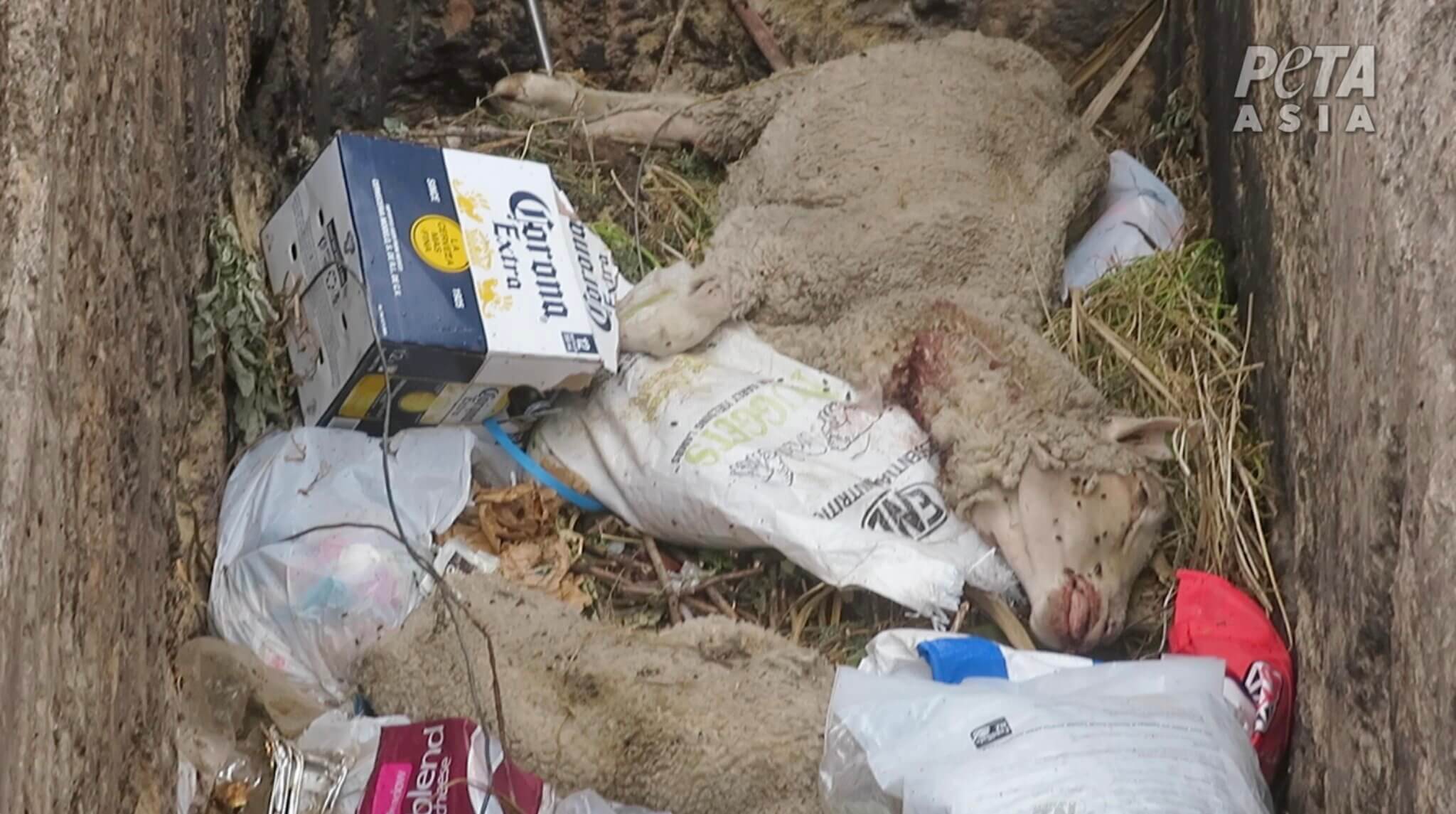

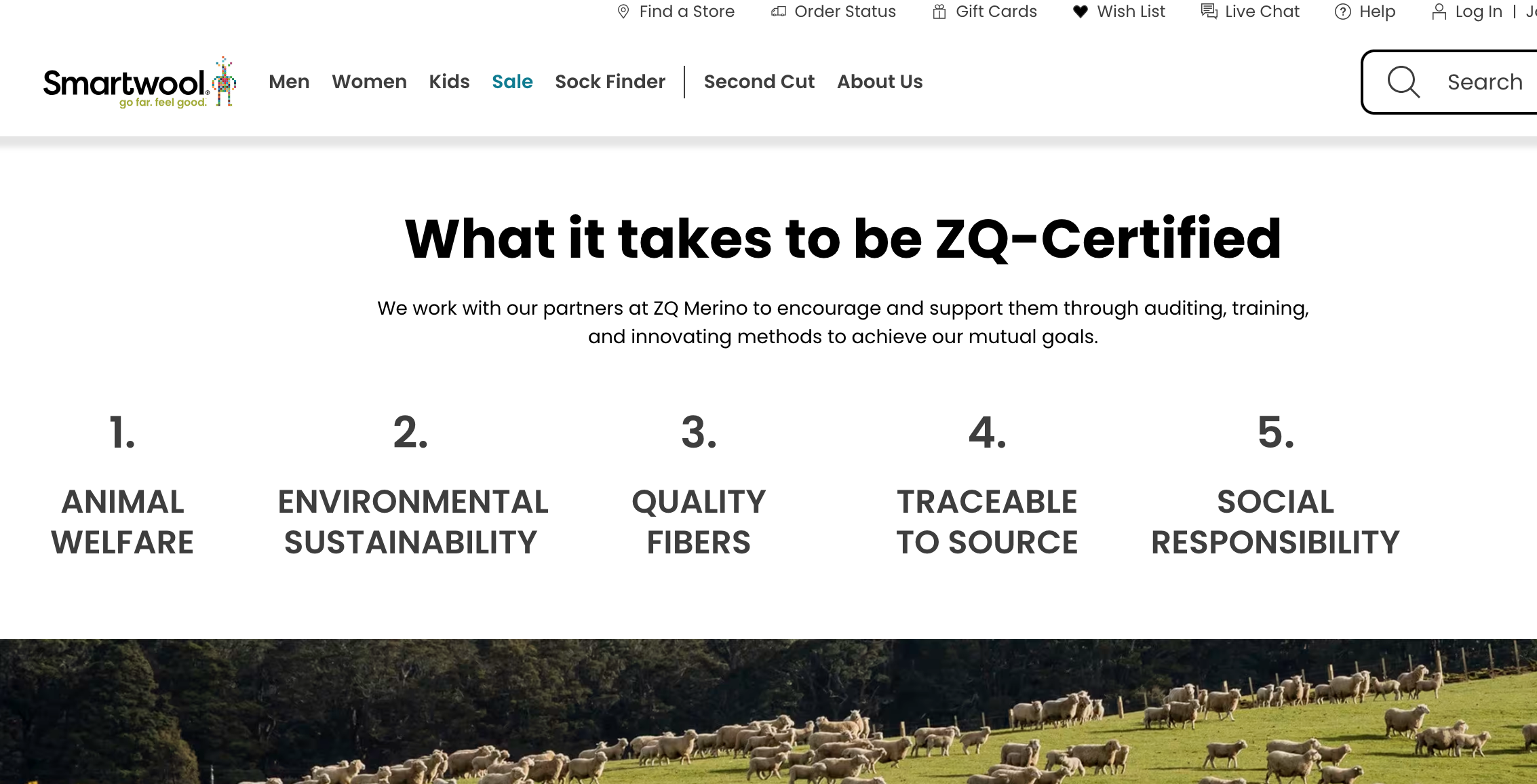

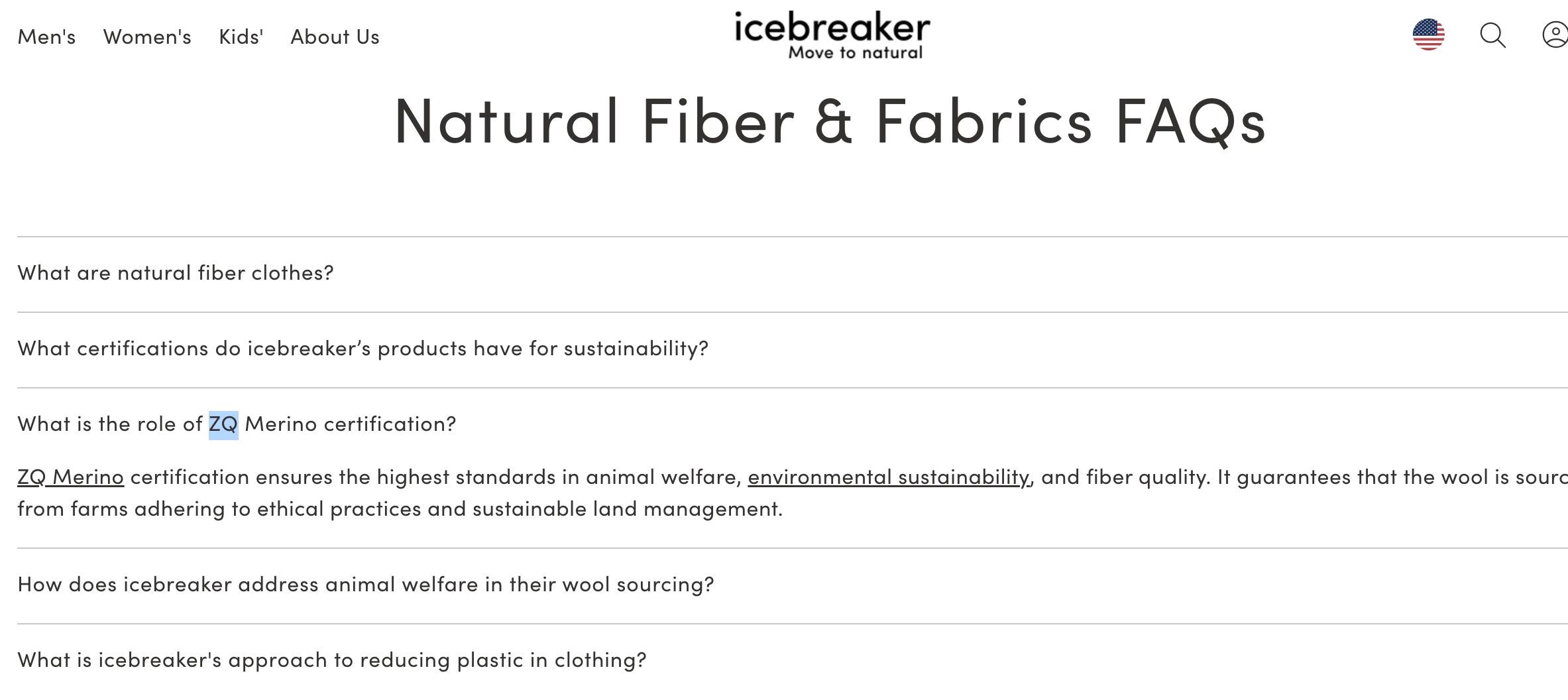
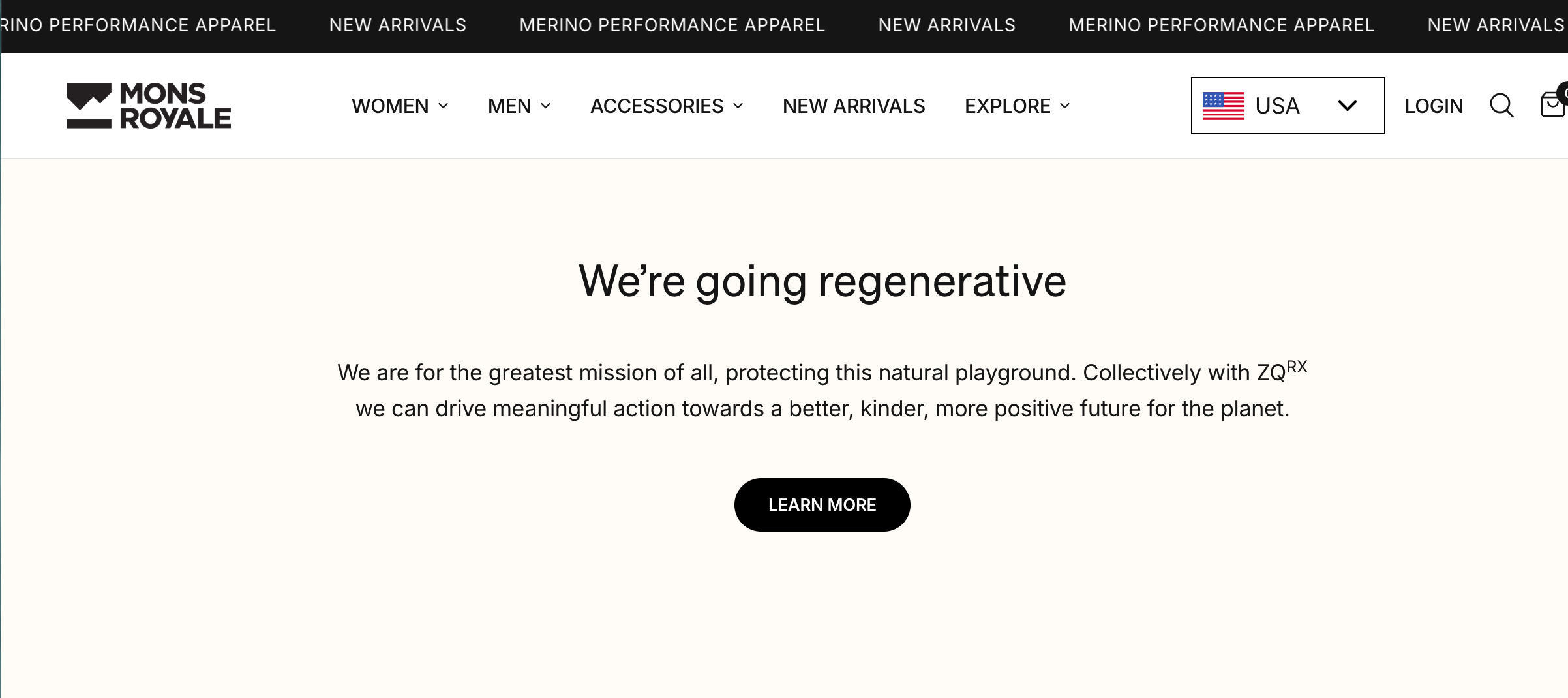
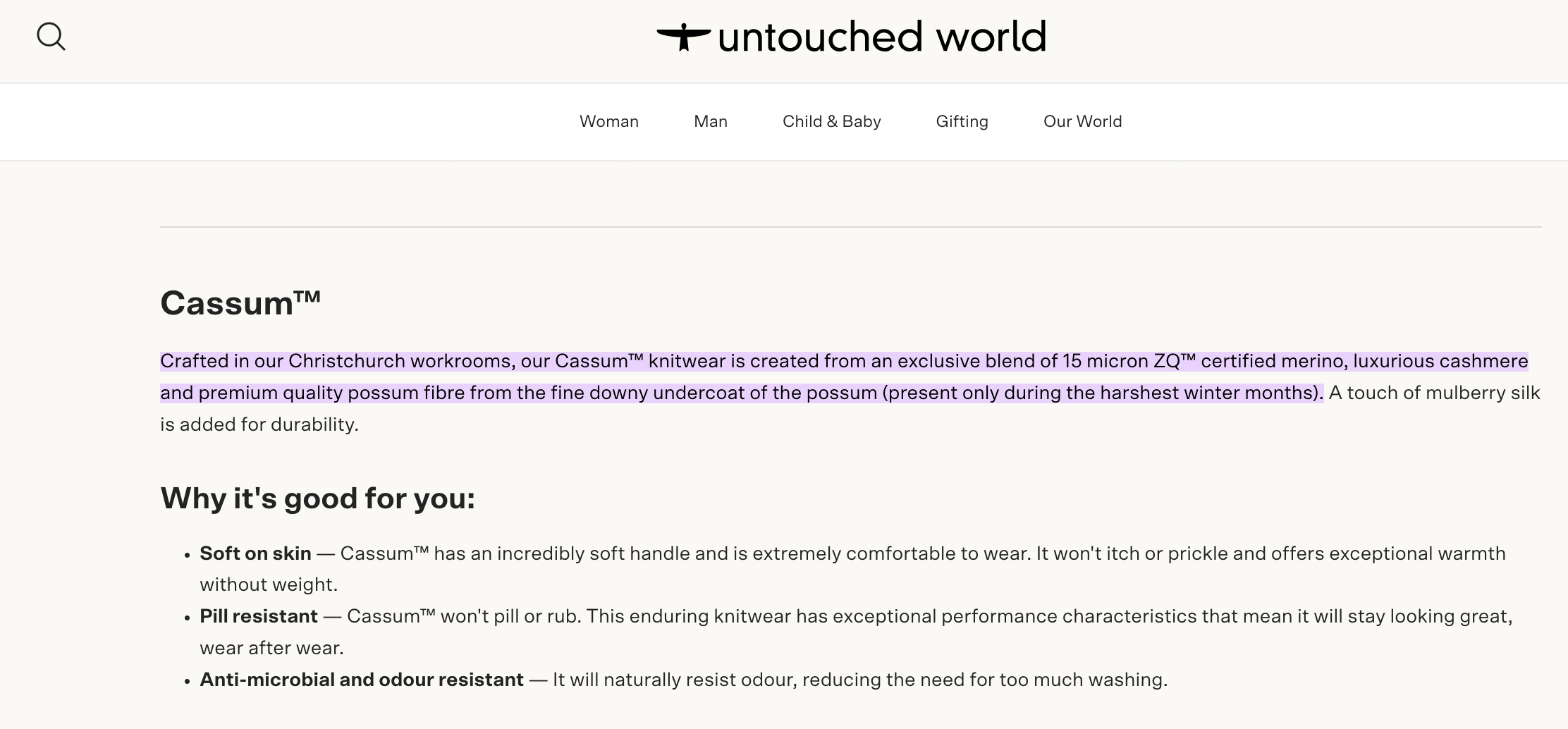



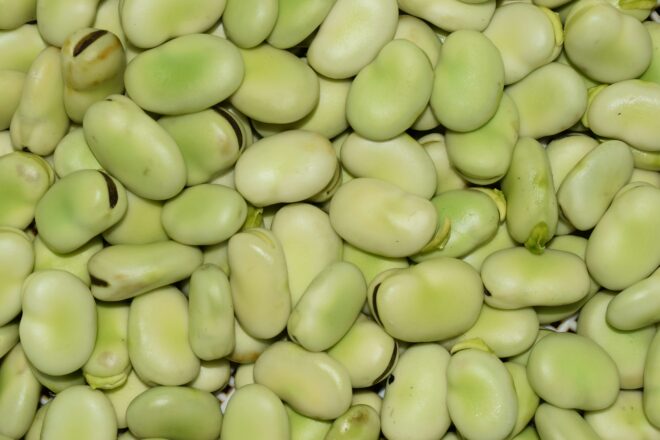
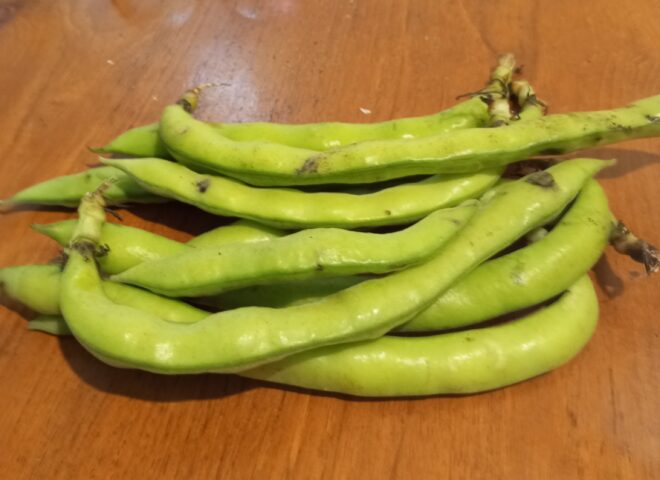



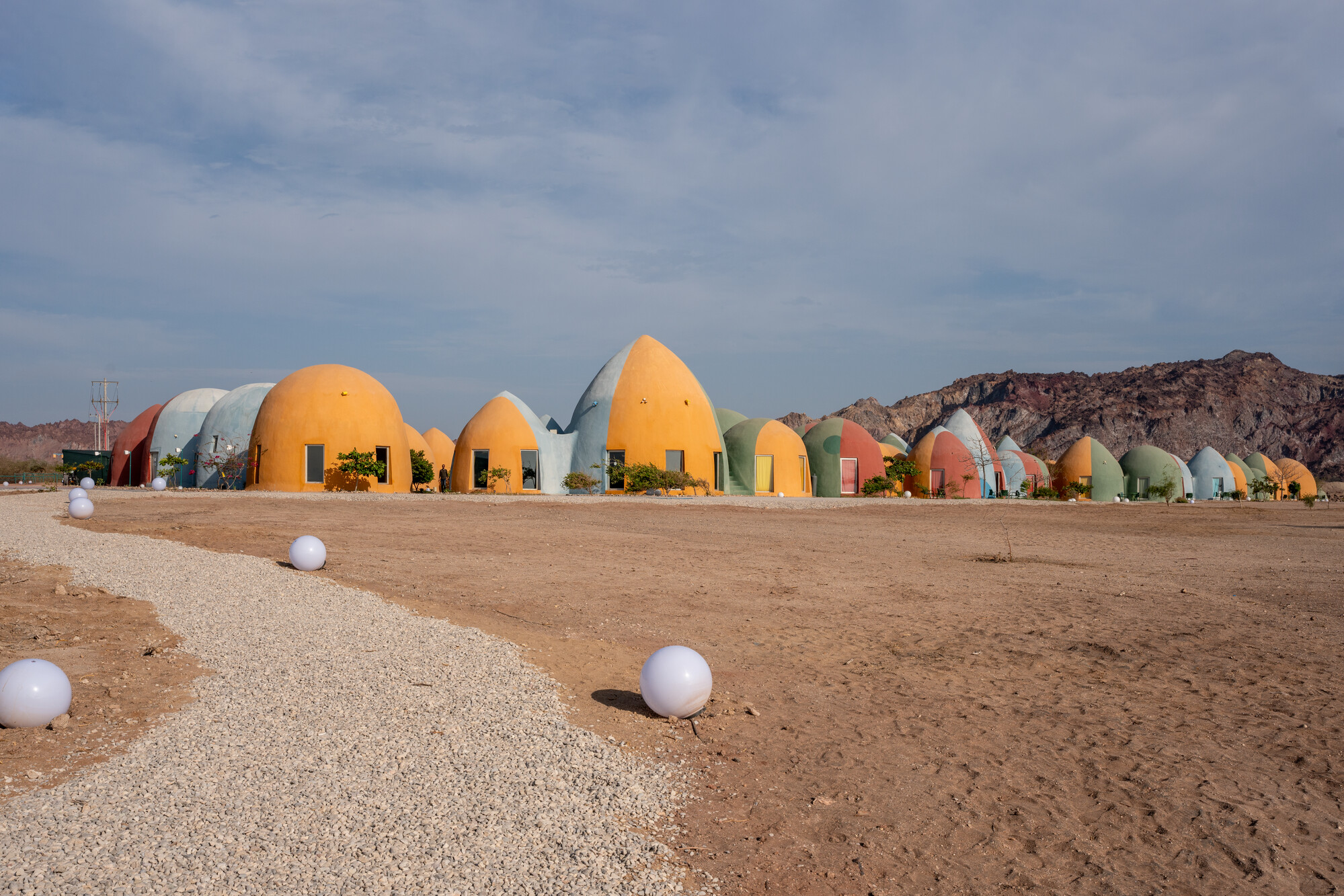
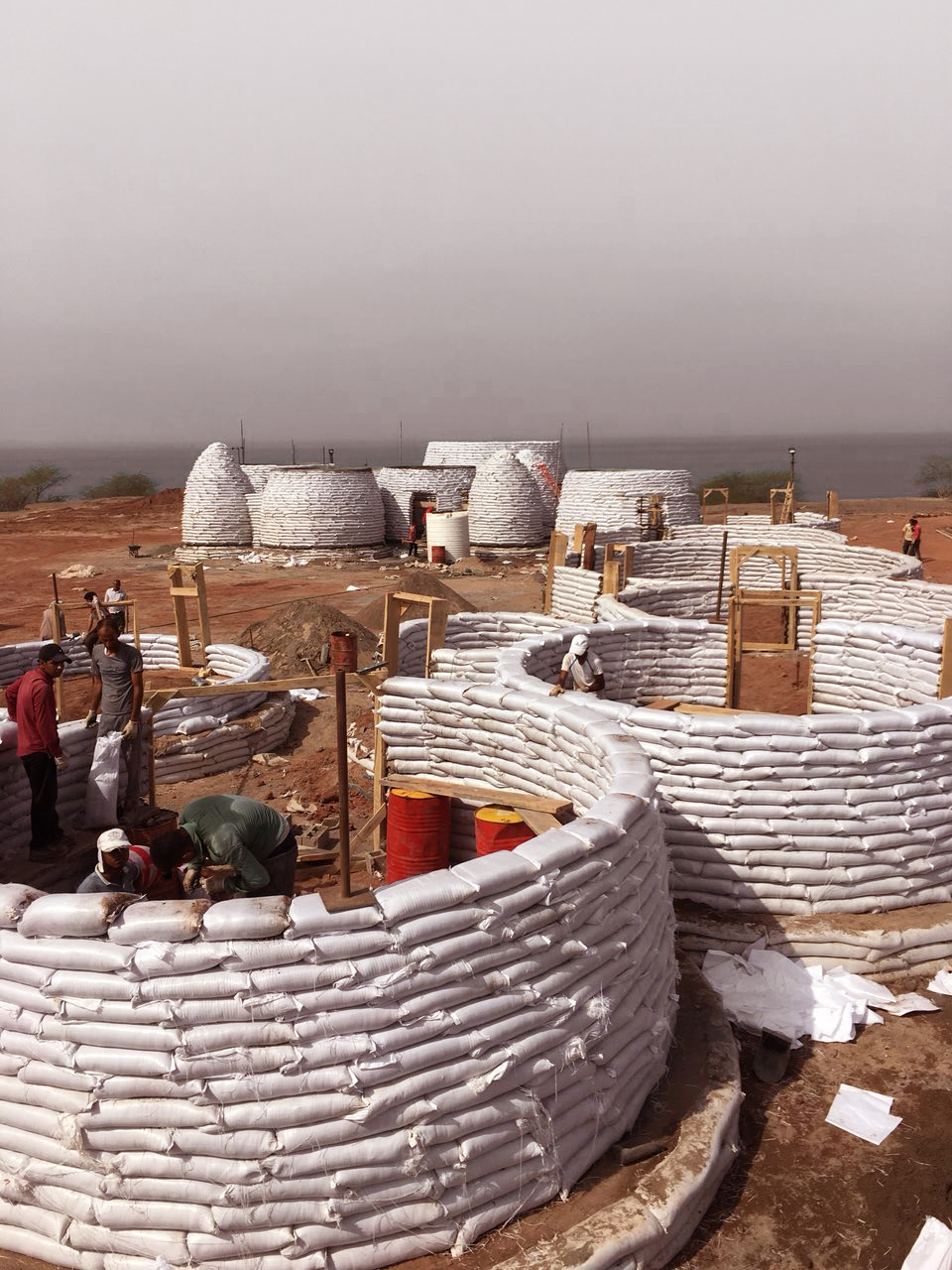
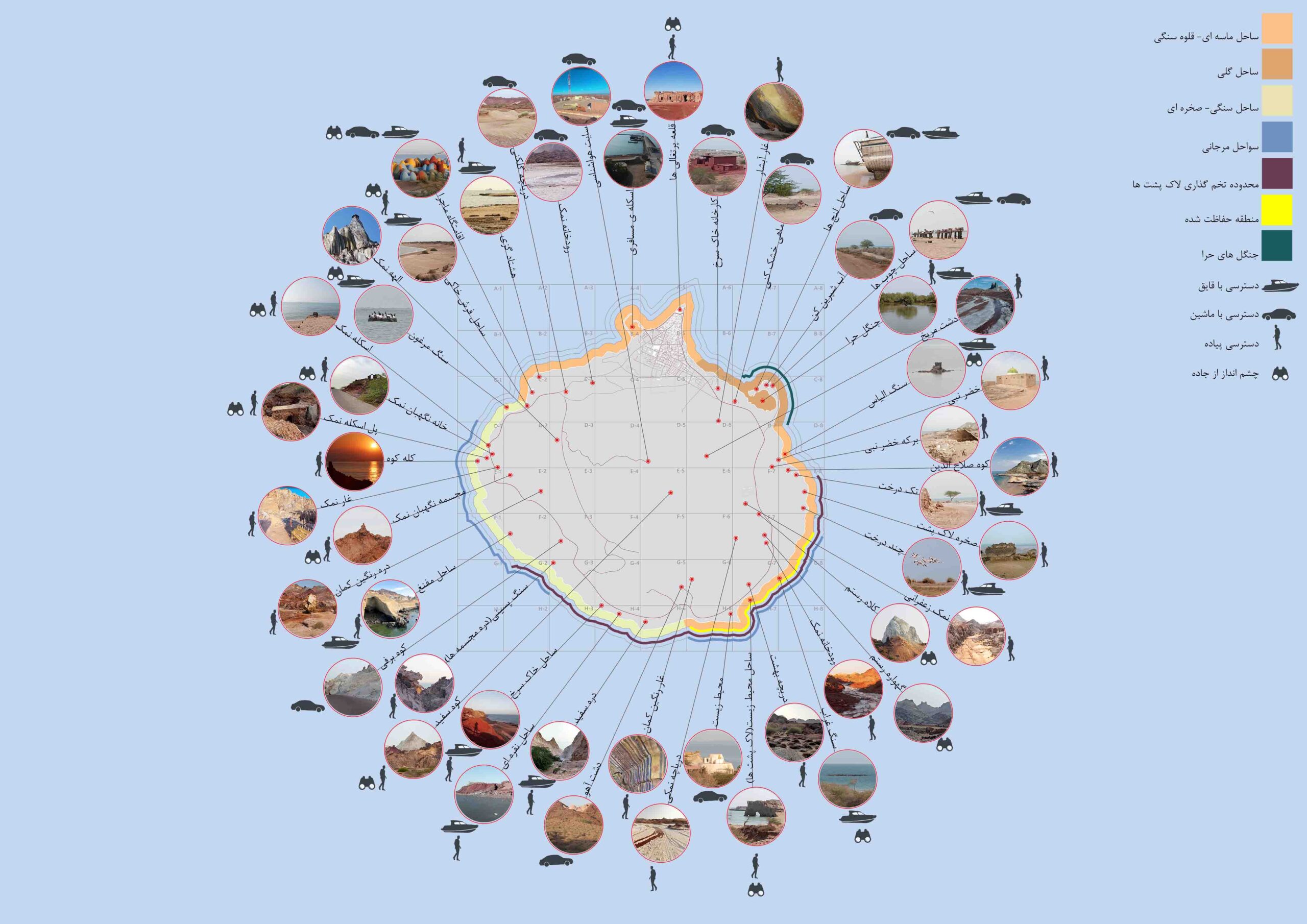
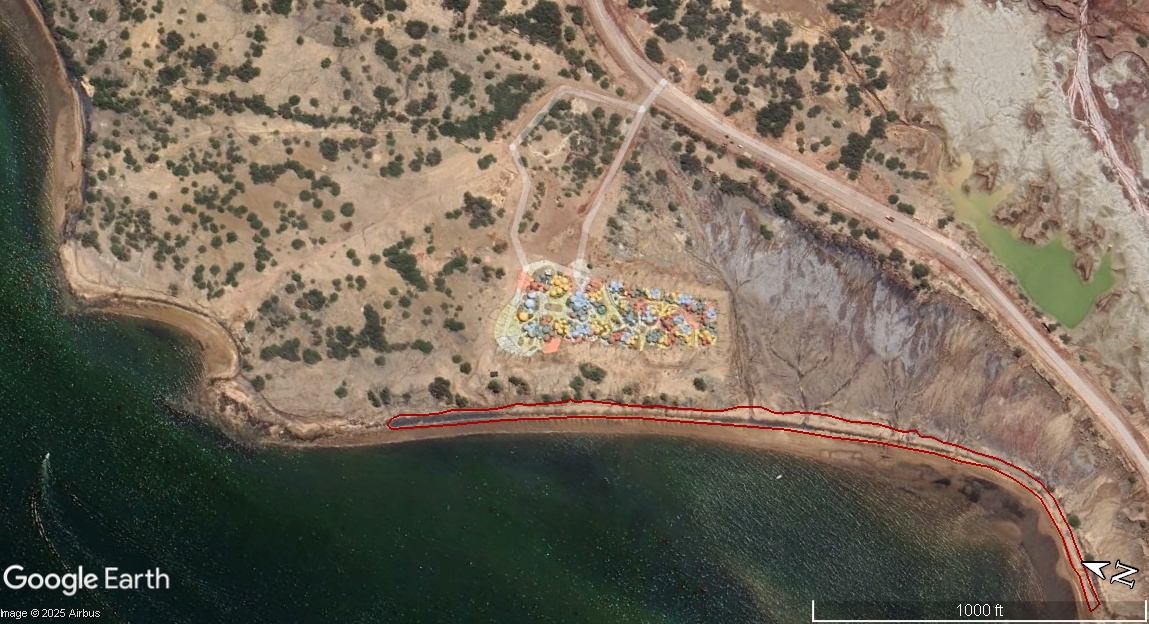
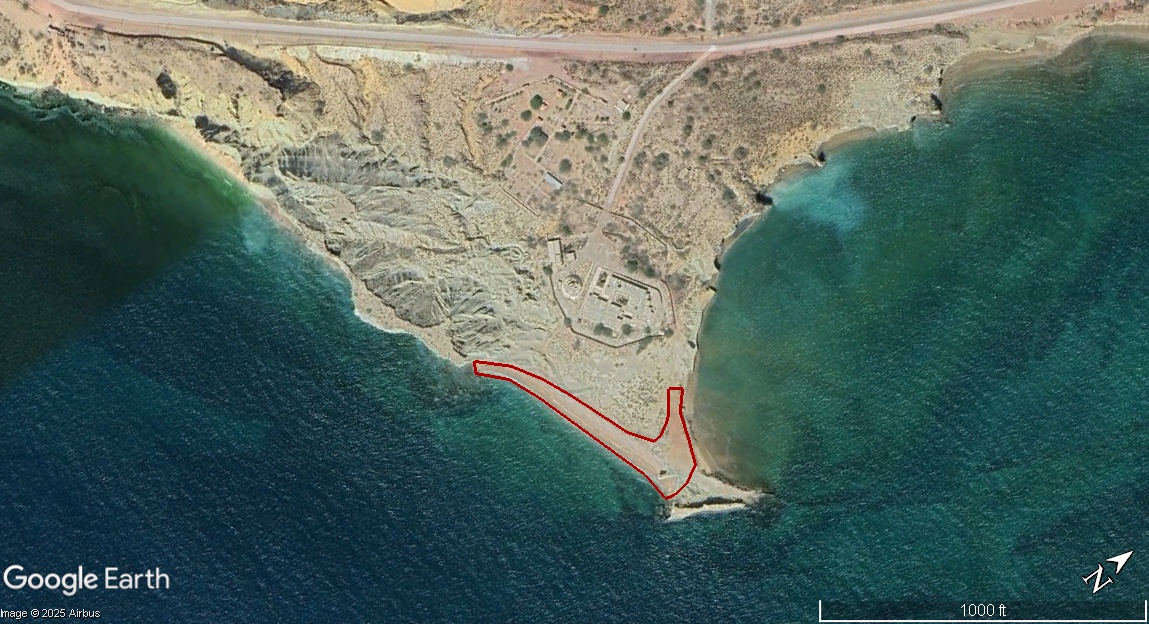
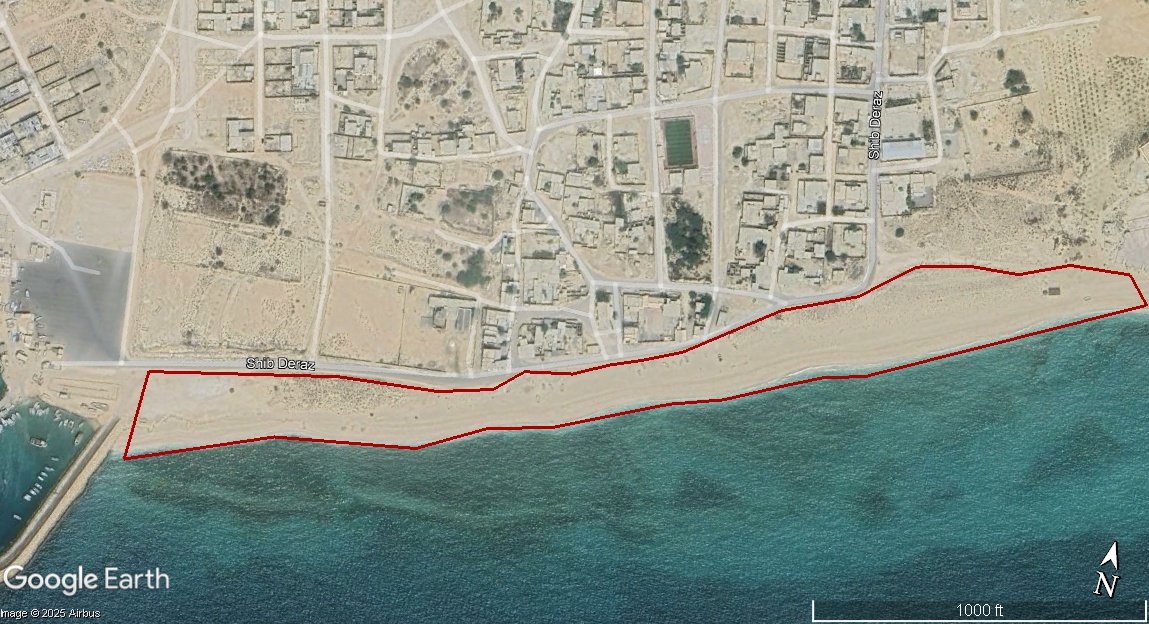
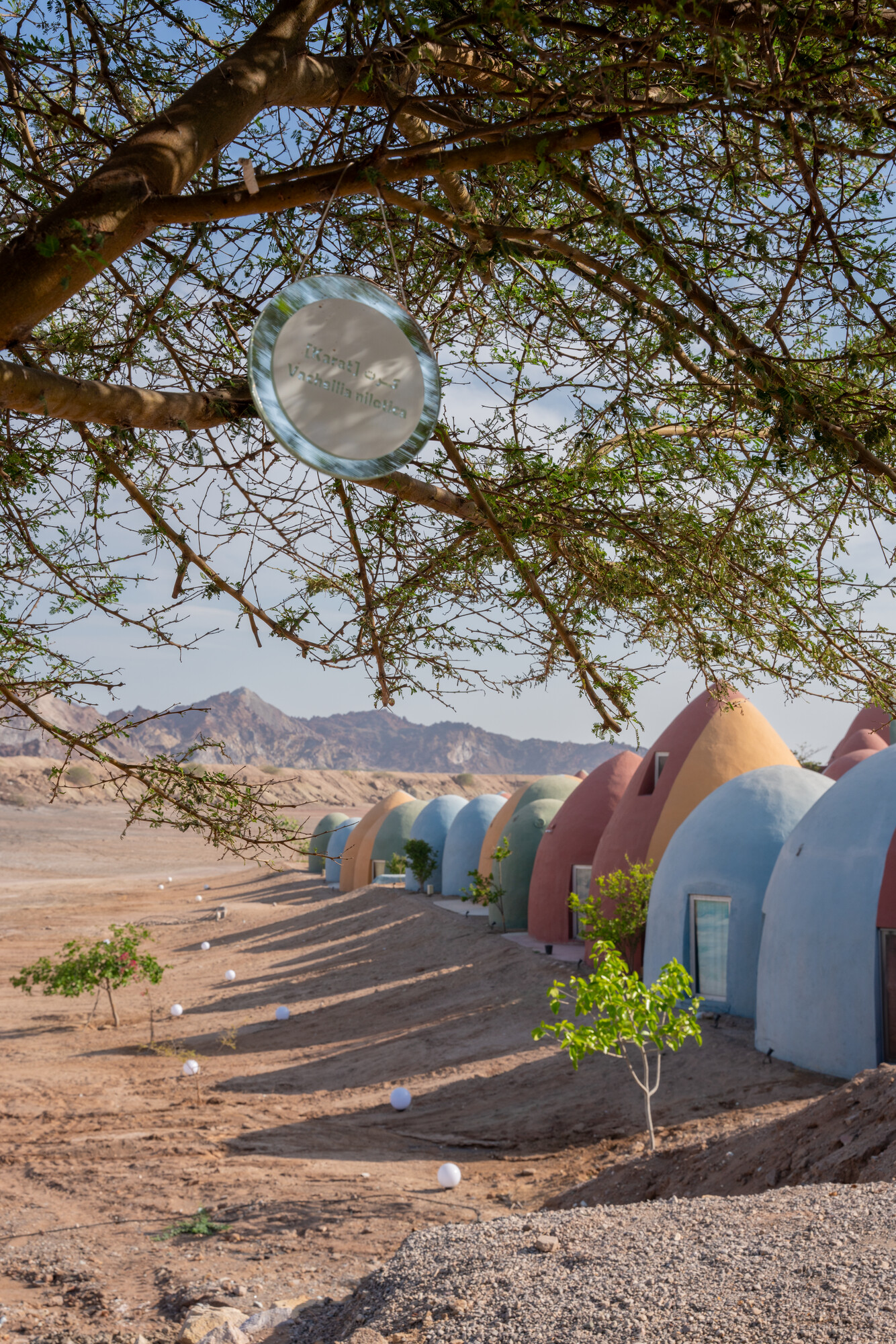







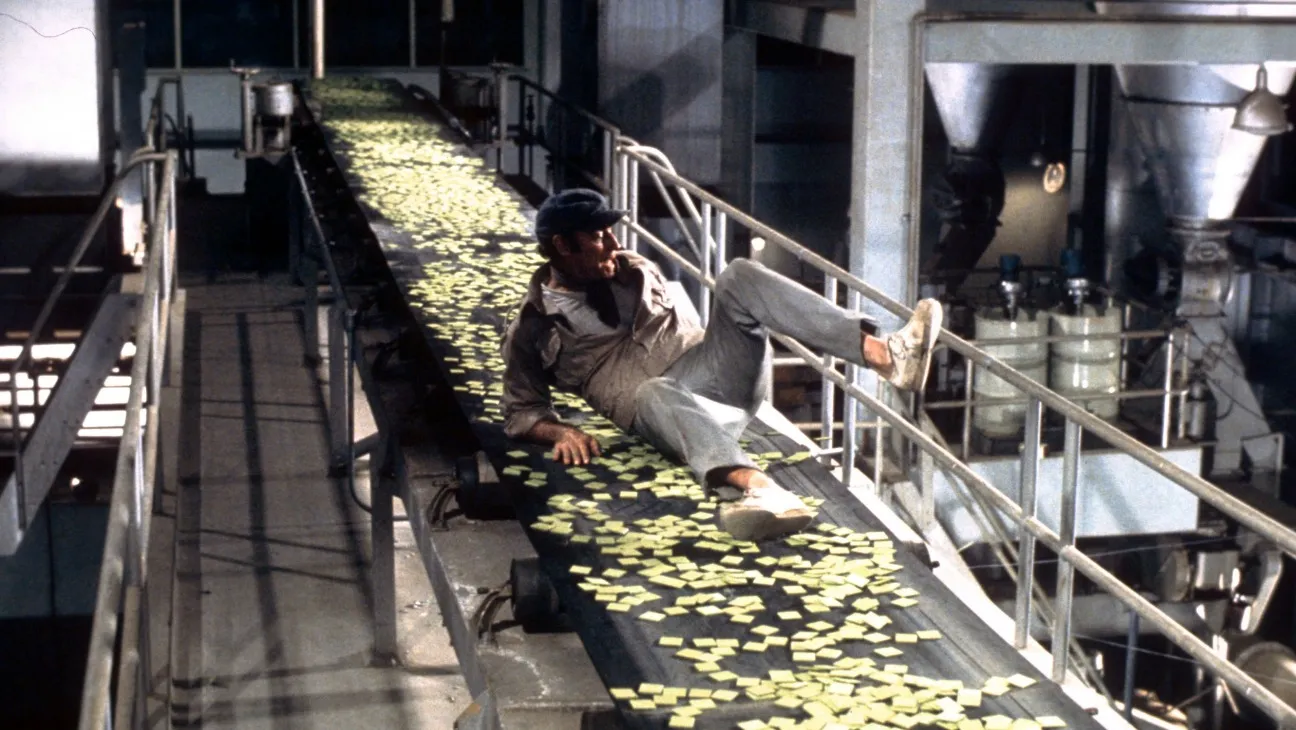

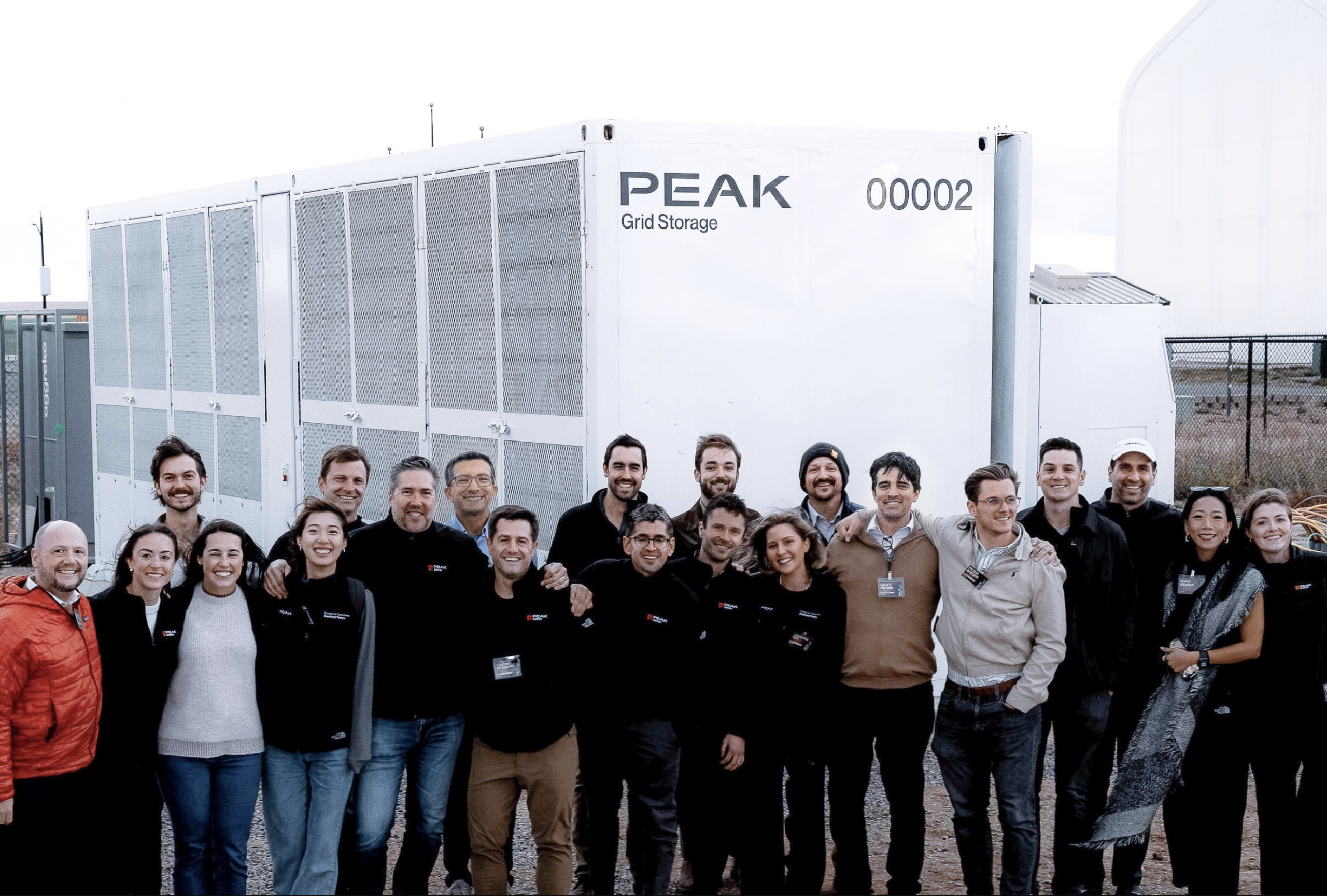

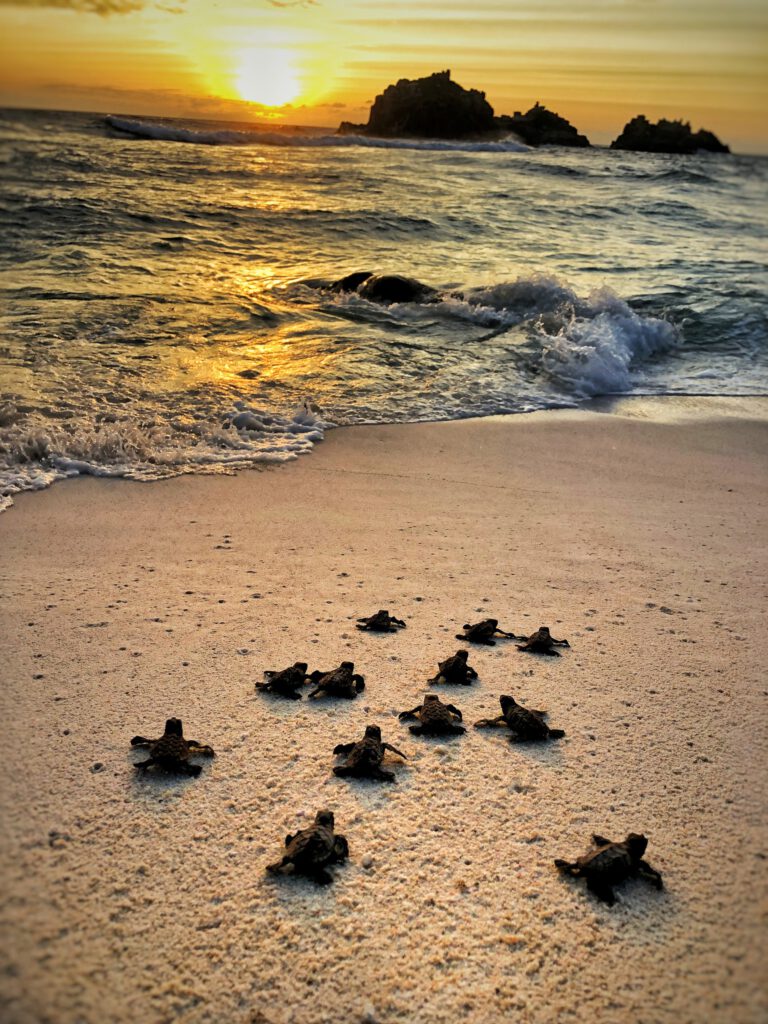

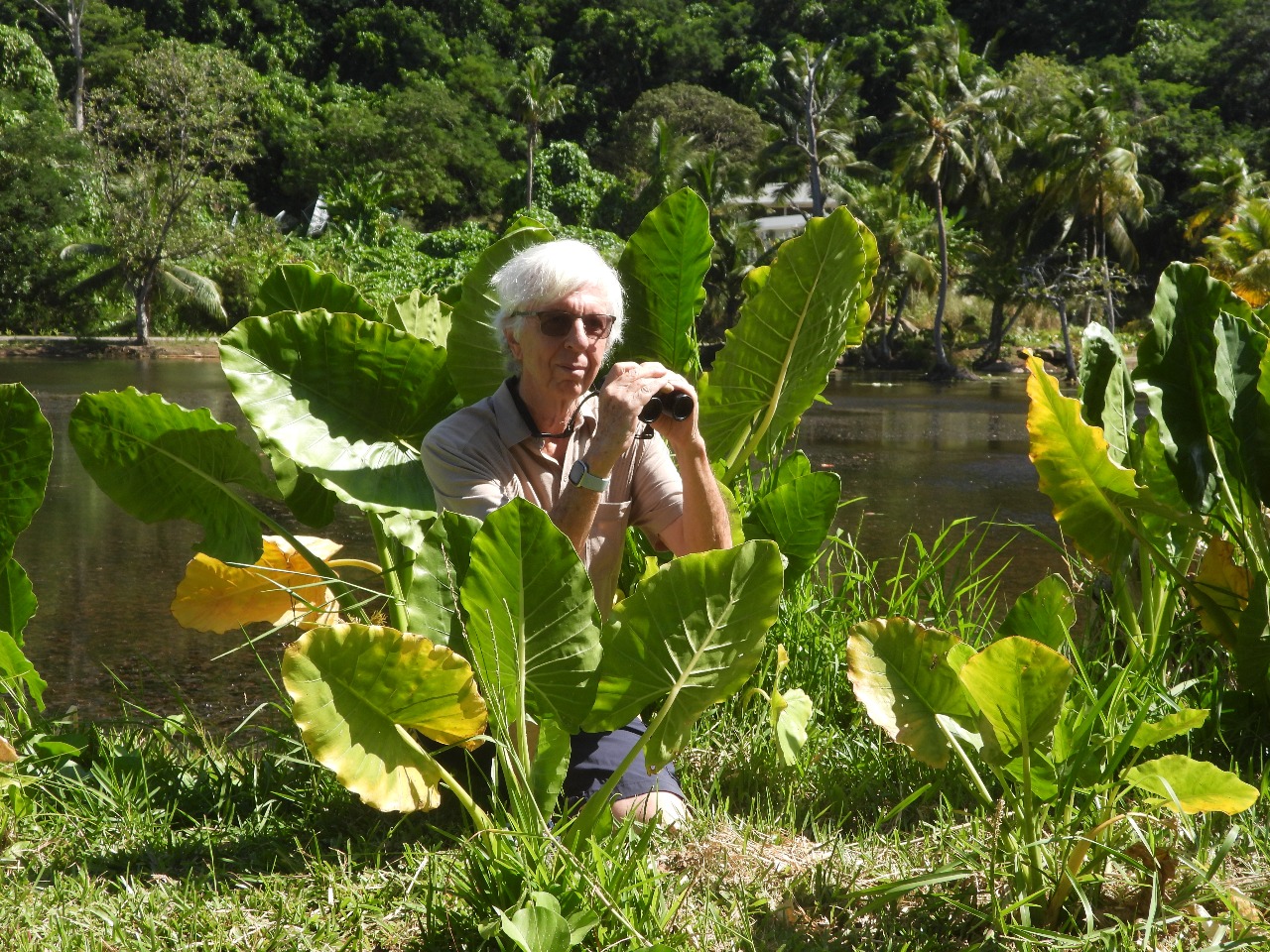












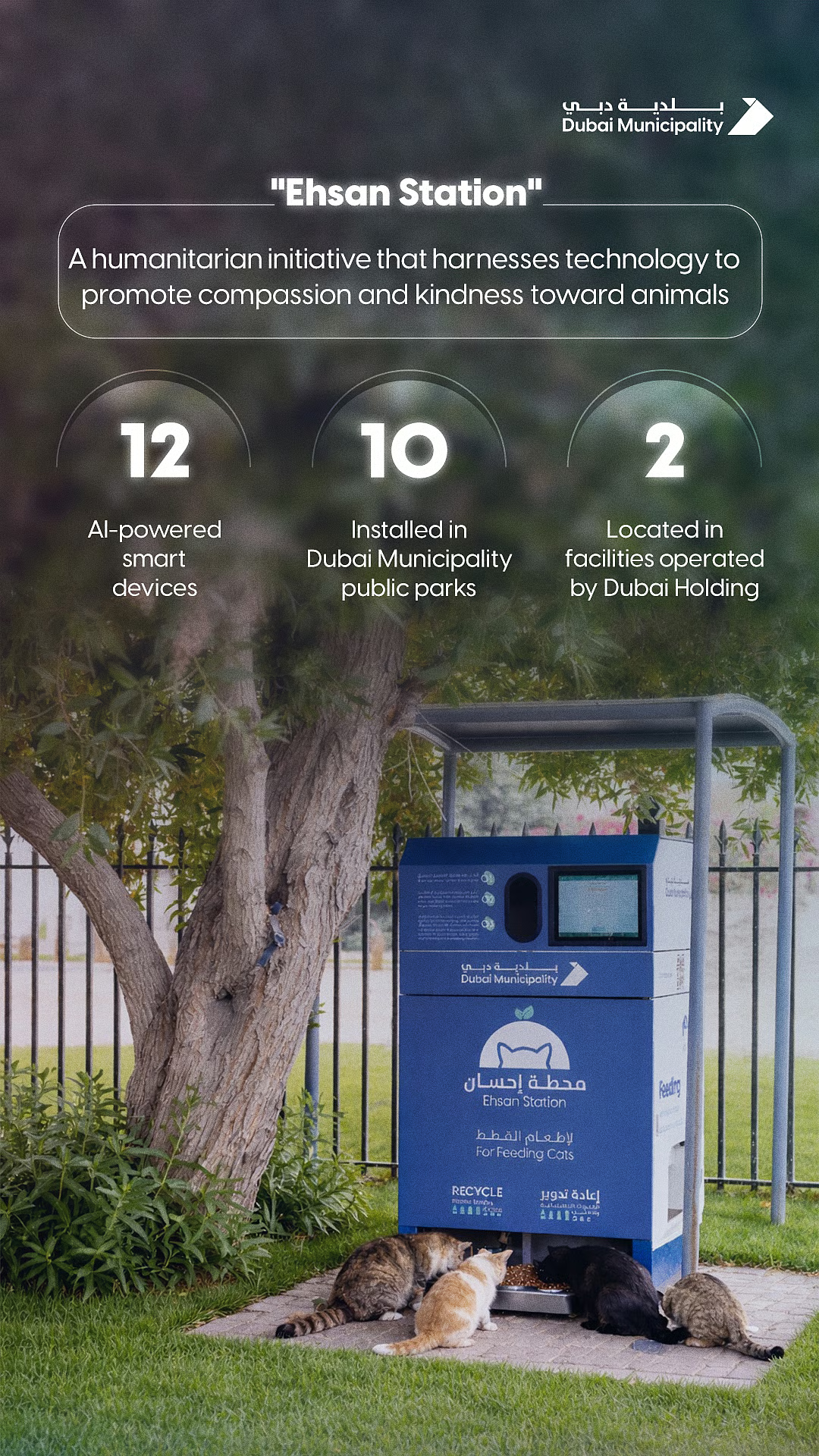


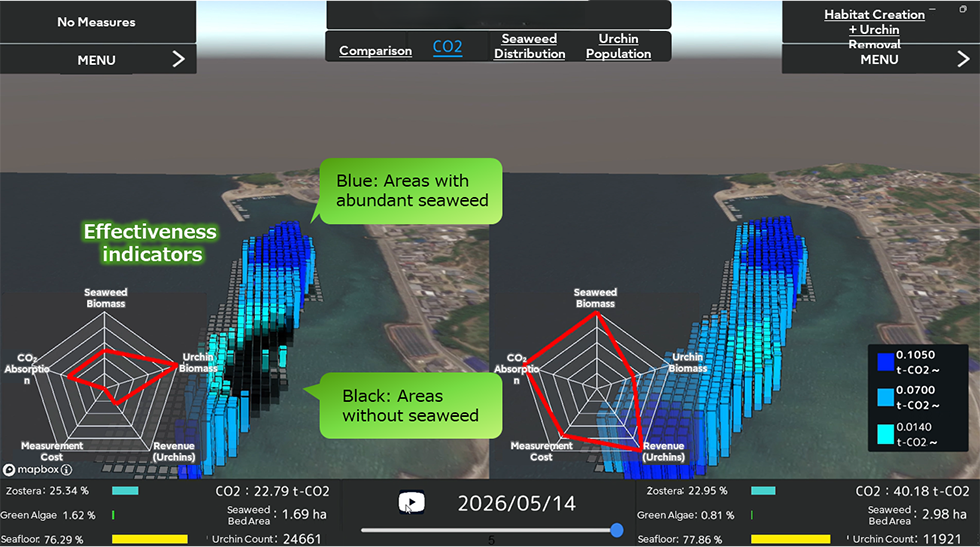
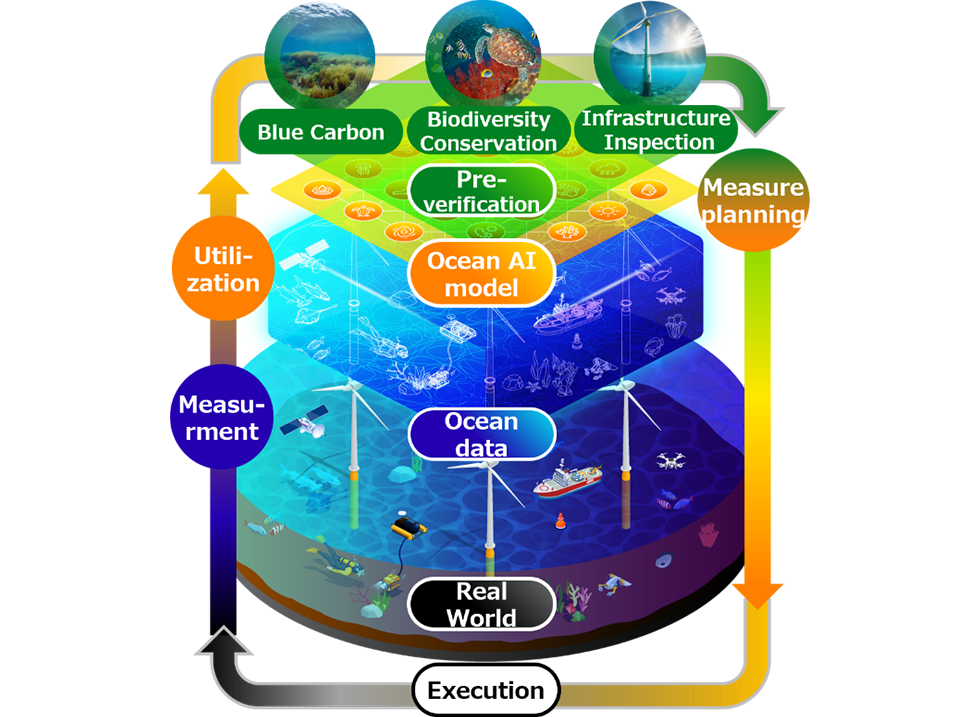



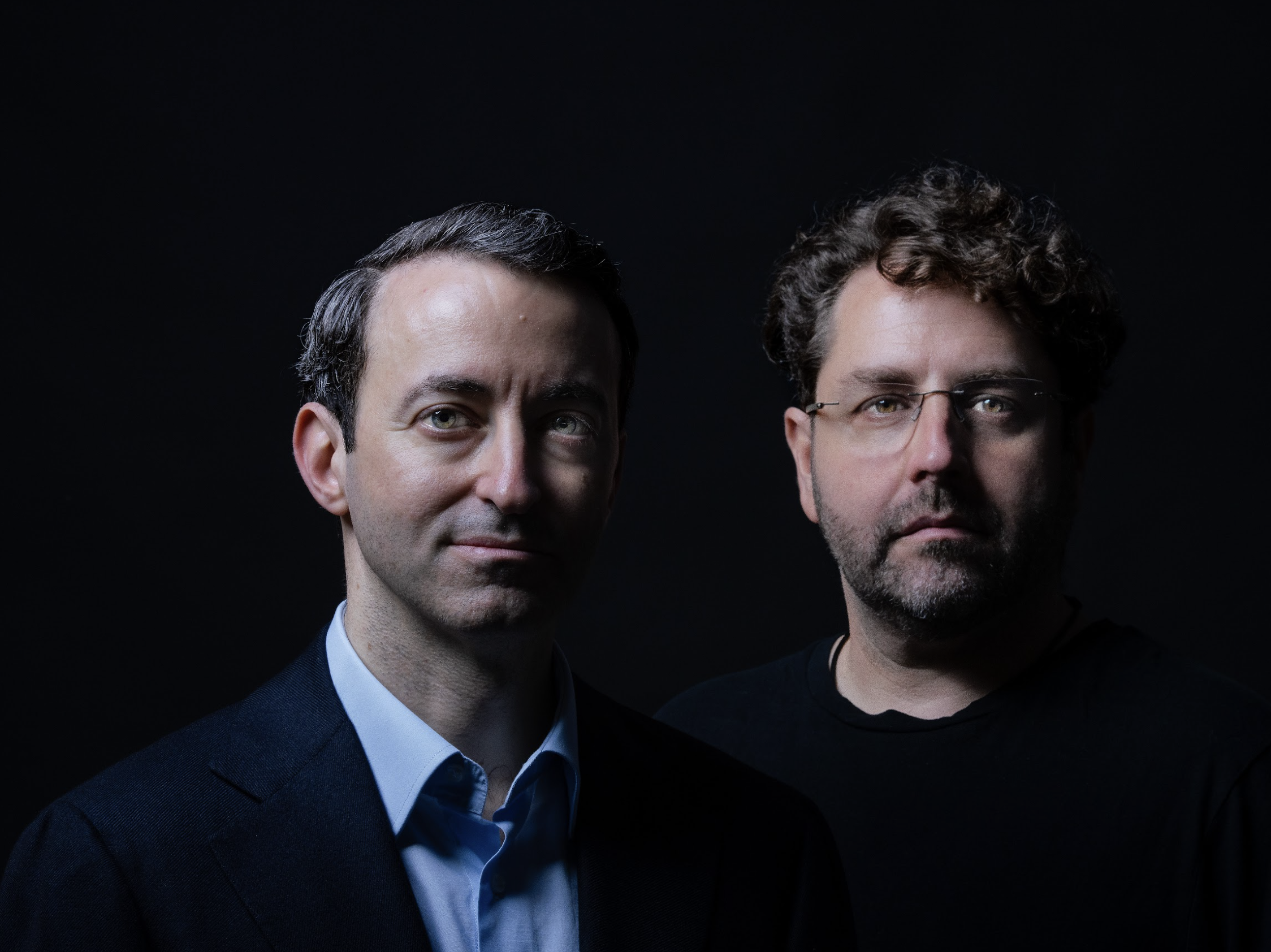



















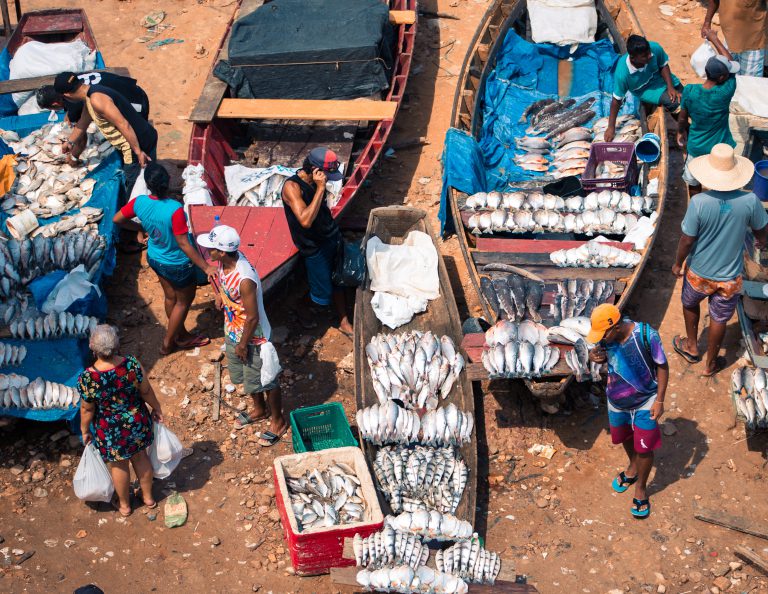






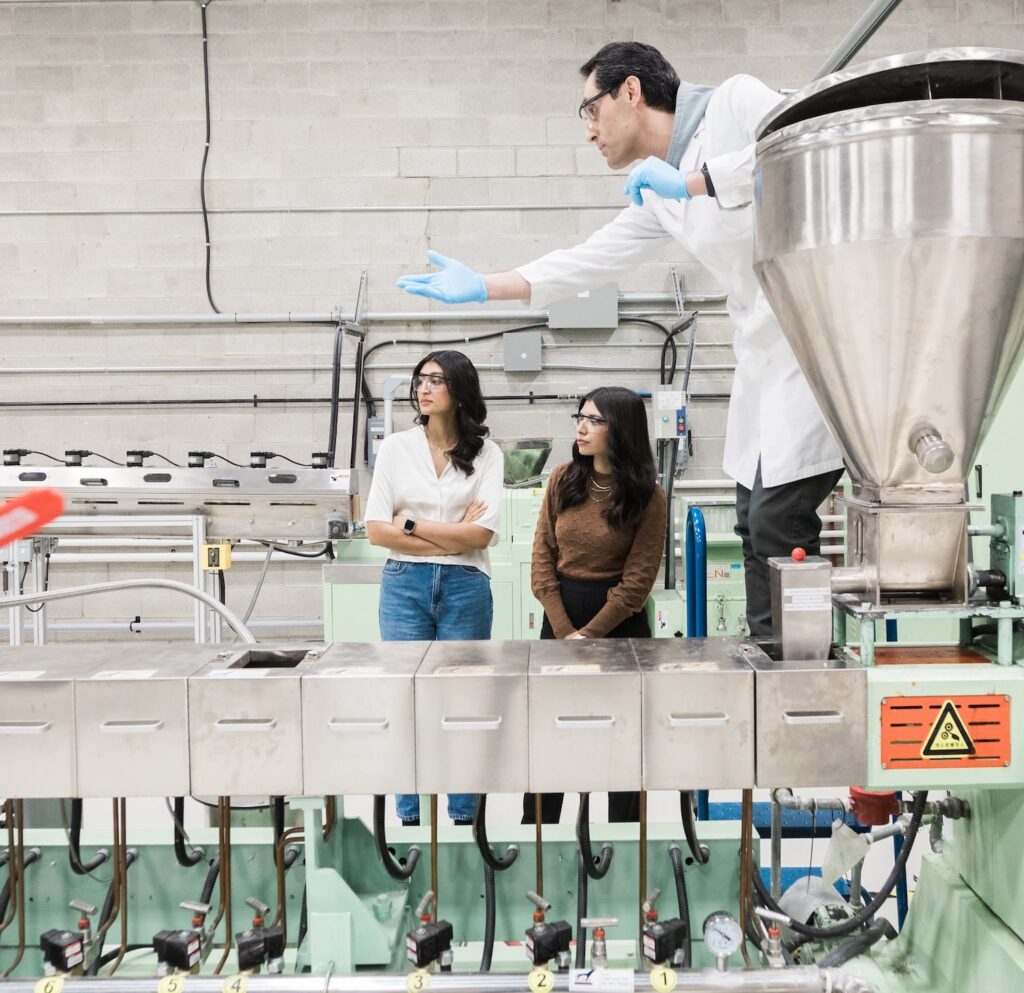


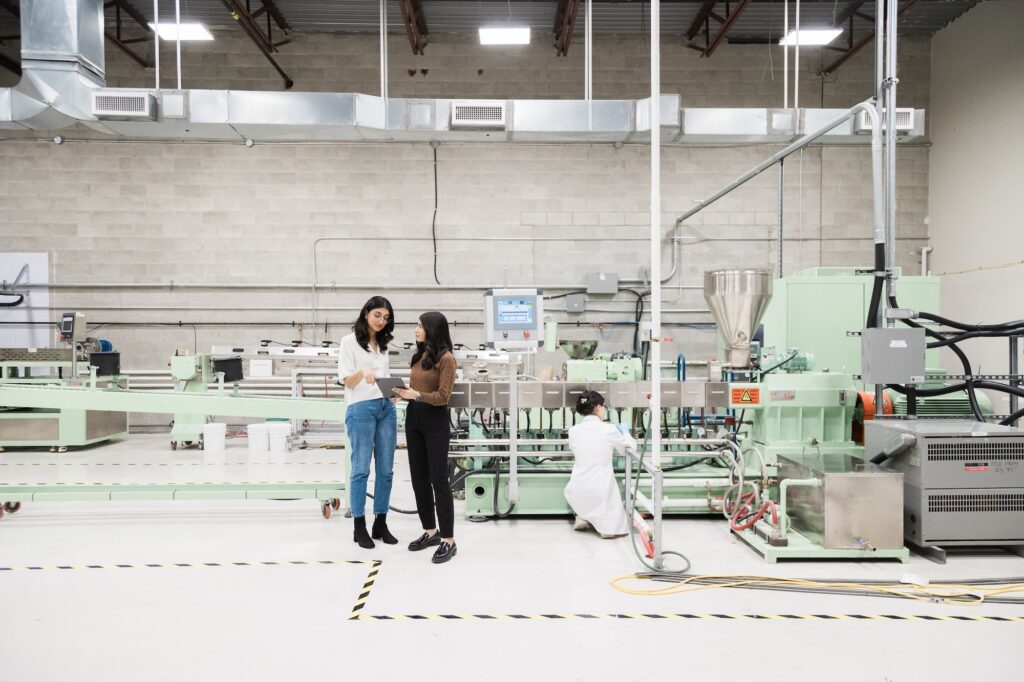


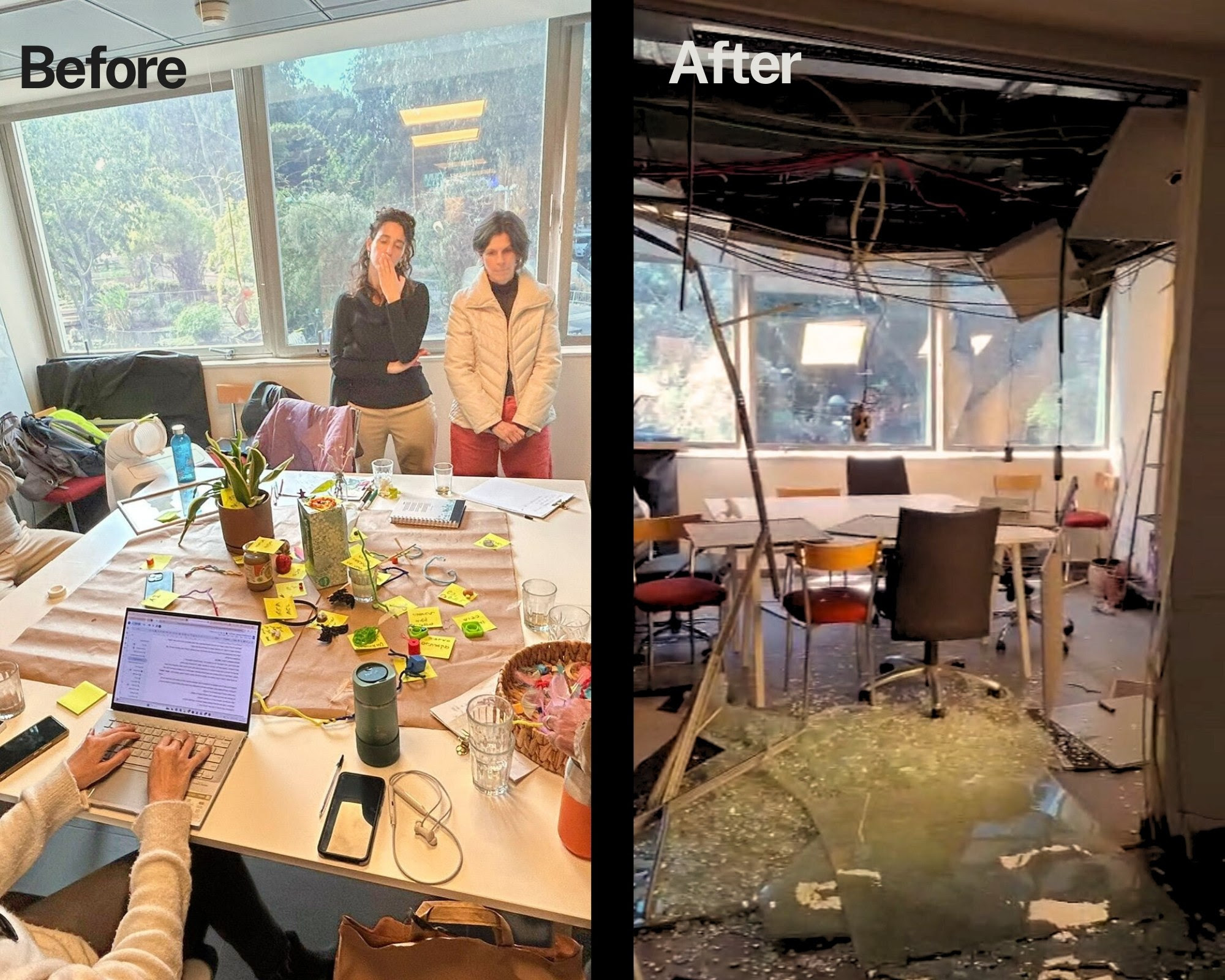
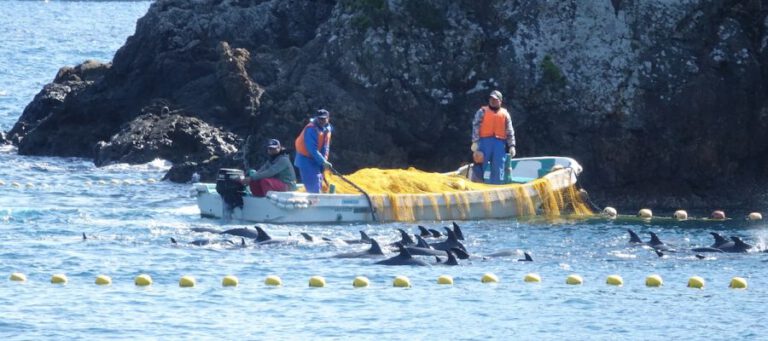
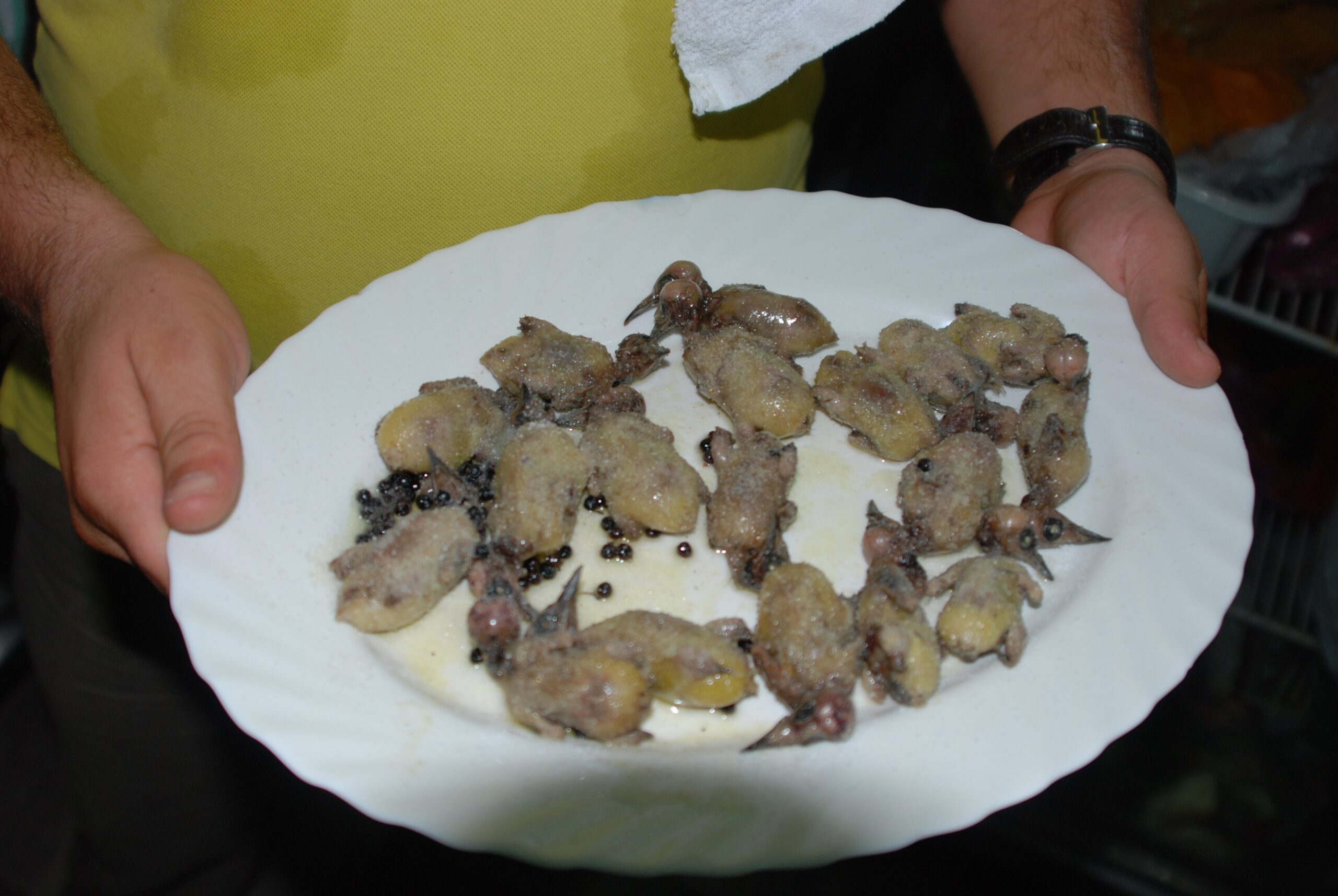












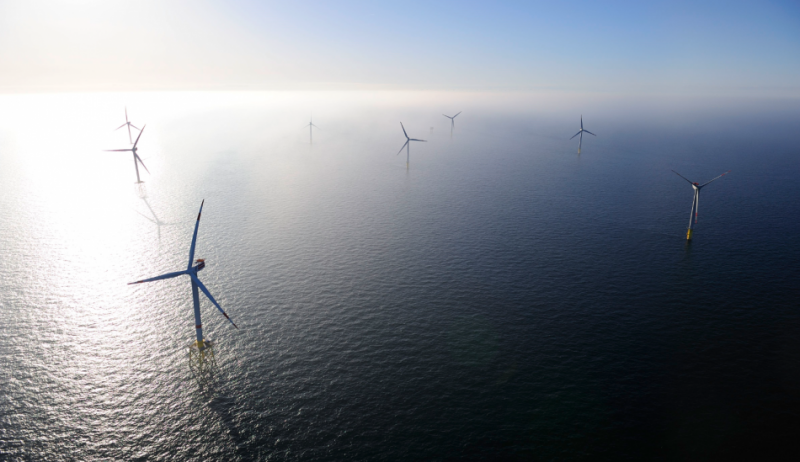
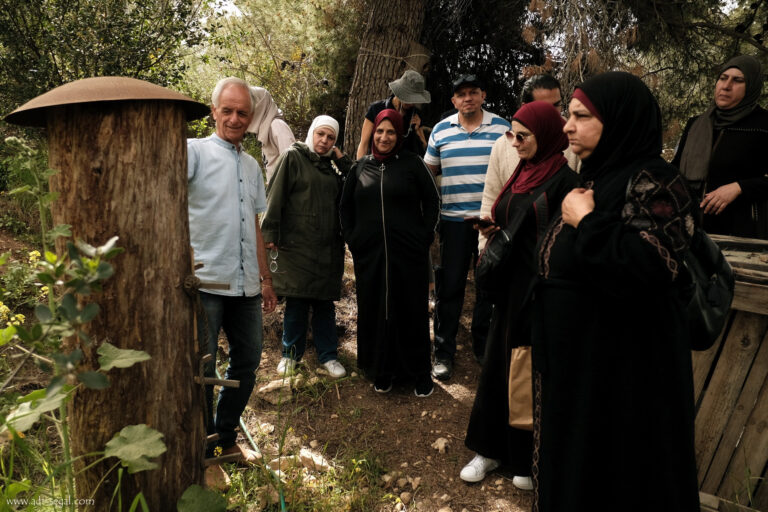



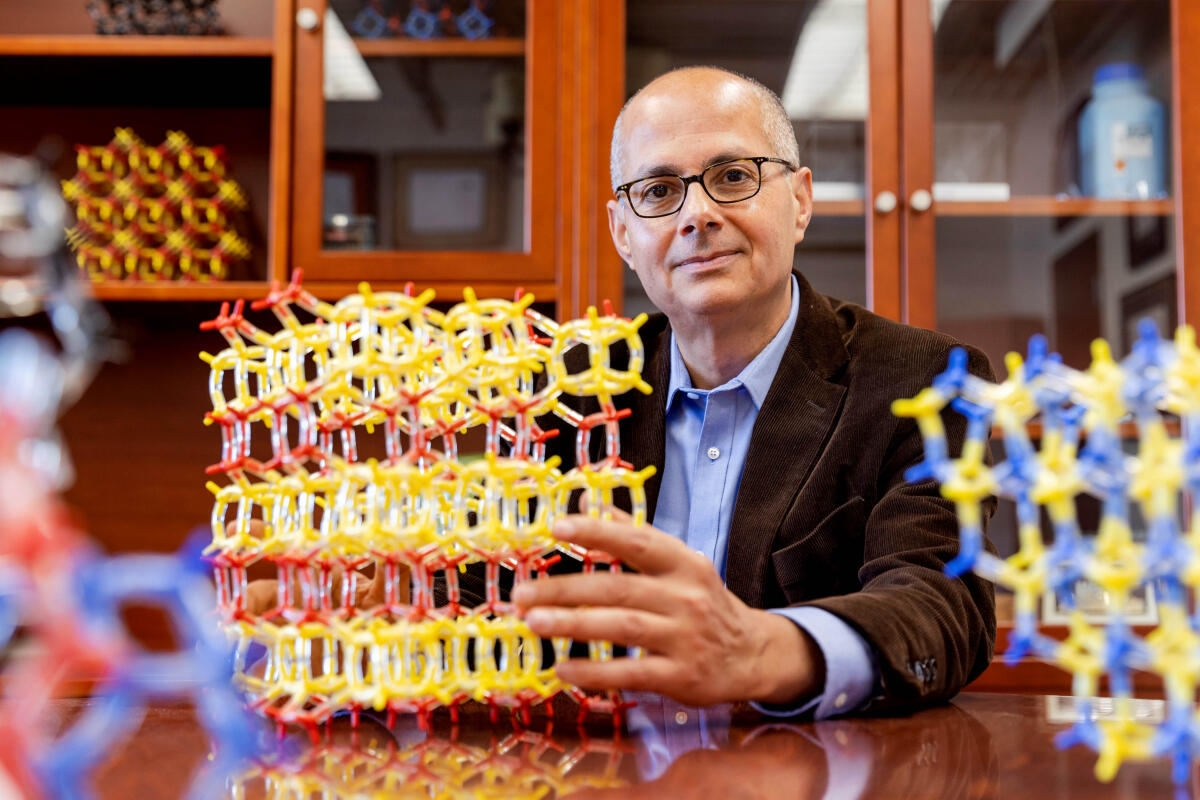
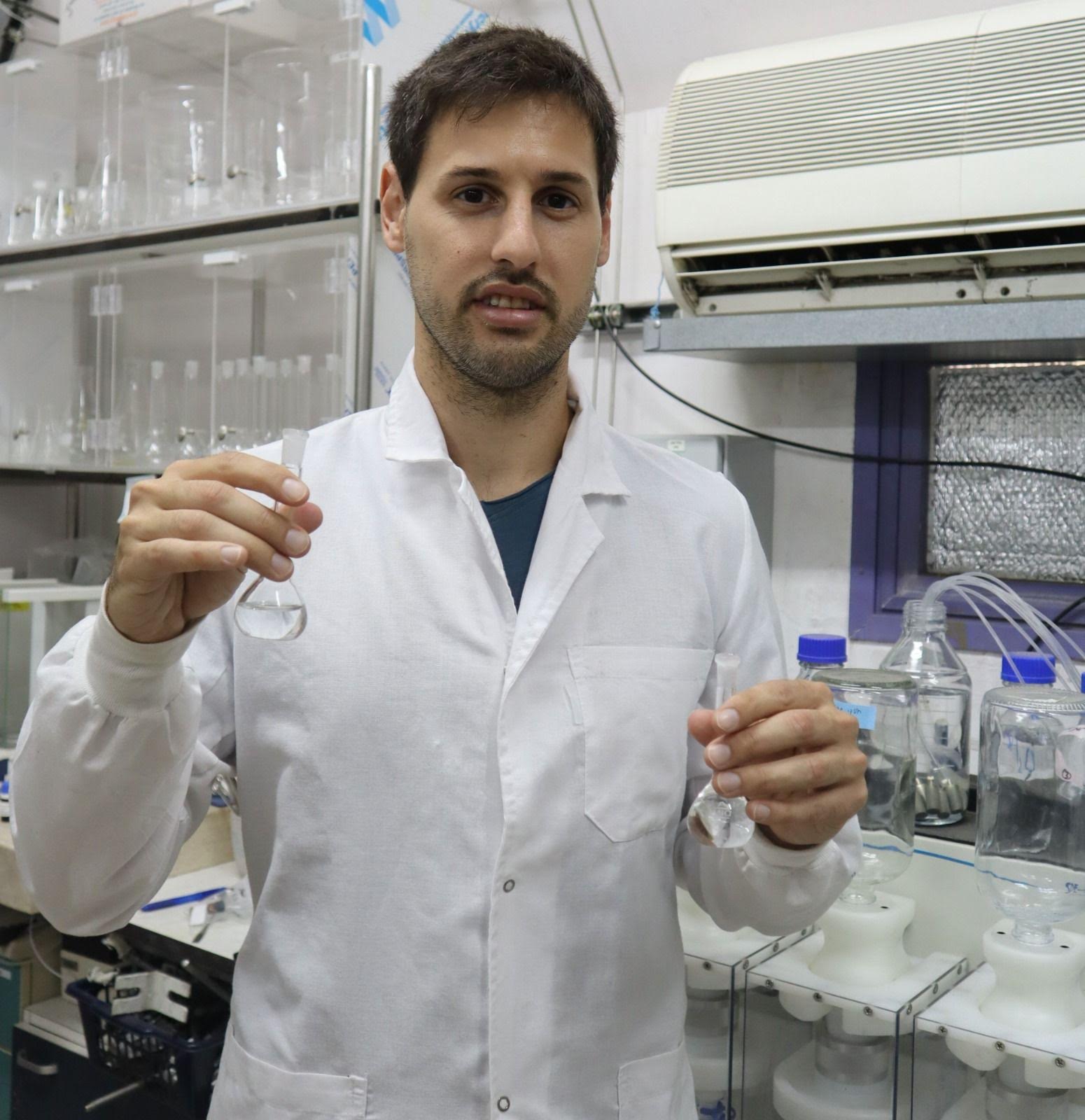



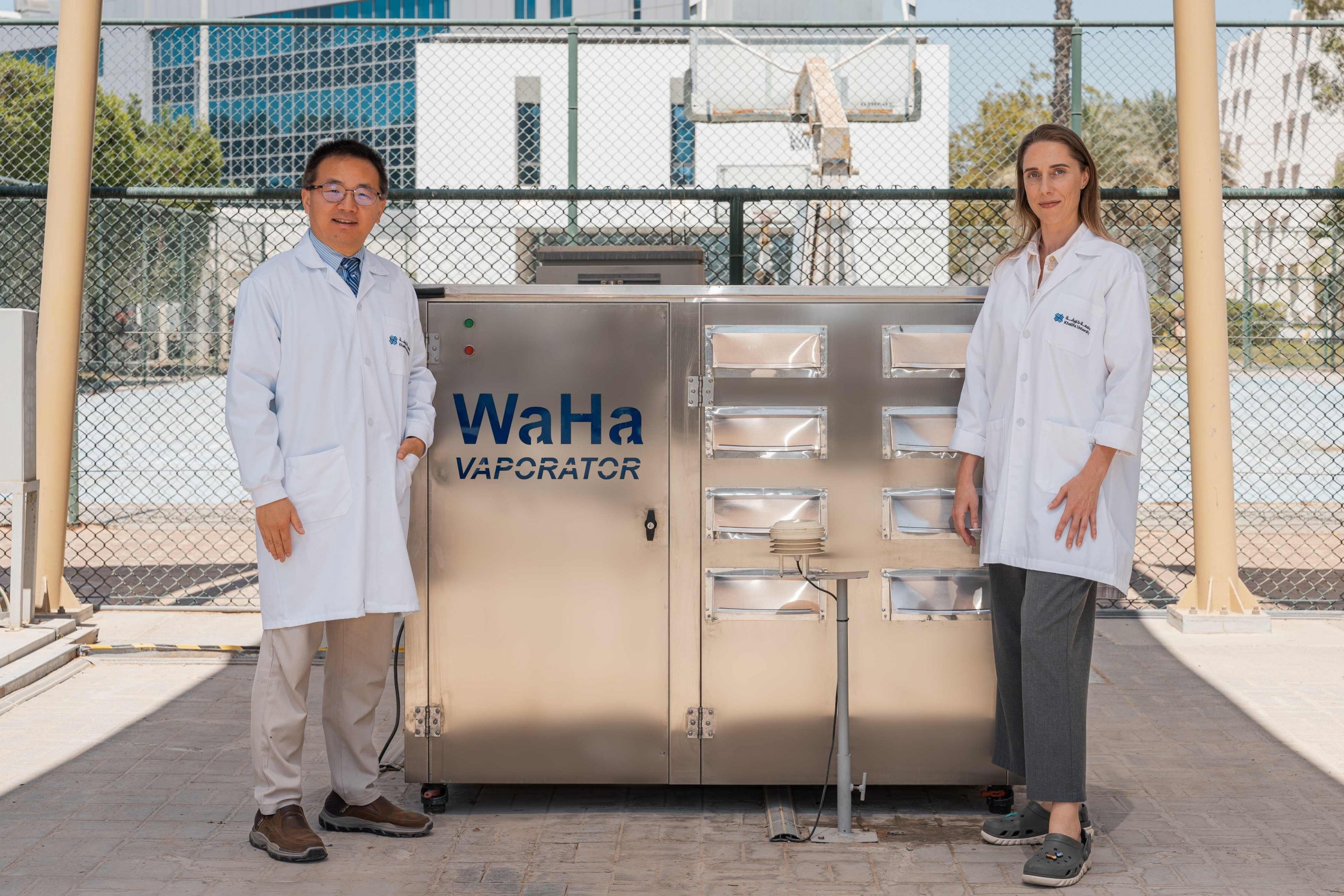







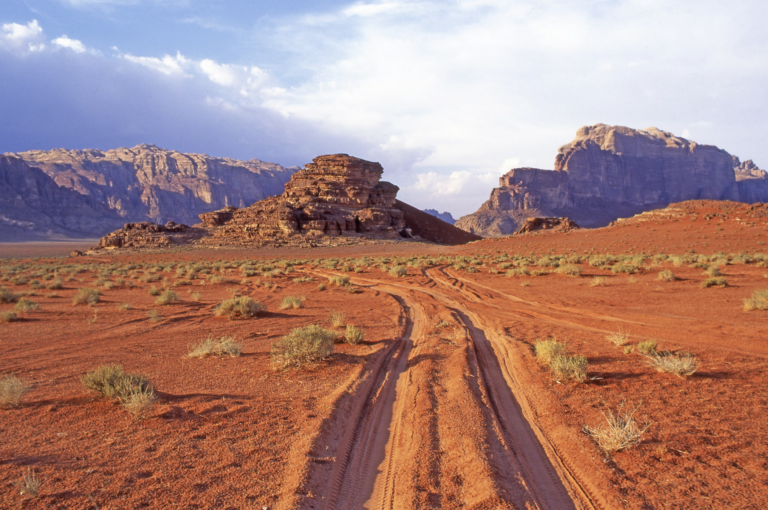


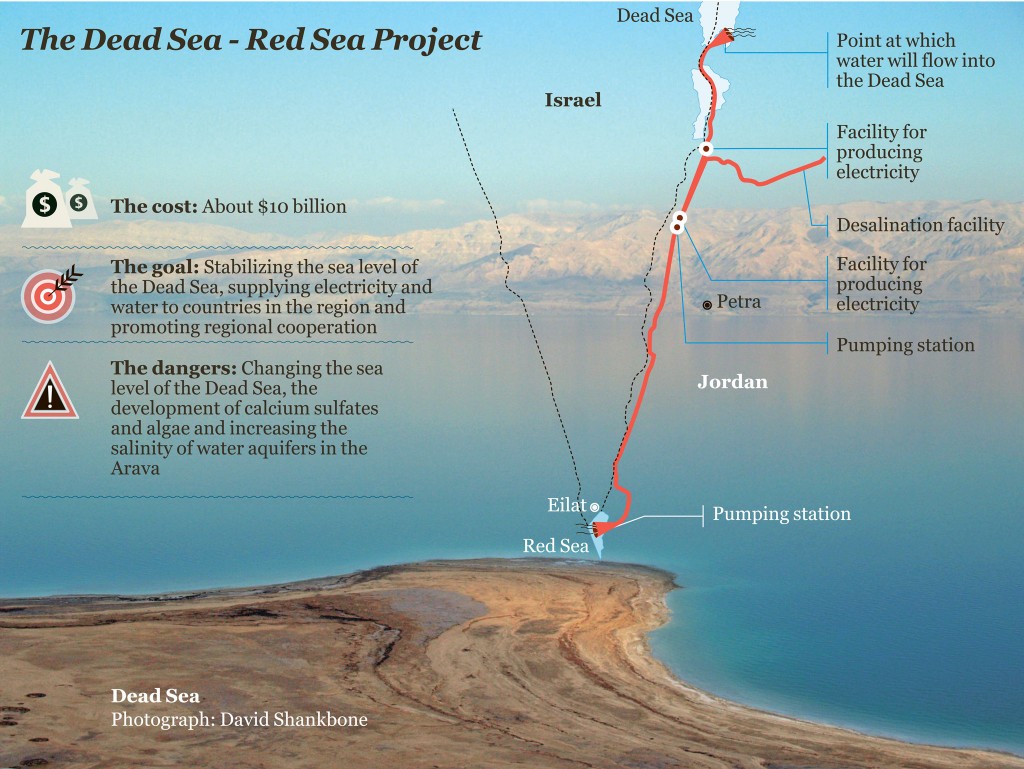




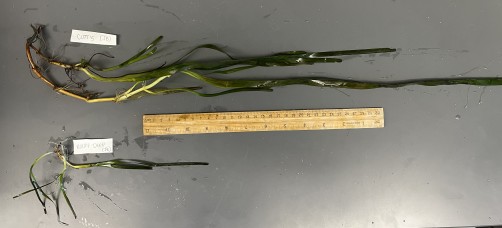
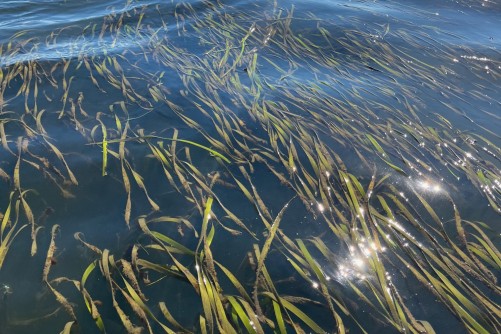

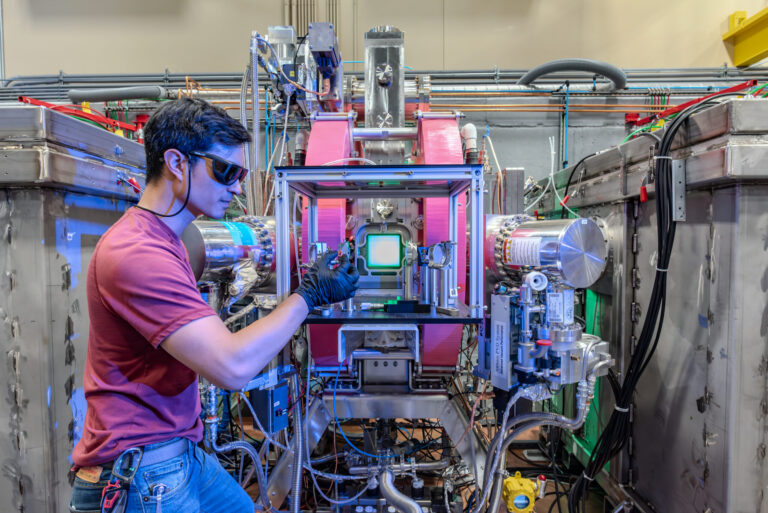


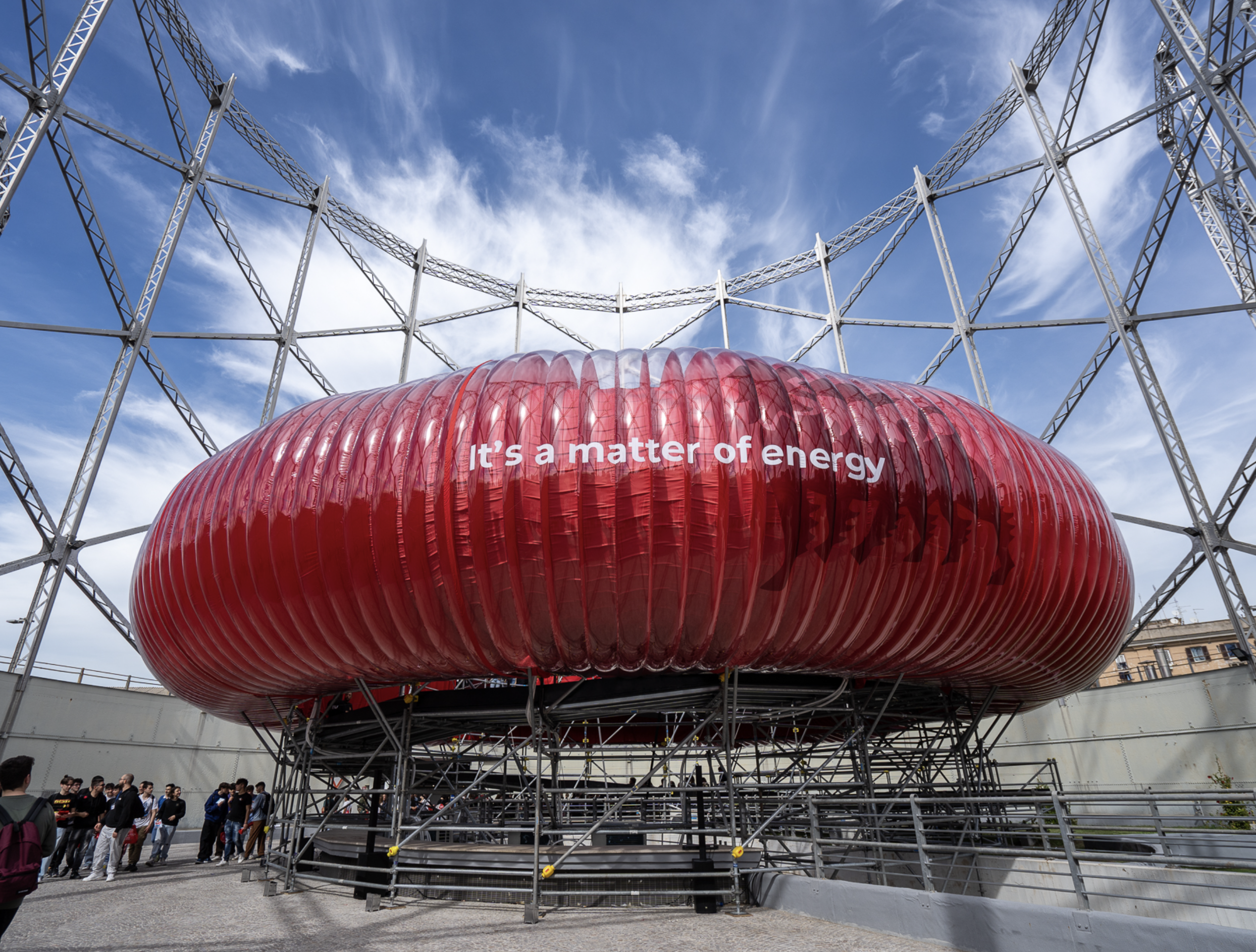
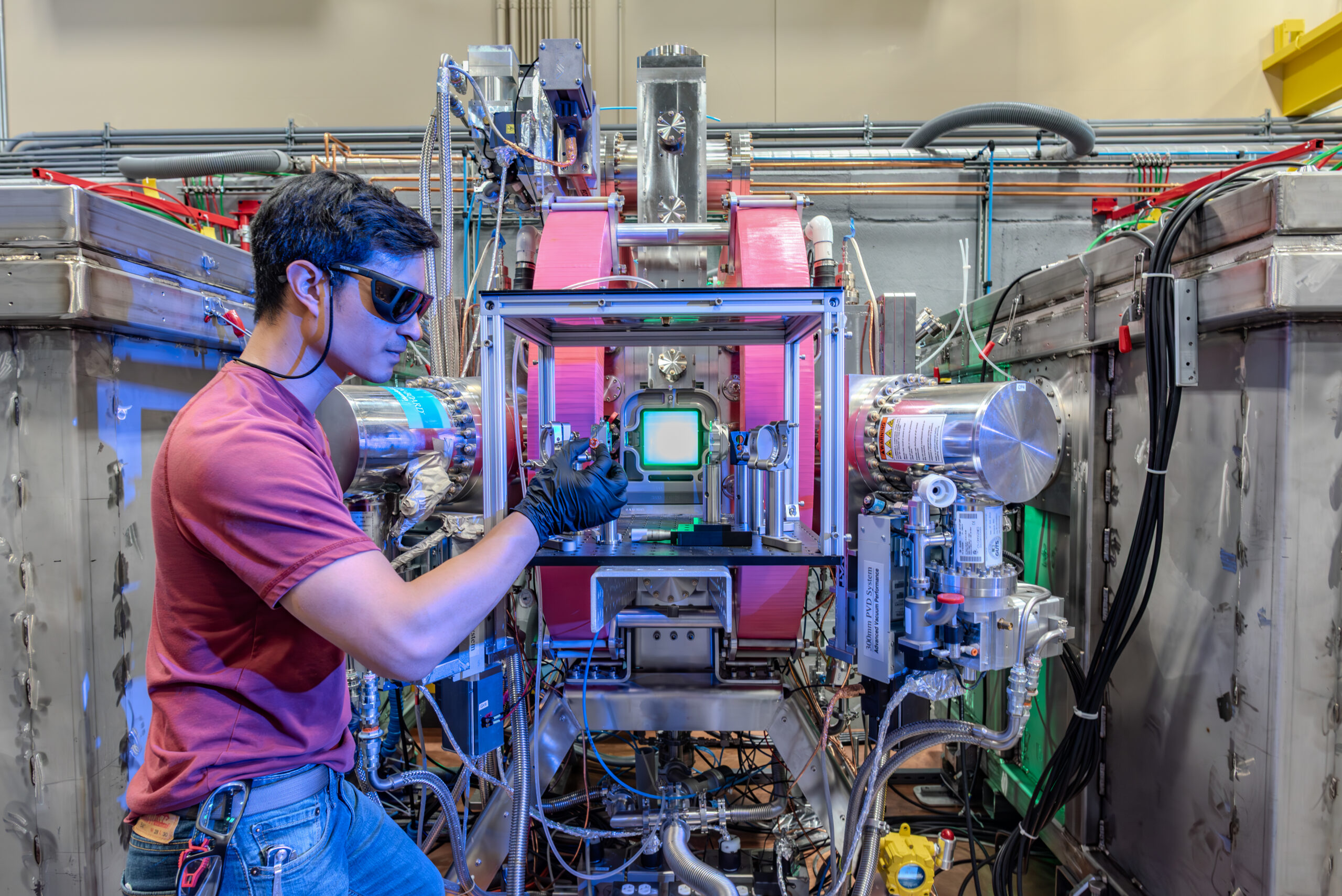
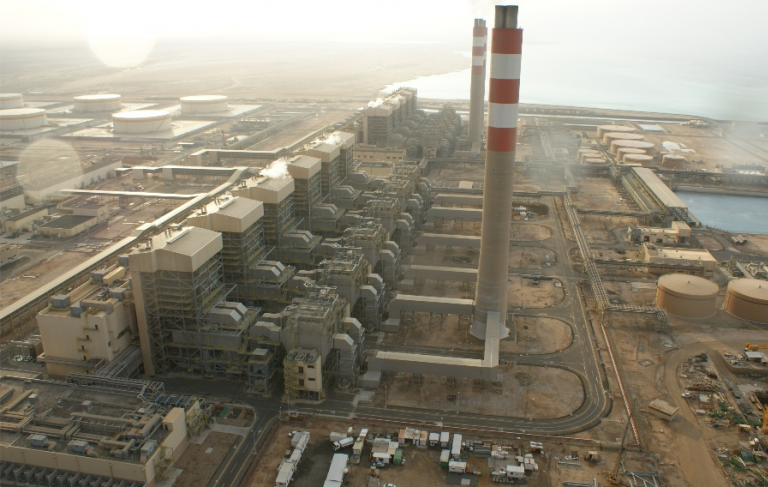










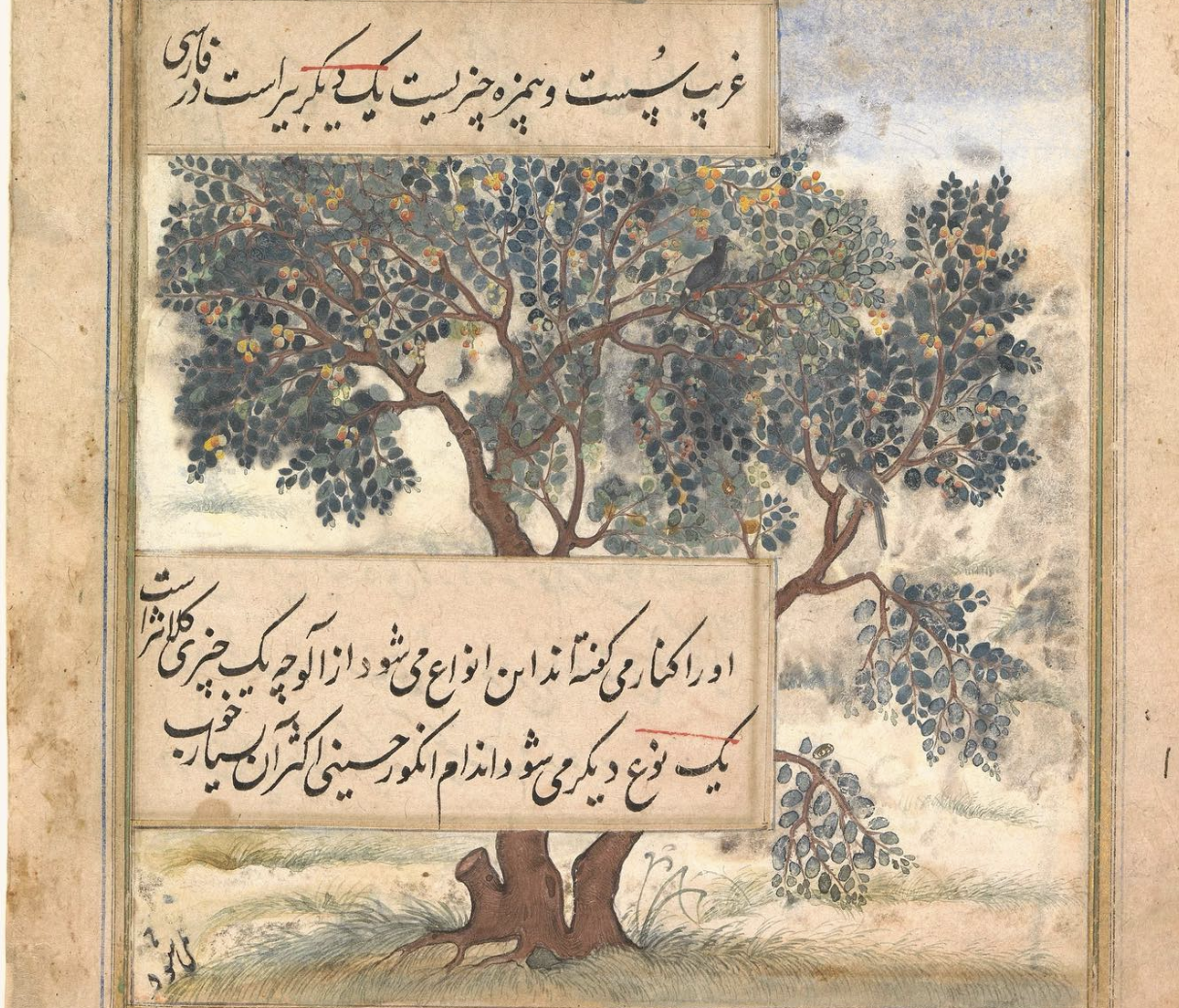


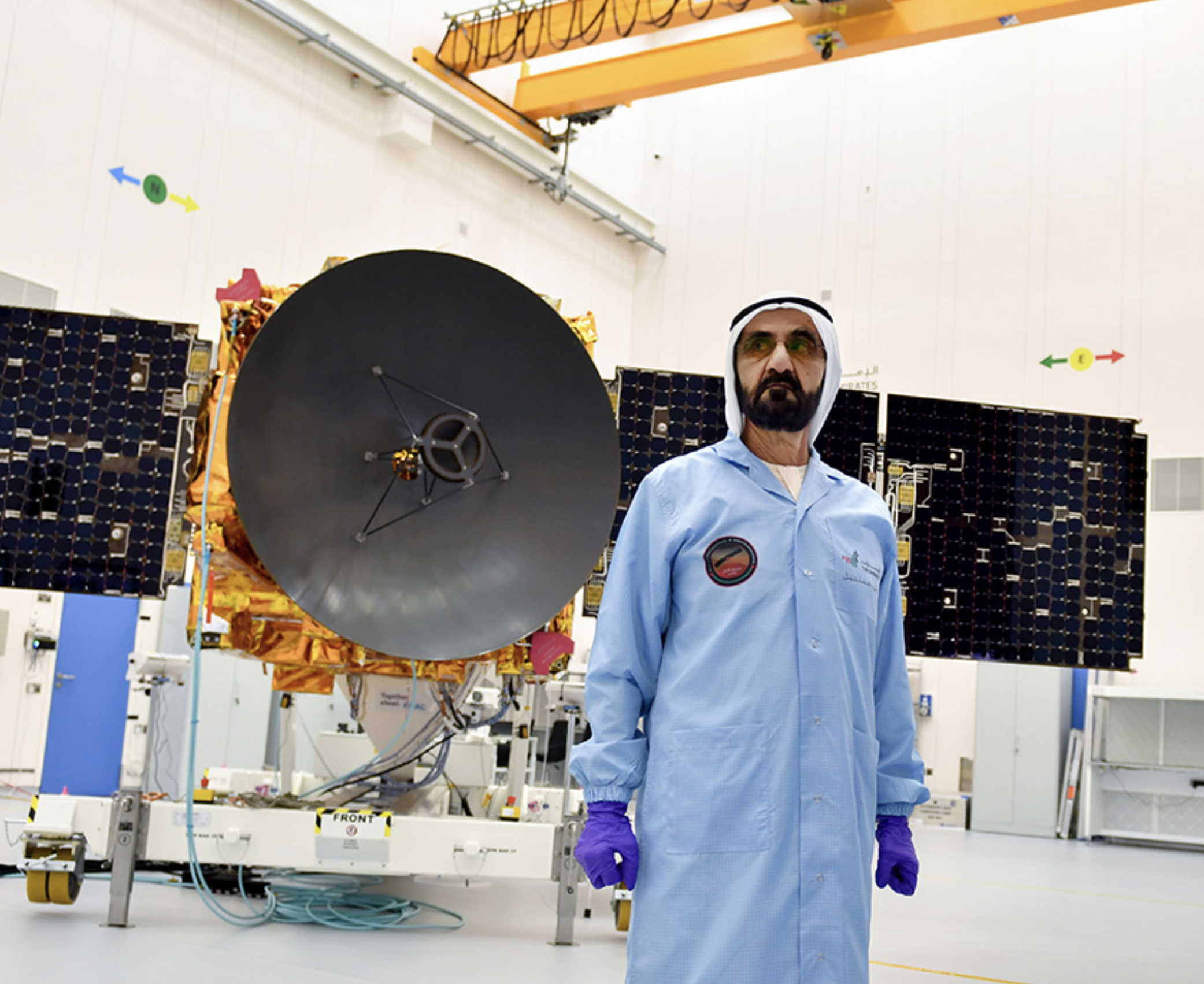

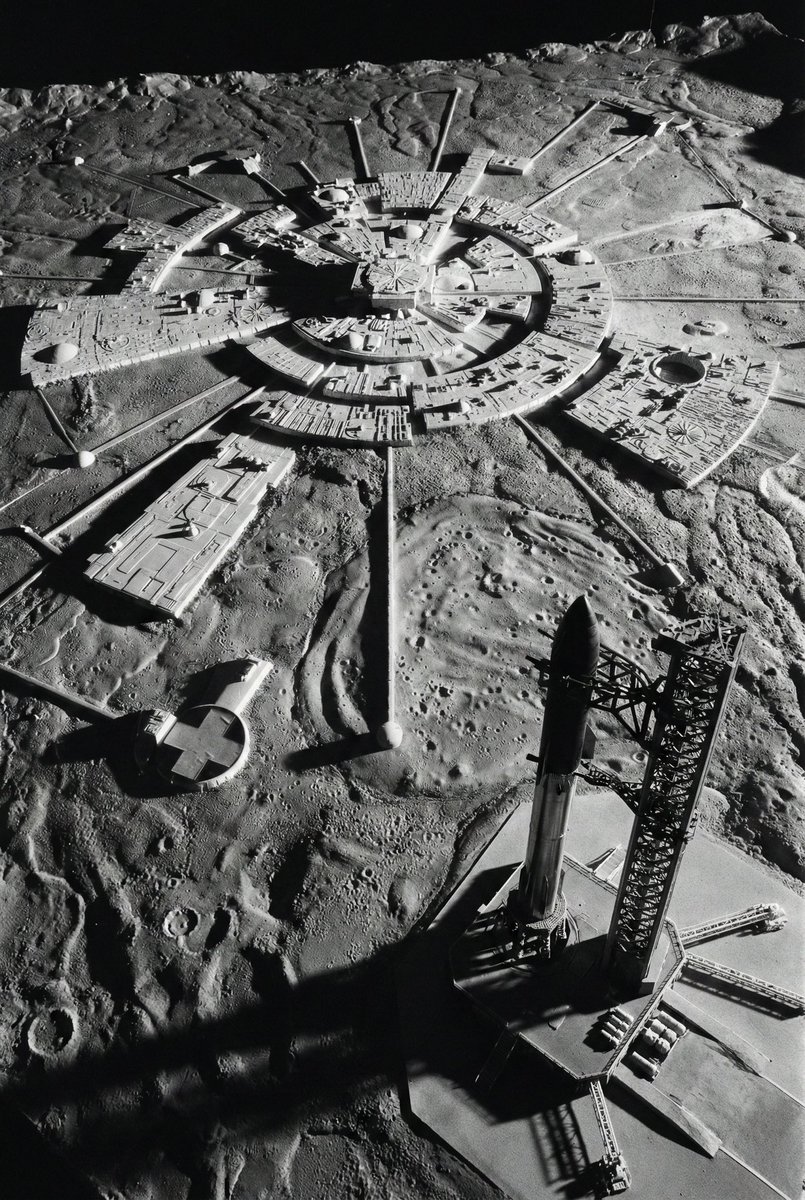




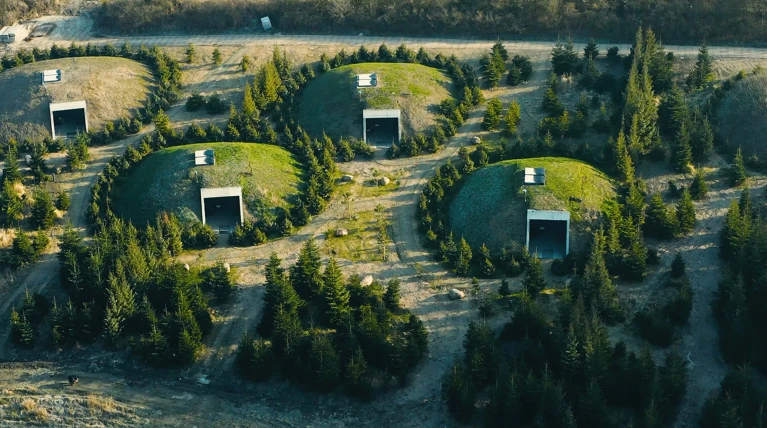
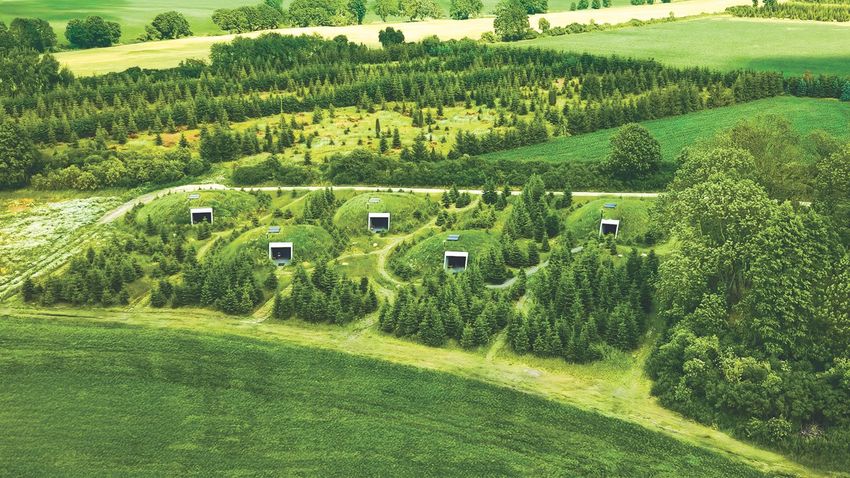





 Landscape design for a private Dubai client. Balsam Madi.
 Some say curiosity killed the cat; for Balsam Madi, it shaped her life. Driven by a compulsive need to understand systems rather than spectacle, she consistently chose inquiry over allure and human-centered design over trend-driven form.


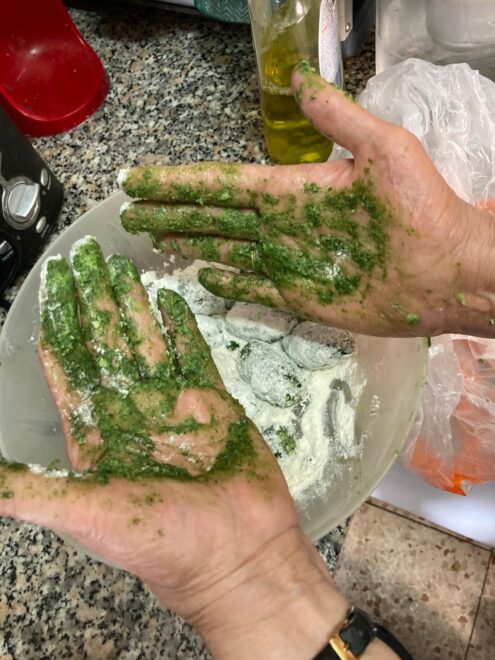
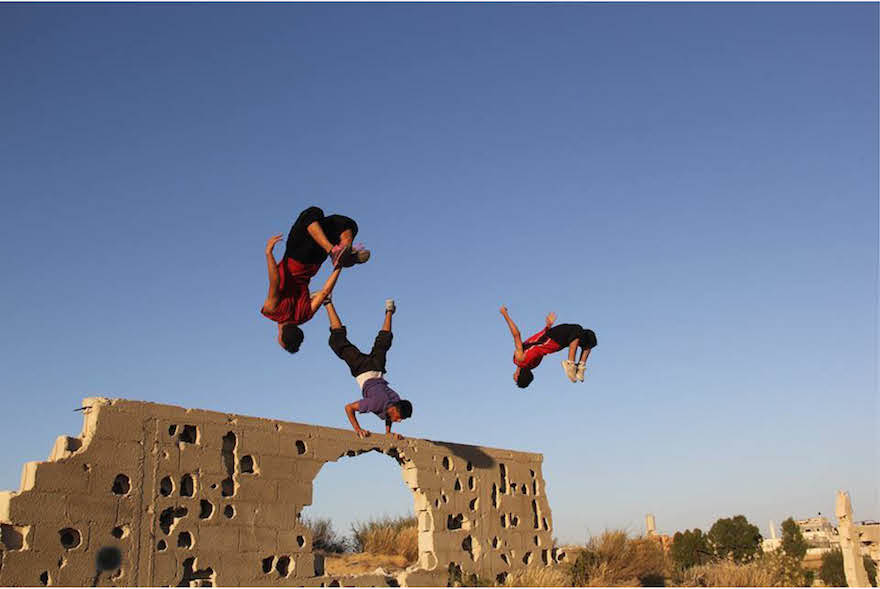


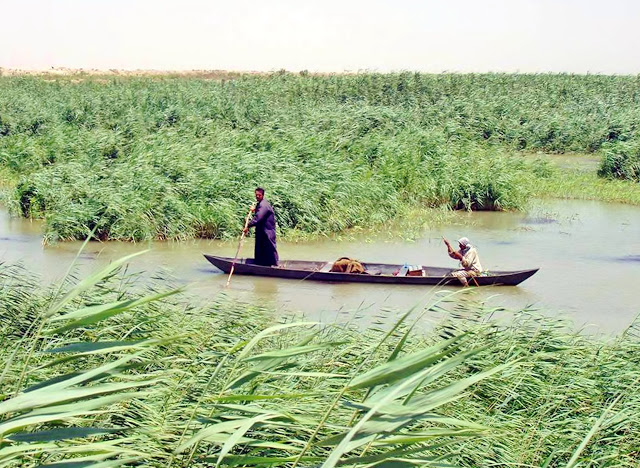








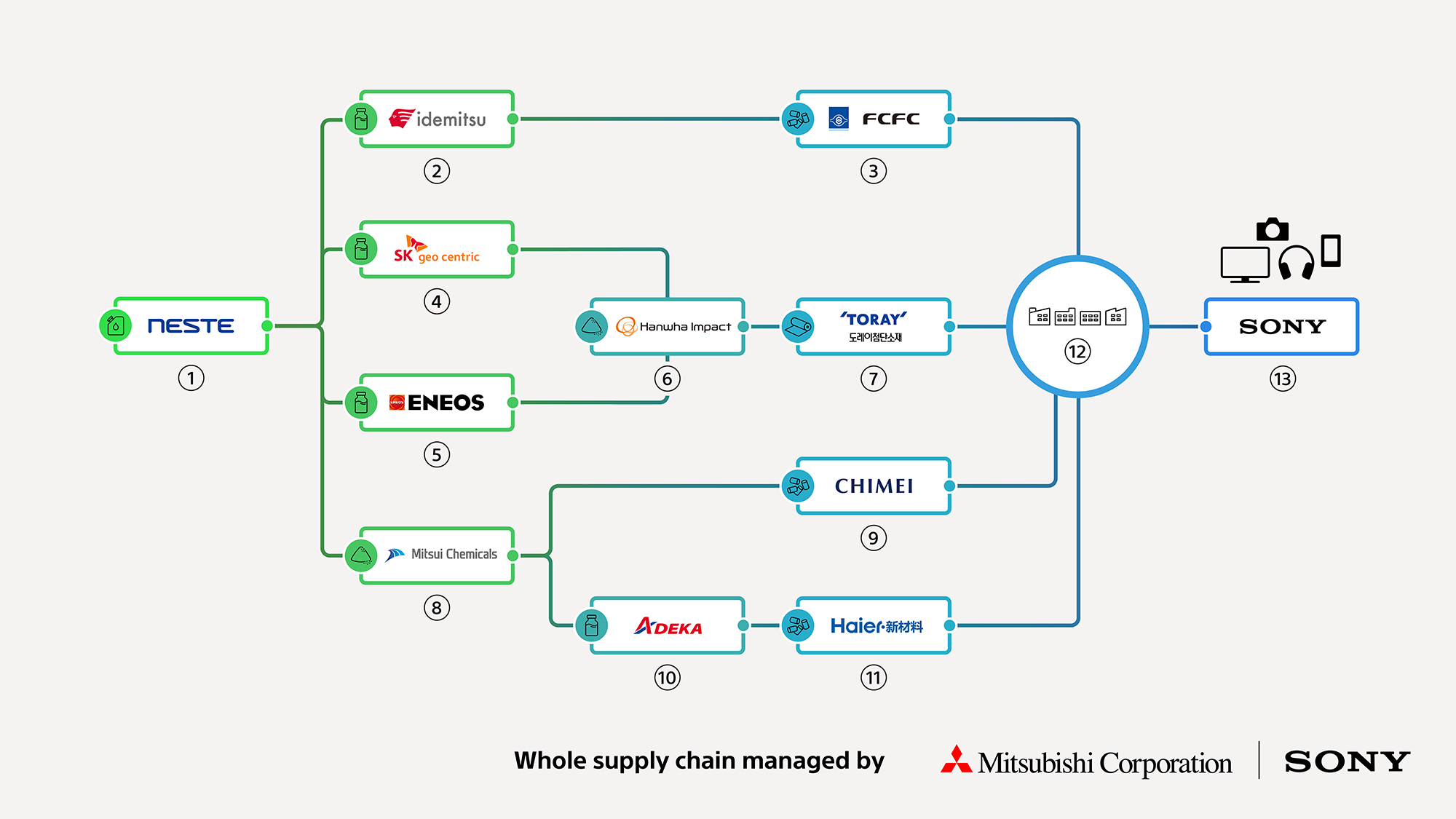


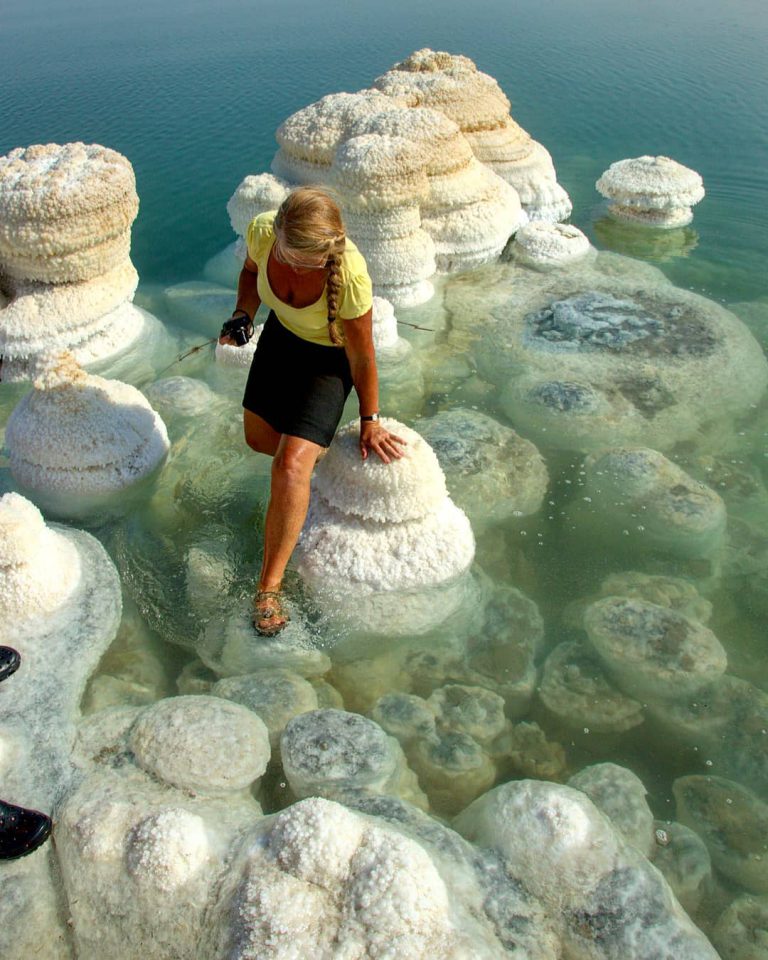
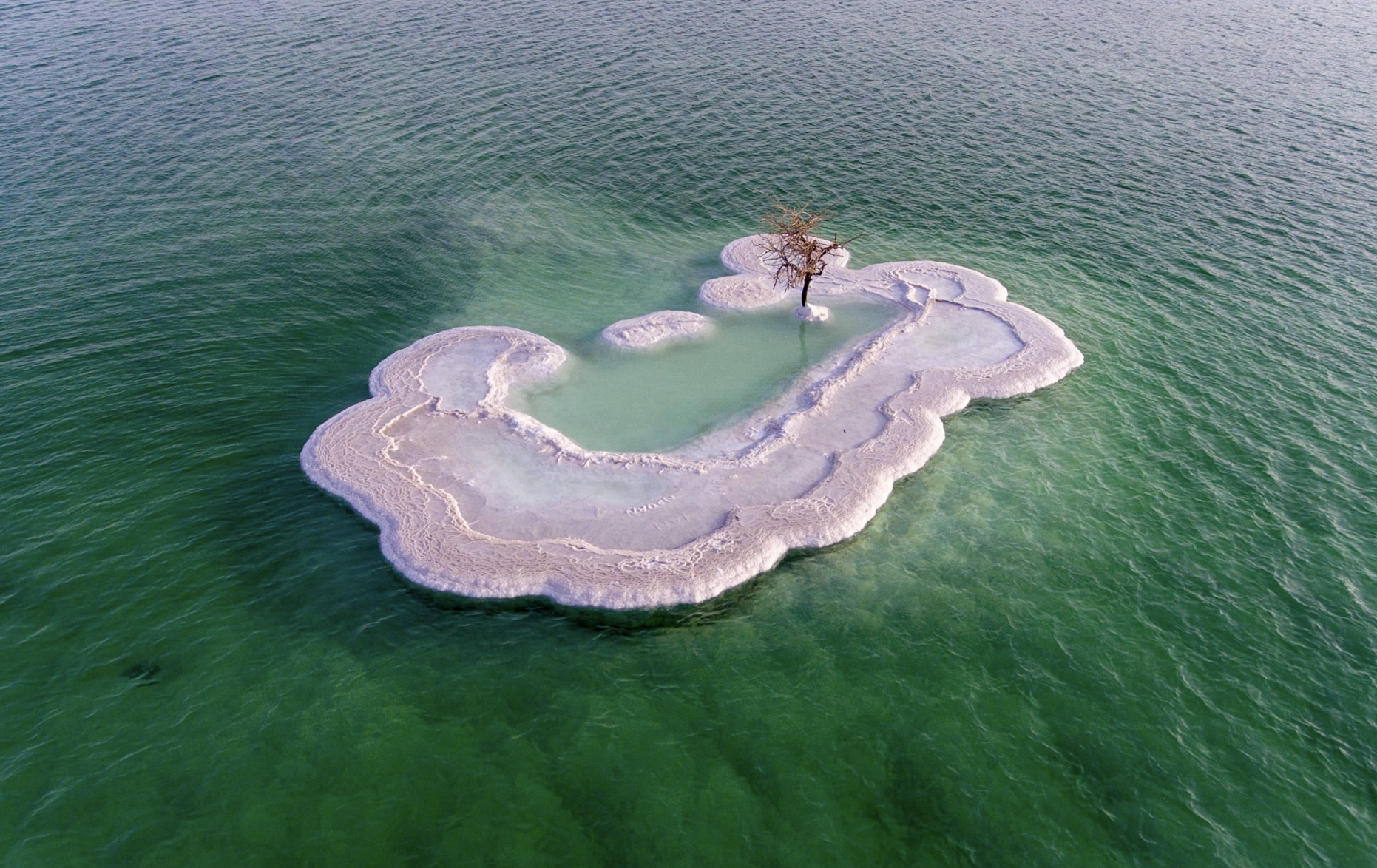

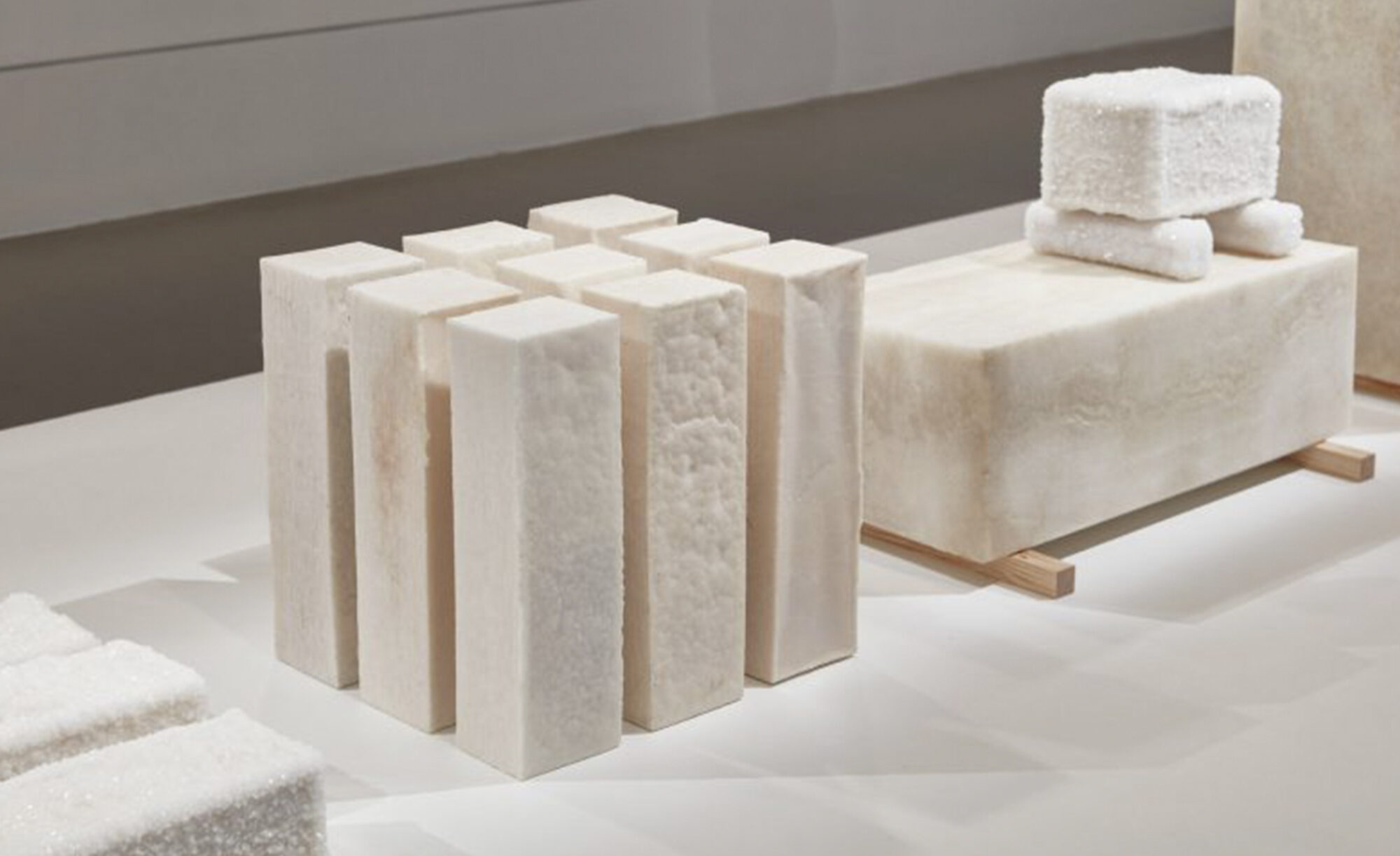

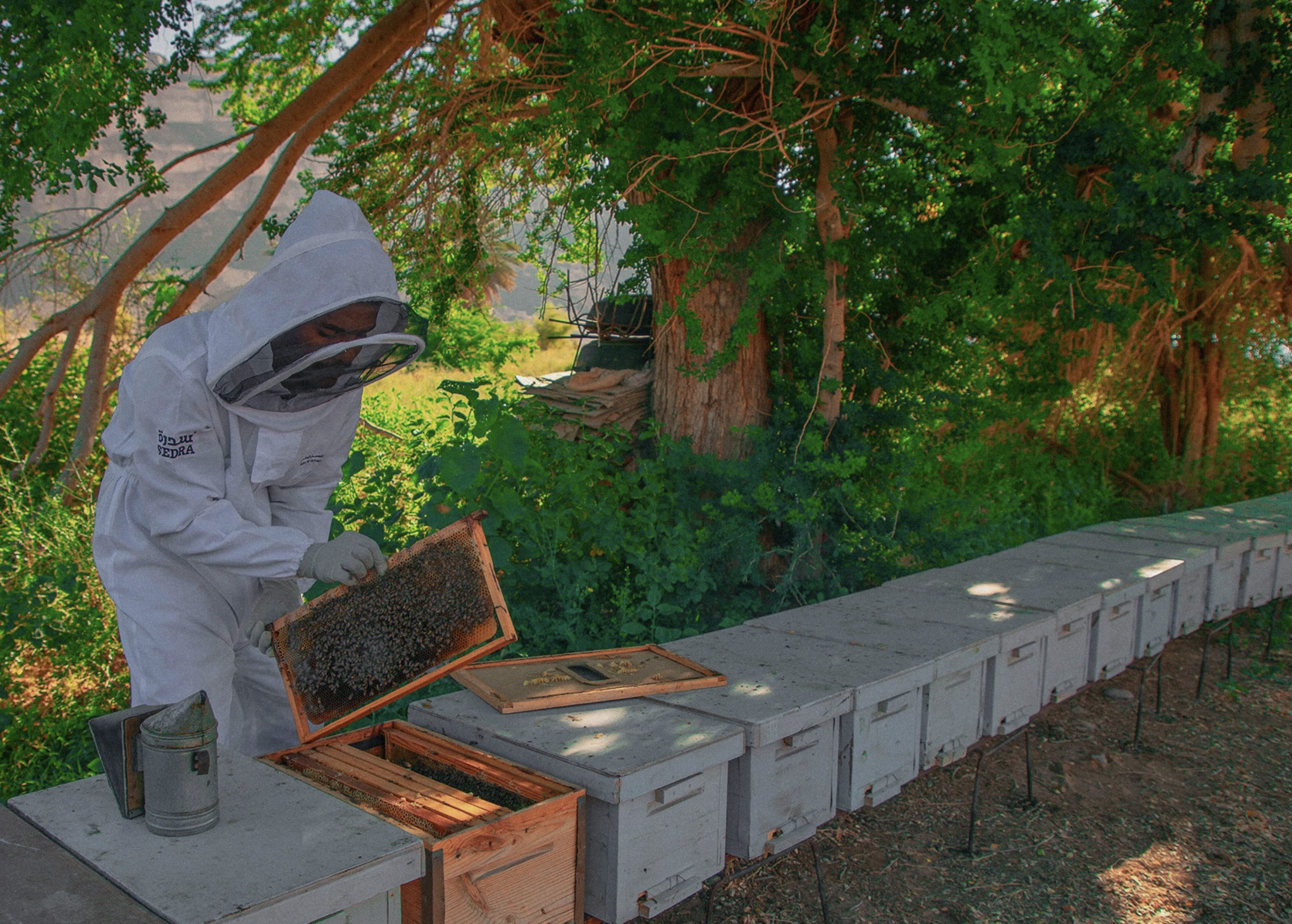

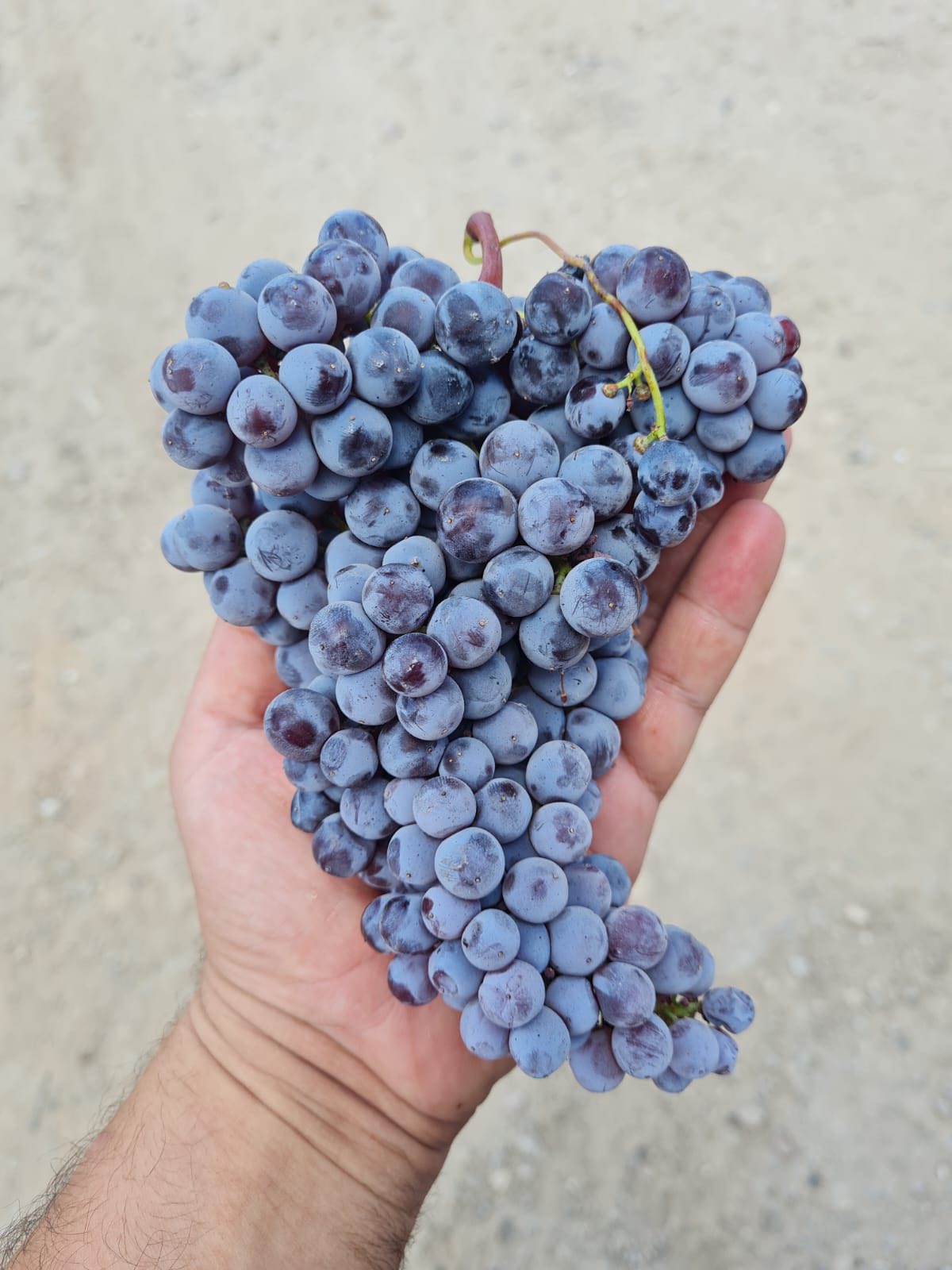
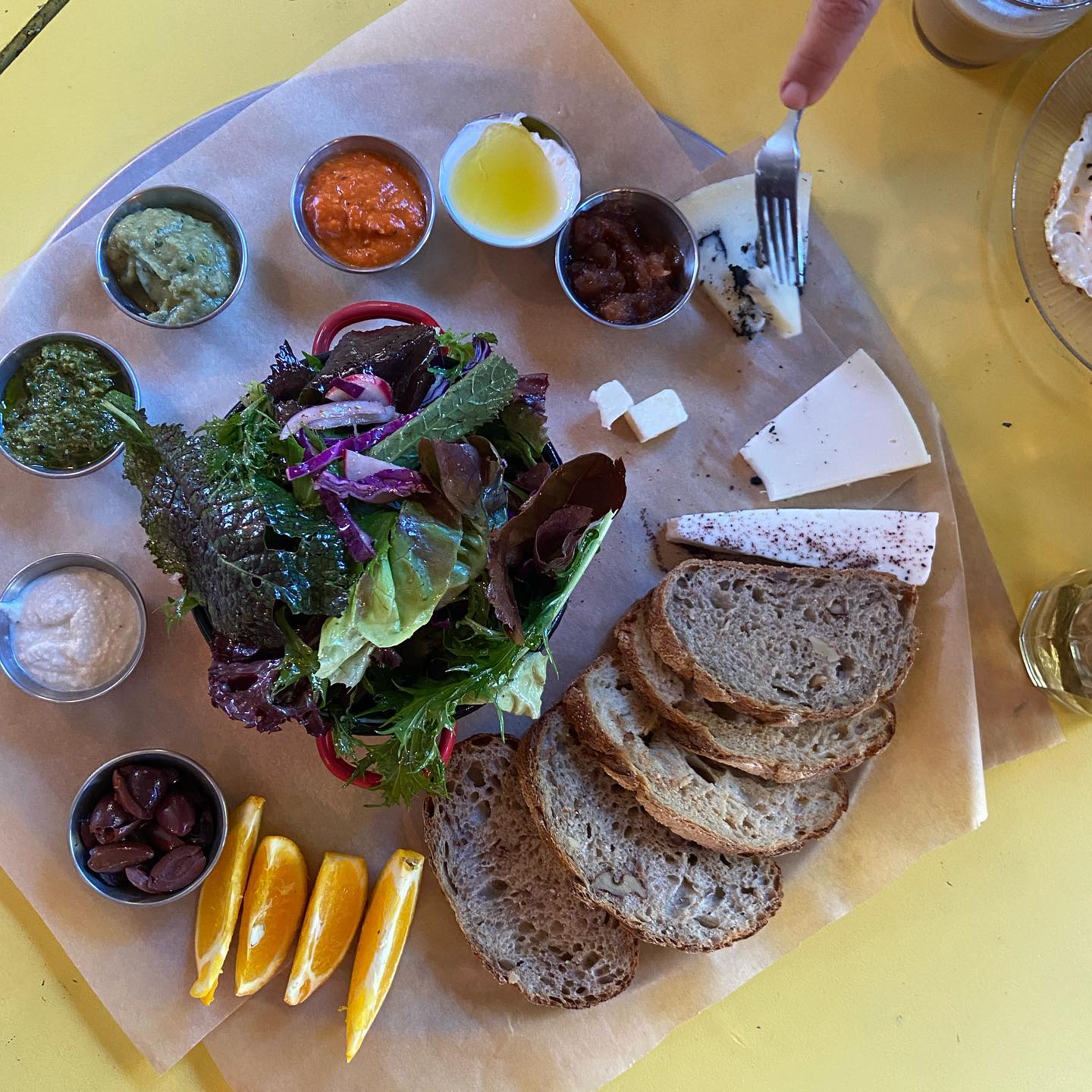
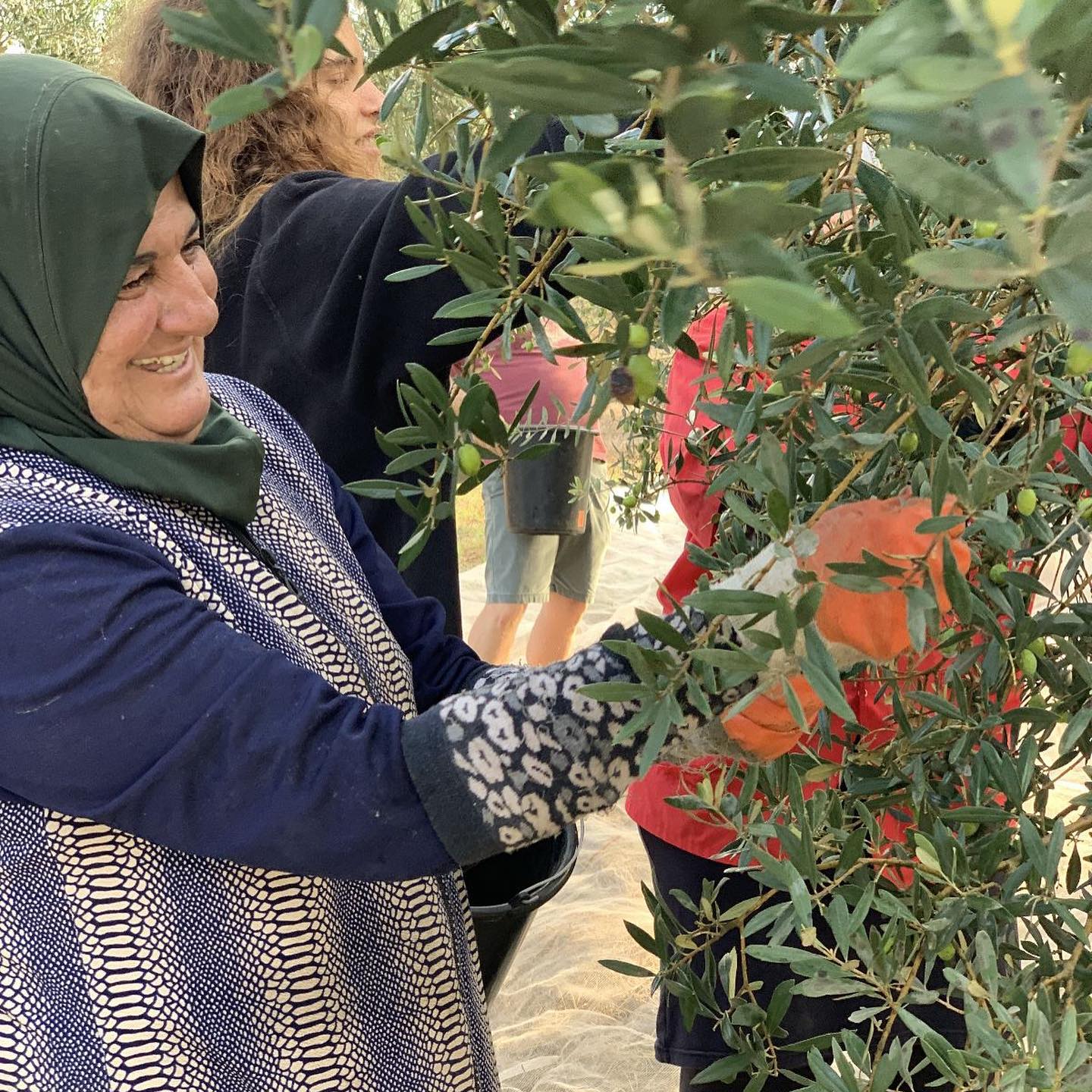
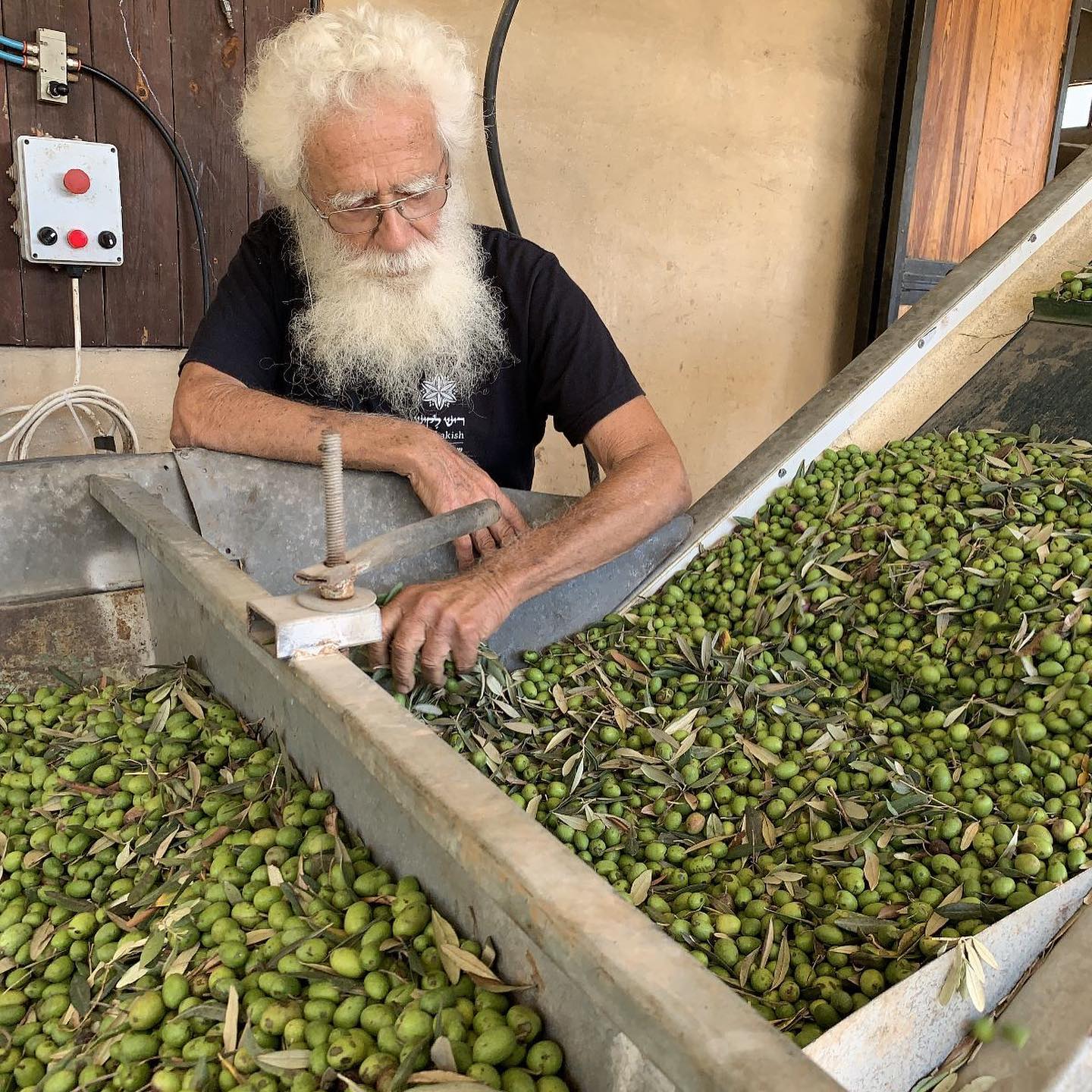

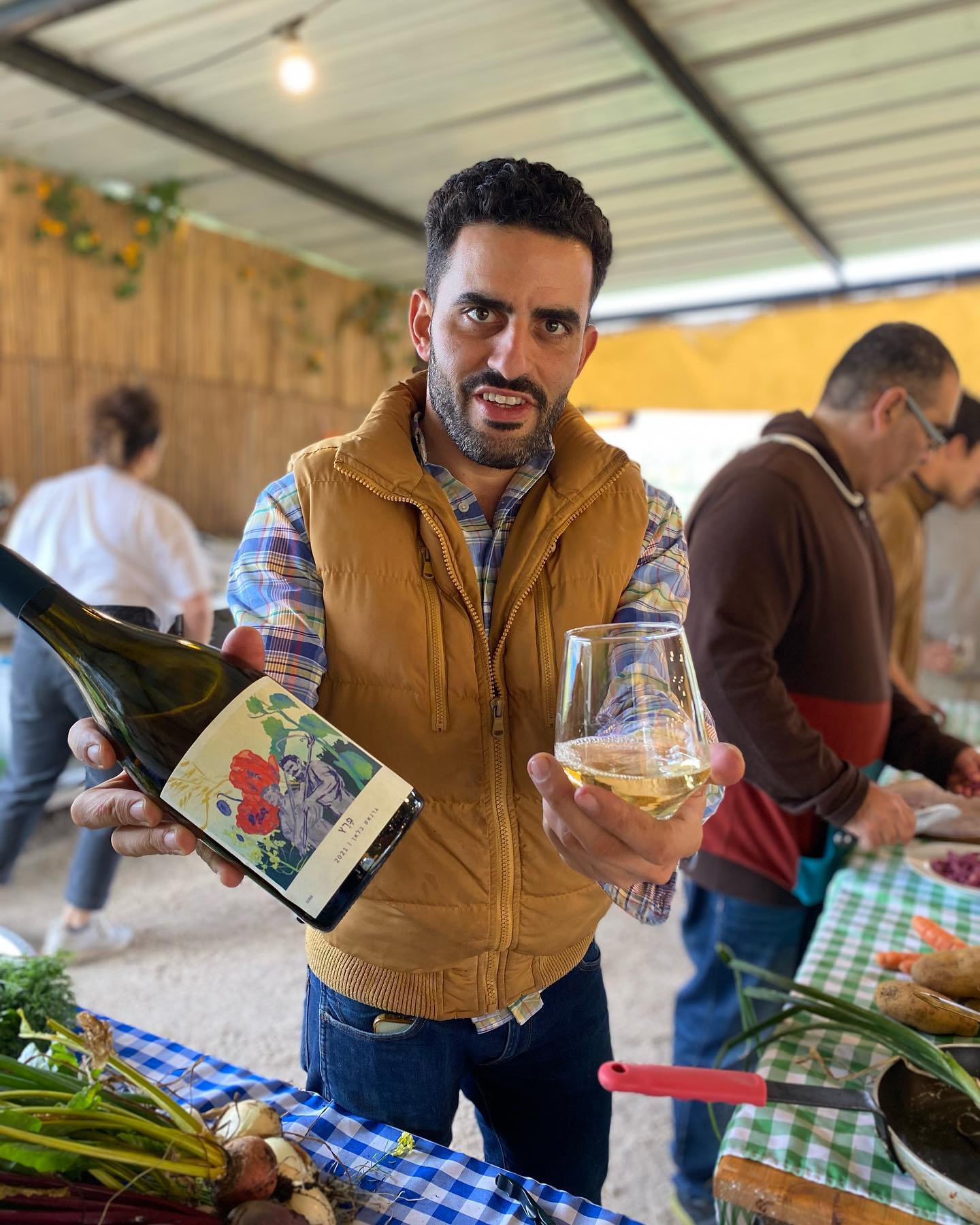



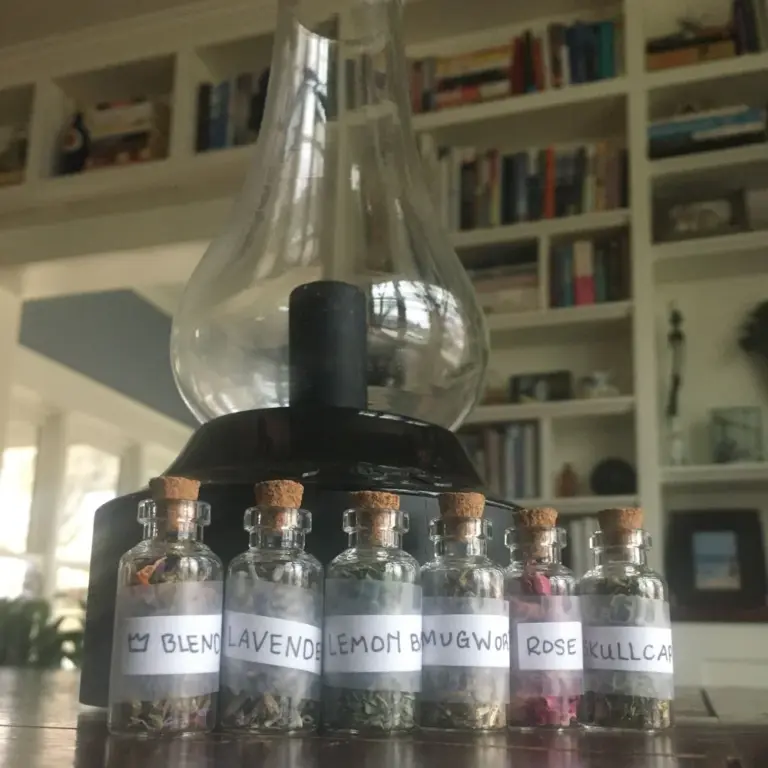



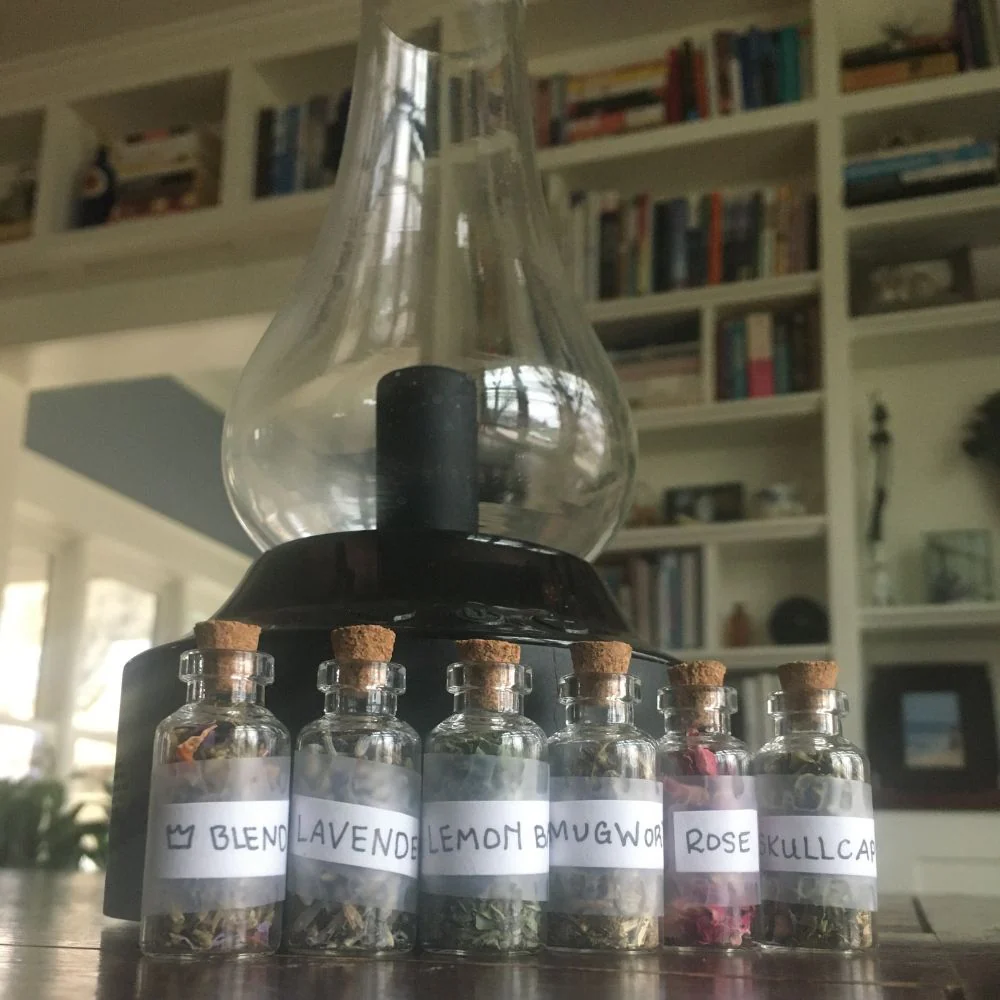
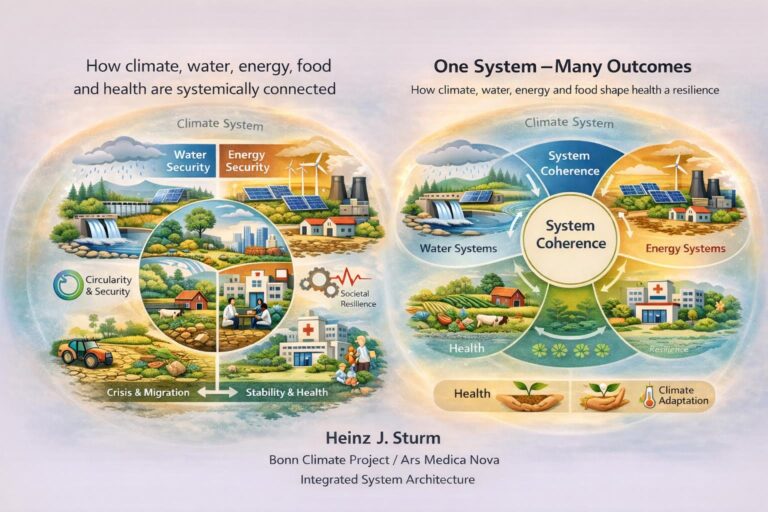

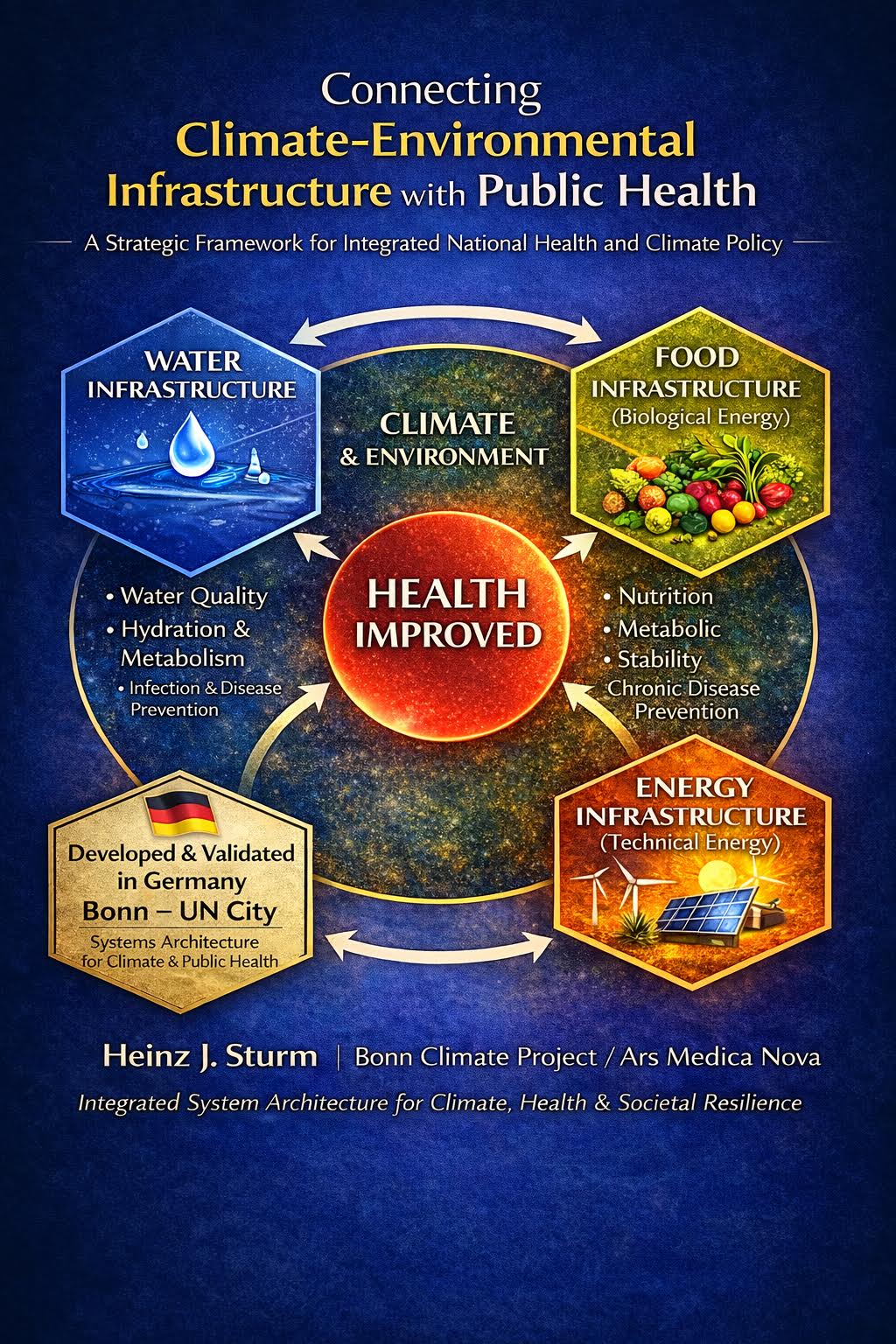





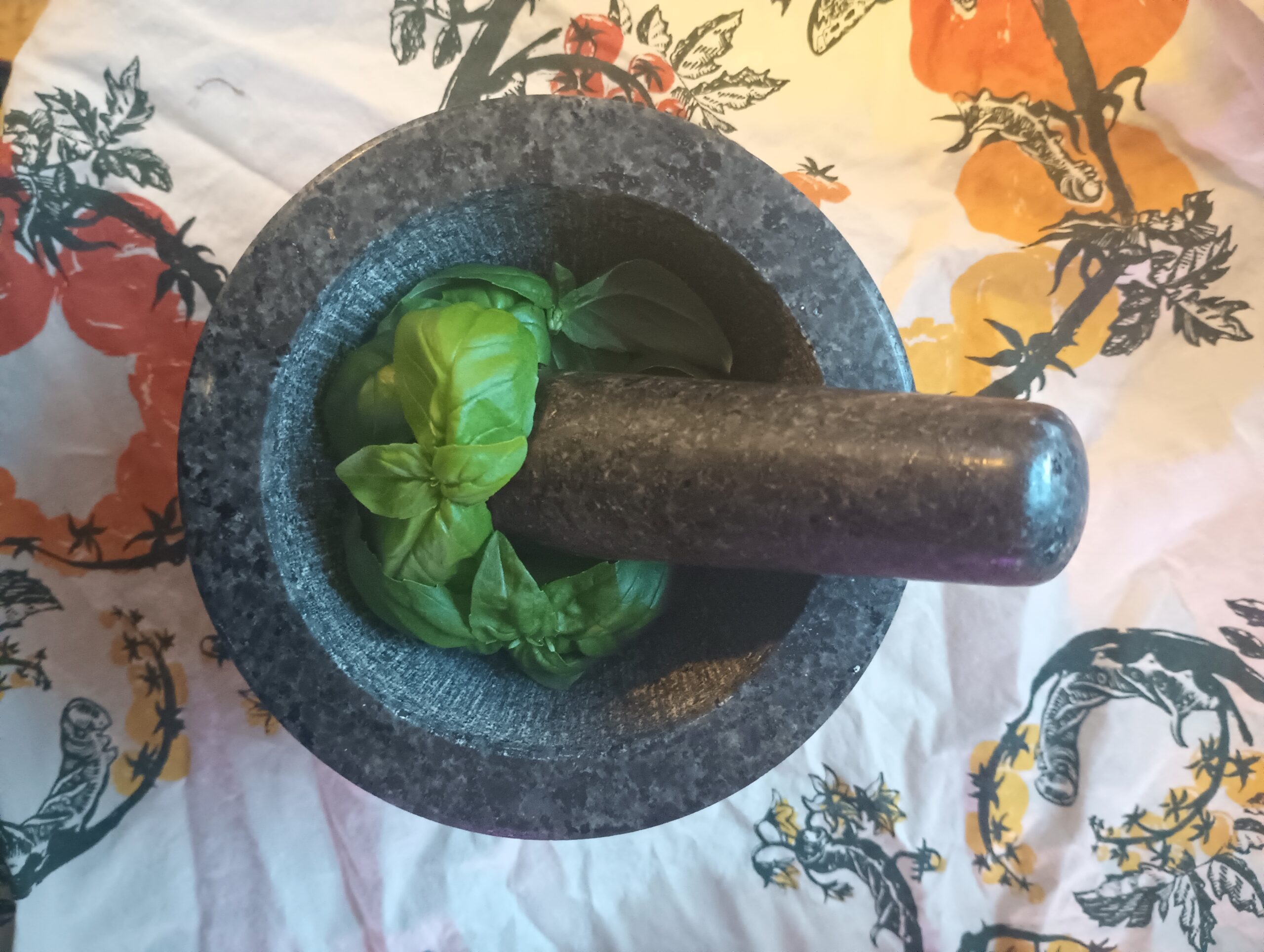
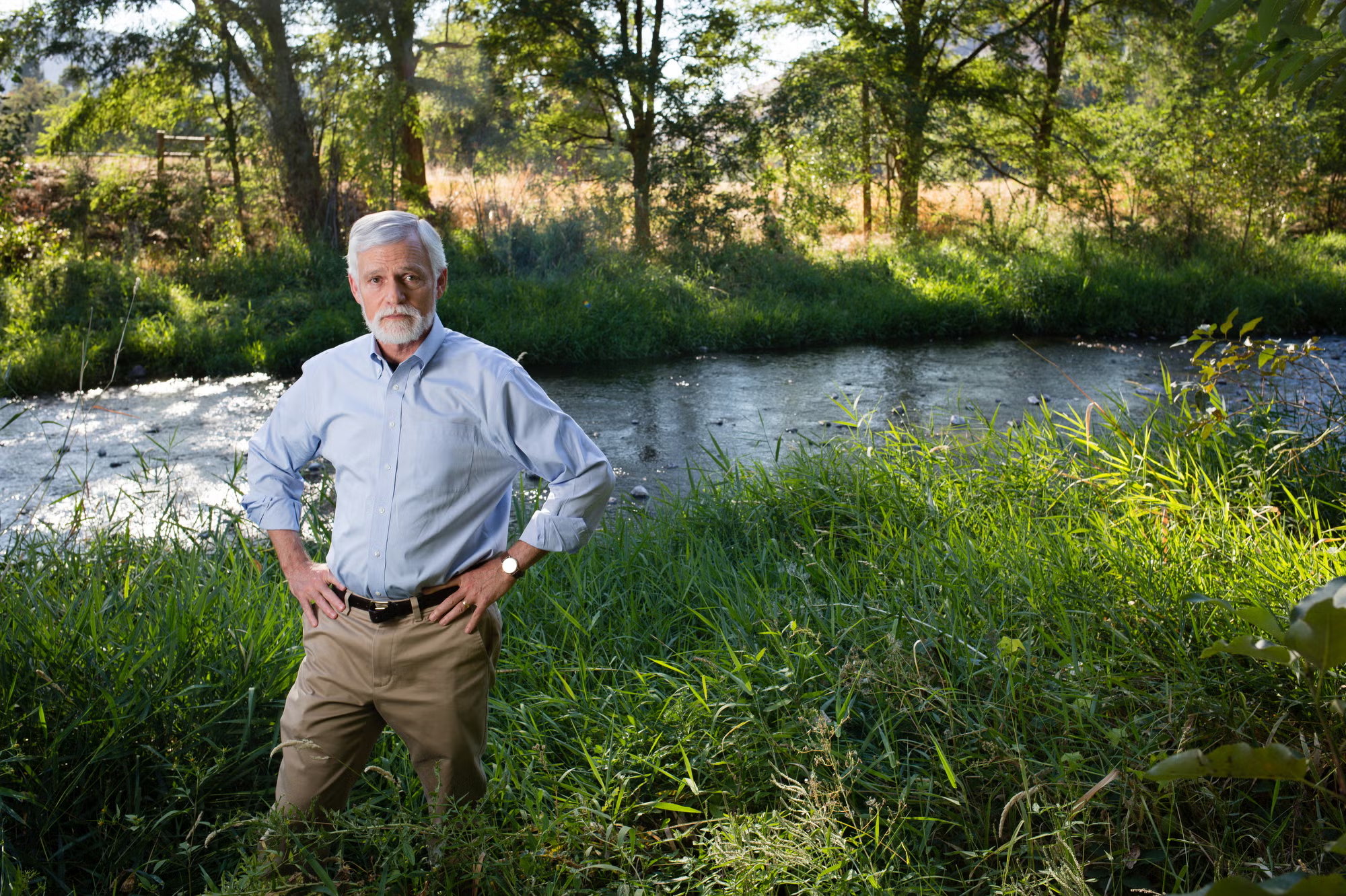
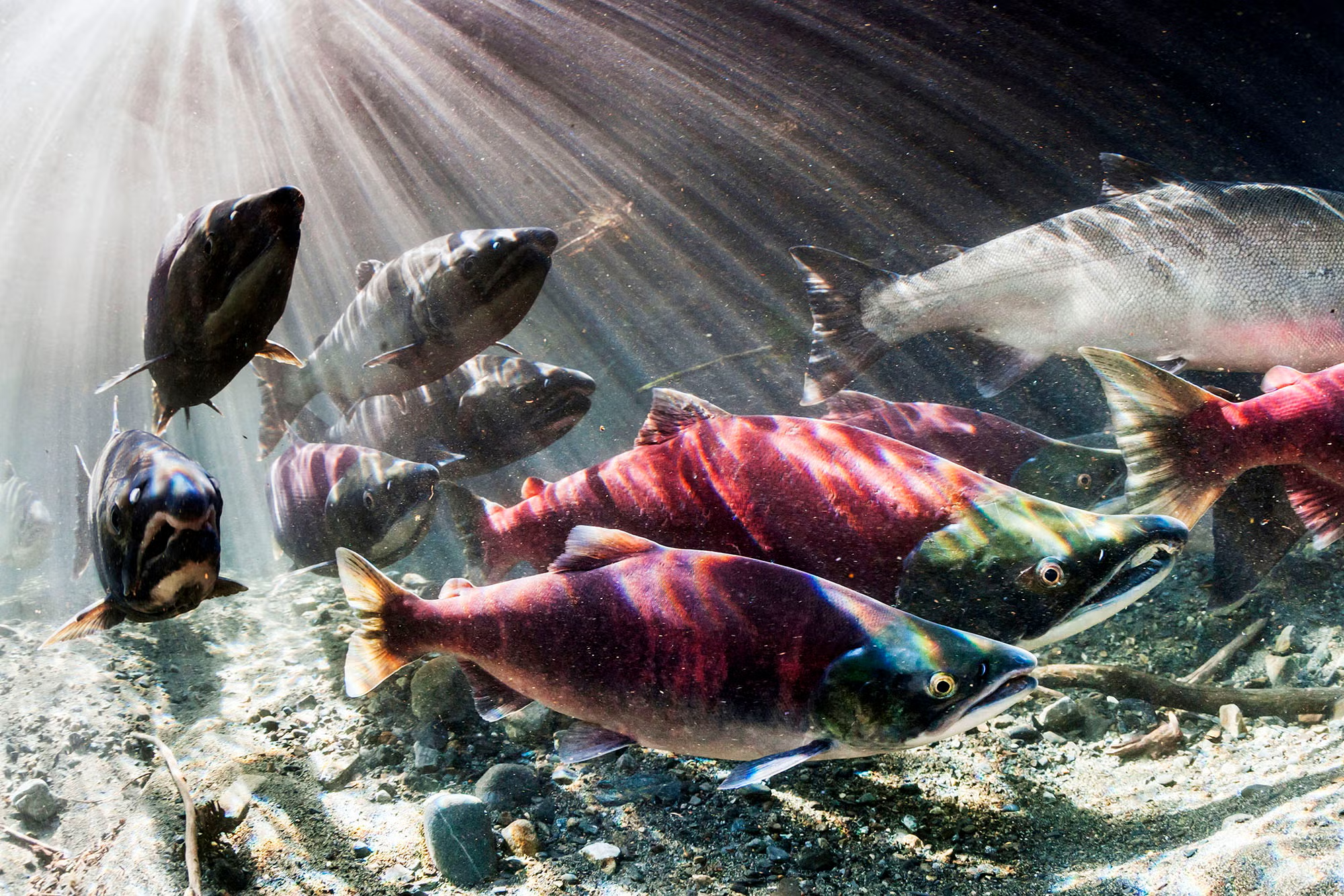






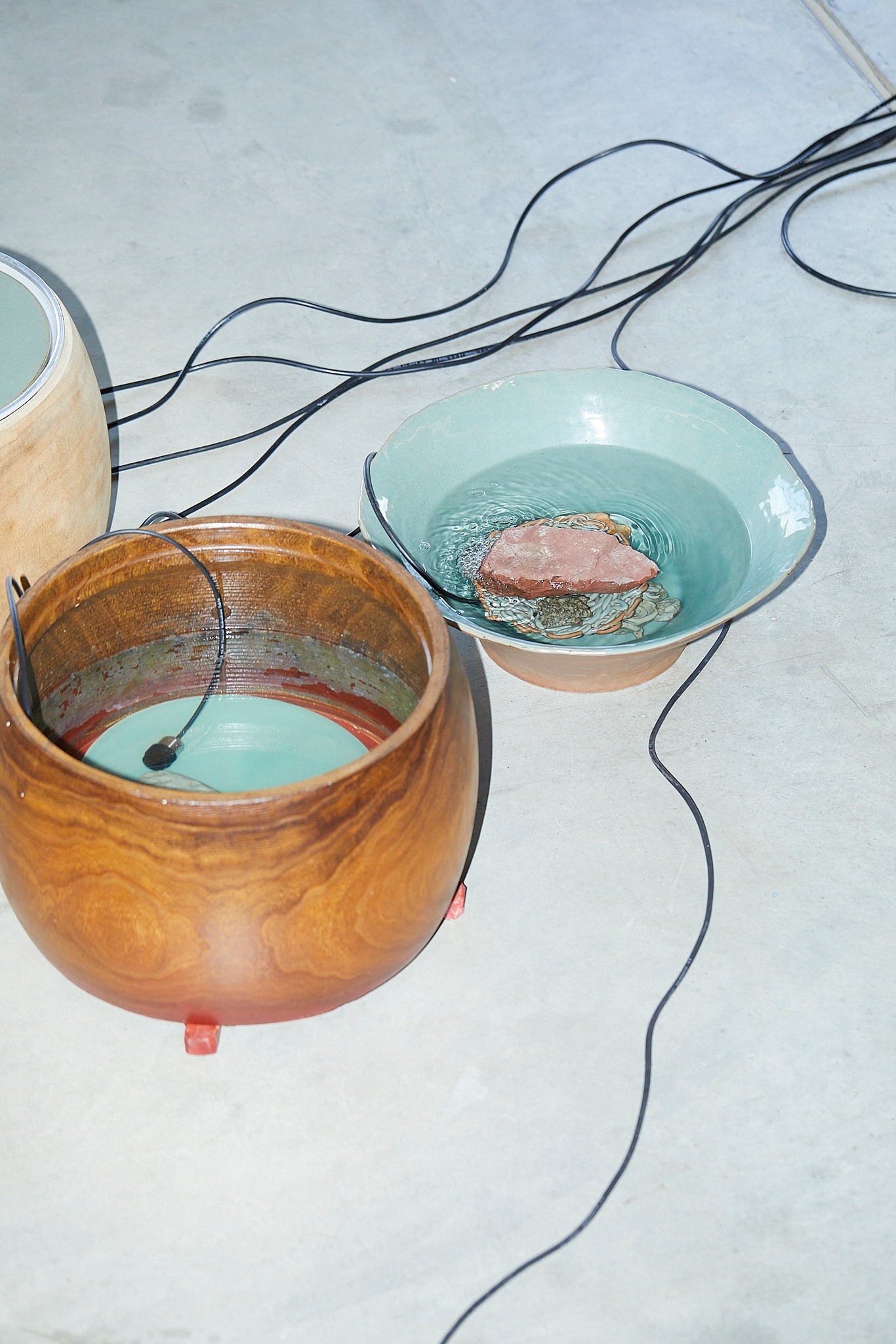

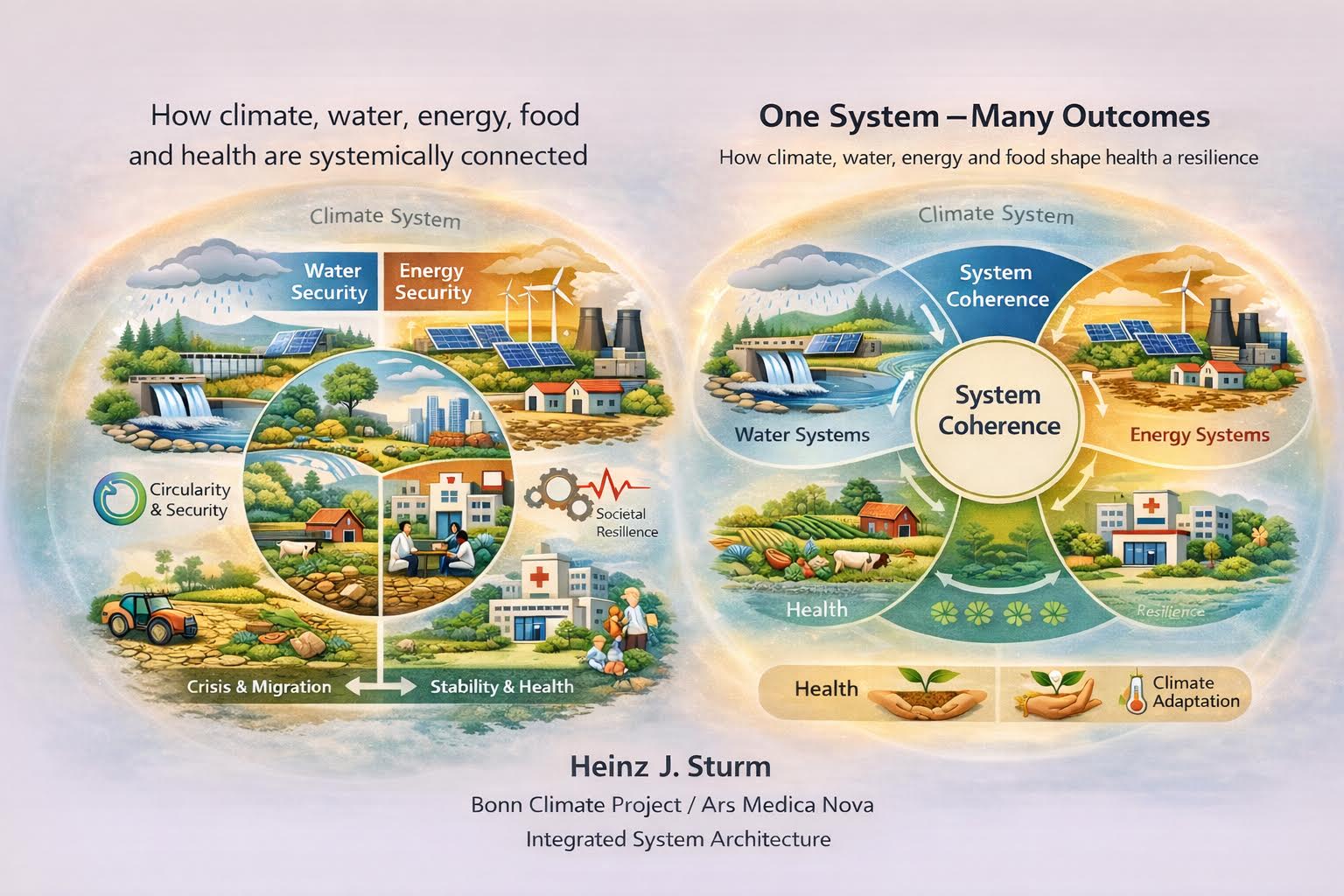

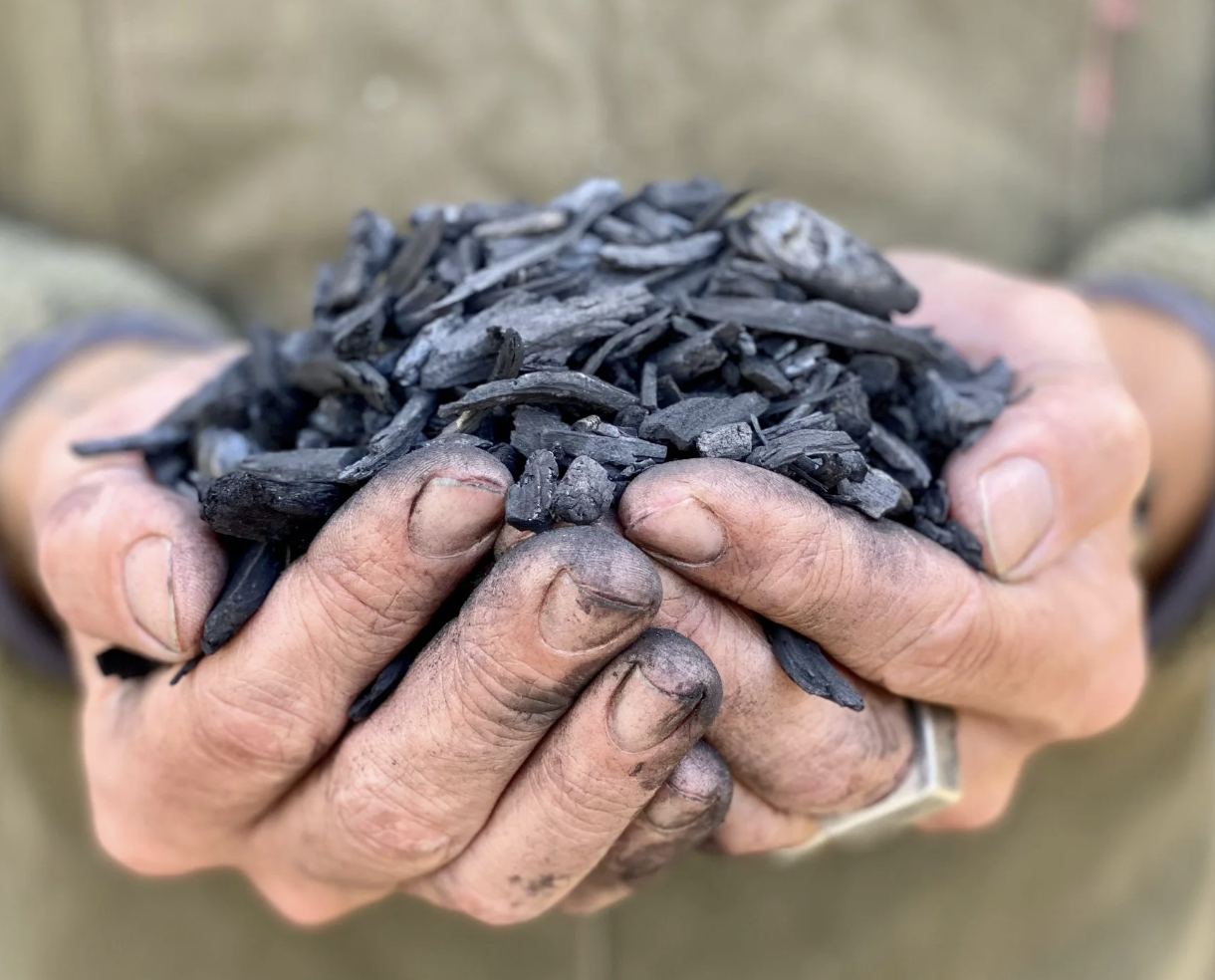
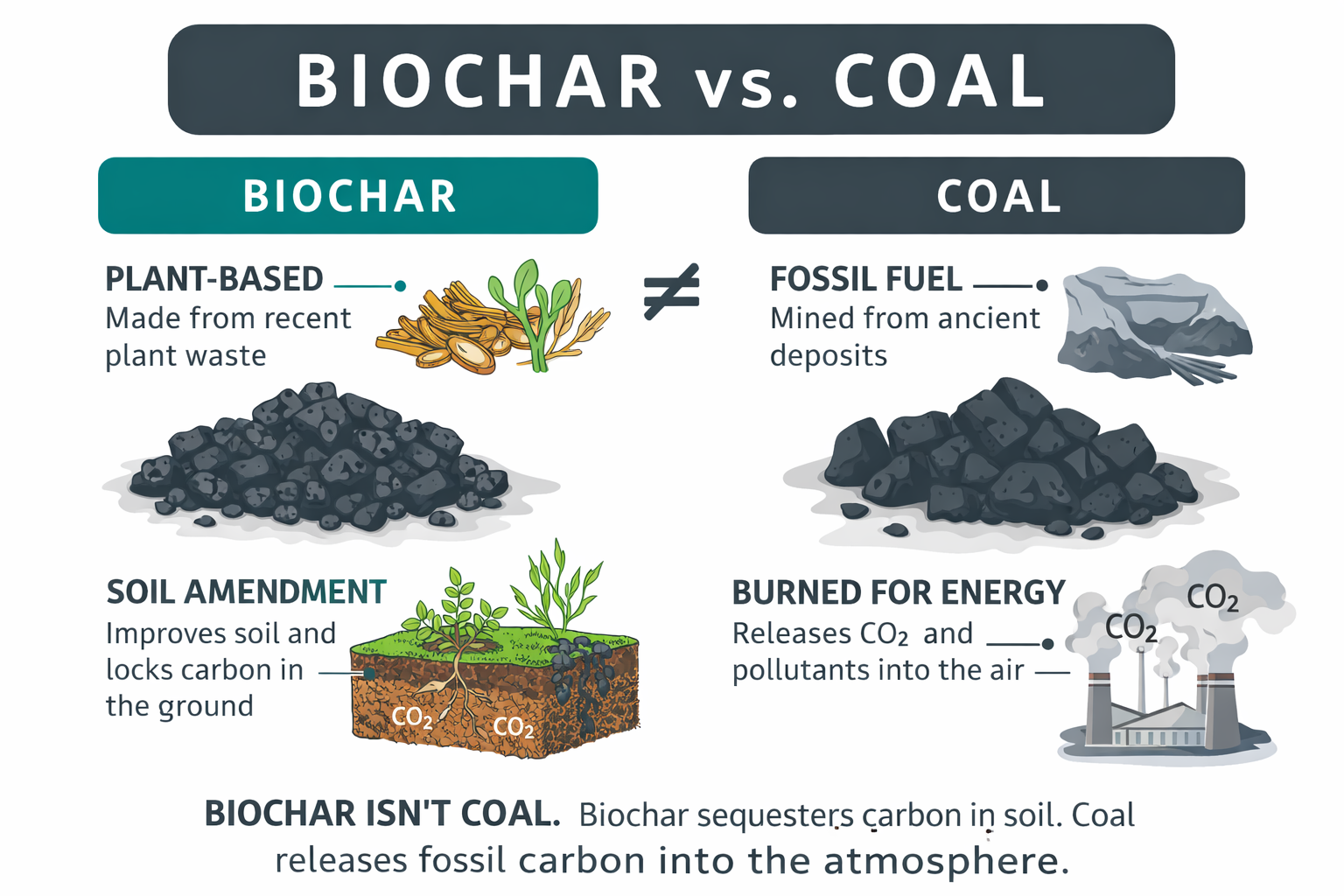












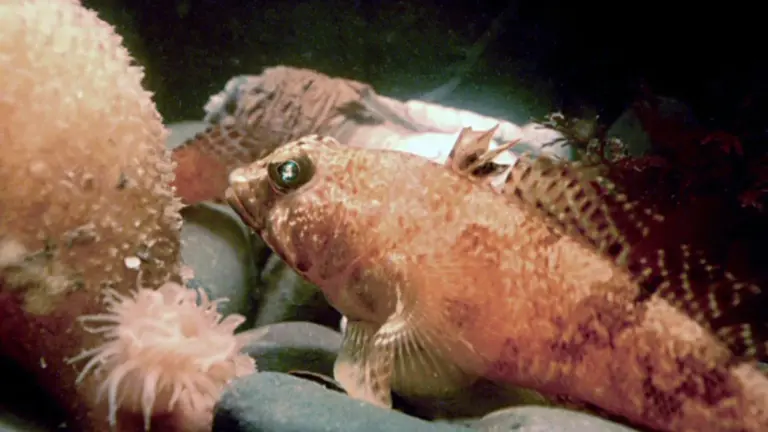



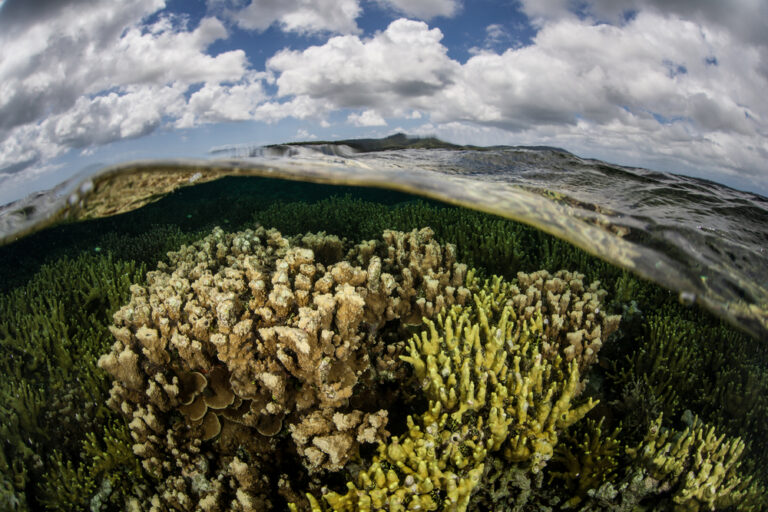
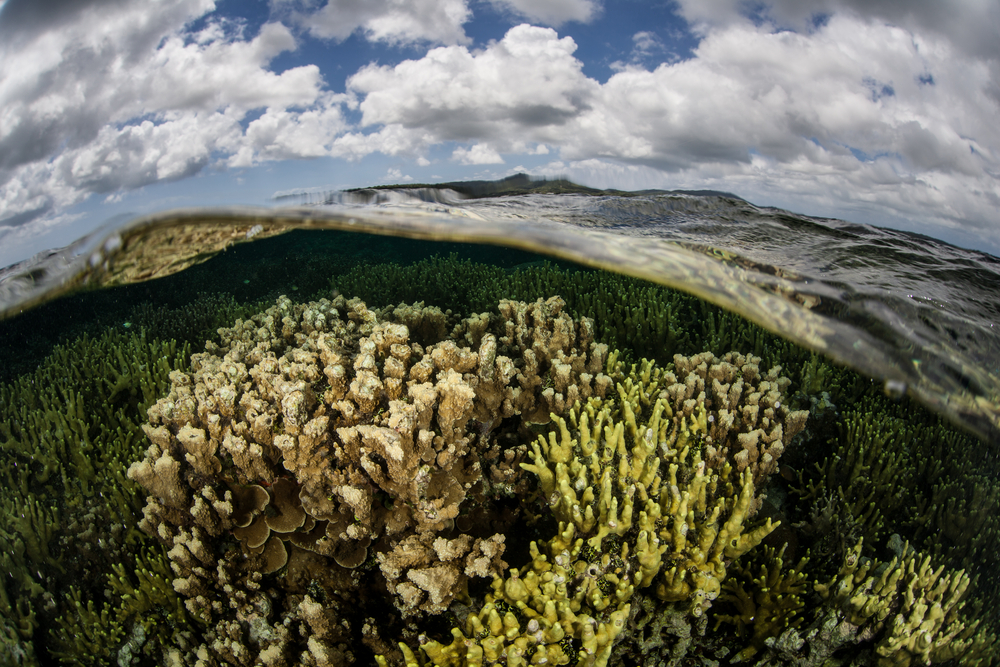



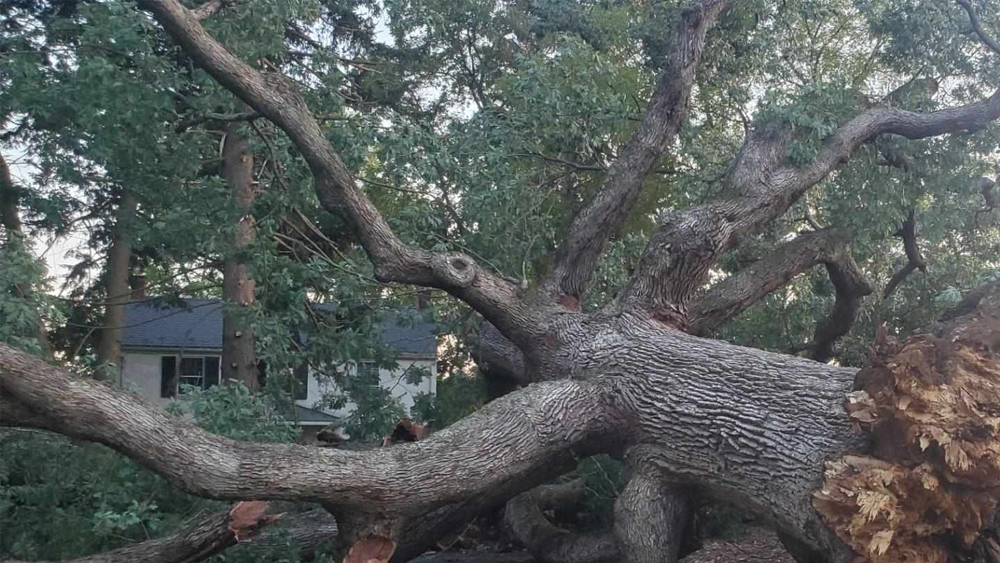

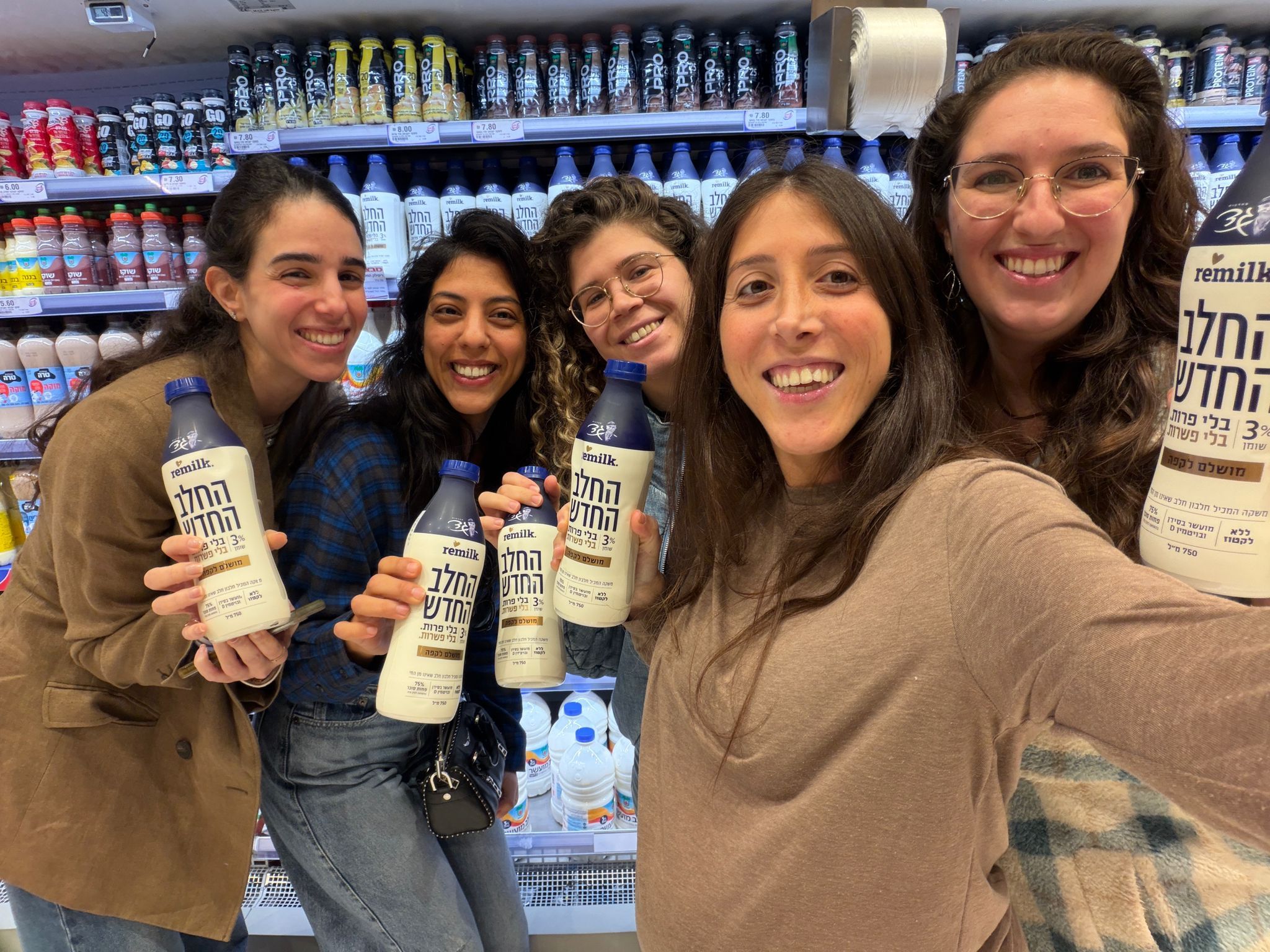









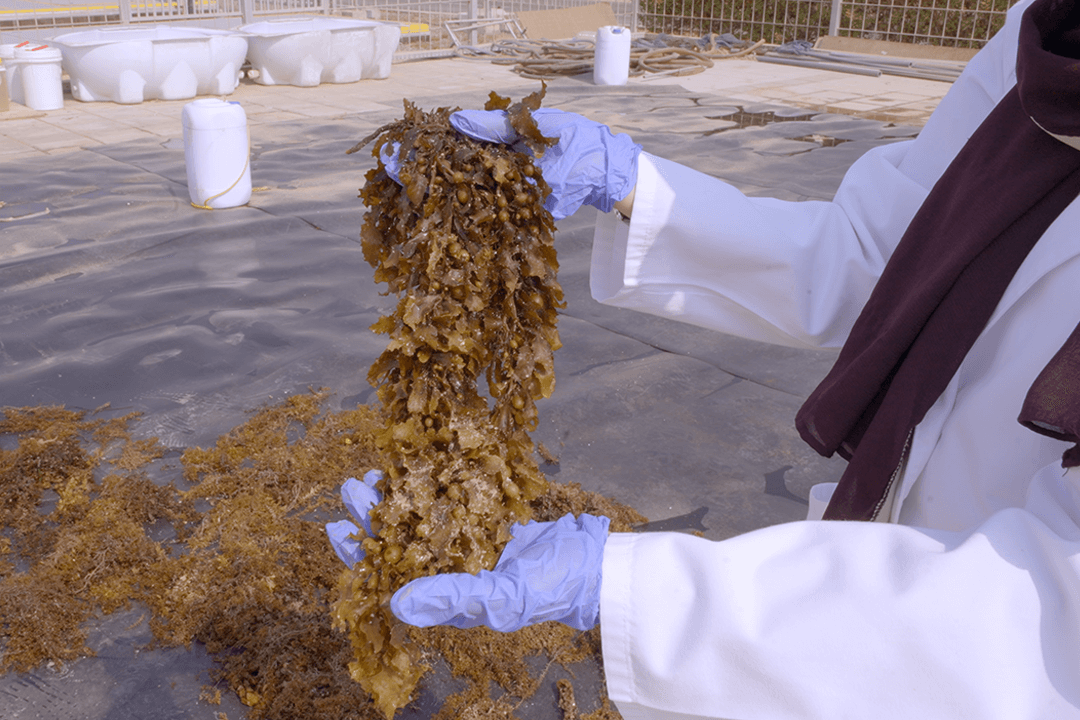











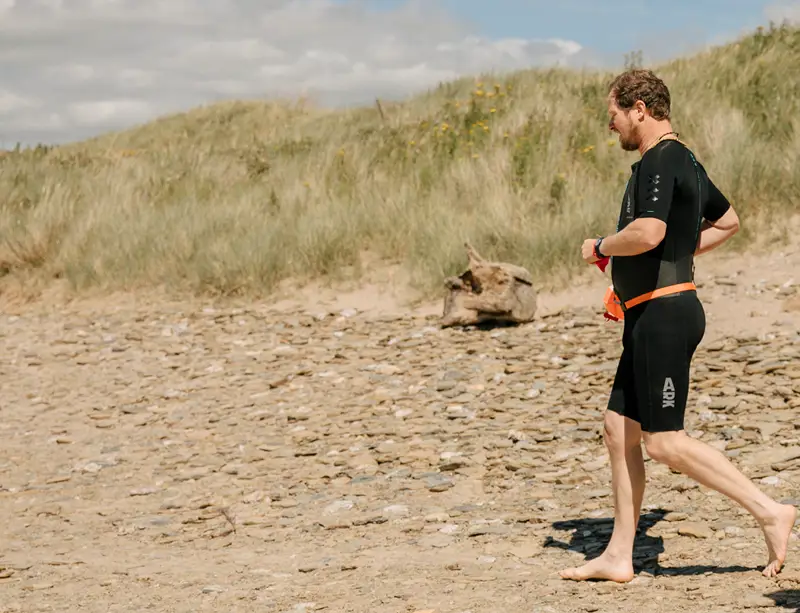

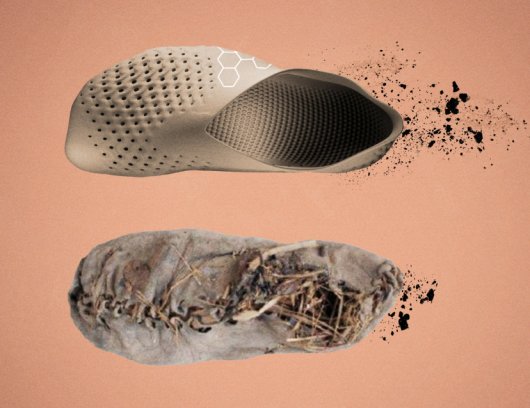
















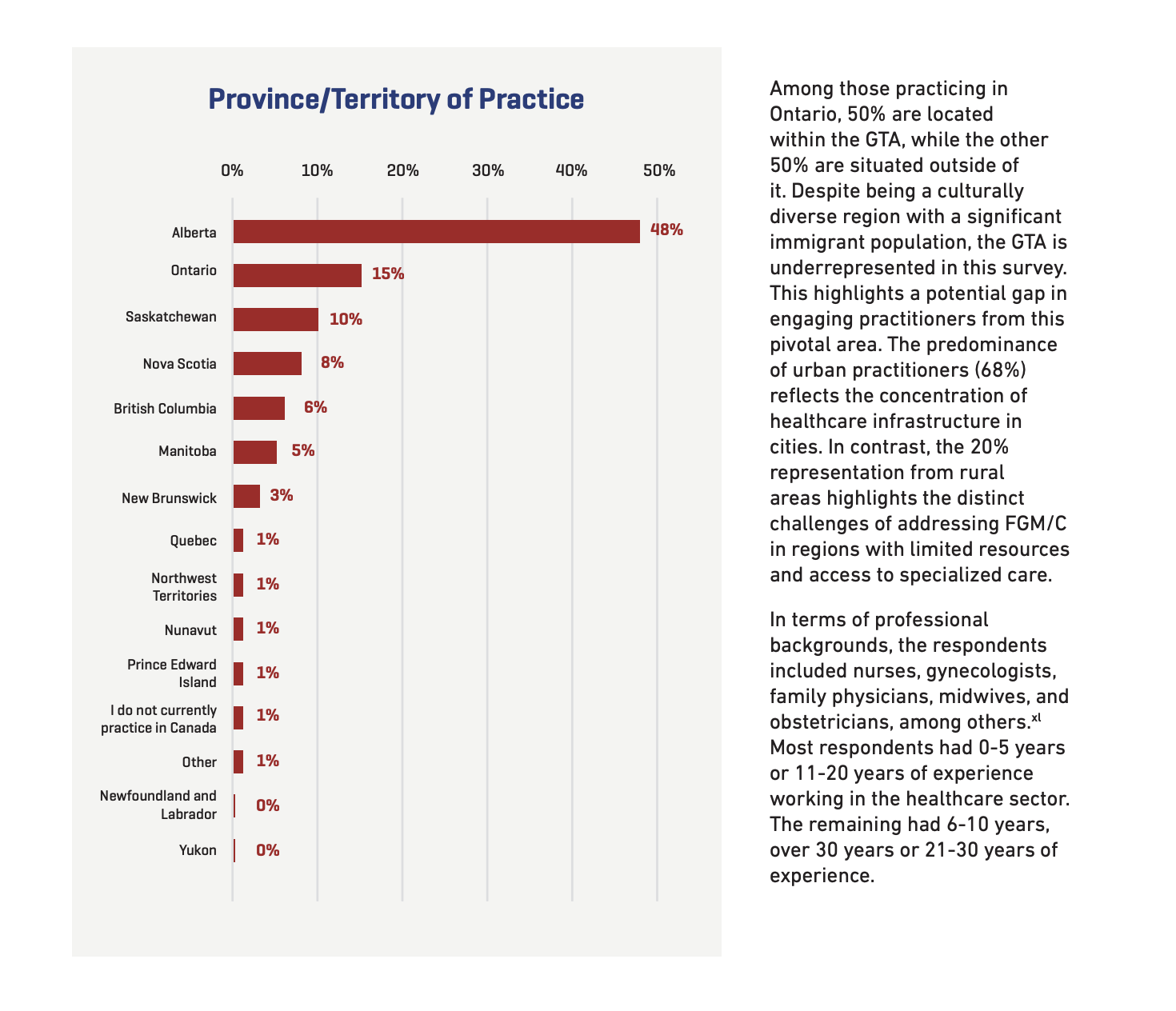

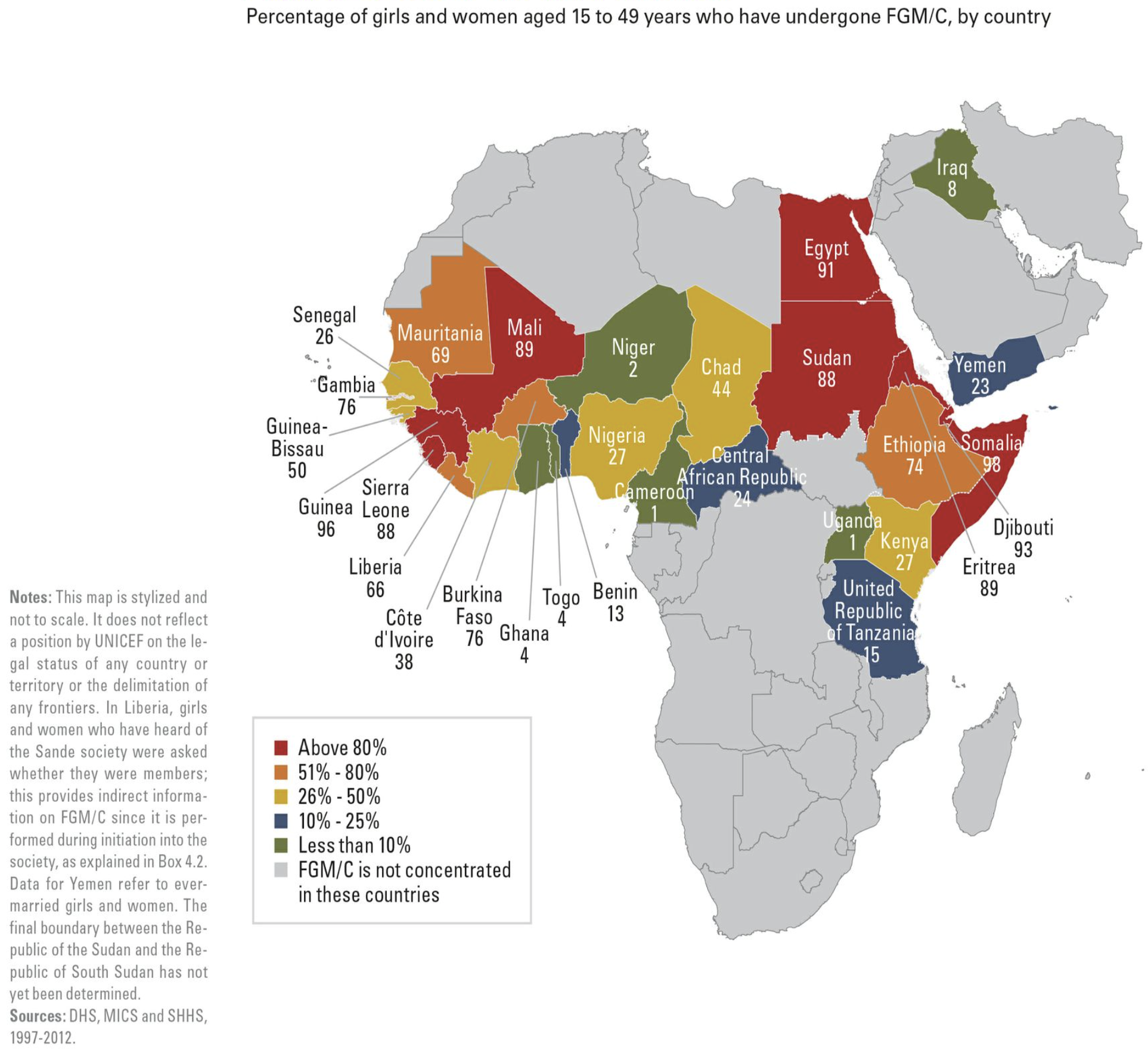





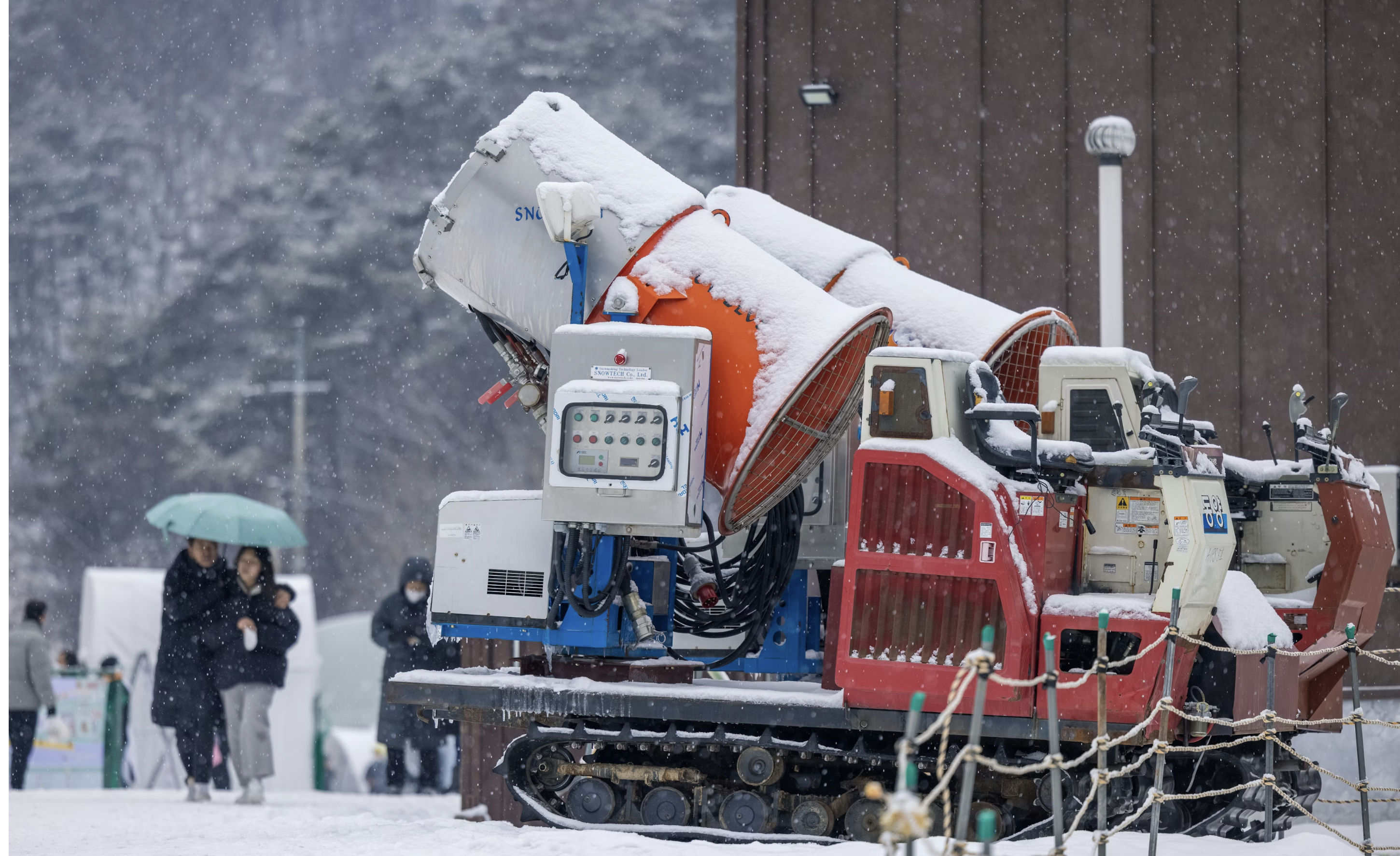






























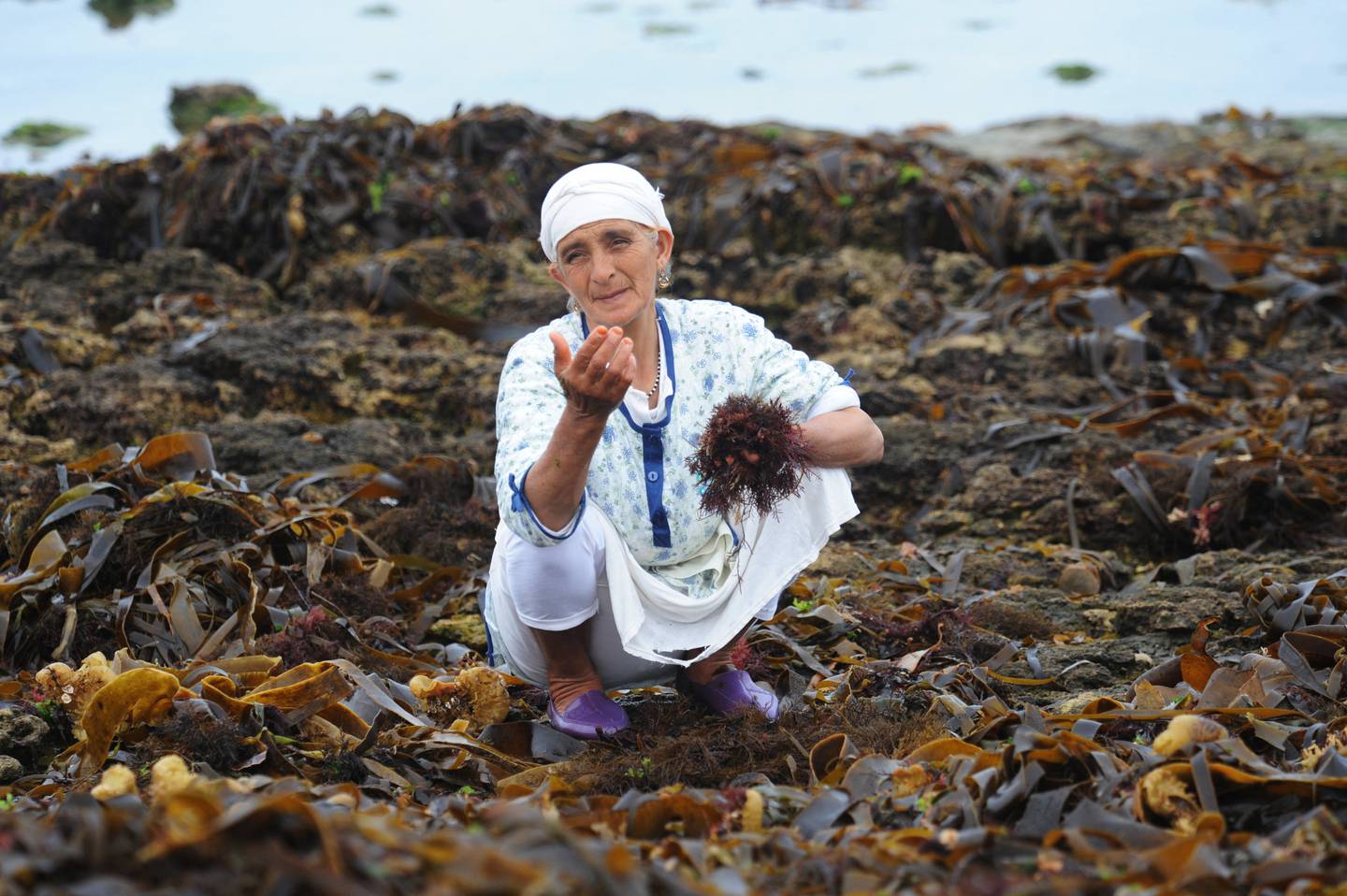
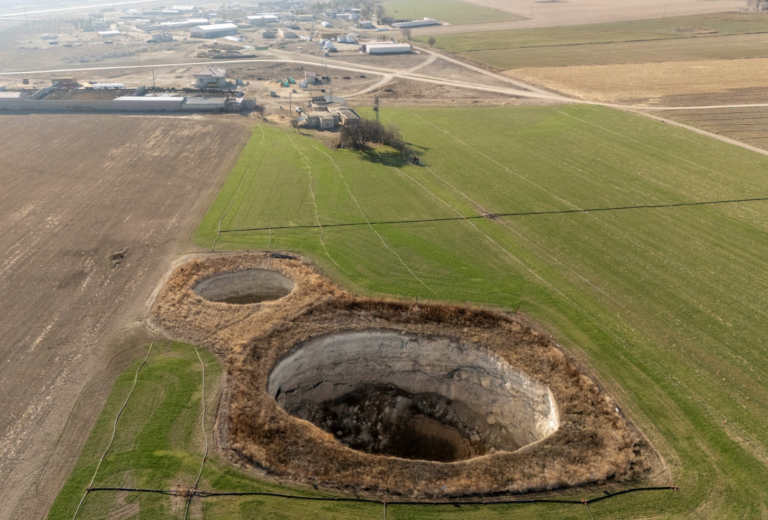






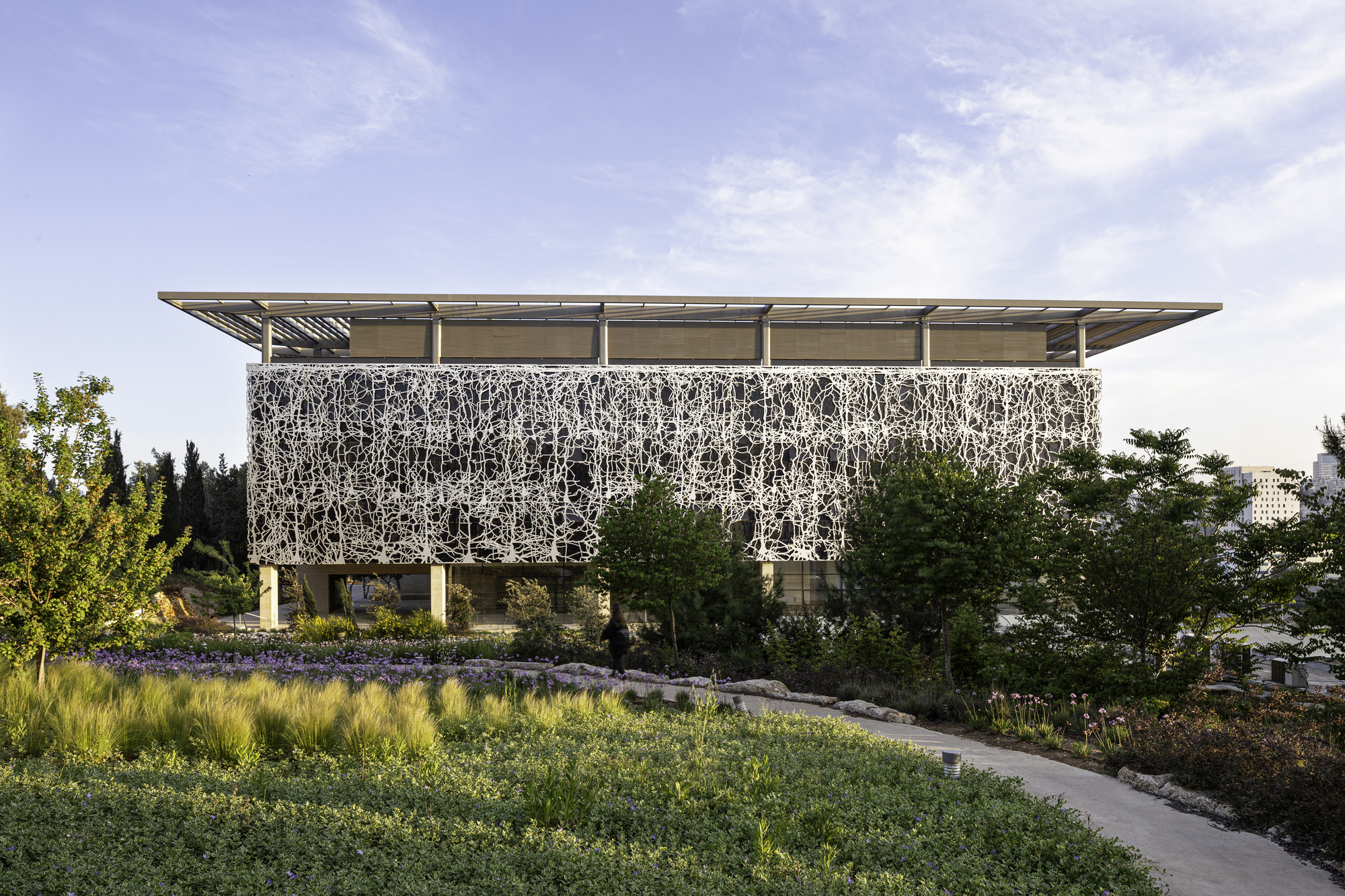







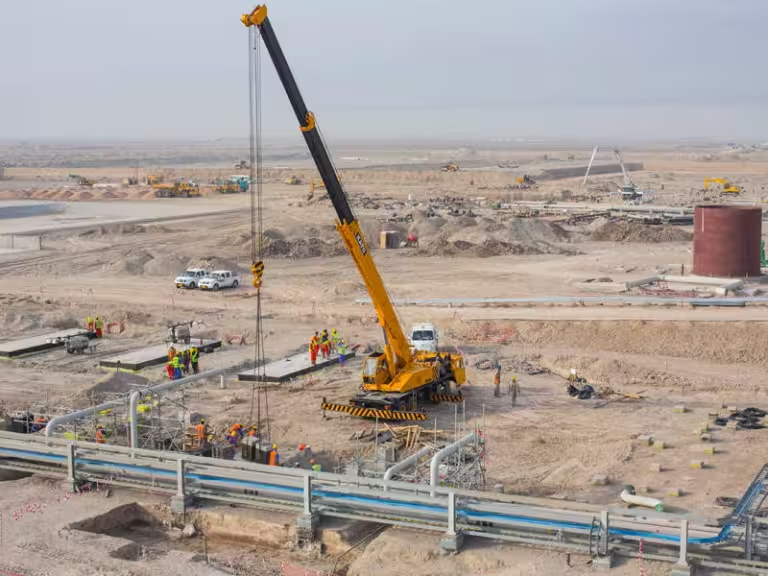
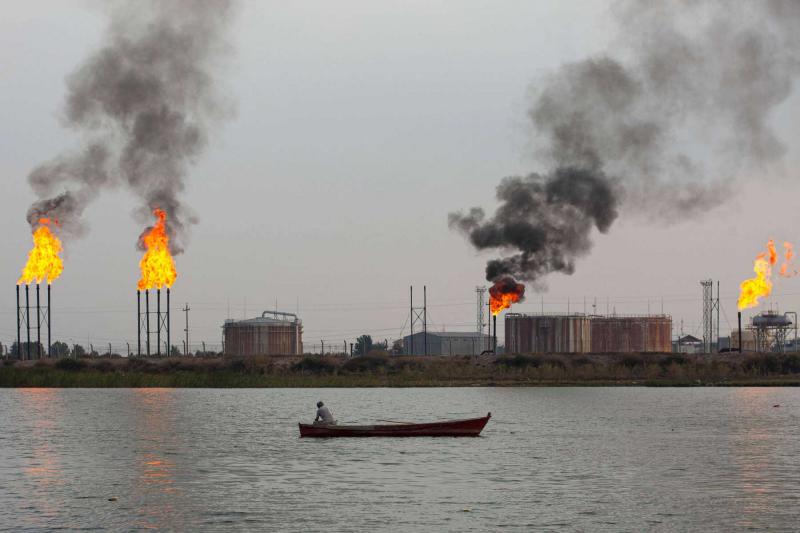
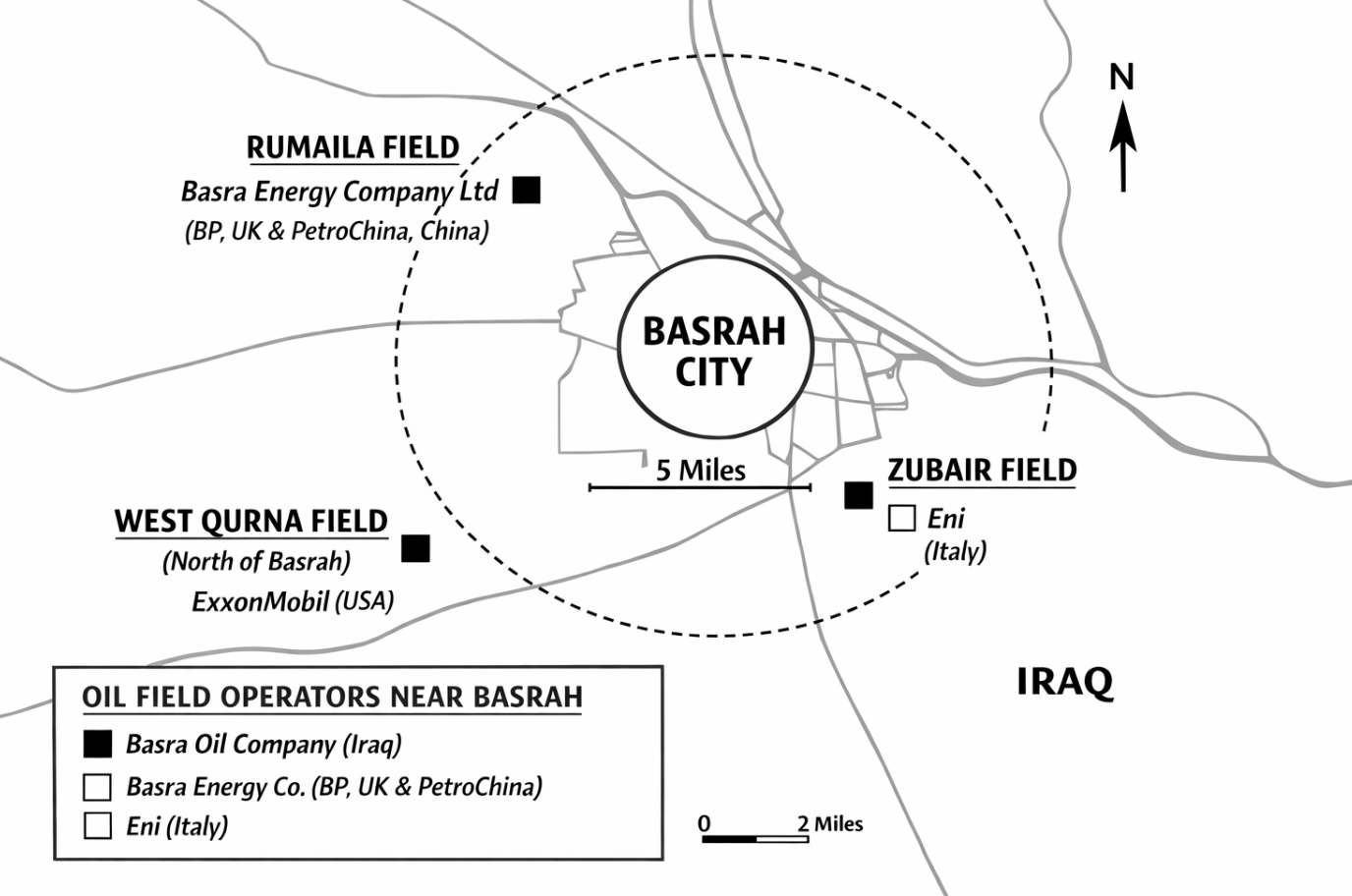
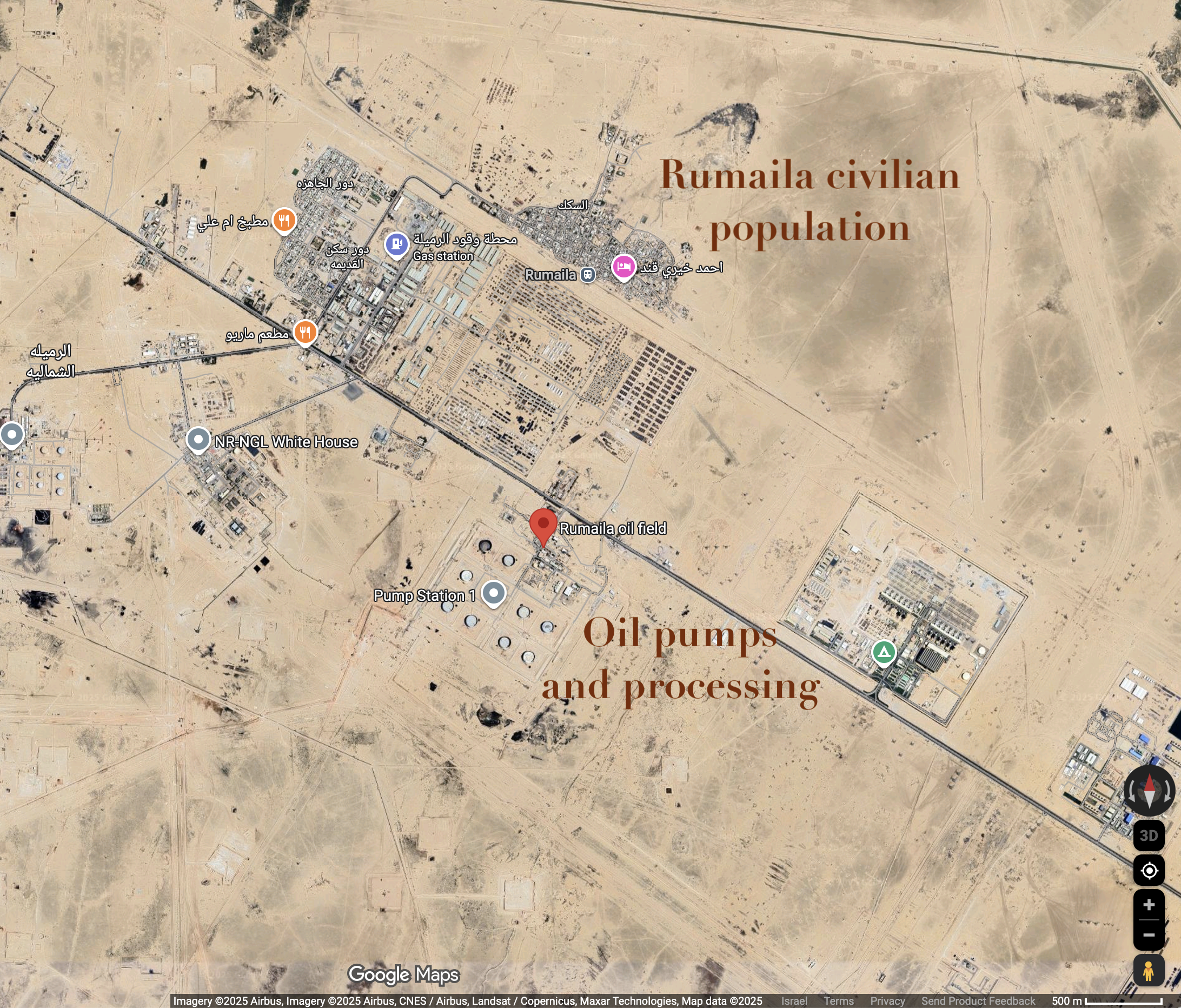
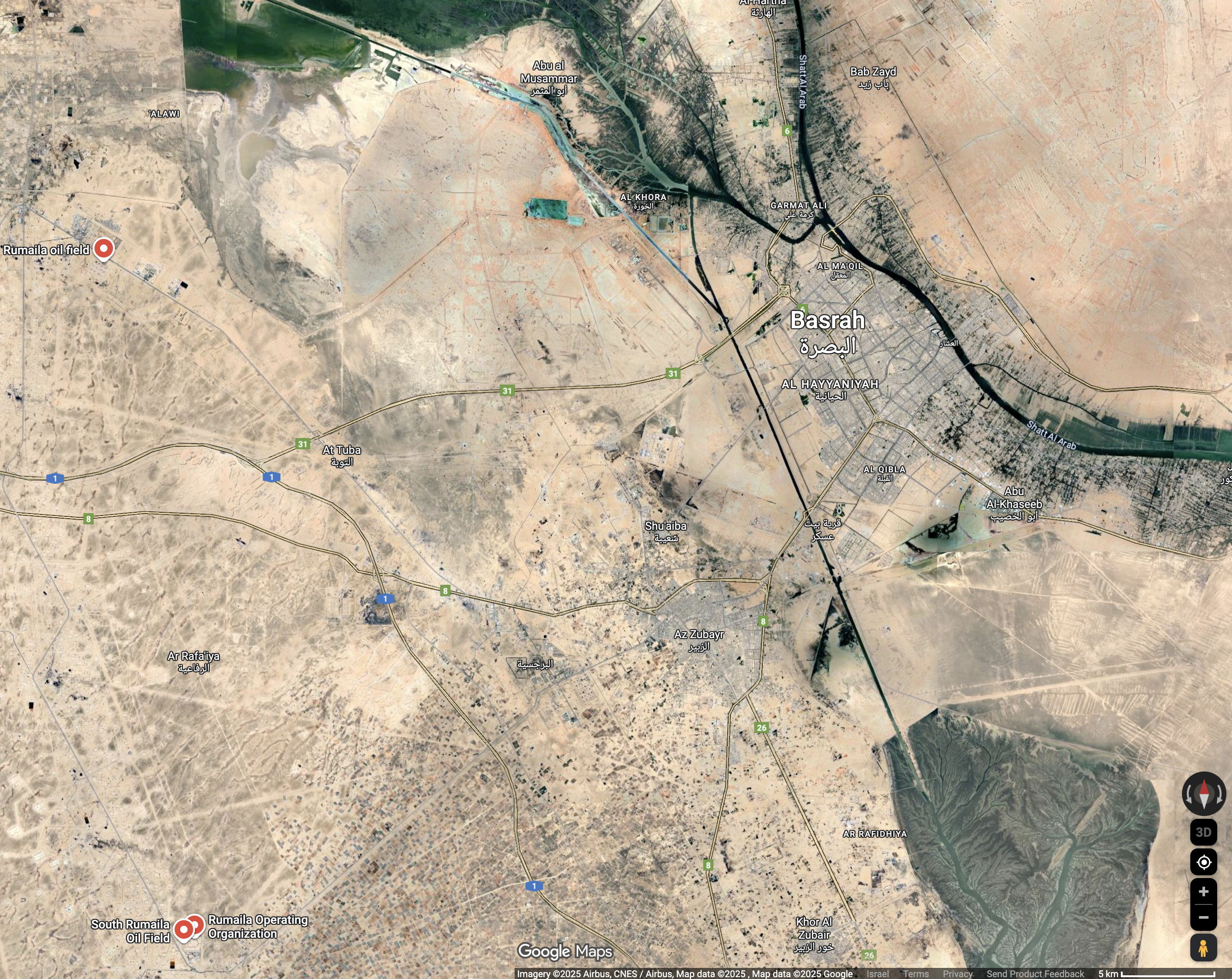
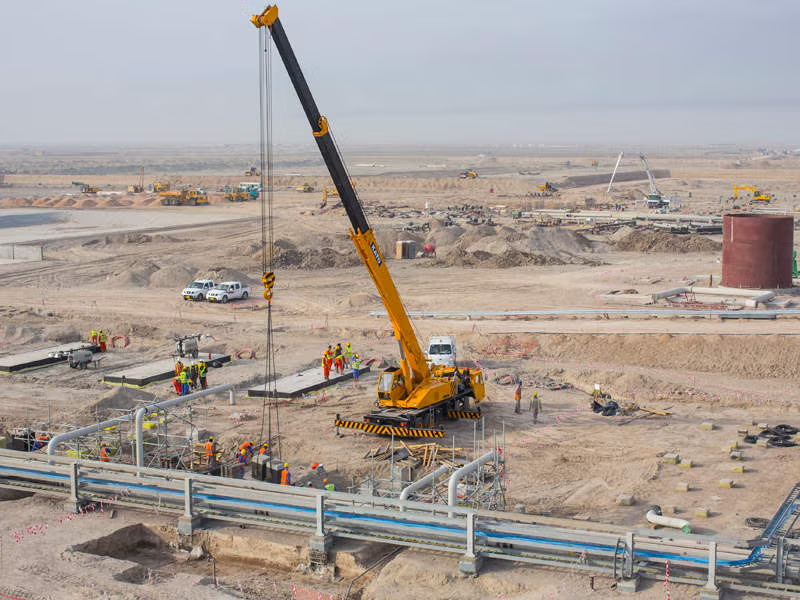
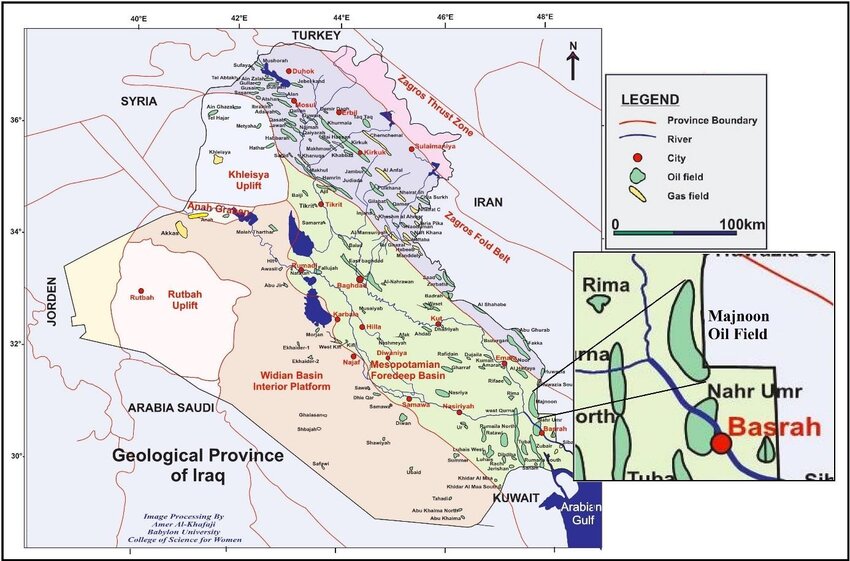



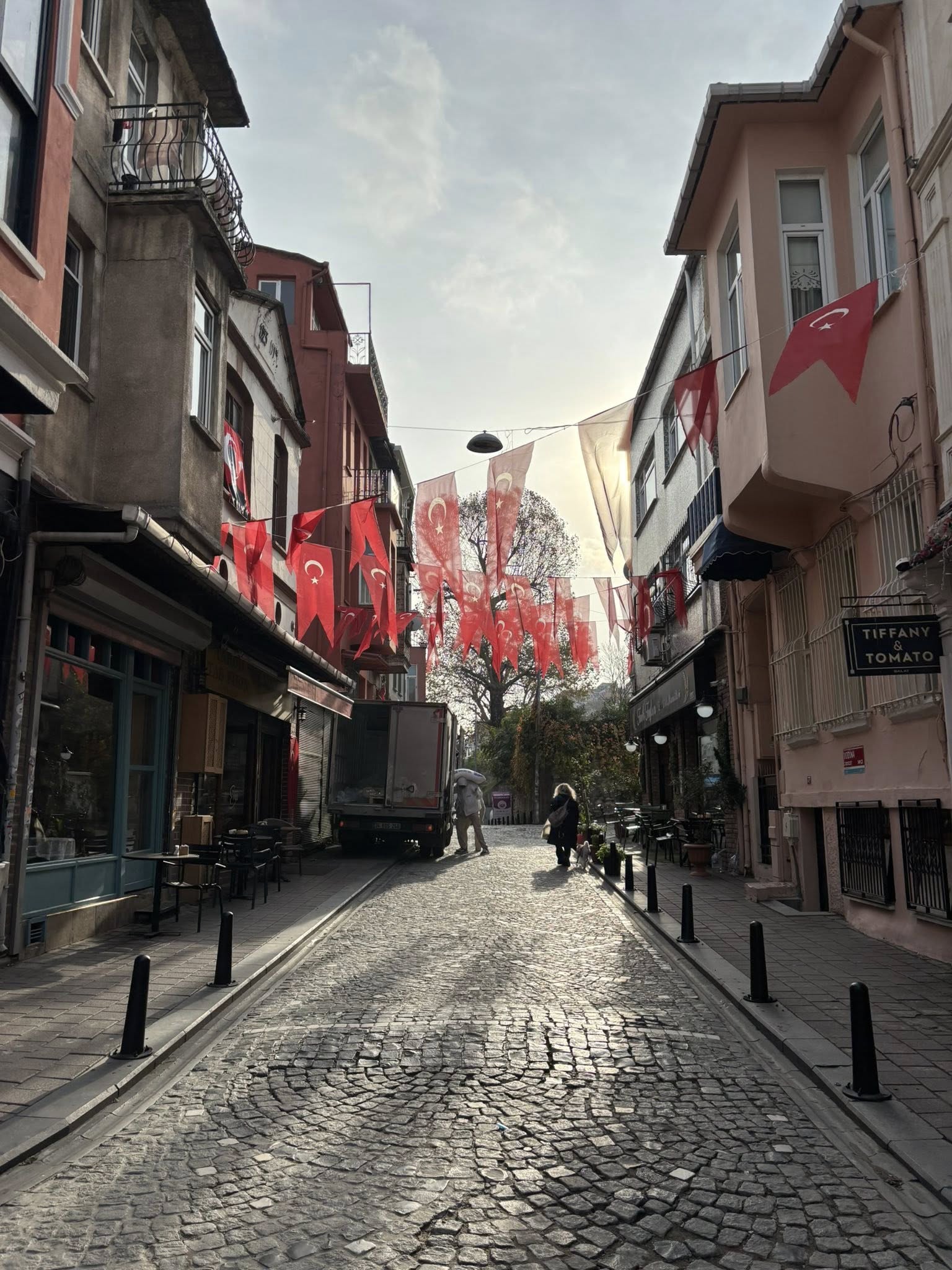


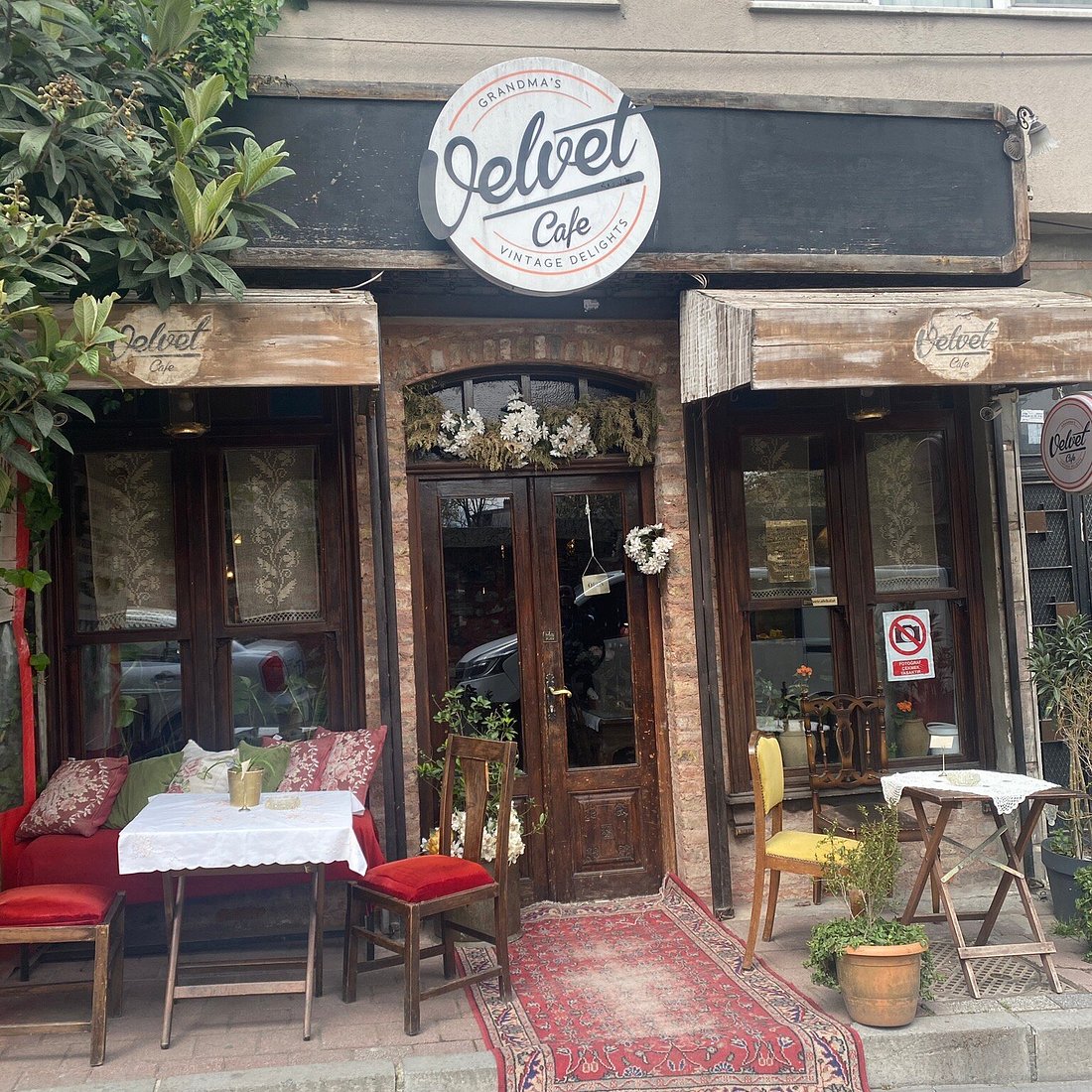
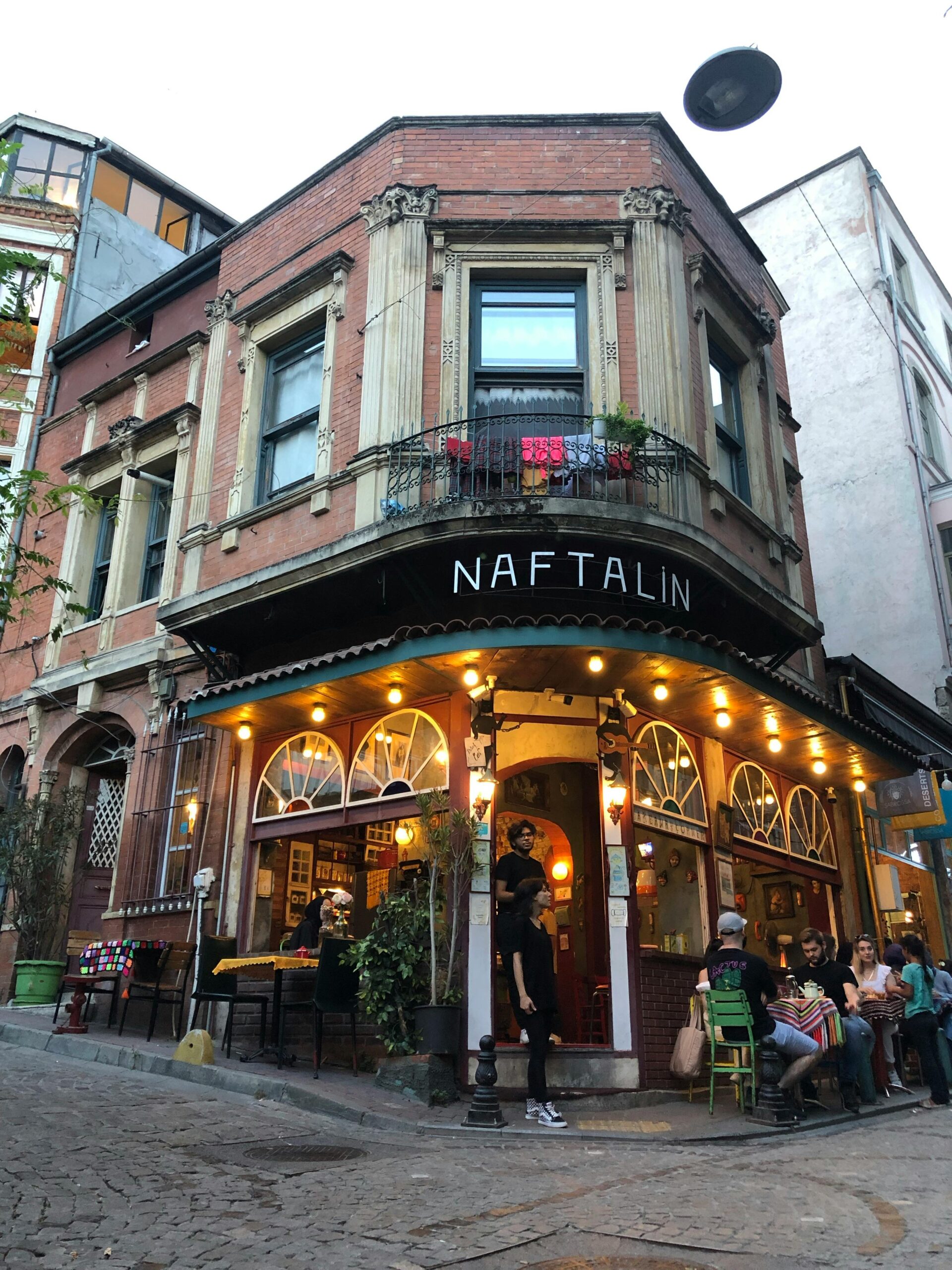

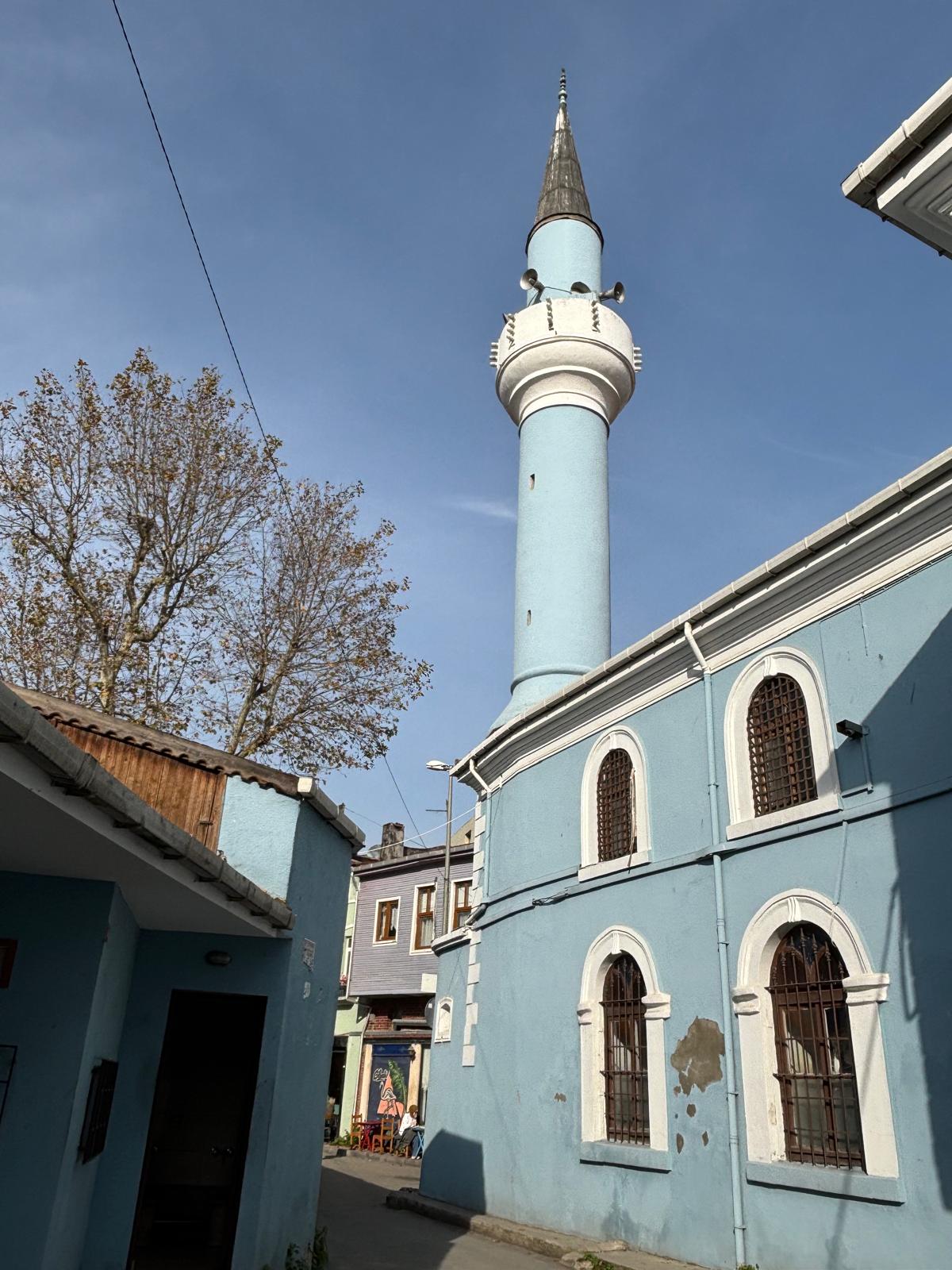










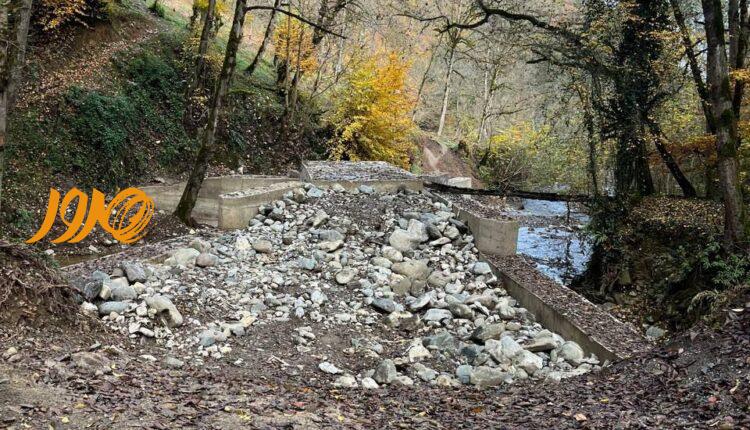




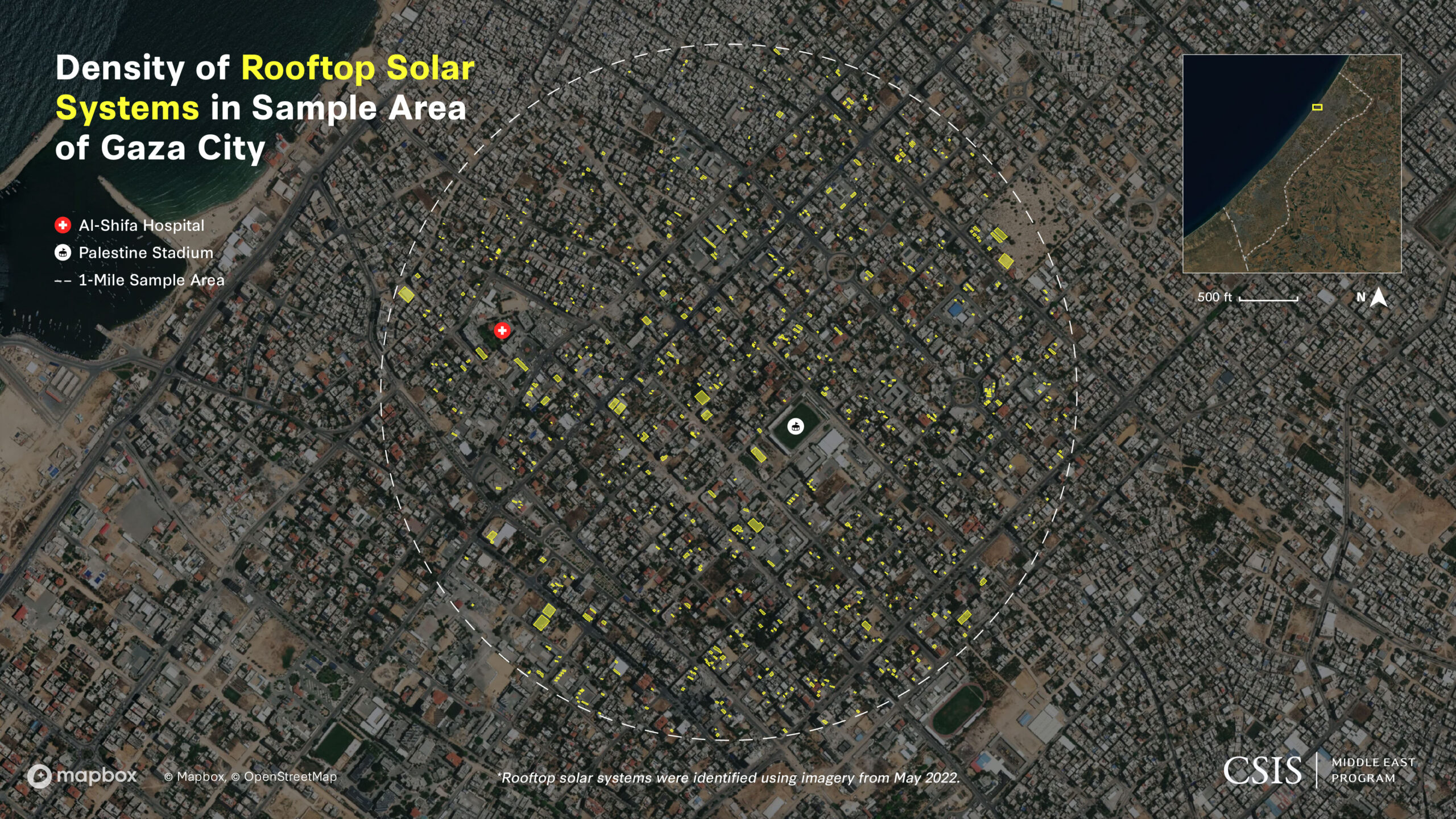
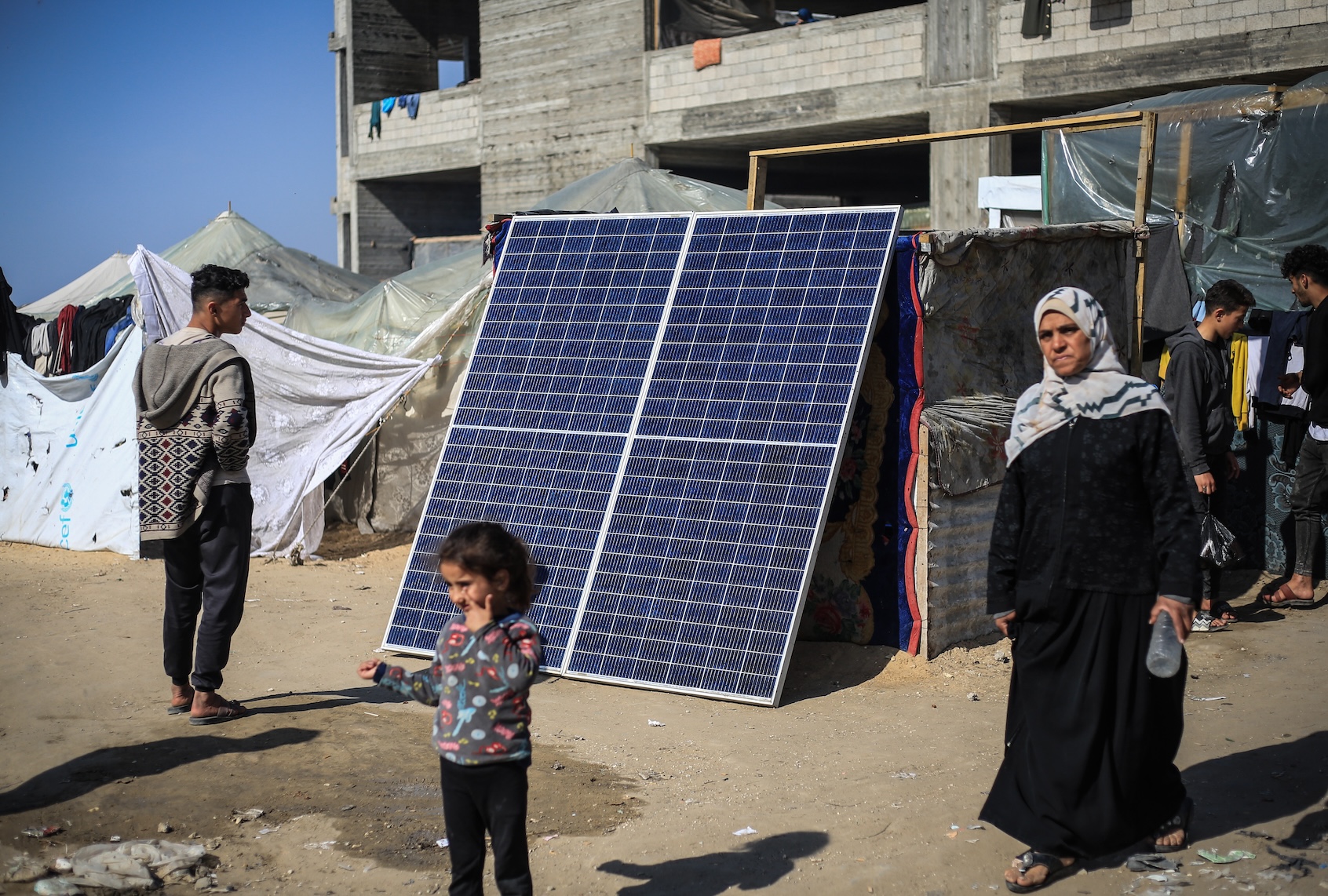





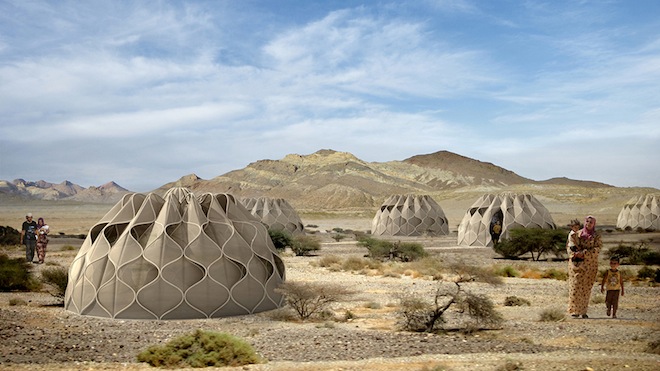

























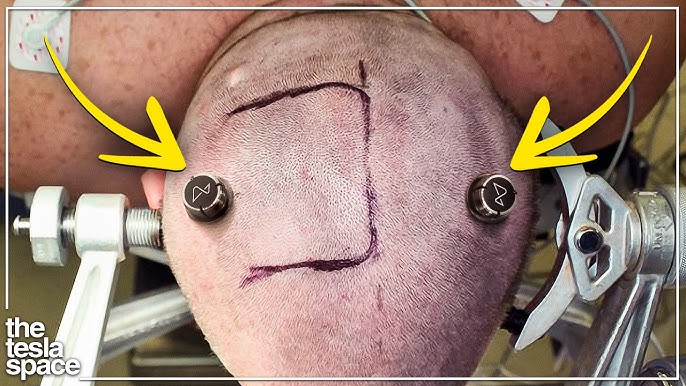

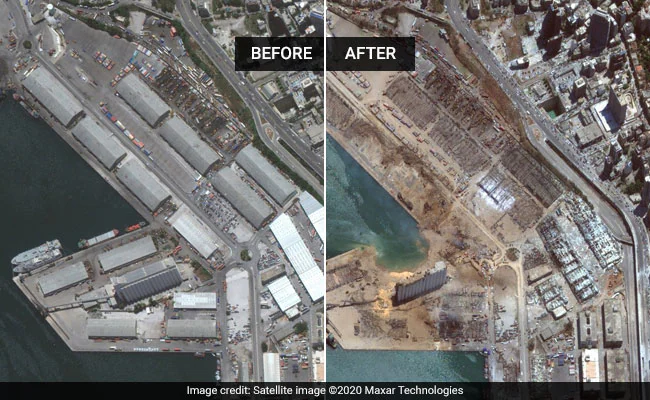


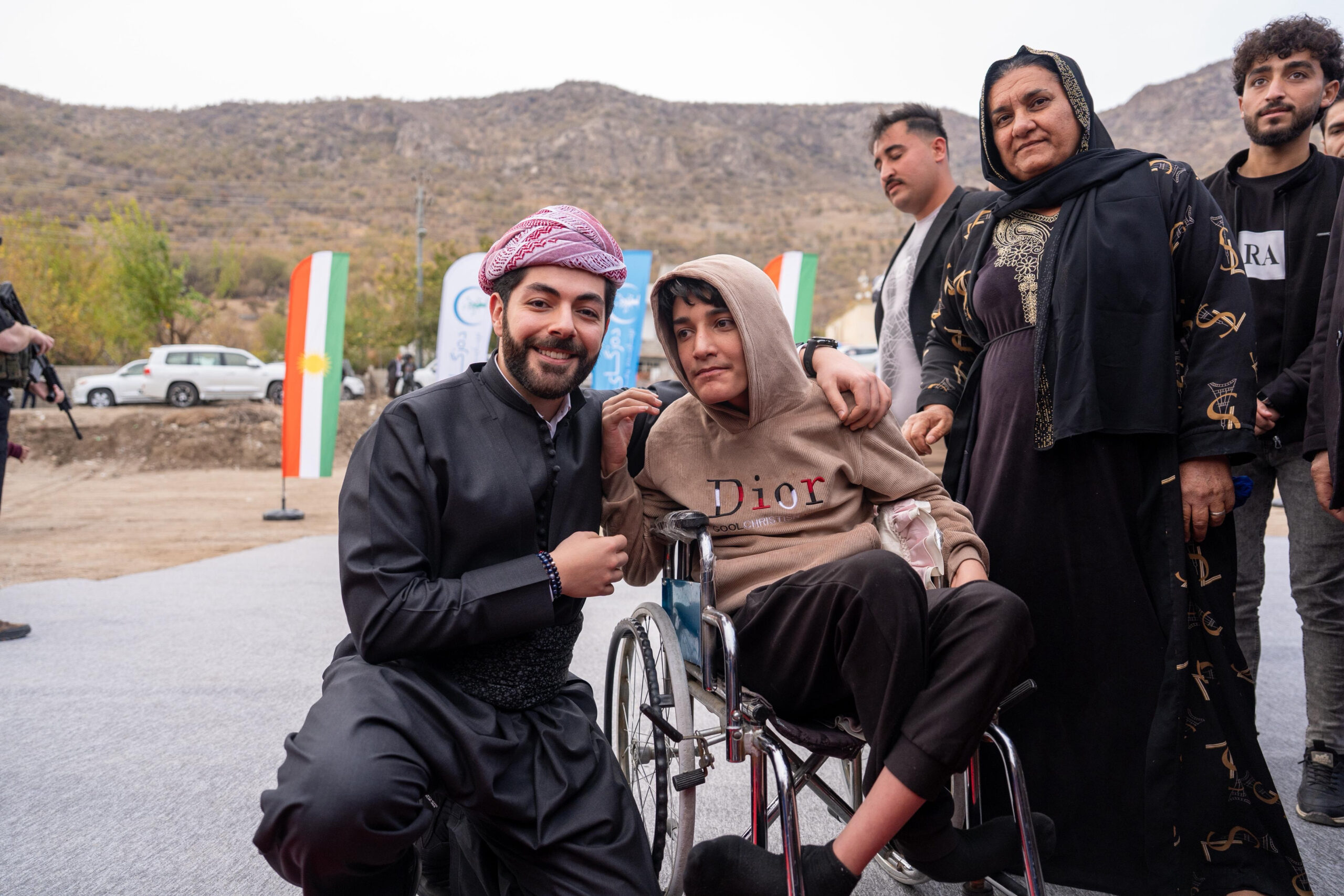

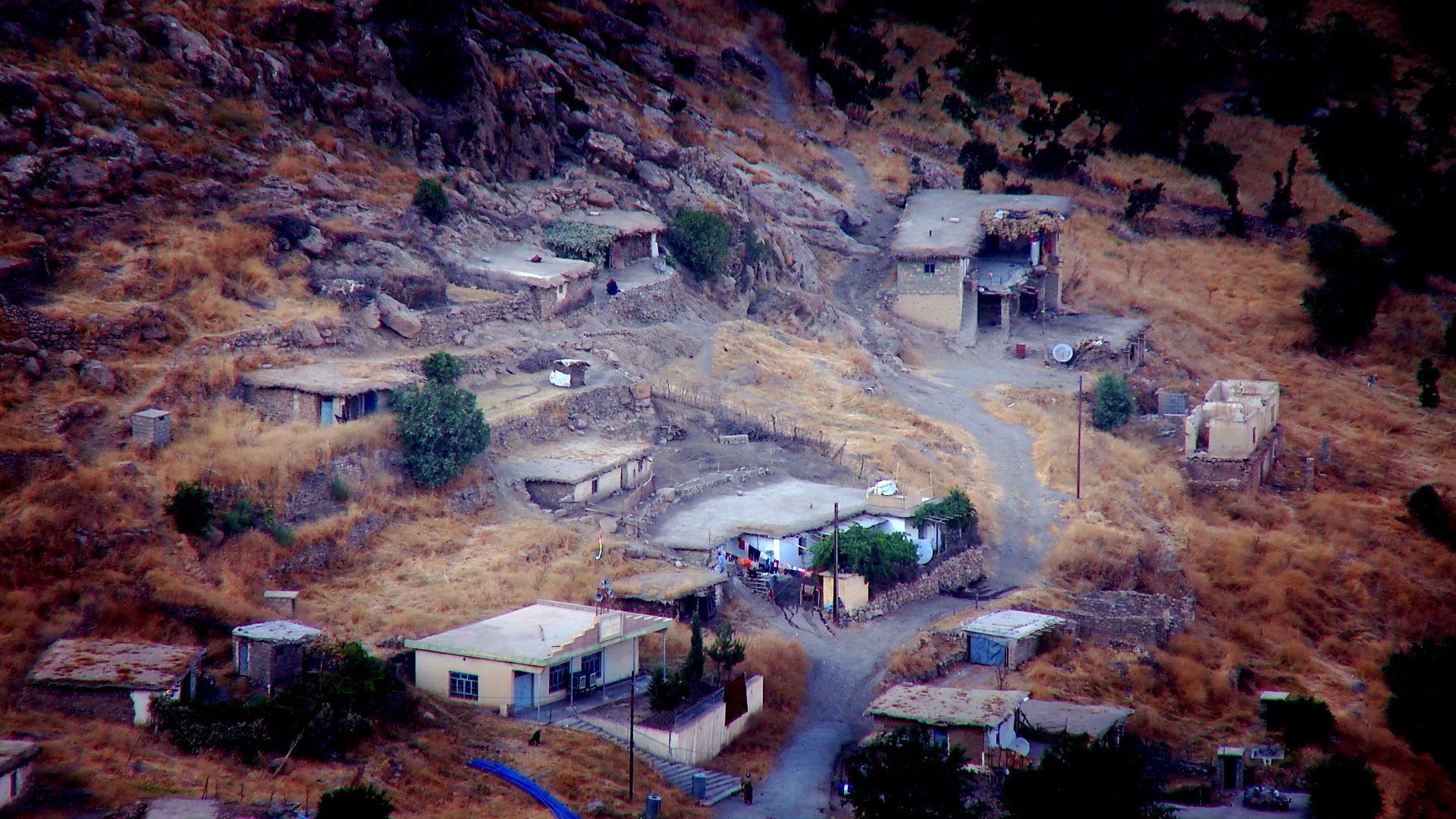








 The arrival of Neoliner Origin to the port in Baltimore represents more than technological novelty—it suggests a new direction for global trade. Wind propulsion, once displaced by diesel engines, is re-emerging as one of the only scalable, immediately deployable solutions capable of drastically reducing emissions while improving safety.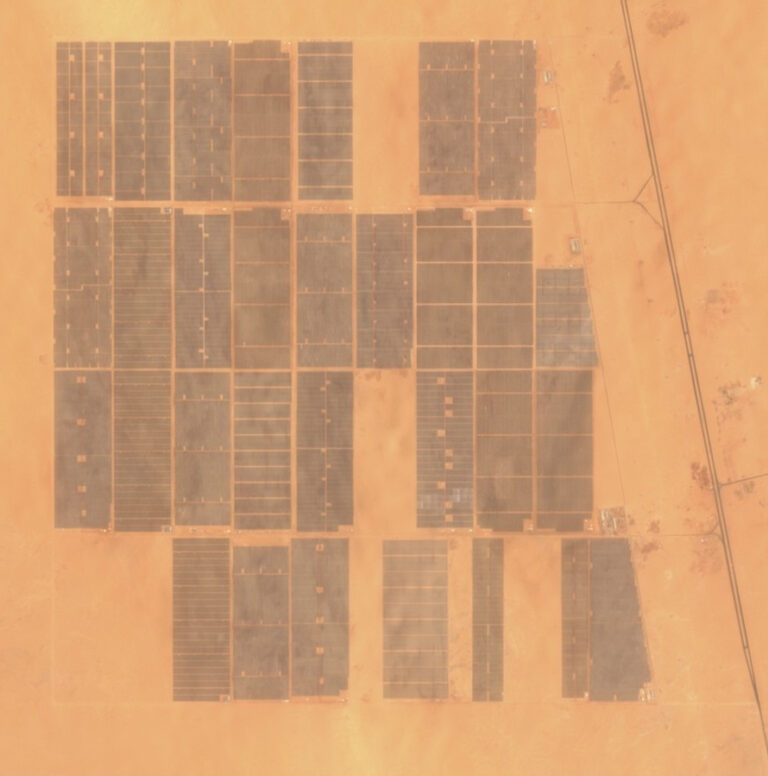

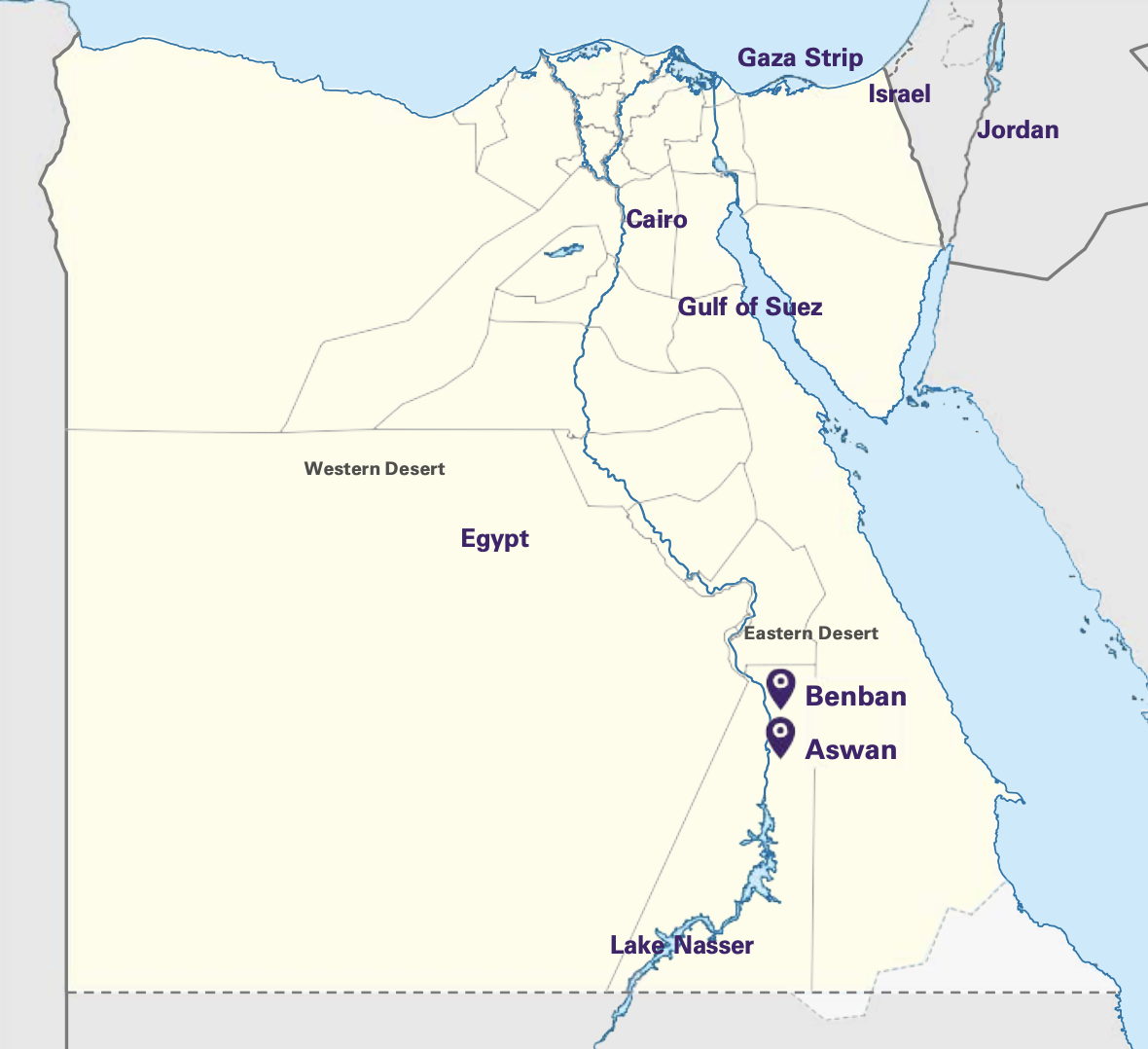
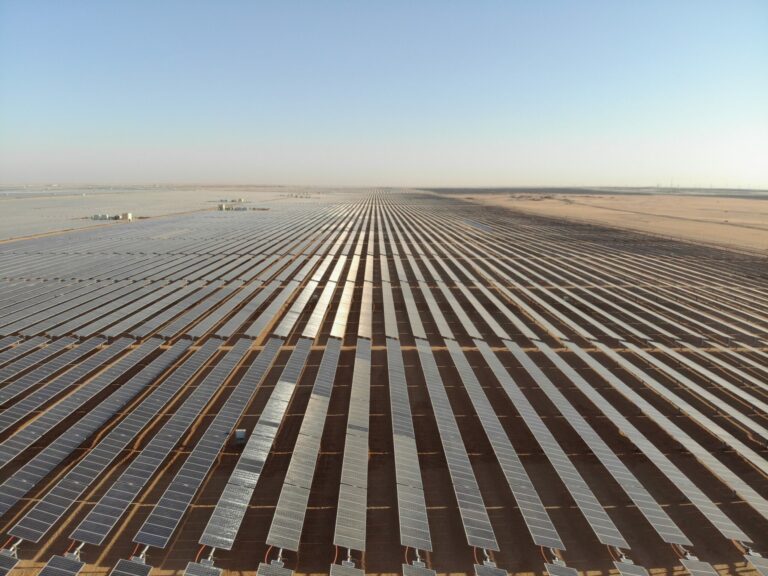

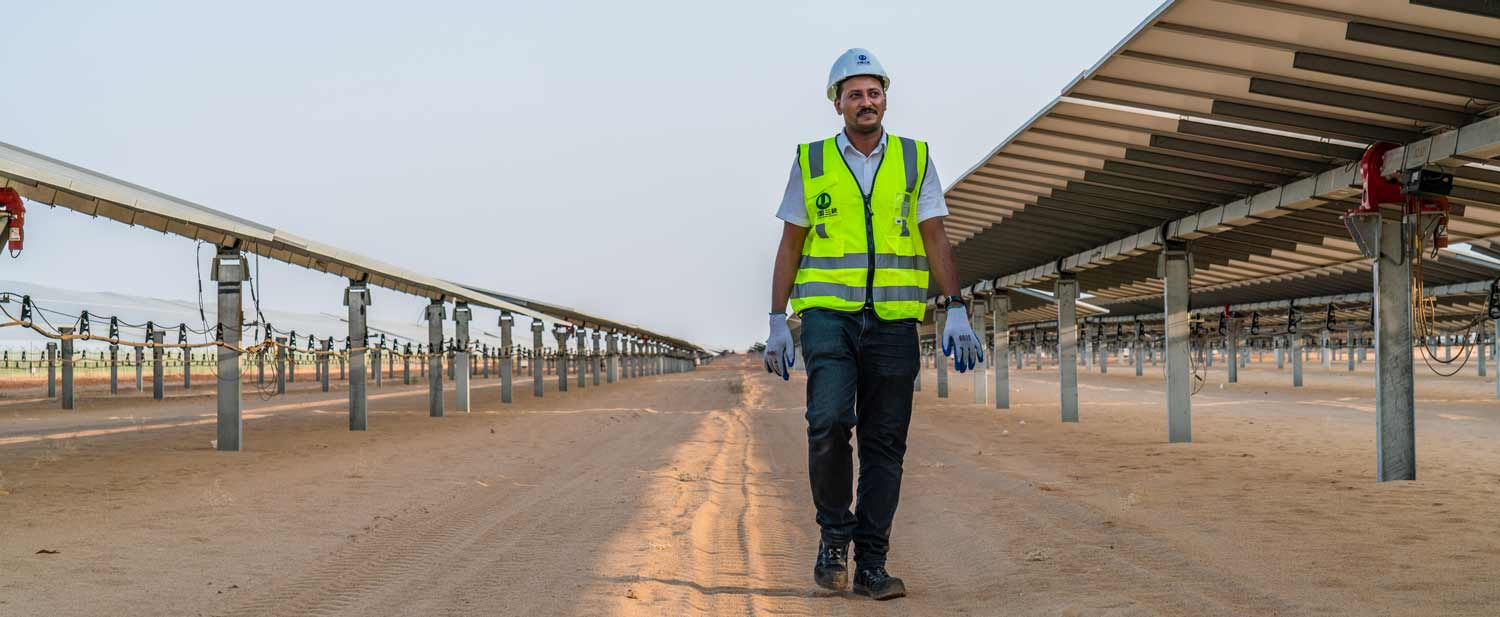

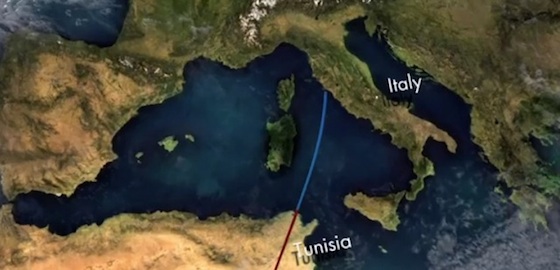





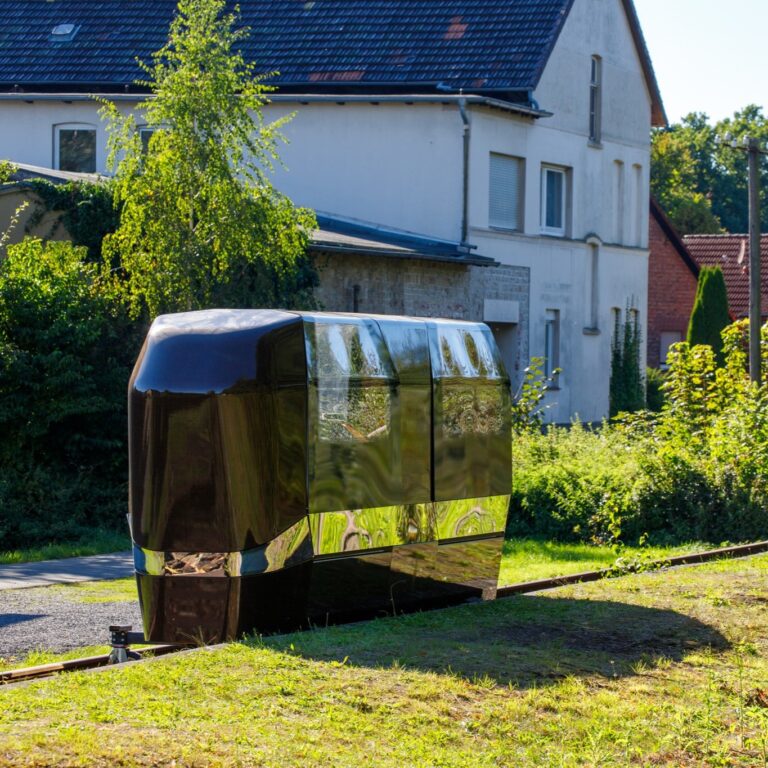





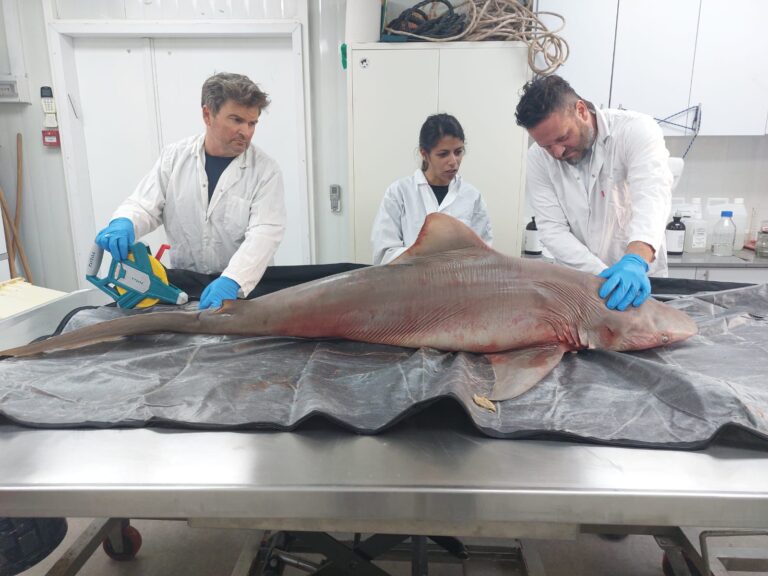
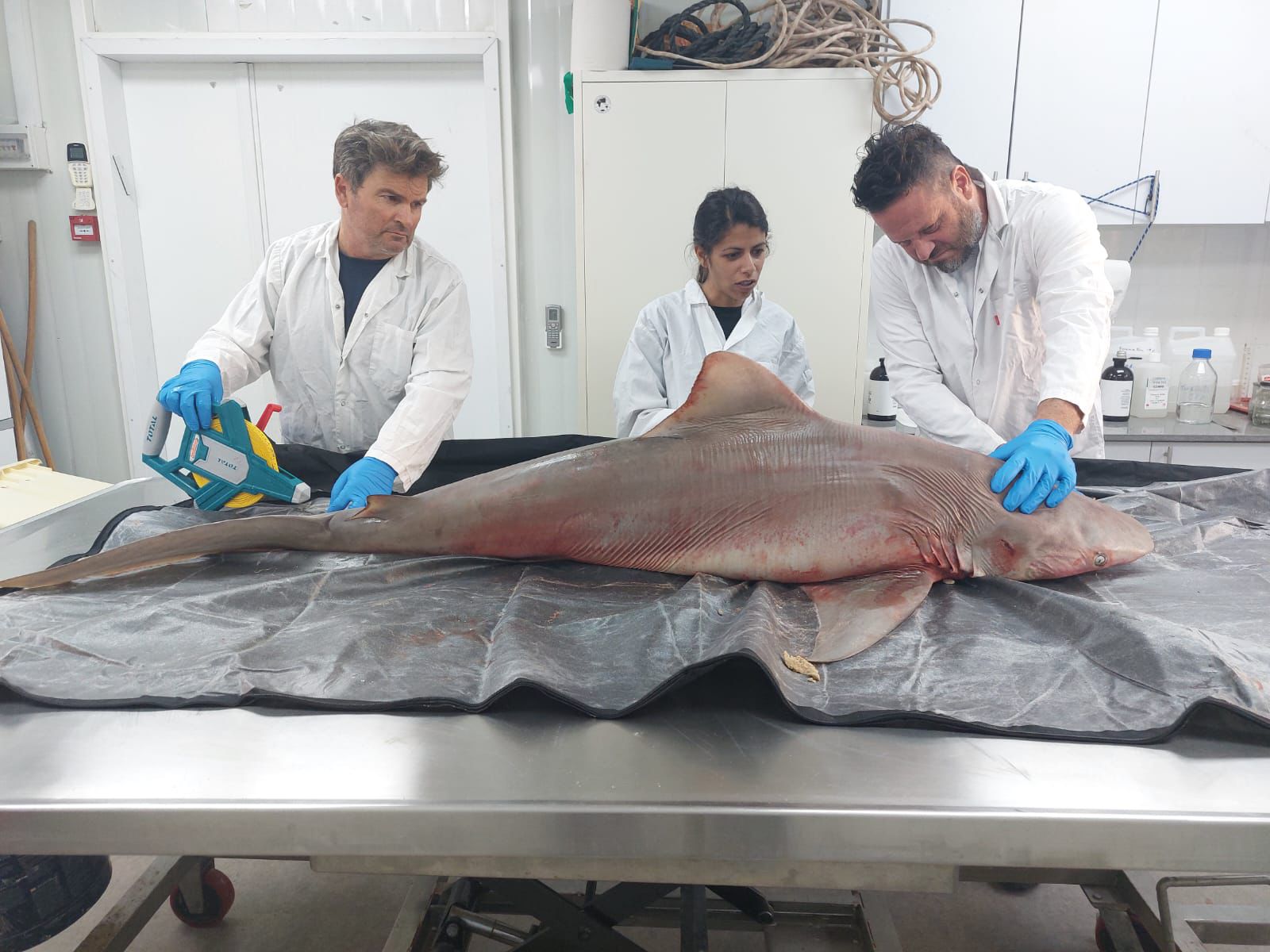
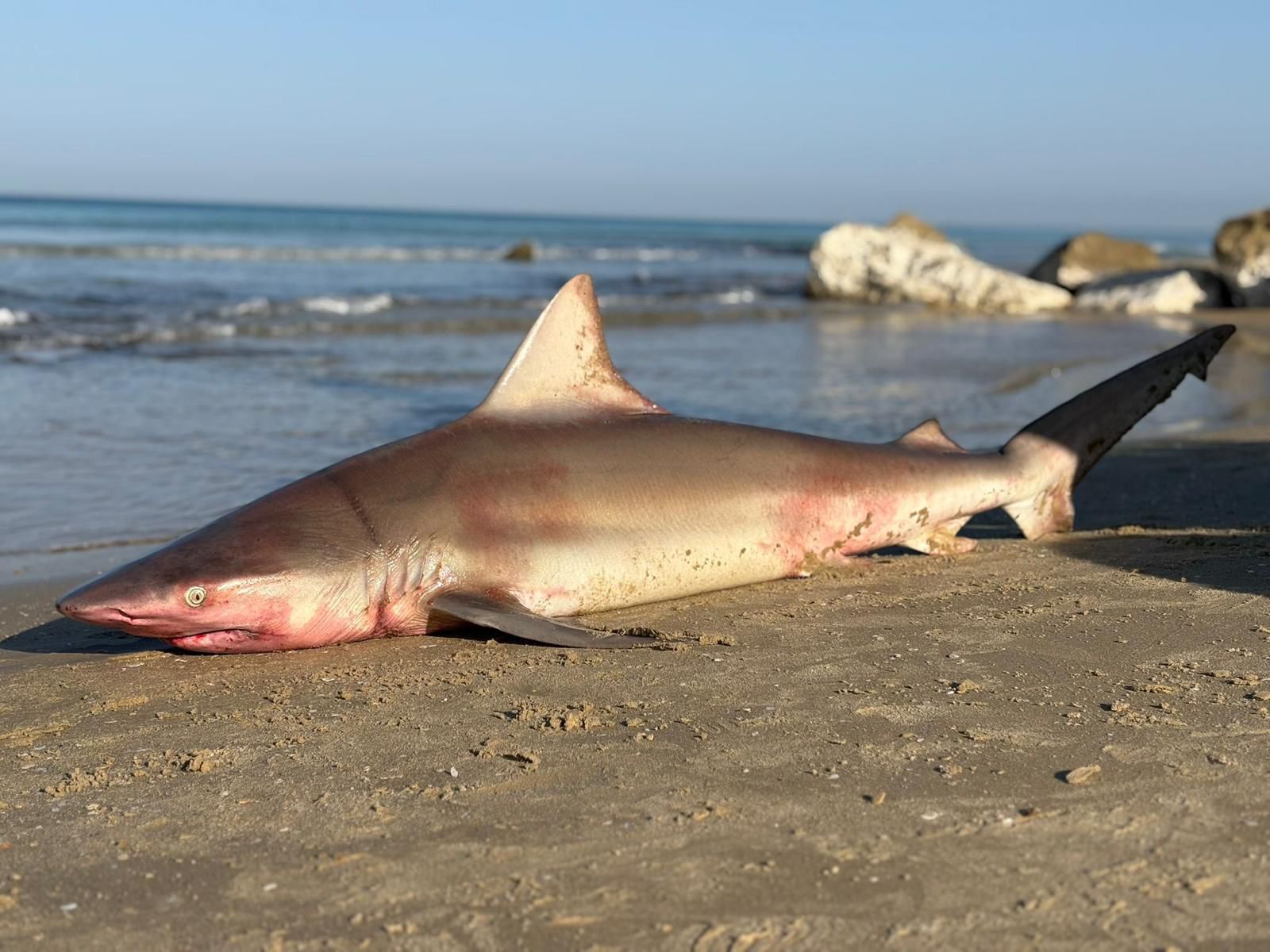
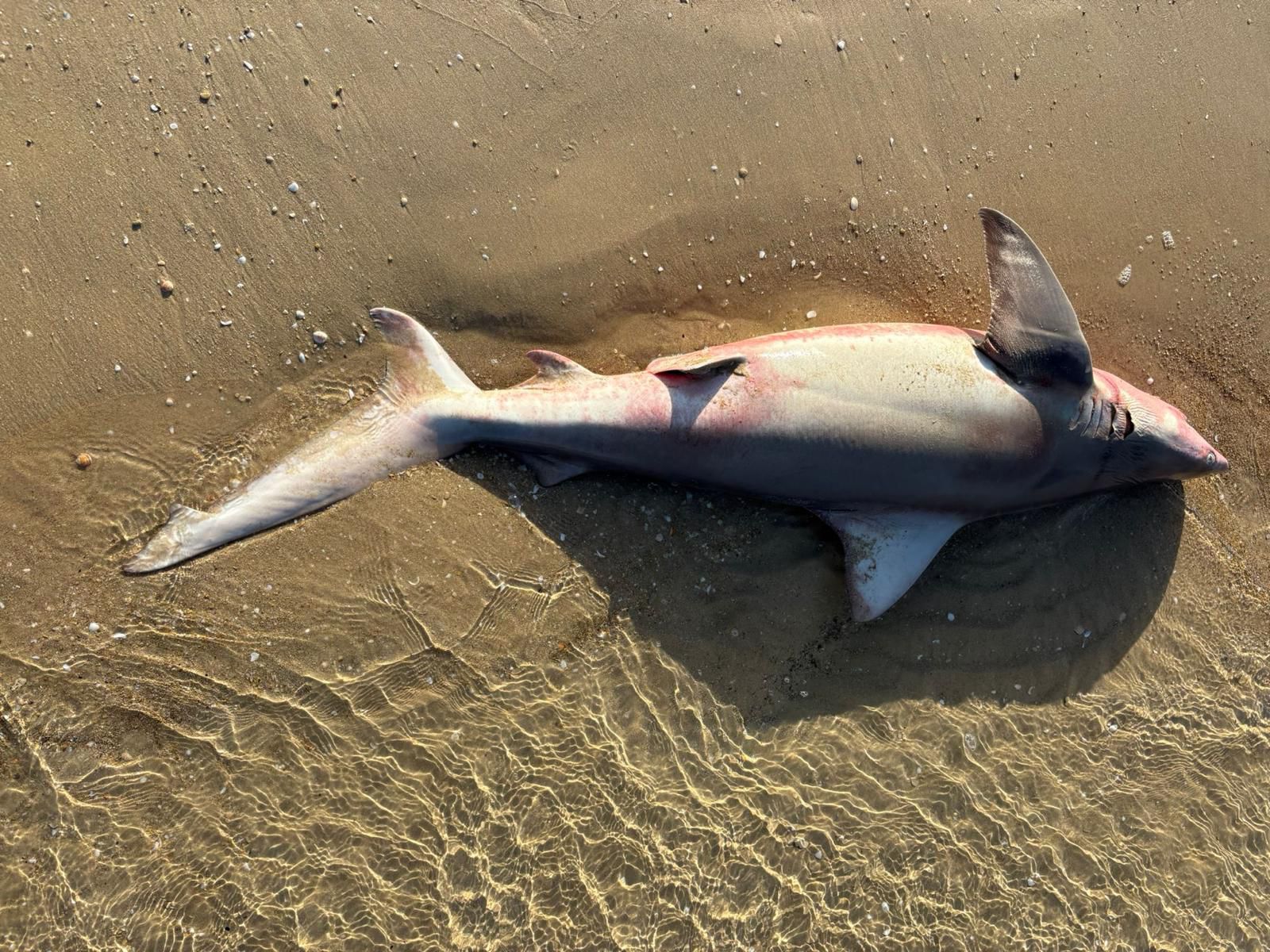




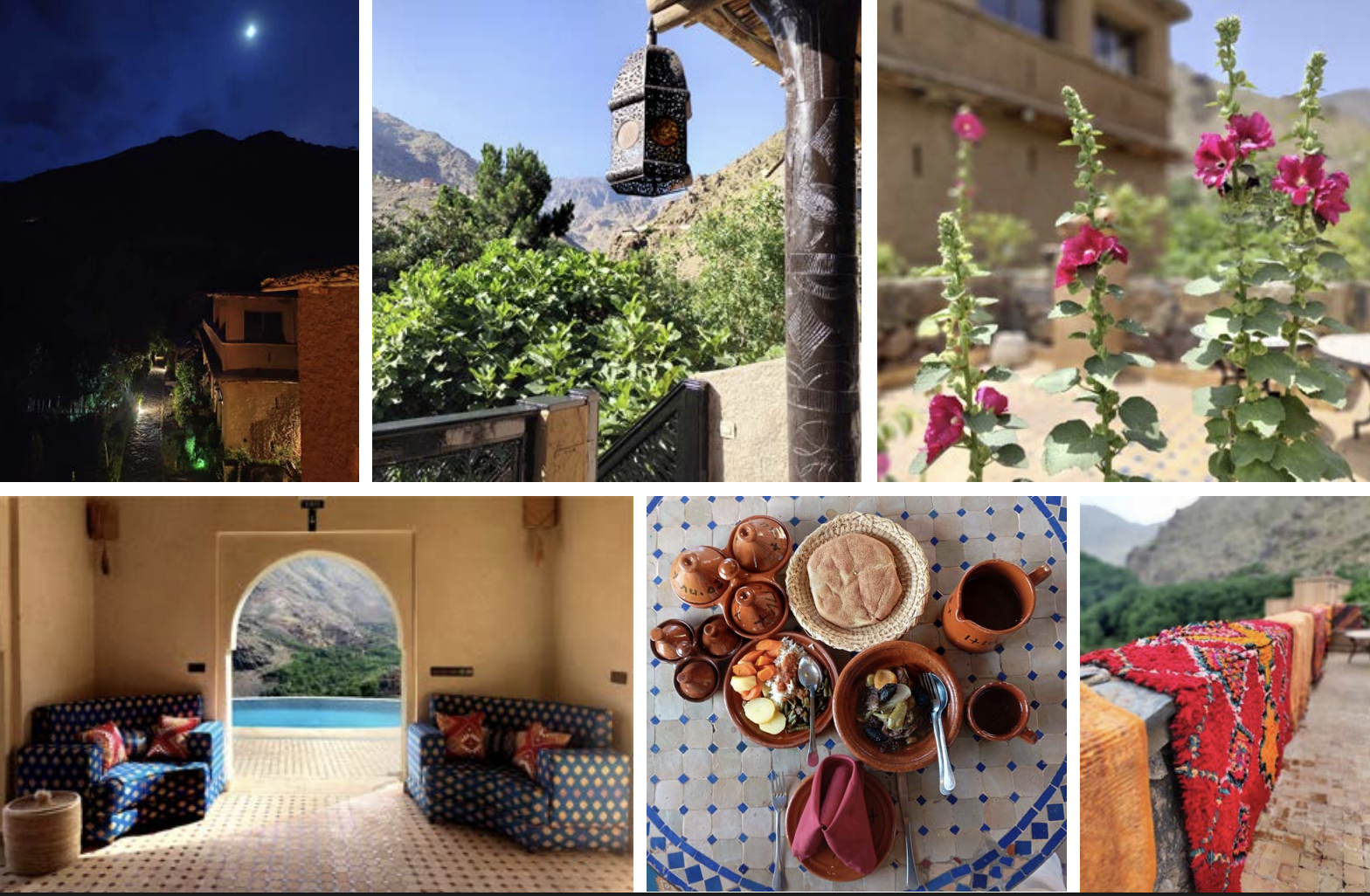
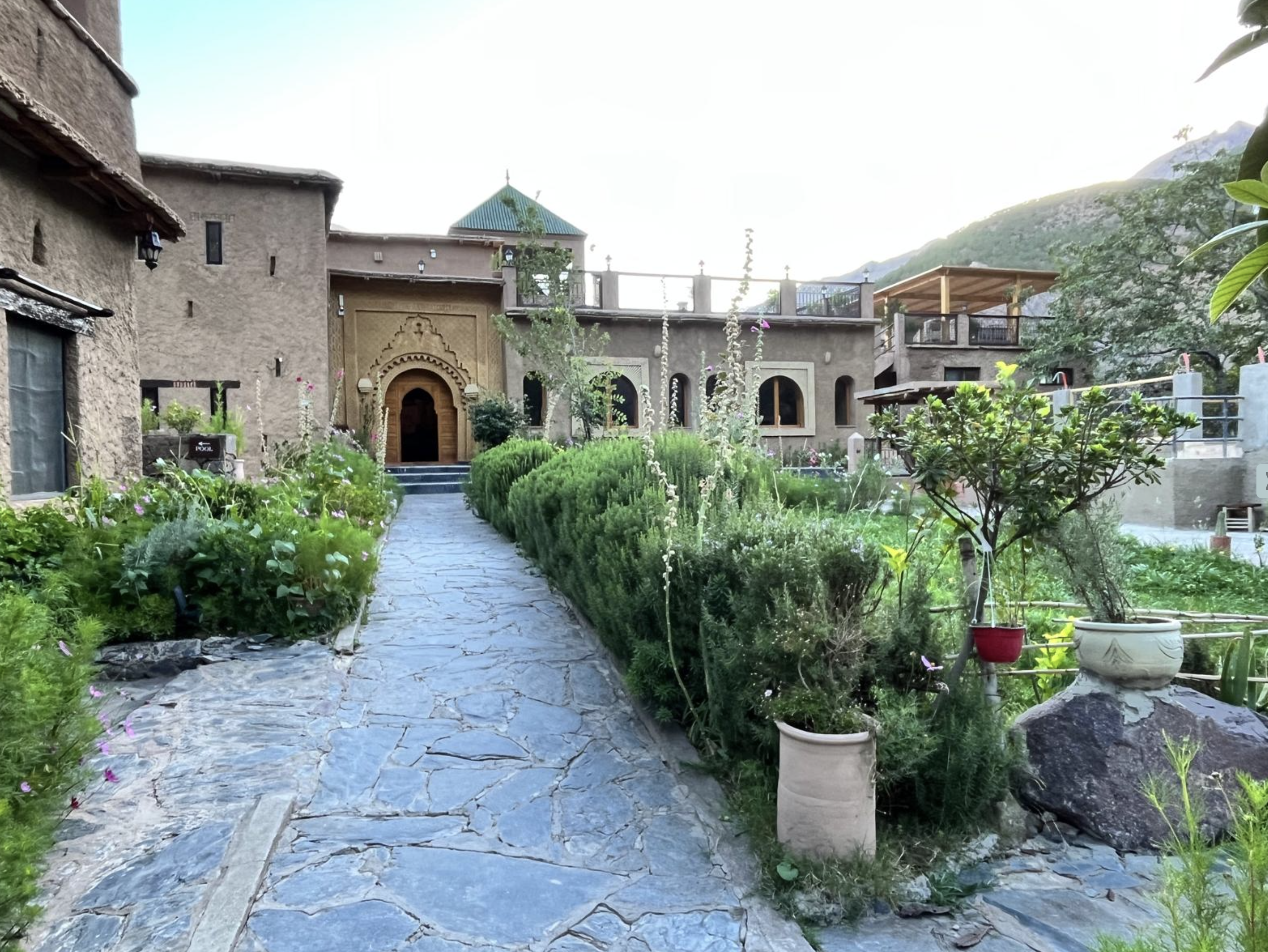 Entrance to the Kasbah by Karen Spector
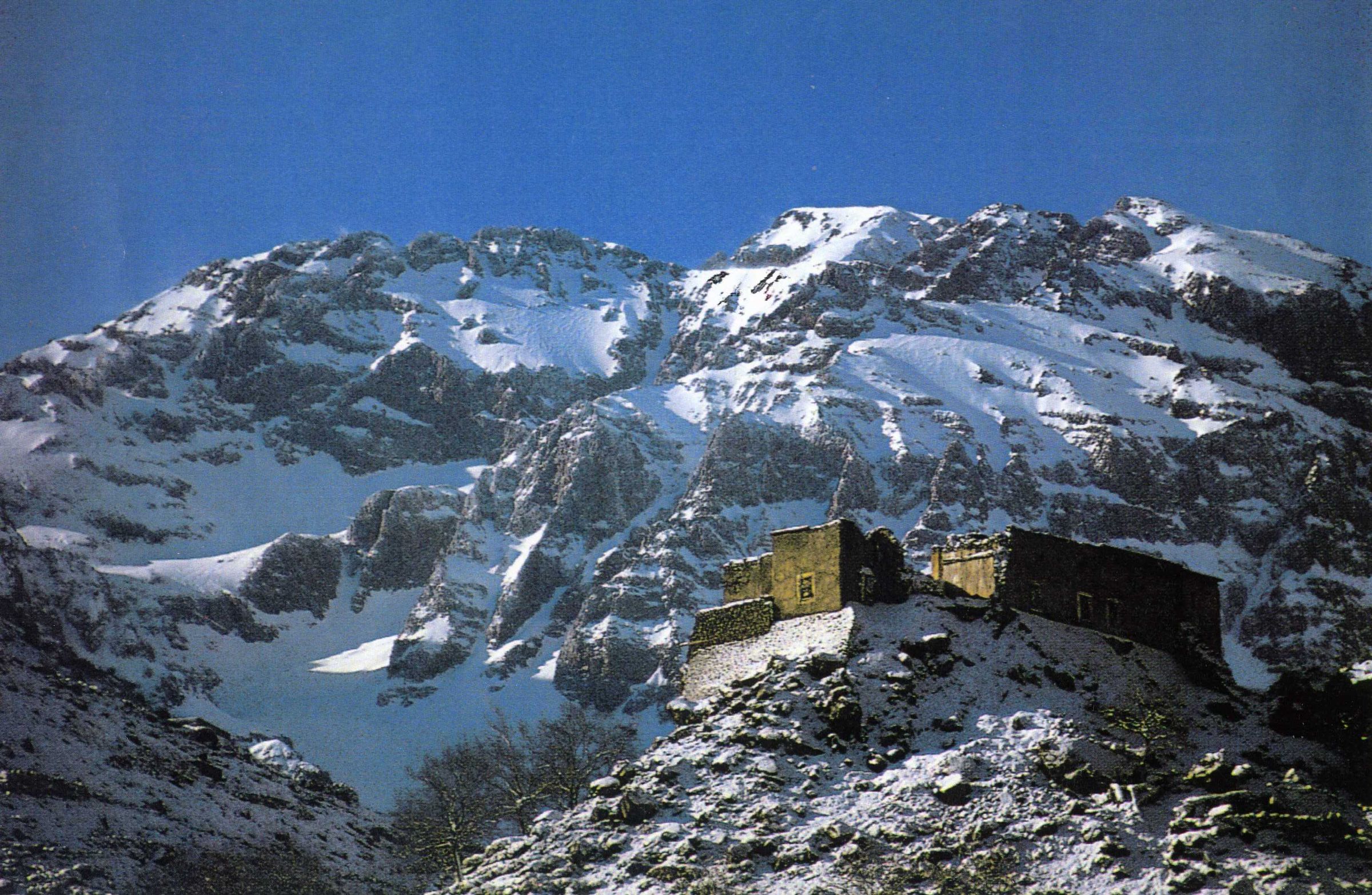

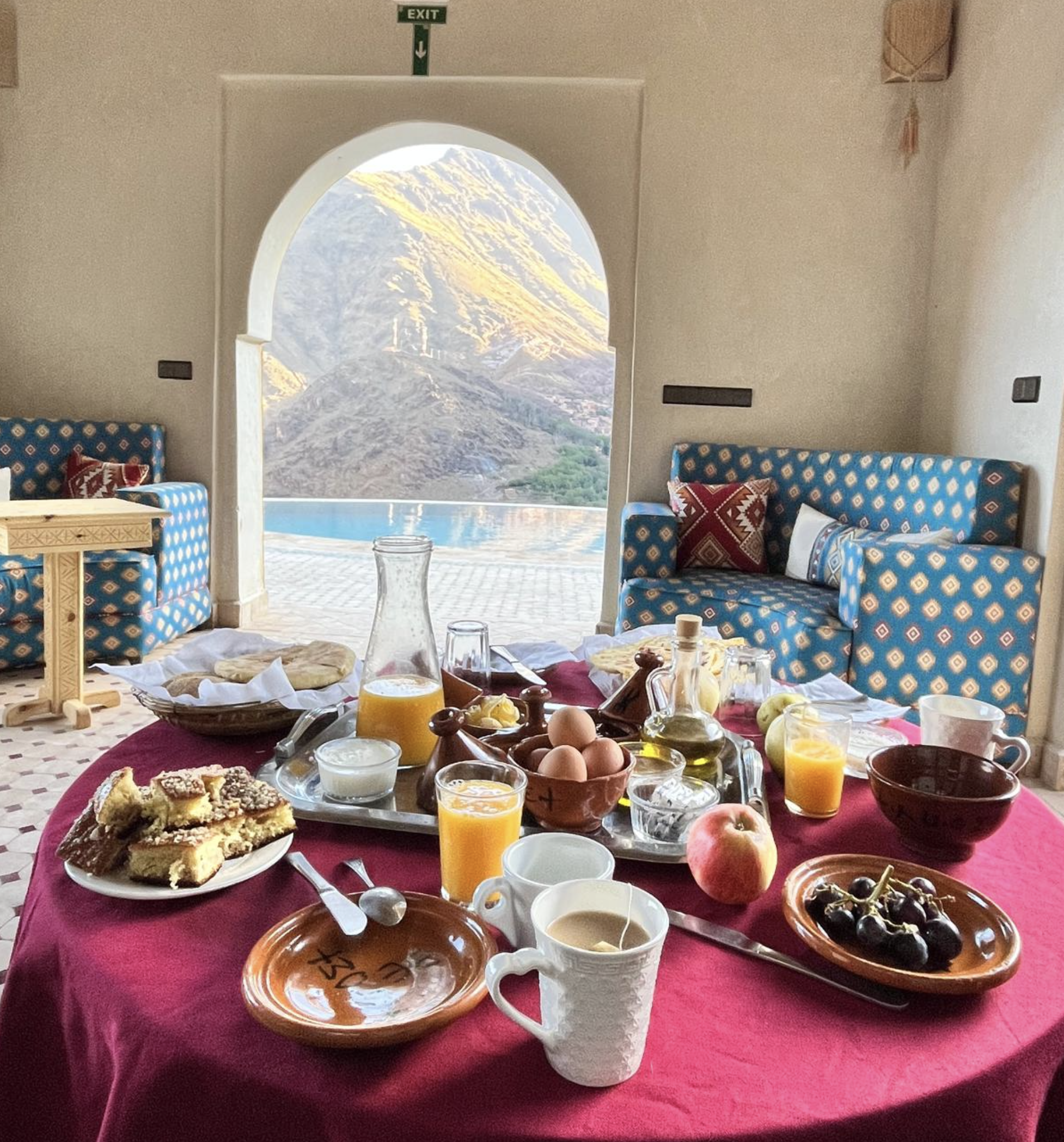
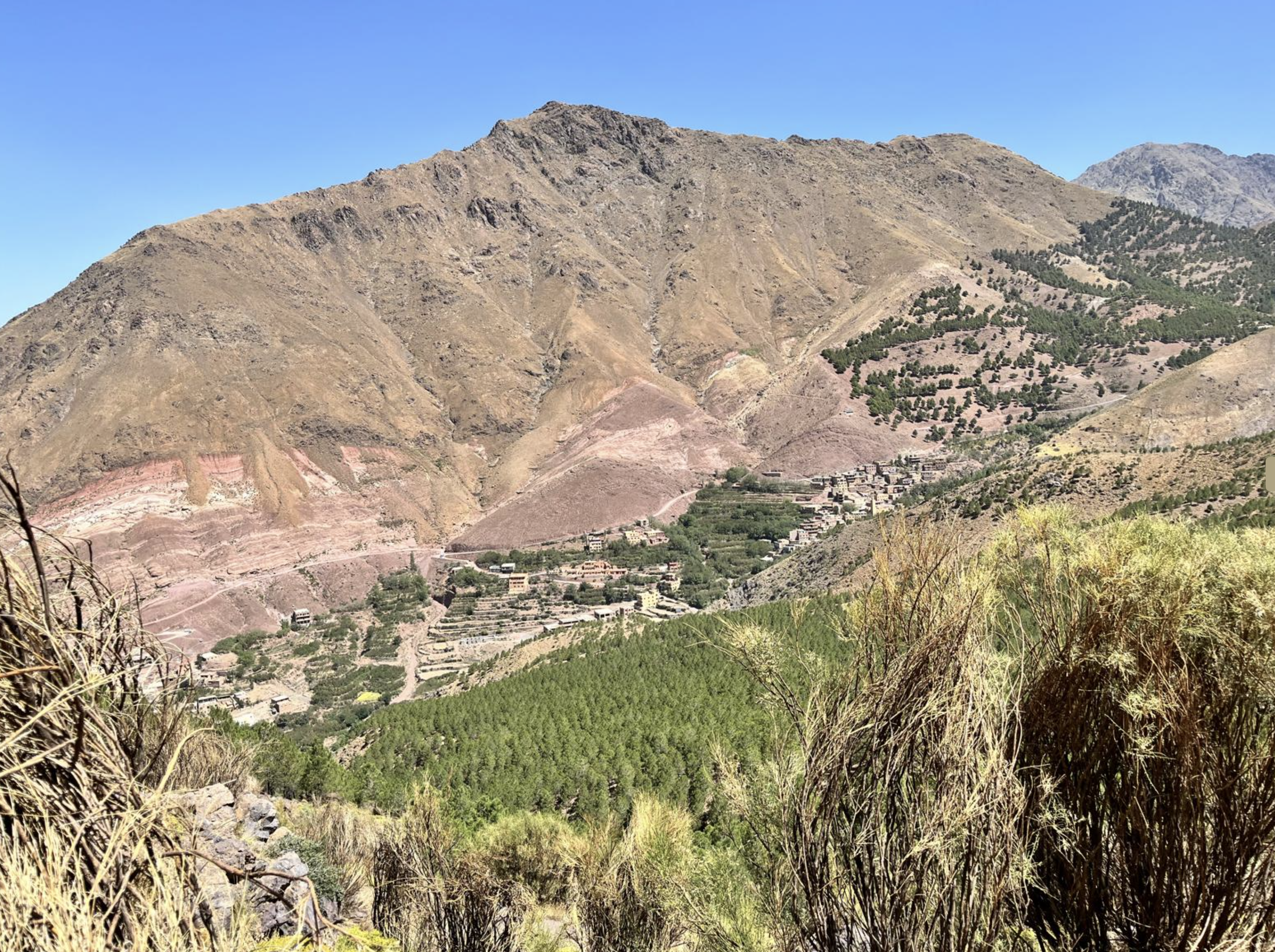
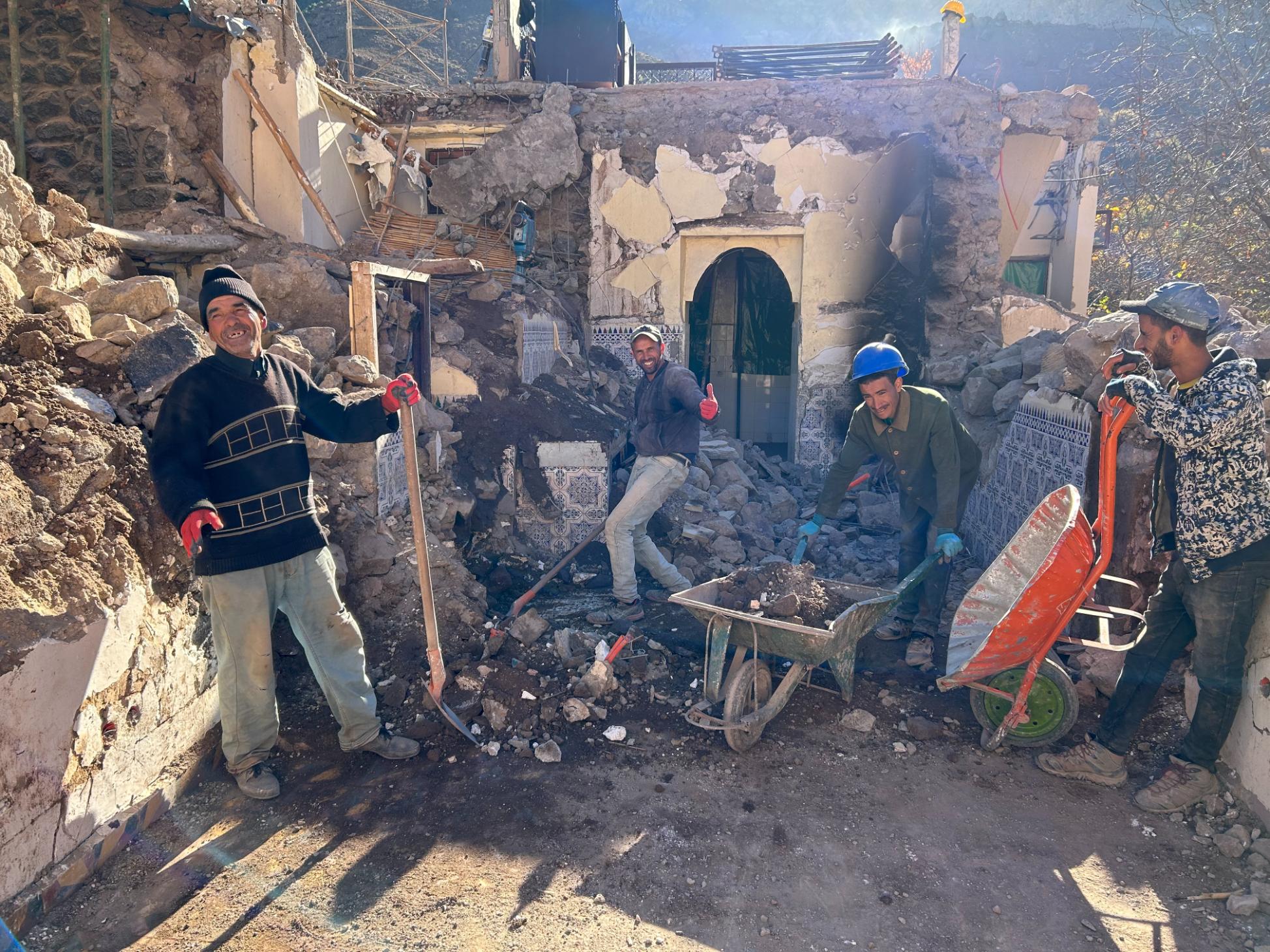
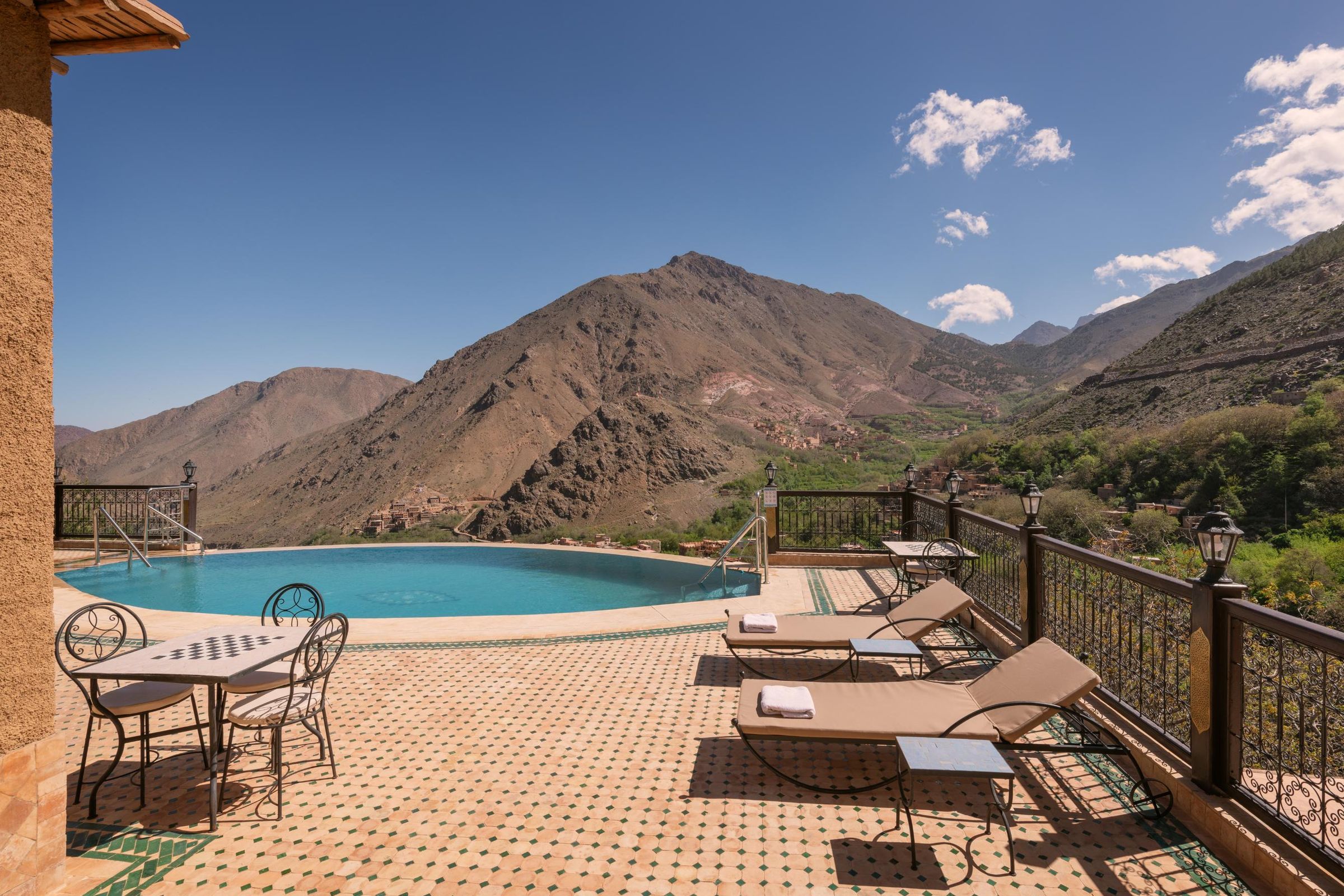
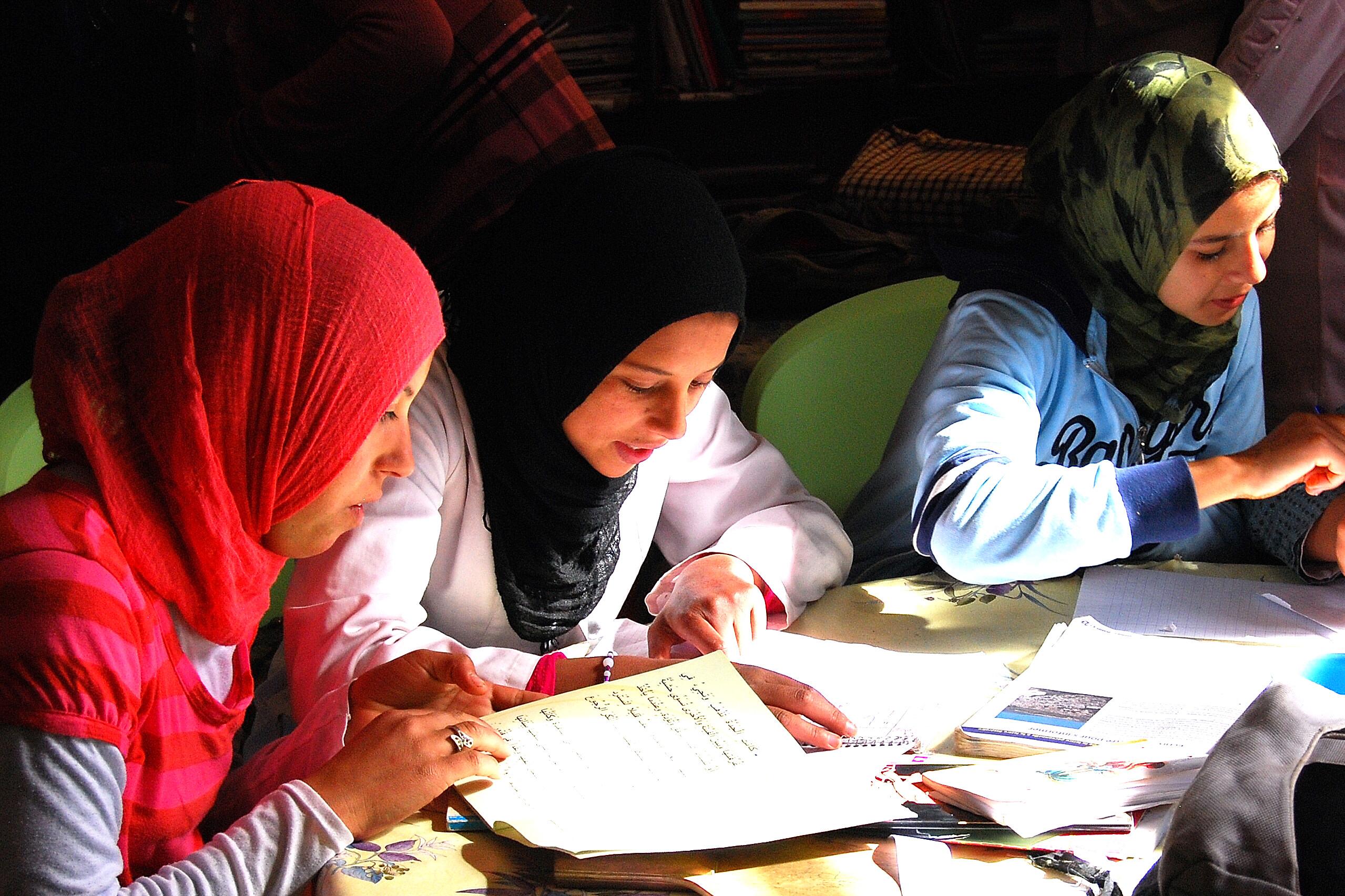






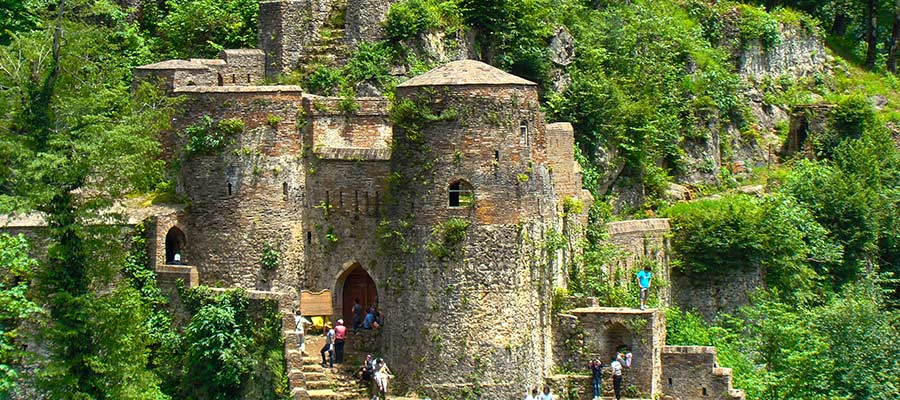
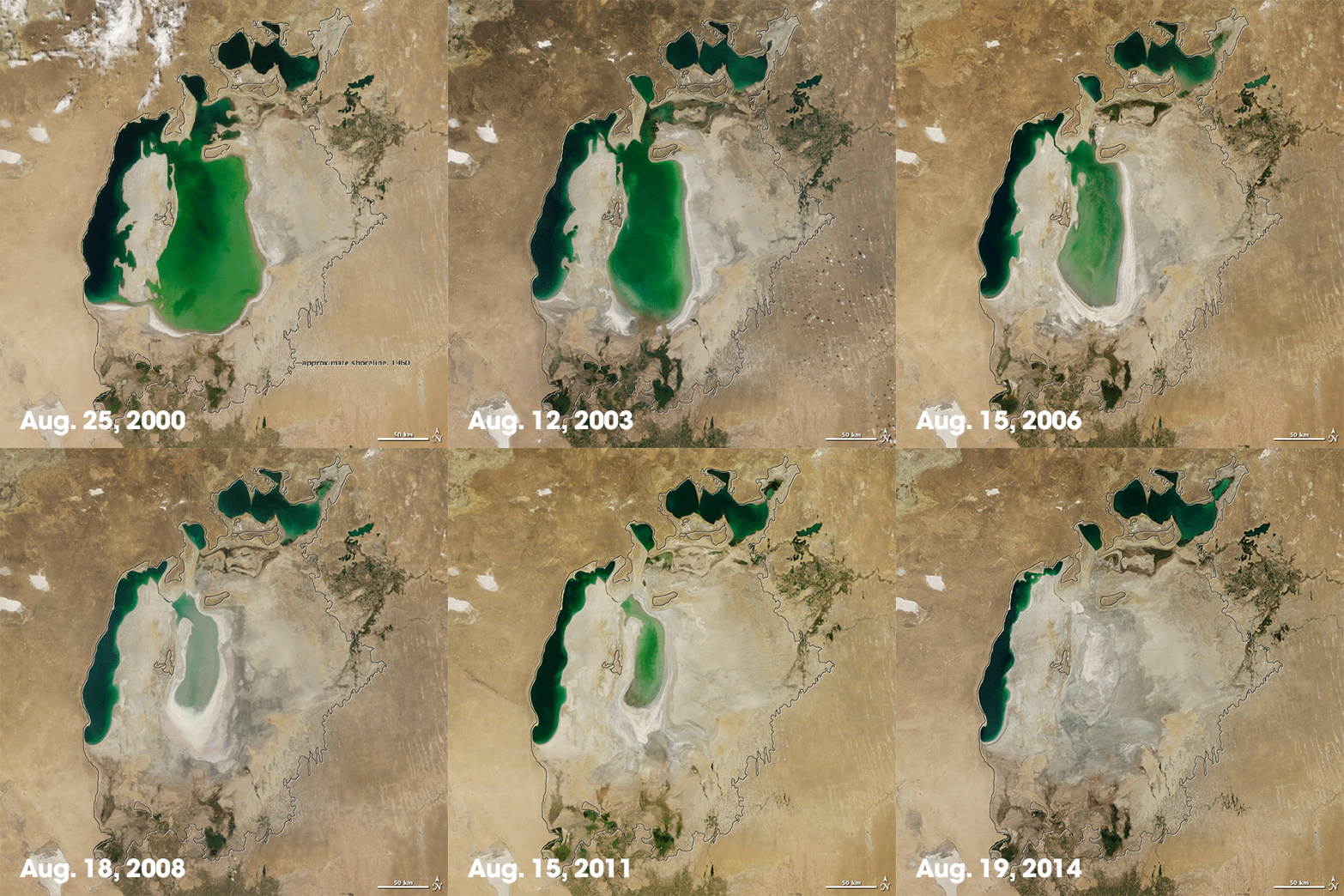











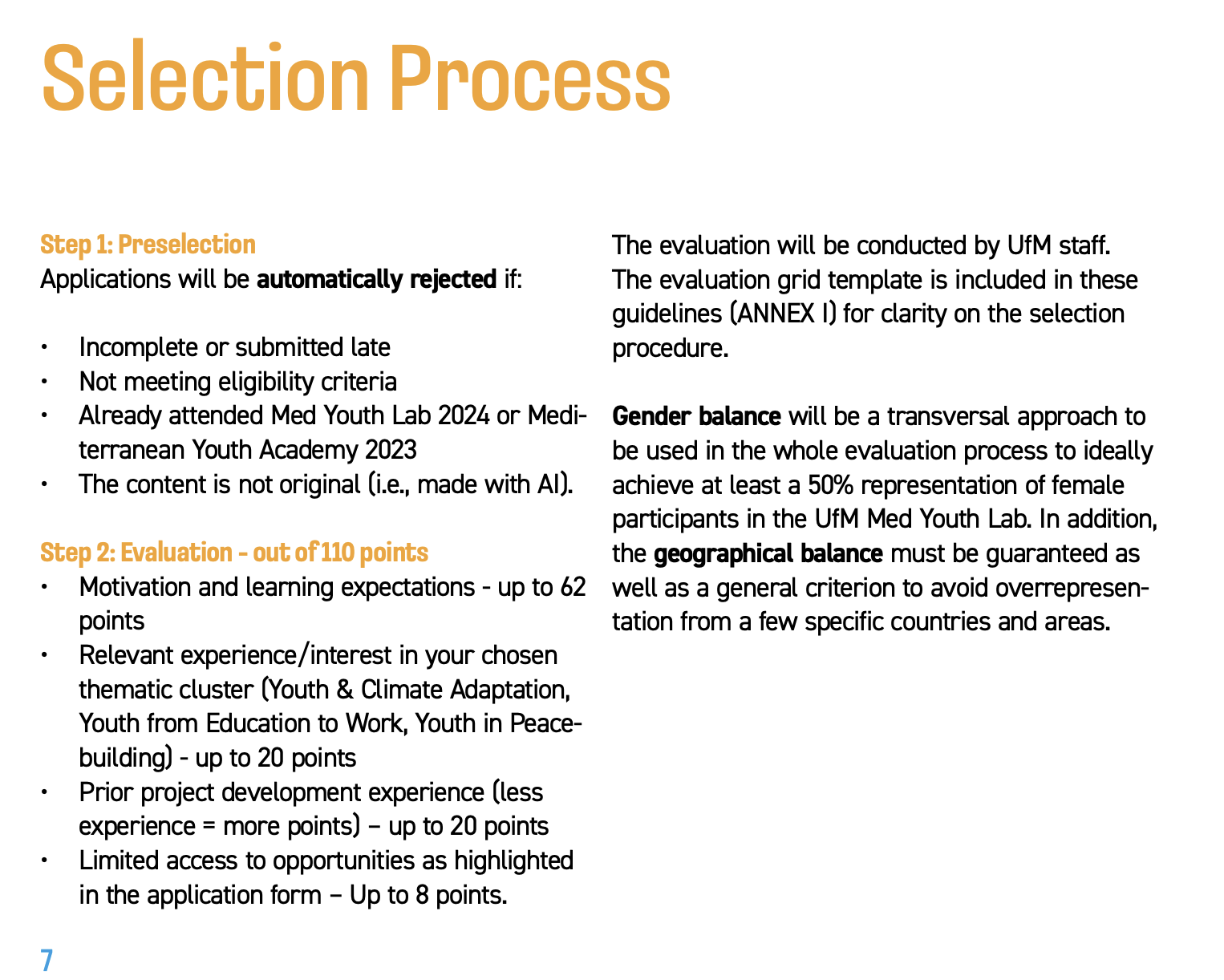


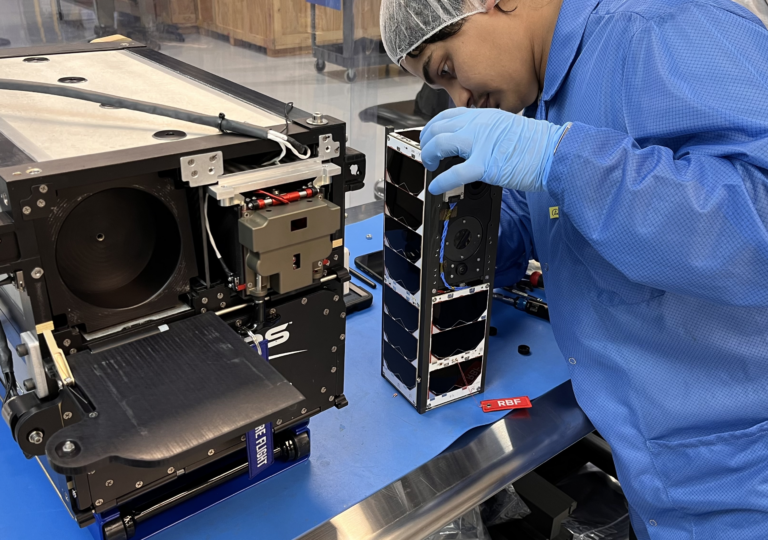

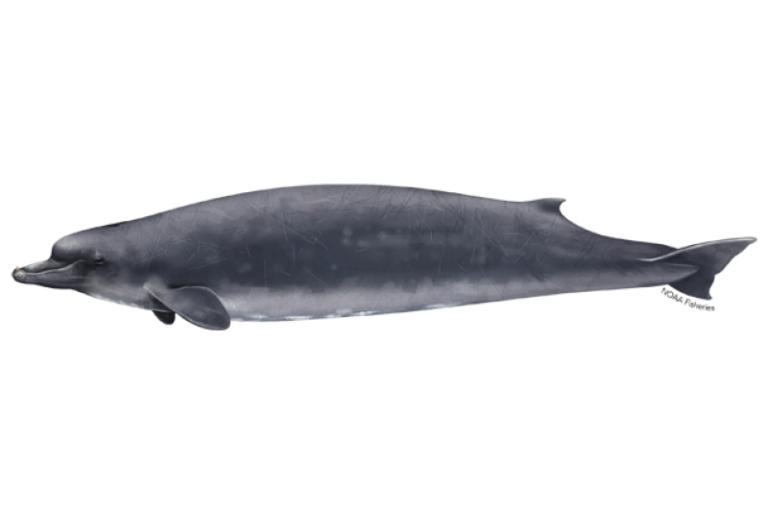
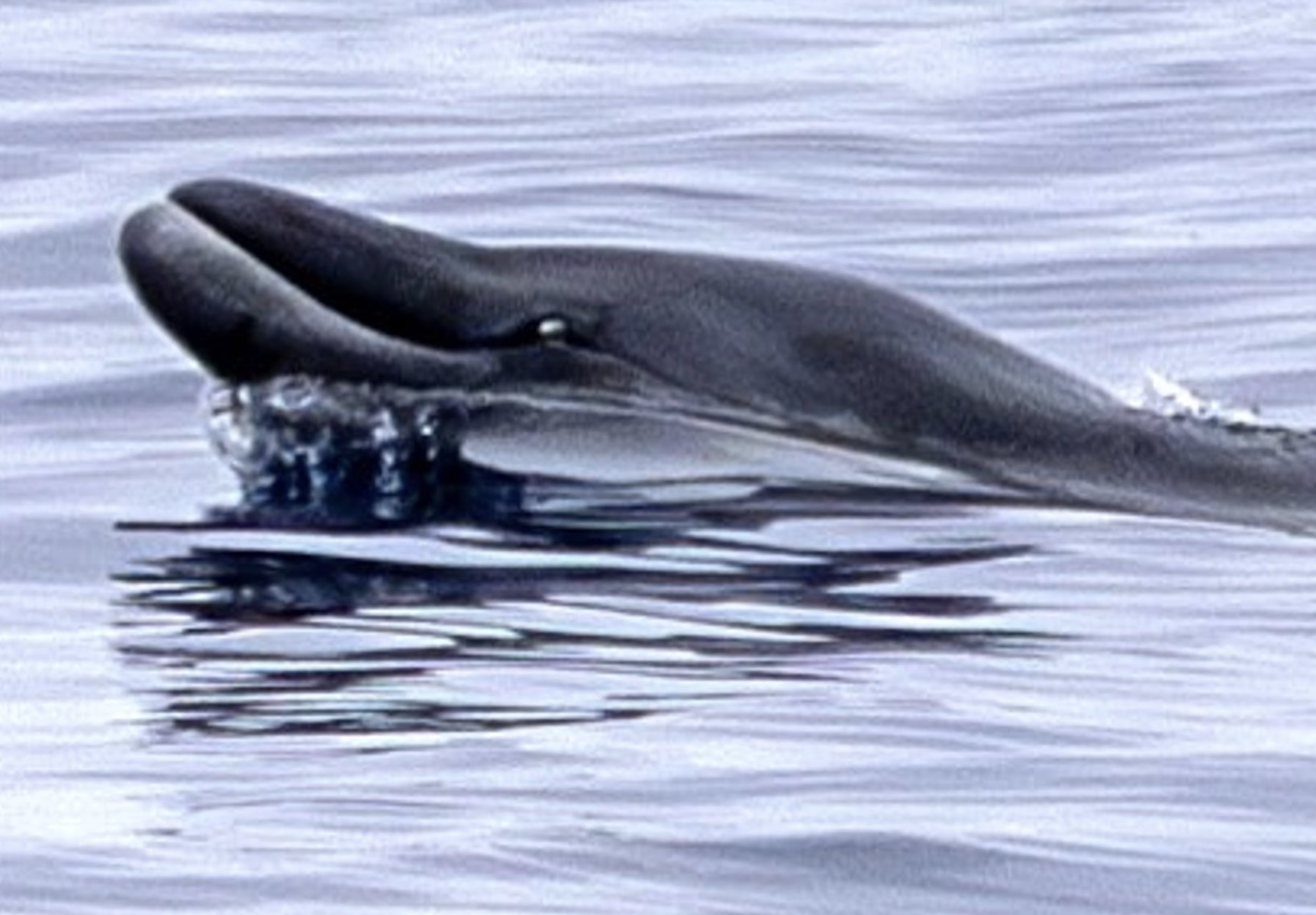






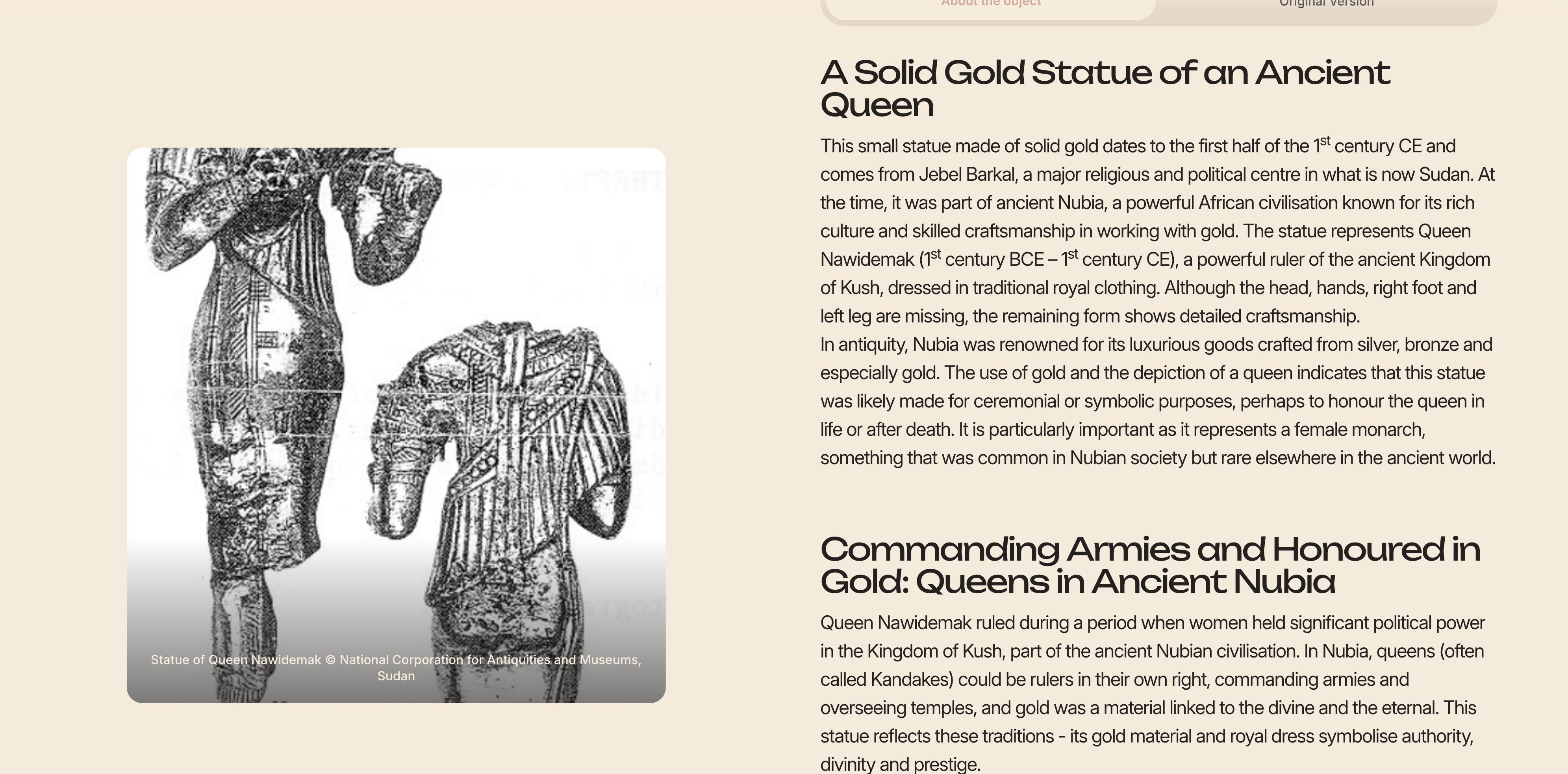















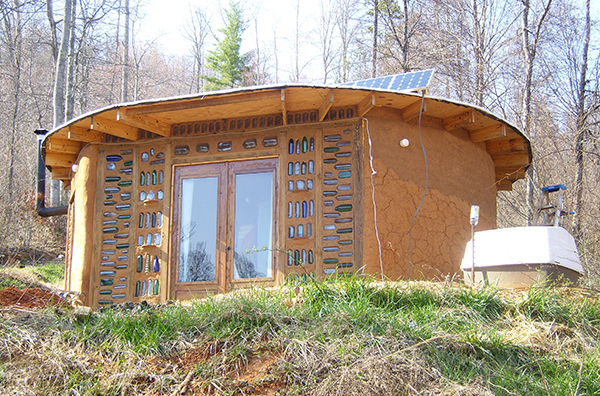

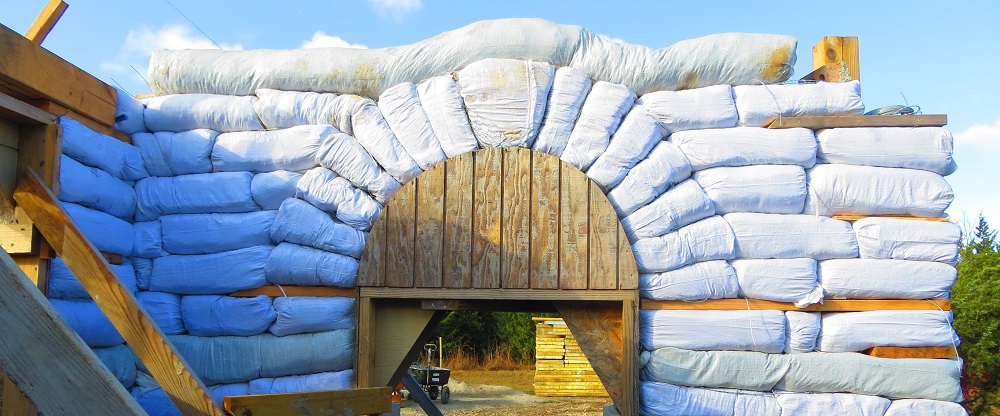
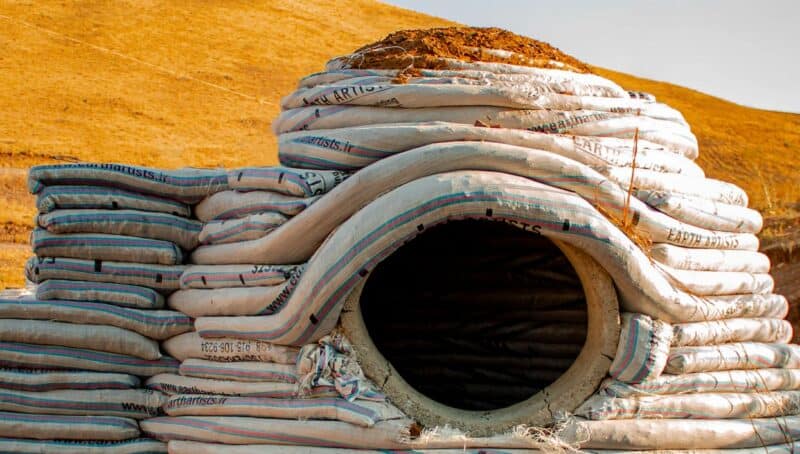


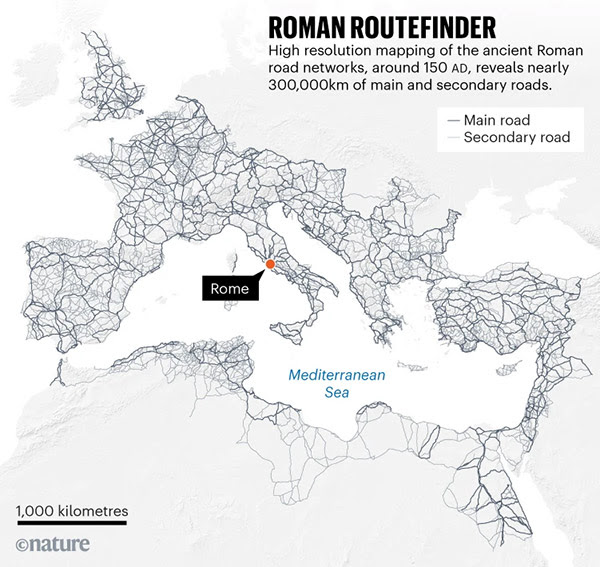
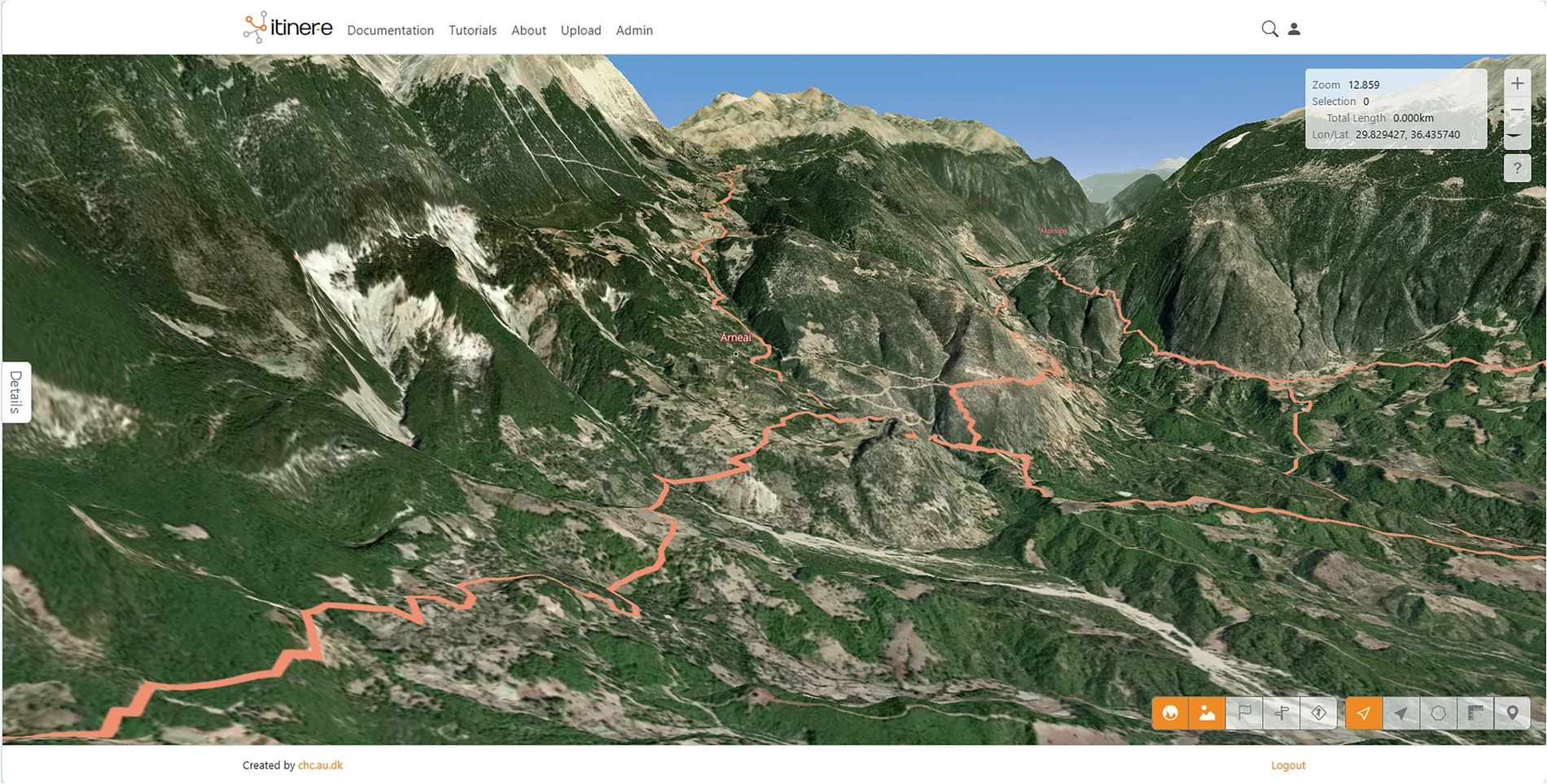

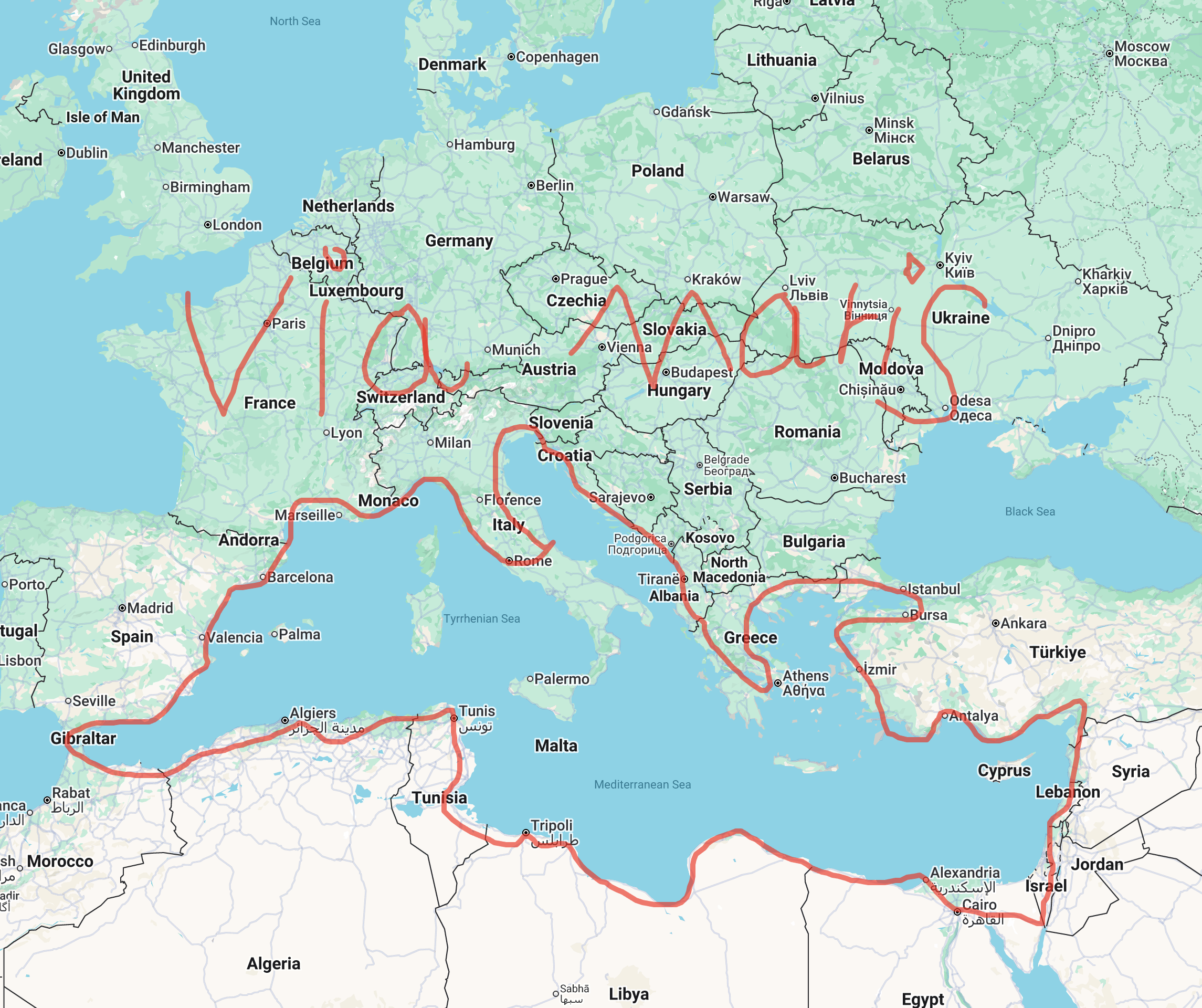





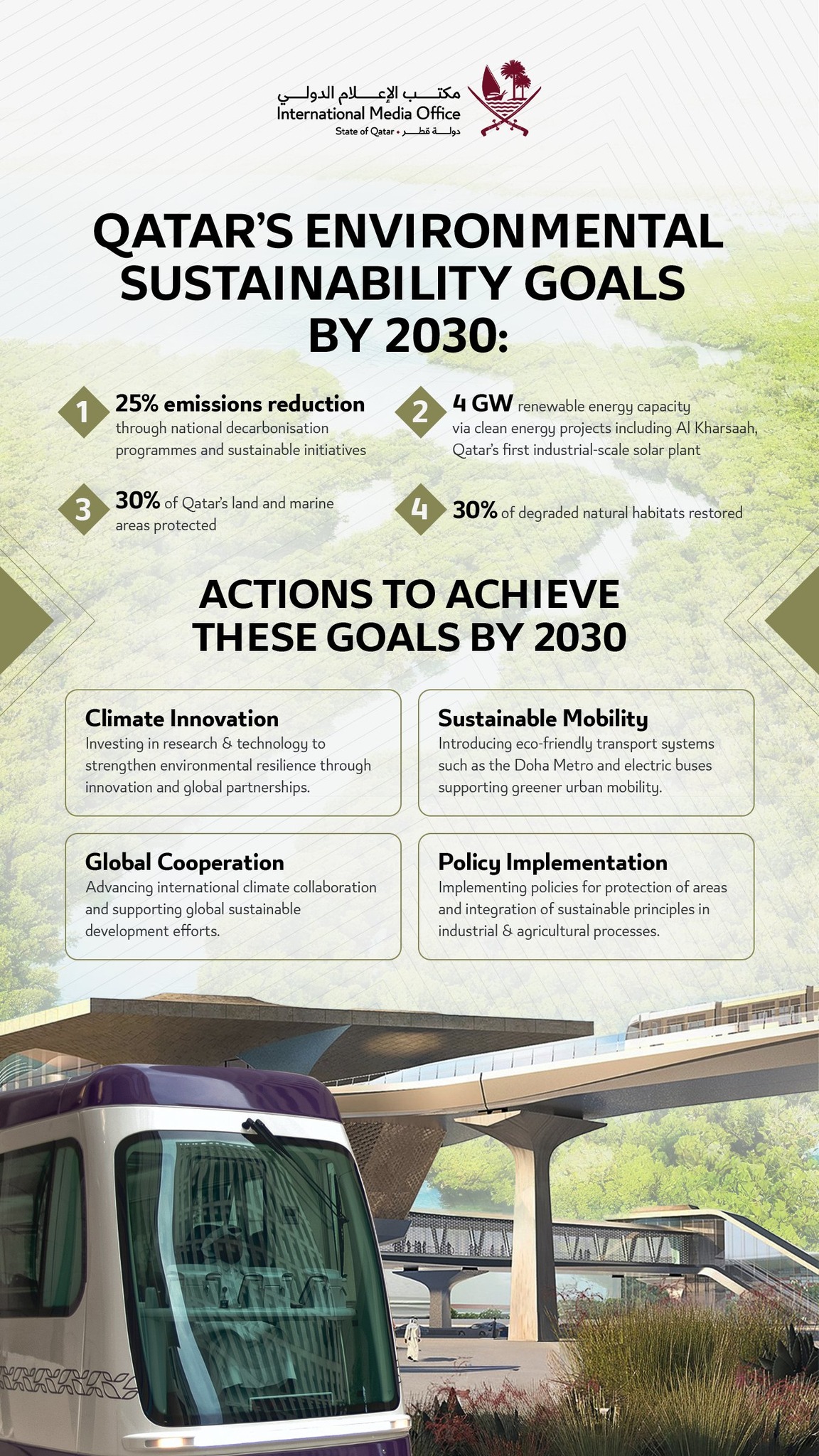










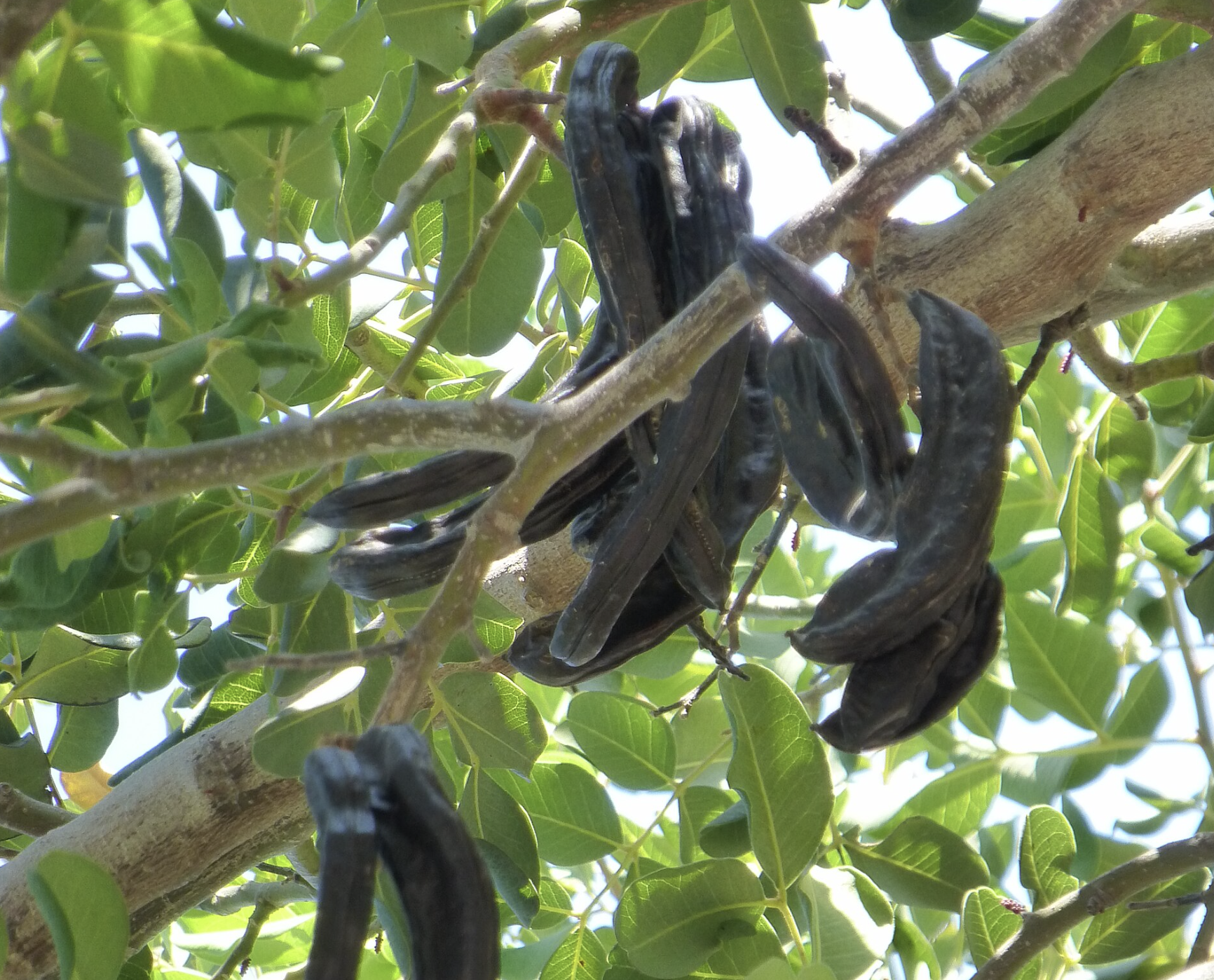

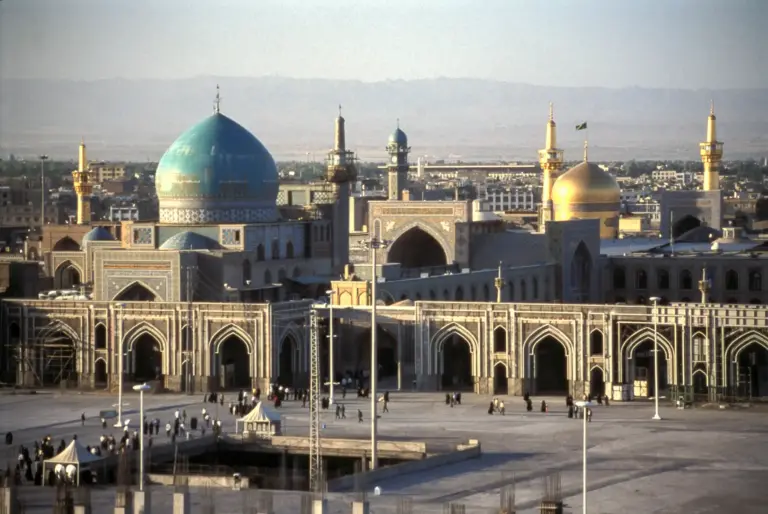

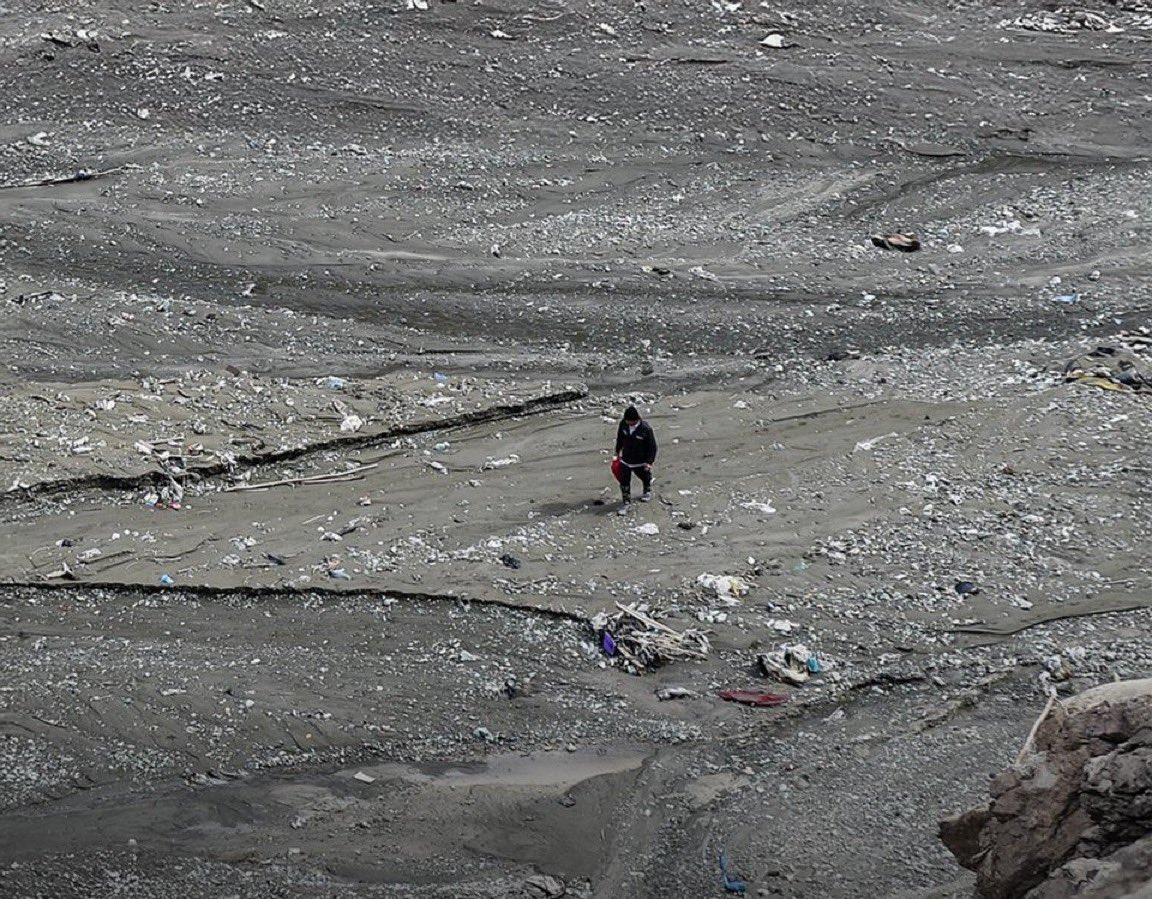







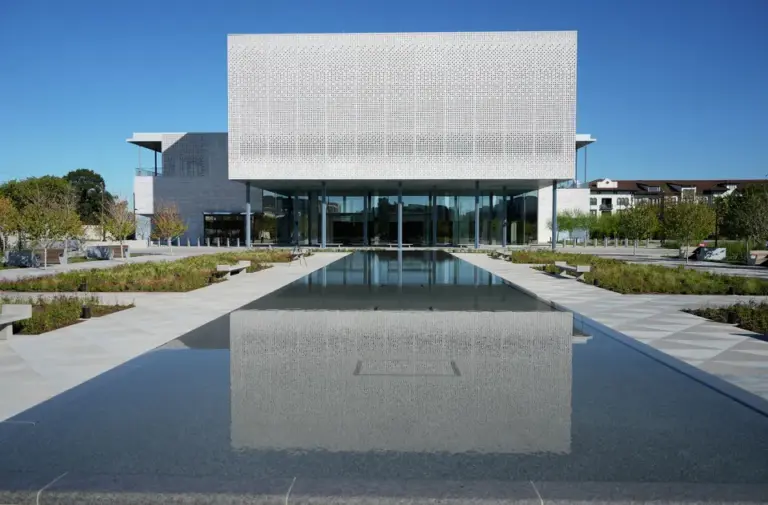
















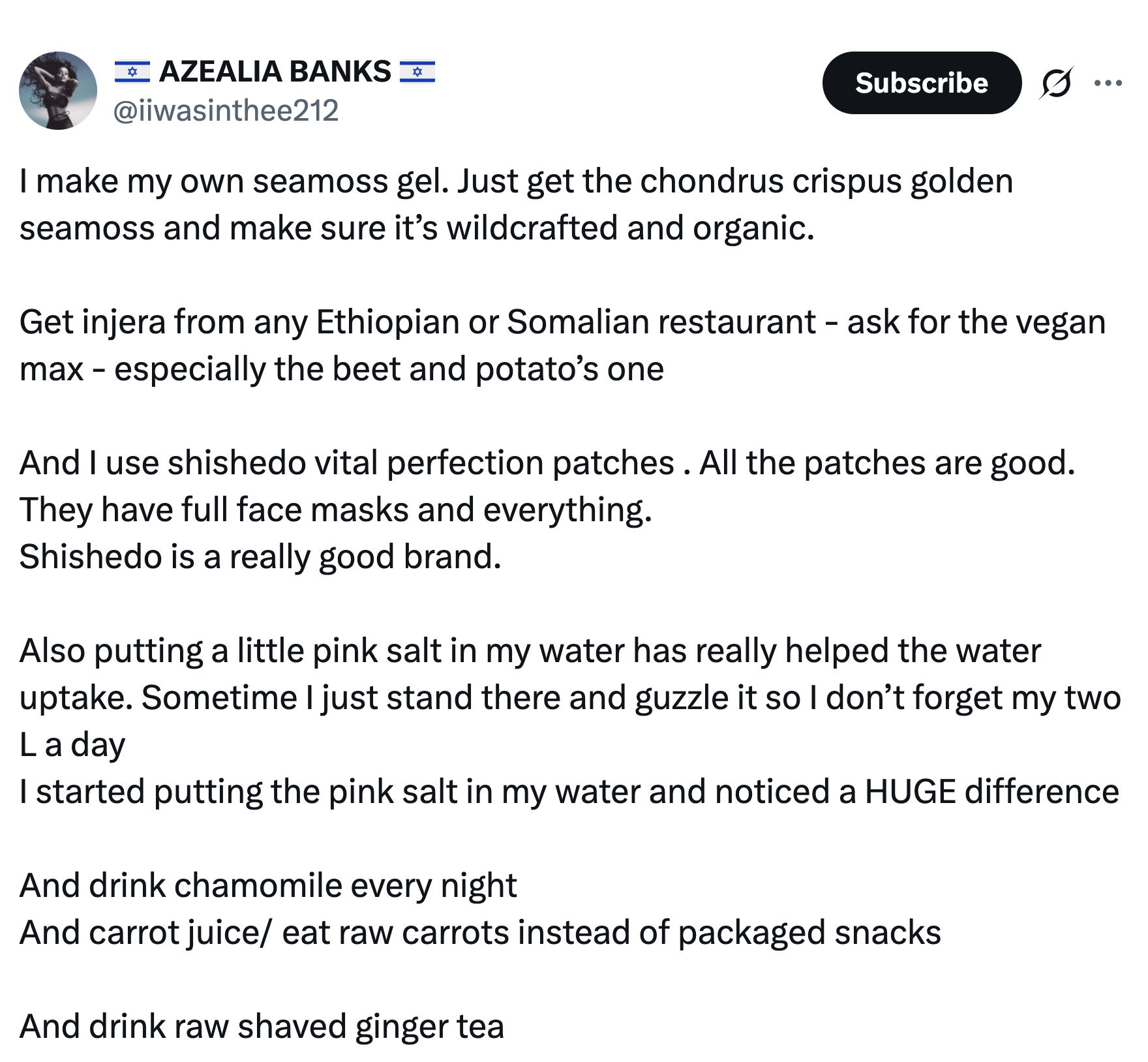















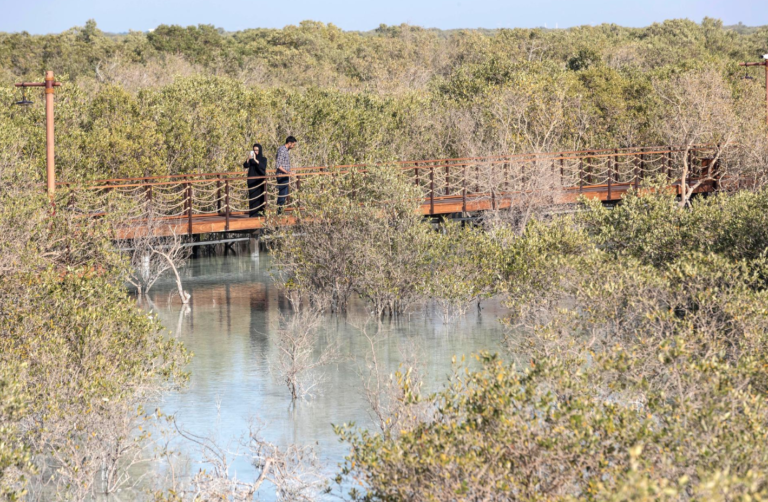









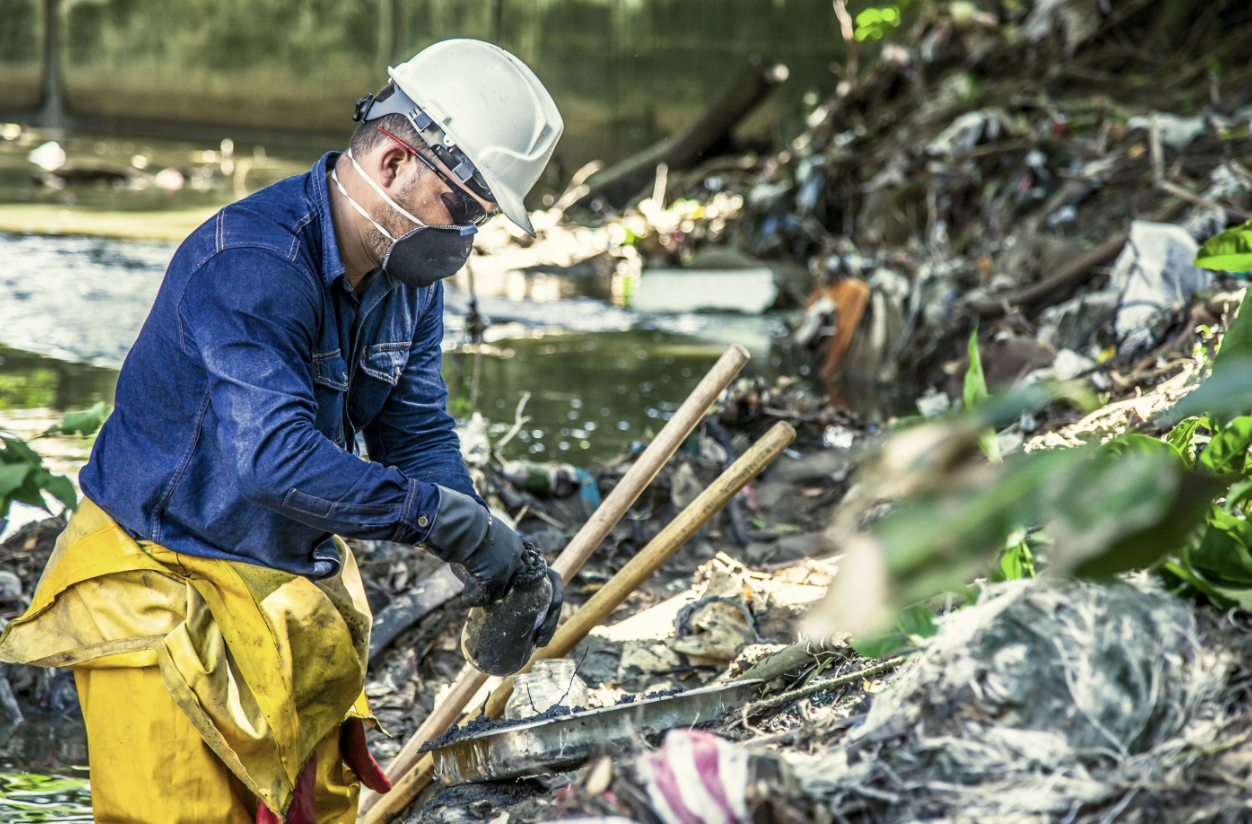



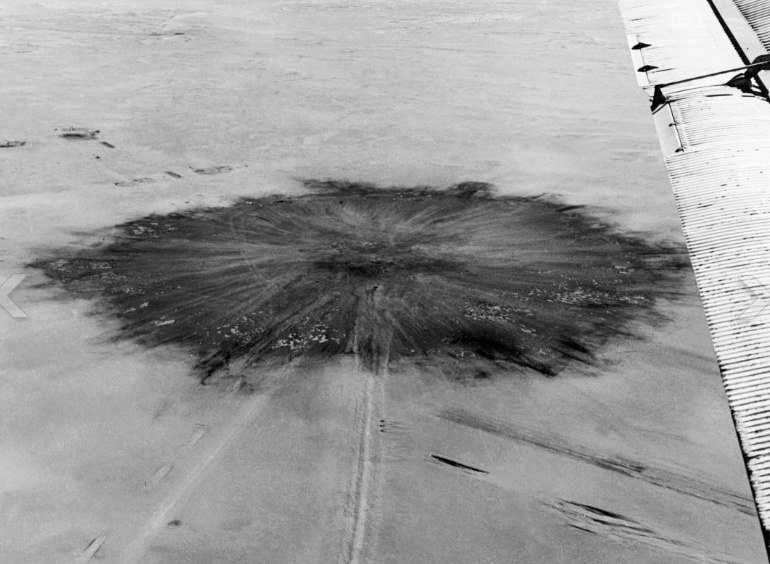

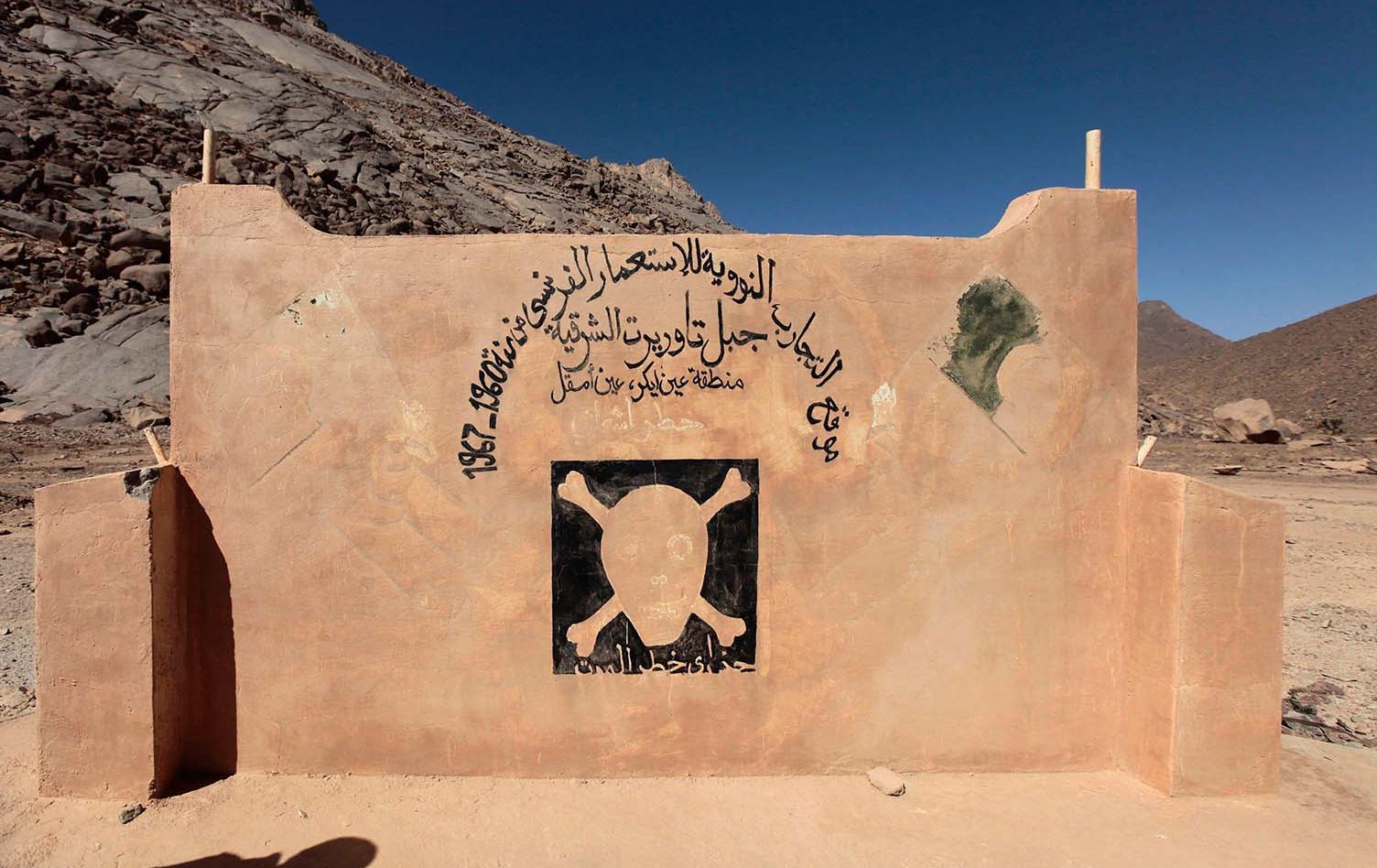
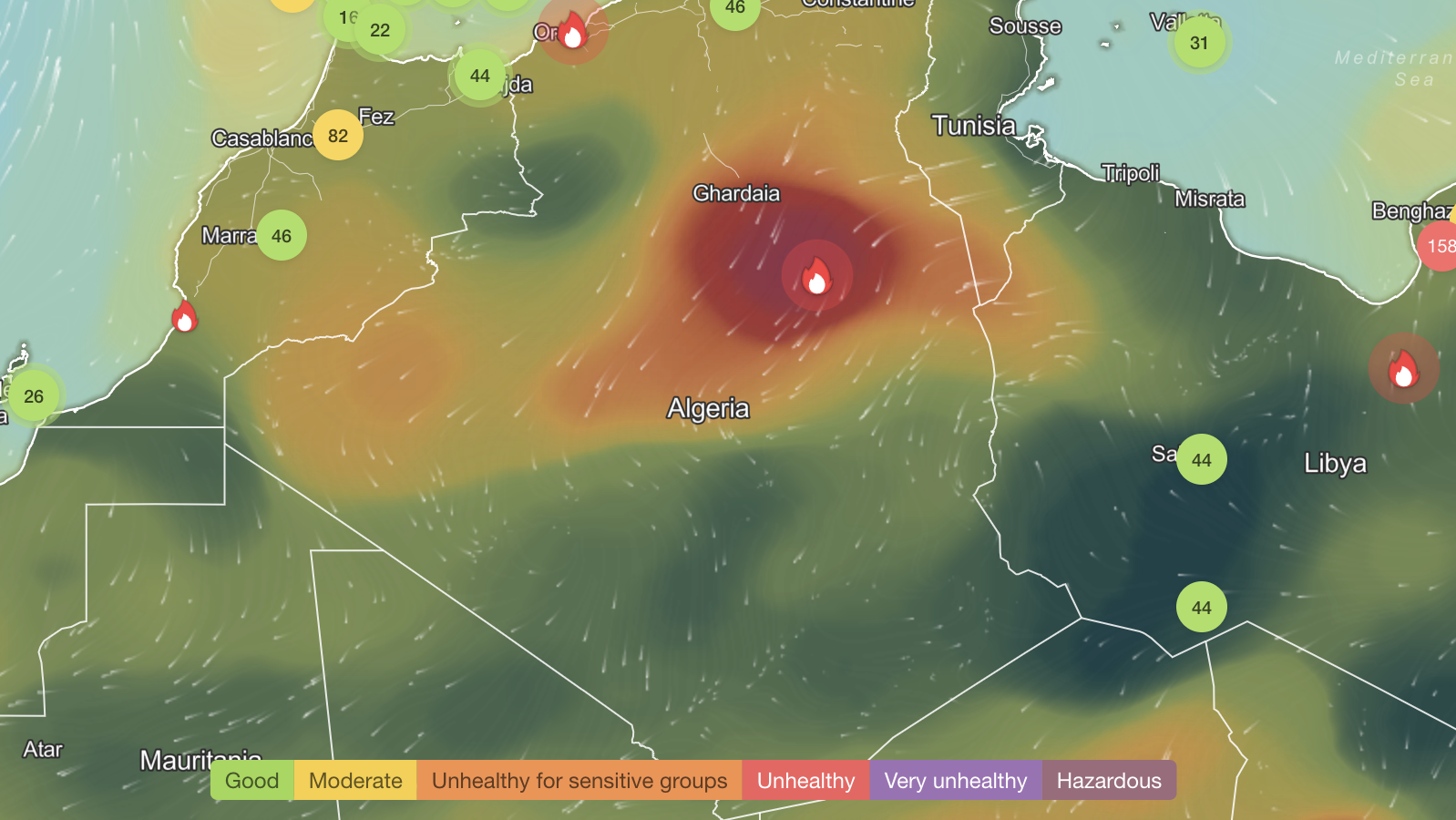


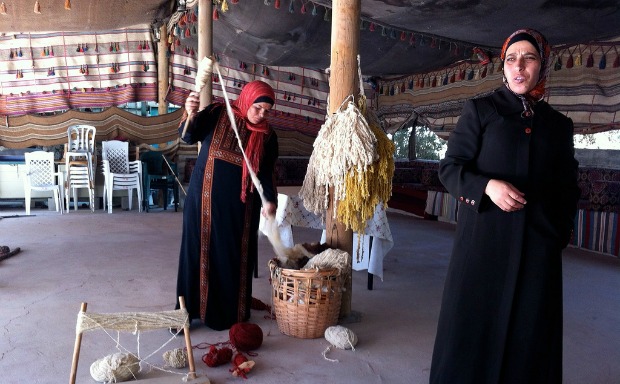
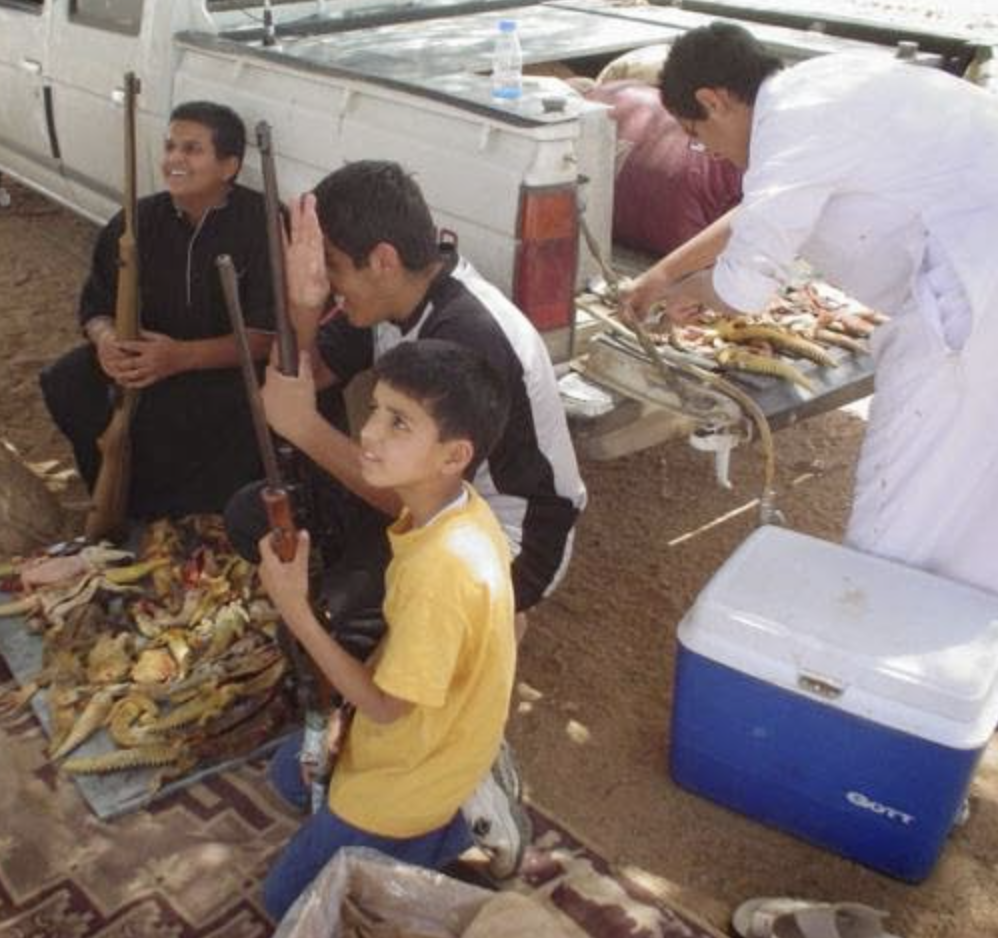












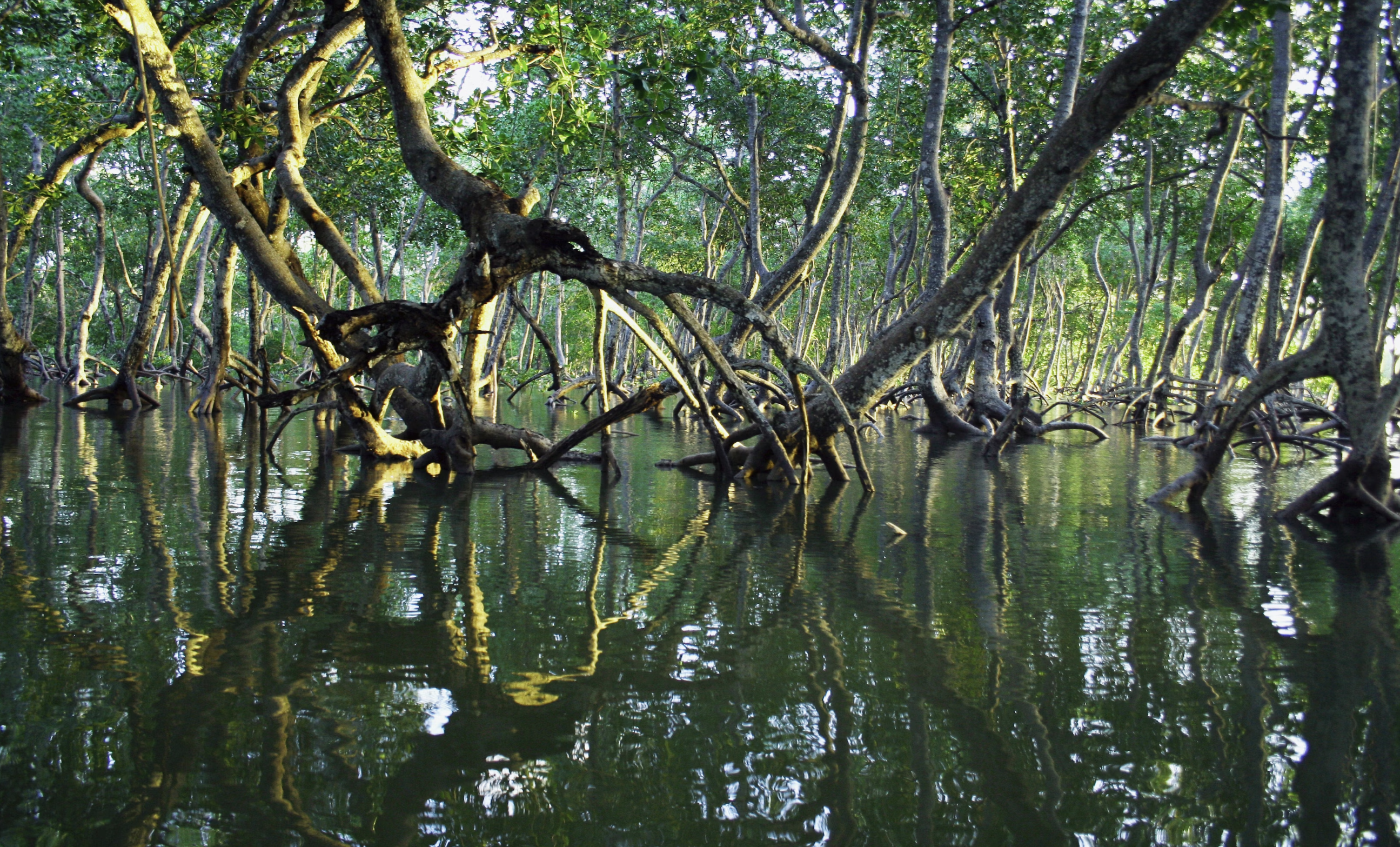






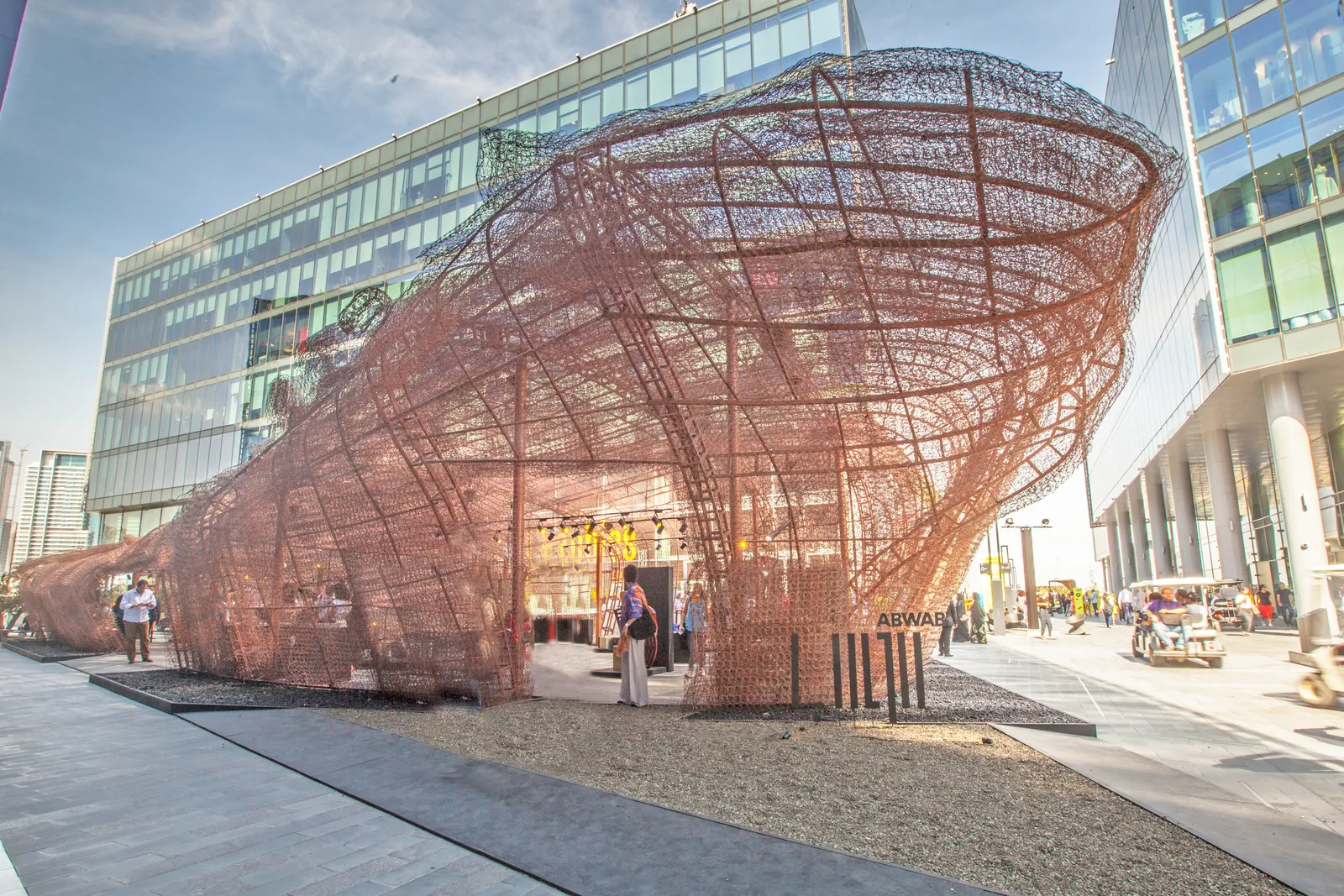
















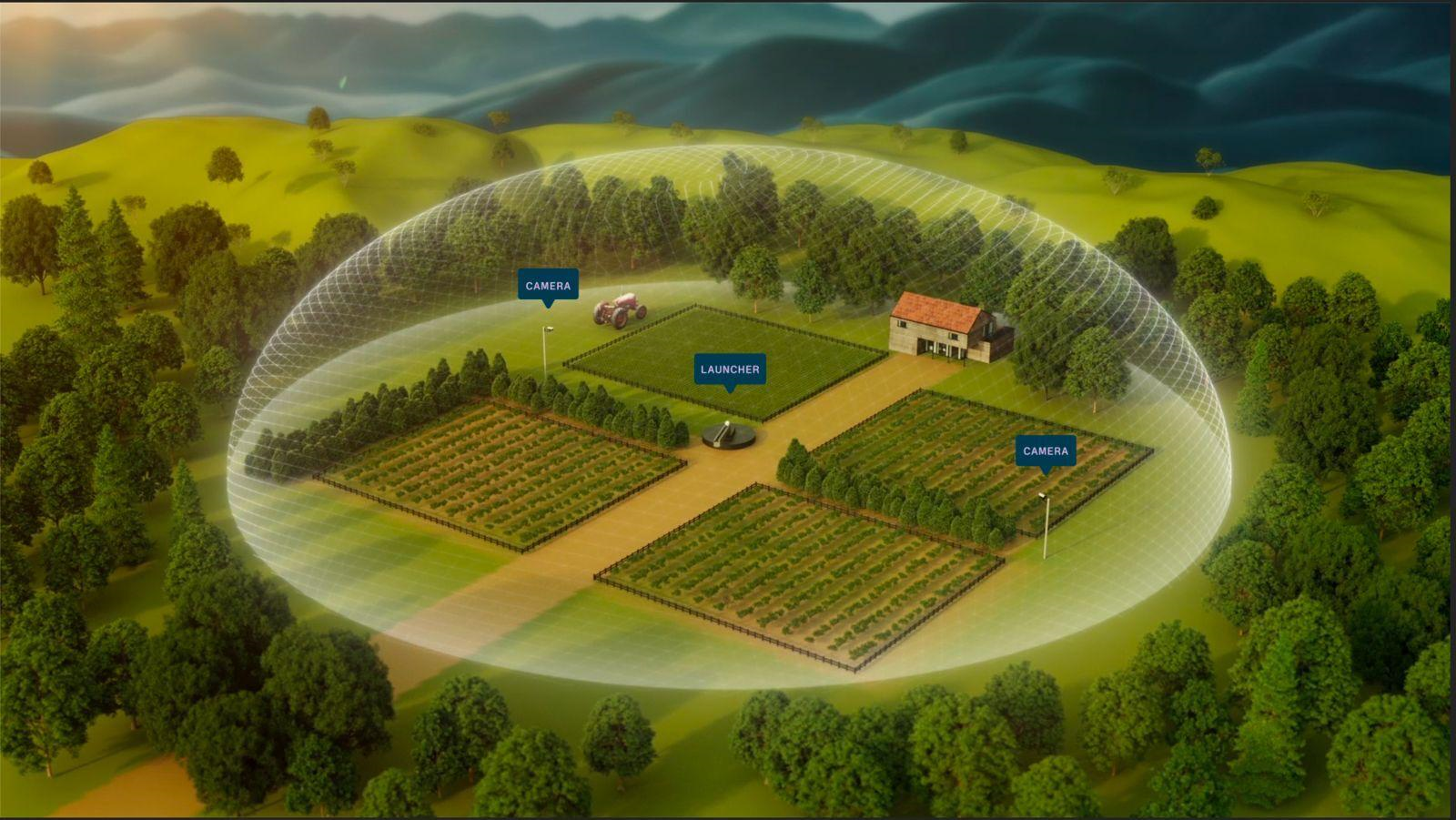
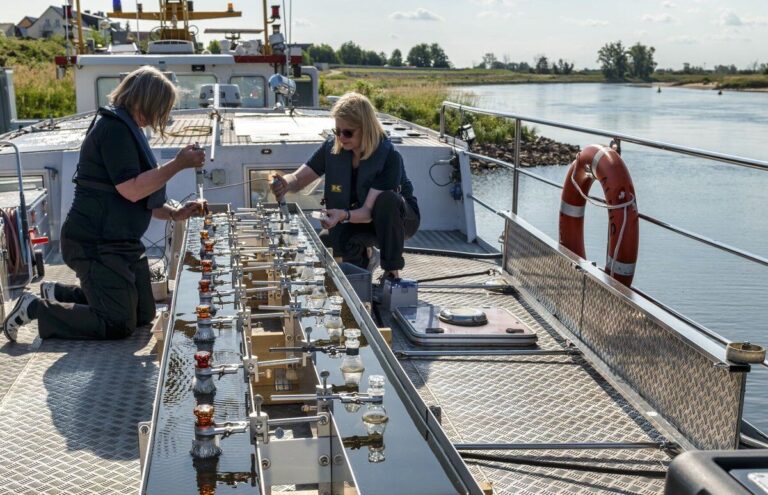
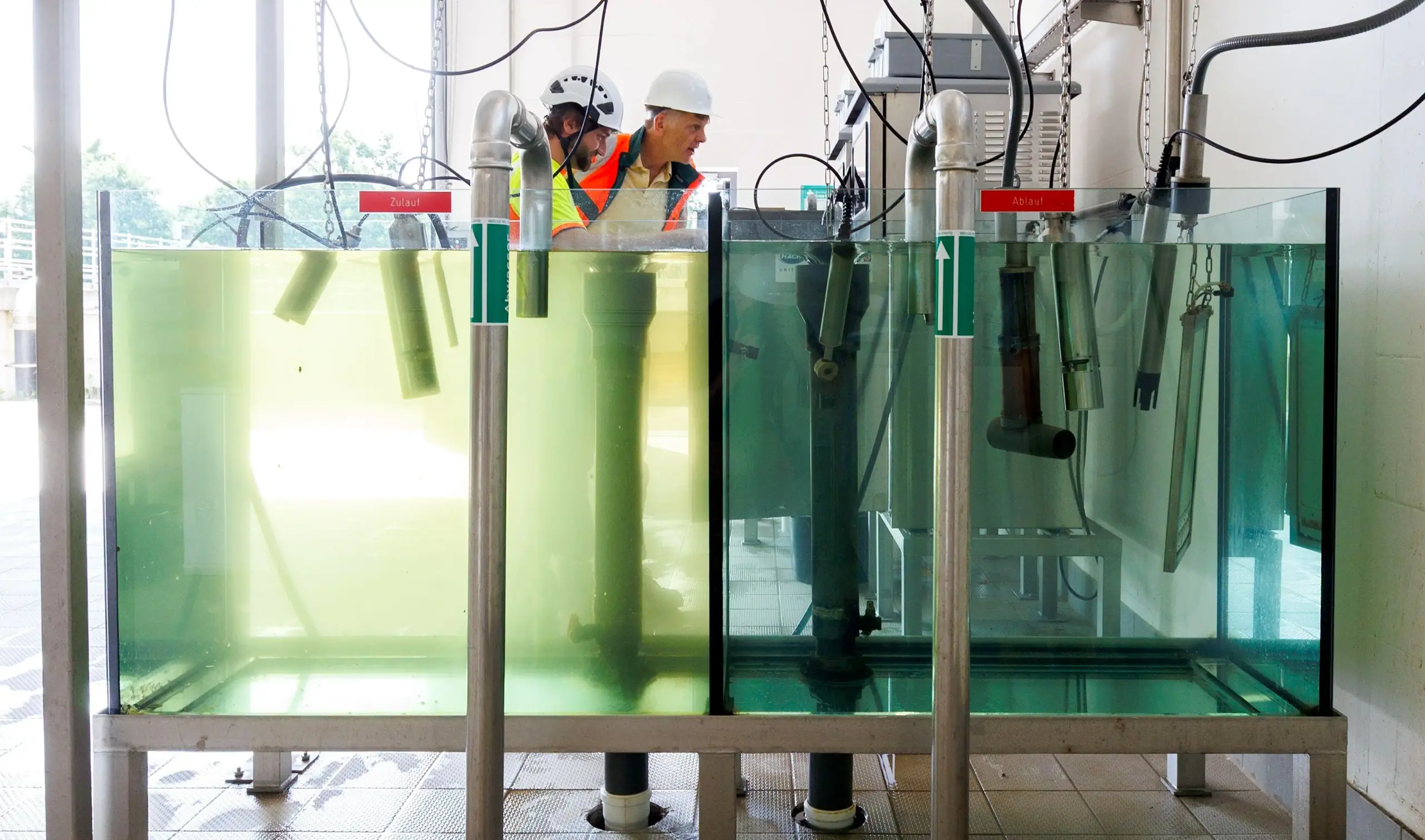
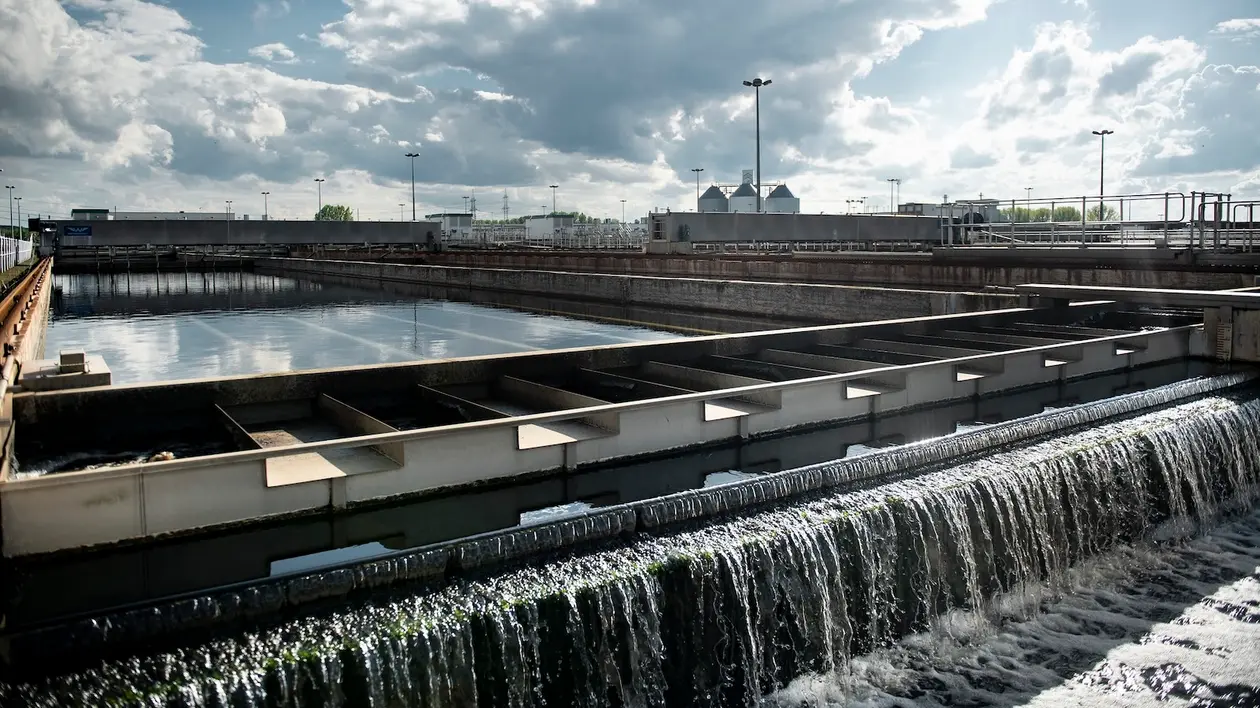
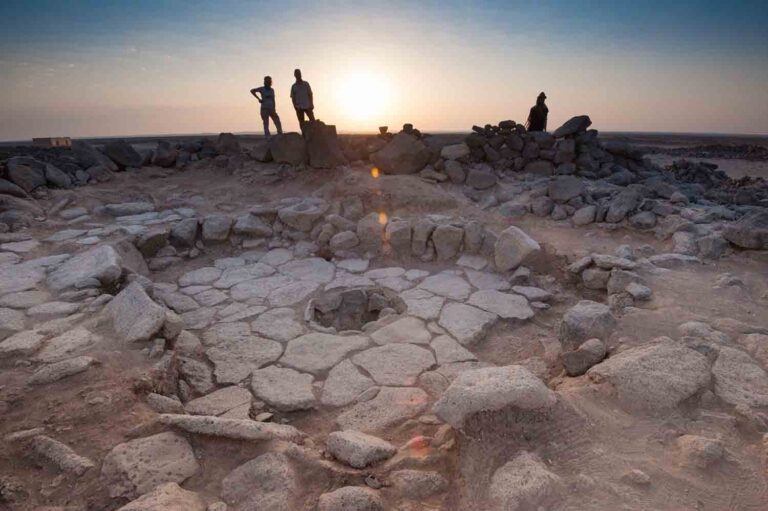
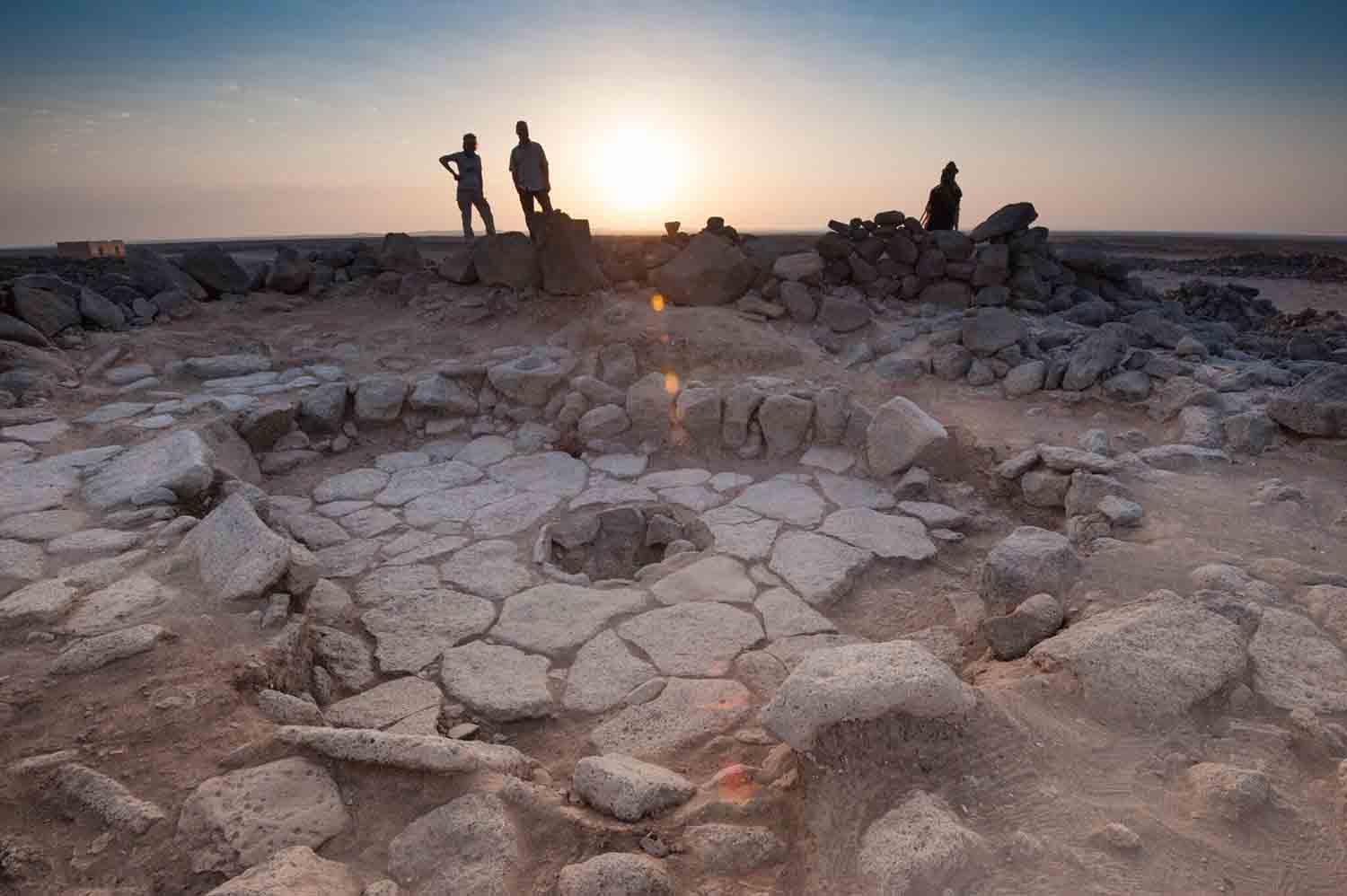

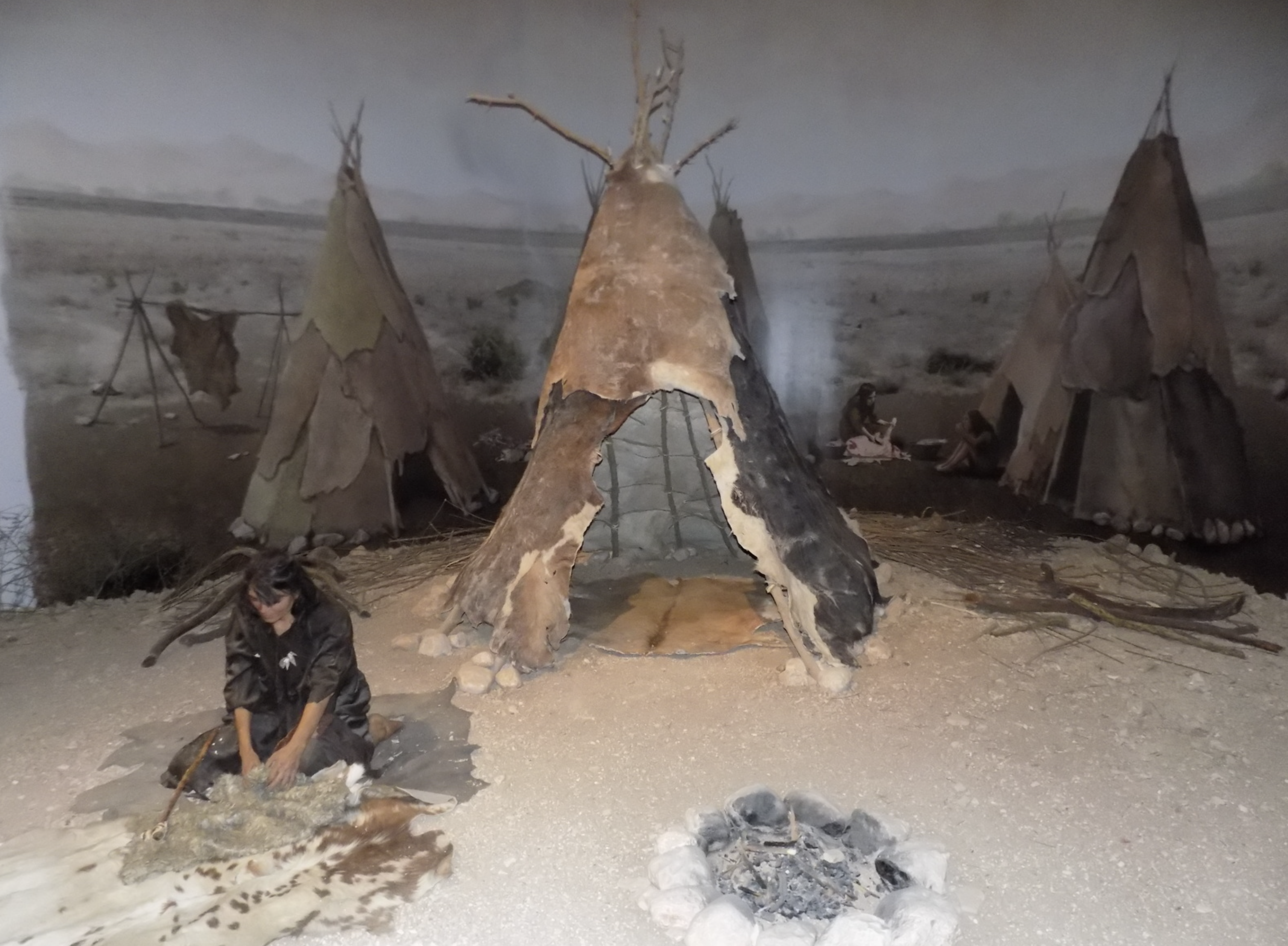



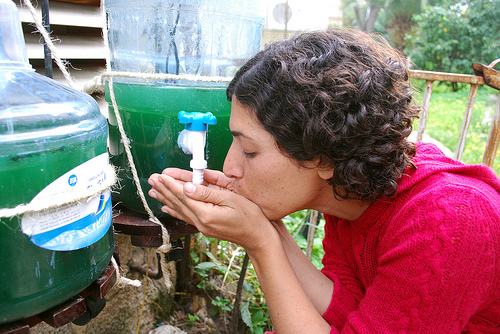

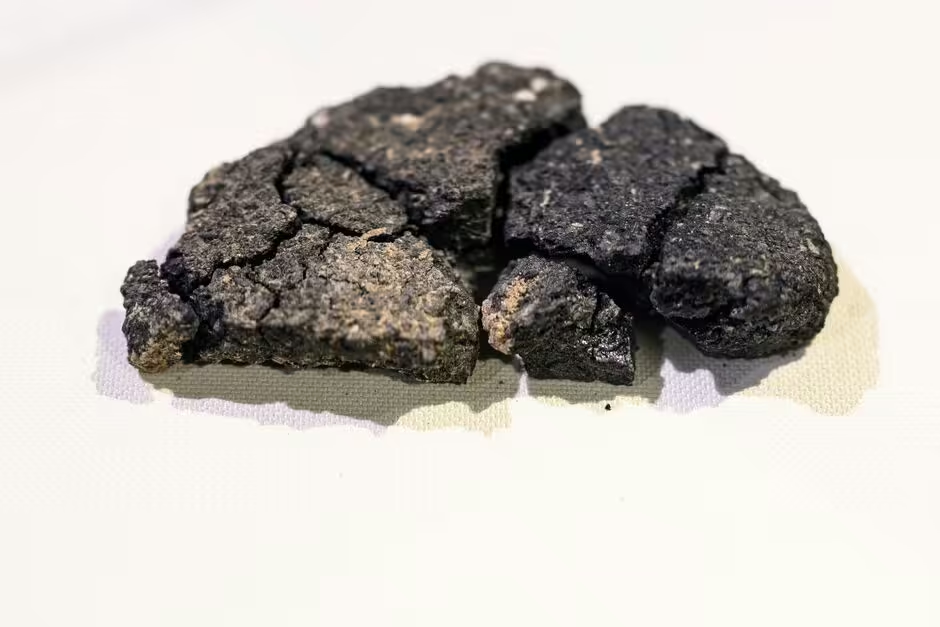
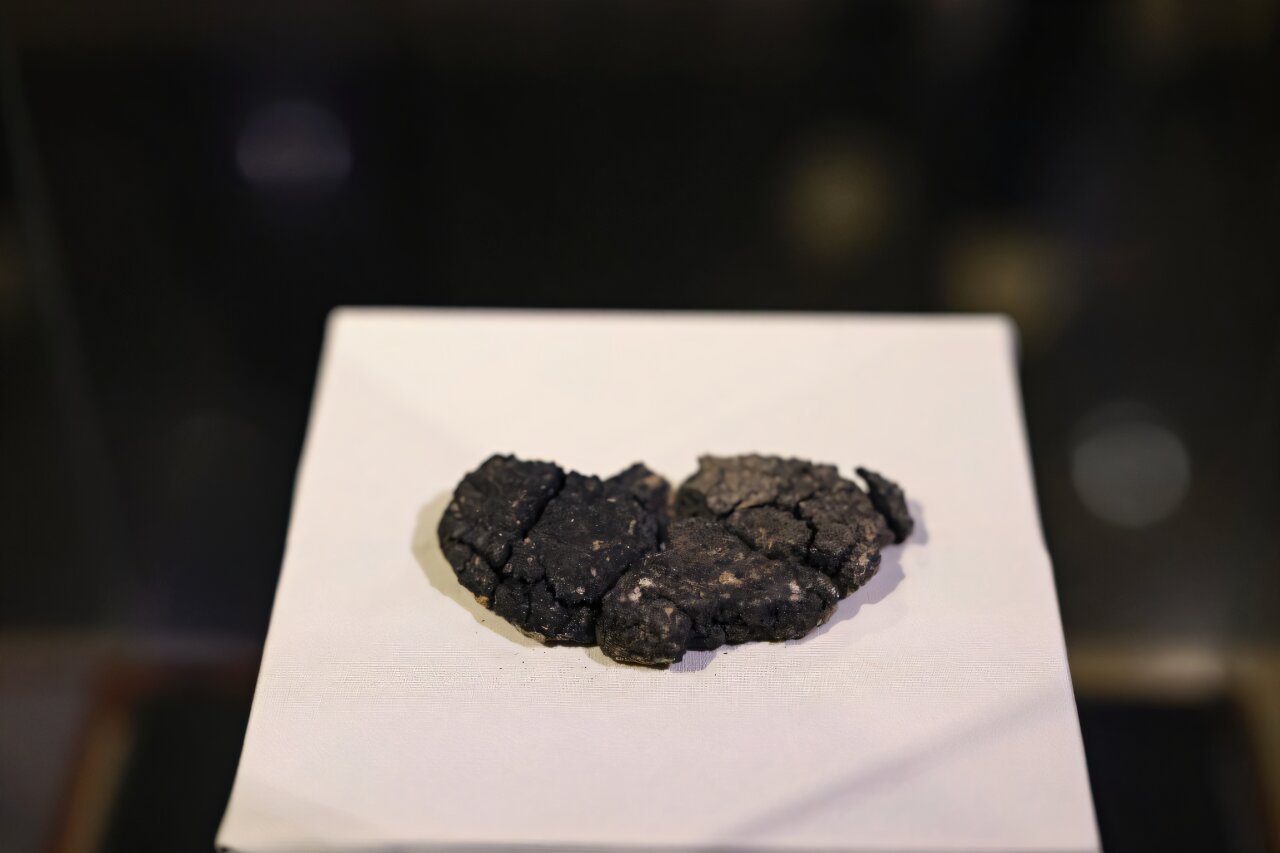












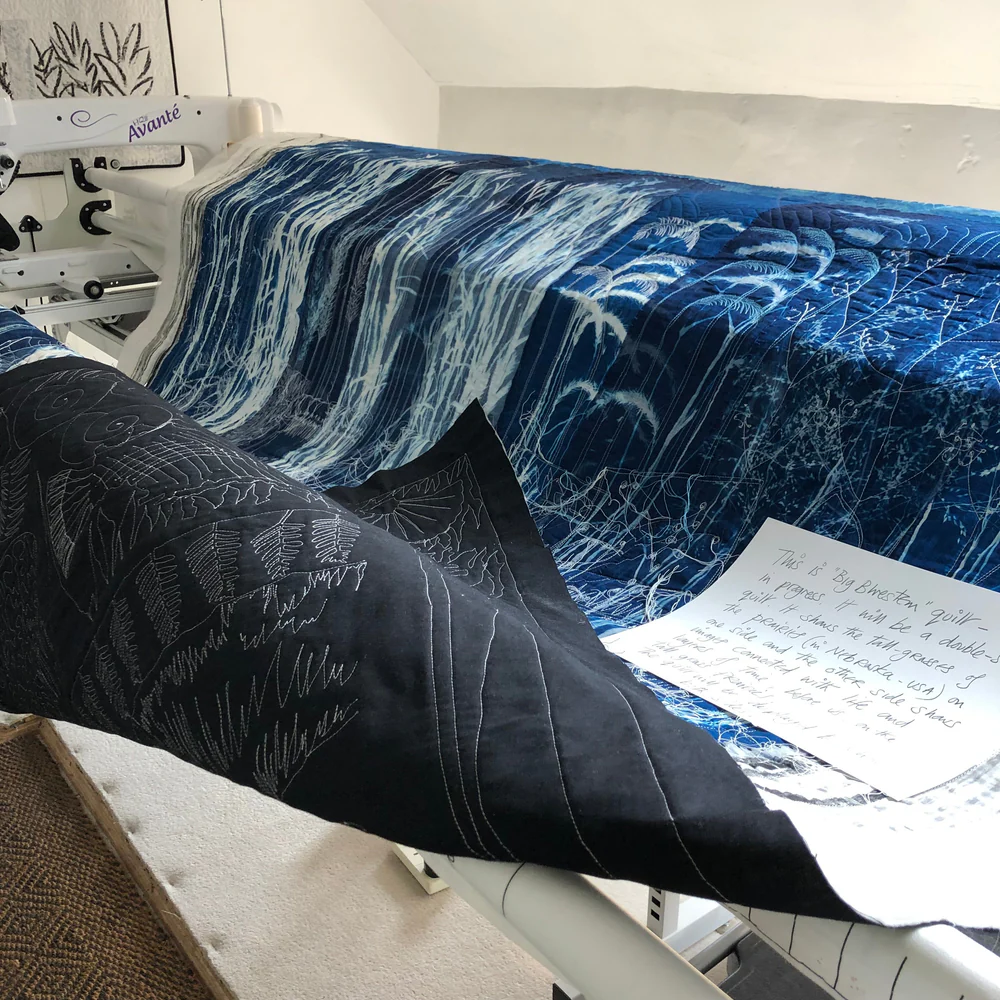
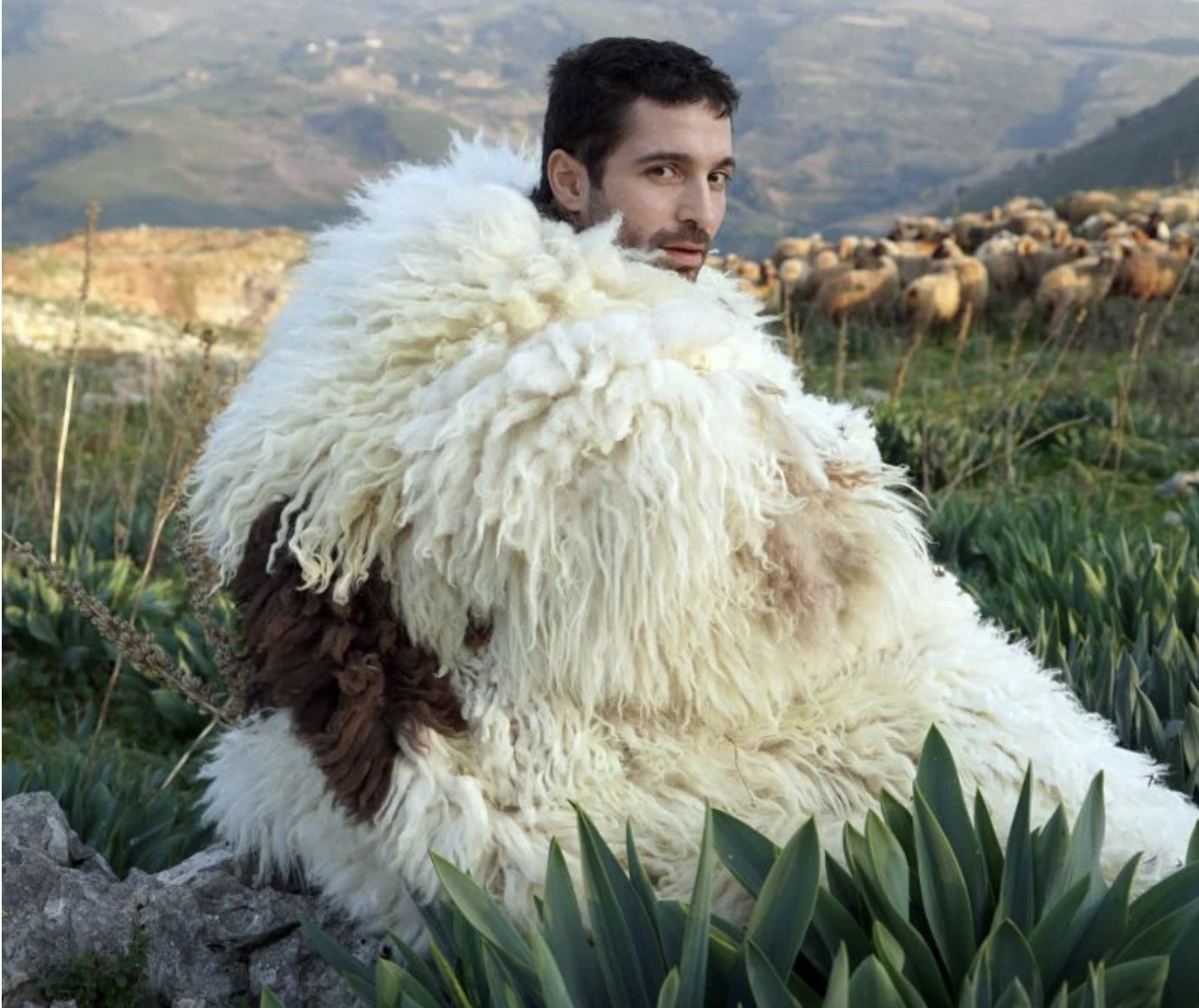
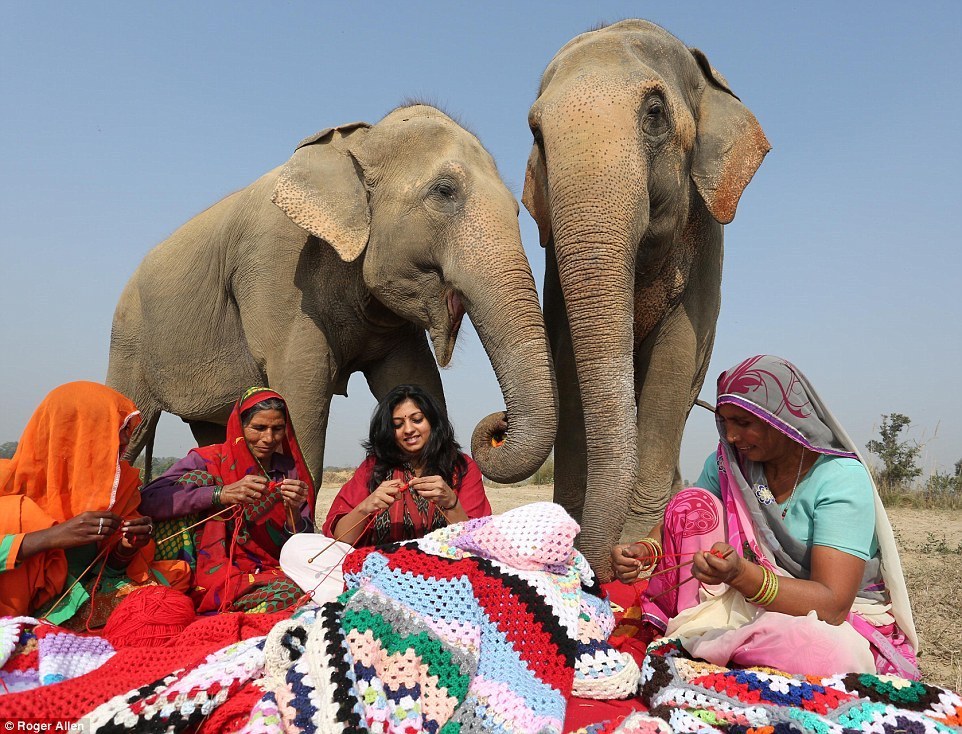




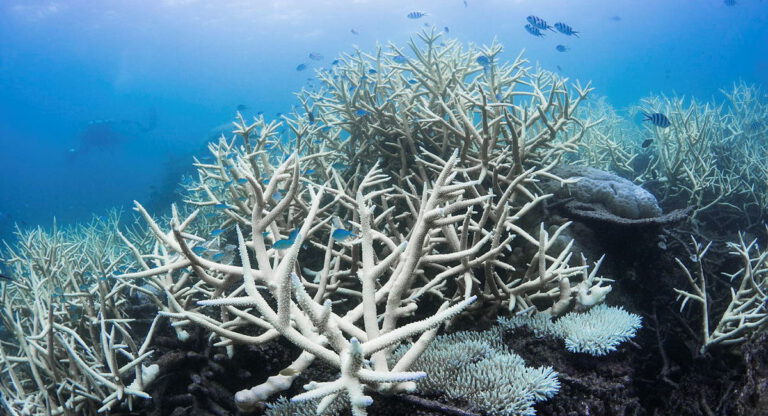


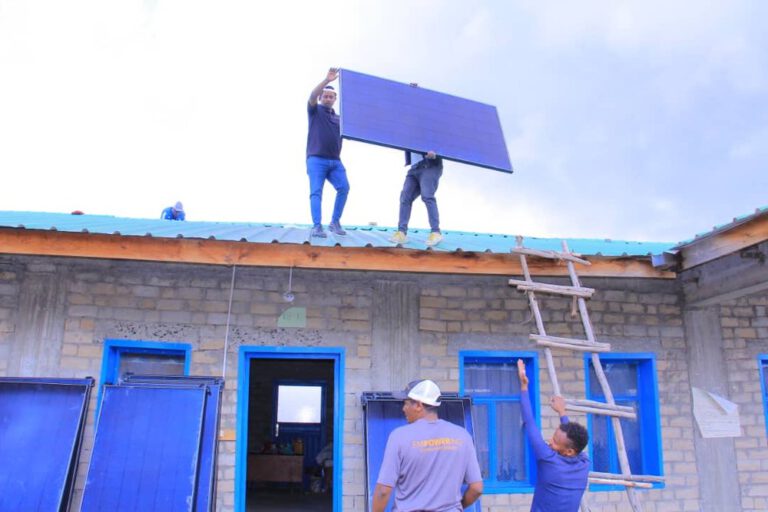


















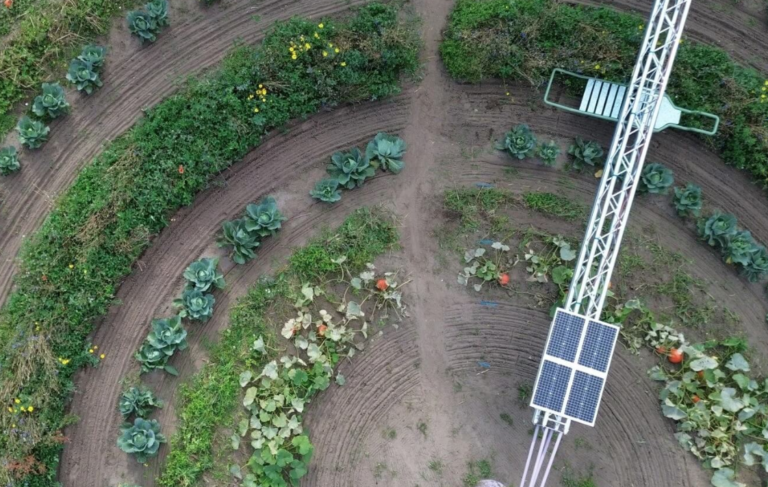


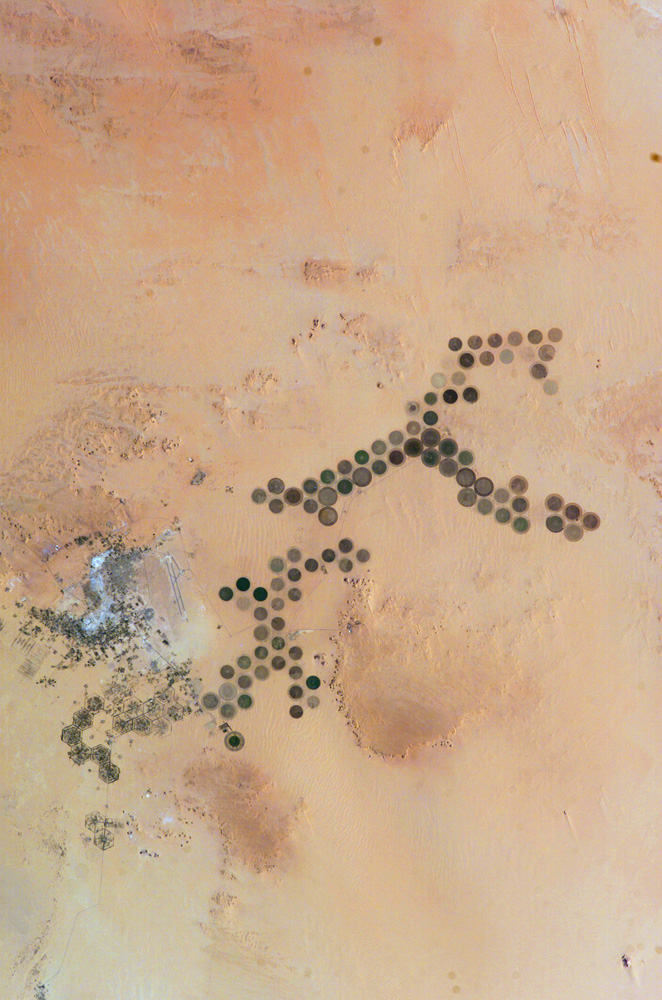


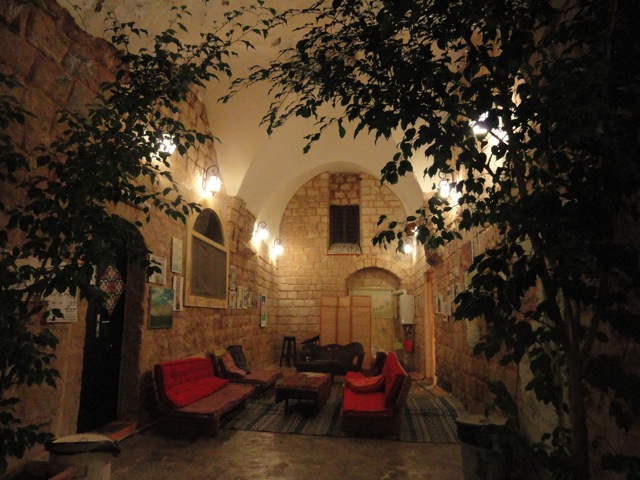
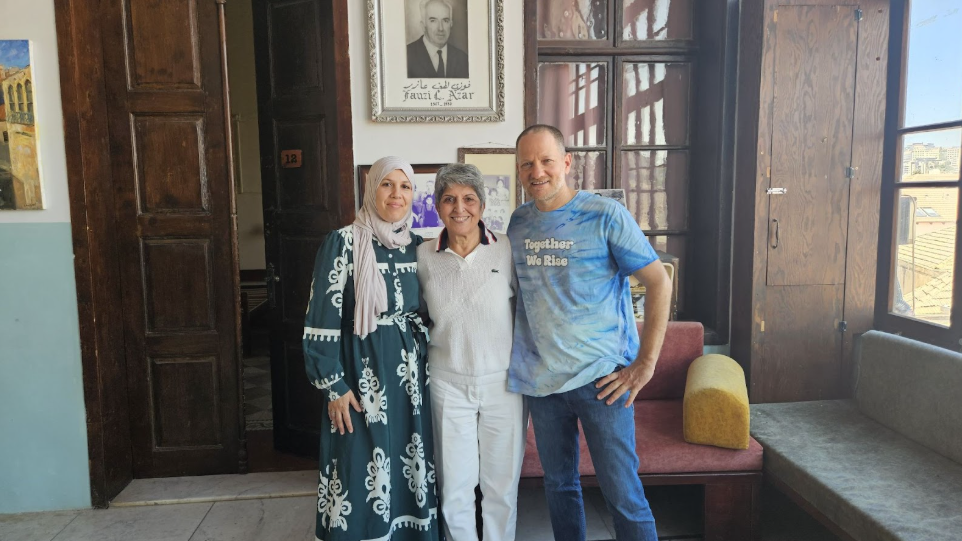

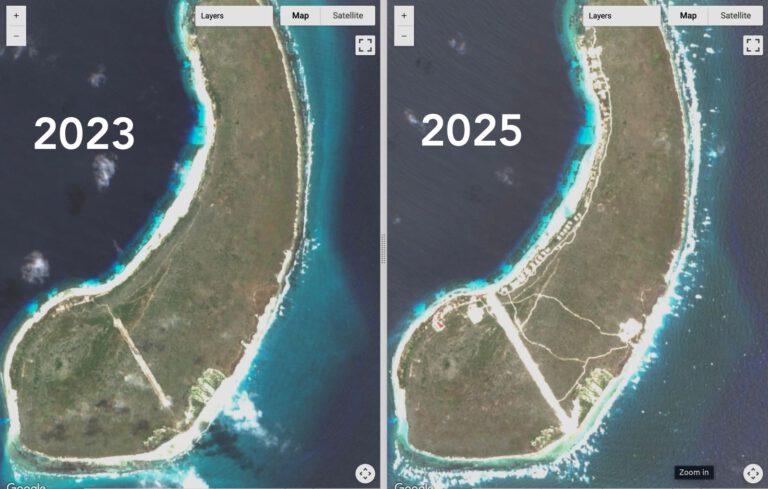

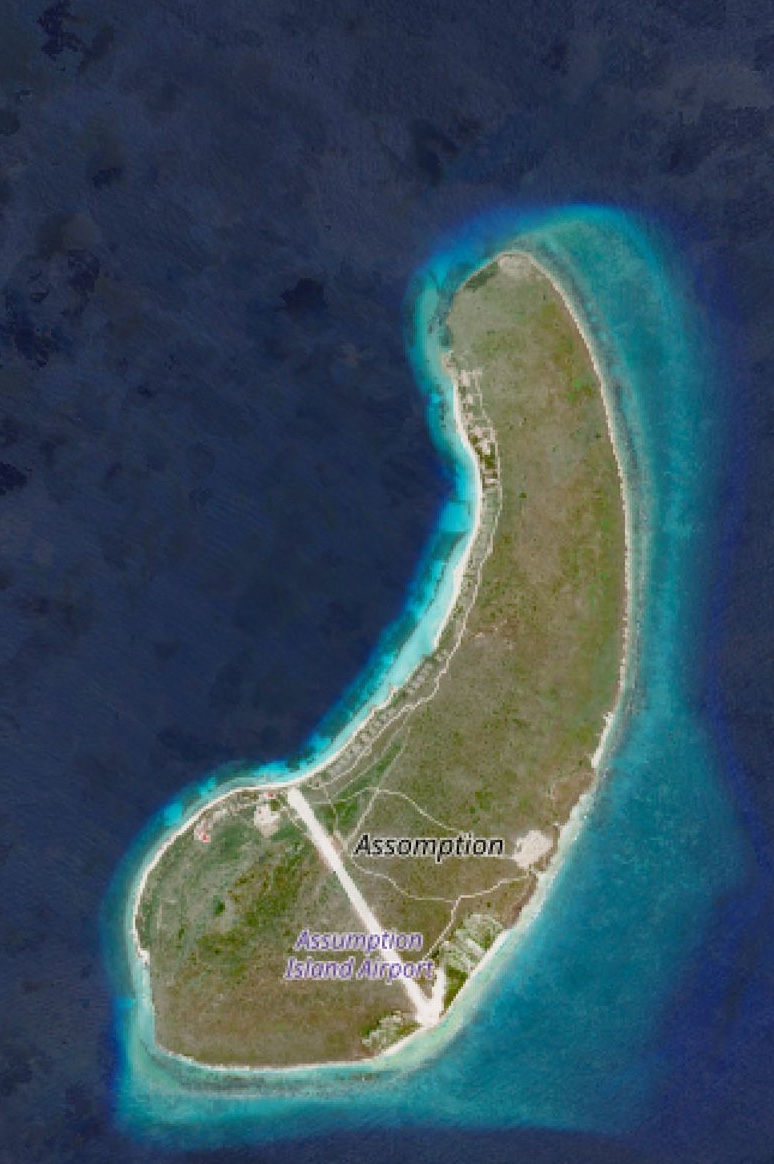
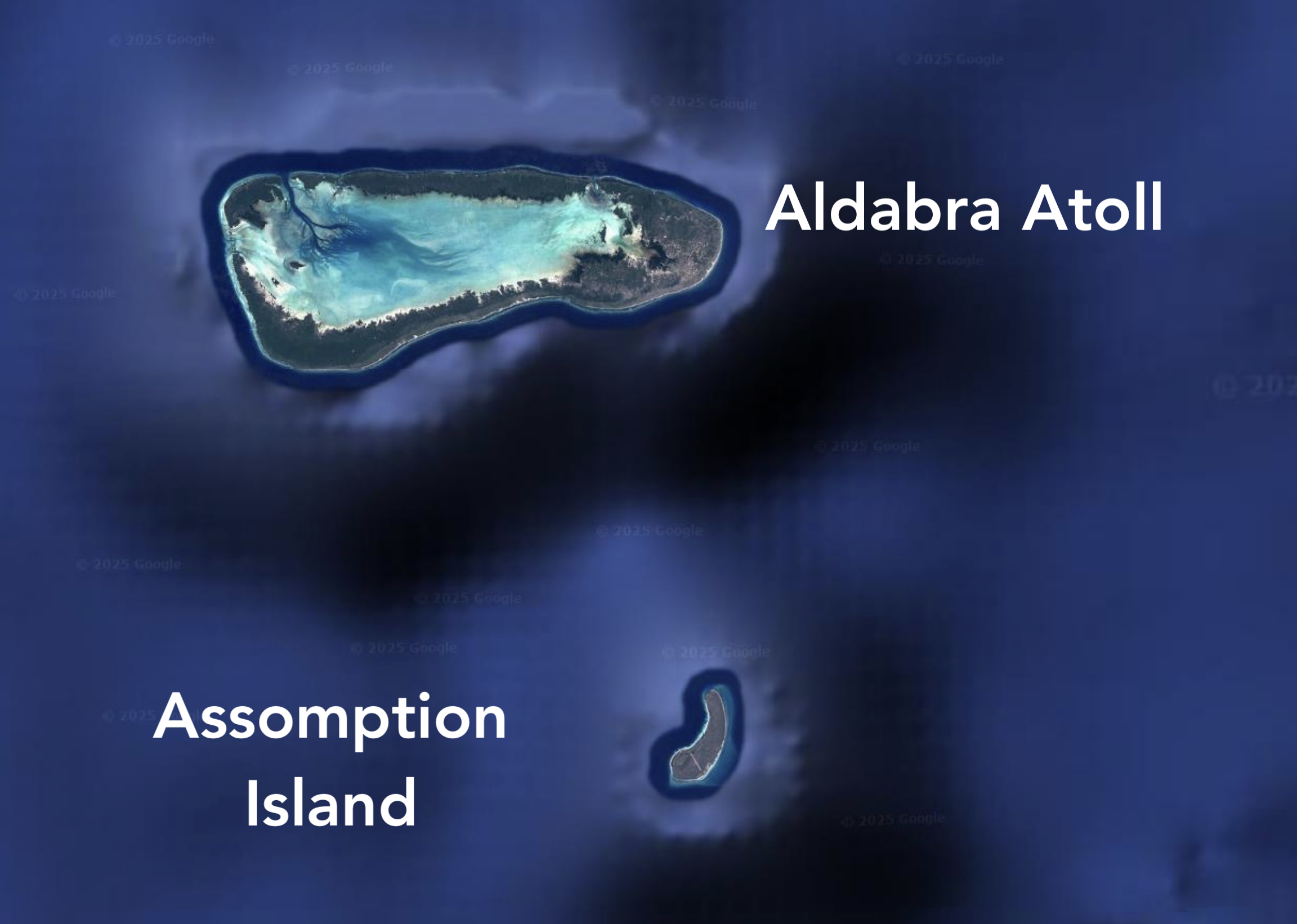
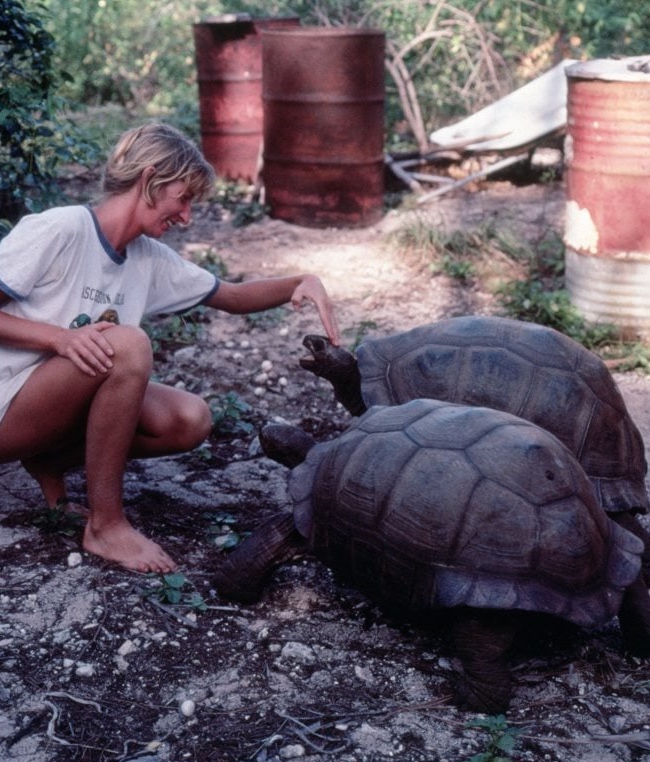
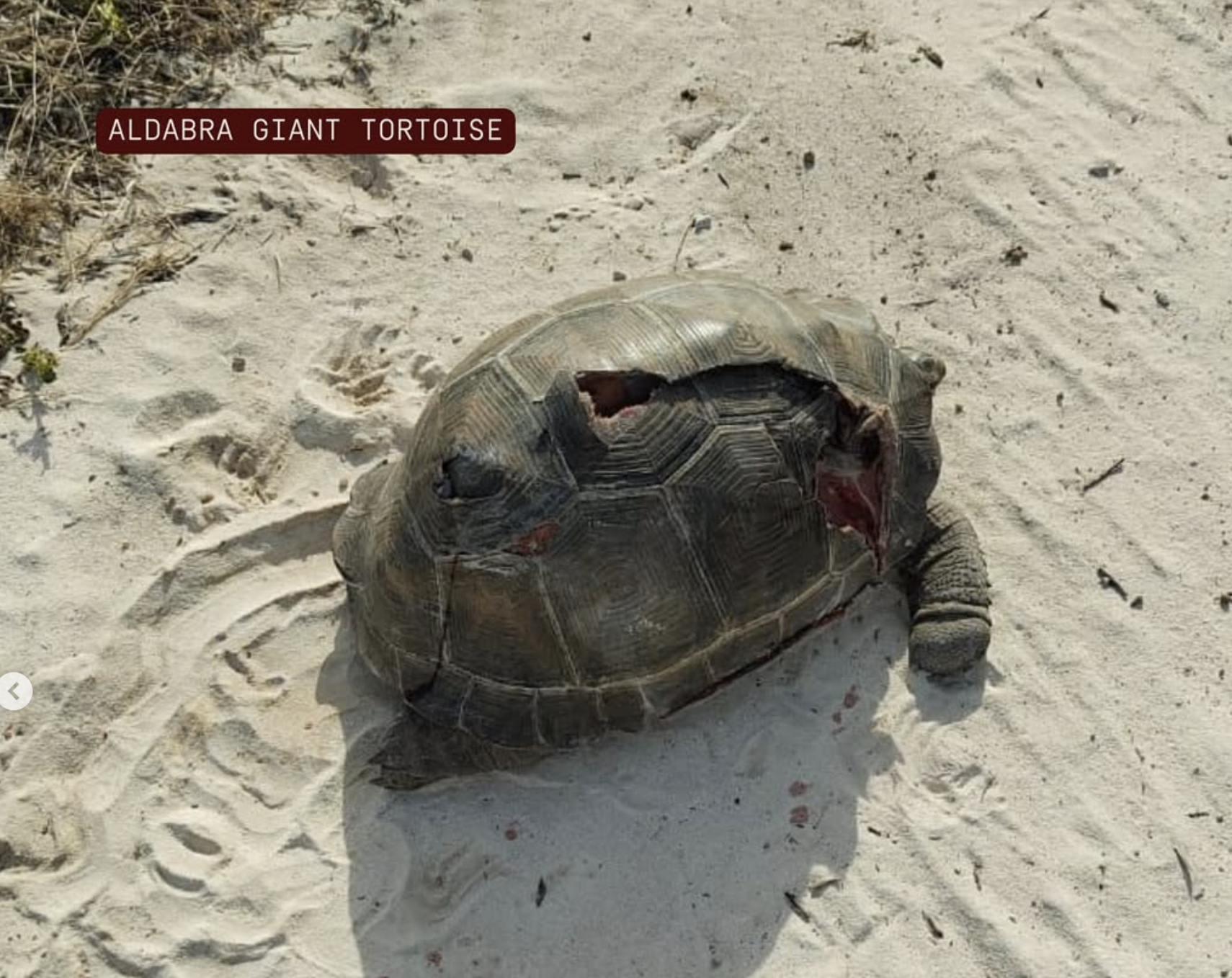





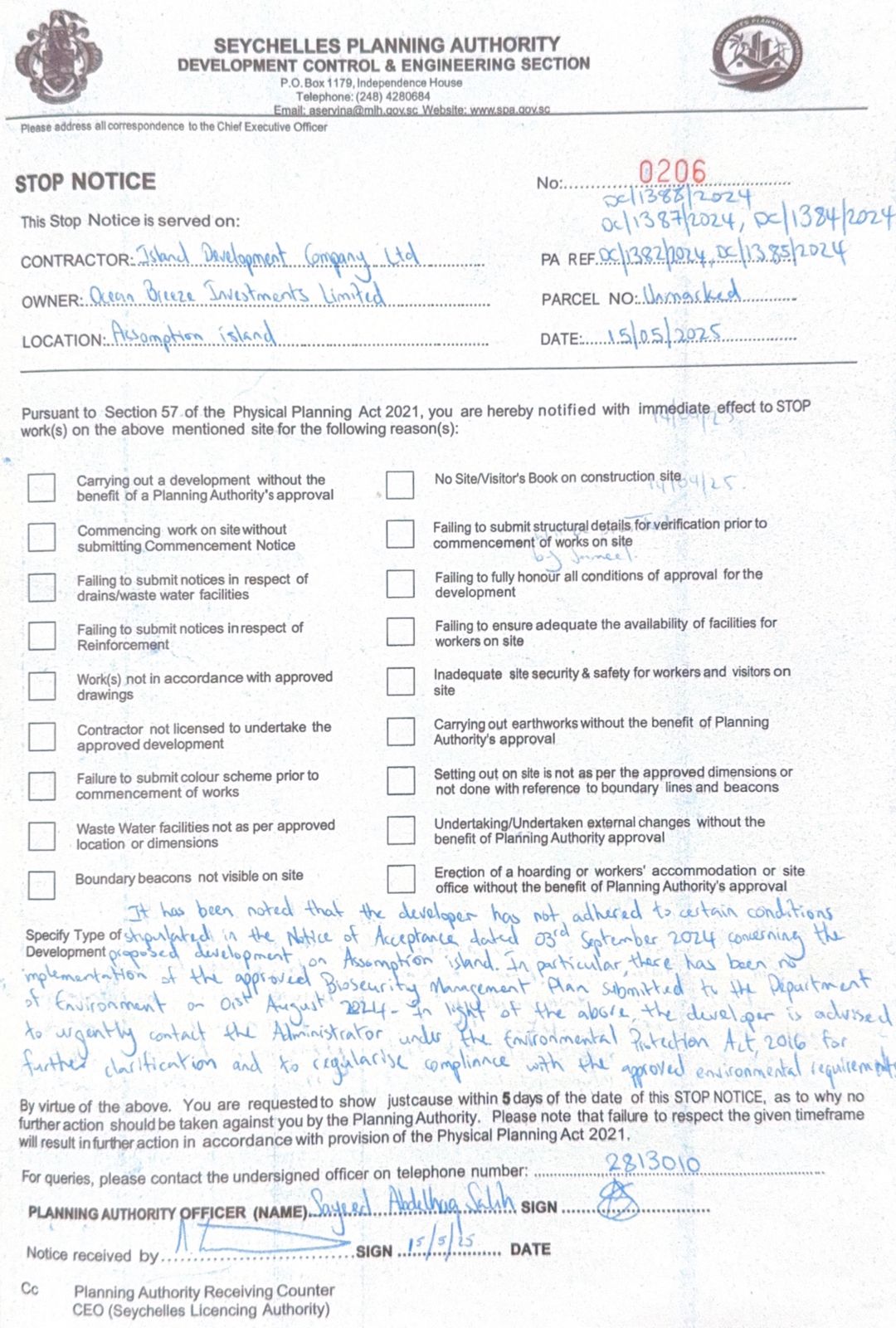


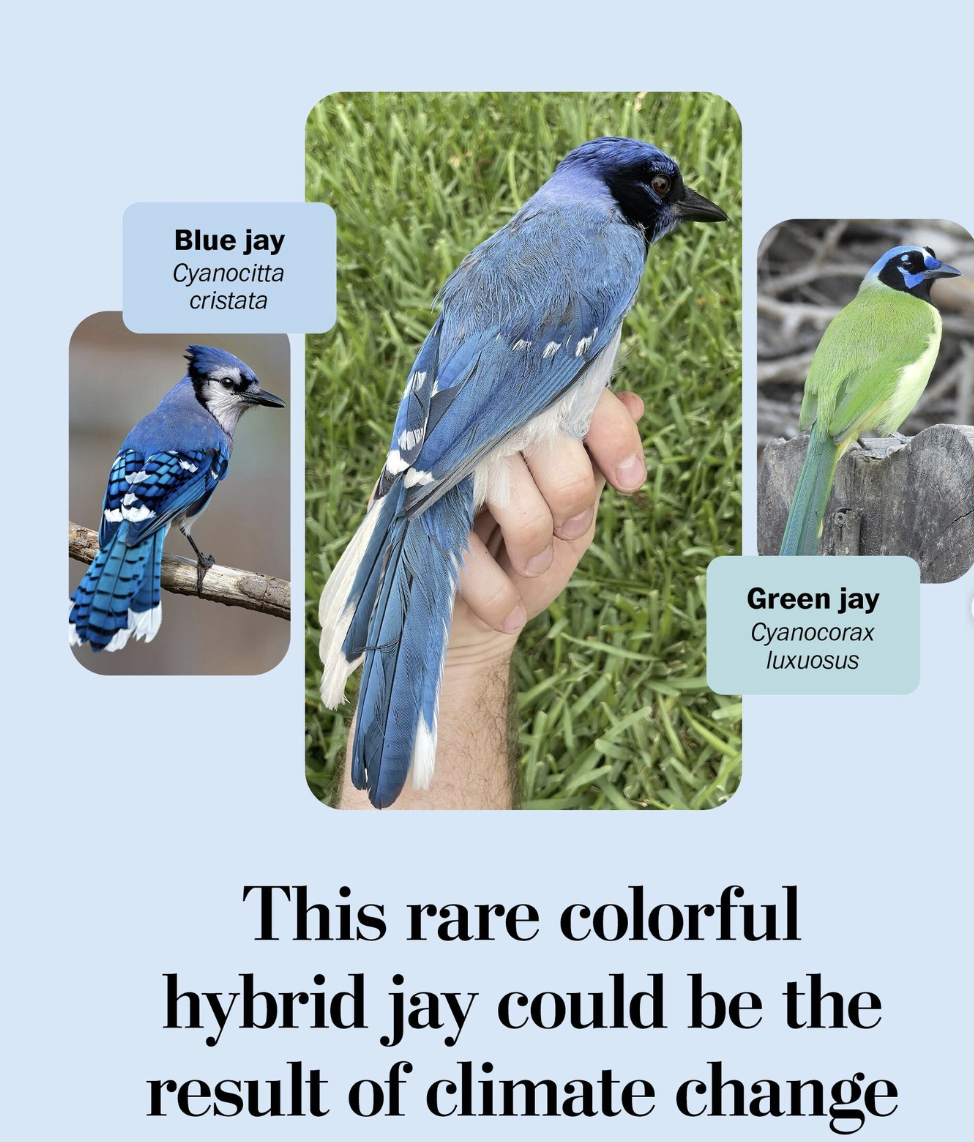
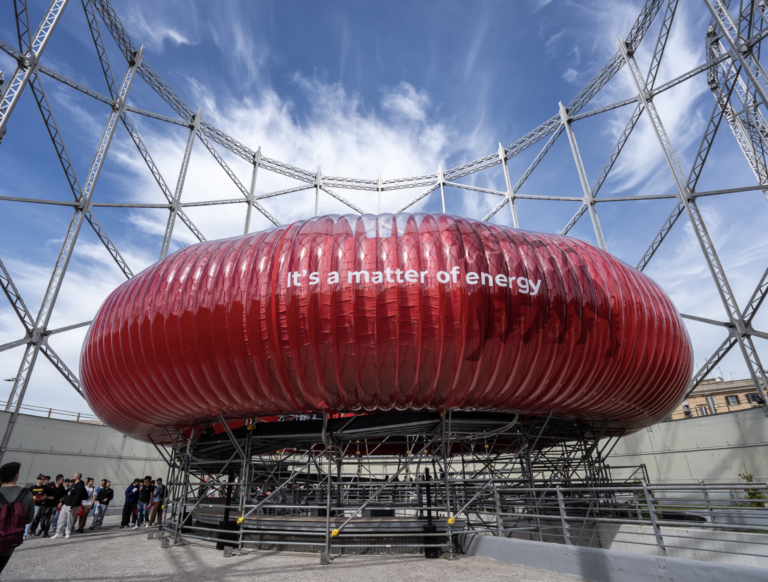














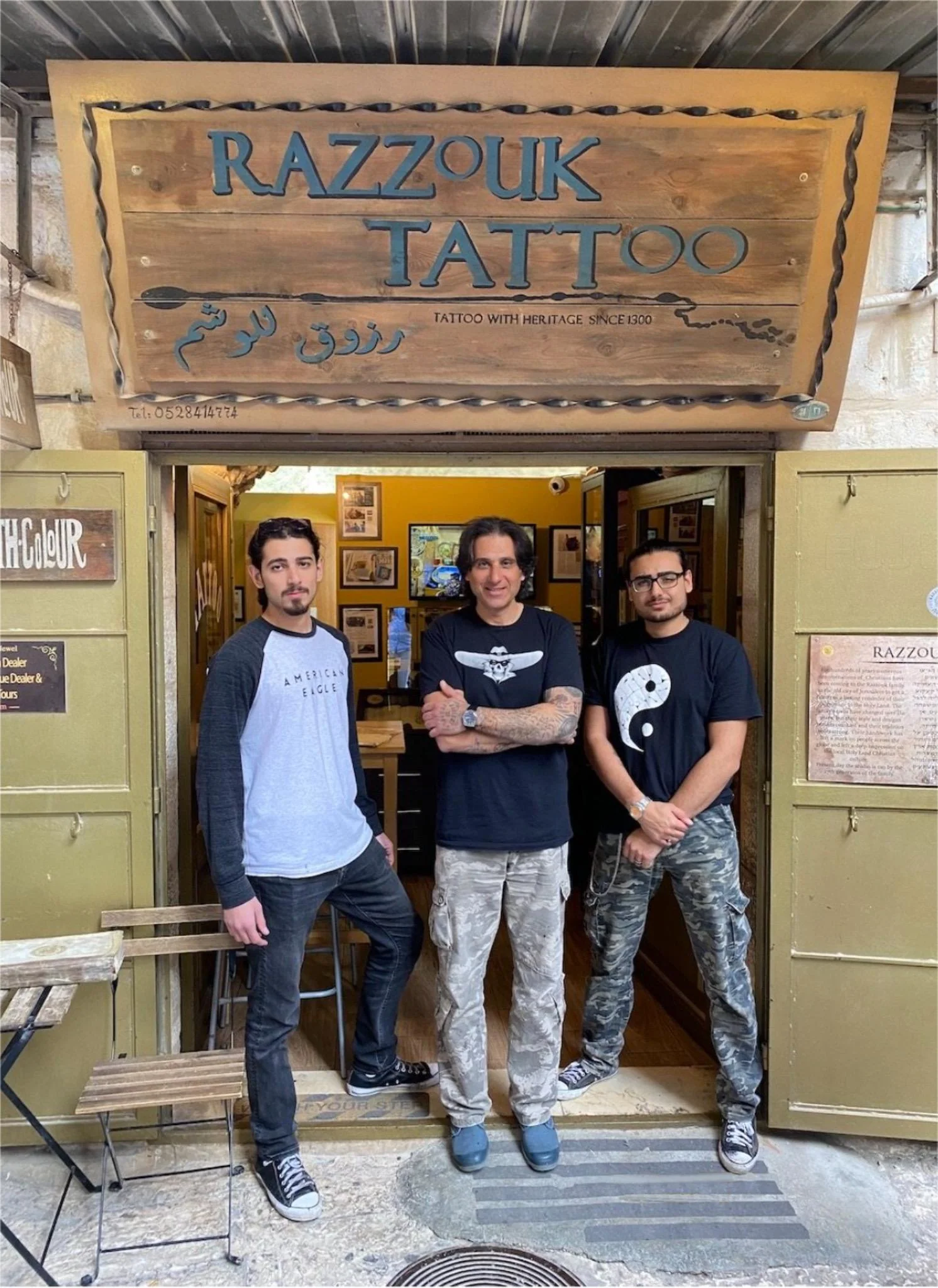
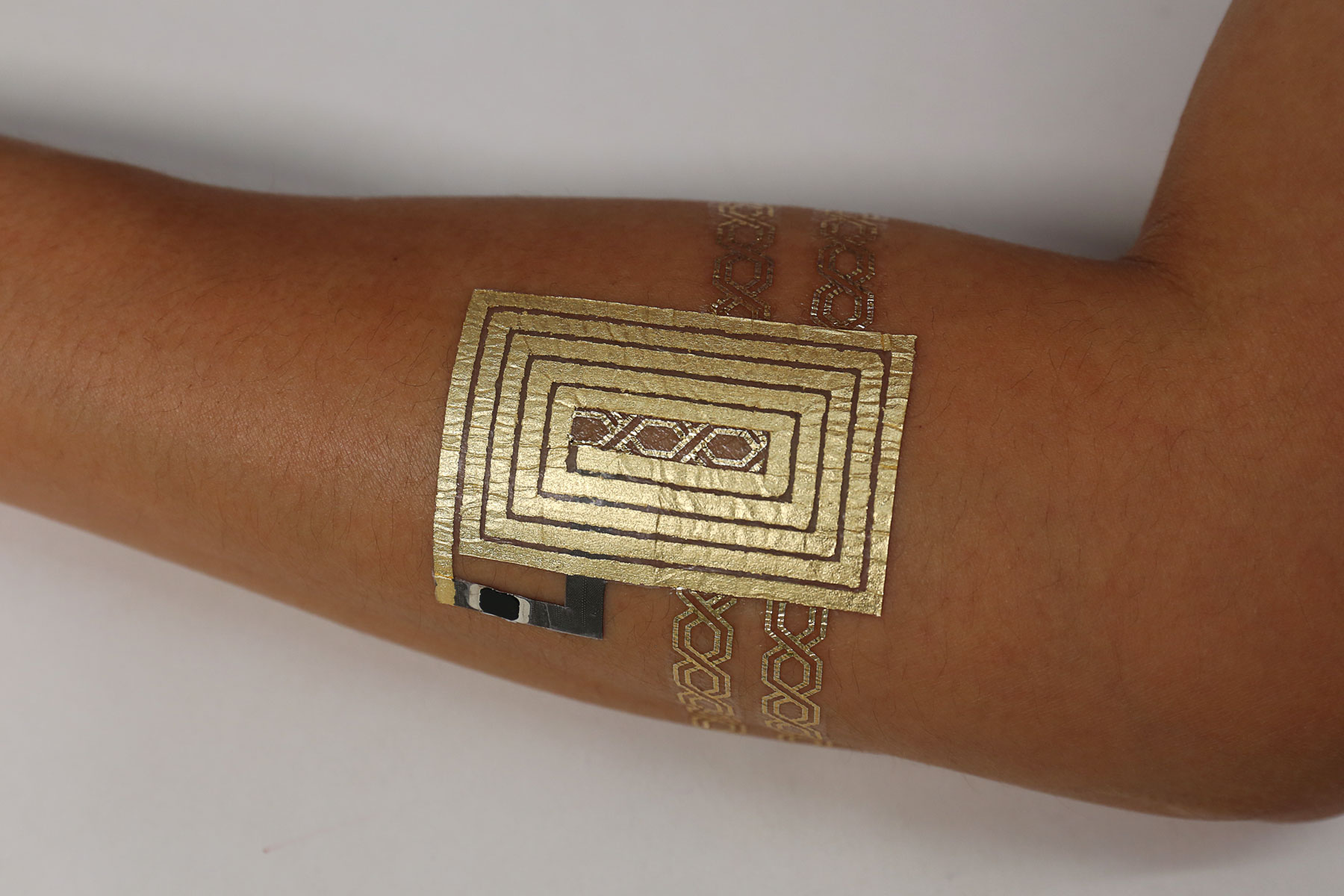


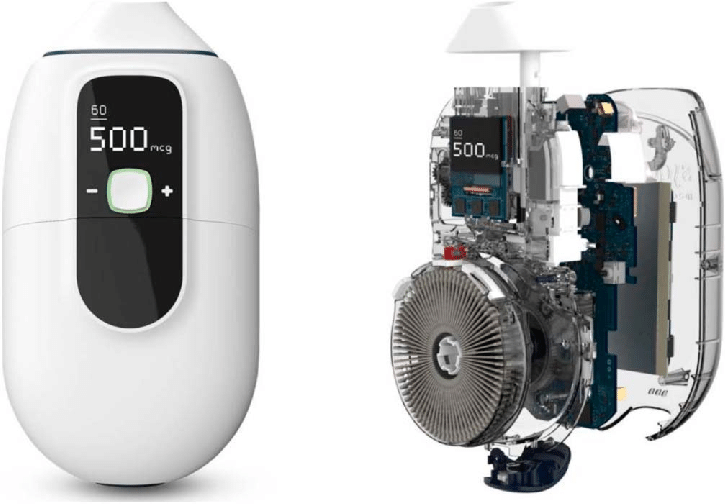










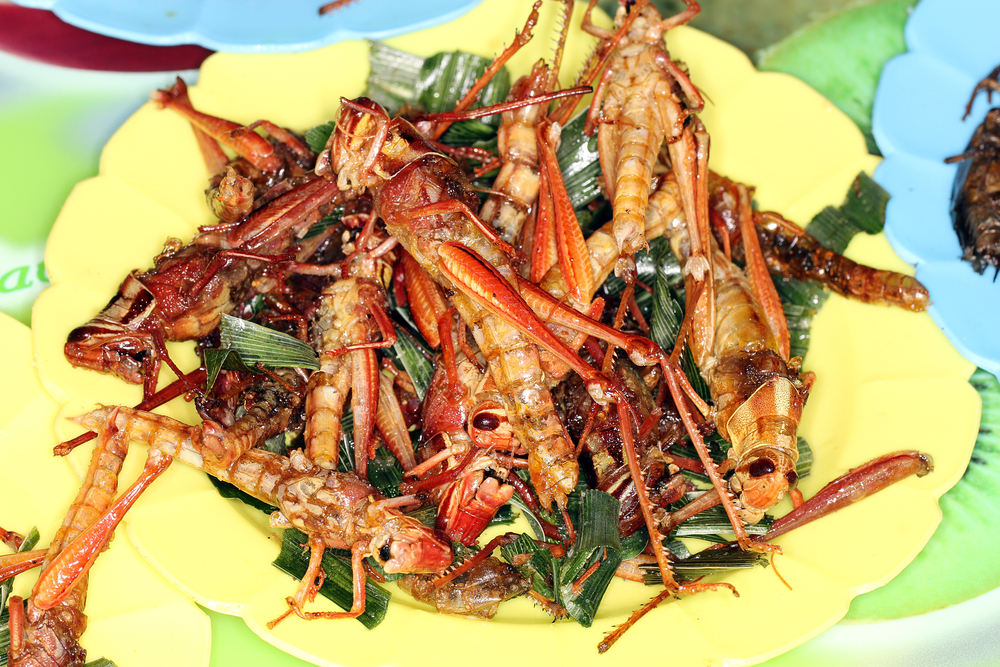
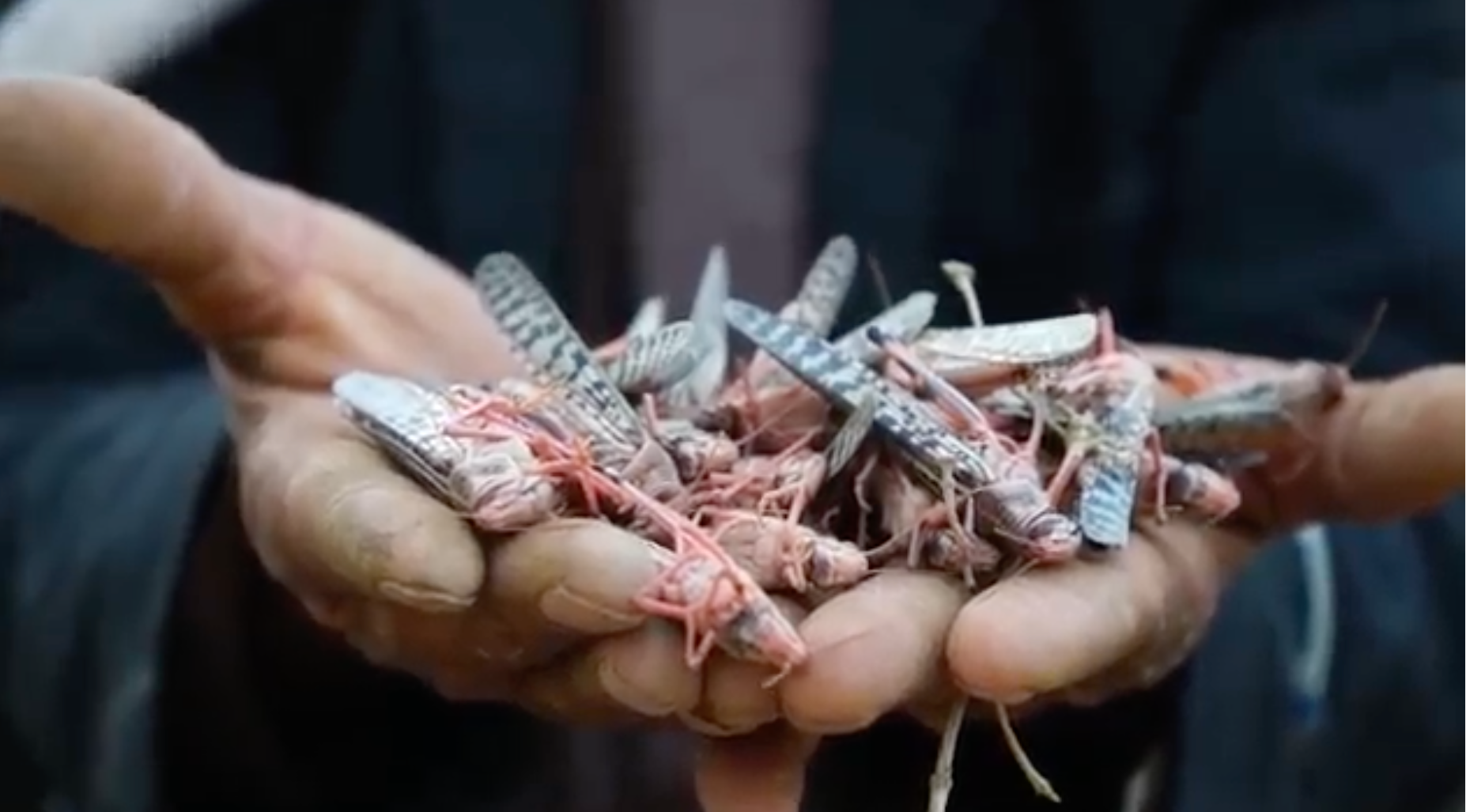





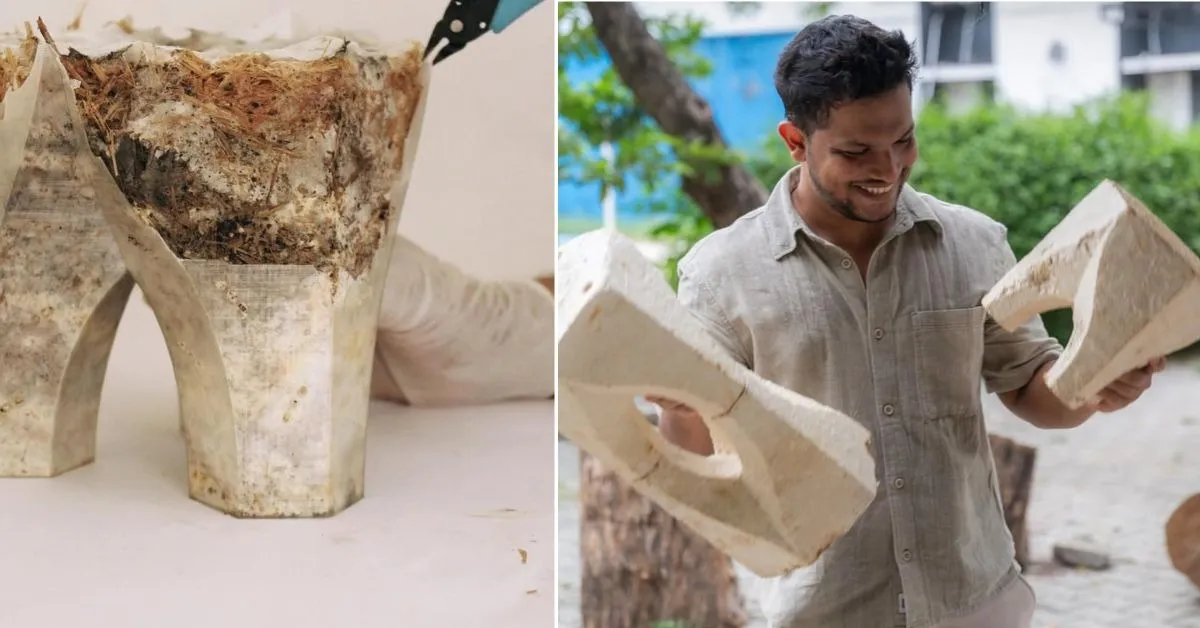




 e
e 









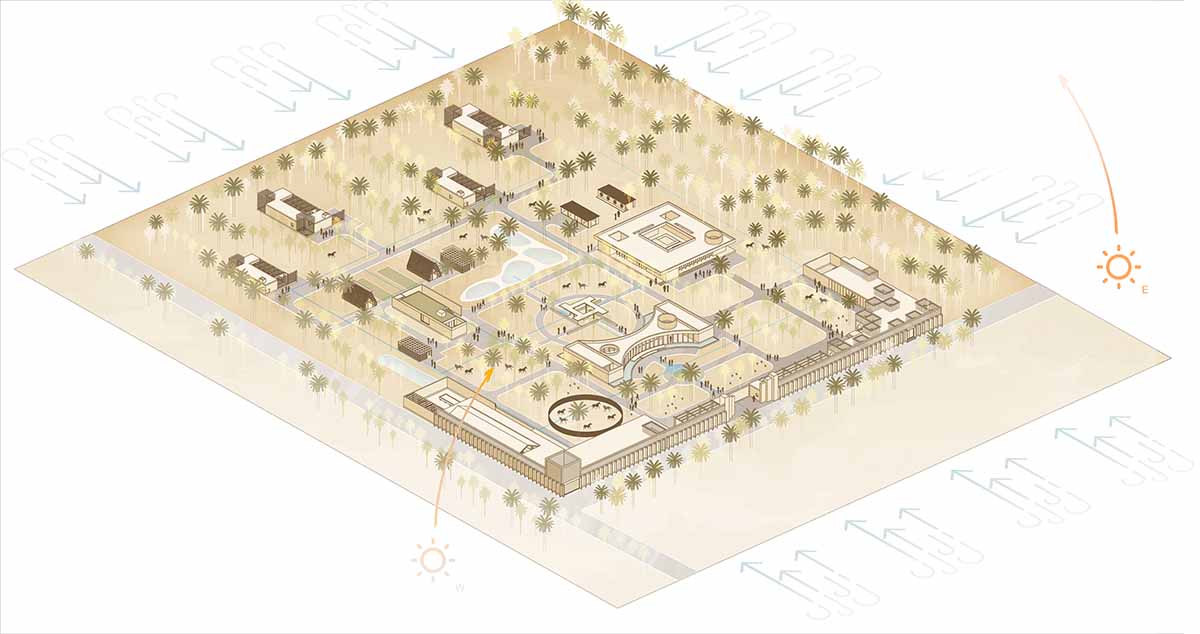
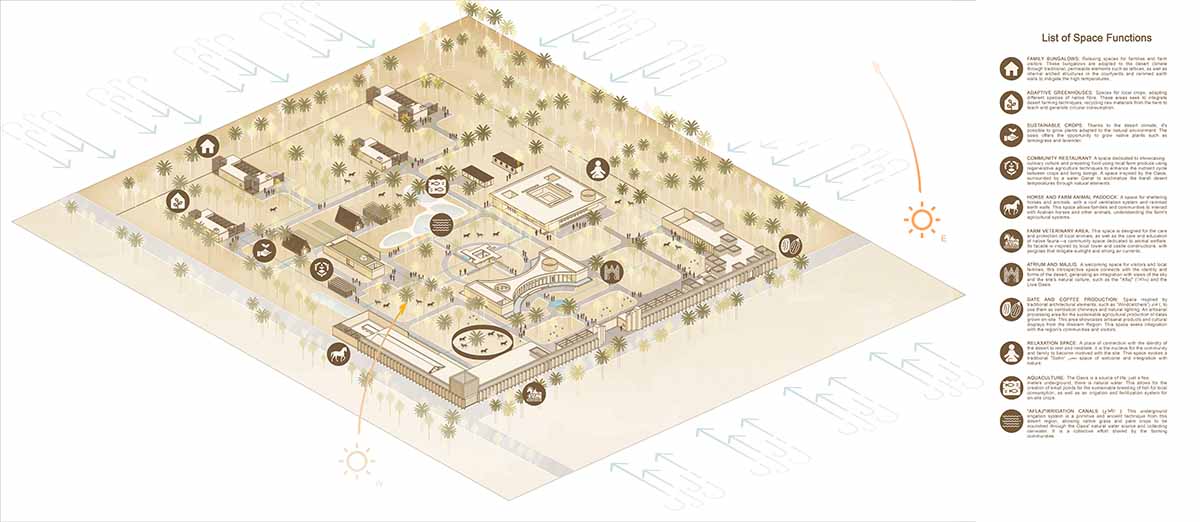



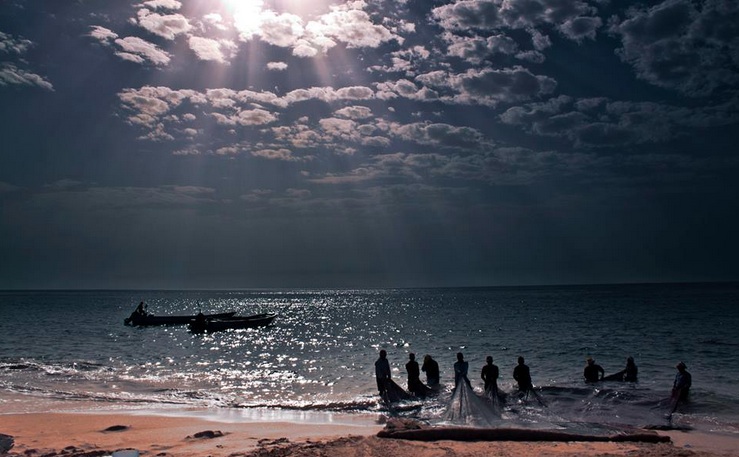












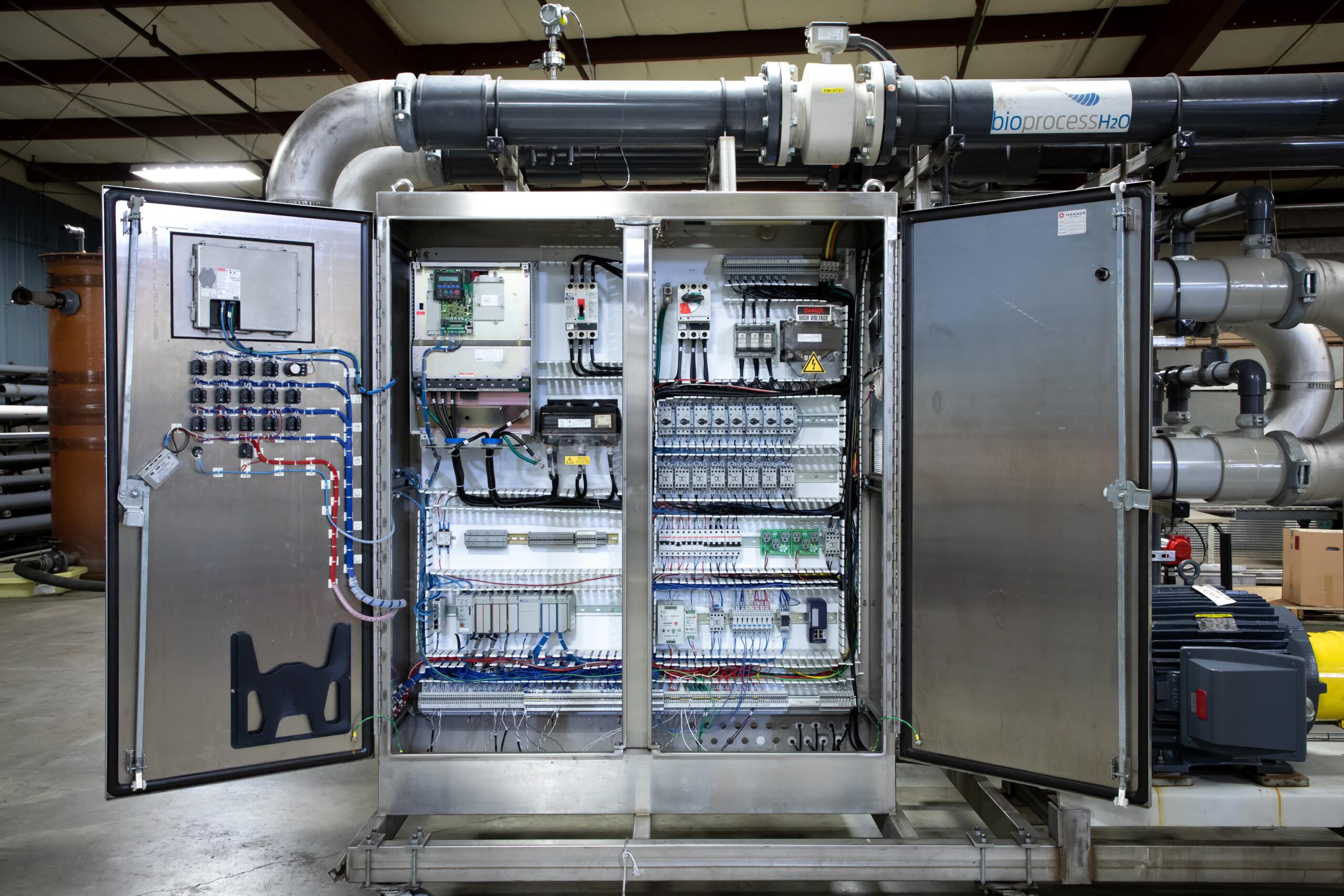


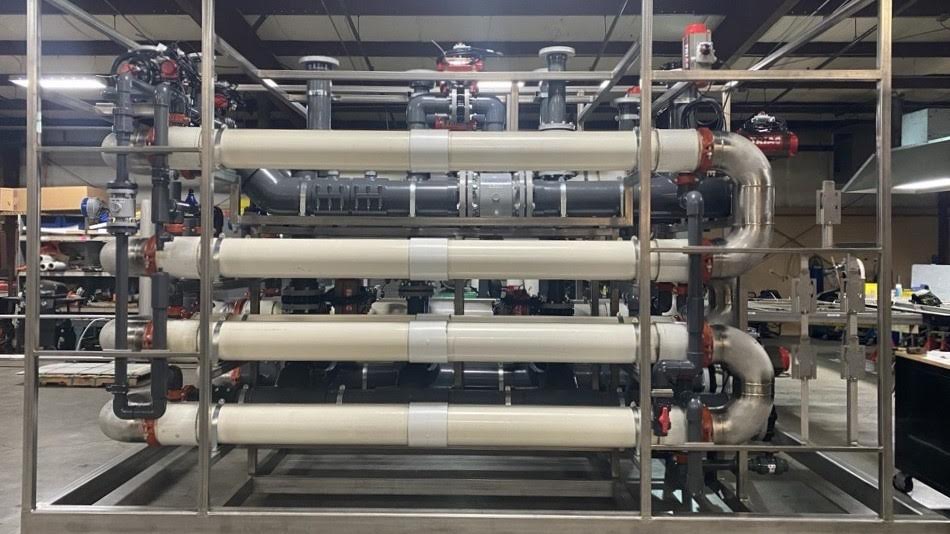
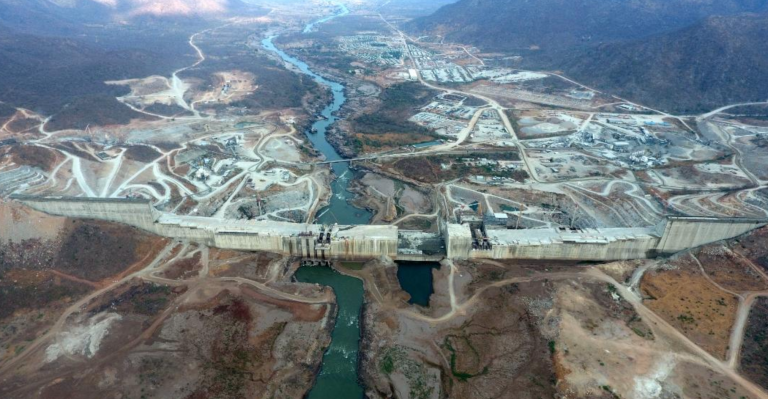


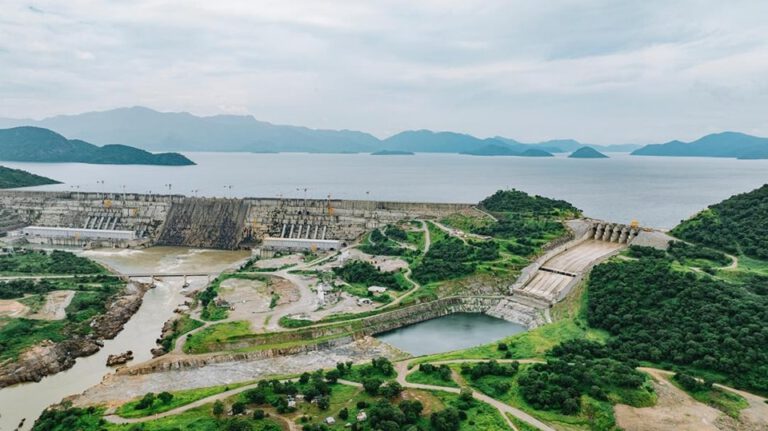
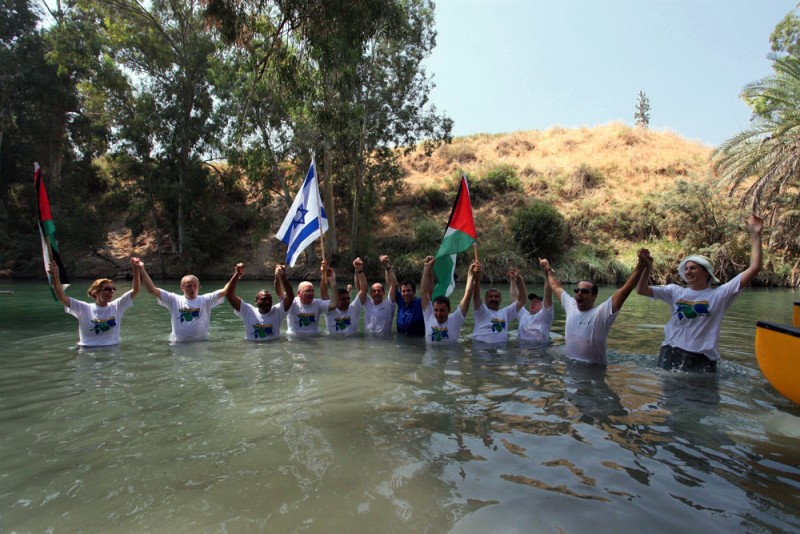
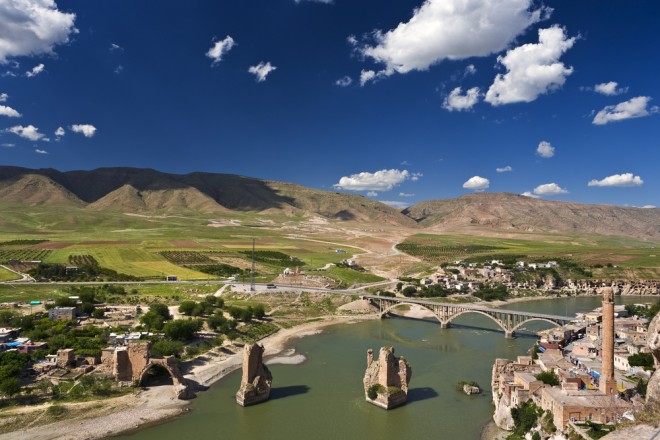



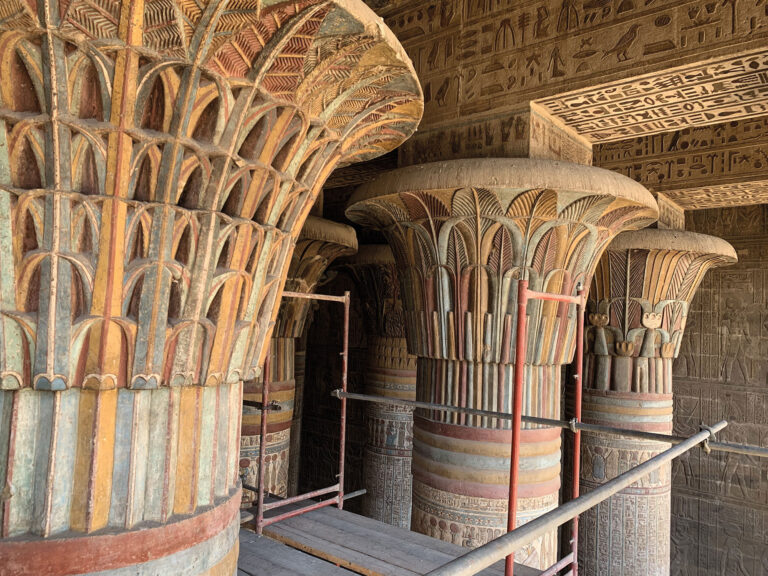

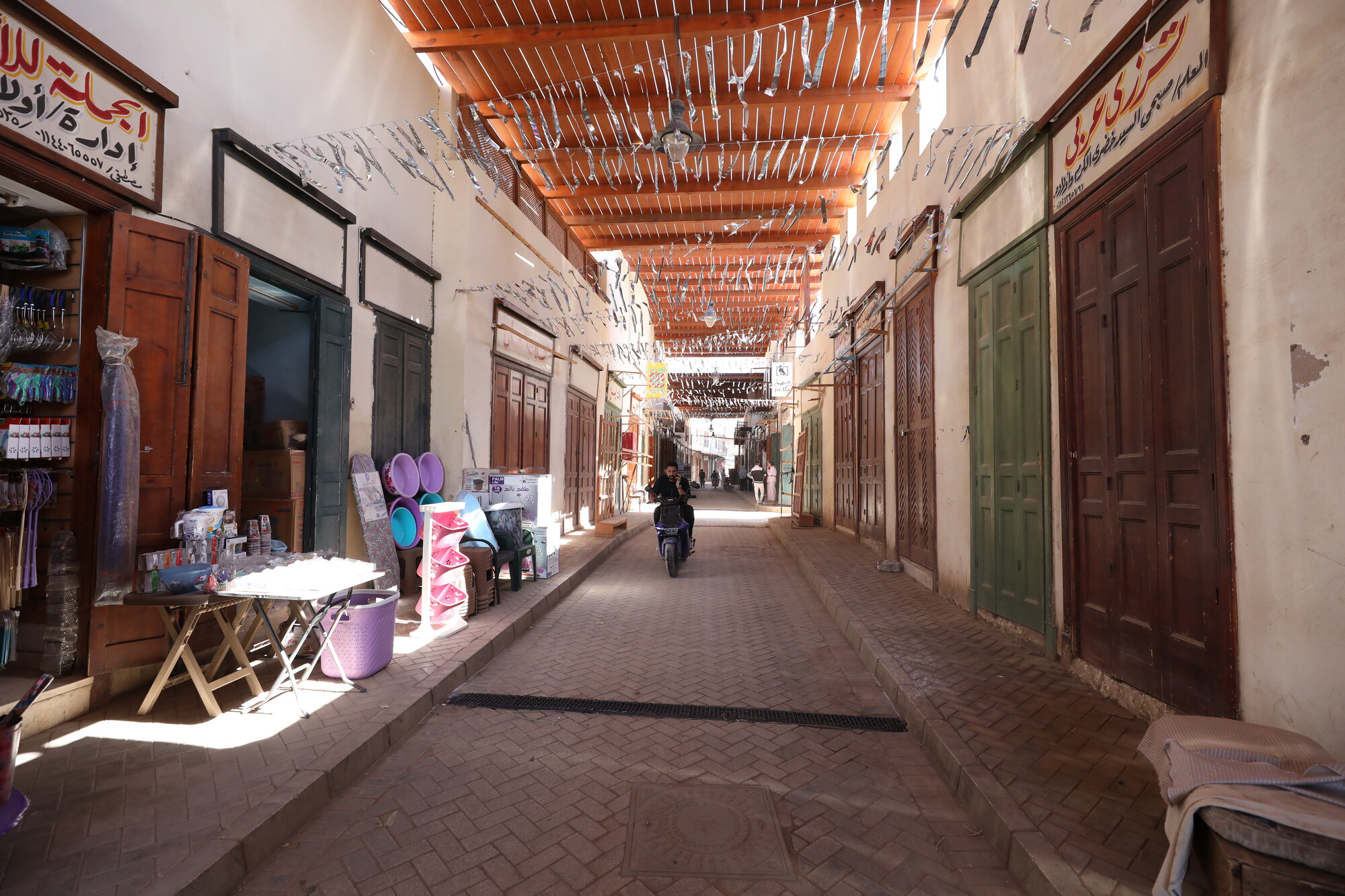
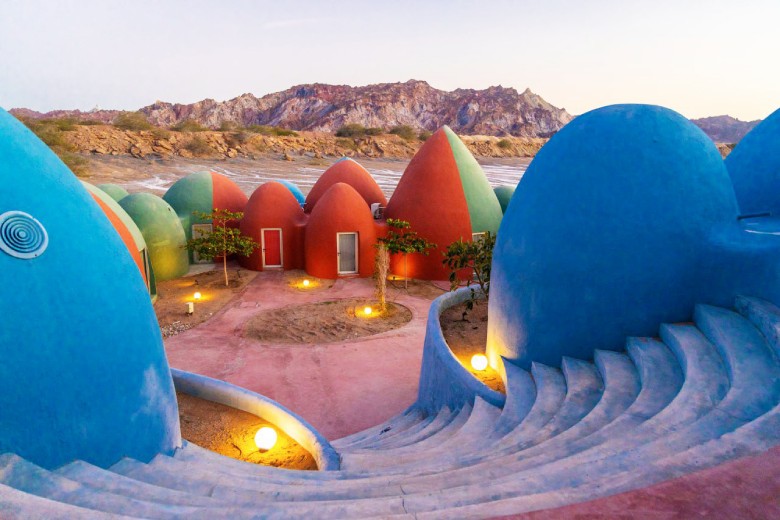

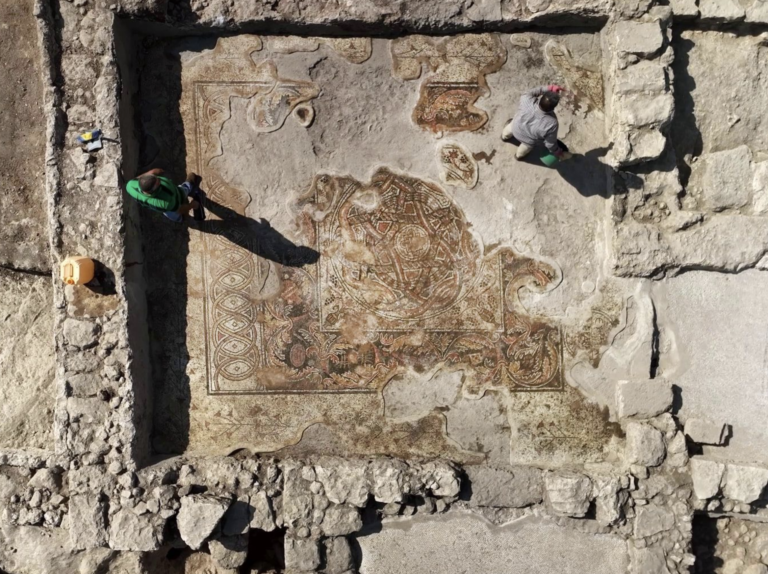
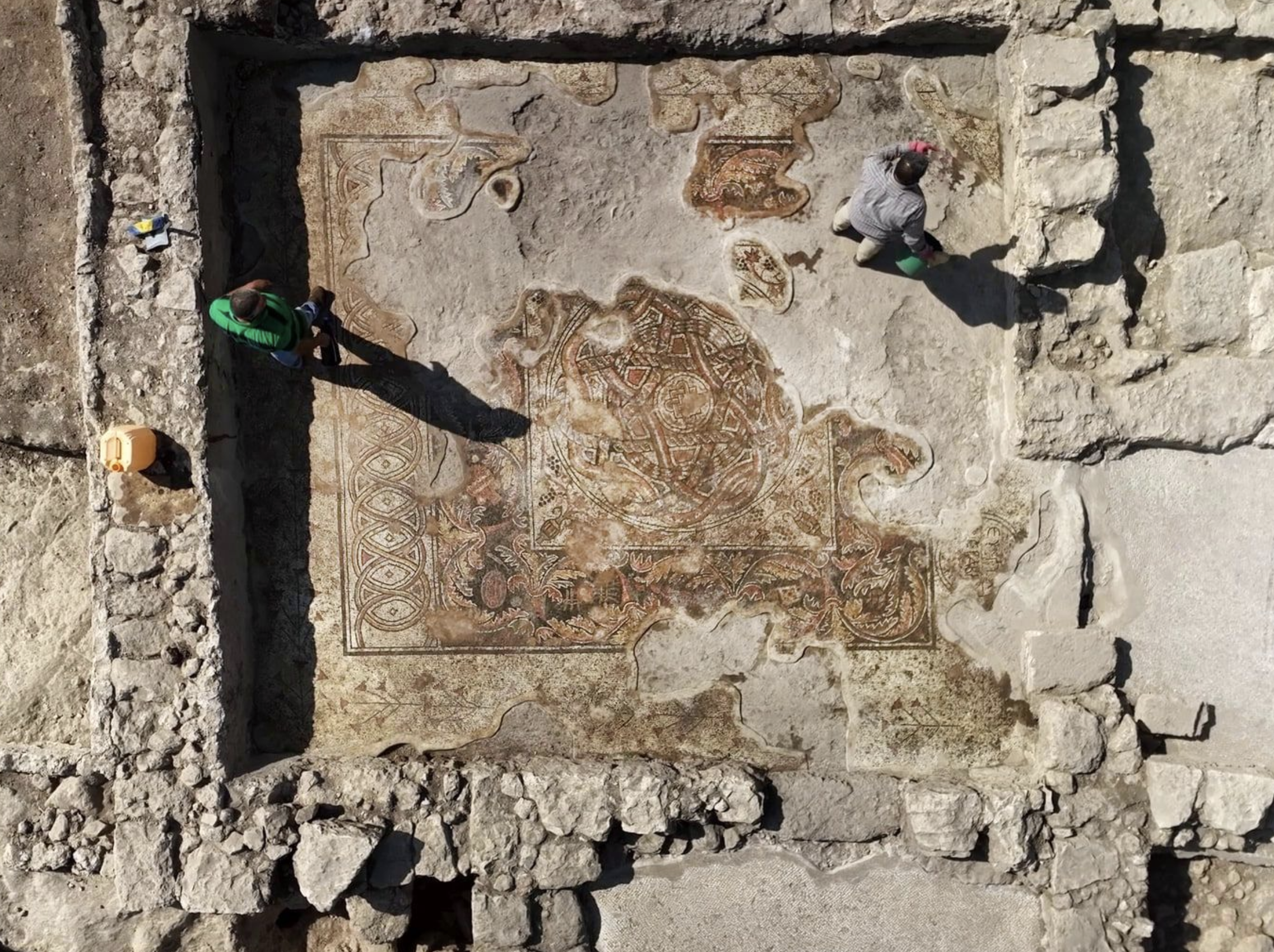

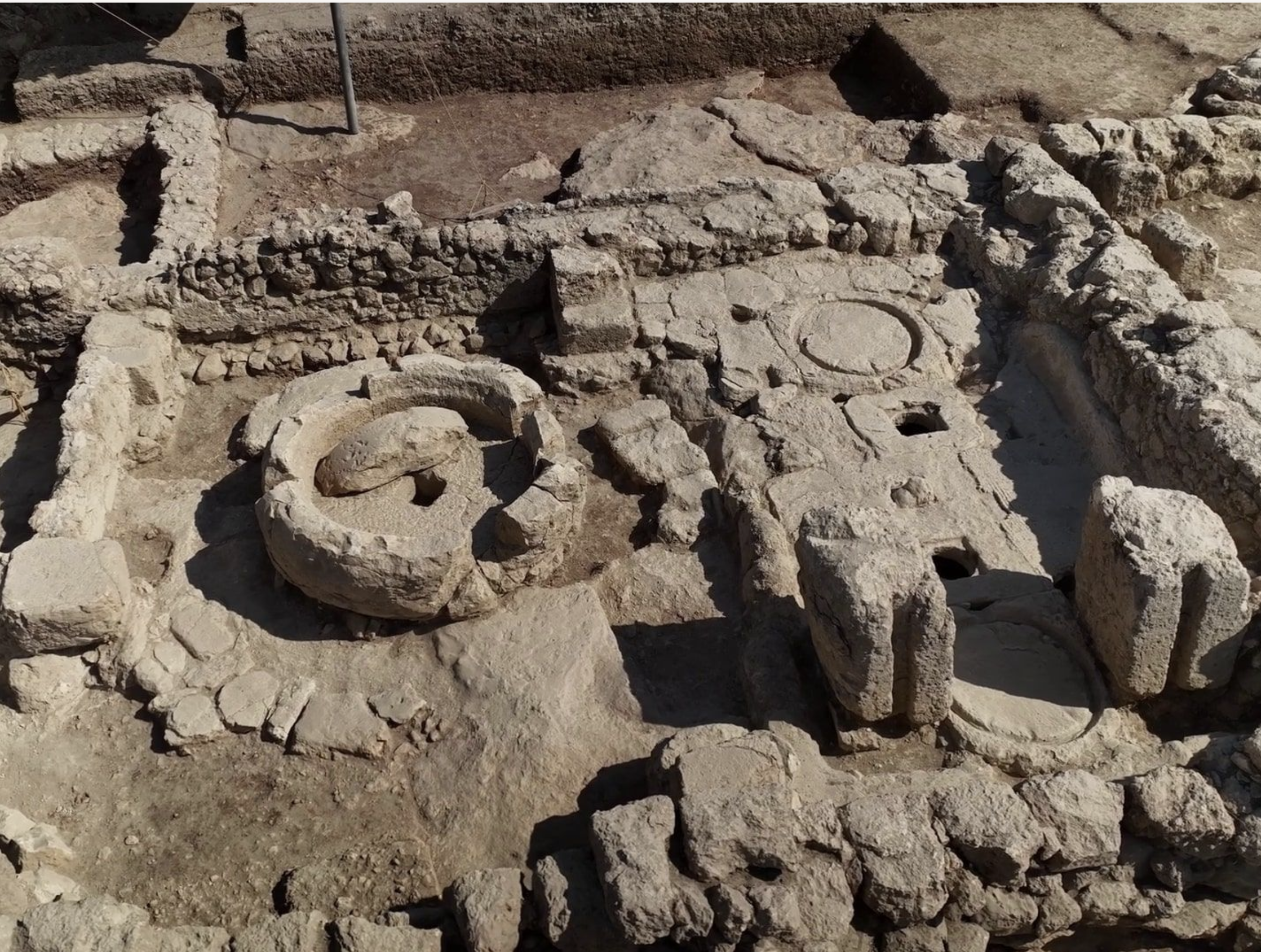






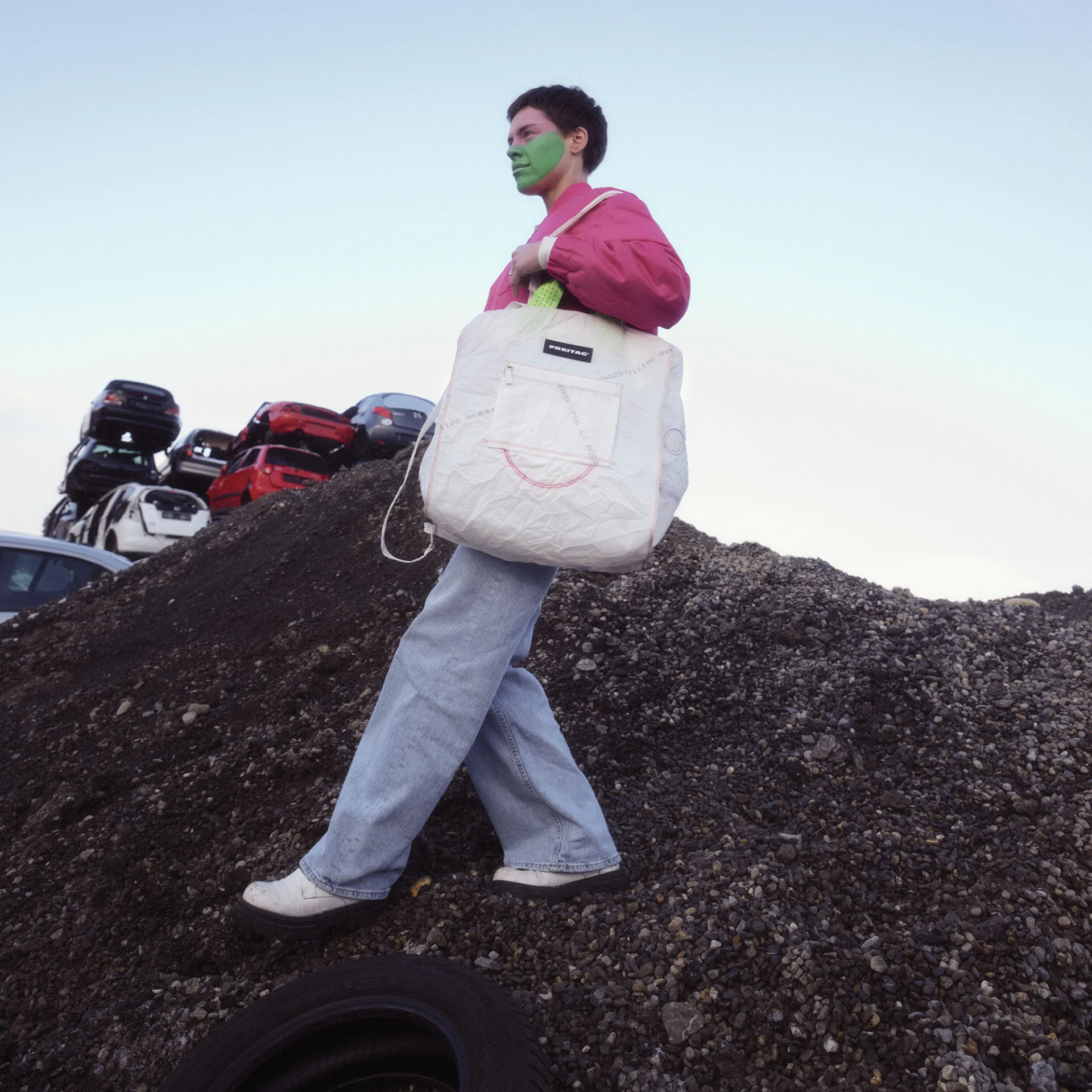

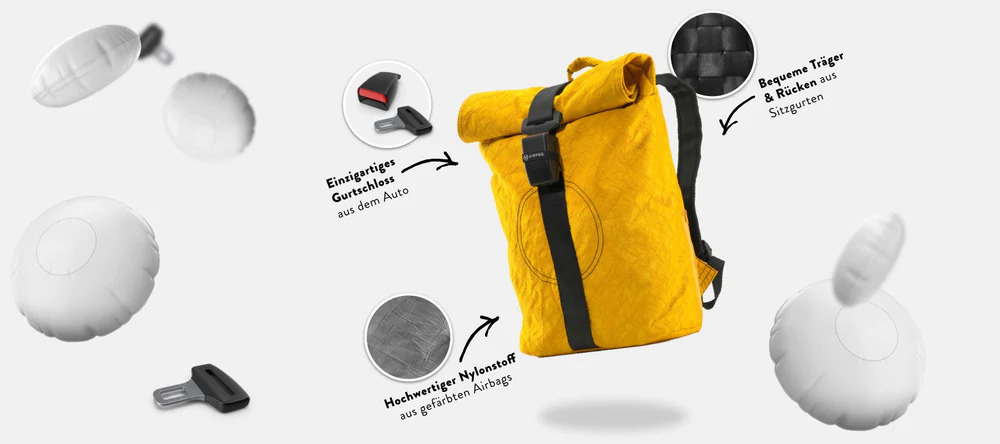





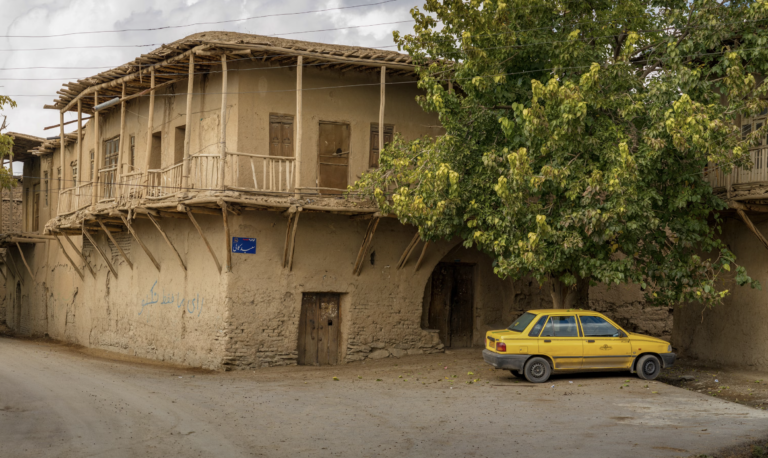
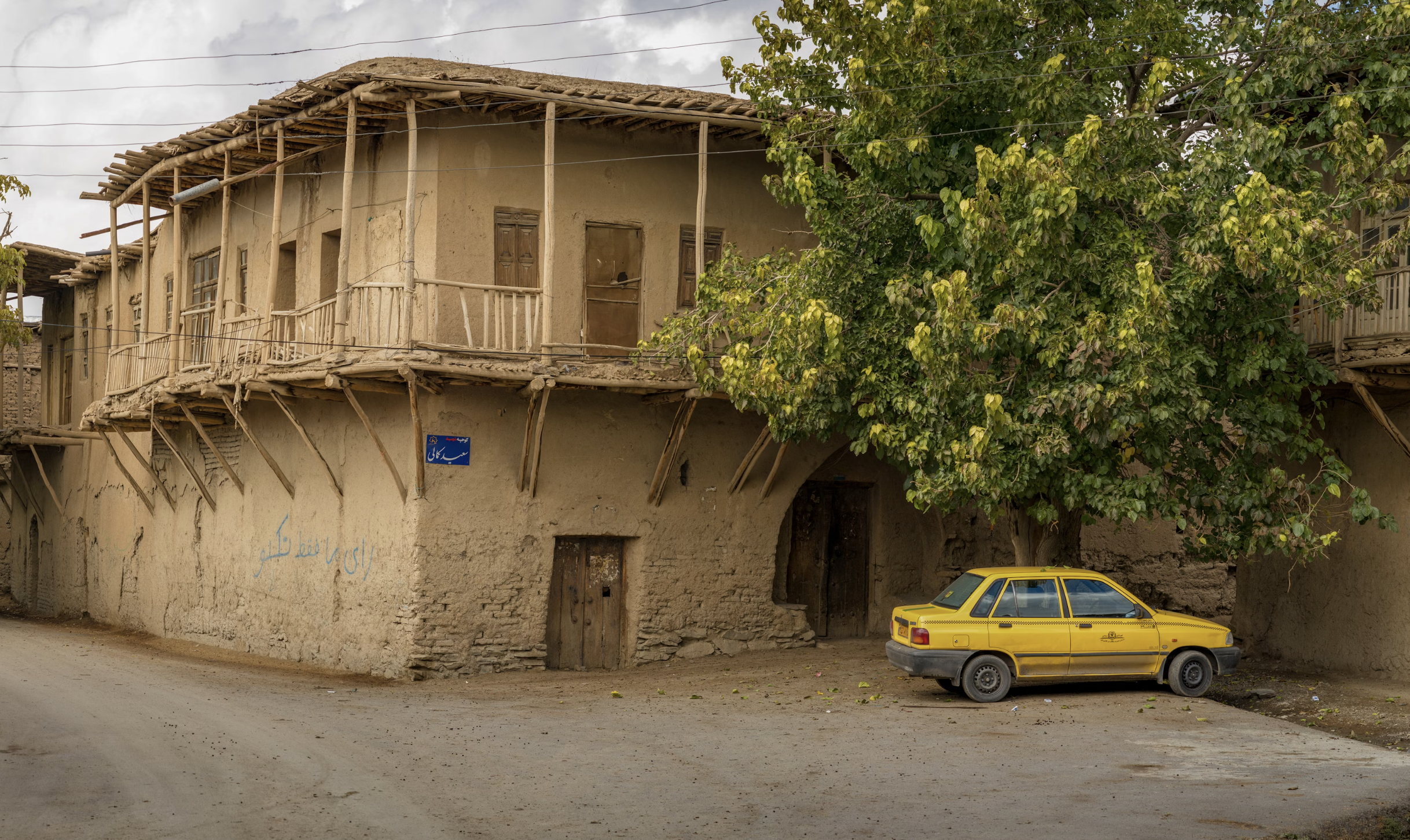









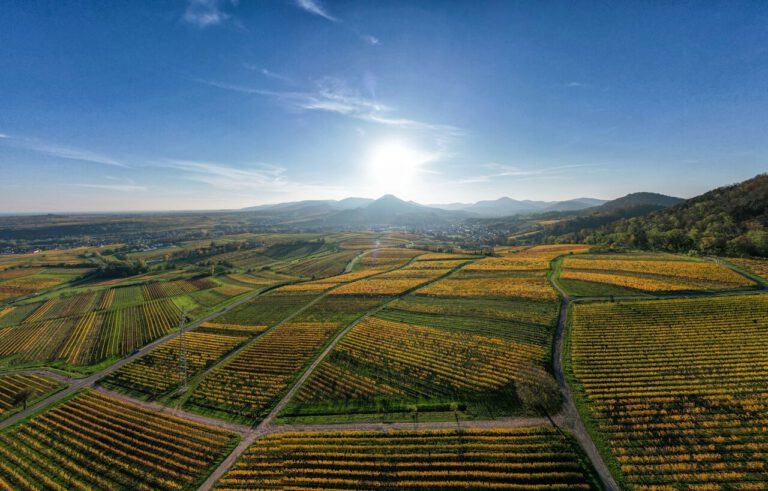

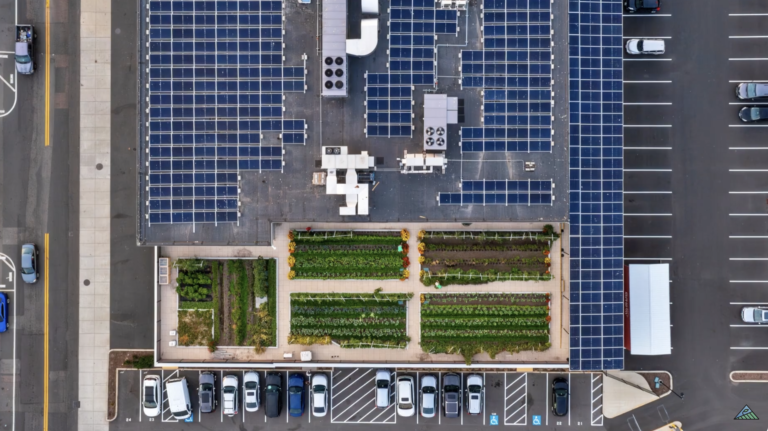

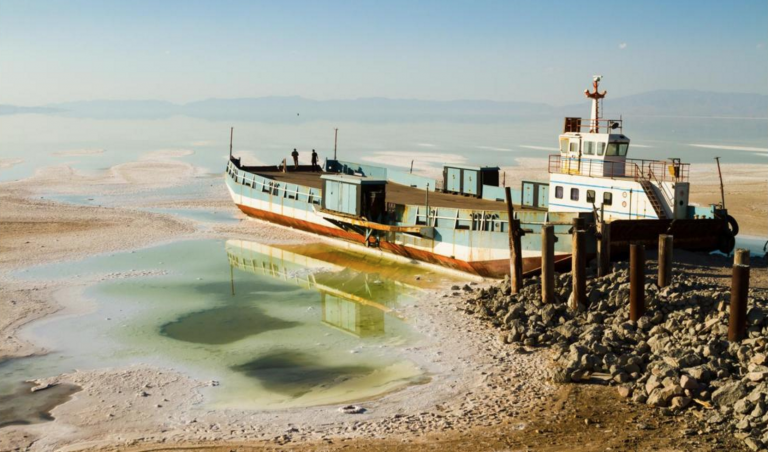





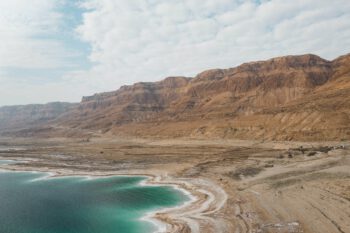
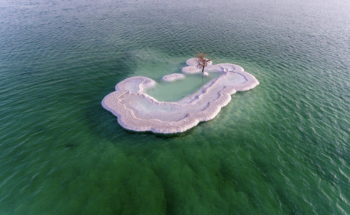
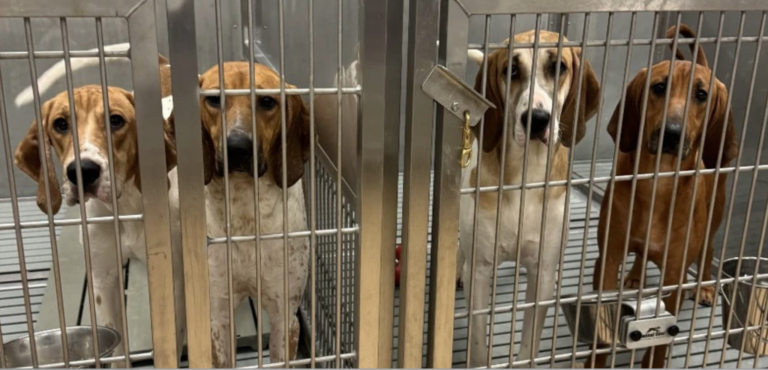





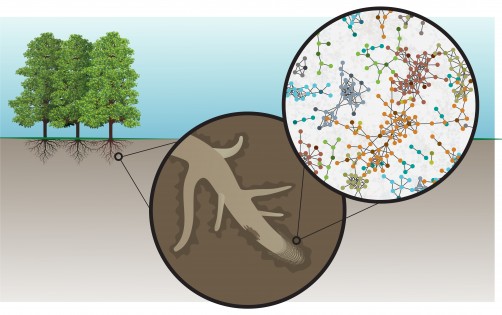


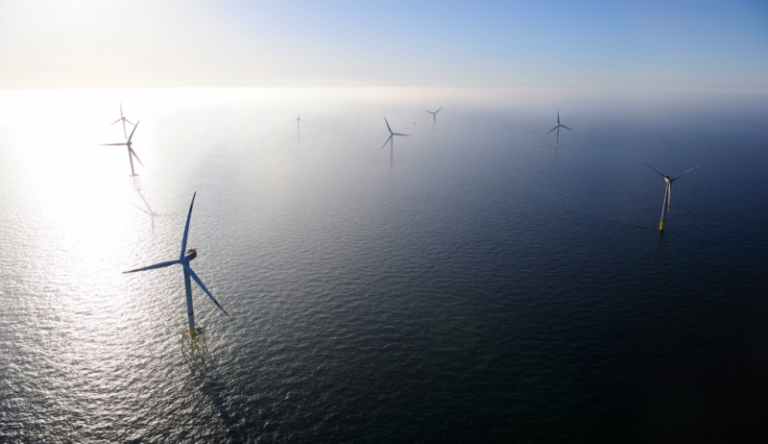


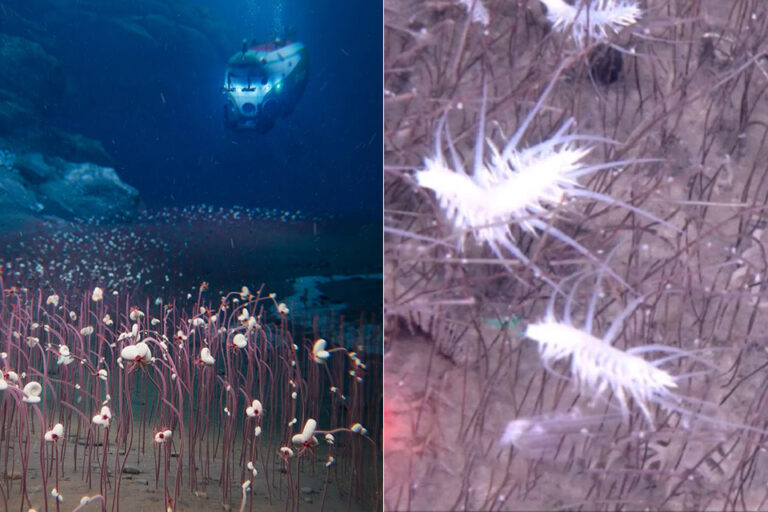
 In the black depths of the northwest Pacific Ocean, between 6,000 and 9,500 metres beneath the surface, scientists have discovered what is now considered the deepest complex chemosynthetic ecosystem ever recorded. This remarkable find, located in the Kuril-Kamchatka and Aleutian trenches, is composed of tubeworms, clams, snails, sea cucumbers, and other invertebrates — all thriving without sunlight by feeding on energy from methane and hydrogen sulfide seeping from the seafloor.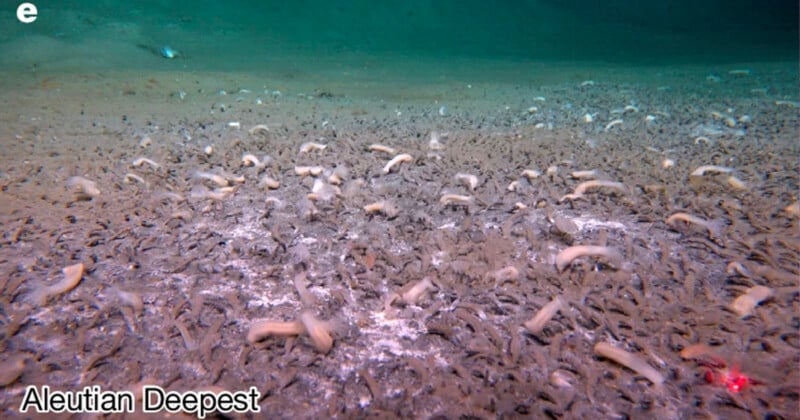











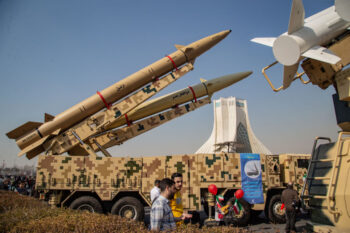

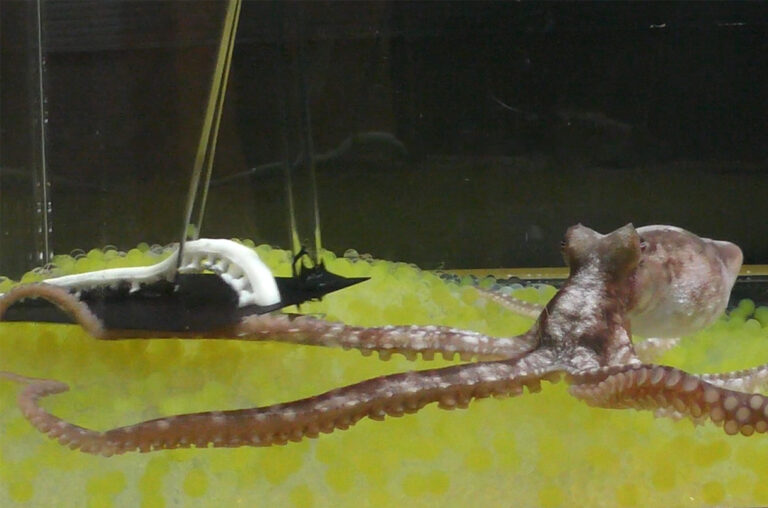












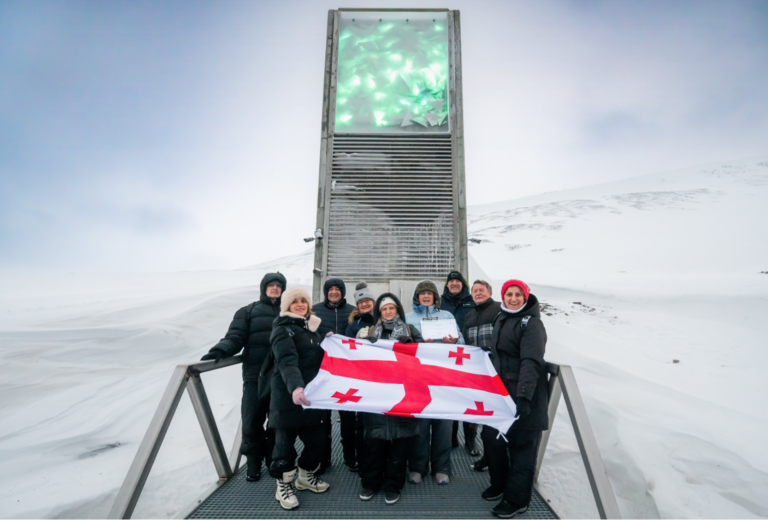


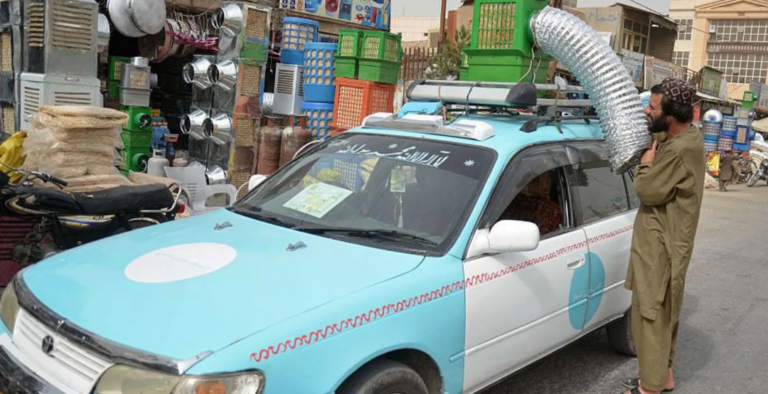











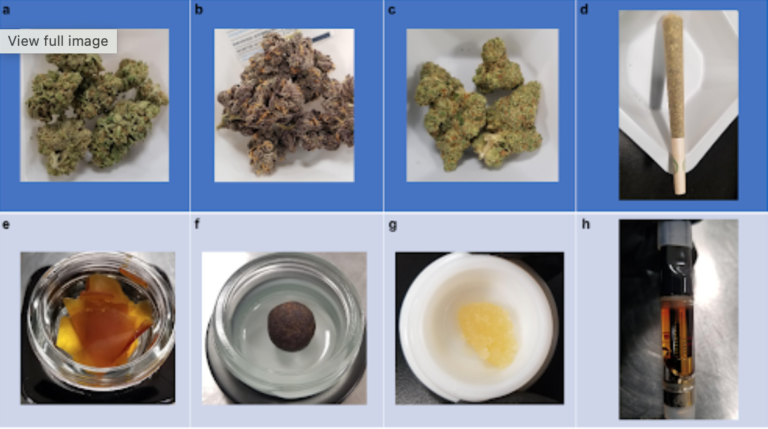










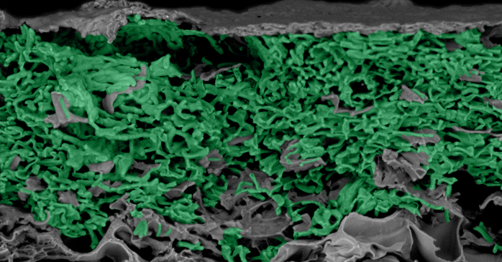

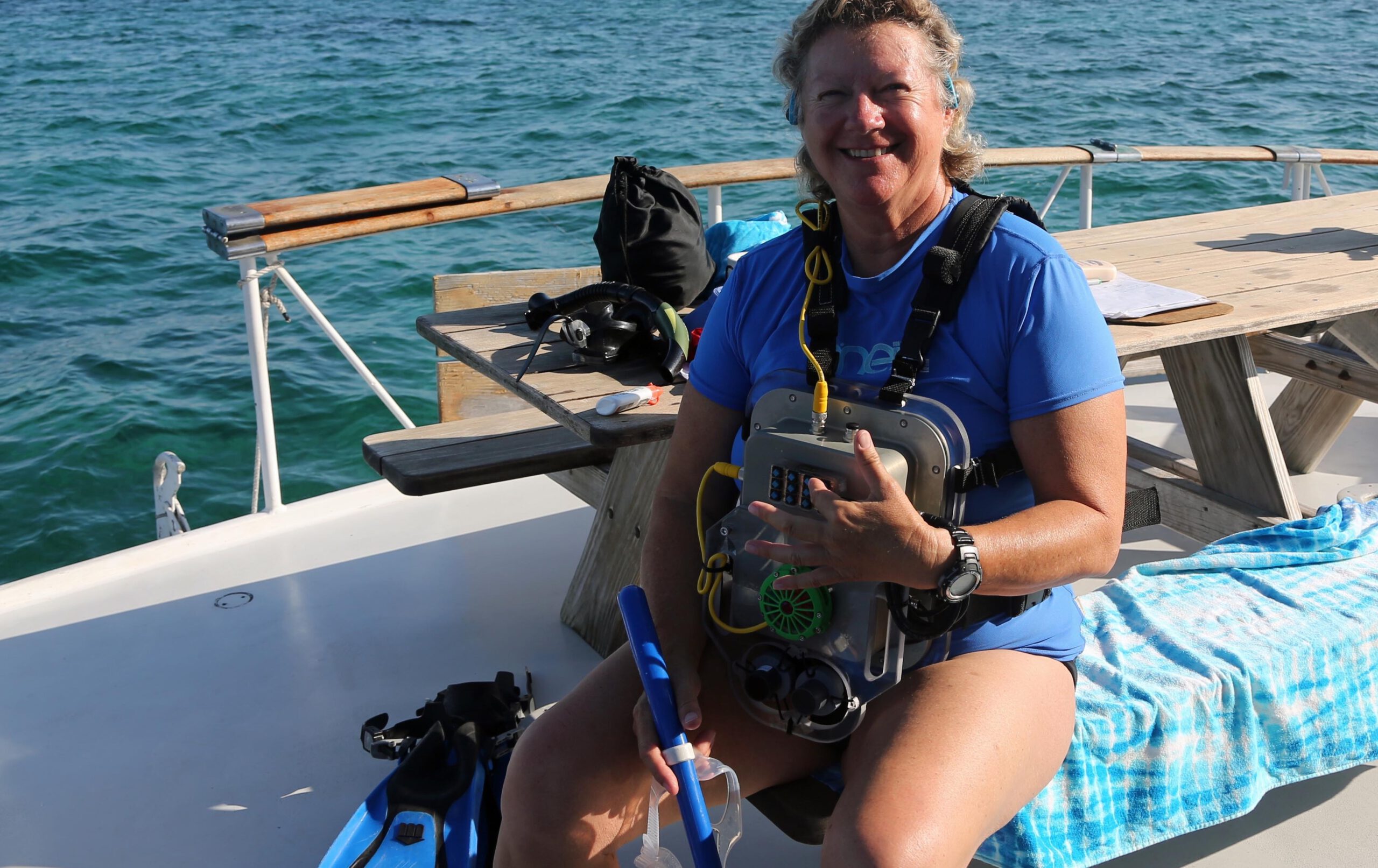
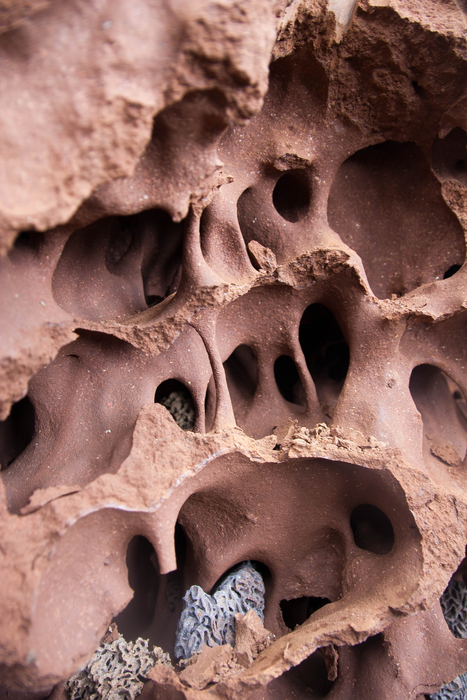
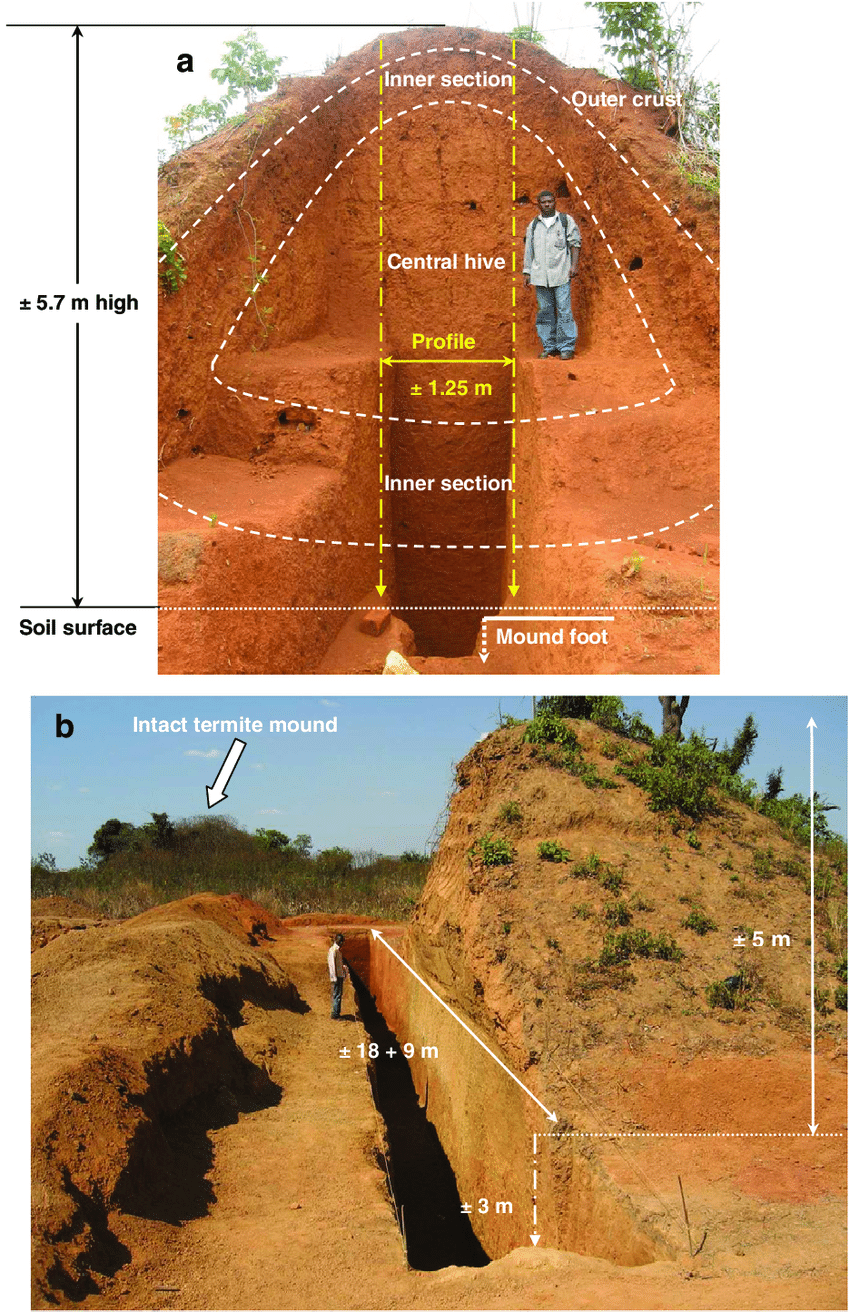
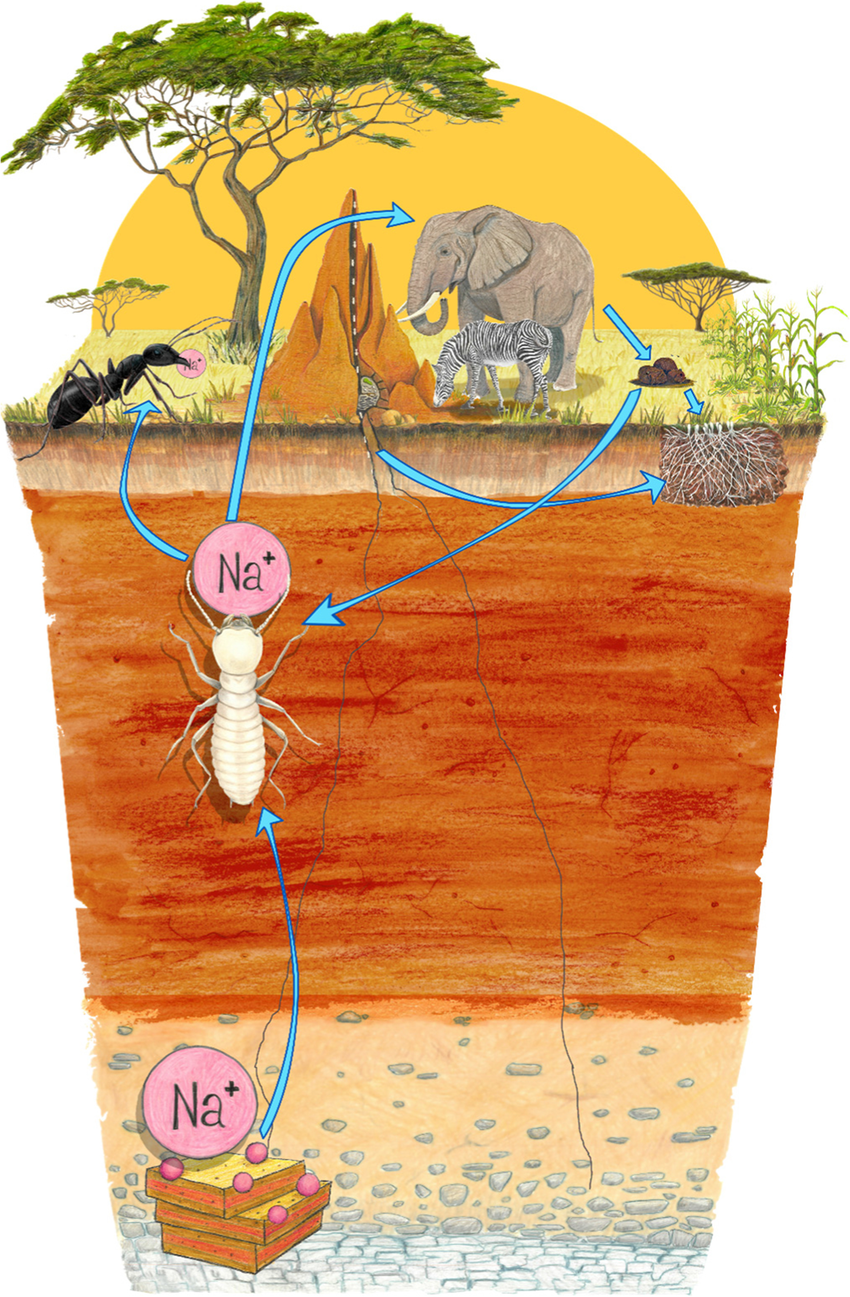






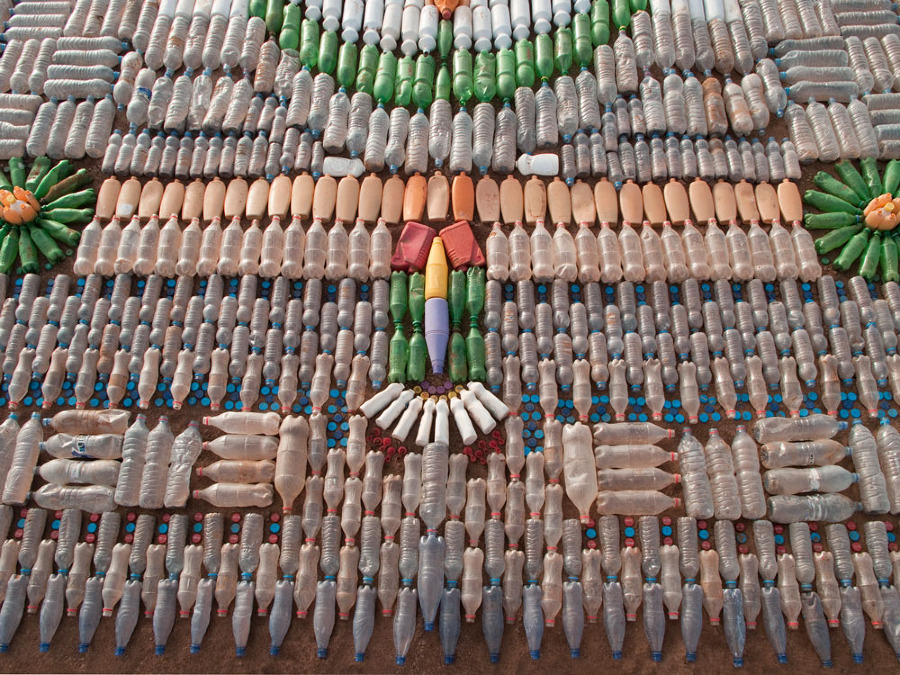



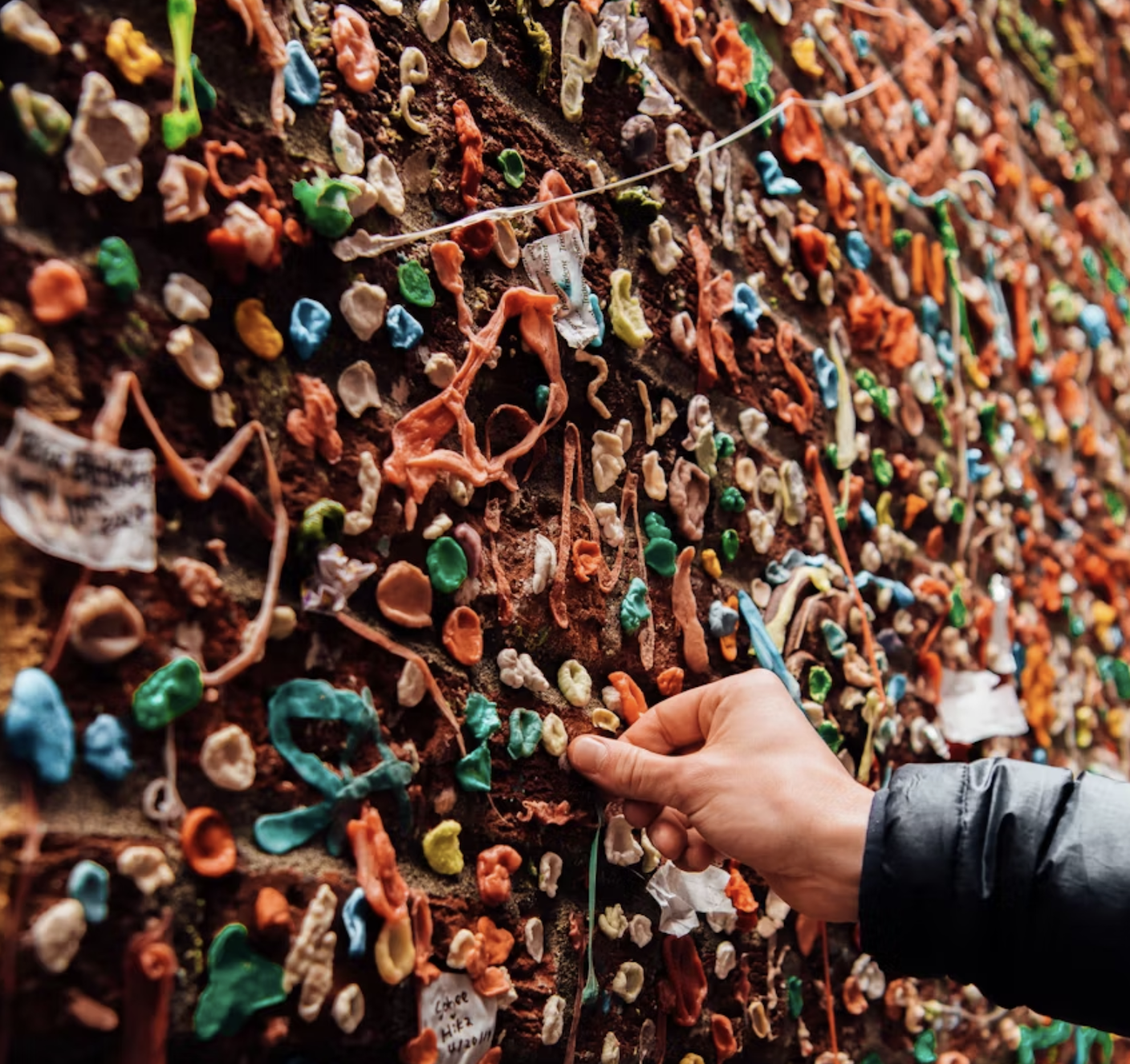












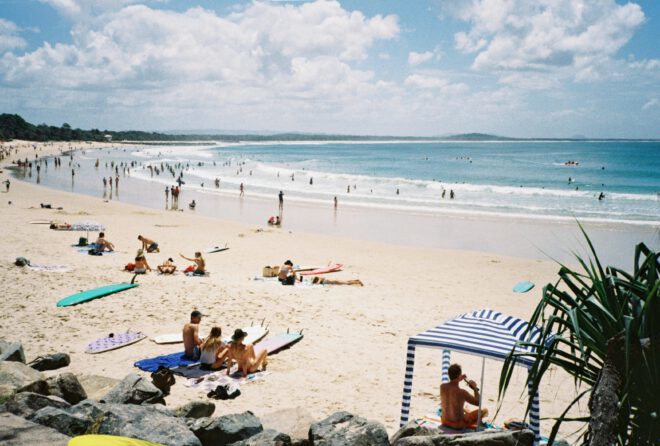










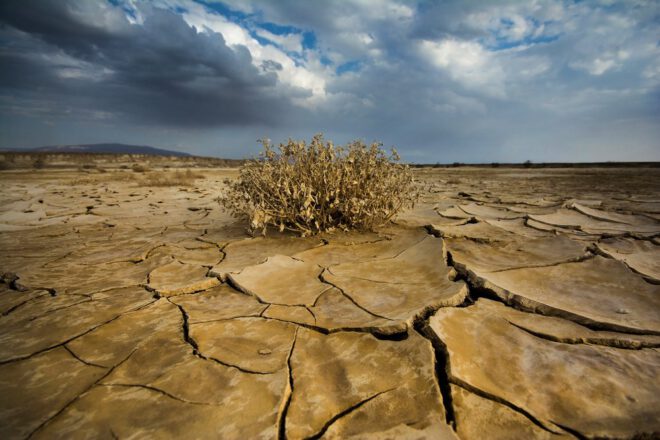


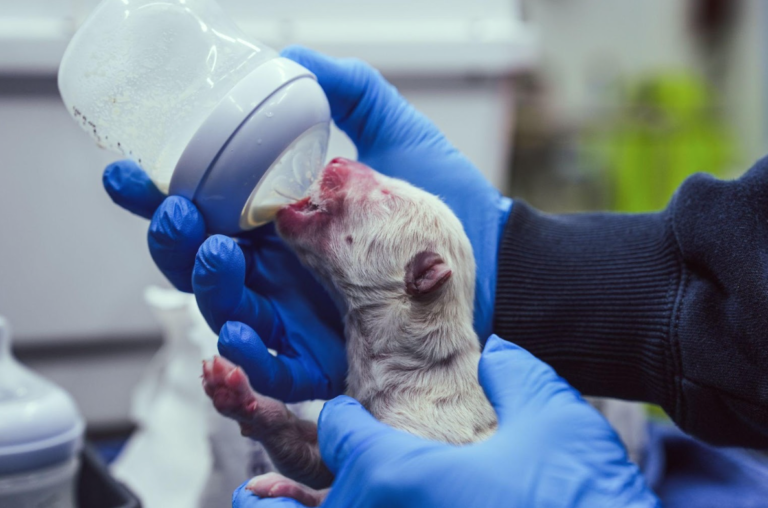



















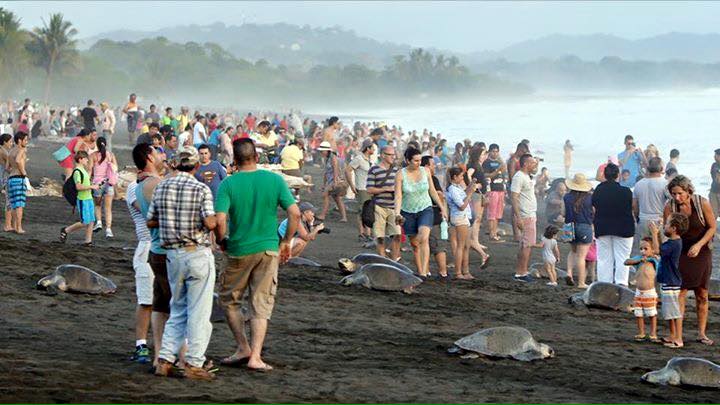
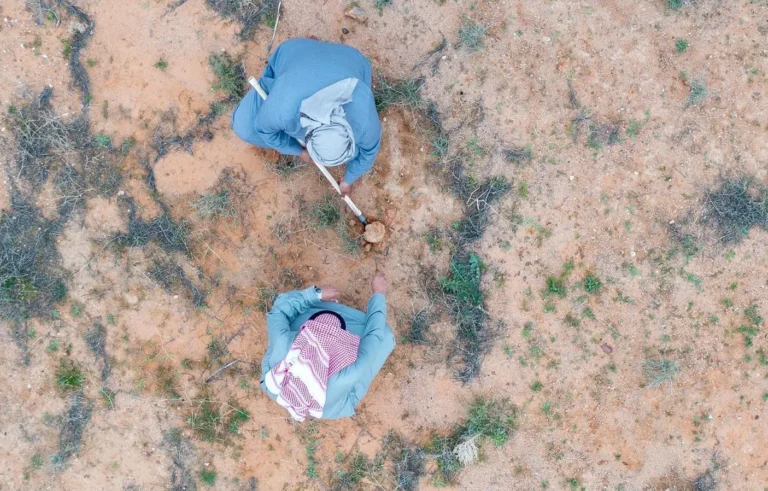


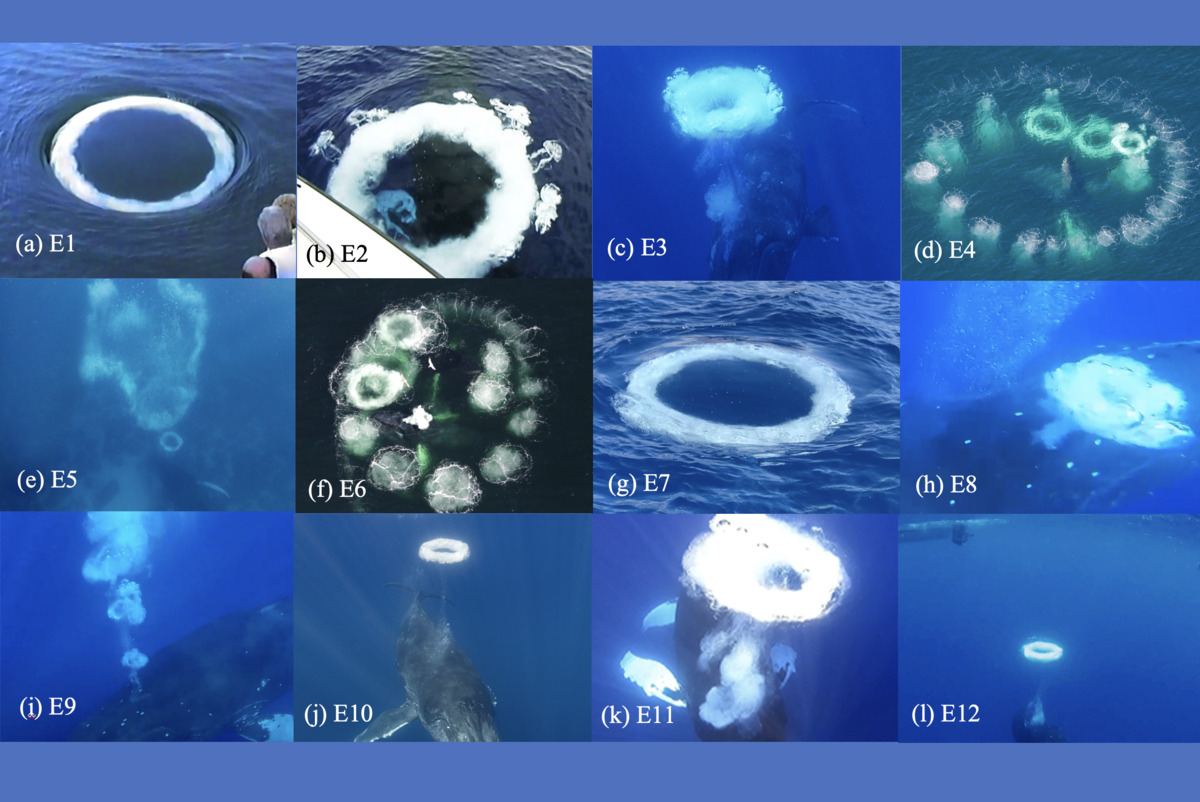


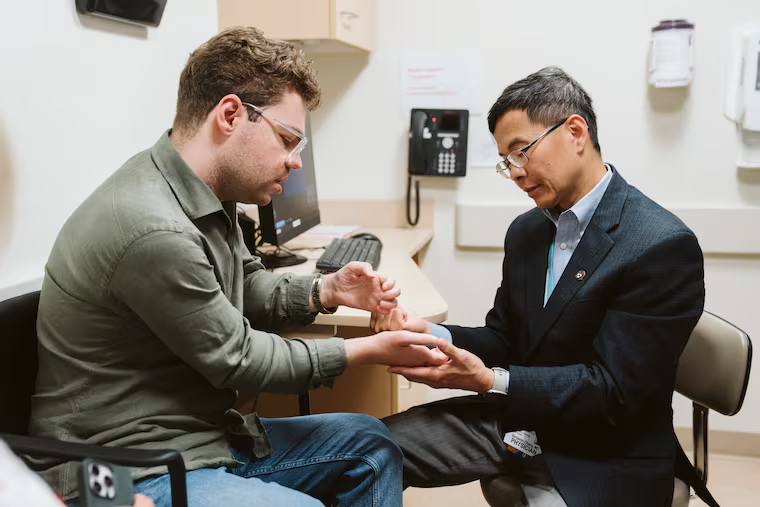


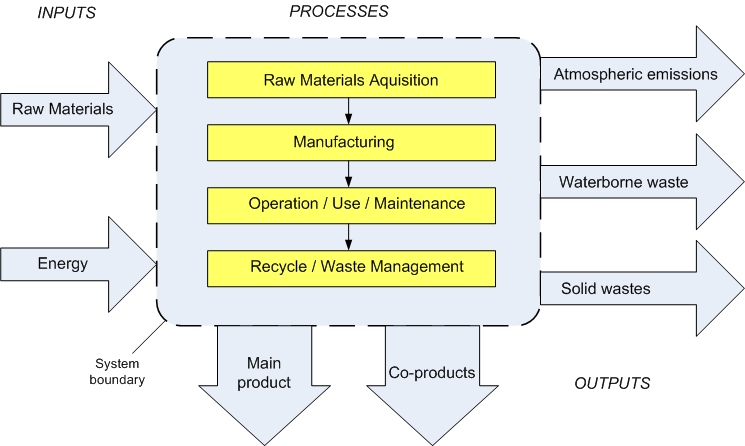
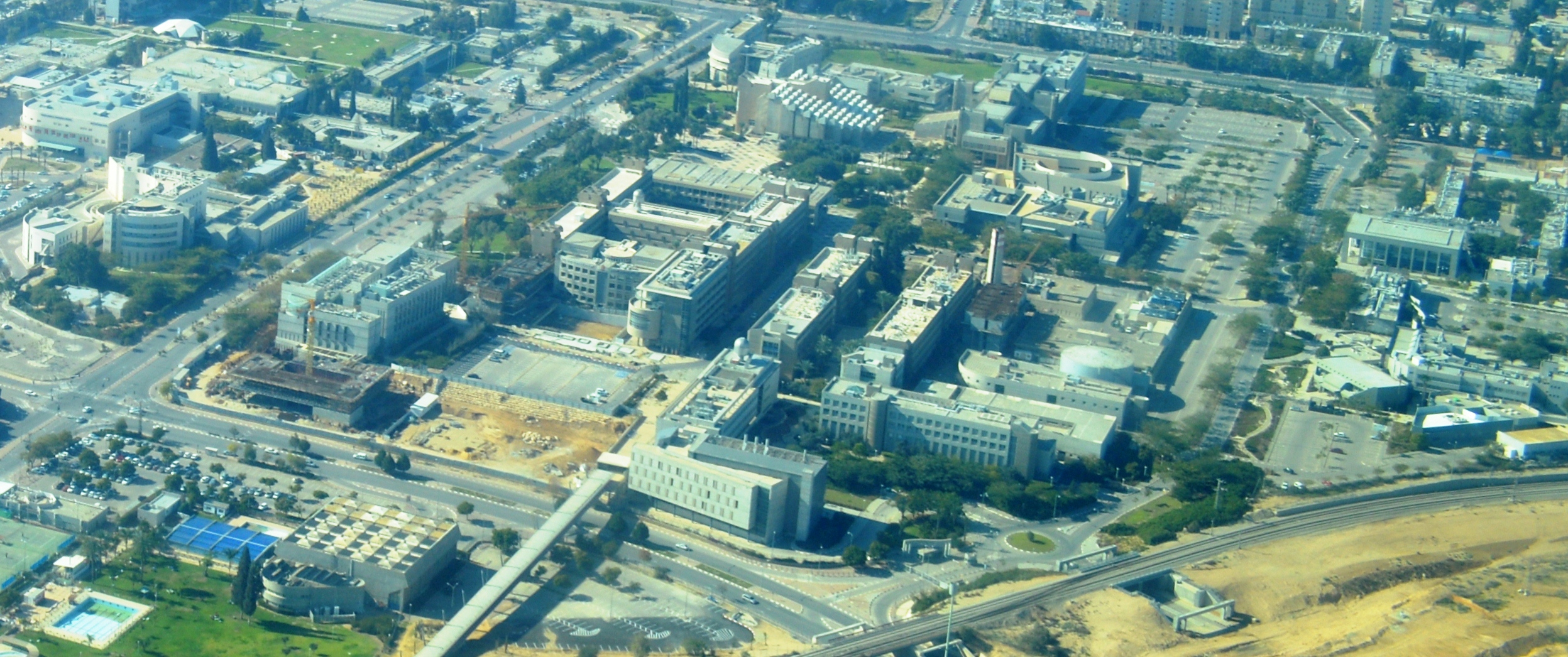














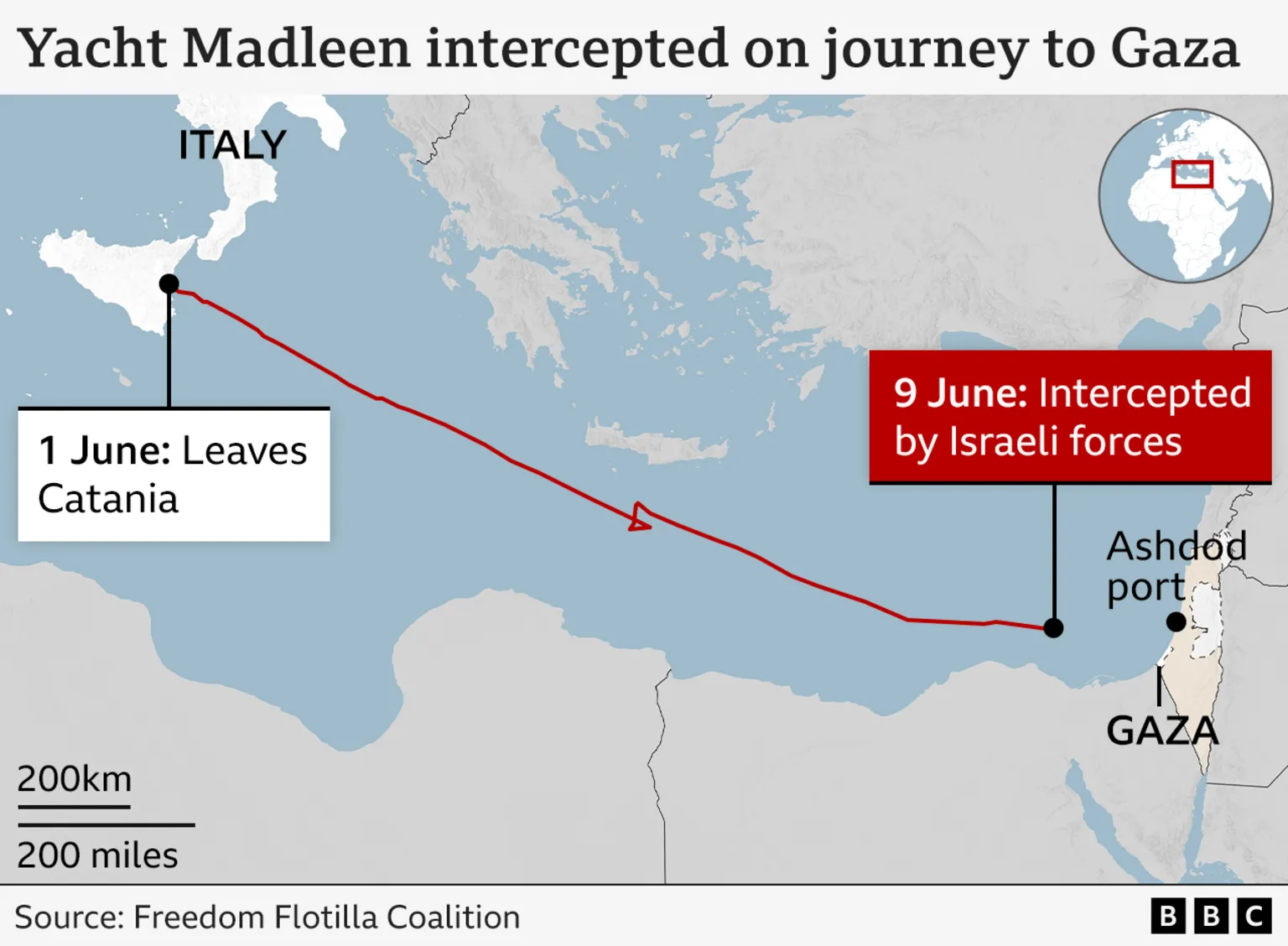






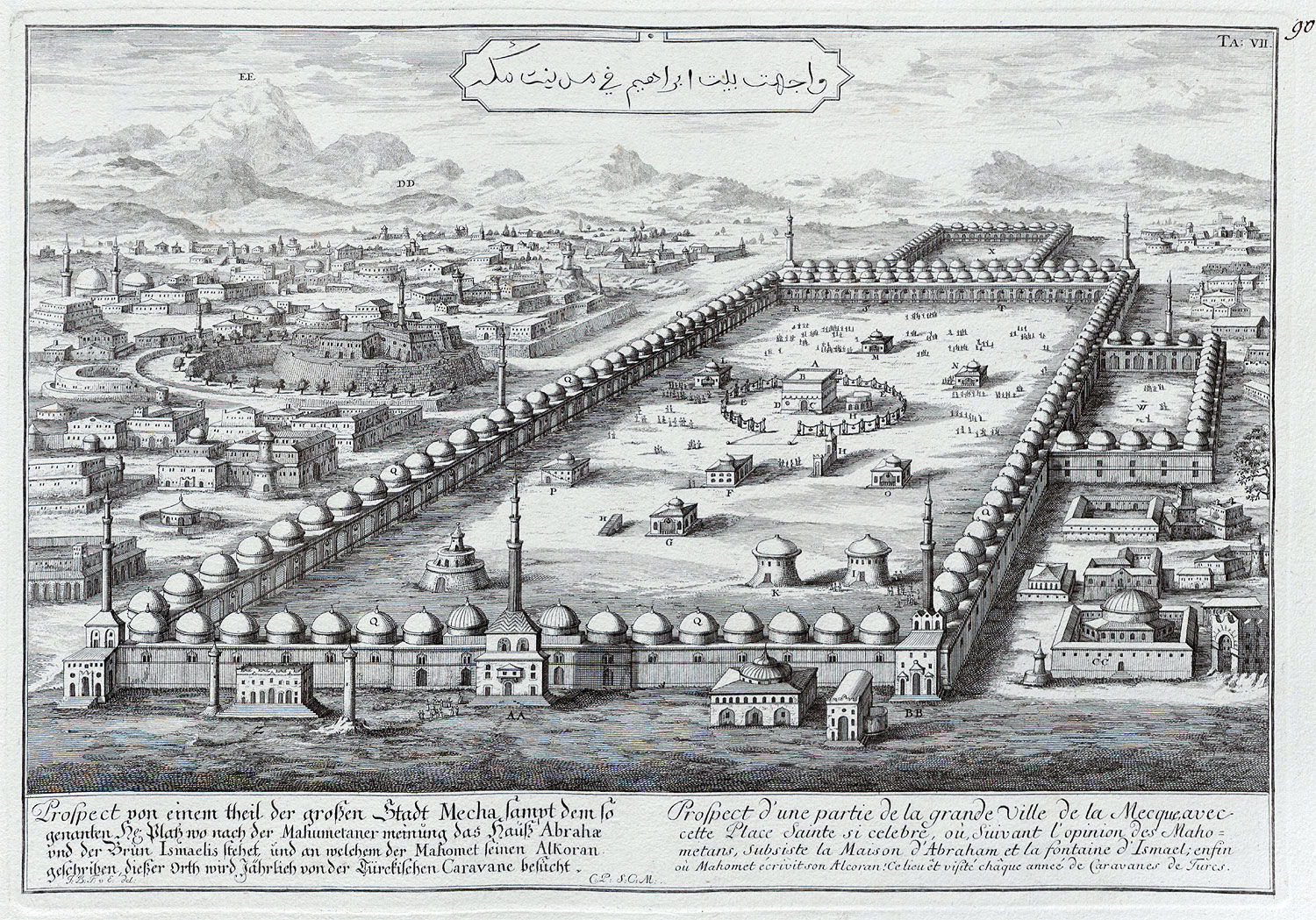


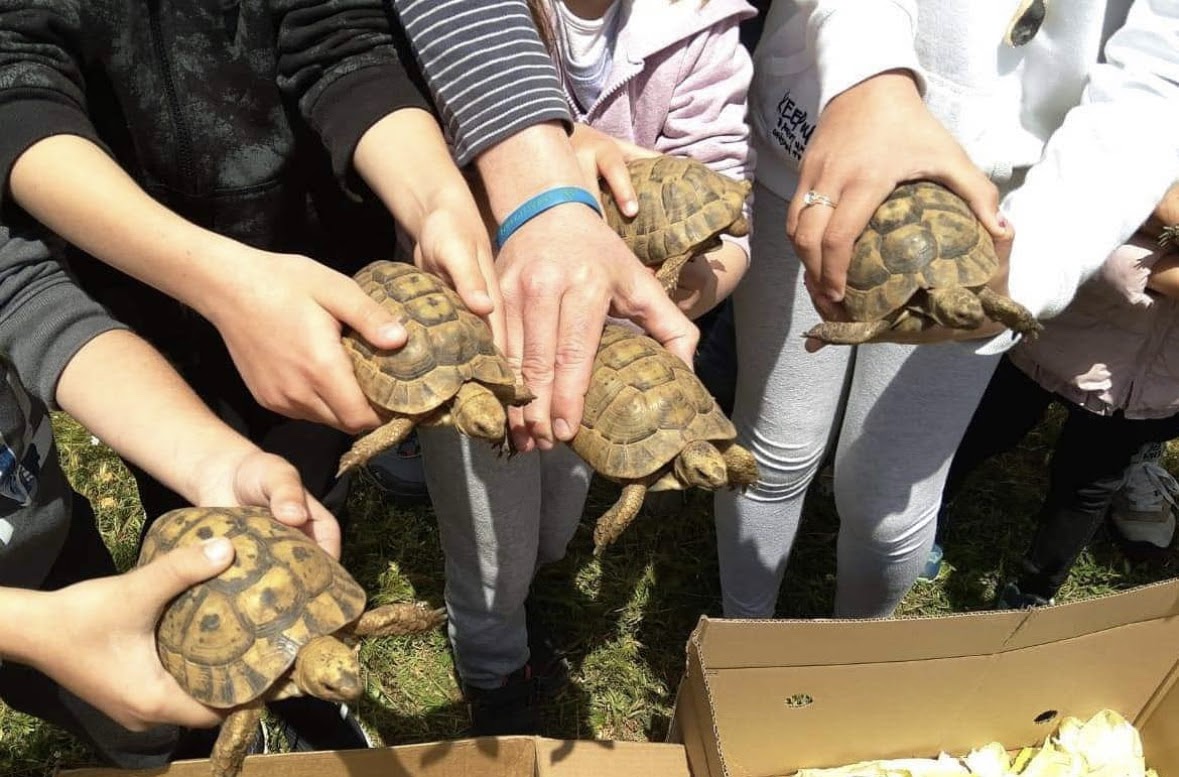
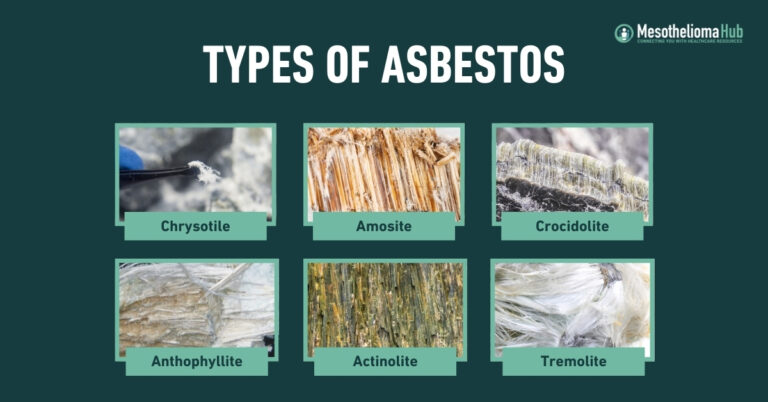








 Make Sunsets foundersDespite the EPA referring to their activities as “unregulated,” the founders are confident the agency doesn’t have a solid legal basis to shut them down. “We predict they’ll stay out of our way,” they wrote. And they aren’t slowing down—this month, they launched five new balloons carrying 5,895 “Cooling Credits” worth of sulfur dioxide to altitudes of 30 km, with two of three payloads successfully recovered.


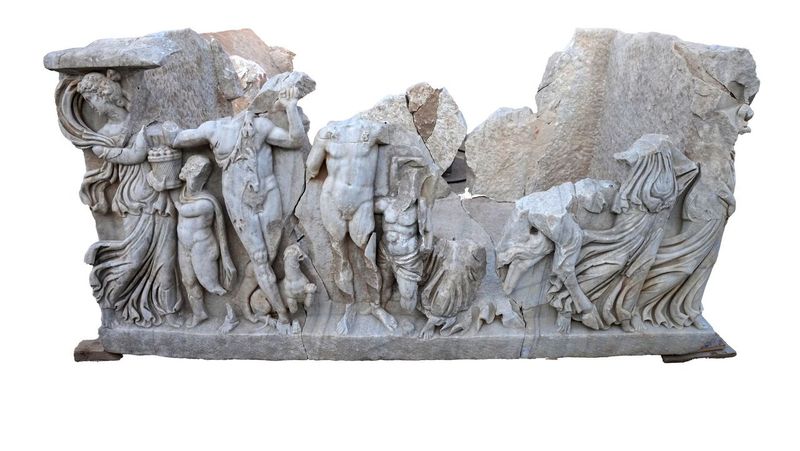

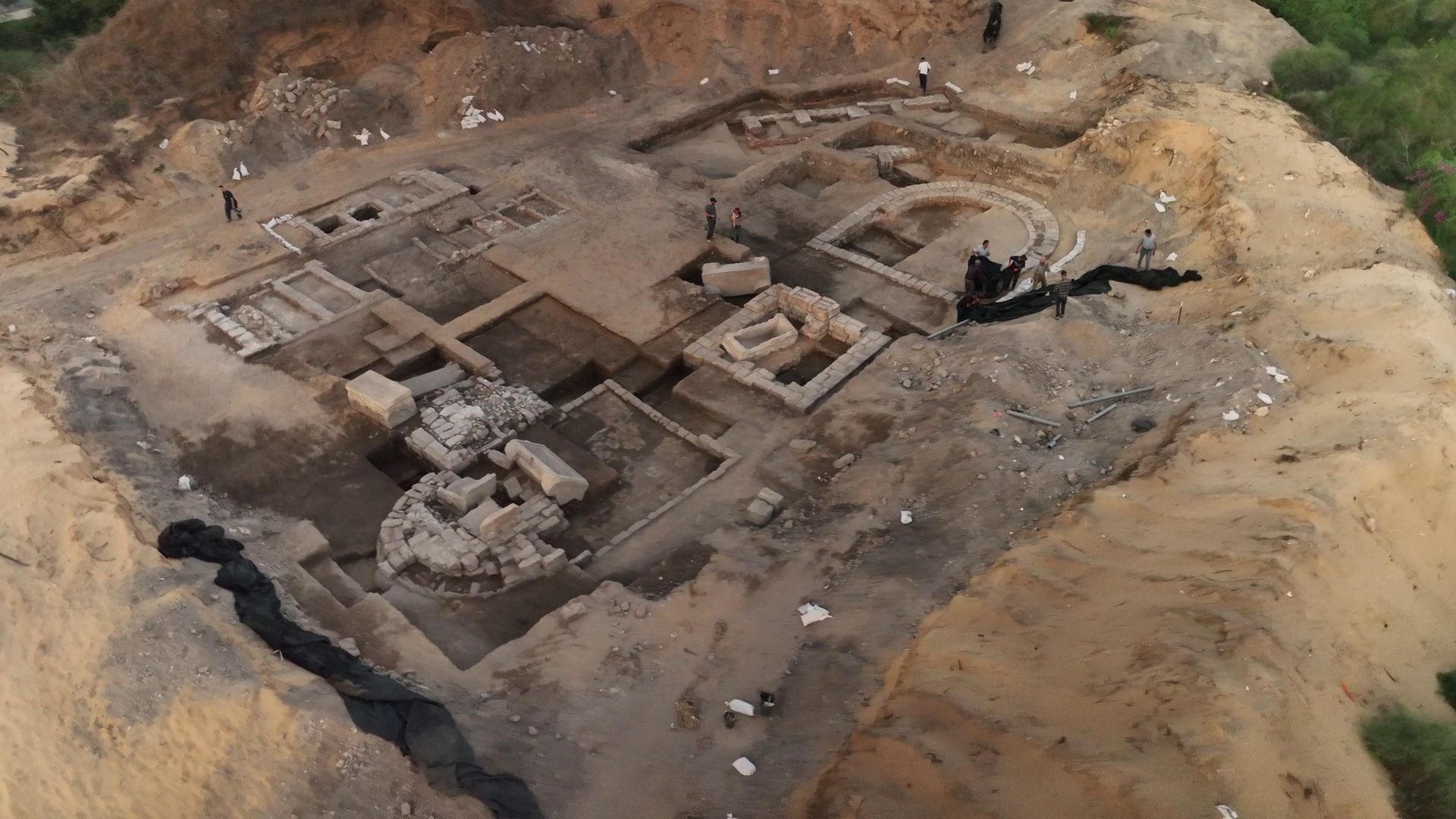













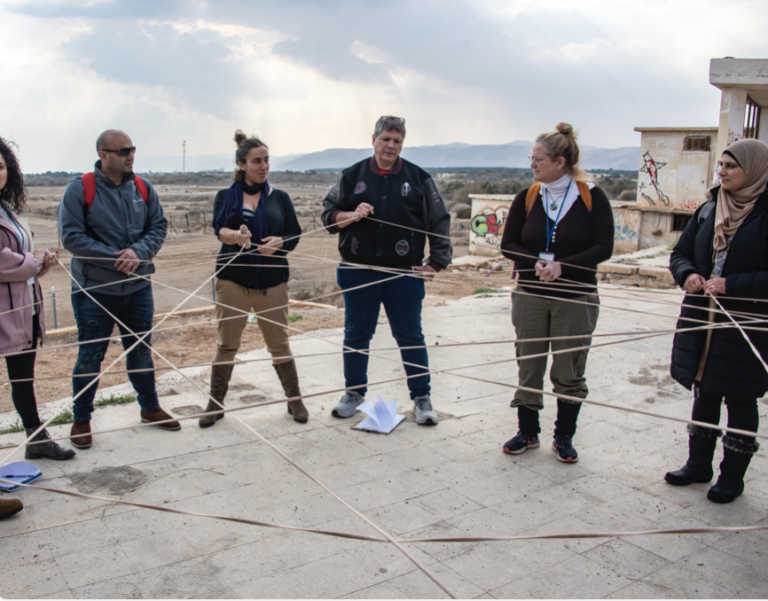

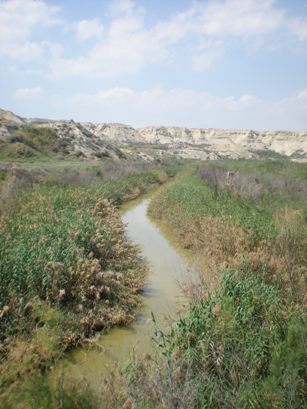




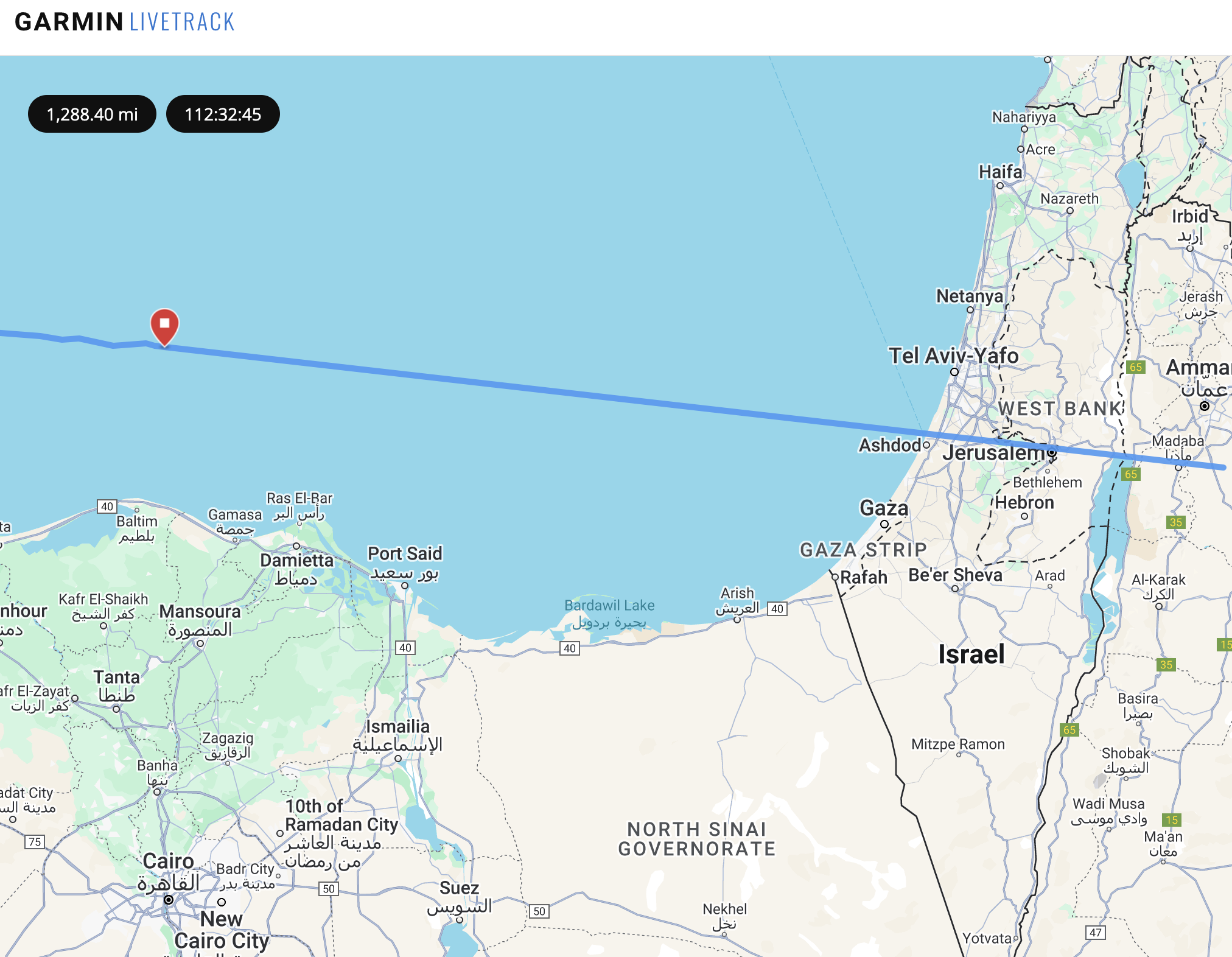







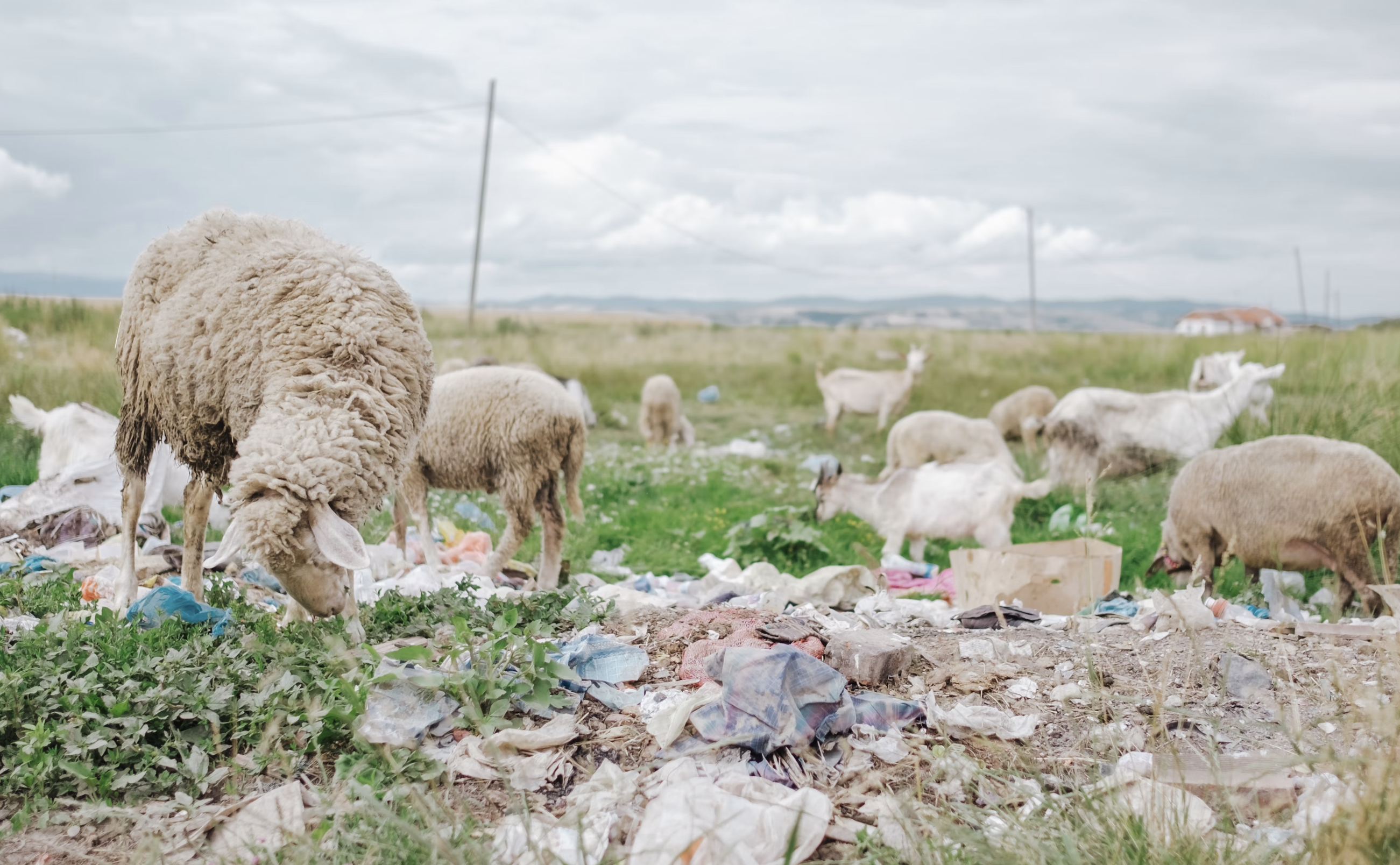
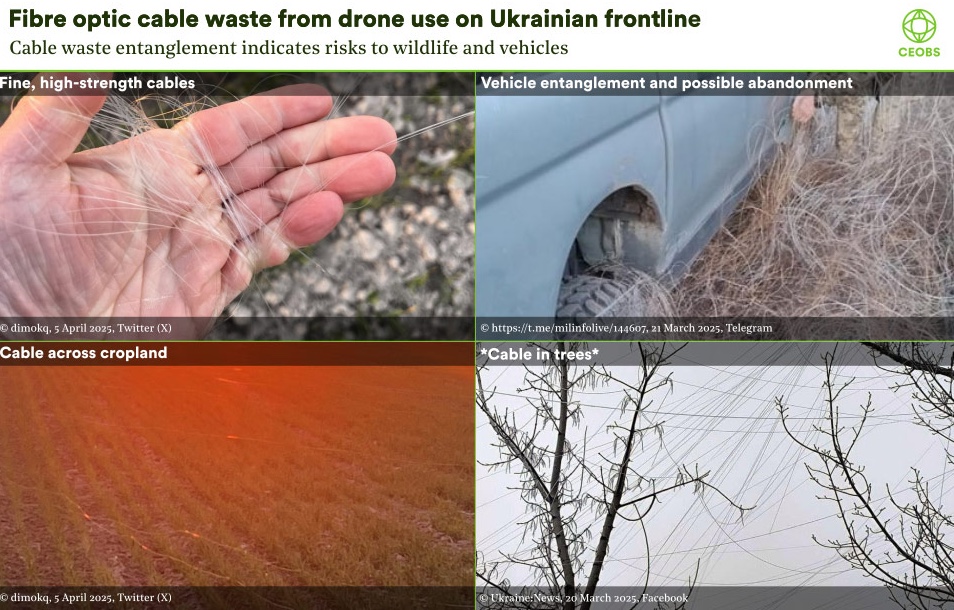
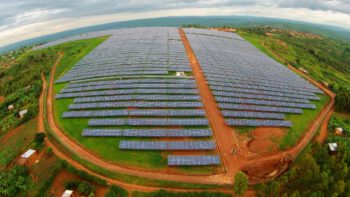

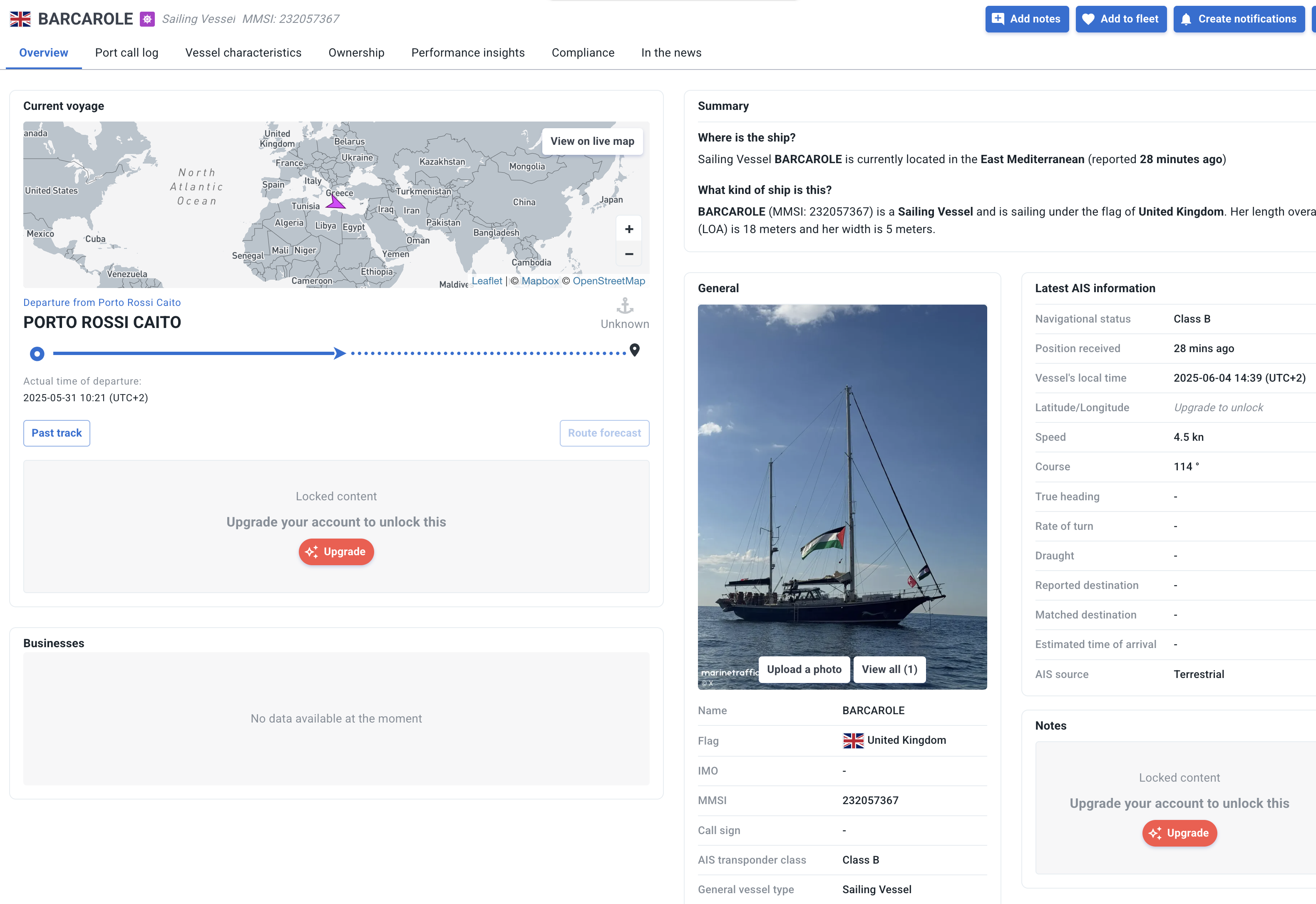
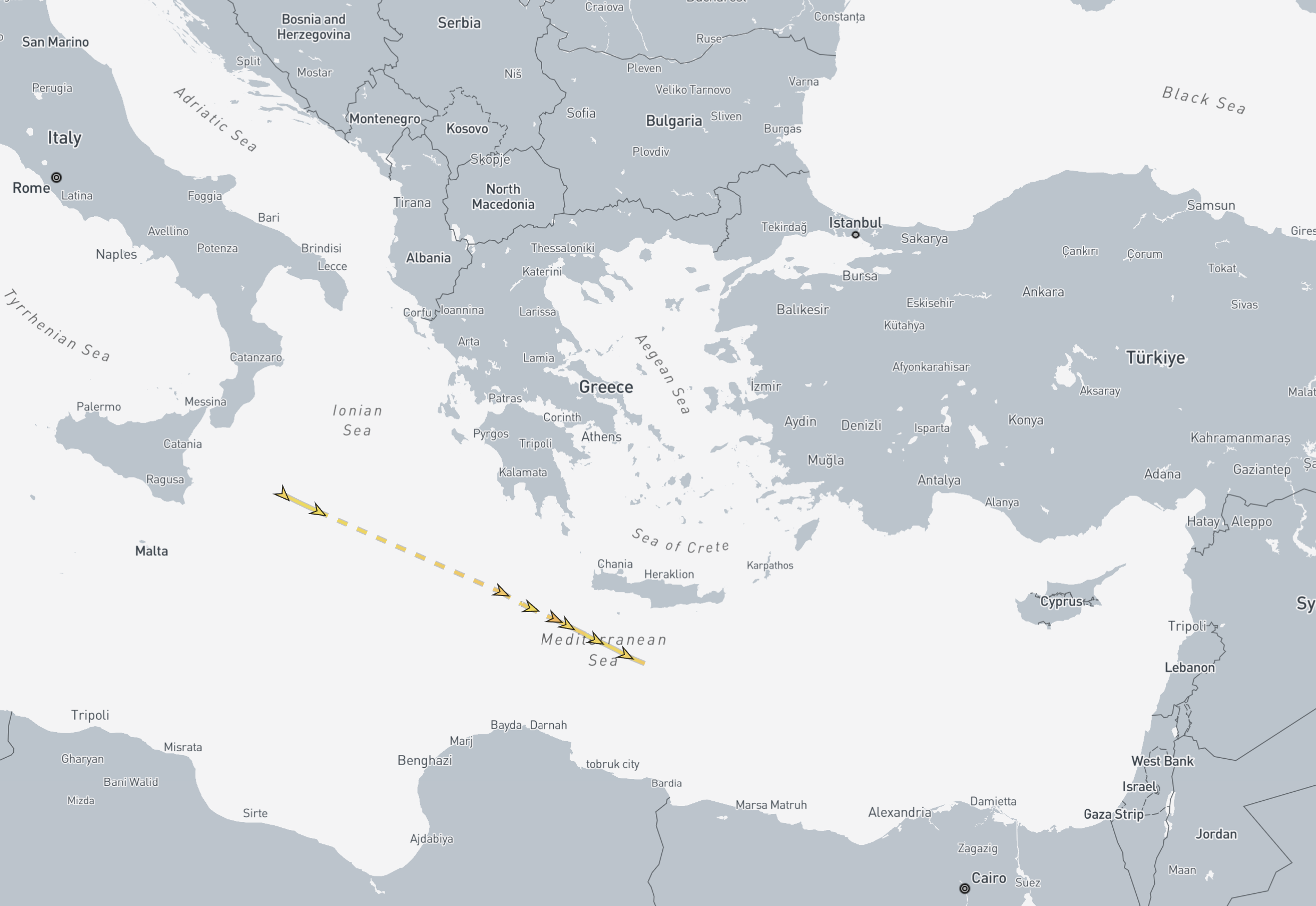








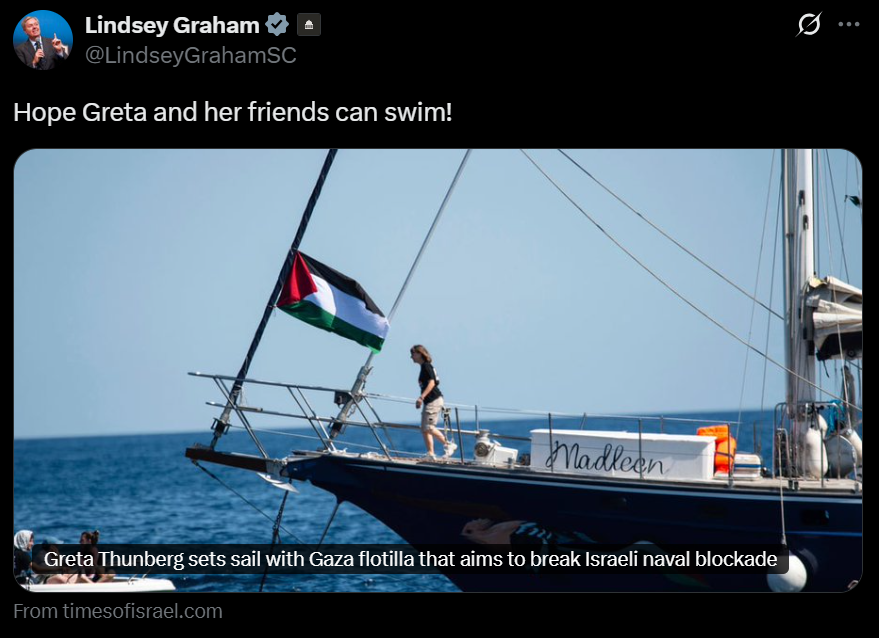







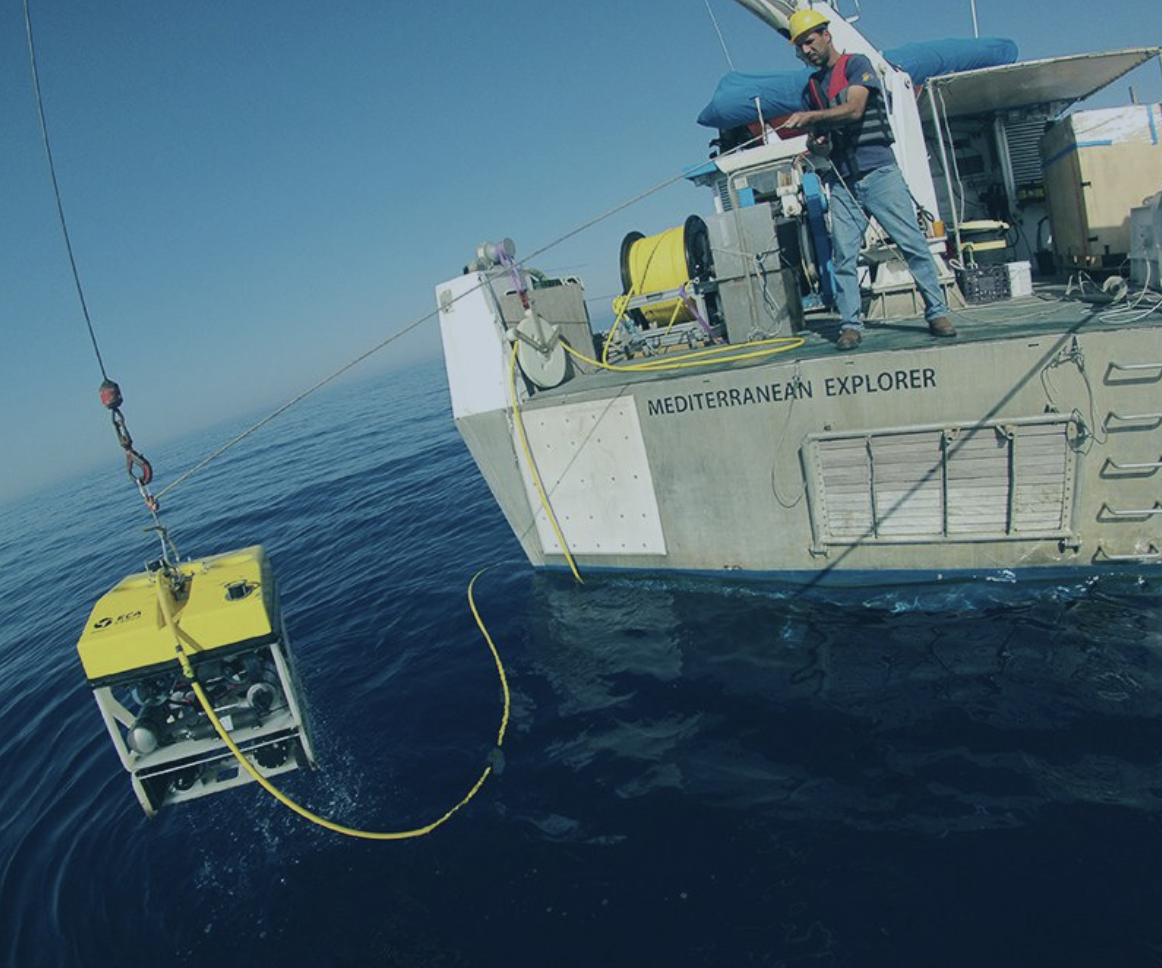









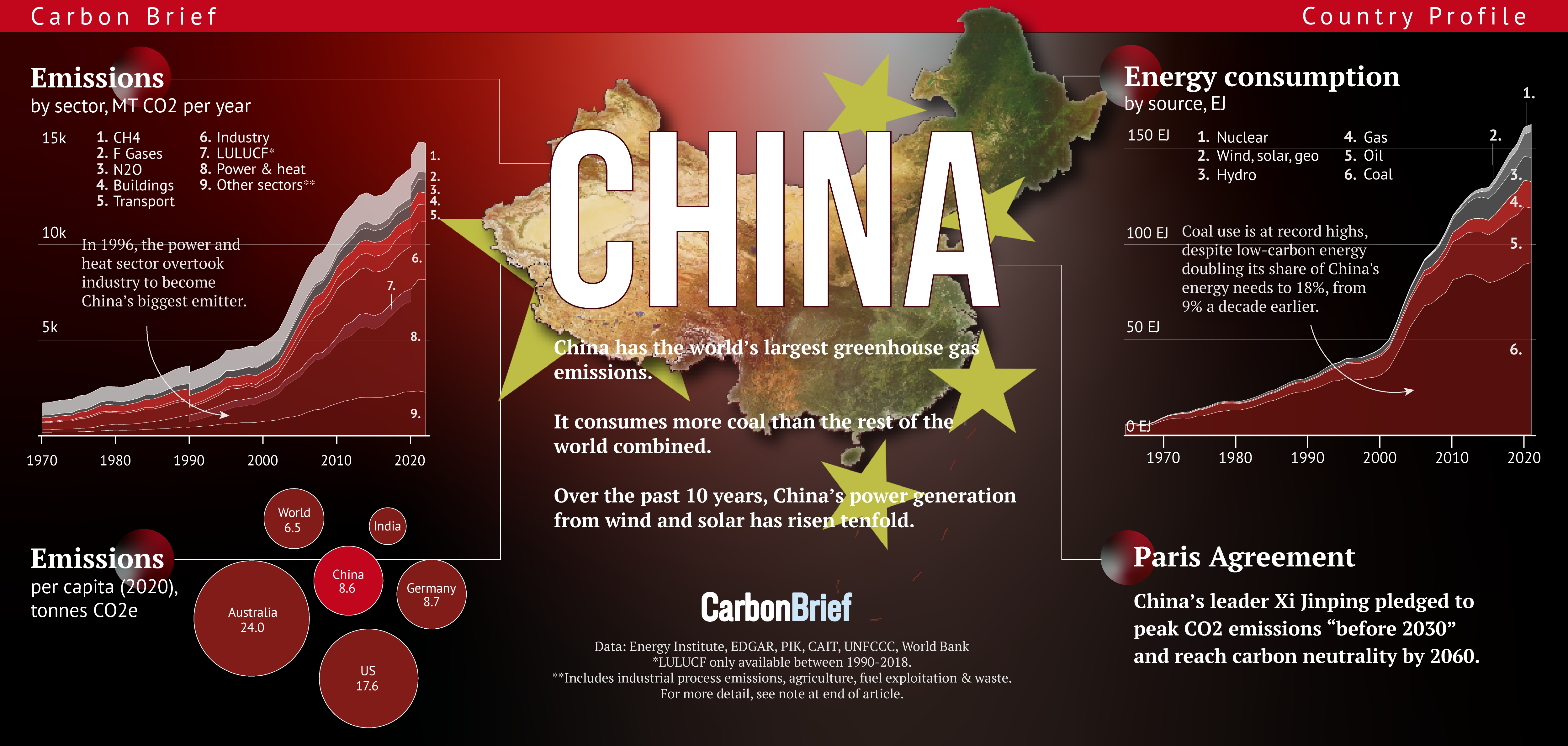














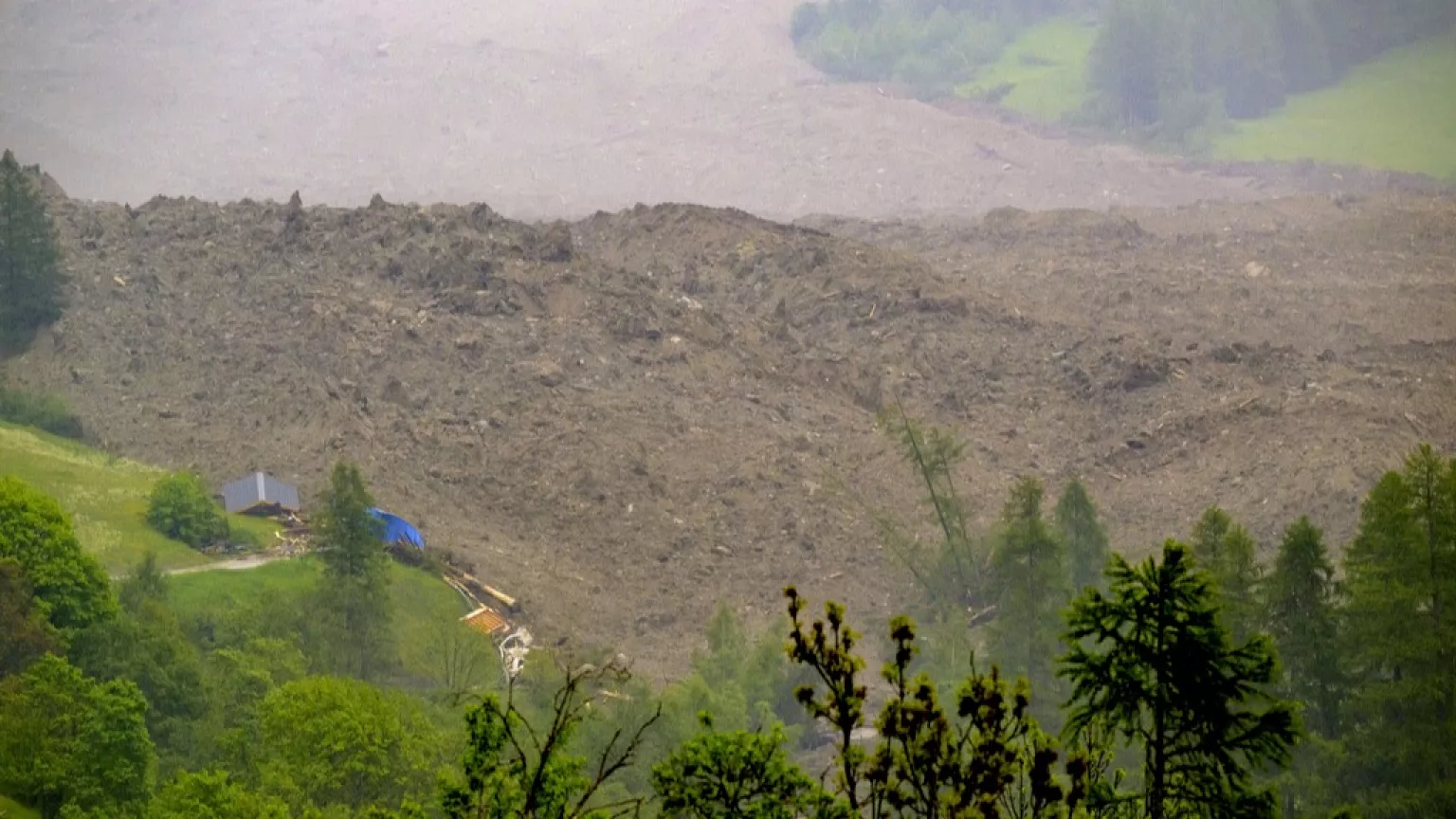




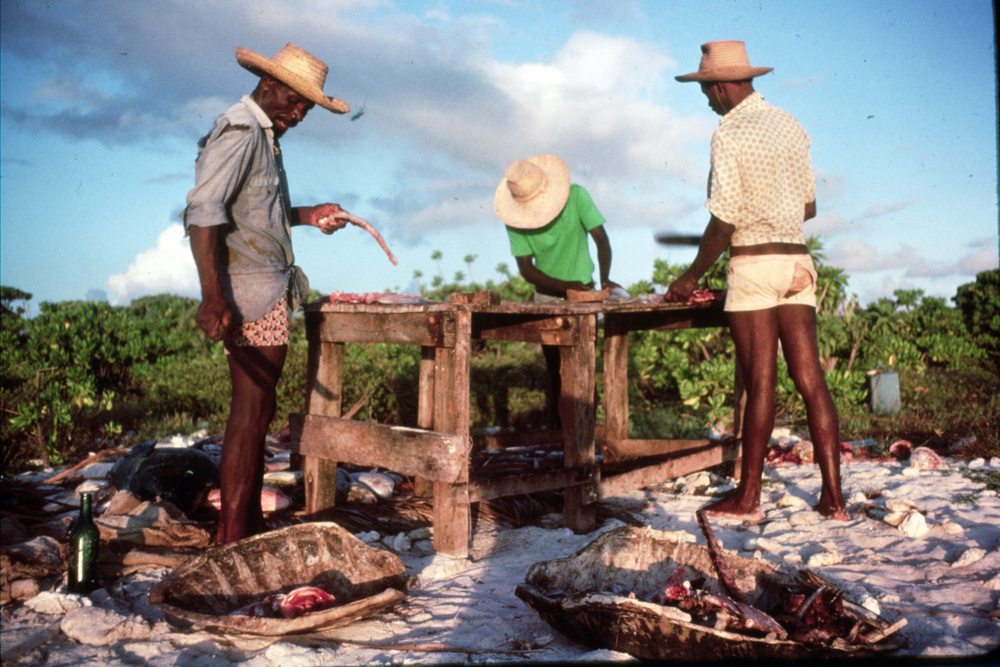
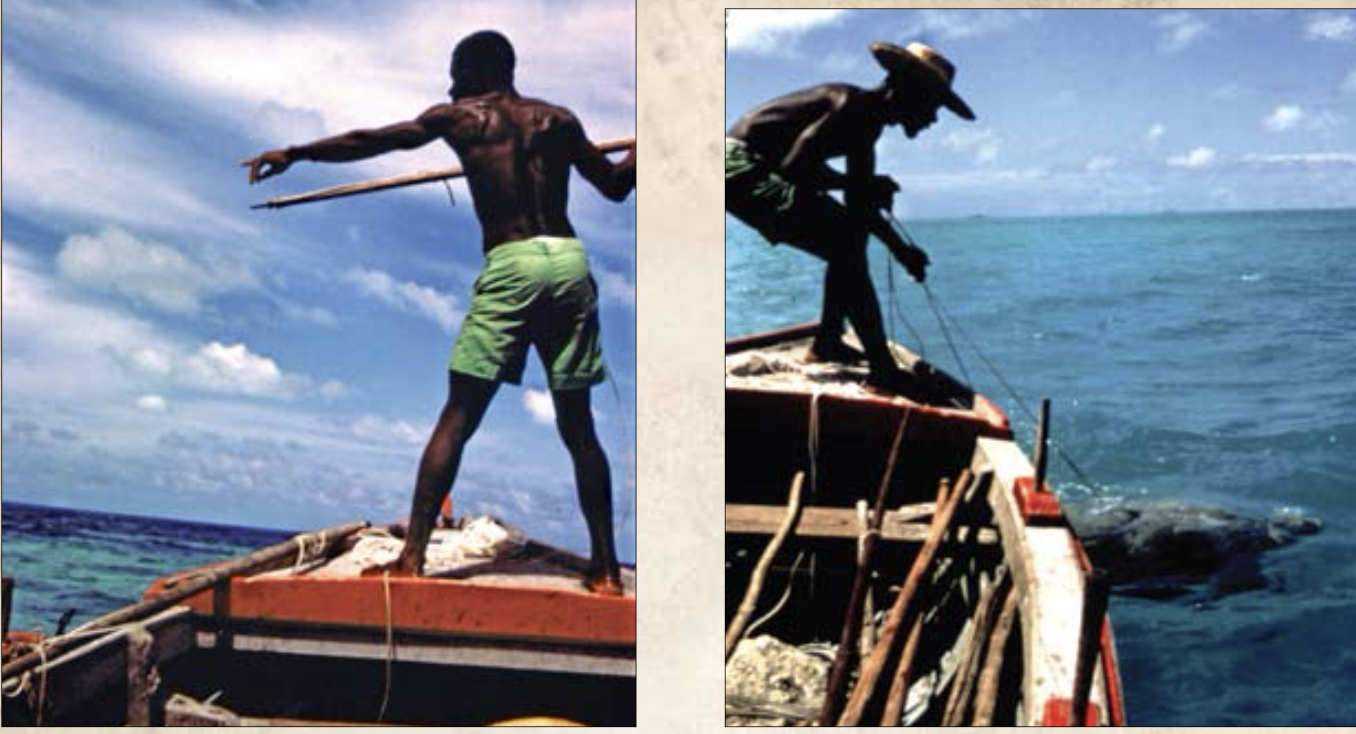
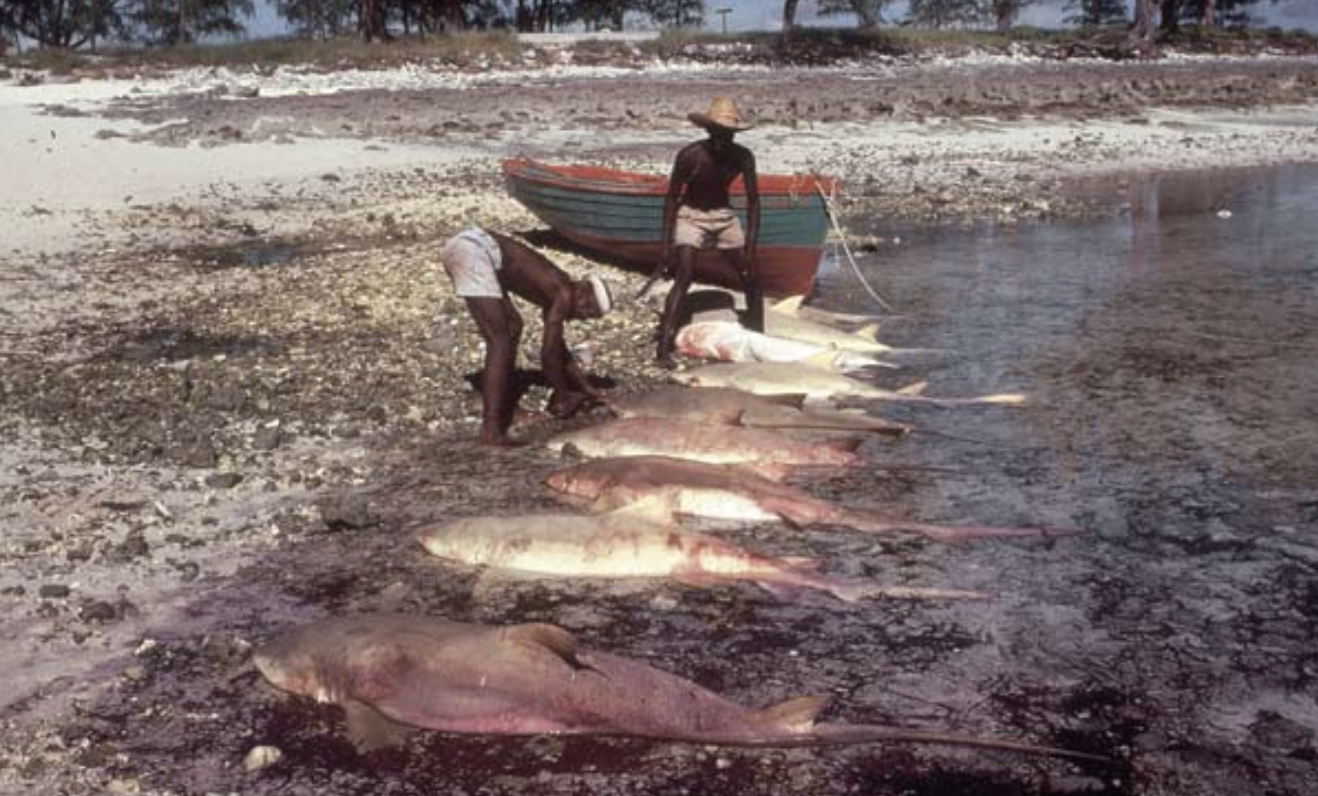
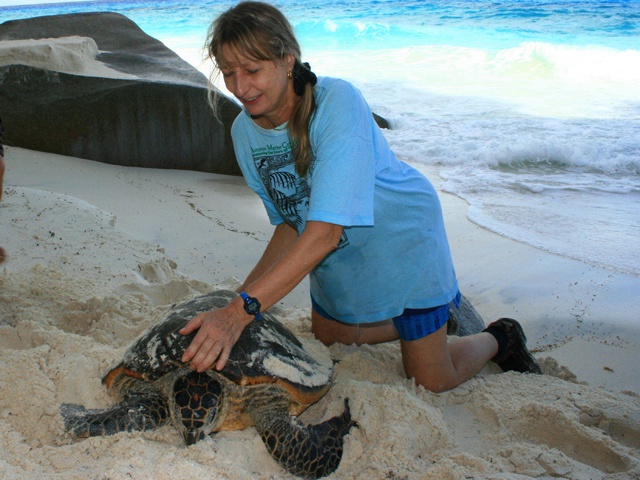
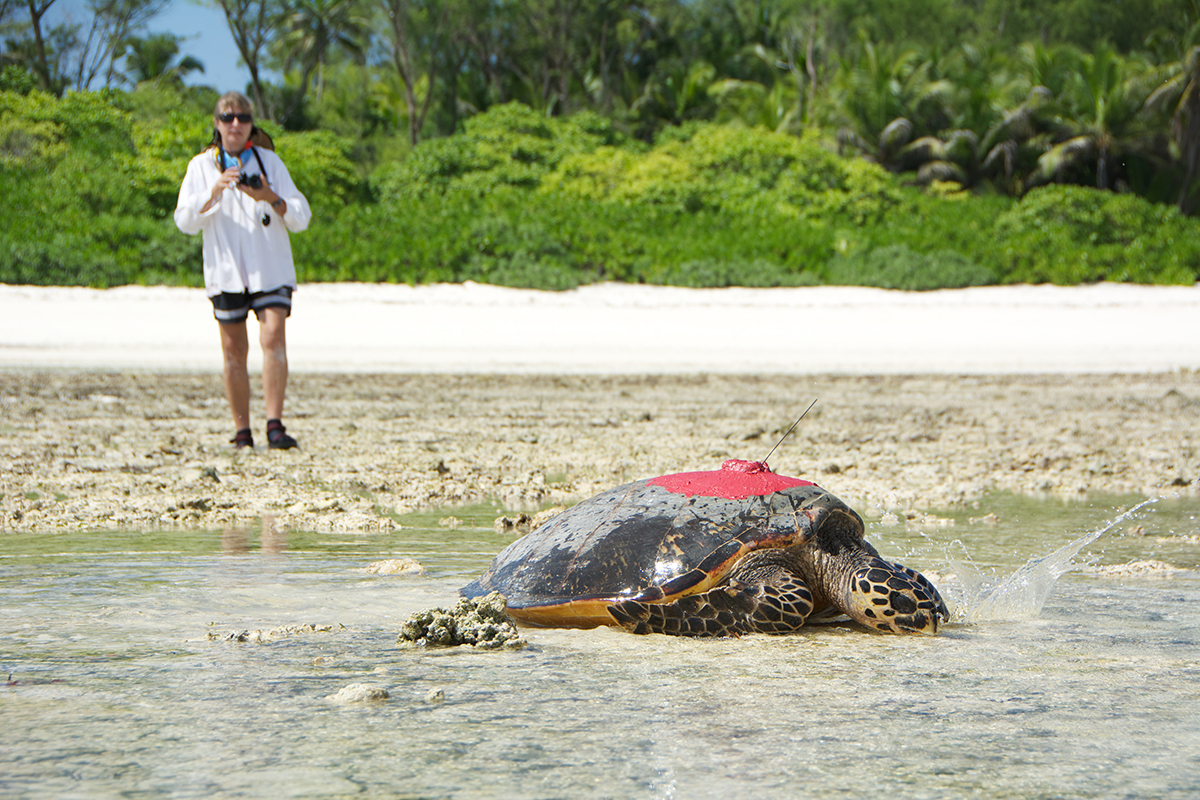


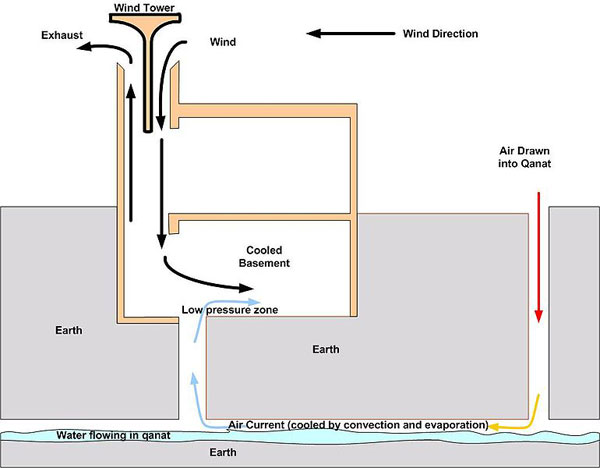
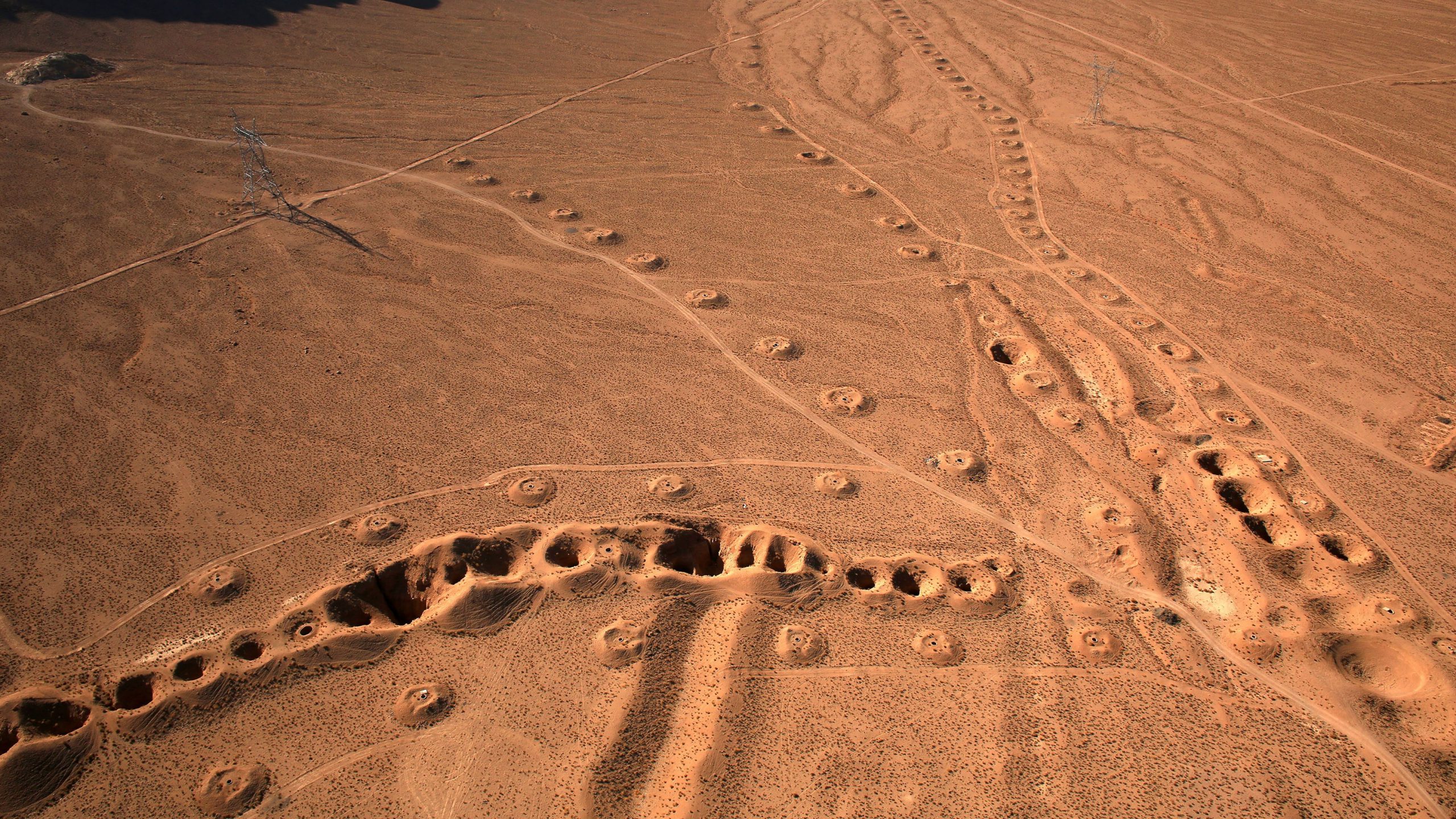














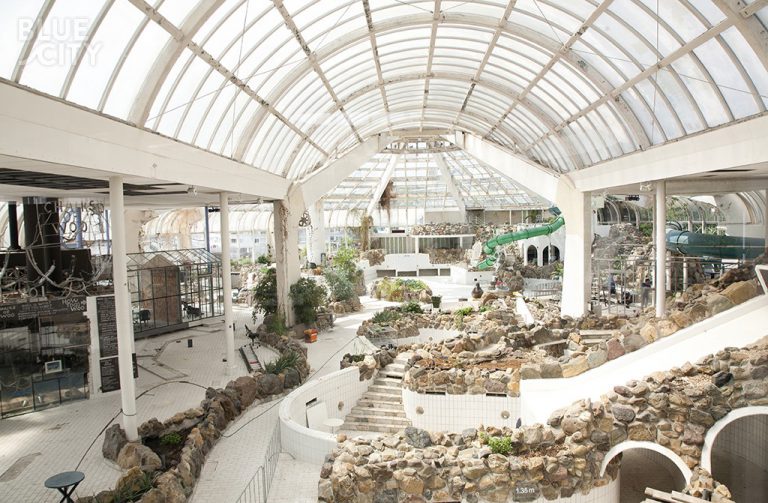


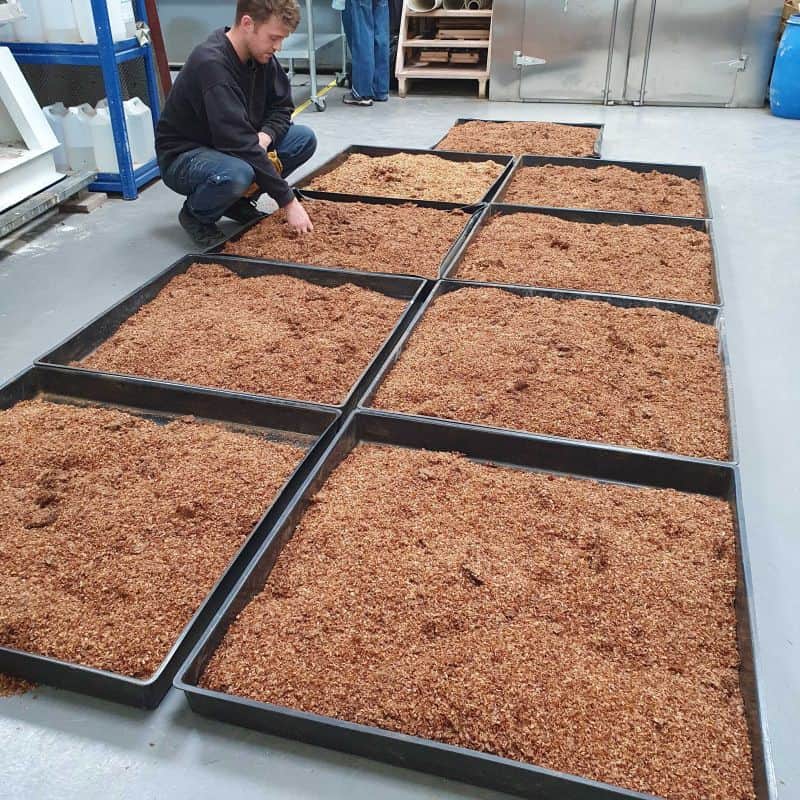








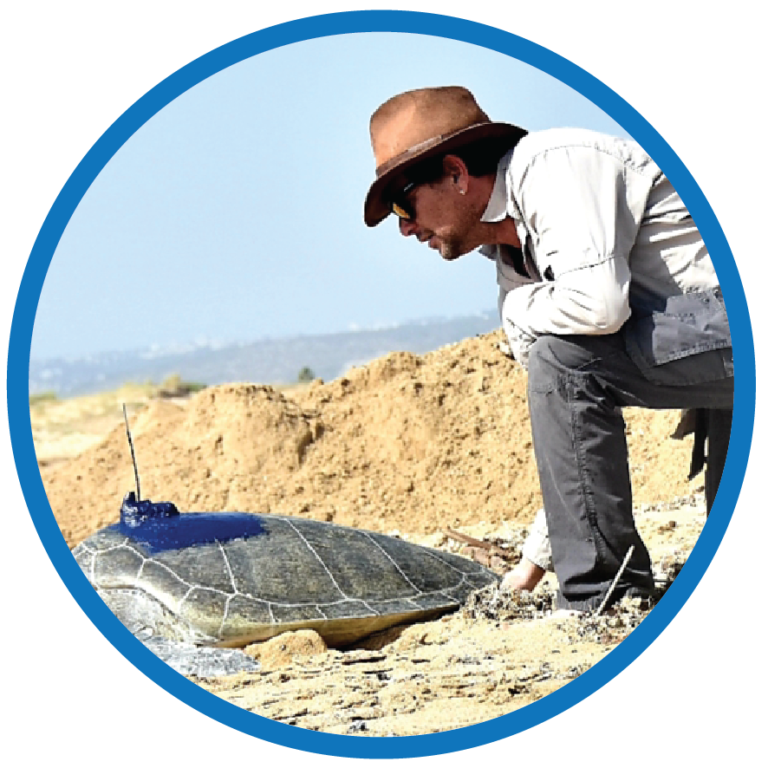




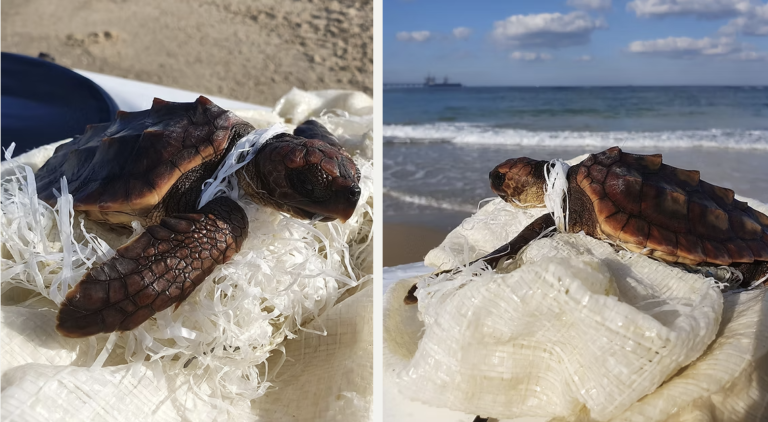


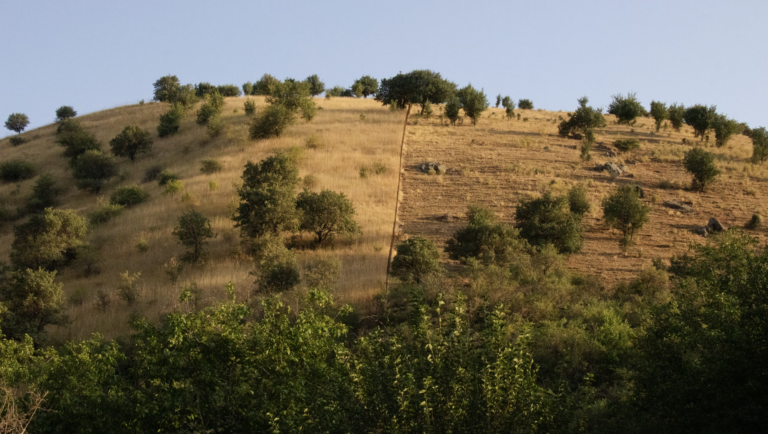


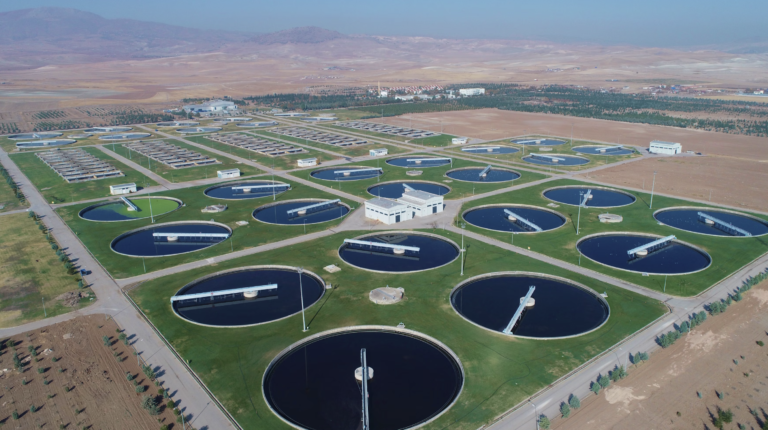



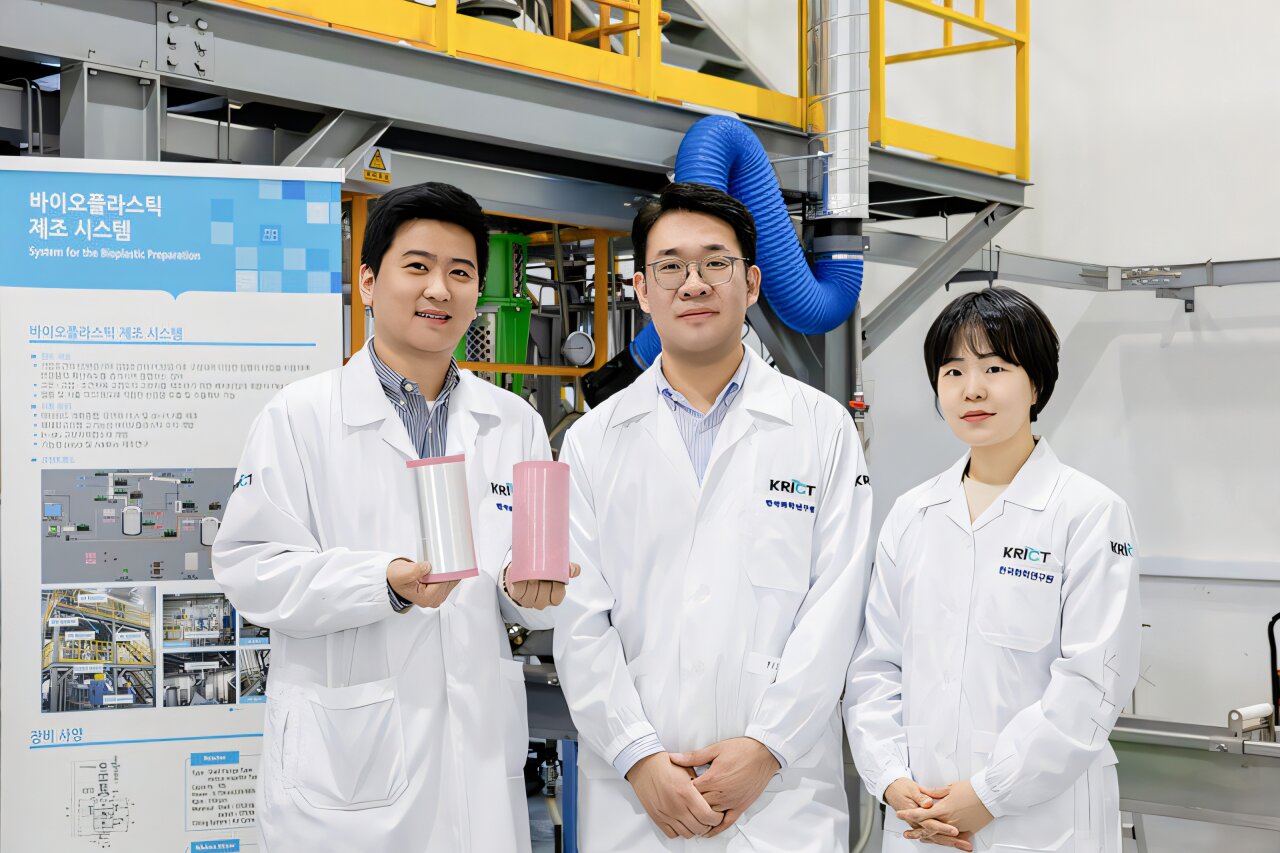



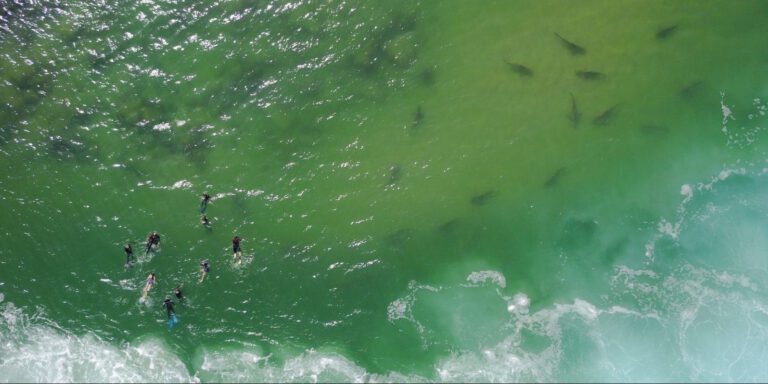





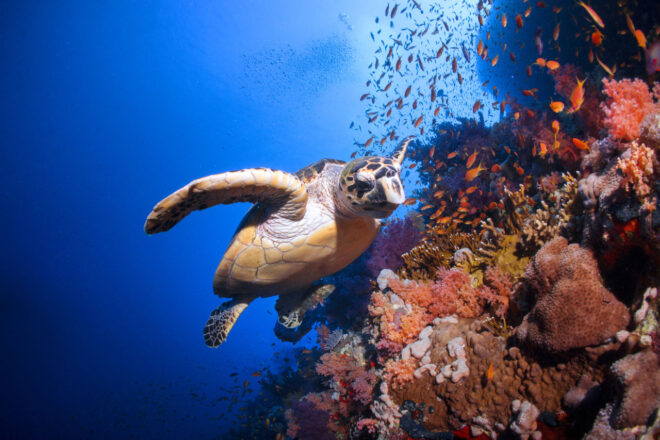 Image retrieved from


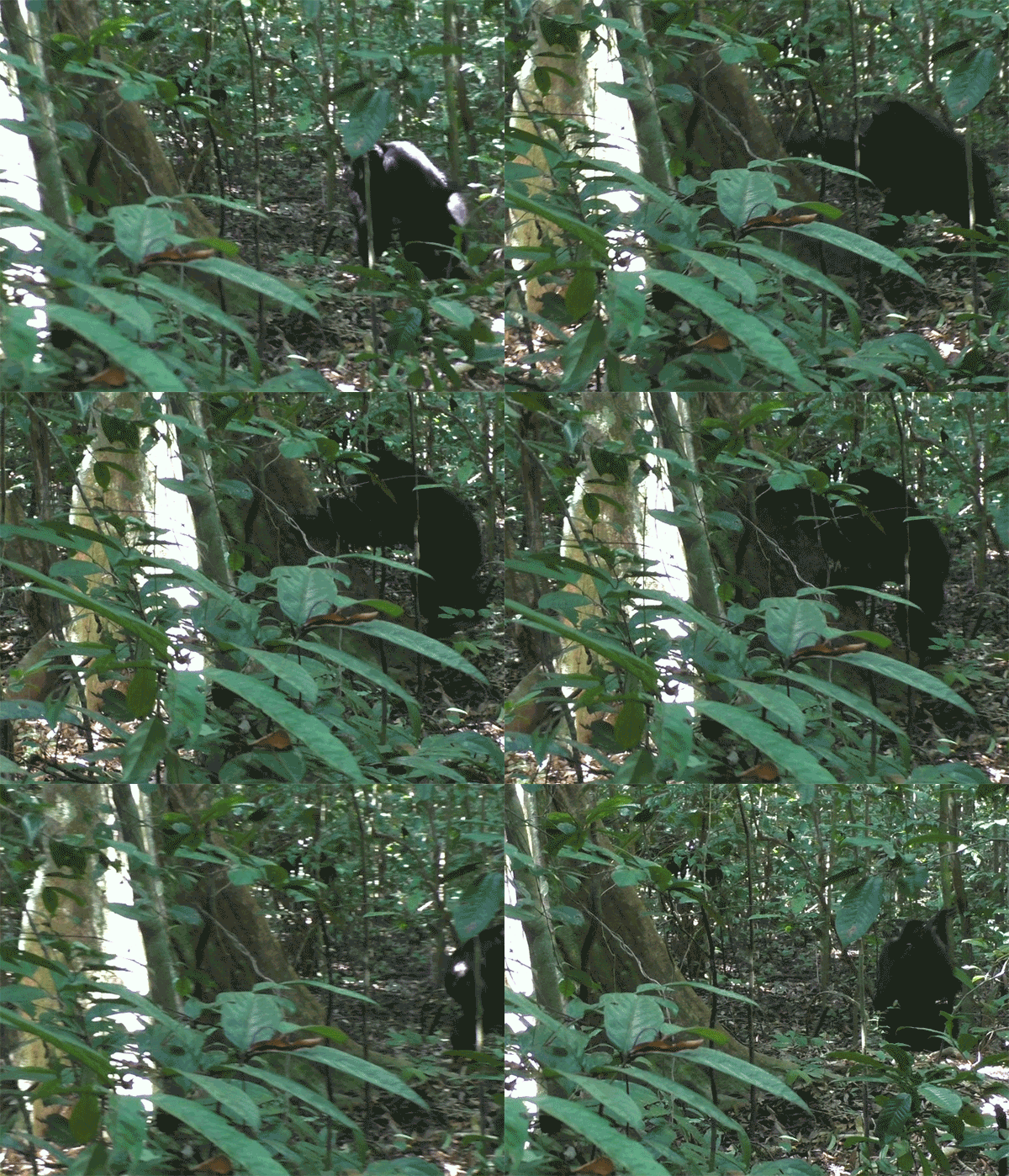



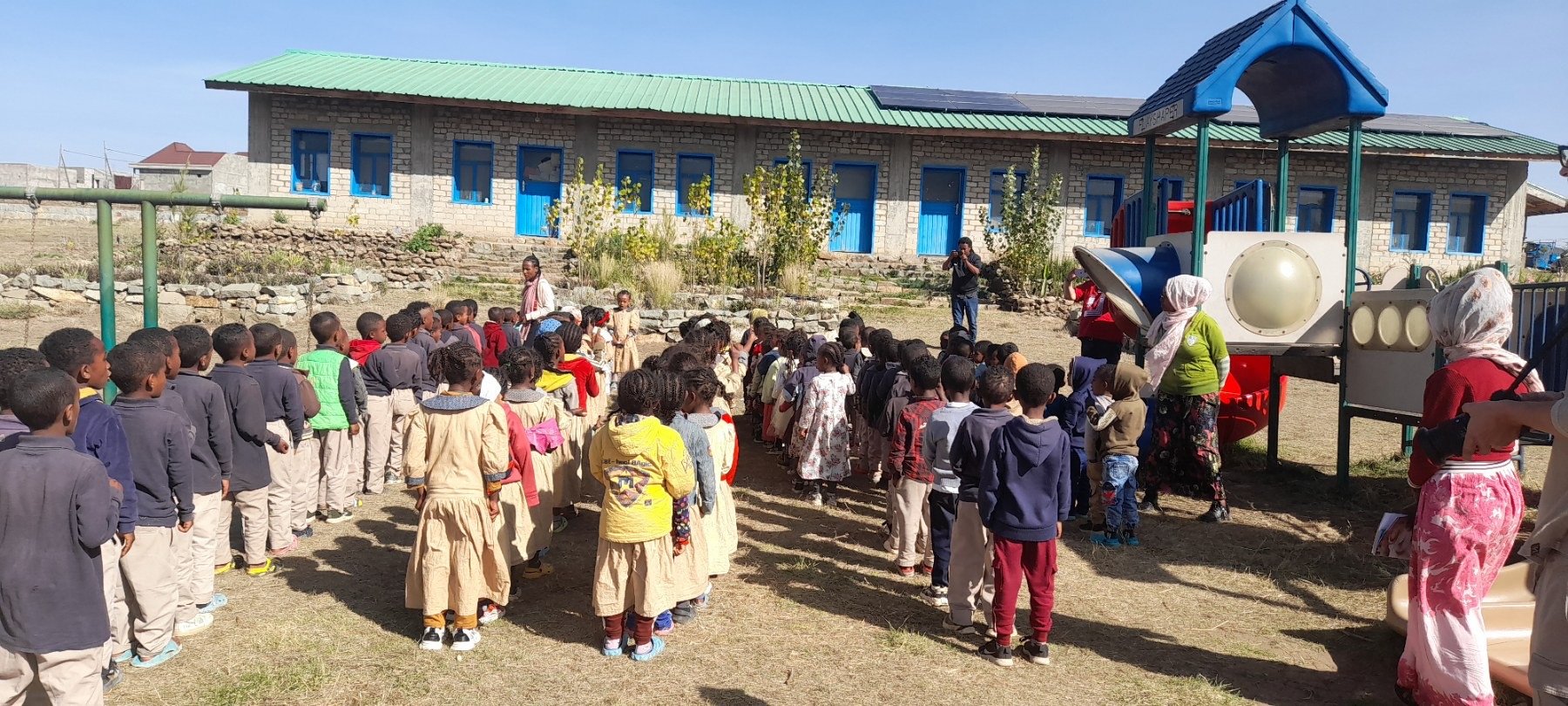
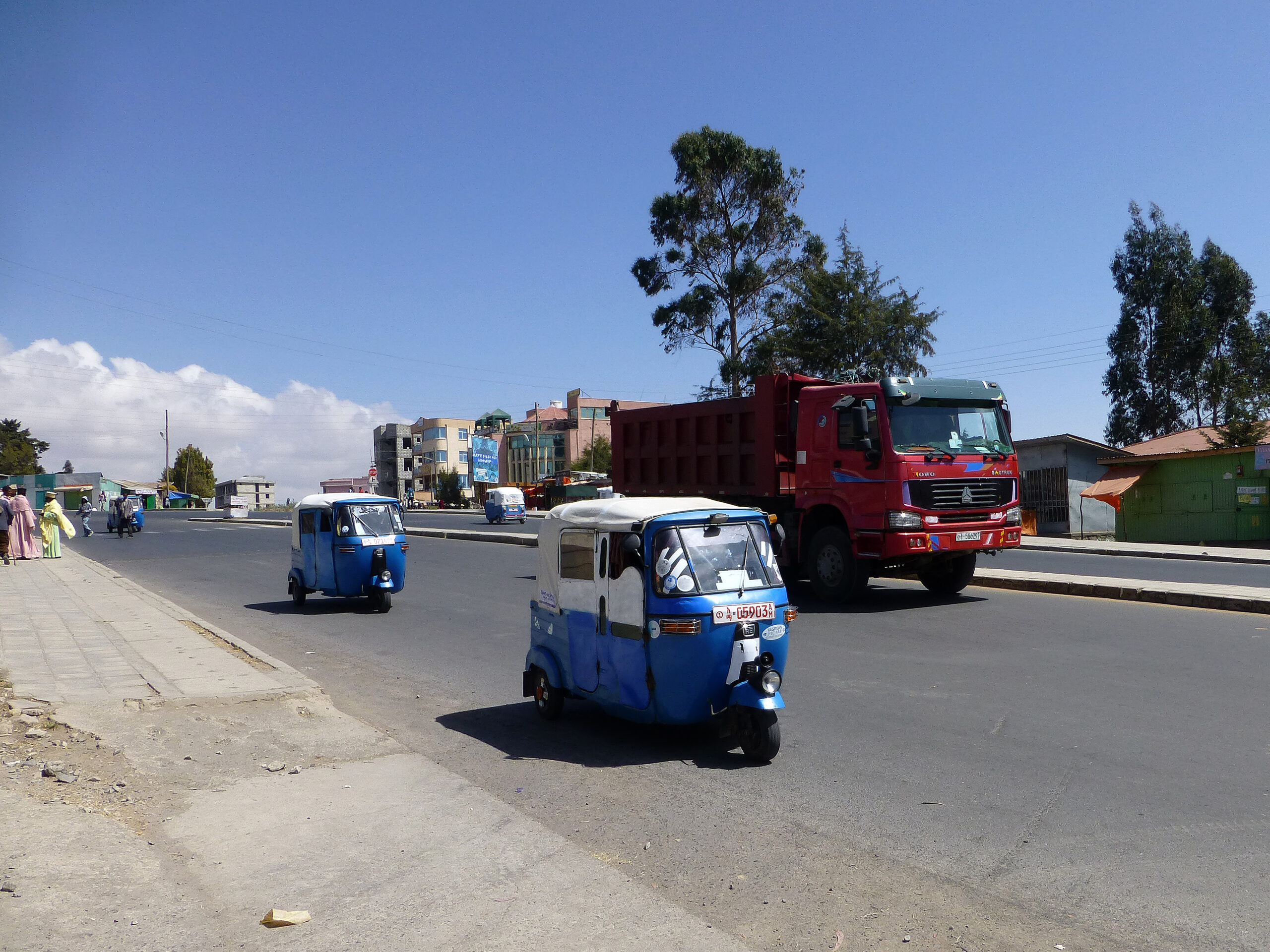












 At the 2025 Time Space Existence exhibition in Venice at the Biennale, architectural firm MVRDV has unveiled a groundbreaking solar-responsive installation: the SOMBRA Pavilion. Designed in collaboration with Metadecor, Airshade, and Alumet, among others, the project is located in the lush setting of the European Cultural Centre’s Giardini Marinaressa.


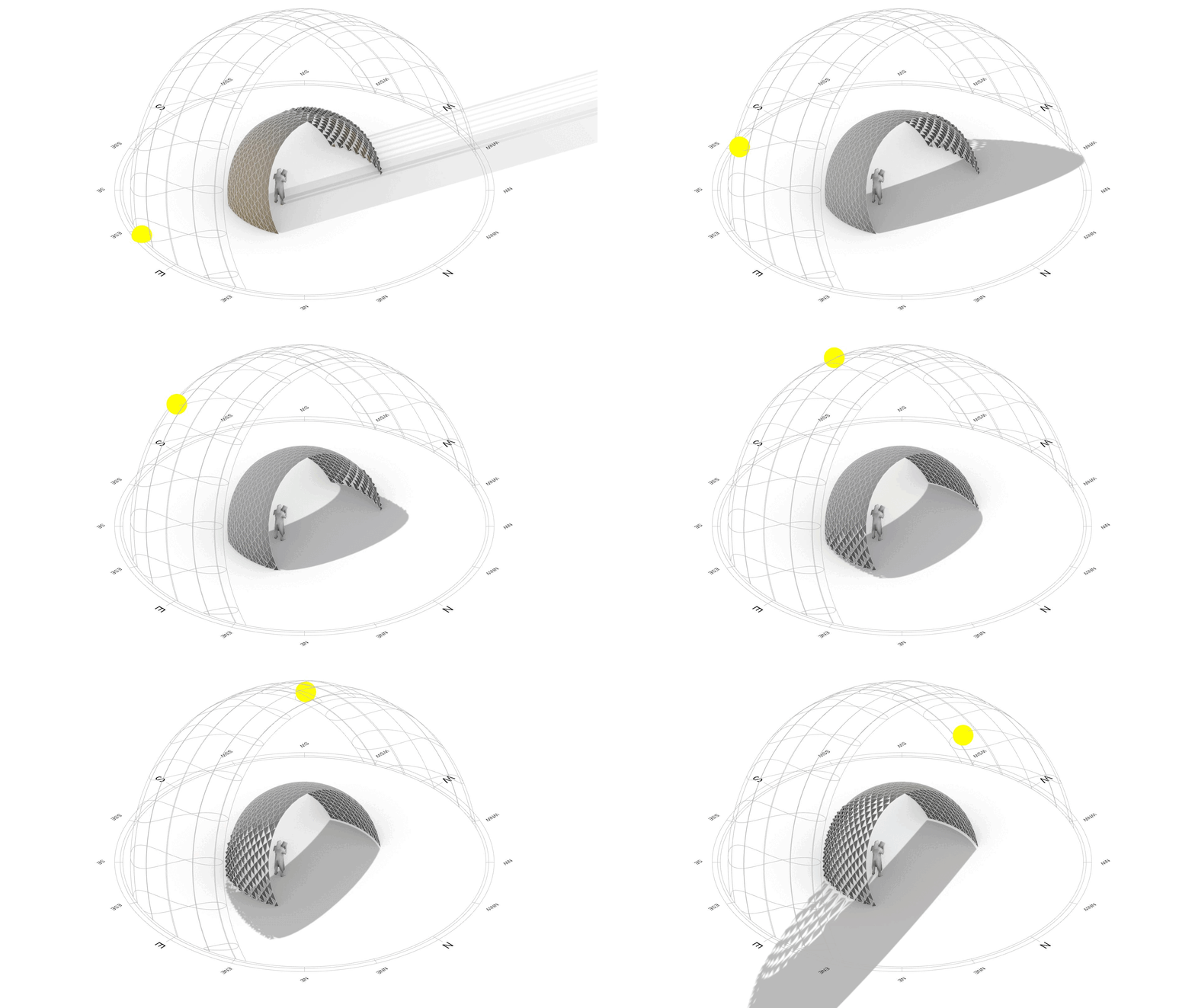
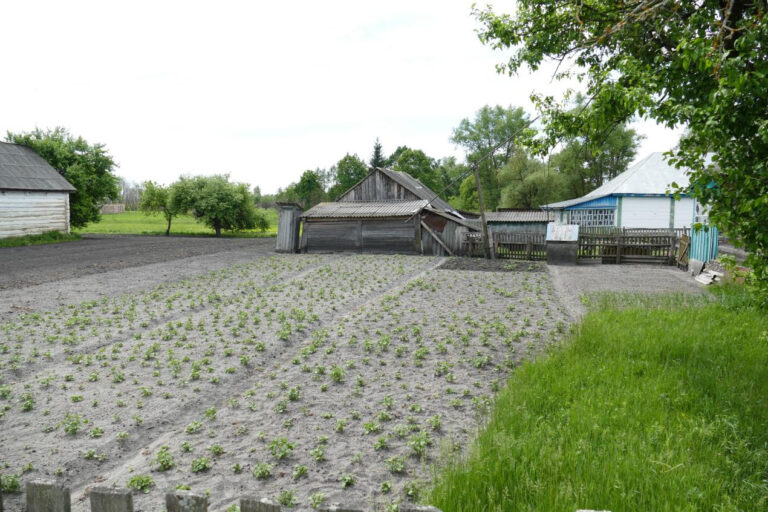

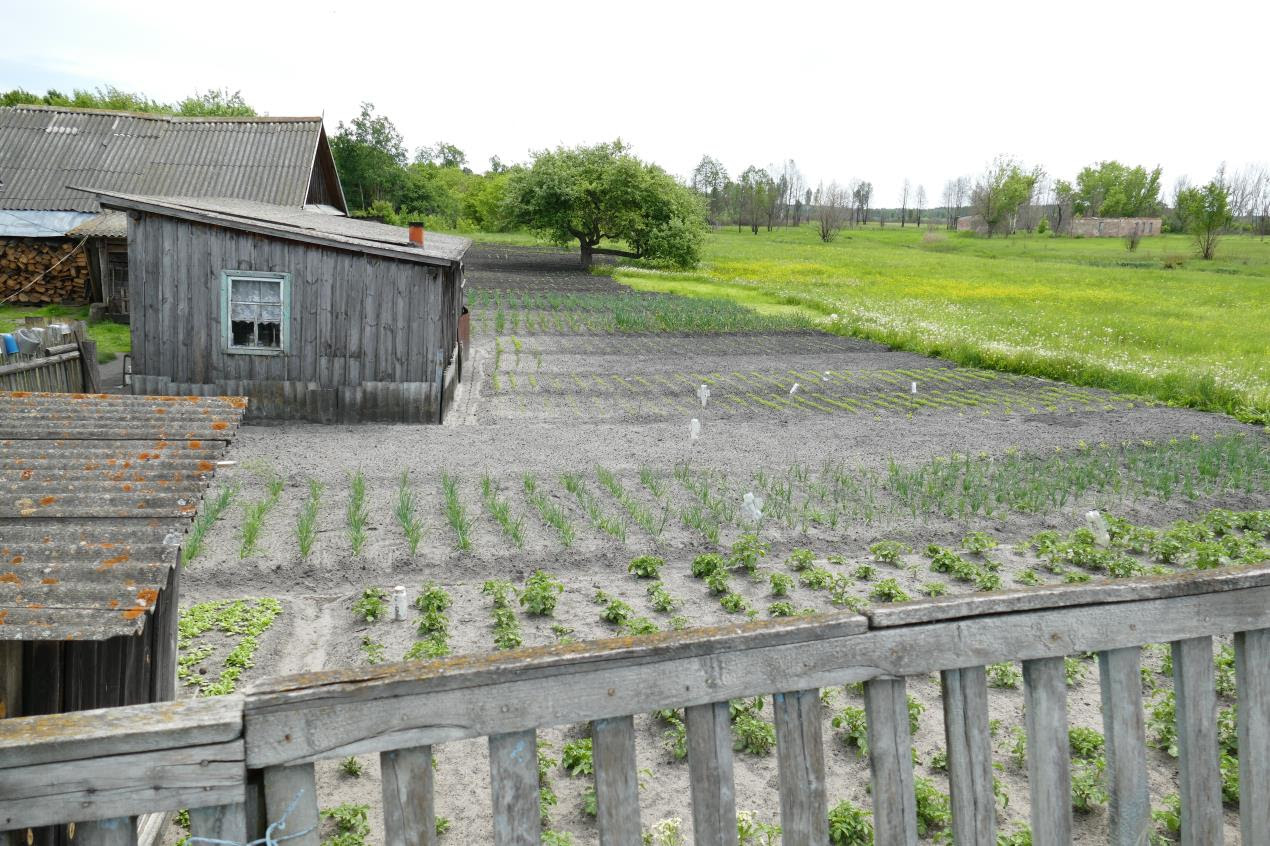











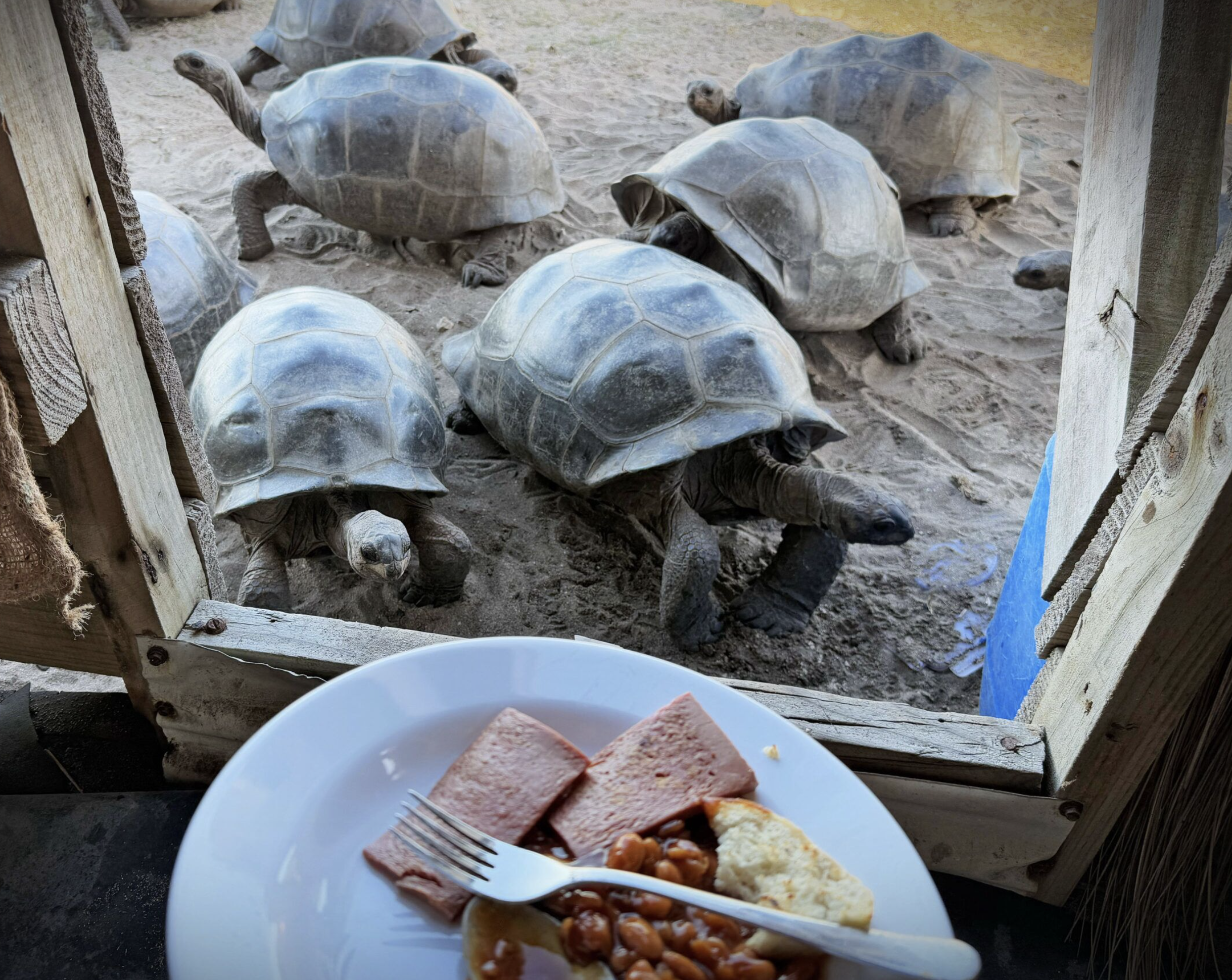

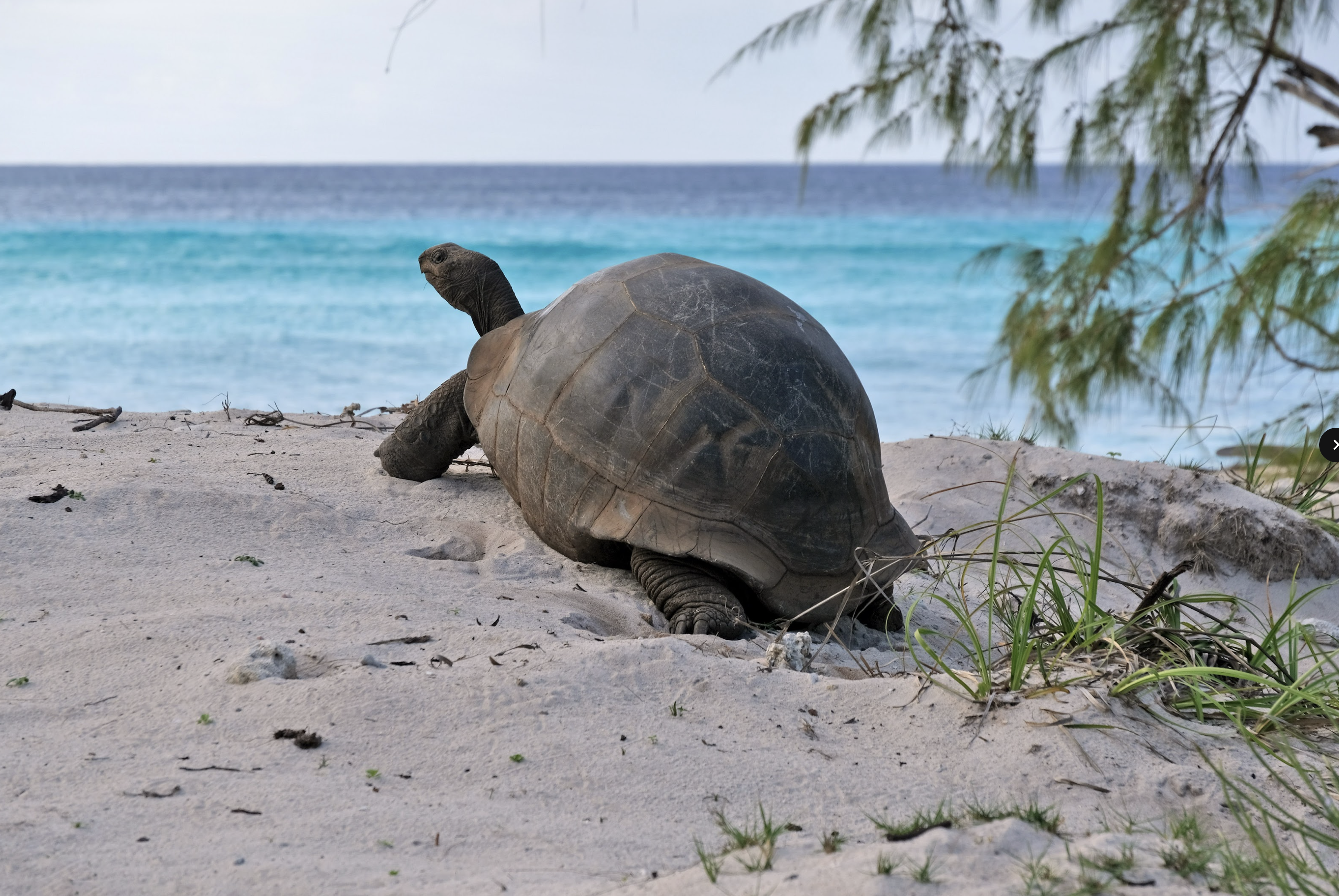

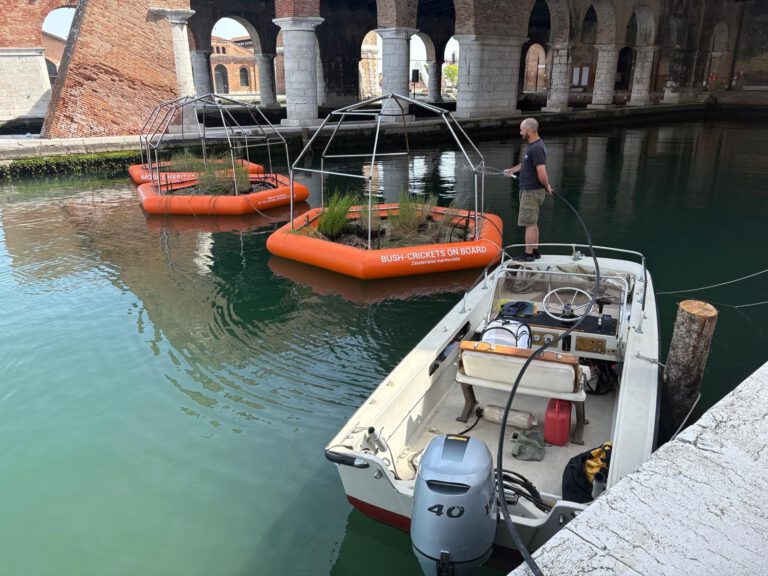
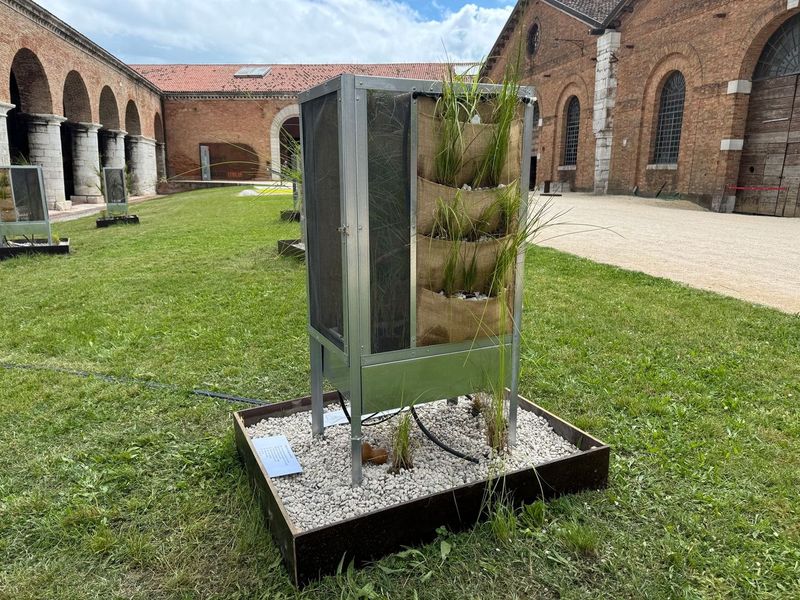
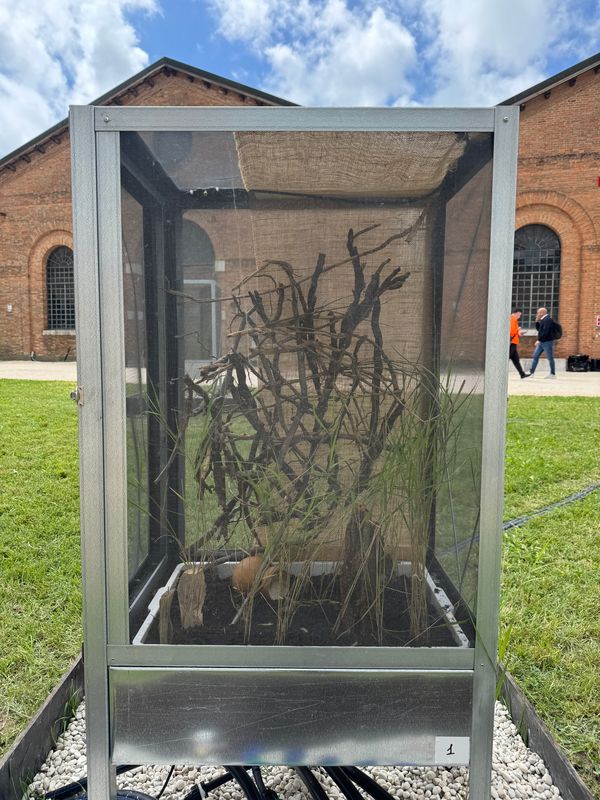

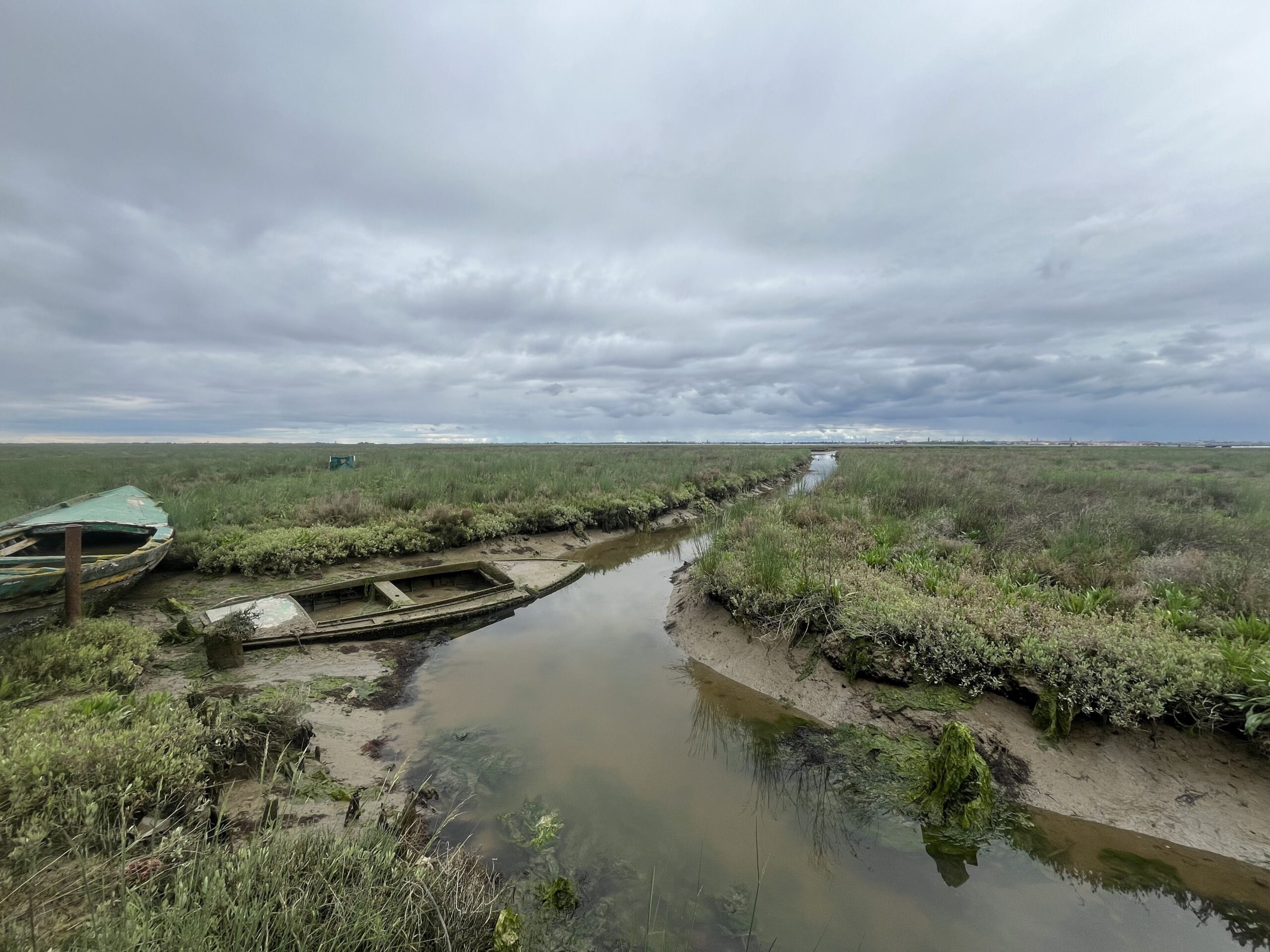


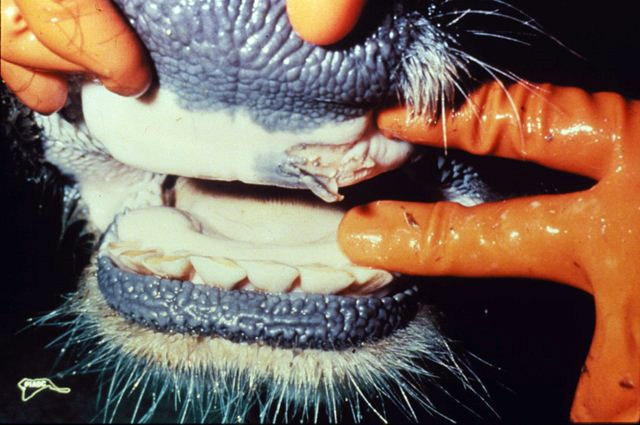





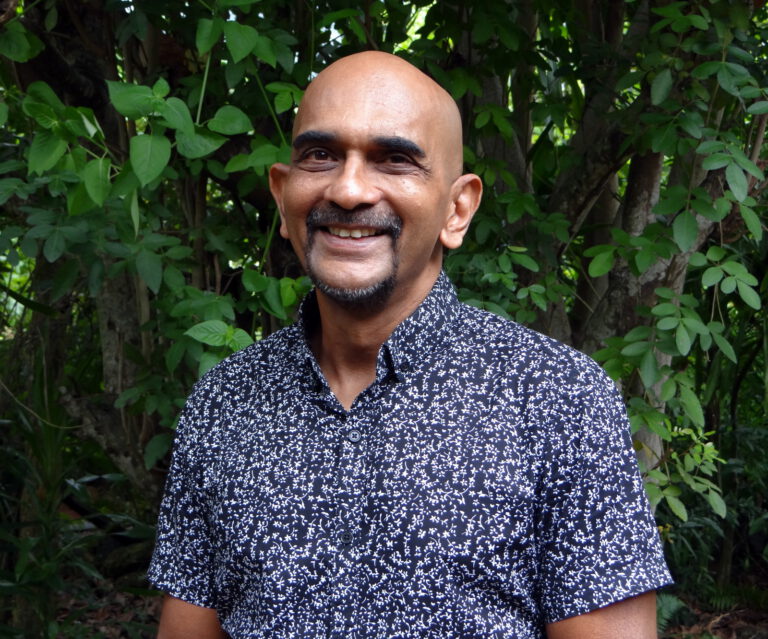

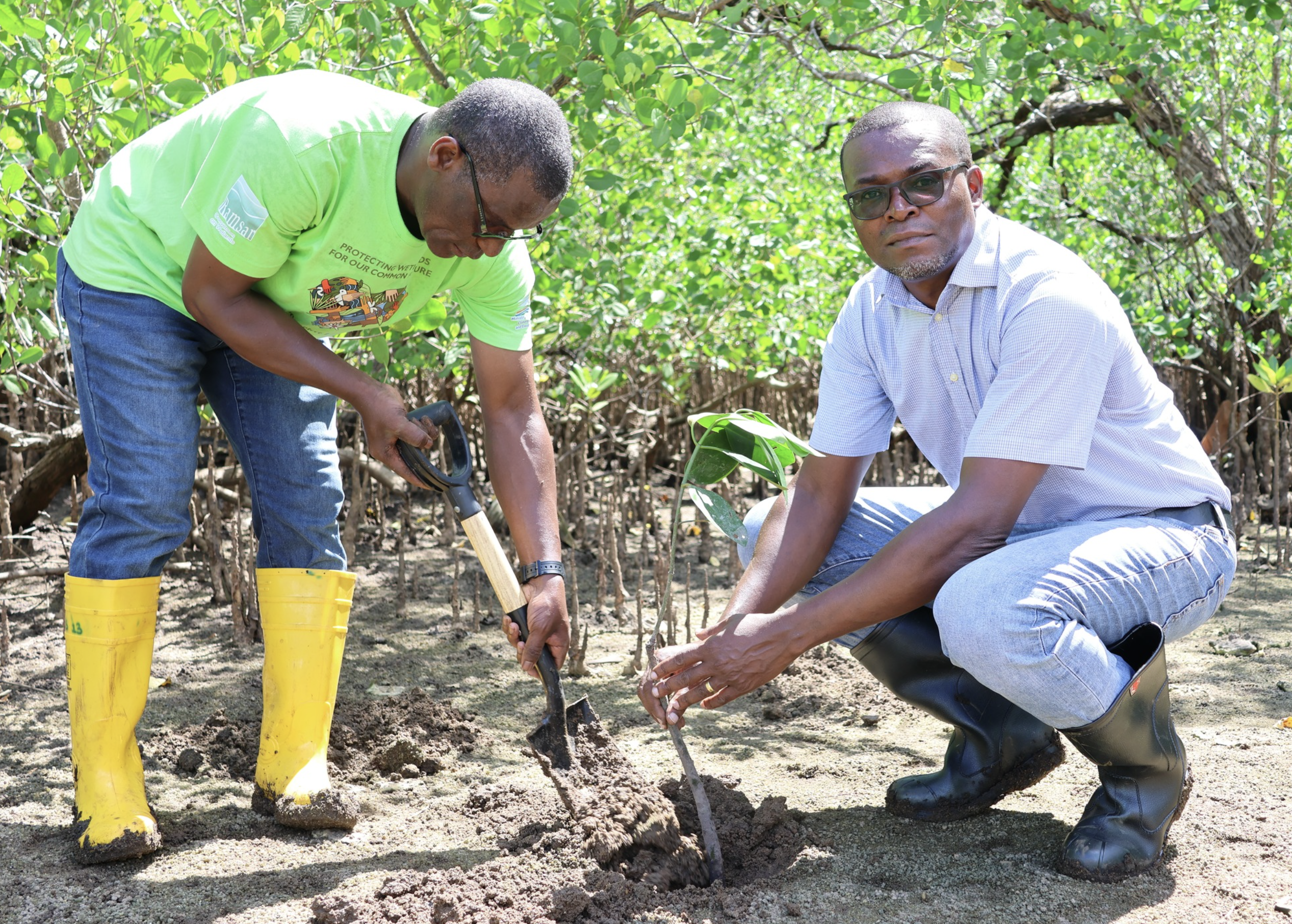
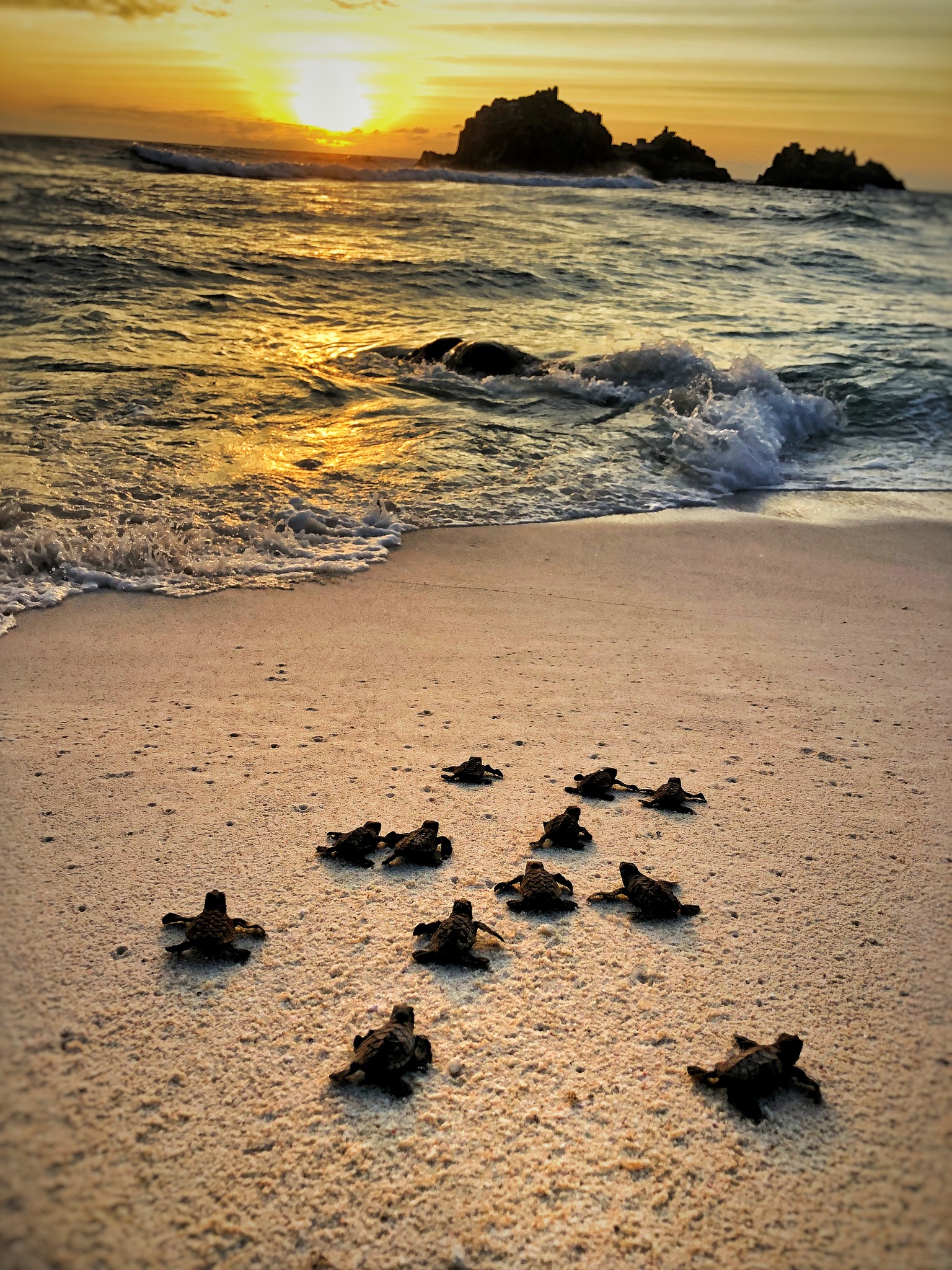
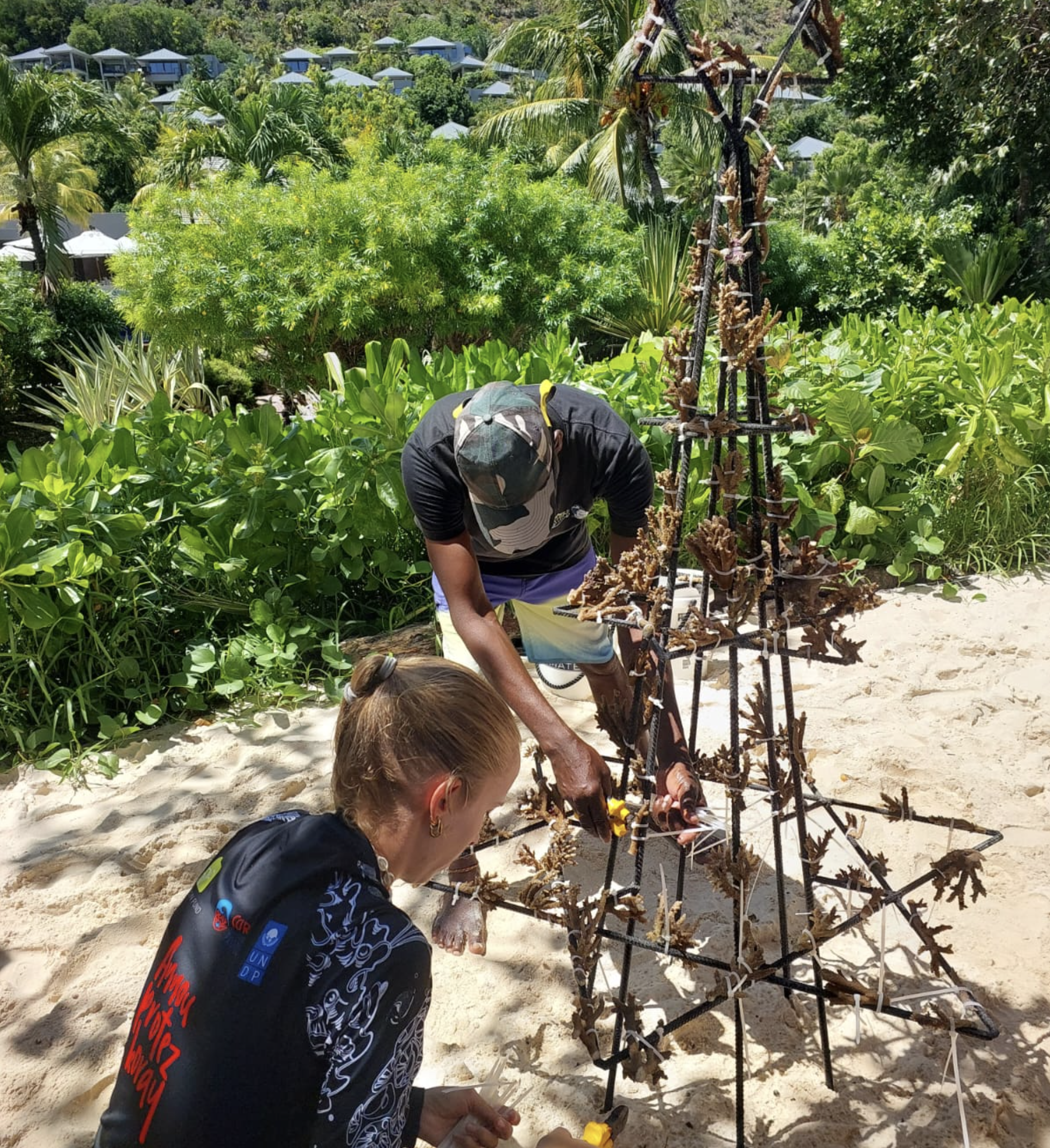











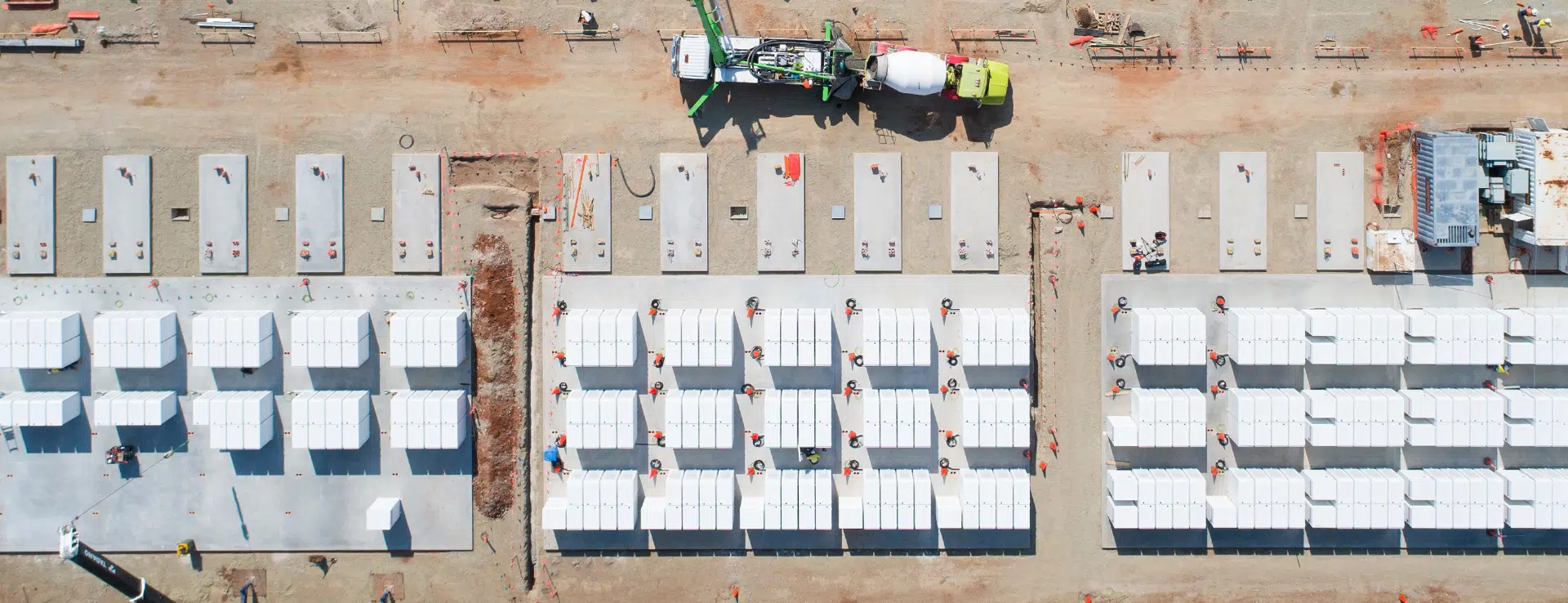

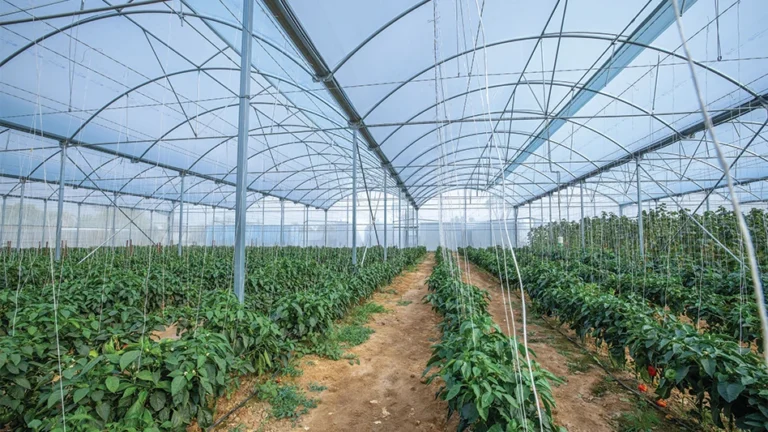

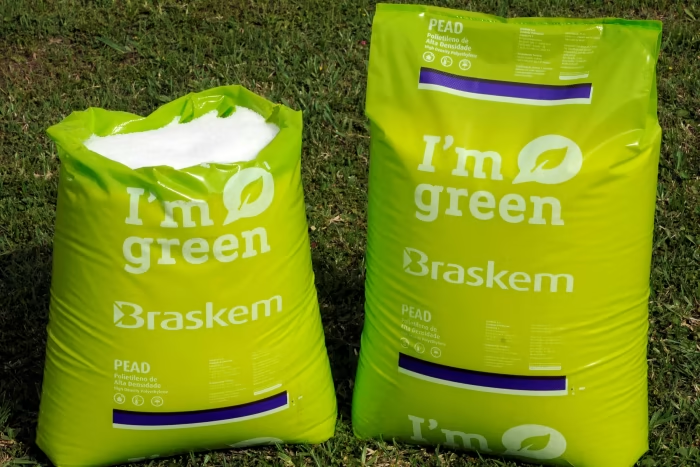




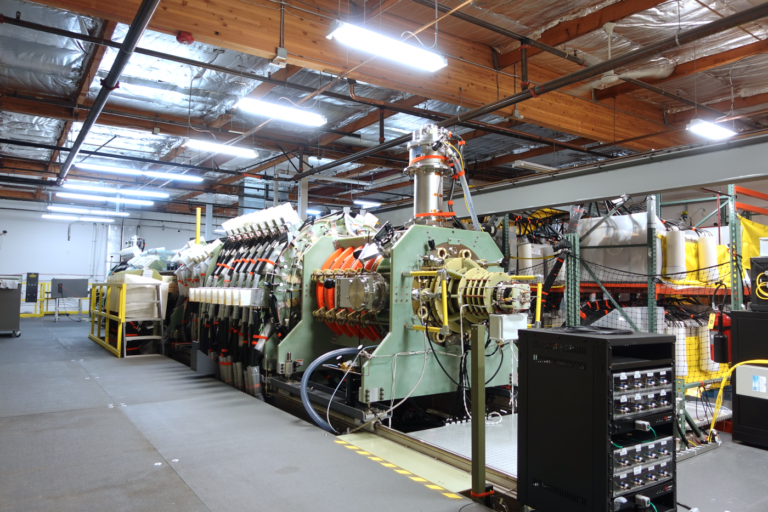


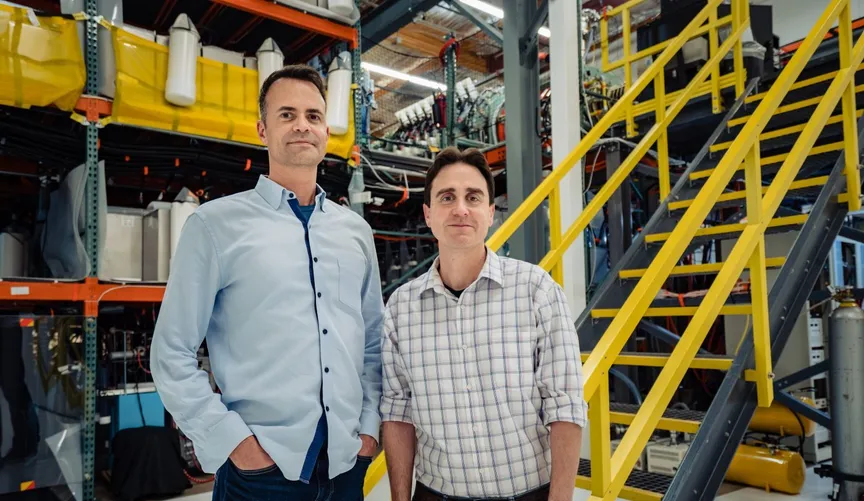



















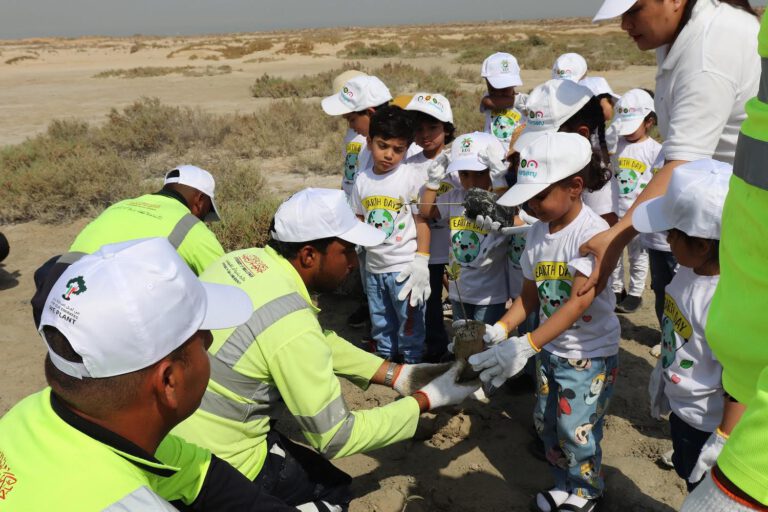
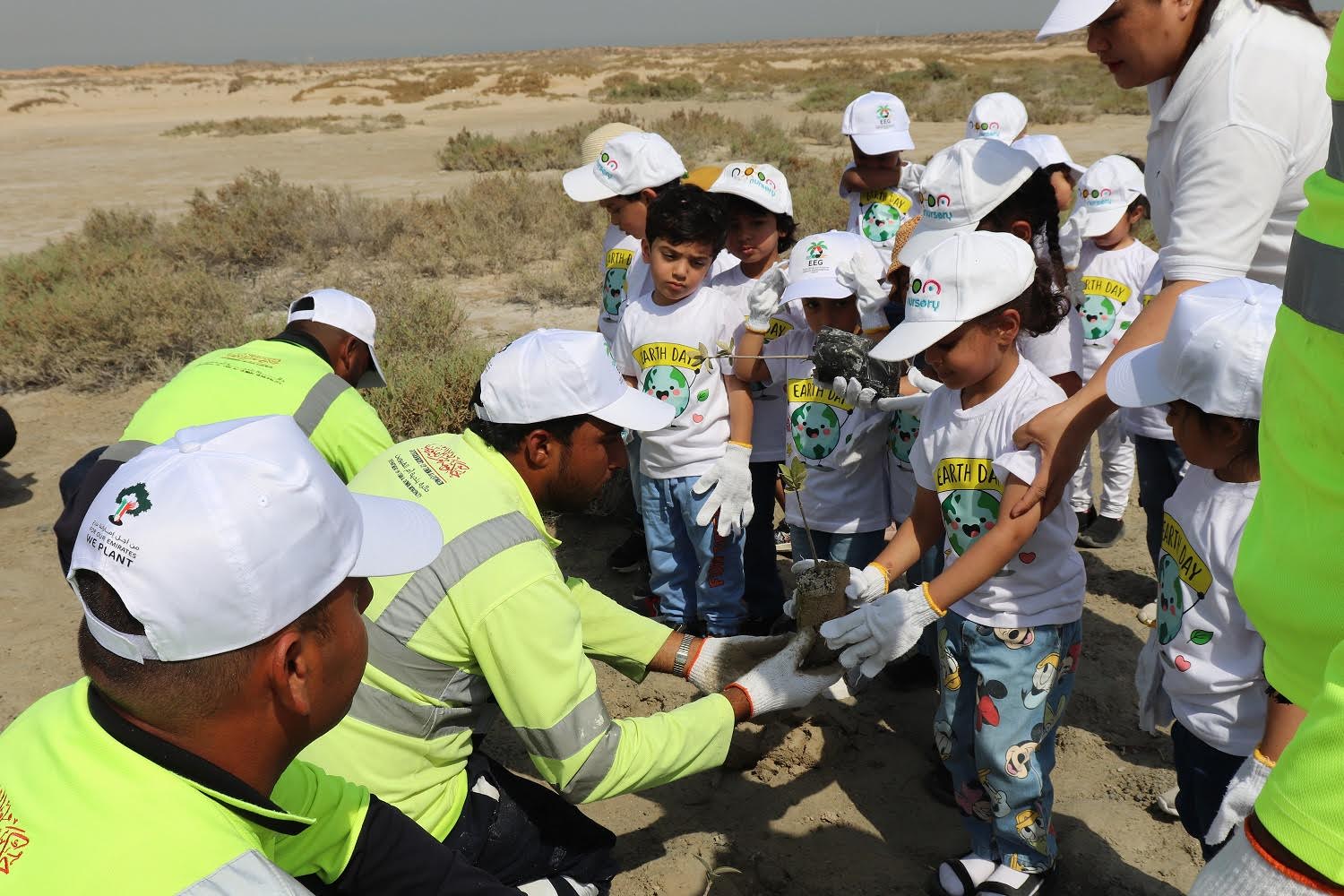
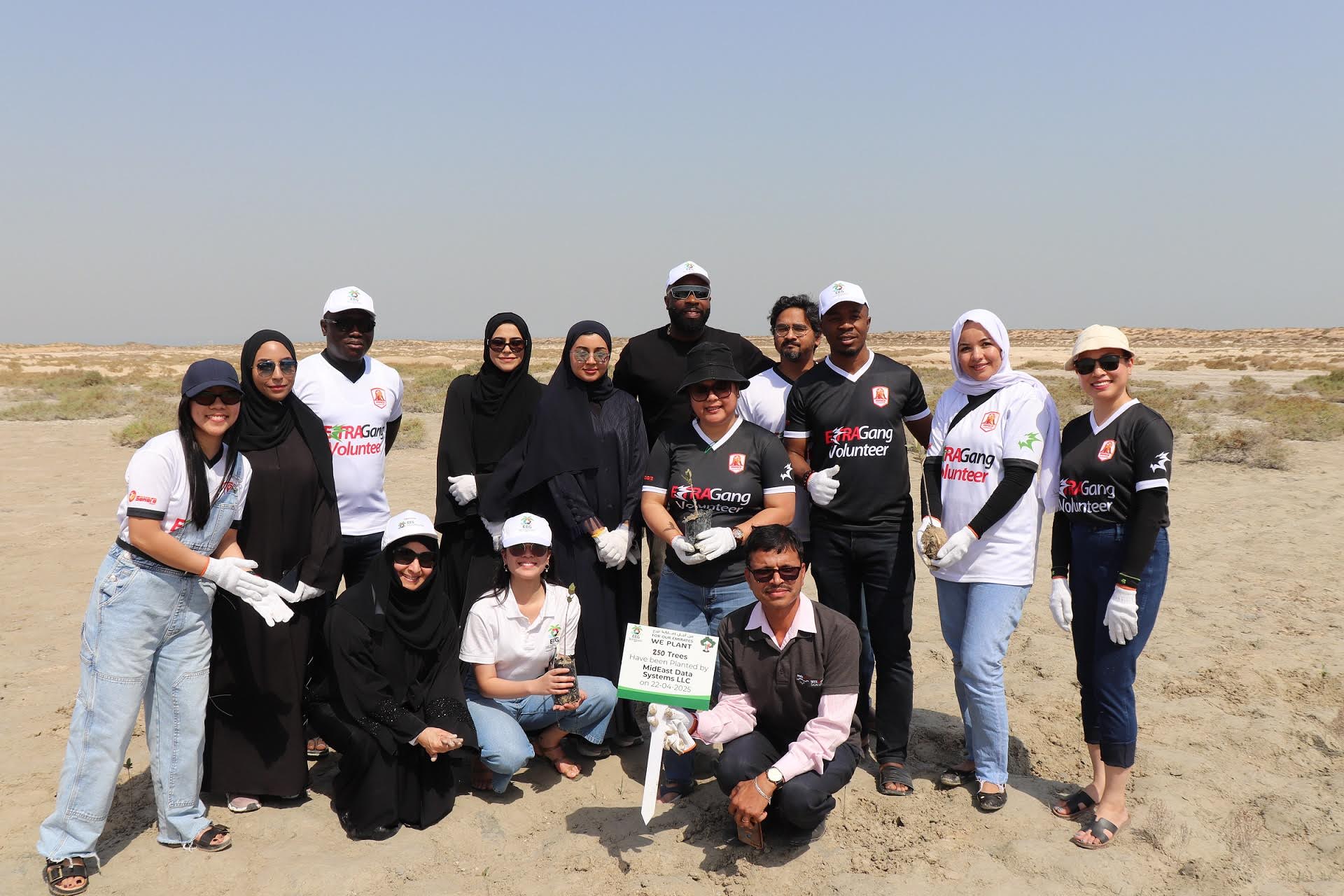





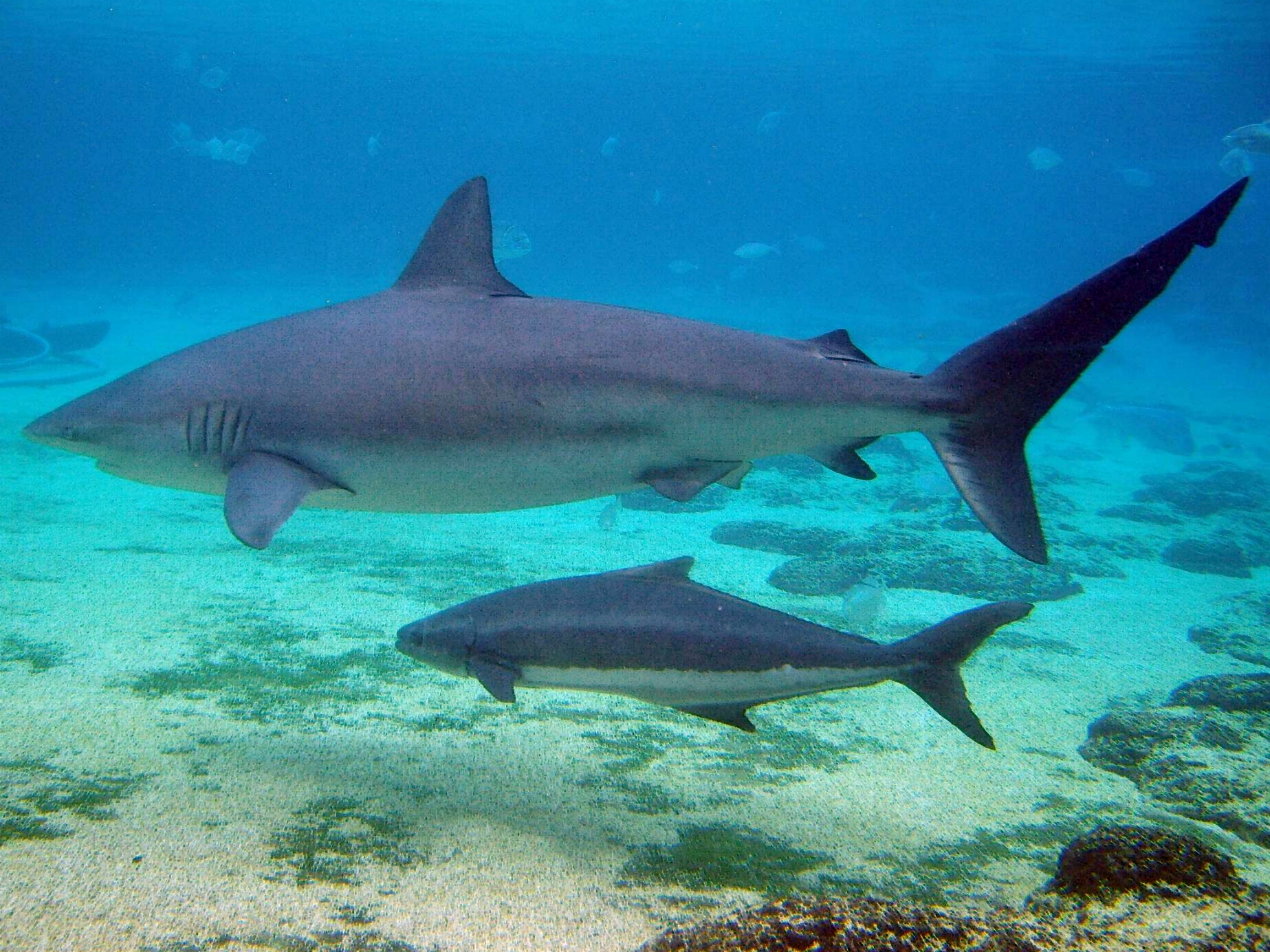






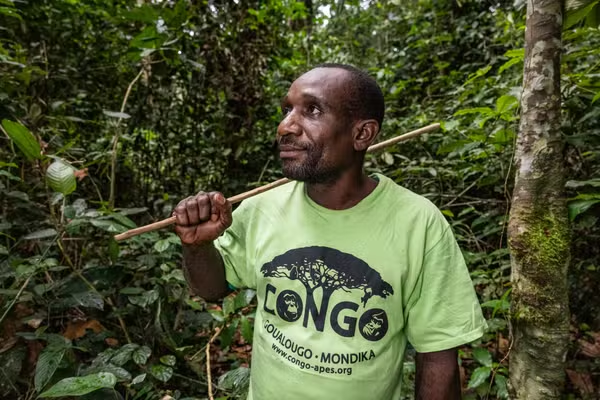





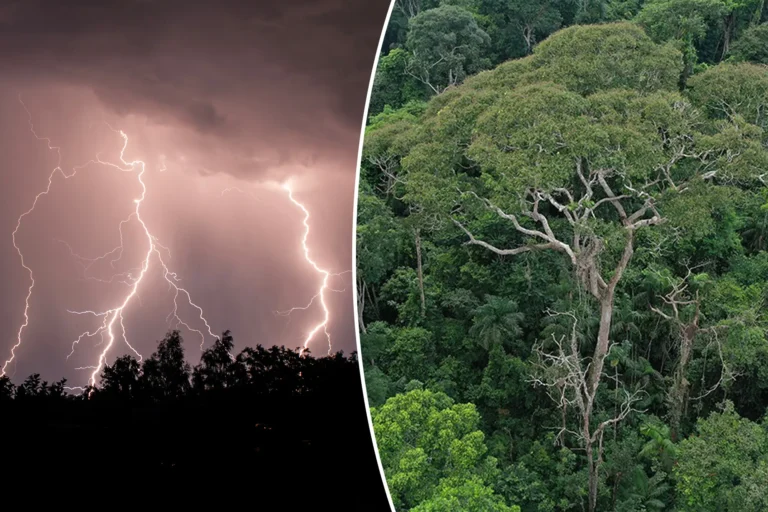










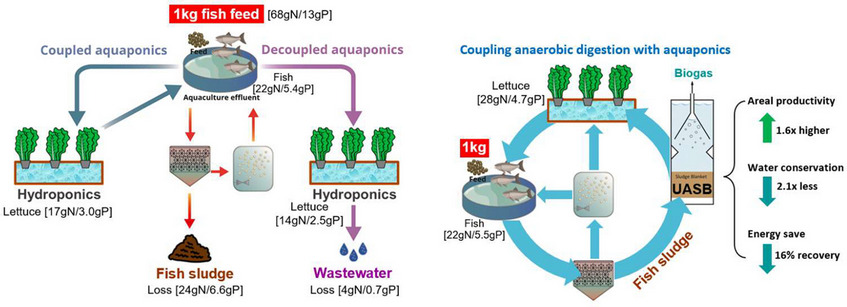
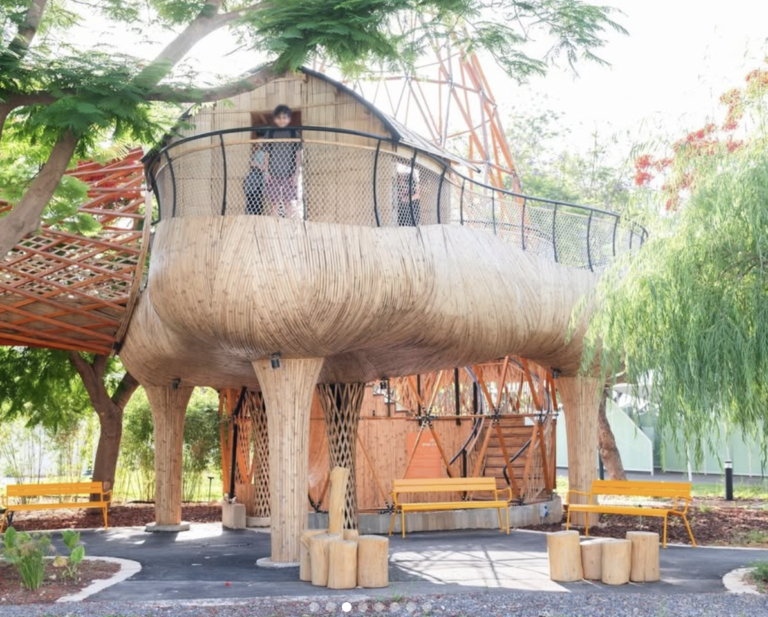












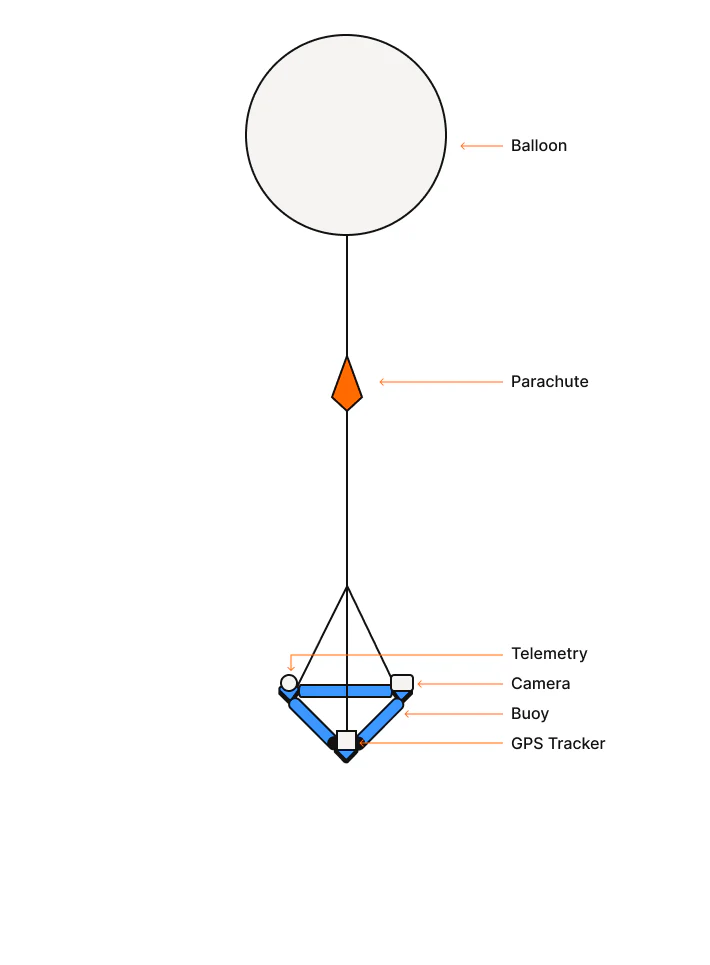

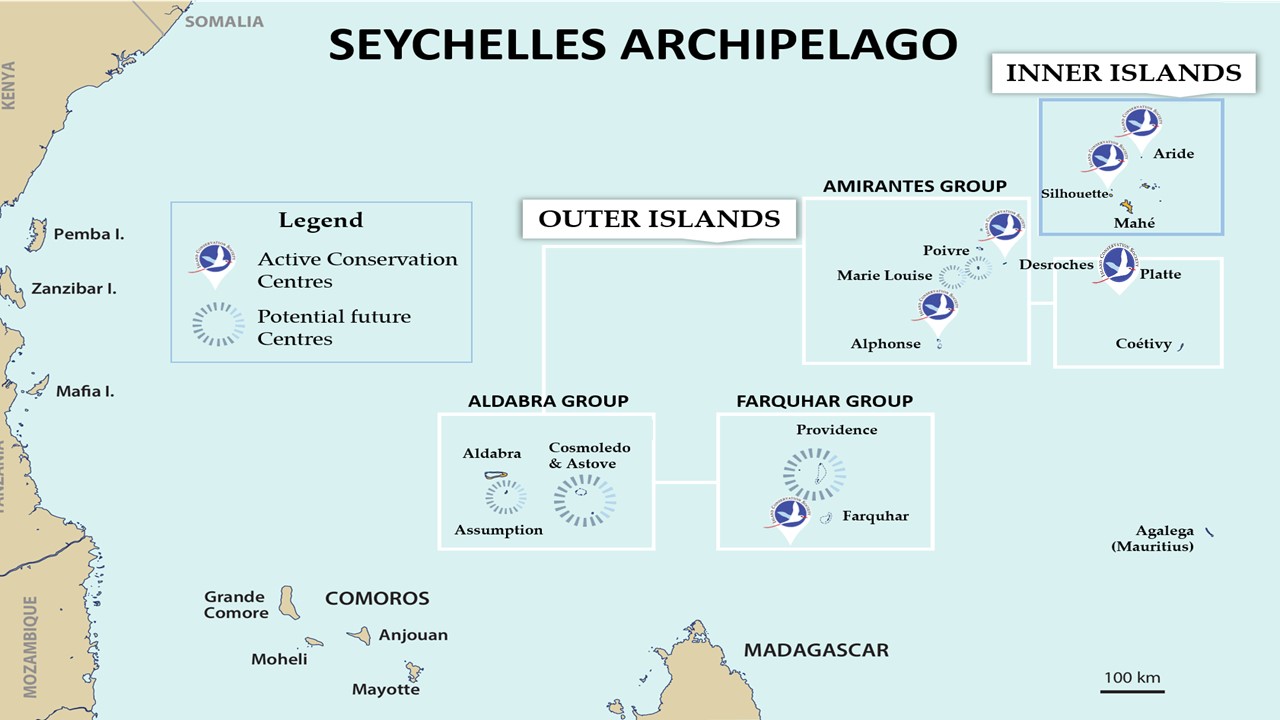
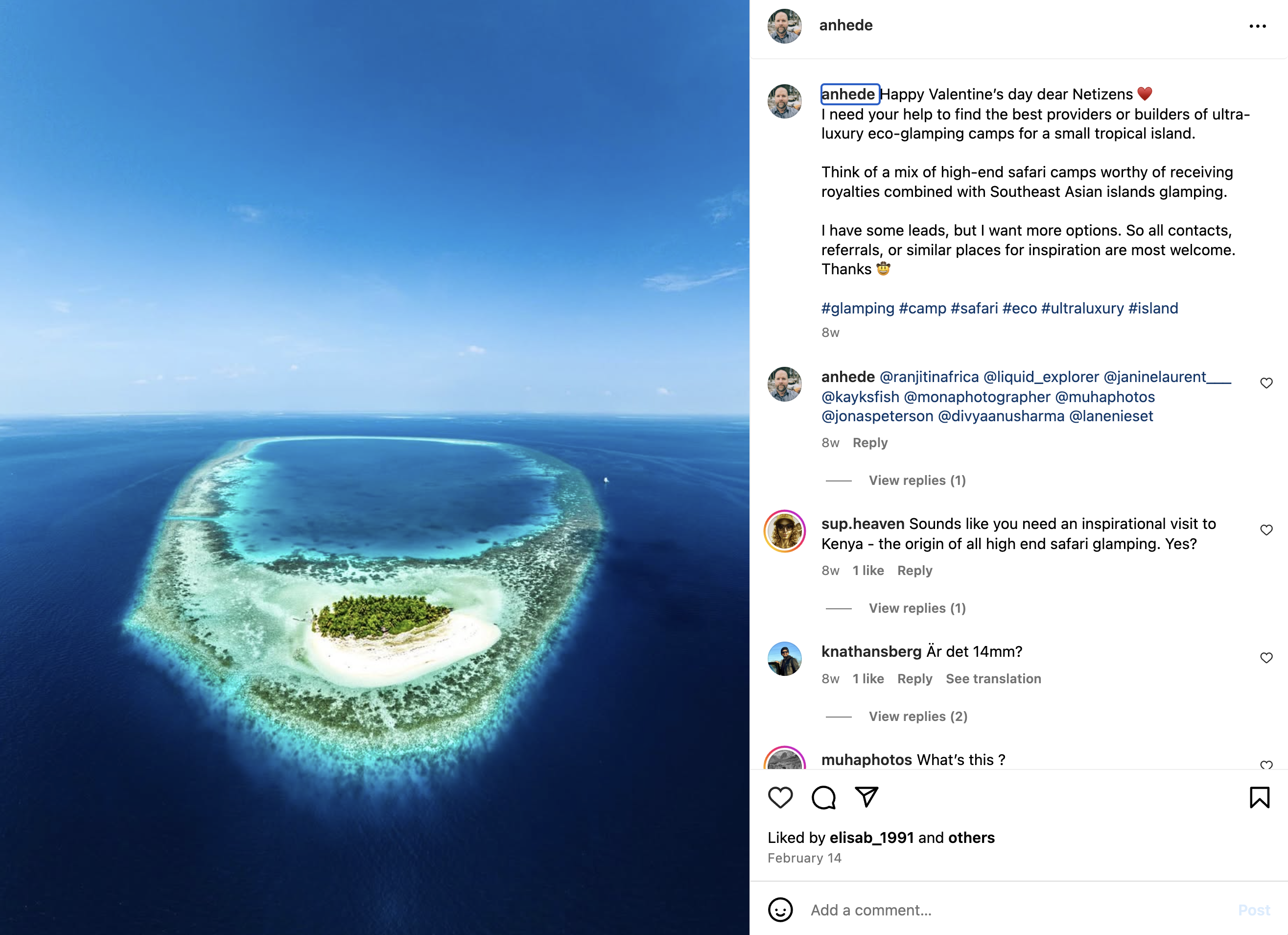


























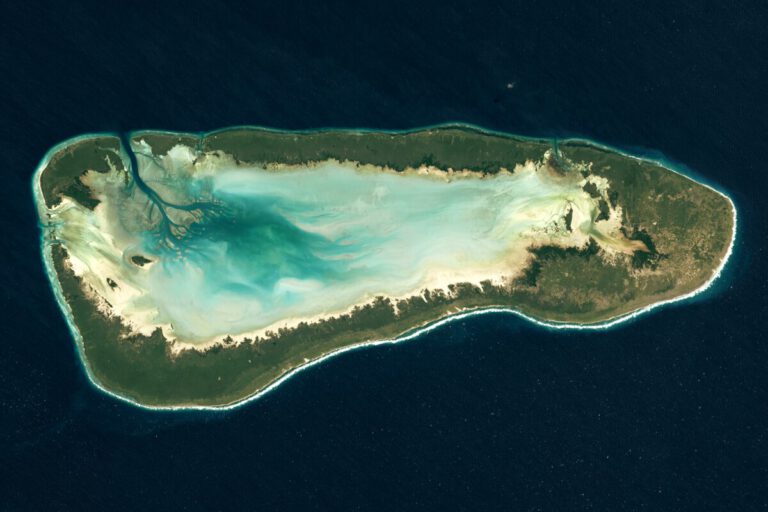




 Raven in her forest in the summer




 Six people have died after a tourist submarine operated by Sindbad sank in the Red Sea near Hurghada, Egypt, at approximately 10:00 local time (08:00 GMT) on March 27. The cause of the sinking remains unclear, but the incident has reignited concerns over Egypt’s lax maritime safety standards, shoddy equipment, and lack of effective emergency response measures.
















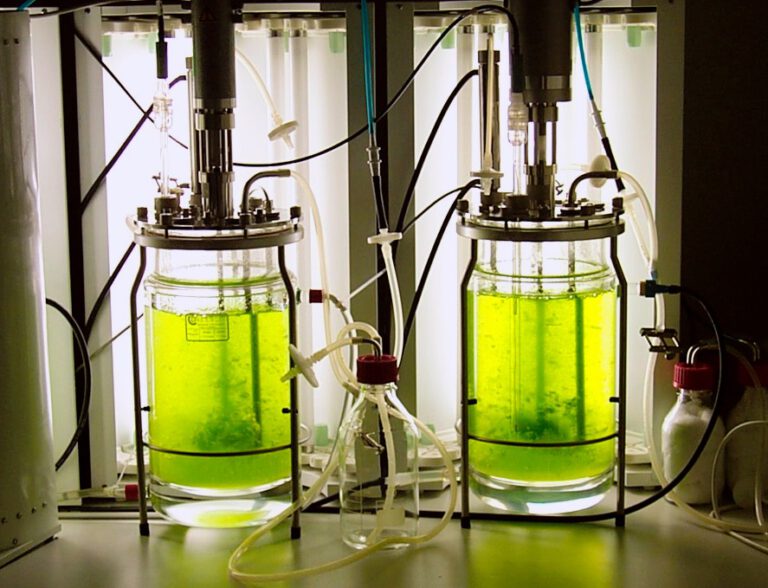



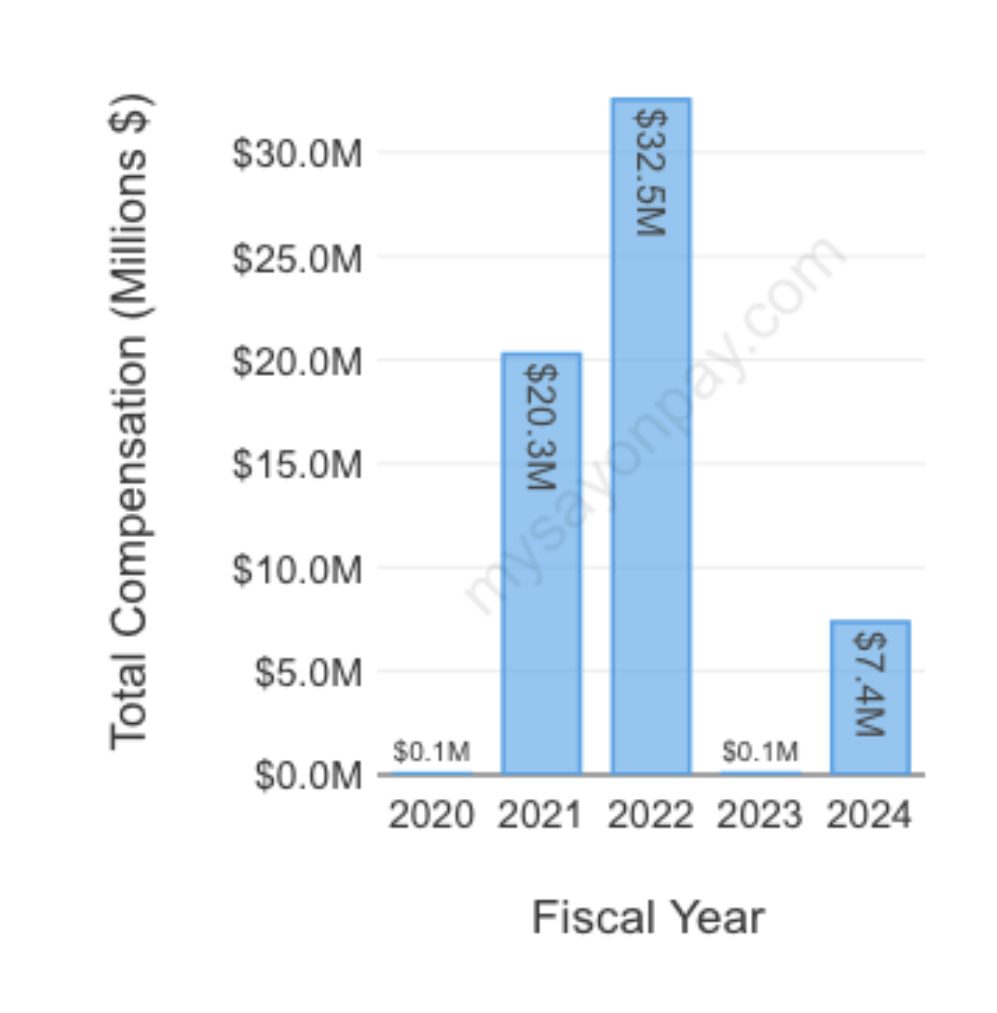


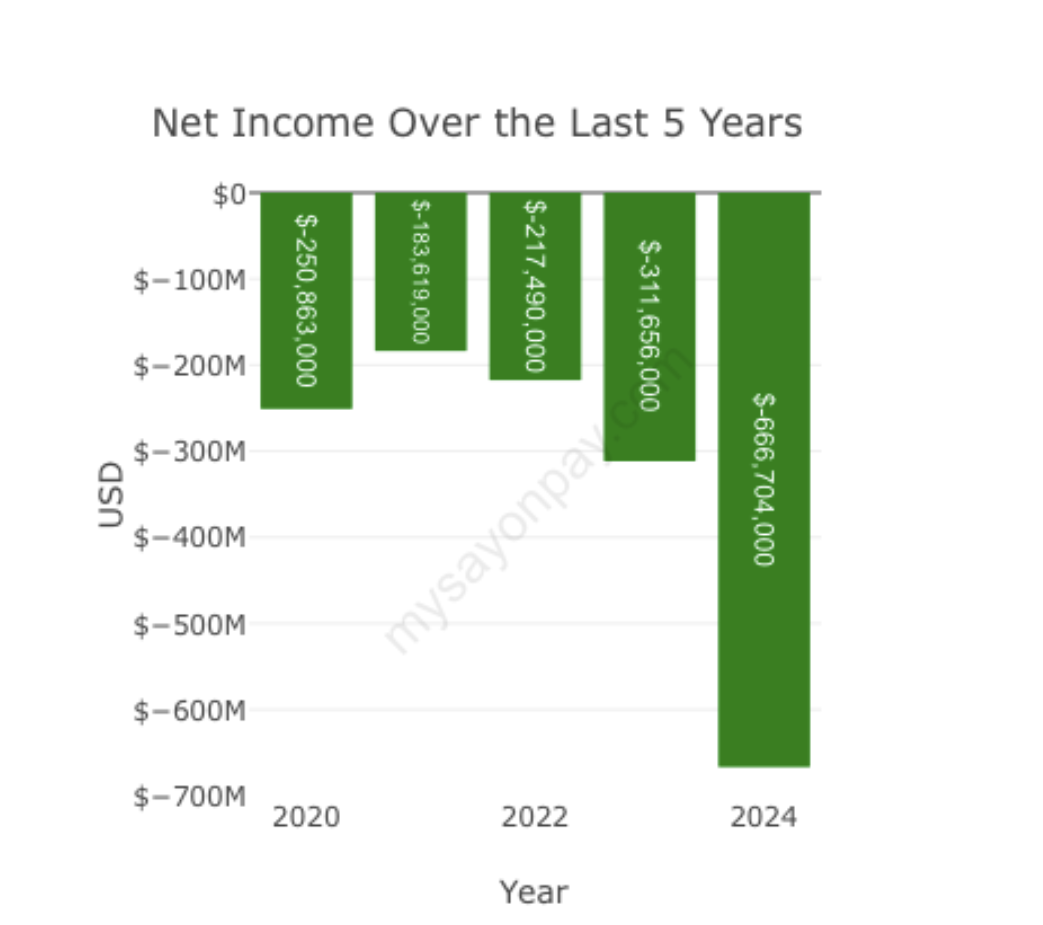
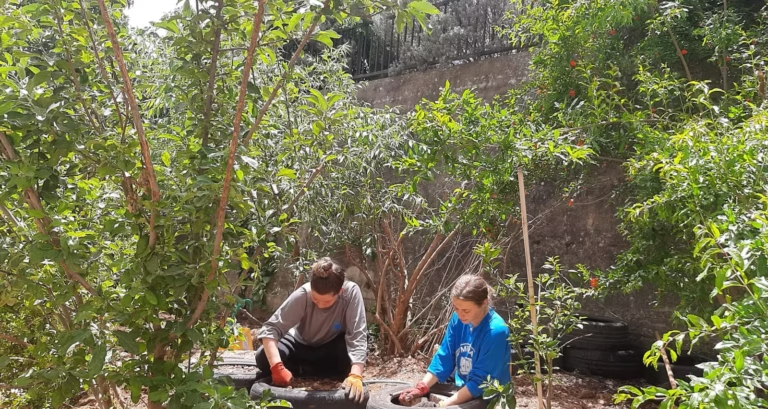
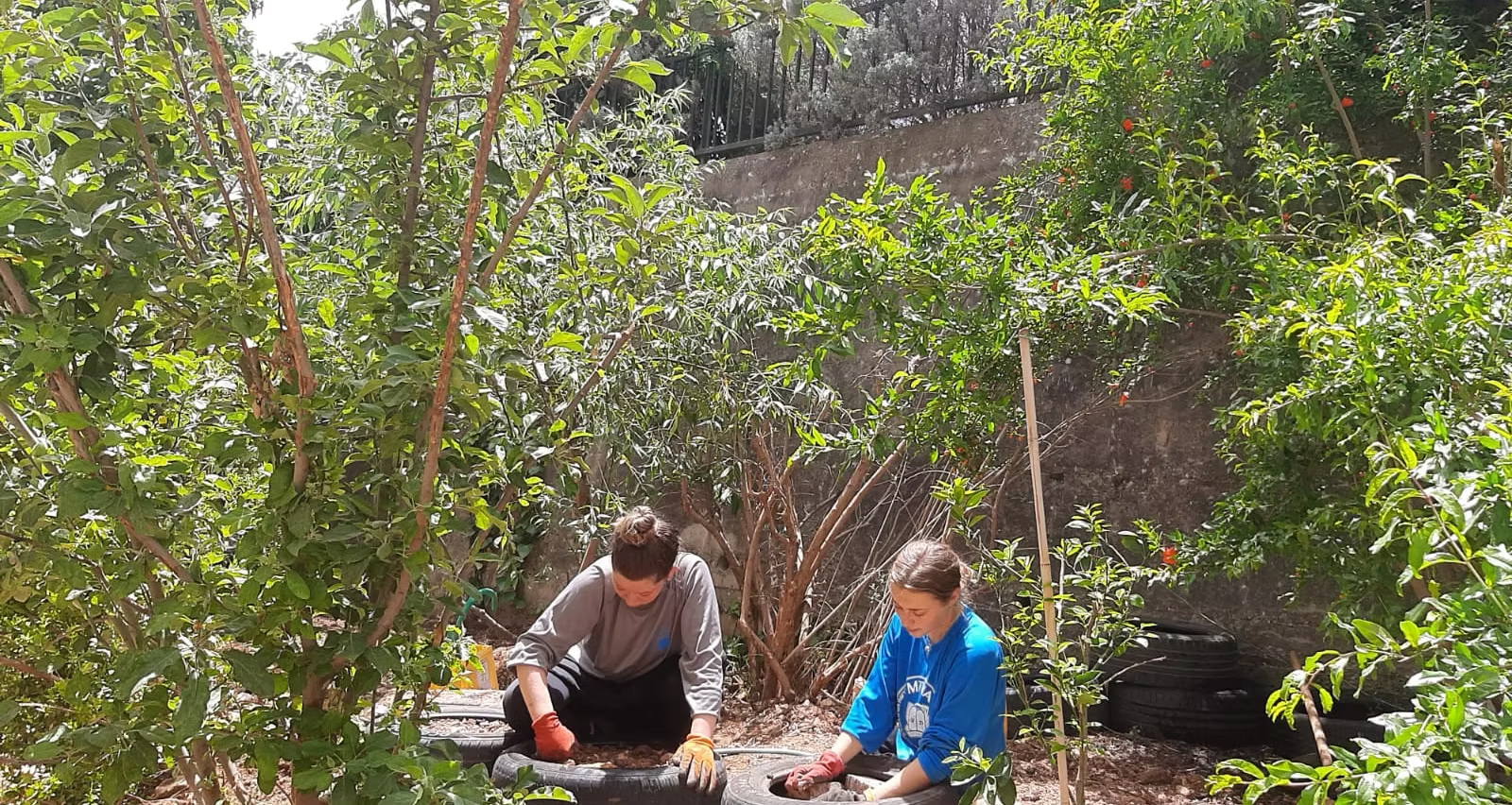




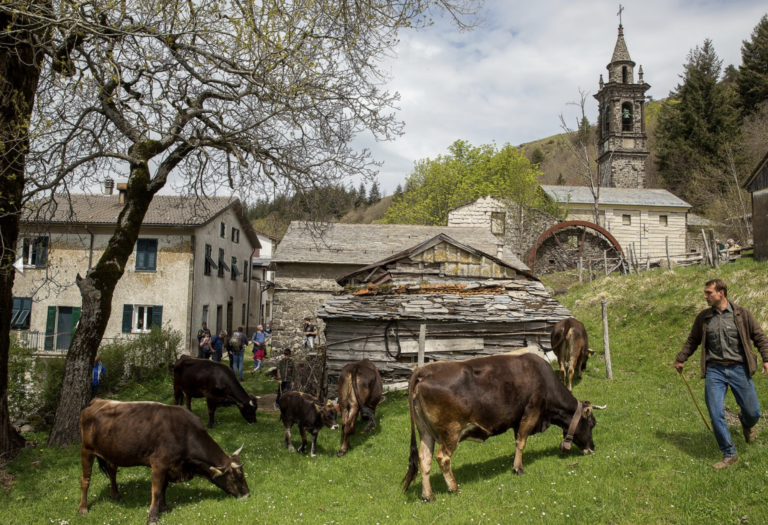










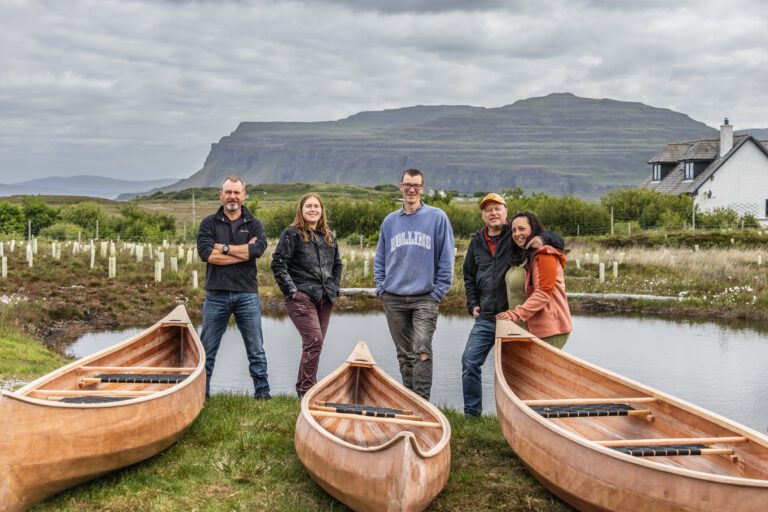
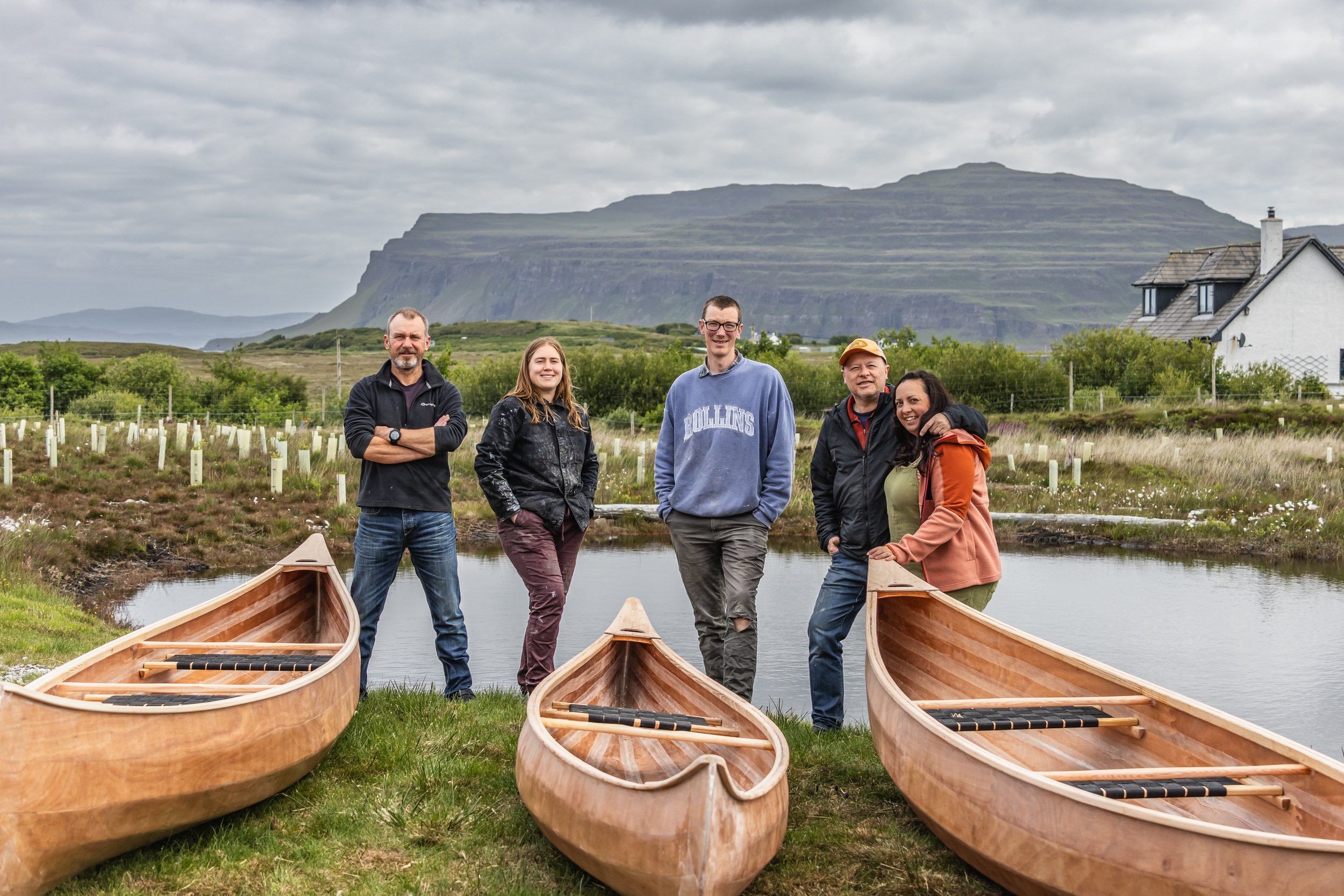









































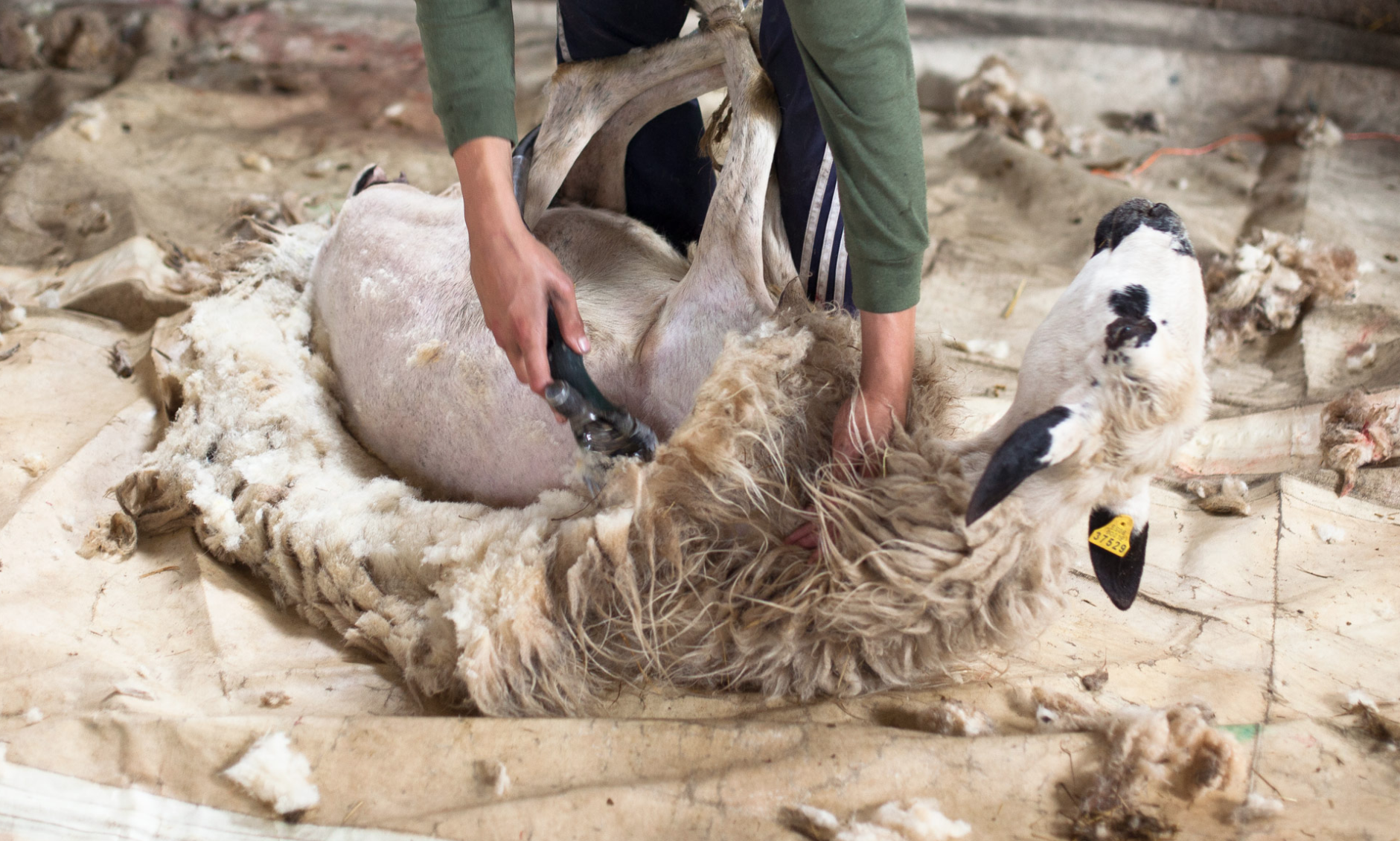



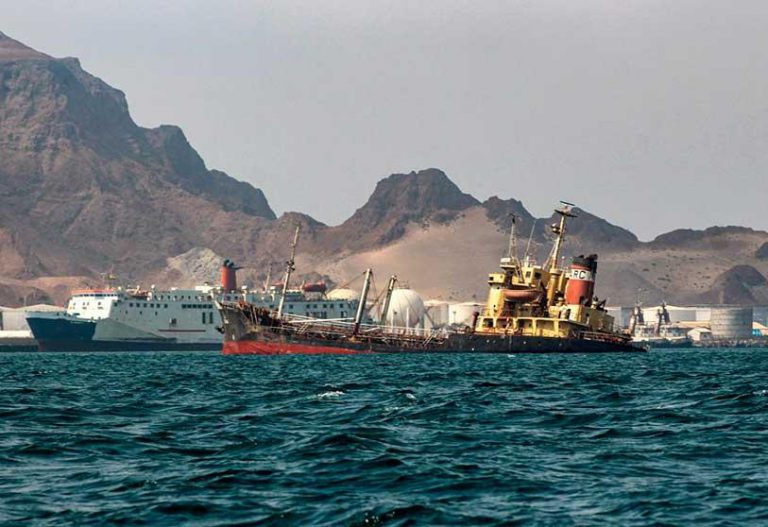










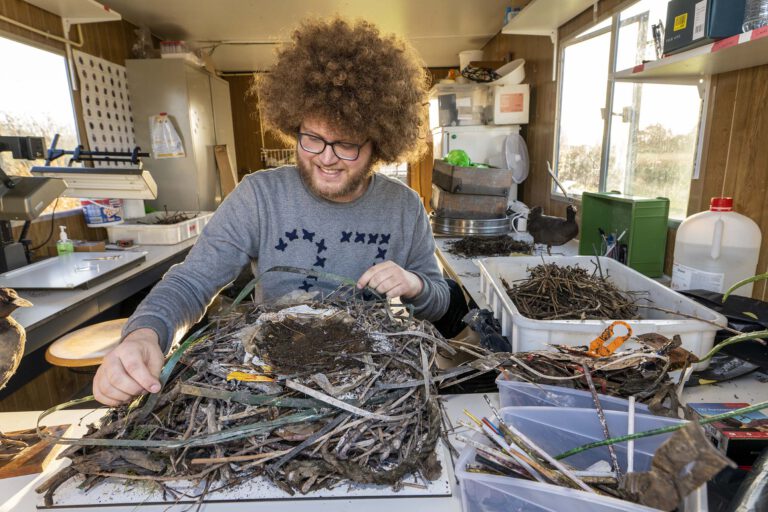


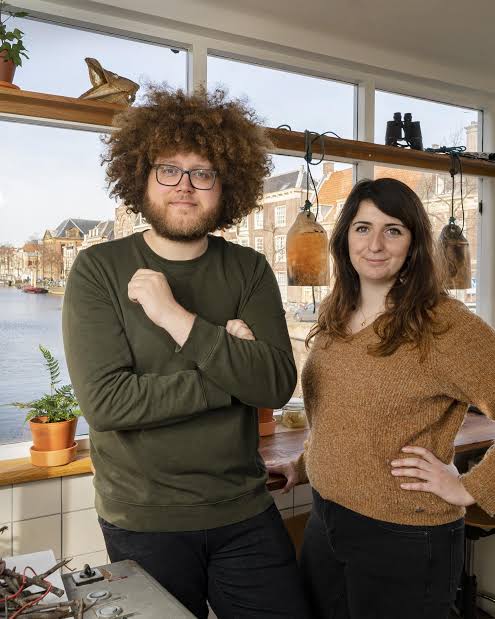











 Others featured in the movie are Radhi Devulkia-Shetty, a plant-based cookbook author and natural health thought leader; Rina Harris, a functional podiatrist; Bonnie Wright, a Hollywood star in her youth (Ginny Weasley from Harry Potter); Arizona Muse —






![King George Military Hospital, 3rd floor Theatre Collection: Images from the History of Medicine (IHM) Contributor(s): Zwerdling, Michael, former owner Publication: [England] : [publisher not identified], [1915] Language(s): English Format: Still image Subject(s): Hospitals, Military, Operating Rooms, Surgeons, Nurses, King George Military Hospital Genre(s): Postcards Abstract: Black and white photograph of the 3rd floor operating theatre at King George Military Hospital, London, England. A surgeon is performing an operation with 7 medical personnel in attendance.](https://www.greenprophet.com/wp-content/uploads/vintage-operation-england.png)




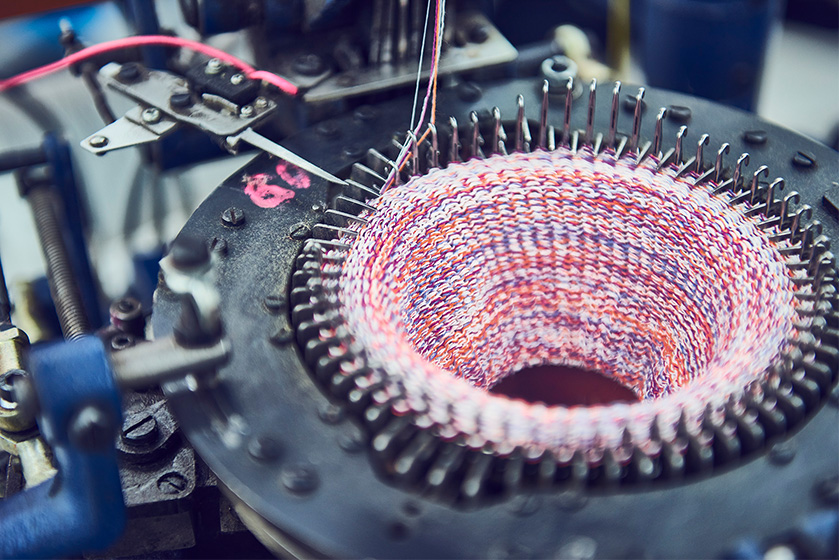










 Fuse Vectors founders Jordan Turnbull, Henrik Stage and Benjamin Blaha via Fuse






























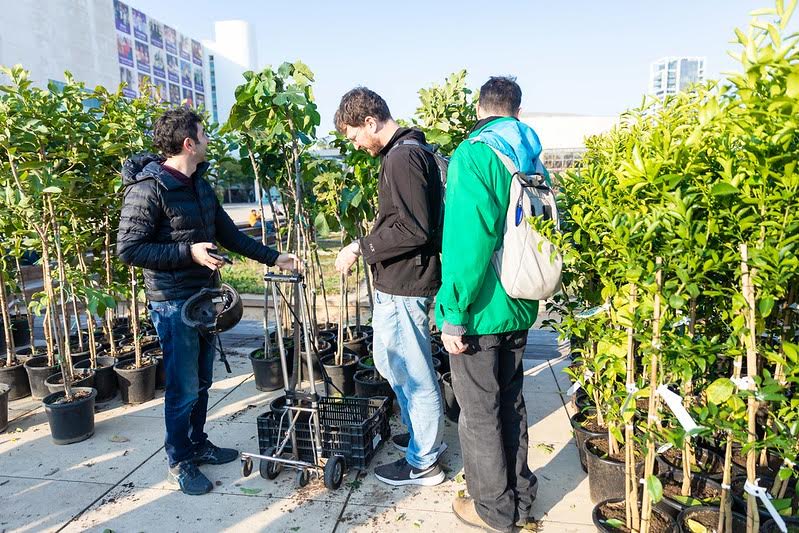






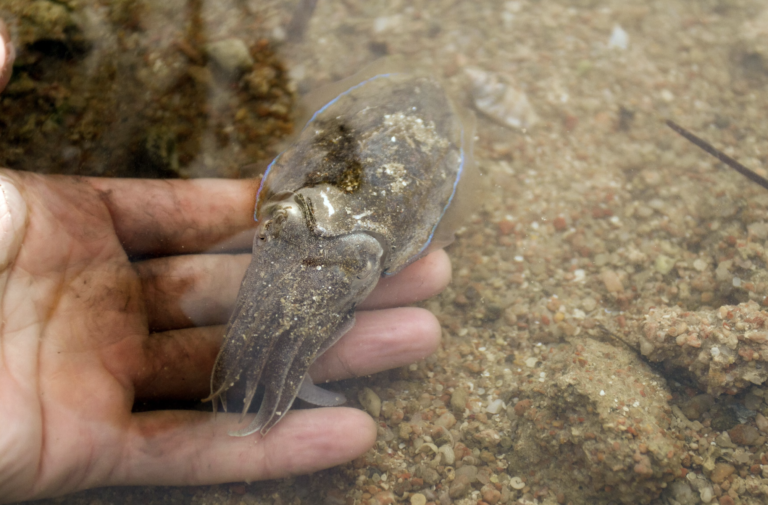





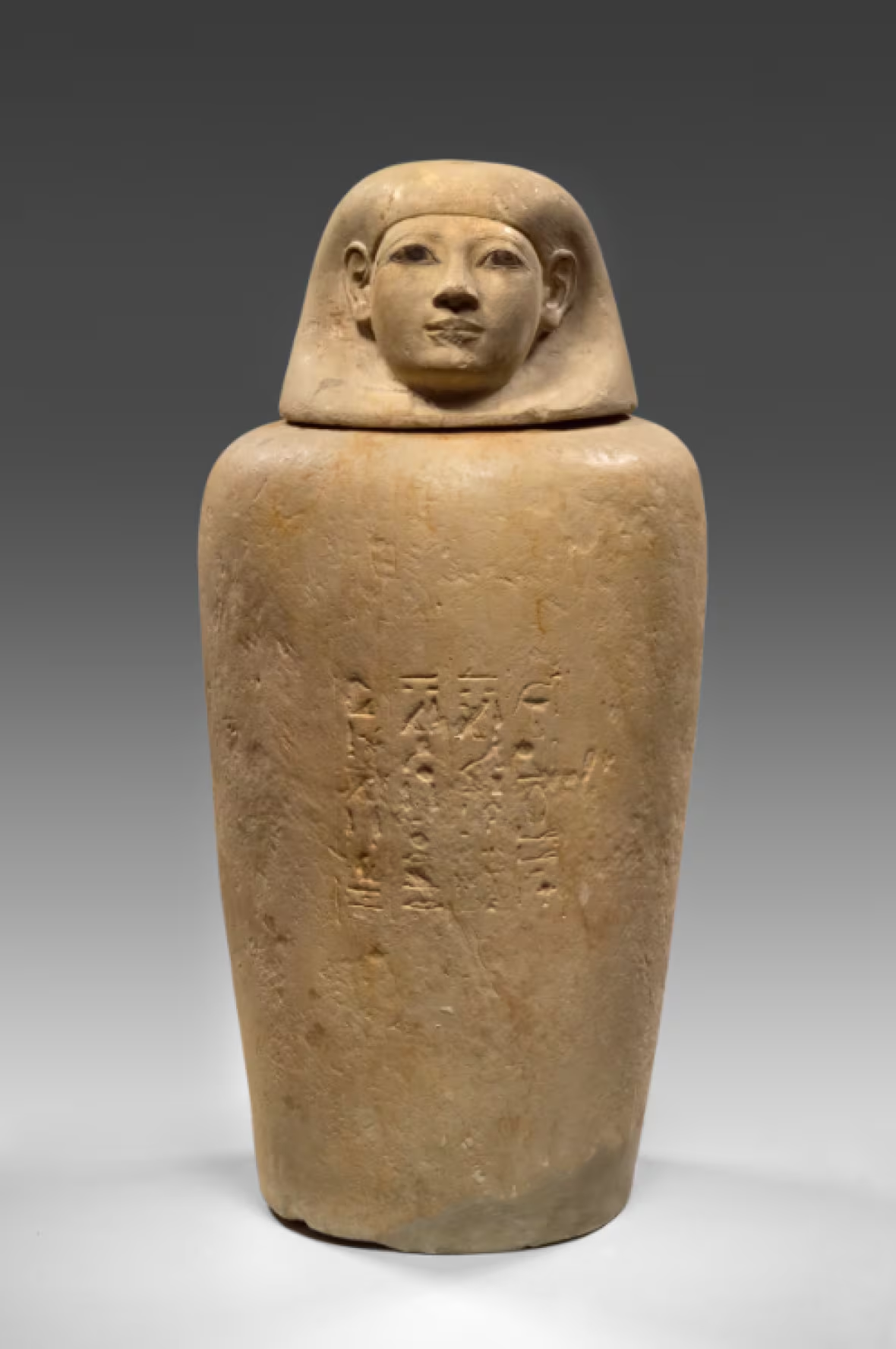
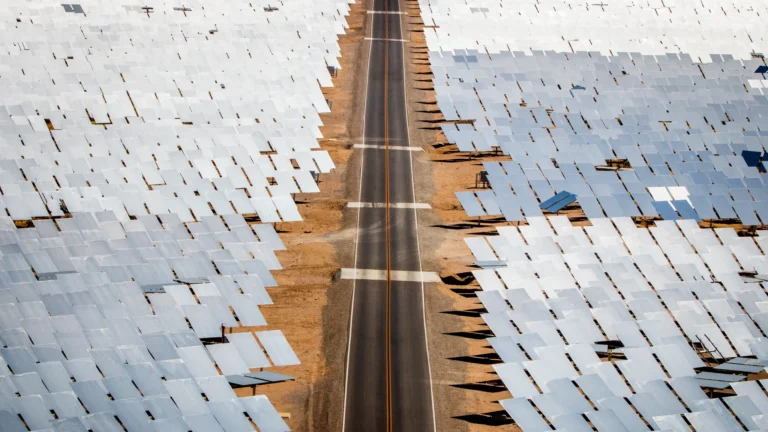

 The Ivanpah Solar Power Facility, a $2.2 billion concentrated solar plant in California, was once hailed as a breakthrough in renewable energy.


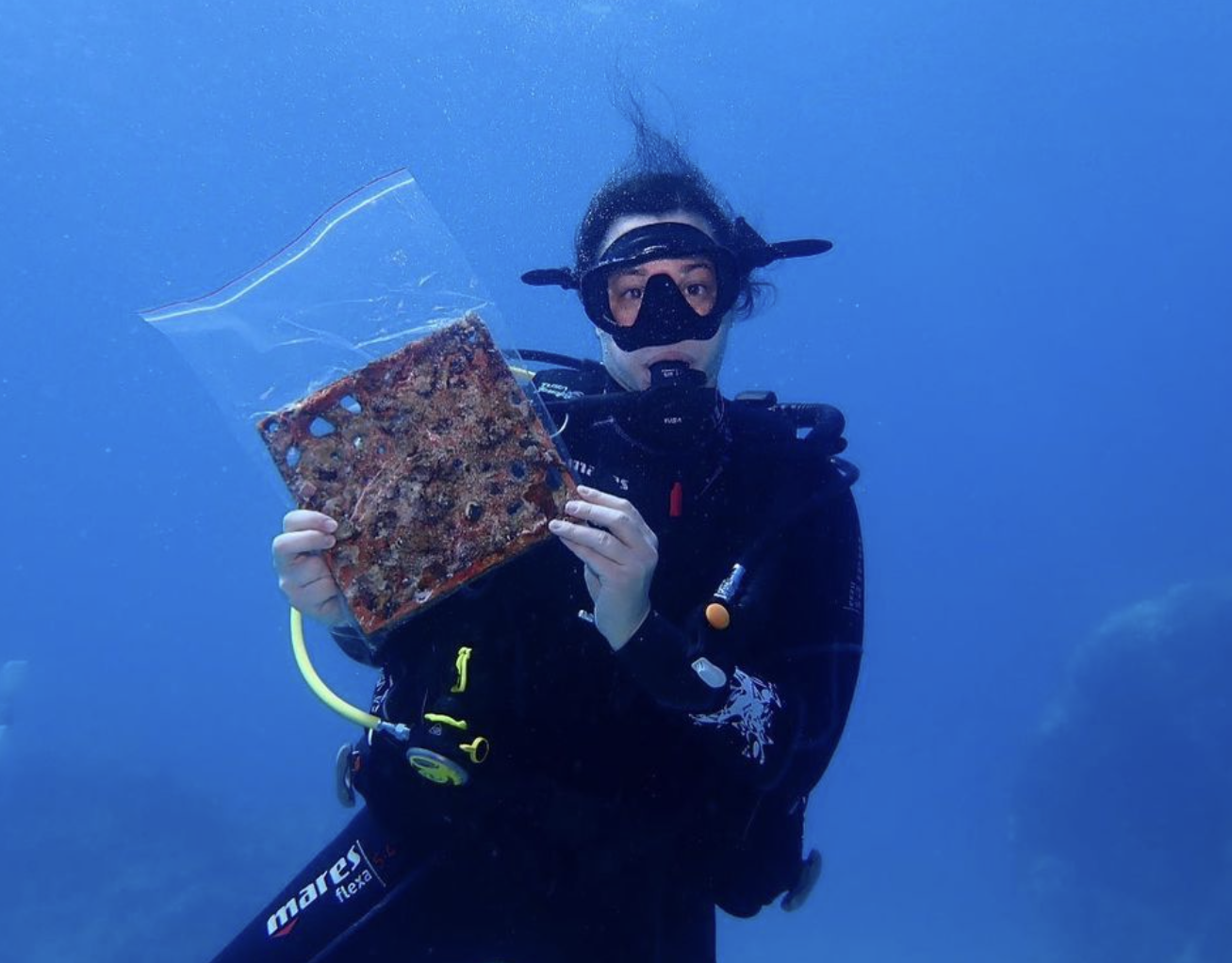














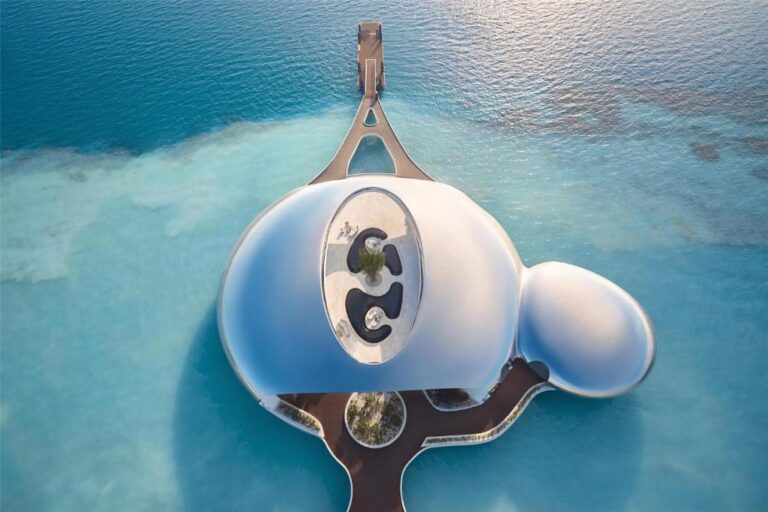









































































































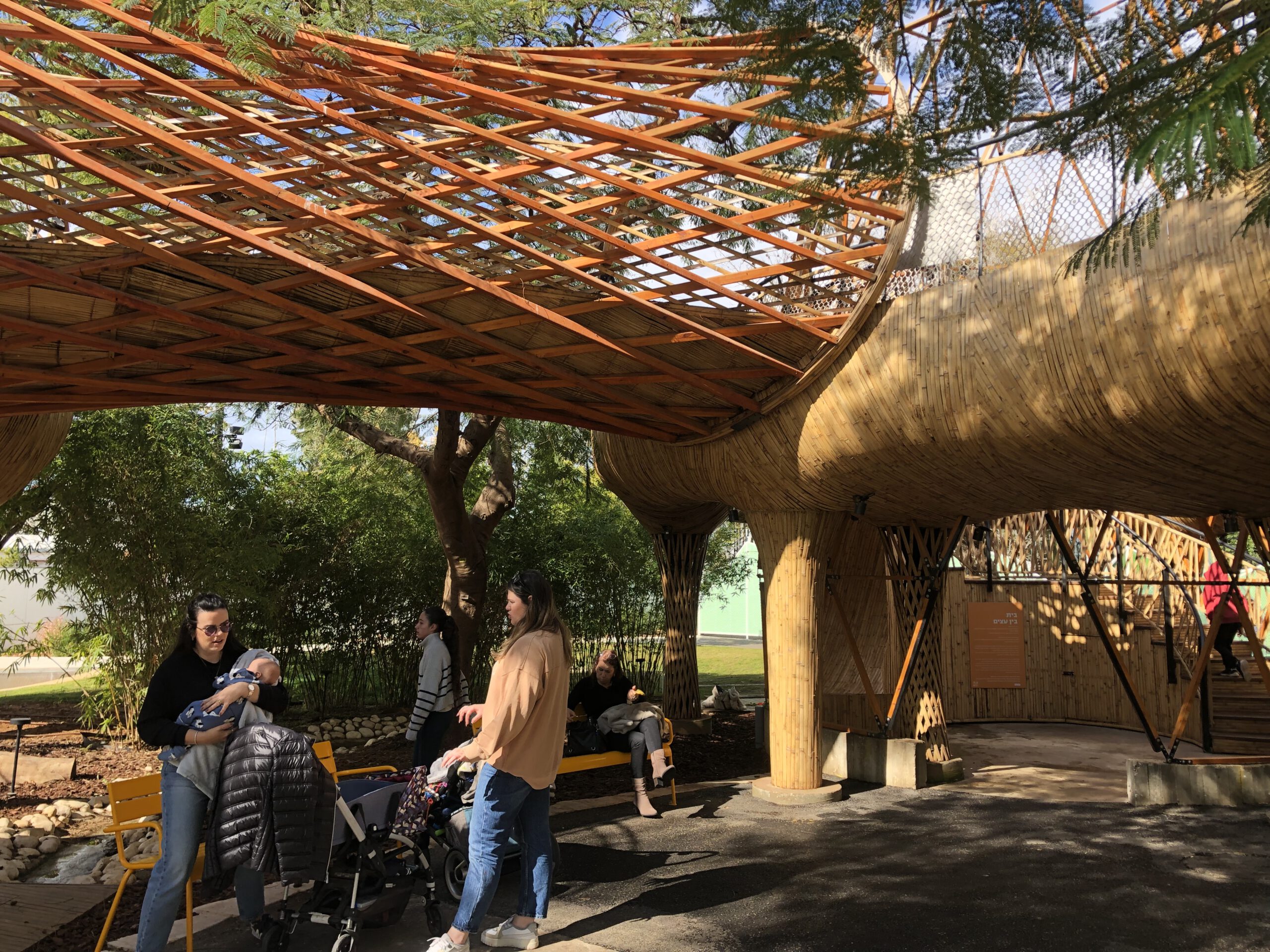
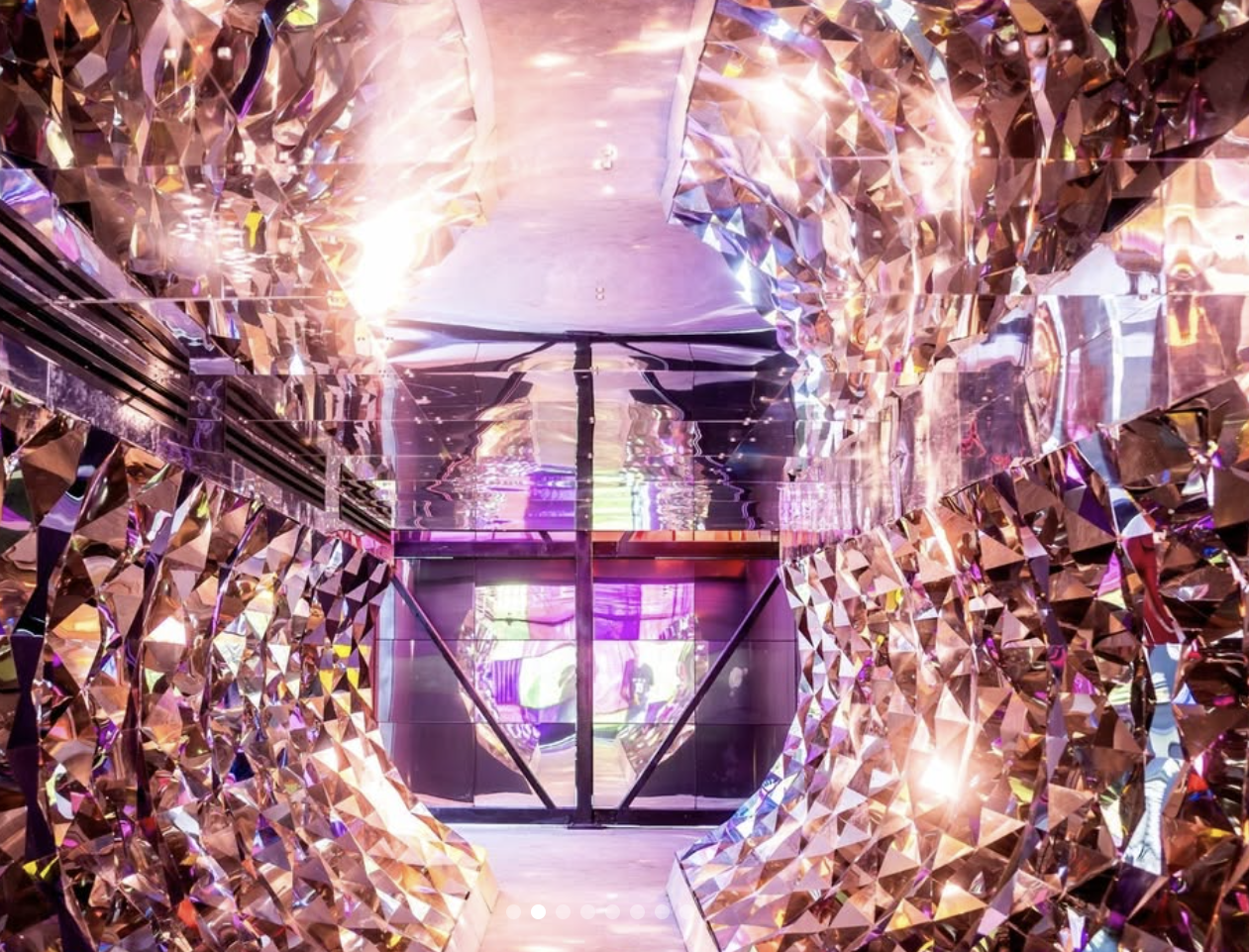

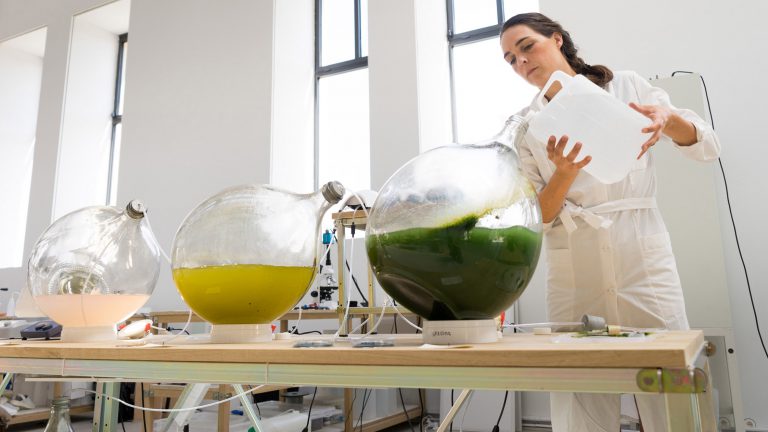





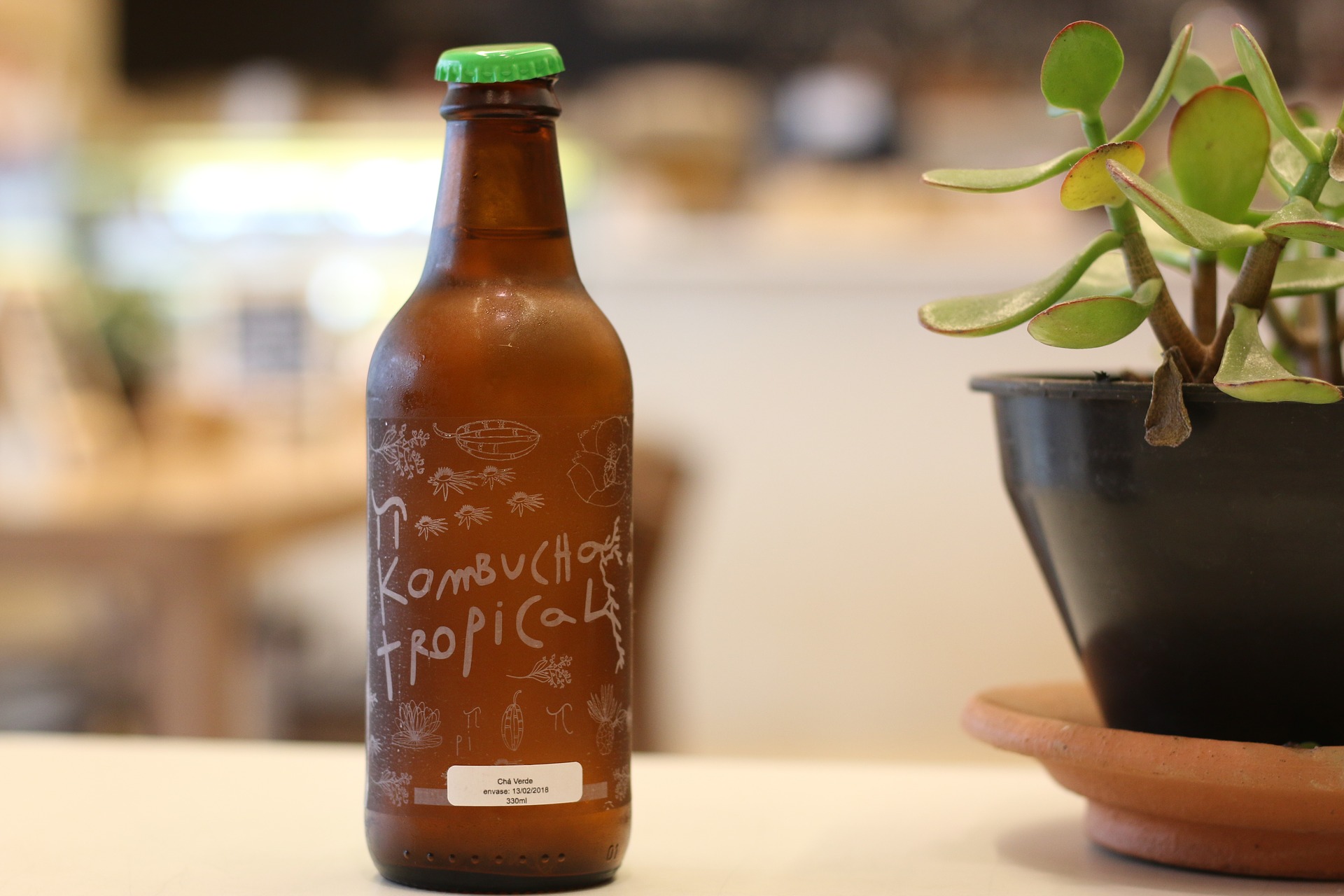
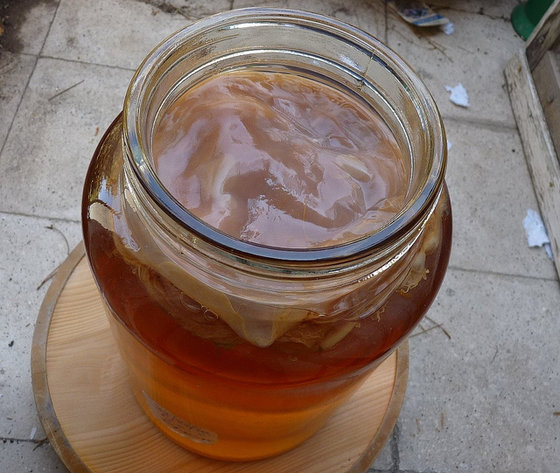








![Academics from the University of Bath have issued a new resource on the potential for regenerative design to deliver net-positive benefits, as well as actionable principles for change. RENEW: a manifesto for regenerative design and engineering is a 35-page electronic guidebook developed by the university’s Centre for Regenerative Design & Engineering for a Net Positive World (known as RENEW). A top 10 ranked university in the U.K., the University of Bath has demonstrated international leadership in research dedicated to achieving climate resilience, decarbonization, and a healthy future for the planet. The RENEW center takes a cross-disciplinary approach to developing systems for the built environment that harmonize benefits to society with the natural world. RENEW combines expertise from more than 40 academics, researchers, and industry stakeholders in water and chemical engineering, materials and composites, and placemaking and architecture with social science, economic, governance, and ecological studies. Image courtesy of the University of Bath The University of Bath’s Centre for Regenerative Design & Engineering for a Net Positive World (RENEW) has released a guidebook focused on defining regenerative design and expanding awareness of its prospects. Left to right: Dr. Juliana Calabria-Holley, co-director; Prof. Sukumar Natarajan, director; and Dr. Emma Emanuelsson, co-director. The University of Bath’s Centre for Regenerative Design & Engineering for a Net Positive World (RENEW) has released a guidebook focused on defining regenerative design and expanding awareness of its prospects. Left to right: Dr. Juliana Calabria-Holley, co-director; Prof. Sukumar Natarajan, director; and Dr. Emma Emanuelsson, co-director. Regenerative > Sustainable? Technology, science, and education have long focused on improving the human experience—such as by extending life expectancy worldwide—and evolving the spaces where we live, work, and play, but have done so through “extractive, non-regenerative practices,” said RENEW members in the manifesto. Sustainability has been championed for four decades to manage and minimize damage to the Earth’s resources but has been slow to penetrate the industrialized world. The guidebook’s authors note that contemporary net-zero emissions efforts and global climate target policies do not prescribe a way forward for “human systems to contribute positively to natural systems.” In order to adequately mitigate the impacts of climate change, improve biodiversity, and rebalance social inequities, the RENEW manifesto authors indicate that society requires an evolution from resource exploitation to a framework that prioritizes restoration of the global ecosystem. Image courtesy of the University of Bath Cover image for RENEW: a manifesto for regenerative design and engineering “Regenerative design, as a philosophy and practice, aims not merely to limit the damage we cause to the environment but to restore natural systems.” In an announcement launching the RENEW guidebook, center director and professor Sukumar Natarajan said that the initiative is designed to provide guiding principles for engineering, architecture, and other disciplines that enable society to “create resilient, fair communities that can thrive in balance with nature, while improving standards of living.” Six Principles of Regenerative Design The RENEW manifesto lays out six guiding principles of regenerative design, then offers a framework for putting them into practice. The six principles include: Reflective governance—Establish continuously evolving metrics and monitoring practices to track progress and impact. Embrace interconnectivity—Recognize that the world is intricate and interdependent. Take a holistic view accounting for the dynamic relationships between ecosystems and communities. Work as nature—Work harmoniously with and as nature. Design systems that work as part of species and ecosystem patterns, processes, and cycles. Prioritize net positive—Prioritize regeneration, replenishment, and restoration, recovering and reusing waste to create net-positive solutions and an abundance of resources. The aim should be to repair, sustain, and enrich the planet, rather than deplete its precious resources. Cultivate resilience—Systems should be designed with a capacity to adapt, diversify, and self-renew even in the face of uncertainty, change, and disturbances. Transmit—Document, curate, and publicize to help proliferate best practice through active discourse on a global scale. The authors concluded that the guide is intended as a foundation for continuously evolving this multidisciplinary approach to solving building/engineering problems. Center co-director Emma Emanuelsson observed that “We want this manifesto to help create a less anxious future for today’s young people, and for humans and nature to prosper in equal measure. […It] may not show us the full journey, but it does have advice and a framework to allow us to get started.” For the full guidance, readers can download RENEW: a manifesto for regenerative design and engineering free of charge from the University of Bath’s website.](https://www.greenprophet.com/wp-content/uploads/regenertive-design-bath.avif)





 During the Spring Meeting in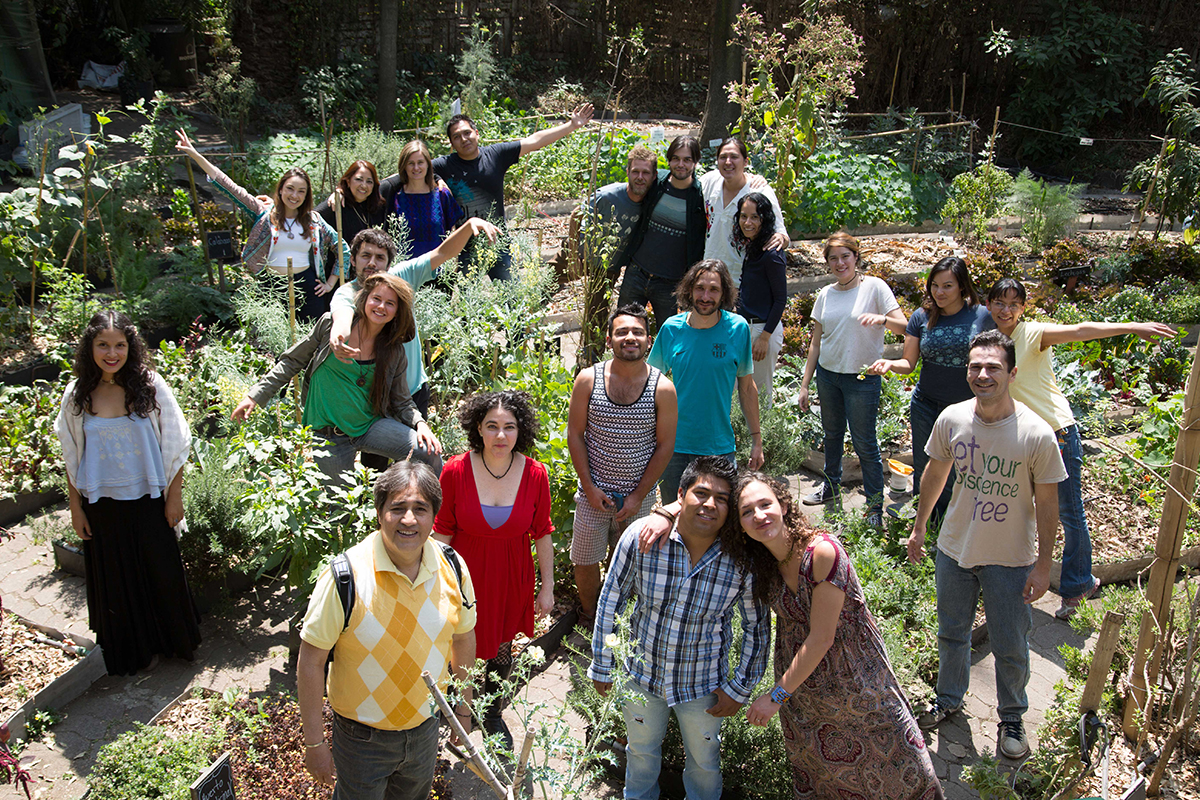





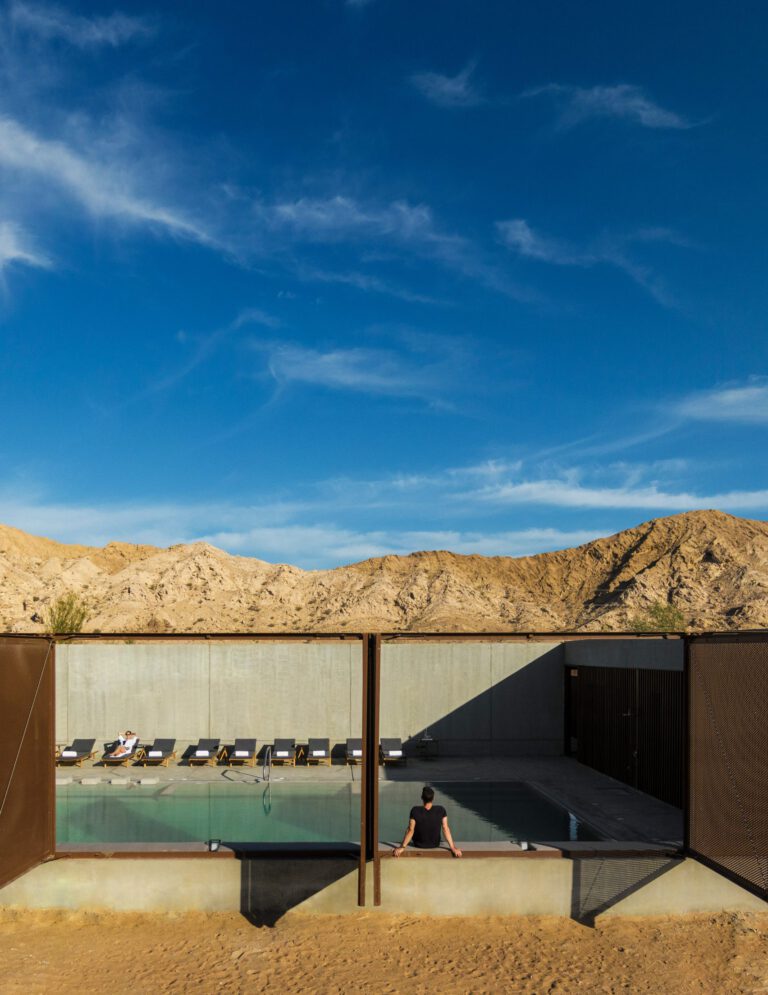









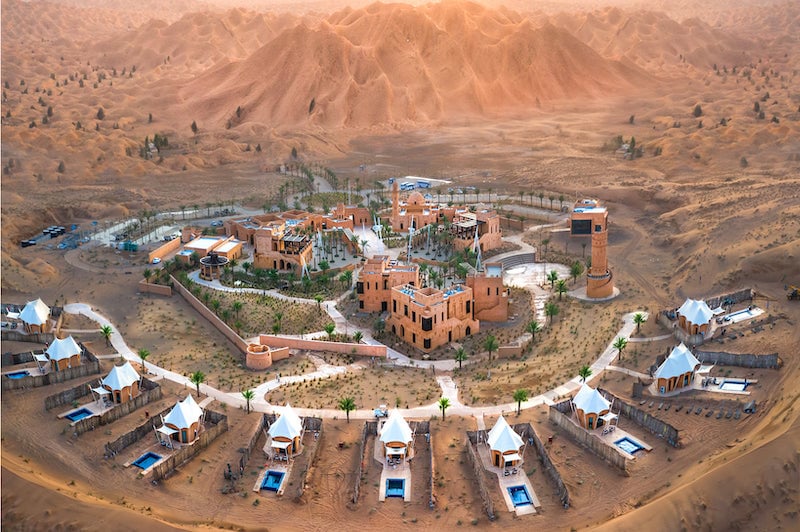

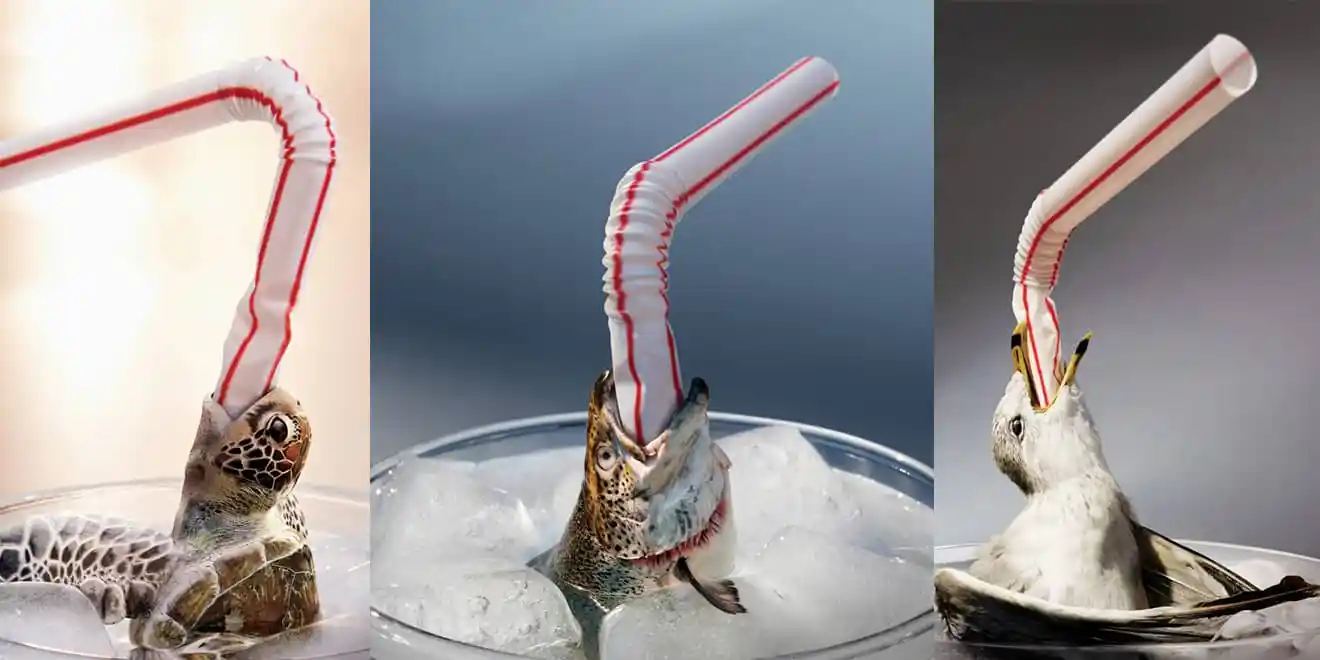




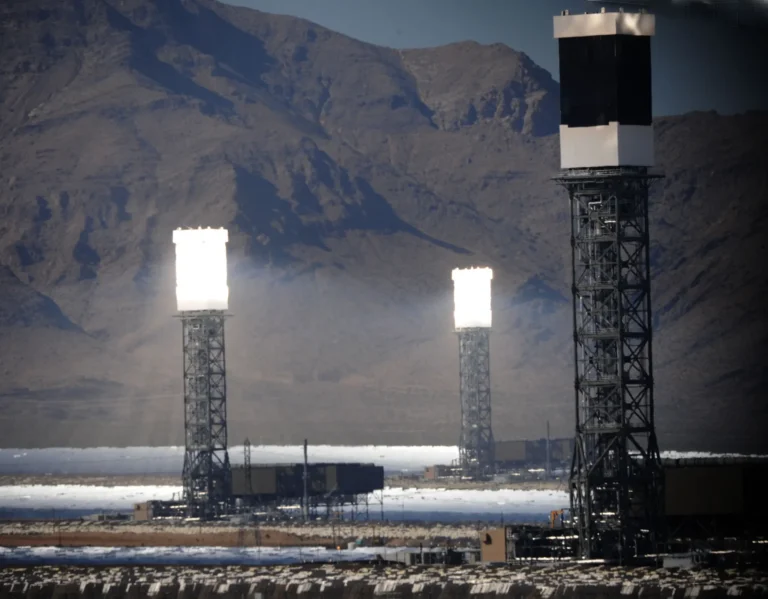


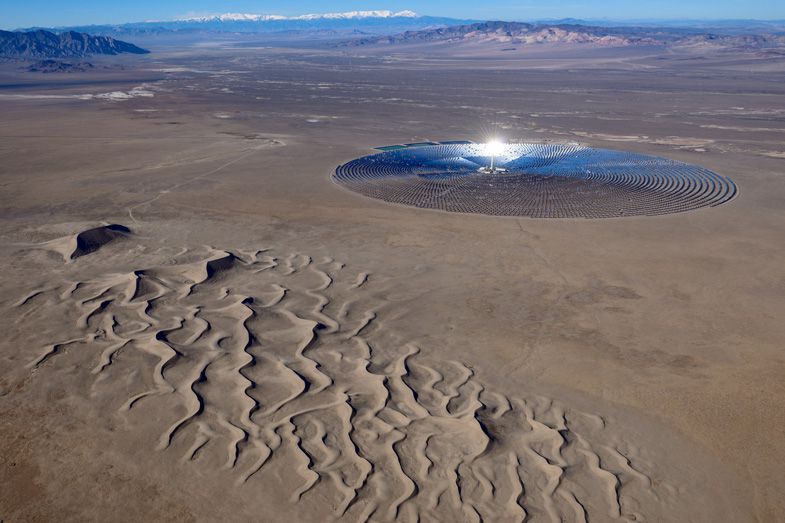
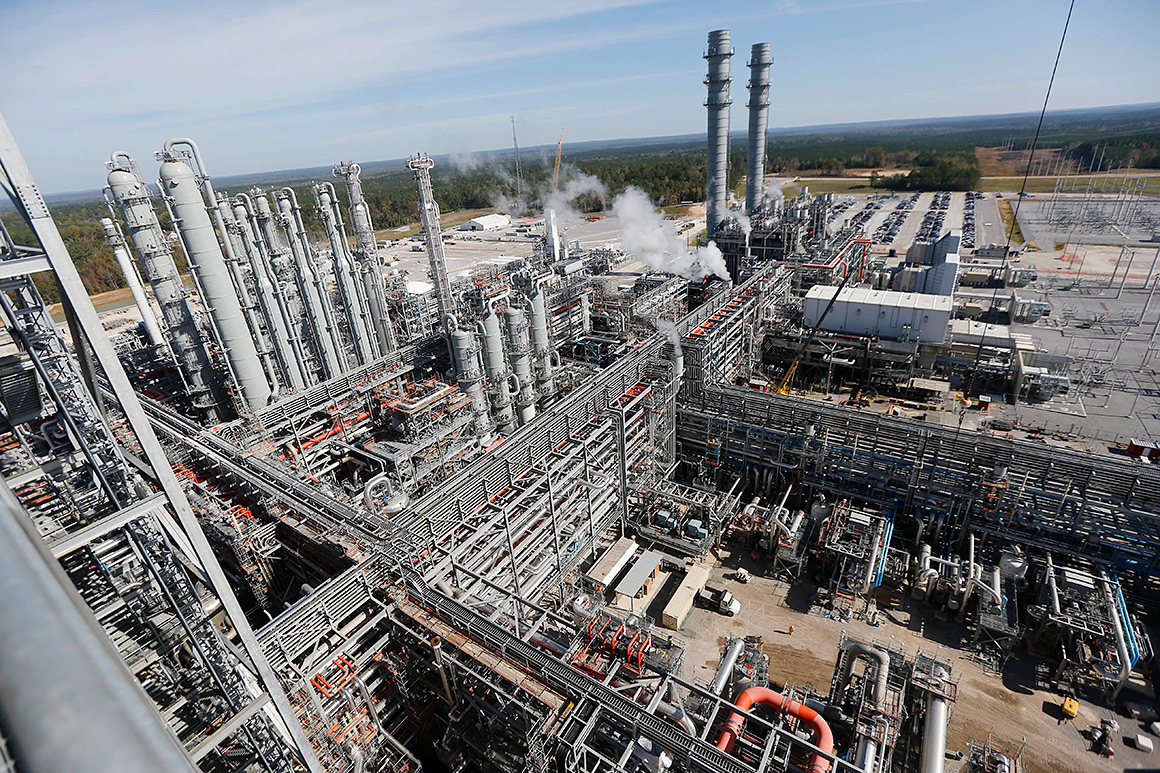




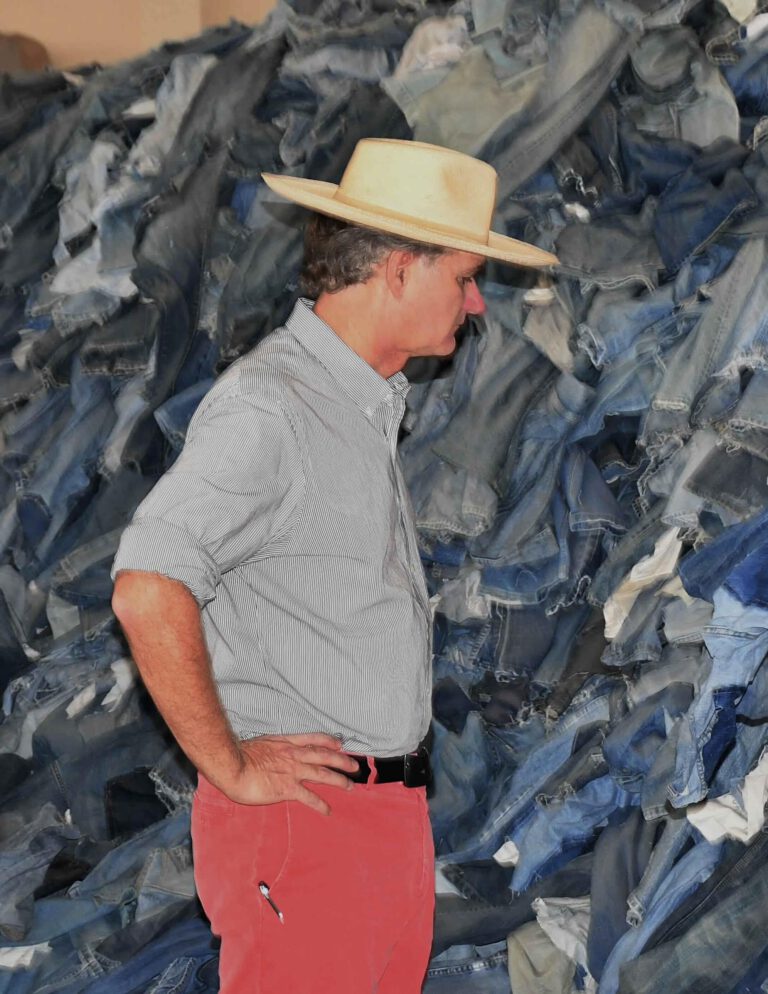





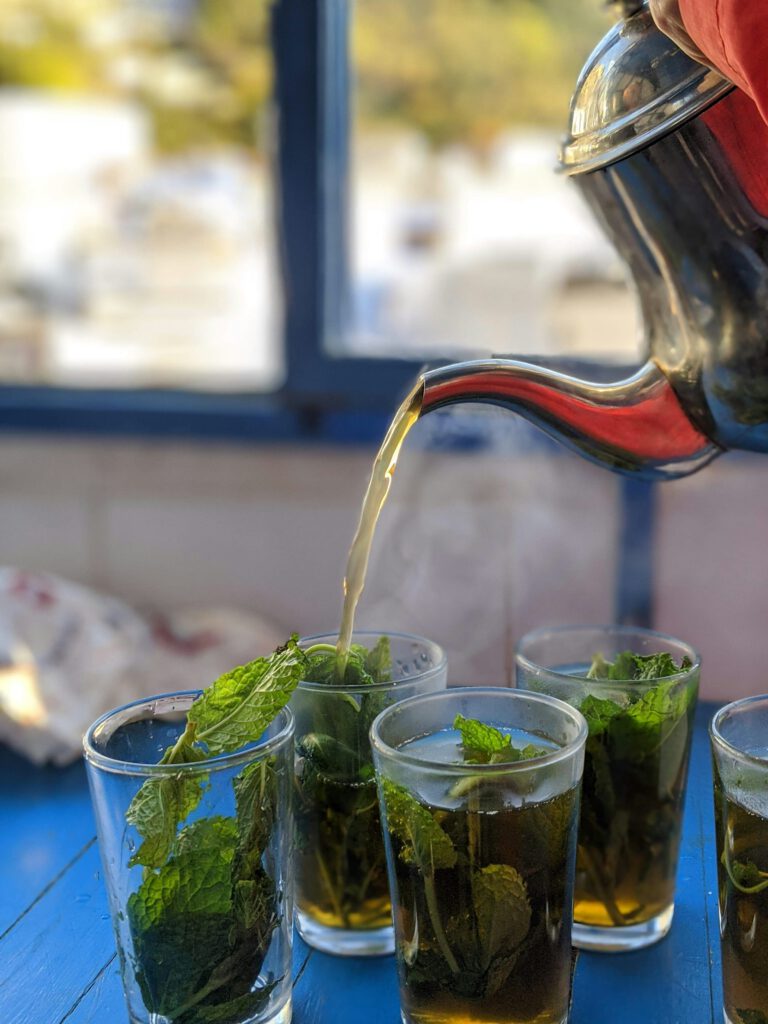










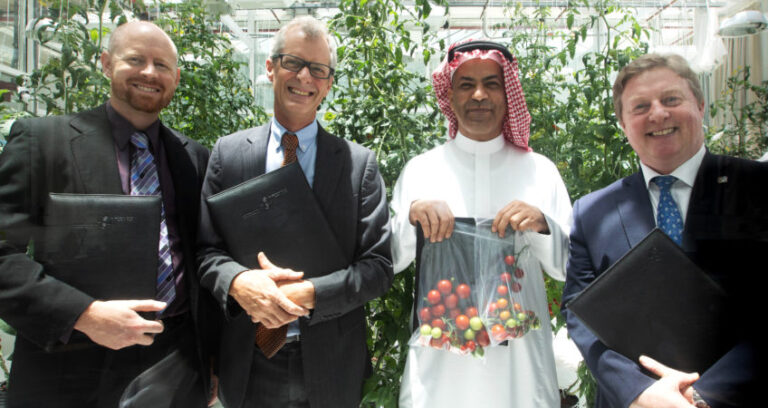


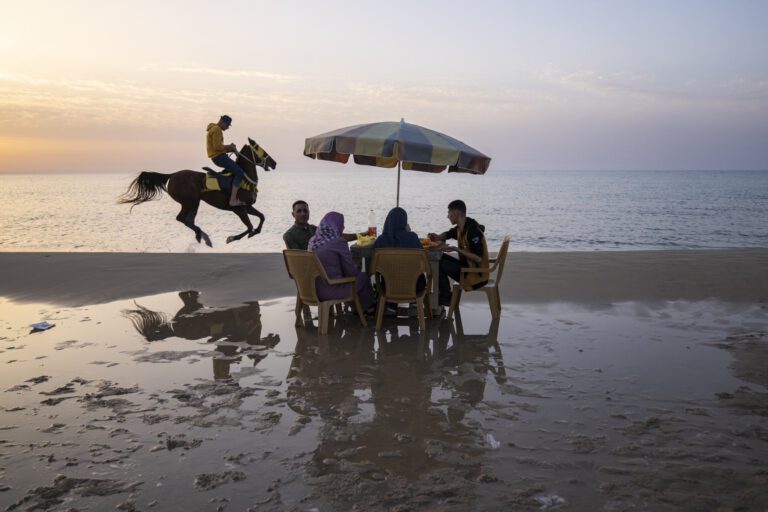


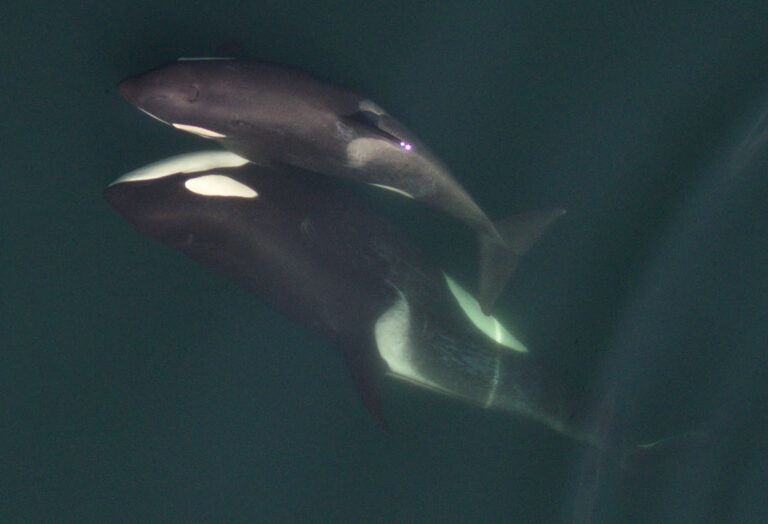





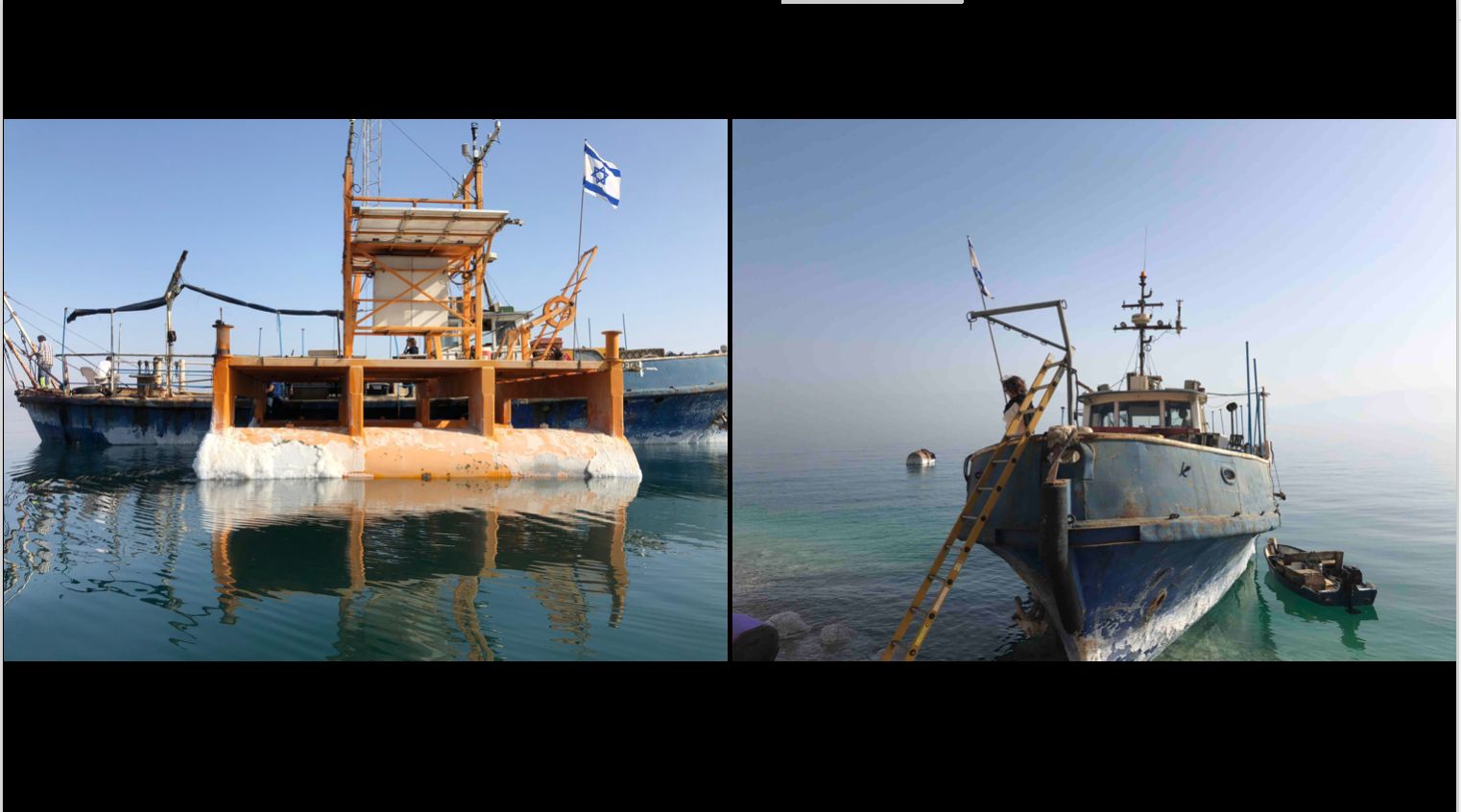
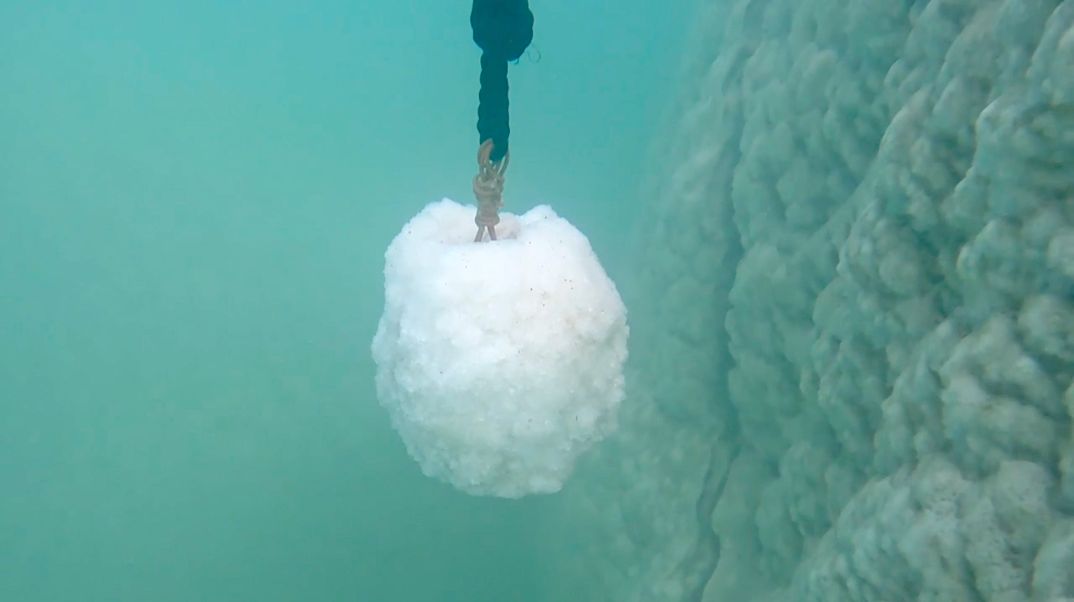


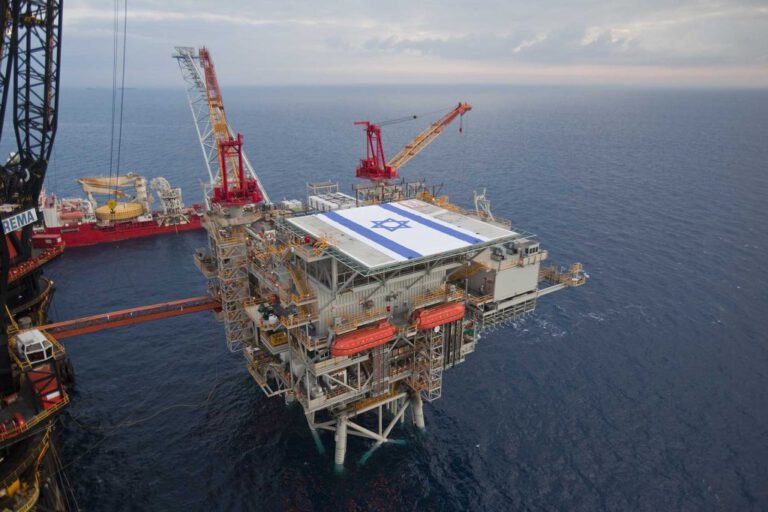















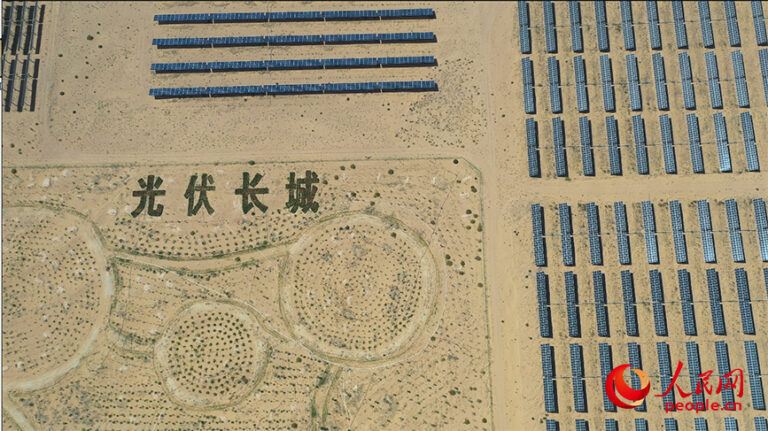


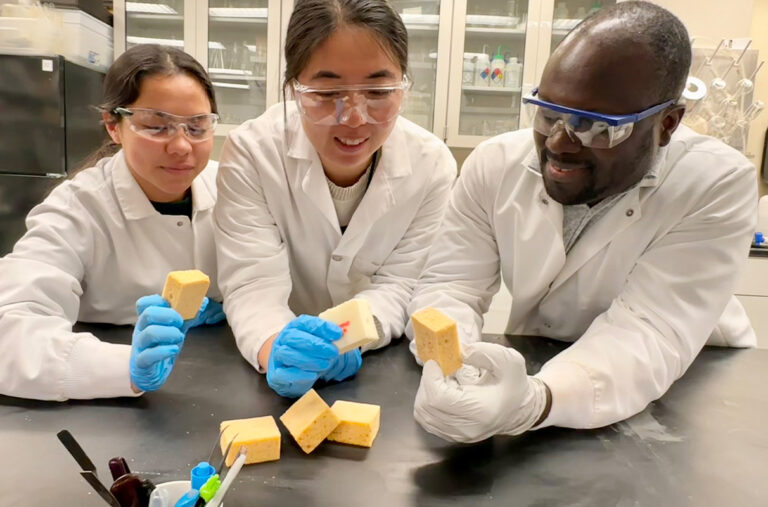









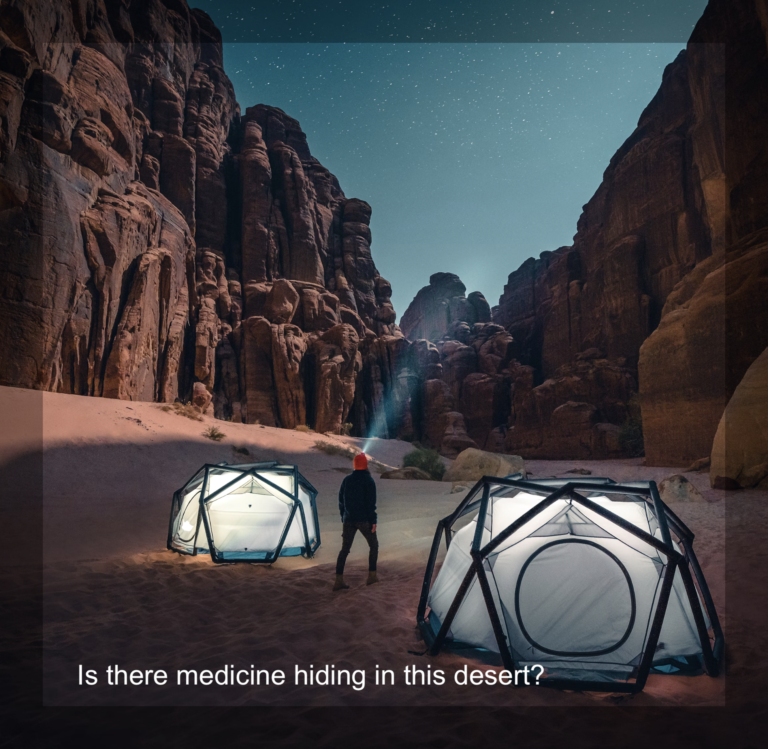



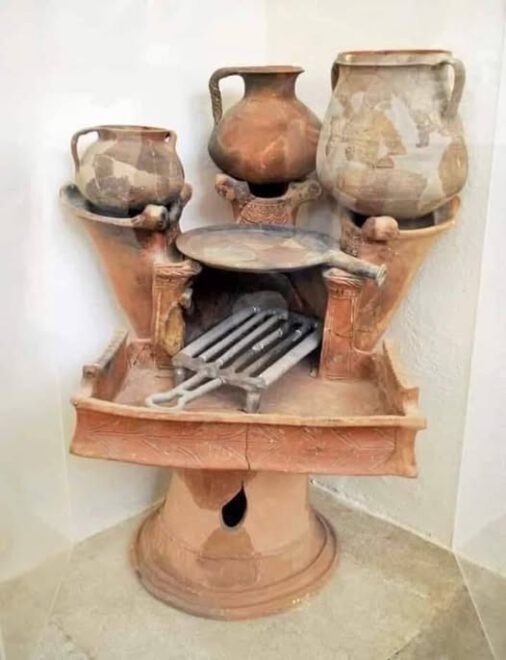













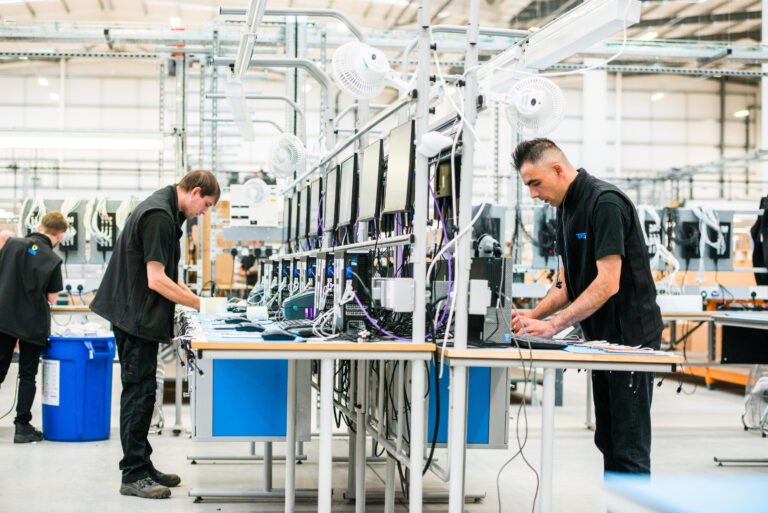





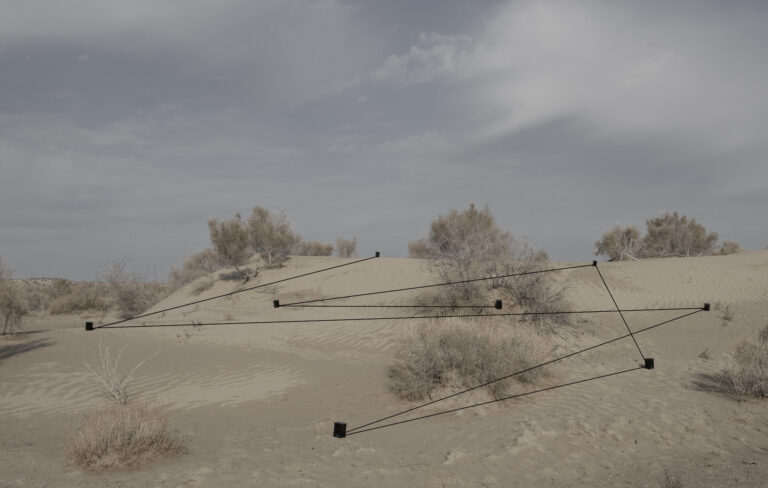




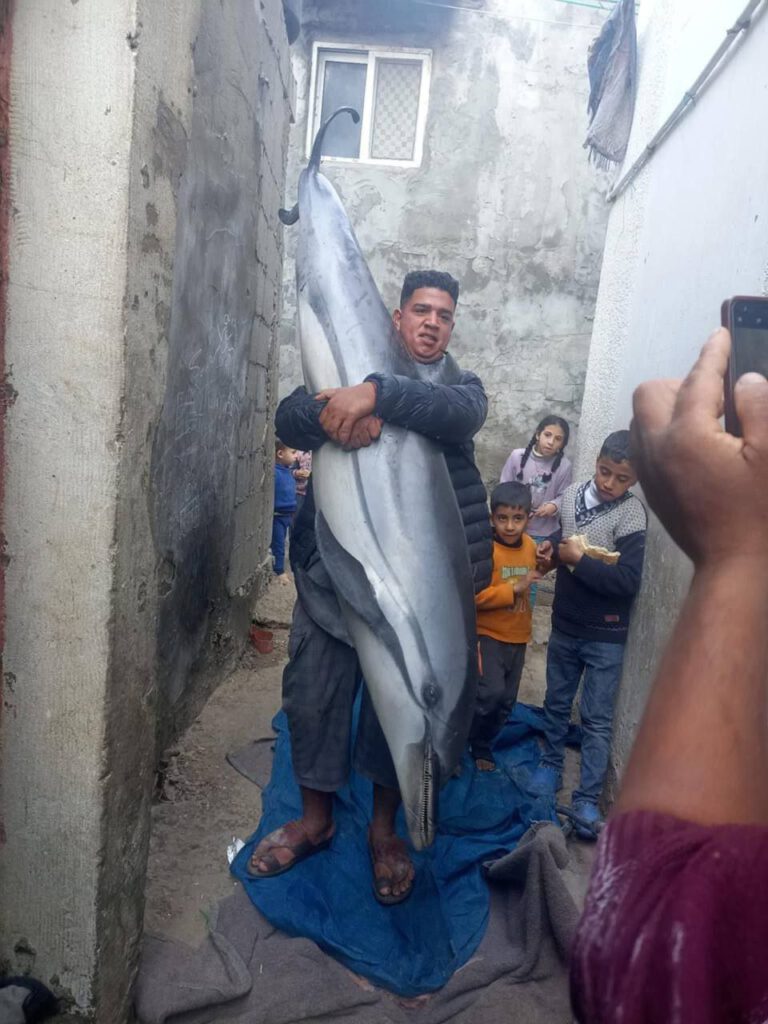








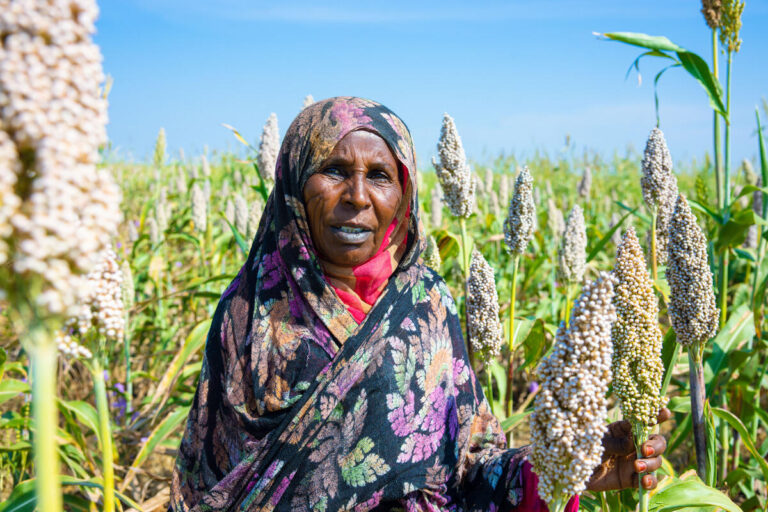



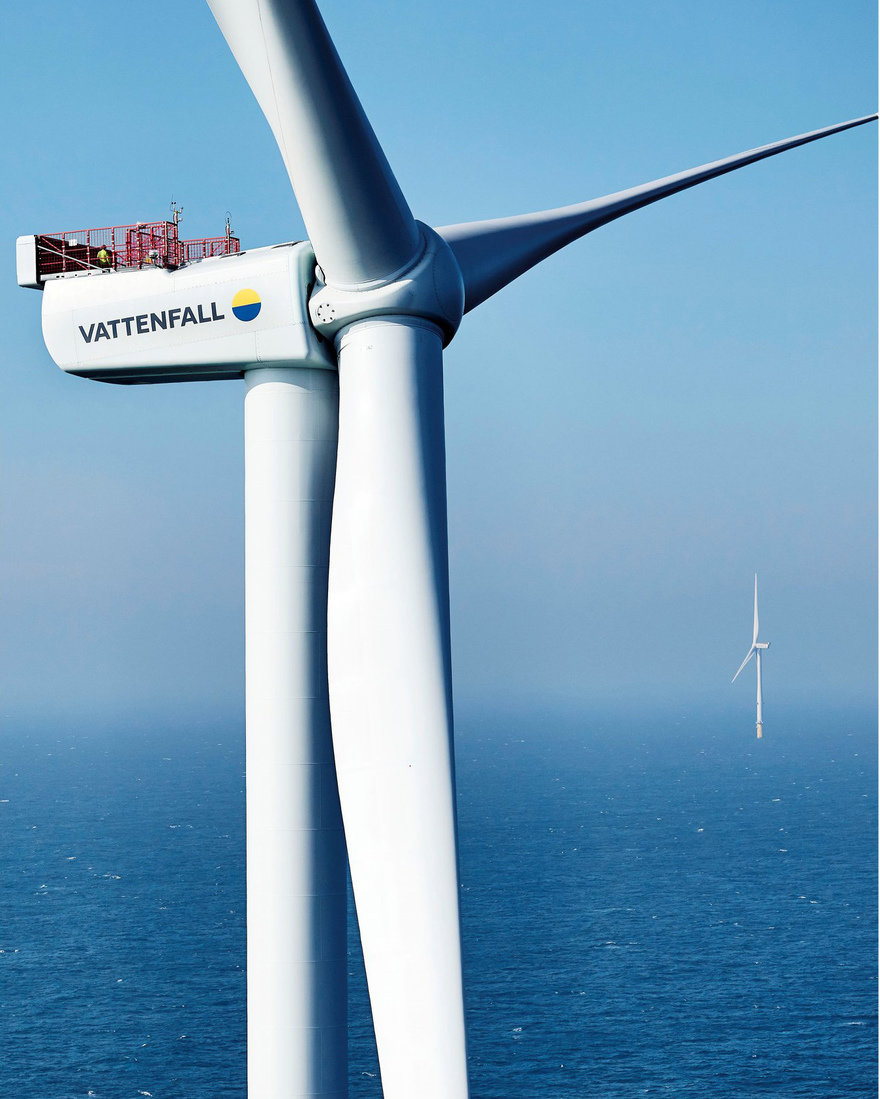
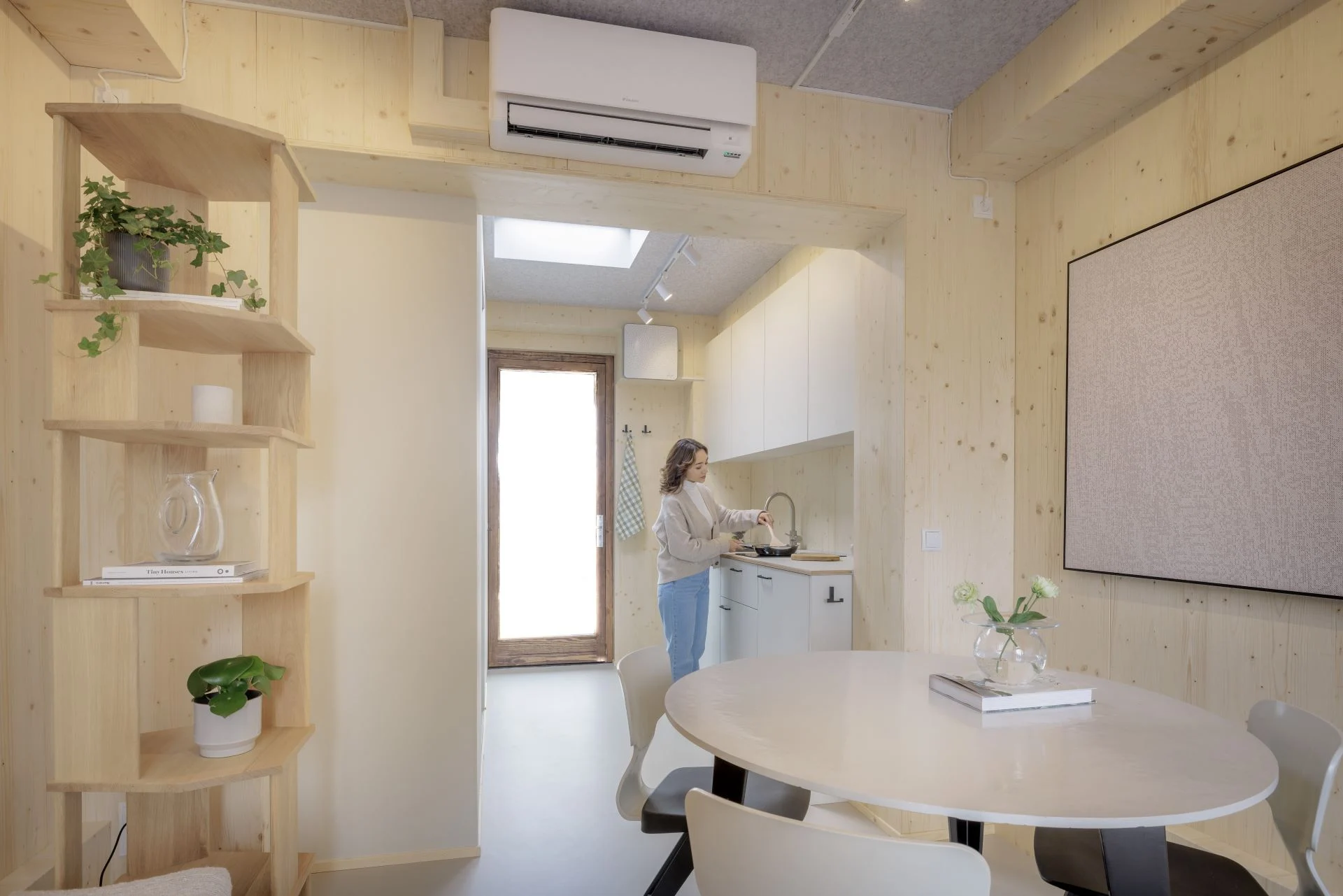

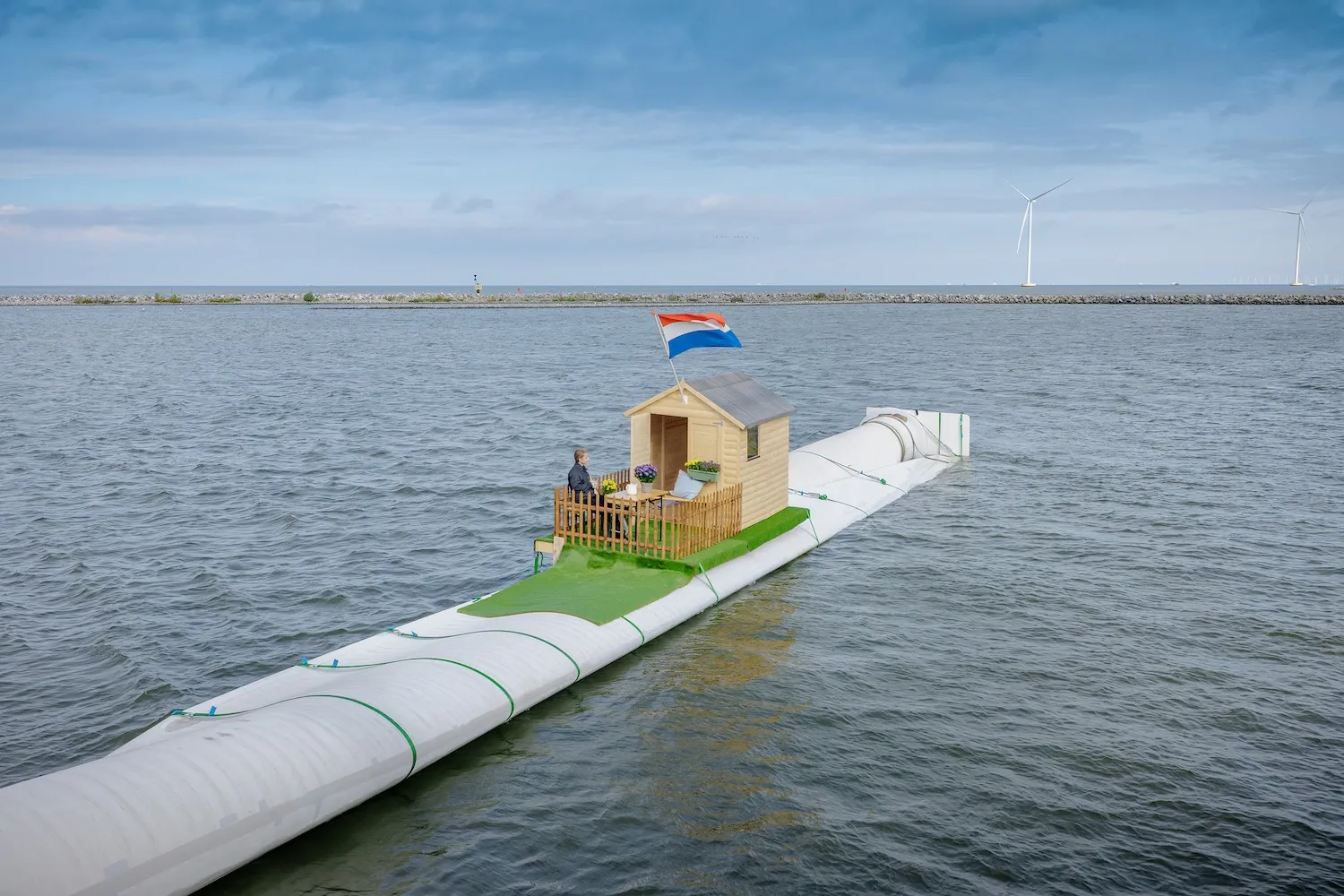
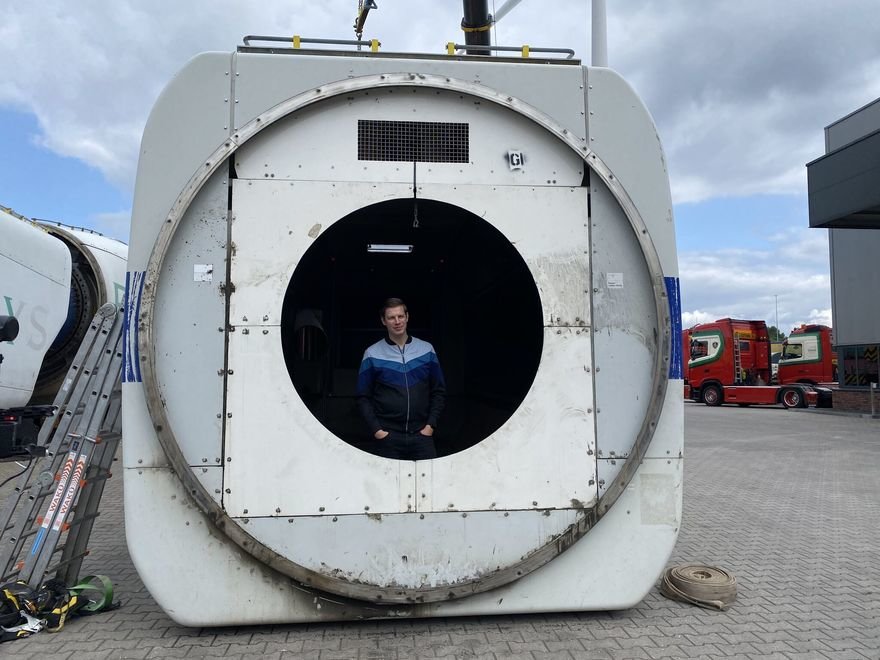 The energy company Vattenfall and design studio Superuse converted a nacelle, the top part of a wind turbine, into a tiny house. This nacelle is 4 yards wide, ten yards long and three yards high and comes from a turbine that stood in Austria for 20 years.
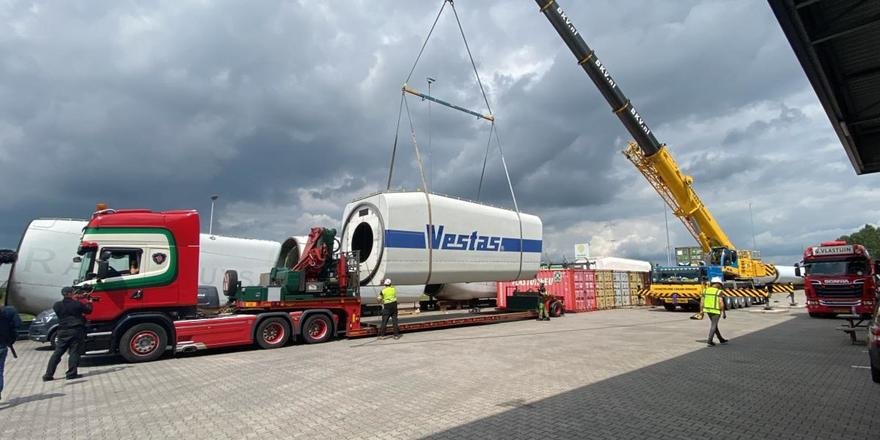








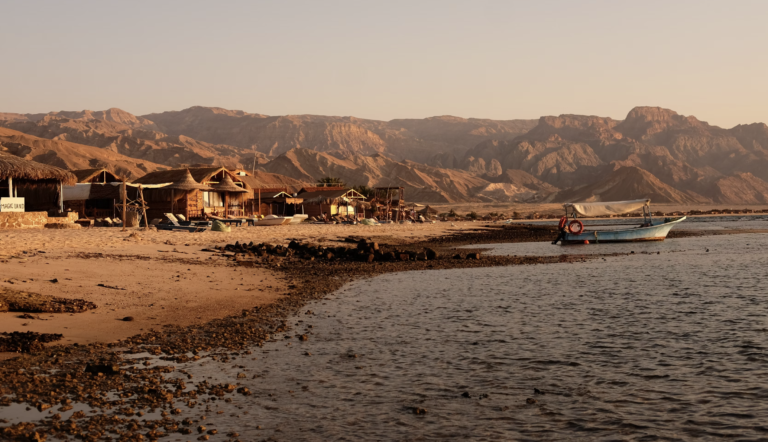





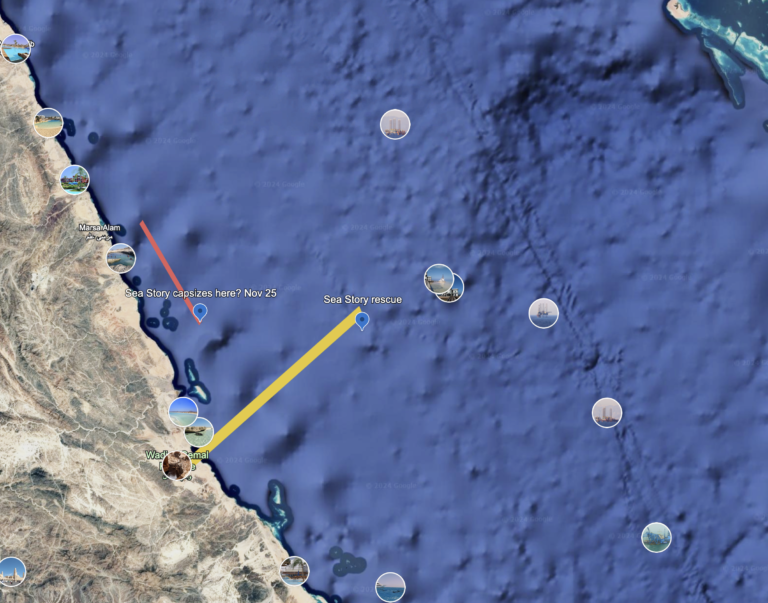

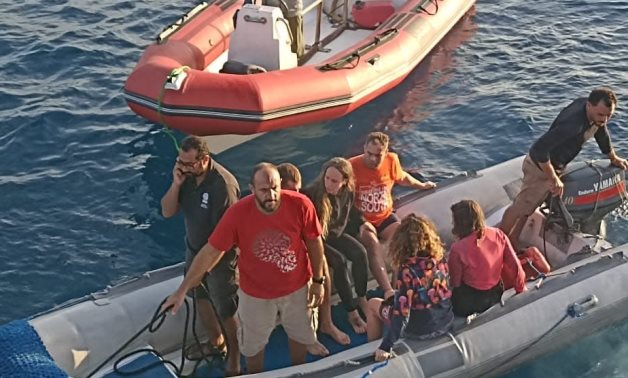










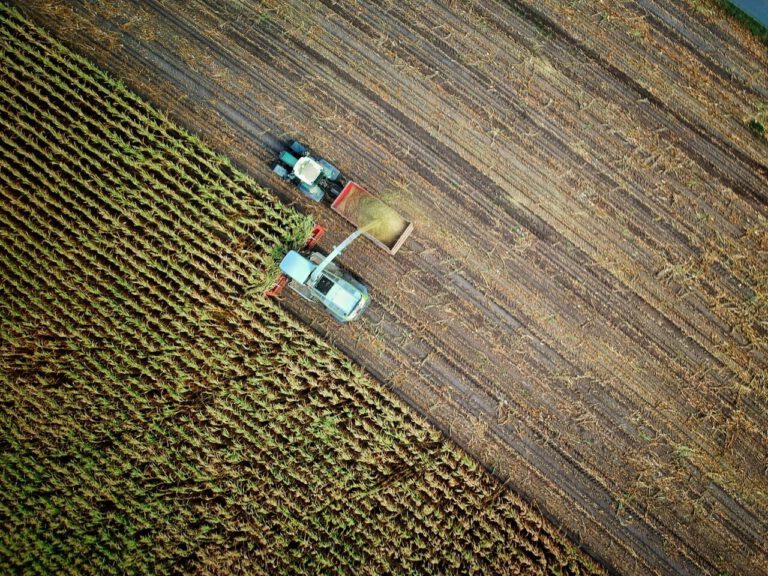






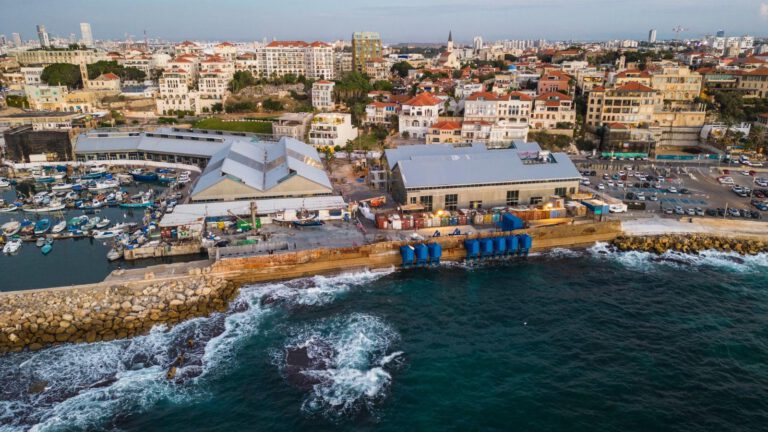
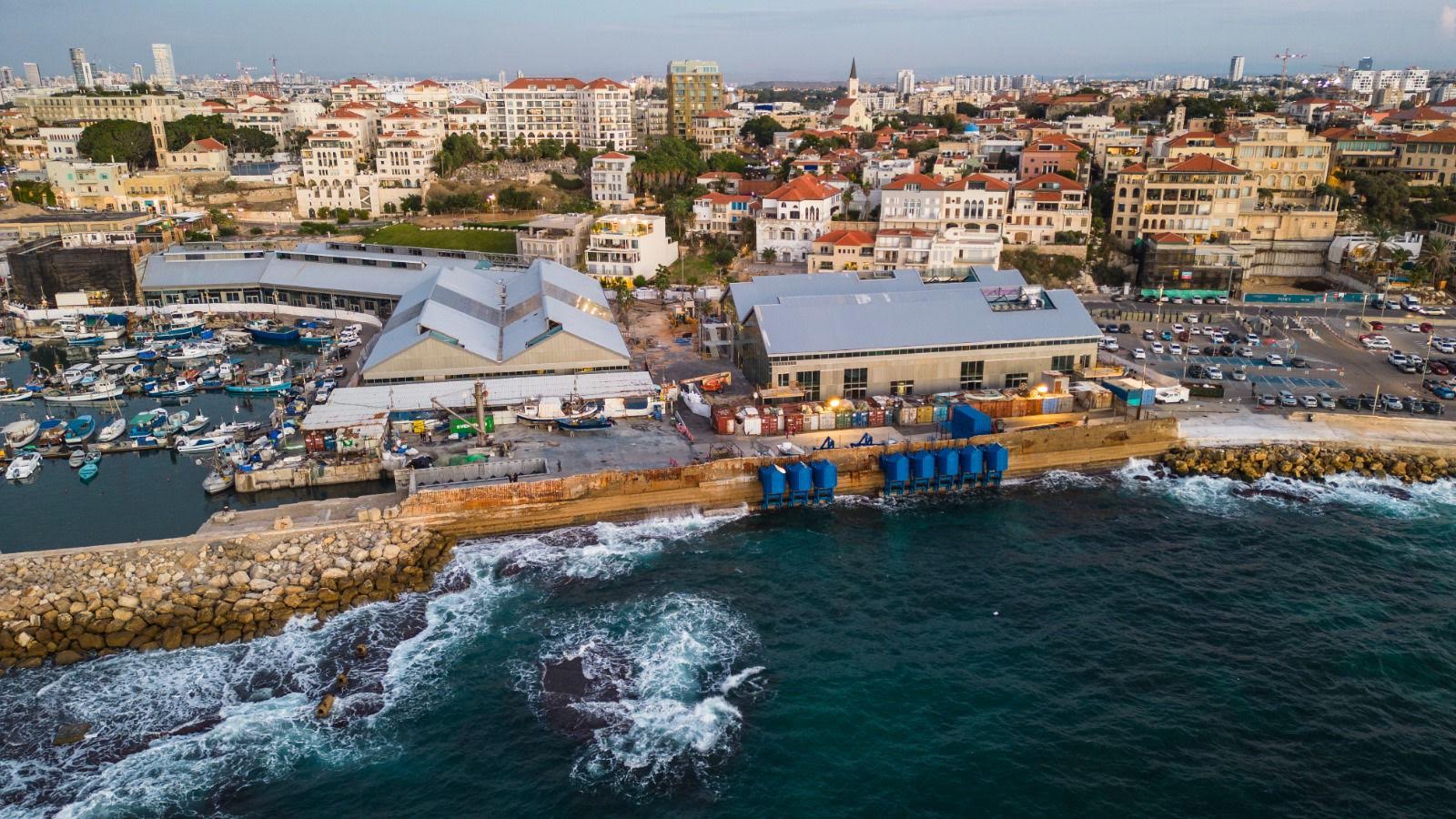
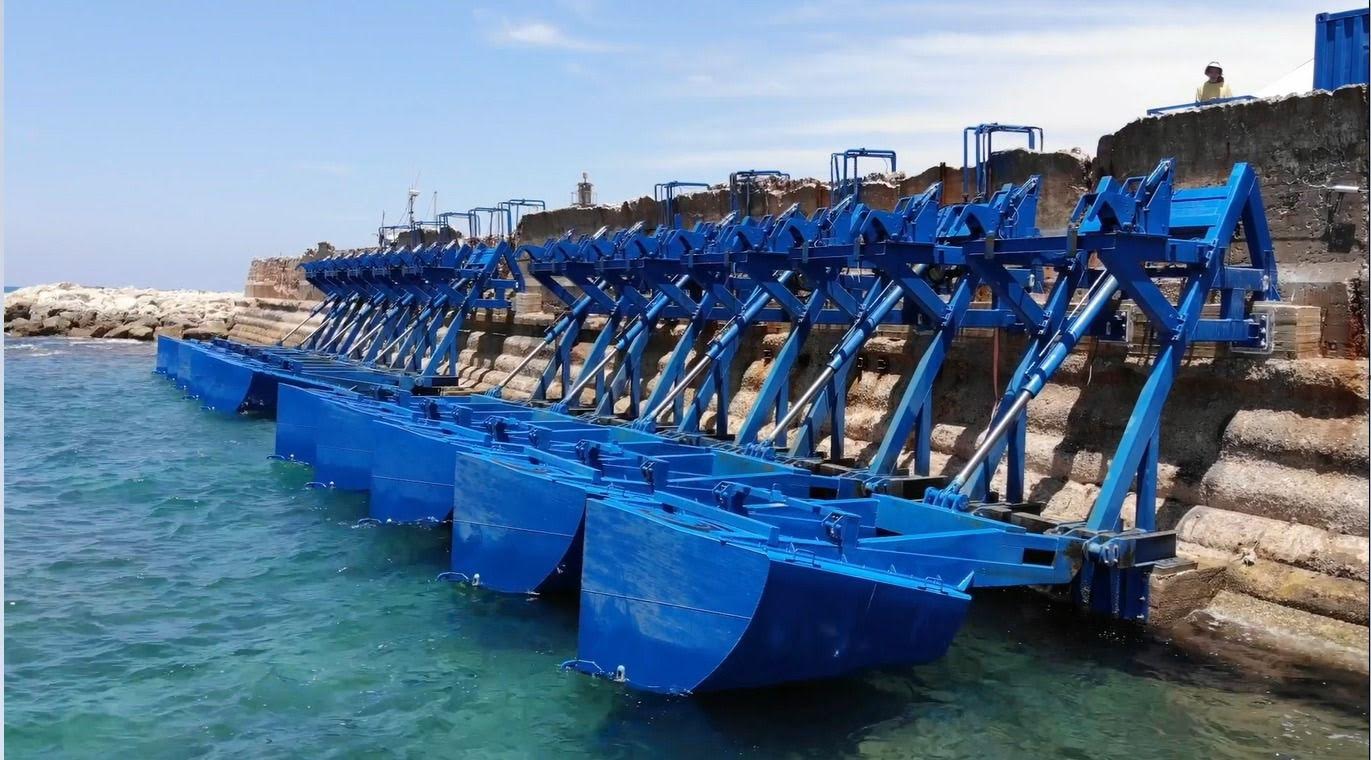
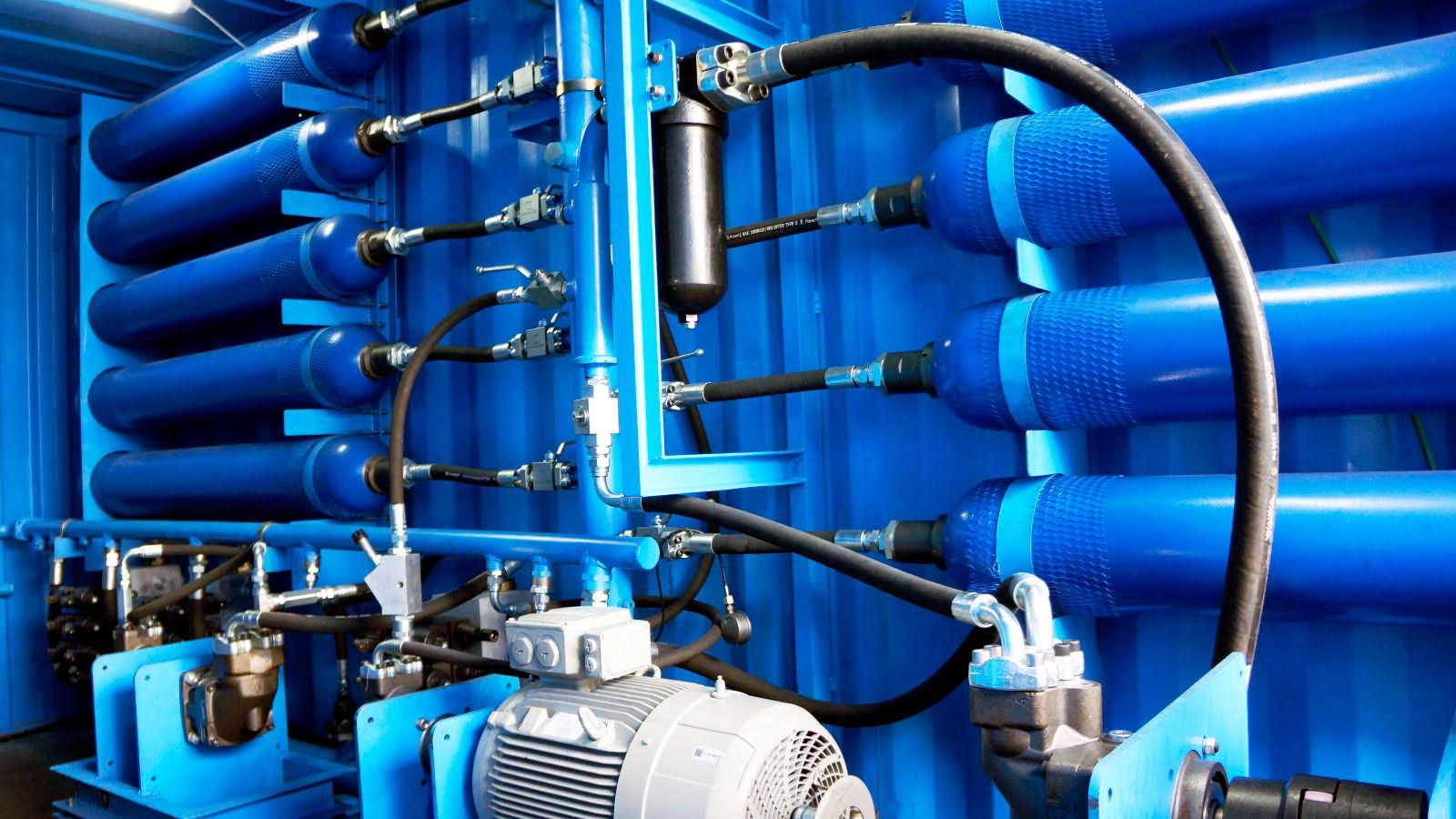
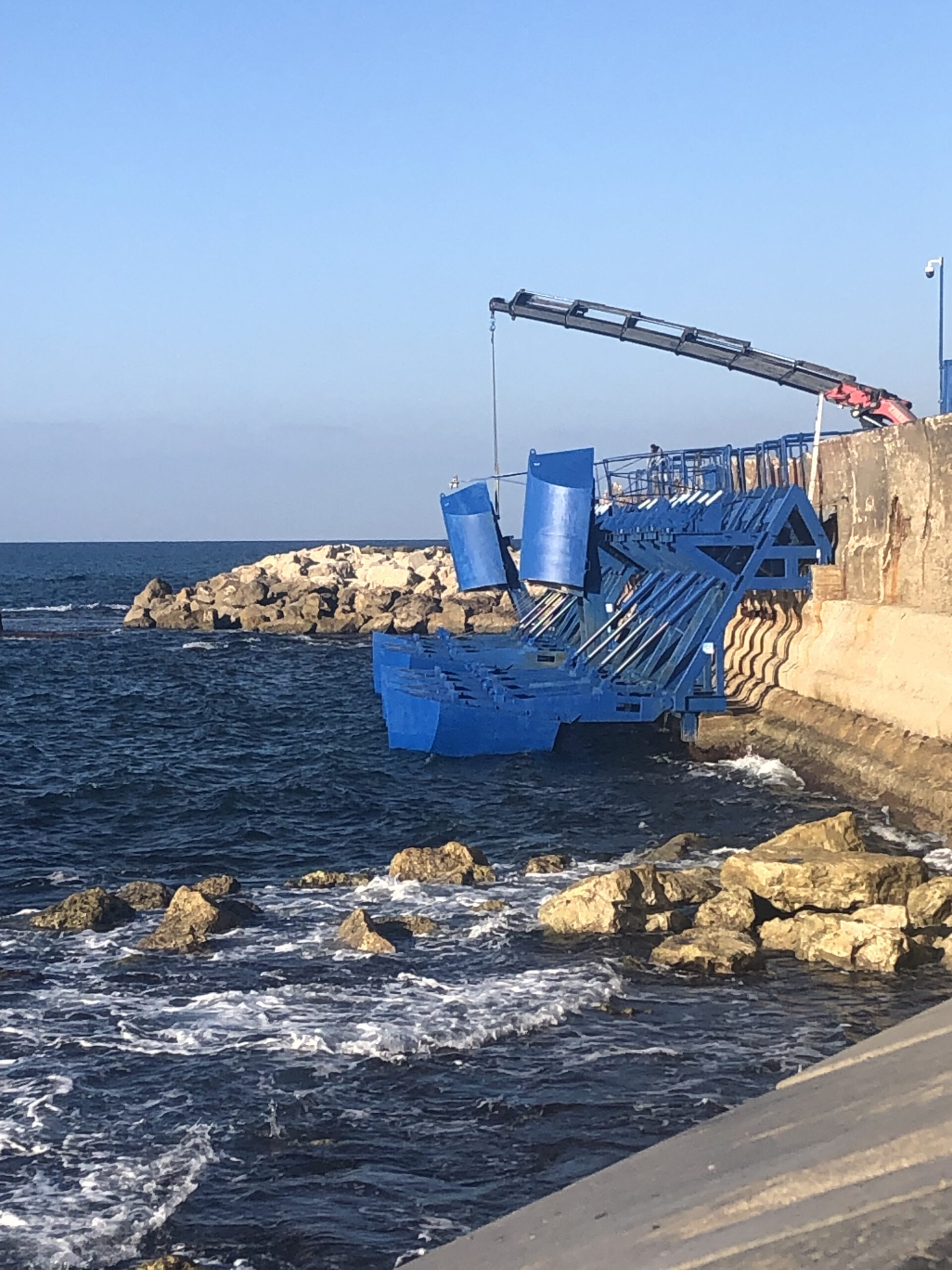
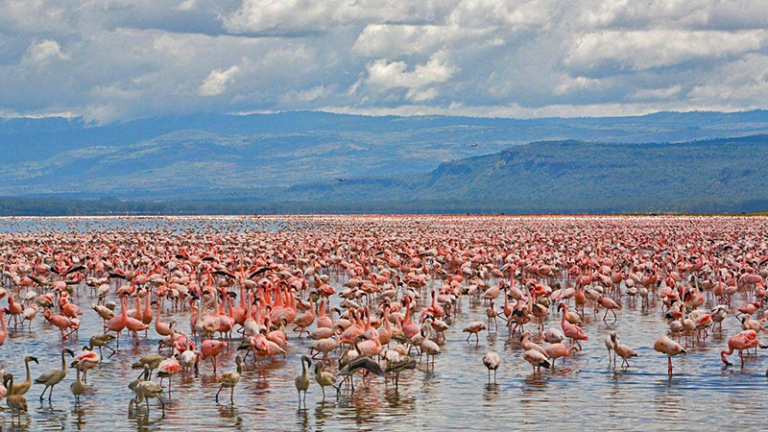





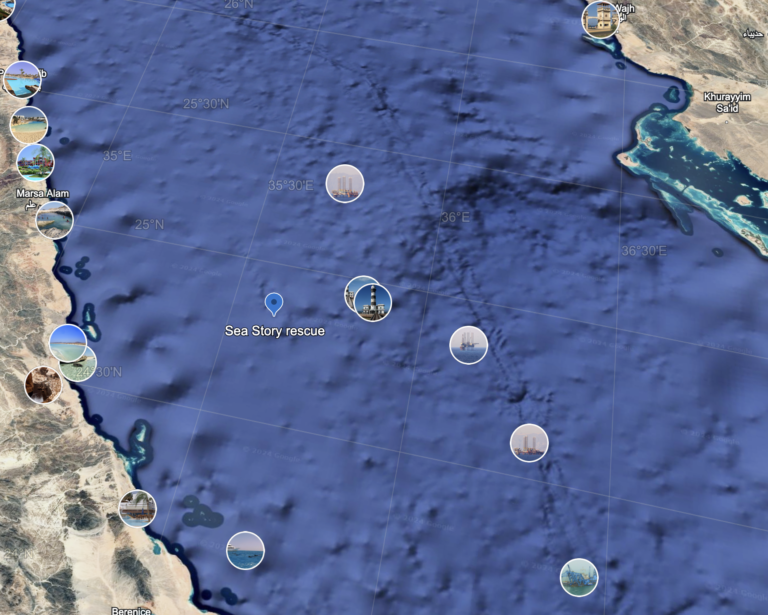
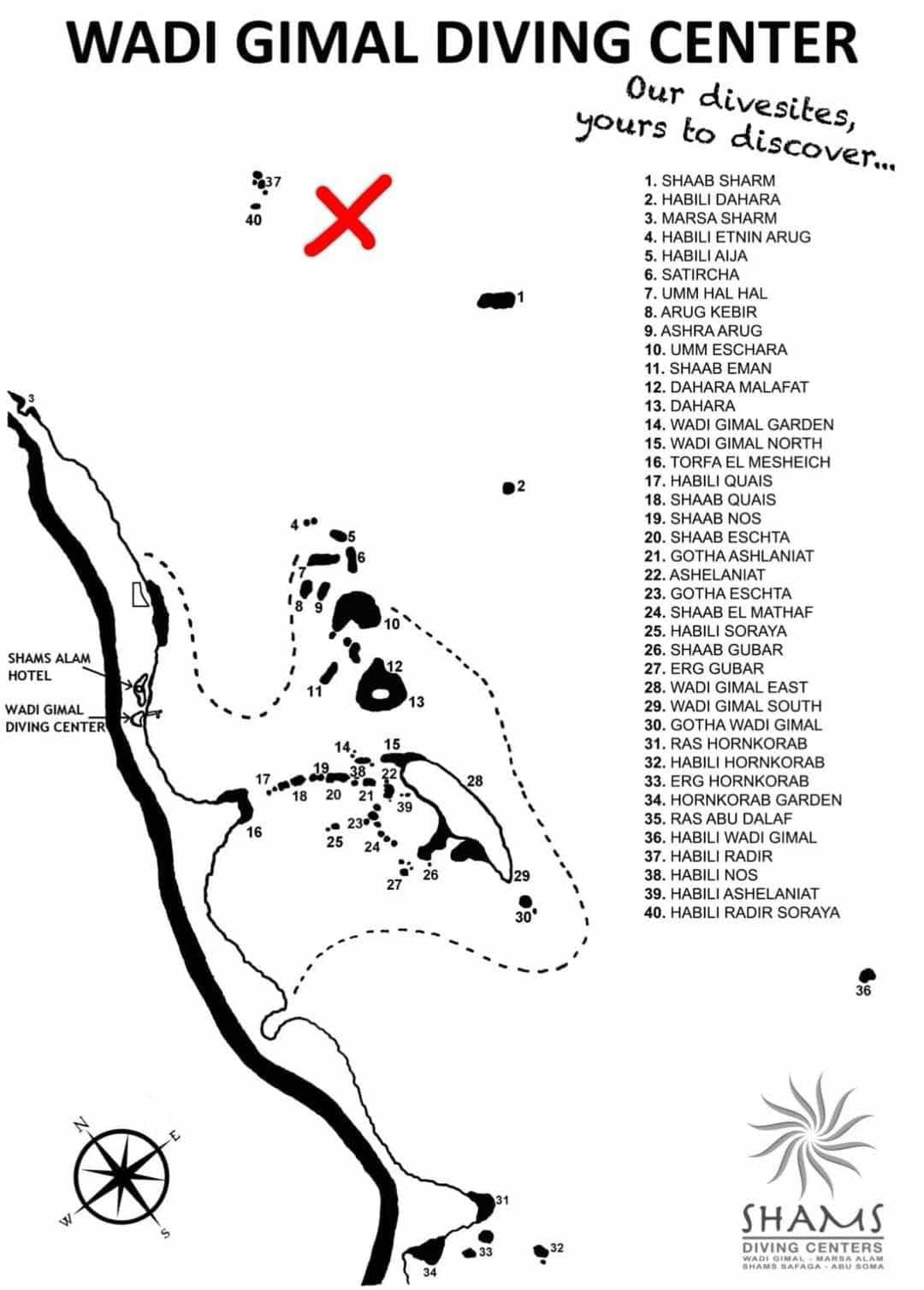
























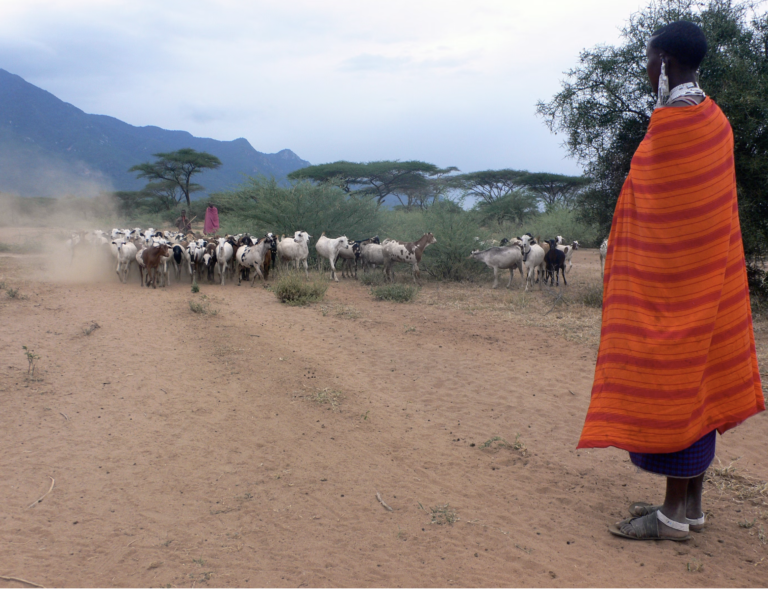

![Animals can sense natural disasters: Goats on Mount Etna in Sicily, for example, become anxious before major eruptions. Their movement profiles may provide warning of imminent eruptions in future.[less] © MPI of Animal Behavior/ MaxCine](https://www.greenprophet.com/wp-content/uploads/goats-are-diviners.webp)

![Scientists want to use transmitters to trace the movements of elephants in Aceh. They are strapped to their neck so… [more]© MPI of Animal Behavior/ MaxCine](https://www.greenprophet.com/wp-content/uploads/icarus-elephants.webp)

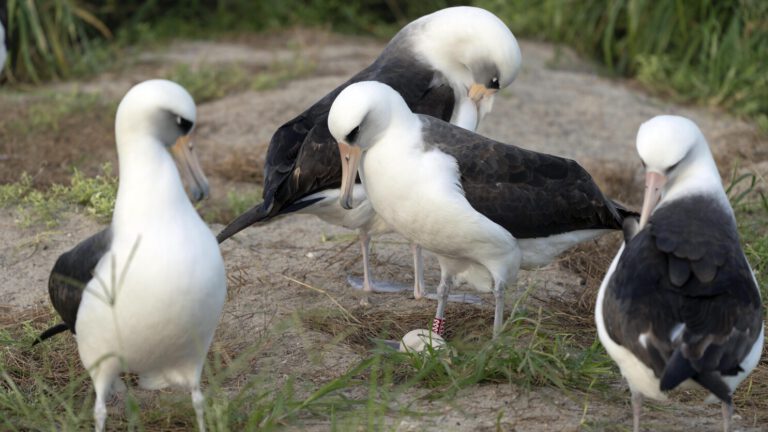
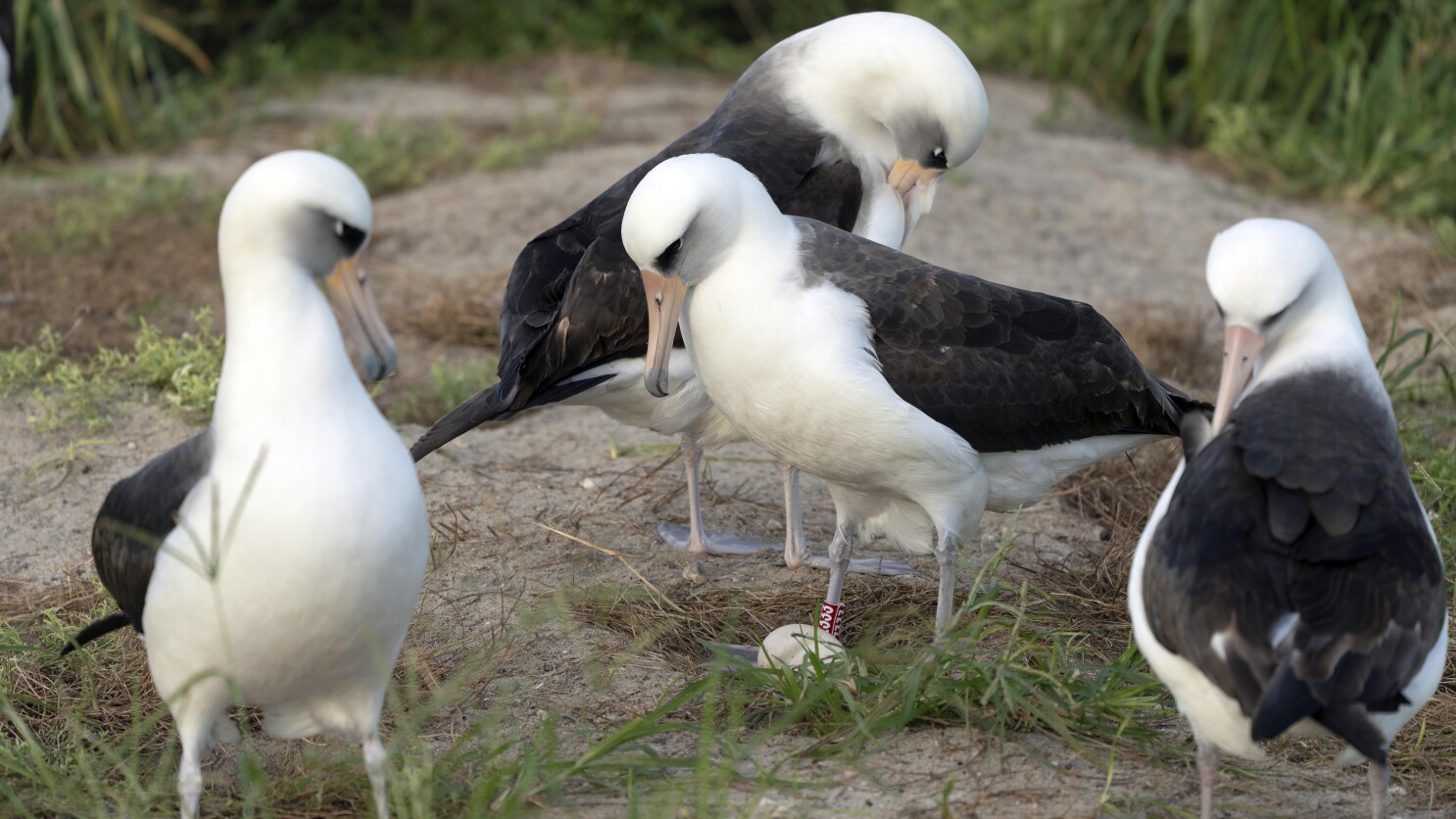
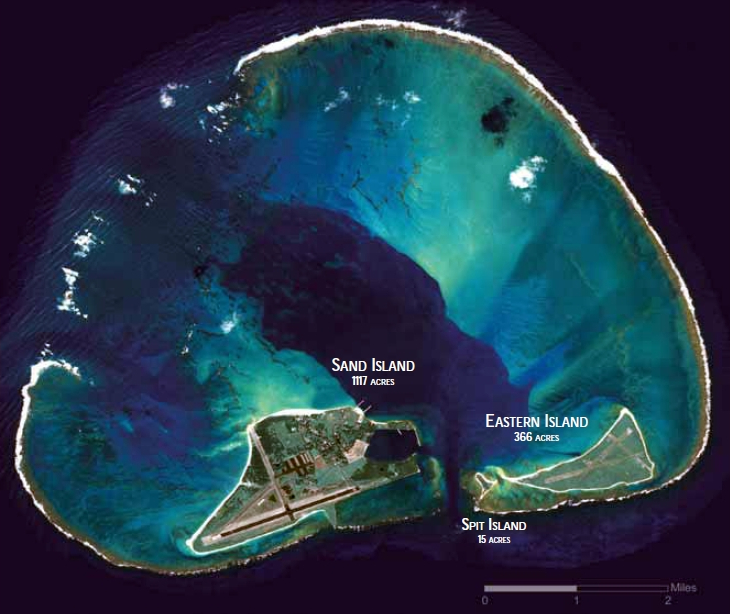








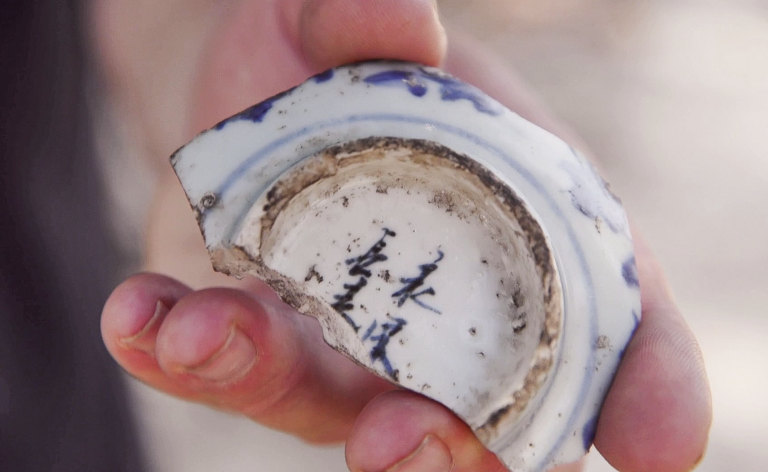






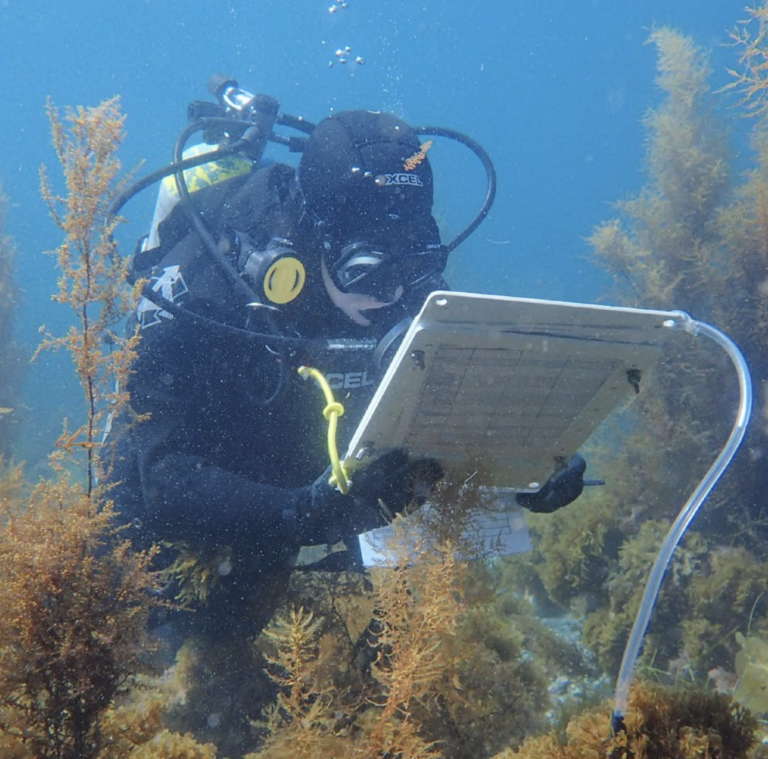













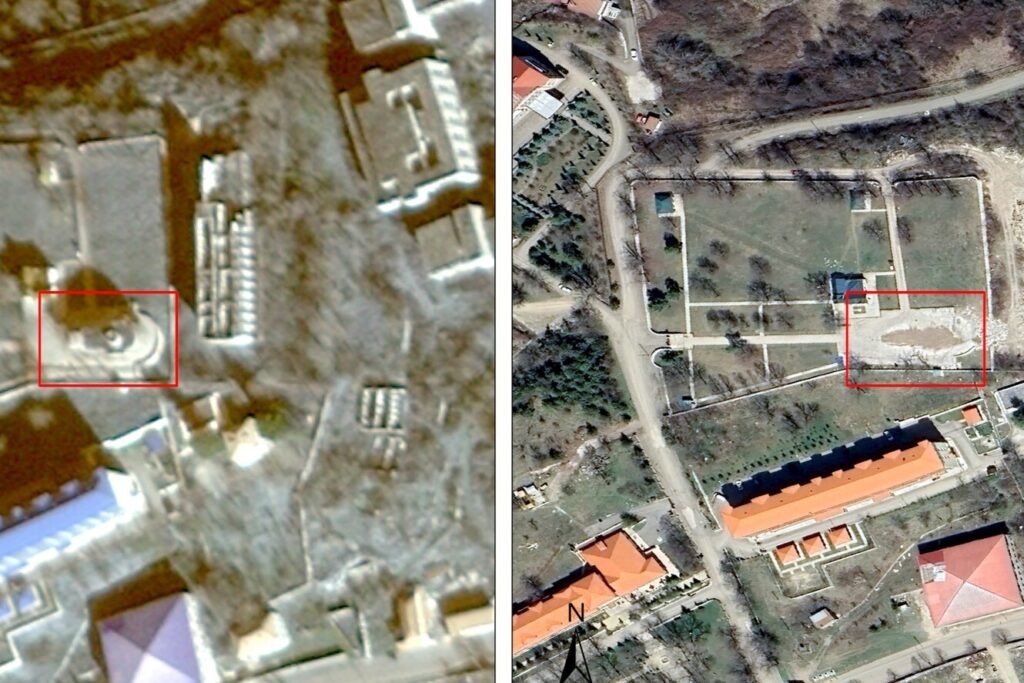
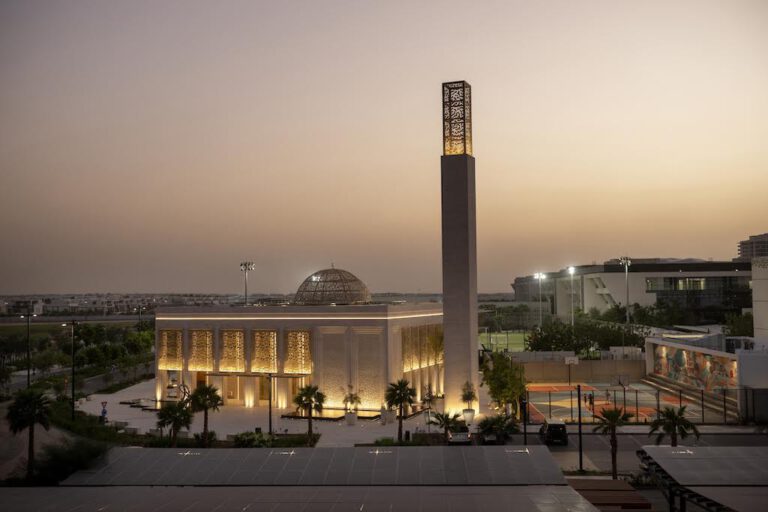














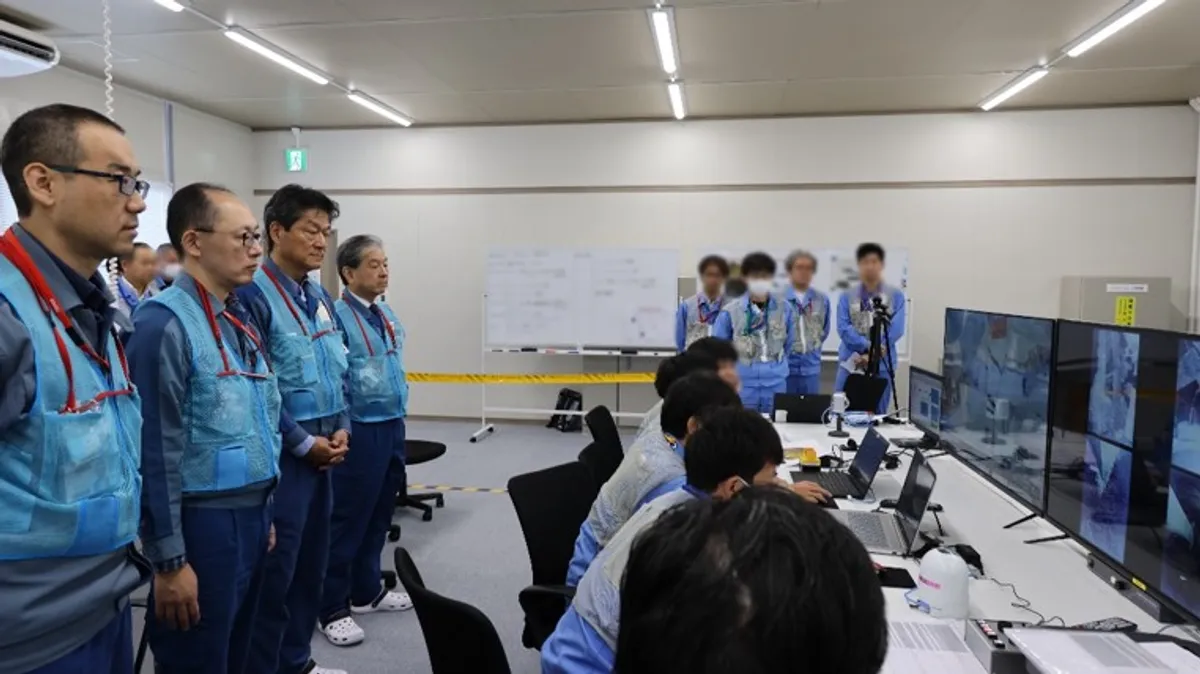

 The origins of writing in

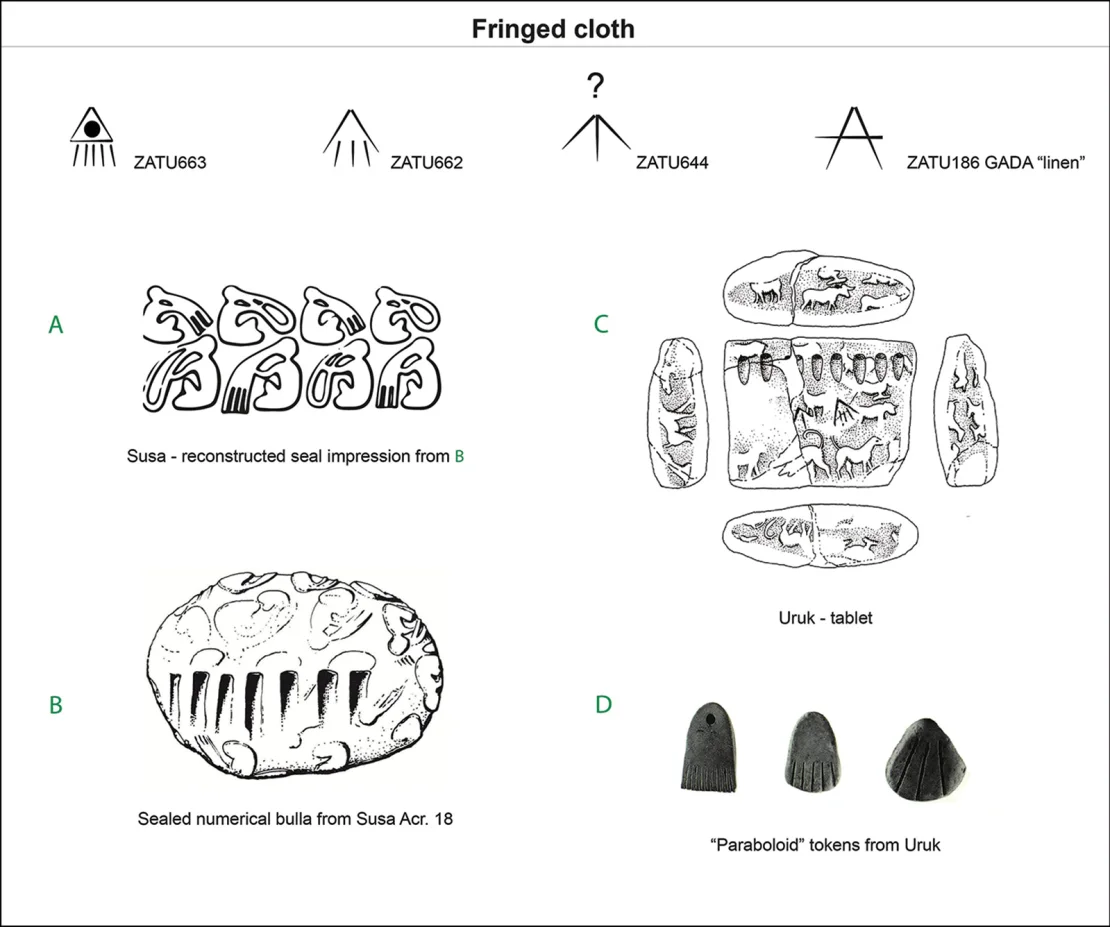
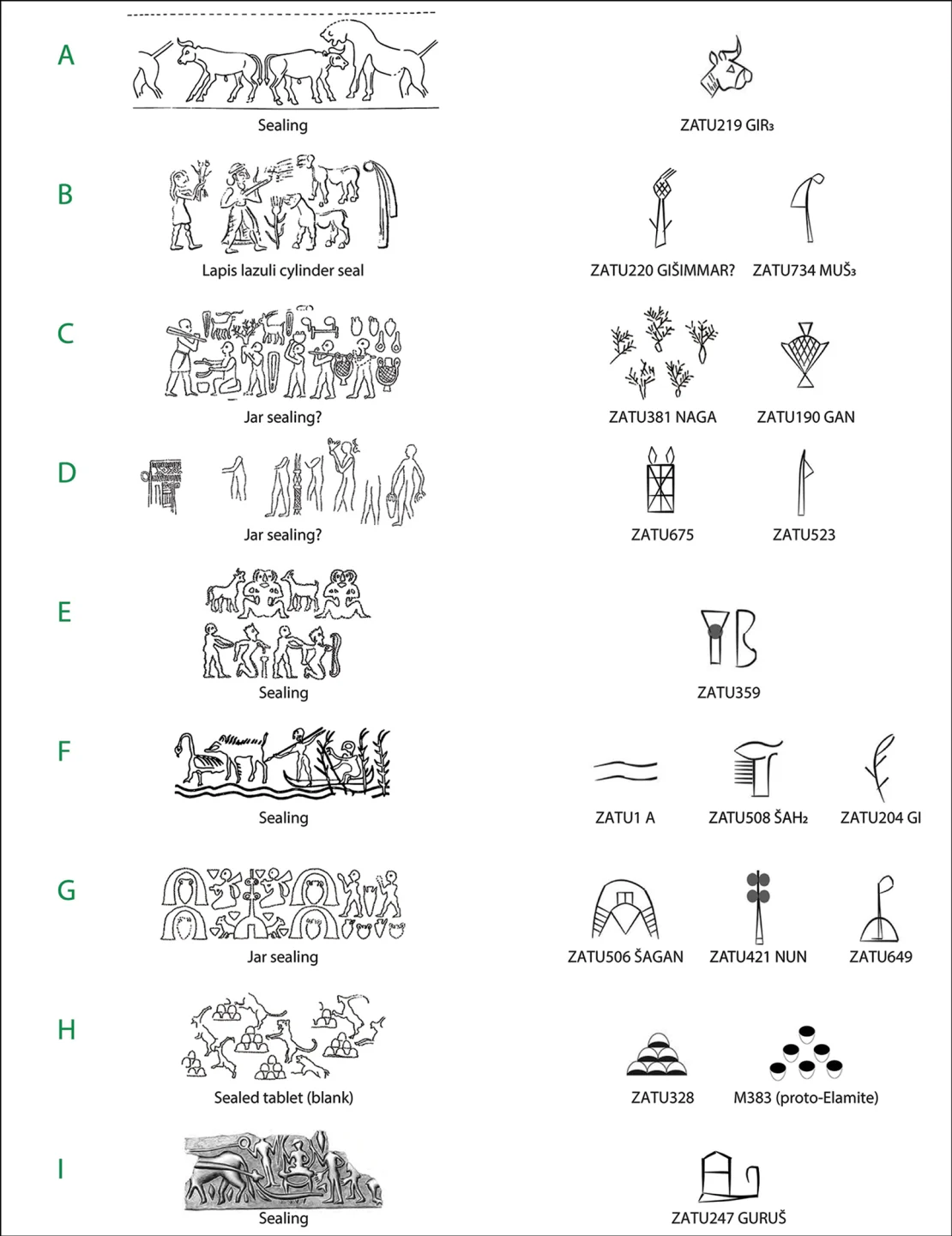





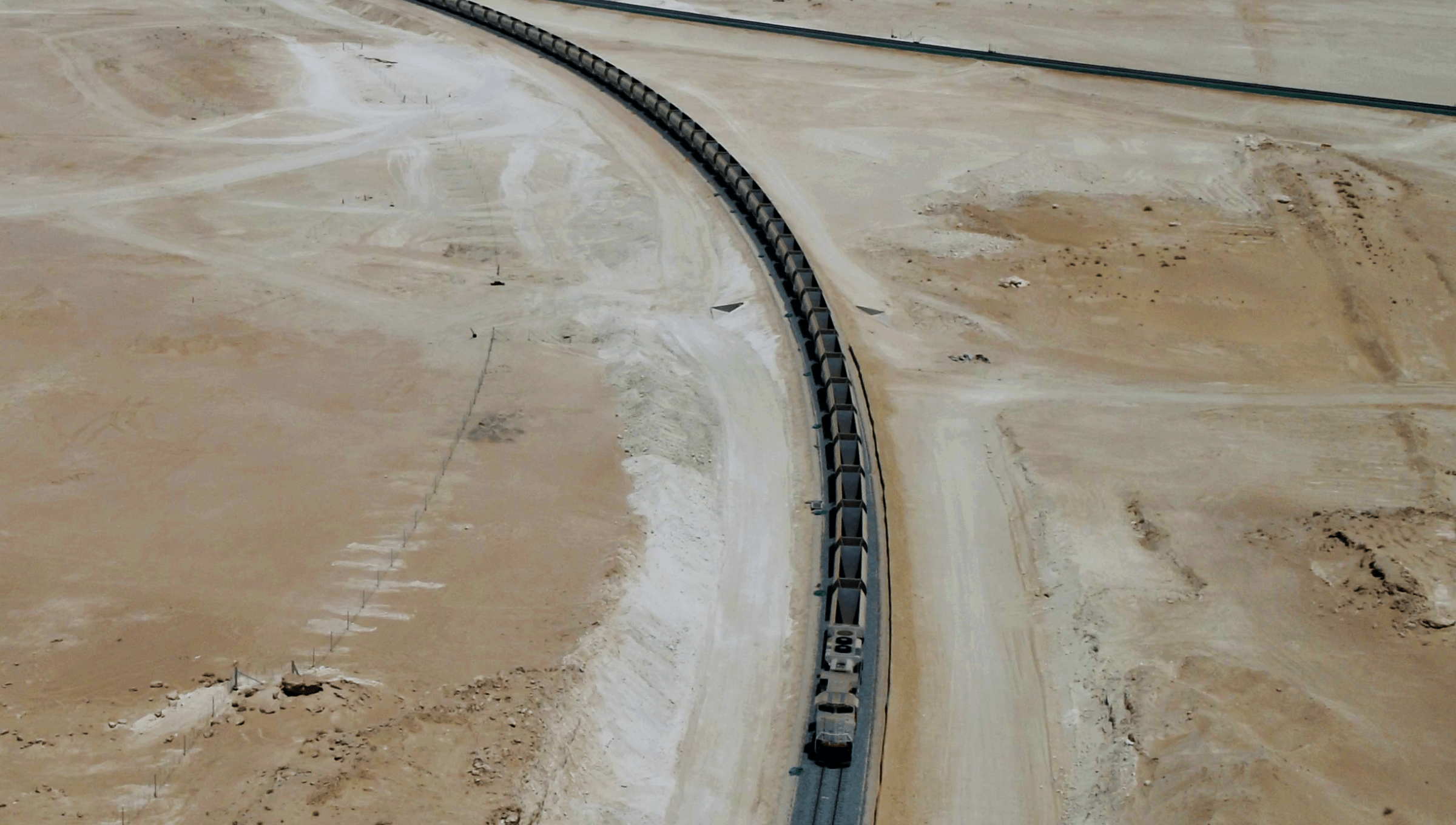




















 Band E Amir National Park: forbidden for women

















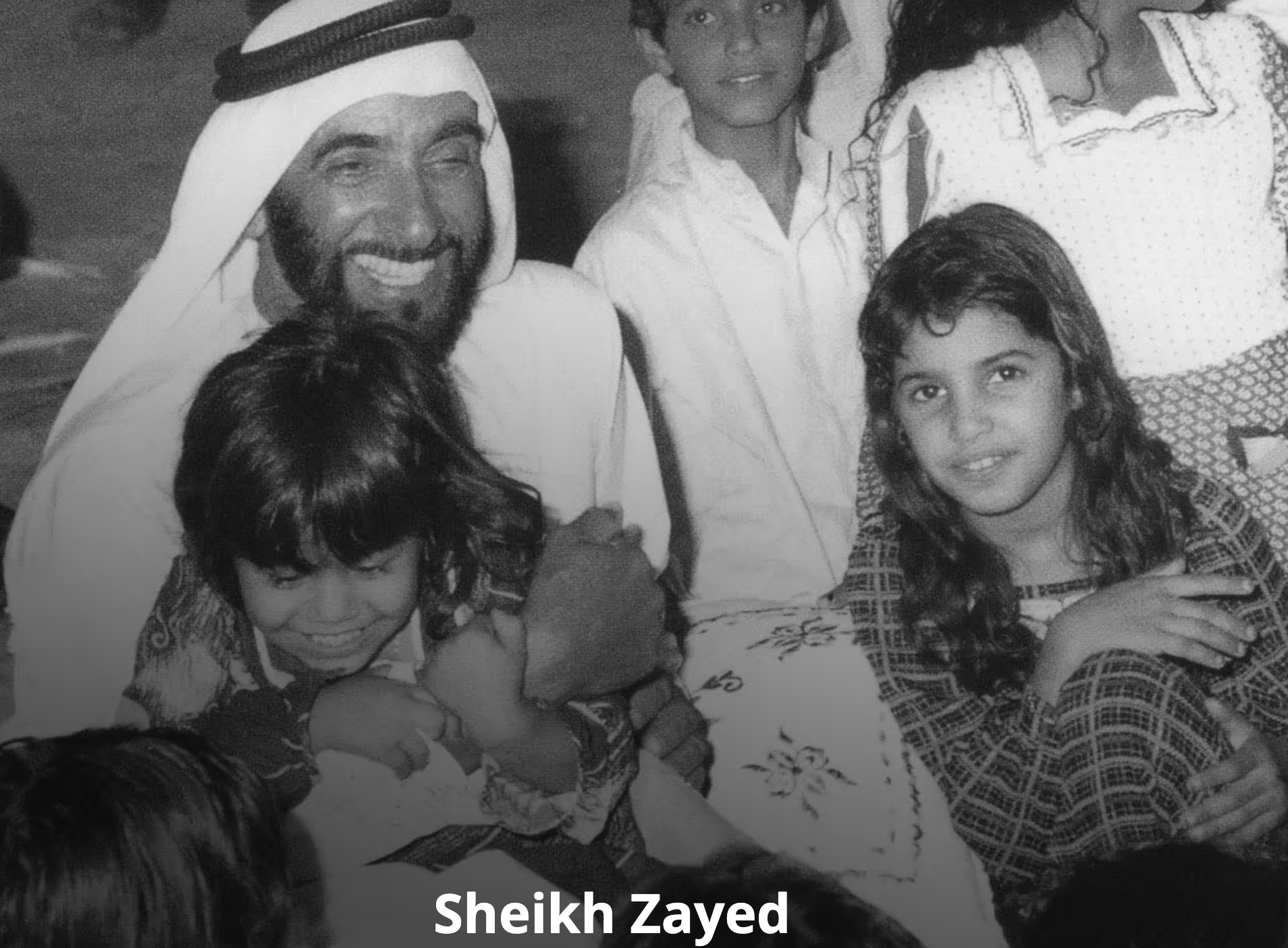

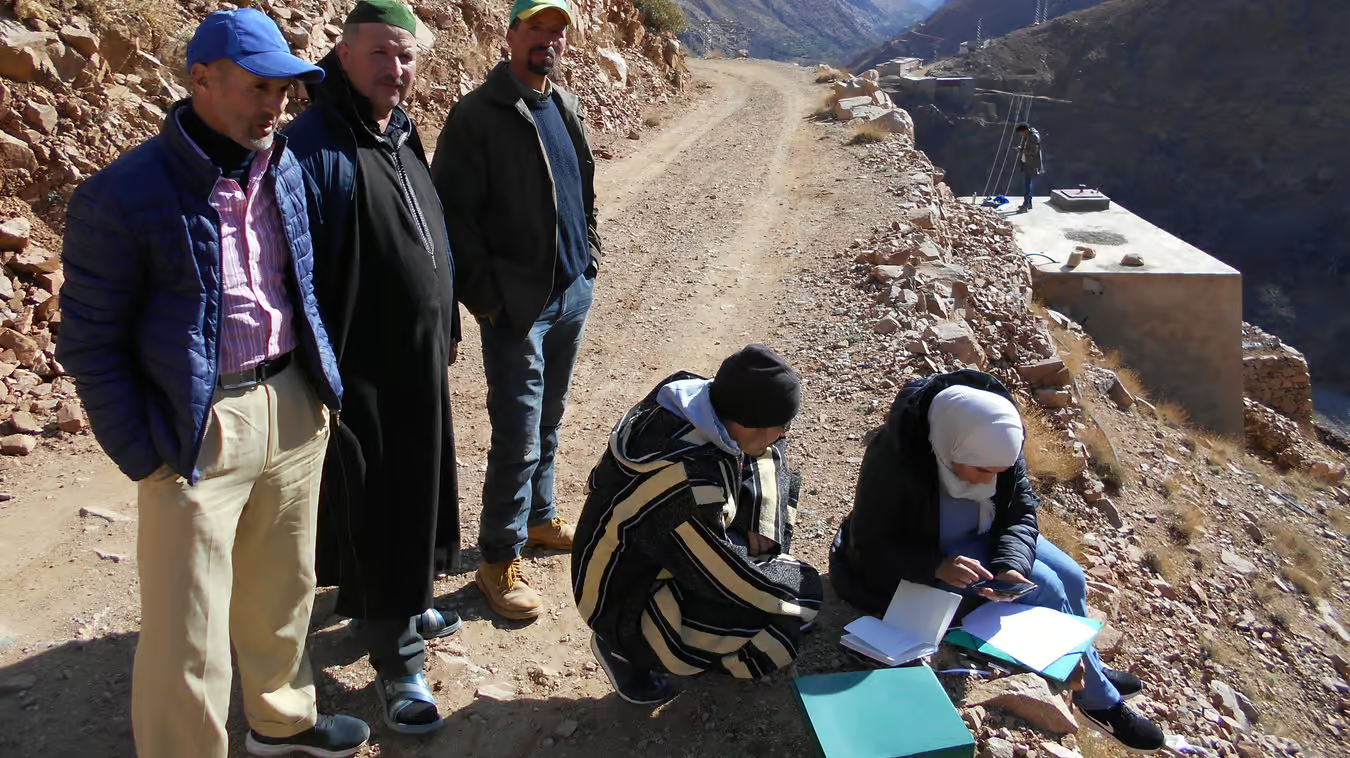

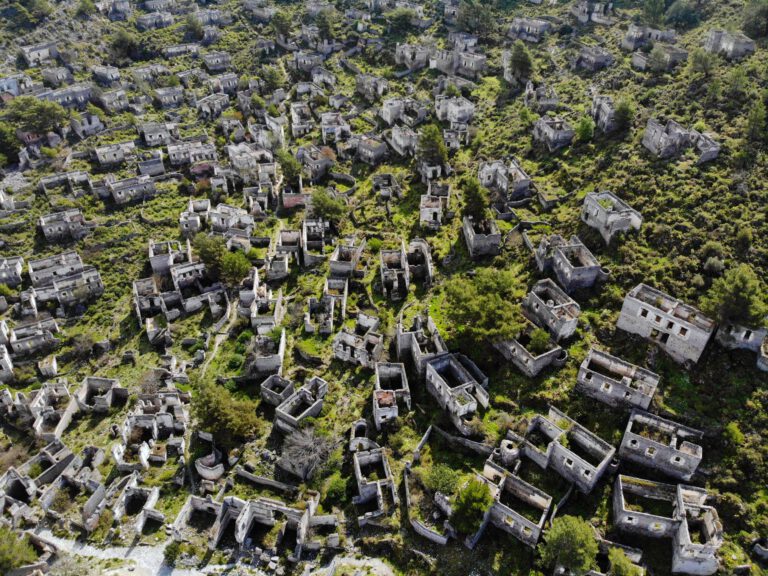





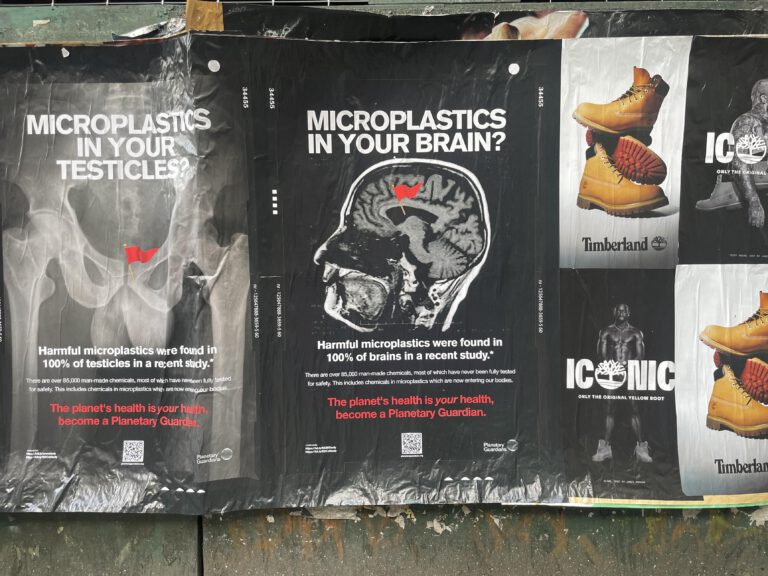


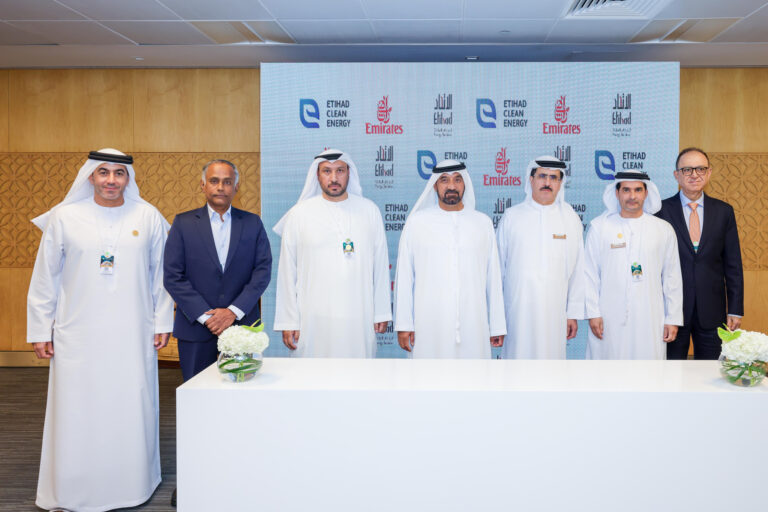




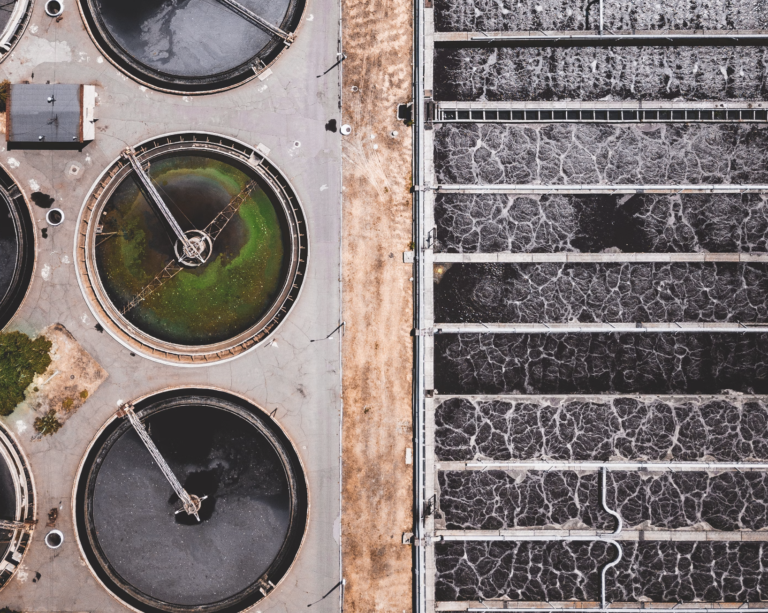
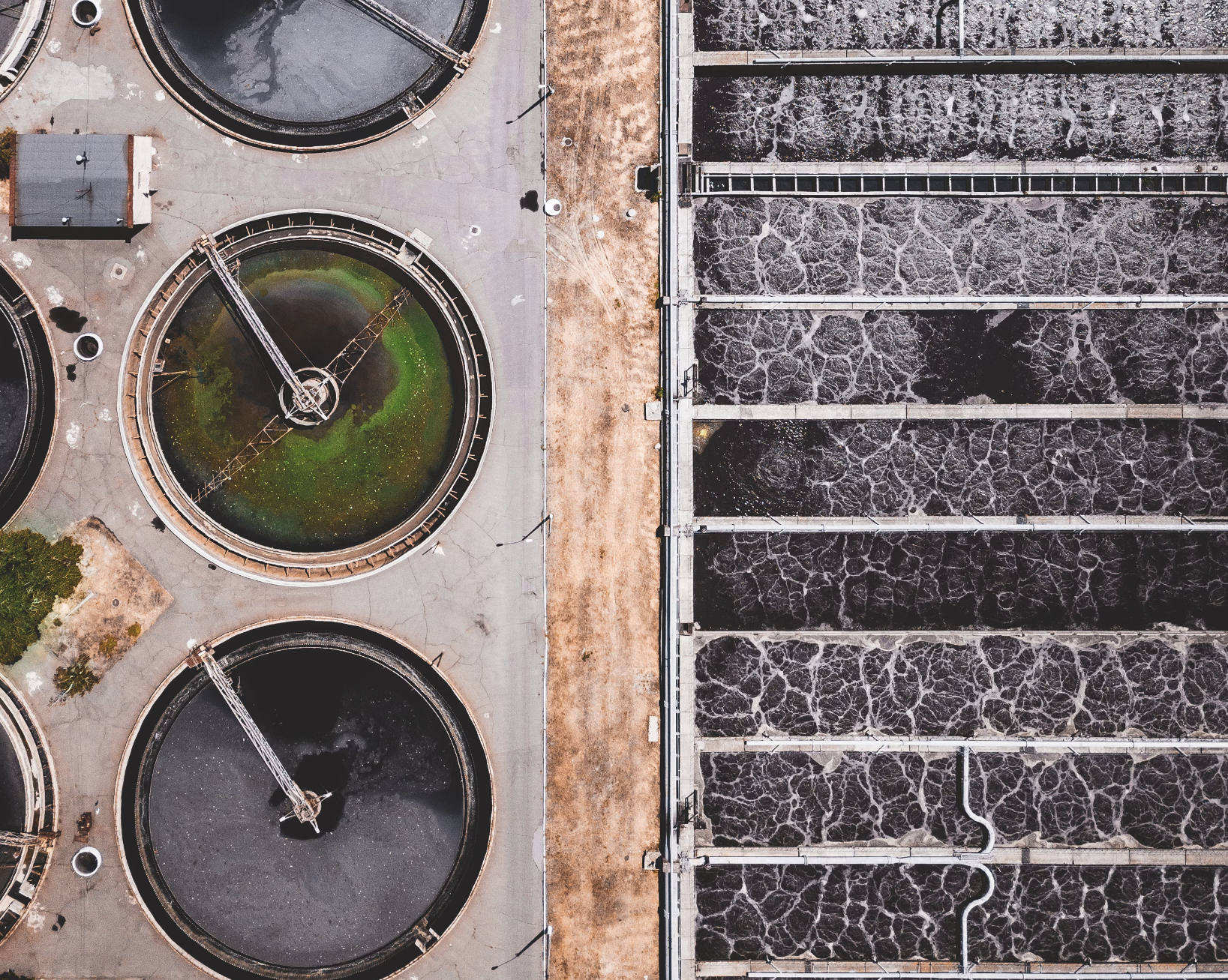



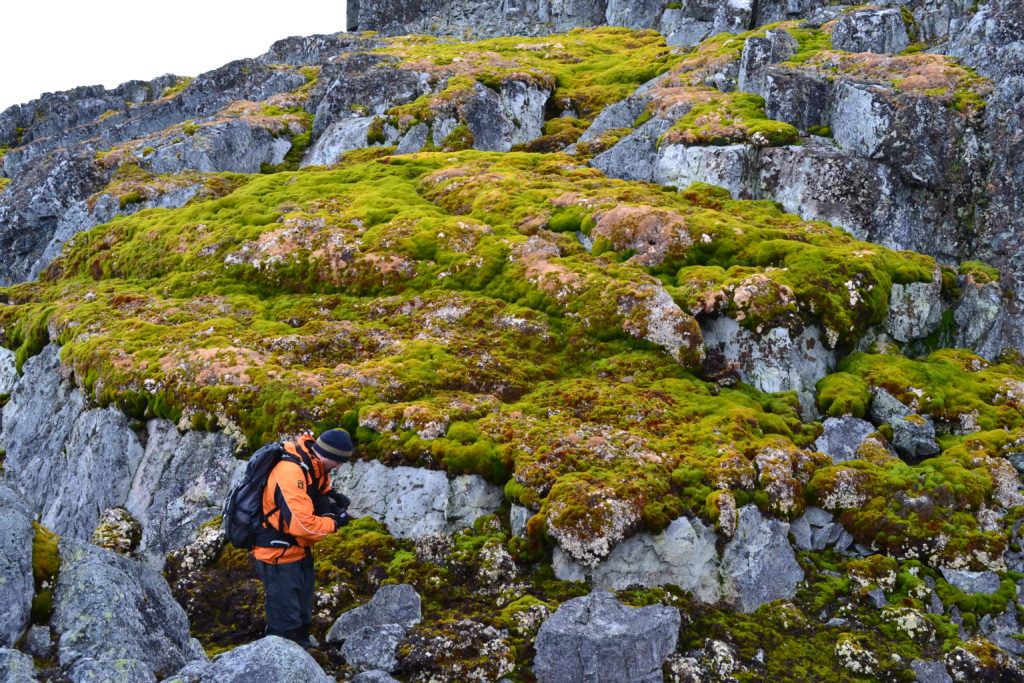


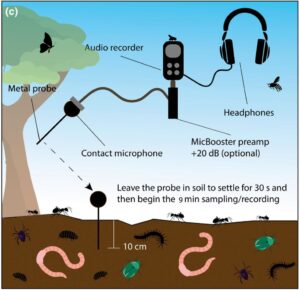 With 75% of the world’s soils degraded, the future of the teeming community of living species that live underground face a dire future without restoration, says microbial ecologist Dr Jake Robinson, from the

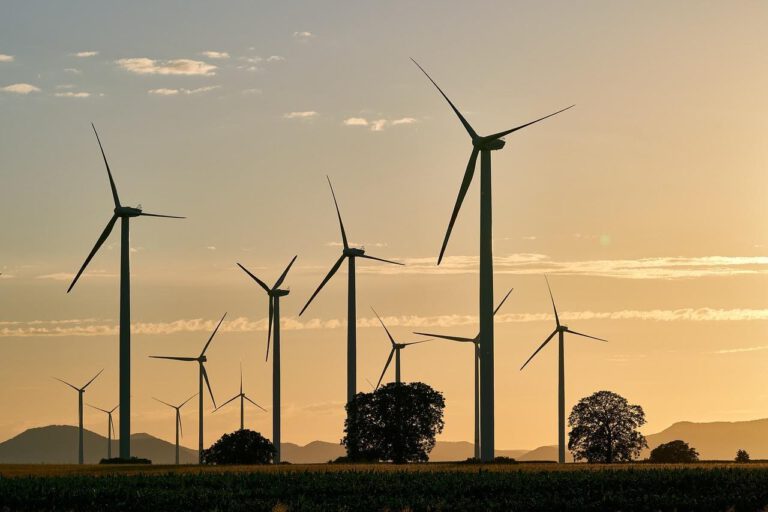


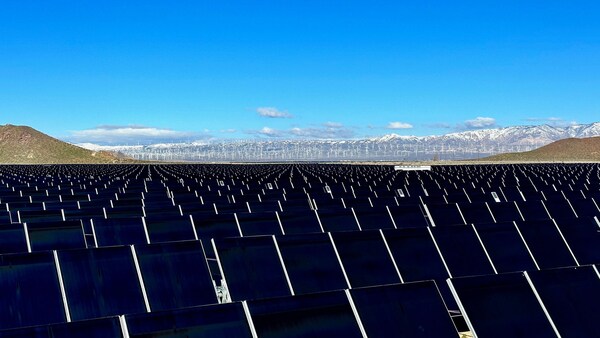




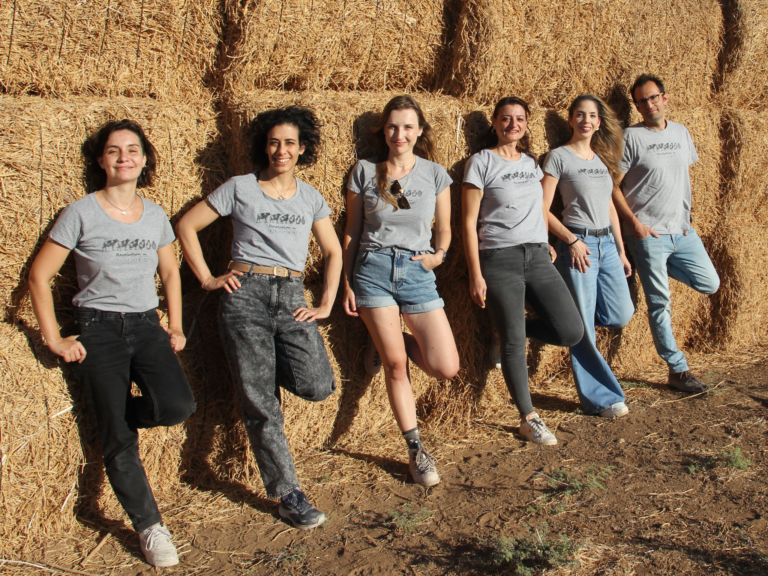




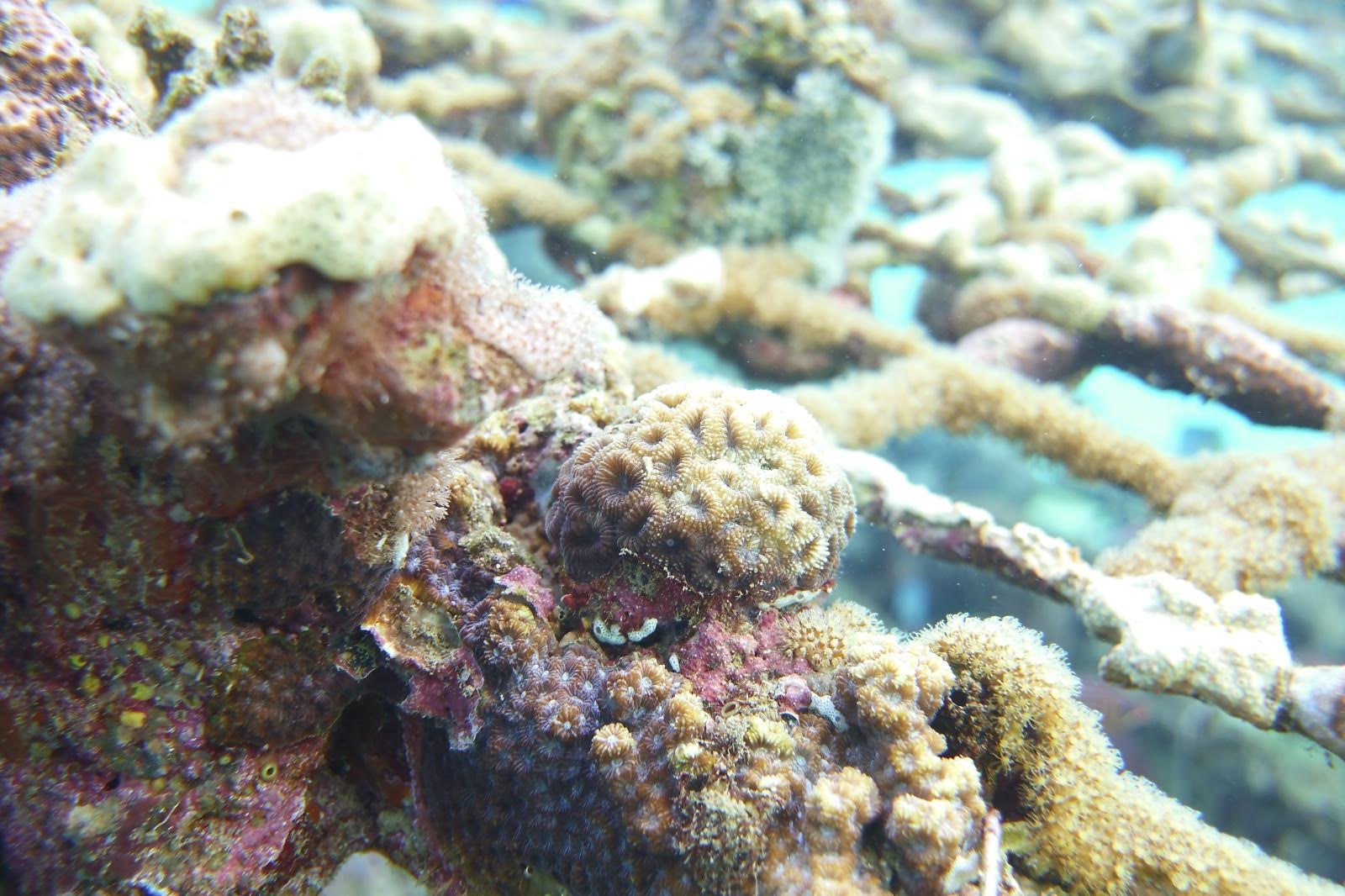

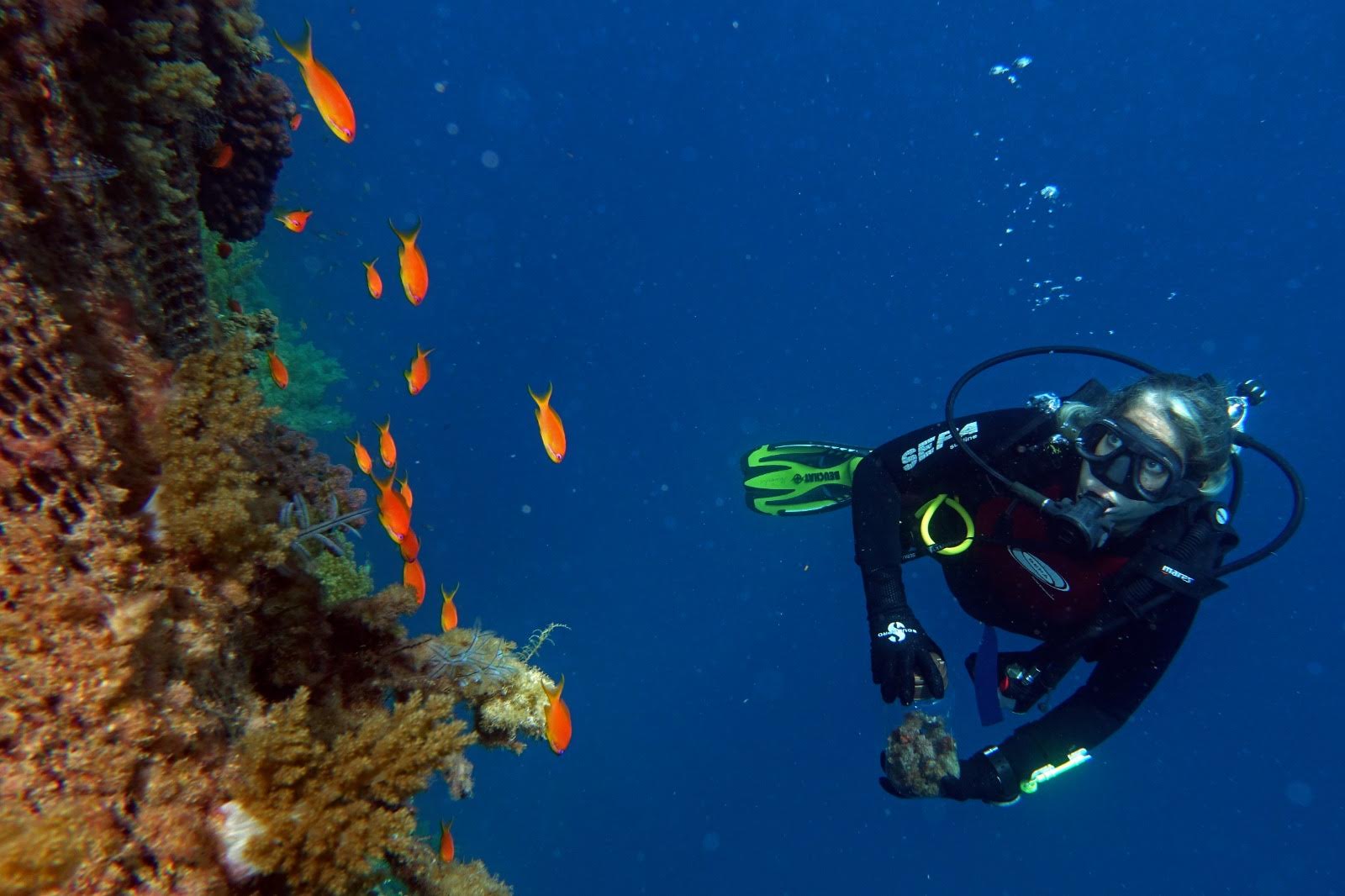

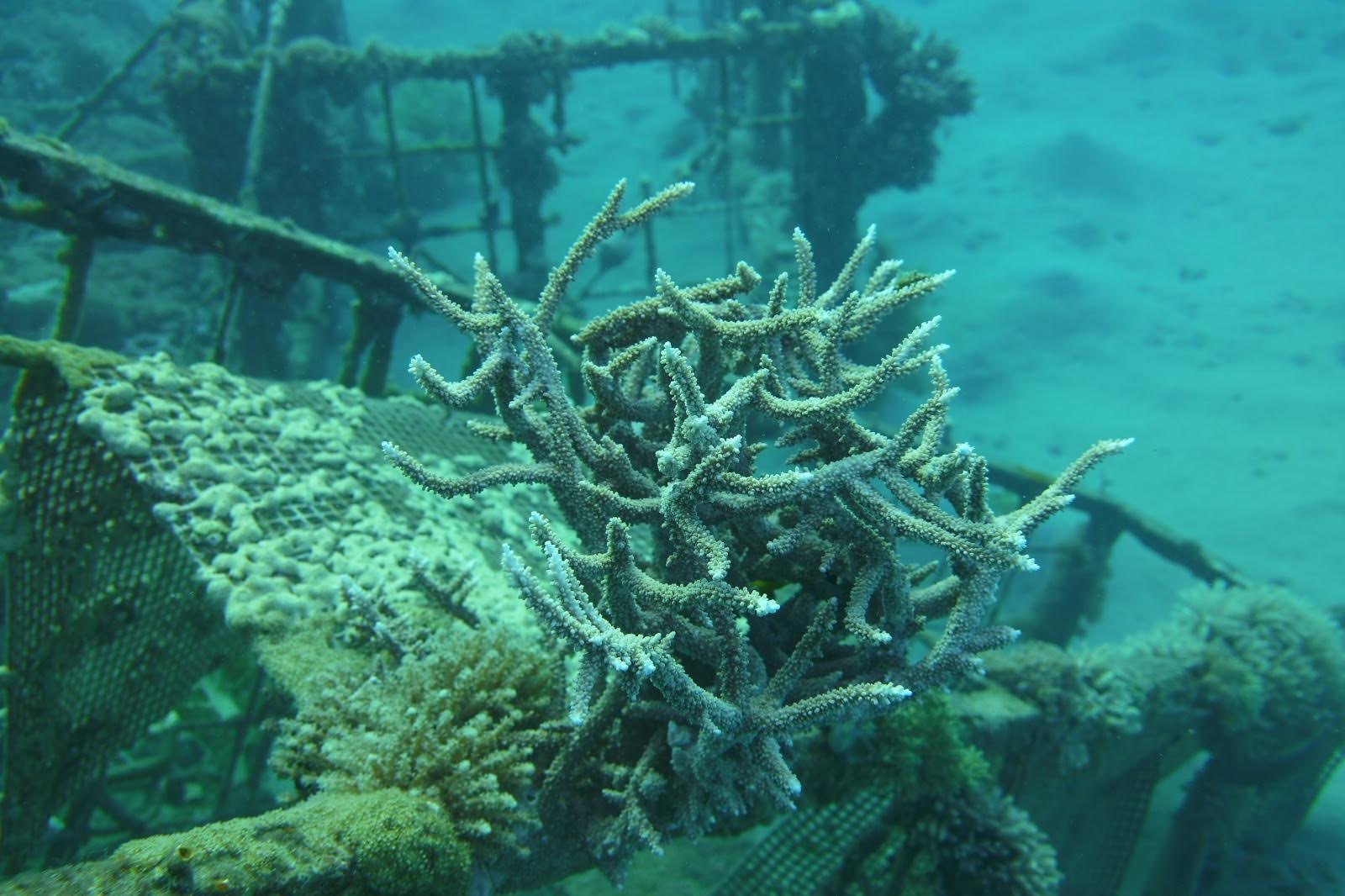
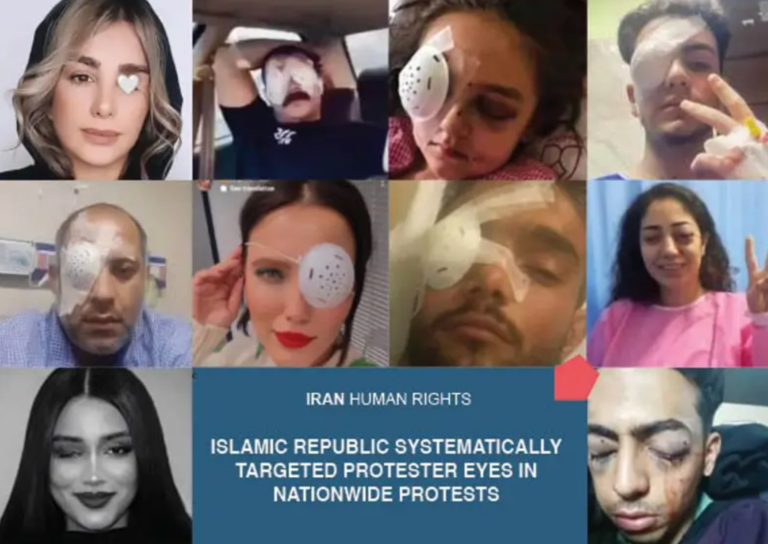








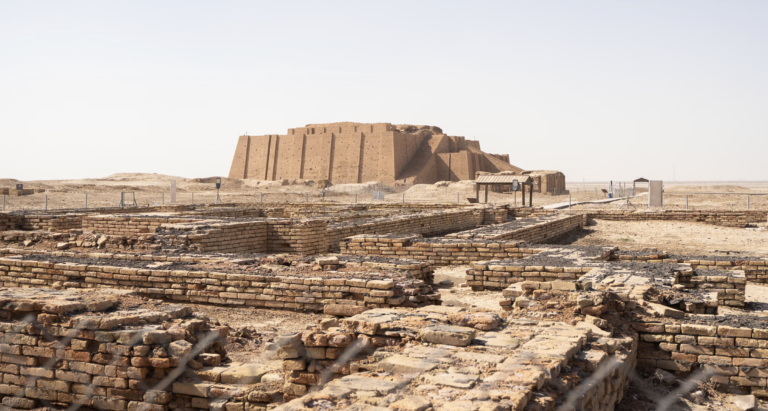













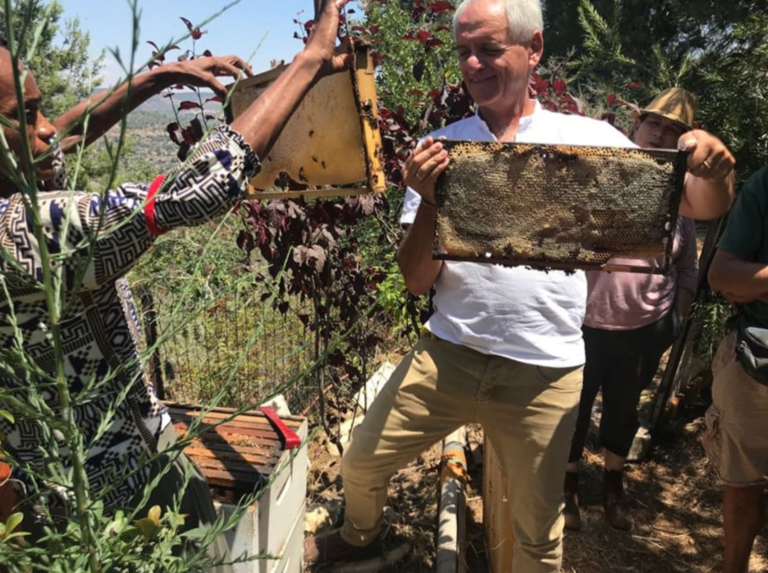


 is your honey real or fake? “When people learn to work for the bees’ welfare, much sensitivity and gentleness is developed, and that could translate into our daily life. In this way the bees teach us to act for society, to live in co-existence, let go of stigmas, and help us get closer to ourselves, others, the land and the world,” says Oud.



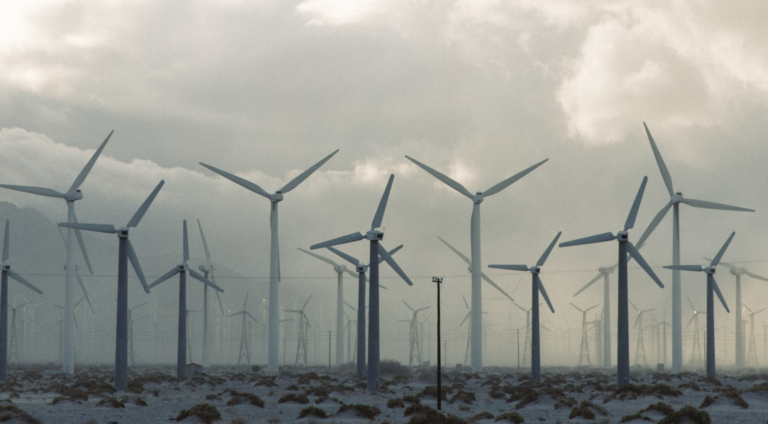

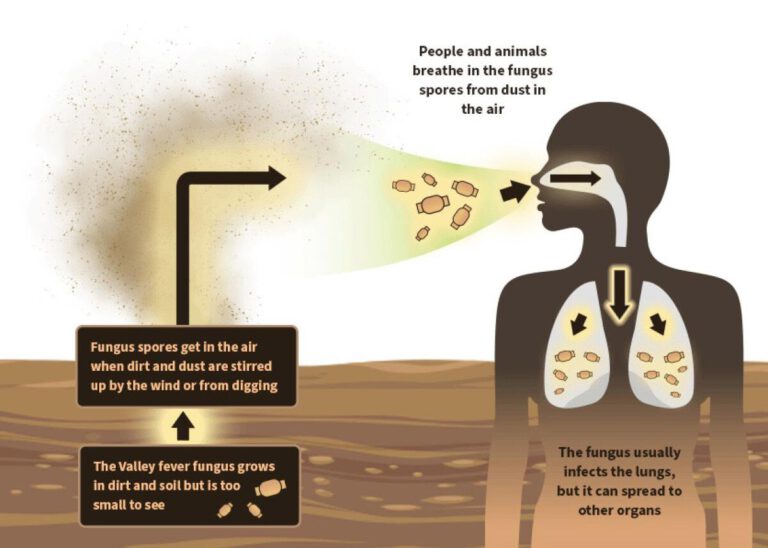

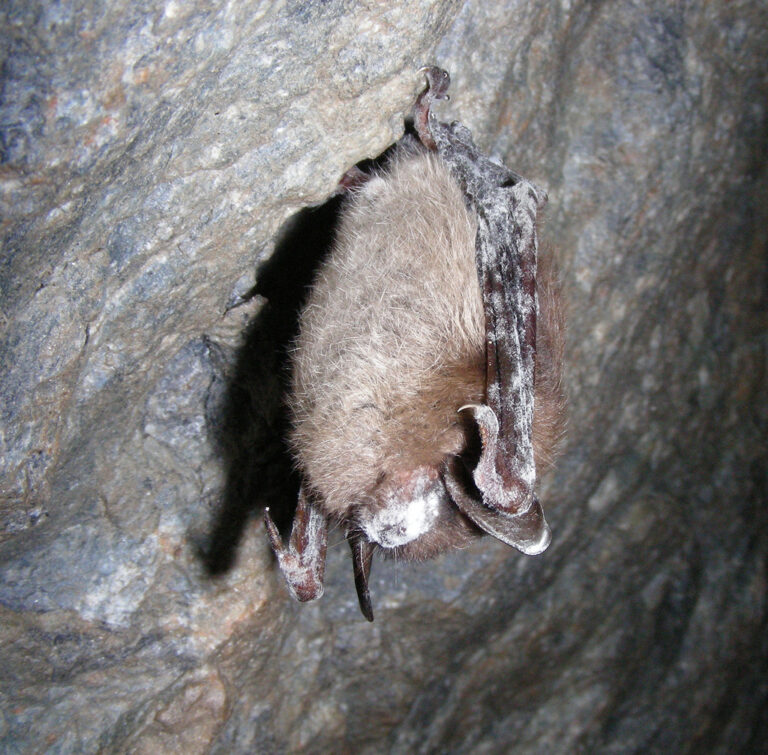


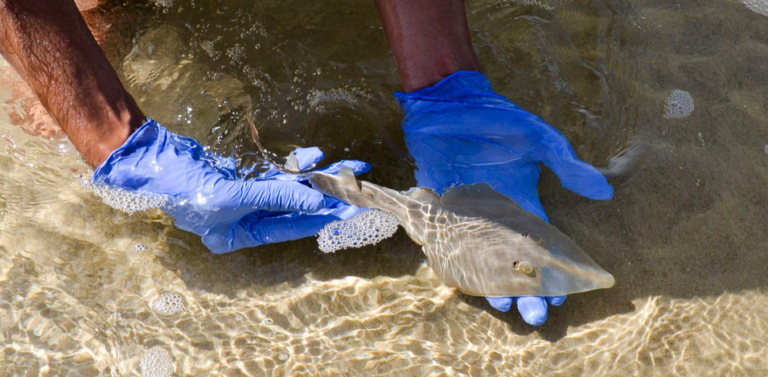













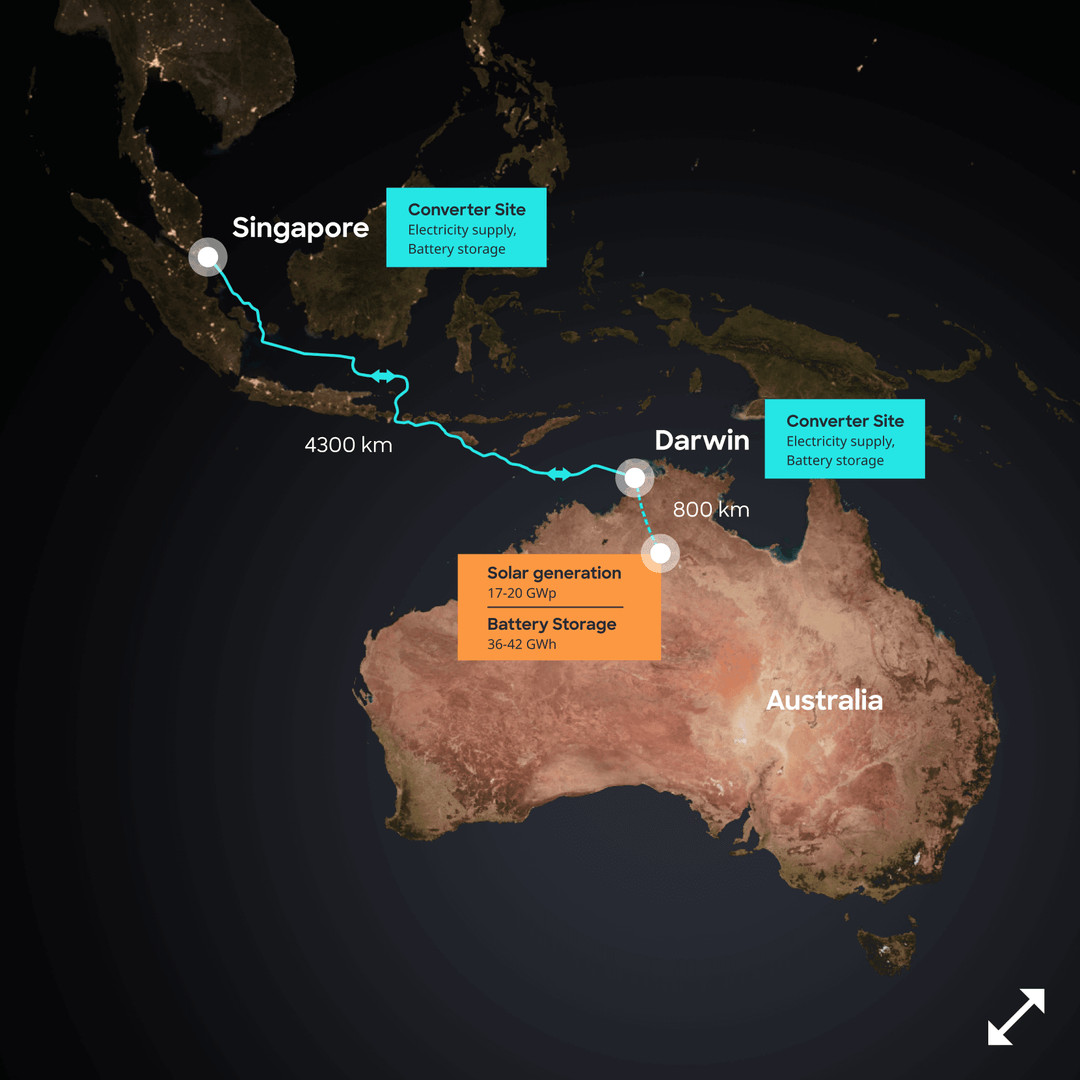
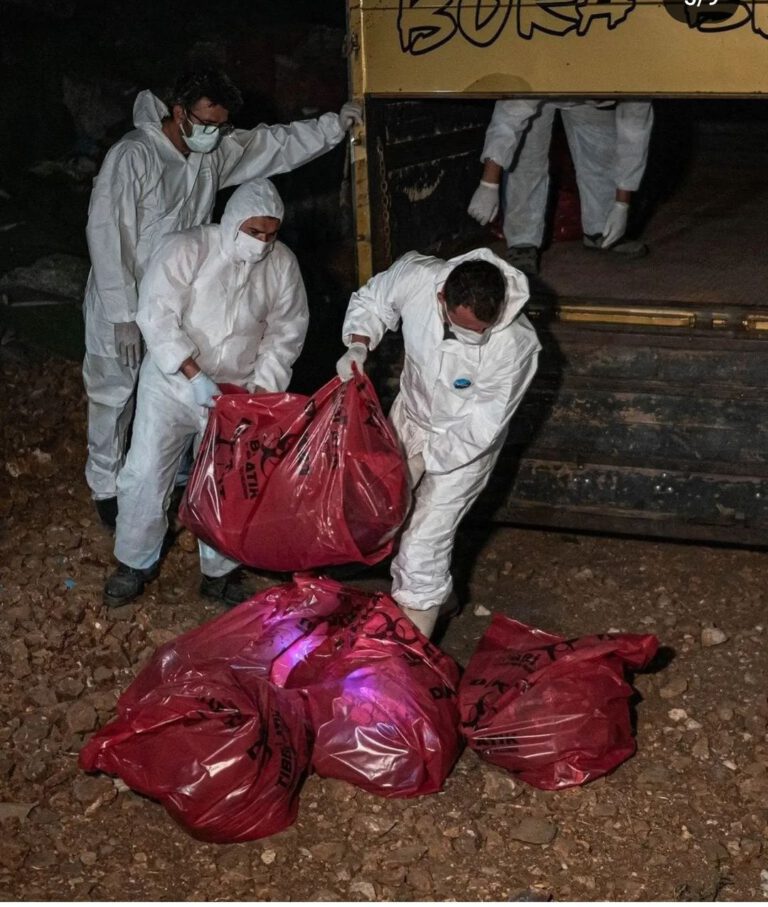
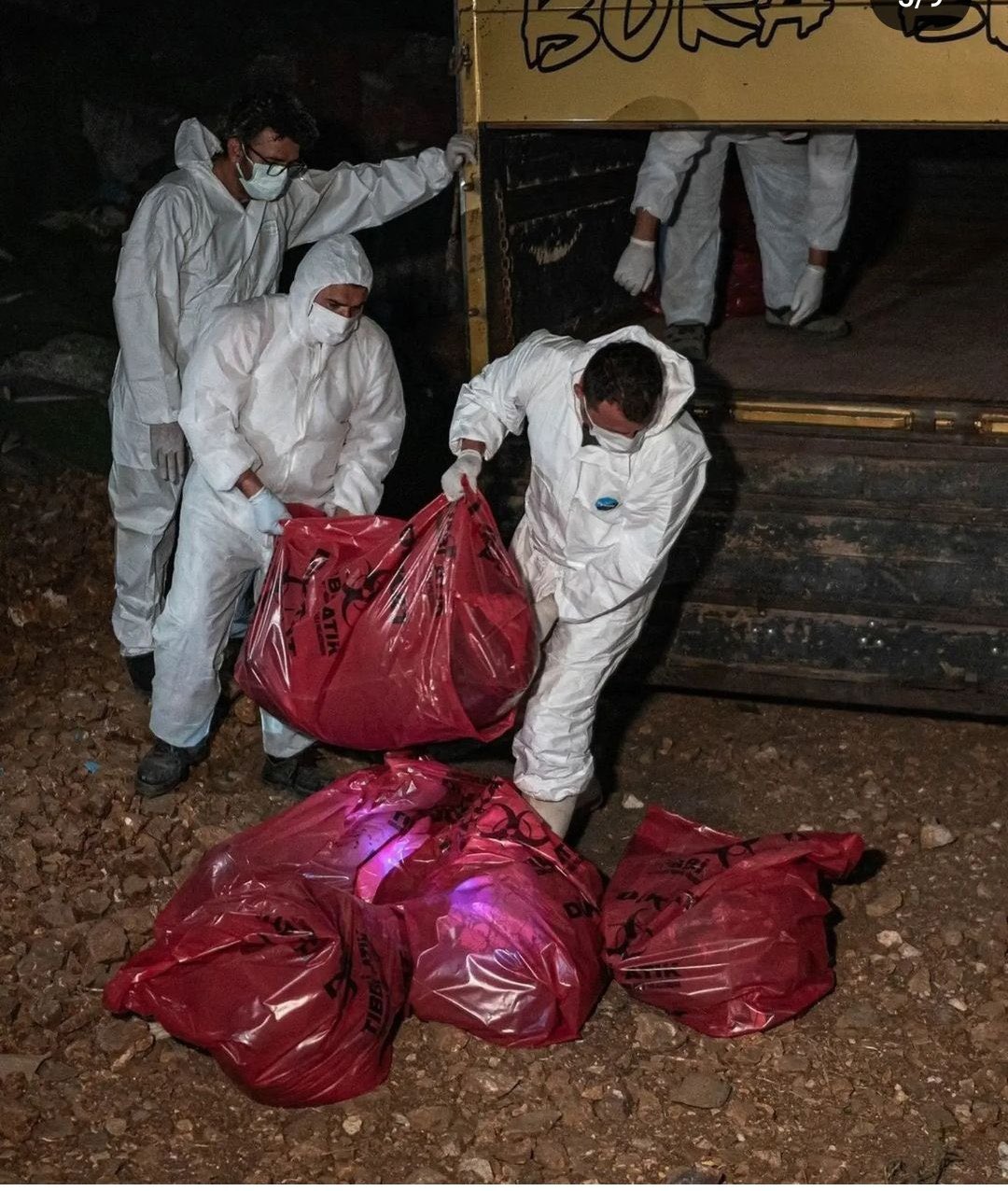

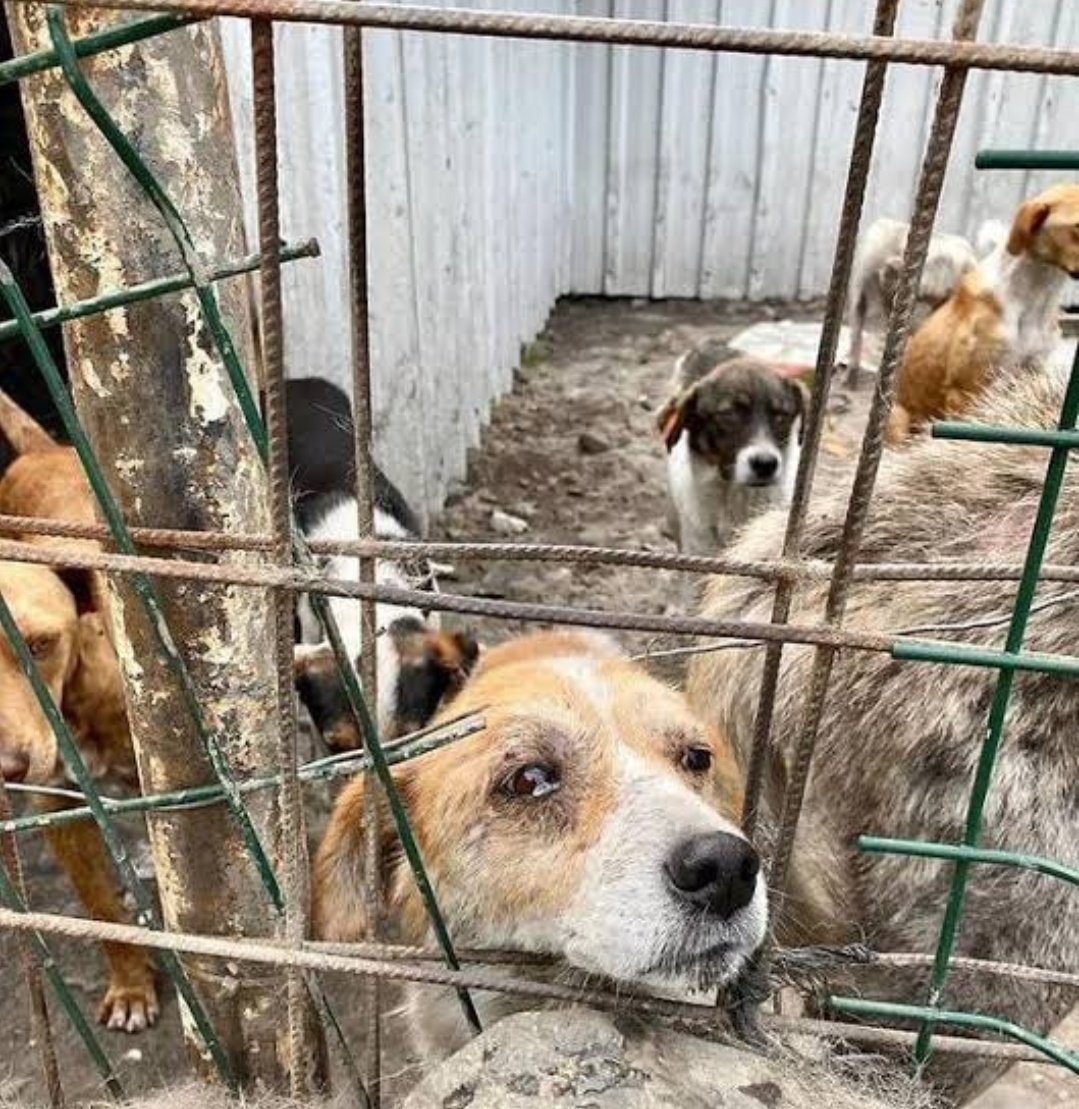



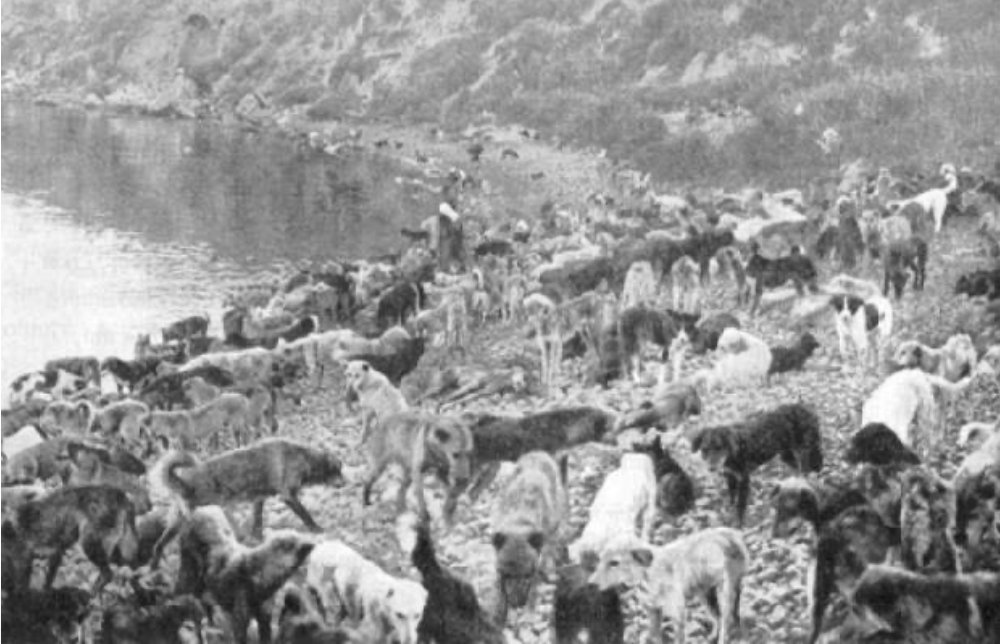
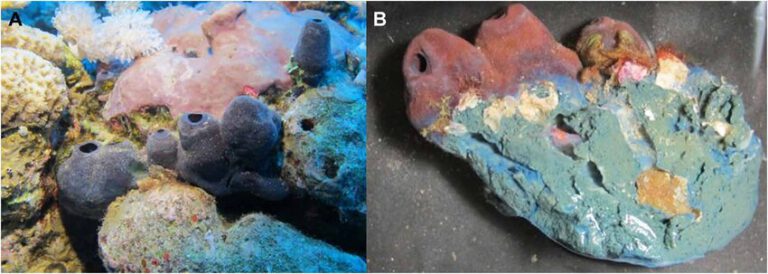


















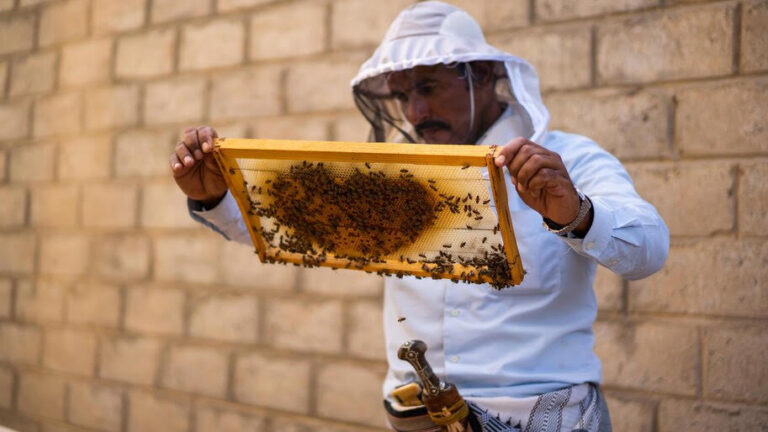
























 Gedaliah has been involved in the high-tech world since 1994 both in Jerusalem, New York and Beijing. He has also been a teacher of the Talmud since 1974 and is currently the spiritual leader of two Igbo communities in Nigeria.






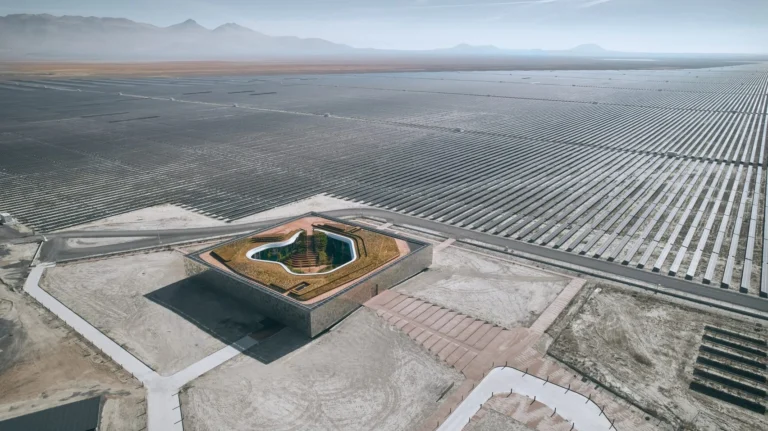
























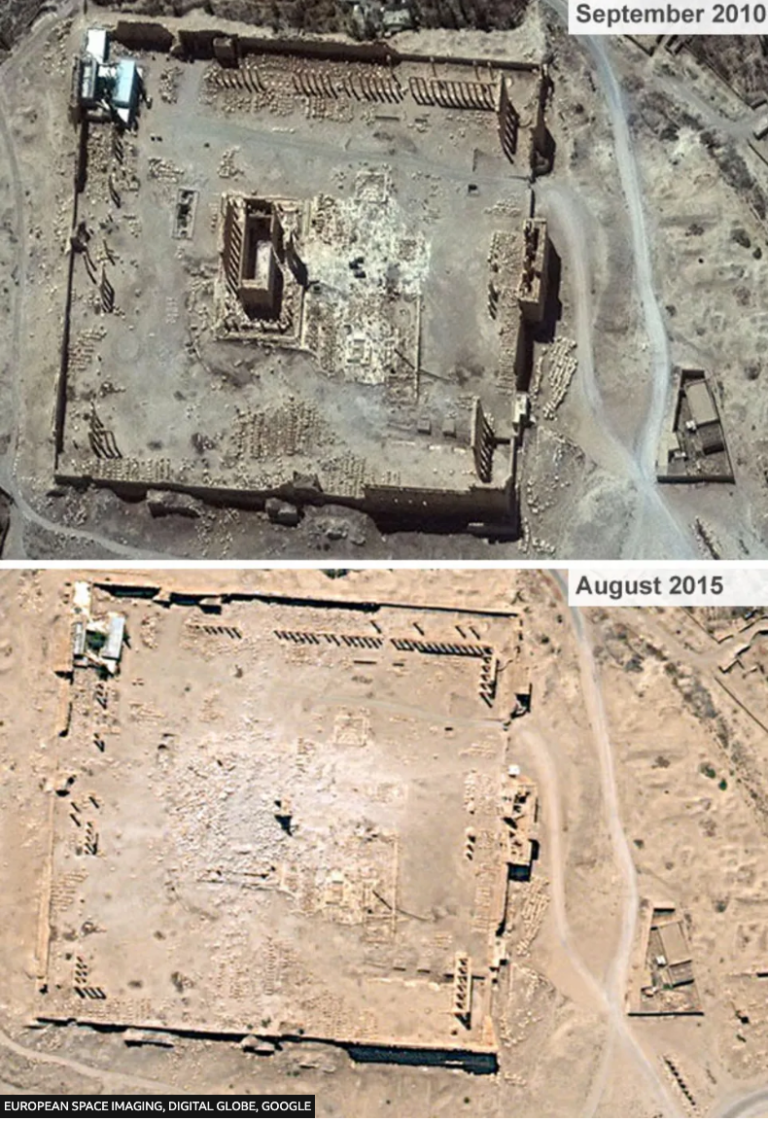


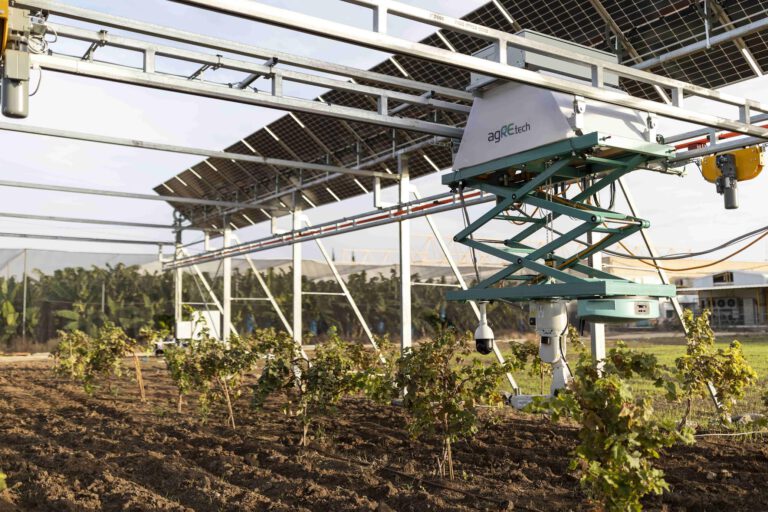


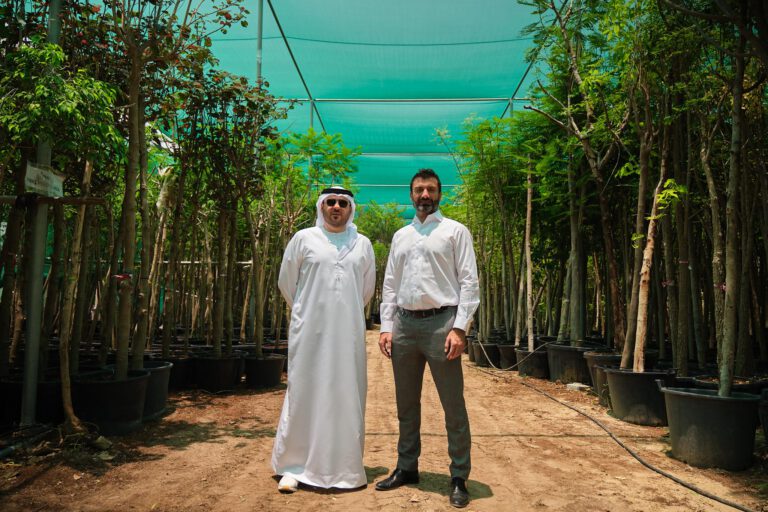

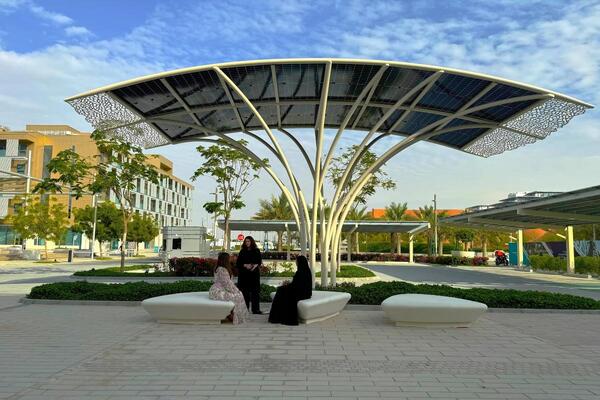




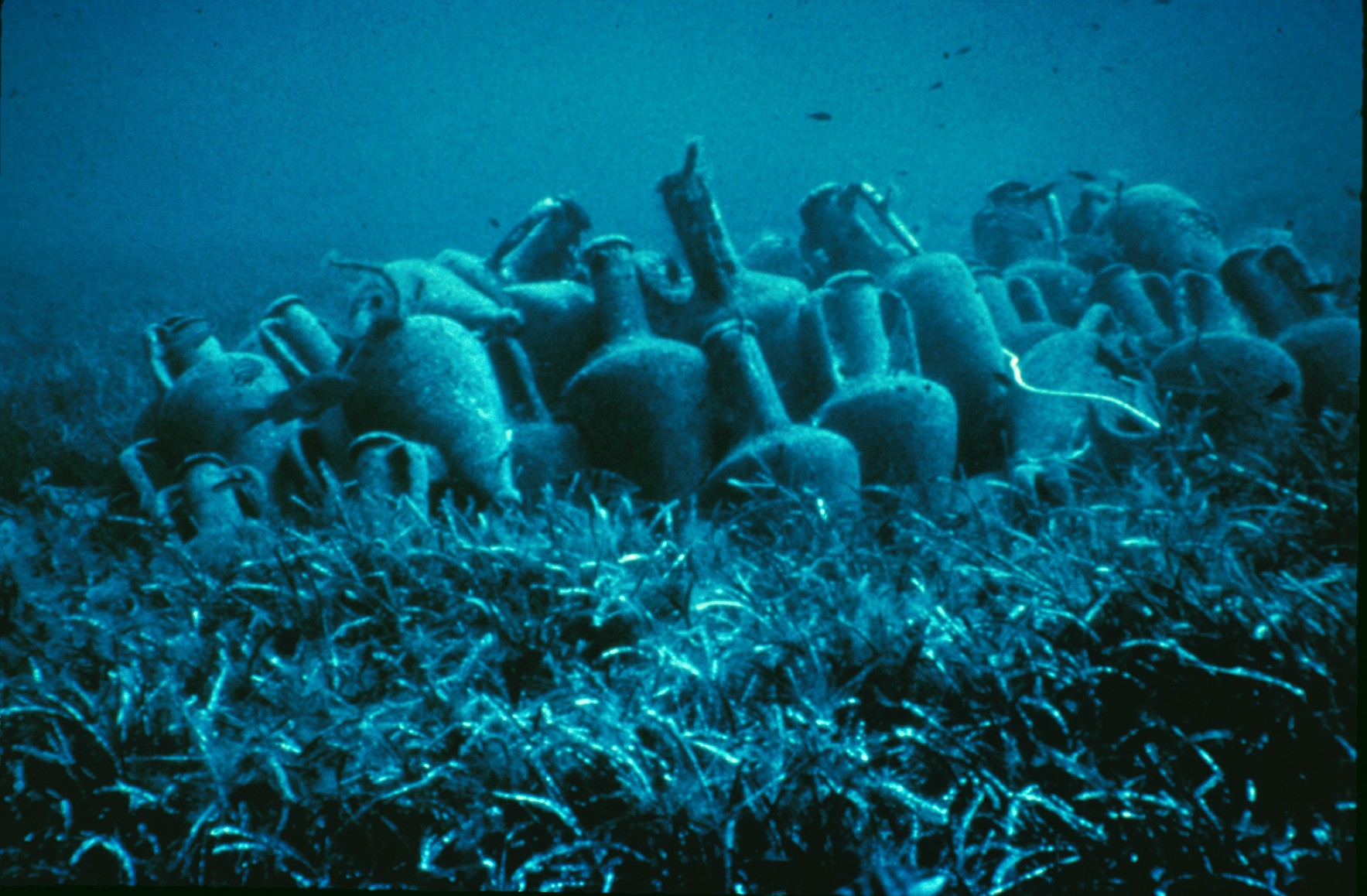



















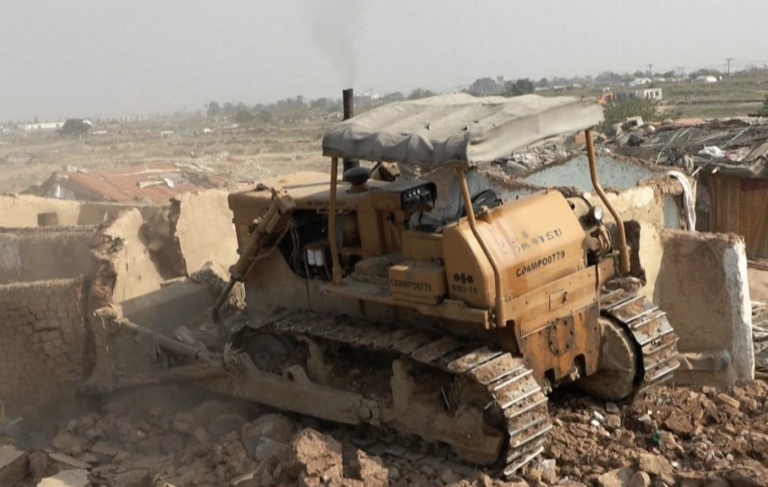

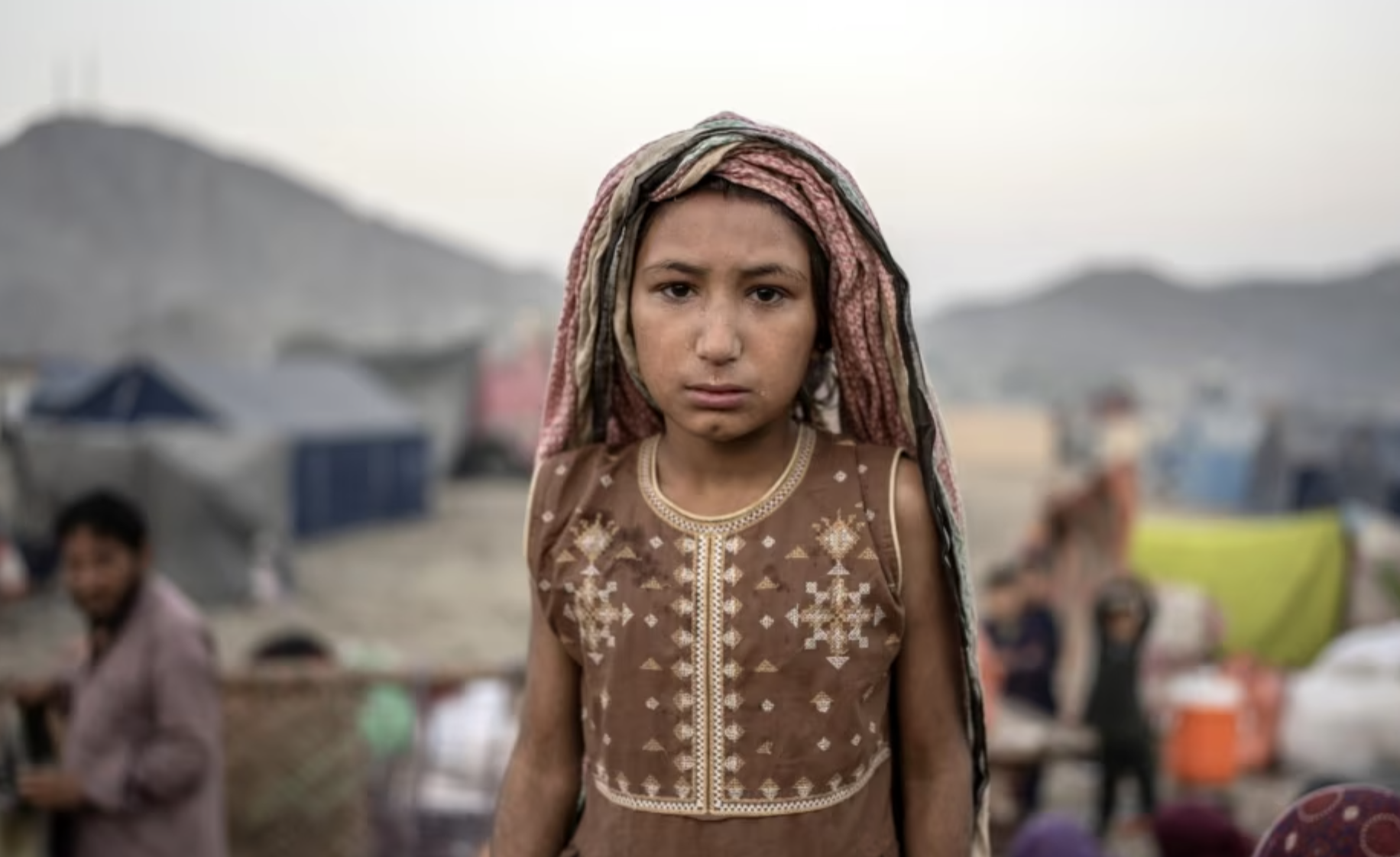
















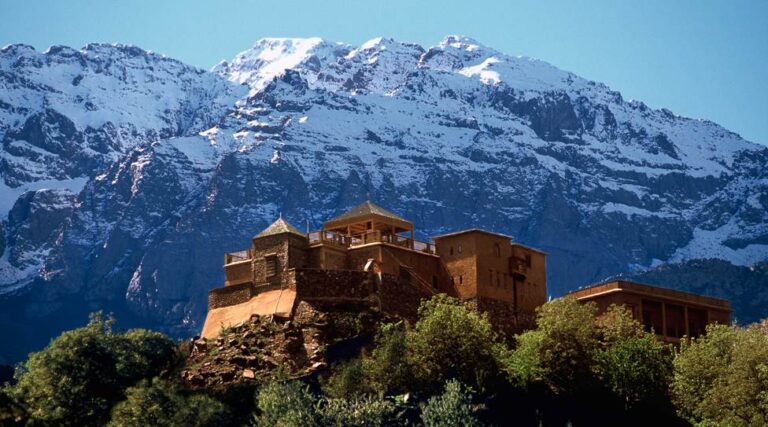
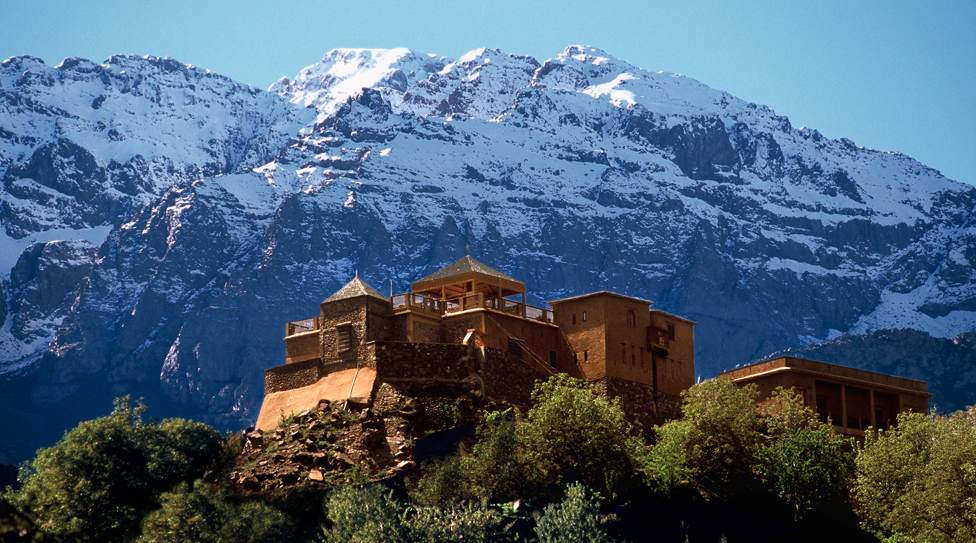



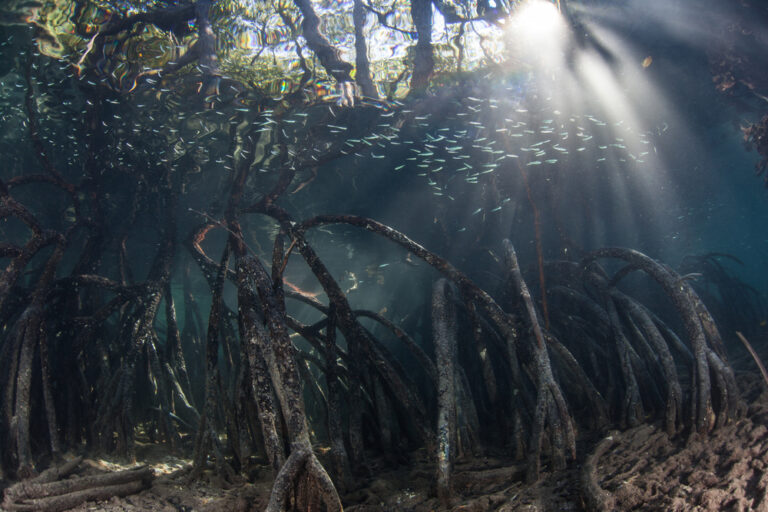



 Jerusalem celebrates Gag Eden, a play on words for Gan Eden or the Hebrew word for paradise. It is a 3-day green roofs festival in the heart of the city
 bees
bees
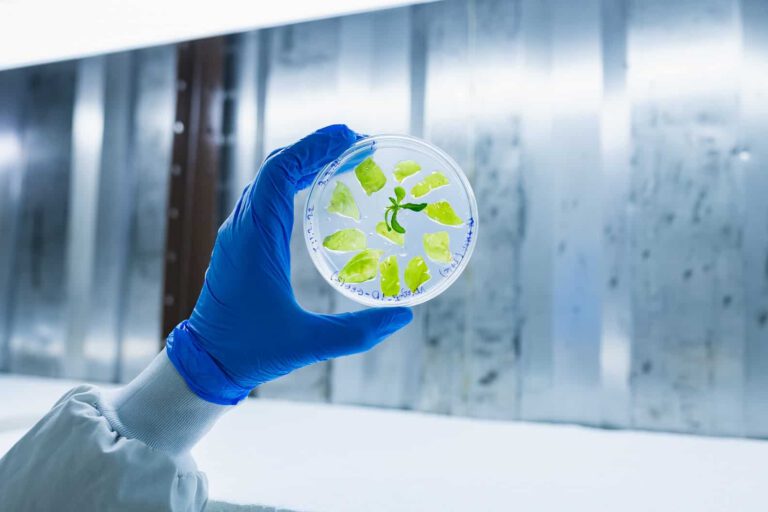


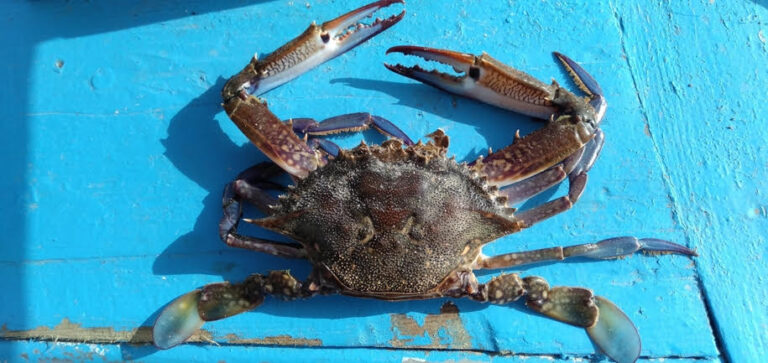











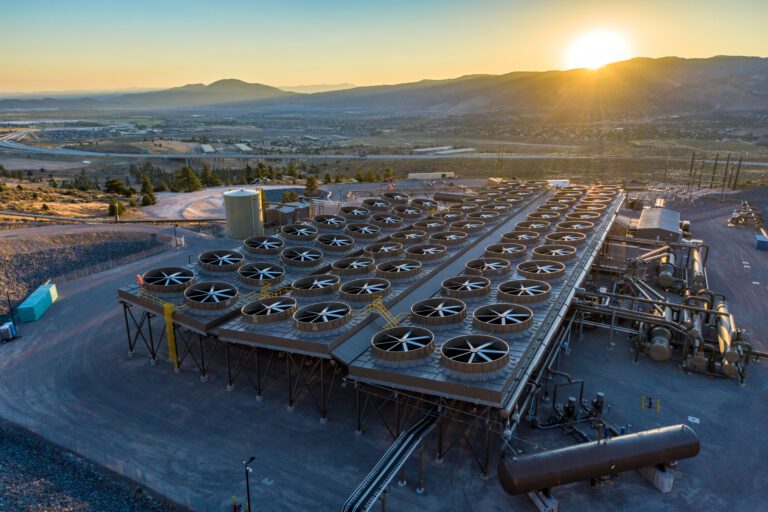




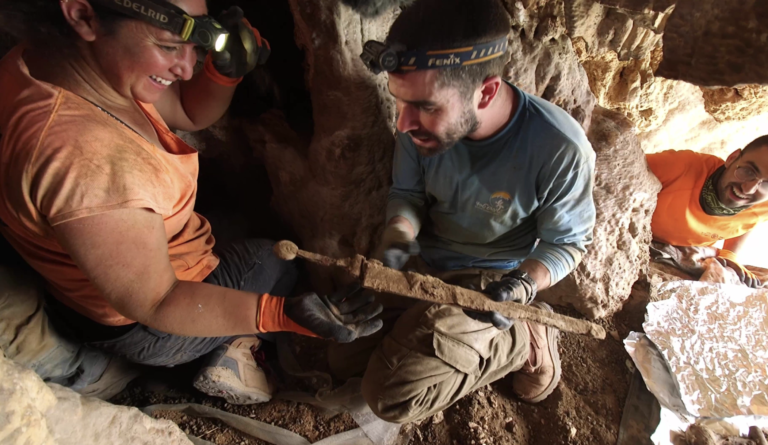







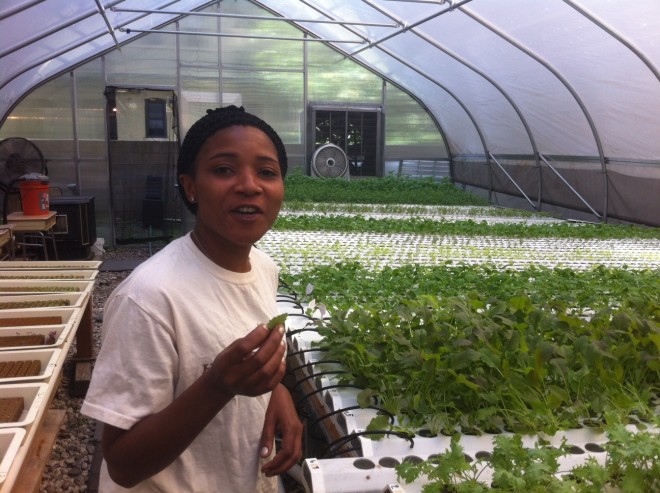










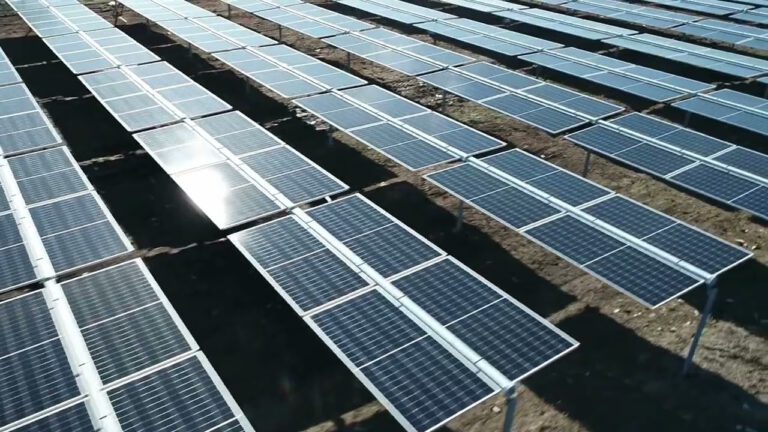




















































 Cockroaches are everywhere, getting in our houses, food, and garbage.