Dragon fruit health benefits

Dragon fruit is full antioxidants

Dragon fruit used to feel like a traveler’s fruit, something you’d find in a far east market that sells Pad Thai and bags of pickled grasshoppers, eaten with a stick.  Now it’s turning up everywhere. I see it stacked neatly in Canadian and American supermarkets, tucked into smoothies in California cafés, and increasingly in Eastern Mediterranean markets where it once felt exotic and rare. It has been turning up in our weekly CSA box and my daughter asks for them now as much as my son wants apples.

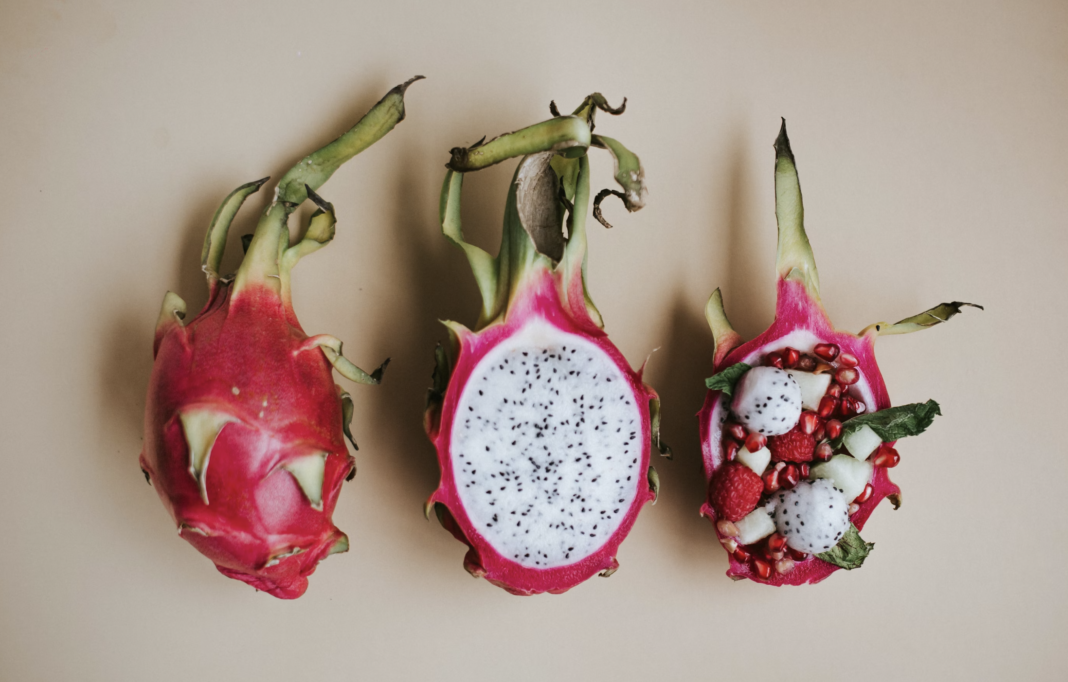
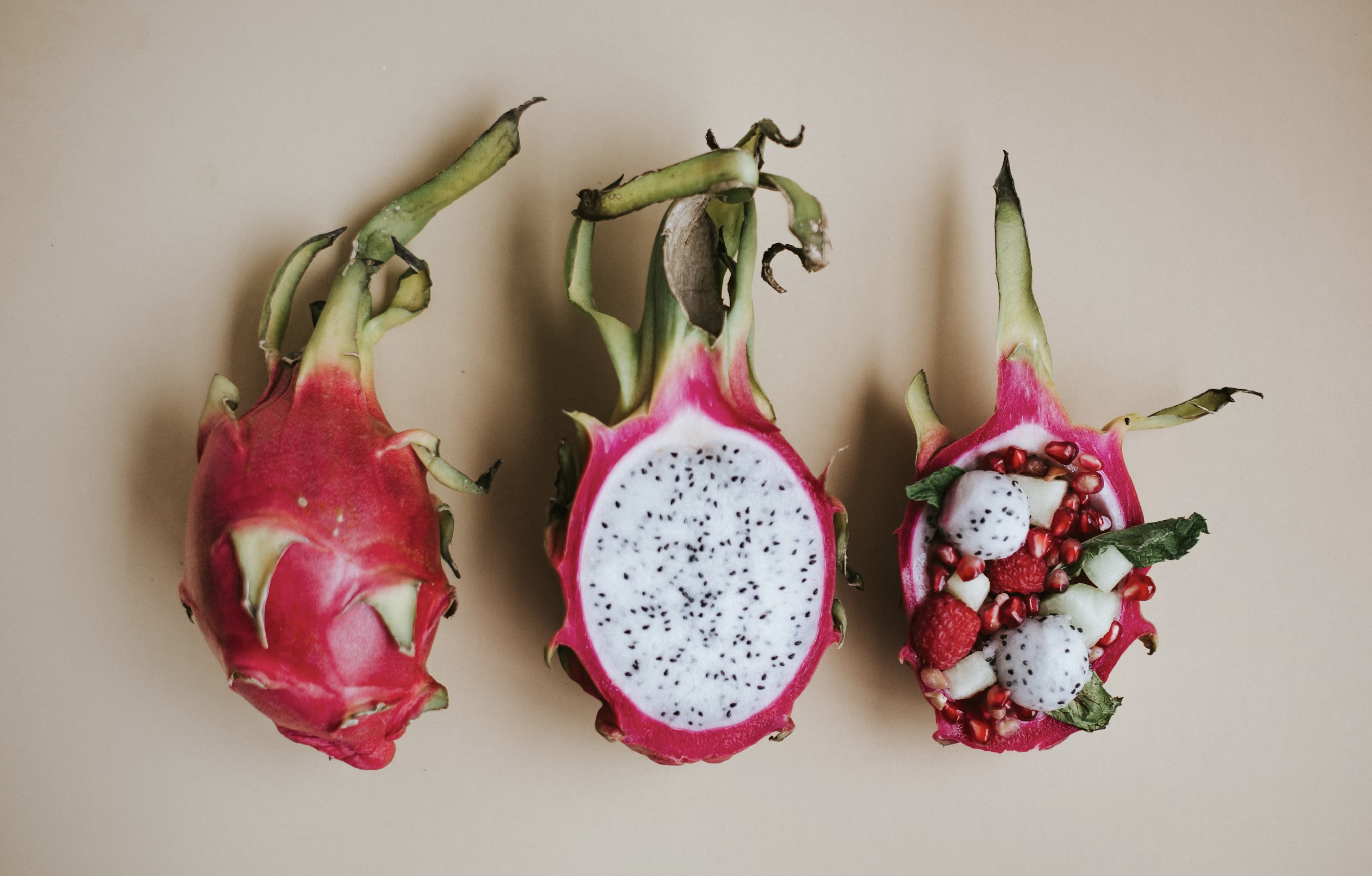
It looks beautiful, with tiny kiwi-like seeds on the inside, its taste somewhat bland in comparison. You’ll find the insides in a shocking hot pink, white or yellow. So yeah –– part of its appeal is visual. Dragon fruit looks like it was designed by a poet with a sense of humor. But it’s the inside that matters, and that’s where this fruit earns its place as a superfruit.

Dragon fruit is also known by several other names depending on where you encounter it. In much of the US and Latin America it’s commonly called pitaya or pitahaya, terms you’ll often see used interchangeably with dragon fruit on market labels. Botanically, the fruit comes from a cactus sometimes referred to as night-blooming cereus, a nod to the plant’s dramatic flowers that open after dark. Older or poetic names like strawberry pear, belle of the night, or queen of the night still appear occasionally, though today dragon fruit and pitaya are the names most shoppers recognize.

Dragon fruit is rich in antioxidants, fiber, vitamins, and minerals, while staying low in calories. It’s one of those foods that manages to feel indulgent while doing something genuinely useful for the body. Like cucumbers.

The deep red and pink varieties contain healthful betalains and flavonoids, compounds that help neutralize free radicals and reduce inflammation. These antioxidants are linked to lower risks of chronic diseases, including heart disease and certain cancers. Vitamin C adds another layer of immune support, especially welcome in winter months when fresh fruit choices can feel limited.

Fiber is where dragon fruit really shines. It contains both soluble and insoluble fiber, which means it helps digestion in more than one way. Insoluble fiber keeps things moving, while soluble fiber feeds beneficial gut bacteria, strengthening digestion and immunity from the inside out. People watching blood sugar levels often appreciate dragon fruit for the same reason; fiber slows sugar absorption and may help reduce insulin resistance over time.

There’s also a quiet mineral richness here. Magnesium supports muscle function and sleep. Calcium and phosphorus contribute to bone health. Iron, especially when paired with vitamin C, supports oxygen flow in the body. None of this is flashy, but together it makes dragon fruit feel like a thoughtful food, one that supports the body without demanding attention.

I like dragon fruit most when it’s not overworked. Fresh slices in half with a squeeze of lime and a spoon to dig it out are enough. But one recipe surprised me, and it’s now become a favorite way to serve it to guests who think they already know this fruit.

Can you cook dragon fruit?
The health benefits of dragon fruit

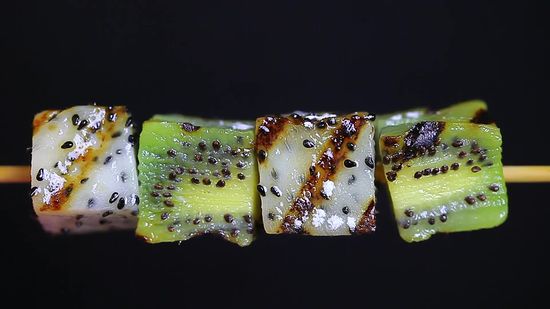
Take ripe red dragon fruit and cut it into thick cubes. Toss gently with a drizzle of olive oil, a pinch of flaky salt, and a squeeze of lemon. Roast it briefly in a hot oven, just until the edges caramelize slightly. Let it cool, then scatter over labneh or thick Greek yogurt. Finish with cracked black pepper, fresh mint, and a few toasted pumpkin seeds. The heat deepens the fruit’s sweetness, the salt pulls it into savory territory, and suddenly dragon fruit feels less like a smoothie ingredient and more like a grown-up dish.

Perhaps that’s why it’s showing up more often now. As markets globalize and palates mature, we’re learning to see familiar foods in new ways. Dragon fruit no longer feels like a novelty.


Karin Kloosterman
Karin Kloostermanhttp://www.greenprophet.com
Karin Kloosterman is an award-winning journalist, innovation strategist, and founder of Green Prophet, one of the Middle East’s pioneering sustainability platforms. She has ranked in the Top 10 of Verizon innovation competitions, participated in NASA-linked challenges, and spoken worldwide on climate, food security, and future resilience. With an IoT technology patent, features in Canada’s National Post, and leadership inside teams building next-generation agricultural and planetary systems — including Mars-farming concepts — Karin operates at the intersection of storytelling, science, and systems change. She doesn’t report on the future – she helps design it. Reach out directly to [email protected]

Read More

TRENDING

HelloFresh’s pride prepping ad raises a bigger question: we are we still outsourcing dinner?

The backlash against HelloFresh's Pride Month marketing campaign has sparked a wider conversation about food, labor, sustainability, and whether consumers should reconnect with local farmers, butchers, and home gardens instead of relying on subscription meal kits.

Frozen juice ice pops recipe – for low-sugar summer treats

So here you have a treat you can make for yourself based on anything you have around, from watermelon (which is packed with nutrients), to mint and other herbs which have their own benefits. Play around with the ingredients and find your favorite flavor for summer.

November’s Seasonal Produce

November in the Middle East offers a colorful spread of fruit and veg, including some heritage varieties.

Why the Mediterranean Diet?

The Mediterranean diet isn't a strict diet plan but rather a way of eating based on the dietary traditions of Crete, Greece, and Southern Italy during the mid-20th century.

Infarm raises $170 million to add “farm” to cities

Infarm, a company that grows fresh produce inside supermarkets, has recently announced a $170 million USD funding round to help the company expand across Europe. Their environment-controlled and automated growing chambers grow food such as leafy greens inside the supermarket, so it's fresh, without your food accumulating food miles.  

Yerukim Forms a New Green Economy Where the Money is Really Green

The Yerukim members who pick up the recyclables get to keep the monetary reward, the public earns "green" bills that can be used in shops, and business owners get to be associated with environmentalism.

Choosing Riyadh over Dubai? What Investors Should Know

Saudi Arabia is deploying capital at unmatched scale to catalyze tourism and advanced industry while rewiring its power-and-water backbone. The investable frontier is widening—especially in renewables, grid storage, water efficiency/desal retrofits, and hospitality operating platforms. Prudent investors will insist on phased delivery, enforceable KPIs (energy, water, biodiversity), and RHQ/zone compliance—while pricing political-economy and reputational risks alongside growth upside.

Sell your cooking oil for biodiesel money

Want to make money on old french fry oil? Sell it.

Qatar Alternative Energy Summit Pairs Investors And Innovators

Alternative energy investors and innovators can meet n' greet in Doha, Qatar March 16 and 17.

Here’s How To Implement The Four Pillars Of Employee Engagement

If you throw a party for your work team and they are vegans, don't make it a barbecue. Know the sustainability values of your team to boost moral and retain good people.

Locals From Rishon Fight IKEA

Big Box stores are a pretty new concept in Israel, and thank God that not every Israeli city wants them in their backyard. A word from someone who has see the beautiful farmland around her hometown Newmarket, Ontario stripped and converted into vulgar strip malls of big box shops: they have no place in a healthy and sustainable town or city.

The Jewish National Fund Meets An Inconvenient Truth

According to the JNF, it has transformed thousands of acres of barren land into green forests in Israel. They state that each person emits about 23 tons of carbon per year, estimating that each tree planted can absorb one ton of carbon in its lifetime. That's a whole lot of trees you'd need to be planting. Could so many fit in Israel?

How to quiet noise from construction in your office

Streets need to be resurfaced in New York but the humming and grinding noise is unsettling. Noise is environmental pollution. 

Popular Categories