
5 Ways To Use Air-Conditioner Water

Air conditioners pull water from the air, literally. It’s distilled so not great to drink, but useful in other ways.

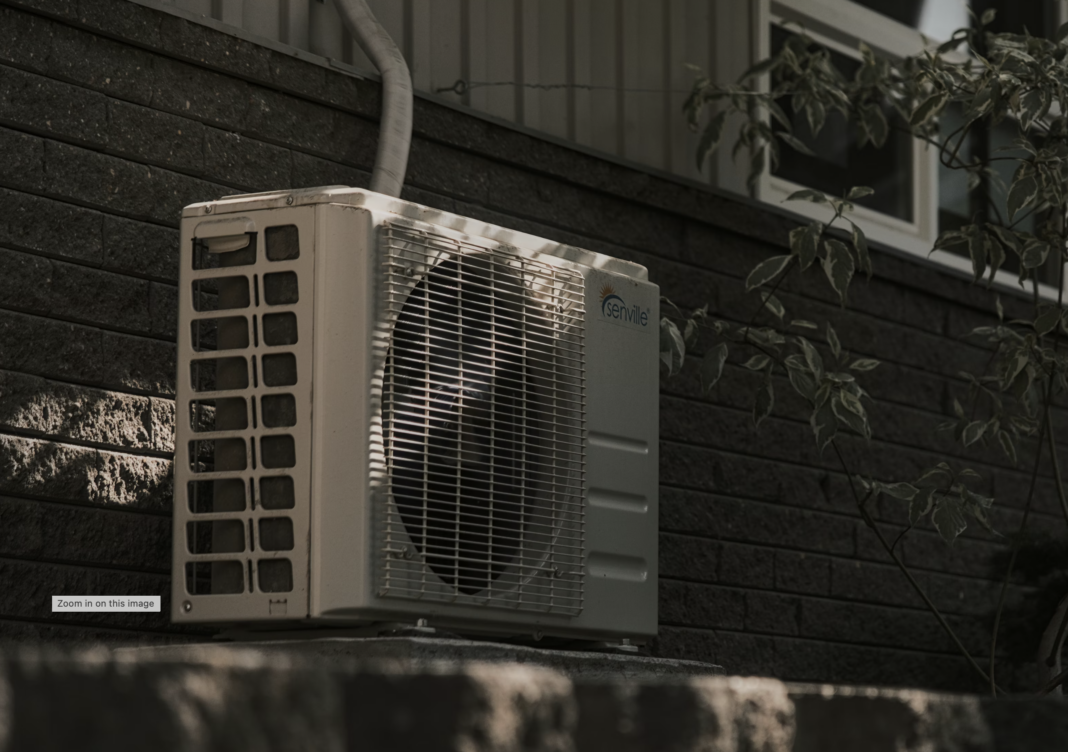
If you run an air conditioner, you have a source of water, as a result of dehumidification in the AC. Considered grey water, the condensation dripping from the a/c drain hose is free of chlorine, fluoride, salt and chemicals found in tap or pool water.  This condensate is a hidden boon that has many household uses. It’s not good to drink though.

Condensate from air conditioners or A/C is essentially distilled water, and is low in mineral content, but it may contain bacteria. Air conditioning cwater can amplify Legionella bacteria and other airborne bacteria, and it has been shown to be the source of outbreaks in hospitals, motels, and cruise ships. So think twice about drinking it. But it doesn’t mean it should go to waste.

In hot, humid areas, an air conditioner can produce 18 gallons (68 liters) of water a day – although in arid areas the gain is much more modest, maybe only one liter daily.  But most often it goes to waste, dripping down the side of buildings and evaporating away. 

A/C drip water isn’t safe for drinking, as you can’t determine how pure it is when it leaves the A/C unit. Being basically distilled water, it lacks the essential calcium, magnesium, and potassium obtained from ordinary water sources. If filtered and sterilized, it could theoretically serve for emergencies, but wouldn’t supply the minerals humans need. But you can still use it. Why not?

Gather the condensate in a bucket or even a barrel, if you have one.

Air conditioner water can be used for:

  1. Washing windows and tiled floors. A/C condensate is also the logical choice for outdoor chores like washing patio floors and garden paving, your car, and garden furniture. 
  2. Flushing toilets.
  3. Washing clothes, especially delicate hand-washables.
  4. Steam ironing. No need to buy distilled water for your iron; you can get it free.
  5. And plants like it.  Whether you have a few potted plants on a sunny windowsill or an entire vegetable garden, go ahead and water your plants with a/c condensate. We have several of our units dripping right into the garden. 

Sort of like getting water out of thin air.

Using A/C condensate, you’ll save money on your water bills and conserve earth’s dwindling water resources. Pretty green of you, I’d say. Want more tips for a healthy, sustainable home? Read these 5 reasons why you need to air our your house.

More sources for creating fresh water:

Drone Aircraft Takes Water from Atmosphere for Irrigation

Abu Dhabi’s Costly Desalination Plants Prompt Waste Water Treatment Plans

 

Miriam Kresh
Miriam Kreshhttps://www.greenprophet.com/
Miriam Kresh is an American ex-pat living in Israel. Her love of Middle Eastern food evolved from close friendships with enthusiastic Moroccan, Tunisian and Turkish home cooks. She owns too many cookbooks and is always planning the next meal. Miriam can be reached at miriam (at) greenprophet (dot) com.

Read More

TRENDING

AC Water Uses: How to Reuse Air Conditioner Condensate Water for Plants, Cleaning and Water Conservation

That means the water dripping from your air conditioner may already be usable for gardening, cleaning, flushing toilets, topping up humidifiers, or cooling systems — instead of disappearing into the sewer. A new study. Is it safe?

What are AWG air-water generators, and why they aren’t a golden-bullet solution (yet)

Atmospheric water generators (AWGs) sound like magic: machines that can pull drinking water out of air. The idea is mentioned in the Bible, where the elders would pray for water collected as dew on plants and the catch on turning this into a machine is in the physics. To turn invisible vapor into liquid, you must remove heat, especially the latent heat of condensation.

Let the lüften in — and be healthier for it

Physically, lüften is a tried and true remedy for improving respiratory function, energy levels, and mood. We refresh our spaces with plants with much of the same motivation; lüften makes greenification a more immersive experience.

Iran is sinking in sinkholes from overwatering

What's that sinking feeling? In Iran, the very ground under...

Greenhouse agriculture in Kazakhstan

A story of greenhouse agriculture in Kazakhstan

Yerukim Forms a New Green Economy Where the Money is Really Green

The Yerukim members who pick up the recyclables get to keep the monetary reward, the public earns "green" bills that can be used in shops, and business owners get to be associated with environmentalism.

Choosing Riyadh over Dubai? What Investors Should Know

Saudi Arabia is deploying capital at unmatched scale to catalyze tourism and advanced industry while rewiring its power-and-water backbone. The investable frontier is widening—especially in renewables, grid storage, water efficiency/desal retrofits, and hospitality operating platforms. Prudent investors will insist on phased delivery, enforceable KPIs (energy, water, biodiversity), and RHQ/zone compliance—while pricing political-economy and reputational risks alongside growth upside.

Sell your cooking oil for biodiesel money

Want to make money on old french fry oil? Sell it.

Qatar Alternative Energy Summit Pairs Investors And Innovators

Alternative energy investors and innovators can meet n' greet in Doha, Qatar March 16 and 17.

Here’s How To Implement The Four Pillars Of Employee Engagement

If you throw a party for your work team and they are vegans, don't make it a barbecue. Know the sustainability values of your team to boost moral and retain good people.

Locals From Rishon Fight IKEA

Big Box stores are a pretty new concept in Israel, and thank God that not every Israeli city wants them in their backyard. A word from someone who has see the beautiful farmland around her hometown Newmarket, Ontario stripped and converted into vulgar strip malls of big box shops: they have no place in a healthy and sustainable town or city.

The Jewish National Fund Meets An Inconvenient Truth

According to the JNF, it has transformed thousands of acres of barren land into green forests in Israel. They state that each person emits about 23 tons of carbon per year, estimating that each tree planted can absorb one ton of carbon in its lifetime. That's a whole lot of trees you'd need to be planting. Could so many fit in Israel?

How to quiet noise from construction in your office

Streets need to be resurfaced in New York but the humming and grinding noise is unsettling. Noise is environmental pollution. 

Popular Categories