How to replant healthy coral reefs

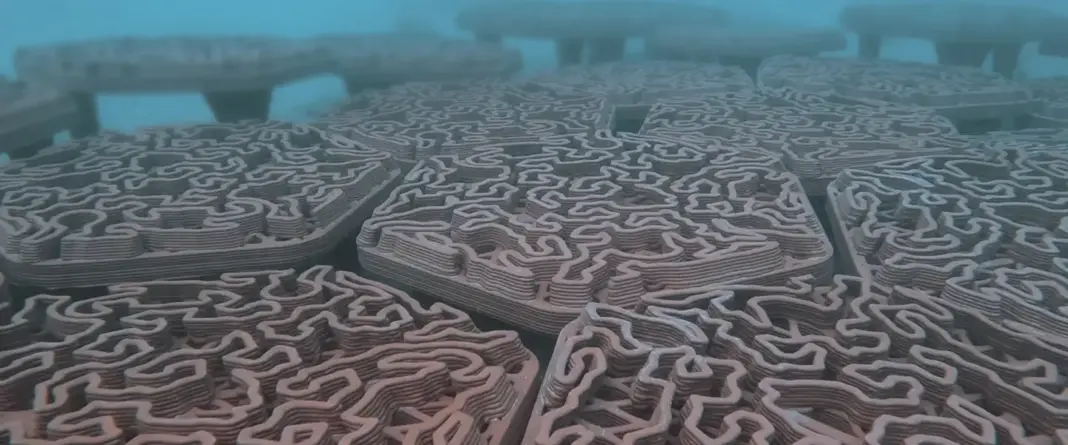
Terra cotta printed 3D reef
Terracotta artificial reef systems

Coral reefs are under attack. Human-made marine traffic, pollution and global warming is to blame. Some divers are playing their part by replanting kelp forests. Scientists have also found new ways to revive dying or dead coral reefs and this new study shows how:

The study introduces a method known as “a coral reef ecosystem transplant” (aCRET), where researchers transferred biomimetic terracotta (clay)  tiles embedded with a diverse community of organisms—including invertebrates and beneficial microorganisms—from a healthy reef to a nearby damaged reef.
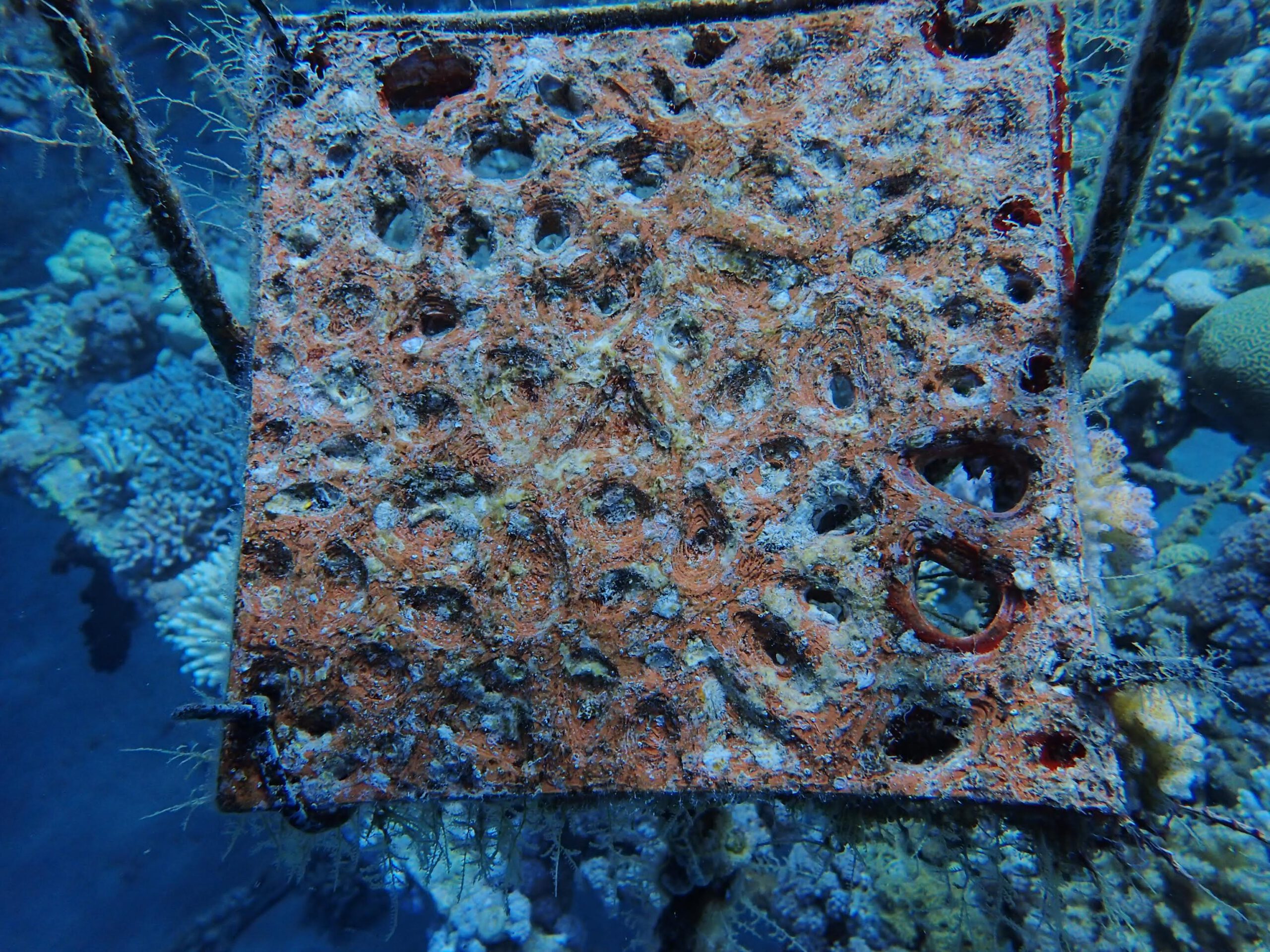
Terracotta tiles make artificial reefs for coral reefs to regrow

Terracotta tiles make artificial reefs for coral reefs to regrow

Related: Econcrete brings coastal ecosystems to life

The corals from the damaged reef were then attached to these tiles. The results demonstrated notable improvements in coral health, including increased photosynthetic efficiency, higher populations of symbiotic algae, and reduced stress levels. These findings suggest that transplanting a healthy ecosystem can significantly boost coral resilience and physiological function.

The researchers designed the biomimetic terracotta tiles to replicate the complex 3D structure of natural coral reefs, providing a perfect environment for diverse organisms to thrive. After allowing the organisms to grow on the tiles for six months, the tiles—along with their rich, biologically active substrate—were transported to the damaged reef located six km away.

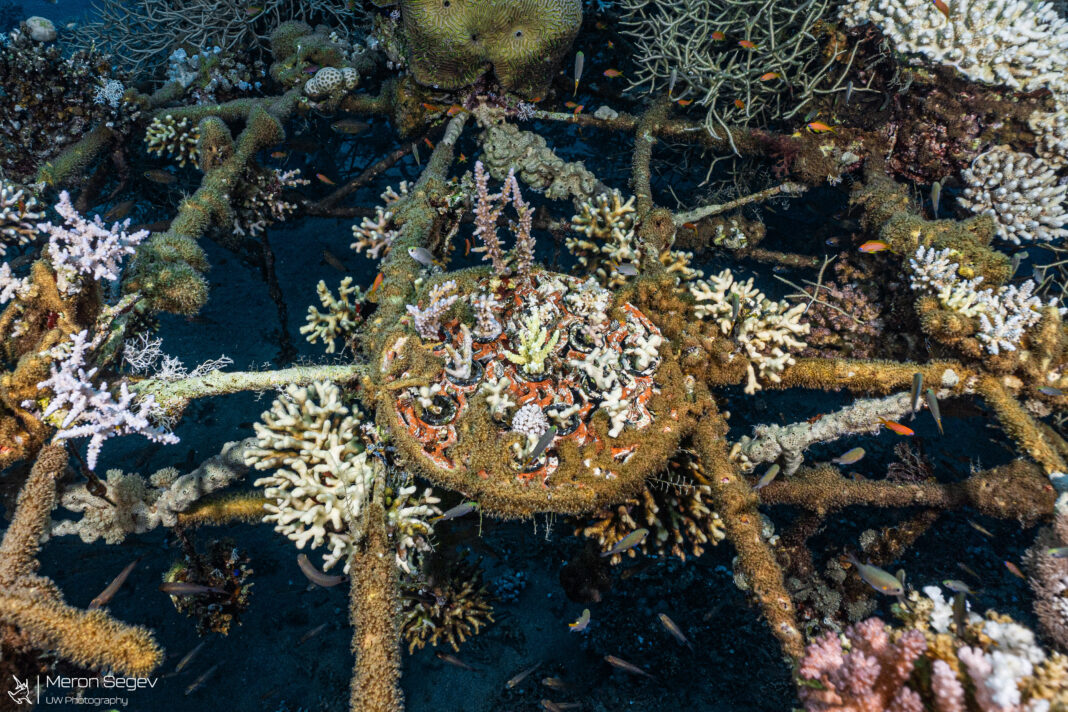
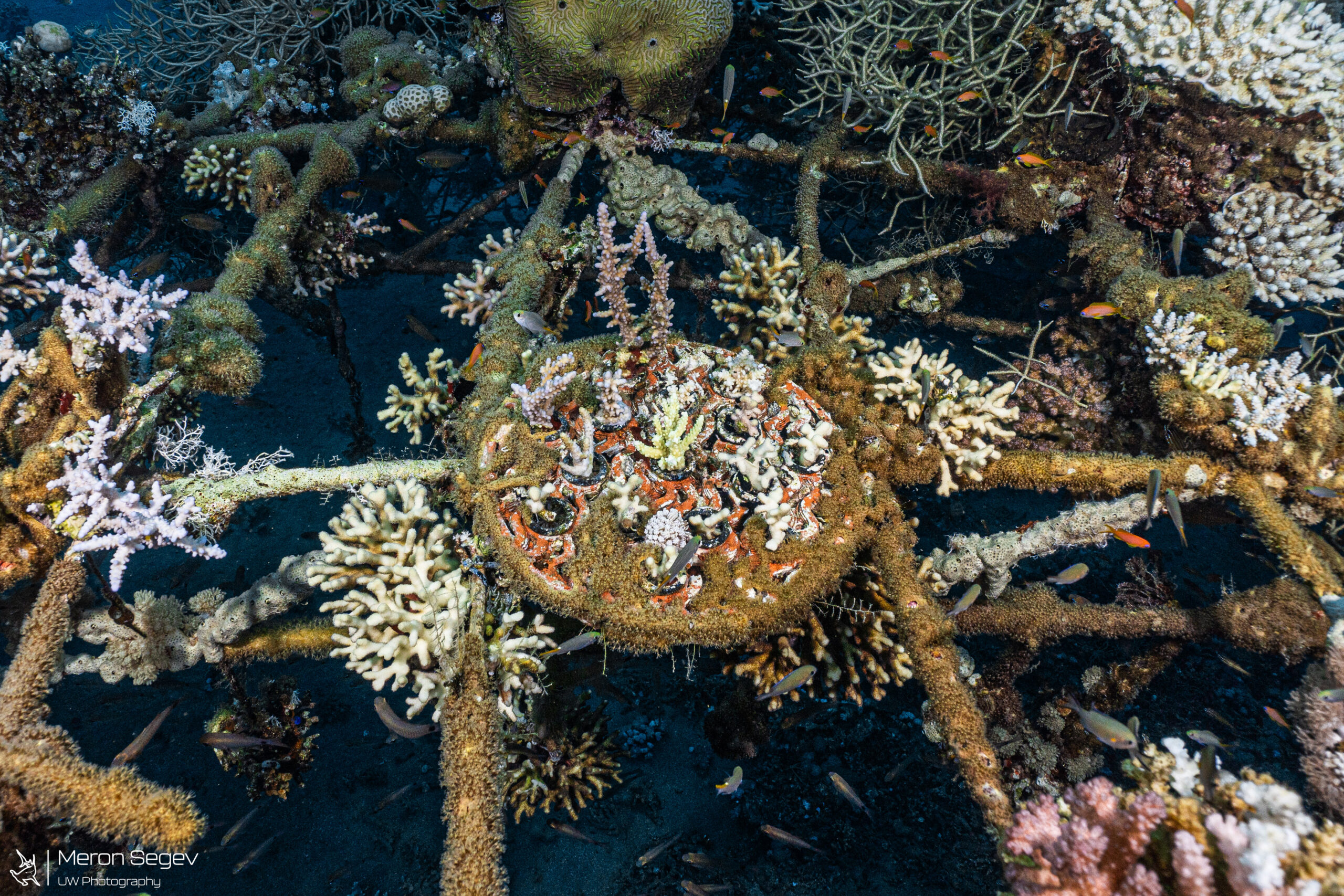
A healthy coral reef in Eilat
This is what a healthy coral reef looks like in the Red Sea

Following an additional six months, corals on these tiles showed substantial improvements compared to corals grown on tiles with substrate from the damaged reef. In a parallel experiment, the researchers confirmed that the transfer of substrate from a damaged reef to a healthy reef produced less favorable results, reinforcing the benefits of the healthy reef ecosystem transplant.

The study, just published in the journal Nature Communications, was led by Natalie Levy and Prof. Oren Levy from Bar-Ilan University in collaboration with Prof. Ezri Tarazi of the Technion – Israel Institute of Technology, and Prof. David Bourne of James Cook University and the Australian Institute of Marine Science.
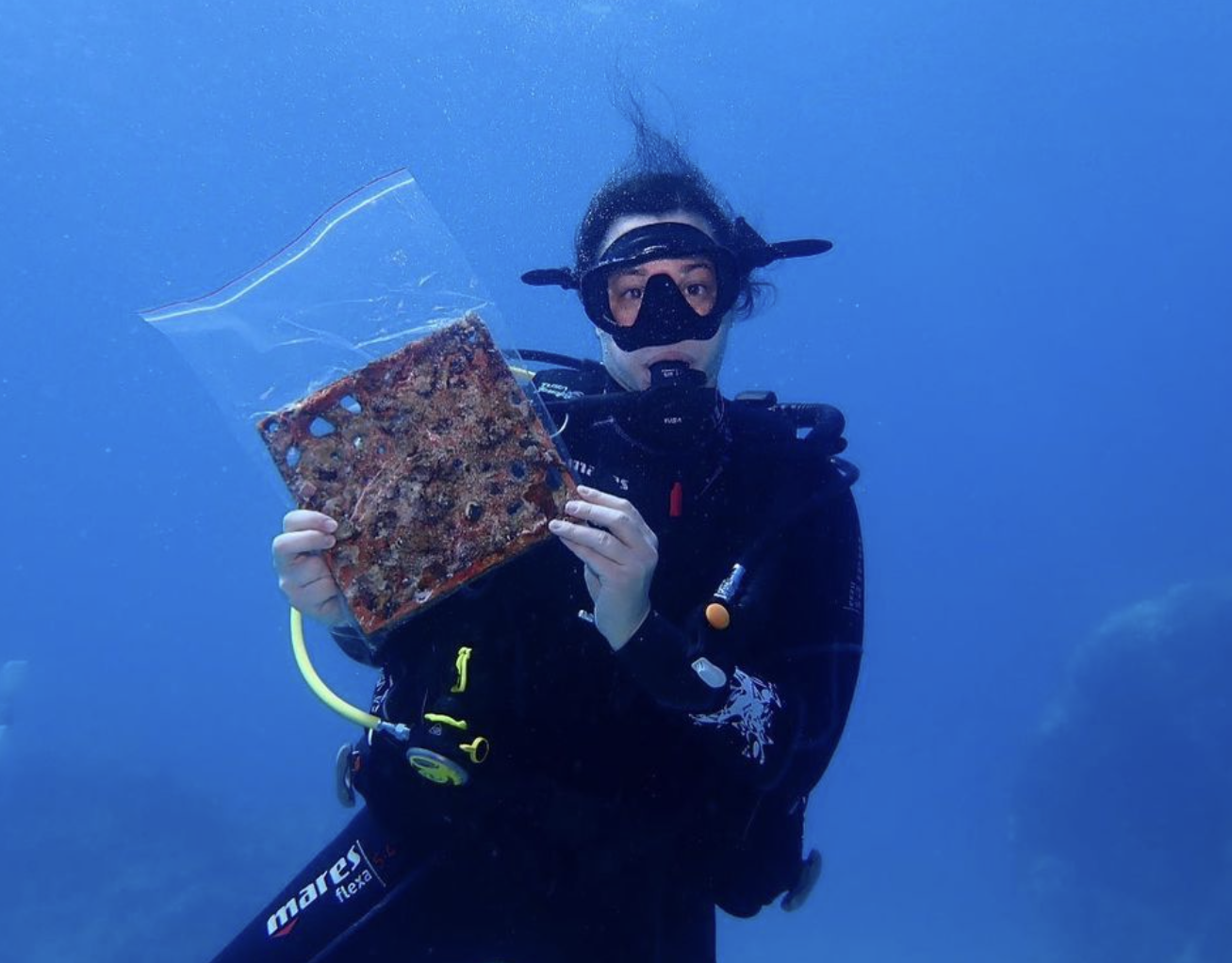
Natalie Levy works with artificial, terracotta reefs to restore life in the Red Sea

“This innovative approach underscores the critical role of healthy reef ecosystems in restoring coral health and resilience,” said Dr. Natalie Levy, lead researcher of the study. “The results highlight the potential of ecosystem transplantation as an effective, sustainable restoration tool that can be integrated with other coral restoration methods like coral gardening and artificial reefs.”
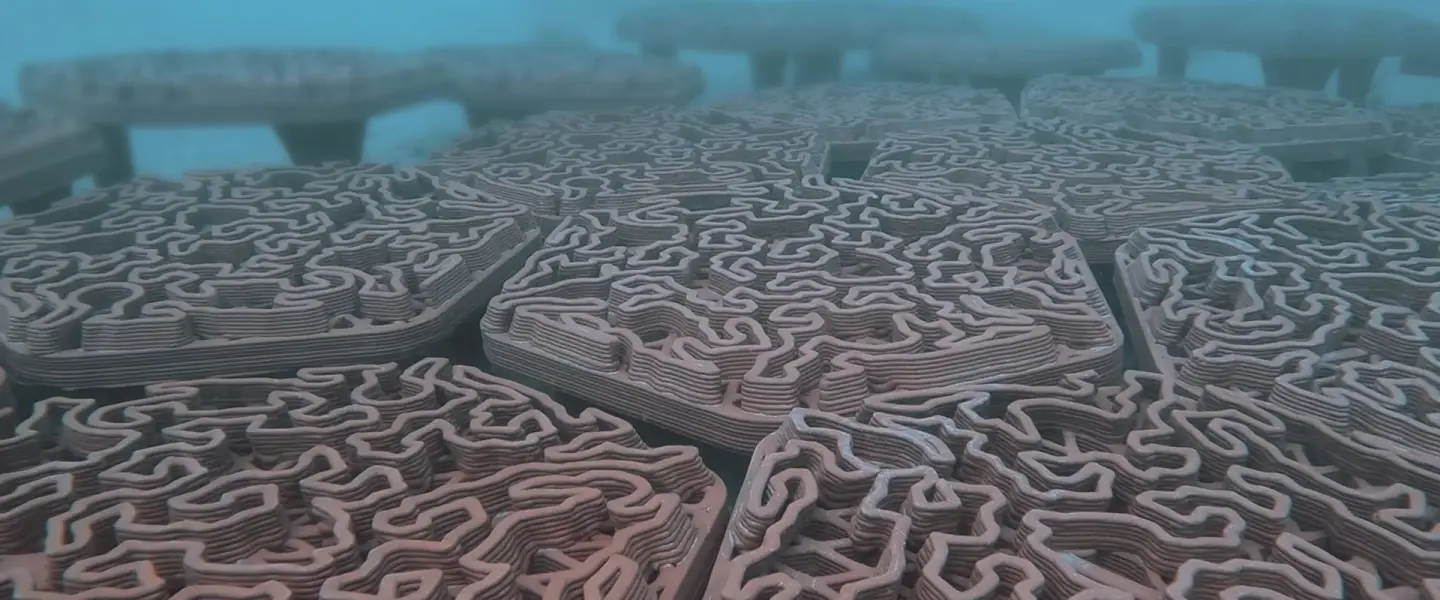
A 3D printed terracotta tile used in Abu Dhabi, UAE

The study’s findings point to aCRETs as a viable and flexible solution for coral reef restoration globally, especially in areas facing significant environmental stress. This cost-effective technique could complement and enhance existing restoration strategies, helping to protect and restore coral ecosystems vital for marine biodiversity. However, the researchers stress that for the best outcomes, local reefs should be selected as close as possible for transplanting, and additional long-term studies are essential to fully understand the ecological impacts on different coral species and reef environments.

“This research advances our understanding of coral restoration and provides an invaluable tool to help address the ongoing global coral crisis,” said Prof. Oren Levy. “By using healthy ecosystems to regenerate damaged reefs, we can work towards more resilient, sustainable coral ecosystems that may one day recover from climate change and other threats.”

This pioneering study paves the way for a new wave of coral conservation efforts and offers hope for reversing the alarming degradation of coral reefs worldwide.

Love this? Follow our coral reef research here.

Karin Kloosterman
Karin Kloostermanhttp://www.greenprophet.com
Karin Kloosterman is an award-winning journalist, innovation strategist, and founder of Green Prophet, one of the Middle East’s pioneering sustainability platforms. She has ranked in the Top 10 of Verizon innovation competitions, participated in NASA-linked challenges, and spoken worldwide on climate, food security, and future resilience. With an IoT technology patent, features in Canada’s National Post, and leadership inside teams building next-generation agricultural and planetary systems — including Mars-farming concepts — Karin operates at the intersection of storytelling, science, and systems change. She doesn’t report on the future – she helps design it. Reach out directly to [email protected]

Read More

TRENDING

Can Scientists Predict Coral Bleaching Before It Happens?

Now researchers at the Woods Hole Oceanographic Institution (WHOI) in the US say they have developed a way to predict coral bleaching five to six months before it occurs, potentially giving reef managers enough time to intervene and save vulnerable corals.

Elkhorn corals planted to restore reef diversity

The project centers on “Flonduran” corals, which are offspring of Florida elkhorn corals bred with elkhorn corals from Honduras. These new corals are being evaluated alongside Florida elkhorn corals of the same age that are outplanted side by side in natural reef habitats to assess whether the new genetic diversity can enhance coral resilience and reduce coral bleaching during Florida’s warm summers.

Hydrophilis Rebreather: After the Penis Jokes and Shark Bait Memes, Oliver Isler Says His Underwater Dream Is Serious

The Hydrophilis rebreather is a new scuba system that could make diving safer and more fun.

Shebara hotel Saudi Arabia – is it eco-luxury dream or desert illusion?

A new breed of luxury has landed on the Red Sea, mirrored pods floating above coral reefs, reflecting sky and sea like something not entirely of this Earth. Energy powered by solar powers, drinking water pulled from the sea using desalination. 

Hydrophilis SCUBA gear could make us one with the sea

Hydrophilis, Oliver Isler’s experimental rebreather suit, reimagines diving by reducing drag, eliminating bubbles, and bringing humans closer to the natural movement of marine life.

Yerukim Forms a New Green Economy Where the Money is Really Green

The Yerukim members who pick up the recyclables get to keep the monetary reward, the public earns "green" bills that can be used in shops, and business owners get to be associated with environmentalism.

Choosing Riyadh over Dubai? What Investors Should Know

Saudi Arabia is deploying capital at unmatched scale to catalyze tourism and advanced industry while rewiring its power-and-water backbone. The investable frontier is widening—especially in renewables, grid storage, water efficiency/desal retrofits, and hospitality operating platforms. Prudent investors will insist on phased delivery, enforceable KPIs (energy, water, biodiversity), and RHQ/zone compliance—while pricing political-economy and reputational risks alongside growth upside.

Sell your cooking oil for biodiesel money

Want to make money on old french fry oil? Sell it.

Qatar Alternative Energy Summit Pairs Investors And Innovators

Alternative energy investors and innovators can meet n' greet in Doha, Qatar March 16 and 17.

Here’s How To Implement The Four Pillars Of Employee Engagement

If you throw a party for your work team and they are vegans, don't make it a barbecue. Know the sustainability values of your team to boost moral and retain good people.

Locals From Rishon Fight IKEA

Big Box stores are a pretty new concept in Israel, and thank God that not every Israeli city wants them in their backyard. A word from someone who has see the beautiful farmland around her hometown Newmarket, Ontario stripped and converted into vulgar strip malls of big box shops: they have no place in a healthy and sustainable town or city.

The Jewish National Fund Meets An Inconvenient Truth

According to the JNF, it has transformed thousands of acres of barren land into green forests in Israel. They state that each person emits about 23 tons of carbon per year, estimating that each tree planted can absorb one ton of carbon in its lifetime. That's a whole lot of trees you'd need to be planting. Could so many fit in Israel?

How to quiet noise from construction in your office

Streets need to be resurfaced in New York but the humming and grinding noise is unsettling. Noise is environmental pollution. 

Popular Categories