While we know that bats echolocate for short distances, for the first time science shows that bats can navigate in nature over many kilometers using only echolocation, without relying on other senses

Blind as a bat is an expression but now scientists show how bat navigation using sound really works when navigating long distances. Could this advance help propel autonomous vehicles or robotics in the future that look to biomimicry for inspiration?
“For the first time, we have shown that bats are able to navigate great distances in open areas with their eyes closed, using only echolocation; they even create a mental acoustic map of their surroundings,” say researchers from Tel Aviv University.
Related: how bats help your babies
While we know that bats echolocate for short distances, for the first time science shows that bats can navigate in nature over many kilometers using only echolocation, without relying on other senses: “It’s well-known that bats are equipped with a natural sonar, allowing them to emit sound waves that bounce back from nearby objects, helping them navigate. However, it’s also known that bats use their sense of sight during flight.
Laboratory studies have shown that bats are able to navigate within enclosed spaces using only echolocation — but sonar ‘sees’ only about 10 meters ahead, so what happens under natural conditions, in open areas stretching over many kilometers? Can bats rely solely on echolocation for long-distance navigation?”
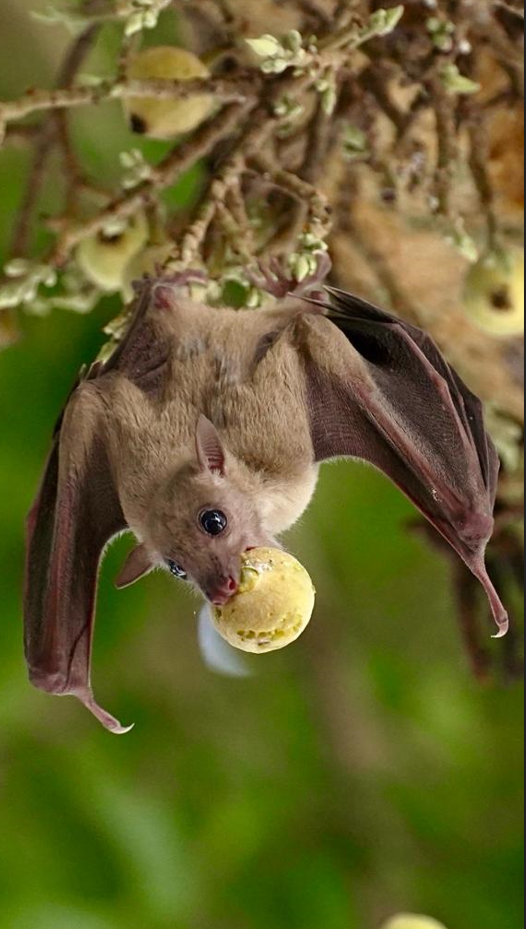
The research was led by Prof. Yossi Yovel.
The innovative research, carried out over a six-year period, utilized a unique tracking system installed in Israel’s Hula Valley. Using this GPS-like technology, the researchers were able to track the flight of tiny bats from the species known as Kuhl’s pipistrelle, each weighing only six grams —— the smallest mammal ever to be monitored in this way.
For the study, the researchers collected around 60 bats from their roost in the Hula Valley area and moved them about three kilometers away from the roost — still within their familiar habitat. A tag was attached to each bat, and the eyes of some were covered with a cloth strip, temporarily preventing them from seeing during flight, though they could remove the covering with their feet upon landing.
In addition, the researchers employed techniques to temporarily disrupt the bats’ sense of smell and magnetic sense, thereby creating conditions in which they would be able to find their way home using only echolocation. Remarkably, the bats managed to return to their roost without difficulty.
In the second phase, the researchers built a computerized acoustic model of the bats’ natural environment in the Hula Valley.
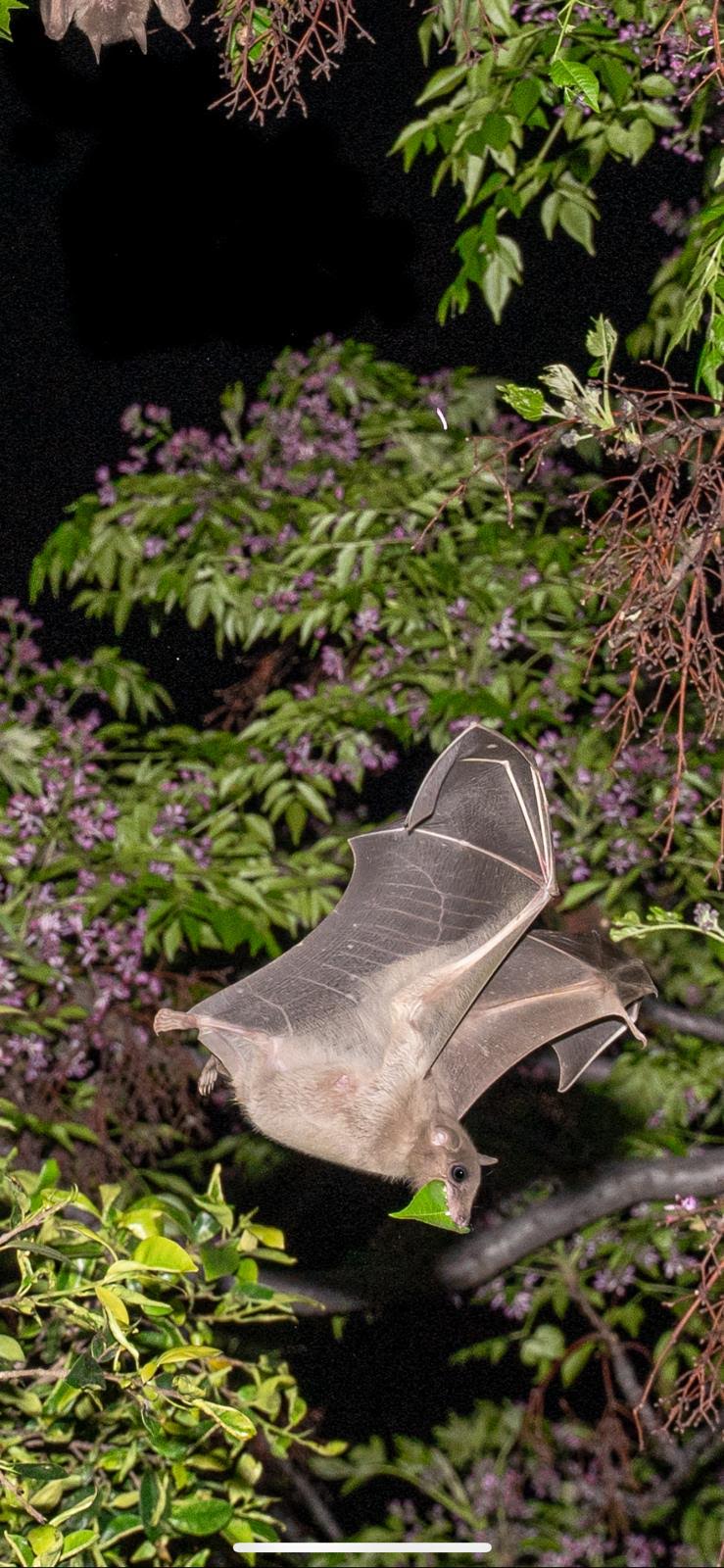
Prof. Yovel explains: “This model is based on a 3D map of the area where the bats navigate, reflecting the echoes that the bat hears as it uses echolocation to journey through its surroundings. In examining the bats’ flight paths, we discovered that they choose routes where the echoes contain a lot of information, which helps them navigate. For example, an area rich in vegetation, such as bushes and trees, returns echoes with more information than an open field, making bats less likely to fly over open terrain. We also found that some areas are characterized by distinct echoes, which are picked up by the bats.
“These findings strengthened our hypothesis that in any given area, bats know where they are based on the echoes. The bats effectively create an acoustic map in their head of their familiar environment, which includes a variety of active ‘sound landmarks’ (echoes) — just as every sighted person has a visual map of their everyday surroundings.”