
From Green Energy to Healthy Societies: Why old systems thinking is becoming relevant again

Heinz J. Sturm is a system architect and analyst exploring integrated climate, energy, water, and health systems as initiator of the Bonn Climate Project and developer of Ars Medica Nova.
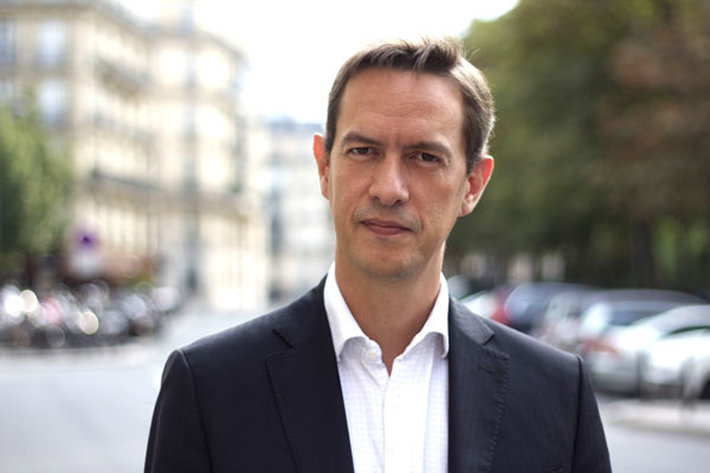
Heinz J. Sturm is a system architect and analyst exploring integrated climate, energy, water, and health systems as initiator of the Bonn Climate Project and developer of Ars Medica Nova. Image: supplied.

Across the Middle East and North Africa, large investments are being made in green hydrogen, renewable energy, water infrastructure and sustainability. Most of these efforts are discussed in the context of climate change, decarbonization and economic diversification. That framing is important, but it may not capture their full value.

If these systems are designed well, they can do more than produce clean energy or reduce emissions. They can help create healthier societies and greater long-term stability.

Today, health is usually treated as a medical issue. We think of hospitals, drugs and treatments. From a systems and economic perspective, this approach is becoming increasingly expensive and limited. Health does not begin in hospitals. It begins much earlier, in the conditions people live in every day.

Clean water, healthy soil, reliable energy, nutritious food and safe environments shape human health long before anyone sees a doctor. When these foundations are weak, chronic illness increases, healthcare costs rise and societies become more fragile. Medical systems then try to manage the consequences, often treating symptoms rather than underlying causes.

This challenge exists everywhere, but it is especially visible in regions facing water scarcity, climate stress, rapid urban growth and demographic change, including the Levant, the Gulf states and the wider MENA region.

From a health-economics perspective, many modern healthcare systems function as repair systems. They step in late, once disease has already developed, and continue treatment over long periods of time. 

As a result, healthcare spending grows faster than the economy, chronic disease consumes a growing share of public budgets, and long-term affordability becomes a serious concern.

For many countries, copying high-cost Western healthcare models is neither realistic nor necessary. The more important question is how societies can reduce the need for medical intervention in the first place.

This is where green energy, water and food systems become relevant in a different way. When renewable energy and green hydrogen are developed together with clean water supply, sustainable agriculture and resilient food systems, they form the real infrastructure of prevention. Clean energy supports water security. Clean water supports fertile soil and healthy food. Good food supports stable human health.
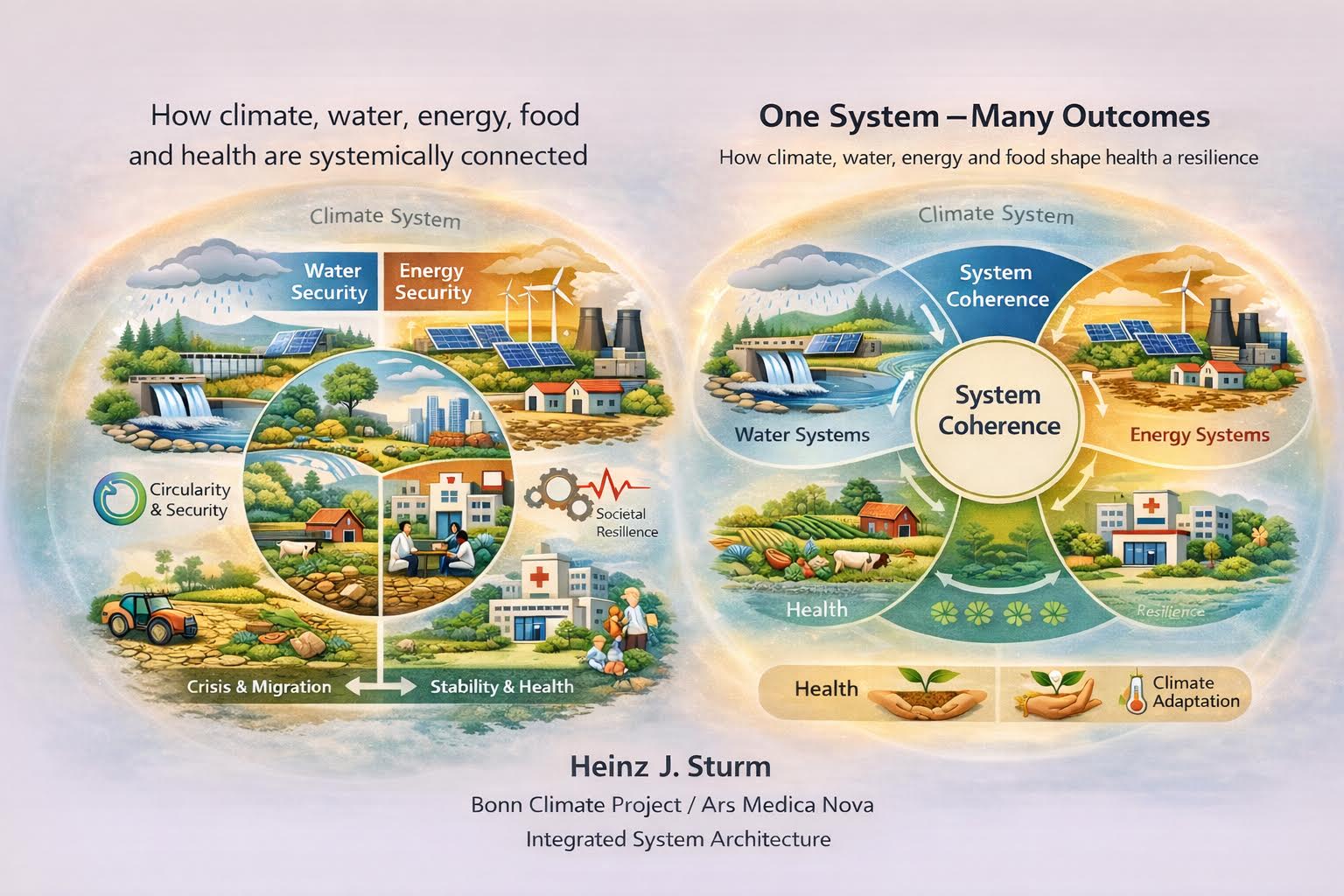
The Bonn Climate Program: supplied.


Seen this way, health is not something that constantly needs to be repaired. It emerges naturally when systems are designed properly.

This way of thinking is not new in the Middle East. The Levant and surrounding regions were once centers of advanced medical and scientific knowledge. Thinkers such as Hippocrates, and later scholars including Ibn Sina, ar-Razi and al-Kindi, understood health as a balance between the human body, the environment and daily life. Their focus was on water quality, nutrition, lifestyle and the relationship between people and their surroundings.

In modern terms, this was forward-looking knowledge. Not mystical, but practical. It recognized that the way systems are designed determines long-term outcomes.

What is new today is our ability to explain this older systems wisdom using modern science, including biochemistry, electrochemistry and economics, and to apply it to today’s policy and investment decisions.

If green hydrogen and renewable energy projects are seen only as climate measures, their potential remains limited. When they are connected to water, food and health systems, they become foundations of societal resilience. This has clear economic benefits: lower healthcare costs over time, fewer chronic diseases, better returns on sustainability investments and greater social stability.

The next phase of the energy transition is therefore not only about reducing emissions. It is about creating the conditions in which healthy societies can emerge.

Medical care will always be important, but it cannot carry the system alone. Health grows upstream, in water, energy, food and living conditions. When these systems work, health follows naturally, at lower cost and with greater stability.

This idea is old. But in a time of rising costs and increasing pressure on societies, it may be more relevant than ever.

::Bonn Climate Project

___

Heinz J. Sturm is a system architect and analyst working at the intersection of energy, water, health, and societal resilience. He is the initiator of the Bonn Climate Project, where he develops integrated system frameworks linking climate action with public health and long-term stability. Sturm is also the developer of Ars Medica Nova, a conceptual platform exploring new models of preventive health that draw on systems thinking, biology, and infrastructure design. His work focuses on translating complex system architectures into practical narratives for policymakers, researchers, and civil society.

Heinz Sturm
Heinz Sturmhttps://www.greenprophet.com/
Heinz J. Sturm is a system architect and analyst based in Bonn, Germany, working at the intersection of health systems sustainability, climate policy, energy systems and long-term resilience. He is the developer of the Bonn Climate Project and of Ars Medica Nova, a systemic framework linking water, food, energy and health as inte-grated foundations of societal stability. His work focuses on analyzing the long-term economic unsustainability of interven-tion-driven health systems and on developing preventive, system-level concepts that support governments and institutions in making resilient and economically viable decisions. He has been active in advisory and project-development contexts, with a particular focus on the Levant, the Gulf region and North Africa

Read More

TRENDING

Israeli Hydrogen Startup H2Pro Are Trying to Solve Clean Energy’s Hardest Problem

The company has attracted backing from major investors including Breakthrough Energy Ventures, the climate fund founded by Bill Gates, along with industrial partners such as Sumitomo, ArcelorMittal, and Temasek, a multi-billion dollar company that owns Singapore airlines. H2Pro has raised more than $100 million USD and is moving from pilot projects toward commercial-scale deployments.

Billie Eilish’s Mom Maggie Baird Launches “Climate Kitchen” on Public TV

Maggie Baird, best known as the mother of Billie Eilish and Finneas O’Connell, is stepping into a much larger spotlight, this time as a climate storyteller.

Adamah in Los Angeles wants to make Jewish climate action local, practical and spiritual

At a time when climate anxiety can feel abstract and overwhelming, and being Jewish something people may need to hide in big cities, Adamah Los Angeles is trying something different: turning Jewish values into local climate action with dirt-under-the-fingernails practicality.

BM Studios is designing systems, not just buildings in the UAE

Balsam Madi is an architect and systems thinker whose work bridges culture, sustainability, and design intelligence across the Middle East and Europe.

Why Health Systems Are Reaching a Turning Point

Health emerges from a continuous energy and material flow from water through food to human physiology. Technical energy systems support this cycle through water treatment, agriculture, and infrastructure.

Yerukim Forms a New Green Economy Where the Money is Really Green

The Yerukim members who pick up the recyclables get to keep the monetary reward, the public earns "green" bills that can be used in shops, and business owners get to be associated with environmentalism.

Choosing Riyadh over Dubai? What Investors Should Know

Saudi Arabia is deploying capital at unmatched scale to catalyze tourism and advanced industry while rewiring its power-and-water backbone. The investable frontier is widening—especially in renewables, grid storage, water efficiency/desal retrofits, and hospitality operating platforms. Prudent investors will insist on phased delivery, enforceable KPIs (energy, water, biodiversity), and RHQ/zone compliance—while pricing political-economy and reputational risks alongside growth upside.

Sell your cooking oil for biodiesel money

Want to make money on old french fry oil? Sell it.

Qatar Alternative Energy Summit Pairs Investors And Innovators

Alternative energy investors and innovators can meet n' greet in Doha, Qatar March 16 and 17.

Here’s How To Implement The Four Pillars Of Employee Engagement

If you throw a party for your work team and they are vegans, don't make it a barbecue. Know the sustainability values of your team to boost moral and retain good people.

Locals From Rishon Fight IKEA

Big Box stores are a pretty new concept in Israel, and thank God that not every Israeli city wants them in their backyard. A word from someone who has see the beautiful farmland around her hometown Newmarket, Ontario stripped and converted into vulgar strip malls of big box shops: they have no place in a healthy and sustainable town or city.

The Jewish National Fund Meets An Inconvenient Truth

According to the JNF, it has transformed thousands of acres of barren land into green forests in Israel. They state that each person emits about 23 tons of carbon per year, estimating that each tree planted can absorb one ton of carbon in its lifetime. That's a whole lot of trees you'd need to be planting. Could so many fit in Israel?

How to quiet noise from construction in your office

Streets need to be resurfaced in New York but the humming and grinding noise is unsettling. Noise is environmental pollution. 

Popular Categories