UNESCO’s virtual museum of stolen cultural objects

unesco, virtual museum, stolen cultural objects, missing artifacts, looted heritage, cultural restitution, provenance research, digital exhibit, online museum, interactive gallery, diebédo francis kéré, kéré architecture, african heritage, global south artifacts, colonial era theft, repatriation of cultural property, cultural history, heritage protection, digital archive, 3d heritage imaging, global museum ethics
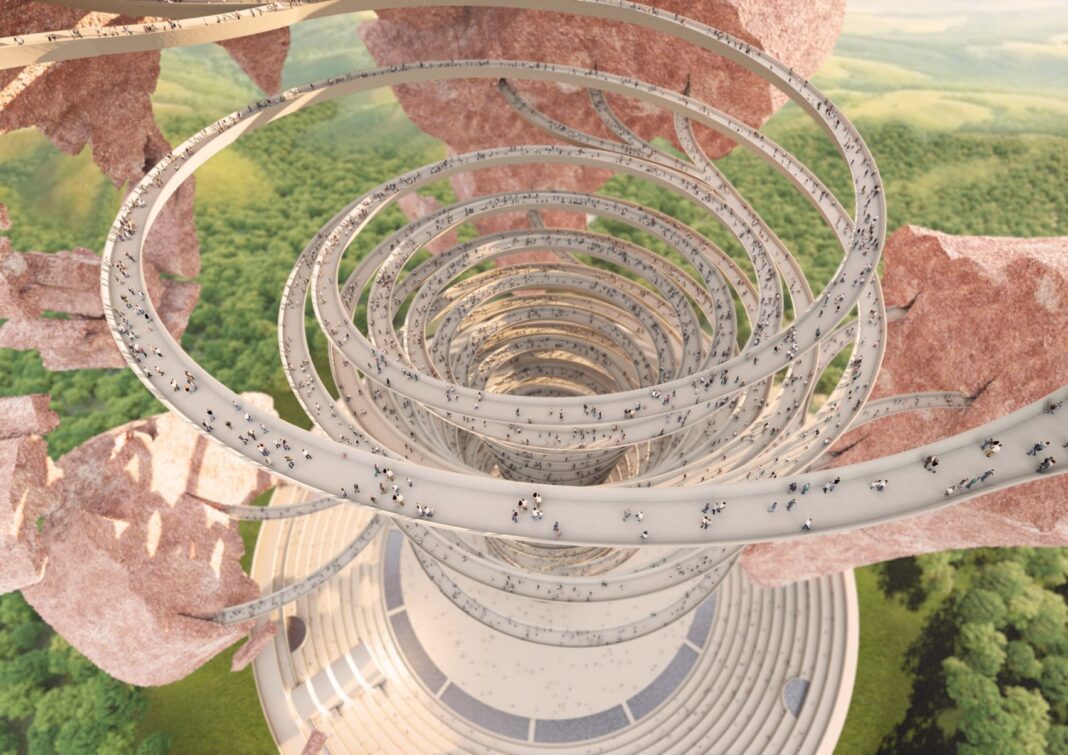
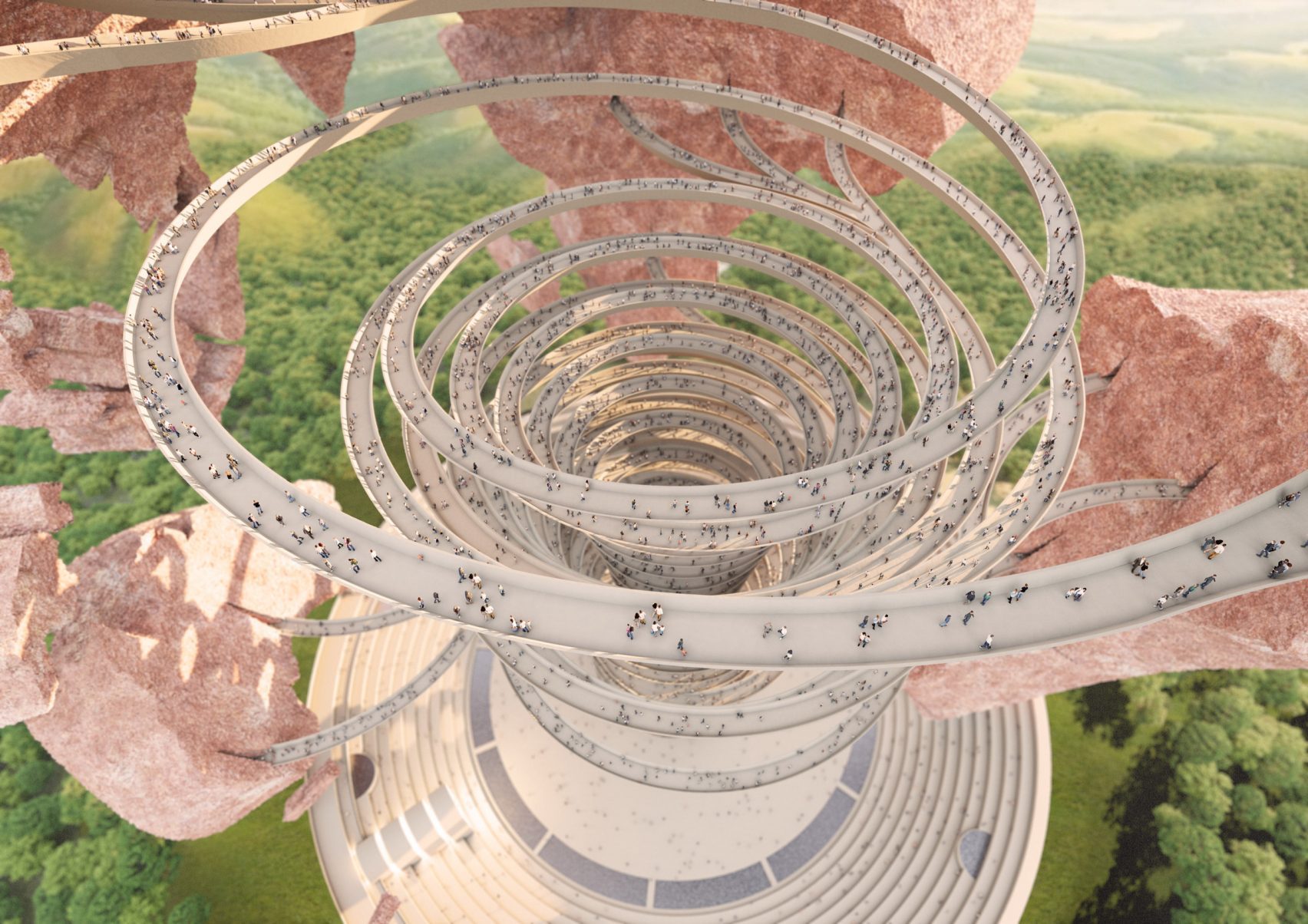
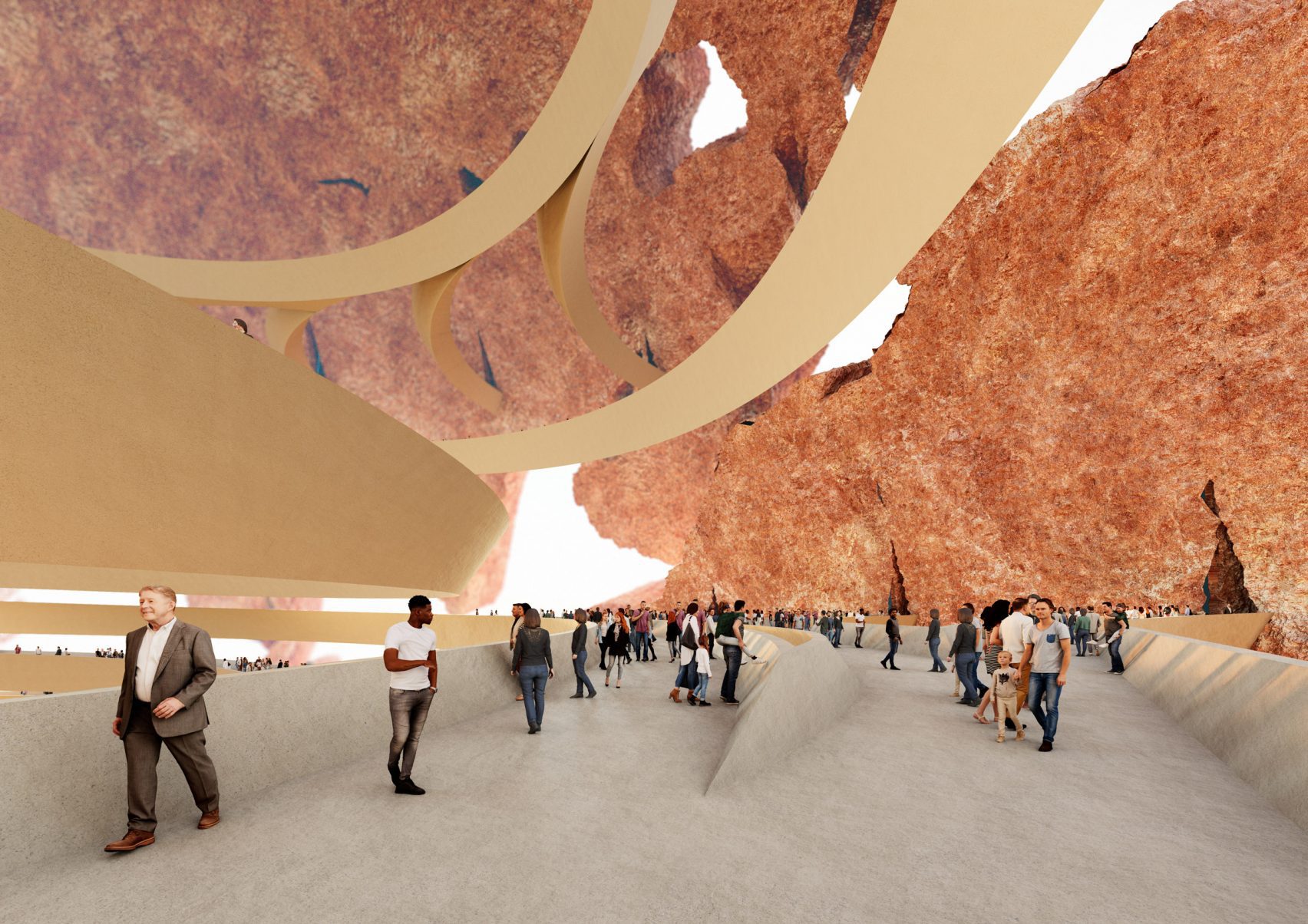
Diébédo Francis Kéré has designed a virtual museum with a spiralling gallery for UNESCO

UNESCO has launched a new kind of museum — one with no queues, no walls, and no climate-controlled vaults humming behind locked doors. Instead, the Virtual Museum of Stolen Cultural Objects, designed by Burkinabè Pritzker Prize–winning architect Diébédo Francis Kéré, lives entirely online. It promises to showcase some 600 missing or stolen artefacts from across the world, using 3D scans, immersive environments, and narrative storytelling to return visibility to heritage that vanished long before many of us were born.

unesco, virtual museum, stolen cultural objects, missing artifacts, looted heritage, cultural restitution, provenance research, digital exhibit, online museum, interactive gallery, diebédo francis kéré, kéré architecture, african heritage, global south artifacts, colonial era theft, repatriation of cultural property, cultural history, heritage protection, digital archive, 3d heritage imaging, global museum ethics

The headlines focus on digital innovation. But beneath the optimism lies something deeper: a global reckoning with the cultural damage of the last two centuries — when objects were taken during war, colonization, forced excavations, “private collecting,” and the grey economies of the antiquities trade. UNESCO frames the museum as an educational tool and an act of restitution, albeit a virtual one. The question is whether this new space can be more than a digital confession booth for the global North.

Kéré’s design concept draws on the symbolic roots of the baobab tree, often called the “tree of life.” Its thick trunk, powerful silhouette, and deep roots represent endurance — the idea that even when an object is uprooted, the culture that created it persists. It’s poetic, but also political: a reminder that heritage exists on the land first, not in the institutions that later house it.
unesco, virtual museum, stolen cultural objects, missing artifacts, looted heritage, cultural restitution, provenance research, digital exhibit, online museum, interactive gallery, diebédo francis kéré, kéré architecture, african heritage, global south artifacts, colonial era theft, repatriation of cultural property, cultural history, heritage protection, digital archive, 3d heritage imaging, global museum ethics

Inside the virtual galleries, visitors will find everything from looted manuscripts to sacred sculptures to objects trafficked across borders and into private hands. Each artifact is accompanied by its backstory: where it was created, how it disappeared, what it meant to the community that once held it. Some pieces have known fates; others are still missing, possibly sitting on a shelf in a Dubai flat or a house in Spain. UNESCO wants to make these absences visible — to show the wounds as well as the artifacts.

There’s also a Restitution Room, a space that highlights successful returns. These are the bright spots — cases where countries and institutions cooperated rather than clashed, and where the journey home wasn’t blocked by bureaucracy, politics, or the quiet resistance of museums reluctant to empty their vitrines.

But the virtual museum raises uncomfortable questions. Does digitizing loss risk sanitizing it? Can a VR gallery pressure powerful institutions into returning physical objects? Or will this become one more place where heritage from the Global South is appreciated — but still not actually returned? It also should ask questions about how past “colonizers” actually managed to save world heritage artifacts that would have been lost as regimes like ISIS and the Islamic State take over by force and blow up sites of cultural significance. See our story on ISIS and Palmyra.

UNESCO’s position, a federation of UN countries which also includes the Taliban and other terror states, is that awareness is the first step toward restitution. Or could this just be a way to politicize virtue signaling?

unesco, virtual museum, stolen cultural objects, missing artifacts, looted heritage, cultural restitution, provenance research, digital exhibit, online museum, interactive gallery, diebédo francis kéré, kéré architecture, african heritage, global south artifacts, colonial era theft, repatriation of cultural property, cultural history, heritage protection, digital archive, 3d heritage imaging, global museum ethics

That’s true. But awareness without political will changes little. Restitution remains tangled in law, diplomacy, and the competing narratives of empires that still do not fully acknowledge the harms they engineered.

And yet, something about this project feels necessary. In a world where climate threats, war, and trafficking still endanger cultural heritage, a digital sanctuary is better than none. More importantly, it gives communities a way to reclaim their stories, even if the objects themselves remain in limbo. Also who owns the past? All of humanity? The last ancestors of a tribe or converts to their new religion? Now that the world has gone globalized should individual heritage and ancestry be thrown to the wind?

If you jump in and visit the Middle East region, and the Arab world, you will first see an object from Sudan, a statue of a Nubian queen made about 2000 years ago. It does not state who “stole” it and when.
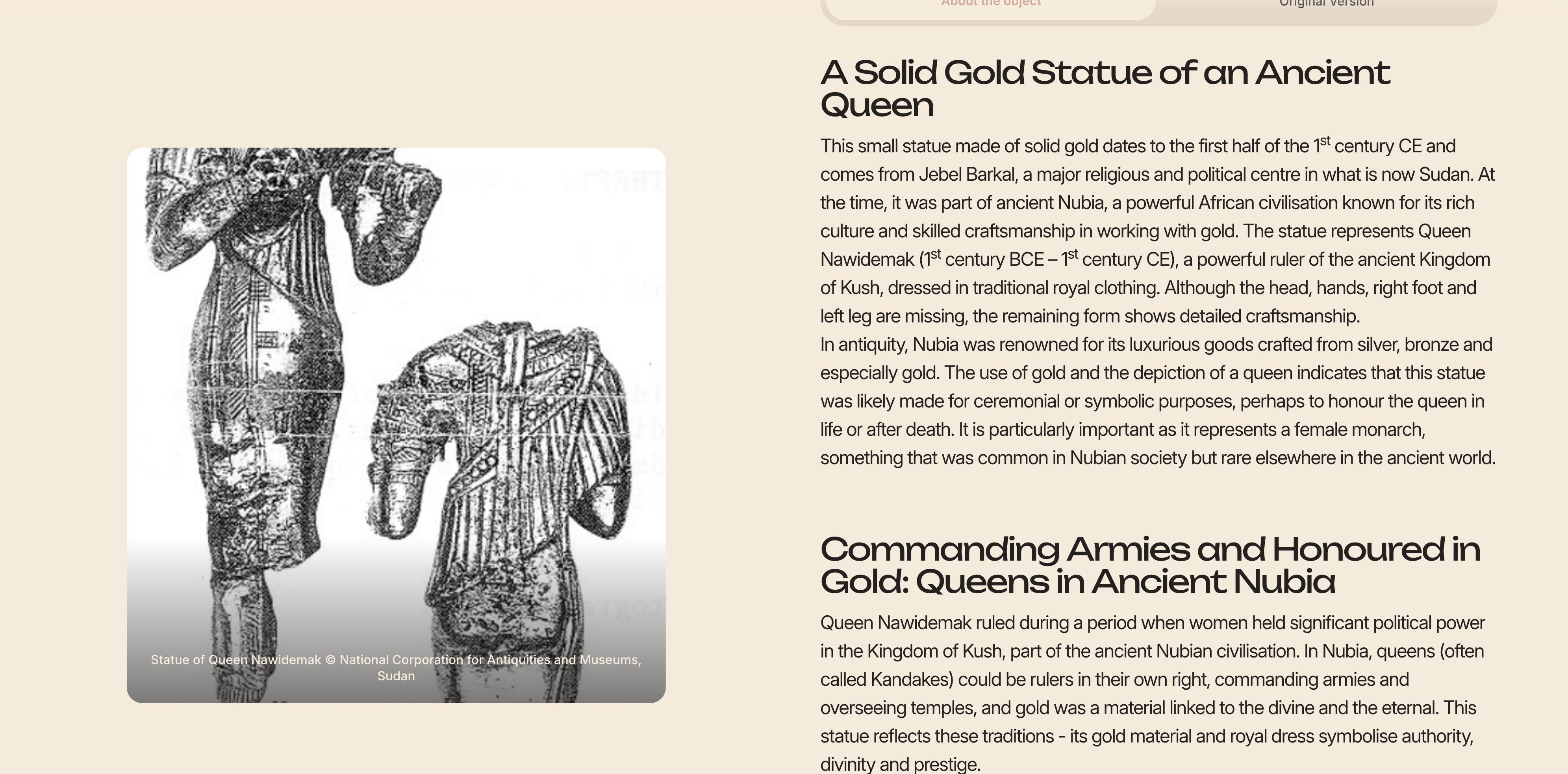
After the rise of Islam in Arabia (7th century), Muslim Arab armies reached Nubia (northern Sudan).
Nubian queen made from gold, 10cm in height. Was it stolen or just melted down for the price of gold by conquerers at the time?

Let the conversations begin.

Visit the Museum of Stolen Cultural Objects

Karin Kloosterman
Karin Kloostermanhttp://www.greenprophet.com
Karin Kloosterman is an award-winning journalist, innovation strategist, and founder of Green Prophet, one of the Middle East’s pioneering sustainability platforms. She has ranked in the Top 10 of Verizon innovation competitions, participated in NASA-linked challenges, and spoken worldwide on climate, food security, and future resilience. With an IoT technology patent, features in Canada’s National Post, and leadership inside teams building next-generation agricultural and planetary systems — including Mars-farming concepts — Karin operates at the intersection of storytelling, science, and systems change. She doesn’t report on the future – she helps design it. Reach out directly to [email protected]

Read More

TRENDING

90% of Americans worry about microplastics

Microplastics are showing up everywhere—from dollar store toys and synthetic clothing to bottled water, toothbrushes and even human sperm. A new Ocean Conservancy survey finds that nearly 9 in 10 Americans are concerned about the health impacts of microplastics, while support is growing for tougher regulations. As scientists uncover plastic particles in the heart, placenta and reproductive organs, the question is no longer whether microplastics are affecting our lives, but how much damage they are already doing.

Understanding Food Production: Karl Studer on the Urban-Rural Knowledge Gap

Karl Studer occupies an unusual position in American business. As President of Quanta Services, he oversees electrical infrastructure operations across the United States, Canada, and Australia, managing thousands of employees and multibillion-dollar projects.

Tigris River oil spill highlights Iraq’s environmental oversight and our addiction to oil

A fresh oil spill in the Tigris River, filmed by an Iraqi university student, has reignited concern over Iraq's polluted waterways. From ancient Mesopotamia to modern Basra, the country's dependence on oil has come at a steep environmental and human cost, with activists warning that unchecked contamination is putting ecosystems and public health at risk.

Doctor-Led Direct Hair Transplant: What Surgeon Involvement Means for Outcomes

Hair restoration technology continues to evolve, but the surgeon behind the procedure remains the most important factor. Doctor-led hair transplants emphasize careful diagnosis, conservative donor management, natural hairline design, and long-term planning rather than simply maximizing graft counts. By treating donor hair as a limited resource and tailoring each procedure to the patient's future hair loss, experienced surgeons can reduce the need for corrective surgery while delivering more natural, sustainable results.

Data centers in Space? Sophia Space and Apex plan on busing them in

Can data centers really be built in space? Pasadena-based Sophia Space is partnering with Apex to test the idea by launching modular AI computing systems into low Earth orbit in 2027. Using radiation-hardened compute TILEs cooled by passive radiative systems and mounted on scalable satellite buses, the companies aim to prove that edge computing can operate reliably in space. While challenges remain, the project represents an important step toward distributed orbital computing networks that could support everything from climate monitoring and pollution tracking to autonomous spacecraft navigation in an increasingly crowded orbital environment.

Yerukim Forms a New Green Economy Where the Money is Really Green

The Yerukim members who pick up the recyclables get to keep the monetary reward, the public earns "green" bills that can be used in shops, and business owners get to be associated with environmentalism.

Choosing Riyadh over Dubai? What Investors Should Know

Saudi Arabia is deploying capital at unmatched scale to catalyze tourism and advanced industry while rewiring its power-and-water backbone. The investable frontier is widening—especially in renewables, grid storage, water efficiency/desal retrofits, and hospitality operating platforms. Prudent investors will insist on phased delivery, enforceable KPIs (energy, water, biodiversity), and RHQ/zone compliance—while pricing political-economy and reputational risks alongside growth upside.

Sell your cooking oil for biodiesel money

Want to make money on old french fry oil? Sell it.

Qatar Alternative Energy Summit Pairs Investors And Innovators

Alternative energy investors and innovators can meet n' greet in Doha, Qatar March 16 and 17.

Here’s How To Implement The Four Pillars Of Employee Engagement

If you throw a party for your work team and they are vegans, don't make it a barbecue. Know the sustainability values of your team to boost moral and retain good people.

Locals From Rishon Fight IKEA

Big Box stores are a pretty new concept in Israel, and thank God that not every Israeli city wants them in their backyard. A word from someone who has see the beautiful farmland around her hometown Newmarket, Ontario stripped and converted into vulgar strip malls of big box shops: they have no place in a healthy and sustainable town or city.

The Jewish National Fund Meets An Inconvenient Truth

According to the JNF, it has transformed thousands of acres of barren land into green forests in Israel. They state that each person emits about 23 tons of carbon per year, estimating that each tree planted can absorb one ton of carbon in its lifetime. That's a whole lot of trees you'd need to be planting. Could so many fit in Israel?

How to quiet noise from construction in your office

Streets need to be resurfaced in New York but the humming and grinding noise is unsettling. Noise is environmental pollution. 

Popular Categories