The Orange Economy: How Religion and AI Are Shaping Innovation

The orange economy is an evolving concept based on the contribution and potential of creative assets to contribute to economic growth and development.

Is orange the pathway in to faith and reconciliation for people and planet? A monk going into a temple in Cambodia
Is orange the pathway in to faith and reconciliation for people and planet? A monk going into a temple in Cambodia. And a design conference in Tashkent on AI. How can we resolve both worlds? Can orange lead the way?

The creative economy is about translating the inspiration of culture and ideas into high-value businesses and enterprises.  For billions of people around the world their faith is a big source of inspiration and creativity. Artificial intelligence will be a major disruptor of our economy. It will also allow many people to join the ranks of the creative economy like never before. In essence, faith has a role to play in the unfurling of the next chapter in humanity’s economic story.

Indeed, prior to the contemporary era most acts of human creativity, we celebrate today were directly related to divine inspiration. This includes ancient artifacts like the bust of Nefertiti and the Pyramids to Renaissance objects like Michelangelo’s “The Creation of Adam” a fresco which forms part of the Sistine Chapel at the Vatican City.

Related: There are more pilgrims to Dubai mall than to Mecca and the Vatican

The recently concluded 4th World Conference on Creative Economy in Tashkent did not deal directly with faith, but attracted diverse individuals from around the globe from supermodel Naomi Campbell who took the stage to a priest who sat in the audience. Faith was even more present in part because the Uzbekistan Art and Culture Development Foundation, who organized the event in partnership with United Nations Trade and Development and the Ministry of Tourism and Creative Economy of the Republic of Indonesia, is involved in restoration works around the country.

Religion in many countries is a strategic reserve for what’s called the “Creative Economy.” For example, tourists around the globe include sightseeing to mosques, churches and temples in their itineraries. Similarly, history would suggest the pop stars of tomorrow are today members of youth choirs or similar groups.

“From a historic perspective the creative economy began with religious inspiration in many places. You can see that in very diverse areas from painting and music for example around the world. In a Muslim country [like Indonesia]… we embrace differences and members of other religions bring their own ideas to the development of the creative economy,” said Sandiaga Uno, Indonesia’s then Minister of Tourism.

The Jameh Mosque, a UNESCO World Heritage Site, is a prime example of Persian-Islamic architecture. Its intricate tilework, innovative use of geometry, and sustainable features such as the central courtyard for natural ventilation make it an inspiration for contemporary architects. The mosque demonstrates the potential for combining cultural richness with eco-friendly design.
Jameh Mosque of Isfahan, Iran is a major stop for tourists

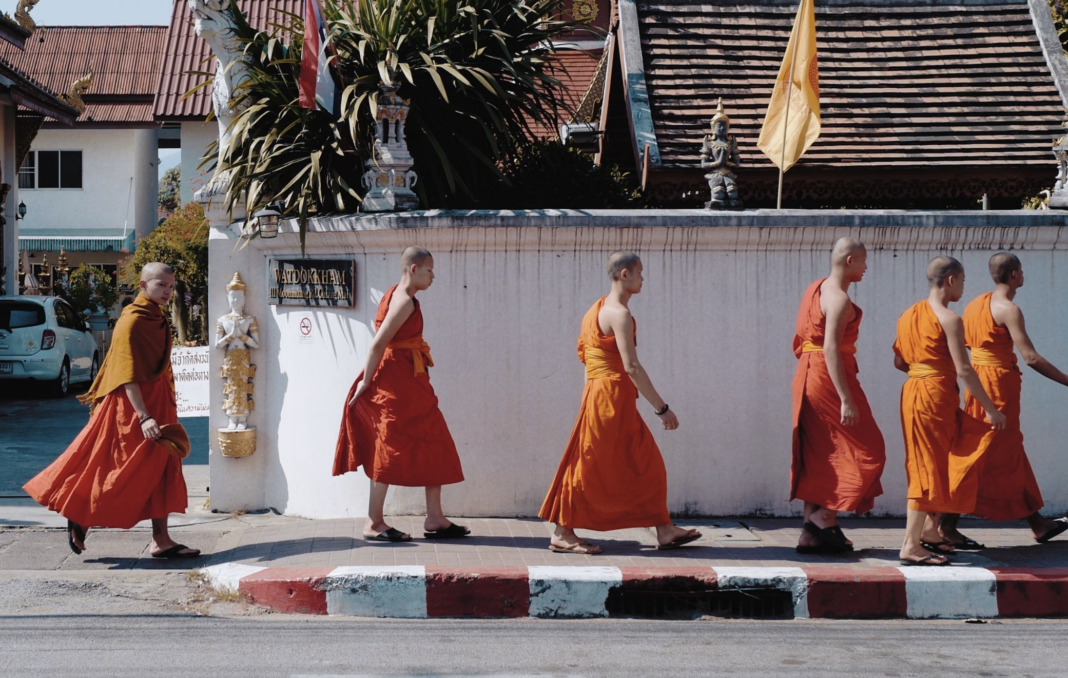
Orange is a color often associated with the Protestant faith and in Asia with Buddhism, Hinduism and Sikhism. It is also the color associated with the creative economy to differentiate — it from other macroeconomy buzzwords like the green economy and blue economy.

young monks outside a temple in Thailand
Monks in Thailand, dressed in orange

“This summit is about encouraging the talented people here  not to leave the country. Instead of seeking high-paying positions abroad, we want to attract those jobs to Uzbekistan,” said Uzbekistan Minister of Digital Technologies, Sherzod Shermatov. “Digital platforms can help achieve millions of views globally, enabling monetization and additional income. We aim to create local role models and success stories, and by combining digital tools with creative talent, we can open new doors for our youth.”

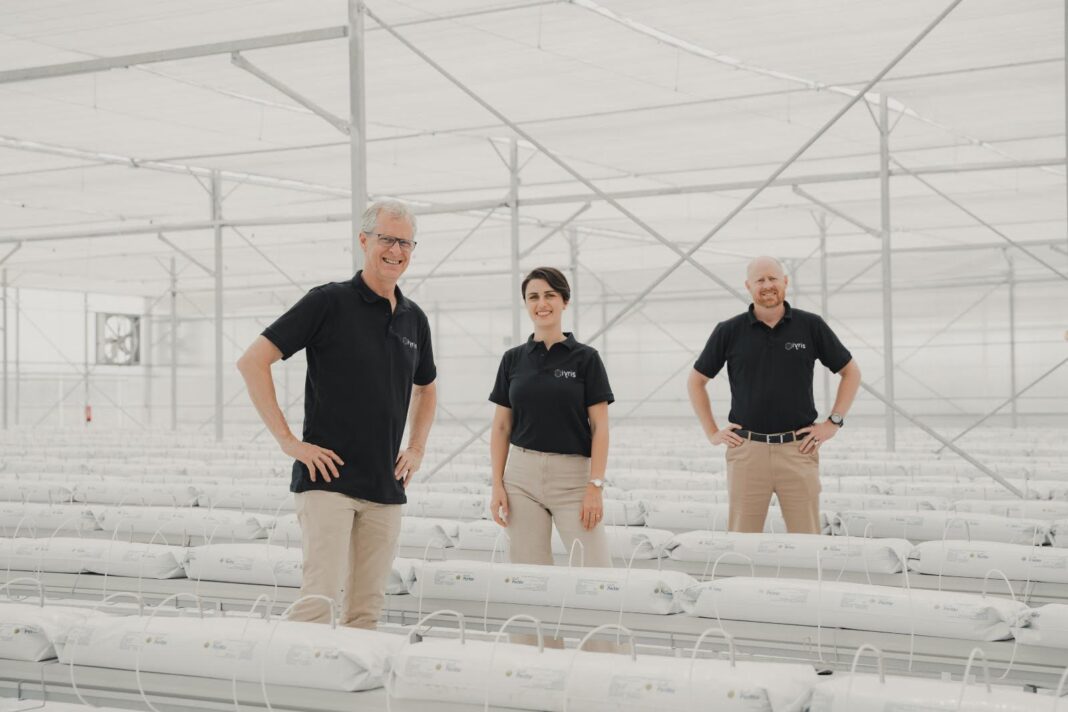
Simple yet innovative farming technologies and techniques save natural resources while increasing incomes
Simple yet innovative farming technologies and techniques save natural resources while increasing incomes in Uzbekistan. Digital farming is helping these women prosper.

The growth and development of the Orange Economy offers a growing and important sector — especially because polls show that from fashion to video games these are sectors in the economy which a growing number of youths see as important to their futures. There are other ways in which the creative economy growth goes hand in hand with the development of faith

“By focusing on creating an ecosystem where creatives can thrive within their home countries—leveraging technology, financial management, and global platforms—[countries] can better capitalize on … cultural wealth and retain talent that might otherwise seek opportunities abroad,” said Felipe Buitrago, Colombia’s former Minister of Culture.

Image from Brown Political Review by Kayla Morrison, 2024
Comuna 13, Medellin: A model for Middle East peace? Image from Brown Political Review by Kayla Morrison, 2024

In the past, Buitrago also stressed that the Orange Economy can help build peace and reconciliation between diverse groups. In the past, he has pointed to the example from his own tenure as minister and the example of the Comuna 13 area of Medellín. Here, two rival gangs faced off together with little chance of reconciliation. What ultimately brought these two together was a joint music festival in which the two groups battled it out over competing forms of music (such as rap and reggaeton) in these days.

“Faith is a key element of the creative economy. Because freedom of expression and belief are necessary conditions for creativity,”  Buitrago  said, “You cannot not be creative and non-inclusive at the same time. … Of course faith is a delicate issue and you can’t force people to have certain beliefs but, overall religion has played a major role in fostering creativity. As reinforcing and building identity…which often allows people to cooperate in harmonious ways.”

Looking toward the future faith, creativity and technology will often intersect. The pathway from “prophet” to “profit” will not always be clear. However, creativity, at times fueled by faith, will help spur greater creativity where-in new technologies will allow the visionaries of the future to unlock new possibilities for collaboration, innovation, and mutual understanding more quickly than ever.


Joseph Hammond
Joseph Hammond

Joseph Hammond is a former Fulbright fellow in Malawi and a journalist who has reported extensively from Africa, Eurasia and the Middle East. Hammond is also an Idove fellow at the African Union. He speaks enough Spanish and Arabic to discuss boxing, a sport he treasures. 

Joseph Hammond
Joseph Hammond
Joseph Hammond is a former Fulbright fellow in Malawi and a journalist who has reported extensively from Africa, Eurasia and the Middle East. Hammond is also an Idove fellow at the African Union. He speaks enough Spanish and Arabic to discuss boxing, a sport he treasures. 

Read More

TRENDING

10 Amazing Facts About the Sidr Tree

Most people in the West have never heard of the Sidr tree. That's strange when you think about it. This tough, thorny desert tree has fed people, bees, birds, and camels for thousands of years. It appears in Islamic tradition. Its honey sells for astonishing prices.

Robot Monk Gabi Takes Vows in Seoul. What Would the Buddha Have Thought?

  How many of us looked twice when we saw...

What Is Liberty HealthShare, and Should I Learn More?

Health insurance is a regulated financial product. Insurers operate under binding contracts, overseen by state insurance commissioners, that legally obligate them to pay claims meeting policy terms. Policyholders who believe a covered claim was wrongfully denied have legal recourse through state regulatory channels.

The Christ’s thorn (sidr tree) is also a well-known folk medicine

Christ’s thorn jujube (Ziziphus spina-christi) also known as the sidr tree is a real, identifiable tree native to the Middle East, and it appears—directly or indirectly—in Islam, Judaism, and later Christian tradition. The connections between the three faiths are not theological agreements but overlapping uses, names, and symbolic associations rooted in the same landscape.

A Brief History of Basil From India to Italy

Beloved, fortunate, sweet, and royal; an herb with a long and storied history in Asia and across the world. Called by many names, basil has featured in previous Green Prophet articles, so enjoy another serving, a brief history of basil.

Yerukim Forms a New Green Economy Where the Money is Really Green

The Yerukim members who pick up the recyclables get to keep the monetary reward, the public earns "green" bills that can be used in shops, and business owners get to be associated with environmentalism.

Choosing Riyadh over Dubai? What Investors Should Know

Saudi Arabia is deploying capital at unmatched scale to catalyze tourism and advanced industry while rewiring its power-and-water backbone. The investable frontier is widening—especially in renewables, grid storage, water efficiency/desal retrofits, and hospitality operating platforms. Prudent investors will insist on phased delivery, enforceable KPIs (energy, water, biodiversity), and RHQ/zone compliance—while pricing political-economy and reputational risks alongside growth upside.

Sell your cooking oil for biodiesel money

Want to make money on old french fry oil? Sell it.

Qatar Alternative Energy Summit Pairs Investors And Innovators

Alternative energy investors and innovators can meet n' greet in Doha, Qatar March 16 and 17.

Here’s How To Implement The Four Pillars Of Employee Engagement

If you throw a party for your work team and they are vegans, don't make it a barbecue. Know the sustainability values of your team to boost moral and retain good people.

Locals From Rishon Fight IKEA

Big Box stores are a pretty new concept in Israel, and thank God that not every Israeli city wants them in their backyard. A word from someone who has see the beautiful farmland around her hometown Newmarket, Ontario stripped and converted into vulgar strip malls of big box shops: they have no place in a healthy and sustainable town or city.

The Jewish National Fund Meets An Inconvenient Truth

According to the JNF, it has transformed thousands of acres of barren land into green forests in Israel. They state that each person emits about 23 tons of carbon per year, estimating that each tree planted can absorb one ton of carbon in its lifetime. That's a whole lot of trees you'd need to be planting. Could so many fit in Israel?

How to quiet noise from construction in your office

Streets need to be resurfaced in New York but the humming and grinding noise is unsettling. Noise is environmental pollution. 

Popular Categories