Luqaimat means Saudi Arabia did doughnut holes first

Luqaimat are delicious Middle Eastern style doughnut balls, also called lokma, lugaimat or awameh (or loukoumades in Greek). They are crisp on the outside, soft and fluffy on the inside, and absolutely delicious drizzled with a homemade sugar syrup. The batter comes together so easily!

Luqaimat are traditional Gulf donuts, often enjoyed during festive occasions, especially during the holy month of Ramadan. These small, fried dough balls are coated with honey, date molasses, or sugar syrup and sometimes garnished with black cumin seeds. The sweet, golden Luqaimat are a beloved treat, providing a perfect balance of crispy and soft textures. You can find them cooking in many Middle East kitchens and markets, even in Jaffa, Israel where there is a thriving Muslim population.

Luqaimat also called lokma, lugaimat or awameh (or loukoumades in Greek)  are crisp on the outside, soft and fluffy on the inside, and absolutely delicious drizzled with a homemade sugar syrup.

During Ramadan, they are often served as a delicious dessert to break the fast, offering a sweet and comforting end to the iftar meal. The rich, syrup-soaked dough balls are not only a culinary delight but also a symbol of celebration, community, and tradition. In recent years, modern chefs have embraced the classic recipe and experimented with new variations, such as maple syrup, melted chocolate, vanilla, pistachio, and jam, adding contemporary twists to this cherished dish.

Related: green your Ramadan with this guide

Try our simple and delicious recipe below to recreate these light, golden donuts at home and enjoy a taste of Saudi Arabia’s rich culinary heritage, especially during the Ramadan season.


Preparation Time: 1 hour


Ingredients

For the dough (serves 4 people):

  • 170g all-purpose flour
  • 12g sugar
  • 1/4g salt
  • Oil for frying
  • 4g instant yeast
  • 13g cornstarch
  • 200ml water

For the homemade syrup:

  • 420g sugar
  • 225ml water
  • 3 cardamom pods
  • 6ml lemon juice

Method

For the dough:

  1. In a deep bowl, combine the flour, salt, sugar, cornstarch, and yeast until well mixed.
  2. Gradually add water while stirring continuously for 2 minutes until a semi-liquid dough forms.
  3. Cover the bowl and let the dough rest for 40 minutes to ferment.
  4. Heat oil in a deep-frying pan over medium heat for 5 minutes until hot.
  5. Reduce the heat to low, and drop spoonfuls of dough into the oil to form medium-sized balls.
  6. Fry the dough balls, turning them continuously for 2 minutes until golden brown. Remove from the oil and drain. Repeat with the remaining dough.
  7. Increase the heat to medium for 1 minute, then return the Luqaimat to the oil. Fry for another 2 minutes, turning them until golden brown and crispy on all sides.
  8. Place the Luqaimat into the sugar syrup to soak thoroughly, then transfer them to a serving plate.

For the homemade syrup:

  1. In a medium-sized saucepan, combine sugar, water, cardamom pods, and lemon juice. Heat over medium until it begins to boil (about 2 minutes).
  2. Reduce the heat to low and simmer for 8 minutes, allowing it to cool. The syrup is now ready to use.

To Serve:

  1. Dip the still-hot Luqaimat into the syrup, ensuring they are thoroughly coated.
  2. Place three pieces on a serving plate.
  3. Optionally, sprinkle with black and white sesame seeds for a decorative touch.
  4. Serve immediately while they are crispy, paired with Saudi coffee for an authentic experience.

Luqaimat and Ramadan

Lokma
PuckArabia adds cream cheese


Luqaimat are particularly cherished during Ramadan, where they play a special role in the iftar meal. After a day of fasting, the sweetness of Luqaimat provides a satisfying and energy-boosting treat to break the fast. The dough balls, soaked in syrup, are a source of comfort and a reminder of the rich cultural and culinary traditions of the Gulf region.

Luqaimat are not just a treat for the body but also a connection to the spirit of Ramadan, a time for reflection, family, and community. Sharing Luqaimat with loved ones during this special month brings people together, creating lasting memories and a sense of unity.

Enjoy your homemade Luqaimat, a delicious taste of Saudi Arabia’s rich culinary heritage, especially during the Ramadan season!

Read More

TRENDING

NEOM’s The Line is delayed as Saudi mirage hits reality

Without blinking indeed: Saudi Arabia has reportedly delayed major work on The Line,  the planned 170-kilometer mirrored city slicing through the desert, until after 2030. Tourism projects along the Red Sea are being pushed back, and Trojena, the fantasy ski resort in the mountains fueled with artificial snow, is also effectively frozen.

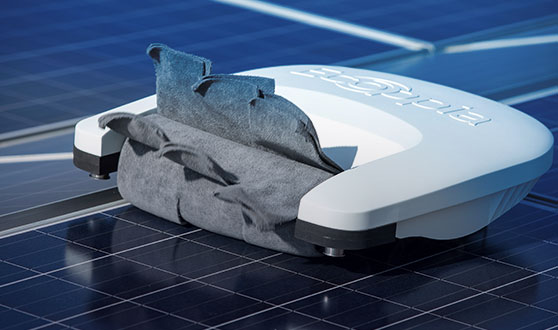
Desalination experts debunk Aqua Solaire, the floating desalination barge

AI makes it easy to dream, develop, and create images of what could be world-changing ideas, until the reality sets in. A new project making the rounds is Aqua Solaire, an allged French concept for a solar-powered desalination vessel designed to bring drinking water to coastal communities facing drought, storms, and infrastructure failures.

Shebara hotel Saudi Arabia – is it eco-luxury dream or desert illusion?

A new breed of luxury has landed on the Red Sea, mirrored pods floating above coral reefs, reflecting sky and sea like something not entirely of this Earth. Energy powered by solar powers, drinking water pulled from the sea using desalination. 

When peace returns, will we rediscover Saudi Arabia’s mud-brick soul?

When the region settles after the American war with Iran, and it will, American and European travelers will come back. Not just for spectacle or headline projects, but for places that feel real. Places that haven’t been engineered to impress and which get into your soul. We predict that visitors to Saudi Arabia will want to see places like Rijal Alma.When the region settles after the American war with Iran, and it will, American and European travelers will come back. Not just for spectacle or headline projects, but for places that feel real. Places that haven’t been engineered to impress and which get into your soul. We predict that visitors to Saudi Arabia will want to see places like Rijal Alma.

What are AWG air-water generators, and why they aren’t a golden-bullet solution (yet)

Atmospheric water generators (AWGs) sound like magic: machines that can pull drinking water out of air. The idea is mentioned in the Bible, where the elders would pray for water collected as dew on plants and the catch on turning this into a machine is in the physics. To turn invisible vapor into liquid, you must remove heat, especially the latent heat of condensation.

Yerukim Forms a New Green Economy Where the Money is Really Green

The Yerukim members who pick up the recyclables get to keep the monetary reward, the public earns "green" bills that can be used in shops, and business owners get to be associated with environmentalism.

Choosing Riyadh over Dubai? What Investors Should Know

Saudi Arabia is deploying capital at unmatched scale to catalyze tourism and advanced industry while rewiring its power-and-water backbone. The investable frontier is widening—especially in renewables, grid storage, water efficiency/desal retrofits, and hospitality operating platforms. Prudent investors will insist on phased delivery, enforceable KPIs (energy, water, biodiversity), and RHQ/zone compliance—while pricing political-economy and reputational risks alongside growth upside.

Sell your cooking oil for biodiesel money

Want to make money on old french fry oil? Sell it.

Qatar Alternative Energy Summit Pairs Investors And Innovators

Alternative energy investors and innovators can meet n' greet in Doha, Qatar March 16 and 17.

Here’s How To Implement The Four Pillars Of Employee Engagement

If you throw a party for your work team and they are vegans, don't make it a barbecue. Know the sustainability values of your team to boost moral and retain good people.

Locals From Rishon Fight IKEA

Big Box stores are a pretty new concept in Israel, and thank God that not every Israeli city wants them in their backyard. A word from someone who has see the beautiful farmland around her hometown Newmarket, Ontario stripped and converted into vulgar strip malls of big box shops: they have no place in a healthy and sustainable town or city.

The Jewish National Fund Meets An Inconvenient Truth

According to the JNF, it has transformed thousands of acres of barren land into green forests in Israel. They state that each person emits about 23 tons of carbon per year, estimating that each tree planted can absorb one ton of carbon in its lifetime. That's a whole lot of trees you'd need to be planting. Could so many fit in Israel?

How to quiet noise from construction in your office

Streets need to be resurfaced in New York but the humming and grinding noise is unsettling. Noise is environmental pollution. 

Popular Categories