
Qatar builds its own oversight mechanism to monitor itself on climate — what could go wrong?

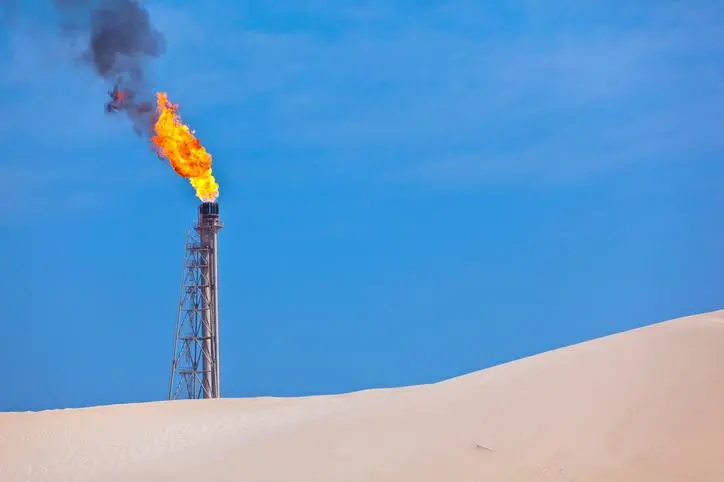
Qatari LNG gas flare

Qatar, the world’s richest per-capita nation and the planet’s largest exporter of liquefied natural gas (LNG), has announced an ambitious set of “environmental sustainability goals” for 2030. On paper, the Gulf state pledges to cut emissions by 25 percent, generate 4 GW of renewable power, and protect 30 percent of its land and marine areas.

It’s a vision wrapped in the language of decarbonization, resilience, and “global cooperation.”
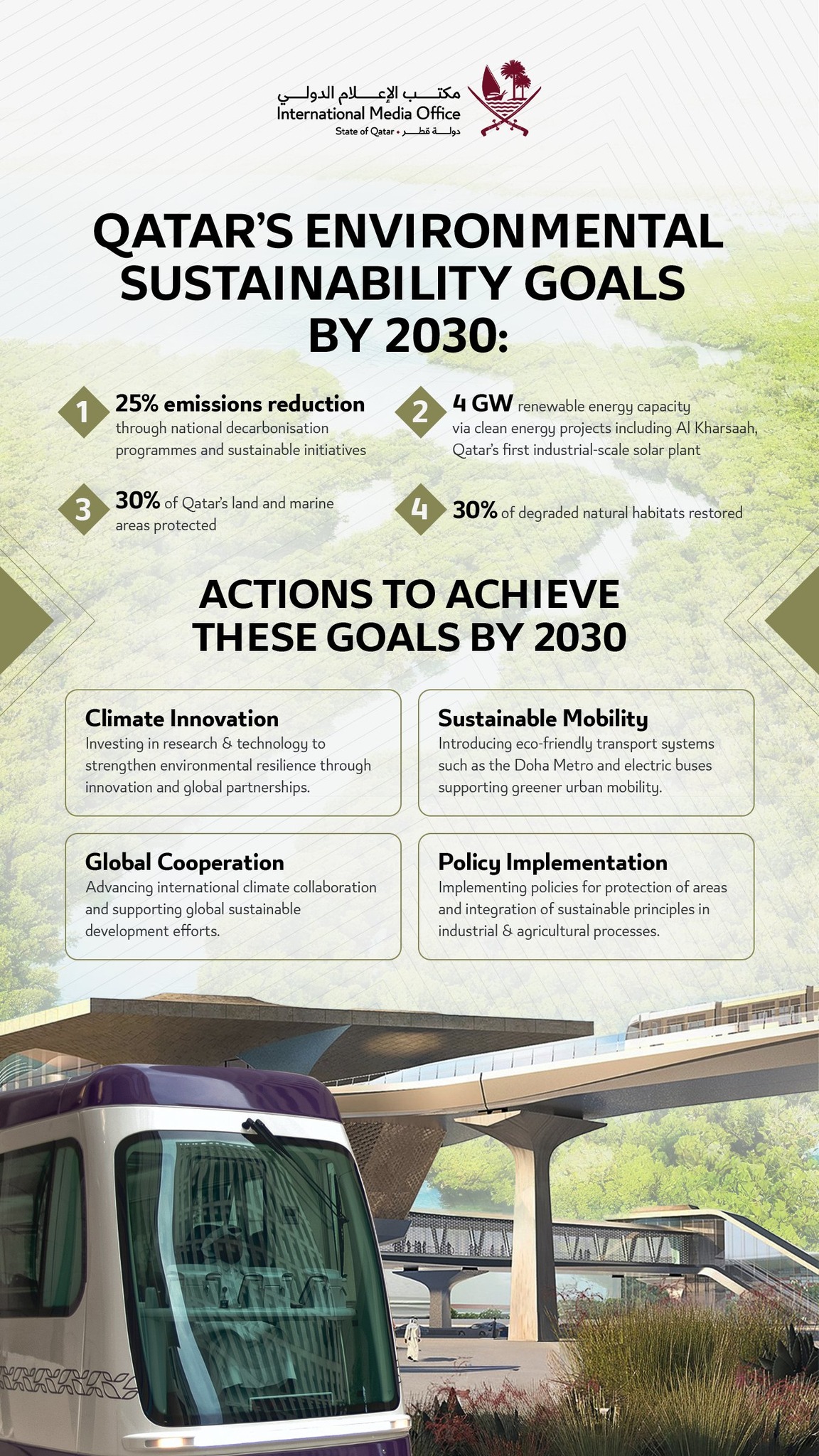
But who’s keeping score? The answer, it turns out, is Qatar itself. The same petrostate that fuels the global gas market has quietly built its own “oversight” mechanism to monitor, verify, and approve its climate progress. The Global Accreditation Bureau (GAB)—a Doha-based body established by the government—recently became the first Middle East entity to sign an international agreement allowing it to accredit greenhouse gas verifiers.

On paper, this gives Qatar international recognition for tracking emissions. In practice, it means the fox is now in charge of the henhouse.

Qatar’s self-styled climate governance system includes a national MRV framework (Measurement, Reporting and Verification) designed to track carbon output across sectors. The country touts it as a transparent, UN-aligned process developed in partnership with the Global Green Growth Institute. Yet the data pipeline, the audit process, and the publication of results all sit under the Qatar Ministry of Environment and Climate Change. There is no independent audit, no investigative press to scrutinize numbers, and no civil society oversight. No free press can criticise Qatar. No one person or NGO can hold it accountable.

In theory, “international alignment” sounds good. But in the absence of true independence, it’s little more than bureaucratic choreography. A climate governance façade, built for export. The GAB may tick ISO and IPCC boxes, but it remains accountable to the same state apparatus responsible for expanding LNG exports well into 2050.

Qatar calls this sustainability; the rest of the world might call it self-certification.

Qatar’s contradictions are stunning. The country burns vast amounts of fossil fuel to desalinate water and cool indoor stadiums, then advertises solar plants and metro lines as symbols of green progress. It finances one of the most powerful propaganda networks, Al Jazeera; reporters who work there cannot investigate environmental issues at home. The same “news outlet” runs climate-awareness campaigns on the London Underground.

It’s a nation that sells gas by night and lectures the world by day on carbon offsetting.

Building one’s own watchdog is the natural next step in that narrative. With no freedom of the press, no parliamentary opposition, and no public-access climate data, Qatar’s self-auditing system ensures that the only emissions counted are the ones convenient to count.

In the end, Doha may not just be exporting LNG. It’s exporting a new model of green authoritarianism — where the state burns, monitors, and praises itself, all in the same breath.

Karin Kloosterman
Karin Kloostermanhttp://www.greenprophet.com
Karin Kloosterman is an award-winning journalist, innovation strategist, and founder of Green Prophet, one of the Middle East’s pioneering sustainability platforms. She has ranked in the Top 10 of Verizon innovation competitions, participated in NASA-linked challenges, and spoken worldwide on climate, food security, and future resilience. With an IoT technology patent, features in Canada’s National Post, and leadership inside teams building next-generation agricultural and planetary systems — including Mars-farming concepts — Karin operates at the intersection of storytelling, science, and systems change. She doesn’t report on the future – she helps design it. Reach out directly to [email protected]

Read More

TRENDING

Understanding Food Production: Karl Studer on the Urban-Rural Knowledge Gap

Karl Studer occupies an unusual position in American business. As President of Quanta Services, he oversees electrical infrastructure operations across the United States, Canada, and Australia, managing thousands of employees and multibillion-dollar projects.

Wave wind energy for Nvidia’s next AI energy boom?

As AI factories consume unprecedented amounts of electricity, NVIDIA is looking beyond chips and data centers to the ocean. The company recently spotlighted Israel's Eco Wave Power and its wave energy projects in Jaffa and Los Angeles, highlighting how AI, digital twins and renewable energy can work together to meet future power demands. The collaboration reflects a growing realization that the future of artificial intelligence may depend as much on clean energy infrastructure as it does on computing power.

Weston Higginbotham found dead in a Kyoto forest: is climate anxiety part of the story?

In some ways, Weston has become a symbol of a generation wrestling with environmental and technological anxiety. Friends and family described him as deeply concerned about environmental issues. Reports also noted that he questioned the growing role of artificial intelligence in daily life, even reportedly disagreeing with his mother about her use of AI.

Billie Eilish’s Mom Takes the Stage at Hollywood Climate Summit — But Does Hollywood Still Care About Climate Change?

Hollywood once promised to help save the planet. Leonardo DiCaprio warned of climate catastrophe from awards stages. Celebrities flew to climate conferences. Studios pledged greener productions. Streaming platforms rushed to commission environmental documentaries. But in 2026, with the aftermath of wildfires, heatwaves and floods becoming routine, a question lingers: Does Hollywood still care about climate change?

Can Scientists Predict Coral Bleaching Before It Happens?

Now researchers at the Woods Hole Oceanographic Institution (WHOI) in the US say they have developed a way to predict coral bleaching five to six months before it occurs, potentially giving reef managers enough time to intervene and save vulnerable corals.

Yerukim Forms a New Green Economy Where the Money is Really Green

The Yerukim members who pick up the recyclables get to keep the monetary reward, the public earns "green" bills that can be used in shops, and business owners get to be associated with environmentalism.

Choosing Riyadh over Dubai? What Investors Should Know

Saudi Arabia is deploying capital at unmatched scale to catalyze tourism and advanced industry while rewiring its power-and-water backbone. The investable frontier is widening—especially in renewables, grid storage, water efficiency/desal retrofits, and hospitality operating platforms. Prudent investors will insist on phased delivery, enforceable KPIs (energy, water, biodiversity), and RHQ/zone compliance—while pricing political-economy and reputational risks alongside growth upside.

Sell your cooking oil for biodiesel money

Want to make money on old french fry oil? Sell it.

Qatar Alternative Energy Summit Pairs Investors And Innovators

Alternative energy investors and innovators can meet n' greet in Doha, Qatar March 16 and 17.

Here’s How To Implement The Four Pillars Of Employee Engagement

If you throw a party for your work team and they are vegans, don't make it a barbecue. Know the sustainability values of your team to boost moral and retain good people.

Locals From Rishon Fight IKEA

Big Box stores are a pretty new concept in Israel, and thank God that not every Israeli city wants them in their backyard. A word from someone who has see the beautiful farmland around her hometown Newmarket, Ontario stripped and converted into vulgar strip malls of big box shops: they have no place in a healthy and sustainable town or city.

The Jewish National Fund Meets An Inconvenient Truth

According to the JNF, it has transformed thousands of acres of barren land into green forests in Israel. They state that each person emits about 23 tons of carbon per year, estimating that each tree planted can absorb one ton of carbon in its lifetime. That's a whole lot of trees you'd need to be planting. Could so many fit in Israel?

How to quiet noise from construction in your office

Streets need to be resurfaced in New York but the humming and grinding noise is unsettling. Noise is environmental pollution. 

Popular Categories