The wind farm’s sweet spot for energy efficiency

wind farms should put their first one to slow


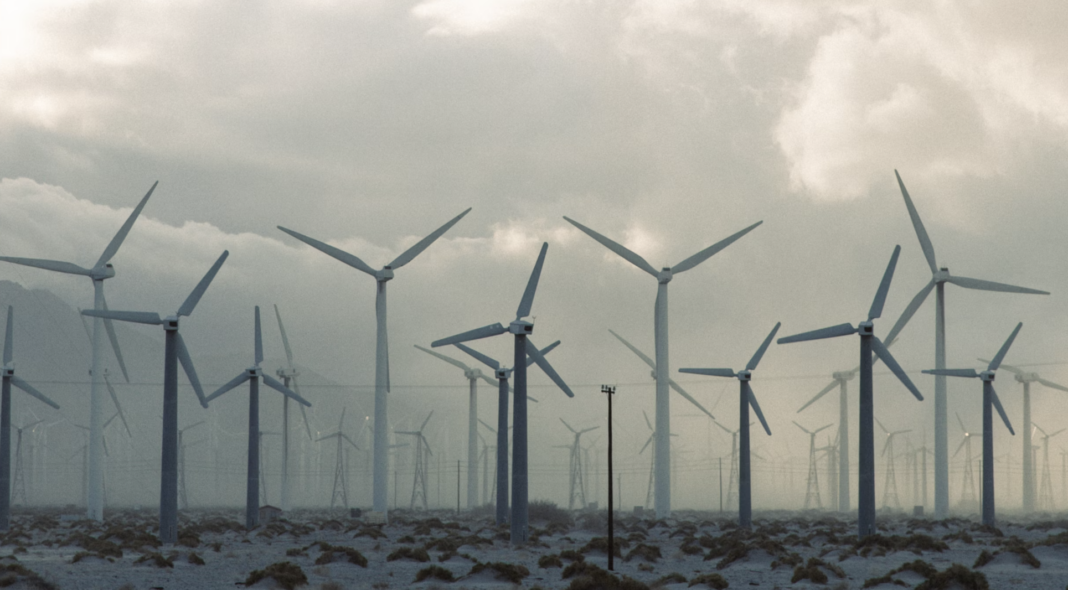
The cost effectiveness of wind farms could be significantly improved by reducing the speed of wind turbines that are clustered together, which could improve their longevity and also reduce noise pollution. A team of researchers from the University of Adelaide led by Dr Rey Chin looked at the operation conditions of wind turbines, investigated those conditions relative to power output and performance, and how turbines interact with each other.

Related: the top wind farms of the Middle East

“We have found that the efficiency of wind turbines arranged in wind farms in which turbines are clustered together can be improved by reducing the rotational speed of wind turbines at the front of the group,” said Dr Chin, Senior Lecturer, School of Electrical and Mechanical Engineering, University of Adelaide.

“The power extracted from the wind turbine behind the first is significantly less – up to 30 per cent of the turbine in front of it – because of the effect that the wake has.

“By reducing the rotational speed of the leading turbines, the speed of the ones behind can be increased so that all the turbines in a group spin at the same speed.

Al Marmoom Wind Farm

“This might have a small impact on the total energy generated by wind farms, but this is outweighed by important benefits, some of which are hidden but some, such as reduced noise pollution, are more obvious.”

There are currently 110 wind farms operating across all Australian states and territories of which 31 wind farms, comprising a total of 599 turbines, are more than 15 years old. A wind farm typically has a nominal design life of 20 to 30 years, though some wind farms are now designed for a minimum operating life of 30 years.

Wind turbines cost approximately AUD $7 million each to build and cost around half a million dollars to decommission.

“Up until now, wind turbine technology has been implemented quickly without much consideration for end-of-life planning,” said Dr Chin.

“Wear and tear on a turbine can be significantly reduced by slowing down its rotational speed and will increase its longevity and improve their cost effectiveness.

“Turbines are currently over-designed. By optimising the performance of individual turbines clustered together the design and manufacturing process that goes into making turbines can be simplified and with significant cost savings.”

The team published their most recent findings in the Journal of Wind Engineering and Industrial Aerodynamics.

“Noise pollution is the most significant negative aspect of wind farms and is often cited in opposition to proposed new farms,” said Dr Chin.

“Reducing the noise that farms make by minimising the rotational speed of wind turbines makes this important source of green energy more acceptable for people living nearby.”

The team’s findings will be of great use for the wind farm industry to more carefully plan future farms using more accurate business case analyses.

Karin Kloosterman
Karin Kloostermanhttp://www.greenprophet.com
Karin Kloosterman is an award-winning journalist, innovation strategist, and founder of Green Prophet, one of the Middle East’s pioneering sustainability platforms. She has ranked in the Top 10 of Verizon innovation competitions, participated in NASA-linked challenges, and spoken worldwide on climate, food security, and future resilience. With an IoT technology patent, features in Canada’s National Post, and leadership inside teams building next-generation agricultural and planetary systems — including Mars-farming concepts — Karin operates at the intersection of storytelling, science, and systems change. She doesn’t report on the future – she helps design it. Reach out directly to [email protected]

Read More

TRENDING

Wave wind energy for Nvidia’s next AI energy boom?

As AI factories consume unprecedented amounts of electricity, NVIDIA is looking beyond chips and data centers to the ocean. The company recently spotlighted Israel's Eco Wave Power and its wave energy projects in Jaffa and Los Angeles, highlighting how AI, digital twins and renewable energy can work together to meet future power demands. The collaboration reflects a growing realization that the future of artificial intelligence may depend as much on clean energy infrastructure as it does on computing power.

Collecting kinetic energy from roads; REPS turns traffic into a power plant

REPS announced a $23.6M equity financing round to scale...

AI data centers are triggering panic, instead of cleantech opportunities

AI may unintentionally become the economic engine that finally modernizes America’s aging grid. California is experiencing a massive AI data center boom, ranking 3rd in the U.S. with 227 operating centers and 54 more in development as of April 2026, according to Stanford.

24 7 renewable energy: how solar, wind, batteries and AI SaaS replace fossil fuels

A new report from the International Renewable Energy Agency based in Abu Dhabi makes something clear that many in the industry already suspected. When solar and wind are paired with battery storage, they can deliver reliable, round the clock electricity at costs that compete with, and often beat, fossil fuels.

Korean researchers create battery from greenhouse gases

Professor Ji-Soo Jang, in collaboration with Professor Taekwang Yoon of Ajou University and Professor Hansel Kim of Chungbuk National University, has developed a novel energy device that generates electricity during the process of capturing greenhouse gases.

Yerukim Forms a New Green Economy Where the Money is Really Green

The Yerukim members who pick up the recyclables get to keep the monetary reward, the public earns "green" bills that can be used in shops, and business owners get to be associated with environmentalism.

Choosing Riyadh over Dubai? What Investors Should Know

Saudi Arabia is deploying capital at unmatched scale to catalyze tourism and advanced industry while rewiring its power-and-water backbone. The investable frontier is widening—especially in renewables, grid storage, water efficiency/desal retrofits, and hospitality operating platforms. Prudent investors will insist on phased delivery, enforceable KPIs (energy, water, biodiversity), and RHQ/zone compliance—while pricing political-economy and reputational risks alongside growth upside.

Sell your cooking oil for biodiesel money

Want to make money on old french fry oil? Sell it.

Qatar Alternative Energy Summit Pairs Investors And Innovators

Alternative energy investors and innovators can meet n' greet in Doha, Qatar March 16 and 17.

Here’s How To Implement The Four Pillars Of Employee Engagement

If you throw a party for your work team and they are vegans, don't make it a barbecue. Know the sustainability values of your team to boost moral and retain good people.

Locals From Rishon Fight IKEA

Big Box stores are a pretty new concept in Israel, and thank God that not every Israeli city wants them in their backyard. A word from someone who has see the beautiful farmland around her hometown Newmarket, Ontario stripped and converted into vulgar strip malls of big box shops: they have no place in a healthy and sustainable town or city.

The Jewish National Fund Meets An Inconvenient Truth

According to the JNF, it has transformed thousands of acres of barren land into green forests in Israel. They state that each person emits about 23 tons of carbon per year, estimating that each tree planted can absorb one ton of carbon in its lifetime. That's a whole lot of trees you'd need to be planting. Could so many fit in Israel?

How to quiet noise from construction in your office

Streets need to be resurfaced in New York but the humming and grinding noise is unsettling. Noise is environmental pollution. 

Popular Categories