People with dementia have up to 5 times more microplastics in their brains

Microplastics in the brain

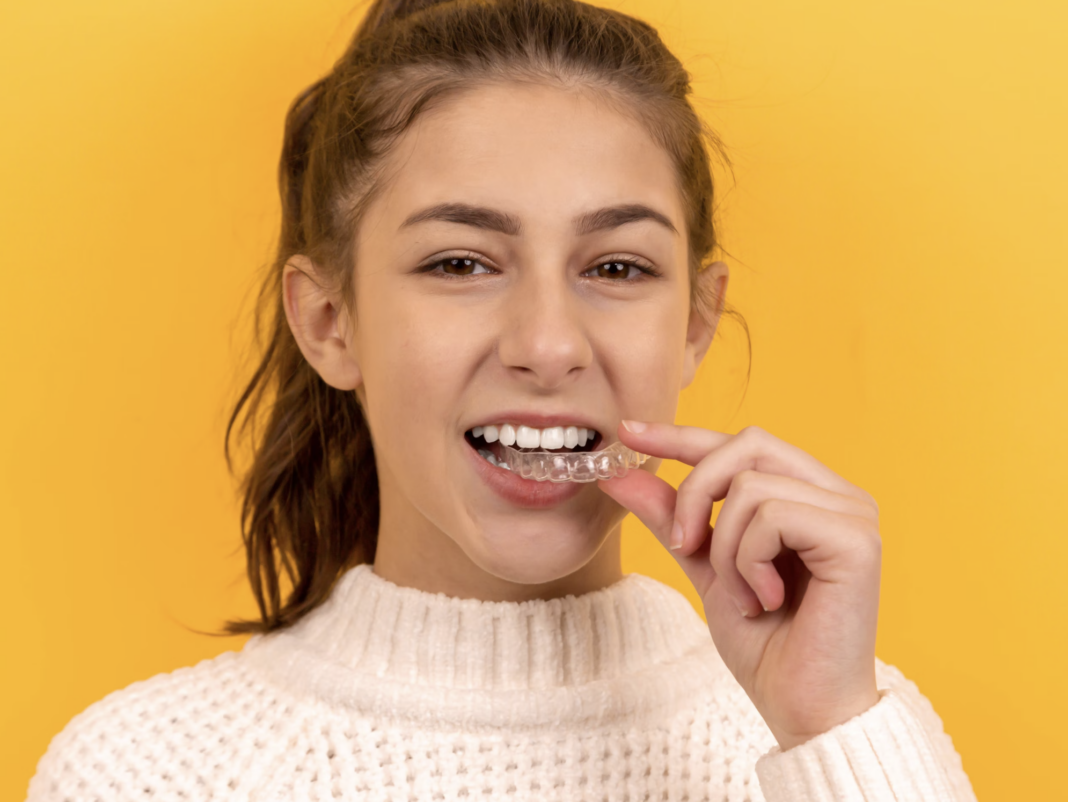
Microplastics leach out of plastic tea bags, water bottles and its in the food we eat, especially fish. They are in plastic toothbrushes and plastic teeth aligners. Researchers suggest we can cut down exposure dramatically by stopping the use of plastic water bottles and drinking filtered tap water.

New commentary from Canada published this week in Brain Medicine warns we need to work fast on getting microplastics out of our bodies. Researchers in Ottawa discuss findings from a groundbreaking Nature Medicine article on the bioaccumulation of microplastics in decedent human brains. Those are people who have died.

The research reveals that human brains contain approximately a spoon’s worth of microplastics and nanoplastics – MNPs –  with levels 3 to 5 times higher in individuals with documented dementia diagnoses.

More concerning still, brain tissues showed 7 to 30 times higher concentrations of MNPs compared to other organs like the liver or kidney, which means that microplastics are bio-accumulating in the brain. Heat treatments like saunas may help sweat them out, but we need to start turning urgently to bioplastics, those made from algae, sugarcane and natural sources.

Microplastics testicles poster
Microplastics are in your testicles in a NY Subway ad, via Laurie Balbo for Green Prophet

“The dramatic increase in brain microplastic concentrations over just eight years, from 2016 to 2024, is particularly alarming,” said Dr. Nicholas Fabiano from the University of Ottawa’s Department of Psychiatry, lead author of the Commentary. “This rise mirrors the exponential increase we’re seeing in environmental microplastic levels.”

Of particular concern are particles smaller than 200 nanometers, predominantly composed of polyethylene, which show notable deposition in cerebrovascular walls and immune cells. This size allows them to potentially cross the blood-brain barrier, raising questions about their role in neurological conditions.

gold dust graduation from Walmart
The gold dust bought at Walmart may make your graduation photo pretty. But one blow and it’s forever cycling as microplastics that will get into our lungs.

The Commentary review highlights practical strategies for reducing exposure, noting that switching from bottled to filtered tap water alone could reduce microplastic intake from 90,000 to 4,000 particles per year, he says.

The research team also explores potential elimination pathways, including evidence that sweating might help remove certain plastic-derived compounds from the body. However, Dr. David Puder, host of the Psychiatry & Psychotherapy Podcast, warned, “We need more research to wrap our heads around microplastics—rather than wrapping our brains in them—since this could be one of the biggest environmental storms most people never saw coming.

“The commentary calls for urgent research priorities, including establishing clear exposure limits and assessing long-term health consequences of microplastic accumulation. The authors emphasize the need for large-scale human studies to determine dose-response relationships between microplastic exposure and chronic health outcomes.”


Karin Kloosterman
Karin Kloostermanhttp://www.greenprophet.com
Karin Kloosterman is an award-winning journalist, innovation strategist, and founder of Green Prophet, one of the Middle East’s pioneering sustainability platforms. She has ranked in the Top 10 of Verizon innovation competitions, participated in NASA-linked challenges, and spoken worldwide on climate, food security, and future resilience. With an IoT technology patent, features in Canada’s National Post, and leadership inside teams building next-generation agricultural and planetary systems — including Mars-farming concepts — Karin operates at the intersection of storytelling, science, and systems change. She doesn’t report on the future – she helps design it. Reach out directly to [email protected]

Read More

LEAVE A REPLY

Please enter your comment!
Please enter your name here

TRENDING

Baby teeth read like tree rings paint a picture of toxins in early life

A new study from the Icahn School of Medicine at Mount Sinai in New York offers a striking insight into how the environments we are born into can quietly shape our brains years later. By analyzing naturally shed baby teeth, the ones tucked under pillows for the tooth fairy, researchers have reconstructed a detailed timeline of exposure to environmental metals during pregnancy and early infancy.

Lululemon pants leech PFAS and plastics into bodies, Texas attorney general claims

Back in late 2025, Green Prophet began asking uncomfortable questions about what’s really inside your yoga pants, from transparency failures (yes, those infamous see-through leggings) to the less visible and scarier issue: Your sweat is unlocking microplastics and chemical coatings sitting in the most absorbent parts of the human body.

Is artificial turf bad for your health?

Artificial turf, the green plastic stuff that is supposed to look like grass, was sold to many home-owners as a clever compromise: a green-looking surface that makes you feel homey, but which needs no mowing. It survives heavy use, and in dry places like Middle East deserts, and in California or Texas, it can replace thirsty lawns. But it is toxic.

From Pilot Plant to Global Stage: How Aduro Clean Technologies’ 2026 Expansion Signals a Turning Point for Chemical Recycling Investors Like Yazan Al Homsi

The company's Next Generation Process (NGP) Pilot Plant in London, Ontario, has officially moved into initial operating campaigns, generating the kind of structured, repeatable data that separates laboratory promise from commercial viability.

How plastics can increase food poisoning

Banerjee’s research team is among the first to examine the interactions between foodborne pathogens and plastic particles, thereby advancing this emerging field from a food safety perspective.

How to quiet noise from construction in your office

Streets need to be resurfaced in New York but the humming and grinding noise is unsettling. Noise is environmental pollution. 

EarthX and a blueprint for sustainable investing

Trammell S. Crow, a Dallas-based businessman and father of four, is focusing his efforts on impact investing, and media that focuses on saving the planet through EarthX.

Mining Afghanistan’s Mineral Discoveries Similar to Avatar

Now that American forces in Afghanistan are commemorating the longest period of any war that America has been involved in, including the 1965-73 Vietnam War, the recent discoveries of large and extremely valuable mineral and metal deposits may finally bring to light a reason to continue the presence of US fighting forces in this war torn and backward country.

From Pilot Plant to Global Stage: How Aduro Clean Technologies’ 2026 Expansion Signals a Turning Point for Chemical Recycling Investors Like Yazan Al Homsi

The company's Next Generation Process (NGP) Pilot Plant in London, Ontario, has officially moved into initial operating campaigns, generating the kind of structured, repeatable data that separates laboratory promise from commercial viability.

Nobul’s Regan McGee on Shareholder Value: “Complacency Is the Silent Killer” 

Why the governance framework designed to protect shareholders so...

Should You Invest in the Private Market?

startustartup Unlike public stock exchanges, which offer daily trading, strict...

How to build a 100-year-company

Kongō Gumi is a Japanese construction company, purportedly founded in 578 A.D., making it the world's oldest documented company. What can we learn about building sustainable businesses from them?

How AI Helps SaaS Companies Reduce Repetitive Customer Support Work

SaaS products are designed for large numbers of users with different levels of experience, and also in renewable energy.

Popular Categories