Flour Sacks to Ecological Fashion Statements in Times of Crisis

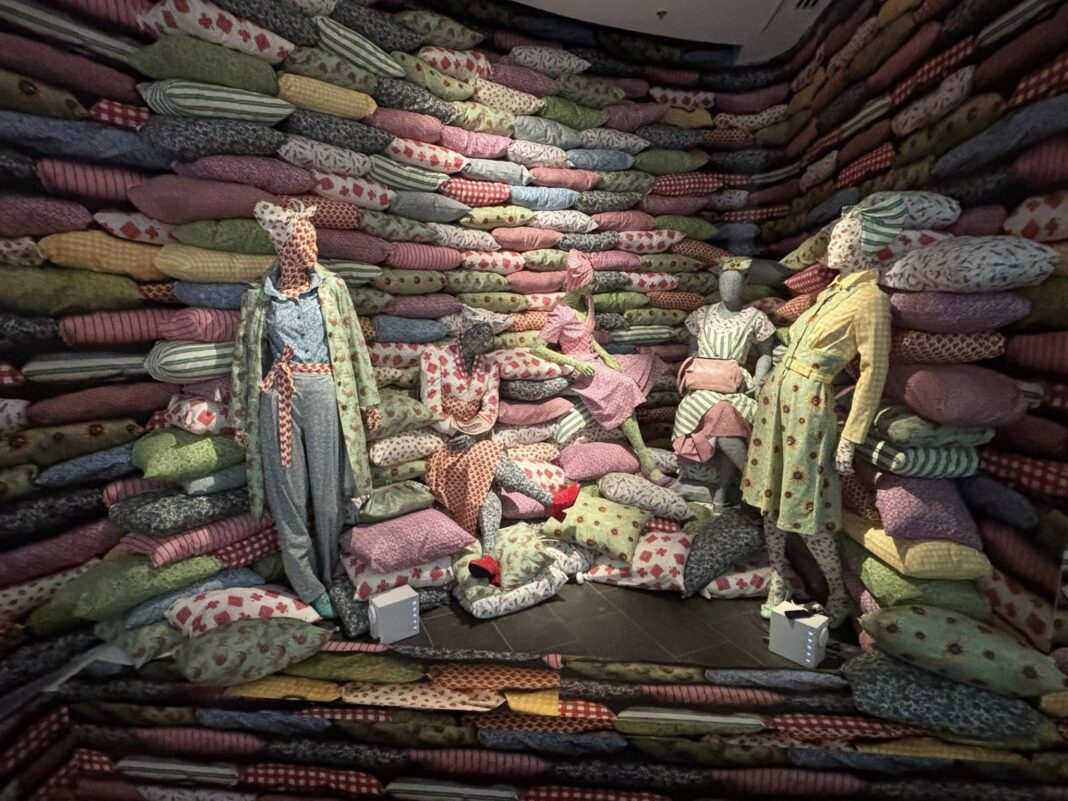
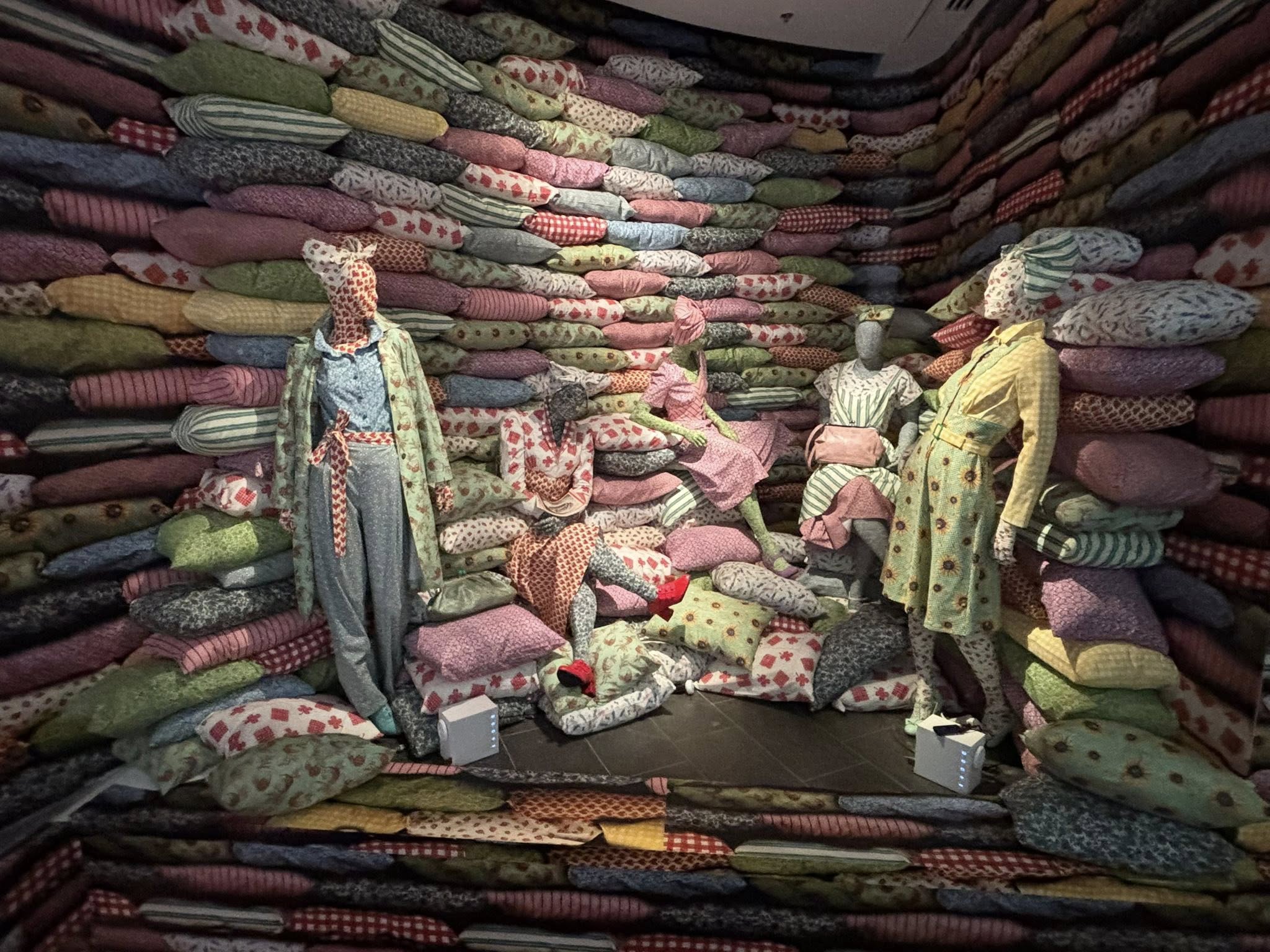
Floor sack fashion, Design Museum Holon

In times of hardship, creativity often becomes a lifeline. The “Heroines” exhibition at the Design Museum Holon, running since March 31, 2025, delves into this theme by showcasing how women during World War II used fashion as a means of survival and expression.

During the Great Depression in the United States, families repurposed cotton flour and grain sacks into clothing. Recognizing this, companies began printing the sacks with colorful patterns, making them more appealing for reuse. Some even included dress patterns directly on the fabric, simplifying the sewing process. This initiative not only provided affordable clothing options but also empowered women to create and sell garments, supporting their families during challenging times.
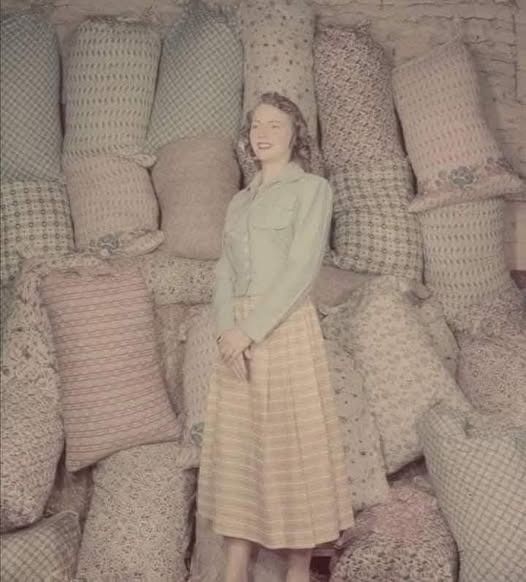
Flour sack fashion in the US

Silk Maps Transformed

In Britain, women found innovative uses for silk escape maps issued to soldiers during World War II. These durable, lightweight maps were repurposed into dresses, combining practicality with a statement of resilience. The exhibition features such garments, highlighting the ingenuity and adaptability of women who turned tools of war into symbols of hope and normalcy.
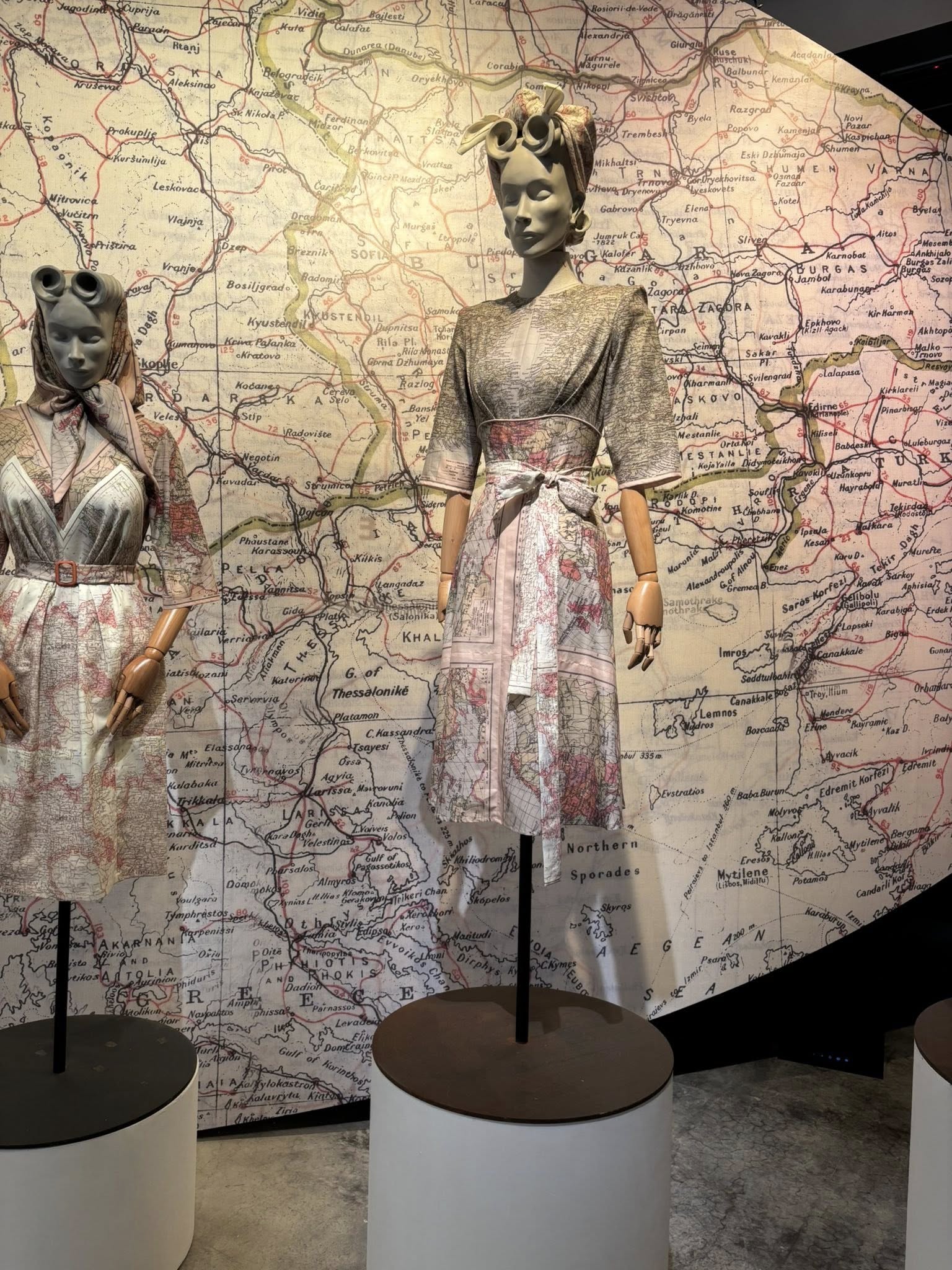
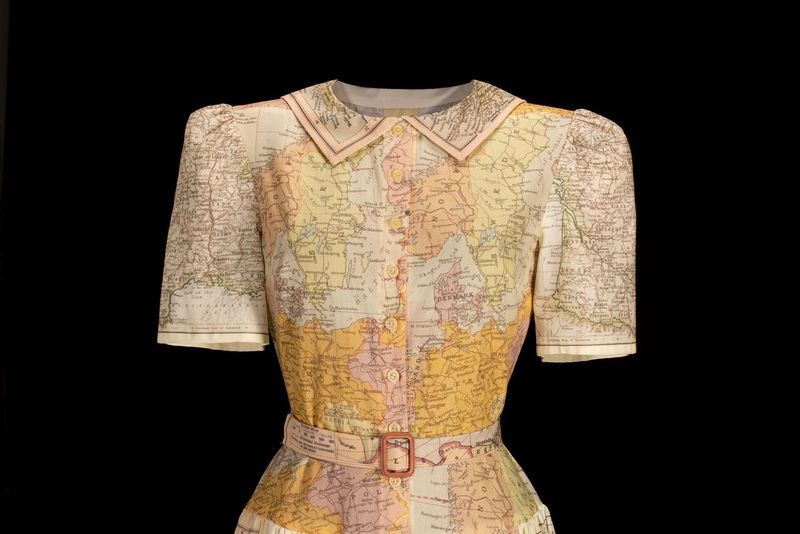
Follow the map to her heart
upcycled silk
upcycled silk

Curated by fashion historian Ya’ara Keydar, “Heroines” presents over 100 ensembles, accessories, and artifacts that narrate stories of courage and creativity. The exhibition spans various geographies, from pre-war Prague to the American and British home fronts, culminating in Israel. It emphasizes fashion’s role not just in aesthetics but as a medium of resistance, identity, and survival.

Yaara Keydar
Yaara Keydar

“Heroines” invites visitors to reflect on the power of fashion beyond its visual appeal, showcasing how, in the darkest times, clothing became a canvas for resilience and hope. Included are fashion items made during the Holocaust, some by pre-eminant fashion designers who ended up in the camps.

::Design Museum Holon

Karin Kloosterman
Karin Kloostermanhttp://www.greenprophet.com
Karin Kloosterman is an award-winning journalist, innovation strategist, and founder of Green Prophet, one of the Middle East’s pioneering sustainability platforms. She has ranked in the Top 10 of Verizon innovation competitions, participated in NASA-linked challenges, and spoken worldwide on climate, food security, and future resilience. With an IoT technology patent, features in Canada’s National Post, and leadership inside teams building next-generation agricultural and planetary systems — including Mars-farming concepts — Karin operates at the intersection of storytelling, science, and systems change. She doesn’t report on the future – she helps design it. Reach out directly to [email protected]

Read More

LEAVE A REPLY

Please enter your comment!
Please enter your name here

TRENDING

Make paper mache with flowers to create stunning vase

There’s something quietly beautiful about what Rebloom Studio is doing, and it starts with waste. At wholesale flower markets, mountains of unsold blooms are tossed out at the end of each cycle. Perfect flowers, just not sold in time. Most of them are burned or dumped. Rebloom takes that moment and turns it into something else.

Paris Modest Fashion Week offers style without exposure for Muslims

France is home to around 5 to 7.5 million Muslims according to estimates, and Özlem Şahin, head of the organization behind Modest Fashion Week, has described Paris as "one of the leading modest fashion capitals in Europe".

Levis is teaching Gen Z how to repair their clothes –– download all the teacher guides here

Somewhere between TikTok hauls and next-day delivery, we forgot how to fix things. We forgot how to cook without an app and a pre-made box, grow food without a kit, and sew a button back onto a shirt without throwing the whole garment away. Clothing, once stitched with intention (my mother made her ow dresses!), has become disposable. And with it, a quiet loss of skill, patience, and care.

Leopoldo Alejandro Betancourt López Turned Ocean Plastic Into Profitable Sunglasses

Few fashion accessories carry the environmental burden of sunglasses. Most frames are constructed from petroleum-based plastics and acrylic polymers that linger in landfills for centuries, shedding microplastics into soil and waterways long after they've been discarded. Leopoldo Alejandro Betancourt López, president of the Spanish eyewear brand Hawkers, saw this problem differently than most industry executives.

Urban miner Sortera raises $45 million USD to pull aluminum from the scrap pile

Sortera Technologies, founded in 2020 by Nalin Kumar and Manuel Garcia, is emerging as a major U.S. circular-industry player. Led by CEO Michael Siemer, the company uses AI and advanced sensors to turn scrap metal into high-value aluminum alloys. Its new ~$45 million funding round signals investor appetite for industrial decarbonisation—where emissions cuts come not from PR-friendly solar installs, but from upgrading the materials that power EVs, solar frames, and construction.

How to quiet noise from construction in your office

Streets need to be resurfaced in New York but the humming and grinding noise is unsettling. Noise is environmental pollution. 

EarthX and a blueprint for sustainable investing

Trammell S. Crow, a Dallas-based businessman and father of four, is focusing his efforts on impact investing, and media that focuses on saving the planet through EarthX.

Mining Afghanistan’s Mineral Discoveries Similar to Avatar

Now that American forces in Afghanistan are commemorating the longest period of any war that America has been involved in, including the 1965-73 Vietnam War, the recent discoveries of large and extremely valuable mineral and metal deposits may finally bring to light a reason to continue the presence of US fighting forces in this war torn and backward country.

From Pilot Plant to Global Stage: How Aduro Clean Technologies’ 2026 Expansion Signals a Turning Point for Chemical Recycling Investors Like Yazan Al Homsi

The company's Next Generation Process (NGP) Pilot Plant in London, Ontario, has officially moved into initial operating campaigns, generating the kind of structured, repeatable data that separates laboratory promise from commercial viability.

Nobul’s Regan McGee on Shareholder Value: “Complacency Is the Silent Killer” 

Why the governance framework designed to protect shareholders so...

Should You Invest in the Private Market?

startustartup Unlike public stock exchanges, which offer daily trading, strict...

How to build a 100-year-company

Kongō Gumi is a Japanese construction company, purportedly founded in 578 A.D., making it the world's oldest documented company. What can we learn about building sustainable businesses from them?

How AI Helps SaaS Companies Reduce Repetitive Customer Support Work

SaaS products are designed for large numbers of users with different levels of experience, and also in renewable energy.

Popular Categories