The Slow Food Movement defines Slow Meat

Slow Meat buffalo wild
Meat the Change – What is slow meat? Wild pastured? Whole animal meat. Organic. Raised with spirit? Bought at ethical prices? Slaughtered ethically? All of the above.

The Slow Food movement isn’t against eating meat. It’s for eating whole animal, better quality meat, less often. It is organic meat. Free meat. Happy meat. Are you slow? Take the quiz.

Today Slow Food launched the Meat the Change campaign, with the aim of reaching people all over the world.  The campaign aims to encourage people to reflect on the consequences of their food choices. 

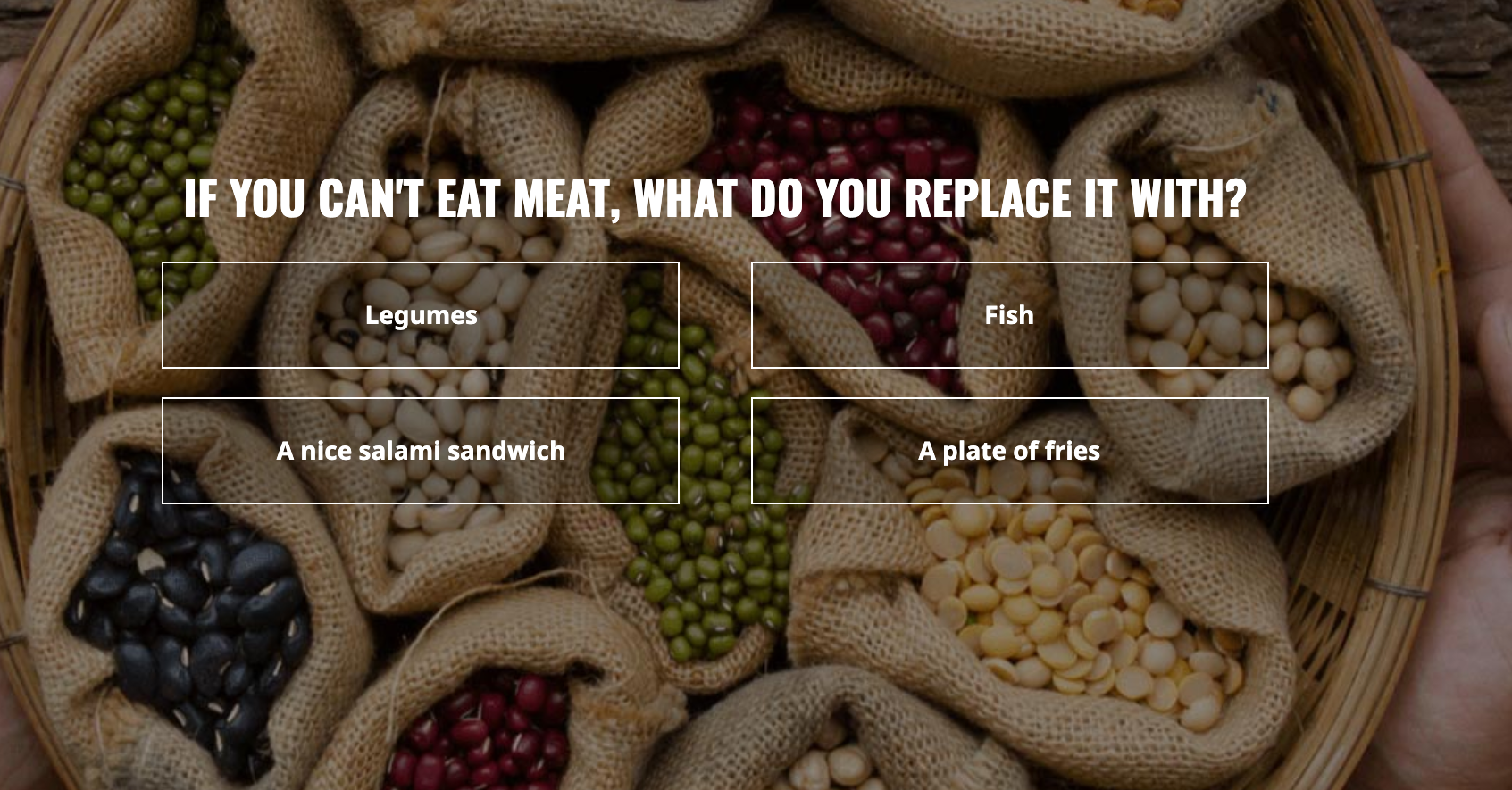
How Slow Are You? is the title of a quiz on eating habits, which asks social networks users to answer multiple choices questions like “How much meat do you eat each week?” and “What criteria do you use for choosing meat when you shop?”.

Based on the final score, the users are judged to be more or less “slow” and receive advice to improve their consumption habits.

What is Slow Meat?
slow meat movement

But what exactly does “being Slow” mean?

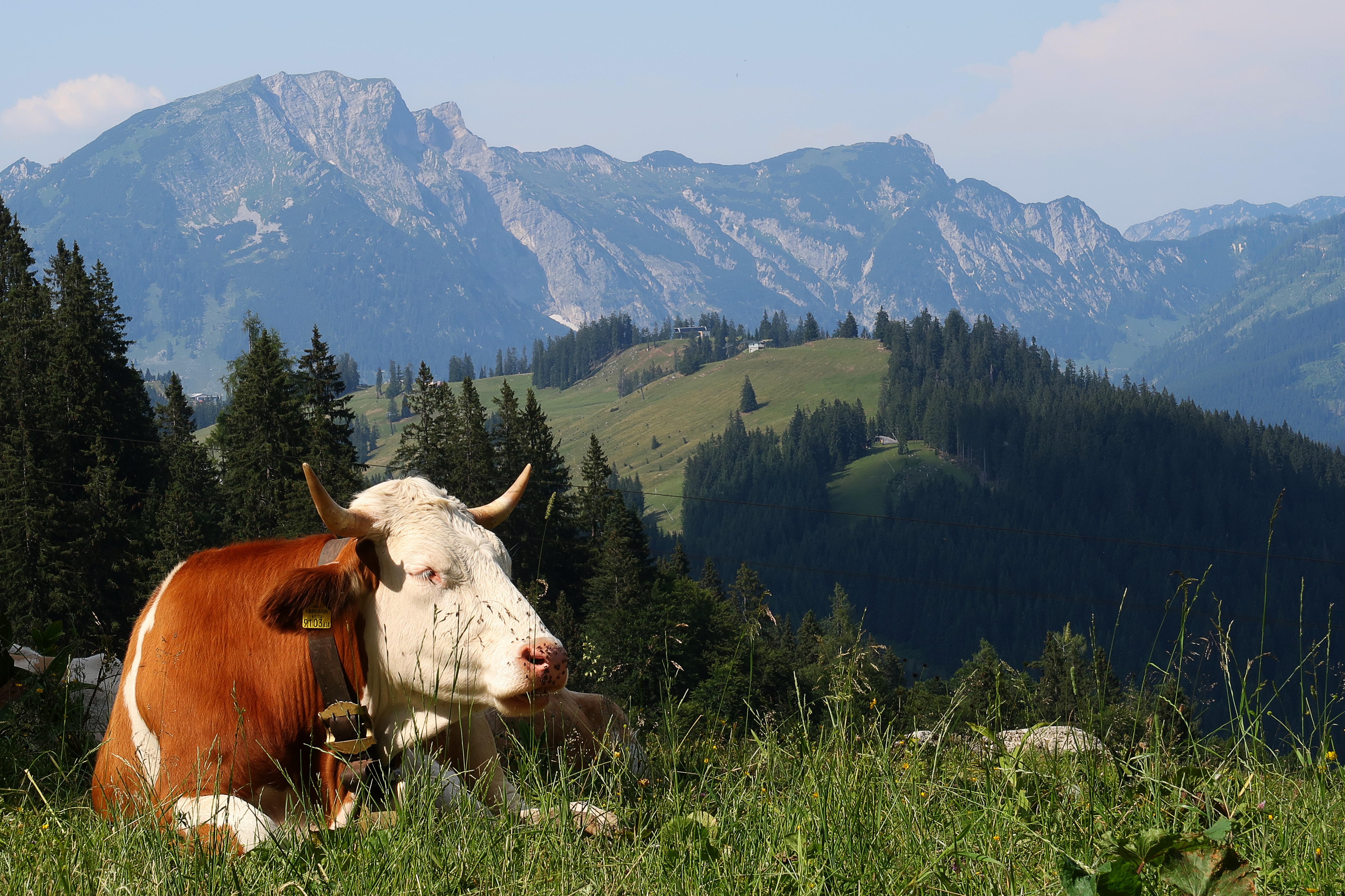
It means eating less meat, of better quality. Sustainable farming guarantees quality meat because it puts the welfare of the animals first, leaving them free to move around in open pastures and feeding them with organic feed.

“Being Slow” also means having a lower environmental impact: sustainable farming contributes to the reduction of deforestation, land use, desertification. It can help to save biodiversity and improve soil fertility. A lower number of animals, when raised on pastures, has less impact on the climate. In this sense, the campaign promotes an environmentally- and climate-friendly lifestyle, starting with a lower consumption of meat, and of better, slower meat. It is not, let’s say, meat made with meat glue

Meat Glue (Transglutaminase): The Meat Industry’s Dirty Secret

You are what you eat, eats

The over-consumption of meat from intensive, industrial livestock farming is a serious problem, as demonstrated by numerous studies and surveys. According to the FAO, the livestock sector is responsible for 14.5% of total greenhouse gas emissions, while one third of the world’s cultivated land is used to produce the billion tonnes of feed required to feed these animals: mainly soy and maize monocultures.

Then there are the water resources required: 23% of our globally-available fresh water is used for livestock farming. The intensive farms have also a strong impact on ecosystems in terms of pollution from livestock manure and methane emissions. The animals that live and die in this system are considered as nothing more than simple meat machines, with no regard for their welfare or the distressing conditions in which they live.
The ultimate result is the production of cheap, poor quality meat that has a negative impact on public health, which contributes to antimicrobial resistance and to an increase in cancer and heart diseases.

If global annual meat consumption doubles between now and 2050 (as the FAO has predicted), from over 250 million tonnes of meat to 500 million tonnes, the system will collapse.

“The global industrial farming model forces us to deal with unsustainable environmental and social costs. We need to rethink our consumption in order to imagine a better future and consumer choices are crucial to influence and direct the market supply. However, the solution is not to remove meat from our diet, because a good way of breeding—good for the environment and good with animals—is  essential for good agriculture and quality meat. This is why we need to support those who practice sustainable animal husbandry, often taking care of marginal areas and saving biodiversity, like the many farmers who keep local breeds,” comments Ursula Hudson, member of the International Executive Committee of Slow Food. 

“The campaign is called Meat the Change, with a play on words that invites us to change the meat in our diet while at the same time inviting us to embrace the change. Through more careful consumption choices, we can indeed become protagonists.”

The Meat the Change campaign has been developed in collaboration with Meatless Monday, a non-profit initiative whose goal is to reduce meat consumption by 15% both for our health and the health of the planet.

Karin Kloosterman
Karin Kloostermanhttp://www.greenprophet.com
Karin Kloosterman is an award-winning journalist, innovation strategist, and founder of Green Prophet, one of the Middle East’s pioneering sustainability platforms. She has ranked in the Top 10 of Verizon innovation competitions, participated in NASA-linked challenges, and spoken worldwide on climate, food security, and future resilience. With an IoT technology patent, features in Canada’s National Post, and leadership inside teams building next-generation agricultural and planetary systems — including Mars-farming concepts — Karin operates at the intersection of storytelling, science, and systems change. She doesn’t report on the future – she helps design it. Reach out directly to [email protected]

TRENDING

Street Vegan in Sri Thanu is a must-stop family lunch spot on Koh Phangan, Thailand

If you’re anywhere near Sri Thanu on Koh Phangan, Thailand, around the yoga centers: Zen Beach, Haad Yao, or Salad Beach—make time for Street Vegan. It's vegan and so satisfying that one meal might convince you that eating plant-based is not a compromise. I suggest for any vegan restaurant owner or chef to come to this modestly-priced venue to learn from a master.

April Is National Garlic Month

April is National Garlic Month! We’re close to the end of April, but fear not: the North American garlic harvest lasts through July, and you can pick up the bulbs until Fall. Even after the green stalks wither and the bulbs are drier, your garlic will remain pungent for any months if you store it well.

Tony Cho’s model for regenerative cities

Tony Cho is a regenerative developer and community builder focused on designing cities as living ecosystems that support human connection and ecological balance. A key figure in Miami’s urban transformation, he helped shape the Wynwood Arts District and founded the Magic City Innovation District. Influenced by an unconventional upbringing that included time in an ashram, Cho brings a spiritual lens to real estate, blending culture, community, and capital into what he calls regenerative placemaking.

Make nettle dumplings, also known as nettles malfatti

Springtime foraging yields a harvest of wild greens to cook at home, like nettles. Make delicious nettles malfatti dumplings with this recipe.

Farm To Table Israel Connects People To The Land

Farm To Table Israel is transforming the traditional dining experience into a hands-on journey.

Nobul’s Regan McGee on Shareholder Value: “Complacency Is the Silent Killer” 

Why the governance framework designed to protect shareholders so...

Should You Invest in the Private Market?

startustartup Unlike public stock exchanges, which offer daily trading, strict...

How to build a 100-year-company

Kongō Gumi is a Japanese construction company, purportedly founded in 578 A.D., making it the world's oldest documented company. What can we learn about building sustainable businesses from them?

From Pilot Plant to Global Stage: How Aduro Clean Technologies’ 2026 Expansion Signals a Turning Point for Chemical Recycling Investors Like Yazan Al Homsi

The company's Next Generation Process (NGP) Pilot Plant in London, Ontario, has officially moved into initial operating campaigns, generating the kind of structured, repeatable data that separates laboratory promise from commercial viability.

How AI Helps SaaS Companies Reduce Repetitive Customer Support Work

SaaS products are designed for large numbers of users with different levels of experience, and also in renewable energy.

Pulling Water from the Air

Faced with water shortage in Amman, Laurie digs up...

Turning Your Energy Consultancy into an LLC: 4 Legal Steps for Founders in Texas

If you are starting a renewable energy business in Texas, learn how to start an LLC by the books.

Tracking the Impacts of a Hydroelectric Dam Along the Tigris River

For the next two months, I'll be taking a break from my usual Green Prophet posts to report on a transnational environmental issue: the Ilısu Dam currently under construction in Turkey, and the ways it will transform life along the Tigris River.

Related Articles

Popular Categories