Solar power brings life to Kurdish village decades after chemical attack

Kurdish village solar power,Sheikh Wasan solar panels, Rwanga Foundation renewable energy, Idris Nechirvan Barzani philanthropy, Iraqi Kurdistan clean energy project, off grid solar Iraq, post conflict renewable energy, chemical attack survivor village, solar powered rural community Iraq, sustainable development Kurdistan, solar panels on village homes, Middle East solar installation, clean energy justice project, solar electrification Kurdish villages, Anfal survivors renewable energy, solar powered mosque and school, rural solar electrification project, solar energy humanitarian project, Iraq solar development, renewable energy for post war communities
Survivors get solar panels

Thirty-eight years after Iraqi forces dropped chemical weapons on Sheikh Wasan village, killing 211 civilians – mostly women, children and elderly – the same streets are now lit by clean, off-grid solar energy.

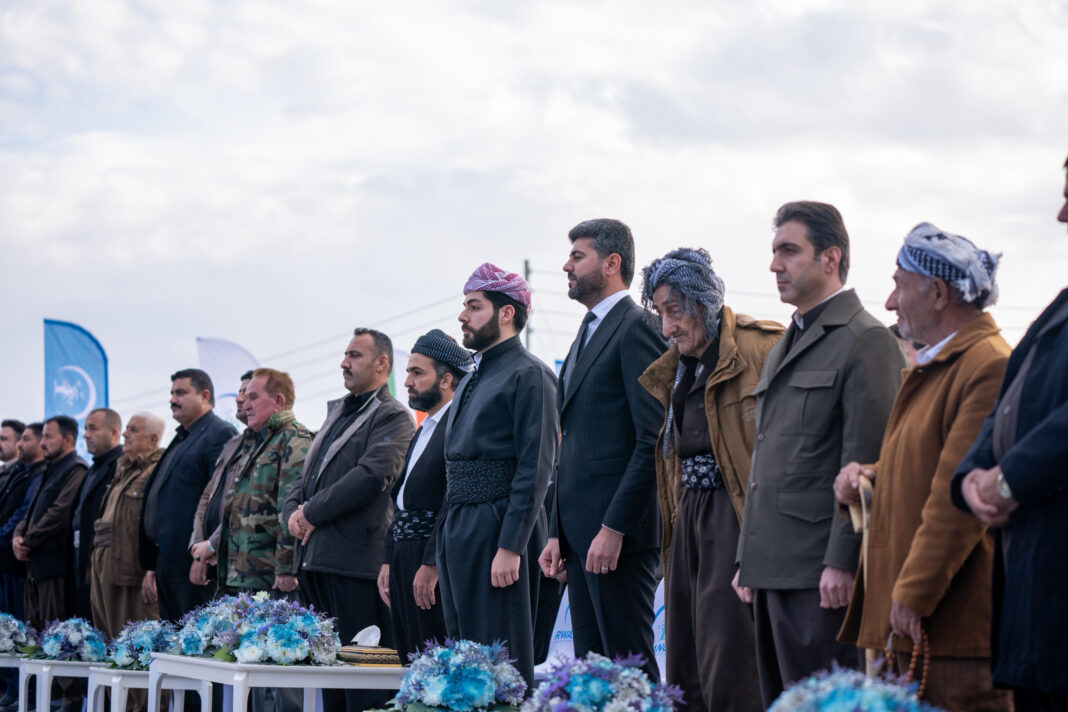
The transformation is the work of the Rwanga Foundation and its founder, Idris Nechirvan Barzani, a young Kurdish businessman and philanthropist who has quietly become one of the region’s most active advocates for renewable energy in post-conflict communities.

On 16 August 1987, Iraqi aircraft and artillery bombarded the Balisan Valley with mustard gas and nerve agents in what is recognised as the first chemical attack against Kurdish civilians – a full eight months before the better-known Halabja massacre. Survivors were rounded up, families separated, and many children died in detention camps.

Today, 72 solar systems – 432 high-efficiency panels in total – power every home, the mosque, the school, the health centre and the Martyrs’ Hall in Sheikh Wasan. For the first time in decades, the village of 281 returned residents has reliable 24-hour electricity.

Sheikh Wasan, a village in the Balisan Valley, was hit with mustard gas and nerve agents on 16 August 1987, killing more than two hundred civilians and separating families in one of the earliest documented chemical assaults on Kurdish communities.

“These villages paid the heaviest price under the former regime,” Idris Nechirvan Barzani said. “Providing them with clean, sustainable energy is the least we can do – not as charity, but as restitution and an act of justice.”

Since 2013, Rwanga Foundation has focused on neglected rural communities, and transformed them into fully solar-powered communities, creating local jobs in installation, maintenance and small-scale agriculture that reliable power now makes possible. The Sheikh Wasan project is the latest in a string of initiatives to promote sustainable development in the Iraqi Kurdistan Region.
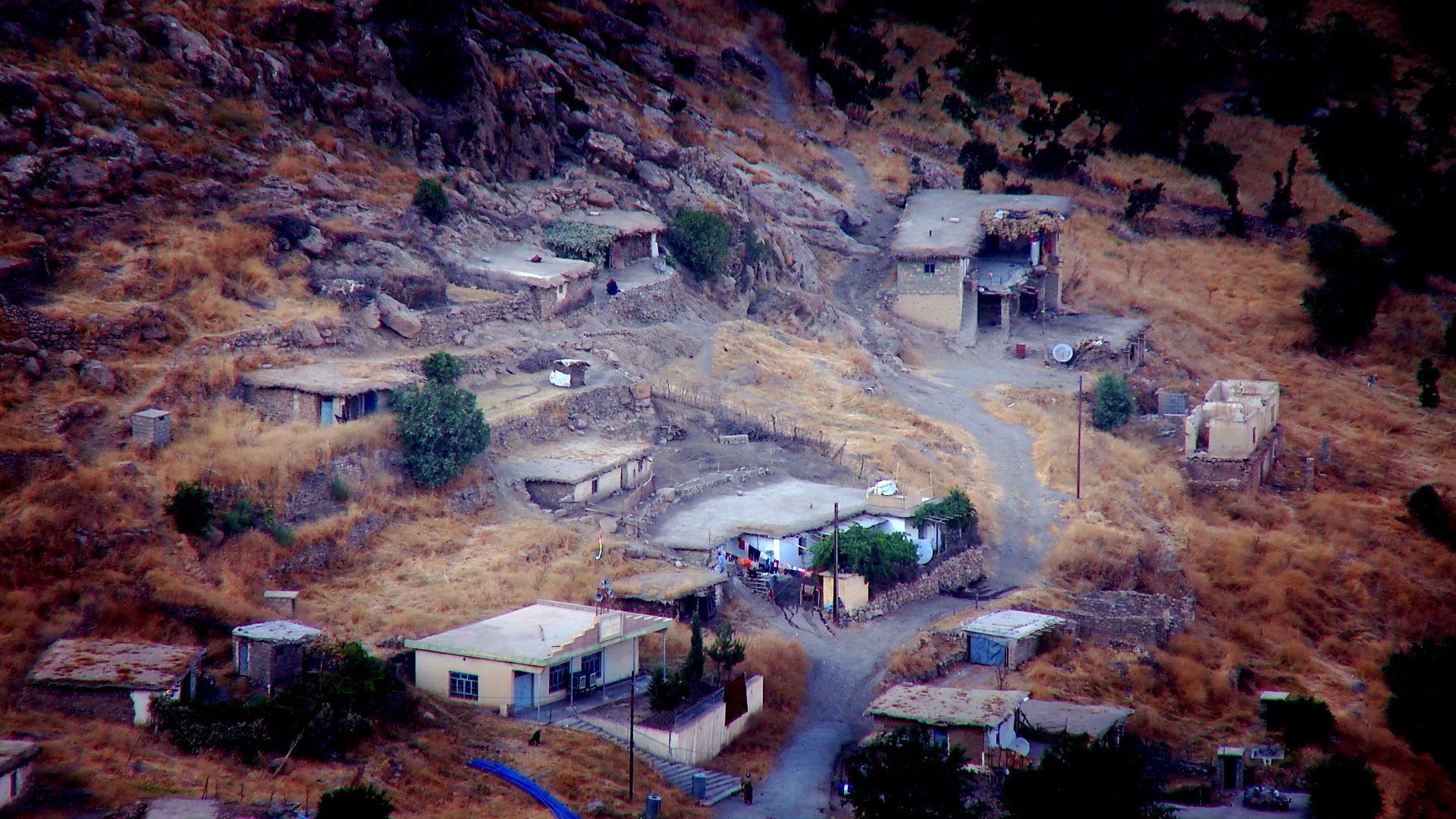
The village after it was devastated by a chemical attack

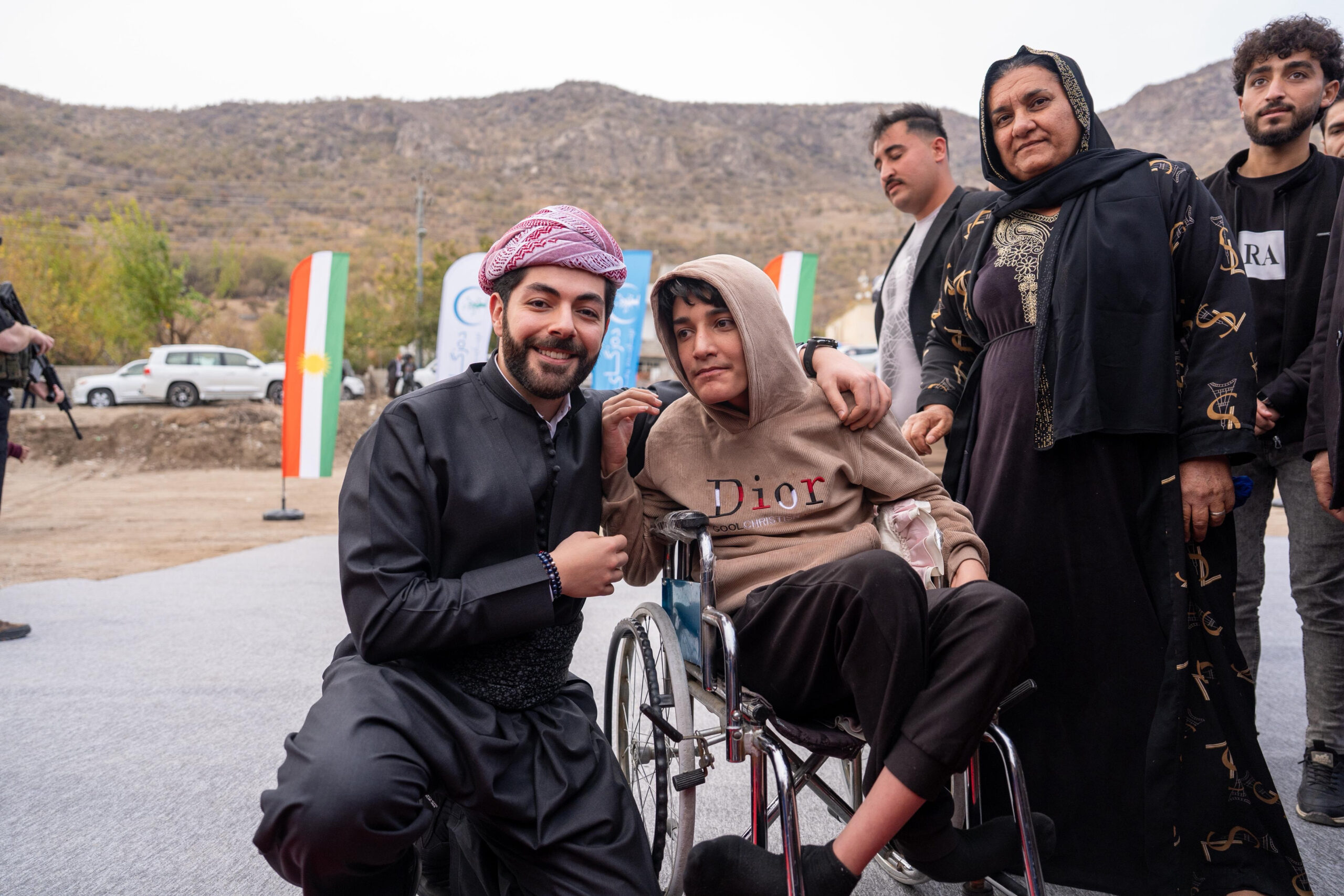
Survivors and their descendants welcomed the new panels as a tangible sign that their suffering has not been forgotten. “We lost entire families to the gas,” said one resident who asked not to be named. “Now our children study under electric light and we can store our produce all year round. This is justice in the form of sunlight.”

Human rights groups have long called for greater international support for Anfal survivors. The solar project, funded entirely through private Kurdish philanthropy, highlights how local initiative is filling the gap left by Baghdad and the international community.

Read More

TRENDING

24 7 renewable energy: how solar, wind, batteries and AI SaaS replace fossil fuels

A new report from the International Renewable Energy Agency based in Abu Dhabi makes something clear that many in the industry already suspected. When solar and wind are paired with battery storage, they can deliver reliable, round the clock electricity at costs that compete with, and often beat, fossil fuels.

Japan wants to build a solar panel ring around the moon

Unlike solar power on Earth, which is limited by night cycles, weather, and seasons, the Moon offers something close to uninterrupted exposure to the Sun. By placing solar infrastructure in orbit or along the lunar surface, engineers could generate continuous clean energy at a scale that may exceed global electricity demand,  the Japanese scientists say.

Batteries from salt? New grid projects suggest the idea is becoming real

Peak Energy makes storage batteries from salt making us one step closer to cleaner, endless energy from the wind and the sun

Turning Your Energy Consultancy into an LLC: 4 Legal Steps for Founders in Texas

If you are starting a renewable energy business in Texas, learn how to start an LLC by the books.

Astro uses AI to help procure land for renewable energy

For oil-rich, environmentally vigilant Gulf states, Astro isn’t just another startup story. It is a blueprint for accelerating an energy transition that is now existential, not optional.

Yerukim Forms a New Green Economy Where the Money is Really Green

The Yerukim members who pick up the recyclables get to keep the monetary reward, the public earns "green" bills that can be used in shops, and business owners get to be associated with environmentalism.

Choosing Riyadh over Dubai? What Investors Should Know

Saudi Arabia is deploying capital at unmatched scale to catalyze tourism and advanced industry while rewiring its power-and-water backbone. The investable frontier is widening—especially in renewables, grid storage, water efficiency/desal retrofits, and hospitality operating platforms. Prudent investors will insist on phased delivery, enforceable KPIs (energy, water, biodiversity), and RHQ/zone compliance—while pricing political-economy and reputational risks alongside growth upside.

Sell your cooking oil for biodiesel money

Want to make money on old french fry oil? Sell it.

Qatar Alternative Energy Summit Pairs Investors And Innovators

Alternative energy investors and innovators can meet n' greet in Doha, Qatar March 16 and 17.

Here’s How To Implement The Four Pillars Of Employee Engagement

If you throw a party for your work team and they are vegans, don't make it a barbecue. Know the sustainability values of your team to boost moral and retain good people.

Locals From Rishon Fight IKEA

Big Box stores are a pretty new concept in Israel, and thank God that not every Israeli city wants them in their backyard. A word from someone who has see the beautiful farmland around her hometown Newmarket, Ontario stripped and converted into vulgar strip malls of big box shops: they have no place in a healthy and sustainable town or city.

The Jewish National Fund Meets An Inconvenient Truth

According to the JNF, it has transformed thousands of acres of barren land into green forests in Israel. They state that each person emits about 23 tons of carbon per year, estimating that each tree planted can absorb one ton of carbon in its lifetime. That's a whole lot of trees you'd need to be planting. Could so many fit in Israel?

How to quiet noise from construction in your office

Streets need to be resurfaced in New York but the humming and grinding noise is unsettling. Noise is environmental pollution. 

Popular Categories