

The Red Sea Project, an ambitious tourism initiative in Saudi Arabia, aims to transform a 10,000 square mile area along the Red Sea coast into a luxury destination comprising 50 hotels, over 1,000 residential properties, and various leisure facilities by 2030. Central to this development are five key destinations: Shura Island, Ummahat Islands, Sheybarah (Shebara) Island, Southern Dunes, and Desert Rock.
While the project promises unparalleled luxury and unique experiences, it also emphasizes sustainability, though not without facing criticisms.
Shura Island: The Coral Bloom Initiative


Serving as the hub of The Red Sea Project, Shura Island is home to the Coral Bloom concept, designed by Foster + Partners. This development includes 11 hotels from renowned brands such as Hyatt, Fairmont, and InterContinental. A notable feature is Shura Links, Saudi Arabia’s first 18-hole golf course, expected to open in 2025. The island is connected to the mainland by a mile long water bridge, the country’s longest, designed by Archirodon.
Gerard Evenden, Head of Studio at Foster + Partners, said: “Our vision for Shurah Island is inspired by the island’s natural state, with the hotels designed to give the impression that they have washed up on the beaches and nestled among the dunes almost like driftwood. The materials we use are low impact and ensure that the pristine environment is protected, while the additions we make to the island serve to enhance what is already there – hence the name, Coral Bloom.
Biodiversity considerations take centre stage, with the plan designed to avoid disruption of the island’s mangroves and other habitats, a natural defence from erosion while new habitats are created through landscaping to enhance the island’s natural state.
Sustainability is a core focus on Shura Island. The Coral Bloom design aims to harmonize with the natural environment, incorporating landscaping that fosters new habitats to enhance biodiversity. However, the construction of extensive infrastructure, such as the water bridge and multiple hotels, has raised concerns about potential disruptions to local ecosystems and marine life.
Ummahat Islands: Luxury Meets Ecology


The Ummahat Islands host the St. Regis Red Sea Resort and Nujuma, a Ritz-Carlton Reserve. The St. Regis, which began welcoming guests in January 2024, offers 90 villas designed by Kengo Kuma. Nujuma, opened in May 2024, features 63 luxury villas, each with a private pool, and is noted as one of the most expensive hotels in the Middle East.
Both resorts are committed to sustainability, being LEED Platinum-certified and powered entirely by solar energy. Efforts to protect the surrounding ecosystem include installing nets during construction to prevent debris from contaminating the sea, especially during the building of overwater villas. Additionally, Red Sea Global has initiated the planting of over a million mangroves to preserve shorelines, an endeavor guests can participate in. Despite these measures, the introduction of high-end resorts in previously undeveloped areas has sparked debates about the long-term environmental impact and the balance between luxury tourism and ecological preservation.
The Ummahat Islands host two of the most luxurious resorts in the Red Sea Project—the St. Regis Red Sea Resort and Nujuma, a Ritz-Carlton Reserve. While these destinations promise sustainability, their exclusivity and high prices raise questions about accessibility and their true environmental impact.
Sustainability Efforts in Question
The developers of the Ummahat Islands claim a strong commitment to eco-conscious tourism, with several key initiatives in place:
- 100% Renewable Energy: Both resorts operate entirely on solar power, supported by one of the world’s largest off-grid renewable energy systems.
- Water Conservation: Freshwater comes from a solar-powered desalination plant, reducing dependence on fossil-fuel-based water purification.
- Eco-Friendly Materials: The St. Regis resort, designed by Japanese architect Kengo Kuma, incorporates locally sourced, sustainable materials.
- Coral Reef Protection: Construction was carried out under strict environmental monitoring to prevent damage to the coral ecosystem. Red Sea Global has also committed to planting over one million mangroves to help restore marine biodiversity.
- Waste Management: The islands have zero-waste-to-landfill policies, ensuring that waste is either recycled, composted, or repurposed.
Despite these sustainability claims, critics argue that ultra-luxury tourism inherently contradicts ecological preservation efforts. The carbon footprint of wealthy travelers, who arrive via private jets or seaplanes, adds to concerns about the project’s long-term environmental impact.
These resorts are positioned at the high end of the luxury market:
-
St. Regis Red Sea Resort: Nightly rates start at approximately $1,697 USD for a Dune Villa.
-
Nujuma, a Ritz-Carlton Reserve: Rates begin around $2,492 USD per night for a Sunset Beach Villa.
Shebara Island: Futuristic Design with Environmental Considerations

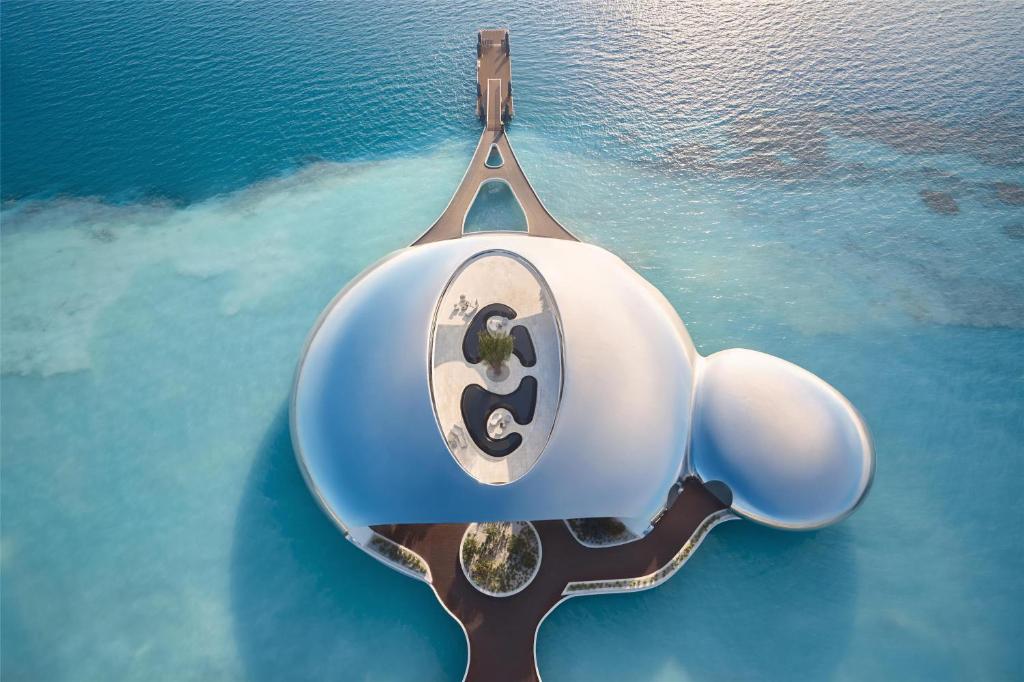
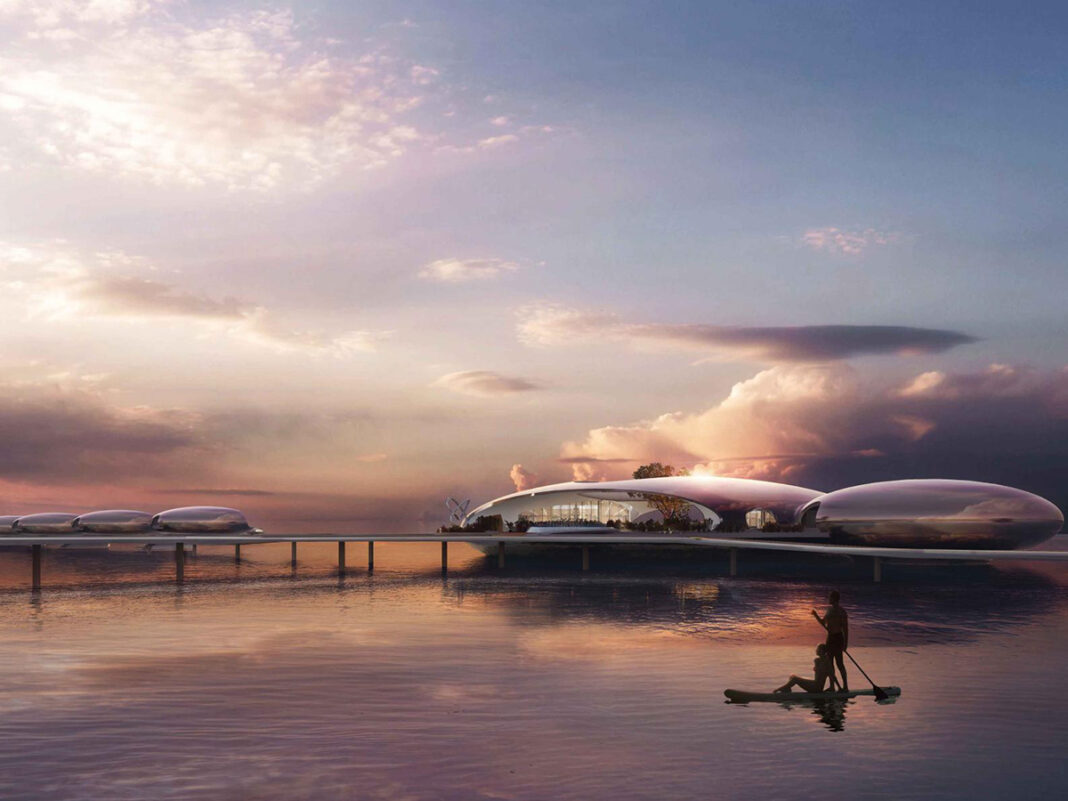
Shebara Island features the Shebara Resort, comprising 73 overwater villas with reflective stainless steel orbs designed by Killa Design. These 150-ton villas were prefabricated in Sharjah and installed on-site by Mammoet, with the resort opening in November 2024.
The resort operates entirely on solar power, with freshwater supplied by a solar-powered desalination plant. Waste recycling is conducted on the island to minimize material transport. While these initiatives demonstrate a strong commitment to sustainability, the construction of overwater structures and the associated human activity pose potential risks to the delicate marine ecosystems, including coral reefs and seagrass beds.
Inland Escapes: Southern Dunes and Desert Rock

Southern Dunes, located approximately 100 km northeast of Umluj, is home to the Six Senses Southern Dunes Resort. Opened in November 2023, the resort offers 40 villas and a 36-room hotel complex, all designed by Foster + Partners.
Desert Rock, a 60-key luxury resort built into the granite mountains, began accepting bookings in December 2024. Designed by Oppenheim Architecture, the resort aims to blend seamlessly with the natural landscape, offering guests an immersive experience.

Both inland resorts emphasize minimal environmental impact by integrating architecture with the natural terrain and utilizing sustainable practices. However, the development in these pristine desert areas has raised questions about the potential disruption of local wildlife habitats and the preservation of the natural landscape.
Balancing Luxury Tourism and Sustainability
The Red Sea Project positions itself as a model for sustainable luxury tourism, implementing renewable energy solutions, habitat restoration, and eco-friendly construction practices. Despite these efforts, the scale of development in previously untouched natural areas has led to criticisms regarding the potential environmental impact. Balancing the demands of high-end tourism with the need to protect and preserve delicate ecosystems remains a complex challenge.
As the project progresses, continuous assessment and adaptation of sustainability strategies will be crucial to ensure that the natural beauty and biodiversity of the Red Sea region are maintained for future generations.
Saudi Arabia sells the projects as regenerative tourism but what are they actually doing in research and rehab? They hire foreign architects to build these so-called eco dreams but how are they being monitored? If you make it to any of these destinations, ask some hard questions.