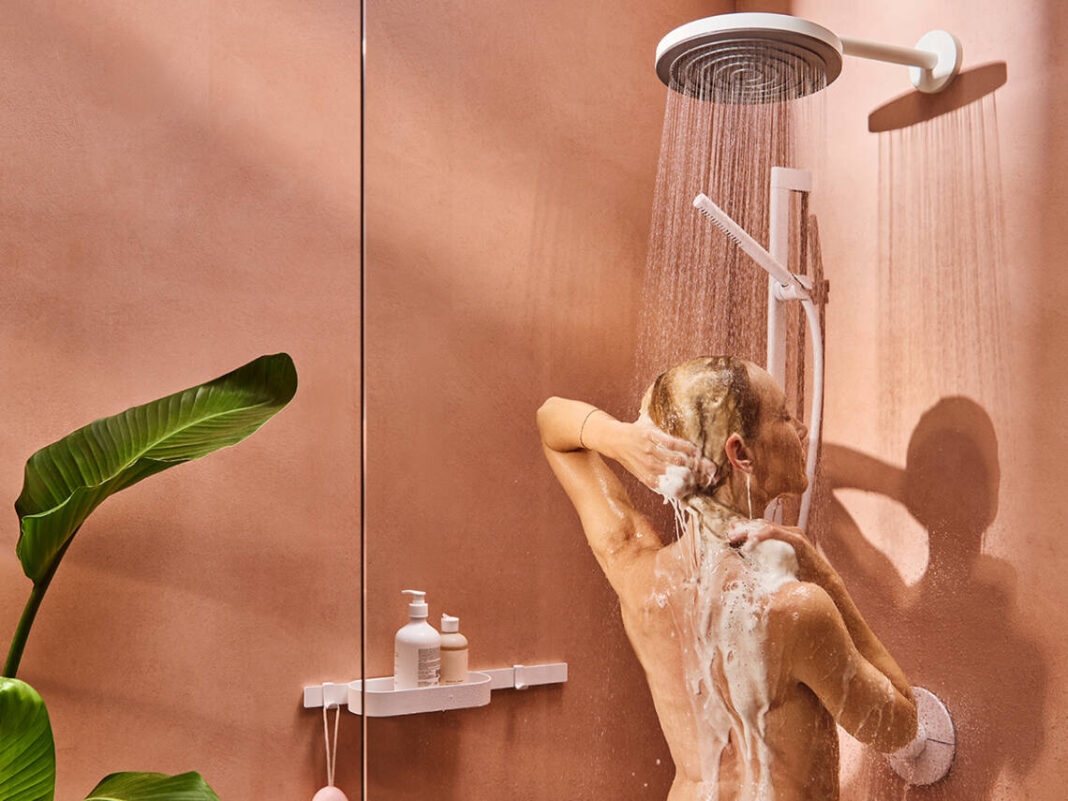

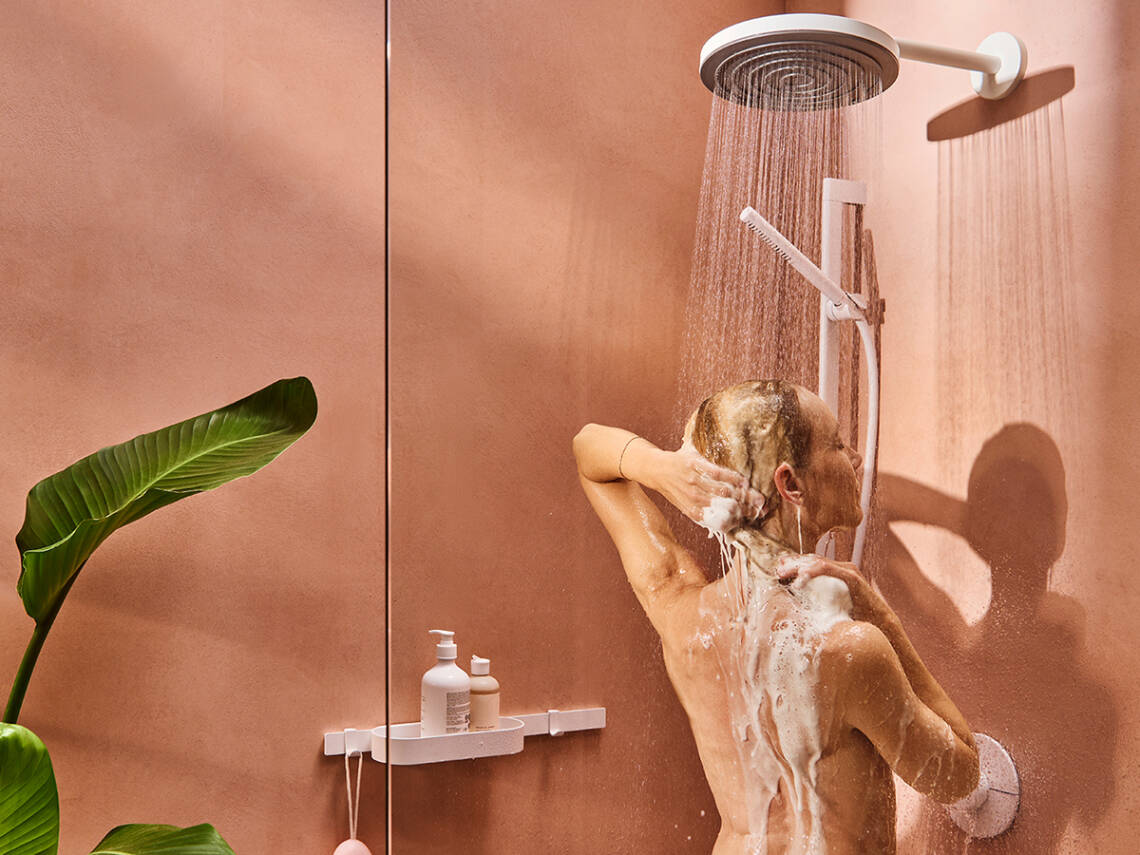
For decades, Americans have been under the constraints of low-flow showerheads, a legacy of the 1992 Energy Policy Act, which aimed to conserve water. Now, former President Trump is advocating for deregulating showerhead standards, claiming it will “liberate” the shower experience.
Former President Trump recently took to the public stage with bold comments about shower regulations, saying, “I just had a shower, and it’s great. It’s really working well.” He went on to emphasize that modern technology should allow for more water flow without restrictions, comparing the current regulations to “having a beautiful head of hair” but being “stuck with a low-flow shower.”
Trump’s lighthearted remarks about his own hair underscore the frustration many feel about the inefficiency of low-flow systems—especially when paired with the desire for a more satisfying shower experience.
But as the debate around shower deregulation intensifies, we must ask: Could this push for longer showers really be a disaster for the environment?
Recent surveys reveal a shift in generational behavior, with Gen Z spending an average of 21.2 minutes (taking “everything” showers), nearly double the time spent by Baby Boomers, who average only 12.3 minutes. For those older than that, the time drops to about 5 minutes per shower.
This generational divide reflects broader shifts in how younger people view personal care and environmental responsibility. Many younger individuals see showering not only as a hygiene practice but as a therapeutic ritual.
While this trend may initially seem wasteful, it is critical to consider the context. Recent research from Swansea, Surrey, and Bristol Universities flips common sense on its head and reveals that shower length is not necessarily linked to excessive water use.
The group installed sensors in 290 showers around the University of Surrey Campus. Over the course of 39 weeks, they gathered data on more than 86,000 individual showers, including information on average shower length and water flow rate.

NewNew
According to Ian Walker, a co-author of the study, these results point to an important showering behavior. “It suggests that people turn the shower off when they have achieved a desired sensation, not just when they have completed a certain set of actions,” he said.
The researchers also installed visible shower timers in half of the showers and found they were effective in preventing shower length from increasing as time went on. “We wonder if people ‘anchor’ on whatever is the length of their first shower, and stick to this when there’s a timer,” said Walker. The research found that the length of the showers was “quite variable,” with the average shower taking 6.7 minutes, the median 5.7 minutes, and 50% of showers lasting between 3.3 and 8.8 minutes.
Putting the findings together, the researchers saw water consumption drop from nearly 61 liters per shower in those with low pressure and no timer, to under 17 liters for those with a timer and high pressure. For showers with middling water pressures, a smart timer helped reduce water consumption by up to 53%. “This is hot water, so there are potentially massive carbon savings here,” Walker told Elemental.
In fact, their study shows that high-pressure showers equipped with timers can actually reduce water usage, even if they encourage longer shower times.
High-pressure systems help reduce the need for prolonged showers to achieve cleanliness, and the timers help users be mindful of their consumption. In these setups, a high-pressure shower with a timer used only 17 liters of water, compared to 61 liters with a traditional low-flow shower without a timer.
This research challenges the conventional narrative that longer showers inherently waste water. Instead, it highlights the importance of shower pressure and mindful consumption as key factors in reducing water waste.
Trump’s “Liberation” and What It Means for the Planet

However, Trump’s call to eliminate these water-saving regulations might be a step backward. The impact of deregulation could result in a marked increase in water and energy consumption across the country. This move could undo decades of progress in water conservation and sustainable infrastructure.
While Trump’s deregulation might come across as a quick fix, many celebrities have worked hard to promote water conservation, making personal sacrifices to set examples. Actress Jennifer Aniston, for instance, has been vocal about her eco-conscious habits, including taking shorter showers and even brushing her teeth less frequently to conserve water. Aniston’s efforts reflect a broader movement among celebrities to take personal responsibility for environmental sustainability.
Does eco-guilting work? It might in the tourist industry and at hotels where people take longer showers. Dr. Pablo Pereira-Doel, also from Surrey, said:
“Our research demonstrates that guests in tourist accommodations take shorter showers with enabling technology, reducing water, energy, and carbon emissions.”
In the first-of-its-kind study, they used a water-saving technology known as Aguardio installed in tourist accommodation shower cubicles. The system provided continuous, real-time eco-feedback to the user (their shower length) through a timer. The technology was used in combination with persuasive messages on a sticker such as “Will you beat the clock?”, “Water conservation starts with you,” and “Make a difference!” The goal was to test their effectiveness.
The positive results obtained through these experiments contributed to raising over £1 million in private and public investment to develop the Aguardio Shower Sensor solution.
Water stress is increasing and is already one of the most important global environmental threats. It is being accelerated by population growth and climate change, causing severe and rapid changes in the global freshwater structure and putting food and water security at risk.
Wellness and Sustainability: The Global Context
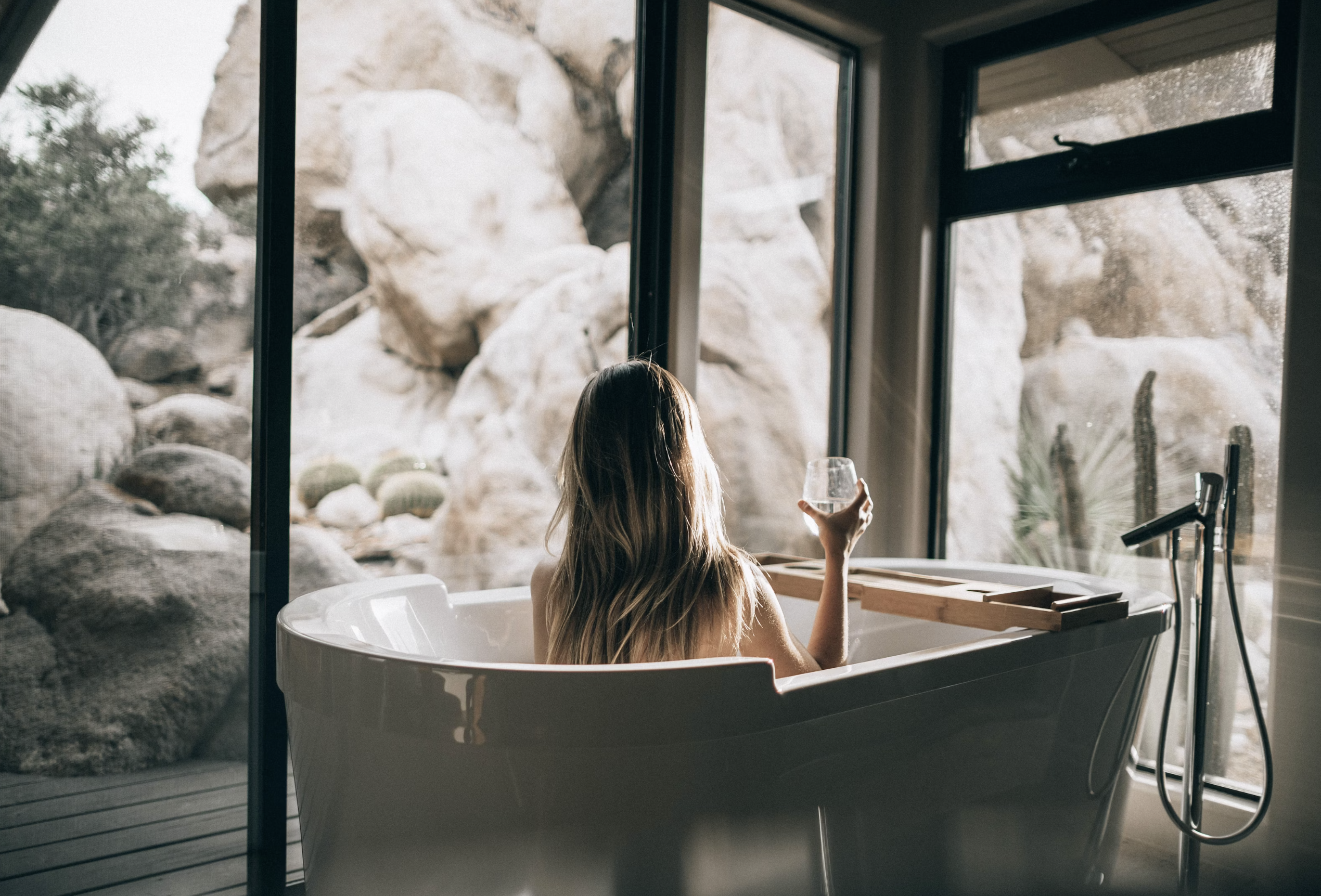
Interestingly, the push for longer, more luxurious showers is not isolated to the US. In Japan, bathing is a deeply ingrained cultural practice, with a focus on therapeutic experiences. The Japanese onsen culture, which I experienced last year near Fuji Mountain, at a ryoken and onsen in Hikone. The Japanese, emphasize the mental and physical benefits of long, hot baths, which often combine relaxation and cleanliness in a ritualistic fashion. Some Japanese towns have hot springs flowing right through them, and they tap into this free resource by diverting the water to private and public bathhouses separated for women, men, and families.
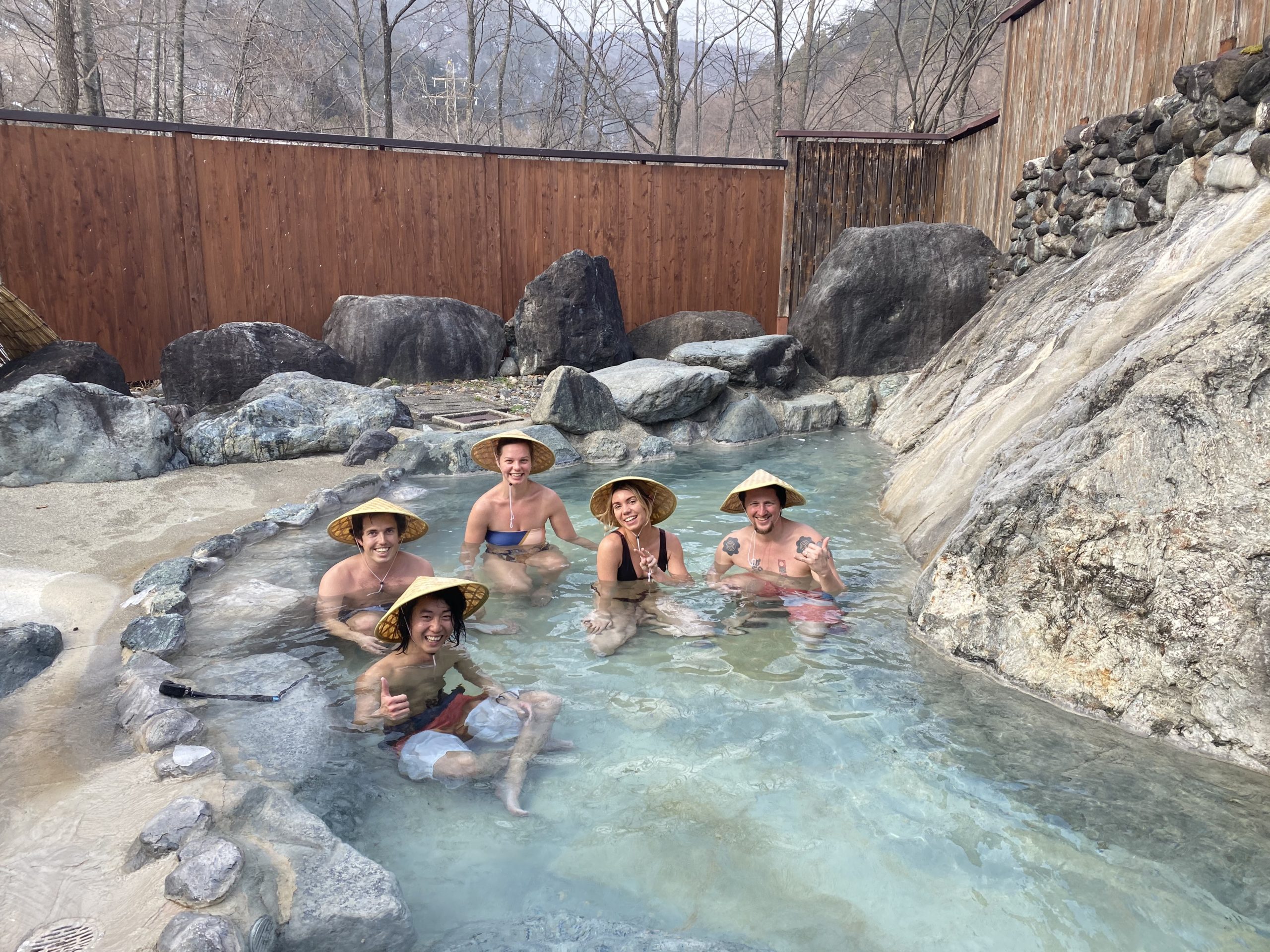
This approach to water use doesn’t view extended bathing as wasteful but as an essential part of well-being, with the water used in these environments often recycled through geothermal systems.
Related: The barrel sauna longevity hack
The debate over shower regulations is complex, and saving water really depends on where you are and how you get the water. Gen Z’s longer showers, for instance, reflect broader shifts toward self-care and wellness. Yet, as the Surrey study suggests, the real environmental impact isn’t about how long you spend in the shower — it’s about the pressure, technology, and awareness driving consumption. With the right technologies, we can have both long, satisfying showers and minimal water usage.
Instead of deregulating, we should focus on integrating advanced shower technologies, such as high-pressure systems with timers (also great for teens who forget themselves), to help people be more conscious of their water use without sacrificing comfort. After all, modern solutions exist that make longer showers sustainable, even in the face of growing environmental concerns.