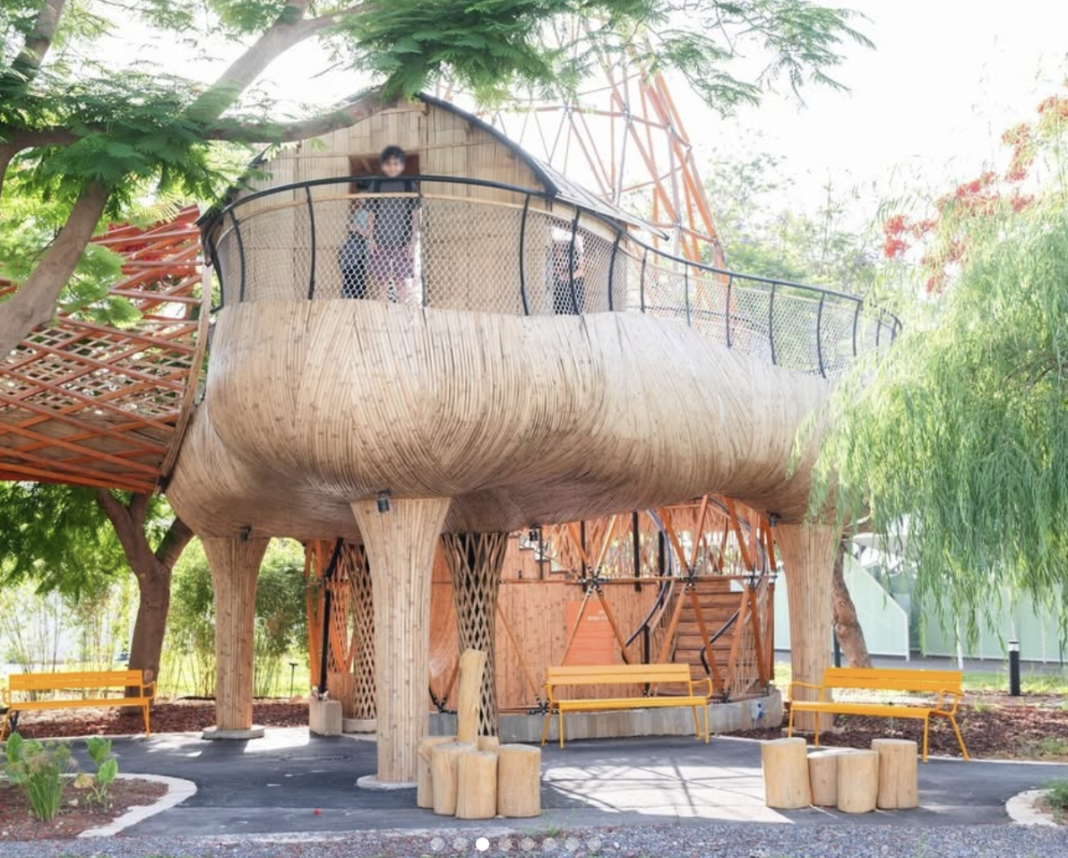


Bamboo is emerging as a sustainable and versatile material in contemporary architecture. Its rapid growth, sensual design, strength, and renewability make it an ideal choice for eco-conscious design. It can made to scale for large community projects but it can also be used in homes.
Bamboo, often referred to as the “green steel” of the future, is quickly gaining popularity as a sustainable alternative to traditional building materials. With its fast growth cycle, minimal environmental footprint, and impressive strength, bamboo is emerging as a game-changing material for the construction industry. Not only is it an eco-friendly choice, but its versatility allows it to be used in everything from flooring to scaffolding, and even entire buildings.
As we continue to search for ways to reduce our carbon footprint, bamboo presents an invaluable opportunity to build greener, more sustainable homes and structures.
Here are five firms from around the world that are redefining bamboo architecture, each bringing unique approaches that could set new standards in the field.
1. Ibuku – Bali, Indonesia

Founded by Elora Hardy, from Canada, Ibuku is renowned for its eco-friendly bamboo structures that blend traditional craftsmanship with modern design. Their work includes the Green Village near Ubud, a community of bamboo homes that harmonize with the natural environment. Ibuku’s designs have been featured in Architectural Digest for their innovative use of bamboo in creating sustainable living spaces.
Pros: Sustainable, aesthetically unique, and deeply connected to local culture.
Cons: High labor intensity and maintenance requirements.
2. Penda – Beijing, China & Vienna, Austria

Penda is an architecture and design studio that has explored the potential of bamboo in modular construction. Their project “One with Birds” envisioned a hotel made from bamboo tents and towers, inspired by Native American tepees. The firm has also proposed the idea of a bamboo city, aiming to build a sustainable urban environment using bamboo modules.
Pros: Innovative, scalable, and environmentally friendly.
Cons: Challenges in large-scale implementation and durability in diverse climates.
3. Kengo Kuma & Associates – Tokyo, Japan
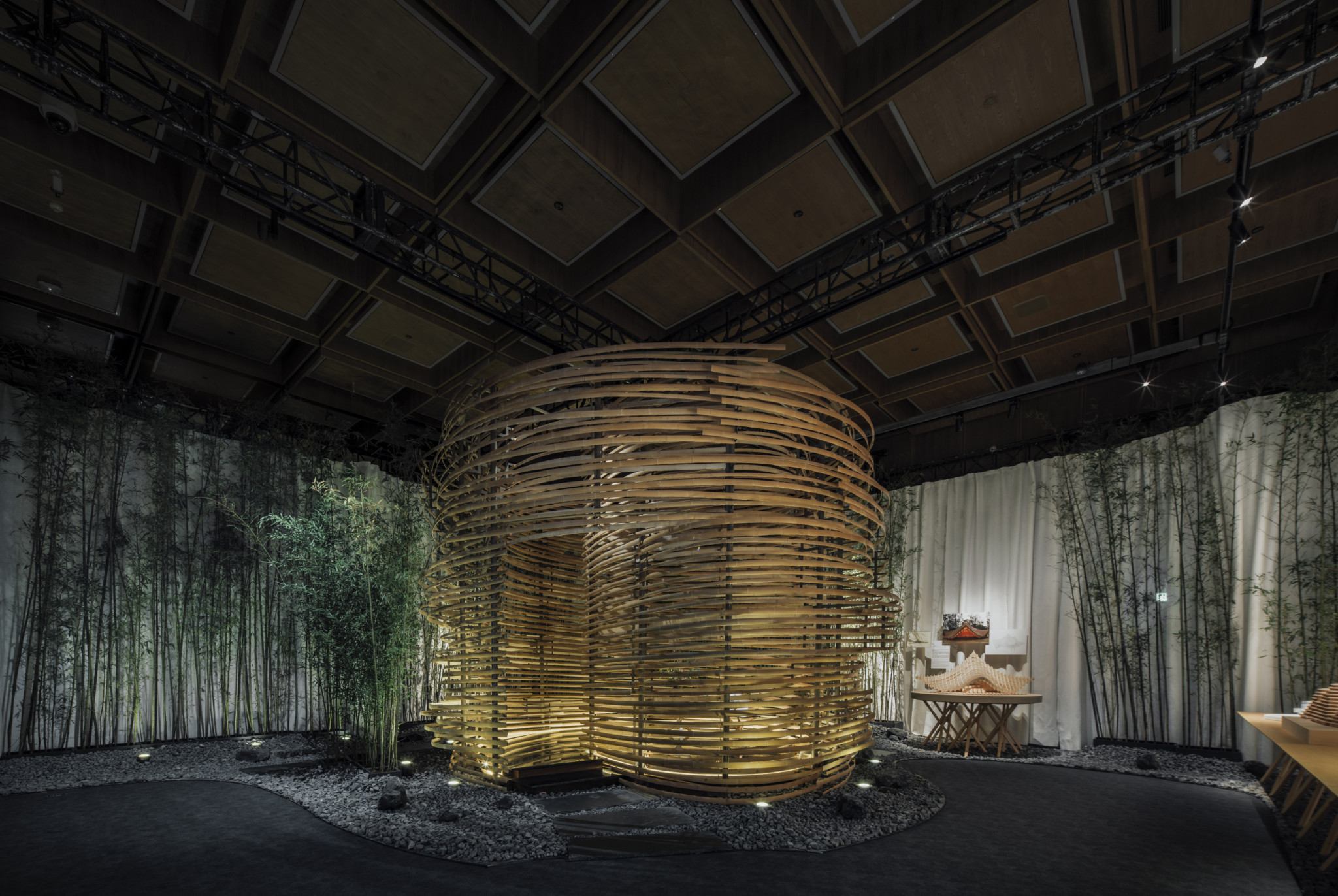
Renowned Japanese architect Kengo Kuma has integrated bamboo into urban architecture. His project “Alberni by Kengo Kuma” in Vancouver features a bamboo forest at its base, creating a serene urban oasis. This incorporation of bamboo into a high-rise building exemplifies Kuma’s philosophy of blending nature with architecture.
Pros: Elegant, culturally resonant, and enhances urban biodiversity.
Cons: Potential challenges in structural integration and long-term maintenance.
4. Bamboo U – Bali, Indonesia
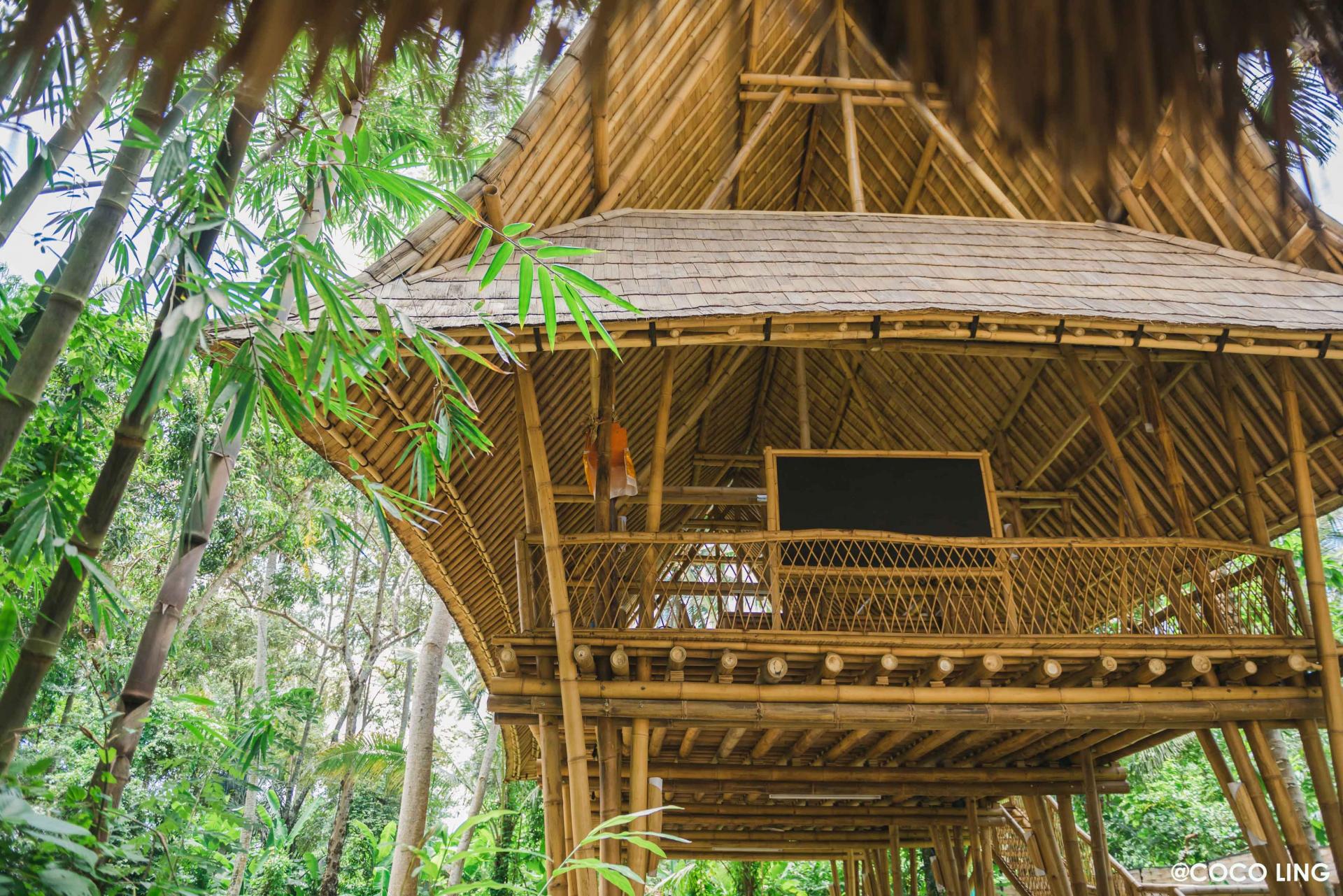
Like Bill and Athena Steen, who founded the Canelo Project to teach strawbale building in Arizona, Bamboo U is an educational initiative based in Bali that trains architects and builders in bamboo construction techniques. Their workshops and projects, such as the River House at Sayan, demonstrate the potential of bamboo in creating sustainable architecture. Bamboo U’s approach emphasizes hands-on learning and community involvement.
Pros: Educational, community-focused, and promotes sustainable building practices.
Cons: Limited project scale and potential challenges in widespread adoption.
5. Chiang Mai Life Architects – Chiang Mai, Thailand
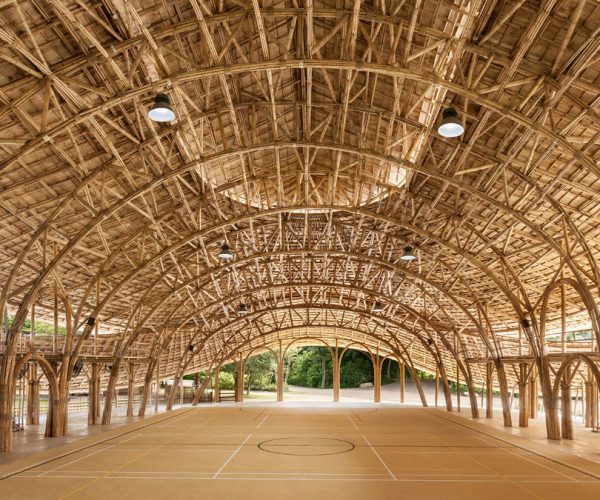
Chiang Mai Life Architects is a design and construction firm in Thailand specializing in bamboo structures. (Read about our family trip to Chiang Mai here). Their projects range from residential homes to community centers, all emphasizing sustainability and natural aesthetics. The firm utilizes bamboo’s flexibility and strength to create structures that are both functional and environmentally responsible.
Pros: Locally sourced materials, cost-effective, and adaptable designs.
Cons: Limited recognition outside Southeast Asia and potential scalability issues.
As Elora Hardy, founder of Ibuku, states, “Bamboo is the material of the future because it speaks to sustainability, affordability, and a new sensual way of thinking about our relationship with nature.”
And it just feels right.
Doing more research on bamboo? We have you covered:
Why Bamboo is the Eco-Friendly Building Material of the Future
How Bamboo Forests Are Helping to Combat Climate Change
The Sustainable Power of Bamboo: A Solution to Global Problems
The Environmental Impact of Bamboo Plantations: What You Need to Know
Bamboo as a Biodegradable Plastic Alternative: A Game Changer