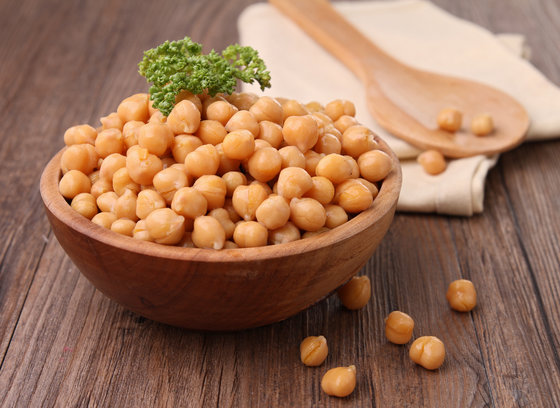
It’s known as a wonder protein and since the launch of the Impossible Burger based on pea protein, companies around the world are looking to source and manufacture proteins that offer a healthy alternative to meat. While soy was the go-to protein for decades, health food specialists now warn over its consumption as it acts like a hormone disruptor, an estrogen mimic potentially causing other problems to vegans, vegetarians and those who do not eat meat.
A new company is on the block and it’s called ChickP, and the Israeli-based company has launched a new chickpea protein that substitutes dairy alternatives. Yes, we are sick of drinking almond milk. The plant protein was developed by the faculty of Agriculture at the Hebrew University of Jerusalem and can extract up to 90% pure protein out of the chickpea seed.
Global launches of dairy alternative products are triple the rate of new food and beverage launches overall, according to Innova Market Insights. The research group noted a 22% growth rate for the period from 2014 to 2018. Europe is leading the dairy alternative drinks market in terms of launches, accounting for 38% of dairy alternative drink launches tracked globally in 2018.
ChickP isn’t the first company using garbanzo beans for milk and protein. Israeli startup InnovoPro makes a plant-based protein powder from chickpeas used as an alternative dairy products.
US companies Nutriati and ProEarth are also making chickpea powder for use in a variety of food and beverages. ChickP is special because of its high protein content, making it easier for food companies to develop products with higher amounts of protein.
The new chickpea isolates offer exceptional beneficial characteristics that help alternative dairy producers overcome challenges in processing as well as boosting consumer acceptance and fulfilling the demand for highly nutritious and tasty products. Thanks to its high solubility and smooth viscosity, ChickP forms an gel that helps contribute to a firm finished product.
You can sell the gel that chickpeas create if you boil them for making nutritious food staples like hummous, hummus, or humus. It’s something people in the Middle East eat for breakfast and lunch.
“We tested the chickpea ingredient across a range of parameters, including functionality, flavor, nutrition profile, and protein content,” says Ram Reifen, MD, founder ChickP. “Sensory parameters such as taste, color, and texture are the key factors for success in launching any new product in the marketplace. Plant-based milk alternatives that contain ChickP have been shown to mimic cow’s milk and yogurt better for taste, mouthfeel, and nutritional value.”
Key features of ChickP
Taste: While most plant-based proteins can create bitter or off flavors that require masking by addition of sugar, artificial flavors, or other masking agents in the final product, ChickP protein developers say it has a neutral flavor, mitigating the need for sugar or flavor additives in the products.
Texture & functionality: plant-based proteins often possess sandy or chalky textures that negatively affect the overall sensory experience. Most dairy alternative consumers in the US consume these products in cereal, smoothies, and coffee. These applications require a protein ingredient that creates a smooth mouthfeel and does not curdle when heated — characteristics often lacking in most plant protein dairy alternatives. ChickP protein was designed to provide a strong, smooth texture and emulsion stability, while having high solubility and smooth viscosity.
Nutritional profile: The nutritional content of dairy alternatives is usually lower than that cow’s milk when it comes to protein, and can also contain lower contents of other essential nutrients and are higher in sugar.
ChickP powder contains 90% protein and less than 0.1% fat. The very low fat is important since high fat content decreases shelf life and can lead to off flavors.
Cleaner, shorter label: Dairy alternative products can contain artificial flavors, coloring, emulsifiers, masking ingredients, and other additives that help them mimic dairy. By mitigating the use of such ingredients, ChickP protein allows for shorter, cleaner labels.
Getting the nuts out of schools
Free-From: Dairy, soy, and tree nuts — the most common milk and milk alternative sources — are known allergens. Also, in some populations as many as 50% of consumers have lactose-intolerance. Chickpeas allergies are exceedingly rare and ChickP proteins are non-GMO, and does not contain phytoestrogens.
Ram Reifen, ChickP’s founder, is a pediatric gastroenterologist and a professor of human nutrition, as well as the director of the Center for Nutrigenomics and Functional Foods at Hebrew University, Jerusalem. He has devoted years of research to the whole chickpea and to fighting malnutrition in children and mothers.
He has served as a committee member for WHO and the European Union on issues related to food, nutrition, and health. Throughout years of basic and applicative research, Reifen led multiple studies involving chickpea cultivation, formulation of chickpea-based weaning foods in developing countries, as well as immunological studies related to the legume.
He applies his strong scientific background in health, nutrition, environment, and food-tech to continue research toward alleviating malnutrition and contributing to better nutrition and health for children and their parents.
“We scaled up our processing production in October 2019 and we are set to market the ingredient to alternative dairy companies as well as to dairy companies that are seeking high-quality protein options,” adds Ron Klein, the CEO of ChickP.
“ChickP answers the current market needs for safe and nutritious dairy products without flavors, sugars, colorants, or artificial ingredients, while addressing environmental and ethical concerns.”
About ChickP
ChickP was founded in 2016 on the basis of a patented technology developed after 20 years of research conducted at the Robert H. Smith Faculty of Agricultural, Food and Environment, The Hebrew University of Jerusalem.
Another way around the old conundrum of what to eat and how to keep it healthy? Just stop messing with your food and make it at home, from scratch. Still want old fashioned hummous with a dash of ful? Try our ultimate recipe below:
The Ultimate Ful and Hummus Recipe