
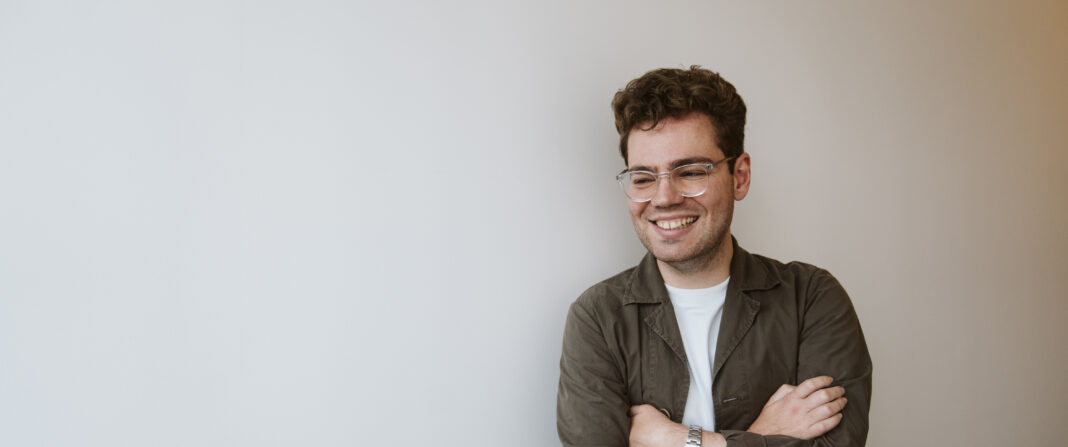
Rebuilding a life, one hand at a time: a medical first at Penn Medicine

New hands Luka Krizanac
Luka Krizanac gets a new set of hands

When Luka Krizanac lost all four limbs to sepsis at age 12, he never imagined he’d one day hold a cup, type on his phone—or feel the warmth of human touch again. But in a groundbreaking medical feat, the now 28-year-old Swiss man has received a bilateral hand transplant from doctors at Penn Medicine in Philadelphia. The surgery, performed in fall 2024, is the first of its kind in the US on a patient with surgically integrated leg prosthetics, and it marks a new chapter in the science of healing and regeneration.

Related: Turkey’s first womb transplant is a success

Krizanac is Penn’s fifth hand transplant recipient, and the program’s first since a COVID-era pause on non-vital transplants. The complexity of the procedure—known as vascularized composite allotransplantation—requires a team of over 20 specialists, from plastic and orthopedic surgeons to anesthesiologists and transplant coordinators.

“You do 1,001 things with your hands every day. Prosthetics can’t replace that,” said Dr. L. Scott Levin, a pioneer in the field and Chair Emeritus of Orthopaedic Surgery at Penn. “Our team is very proud of the many things we’ve done as ‘firsts,’” Levin said. “The first child. The first transatlantic vascularized composite allotransplantation. The first in a patient with no lower extremities. The first woman to have hand transplants who later gave birth to a baby.”

Healing Beyond Organs: A Sustainable Vision for Medicine
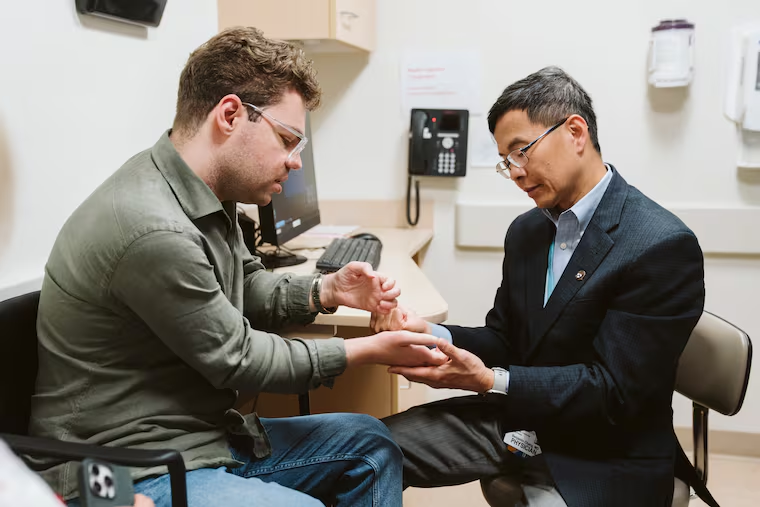
Luka Krizanac gets a new set of hands
While many sustainability stories focus on climate, the principles of regeneration and mindful resource use are equally vital in healthcare. Hand transplantation offers an alternative to mass-produced, resource-intensive prosthetics, and is built on human tissue reuse—a powerful expression of biological circularity.

Related: First whole eye transplant successful

Indeed, donor compatibility for hands is complex: beyond blood type, doctors must match skin tone, gender, muscle size, and age. “It’s the most human gesture I’ve ever witnessed—that someone would help me beyond their own life,” Krizanac said. “How can you ever find the words for that kind of gratitude?”

The road to surgery took years. Luka’s leg wounds had to heal first, and surgeons even flew to Europe to perform microsurgery on his residual limbs to prevent infection. Once cleared, he underwent a rigorous mental and physical evaluation to ensure he could endure the transplant’s demands: intense rehab, lifelong immunosuppressants, and the emotional weight of recovery.

Related: thinking about a hair transplant?

While the world emerged from lockdowns, Penn’s hand transplant team quietly practiced. In the Human Tissue Lab, they ran hours-long mock surgeries, rehearsing every nerve, vessel, and bone connection down to the stitch.

By fall 2024, the real operation began—10 hours long, performed overnight while most of Philadelphia slept. Four surgical teams, working in sync on Krizanac and the donor, navigated the complex choreography of rebuilding a body.

Six months after surgery, Luka is back home in Switzerland. He can now feel textures and temperatures, pick up food, and even push his glasses up—a movement most take for granted. His nerves continue to regenerate, and so does his confidence.

This story isn’t just a medical marvel. It’s a testament to long-term thinking, international cooperation, and the sustainability of human care—values we champion at Green Prophet. As we seek a regenerative future for the planet, we can’t forget to regenerate ourselves.

 

Read More

TRENDING

Doctor-Led Direct Hair Transplant: What Surgeon Involvement Means for Outcomes

Hair restoration technology continues to evolve, but the surgeon behind the procedure remains the most important factor. Doctor-led hair transplants emphasize careful diagnosis, conservative donor management, natural hairline design, and long-term planning rather than simply maximizing graft counts. By treating donor hair as a limited resource and tailoring each procedure to the patient's future hair loss, experienced surgeons can reduce the need for corrective surgery while delivering more natural, sustainable results.

New pancreas cancer drug brings miracles to “incurable” cancer

One oncologist involved in the research, Dr. Rachna Shroff, said the results were so powerful that she cried in clinic.

Hydrophilis rebreather, an interview with Oliver Isler

A retired Swiss biology teacher has built one of...

A summer of sugar wax or time for laser treatments? The environmental answer

Green Prophet readers know we write a lot about hair. We have covered the halal and the haram sides of hair removal for Muslims. We have written about sugar waxing, Persian sugaring, threading, and the beauty secrets that came out of the Middle East long before salons started calling them trends. Our articles on sugar wax broke the internet a few times. 

Why fewer lung transplants go to women

Women often have a smaller body size, which limits the number of donor lungs that are physically compatible. They are also more likely to develop antibodies from prior pregnancies, blood transfusions, or autoimmune conditions, making it harder for their bodies to accept many potential donor organs. Together, these factors significantly narrow the pool of compatible donors, Ardehali said.

Yerukim Forms a New Green Economy Where the Money is Really Green

The Yerukim members who pick up the recyclables get to keep the monetary reward, the public earns "green" bills that can be used in shops, and business owners get to be associated with environmentalism.

Choosing Riyadh over Dubai? What Investors Should Know

Saudi Arabia is deploying capital at unmatched scale to catalyze tourism and advanced industry while rewiring its power-and-water backbone. The investable frontier is widening—especially in renewables, grid storage, water efficiency/desal retrofits, and hospitality operating platforms. Prudent investors will insist on phased delivery, enforceable KPIs (energy, water, biodiversity), and RHQ/zone compliance—while pricing political-economy and reputational risks alongside growth upside.

Sell your cooking oil for biodiesel money

Want to make money on old french fry oil? Sell it.

Qatar Alternative Energy Summit Pairs Investors And Innovators

Alternative energy investors and innovators can meet n' greet in Doha, Qatar March 16 and 17.

Here’s How To Implement The Four Pillars Of Employee Engagement

If you throw a party for your work team and they are vegans, don't make it a barbecue. Know the sustainability values of your team to boost moral and retain good people.

Locals From Rishon Fight IKEA

Big Box stores are a pretty new concept in Israel, and thank God that not every Israeli city wants them in their backyard. A word from someone who has see the beautiful farmland around her hometown Newmarket, Ontario stripped and converted into vulgar strip malls of big box shops: they have no place in a healthy and sustainable town or city.

The Jewish National Fund Meets An Inconvenient Truth

According to the JNF, it has transformed thousands of acres of barren land into green forests in Israel. They state that each person emits about 23 tons of carbon per year, estimating that each tree planted can absorb one ton of carbon in its lifetime. That's a whole lot of trees you'd need to be planting. Could so many fit in Israel?

How to quiet noise from construction in your office

Streets need to be resurfaced in New York but the humming and grinding noise is unsettling. Noise is environmental pollution. 

Popular Categories