Plant trees in cities, for your heart

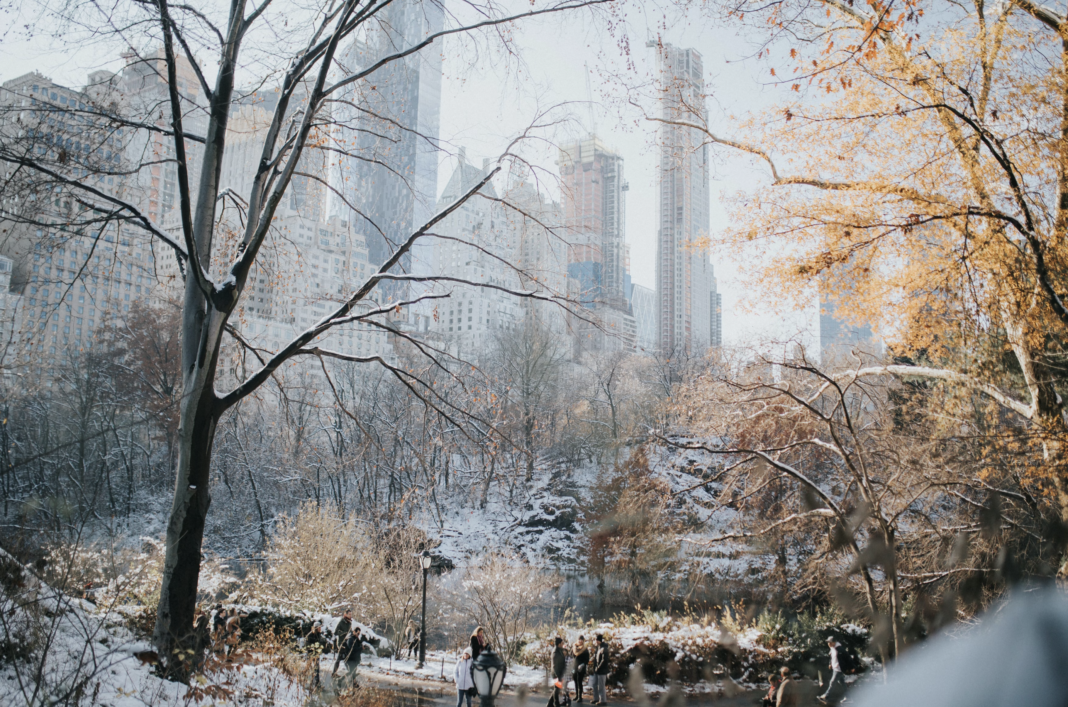
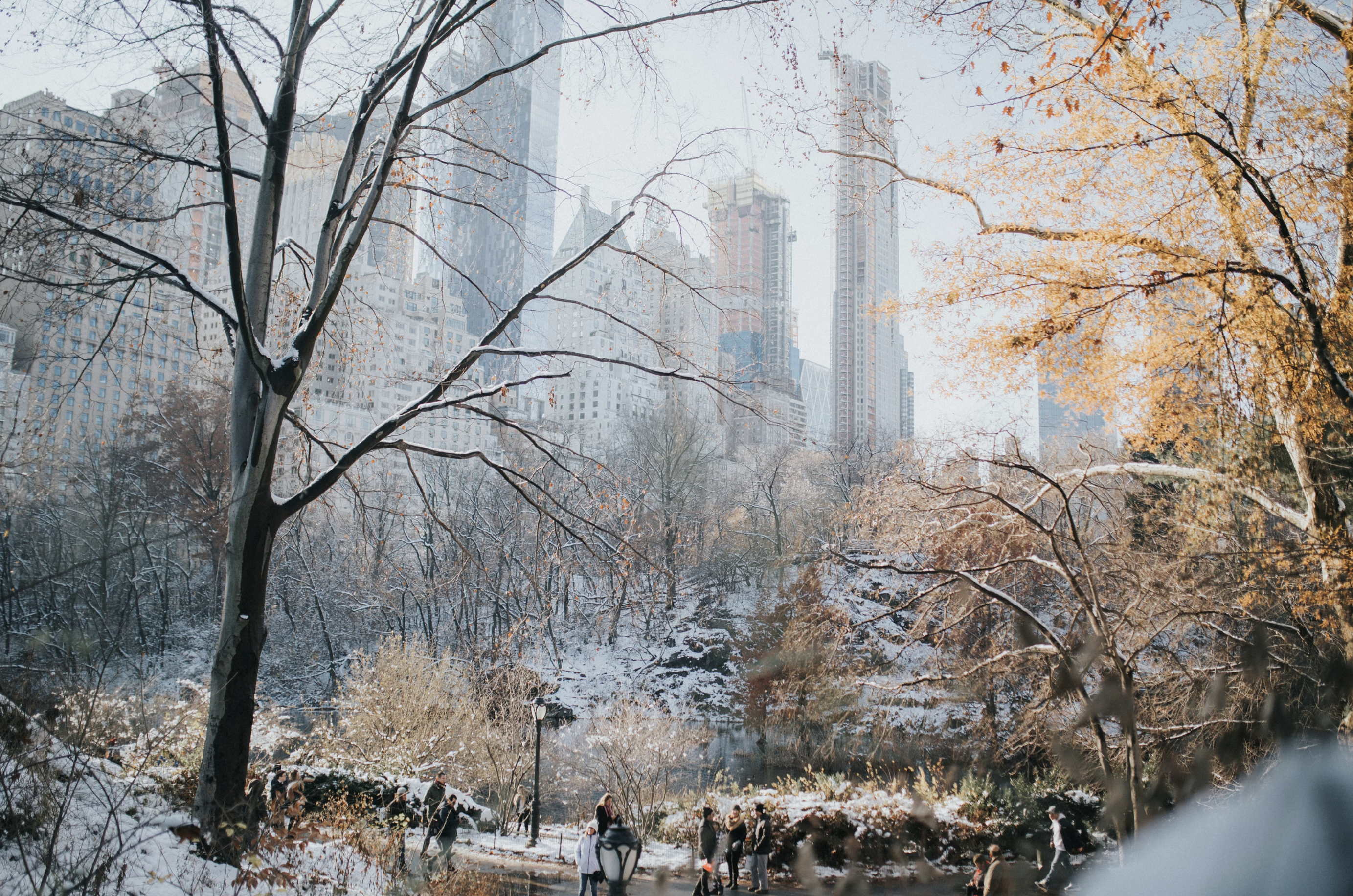
Trees in Central Park, NYC. Credit Caitlyn Wilson

It seems like a no-brainer, but sometimes you need to give evidence to city councillors: A new multi-institutional study led by UC Davis Health suggests that not all green space is created equal. Living in urban neighborhoods with more visible trees is associated with a 4% lower incidence of cardiovascular disease, while areas dominated by grass or low shrubs may be linked to higher cardiovascular risk.

The research, published in Environmental Epidemiology, analyzed more than 350 million street-level images using machine learning to distinguish between trees, grass, and other types of vegetation. The findings challenge long-held assumptions that simply adding “green space” to cities is enough to improve public health.

“Public health interventions should prioritize the preservation and planting of tree canopies,” said Peter James, associate professor in the UC Davis Department of Public Health Sciences and lead author of the study. “Urban forestry initiatives and policies that protect mature trees are likely to yield greater cardiovascular health benefits than investments in grass planting.”

Related: AI scientists from MIT get a map of a city’s trees
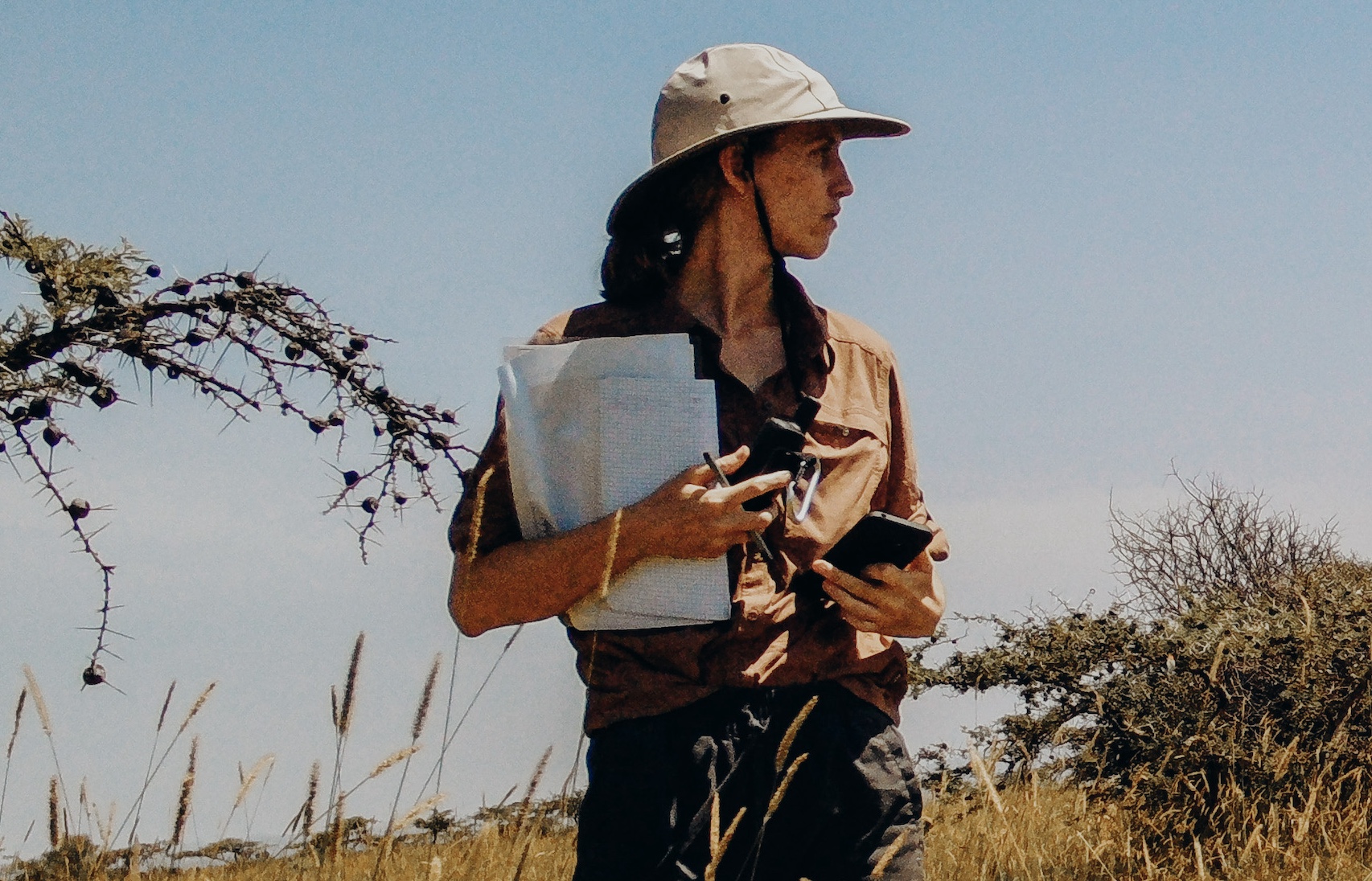
MIT city tree researcher maps trees in cities around the world to check their health. Via MIT.

Why trees outperform lawns

Unlike satellite imagery, which often lumps all vegetation into one category, the researchers used street-level images—similar to what pedestrians see via platforms like Google Street View—to capture real neighborhood conditions. Deep-learning models identified trees, grass, sidewalks, cars, and other features, creating a granular picture of urban environments.

Those visual data were then linked to nearly 89,000 participants in the long-running Nurses’ Health Study, tracking 18 years of medical records and death certificates. The results were striking: More visible trees → 4% lower cardiovascular disease incidence

More grass → 6% higher incidence: Other green vegetation (shrubs, bushes) → 3% higher incidence

The protective effect of trees held steady even after accounting for air pollution, population density, regional differences, and neighborhood socioeconomic status.
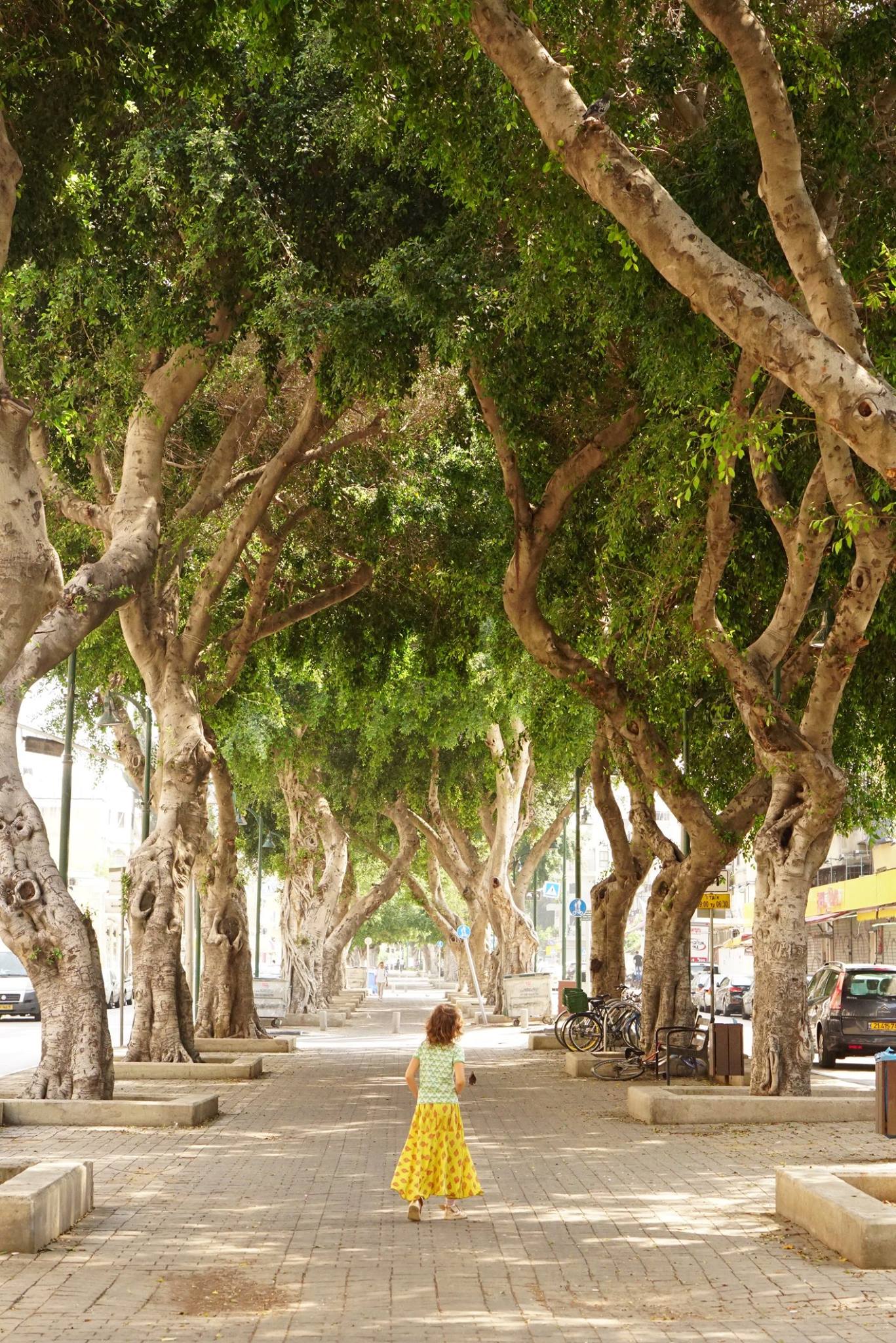
Green Prophet's reporting played a significant role in saving Jaffa Boulevard's trees in Jaffa from being cut down for a Light Rail Train. Image credit: Karin Kloosterman
Green Prophet’s reporting played a significant role in saving Jaffa Boulevard’s trees in Jaffa from being cut down for a Light Rail Train. Image credit: Karin Kloosterman

Researchers suspect the negative associations with grass may be linked to pesticide use, emissions and dust from from mowing equipment, reduced cooling capacity, and weaker noise and air-pollution filtering compared to trees.

With cardiovascular disease responsible for over 900,000 deaths annually in the U.S.—nearly one in three deaths, according to the Centers for Disease Control and Prevention—even small shifts matter.

“This opens a promising avenue: improving heart health through community-level environmental change, not just individual behavior,” said Eric B. Rimm, professor at Harvard T.H. Chan School of Public Health.

Karin Kloosterman
Karin Kloostermanhttp://www.greenprophet.com
Karin Kloosterman is an award-winning journalist, innovation strategist, and founder of Green Prophet, one of the Middle East’s pioneering sustainability platforms. She has ranked in the Top 10 of Verizon innovation competitions, participated in NASA-linked challenges, and spoken worldwide on climate, food security, and future resilience. With an IoT technology patent, features in Canada’s National Post, and leadership inside teams building next-generation agricultural and planetary systems — including Mars-farming concepts — Karin operates at the intersection of storytelling, science, and systems change. She doesn’t report on the future – she helps design it. Reach out directly to [email protected]

Read More

TRENDING

Abu Dhabi Put QR Codes on 100,000 Native Trees. Damage One and It Could Cost You $2,700

The Sidr Tree (Ziziphus spina-christi) also known as the jujube tree, may be the most culturally significant of them all. Mentioned in Islamic tradition and valued for its medicinal properties and prized honey, the Sidr has become a symbol of resilience across the Arabian Peninsula.

Park Slope food coop boycotts “Gay Tahini” already boycotted by Muslims in Israel

The tragedy is that this kind of activism rarely builds peace. It builds tribes instead of humanity. It rewards outrage over dialogue. Once an enlightenment group starts deciding which nationalities are acceptable to boycott publicly, history suggests the line rarely stops where activists think it will.

Poop in the East River shows the city’s rat problem and what people like to eat

New York ecology and health can be monitored by a jug of water a week.

Mango and avocado combine for heart health

The Avocado-Mango group also saw increases in fiber, vitamin C, and heart-healthy monounsaturated fat – nutrients tied to cardiovascular wellness – without changes in calorie intake or body weight. Select kidney function markers, such as estimated glomerular filtration rate (eGFR), also improved.

Funeral for a Tree plays birdsong from tree rings of beloved oak

When a 65-year-old oak tree in Steve Parker’s yard died from fungal disease, he did not cut it into firewood or haul it away. He did not erase it. He cut the tree into disks and then turned them into records that play birdsong –– a touching tribute to the years that the tree was house and home to birds and all manners of creatures. 

Yerukim Forms a New Green Economy Where the Money is Really Green

The Yerukim members who pick up the recyclables get to keep the monetary reward, the public earns "green" bills that can be used in shops, and business owners get to be associated with environmentalism.

Choosing Riyadh over Dubai? What Investors Should Know

Saudi Arabia is deploying capital at unmatched scale to catalyze tourism and advanced industry while rewiring its power-and-water backbone. The investable frontier is widening—especially in renewables, grid storage, water efficiency/desal retrofits, and hospitality operating platforms. Prudent investors will insist on phased delivery, enforceable KPIs (energy, water, biodiversity), and RHQ/zone compliance—while pricing political-economy and reputational risks alongside growth upside.

Sell your cooking oil for biodiesel money

Want to make money on old french fry oil? Sell it.

Qatar Alternative Energy Summit Pairs Investors And Innovators

Alternative energy investors and innovators can meet n' greet in Doha, Qatar March 16 and 17.

Here’s How To Implement The Four Pillars Of Employee Engagement

If you throw a party for your work team and they are vegans, don't make it a barbecue. Know the sustainability values of your team to boost moral and retain good people.

Locals From Rishon Fight IKEA

Big Box stores are a pretty new concept in Israel, and thank God that not every Israeli city wants them in their backyard. A word from someone who has see the beautiful farmland around her hometown Newmarket, Ontario stripped and converted into vulgar strip malls of big box shops: they have no place in a healthy and sustainable town or city.

The Jewish National Fund Meets An Inconvenient Truth

According to the JNF, it has transformed thousands of acres of barren land into green forests in Israel. They state that each person emits about 23 tons of carbon per year, estimating that each tree planted can absorb one ton of carbon in its lifetime. That's a whole lot of trees you'd need to be planting. Could so many fit in Israel?

How to quiet noise from construction in your office

Streets need to be resurfaced in New York but the humming and grinding noise is unsettling. Noise is environmental pollution. 

Popular Categories