
Earth. Energy. Everything next.

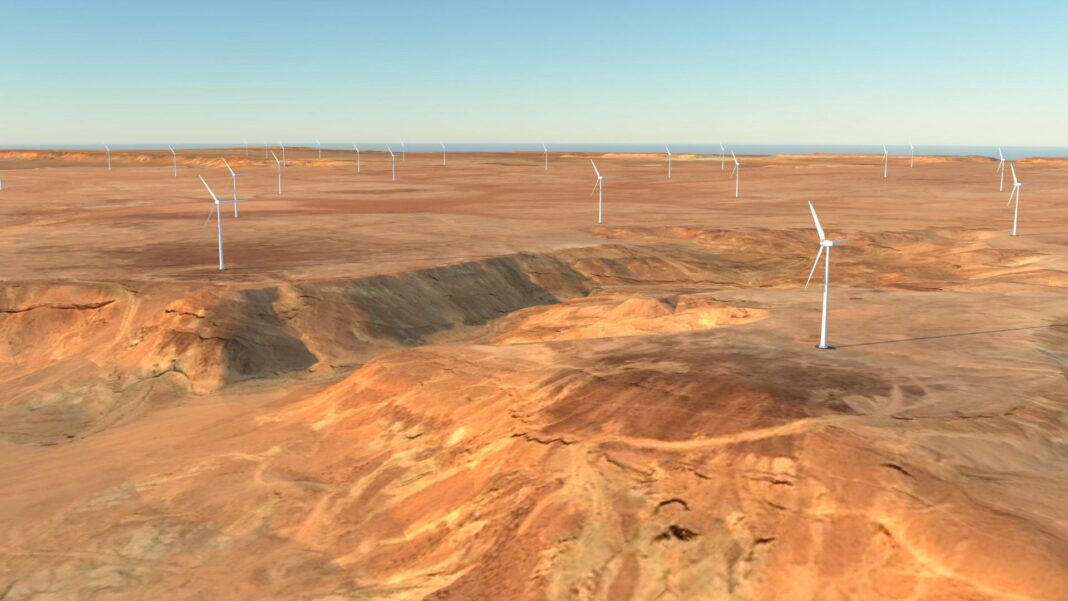
The Dumat Al-Jandal wind farm is Saudi Arabia’s first wind farm

The wind farm is located 900 kilometers north of Riyadh in the Al Jouf region of north-western Saudi Arabia. The project is 51 per cent owned by EDF Renewables and 49 per cent by Masdar.

The Dumat Al-Jandal wind farm with a capacity of 400MW, stands as a pioneering endeavor in Saudi Arabia’s renewable energy landscape in an ancient land. It’s Saudi Arabia’s first wind farm. At 400MW, it is the largest wind farm in the Middle East, displacing almost one million tonnes of CO2 annually.

Developed by a consortium led by EDF Renewables (51%) and Masdar (49%), with the client being Saudi Aramco this project not only marks the kingdom’s inaugural utility-scale wind power initiative but also ranks among the largest wind farms in the Middle East.

EDF Renewables (formerly EDF Renouvelables) is a wholly owned subsidiary of the French utility EDF Group, specializing in renewable energy production.

With an estimated investment totaling $500 million USD, construction started in August 2019 following the consortium’s attainment of financial closure in June 2019. The installation of the first turbines began in August 2020.

In August 2021, the initial phase of the wind farm successfully connected to the grid, marking the commencement of power generation, with full-scale commercial operations that started in 2022.

While the project’s primary aim is to harness wind energy for sustainable electricity generation, comprehensive environmental assessments have been integral to its development. Prior to construction, thorough evaluations were conducted to assess potential impacts on archaeology, avian and terrestrial fauna, and flora in the region.

These assessments aimed to mitigate any adverse effects and ensure the preservation of cultural heritage and biodiversity.

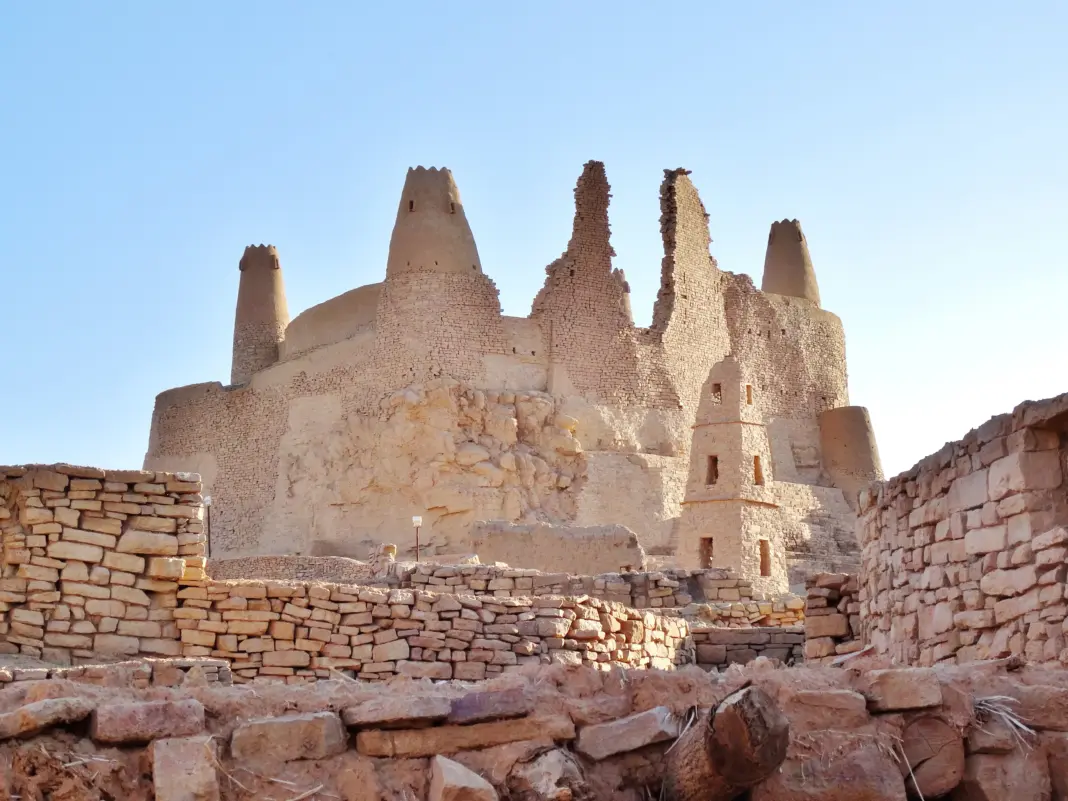
dumat al jandal archeology site
Dumat al Jandal archeology site

Three of the target species recorded within the development site are listed as ‘Endangered’ by the IUCN (2017); Egyptian vulture (six individuals), saker falcon (one individual) and steppe eagle (75 individuals, including constant effort survey records). Refined collision risk modelling predicted 0.77 collisions per year for steppe eagle, which is equivalent to a collision every 1.3 years. For Egyptian vulture and saker 0.10 and 0.01 collisions per year were predicted. No reports of danger to wildlife have been made since the wind farm started operating.

Situated in the Al Jouf region of north-western Saudi Arabia, approximately 900km north of Riyadh, the wind farm’s location atop a plateau offers optimal wind resources for efficient energy production. However, this region is also home to a diverse range of wildlife and ecosystems, necessitating careful consideration of environmental factors throughout the project’s lifecycle.

Read related: Saudi’s slow train through nature

Key findings from environmental assessments highlighted the presence of archaeological sites of historical significance, as well as habitats supporting various species of birds, plants, and animals. To safeguard these assets, measures such as site delineation, monitoring, and mitigation strategies were implemented during construction and operational phases.

The wind farm’s core components include 99 units of Vestas’ V150-4.2MW wind turbines, each positioned to minimize disturbance to local ecosystems. Additionally, transmission infrastructure, including a 380kV overhead power line and associated equipment, was strategically designed to minimize environmental impact while ensuring efficient power transmission.

As the Dumat Al-Jandal wind farm emerges as a testament to sustainable development, it underscores the importance of integrating environmental considerations into renewable energy projects. By prioritizing environmental stewardship alongside energy production, this pioneering initiative sets a precedent for responsible development in the renewable energy sector.

Read More

TRENDING

Five wind turbines collapse at the same Missouri wind farm. What’s going wrong?

Five wind turbines have collapsed at Missouri's High Prairie wind farm since 2024. What caused these failures, and what does research reveal about wind turbine safety?

Arabia Suburbia was adapted from the American blueprint for suburban living

Walk through almost any Saudi city today and one form dominates residential streets: the detached villa, sitting on its own plot, separated from its neighbors, usually surrounded by a wall and reached by car. It feels thoroughly Saudi. But much of the architectural DNA of the modern Saudi house comes from American suburbia.

Two People, One Dataset, and a Disagreement Nobody Can Settle

Two people can look at the same sustainability dashboard and reach different conclusions. The problem is not necessarily the data, but whether anyone can trace how the number was produced.

From eco city experiment to global clean energy giant: How Masdar became the UAE’s renewable energy powerhouse

Masdar began as an ambitious eco city in the Abu Dhabi desert. Two decades later, it has become one of the world's largest renewable energy developers, financing billions of dollars in solar, wind and battery storage projects across the globe.

Sustainable Manufacturing Frameworks Reducing Waste in Heavy Industry

Hydraulic systems are at the heart of heavy manufacturing, but poor maintenance can lead to fluid leaks, downtime, and unnecessary waste. By focusing on preventive maintenance, fluid monitoring, filtration, and early leak detection, industrial facilities can improve efficiency, reduce environmental impact, and strengthen sustainable manufacturing without major capital investments.

Why Bronwyn Finnegan Chose the Nonprofit Sector Over Politics or Corporate Life

Bronwyn Finnegan could have pursued a career in politics or corporate leadership. Instead, she chose the nonprofit sector, where she focuses on financial sustainability, governance and helping mission-driven organizations build the capacity to survive and grow.

Scientists make lead-free perovskite solar cells that can weather the elements

Scientists have developed a “raincoat” for lead-free tin perovskite solar cells, helping them withstand air, moisture and heat while maintaining high efficiency.

The Essential Guide To Sustainability in Project Management

Sustainability is an approach where businesses and individuals balance the environmental, social, and economic aspects of a project such that current and future stakeholders are not overburdened with the impacts of the project in future.

Yerukim Forms a New Green Economy Where the Money is Really Green

The Yerukim members who pick up the recyclables get to keep the monetary reward, the public earns "green" bills that can be used in shops, and business owners get to be associated with environmentalism.

Choosing Riyadh over Dubai? What Investors Should Know

Saudi Arabia is deploying capital at unmatched scale to catalyze tourism and advanced industry while rewiring its power-and-water backbone. The investable frontier is widening—especially in renewables, grid storage, water efficiency/desal retrofits, and hospitality operating platforms. Prudent investors will insist on phased delivery, enforceable KPIs (energy, water, biodiversity), and RHQ/zone compliance—while pricing political-economy and reputational risks alongside growth upside.

Sell your cooking oil for biodiesel money

Want to make money on old french fry oil? Sell it.

Qatar Alternative Energy Summit Pairs Investors And Innovators

Alternative energy investors and innovators can meet n' greet in Doha, Qatar March 16 and 17.

Here’s How To Implement The Four Pillars Of Employee Engagement

If you throw a party for your work team and they are vegans, don't make it a barbecue. Know the sustainability values of your team to boost moral and retain good people.

Popular Categories