The ocean is too loud for baby oysters

too loud for baby oysters
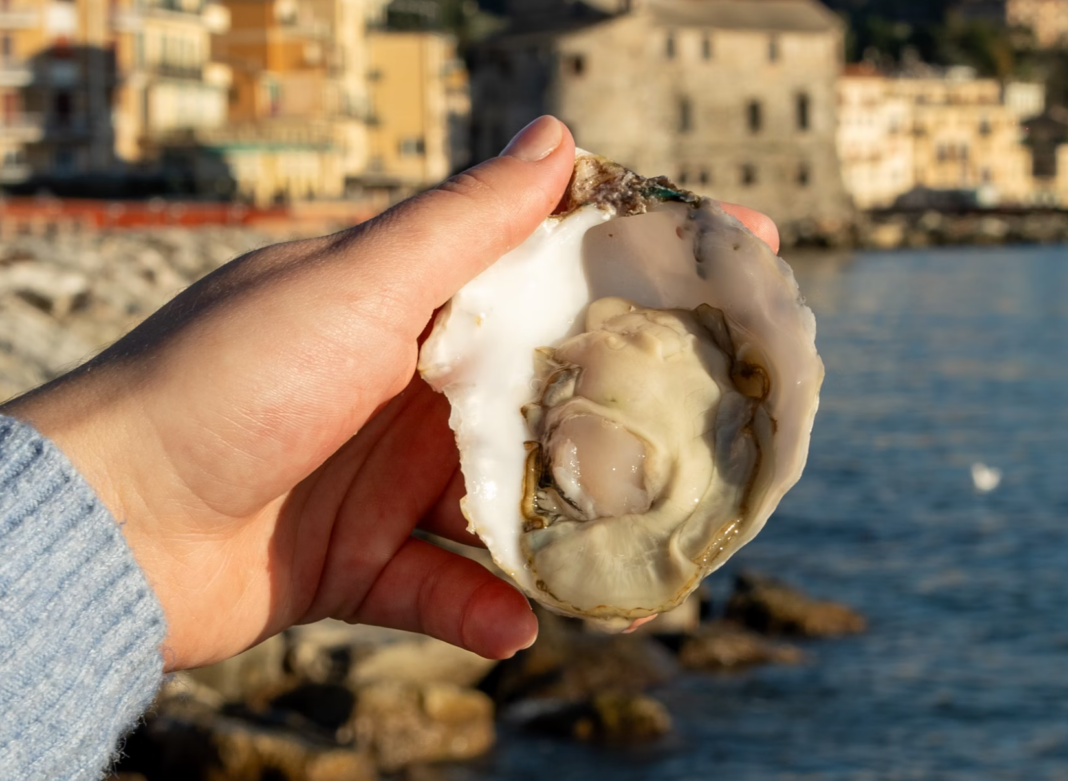
An oyster in Italy

The world is becoming too bright for bats. Baby oysters, too, are finding that sounds from us humans are causing them stress and is preventing them from moving away from “home” to settle into new environments, finds a new study. Noise pollution in seas may also be responsible in part to the proliferation of the oyster parasite multinucleate sphere X, or MSX, rendering oysters weak.

According to scientists at the University of Adelaide, oysters need specific sound cues to migrate and move around. Though they don’t swim, baby oysters do need to find the right habitat and ecosystem for them to live inside:

“The ocean’s natural sound is gradually hushing due to habitat loss, leading to a quieter natural environment increasingly drowned out by the crescendo of man-made noise pollution,” explained lead author Brittany Williams.

“Numerous marine larvae rely on natural sounds to navigate and select their dwellings, so this interference poses a problem for conservationists aiming to attract oysters to restored reefs using natural sounds.”

We know that shipping noises after whales and dolphins but marine noise pollution affects the less known creatures, some which are keystone species: “Noises from shipping, machinery and construction, for example, are pervasive and pose serious environmental change that affects both terrestrial and marine animals,” says Williams.

According to the research, published in Proceedings of the Royal Society B, marine organisms appear particularly vulnerable to the intensification of human-made or anthropogenic noise because they use sound for a range of activities, including to sense their surroundings, navigate, communicate, avoid predators, and find mates and food.

The teams have used a special kind of habitat “speaker” to help the oysters: But, “Our previous work demonstrated that novel acoustic technology can bolster oyster recruitment in habitat restoration projects, but this new research indicates potential limitations of this speaker technology,” said Dominic McAfee, who was part of the research team.

In environments where there is a lot of human noise pollution, the speakers did not increase larval recruitment.

Scientists all over the world have been playing specific seascape sounds using a loudspeaker to attract baby oysters. In the big scheme of things if the oysters are being attracted to harvesting islands where they are culled we can assume that natural selection will eventually wipe out the oysters who come for the call.

Oyster reef restorations are taking place in countries like America. This image shows surviving oyster reefs in Virginia. Aileen Devlin/Flickr, CC BY

Oyster reef restorations are taking place in countries like America. This image shows surviving oyster reefs in Virginia. Aileen Devlin/FlickrCC BY

“This suggests that noise pollution might cloak the intrinsic sounds of the ocean, potentially exerting profound ramifications on marine ecosystem vitality and resilience,” said co-author Professor Sean Connell, from the University of Adelaide and the Environment Institute.

While acoustic enrichment may be less effective along noisy metropolitan coastlines and urbanised waterways, the researchers are still optimistic about the application of the technique in less trafficked areas.

Another option: stop eating too much shellfish, and let the ocean dwellers take their own course.


Karin Kloosterman
Karin Kloostermanhttp://www.greenprophet.com
Karin Kloosterman is an award-winning journalist, innovation strategist, and founder of Green Prophet, one of the Middle East’s pioneering sustainability platforms. She has ranked in the Top 10 of Verizon innovation competitions, participated in NASA-linked challenges, and spoken worldwide on climate, food security, and future resilience. With an IoT technology patent, features in Canada’s National Post, and leadership inside teams building next-generation agricultural and planetary systems — including Mars-farming concepts — Karin operates at the intersection of storytelling, science, and systems change. She doesn’t report on the future – she helps design it. Reach out directly to [email protected]

Read More

TRENDING

Econcrete makes built coastlines richer in marine life with new investment

    A decade ago, we met Shimrit Perkol-Finkel in a...

Fujitsu helps create a digital twin to save the sea

A new project in Spain shows how digital twins, which are virtual replicas of real environments, are becoming powerful tools for protecting ecosystems.

Want to speak “dolphin”?

While Is Anyone Listening? may not satisfy those looking for hard statistics, it’s a compelling read for anyone interested in the intersection of science, philosophy, and animal behavior. Herzing’s voice—at once personal, precise, and probing—asks us not just to decode dolphin sounds but to consider our role as co-inhabitants of a shared, noisy planet.

Meet Andreas Weil, the founder of Israel’s EcoOcean, protecting the seas for all

A feature article interviewing Israel's leading marine conservationist, Andreas Weil. He founded EcoOcean and has enabled hundreds of thousands of people to learn about the ecological aspects of marine conservation. He also brought the concept of Blue Flag beaches to Israel.

Washington bans marine aquaculture nets for farmed fish in world first

Washington State made history, becoming the first—and only—place in the world to successfully remove and permanently ban commercial net pen aquaculture.

How to quiet noise from construction in your office

Streets need to be resurfaced in New York but the humming and grinding noise is unsettling. Noise is environmental pollution. 

EarthX and a blueprint for sustainable investing

Trammell S. Crow, a Dallas-based businessman and father of four, is focusing his efforts on impact investing, and media that focuses on saving the planet through EarthX.

Mining Afghanistan’s Mineral Discoveries Similar to Avatar

Now that American forces in Afghanistan are commemorating the longest period of any war that America has been involved in, including the 1965-73 Vietnam War, the recent discoveries of large and extremely valuable mineral and metal deposits may finally bring to light a reason to continue the presence of US fighting forces in this war torn and backward country.

From Pilot Plant to Global Stage: How Aduro Clean Technologies’ 2026 Expansion Signals a Turning Point for Chemical Recycling Investors Like Yazan Al Homsi

The company's Next Generation Process (NGP) Pilot Plant in London, Ontario, has officially moved into initial operating campaigns, generating the kind of structured, repeatable data that separates laboratory promise from commercial viability.

Nobul’s Regan McGee on Shareholder Value: “Complacency Is the Silent Killer” 

Why the governance framework designed to protect shareholders so...

Should You Invest in the Private Market?

startustartup Unlike public stock exchanges, which offer daily trading, strict...

How to build a 100-year-company

Kongō Gumi is a Japanese construction company, purportedly founded in 578 A.D., making it the world's oldest documented company. What can we learn about building sustainable businesses from them?

How AI Helps SaaS Companies Reduce Repetitive Customer Support Work

SaaS products are designed for large numbers of users with different levels of experience, and also in renewable energy.

Popular Categories