

Net Zero by 2050 a pipe dream with current tech advances and population growth

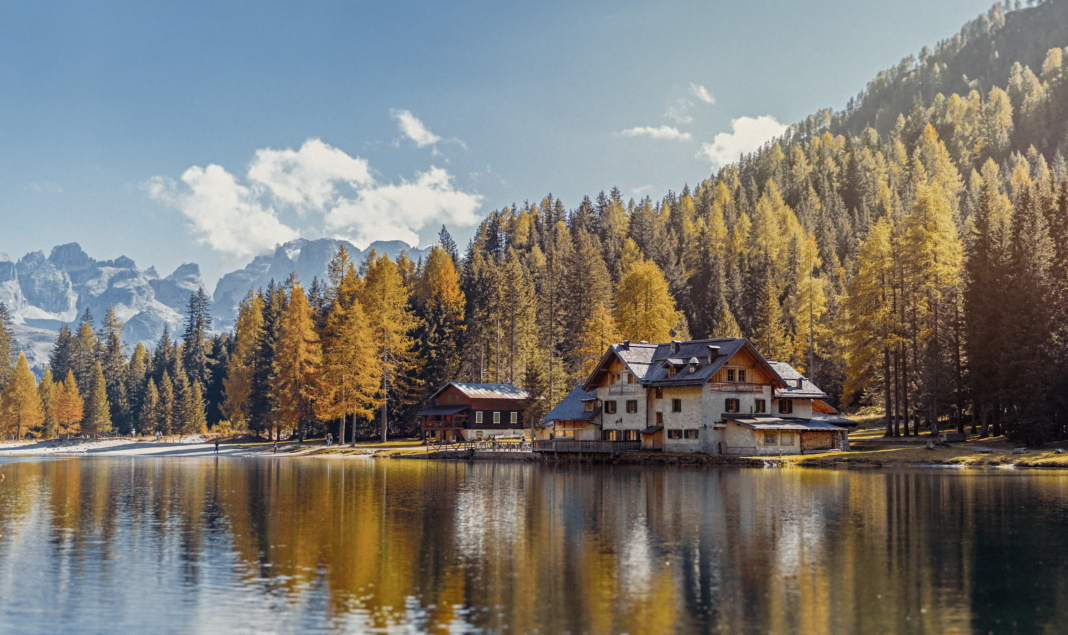
Cabin in the mountains in Italy for skiing. Mountains in the background.
The analysis reveals that even when implementing an advanced scenario that combines major technological and behavioral changes, the nation’s mitigation goals will not be achieved given the current demographic trend

Most countries are relying on a combination of technological advances and infrastructure changes to meet their goals for greenhouse gas emissions reductions. However, a new model from Ben-Gurion University of the Negev environmental researchers shows that will likely not be enough and additional factors must be considered.

Their model was presented in Nature Sustainability.

Rising global populations and their increased consumption indicate technological and infrastructural changes will not suffice, according to Prof. Raziel Riemer, Prof. Meidad Kissinger and Dr. Na’ama Teschner.

Despite significant investment in technology and infrastructure, population growth and accompanying rising individual consumption will likely offset reductions leading countries to miss their 2050 targets.

The global population is expected to grow by 20% by 2050.

Israel is a particularly interesting case study because of the steady demographic growth the country experiences. However, the model is applicable to all countries.

The model examined the expected implications of population growth, changes in personal consumption habits in Israel, and the implementation of technological developments to reduce emissions related to areas such as electricity, transportation, water, food, and construction.

The findings indicate that despite the large investments in technology and infrastructure, the accepted steps are expected to contribute to reducing emissions per person by 65%, but due to the continued expected population growth, Israel’s carbon footprint will decrease by only 33% while water and land use will increase.

“Despite significant achievements in technology and infrastructure, the expected population growth and the increase in personal consumption may neutralize the reduction in emissions,” explained Prof. Riemer. “Our model shows that achieving 100% electricity generation from renewable sources is an essential step, but additional categories such as food production must also be addressed immediately.”

net zero climate change
Prof. Raziel Riemer

In addition, the model reveals that demographic processes will increase Israel’s dependence on food imports from abroad in an era when most food already comes from external sources and despite global food insecurity, which is increasing, among other things, because of the climate crisis.

These results emphasize the need to develop innovative agricultural solutions that will help reduce emissions and strengthen national food security.
Read More

TRENDING

5 projects to help kickstart your company’s sustainability journey 

True progress happens when environmental ambition meets action. Decarbonizing efficiently is possible for any business in any sector, but actually getting started can sometimes feel daunting.   The trick? It’s to start small and build momentum. Here are five potential projects to help you get started.  

24 7 renewable energy: how solar, wind, batteries and AI SaaS replace fossil fuels

A new report from the International Renewable Energy Agency based in Abu Dhabi makes something clear that many in the industry already suspected. When solar and wind are paired with battery storage, they can deliver reliable, round the clock electricity at costs that compete with, and often beat, fossil fuels.

Hormuz 2026 Conflict Poses an Energy and Food Security Dilemma in a Warming World

As tensions rise in one of the world’s most critical maritime chokepoints, the ripple effects go far beyond oil—touching food systems, climate pressures, and regional stability

Japan wants to build a solar panel ring around the moon

Unlike solar power on Earth, which is limited by night cycles, weather, and seasons, the Moon offers something close to uninterrupted exposure to the Sun. By placing solar infrastructure in orbit or along the lunar surface, engineers could generate continuous clean energy at a scale that may exceed global electricity demand,  the Japanese scientists say.

Climate change traced in sea turtle shells

It's sea turtles which may in the end save islands in the Seychelles. They may also better help us understand climate change. Like rings on a tree, scientists have found a way to read sea turtle shells and how they are impacted by climate change tells a story. 

How to quiet noise from construction in your office

Streets need to be resurfaced in New York but the humming and grinding noise is unsettling. Noise is environmental pollution. 

EarthX and a blueprint for sustainable investing

Trammell S. Crow, a Dallas-based businessman and father of four, is focusing his efforts on impact investing, and media that focuses on saving the planet through EarthX.

Mining Afghanistan’s Mineral Discoveries Similar to Avatar

Now that American forces in Afghanistan are commemorating the longest period of any war that America has been involved in, including the 1965-73 Vietnam War, the recent discoveries of large and extremely valuable mineral and metal deposits may finally bring to light a reason to continue the presence of US fighting forces in this war torn and backward country.

From Pilot Plant to Global Stage: How Aduro Clean Technologies’ 2026 Expansion Signals a Turning Point for Chemical Recycling Investors Like Yazan Al Homsi

The company's Next Generation Process (NGP) Pilot Plant in London, Ontario, has officially moved into initial operating campaigns, generating the kind of structured, repeatable data that separates laboratory promise from commercial viability.

Nobul’s Regan McGee on Shareholder Value: “Complacency Is the Silent Killer” 

Why the governance framework designed to protect shareholders so...

Should You Invest in the Private Market?

startustartup Unlike public stock exchanges, which offer daily trading, strict...

How to build a 100-year-company

Kongō Gumi is a Japanese construction company, purportedly founded in 578 A.D., making it the world's oldest documented company. What can we learn about building sustainable businesses from them?

How AI Helps SaaS Companies Reduce Repetitive Customer Support Work

SaaS products are designed for large numbers of users with different levels of experience, and also in renewable energy.

Popular Categories