The UN builds an AI coalition to save the planet

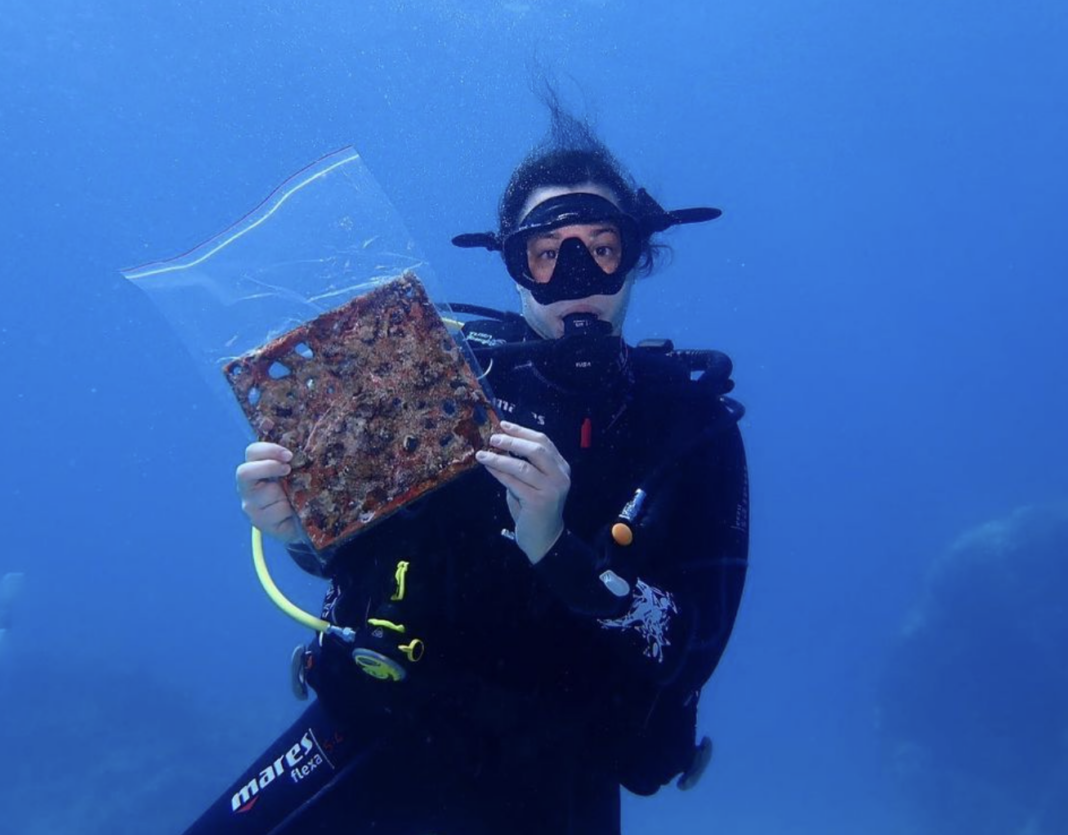
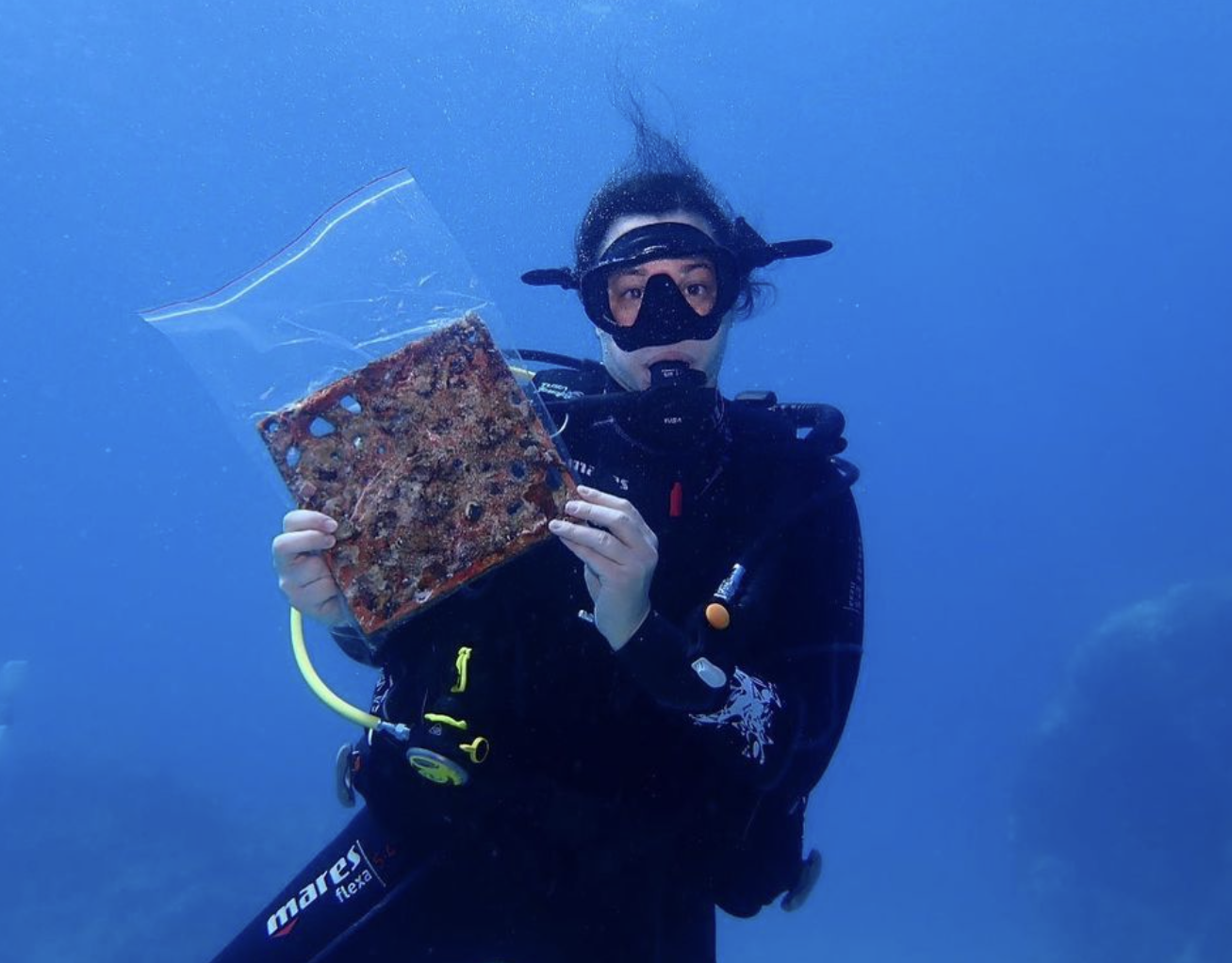
Natalie Levy works with artificial, terracotta reefs to restore life in the Red Sea

Can AI be sustainable?

Over 100 partners, including 37 tech companies, 11 countries and 5 international organizations, have joined forces with the UN under the Coalition for Environmentally Sustainable Artificial Intelligence, aiming to ramp up global momentum to place AI on a more environmentally sustainable path.

Spearheaded by France, the UN Environment Programme (UNEP) and the International Telecommunication Union (ITU), the new AI Coalition brings together “stakeholders across the AI value chain for dialogue and ambitious collaborative initiatives,” according their press material.

193 countries have adopted a series of non-binding recommendations on the ethical use of AI, but a few of these are troubling because among the 193, some of them are considered the “most dangerous countries in the world” by the International Security Journal; they include countries that face severe human rights violations including Afghanistan (run by the Taliban), Syria (run by an ex-Al Qaeda leader), Yemen (controlled by the Houthis). Will they have an equal say in how AI is built or unbuilt with human biases and ambitions that may not be shared as a value across the board?

“We know that AI can be a force for climate action and energy efficiency,” says the UN Secretary-General António Guterres. “But we also know AI power-intensive systems are already placing an unsustainable strain on our planet,” “So it is crucial to design AI algorithms and infrastructures that consume less energy and integrate AI into smart grids to optimize power use.”

The Coalition was announced at the Artificial Intelligence (AI) Action Summit in Paris, where Heads of State and Government, leaders of international organizations, CEOs, academics, artists, and members of civil society gathered to discuss support for AI innovation, adequate regulation, and respect for rights to ensure development of these technologies in the interests of all, including developing countries.

humanoid e-skin that feels pain, university of glasgow
This humanoid e-skin feels pain, University of Glasgow. Maybe this can be applied to pollution in nature? Maybe we can program her to think like Greta

According to their marketing material, the Coalition will encourage AI initiatives for the planet, including its role in decarbonizing economies, reducing pollution, preserving biodiversity, protecting the oceans, and ensuring humanity operates within planetary boundaries.

“It will use a collaborative approach – bringing together governments, academia, civil society, and the private sector – to focus on standardized methods and metrics for measuring AI’s environmental impacts, comprehensive life cycle analysis frameworks for reporting and disclosure, and prioritization of research on sustainable AI.”

What is sustainable AI? What is an environmental impact? Who chooses who enters the pact?

eddy flux biodome grow food on mars
Artificial Intelligence is used in this biodome to grow bio-organic food (Karin Kloosterman).

The new EU coalition argues that the the EU itself has tried and the United States of America have introduced legislation to temper the environmental impact of AI. “However, the policy landscape remains sparse.” The EU group believes that they can “inform investors, development banks and local authorities on the objective elements defining an energy-efficient data centre.”

“The power of AI to solve complex global challenges is becoming ever clearer, but so too are its environmental impacts and the need for environmental guardrails to ensure the field grows sustainably,” said Golestan (Sally) Radwan, Chief Digital Officer for UNEP, from Egypt. “The new Coalition brings together critical stakeholders who have the power to work together and build systems that ensure the net effect of AI on the planet is positive as the technology continues to deploy rapidly.”

Updated, February 20, 2025


Karin Kloosterman
Karin Kloostermanhttp://www.greenprophet.com
Karin Kloosterman is an award-winning journalist, innovation strategist, and founder of Green Prophet, one of the Middle East’s pioneering sustainability platforms. She has ranked in the Top 10 of Verizon innovation competitions, participated in NASA-linked challenges, and spoken worldwide on climate, food security, and future resilience. With an IoT technology patent, features in Canada’s National Post, and leadership inside teams building next-generation agricultural and planetary systems — including Mars-farming concepts — Karin operates at the intersection of storytelling, science, and systems change. She doesn’t report on the future – she helps design it. Reach out directly to [email protected]

Read More

TRENDING

Can a one trillion-Dollar SpaceX IPO change life on earth?

A SpaceX IPO could become one of the most consequential financial events of the century, creating thousands of millionaires and fueling investment across the New Space economy. From orbital robotics and African space programs to launch infrastructure and satellite networks, the ripple effects may extend far beyond Earth—while forcing investors to reconsider whether generative AI remains the most compelling technology bet of the decade.

Anthropic, Google and Stripe put nearly $1 Billion on carbon removal

A coalition led by Frontier, backed by Stripe, Google, Salesforce and newly joined AI company Anthropic, has committed an additional $915 million to remove carbon dioxide from the atmosphere. The pledge adds to a previous $1 billion commitment and brings Frontier's total buying power to nearly $2 billion.

From Pasture to ROI: Implementing Autonomous Systems in Livestock and Pasture Management

The livestock and pasture management sector is currently facing...

SolCold wants to cool buildings using sunlight

For centuries people living in hot climates have tried...

Ancient Roman strategy game figured out with AI

Two thousand years ago, someone scratched a web of lines into stone in a Roman settlement on the empire’s northern edge. Soldiers, traders, or locals passing time in Coriovallum—now Heerlen in the Netherlands, moved small counters across those lines in a tactical duel of blockade and entrapment.

Yerukim Forms a New Green Economy Where the Money is Really Green

The Yerukim members who pick up the recyclables get to keep the monetary reward, the public earns "green" bills that can be used in shops, and business owners get to be associated with environmentalism.

Choosing Riyadh over Dubai? What Investors Should Know

Saudi Arabia is deploying capital at unmatched scale to catalyze tourism and advanced industry while rewiring its power-and-water backbone. The investable frontier is widening—especially in renewables, grid storage, water efficiency/desal retrofits, and hospitality operating platforms. Prudent investors will insist on phased delivery, enforceable KPIs (energy, water, biodiversity), and RHQ/zone compliance—while pricing political-economy and reputational risks alongside growth upside.

Sell your cooking oil for biodiesel money

Want to make money on old french fry oil? Sell it.

Qatar Alternative Energy Summit Pairs Investors And Innovators

Alternative energy investors and innovators can meet n' greet in Doha, Qatar March 16 and 17.

Here’s How To Implement The Four Pillars Of Employee Engagement

If you throw a party for your work team and they are vegans, don't make it a barbecue. Know the sustainability values of your team to boost moral and retain good people.

Locals From Rishon Fight IKEA

Big Box stores are a pretty new concept in Israel, and thank God that not every Israeli city wants them in their backyard. A word from someone who has see the beautiful farmland around her hometown Newmarket, Ontario stripped and converted into vulgar strip malls of big box shops: they have no place in a healthy and sustainable town or city.

The Jewish National Fund Meets An Inconvenient Truth

According to the JNF, it has transformed thousands of acres of barren land into green forests in Israel. They state that each person emits about 23 tons of carbon per year, estimating that each tree planted can absorb one ton of carbon in its lifetime. That's a whole lot of trees you'd need to be planting. Could so many fit in Israel?

How to quiet noise from construction in your office

Streets need to be resurfaced in New York but the humming and grinding noise is unsettling. Noise is environmental pollution. 

Popular Categories