Flamingos left when this lake dried up

Lake Urmia
Lake Urmia

Lake Urmia, an inland salt lake in Iran has dried up completely this past summer and Iranians are blaming electric cars for this environmental tragedy: “Flamingos won’t be visiting Iran anymore,” says Iranian activist Siavash Safavi who has been arrested in Iran for holding hands with his girlfriend. He now lives in Canada and can talk freely against the regime without getting arrested: “The mullahs in Iran have dried out Urmia Lake, the biggest salt lake in the world, so that the Chinese can get lithium from the lake bed.

“This regime is not just killing Iranians. It’s killing Iran.”

flamingos leave Lake Urmia in Iran

The Iranian Government denies that China is extracting lithium from the salt lake and says that the Chinese trucks seen last month at Lake Urmia were hauling out salt. Iranian watchdog journalists warn America that the Iranian regime is likely mining sanctioned minerals that could be used for nuclear enrichment.

Some of these minerals may include lithium that will be sold to China for electric vehicle batteries. As there is no free press in Iran, and researchers are in danger if they report the truth, we can’t know for certain.

Why has Lake Urmia dried up?

Experts in Iran, and at NASA, believe that excessive and illegal groundwater extraction and using the water of the once bountiful Zarrineh Rud − which feeds Urmia Lake − for irrigating their apple trees have contributed to the lake shrinking by nearly 95 percent in volume over the past 20 years.

Chris Perry, a water irrigation expert who worked for the World Bank tells Green Prophet: “The lake has dried up because of excessive, uncontrolled access to groundwater.

“The water is used for irrigation, and the transpiration from the crops is lost to the local hydrological system. Converting to drip to “save” water allows a larger area to be irrigated and hence an increase in consumption.  The attached report (links to PDF) addresses this issue in many countries including Iran.”
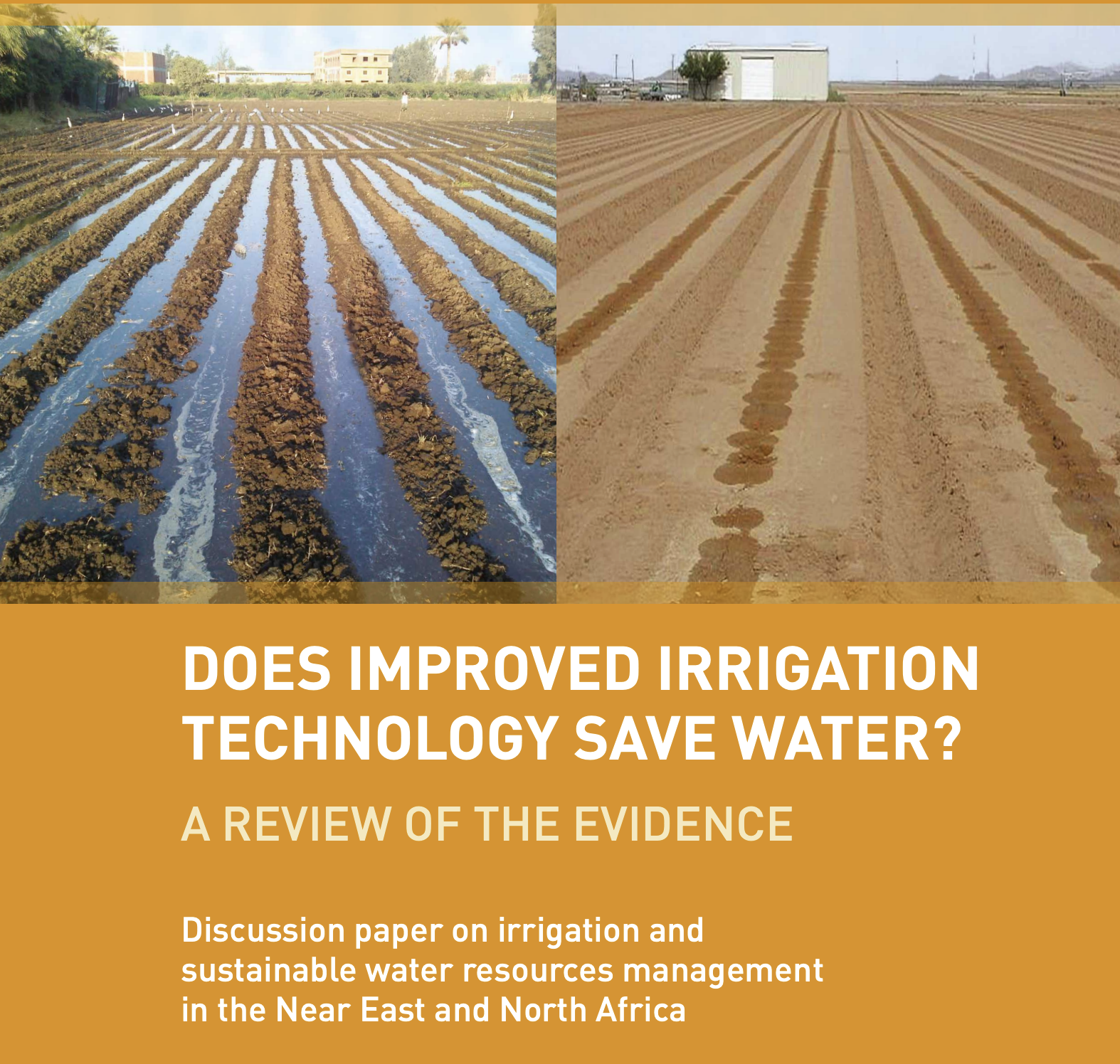
does irrigation save water

See a time lapse of Lake Urmia disappearing:

Lake Urmia salt for EVs
Lake Urmia mineral extraction for EVs or just plain old salt? Activists say that Iran is selling lithium to China.

In 2015 Iran started a water transfer to replenish Lake Urmia, and water can be seen returning to the lake in 2020. But by 2023 NASA had captured that Lake Urmia was completely dry.

Lake Urmia
Lake Urmia over time from 2000 to 2020.

A few years after a fresh influx of water raised its levels, the large lake has nearly gone dry and dried out completely in August 2023.

Lake Urmia was the largest lake in the Middle East and was one of the largest hypersaline lakes.

According to NASA the reasons are several. Consecutive droughts due to climate change, agricultural water use, and dam construction on rivers feeding into the lake have contributed to the decline.

A shrinking Lake Urmia has implications for ecological and human health, says NASA: “The lake, its islands, and surrounding wetlands comprise valuable habitat and are recognized as a UNESCO Biosphere ReserveRamsar site, and national park. The area provides breeding grounds for waterbirds such as flamingos, white pelicans, and white-headed ducks, as well as a stopover for migratory species.

“However, with low lake levels, what water remains becomes more saline and taxes the populations of brine shrimp and other food sources for larger animals.”

A shrinking lake also increases the likelihood of dust from the exposed lakebed becoming swept up by winds and degrading air quality. And recent studies have linked the low water levels in Lake Urmia with respiratory health impacts among the locals.

Some 25 years ago, as many as 300,000 flamingos visited Lake Urmia feeding on small organisms such as Artemia that live in the lake. It is also their breeding ground. In 2018 there were a reported 35,000 flamingos on the lake, and in 2023 there was a reported 10,000 flamingos returning. The decline of numbers in the last 25 years do not look good.

Lake Urmia in 2020
Lake Urmia in 2020, NASA
On September 7, 2023, the OLI-2 (Operational Land Imager-2) on Landsat 9 captured this image (above) of the desiccated lakebed. It stands in contrast to the image from three years earlier, acquired by the OLI on Landsat 8 on September 8, 2020, when water filled most of the basin and salt deposits were only visible around the perimeter of the lake. The replenishment followed a period of above-average precipitation that sent a surge of freshwater into the basin, expanding its watery footprint. Drier conditions have since brought levels back down.
On September 7, 2023, the OLI-2 (Operational Land Imager-2) on Landsat 9 captured this image (above) of the desiccated lakebed. It stands in contrast to the image from three years earlier, acquired by the OLI on Landsat 8 on September 8, 2020, when water filled most of the basin and salt deposits were only visible around the perimeter of the lake. The replenishment followed a period of above-average precipitation that sent a surge of freshwater into the basin, expanding its watery footprint. Drier conditions have since brought levels back down.

More on Iranian water issues:

Saltier than the Dead Sea, Lake Orumiyeh is in Trouble

Iran Lacks Water Planning

Iran’s water problems are worse than war


Karin Kloosterman
Karin Kloostermanhttp://www.greenprophet.com
Karin Kloosterman is an award-winning journalist, innovation strategist, and founder of Green Prophet, one of the Middle East’s pioneering sustainability platforms. She has ranked in the Top 10 of Verizon innovation competitions, participated in NASA-linked challenges, and spoken worldwide on climate, food security, and future resilience. With an IoT technology patent, features in Canada’s National Post, and leadership inside teams building next-generation agricultural and planetary systems — including Mars-farming concepts — Karin operates at the intersection of storytelling, science, and systems change. She doesn’t report on the future – she helps design it. Reach out directly to [email protected]

TRENDING

Art from Oman at the Venice Biennale

Oman is returning to the Venice Biennale with Zīnah, an immersive installation by artist and curator Haitham Al Busafi that transforms a traditional form of horse adornment into a large-scale sensory experience.

Korean researchers create battery from greenhouse gases

Professor Ji-Soo Jang, in collaboration with Professor Taekwang Yoon of Ajou University and Professor Hansel Kim of Chungbuk National University, has developed a novel energy device that generates electricity during the process of capturing greenhouse gases.

SunZia comes online and America’s 11B, and largest renewable project begins wind power

The impact is already being felt. California has broken its wind generation record multiple times in recent weeks as SunZia begins feeding electricity into the grid. It’s a glimpse of what a renewable-powered future could look like when large-scale infrastructure finally comes online. Can we start saying goodbye to Saudi Aramco and Arabian Gulf oil? 

Married People Have Lower Cancer Risk, But the Reason is Complex

According to the research, cancer risk was 68% higher in never-married men and 85% higher in never-married women.

40 more migratory animals need protecting, warns UN group

The Convention on the Conservation of Migratory Species of Wild Animals (CMS), governments agreed to extend protection to 40 more migratory species, from cheetahs and striped hyenas to snowy owls, giant otters, and great hammerhead sharks. Too many of them are slipping toward extinction .

Nobul’s Regan McGee on Shareholder Value: “Complacency Is the Silent Killer” 

Why the governance framework designed to protect shareholders so...

Should You Invest in the Private Market?

startustartup Unlike public stock exchanges, which offer daily trading, strict...

How to build a 100-year-company

Kongō Gumi is a Japanese construction company, purportedly founded in 578 A.D., making it the world's oldest documented company. What can we learn about building sustainable businesses from them?

From Pilot Plant to Global Stage: How Aduro Clean Technologies’ 2026 Expansion Signals a Turning Point for Chemical Recycling Investors Like Yazan Al Homsi

The company's Next Generation Process (NGP) Pilot Plant in London, Ontario, has officially moved into initial operating campaigns, generating the kind of structured, repeatable data that separates laboratory promise from commercial viability.

How AI Helps SaaS Companies Reduce Repetitive Customer Support Work

SaaS products are designed for large numbers of users with different levels of experience, and also in renewable energy.

Pulling Water from the Air

Faced with water shortage in Amman, Laurie digs up...

Turning Your Energy Consultancy into an LLC: 4 Legal Steps for Founders in Texas

If you are starting a renewable energy business in Texas, learn how to start an LLC by the books.

Tracking the Impacts of a Hydroelectric Dam Along the Tigris River

For the next two months, I'll be taking a break from my usual Green Prophet posts to report on a transnational environmental issue: the Ilısu Dam currently under construction in Turkey, and the ways it will transform life along the Tigris River.

Related Articles

Popular Categories