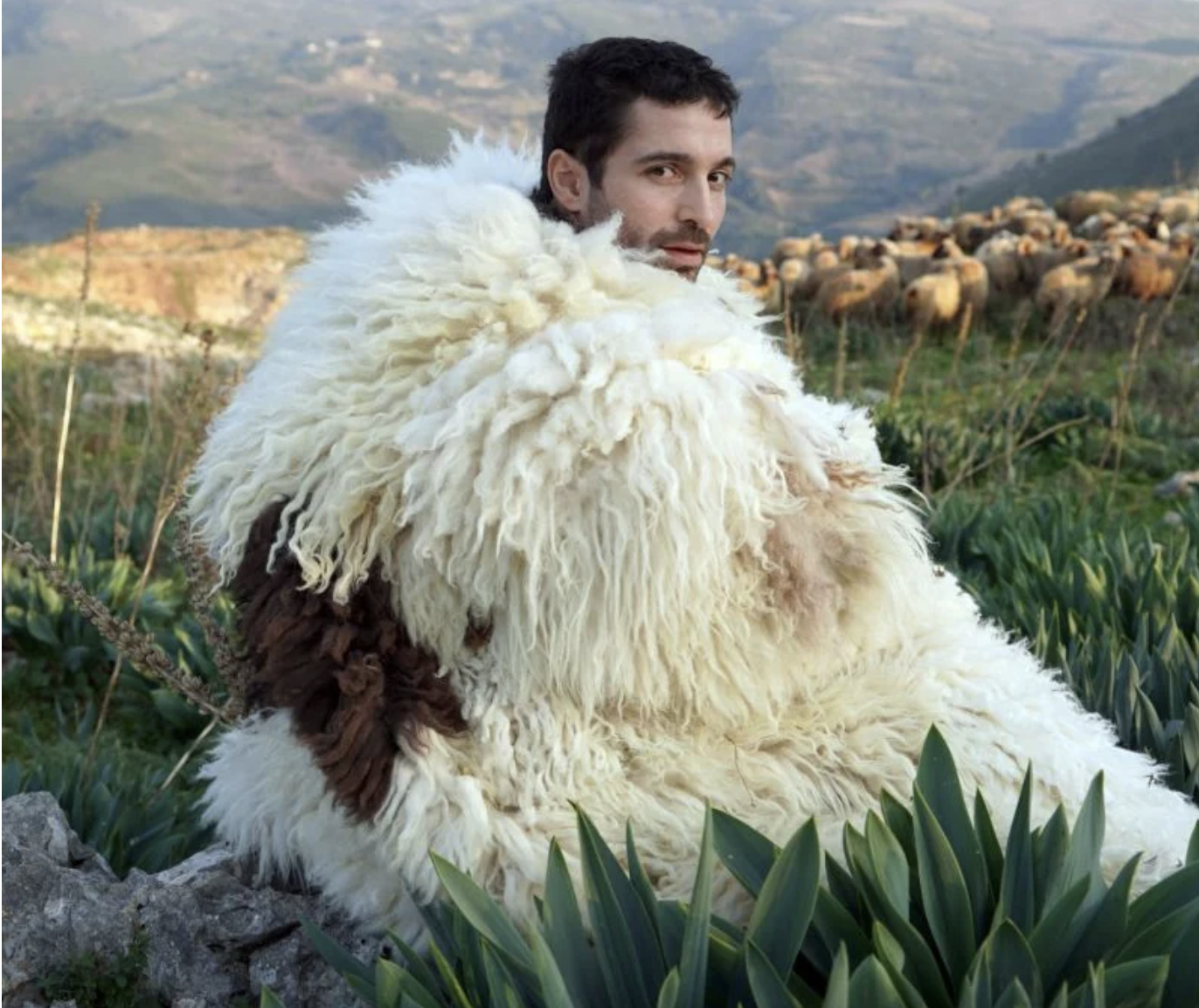
Adrian Pepe’s Lebanese culture, craft and identity through local sheep

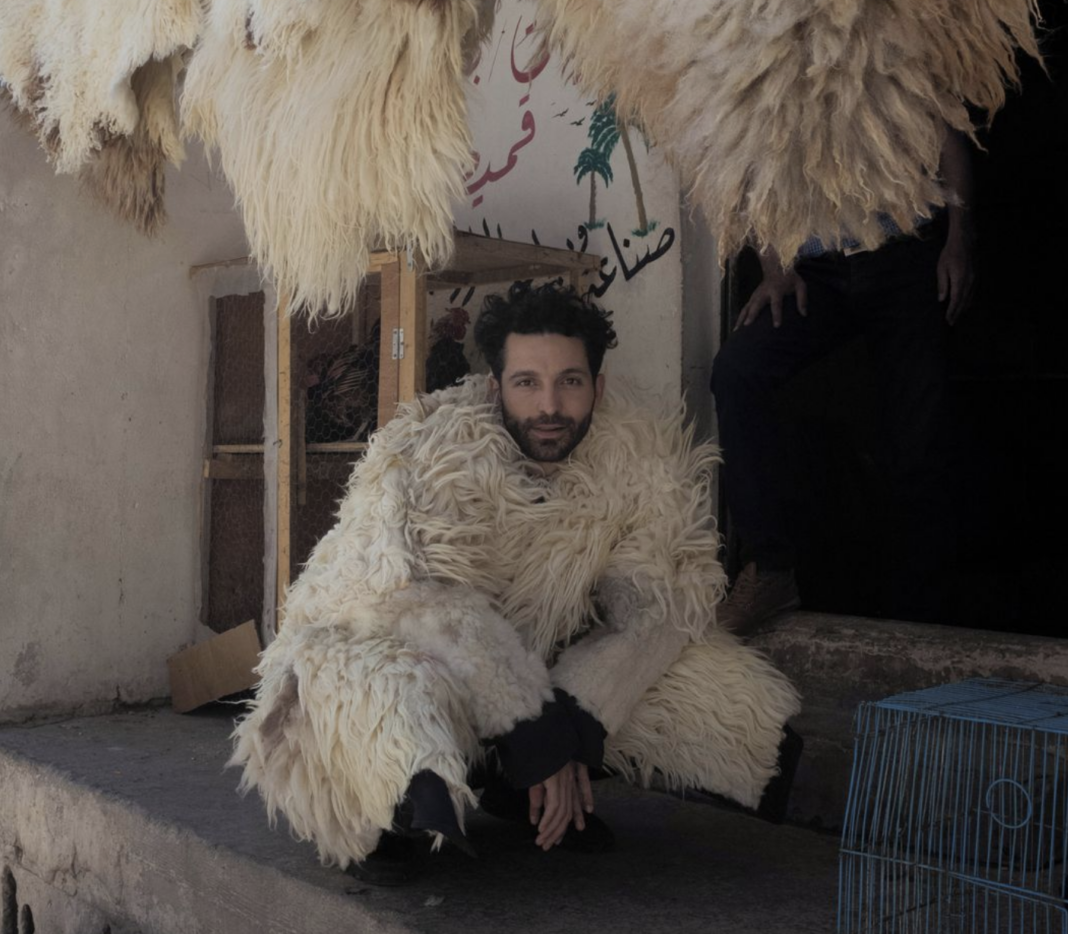
Adrian Pepe wearing sheep wool

The sheep of the Levantine and Middle East regions of Lebanon, Israel, Syria and environs are not like the sheep in New Zealand or New York. The Awassi sheep are a breed of their own. They are used for fashion, warmth and food. Their tail fat is used as a hearty seasoning in Bukharian food traditions and in maqluba. And when weaved, braided and spun, the Awassi is a wool like no other with memories of its place. Like the Babaa sweaters made in Spain

A textile artist in Beirut explores the local sheep as culture and identity that he weaves into his creations. 
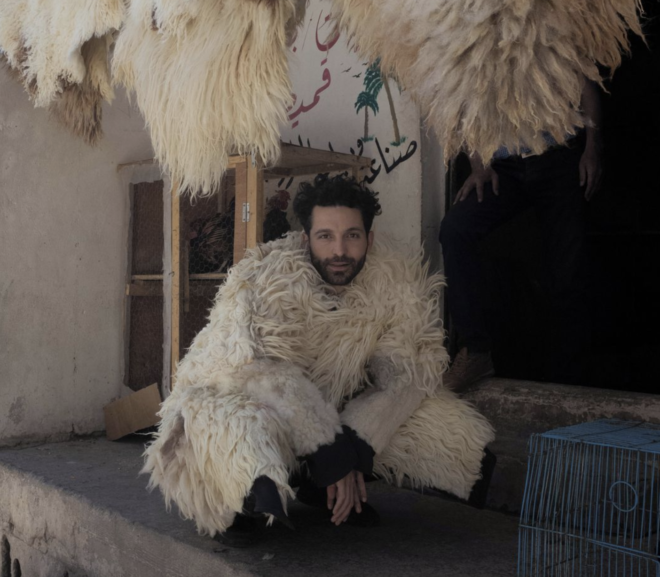
adrian pepe sheet lebanon

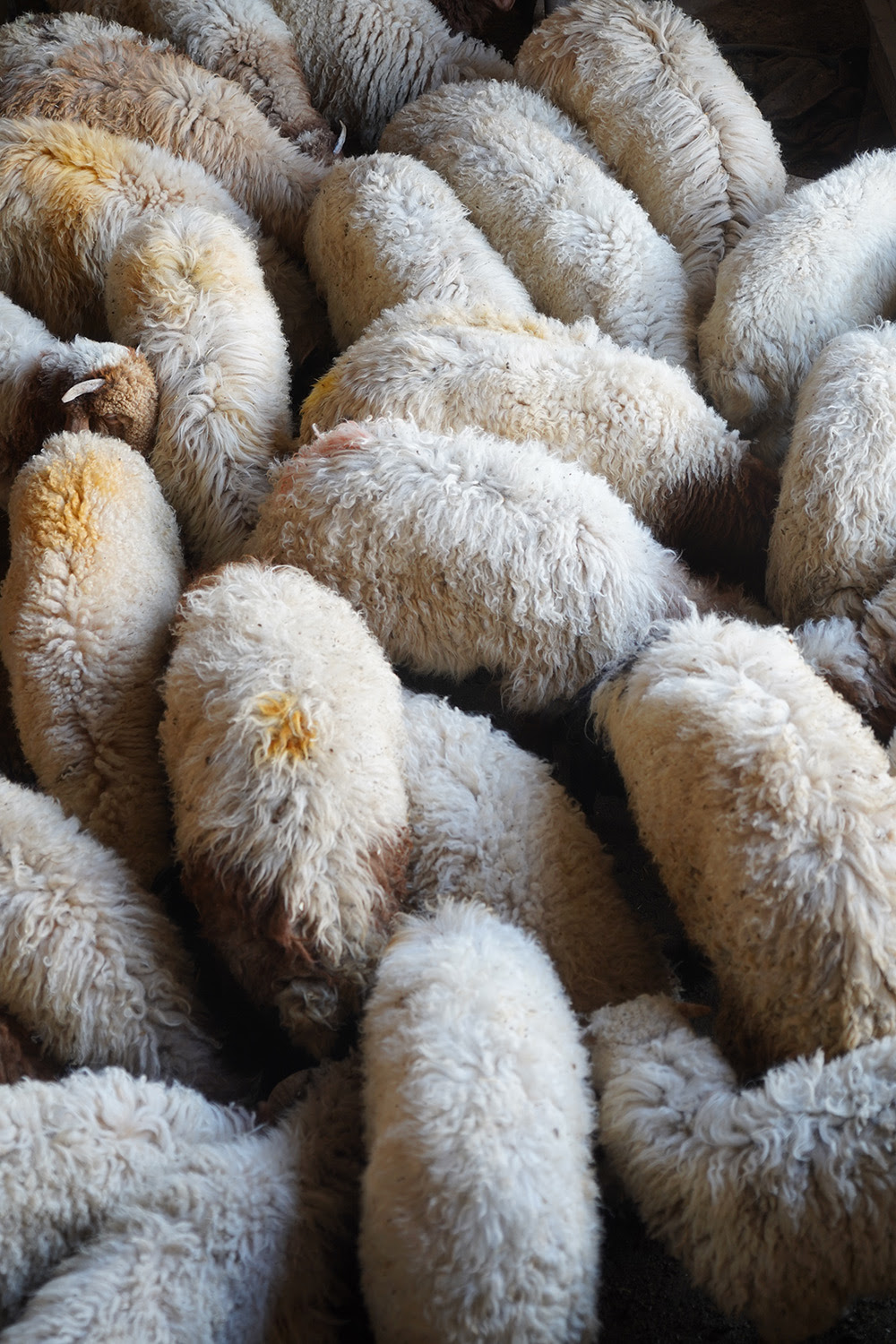
The Awassi is a local sheep breed in South-West Asia originated in the Syro-Arabian desert. Other local names can also be Arab, Baladi, Deiri, Syrian, Ausi, Nuami, Gezirieh, or Ivesi. It is a fat-tailed type and is multi coloured: white with brown head and legs. The ears are long and drooping.

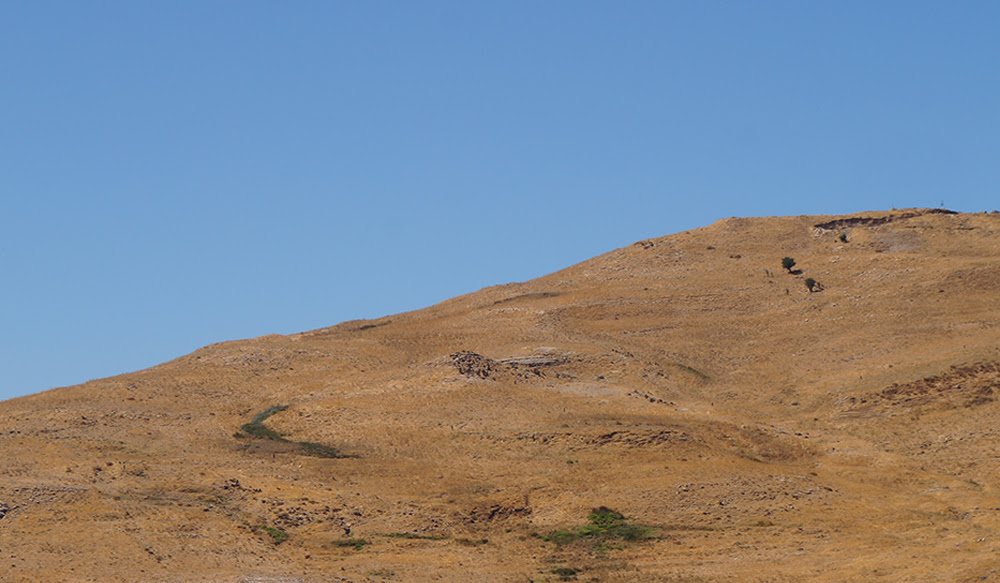
awassi sheep wool Lebanon Adrian Pepe awassi sheep wool Lebanon Adrian Pepe

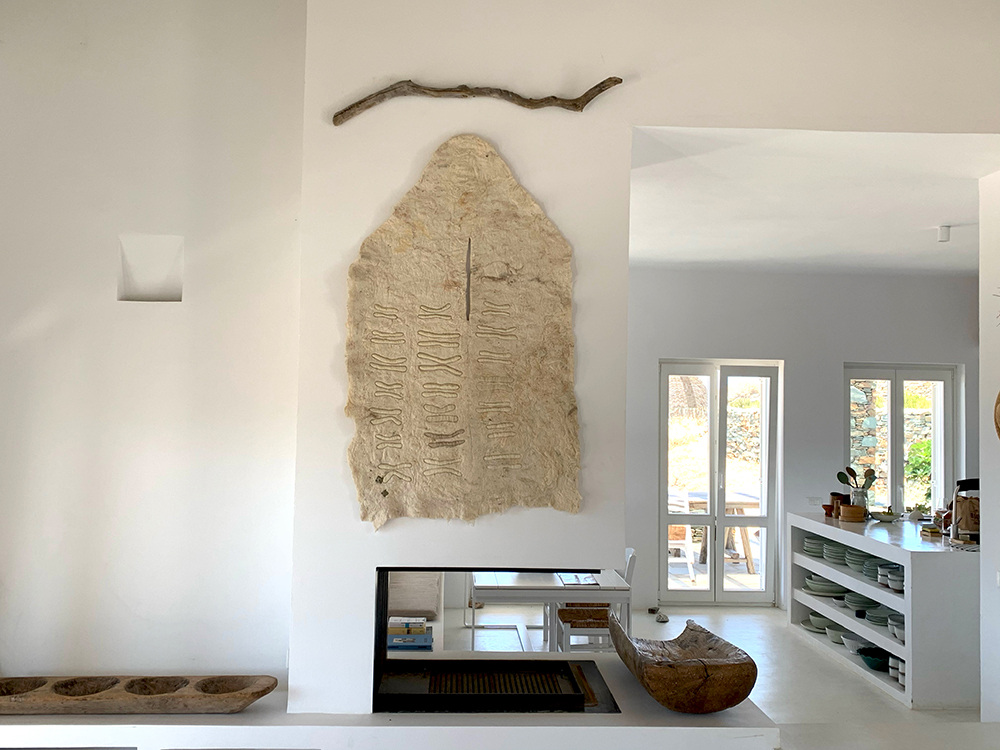
A local Levantine artist Adrian Pepe in Beirut, Lebanon explores the ancient textiles produced in the Levant region from the sheep. He works to unearth ancient craft practices and to weave into them a contemporary message.

Throughout his work, he performs a sort of creative shadowgraphy, crafting objects and experiences as tools to enable an open discourse on materiality, our morphing cultural landscape, and our present condition.
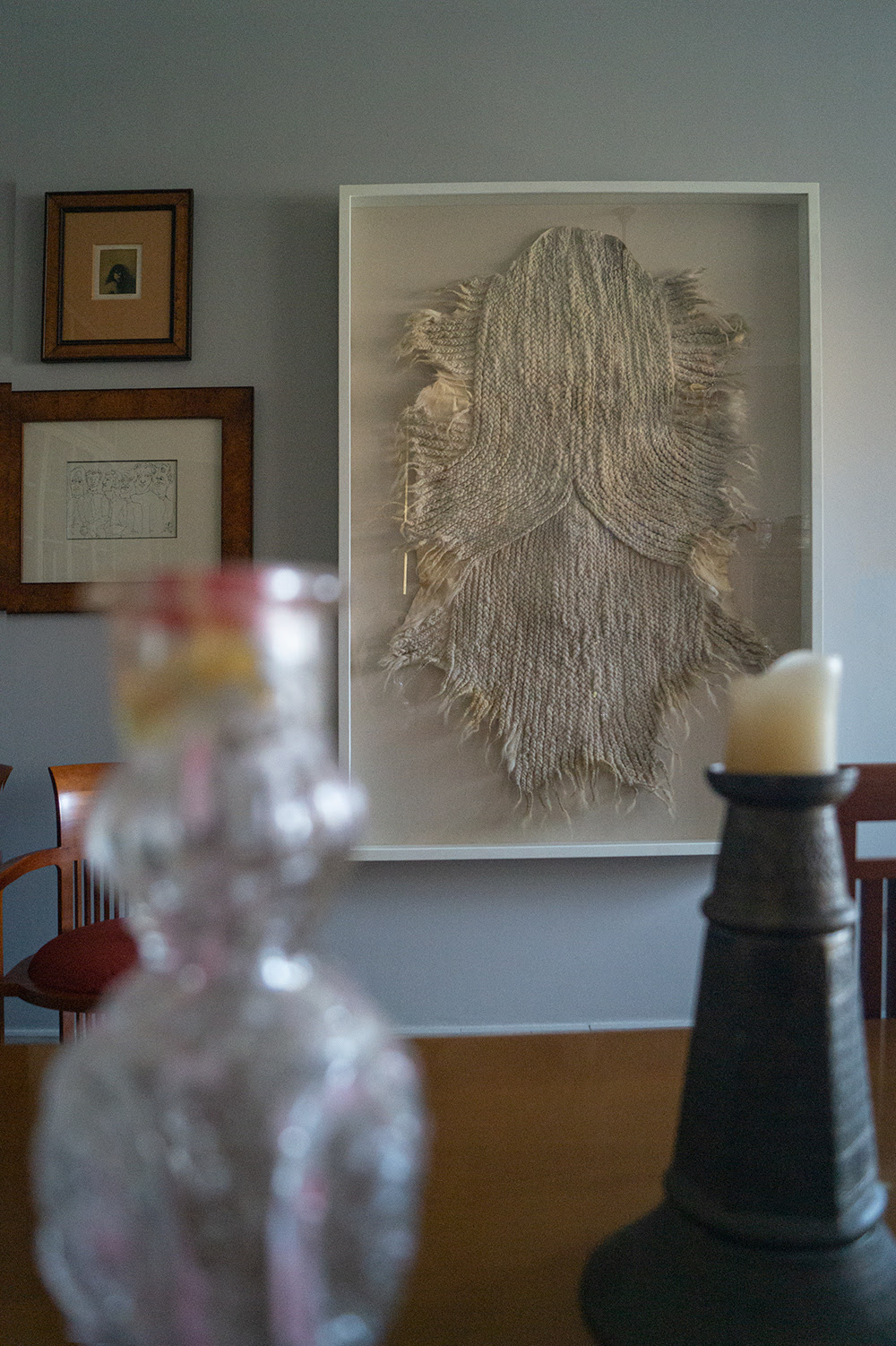
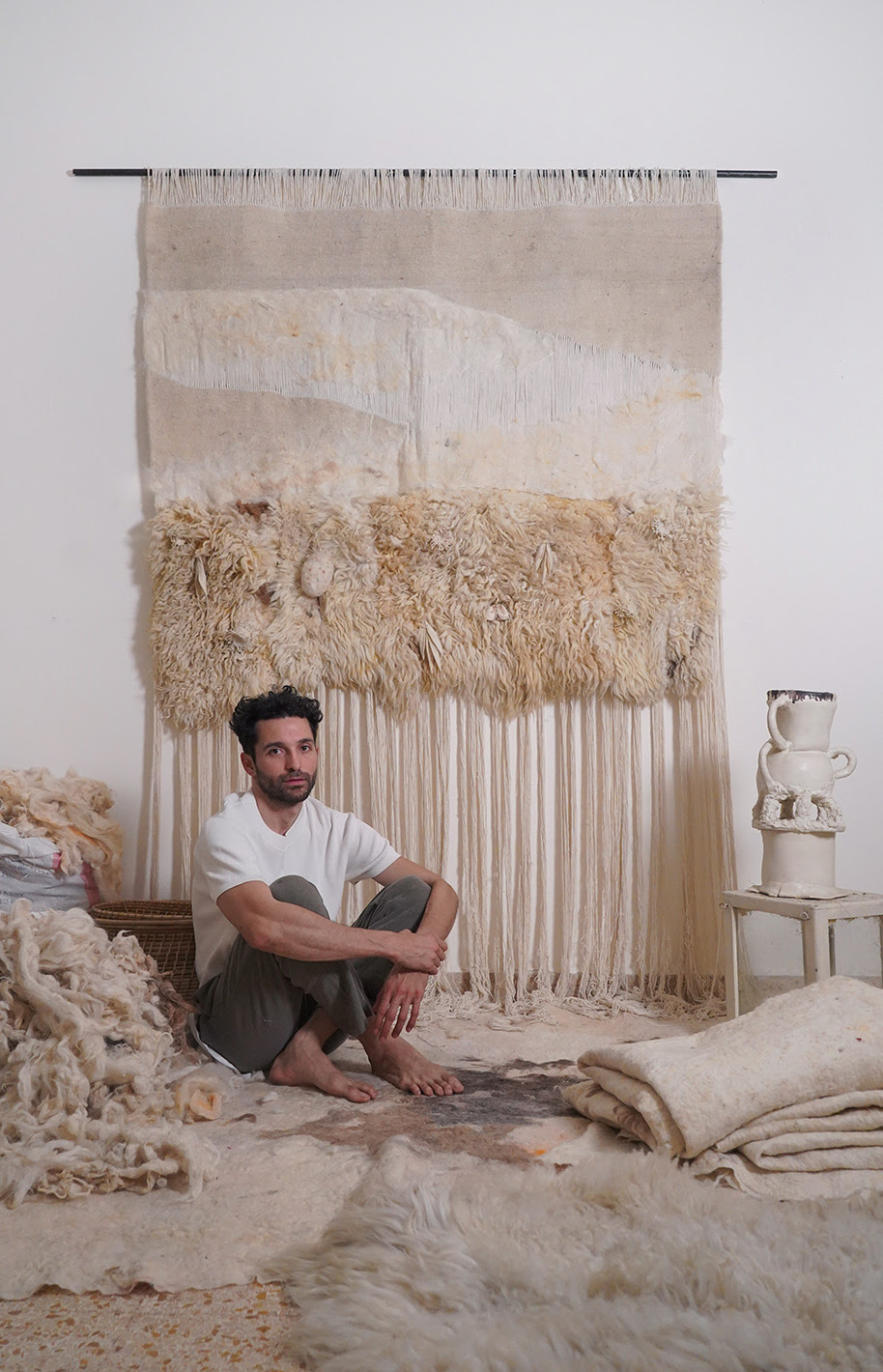
adrian pepe makes textiles from awassi sheep adrian pepe makes textiles from awassi sheep https://www.greenprophet.com/wp-content/uploads/adrianpepe_wool_leb_2020_30.jpg

This body of work begins with an ancient animal: the Awassi sheep, bred in the Levantine region for over five-thousand years. This particular breed of sheep is a central figure in the human narrative, traditionally within the contexts of biblical fables and ritualistic practices of Abrahamic religions.

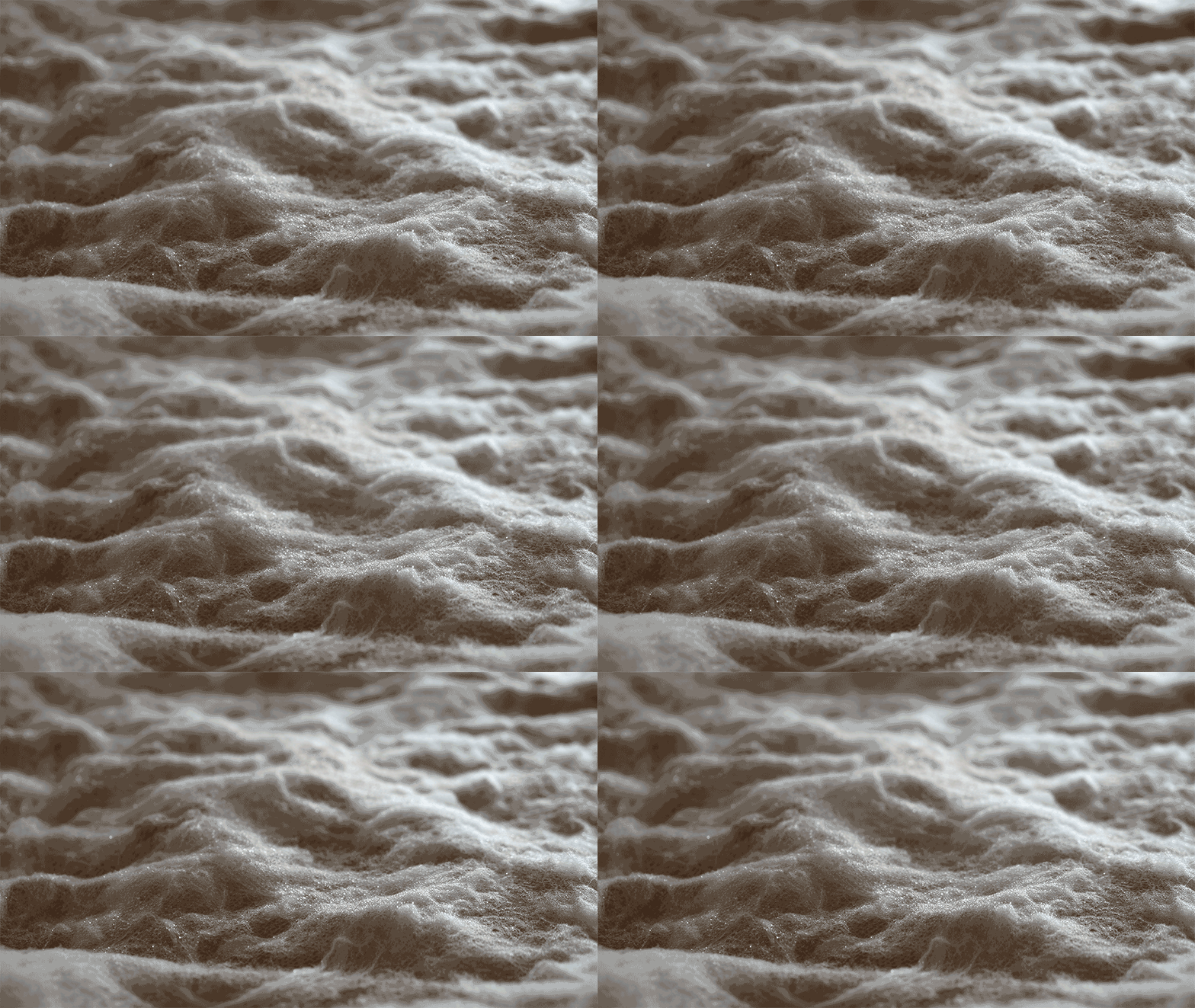
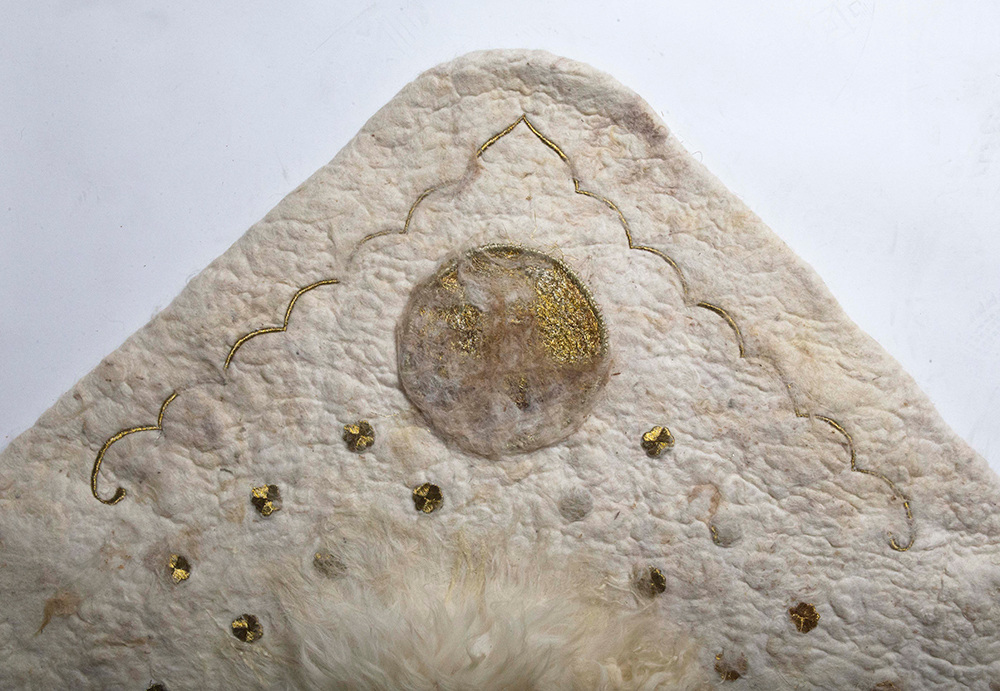
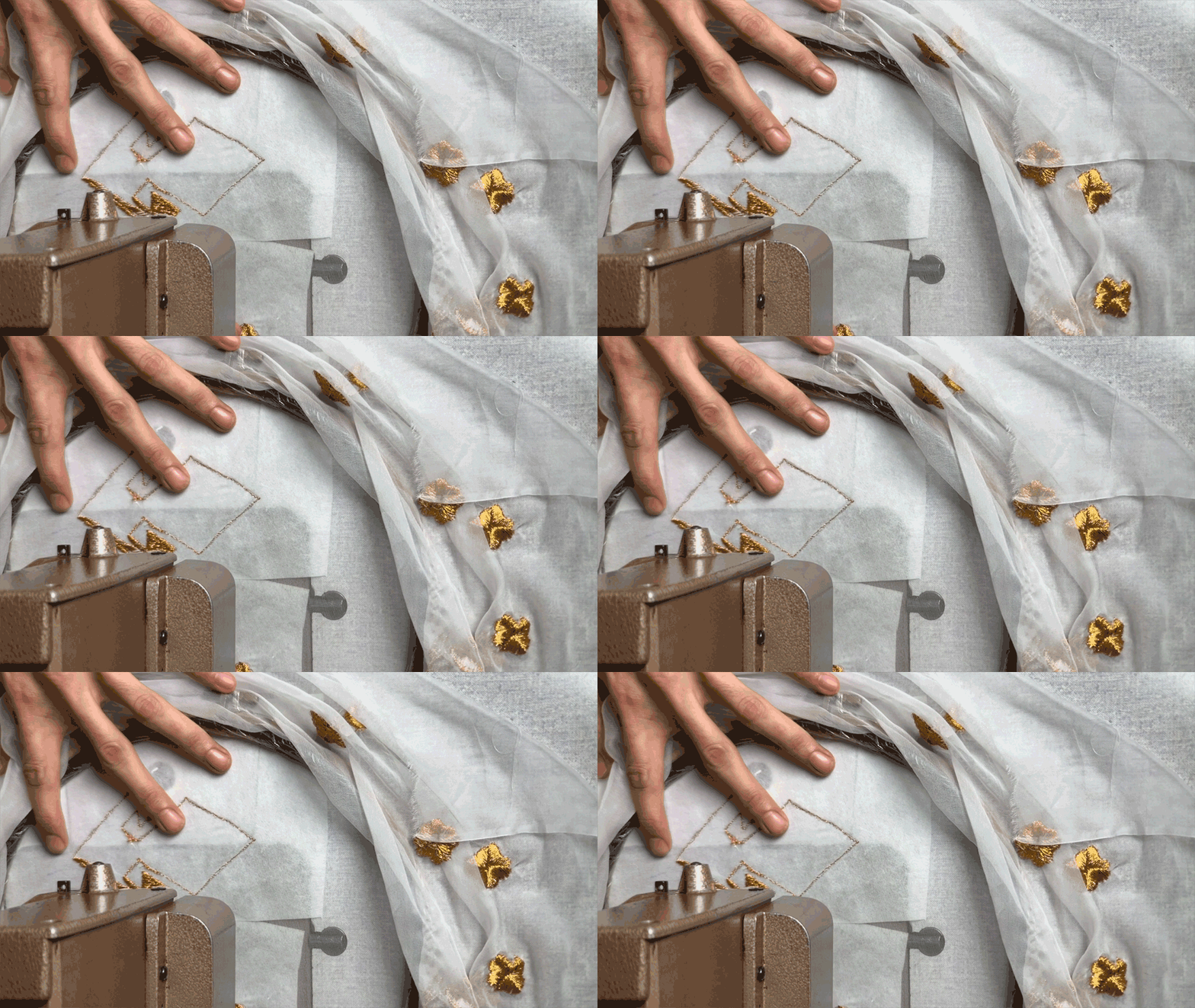
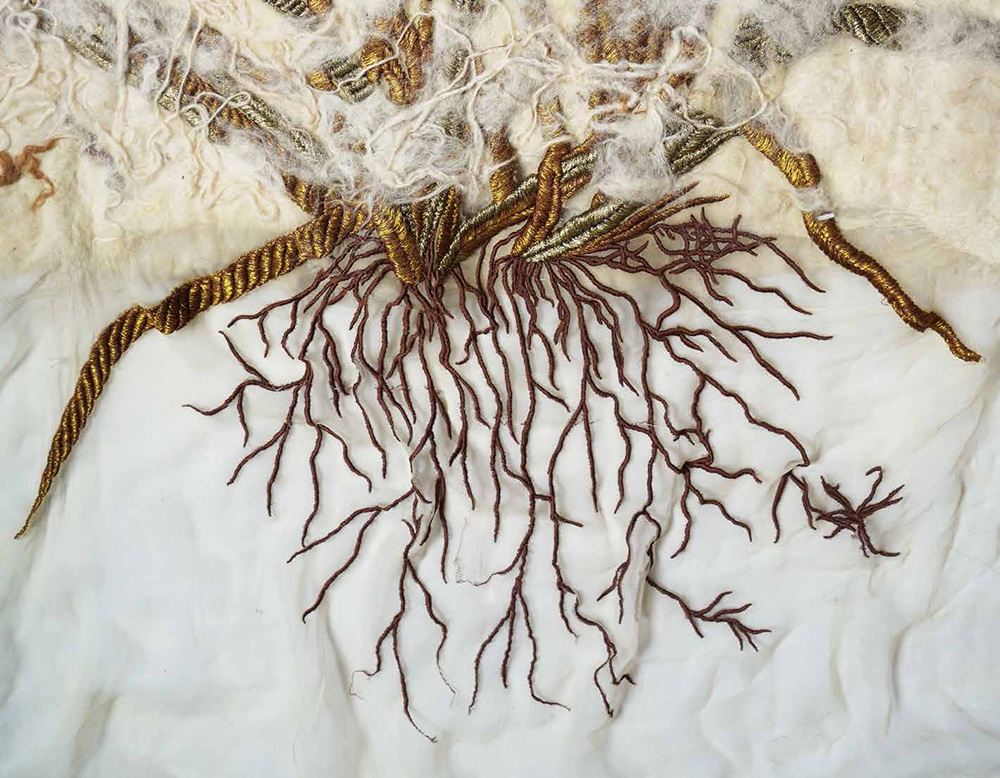
Through the process of spinning, weaving, braiding, and felting, the wool is transformed into artefacts laden with perspiration and emotions, mythologies and symbolism.

adrian pepe sheep textile

It is an “intimate association that transpires between the craftsperson and the crafted object, as the raw material becomes large scale tapestries that summons themes of trans-corporeality and biocentrism,” says Pepe, who has also worked with human hair.
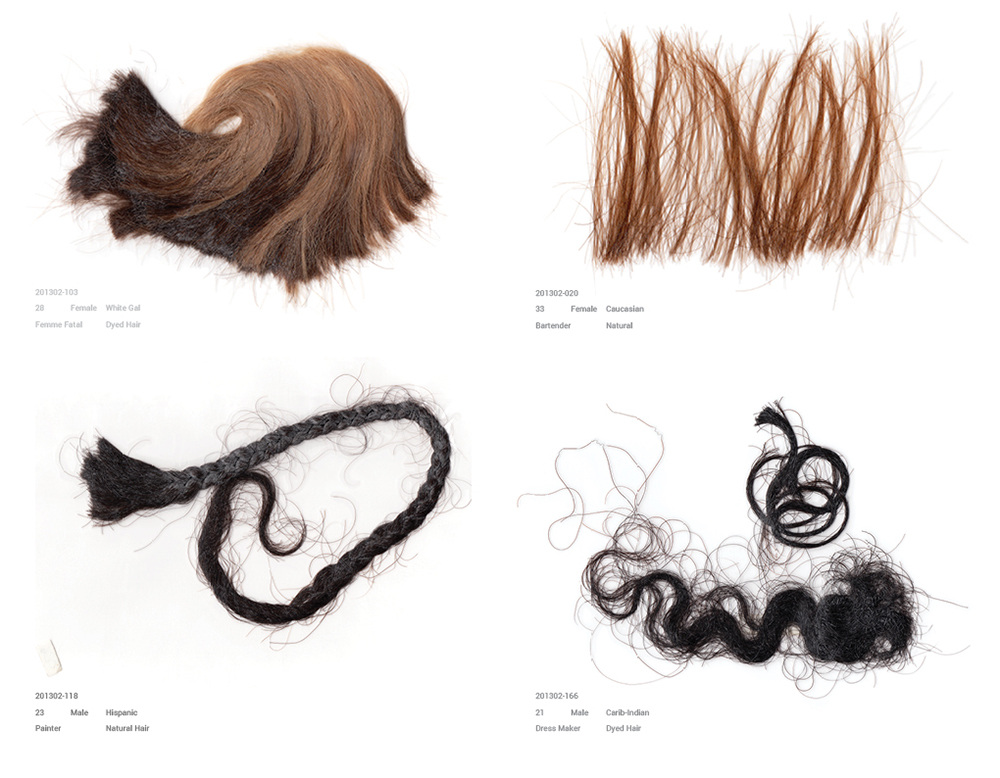
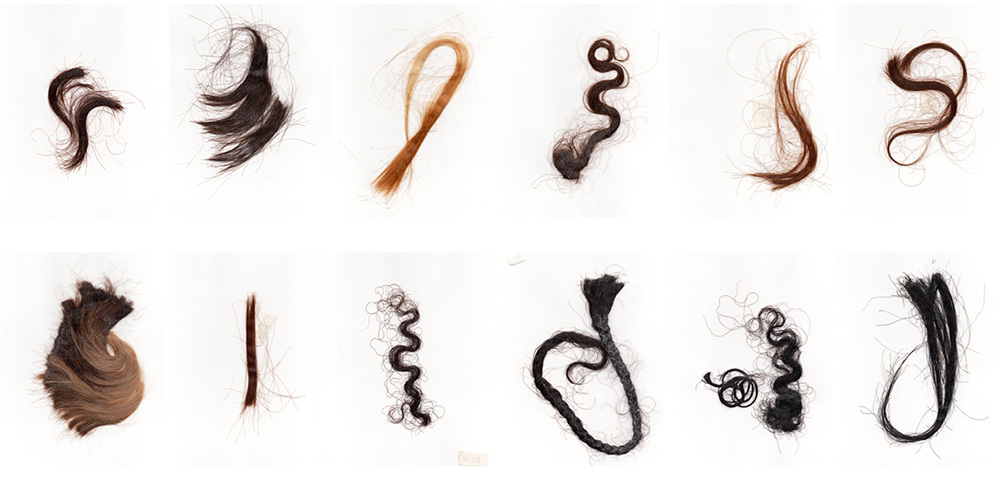
human hair felting

The Lebanese have a strong desire to promote local craft. After the explosions in Beirut, see how it banded craftsmen and women together

Adrian Pepe’s work was displayed at Dubai Design Week earlier in November, 2021. You can also find him here.

Karin Kloosterman
Karin Kloostermanhttp://www.greenprophet.com
Karin Kloosterman is an award-winning journalist, innovation strategist, and founder of Green Prophet, one of the Middle East’s pioneering sustainability platforms. She has ranked in the Top 10 of Verizon innovation competitions, participated in NASA-linked challenges, and spoken worldwide on climate, food security, and future resilience. With an IoT technology patent, features in Canada’s National Post, and leadership inside teams building next-generation agricultural and planetary systems — including Mars-farming concepts — Karin operates at the intersection of storytelling, science, and systems change. She doesn’t report on the future – she helps design it. Reach out directly to [email protected]

Read More

TRENDING

Mona Khalil, Orange House Project founder, sea turtle protector killed in Lebanon

Mona Khalil spent decades protecting Lebanon's sea turtles and coastal ecosystems. Her death in the ongoing conflict between Israel and Hezbollah shines a light on a broader environmental tragedy unfolding across northern Israel and southern Lebanon. From damaged wetlands and disrupted bird migrations to threatened seed banks and endangered wildlife, the region's ecosystems are becoming casualties of a war with no clear end in sight.

Art from Oman at the Venice Biennale

Oman is returning to the Venice Biennale with Zīnah, an immersive installation by artist and curator Haitham Al Busafi that transforms a traditional form of horse adornment into a large-scale sensory experience.

The Lote Tree of the Utmost Boundary, explained

Knowing about the concept of the Lote Tree of the Utmost Boundary helps explain a core idea in Islam.

Listening to Water: Tarek Atoui’s Next Work for Tate Modern

Born in Beirut, Lebanon in 1980 and now living in Paris, Atoui has spent years building instruments that don’t sit comfortably in concert halls. Many of them involve water, glass, and ceramics — materials that react to sound instead of simply producing it.

Lebanon reporting fellowship for truth-tellers

Lebanon’s environmental crisis is not abstract. It is shaped by war, neglect, corruption, and silence. Rivers carry untreated sewage and industrial waste into the Mediterranean. Dynamite fishing shatters fragile marine ecosystems along the coast. In many areas, Hezbollah’s military presence and decades of instability have made environmental accountability nearly impossible. What flows into the sea is not only pollution — it is politics, poverty, and unresolved war. And yet, these stories are rarely told with depth, care, or courage. Silat Wassel’s Environmental Justice Journalism Fellowship is opening space for exactly that. They are looking for a few brave souls. 

Yerukim Forms a New Green Economy Where the Money is Really Green

The Yerukim members who pick up the recyclables get to keep the monetary reward, the public earns "green" bills that can be used in shops, and business owners get to be associated with environmentalism.

Choosing Riyadh over Dubai? What Investors Should Know

Saudi Arabia is deploying capital at unmatched scale to catalyze tourism and advanced industry while rewiring its power-and-water backbone. The investable frontier is widening—especially in renewables, grid storage, water efficiency/desal retrofits, and hospitality operating platforms. Prudent investors will insist on phased delivery, enforceable KPIs (energy, water, biodiversity), and RHQ/zone compliance—while pricing political-economy and reputational risks alongside growth upside.

Sell your cooking oil for biodiesel money

Want to make money on old french fry oil? Sell it.

Qatar Alternative Energy Summit Pairs Investors And Innovators

Alternative energy investors and innovators can meet n' greet in Doha, Qatar March 16 and 17.

Here’s How To Implement The Four Pillars Of Employee Engagement

If you throw a party for your work team and they are vegans, don't make it a barbecue. Know the sustainability values of your team to boost moral and retain good people.

Locals From Rishon Fight IKEA

Big Box stores are a pretty new concept in Israel, and thank God that not every Israeli city wants them in their backyard. A word from someone who has see the beautiful farmland around her hometown Newmarket, Ontario stripped and converted into vulgar strip malls of big box shops: they have no place in a healthy and sustainable town or city.

The Jewish National Fund Meets An Inconvenient Truth

According to the JNF, it has transformed thousands of acres of barren land into green forests in Israel. They state that each person emits about 23 tons of carbon per year, estimating that each tree planted can absorb one ton of carbon in its lifetime. That's a whole lot of trees you'd need to be planting. Could so many fit in Israel?

How to quiet noise from construction in your office

Streets need to be resurfaced in New York but the humming and grinding noise is unsettling. Noise is environmental pollution. 

Popular Categories