Ocean Action Forum 2025: Can Saudi Arabia Redefine the Future of Marine Stewardship?

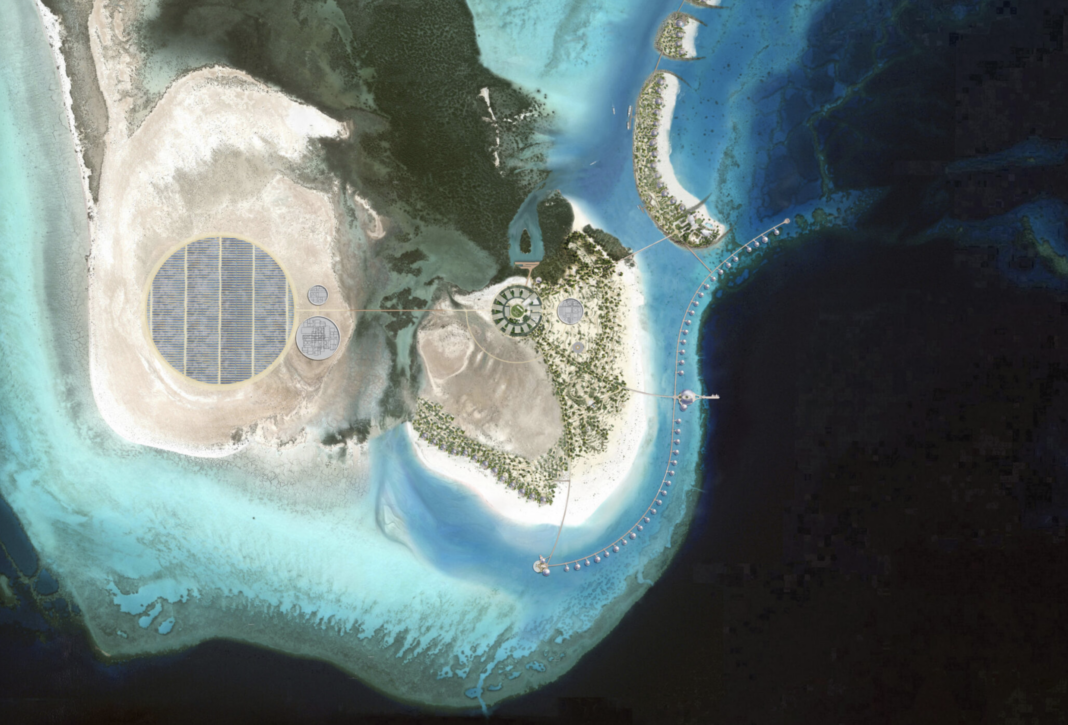
Desalination and power plant powered by the sun
Desalination and power plant powered by the sun in ultra-luxury Shebara, Saudi Arabia

Saudi Arabia, a nation better known for its oil wealth, is rapidly reinventing itself as a marine sustainability player. Positioned between the ecologically sensitive Red Sea and the economically strategic Arabian Gulf, the Kingdom now has its sights set on becoming a global hub for blue economy innovation.

As part of this shift, Jeddah will host the Ocean Action Forum on October 27–28, 2025, at the Jeddah Hilton, gathering policymakers, scientists, investors, infrastructure developers, marine engineers, and climate strategists. The event promises not just high-level discussion but a new governance model for ocean-positive development in the Gulf.

According to the official agenda, the forum is designed to “shed light on key industry trends and issues, foster strategic partnerships, and explore cutting-edge solutions to safeguard marine ecosystems.”

Under Vision 2030, Saudi Arabia has made an unusual promise for a hydrocarbon nation: to restore coastal ecosystems, expand marine protected areas, scale mangrove forests, and build new “nature-compatible” infrastructure across its rapidly developing coastal cities.

Aquellum is a new Araqa area giga project by Neom on the Red Sea
Aquellum, a 15-minute city being developed on the Saudi coast

In early 2025, the Kingdom took a symbolic global step by assuming the Secretariat of the International Coral Reef Initiative (ICRI), giving it a front-row seat in shaping global coral protection policy. This forum is the first major marine policy gathering since that appointment, making it a signal moment in the Kingdom’s environmental diplomacy.

Related: We’ve reach coral reef tipping point

A Closer Look at Day One

The event opens with remarks by Dr. Vienna Eleuteri of the Saudi Red Sea Authority, who will set the tone with a call for “long-term marine stewardship backed by measurable outcomes and inclusive governance.”

From there, discussions quickly move from policy to hard innovation:

  • Marine Spatial Planning as Climate Defense
    How do you balance tourism, fishing, shipping lanes, and offshore development without collapsing delicate marine ecosystems? Experts from KAUST, Fujairah Research Centre, and Buro Happold will debate new zoning and monitoring tools.

  • Turning Ports into Reefs
    In one of the most anticipated talks, Ocean Ecostructures CEO Ignasi Ferrer will present how AI, robotics, and bio-designed structures can convert concrete seawalls and breakwaters into living habitats, transforming industrial coastlines into biodiversity zones.

  • Aquaculture Reimagined
    With global pressure on wild fisheries, KAUST’s Aquaculture Development Program will outline how precision aquaculture and filtration technologies could make farmed fish part of a regenerative, not extractive, ocean economy.

Mangroves, Microplastics and Machine Learning

Saudi Arabian mangrove forests
Saudi Arabian mangrove forests can help mitigate climate change

Late-afternoon sessions focus on restoration at scale, including Saudi-led platforms like Netzero’s Mangrove Action initiative, which uses satellite monitoring and digital tracking tools to verify coastal restoration outcomes—a shift toward data accountability for nature projects.

There will also be a tech spotlight on microplastic-free aquaculture, with filtration innovators from TraCon GmbH showcasing Aqua BIO Kat, a new German-engineered system designed to reduce contamination and protect human health through clean water cycles.

From Coastal Luxury to Coastal Responsibility

Saudi Arabia’s massive Red Sea tourism projects—including NEOM, the Red Sea Global regenerative tourism initiative, and luxury island developments—have drawn both investment interest and ecological scrutiny. The Ocean Action Forum appears to be the Kingdom’s answer: framing development and marine restoration not as opposing forces, but as parts of a “regenerative coastal economy.”

The success of the event will depend on what happens after the panel lights turn off—whether restoration targets, monitoring systems, and local community roles become embedded in policy, not just PowerPoint slides.

But one thing is clear: Saudi Arabia is no longer observing the marine sustainability movement from the sidelines. It is positioning itself to lead it. The Ocean Action Forum 2025 at the Jeddah Hilton may well be the moment the region begins to define its own blueprint for marine resilience—not borrowed from Europe or island nations, but rooted in the realities of the Red Sea and Arabian Gulf.


Karin Kloosterman
Karin Kloostermanhttp://www.greenprophet.com
Karin Kloosterman is an award-winning journalist, innovation strategist, and founder of Green Prophet, one of the Middle East’s pioneering sustainability platforms. She has ranked in the Top 10 of Verizon innovation competitions, participated in NASA-linked challenges, and spoken worldwide on climate, food security, and future resilience. With an IoT technology patent, features in Canada’s National Post, and leadership inside teams building next-generation agricultural and planetary systems — including Mars-farming concepts — Karin operates at the intersection of storytelling, science, and systems change. She doesn’t report on the future – she helps design it. Reach out directly to [email protected]

TRENDING

Shebara hotel Saudi Arabia – is it eco-luxury dream or desert illusion?

A new breed of luxury has landed on the Red Sea, mirrored pods floating above coral reefs, reflecting sky and sea like something not entirely of this Earth. Energy powered by solar powers, drinking water pulled from the sea using desalination. 

Hydrophilis SCUBA gear could make us one with the sea

Hydrophilis, Oliver Isler’s experimental rebreather suit, reimagines diving by reducing drag, eliminating bubbles, and bringing humans closer to the natural movement of marine life.

When peace returns, will we rediscover Saudi Arabia’s mud-brick soul?

When the region settles after the American war with Iran, and it will, American and European travelers will come back. Not just for spectacle or headline projects, but for places that feel real. Places that haven’t been engineered to impress and which get into your soul. We predict that visitors to Saudi Arabia will want to see places like Rijal Alma.When the region settles after the American war with Iran, and it will, American and European travelers will come back. Not just for spectacle or headline projects, but for places that feel real. Places that haven’t been engineered to impress and which get into your soul. We predict that visitors to Saudi Arabia will want to see places like Rijal Alma.

Seychelles resumes sooty tern egg collection despite population crash

Known as a biodiversity indicator species, local experts say it's too early to stop protecting these important birds in the Syechelles

Jordan’s $6 Billion Aqaba–Amman Desalination Project from the Red Sea Moves Forward

In 2025, the Jordanian government signed agreements with a consortium led by Meridiam and SUEZ, alongside VINCI Construction and Orascom Construction. Under a 30-year concession agreement, the consortium will design, build, finance, operate, and maintain the system before transferring it back to the Jordanian government. The total investment is estimated at approximately $6 billion USD.

Nobul’s Regan McGee on Shareholder Value: “Complacency Is the Silent Killer” 

Why the governance framework designed to protect shareholders so...

Should You Invest in the Private Market?

startustartup Unlike public stock exchanges, which offer daily trading, strict...

How to build a 100-year-company

Kongō Gumi is a Japanese construction company, purportedly founded in 578 A.D., making it the world's oldest documented company. What can we learn about building sustainable businesses from them?

From Pilot Plant to Global Stage: How Aduro Clean Technologies’ 2026 Expansion Signals a Turning Point for Chemical Recycling Investors Like Yazan Al Homsi

The company's Next Generation Process (NGP) Pilot Plant in London, Ontario, has officially moved into initial operating campaigns, generating the kind of structured, repeatable data that separates laboratory promise from commercial viability.

How AI Helps SaaS Companies Reduce Repetitive Customer Support Work

SaaS products are designed for large numbers of users with different levels of experience, and also in renewable energy.

Pulling Water from the Air

Faced with water shortage in Amman, Laurie digs up...

Turning Your Energy Consultancy into an LLC: 4 Legal Steps for Founders in Texas

If you are starting a renewable energy business in Texas, learn how to start an LLC by the books.

Tracking the Impacts of a Hydroelectric Dam Along the Tigris River

For the next two months, I'll be taking a break from my usual Green Prophet posts to report on a transnational environmental issue: the Ilısu Dam currently under construction in Turkey, and the ways it will transform life along the Tigris River.

Related Articles

Popular Categories