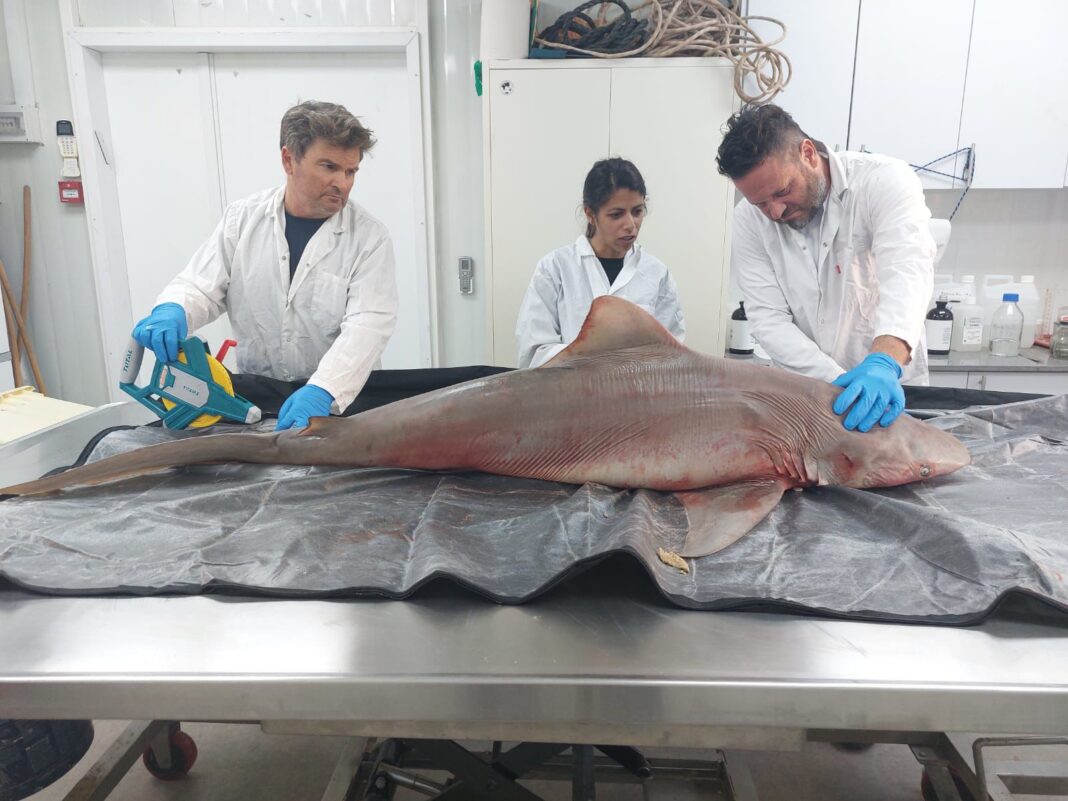

Microplastics Are Becoming Superbug Highways — New Study Warns Beachgoers to Wear Gloves

Emily May Stevenson finds that microplastics are vectors for pathogens

If you’ve ever picked up plastic on a beach cleanup, you may have held more than trash in your hands. A new study shows microplastics are rapidly colonized by pathogenic and antimicrobial-resistant bacteria — turning tiny plastic pellets, wrappers and bottles littering the beach into traveling vehicles for disease.

RELATED: microplastics in plastic orthodontics aligners 

Microplastics — plastic fragments under 5 mm — now blanket every part of the planet. They are in plastic aligners used in orthodontics, and are in the air we breath. More than 125 trillion pieces drift through the ocean, with more found in rivers, soils, animals, and even the human body.

But scientists tell Green Prophet that the danger isn’t just the plastic itself: it’s the Plastisphere, the microbial biofilm that forms on each particle.

A team led by Dr. Emily Stevenson (Plymouth Marine Laboratory & University of Exeter) sent us a new study saying that they found that microplastics in real environmental conditions, from hospital wastewater to coastal waters, carry pathogens and antimicrobial-resistant (AMR) bacteria at every stage of their journey.
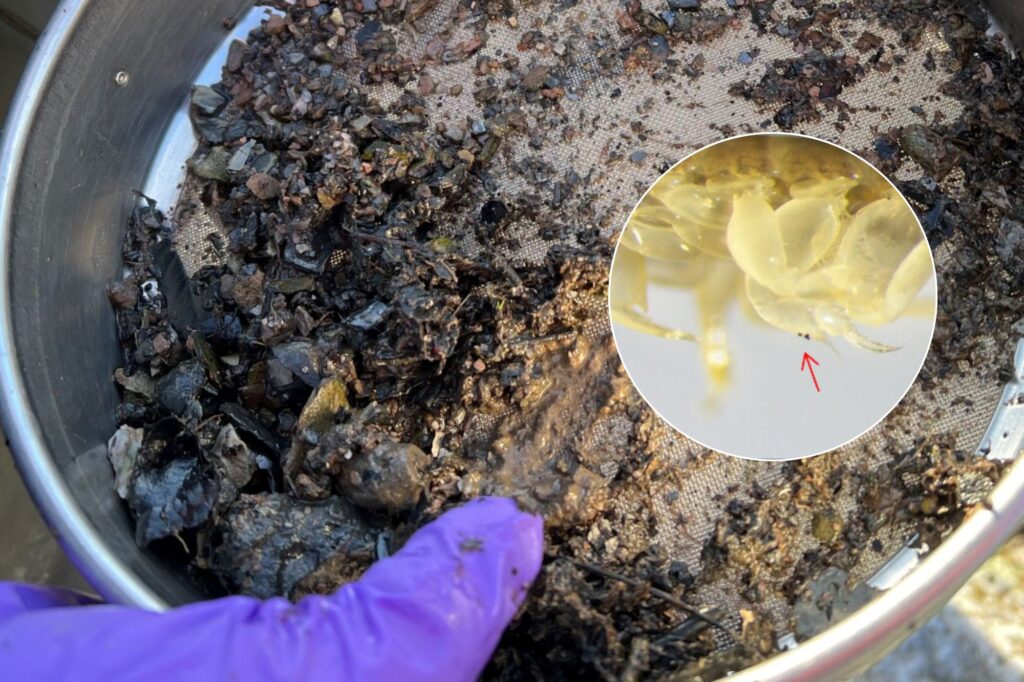
microplastics at sea
Microplastics are tiny and they collecting pathogens at sea

Their study, Sewers to Seas, tested five substrates — bio-beads, nurdles, polystyrene, wood, and glass — placed along a waterway flowing from high-pollution zones toward the sea. After two months, metagenomic analysis revealed: Pathogens and AMR bacteria were found on all plastics, at all sites.

What they found as data

  • Polystyrene and nurdles posed the highest AMR risk, likely due to their ability to absorb antibiotics and promote biofilm growth.
  • Over 100 unique AMR gene sequences were found on microplastic biofilms — far more than on natural materials like wood.
  • Some pathogens became more abundant downstream, riding microplastics from sewage outflows toward beaches.
  • Environmental conditions strongly shaped bacterial communities and AMR prevalence.
  • Microplastics near aquaculture sites may pose biosecurity risks for shellfish and filter feeders.

Each microplastic particle can act as a miniature, mobile petri dish, transporting superbugs from hospital wastewater to swimming beaches and seafood beds.

“This study highlights the pathogenic and AMR risk posed by microplastics littering our oceans and coasts,” said Dr. Stevenson. “We strongly recommend volunteers wear gloves during beach cleanups and wash hands afterward.”

Prof. Pennie Lindeque added that microplastics “act as carriers for antimicrobial-resistant bacteria, enhancing their survival and spread… each particle becomes a tiny vehicle capable of transporting pathogens from sewage works to beaches, swimming areas and shellfish-growing sites.”

Senior Lecturer Dr. Aimee Murray concluded: “Microplastics aren’t just an environmental issue — they may be spreading antimicrobial resistance.”

The big picture

As microplastics continue to accumulate globally, researchers warn the Plastisphere could worsen the spread of superbugs. The study calls for: better waste management, stronger monitoring of microplastic pathways, urgent reductions in plastic discharge and an integrated strategies across wastewater, healthcare, and marine policy.

Read More

TRENDING

Baby teeth read like tree rings paint a picture of toxins in early life

A new study from the Icahn School of Medicine at Mount Sinai in New York offers a striking insight into how the environments we are born into can quietly shape our brains years later. By analyzing naturally shed baby teeth, the ones tucked under pillows for the tooth fairy, researchers have reconstructed a detailed timeline of exposure to environmental metals during pregnancy and early infancy.

40 more migratory animals need protecting, warns UN group

The Convention on the Conservation of Migratory Species of Wild Animals (CMS), governments agreed to extend protection to 40 more migratory species, from cheetahs and striped hyenas to snowy owls, giant otters, and great hammerhead sharks. Too many of them are slipping toward extinction .

Koh Phangan’s angels for the dogs and the cats

Koh Phangan may be known for yoga, detox retreats, and full moon parties, but beyond the curated paradise lies a different reality—one of injured stray animals and the quiet work of rescue. This story explores PACS (Phangan Animal Care for Strays), a grassroots animal shelter tackling overpopulation, disease, and neglect on the island. Through firsthand experience with teens, it reveals how meaningful travel, volunteerism, and compassion offer a deeper kind of healing—far from the Instagram version of paradise.

Lululemon pants leech PFAS and plastics into bodies, Texas attorney general claims

Back in late 2025, Green Prophet began asking uncomfortable questions about what’s really inside your yoga pants, from transparency failures (yes, those infamous see-through leggings) to the less visible and scarier issue: Your sweat is unlocking microplastics and chemical coatings sitting in the most absorbent parts of the human body.

Is artificial turf bad for your health?

Artificial turf, the green plastic stuff that is supposed to look like grass, was sold to many home-owners as a clever compromise: a green-looking surface that makes you feel homey, but which needs no mowing. It survives heavy use, and in dry places like Middle East deserts, and in California or Texas, it can replace thirsty lawns. But it is toxic.

Mining Afghanistan’s Mineral Discoveries Similar to Avatar

Now that American forces in Afghanistan are commemorating the longest period of any war that America has been involved in, including the 1965-73 Vietnam War, the recent discoveries of large and extremely valuable mineral and metal deposits may finally bring to light a reason to continue the presence of US fighting forces in this war torn and backward country.

From Pilot Plant to Global Stage: How Aduro Clean Technologies’ 2026 Expansion Signals a Turning Point for Chemical Recycling Investors Like Yazan Al Homsi

The company's Next Generation Process (NGP) Pilot Plant in London, Ontario, has officially moved into initial operating campaigns, generating the kind of structured, repeatable data that separates laboratory promise from commercial viability.

Nobul’s Regan McGee on Shareholder Value: “Complacency Is the Silent Killer” 

Why the governance framework designed to protect shareholders so...

Should You Invest in the Private Market?

startustartup Unlike public stock exchanges, which offer daily trading, strict...

How to build a 100-year-company

Kongō Gumi is a Japanese construction company, purportedly founded in 578 A.D., making it the world's oldest documented company. What can we learn about building sustainable businesses from them?

How AI Helps SaaS Companies Reduce Repetitive Customer Support Work

SaaS products are designed for large numbers of users with different levels of experience, and also in renewable energy.

Pulling Water from the Air

Faced with water shortage in Amman, Laurie digs up...

Turning Your Energy Consultancy into an LLC: 4 Legal Steps for Founders in Texas

If you are starting a renewable energy business in Texas, learn how to start an LLC by the books.

Popular Categories