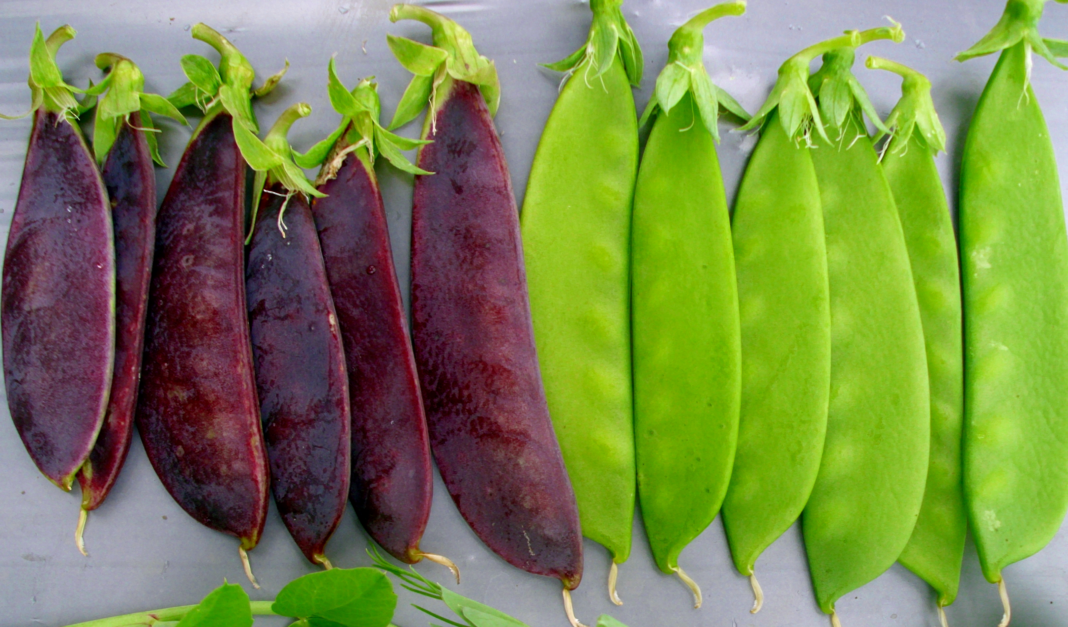


Shelling peas is a bother, but worth the effort for the singular enjoyment of eating them fresh. Frozen peas, however handy a bag of them in the back of the freezer may be, never give you that delicate flavor. But now you’re looking at a pile of shells. What can you do with them?
You can compost them. Make pea pod soup, as in our recipe here. Or make wine! Pea pod wine is an frugal, old-fashioned British recipe that deserves to be better known. Well made, the wine is light and refreshing, like a Sauternes; the pea flavor disappears in the magic of fermentation.
You do need to know basic winemaking procedure and have some basic equipment. We originally linked to Jack-Keller-Complete-Requested-Recipes-CollectionJack Keller’s winemaking blog, but he died in 2020. If you’re new to winemaking, you’ll learn everything you need to know from Keller who posted everything online for free. We found a PDF of his recipes and you download the collection here (in PDF).
According to Jack Keller of the eponymous blog (no longer online but you can see some of his writing on Facebook), you can ferment the pods of any pea or bean at all and make good wine of them. That might be easier than accumulating 2.5 kg./5 lb. of pea pods, which is the minimum quantity to produce a gallon of wine. You can also accumulate pea or bean pods a bit at a time, freezing whatever you have until you have enough.

The pods need to be cooked, which releases their starch and creates a haze in the liquor. Not to worry: give the wine enough time and the haze will go.
If you’re an experienced winemaker, skip to the recipe. If you’re a new winemaker, I urge you to go through Jack Keller’s site to learn about the procedures that will yield you good, enjoyable wine, not vinegar.
You may choose to ferment with dried baker’s yeast. It works, but it’s never the best option. It’s worth buying real wine yeast; not expensive and easily available online if you don’t have a wine supply store nearby. Another worthwhile purchase is Campden disinfectant tablets. You’ll need to clean, then sanitize your bucket, fermenting vessel and bottles. Bleach will do it, but who wants to work with bleach? To know more about sanitation in winemaking, here’s another informative link.
Making “country wine” from non-grape fruit and from vegetables doesn’t require a crusher and press. But you still need some equipment. For this rural pea-pod wine, you’ll need a stock pot, a 1-gallon bucket, a carboy (glass or plastic fermentation vessel), an airlock to release fermentation gases while keeping dust and bugs out of the carboy, a strainer, a funnel,a long-handled spoon for stirring, and a new plastic syphon.
Also five 750-ml. bottles. Recycled wine bottles are fine. You may get four bottles out of this batch; it depends on how much sediment accumulates that you’ll have to get rid of.
There is the minimalist, but not recommended, “balloon” method, where the liquor is fermented in a jar and a balloon fitted over the top, pierced with a tiny hole to allow gases to escape. When the balloon droops, fermentation has stopped and you can proceed.
Remember the old country number, “Blue Suede Shoes”? The lyrics go, “You can burn my house – steal my car – drink my liquor from the old fruit jar…” It brings to mind a big jar full of home-made booze fizzing away on a kitchen shelf. But you can do better than that. Buy a carboy and airlock.
Pea Pod Wine Recipe
5 lb (2.3kg) fresh, empty pea-pods
3 lb (1.4kg) granulated sugar
½ lb (227g) yellow raisins (sultanas)
Juices from 1 lemon and 1 orange
1 cup fresh, strong, black tea
1 package wine yeast or 1 oz. (28 grams) dried baker’s yeast
Sterilize a one-gallon bucket – wash it with very hot water and soap, rinse extremely well, then use a Campden tablet rinse as per instructions. Also clean and sterilize a strainer and a long-handled spoon. No wooden spoons! It’s impossible to get rid of vinegar-making bacteria from a wooden spoon. You can sterilize the strainer and spoon in the bucket at the same time.
Wash the pods well. Boil the pods in 6 pints (3.4 litres) of water until tender, then strain the liquor into your bucket. Add the sugar. Stir until dissolved.
Wash the raisins. Either chop them or zap them in a blender with a little water. Pour the raisins into the bucket. Add 1 crushed Campden tablet.
Cover the bucket with a clean towel and leave for 24 hours. Add the juices, tea and rehydrated wine or baker’s yeast. Let the must (it’s not wine yet) ferment for 3 days. Stir daily. Strain the must into a carboy via a funnel. Fit the airlock. Wipe up any splashes immediately. You don’t want to attract insects.
The must will roil around for a day or two or three. It depends on the ambient temperature. When the initial heavy fermentation slows down, add 8 pints (4.5 liters) cold water to the carboy.
Let the must finish until clear; about 4 weeks. But use your own judgement as to when. It doesn’t hurt to leave the wine in the carboy another few weeks.
Syphon the newly-made wine into sanitized bottles, taking care to leave any sediment behind. You may want to do this twice, waiting for the sediment to settle down in between times. Then you will need a second sanitized carboy to syphon the must into. Either way, add a crushed Campden tablet to the wine at the time.
Cork the wine, lay the bottles on their sides, and wait at least 3-4 months to drink. If you make pea pod wine now, you’ll be drinking it in the fall.
Keller’s original pea pod wine recipe below
SNAP PEAS OR STRING BEAN WINE
Snap beans, string beans, runner beans (Phaseolus ssp.), are all related and very similar. These are the typical garden green beans grown everywhere, and yes, believe it or not, they can be made into a wine.
Pea pod wine is made from the pods only, and this wine too can be made from just the pods, but because they are typically harvested green and the pods do not open easily to release the beans contained therein, the whole thing (pod and beans) is usually used in the winemaking process. This wine is not to everyone’s liking, but it is wine and some folks have a natural affinity for it.
• 4 lbs. snap or string beans
• 1 lbs. golden raisins, chopped or minced
• 1-2/3 lbs. granulated sugar
• 3 tsp. acid blend • ½ tsp. powdered tannin
• 1 tsp. pectic enzyme
• 7 pts. water • 1 tsp. yeast nutrient
• Champagne or Hock wine yeast Wash beans.
No need to remove stems. Cut beans diagonally into 2-inch pieces, so as to expose more of the interior of the fleshy pod. Put in pot, just cover with water, and bring to a simmer for 10 minutes. Meanwhile, chop or mince white or golden raisins. Put 7 pints water in separate pot and bring to boil. Stir sugar into water until dissolved and set aside.
Strain beans (discarding their water), place in nylon straining bag, and tie bag closed. Tie chopped or minced raisins in separate bag and tie closed. Place both bags in primary and pour sugar water over bags. Add yeast nutrient, acid blend and tannin, stir and cover primary. Set aside to cool. Add pectic enzyme, stir and set aside (covered) for 12 hours.
Add activated yeast. Stir daily, squeezing ONLY the bag of raisins. After two weeks, drip drain bag with beans, saving drippings, and discard the beans. Gently squeeze raisins and discard pulp. Transfer combined liquids to secondary and attach airlock.
Rack every 2 months for 6 months, topping up and reattaching airlock each time. Wine should clear, but if it doesn’t, then treat with Amylase or starch enzyme. Stabilize when clear and no longer depositing sediments. Sweeten if desired, wait 14 days and bottle. Age one year before tasting.