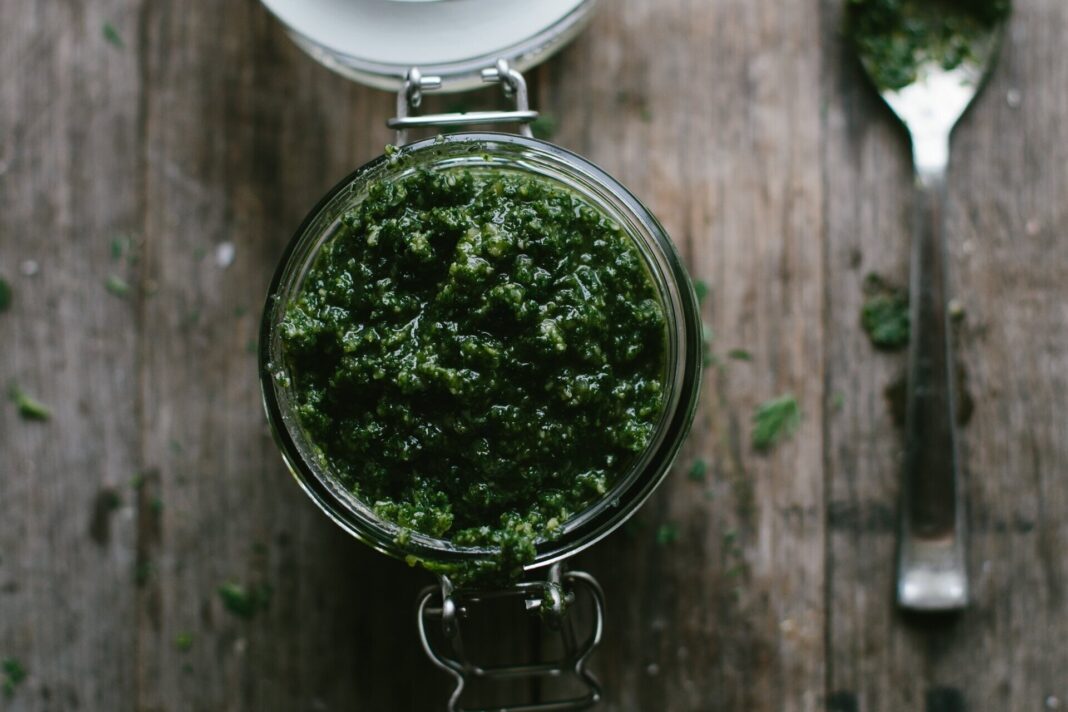

Once you’ve got a jar of verdurette in the fridge, you’ll never buy vegetable broth again .
Verdurette is a home-made seasoning mix originating in France: an umami-rich mix of vegetables and herbs ground together and preserved in salt. The salt, which is 20% of the blend, is a preservative. A similar preserved food is our Middle-Eastern salt-preserved lemons.
A teaspoon or two of verdurette adds great flavor and character to soups, grains, sauces, even scrambled eggs. It’s always there in the fridge and lasts a year, unless you use it up sooner.

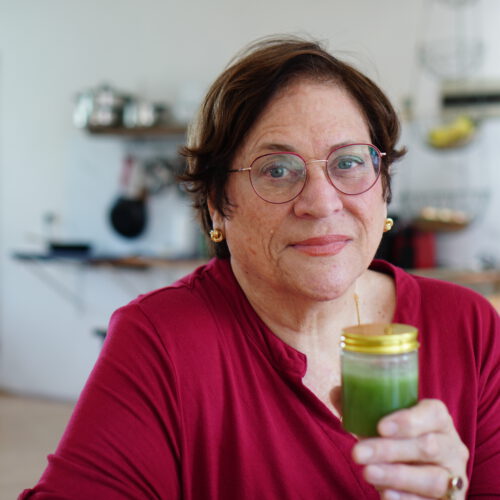
The late Leda Meredith confessed that she’d become lazy about making vegetable stock, because it’s so easy to stir a couple of teaspoons of the mix into hot water, simmer it 10 minutes, and voilà, broth. Or at least, a flavor base to go on from.
I often think of Leda when I dip a spoon into the verdurette jar, remembering her soft New York-accented voice and the flair she brought to all things culinary. I’m grateful to her memory for many life-enhancing things, and among them, this verdurette.
It’s easy to make this natural broth base yourself. Most or all of the ingredients are probably already lurking in your fridge and pantry. A food processor is the kitchen tool I recommend for making it; otherwise, be prepared to do some very fine chopping. I myself just feed everything into the food processor and let it whizz.
Verdurette consists of 5 parts:
1 part finely chopped alliums: onions, leeks, chives, shallots, garlic
1 part finely chopped root vegetables: carrots, celery root (celeriac), sweet potatoes – but not white potatoes, which discolor and go unpleasantly mushy, or turnips.
1 part finely chopped leafy greens: kale, spinach, nettles, cress, celery, lettuce, beet greens, etc.
1 part finely chopped aromatic herbs: parsley, thyme, oregano, sage, basil, etc.
1 part kosher or sea salt (non iodized)
Caution: go easy with strongly flavored ingredients like garlic, sage, cilantro and rosemary. Too much of any one may dominate the whole mix. Mild aromatic herbs such as thyme, marjoram, parsley and chives can be used freely.
Nothing from the cabbage family, including broccoli and cauliflower, should go into verdurette.
You may combine several kinds of the vegetable or herb in each category. For example, in the alliums part, use several of the ingredients listed above, or use just one: for example, only onions. If you’re like me, you’ll use whatever’s at hand in the kitchen. I like a complex mix, myself.
As long as you stick to the ratio of 1 part salt to 4 parts finely chopped vegetables and herbs, the verdurette will be fine.
How to Make Verdurette
You can make as little as a half cup of verdurette, using tablespoons to measure, and up to a gallon if you need to. But to make a reasonable first-time amount for ordinary cooking, go for 1-1/4 cup of verdurette. A digital scale helps, but cup measurements work too. The main thing is to keep the balance of 80% vegetables to 20% salt.
Finely chop or process each part before measuring. This might mean there will be surplus veg to use up some other way.
Measure 1/4 cup (40 grams) of each pre-processed or chopped vegetable part. Note: Leafy greens should be packed in well when using cups. Altogether, there will be 1 cup mixed vegetables and herbs.
Add 1/4 cup (40 grams) non-iodized salt.
Stir everything up thoroughly. Pour the slightly fluid mass into a clean glass jar.
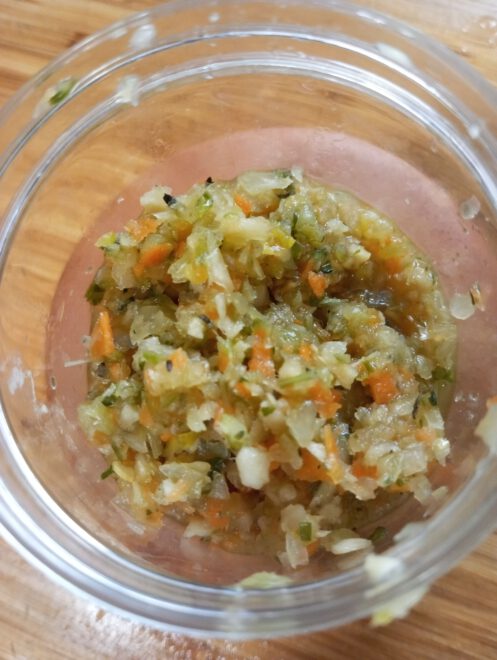
Cover the jar and store it in the fridge. Now you have vegetable bouillon at hand whenever you need it.
You can start using your fresh batch right away. But you’ll notice that verdurette’s flavor becomes more complex as it continues to mature in the fridge.
You may also preserve one ingredient only, if you wish. Leda Meredith used to preserve a favorite wild edible, daylily flowers, this way.

How To Use Verdurette
When cooking with verdurette, leave out any other salt called for in the recipe.
* Add 2 teaspoons verdurette to a quart of water for a simple vegetable broth.
* Mix a little verdurette into marinade ingredients, for extra umami. Omit other salt in the marinade.
* Sauté verdurette in a little oil before adding the main ingredients for rice, soup, sauce, a braise, or stew. It goes wonderfully in a tomato-based pasta sauce. And in mushroom soup. You get the idea.
* It’s fine to add more during the cooking, but a little at a time – verdurette is salty! Keep tasting, and stop adding verdurette when the flavor is right.
* Verdurette may be cautiously added to salad dressings, but let the mixed dressing sit 10 minutes for the vegetables to release their flavors and soften.
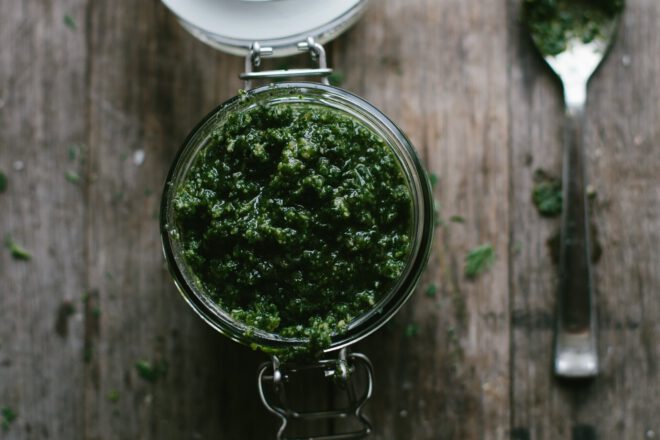
Top photo of green verdurette via the garturstichfarm blog