
Why colon cancer is rising for under 50s

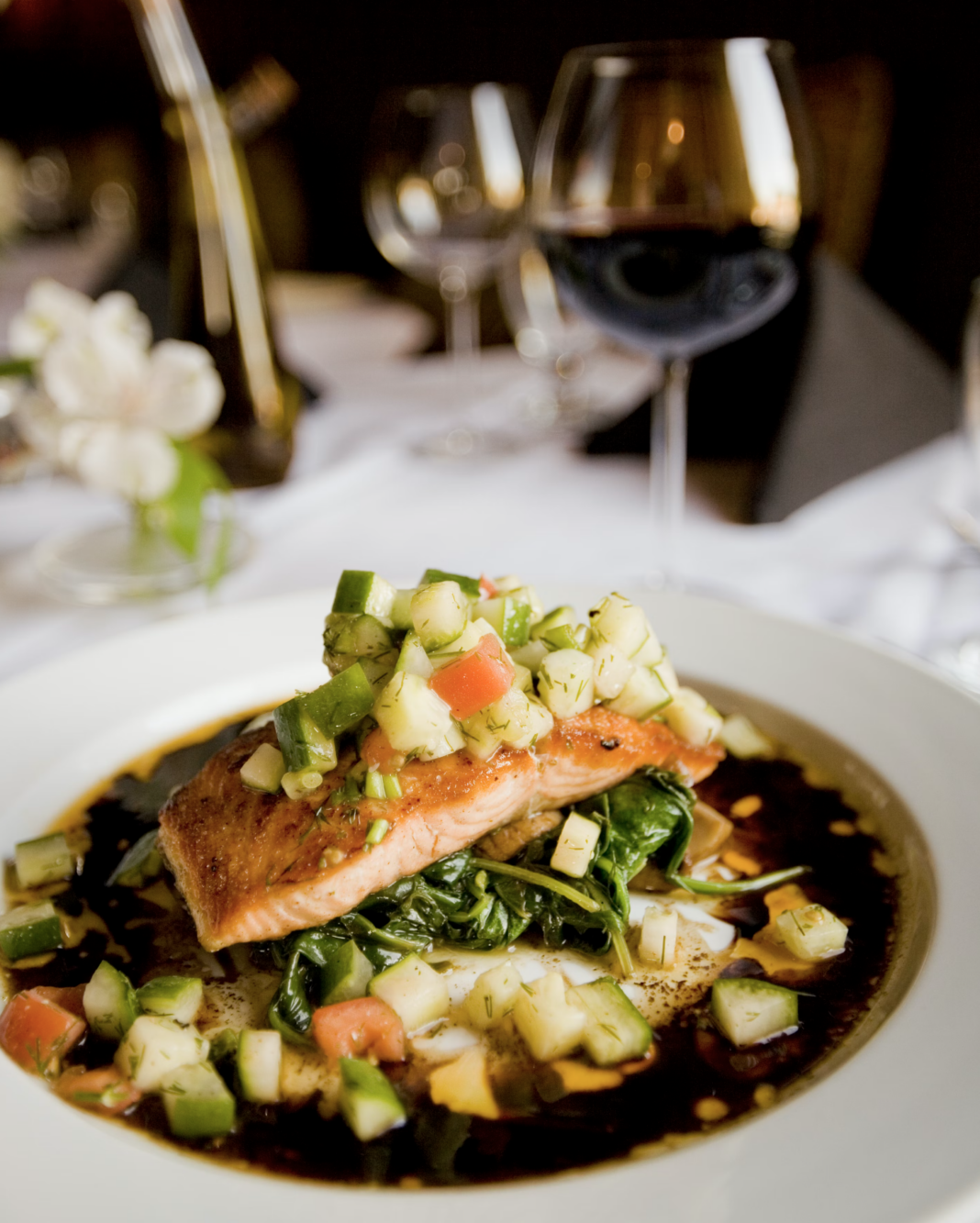
Salmon fish paired with red wine
Salmon is paired with red wine in this perfect Mediterranean Diet dish

Over the past three decades, rates of colon and rectal cancers—collectively known as colorectal cancer—have steadily risen among people under the age of 50. It’s particularly striking to researchers because rates have been declining among older people during the same time period.

Young people tend to be diagnosed at later stages of the disease, making it harder to cure.

“In past years, we’ve thought of colorectal cancer as a disease of aging,” said Joel Mason, a gastroenterologist and Senior Scientist at the Jean Mayer USDA Human Nutrition Research Center on Aging (HNRCA) at Tufts. “If you look at the absolute incidence rates, it’s still higher amongst older people, but the rate is going up steadily in young people, whereas it’s going down in older people. It’s a disturbing trend.”

Mason said that the rates are rising too quickly to be attributed to genetic changes. “It seems most likely to be an environmental factor or combination of factors,” he said, “but we can really only speculate at this point.”

Working in stressful environments like online businesses where work never stops can be one of the problems. Social media and stress about where one fits in could be another.

Read related: Fast Food causing colon cancer in Cairo

The obesity epidemic may be partly to blame, because having excess body fat is associated with a higher risk of being diagnosed with colorectal cancer. Mason said declining rates among older people may be due to effective screening and an increased awareness of protective lifestyle factors like a healthy diet and regular exercise.

For those looking to reduce their risk of colorectal cancer, Mason said studies have consistently found that a healthy diet and exercising at least three times a week are associated with lower rates, while being overweight and smoking are associated with higher rates.

“Among all the common cancers,” Mason said, “colorectal cancer is one where the risk is most sensitive to dietary factors.” Over the past few decades, multiple studies have shown that colorectal cancer risk can be reduced with a diet that contains plenty of fruits, vegetables, and fiber, and much less (if any) processed meat, red meat, and alcohol. Processed meat includes bacon, sausage, ham, hot dogs, and luncheon meat.
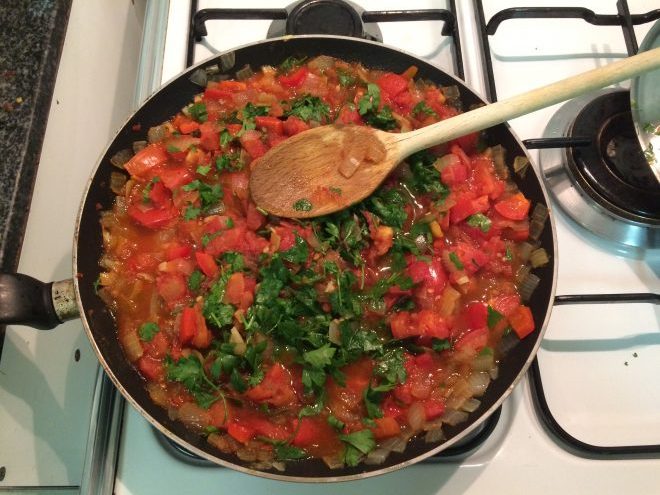
tomato and pepper recipe
A Turkish salad high in lycopenes

Some common symptoms of colorectal cancer are rectal bleeding, iron-deficiency anemia, and a distinct change in bowel habits. All of these symptoms also can be caused by other less dire conditions, such as hemorrhoids, menstrual bleeding, and food sensitivities. In light of rising rates of colorectal cancer in young people, Mason said providers and patients shouldn’t be too quick to attribute rectal bleeding to hemorrhoids or iron-deficiency anemia to menstrual bleeding.

“I hate to raise the anxiety level of younger people,” he said, “but the trends are very disturbing and in balance maybe it is worth making our younger population a little more vigilant about symptoms that need to be paid attention to.”

Some tips to start changing lifestyle habits? We have all the reasons here to start getting acquainted with the Mediterranean Diet, low in meat and high in fresh vegetables, fruit and fish.

Karin Kloosterman
Karin Kloostermanhttp://www.greenprophet.com
Karin Kloosterman is an award-winning journalist, innovation strategist, and founder of Green Prophet, one of the Middle East’s pioneering sustainability platforms. She has ranked in the Top 10 of Verizon innovation competitions, participated in NASA-linked challenges, and spoken worldwide on climate, food security, and future resilience. With an IoT technology patent, features in Canada’s National Post, and leadership inside teams building next-generation agricultural and planetary systems — including Mars-farming concepts — Karin operates at the intersection of storytelling, science, and systems change. She doesn’t report on the future – she helps design it. Reach out directly to [email protected]

Read More

TRENDING

New pancreas cancer drug brings miracles to “incurable” cancer

One oncologist involved in the research, Dr. Rachna Shroff, said the results were so powerful that she cried in clinic.

Married People Have Lower Cancer Risk, But the Reason is Complex

According to the research, cancer risk was 68% higher in never-married men and 85% higher in never-married women.

Is artificial turf bad for your health?

Artificial turf, the green plastic stuff that is supposed to look like grass, was sold to many home-owners as a clever compromise: a green-looking surface that makes you feel homey, but which needs no mowing. It survives heavy use, and in dry places like Middle East deserts, and in California or Texas, it can replace thirsty lawns. But it is toxic.

Oil pollution in Basrah’s soil is 1,200% higher than it should be

Soil pollution levels in parts of Basra are 1,200% to 3,300% higher than those typically measured in cities like Toronto or New York, according to new comparative soil data. It's getting into water.

Factors That Determine the Payout of Asbestos Cases

Asbestos is found in eye shadow and talc. Know your rights of this deadly environmental hazard.

Yerukim Forms a New Green Economy Where the Money is Really Green

The Yerukim members who pick up the recyclables get to keep the monetary reward, the public earns "green" bills that can be used in shops, and business owners get to be associated with environmentalism.

Choosing Riyadh over Dubai? What Investors Should Know

Saudi Arabia is deploying capital at unmatched scale to catalyze tourism and advanced industry while rewiring its power-and-water backbone. The investable frontier is widening—especially in renewables, grid storage, water efficiency/desal retrofits, and hospitality operating platforms. Prudent investors will insist on phased delivery, enforceable KPIs (energy, water, biodiversity), and RHQ/zone compliance—while pricing political-economy and reputational risks alongside growth upside.

Sell your cooking oil for biodiesel money

Want to make money on old french fry oil? Sell it.

Qatar Alternative Energy Summit Pairs Investors And Innovators

Alternative energy investors and innovators can meet n' greet in Doha, Qatar March 16 and 17.

Here’s How To Implement The Four Pillars Of Employee Engagement

If you throw a party for your work team and they are vegans, don't make it a barbecue. Know the sustainability values of your team to boost moral and retain good people.

Locals From Rishon Fight IKEA

Big Box stores are a pretty new concept in Israel, and thank God that not every Israeli city wants them in their backyard. A word from someone who has see the beautiful farmland around her hometown Newmarket, Ontario stripped and converted into vulgar strip malls of big box shops: they have no place in a healthy and sustainable town or city.

The Jewish National Fund Meets An Inconvenient Truth

According to the JNF, it has transformed thousands of acres of barren land into green forests in Israel. They state that each person emits about 23 tons of carbon per year, estimating that each tree planted can absorb one ton of carbon in its lifetime. That's a whole lot of trees you'd need to be planting. Could so many fit in Israel?

How to quiet noise from construction in your office

Streets need to be resurfaced in New York but the humming and grinding noise is unsettling. Noise is environmental pollution. 

Popular Categories