Pea pod wine recipes are making a comeback with allotment gardeners

drinking pea pod wine
Time for peapod wine

Peapod wine (get the recipe here) often associated with the classic British sitcom The Good Life, where the characters Tom and Barbara Good make and drink a potent “peapod burgundy”. 

In the age of craft cocktails and artisan spirits, urban foraging and making the most out of the least, one unlikely throw-back is quietly making a comeback: peapod wine.

Once a humble “country wine” born out of thrift during hard times, it’s now being re-discovered for its simplicity, novelty and sustainable roots. The process involves simmering fresh green pea pods, discarding the pods themselves and fermenting the resulting infusion with sugar, grape concentrate (or raisins), yeast and other minimal additives.

Related: You can also make your own jailhouse bootleg alcohol here

Historically, peapod wine was born in rural kitchens where the shelling of peas left behind abundant pods and no desire to waste them. Rather than compost or discard, enterprising home brewers turned them into a light-bodied table wine. Vintage articles describe it as an old-school countryside favourite, and “a fine example of country wine thrift.”

The flavour profile is reportedly crisp, clean and surprisingly refined, with little trace of vegetal “pea” taste. Essentially, the fermentation and added grape concentrate mask the pod flavour, yielding a light dry white wine.

What’s driving the comeback? Sustainability. Up-cycling kitchen leftovers, minimising waste and making something homemade with basic ingredients resonates strongly with modern home-brewers and eco-aware drinkers. The DIY movement in fermentation (from kombucha to natural wines made from honey, even! ) has opened the door to recipes like this.

Also, the story and novelty add value: a wine made from what most would toss sparks conversation at dinner parties, tastings and small local producers seeking niche markets.

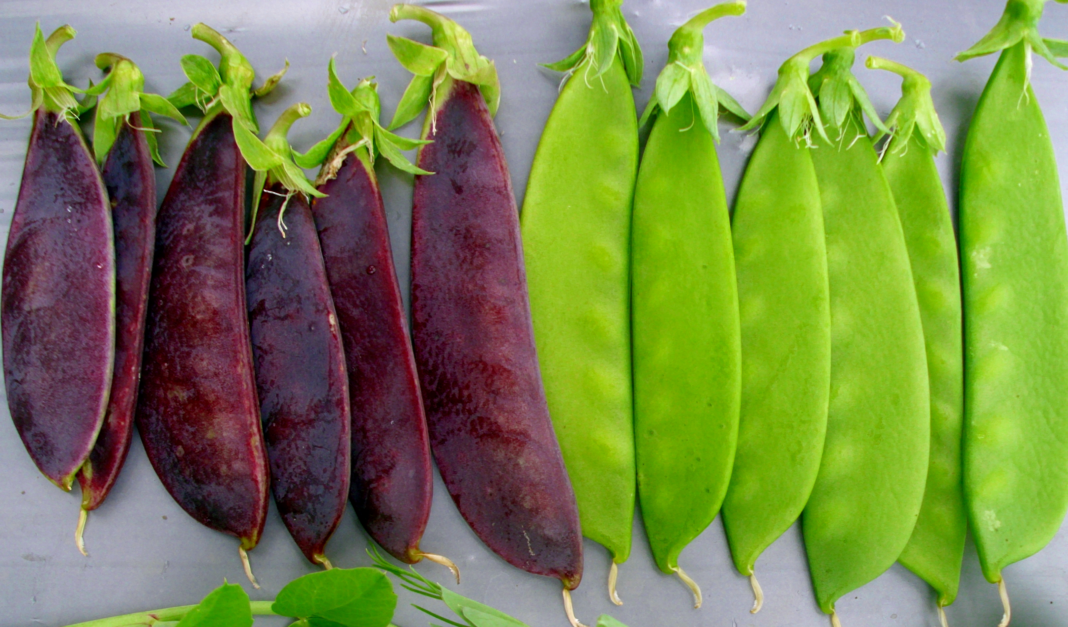
Pea pods for pea pod wine
Want to make wine from your pea pods, or will you eat them raw?

That said, it’s not without challenges: sourcing enough pea pods in the right season, ensuring sanitary fermentation, that they are organic, and ageing time (many recipes suggest several months to a year before optimal clarity and flavour). If the pods are healthy and young, I’d probably just eat them raw.

But for those willing to experiment, peapod wine offers a bridge between heritage, sustainability and craft. It’s a reminder that innovation sometimes means looking backward — to what humble home-makers did when times were tough.

We have the peapod wine recipe here.

Karin Kloosterman
Karin Kloostermanhttp://www.greenprophet.com
Karin Kloosterman is an award-winning journalist, innovation strategist, and founder of Green Prophet, one of the Middle East’s pioneering sustainability platforms. She has ranked in the Top 10 of Verizon innovation competitions, participated in NASA-linked challenges, and spoken worldwide on climate, food security, and future resilience. With an IoT technology patent, features in Canada’s National Post, and leadership inside teams building next-generation agricultural and planetary systems — including Mars-farming concepts — Karin operates at the intersection of storytelling, science, and systems change. She doesn’t report on the future – she helps design it. Reach out directly to [email protected]

Read More

TRENDING

Make Guarapo De Piña (it’s fermented pineapple juice)

In Cuba, guarapo is simply freshly-pressed sugar cane juice, and is drunk on the spot, without waiting for it to ferment. But in Colombia, Venezuela, Peru and Mexico, they homebrew guarapo from pineapples or oranges, and the fragrant fluid sits on the kitchen counter top to ferment until it's bubbly.

Poo beats pills? Norway backs poop transplant as safer treatment for gut-wrecking infection

Now, with Norwegian researchers giving the royal flush to vancomycin, we may soon be saying goodbye to antibiotics and hello to artisanal, farm-to-bum therapies.

Sandor Katz – a conversation about fermentation for the future

At Green Prophet, where we’re constantly exploring the beautiful dance of ecology, culture, and innovation in the Middle East and beyond, we spoke to Sandor Katz about the ancient roots and modern relevance of fermentation—especially in water-scarce regions like ours.

All About Ancient Mesopotamian Beer

The Sumarians’ brewing methods developed over the ages into the beer we know today. Yet making alcohol from bread mashed into liquid has never left people’s minds. We have a funny note on that: jailbird booze.

Yerukim Forms a New Green Economy Where the Money is Really Green

The Yerukim members who pick up the recyclables get to keep the monetary reward, the public earns "green" bills that can be used in shops, and business owners get to be associated with environmentalism.

Choosing Riyadh over Dubai? What Investors Should Know

Saudi Arabia is deploying capital at unmatched scale to catalyze tourism and advanced industry while rewiring its power-and-water backbone. The investable frontier is widening—especially in renewables, grid storage, water efficiency/desal retrofits, and hospitality operating platforms. Prudent investors will insist on phased delivery, enforceable KPIs (energy, water, biodiversity), and RHQ/zone compliance—while pricing political-economy and reputational risks alongside growth upside.

Sell your cooking oil for biodiesel money

Want to make money on old french fry oil? Sell it.

Qatar Alternative Energy Summit Pairs Investors And Innovators

Alternative energy investors and innovators can meet n' greet in Doha, Qatar March 16 and 17.

Here’s How To Implement The Four Pillars Of Employee Engagement

If you throw a party for your work team and they are vegans, don't make it a barbecue. Know the sustainability values of your team to boost moral and retain good people.

Locals From Rishon Fight IKEA

Big Box stores are a pretty new concept in Israel, and thank God that not every Israeli city wants them in their backyard. A word from someone who has see the beautiful farmland around her hometown Newmarket, Ontario stripped and converted into vulgar strip malls of big box shops: they have no place in a healthy and sustainable town or city.

The Jewish National Fund Meets An Inconvenient Truth

According to the JNF, it has transformed thousands of acres of barren land into green forests in Israel. They state that each person emits about 23 tons of carbon per year, estimating that each tree planted can absorb one ton of carbon in its lifetime. That's a whole lot of trees you'd need to be planting. Could so many fit in Israel?

How to quiet noise from construction in your office

Streets need to be resurfaced in New York but the humming and grinding noise is unsettling. Noise is environmental pollution. 

Popular Categories