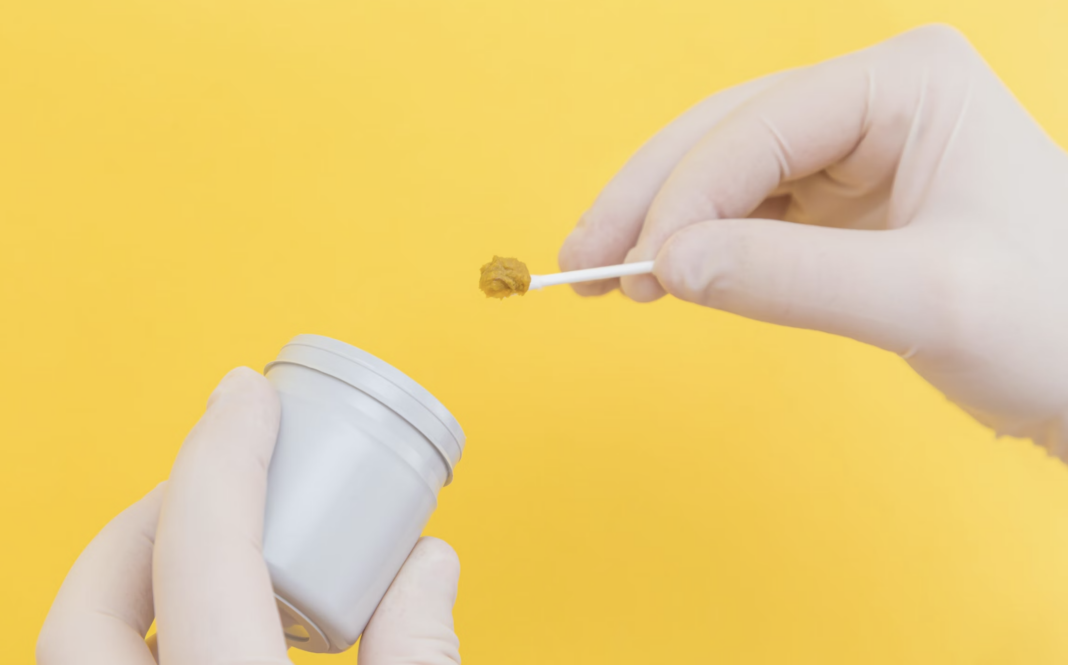


A new study shows that oral fecal microbiota transplantation (FMT) is a feasible and safe addition to preventing graft-versus-host disease in patients undergoing stem cell transplantation for blood cancers. Nestle launched a fecal pill in 2023. And we already reported on how poop pills made by Seres are good for the gut biome.
The study, published Jan. 25 in Nature Communications, is part of a phase 2 clinical trial led by clinicians at Fred Hutch Cancer Center. The study builds on earlier research of the role of the gut microbiome in helping patients recover after stem cell transplantation.
“The gut microbiome is an organ in itself, and it is connected to the immune system,” said lead author Armin Rashidi, MD, PhD, a medical oncologist at Fred Hutch. “Since the process of stem cell transplantation damages the gut microbiome, we want to see if FMT will help restore microbial diversity and promote the beneficial bacterial species that support a healthy immune system.”

The study included 20 patients who underwent allogeneic stem cell transplantations for various blood disorders including blood cancers. They then received FMT via oral capsules taken three times a day for seven days. The capsules contained a purified community of microbes derived from stool samples from three healthy donors.
Fecal microbiota transplant (FMT), also known as a stool transplant, is the process of transferring fecal bacteria and other microbes from a healthy individual into another individual. During a normal vaginal birth, mothers pass stool samples to their children providing them gut immunity in the early days of life.
The capsules were manufactured by the University of Minnesota Microbiota Therapeutics Program in accordance with the FDA-approved investigational protocols and strict pharmaceutical standards.
One fecal donor had the most powerful poop in the study.
“Although the capsules were originally developed for treatment of recurrent Clostridioides difficile infection, they are now being investigated for a multitude of different indications,” said Alexander Khoruts, MD, coauthor of the paper and a gastroenterologist at the University of Minnesota Medical School. “Unlike treatment of C. difficile, most indications require optimized formulations of gut microbes.
“The Fred Hutch trial illustrates this next phase in the development of donor-derived microbial therapeutics.”
Key Findings:
- Donor Differences Matter: The trial analyzed three different FMT donors and found notable differences in how well each one established itself in the recipient. Donor 3 emerged as the most effective, achieving a 67% microbiota engraftment rate. This means of all the microbes after FMT whose origin could be determined with certainty, 67% came from the donor and the remaining were from the patient. This “winning” donor was characterized by high levels of Bifidobacterium adolescentis, a beneficial microbe.
- Microbiota Diversity Influences Success: Consistent with prior research, the study found that lower pre-FMT microbiota diversity in patients was associated with better donor microbiota engraftment. This suggests that less diverse pre-FMT gut environments may make it easier for transplanted microbes to establish themselves.
- FMT is Safe: FMT was shown to be safe even in highly immunocompromised patients. The transfer of millions of live microbes to the patient did not cause any infections, likely because they were “healthy” microbes from a healthy donor. Engraftment reached 100% for some microbial species known to support overall gut health and protect against graft-versus-host disease.
“Our study shows that when done following proper regulation in a clinical trial, FMT is safe,” Rashidi said. “There had been concerns of giving live microbes to people who are immunocompromised, but this study and our 2023 study before it show no major toxicity, which should be reassuring to patients and their families.”
“The hope of using FMT with people receiving stem cell transplants is that FMT will help prevent acute GVHD without adding more immunosuppression, improve quality of life, and decrease mortality after transplant,” Rashidi said. “Our findings published in Nature Communications give another evidence-based example of how the gut microbiome can be used to improve human health.”
Other clinical trials investigating fecal transplants focus on treatments for autism, colitis, inflammatory bowel disease, and irritable bowel syndrome.
In 2023, the U.S. FDA approved oral FMT to treat an infectious form of diarrhea.
Get paid to poop?

GoodNature company collects poop from healthy people, which is then used to create therapies and medical treatments for patients with stomach-related infections. They pay them to poop.
Jennie Starr is the Marketing and Communication Director for GoodNature, which is owned by Seres Therapeutics. “It all has to be done here, and that’s intentional,” said Starr. “We see you in person, so we have control over the materials you provide.”
Prospective donors can see if they’re eligible by filling out an online questionnaire at goodnatureprogram.com. They must then pass a phone interview and have a few stool samples taken to see if they qualify. Approved donors can then decide how many times they want to stop by every week to make a deposit, earning between $25 and $75 per visit.