Microplastics in Your Food Links Nanoplastics to Liver Damage and Glucose Imbalance

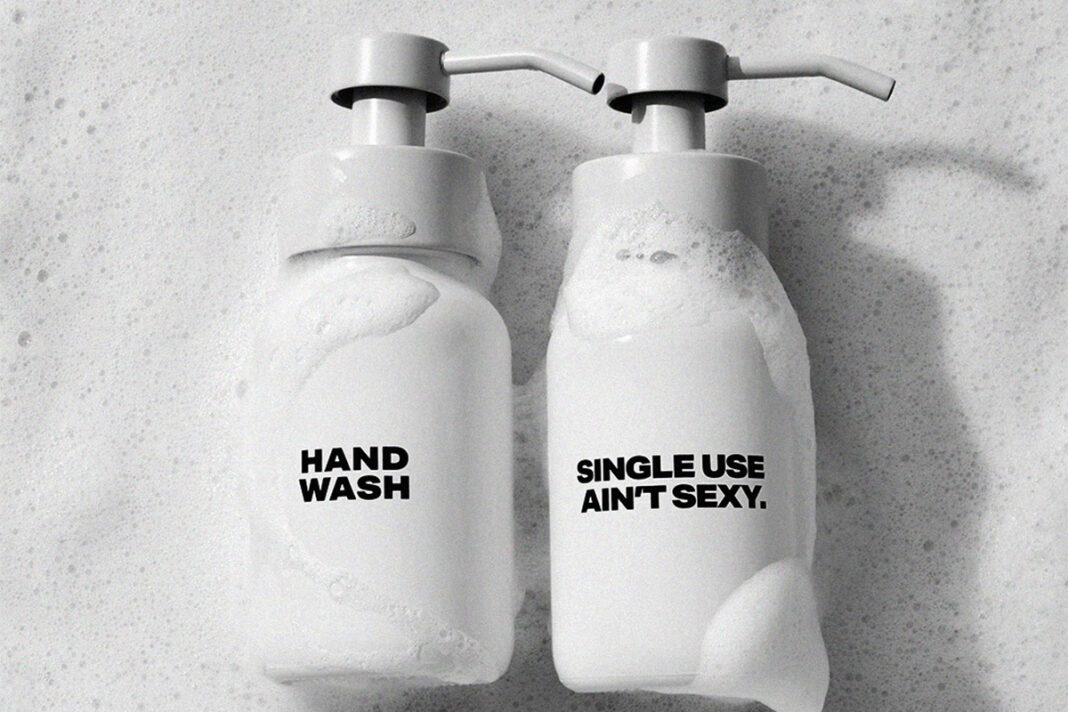
a Single Use Ain’t Sexy tablet is simply placed into a reusable glass dispenser along with water that produces a luxurious white foam every time you wash your hands.
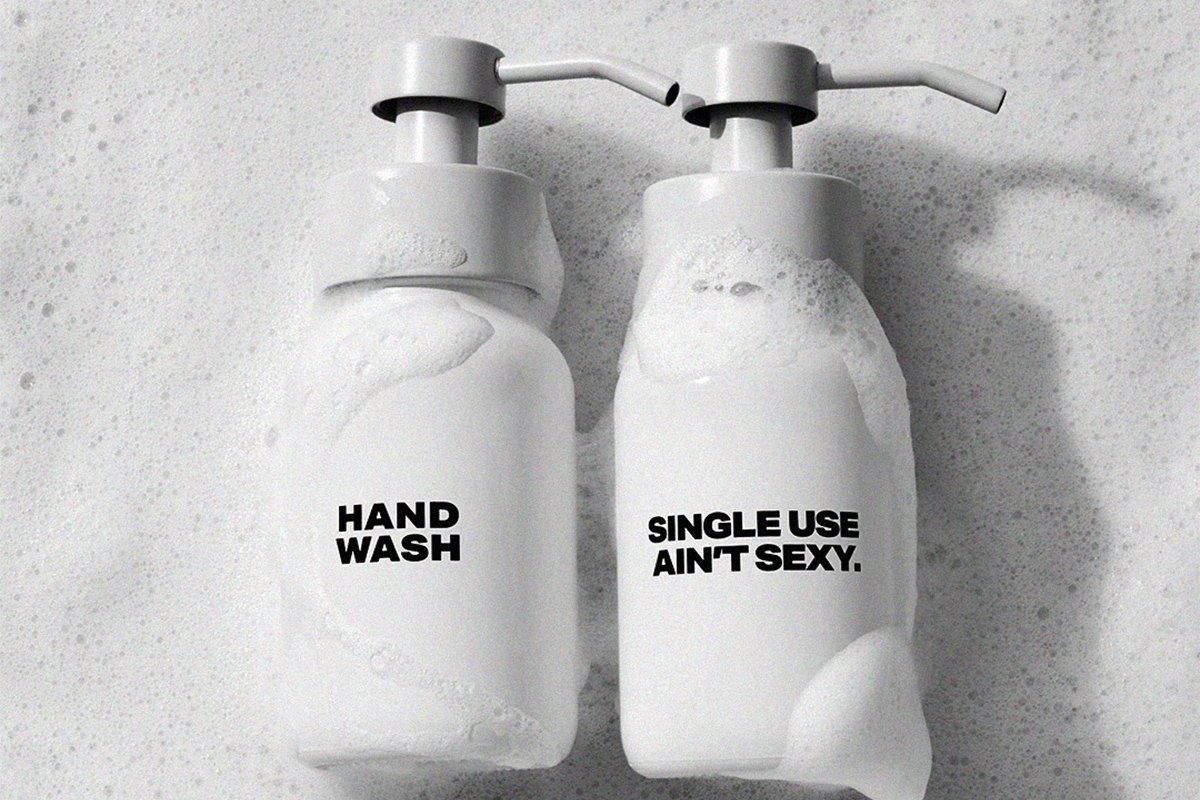
A Single Use Ain’t Sexy tablet is simply placed into a reusable glass dispenser along with water that produces a luxurious white foam every time you wash your hands.

Plastic is everywhere — from the oceans to the bloodstream. Now, new research presented at the NUTRITION 2025 conference in Orlando suggests that the tiniest plastic fragments—nanoplastics—could be silently harming your liver and disrupting your metabolism. Plastics are part of the food we eat, the animals and plants we eat, the water we drink and are emitted from plastic teeth aligners and bubble gum.

In a new animal study, scientists at the University of California, Davis, found that ingesting polystyrene nanoplastics (commonly found in food packaging) led to glucose intolerance, liver damage, and gut barrier disruption in mice. These alarming results echo concerns raised in earlier Green Prophet reporting on microplastic pollution in sea salt, seafood, and even the placentas of unborn babies.

“We already know microplastics have invaded every corner of the food chain,” said Amy Parkhurst, the study’s lead author and a Clinical and Translational Science Center fellow. “But now we’re seeing how those particles can impact basic bodily functions—like regulating blood sugar.”

Nanoplastics are the breakdown products of everyday plastics—smaller than 100 nanometers. They’re invisible to the naked eye, but not to our bodies. Previous research cited by Green Prophet estimated that an average person may consume 40,000 to 50,000 plastic particles per year—others put the number closer to 10 million particles annually.

The UC Davis study focused on male mice, fed a normal diet alongside a daily oral dose of polystyrene nanoparticles mimicking human exposure. The mice developed signs of systemic glucose intolerance, a red flag for type 2 diabetes. They also showed elevated levels of alanine aminotransferase, a marker for liver injury.

Perhaps more worrying: the study found increased gut permeability, which allowed endotoxins to leak into the bloodstream—creating a toxic loop that may contribute to chronic liver dysfunction.

This new evidence builds on prior warnings that our plastic obsession could come with a steep biological price. From endocrine disruption to cognitive decline, microplastics have been linked to a spectrum of emerging health risks.

This latest study adds a metabolic twist—suggesting that nanoplastics could directly interfere with how our bodies process sugar, potentially increasing risks of obesity and diabetes.

Parkhurst and her colleagues are now working with UC Davis’s Dr. Elizabeth Neumann to map the tissue-level effects of nanoplastics using mass spectrometry imaging. Their goal? To understand where nanoplastics end up in the body—and how they alter metabolism at the molecular level.

“We need more science before setting policy,” said Parkhurst. “But the early warning signs are there.”

That warning should matter to policymakers, consumers, and health advocates alike. As science catches up with the scale of plastic pollution, the push for bans on single-use plastics and improved biodegradable alternatives is gaining urgency.

Next time you reach for a plastic-wrapped snack or sip from a disposable cup, remember: the real cost may not show up on the price tag, but in your liver enzymes or your glucose test.


TRENDING

Baby teeth read like tree rings paint a picture of toxins in early life

A new study from the Icahn School of Medicine at Mount Sinai in New York offers a striking insight into how the environments we are born into can quietly shape our brains years later. By analyzing naturally shed baby teeth, the ones tucked under pillows for the tooth fairy, researchers have reconstructed a detailed timeline of exposure to environmental metals during pregnancy and early infancy.

Lululemon pants leech PFAS and plastics into bodies, Texas attorney general claims

Back in late 2025, Green Prophet began asking uncomfortable questions about what’s really inside your yoga pants, from transparency failures (yes, those infamous see-through leggings) to the less visible and scarier issue: Your sweat is unlocking microplastics and chemical coatings sitting in the most absorbent parts of the human body.

Is artificial turf bad for your health?

Artificial turf, the green plastic stuff that is supposed to look like grass, was sold to many home-owners as a clever compromise: a green-looking surface that makes you feel homey, but which needs no mowing. It survives heavy use, and in dry places like Middle East deserts, and in California or Texas, it can replace thirsty lawns. But it is toxic.

From Pilot Plant to Global Stage: How Aduro Clean Technologies’ 2026 Expansion Signals a Turning Point for Chemical Recycling Investors Like Yazan Al Homsi

The company's Next Generation Process (NGP) Pilot Plant in London, Ontario, has officially moved into initial operating campaigns, generating the kind of structured, repeatable data that separates laboratory promise from commercial viability.

How plastics can increase food poisoning

Banerjee’s research team is among the first to examine the interactions between foodborne pathogens and plastic particles, thereby advancing this emerging field from a food safety perspective.

Nobul’s Regan McGee on Shareholder Value: “Complacency Is the Silent Killer” 

Why the governance framework designed to protect shareholders so...

Should You Invest in the Private Market?

startustartup Unlike public stock exchanges, which offer daily trading, strict...

How to build a 100-year-company

KongĹŤ Gumi is a Japanese construction company, purportedly founded in 578 A.D., making it the world's oldest documented company. What can we learn about building sustainable businesses from them?

From Pilot Plant to Global Stage: How Aduro Clean Technologies’ 2026 Expansion Signals a Turning Point for Chemical Recycling Investors Like Yazan Al Homsi

The company's Next Generation Process (NGP) Pilot Plant in London, Ontario, has officially moved into initial operating campaigns, generating the kind of structured, repeatable data that separates laboratory promise from commercial viability.

How AI Helps SaaS Companies Reduce Repetitive Customer Support Work

SaaS products are designed for large numbers of users with different levels of experience, and also in renewable energy.

Pulling Water from the Air

Faced with water shortage in Amman, Laurie digs up...

Turning Your Energy Consultancy into an LLC: 4 Legal Steps for Founders in Texas

If you are starting a renewable energy business in Texas, learn how to start an LLC by the books.

Tracking the Impacts of a Hydroelectric Dam Along the Tigris River

For the next two months, I'll be taking a break from my usual Green Prophet posts to report on a transnational environmental issue: the Ilısu Dam currently under construction in Turkey, and the ways it will transform life along the Tigris River.

Related Articles

Popular Categories