Blackdot’s painless AI-based tattoos will make inked skin less taboo?

Blackdot's AI-powered tattoo device
Blackdot’s AI-powered tattoo device

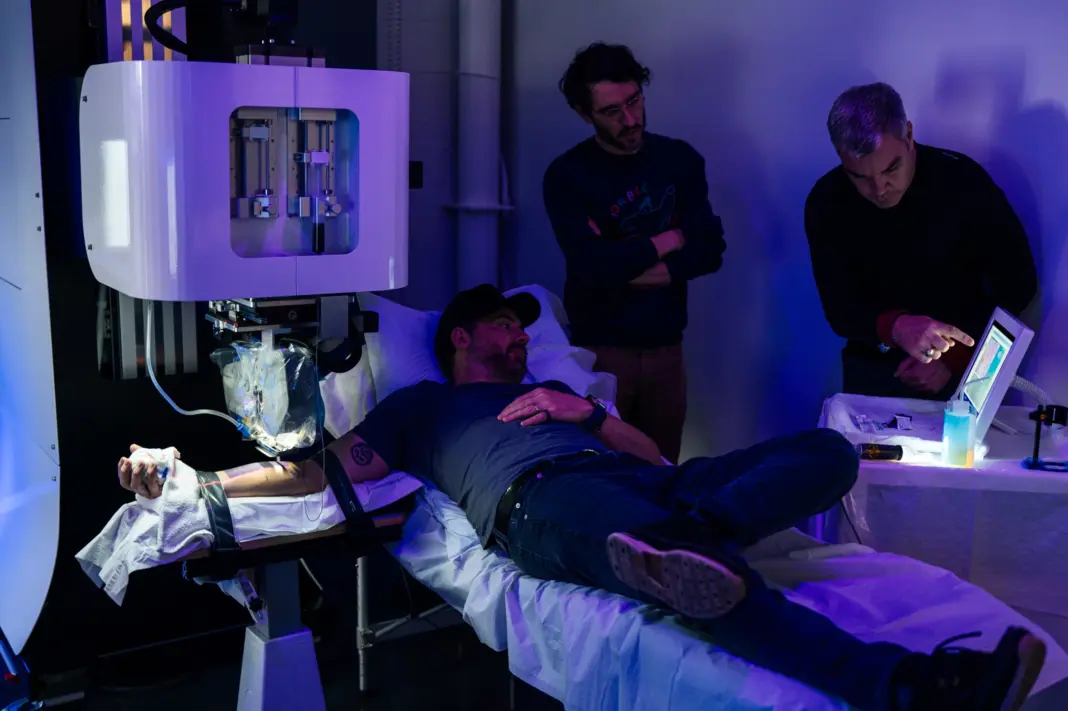
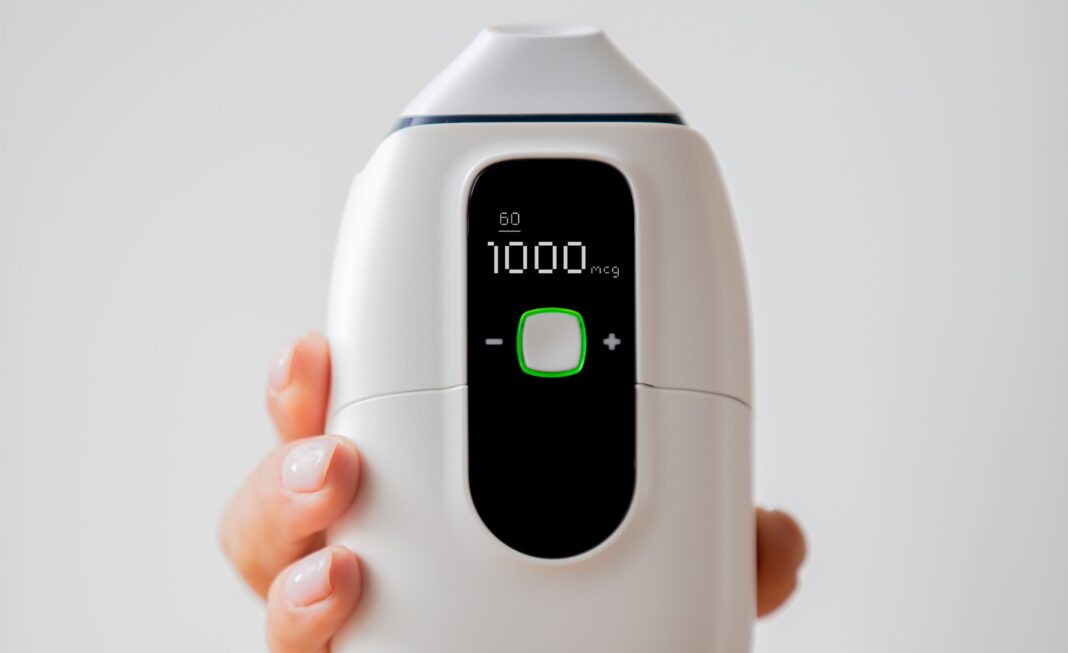
Tattoo artists might be wondering if they will be out of jobs, or just able to license their NFT designs to a computer? A new Austin-based startup called Blackdot says it has built an AI-powered tattoo machine that is safer and less painful than getting a human-applied tattoo.

AI tattoos, painless tattoos, Blackdot Aero, AI tattoo machine, robotic tattoos, tattoo health risks, tattoo cancer risks, tattoo autoimmune risks, religious prohibitions tattoos, tattoos in Islam, tattoos in Judaism, tattoos in Christianity, smart tattoos, MIT Media Lab tattoos, tattoo technology, future of tattoos, Bang Bang tattoo New York, Austin tattoo tech, AI in body art, sustainable tattooing

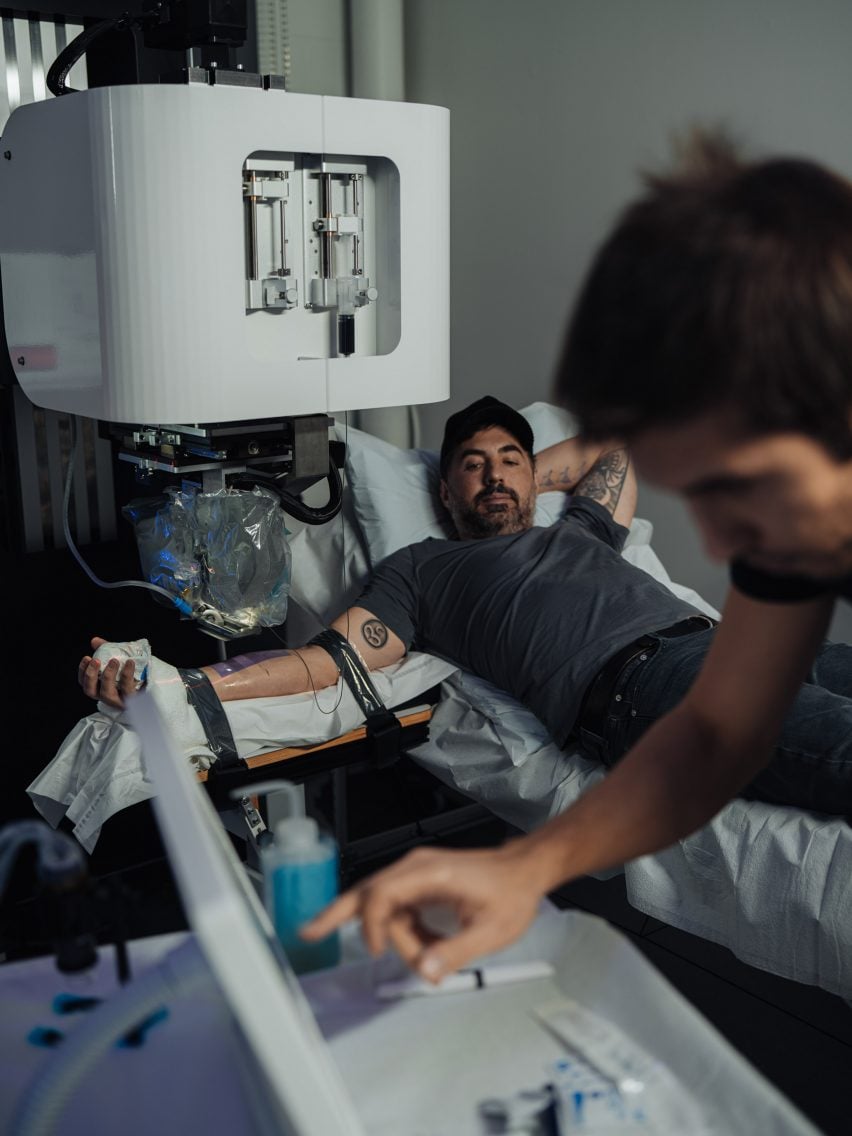
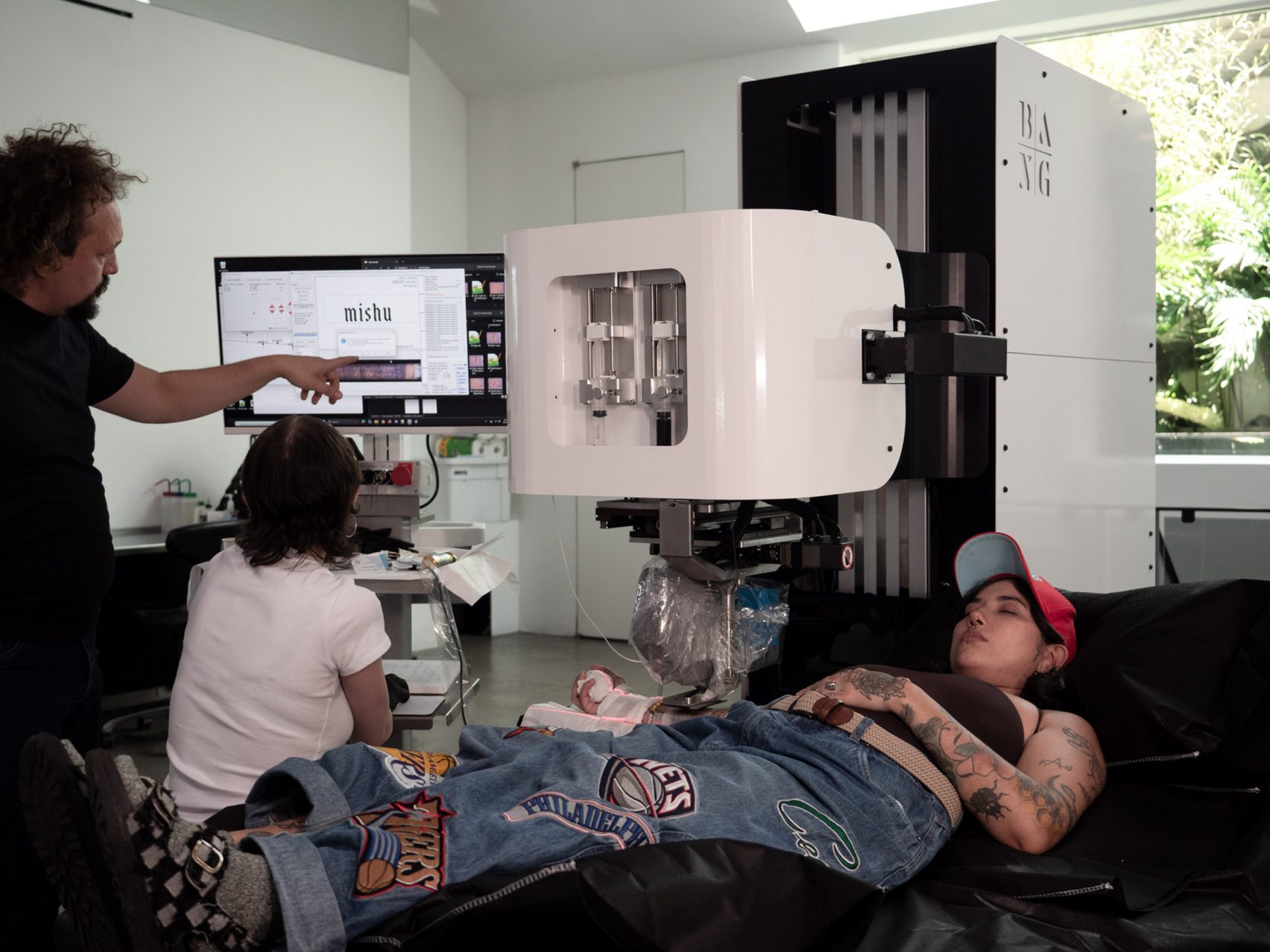
Called Aero for Artist Enabled Robotic Operator, Blackdot’s machine uses computer vision, fine control, and very shallow needle penetration to reduce discomfort. It is now installed at Bang Bang in New York, and already operating in Austin.
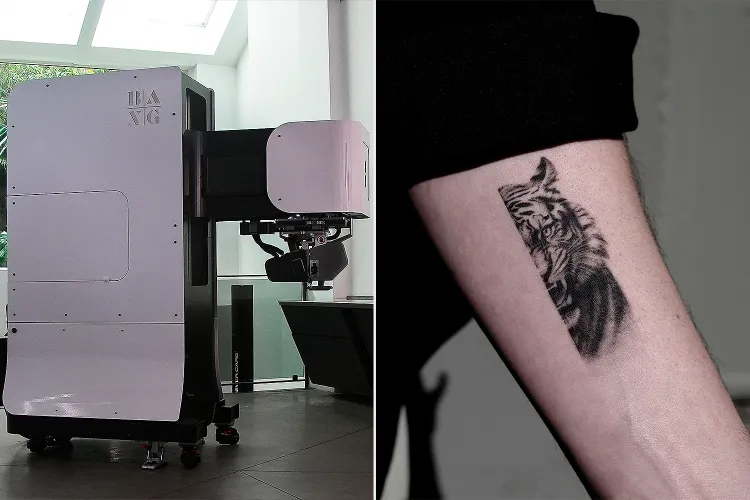
In some areas of medicine, robotics and machine learning have changed the name of the game and survival outcome for removing cancers like prostate. Robotics can help a human operator be more precise, but are we ready to hand over the controls?
AI tattoos, painless tattoos, Blackdot Aero, AI tattoo machine, robotic tattoos, tattoo health risks, tattoo cancer risks, tattoo autoimmune risks, religious prohibitions tattoos, tattoos in Islam, tattoos in Judaism, tattoos in Christianity, smart tattoos, MIT Media Lab tattoos, tattoo technology, future of tattoos, Bang Bang tattoo New York, Austin tattoo tech, AI in body art, sustainable tattooing AI tattoos, painless tattoos, Blackdot Aero, AI tattoo machine, robotic tattoos, tattoo health risks, tattoo cancer risks, tattoo autoimmune risks, religious prohibitions tattoos, tattoos in Islam, tattoos in Judaism, tattoos in Christianity, smart tattoos, MIT Media Lab tattoos, tattoo technology, future of tattoos, Bang Bang tattoo New York, Austin tattoo tech, AI in body art, sustainable tattooing

Do we want a machine that takes the craft out of the hand of the artist? I make pottery out of earth because I believe there is spirit in matter. Is a tattoo applied by a machine giving the same vibes as a potter’s mug made in a factory or a violin made on a machine?
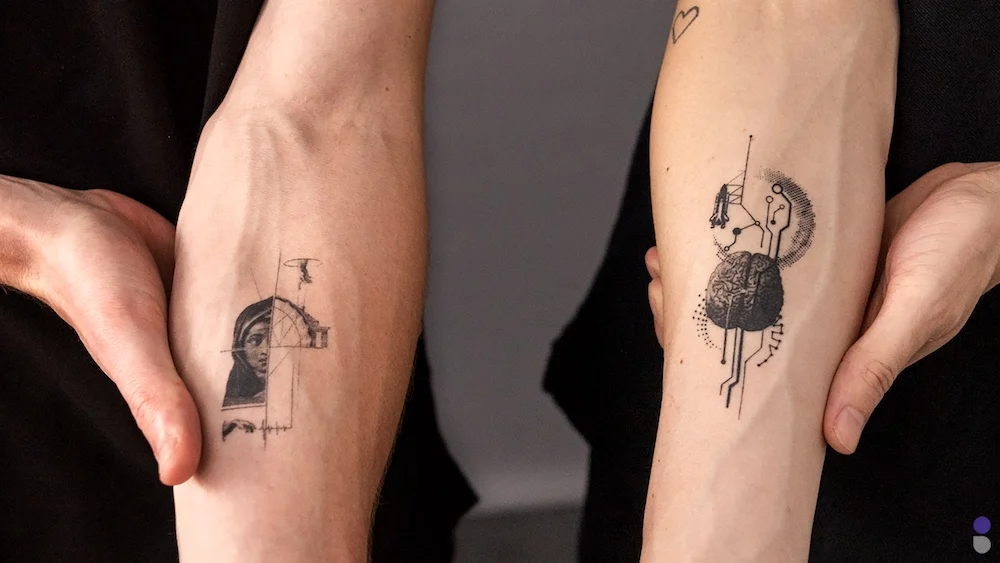
Nuanced designs, without the pain

According to the people at Aero, the device tattoos in dot-based grayscale patterns, applying many minute points rather than deep continuous lines — a technique they say limits pain and improves precision.

Precision in the design


One upside: fewer tattoos gone wrong?
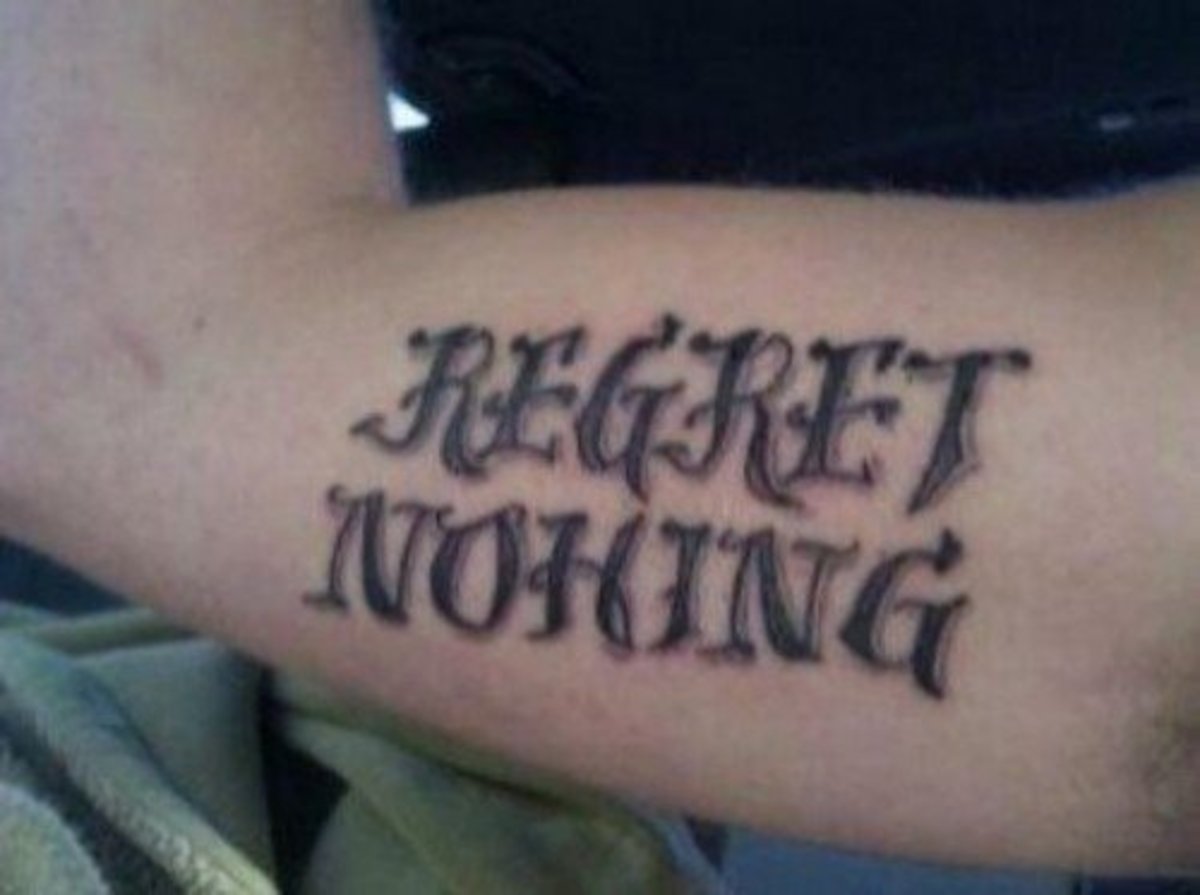
Tattoos, not just in hipster times, have long carried a dual identity: as personal art but also no small part of getting a tattoo is about the pain and the act of bodily risk. Also, I wonder: does a machine-made tattoos open up the practice of skin art at a time when researchers are calling us to pay attention to the risks of the materials in tattoos and a possible link to auto-immune diseases and cancer. As there is little regulation, there is little known about the long-term health effects of tattooing.

What do the world’s religions say about tattoos?

From a Islamic perspective, tattooing is generally considered prohibited (haram) in many schools of thought. The Prophet Muhammad is narrated in hadith literature to have cursed both the tattooer and the tattooed (for altering the creation of God). Some scholars argue that tattoos break the ritual purity (ablution, or wudu) because they alter the skin surface.

We find some literature to back up the Islamic prohibition: ‘Abd-Allaah ibn Mas’ood said: “May Allah curse the women who do tattoos and those for whom tattoos are done, those who pluck their eyebrows and those who file their teeth for the purpose of beautification and alter the creation of Allah.” (Al-Bukhari, al-Libas, 5587; Muslim, al-Libas, 5538).

In parts of Lebanon, Iraq, and Iran, some Shiite communities have historically tolerated or quietly practiced tattooing, especially small religious motifs (like the names of Imams or sacred symbols). And among younger Shiites, especially in diaspora communities, tattoos are increasingly popular as personal or religious expression — though clerical authorities still discourage them.
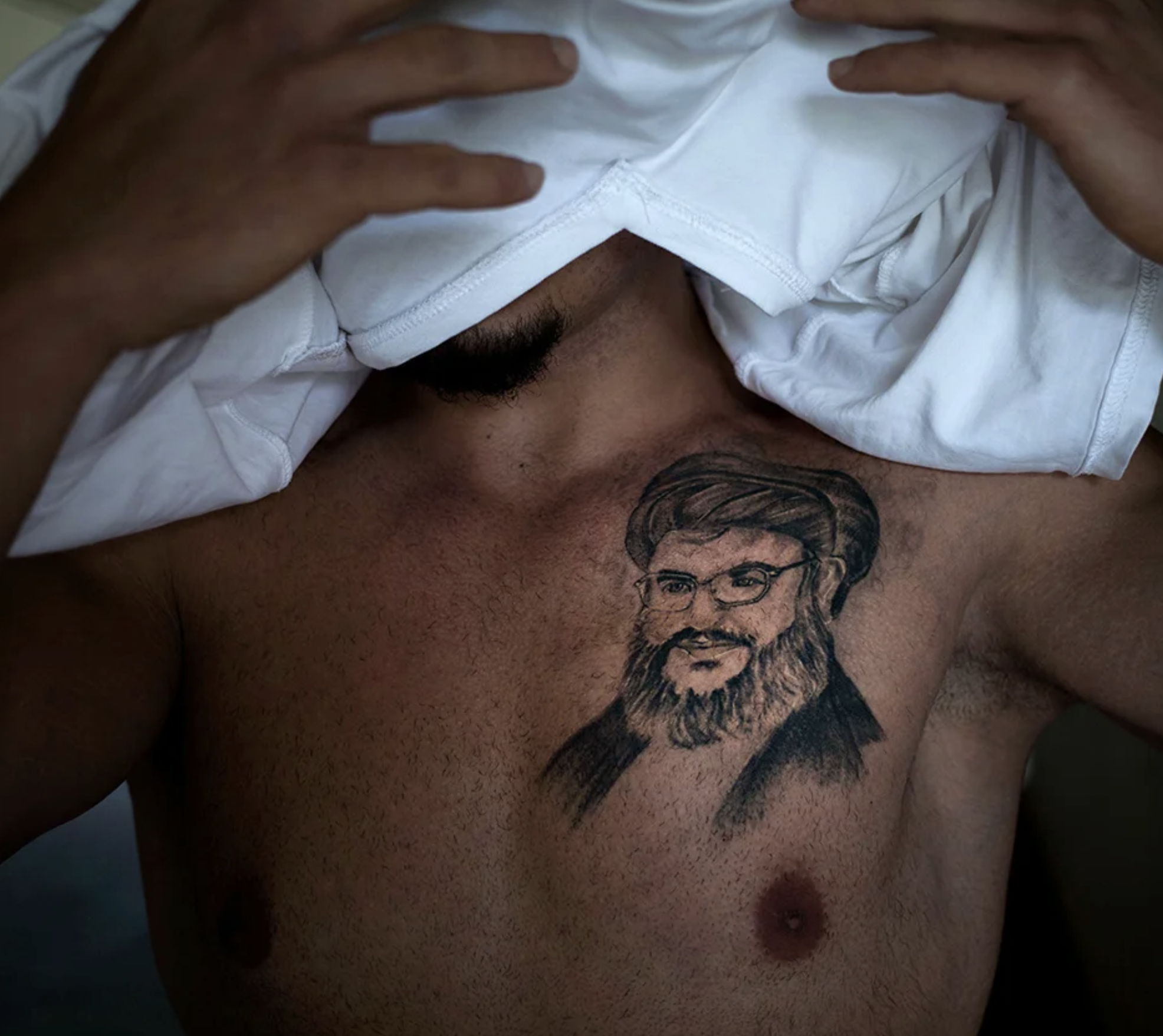
A Shiite tattoo of Hezbollah’s late leader Hassan Nasrallah in Lebanon, via AP

In Judaism, tattoos are often discouraged based on Torah injunctions and Levitical prohibitions, and tattoos are not encouraged at all.  It is permitted to remove a tattoo and pierce your ears. That said many Jewish people do get tattoos. Common ones include the Tree of Life symbol, Hebrew and biblical expressions (The Nation of Israel Lives), and some people get tattoos of their grandparent’s numbers printed on them during the Holocaust.
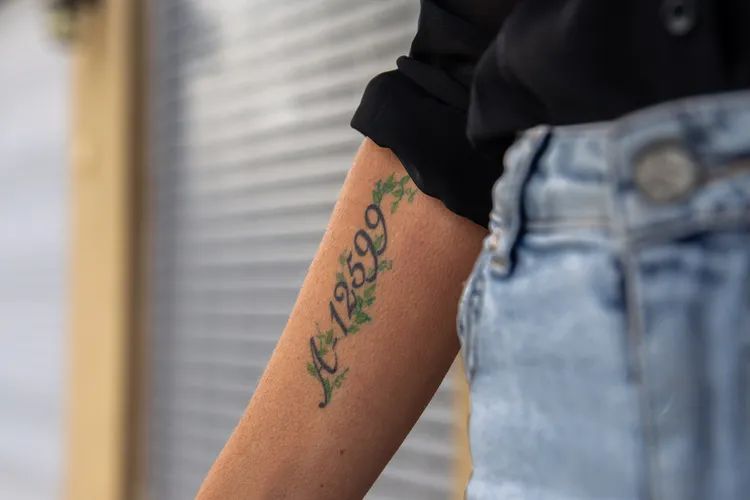
Orly Weintraub Gilad has her grandfather's Auschwitz number, A-12599, tattooed on her arm. John Jeffay for the Conversation
Orly Weintraub Gilad has her grandfather’s Auschwitz number, A-12599, tattooed on her arm. John Jeffay for the Conversation
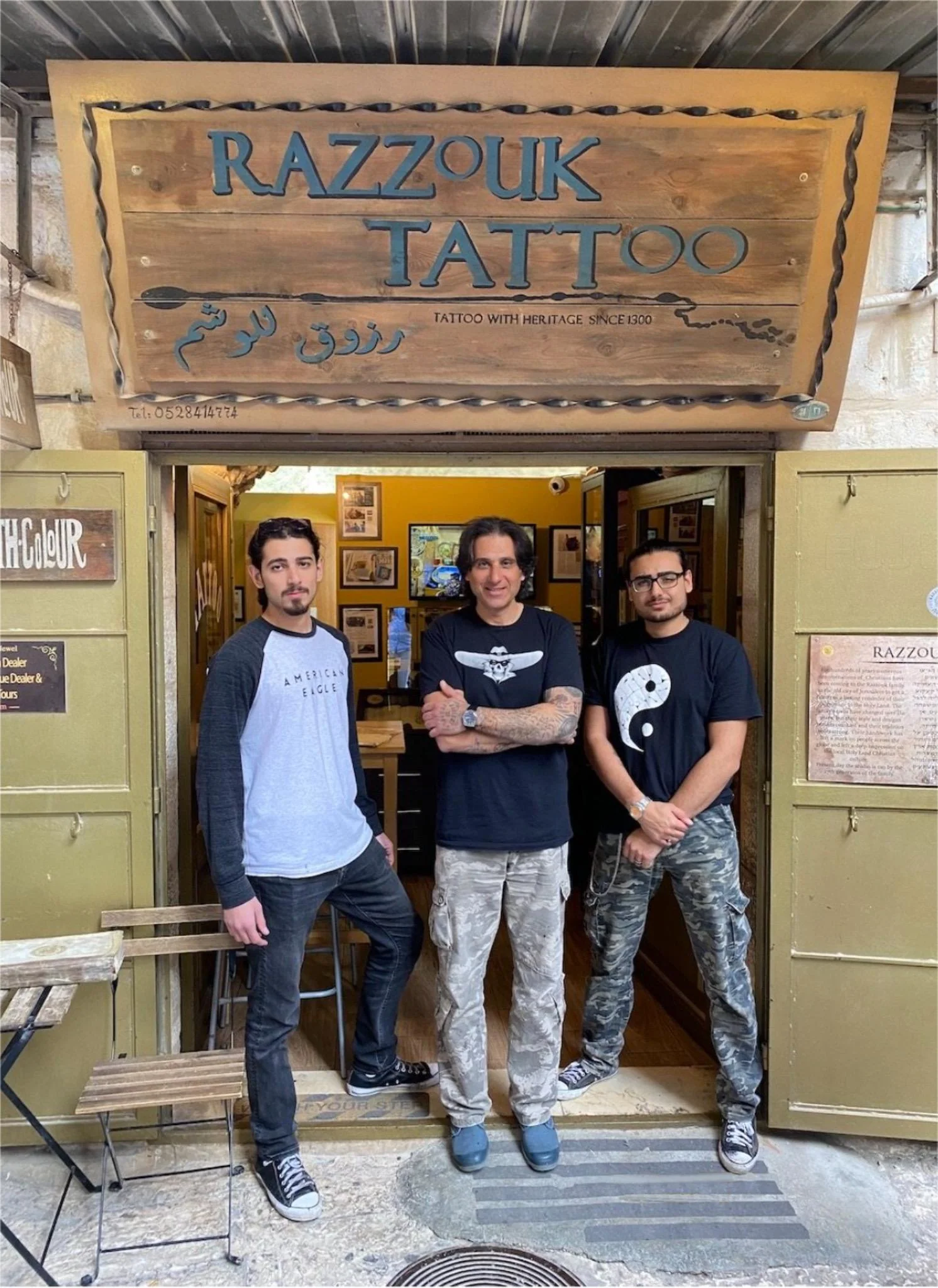
Razzouk Tattoo since 1300!

In Christian traditions, the picture is more varied. Some conservative or literalist communities may discourage tattoos, particularly when associated with body modification or vanity, but there is no universally binding doctrine rejecting them. Many churches do not formally forbid tattoos, leaving it to individual conscience, church culture, or pastoral guidance. This blog offers some history of Christian tattoos in Jerusalem. The author points out that some conservative or literalist groups still reject tattoos outright, holding to Leviticus as binding.

Many other Christians see tattoos as a matter of conscience, arguing that Old Testament prohibitions were tied to ritual purity, pagan associations, or covenant identity, and are not binding in the same way after Christ. In some traditions (like the Razzouk family in Jerusalem), tattooing is even a Christian devotional act, marking pilgrimage and identity.

Unlike in Abrahamic religions, tattoos (godna in Hindi) have been widely practiced in Hindu culture for centuries. Tribal and rural communities across India have used tattoos for spiritual protection, identity, and beauty. Some designs are linked to deities, mantras, or cosmic symbols.

What about the art of it?

Almost painless tattoos may worry tattoo artists who will be out of jobs unless they figure out how to sell designs as NFTs, and also people who may more liberally get tattoos without possible health or spiritual implications.

In Sci-Fi dystopia, we’ve reported on how tattoos can be used for nefarious purposes, such as IDing and tracking people. Such as the tattoo below, from MIT Media Lab.
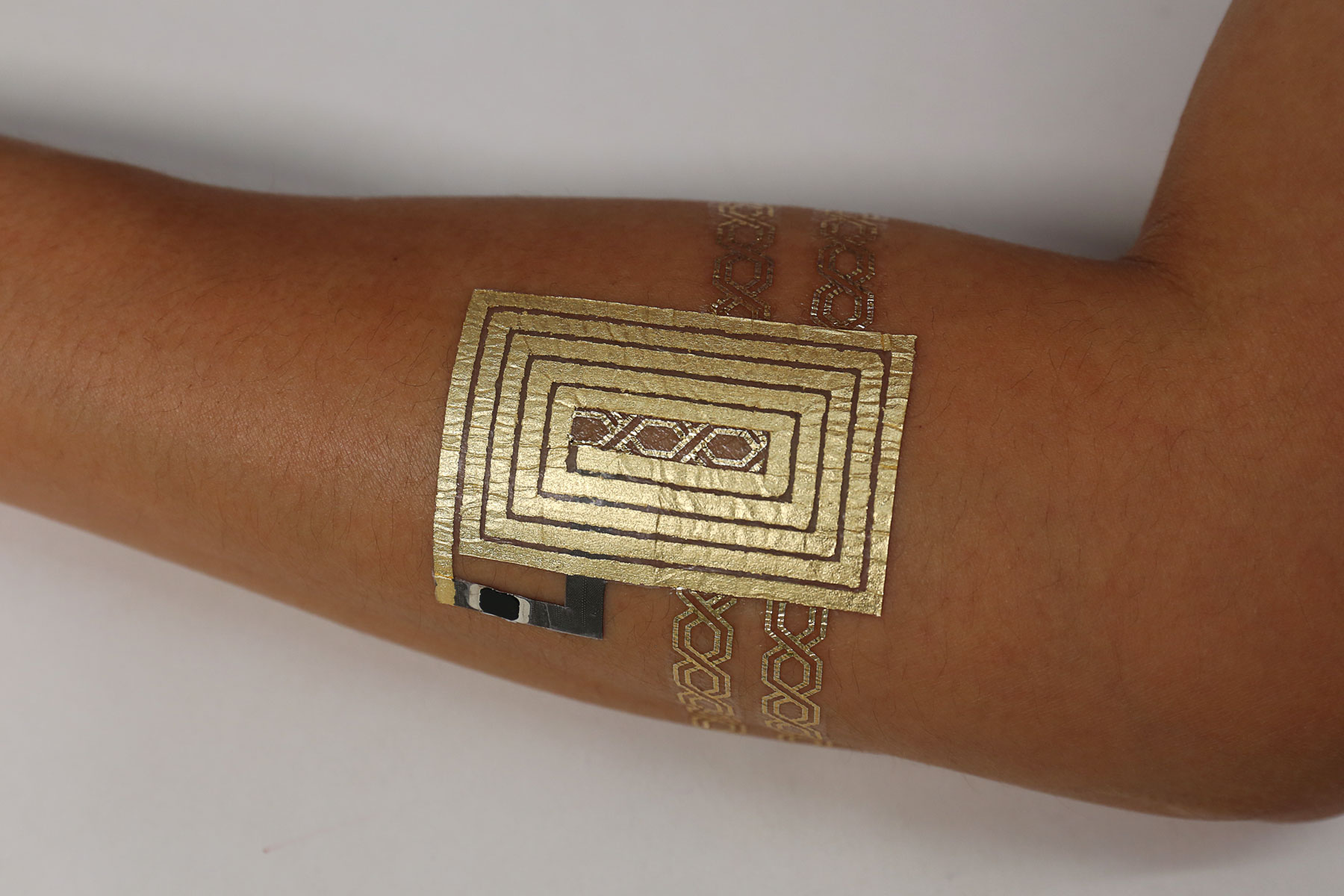
Designers from MIT Media Lab have teamed with Microsoft Research on a project to develop “smart tats” able to interface with remote technology. They can also report on their users health and environment, essentially turning human skin into a gadget.

Tattoos could be used as a trackpad to remotely control your mobile phone or adjust the volume of the music you tune into. They can track user data and report back to you, like a body-integral Fitbit, with embedded thermochromic displays that change color in reaction to heat, reporting on body temperature, blood pressure, breathing patterns. It might also report on your immediate environment, checking air quality, weather conditions, and alert you to the presence of harmful substances.

After hearing all sides — from health warnings and religious prohibitions to the futuristic promises of AI-driven tattoo machines — I’ve made my choice. I’ll keep my skin tattoo-free, au naturel. For me, my body already carries its own stories.

Karin Kloosterman
Karin Kloostermanhttp://www.greenprophet.com
Karin Kloosterman is an award-winning journalist, innovation strategist, and founder of Green Prophet, one of the Middle East’s pioneering sustainability platforms. She has ranked in the Top 10 of Verizon innovation competitions, participated in NASA-linked challenges, and spoken worldwide on climate, food security, and future resilience. With an IoT technology patent, features in Canada’s National Post, and leadership inside teams building next-generation agricultural and planetary systems — including Mars-farming concepts — Karin operates at the intersection of storytelling, science, and systems change. She doesn’t report on the future – she helps design it. Reach out directly to [email protected]

Read More

TRENDING

Weston Higginbotham found dead in a Kyoto forest: is climate anxiety part of the story?

In some ways, Weston has become a symbol of a generation wrestling with environmental and technological anxiety. Friends and family described him as deeply concerned about environmental issues. Reports also noted that he questioned the growing role of artificial intelligence in daily life, even reportedly disagreeing with his mother about her use of AI.

10 Amazing Facts About the Sidr Tree

Most people in the West have never heard of the Sidr tree. That's strange when you think about it. This tough, thorny desert tree has fed people, bees, birds, and camels for thousands of years. It appears in Islamic tradition. Its honey sells for astonishing prices.

Farmer Focus Sold as Humane and Halal. PETA Says the Reality Is Far Less Ethical

According to documents obtained by PETA, and sent to Green Prophet, Farmer Focus accumulated 40 violations from the Harrisonburg-Rockingham Regional Sewer Authority between January and March 2026 for overly acidic wastewater and excessive pollutant levels.

Al-Khidr: Islam’s Original Green Prophet

Long before "sustainability" entered the modern lexicon, Islamic tradition had its own ecological saint. His name is Al-Khidr — The Green One. He appears briefly in the Quran, yet his presence has shaped Islamic thought, Sufi mysticism, and folk tradition across fourteen centuries. Today, he's emerging as an unexpected symbol for Muslims thinking seriously about the environment.

Muslim vegetarians? More young Muslims are saying yes

The halal food market is now worth trillions globally, and companies are beginning to notice growing demand for halal-certified vegetarian and vegan products.

Here’s How To Implement The Four Pillars Of Employee Engagement

If you throw a party for your work team and they are vegans, don't make it a barbecue. Know the sustainability values of your team to boost moral and retain good people.

Locals From Rishon Fight IKEA

Big Box stores are a pretty new concept in Israel, and thank God that not every Israeli city wants them in their backyard. A word from someone who has see the beautiful farmland around her hometown Newmarket, Ontario stripped and converted into vulgar strip malls of big box shops: they have no place in a healthy and sustainable town or city.

The Jewish National Fund Meets An Inconvenient Truth

According to the JNF, it has transformed thousands of acres of barren land into green forests in Israel. They state that each person emits about 23 tons of carbon per year, estimating that each tree planted can absorb one ton of carbon in its lifetime. That's a whole lot of trees you'd need to be planting. Could so many fit in Israel?

How to quiet noise from construction in your office

Streets need to be resurfaced in New York but the humming and grinding noise is unsettling. Noise is environmental pollution. 

EarthX and a blueprint for sustainable investing

Trammell S. Crow, a Dallas-based businessman and father of four, is focusing his efforts on impact investing, and media that focuses on saving the planet through EarthX.

Mining Afghanistan’s Mineral Discoveries Similar to Avatar

Now that American forces in Afghanistan are commemorating the longest period of any war that America has been involved in, including the 1965-73 Vietnam War, the recent discoveries of large and extremely valuable mineral and metal deposits may finally bring to light a reason to continue the presence of US fighting forces in this war torn and backward country.

From Pilot Plant to Global Stage: How Aduro Clean Technologies’ 2026 Expansion Signals a Turning Point for Chemical Recycling Investors Like Yazan Al Homsi

The company's Next Generation Process (NGP) Pilot Plant in London, Ontario, has officially moved into initial operating campaigns, generating the kind of structured, repeatable data that separates laboratory promise from commercial viability.

Nobul’s Regan McGee on Shareholder Value: “Complacency Is the Silent Killer” 

Why the governance framework designed to protect shareholders so...

Popular Categories