Carrot Waste Could Be Your Next Oyster Substrate –– Mycelium Protein Beats Soy in Taste Tests

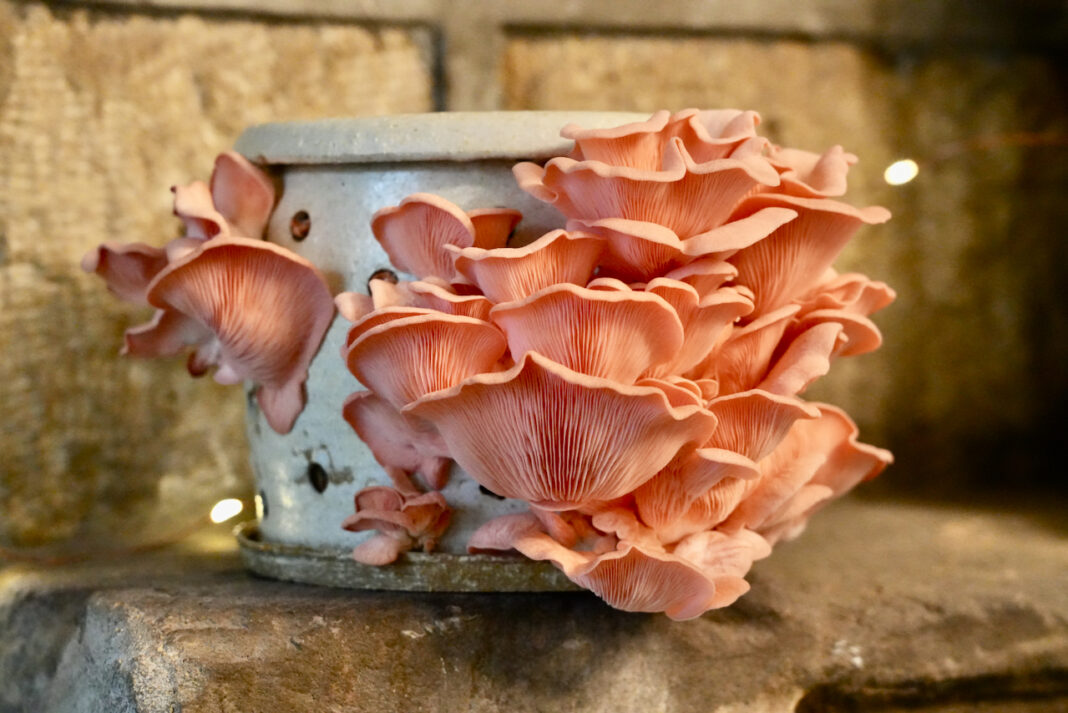
Pink oyset mushrooms via Jack Wallington


If make carrot juice and wonder what to do with all the carrot waste? Maybe turn it into mushrooms? A new study published in ACS’ Journal of Agricultural and Food Chemistry points to a clear opportunity for mushroom growers—commercial and hobby alike: using carrot processing waste as a substrate to grow high-value fungal mycelium for alternative protein.

Researchers investigated whether carrot side streams, generated during the production of natural food colorants, could support edible fungi growth. After screening 106 fungal strains, they identified Pleurotus djamor (pink oyster mushroom) as the most efficient, producing strong biomass growth and high protein content when cultivated on carrot residues.

Rather than growing fruiting bodies, the researchers focused on harvesting mycelium. This approach is especially relevant for growers, as mycelium production typically requires less space, shorter production cycles, and more controlled conditions than traditional mushroom cultivation.
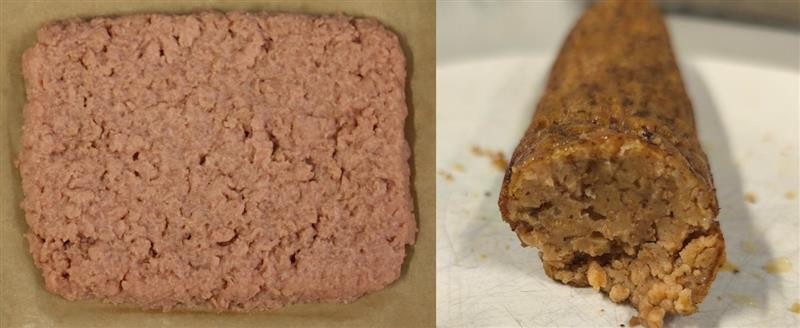
Mushrooms grown on carrot waste

According to the study, the resulting mycelium protein showed biological values comparable to both animal and plant proteins, while remaining low in fat and rich in fiber. As the authors note:

“The biological value of the mycelial protein was comparable to that of animal- and plant-based proteins.”

To test market potential, the mycelium was incorporated into vegan patties and sausages. In blind taste tests, participants consistently preferred products made with 100% mycelium over soy-based alternatives, citing better taste and aroma.

Related: How to make mushroom paper

The researchers emphasize the broader implications for sustainable food production: “Utilizing side streams as substrate for mycelium production reduces environmental impact while adding value and supports food security.”

For mushroom growers, this research highlights a scalable, circular model: low-cost or discarded vegetable side streams become feedstock for a premium protein ingredient. It opens the door to partnerships with food processors, diversification beyond fresh mushroom sales, and entry into the fast-growing alternative protein market—without requiring entirely new cultivation expertise.

As demand rises for sustainable proteins that perform well on taste, mycelium grown on agricultural side streams may offer growers a rare combination of efficiency, profitability, and environmental benefit.


Read More

TRENDING

A Quantum Kaddish? What fungal networks teach us about grief, God and death

Can Zara speak with their recently departed mother through...

Make paper mache with flowers to create stunning vase

There’s something quietly beautiful about what Rebloom Studio is doing, and it starts with waste. At wholesale flower markets, mountains of unsold blooms are tossed out at the end of each cycle. Perfect flowers, just not sold in time. Most of them are burned or dumped. Rebloom takes that moment and turns it into something else.

Plants can eat dust and grow – should we stop dusting them?

Dusty plants? Let them eat their hearts out.

Billie Eilish’s Mom Maggie Baird Launches “Climate Kitchen” on Public TV

Maggie Baird, best known as the mother of Billie Eilish and Finneas O’Connell, is stepping into a much larger spotlight, this time as a climate storyteller.

Make Watermelon Rind Jam

From Iraq with love, a great jam with a surprising ingredient.

Yerukim Forms a New Green Economy Where the Money is Really Green

The Yerukim members who pick up the recyclables get to keep the monetary reward, the public earns "green" bills that can be used in shops, and business owners get to be associated with environmentalism.

Choosing Riyadh over Dubai? What Investors Should Know

Saudi Arabia is deploying capital at unmatched scale to catalyze tourism and advanced industry while rewiring its power-and-water backbone. The investable frontier is widening—especially in renewables, grid storage, water efficiency/desal retrofits, and hospitality operating platforms. Prudent investors will insist on phased delivery, enforceable KPIs (energy, water, biodiversity), and RHQ/zone compliance—while pricing political-economy and reputational risks alongside growth upside.

Sell your cooking oil for biodiesel money

Want to make money on old french fry oil? Sell it.

Qatar Alternative Energy Summit Pairs Investors And Innovators

Alternative energy investors and innovators can meet n' greet in Doha, Qatar March 16 and 17.

Here’s How To Implement The Four Pillars Of Employee Engagement

If you throw a party for your work team and they are vegans, don't make it a barbecue. Know the sustainability values of your team to boost moral and retain good people.

Locals From Rishon Fight IKEA

Big Box stores are a pretty new concept in Israel, and thank God that not every Israeli city wants them in their backyard. A word from someone who has see the beautiful farmland around her hometown Newmarket, Ontario stripped and converted into vulgar strip malls of big box shops: they have no place in a healthy and sustainable town or city.

The Jewish National Fund Meets An Inconvenient Truth

According to the JNF, it has transformed thousands of acres of barren land into green forests in Israel. They state that each person emits about 23 tons of carbon per year, estimating that each tree planted can absorb one ton of carbon in its lifetime. That's a whole lot of trees you'd need to be planting. Could so many fit in Israel?

How to quiet noise from construction in your office

Streets need to be resurfaced in New York but the humming and grinding noise is unsettling. Noise is environmental pollution. 

Popular Categories