
Recycling in Tel Aviv

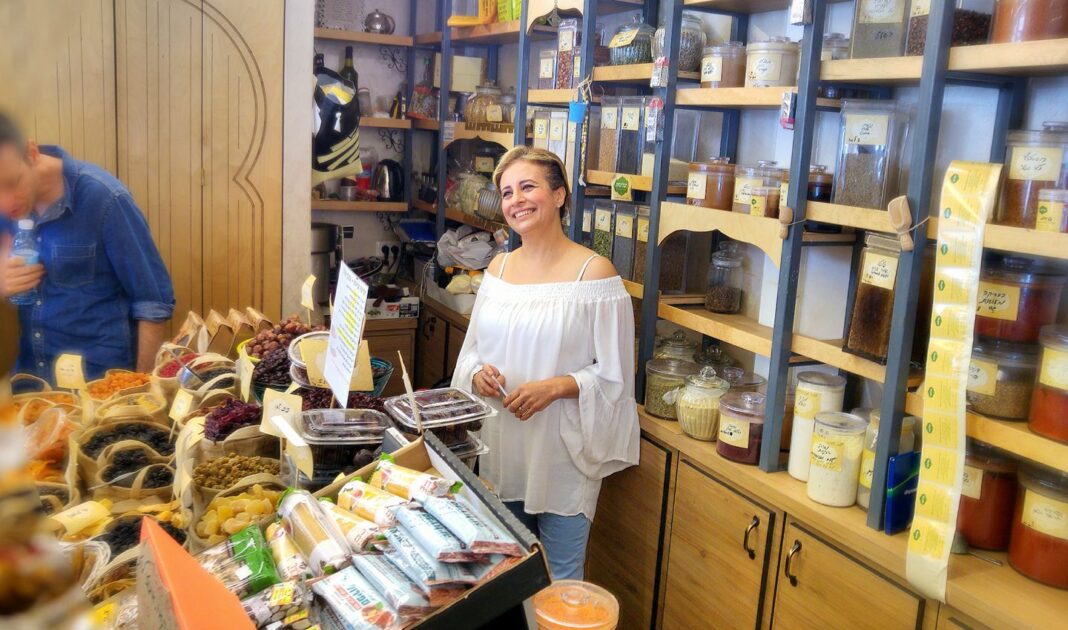
recycling in Israel, a woman wearing a green packing roll

Growing up in America, recycling has always been a well-known concept that everyone knows to do. Whether Americans participate in it or not, it can be found everywhere. Back home, we have two trash cans: garbage and recycling.

At my university, you will always find garbage and recycling. We are given lectures about recycling; the importance, the concept, and where to find them. However, now that I am in Israel (my first time), I rarely see recycling cans. Where are they? Do Israelis recycle? 

Recycling in the United Staes, UMass

Trash room in a dining common at the University of Massachusetts Amherst

In America, industries print numbers onto their materials to indicate the kind of plastic it is and this designates whether it can be recycled and in what bins. For example, in my hometown in New Jersey, we have designated days on which we can recycle, where we place them, and what rules to follow. 

Each number inside the triangles indicates the type of material the item is made of. For example, number 2 indicates the material is made of high-density polyethylene. This material, which is commonly used in everyday household products is one of the easiest and safest recyclable materials. However, it is important to recognize that just because the object has a numbered indicator, does not mean it is recyclable. A number 7, classified as other, may or may not be recyclable. In the States, it is crucial to read up on your town’s recycling rules and regulations in order to educate yourself on correct trash disposal. 

However, is recycling the only answer? According to the EPA (Environmental Protection Agency in the US), only 32 percent of Americans recycle. But grimmer numbers from Greenpeace suggest that the recycling rates are only about 5%. This shows that when the option is available to Americans to recycle, not all of them do it. In fact, most Americans do not take the time to educate themselves on the proper disposal of recyclable materials and therefore recycle incorrectly.

Recycling incorrectly can lead to even further problems, such as damage to the recycling equipment, and cause major delays and inconveniences in the recycling centers. (Do note however the problems with recycled plastics.)

Recycling symbols
Recycling labels

The question is how can we gives incentives for people to recycle in the proper way? As an American traveling to Israel who has decent knowledge in the area of recycling, I want to express my concern on the topic. First off, we cannot simply throw recycling cans all over Tel Aviv and expect everyone to cooperate. We need to educate Israelis and show them how to recycle, why it’s important, and then make them feel rewarded for recycling.

In order to educate, we need to put up flyers, posters, and advertisements around Tel Aviv so that the people will see them everywhere to the point where they can reiterate it in their sleep. For example, flyers hung around Tel Aviv can proclaim the importance of recycling. Or, show a sad image of a landfill. Then, provide resources so that the people can properly educate themselves in a manner that is quick and efficient for everyone’s busy lives. 

Hiriya Trash Center, Refuse derived Fuel, Tel Aviv Metropolitan Area, Israel, trash to fuel, waste to fuel, alternative energy
Hiriya, a waste sorting facility and park outside of Tel Aviv

Secondly, there need to be resources on recycling cans that easily show people what can and cannot be recycled. Another way to encourage recycling (an effective way that is widely seen in America) is by shaping the tops of recycling cans to only fit what can be recycled. This limits people from recycling materials that physically cannot be recycled and therefore helps the recycling centers do their job.

Lastly, it is noble to show the people that their actions toward creating a cleaner community pay off. One of the best ways is by creating economic incentives. For example, creating a program where if one recycles a certain amount of garbage, they can be given rebates and compensation. In addition, just expressing to people that their sustainable acts are worthwhile is moral.

Madeo eco shic shop, outside
Made eco chic shop in Jaffa for sustainable fashion

Recycling does not have to be boring. Similarly to items sold at Madeo eco-chic, a sustainable shop located in Jaffa, we can open more stores that sell items made from recycled material. There are so many ways we can reuse objects and create them into something new and fascinating.

For example, we can use recycled glass to create extraordinary art pieces:

bunny light recycled glass

Igreenspot.com made by Reborn Glass, Cape Coral, Florida USA

Overall, recycling not only creates a greener community, but it is also a way to bring us all together to find solutions to our disposal. Recycling does not need to be a tedious subject; we can use the subject of recycling to create new and improved concepts such as creating art and clothing.

Recycling is not a topic to shy away from. It is an innovative, expressive, and fun way to create a greener community.




Danielle Meyers
Danielle Meyershttp://www.greenprophet.com
Danielle Meyers is an Environmental Science major at the University of Massachusetts Amherst interested in environmental law and policy. She took an interest in studying the environment once she learned about the worsening effects of climate change. Danielle enjoys going on adventures, the beach, shopping, and seeing friends and family. She is reporting from Tel Aviv in the Summer of 2023 to to learn, discover, and inspire change in the community and throughout the Middle East.

Read More

TRENDING

Who Owns the Farm Robot? A State of Jefferson Startup Takes on Carbon Robotics

In California's self-proclaimed State of Jefferson, a small agricultural technology company is challenging the dominant laser-weeding business model. Laudando & Associates believes farmers should own and repair their AI-powered weeding tools rather than pay ongoing subscription fees. The approach has put the company on a collision course with industry leader Carbon Robotics, sparking a patent dispute that has pushed the Jefferson startup toward overseas markets while raising broader questions about ownership, right-to-repair, and the future of farm automation.

Etihad offers free travel insurance to any visitor to the UAE

Talk about a way to woo your visitors. Etihad, the UAE's national carrier has decided to offer free travel insurance to visitors heading to the UAE.

Weston Higginbotham’s Funeral Set for June 17 as Family and Friends Honor Environmentalist

The family of environmentalist and eco-engineer in training, James "Weston" Higginbotham will gather with friends, classmates, and supporters on June 17 in Birmingham, Alabama, to celebrate the life of the Auburn University student whose death in a Kyoto forest in Japan touched people around the world.

Health Canada approves lab grown milk

Canada's approval of animal-free dairy proteins marks a milestone for precision fermentation and the growing alternative-protein industry. Will consumers embrace milk made without cows?

Before Funeral, Auburn University Creates Environmental Scholarship in Memory of Weston Higginbotham

The James "Weston" Higginbotham Endowed Scholarship will support Auburn students pursuing ecological engineering, ensuring that the work Weston cared about so deeply continues long after his passing.

Yerukim Forms a New Green Economy Where the Money is Really Green

The Yerukim members who pick up the recyclables get to keep the monetary reward, the public earns "green" bills that can be used in shops, and business owners get to be associated with environmentalism.

Choosing Riyadh over Dubai? What Investors Should Know

Saudi Arabia is deploying capital at unmatched scale to catalyze tourism and advanced industry while rewiring its power-and-water backbone. The investable frontier is widening—especially in renewables, grid storage, water efficiency/desal retrofits, and hospitality operating platforms. Prudent investors will insist on phased delivery, enforceable KPIs (energy, water, biodiversity), and RHQ/zone compliance—while pricing political-economy and reputational risks alongside growth upside.

Sell your cooking oil for biodiesel money

Want to make money on old french fry oil? Sell it.

Qatar Alternative Energy Summit Pairs Investors And Innovators

Alternative energy investors and innovators can meet n' greet in Doha, Qatar March 16 and 17.

Here’s How To Implement The Four Pillars Of Employee Engagement

If you throw a party for your work team and they are vegans, don't make it a barbecue. Know the sustainability values of your team to boost moral and retain good people.

Locals From Rishon Fight IKEA

Big Box stores are a pretty new concept in Israel, and thank God that not every Israeli city wants them in their backyard. A word from someone who has see the beautiful farmland around her hometown Newmarket, Ontario stripped and converted into vulgar strip malls of big box shops: they have no place in a healthy and sustainable town or city.

The Jewish National Fund Meets An Inconvenient Truth

According to the JNF, it has transformed thousands of acres of barren land into green forests in Israel. They state that each person emits about 23 tons of carbon per year, estimating that each tree planted can absorb one ton of carbon in its lifetime. That's a whole lot of trees you'd need to be planting. Could so many fit in Israel?

How to quiet noise from construction in your office

Streets need to be resurfaced in New York but the humming and grinding noise is unsettling. Noise is environmental pollution. 

Popular Categories