What Renewable Energy Means for Long-Term Environmental Planning

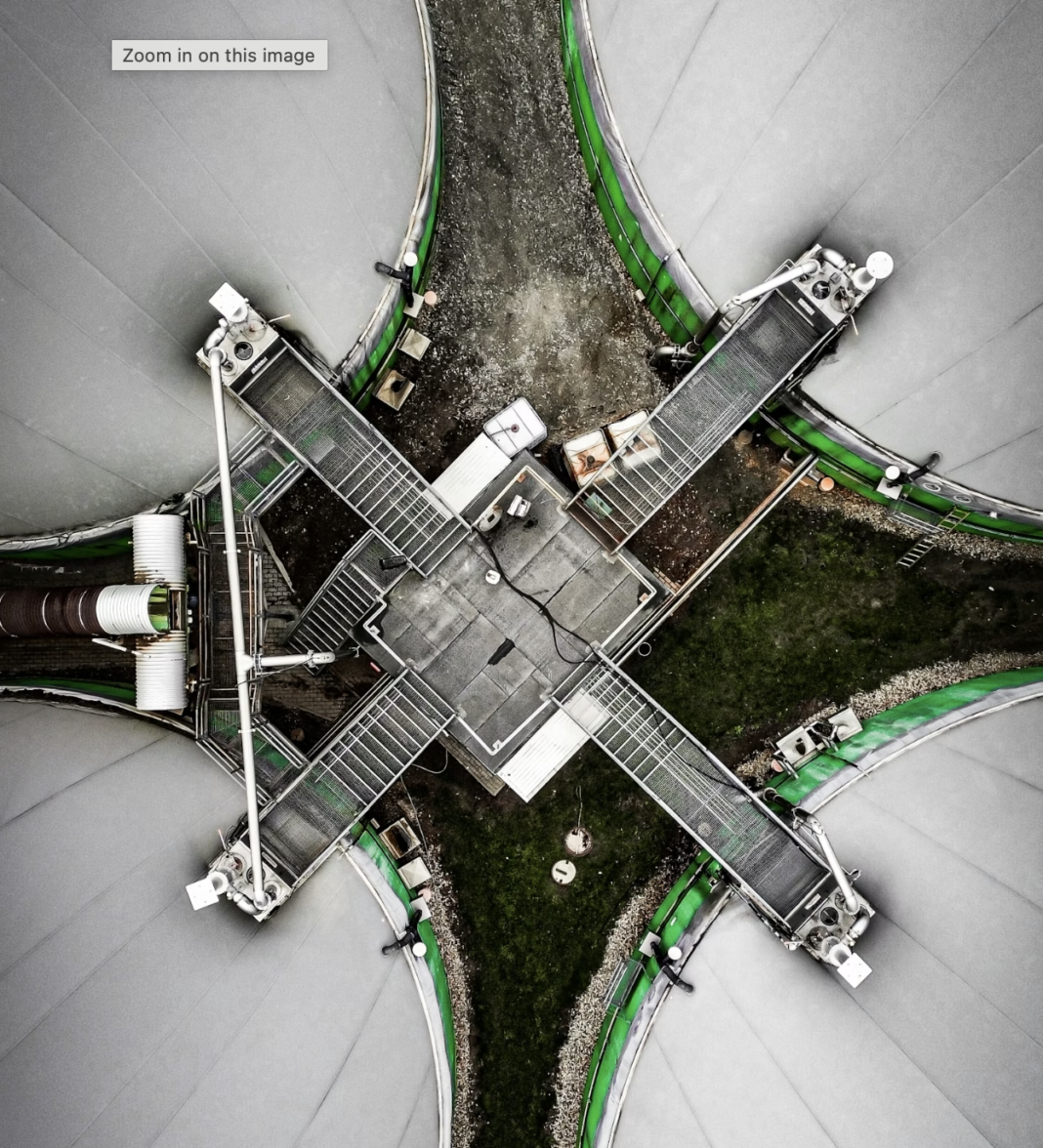
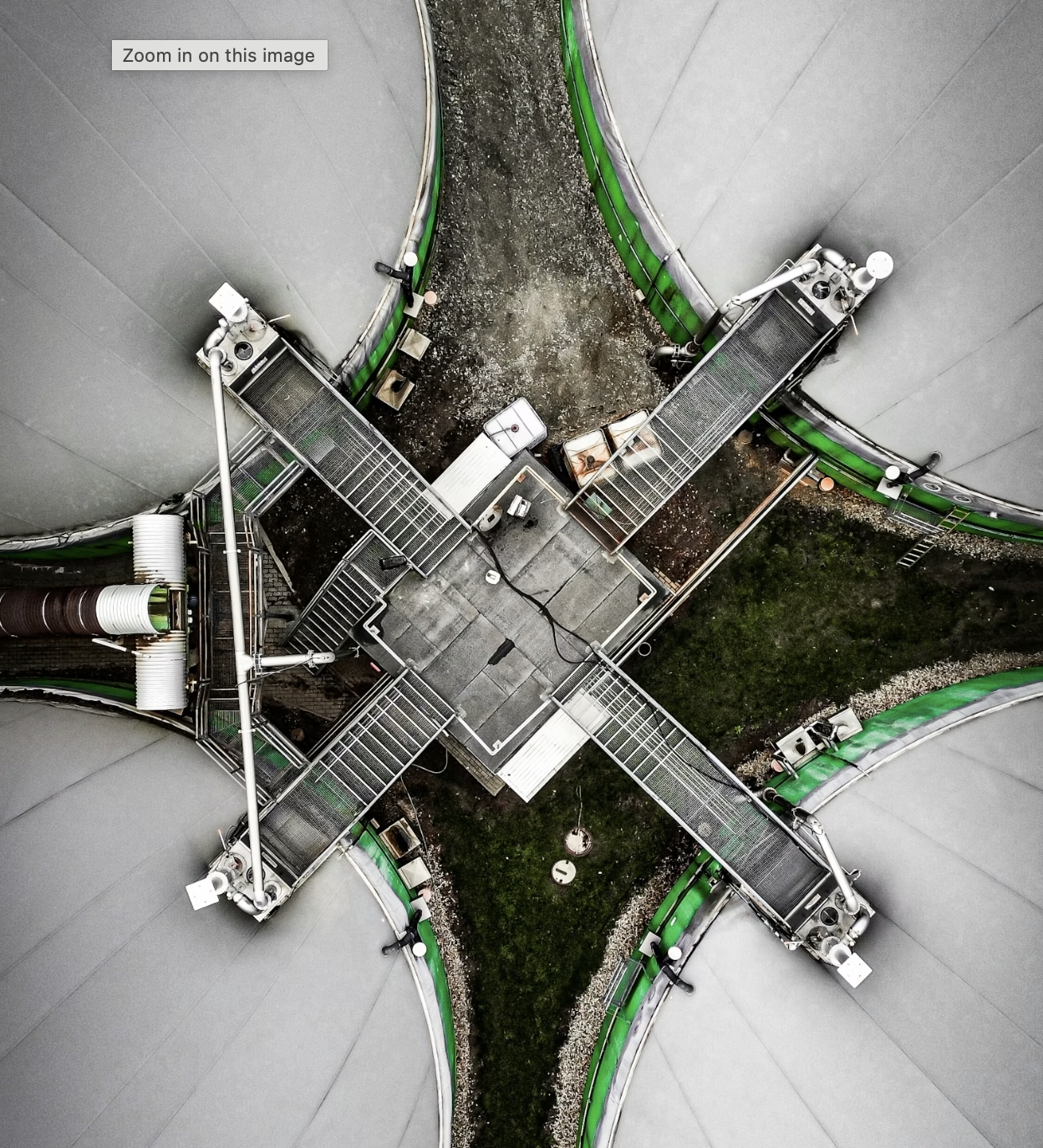
Biogas in Germany
Biogas in Germany

At a moment when the United States is wrestling with energy policy uncertainty and climate commitments (it left the Paris Accords under the Trump Administration), the conversation around renewable energy has never been more urgent. From grid modernization efforts to biofuel mandates in the pipeline, to renewable energy powering AI, US energy decision-makers are increasingly recognizing that sustainability and resilience must go hand in hand.

Renewable energy is often associated with solar panels and wind turbines. Yet not all renewables are intermittent or dependent on weather conditions. Biogas — methane produced by the anaerobic digestion of organic waste — offers a continuous, reliable source of clean energy that complements intermittent renewable sources like wind and solar. Through engineered systems that capture methane from agricultural residues, wastewater, and landfill gas, biogas technologies can generate electricity, produce renewable natural gas (RNG), and even power transportation fleets and airplanes using SAF.

Embedded in this transformation is a lesser-known but powerful player: biogas engineering — a technology poised to influence long-term environmental planning for decades to come. The engineering behind biogas systems is critical for its uptake. Companies specializing in biogas engineering design, build, and operate facilities that optimize the conversion of waste into usable energy. These systems don’t just generate fuel — they reduce methane emissions, produce valuable by-products such as renewable fertilizer, and help municipalities and farmers meet sustainability goals.

SAF and biofuels for emirates
Neste’s SAF biofuel tested in Boeing Emirates flight in 2023

In the context of American energy policy (setting the stage for the world as oil prices are in USD), the relevance of renewable energy planning is increasingly evident. Federal agencies are preparing final biofuel blending mandates under the Renewable Fuel Standard, with decisions expected early in 2026 after delays that have left investors and producers in limbo.

At the same time, cities like San Antonio are demonstrating biogas’s real-world potential: landfill methane is being transformed into renewable natural gas that fuels public transit buses, reducing carbon emissions by up to 85% compared to diesel.Such projects exemplify how renewable energy can weave into everyday infrastructure, supporting decarbonization while enhancing local economies. See how Texas policy supports investment in biogas.

What are the advantages of biogas?

1. Continuous, Dispatchable Clean Energy: Unlike solar or wind, biogas can be scheduled and provided on demand. Its capacity to produce power around the clock strengthens grid reliability as renewable penetration grows.
US EPA

2. Methane Mitigation: Methane is a potent greenhouse gas with more than 80 times the warming impact of CO₂ over 20 years. Capturing methane from waste streams and converting it into energy both lowers emissions and generates a valuable resource.

3. Circular Economy Benefits: Biogas systems turn organic waste into energy and soil amendments, advancing waste reduction and creating added value for rural communities.

4. Strategic Energy Independence: By producing domestic renewable fuels like RNG and compressed natural gas for vehicles, biogas supports U.S. energy security while reducing reliance on imported fuels.

As policymakers and planners consider long-term climate strategies — from updating infrastructure to scaling renewable mandates — integrating biogas engineering into broader frameworks will be crucial. Not only does biogas bridge gaps in the renewable energy landscape, it also aligns environmental, economic, and social objectives in a way that few other solutions can. In a time of accelerating climate challenges and policy debates, renewable energy isn’t just about reducing emissions — it’s about building resilient systems that serve communities sustainably for generations. And it will be interesting to see how AI best practices interface in this market.


Bhok Thompson
Bhok Thompsonhttp://www.greenprophet.com
Bhok Thompson is an “eco-tinkerer” who thrives at the intersection of sustainability, business, and cutting-edge technology. With a background in mechanical engineering and a deep fascination with renewable energy, Bhok has dedicated his career to developing innovative solutions that bridge environmental consciousness with profitability. A frequent contributor to Green Prophet, Bhok writes about futuristic green tech, urban sustainability, and the latest trends in eco-friendly startups. His passion for engineering meets his love for business as he mentors young entrepreneurs looking to create scalable, impact-driven companies. Beyond his work, Bhok is an avid collector of vintage mechanical watches, believing they represent an era of precision and craftsmanship that modern technology often overlooks. Reach out: [email protected]

Read More

TRENDING

AI data centers are triggering panic, instead of cleantech opportunities

AI may unintentionally become the economic engine that finally modernizes America’s aging grid. California is experiencing a massive AI data center boom, ranking 3rd in the U.S. with 227 operating centers and 54 more in development as of April 2026, according to Stanford.

24 7 renewable energy: how solar, wind, batteries and AI SaaS replace fossil fuels

A new report from the International Renewable Energy Agency based in Abu Dhabi makes something clear that many in the industry already suspected. When solar and wind are paired with battery storage, they can deliver reliable, round the clock electricity at costs that compete with, and often beat, fossil fuels.

How does Neuralink work?

Current goals are to treat neurological disease like Parkinson’s and restore autonomy to people with severe physical limitations by controlling exoskeletons and prosthetics. There’s also huge potential to improve cognitive abilities such as memory, attention, and languages.

Japan wants to build a solar panel ring around the moon

Unlike solar power on Earth, which is limited by night cycles, weather, and seasons, the Moon offers something close to uninterrupted exposure to the Sun. By placing solar infrastructure in orbit or along the lunar surface, engineers could generate continuous clean energy at a scale that may exceed global electricity demand,  the Japanese scientists say.

Korean researchers create battery from greenhouse gases

Professor Ji-Soo Jang, in collaboration with Professor Taekwang Yoon of Ajou University and Professor Hansel Kim of Chungbuk National University, has developed a novel energy device that generates electricity during the process of capturing greenhouse gases.

How to quiet noise from construction in your office

Streets need to be resurfaced in New York but the humming and grinding noise is unsettling. Noise is environmental pollution. 

EarthX and a blueprint for sustainable investing

Trammell S. Crow, a Dallas-based businessman and father of four, is focusing his efforts on impact investing, and media that focuses on saving the planet through EarthX.

Mining Afghanistan’s Mineral Discoveries Similar to Avatar

Now that American forces in Afghanistan are commemorating the longest period of any war that America has been involved in, including the 1965-73 Vietnam War, the recent discoveries of large and extremely valuable mineral and metal deposits may finally bring to light a reason to continue the presence of US fighting forces in this war torn and backward country.

From Pilot Plant to Global Stage: How Aduro Clean Technologies’ 2026 Expansion Signals a Turning Point for Chemical Recycling Investors Like Yazan Al Homsi

The company's Next Generation Process (NGP) Pilot Plant in London, Ontario, has officially moved into initial operating campaigns, generating the kind of structured, repeatable data that separates laboratory promise from commercial viability.

Nobul’s Regan McGee on Shareholder Value: “Complacency Is the Silent Killer” 

Why the governance framework designed to protect shareholders so...

Should You Invest in the Private Market?

startustartup Unlike public stock exchanges, which offer daily trading, strict...

How to build a 100-year-company

Kongō Gumi is a Japanese construction company, purportedly founded in 578 A.D., making it the world's oldest documented company. What can we learn about building sustainable businesses from them?

How AI Helps SaaS Companies Reduce Repetitive Customer Support Work

SaaS products are designed for large numbers of users with different levels of experience, and also in renewable energy.

Popular Categories