
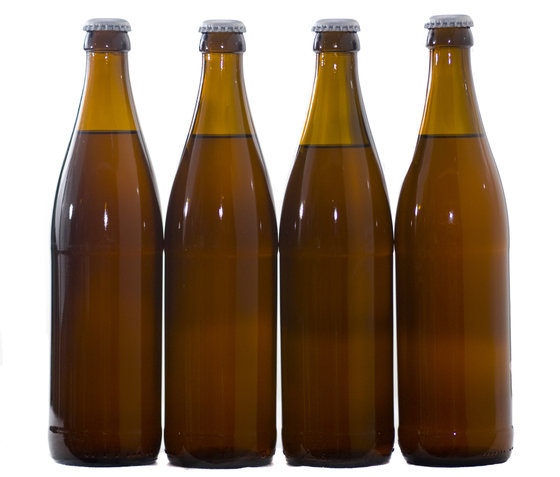


The authentic flavor of Tej or t’ej beer made according to a centuries-old process. It’s sweet, funky, perfect with injera.
An Ethiopian friend supervised my making Tej at home. It’s a time-consuming and labor-intensive process. It requires Gesho, a dried leaf used instead of hops (Rhamnus prinoides, a relative of buckthorn). But it’s as authentic a recipe as ever you’ll find, for my friend’s mother and grandmother, first amazed, and then tickled to help this non-Ethiopian, made sure that every step we took was accurate.
There are no modern ingredients in this recipe. The one concession is equipment. You will need a coffee grinder or similar device, a plastic bucket, a sieve, a siphon and a carboy.
Autumn and winter are good times to make Tej, Mrs. Makonen told me, because in the heat of Middle Eastern or African summer, the brew might spoil before it’s finished. Nowadays, it’s mostly elders who brew the Tej for weddings and other celebrations. Younger folk just buy bottled beer. Still, most of the ingredients are easily available, with the exception of Gesho, which you can find online here or in spice stores where Ethiopians shop.
I give you the recipe just as I received it from Mrs. Makonen (and her mother, and her grandmother).
Ethiopian Tej, Honey-flavored Beer Recipe
Ingredients for Tej:
1/2 kg – raw, unhusked barley grains
1 level disposable plastic cup full of Gesho leaves
1 – 1/2 kg. semolina flour
500 grams whole wheat kernels
Water
2 to 4 cups honey
Tej begins with unhusked, sprouted barley, which is dried and ground. The Ethiopian name for this is Bikil.
1. Prepare the Bikil: sprout 1/2 kg. barley in its husk. If you don’t have sprouted barley, take half a kilo or a pound, soak in water overnight. Drain water, then let sit for about 12 to 25 hours, cleaning them with water every six hours or so. Or when you see them This may take a week or more, or only 2 days, depending on the season and the ambient temperature. Take care that the sprouts don’t go moldy. That would spoil the Tej and possibly make it toxic.
Then grind up the sprouted barley in a coffee grinder or strong blender. Air-dry it and put aside.
2. Mix Gesho with 1 liter- 1 quart room temperature water. Allow to steep, tightly covered, 2 days.
3. On the third day, mix semolina with enough water to make a loose dough. Semolina soaks up a lot of water; make sure that the dough is quite loose and sticky, not like conventional bread dough. Cover with cling film or put the bowl into a plastic bag, tie, and leave out overnight.
4. Next morning (fourth day), dry-fry or bake cakes from the semolina dough. Take a large frying pan and drop in enough dough to cover the bottom. The dough will be sloppy and flexible, more like pizza dough than bread dough. This will make 5 large, heavy semolina cakes. Cook each cake on both sides till covered in dark brown spots and the cake seems cooked through. Set aside and allow to cool thoroughly. Cooling off will take hours, as the cakes are very thick and will continue cooking the dough while hot. Plan on doing the next steps in the evening.
Note: allow each cake plenty of time to cook. Each side takes about 20 minutes on a medium flame. Mrs. Makonen would not turn them over or remove them from the frying pan till they were very, very brown and well baked.
5. Put Gesho water into a clean bucket. Add 1 1/2 liters water to the Gesho in the bucket.
6. Break the cooled semolina cakes up into pieces about 2 inches big, and add them to the Gesho water Note: figure on about 1/2 hour to do this. The cakes are heavy and hard to rip up. Or take a big knife and chop it all up.
7. Add about 3/4 of the Bikel. Stir with something strong, like a rolling pin, and allow all to dissolve and ferment for 2 1/2 days. The semolina cakes should be mostly disintegrated by that time. Cover the bucket well; the odor of the fermenting Gesho and semolina cakes will quickly become strong.
8. Cover the bucket and stir once daily for 2 days.
9. On the third day, you will have a something resembling spinach soup with coarse cornmeal floating around in it. This is as it should be; do not be put off. Strain out the big pieces of un-dissolved semolina cake with a seive.
By this time, you will see fermentation and get a head full of alcoholic odor from the dark green, grainy brew. I tasted the brew at this point; it is reminiscent of beer. Not unpleasant, but somewhat thin.
10. Wash the wheat grains. According to my friend, the wheat makes the drink more alcoholic. Dry-fry the wheat, still moist, till dark brown. You need to stand over the grain in the frying pan, stirring constantly. As it dries and toasts, it turns quite dark and a smell something like popcorn rises from the pan.
11. Grind the toasted wheat coarsely – a coffee grinder works well. Add the ground wheat to the Gesho water, plus remaining Bikil.
12. Stir and cover the bucket tightly. Allow to ferment another 2-3 days.
13. Two or three days later, add 3 liters water to the contents of the bucket. The ladies directing me say to add the same amount of water as the contents of the bucket. I think that in Ethiopian kitchens this is done almost intuitively and that it won’t make a major difference if there is 1/2 liter or so difference. Leave 1 1/2 days.
14. At this point, what you have is “Tallah”, the beer upon which Tej is based. The honey is for added fermentation and for flavor. The drink isn’t called Tej till the honey is added and fermented. There will be plenty of sediment at the bottom of the bucket. It will look unappealing, like a thick pea soup.
15. Now strain the Tallah; use as fine a sieve as you have. This is a long and tedious process because of the great quantity of fine and coarse sediment. Allow the Tallah to settle for the rest of the day.
16. Siphon off the clear liquid and put into a clean bucket. You can drink the Tallah now if you wish, leaving some with which to make Tej.
17. Add honey to taste: I added 3 cups and it was on the sour side, although not unpleasantly so. Mrs. Makonen was concerned that I use good quality honey; her mother uses honey with the honeycomb still in it, as they did in Ethiopia. She says that some people prefer their Tej much sweeter.
18. Cover the bucket again, or put the Tej into a demijohn with an airlock. Either way, leave it 2-3 days.
The Tej is finally ready to drink.

Its taste is unique, somewhat like Western beer but more sour, with the Gesho and semolina cake tastes coming through. The color is a cloudy yellow, like pineapple juice. My vinometer says that it has 16% ABV; I can say that Tej packs a nice little punch
Note: if kept more than a day in the fridge, the Tej will turn green. Ethiopian grandmothers make Tej to be drunk young and not stored for the future.
Serve chilled, and after all that hard work, enjoy!
Lift a mug while reading more about beer:



You can store it for few weeks at most and its alcoholic content increases as the excess sugar ferments during that time. But that does not mean it’s taste will get better as it does with wine. In fact it starts to form silt and goes sour and bad after 3 weeks or 4 weeks. So the craft basically lies in finding when the taste and alcoholic content are to your liking.
Haha what I meant was, will it keep alright if bottled like wine?
Can you bottle the Tej?
Oh and not stored for the future – so obviously a tej party has to coincide with the final day of preparations.
Man one would need A LOT of time on their hands to make this beer.