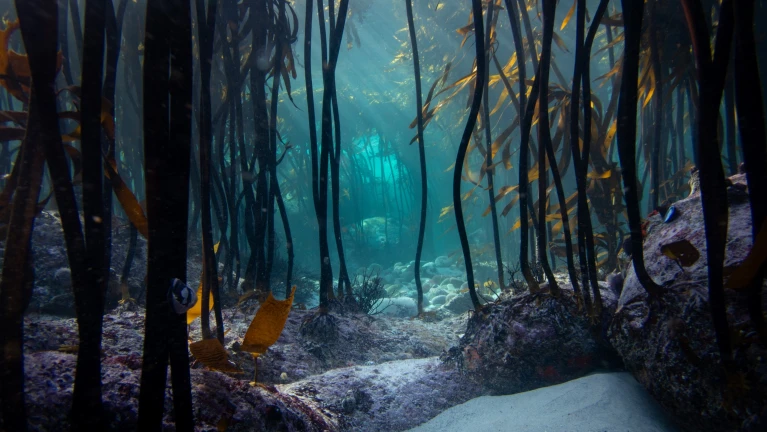
Kelp forests are some of the most biodiverse ecosystems on Earth. We might know kelp as a superfood but in the sea it provides shelter, food, and breeding grounds for countless marine species. Unfortunately, these vital underwater habitats are in decline due to factors like climate change, pollution, and overfishing. With millions of divers exploring the world’s oceans, there’s a unique opportunity to engage the dive community in protecting these ecosystems. And we want to show you how by interviewing a leading expert in the field who also dives! Meet Dana Janke from Canada!
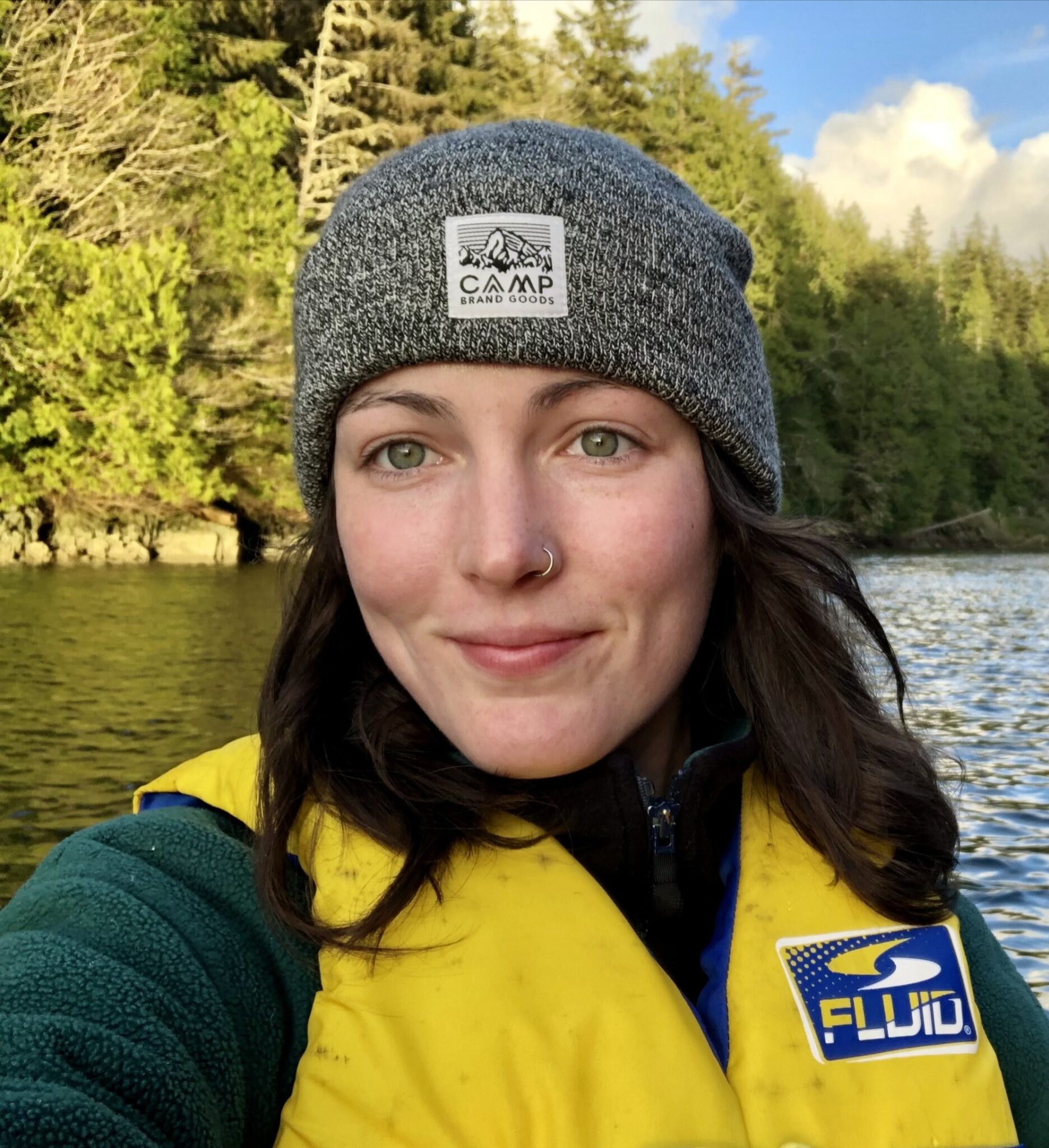
Dana Janke, Seaforestation Coordinator, B.Sc, B.I.T. from Ocean Wise, tells us that divers can help by participating in citizen science programs, joining underwater clean-ups, and following sustainable diving practices to minimize disturbance to fragile kelp habitats.
Engaging divers in kelp forest preservation not only aids conservation efforts but also fosters a deeper appreciation for these underwater forests and the roles they play in ocean health. Through education and responsible diving, divers can contribute to the restoration and preservation of kelp forests, safeguarding these incredible ecosystems for future generations.
1. There are millions of divers worldwide, many traveling to remote locations with extensive kelp forests. Can you list the top 10 most important kelp forests that intersect with recreational diving? For example, are there kelp forests in places like Egypt, where many US and European divers go? How can they get involved?
North Vancouver Island, especially Port Hardy, has beautiful kelp forests that attract divers globally. In my opinion, it’s some of the best diving in the world. Other top kelp forest diving locations include Monterey Bay and the Channel Islands in California, the Cape Town region in South Africa, Tasmania and Southern Australia, Norway, Japan, New Zealand, and the Strait of Juan de Fuca (BC and Washington).
Kelp is generally associated with cold waters, so it’s unlikely you’d find kelp forests in Egypt that resemble those in the Ocean Wise and Kelp Forest Alliance’s “Monitoring Kelp Forest Ecosystems” guidebook.
2. How can divers help kelp forests if they lack a background in marine biology?
The first step is to learn a bit about local marine life! One of my favorite parts of diving is discovering underwater critters and algae, then searching for them in ID books after the dive. I love Marine Life of the Pacific Northwest: A Photographic Encyclopedia of Invertebrates, Seaweeds, and Selected Fishes by Andy Lamb and Bernard P. Hanby, as it covers a lot of marine life in the Pacific Northwest. I recommend asking your local dive shop for ID book suggestions for your area.
Participating in clean-up dives is also helpful. Pollution significantly impacts ocean health, so any opportunity we, as a dive community, can take to care for the ocean is essential.
3. How can dive centers create training material to add kelp forest preservation to their sustainable travel practices?
A great start is hosting educational workshops—virtual or in-person—that teach divers about the importance of kelp forests and the stressors causing their decline. Helping divers understand the many benefits of kelp forests is the first step.
Next, hands-on experience and training are key, starting with how to ID kelp species underwater (it can be challenging!). Ocean Wise and the Kelp Forest Alliance’s Monitoring Kelp Forest Ecosystems Guidebook offers step-by-step instructions on monitoring various metrics. Dive centers can use it to create training materials on dive monitoring techniques and recognizing signs of kelp health decline.
4. Can individual divers make a difference? How? What’s the biggest impact?

Yes! Individual divers can significantly impact by collecting data, raising awareness, and promoting responsible diving. Citizen science is critical in expanding scientific knowledge, as data collection is time-consuming and costly. Data from citizen scientists is becoming increasingly valuable for research.
Many organizations utilize citizen science in kelp forest research. Kelp Tracker 2.0, a web-based platform by The Nature Conservancy Australia, allows divers to map and record kelp observations along the Tasmanian and Australian coasts, informing local restoration projects. The Puget Sound Restoration Fund’s All Eyes on Deck project, in partnership with Reef Check Foundation, trains volunteer divers on species identification and survey protocols to collect data on kelp forest health in the Pacific Northwest. Platforms like iNaturalist also allow users to record species observations and validate identifications, providing invaluable data for science and conservation.
I suggest finding citizen science dive programs in your area and getting involved. Knowledge gaps on kelp status and health exist, and programs like these help close them over time.
5. Can divers be harmful to kelp forests? Are there places they should avoid?

Divers can be detrimental to kelp forests. These forests are often dense and challenging to navigate, so it’s easy to disturb or damage them, especially if you’re new to diving. Diving lets us explore often-overlooked underwater worlds, but it’s essential to dive respectfully. If you’re a beginner or haven’t mastered skills like buoyancy, I suggest avoiding kelp forests until you’re more experienced. Also, consider diving with a local guide who knows the sites well and can guide you through a safe, low-impact dive. Remember to take only photos, leave only bubbles, and respect the underwater flora and fauna (no touching!). Know your limits and stay within them.
6. Could universities partner with dive centers to train divers who are also biologists?
That’s a fantastic idea! While we don’t currently have a specific program, we are exploring a volunteer-driven program for 2025 and beyond. We’ll keep you in the loop!

More about Dana Janke, Seaforestation Coordinator, B.Sc, B.I.T.: Dana is a passionate environmentalist with a background in ecological restoration. She has been an avid diver for the past decade and works as a PADI Divemaster, guiding divers around British Columbia’s coast in Canada, introducing them to the unique flora and fauna found under the water. She mergePacifuc Pacific s her interest in restoring BC’s ecosystems with her passion for the marine environment in her role as Coordinator for the Seaforestation Initiative at Ocean Wise.
More about Ocean Wise:
Ocean Wise is a global organization that builds communities that take meaningful action to protect and restore our ocean. Together – with business leaders, researchers, community members, governments and ocean lovers around the world – we are monitoring and protecting whales, fighting climate change and restoring biodiversity, protecting and restoring fish stocks, innovating for a plastic free ocean, educating and empowering youth.
Read more here on creating a reporting system if you are a diver or marine biologist.