
Gulf’s logistics industry needs to do heavy lifting for the environment

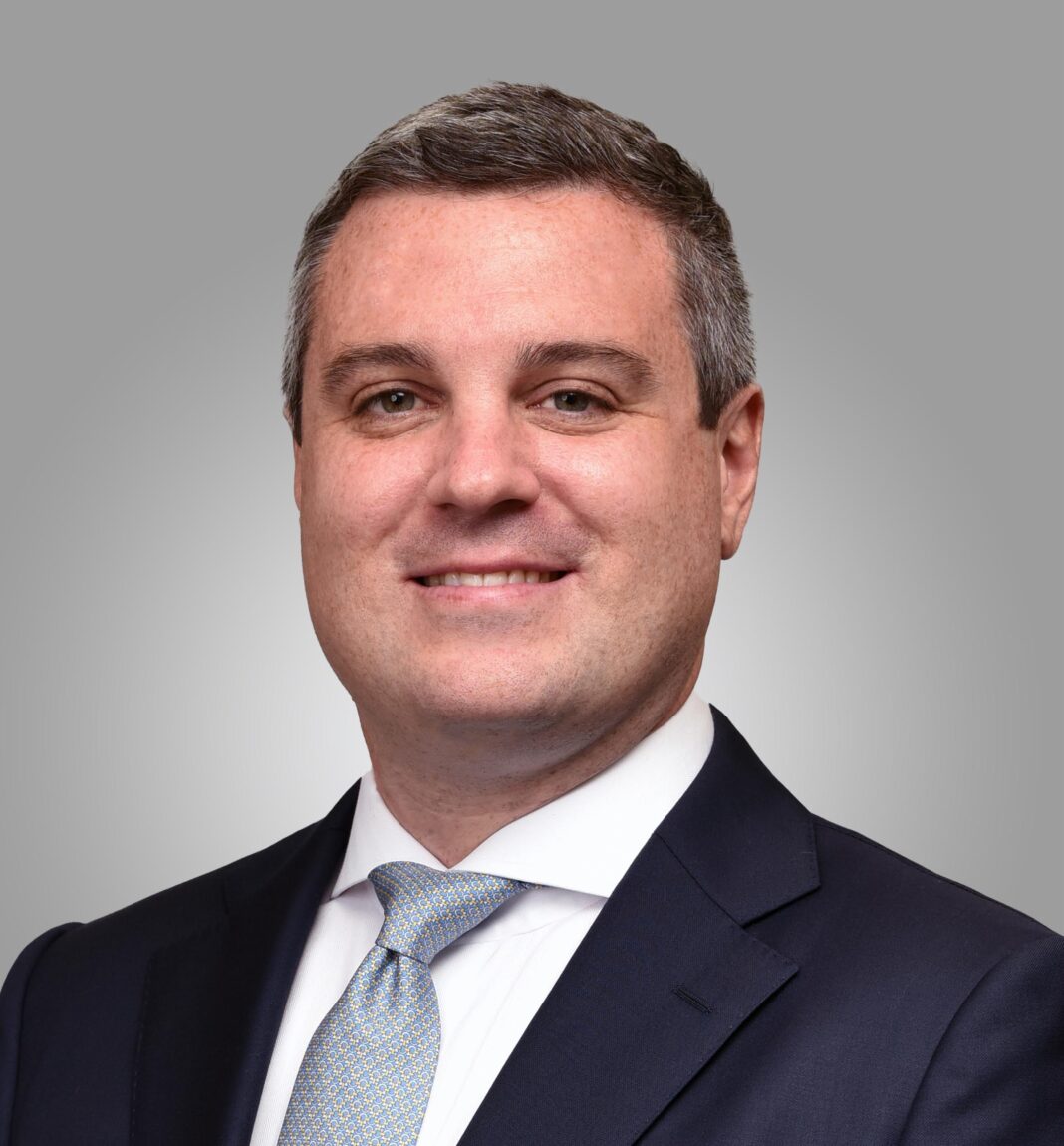
Matthew Kearns - Acting CEO GWC
Matthew Kearns, Acting CEO, Gulf Warehousing Company Q.P.S.C (GWC)  


The Gulf is undergoing an extraordinary phase of transformation, propelled by ambitious national visions aimed at economic diversification, enhanced global competitiveness, and long-term prosperity.

Central to this evolution is the logistics sector – a vital backbone supporting regional trade, supply chain connectivity, and seamless movement of goods across land, air, and sea.

As the logistics industry in the GCC is projected to exceed $100 billion by 2030, its role is expanding beyond economic enablement. It is becoming a key driver in shaping a sustainable future, especially as governments across the region intensify their climate commitments.

Qatar, Saudi Arabia, the UAE, and Oman are all embedding sustainability into their national strategies, prioritizing renewable energy, environmental stewardship, and low-emission growth models.

Logistics sector needs to cut down that 10% For logistics, this is a turning point. As one of the world’s largest contributors to greenhouse gas emissions – responsible for nearly 10% globally – the sector must undergo a structural shift. That means aligning operational efficiency with environmental responsibility and reimagining the sector through the lens of sustainability.

Investments are being directed toward green infrastructure, low-emission transport systems, circular supply chains, and smart warehousing facilities. These efforts are not only reducing environmental footprints but also improving cost-efficiency, resilience, and long-term value creation.

Logistics companies must rise to the occasion. Meeting climate goals requires the industry to prioritize emission reductions, energy efficiency, and responsible resource use across the whole supply chain. This includes adopting renewable energy technologies, redesigning facilities to reduce consumption, and optimizing fleet operations to transition away from fossil fuels.

Bring on the solar power

Harnessing the region’s abundant solar resources though clean energy initiatives presents one of the most powerful opportunities for transformative impact. Combined with the electrification of transport fleets, electric vehicle (EV) charging infrastructure, and energy-efficient route optimization technologies, logistics firms can dramatically cut their Scope 1 and Scope 2 emissions.

Integration of AI and IoT-enabled solutions can also enhance efficiency, leading to smarter inventory and routing decisions.

Waste management is another critical area. Logistics firms are in a unique position to implement and scale circular practices – like reusing packaging materials, recycling pallets, and composting food or organic waste across their networks. These initiatives contribute to resource conservation, reduce landfill dependency, and support broader environmental goals.

Water conservation is equally important in a region where water scarcity remains a major challenge. By deploying sewage treatment systems and using reclaimed water for landscaping or cooling, logistics providers can significantly reduce their impact on water resources while maintaining operational effectiveness.

In terms of infrastructure, modern logistics facilities must be designed with sustainability in mind – incorporating features like skylights for natural lighting, optimized ventilation, and energy-efficient building materials. Green building certifications and carbon footprint reporting are fast becoming industry norms, and they should be embraced not as burdens, but as opportunities to lead.

Equally vital is the power of collaboration. No single company can move the needle alone. Partnerships across the private sector, government agencies, and civil society are essential to developing shared standards, pooling resources for innovation, and ensuring accountability through transparent reporting and benchmarking.

Making the business case

The business case is also compelling.

Clients, investors, and regulators are increasingly demanding sustainable practices. Logistics companies that lead in this space will not only enhance their brand reputation but also unlock access to green financing, attract top talent, and secure a competitive edge in an evolving marketplace.

Ultimately, sustainability in logistics is a necessity. The region’s rapid economic growth must go hand in hand with its environmental responsibilities.

By embedding sustainability into the core of logistics strategy, operations, and culture, the industry can position itself as a leader in climate action and long-term resilience.


 

Bhok Thompson
Bhok Thompsonhttp://www.greenprophet.com
Bhok Thompson is an “eco-tinkerer” who thrives at the intersection of sustainability, business, and cutting-edge technology. With a background in mechanical engineering and a deep fascination with renewable energy, Bhok has dedicated his career to developing innovative solutions that bridge environmental consciousness with profitability. A frequent contributor to Green Prophet, Bhok writes about futuristic green tech, urban sustainability, and the latest trends in eco-friendly startups. His passion for engineering meets his love for business as he mentors young entrepreneurs looking to create scalable, impact-driven companies. Beyond his work, Bhok is an avid collector of vintage mechanical watches, believing they represent an era of precision and craftsmanship that modern technology often overlooks. Reach out: [email protected]

Read More

TRENDING

HelloFresh’s pride prepping ad raises a bigger question: we are we still outsourcing dinner?

The backlash against HelloFresh's Pride Month marketing campaign has sparked a wider conversation about food, labor, sustainability, and whether consumers should reconnect with local farmers, butchers, and home gardens instead of relying on subscription meal kits.

Regenerative Wool or Greenwashing? Zentera Responds to Critics

Zentera responds to questions about ZQ wool, animal welfare, regenerative farming, ethical fashion and the fallout from PETA's New Zealand investigation.

The Ocean’s Hidden ‘Dark Web’ Is Being Fished Before Scientists Understand It

Deep below the ocean's surface, in a dimly lit region known as the twilight zone, millions of fish are being caught every year. Scientists say the consequences are largely unknown.

Barnacle glue could fix coral reefs, inspire new advances in building and medicine

Aalto University researchers create a protein-based adhesive inspired by barnacles and mussels that works underwater and could aid coral reef restoration.

Jaakko Torvinen finds that the next green building revolution is misfit trees

Crooked, forked and curved trees are often treated as second-class timber. They are considered less valuable, and not suitable for load bearing walls or support systems in building. If a tree trunk is not straight enough to become a saw log, it is frequently diverted into pulp production or burned for energy. Now, new research from Aalto University could help change that.

Locals From Rishon Fight IKEA

Big Box stores are a pretty new concept in Israel, and thank God that not every Israeli city wants them in their backyard. A word from someone who has see the beautiful farmland around her hometown Newmarket, Ontario stripped and converted into vulgar strip malls of big box shops: they have no place in a healthy and sustainable town or city.

The Jewish National Fund Meets An Inconvenient Truth

According to the JNF, it has transformed thousands of acres of barren land into green forests in Israel. They state that each person emits about 23 tons of carbon per year, estimating that each tree planted can absorb one ton of carbon in its lifetime. That's a whole lot of trees you'd need to be planting. Could so many fit in Israel?

How to quiet noise from construction in your office

Streets need to be resurfaced in New York but the humming and grinding noise is unsettling. Noise is environmental pollution. 

EarthX and a blueprint for sustainable investing

Trammell S. Crow, a Dallas-based businessman and father of four, is focusing his efforts on impact investing, and media that focuses on saving the planet through EarthX.

Mining Afghanistan’s Mineral Discoveries Similar to Avatar

Now that American forces in Afghanistan are commemorating the longest period of any war that America has been involved in, including the 1965-73 Vietnam War, the recent discoveries of large and extremely valuable mineral and metal deposits may finally bring to light a reason to continue the presence of US fighting forces in this war torn and backward country.

From Pilot Plant to Global Stage: How Aduro Clean Technologies’ 2026 Expansion Signals a Turning Point for Chemical Recycling Investors Like Yazan Al Homsi

The company's Next Generation Process (NGP) Pilot Plant in London, Ontario, has officially moved into initial operating campaigns, generating the kind of structured, repeatable data that separates laboratory promise from commercial viability.

Nobul’s Regan McGee on Shareholder Value: “Complacency Is the Silent Killer” 

Why the governance framework designed to protect shareholders so...

Should You Invest in the Private Market?

startustartup Unlike public stock exchanges, which offer daily trading, strict...

Popular Categories