

Tel Avir, an Israeli environmental non-profit organization serving the the country’s English-speaking community, hosted its first event of the year at the end of February.
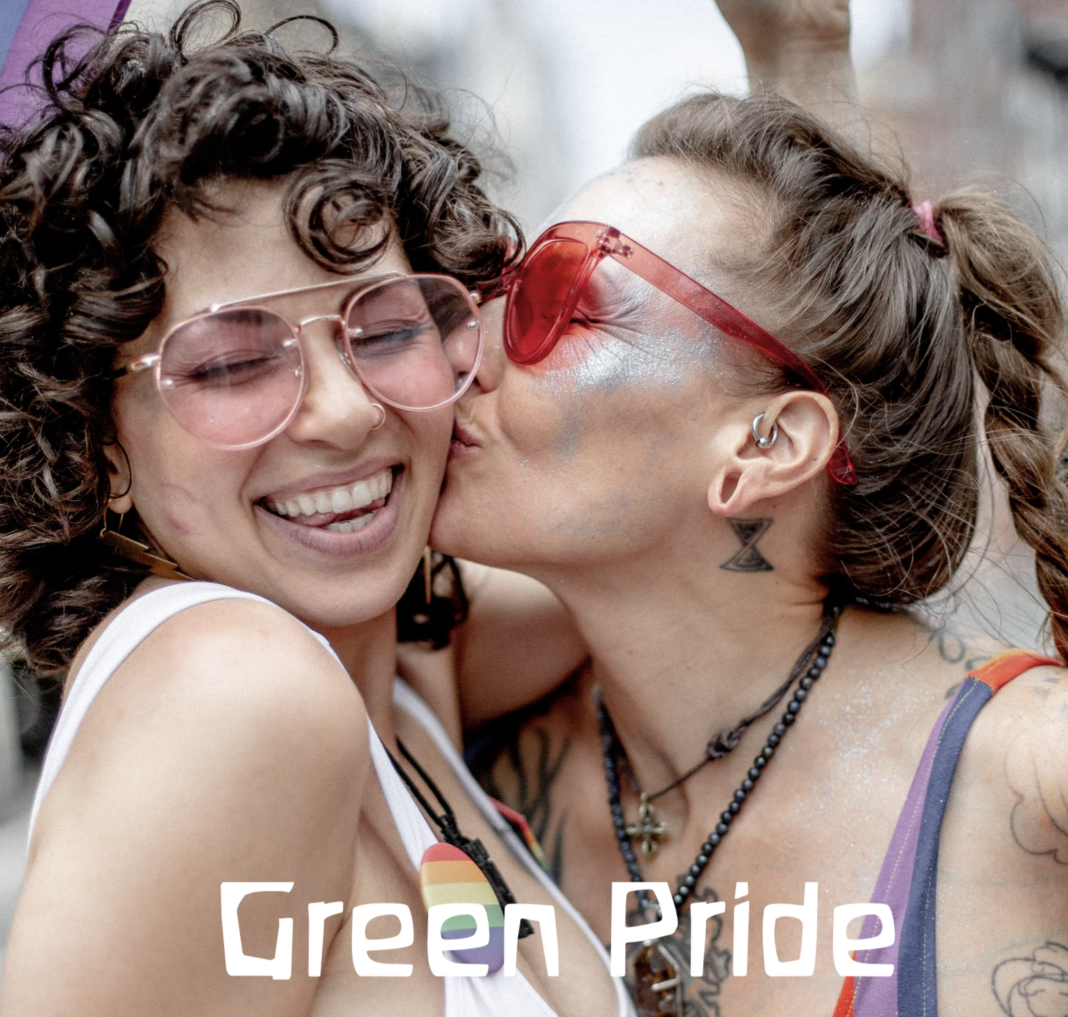
The virtual event, titled Greening Pride – Let’s keep the green in the rainbow, focused on making LGBT pride parades and events more sustainable. For over 50 years these events have been a pillar in the LGBTQIA+ community promoting acceptance, achievements, legal rights, and pride.
Today such gatherings attract hundreds of thousands around the world. As the climate crisis worsens, organizers and attendees are becoming more concerned about environmental impacts, including carbon footprints, transportation, and waste.
The event was moderated by József Kádár, a Ph.D. candidate at Haifa Center for German and European Studies, Haifa University, and researcher at the Arava Institute for Environmental Studies, and includes three speakers from around the world.
Dr. Rachel Dodds, a professor of tourism at Ryerson University in Toronto, Canada, brought her expertise in working with numerous North American LGBTQ+ pride parade organizers, music festivals, and other large public events.
George Rody, the founder of OUT for Sustainability, spoke about their work as a non-profit organization that provides a platform for co-creating climate resilience and environmental justice by and for LGBTQIA+ communities through advocacy, training, fundraising, and relationship-building.

Their initiative, Greener Pride, engages the LGBTQ+ community to advance more sustainable practices in events, businesses, and other community-building centers. Ruby Magen, the Tel Aviv LGBTQ+ Community Center director, spoke on his experiences working with the city to plan the Pride parade.
Ways to make pride parades more sustainable
The lively discussion centered on making Tel Aviv Pride more sustainable. Tel Aviv Pride is the biggest pride parade in the Middle East and in Asia, with over 250,000 people attending in 2020. The week-long celebration takes place in June each year and includes a parade, numerous parties, concerts, and cultural events mostly located on and near the beach.
While the city does an effective post event cleanup, the amount of garbage and plastic waste is relatively high from the hundreds of thousands in attendance.

This Zoom event addressed the ways in which waste can be reduced, such as providing reusable cups and increased water stations, encouraging better recycling through manned garbage cans, prohibiting free single-use plastic gifts, and discouraging single-use plastics among participants.
Other potential initiatives include soliciting corporate sponsors for recycling centers located on the parade’s route, advertisements with pro-environmental and sustainable messaging, increasing public transportation and discouraging driving during the events, and including environmental groups in the planning stages of the parade.
There are several initiatives the Municipality of Tel Aviv must undertake to make the LGBT pride parade more sustainable and meet the needs of the LGBTQ+ community in the city. The parade is a celebration of positivity, diversity, and inclusion which can be expanded to include environmentalism, as well.
Most importantly, the municipality must include sustainability experts and advocates in the planning of the parade and other pride celebrations with a clear commitment towards reducing the environmental impact. An audit must be run to measure the amount of waste and carbon emissions produced at the parade. Then a clear plan to reduce these externalities must be published and executed.
Related: Tahini boycotted in Israel for being “gay”
Next, the parade must ban the distribution of single-use plastic bottles and instead provide a deposit-based system in which people can rent reusable water bottles for the day with filling stations located throughout the parade route. This empowers citizens to feel like they are part of the solution instead part of the problem.
Lastly, recycling and trash centers must be staffed to direct parade goers to the appropriate bin to toss their litter, recyclables, and compost to prevent co-mingling. This preemptive sorting reduces the number of recyclables that end up in landfills. This plan must be coupled with a community compost system for the entirety of the parade festivities that will be shared with local farms.
In the upcoming years more sustainable initiatives can be enacted; a greener pride is not a destination but a movement that is always working on ways to improve. It’s important to recognize that the path to sustainability is challenging but immediate action is required to get closer to our goals.
The LGBTQ+ community is at more risk of environmental challenges because they face social, economic, and health inequities just like many other marginalized populations. Tel Avir is proud to support the struggle for equal human rights and the celebration of love in all its colors.
This year, Tel Avir plans to march in the parade and assist with recycling efforts. The LGBTQIA+ community has consistently been strong supporters of environmentalism and sustainability.
Contributed by Ezra Messinger, Ben Snyder, Jozsef Kadar. For more information on green initiatives at festivals, see Rachel Dodds