The hidden chatter beneath our feet – how trees, mushrooms, and microbes speak

How plants talk underground: unlocking the secrets of the wood wide web.
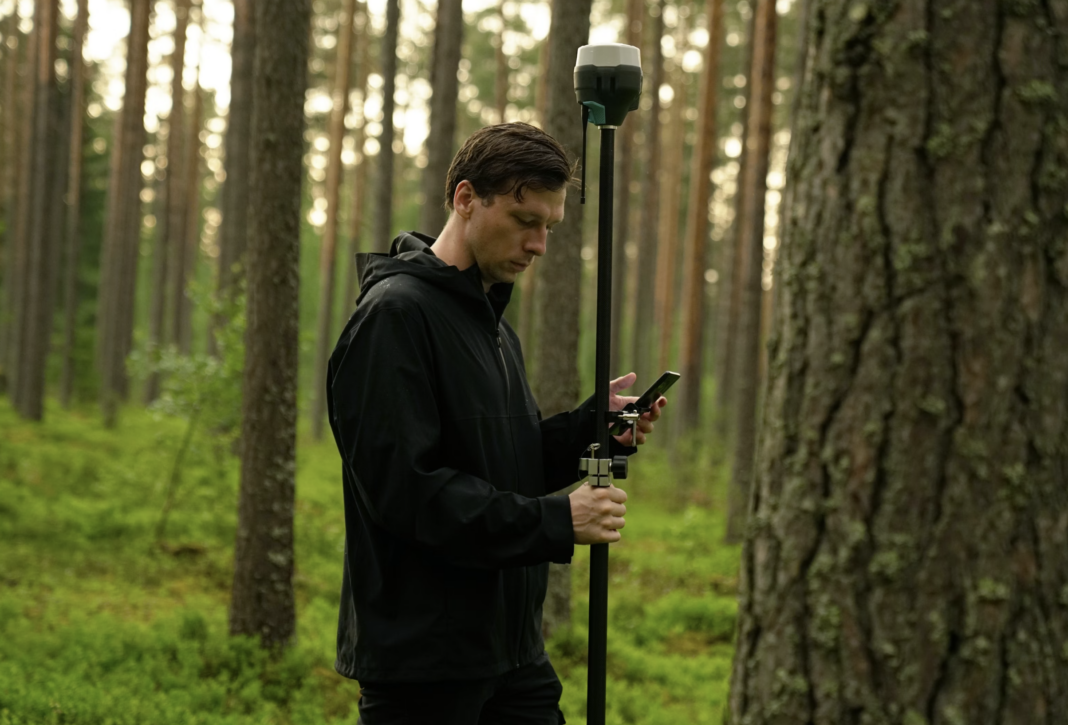
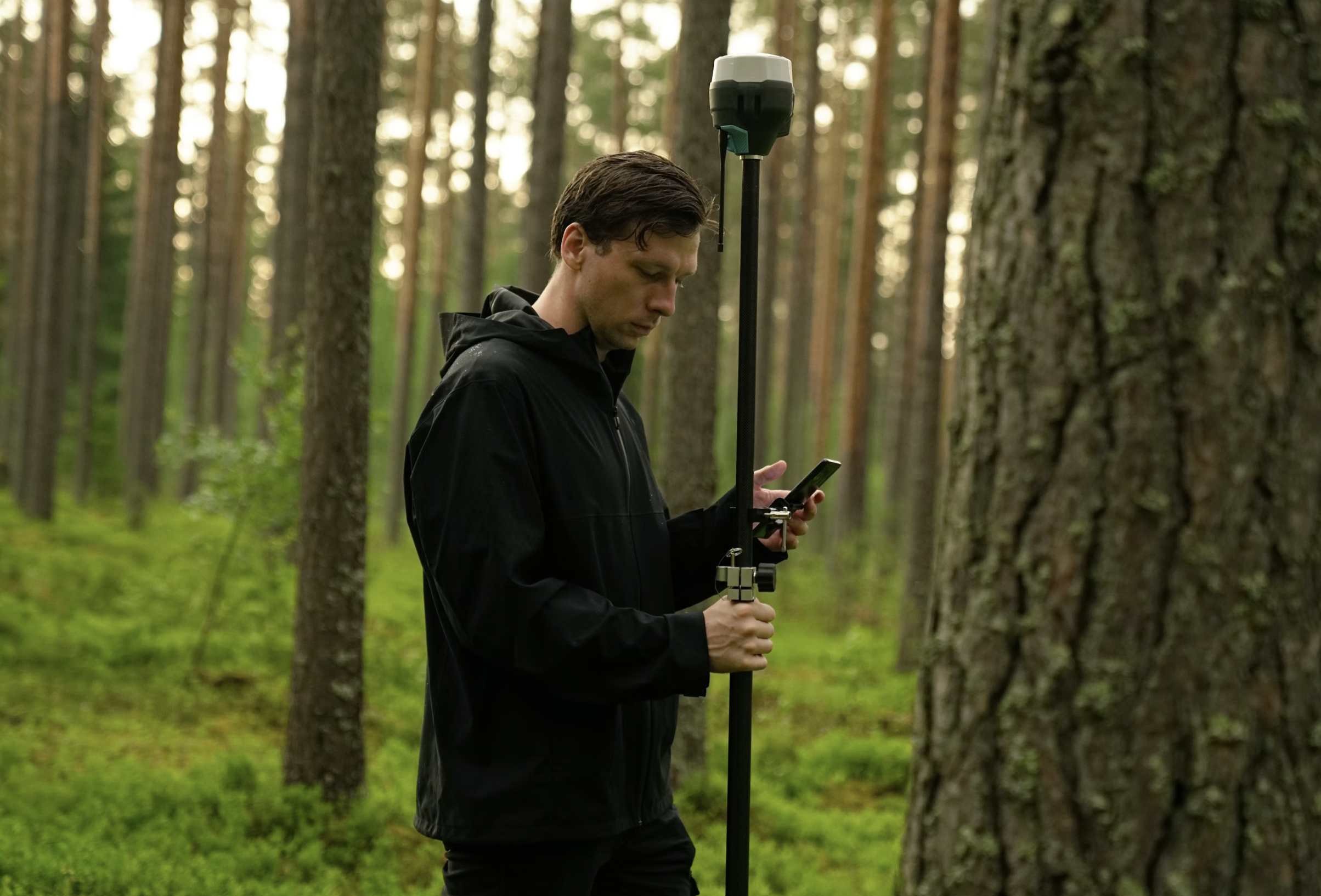
GIS mapping of a forest. New science might help us listen to what trees are saying.

We tend to think of forests as quiet places—but beneath the soil, there’s a bustling network of chemical conversations taking place. It’s part of what some scientists call the “wood wide web”—a vast underground communication system that connects plants, fungi, and microbes in complex, symbiotic ways. It’s been shown that plants can speak. This new study might help us decode what they are saying.

Now, scientists at the U.S. Department of Energy’s Oak Ridge National Laboratory (ORNL) have uncovered new insights into this hidden language. By studying the molecular “words” that tree roots send into the soil, they’ve created one of the most detailed maps yet of underground plant communication—one that could revolutionize how we grow food and bioenergy crops.

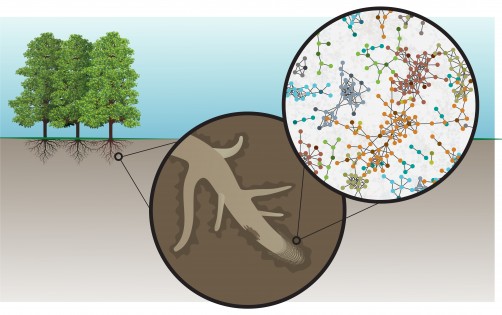
As plants grow, their roots don’t just absorb nutrients—they release a rich array of organic chemicals into the soil, a process known as rhizodeposition. These secretions act like messages or invitations to microbes and fungi, encouraging cooperation, support, or sometimes defense.

“Plants form relationships with microbes like bacteria and fungi that help them survive tough conditions like drought or poor soil,” said Dr. Paul Abraham, co-lead of the study at ORNL. “But we’re only beginning to understand the full vocabulary of these underground interactions.”
plant communication, wood wide web, mycorrhizal fungi, root exudates, rhizodeposition, Oak Ridge National Laboratory, plant-microbe interaction, metabolomics, soil health, sustainable agriculture, energy crops, food security, soil microbiome, carbon cycling, plant root secretions, underground ecosystem
How plants talk underground: unlocking the secrets of the wood wide web.

To decode this chemical language, ORNL researchers focused on poplar trees, which are being studied as future bioenergy crops. They grew two types of poplar under different conditions—some with extra nutrients, some without—and collected samples from their roots at different growth stages.

Instead of looking for specific molecules they already knew, scientists used a technique called untargeted metabolomics, which allowed them to capture everything the plants were saying, so to speak.

“This approach lets us detect a much broader range of chemical diversity,” Abraham explained. “We’re finding unexpected or previously unrecognized compounds that may play critical roles in soil and plant systems.”

A molecular treasure trove

floating cricket habitat in Venice lagoon, interactive sound garden with cricket audio, Professor Alex Felson with conservation exhibit, Venice Biennale site featuring ecological installation, Associate Professor Miriama Young tuning cricket choir installation
Close-up of the interactive sound garden at the University of Melbourne’s “Song of the Cricket” installation. Visitors walk among embedded speakers and vegetation while the gentle song of crickets reimagines Venice’s lost natural soundscape.

What they found was a treasure trove of compounds—some never identified before. Each plant produced different chemical profiles depending on its genes, environment, and age. These findings suggest that plants tailor their messages depending on who they’re talking to—whether they’re calling for help, warning of threats, or optimizing partnerships.

“This kind of insight helps us breed or engineer crops that are not only higher-yielding, but also more resistant to climate stress,” Abraham said.

Mushrooms, microbes, and machine learning?

mushroom communication, fungal networks, mycorrhizal fungi, wood wide web, plant mushroom symbiosis, underground fungi, mushroom roots, fungal ecology, forest communication, mushroom soil health, fungi and plants, mushroom mycelium network, mushroom biodiversity, mushroom sustainability, fungal symbiosis
a basket of mushrooms collected in Ontario, Canada

Why does this matter? The underground networks built by fungi and bacteria are essential for healthy ecosystems—and for our ability to grow resilient crops in a changing climate. Fungi, in particular, act as “middlemen”, connecting roots across distances and helping move nutrients, water, and even chemical signals between plants.

To better understand this complex web, ORNL is now looking to AI and machine learning. “The chemical space we’re measuring is vast,” Abraham said. “Most of the molecules we detect can’t be confirmed using existing reference standards.”

In other words, there are too many molecules and not enough names. That’s where artificial intelligence will step in—to help identify unknown compounds and unlock new insights into how plants and microbes interact.

The ORNL team’s research, published in Plant, Cell & Environment, could eventually lead to crops that communicate more efficiently with beneficial fungi and bacteria—reducing the need for synthetic fertilizers and helping build a more sustainable agricultural system.

“Nature already has a smart underground network,” says Karin Kloosterman, editor of Green Prophet who founded an AI company Flux to listen to the language of plants: “Our job is to listen, decode it, and learn how to work with it.”


 

Karin Kloosterman
Karin Kloostermanhttp://www.greenprophet.com
Karin Kloosterman is an award-winning journalist, innovation strategist, and founder of Green Prophet, one of the Middle East’s pioneering sustainability platforms. She has ranked in the Top 10 of Verizon innovation competitions, participated in NASA-linked challenges, and spoken worldwide on climate, food security, and future resilience. With an IoT technology patent, features in Canada’s National Post, and leadership inside teams building next-generation agricultural and planetary systems — including Mars-farming concepts — Karin operates at the intersection of storytelling, science, and systems change. She doesn’t report on the future – she helps design it. Reach out directly to [email protected]

Read More

TRENDING

Weston Higginbotham found dead in a Kyoto forest: is climate anxiety part of the story?

In some ways, Weston has become a symbol of a generation wrestling with environmental and technological anxiety. Friends and family described him as deeply concerned about environmental issues. Reports also noted that he questioned the growing role of artificial intelligence in daily life, even reportedly disagreeing with his mother about her use of AI.

Robot Monk Gabi Takes Vows in Seoul. What Would the Buddha Have Thought?

  How many of us looked twice when we saw...

Australia’s $25 Billion AI Moment: Infrastructure Is the Easy Part

  Microsoft's record investment in Australia will build data centres....

AI data centers are triggering panic, instead of cleantech opportunities

AI may unintentionally become the economic engine that finally modernizes America’s aging grid. California is experiencing a massive AI data center boom, ranking 3rd in the U.S. with 227 operating centers and 54 more in development as of April 2026, according to Stanford.

24 7 renewable energy: how solar, wind, batteries and AI SaaS replace fossil fuels

A new report from the International Renewable Energy Agency based in Abu Dhabi makes something clear that many in the industry already suspected. When solar and wind are paired with battery storage, they can deliver reliable, round the clock electricity at costs that compete with, and often beat, fossil fuels.

Locals From Rishon Fight IKEA

Big Box stores are a pretty new concept in Israel, and thank God that not every Israeli city wants them in their backyard. A word from someone who has see the beautiful farmland around her hometown Newmarket, Ontario stripped and converted into vulgar strip malls of big box shops: they have no place in a healthy and sustainable town or city.

The Jewish National Fund Meets An Inconvenient Truth

According to the JNF, it has transformed thousands of acres of barren land into green forests in Israel. They state that each person emits about 23 tons of carbon per year, estimating that each tree planted can absorb one ton of carbon in its lifetime. That's a whole lot of trees you'd need to be planting. Could so many fit in Israel?

How to quiet noise from construction in your office

Streets need to be resurfaced in New York but the humming and grinding noise is unsettling. Noise is environmental pollution. 

EarthX and a blueprint for sustainable investing

Trammell S. Crow, a Dallas-based businessman and father of four, is focusing his efforts on impact investing, and media that focuses on saving the planet through EarthX.

Mining Afghanistan’s Mineral Discoveries Similar to Avatar

Now that American forces in Afghanistan are commemorating the longest period of any war that America has been involved in, including the 1965-73 Vietnam War, the recent discoveries of large and extremely valuable mineral and metal deposits may finally bring to light a reason to continue the presence of US fighting forces in this war torn and backward country.

From Pilot Plant to Global Stage: How Aduro Clean Technologies’ 2026 Expansion Signals a Turning Point for Chemical Recycling Investors Like Yazan Al Homsi

The company's Next Generation Process (NGP) Pilot Plant in London, Ontario, has officially moved into initial operating campaigns, generating the kind of structured, repeatable data that separates laboratory promise from commercial viability.

Nobul’s Regan McGee on Shareholder Value: “Complacency Is the Silent Killer” 

Why the governance framework designed to protect shareholders so...

Should You Invest in the Private Market?

startustartup Unlike public stock exchanges, which offer daily trading, strict...

Popular Categories