

Steven Bethell Joins Board of SMART at Historic Conference in Dubai, highlighting the importance of textile reuse and responsible recycling

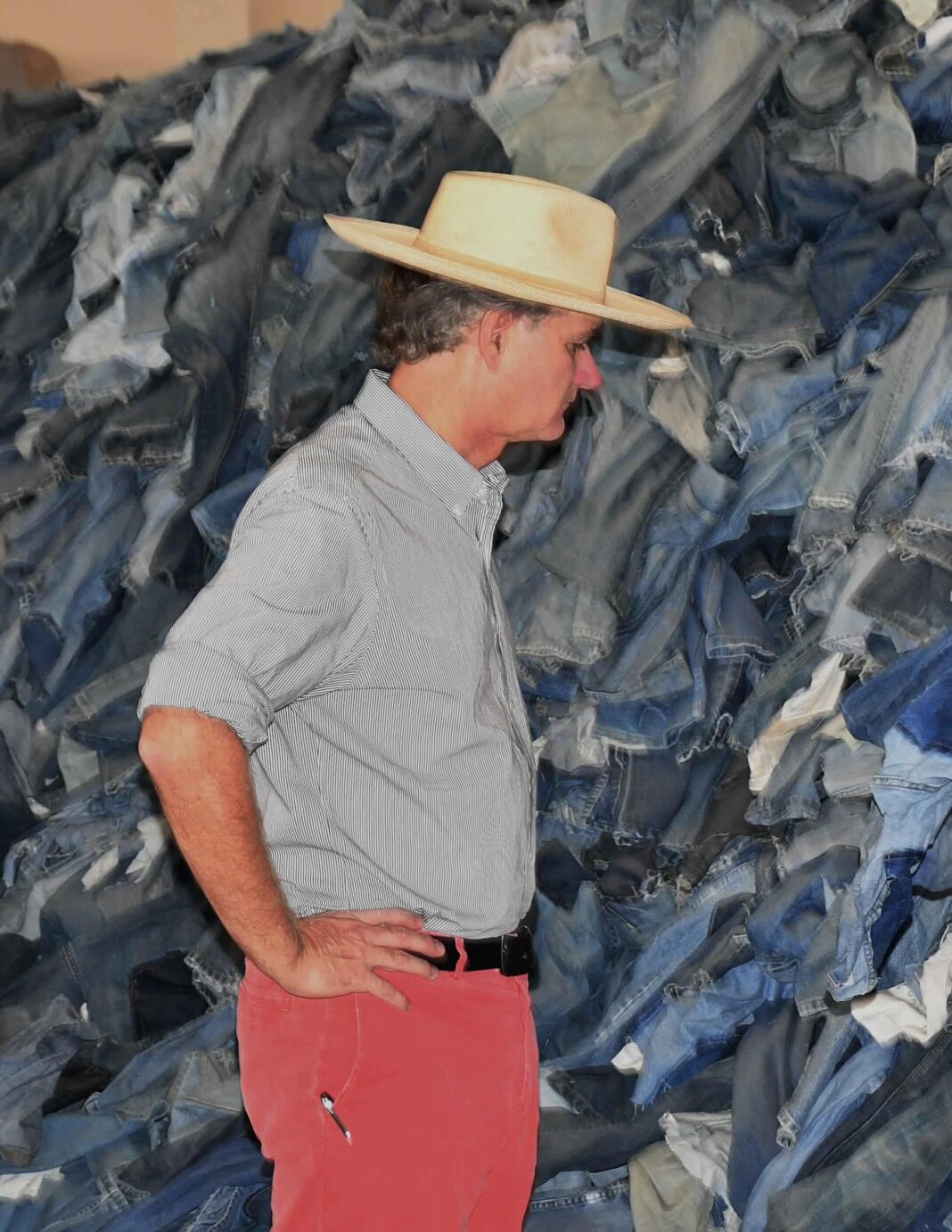
Steven Bethell, a globally recognized leader in sustainable fashion and textile reuse, has been appointed to the board of the Secondary Materials and Recycled Textiles Association (SMART)
Steven Bethell

The event reinforced the role of organizations like SMART in shaping a sustainable future for fashion and materials recovery.

Steven Bethell, a globally recognized advocate for textile recycling and sustainable fashion, has been appointed to the board of the Secondary Materials and Recycled Textiles Association (SMART). The announcement was made during the largest secondhand clothing and wiper conference ever held in Dubai, bringing together key industry leaders committed to driving sustainability in the textile sector.

“I am very passionate about the mission of this organization and keen to contribute to its growth and success,” said Bethell. “Used clothing is a force for good, and I am excited to help advance SMART’s vision for a more circular and responsible textile economy.”

SMART is a leading trade association representing the interests of the for-profit used clothing, wiping materials, and fiber recycling industries. The organization works to promote the environmental, economic, and social benefits of textile reuse and recycling while setting high industry standards. Its board comprises esteemed leaders dedicated to fostering innovation, sustainability, and ethical business practices within the sector.

Bethell joins a distinguished group of industry experts President: Brian London, Whitehouse & Schapiro.  Vice President: Drew Weinberg, OVASCO. Treasurer: Brian Rubin, Erie Cotton Products.  Immediate Past President: Steve Rees, Wipeco Industries. As well as others on the SMART board, including Gina Buty, Helene Carter, Harold Kalfus, Rick Wolf, Munir Hussain, Usman Kappaya, Marisa Adler all of whom bring valuable expertise and leadership to further the organization’s mission. With his extensive experience in the global secondhand clothing industry, Bethell’s appointment is expected to strengthen SMART’s initiatives in advocating for sustainable textile management practices worldwide.

SMART recycling fabric

The conference in Dubai underscored the growing momentum behind the second-hand clothing industry as a key player in the circular economy. By highlighting the importance of textile reuse and responsible recycling, the event reinforced the role of organizations like SMART in shaping a sustainable future for fashion and materials recovery.


Read More

TRENDING

Make paper mache with flowers to create stunning vase

There’s something quietly beautiful about what Rebloom Studio is doing, and it starts with waste. At wholesale flower markets, mountains of unsold blooms are tossed out at the end of each cycle. Perfect flowers, just not sold in time. Most of them are burned or dumped. Rebloom takes that moment and turns it into something else.

From Pilot Plant to Global Stage: How Aduro Clean Technologies’ 2026 Expansion Signals a Turning Point for Chemical Recycling Investors Like Yazan Al Homsi

The company's Next Generation Process (NGP) Pilot Plant in London, Ontario, has officially moved into initial operating campaigns, generating the kind of structured, repeatable data that separates laboratory promise from commercial viability.

Urban miner Sortera raises $45 million USD to pull aluminum from the scrap pile

Sortera Technologies, founded in 2020 by Nalin Kumar and Manuel Garcia, is emerging as a major U.S. circular-industry player. Led by CEO Michael Siemer, the company uses AI and advanced sensors to turn scrap metal into high-value aluminum alloys. Its new ~$45 million funding round signals investor appetite for industrial decarbonisation—where emissions cuts come not from PR-friendly solar installs, but from upgrading the materials that power EVs, solar frames, and construction.

Pea pod wine recipes are making a comeback with allotment gardeners

Yes, pea pod wine is a real thing, an old-fashioned, home-brewed country wine made from the leftover pods after shelling fresh peas. It is a sustainable, no-waste practice, often popular among allotment gardeners.

Waste Reform from the Ground Up: How Trash Balers Are Helping Cities Rethink Sustainability

If you’ve ever watched a recycling truck weaving through city streets, you’ve seen the problem firsthand. Most of what we call “recycling” still depends on long-distance transportation and centralized sorting facilities. Those systems are energy-intensive and prone to contamination — the dreaded mix of wet food, plastic wrap, and paper that renders recyclables useless.

How to quiet noise from construction in your office

Streets need to be resurfaced in New York but the humming and grinding noise is unsettling. Noise is environmental pollution. 

EarthX and a blueprint for sustainable investing

Trammell S. Crow, a Dallas-based businessman and father of four, is focusing his efforts on impact investing, and media that focuses on saving the planet through EarthX.

Mining Afghanistan’s Mineral Discoveries Similar to Avatar

Now that American forces in Afghanistan are commemorating the longest period of any war that America has been involved in, including the 1965-73 Vietnam War, the recent discoveries of large and extremely valuable mineral and metal deposits may finally bring to light a reason to continue the presence of US fighting forces in this war torn and backward country.

From Pilot Plant to Global Stage: How Aduro Clean Technologies’ 2026 Expansion Signals a Turning Point for Chemical Recycling Investors Like Yazan Al Homsi

The company's Next Generation Process (NGP) Pilot Plant in London, Ontario, has officially moved into initial operating campaigns, generating the kind of structured, repeatable data that separates laboratory promise from commercial viability.

Nobul’s Regan McGee on Shareholder Value: “Complacency Is the Silent Killer” 

Why the governance framework designed to protect shareholders so...

Should You Invest in the Private Market?

startustartup Unlike public stock exchanges, which offer daily trading, strict...

How to build a 100-year-company

Kongō Gumi is a Japanese construction company, purportedly founded in 578 A.D., making it the world's oldest documented company. What can we learn about building sustainable businesses from them?

How AI Helps SaaS Companies Reduce Repetitive Customer Support Work

SaaS products are designed for large numbers of users with different levels of experience, and also in renewable energy.

Popular Categories