
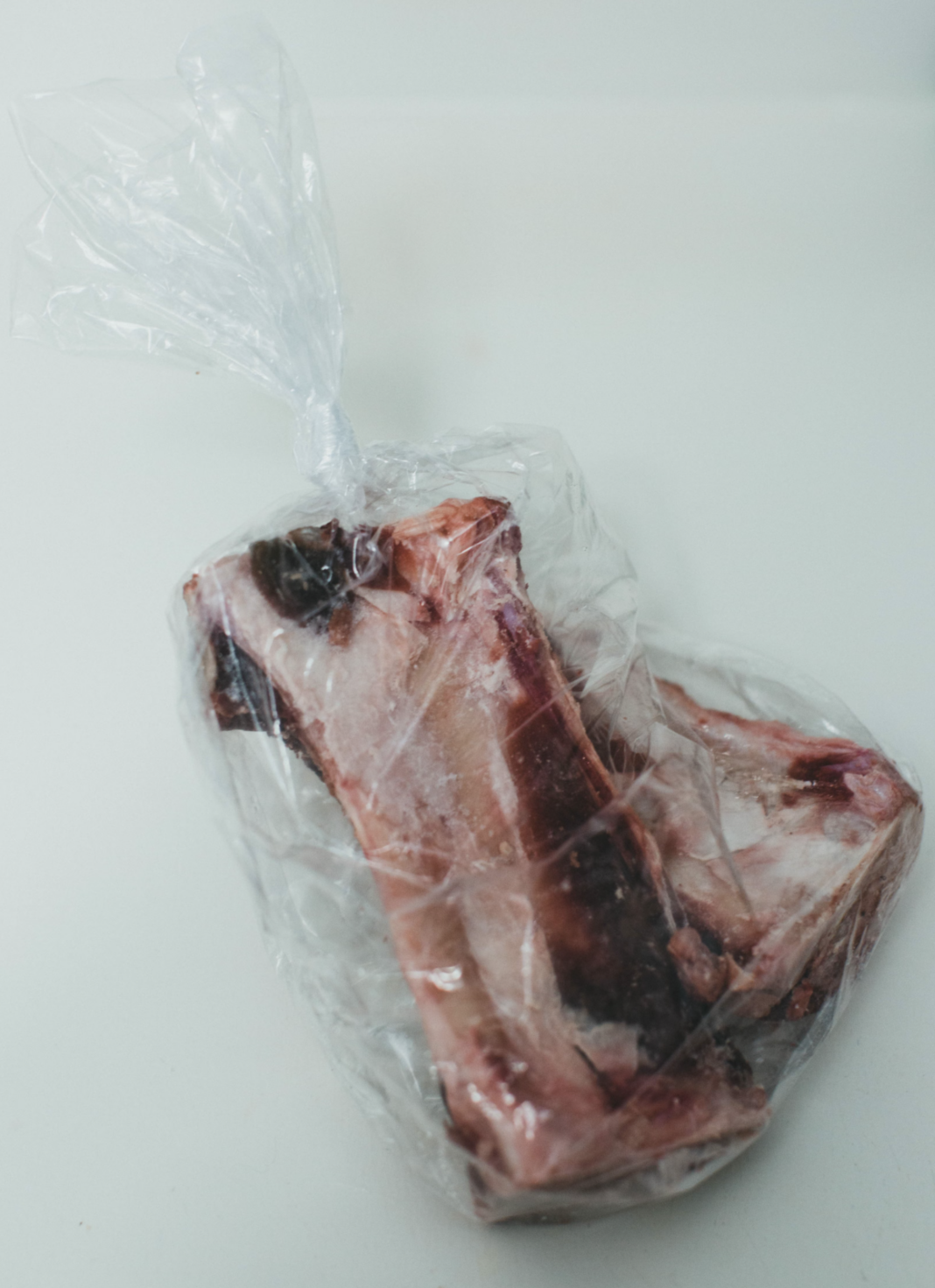

Freeze Meat To Save Money And Avoid Waste


Freezing meat

North Americans are still eating meat, although less of it, and leaning more toward poultry rather than beef and pork. This is partly because more people are choosing alternative plant-based sources of protein like beans (and we have some delicious recipes like this potato salad with fava beans). It’s partly because poultry is cheaper and healthier than red meat. (The demand for pork stays steady, according to data provided by Carlisle Technology, a Canadian hardware and software manufacturer focused on the meat industry.)

And it’s partly because prices of meat are climbing up. It’s getting harder to budget meat into the weekly meal rotation.

You don’t want to give up meat entirely, but what are the best ways of enjoying your favorite protein without busting your budget?

One way is to join or create a meat co-op with like-minded friends, neighbors, or people responding to a local ad you put out. This is where a couple, or a group, or several families buy an entire animal, or half-animal together, dividing the meat, offal, and bones by pre-agreement.

That’s great if you live in the right kind of area. A friend living in Calgary, Canada, tells me she and her husband share a whole lamb with the neighbors every spring. But for people like me, who get their meat at the butcher’s section of the supermarket, that’s hardly a solution.

Consider these ways. The first: avoid waste.

Bones, whether raw or left over from a roast, make a base for tasty and nutritious broth.
Surplus fat on the body of the bird can be frozen and saved up to render down, making golden liquid shmaltz. I don’t recommend rendering beef, sheep, or pork fat, though, especially if you live in an apartment. Rendering makes pungent odors. Some render their shmaltz outdoors on their grill. I just keep the windows open.
Freeze any offal (gizzards, livers, hearts) for later cooking; or if you really don’t fancy eating it, give it to your cat.
Cook portions not so large that leftovers will sit in the fridge until they go bad.

Unless you’re deliberately planning on leftovers for a second round later in the week. Also go for recipes that use relatively little meat while satisfying the craving, like our Lachmacun, Turkish meat-topped flatbreads.
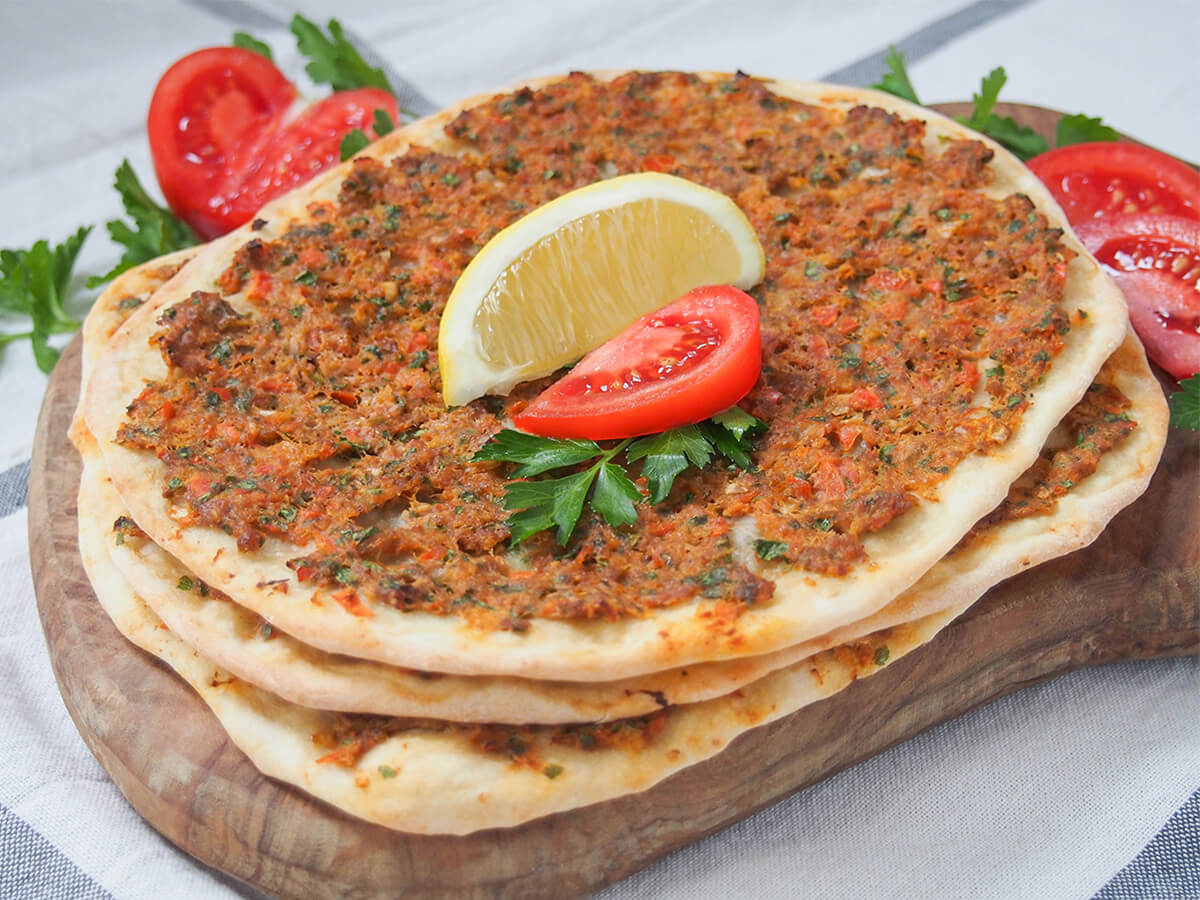
lahmacun Turkish meat-topped flatbread

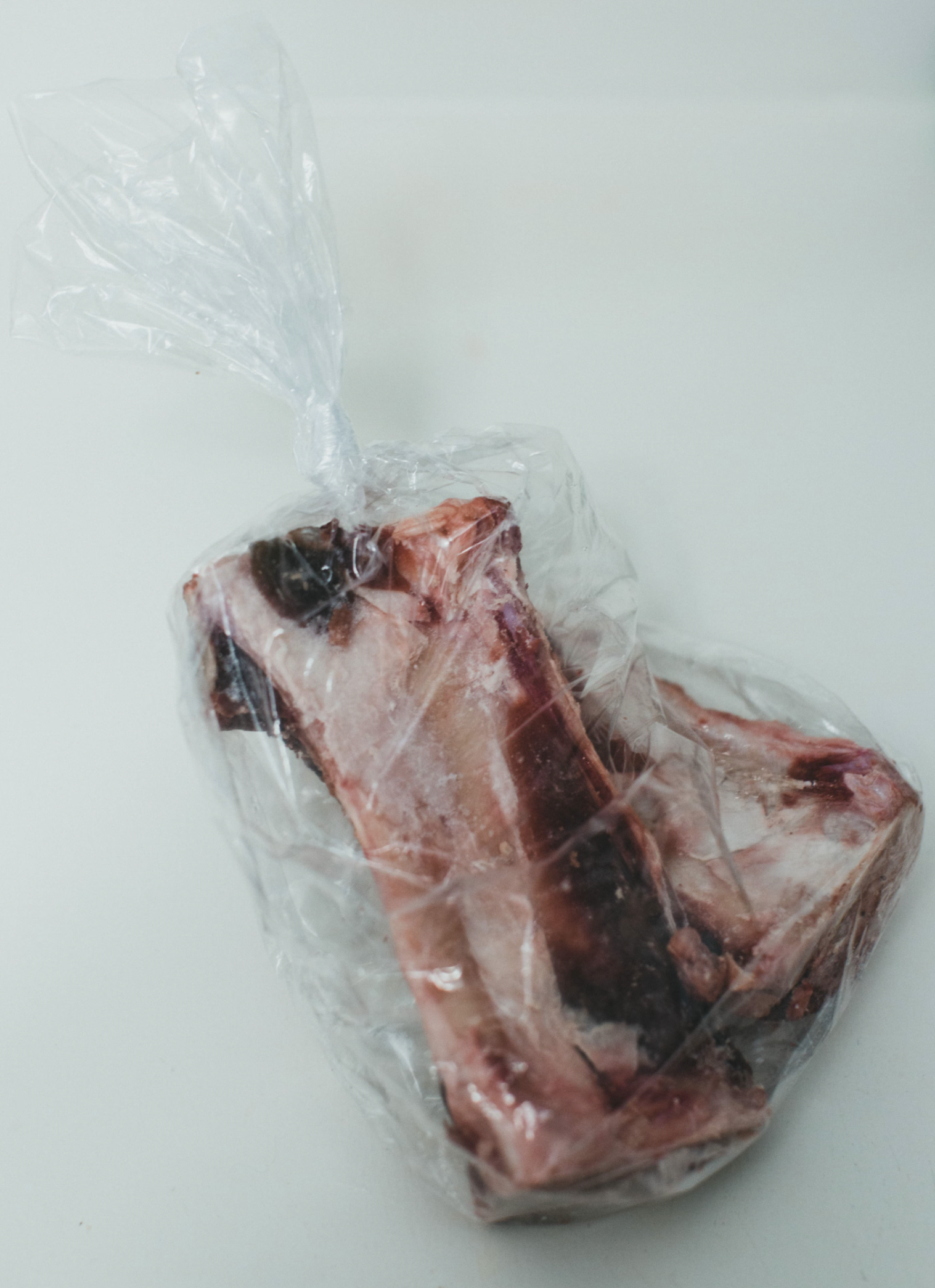
The second idea, tied to avoiding waste, is to preserve the meat. When your favorite meat’s at a good price, buy it up by all means, but use every bit of what you buy. Anything surplus, freeze.

Freezing is the easiest way to preserve animal meat or fish. To freeze successfully, you must give no chance for air or moisture to invade, which risks damage to your meat from freezer burn and loss of nutrients, not to mention flavor. And it’s easy enough to freeze meat safely.

Freezing meat – you’ll need:

Butcher paper
Masking tape
Aluminum foil
A sharpie or pen for labeling

Wrap the piece of fresh meat in butcher’s paper with the waxed side touching the meat.
Tape it shut with masking tape.
Wrap the package with foil.
Label the package with the contents and the date written on a piece of masking tape.

You can also use sturdy commercial freezer bags, squeezing all the air out before sealing the contents. This is less reliable than wrapping meat as detailed above;, although practical for handling meat in small pieces, i.e. ground meat and chunks of fat. I suggest cooking meat frozen in a bag well before the maximum time allowed in the chart below.

Cooked meat is safe to freeze. Refrigerate it promptly after it’s cooled down; you can keep it in the fridge, tightly covered, up to 2 days before freezing. Better is to freeze it right away after cooking and cooling.

Always label frozen meat. If you’re like me, you’ll never remember how long that batch of meat balls has been sitting in there.

Lengths of time your meat will maintain quality in the freezer: 
Bacon and Pancetta: 3 months

Chops: 6 months

Ground meats: 4 months

Organ meats: 4 months

Roasts: 1 year

Sausage: 3 months

Steaks: 8 months

Raw poultry fat: 6 months

Rendered fat: 1 year

Further reading on modern ways of preserving food: the concise, very readable Preserving Everything, by Leda Meredith, Countryman Press.
Who is eating less meat in America? And why?

Miriam Kresh
Miriam Kreshhttps://www.greenprophet.com/
Miriam Kresh is an American ex-pat living in Israel. Her love of Middle Eastern food evolved from close friendships with enthusiastic Moroccan, Tunisian and Turkish home cooks. She owns too many cookbooks and is always planning the next meal. Miriam can be reached at miriam (at) greenprophet (dot) com.

Read More

TRENDING

5 Reasons Why You Should Save Seeds (and plant them)

Saving seeds from tomatoes, peppers, herbs and flowers helps preserve biodiversity, strengthen food security, and keep heirloom varieties alive. Even a small balcony garden can make a difference.

Make Guarapo De Piña (it’s fermented pineapple juice)

In Cuba, guarapo is simply freshly-pressed sugar cane juice, and is drunk on the spot, without waiting for it to ferment. But in Colombia, Venezuela, Peru and Mexico, they homebrew guarapo from pineapples or oranges, and the fragrant fluid sits on the kitchen counter top to ferment until it's bubbly.

Baby teeth read like tree rings paint a picture of toxins in early life

A new study from the Icahn School of Medicine at Mount Sinai in New York offers a striking insight into how the environments we are born into can quietly shape our brains years later. By analyzing naturally shed baby teeth, the ones tucked under pillows for the tooth fairy, researchers have reconstructed a detailed timeline of exposure to environmental metals during pregnancy and early infancy.

Poop in the East River shows the city’s rat problem and what people like to eat

New York ecology and health can be monitored by a jug of water a week.

Saving Gourmet Wild Plants For The Future

Think of truffles, a gourmet wild food. The European...

Yerukim Forms a New Green Economy Where the Money is Really Green

The Yerukim members who pick up the recyclables get to keep the monetary reward, the public earns "green" bills that can be used in shops, and business owners get to be associated with environmentalism.

Choosing Riyadh over Dubai? What Investors Should Know

Saudi Arabia is deploying capital at unmatched scale to catalyze tourism and advanced industry while rewiring its power-and-water backbone. The investable frontier is widening—especially in renewables, grid storage, water efficiency/desal retrofits, and hospitality operating platforms. Prudent investors will insist on phased delivery, enforceable KPIs (energy, water, biodiversity), and RHQ/zone compliance—while pricing political-economy and reputational risks alongside growth upside.

Sell your cooking oil for biodiesel money

Want to make money on old french fry oil? Sell it.

Qatar Alternative Energy Summit Pairs Investors And Innovators

Alternative energy investors and innovators can meet n' greet in Doha, Qatar March 16 and 17.

Here’s How To Implement The Four Pillars Of Employee Engagement

If you throw a party for your work team and they are vegans, don't make it a barbecue. Know the sustainability values of your team to boost moral and retain good people.

Locals From Rishon Fight IKEA

Big Box stores are a pretty new concept in Israel, and thank God that not every Israeli city wants them in their backyard. A word from someone who has see the beautiful farmland around her hometown Newmarket, Ontario stripped and converted into vulgar strip malls of big box shops: they have no place in a healthy and sustainable town or city.

The Jewish National Fund Meets An Inconvenient Truth

According to the JNF, it has transformed thousands of acres of barren land into green forests in Israel. They state that each person emits about 23 tons of carbon per year, estimating that each tree planted can absorb one ton of carbon in its lifetime. That's a whole lot of trees you'd need to be planting. Could so many fit in Israel?

How to quiet noise from construction in your office

Streets need to be resurfaced in New York but the humming and grinding noise is unsettling. Noise is environmental pollution. 

Popular Categories