Israel is the first country to approve the sale of cultured meat

Leonardo Dicaprio, meatless meat, aleph farms, mosa meat, investment
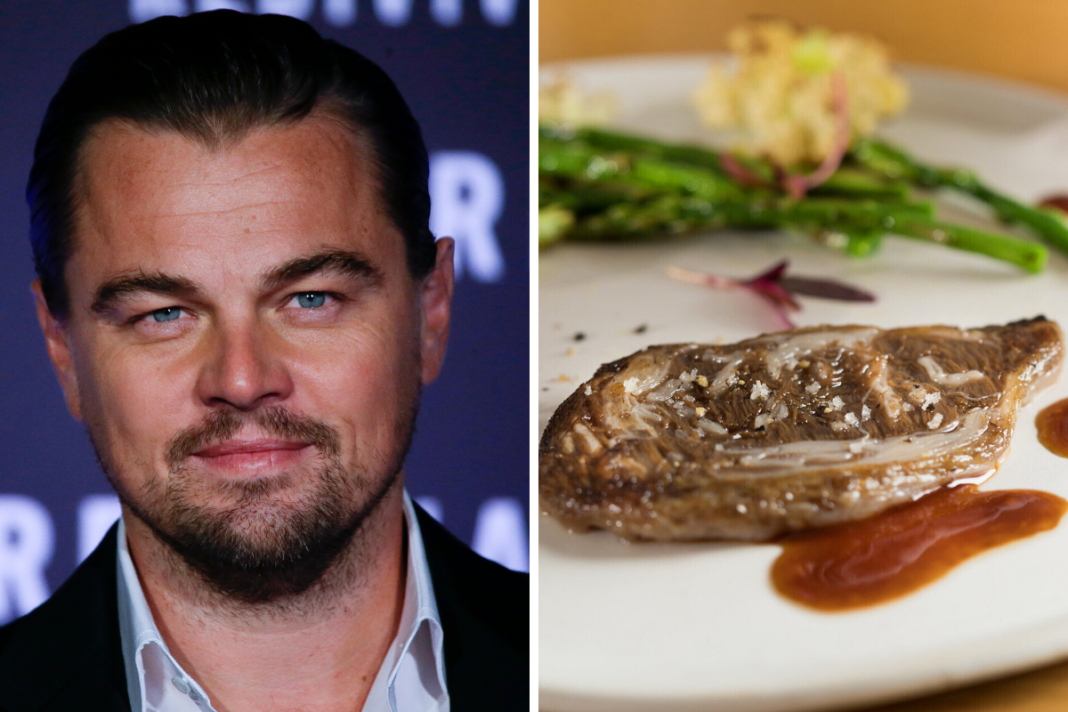
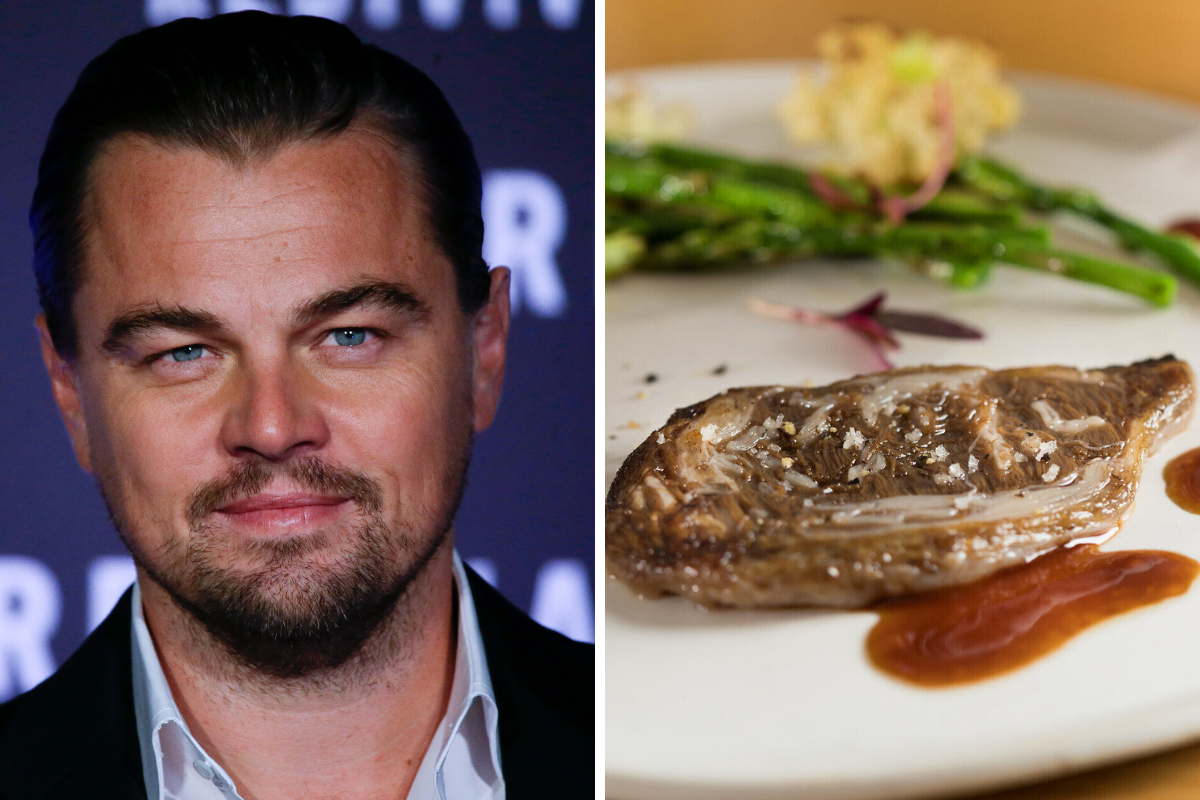
Leonardo DiCaprio will be happy. He invested in Israel’s meatless meat company, Aleph Farms. 

In a world first, Israel advances alternative proteins –– beef without using animals was approved for sale in Israel

Cultured meat, cellular agriculture, lab meat –– there is a way to create real meat without an animal, using a cellular growing system. The result is a protein that looks like steak, tastes like steak, in fact is steak, but without the use of an animal to grow this muscle tissue. In an historic world first, the Israeli Government has decided to allow the sale of cultured meat. There are dozens of companies in Israel working on cultured or lab-grown animal products such as milk, fish, eel, beef and pork. The news is a step in making lab meet a thing of now and not just the future.

Regulatory permits were issued this year for the production of milk without using cows, and – today – meat without using animals.

“This is a global breakthrough in the field of alternative protein and important news for food security, environmental protection and concern for animals,” said Prime Minister Benjamin Netanyahu who formed a team to advance the field of alternative proteins based on the understanding that it would lead to innovative economic strengthening of the State of Israel, provide food security and food safety, and promote animal welfare.

The team, led by the PMO Director General, included the Health Ministry, the Innovation Authority, the Science Ministry, the Economy Ministry and the Agriculture Ministry.

Bibi Netanyahu lab steak, aleph farms
Prime Minister Netanyahu tastes some Aleph lab steak

For many years the benefits of lab-grown meat were told to include less greenhouse gas emissions. A recent study at UC Davis suggests we are still far away from realizing that goal. However, given the other benefits of reducing animal suffering and working towards reducing greenhouse gas emissions and keeping rainforests in the Amazon intact, we are in favor of lab meat.

The ultimate is vegetarianism, or eating meat rarely or just eating meat from regenerative farming systems. Until we get there – let cultured meat thrive.

The top cultivated meat companies from Israel

Believer Meats

Believer Meats formerly known as Future Meat Technologies, is a cultivated meat company excited to scale to feed the world. Driven by a mission to ensure that all future generations can enjoy real and delicious meat, Believer’s technology and process will make meat accessible and affordable to all. Believer Meats culture meat from chicken cells and is working on cultured lamb kebabs and beef burgers. Based in Israel, its main office is located in Jerusalem, while its primary production facility is operating in Rehovot.

Aleph Farms invested in by people like Leonardo DiCaprio, grows cultivated beef steaks, from non-genetically engineered cells, that are not immortalized, isolated from a living cow, without slaughtering the animal and with a significantly reduced impact to the environment.

Didier Toubia
Didier Toubia, Aleph Farms

The company was co-founded in 2017 by Didier Toubia, The Kitchen Hub of the Strauss Group, and Professor Shulamit Levenberg from the Biomedical Engineering Faculty at the Technion – Israel Institute of Technology. The company’s vision is to provide unconditional nutrition for anyone, anytime, anywhere.

SuperMeat

SuperMeat also from Israel is developing cultivated chicken meat, grown directly from cells, in a sustainable and animal-friendly process.

Supermeat from Israel, kotlet, cutlet, chicken sandwich mcchicken
Israel-based alt-protein company SuperMeat took that idea a step further and opened an entire restaurant dedicated to testing cell-based chicken products.

BioBetter

BioBetter is creating complex proteins for the cultivated meat industry. They apply advances uses in the lab for making vaccines in tabacco plants to procure proteins that can be used for cultivated meat companies. Consider them a raw material supplier to the alt meat industry.

Biobetter new advances for tobacco industry, woman in baseball cap petting tobacco plants
BioBetter new advances for tobacco and meat industry

Steakholder Farms

Steakholder Foods, formerly MeaTech 3D  “STKH” (formerly MITC), is developing a slaughter-free solution for producing a variety of beef, and seafood products — both as raw materials and whole cuts — as an alternative to industrialized farming and fishing. The company sells machines for companies and restaurants to print their own meat.

print eel, steak, fish with SH, 3d meat making machine and inks
SteakHolder makes ink packs to print eel, fish and steak

The “inks” currently available are for beef, fish and eel. Since eel, a European delicacy, is now an endangered product, it might be time for Steakholder foods to fill that void. Eel fishing is currently not allowed in Europe and it is banned for commercial fisheries for the next 6 months, according to a report sent to us and confirmation from a UN source.

Bio print your own meat, eel and fish with BioPrinter

The history of lab-grown meat

Lab-grown or cultured meat is also known as “lab meat.” This approach was championed by pioneers such as Dr. Mark Post of Maastricht University and Dr. Shoji Takeuchi of the University of Tokyo, and addressed environmental concerns tied to traditional animal farming while meeting the growing demand for cruelty-free alternatives.

The roots of lab-grown meat can be traced back to the early 20th century, with initial research on cultivating animal cells in controlled environments. However, it wasn’t until the 21st century that notable technological advancements, spearheaded by institutions like Maastricht University and the University of Tokyo, propelled cellular agriculture into the spotlight.

Lab-grown meat represents a cruelty-free revolution, providing an ethical alternative to conventional animal farming practices. Dr. Mark Post’s pioneering work in 2013, where he produced the first lab-grown burger, showcased the viability of this innovative approach. By extracting a small sample of animal cells and cultivating them in a controlled environment, scientists can generate biologically identical meat without the ethical drawbacks associated with traditional methods.

Beyond ethical considerations, lab meat also addresses environmental sustainability issues. Traditional livestock farming is resource-intensive, requiring vast amounts of land, water, and feed. In contrast, lab-grown meat significantly reduces the environmental footprint of meat production, aligning with the vision set forth by pioneers in cellular agriculture.

The impact of cellular agriculture extends beyond the food industry, reaching into various sectors such as cosmetics. Cosmetic brands are now integrating lab-grown ingredients into their formulations, responding to consumer demands for cruelty-free products. The strides made in this direction reflect the innovative work carried out by institutions and researchers dedicated to sustainable and ethical practices.

More reading? Is lab meat kosher or halal? Read this article

Want to explore innovations in Israel and need help reaching the companies and researchers? Green Prophet’s research team can help: email [email protected]

Karin Kloosterman
Karin Kloostermanhttp://www.greenprophet.com
Karin Kloosterman is an award-winning journalist, innovation strategist, and founder of Green Prophet, one of the Middle East’s pioneering sustainability platforms. She has ranked in the Top 10 of Verizon innovation competitions, participated in NASA-linked challenges, and spoken worldwide on climate, food security, and future resilience. With an IoT technology patent, features in Canada’s National Post, and leadership inside teams building next-generation agricultural and planetary systems — including Mars-farming concepts — Karin operates at the intersection of storytelling, science, and systems change. She doesn’t report on the future – she helps design it. Reach out directly to [email protected]

Read More

TRENDING

90% of Americans worry about microplastics

Microplastics are showing up everywhere—from dollar store toys and synthetic clothing to bottled water, toothbrushes and even human sperm. A new Ocean Conservancy survey finds that nearly 9 in 10 Americans are concerned about the health impacts of microplastics, while support is growing for tougher regulations. As scientists uncover plastic particles in the heart, placenta and reproductive organs, the question is no longer whether microplastics are affecting our lives, but how much damage they are already doing.

Understanding Food Production: Karl Studer on the Urban-Rural Knowledge Gap

Karl Studer occupies an unusual position in American business. As President of Quanta Services, he oversees electrical infrastructure operations across the United States, Canada, and Australia, managing thousands of employees and multibillion-dollar projects.

Tigris River oil spill highlights Iraq’s environmental oversight and our addiction to oil

A fresh oil spill in the Tigris River, filmed by an Iraqi university student, has reignited concern over Iraq's polluted waterways. From ancient Mesopotamia to modern Basra, the country's dependence on oil has come at a steep environmental and human cost, with activists warning that unchecked contamination is putting ecosystems and public health at risk.

Doctor-Led Direct Hair Transplant: What Surgeon Involvement Means for Outcomes

Hair restoration technology continues to evolve, but the surgeon behind the procedure remains the most important factor. Doctor-led hair transplants emphasize careful diagnosis, conservative donor management, natural hairline design, and long-term planning rather than simply maximizing graft counts. By treating donor hair as a limited resource and tailoring each procedure to the patient's future hair loss, experienced surgeons can reduce the need for corrective surgery while delivering more natural, sustainable results.

Data centers in Space? Sophia Space and Apex plan on busing them in

Can data centers really be built in space? Pasadena-based Sophia Space is partnering with Apex to test the idea by launching modular AI computing systems into low Earth orbit in 2027. Using radiation-hardened compute TILEs cooled by passive radiative systems and mounted on scalable satellite buses, the companies aim to prove that edge computing can operate reliably in space. While challenges remain, the project represents an important step toward distributed orbital computing networks that could support everything from climate monitoring and pollution tracking to autonomous spacecraft navigation in an increasingly crowded orbital environment.

Yerukim Forms a New Green Economy Where the Money is Really Green

The Yerukim members who pick up the recyclables get to keep the monetary reward, the public earns "green" bills that can be used in shops, and business owners get to be associated with environmentalism.

Choosing Riyadh over Dubai? What Investors Should Know

Saudi Arabia is deploying capital at unmatched scale to catalyze tourism and advanced industry while rewiring its power-and-water backbone. The investable frontier is widening—especially in renewables, grid storage, water efficiency/desal retrofits, and hospitality operating platforms. Prudent investors will insist on phased delivery, enforceable KPIs (energy, water, biodiversity), and RHQ/zone compliance—while pricing political-economy and reputational risks alongside growth upside.

Sell your cooking oil for biodiesel money

Want to make money on old french fry oil? Sell it.

Qatar Alternative Energy Summit Pairs Investors And Innovators

Alternative energy investors and innovators can meet n' greet in Doha, Qatar March 16 and 17.

Here’s How To Implement The Four Pillars Of Employee Engagement

If you throw a party for your work team and they are vegans, don't make it a barbecue. Know the sustainability values of your team to boost moral and retain good people.

Locals From Rishon Fight IKEA

Big Box stores are a pretty new concept in Israel, and thank God that not every Israeli city wants them in their backyard. A word from someone who has see the beautiful farmland around her hometown Newmarket, Ontario stripped and converted into vulgar strip malls of big box shops: they have no place in a healthy and sustainable town or city.

The Jewish National Fund Meets An Inconvenient Truth

According to the JNF, it has transformed thousands of acres of barren land into green forests in Israel. They state that each person emits about 23 tons of carbon per year, estimating that each tree planted can absorb one ton of carbon in its lifetime. That's a whole lot of trees you'd need to be planting. Could so many fit in Israel?

How to quiet noise from construction in your office

Streets need to be resurfaced in New York but the humming and grinding noise is unsettling. Noise is environmental pollution. 

Popular Categories