Future Crops gets $30M investment for hydroponics with substance

gary grinspan future crops, portrait
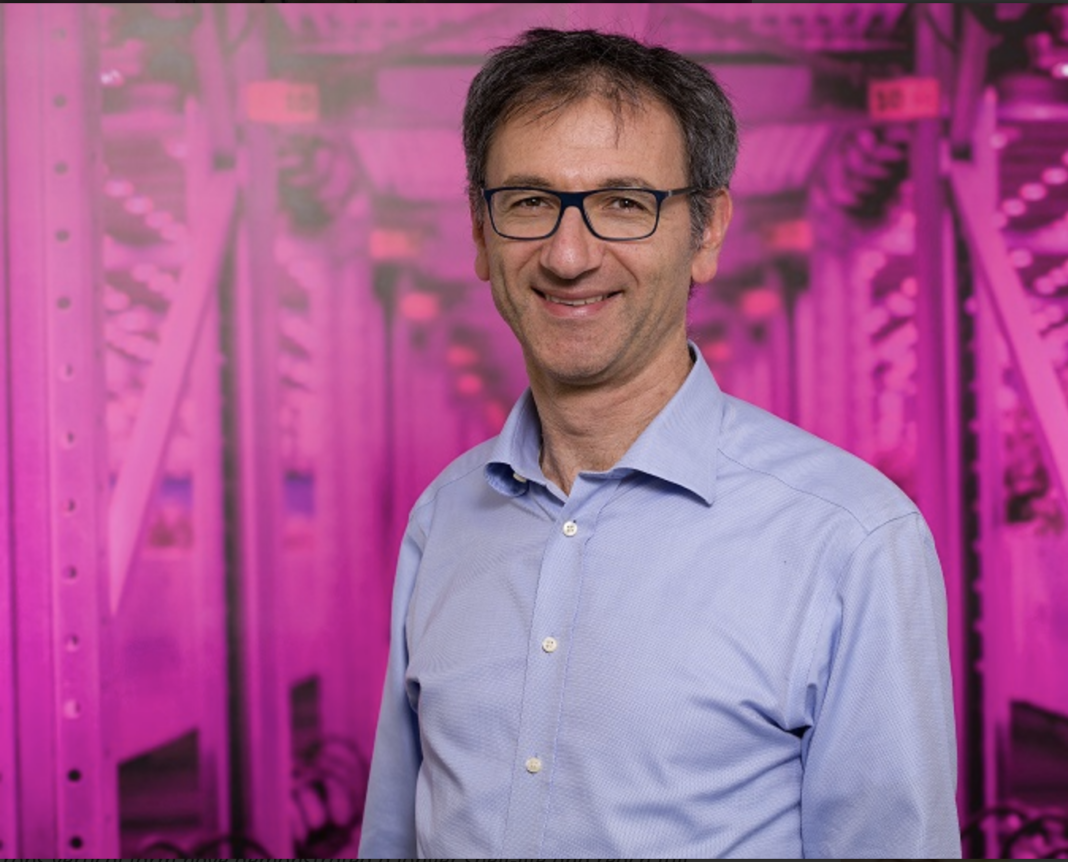
Gary Grinspan of Future Crops. Aiming to make hydroponics more closely resembling nature.


The Dutch know greenhouses and the Israelis know tech. Future Crops, a Dutch-Israeli venture to grow crops in greenhouses on a soil-like substrate and not just water in classic hydroponics, announces a new investment round led by Tencent to accelerate growth.

Hydroponics, or growing plants without soil, was investigated by NASA in the 30s but really took off in the 80s when Canadian pot growers were looking to grow cannabis under the radar, in the winter. 

Since then the technology has been developed into a science and the mood has shifted from high quality crops such as medical marijuana to low cost food like lettuce – as the claims go by container farms still very much yet not able to prove their business model works. 

Seedo in Israel, for instance, seemed to manipulate some pump and dump scheme to raise investment and a business that never really panned out. They had planned a grow-it-all fridge for the consumer and then later claimed they would pivot to container farms, amassing an impressive C-suite team. 

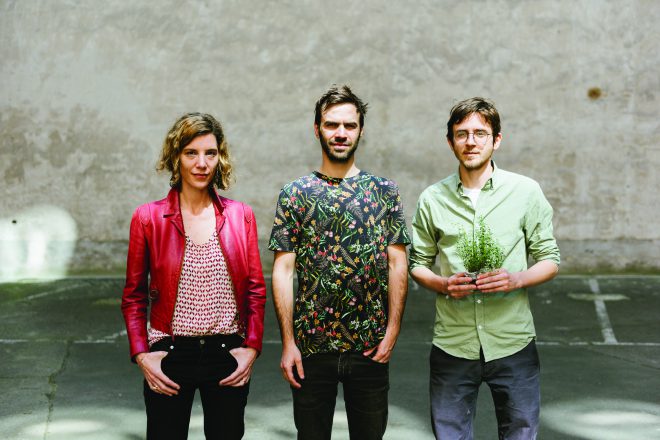
InFarm, a group of Israelis in Berlin, have taken another approach, growig fresh herbs and plants inside grocery stores. Their last investment was $170M. 
Israeli farmers take on Berlin
The InFarm team

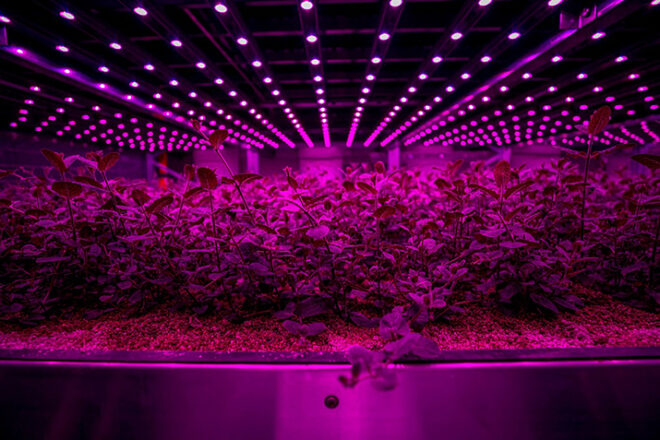
Future Crops, we hope, has learned from the failures with their soil-like substrate in vertical farms to better reproduce the natural environment. The high-tech farm grows fresh, clean, ultra-sustainable, high quality crops at competitive price points. Researchers from Israel’s Agricultural Research Organization (ARO) were an integral part of the team that developed Future Crops’ cutting-edge technology

Some hydroponics growers mainly in cannabis already have used substrate such as coco coir for a couple of decades. Israelis have been using substrates like this in hothouses as well, basically demineralising soil and then adding nutrients back in using drip feed. The system relies on the petroleum industry and mining for NPK, and does overuse plastics and energy. But it might be a productive middle way until the world turns itself over to more small holder farming and regenerative agriculture.

Future Crops had already raised over $30 million USD in seed funding from the Lerman Family, leaders in the American steel  to finance the construction of their state-of-the-art facility and to build their team of experts. 
“We are tremendously excited about this investment,” says Gary Grinspan, CEO and Co-Founder of Future Crops. “Tencent’s investment reflects the company’s focus on sustainable innovations and support for technologies, like vertical farming, which can create clean, locally grown sustainable food while helping to mitigate the negative impacts of climate change. We believe our soil-substrate-based platform is closer to nature and produces fresh, longer-lasting, higher-quality produce at improved yields, as plants grow best in soil”.

While Gary says the word “soil” he does not mean healthy living soil that one finds in nature, but rather soil stripped of its nutrients and supporting actors like micro-fungi, and diverse ecosystem while minerals like NPK are added back in. 

“Tencent supports companies creating solutions to the world’s most critical challenges, including technologies that can feed more people using fewer resources” said Ling Ge, Chief European Representative, Tencent. “Investments in sustainable agriculture technologies, such as vertical farm systems, aligns with our mission to apply technology for good.

About Future Crops

Future Crops has established a fully automated indoor vertical farm in Westland, Netherlands, known as the “greenhouse hub” of Europe. The facility is equipped with high-precision agricultural technology and creates optimal climatic conditions to suit each crop.

It markets fresh herbs grown and processed in a multistory indoor vertical farming system. The crops are grown in a soil-based substrate developed by the company to be as close as possible to nature. The platform can grow a comprehensive range of herbs and leafy greens all year long, without pesticides or biological substances, and in climate-protected conditions. 

Future Crops maintains a strategic partnership with Israel’s Agricultural Research Organization (ARO) and closely collaborates with Wageningen University – both among the leading global research centres in agriculture. 

Karin Kloosterman
Karin Kloostermanhttp://www.greenprophet.com
Karin Kloosterman is an award-winning journalist, innovation strategist, and founder of Green Prophet, one of the Middle East’s pioneering sustainability platforms. She has ranked in the Top 10 of Verizon innovation competitions, participated in NASA-linked challenges, and spoken worldwide on climate, food security, and future resilience. With an IoT technology patent, features in Canada’s National Post, and leadership inside teams building next-generation agricultural and planetary systems — including Mars-farming concepts — Karin operates at the intersection of storytelling, science, and systems change. She doesn’t report on the future – she helps design it. Reach out directly to [email protected]

Read More

TRENDING

Dan Zaslavsky’s energy tower dream is rising again in Iran and China

The Energy Tower idea never made the leap from drawings and engineering studies to full-scale construction. But nearly two decades after most people stopped talking about it, the concept is quietly evolving in two unexpected places: China and Iran. The concept let dreamers dream and doers do - figuring out more pleasing designs and engineering.

A visit to Amirim, Israel’s first all-vegetarian village in the Galilee

Just 15 kilometers from Tzfat there is a moshav that was founded in the late 50s that was ideologically influenced by organic, vegetarian and vegan principles. My hostess at Ohn-Bar, the tzimmer where I stayed, explained that the people of Amirim were among the pioneers of Israel’s strong vegetarian movement.

Israeli Hydrogen Startup H2Pro Are Trying to Solve Clean Energy’s Hardest Problem

The company has attracted backing from major investors including Breakthrough Energy Ventures, the climate fund founded by Bill Gates, along with industrial partners such as Sumitomo, ArcelorMittal, and Temasek, a multi-billion dollar company that owns Singapore airlines. H2Pro has raised more than $100 million USD and is moving from pilot projects toward commercial-scale deployments.

Desalination experts debunk Aqua Solaire, the floating desalination barge

AI makes it easy to dream, develop, and create images of what could be world-changing ideas, until the reality sets in. A new project making the rounds is Aqua Solaire, an allged French concept for a solar-powered desalination vessel designed to bring drinking water to coastal communities facing drought, storms, and infrastructure failures.

Eco organization offices destroyed by Iran missile

Tel Aviv's eco organization, the Heschel Center, was impacted by an Iranian missile.

Yerukim Forms a New Green Economy Where the Money is Really Green

The Yerukim members who pick up the recyclables get to keep the monetary reward, the public earns "green" bills that can be used in shops, and business owners get to be associated with environmentalism.

Choosing Riyadh over Dubai? What Investors Should Know

Saudi Arabia is deploying capital at unmatched scale to catalyze tourism and advanced industry while rewiring its power-and-water backbone. The investable frontier is widening—especially in renewables, grid storage, water efficiency/desal retrofits, and hospitality operating platforms. Prudent investors will insist on phased delivery, enforceable KPIs (energy, water, biodiversity), and RHQ/zone compliance—while pricing political-economy and reputational risks alongside growth upside.

Sell your cooking oil for biodiesel money

Want to make money on old french fry oil? Sell it.

Qatar Alternative Energy Summit Pairs Investors And Innovators

Alternative energy investors and innovators can meet n' greet in Doha, Qatar March 16 and 17.

Here’s How To Implement The Four Pillars Of Employee Engagement

If you throw a party for your work team and they are vegans, don't make it a barbecue. Know the sustainability values of your team to boost moral and retain good people.

Locals From Rishon Fight IKEA

Big Box stores are a pretty new concept in Israel, and thank God that not every Israeli city wants them in their backyard. A word from someone who has see the beautiful farmland around her hometown Newmarket, Ontario stripped and converted into vulgar strip malls of big box shops: they have no place in a healthy and sustainable town or city.

The Jewish National Fund Meets An Inconvenient Truth

According to the JNF, it has transformed thousands of acres of barren land into green forests in Israel. They state that each person emits about 23 tons of carbon per year, estimating that each tree planted can absorb one ton of carbon in its lifetime. That's a whole lot of trees you'd need to be planting. Could so many fit in Israel?

How to quiet noise from construction in your office

Streets need to be resurfaced in New York but the humming and grinding noise is unsettling. Noise is environmental pollution. 

Popular Categories