

Lebanese authorities have failed to uphold the right to electricity by mismanaging the sector for decades, Human Rights Watch said in a scathing report released this month. The report Cut Off from Life Itself’: Lebanon’s Failure on the Right to Electricity, argues that electricity is fundamental to nearly every aspect of living and participating in present- day societies, and as such, the internationally protected right to an adequate standard of living includes the right of everyone, without discrimination, to sufficient, reliable, safe, clean, accessible, and affordable electricity.
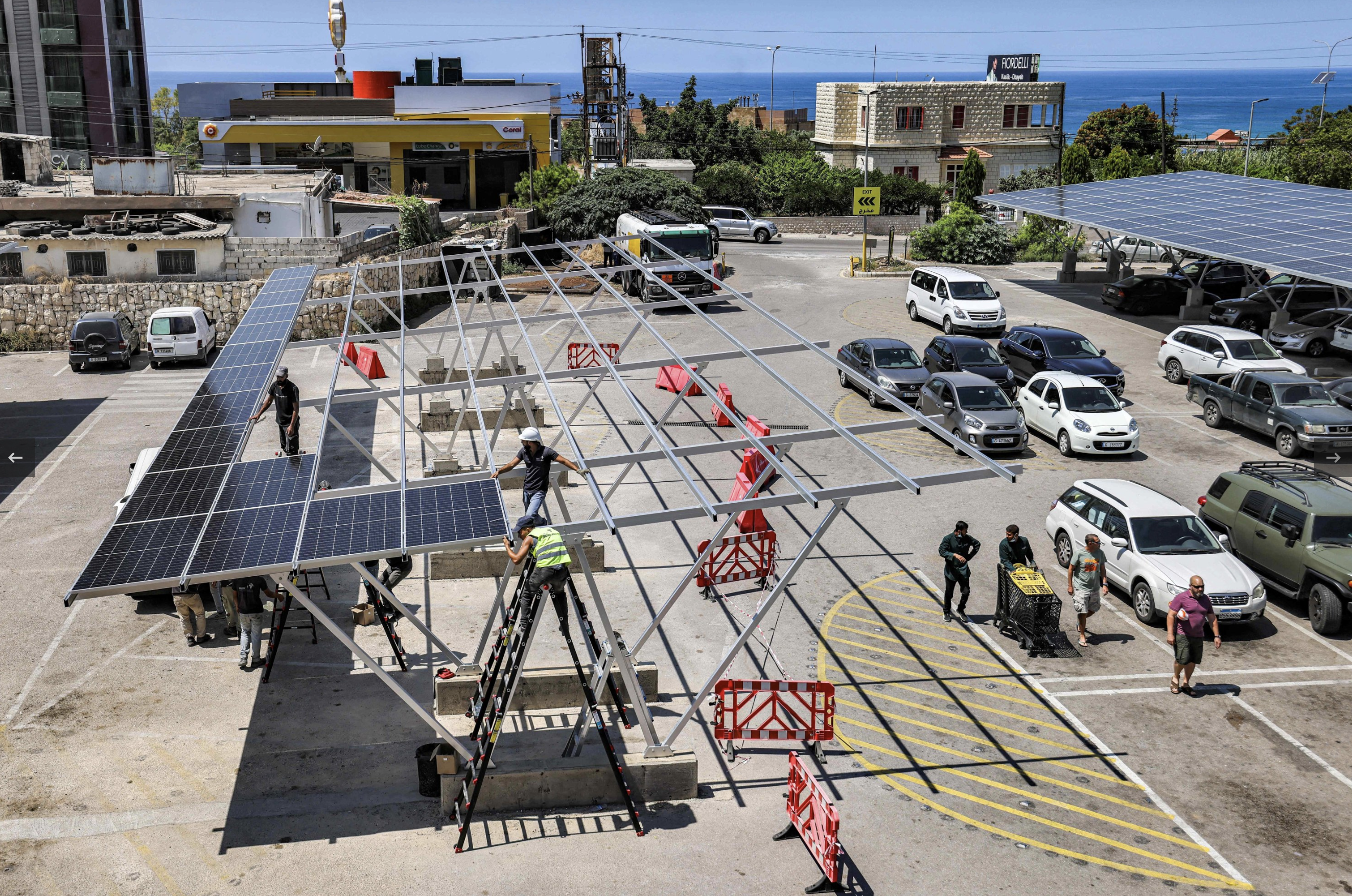
At present, the Lebanese government riddled with corruption provides electricity for only one to three hours a day on average, while people who can afford it supplement that supply with private generators or solar energy. The public sector and private generator industry rely on polluting climate-intensive fossil fuels. The electricity crisis has exacerbated inequality in the country, severely limited people’s ability to realize their most basic rights, and pushed them further into poverty.
“Lebanon’s electricity crisis is leaving people in the dark and dramatically reducing people’s access to critical rights such as food, water, education, and health care,” said Lama Fakih, Middle East and North Africa director at Human Rights Watch. “The dire situation in Lebanon illustrates why access to safe, clean, and affordable electricity isn’t merely an amenity, but is a human right that the state has an obligation to fulfill.”

For almost 30 years, Lebanese authorities have failed to properly manage the state-run electricity company, Électricité du Liban (EDL), resulting in widespread blackouts. The decades of unsustainable policies and fundamental neglect, the result of elite capture of state resources, alleged corruption, and vested interests caused the sector to completely collapse in 2021 amid the ongoing economic crisis, leaving the country without power through most of the day.
For decades, successive governments have promised to reform the electricity sector, but those promises have not materialized. Same with garbage that blocks sewers, and then runs into the sea. Instead of appointing members to an independent Electricity Regulatory Authority to direct the sector, as mandated by law, the Council of Ministers, particularly the minister of energy and water, exerts almost complete control over the sector with little transparency and accountability. The minister has control over issuing production licenses and permits, making policies regarding the sector, supervising those policies, and providing financial oversight.
The report charges that politicians and politically connected individuals have used the electricity sector to further their political goals, including by doling out jobs at the government-run company to make huge profits from lucrative contracts, often at the state’s expense, and reap profits from the private generator market.
A lucrative, though expensive and highly polluting, private diesel generator market has been filling the supply gap for decades, but it is available only to those who can afford it. Steady electricity in Lebanon has effectively become a service only the wealthiest can afford, reinforcing the country’s deep-seated inequality and further pushing people into poverty.
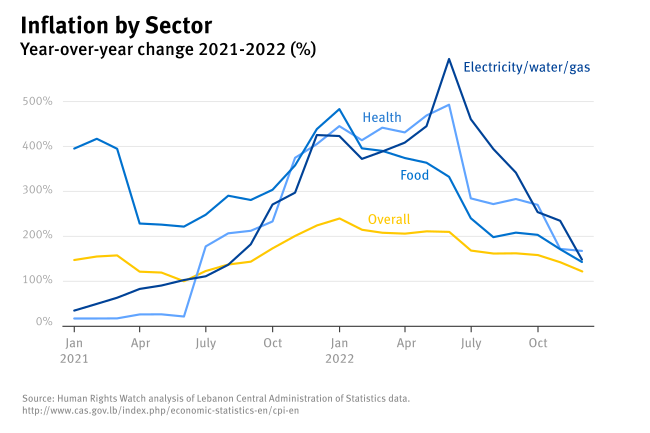
Since October 2019, Lebanon’s economy has been mired in a deep financial crisis that culminated in the country’s first sovereign default in March 2020. The economic fallout of the Covid-19 pandemic, political deadlock, and the explosion in the port of Beirut in August 2020 aggravated a recession and accelerated the economy’s collapse. Inflation soared to 145 percent on average in 2021, placing Lebanon third globally in terms of the highest inflation rates, after Venezuela and Sudan. Year over year inflation for electricity, gas, and water peaked at nearly 600 percent in June 2022.
The economic and electricity crises have destroyed the livelihood of tens of thousands of people. Unemployment, declining remittances, and the removal of subsidies for key imports have pushed millions of people into poverty and exacerbated existing destitution. The United Nations estimates that more than two-thirds of Lebanon’s population now live in poverty.
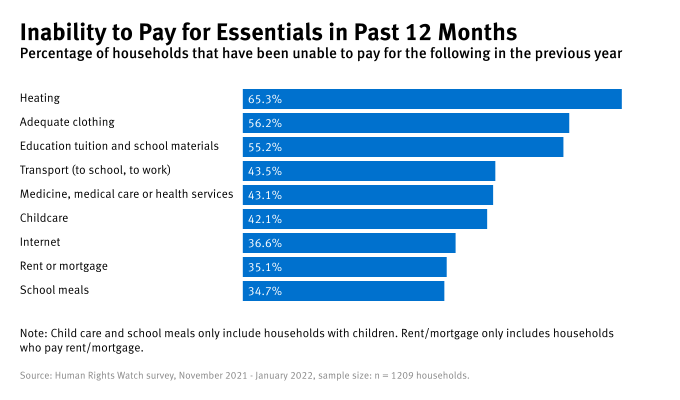
Human Rights Watch partnered with the Consultation and Research Institute (CRI), a local research firm, to survey over 1,200 households, the results of which demonstrated the extent to which the electricity crisis exacerbates inequality, pushes people into poverty, hinders access to basic rights like food, water, and health, and causes extensive air pollution that affects the environment, and health and contributes to a worsening climate crisis. Nine out of every ten households surveyed said the cost of electricity affected their ability to pay for other essential services.
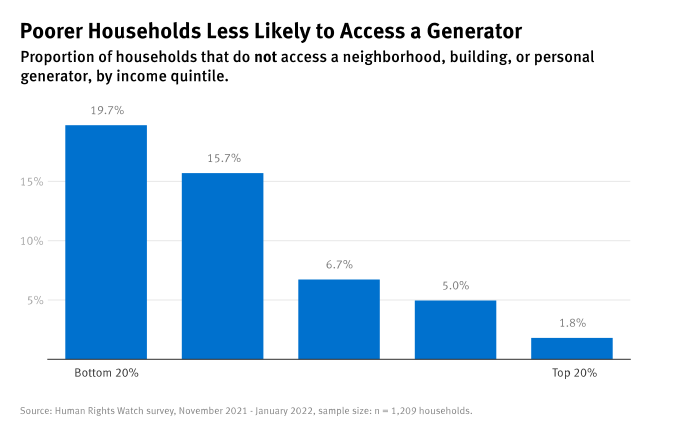
Access to a private or commercially operated generator that can fill the gap for state electricity was dependent on income. Among the poorest 20 percent of households, one in five did not have access to a generator. Further, low-income households spent a much larger share of their income on generator bills compared to wealthier ones, straining family budgets and putting them at greater risk of falling behind on other essential expenses.
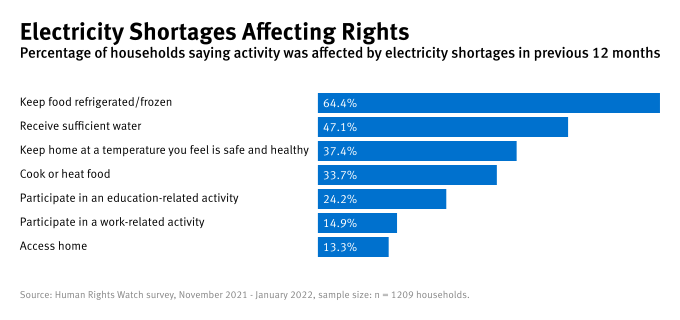
High proportions of respondents said that electricity shortages had affected their ability to carry out normal rights-related household functions such as receiving water, cooking food, or participating in education or work activities.
In addition to disproportionately harming low-income households, the Lebanese electricity system’s reliance on plants powered by heavy fuel oil and on diesel generators causes significant air pollution that has taken a huge toll on the environment and had significant impacts on the health of Lebanon’s residents, killing thousands each year according to Greenpeace data.
Lebanon and renewable energy
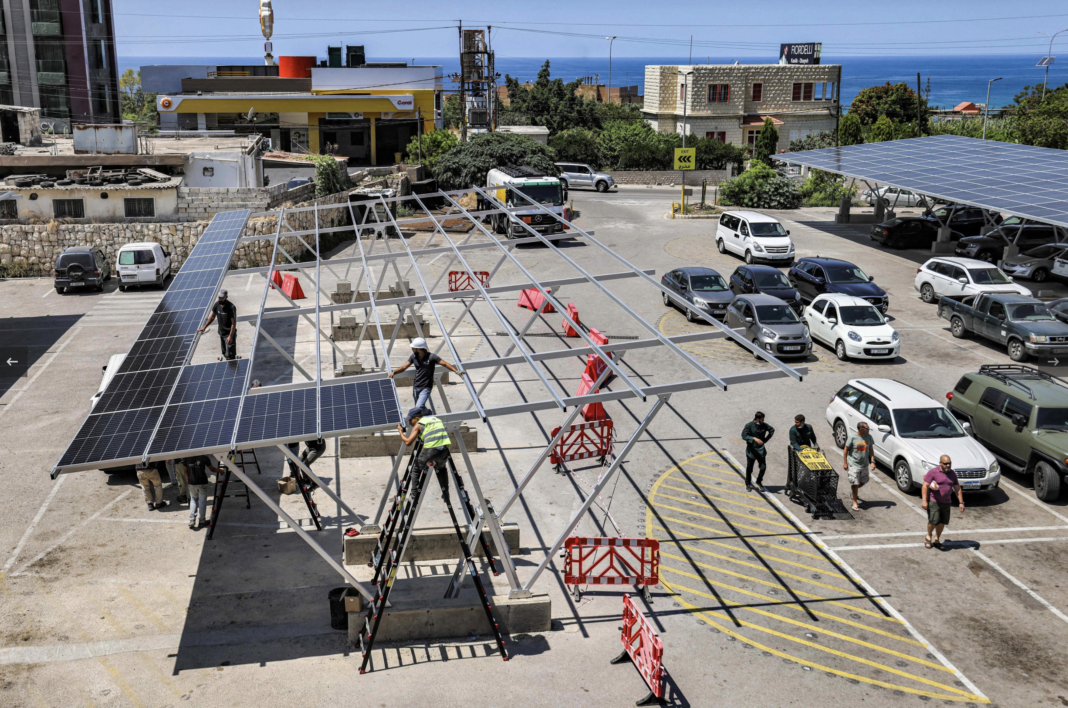
The Lebanese government has not invested in renewable sources of energy, even though it has estimated that Lebanon’s solar and wind resources could power the country several times over. In 2019, the share of renewables in Lebanon’s total electricity generation was just 7.83 percent, of which only 0.73 percent was from solar power and only 1.82 percent was from hydropower.
The Lebanese authorities are responsible for the daily violations of residents’ rights to electricity, an adequate standard of living, education, health, and a healthy environment caused by the ongoing electricity crisis. Lebanese authorities should take immediate and urgent steps to ensure that all residents have a continuous, affordable, and clean supply of electricity that does not contribute to the climate crisis, with a focus on increasing generation capacity from hydropower, wind, and solar.
The faster the transition to renewables, the more money Lebanon will save, the more jobs created, and the more lives saved from air pollution reductions, Human Rights Watch said. The authorities should also take steps to establish a universal social protection system that guarantees benefits throughout people’s lives, such as child grants, unemployment benefits, and old-age pensions, the group advises.
International financial institutions, including the International Monetary Fund and the World Bank, should urge the Lebanese government to reform the electricity sector in line with the country’s human rights obligations, and ensure that everyone, regardless of socio-economic status, has access to and can afford electricity. The World Bank should refrain from funding any new energy projects that rely on fossil fuels and instead provide technical and financial support to expand renewable energy infrastructure.
“Lebanon needs to take immediate action to bolster the electricity sector and reverse the ongoing erosion of basic economic rights,” Fakih said. “The government should invest in renewable energy sources that will create job opportunities, lessen pollution, and give people in Lebanon access to reliable, safe, and clean electricity.”