Lucid Motors opens factory in Saudi Arabia, tightening energy ties with China

luci cars, all electric luxury sedan, Saudi Arabia
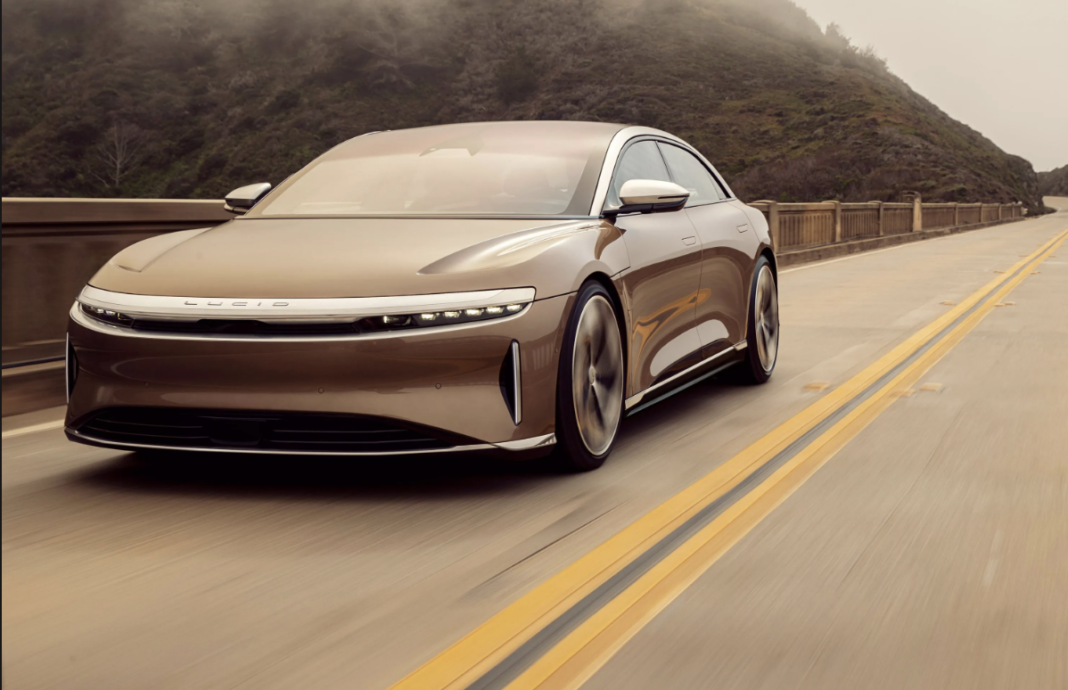
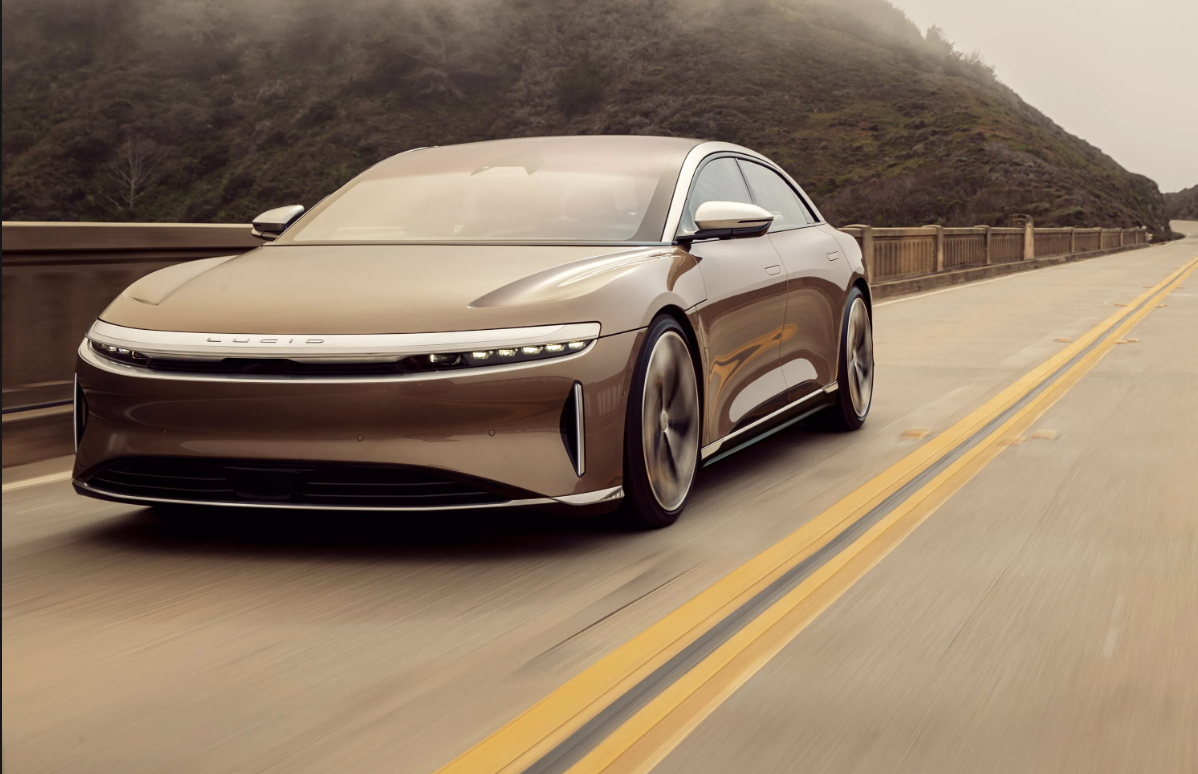
Lucid wants to outperform and outclass Tesla

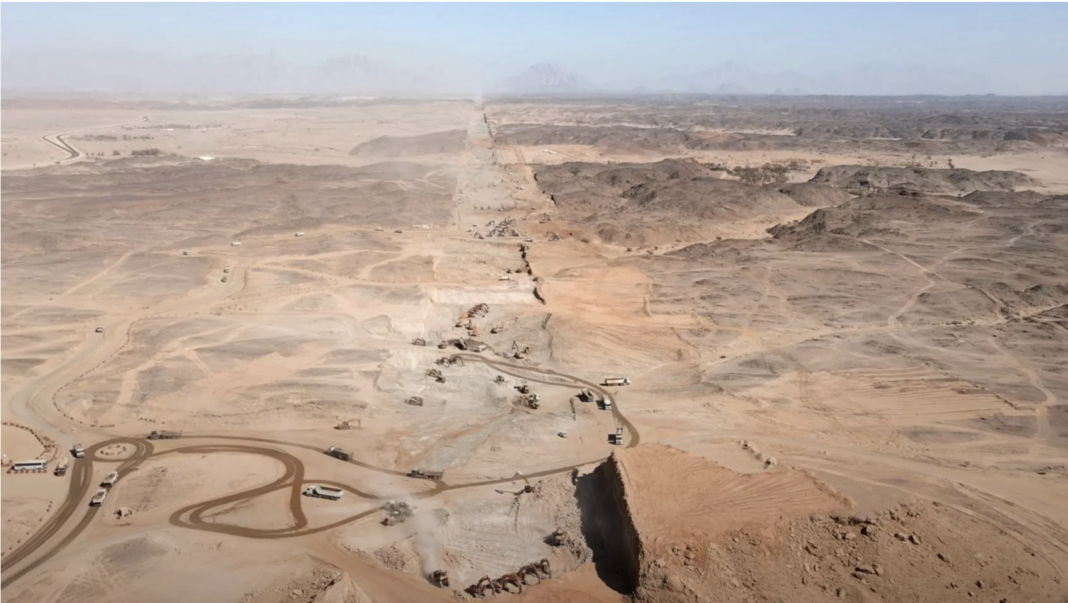
Arabs drive green? Saudi Arabia plans on manufacturing and exporting 150K electric vehicles, EVs, by 2026 as part of the newly launched National Industry Strategy. Saudi Arabia knows it needs to diversify away from oil, despite spending billions, trillions even on NeomThe Line and Trojena’s ski-hills in the desert.

Saudi Arabia now joins electric nations Oman with its Mays MotorsTurkey’s Togg EV, and Israel’s failed Better Place car company

Abdullah al-Swaha, Minister of Communications and Information Technology said last week: “This was a dream, and it has become a reality under the leadership of the Crown Prince,” al-Swaha said. Saudi Arabia’s investment in Lucid Motors “has placed the Kingdom among developed countries.”

Possibly in words, but not in actions. Saudi Arabians don’t do labor jobs so a vast majority of the jobs will be poorly treated immigrants. According to Human Rights Watch, millions of migrant workers fill mostly manual, clerical, and service jobs in Saudi Arabia, constituting more than 80 percent of the private sector workforce.

“They are governed by an abusive kafala system that gives their employers excessive power over their mobility and legal status in the country. The system underpins migrant workers’ vulnerability to a wide range of abuses, from passport confiscation to delayed wages and forced labor. Despite local media reporting the contrary, the changes do little to dismantle the kafala system, leaving migrant workers at high risk of abuse,” Human Rights Watch expounds. 

But that’s another story. Back to the electric cars. Saudi Arabia’s Public Investment Fund (PIF) owns 61 percent of Lucid Motors, the California-headquartered electric vehicle maker. And a Saudi-based factory has started being built last May

What is the Lucid Group?

Lucid EV, electric car, red, Saudi Arabia

Formerly known as Atieva, Lucid Group, Inc. (NASDAQ: LCID) is an American-headquartered electric vehicle manufacturer headquartered in Newark, California. The company was founded in 2007 by Bernard Tse, Sam Wang, and Sheaupyng Lin. Majority shareholders are Saudi Arabia and Chinese investors.

Deliveries of the Dream Edition launch versions were made available to the first group of 520 reservation holders on October 30, 2021.

Lucid is rivalling Tesla in style and performance, hiring Elon Musk’s employees to outclass Tesla. They plan on cracking the Chinese market and the first plant in Saudi Arabia might be a pilot to see how well the company can do manufacturing outside of the United States.

Lucid Motors does not appear “Chinese” on the surface, with most of its senior management from the US and its operations in North America. But disclosed investors are mainly from China, including China’s LeEco, Tsing Capital, China Environmental Fund and Jafco Life Science.

As Saudi Arabia falls out with Biden over energy goals, China is a willing partner

The Saudi government wants EVs for its staff. Unlike foreign nationals, the Saudi government pays Saudi nationals well, with loads of benefits. According to local news reports it has ordered between 50,000 and 100,000 electric vehicles from Lucid within the next ten years. 
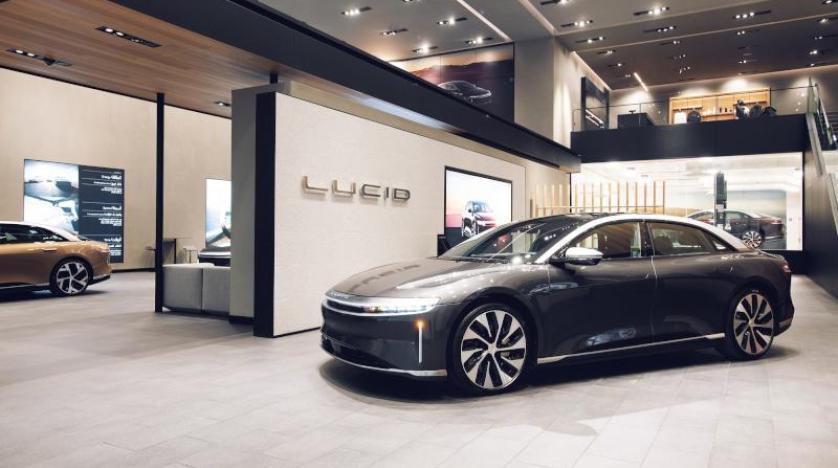
Luci Studio, Luci Motors, Saudi Arabia, electric cars, EVs, electric luxury cars from China and Saudi Arabia

Lucid Group of Lucid Motors  (LCID.O) has opened its first Lucid Studio in Saudi Arabia, where interested customers can experience the Lucid Air electric vehicle and customize it. This is in preparation for the electric vehicles that will be manufactured in the kingdom soon. Since journalism is not encouraged in Saudi Arabia we will be interested to get some sneak previews of worker conditions onsite as the plant is being built. 


Karin Kloosterman
Karin Kloostermanhttp://www.greenprophet.com
Karin Kloosterman is an award-winning journalist, innovation strategist, and founder of Green Prophet, one of the Middle East’s pioneering sustainability platforms. She has ranked in the Top 10 of Verizon innovation competitions, participated in NASA-linked challenges, and spoken worldwide on climate, food security, and future resilience. With an IoT technology patent, features in Canada’s National Post, and leadership inside teams building next-generation agricultural and planetary systems — including Mars-farming concepts — Karin operates at the intersection of storytelling, science, and systems change. She doesn’t report on the future – she helps design it. Reach out directly to [email protected]

Read More

TRENDING

HelloFresh’s pride prepping ad raises a bigger question: we are we still outsourcing dinner?

The backlash against HelloFresh's Pride Month marketing campaign has sparked a wider conversation about food, labor, sustainability, and whether consumers should reconnect with local farmers, butchers, and home gardens instead of relying on subscription meal kits.

Regenerative Wool or Greenwashing? Zentera Responds to Critics

Zentera responds to questions about ZQ wool, animal welfare, regenerative farming, ethical fashion and the fallout from PETA's New Zealand investigation.

The Ocean’s Hidden ‘Dark Web’ Is Being Fished Before Scientists Understand It

Deep below the ocean's surface, in a dimly lit region known as the twilight zone, millions of fish are being caught every year. Scientists say the consequences are largely unknown.

Barnacle glue could fix coral reefs, inspire new advances in building and medicine

Aalto University researchers create a protein-based adhesive inspired by barnacles and mussels that works underwater and could aid coral reef restoration.

Jaakko Torvinen finds that the next green building revolution is misfit trees

Crooked, forked and curved trees are often treated as second-class timber. They are considered less valuable, and not suitable for load bearing walls or support systems in building. If a tree trunk is not straight enough to become a saw log, it is frequently diverted into pulp production or burned for energy. Now, new research from Aalto University could help change that.

Locals From Rishon Fight IKEA

Big Box stores are a pretty new concept in Israel, and thank God that not every Israeli city wants them in their backyard. A word from someone who has see the beautiful farmland around her hometown Newmarket, Ontario stripped and converted into vulgar strip malls of big box shops: they have no place in a healthy and sustainable town or city.

The Jewish National Fund Meets An Inconvenient Truth

According to the JNF, it has transformed thousands of acres of barren land into green forests in Israel. They state that each person emits about 23 tons of carbon per year, estimating that each tree planted can absorb one ton of carbon in its lifetime. That's a whole lot of trees you'd need to be planting. Could so many fit in Israel?

How to quiet noise from construction in your office

Streets need to be resurfaced in New York but the humming and grinding noise is unsettling. Noise is environmental pollution. 

EarthX and a blueprint for sustainable investing

Trammell S. Crow, a Dallas-based businessman and father of four, is focusing his efforts on impact investing, and media that focuses on saving the planet through EarthX.

Mining Afghanistan’s Mineral Discoveries Similar to Avatar

Now that American forces in Afghanistan are commemorating the longest period of any war that America has been involved in, including the 1965-73 Vietnam War, the recent discoveries of large and extremely valuable mineral and metal deposits may finally bring to light a reason to continue the presence of US fighting forces in this war torn and backward country.

From Pilot Plant to Global Stage: How Aduro Clean Technologies’ 2026 Expansion Signals a Turning Point for Chemical Recycling Investors Like Yazan Al Homsi

The company's Next Generation Process (NGP) Pilot Plant in London, Ontario, has officially moved into initial operating campaigns, generating the kind of structured, repeatable data that separates laboratory promise from commercial viability.

Nobul’s Regan McGee on Shareholder Value: “Complacency Is the Silent Killer” 

Why the governance framework designed to protect shareholders so...

Should You Invest in the Private Market?

startustartup Unlike public stock exchanges, which offer daily trading, strict...

Popular Categories